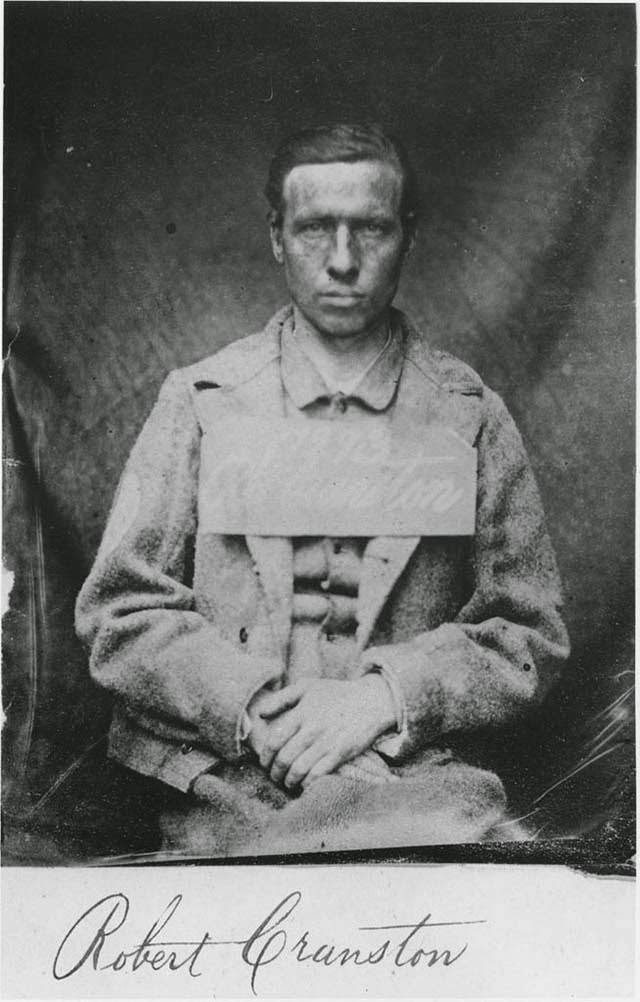
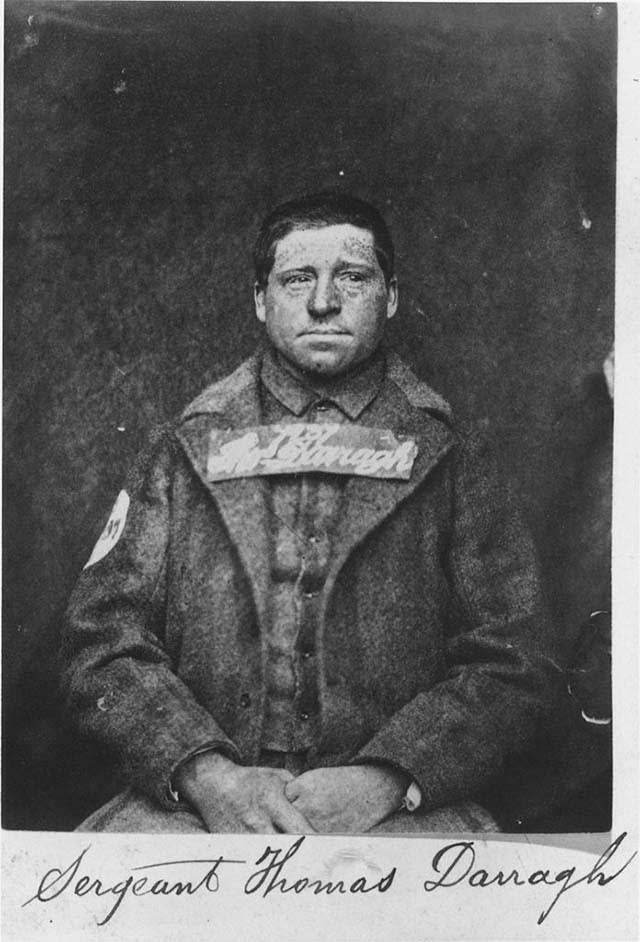
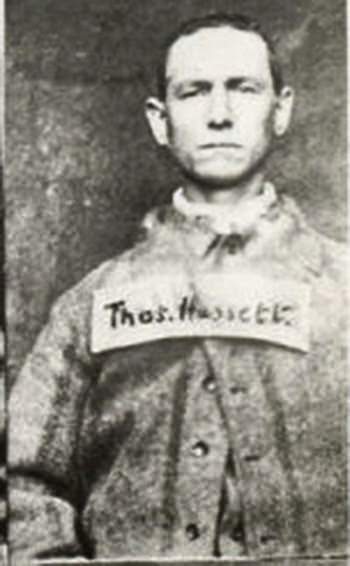
Between 1865 and 1867, British authorities arrested dozens of members of the Irish Republican Brotherhood, known as the Fenians, who were fighting for Irish independence. The government sentenced sixty-two of these political prisoners to transportation, shipping them to the penal colony of Western Australia aboard the convict vessel Hougoumont. The ship arrived at Fremantle in January 1868 — the last time Britain ever transported convicts to Australia. The men were placed directly into the Convict Establishment, known today as Fremantle Prison.
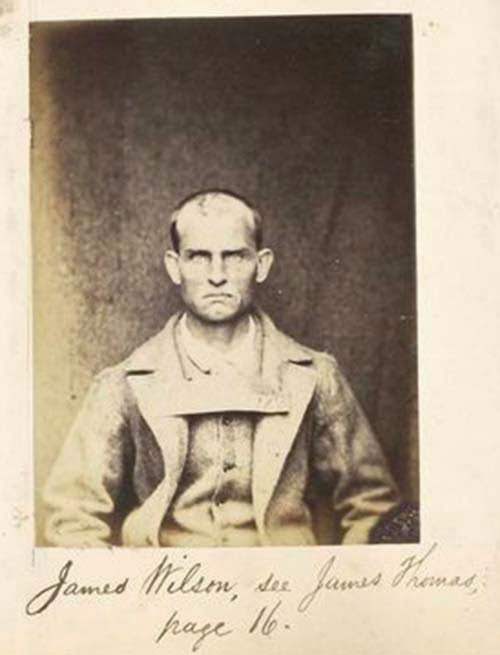
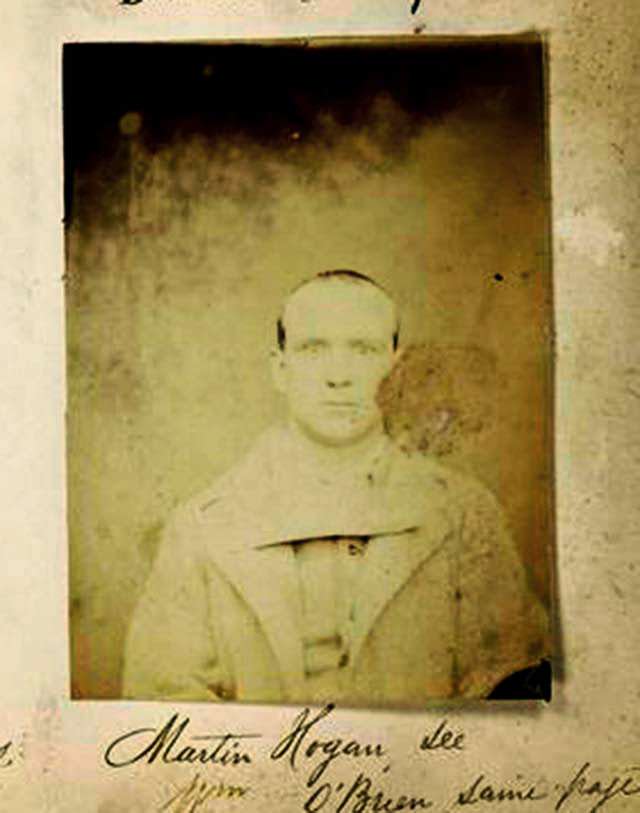
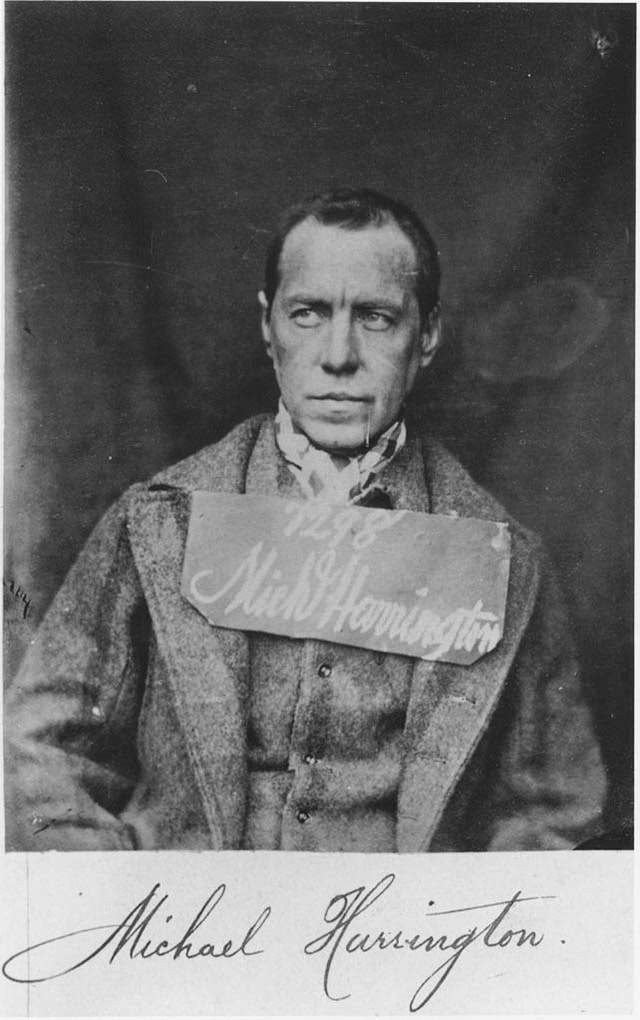
Prison officials photographed every incoming prisoner for identification and to aid in recapture if they escaped. These mugshots show men with weathered faces, thick beards, and heavy dark prison jackets. Taken as tools of surveillance, the images now stand as the primary visual record of these Irish revolutionaries.
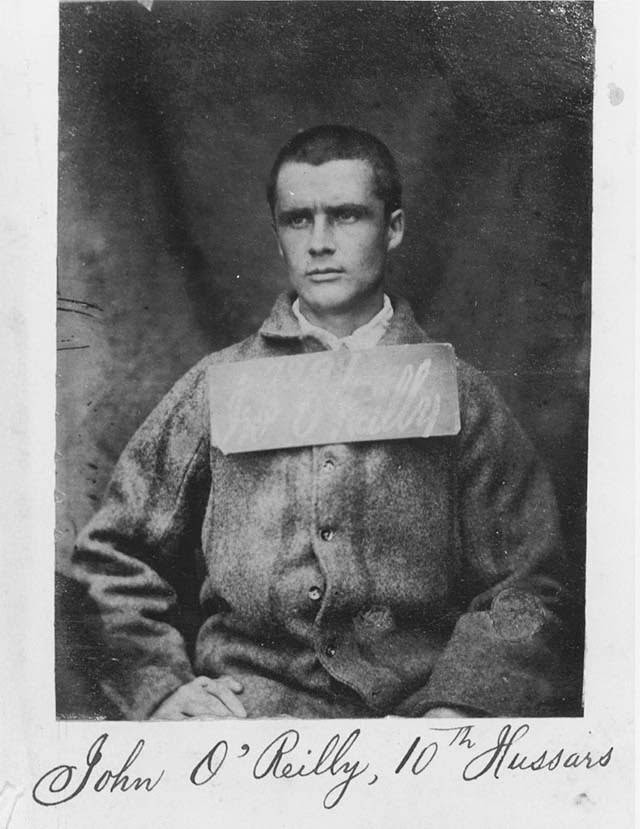
John Boyle O’Reilly was among the most prominent of the Fenian prisoners. He had no intention of serving out his sentence. In 1869, with help from a local Catholic priest, Father Patrick McCabe, O’Reilly escaped onto a whaling ship called the Gazelle and sailed to the United States. He settled in Boston, joined the newspaper The Pilot, and rose to editor — using the platform to push for Irish freedom. He never abandoned the men still locked inside Fremantle.
In New York, John Devoy — released from British custody in 1871 on condition he stay out of Ireland — had joined Clan na Gael, a secret organization supporting armed rebellion. Devoy and O’Reilly pooled their efforts and purchased a whaling ship, the Catalpa, to rescue the six Fenians still held at Fremantle. The ship reached the Western Australian coast in 1876.
On April 17, 1876, the six prisoners slipped away from their work details and reached a small boat waiting at the shore. They rowed through rough surf to reach the Catalpa anchored offshore.
A British police vessel gave chase and fired a cannon shot across the Catalpa’s bow. The ship’s captain raised the American flag and refused to halt. Britain had no authority over an American vessel in international waters, and the chase ended. The six men reached New York to a hero’s welcome.