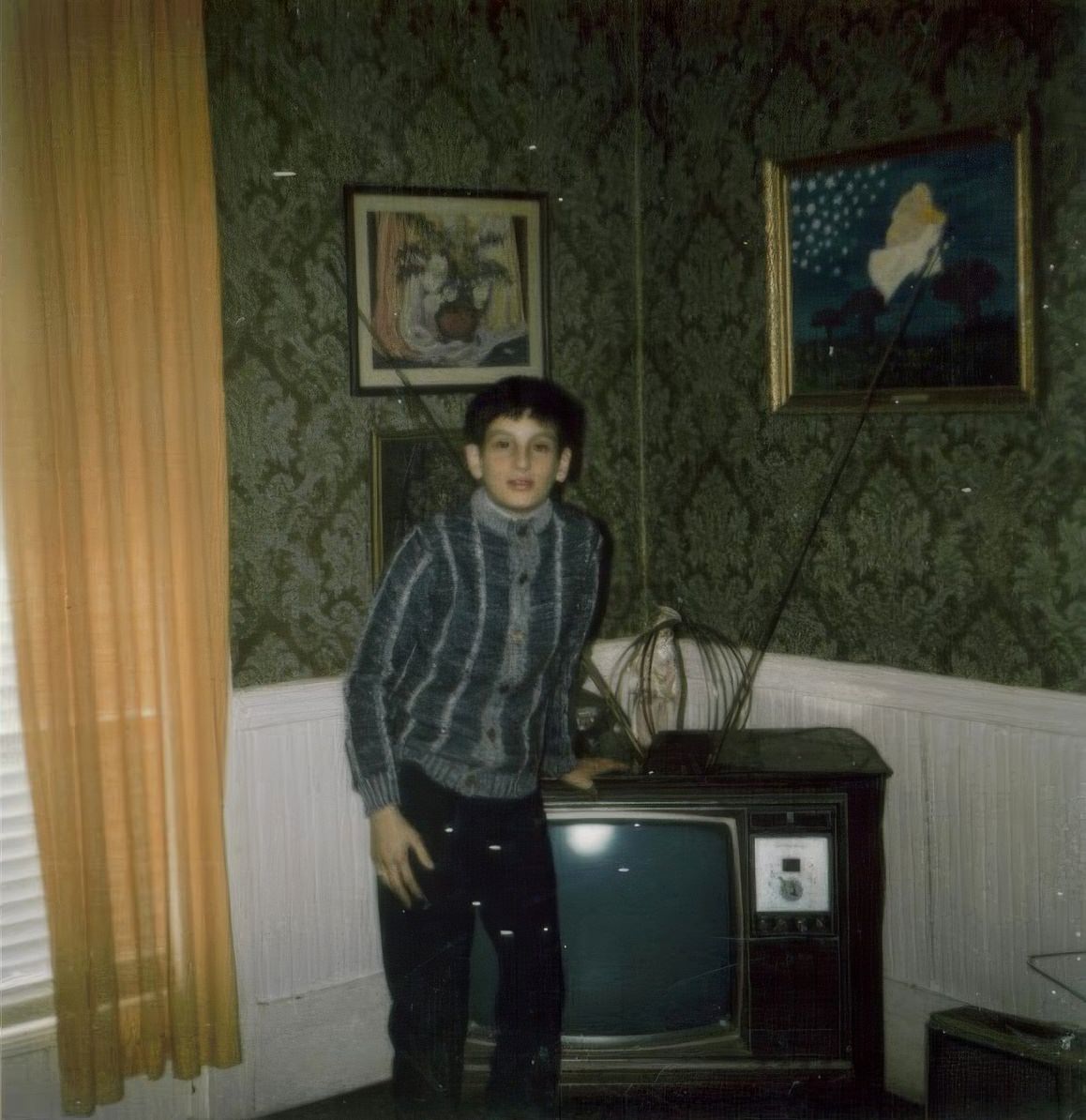
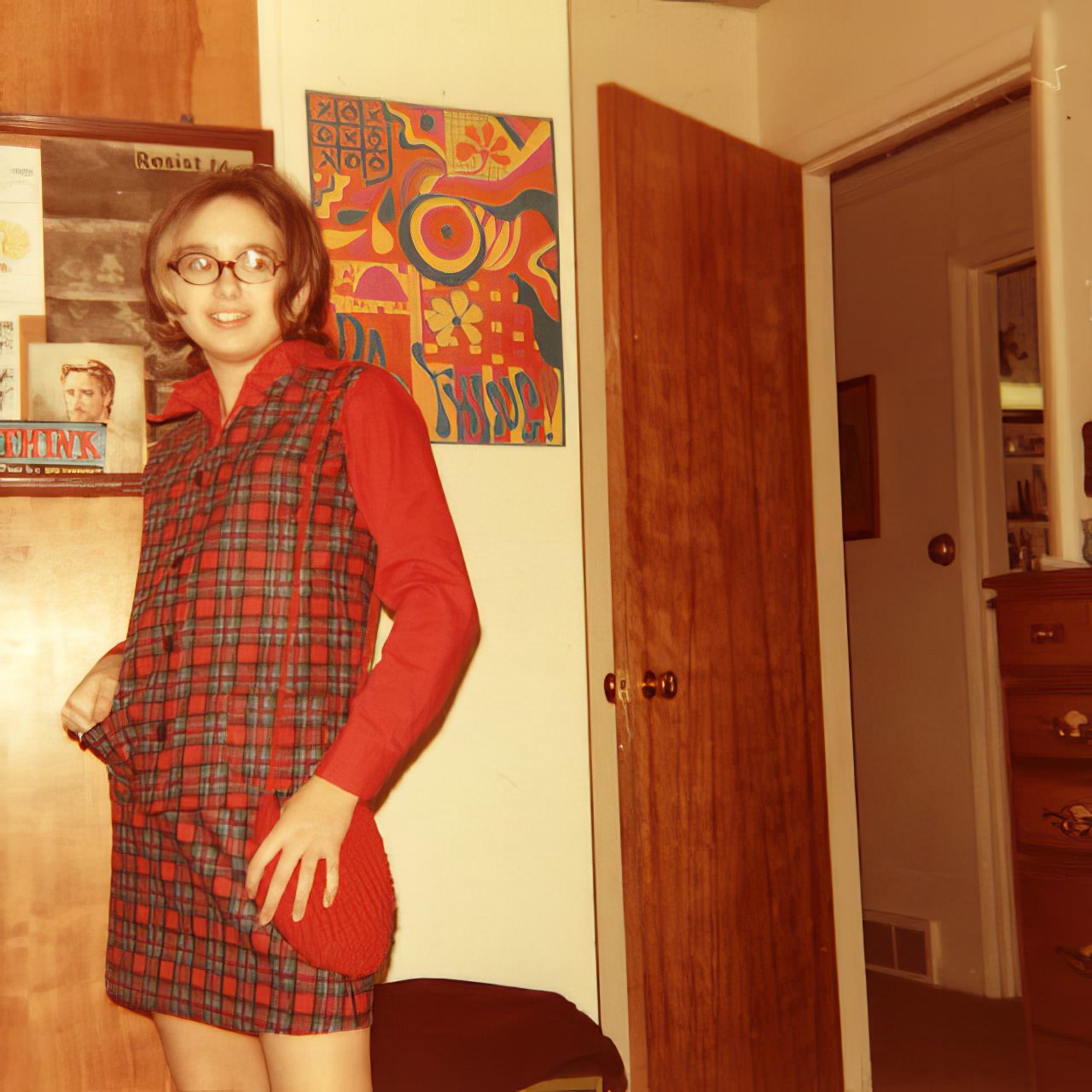
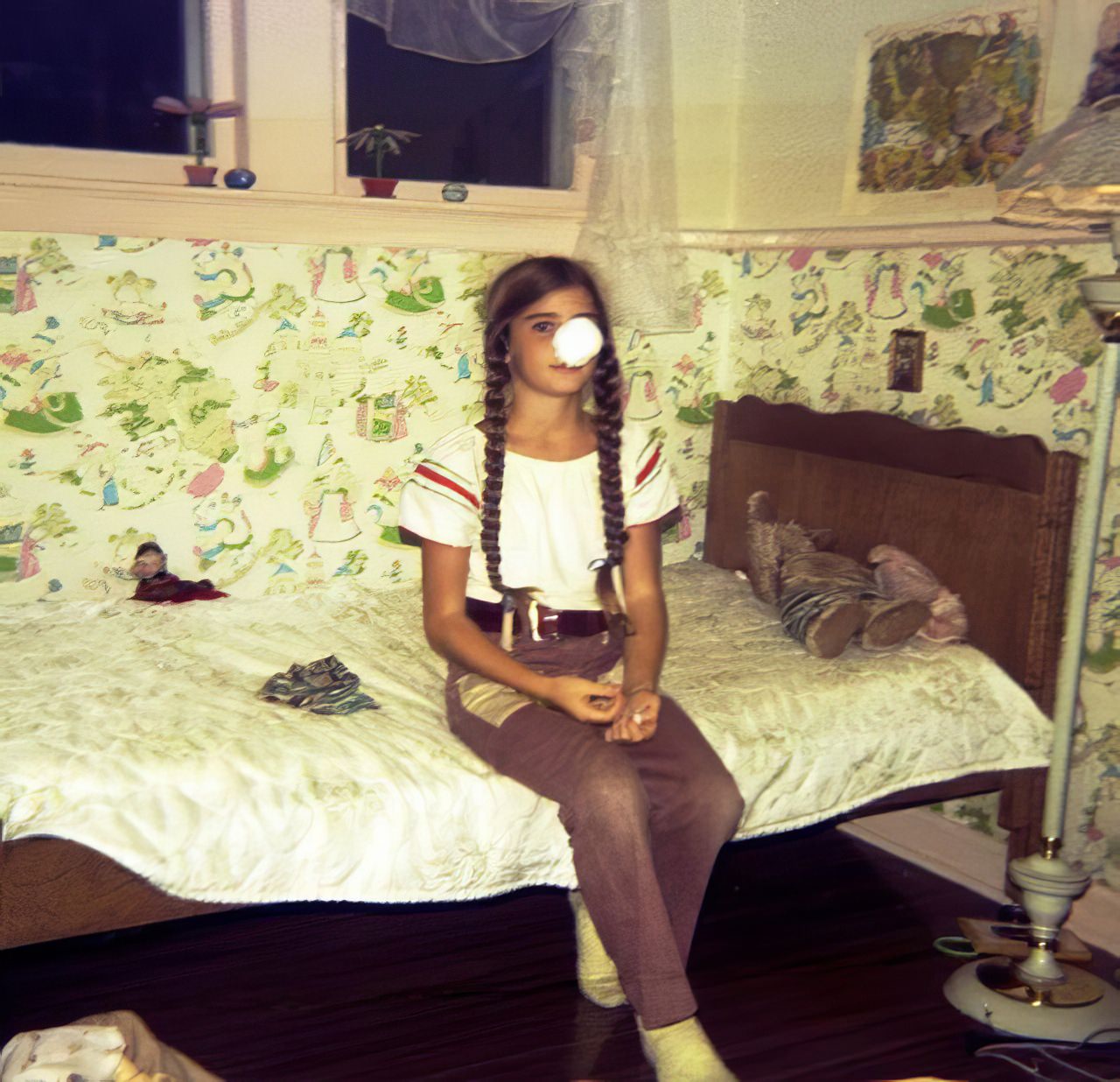
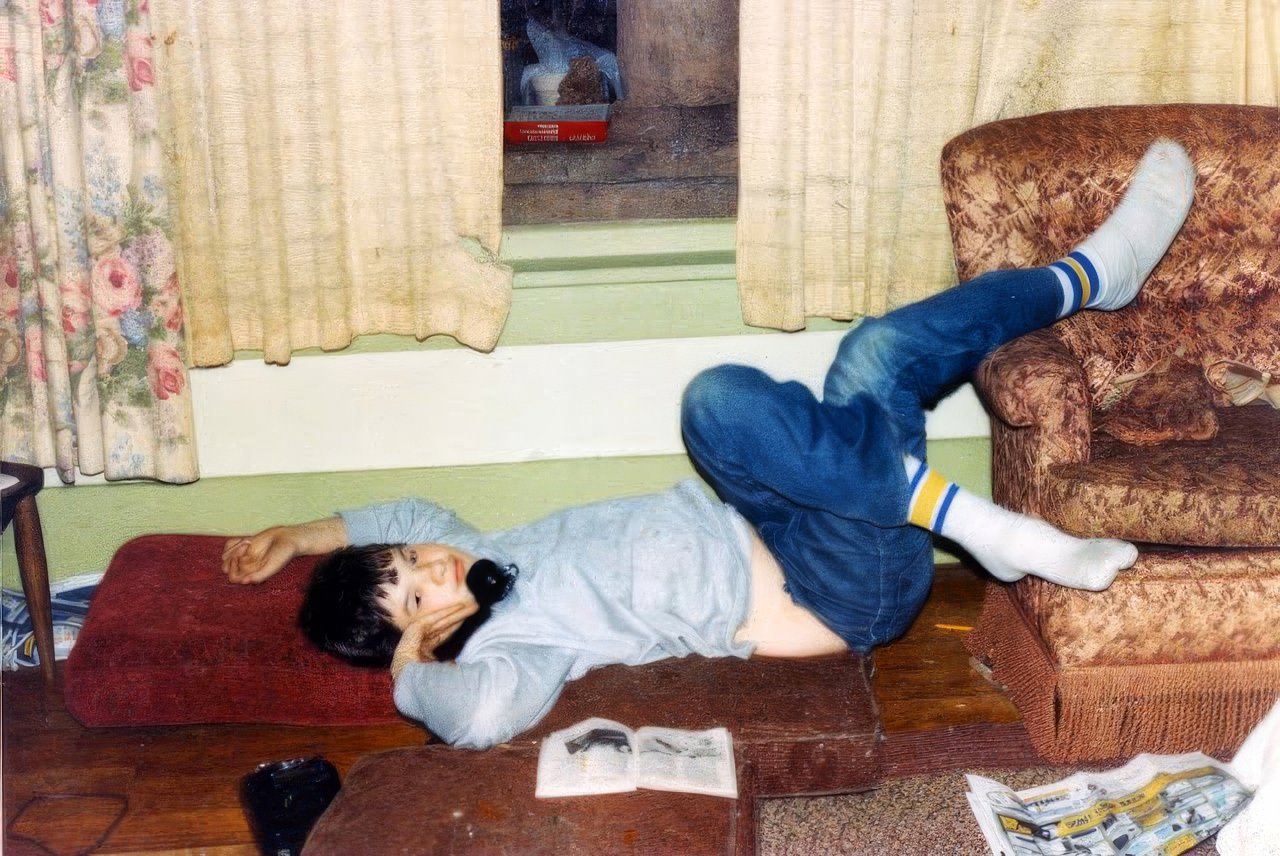
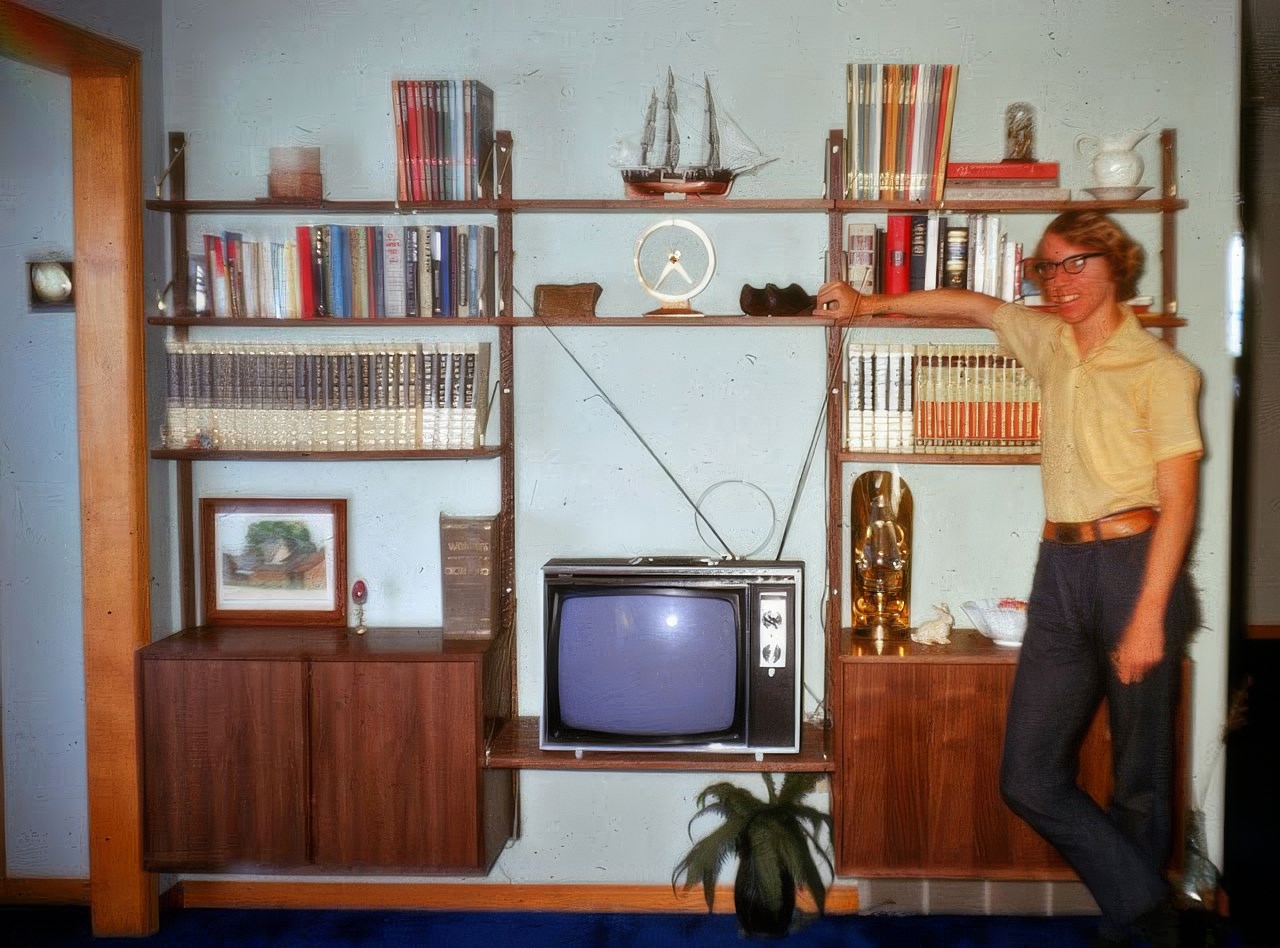
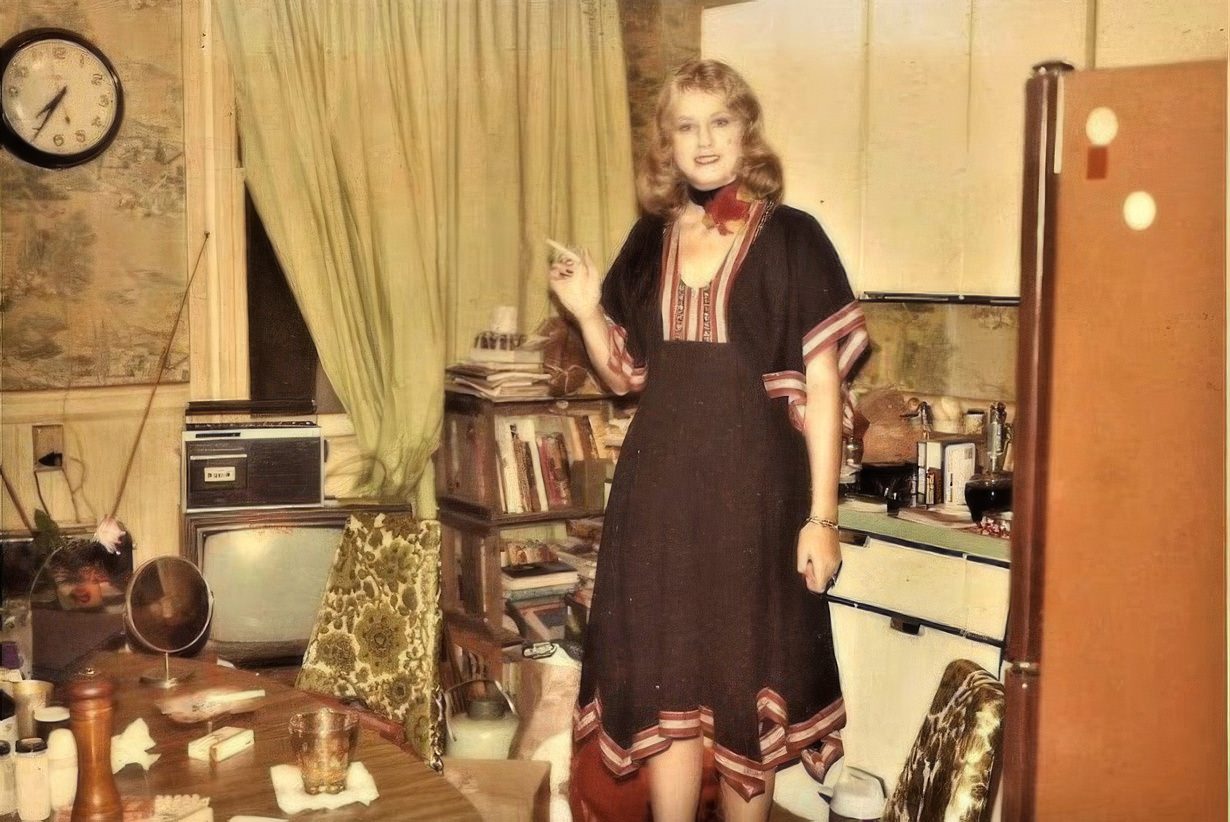
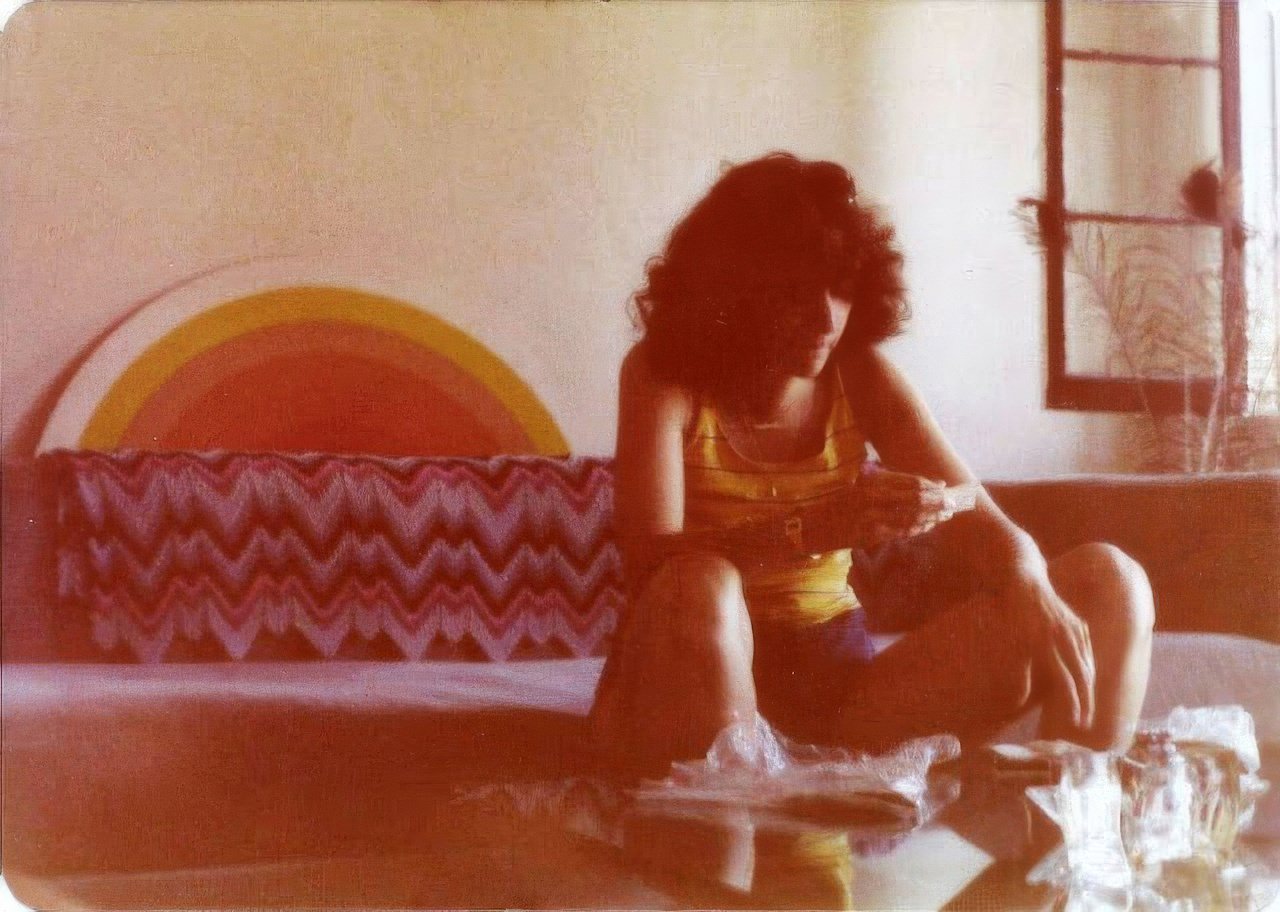
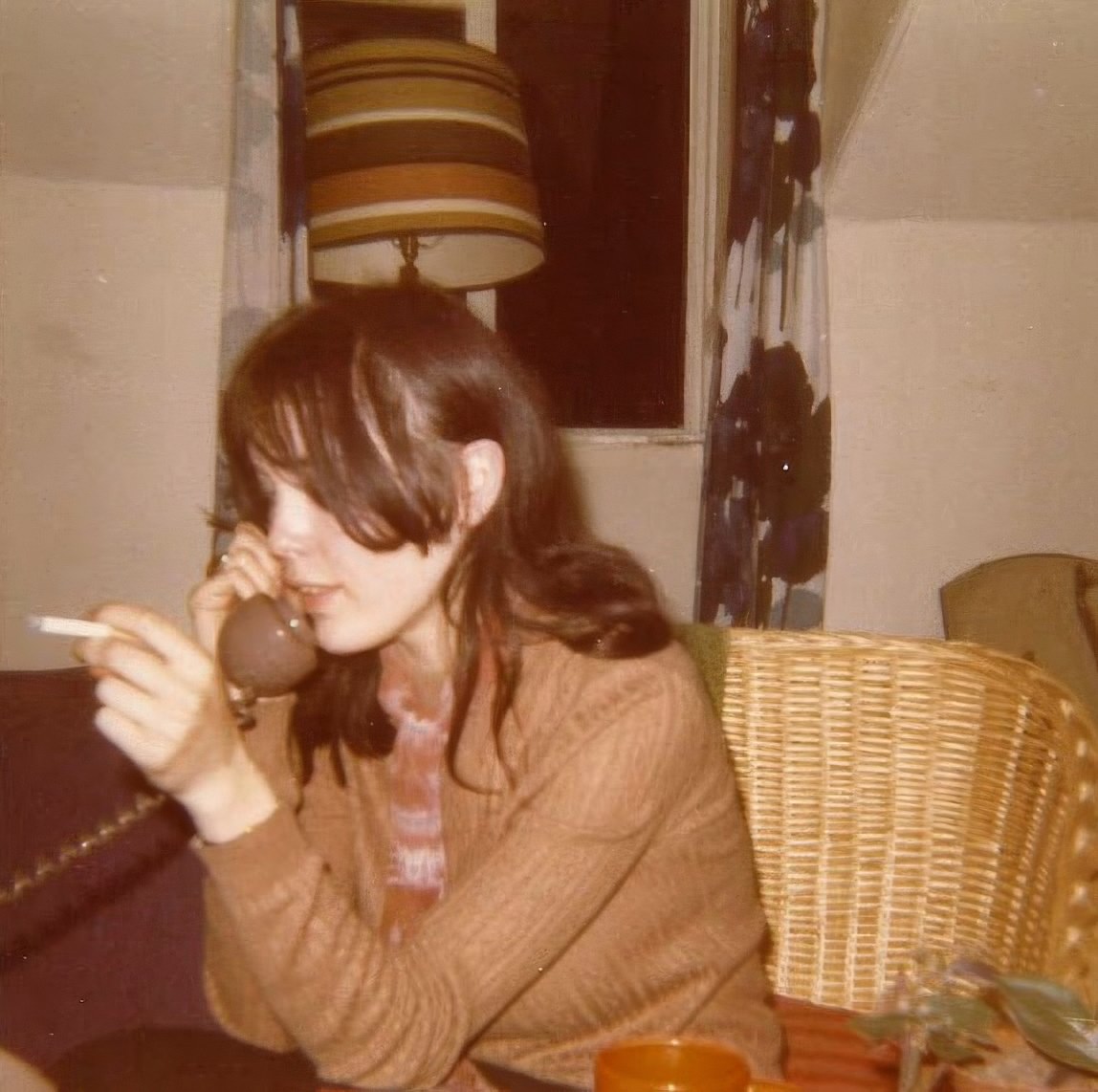
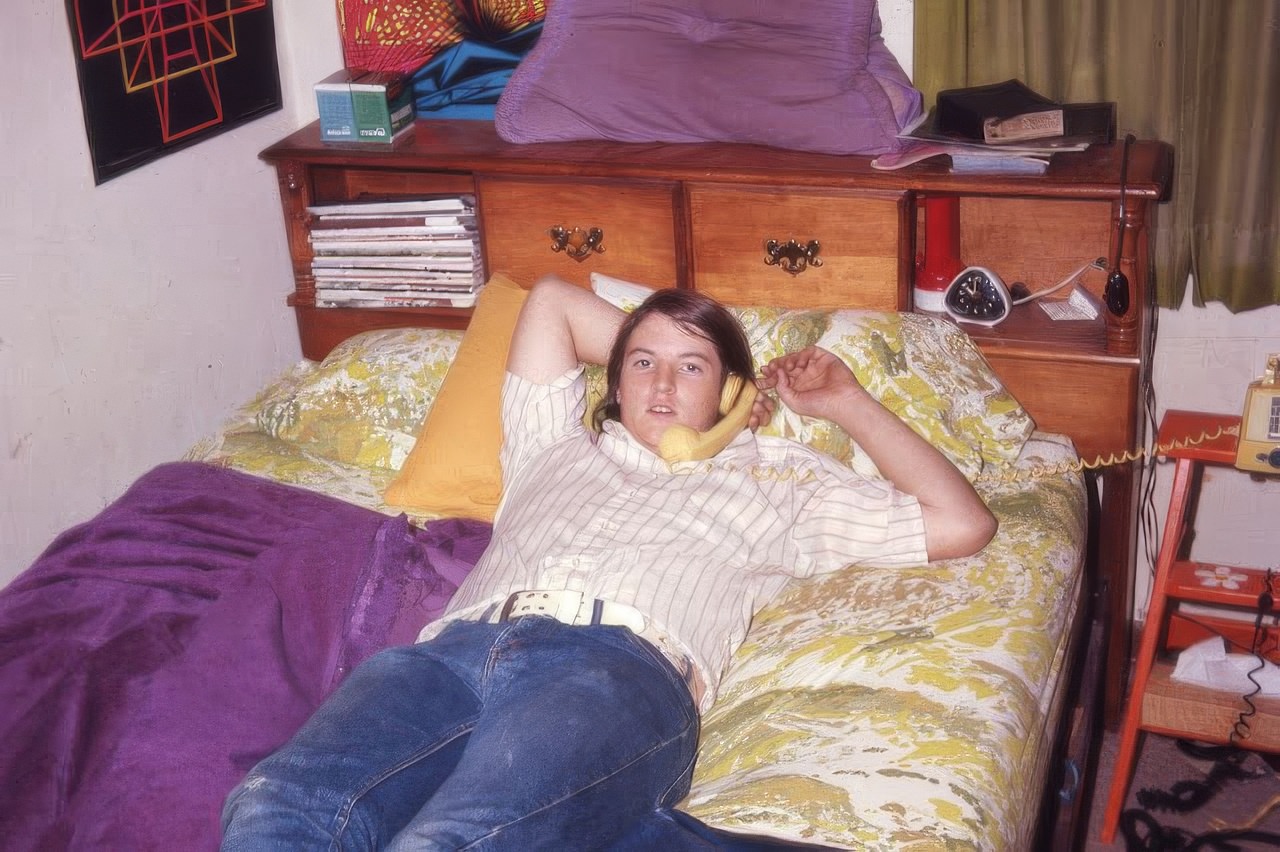
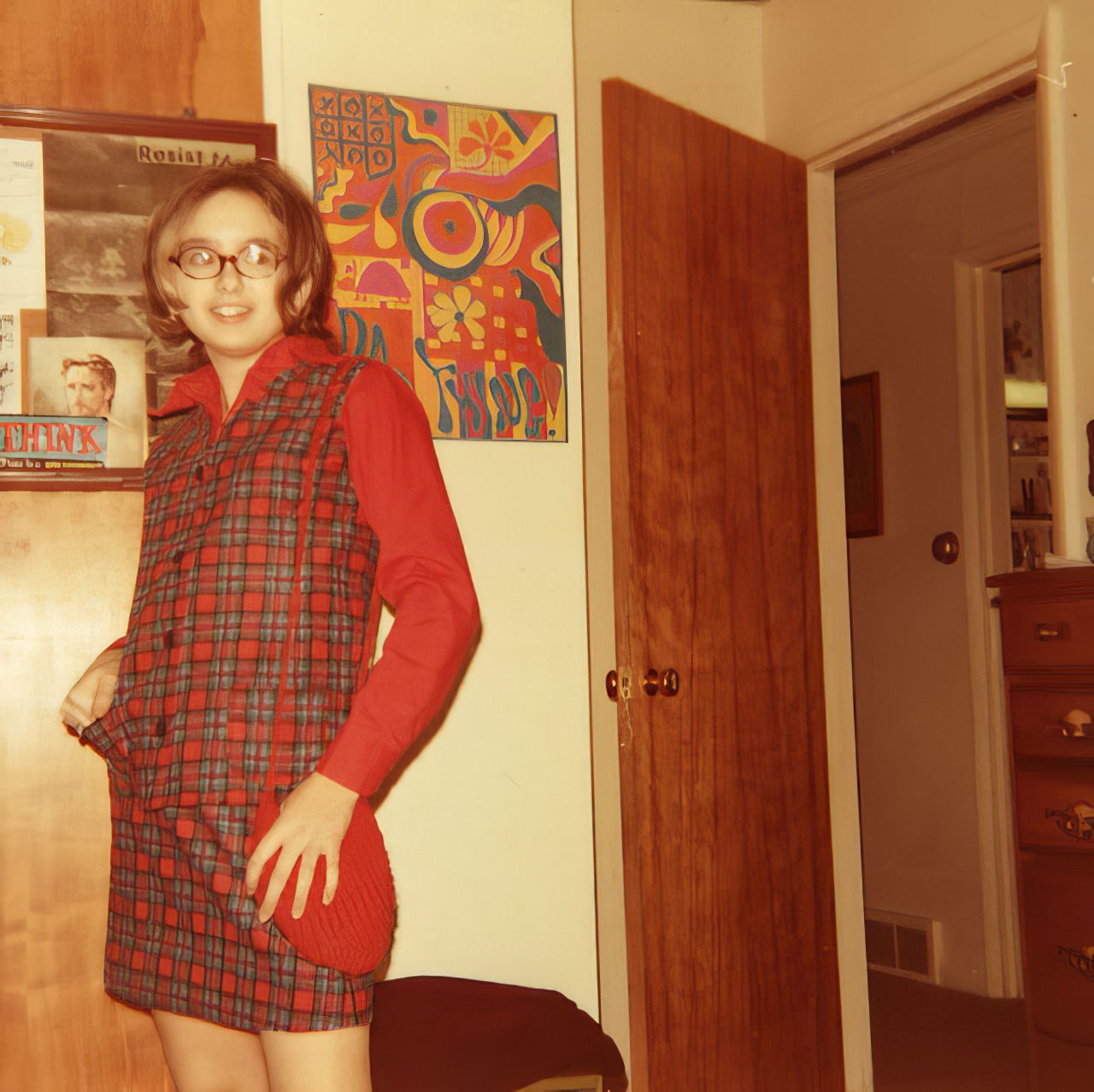
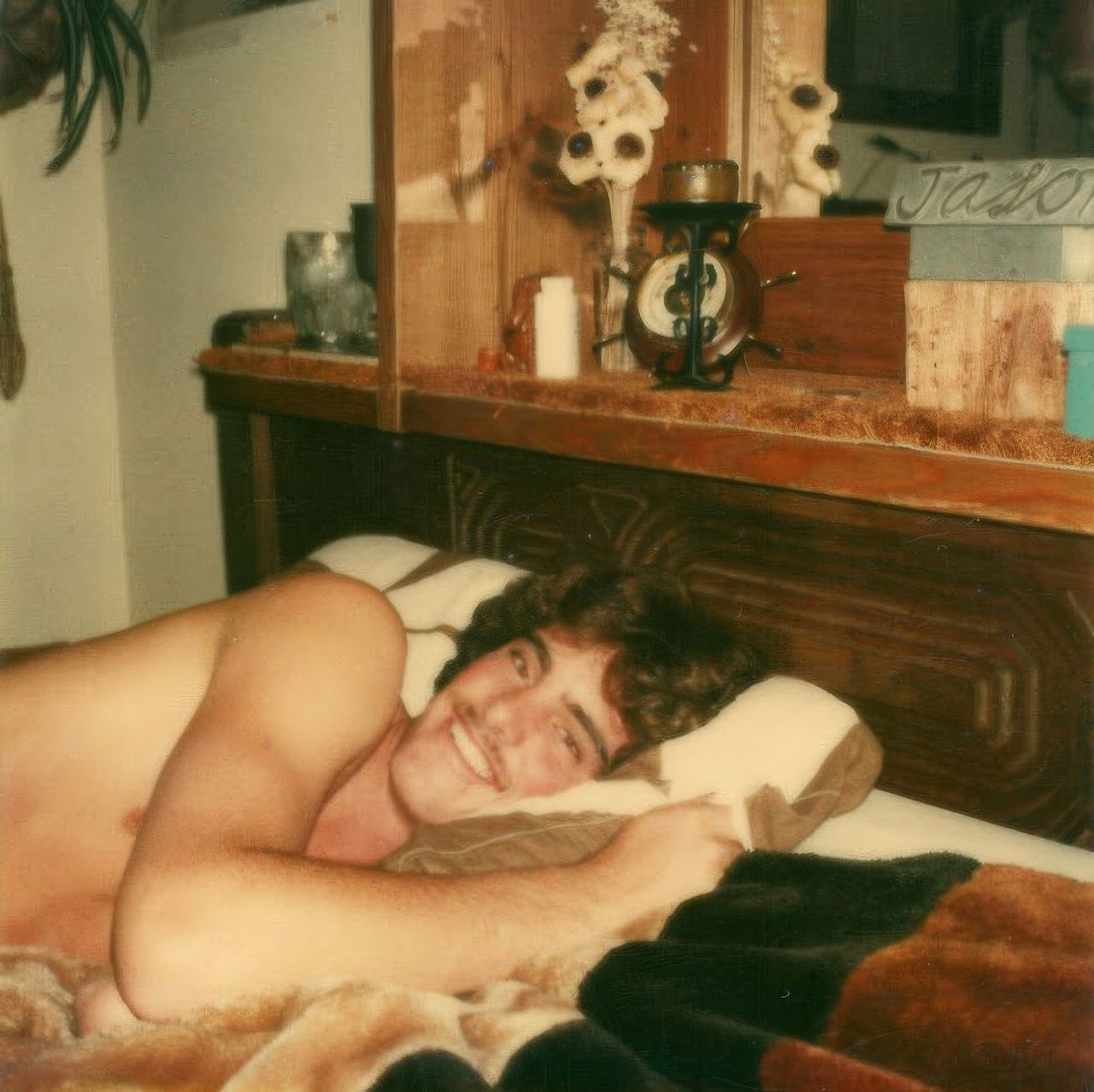
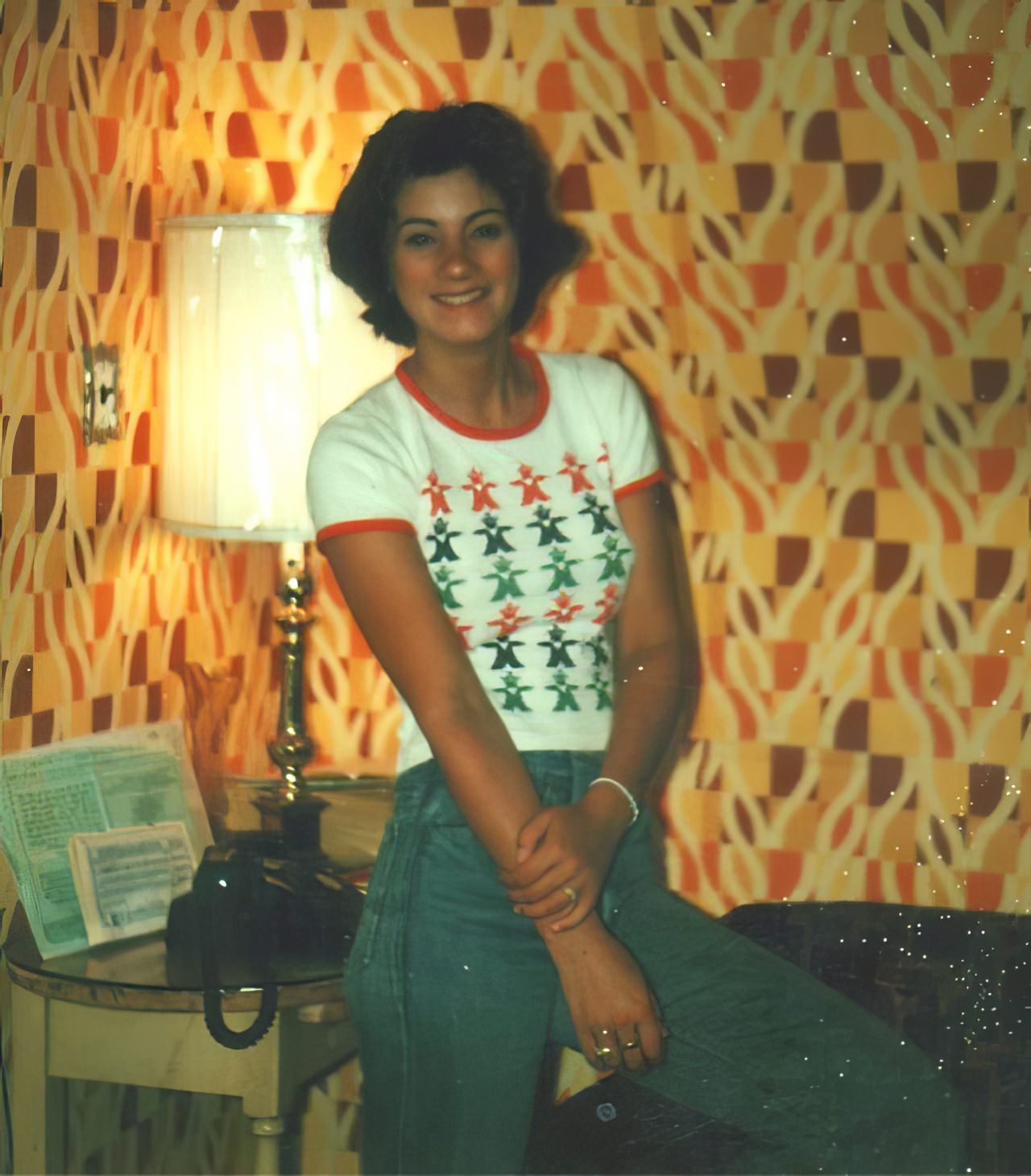
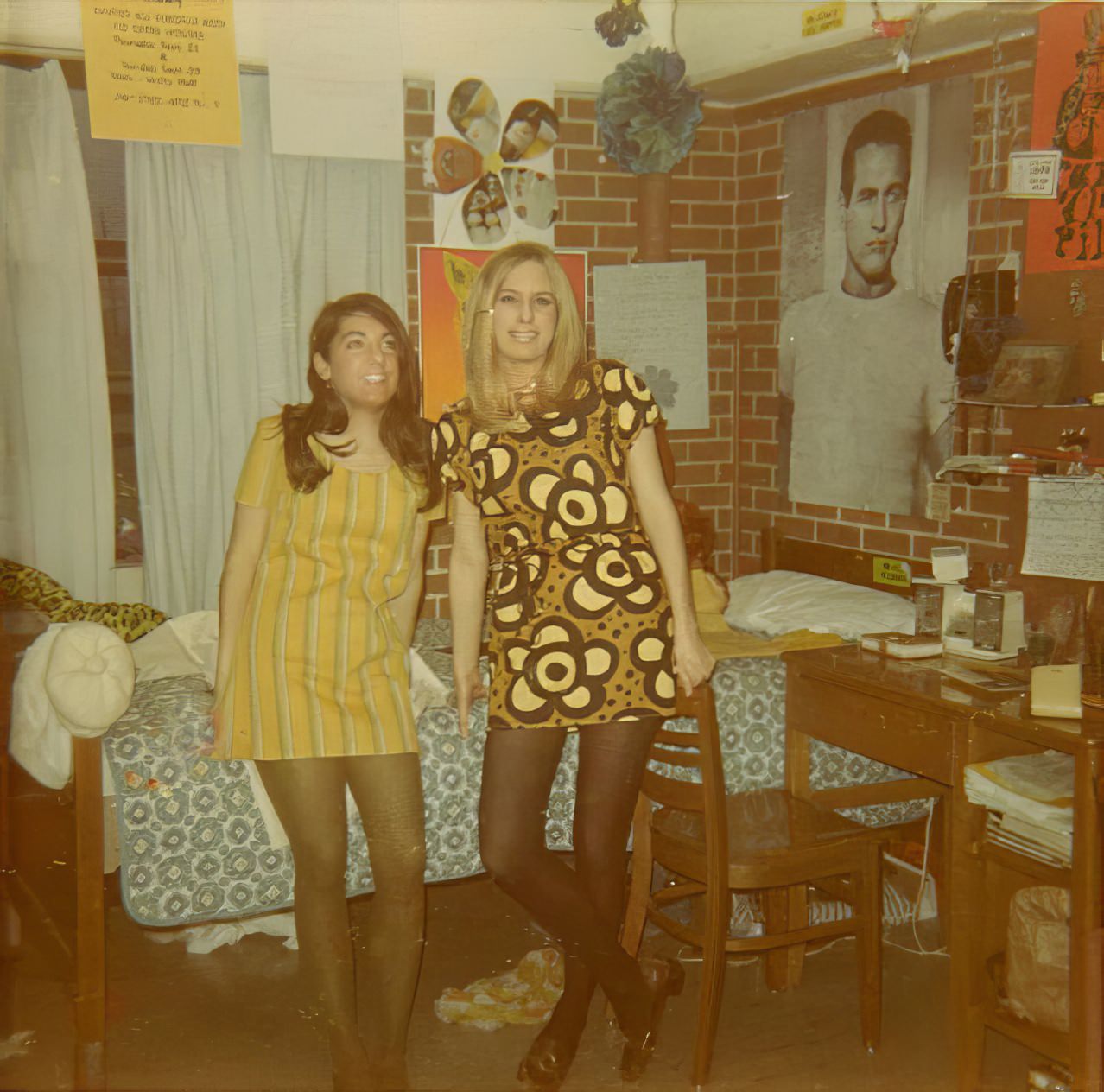
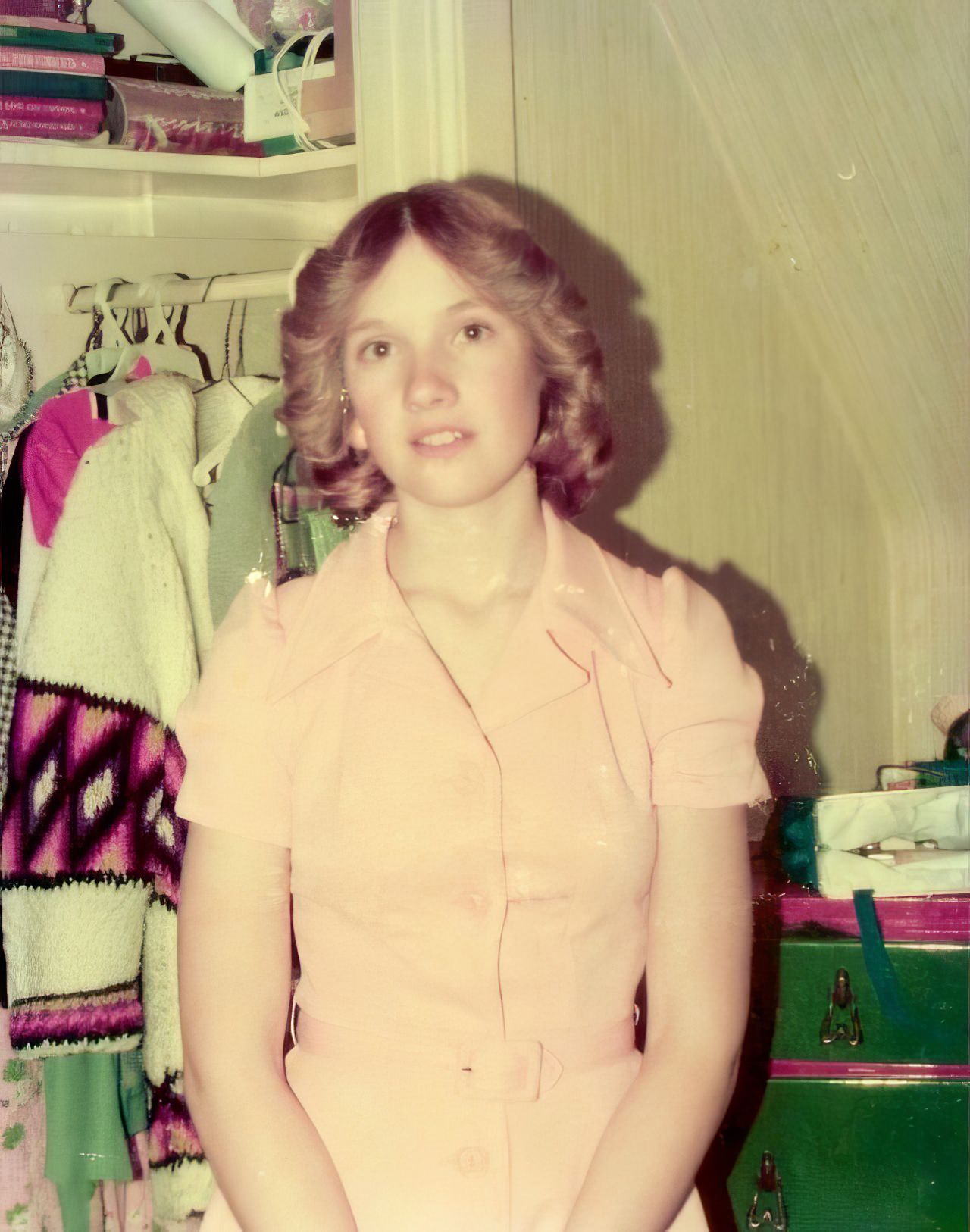
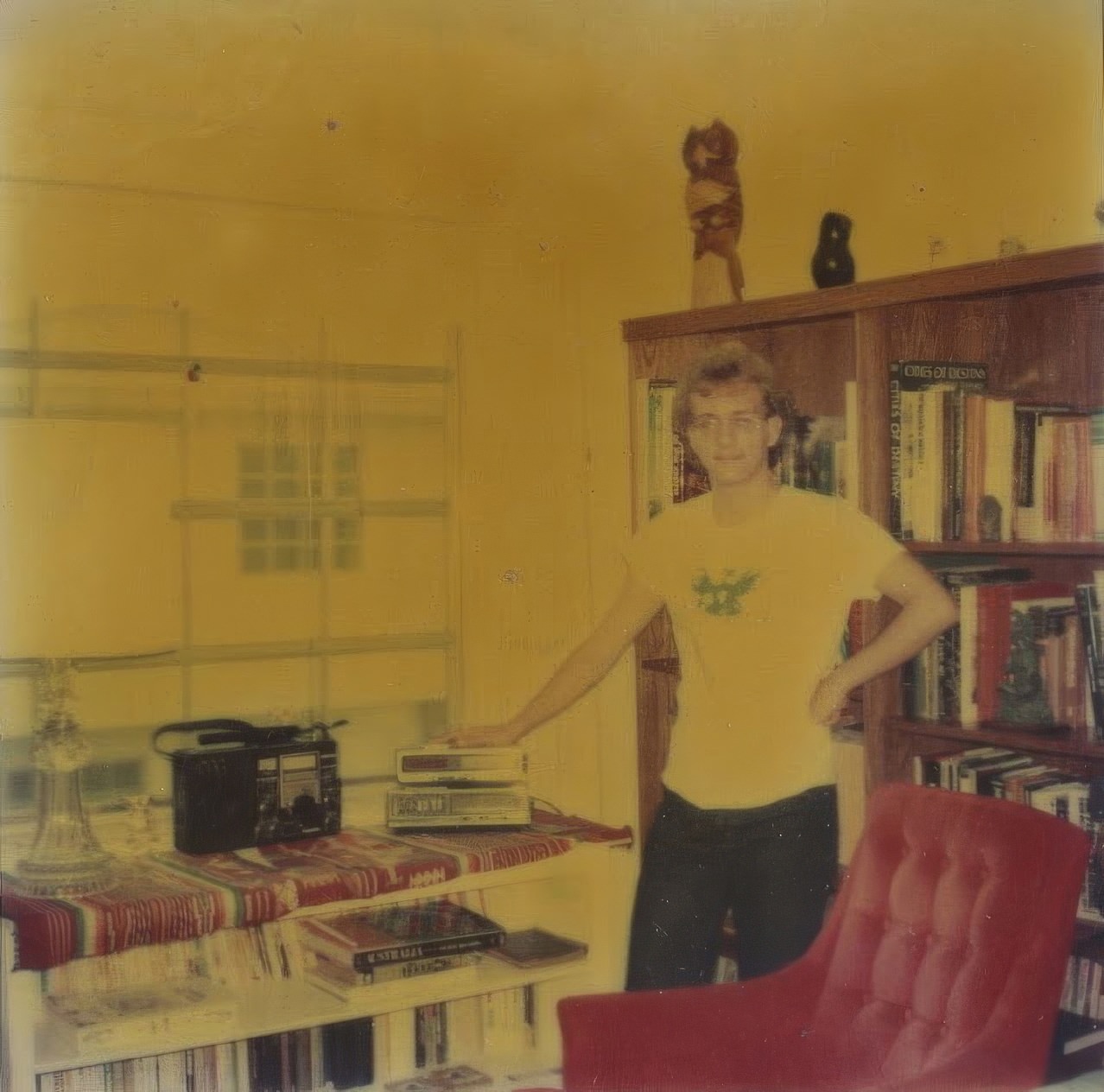
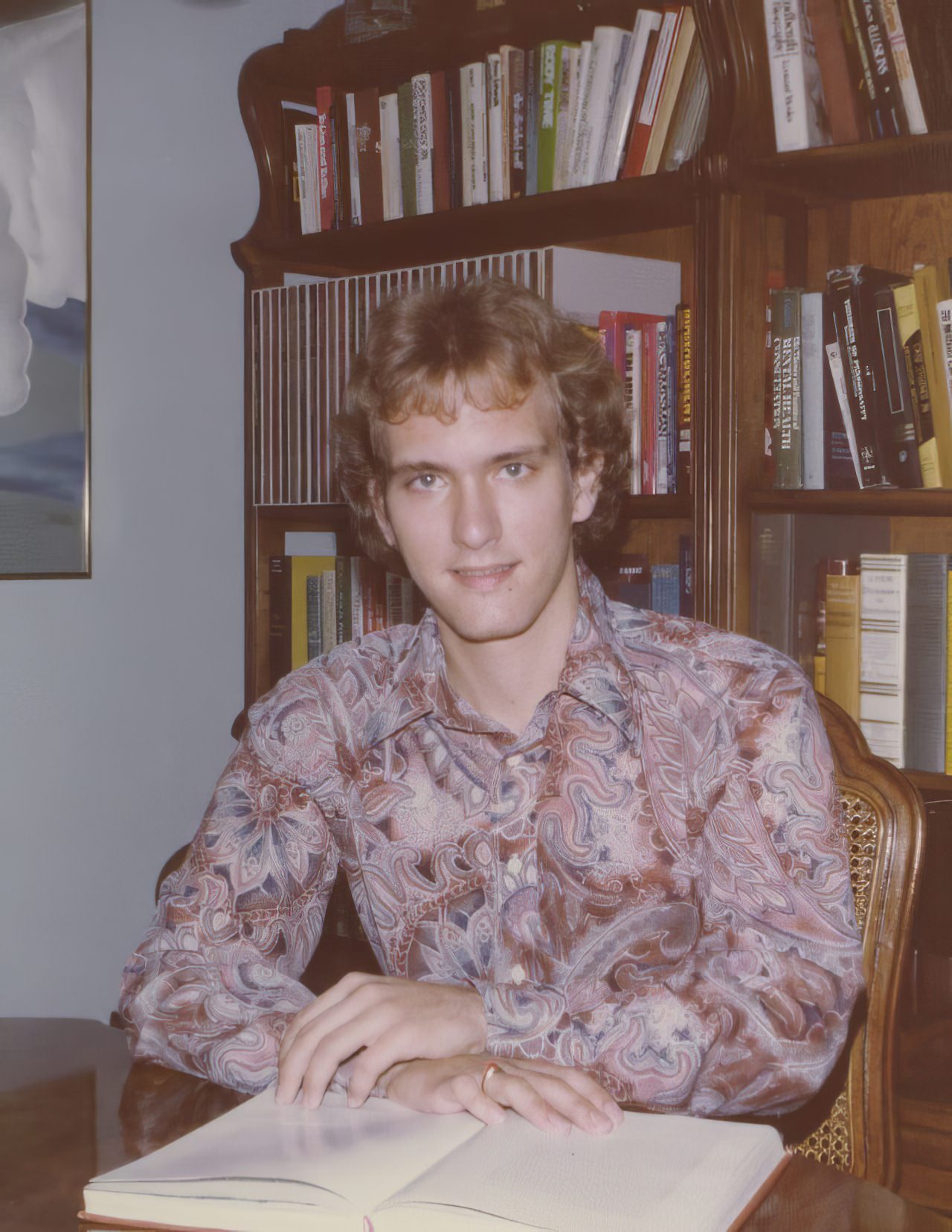
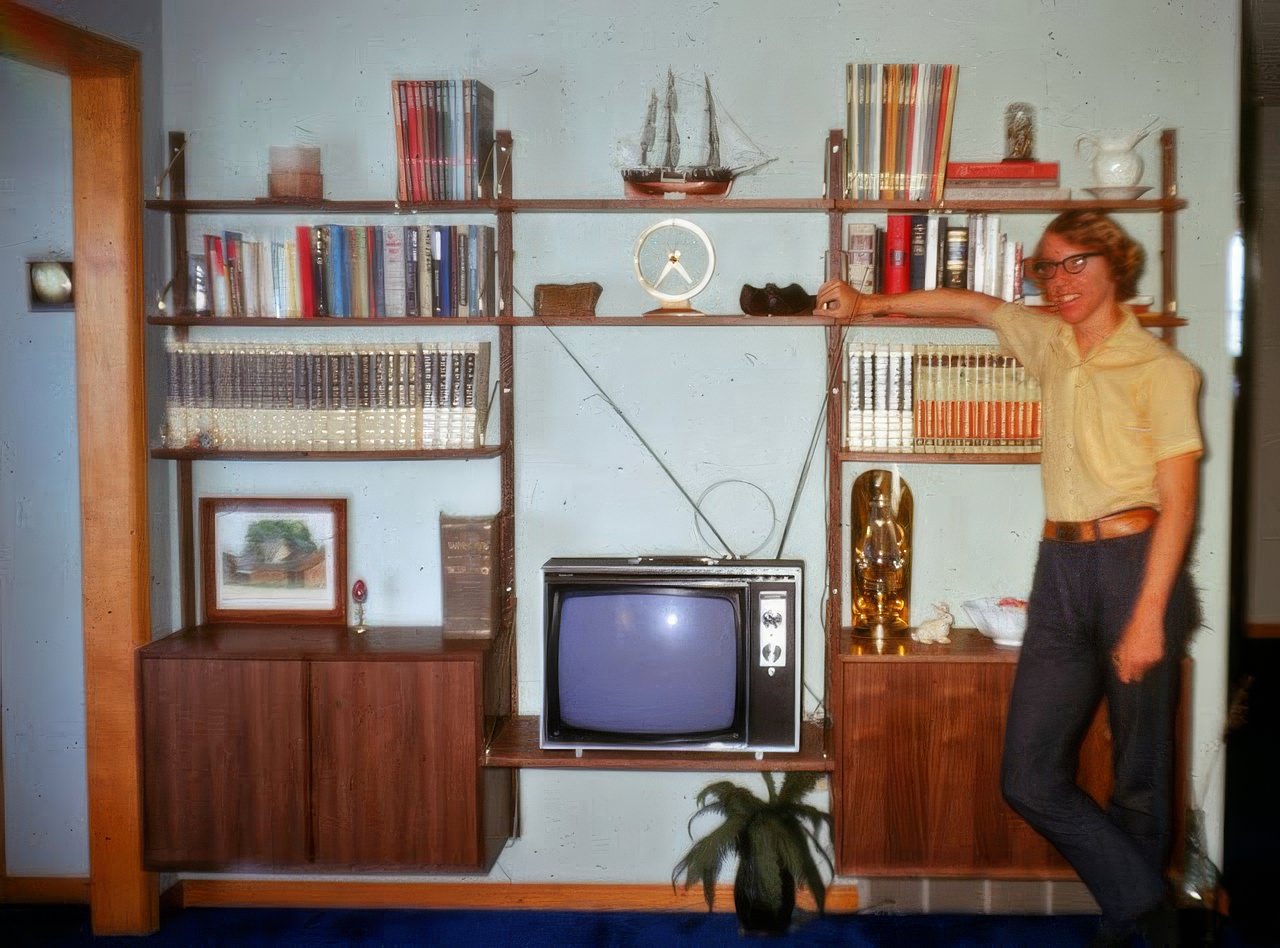
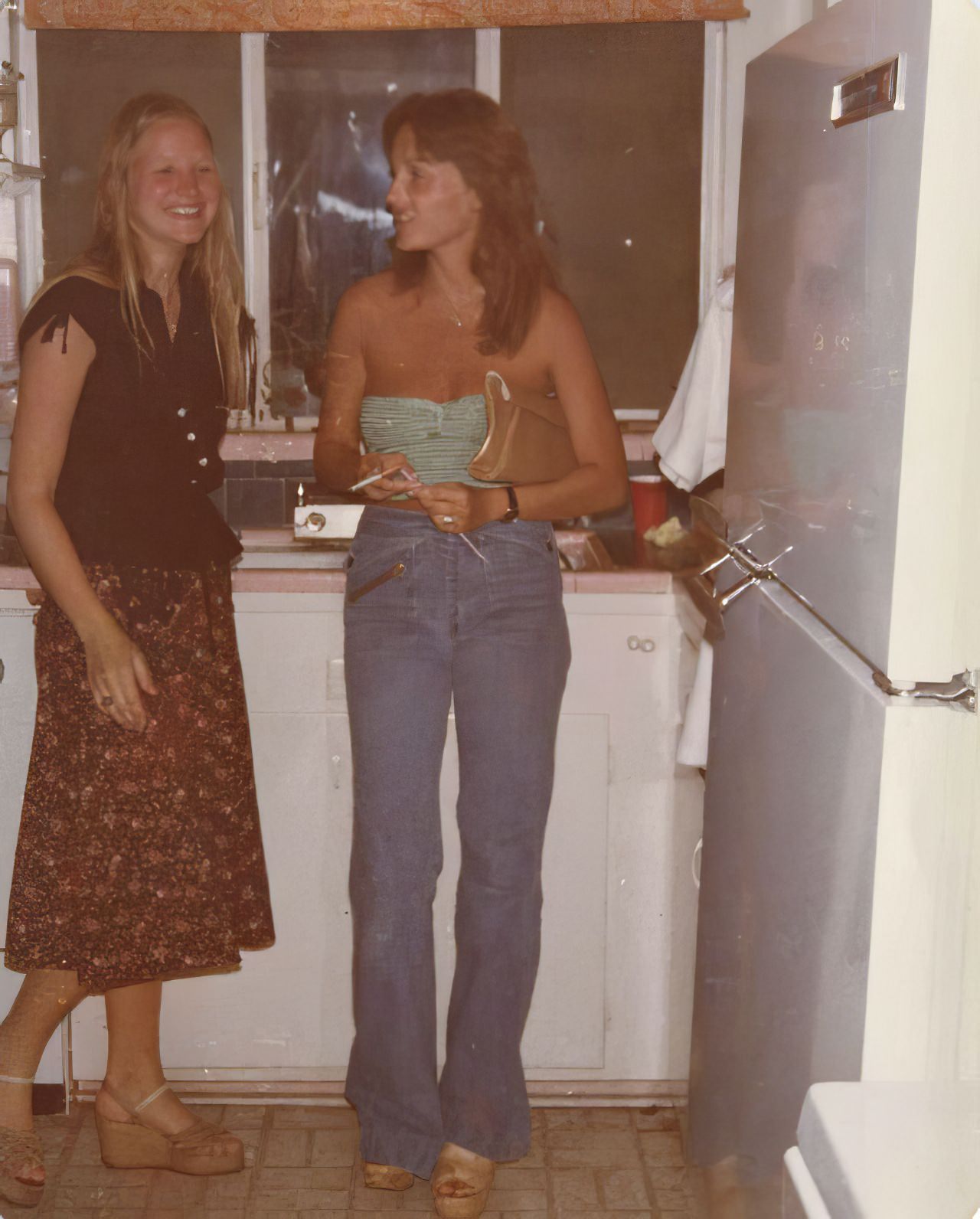
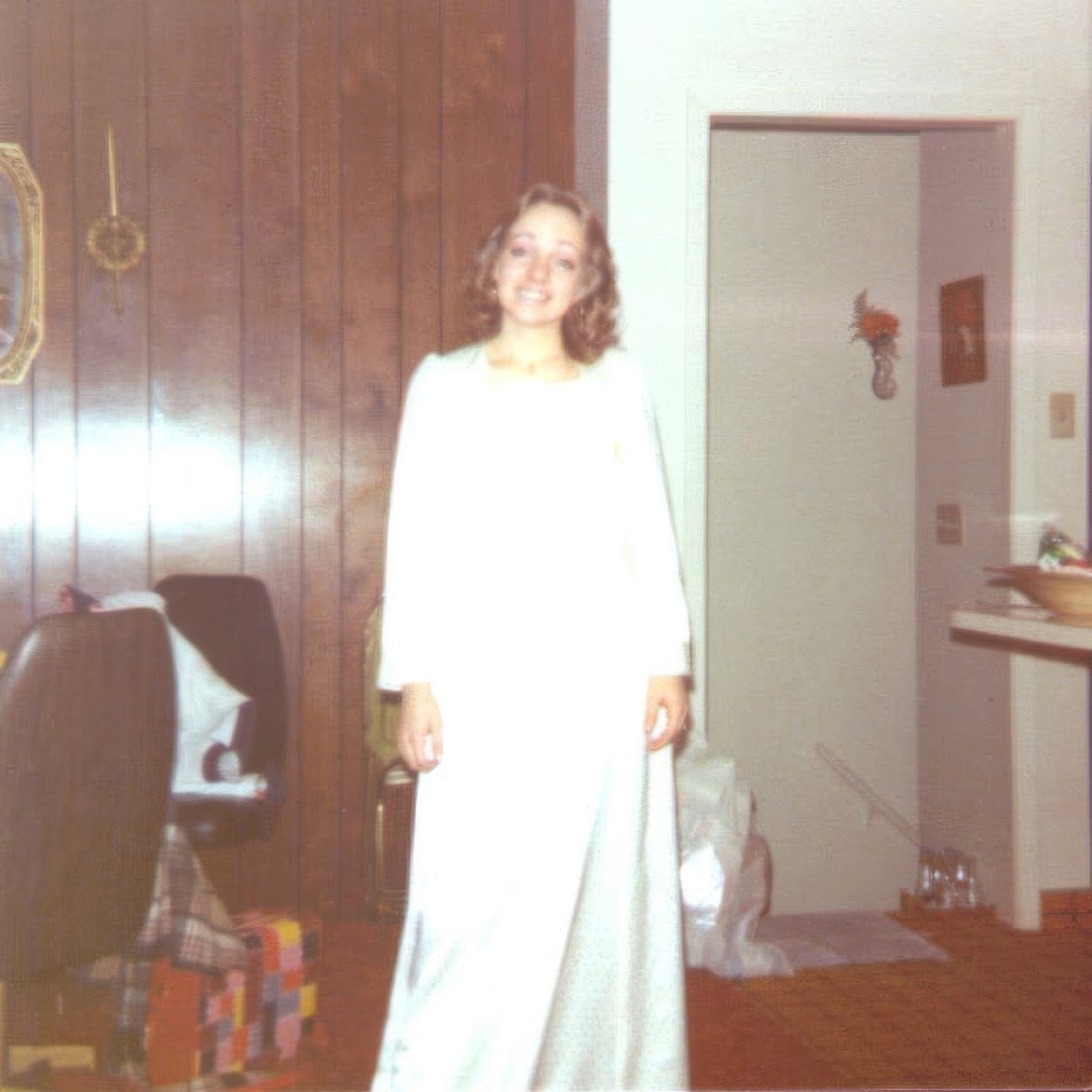
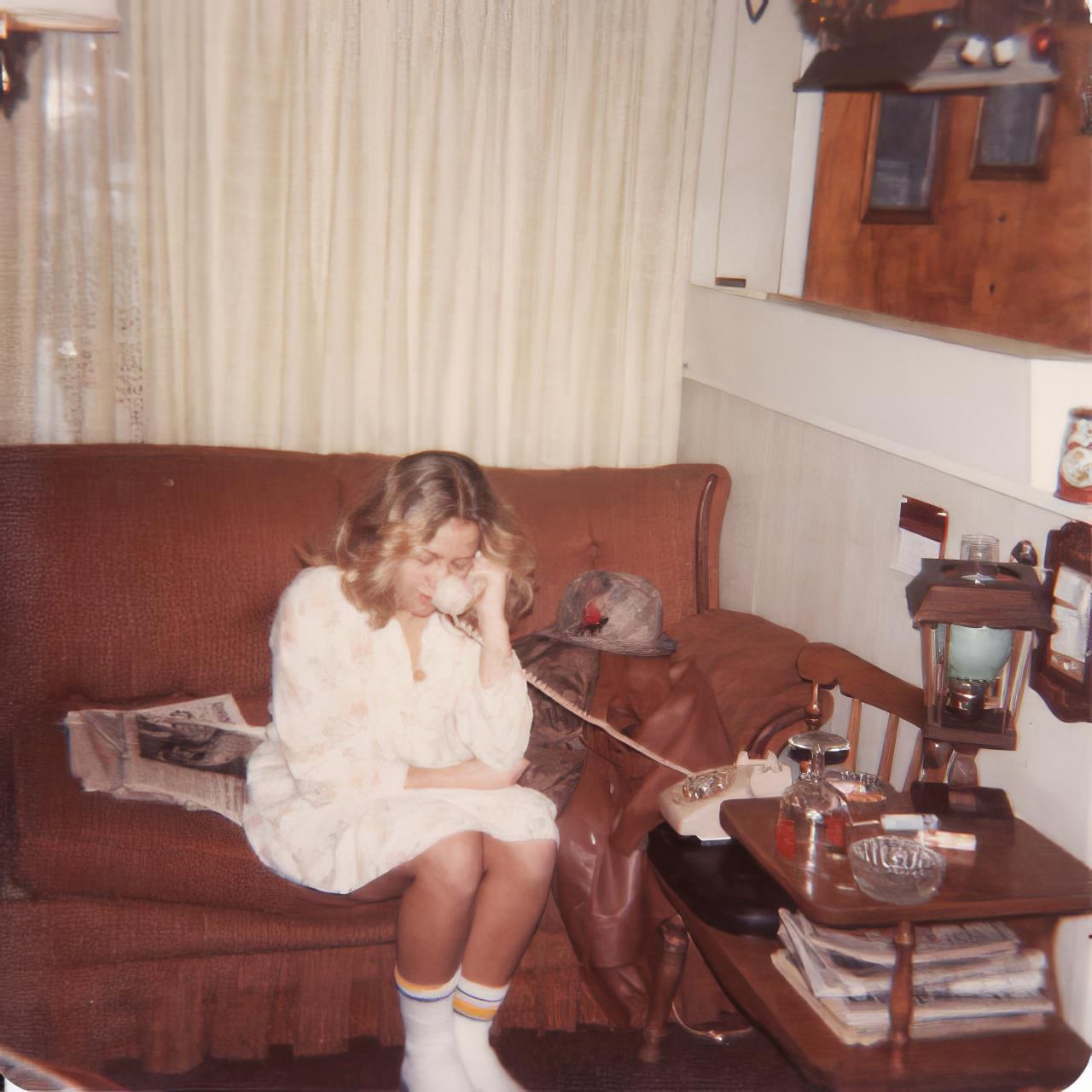
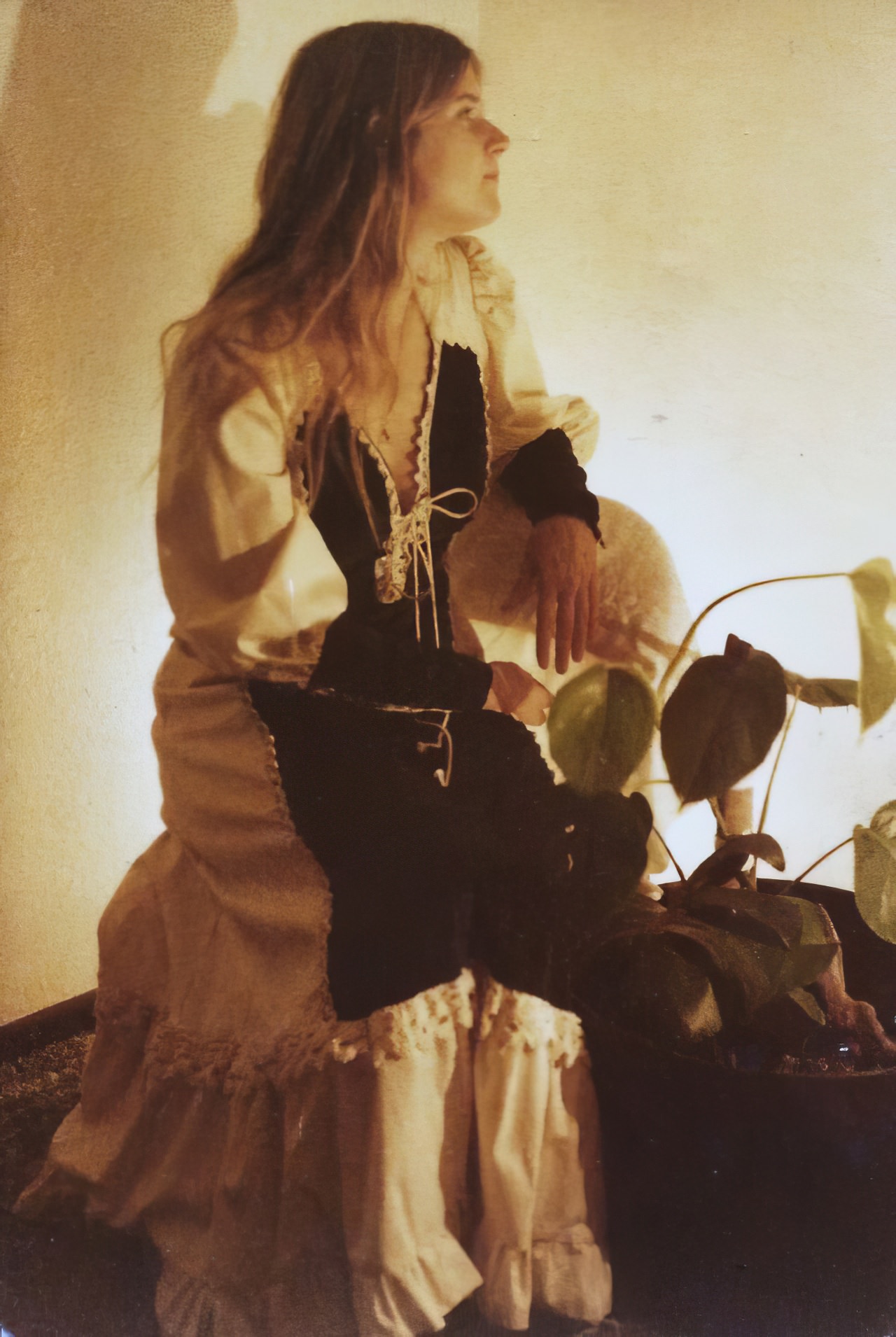
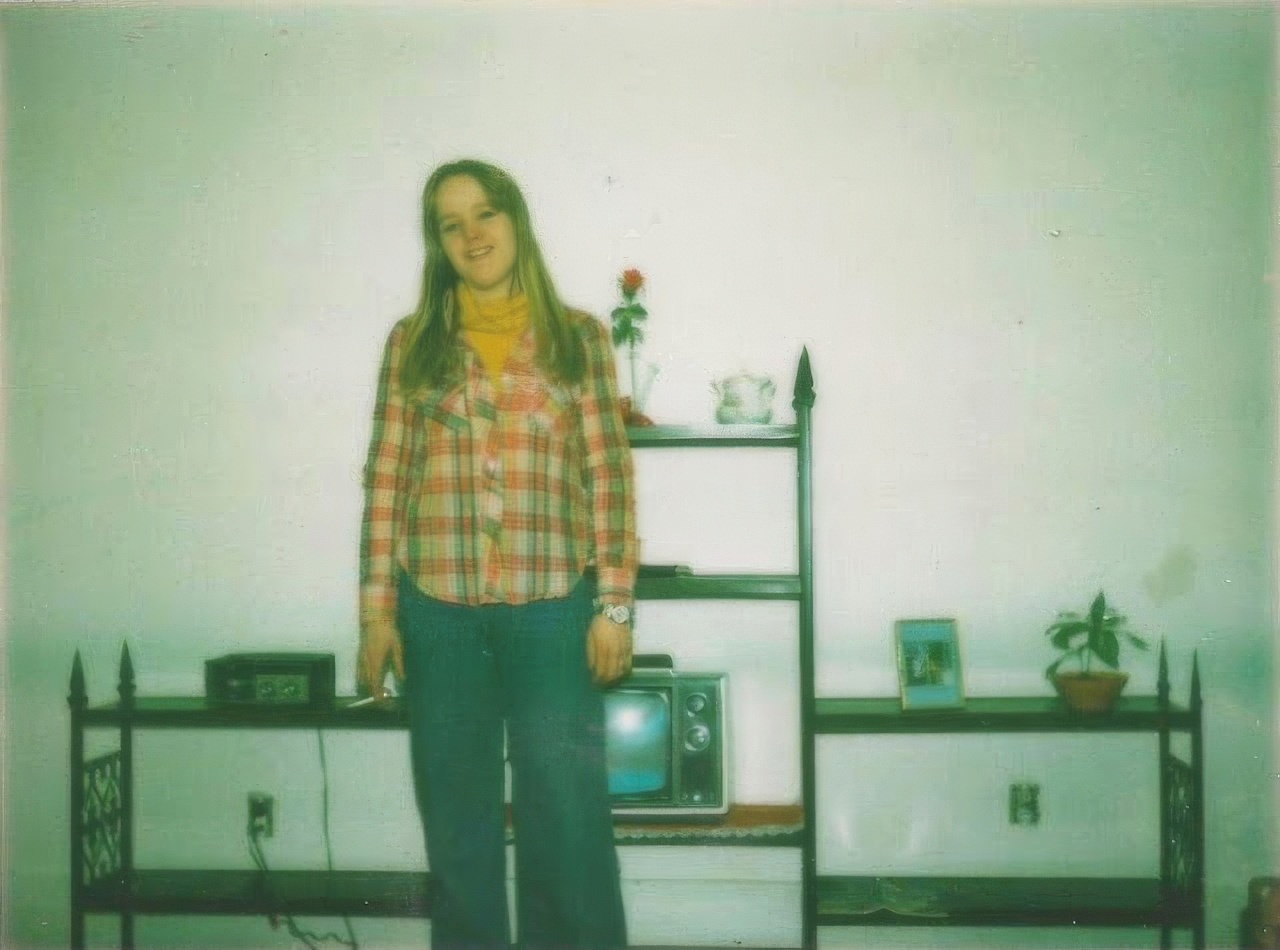
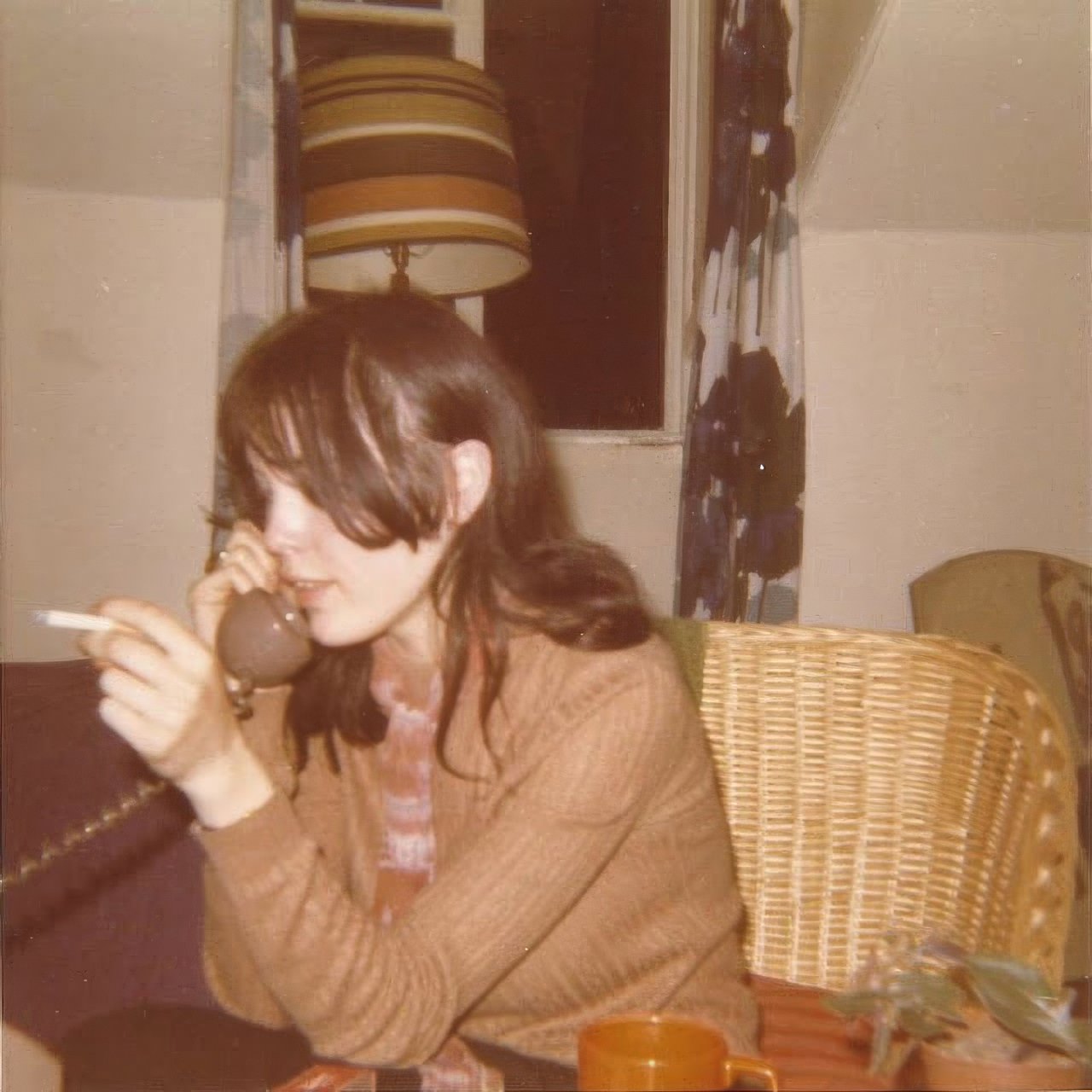
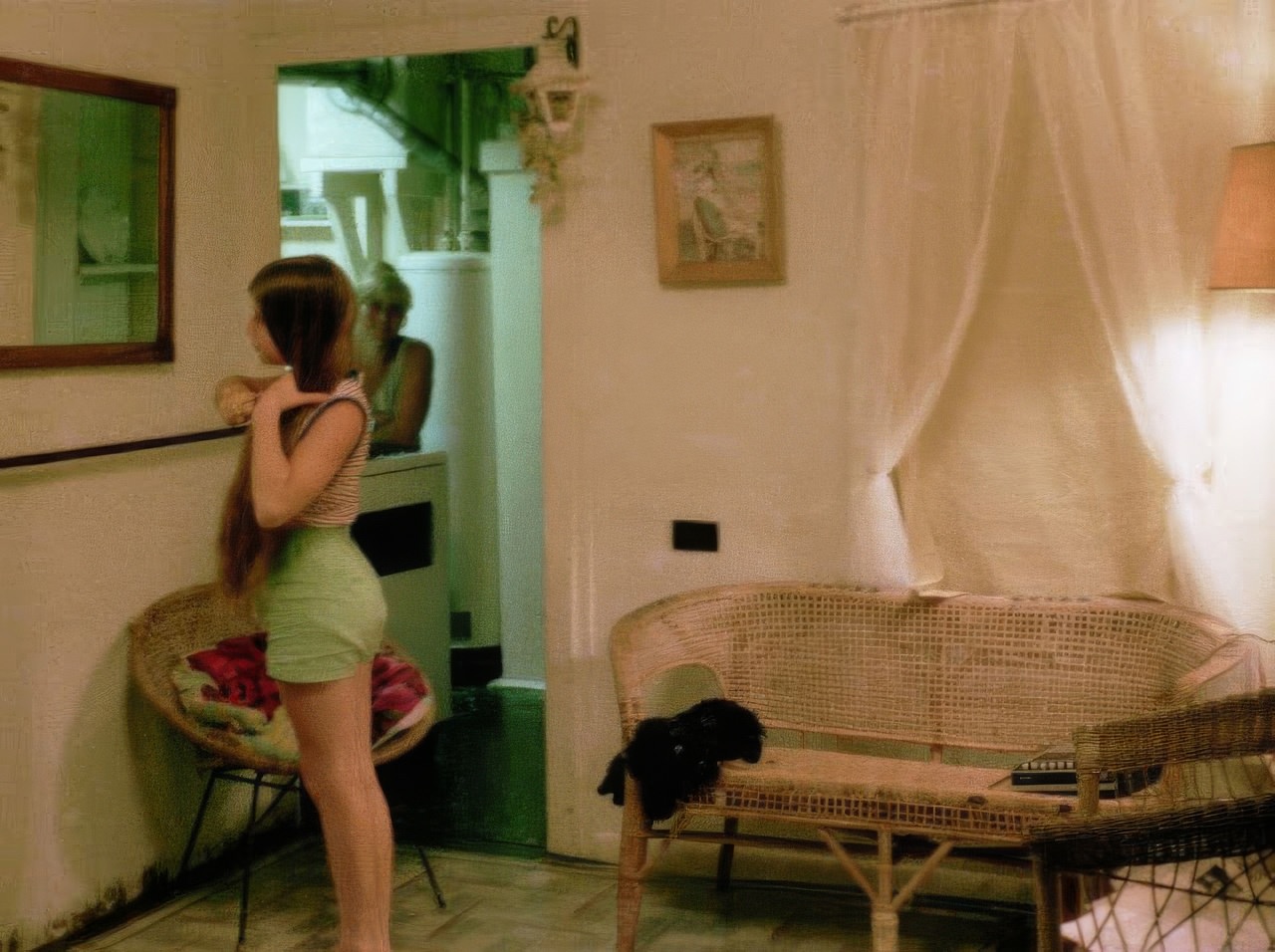
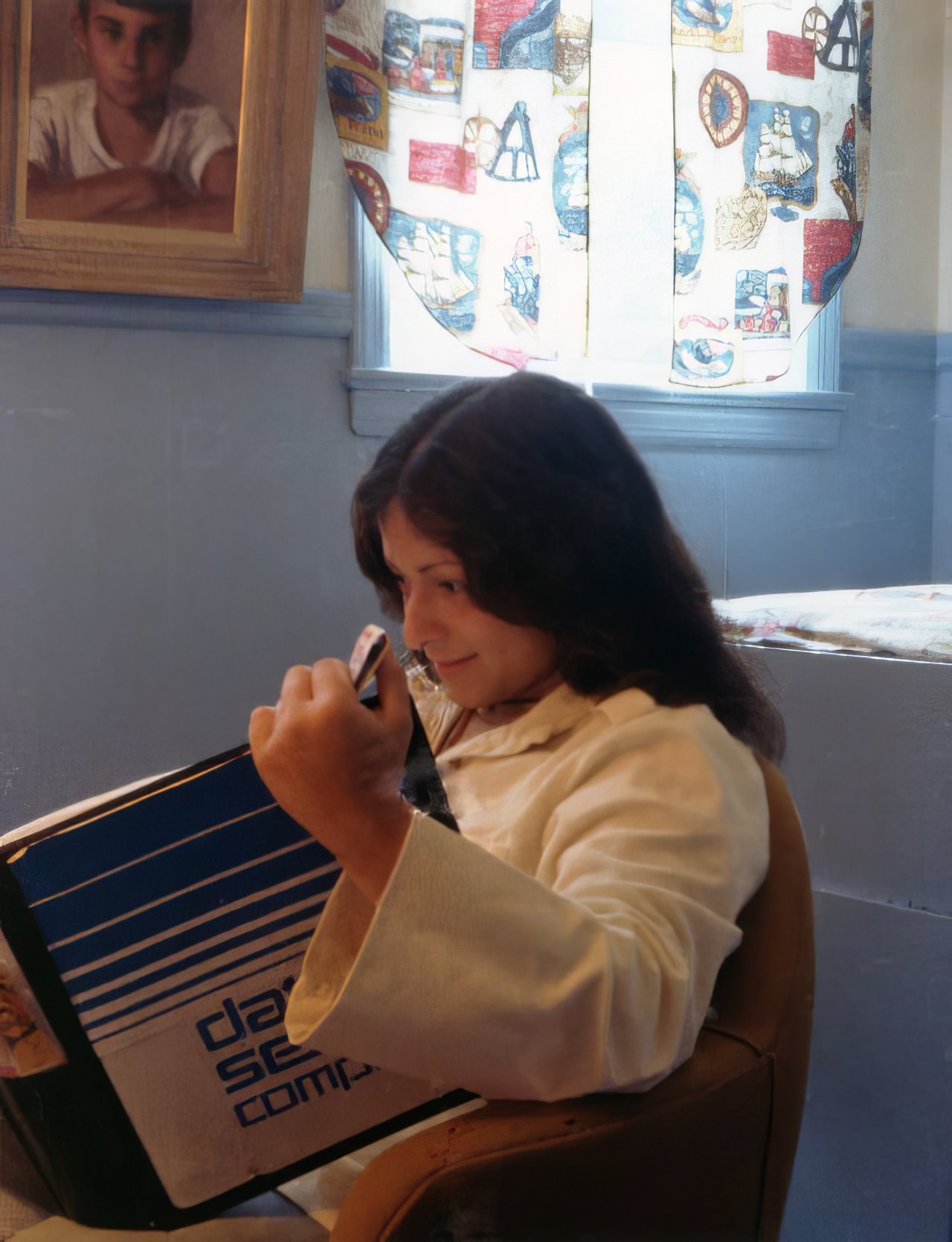
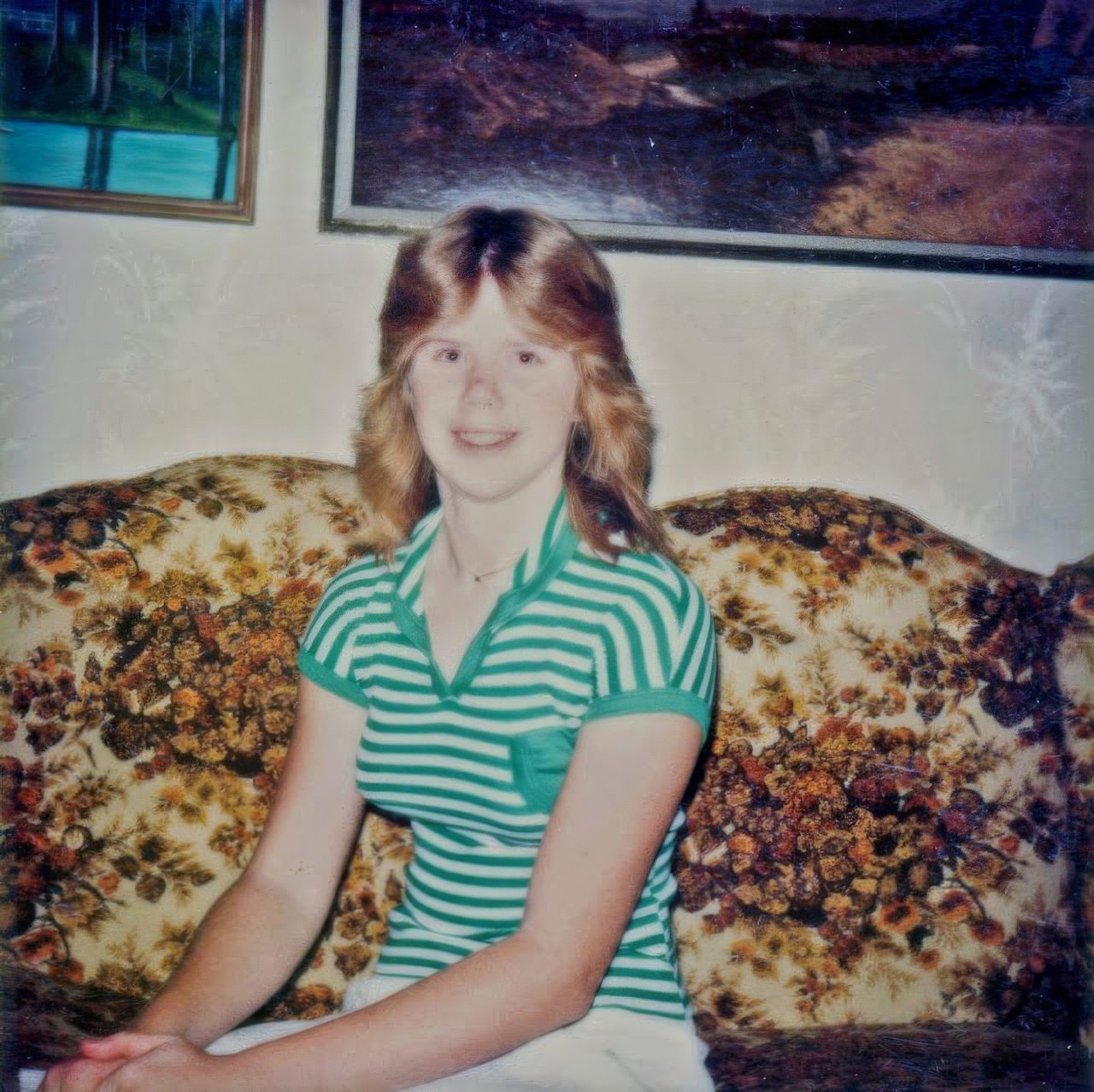
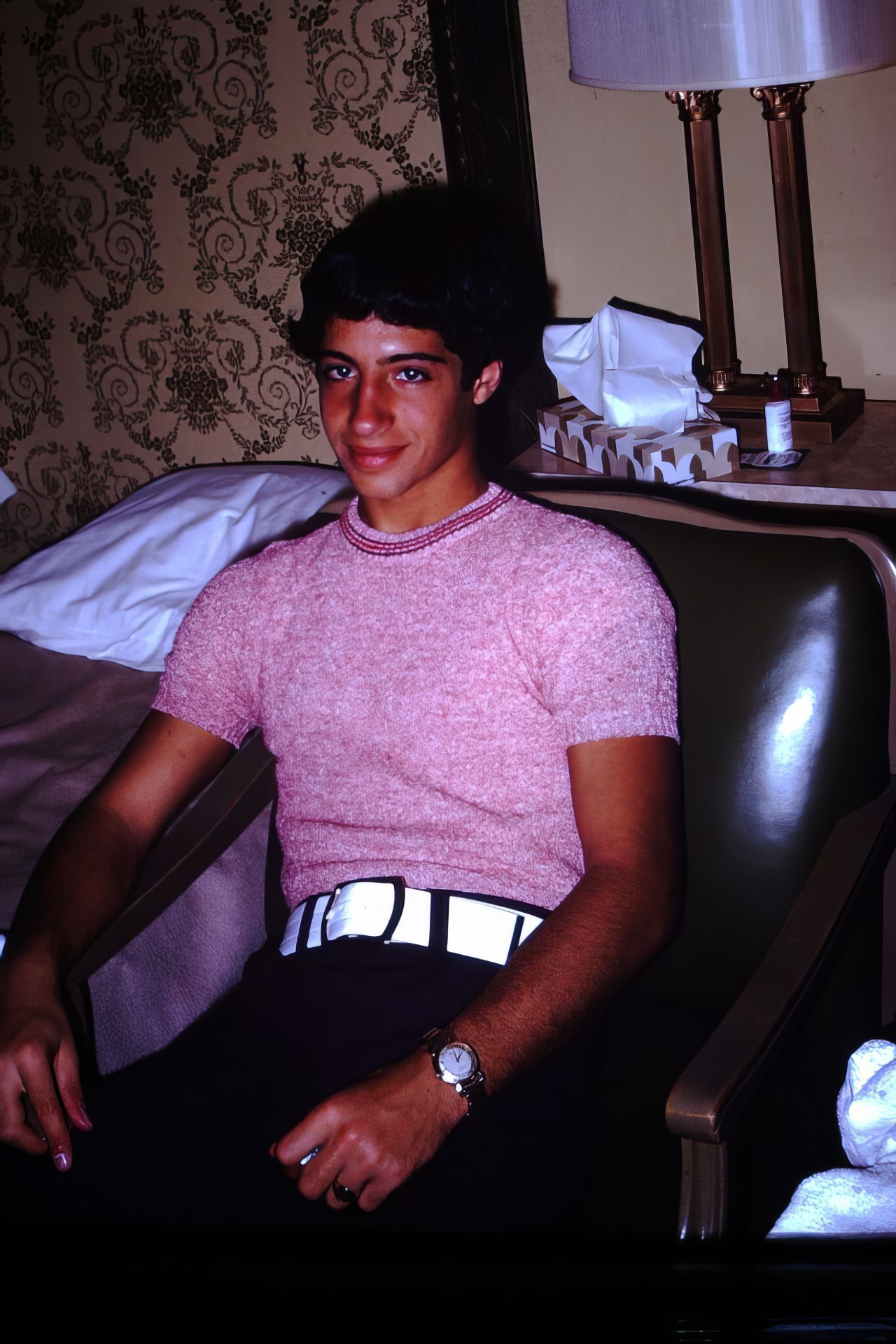
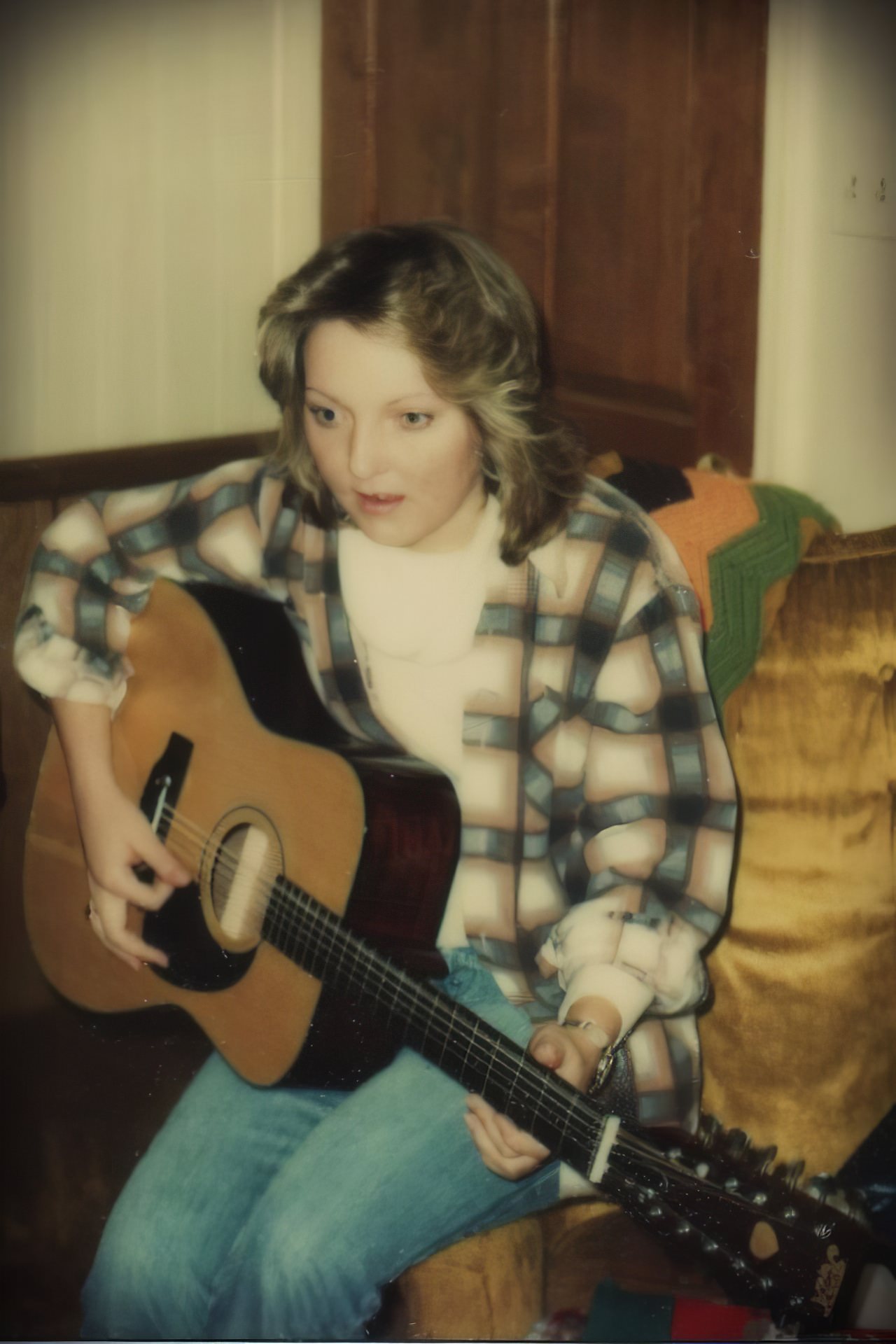
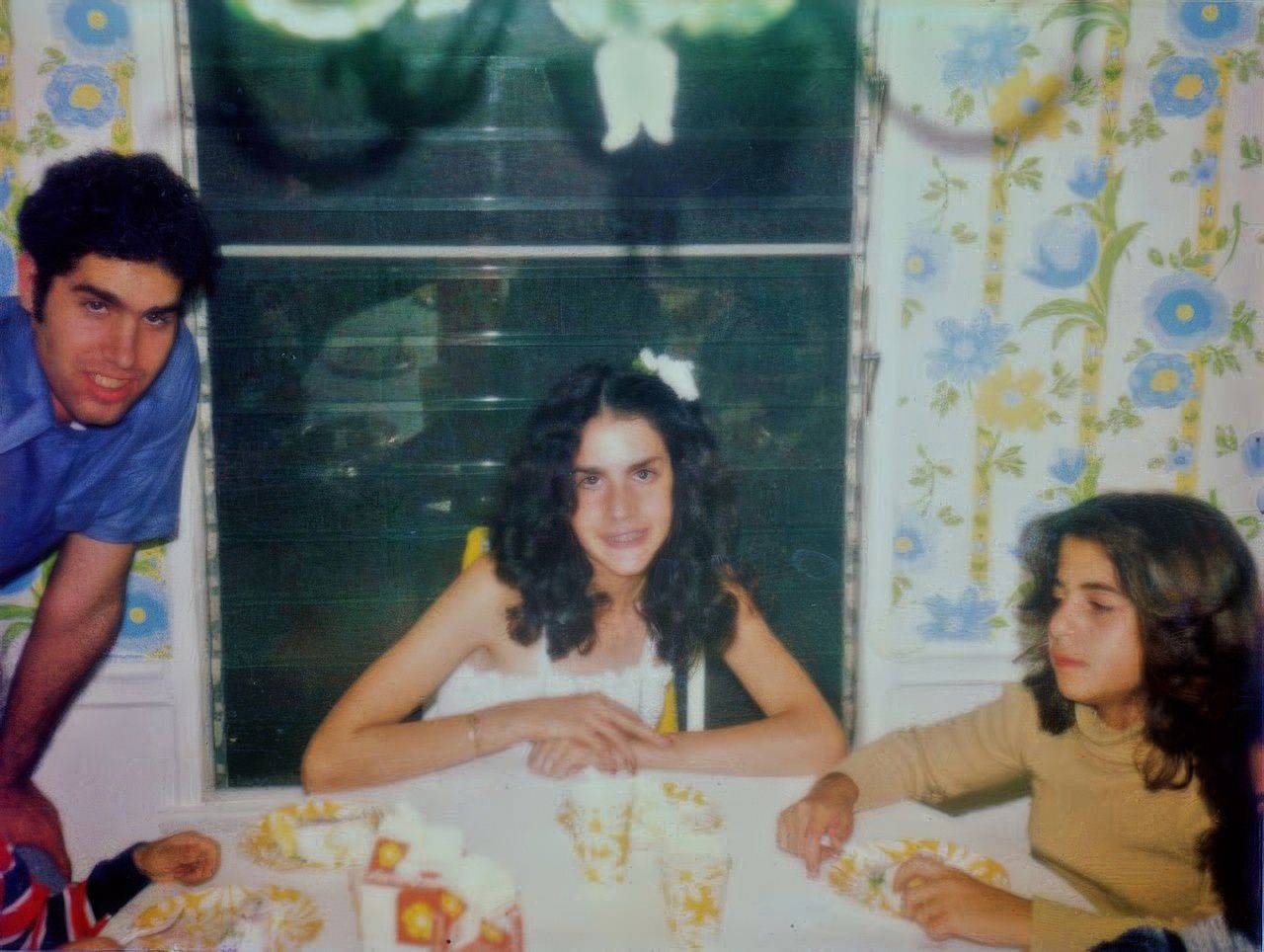
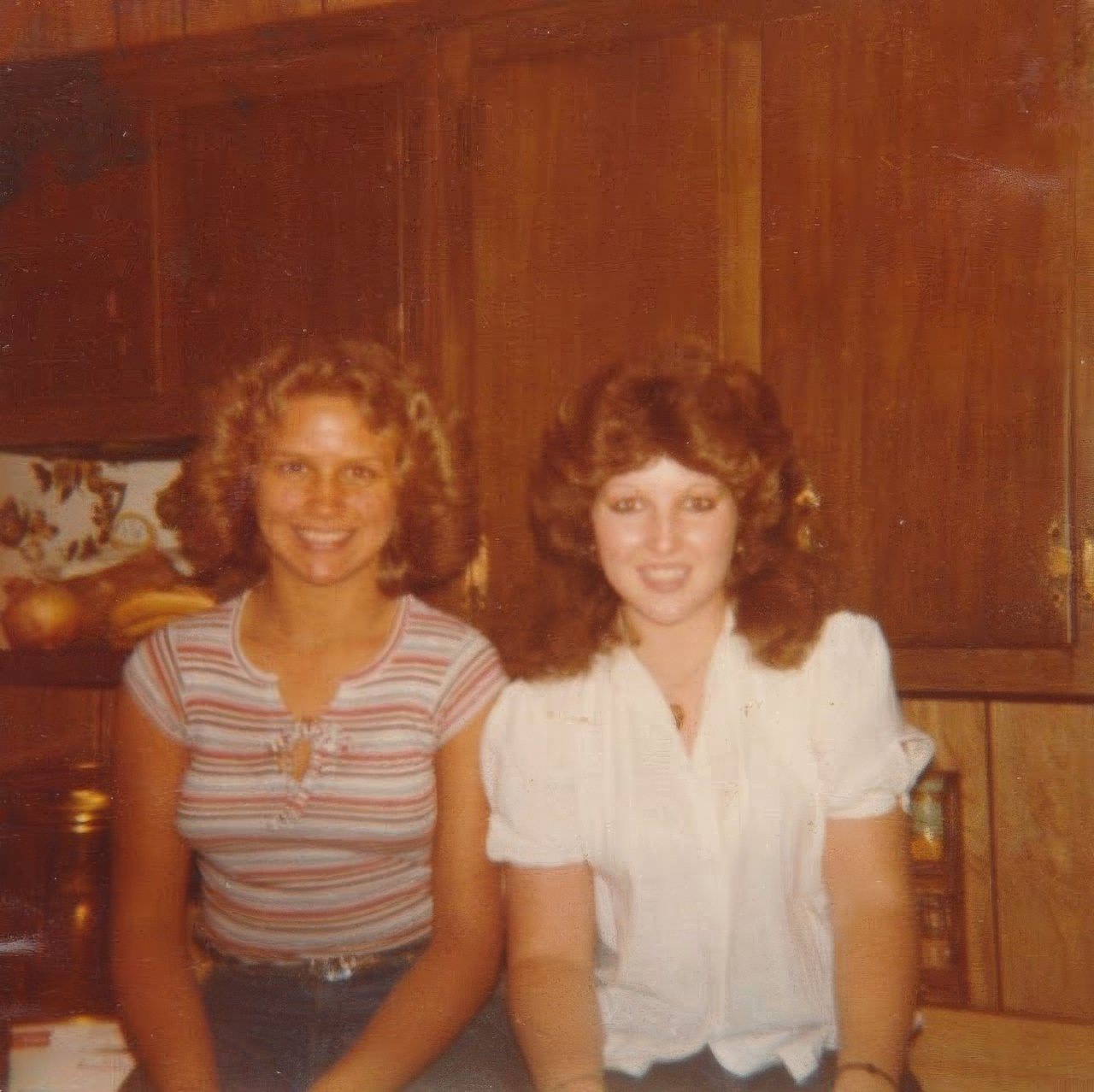
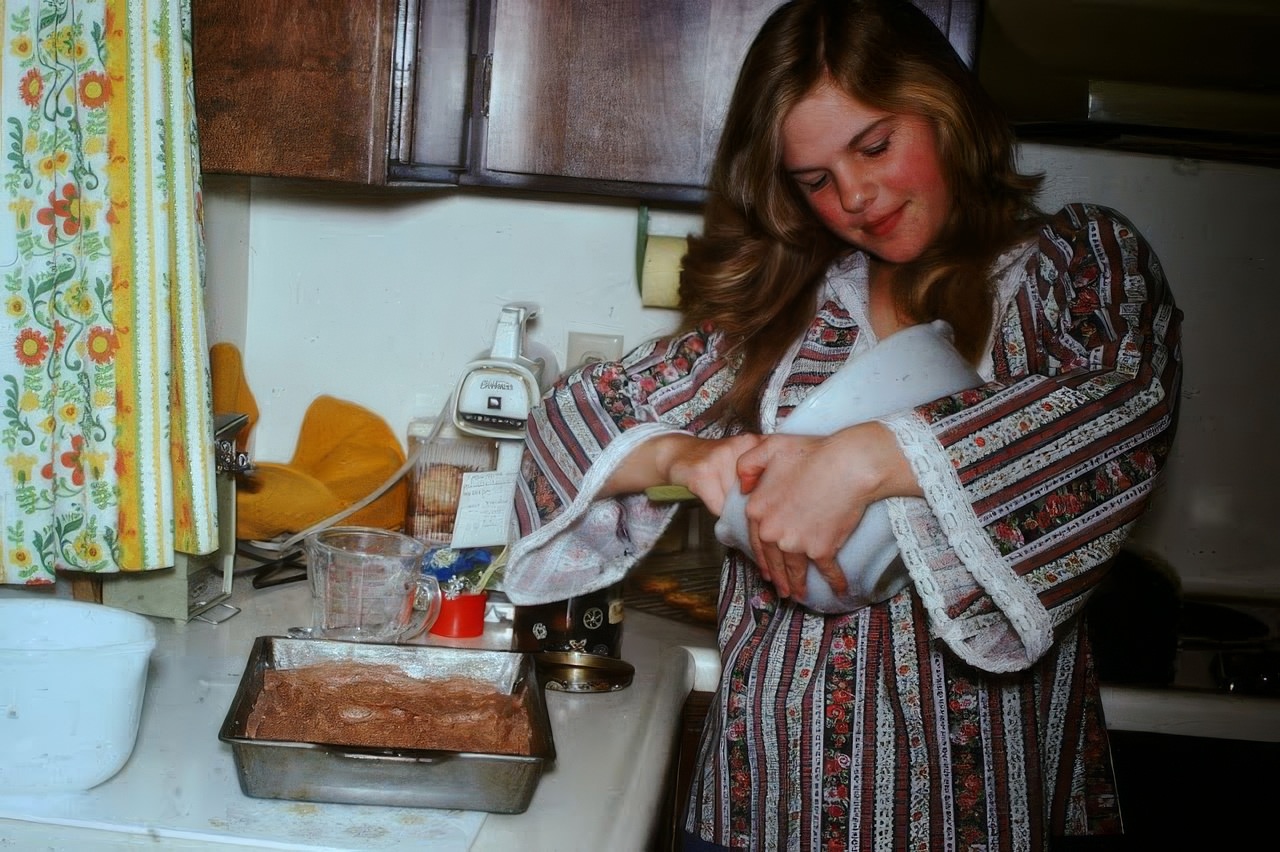
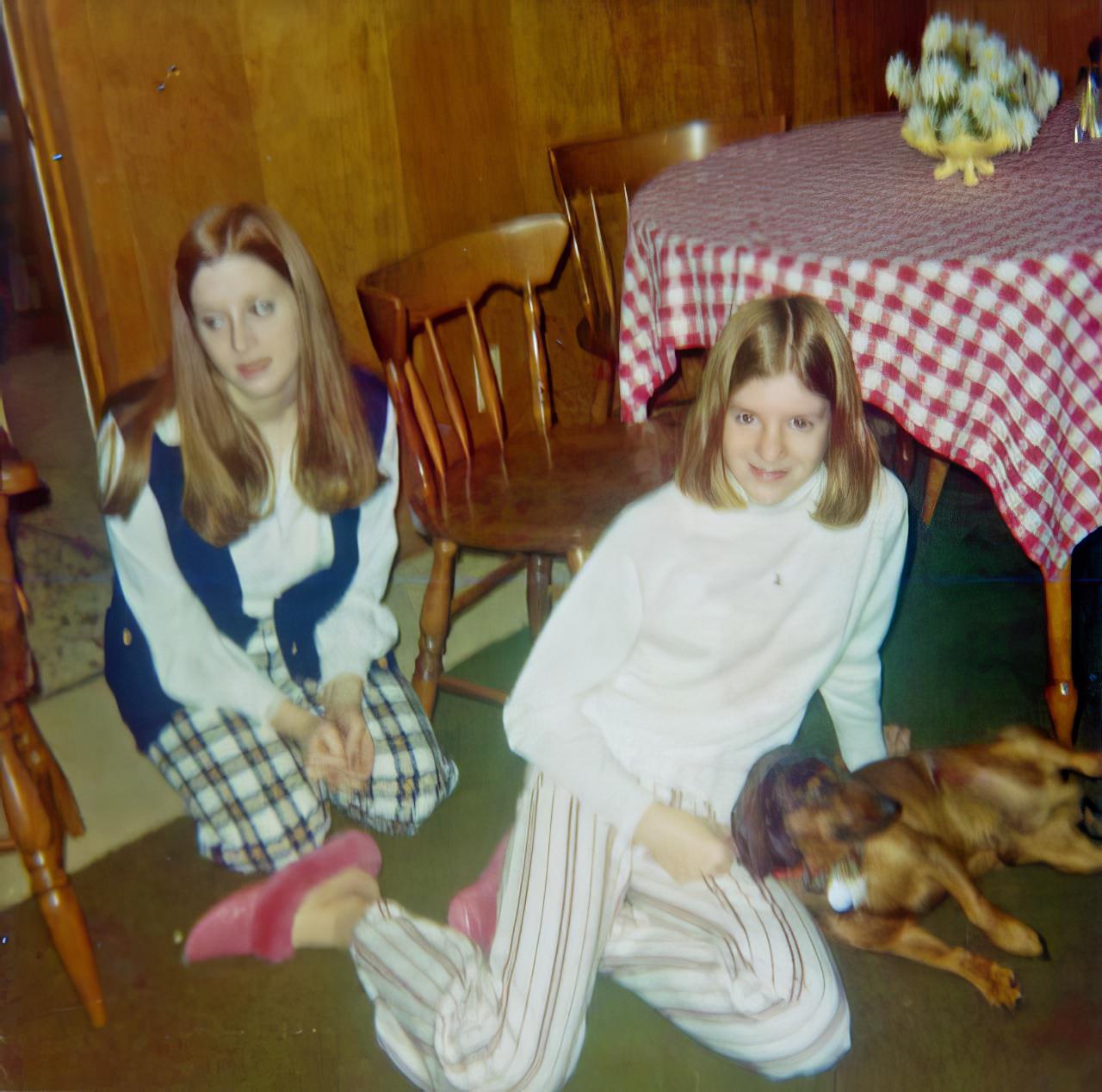
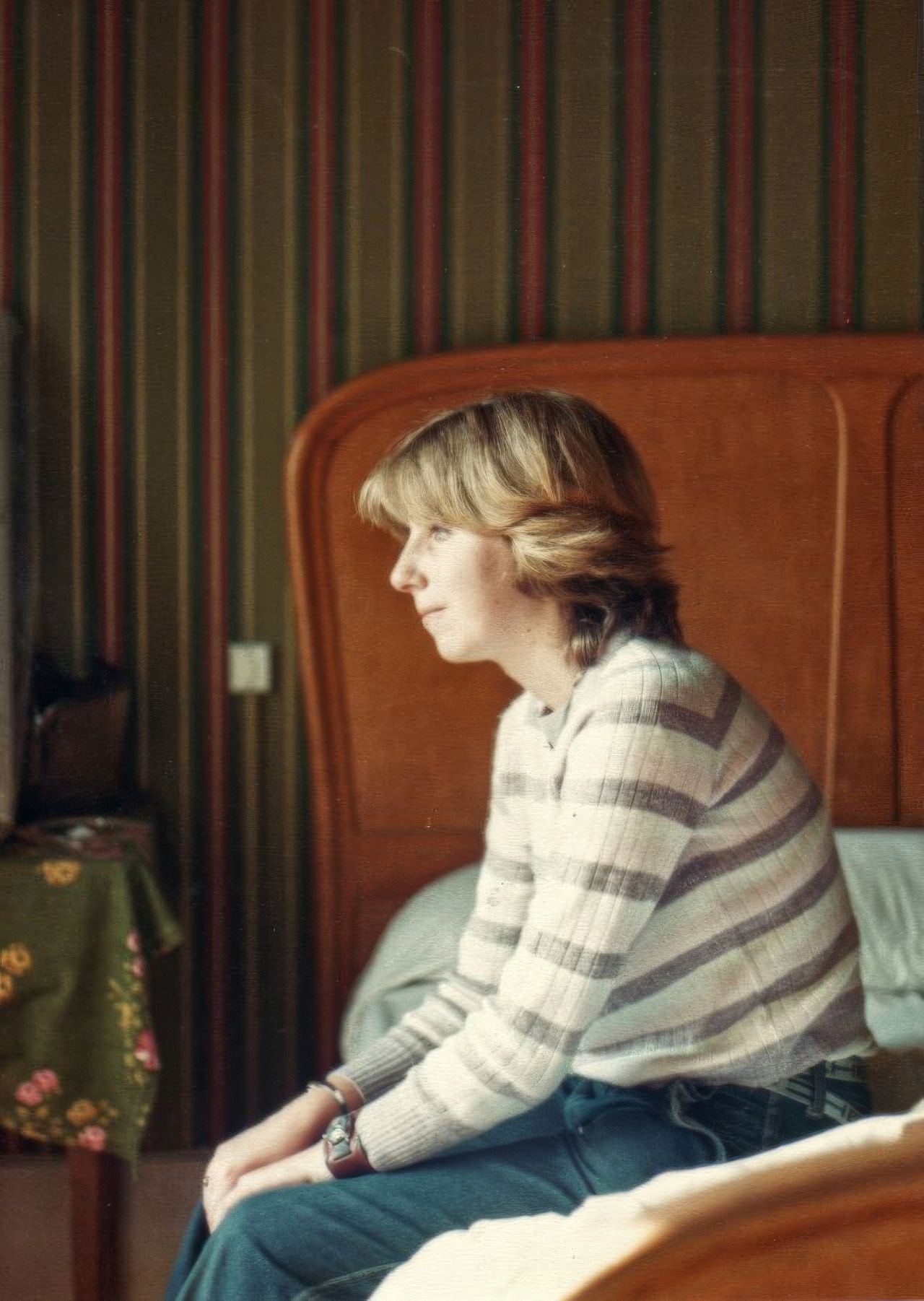
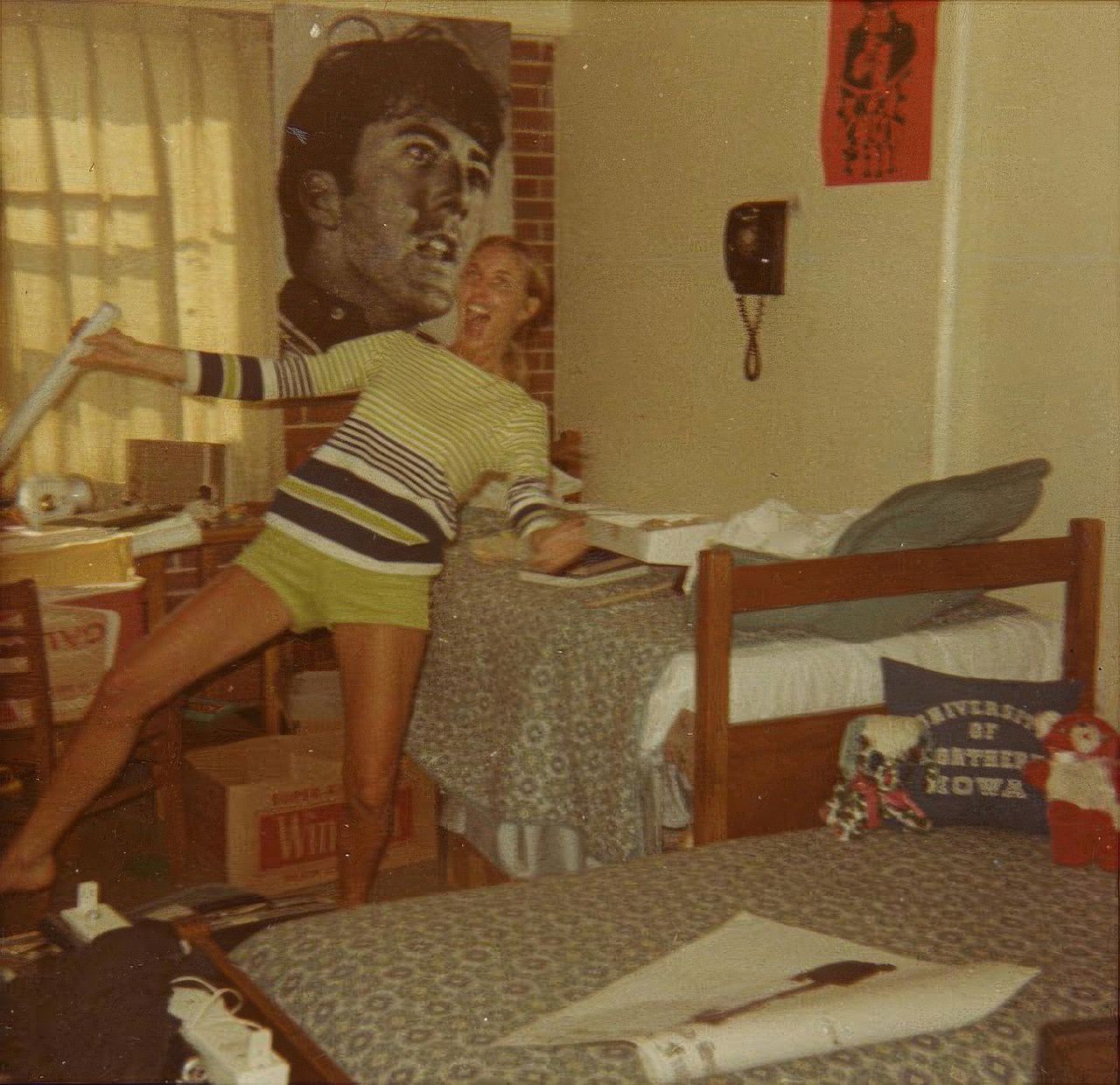
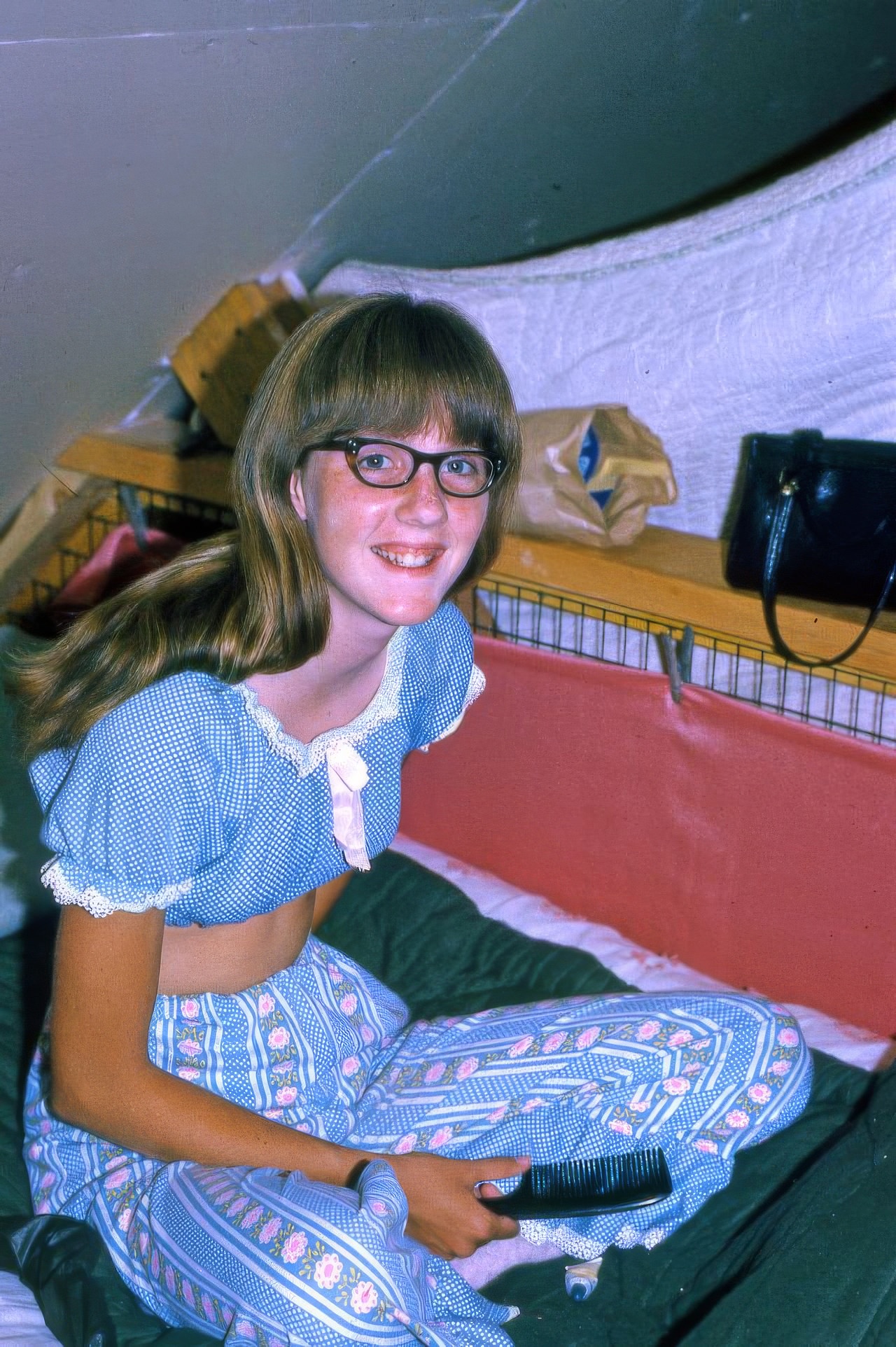
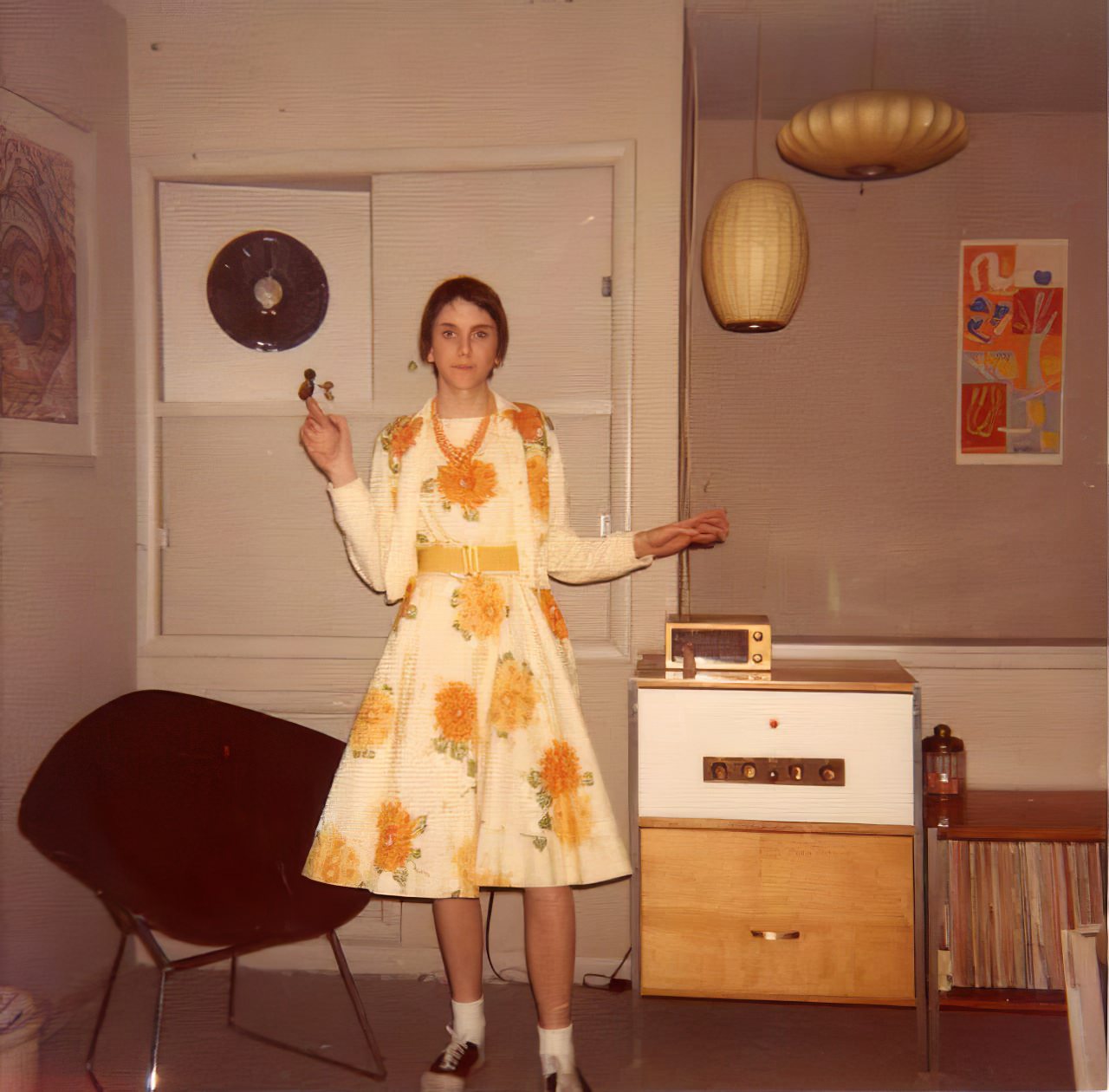
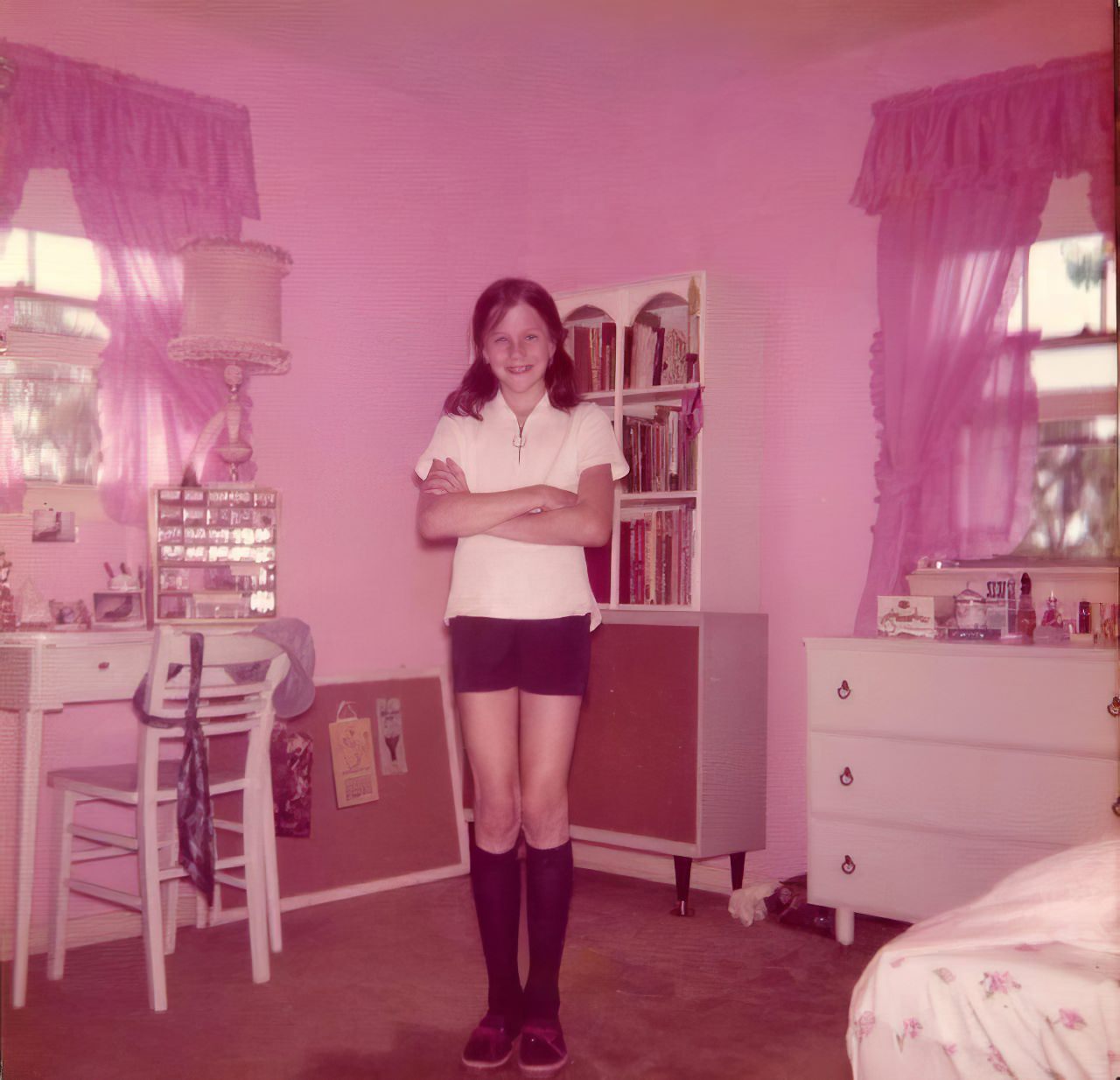
Teenagers in the 1970s lived in a world without smartphones, streaming, or social media. Their homes were filled with shag carpets, wood-paneled walls, and appliances in avocado green or harvest gold. Bold wallpaper with geometric patterns covered entire rooms, and chunky furniture sat on floors in bright, heavy colors. It was a distinct look — and it was everywhere.
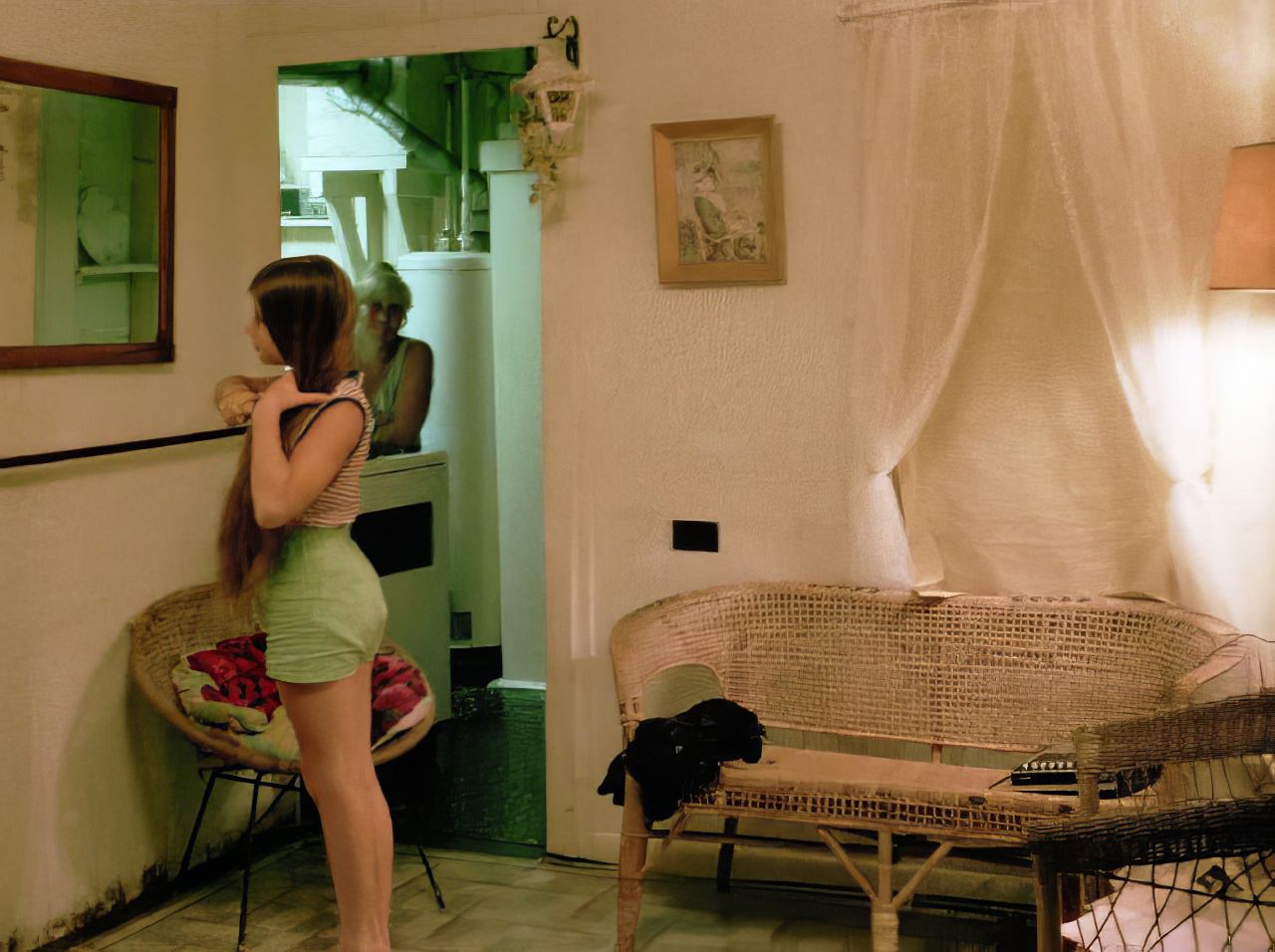
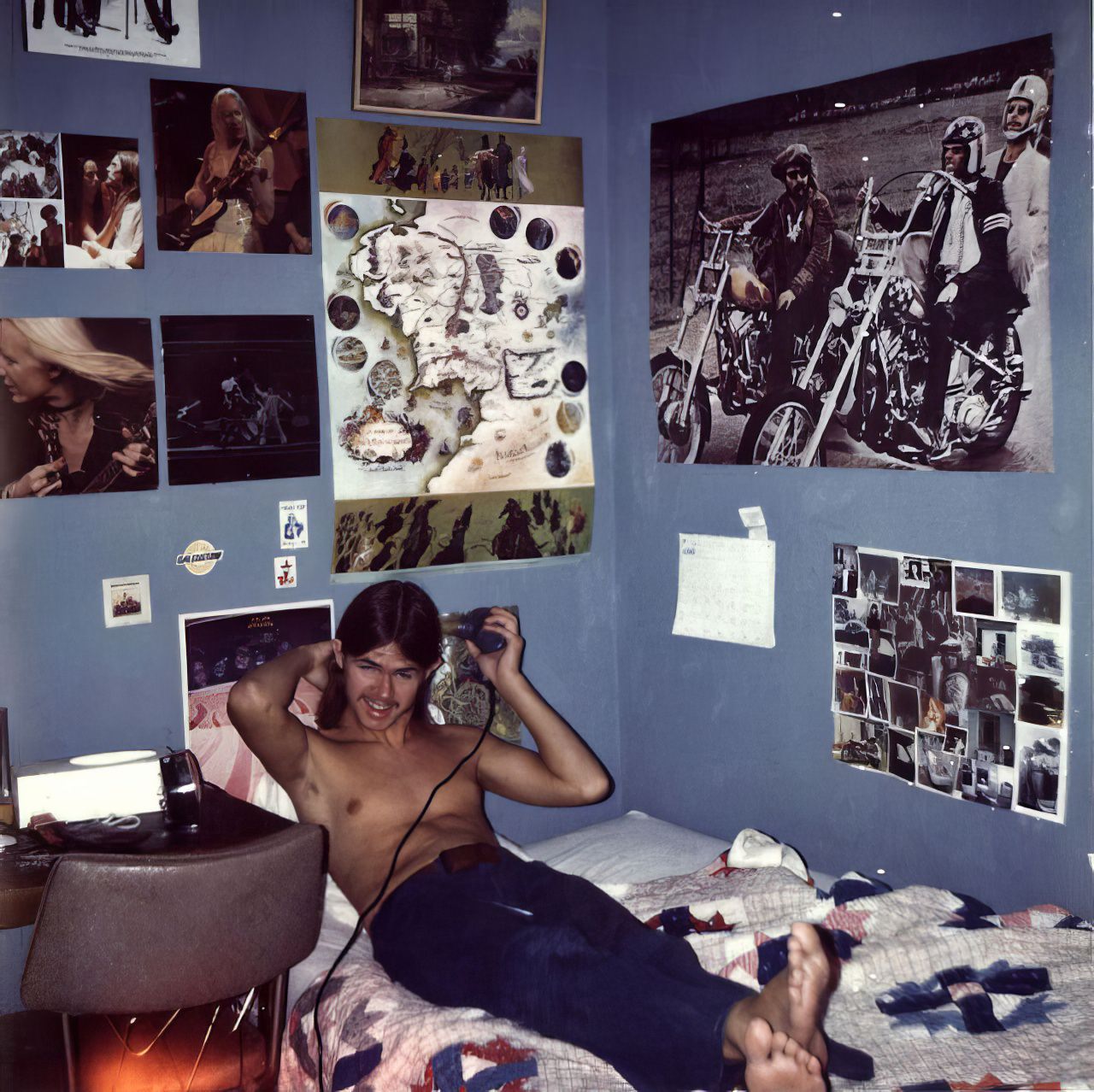
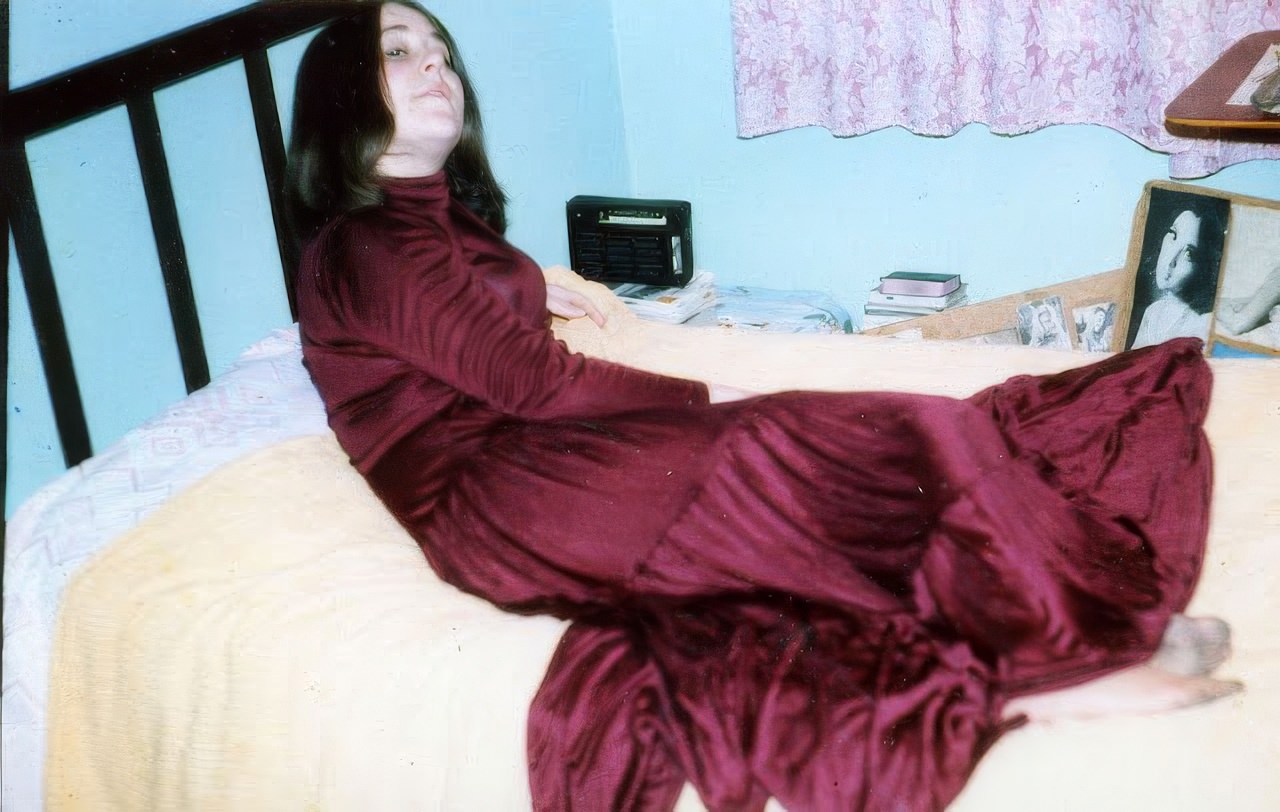
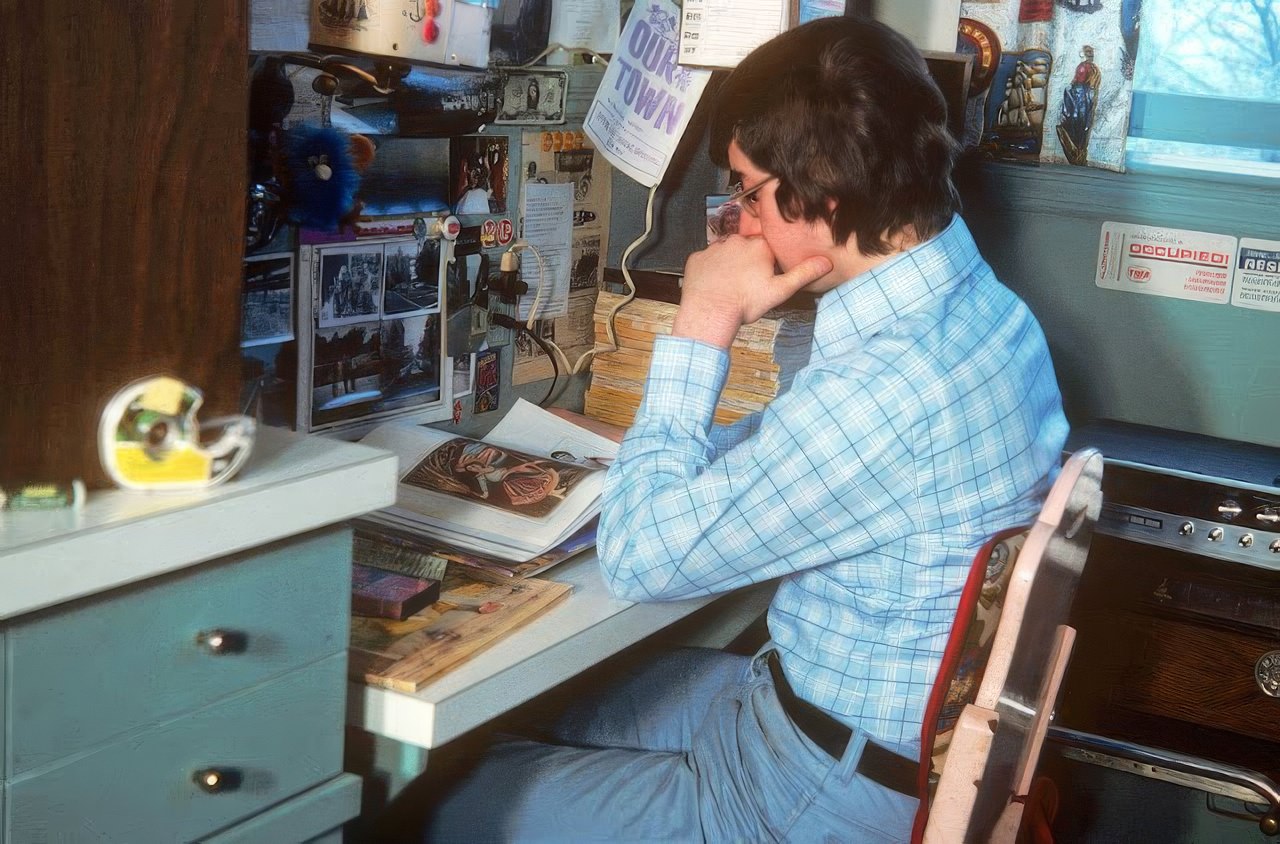
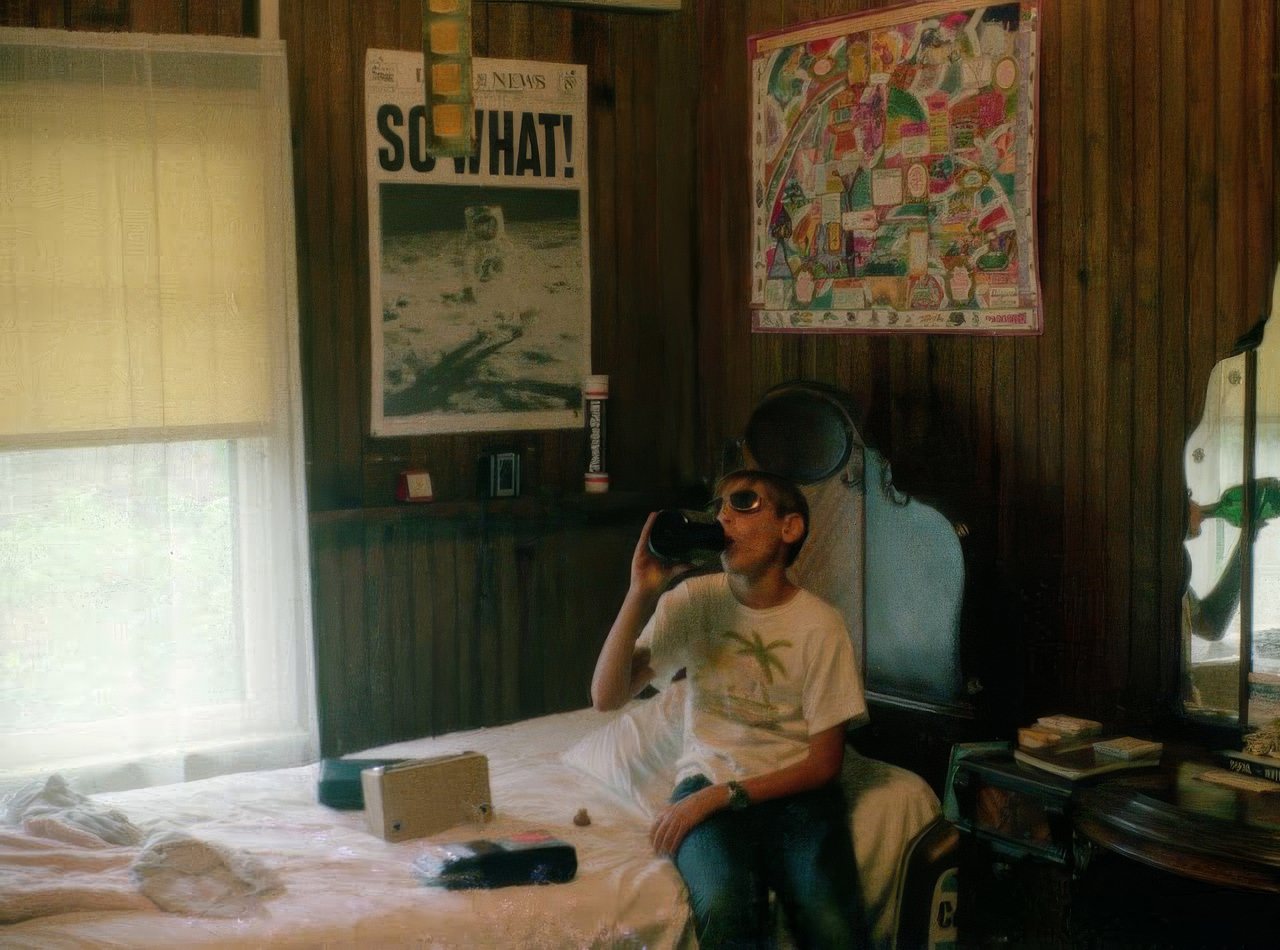
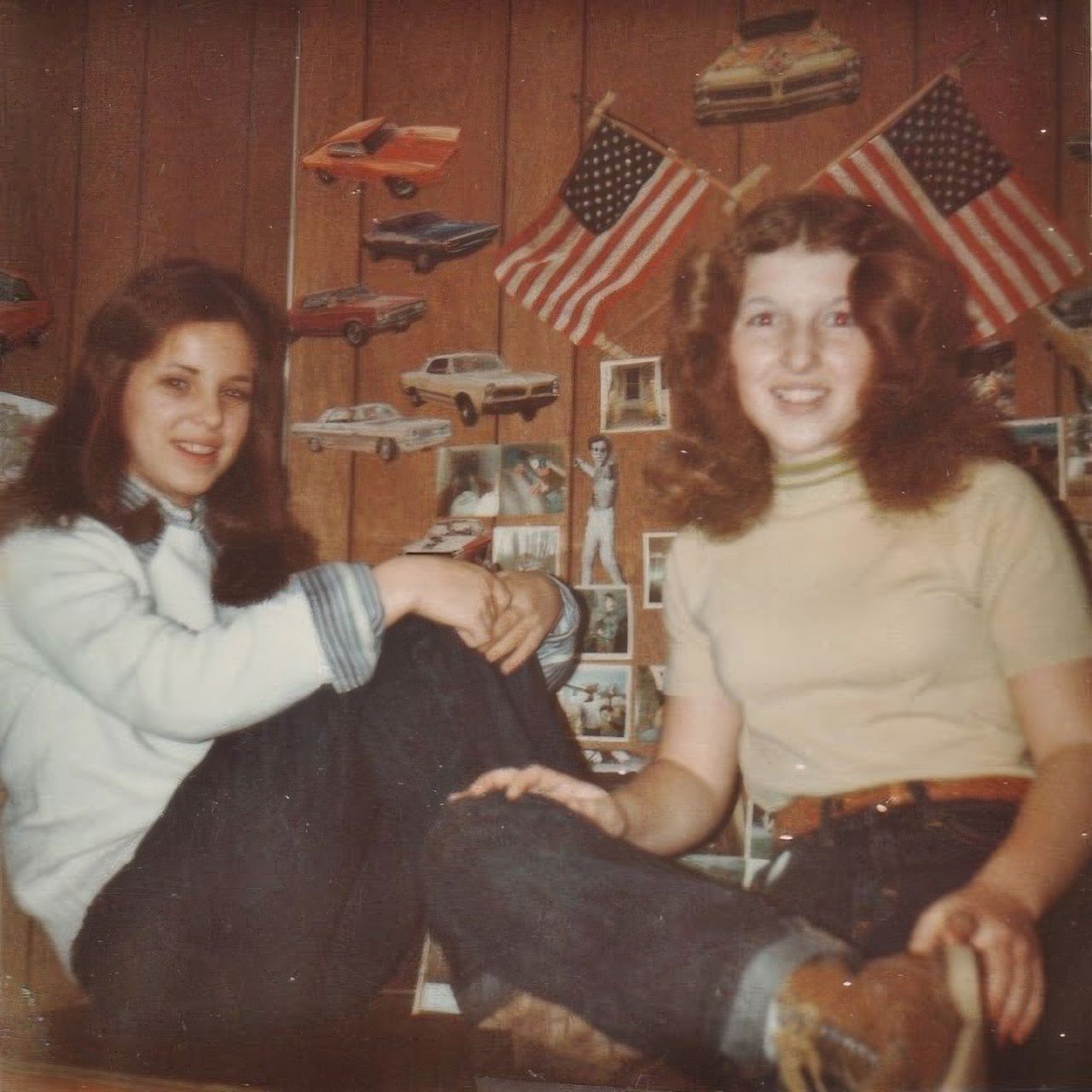
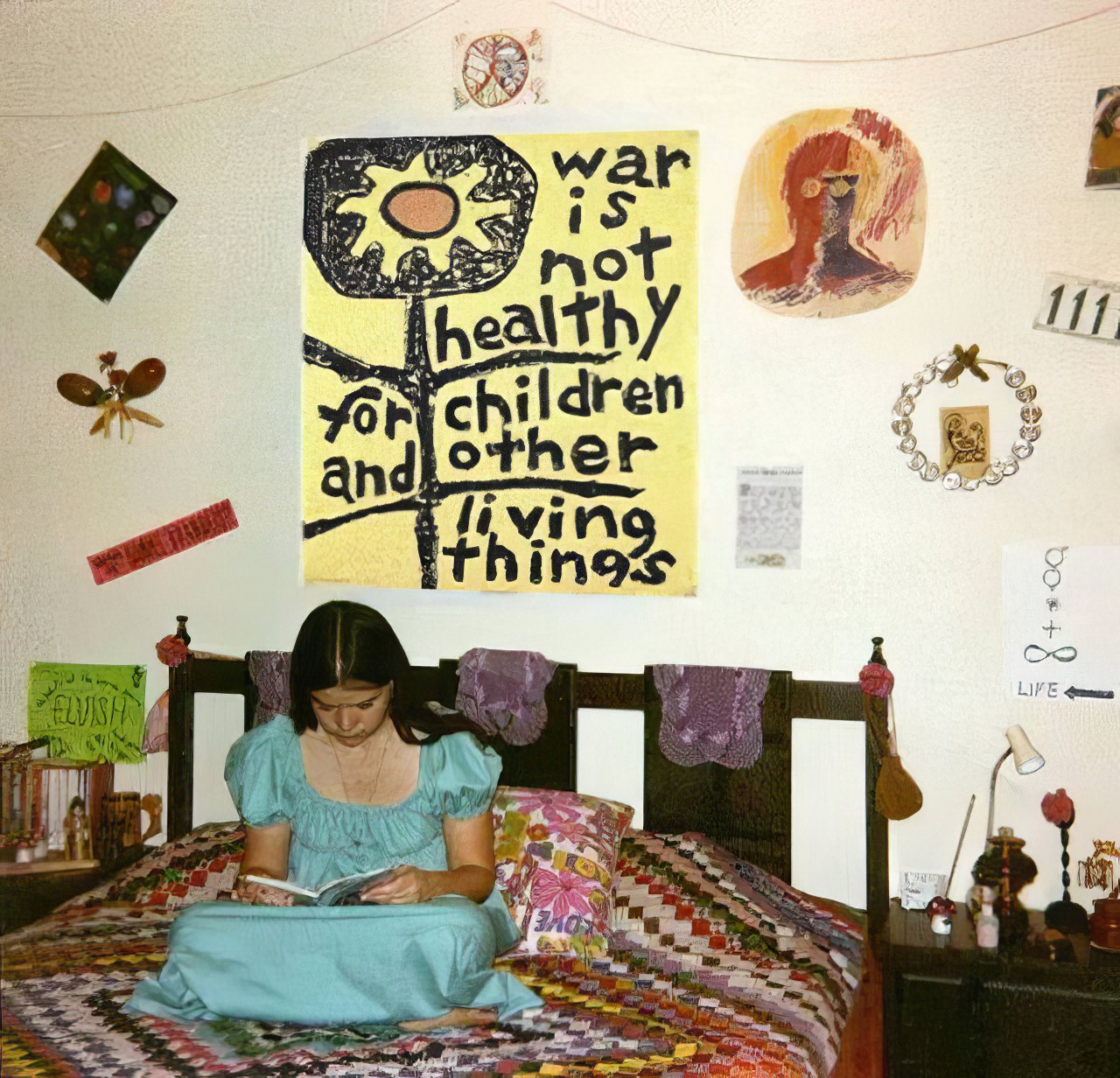
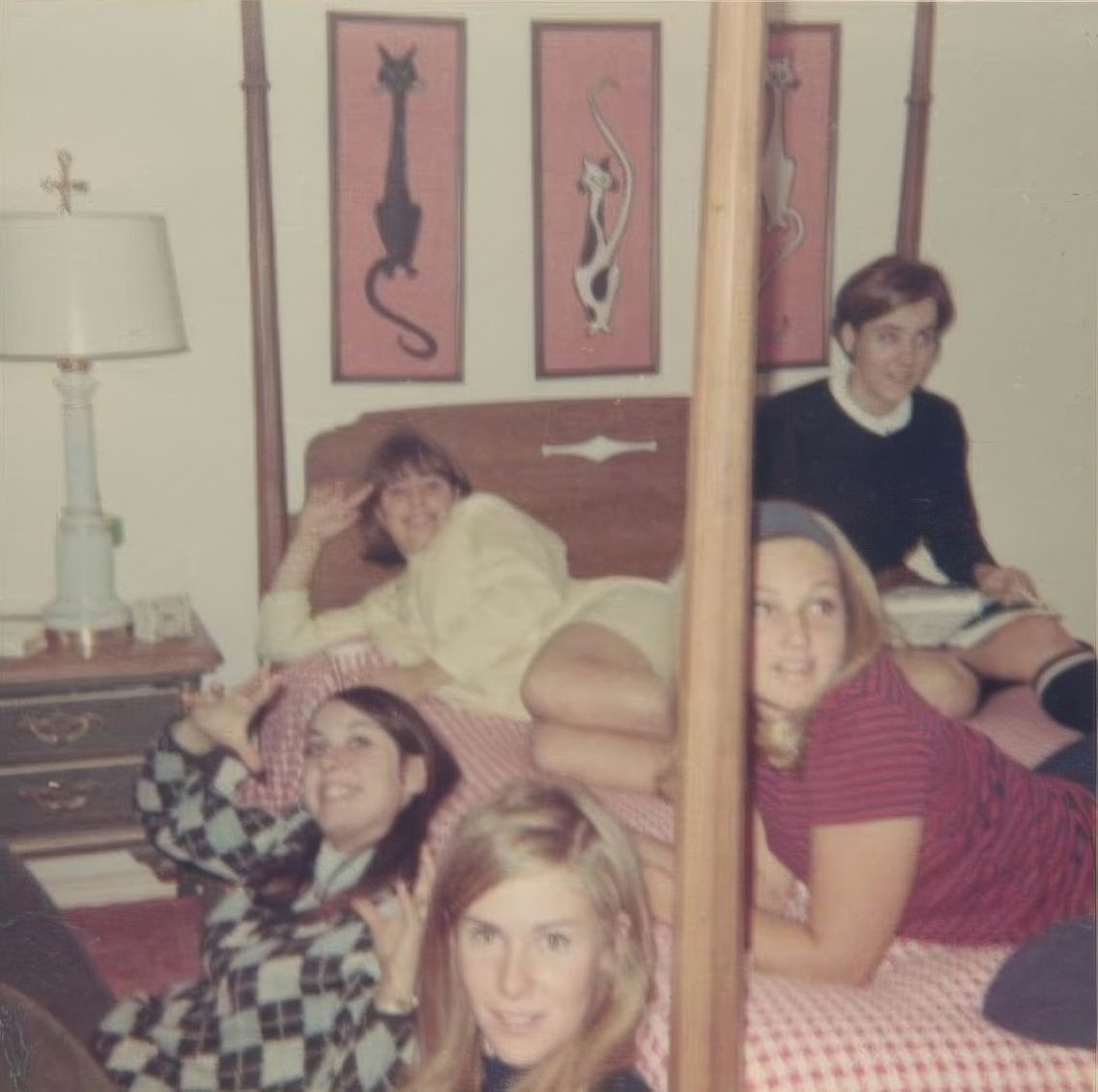
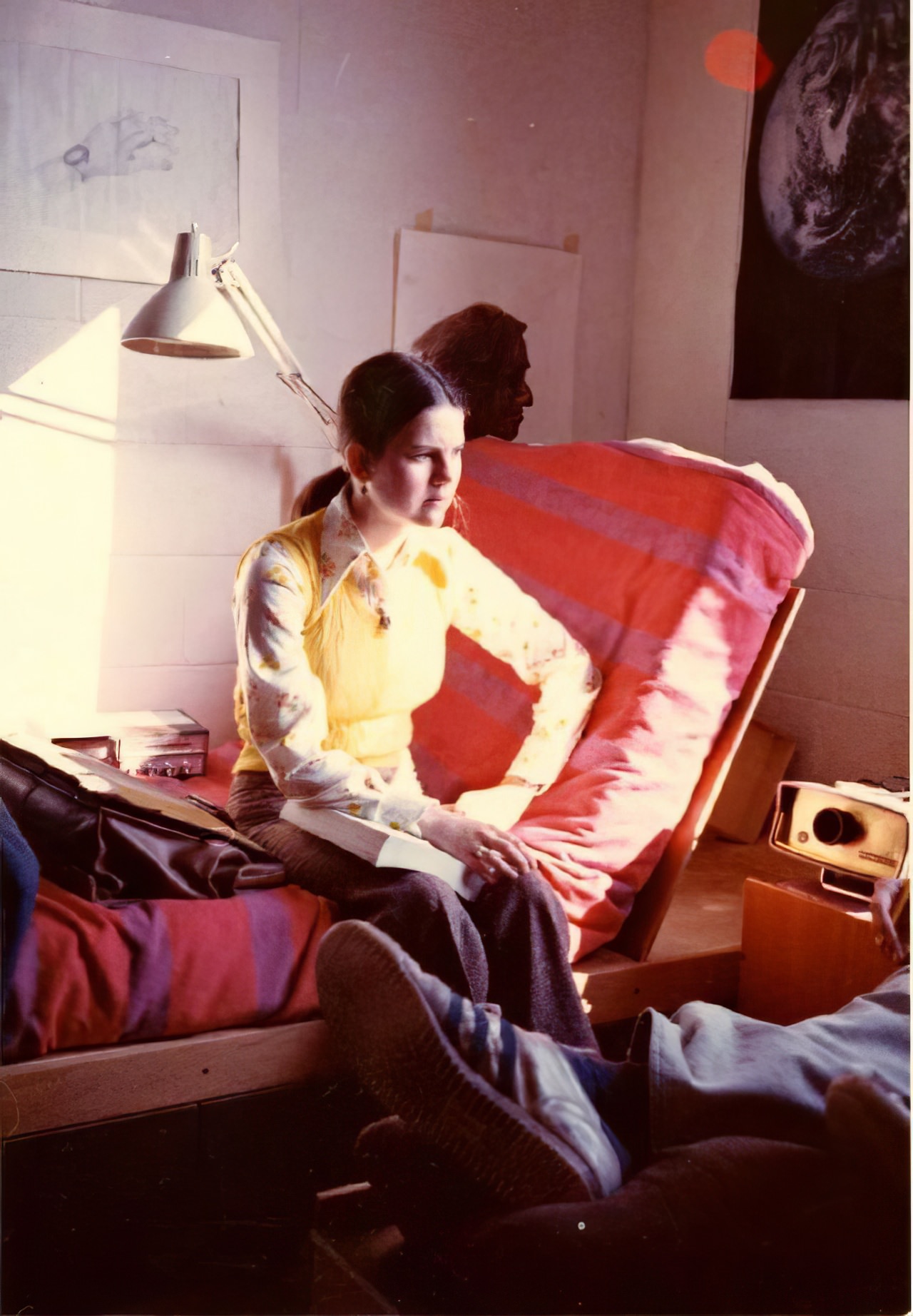
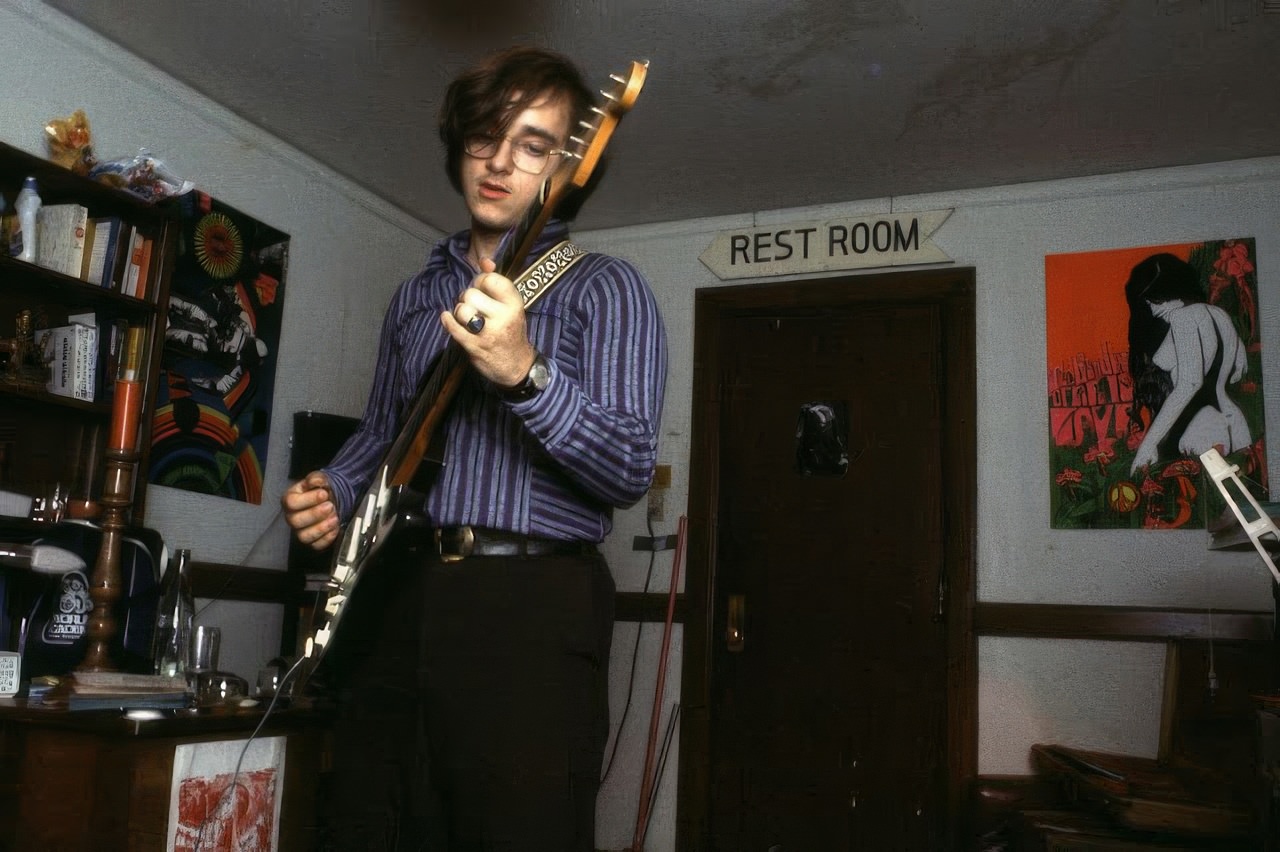
Bedrooms were personal spaces teens made their own. Posters of favorite bands, athletes, and actors covered the walls. Many teens also had blacklight posters that glowed in the dark, giving their rooms a psychedelic feel. These rooms doubled as hangout spots where friends gathered after school.
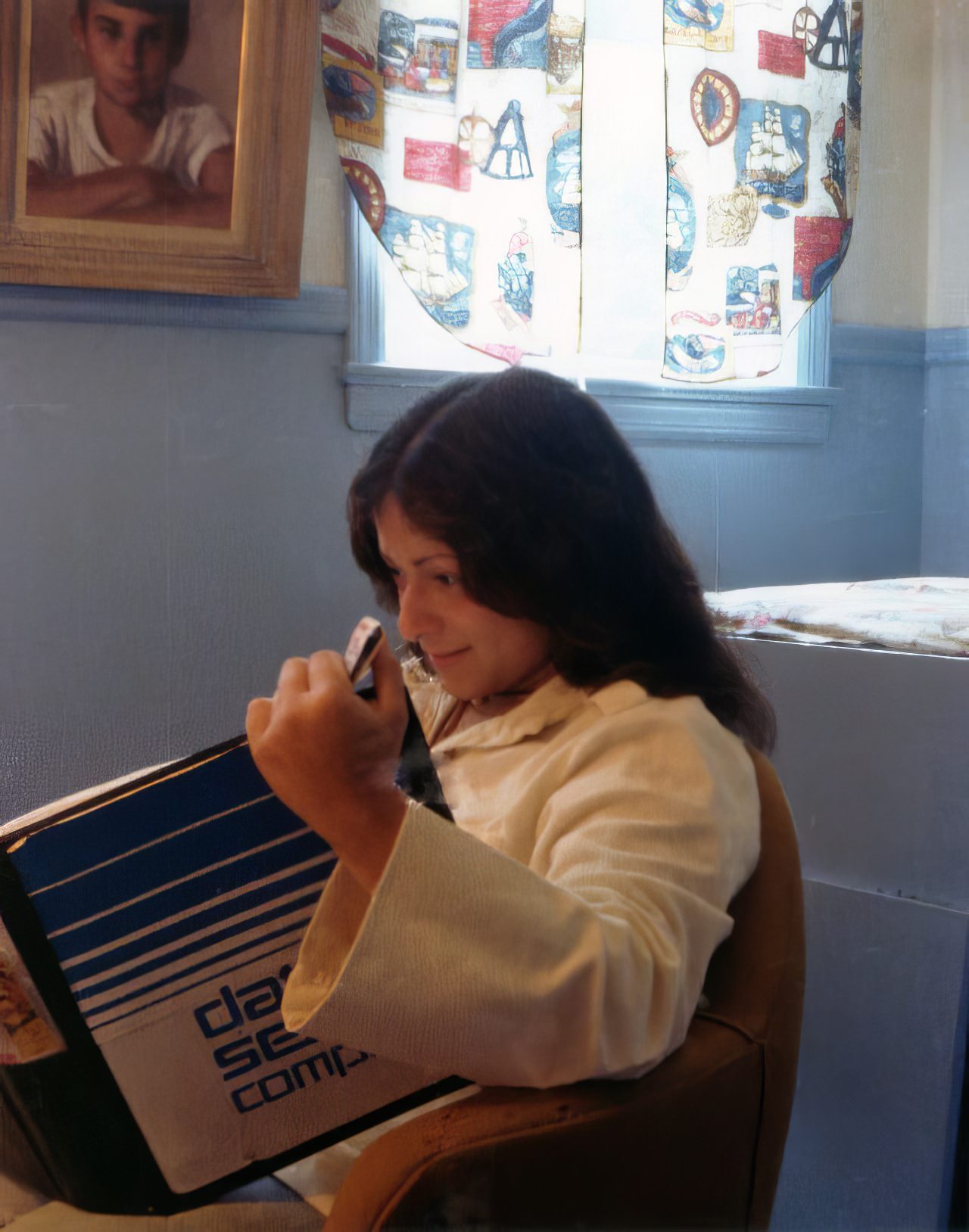
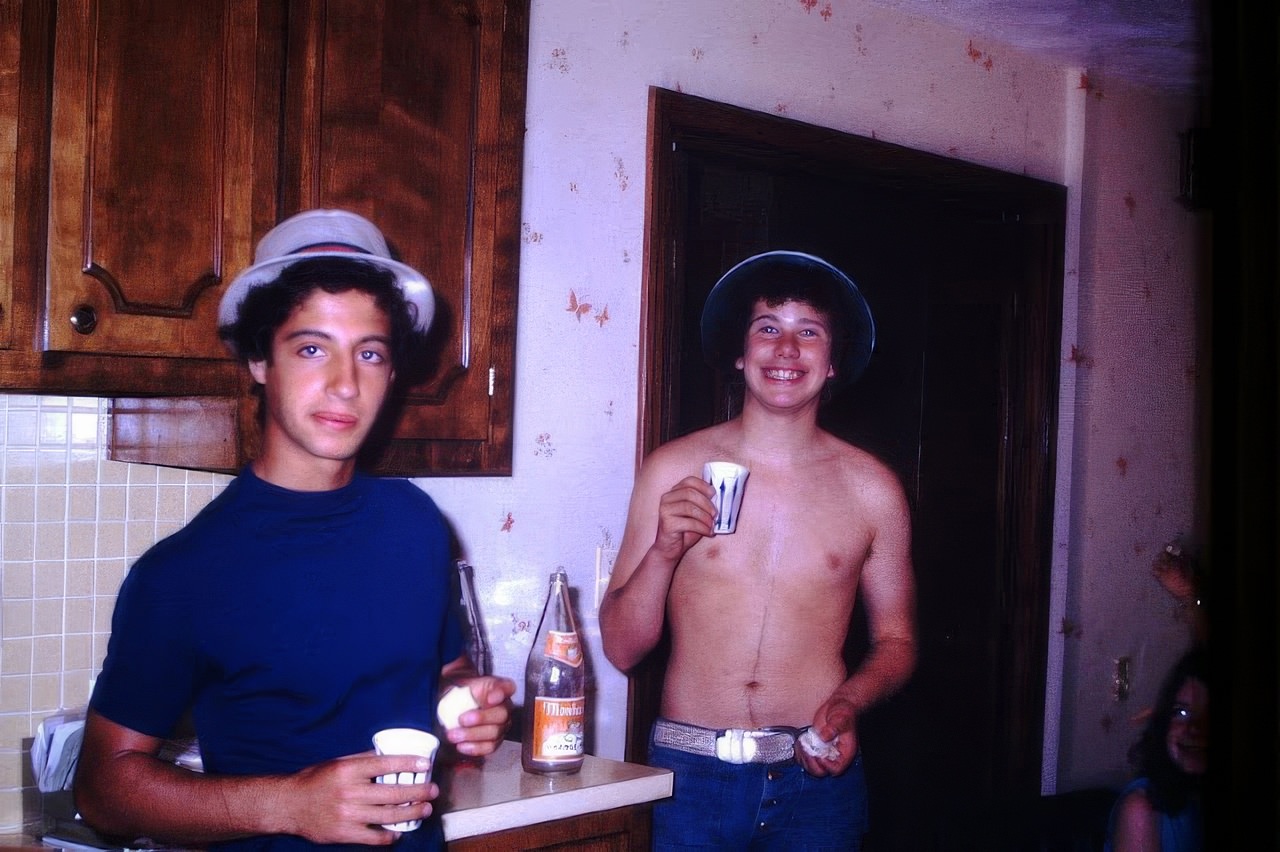
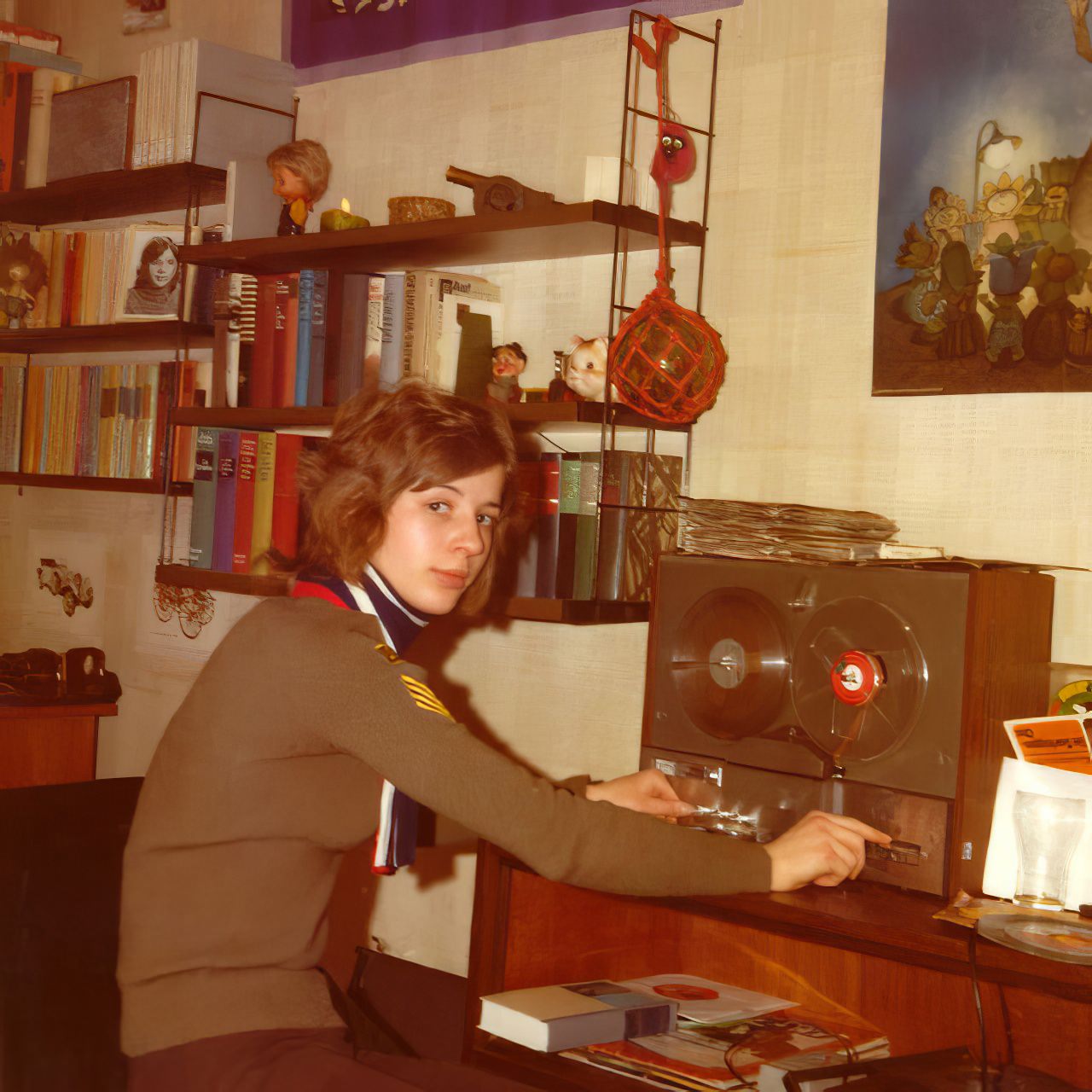
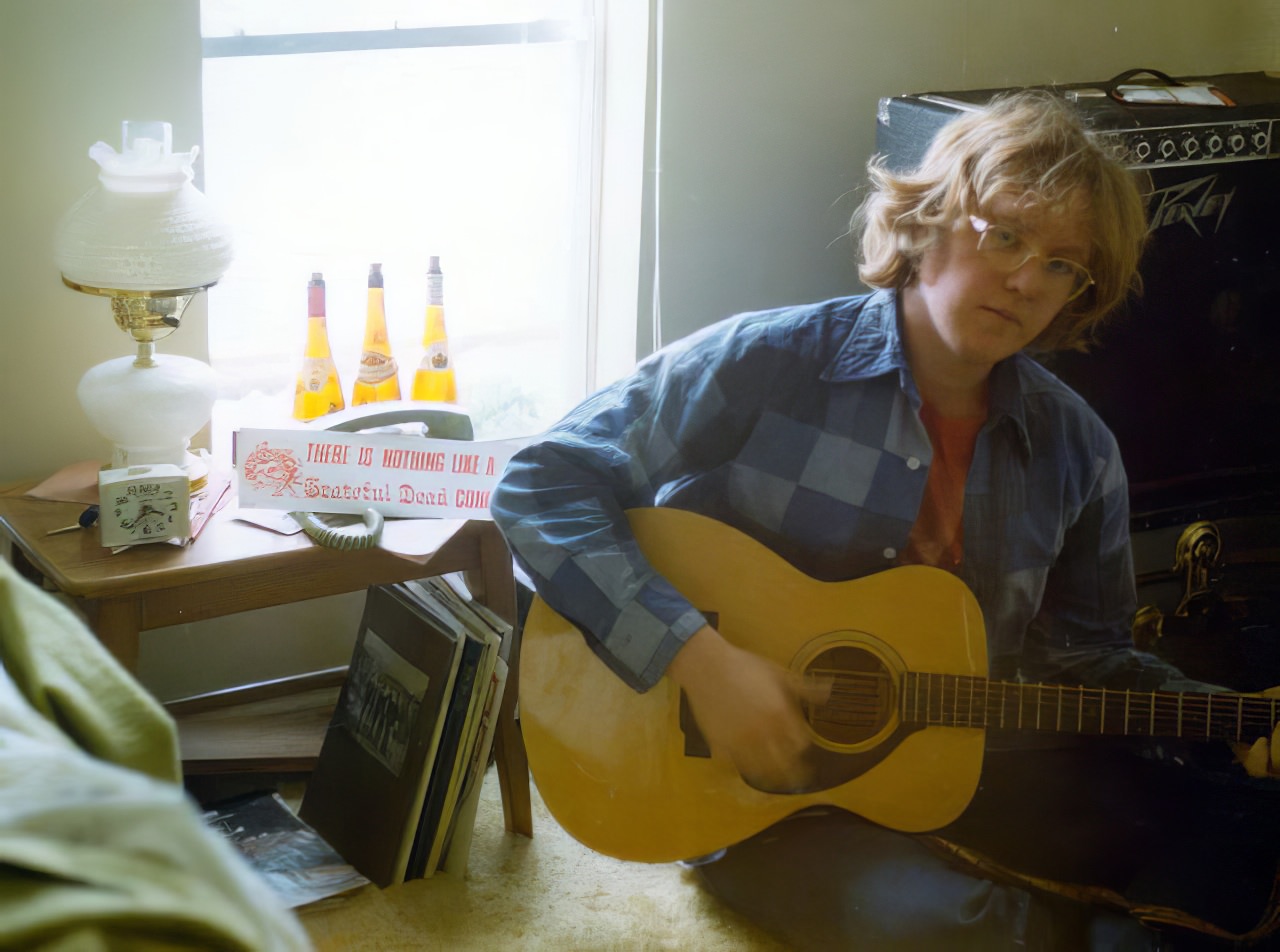
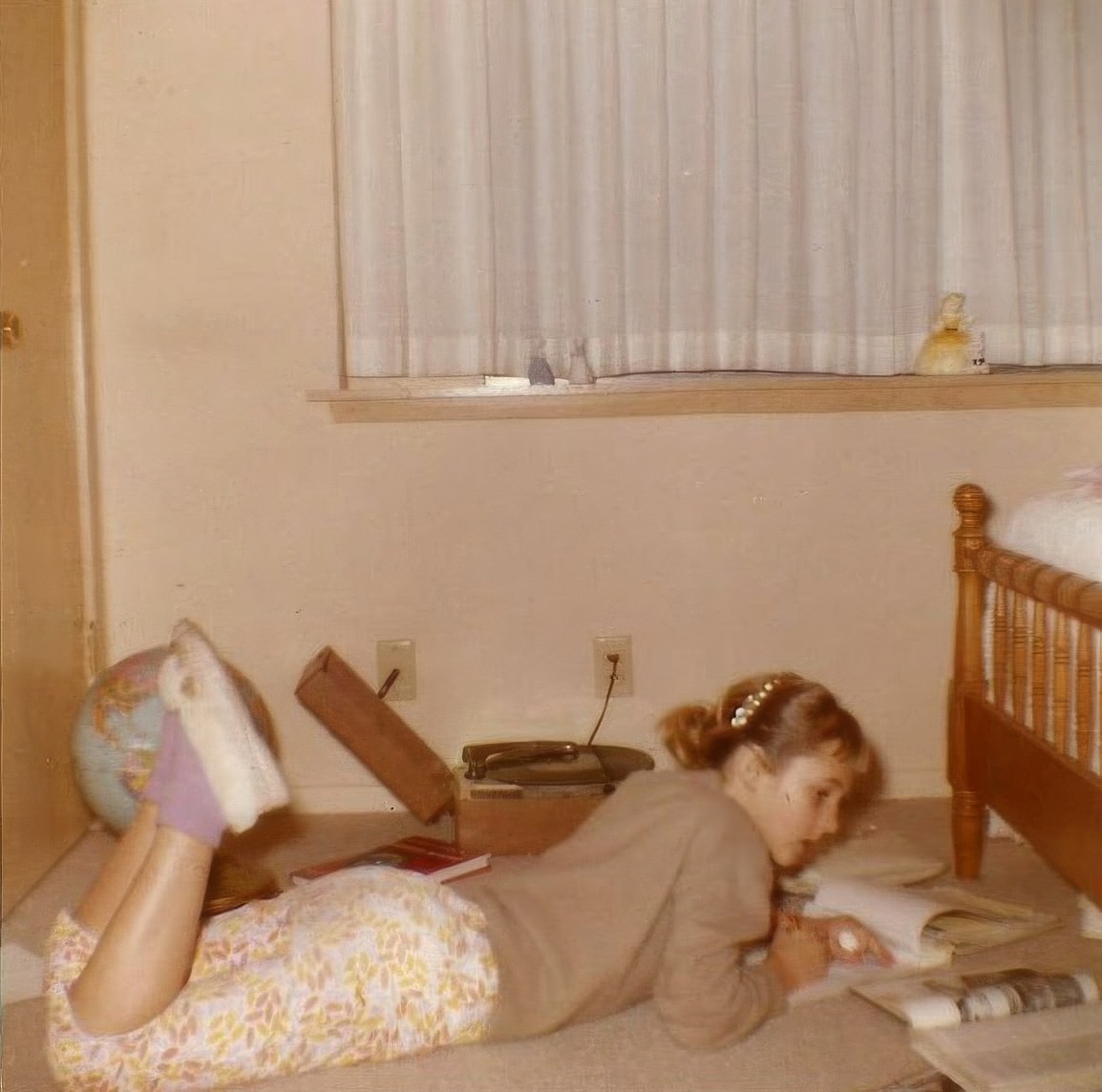
Music was central to teen life. Record players were a household staple, and teens spent hours spinning vinyl from artists like Led Zeppelin, Pink Floyd, ABBA, and the Bee Gees. Rock, pop, disco, and funk all had loyal followings. Cassette players gave teens another option — they recorded songs off the radio and made mixtapes to share with friends.
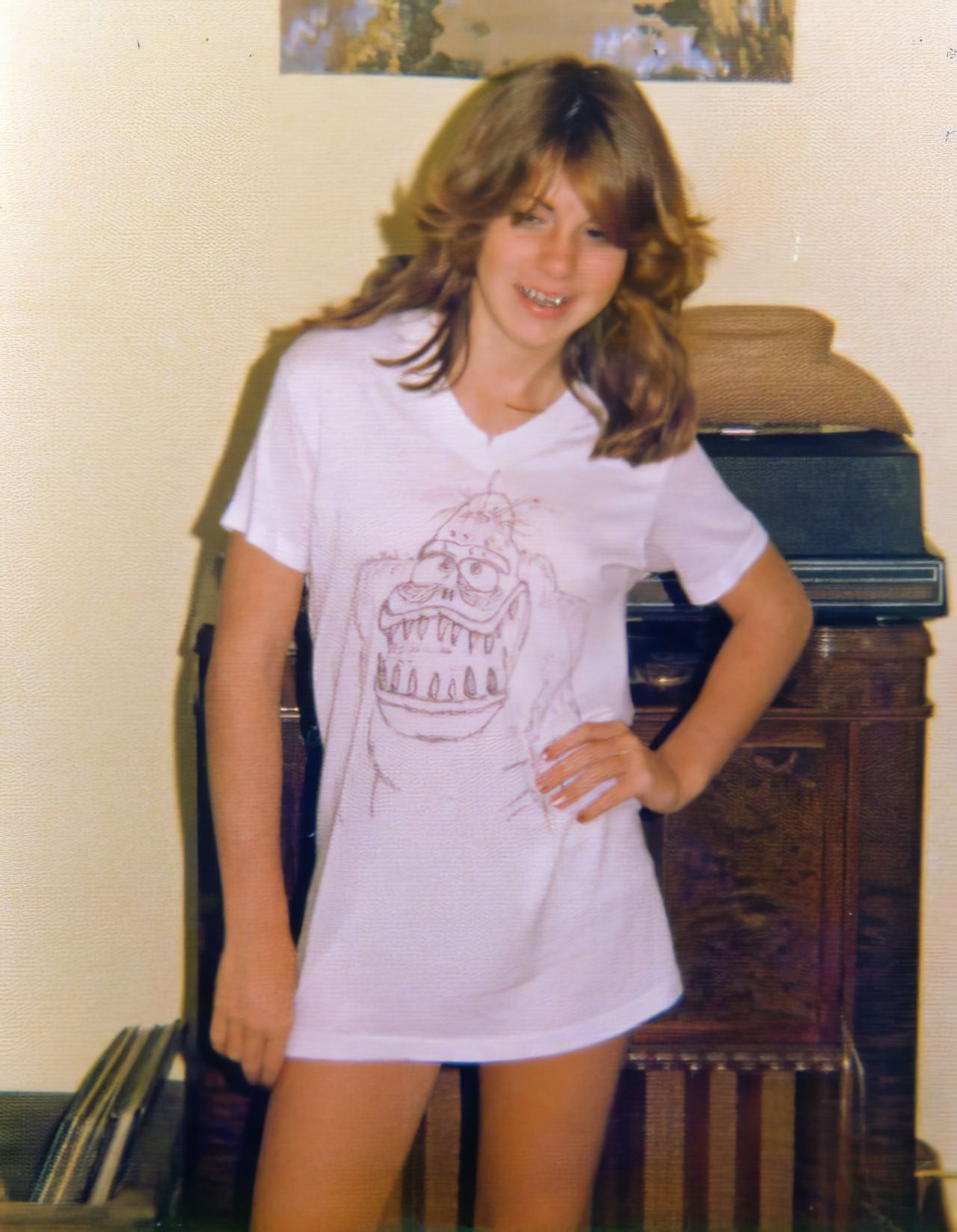
When they weren’t listening to music, teens filled their time with books, board games, and crafts. Judy Blume’s novels were widely read. Monopoly and Scrabble were regular weekend activities. For the creative crowd, macrame, tie-dyeing, painting, and drawing were all popular hobbies that cost little and kept hands busy for hours.
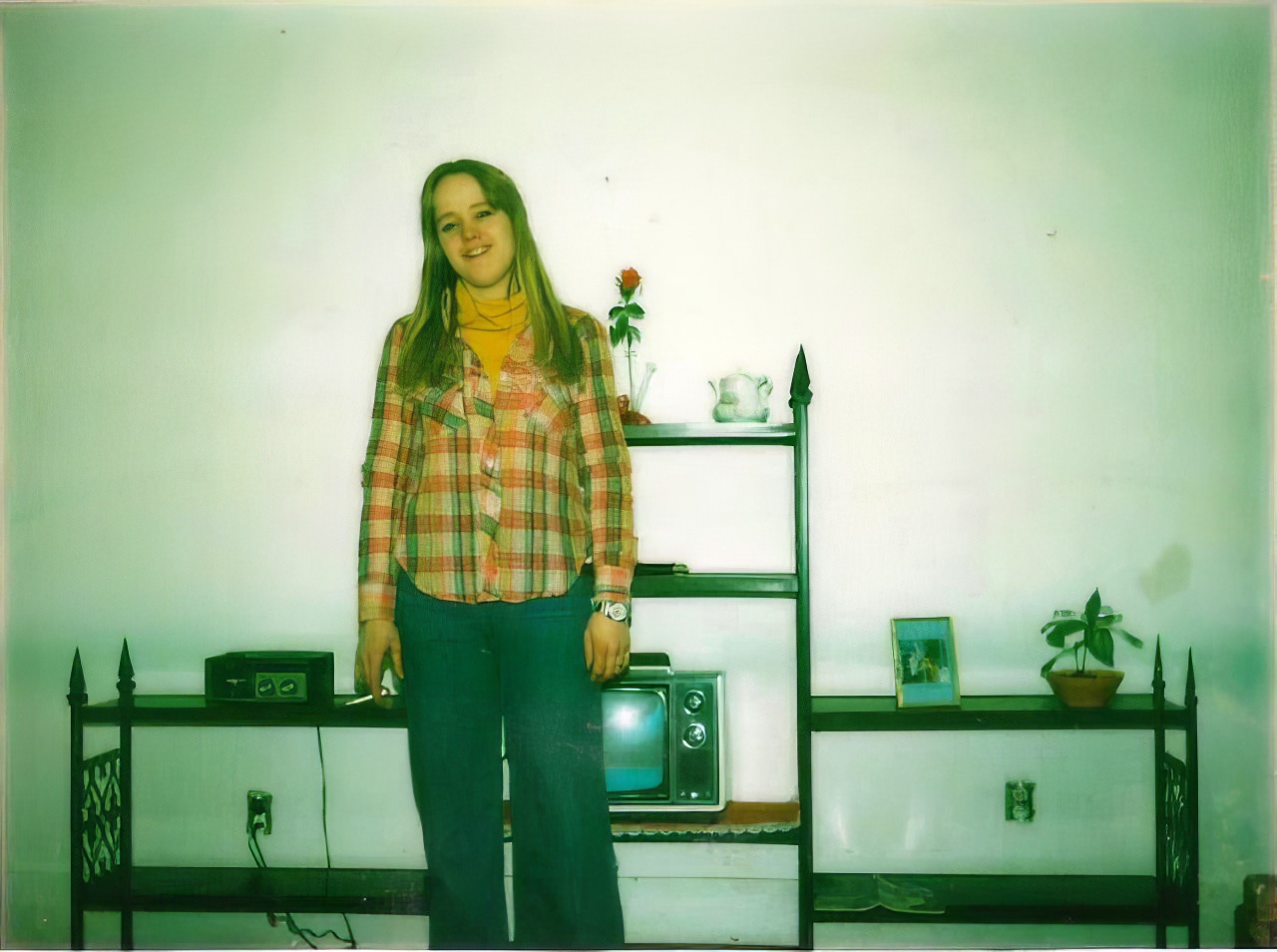
Television brought the whole family to one room. Shows like Happy Days, The Brady Bunch, and Charlie’s Angels had dedicated teen viewers who talked about each episode with classmates the next day. Missing an episode meant missing out — there was no way to rewatch it later.
Movies were a big deal too. Star Wars, Grease, and Jaws drew teens to theaters in huge numbers. These films became shared cultural touchstones that teens discussed, debated, and quoted at home for months after release.