On June 6, 1944, Allied forces stormed the beaches of Normandy in one of the largest military operations in history. Most people know D-Day through black-and-white images of chaos on the shoreline. But LIFE magazine photographer Frank Scherschel told a different story — in color, and from angles that rarely made it to print.
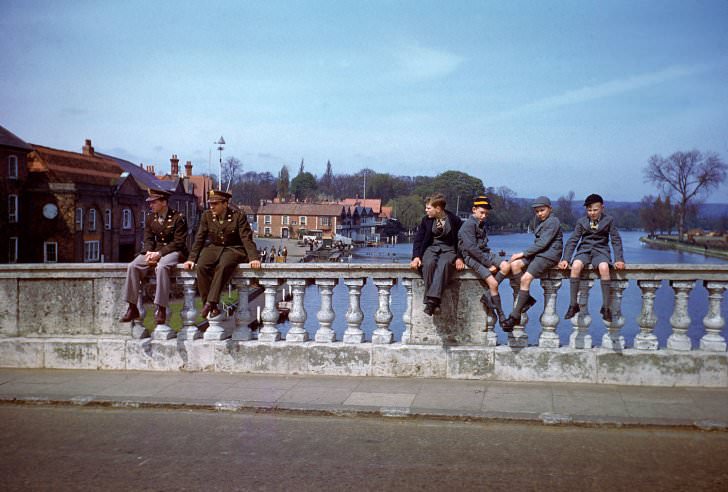
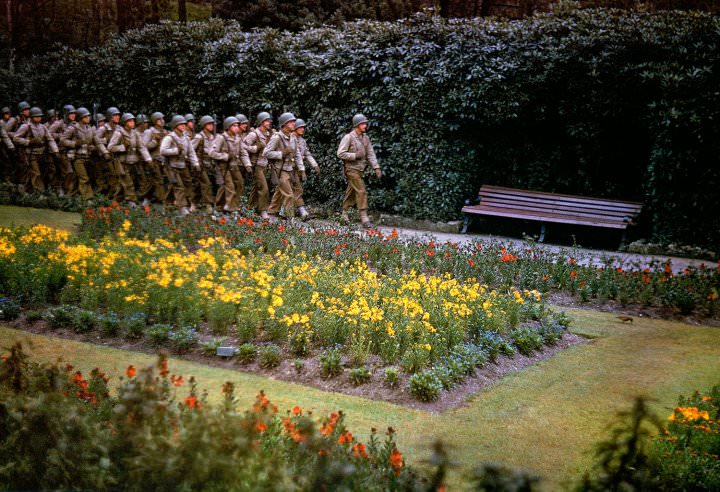
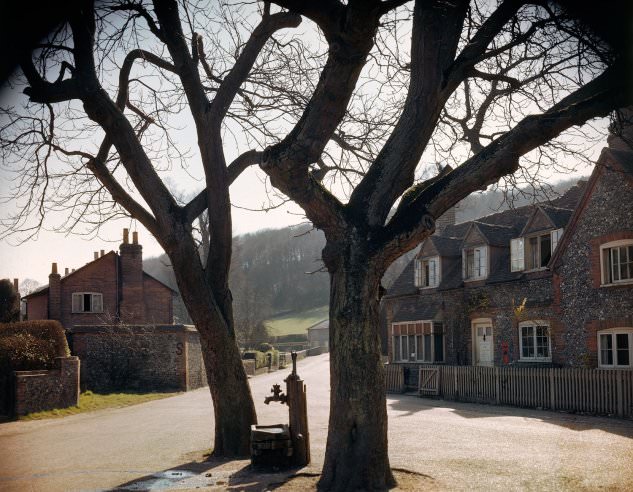
In the months before the invasion, American troops trained intensively across England. They practiced beach landings, weapon handling, and coordinated team movements. Scherschel was there, capturing soldiers as they waited in small towns, mingled with locals, and quietly prepared for what lay ahead.
Troops and civilians pass the time on the River Thames in the spring of 1944There were flowers blooming everywhere, and everywhere the people waited for the news from England. It was as though the whole nation stood on tiptoe, straining to hear the thunder of guns.
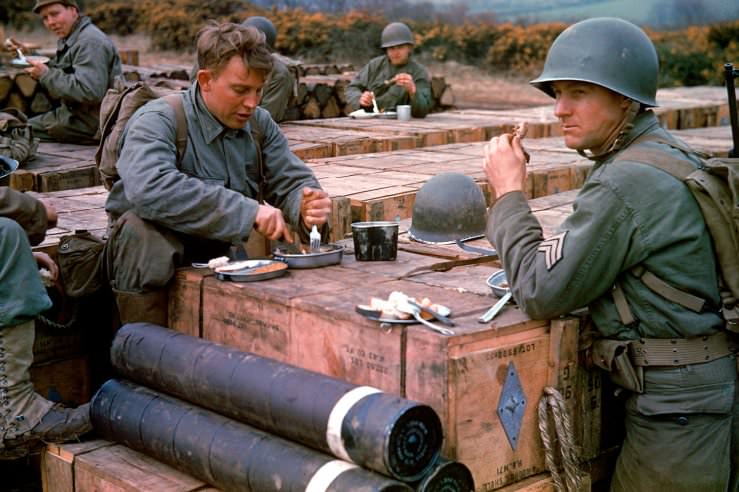
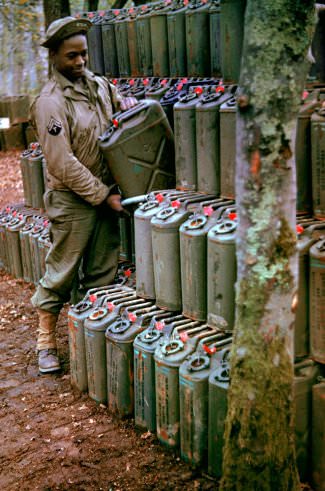
The scale of preparation was staggering. Supplies, fuel, and ammunition were stockpiled across southern England. Every detail had to be in place before the first soldier set foot on a Normandy beach.
American combat engineers eat a meal atop boxes of ammunition stockpiled for the impending D-Day invasion, May 1944An American corporal stacks cans of gasoline in preparation for the upcoming invasion of France, Stratford-upon-Avon, England, May 1944A small town in England in the spring of 1944, shortly before D-Day
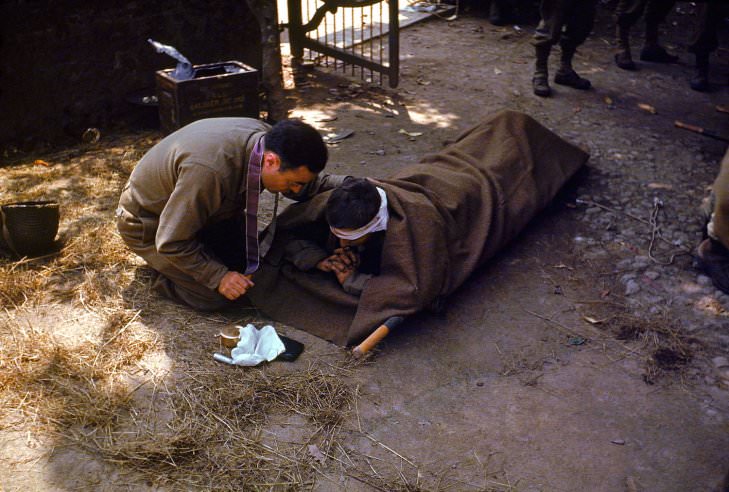
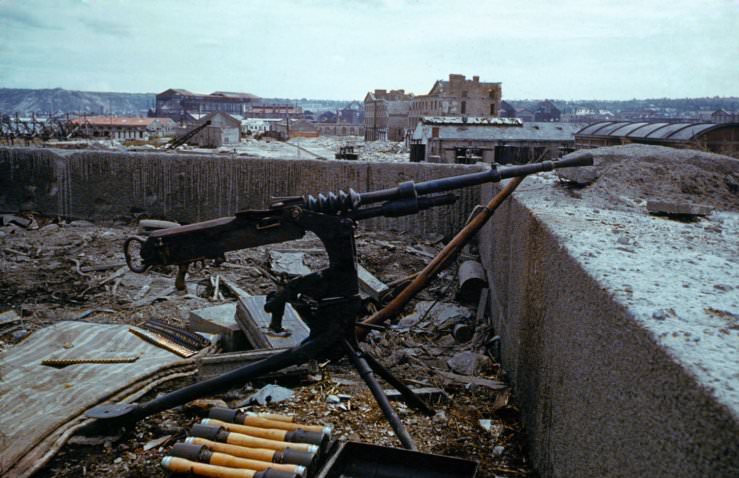
Once the landings began, Scherschel photographed the invasion from the air before joining Allied troops pushing inland. The French countryside presented a sharp contrast — green fields and quiet villages standing alongside devastation and death. An Army chaplain administered last rites to wounded men in open fields. Abandoned German weapons rusted where soldiers had dropped them.
An American Army chaplain kneels next to a wounded soldier in order to administer the Eucharist and Last Rites, France, 1944An abandoned German machine gun, France, June 1944
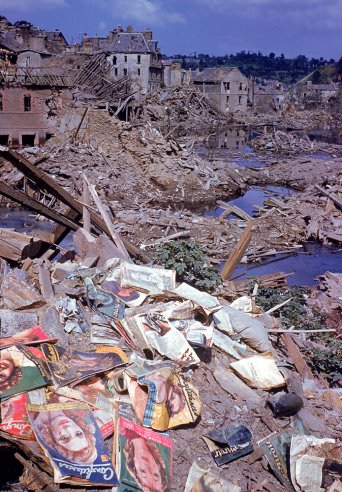
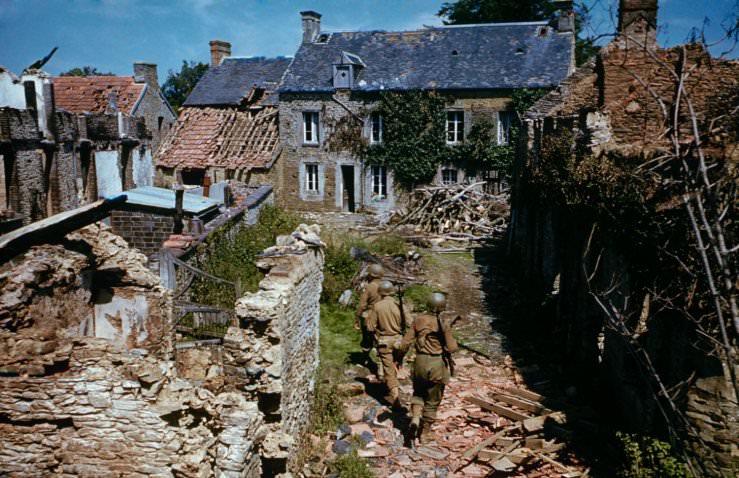
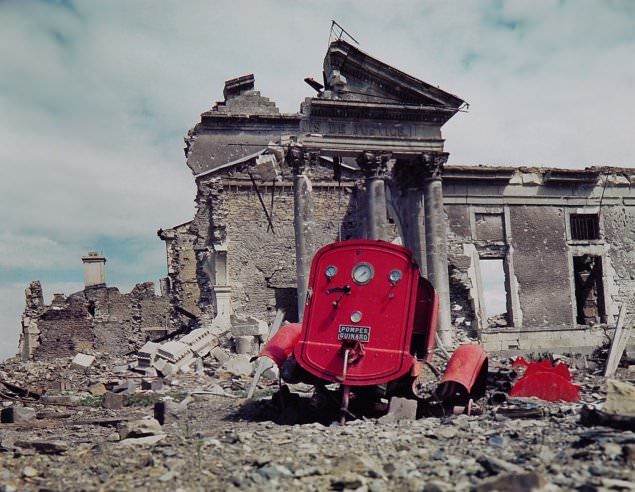
Towns like Saint-Lô were reduced to rubble by Allied bombing. The destruction was total — buildings collapsed, streets buried in debris, even a fire engine crushed beyond recognition.
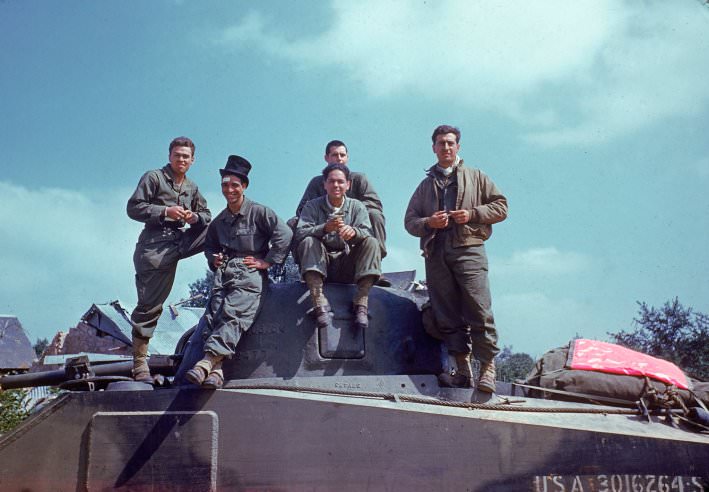
Magazines scattered among the rubble of the heavily bombed town of Saint-Lô, Normandy, France, summer 1944An American tank crew takes a breather on the way through the town of Avranches, Normandy, summer 1944“We thought it was going to be murder but it wasn’t. To show you how easy it was, I ate my bar of chocolate. In every other operational trip, I sweated so much the chocolate they gave us melted in my breast pocket.” — Frank Scherschel describing his experiences photographing the Normandy invasion from the air, before he joined Allied troops heading inland. Above: GIs search ruined homes in western France after D-Day.View of the ruins of the Palais de Justice in the town of St. Lo, France, summer 1944. The red metal frame in the foreground is what’s left of an obliterated fire engine
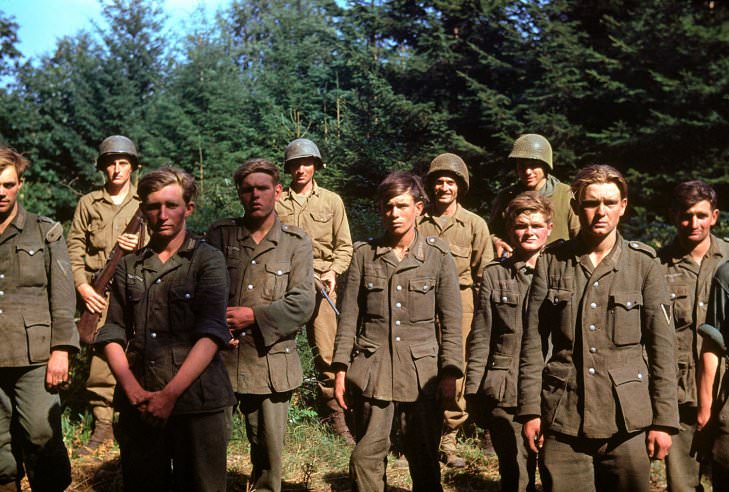
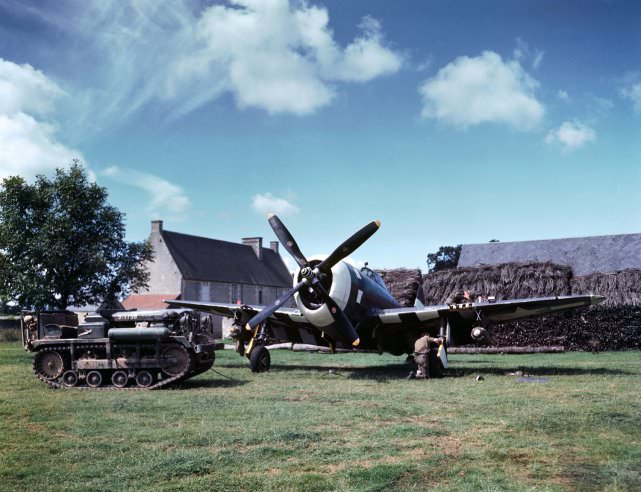
From D-Day until Christmas 1944, German prisoners were transported to American detention facilities at a rate of 30,000 per month. Meanwhile, Allied air power remained a constant presence, with planes like the P-47 Thunderbolt operating from improvised airfields cut into French farmland.
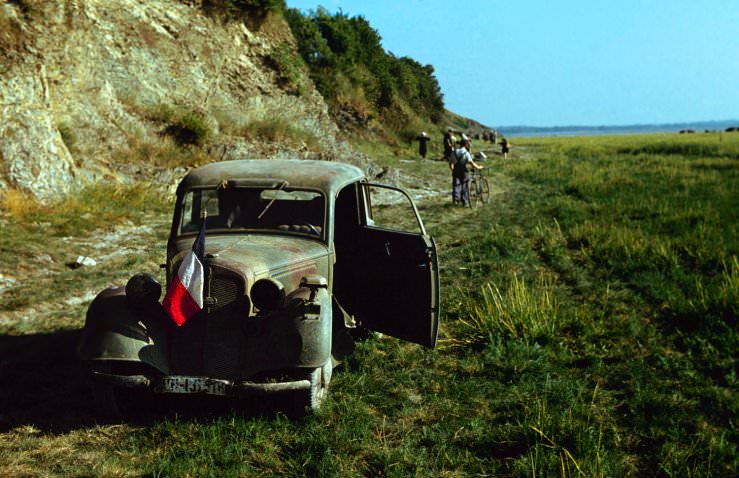
“All the civilized world loves France and Paris. Americans share this love with a special intimacy born in the kinship of our revolutions, our ideas and our alliances in two great wars.” — LIFE on the relationship between the U.S. and its longtime European ally.Along the coast of France, June 1944From D-Day until Christmas 1944, German prisoners of war were shipped off to American detention facilities at a rate of 30,000 per month. Above: Captured German troops, June 1944Maintenance work on an American P-47 Thunderbolt in a makeshift airfield in the French countryside, summer 1944
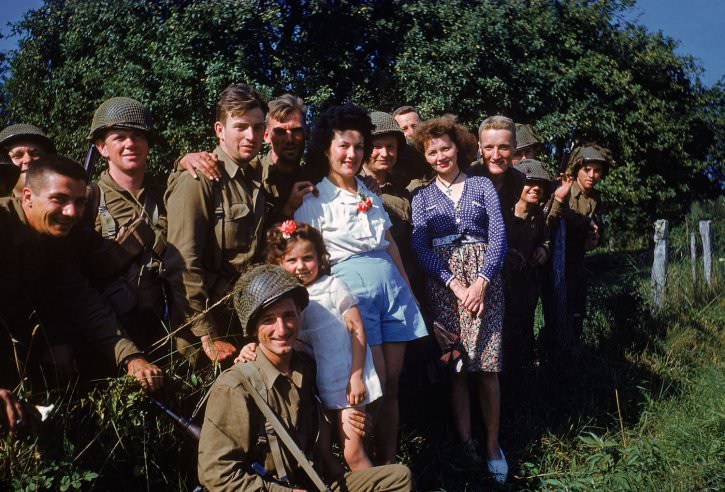
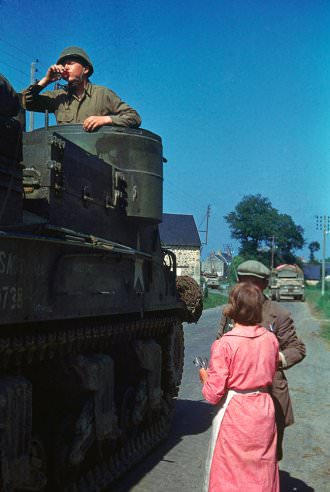
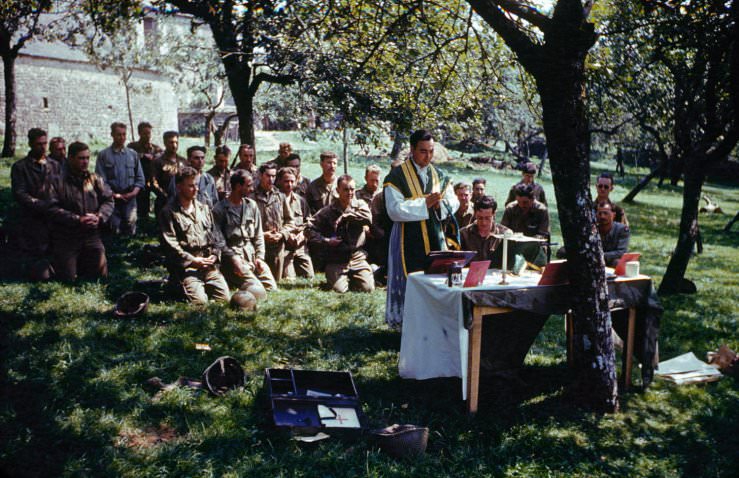
As Allied forces moved deeper into France, brief moments of human connection emerged. French civilians shared cognac with tank crews. Church services were held in the open. Soldiers repaired aircraft and rested where they could.
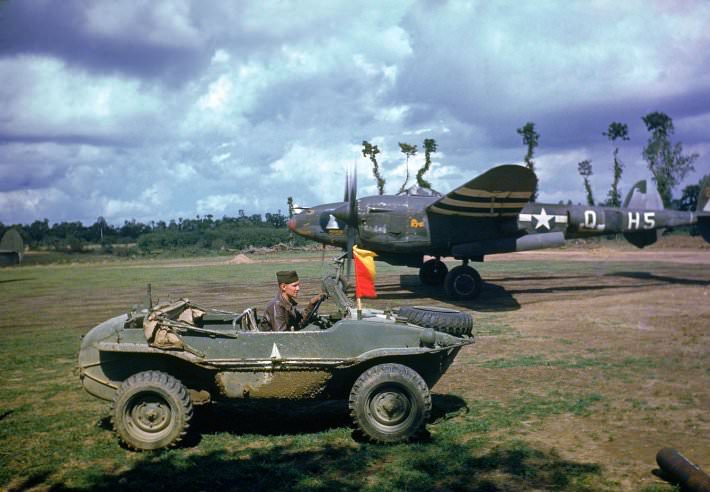
A French couple shares cognac with an American tank crew, northern France, summer 1944A P-38 fighter plane sits in the background as the pilot arrives in a captured German vehicle, France, 1944Church services in dappled sunlight, France, 1944
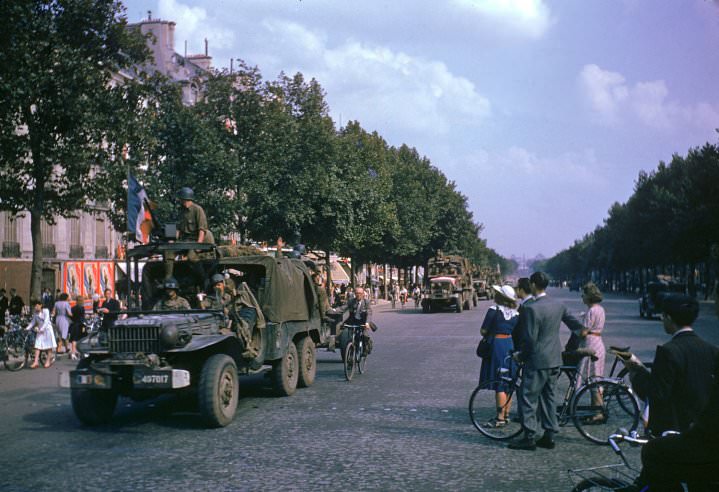
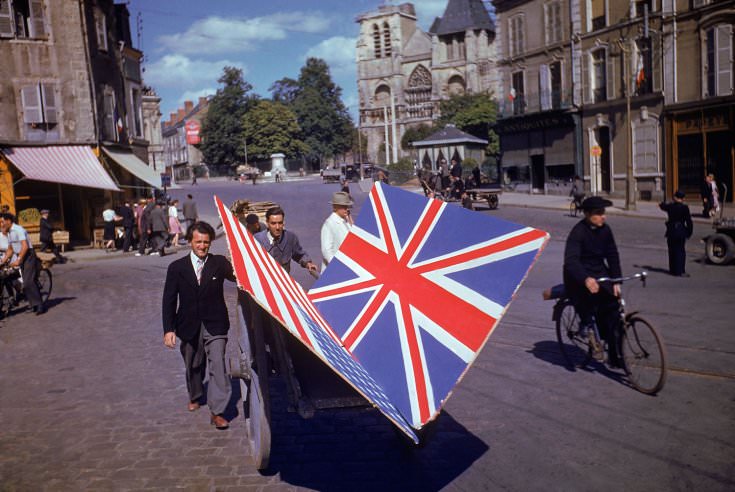
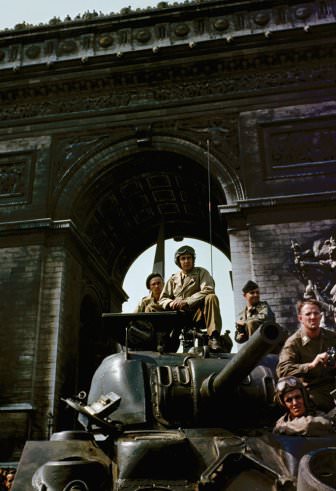
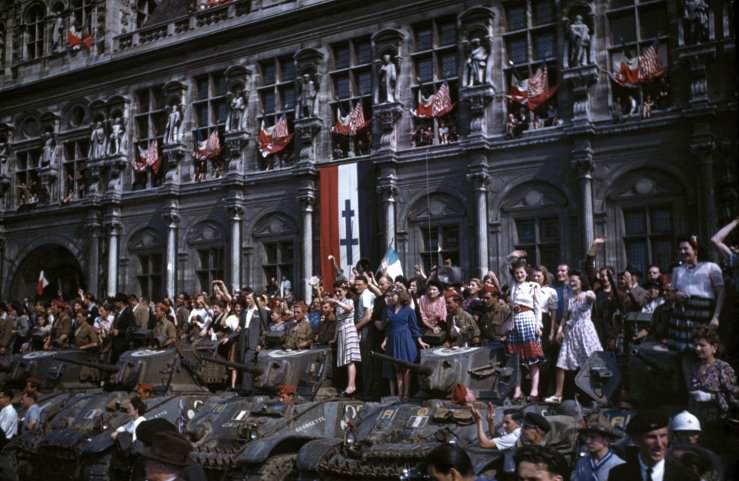
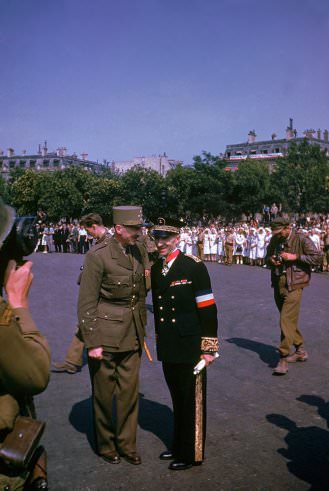
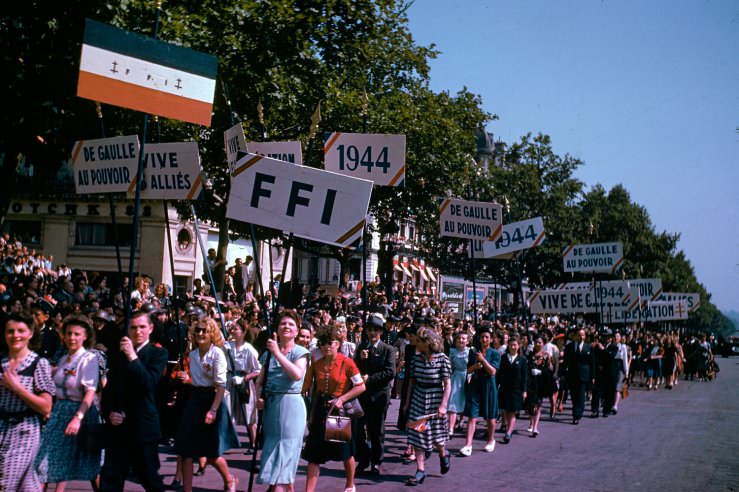
Paris fell on August 25, 1944, after four years of German occupation. Scherschel documented the liberation firsthand. Crowds flooded the Champs-Élysées. Tanks rolled beneath the Arc de Triomphe. French citizens waved flags and embraced soldiers in the streets.
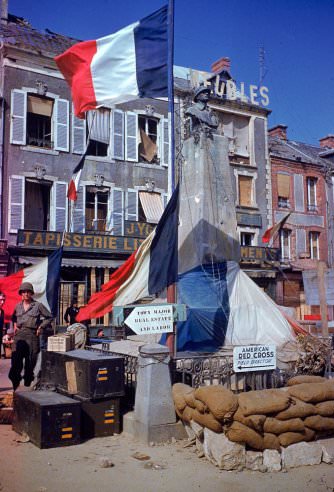
American Army trucks (note cyclist hitching a ride) parade down the Champs-Élysées the day after the liberation of Paris by French and Allied troops, August 1944Frenchmen transport painted British and American flags for use in a parade, summer 1944Tanks under the Arc de Triomphe in Paris during liberation celebrations, August 1944“Paris is like a magic sword in a fairy tale — a shining power in those hands to which it rightly belongs, in other hands tinsel and lead. Whenever the City of Light changes hands, Western Civilization shifts its political balance. So it has been for seven centuries; so it was in 1940; so it was last week.” — LIFE after the French capital was liberated in August 1944.Free French General and military governor of the French capital Pierre Koenig, left, pictured during ceremonies held the day after the liberation of Paris, August 1944Celebrations in Paris after the liberation of the city, August 1944American troops stand beside a World War 1 monument bedecked with French flags after the town (exact location unknown) was liberated from German occupying forces, summer 1944
Andrew Thompson is an archaeologist and historian who specializes in the study of war and conflict. He writes about the brutal history of warfare, including the World Wars and other significant conflicts. Through his work, he aims to deepen our understanding of the human cost of conflict and inspire us to work towards a more peaceful future.