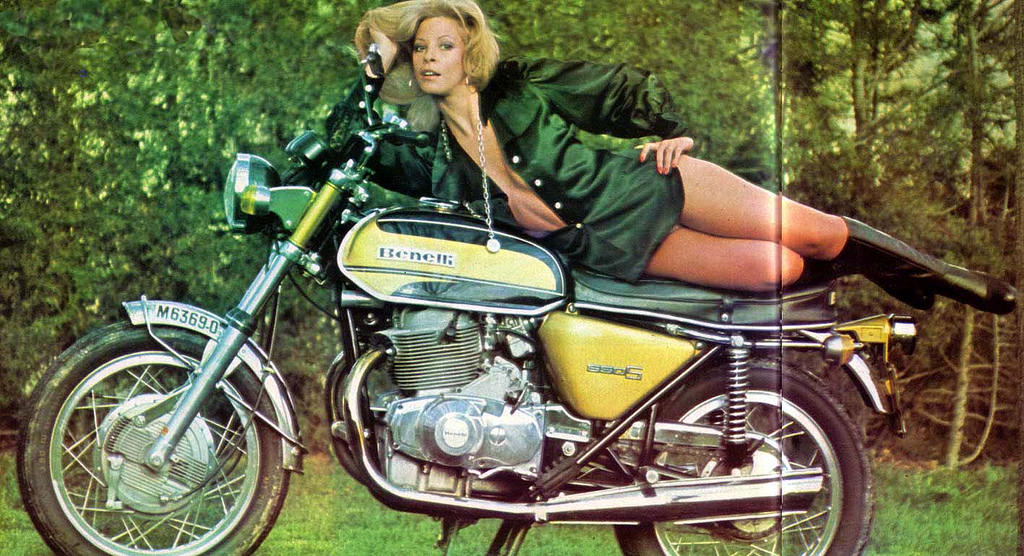
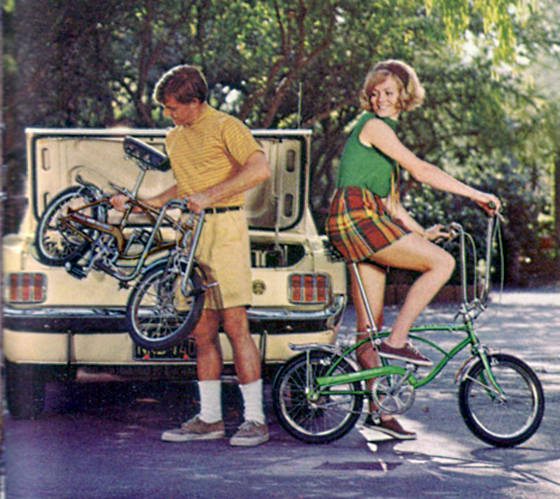
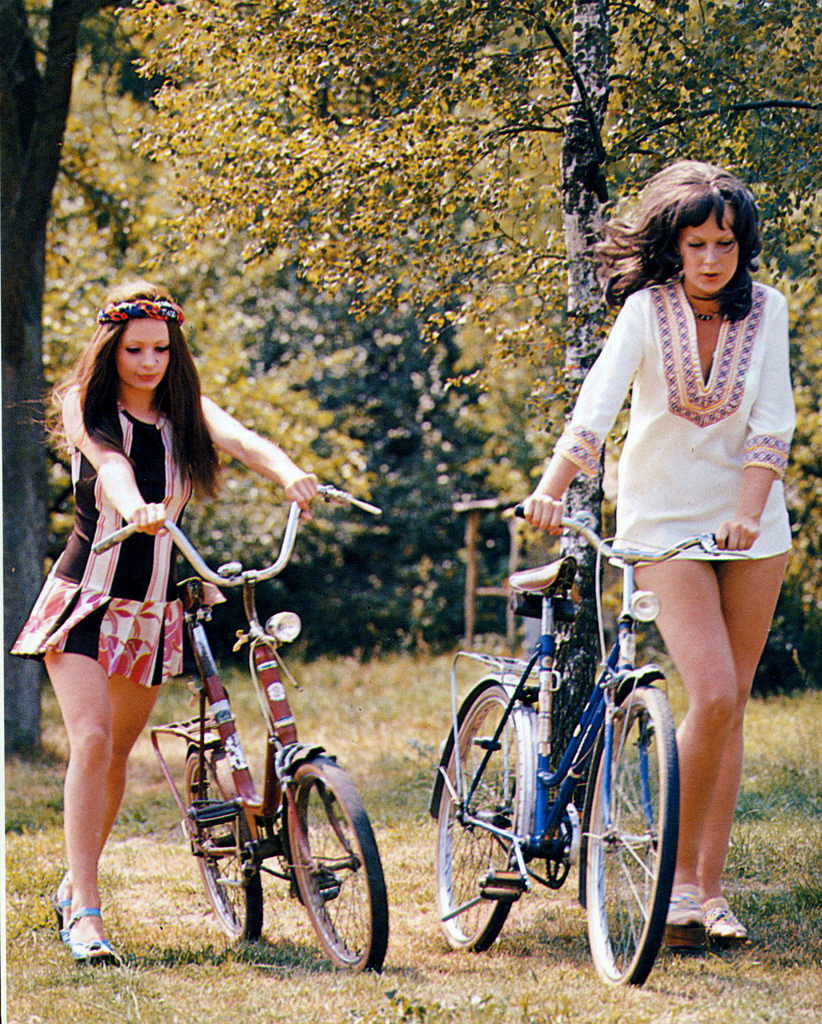
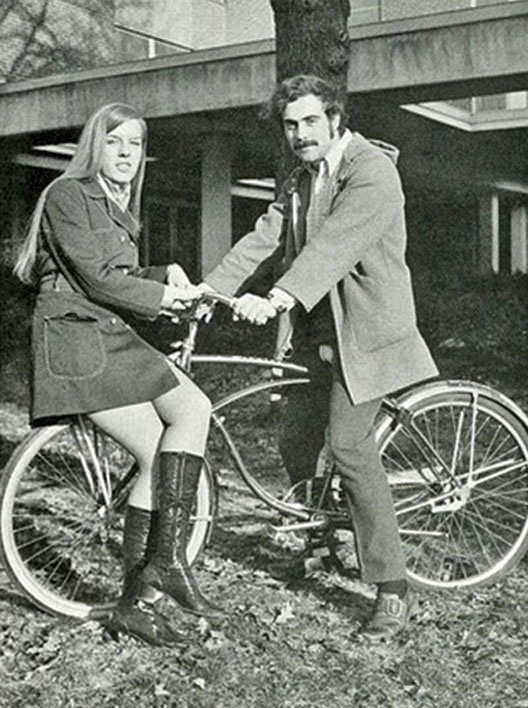
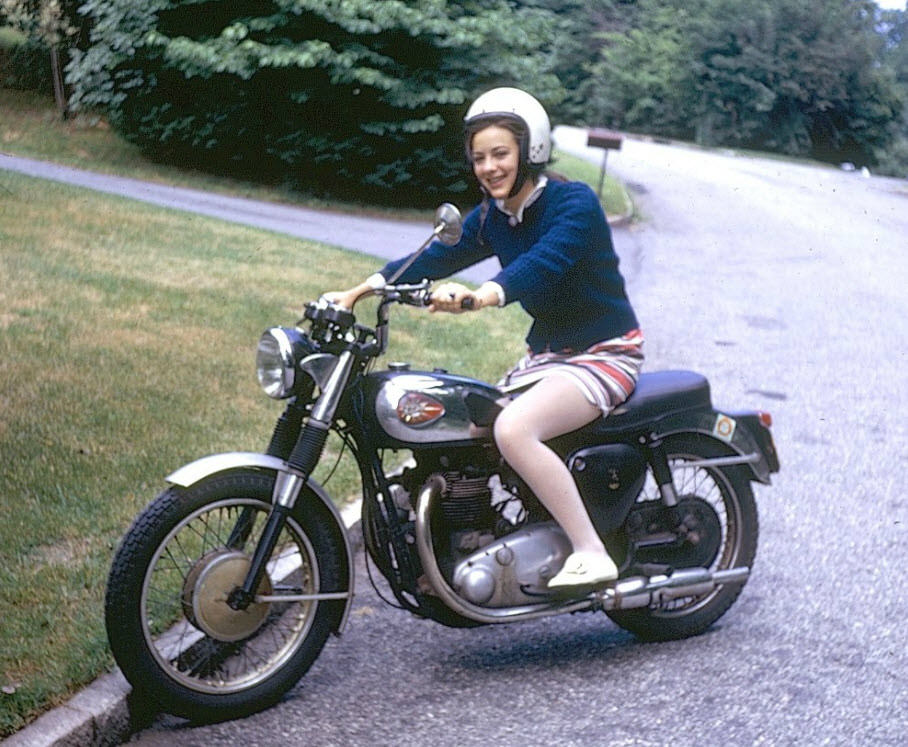
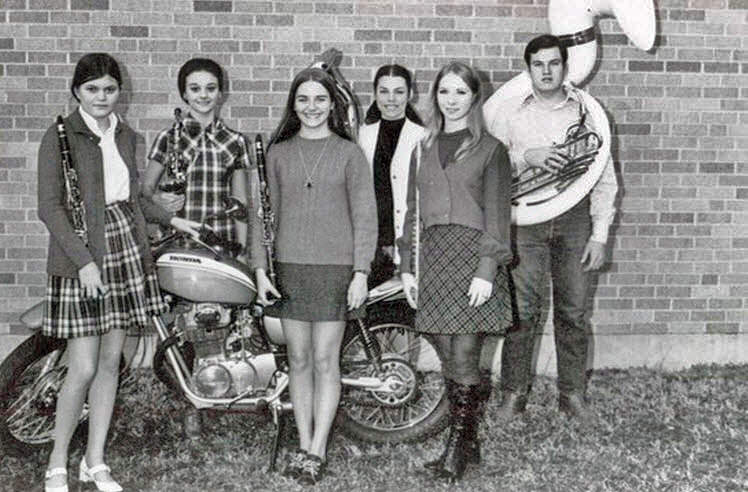
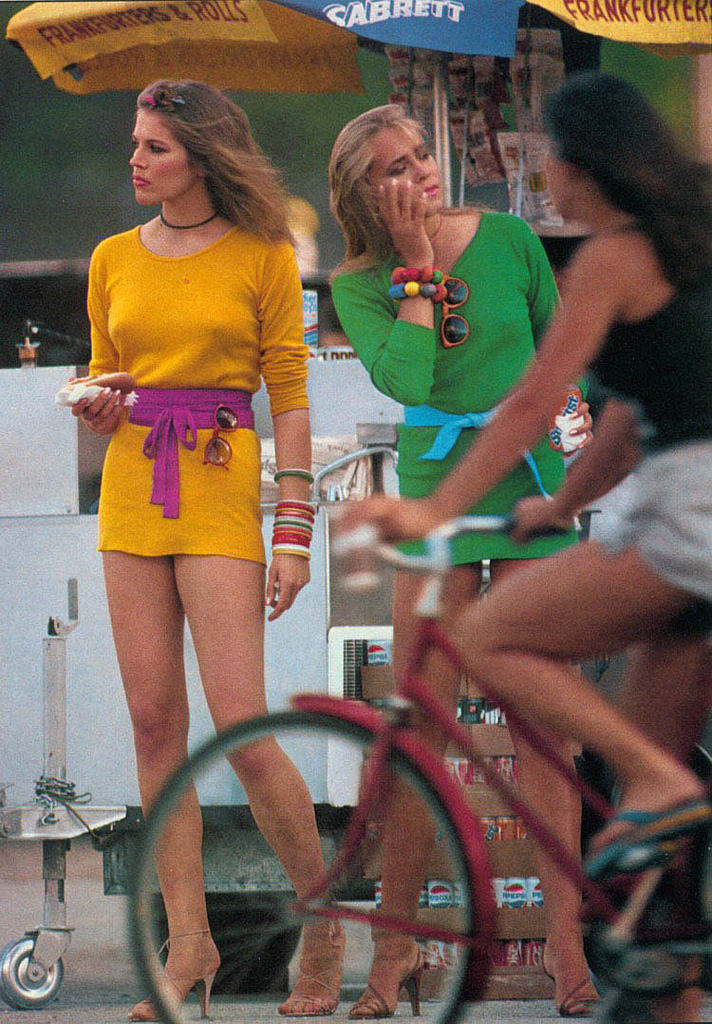
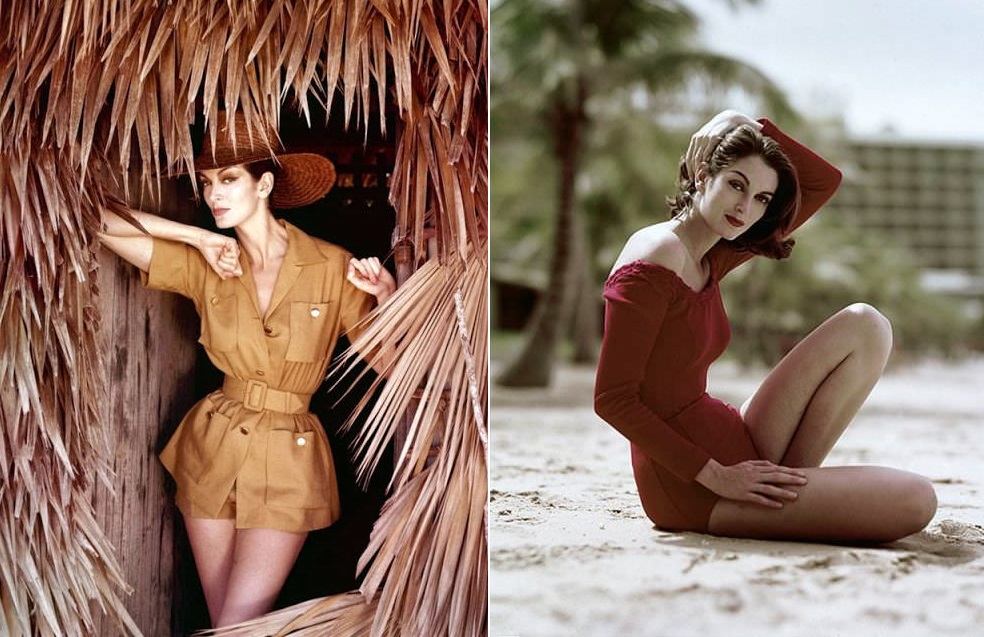
The 1960s rewrote the rules of fashion fast. Hemlines had sat just above the knee in 1961 — still modest, still safe. Within a few years, skirts climbed steadily higher. By 1966, some designs sat high on the thigh, and the miniskirt had become one of the most recognized symbols of the decade.
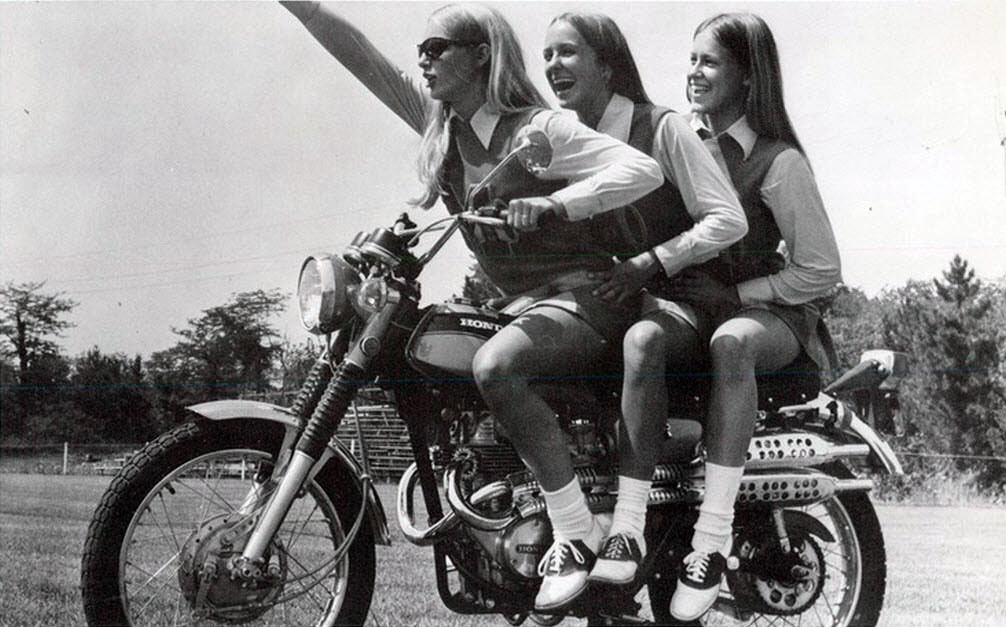
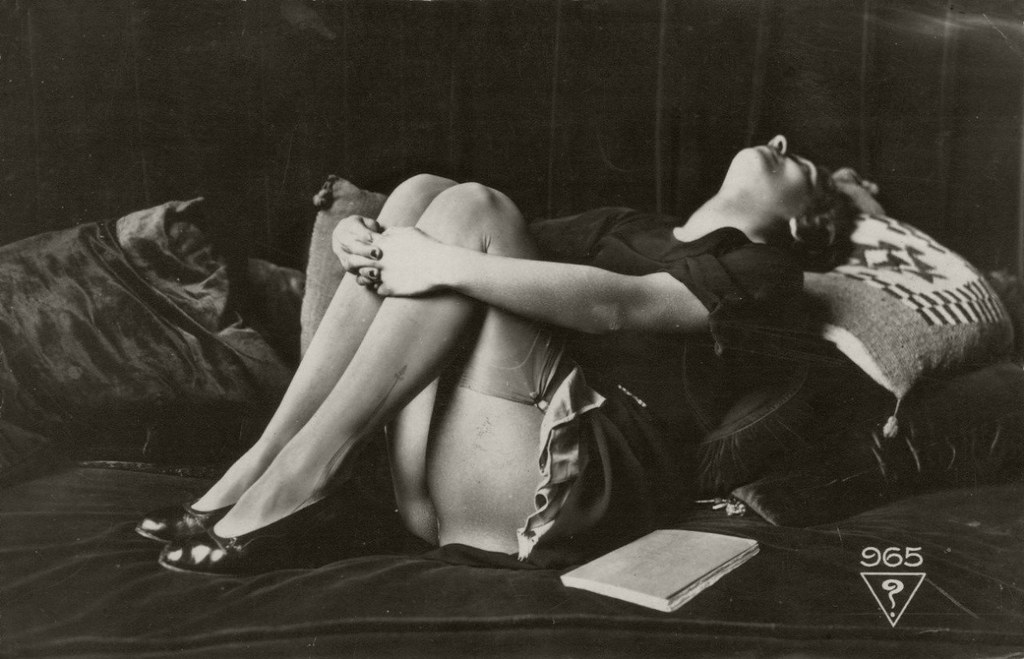
Short skirts weren’t entirely new. Female tennis players and figure skaters had worn them for years, purely for ease of movement. In the 1920s, dancer Josephine Baker performed at the Folies Bergère in Paris in a famously brief banana skirt. Science fiction art from the 1940s regularly dressed futuristic women in metallic mini-length outfits. But none of these made short skirts a mainstream fashion choice — that shift came in the 1960s.
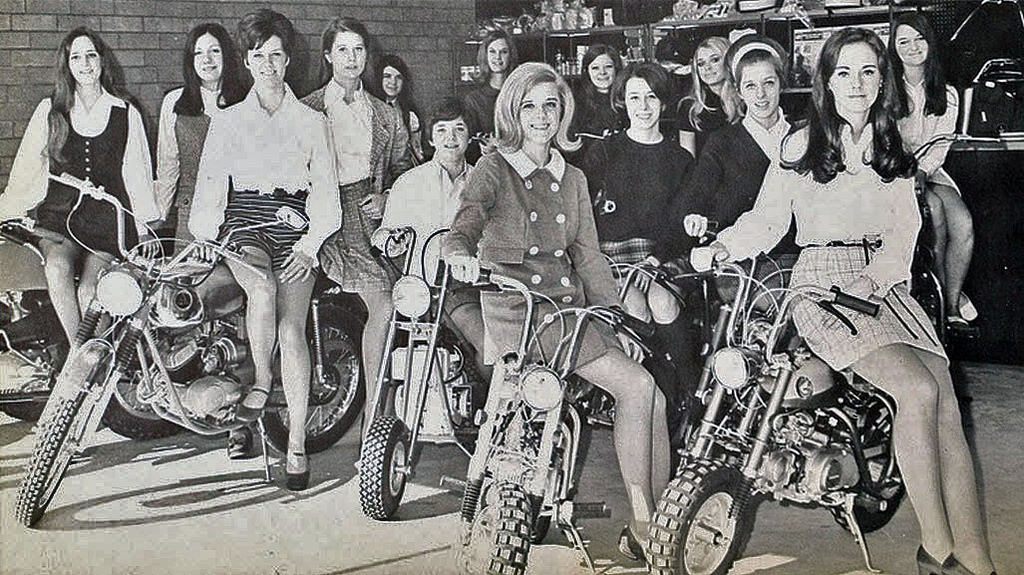
London was the epicenter of this change. The mid-1960s period known as “Swinging London” turned the city into a global hub for fashion, music, and youth culture. Young women there were deliberately breaking from the conservative styles their parents had worn. The miniskirt fit perfectly — it was a direct statement of rebellion and personal freedom.
The rise of the miniskirt also forced a practical change. Traditional stockings were held up by suspenders — fine under longer skirts, but impossible to hide under a hemline that high. New hosiery solutions had to follow the fashion.

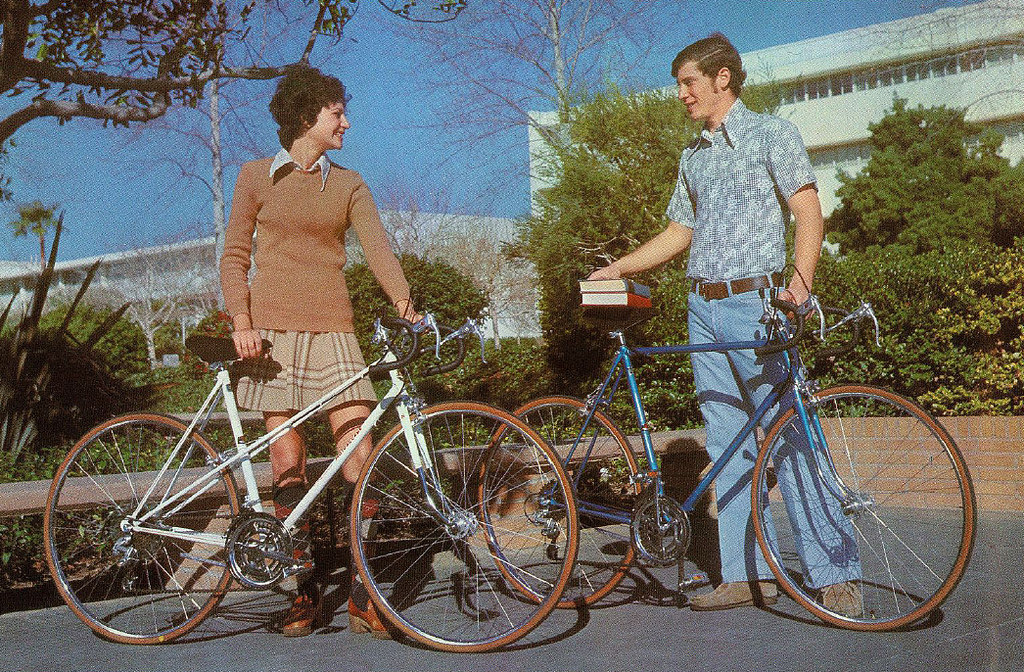
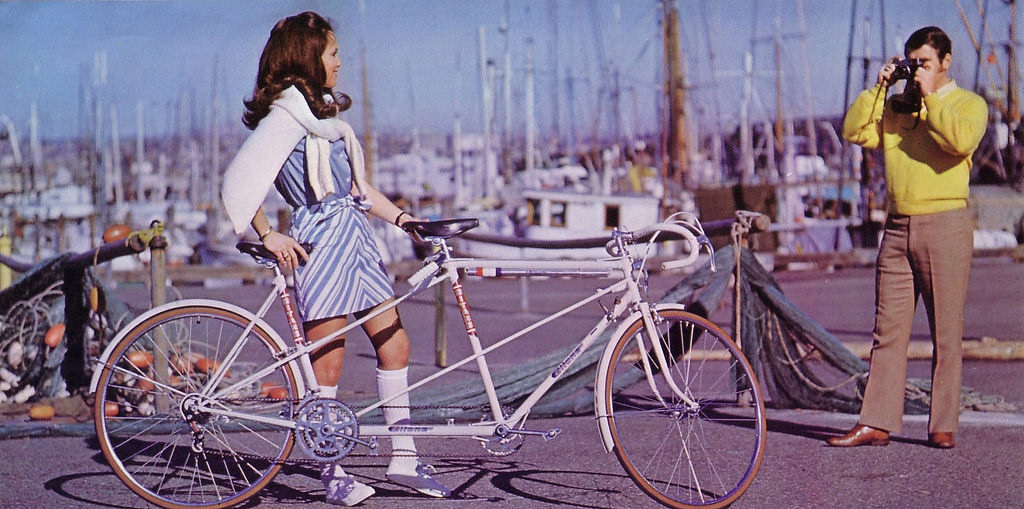
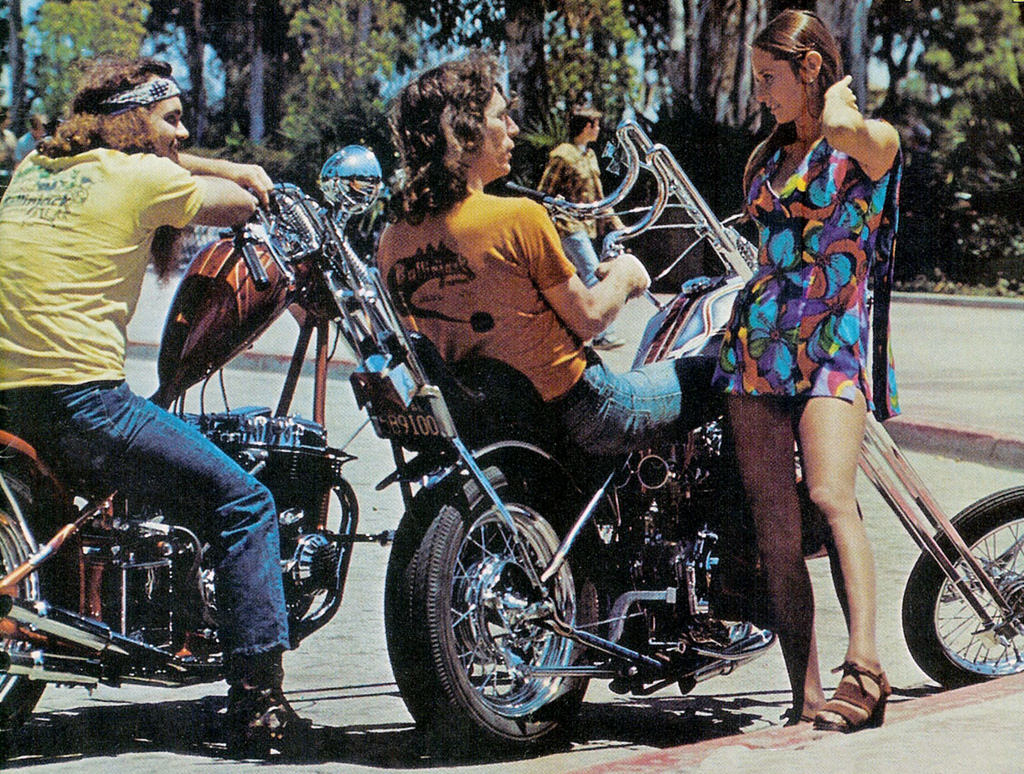
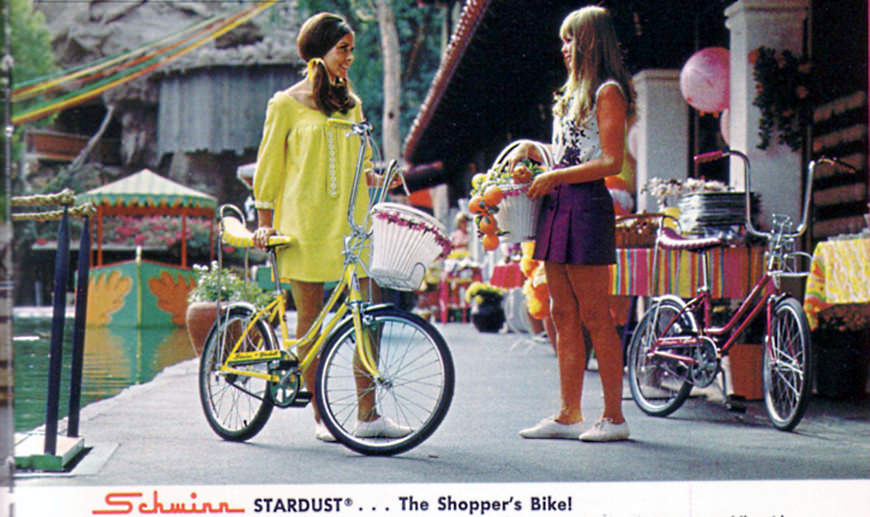
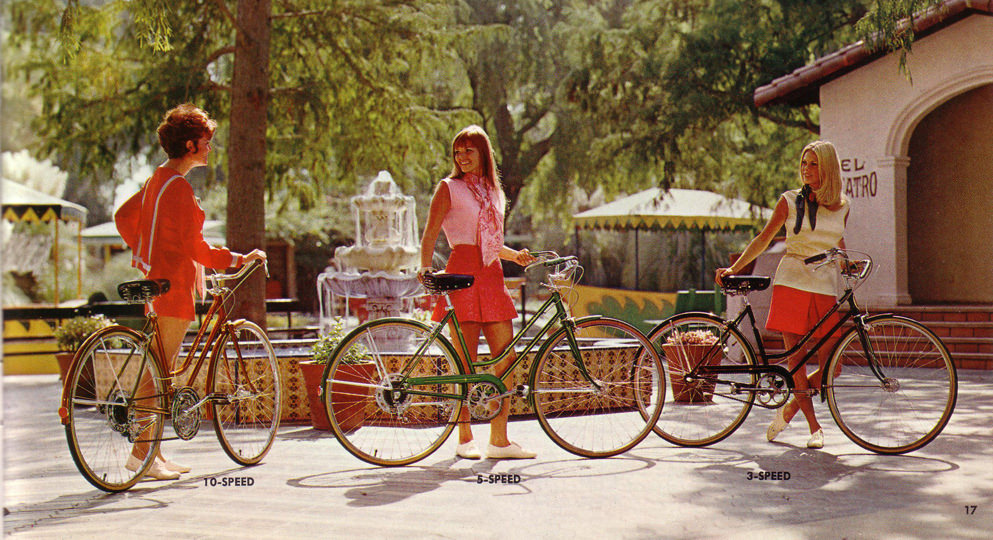
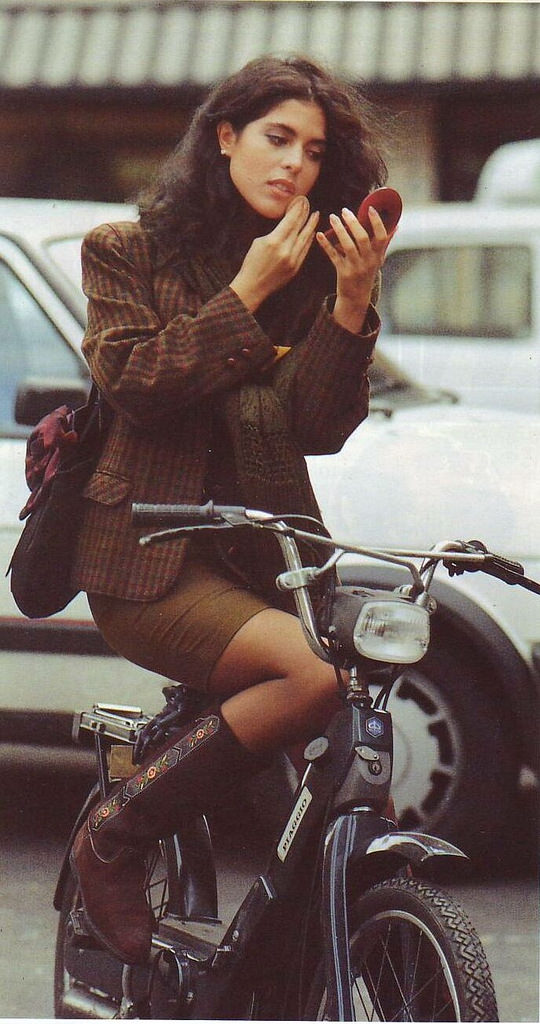
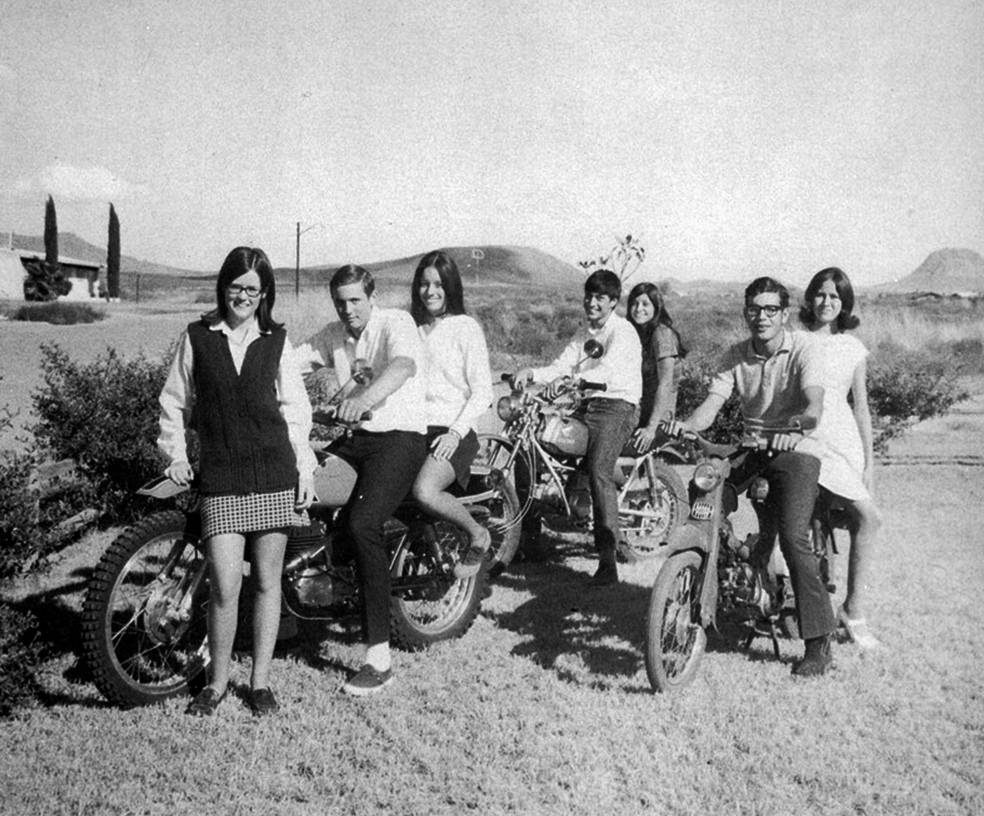
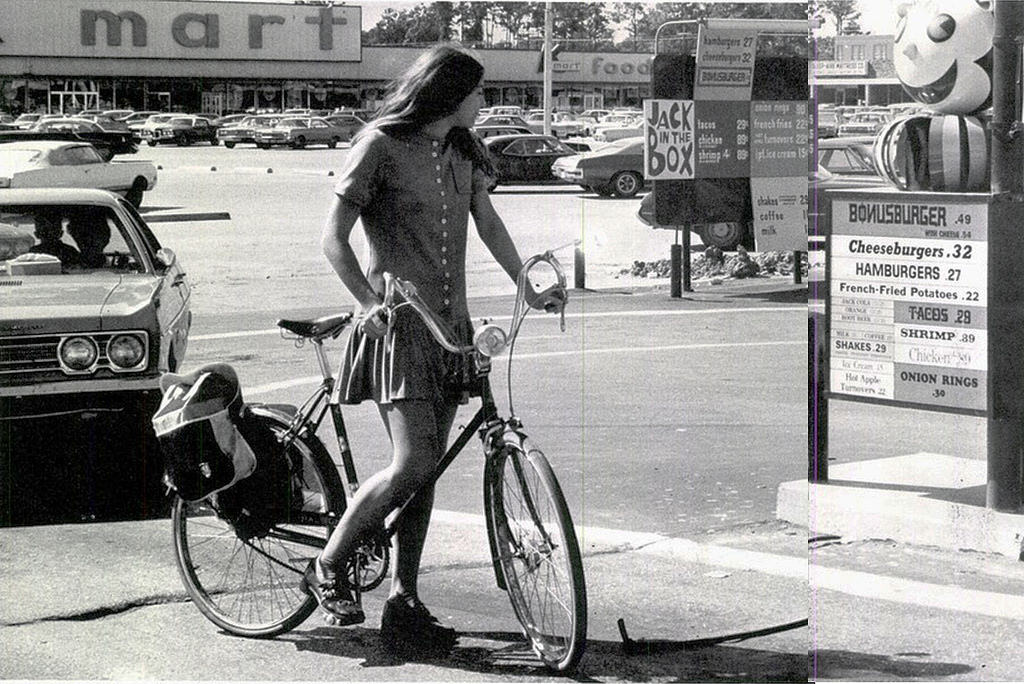
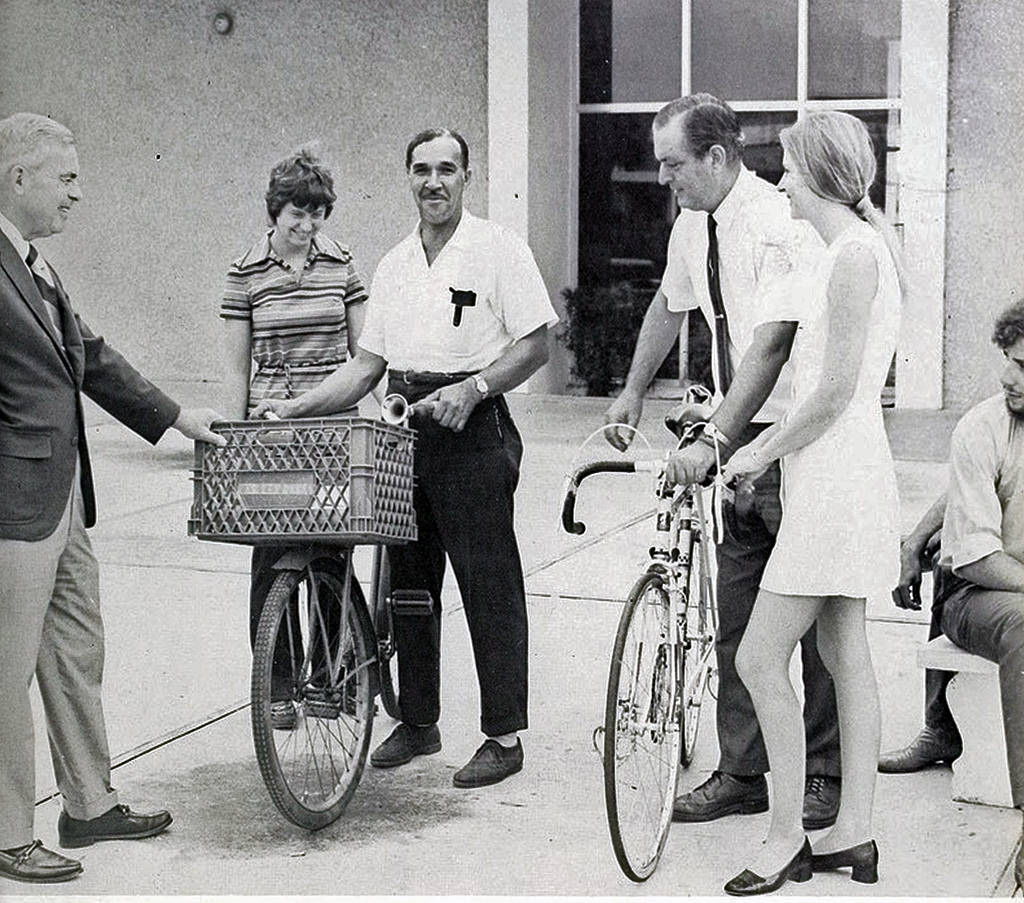
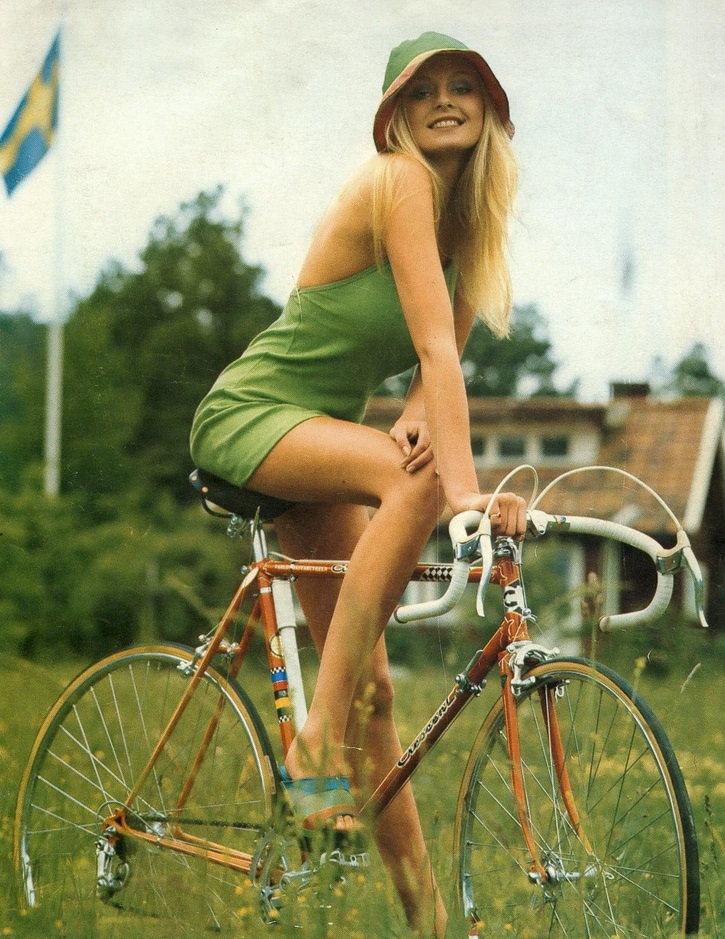
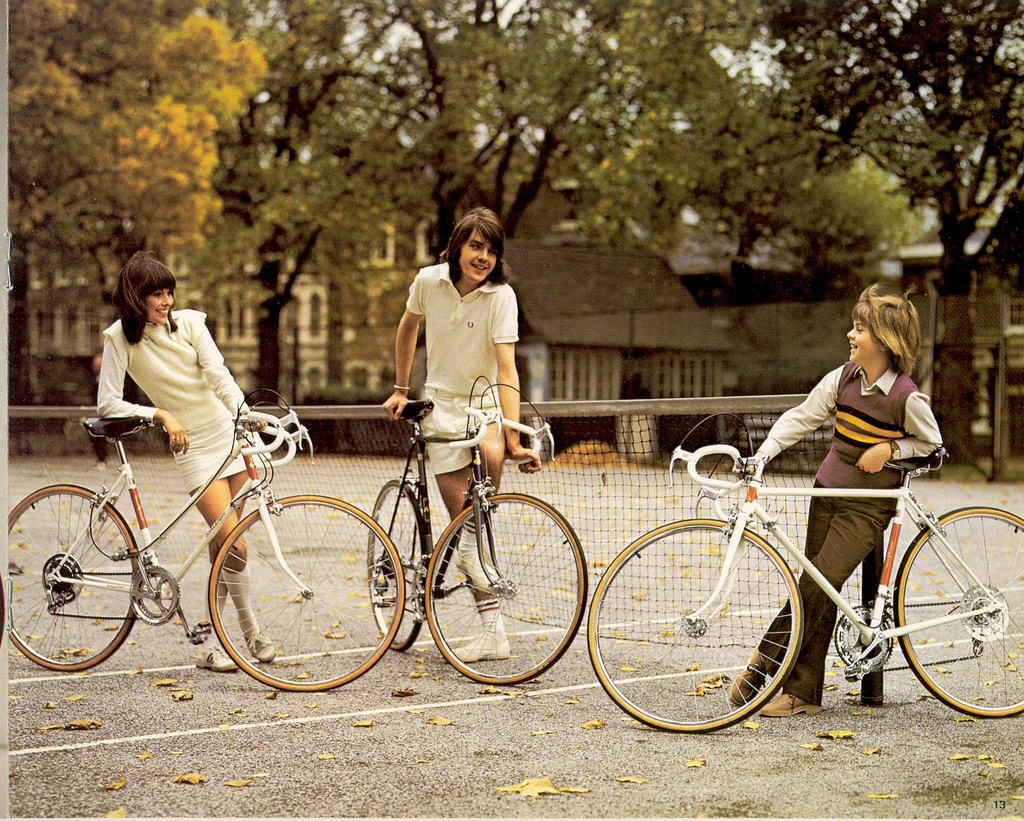
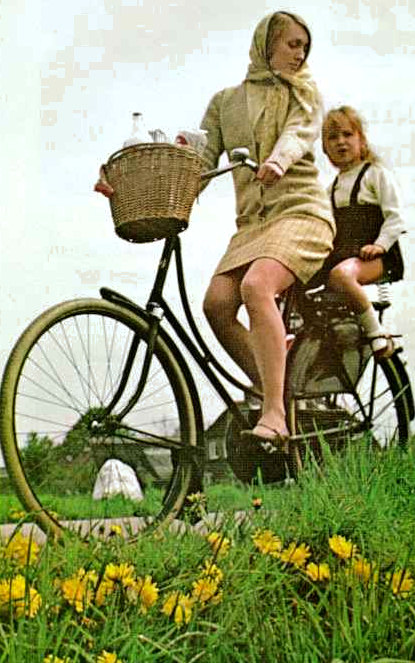
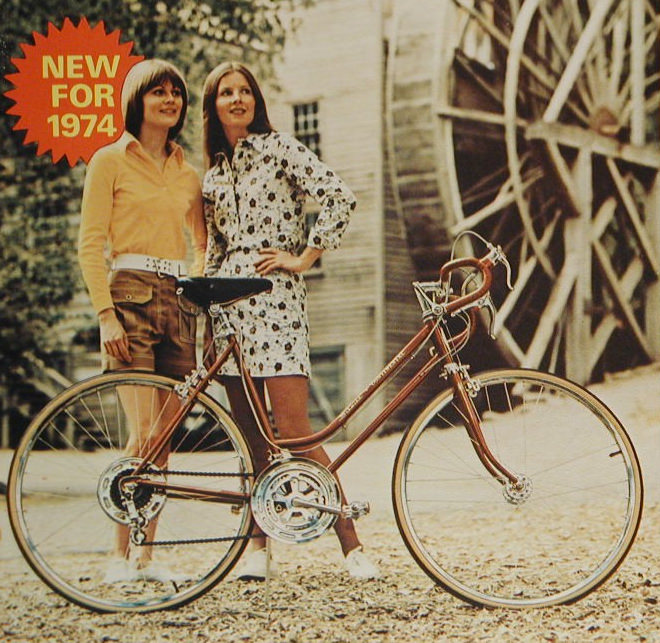
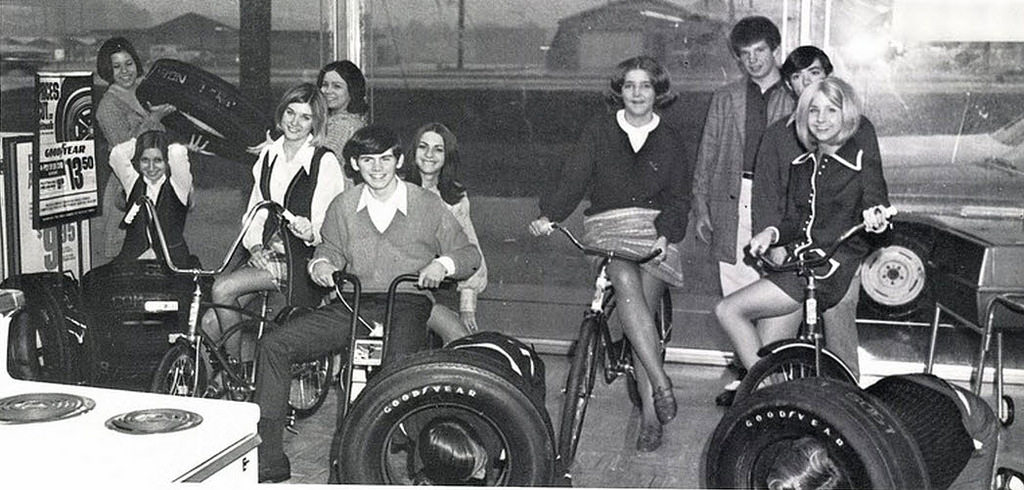
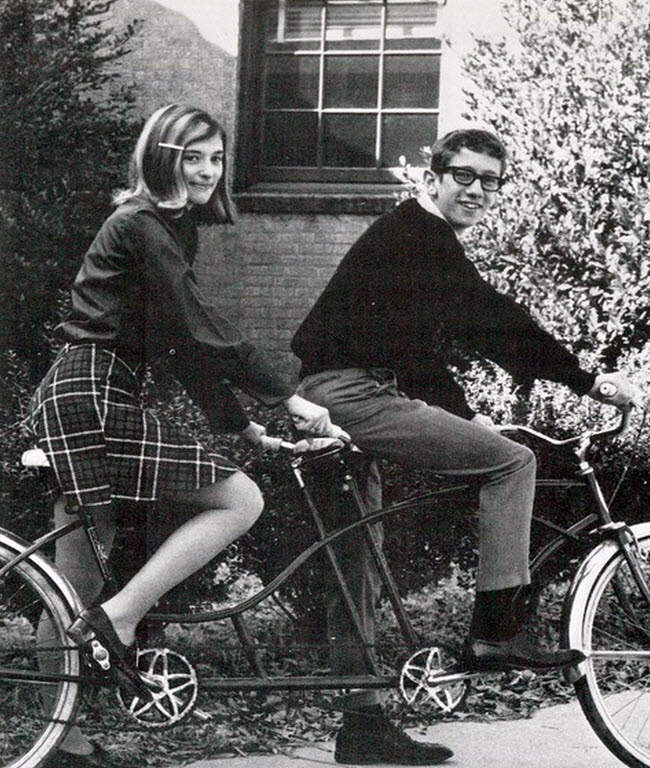
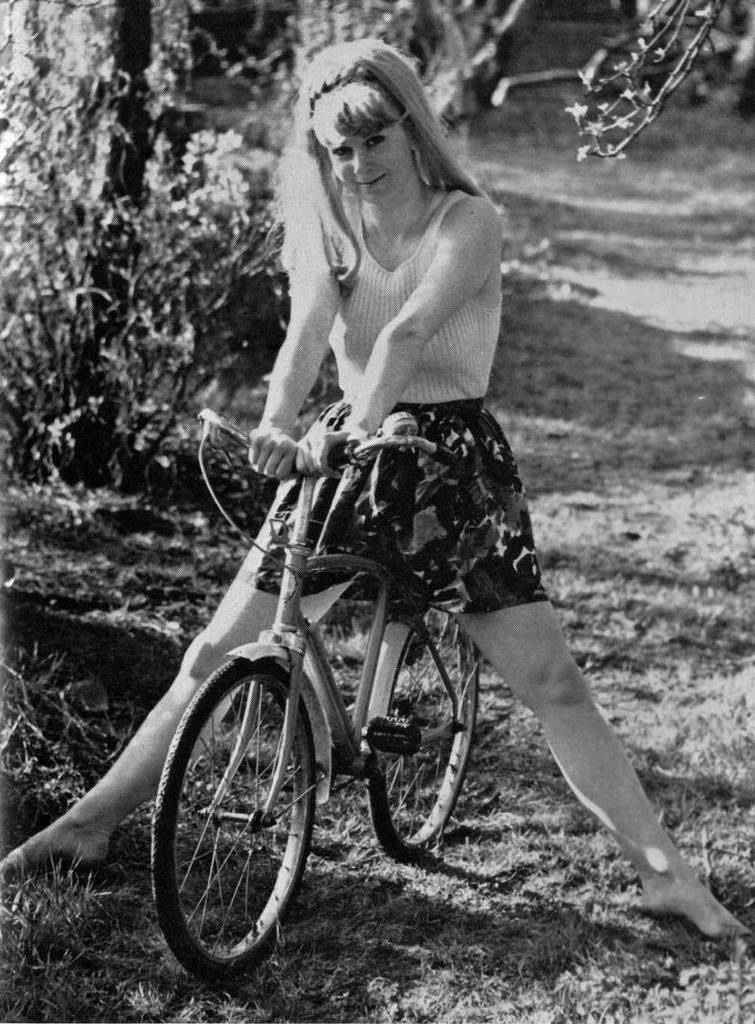
Combine the miniskirt with a bicycle, and you get something that perfectly captures the spirit of the era. Both were tied to independence and movement. The vintage photos below show young women pedaling through the 1960s in their miniskirts — unbothered, on the go, and very much a part of the cultural moment they were living in.