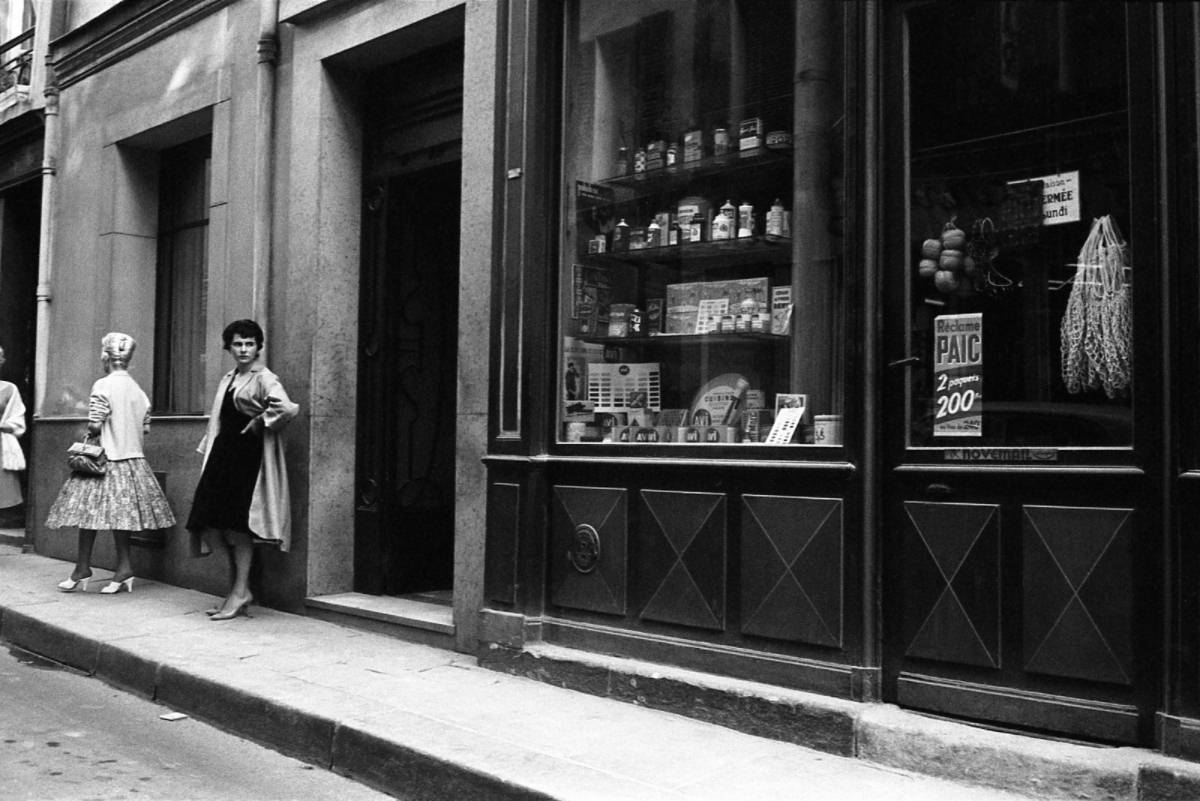
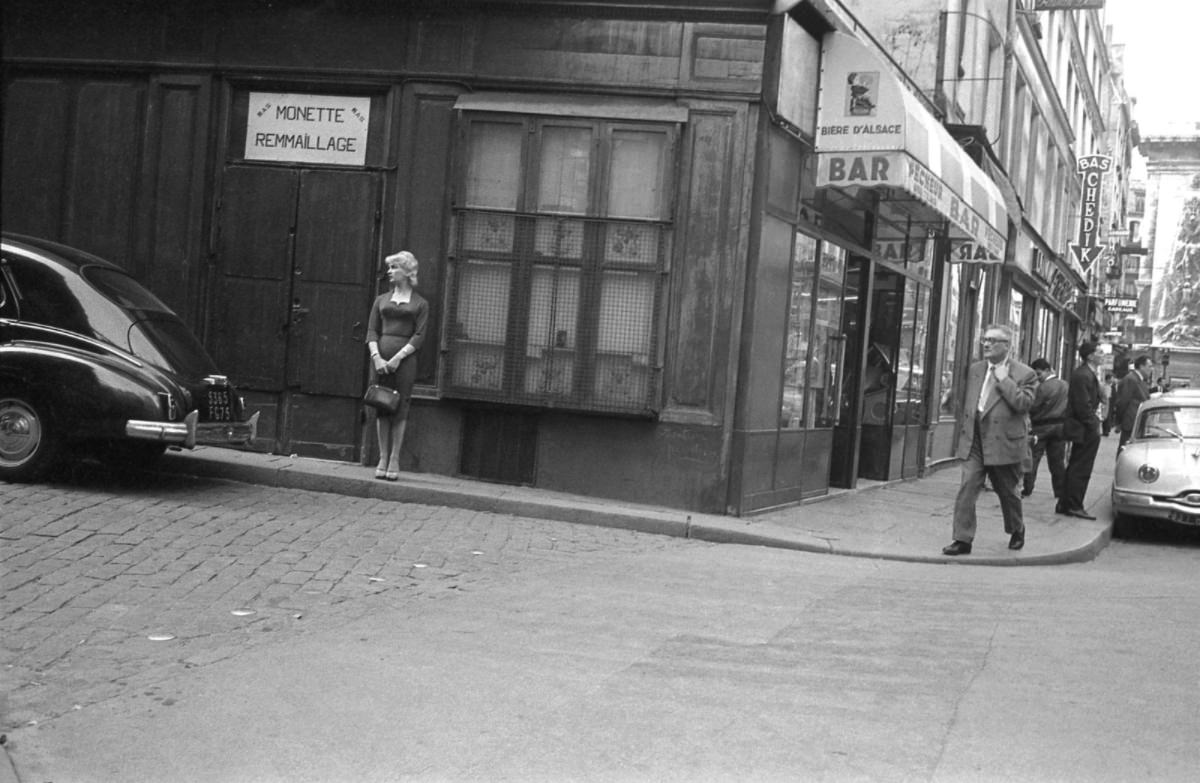
Rue Saint-Denis is one of the oldest streets in Paris. The Romans first laid it out in the 1st century AD, and it was extended northward during the Middle Ages. Its original purpose was practical — it served as the main road leading to the town of Saint-Denis, which is how it got its name. But over the centuries, the street took on a very different kind of reputation.
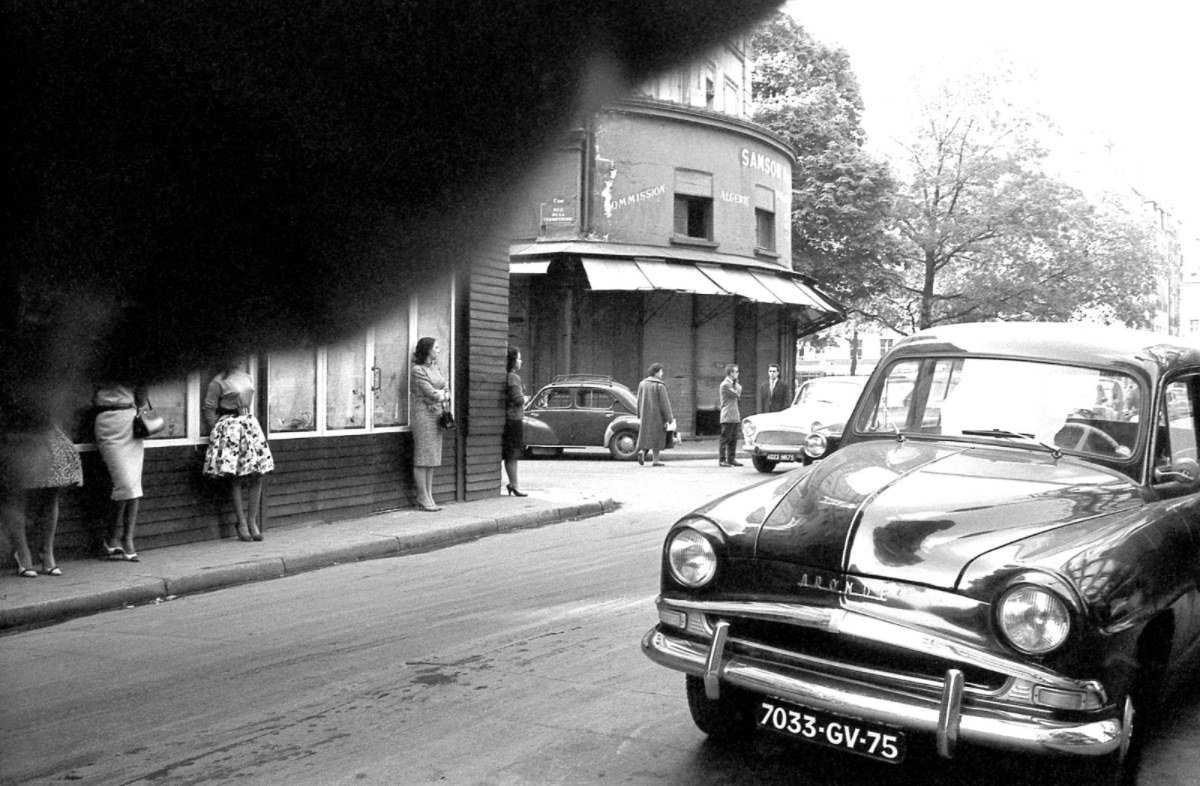
Since the Middle Ages, Rue Saint-Denis has been known as a center of prostitution in Paris. The street runs from the southern end of the 1st arrondissement to the northern tip of the 2nd arrondissement, ending at the Boulevard Saint-Denis. It sits parallel to Sébastopol Boulevard and cuts through a dense, working-class section of the city. The area was always busy, always watched, and always alive with street-level commerce of every kind.
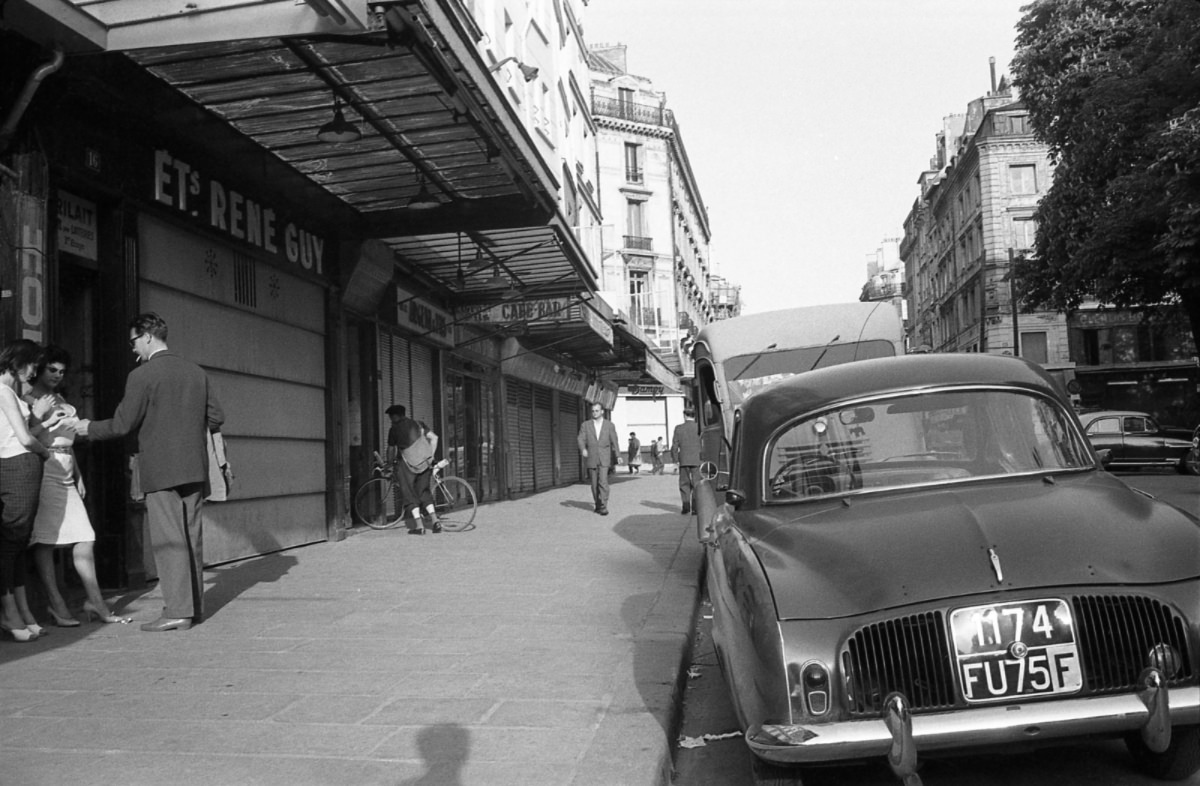
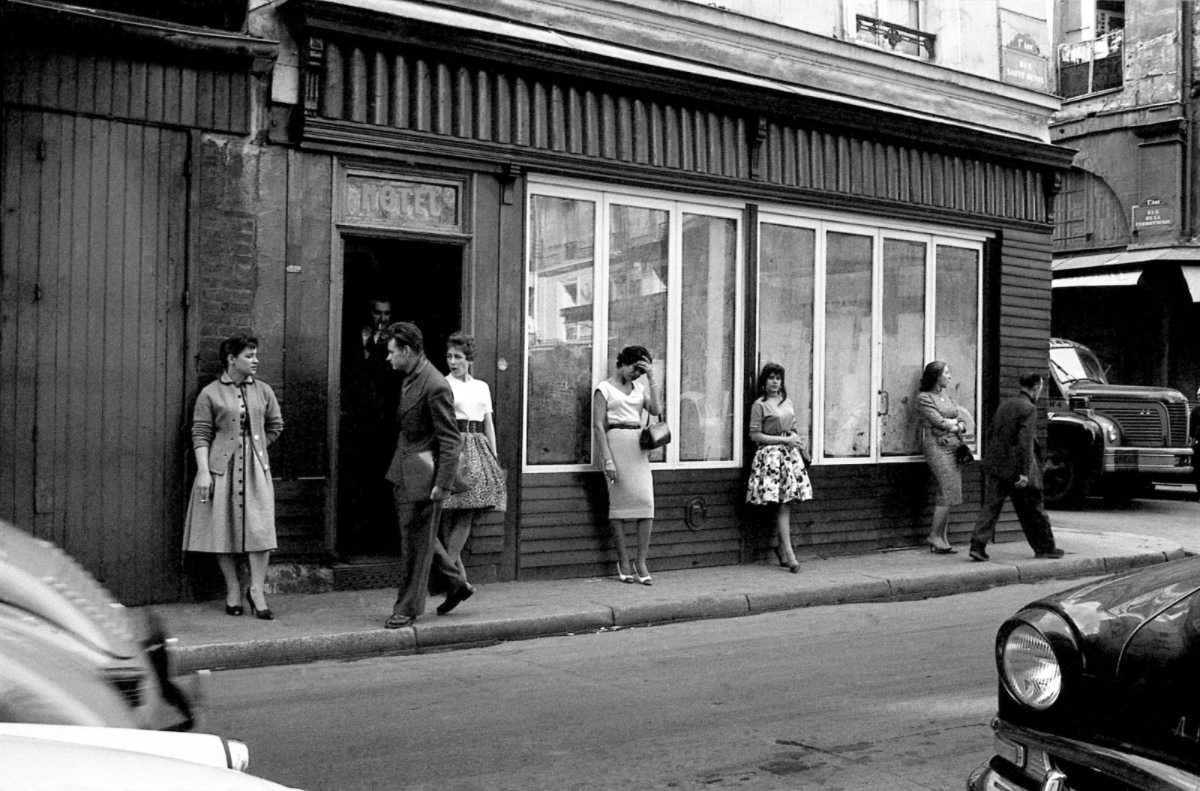
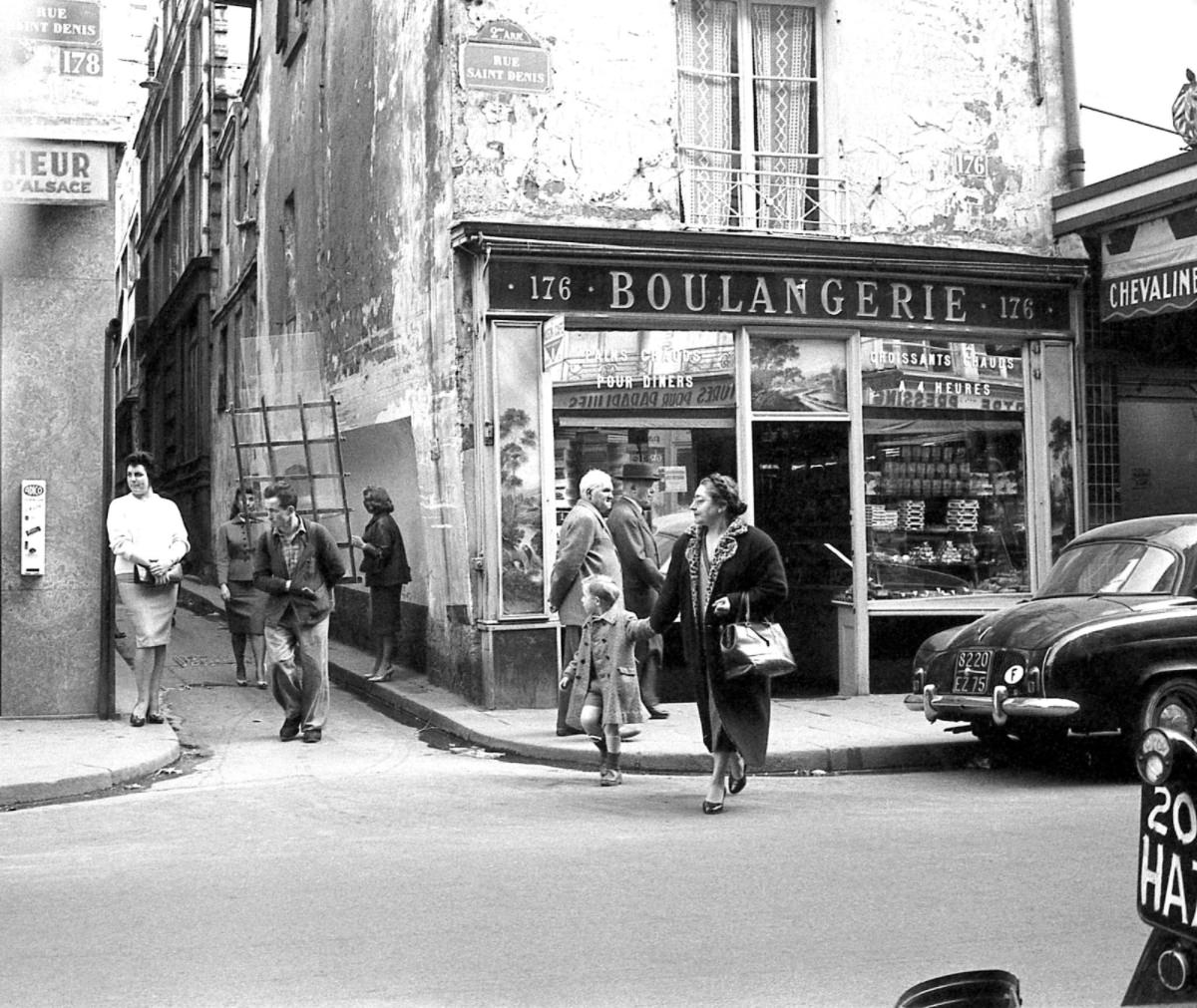
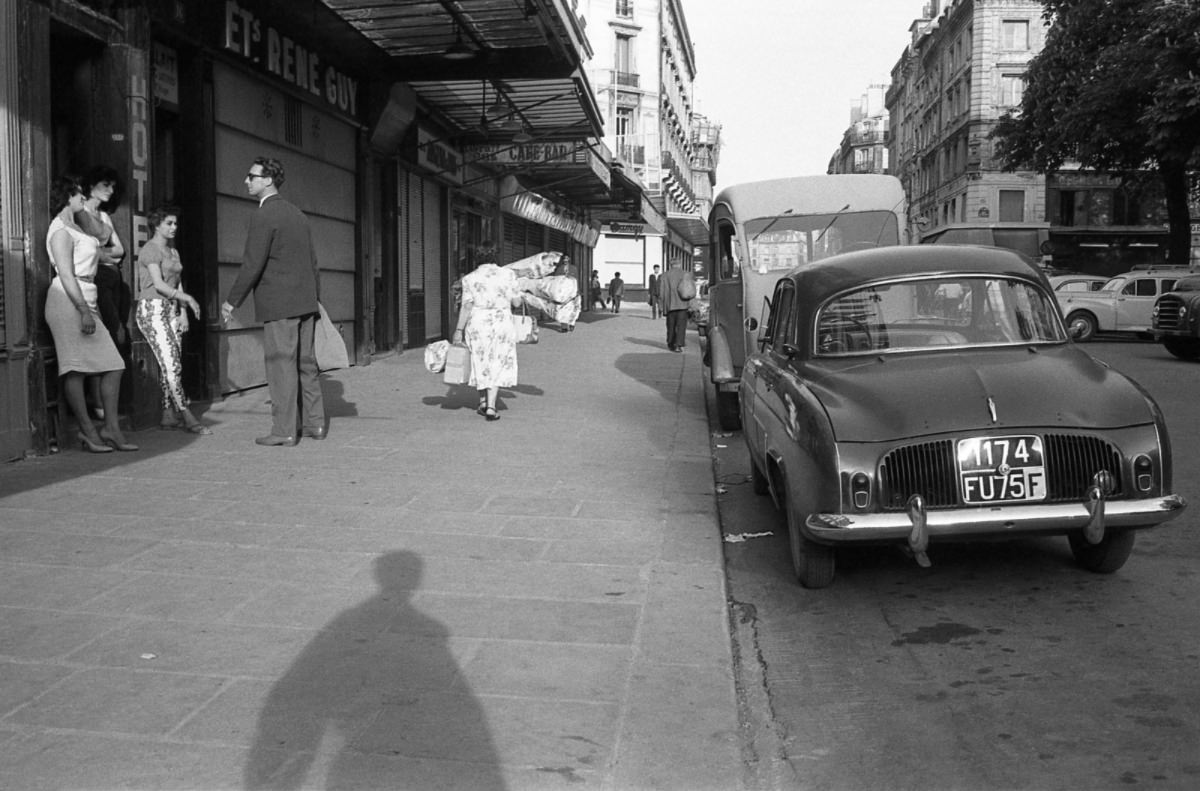
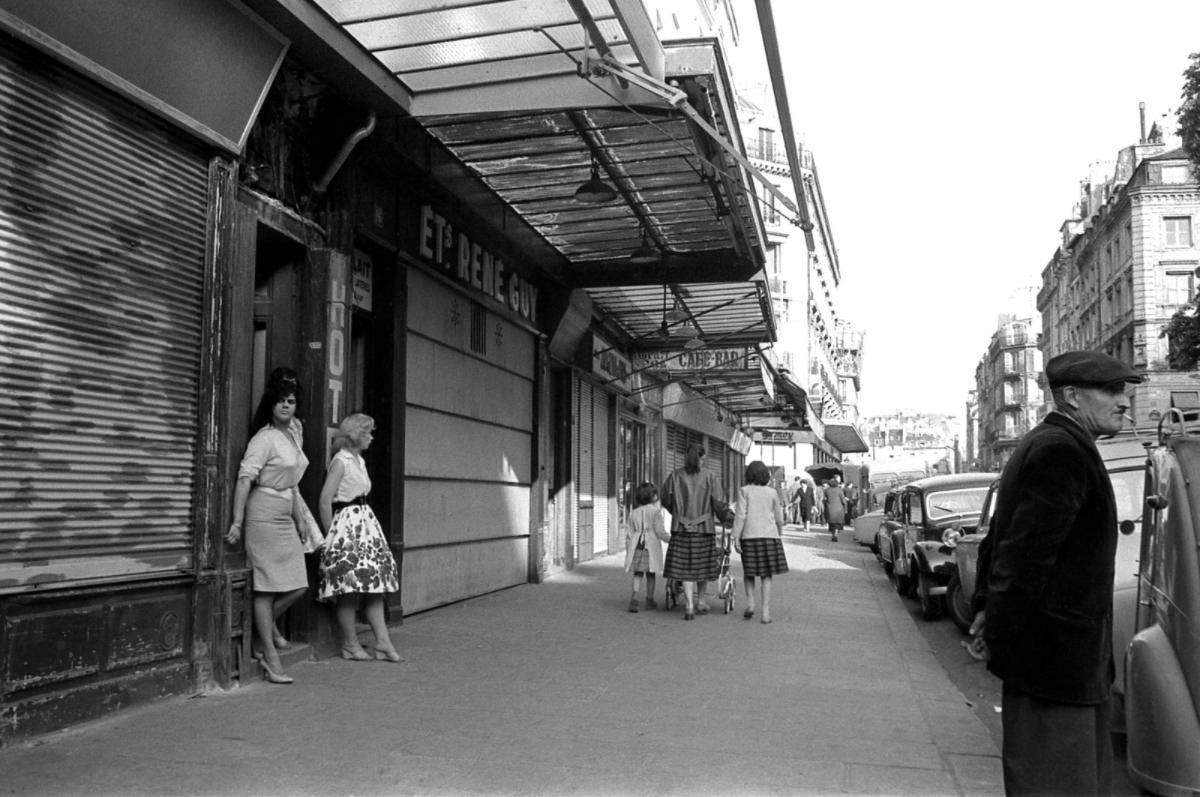
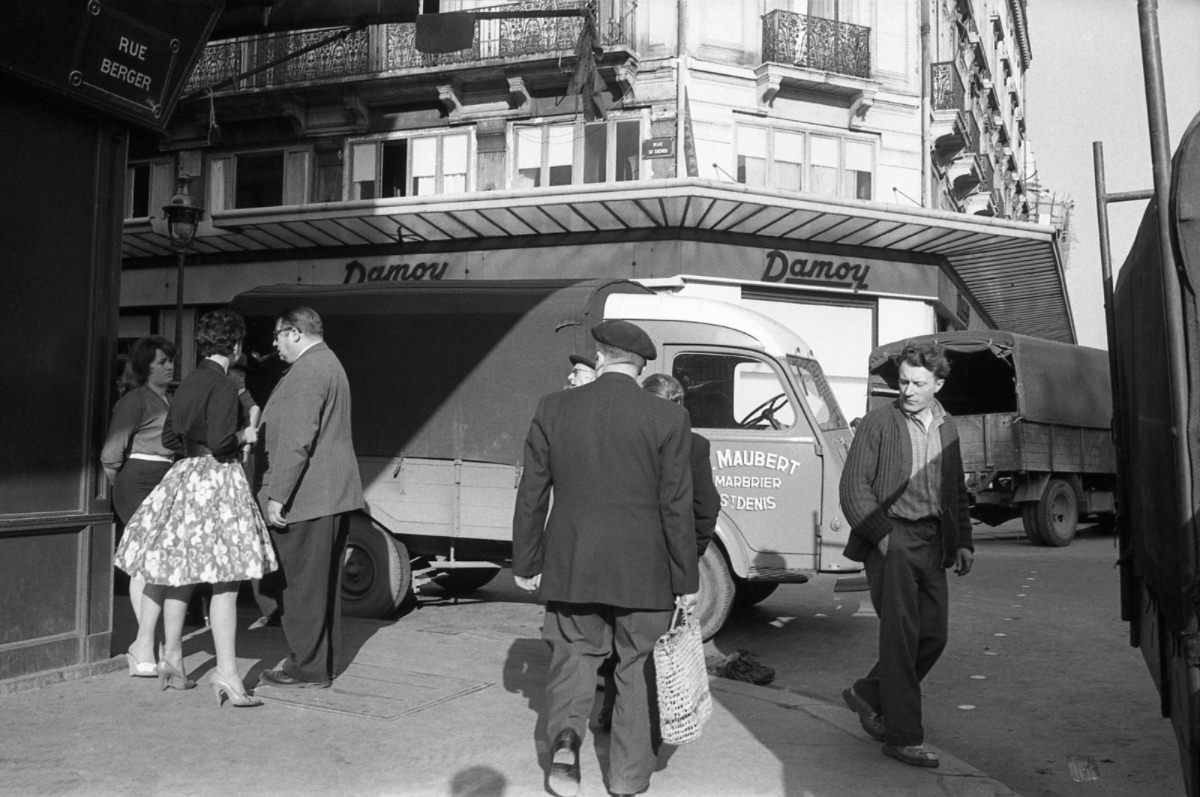
By the 1960s, the Saint-Denis district was well established as one of Paris’s most visible prostitution zones. Women worked openly along the street and in surrounding alleys, particularly in the stretch between Rue Réaumur and the Boulevard Saint-Denis. The neighborhood also held clothing shops, bars, restaurants, a bank, the Chambre des notaires, and the church of Saint-Leu-Saint-Gilles — ordinary city life layered directly on top of the sex trade.
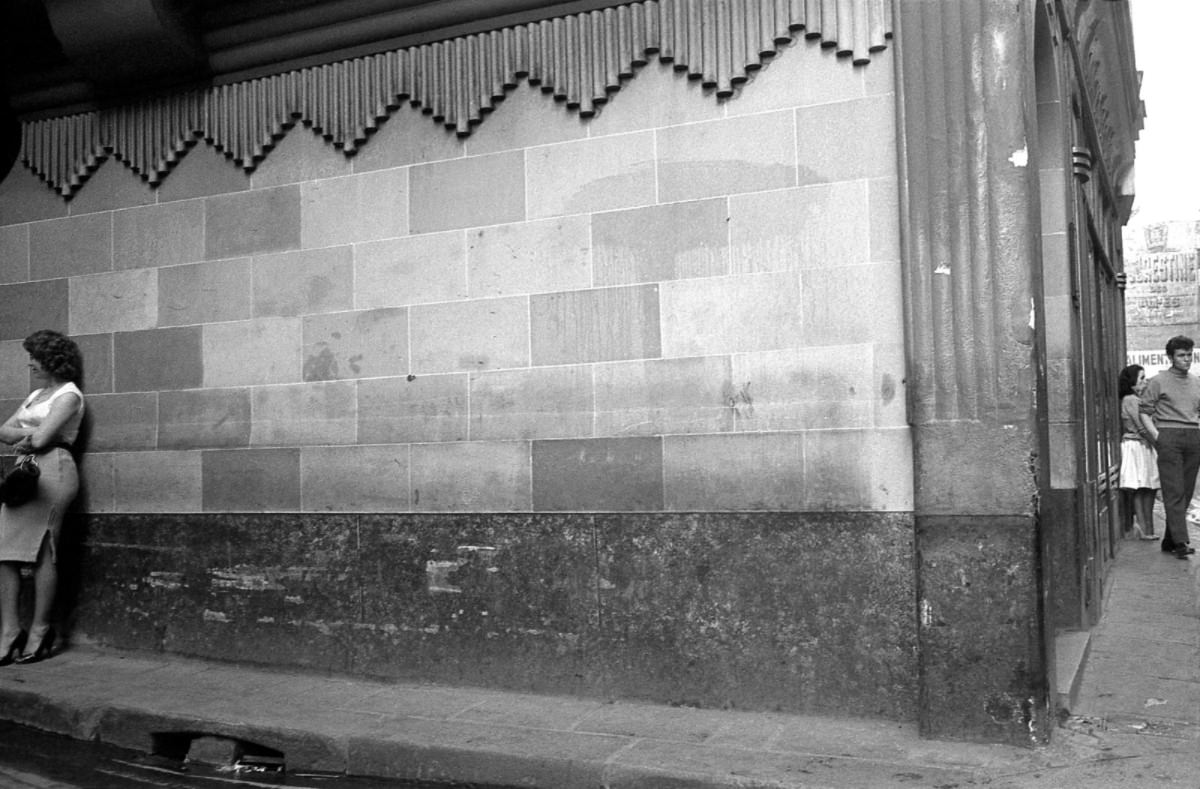
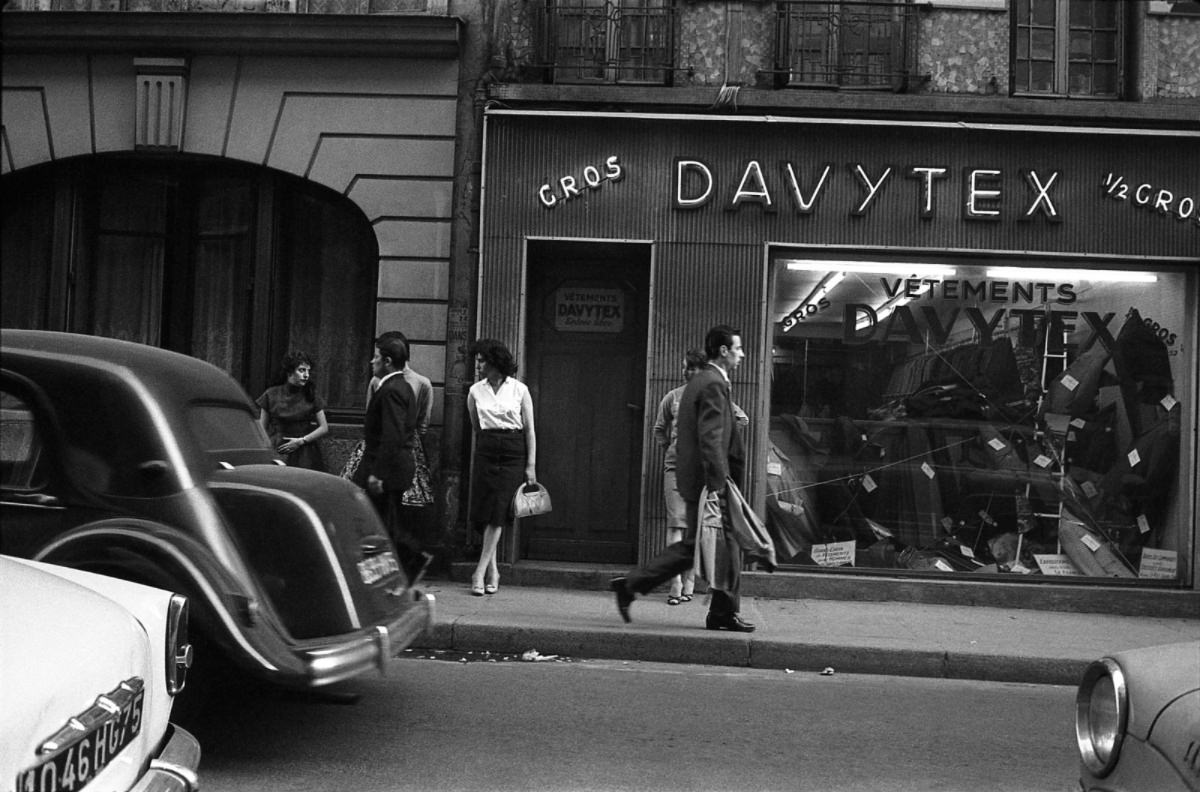
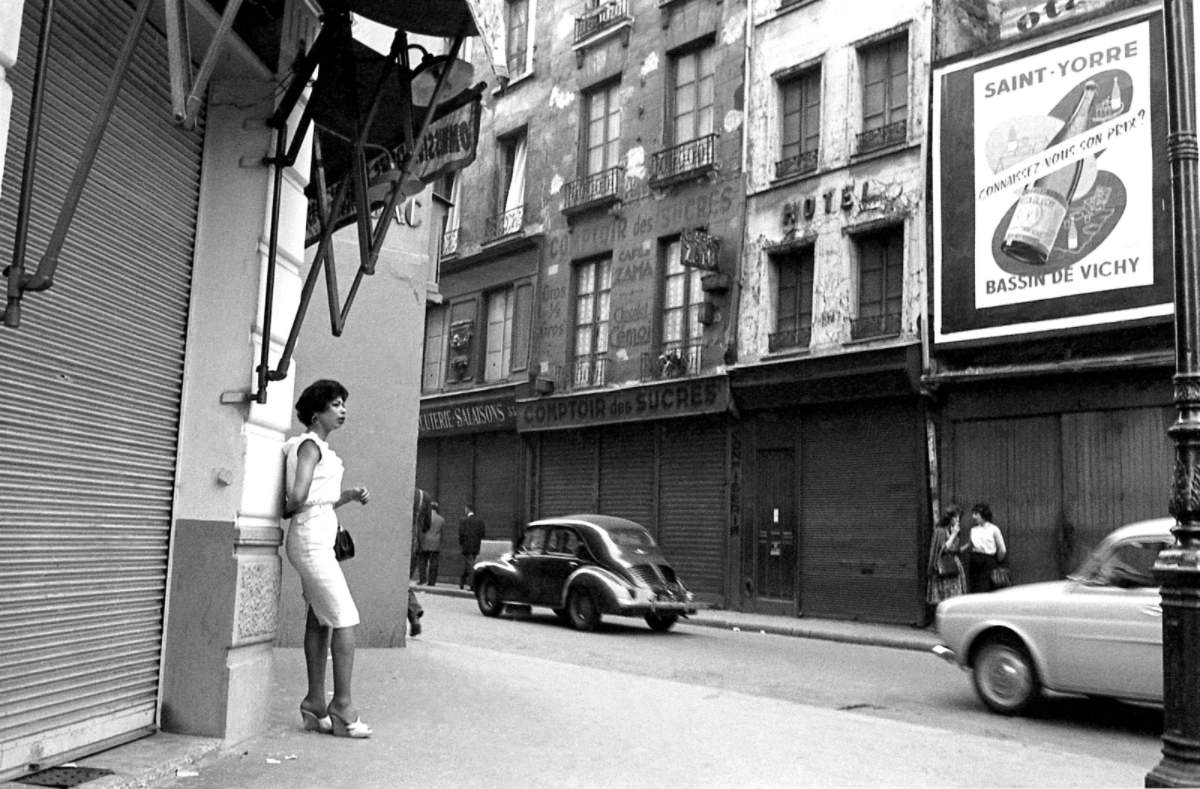
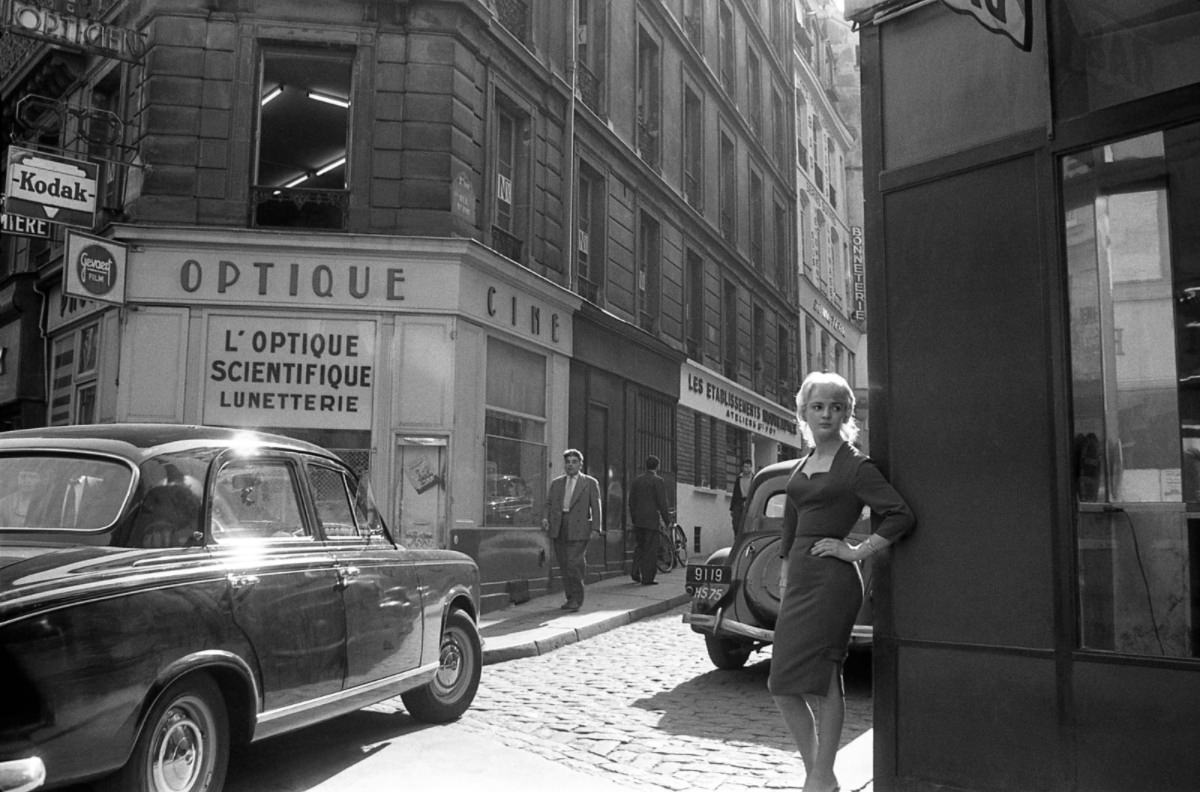
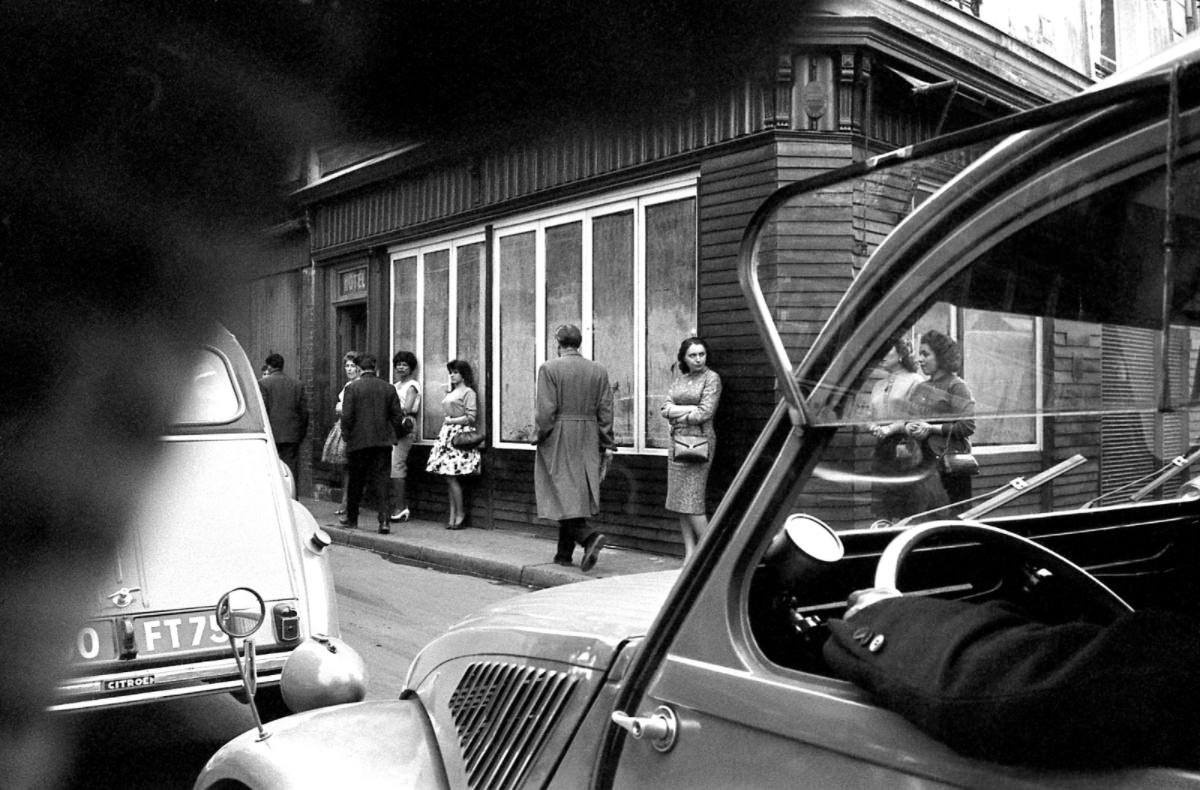
It was in this environment that photographer Maurice Zalewski turned his camera on the women working the streets. His portraits from the 1960s are candid and close — not staged or sanitized. Zalewski photographed these women as they actually were: standing in doorways, leaning against walls, waiting. The images carry a directness that formal studio photography of the era rarely achieved.
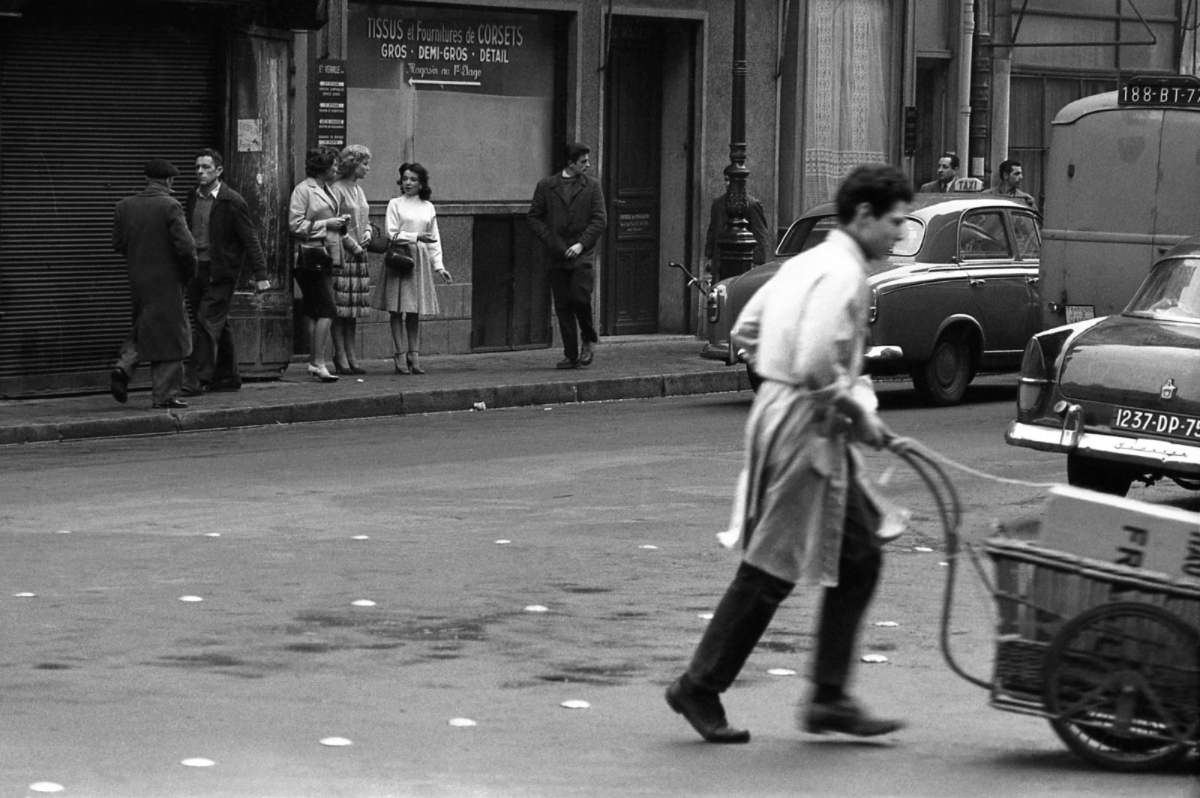
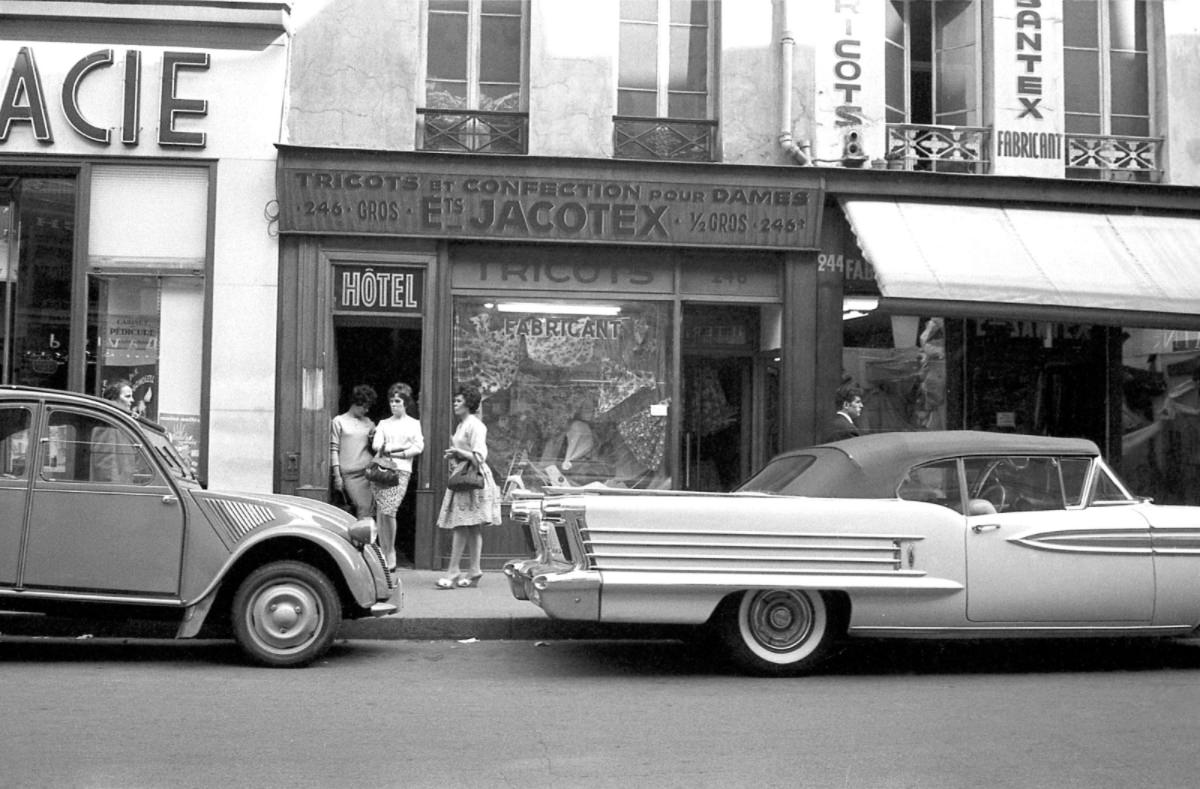
Street photography in postwar Paris had a strong tradition, with photographers like Henri Cartier-Bresson and Willy Ronis documenting everyday Parisian life. Zalewski’s work on Rue Saint-Denis fits within that tradition, but focuses on a community that mainstream society largely ignored or looked away from. His subjects are individuals, not types — each face distinct, each expression telling its own story.
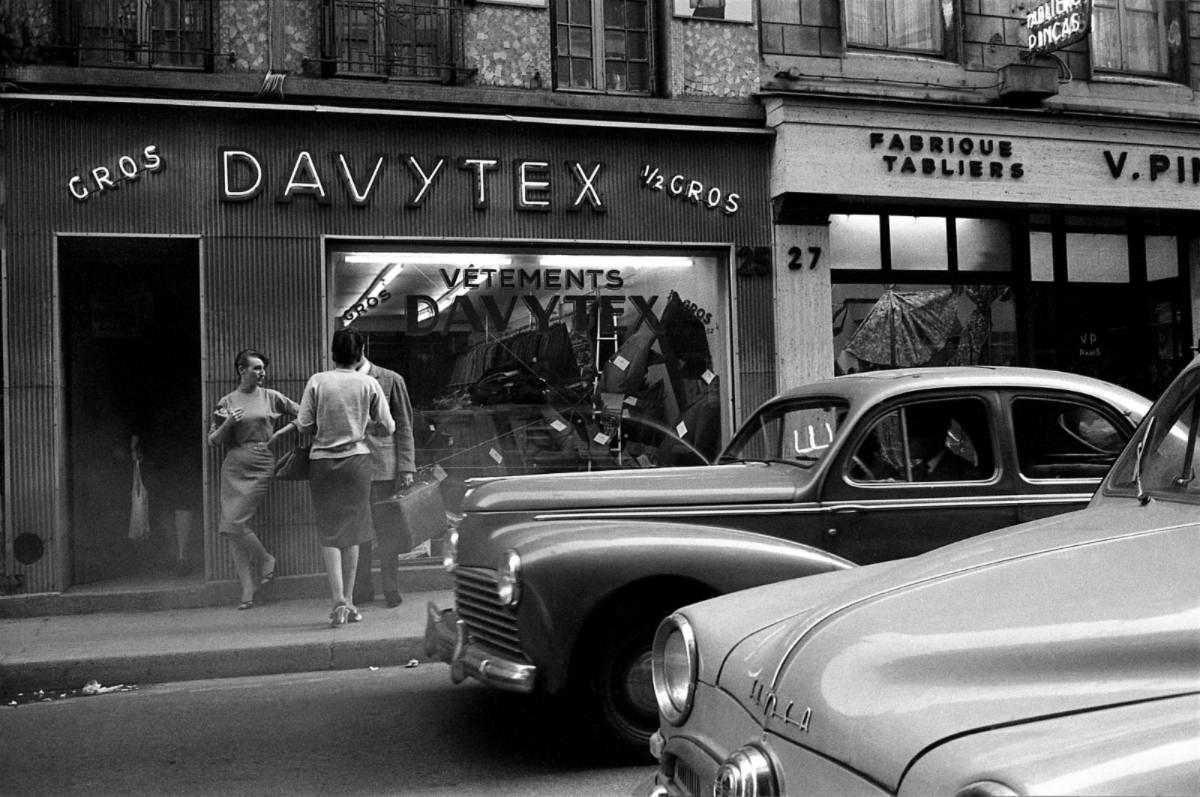
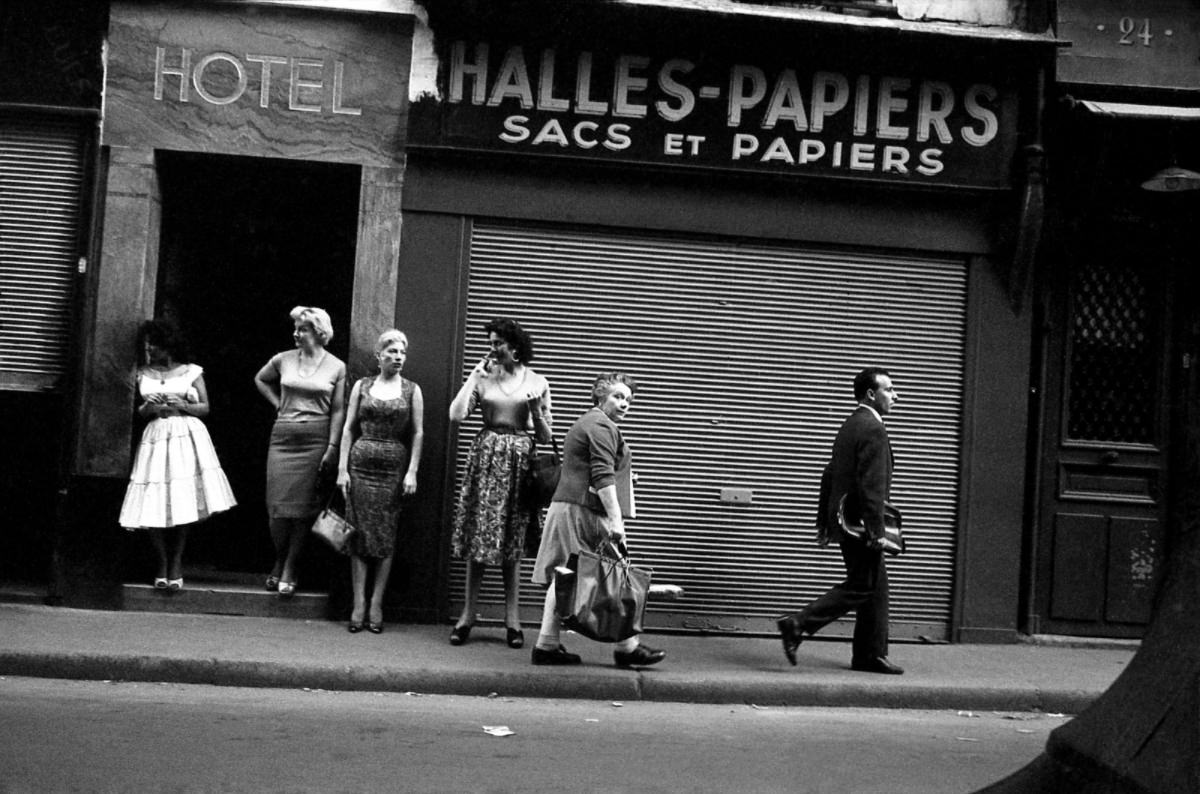
France had abolished licensed brothels in 1946 under the Marthe Richard law, which forced prostitution off regulated premises and onto the streets. By the time Zalewski was photographing in the 1960s, street-based sex work had become the dominant form in cities like Paris. Rue Saint-Denis, with its long history and dense foot traffic, was one of the most active locations in the entire city.
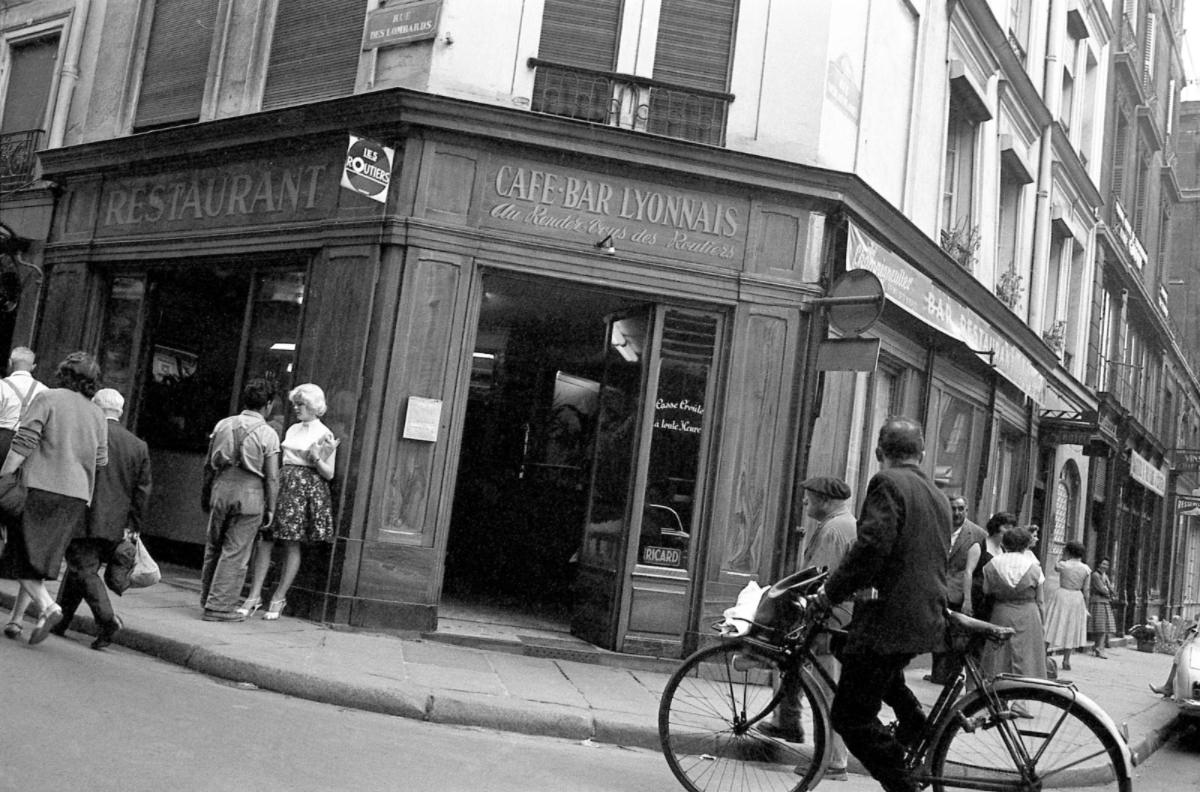
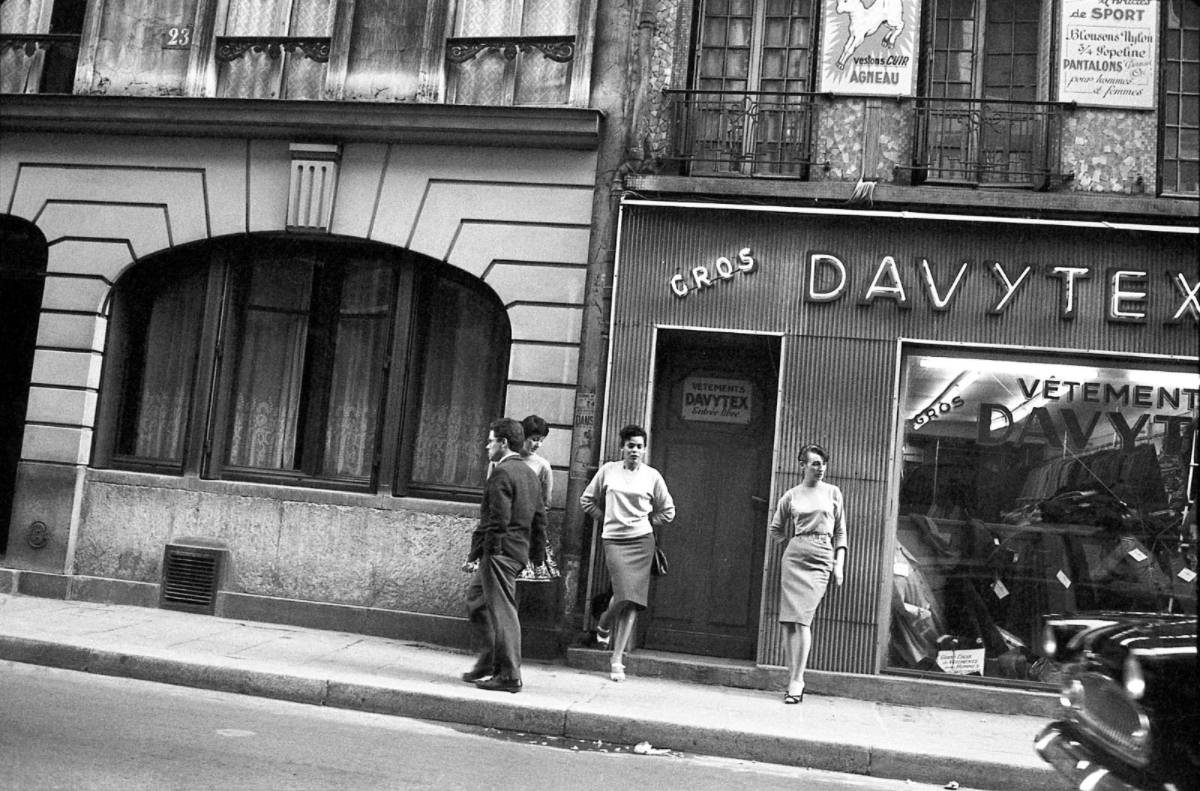
The women Zalewski photographed worked in a legally ambiguous environment. Prostitution itself was not illegal in France, but related activities — soliciting, running a brothel, pimping — were. This meant the women operated in a gray zone, exposed to police harassment and street-level danger without the protections that licensed houses had once provided.
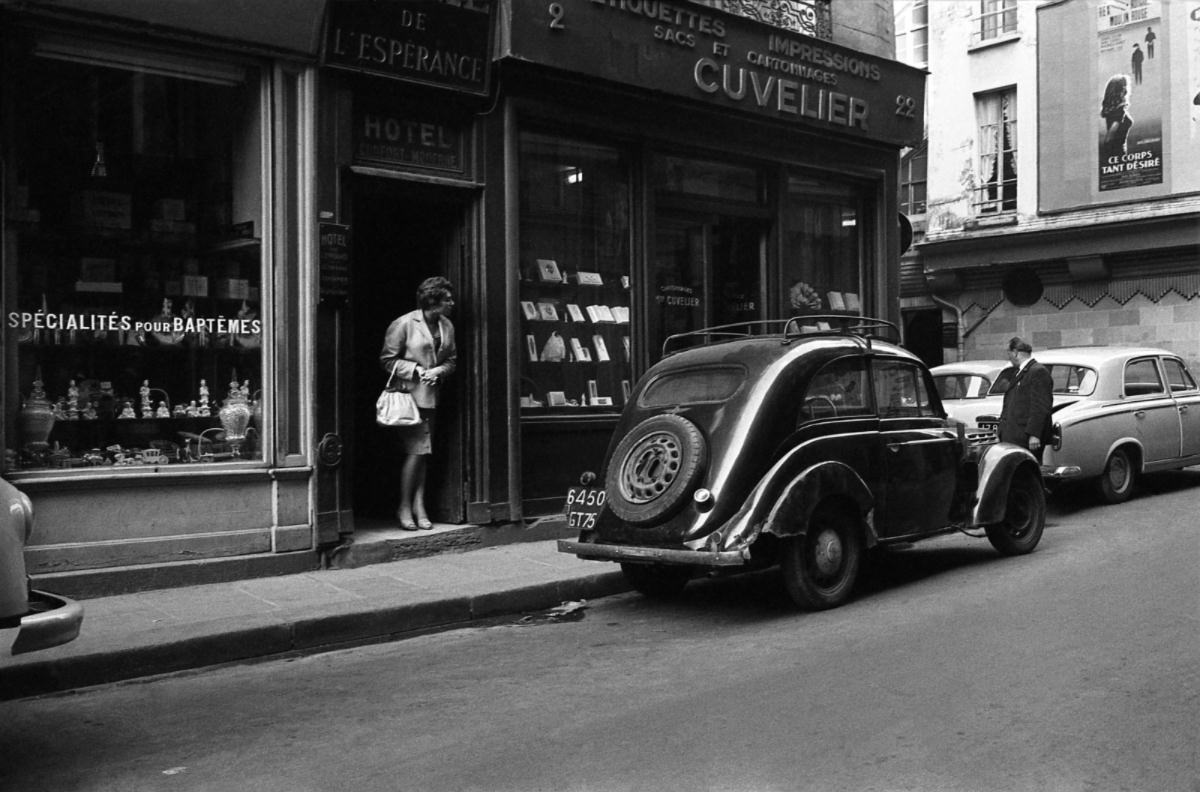
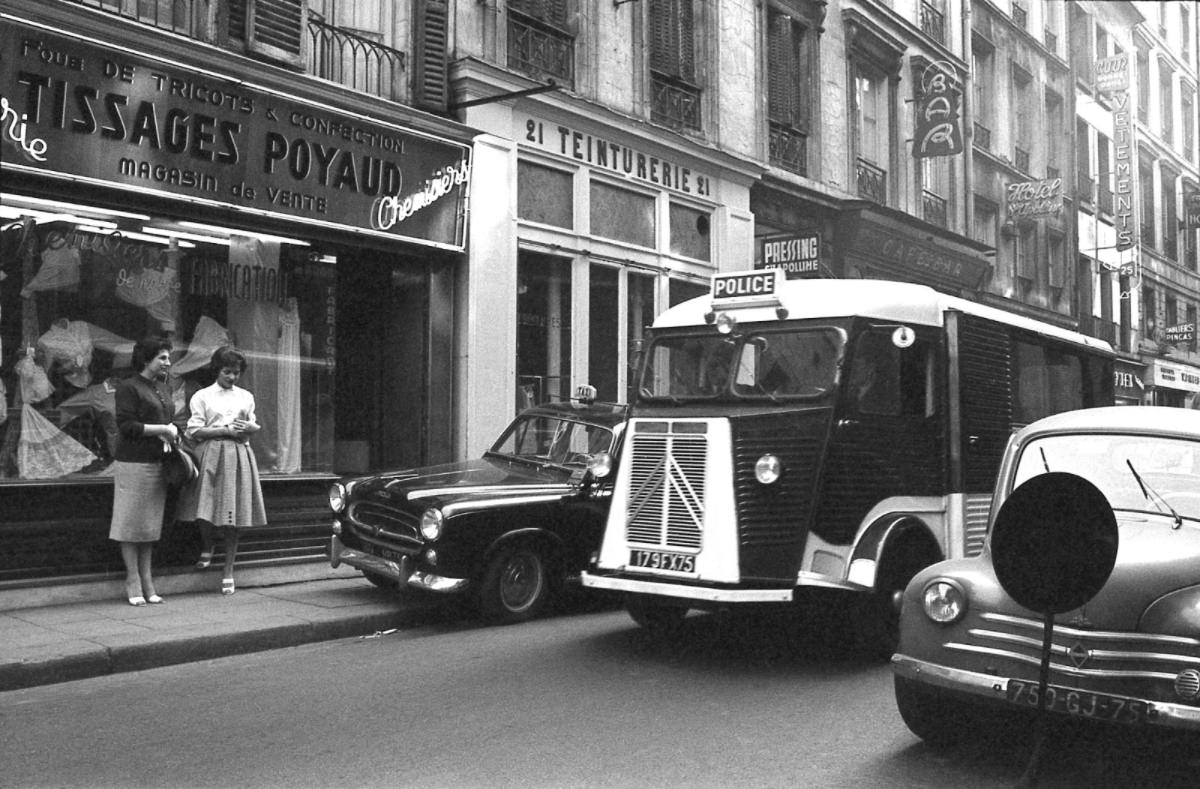
Zalewski’s photographs do not editorialize. He does not frame his subjects as victims or as symbols of Parisian decadence. The women in these images are simply present — dressed for work, alert to their surroundings, occupying their space on the street with the matter-of-fact confidence of people doing a job they do every day.
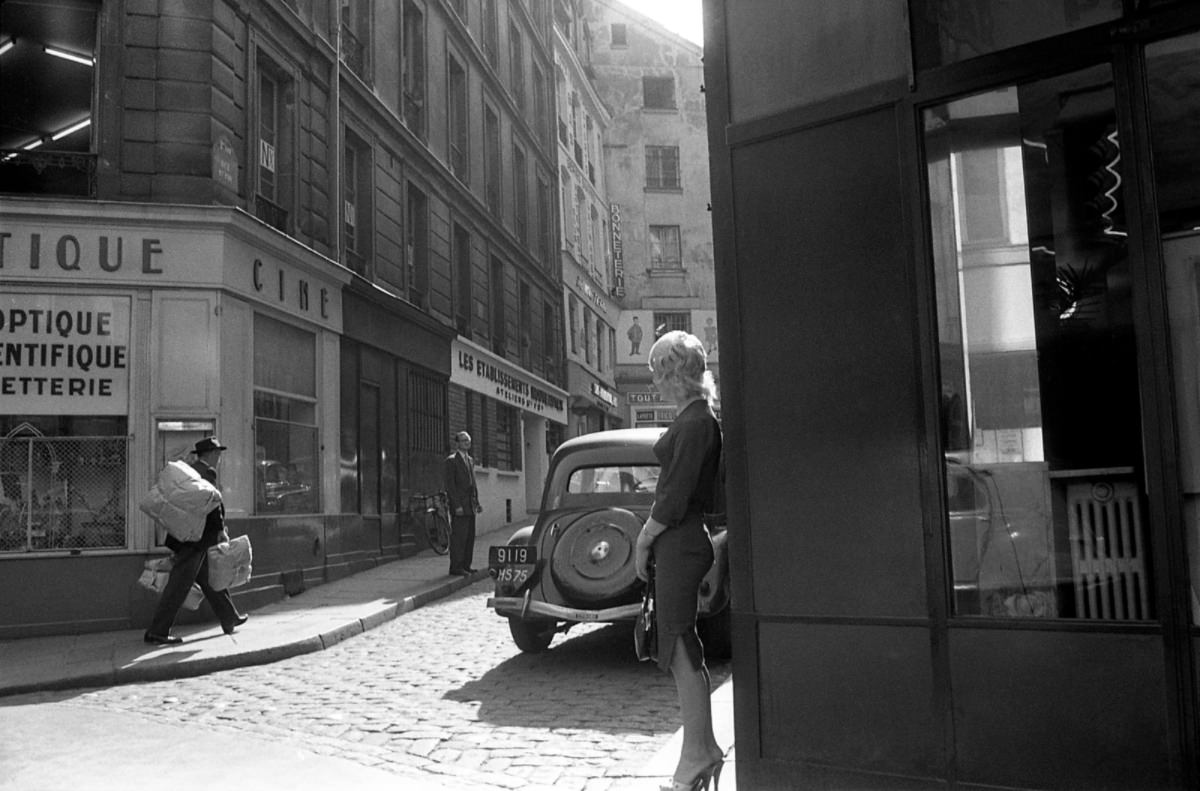
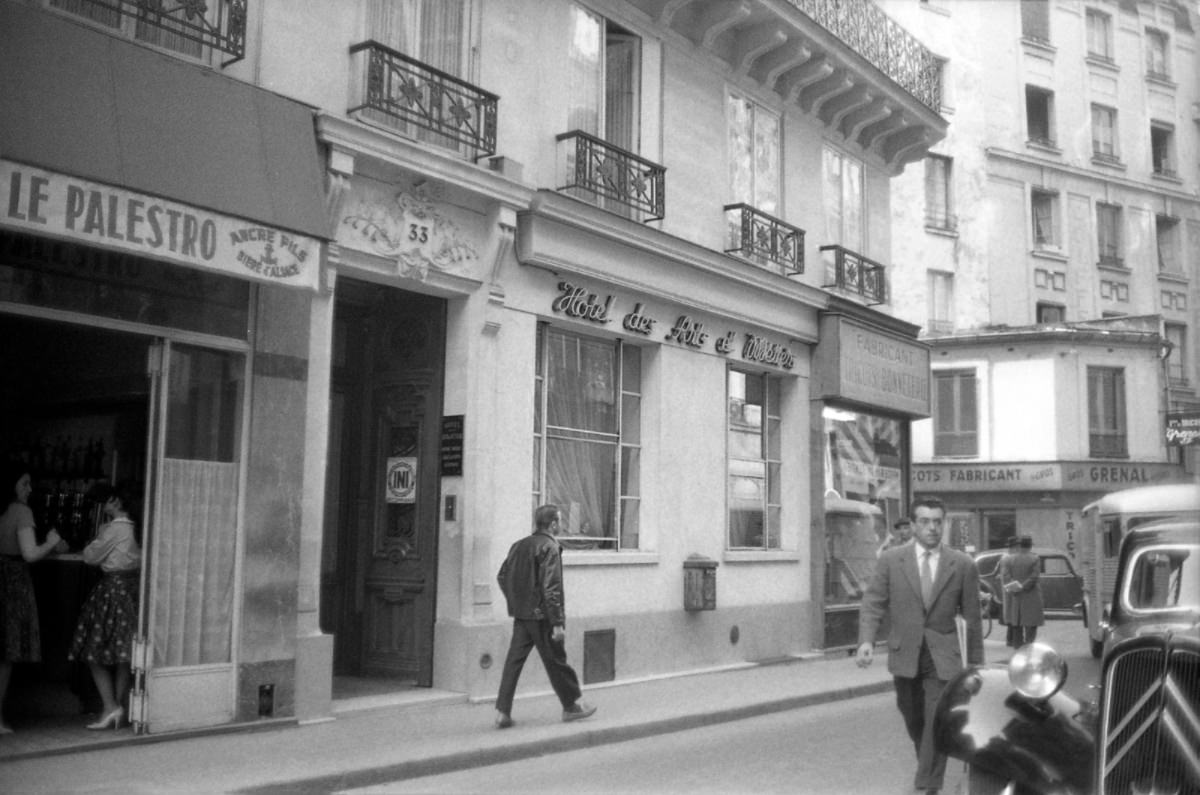
The physical setting of Rue Saint-Denis itself adds weight to the images. The street’s old stone buildings, narrow sections, and mix of commercial storefronts created a visually layered backdrop. This was not a hidden or shadowy underworld — it was an open, functioning part of Paris that thousands of people walked through every day.
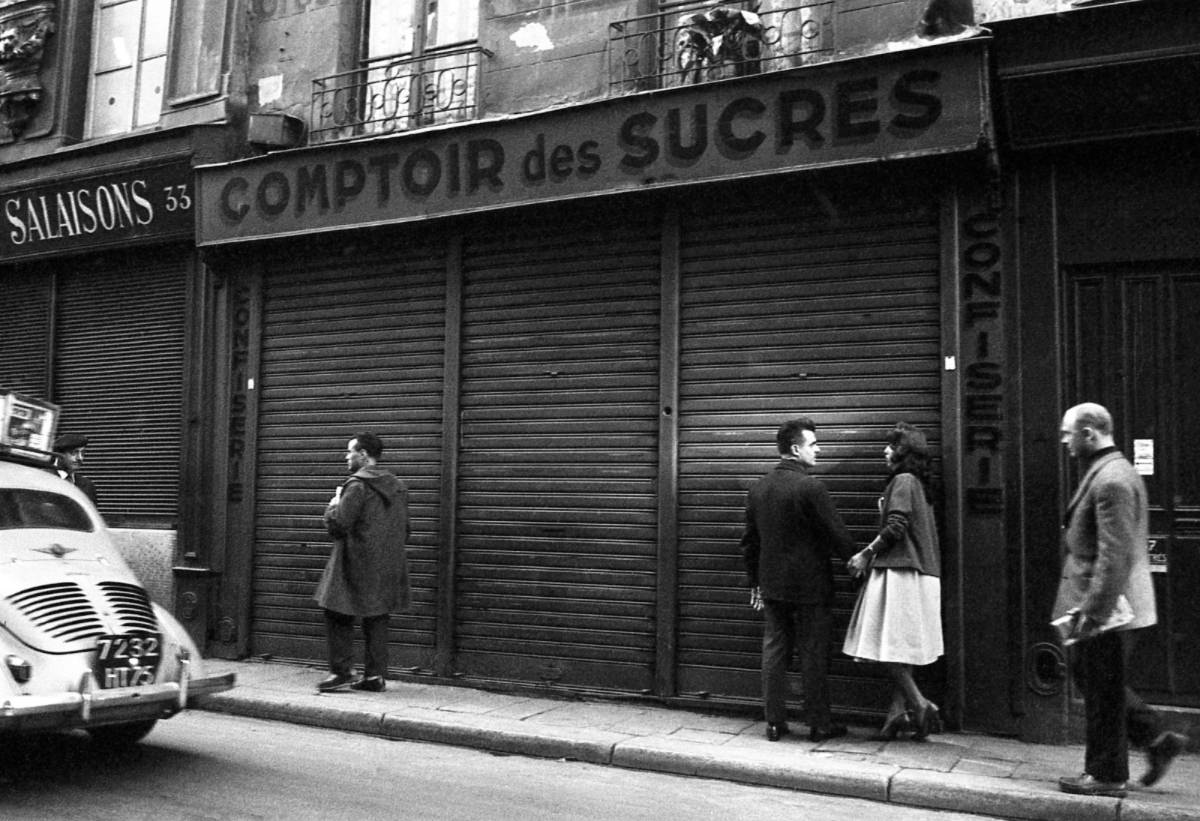
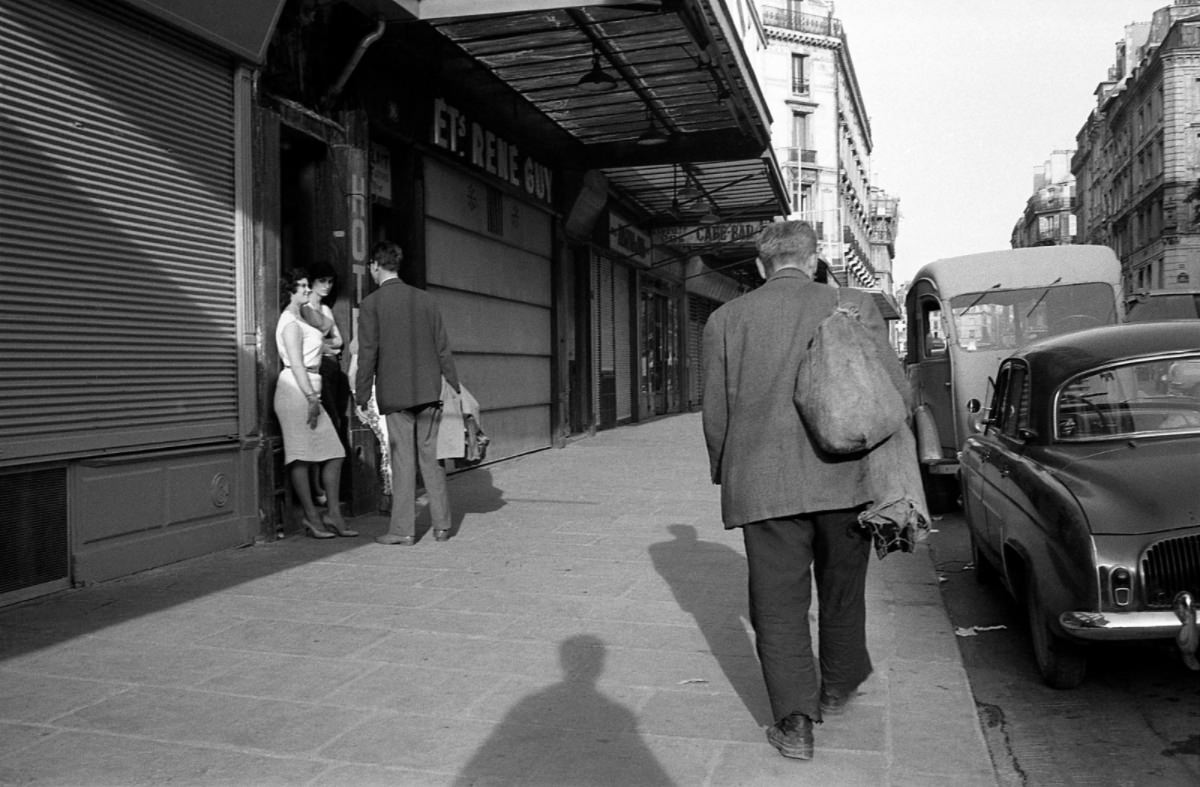
As a historical record, Zalewski’s portraits are unusually valuable. Photographs of street prostitutes from this period in Paris are rare, and candid ones rarer still. Most documentation of the sex trade from the era came through police records or tabloid journalism, neither of which treated subjects as individuals worth looking at closely.
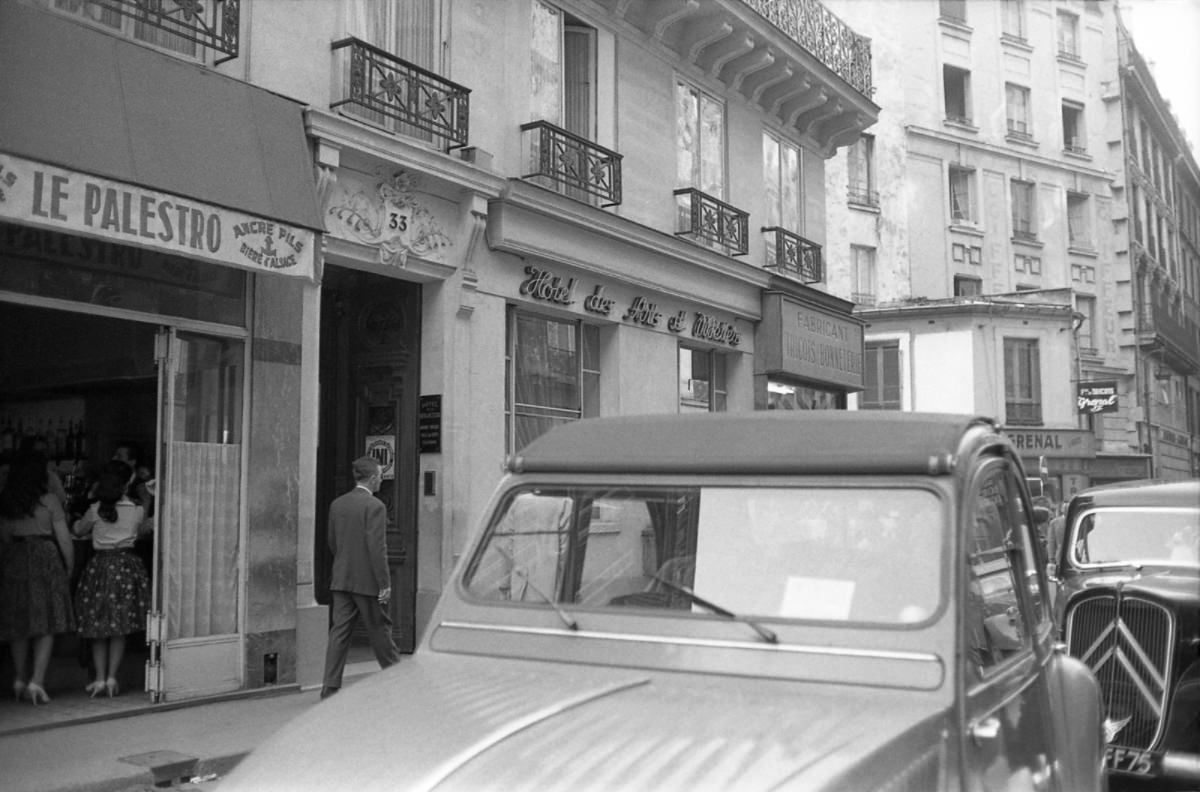
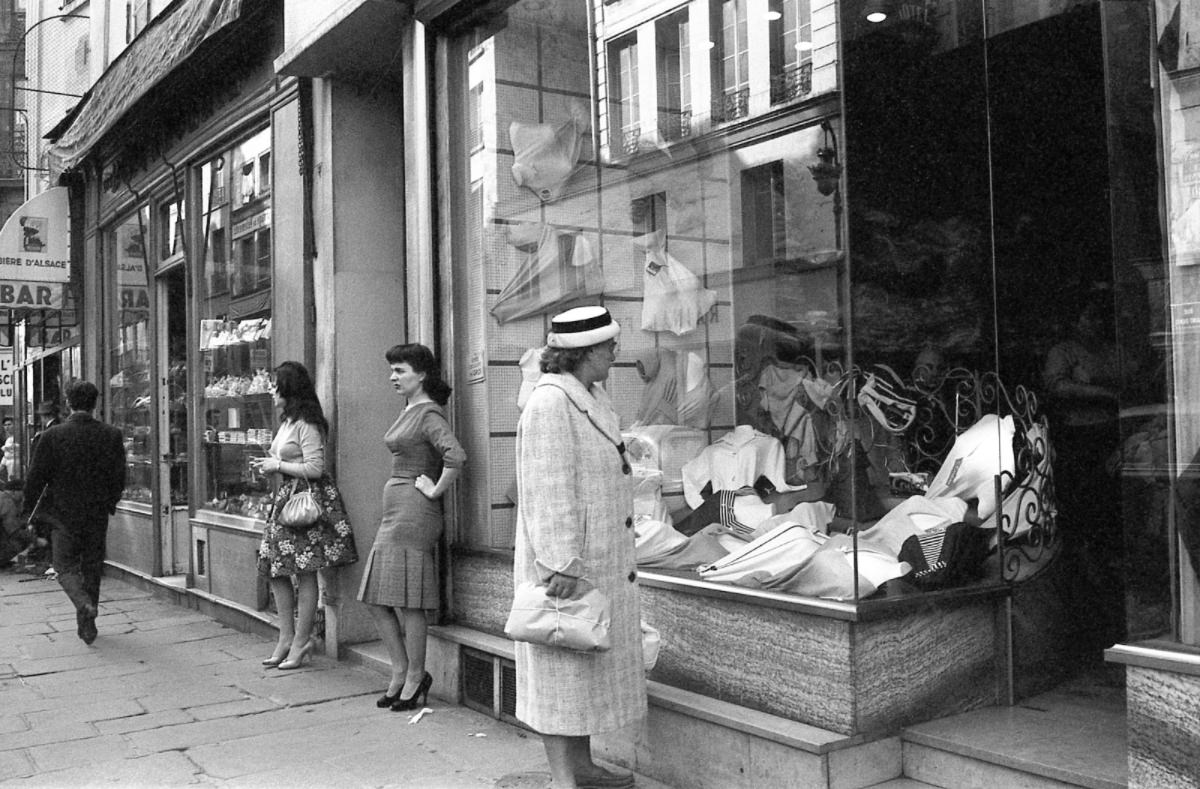
Each photograph in this series captures a specific moment on a specific stretch of Parisian street. The fashions, hairstyles, and storefronts visible in the background all date the images firmly to the 1960s. Together, they form a detailed visual document of a community and a place that looked, by the end of the decade, much as it had for centuries.