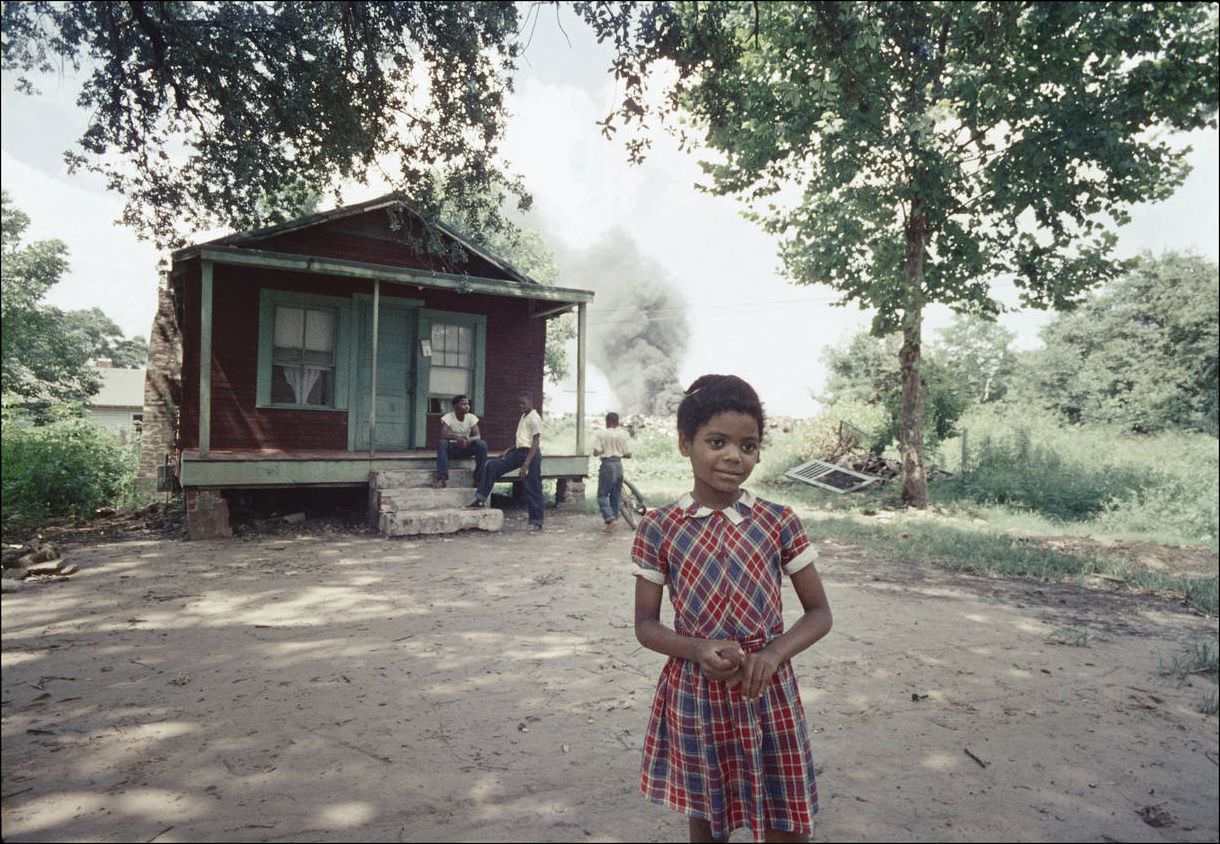
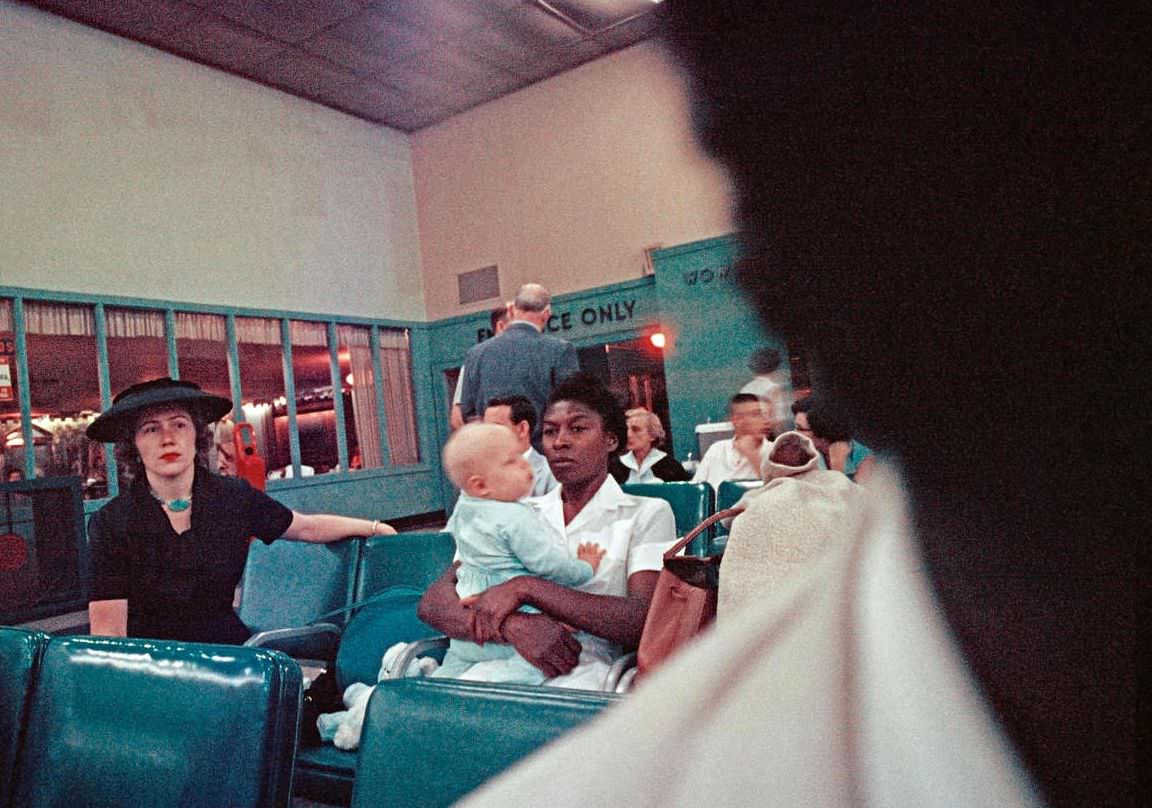
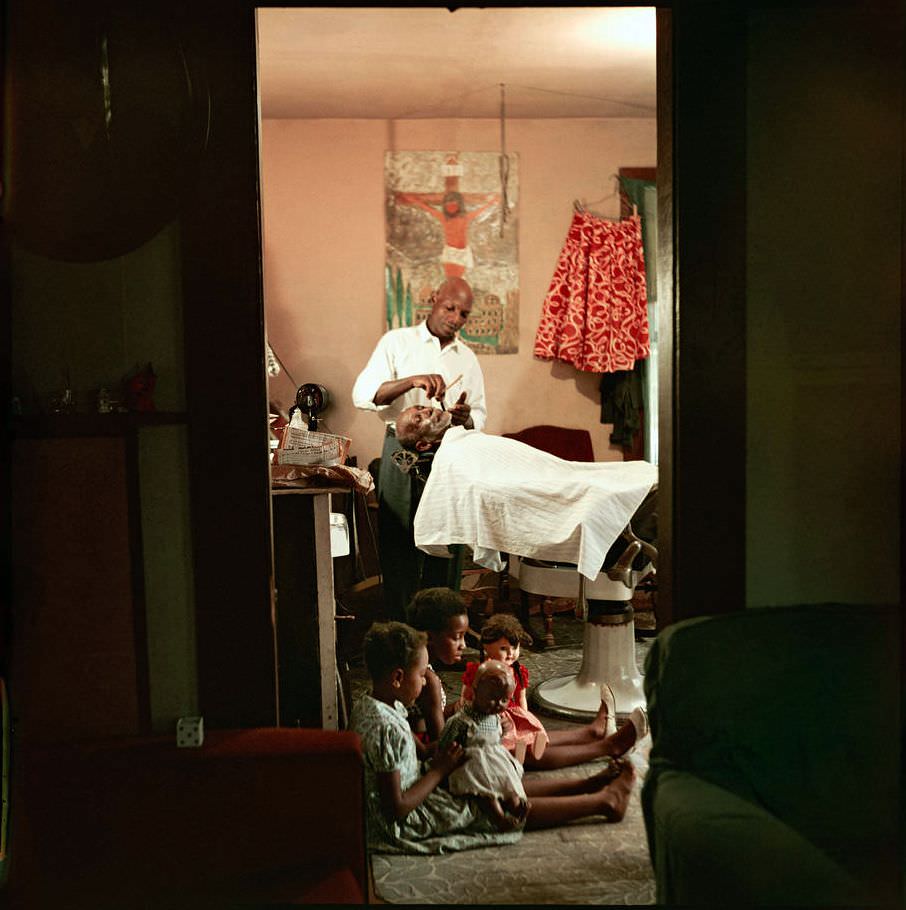
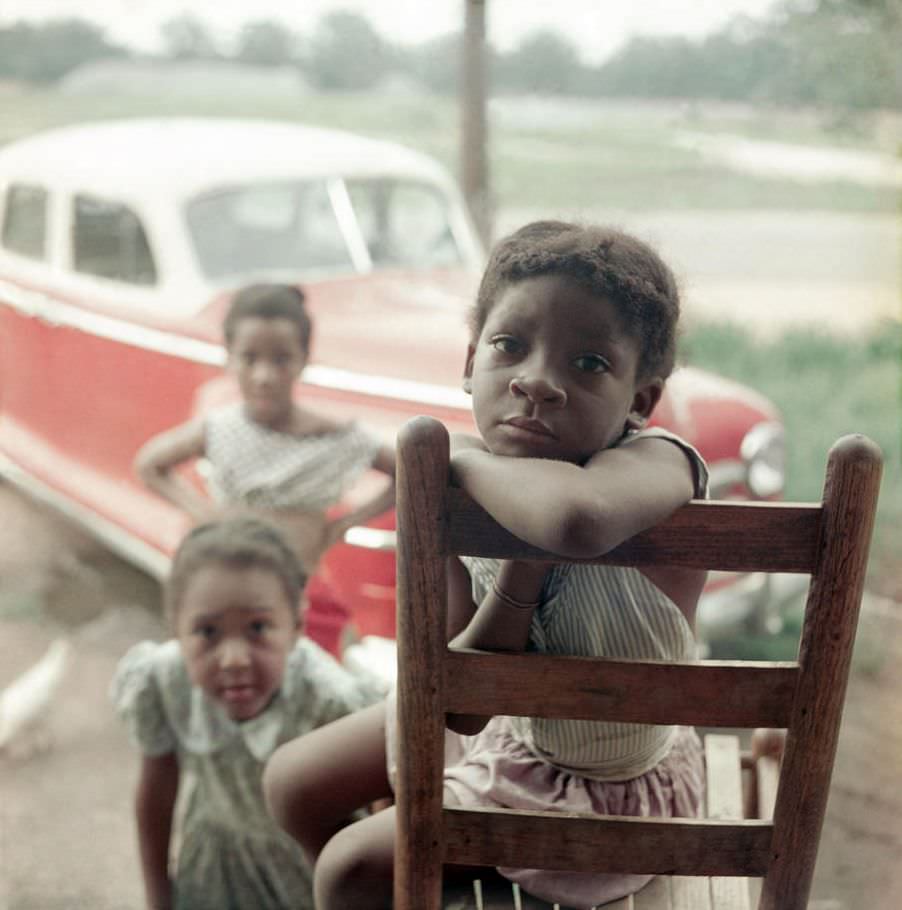
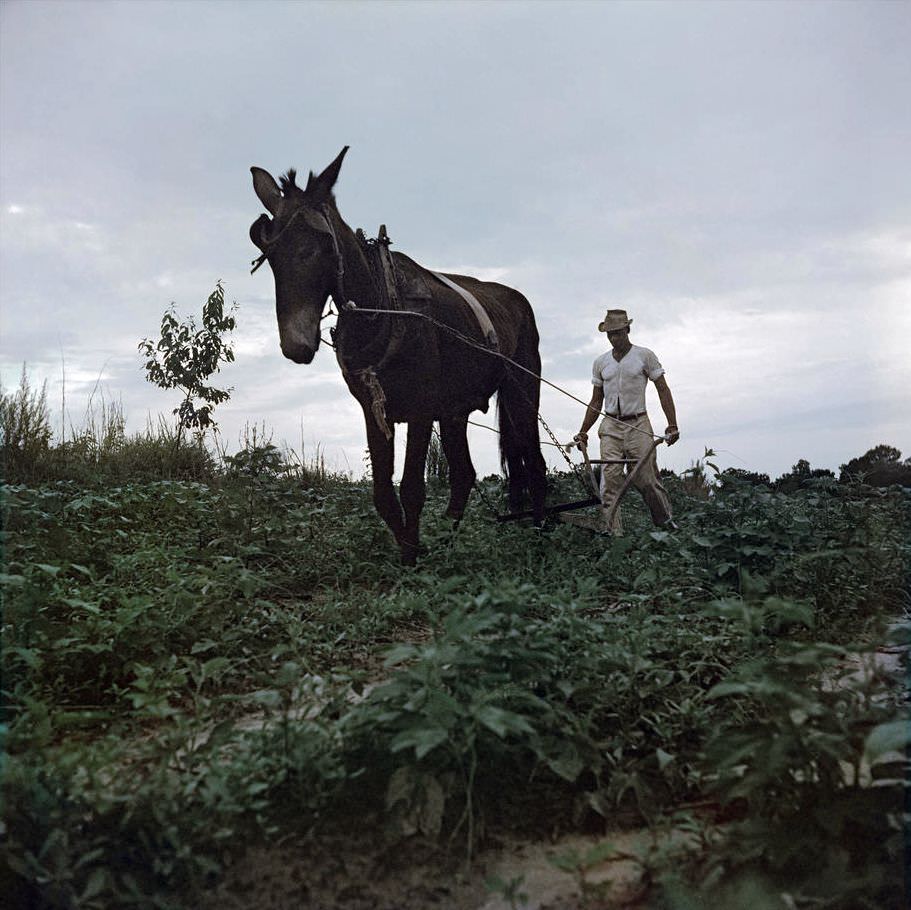
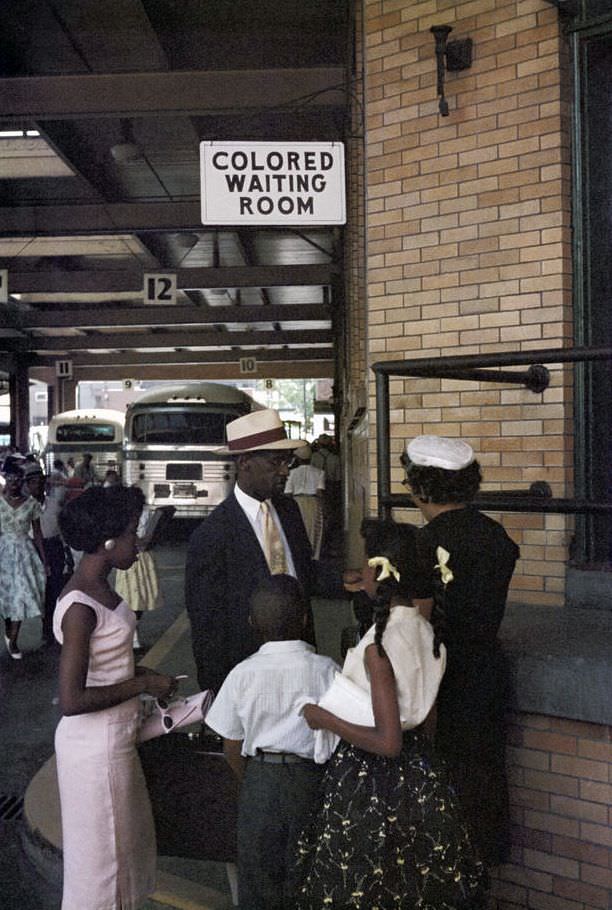
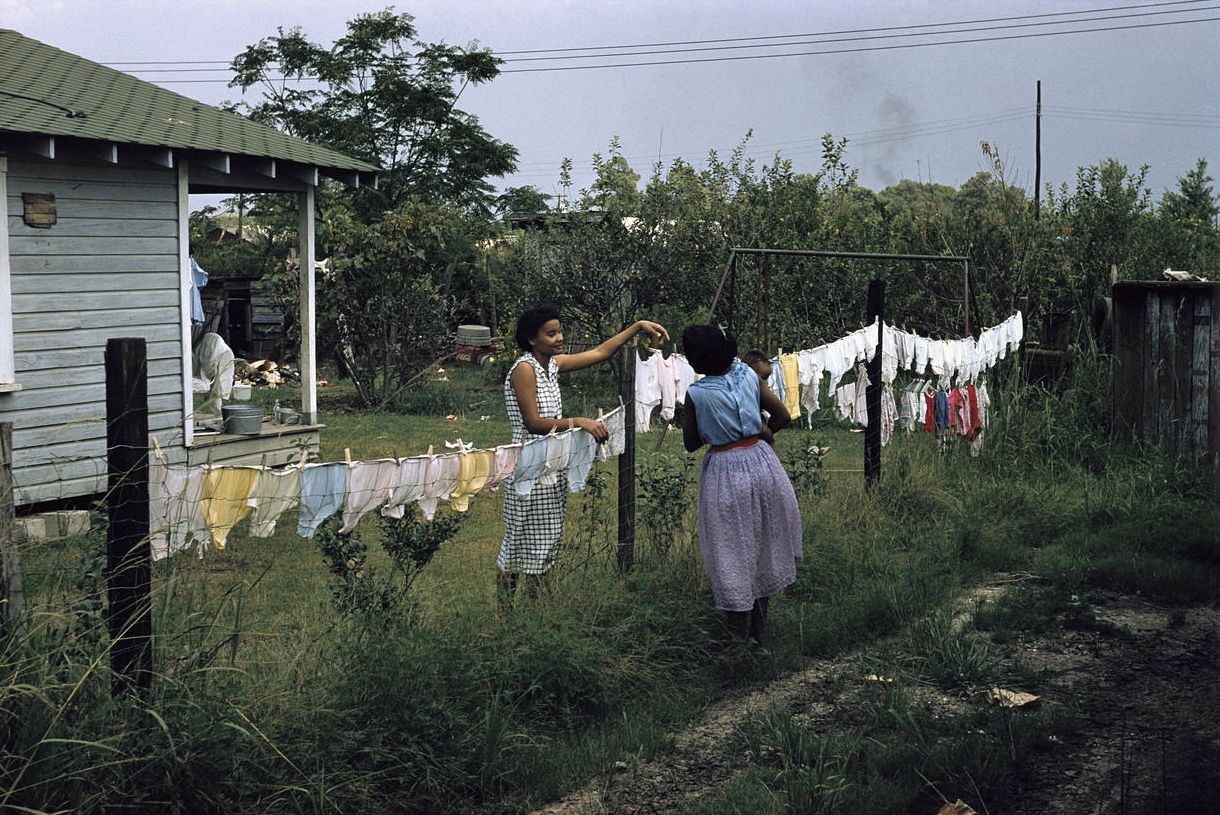
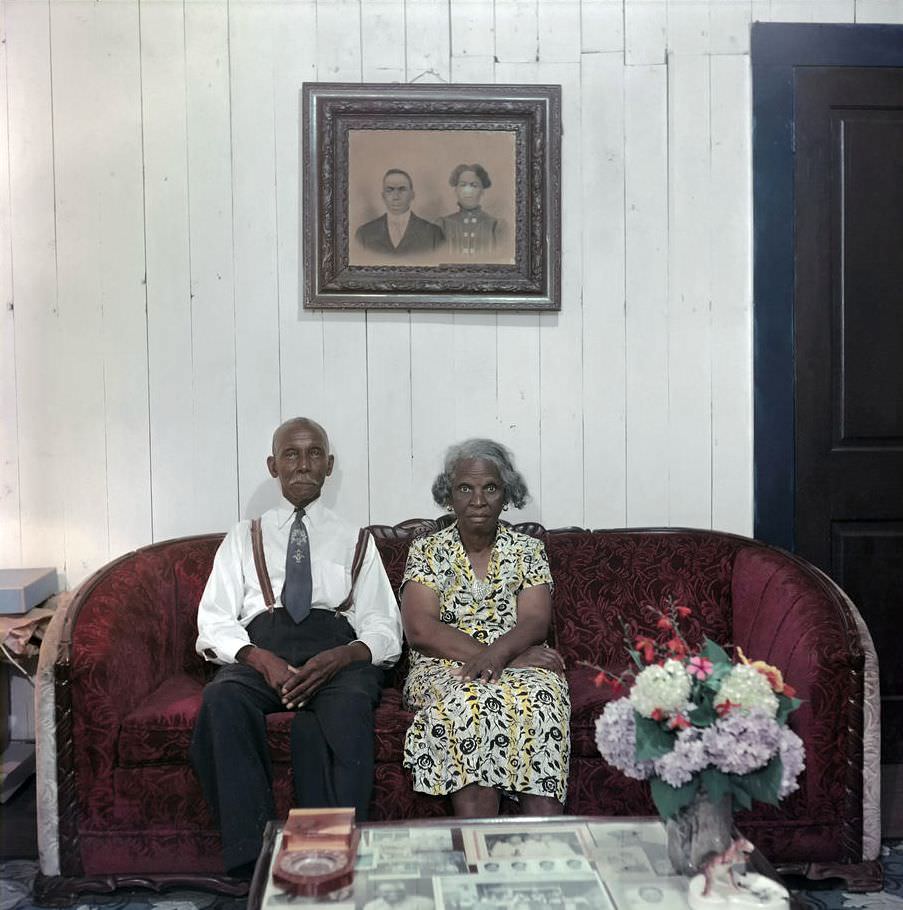
In 1956, photographer Gordon Parks traveled to Alabama on assignment for LIFE magazine. He documented the daily lives of three Black families — the Thorntons, the Causeys, and the Tanners — living under Jim Crow, the system of laws that enforced strict racial segregation across the American South. Their lives put a human face on what statistics alone could never fully capture.
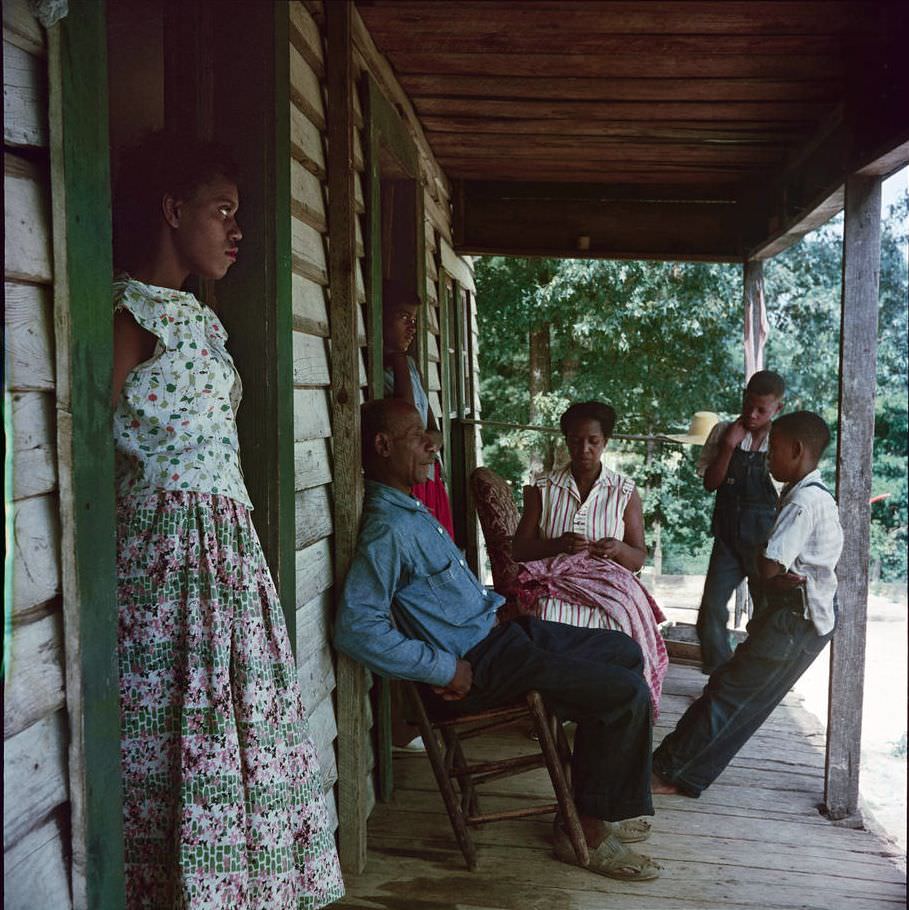
Jim Crow rested on the legal doctrine of “separate but equal,” upheld by the Supreme Court in 1896. In practice, nothing was equal. Alabama’s laws reached into nearly every corner of public life. Black passengers on public buses were required to sit in the back and give up their seats to white passengers whenever the white section filled up. Train and bus stations maintained separate waiting rooms and ticket windows by race.
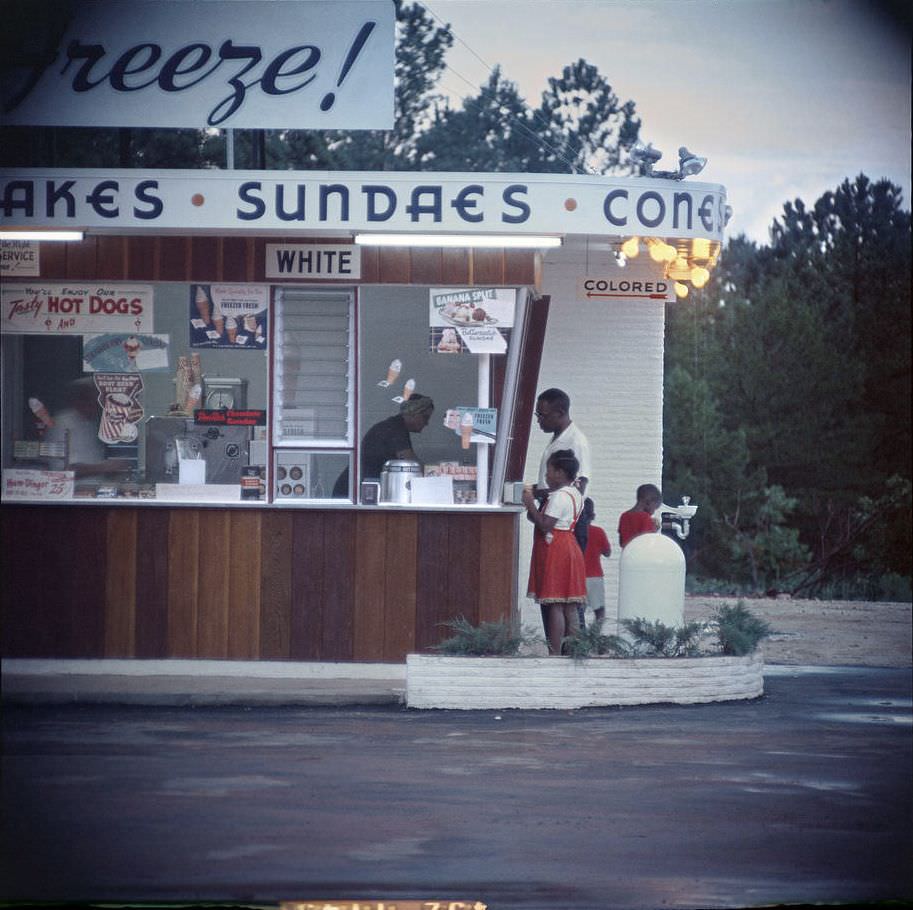
Restaurants could not seat Black and white customers in the same room unless a solid partition at least seven feet high divided them. Hospitals kept separate wards. White female nurses were legally prohibited from caring for Black male patients. Even recreational spaces were segregated — it was unlawful for a Black person and a white person to play pool or billiards together.

The economic gap was just as severe. In 1950, the median income for a white family nationally was $3,445. For a non-white family, it was $1,869. In the South, 34.2% of Black men worked in agriculture, compared to 21.3% of white men. Outside of farming, Black workers were pushed into the lowest-paid, most physically demanding jobs.

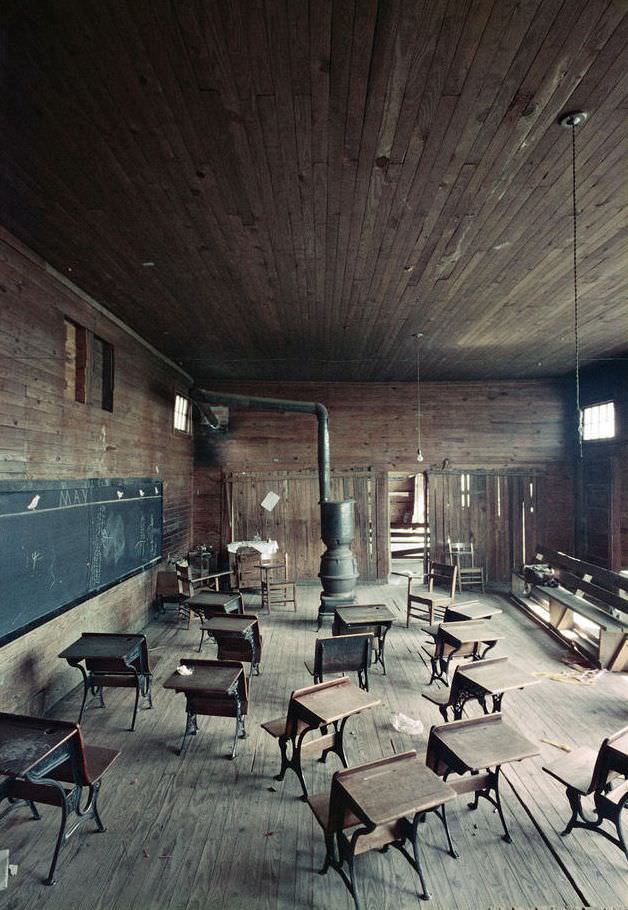
White-collar work was largely out of reach. Only 5.5% of Black men in the South held white-collar jobs in 1950, versus 16% of white men. Limited access to quality education reinforced this cycle. Public schools were segregated, and Black schools received far less funding than white schools.
During the 1951–1952 school year in Alabama, instructional staff at white schools earned significantly more than those at Black schools. Black students sat in overcrowded, run-down classrooms with secondhand textbooks passed down from white schools. While buses carried white students to class, Black children frequently walked miles to reach their schools, in any weather.
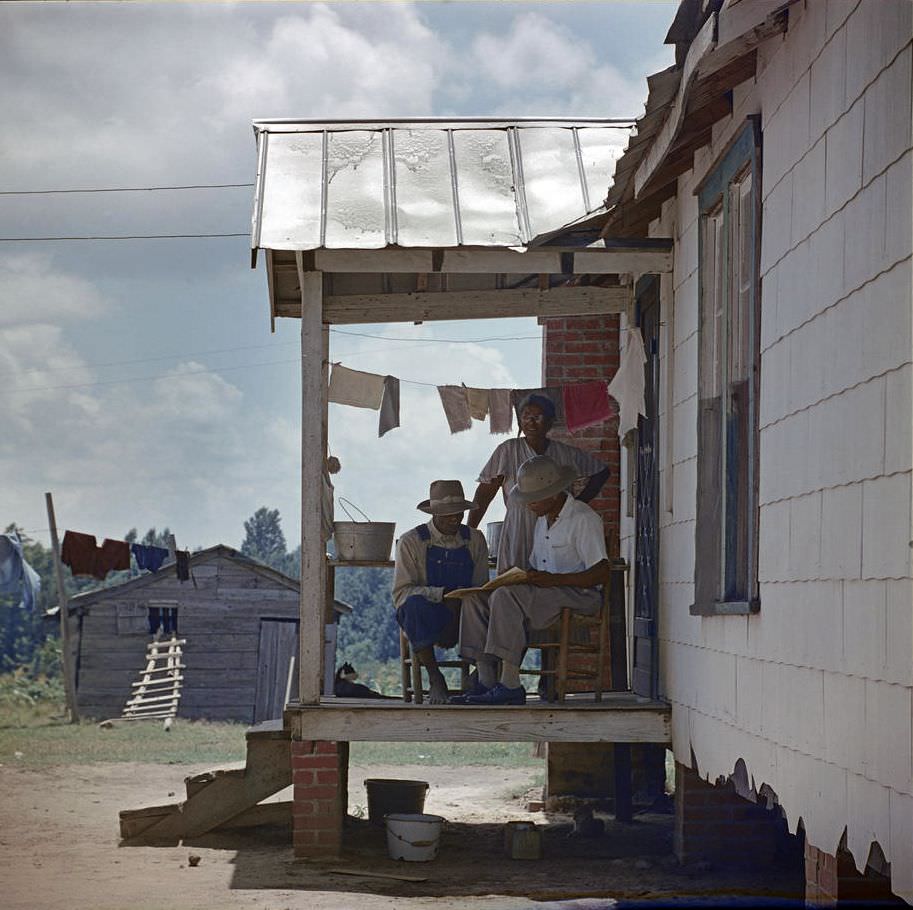
Health outcomes reflected the same inequality. In 1950, the infant mortality rate for white infants in the U.S. was 26.8 deaths per 1,000 live births. For Black infants, it was 43.9 — a direct result of inadequate prenatal care, poor nutrition, and inferior hospital facilities. Black patients were frequently denied access to the specialized medical care available to white patients.
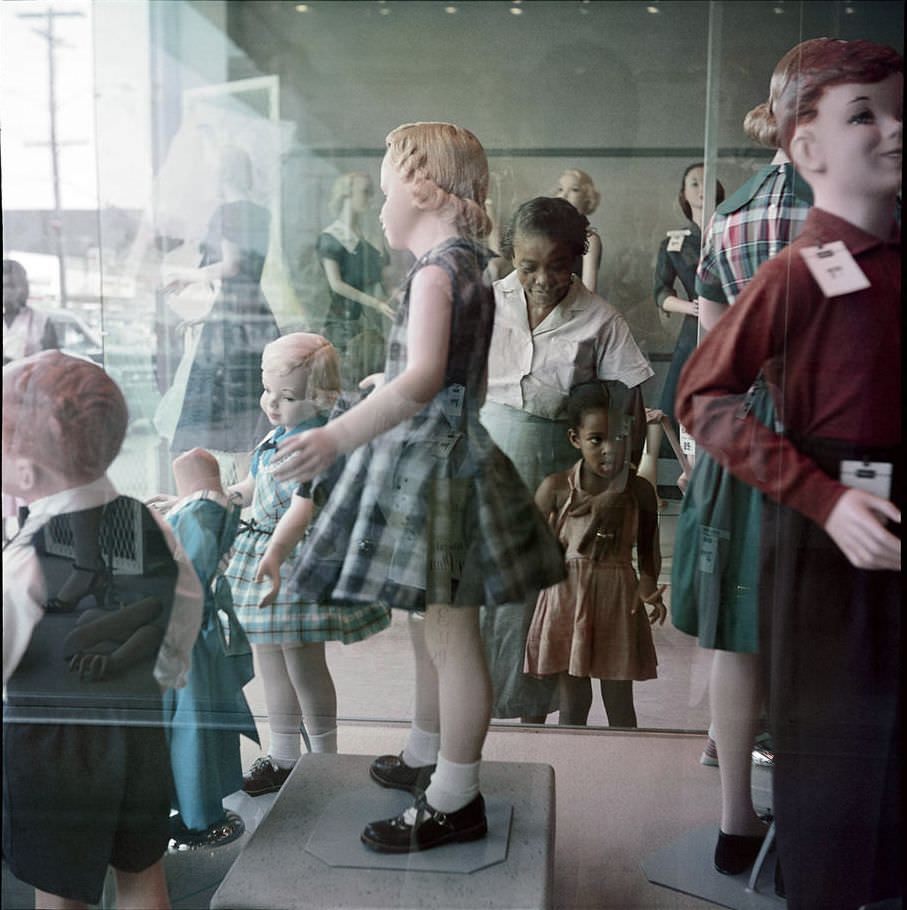
Substandard housing without proper sanitation made health conditions worse for many Black families. These were not accidental outcomes — they were the product of a system designed to keep Black Americans at an economic and social disadvantage.
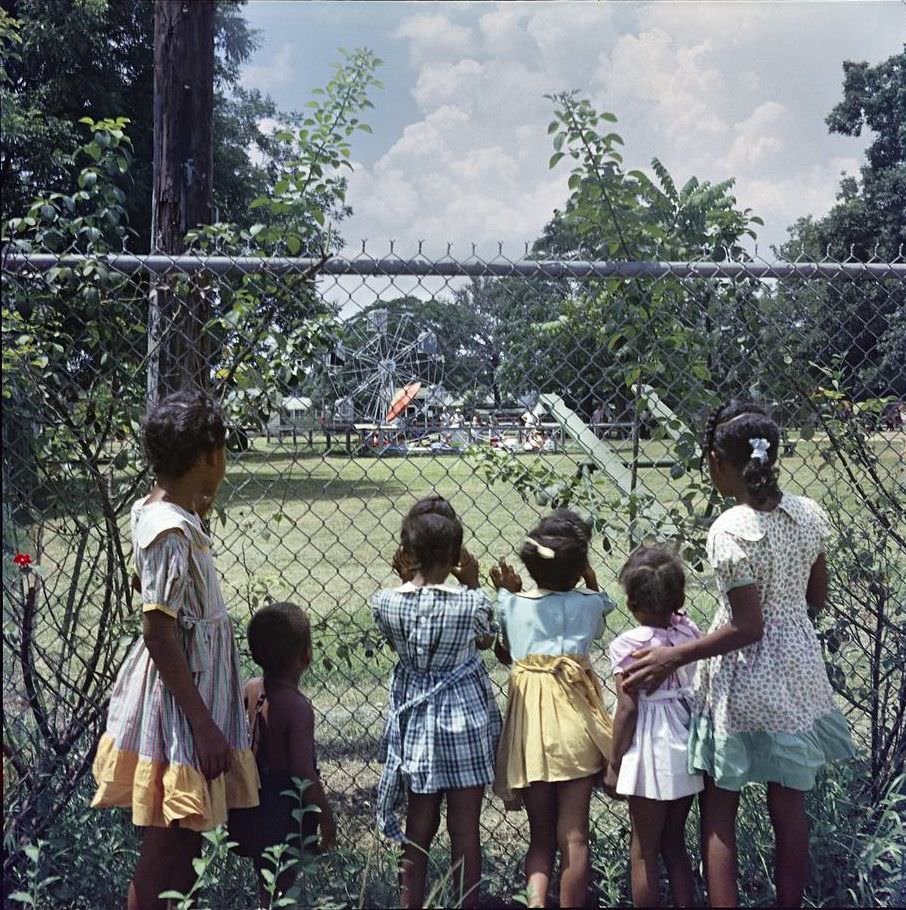
Political power was also deliberately stripped away. The 15th Amendment had granted Black men the right to vote, but Southern states blocked that right through poll taxes, rigged literacy tests, and outright intimidation. In 1950s Alabama, only 19.4% of eligible Black citizens were registered to vote. In Mississippi, that number dropped to just 6.4%.
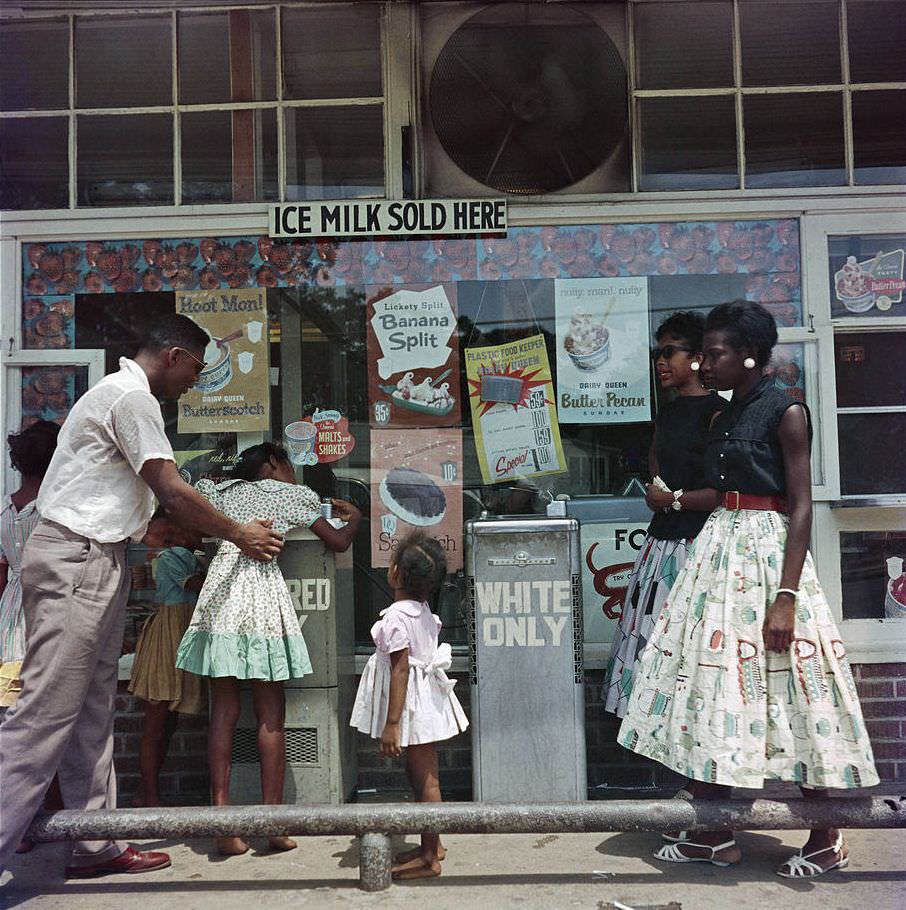
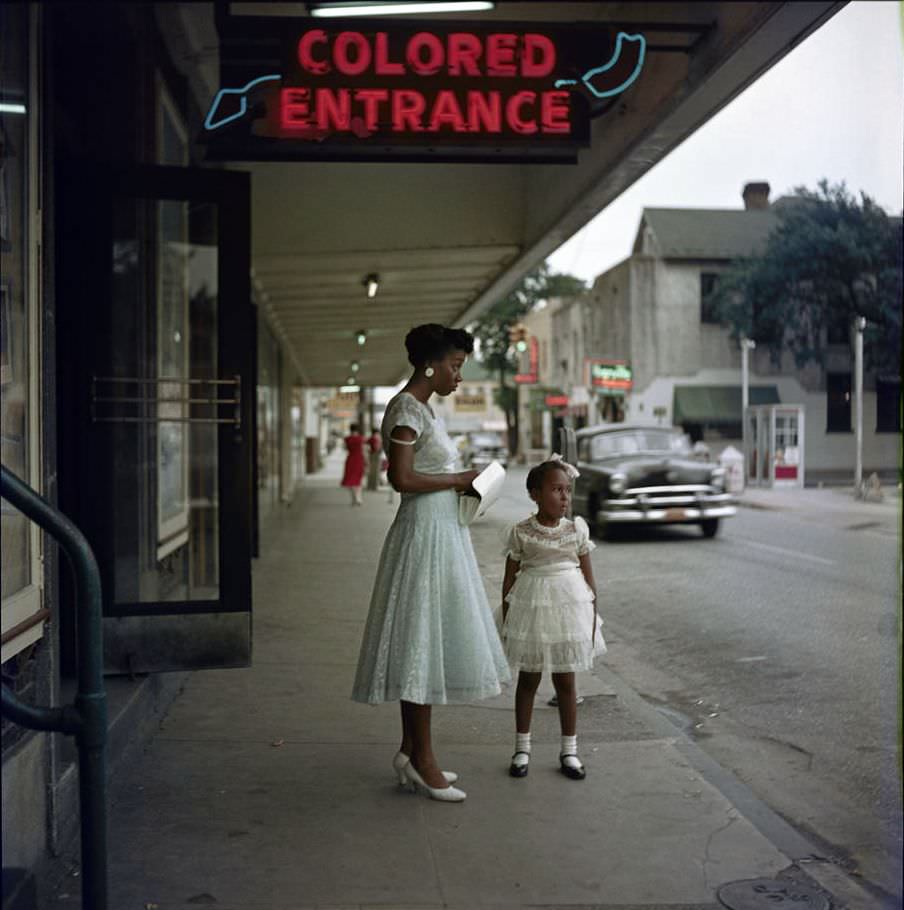
Without a meaningful political voice, Black communities had no way to challenge discriminatory laws through the democratic process. Every avenue — economic, educational, medical, legal — was structured to limit Black life in the South.
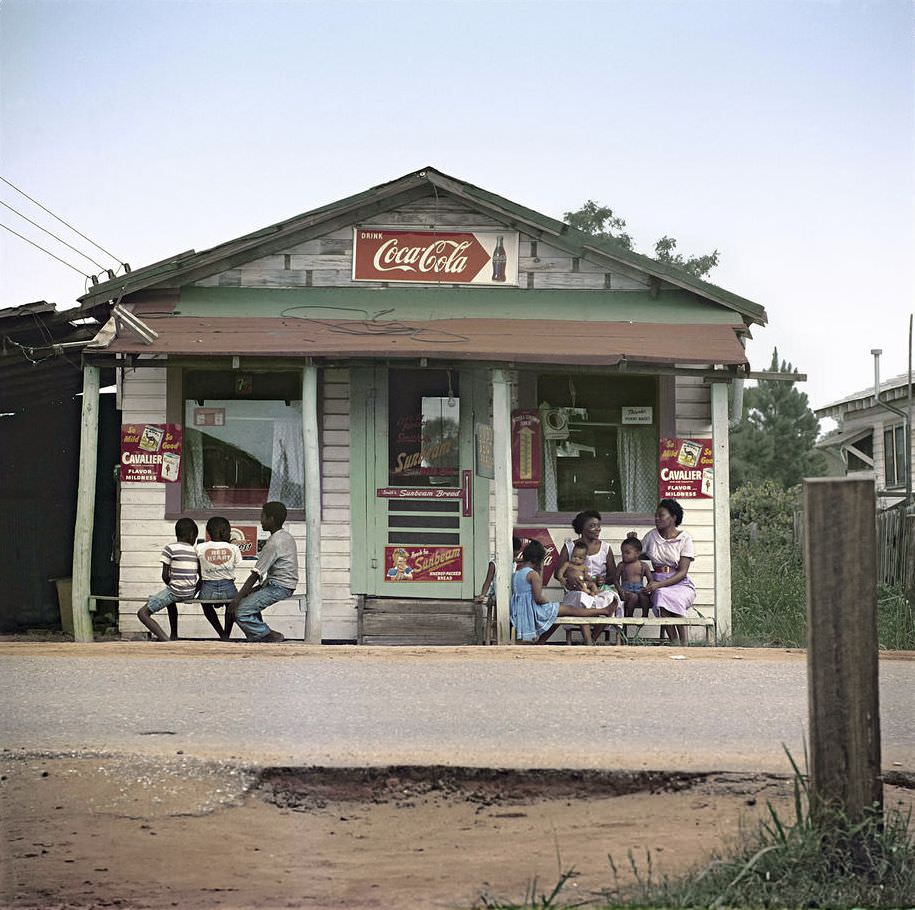
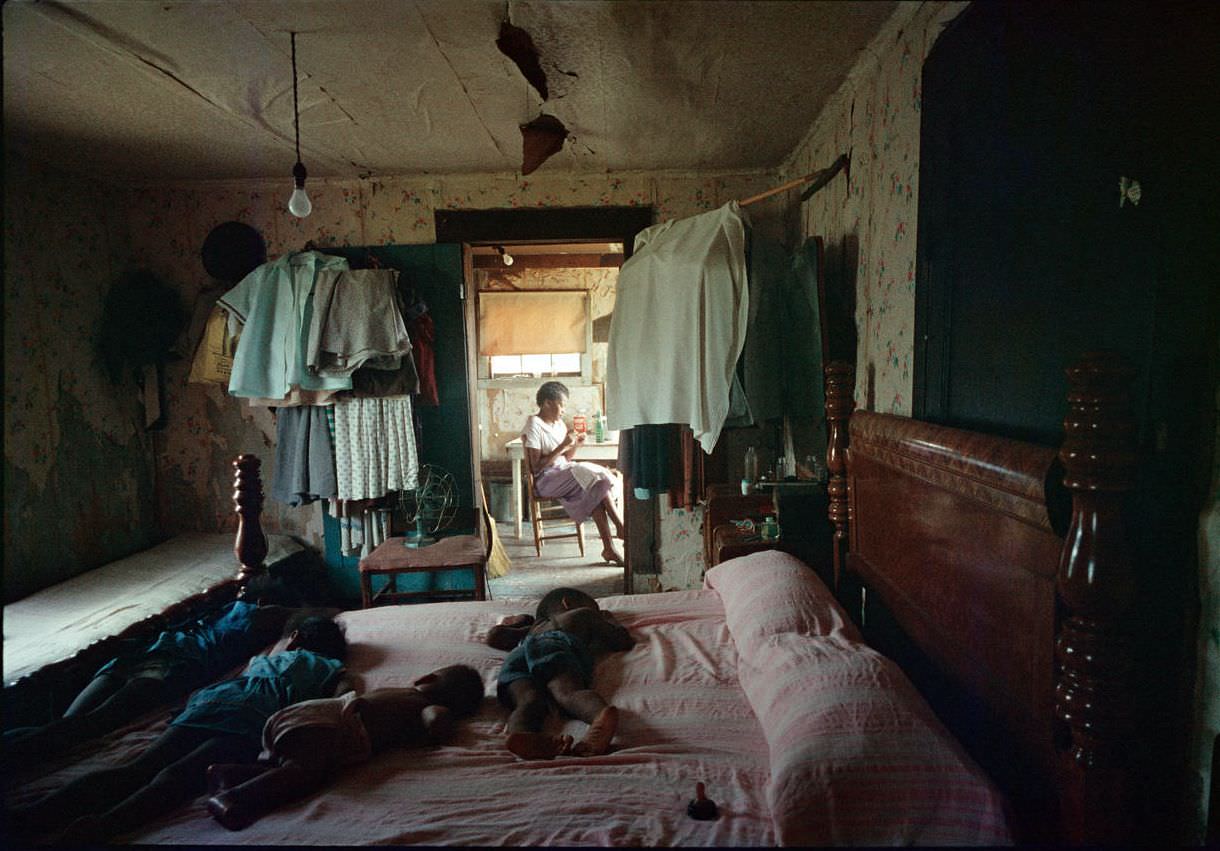
Gordon Parks’ photographs cut through the abstraction of policy and law. They showed families eating, working, going to school, and getting through ordinary days inside an extraordinary system of oppression. The Thornton, Causey, and Tanner families were not symbols — they were people whose routines were dictated at every turn by race.