Hey There! Before You Go. 😧
Get the best vintage content straight into your inbox!

Don't worry, we don't spam

The Day the Music Died: The Rolling Stones and the Story of the Violent 1969 Altamont Free Concert

On Saturday, December 6, 1969, the Rolling Stones headlined the Altamont Speedway Free Festival in Northern California. Organizers billed it as a “Woodstock West” — a free, celebratory end to a landmark year in rock music. An estimated 300,000 people showed up. What followed was one of the most violent days in rock history.
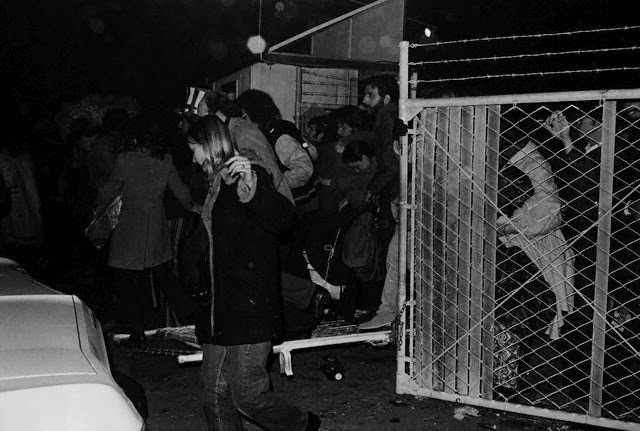
Eager rock fans storm the gate at Altamont Speedway well in advance of the scheduled opening for a free rock festival featuring the Rolling Stones, 1969.

A last-minute venue change left organizers scrambling. They hired members of the Hells Angels motorcycle club to handle security — paying them with $500 worth of beer. The stage was only about four feet high, low enough for the massive crowd to press directly against it. Hells Angels members surrounded the platform, many armed with pool cues, and beat back concertgoers throughout the day.
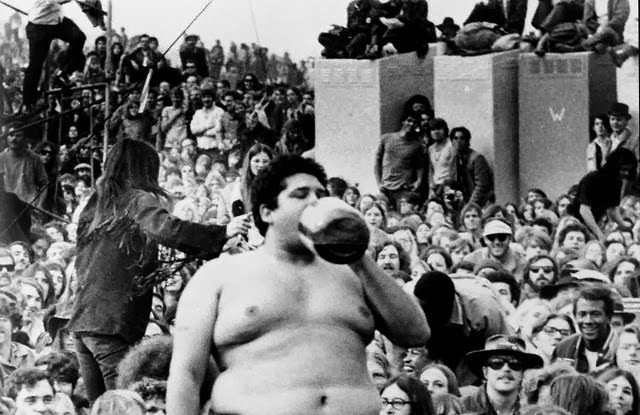
Hundreds of thousands of rock fans gathered to enjoy the free Altamont concert by the Rolling Stones and other rock groups.

By the time the Rolling Stones took the stage after sunset, the atmosphere was already volatile. Fights broke out repeatedly, forcing the band to stop playing multiple times. Mick Jagger appealed to the crowd, asking them to “just be cool down in the front there.” During their third song, “Sympathy for the Devil,” a large brawl erupted and the band halted for several minutes.
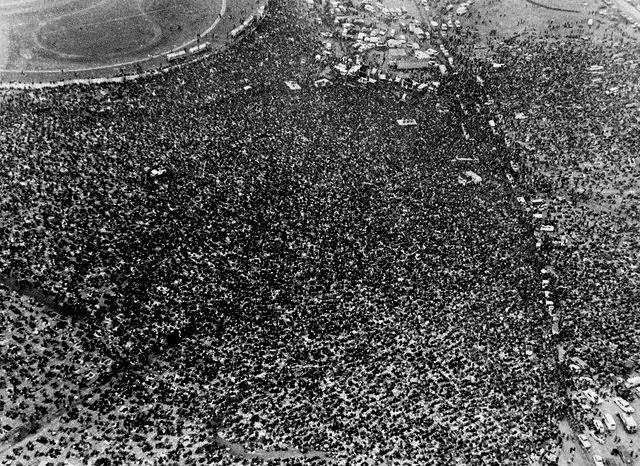
A crowd of rock fans gathered at Altamont Speedway for a rock concert by the Rolling Stones, 1969.

The Rolling Stones had arrived backstage earlier that day, with no way of knowing how badly the night would unravel. The band prepared and warmed up as they normally would before any major performance.
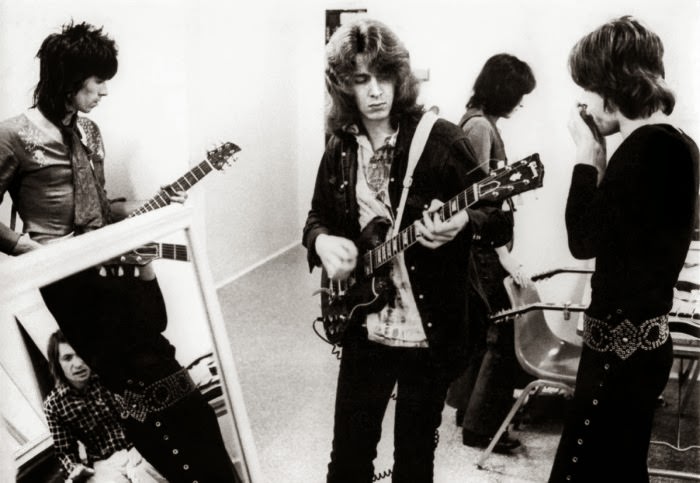
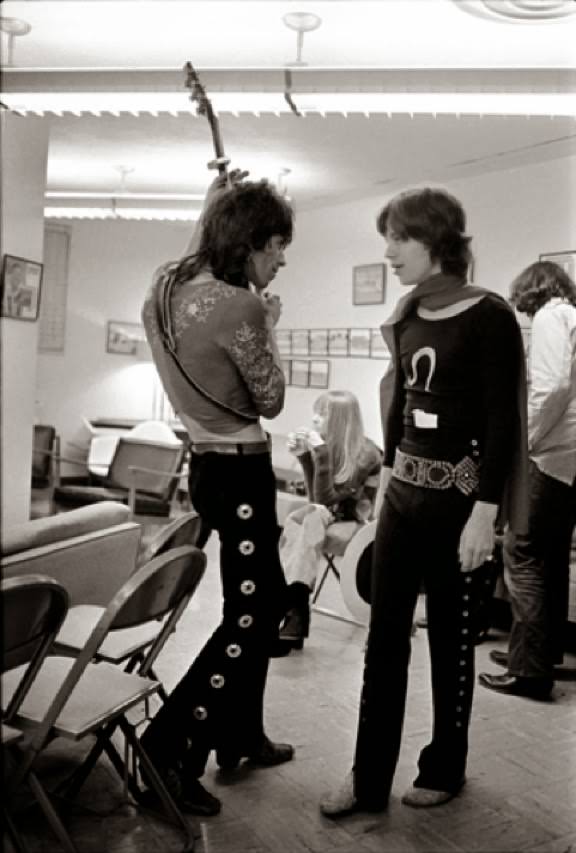
Keith Richards, Mick Taylor & Mick Jagger of the Rolling Stones warming up backstage, 1969.
Keith Richards & Mick Jagger backstage, 1969.

Also present backstage was rock and roll pioneer Chuck Berry, giving the event a sense of festive occasion that stood in stark contrast to what was happening out in the crowd.
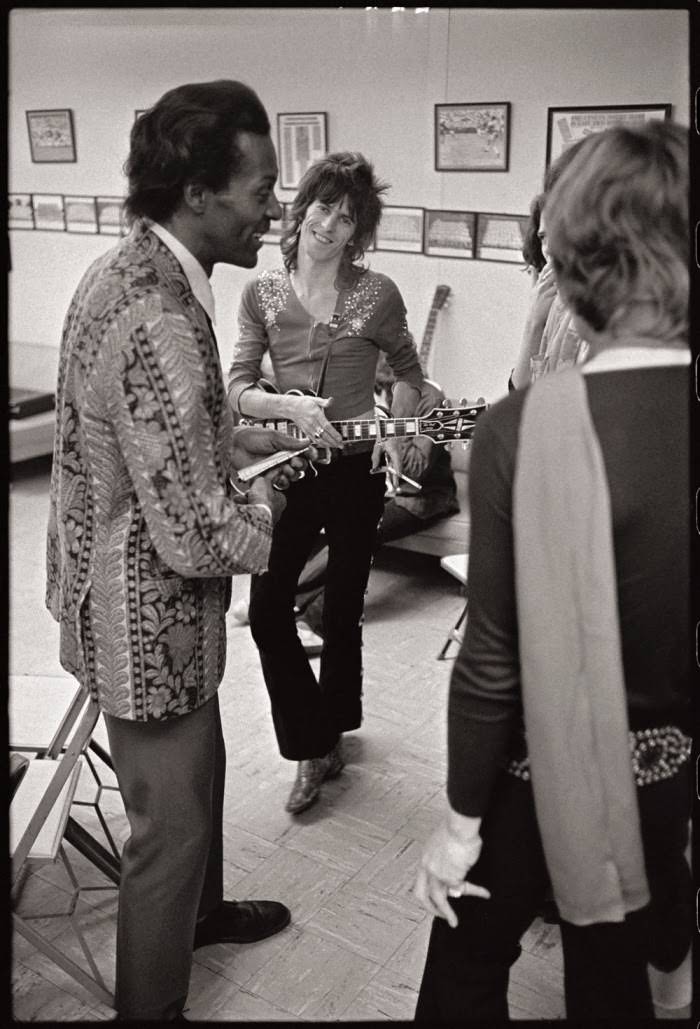
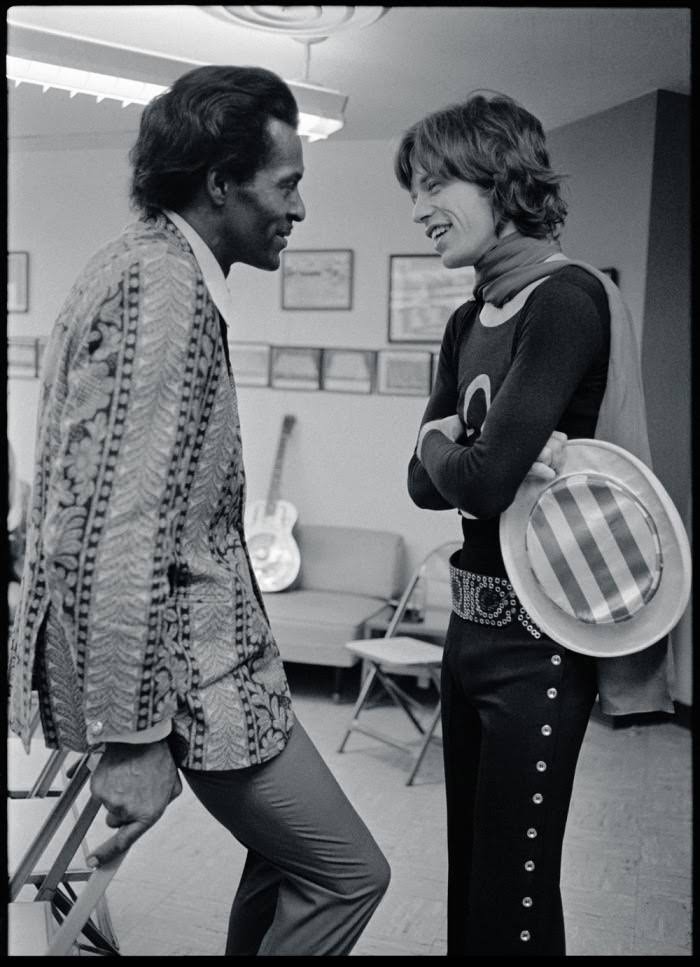
Mick Jagger & Keith Richards of the Rolling Stones with Chuck Berry backstage, 1969.
Mick Jagger of the Rolling Stones with Chuck Berry backstage, 1969.

The deadliest moment came during “Under My Thumb.” An 18-year-old named Meredith Hunter moved toward the stage with his girlfriend. Hells Angels members confronted him. Hunter pulled a .22 caliber revolver from his jacket. A Hells Angels member named Alan Passaro grabbed the gun with one hand and drove a knife into Hunter with the other. Hunter was stabbed multiple times and kicked by several Hells Angels members. He died in the medical tent shortly after.
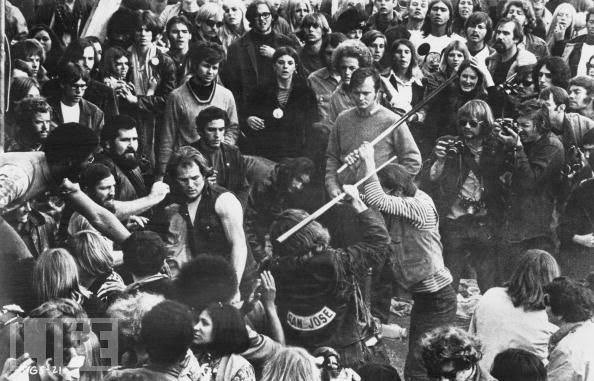
Meredith Hunter was beaten to death while the Rolling Stones played on.

The entire incident was captured on film by the Maysles brothers, who were documenting the event for the film Gimme Shelter. The band was unaware that Hunter had been killed and continued playing, eventually closing their set with “Street Fighting Man.”
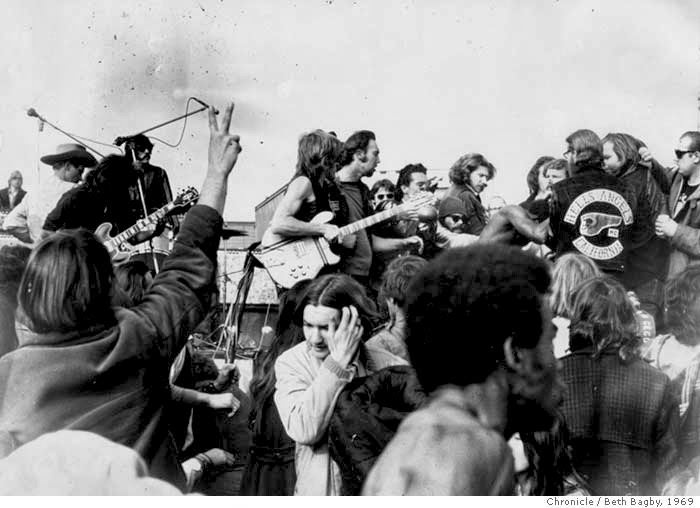
Hells Angels onstage at the Altamont free concert in Livermore, 1969.
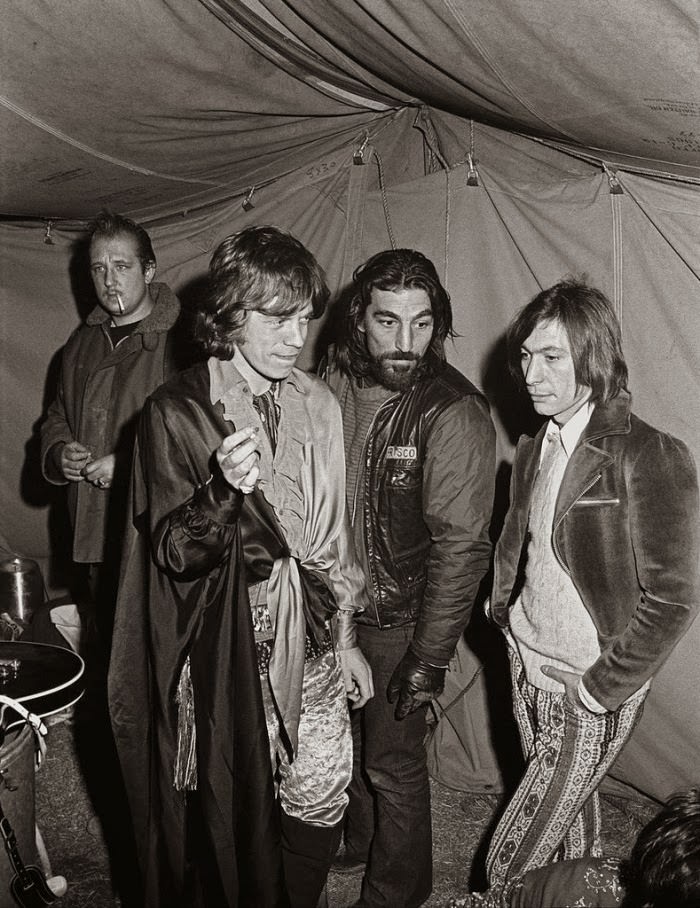
Mick Jagger & Charlie Watts with Hells Angel, Altamont, 1969.

Jagger’s interactions with the Hells Angels throughout the night were tense and desperate, as he tried to keep the performance — and the crowd — from completely falling apart.
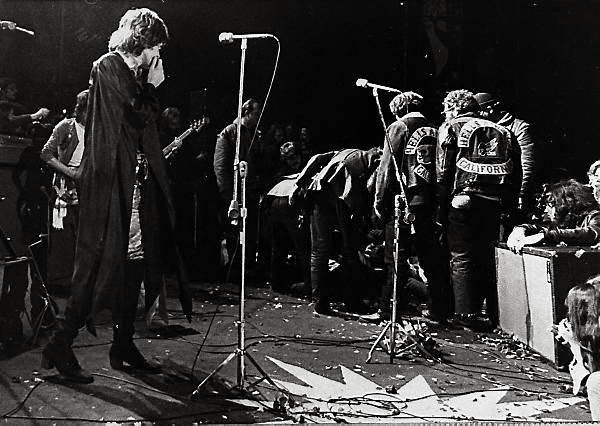
Mick Jagger looks on as the Hells Angels drag their victim's body onstage during the concert.
Mick Jagger looks on as the Hells Angels drag their victim’s body onstage during the concert.

Altamont claimed four lives in total. Beyond Hunter’s death, two people were killed in a hit-and-run accident after the concert, and one man drowned in an irrigation canal. The Rolling Stones, just weeks before Altamont, had performed to sold-out crowds at Madison Square Garden — a sharp contrast to the chaos that would define December 6.
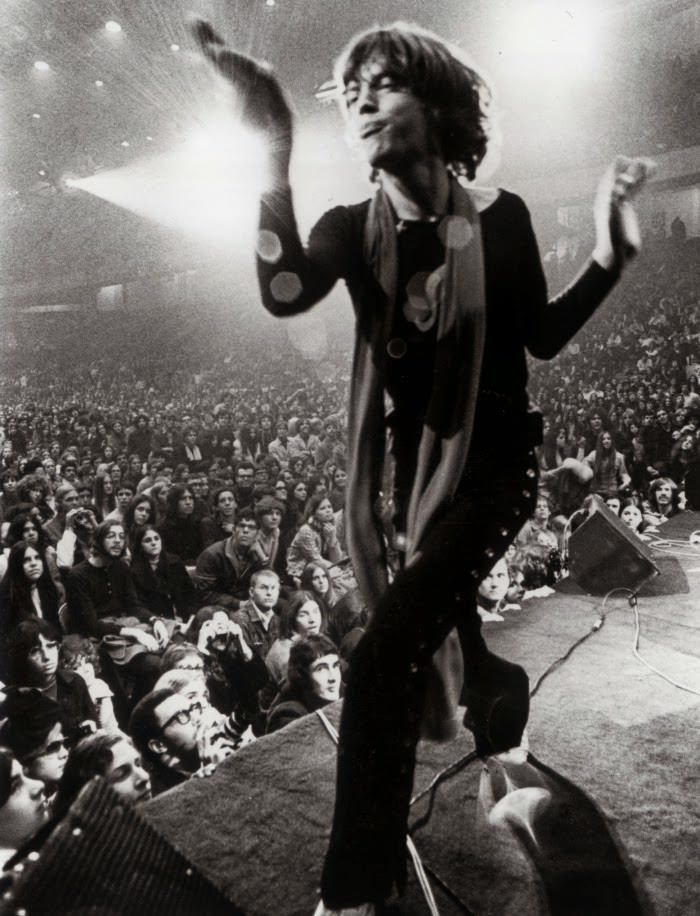
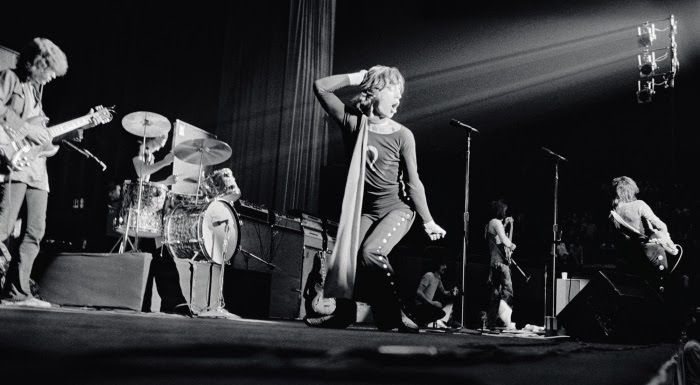
Mick Jagger of the Rolling Stones at Madison Square Garden.
Mick Jagger and the Rolling Stones onstage at Madison Square Garden, New York.
Enjoyed this post? Get new ones in your inbox.

1 thought on “The Day the Music Died: The Rolling Stones and the Story of the Violent 1969 Altamont Free Concert”

  1. Avatar of Court Historian
    Court Historian

    No mention of Hunter pulling the pistol he brought along and how the bikers were defending themselves and others from Hunter’s possibly methamphetamine-driven hostile behavior. Police investigations and court hearings resulted in no charges being brought against the bikers.

Leave a Comment

Your email address will not be published. Required fields are marked *

Share this Post 🥺

Please take a moment to share this content. Your support is greatly appreciated! 🙌🙏

Share this Post 🥺

Please take a moment to share this content. Your support is greatly appreciated! 🙌🙏
Scroll to Top
 
Hey Friend, Before You Go.. Please like & follow for more interesting content