
Eva Anna Paula Braun was born on February 6, 1912, in Munich, Bavaria, the second of three daughters born to Friedrich “Fritz” Braun and Franziska Kronberger. Fritz worked as a schoolteacher, and Franziska had been a seamstress before marriage. The family was solidly middle-class, rooted in Catholic faith, and followed the traditional expectations of the era — their daughters were raised to be well-behaved, dutiful, and prepared for lives as wives and mothers. Eva showed a different energy from an early age. She was spirited, physically active, and outgoing in ways that set her apart from that quiet domestic mold.
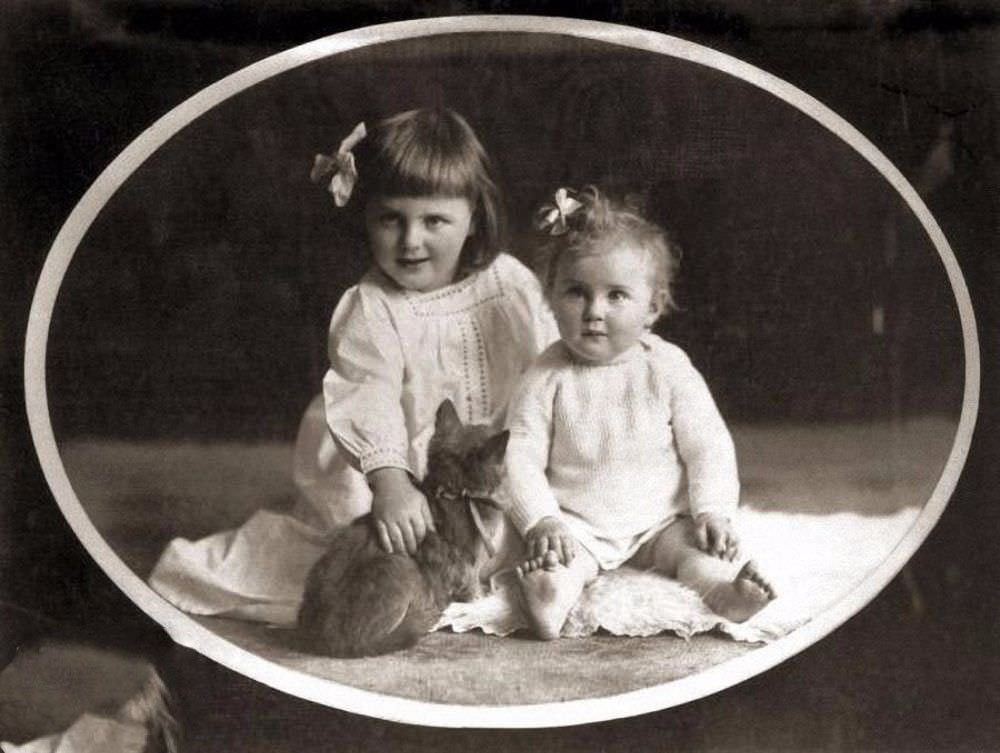
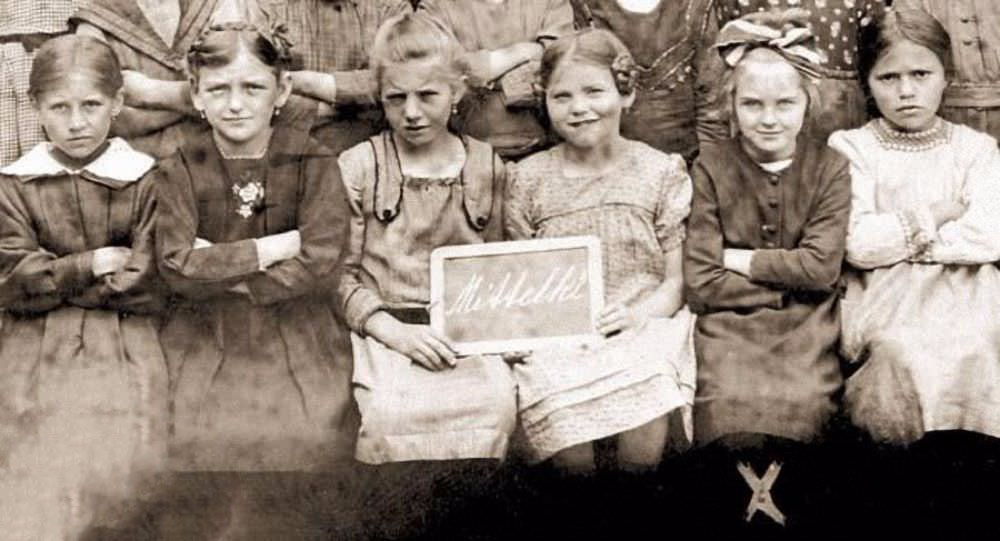
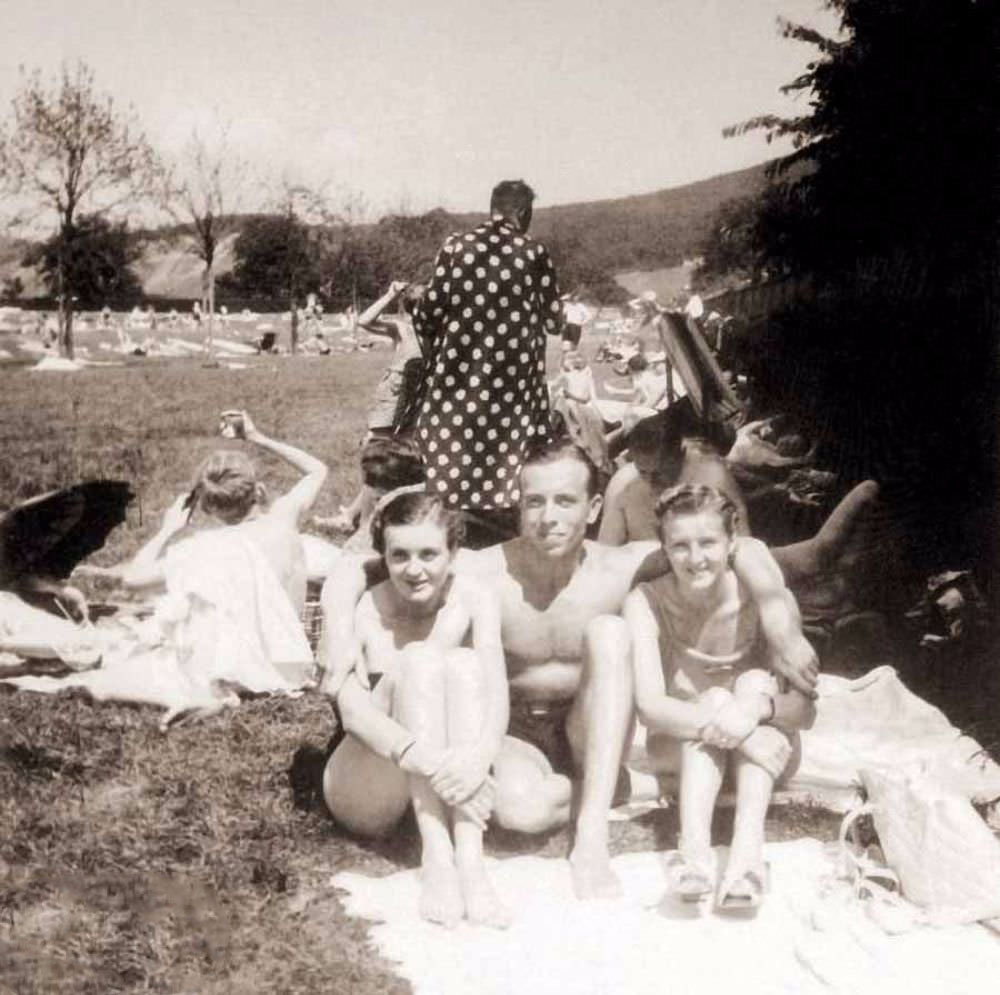
Eva’s early schooling took her first to a Catholic lyceum in Munich and then to the convent of English Sisters in Simbach am Inn, where she boarded. Academics were not her strong suit. Athletics were. She excelled in track and field and carried a love of outdoor activity and sport throughout her entire life. At nine years old, she was already posing for photographs with classmates — a habit that would define much of how the world would later come to know her.
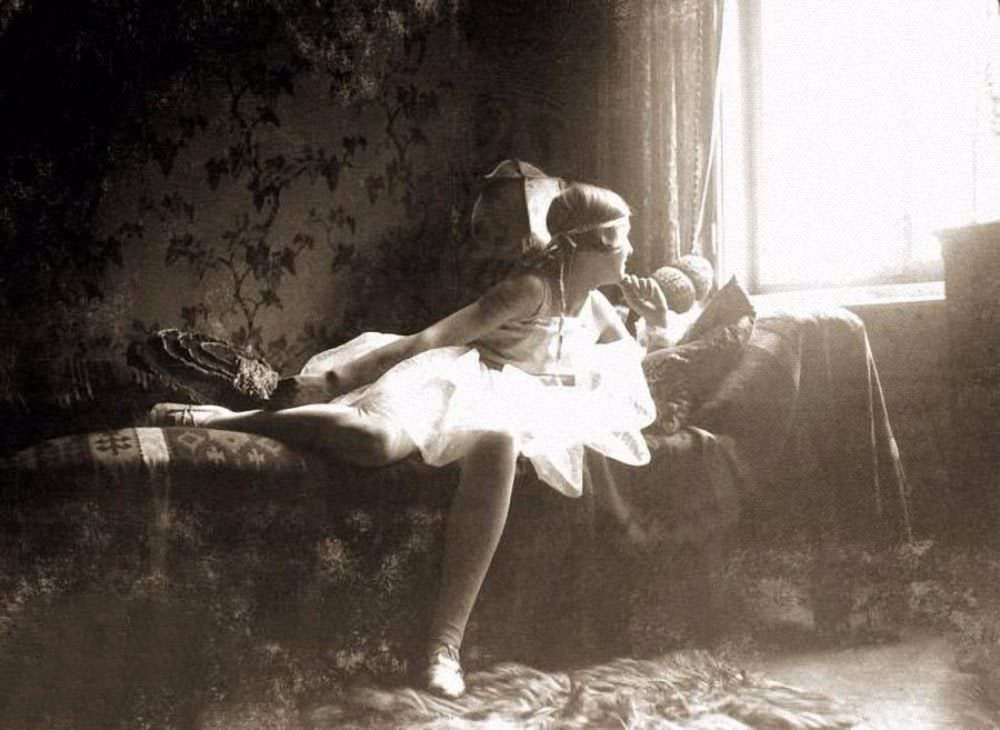
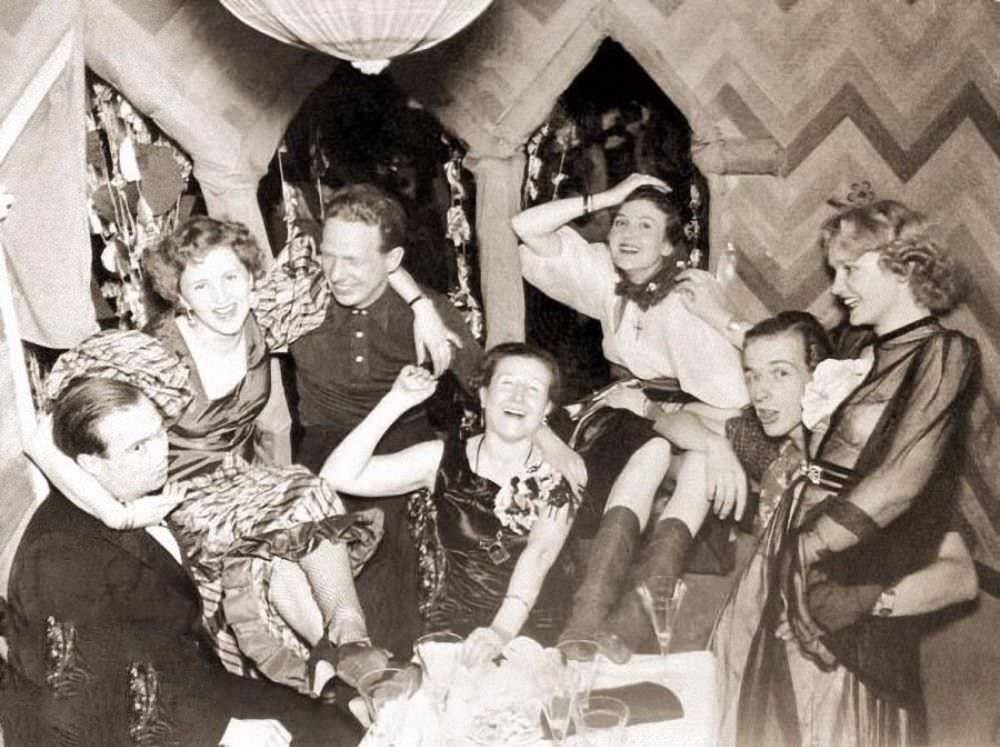
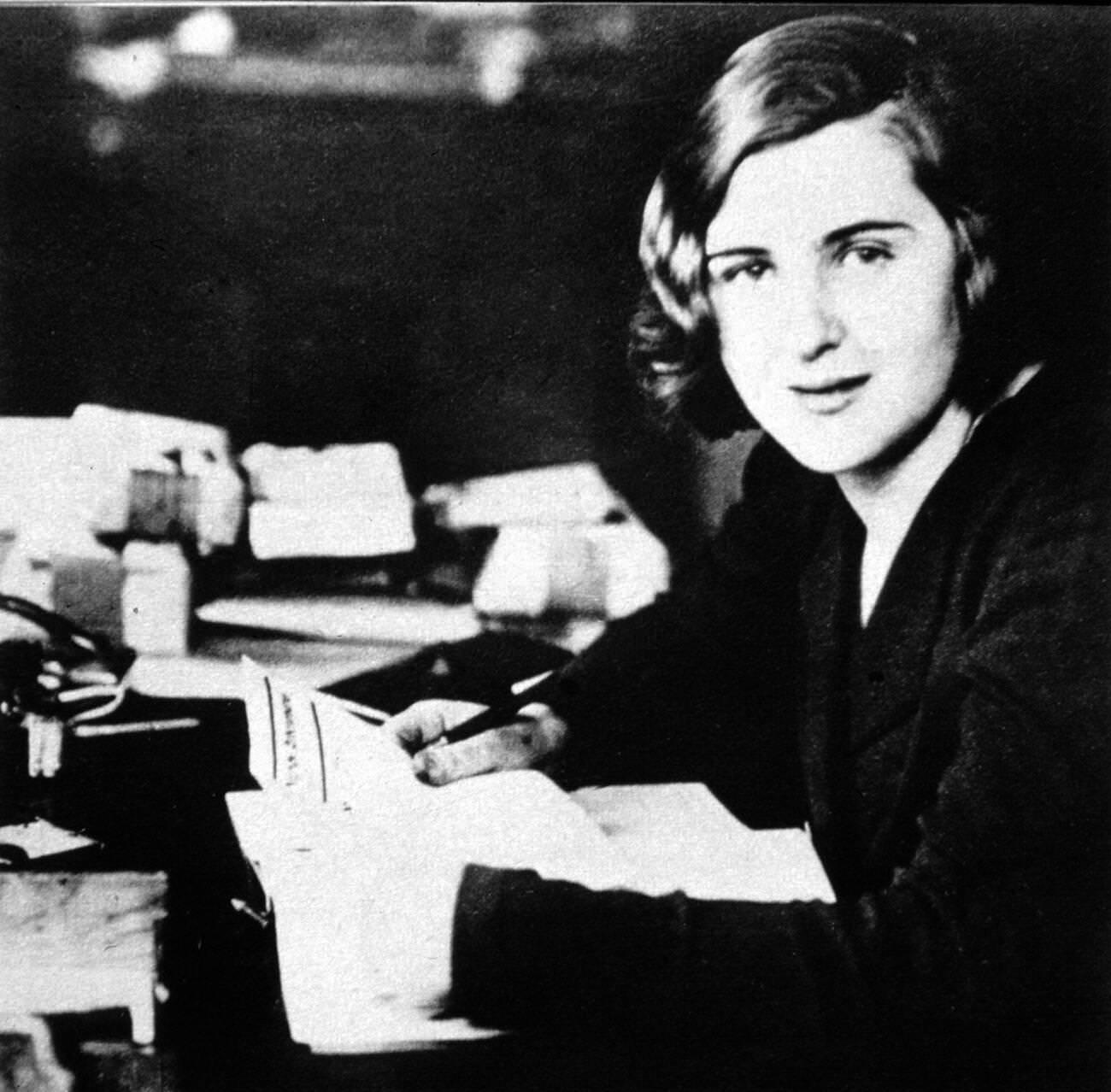
By her late teens, Eva had finished her education and rather than moving straight into marriage — the expected path — she chose to work. She landed a job as an office and lab assistant for Heinrich Hoffmann, a well-known photographer in Munich. It was a position that placed her at the intersection of art, politics, and power in Weimar-era Germany. Before any of that became clear, though, she was still just a young woman navigating her early adult years, photographed at carnival celebrations and family gatherings.
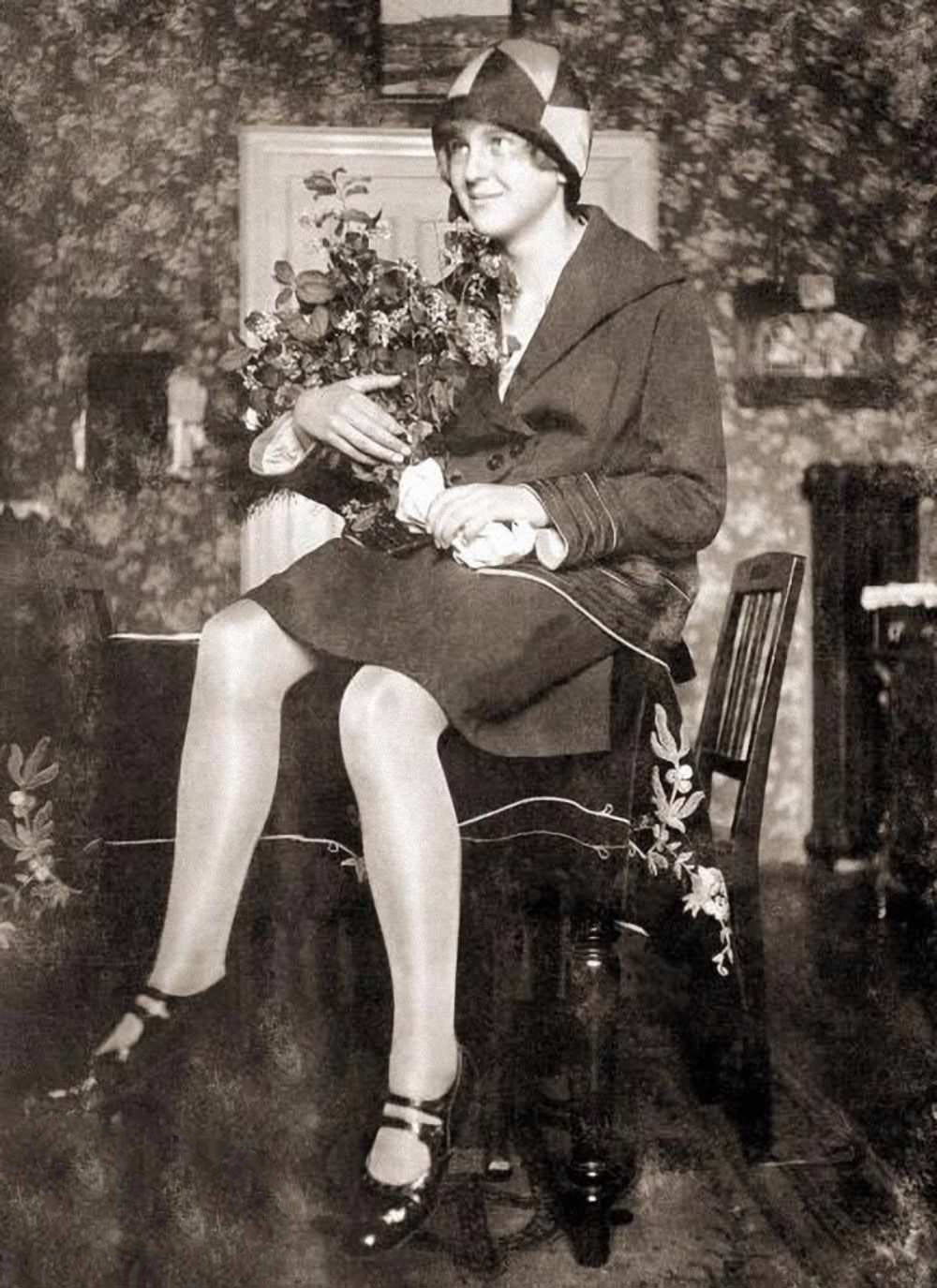
In 1929, while working at Hoffmann’s photography studio, Eva Braun met Adolf Hitler. She was 17 years old. Hitler was more than two decades her senior and already a rising force in German politics. By all accounts, Hitler was immediately drawn to her. What followed was a relationship defined almost entirely by secrecy. Hitler was determined to keep Eva out of public view. For the German public, she simply did not exist as his partner. She was kept away from political events, excluded from official functions, and unknown to most of the people who surrounded Hitler in his professional life.
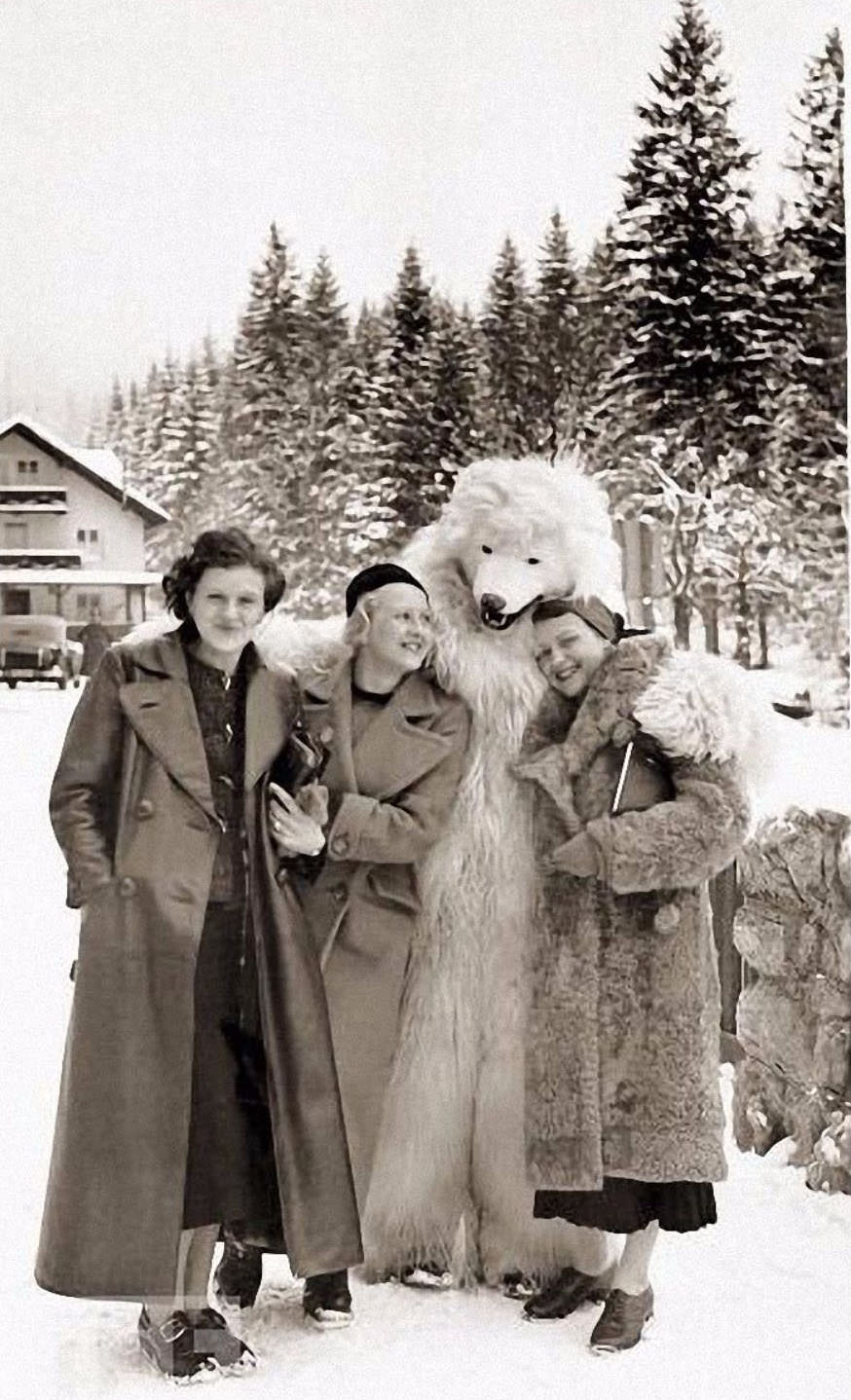
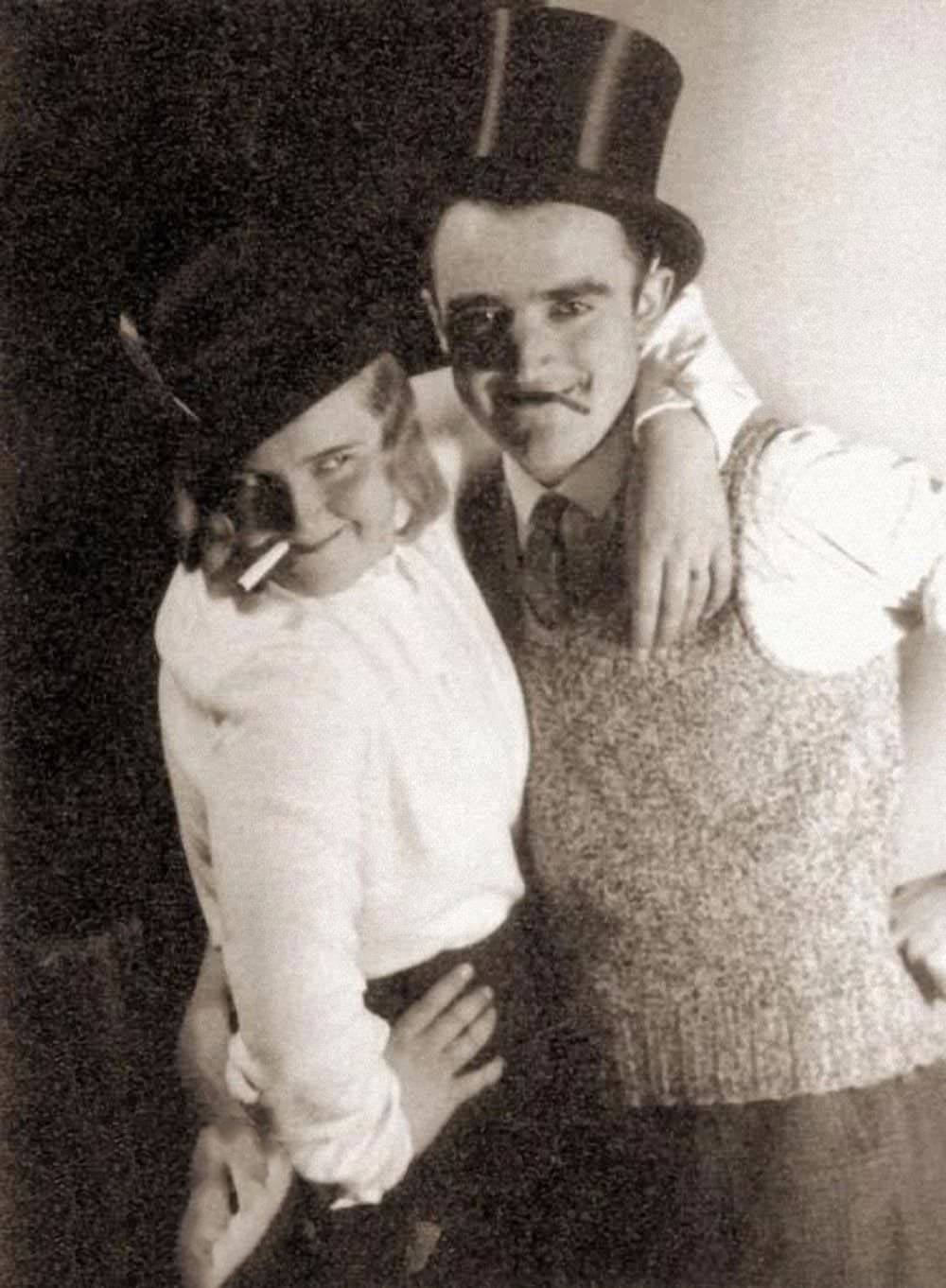
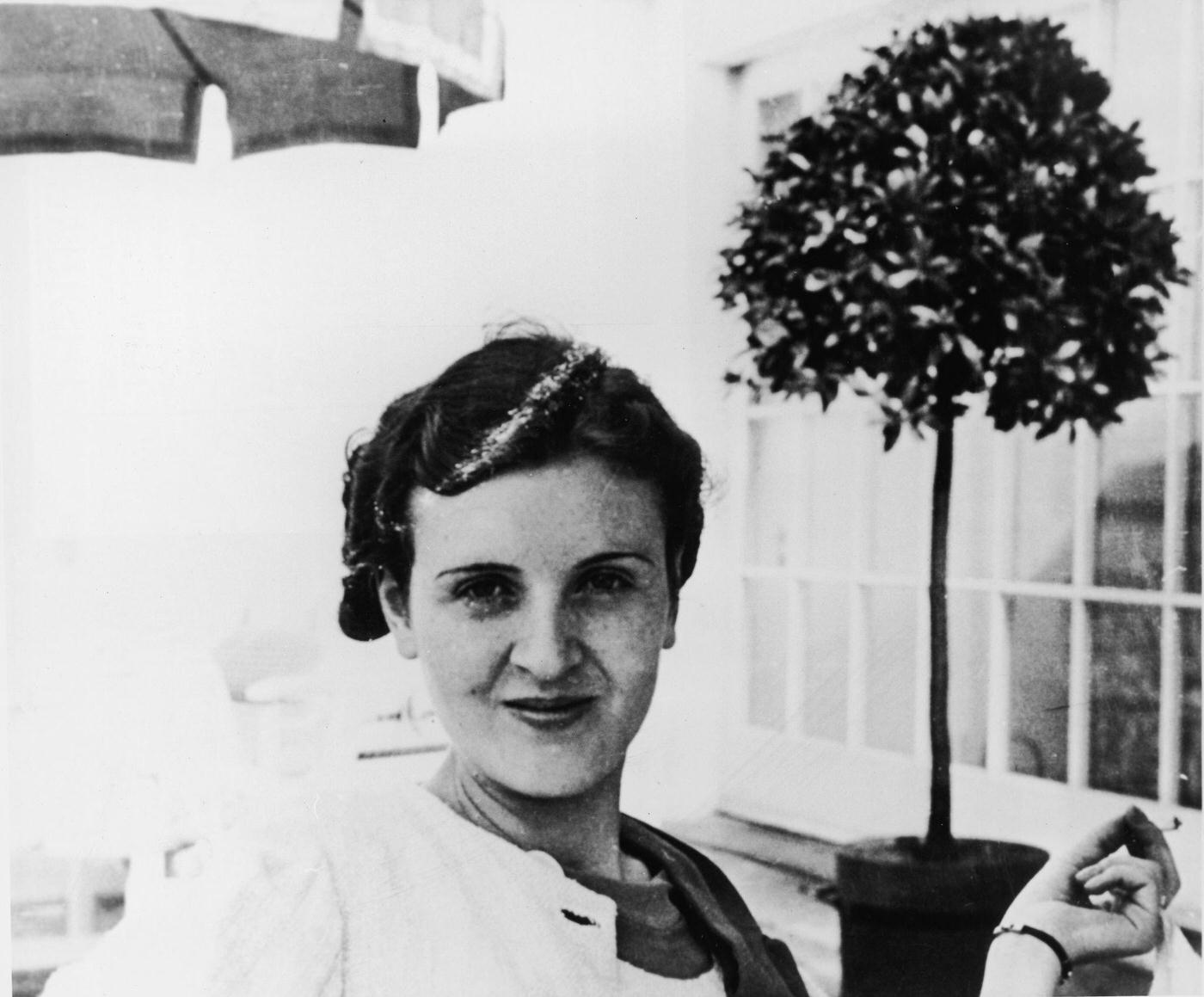
To those who did know her personally, Eva appeared cheerful and apolitical. She loved fashion, sports, photography, and socializing. She attended house parties, dressed for carnival, and spent time in the Bavarian mountains. She also smoked — but only when Hitler was not around, since he disapproved of the habit.
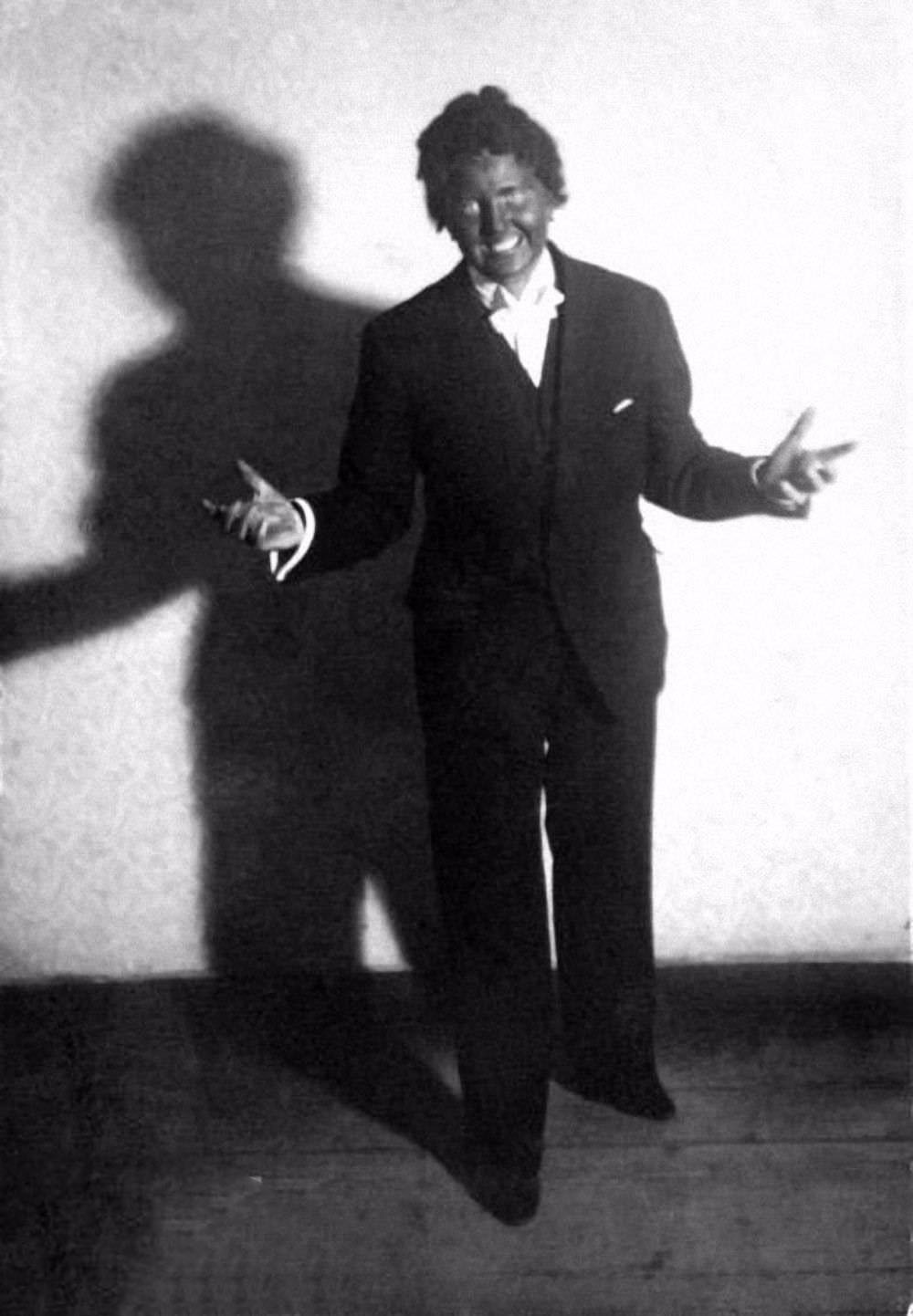
Eva was a genuine fan of American popular culture. She enjoyed American films, including Gone with the Wind, and admired performers like Al Jolson. A 1937 photograph she titled “Me as Al Jolson” shows her in blackface, mimicking the actor’s appearance in The Jazz Singer. The image is a jarring artifact — a window into both her personal tastes and the casual racism that was unremarkable in that time and place.
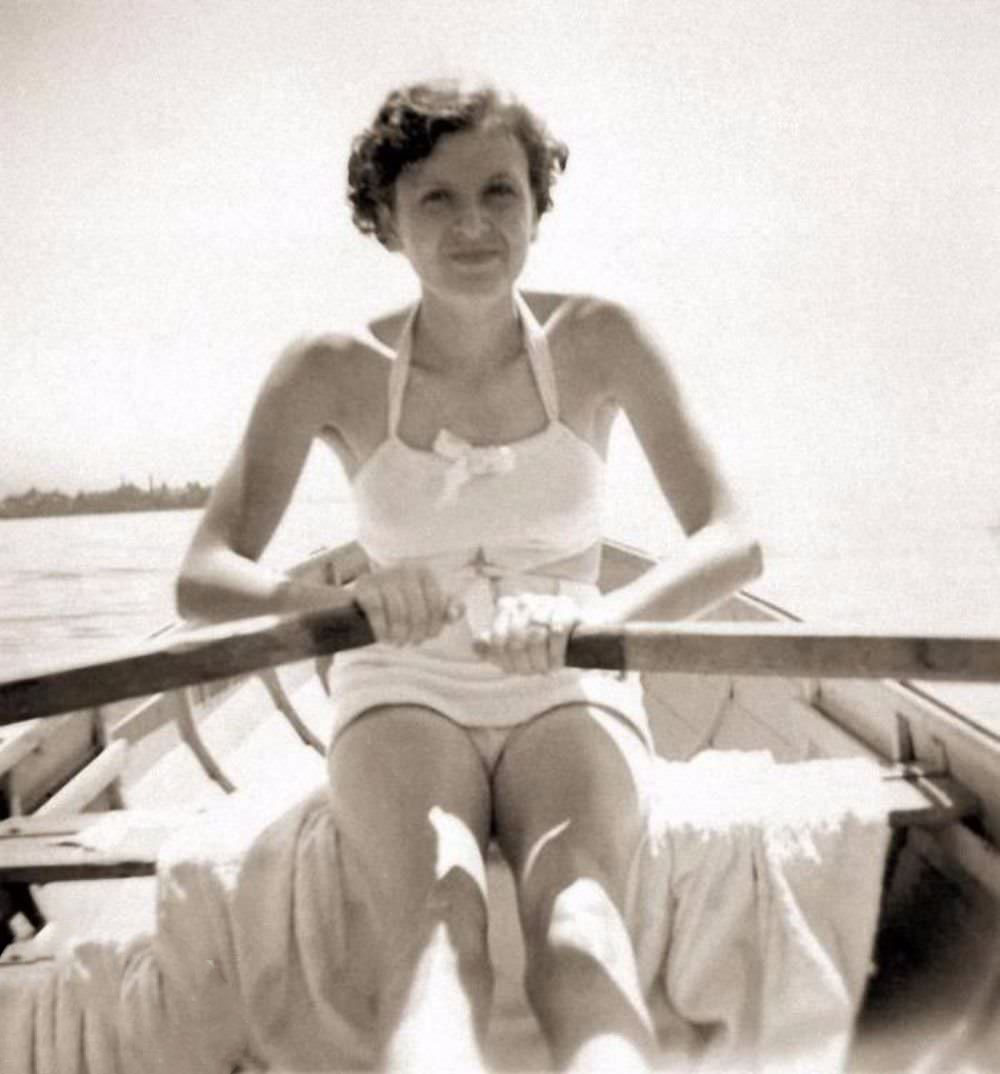
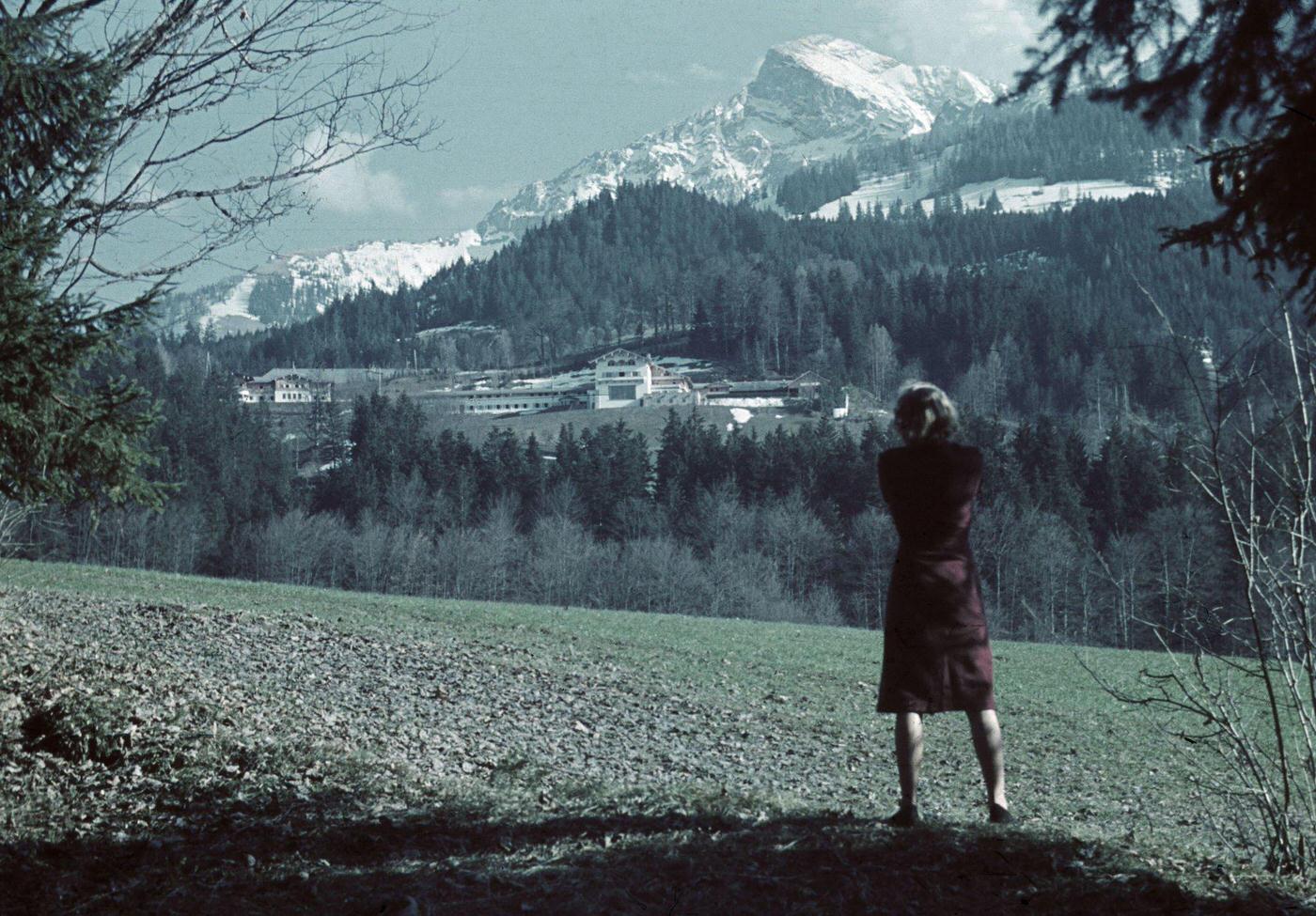
The years of the mid-to-late 1930s were outwardly comfortable for Eva. She spent time at Hitler’s Alpine retreat, the Berghof near Berchtesgaden, and traveled with friends. But the relationship with Hitler brought real suffering. He was frequently absent, neglectful, and kept her in a kind of social and emotional isolation. Eva attempted suicide twice — once in 1932 and again in 1935 — acts driven by her despair over Hitler’s indifference. Neither attempt succeeded.
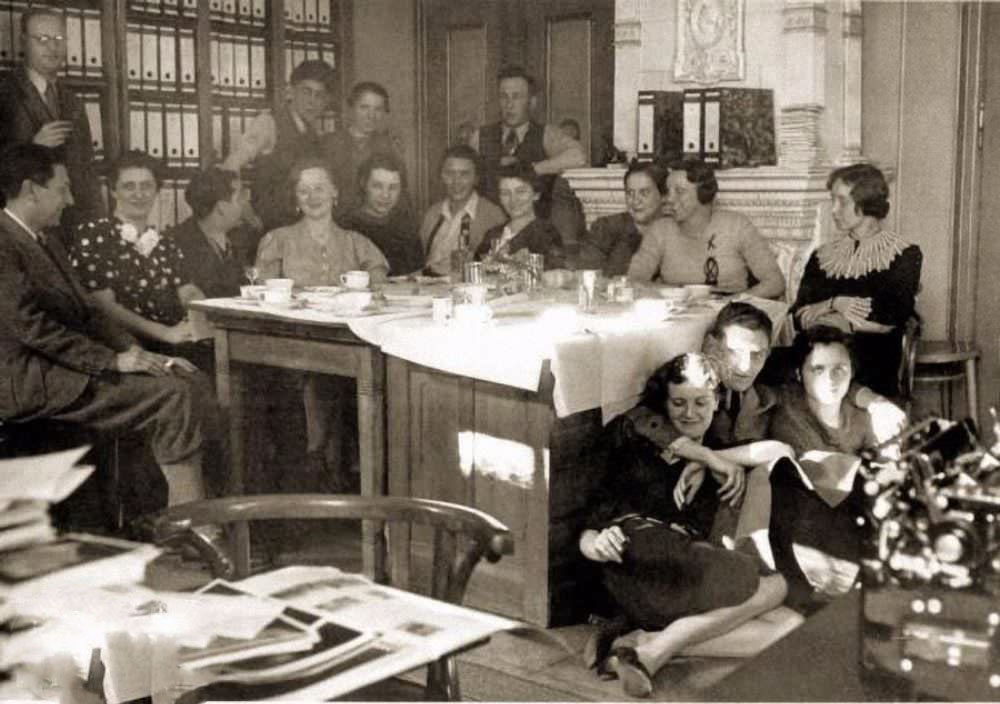
Family remained a constant in Eva’s life, even as her world became increasingly entangled with one of history’s most destructive regimes. She celebrated carnival at her parents’ home in Munich as late as 1938, surrounded by her mother and sisters.
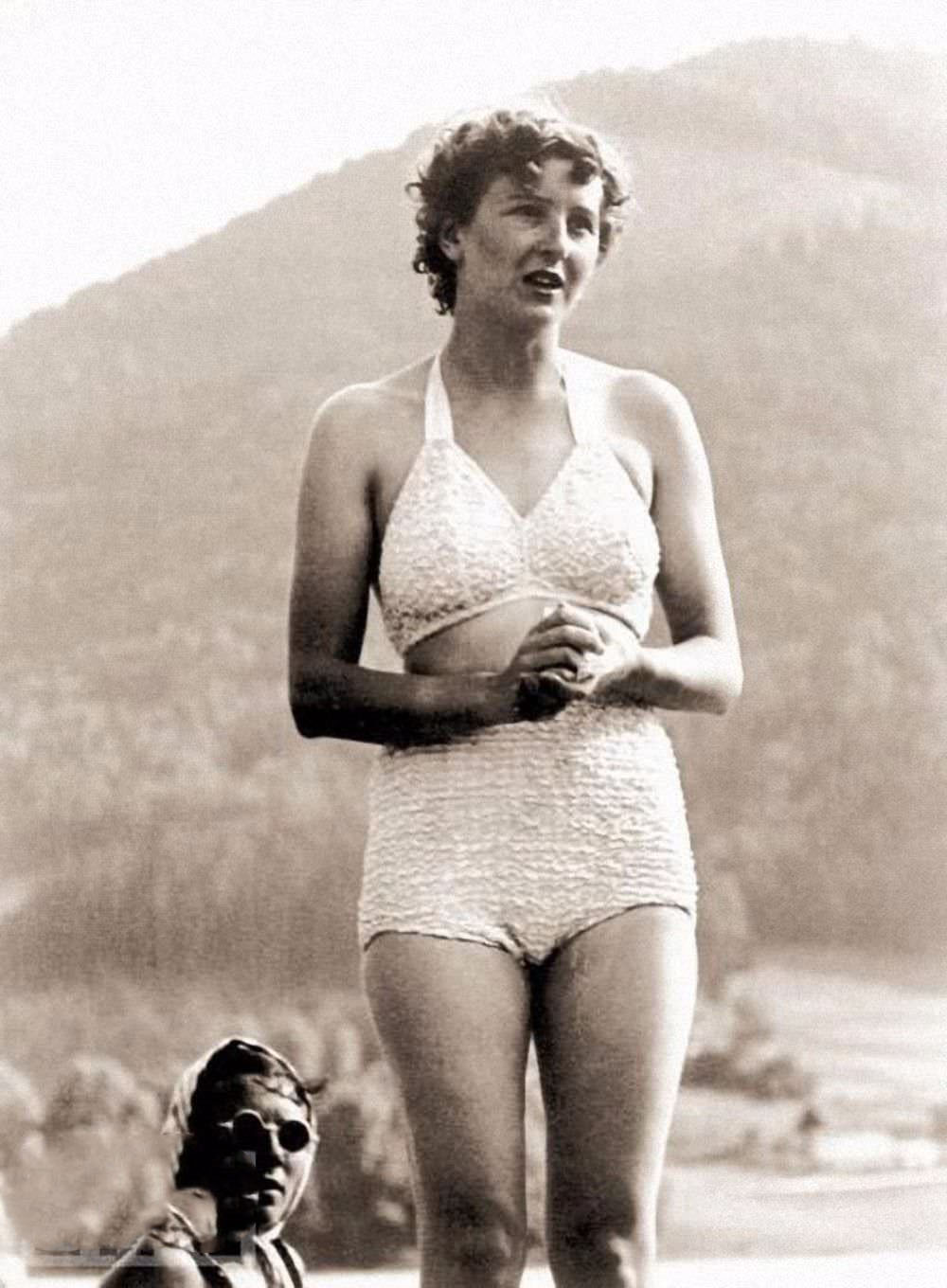
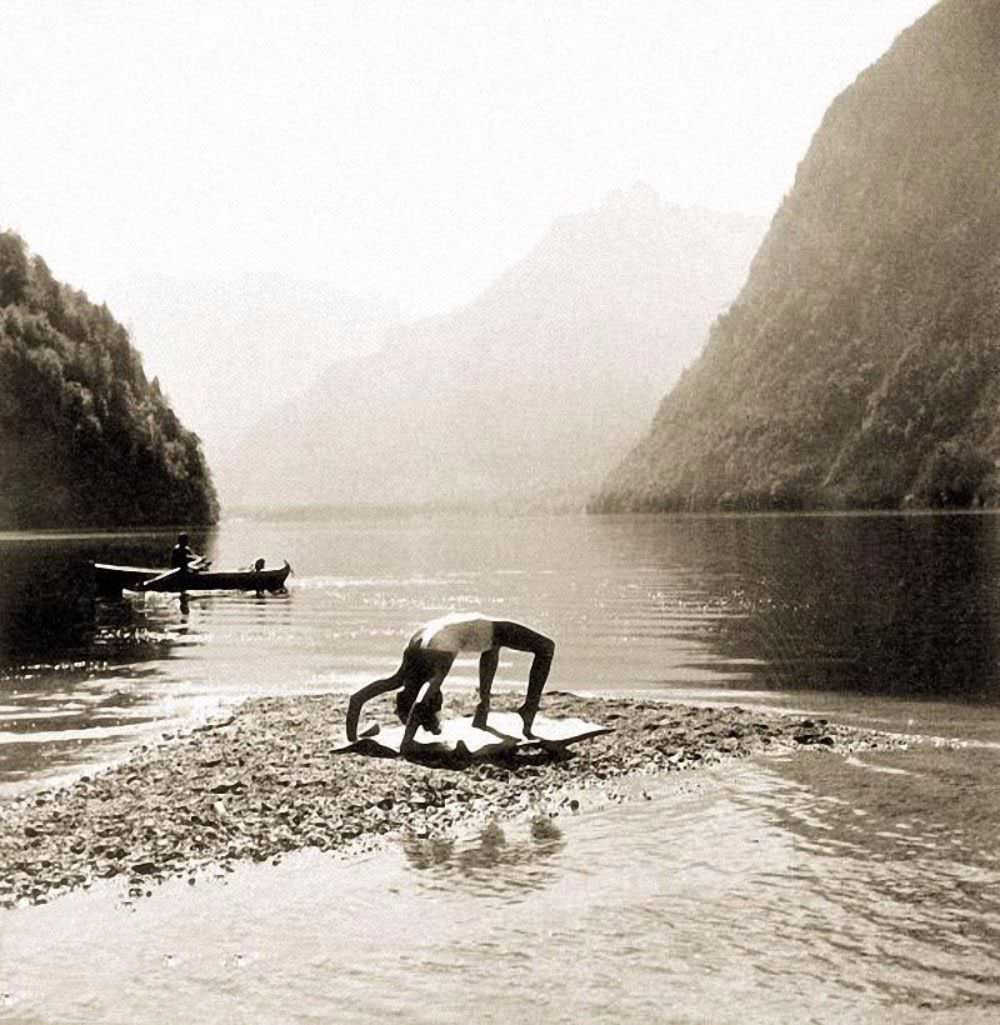
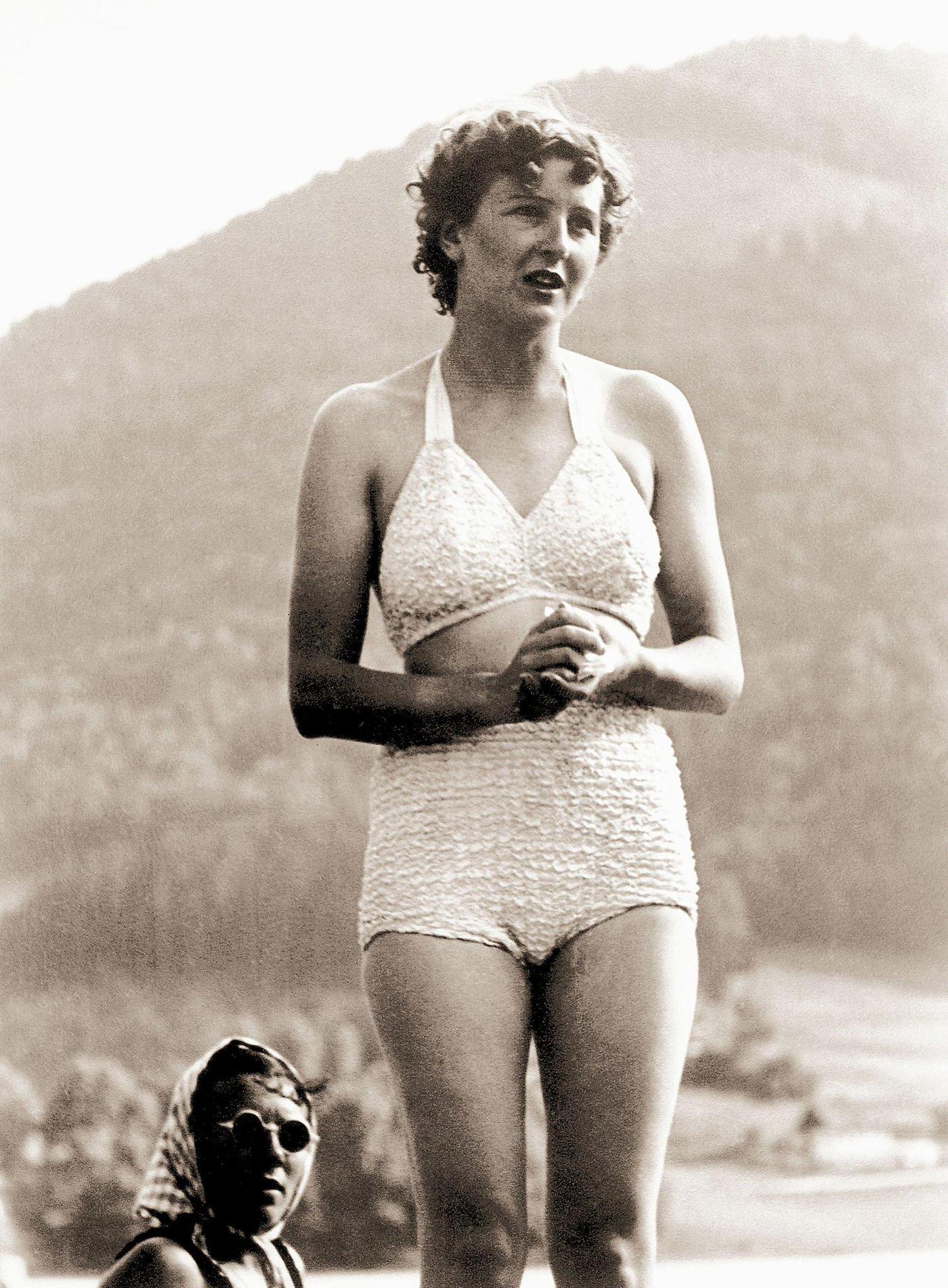
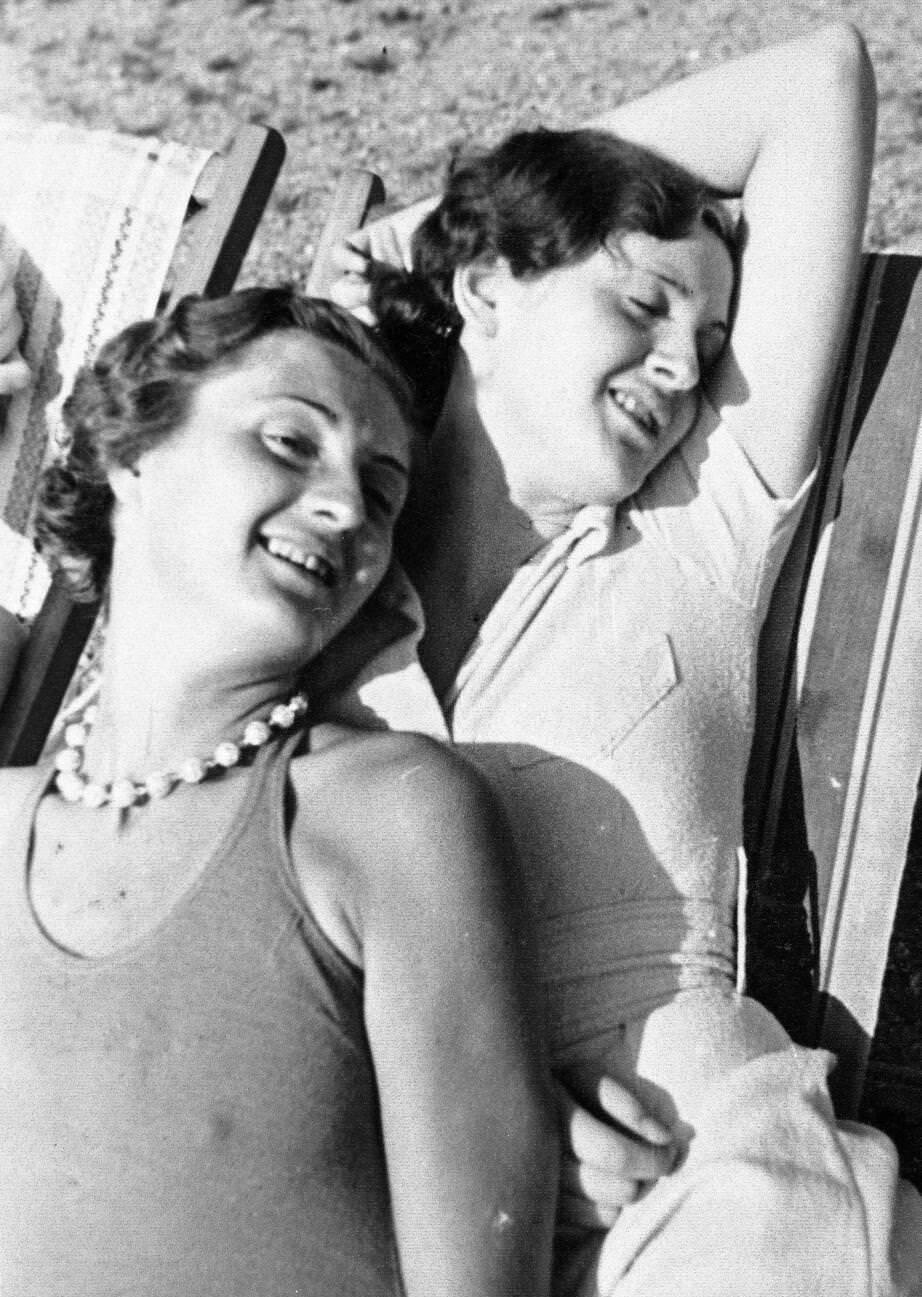
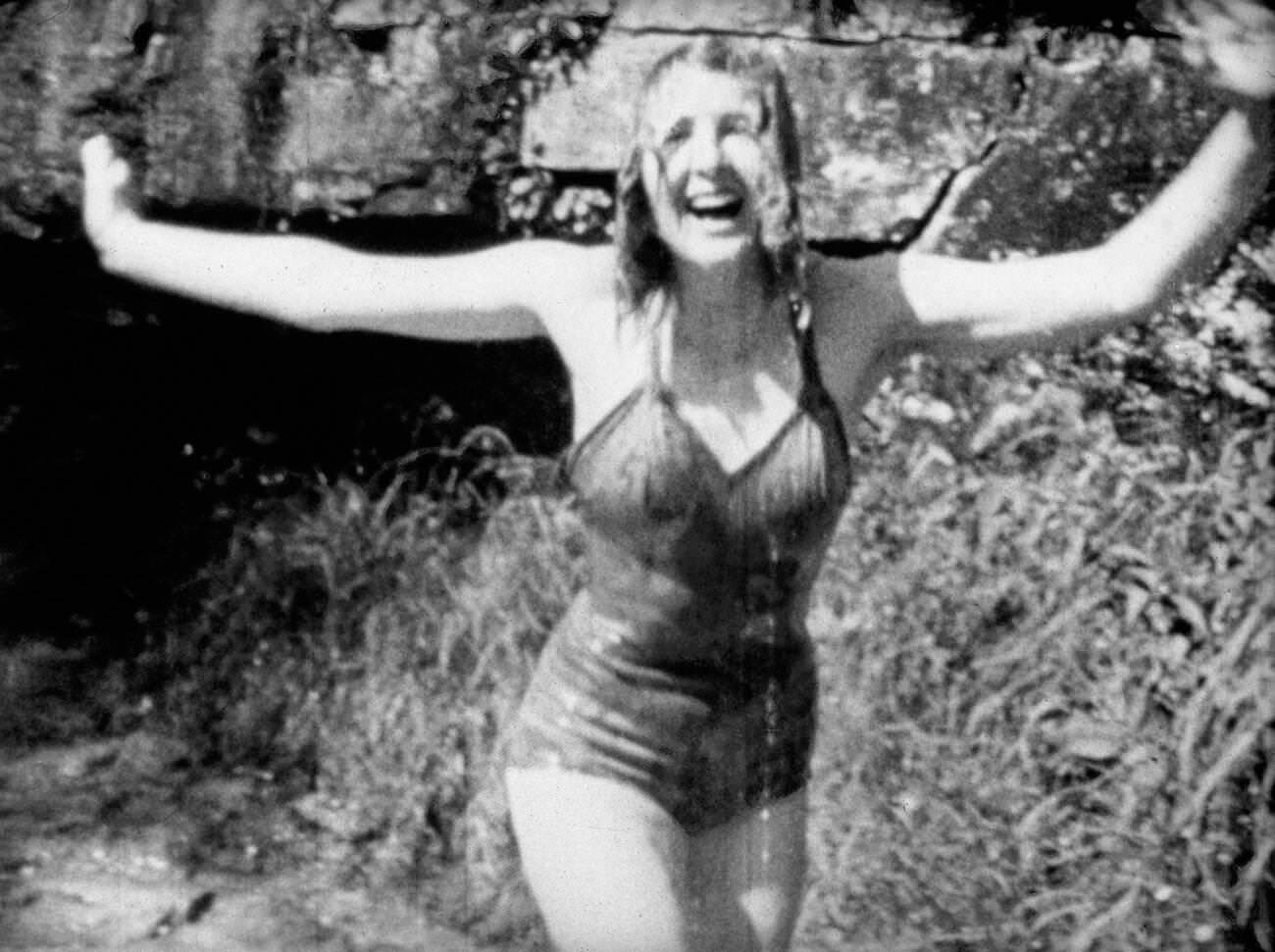
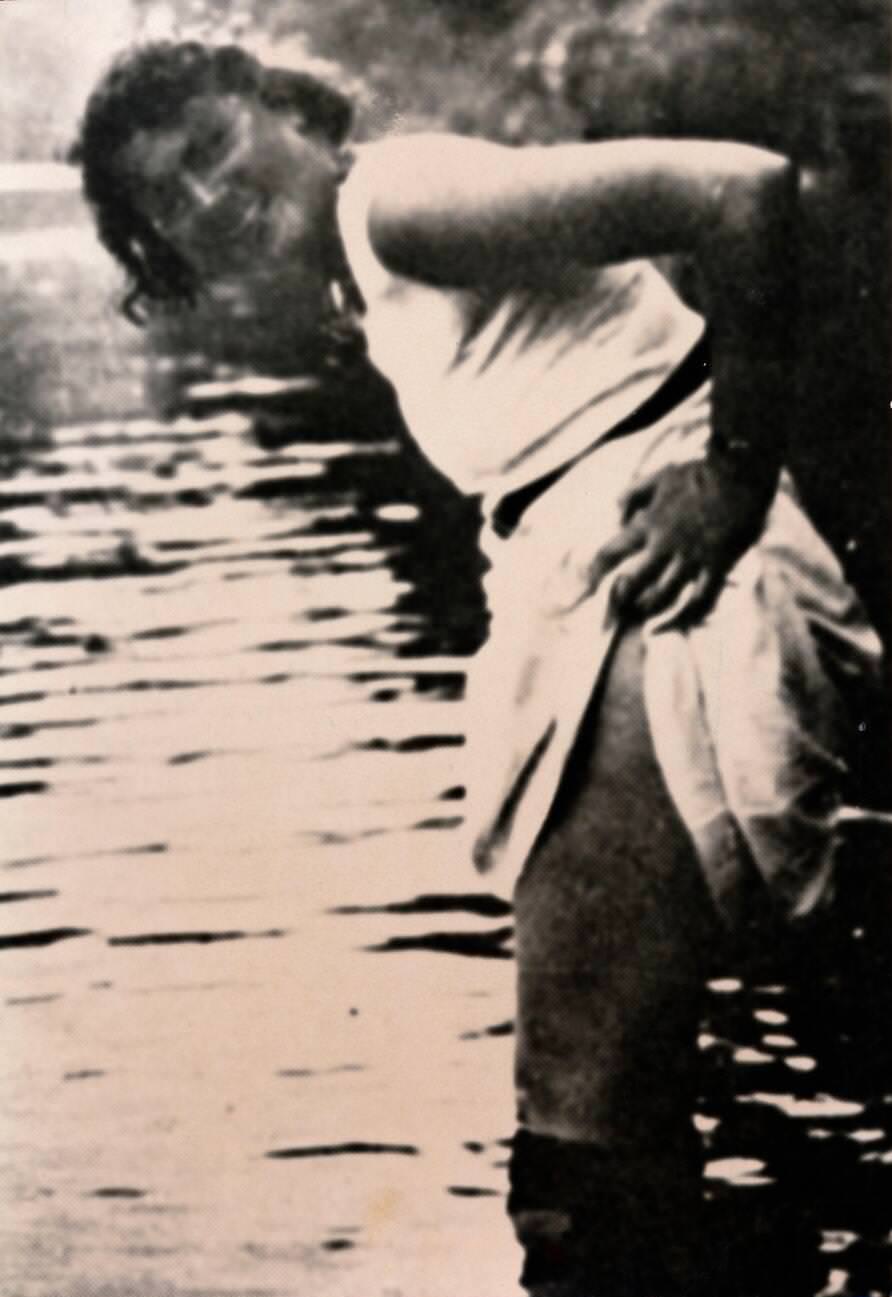
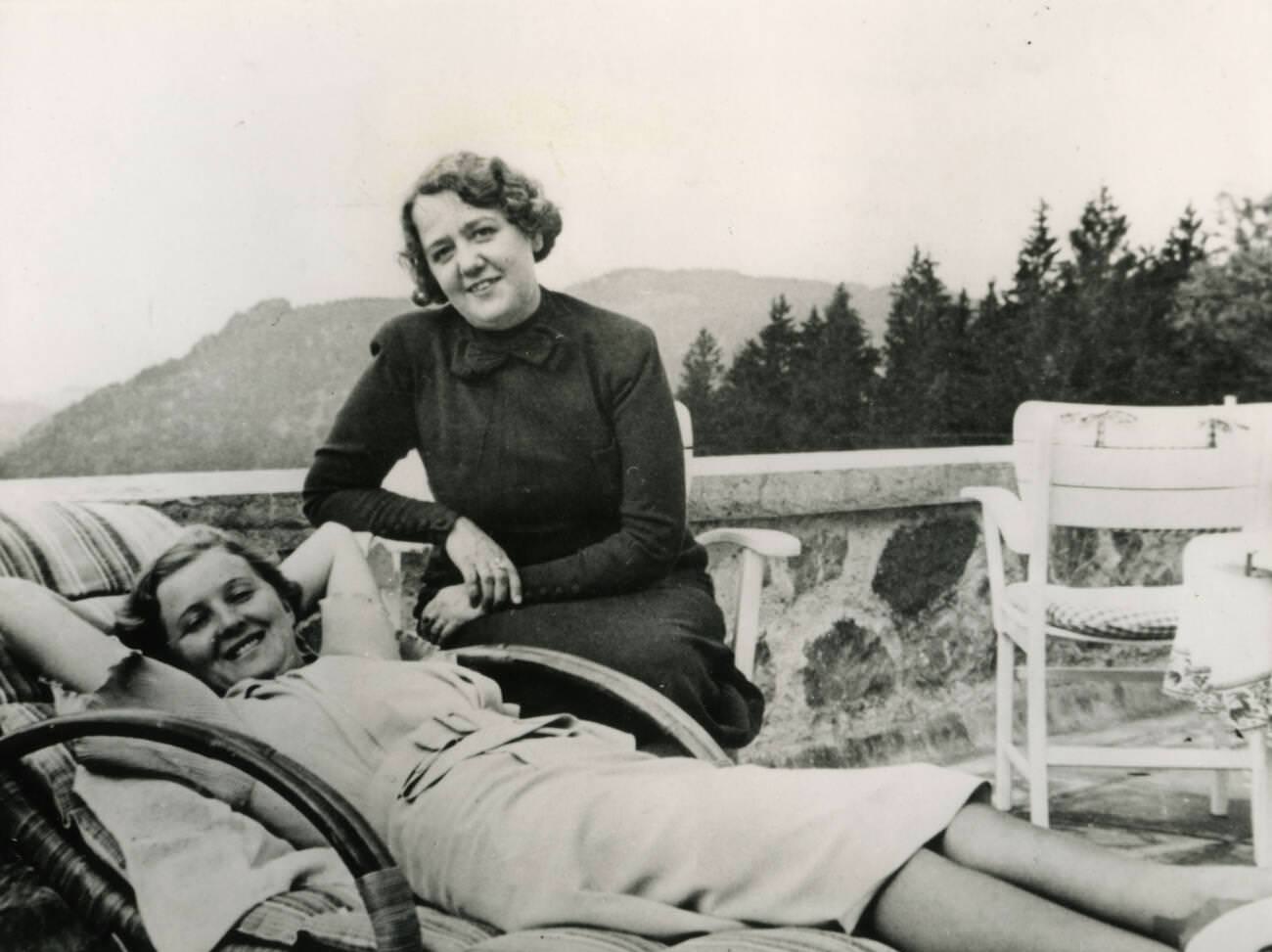
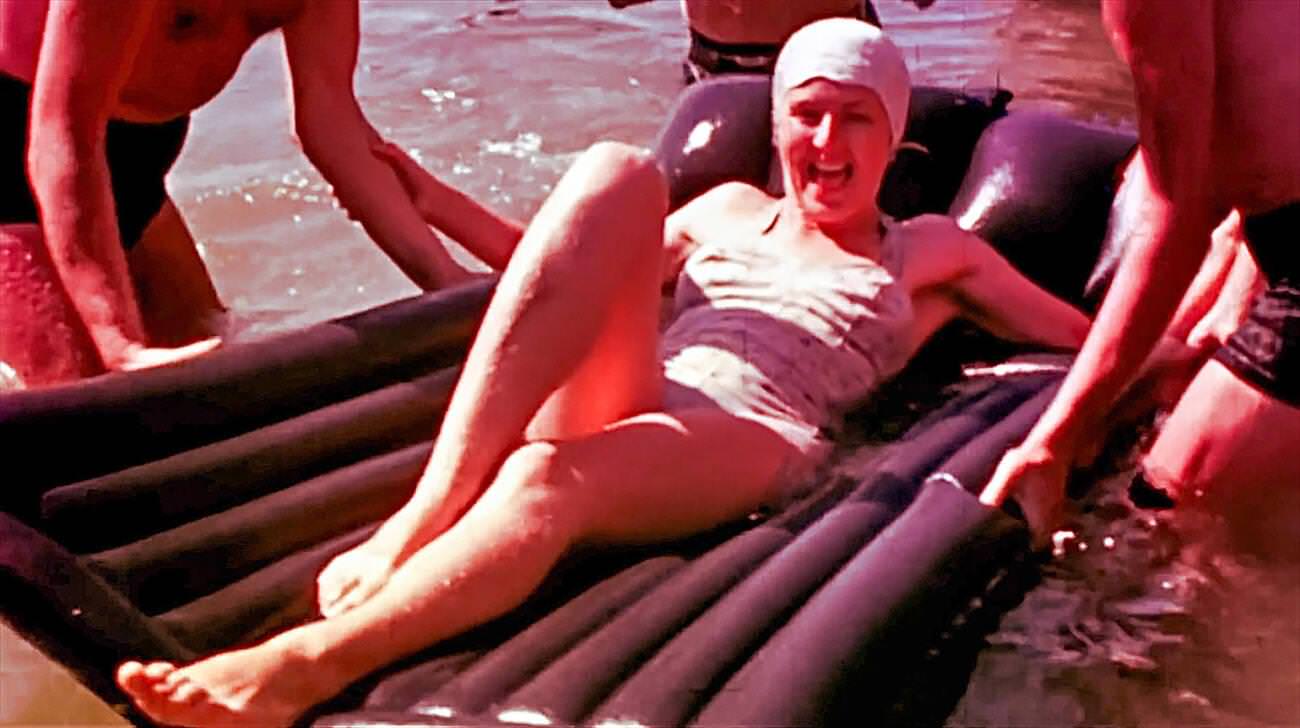
Hitler disapproved of several of Eva’s habits beyond smoking — makeup, skinny dipping, and nude sunbathing among them. Despite this, she continued to live as she pleased within the private spaces available to her, particularly around Königssee lake near the Berghof. Her athletic build and love of outdoor activity remained unchanged from her schoolgirl years.
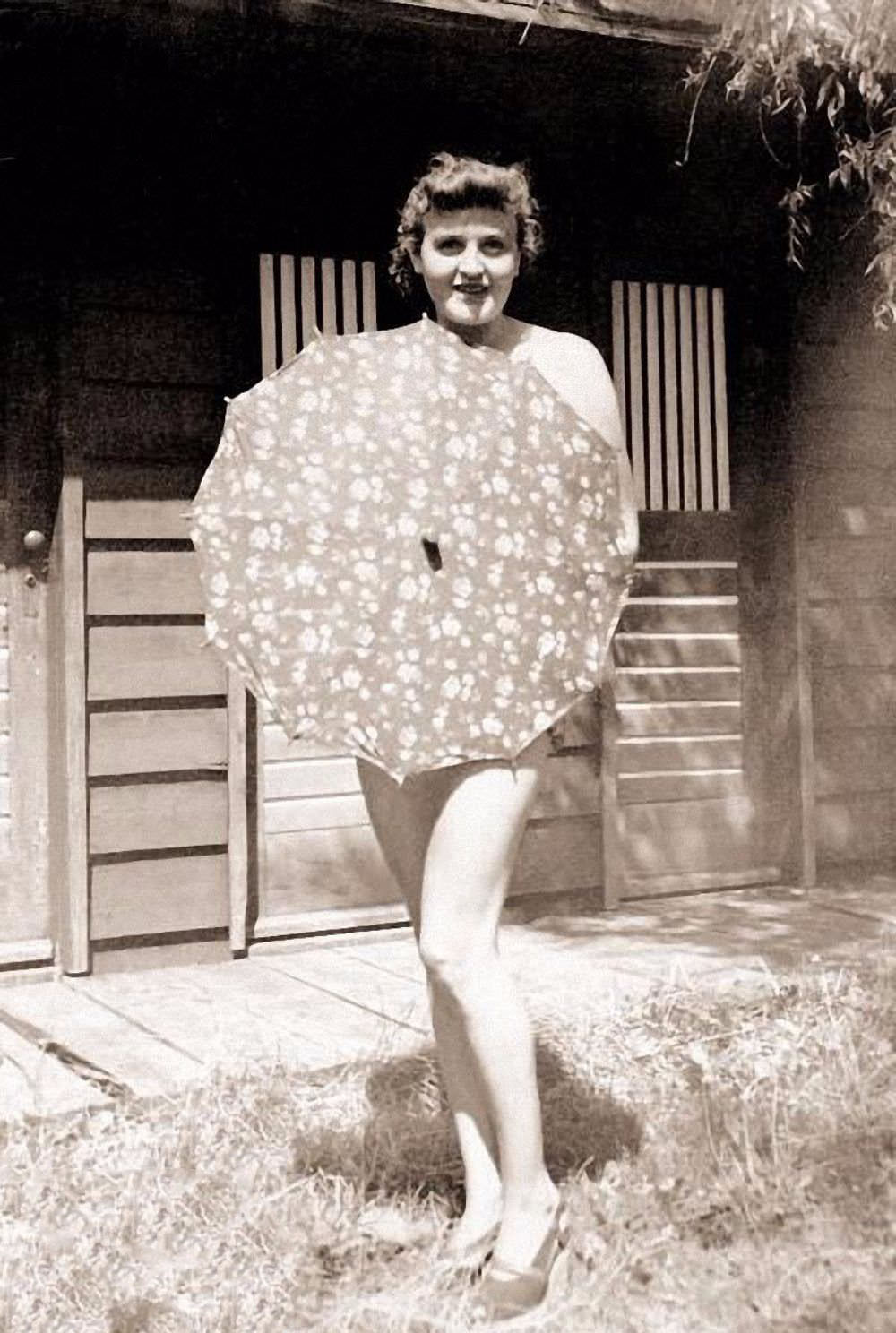
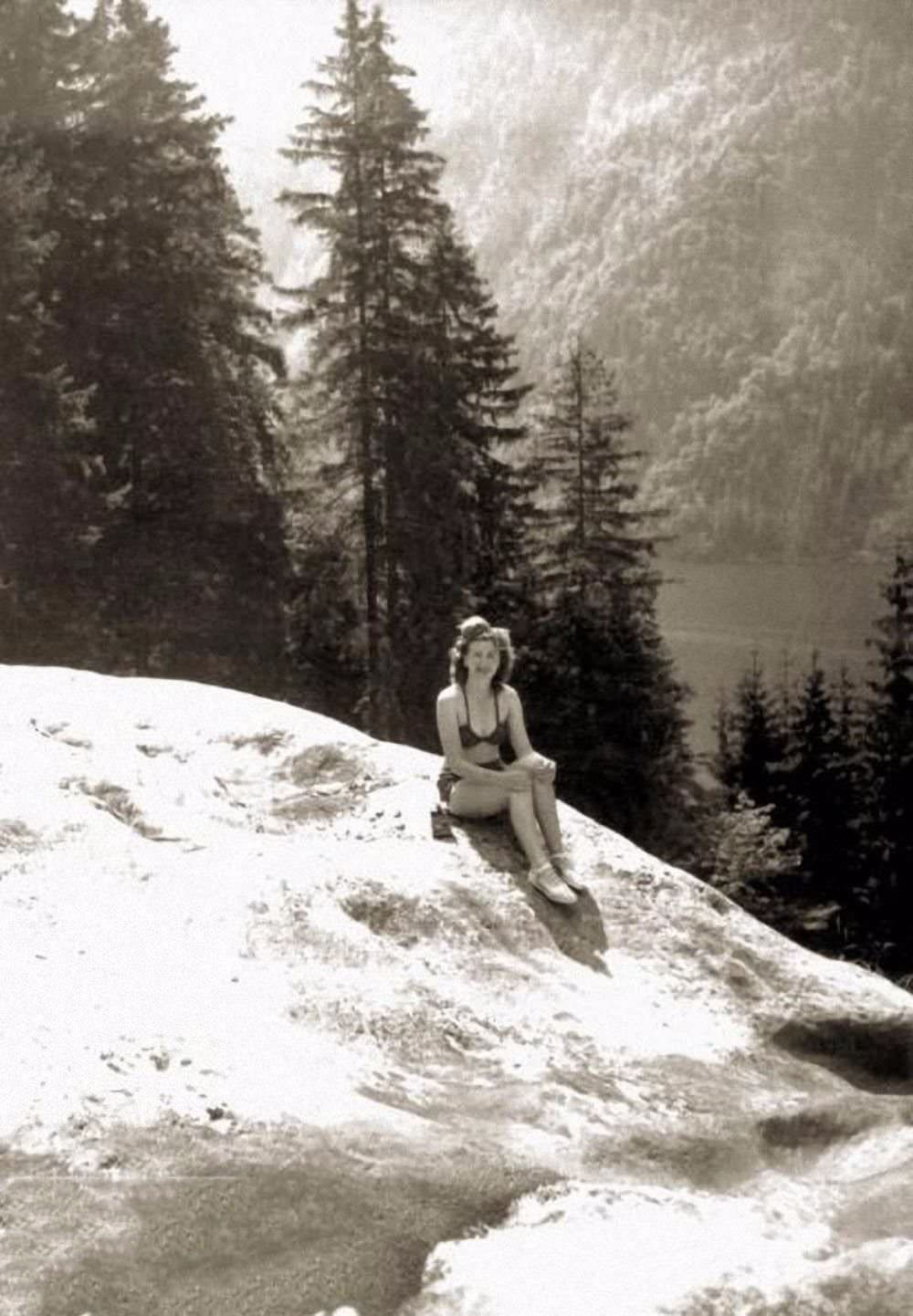
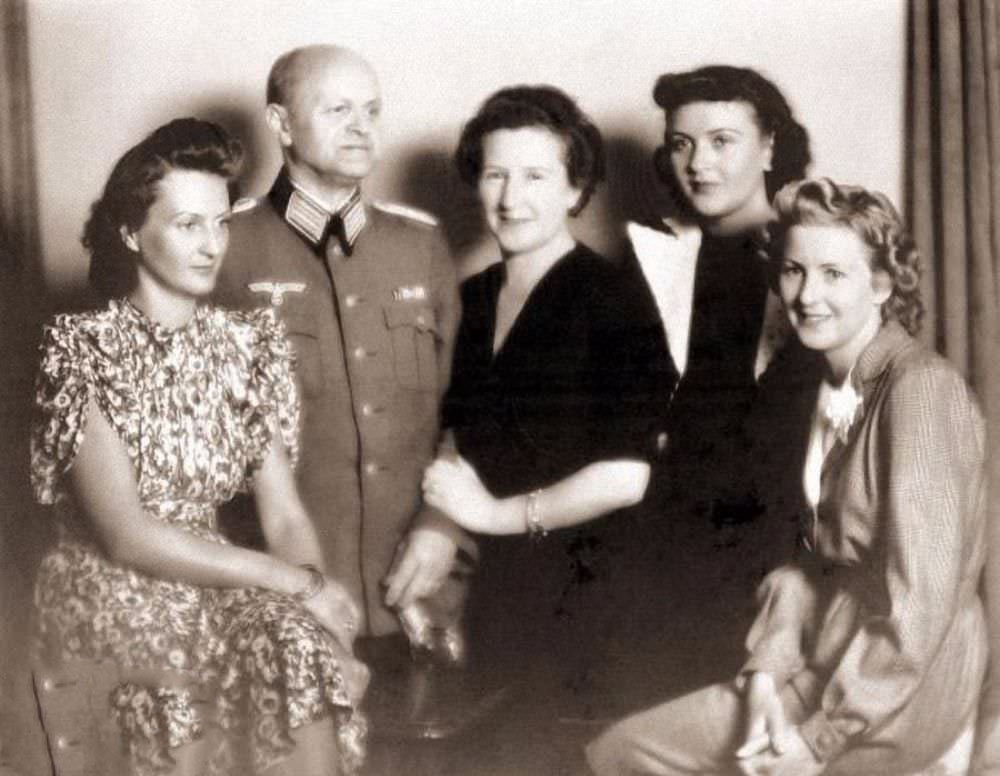
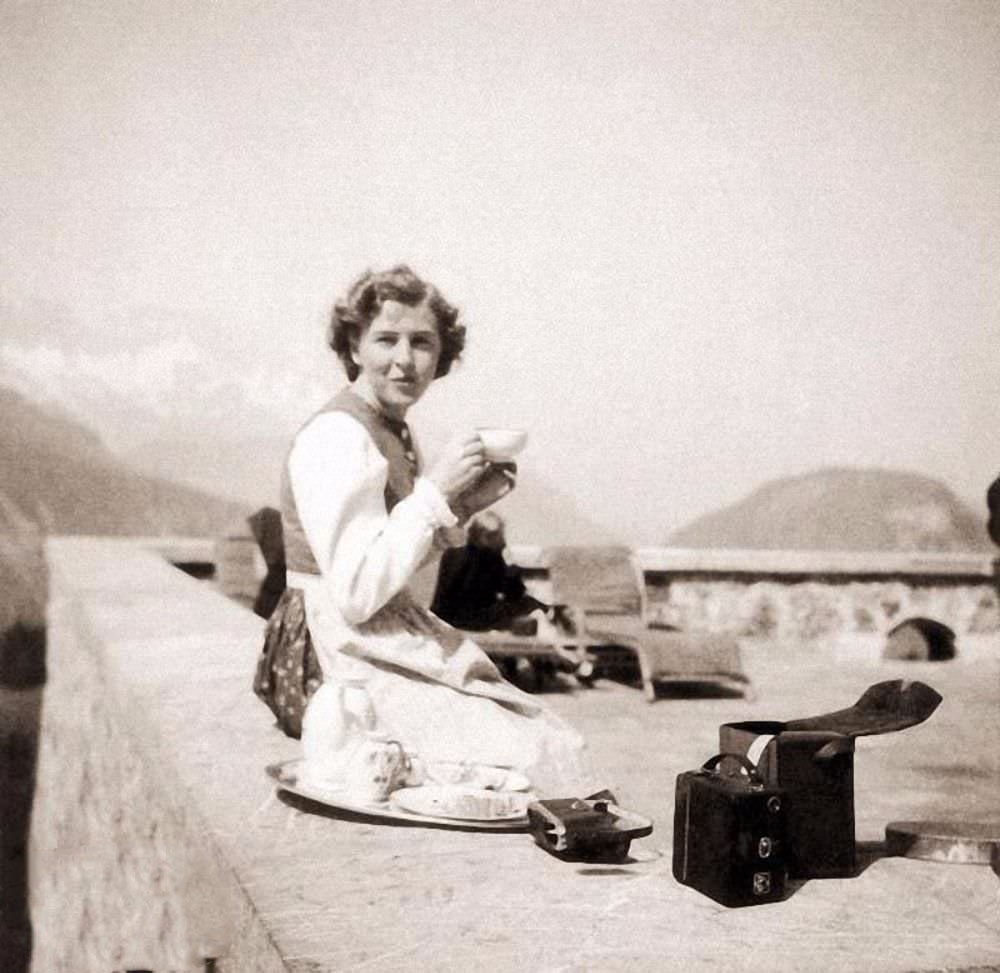
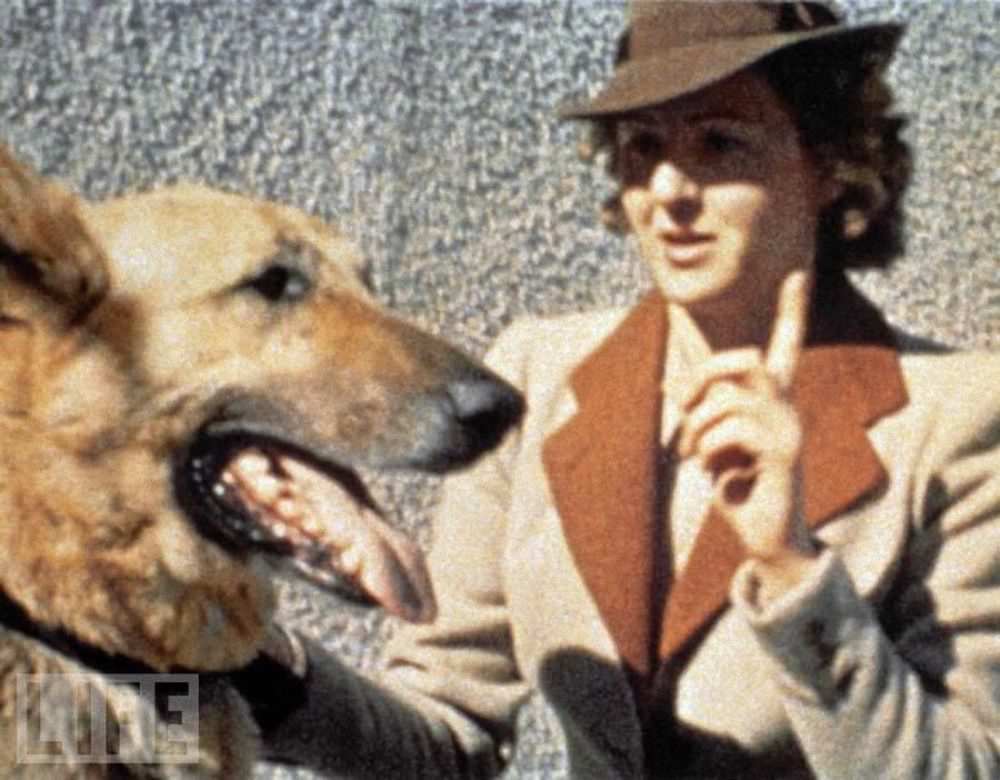
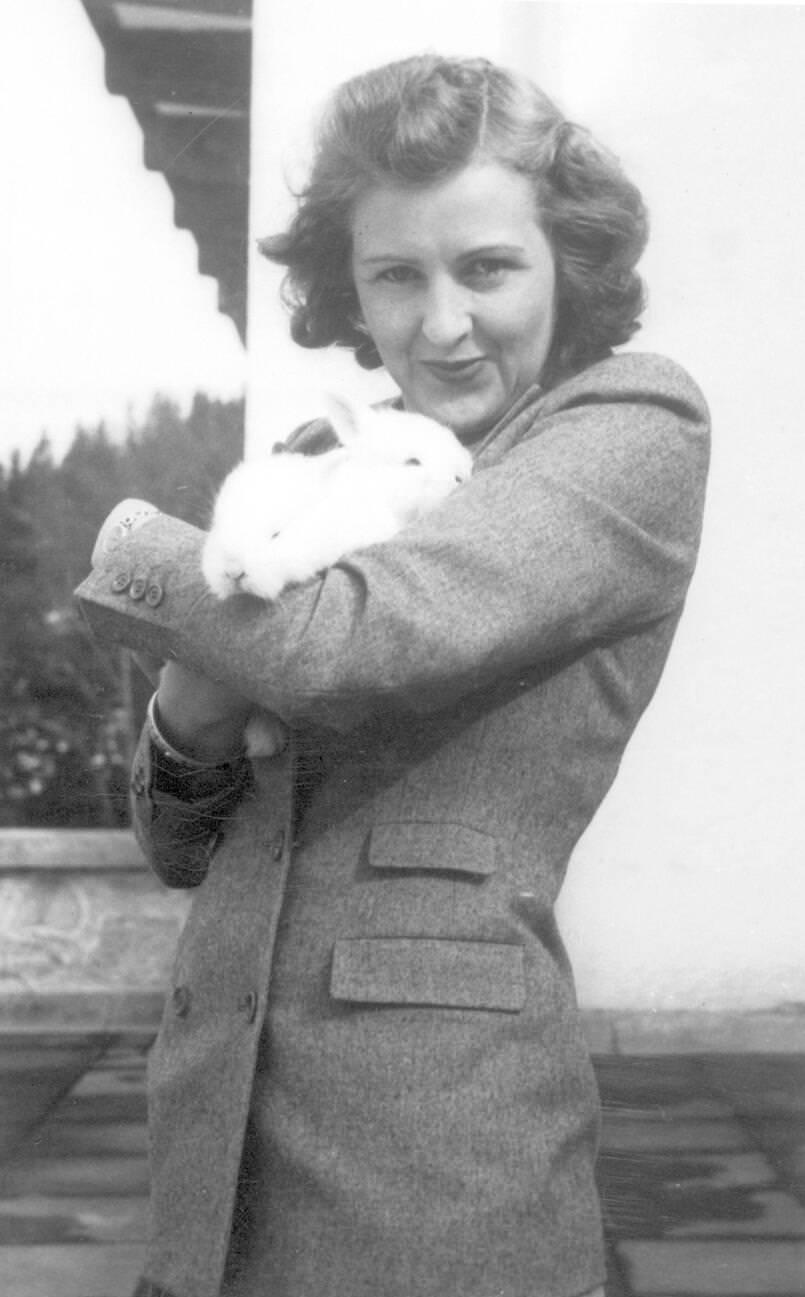
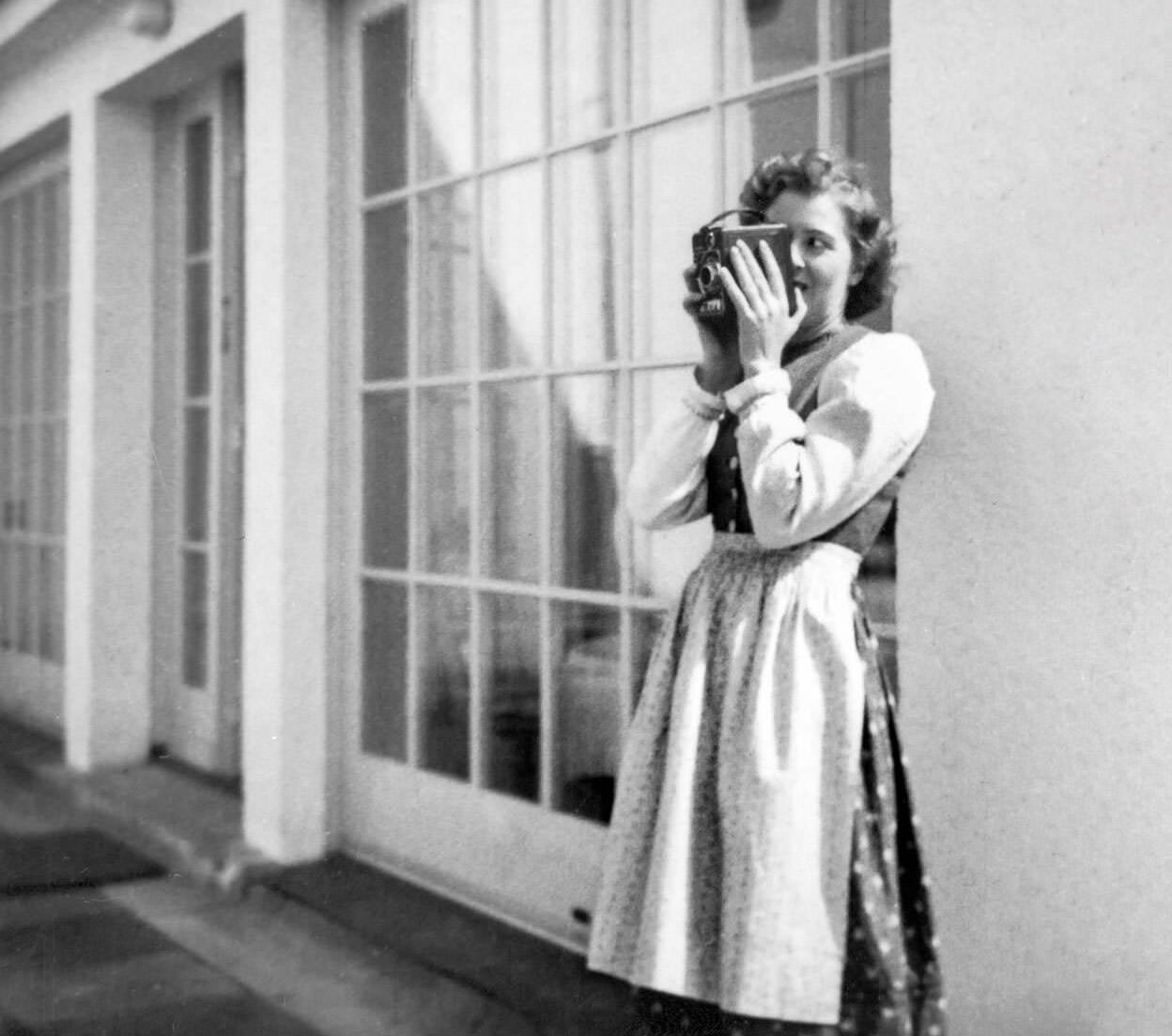
One of Eva’s most significant personal pursuits was photography and amateur filmmaking. She owned a 16mm camera and shot footage of daily life at the Berghof, sometimes using color film. Those color reels later became valuable historical documents, giving researchers a rare and intimate look at Hitler and his inner circle in an unguarded, domestic setting. Eva also took still photographs compulsively, filling personal albums that now serve as primary source material for historians.
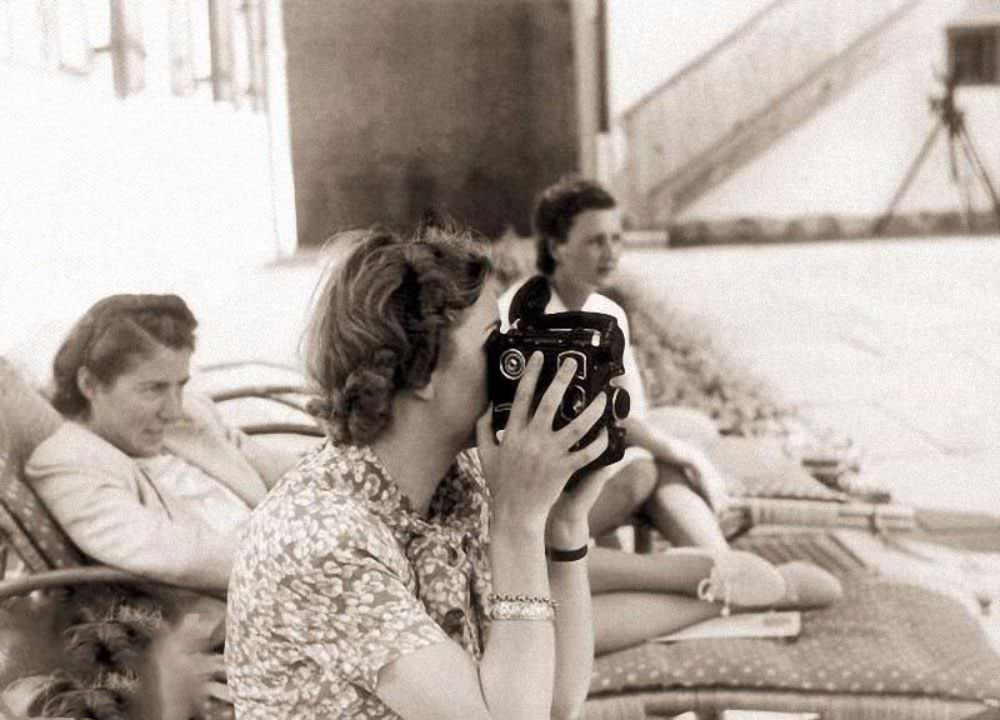
By the early 1940s, the war was consuming Germany from the inside out. Eva spent more time at the Berghof, largely cut off from Hitler’s daily reality as he conducted the war. She remained close to her younger sister Gretl, who in 1944 married SS General Hermann Fegelein. The Braun family connection to the Nazi hierarchy ran deep, though Eva herself never held any political role or official standing within it.
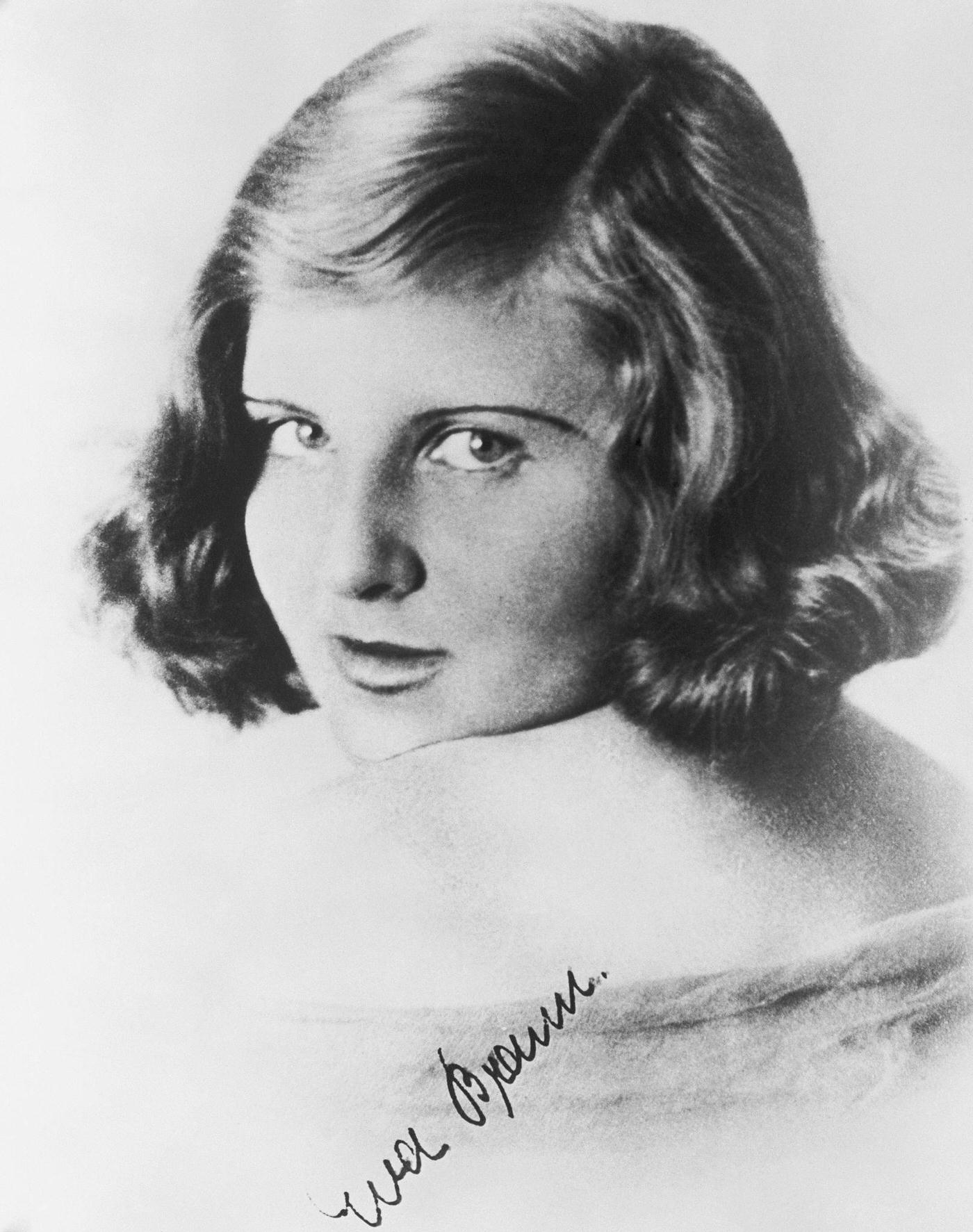
As Allied forces pushed deeper into Germany in the spring of 1945, Hitler retreated to his underground bunker beneath the Reich Chancellery in Berlin. Eva Braun traveled to Berlin to join him, against his wishes. He urged her to leave. She refused. On April 29, 1945, with Soviet forces less than a mile away, the two were married in a brief civil ceremony inside the bunker. Eva wore a black taffeta dress. The witnesses were Joseph Goebbels and Martin Bormann.
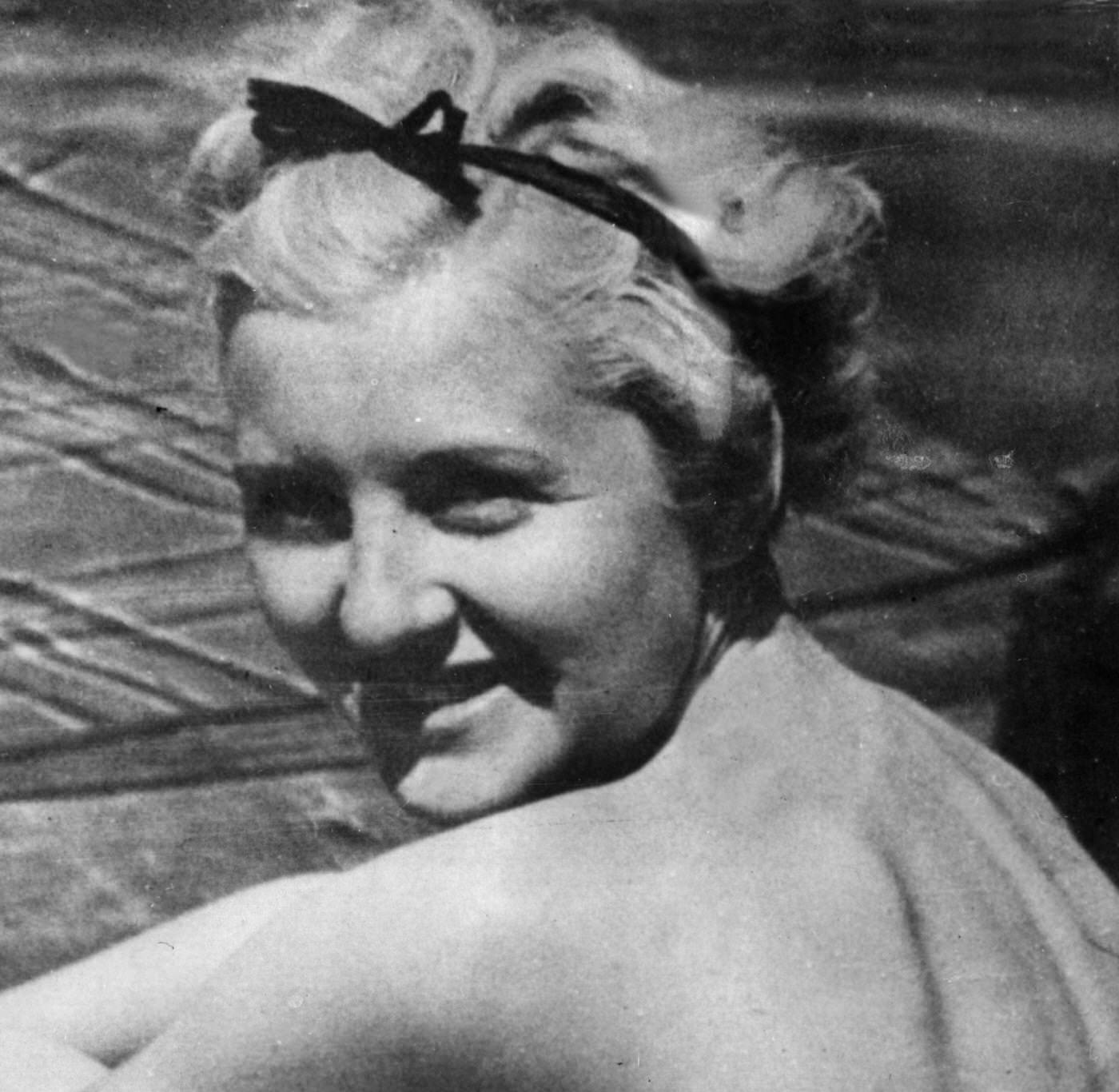
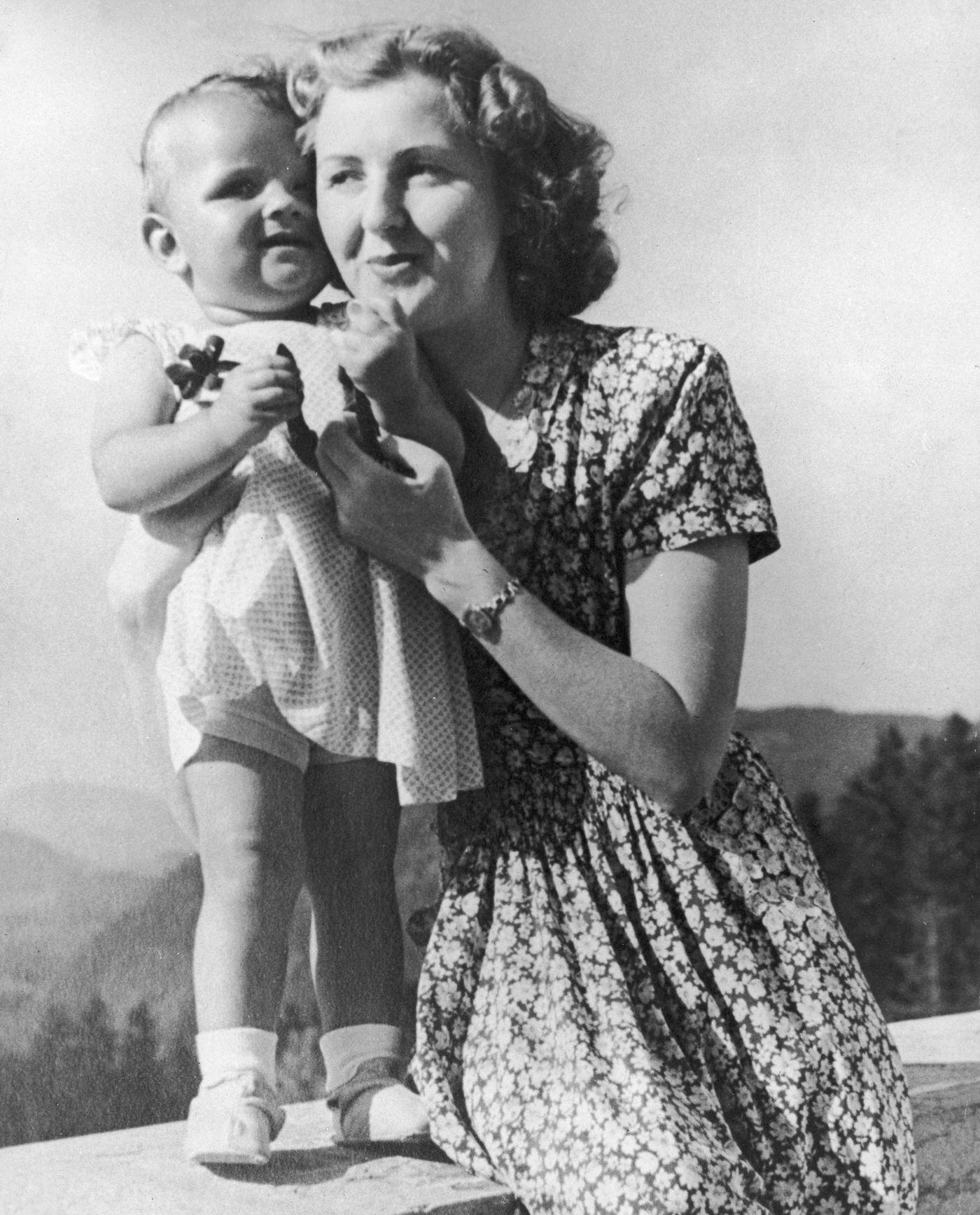
The day after their wedding, April 30, 1945, Eva Braun died by cyanide capsule. Hitler died by a self-inflicted gunshot wound in the same room. She was 33 years old. In her final personal testament, she wrote: “I am joining [Hitler]… I would not wish to live in a world without him.” Their bodies were carried out of the bunker, doused in petrol, and burned in the Reich Chancellery garden, as Hitler had instructed.
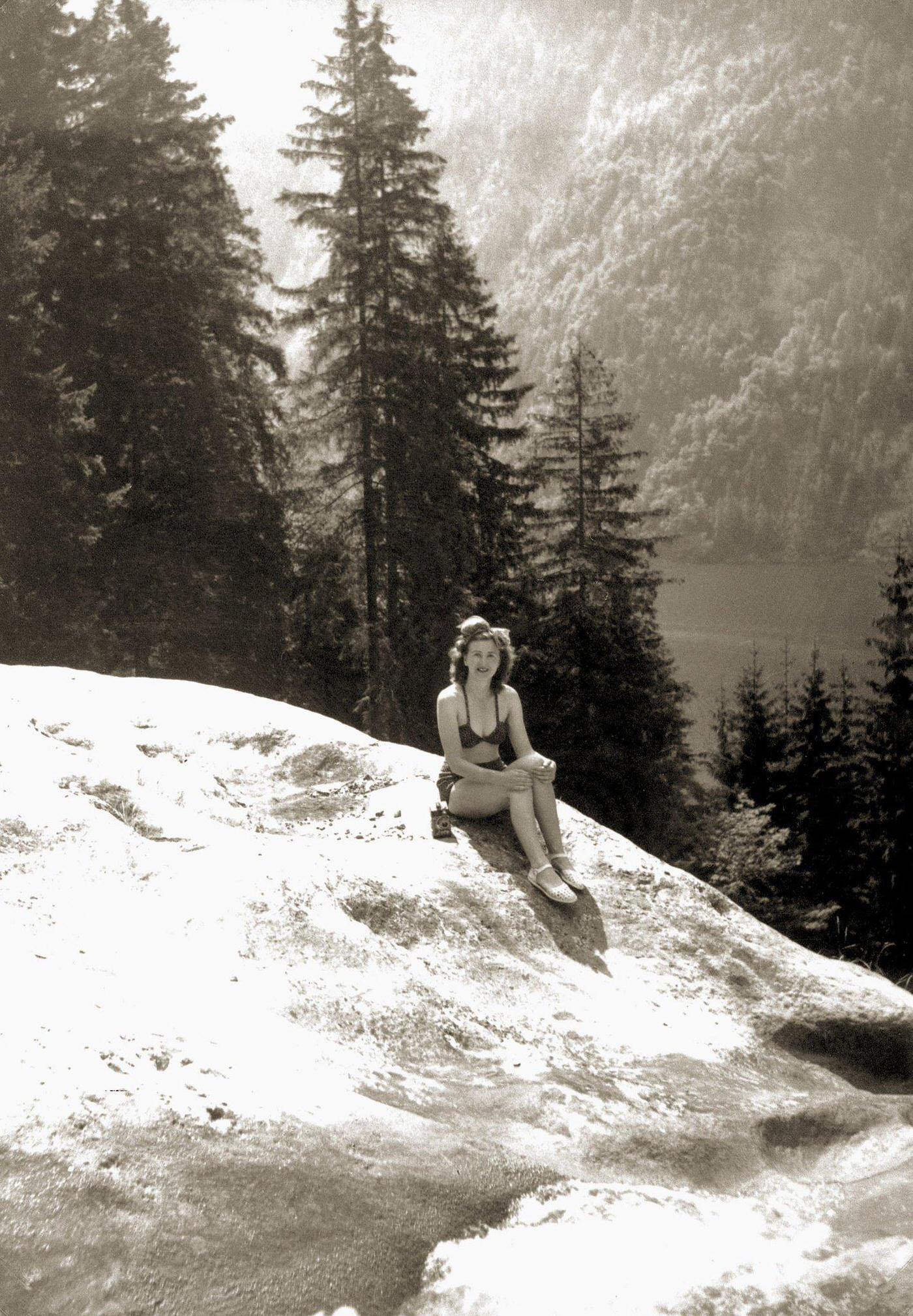
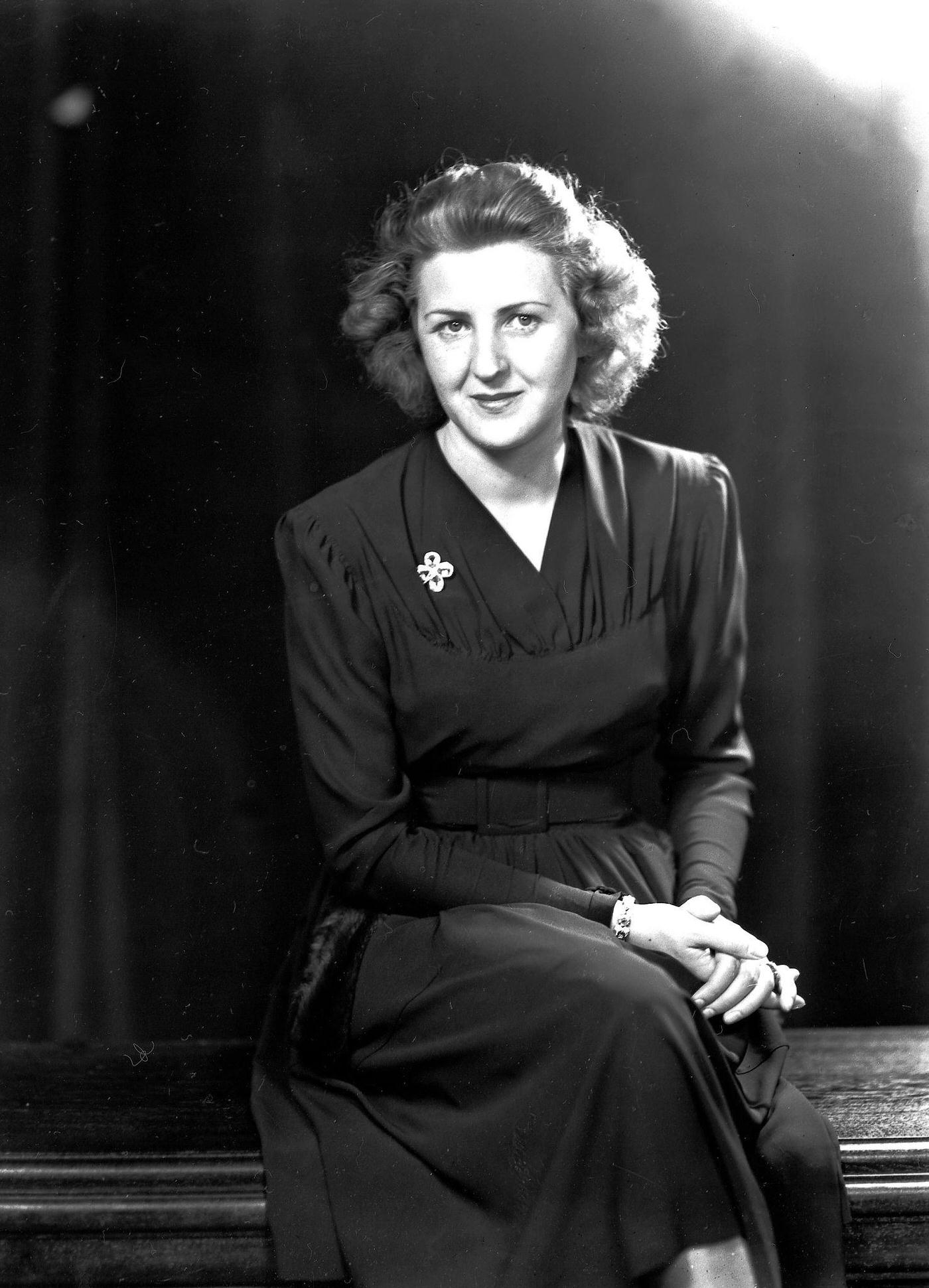
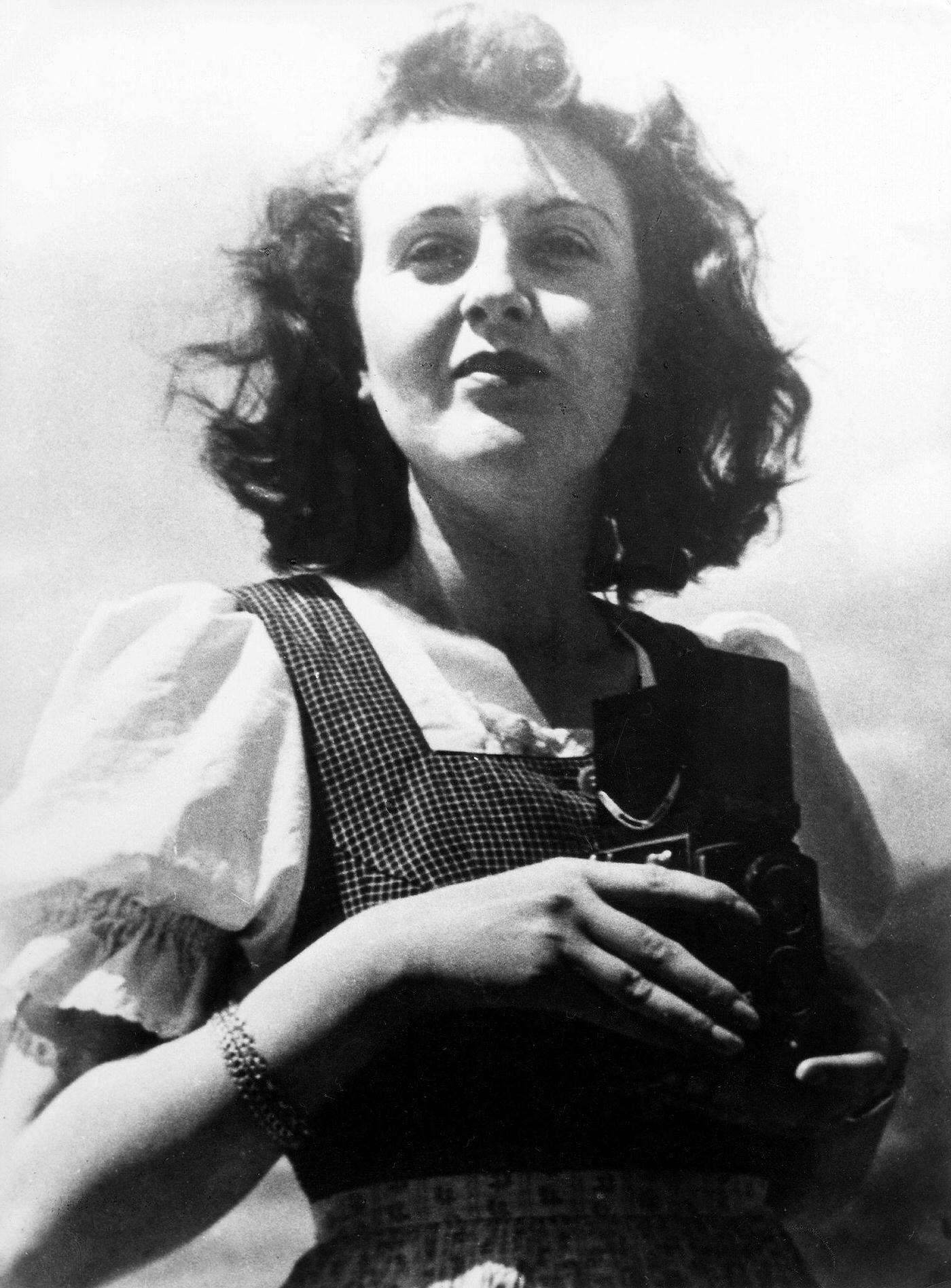
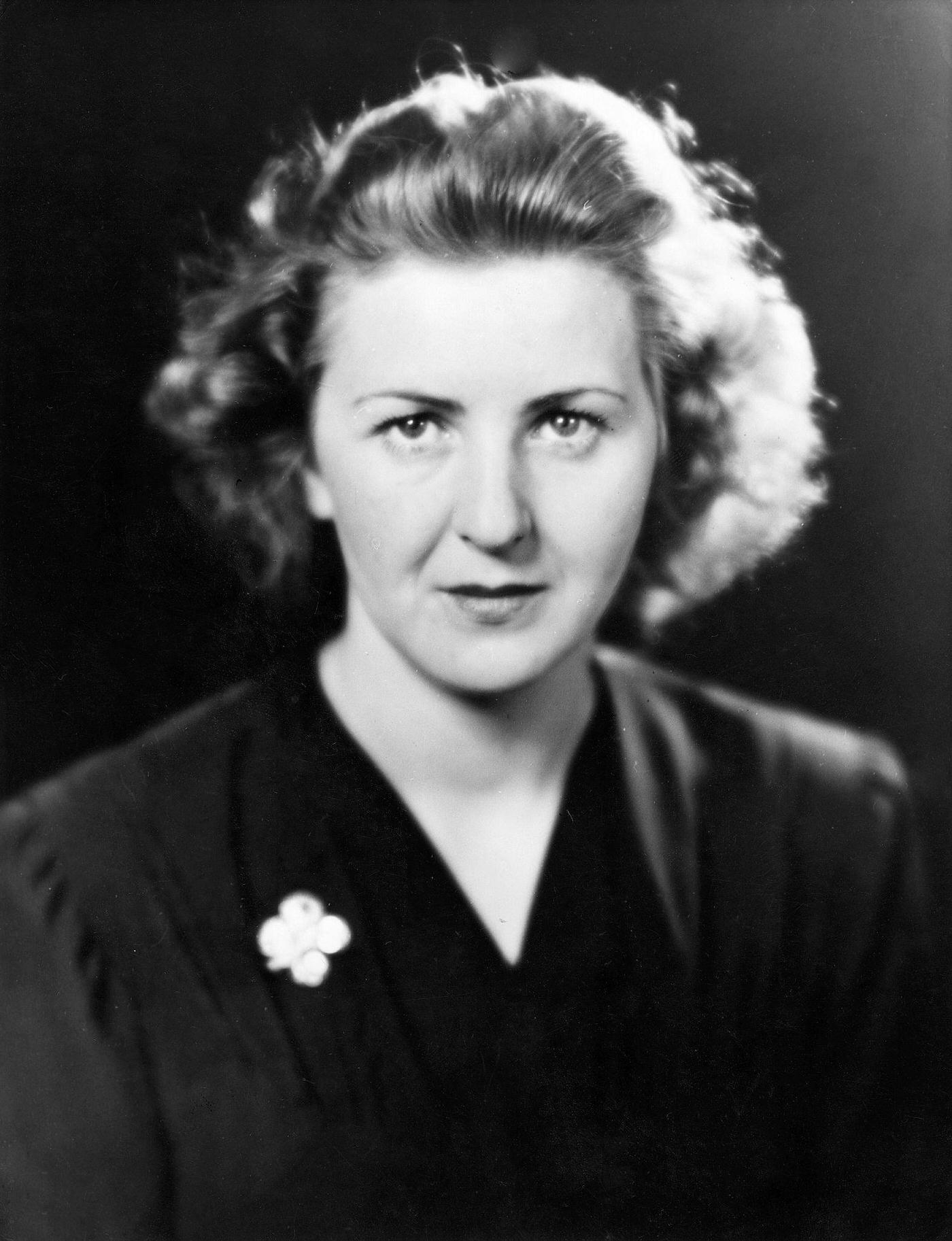
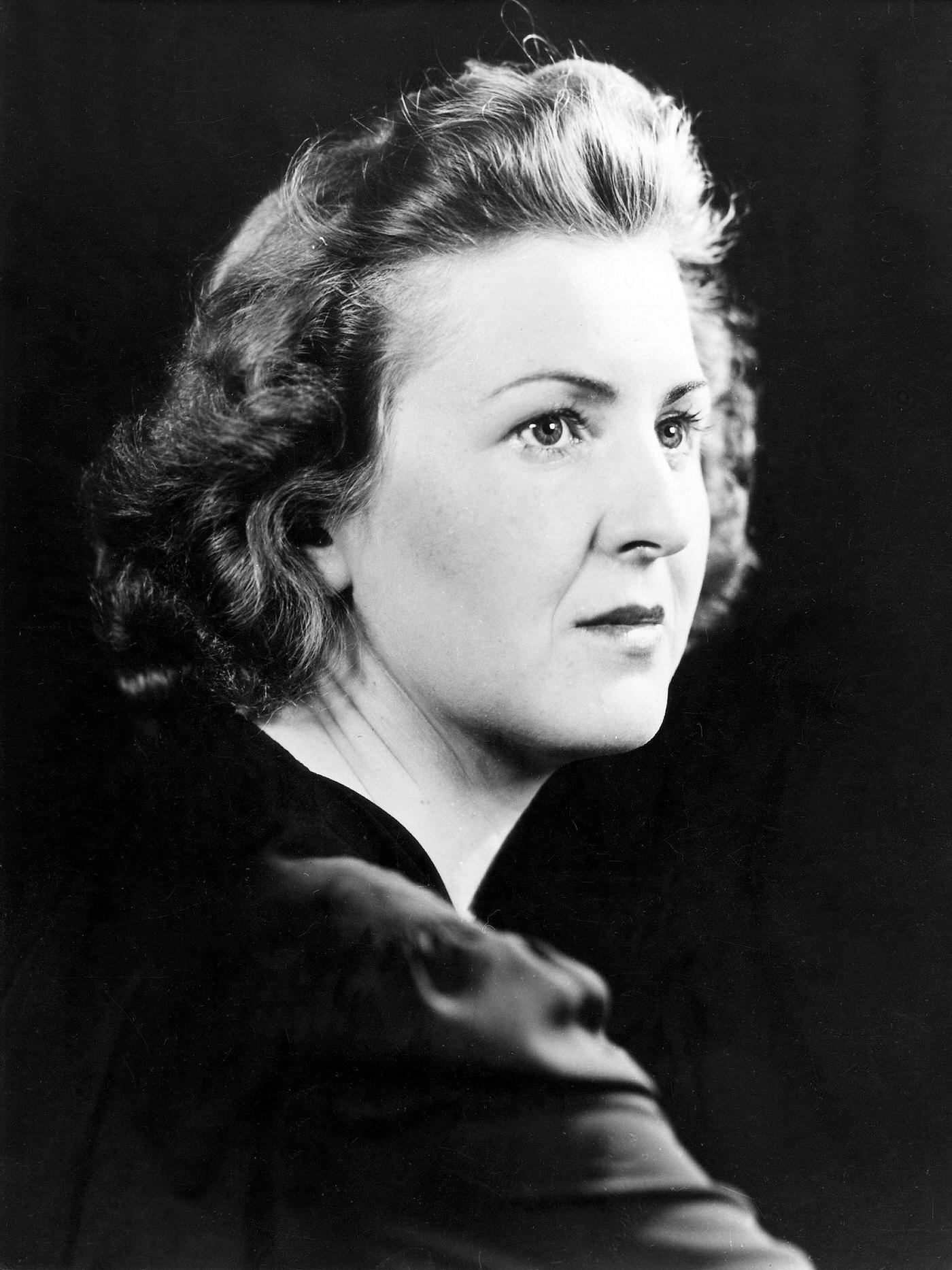
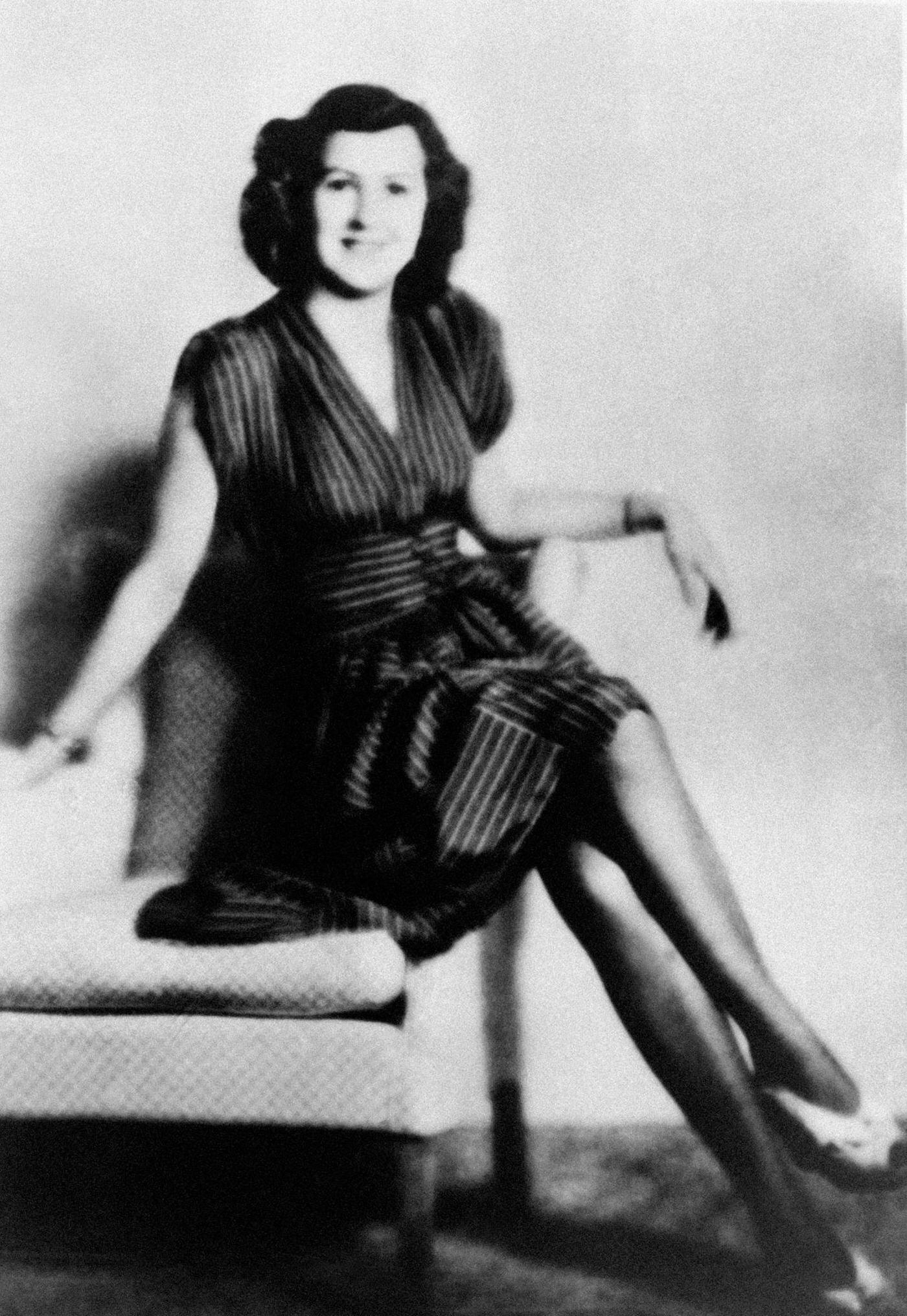
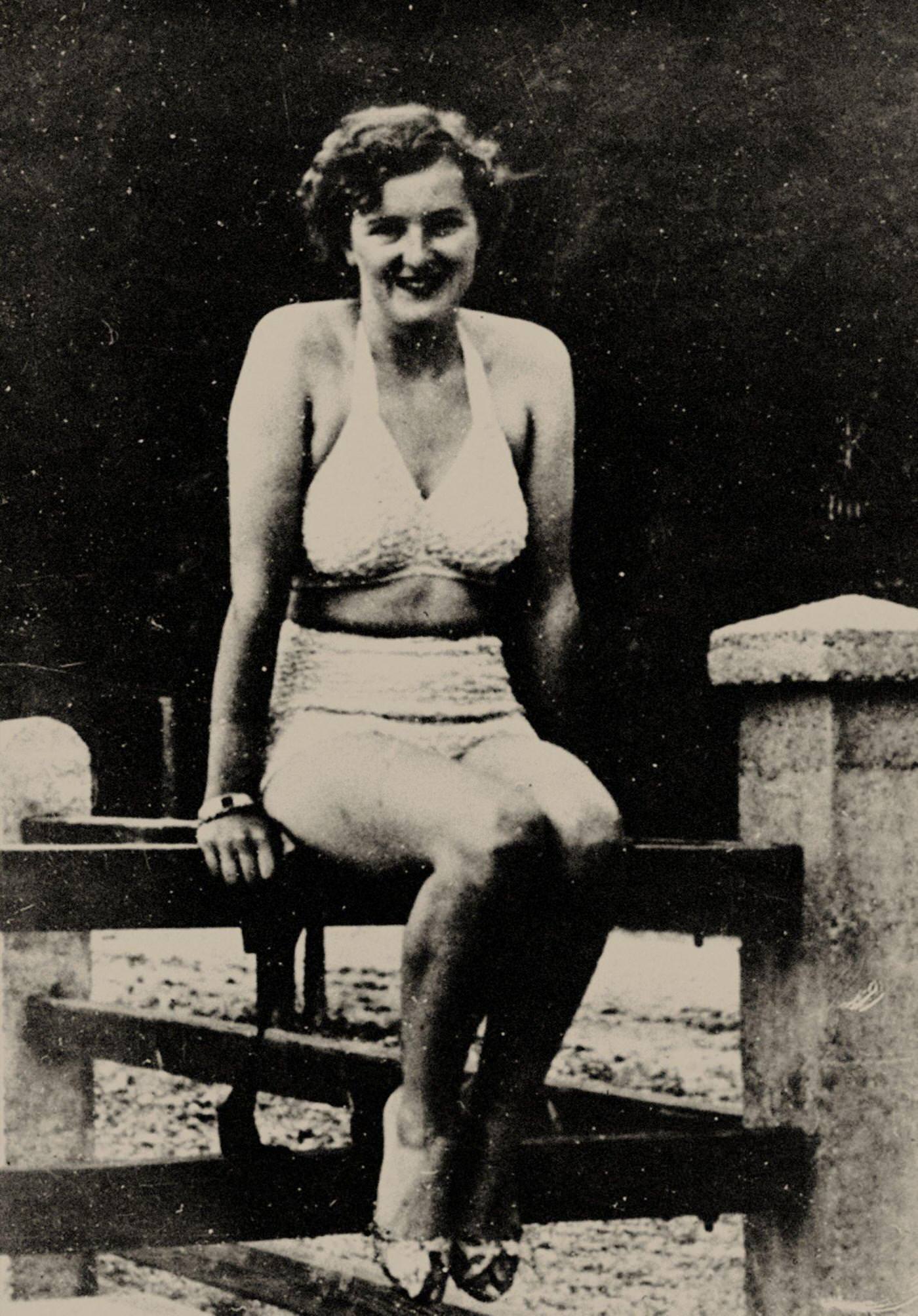
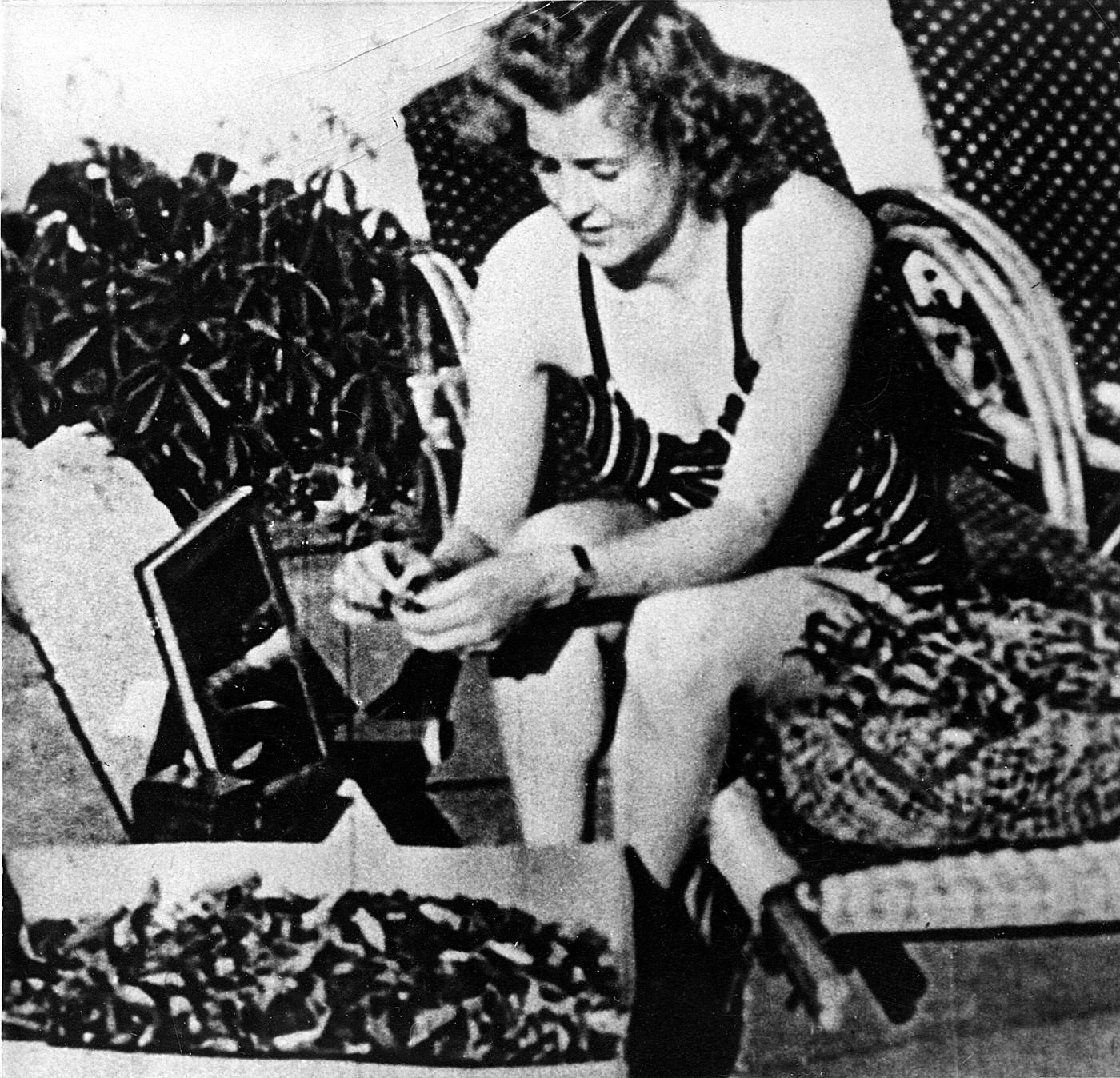
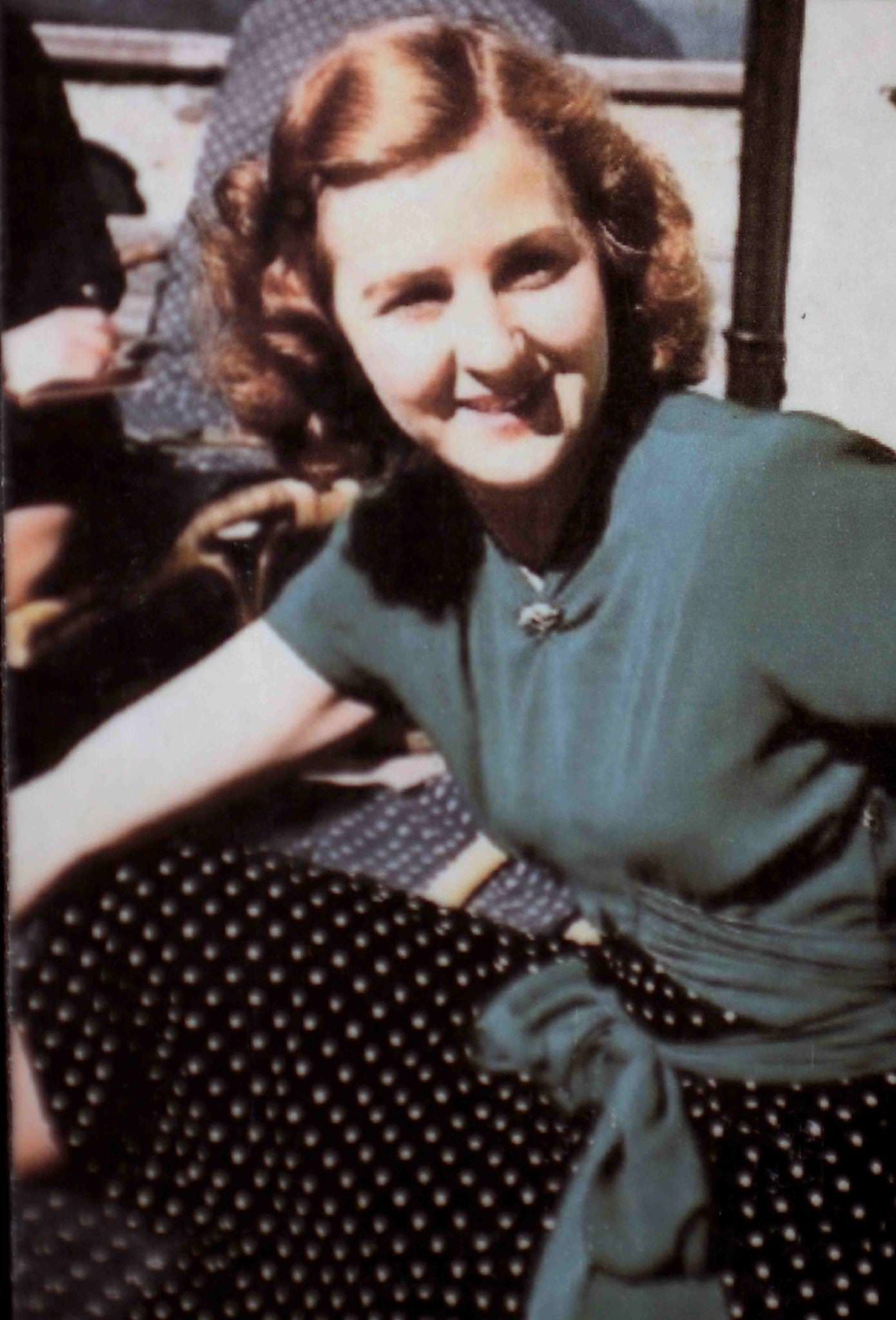
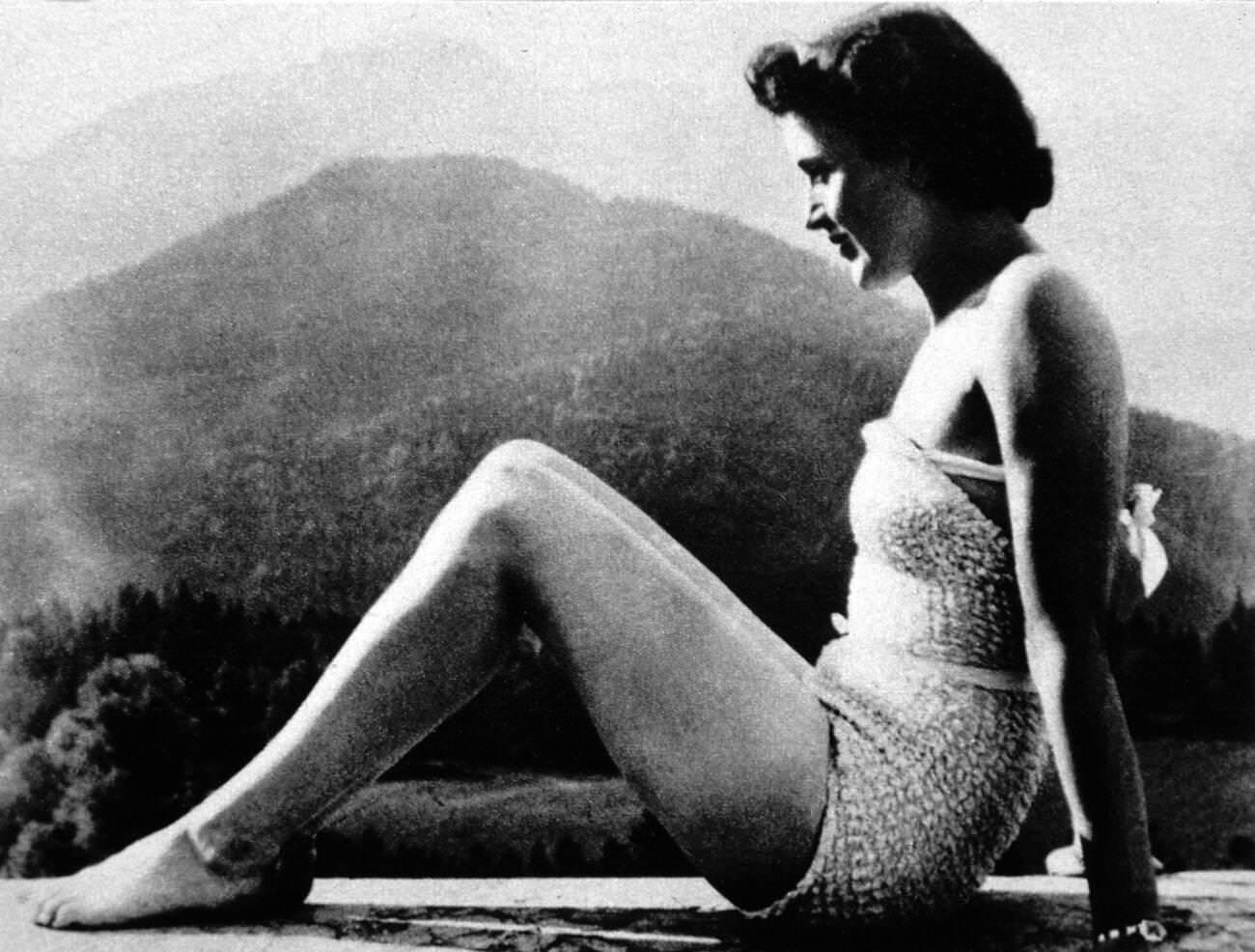
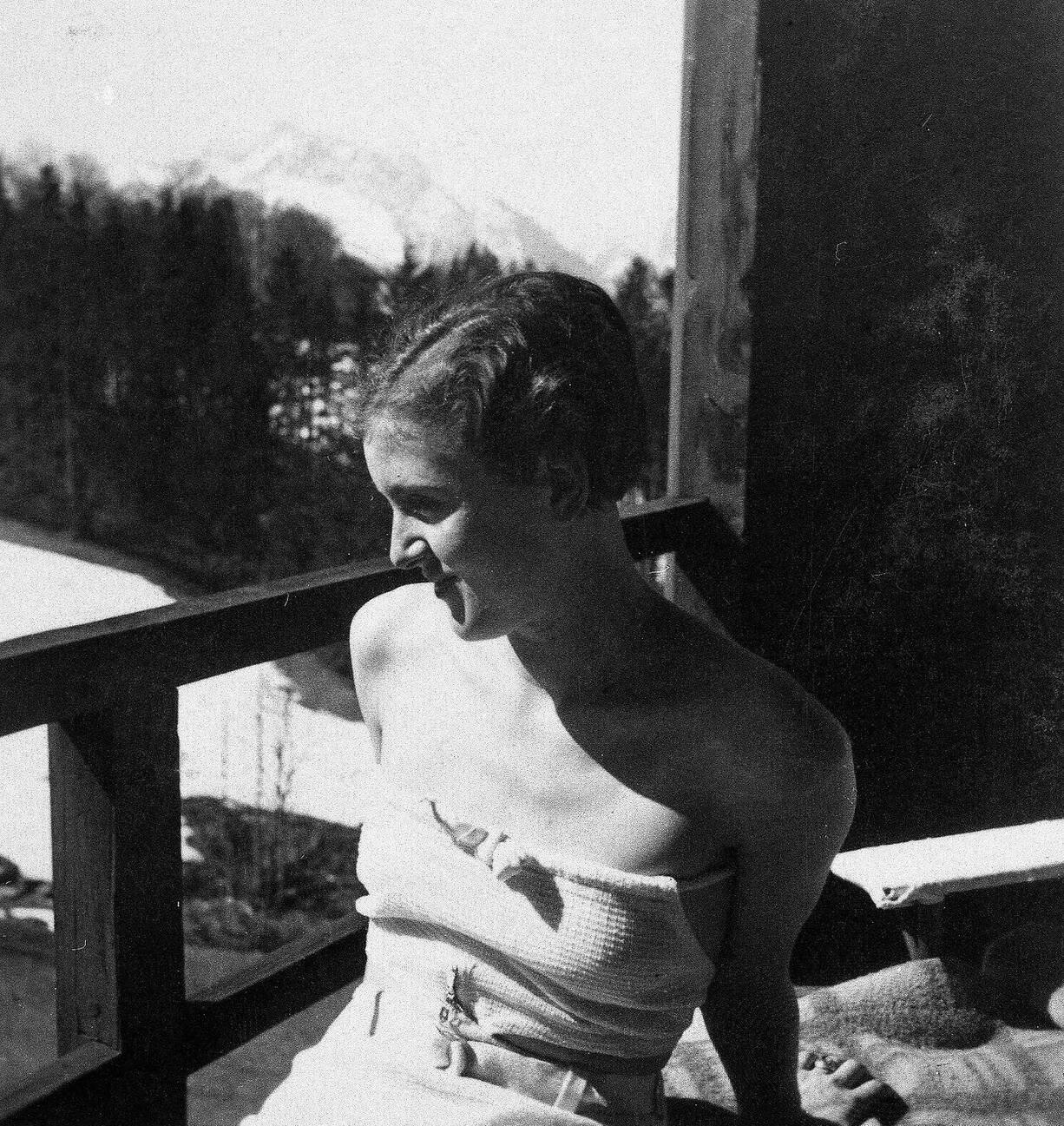
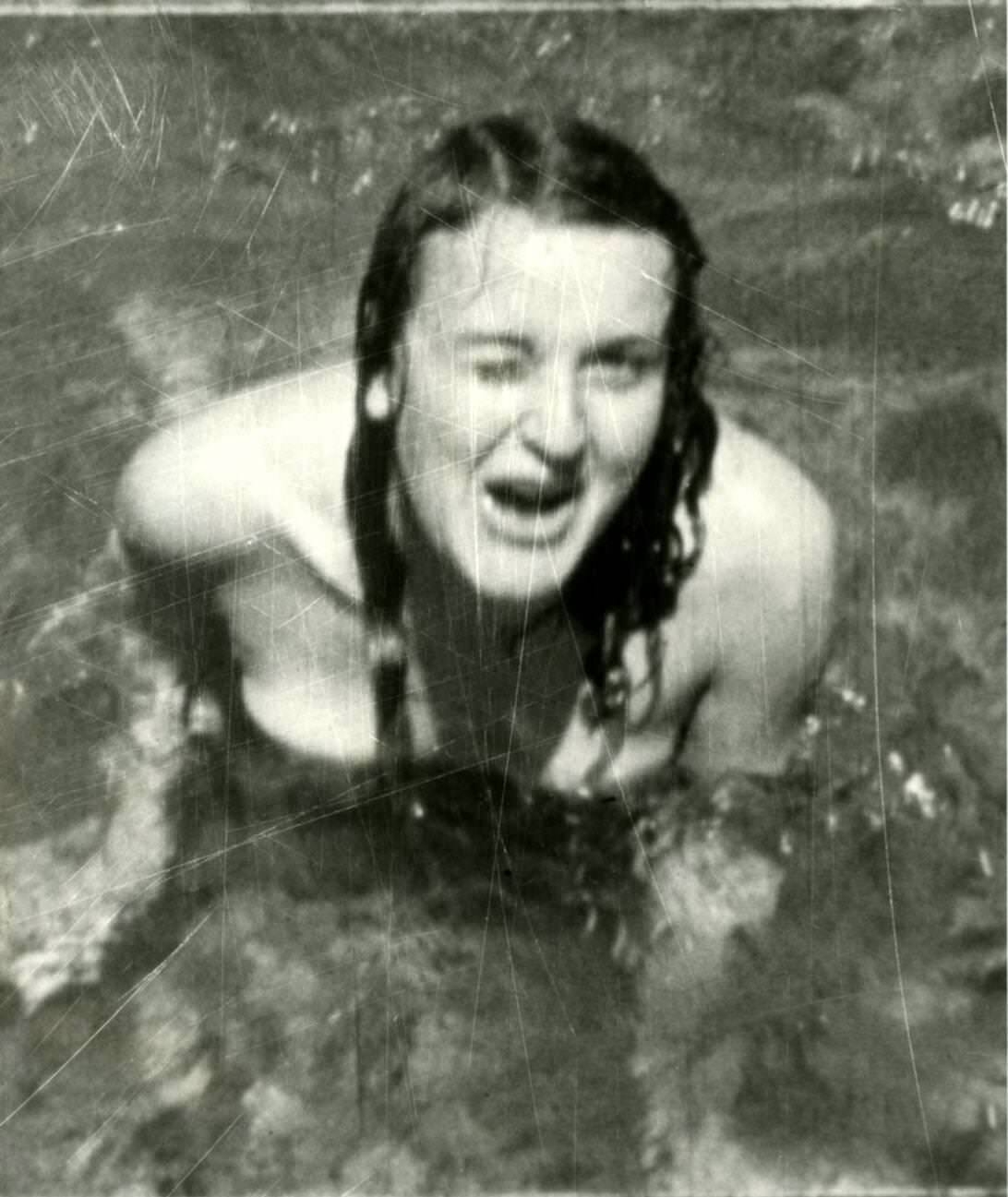
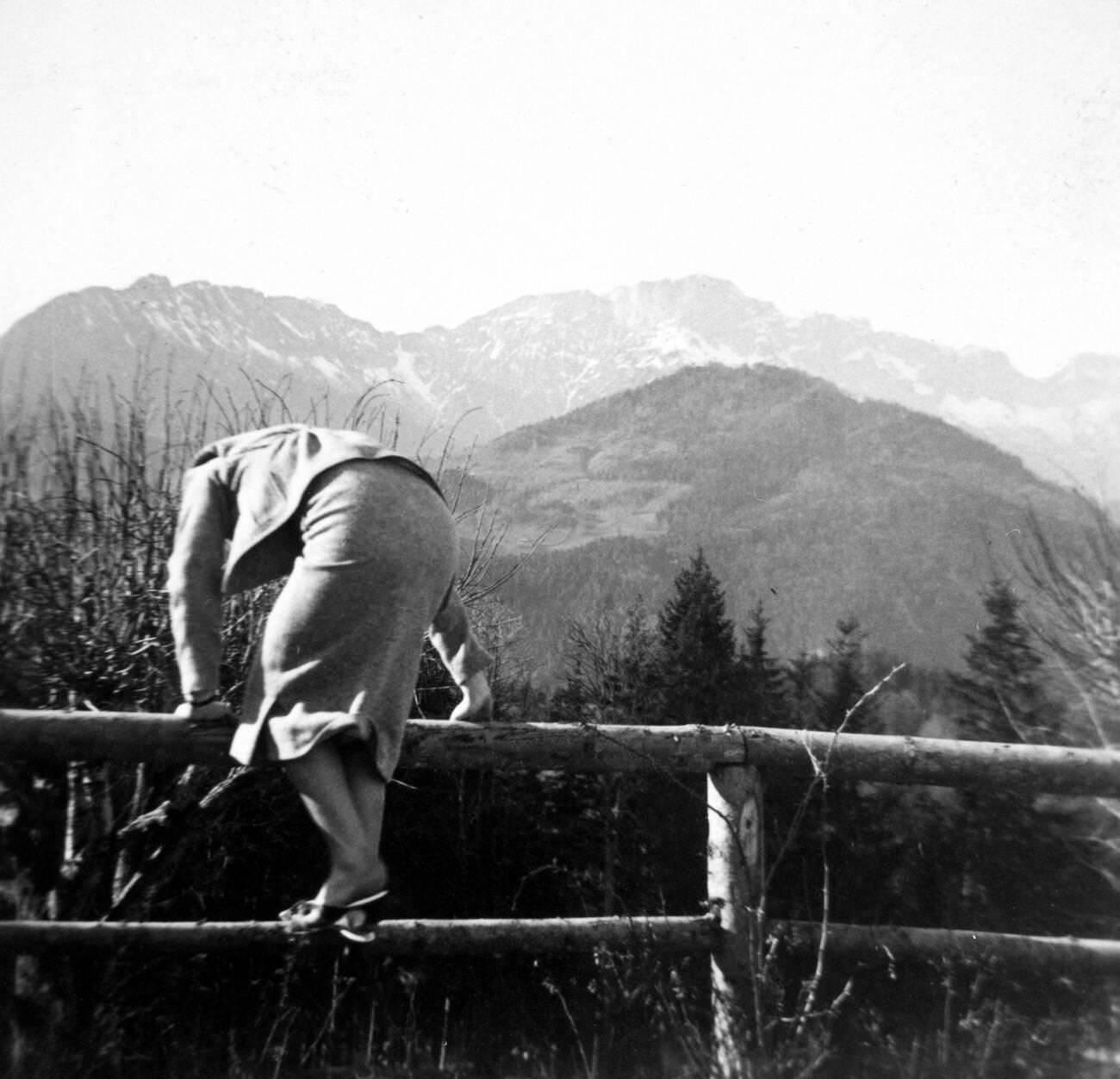
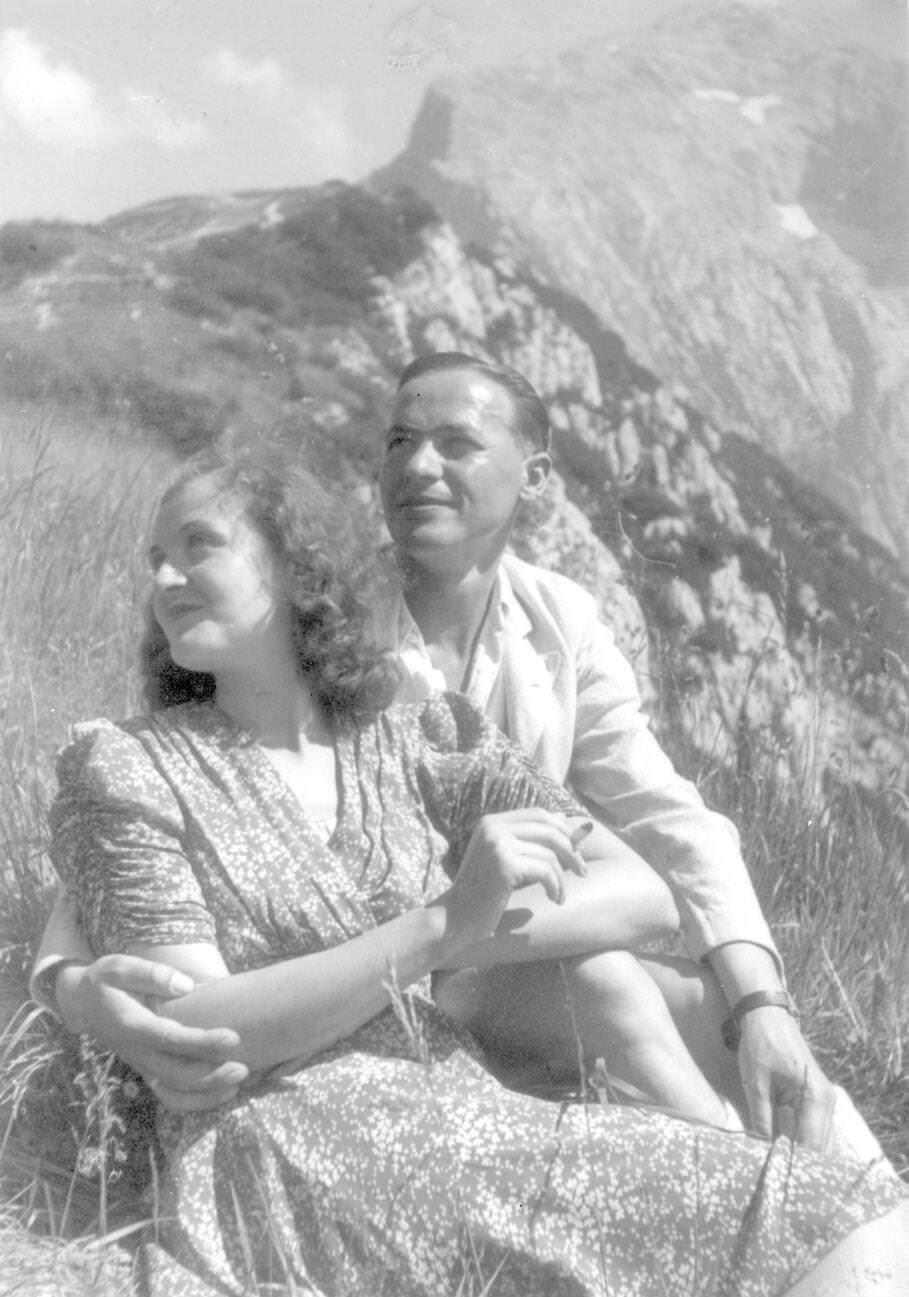
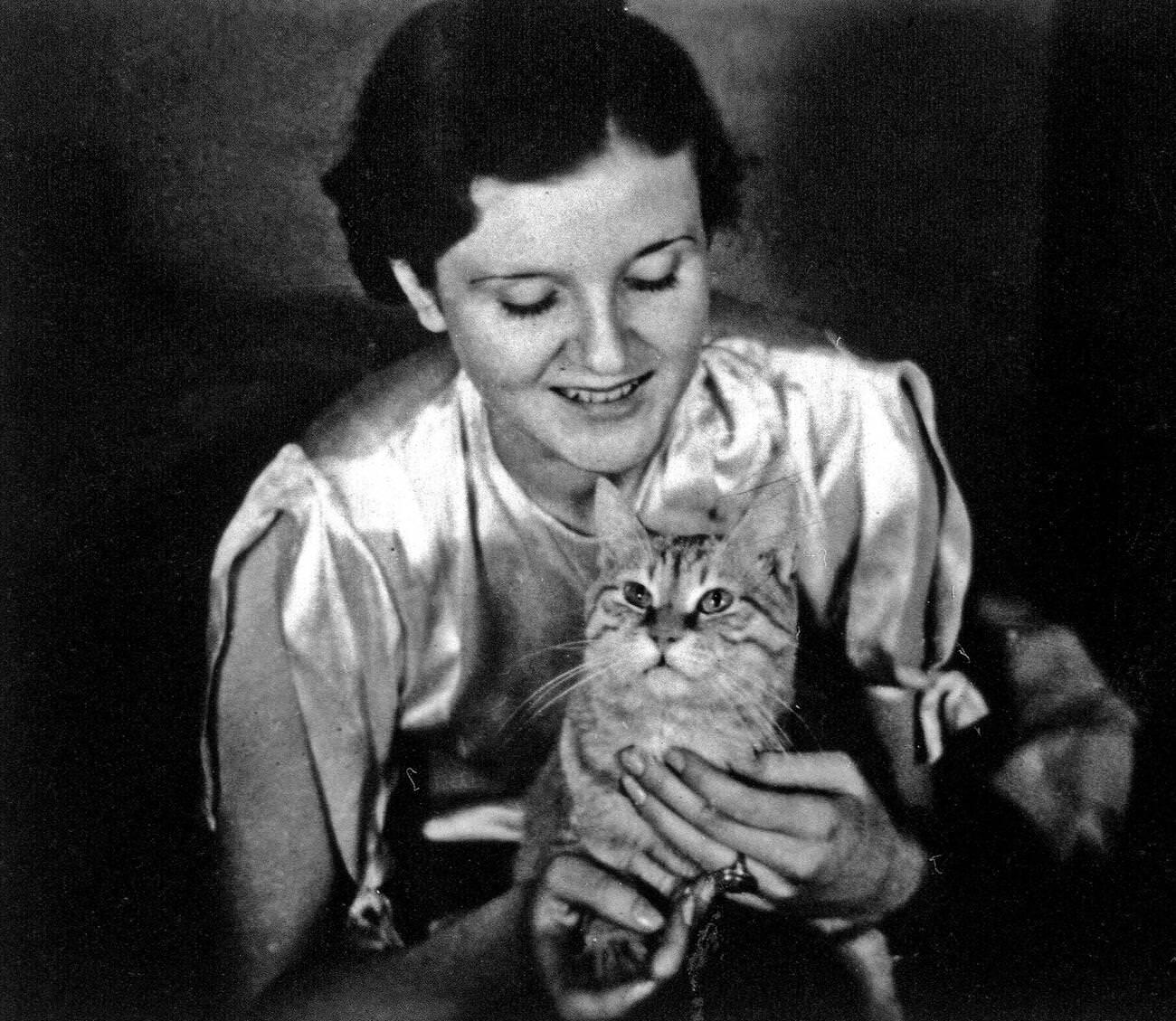
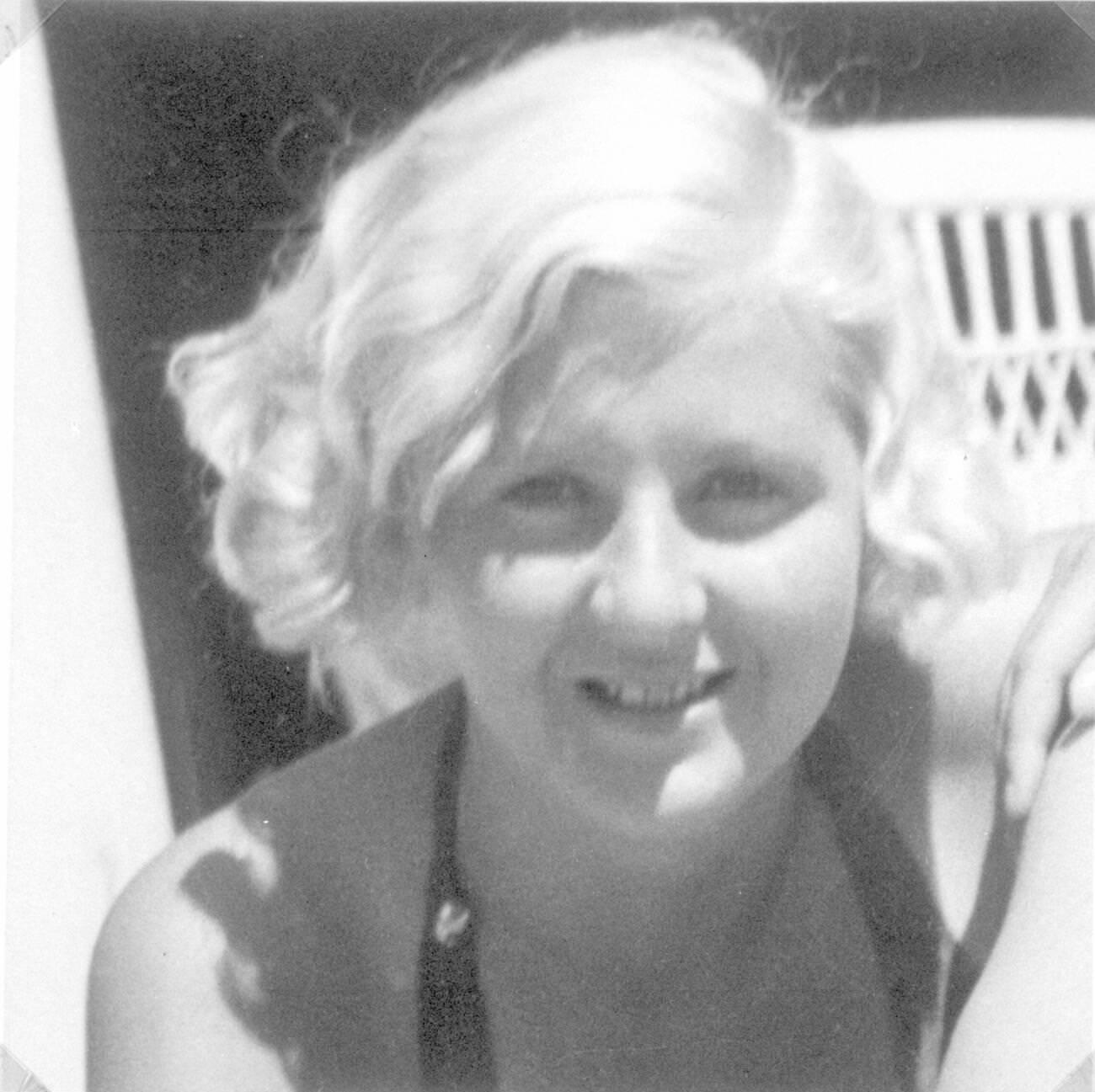
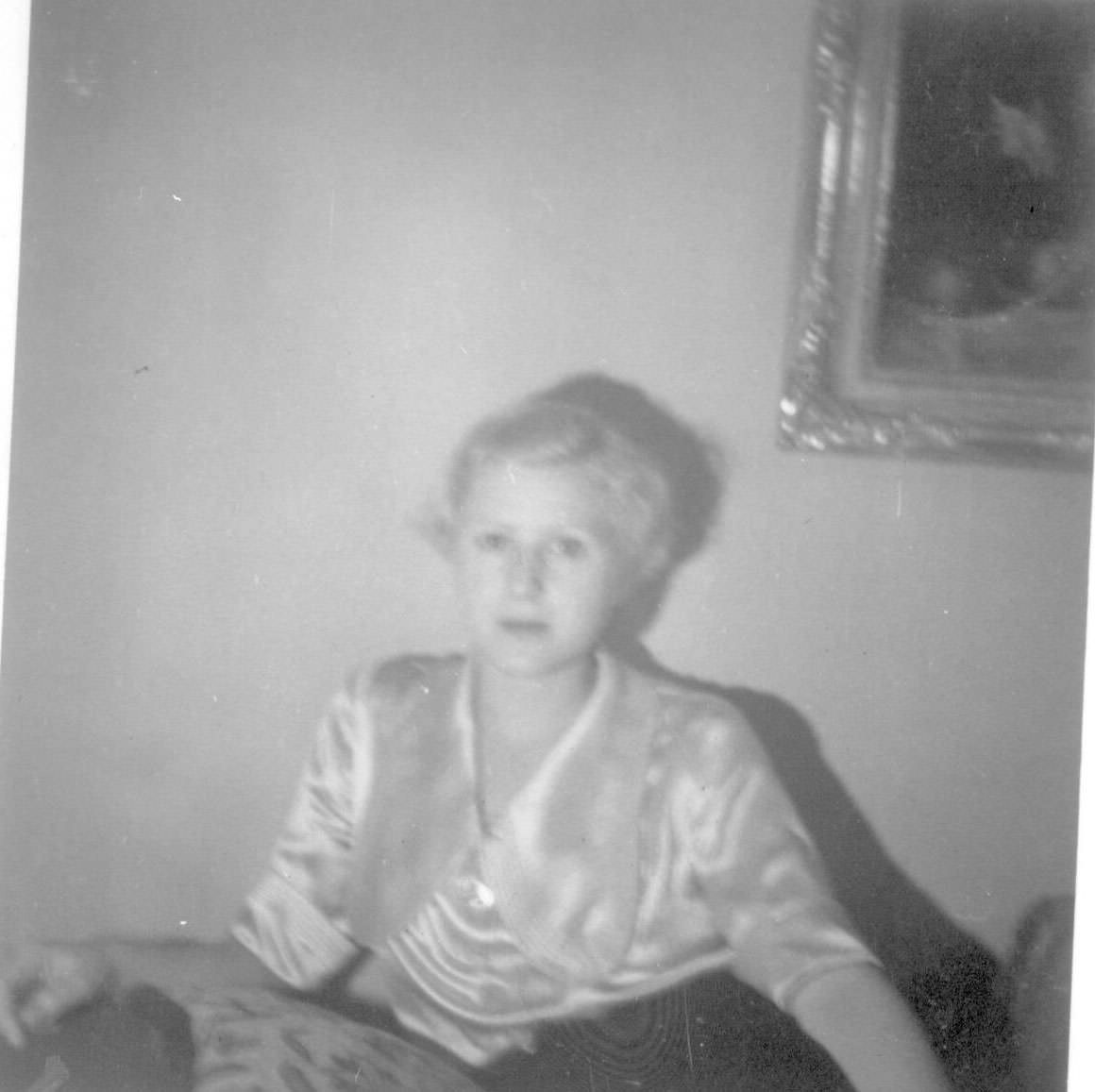
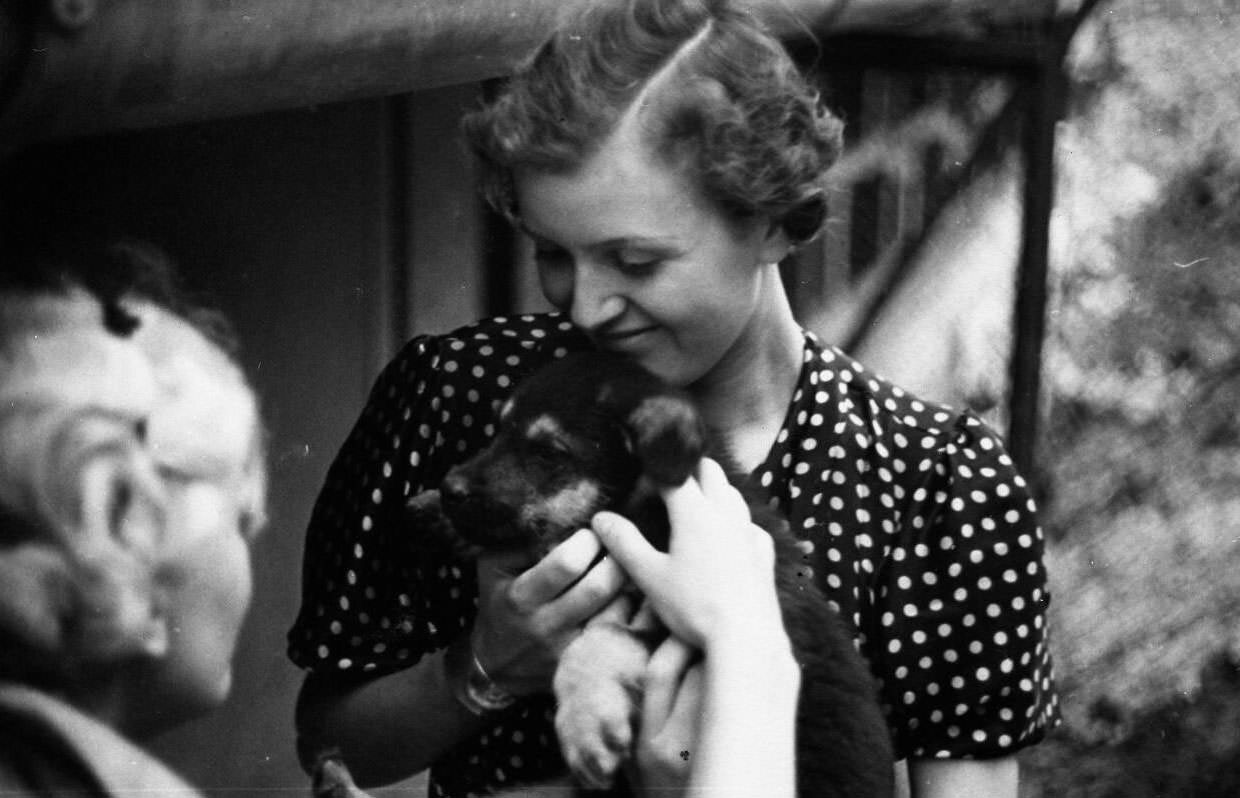
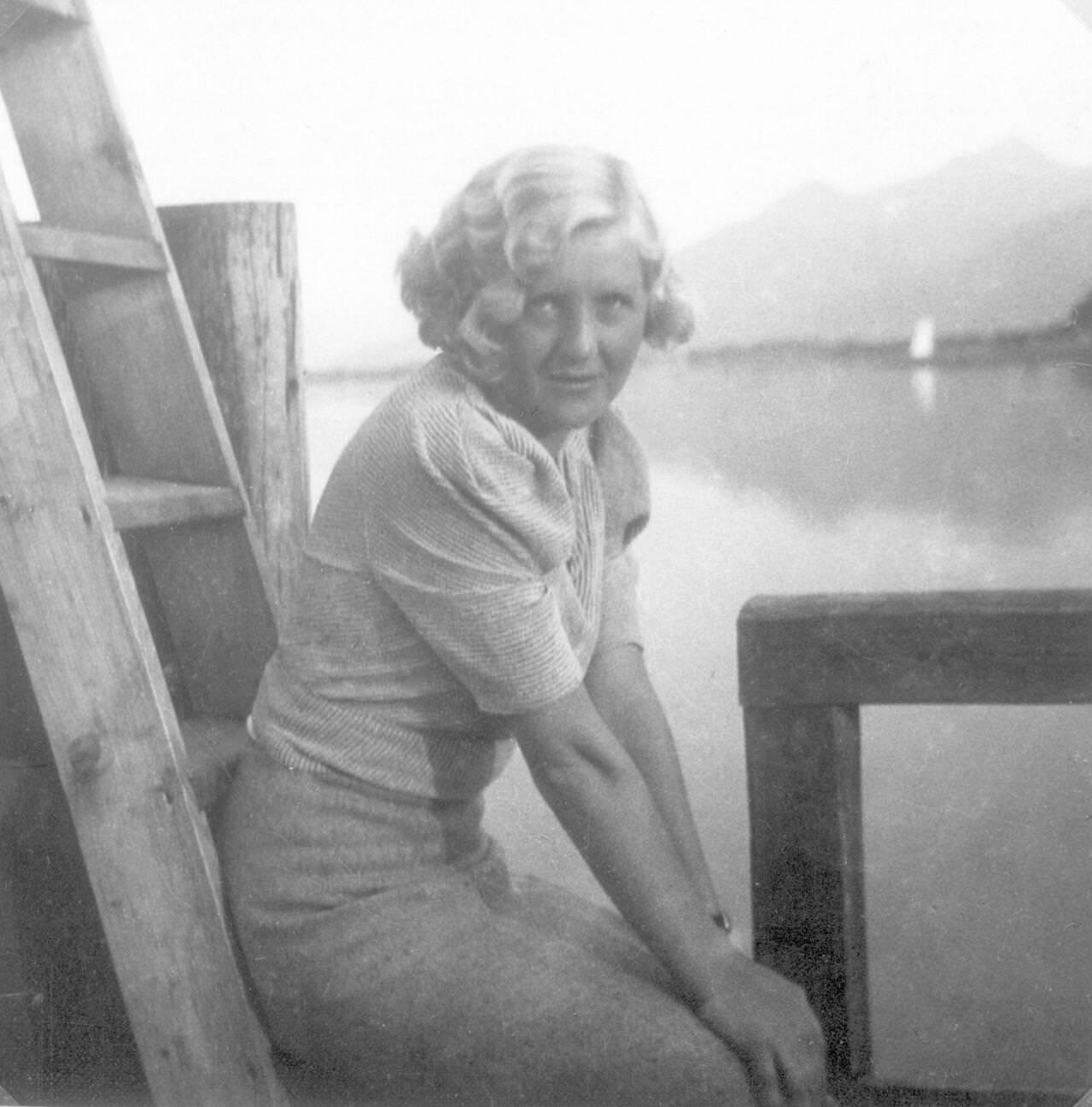
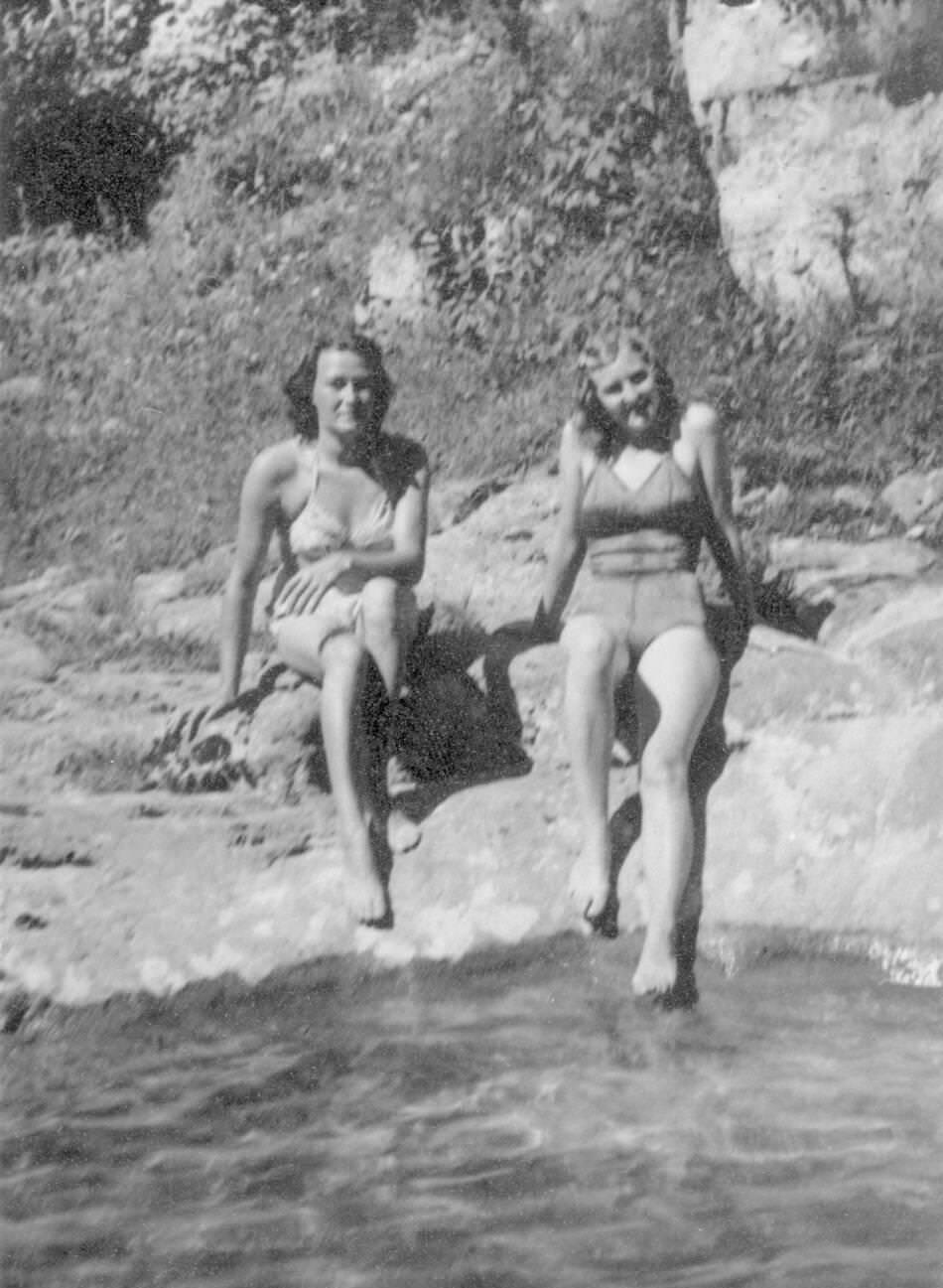
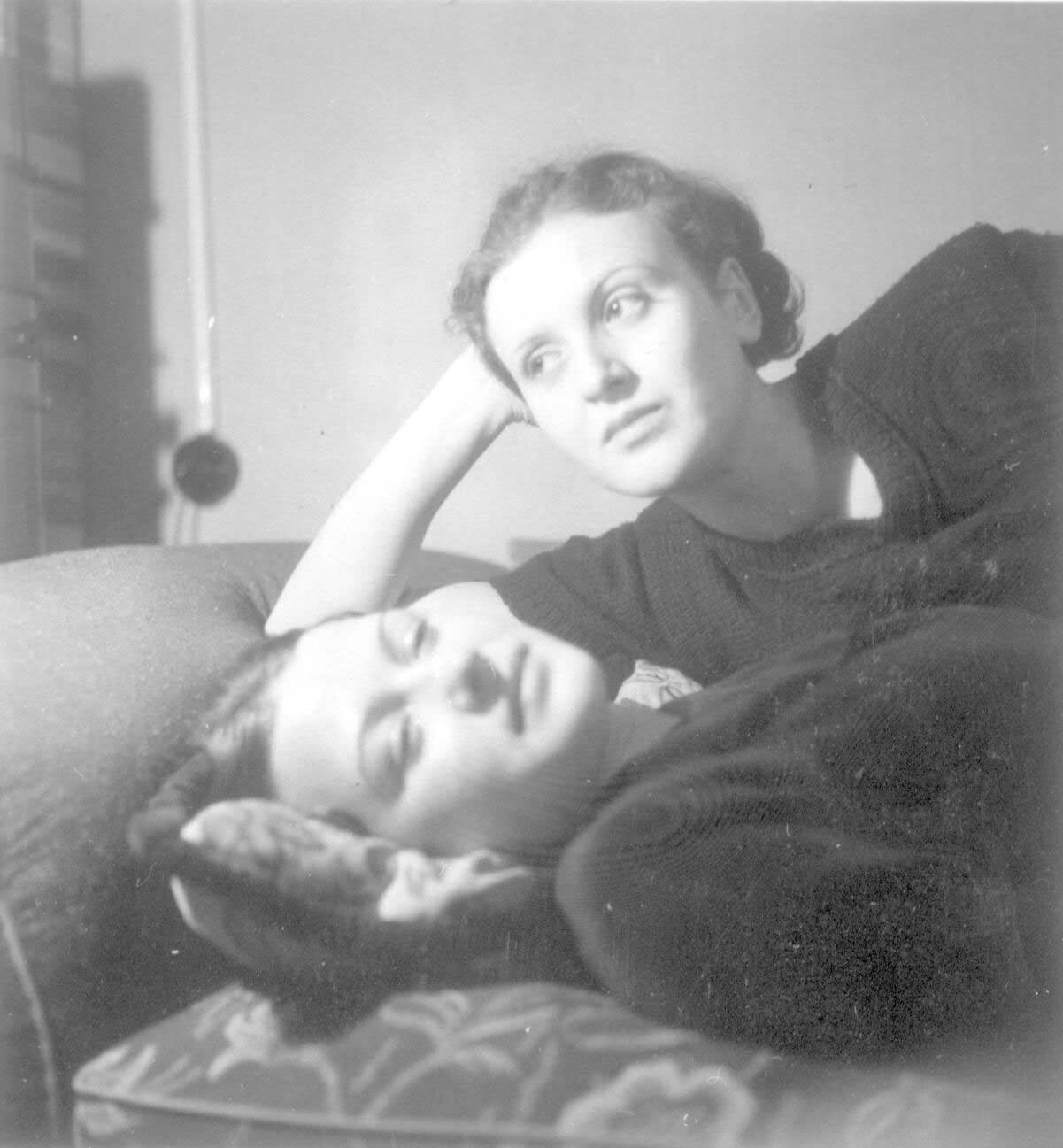
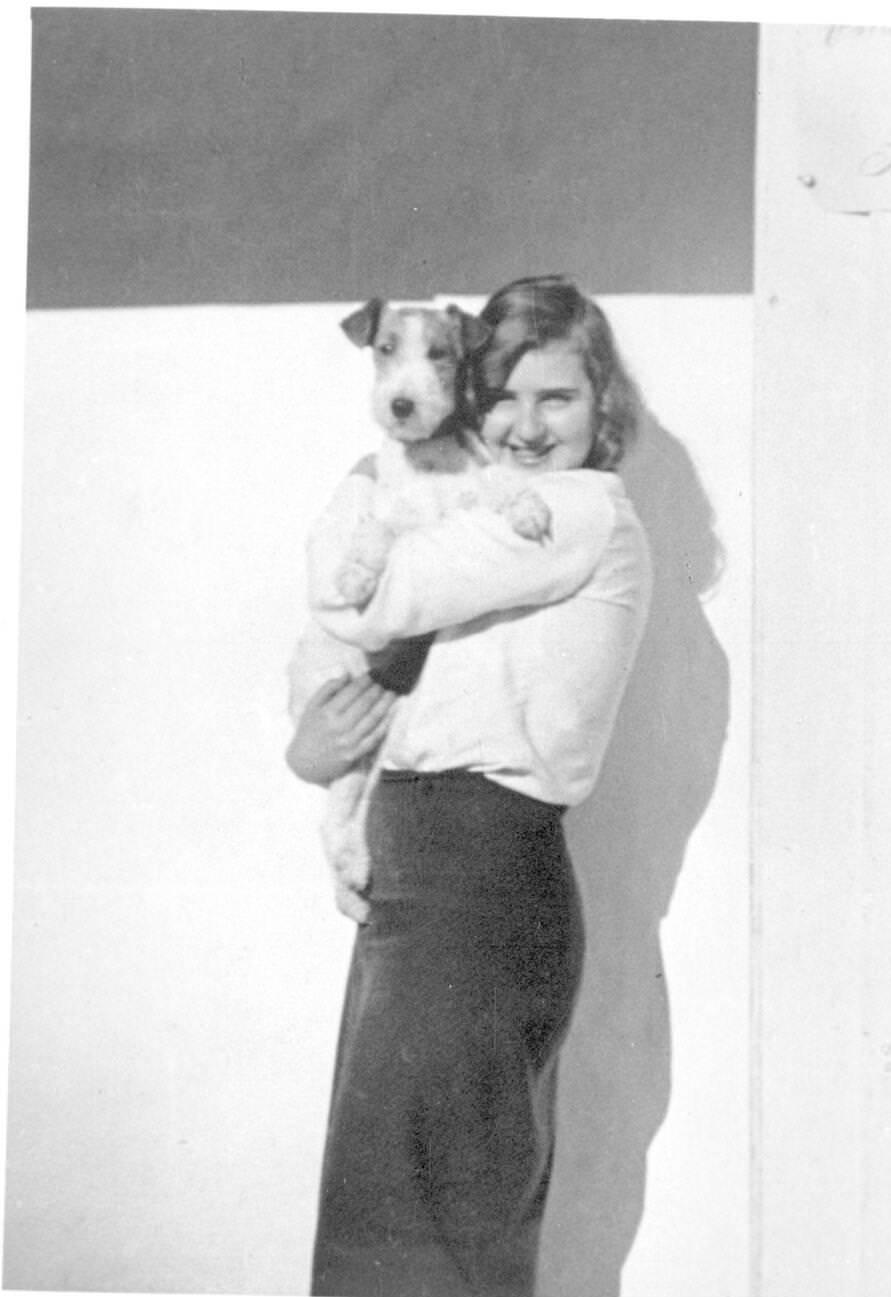
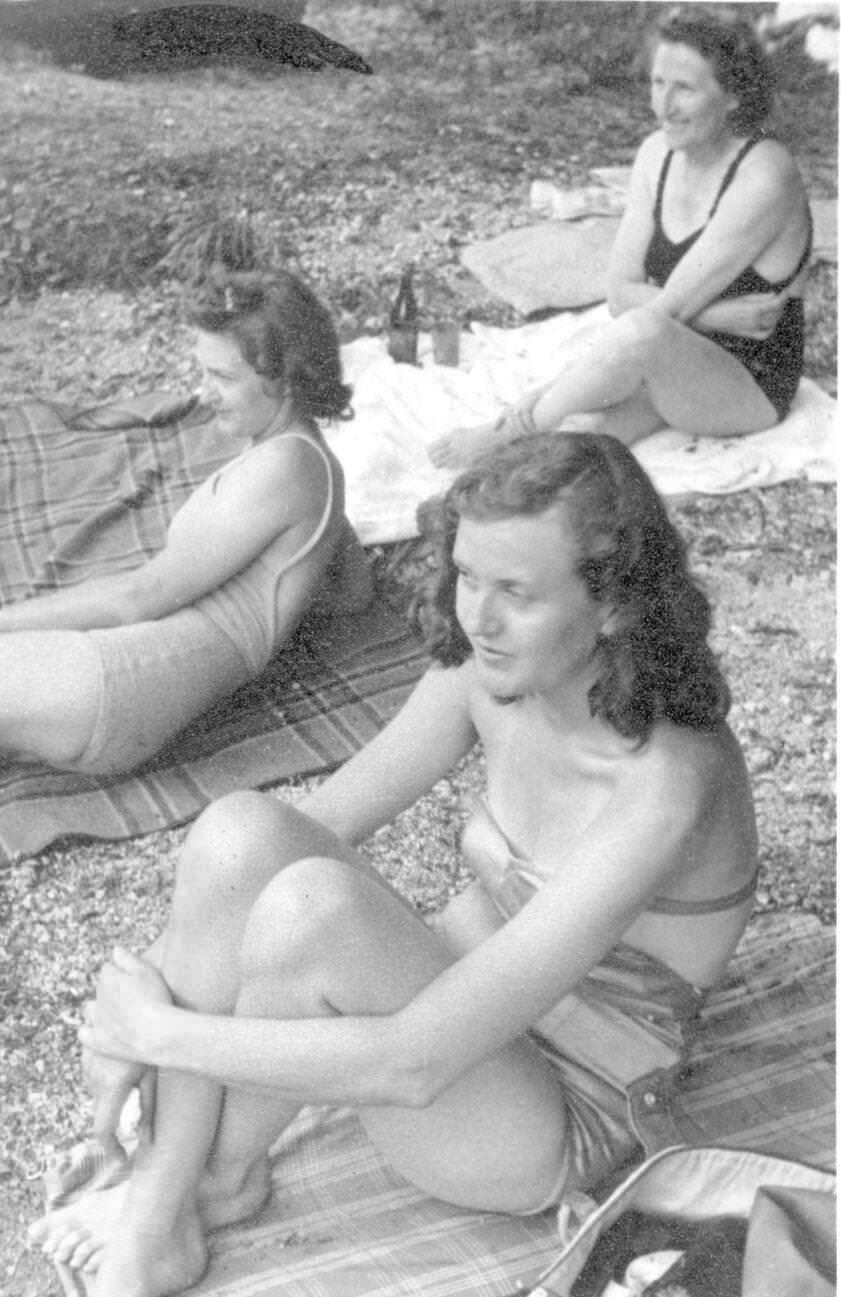
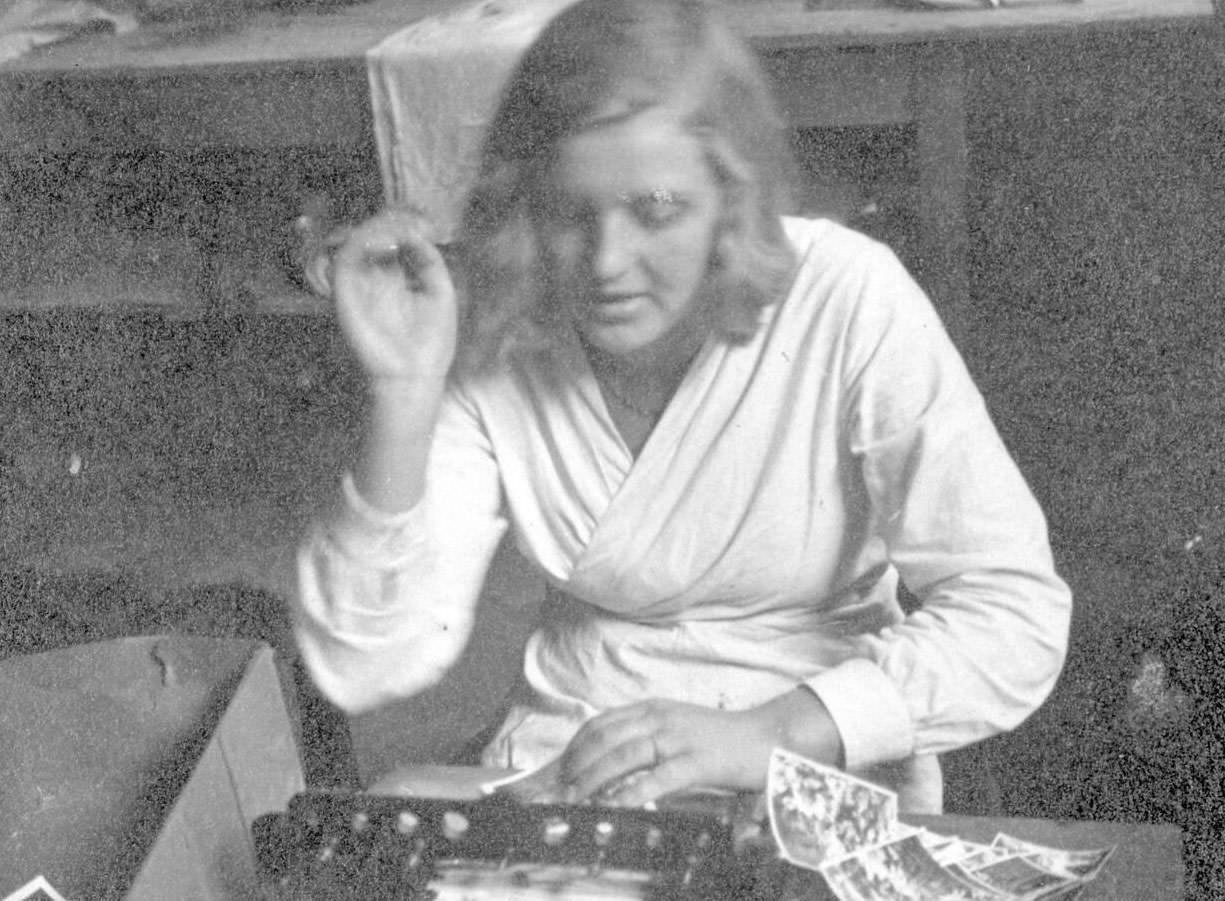
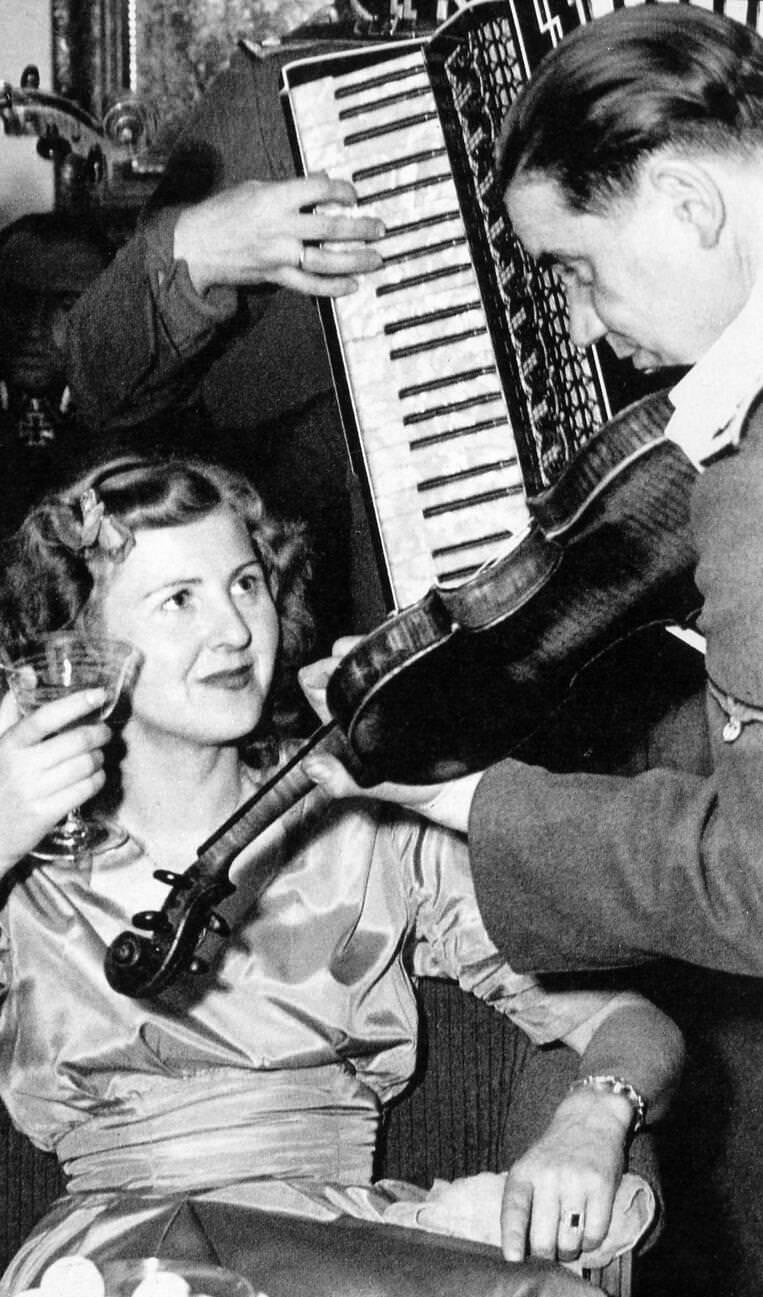
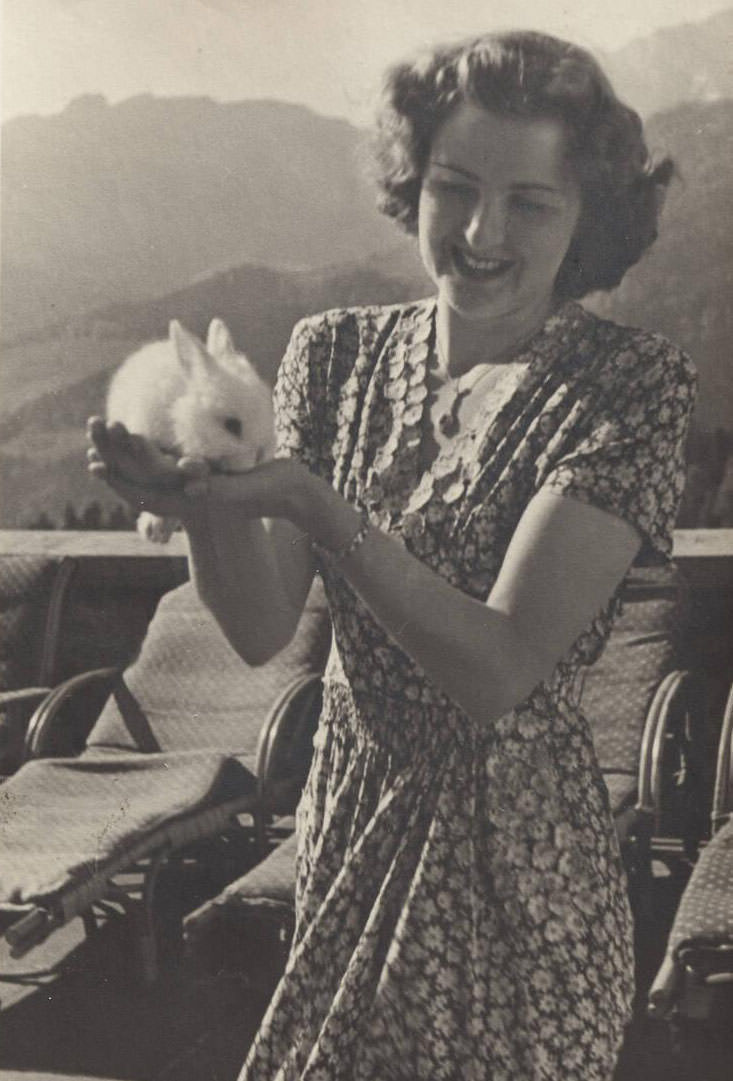
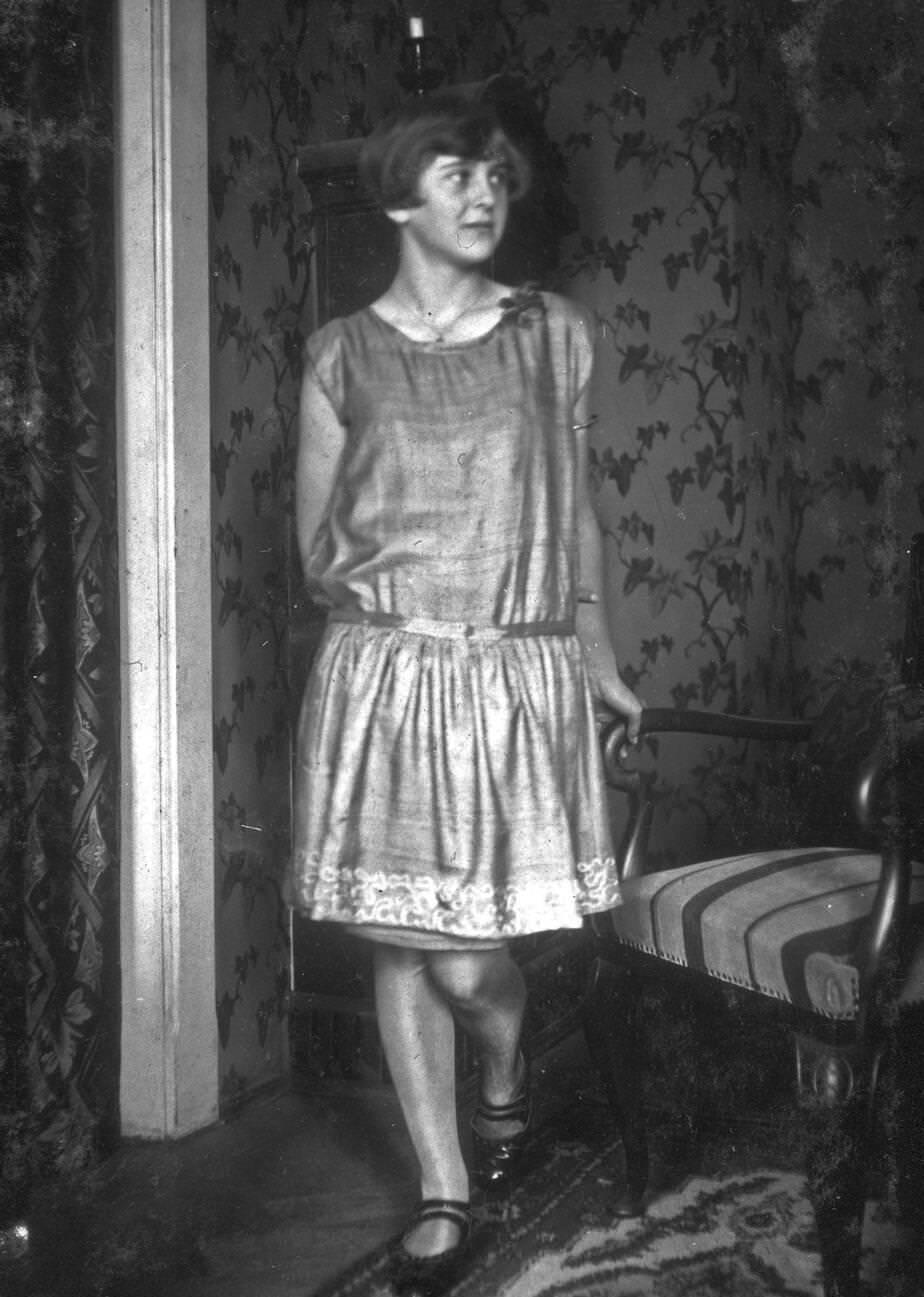
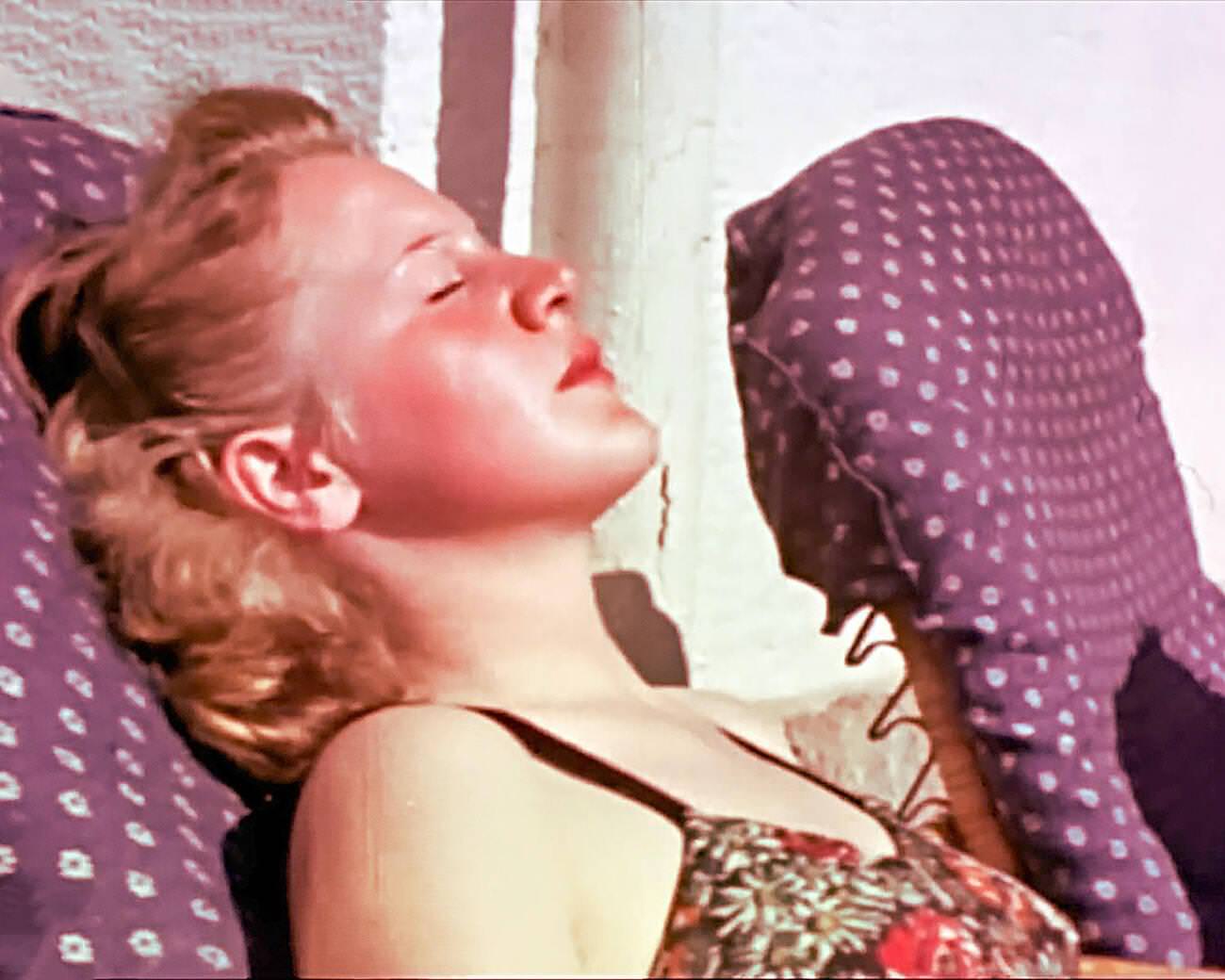





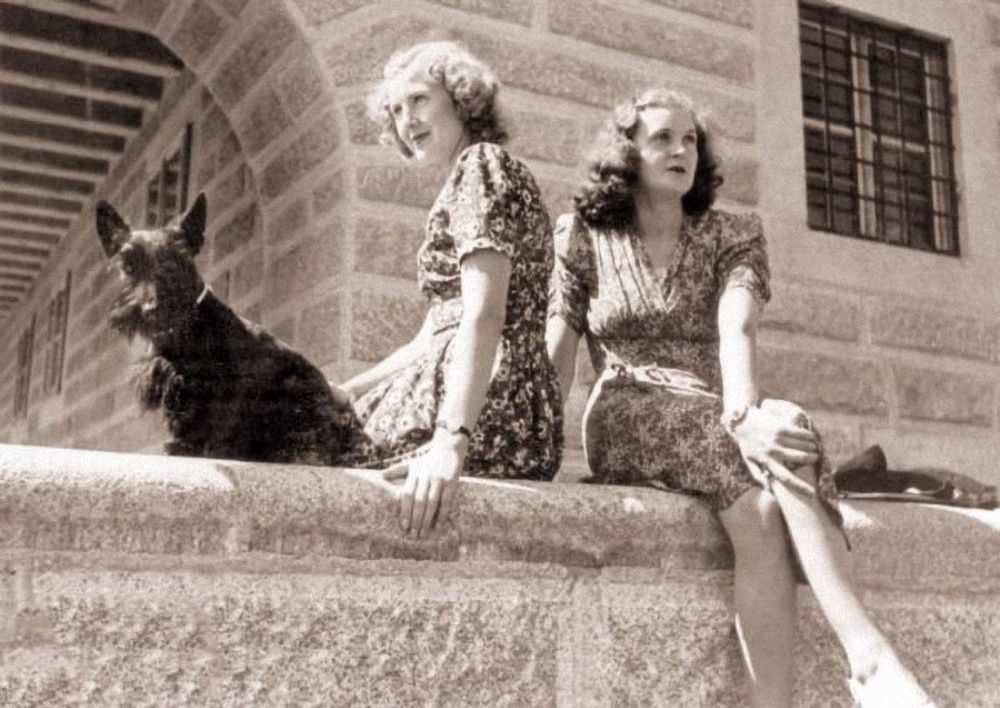
Four or five of the photos are of her sister Gretl not of Eva – #26 and #28 for example – this seems to happen a lot on various sites. Not sure why – they have a passing resemblance but are not identical.