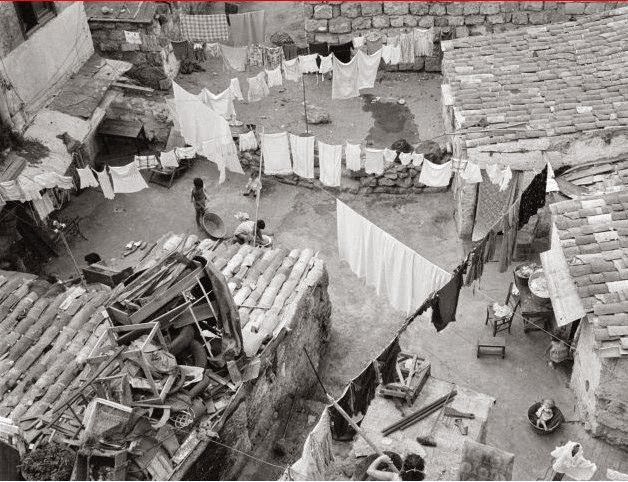
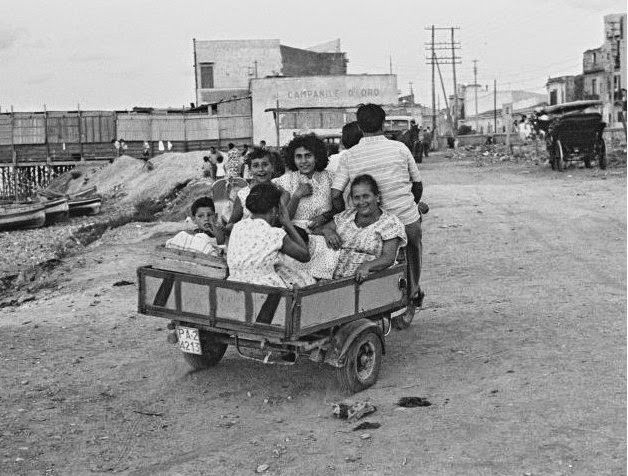
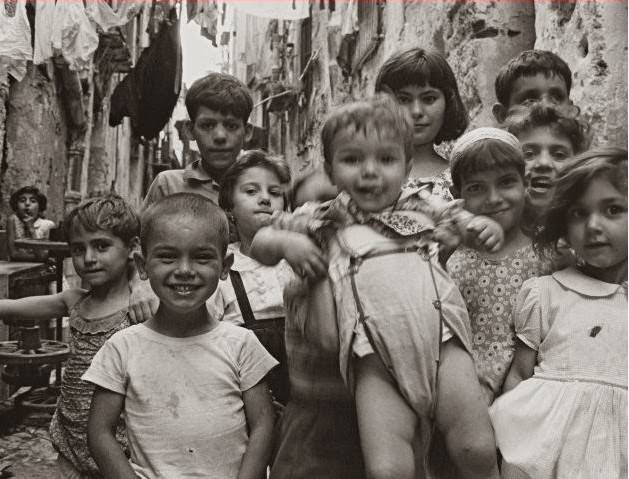
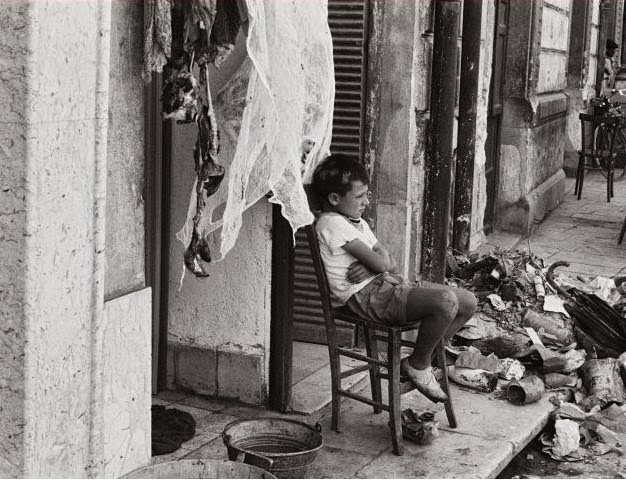
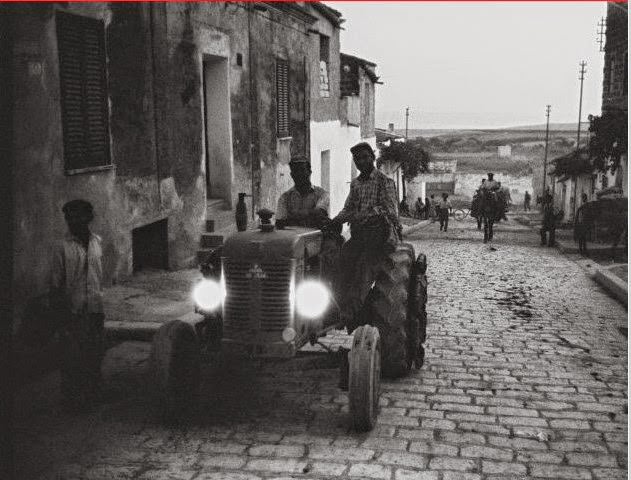
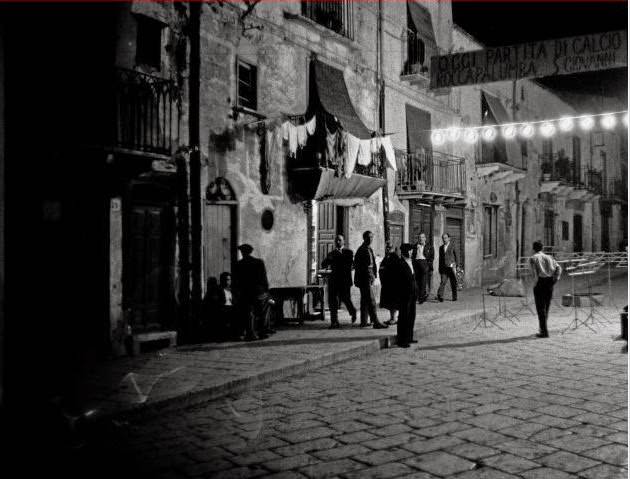
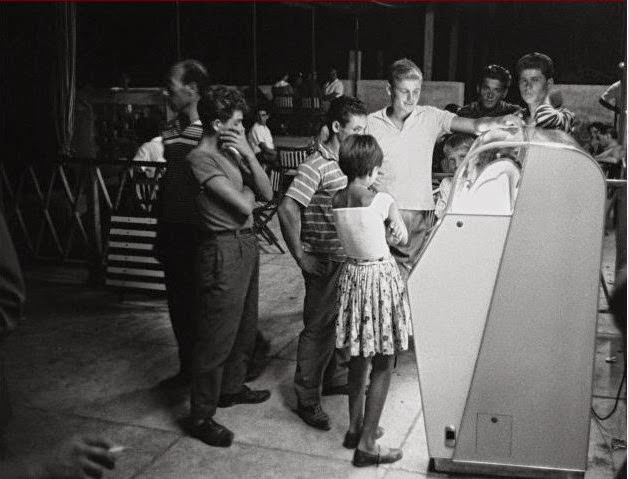
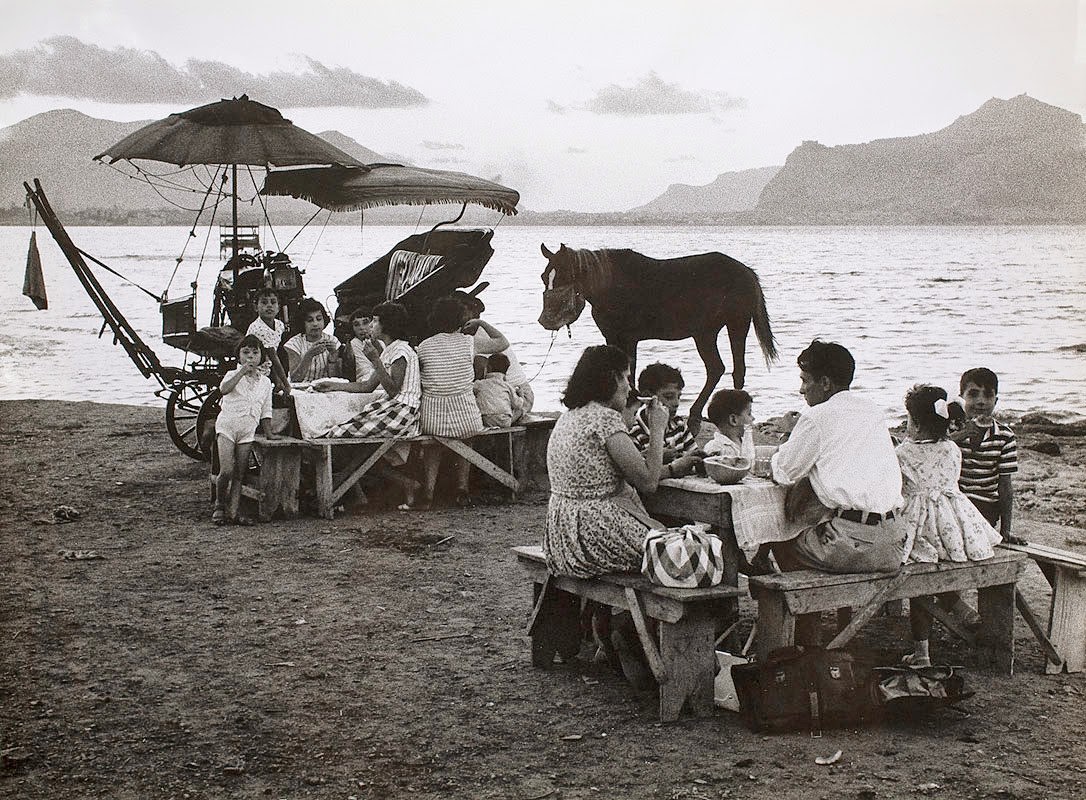
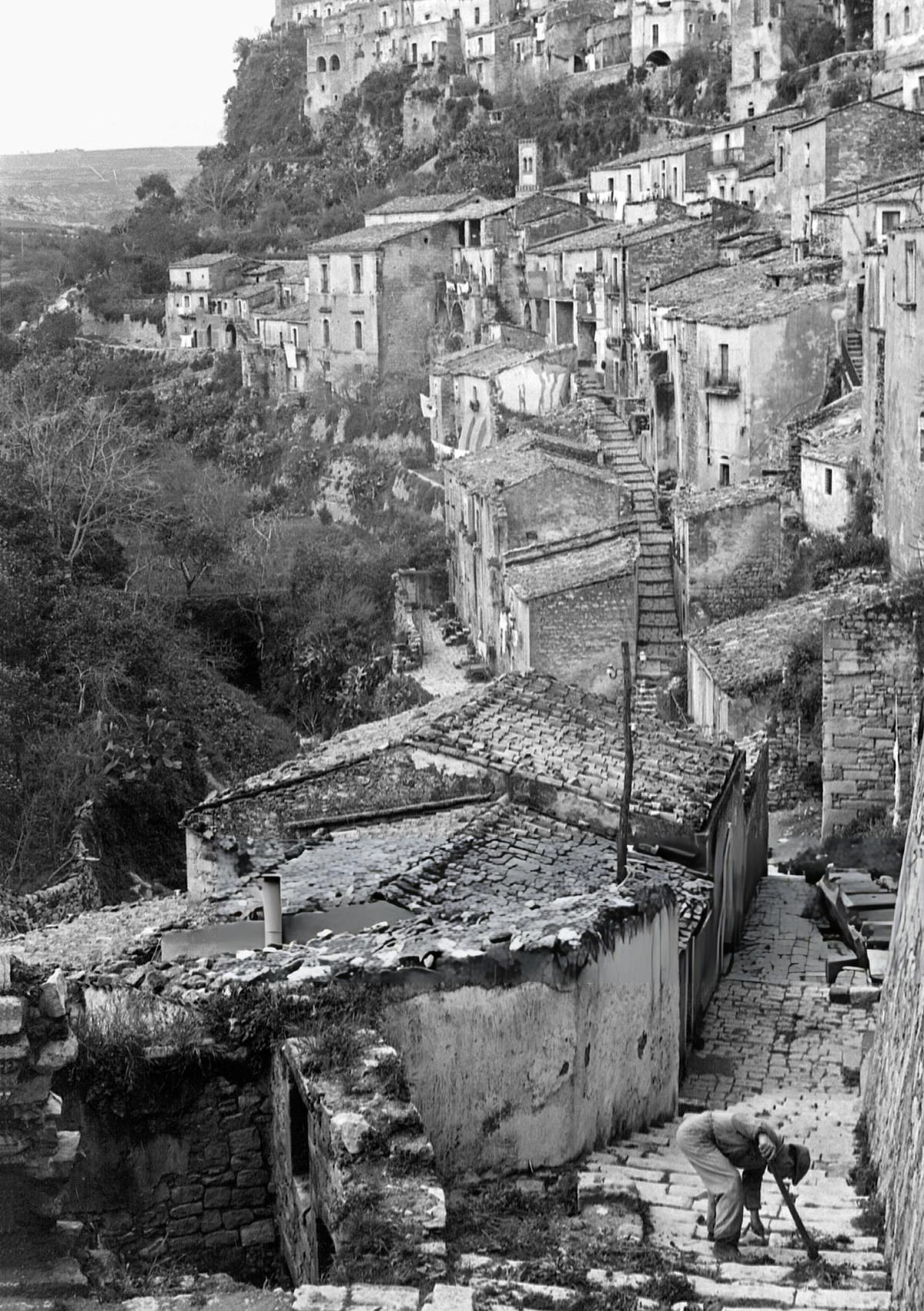
Sicily in the 1950s was a place caught between two worlds. The island was still deeply rural, with most of its people living in hilltop towns that had changed little in centuries. At the same time, new roads, government investment, and mass emigration were beginning to reshape everything. These vintage photos capture that moment in sharp detail.
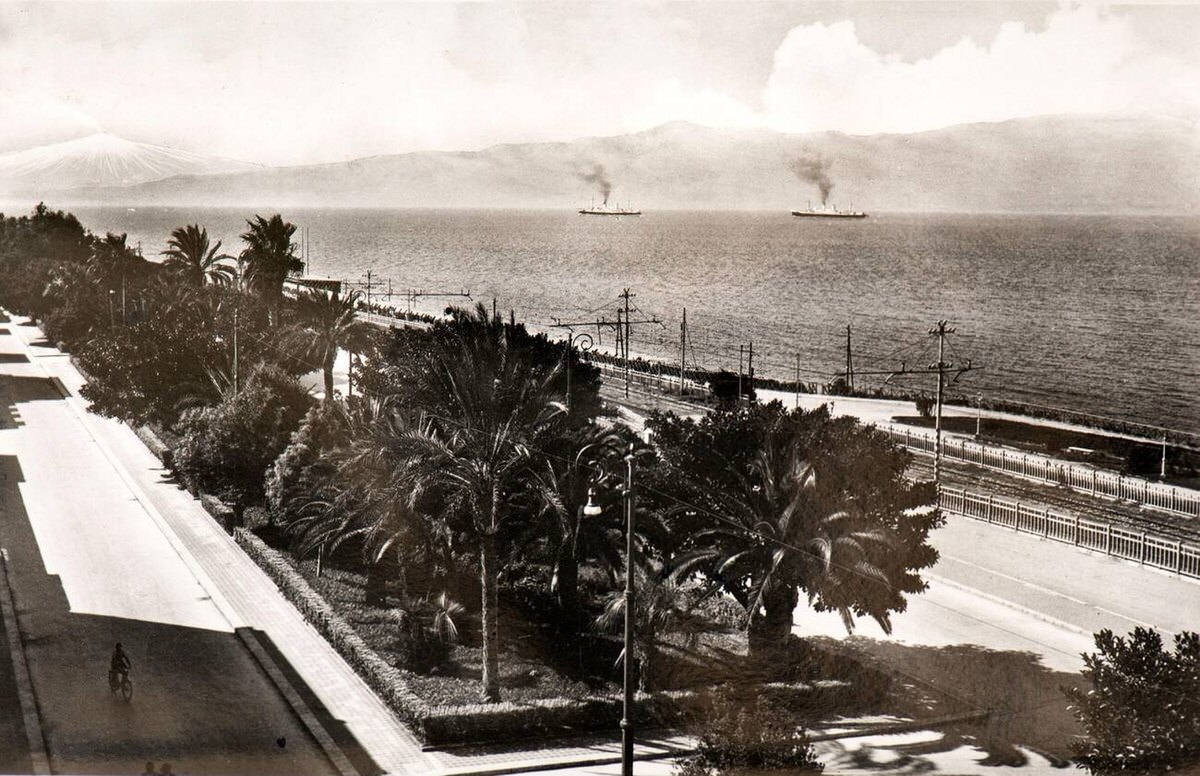
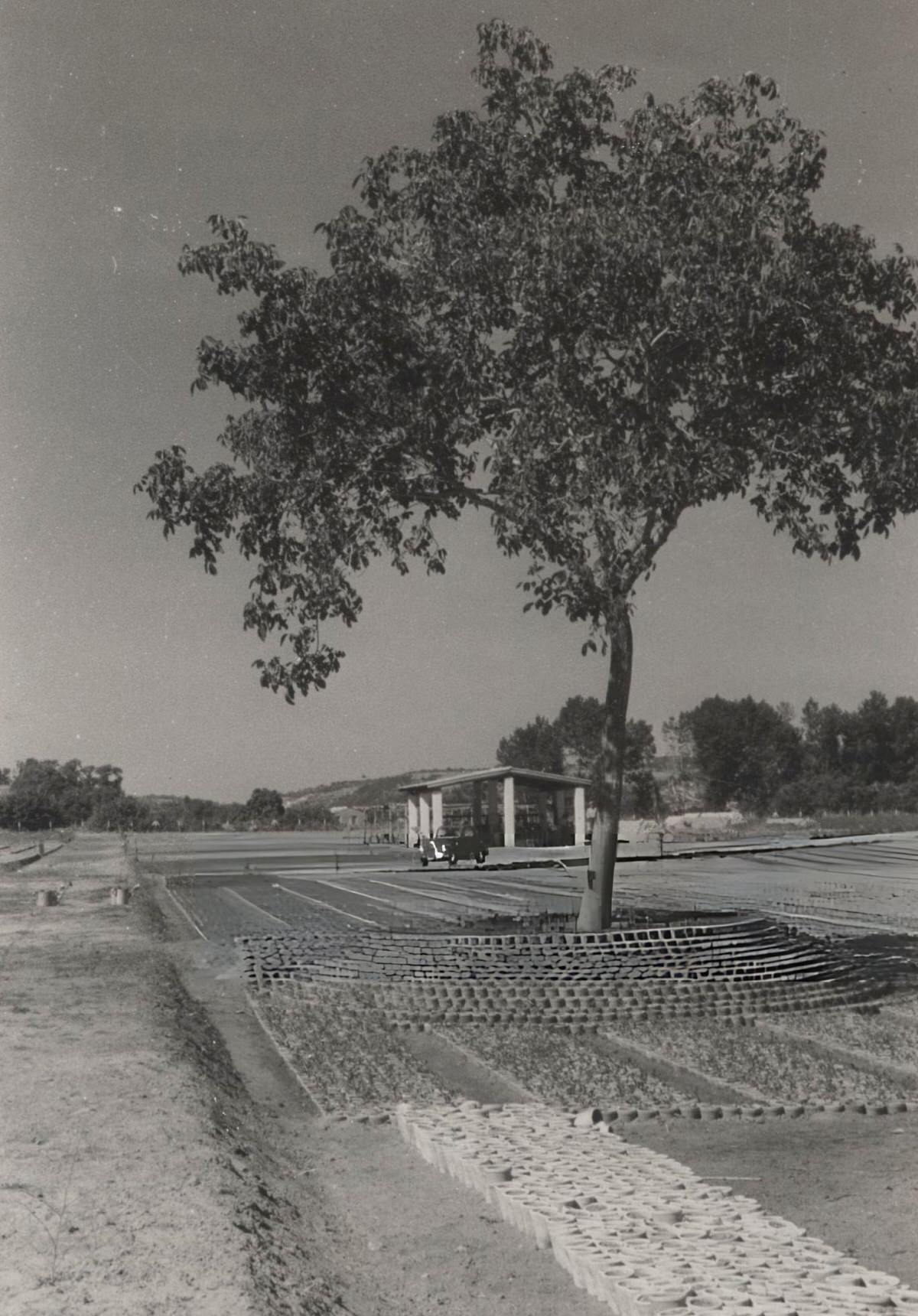
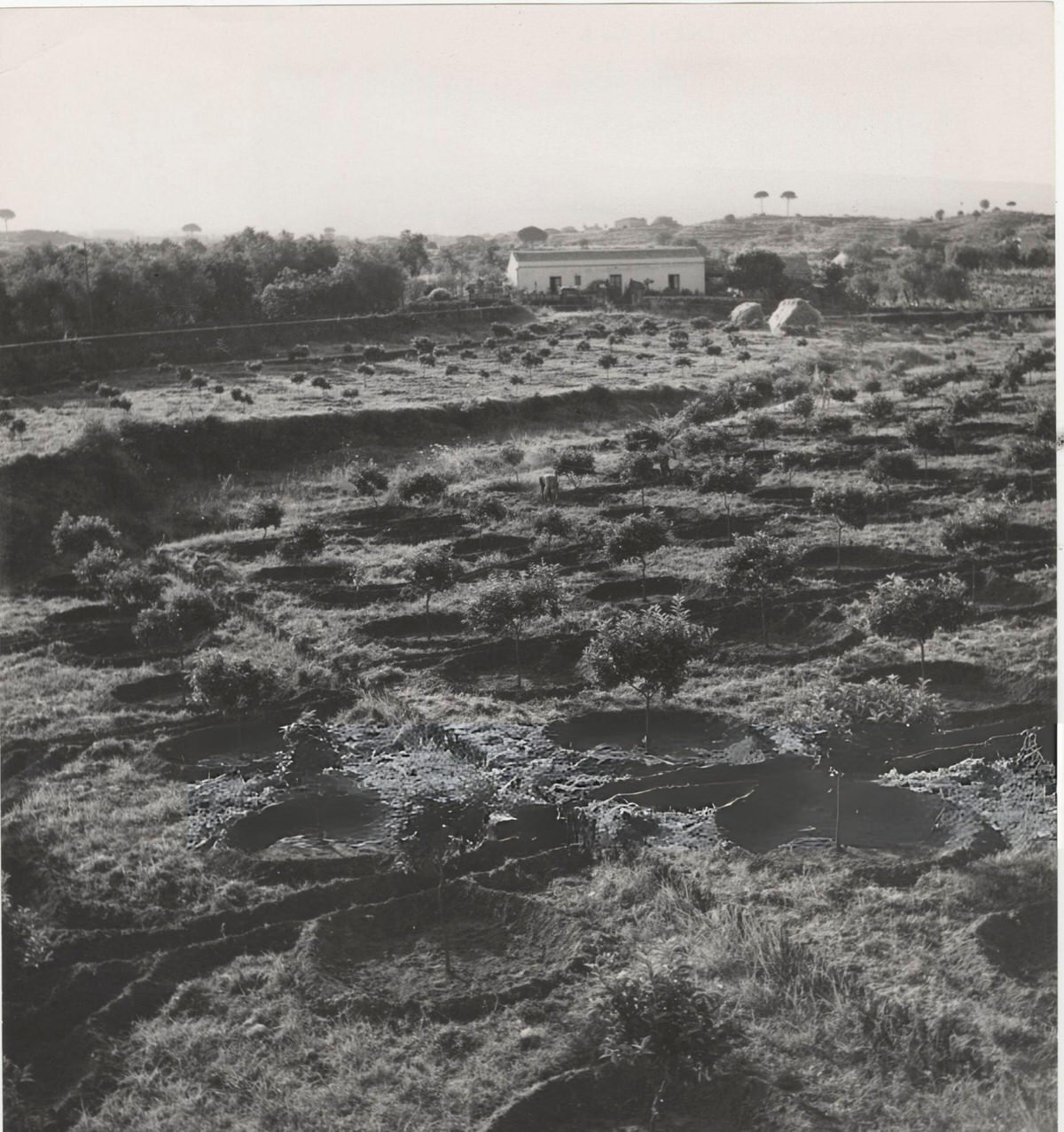
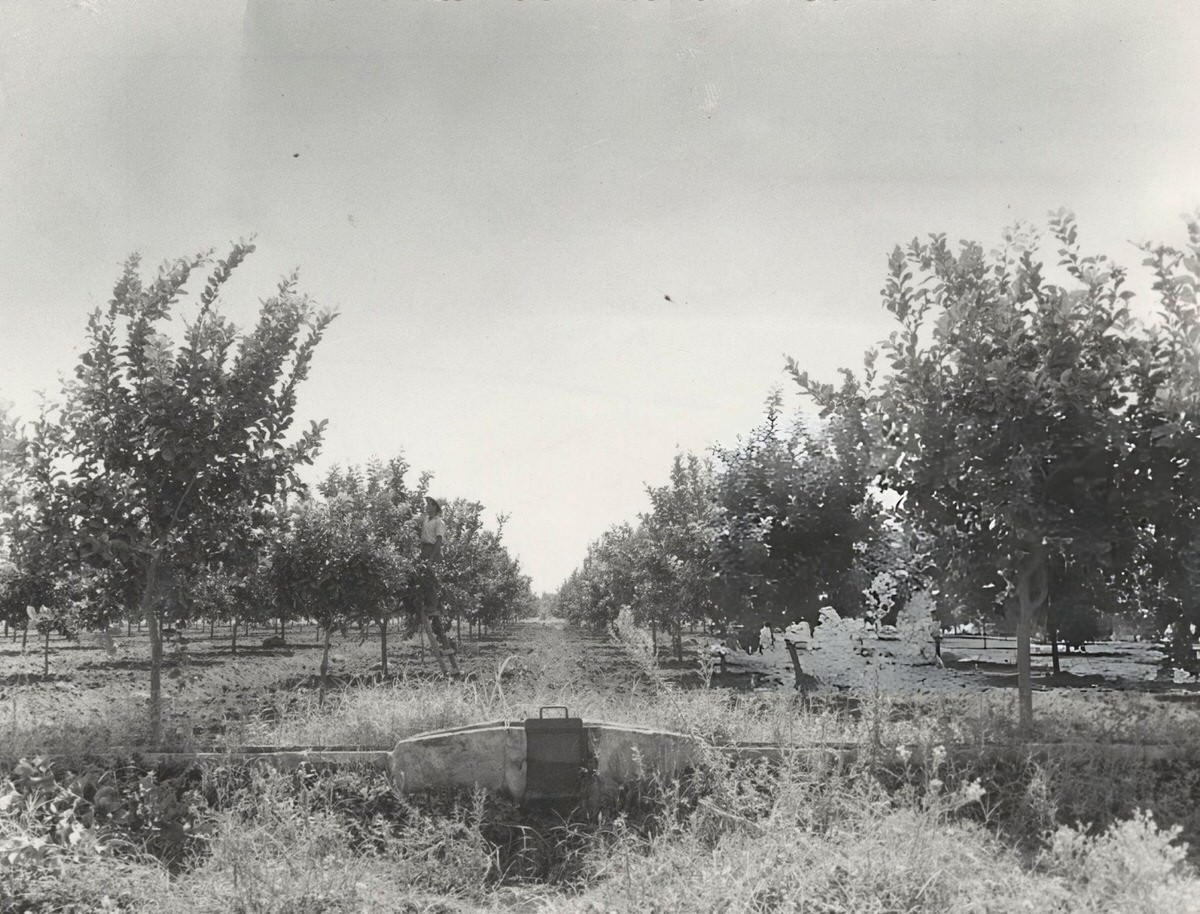
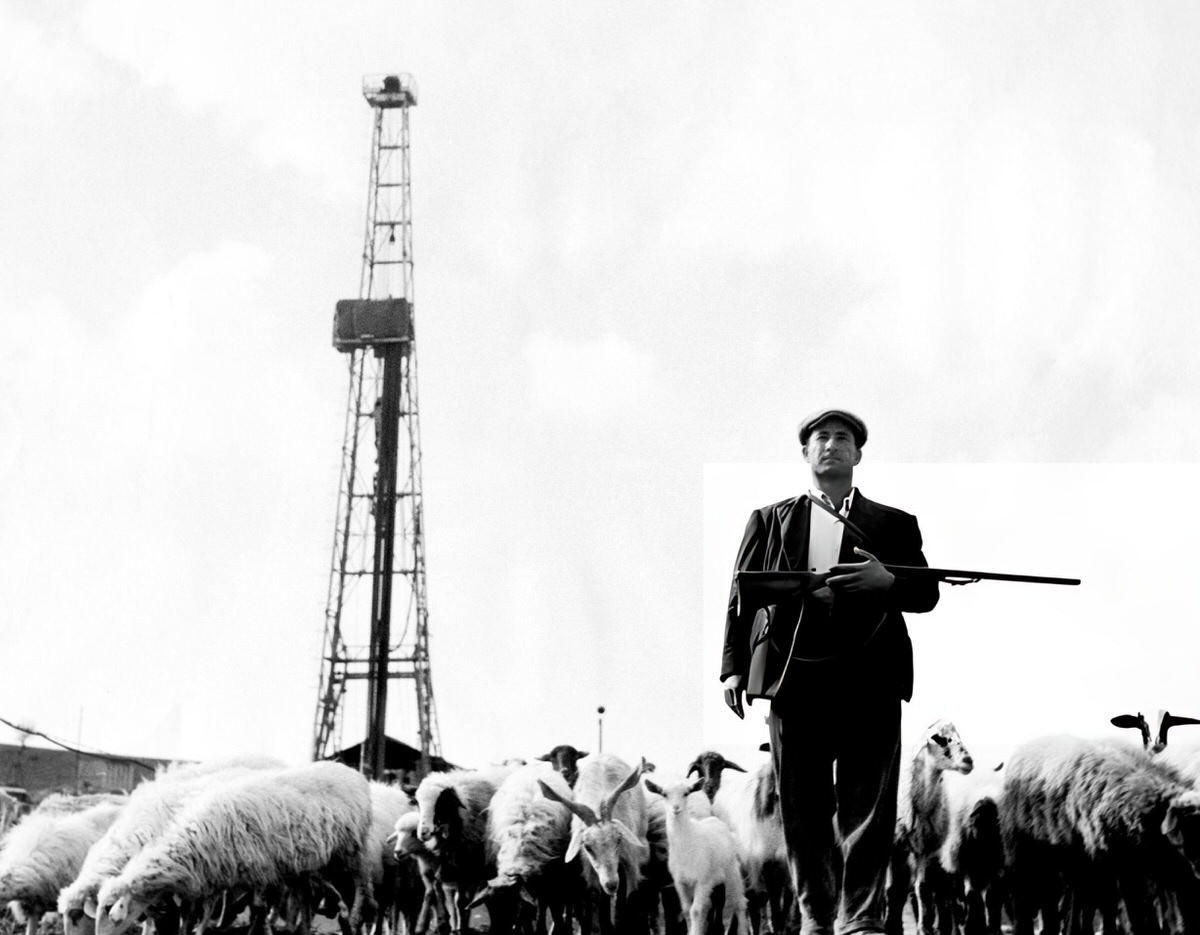
The backbone of the Sicilian economy was agriculture. Farmers grew hard durum wheat, lemons, oranges, and grapes. Most of them worked on vast estates called latifondi, owned by a small number of wealthy landlords. The 1950 Land Reform laws changed that, breaking up these large estates and distributing smaller parcels of land to peasant farmers. It was one of the most significant legal changes the island had seen in generations.
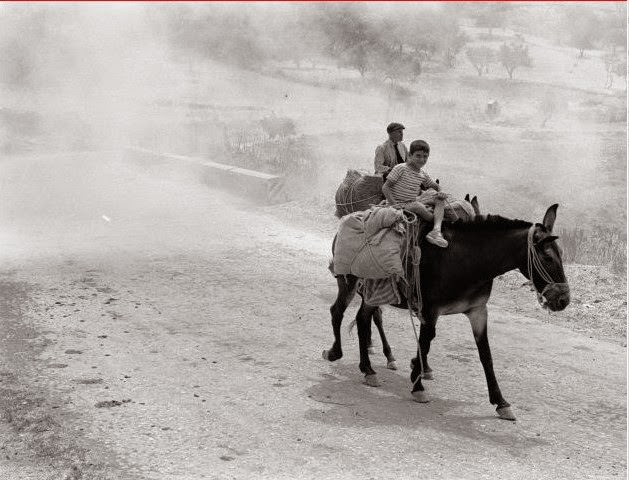
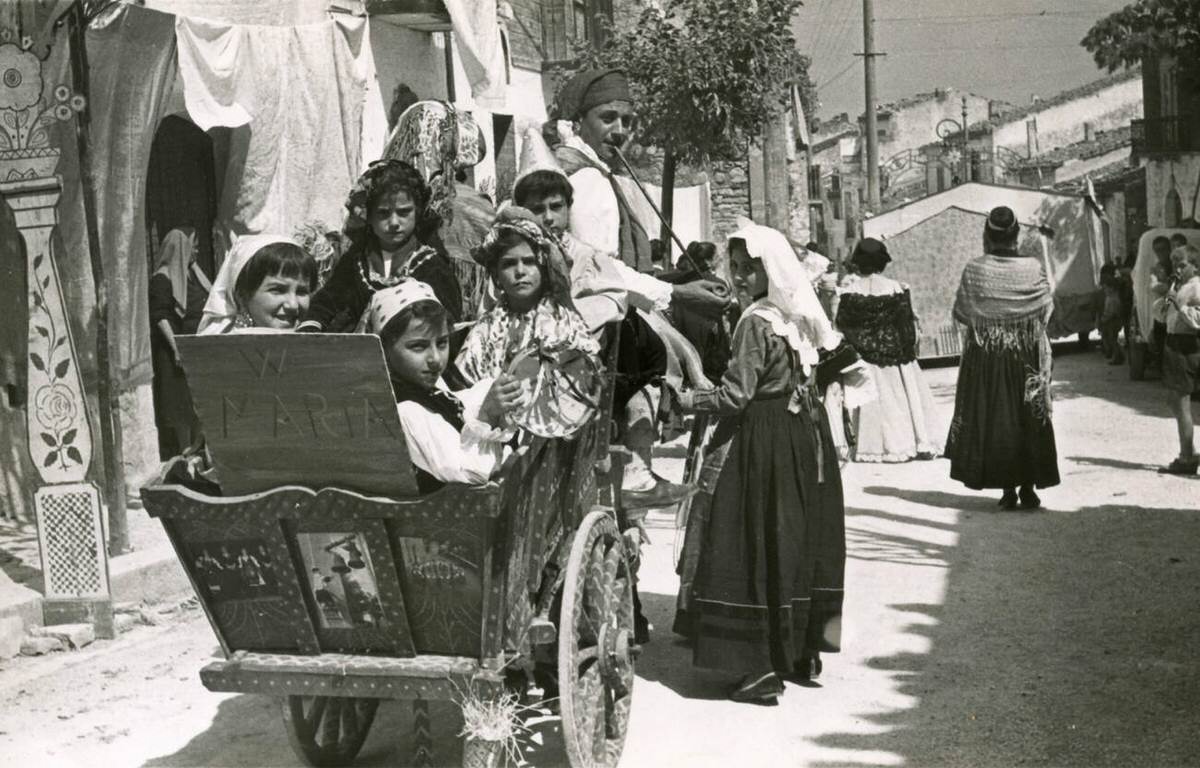
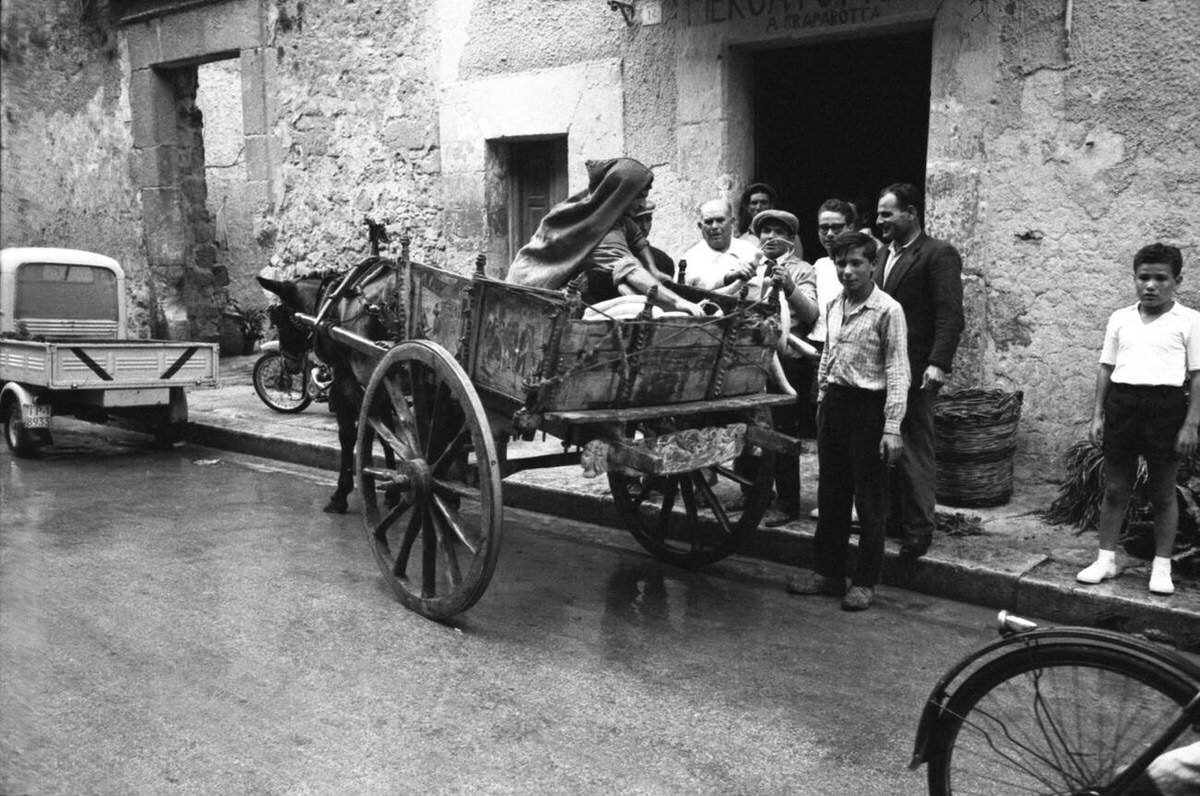
Before paved roads became common, donkeys and horses were the main form of transport across the island. The carretto siciliano — the traditional Sicilian wooden cart — was a fixture on dusty roads. These carts were hand-carved and painted with vivid scenes from history and mythology, making them small works of art used as everyday tools.
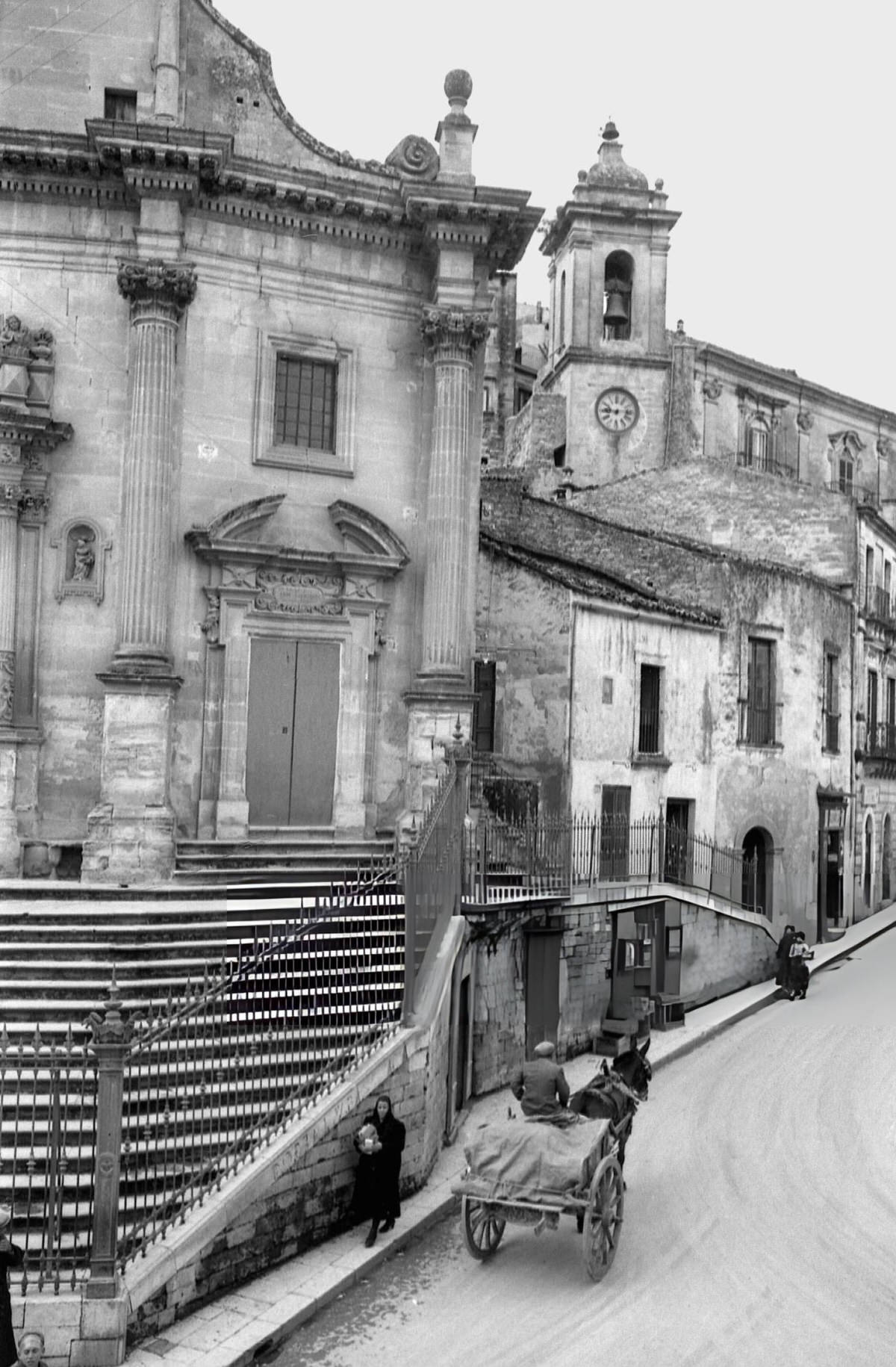
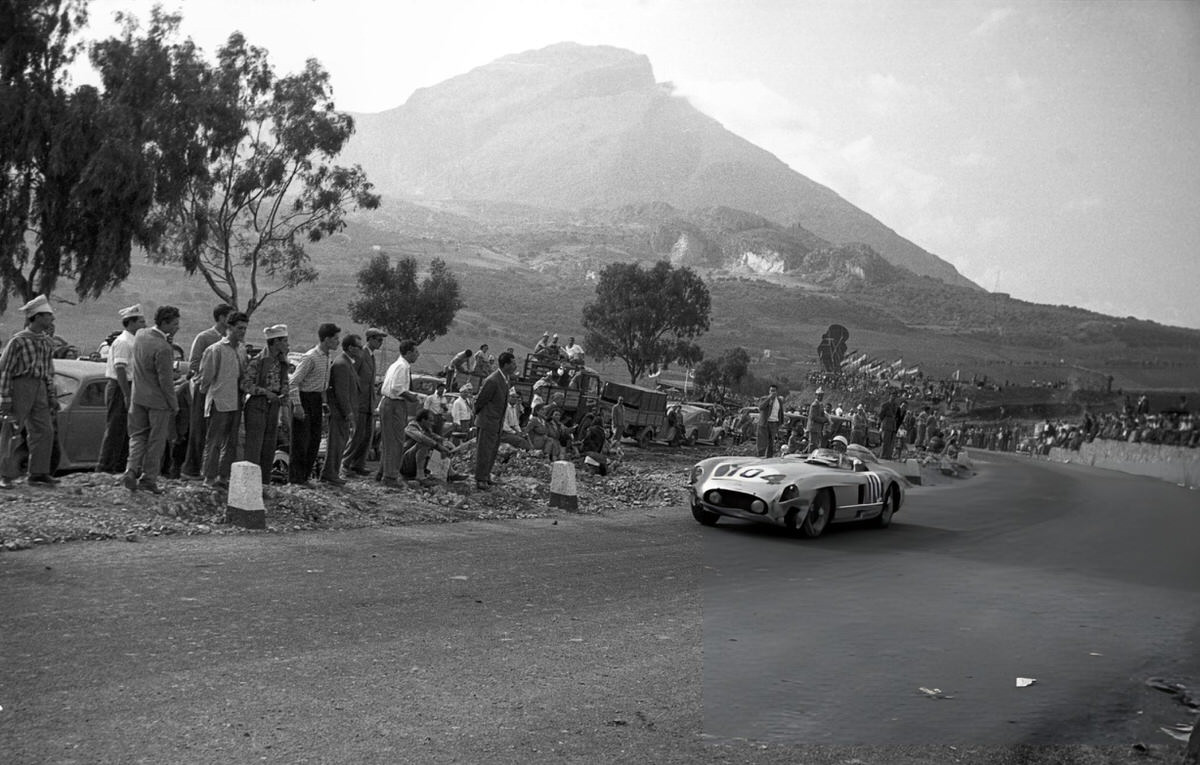
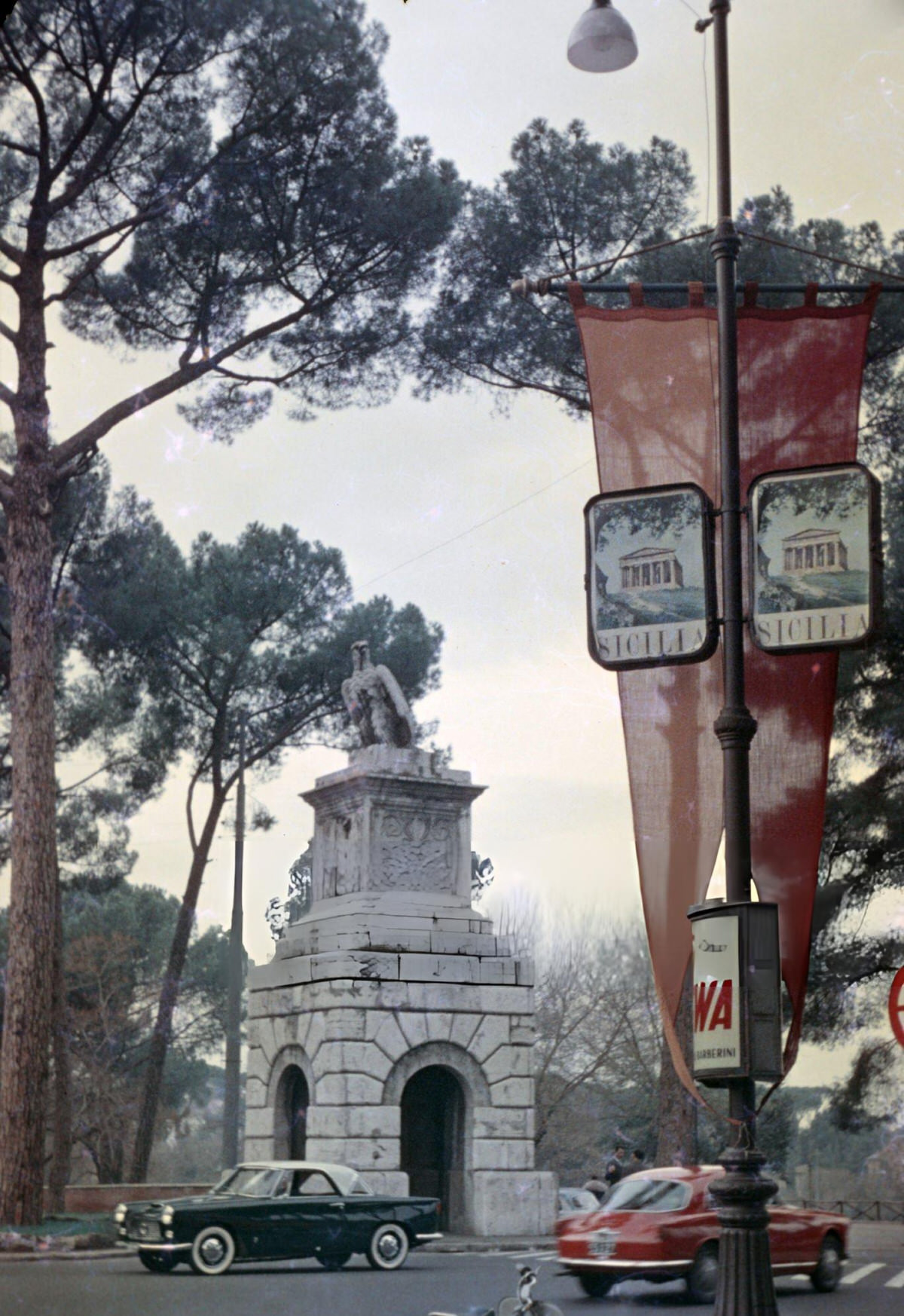
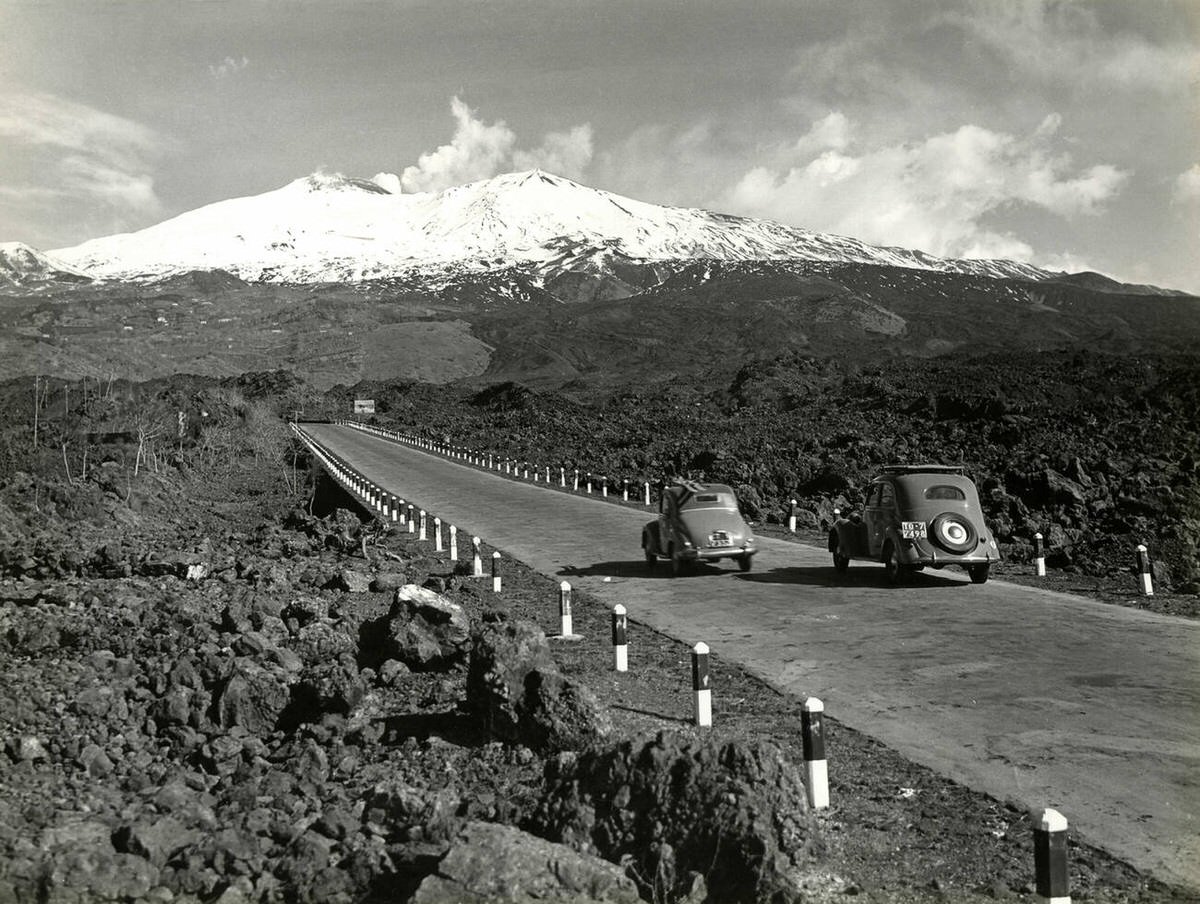
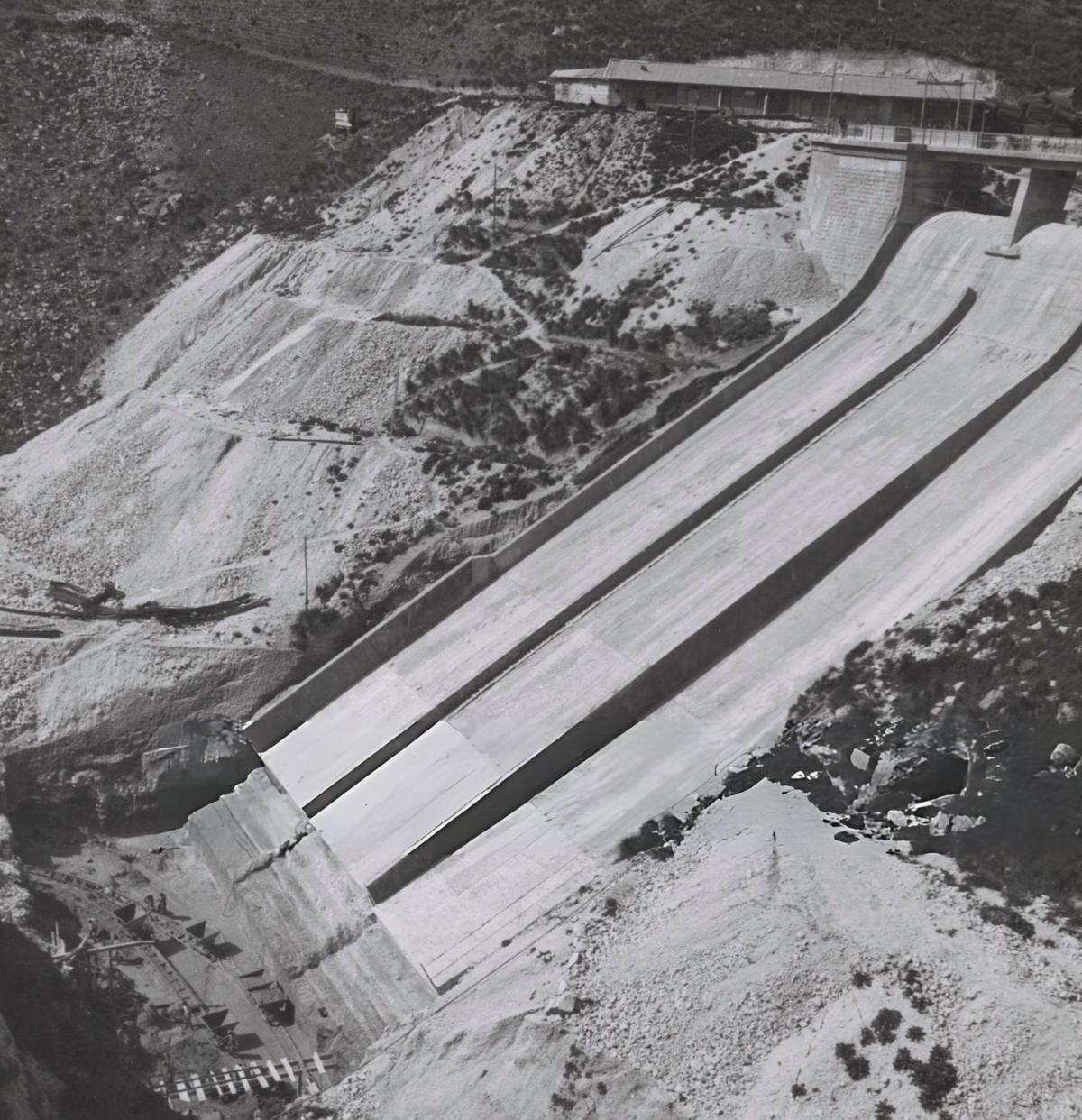
The Italian government addressed Sicily’s lack of infrastructure through the Cassa per il Mezzogiorno, a development fund specifically for southern Italy. It paid for paved highways, irrigation systems, and dams that brought electricity to remote areas. The Fiat 500 and the Vespa scooter began appearing on these new roads, slowly replacing the horse and cart as the preferred way to travel.
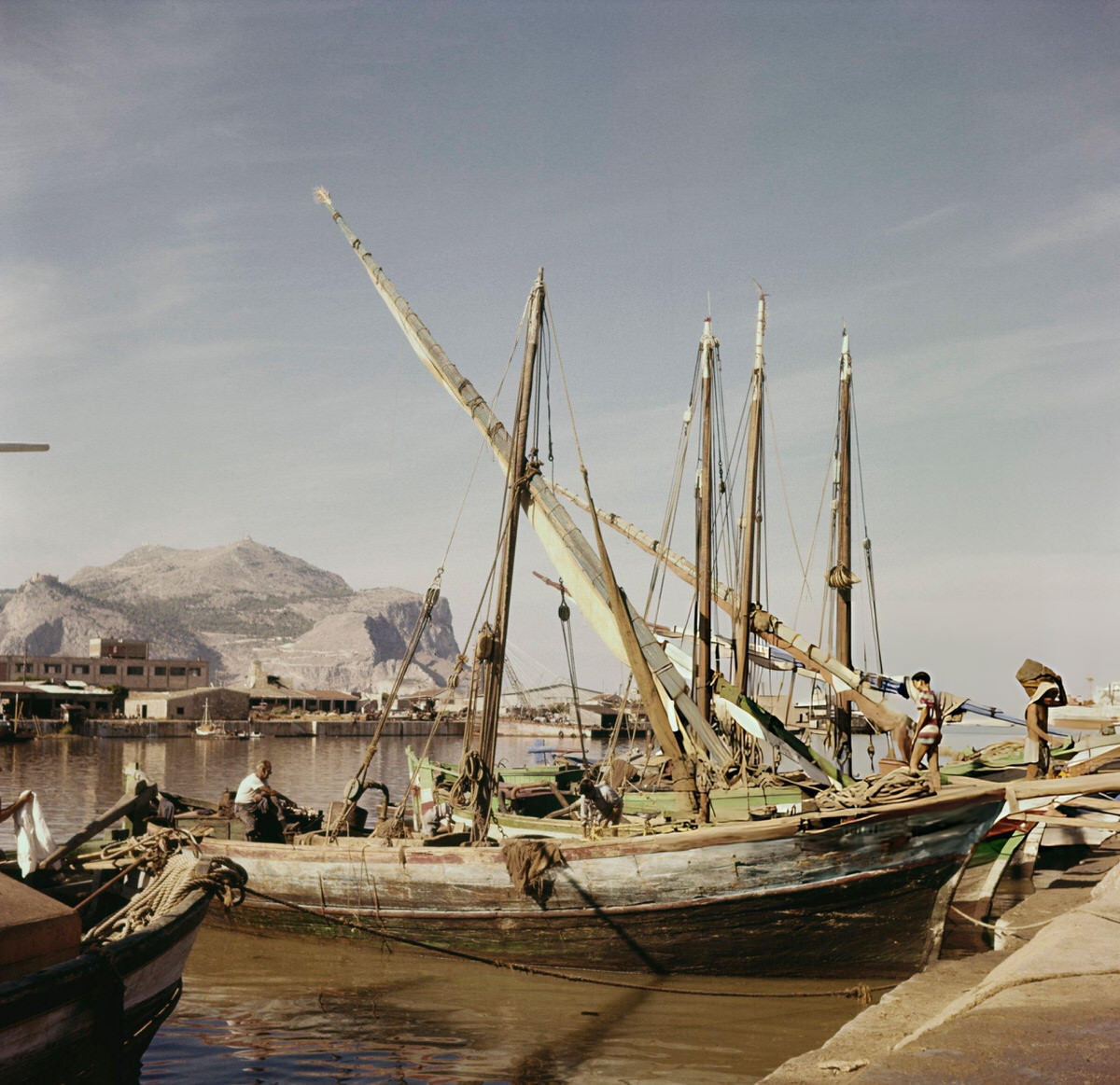
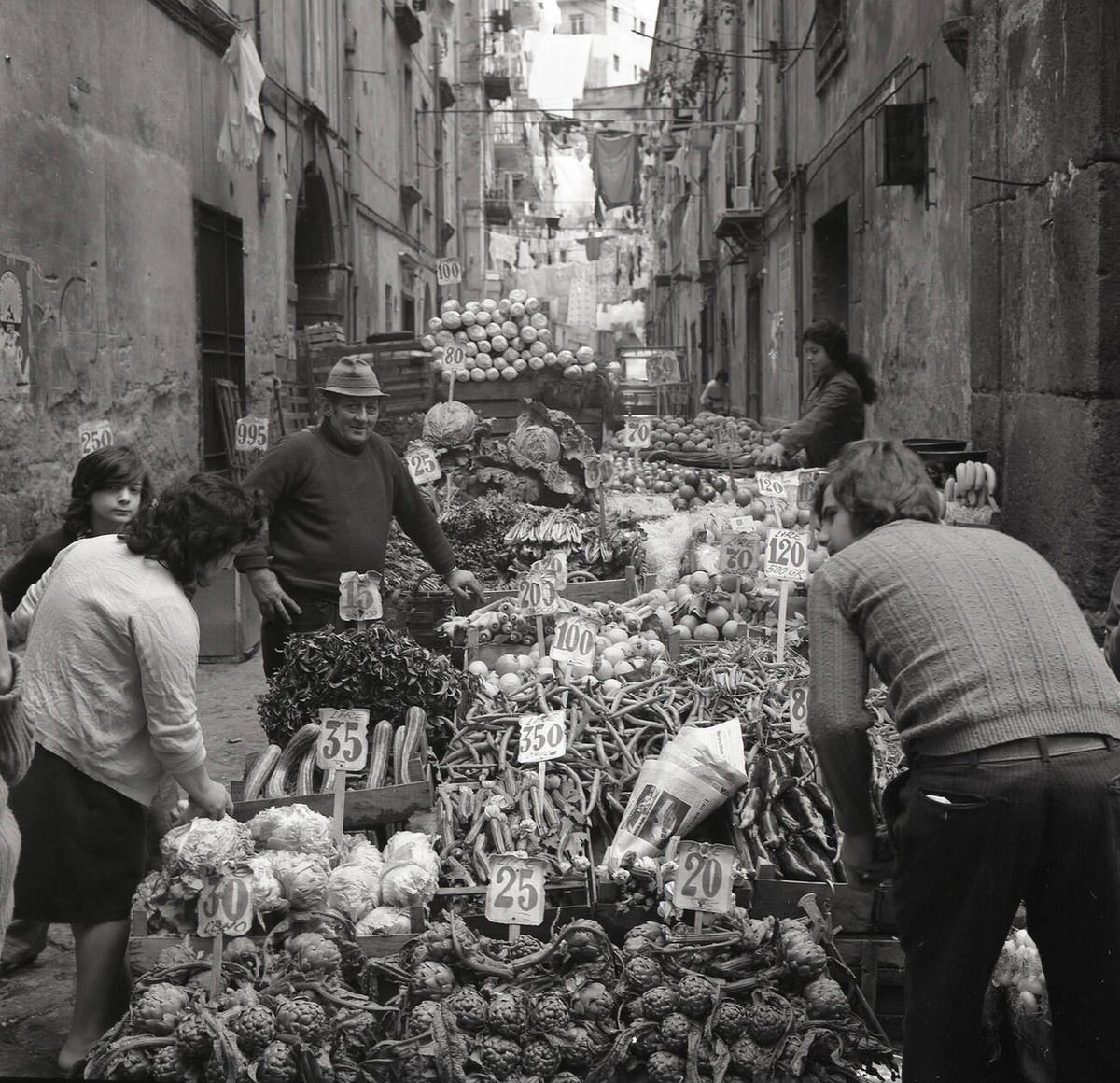
Palermo was the island’s administrative and cultural heart. World War II bombing had left large parts of the city in ruins, and the 1950s brought rapid reconstruction. New concrete apartment blocks went up quickly, often replacing historic villas and citrus gardens on the city’s edges. This rebuilding was largely unregulated, and much of Palermo’s historic green space was lost permanently during this period. The Vucciria market stayed open through all of it, with fishmongers shouting over crowds and selling fresh tuna and swordfish every morning.
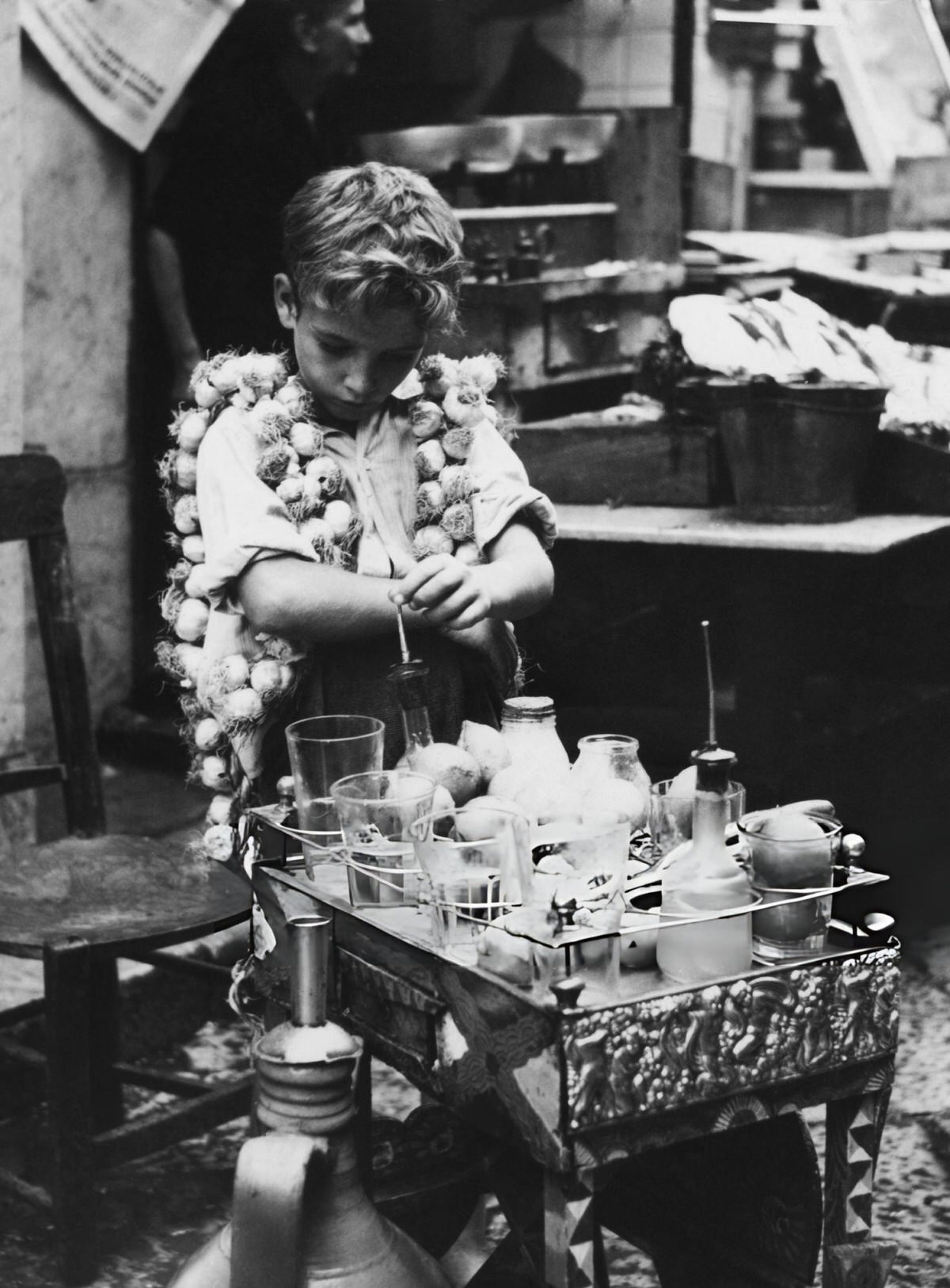
Social life followed strict traditional codes. Men gathered in social clubs or stood in the town piazza during their free time. Women’s lives centered on the home and the church. Black mourning dress was a common sight — widows and female relatives often wore it for years after a death in the family. Marriage was a formal arrangement between families, and girls prepared their corredo, a dowry of handmade linens and clothes, from a young age.
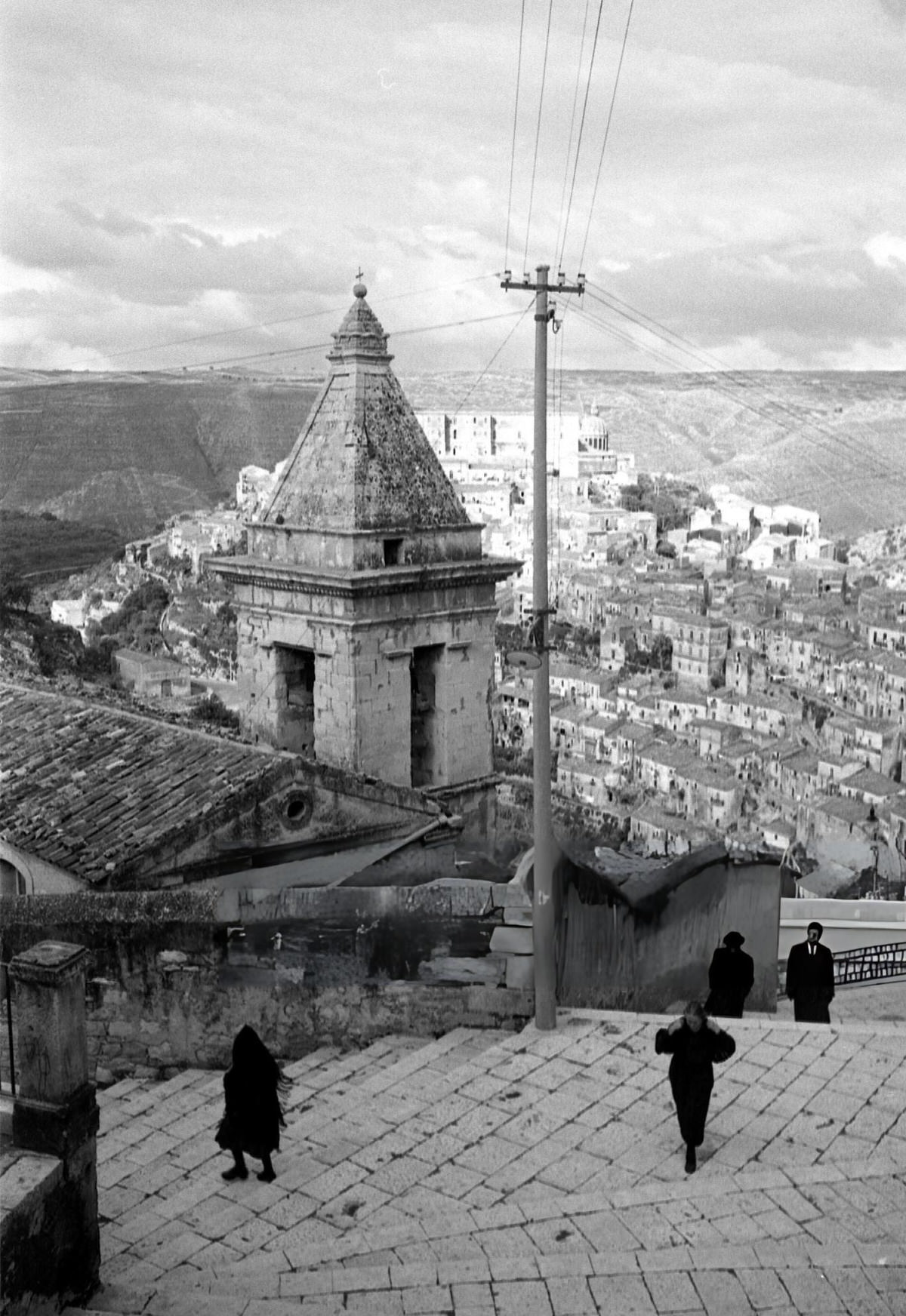
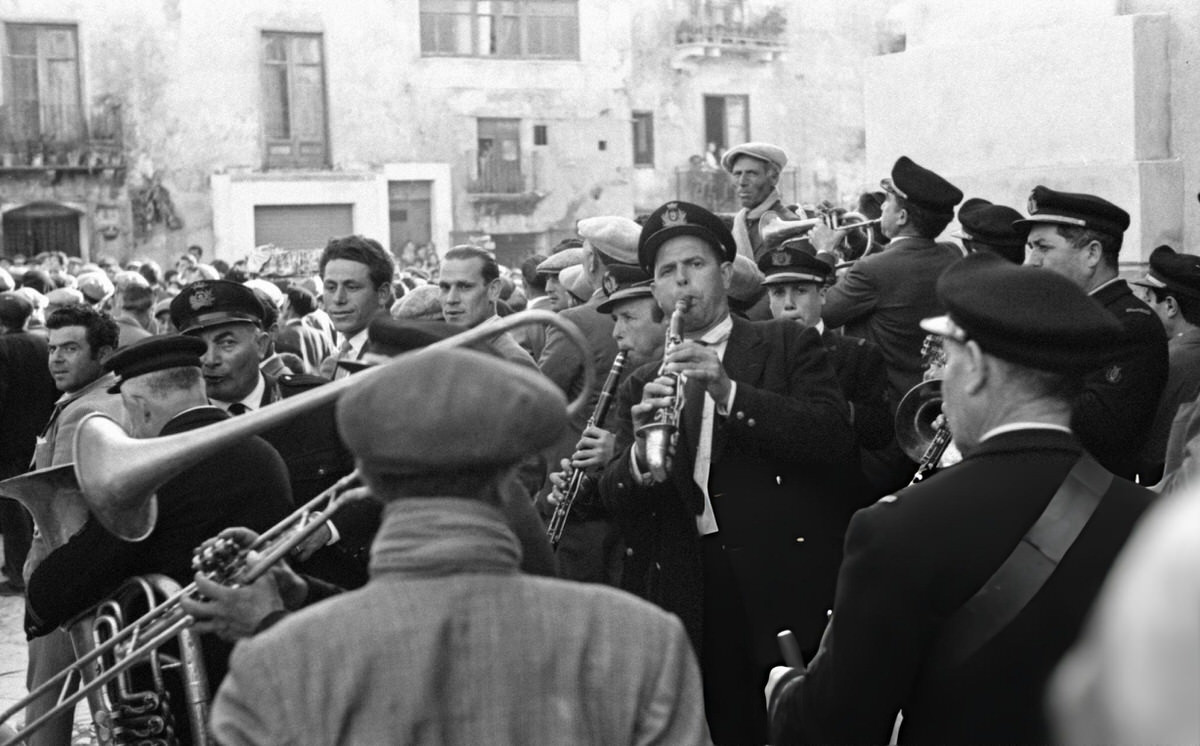
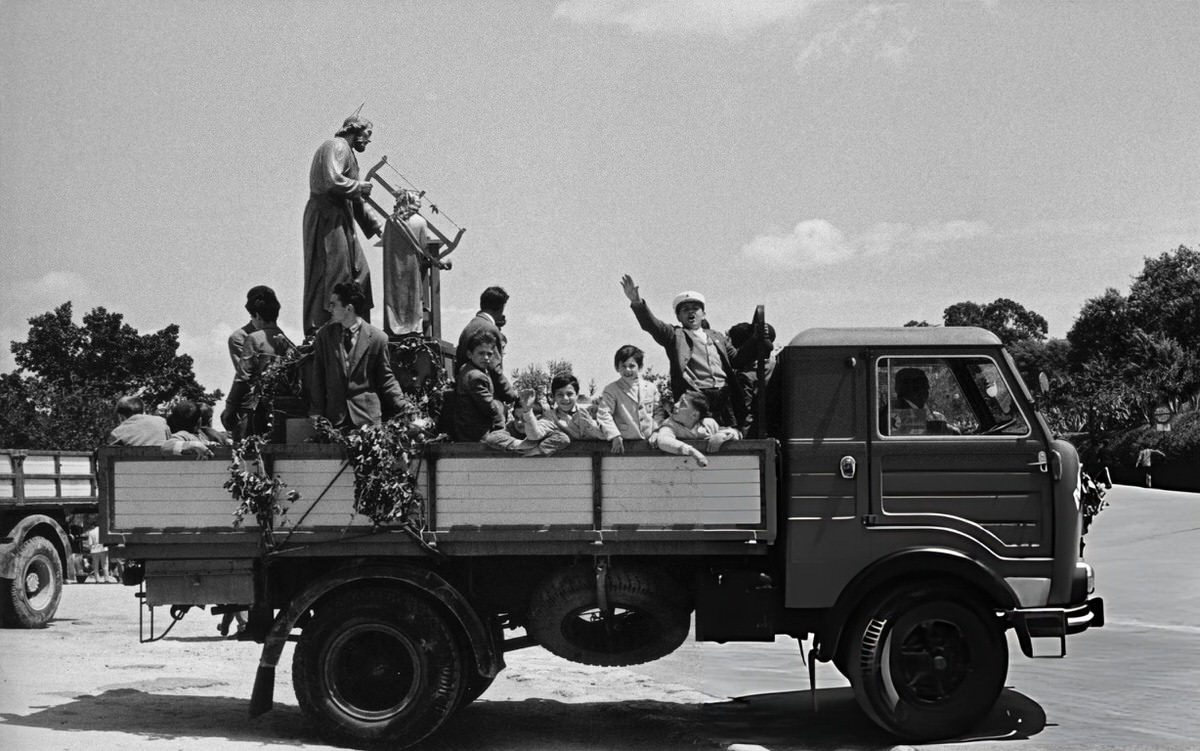
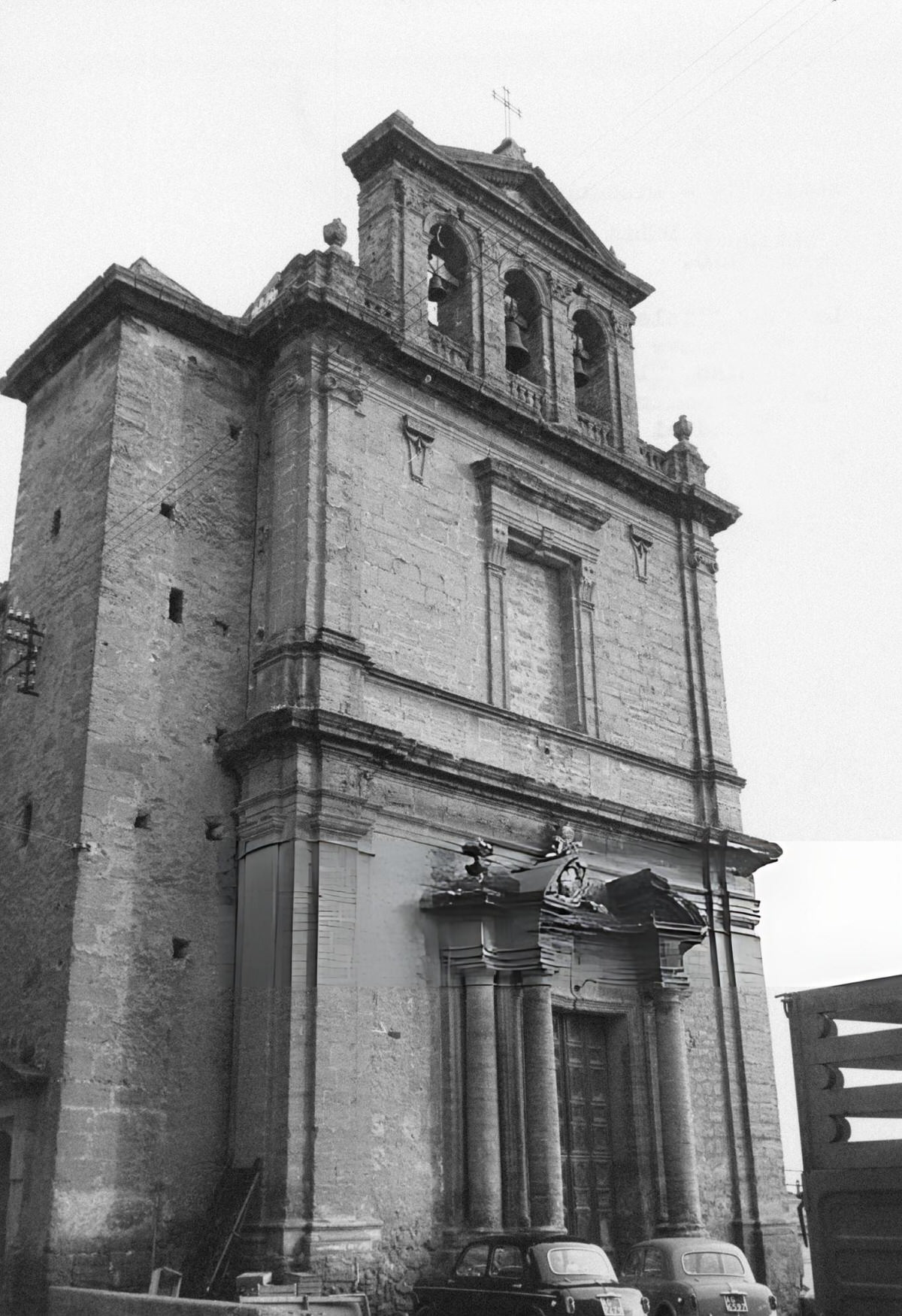
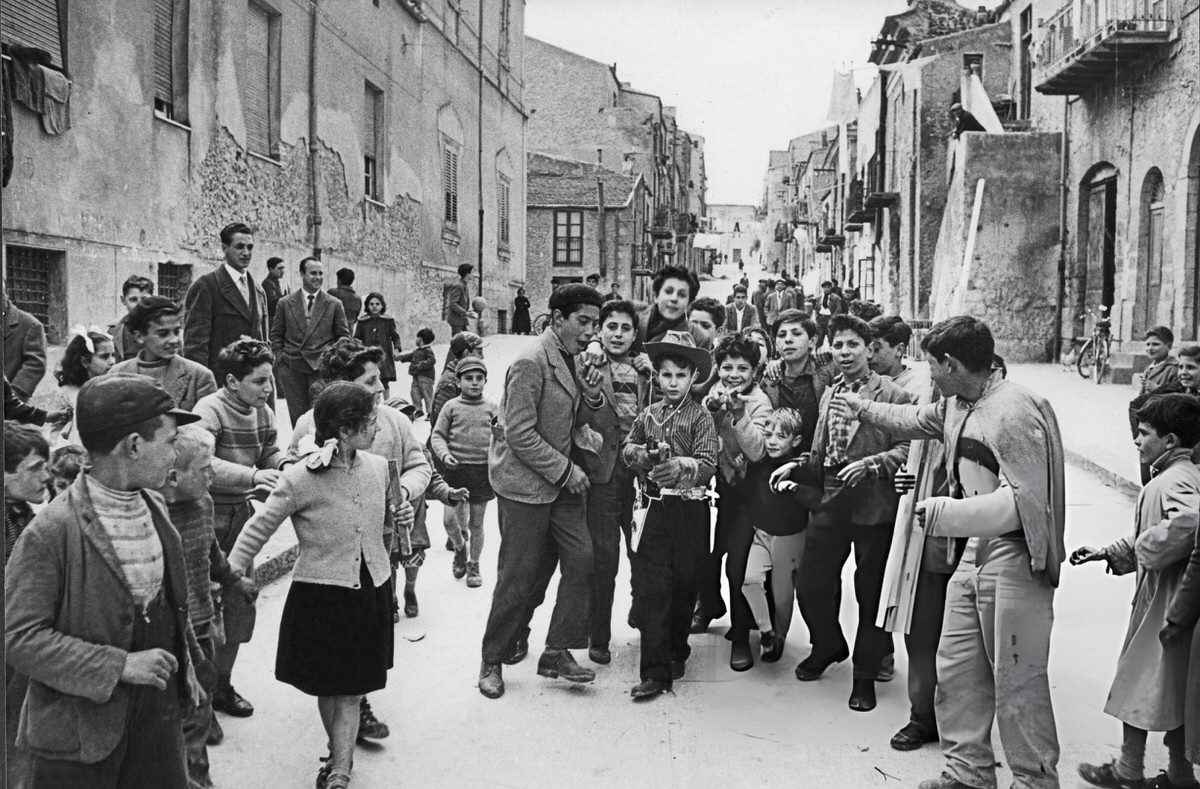
Religious festivals, called feste, were the most important social events of the year. Every town honored its patron saint with processions, brass bands, and food stalls serving street foods like panelle and sfincione. In Palermo, the Feast of Saint Rosalia filled the streets with a massive chariot parade. These events were not just religious observances — they were the primary form of public entertainment for working-class families.
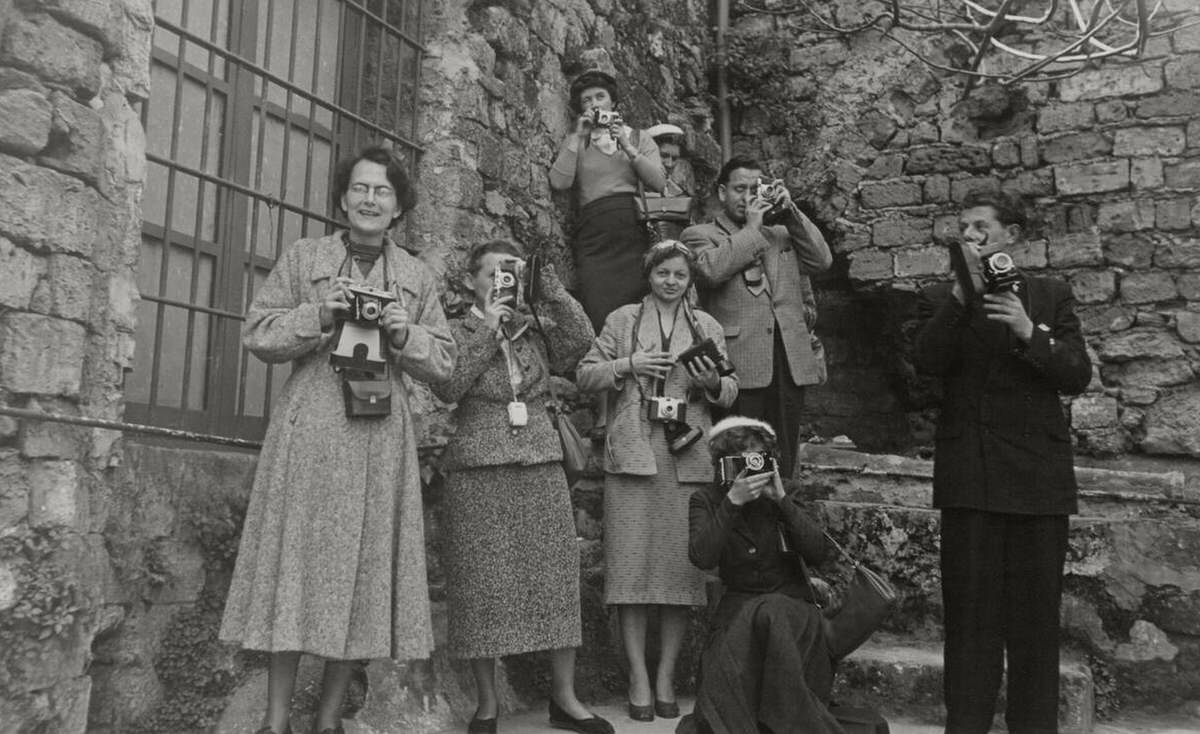
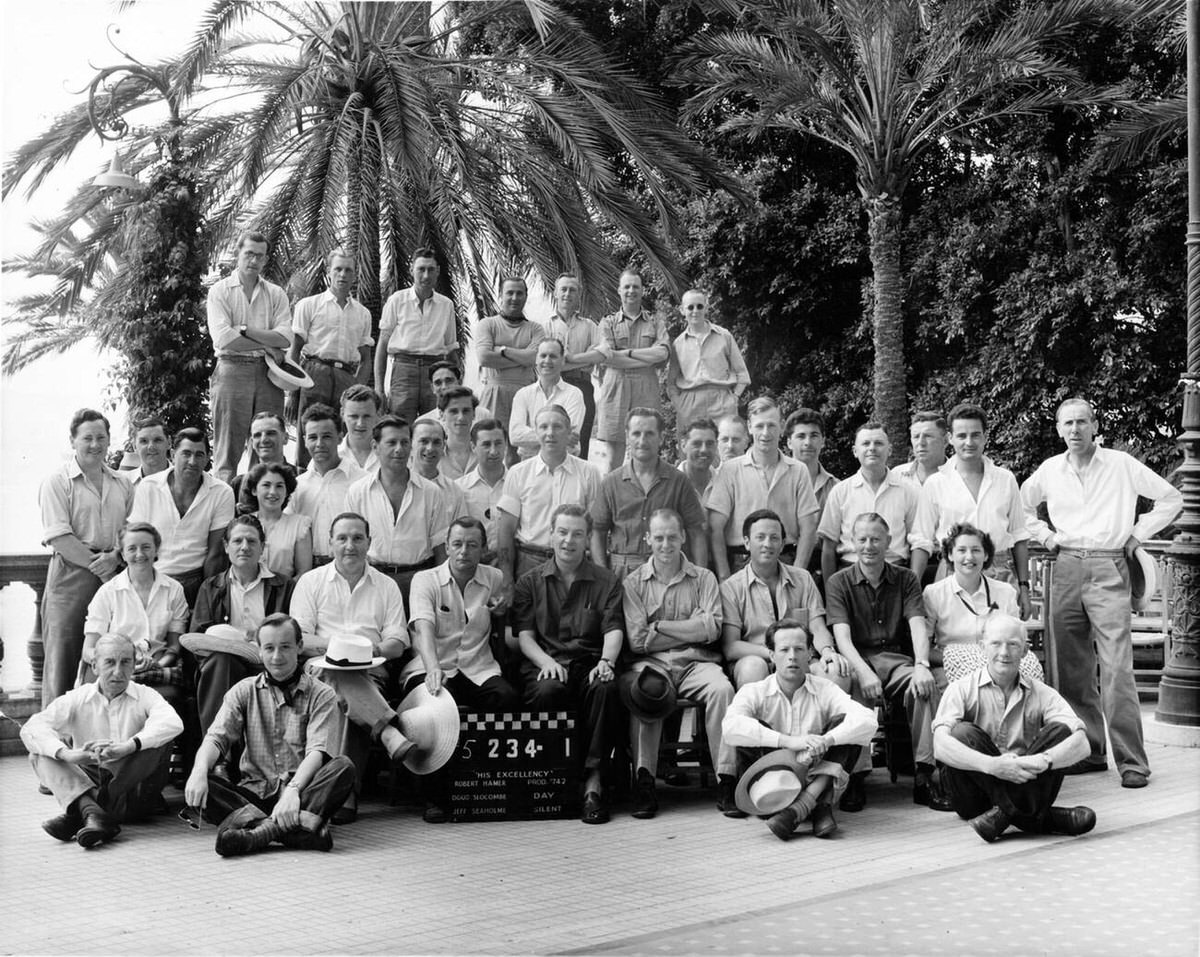
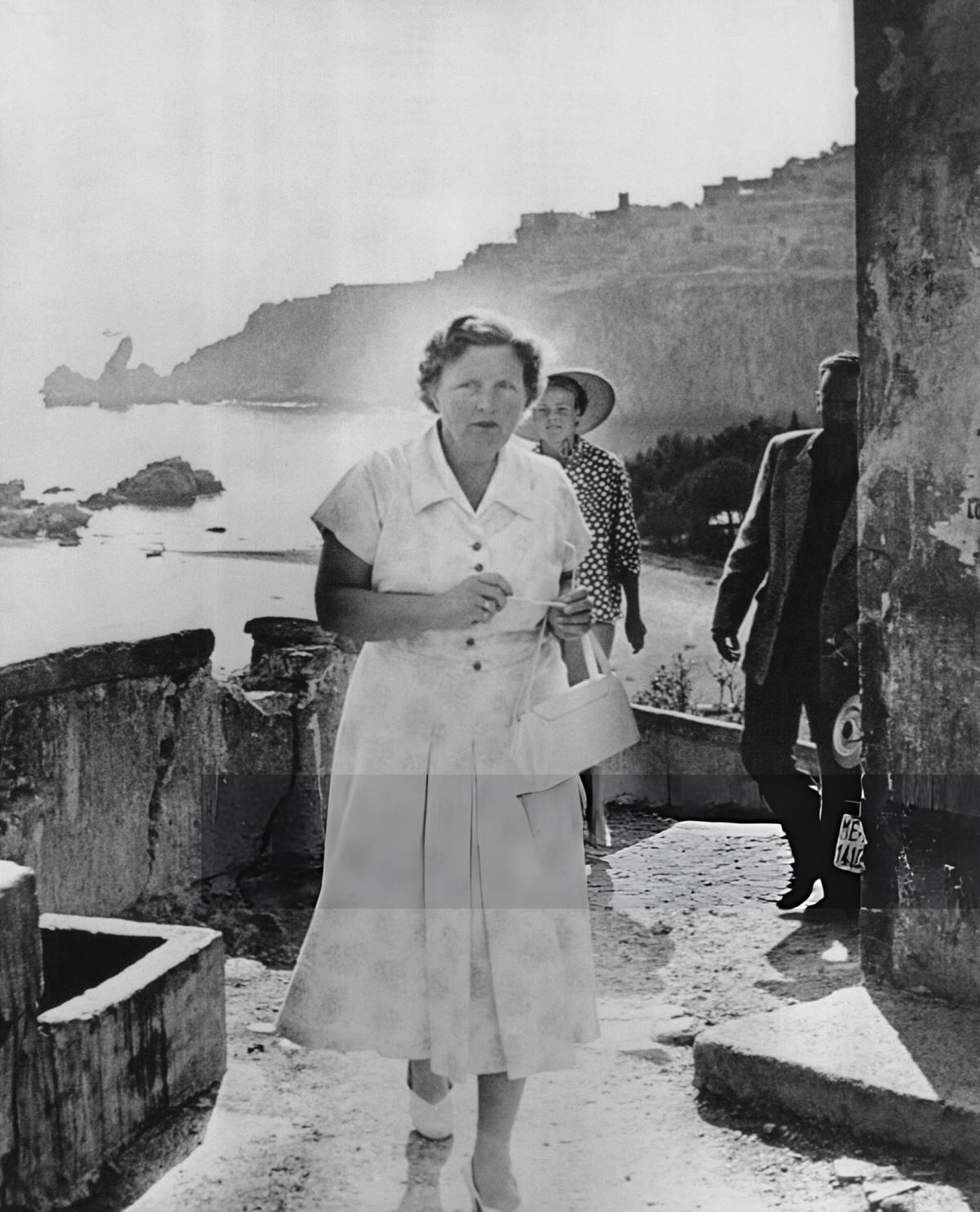
While most Sicilians lived modestly, the island’s ancient ruins and dramatic coastline drew an international crowd. Taormina was especially popular among writers, film stars, and fashion photographers. The San Domenico Palace Hotel hosted high-profile guests, and fashion magazines including Vogue sent photographers to shoot against the island’s Mediterranean backdrop. In 1955, models Fiona Campbell-Walter and Ivy Nicholson were photographed in Palermo wearing structured swimsuits and silk scarves — images that sat in sharp contrast to the poverty surrounding them.
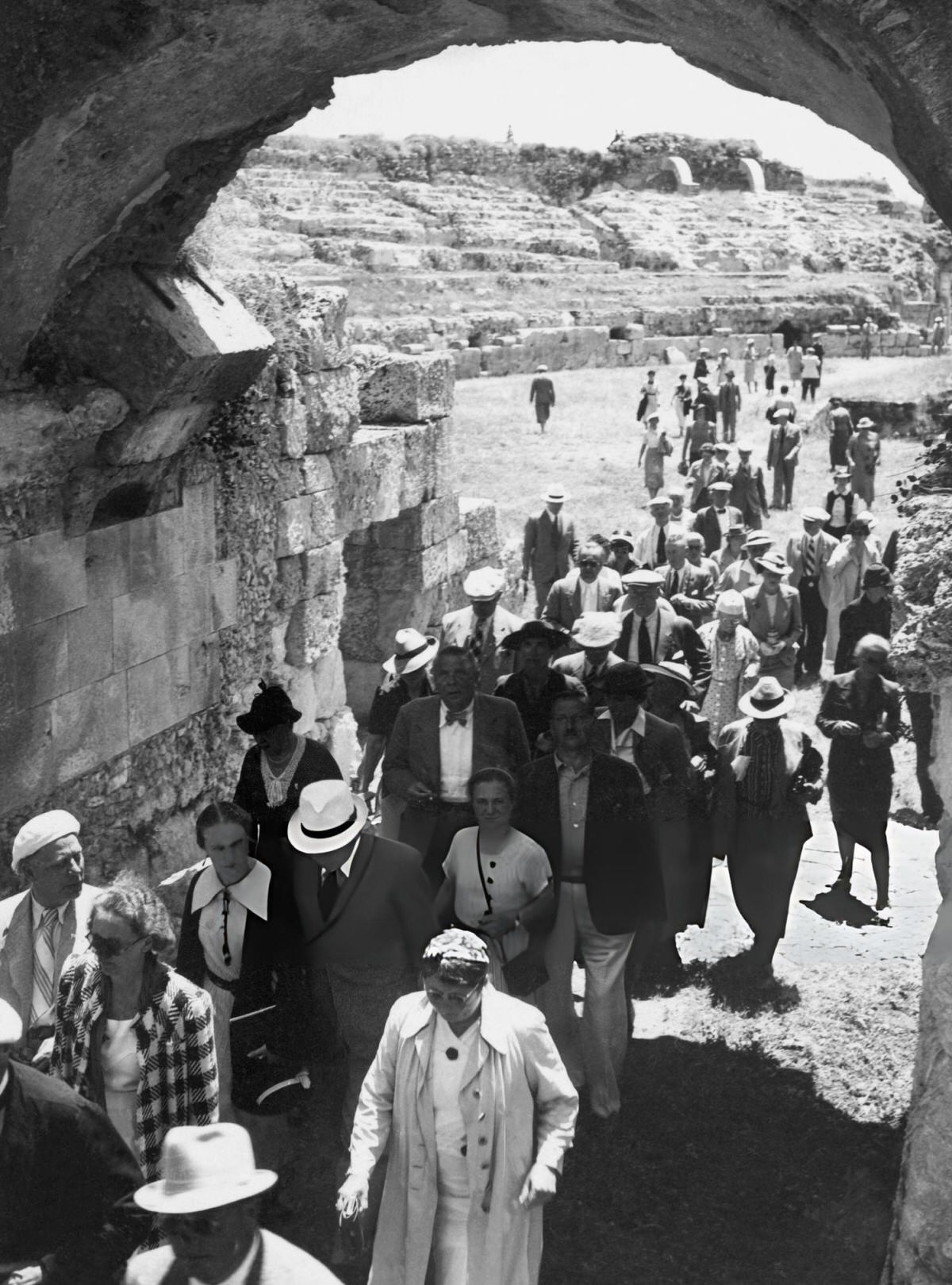
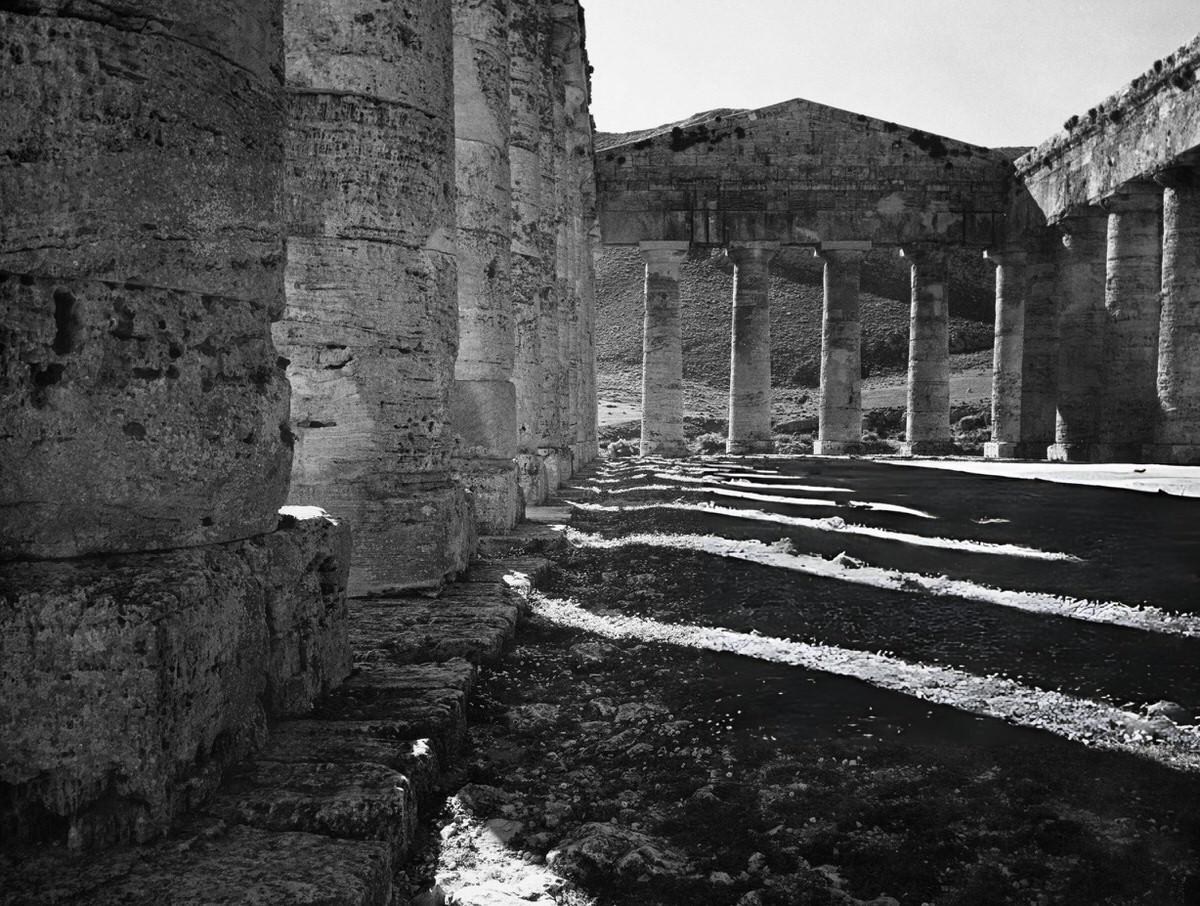
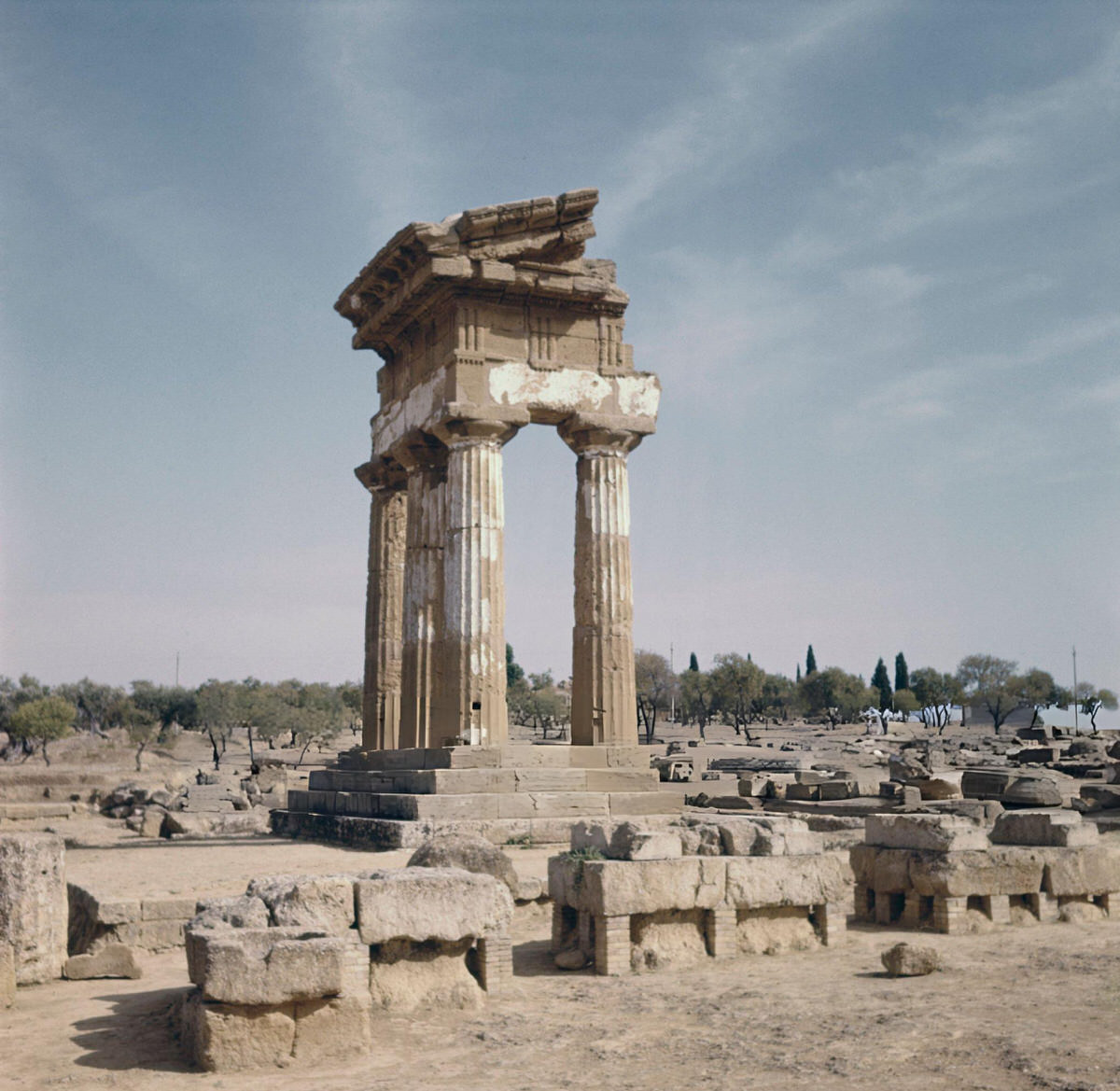
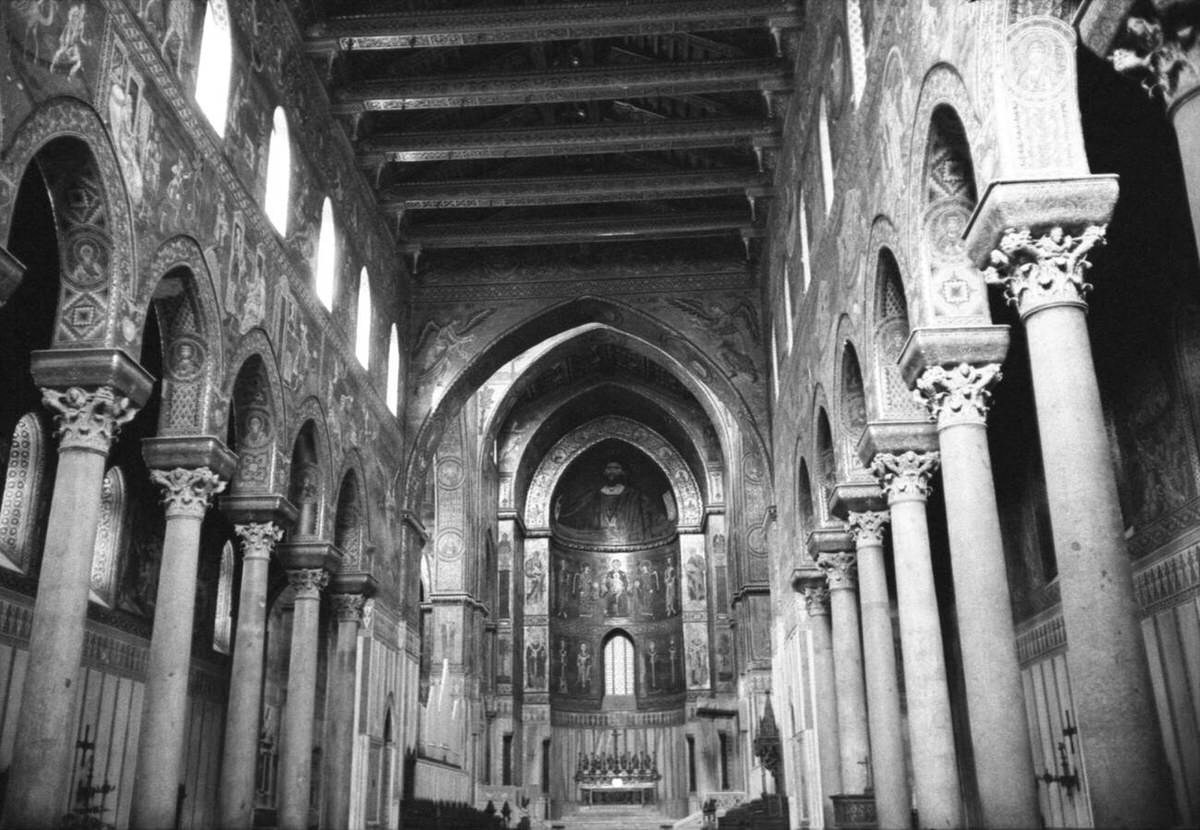
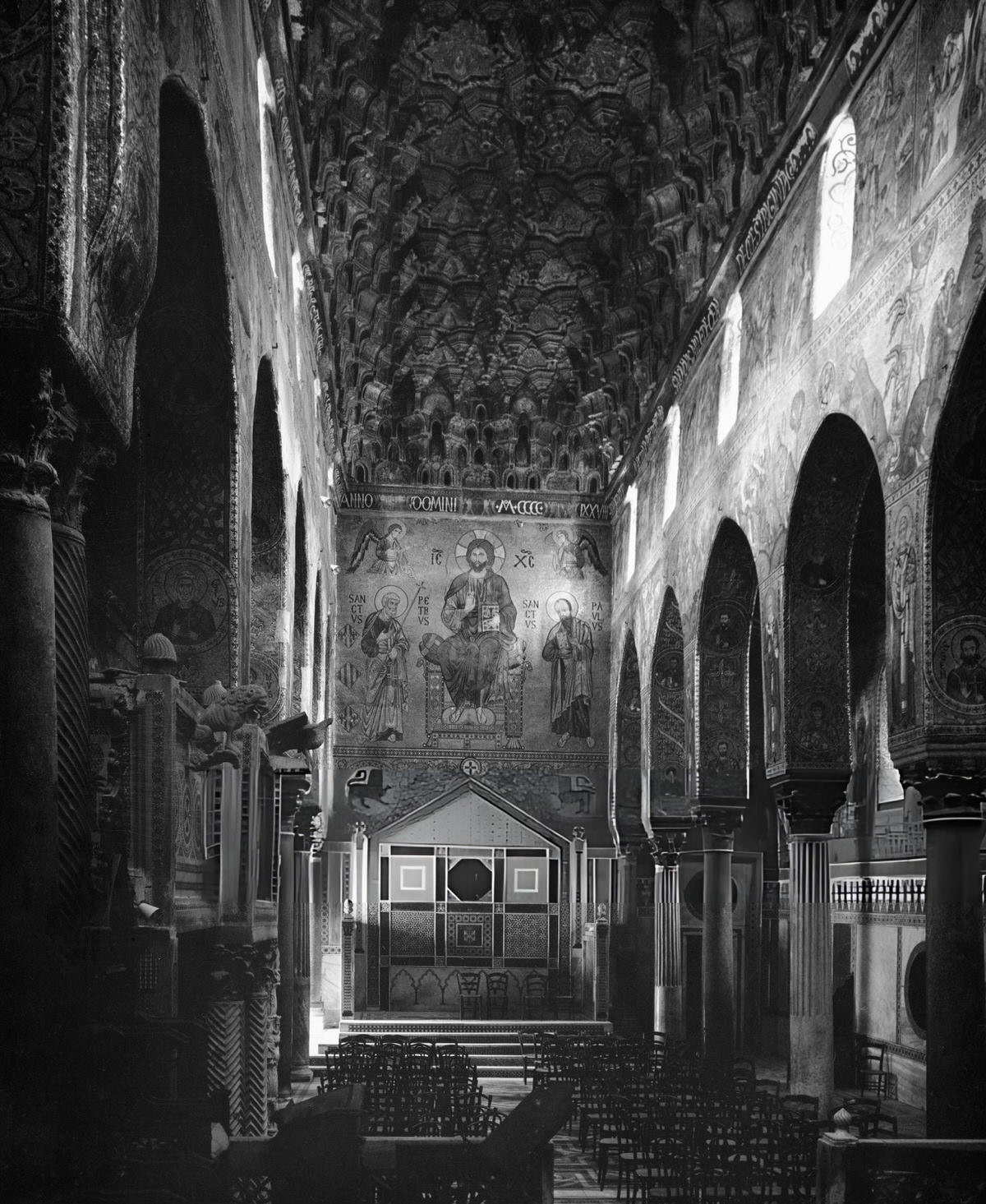
Sicily’s ancient sites were a draw in their own right. The Greek and Roman ruins scattered across the island had survived for more than two thousand years, and visitors came from across Europe to see them.
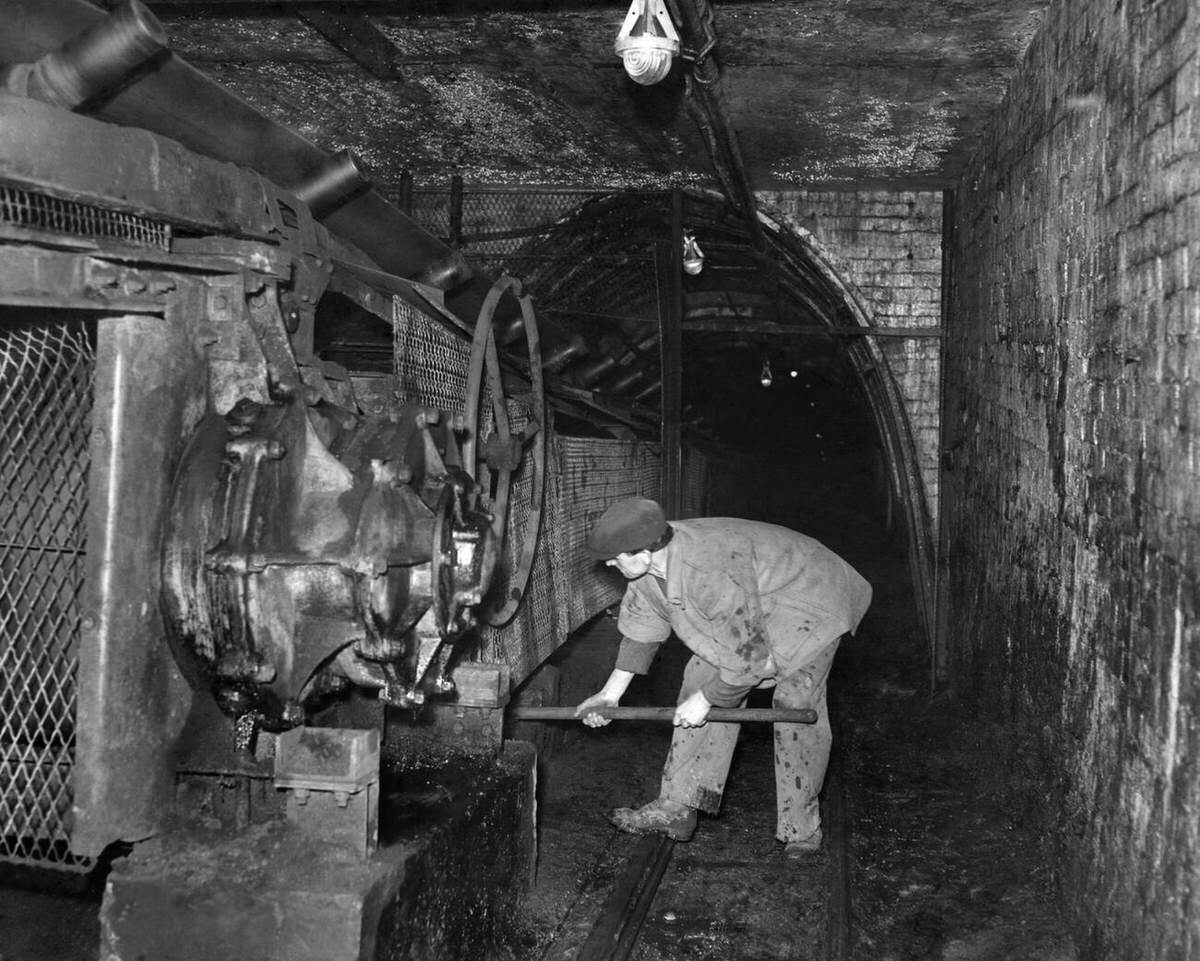
The sulfur mines in the provinces of Caltanissetta and Enna employed thousands of men and boys, many working underground in dangerous conditions. Cheaper American sulfur flooded global markets and made the Sicilian mines increasingly unviable. Strikes and unrest followed as wages fell and mines began to close. Many miners had no choice but to leave their communities and search for work elsewhere.
Emigration reshaped the island more than almost any other force during the decade. Between 1951 and 1961, over 400,000 Sicilians left the island. Most headed to the industrial cities of northern Italy — Milan and Turin in particular. Others boarded ships to Australia, Canada, and South America. The money they sent back home, known as rimesse, allowed families to buy land or improve their houses. In many villages, the departure of young men was visible simply by looking around.
The decade also marked the end of the bandit era. Salvatore Giuliano, the most famous outlaw on the island, who had controlled parts of the western interior for years, was killed in 1950. His death signaled a shift in how Rome approached law and order in Sicily. The Carabinieri expanded their presence across the island to address both banditry and the growing reach of organized crime into construction and agriculture.