In January 1946, Heinrich Harrer and Peter Aufschnaiter walked into Lhasa after 21 months crossing Himalayan mountain passes. They had escaped a British Indian prison camp and crossed one of the most remote terrains on earth. Tibet was almost entirely closed to foreigners, and local officials first ordered them to leave. They were eventually allowed to stay — and remained for seven years.
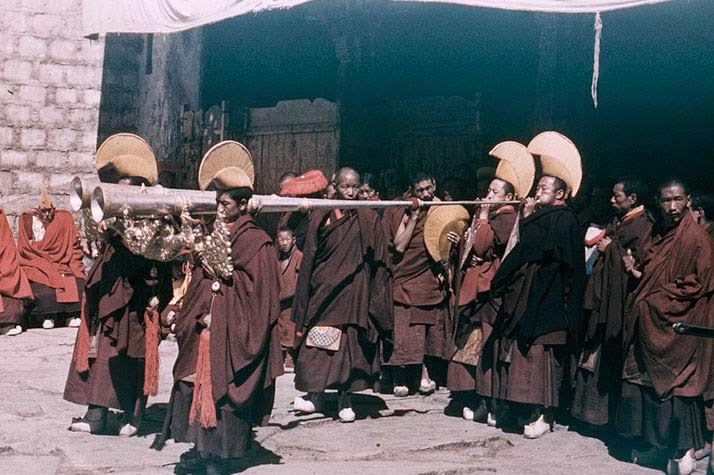
Lhasa was a city of stone buildings and narrow streets, dominated by the massive Potala Palace sitting high on a hill. It housed thousands of monks and the young Dalai Lama himself. Harrer and Aufschnaiter used their engineering skills to give back to the city — helping build a sewer system and drawing detailed maps of the capital.
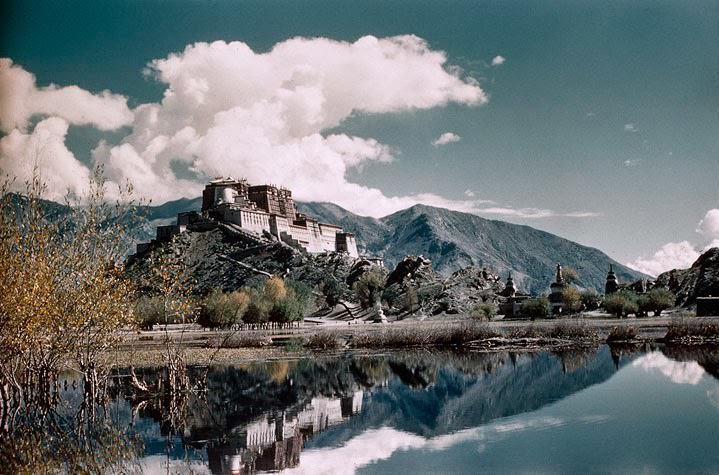
Daily life in Tibet followed ancient religious traditions. Citizens wore heavy wool robes called chubas against the thin, freezing mountain air. Religious festivals brought bright colors and traditional music to the streets throughout the year. The Potala Palace stood at the center of this world — both spiritually and physically.
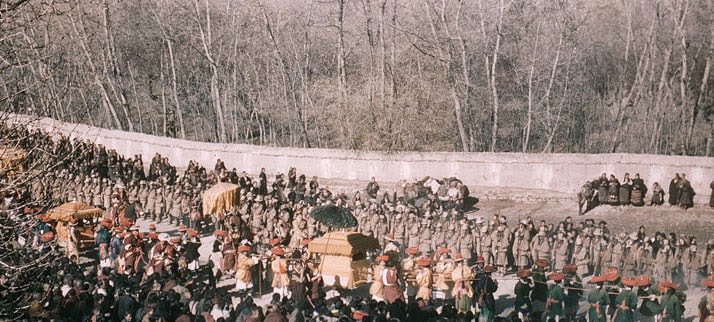
In 1948, the teenage Dalai Lama summoned Harrer to the Potala. The young ruler was deeply curious about the world beyond the Himalayas. Harrer became his personal tutor, teaching geography, science, and mathematics. He also helped build a small cinema inside the palace so the Dalai Lama could watch films from other countries. His family, too, showed an openness to outside influences.
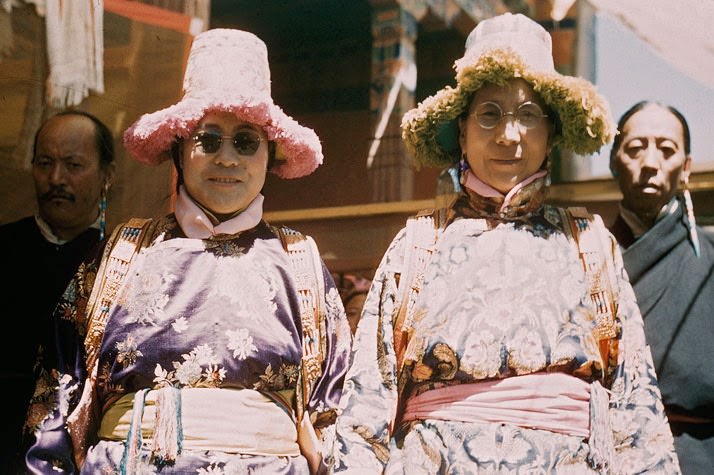
That same year, a Tibetan trade delegation traveled to the United States — a rare diplomatic venture for a nation so isolated. Officials returned with small glimpses of the modern world, sparking fascination among Lhasa’s elite.
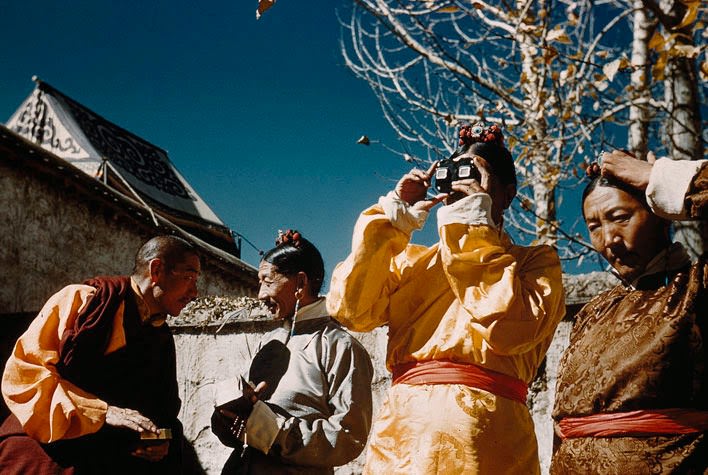
For ordinary Tibetans, life remained rooted in religious devotion. Pilgrims visited sacred shrines across the high plateau, burning incense and raising prayer flags at hilltop sites.
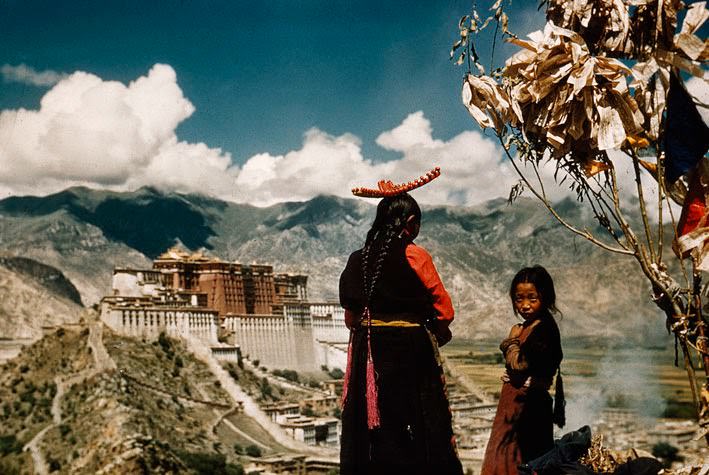
By 1950, Tibet’s isolation was shattered. The Chinese army invaded the eastern regions of the country, sending shockwaves through Lhasa. The Dalai Lama assumed full political power ahead of schedule to lead his people through the crisis. Harrer helped him prepare a possible escape route toward the Indian border. The quiet, ancient rhythms of Tibetan life gave way to military preparations and high-stakes decisions.
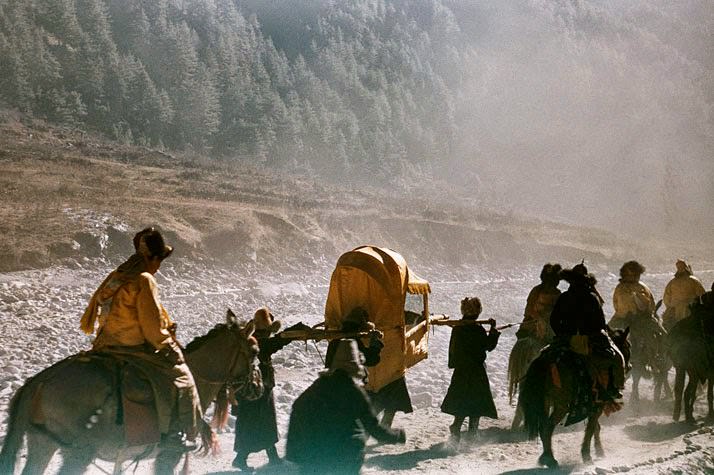
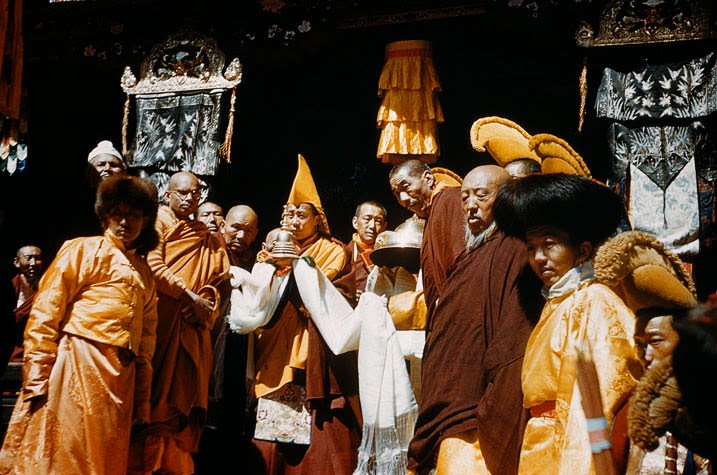
As the Dalai Lama fled Lhasa, news of his departure raced ahead of him. At Jang Monastery, thousands of weeping monks threw themselves into the road, begging him not to leave. Children of the Red Hat sect — a monastic order whose members may marry and raise families within religious life — waved banners as elders prayed.
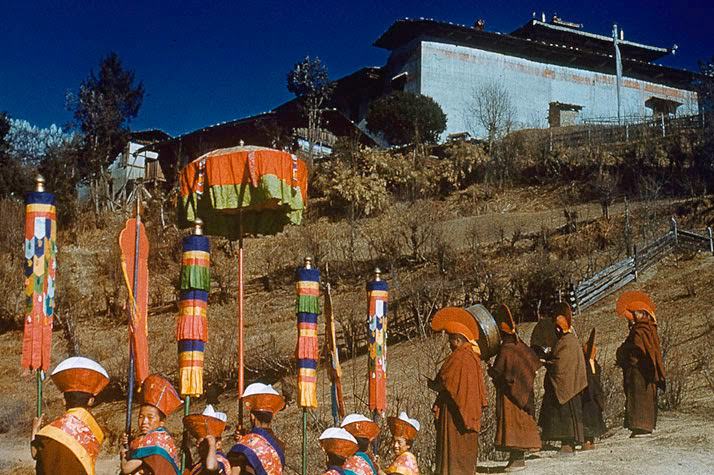
At each stop along his journey, the ground the Dalai Lama slept on was immediately declared a consecrated chapel — a space no ordinary person could ever occupy again. Nobles and monks prepared these sites with great care and ceremony.
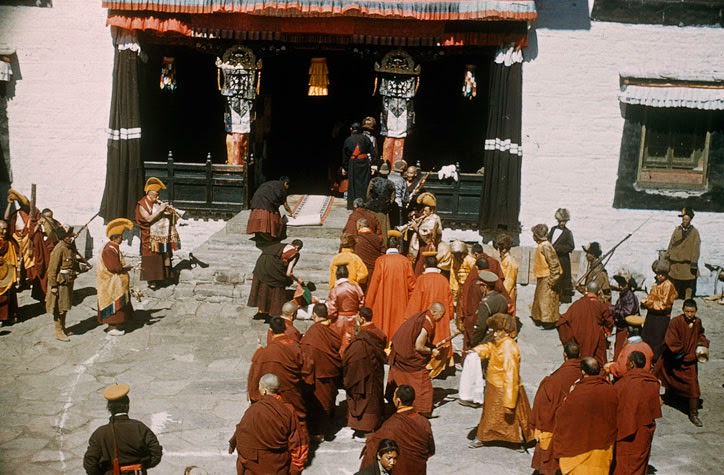
At Dungkhar Monastery in Chumbi, the Dalai Lama received one of Tibetan Buddhism’s most sacred objects — a gold-encased bone believed to belong to Gautama Buddha. He had been identified at age two as the reincarnation of Tibet’s patron god, Chanrezi, and the continuation of the previous 13 Dalai Lamas. These photographs captured that world at its final, fragile moment.