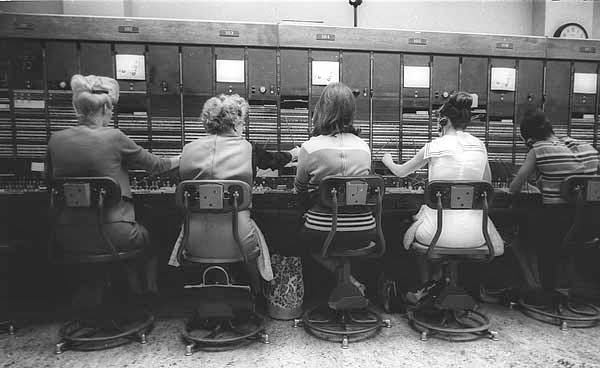
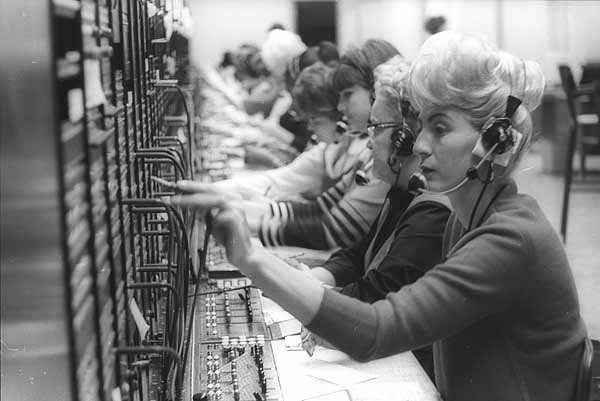
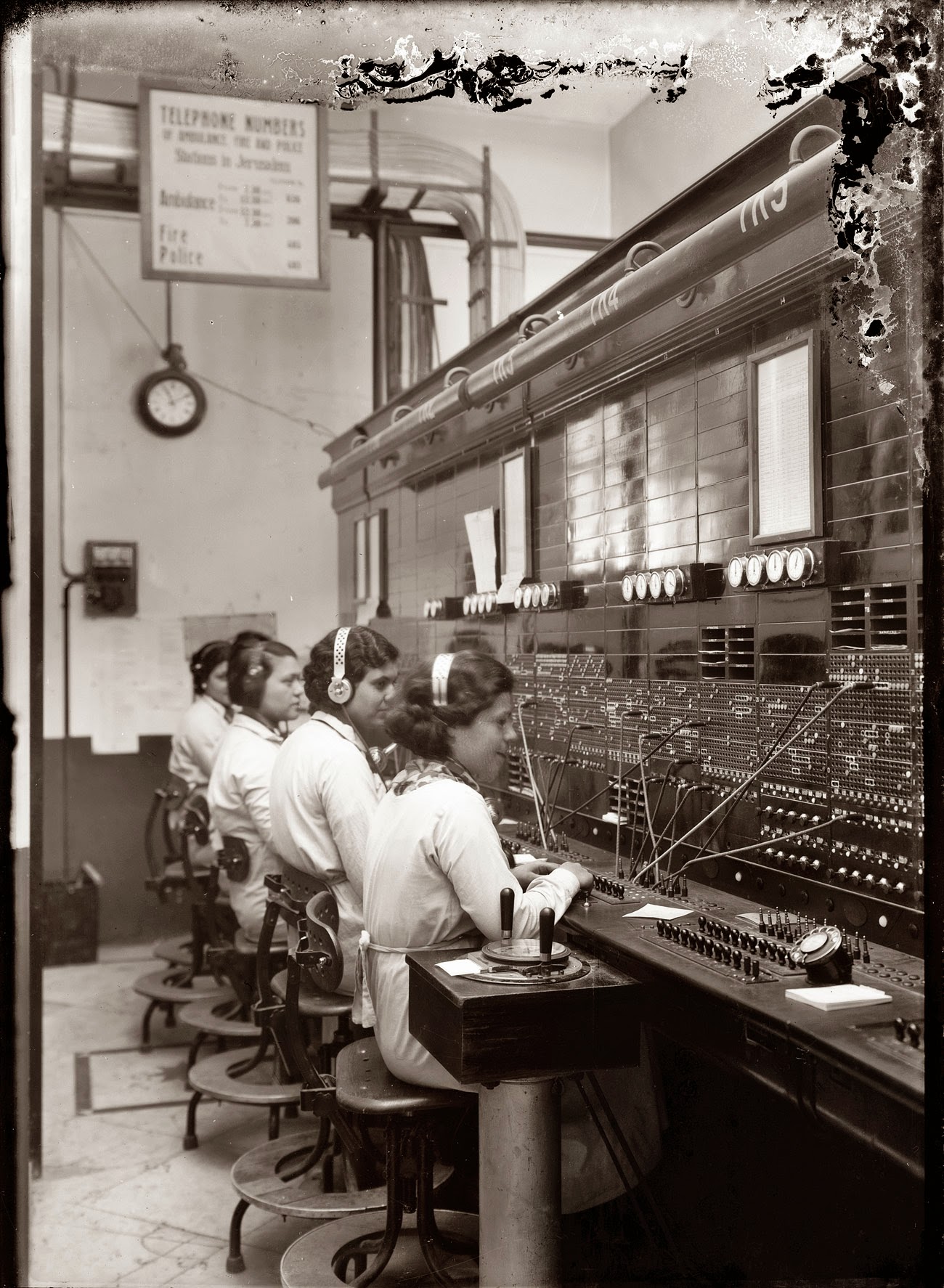
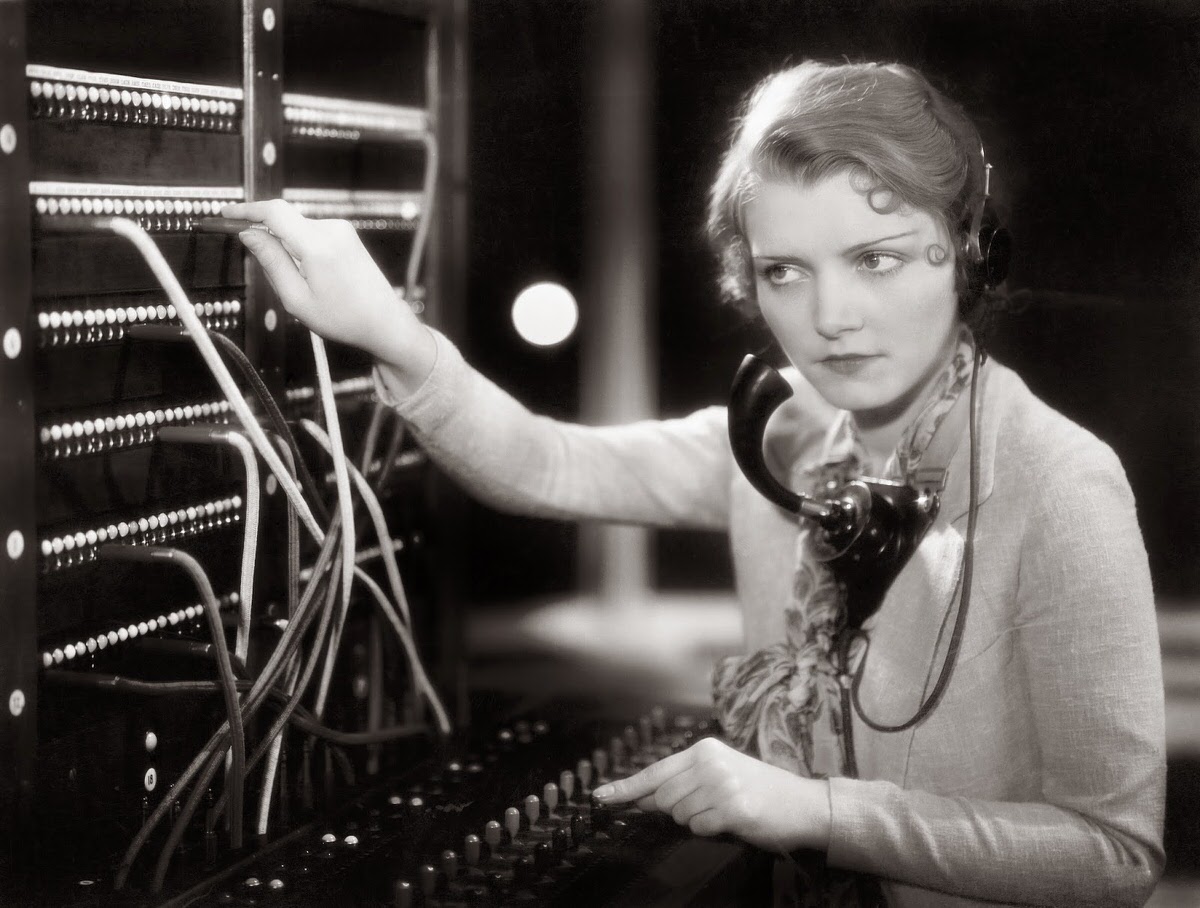
Before automatic dialing existed, every phone call required a human being to complete the connection. That person was almost always a woman. She sat in front of a large panel covered in jacks — small sockets tied to individual phone lines. When a customer picked up their handset, a light blinked on her board. She plugged in a cord, asked who the caller wanted to reach, and then physically inserted a second plug into the receiving jack to bridge the two lines.
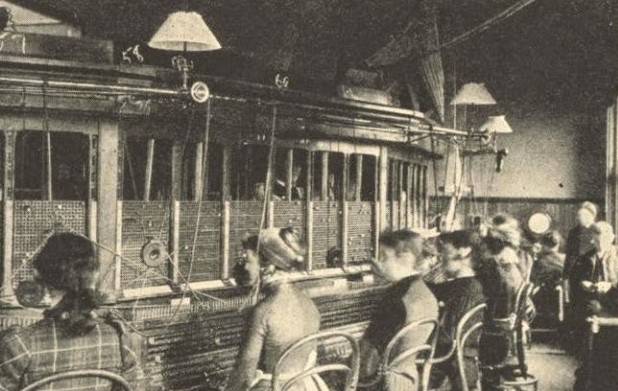
Each pair of cords formed a circuit. A small switch on the operator’s desk let her enter the line to confirm the connection was live or offer assistance. She stayed on until both parties were speaking, then monitored the call to know when it ended so she could free the cords for the next caller. In smaller communities, many households shared a single party line, and the operator handled anything that went beyond those shared wires.
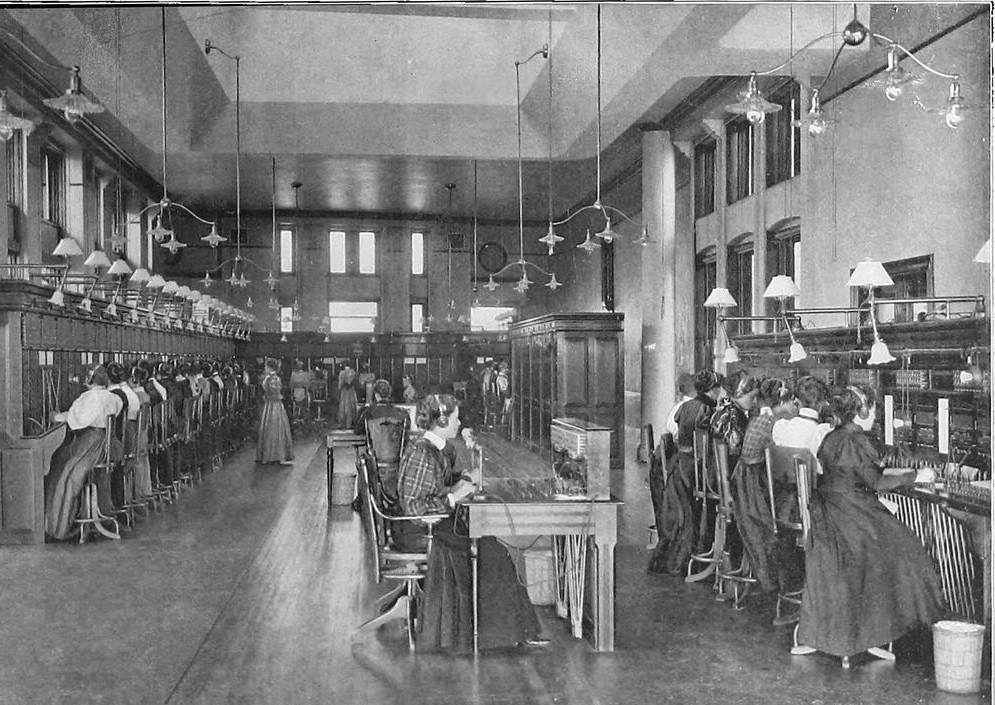
Because the operator held the physical connection open, she could hear every word of a private conversation. This was a standard feature of early telephone technology — no equipment existed to block her from the audio. Callers expected professional discretion, but that expectation was built entirely on trust.
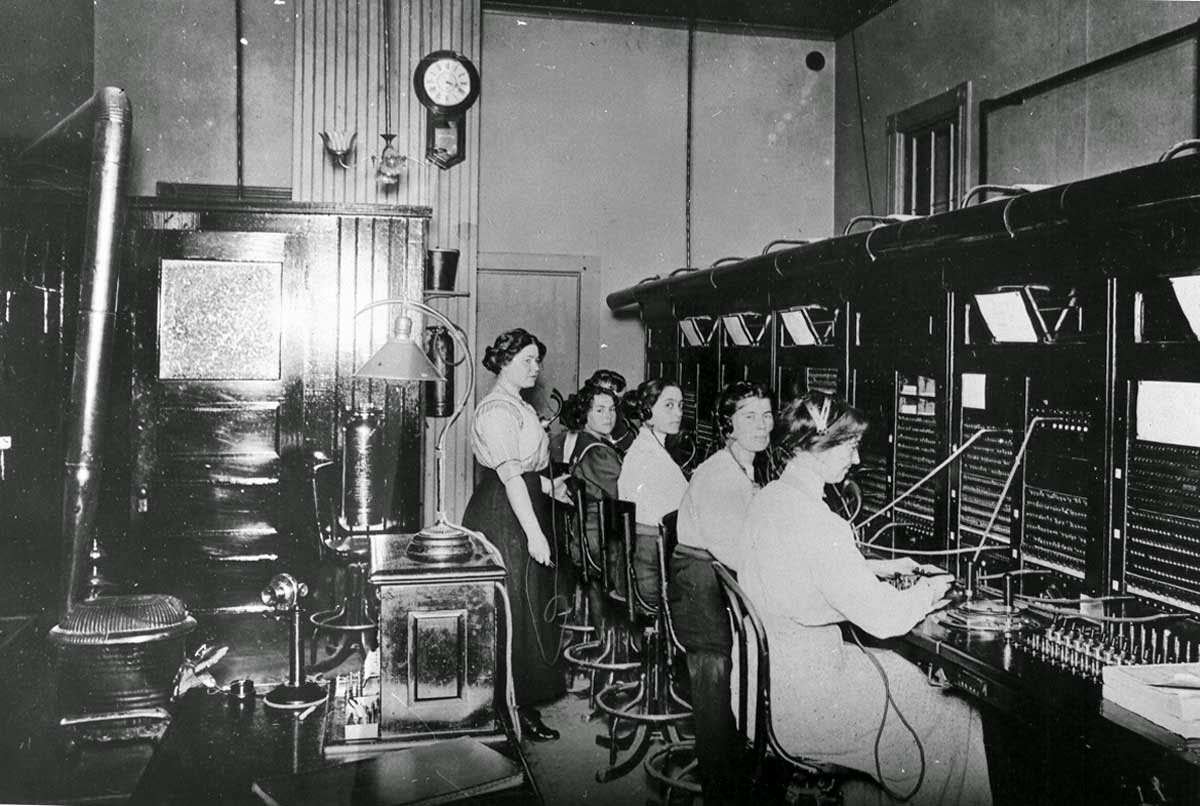
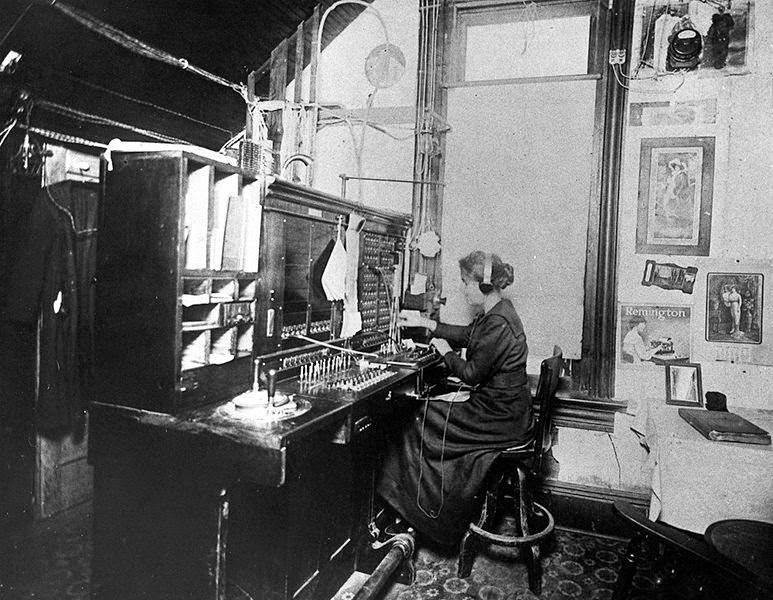
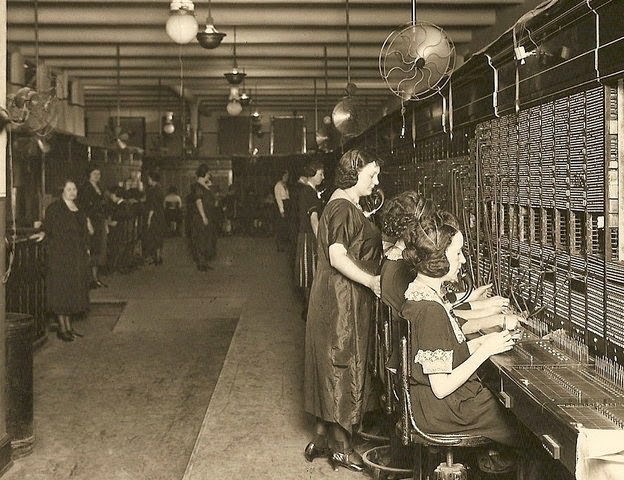
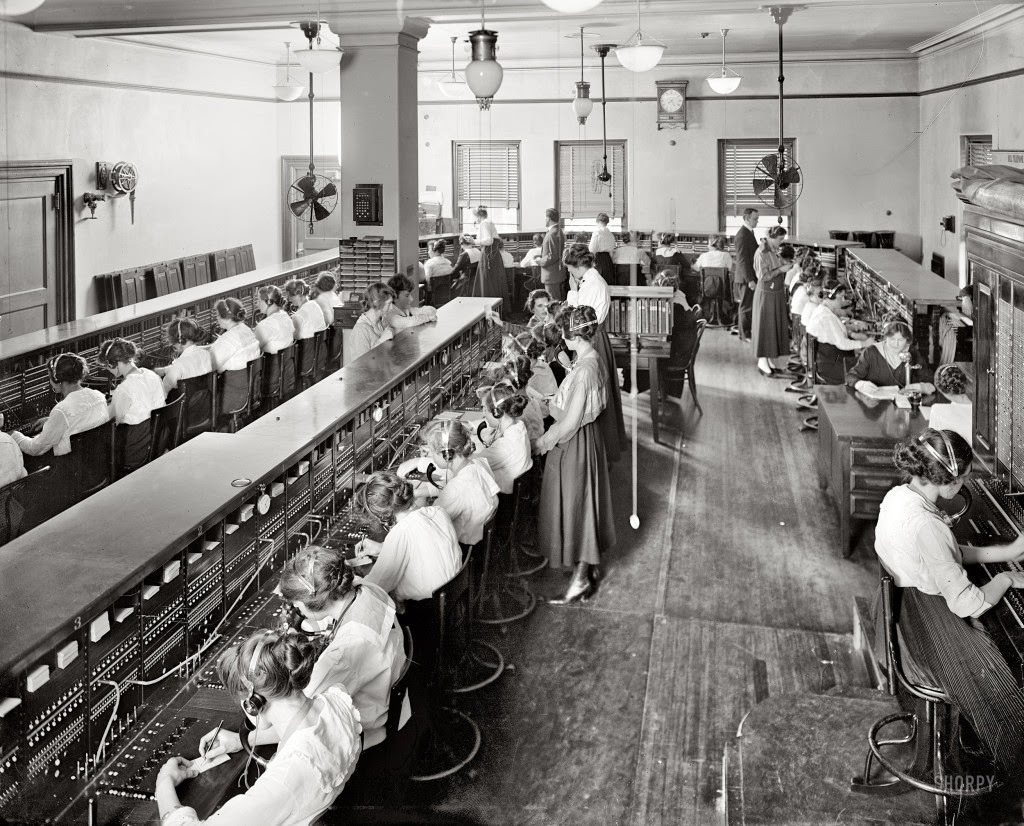
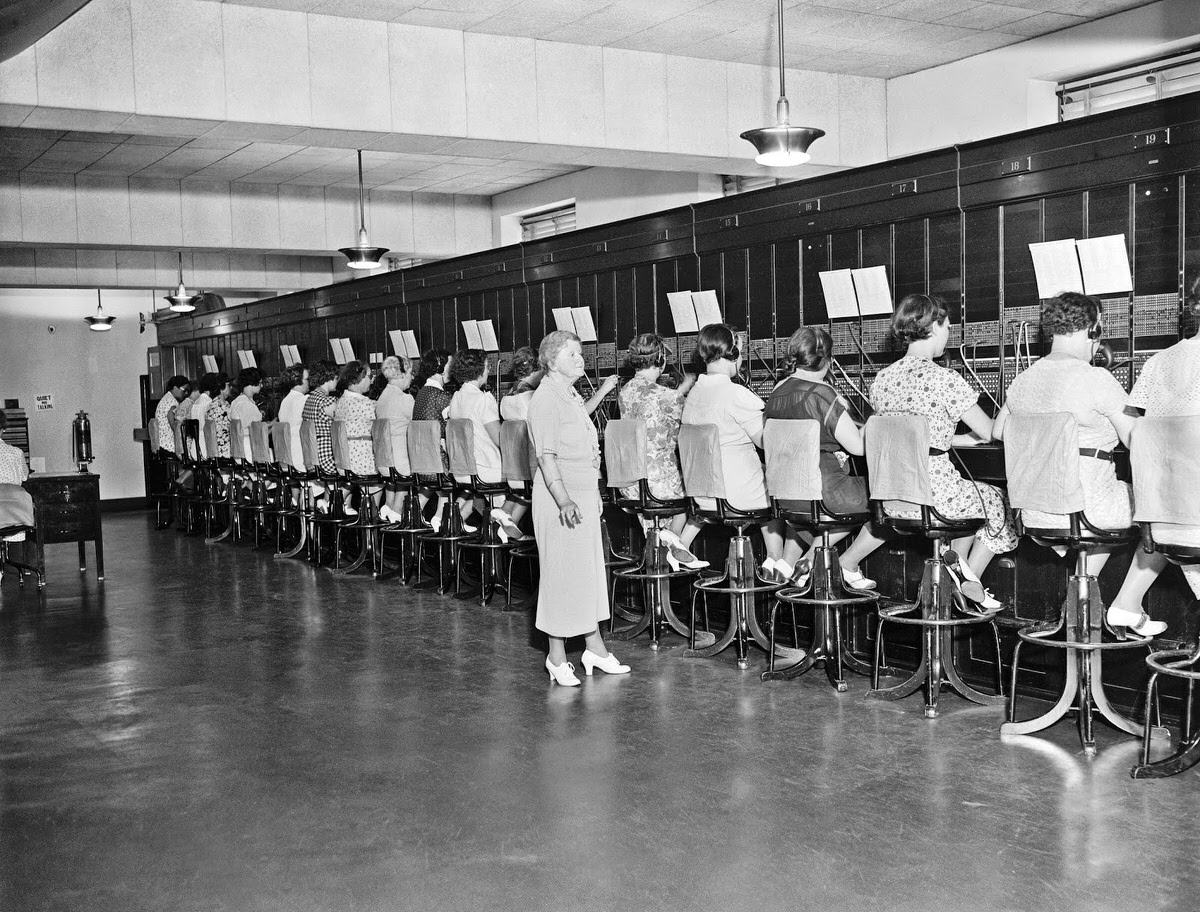
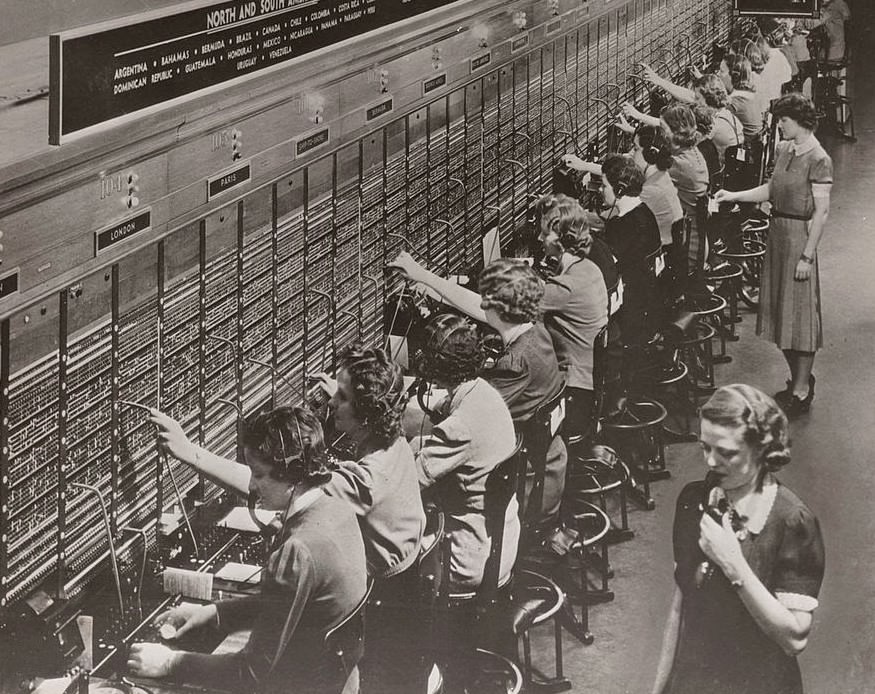
Operators worked in long shifts around the clock, seated in rows inside exchange buildings. Their arms moved constantly — pulling cords, plugging jacks, toggling switches — to manage hundreds of calls every hour. The pace was relentless, and the work demanded both speed and accuracy.
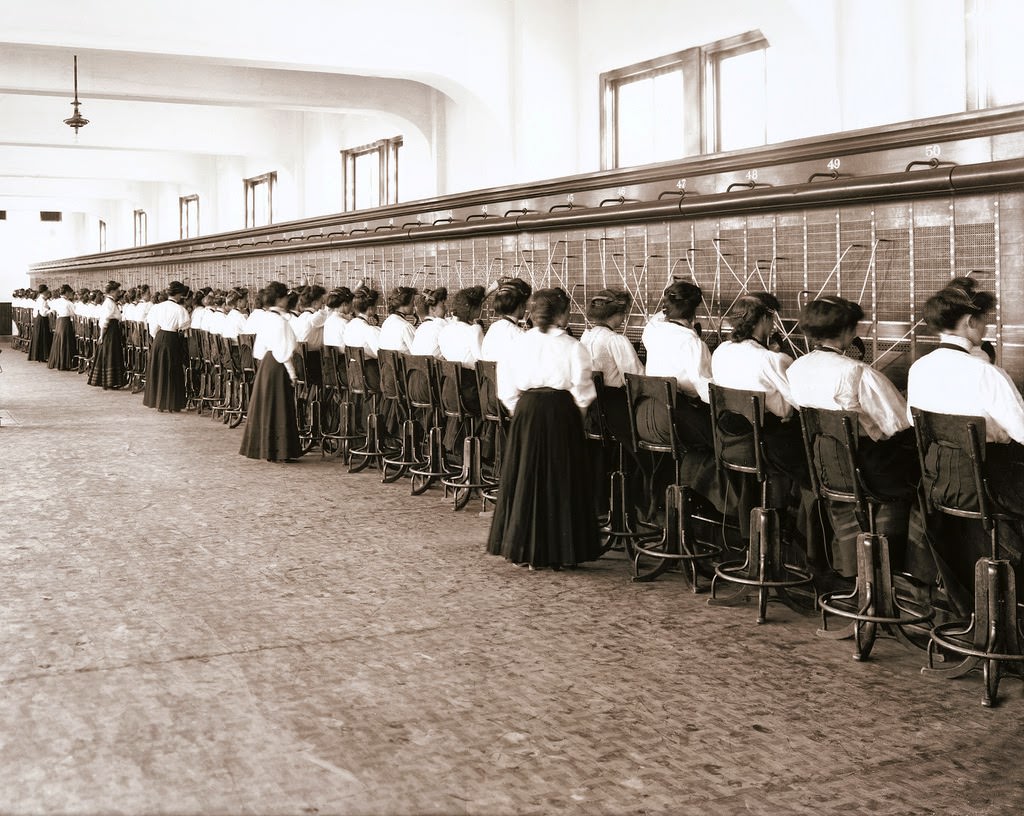
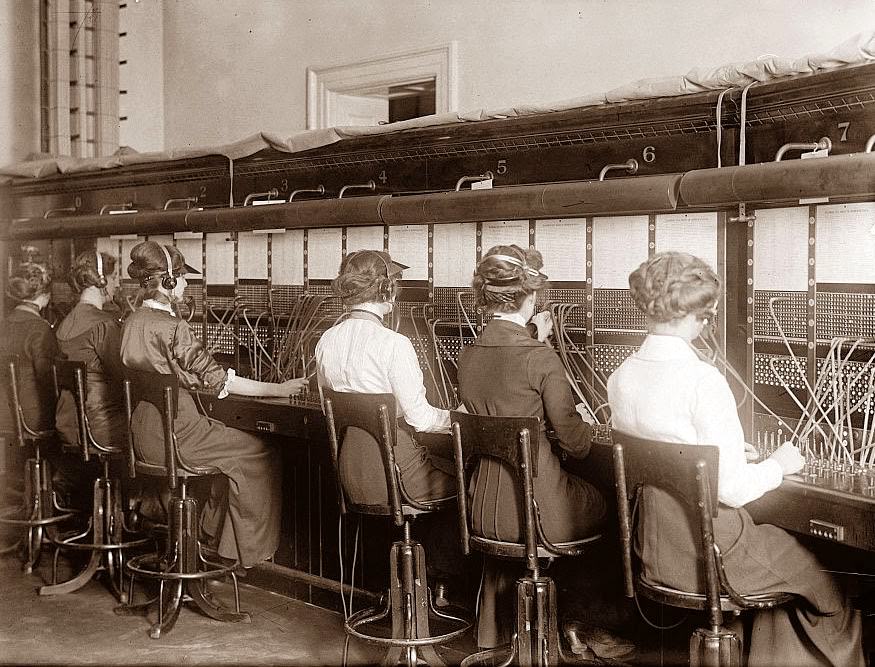
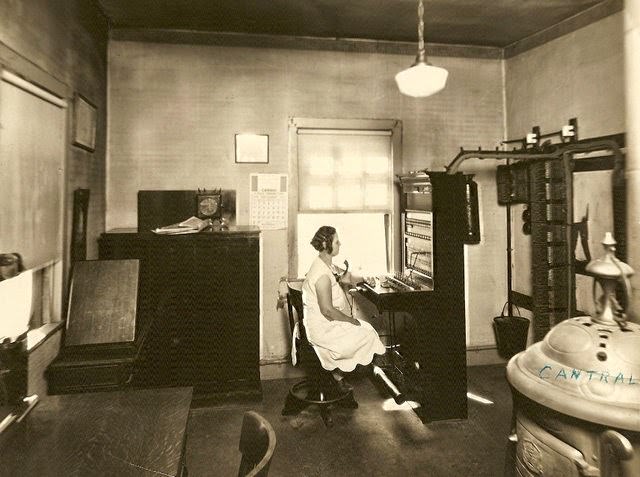
By the early 20th century, telephone exchanges employed thousands of women across the United States and beyond. Small-town operators often worked alone, handling their entire community’s calls from a single board.
In the 1920s, telephone companies began rolling out automatic dial systems. A numbered dial on the phone base let customers route their own calls without operator help. Companies adopted this technology specifically to cut the enormous labor cost of staffing exchanges. Automatic switches also removed a human from the audio path entirely, making calls more private by design.
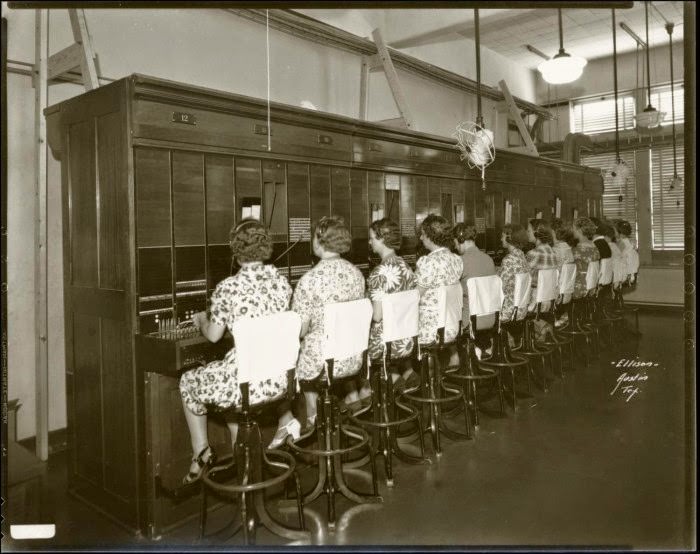
Even as automation spread through major cities, manual switchboards remained active in smaller towns well into the 1960s. High-profile locations like the U.S. Capitol maintained staffed boards for specialized routing and security well past the point when most Americans had dial phones at home.
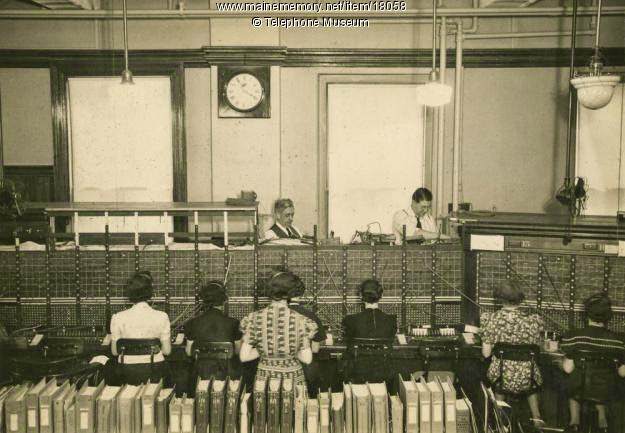
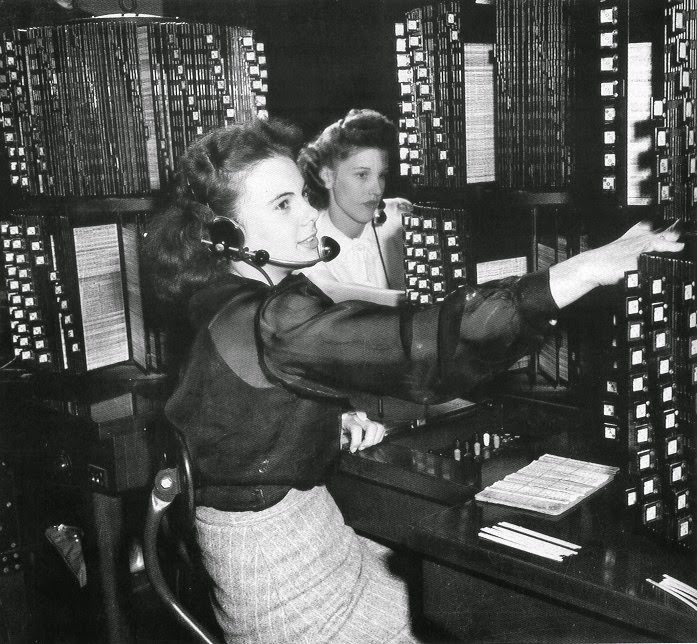
During World War II, switchboard operations expanded to handle wartime communication demands. International boards like those run by the Bell System connected calls across continents, with operators managing complex long-distance routing by hand.
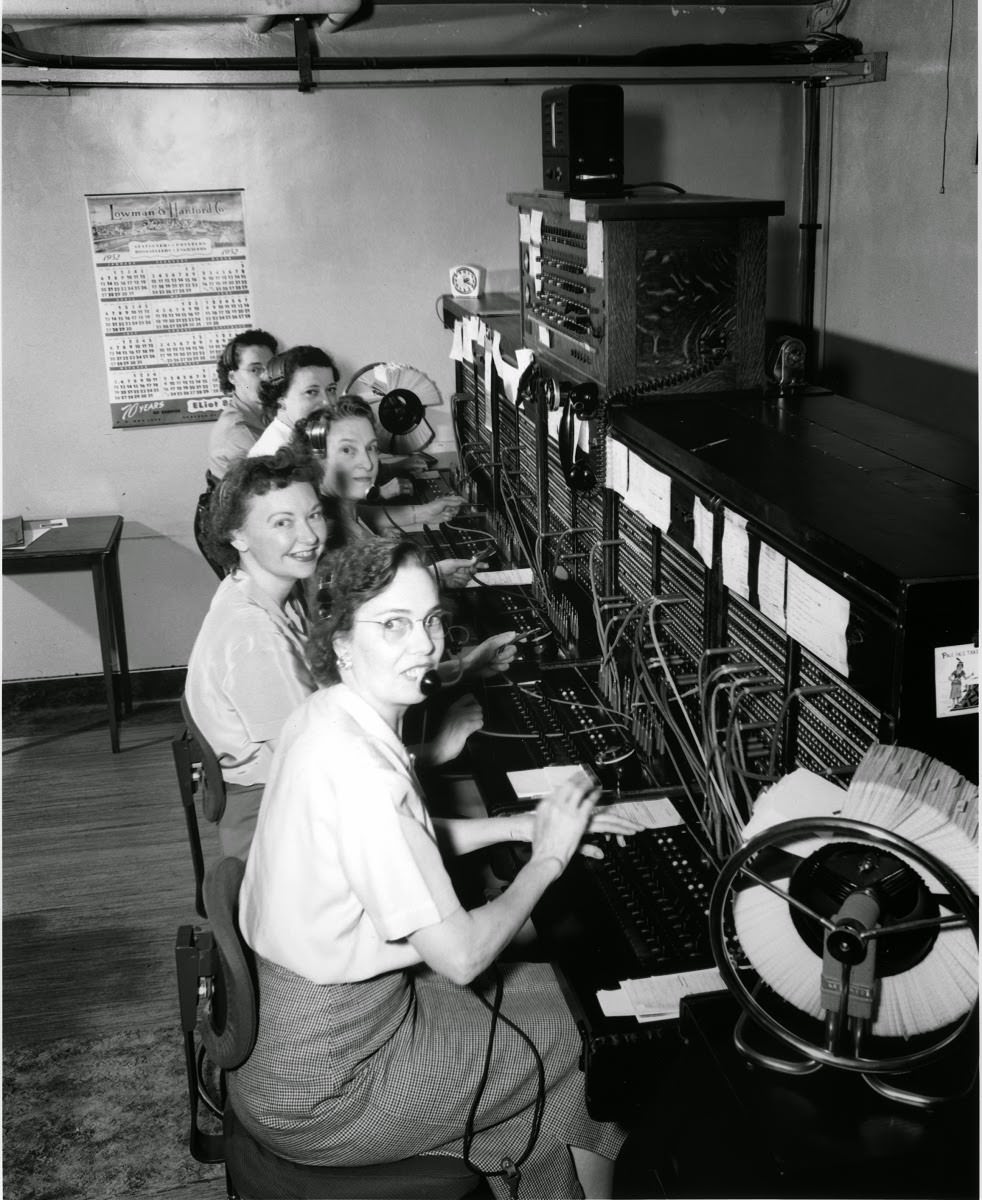
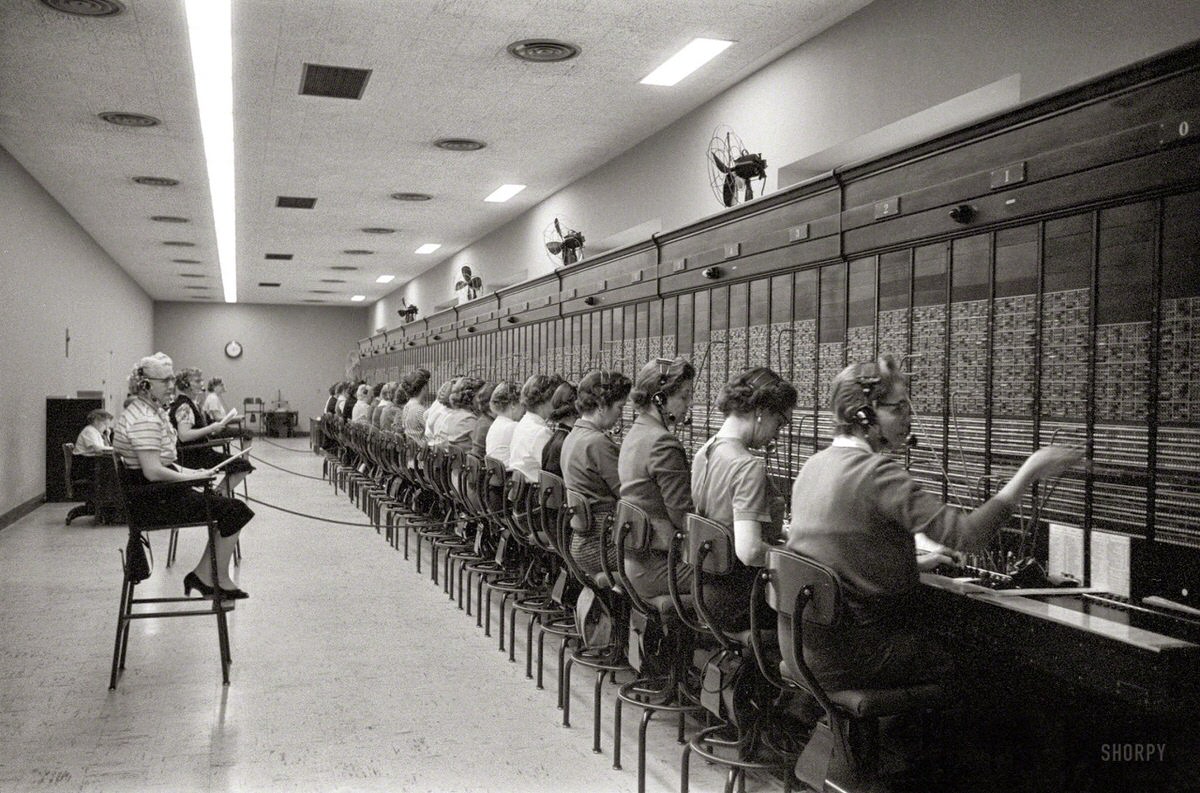
As mechanical switching technology took over routine call routing, the operator’s role narrowed to long-distance assistance and emergency support. The rows of women and their tangled cords were gradually replaced by automated equipment that needed no hands at all.