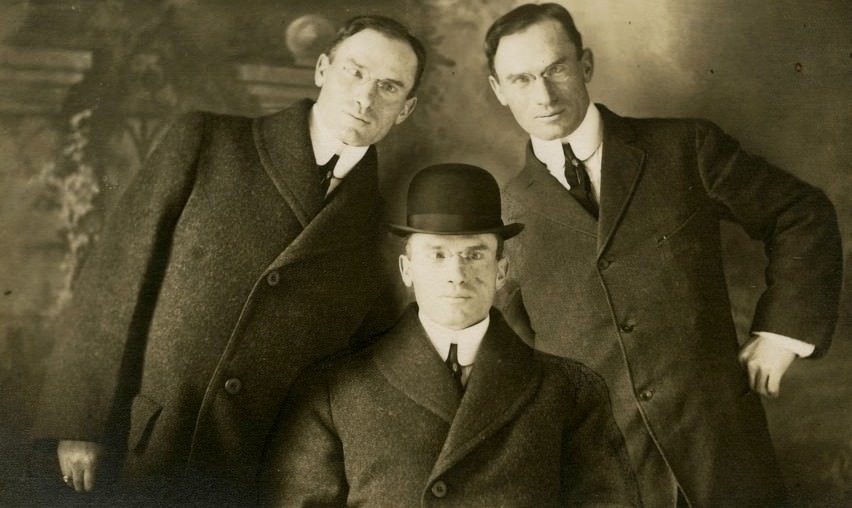
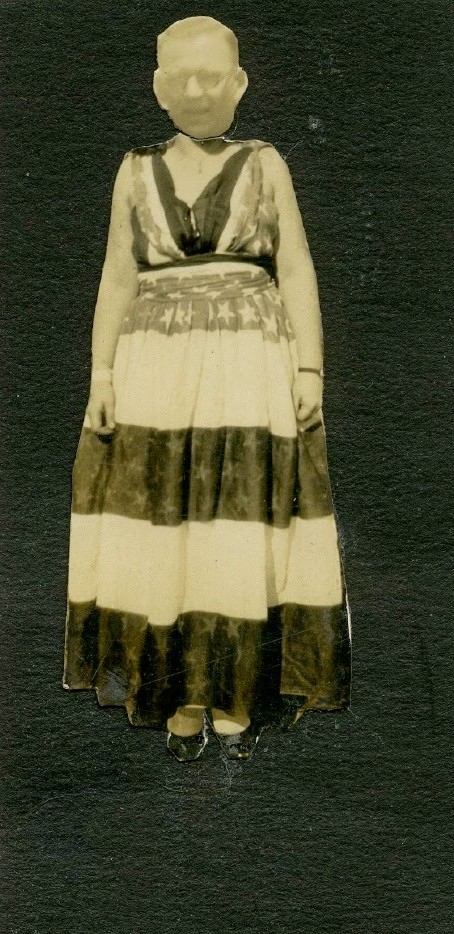
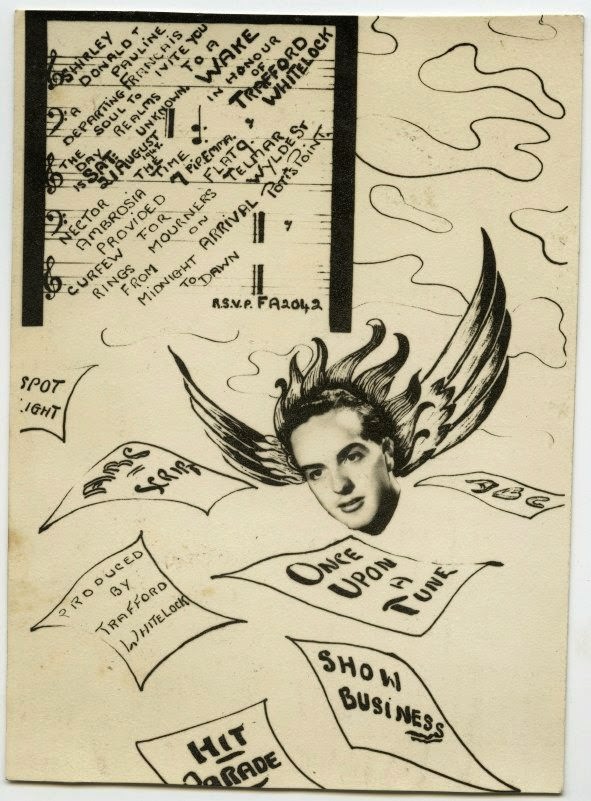
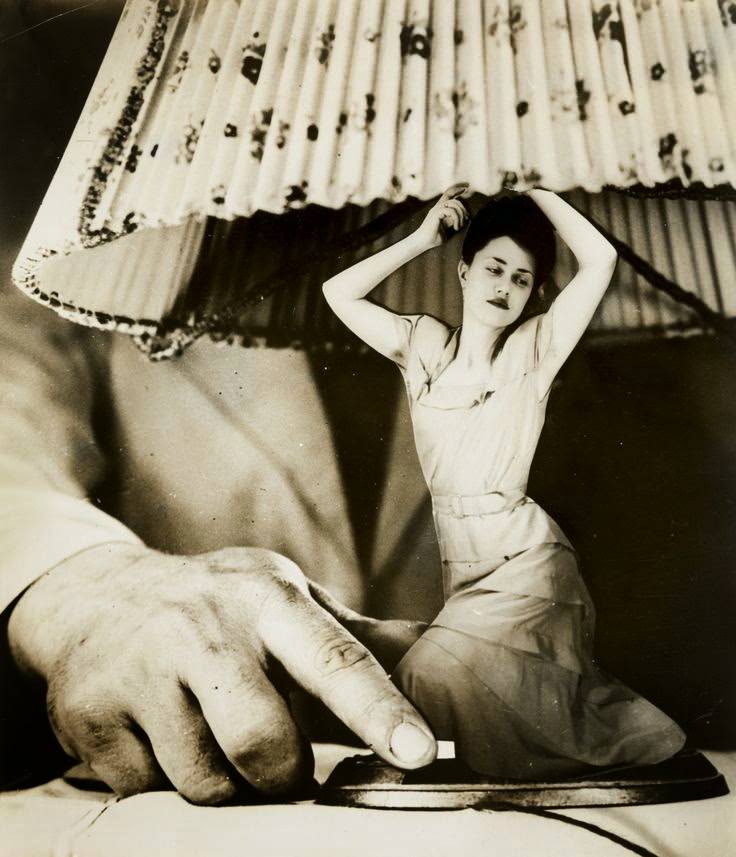
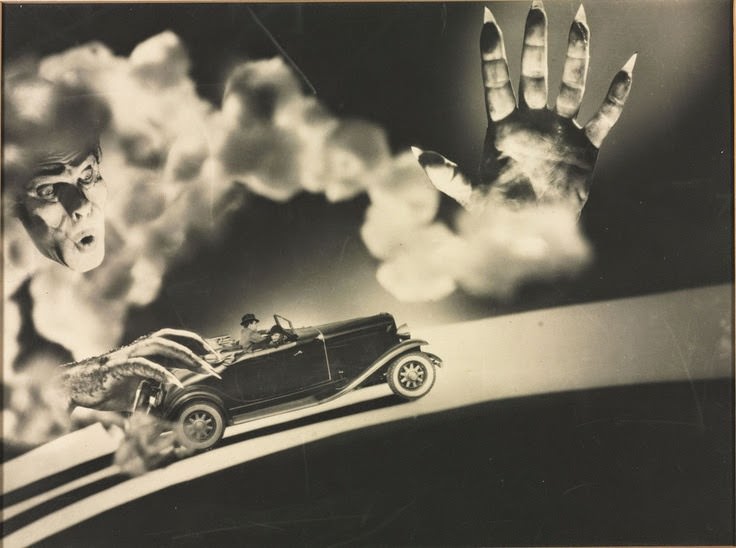
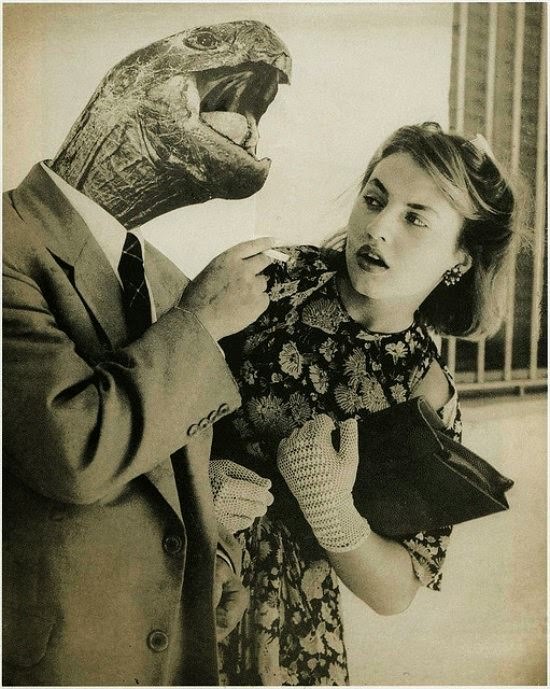
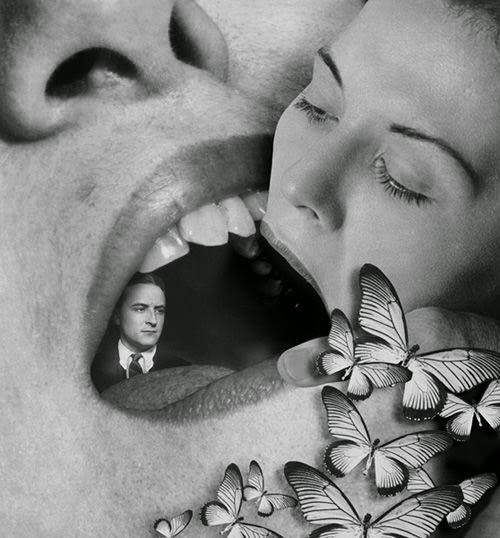
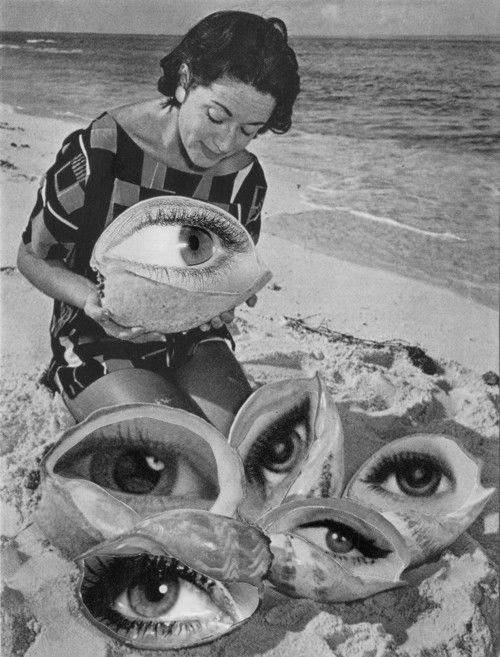
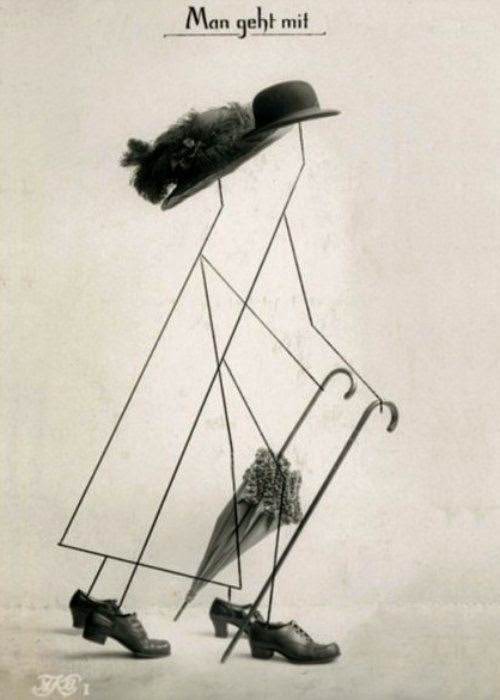
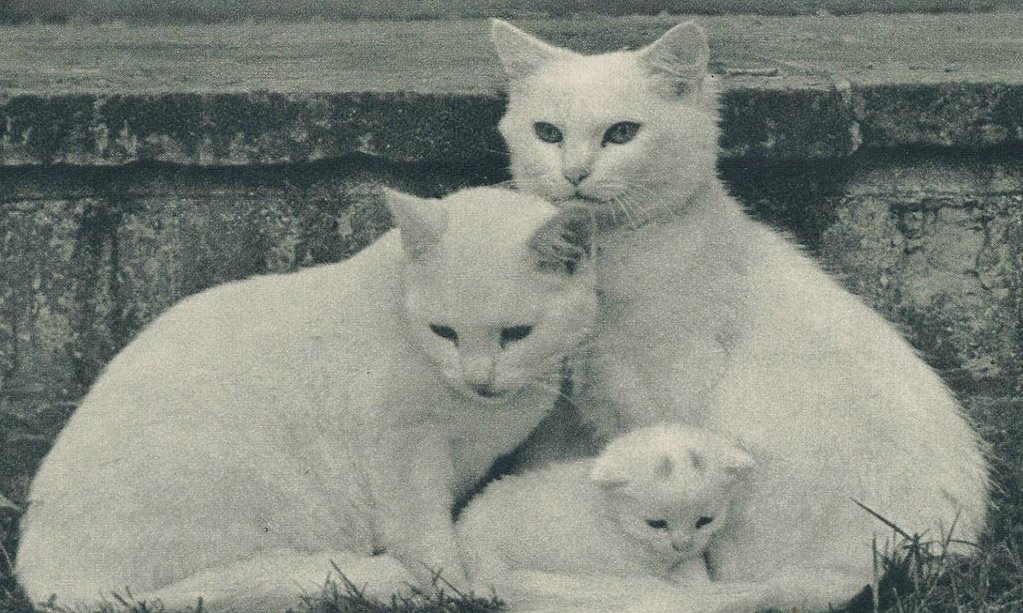
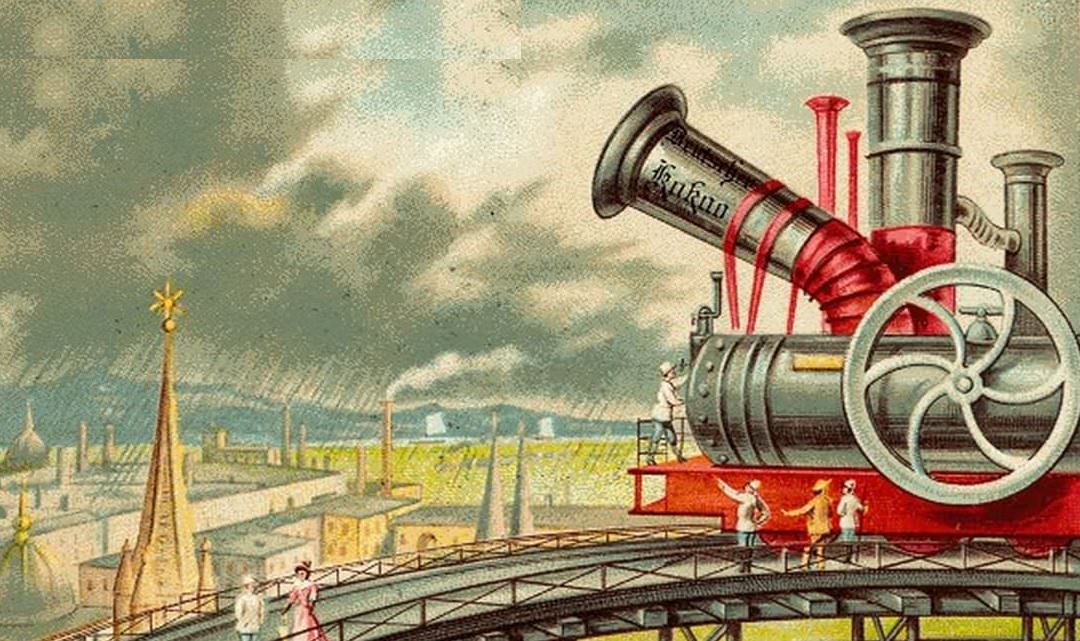
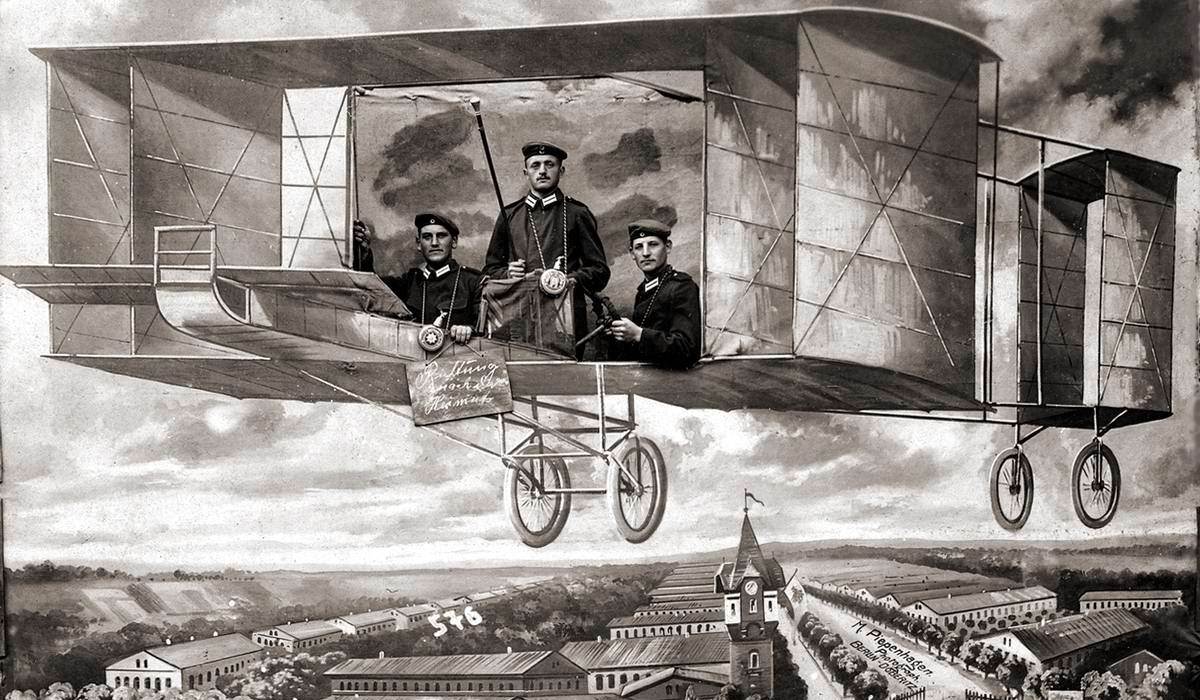
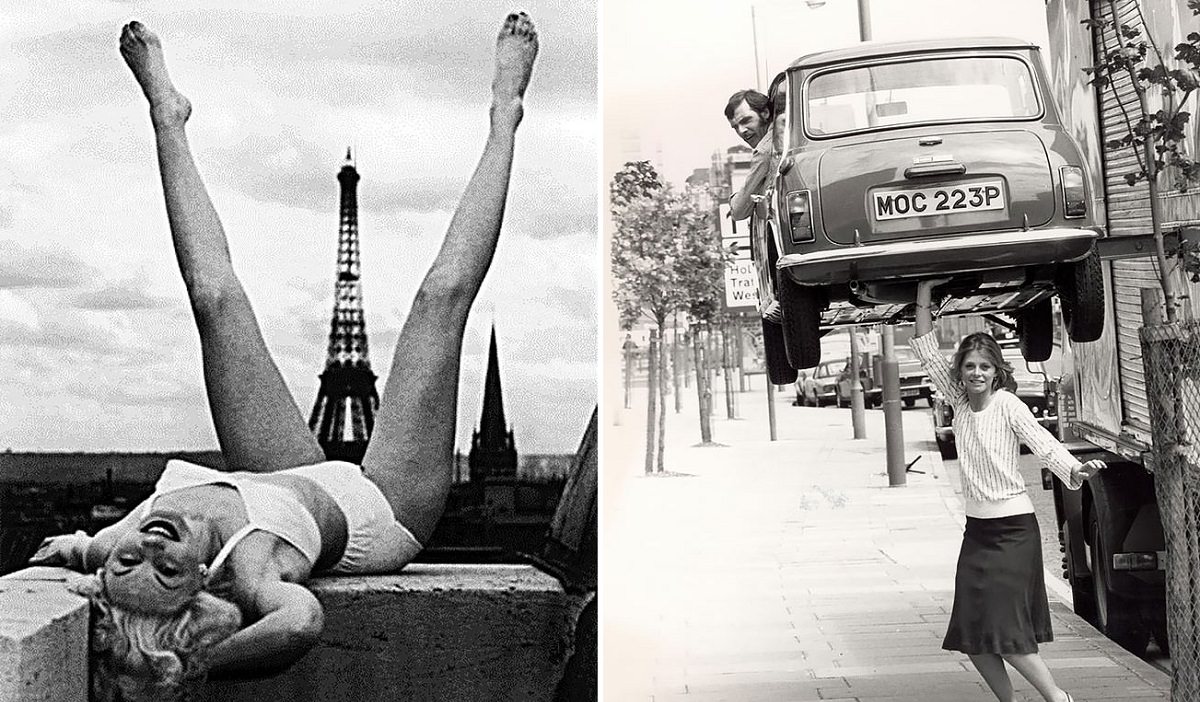
Before digital editing existed, artists created impossible images with nothing but scissors, paste, and a camera. Vintage photomontage involved cutting printed photographs apart and arranging the pieces into a brand-new scene. Once the collage was finished, the artist photographed it again to produce a seamless print that hid every cut line.
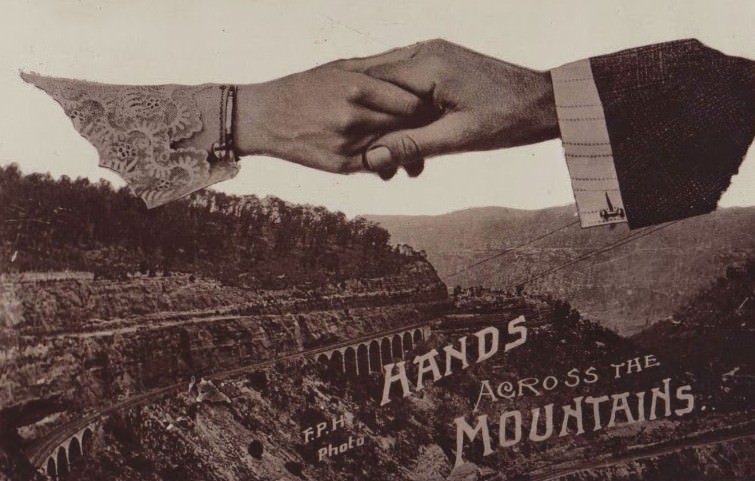
The technique demanded serious skill. Lighting had to match across every piece. If shadows pointed in different directions, the illusion collapsed completely. Artists carefully selected source photos that shared similar light angles before making a single cut.
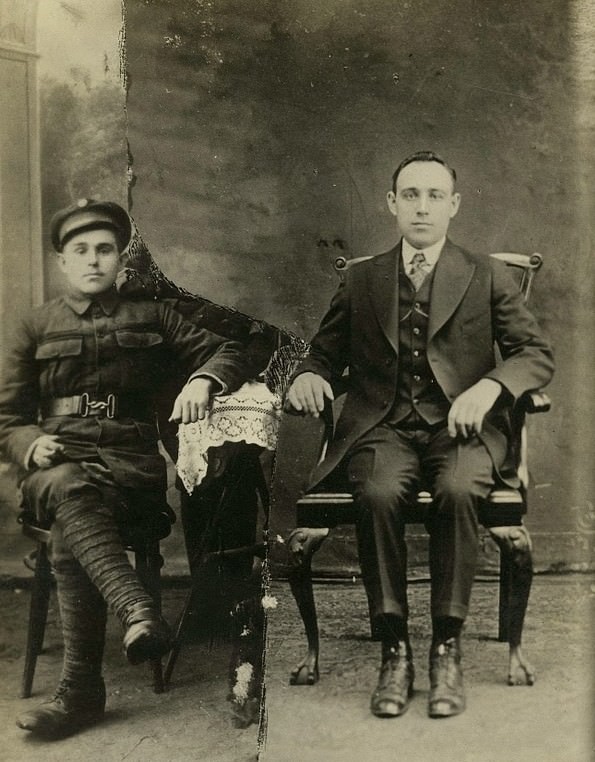
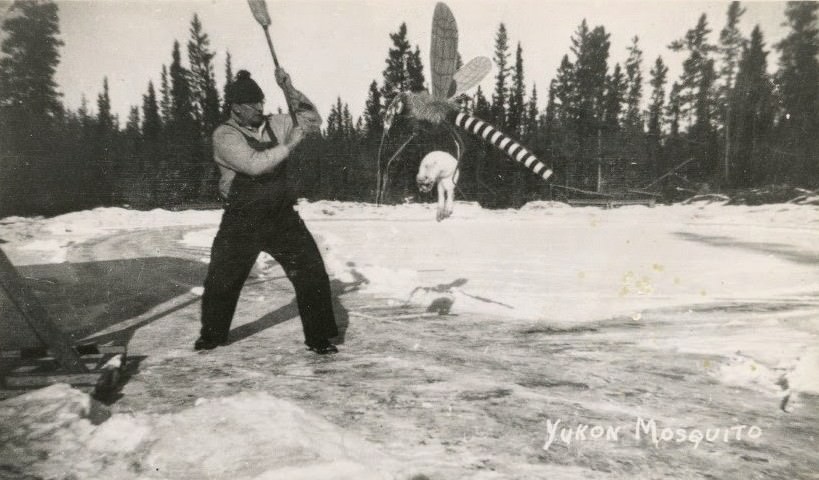
“Tall-tale” postcards were among the most popular results. These showed giant vegetables, enormous fish hauled by tiny trucks, or other scenes too absurd for real life. They were sold as souvenirs and used in advertisements to grab attention.
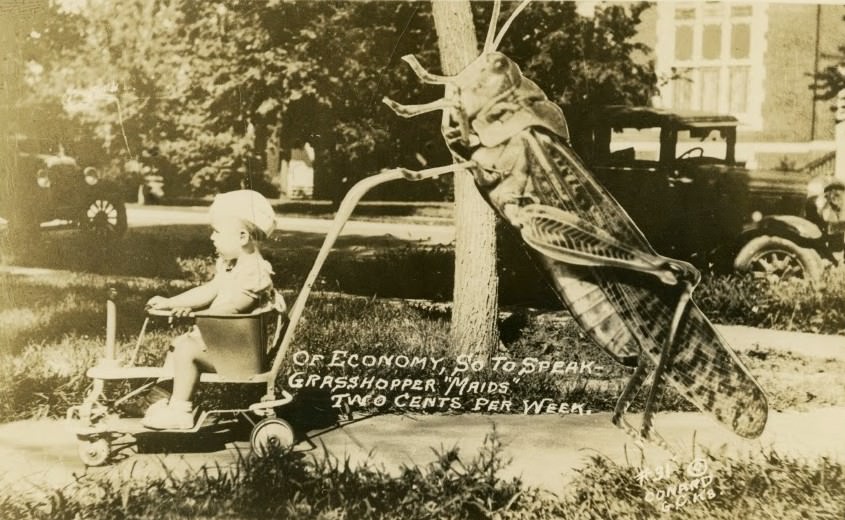
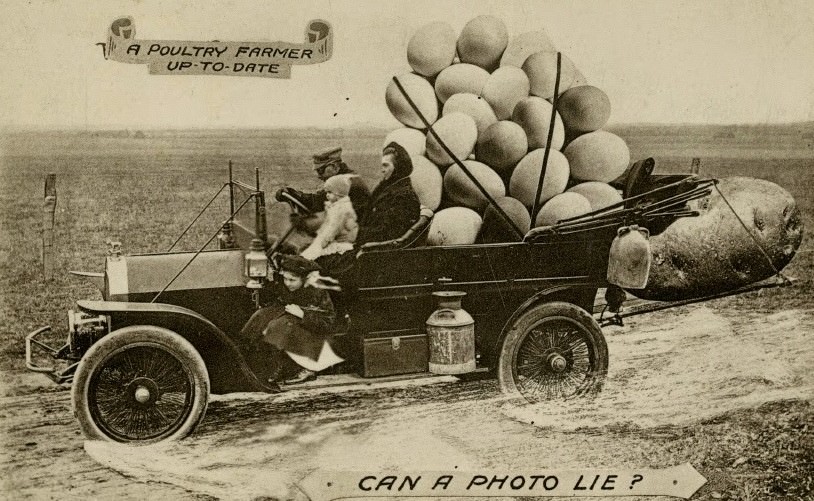
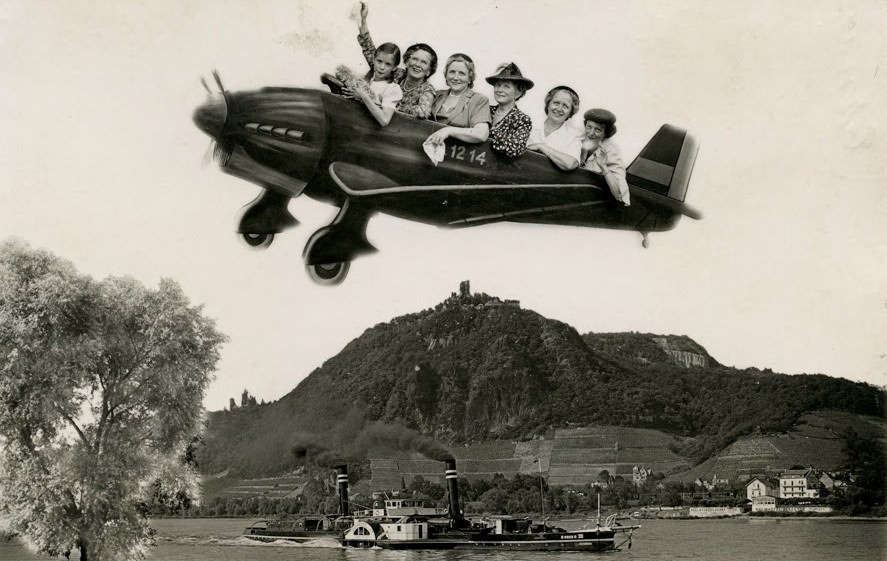
Other creators placed human heads on animal bodies or showed a single person shaking hands with themselves. Flight was another favorite theme — figures soared above city skylines with no airplane in sight.
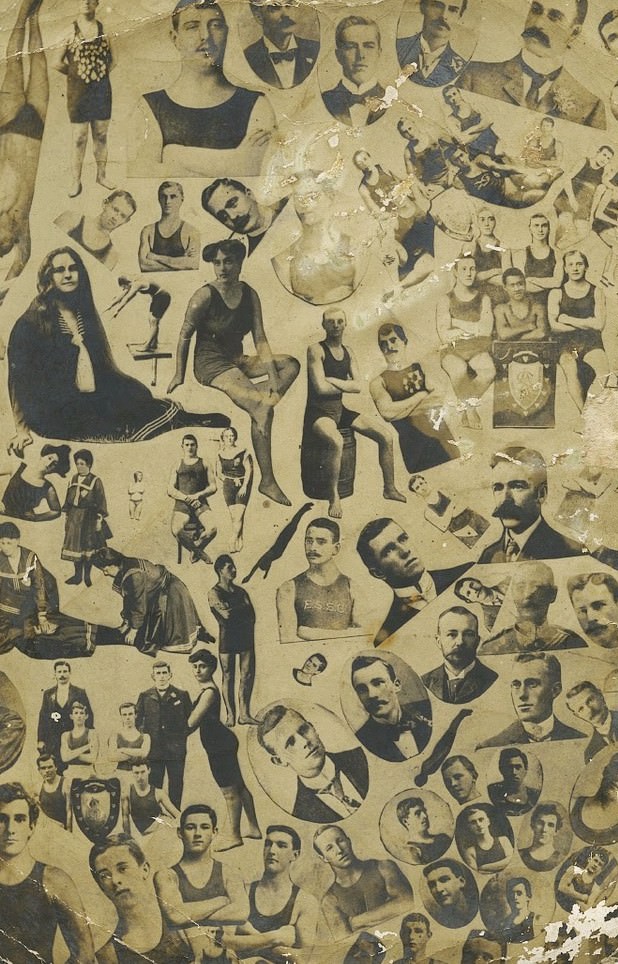
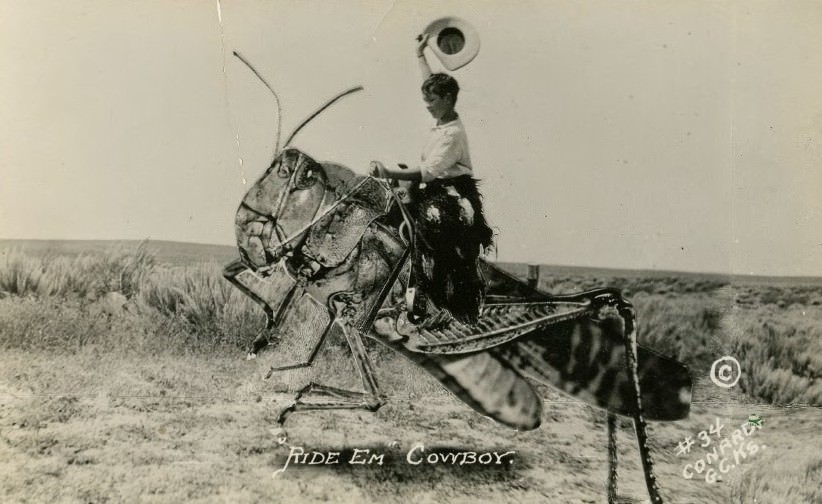
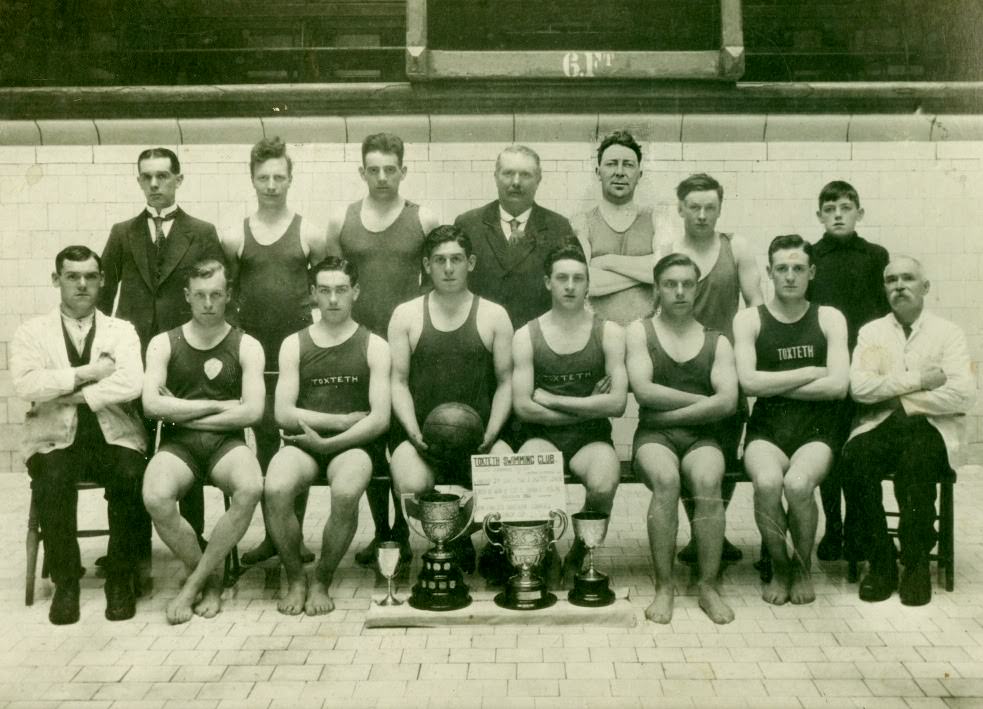
These images worked as visual jokes for audiences still getting used to photography itself. The camera was new, trust in photographs was high, and a well-made montage could genuinely fool a viewer.
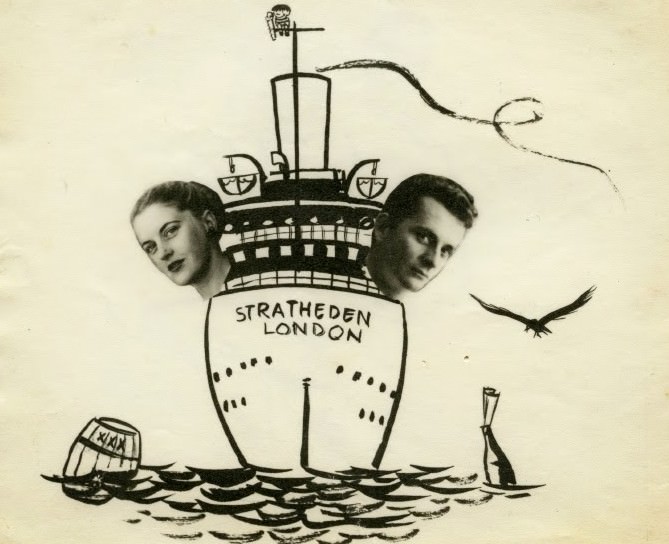
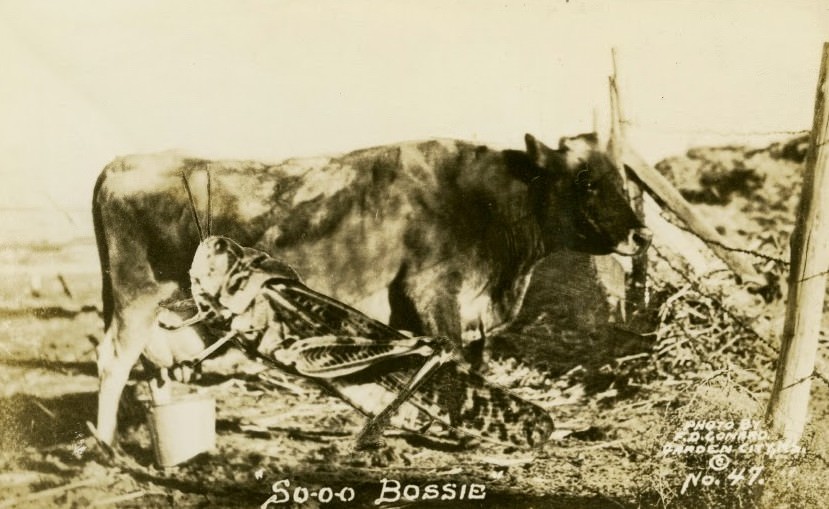
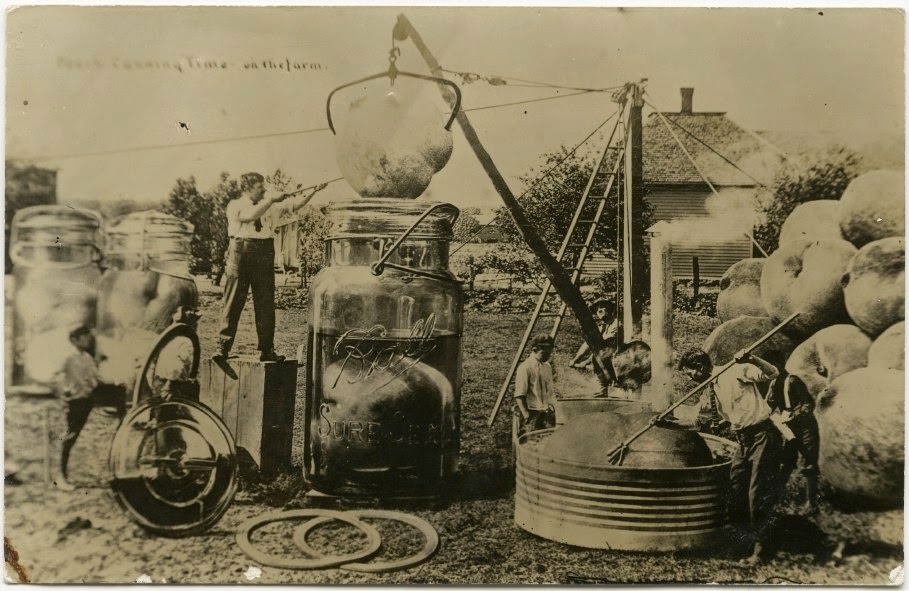
Every finished piece was a physical object — fragile, one-of-a-kind, and built entirely by hand. There was no undo button. Each cut was permanent.
Photomontage served as the direct forerunner of modern photo editing software. The same goals — blending, fooling the eye, and building impossible scenes — drive digital artists today, just with a mouse instead of scissors.