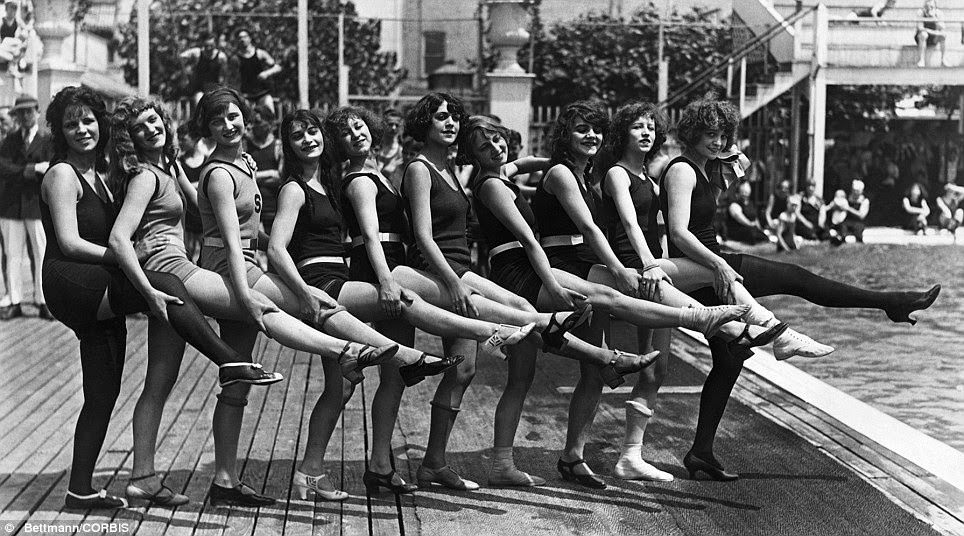
In 1921, businessmen in Atlantic City, New Jersey, wanted to extend their lucrative summer tourist season past Labor Day. Hotel owners and local merchants created an end-of-summer event called the Fall Frolic to keep visitors spending money in the city. The main attraction of the festival was a rolling chair parade featuring young women wearing contemporary swimsuits. Organizers called them bathing beauties. Thousands of spectators lined the wooden boardwalk to watch the contestants compete for public attention, trophies, and cash prizes. Local preliminary events quickly popped up in cities across the United States to feed winners straight into the growing Atlantic City competition.
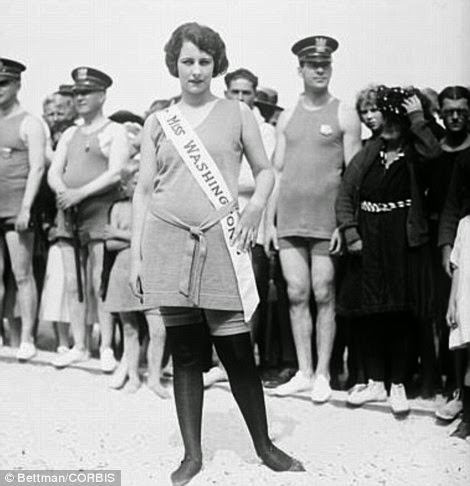
Young women traveled by train from small towns and major industrial centers to reach the New Jersey coast. Contestants like Evelyn Lewis represented distant places such as Washington state, arriving with trunks filled with evening gowns and swimwear. Rules changed rapidly during these early years of the contest. Judges scored participants on physical perfection, evening gown poise, and basic stage talent. Crowds packed the seaside convention hall to maximum capacity. Local newspapers printed daily portraits of the favorites, turning unknown women into national celebrities almost overnight through syndicated wire services.
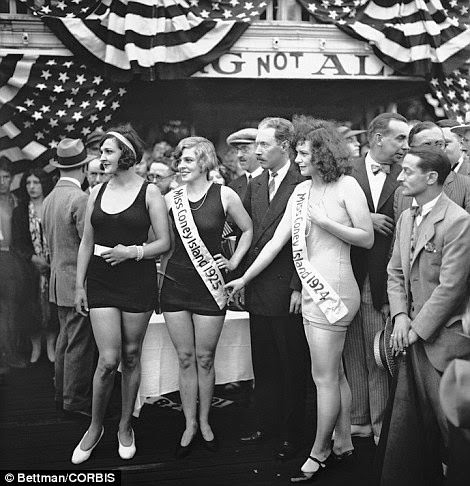
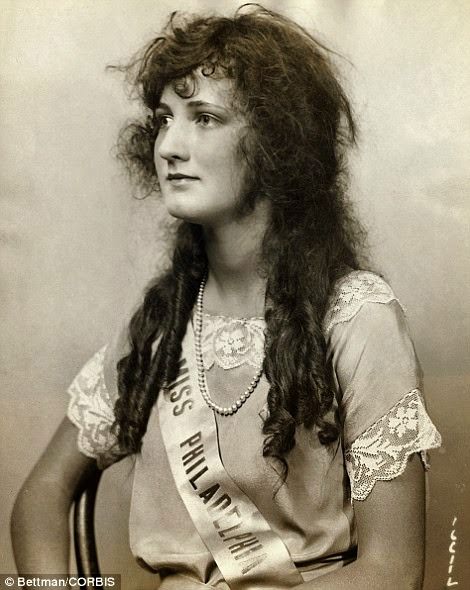
Behind the glamour, the daily routine involved grueling schedules and intense pressure for the teenagers and young adults on stage. Young women stood for hours on chilly piers while press photographers adjusted heavy glass-plate cameras in the ocean wind. Nervous contestants practiced their smiles and posture on the damp sand before facing harsh judging panels. Atlantic City police officers managed massive crowds that frequently broke through wooden boardwalk barricades. Merchants cheered because the throngs filled restaurants, grand hotels, and souvenir shops to absolute capacity.
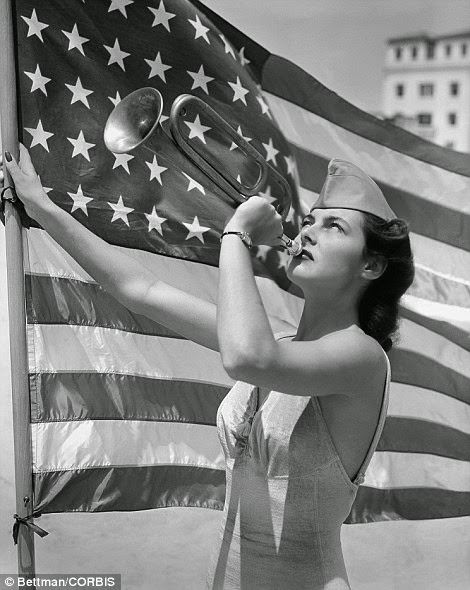
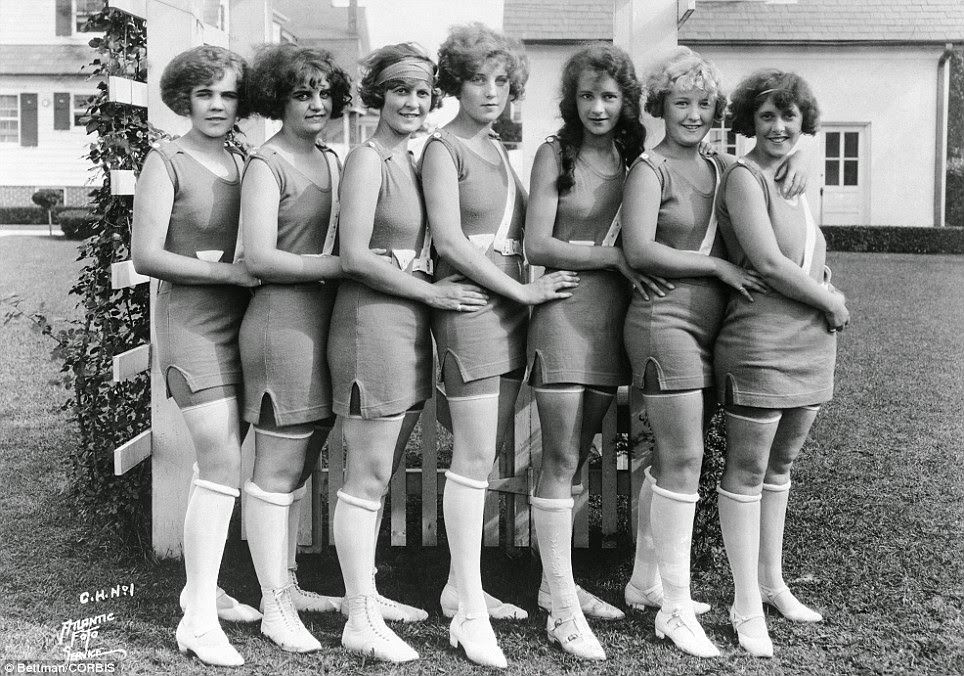
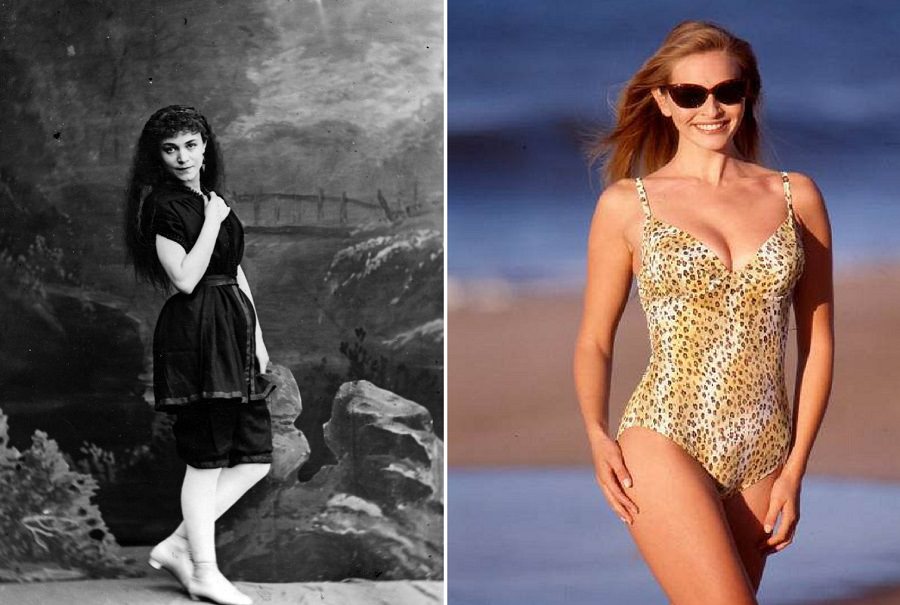
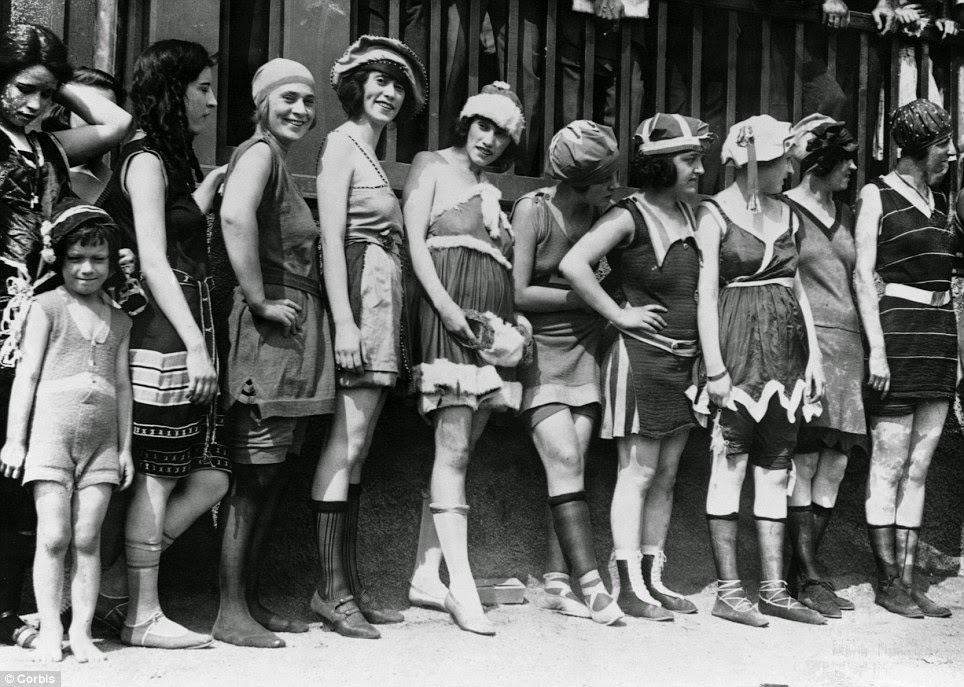
Swimsuit designs changed drastically during the decade as textile manufacturers shifted from heavy wool to lighter cotton blends and silk fabrics. Designers introduced shorter hemlines and tighter fits that shocked conservative communities. Pageant rules required skirts or bloomers that met strict local decency laws enforced by municipal police. Officials penalized contestants who showed too much bare leg or unapproved swimwear styles. Cities nationwide copied the format, holding local contests at public beaches, county fairs, and amusement parks to boost local tourism and ticket sales.
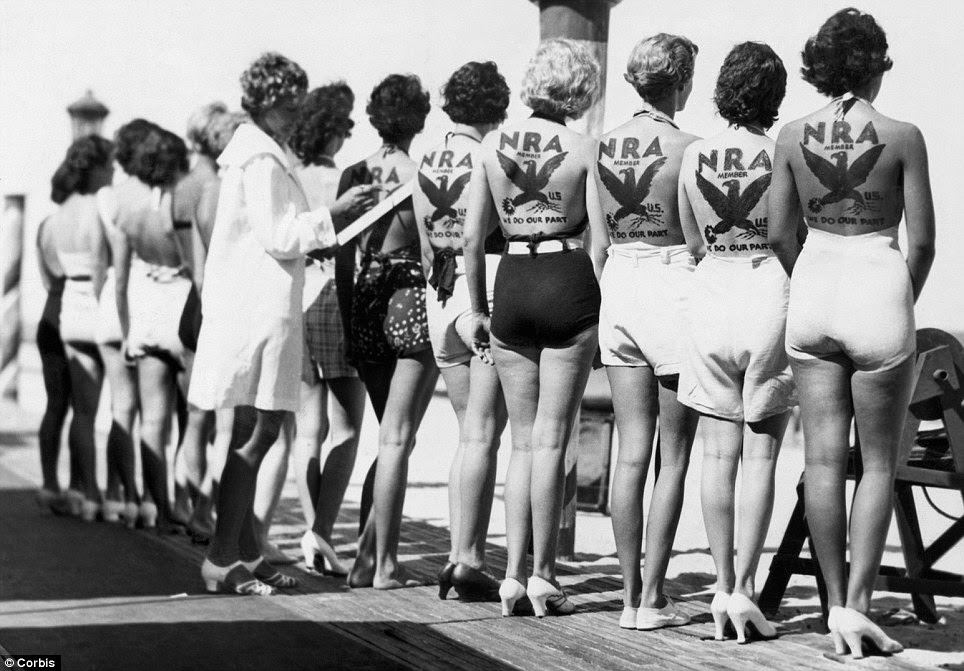
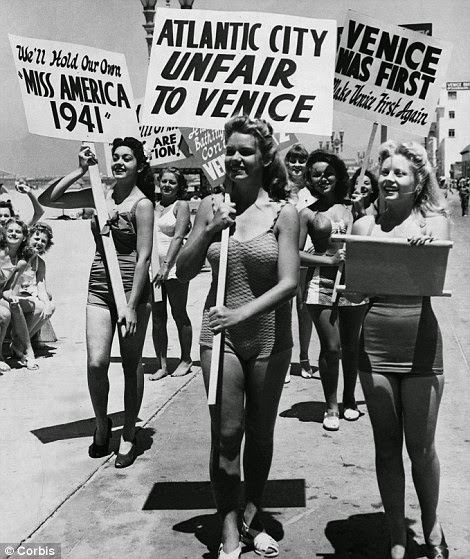
Rival cities soon challenged Atlantic City for control of the lucrative beauty contest industry. Promoters in California staged their own lavish events to draw tourists away from the East Coast during the winter months. Contestants in Venice, California, held public protests against Atlantic City officials who claimed a complete monopoly on national beauty titles. Local winners in Santa Monica and Los Angeles posed for promotional photographs to prove West Coast beaches produced equally strong contenders for the national crown. Newspapers covered these regional disputes with intense enthusiasm.
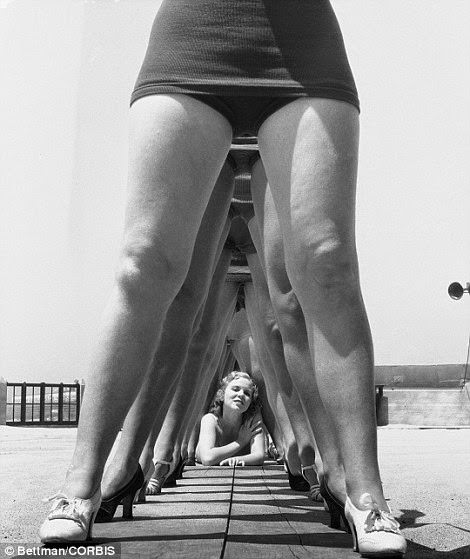
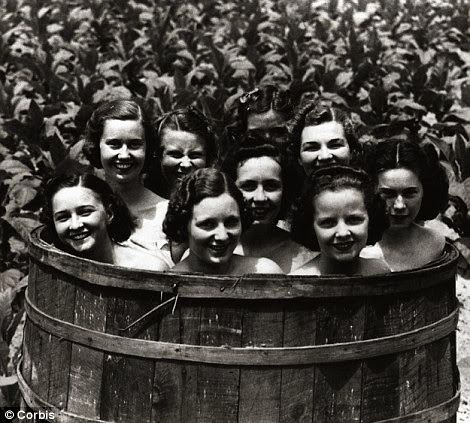
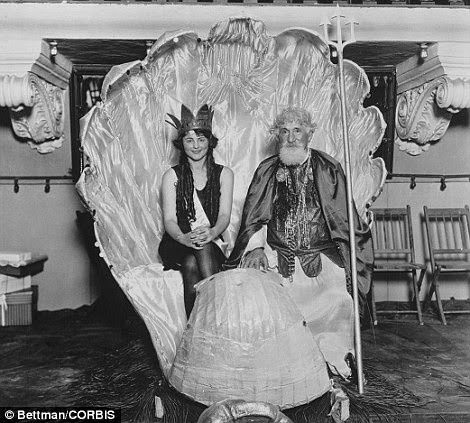
Smaller towns also created unusual local pageants to draw crowds to regional agricultural and industrial festivals. Contestants in South Boston, Virginia, participated in bizarre promotional stunts during the National Tobacco Festival. Back in Atlantic City, judges crowned winners like Ruth Malcolmson and Mary Catherine Campbell who secured multiple historical titles. Organizers paired the young champions with local dignitaries, including inventor Hudson Maxim dressed as the mythical sea god Neptune, cementing the theatrical traditions of early American pageantry by the end of the decade.