Late nineteenth-century masquerade masks were cobbled together from farm scrap. Rural families in North America and Britain used buckram, burlap feed sacks, and flour paste to shape false faces for harvest festivals and mummer visits.
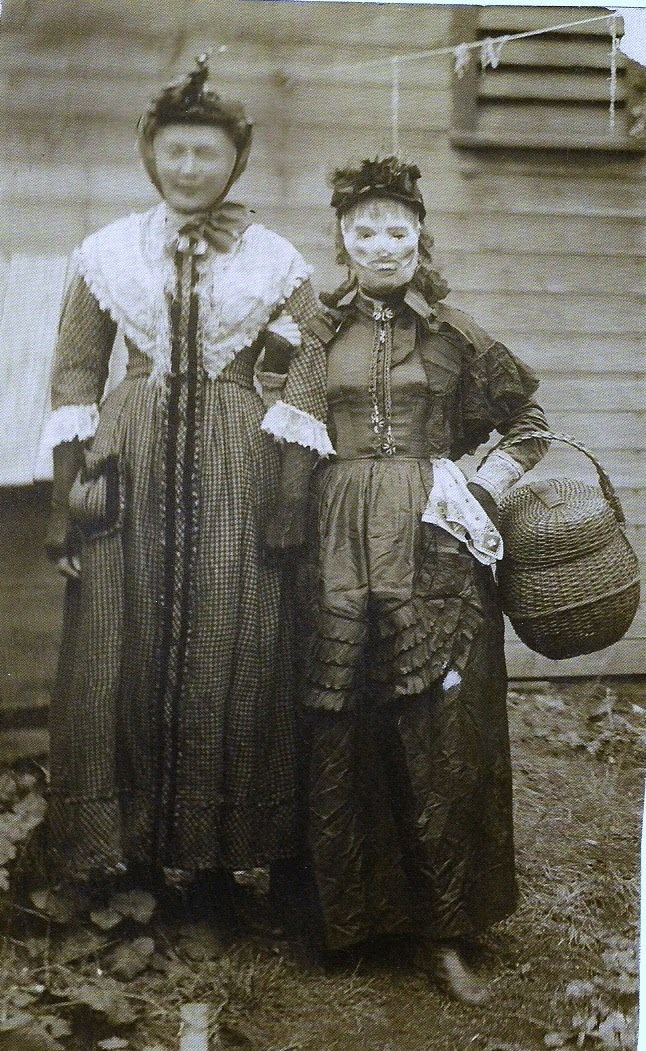
Newfoundland fishermen in the 1880s disguised themselves for a winter tradition called janneying. Men reversed coats, stuffed dried moss into boots to alter their gait, and pulled pillowcases with scissor-cut eyeholes over their heads. They entered parlors uninvited, speaking on indrawn breaths to hide their voices until someone guessed their names.
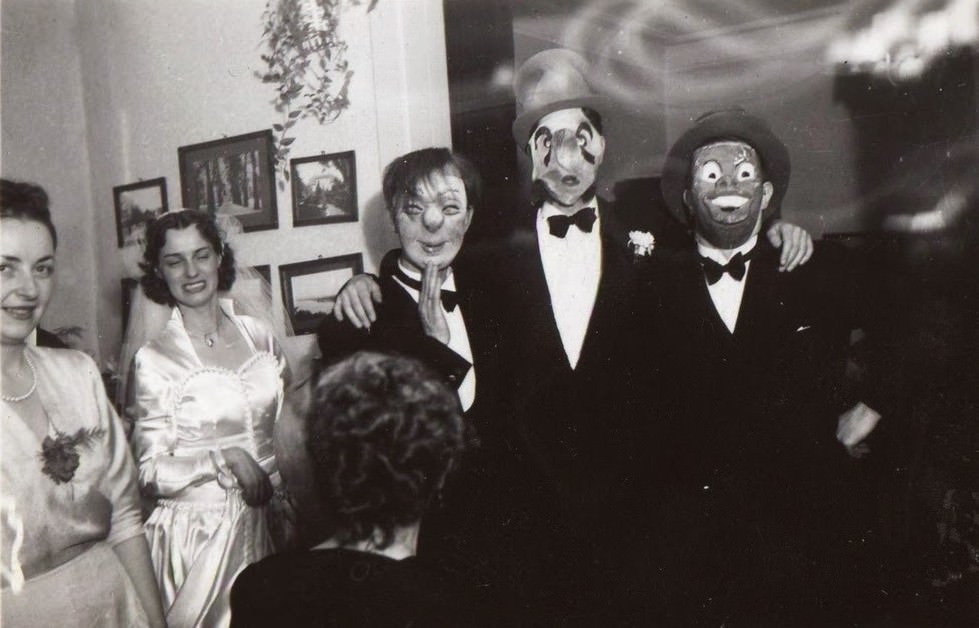
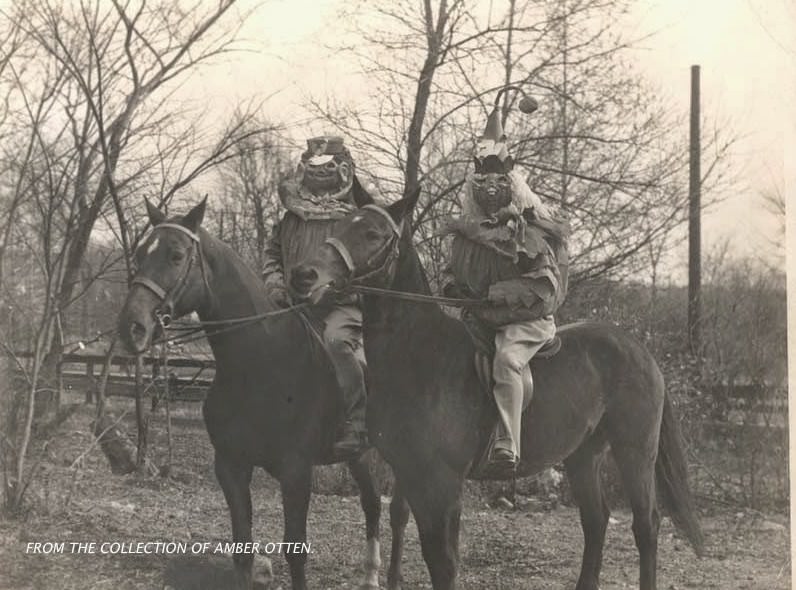
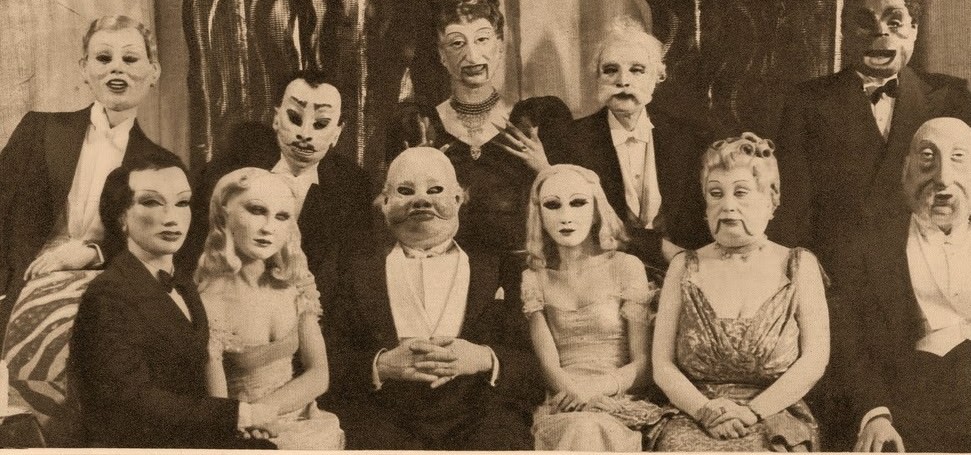
Commercial manufacturers entered the trade around 1900. In Massachusetts, the Dennison Manufacturing Company issued its first Bogie Book in 1909, explaining how to mold paper masks over carved pumpkins. Dennison sold gummed crepe paper in black, orange, and white for ten cents a roll.
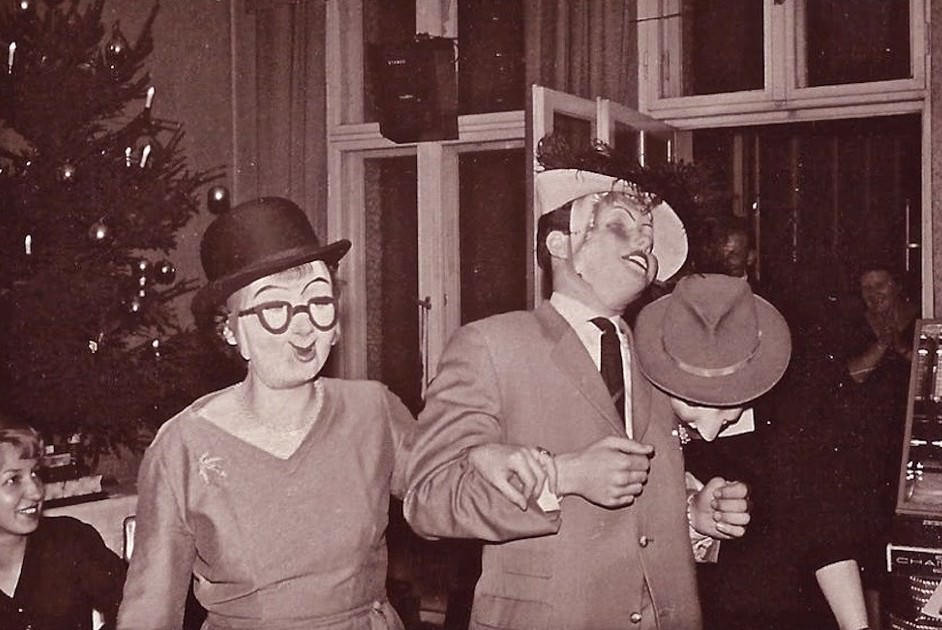
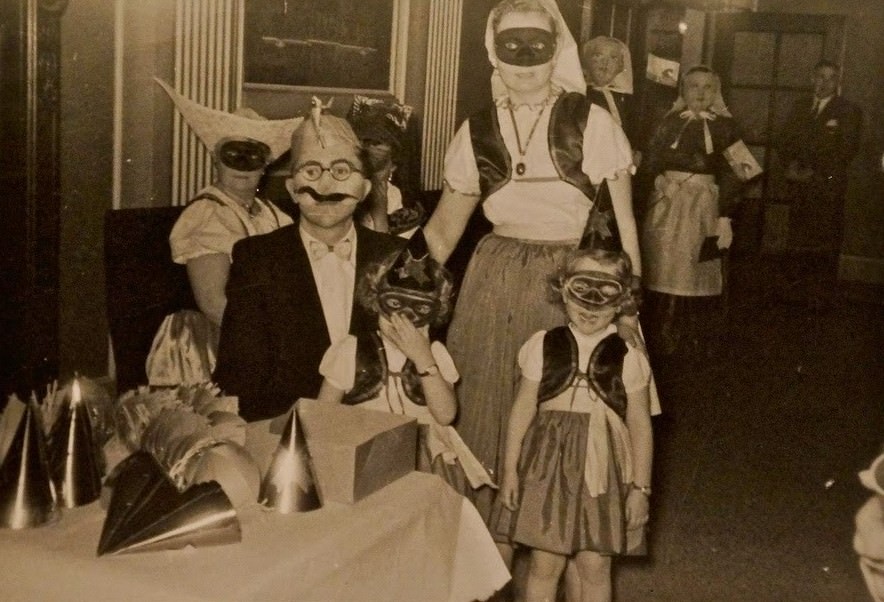
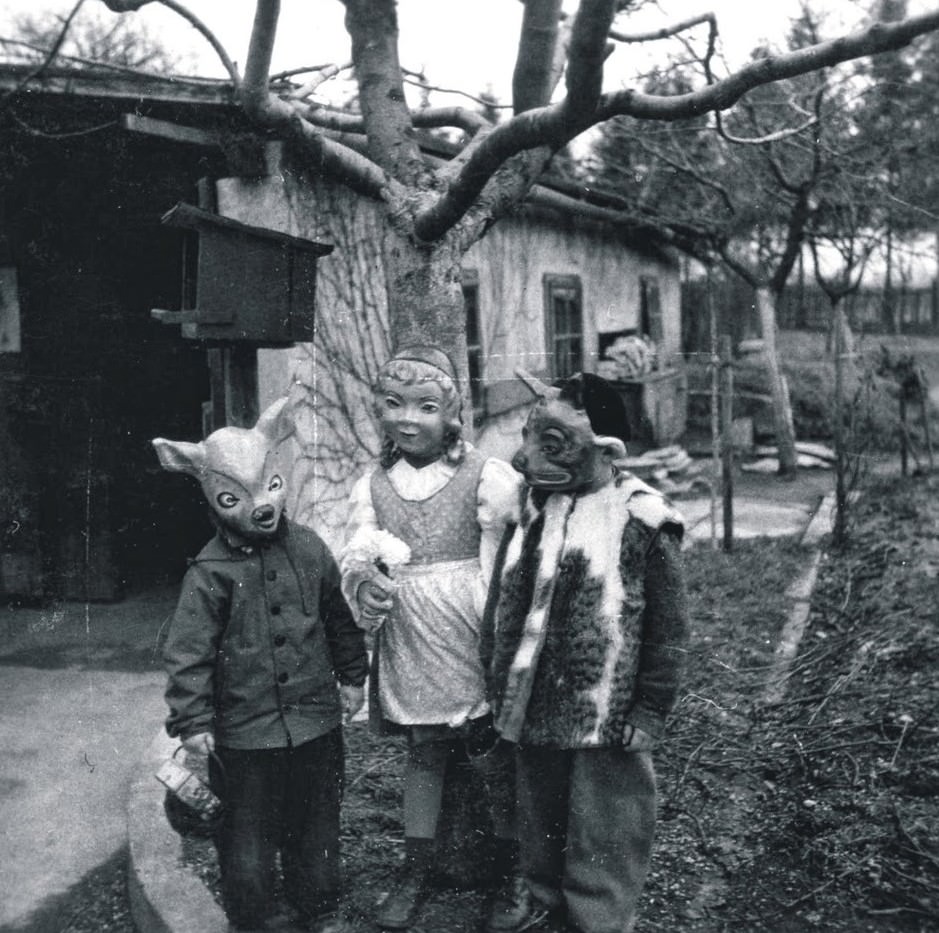
By 1915, cottage factories in Thuringia, Germany, exported pressed-cardboard masks across the Atlantic by the crate. Workers soaked paper pulp, clamped it into two-piece iron molds, and baked it dry. Hand-painters brushed on lead pigments, gluing wool or horsehair to produce witches, devils, and grinning tramps.
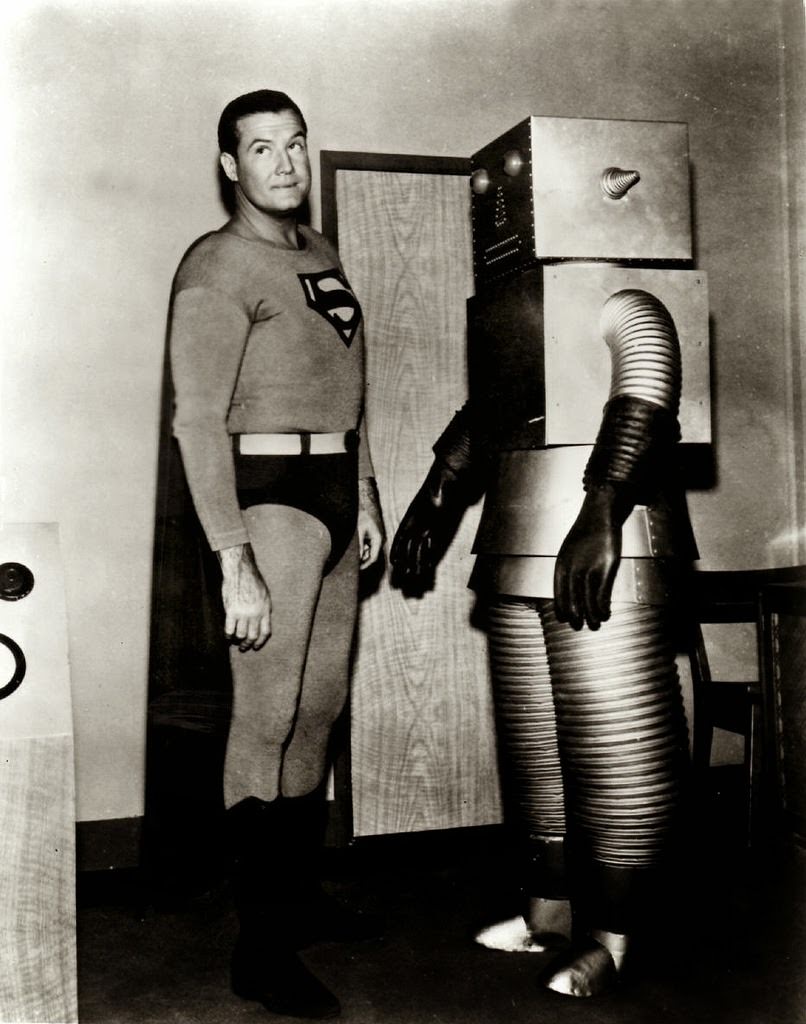
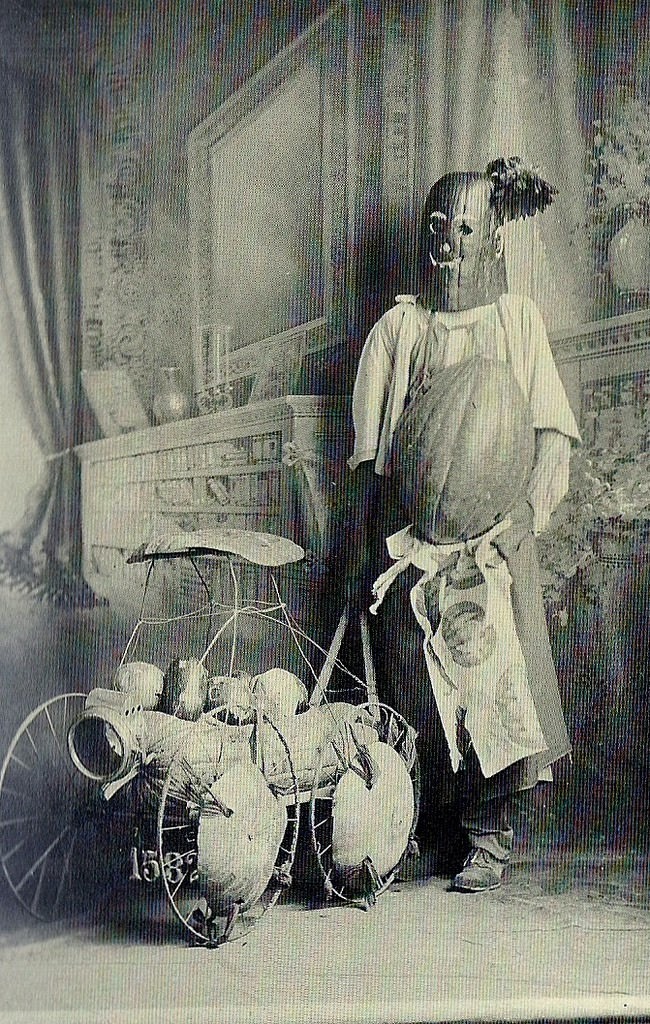
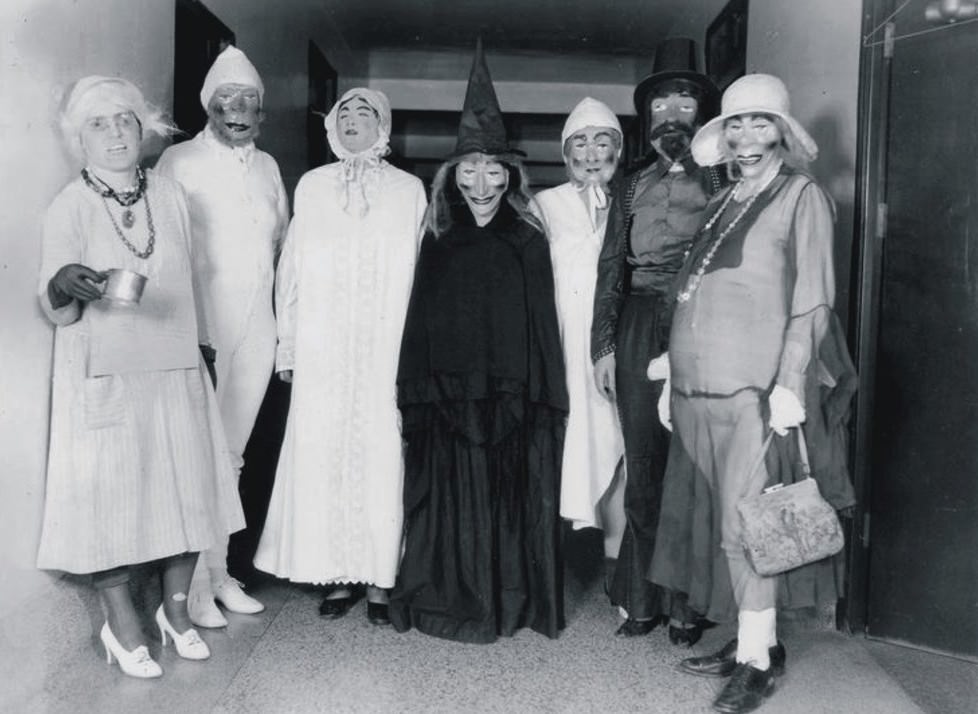
American mills soon adopted the process. In Collegeville, Pennsylvania, the Collegeville Flag and Manufacturing Company shifted floor space to masks in 1927. Workers used cotton remnants and buckram to stamp clown faces, cats, and skulls with heated dies, leaving edges that scratched wearers' cheeks.
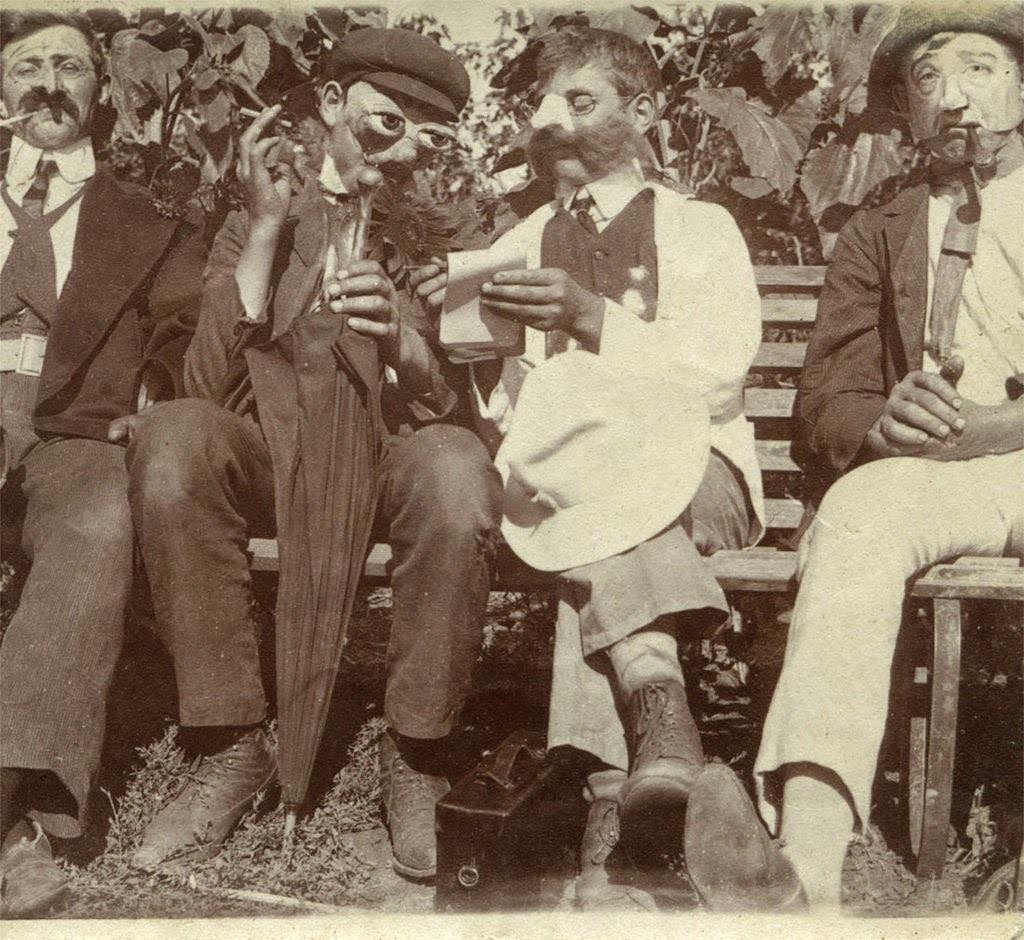
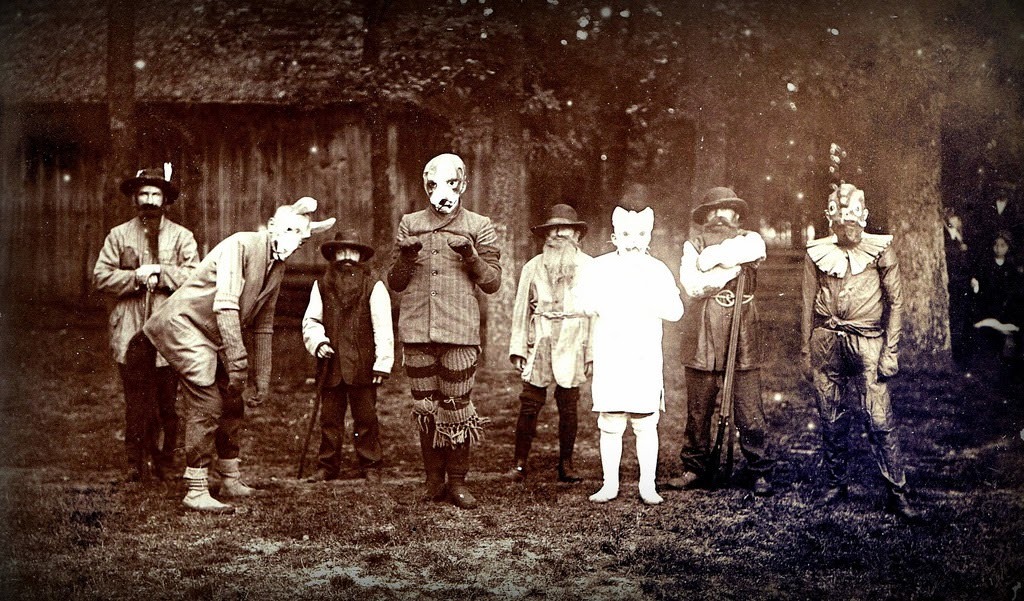
Mask designs in the 1920s drew from carnival traditions and pantomime rather than film. Children wore papier-mache heads resembling bulbous vegetables, foreign politicians, or barnyard beasts. Eyeholes were small punches that misaligned with pupils, and wearers breathed through pinpricks cut beside the nose.
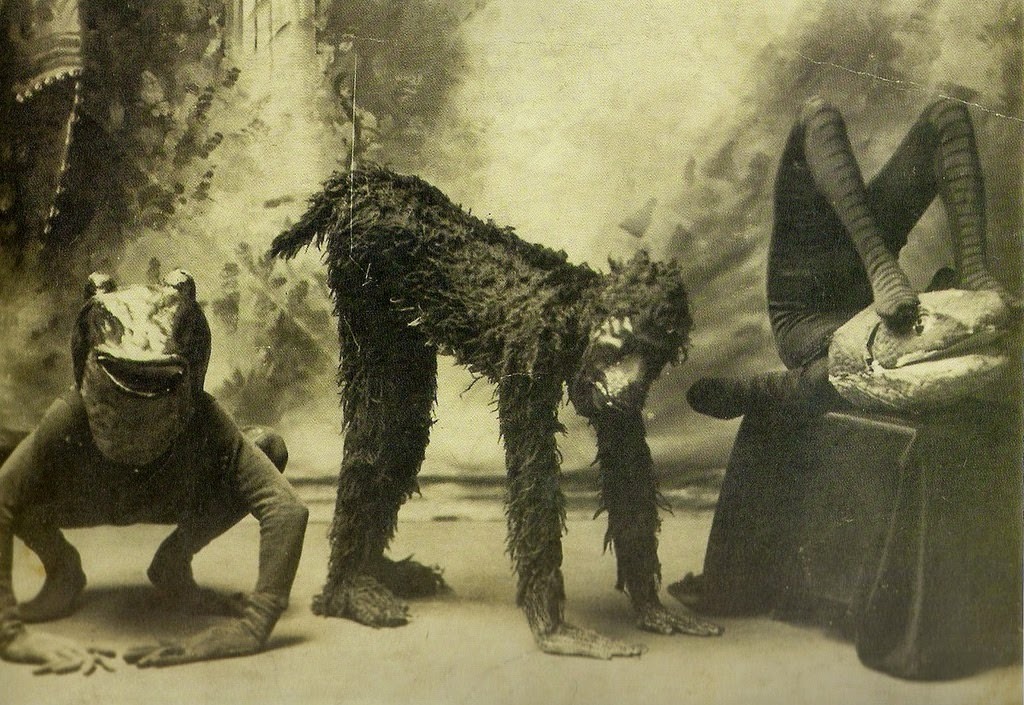
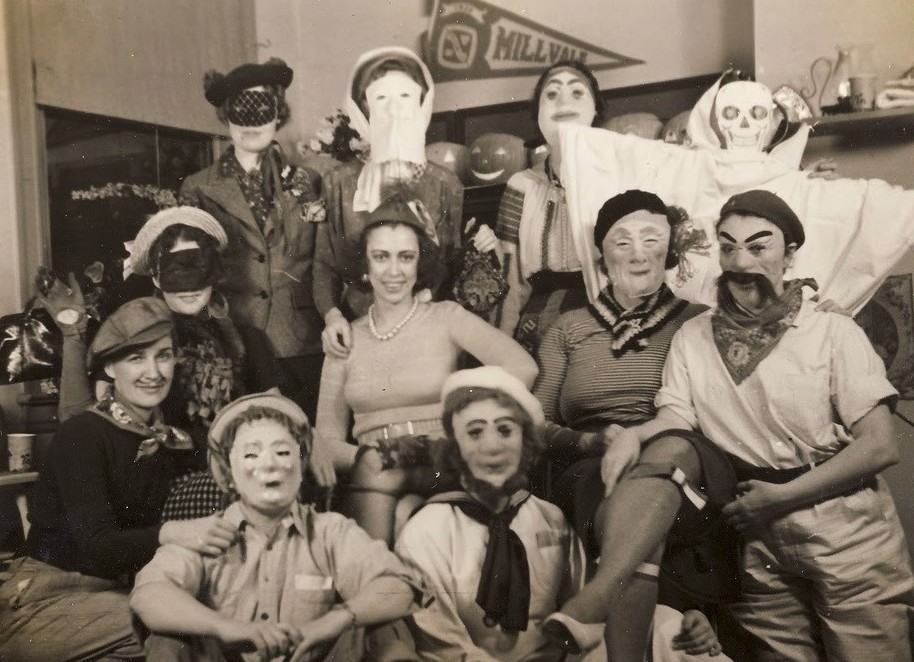
Street crowds exploited the anonymity for vandalism. In Chicago and Detroit during the Great Depression, masked youths tipped outhouses, soaped streetcar tracks, and smashed streetlamps. Police chiefs in Kansas City and Omaha tried to ban masks for anyone older than twelve in October 1934.
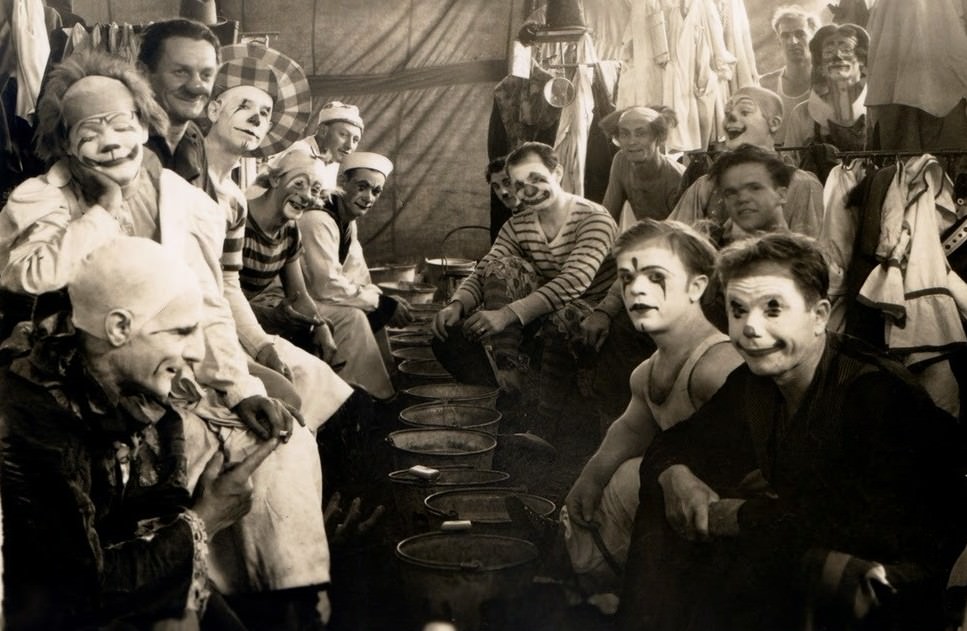
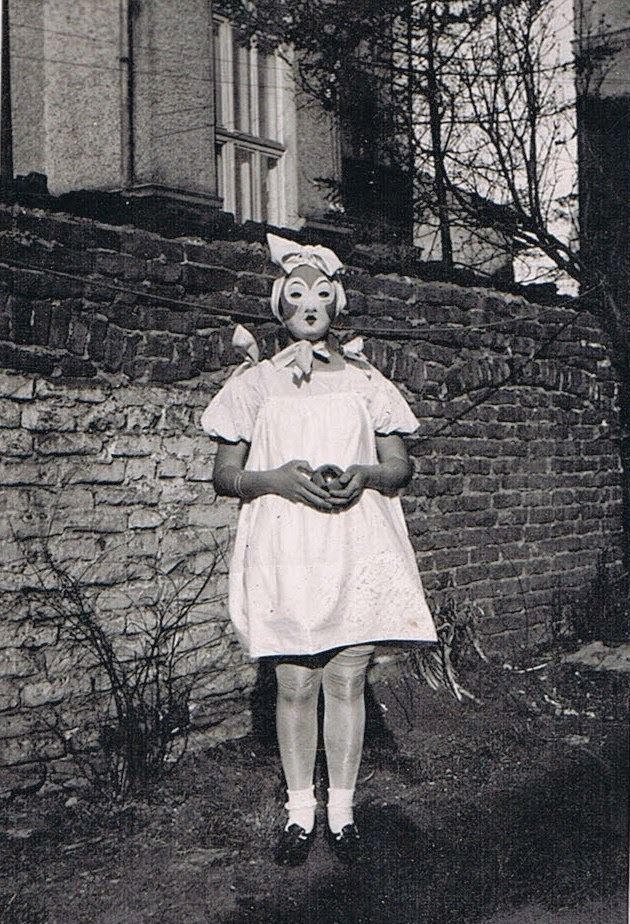
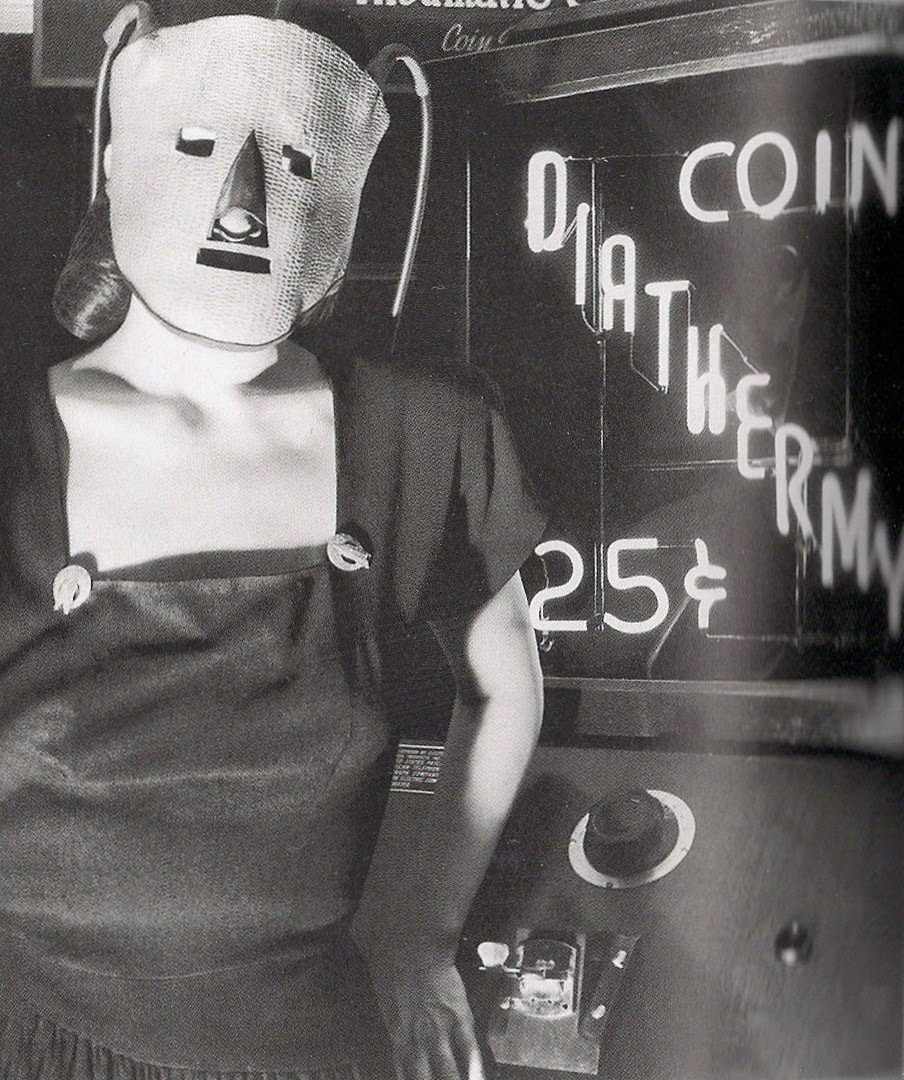
Fraternal lodges bought disguises for ritual work. Orders like the Odd Fellows and the Improved Order of Red Men ordered wire-mesh and molded leather faces for lodge hall initiations. Wire-gauze masks, painted with realistic eyes and pink cheeks, let members chant and breathe while obscuring their features.
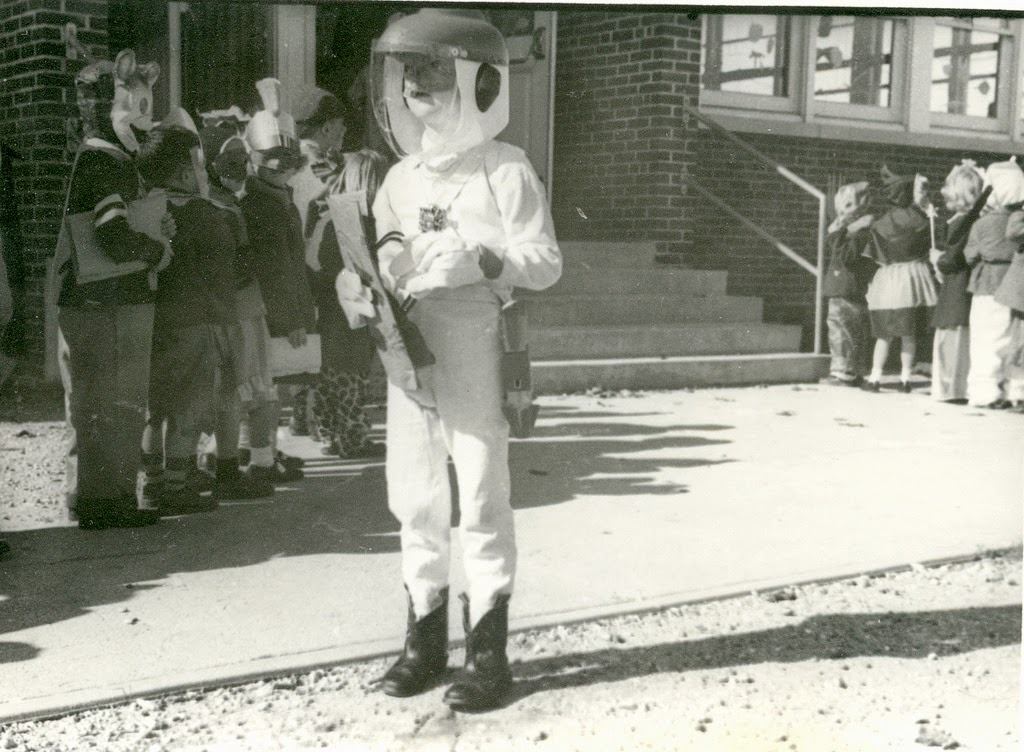
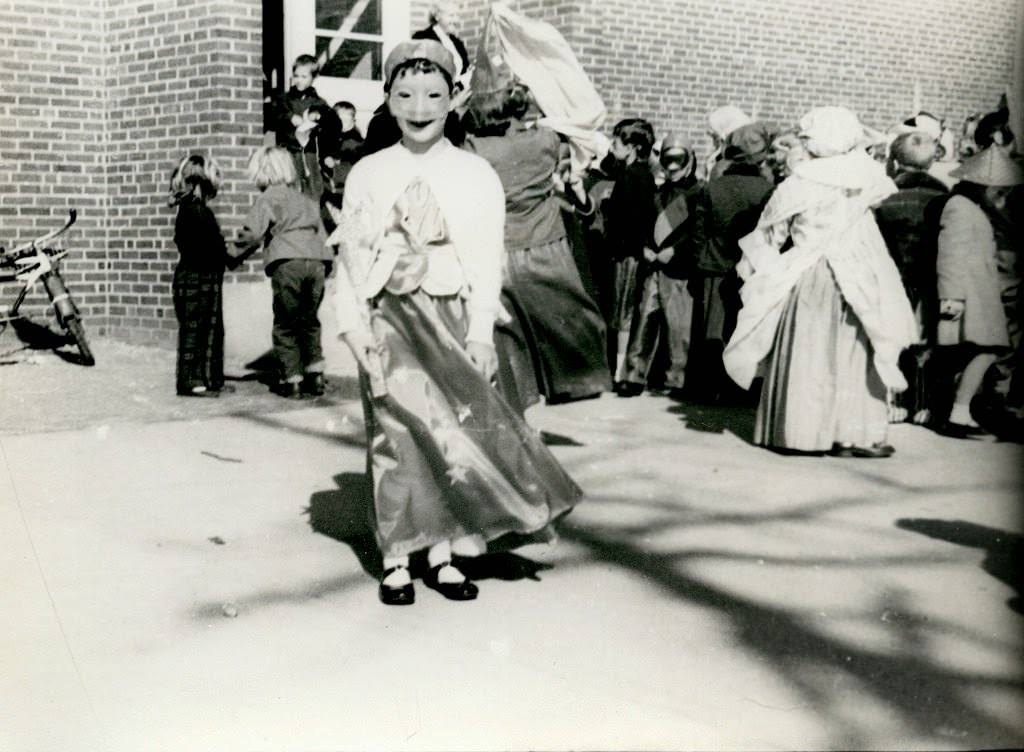
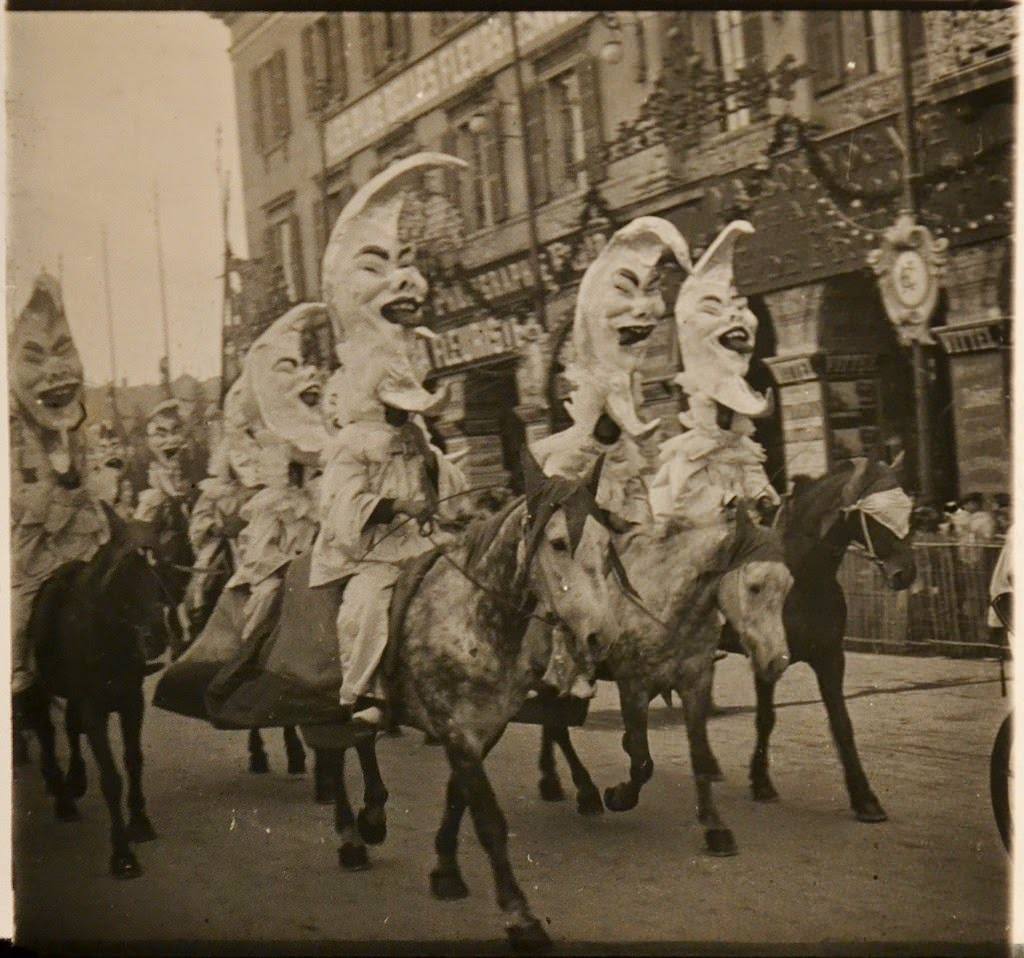
Medical clinics and salons adopted similar gear. In 1912, cosmetician Helena Rubinstein sold porcelain and rubber freeze-masks to tighten facial tissue. Six years later, health boards in San Francisco and Seattle ordered citizens to wear wire-braced gauze coverings to check the spread of influenza.
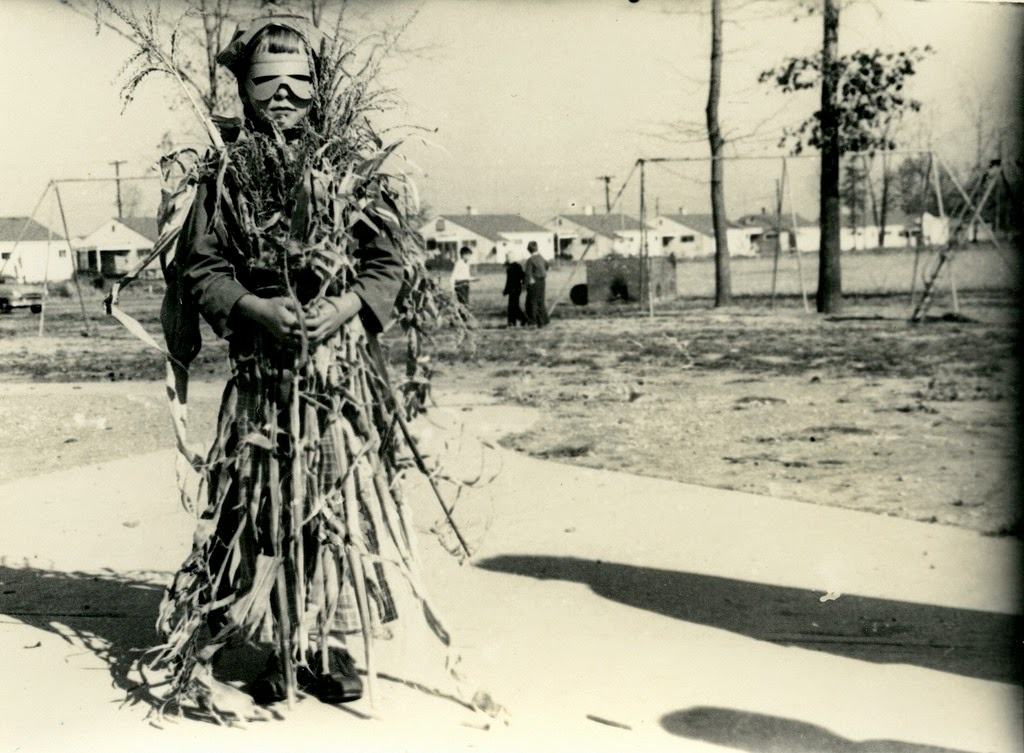
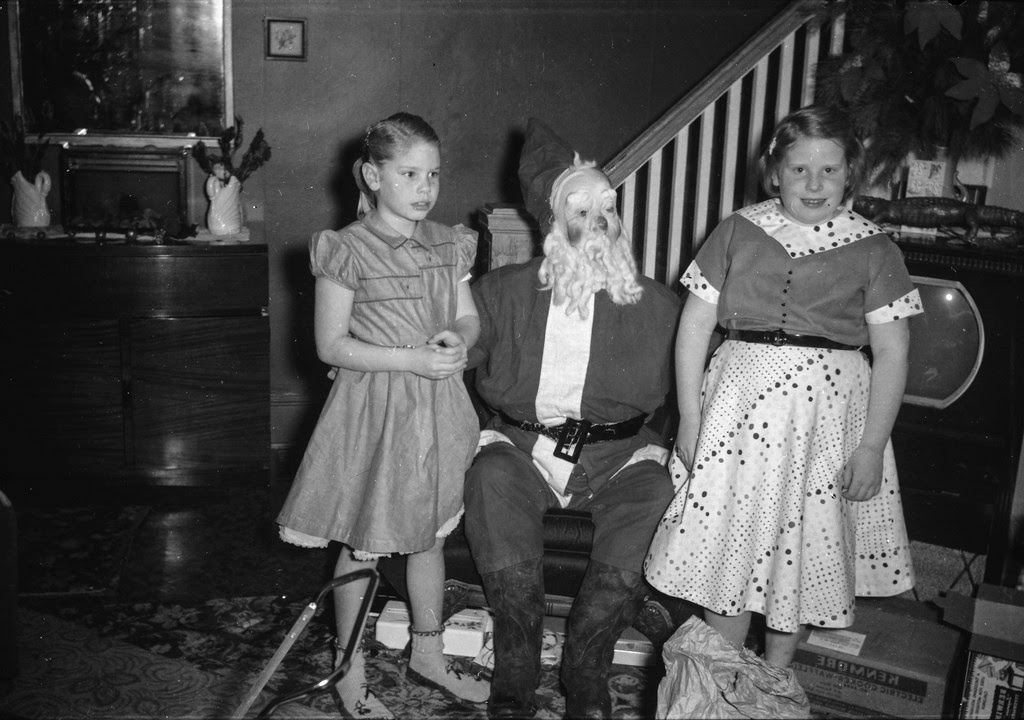
Civilian defense drills shaped mask culture across Europe in the late 1930s. Schoolchildren in London and Paris drilled in snout-faced rubber respirators with celluloid eyepieces. British designers produced Mickey Mouse gas masks with red rubber faces and blue filter canisters in 1938 to calm young children.
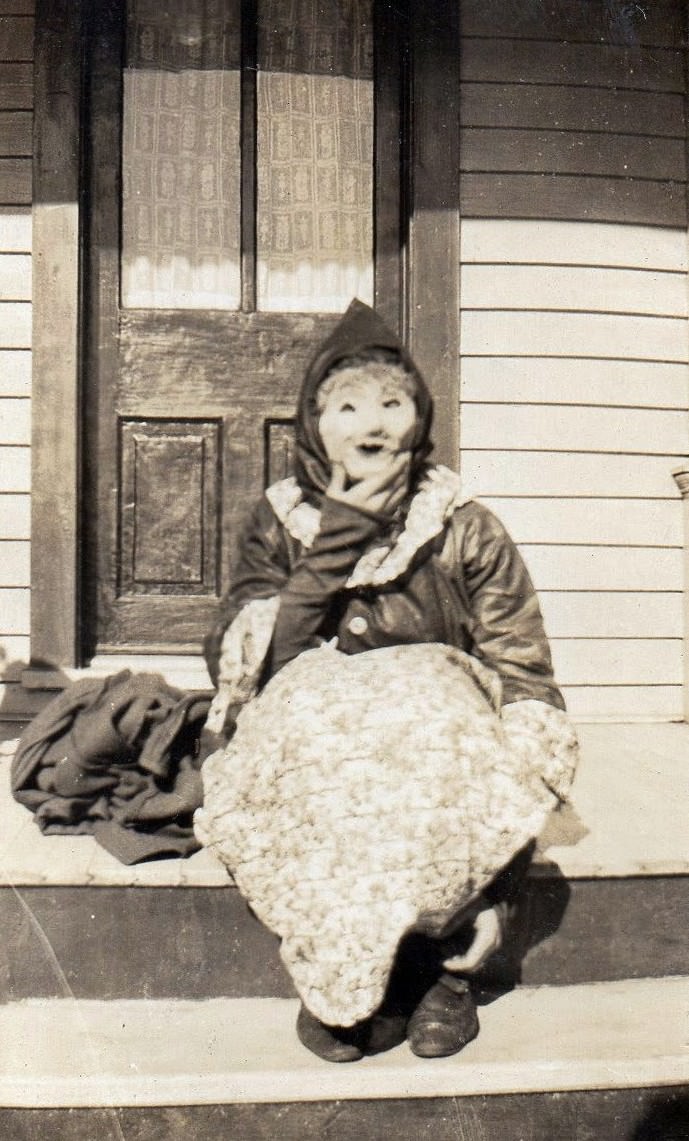
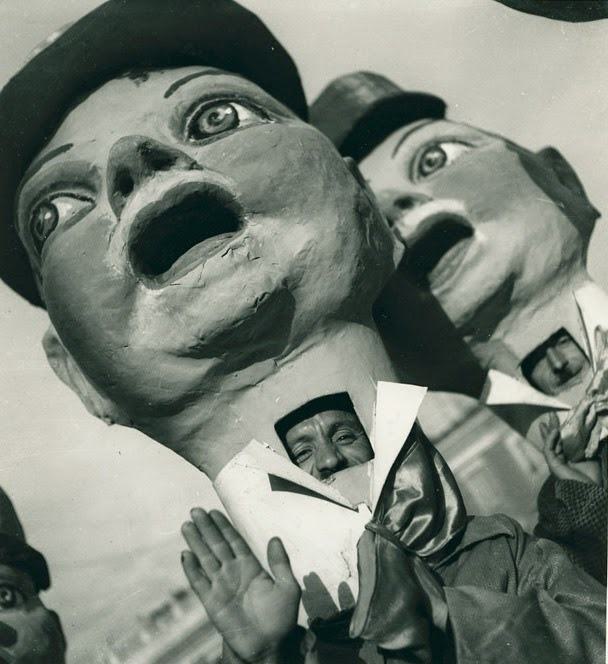
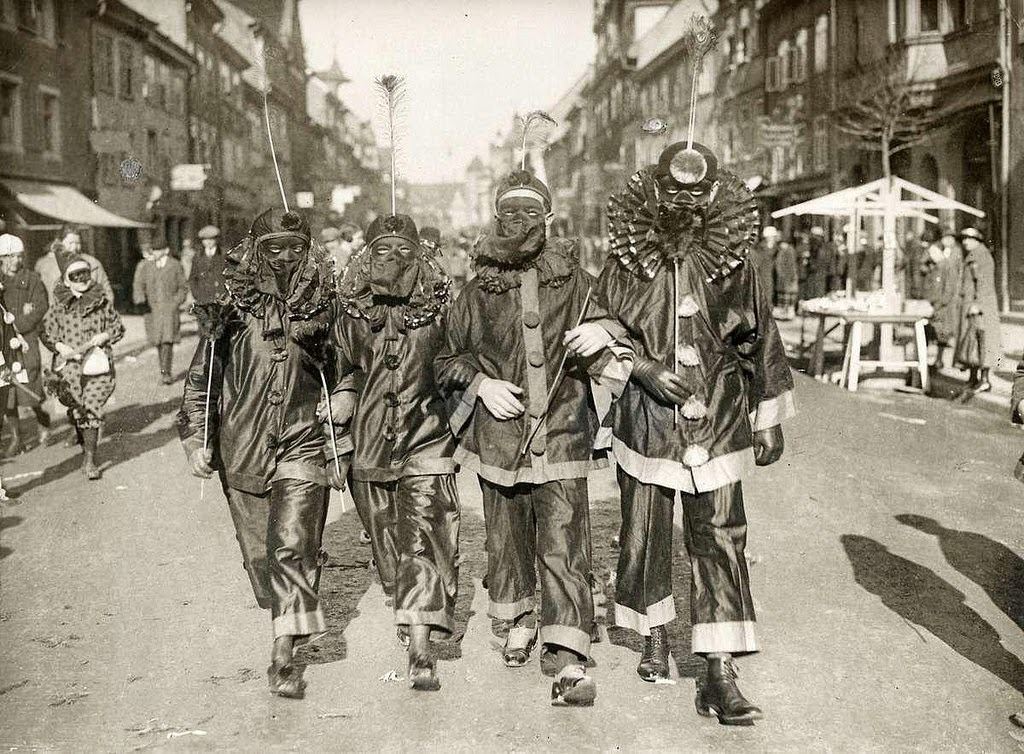
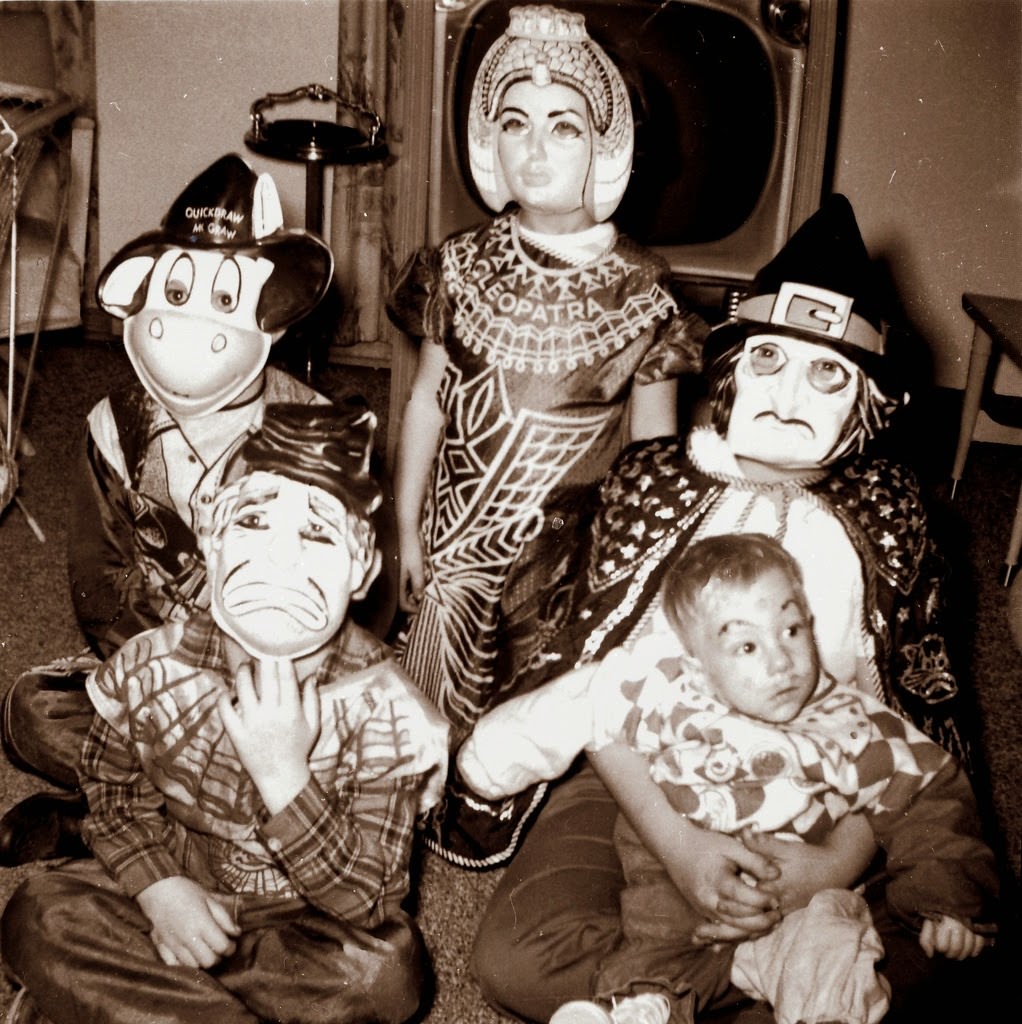
Brooklyn costume maker Ben Cooper shifted the retail market in 1937 by purchasing character licenses. Cooper vacuum-formed thin cellulose acetate sheets over plaster forms. His five-and-dime products were cheap, replacing grotesque folk faces with licensed comic characters and Walt Disney figures.
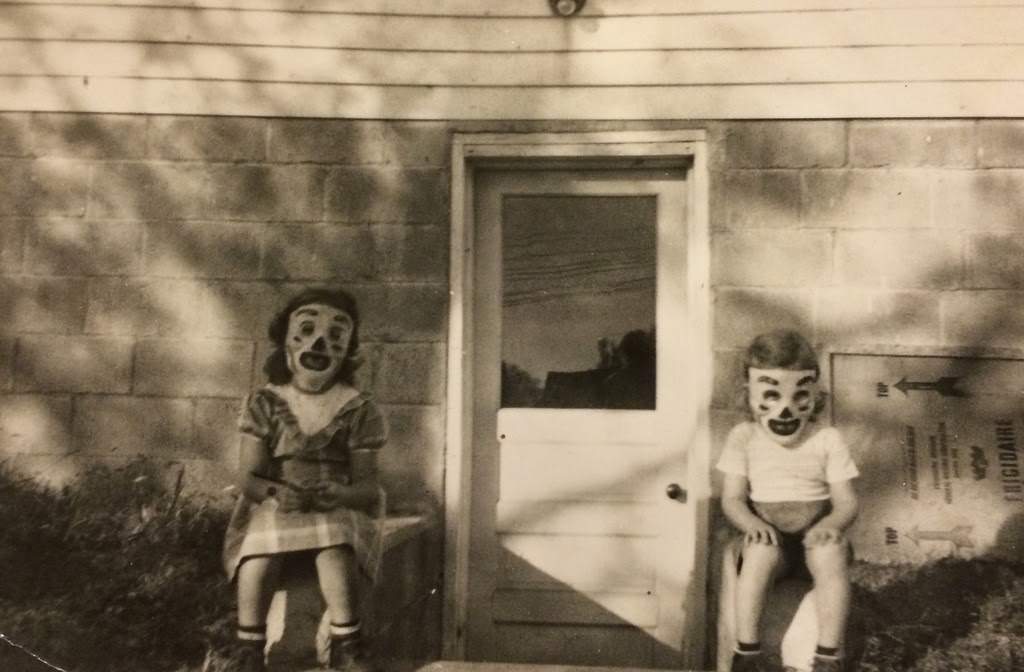
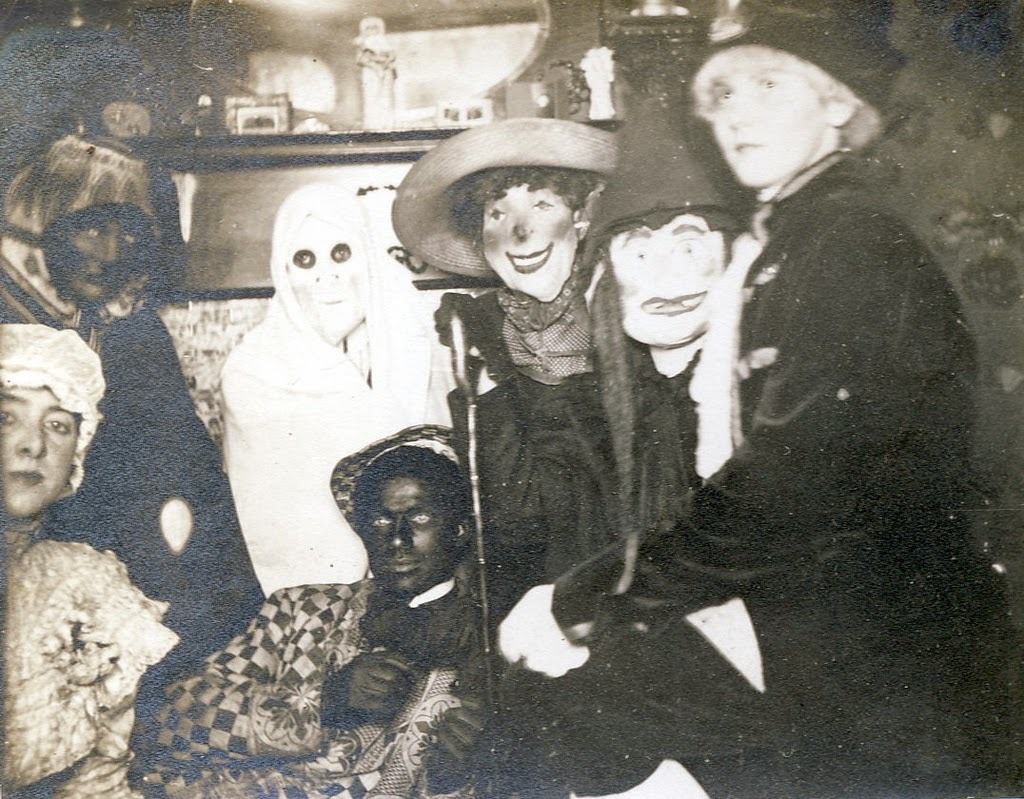
Molded vinyl and latex drove buckram and paper off store shelves by the late 1950s. Cheap plastic replaced the habit of cutting eyeholes in burlap feed bags. The Western Stamping Company and Collegeville retired their iron pressing dies in 1961, ending commercial production of stiffened cloth disguises.