
Our modern world is full of innovative, genius, and crazy inventions. These great inventions are planes, smartphones, social media, virtual reality, and many other things. Yet, we still create some weird things. An invention that seems bizarre doesn’t mean that it is totally useless; somehow, it opens a door or standards for future inventions. Bygonely has compiled a list of some weird inventions from the past. So please scroll down to check them out and upvote your favorite or worst one )
#1 Anti-Distraction Helmet from 1925
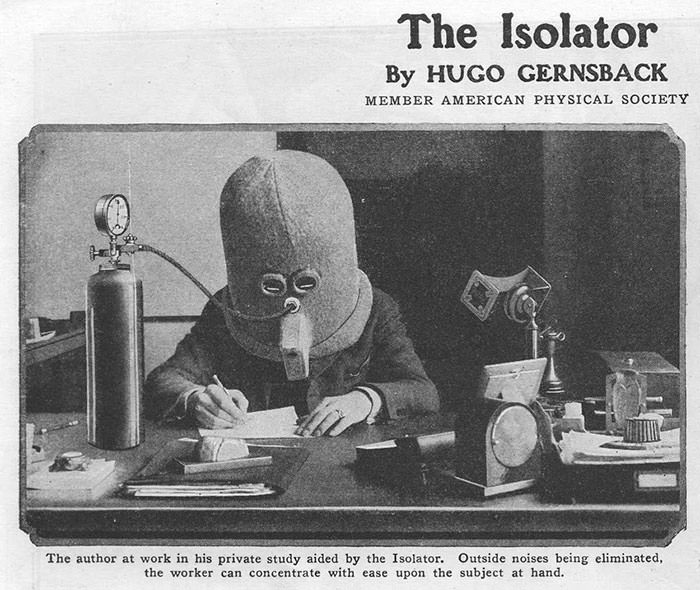
The purpose of The Isolator was simple: the wooden helmet blocked out sound and vision in order to help the wearer focus on whatever task they had in hand. Gernsback claimed that the helmet reduced noise by up to 95 percent, and the tiny glass spy-hole ensured that no amount of nearby movement could rouse the wearer from their work.
#2 AROK the Robot by Ben Skora, 1970s
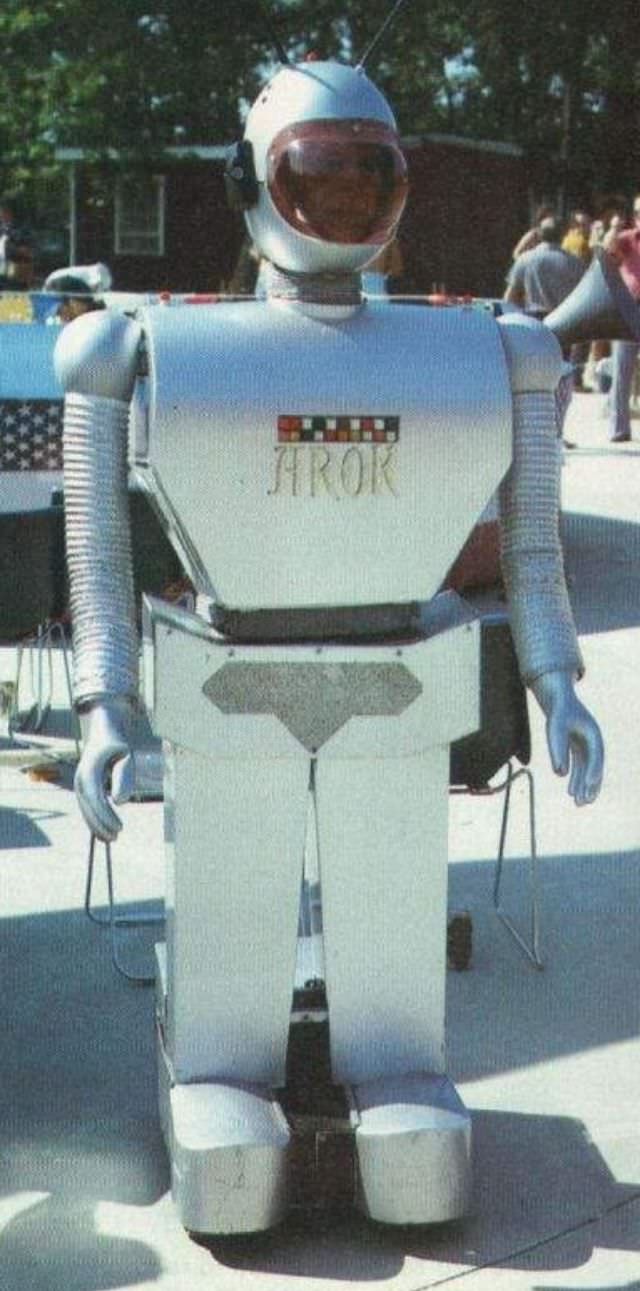
The creation by Ben Skora, of Palos Hills, who is now in an assisted-living facility. AROK (Skora’s named spelled backwards without the S), when operational, could perform a variety of tasks such as vacuuming, mixing drinks, talking, taking photos, lifting up to 150 pounds, and walking the dog.
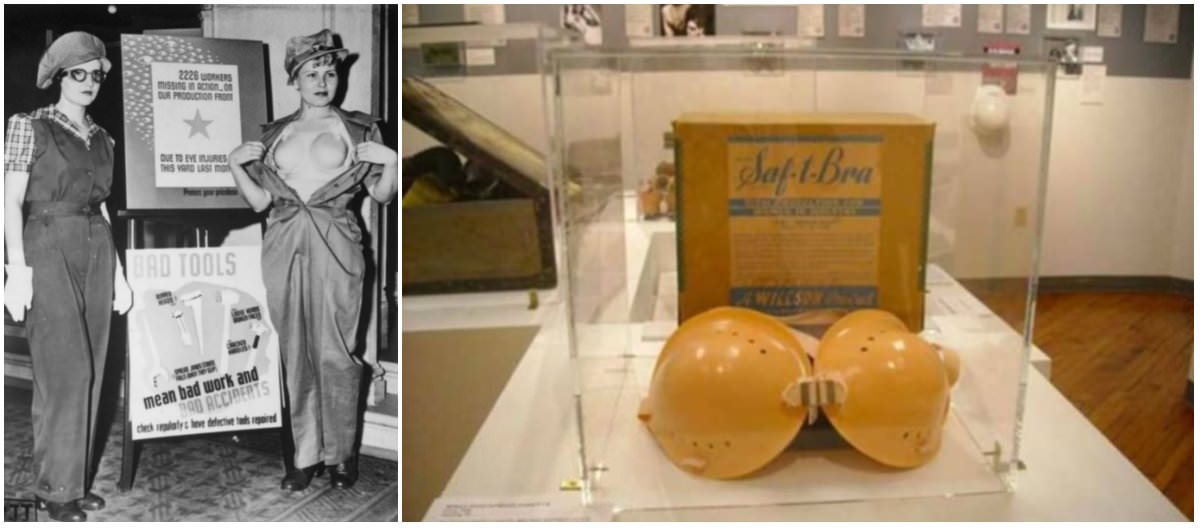
#3 Plastic Bra for female factory workers
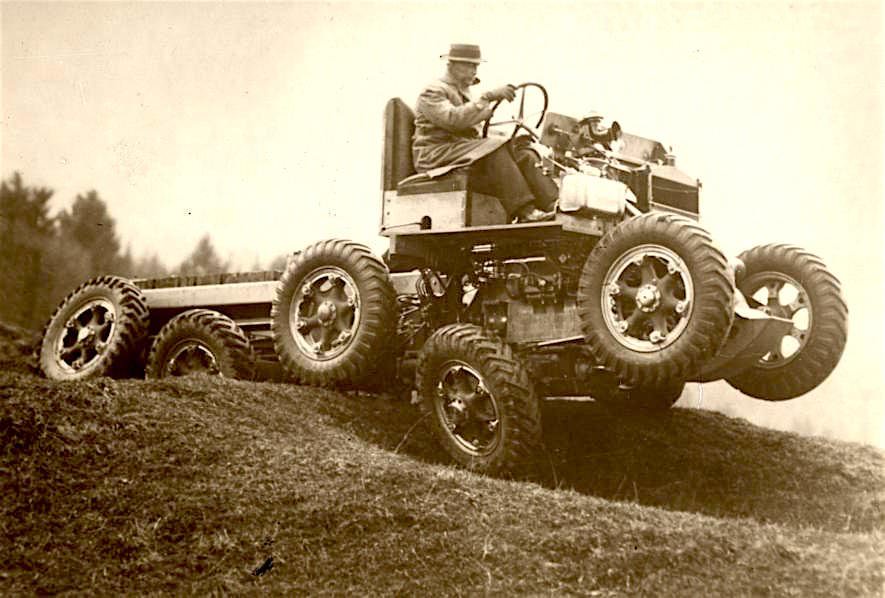
#4 All-terrain car
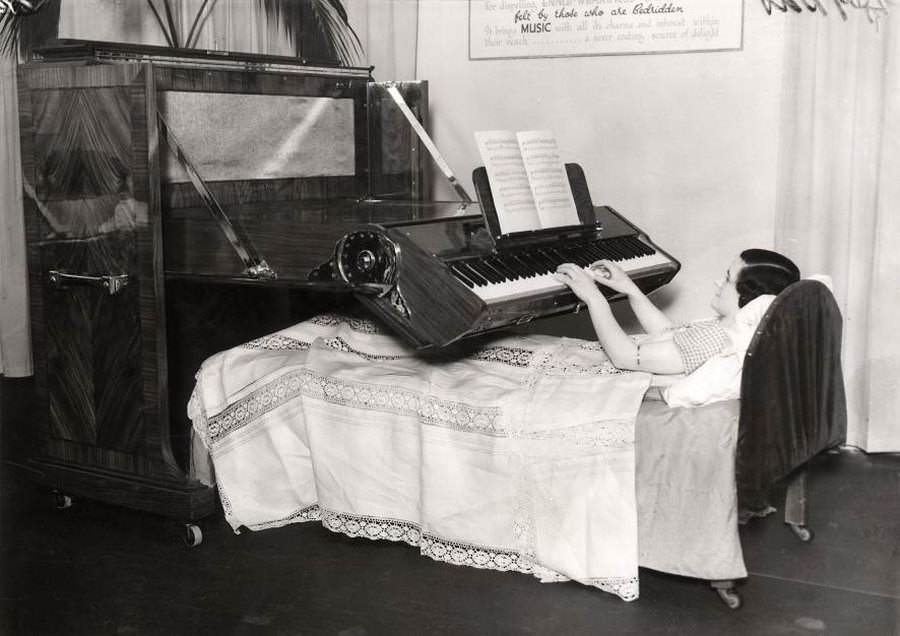
#5 Piano for the bed
#6 Dr. Young’s Ideal Rectal Dilators
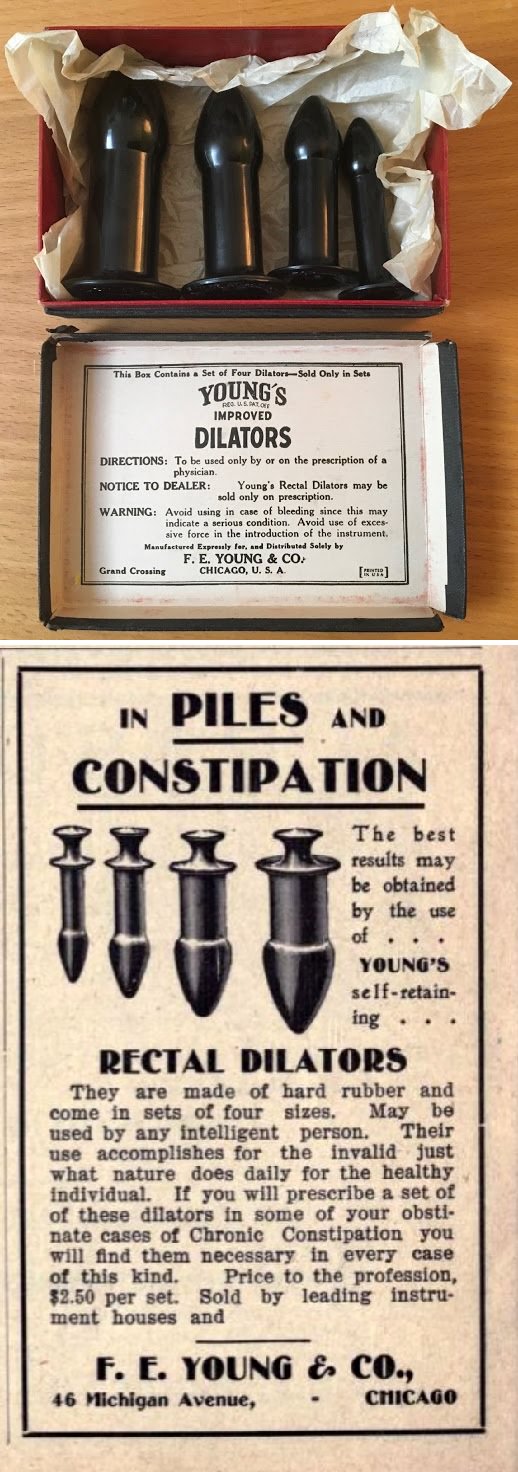
Dr. Young himself praised rectal dilation as a cure for insanity, claiming that at least “three-fourths of all the howling maniacs of the world” were curable “in a few weeks’ time by the application of orificial methods”. Young also admitted that some patients panicked at the sight of the devices.
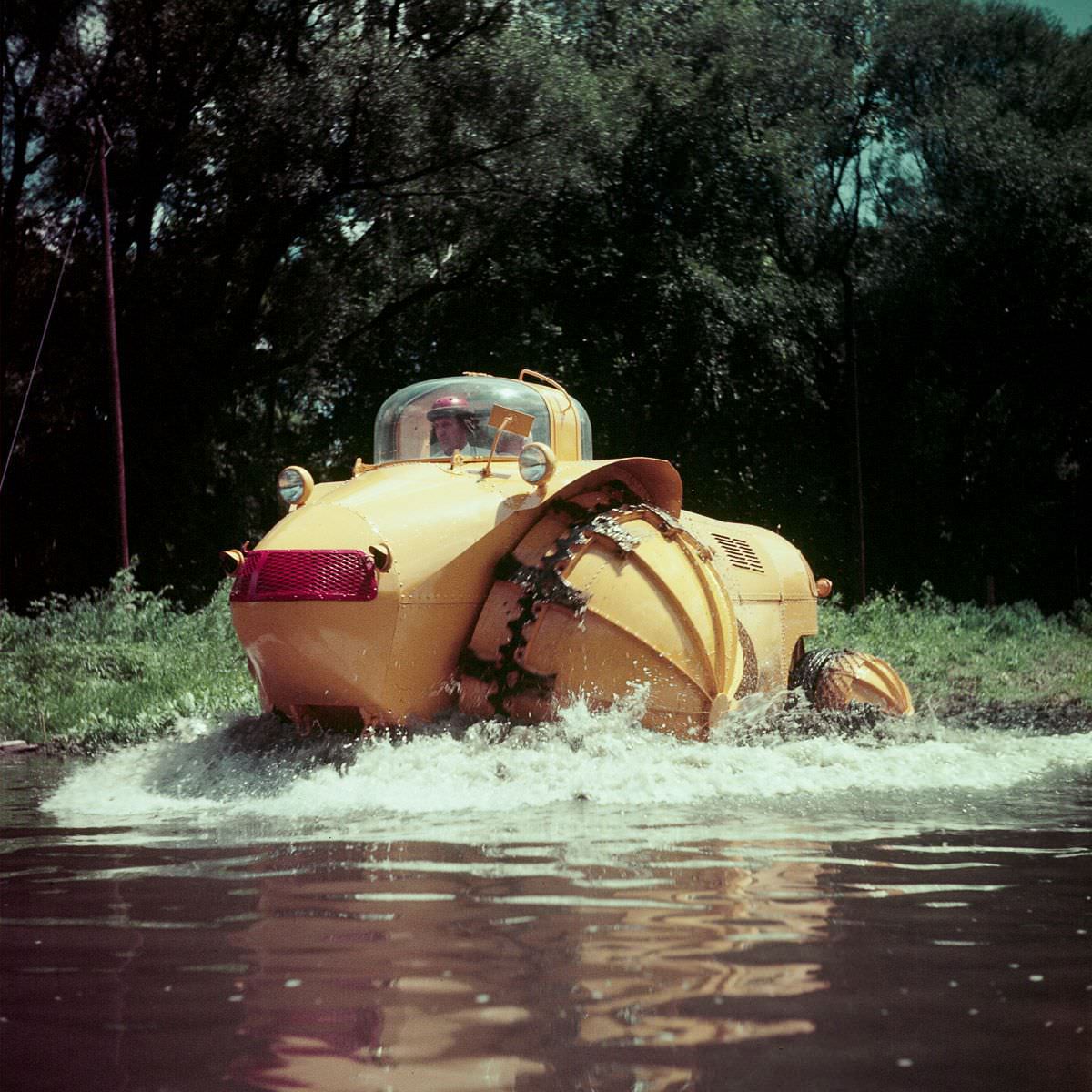
#7 The Rhino 1954, An all-terrain, unflippable beast
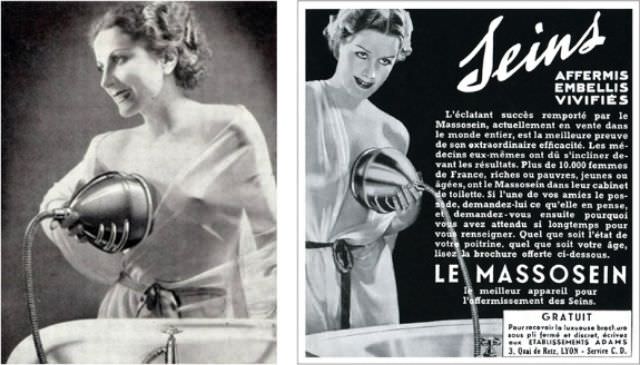
#8 Breast Washer, 1930
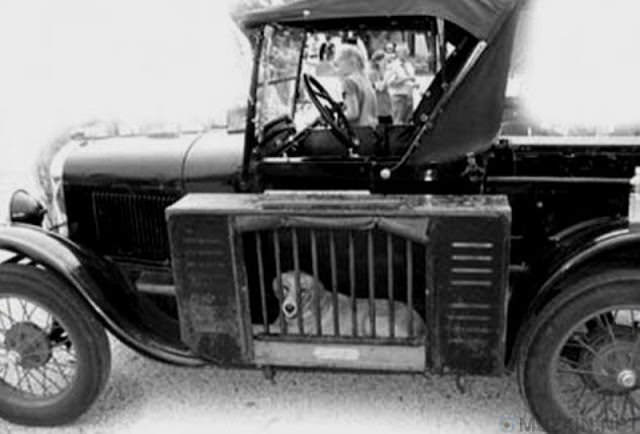
#9 Running Boards: Traveling in Cars With Your Dogs in the 1930s
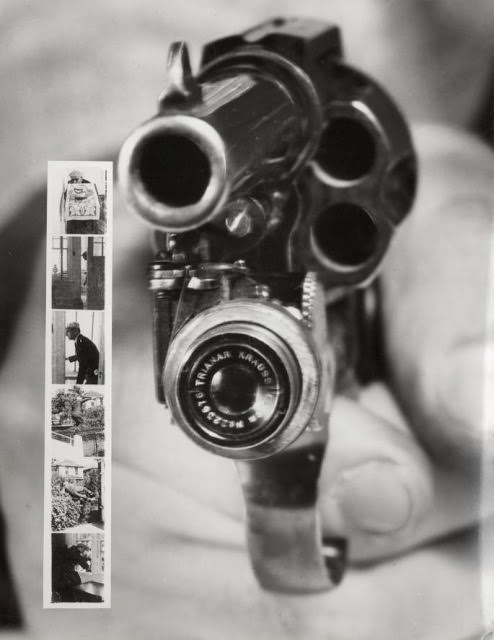
#10 The Revolver Camera, 1938
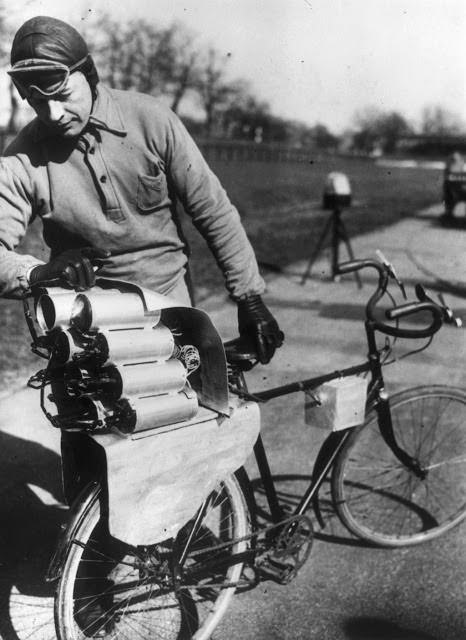
#11 Rocket-Propelled Bicycles, 1931
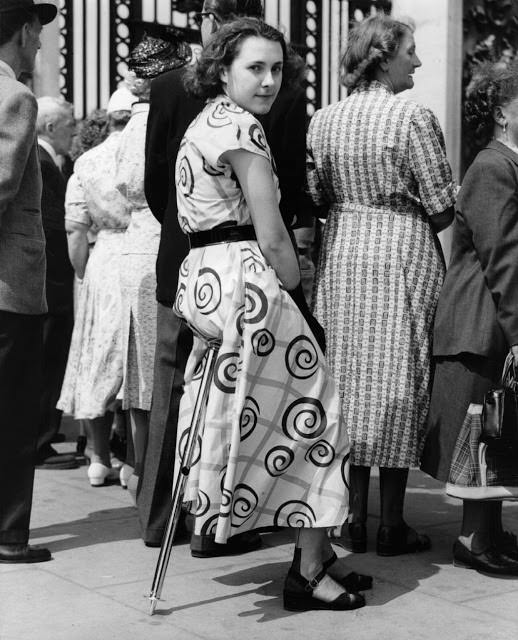
#12 Monopod Seats, 1953
#13 Max Factor’s Beauty Calibrator, 1930s
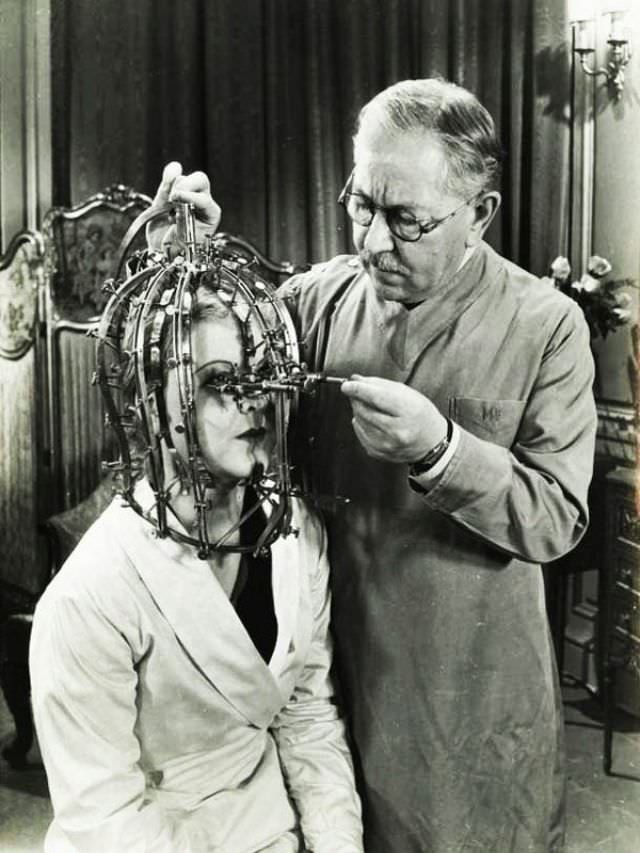
The beauty micrometer, also known as the beauty calibrator, was a device designed in the early 1930s to help in the identification of the areas of a person’s face which need to have their appearance reduced or enhanced by make-up. The inventors include famed beautician Max Factor, Sr.
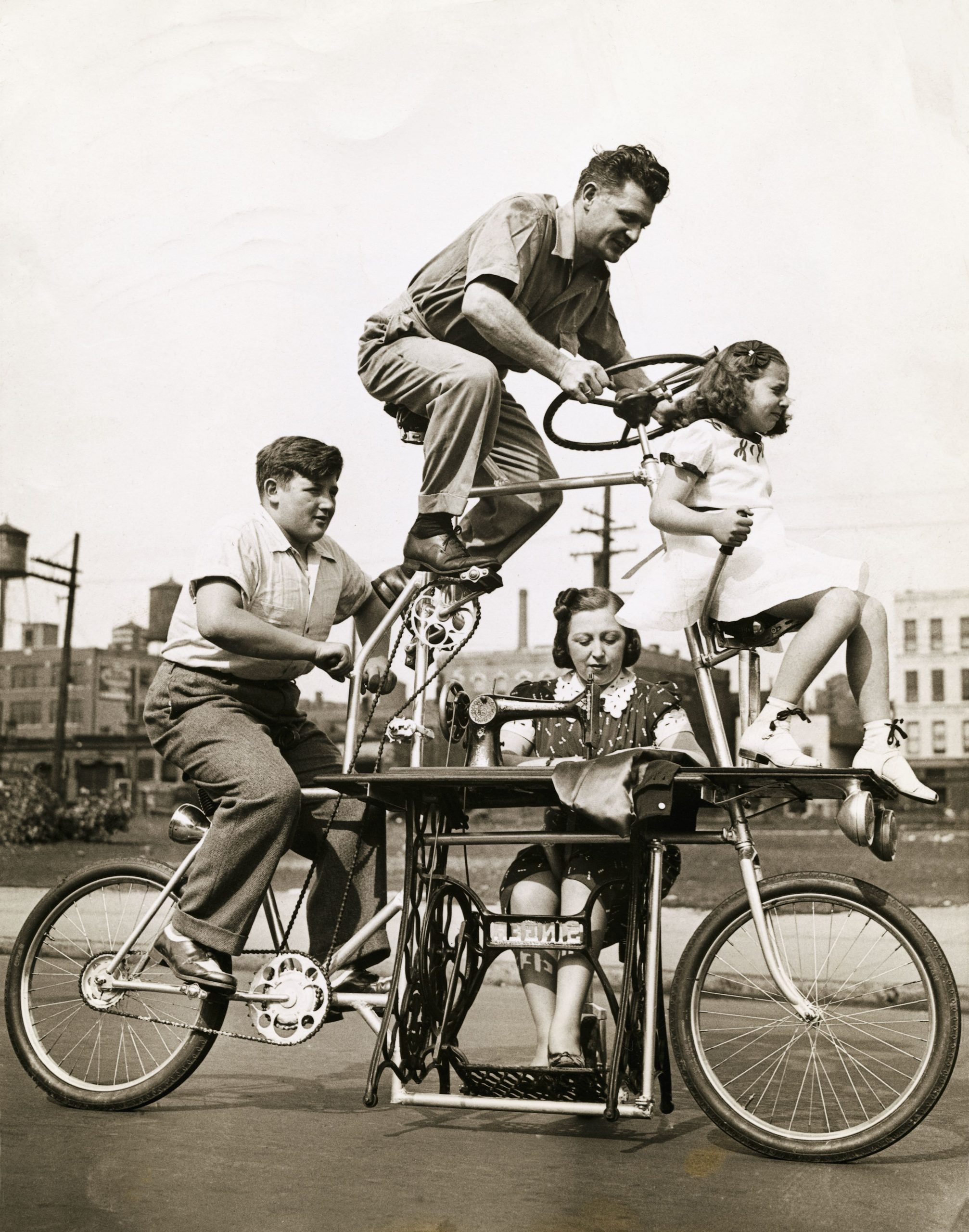
#14 A bike for the whole family
#15 Otto Dicycle, 1880s
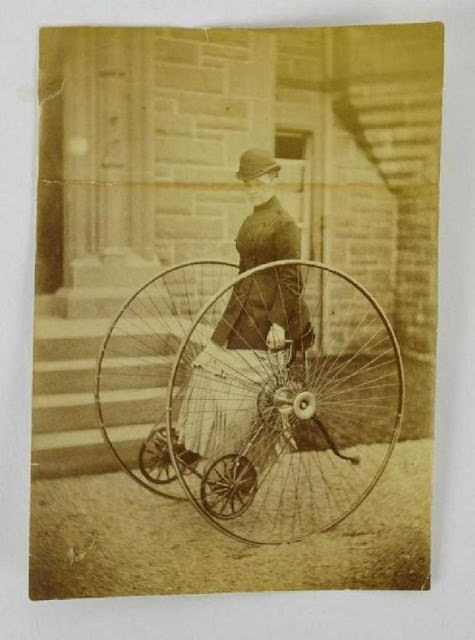
Edward Otto invented and patented the Dicycle as a safer alternative to the towering terrors of the ordinary bicycle (later known as the penny-farthing). His bike had two huge 56-in. (142-cm) wheels that were mounted side by side and connected by a sturdy axle.For balance, the rider used a slender trailing arm with a rubber roller on the end to stop himself (or, more unusually for the period, herself) from toppling over backward.
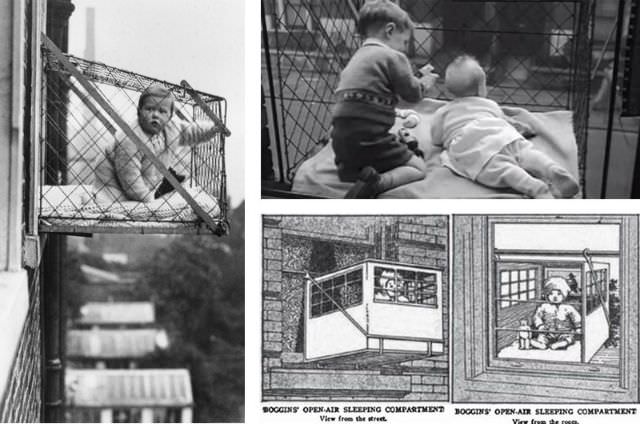
#16 Baby Window Cages, 1922
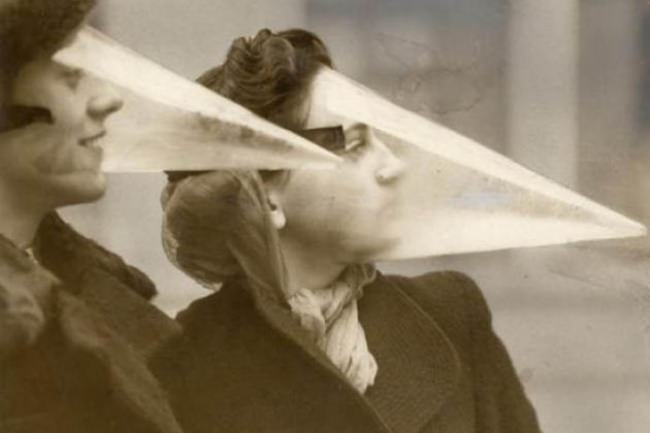
#17 Blizzard Cones
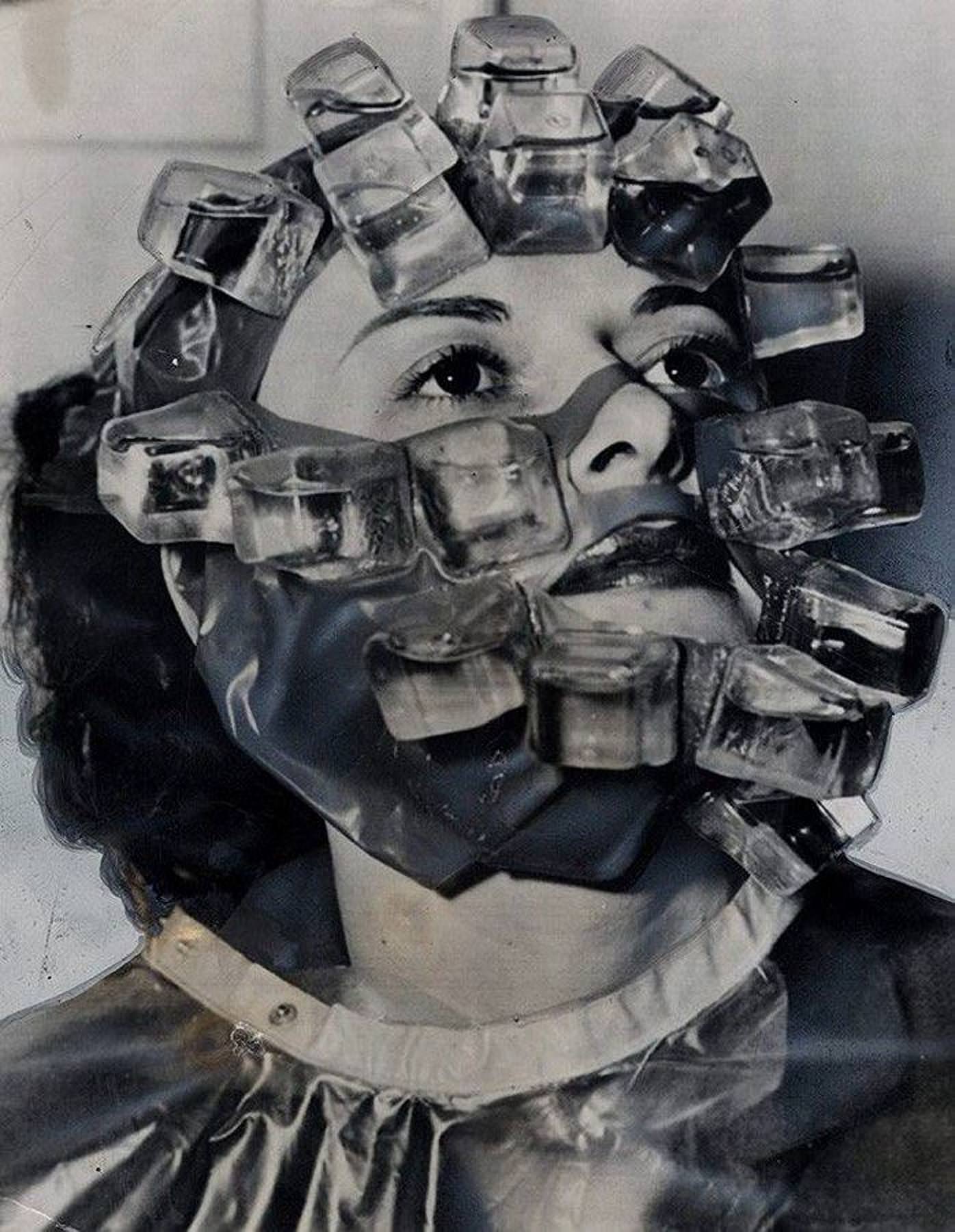
#18 Hangover Mask
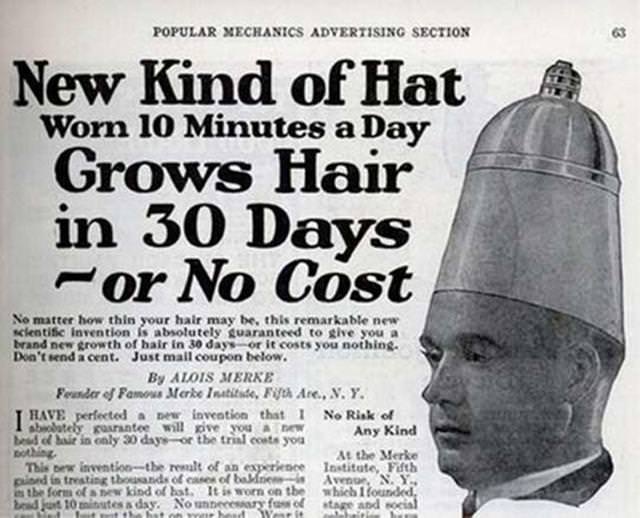
#19 The magical hat
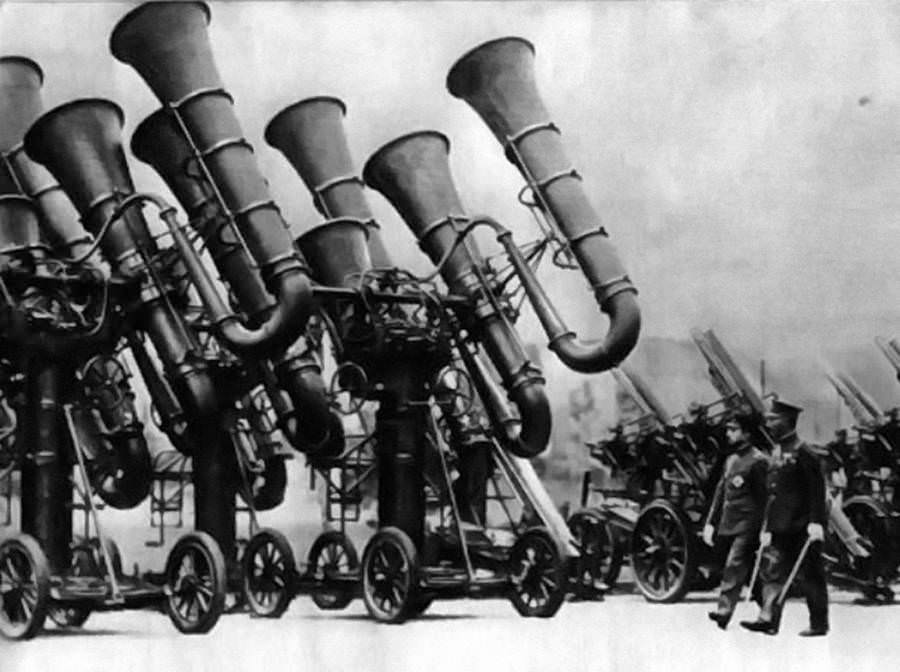
#20 Aircraft locators
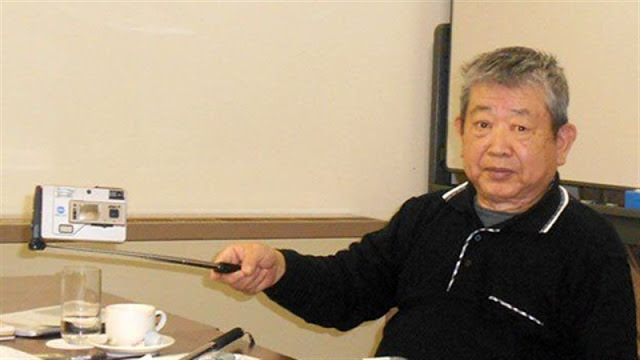
#21 The first ever Selfie stick, 1980s
#22 Luxury Air Conditioned Lawn Mower, 1950s
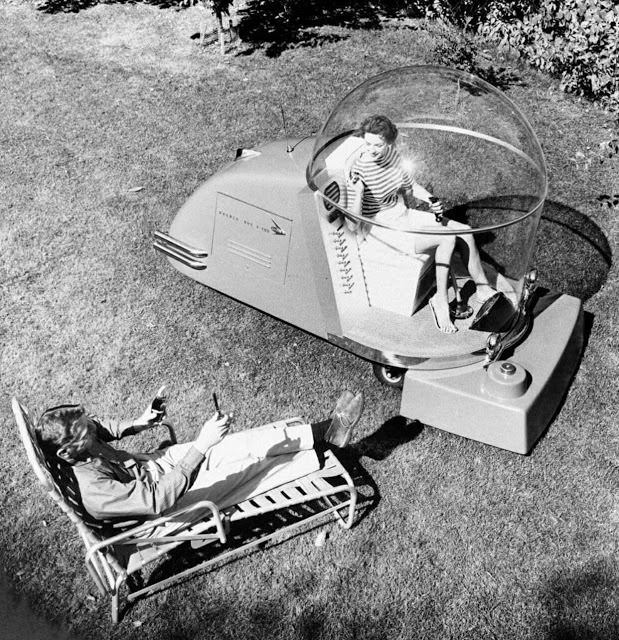
This lawnmower had five foot diameter plastic sphere in which the rider sits on an air foam cushioned seat.It has its own electric generating system for operating running lights, a radio telephone, air conditioning and even a cooling system to provide a chilled drink on a hot day.
#23 The $70,000 Honeywell Kitchen Computer, 1960s
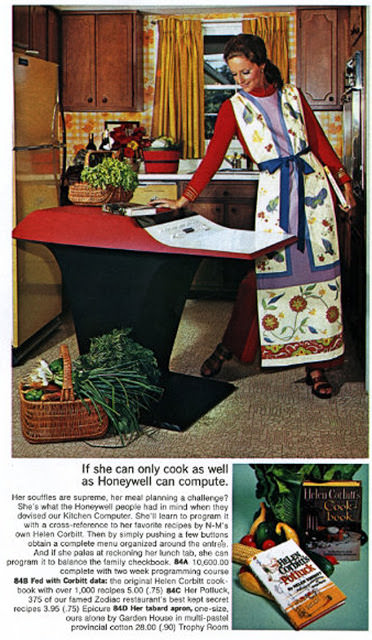
The Honeywell Kitchen computer was a 16-bit minicomputer; it was preprogrammed with a few recipes. These computers had 4KB of magnetic memory, which was later expanded to 16KB. Its official name was actually the H316 Pedestal. Its system clock was 2.5MHz. It took 475 watts to operate.
#24 Tampier Avion-Automobile (1921)
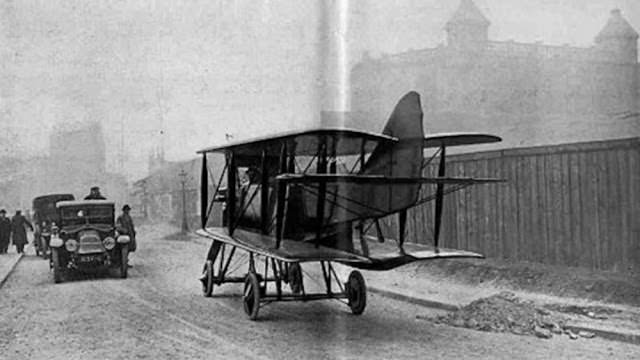
In 1921 René Tampier tackled the problem of designing an aircraft that was self-propelled and steerable on roads by including a second, low-powered engine driving the main landing wheels through a standard car-type transmission. The roadwheels were completed with a retractable pair nearer the tail. These were steerable, so on the road the Tampier Avion-Automobile, with its wings and tailplane folded, travelled tail first. Only two prototypes were built.
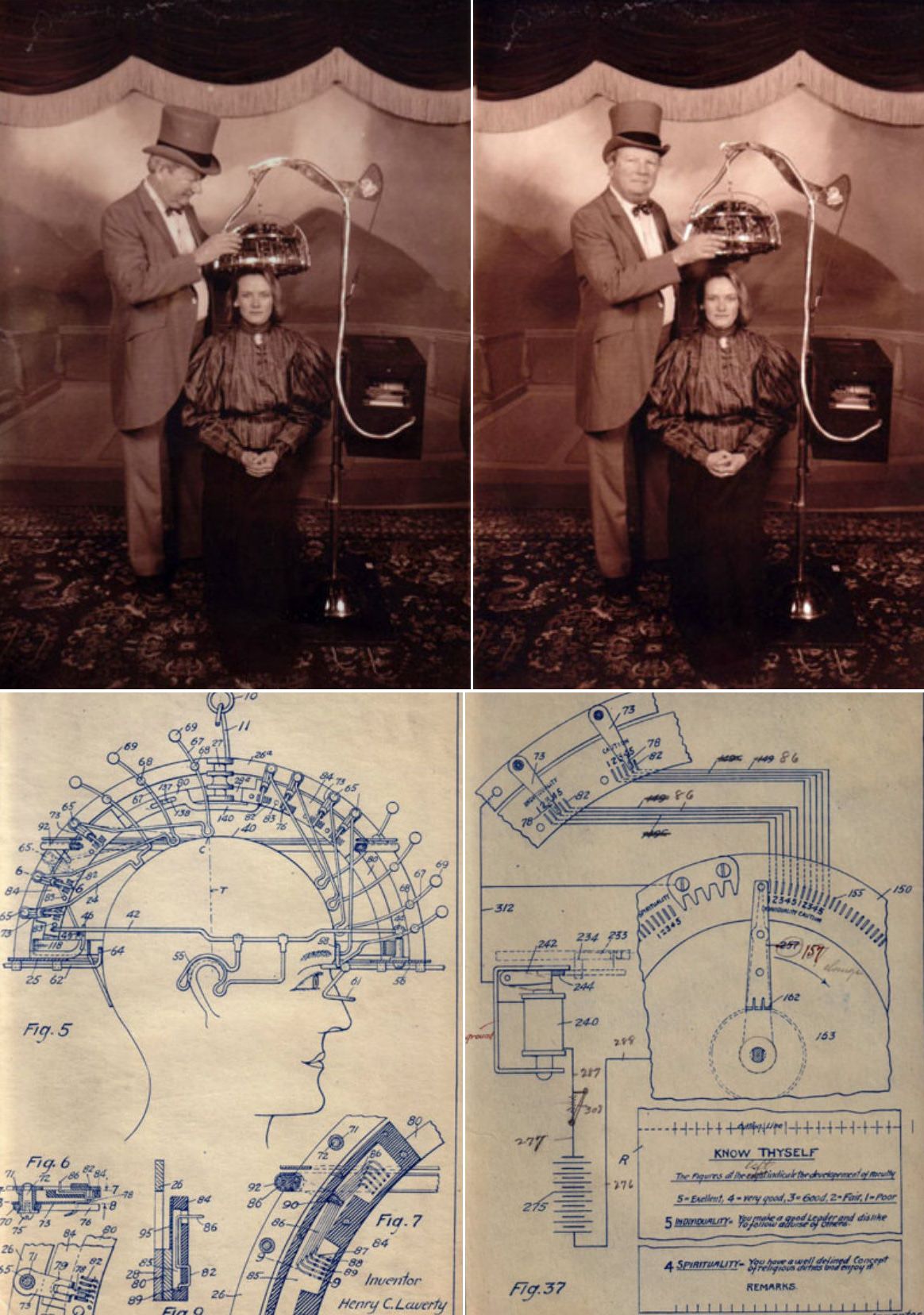
#25 The Psychograph
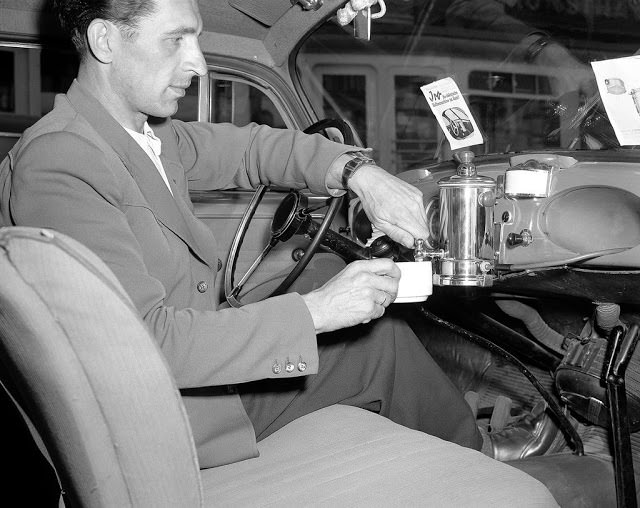
#26 Dashboard Coffeemakers
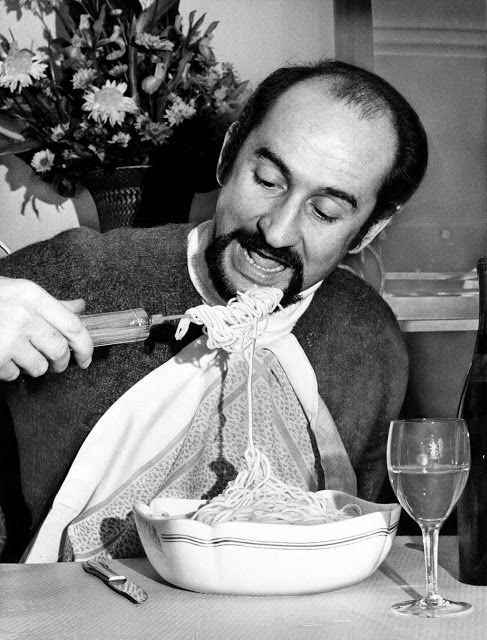
#27 Spaghetti Spinners
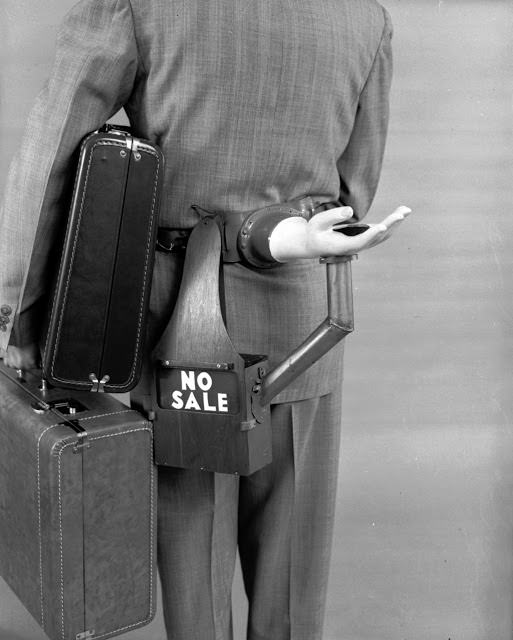
#28 Automatic Tip Requesters, 1955
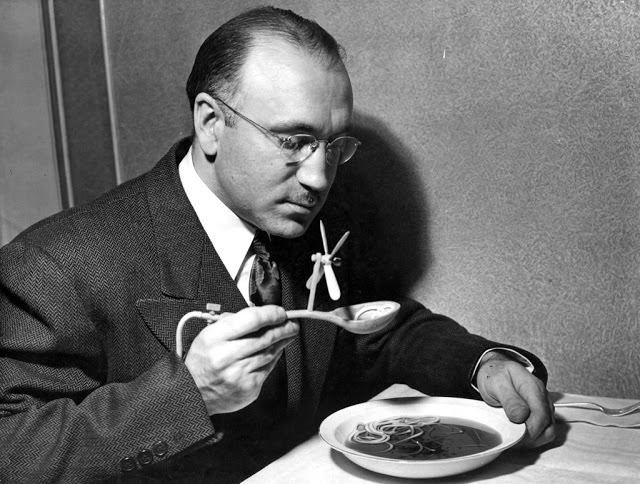
#29 Soup-Cooling Spoons, 1948
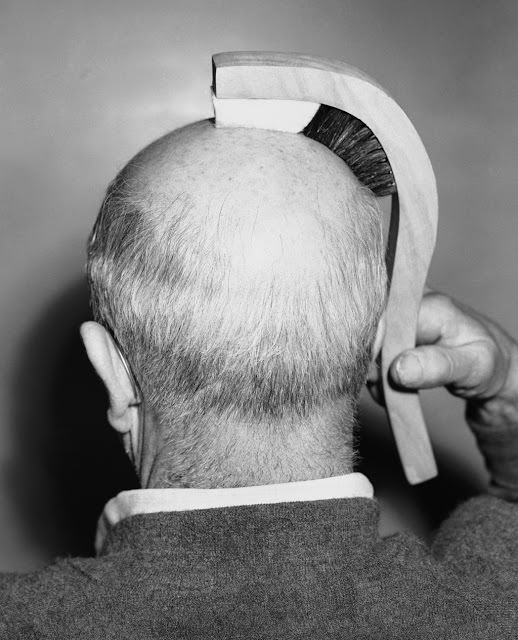
#30 Bald-Head Polishers, 1950
#31 Diving helmet by Edmond Halley, late 17th century
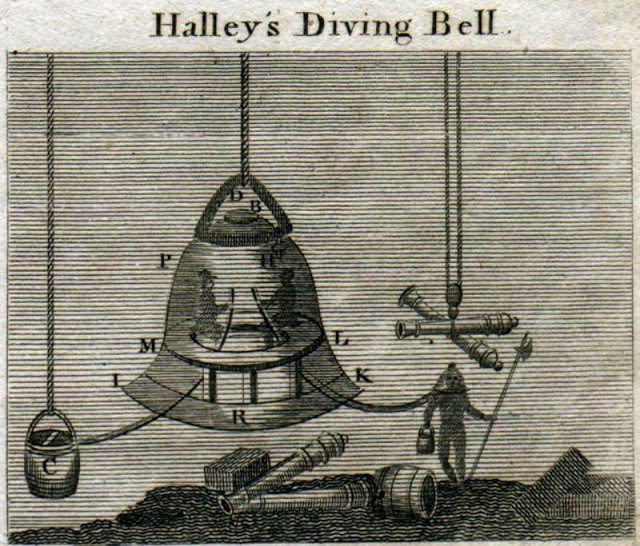
A bell was sent to the bottom, and then weighted, the assistant surviving on the air trapped in the bell, and the diver, wearing another smaller "diving bell" on his head,could make his way around a bit to the extent of the tube which would draw on the air in the bell. The two would be resupplied with air in weight barrels sent down from topside, to be retrieved by the diver and lugged over to the bell.
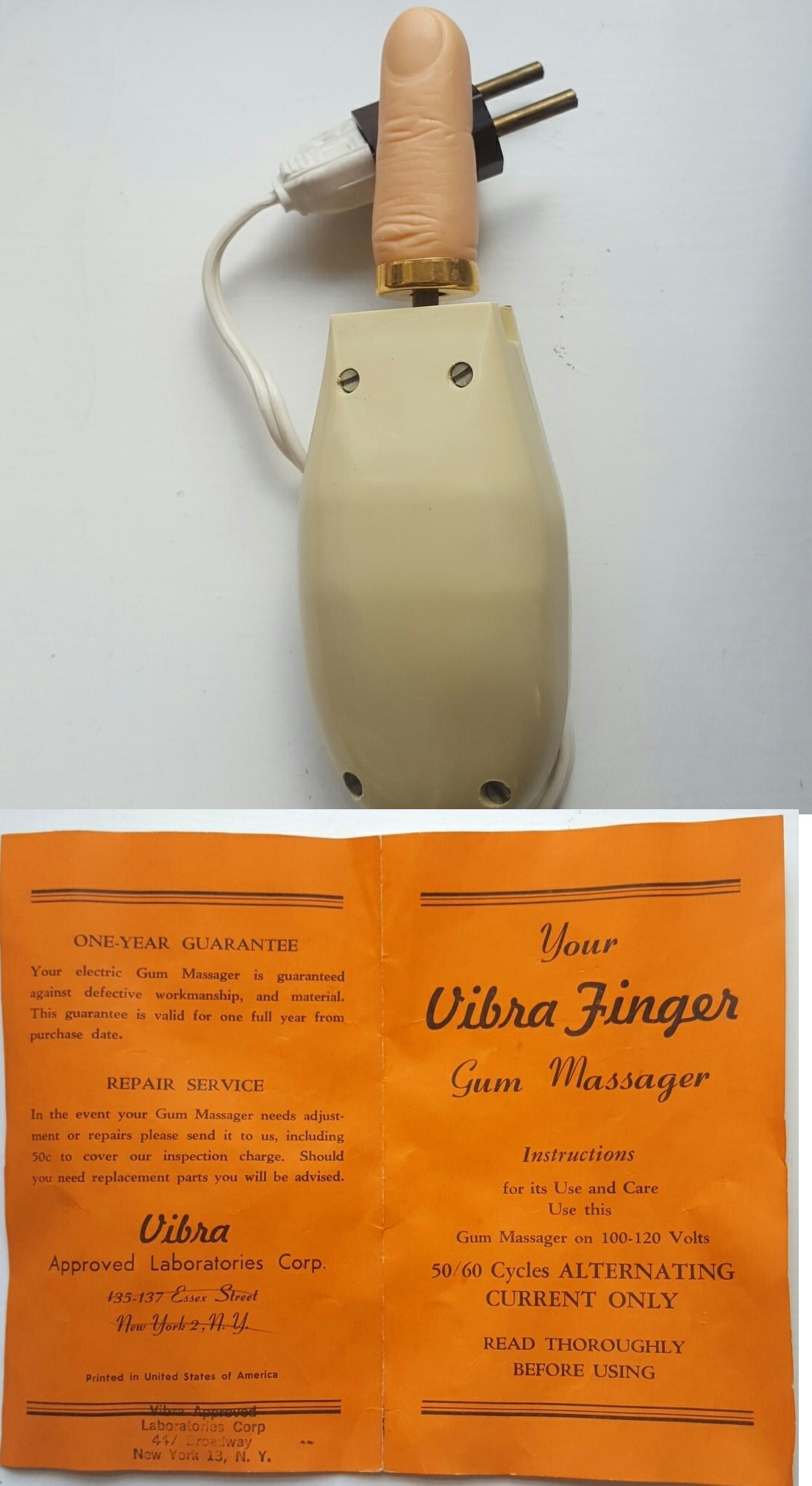
#32 Vibra-Finger Gum Massager, 1956
#33 Asphyxia Hoods, 1940s
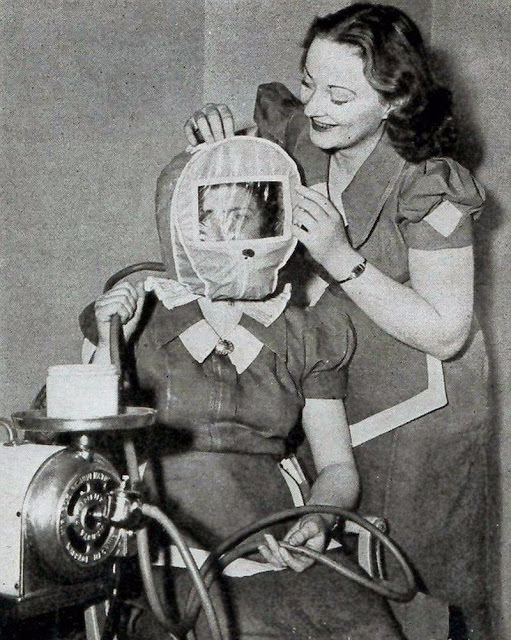
If your skin lacked that youthful glow sometime in the 1940s, the best available solution was to sit a spell under the Glamour Bonnet. The vacuum helmet reduced “atmospheric pressure around the beauty seeker’s head,” which inventor Mrs. D. M. Ackerman believed would help stimulate circulation and improve the complexion.
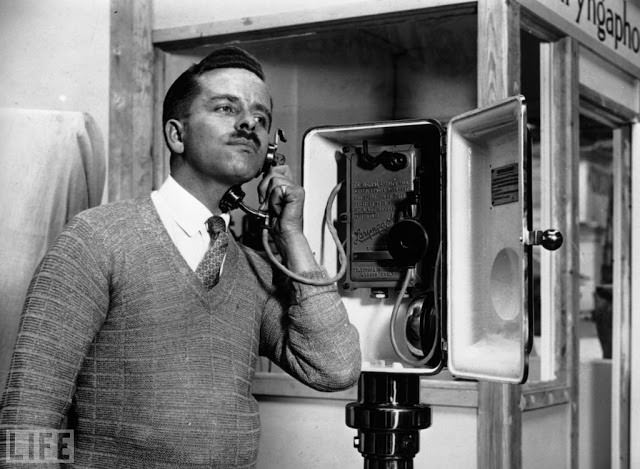
#34 Laryngaphone, 1929
#35 Finnish Portable Sauna, 1962
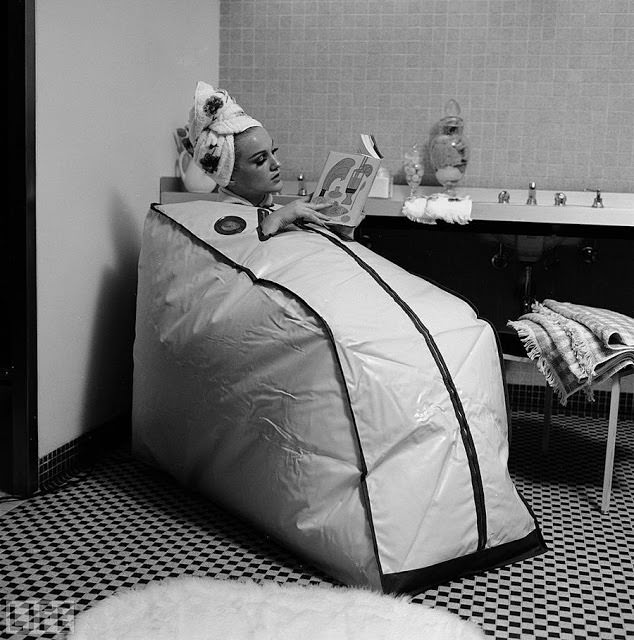
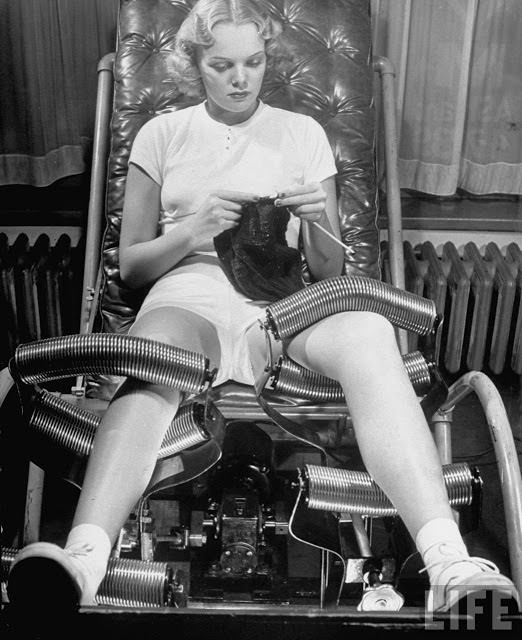
#36 Slenderizing, 1940s
#37 Automatic Washing Machine for Human, 1970
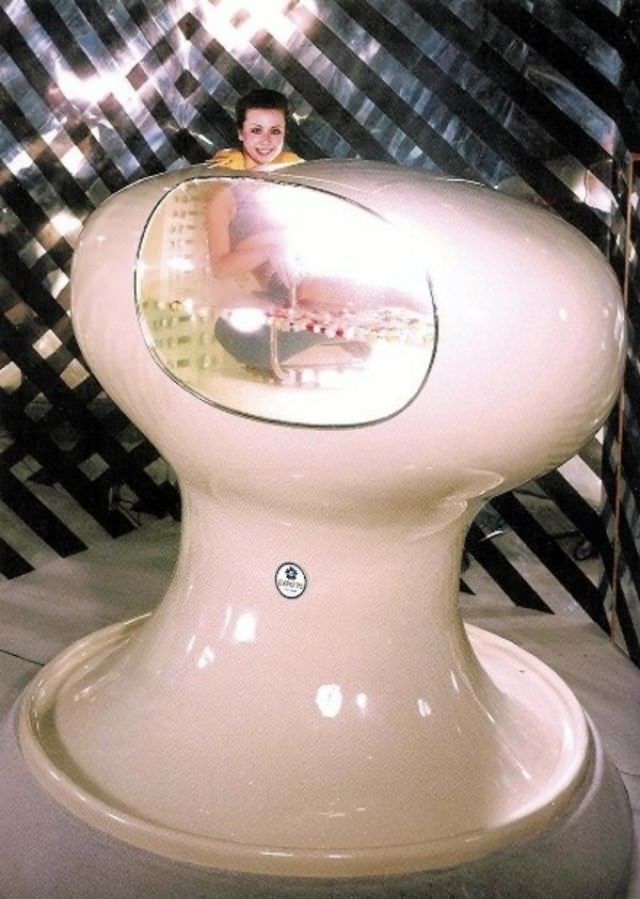
At the 1970 World Expo in Osaka, consumer electronics maker Sanyo demonstrated their vision for the future by showcasing a series of appliances they thought would populate the home of tomorrow. Included was the Ultrasonic Bath or Human In Roll-lo Bathing (HIRB), a pod-like human washing machine that cleans, massages and dries the user in a fully automated 15-minute process.
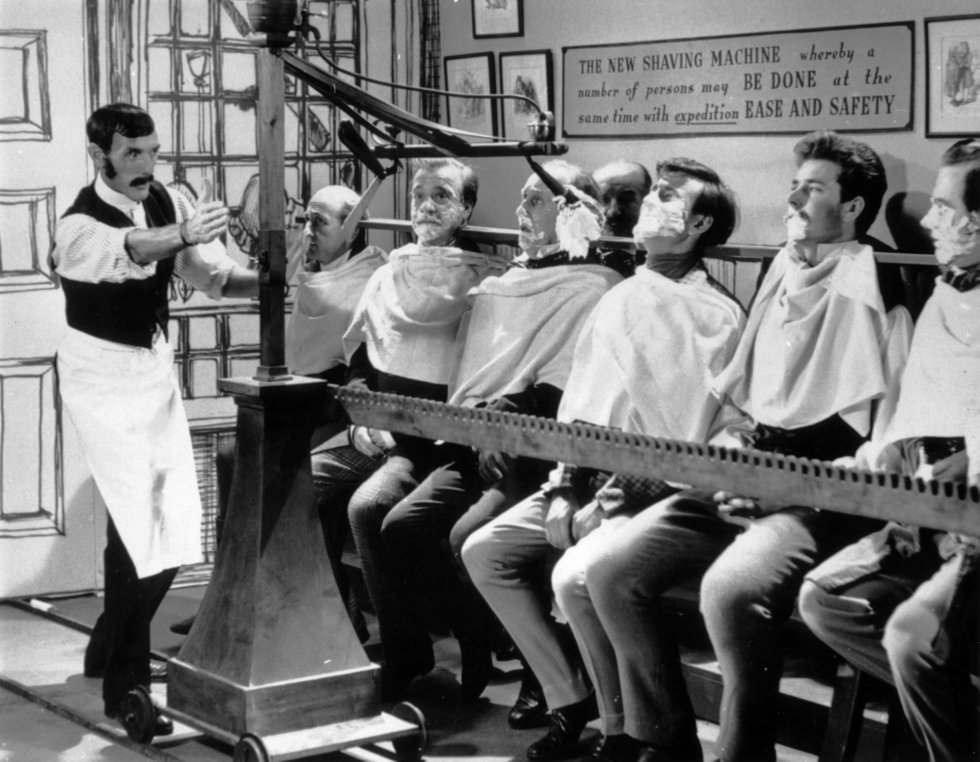
#38 Group shaving machine
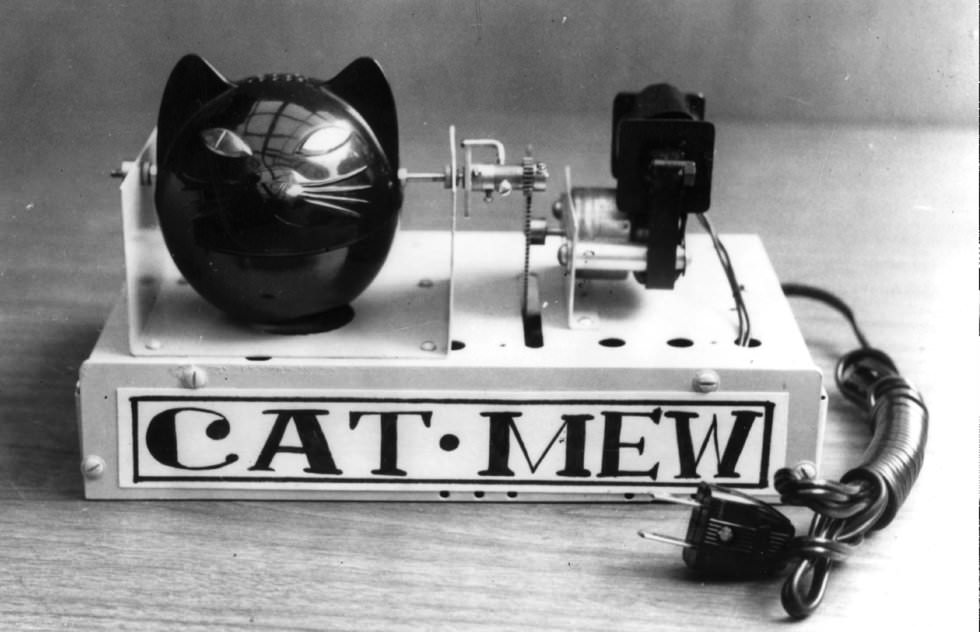
#39 Cat Meow Machine, 1963
#40 Pain Free Spanking brush, 1950
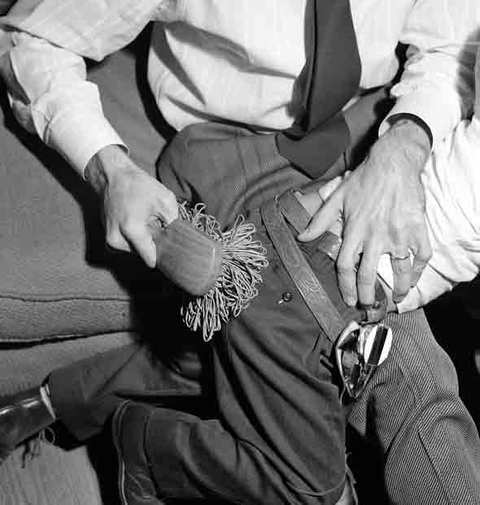
For fathers who can't bear to hurt the young one when he needs a spanking, this brush with rubber bands replacing the bristles is offered by the Los Angeles Brush Corp. in Los Angeles, Calif., Jan. 12, 1950. The idea was suggested by a Montana father who balked at the conventional type hairbrush.
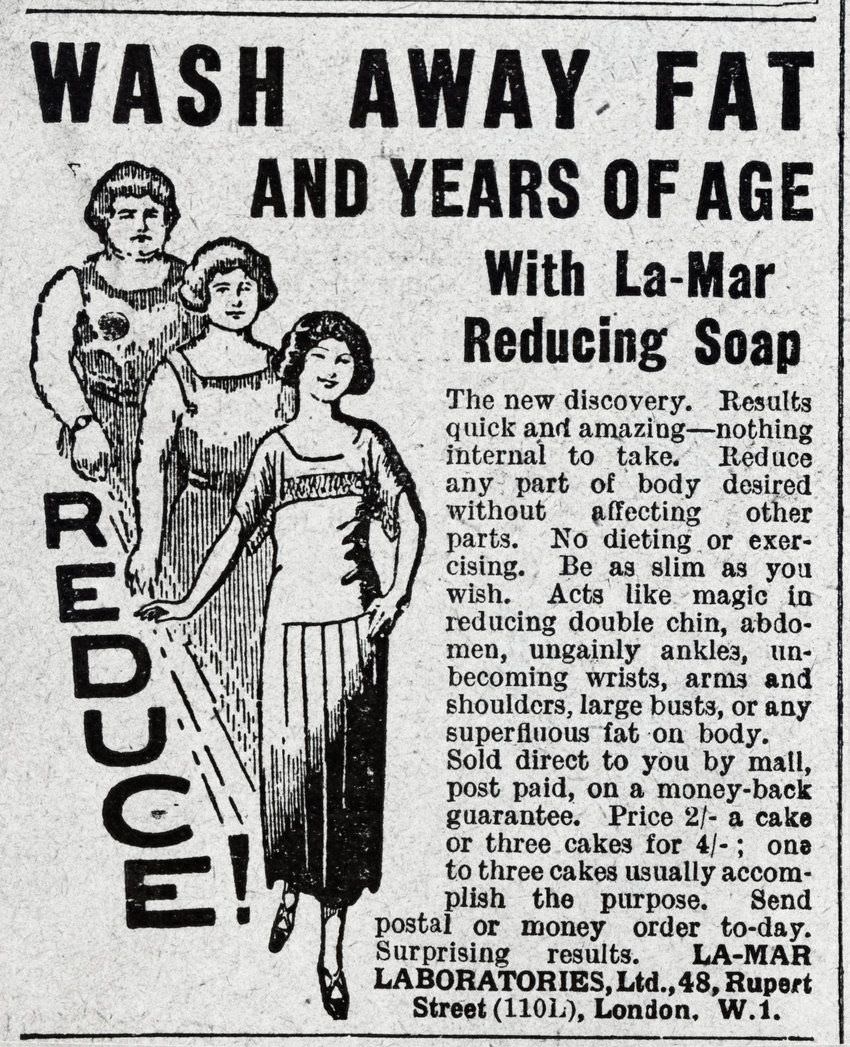
#41 The soap that washed away weight
#42 The hair curling machine
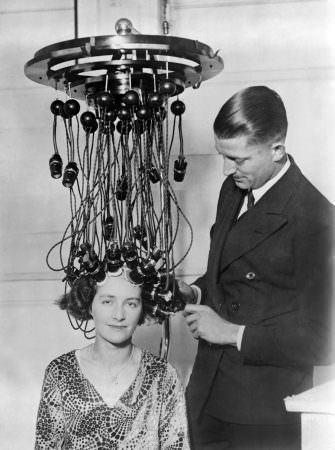
Although it looks like this lady the subject of intense scientific experiments, instead she is just getting her hair curled. This was the weird 1930s invention that promised permanent waves that would never again be ruined in the rain. This photo from 1935 shows a woman at a hairdressing exhibition sitting with long wires attached to curlers on her head as she demonstrates the odd craze.
#43 Walking device
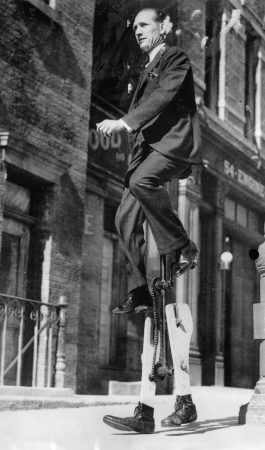
#44 The dimple maker
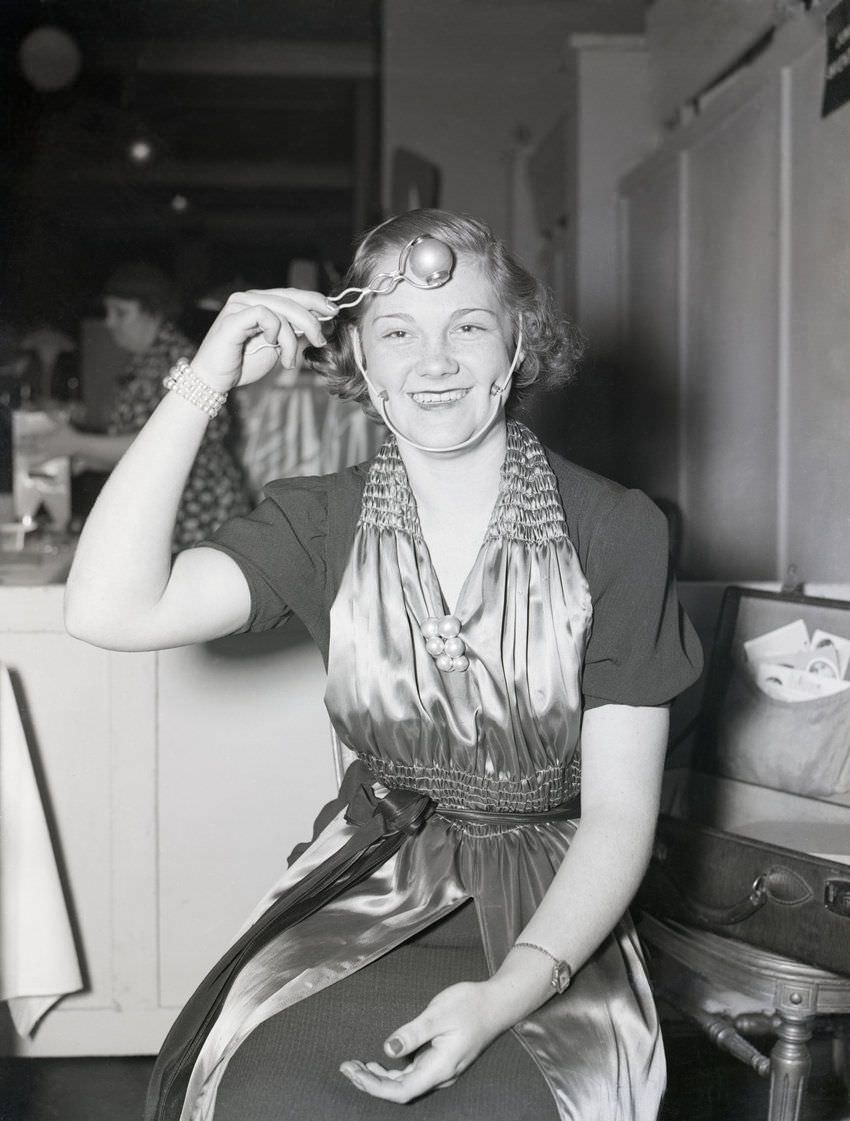
#45 The Vacuum Beauty Helmet
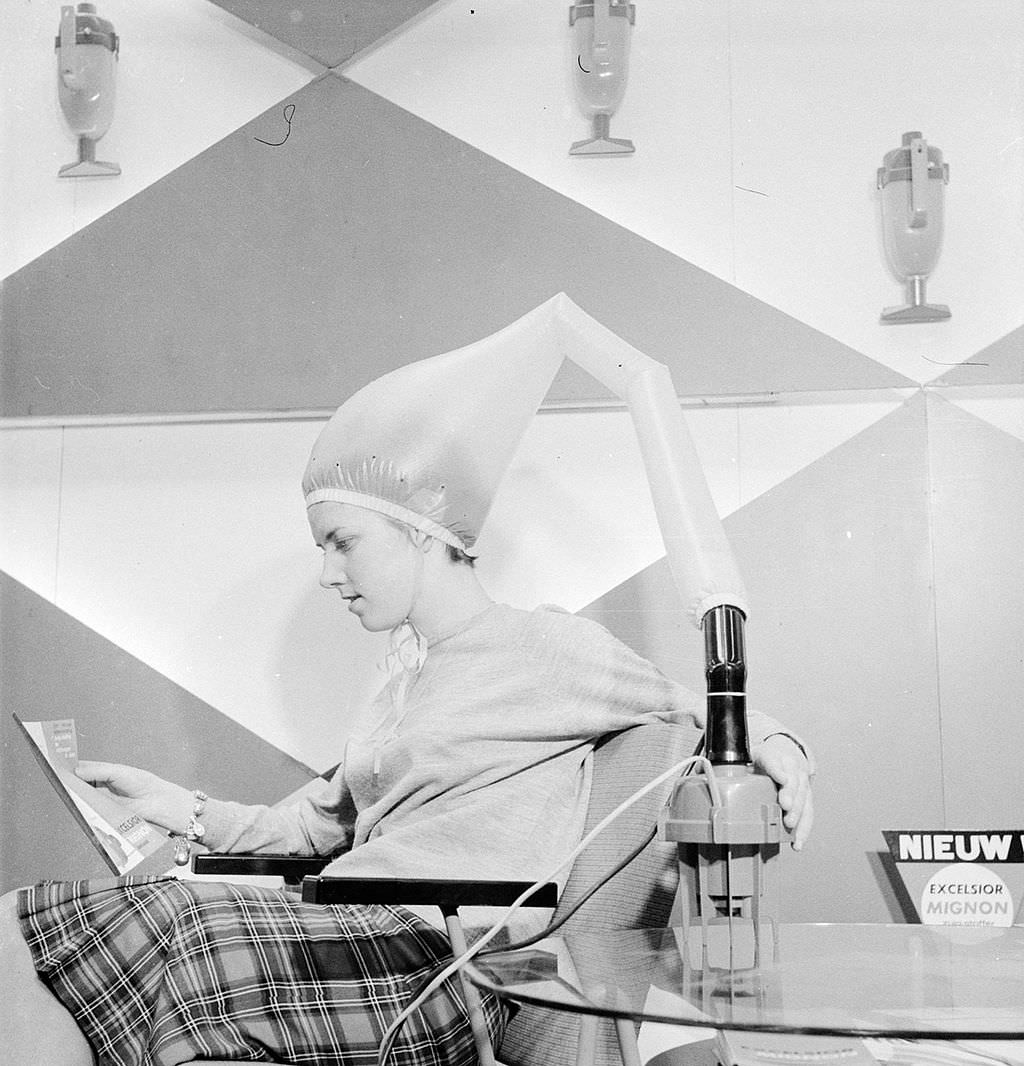
The helmet’s inventor, G.M. Ackerman, claimed that wearing this outrageous device resulted in a more natural beauty for those willing to give the “glamour bonnet” a try. Ackerman initially invented the helmet with the stars of Hollywood in mind. It was supposed to mimic the same technology of the scuba diving helmet and was said to lower the atmospheric pressure around your head, in a similar way to what mountain climbers feel at higher elevations.
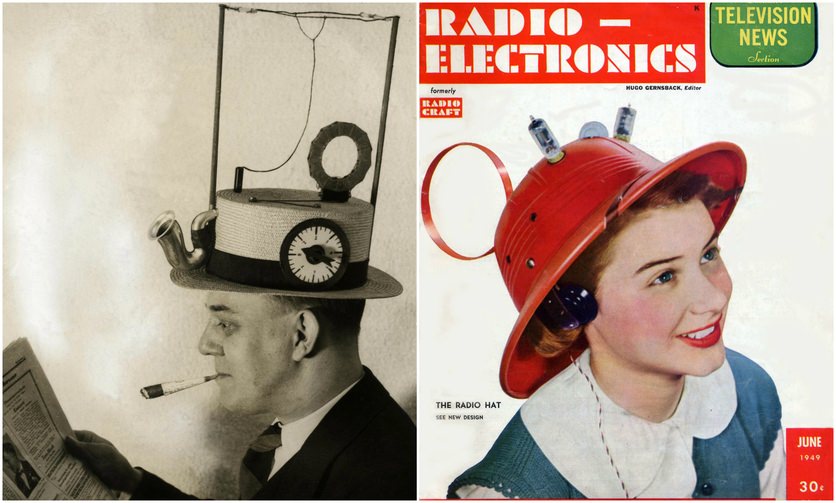
#46 Radio Hat
#47 Dynasphere
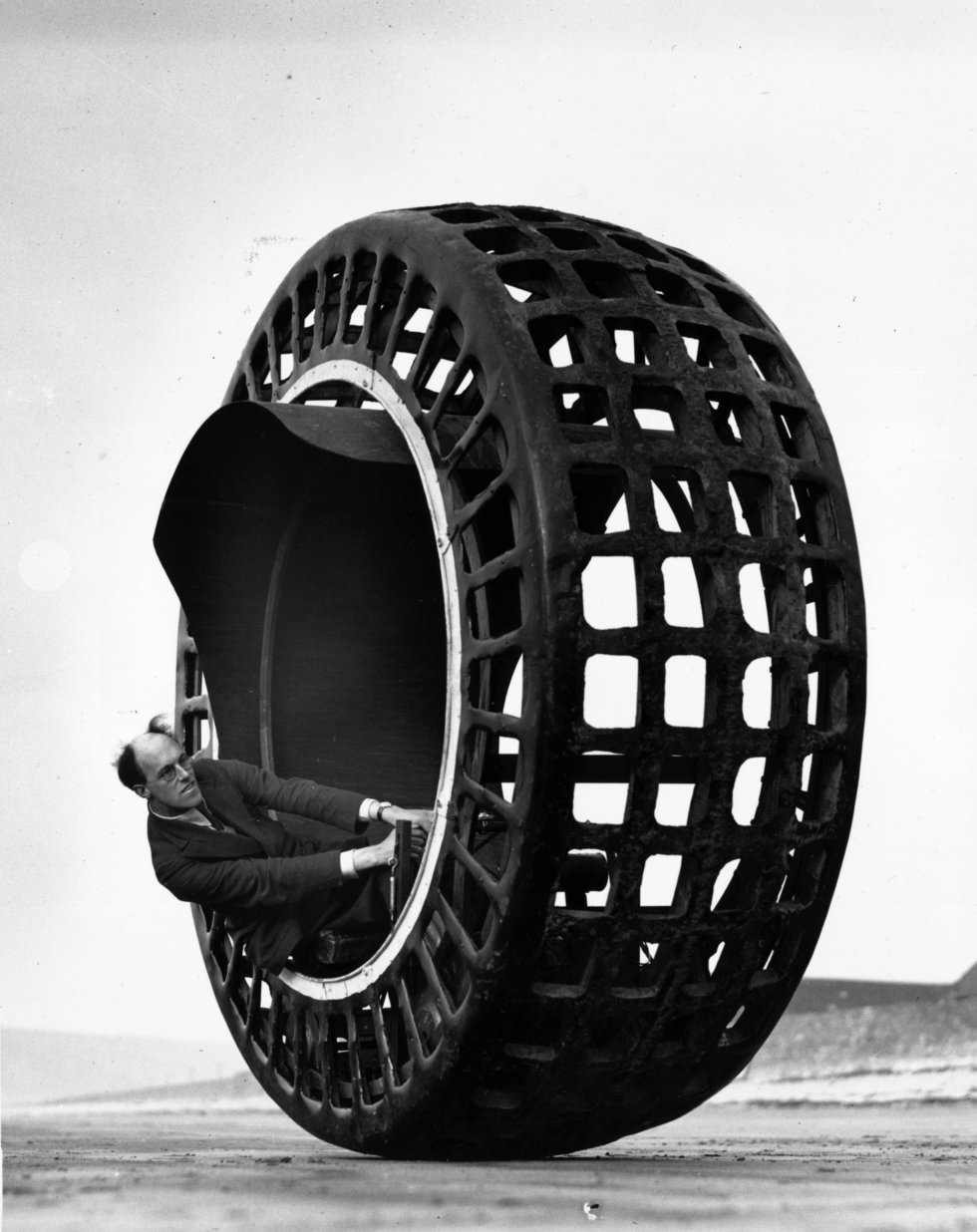
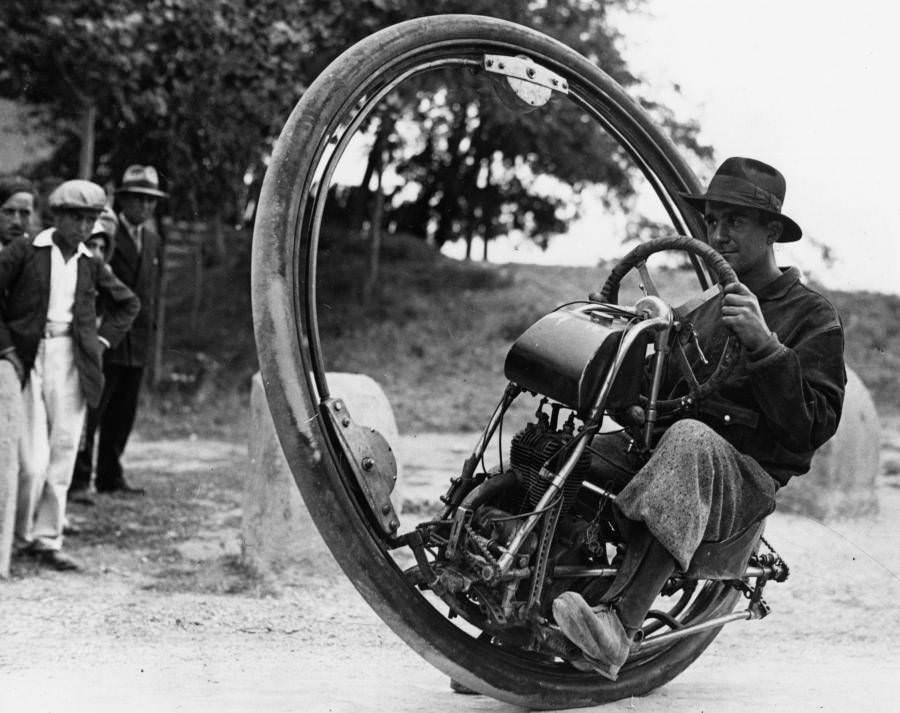
#48 Motorwheel, 1931
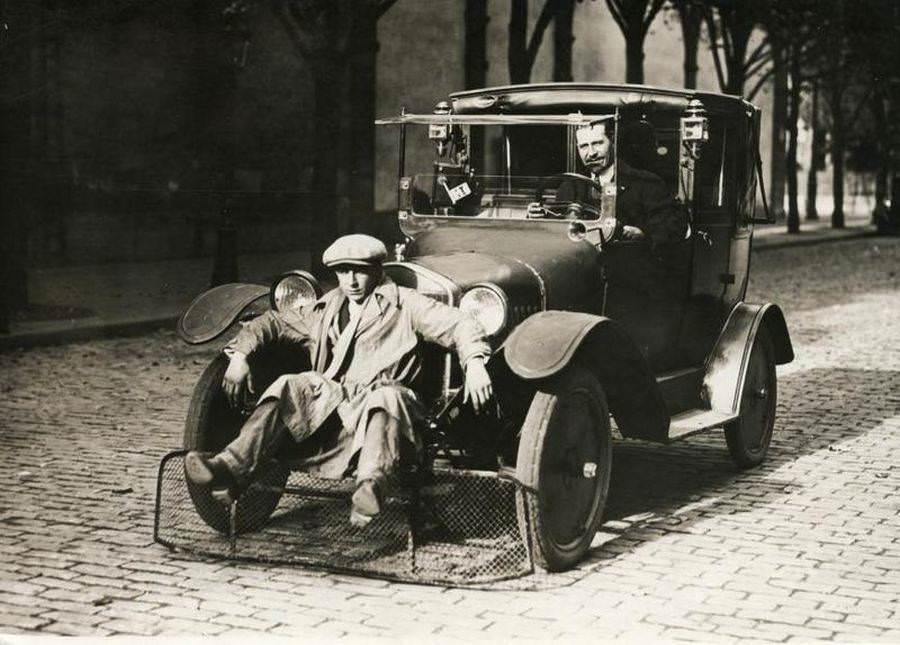
#49 Pedestrian Safety Net
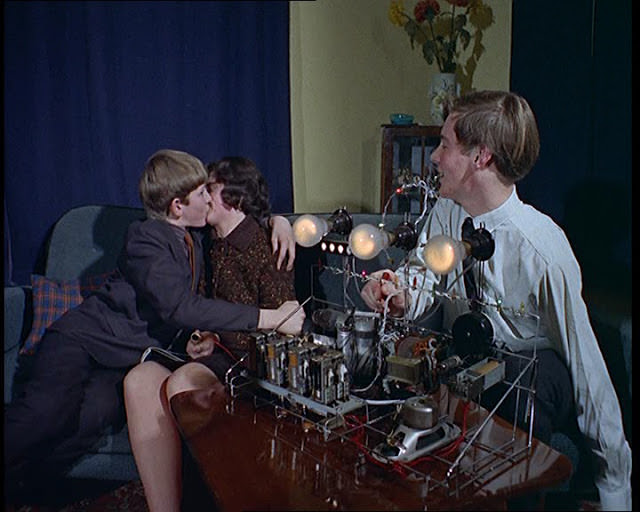
#50 The Snogometer, 1965
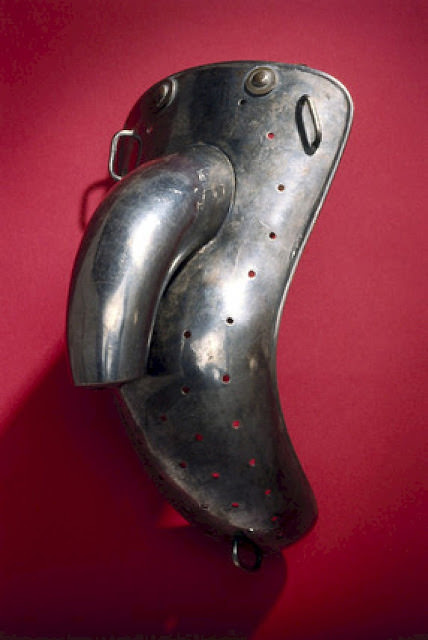
#51 Male Anti-Masturbation Apparatus
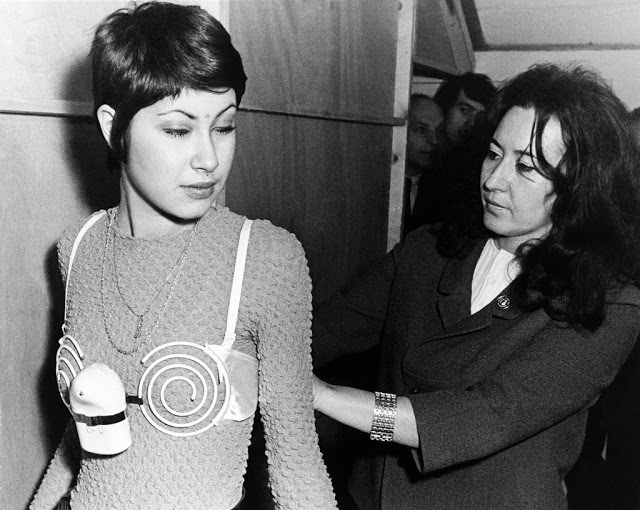
#52 Vibrating Bras, 1971
#53 Solar Bath Apparatus
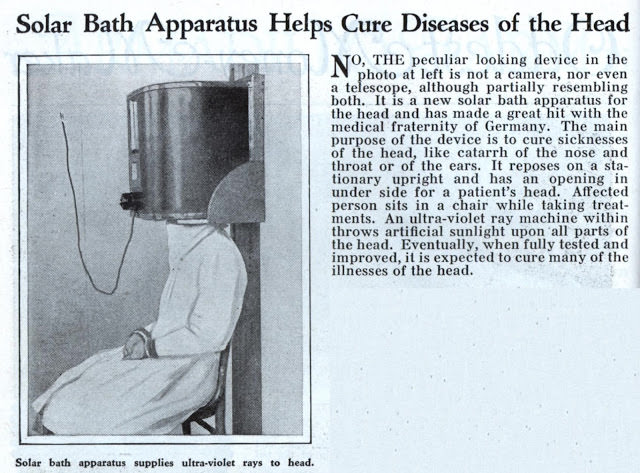
What better cure for the common head cold than a healthy dose of radiation? This scary-looking apparatus enclosed the head in a metal drum and doused it with ultra-violet rays. The Solar Bath Apparatus was meant to clear up catarrh of the ears, nose and throat, along with other head-related illnesses.
#54 Cigarette Case to Keep Track
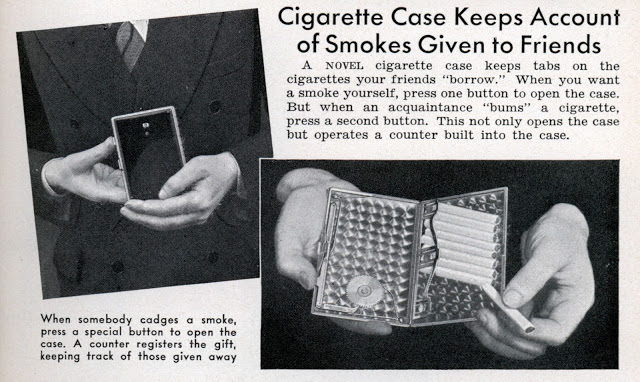
In 1940, smokers who were sick of loaning out cigarettes could keep track of how many smokes they were using themselves and how many were being “bummed” by friends. Two separate buttons opened the case: one for when the owner was grabbing a smoke, and another for when a friend asked for one. It was presumably up to the owner to decide what to do with that information once he determined how many of his cigarettes were being given away.