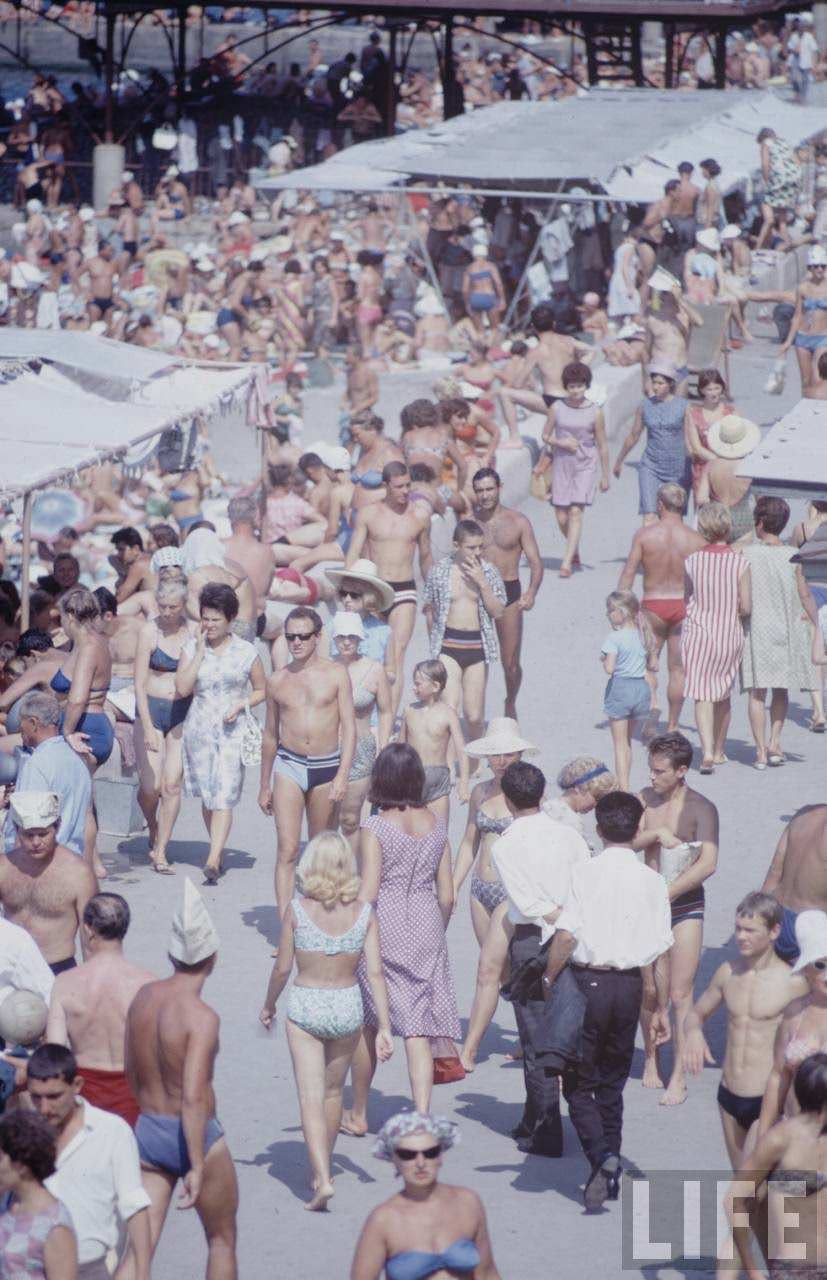
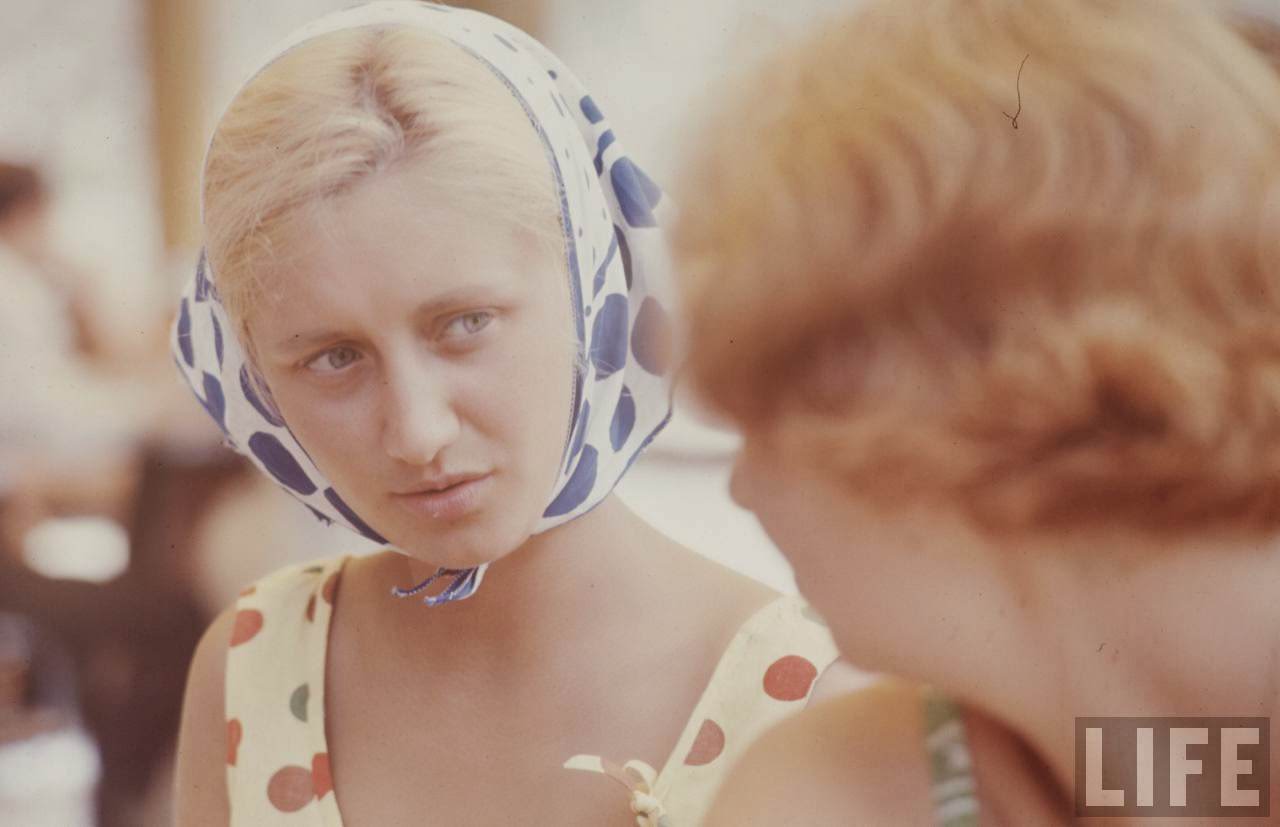
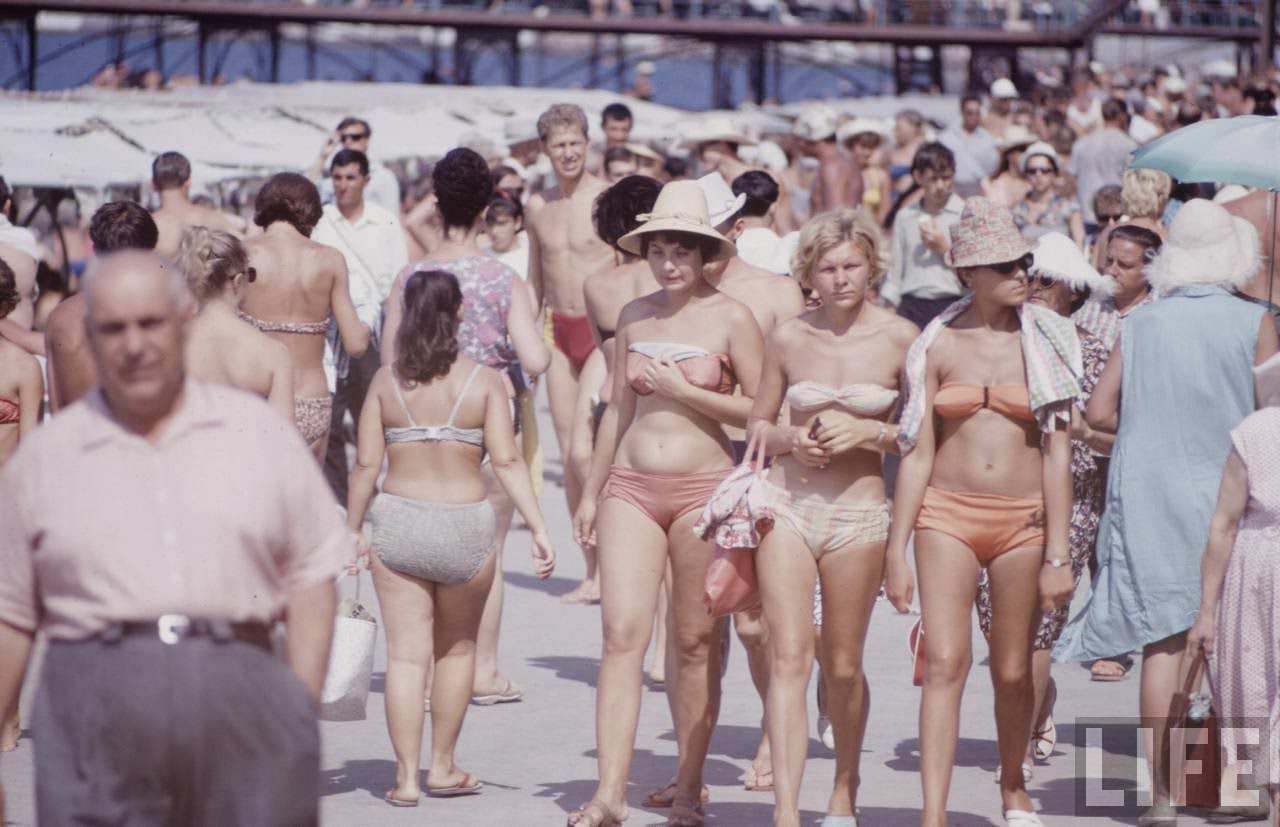
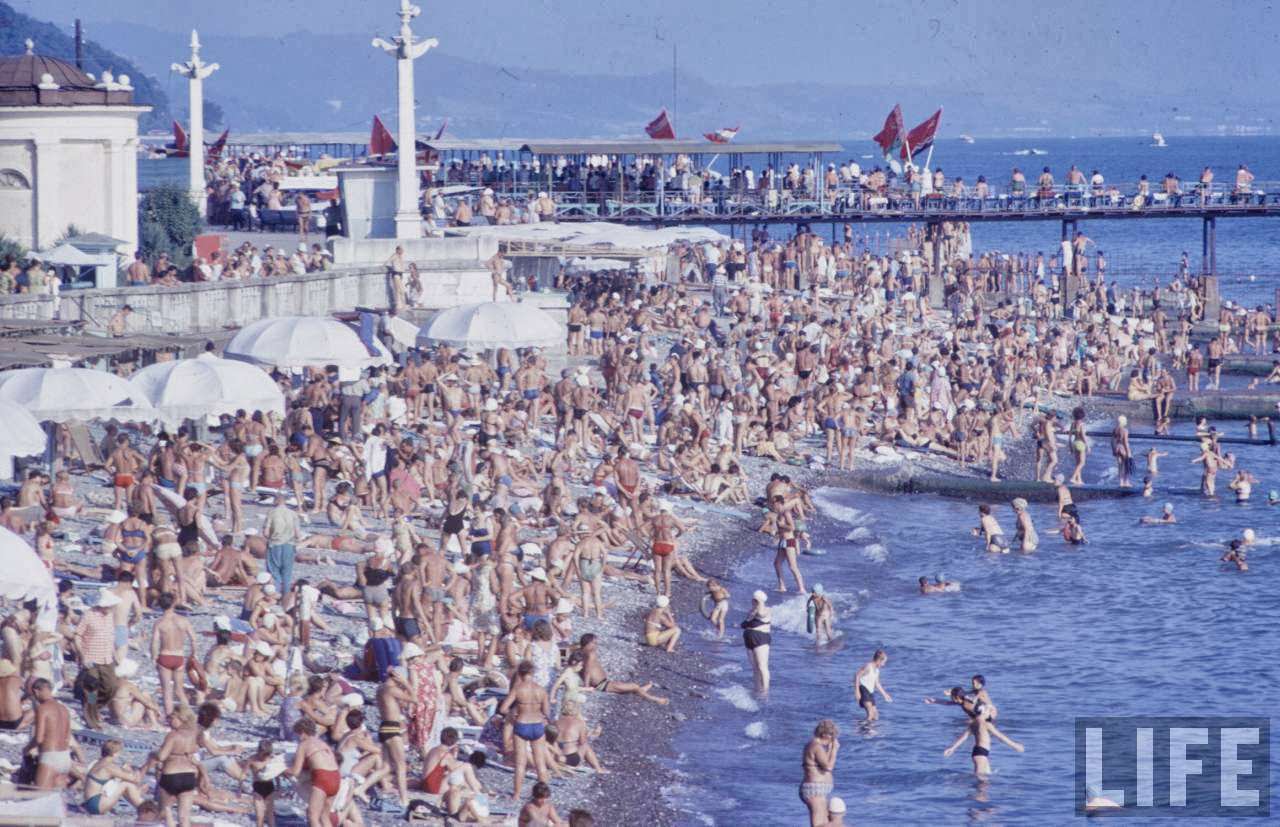
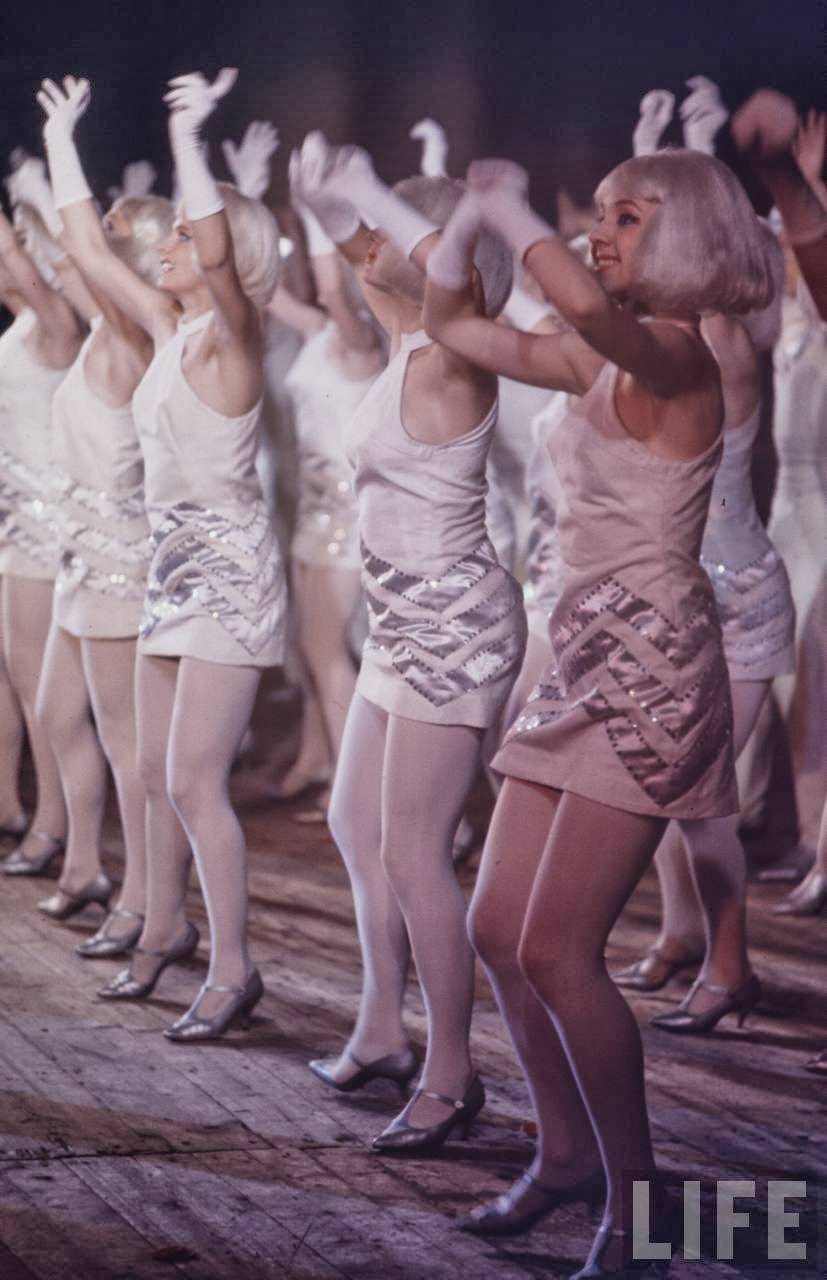
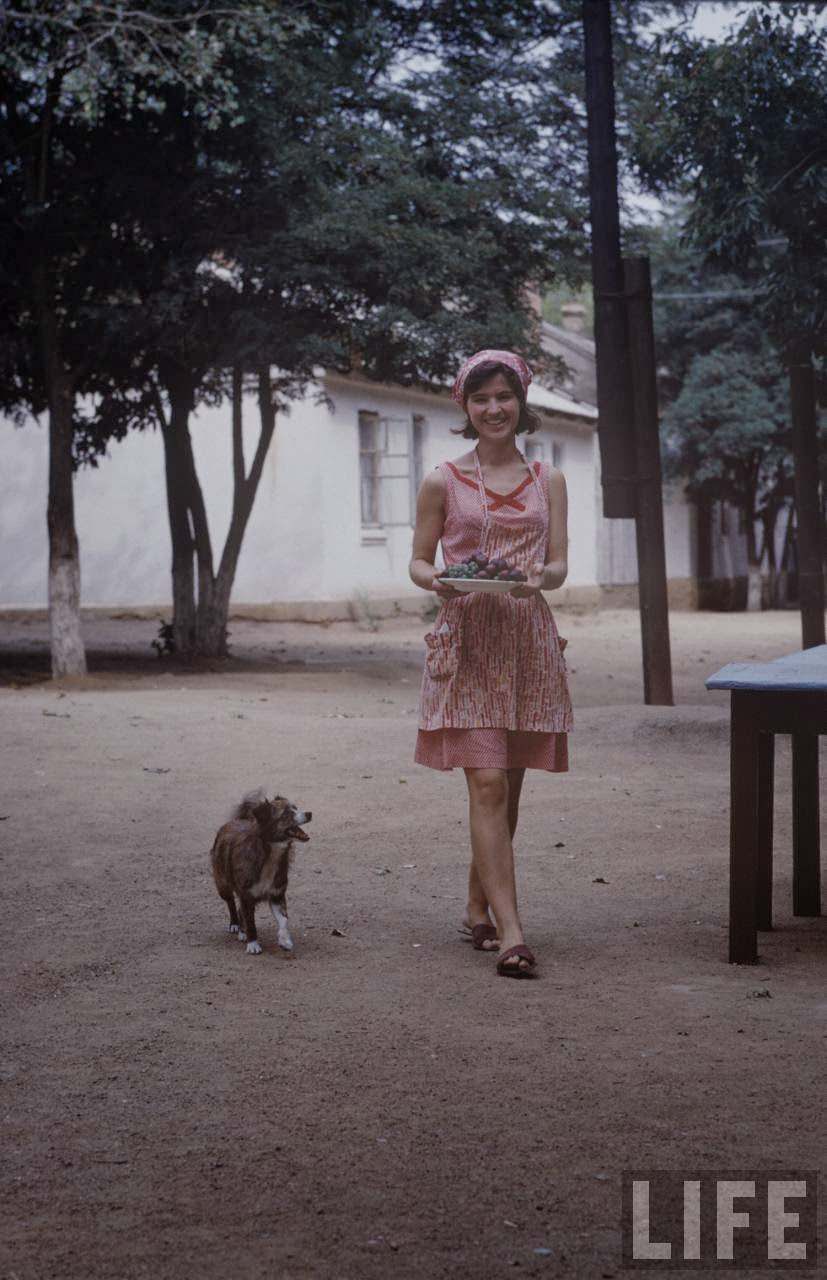
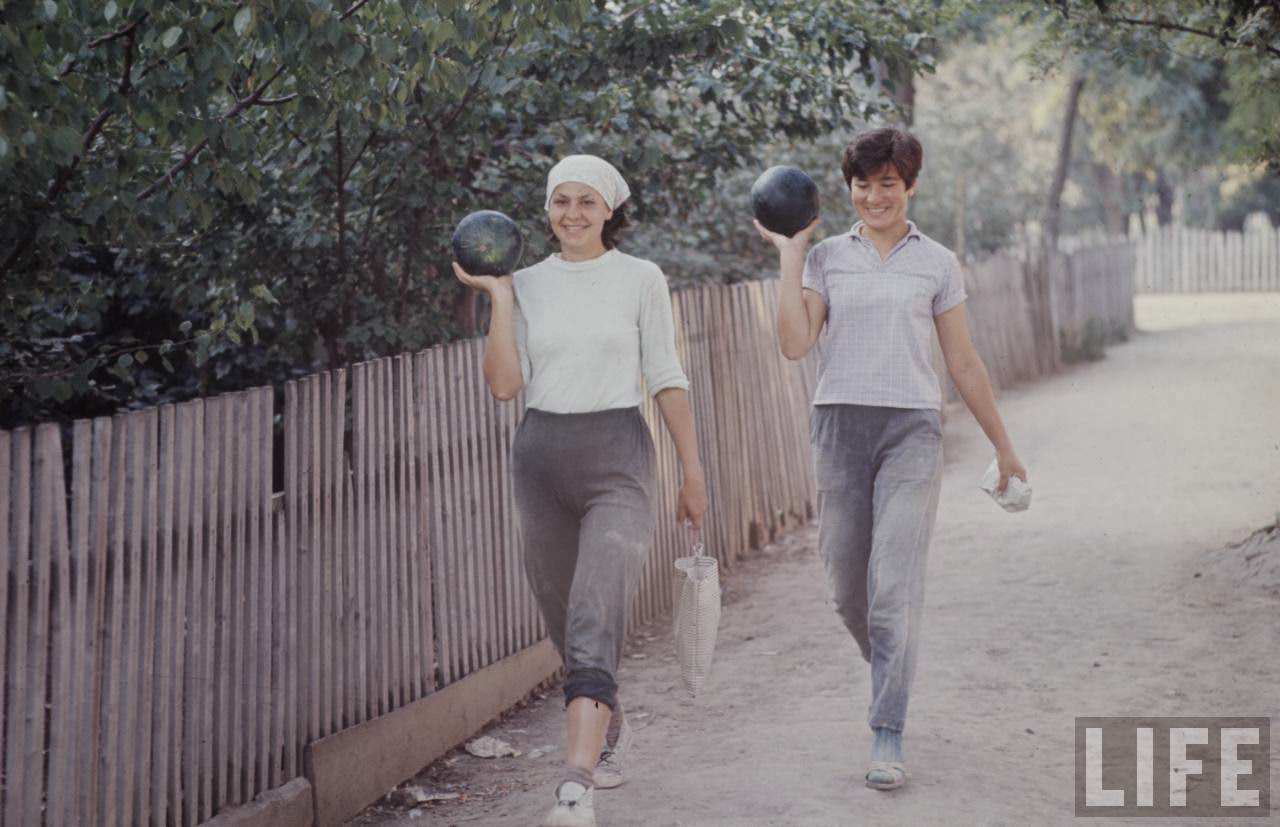
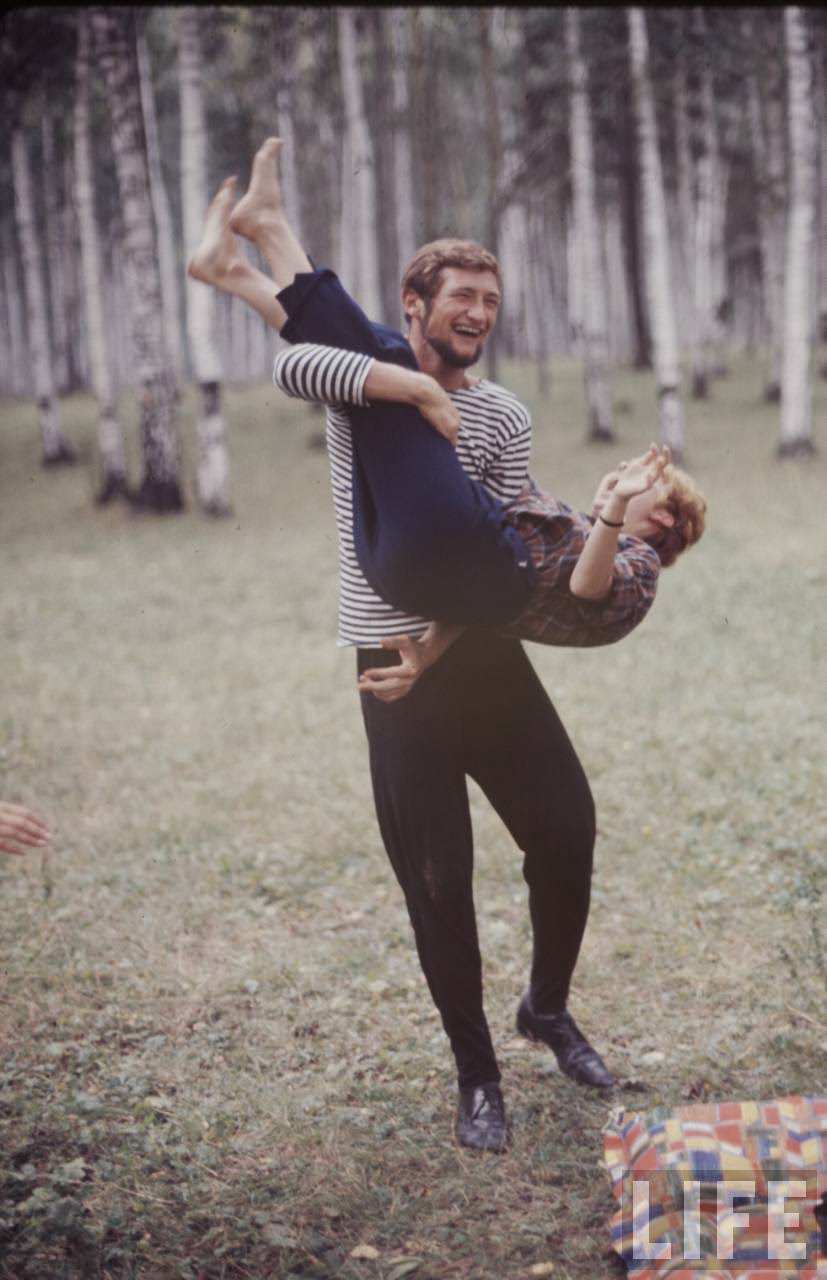
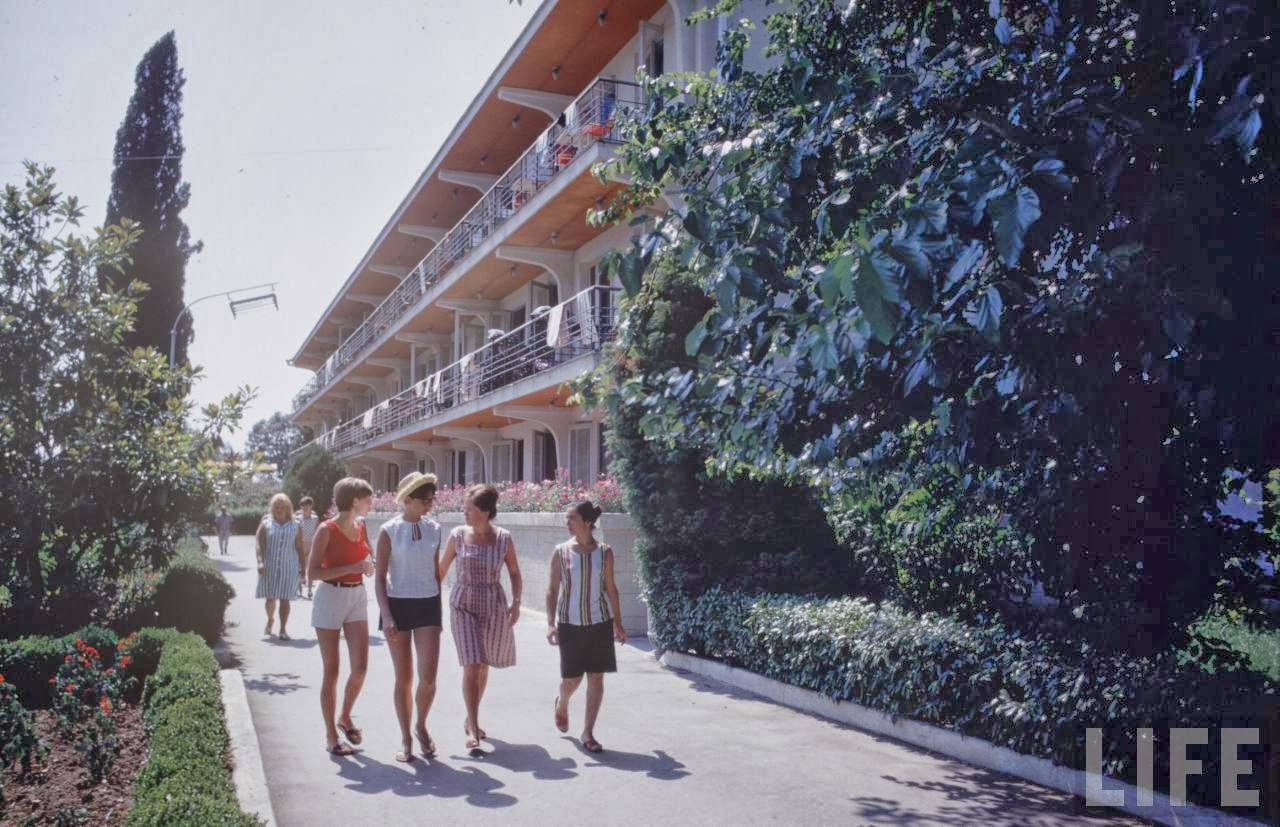
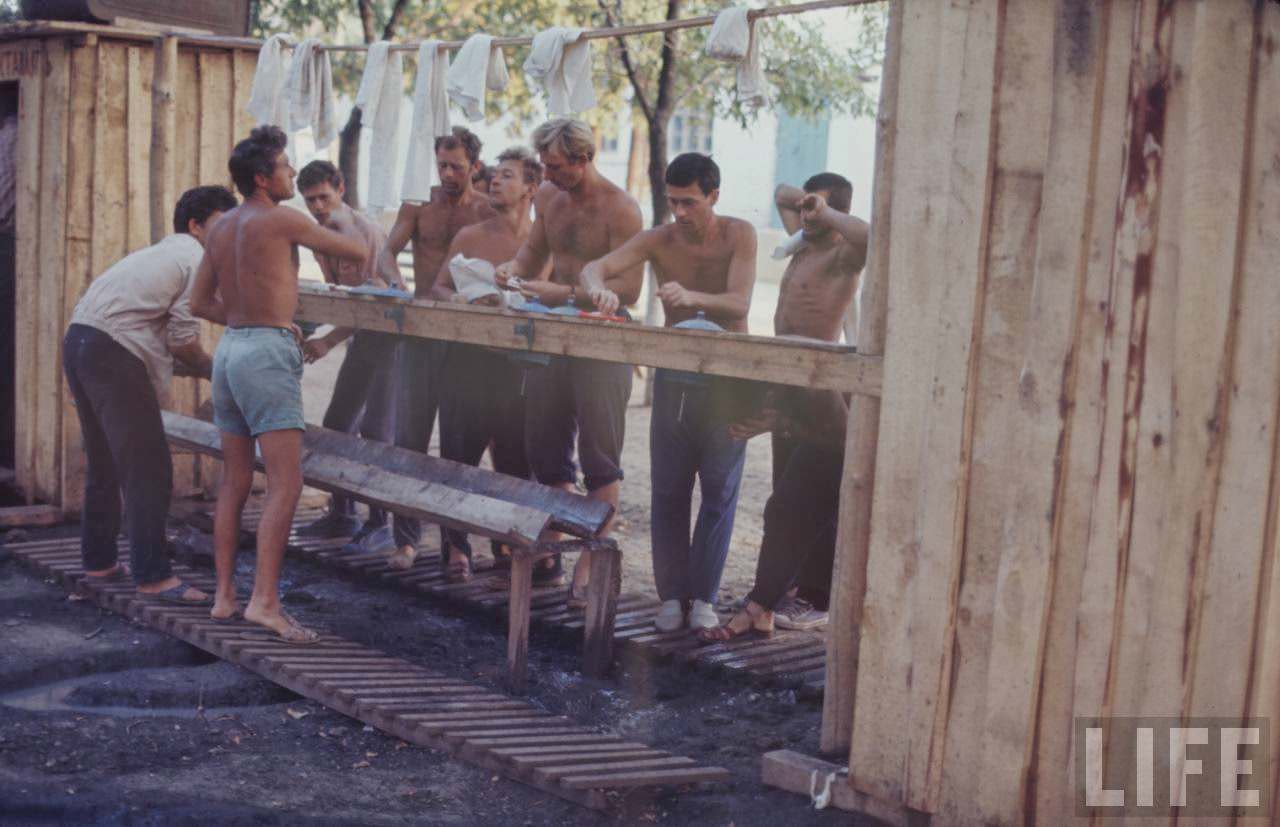
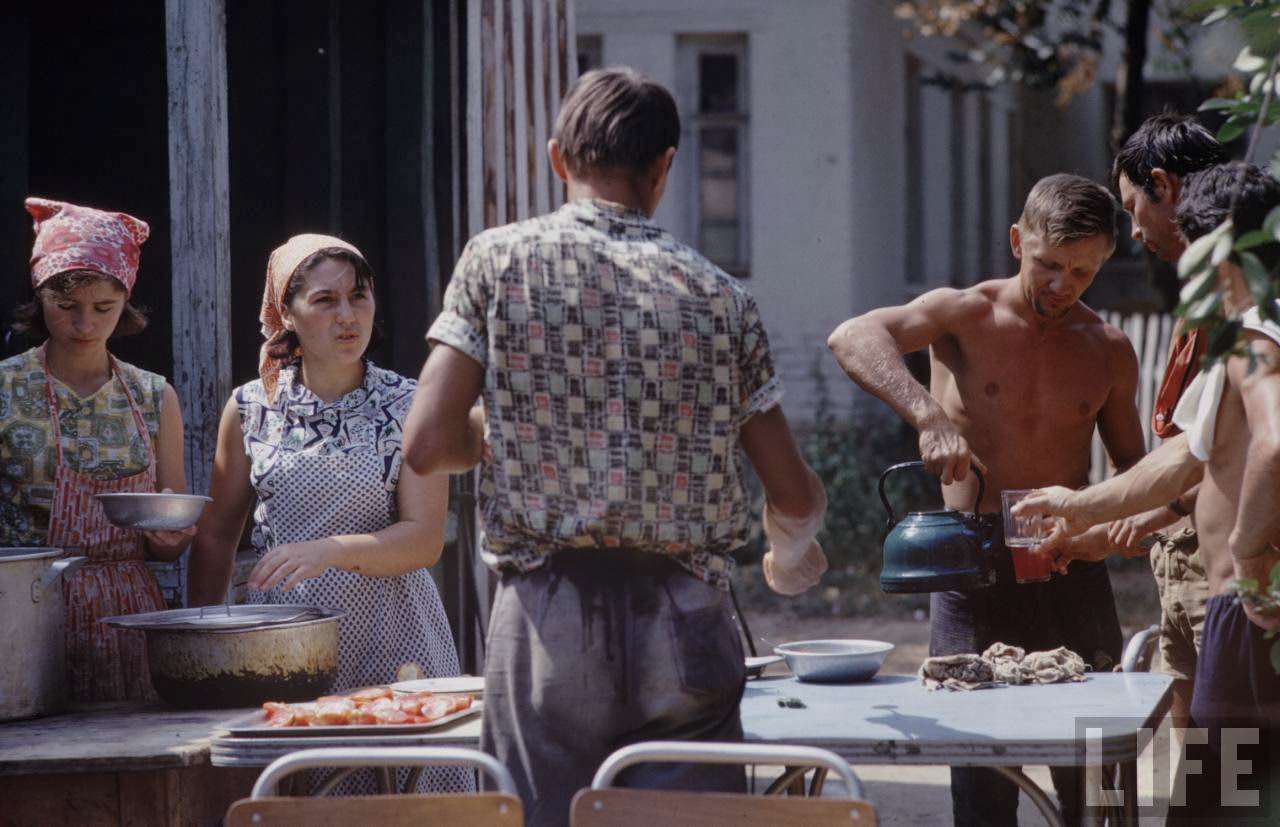
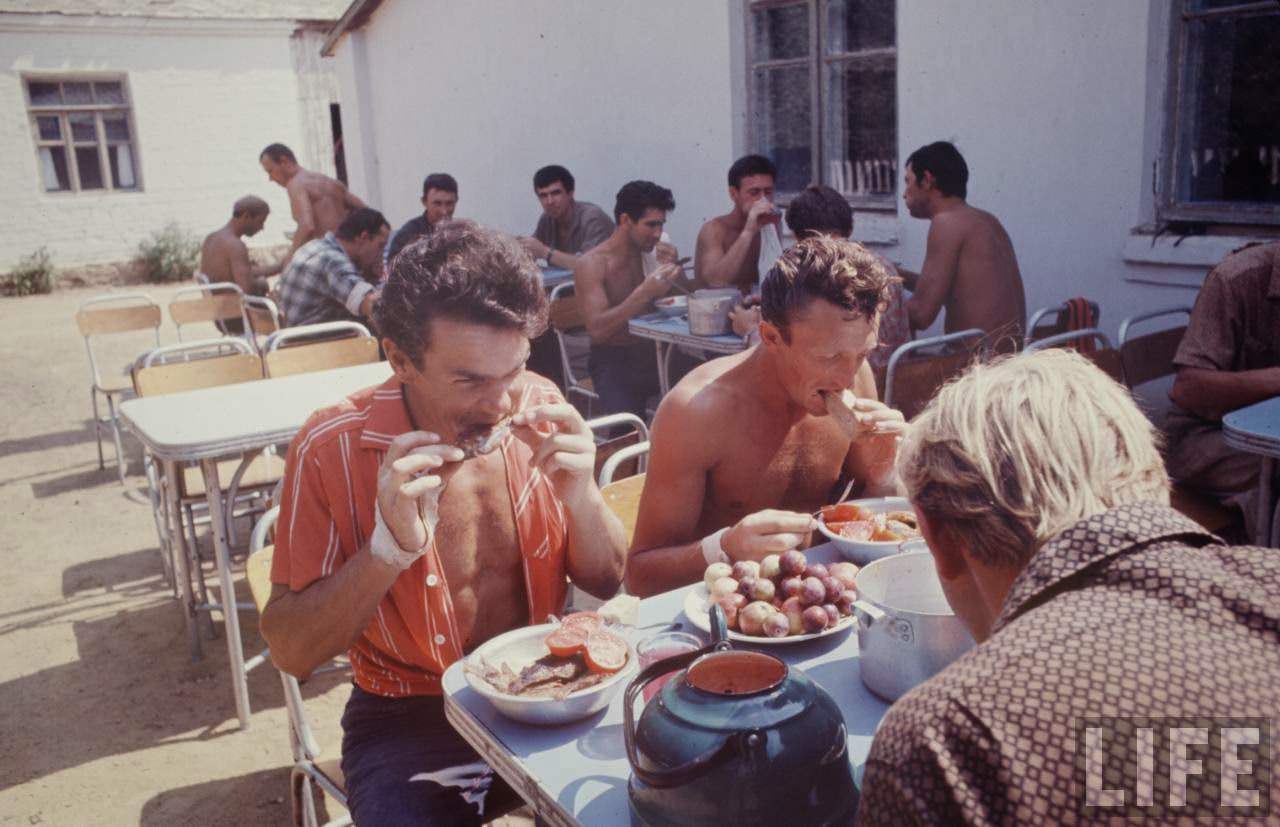
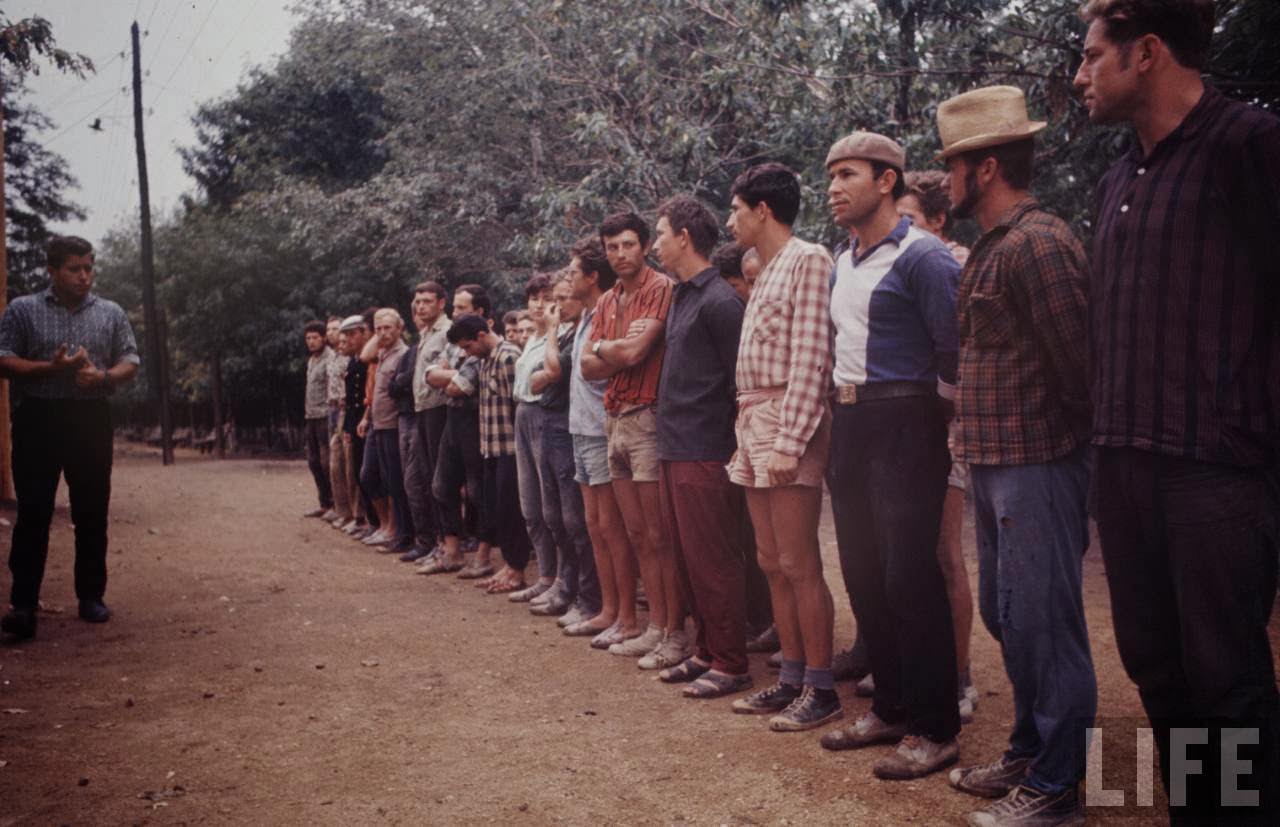
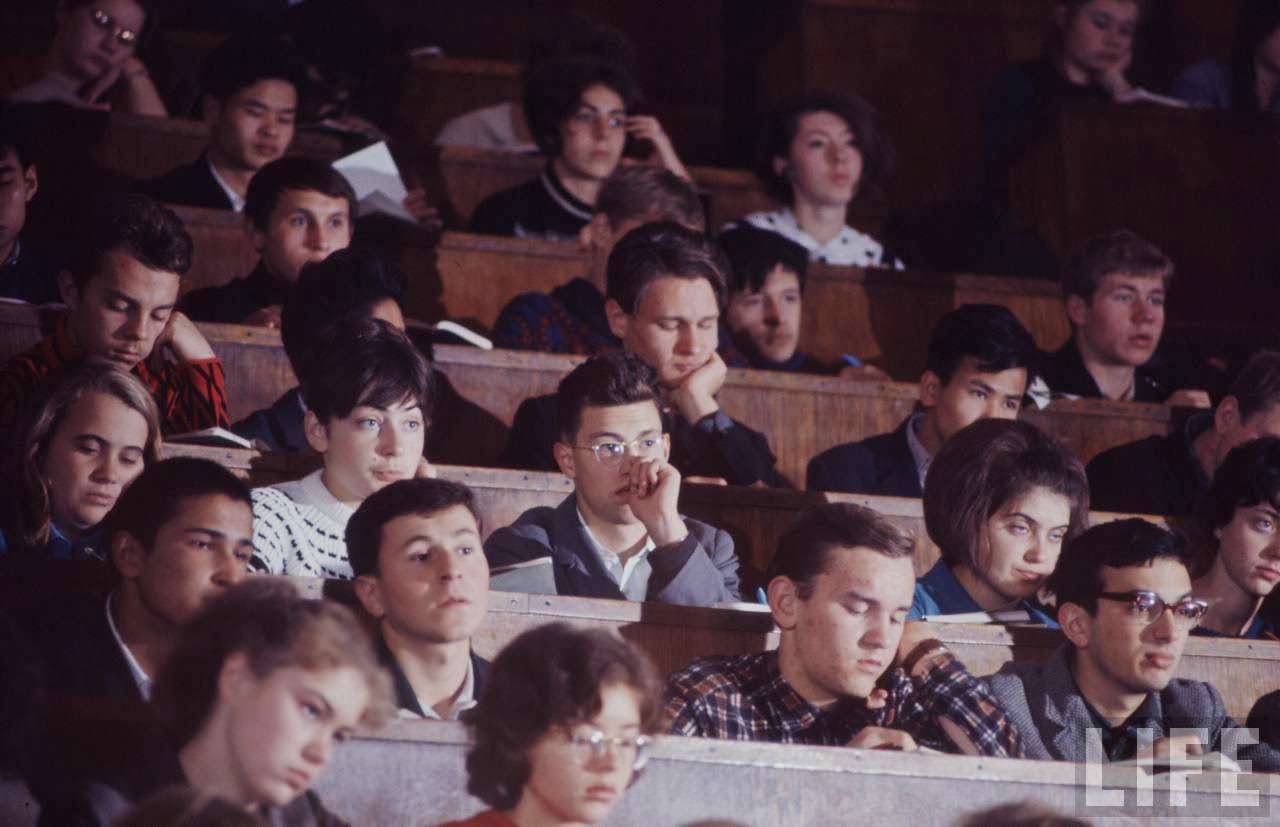
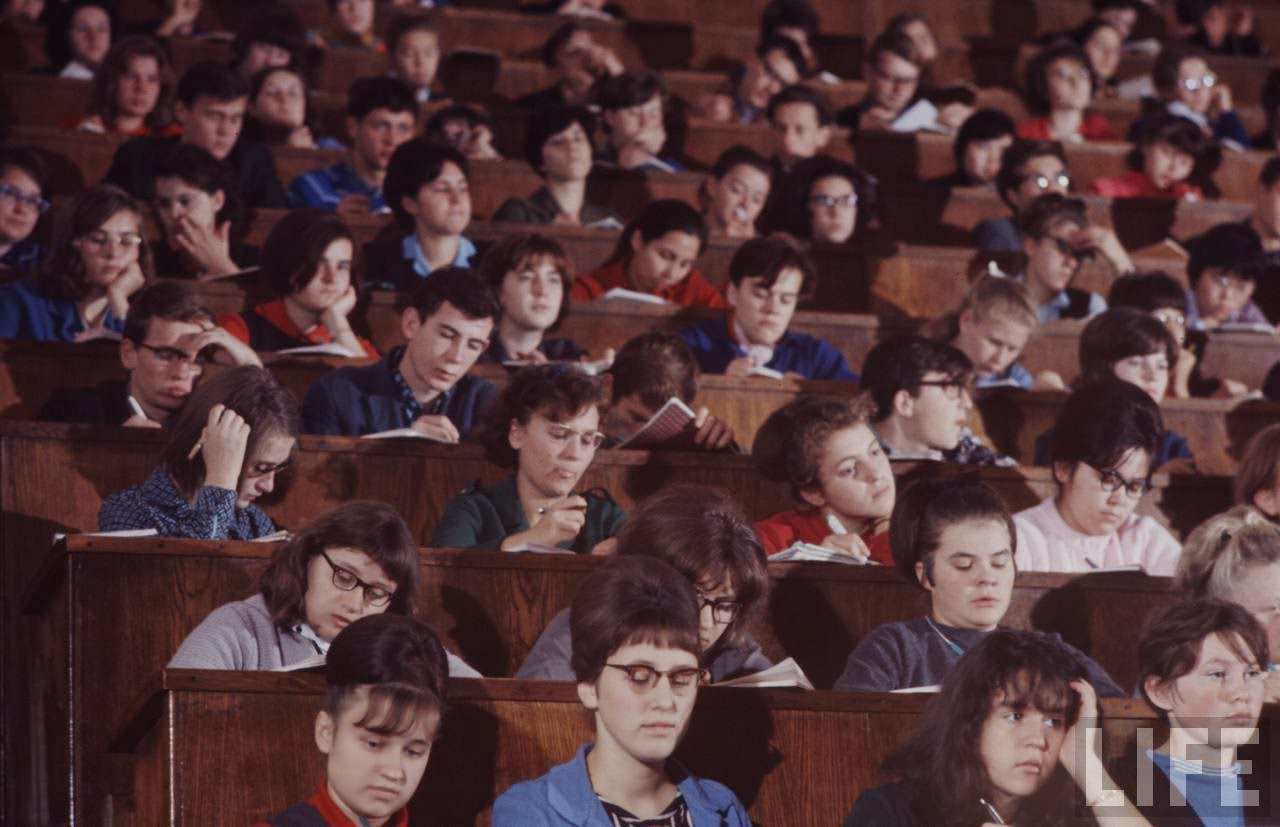
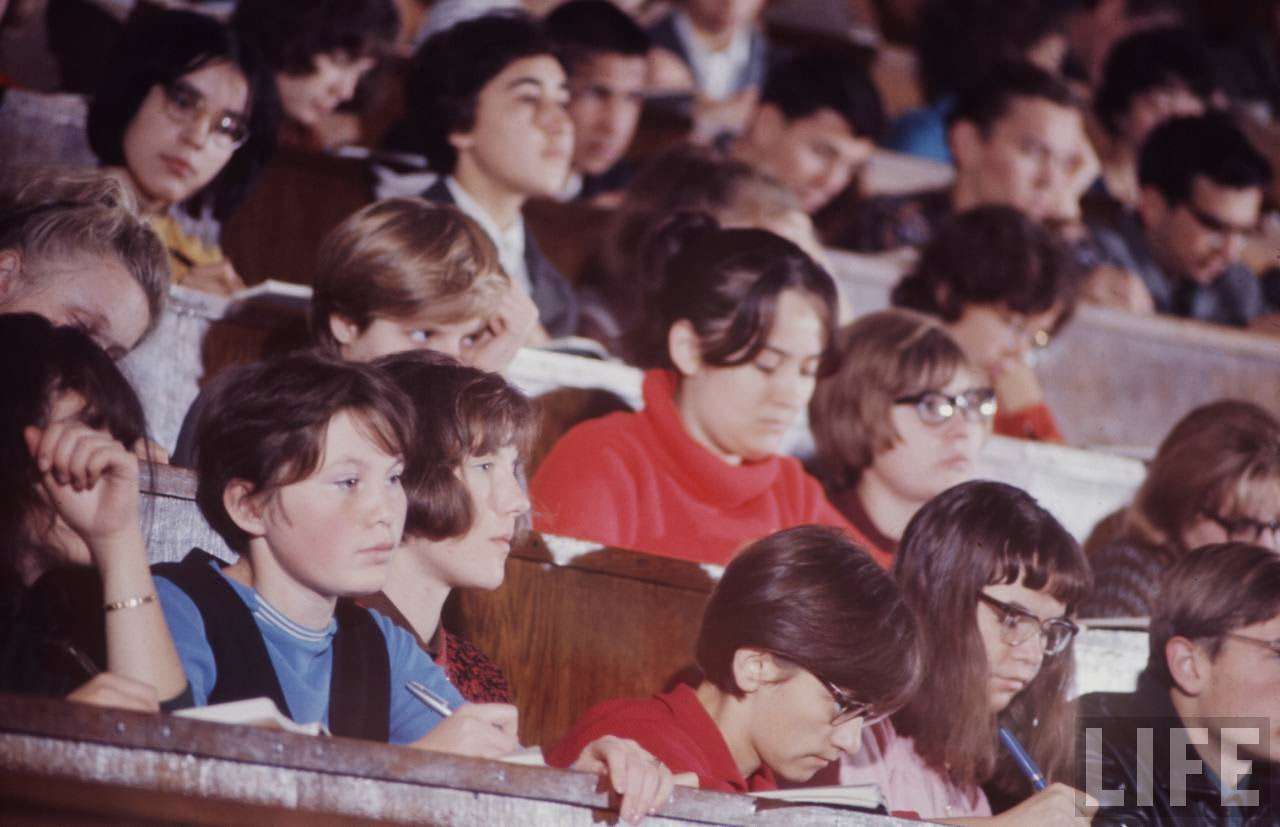
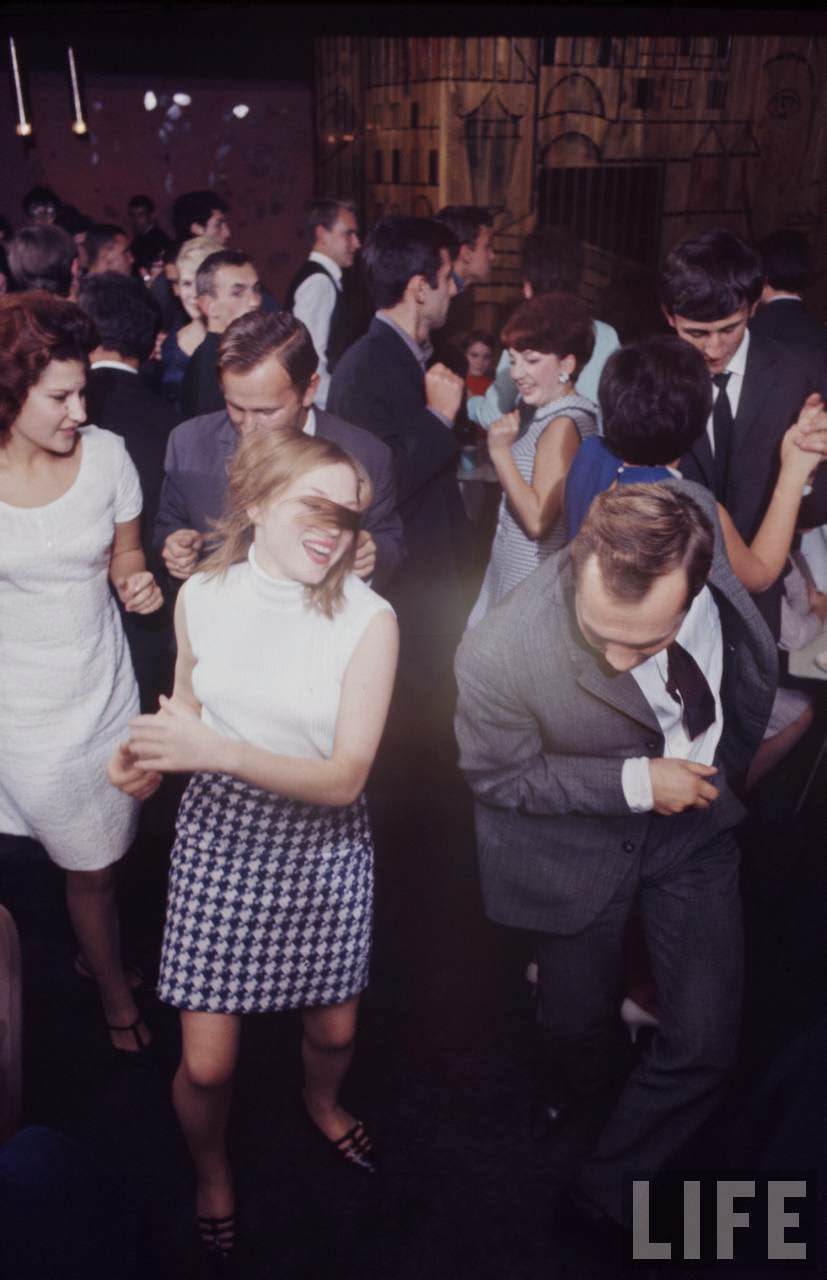
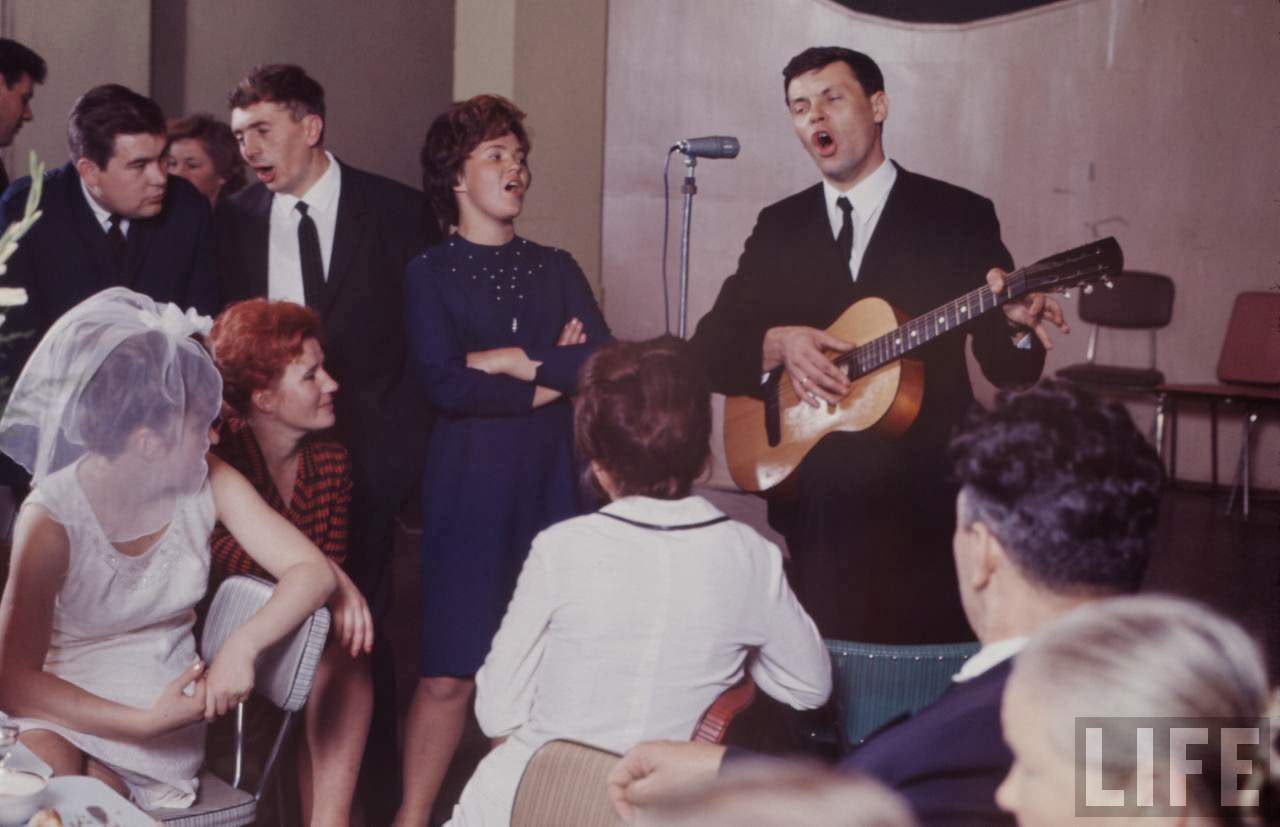
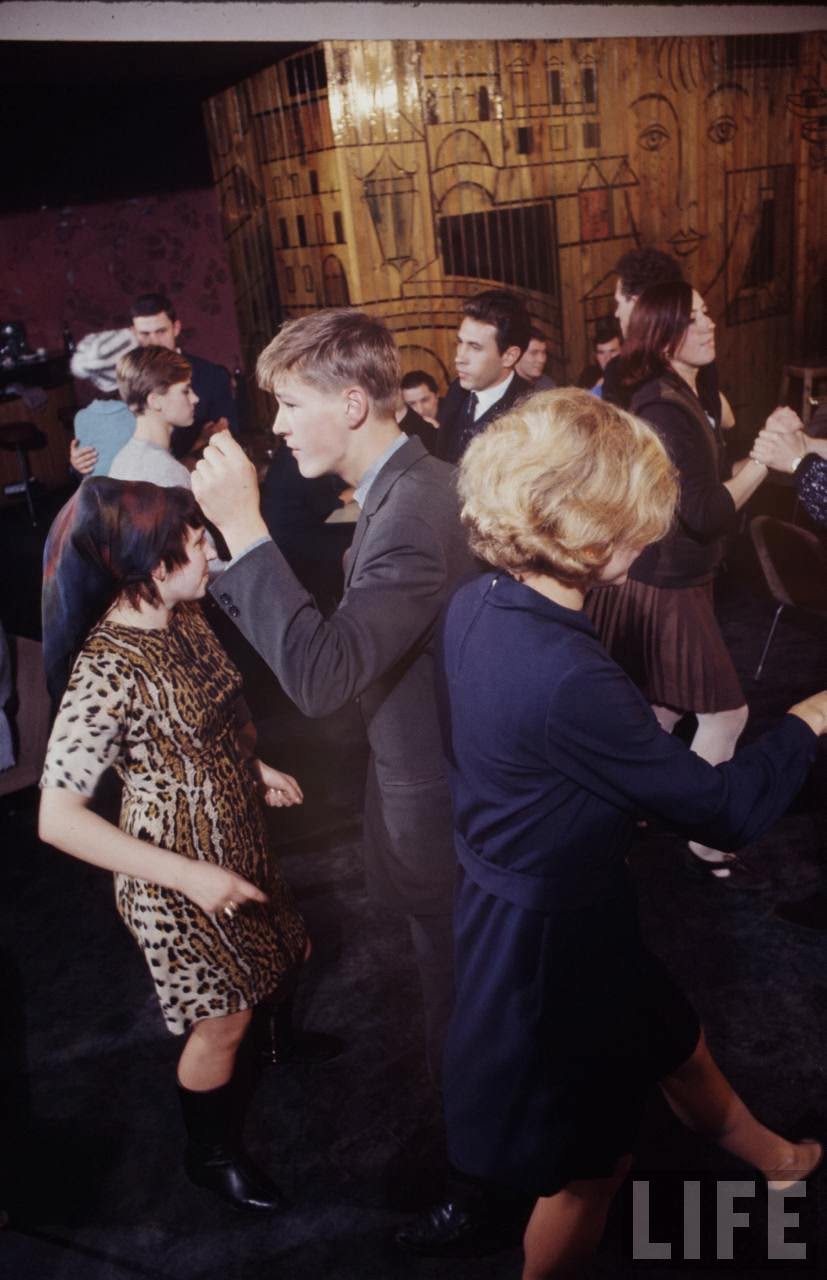
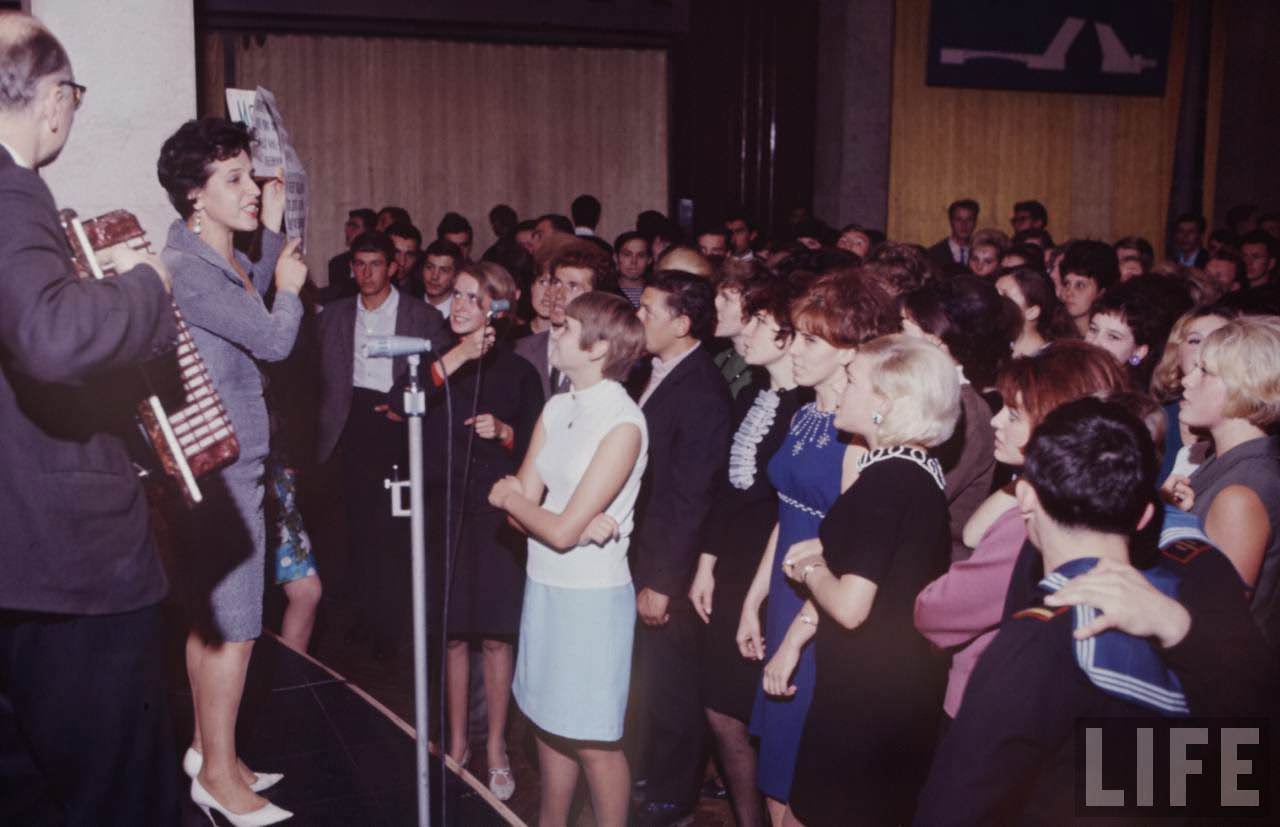
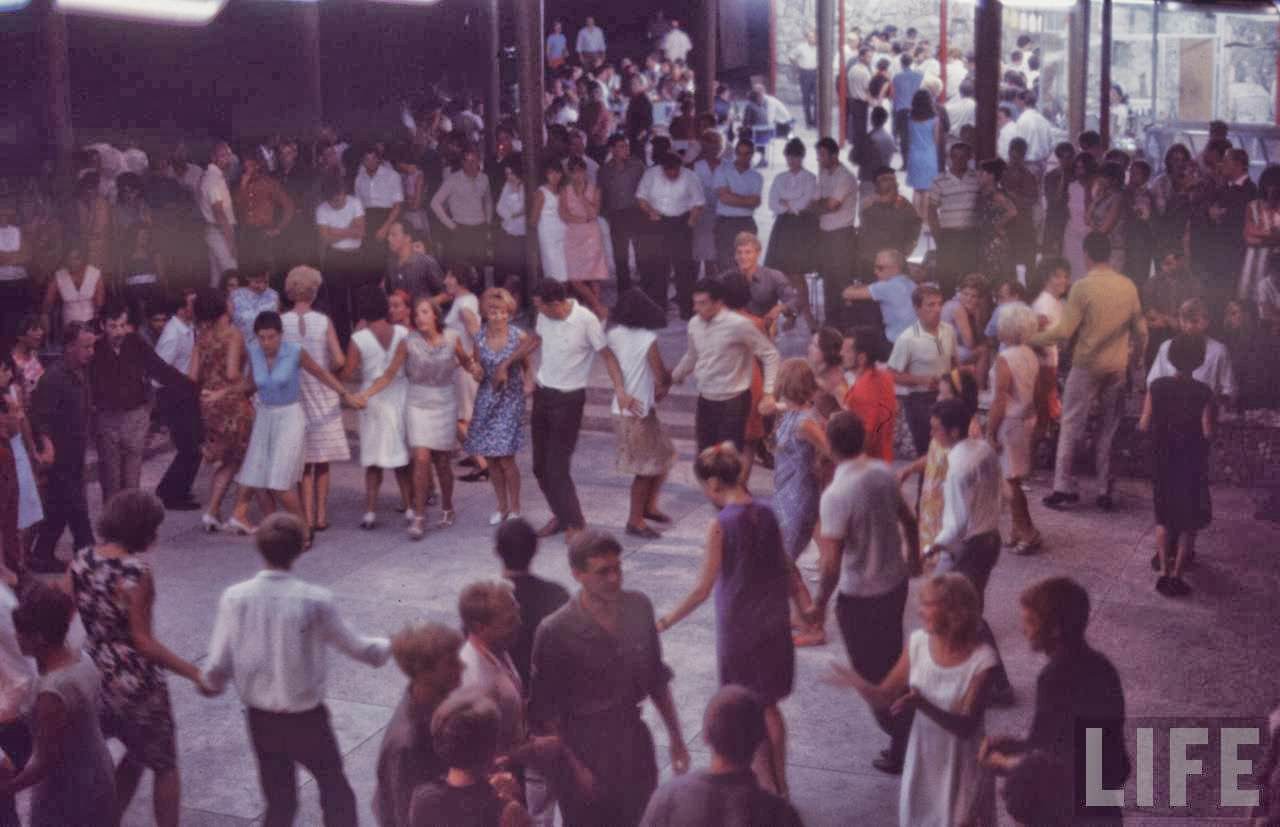
By 1967, nearly half of the Soviet Union’s 235 million people were under the age of 27. That made the USSR one of the youngest nations on Earth — and a country whose future was quite literally walking its streets.
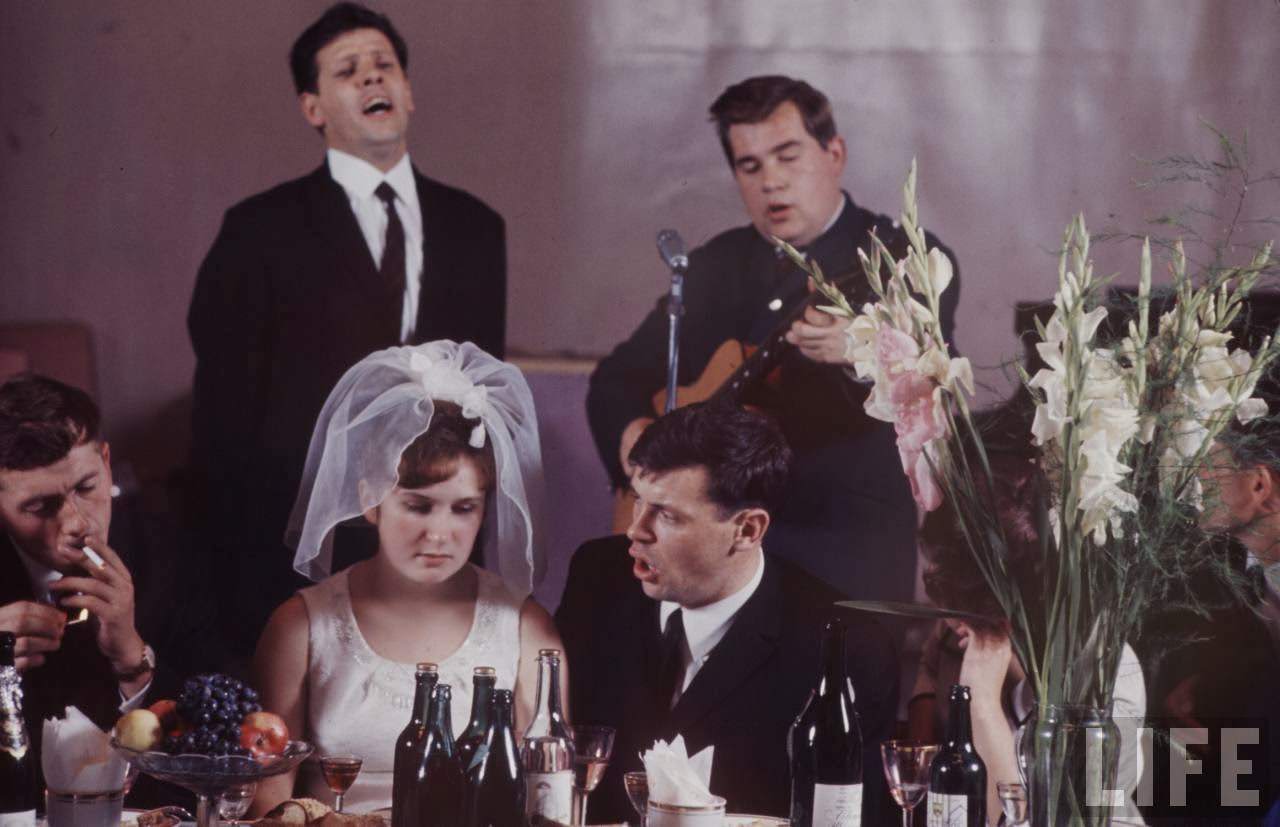
This massive young population had roots in tragedy. For nearly four decades before the 1960s, the Soviet Union endured a civil war, deadly famines, and the catastrophic losses of World War II. Those events killed millions and sharply cut birth rates. When stability finally returned after 1945, birth rates surged — and a new generation was born.

This postwar cohort became known as the “Sputnik generation.” The name came from the defining moments of their childhood. In 1957, the Soviet Union launched Sputnik, the first satellite to orbit the Earth. Then in 1961, cosmonaut Yuri Gagarin became the first human in space. These were not distant news stories — they were events that shaped how this generation saw their country and themselves.


Their world looked very different from the one their parents had known. The older generation grew up under Joseph Stalin, a period marked by terror, purges, and the constant fear of a knock on the door in the middle of the night — shorthand for a secret police arrest. That kind of pervasive dread defined Soviet life for decades.

For the Sputnik generation, Stalin’s portrait was gone from classroom walls. In its place hung images of Vladimir Lenin, founder of the Soviet state, and Nikita Khrushchev, the leader who openly criticized Stalin’s cruelties. Life was still tightly controlled by the state, but the mass terror of the Stalin era was not part of their daily experience.


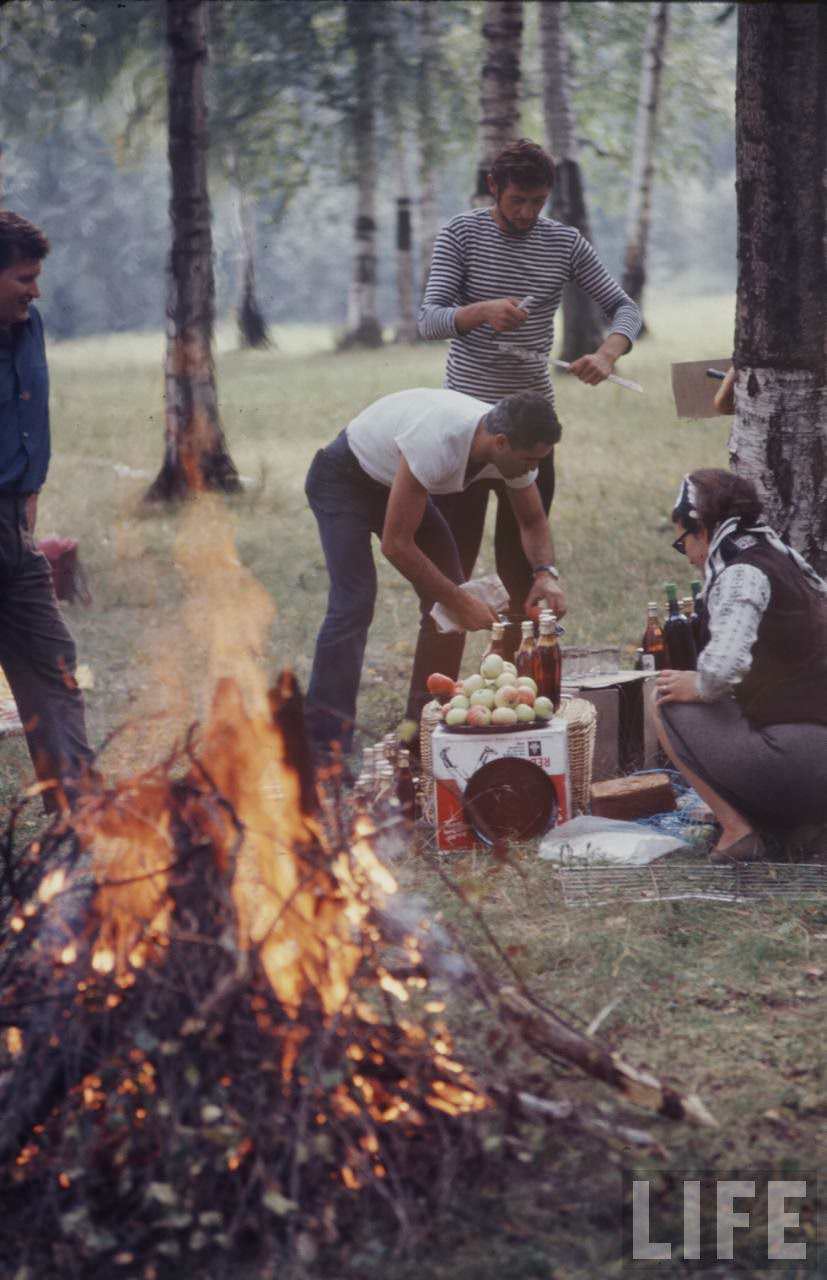
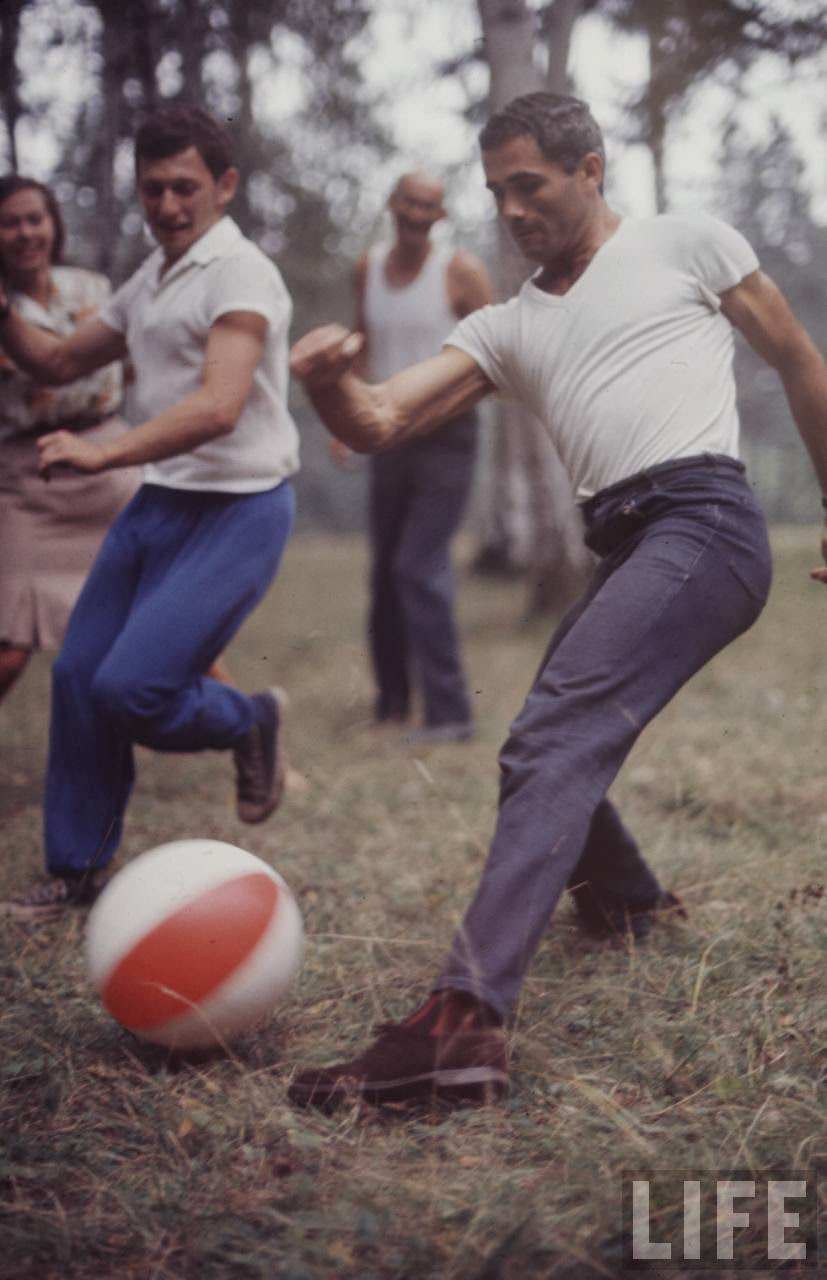
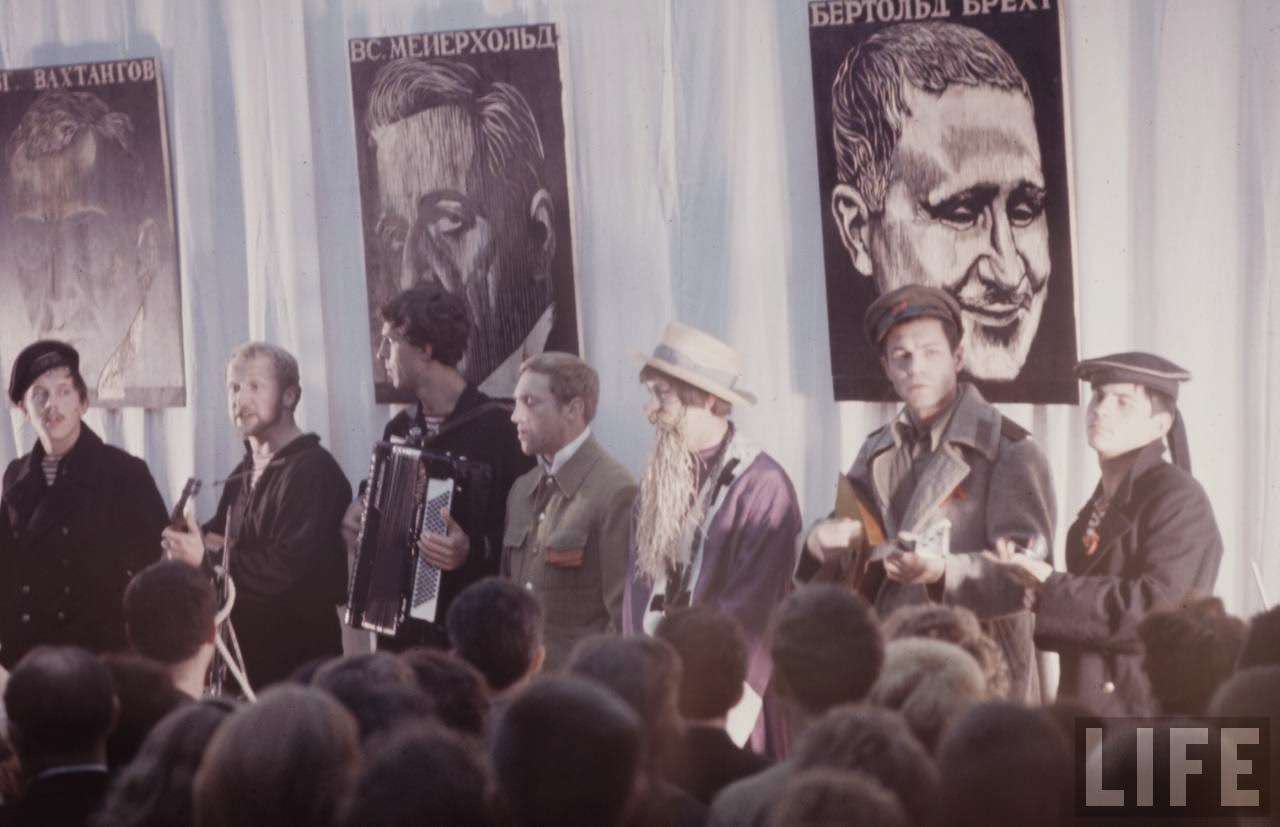
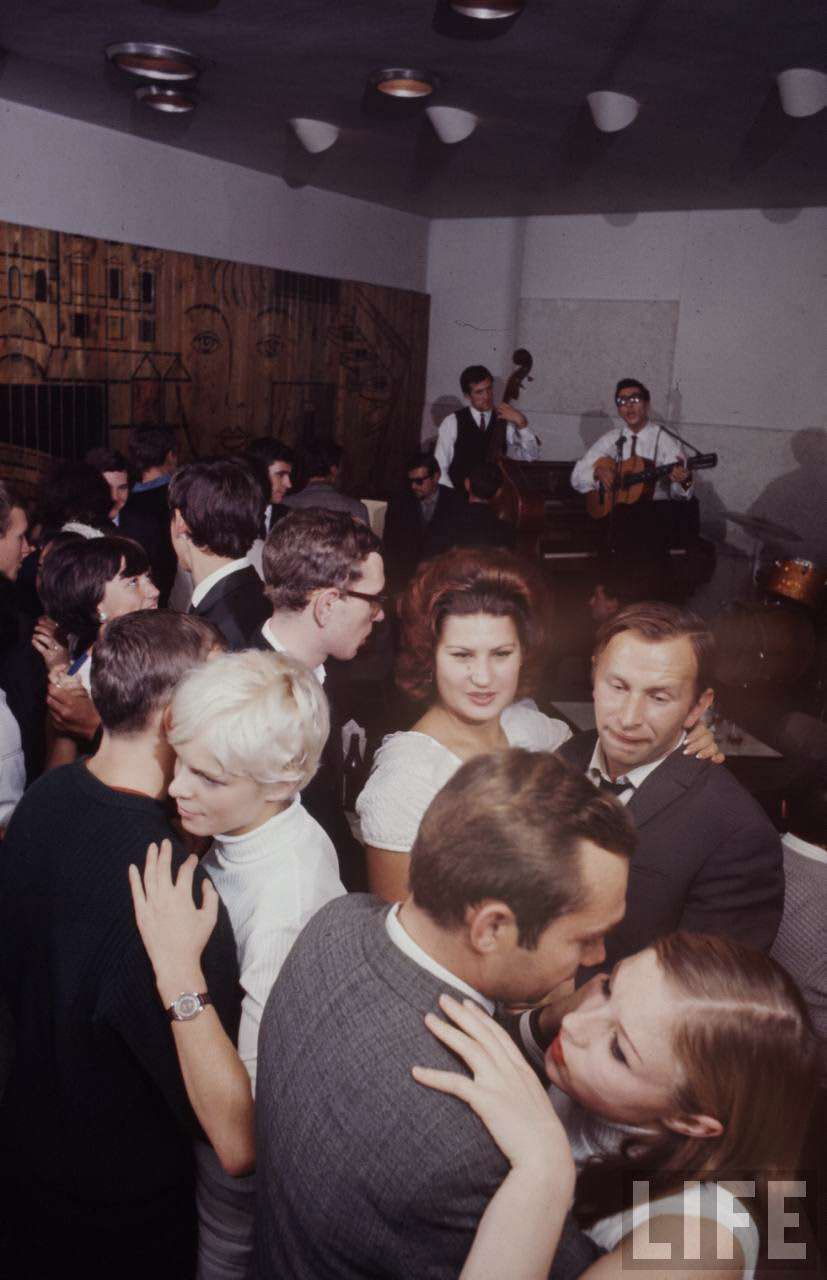
This relatively calmer atmosphere gave young Soviets space to develop their own social world. As they aged into their teens, they gained more independence from their parents. That freedom translated into time spent with peers — building friendships and social bonds outside the family home in ways previous generations rarely had.

Soviet stores in the 1960s sometimes stocked goods that mimicked Western consumer products — certain clothing styles, household items, and other everyday objects. Quality and availability were inconsistent, but these items signaled a shifting world. For young people especially, they offered a small but tangible glimpse of life beyond the Soviet Union’s borders.