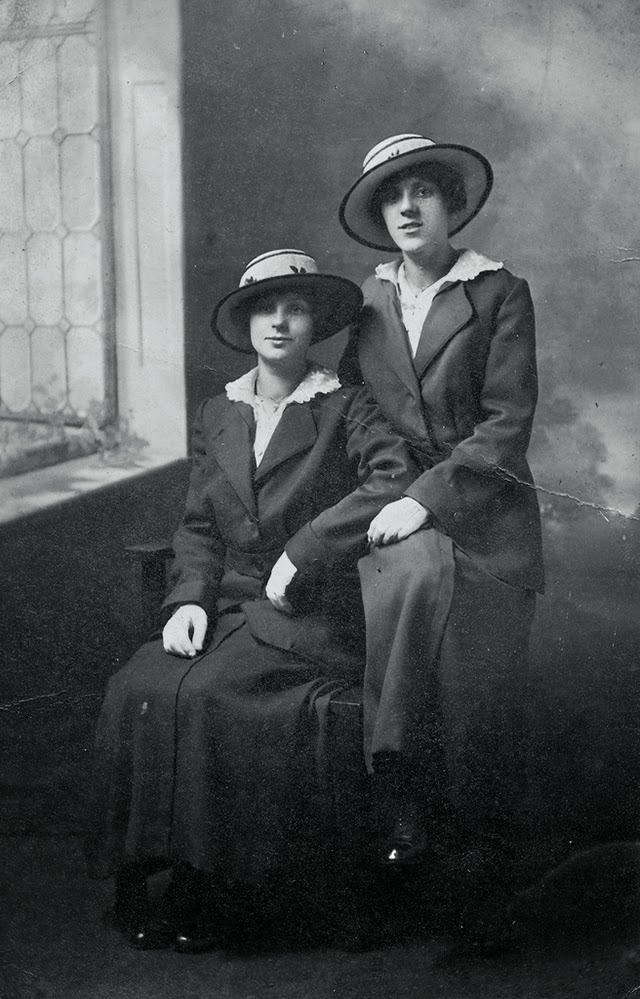
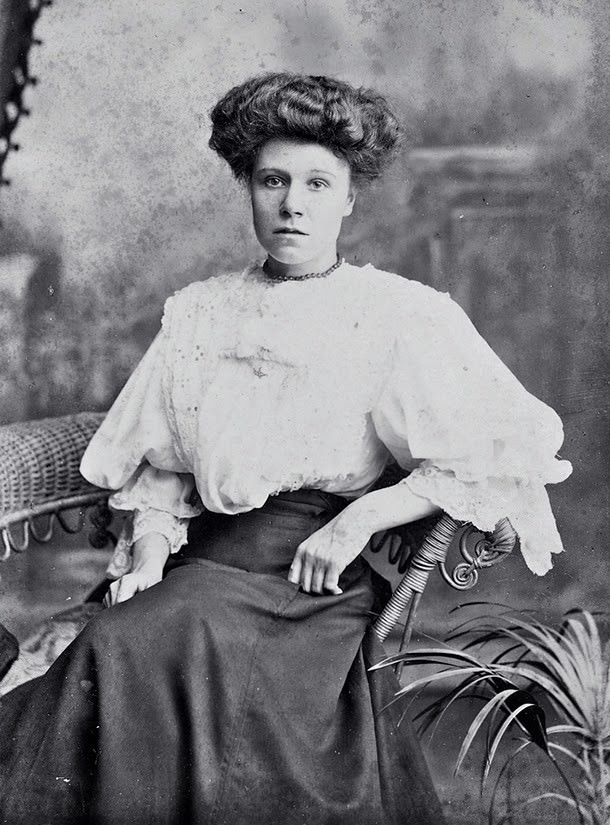
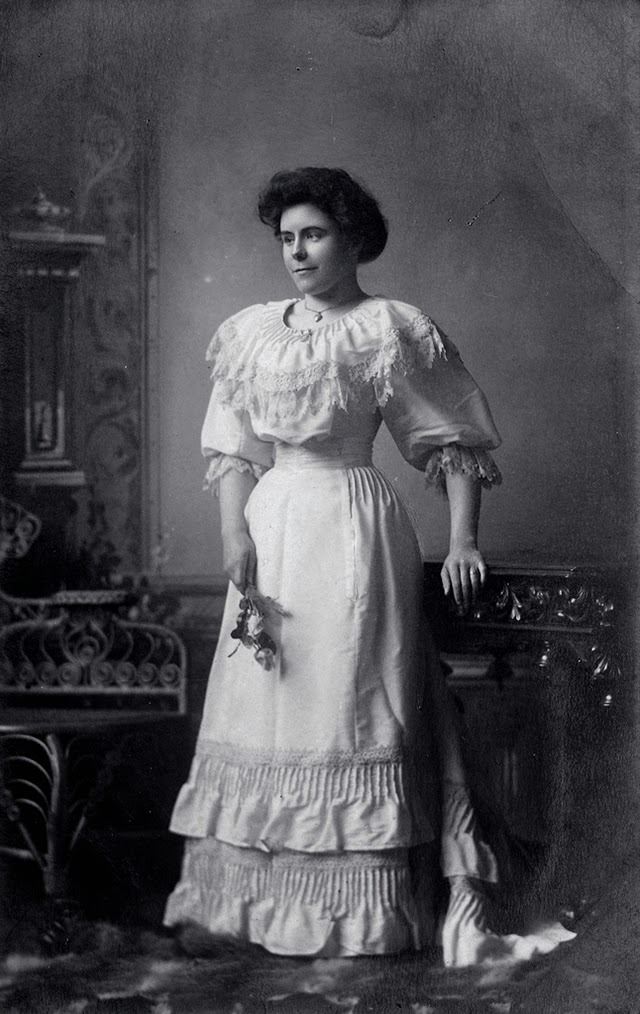
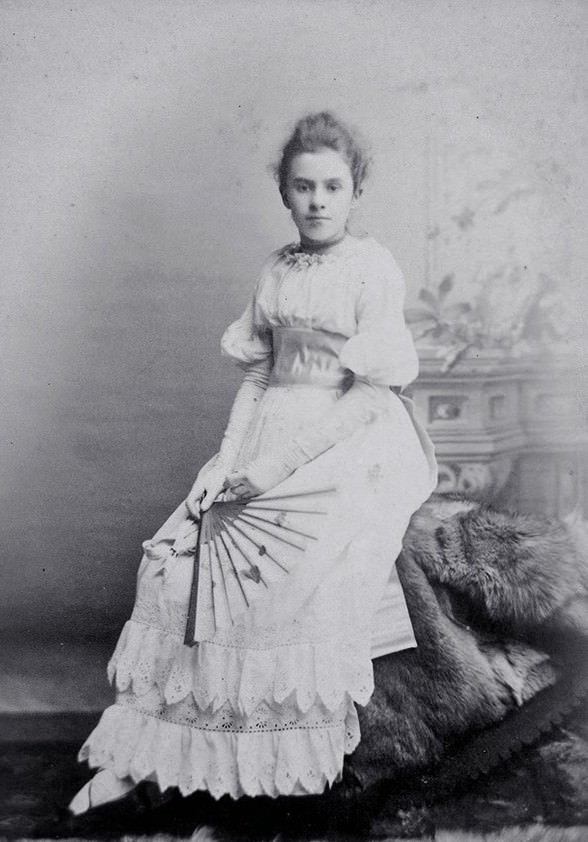
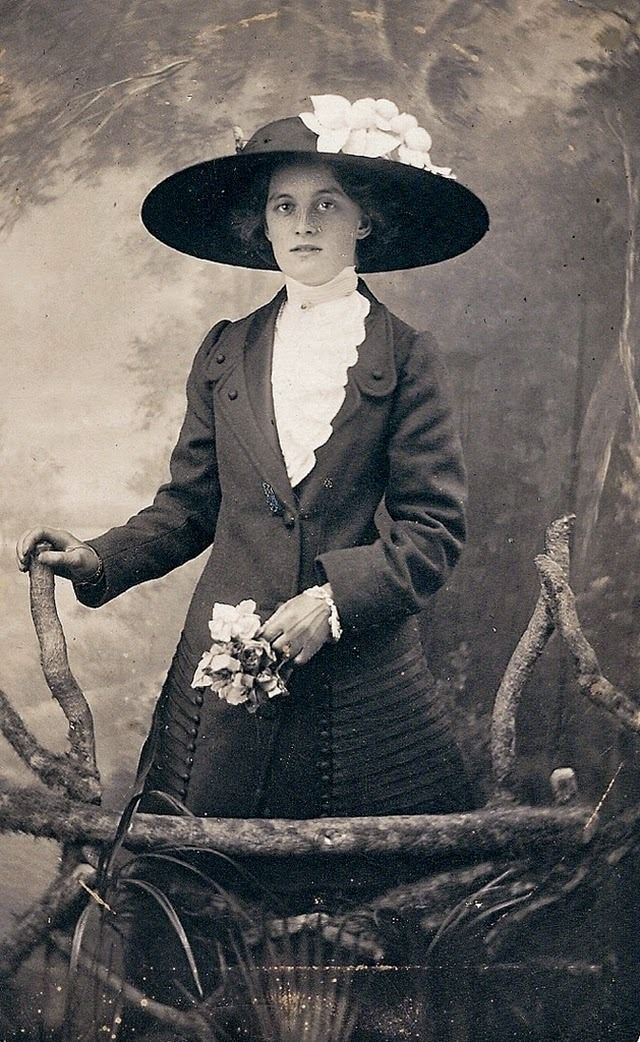
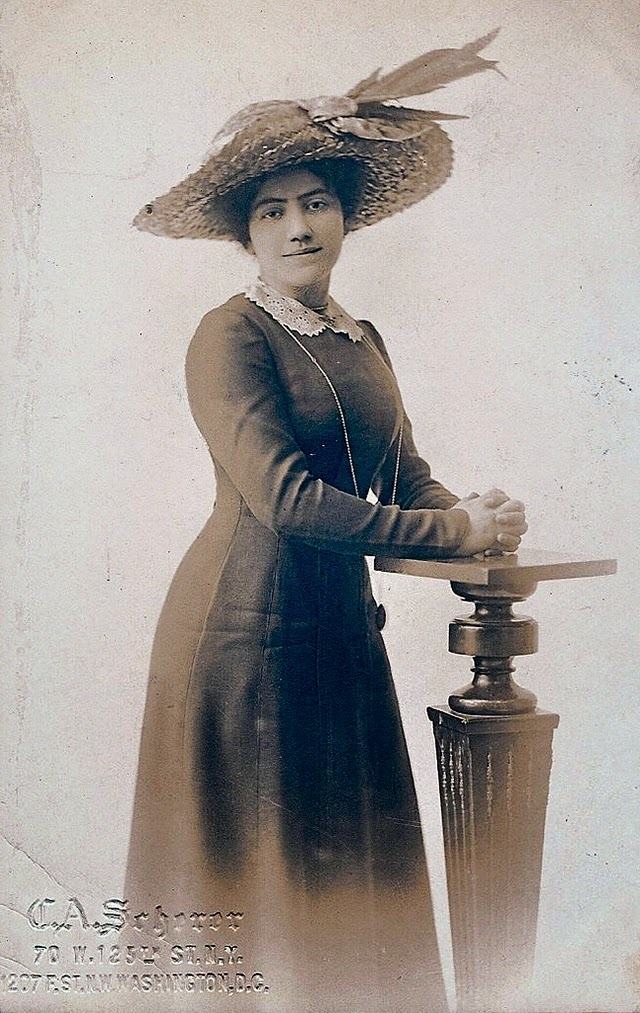
In 1901, the death of Queen Victoria brought King Edward VII to the British throne. Fashion favored towering hats, lace collars, and structured corsets.
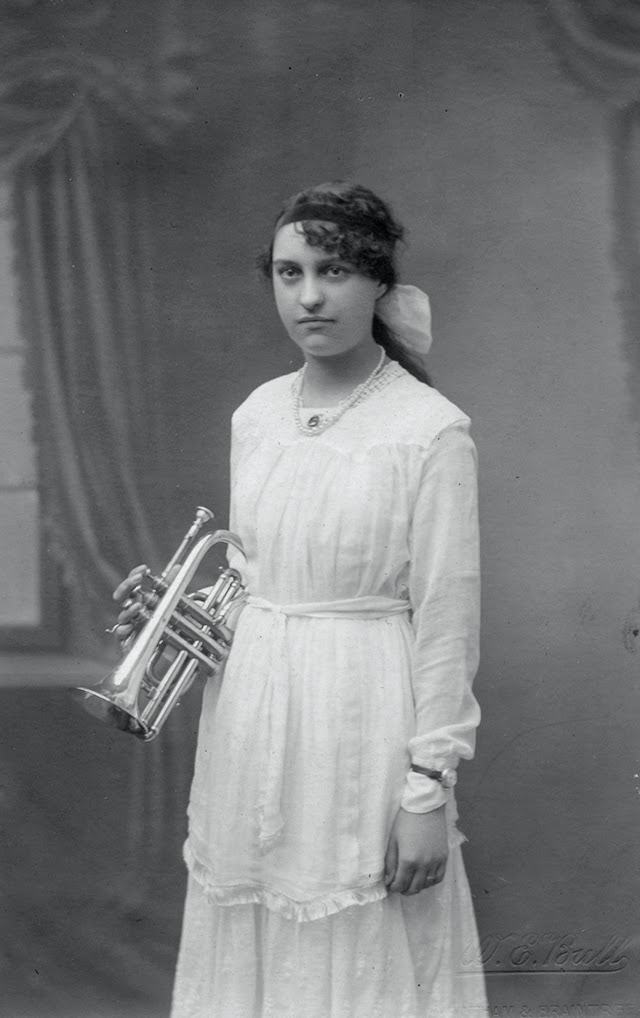
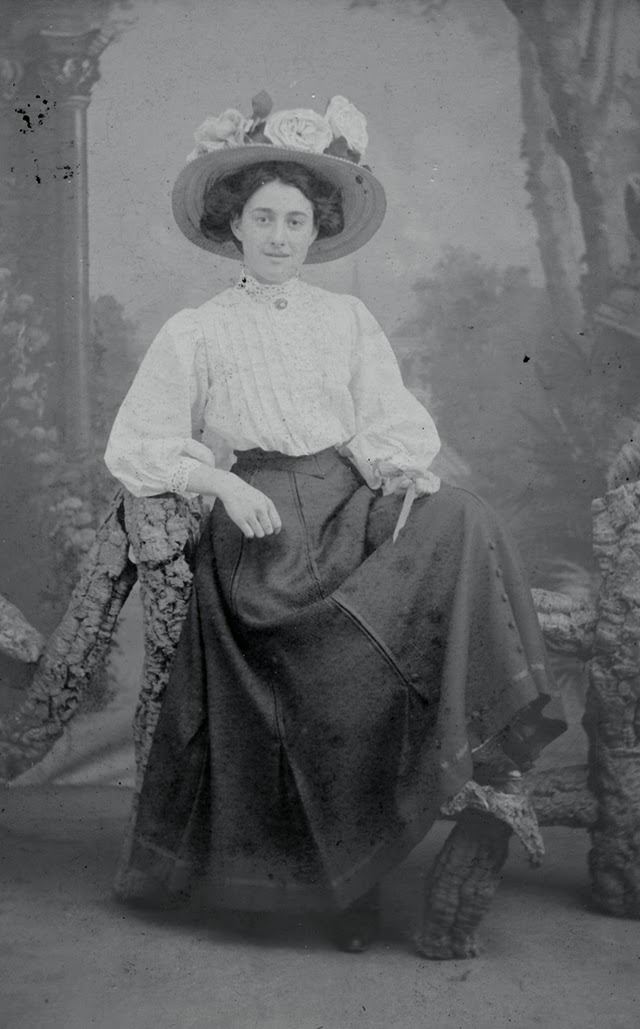
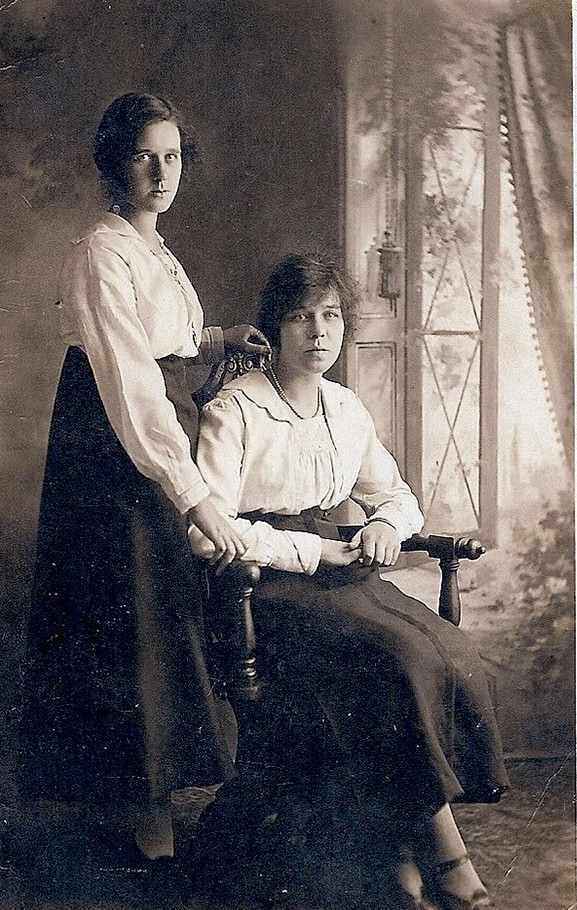
Photographers set up professional studios in London and Paris to capture women wearing elaborate garments. Clients sat in front of painted canvas backdrops.
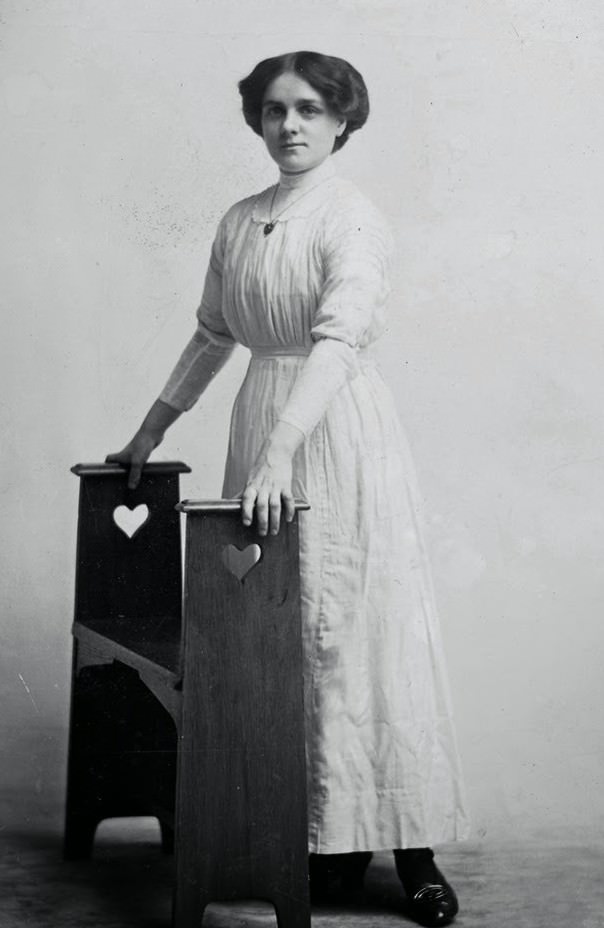
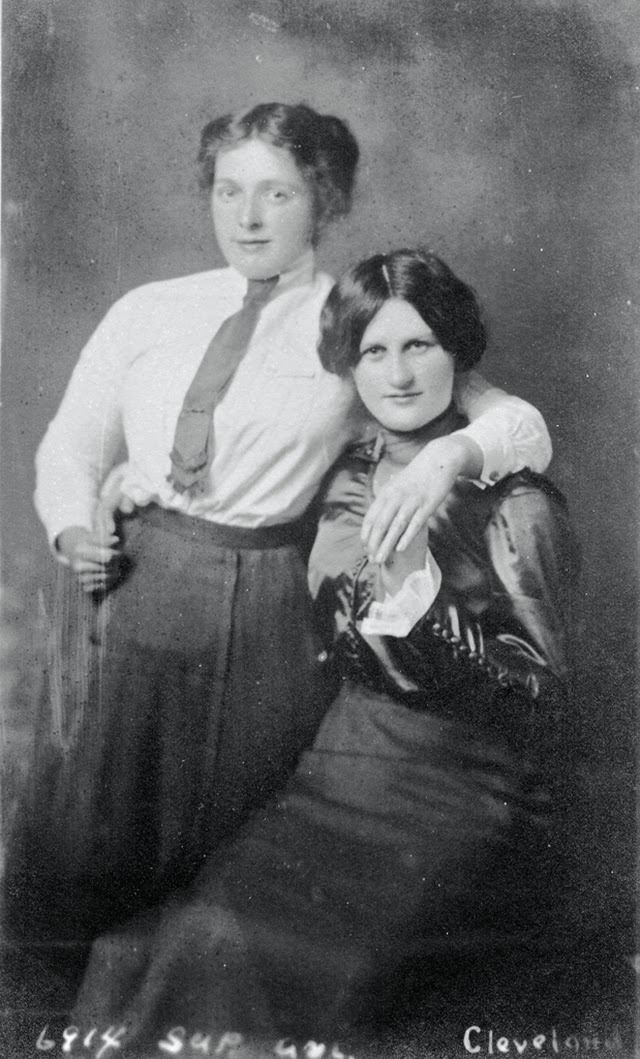
Natural light poured into glass-roofed studios, illuminating heavy silk skirts and feathered headwear. Wooden box cameras recorded fine clothing details on glass plates.
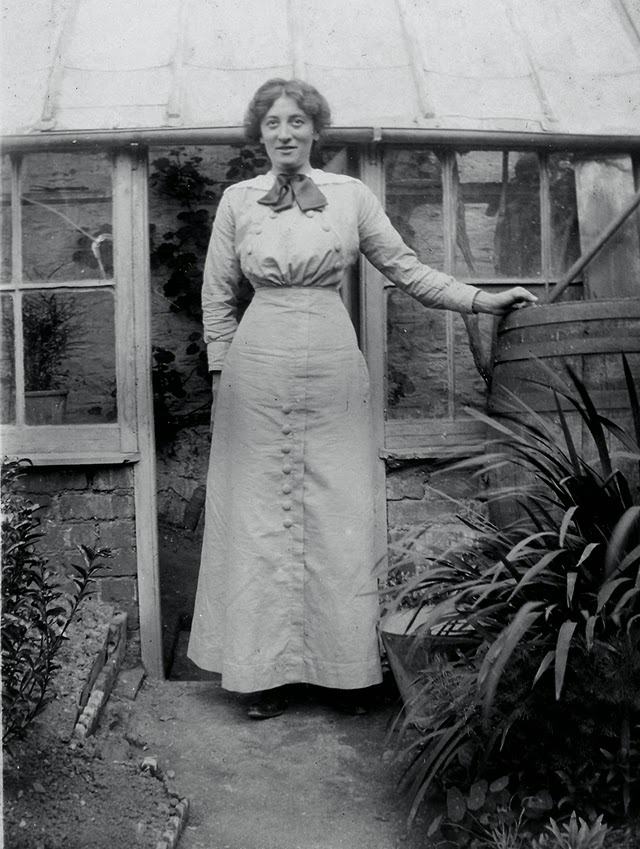
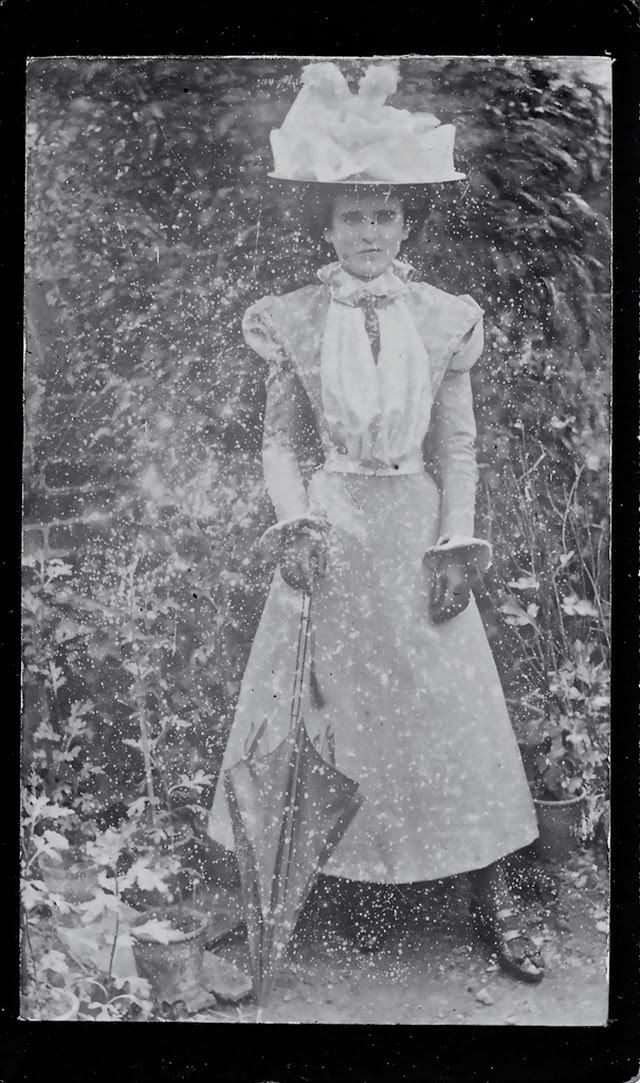
Wealthy women paid high prices for portrait sessions with prominent photographers like Lafayette. Professionals retouched glass plate negatives by hand using pencil.
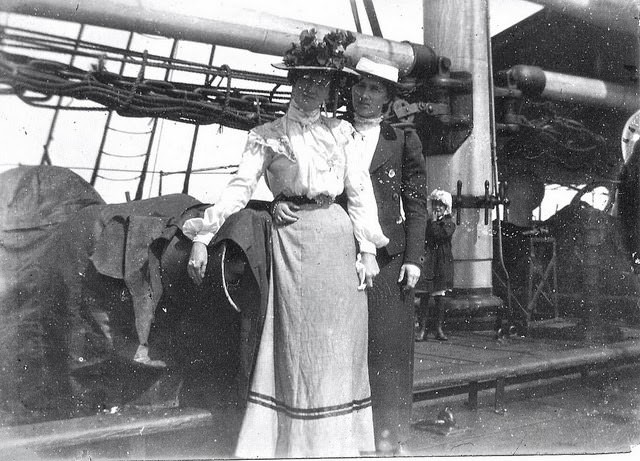
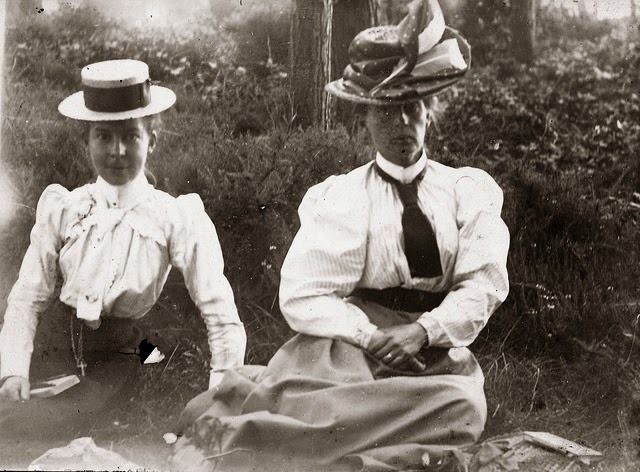
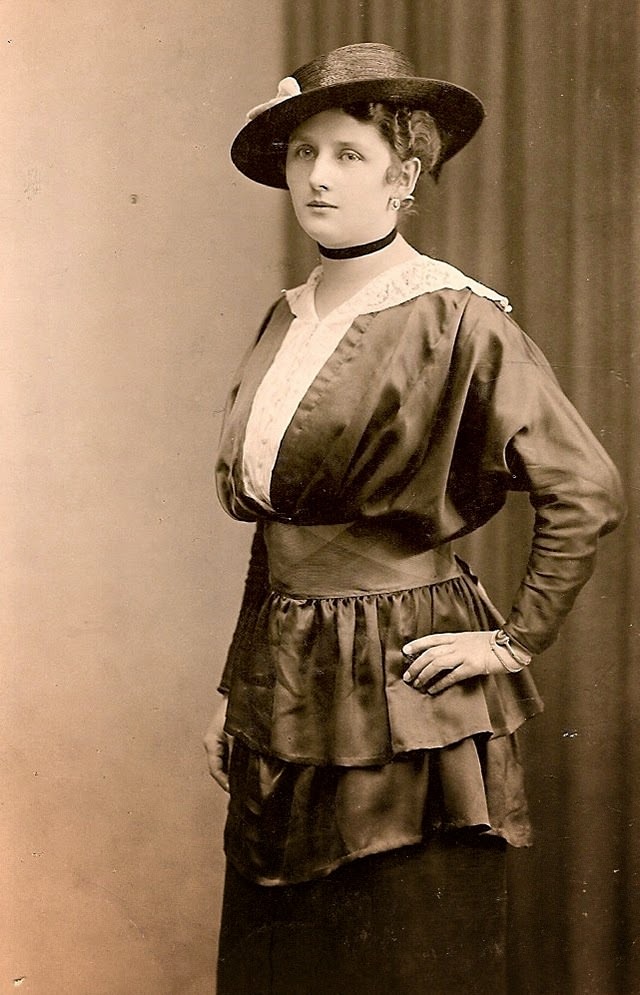
Middle-class women also visited local neighborhood studios to document weddings and graduations. Tailor-made wool suits became popular for daytime shopping errands.
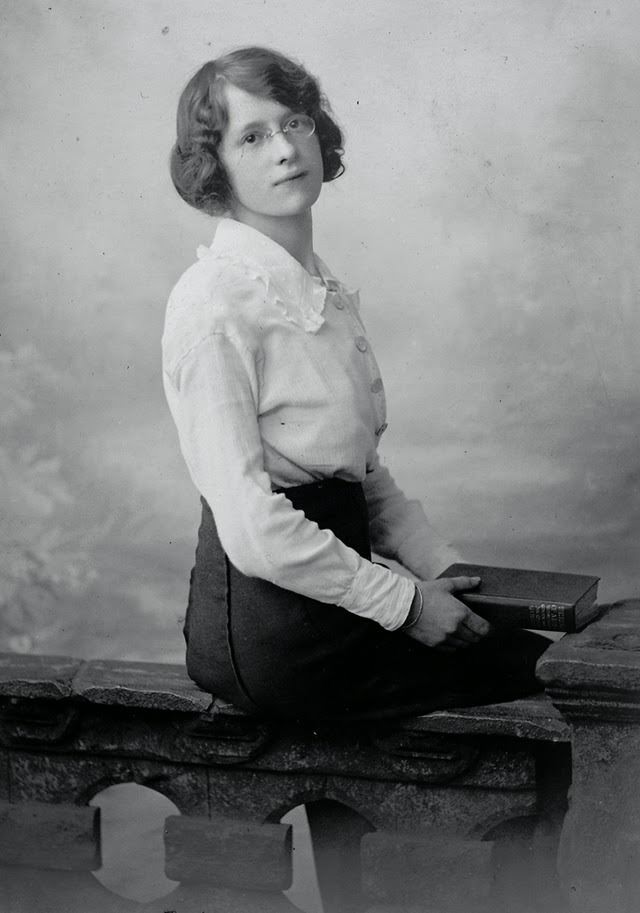
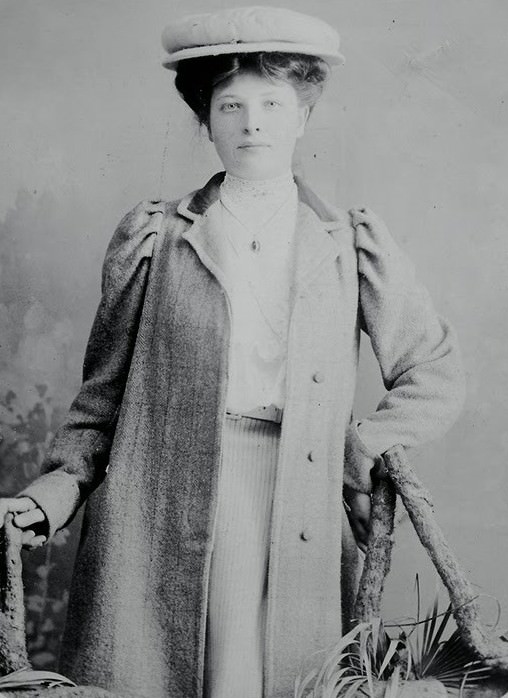
Women pinned massive hats adorned with silk flowers and exotic bird feathers onto pompadour hairstyles. Long hatpins secured these heavy headpieces firmly.
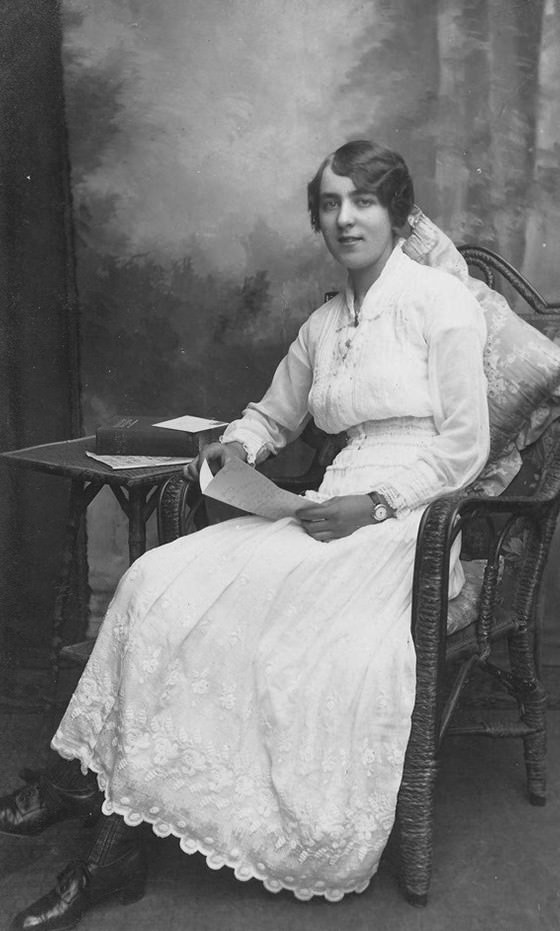
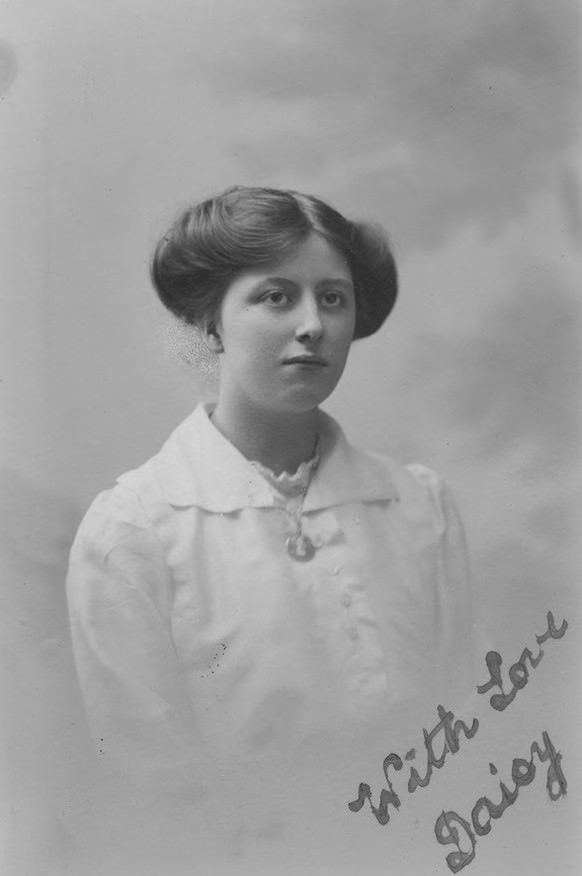
Accessories completed formal outfits, including white kidskin gloves, lace parasols, and sterling lorgnettes. Jewelry featured delicate platinum settings with diamonds.
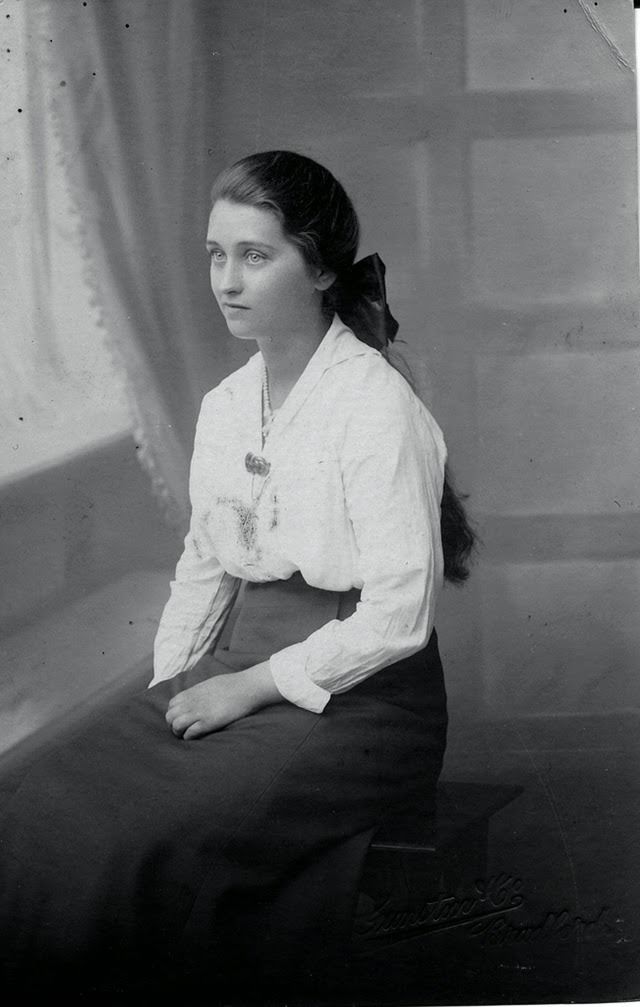
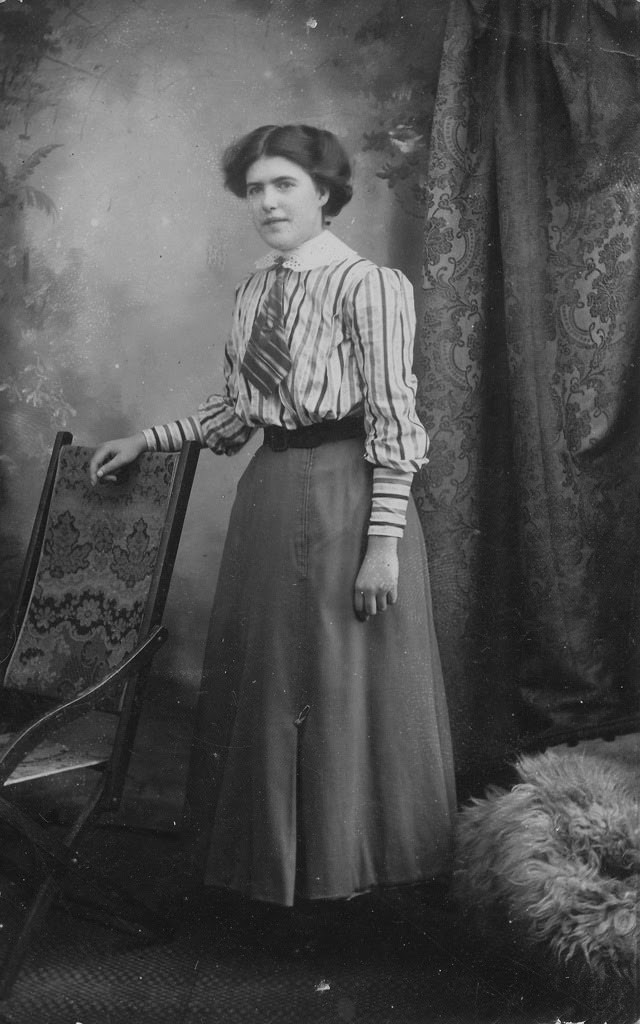
Portrait subjects held leather-bound books or long-stemmed roses. Magazines published illustrated fashion plates guiding women through changing seasonal clothing trends.
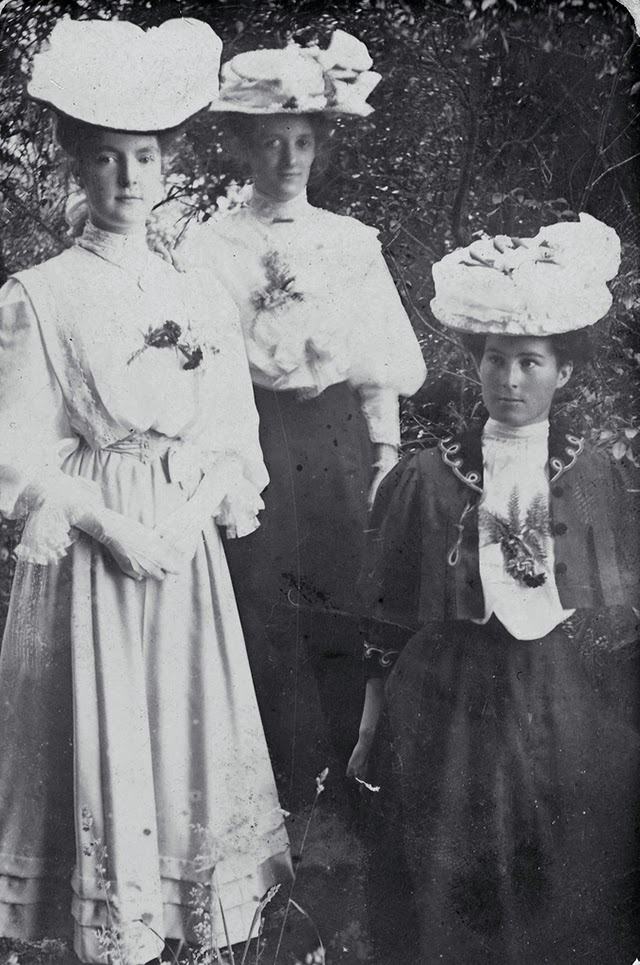
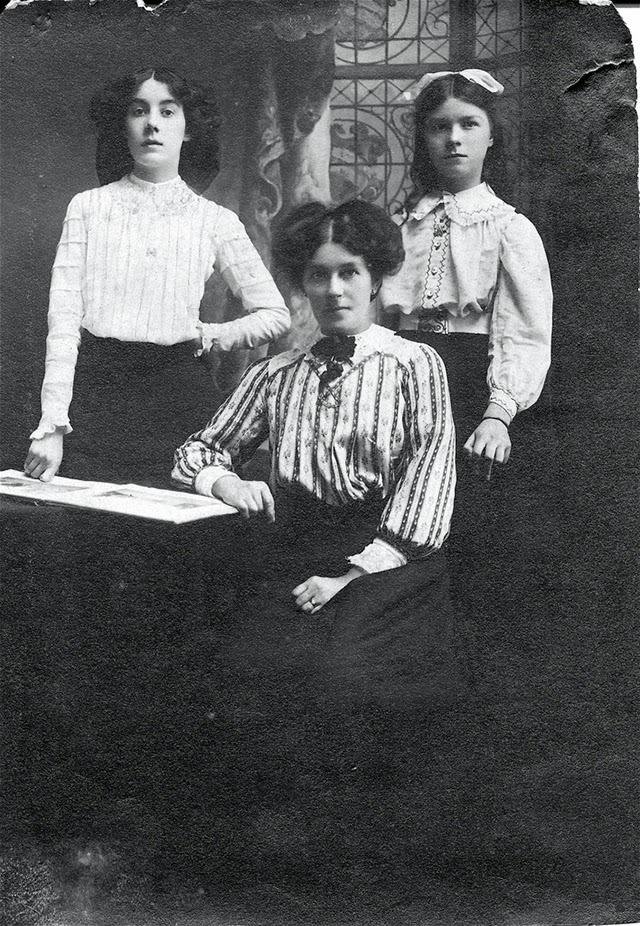
Seamstresses copied Parisian designs using affordable cottons for customers on modest budgets. Department stores opened large tea salons for female shoppers.
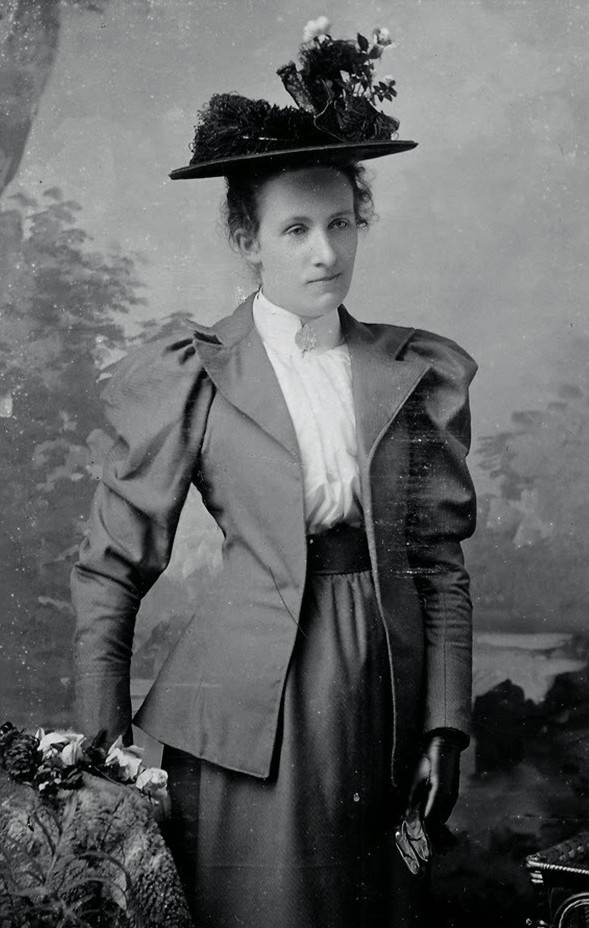
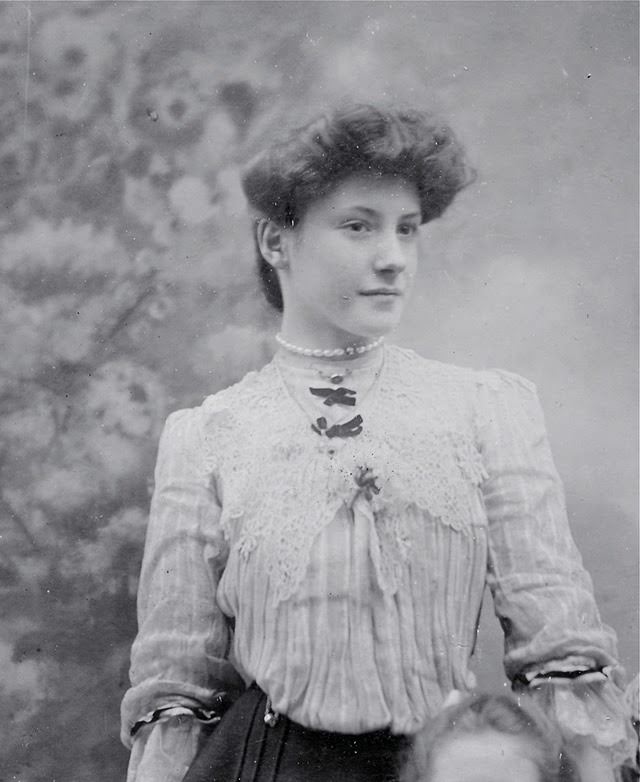
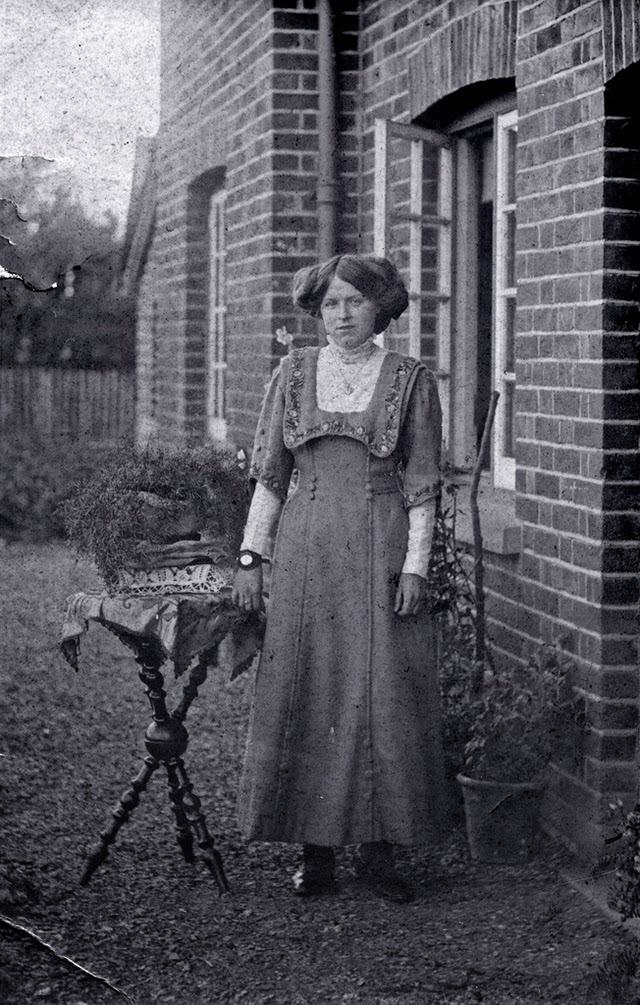
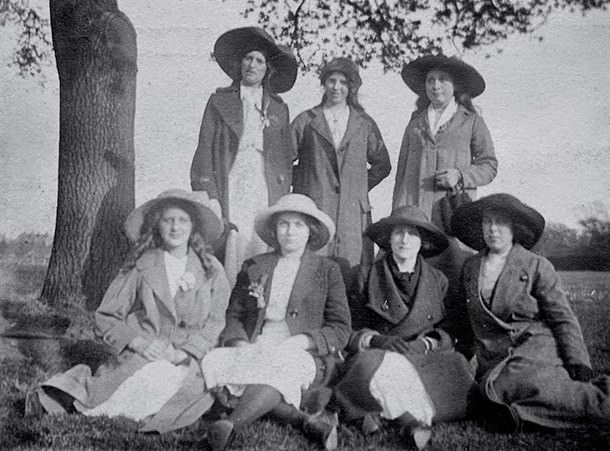
Outdoor photography grew common as portable hand cameras entered the market around 1905. Eastman Kodak sold popular folding pocket cameras.
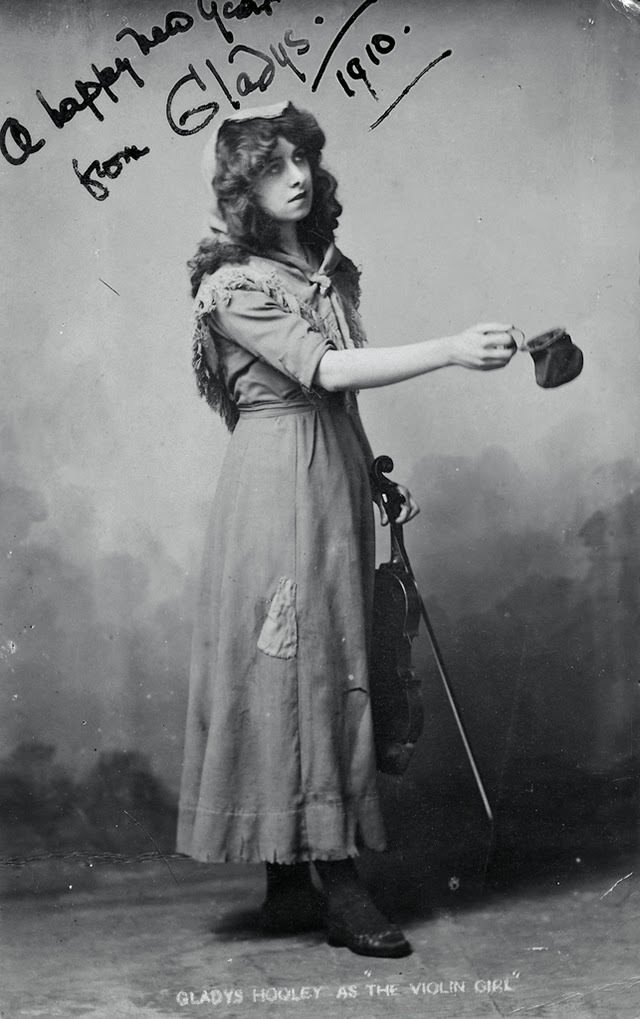
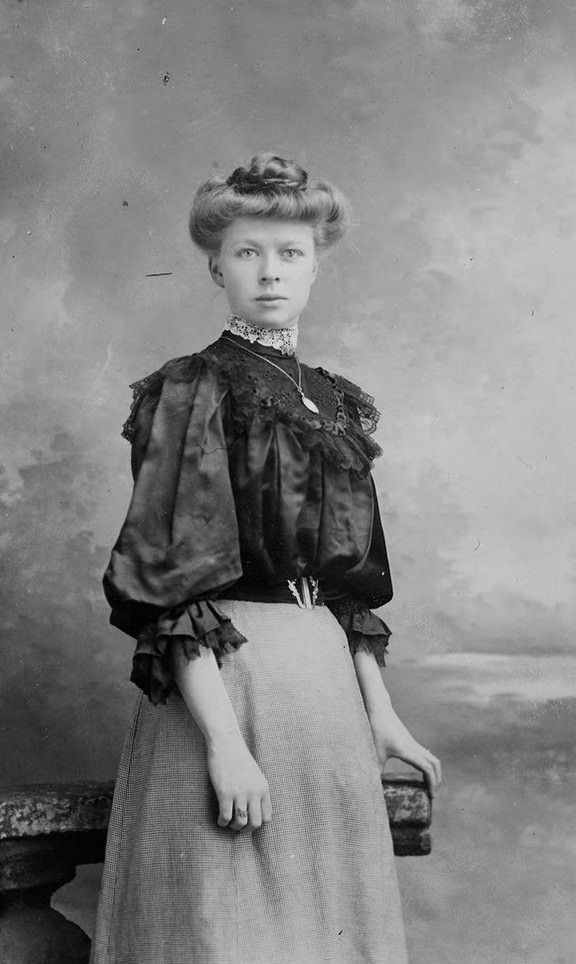
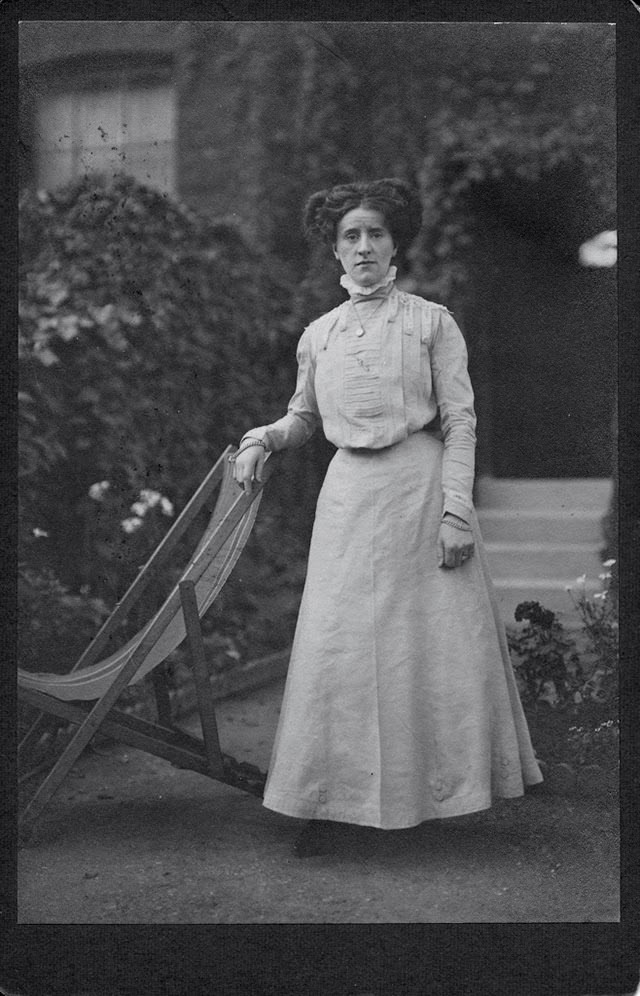
Families carried these devices to seaside resorts in Brighton and country house weekend parties. Working women wore practical linen shirtwaists.
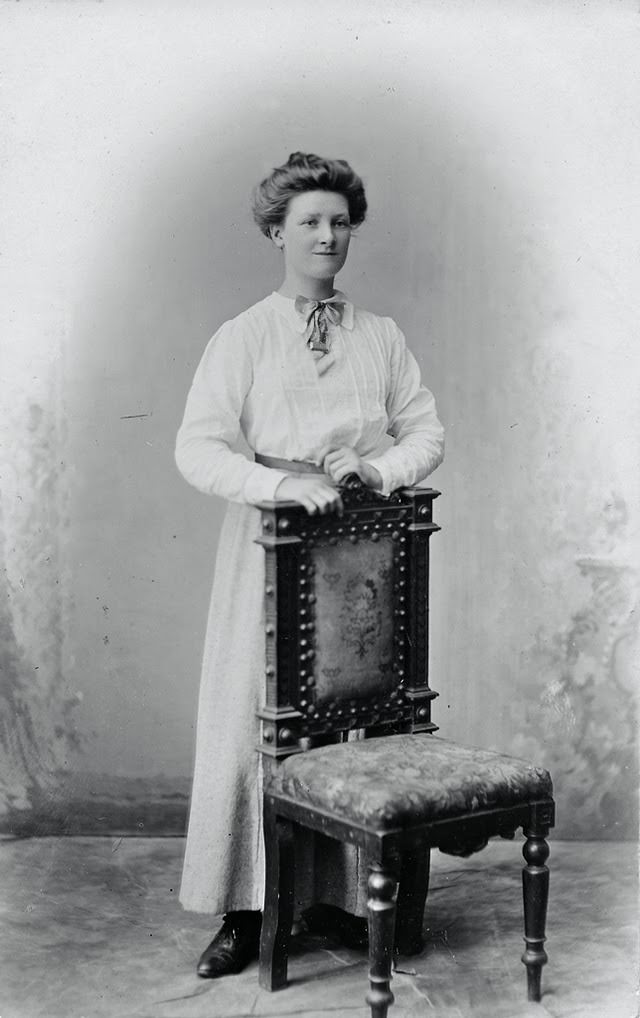
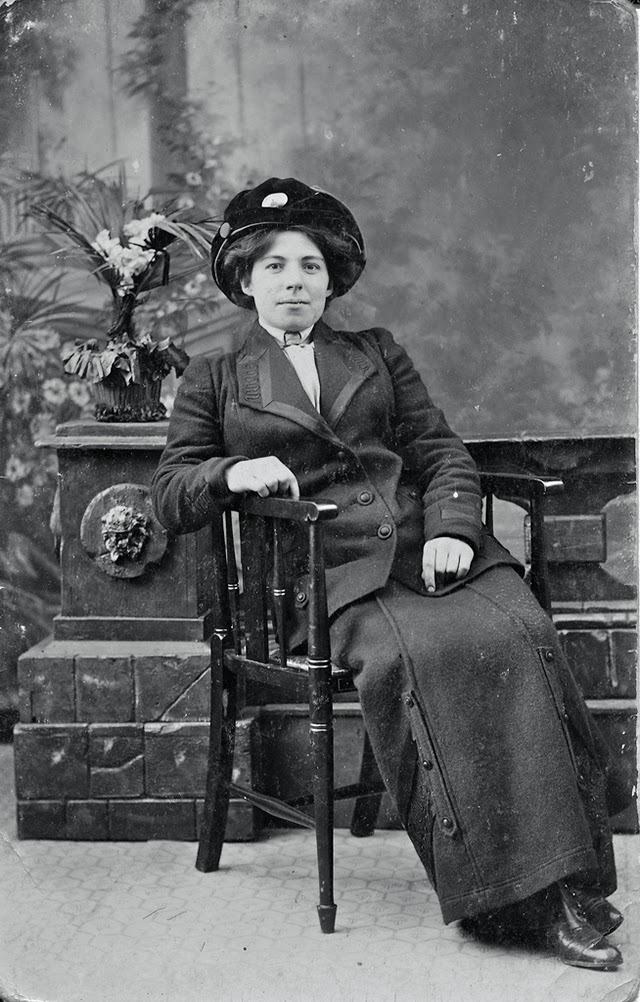
Stenographers and telephone operators crowded city streets during morning rush hours in major hubs. Portrait studios captured independent wage earners.
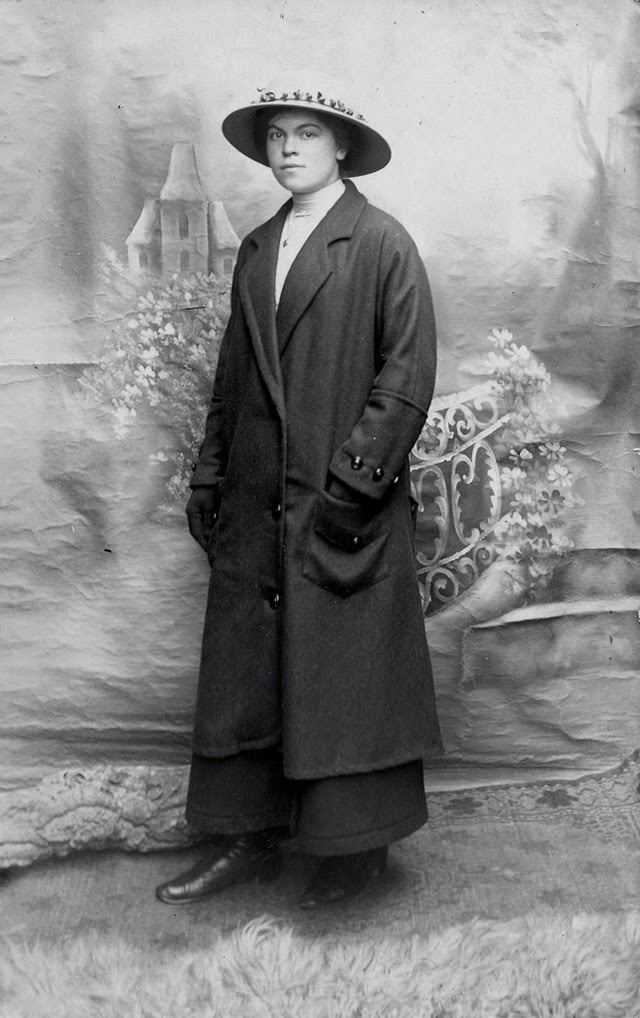
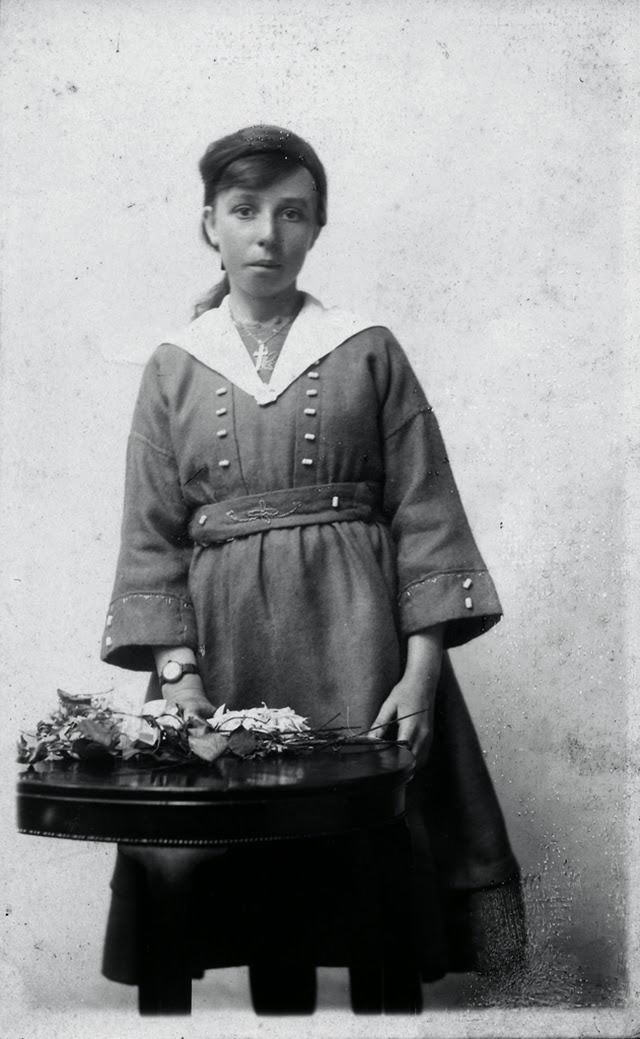
Lighting techniques evolved when studios adopted artificial magnesium flash powder and lamps. Photographers no longer depended entirely on bright daytime sun.
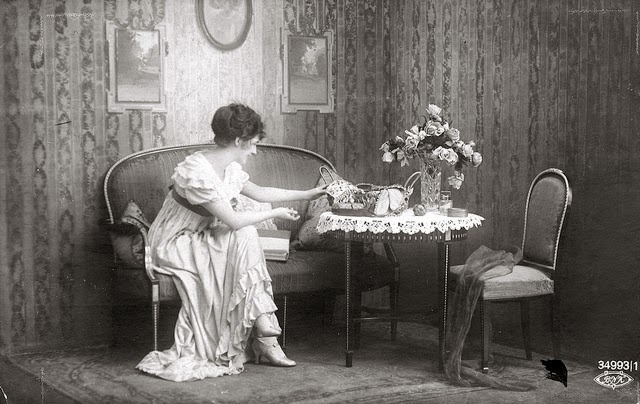
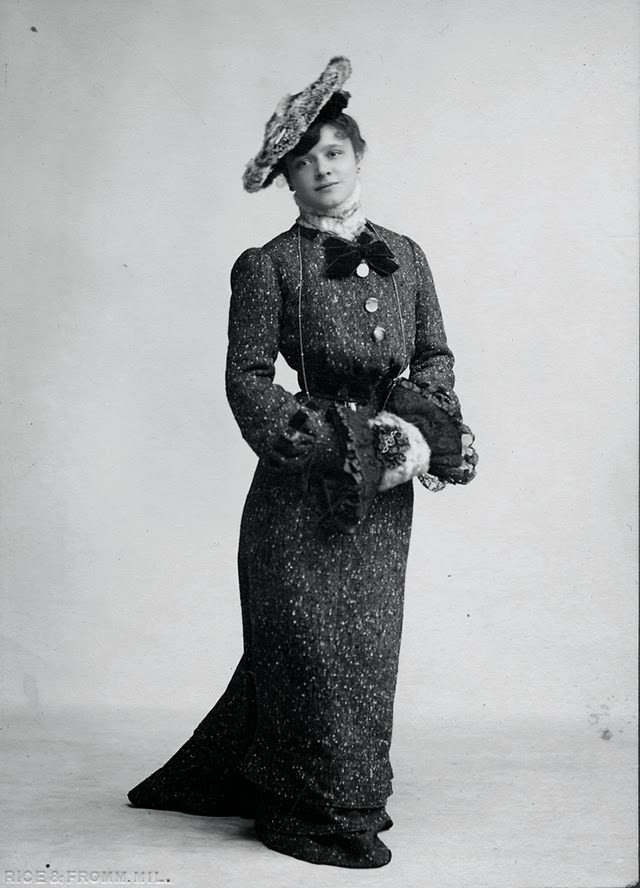
Outdoor portraits showed women posing near wicker garden furniture or bicycles. Cycling gained immense popularity among young women seeking personal freedom.
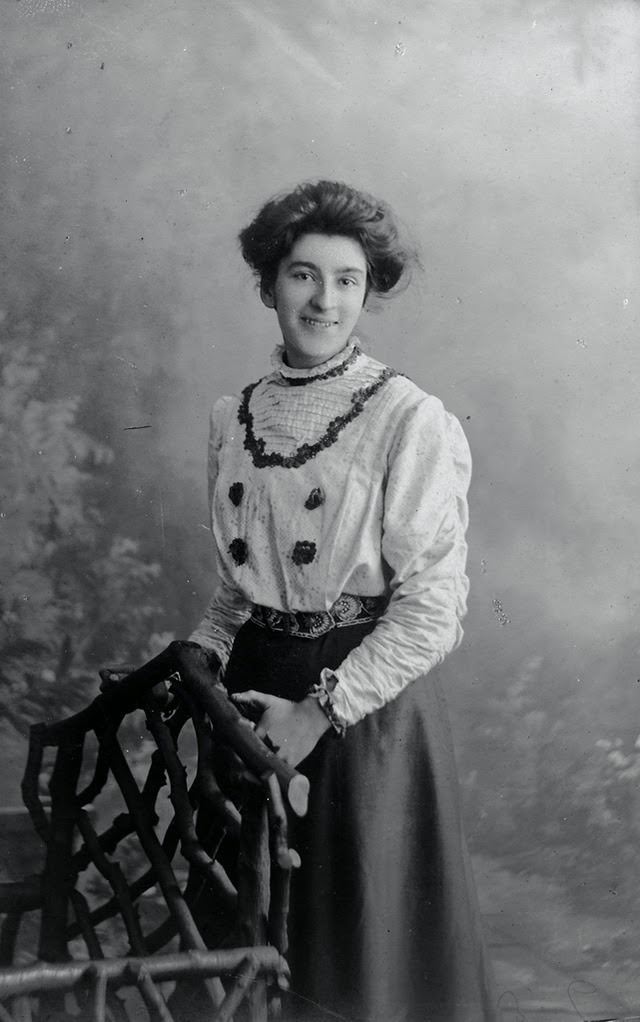
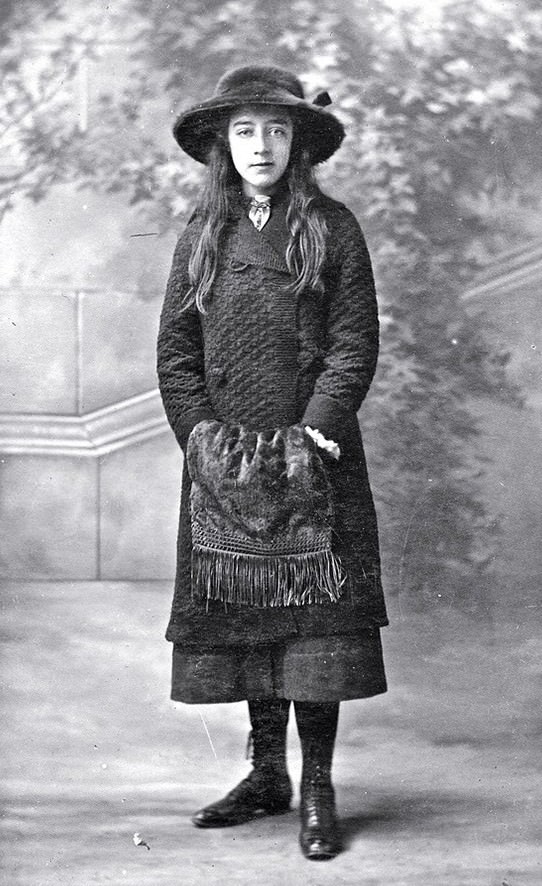
Bloomers and shorter skirts allowed riders to pedal through country lanes safely. Portrait studios archived thousands of glass negatives in storage boxes.
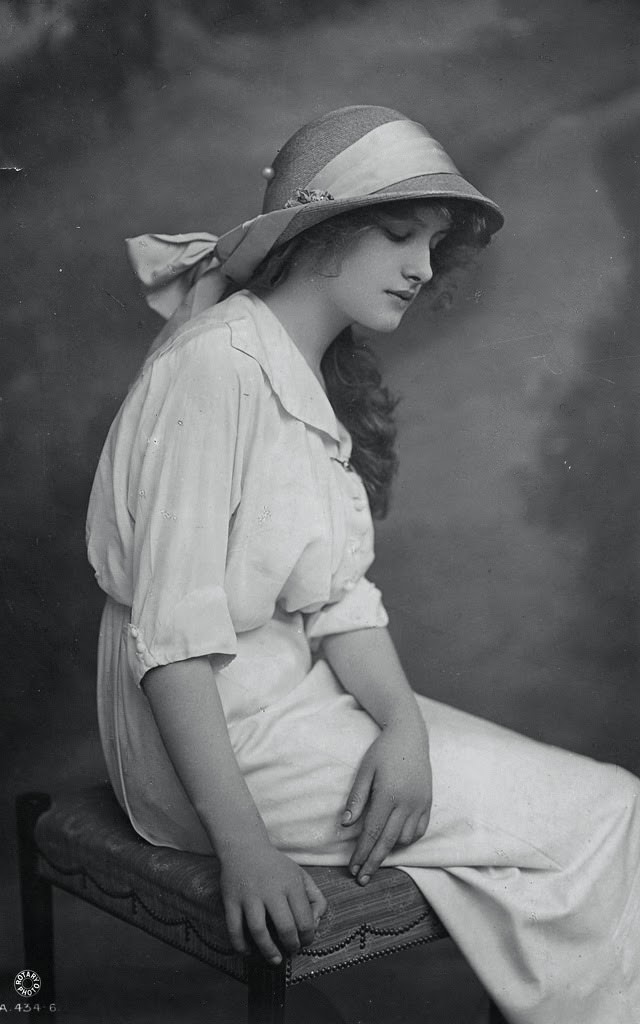
Amateur camera clubs allowed women to develop negatives in home darkrooms. Chemistry sets provided liquid developers for gelatin dry plates.
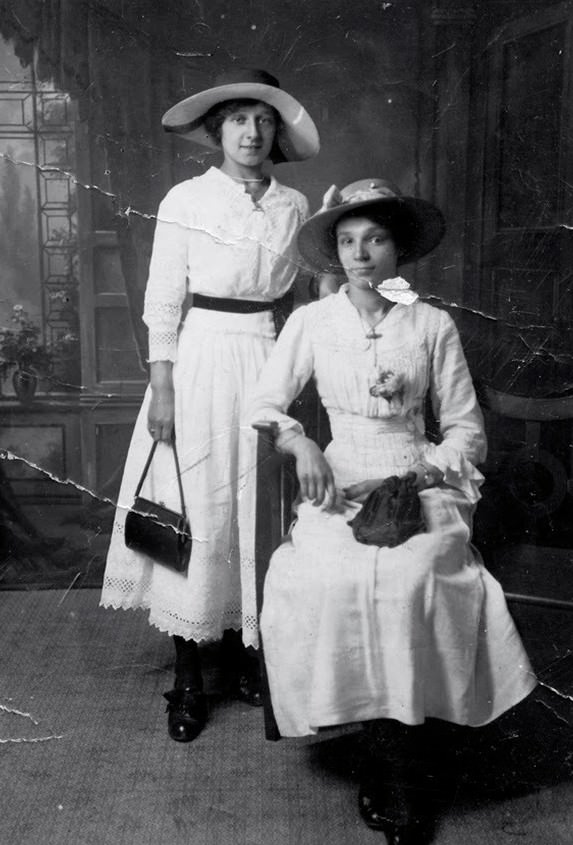
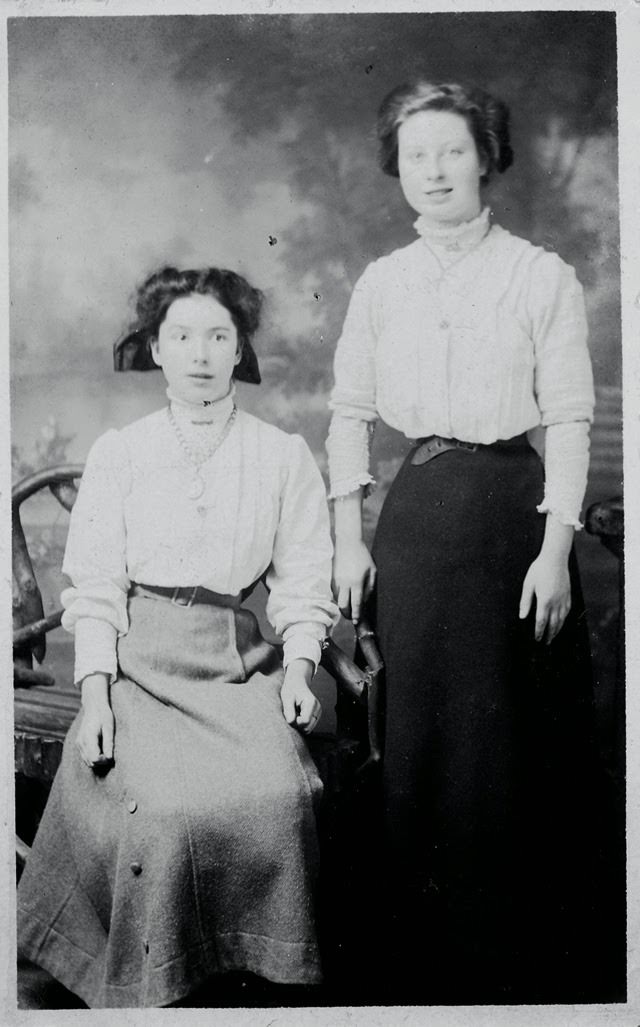
Studio backdrops expanded to include painted libraries and automobile tonneaus. Wealthy patrons posed with expensive props to project high worldly status.
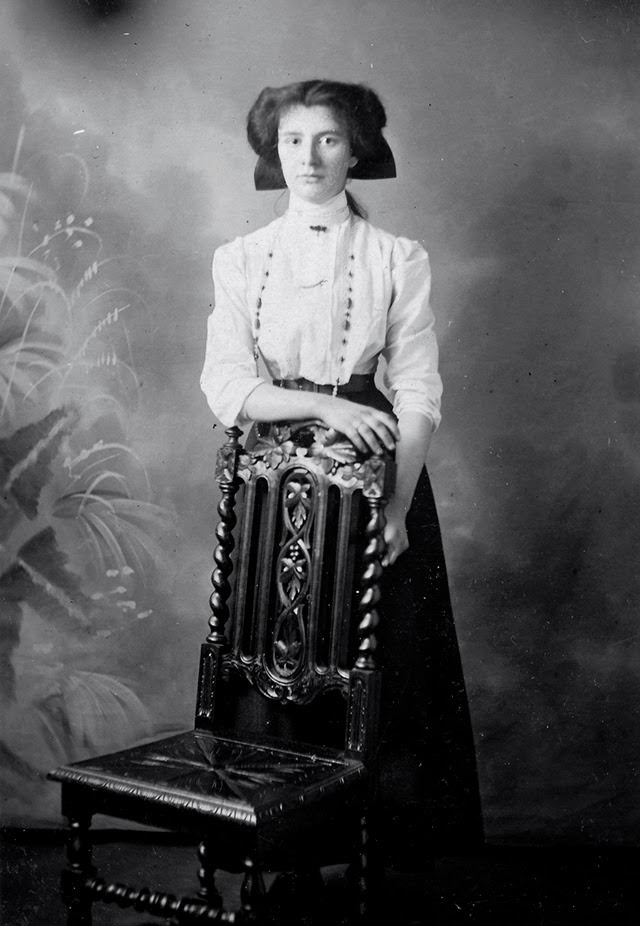
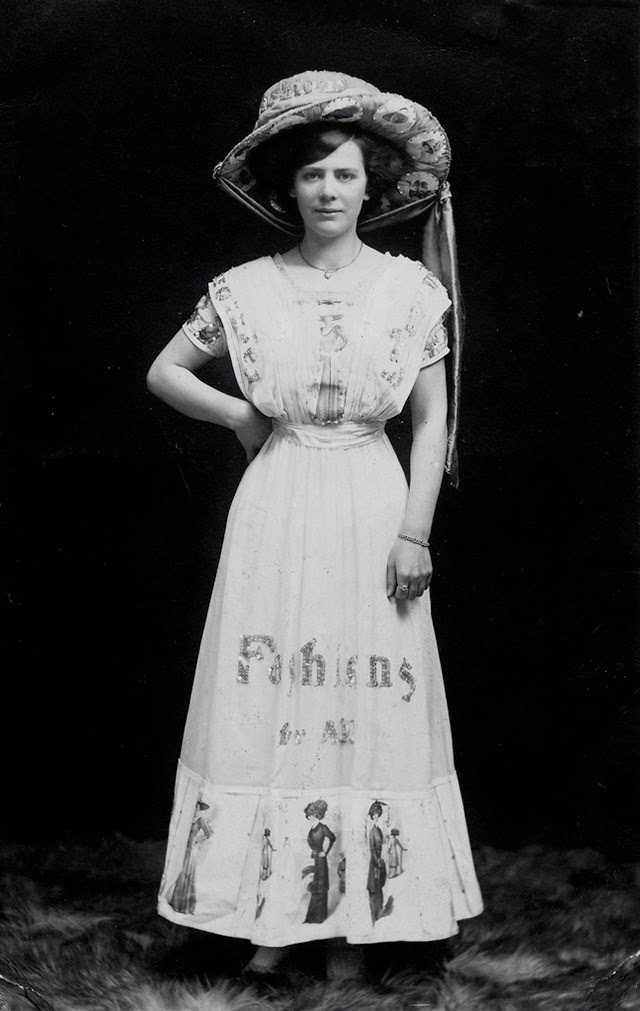
Bridal portraits required intricate preparations involving heavy satin gowns and orange blossom wreaths. Brides spent hours at studios before weddings.
Children wore sailor suits and lace pinafores during family portrait sessions. Photographers used squeaky rubber bulbs to attract toddler attention.
Color photography arrived via the Lumière autochrome process in 1907. Coated glass plates captured natural hues under filtered daytime sunlight.
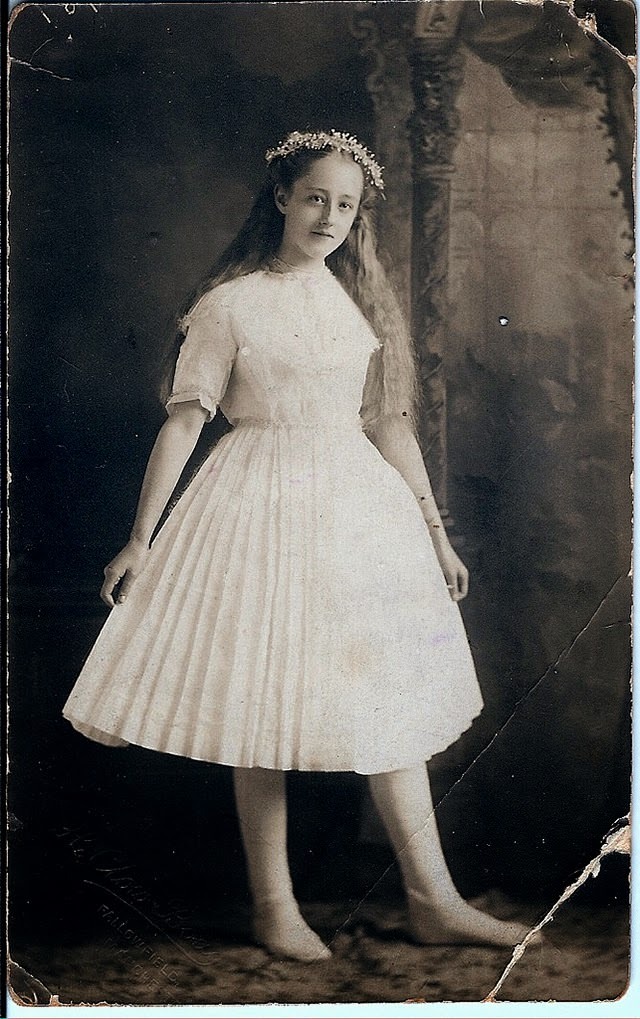
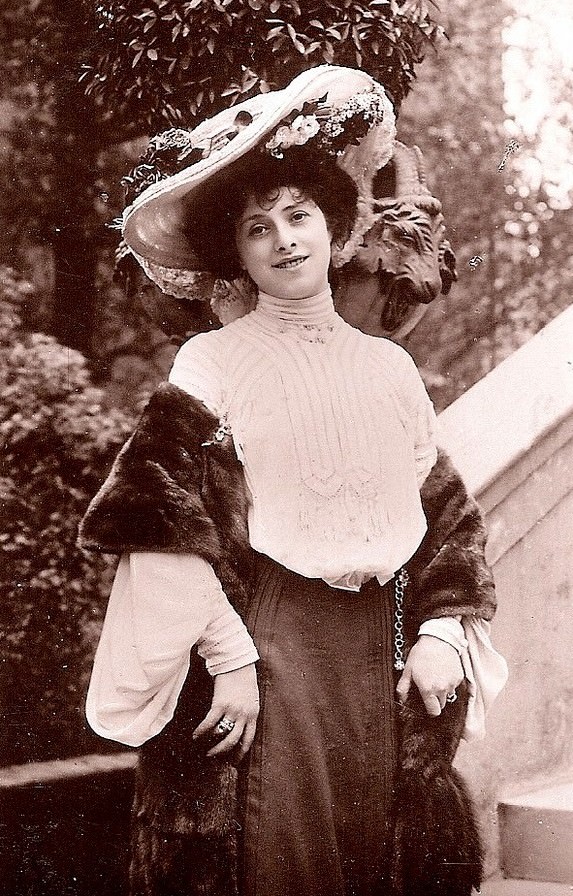
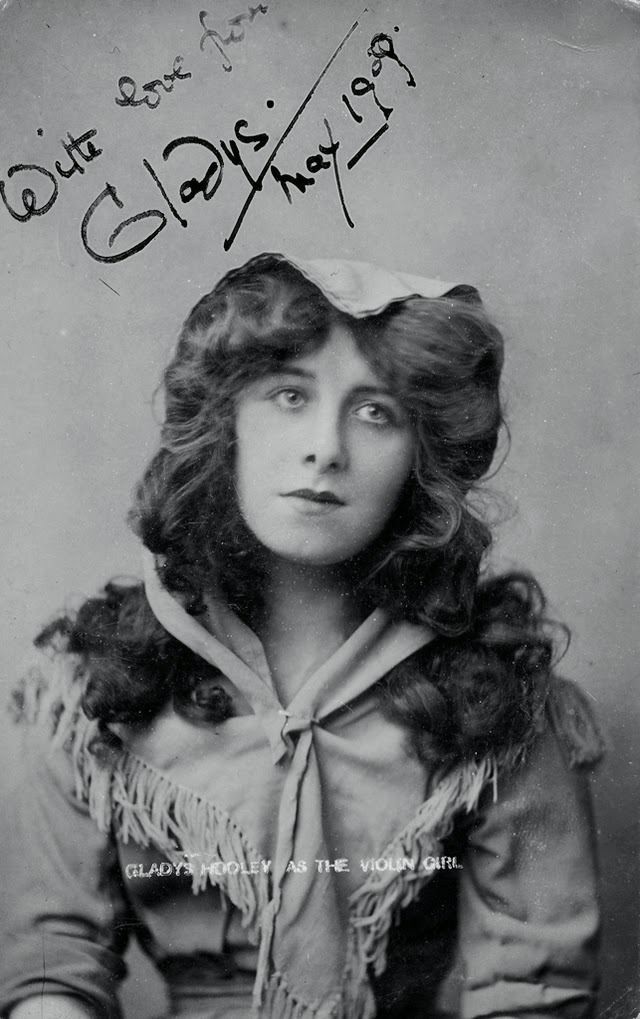
Postcards featuring popular actresses sold millions of copies in corner shops. Young men collected these cards in albums alongside postage stamps.
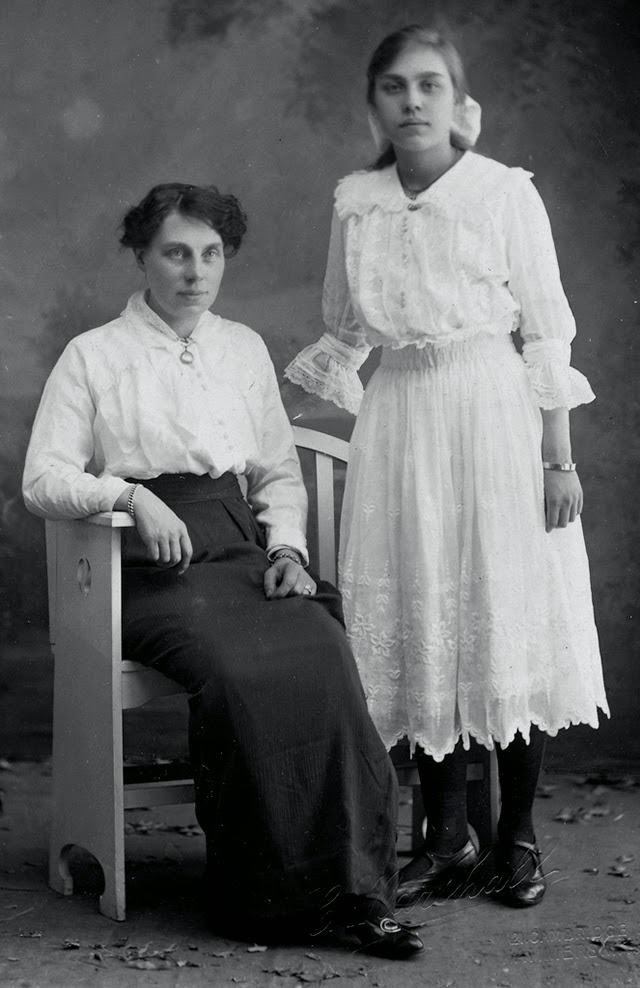
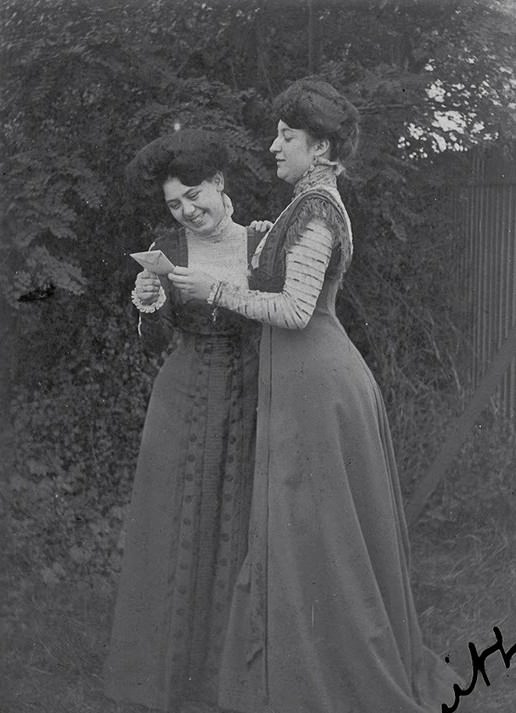
Rural towns relied on traveling photographers setting up tents near county fairs. Farmers and wives dressed in Sunday clothes for tintypes.
Framing businesses sold ornate gilt wood frames lined with velvet mats. Customers displayed photographs prominently on parlor mantelpieces and pianos.