In August 1969, a dairy farm in Bethel, New York became the most talked-about piece of land in America. Max Yasgur opened his farm to what organizers expected to be around 200,000 music fans. Instead, more than 400,000 people showed up. The Woodstock Music and Art Fair ran for four days, featured 32 acts performing outdoors through sporadic rain, and became one of the defining events of the 1960s counterculture movement.
The festival was put together by a group of young entrepreneurs, most of them barely in their 20s. Food ran out on the first day. Traffic on the surrounding roads locked into a standstill for miles. Drugs moved freely through the crowd. And yet, despite the chaos, the event remained largely peaceful — a fact that surprised nearly everyone who witnessed it.
The lineup was stacked with some of the biggest names of the era. Creedence Clearwater Revival, Jimi Hendrix, Janis Joplin, and Joe Cocker all took the stage. Grace Slick performed with Jefferson Airplane. The Incredible String Band sent Christina ‘Licorice’ McKechnie out to represent their brand of British folk psychedelia. Each act added another layer to what became a four-day portrait of a generation.
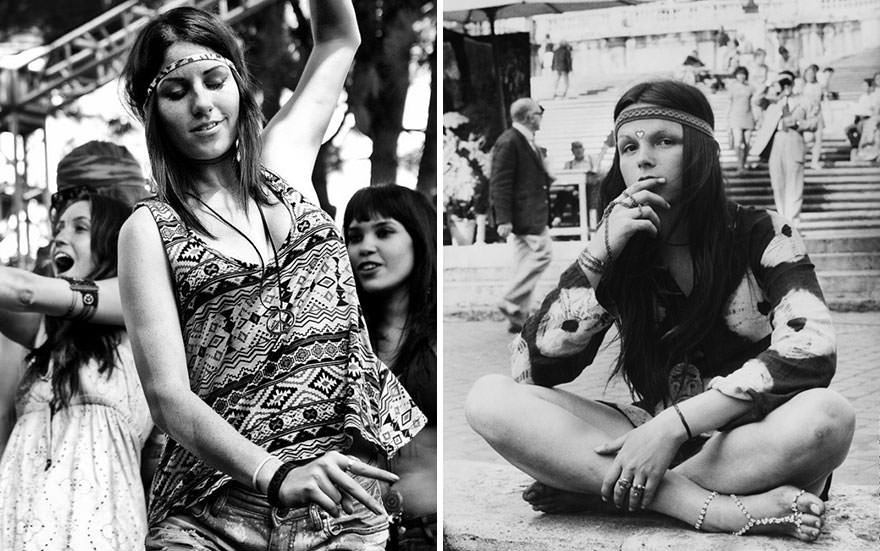
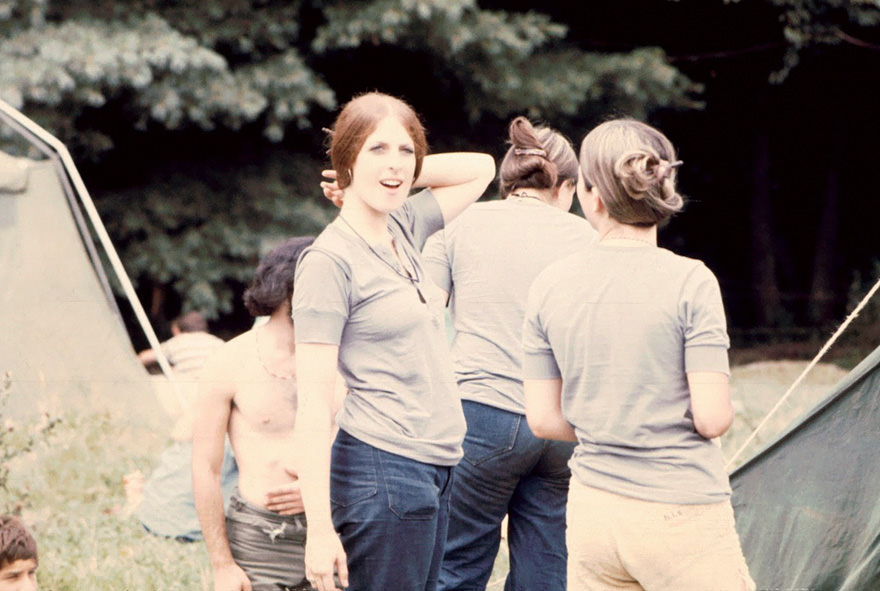
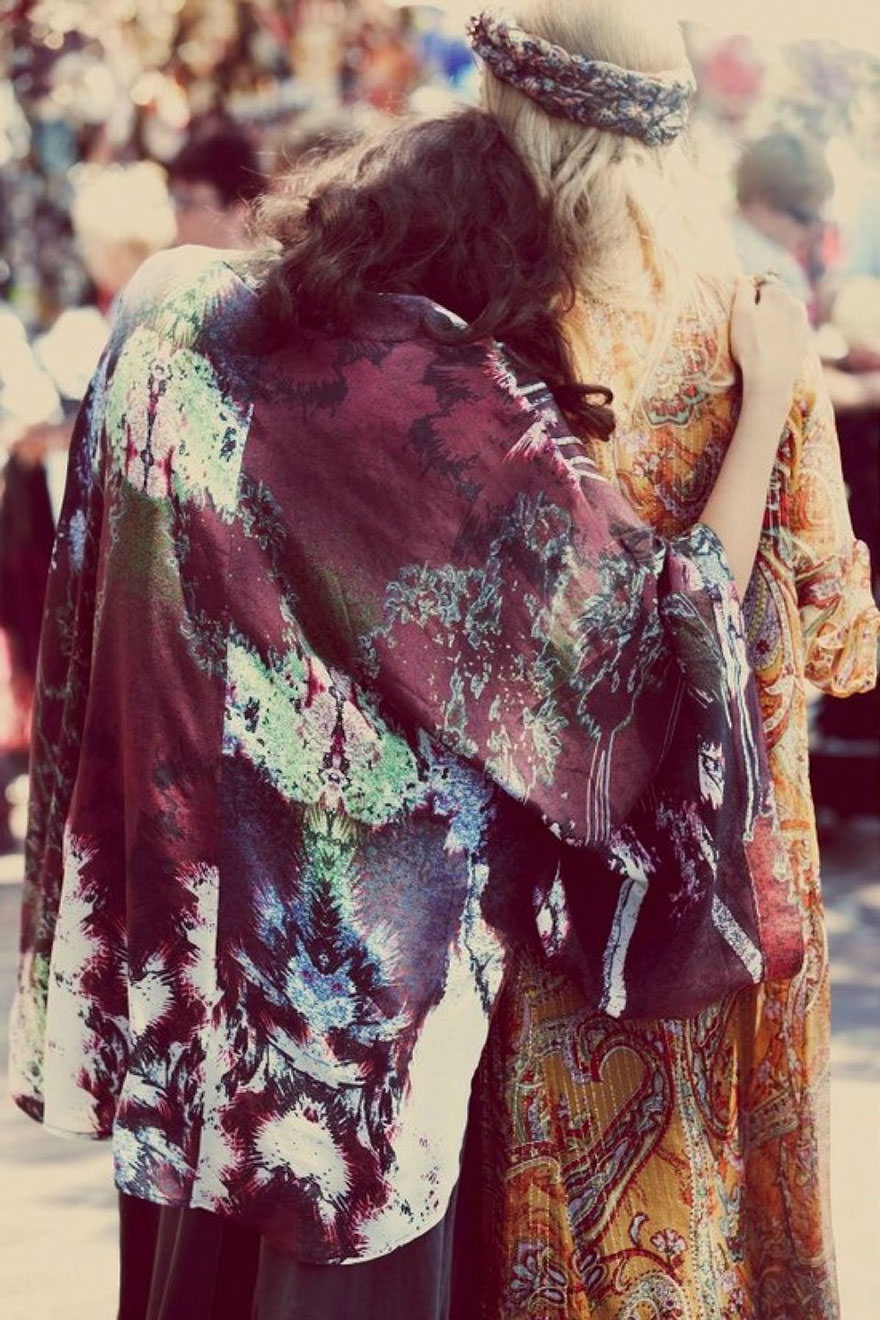
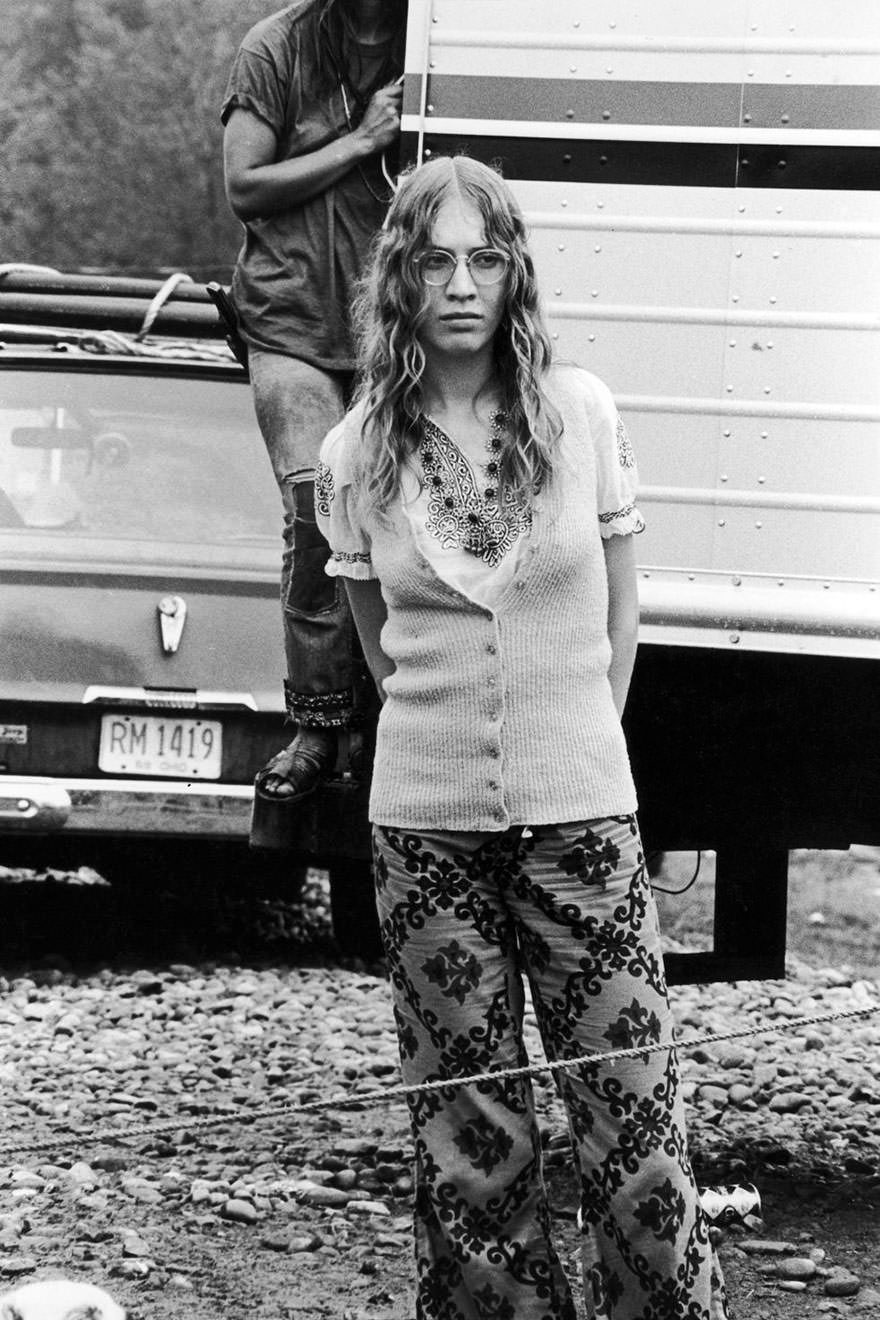
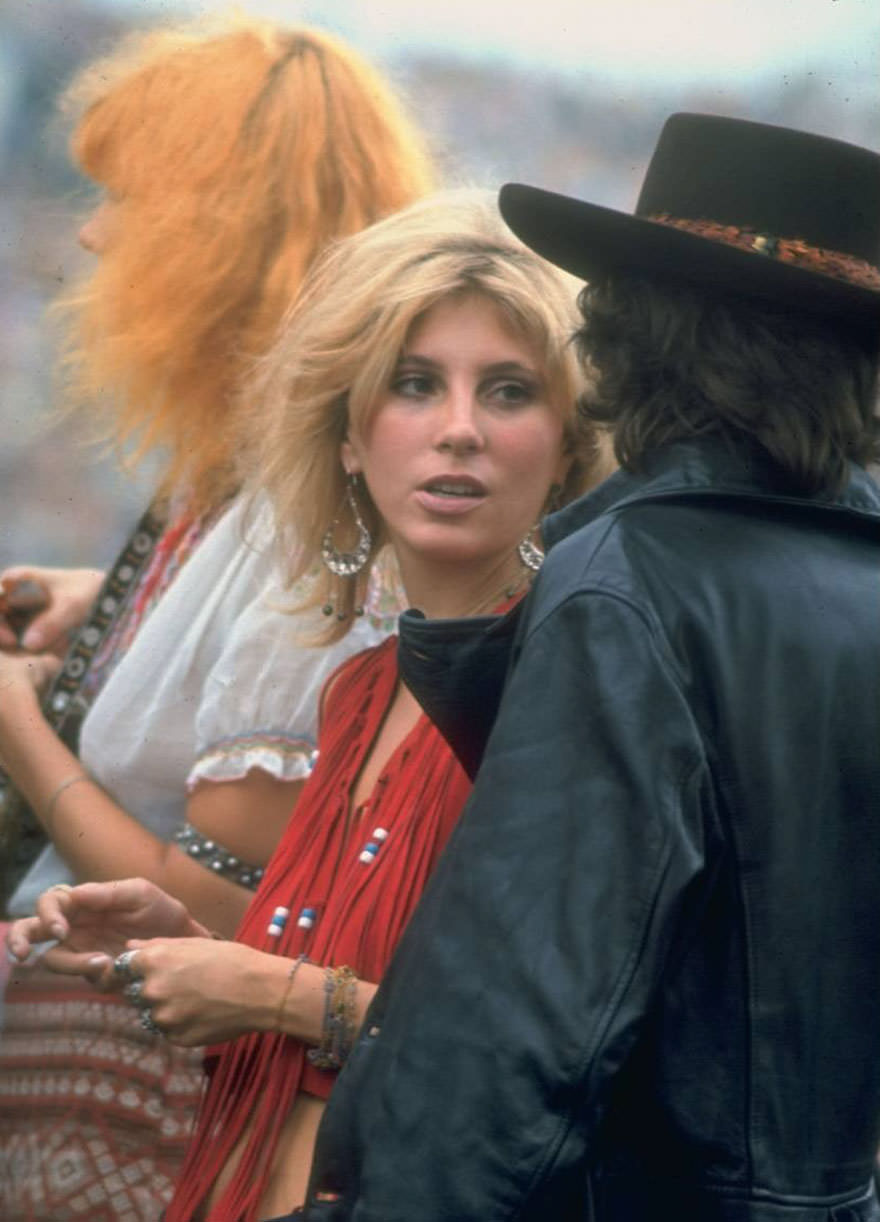
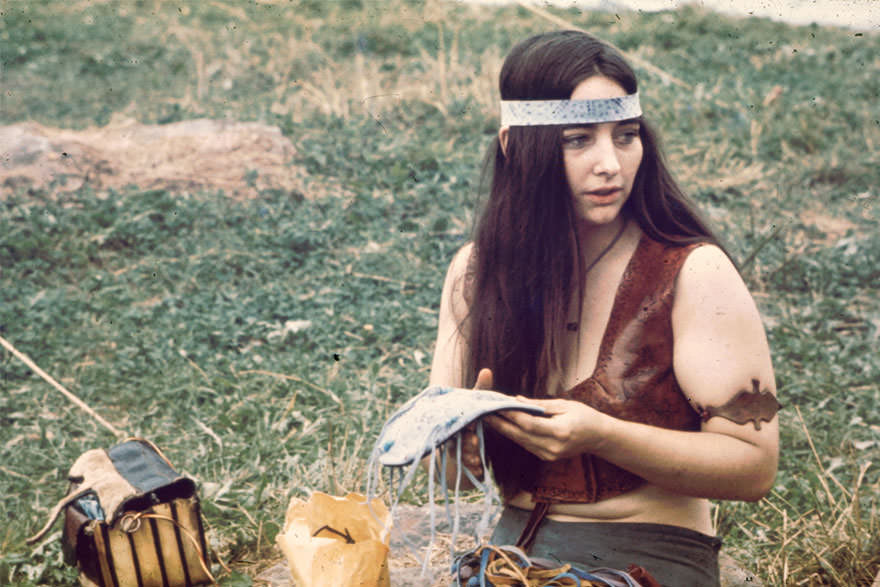
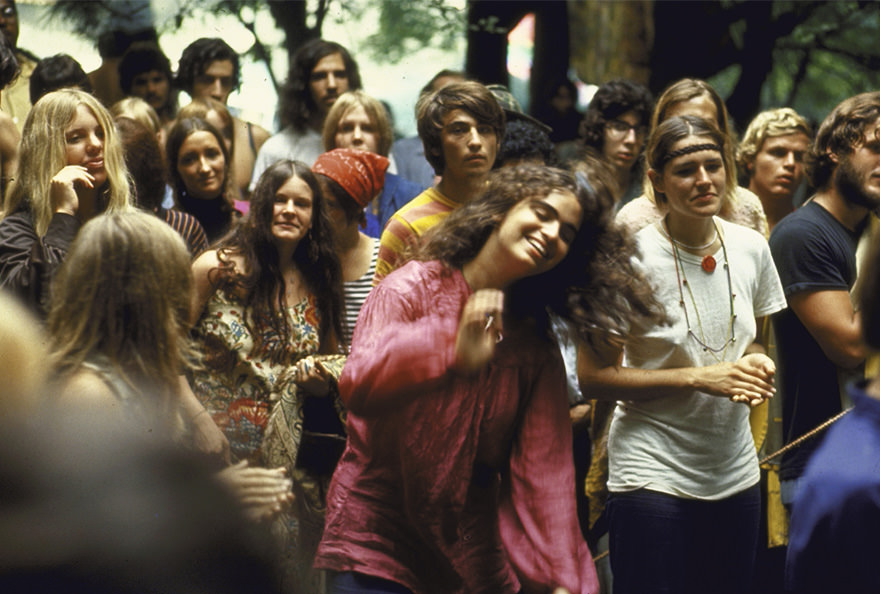
Beyond the music, Woodstock was a showcase for a style of dress that had been building throughout the decade. The fashion worn by women at the festival was a direct expression of the hippie philosophy — loose, personal, and free from the rigid dress codes of mainstream American life. These weren’t outfits chosen to impress. They were chosen to feel good and move freely.
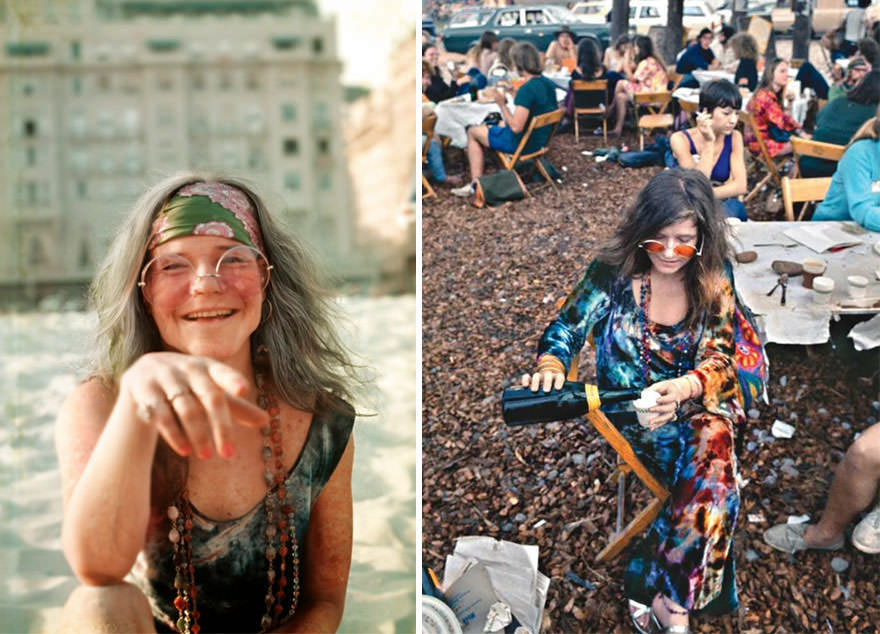
Janis Joplin embodied the spirit of Woodstock fashion as much as she did the music. Her layered jewelry, feathered accessories, and bold personal style influenced thousands of women in the crowd. She wasn’t following a trend — she was setting one, right there on stage in front of hundreds of thousands of people.
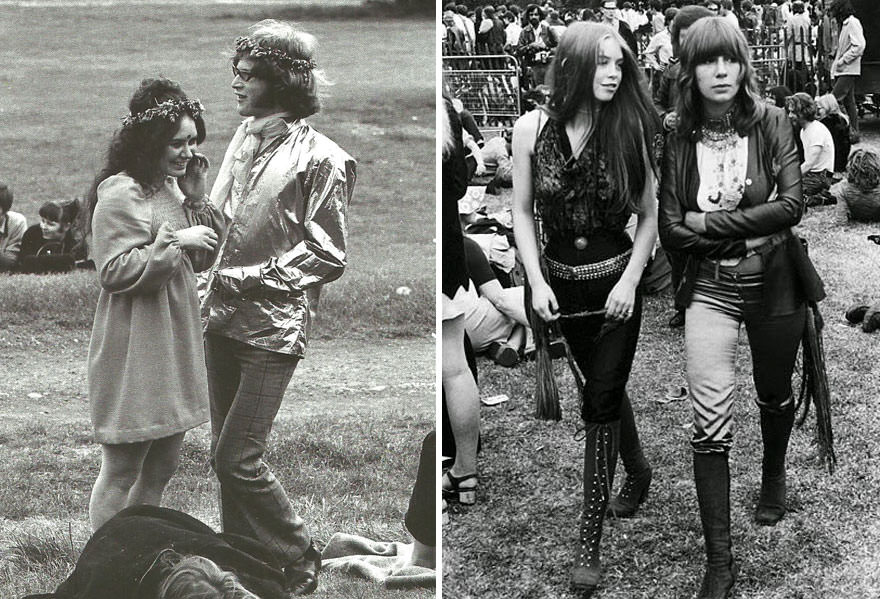
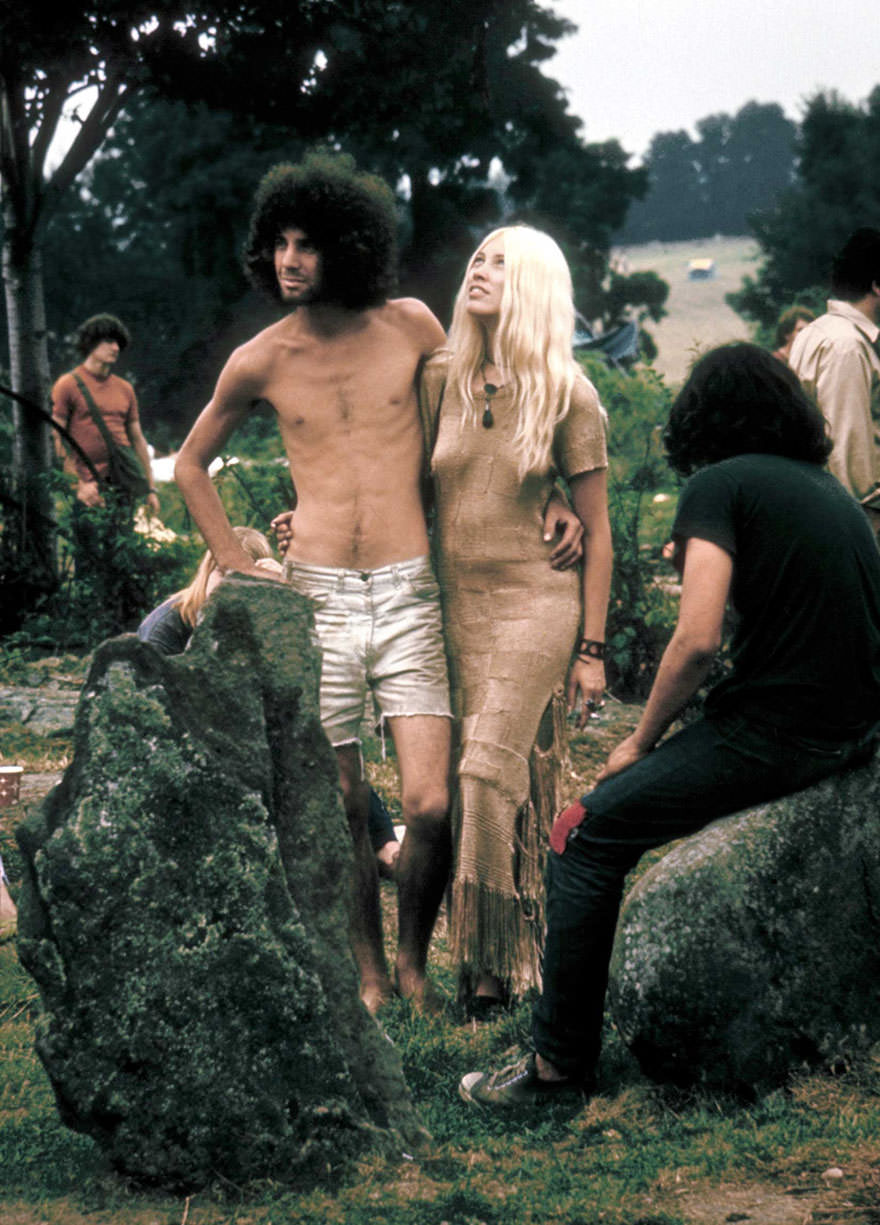
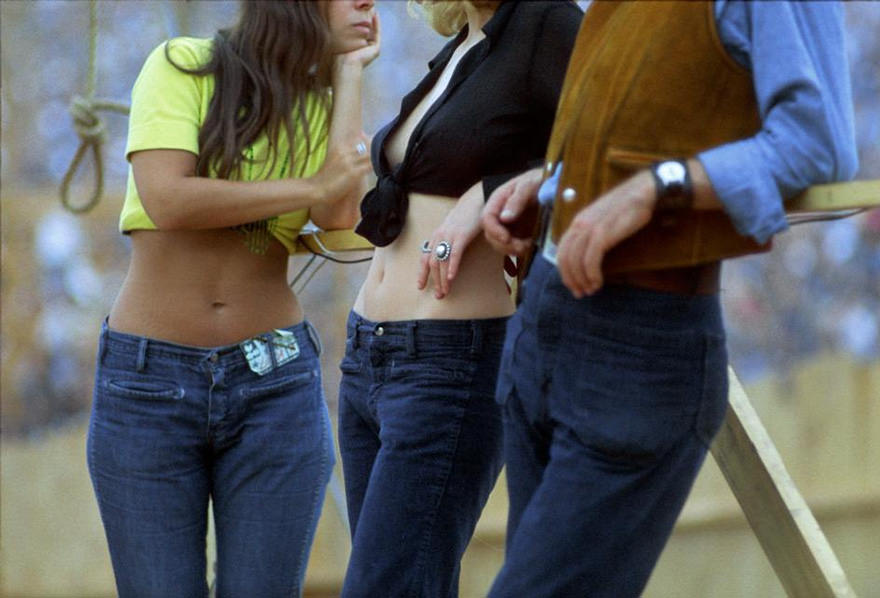
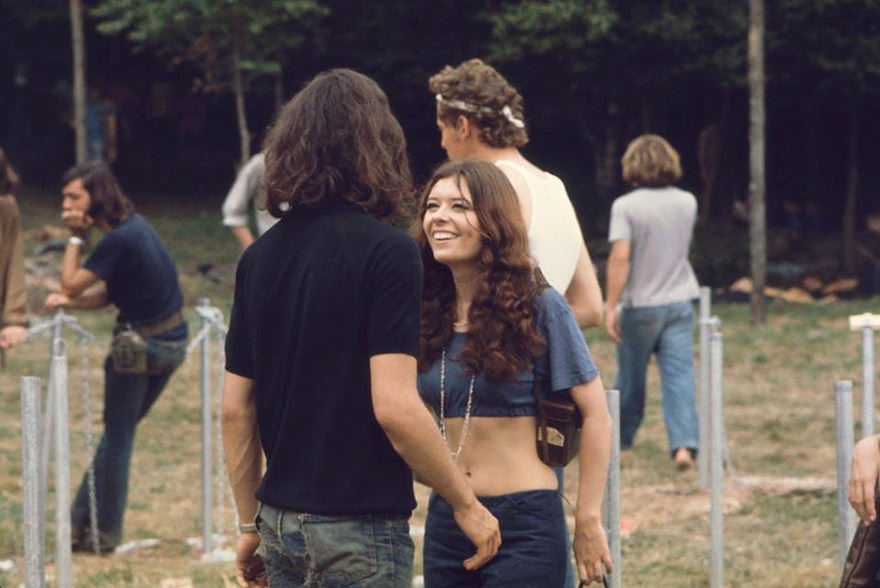
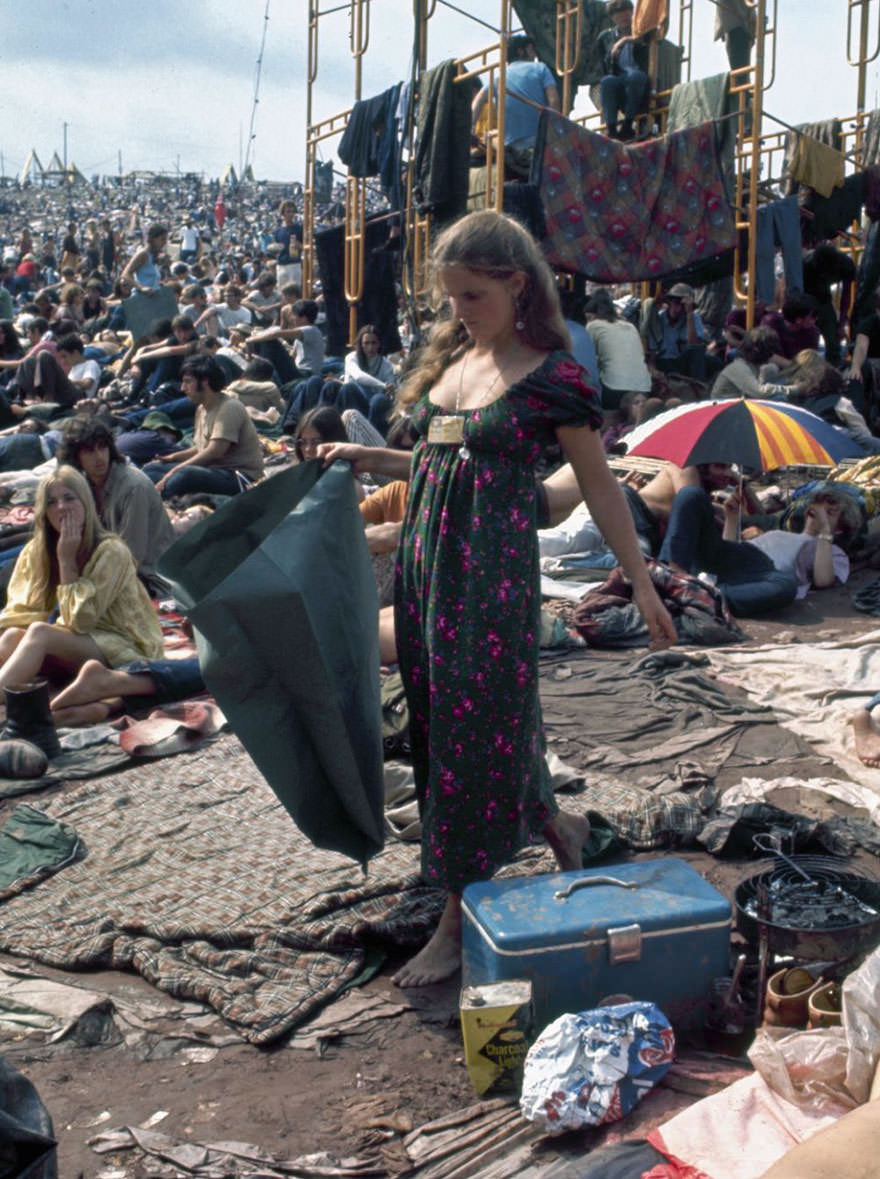
Bell-bottom pants were everywhere at Woodstock. Wide at the knee and flared at the ankle, they were often paired with crop tops, peasant blouses, or nothing at all on hot afternoons. Free-flowing dresses in lightweight fabrics were equally common — easy to dance in, comfortable in the summer heat, and often decorated with floral prints or hand-sewn embroidery.
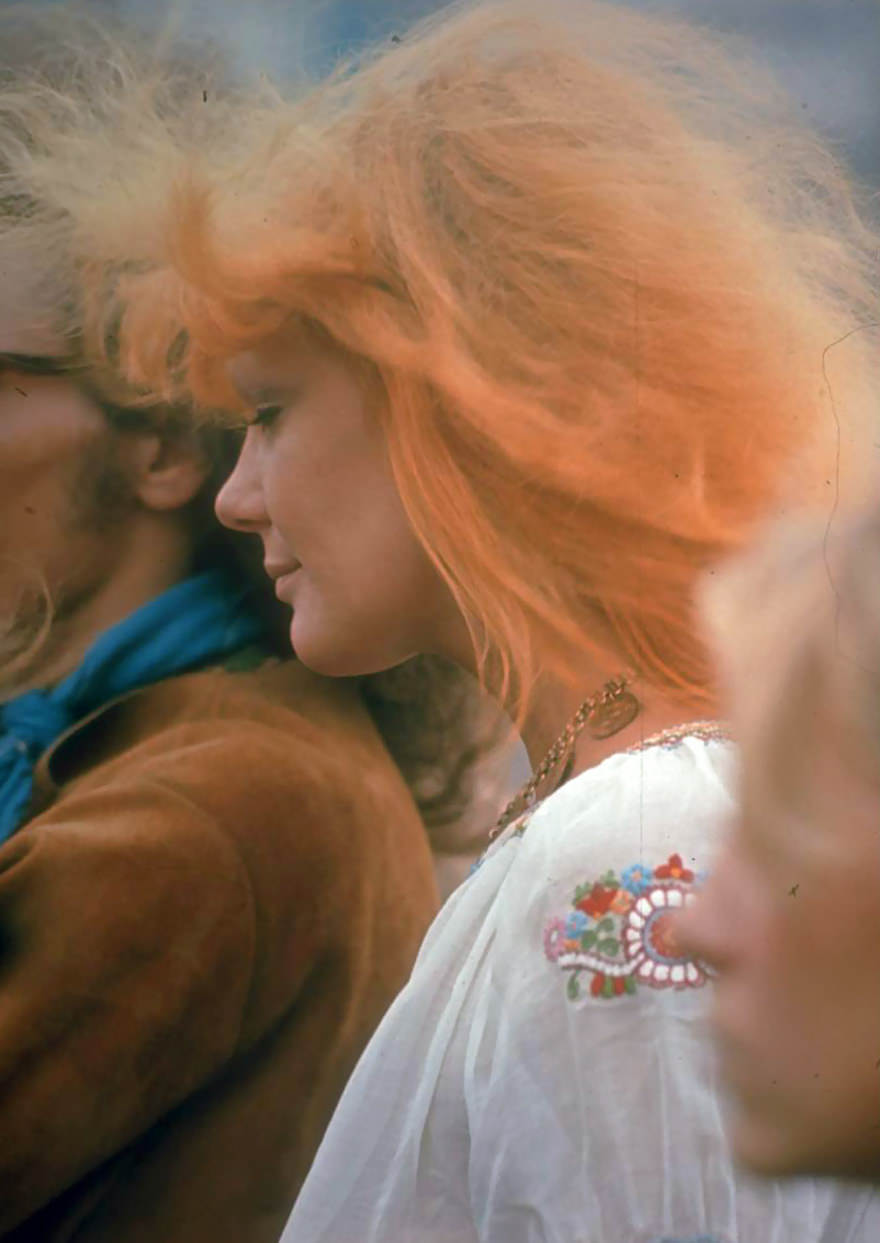
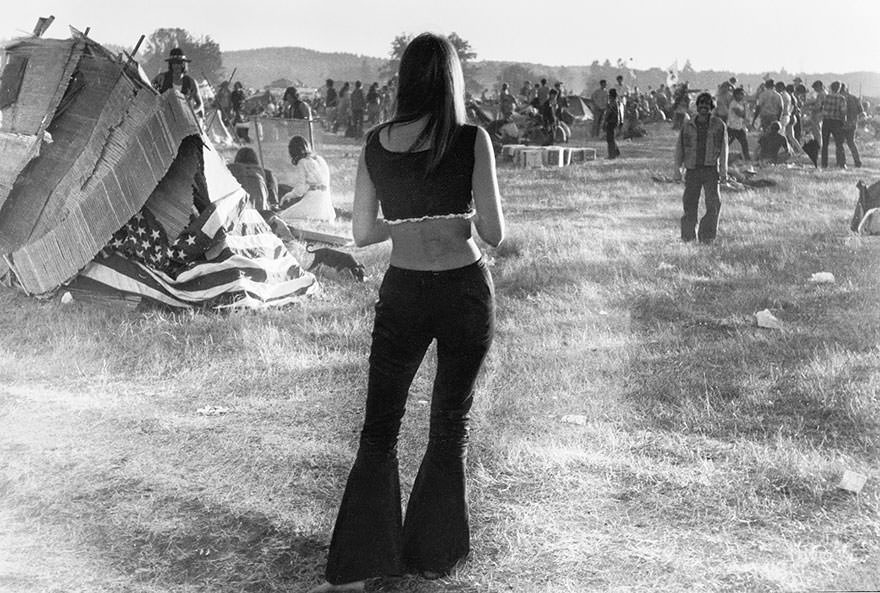
Native American and Indian-inspired patterns appeared frequently in the clothing worn at the festival. Fringed buckskin tops were a common sight, referencing a romanticized connection to the land and a rejection of manufactured, mass-produced fashion. These pieces were often handmade or sourced from small shops rather than department stores.
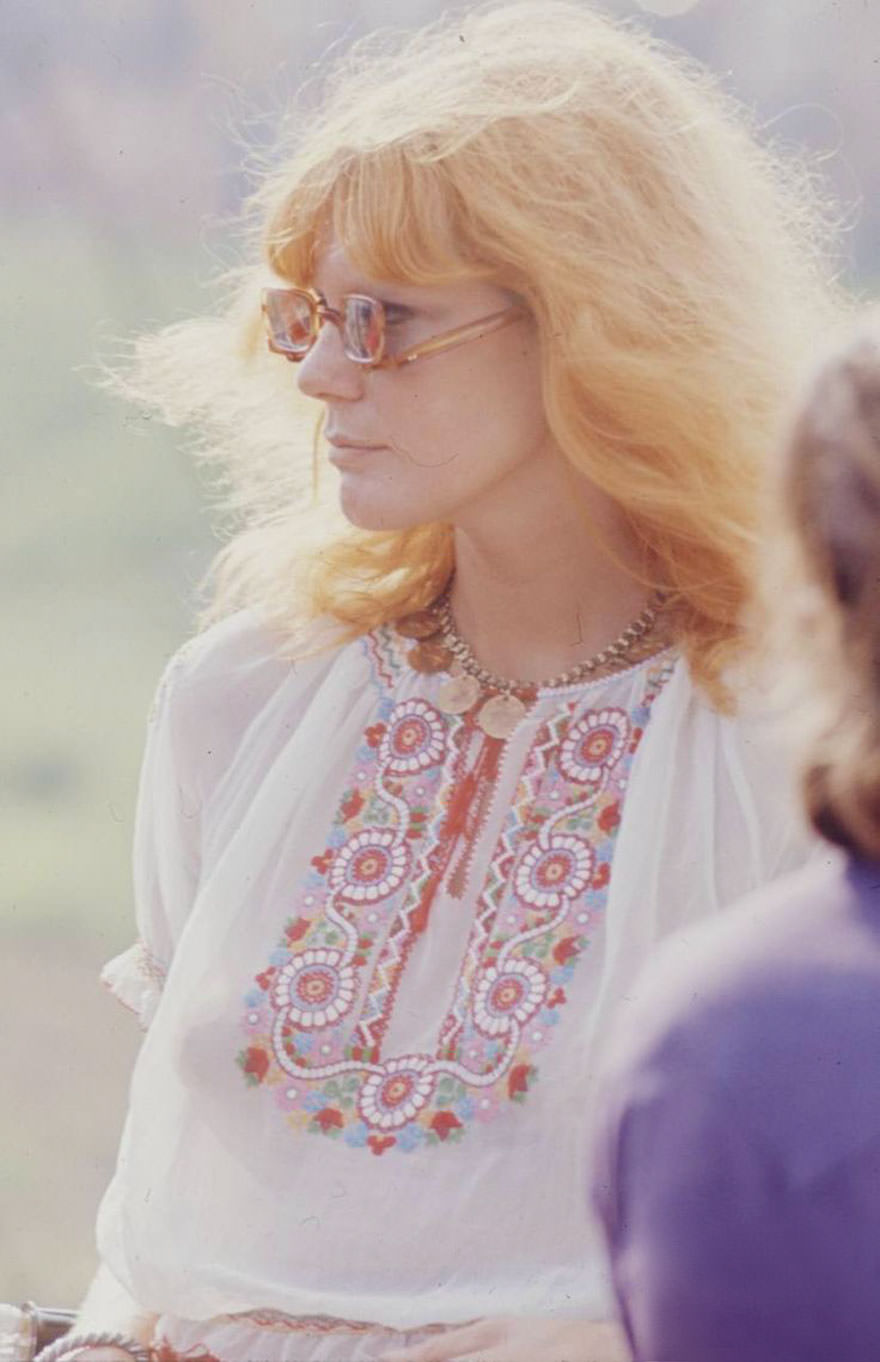
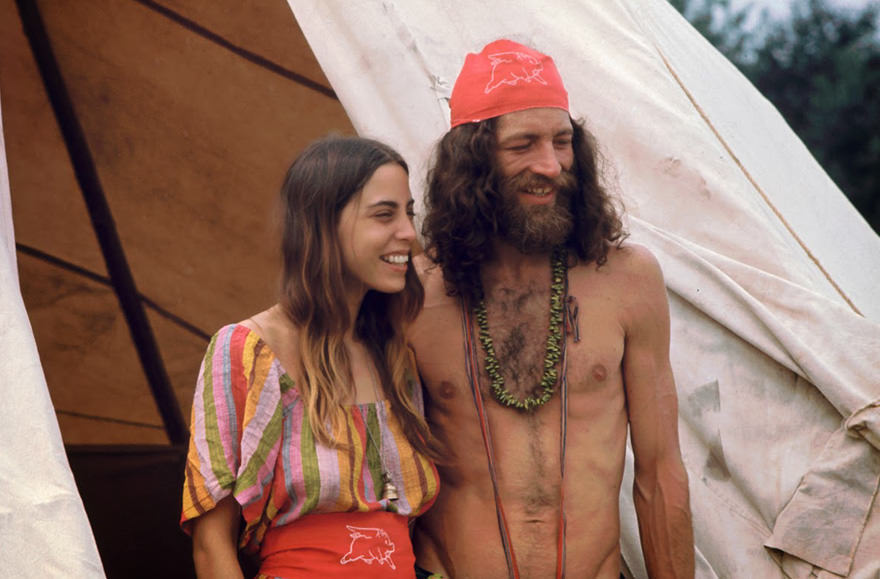
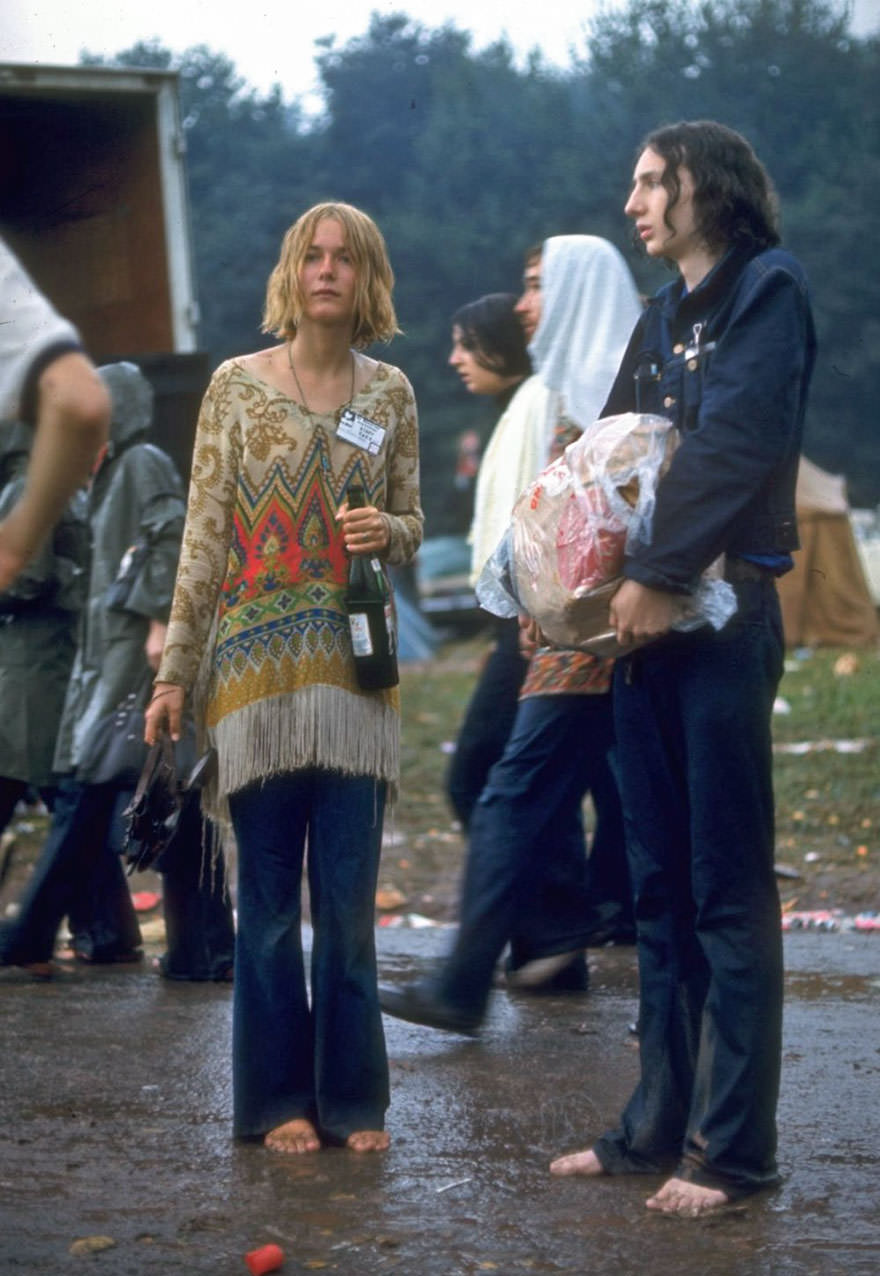
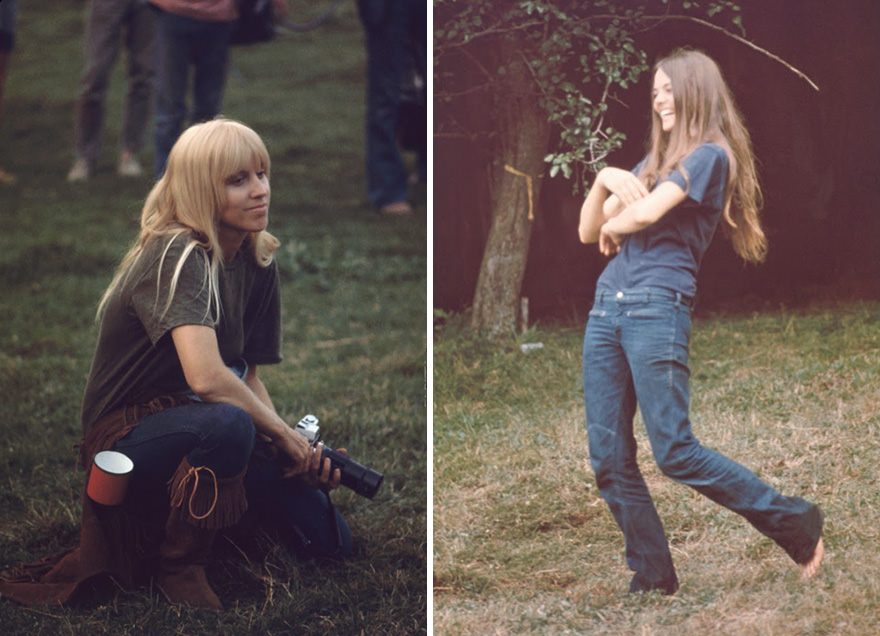
Footwear — or the absence of it — told its own story. Many attendees went barefoot for the entire festival, walking across muddy fields and grass without hesitation. Others wore knee-high boots or simple leather sandals. Going barefoot was a deliberate choice, a physical statement about living closer to the earth.
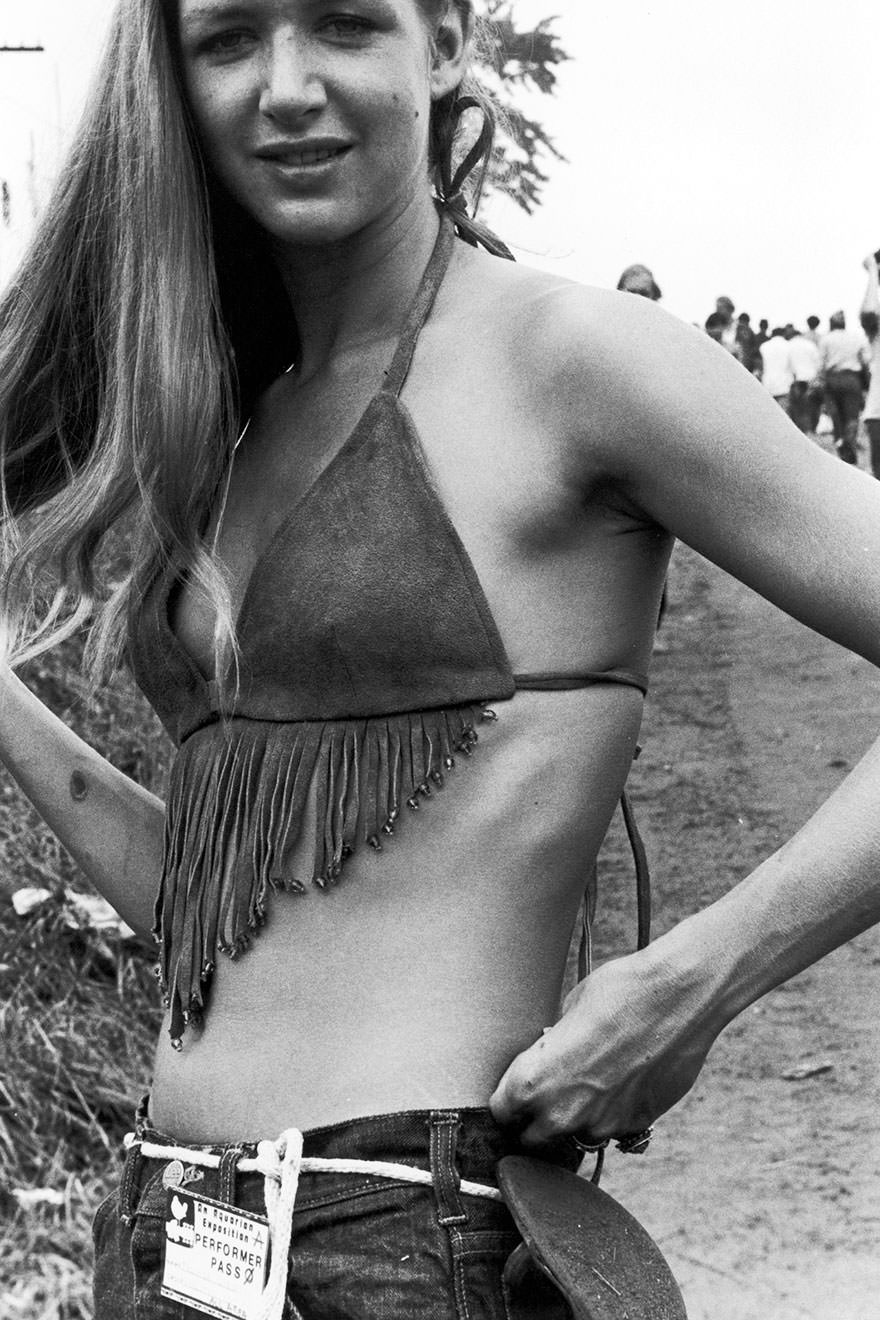
Short skirts and minidresses reflected the influence of the broader 1960s fashion revolution, which had started in London earlier in the decade and fully crossed the Atlantic by 1969. At Woodstock, these styles were mixed freely with older, more rustic pieces — a combination that created a look entirely unique to the festival crowd.
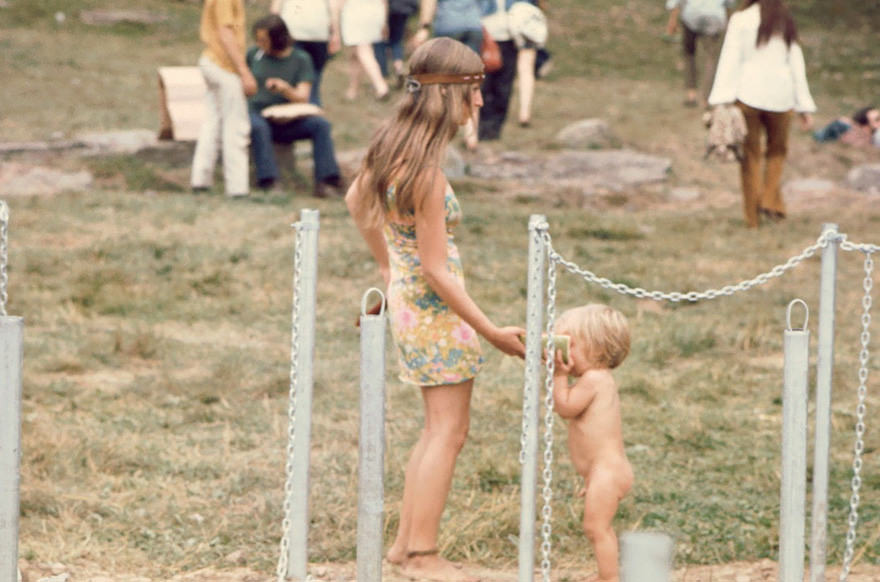
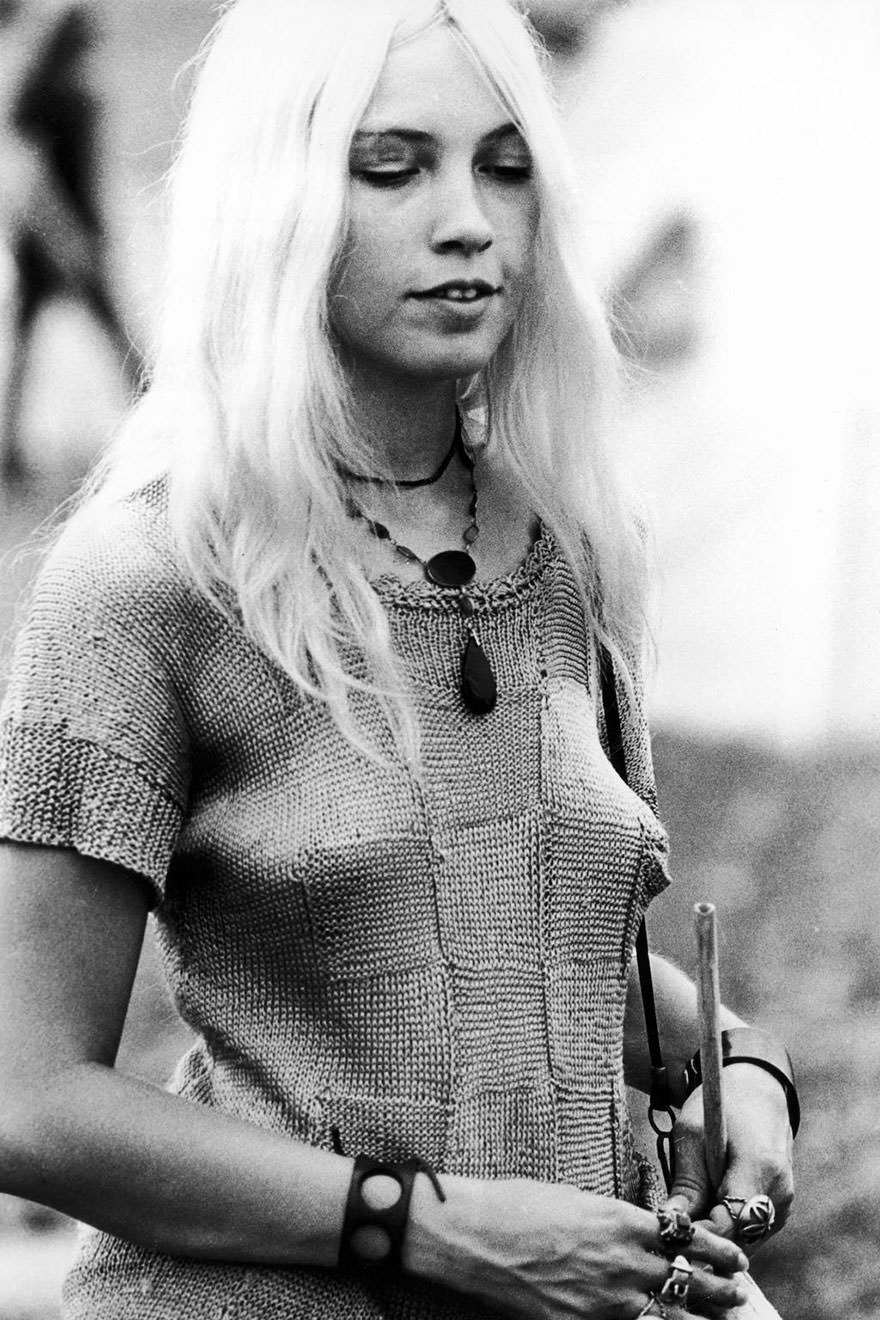
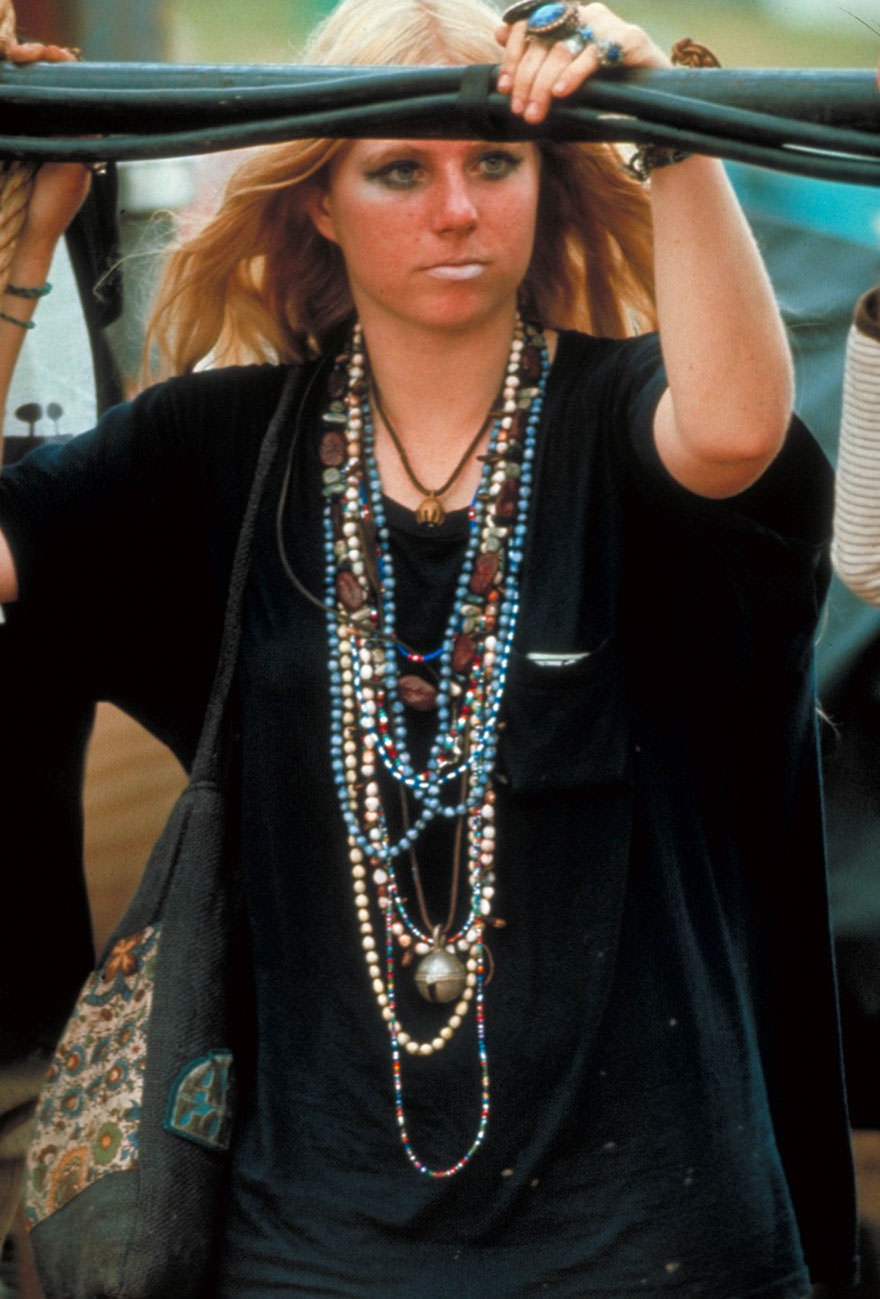
Accessories completed the look. Long beaded necklaces, headbands worn across the forehead, woven bracelets, and rings on every finger — including the toes — were standard. Body jewelry wasn’t uncommon. Toe rings, in particular, became a small but iconic symbol of the Woodstock aesthetic, worn by women walking barefoot through the fields of Bethel.
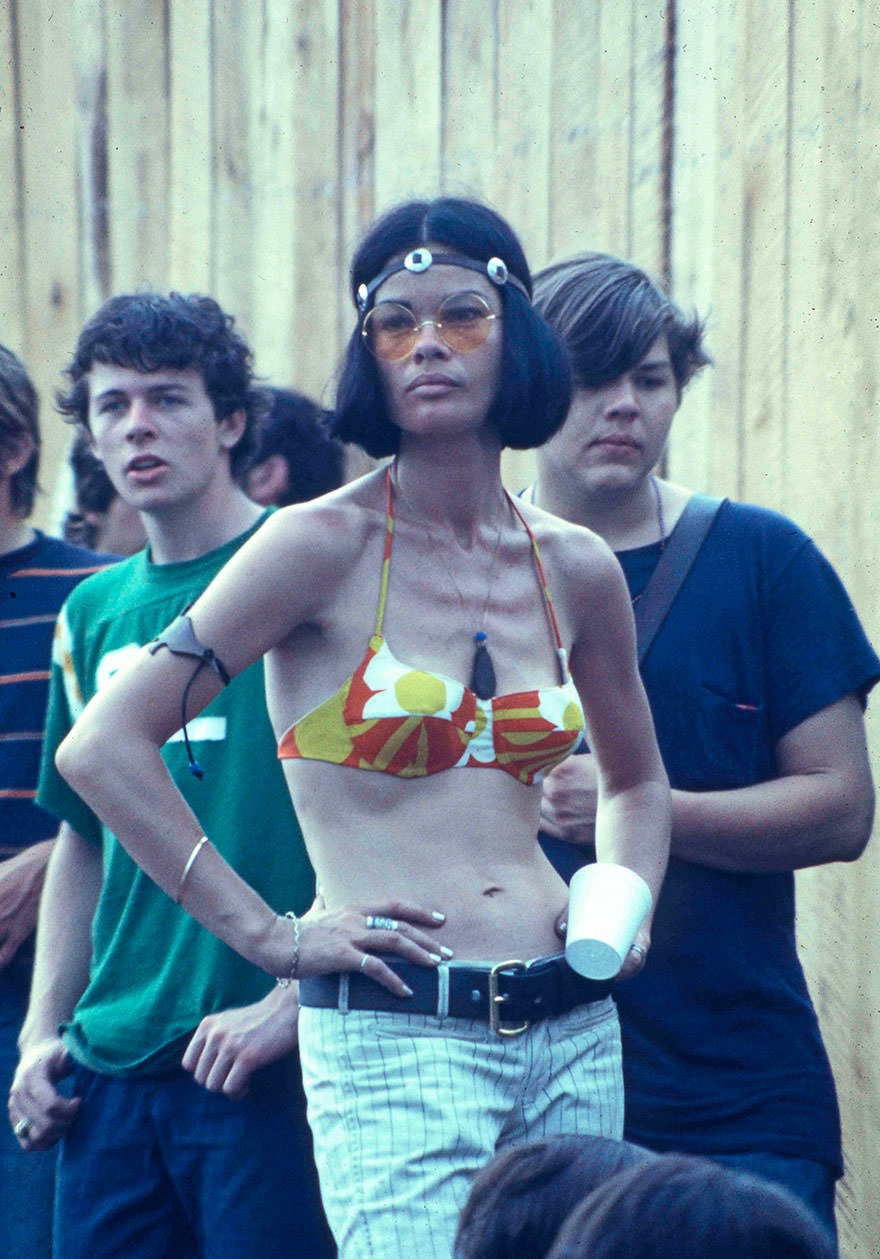
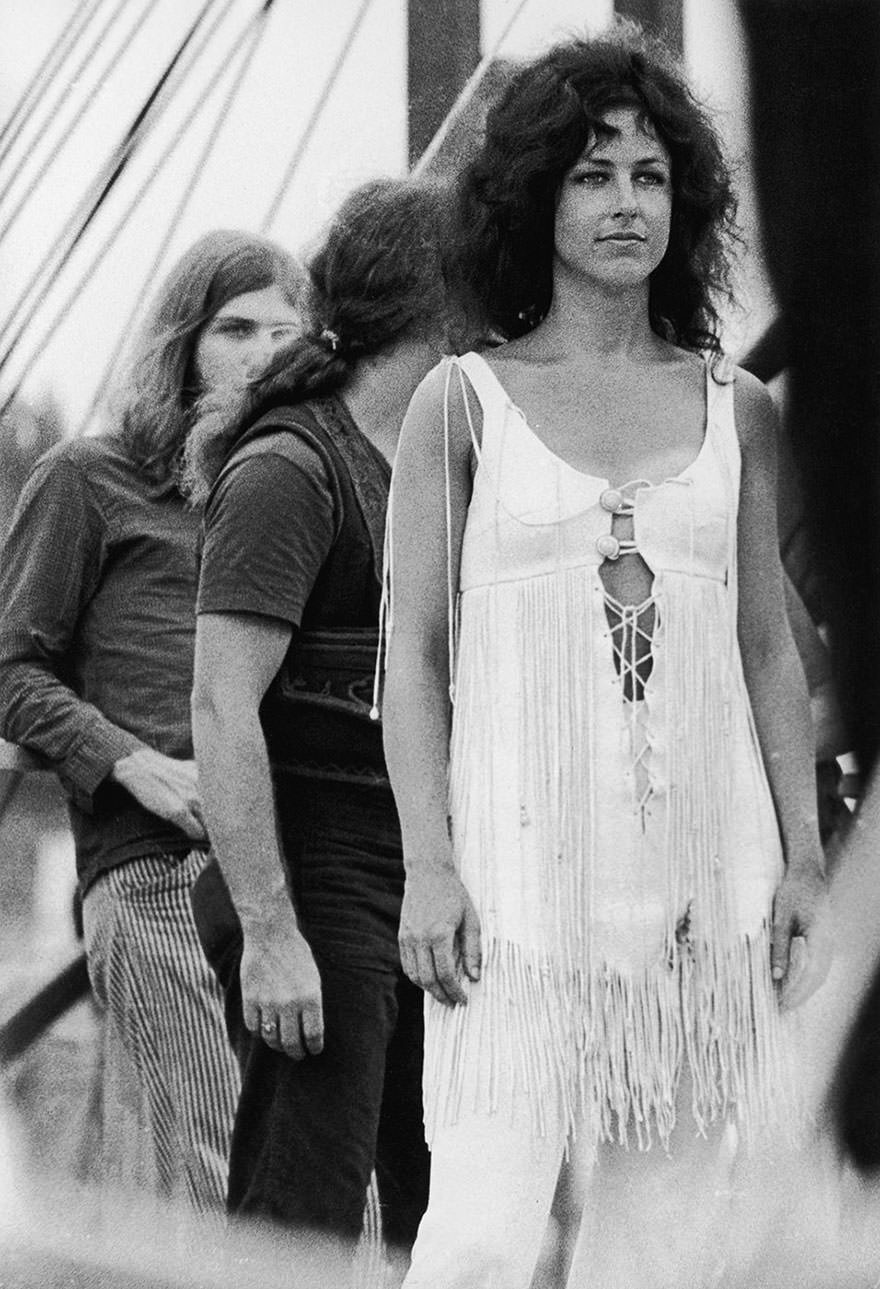
Grace Slick took the stage with Jefferson Airplane and delivered one of the most memorable sets of the festival. Her presence — commanding, sharp, and dressed to match her band’s psychedelic sound — made her a visual centerpiece of Woodstock just as much as a musical one.
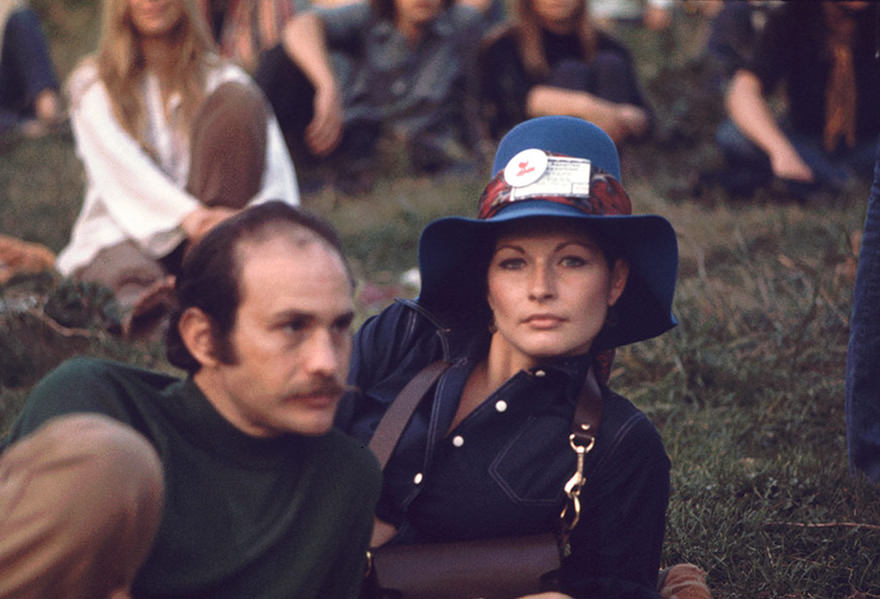
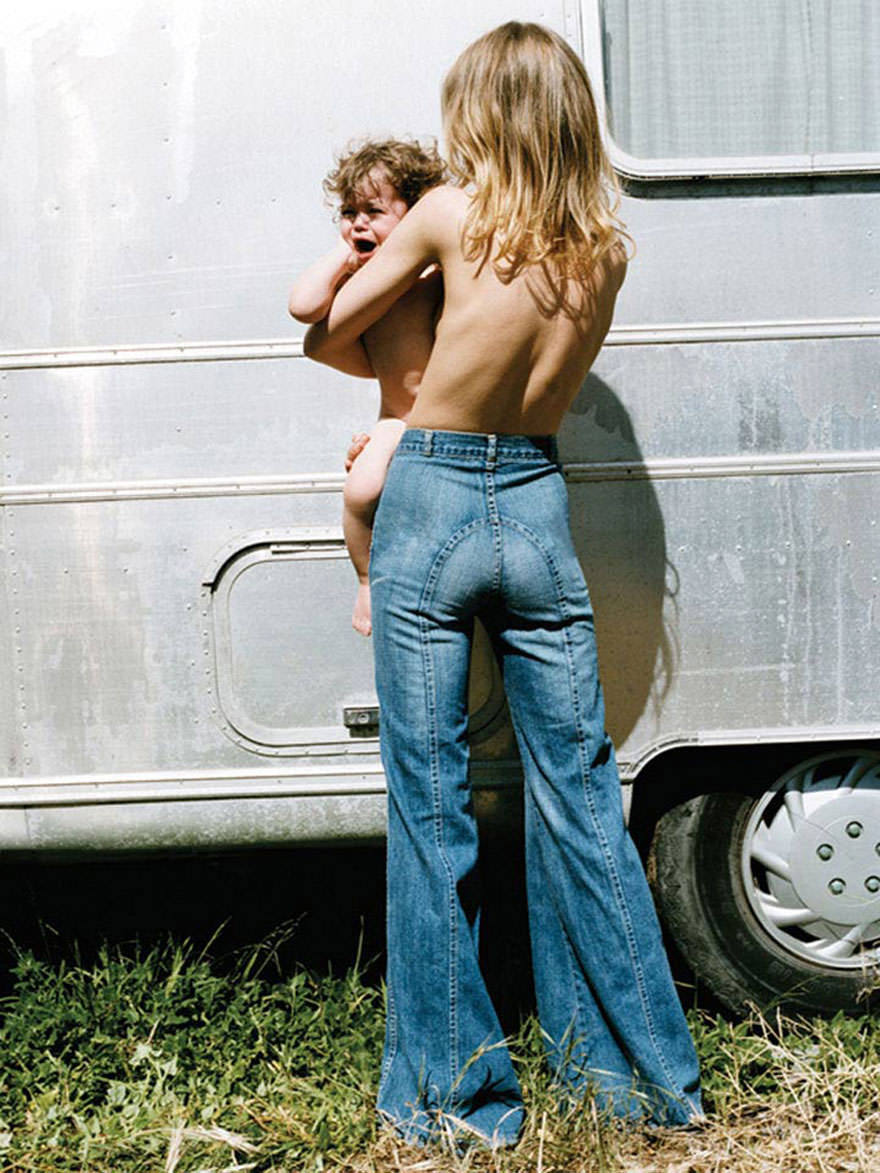
Not everyone at Woodstock was a young single attendee. Families came too. Mothers brought their children to the festival, sitting on the grass between acts and navigating the muddy grounds with a practicality that contrasted with the carefree energy around them. The festival’s crowd was more diverse in age and background than popular memory tends to suggest.
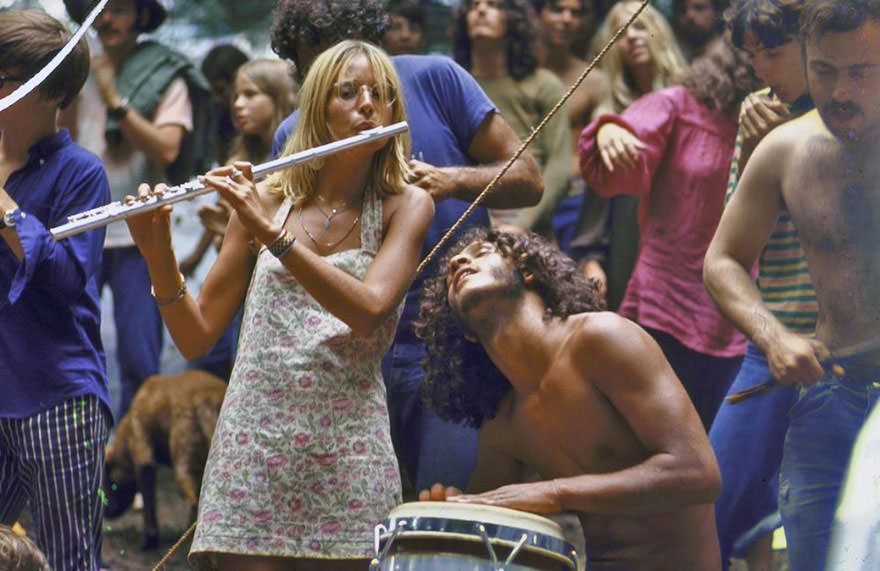
Music wasn’t only happening on the main stage. Informal jam sessions broke out across the grounds, with festival-goers picking up instruments and playing alongside strangers. A woman in a flowing dress playing flute while a shirtless drummer kept rhythm beside her was a scene that could have been repeated dozens of times across the four days.
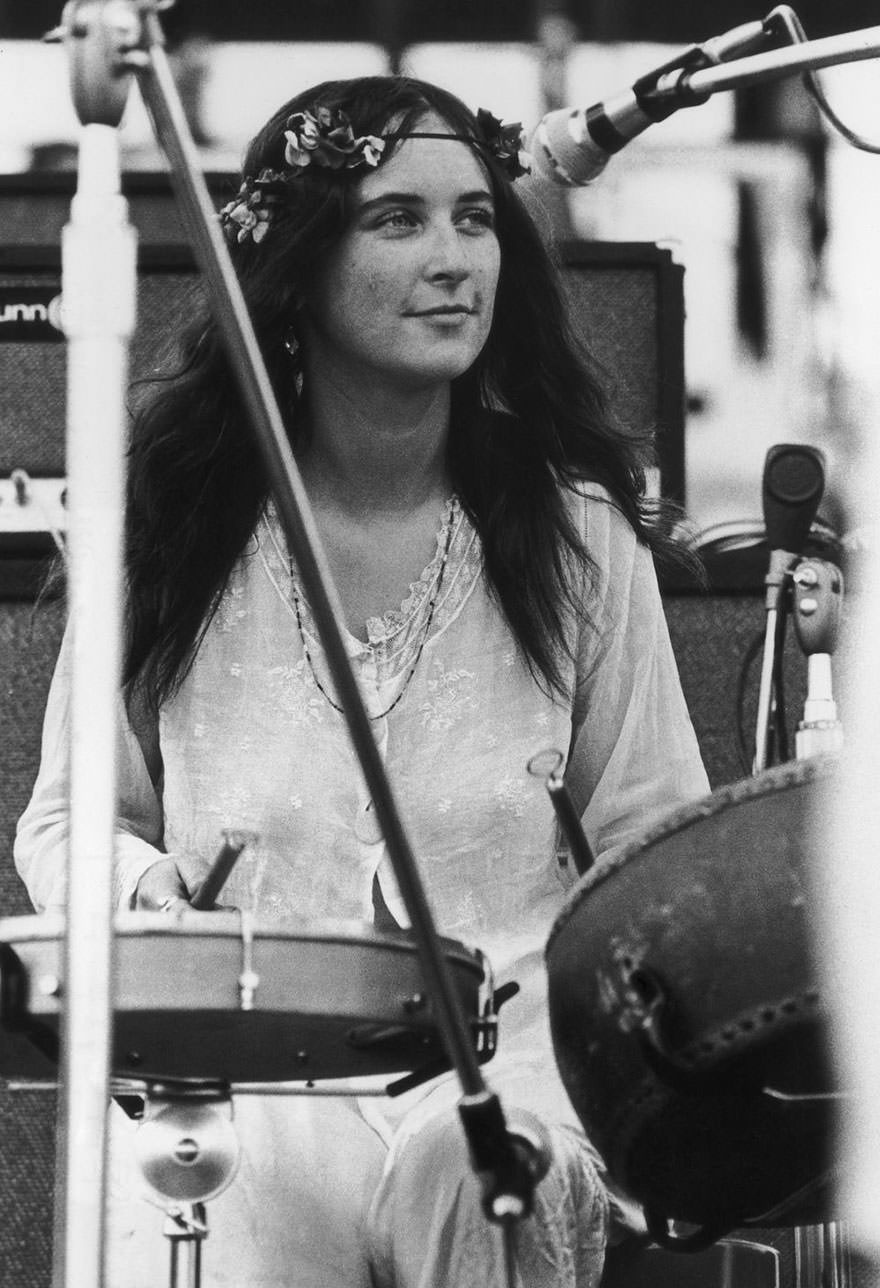
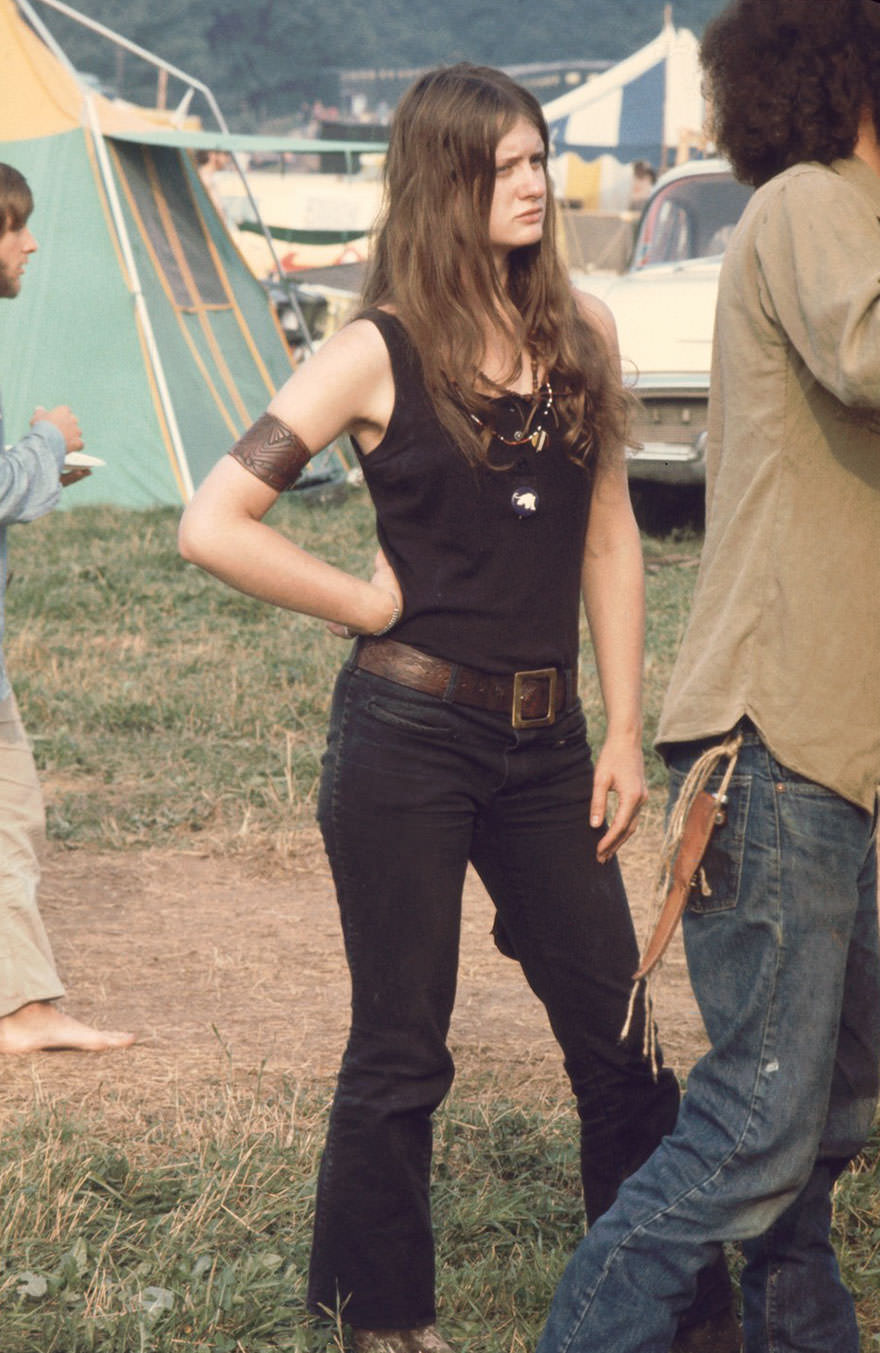
Political identity mixed with fashion at Woodstock. Members of groups like the White Panthers attended the festival and made their presence known. Clothing served as a form of communication — patches, symbols, and hand-painted slogans turned garments into political statements worn openly in the crowd.
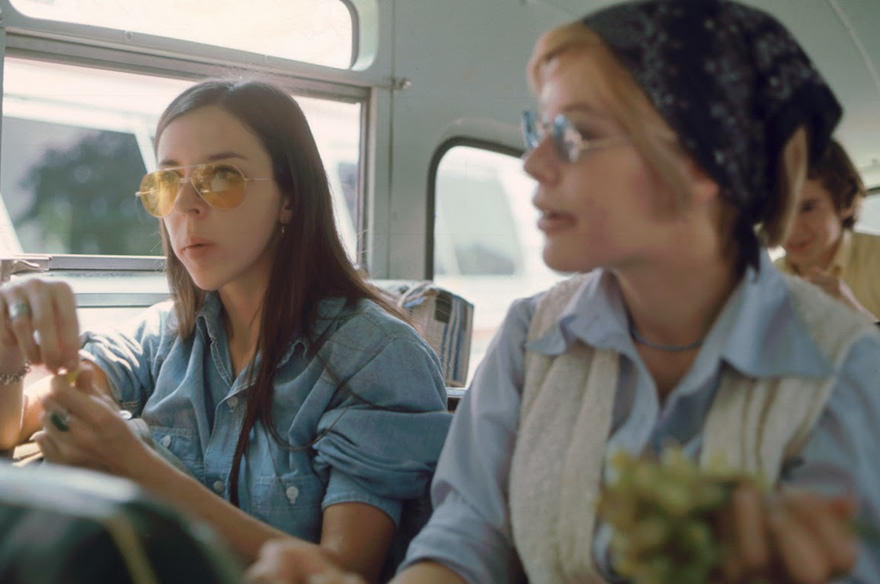
The journey to Yasgur’s farm was an event in itself. Roads leading to Bethel became impassable as hundreds of thousands of cars converged on the area. Many attendees abandoned their vehicles and walked miles to reach the site. Others piled onto buses, sharing food and conversation before the music even started.
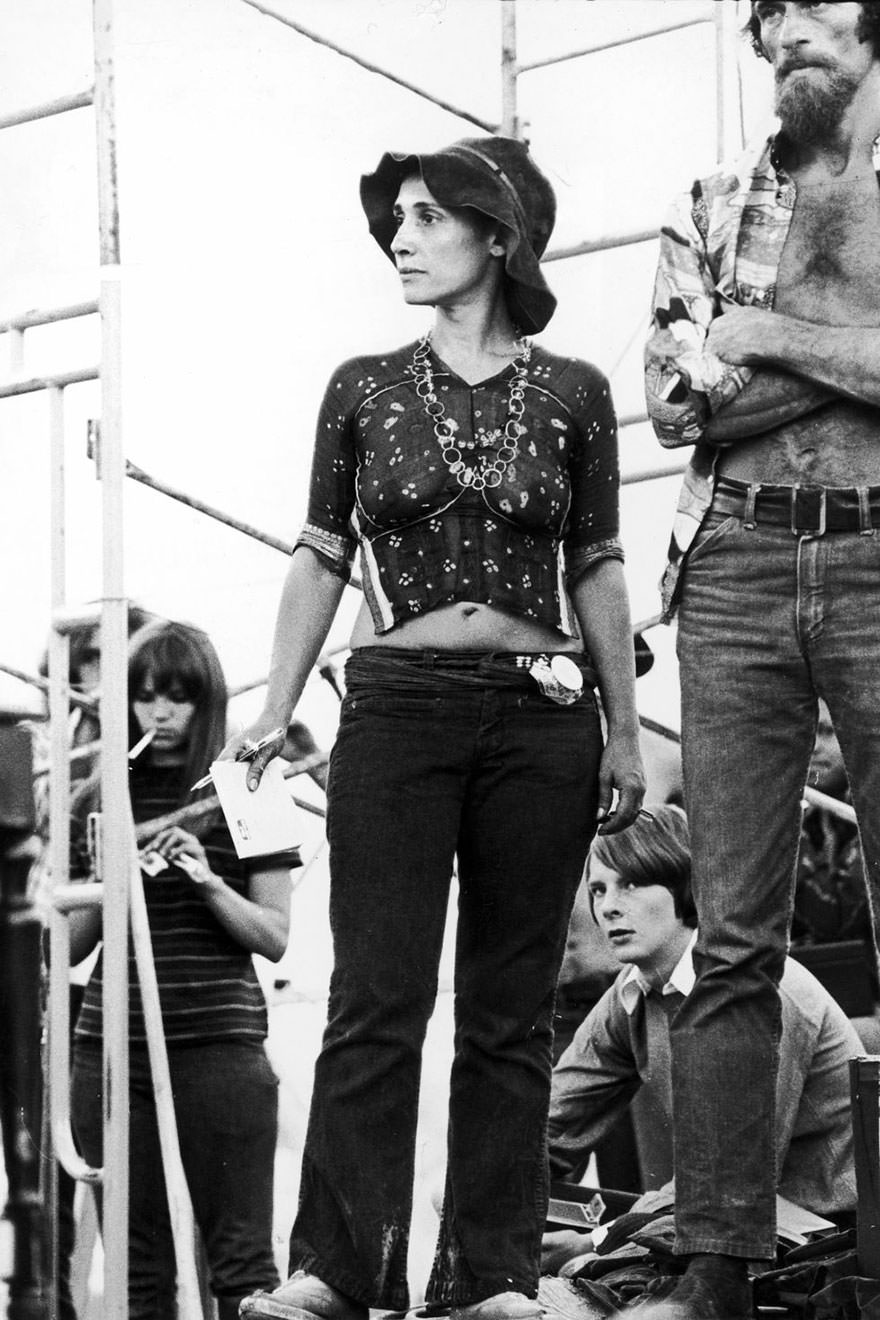
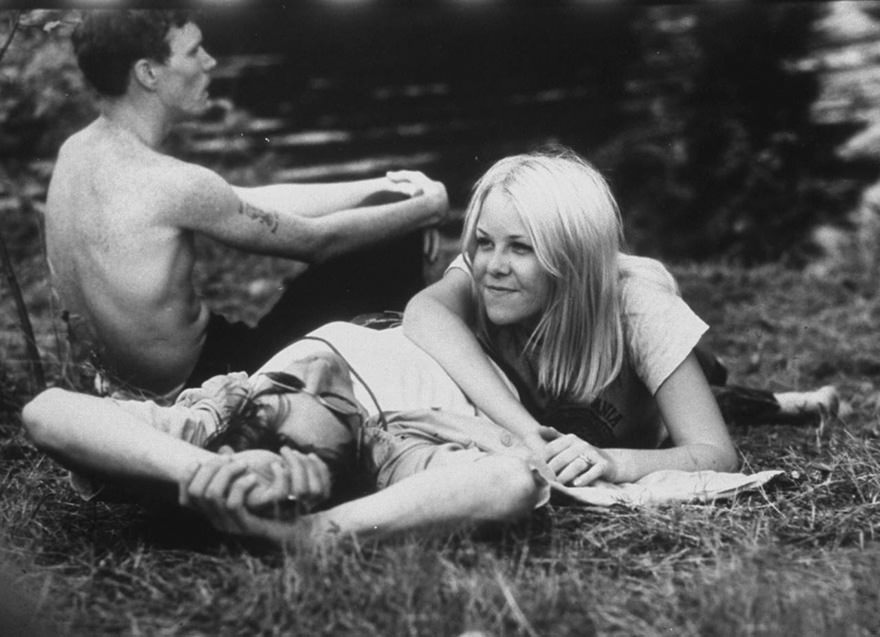
The ‘Free Stage’ became one of the more democratic spaces at the festival. Separate from the main performance area, it gave anyone with an instrument or something to say a place to be heard. Festival-goers lounged on the grass nearby, watching informal performances or simply resting between sets on the main stage.
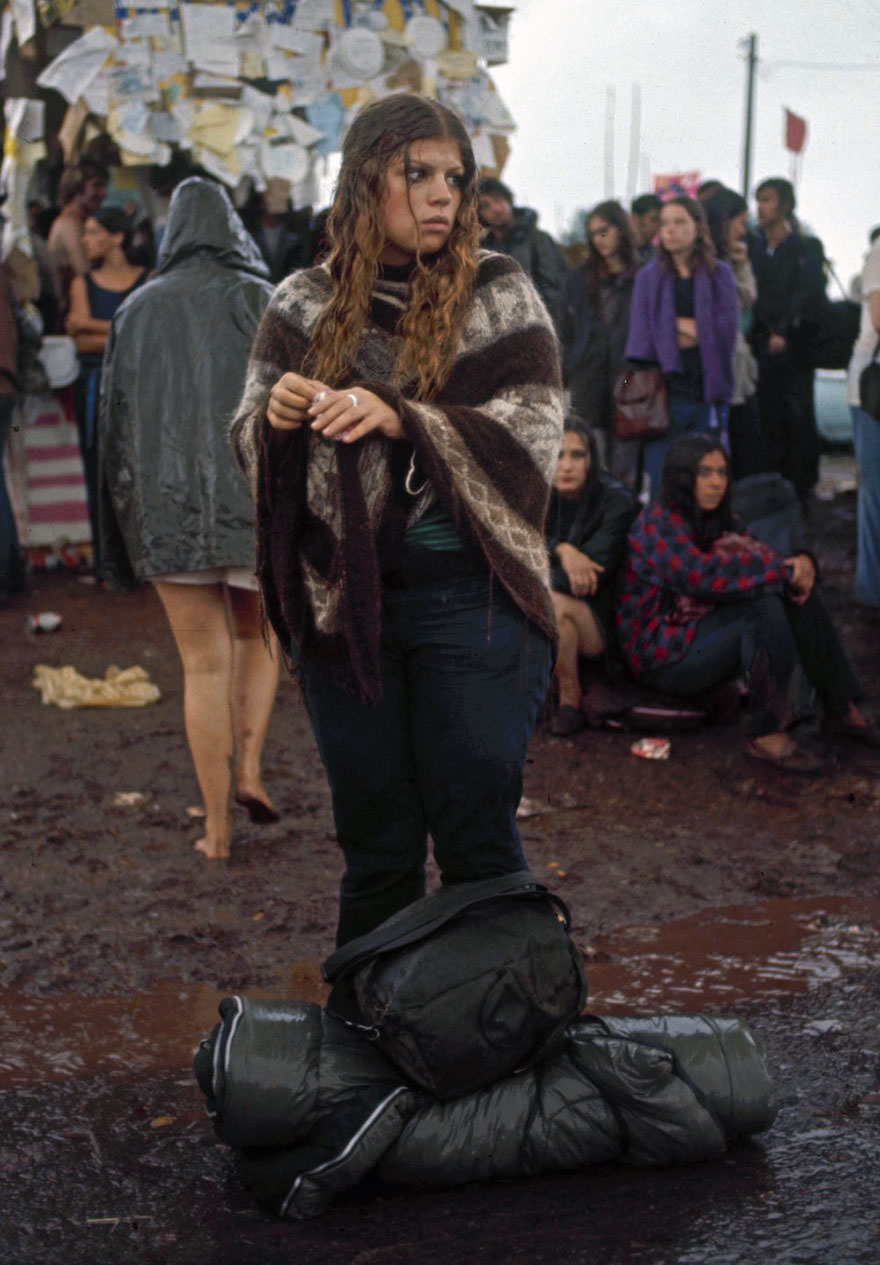
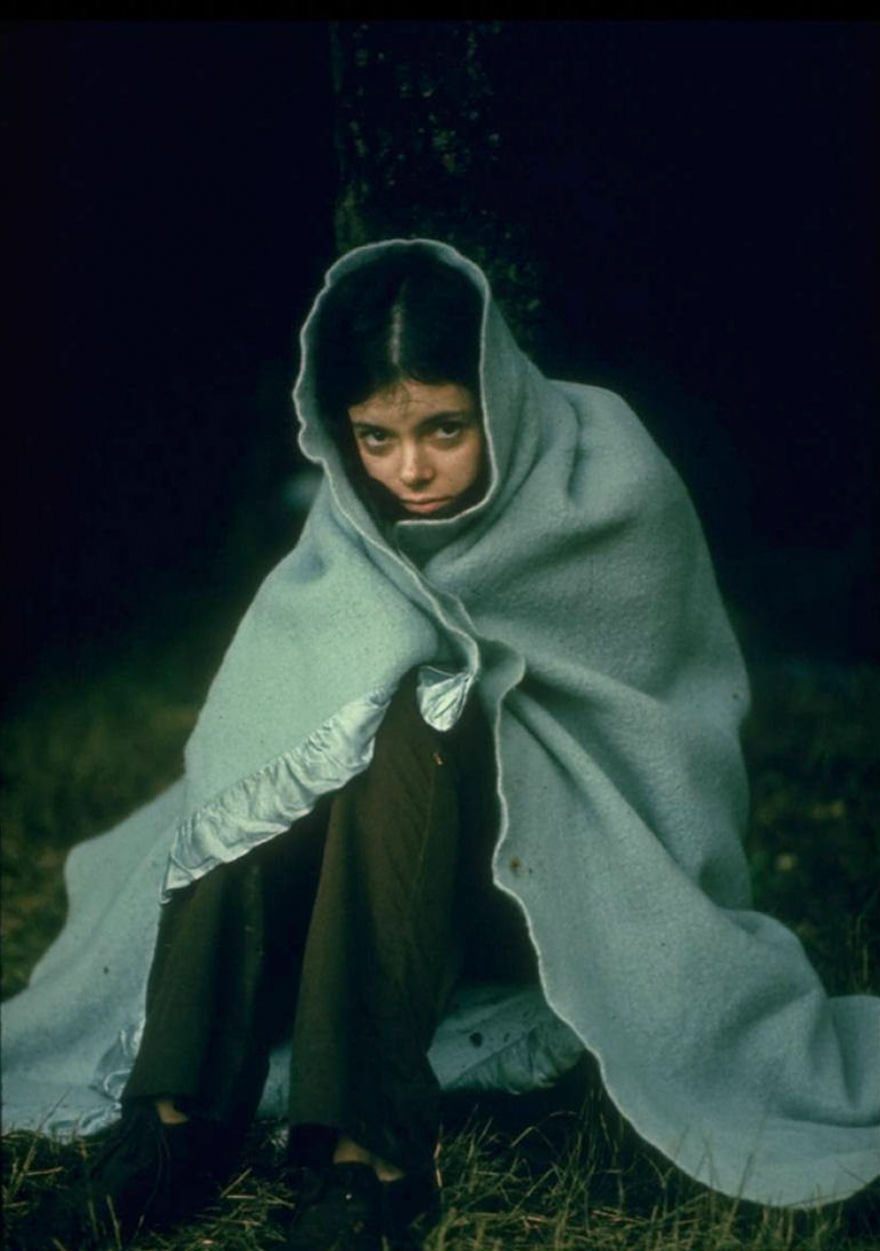
Rain turned portions of the festival grounds into mud. Rather than retreating, most attendees stayed put. Women picked their way barefoot through the mud between sleeping bags and blankets, carrying on with the same ease they brought to everything else about the weekend. The conditions were rough, but the atmosphere absorbed it.
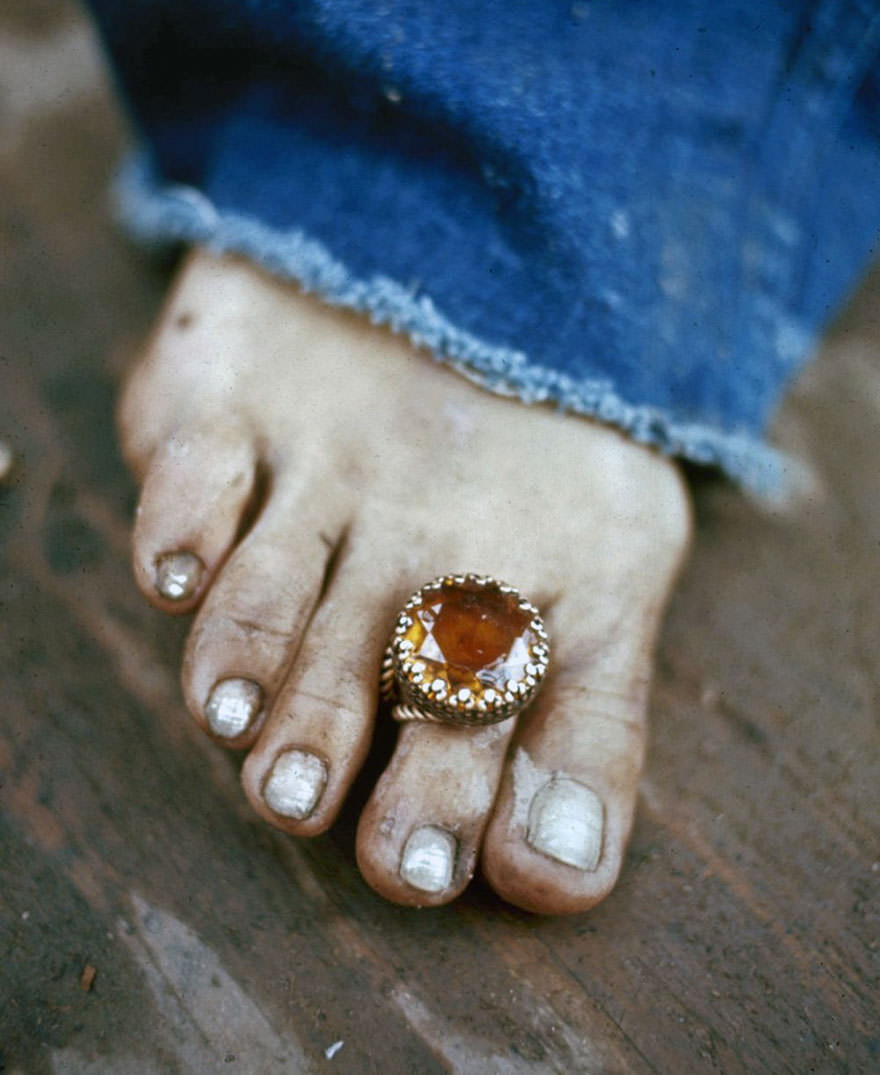
Small details defined the Woodstock look as much as the big pieces. A single toe ring photographed up close captured something essential about the festival’s approach to personal style — deliberate, individual, and completely unconcerned with mainstream approval. These photos, taken throughout the four days, preserved details that larger crowd shots missed entirely.
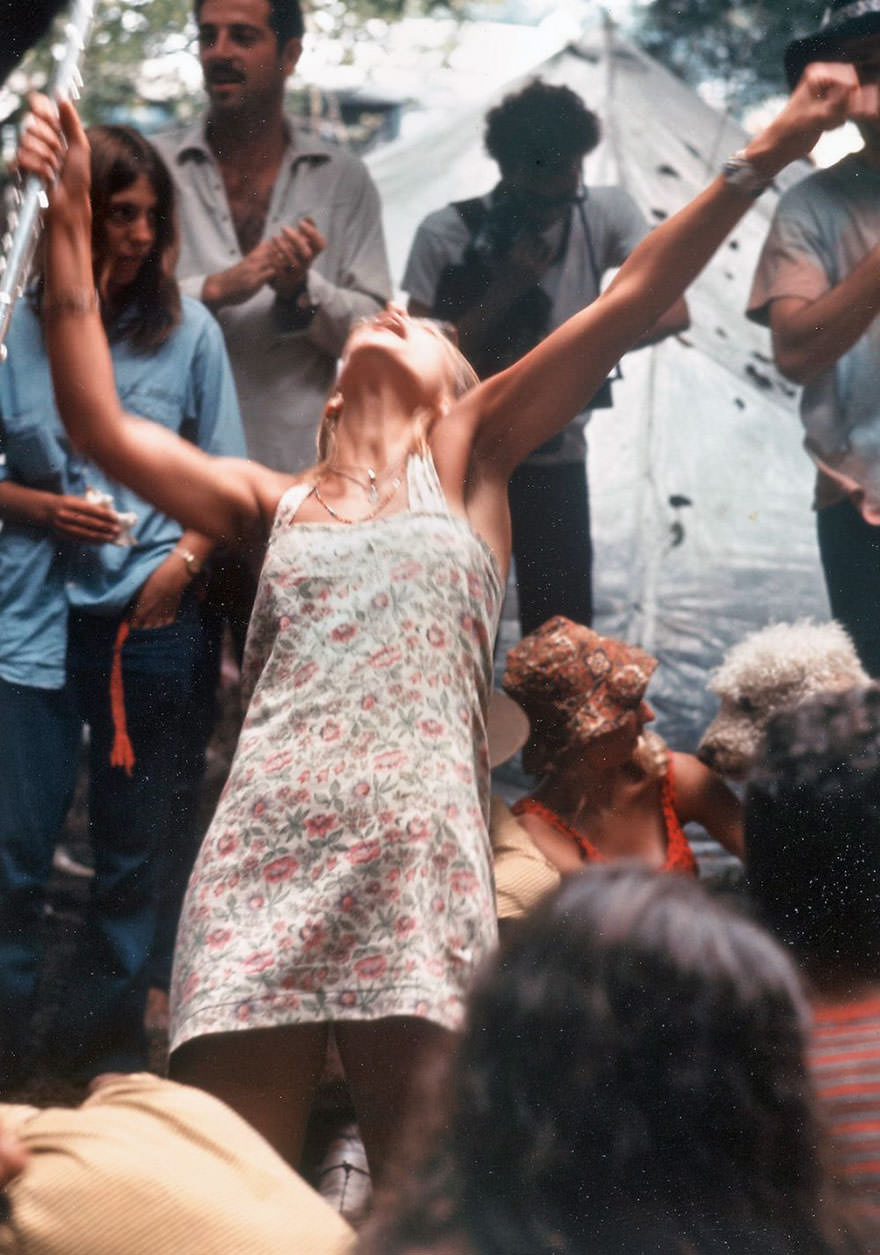
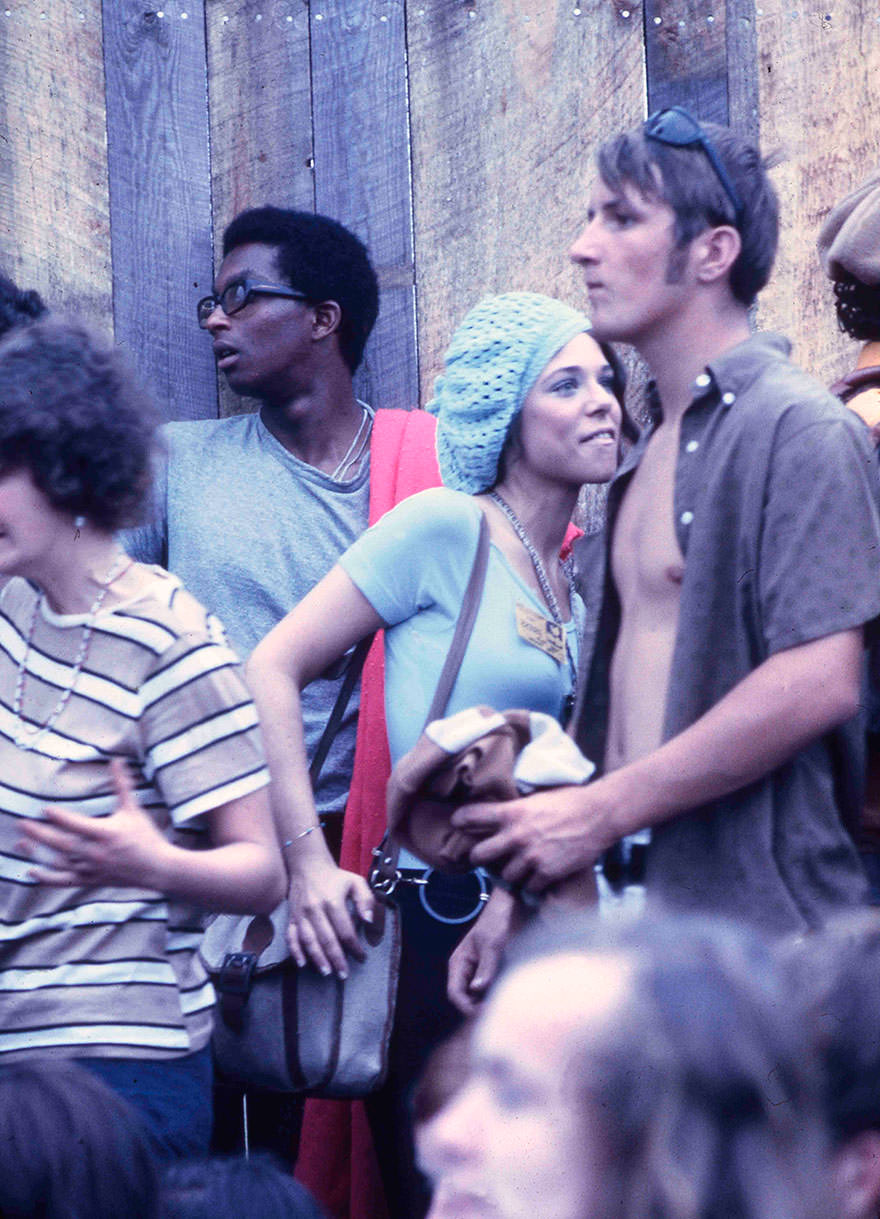
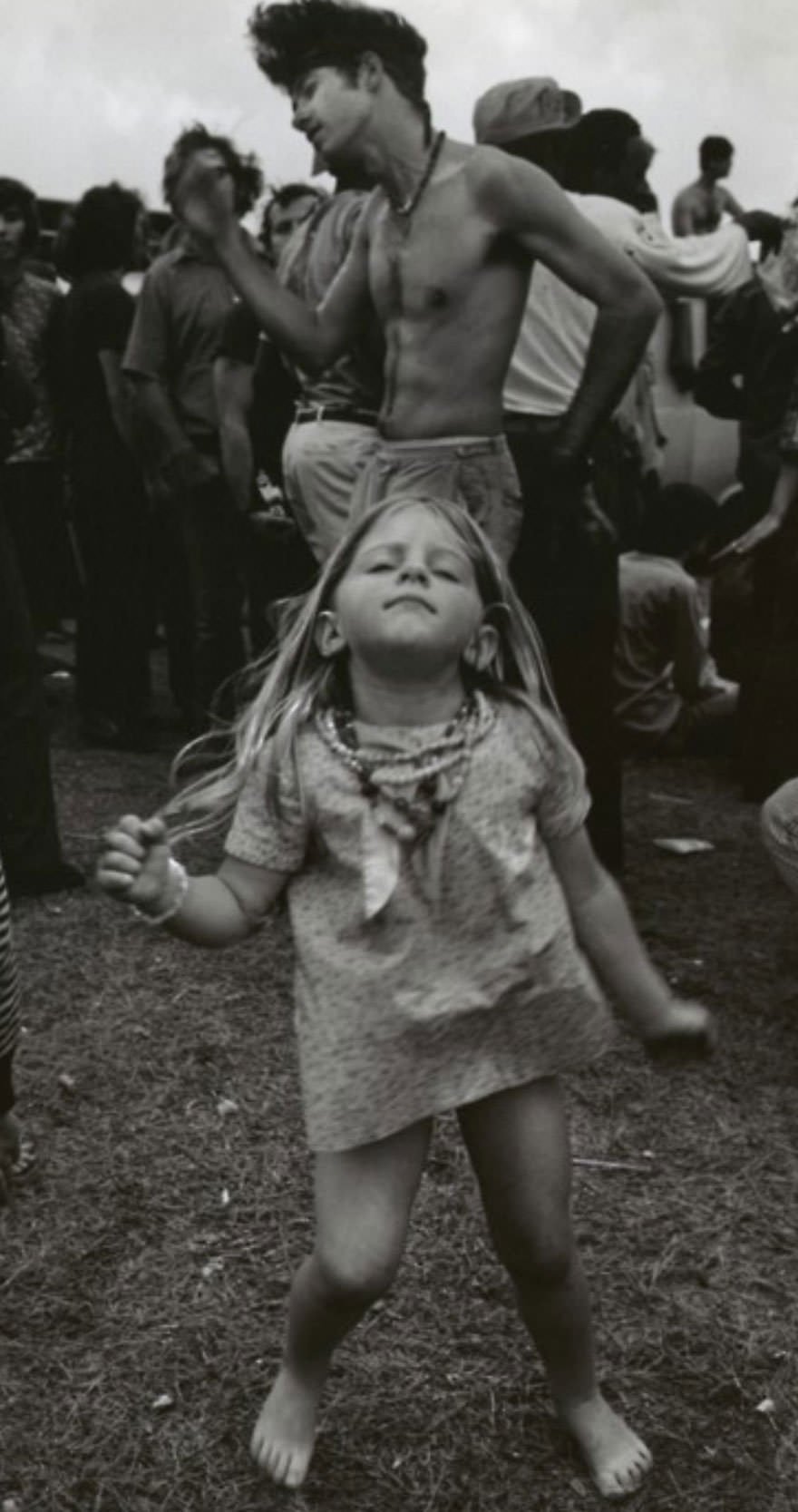
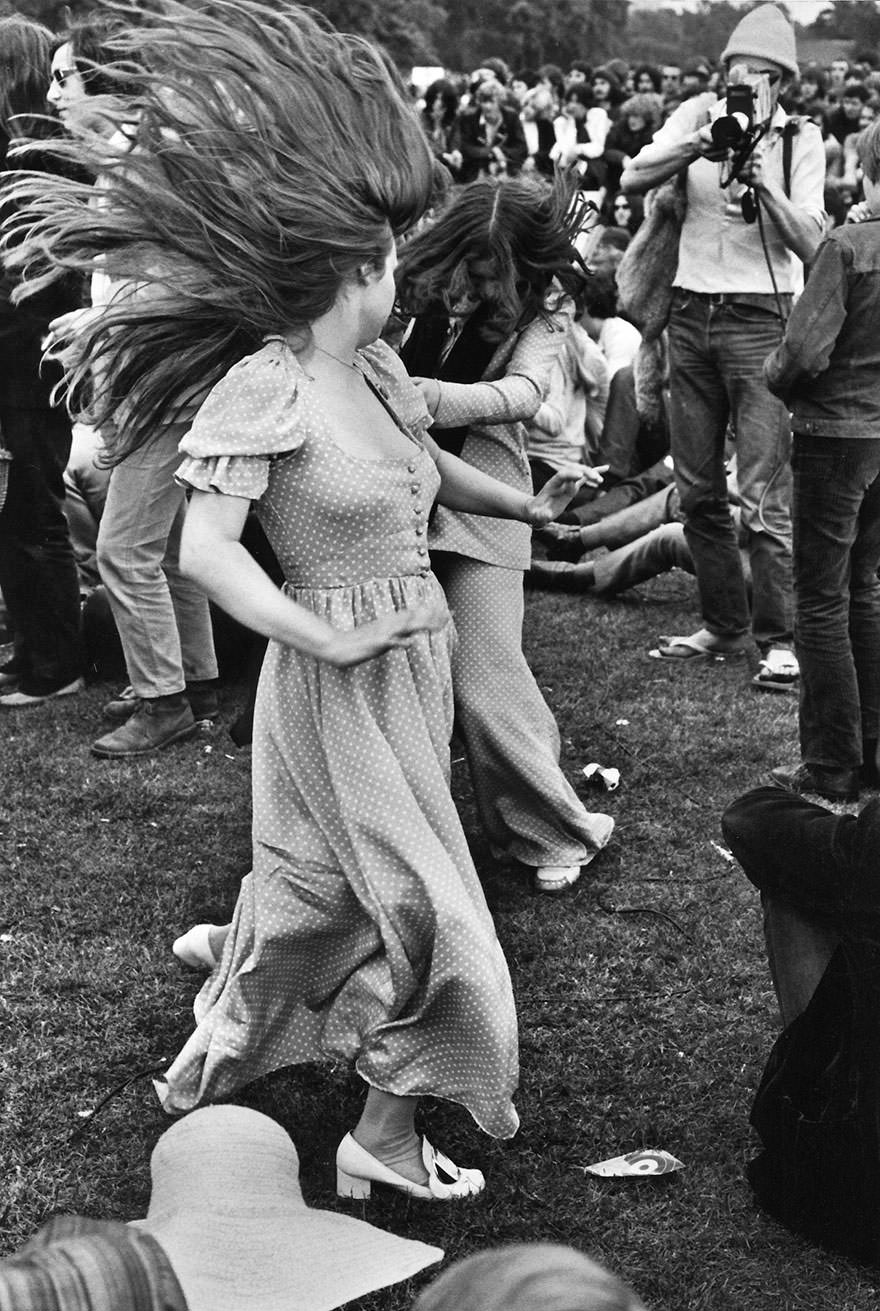
Dancing was constant at Woodstock. Women danced alone, with partners, and in loose groups, moving freely to whatever was coming from the stage or from nearby informal players. The style of dress worn at the festival supported this — lightweight fabrics, loose cuts, and bare feet all contributed to clothing that moved with the body rather than against it.
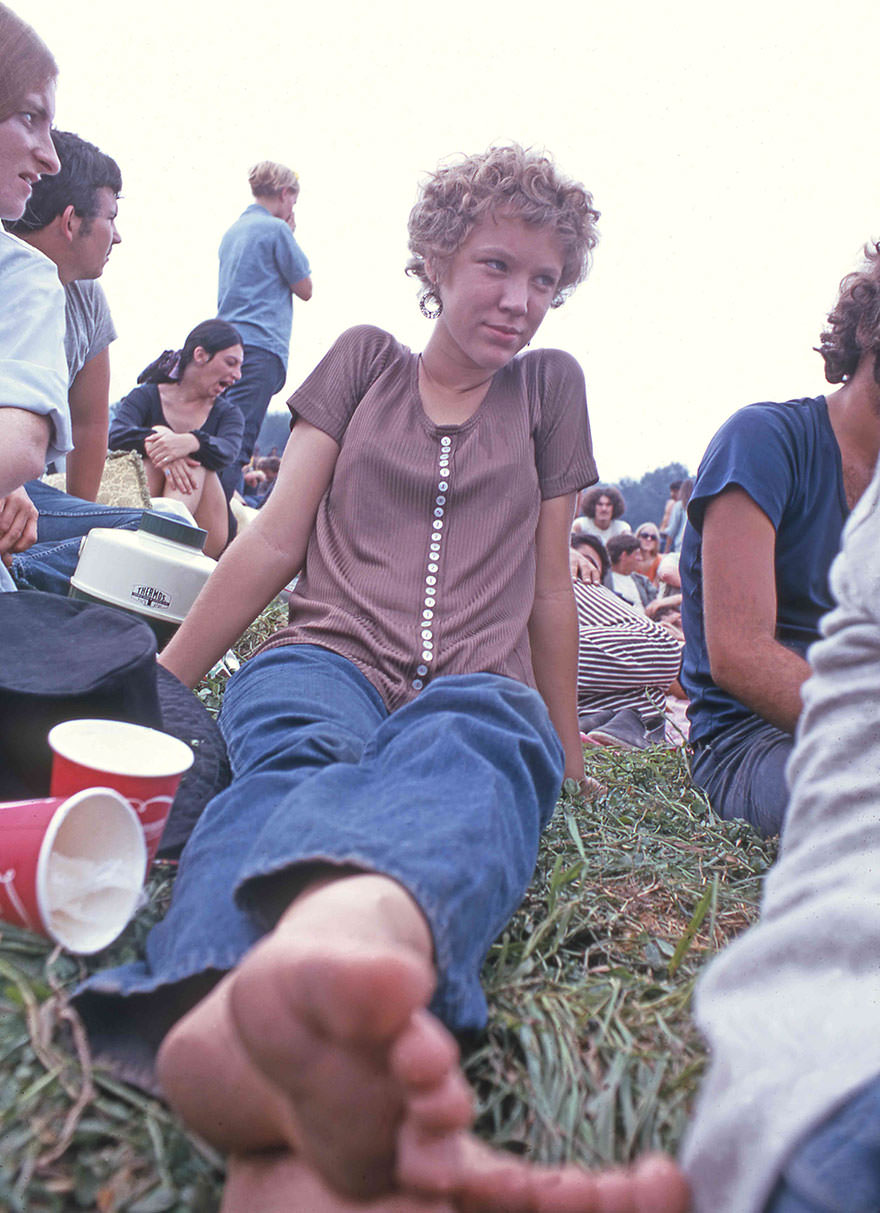
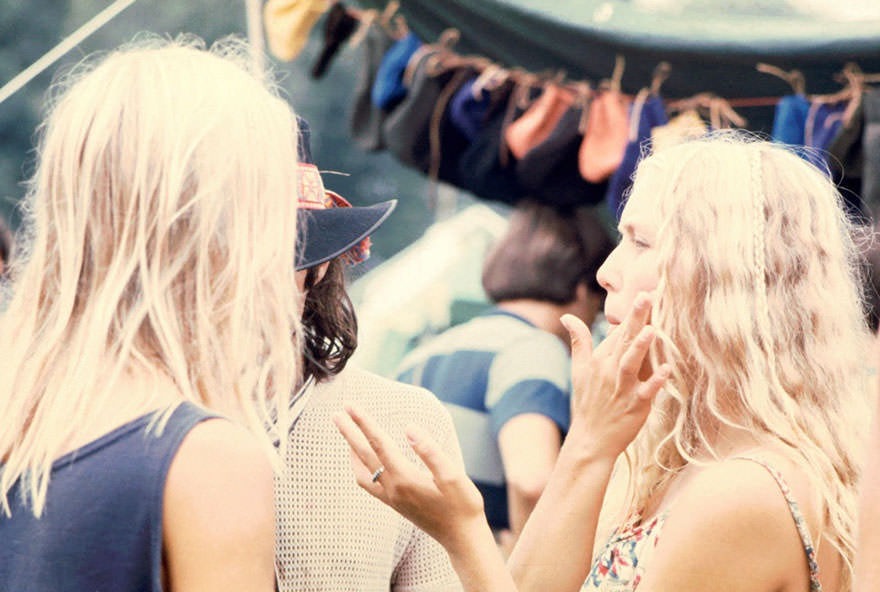
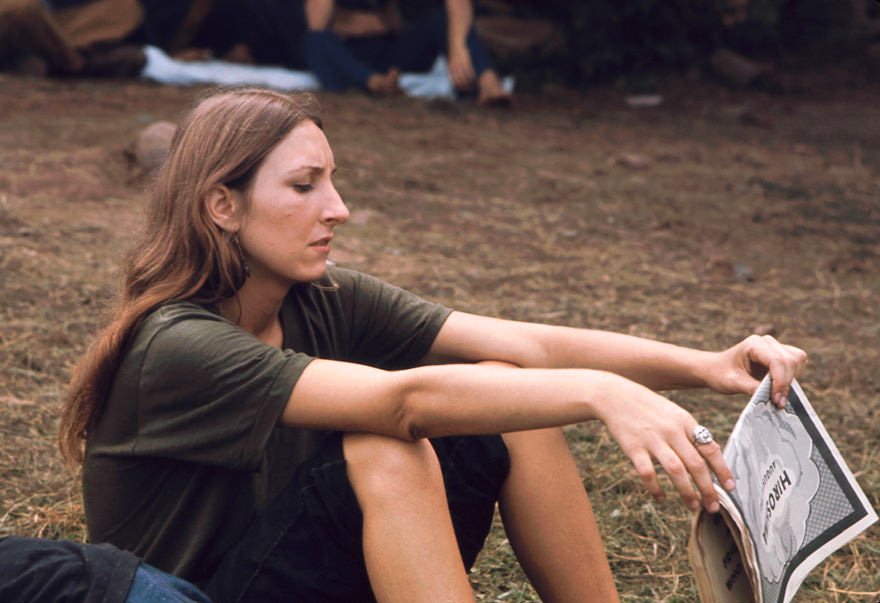
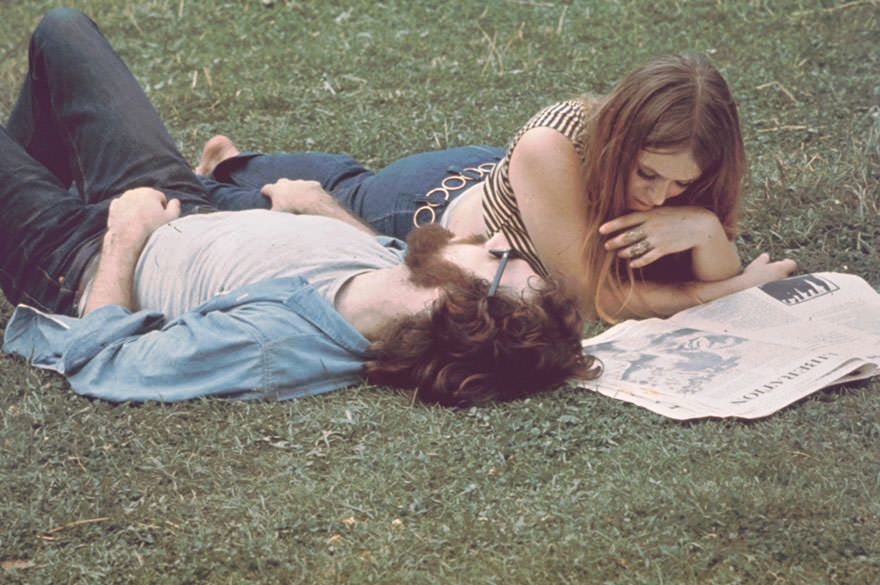
Between performances, people found ways to pass the time. Some read newspapers stretched out on the grass. Others blew soap bubbles, napped in sleeping bags, or sat in circles talking. Jackie Barg, photographed sitting on the ground blowing bubbles, became one of the more recognizable faces of the festival’s candid photography — a picture of total ease in the middle of organized chaos.
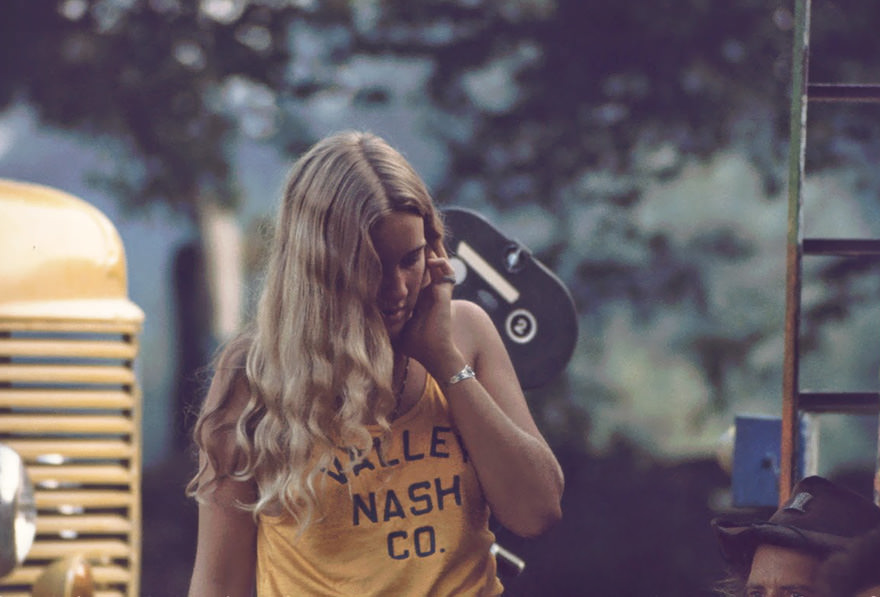
Getting to Woodstock was half the adventure. Women sat on grass waiting for buses that would take them to Yasgur’s farm, already dressed in their festival clothes before the music started. The anticipation was visible in these photographs — groups sitting together, laughing, packed and ready for whatever the next four days would bring.
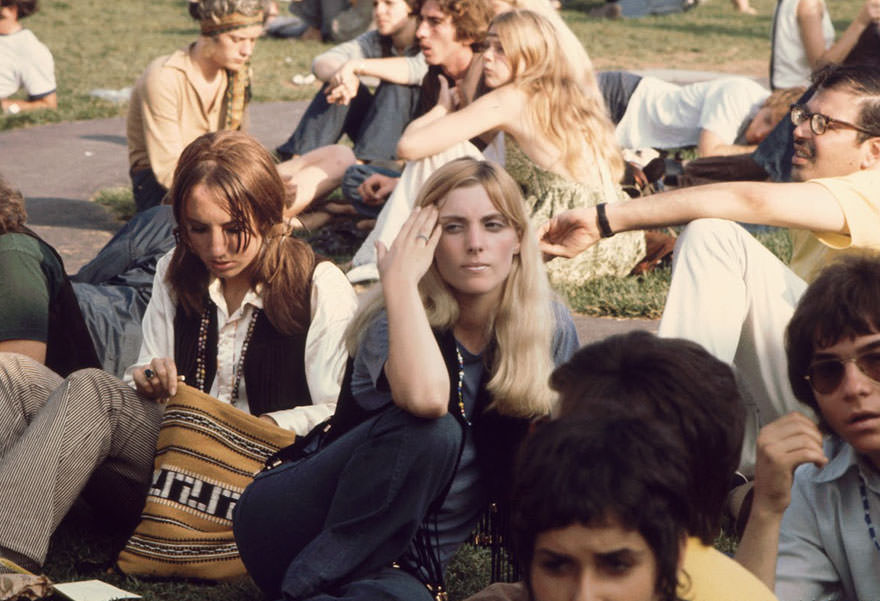
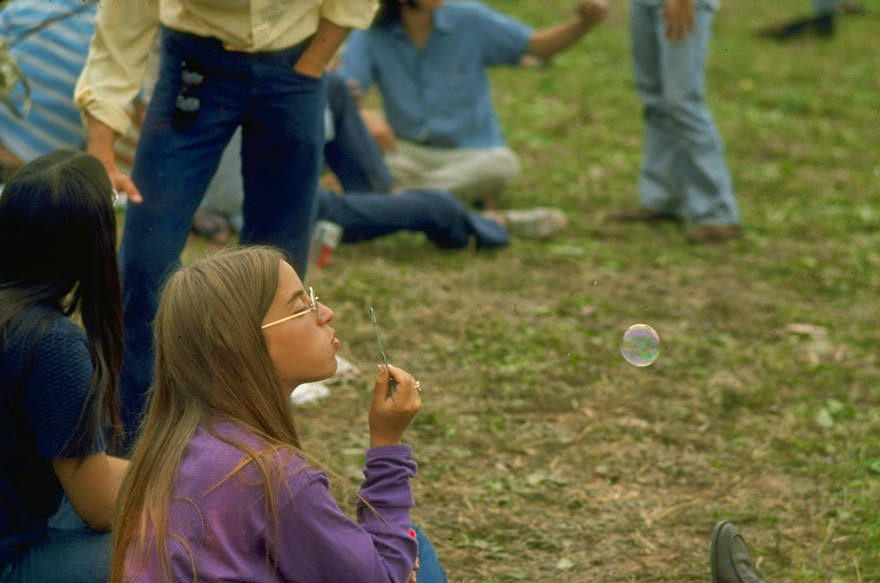
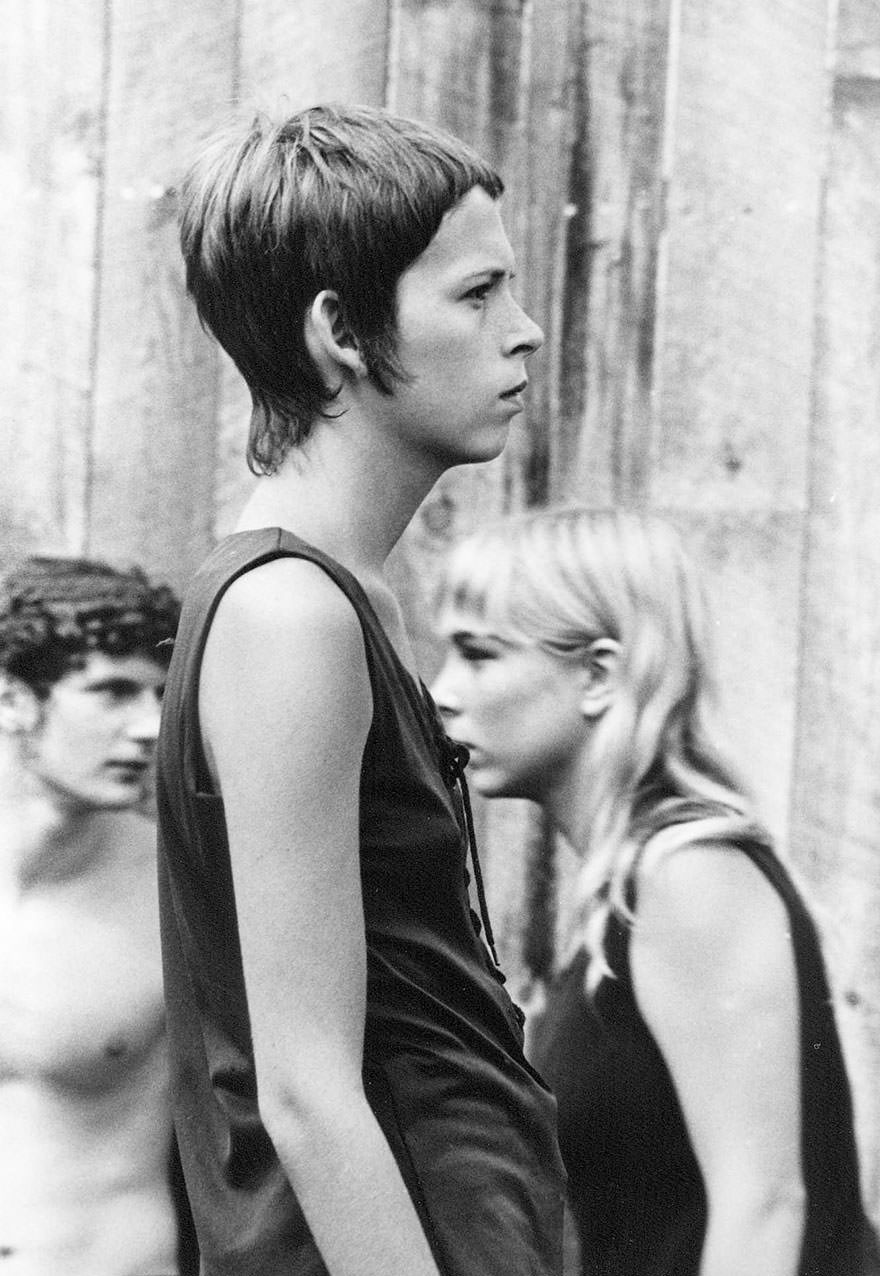
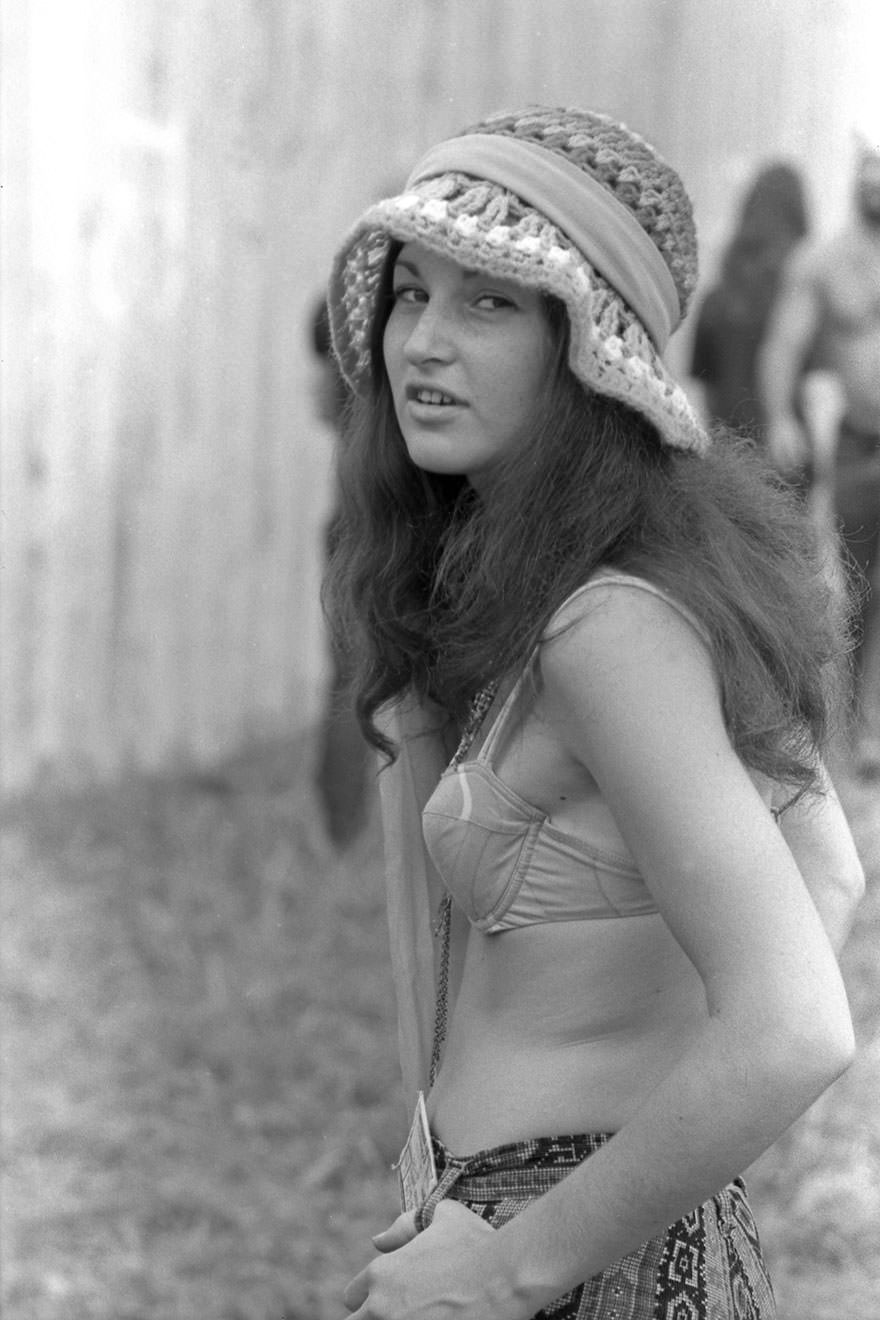
The photographers working at Woodstock captured thousands of individual moments across the four days. Profile shots of women watching the Free Stage, close-ups of jewelry and bare feet, wide shots of the enormous crowd — together, they built a visual record of a specific moment in American fashion and culture that archivists and historians have been studying ever since.
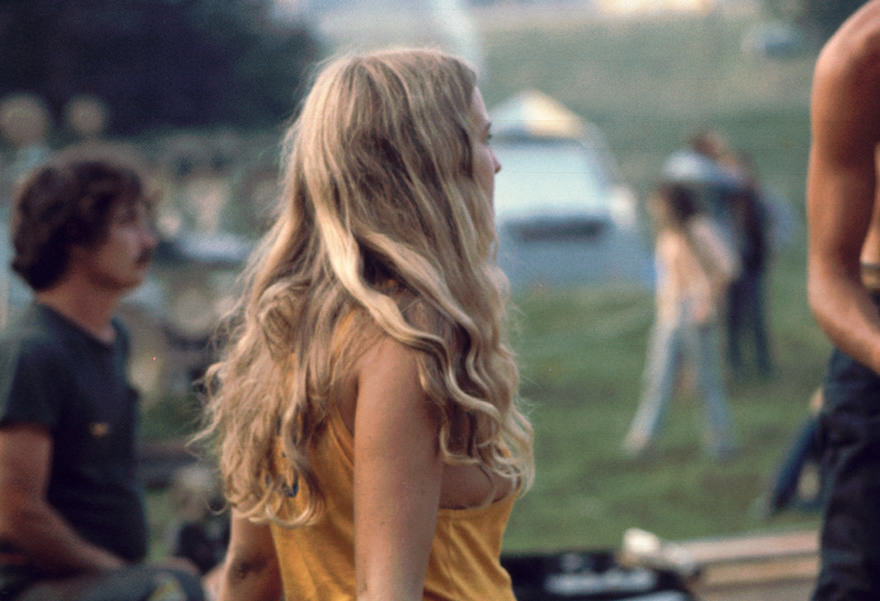
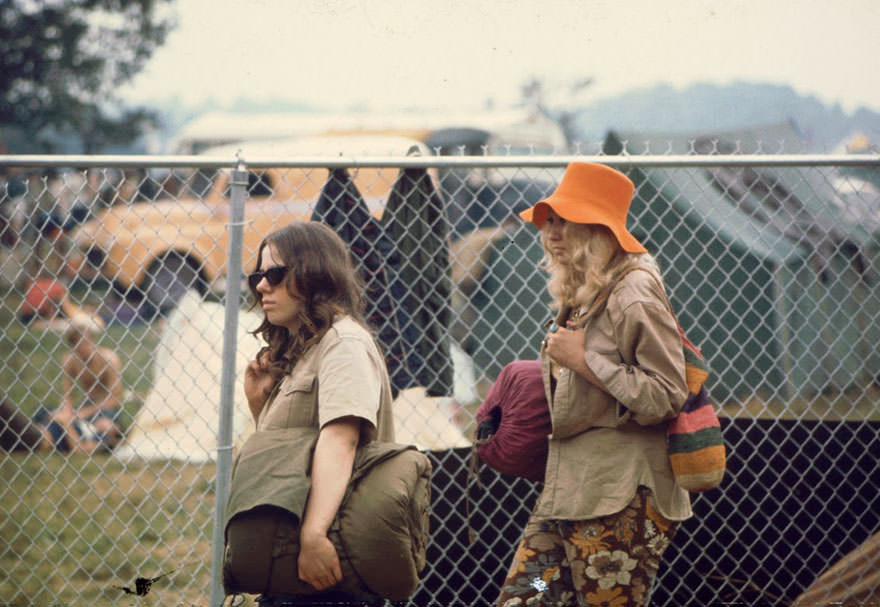
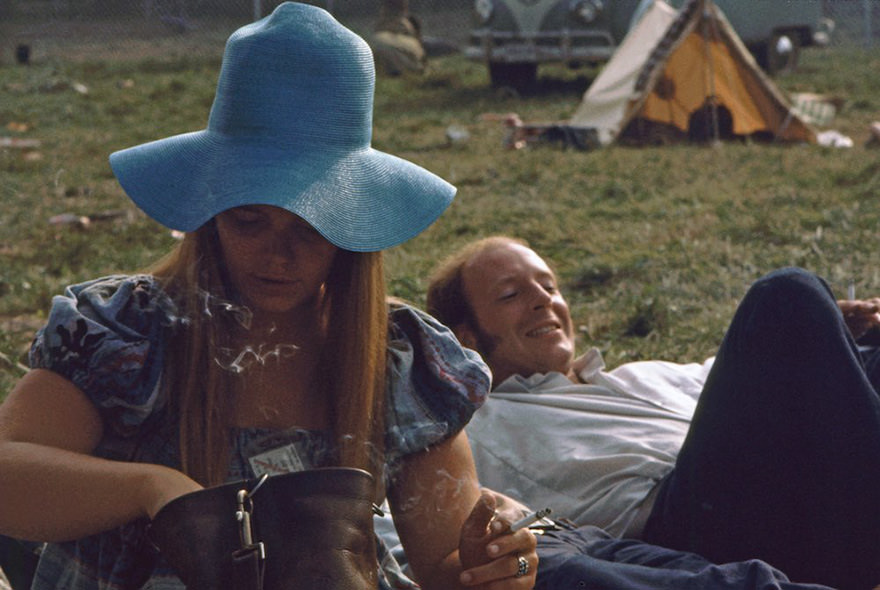
The women photographed at Woodstock weren’t performing a look for a camera. They were living in it. Two blonde women laughing in the crowd, a pair walking along the fence with sleeping bags slung over their shoulders, another standing at the edge of the stage watching the performance — all of them wearing exactly what they wanted, in exactly the way they wanted to wear it.