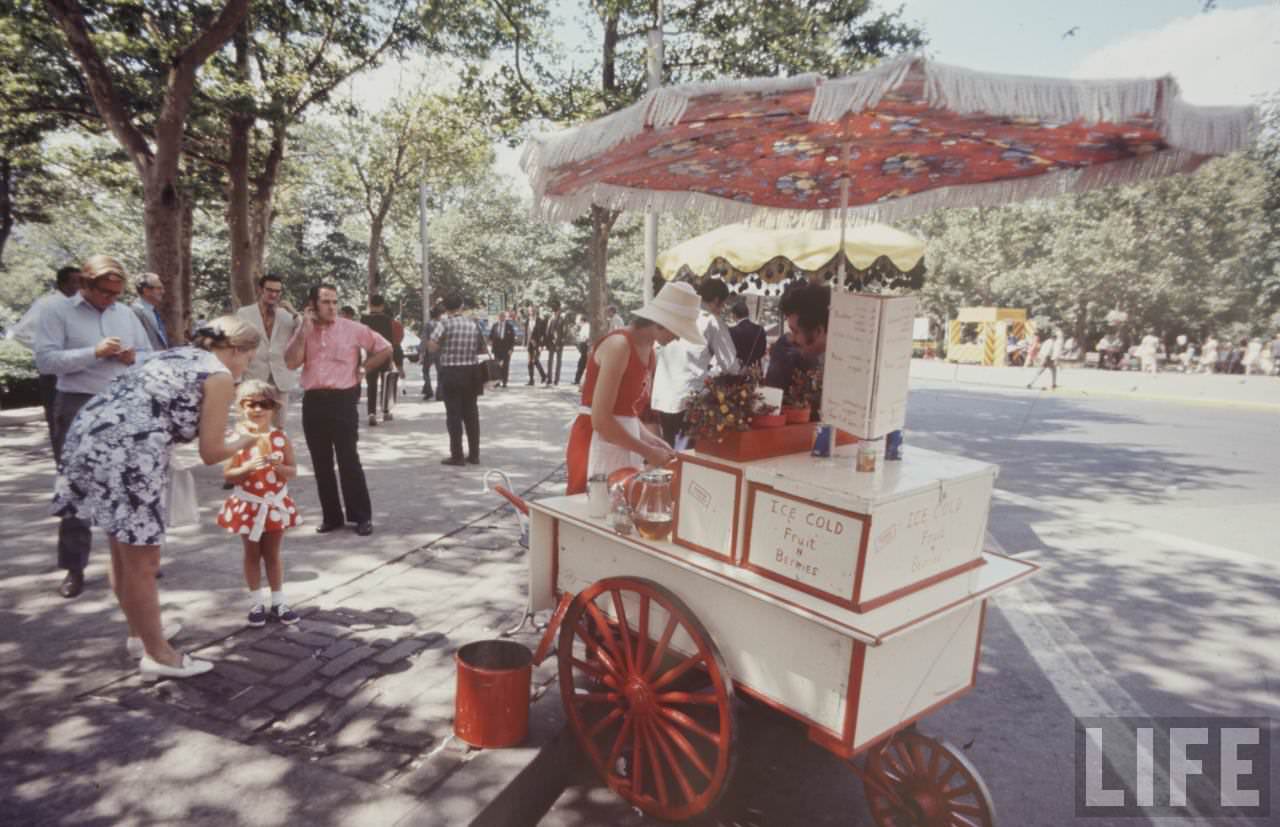
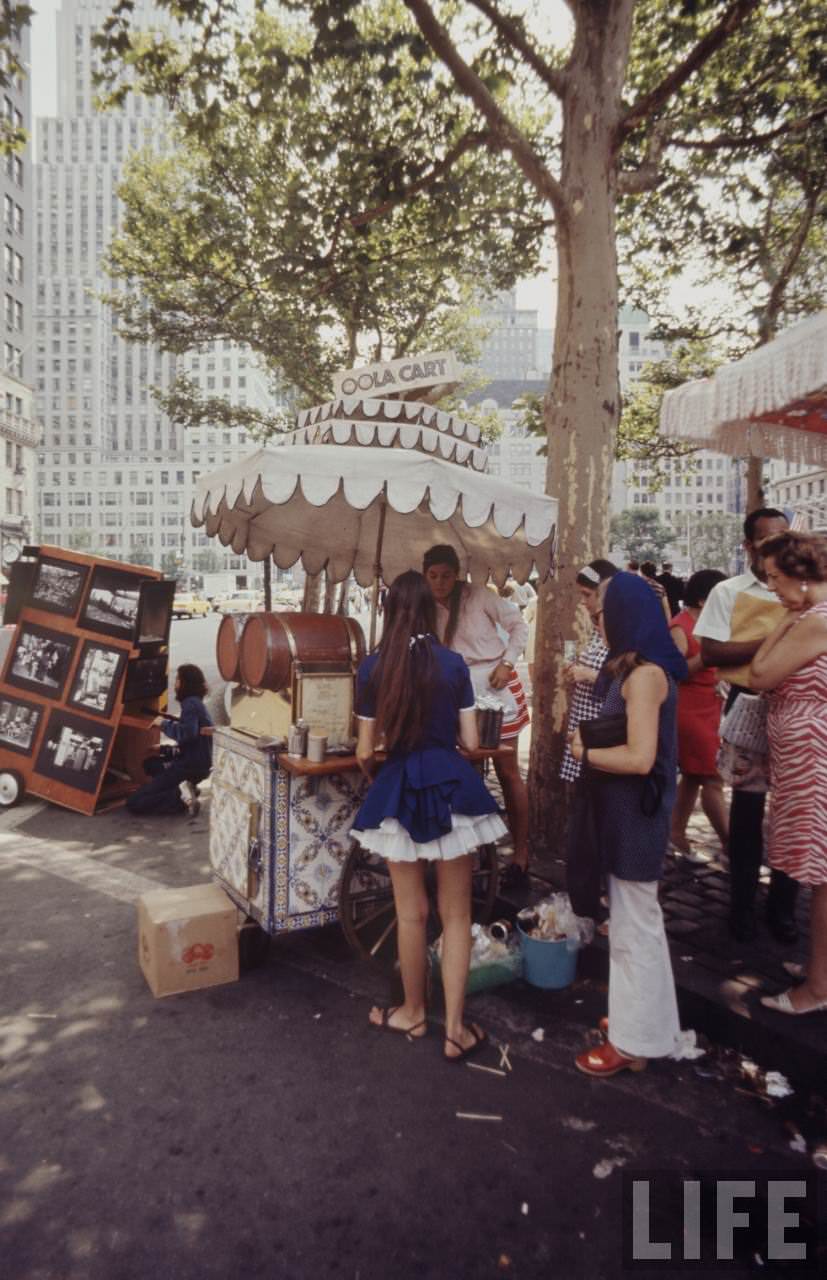
By the late 1960s, New York City’s sidewalks had become an open-air marketplace for a new kind of seller. Hippie peddlers spread colorful blankets across the pavement and laid out their handmade goods for anyone who stopped to look. These weren’t shop owners — they were young people pushing back against mainstream culture, one beaded necklace at a time.
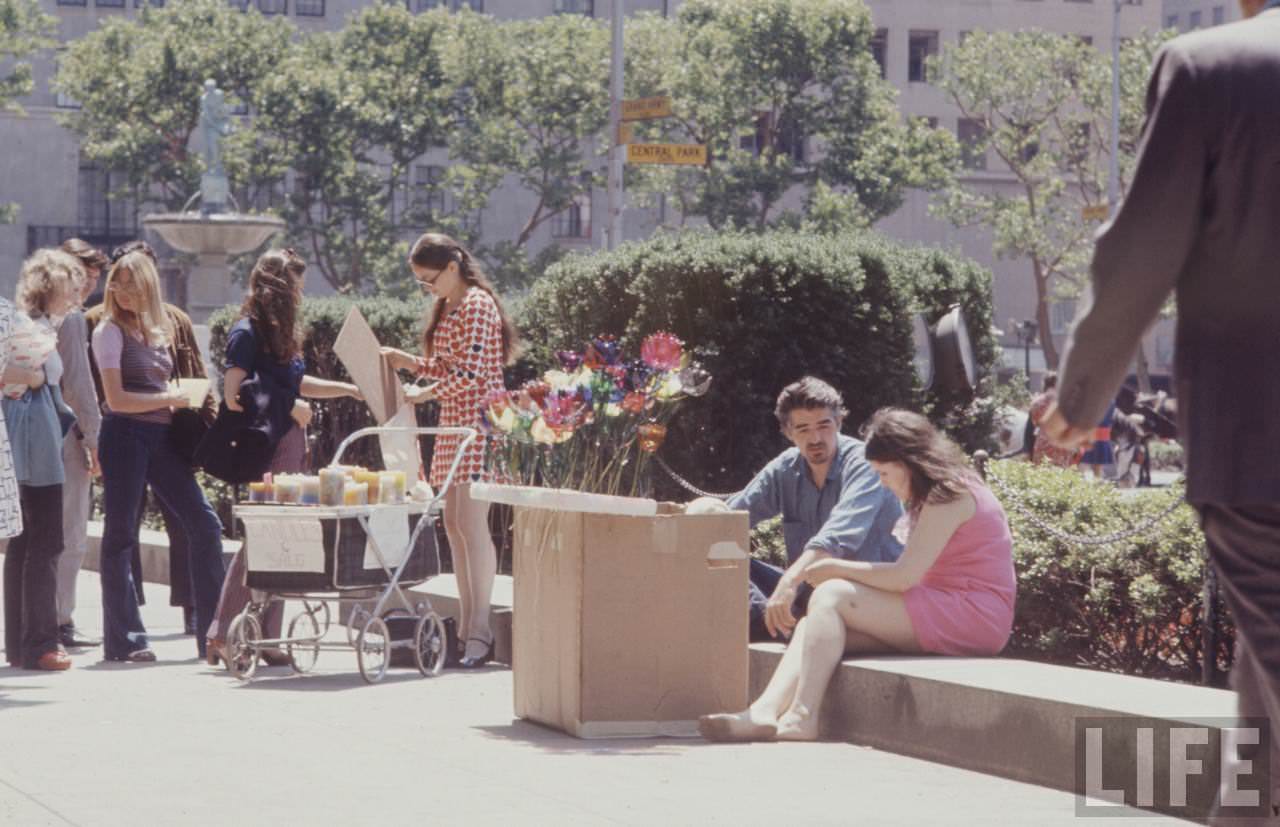
The hippie movement grew out of a rejection of traditional American values. Young people in the 1960s questioned authority, the Vietnam War, and consumer culture. They expressed that rebellion through music, art, long hair, and bright clothing. Tie-dye shirts, beaded jewelry, and loose dresses became the uniform of this generation.
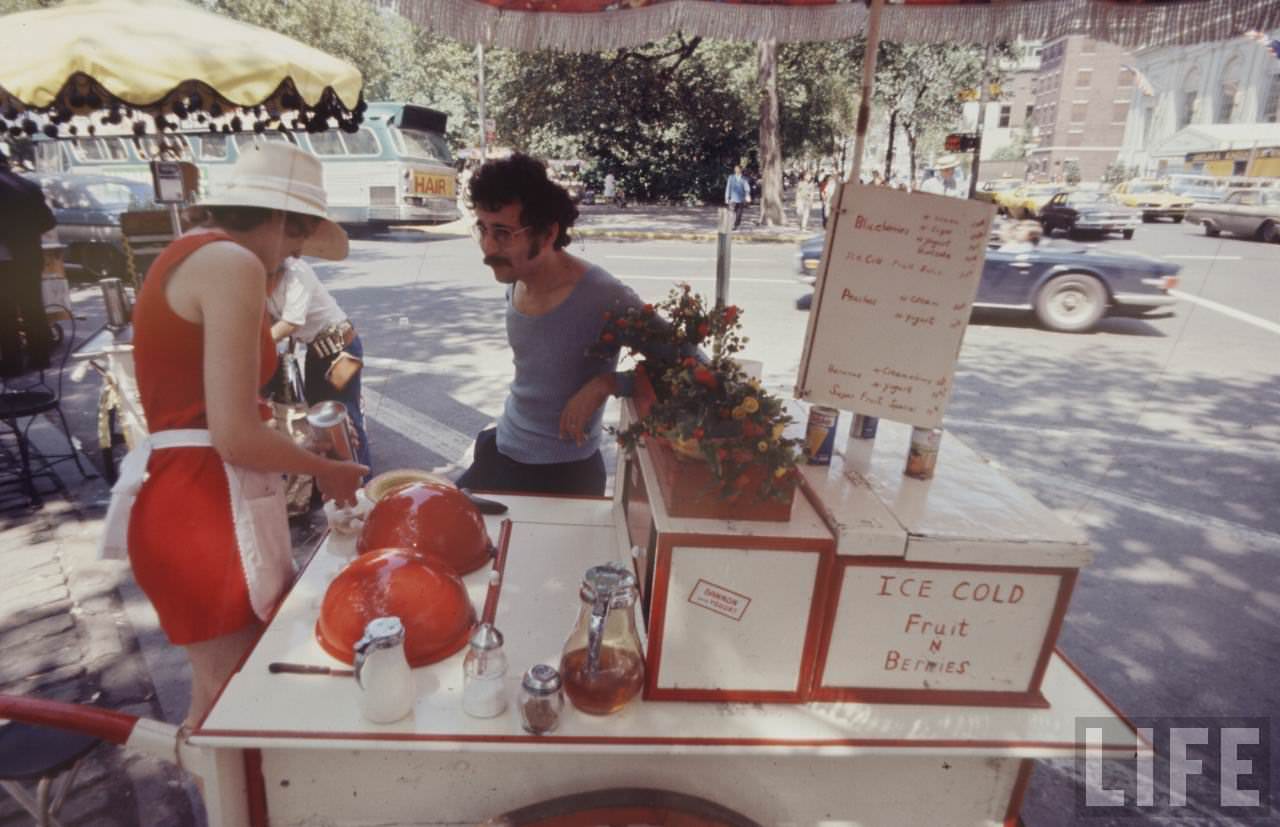
Street vending gave hippies a way to earn money outside the traditional job market. Their goods were handcrafted — jewelry made from shells, stones, and glass beads, along with hand-sewn clothing and original artwork. Every item was one of a kind.
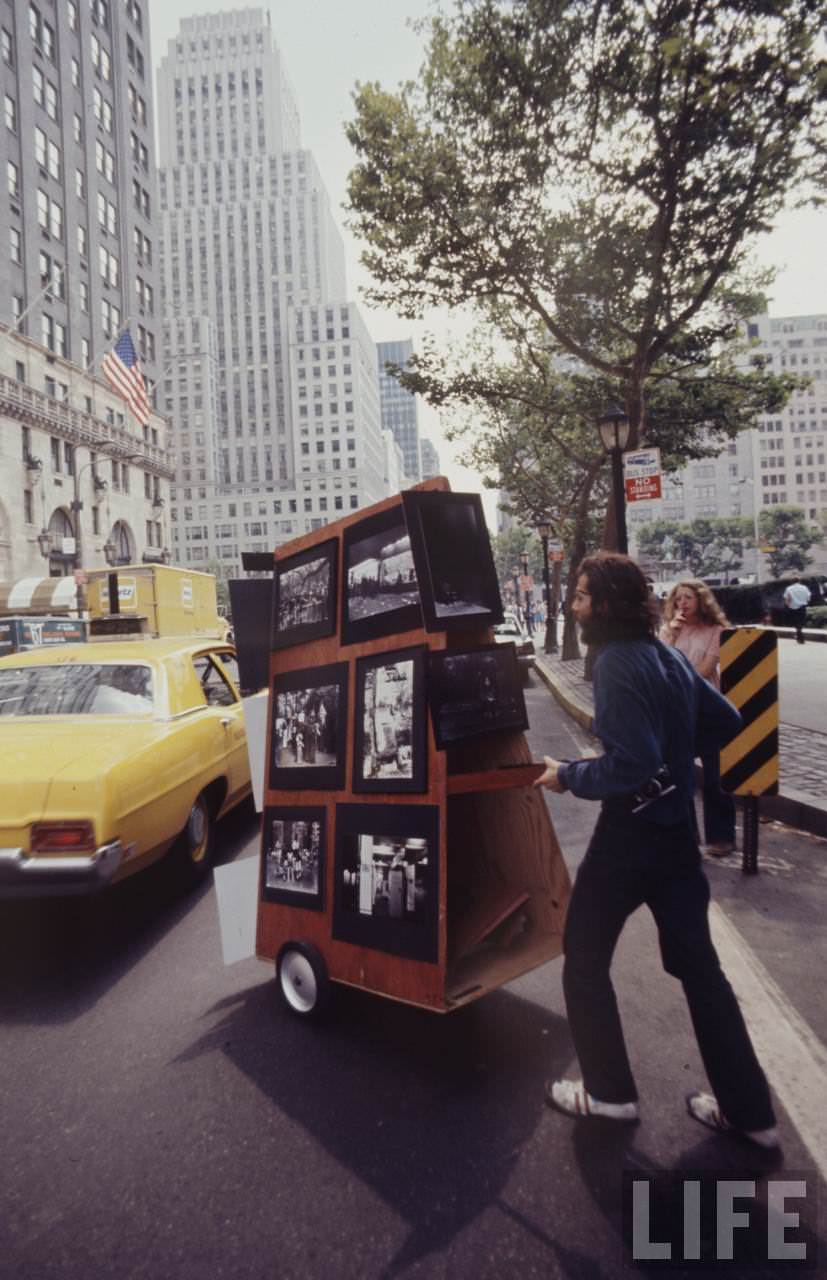
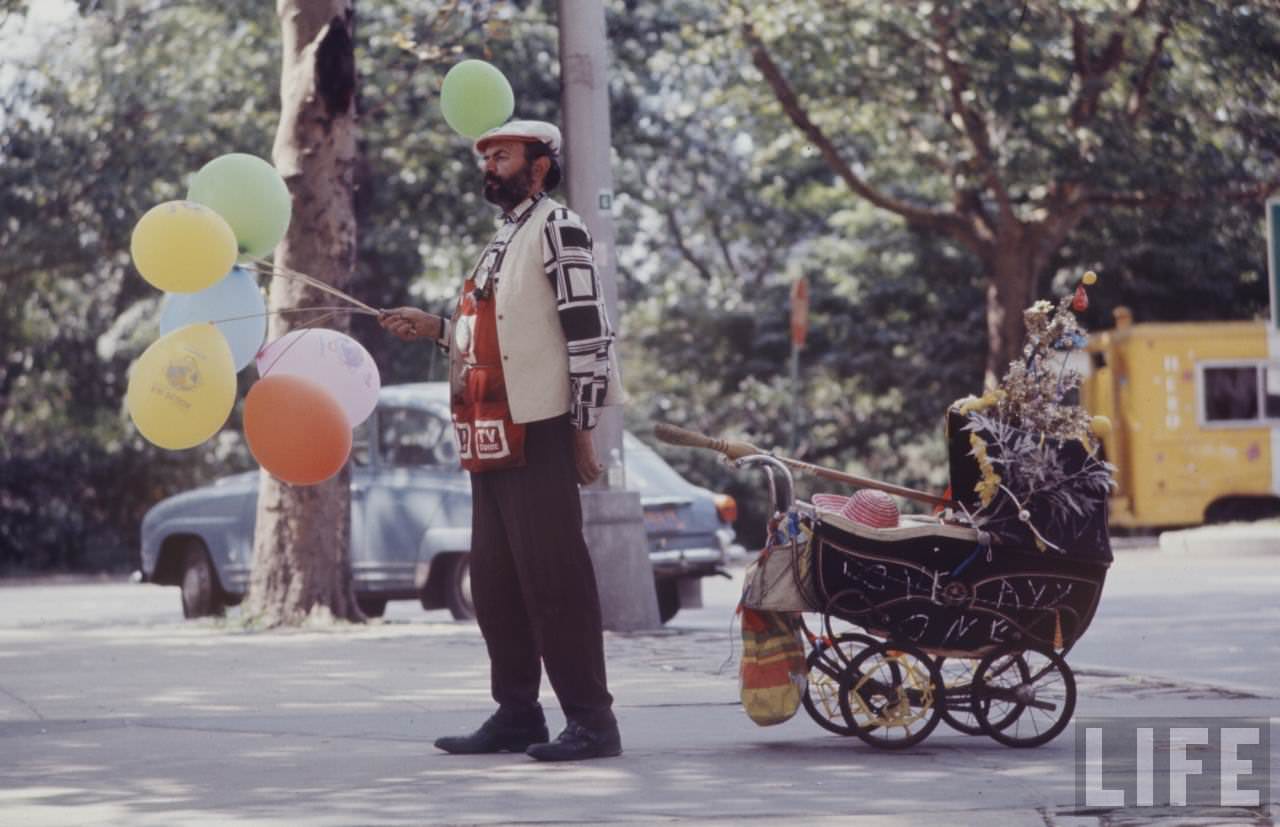
New York’s streets drew a constant mix of locals and tourists, and the peddlers thrived on that foot traffic. Neighborhoods like Greenwich Village became hotspots for these vendors. The Village already had a strong folk music and art scene, making it a natural gathering place for the counter-culture crowd.
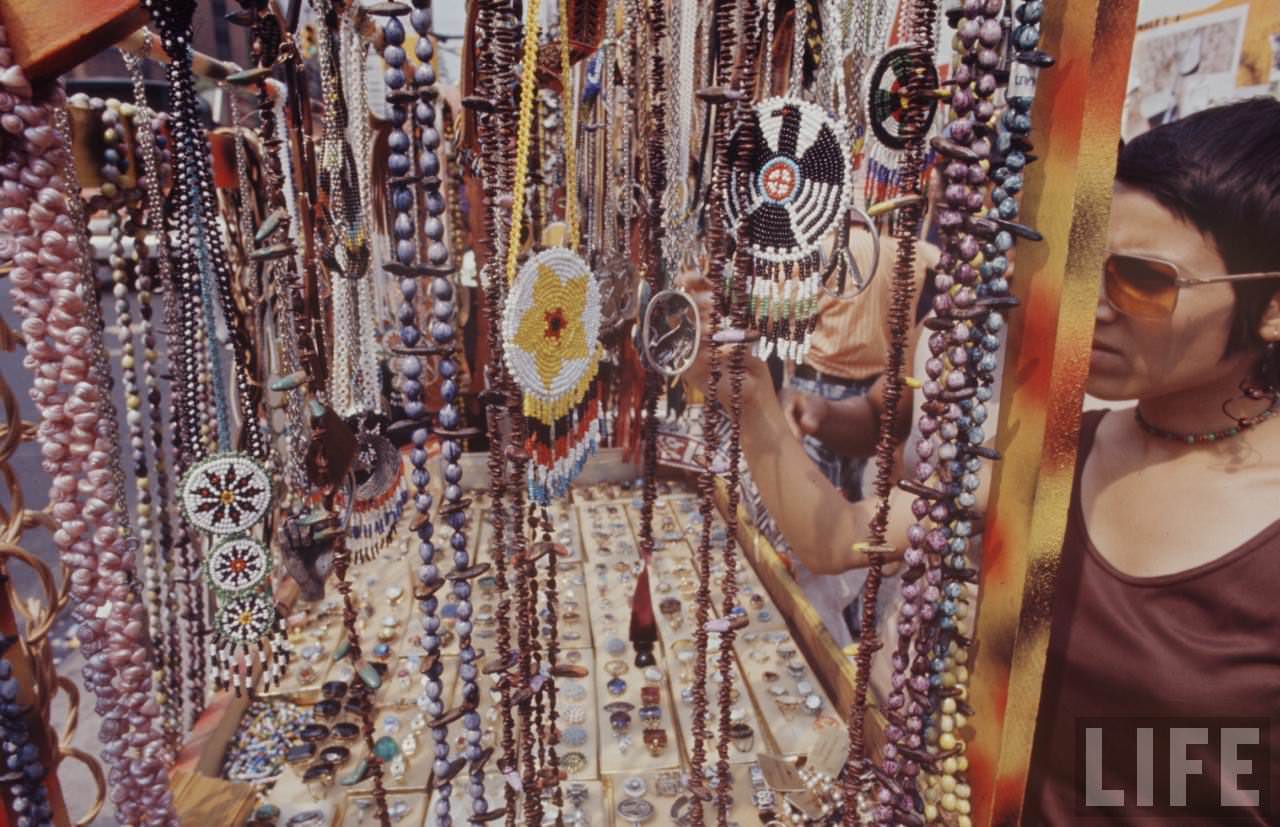
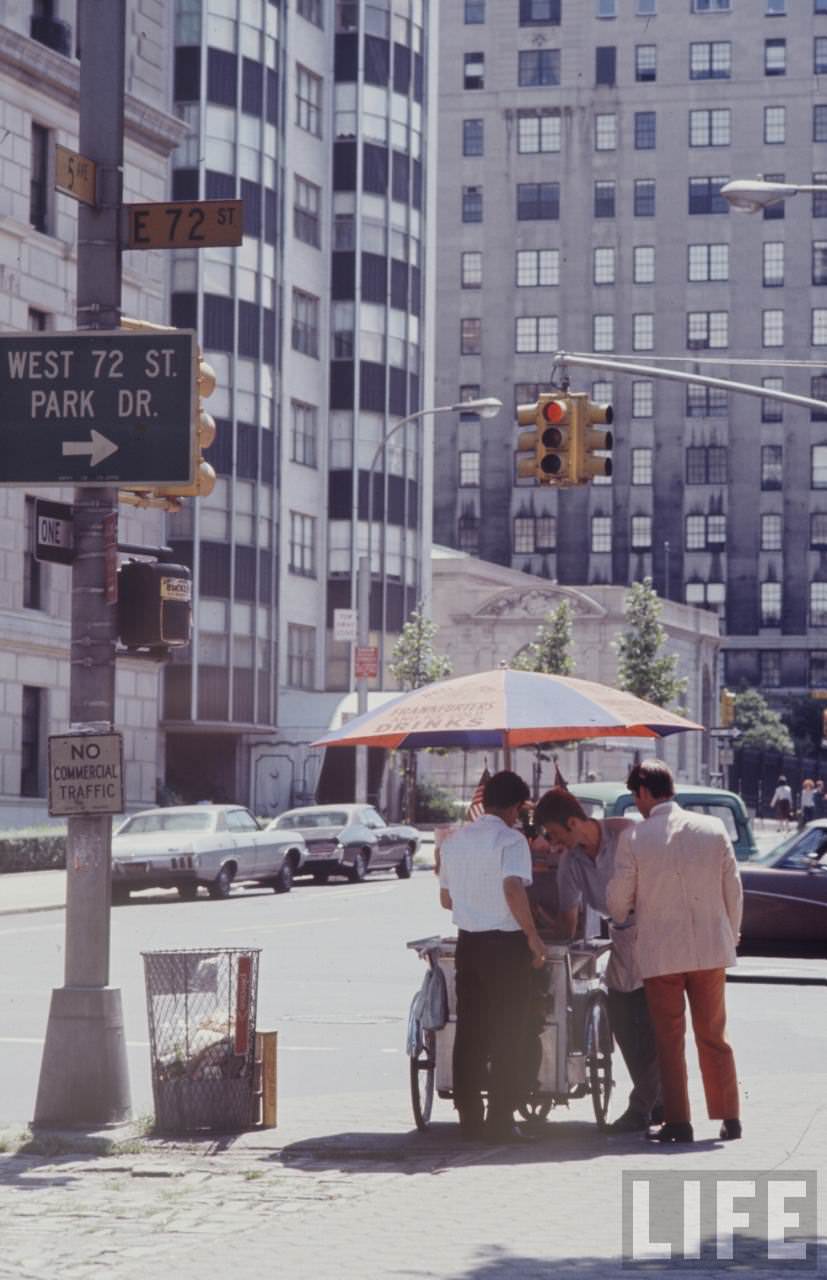
Buying from a street peddler felt different from shopping in a store. Customers often talked directly with the maker. That personal exchange was part of the appeal — it connected the buyer to the philosophy behind the goods.
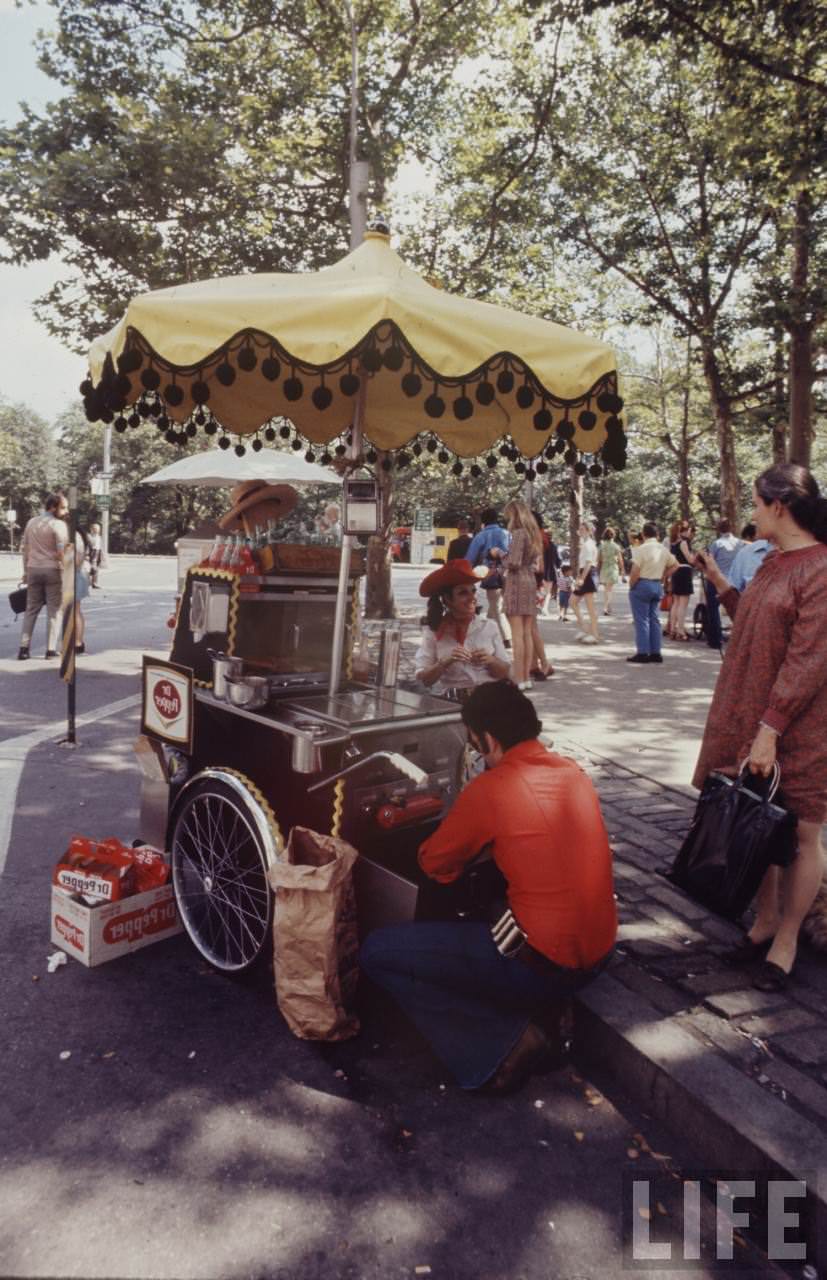
Paintings, prints, and photographs were also common offerings. Many pieces depicted nature, peace symbols, or scenes from protests and festivals. Woodstock in 1969 had already made these themes iconic, and the artwork sold on city streets reflected that same energy.
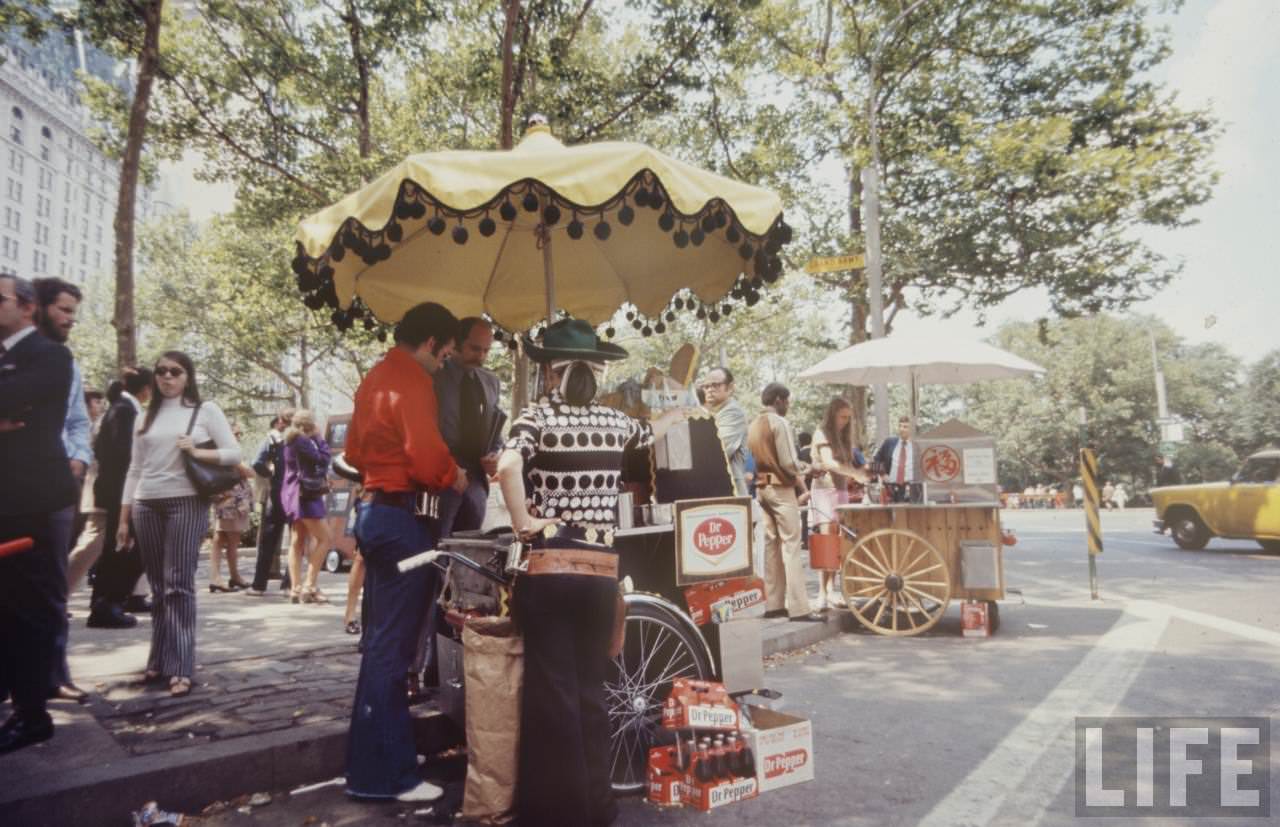
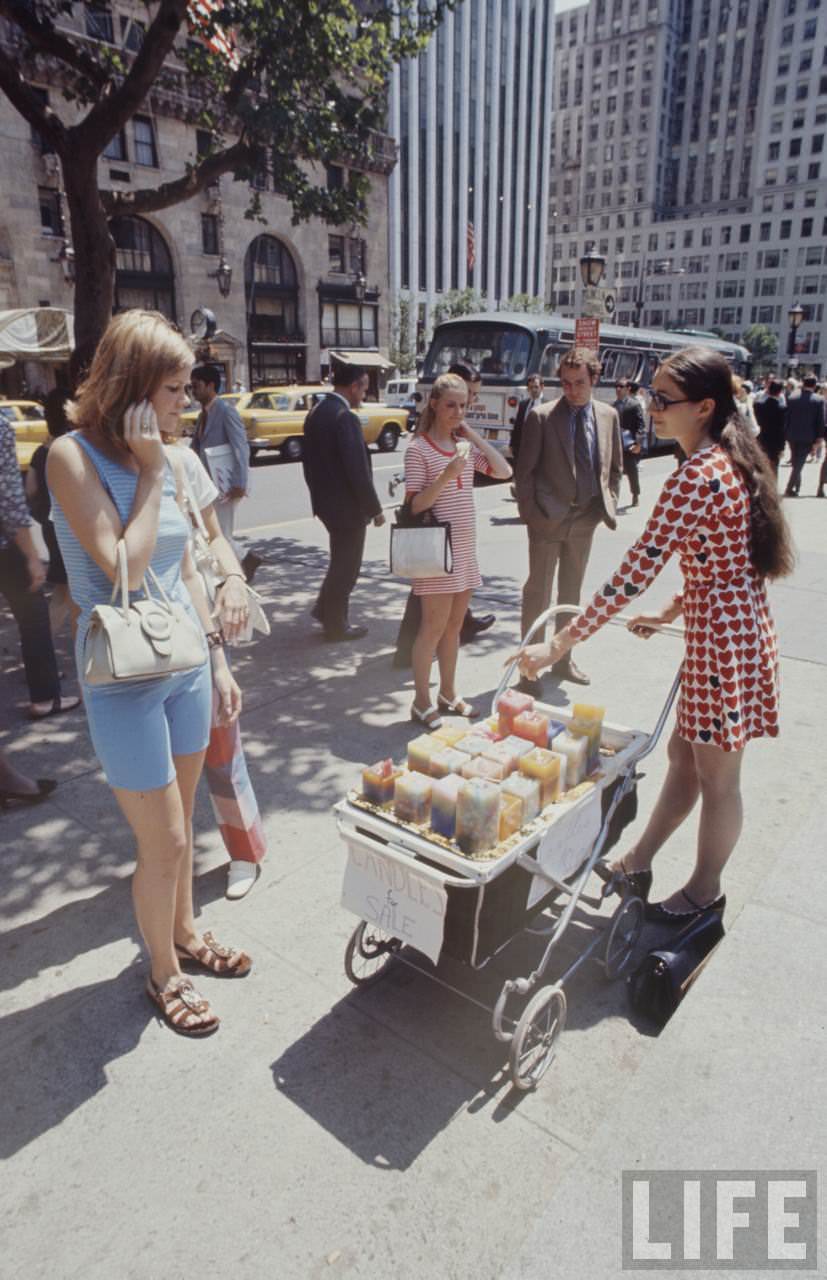
The vendors weren’t all full-time hippies in the classic sense. Some were artists simply looking for a direct way to sell their work. Others were students or drifters passing through the city. The “hippie” label was broad and applied loosely to anyone who dressed or sold outside the norm.
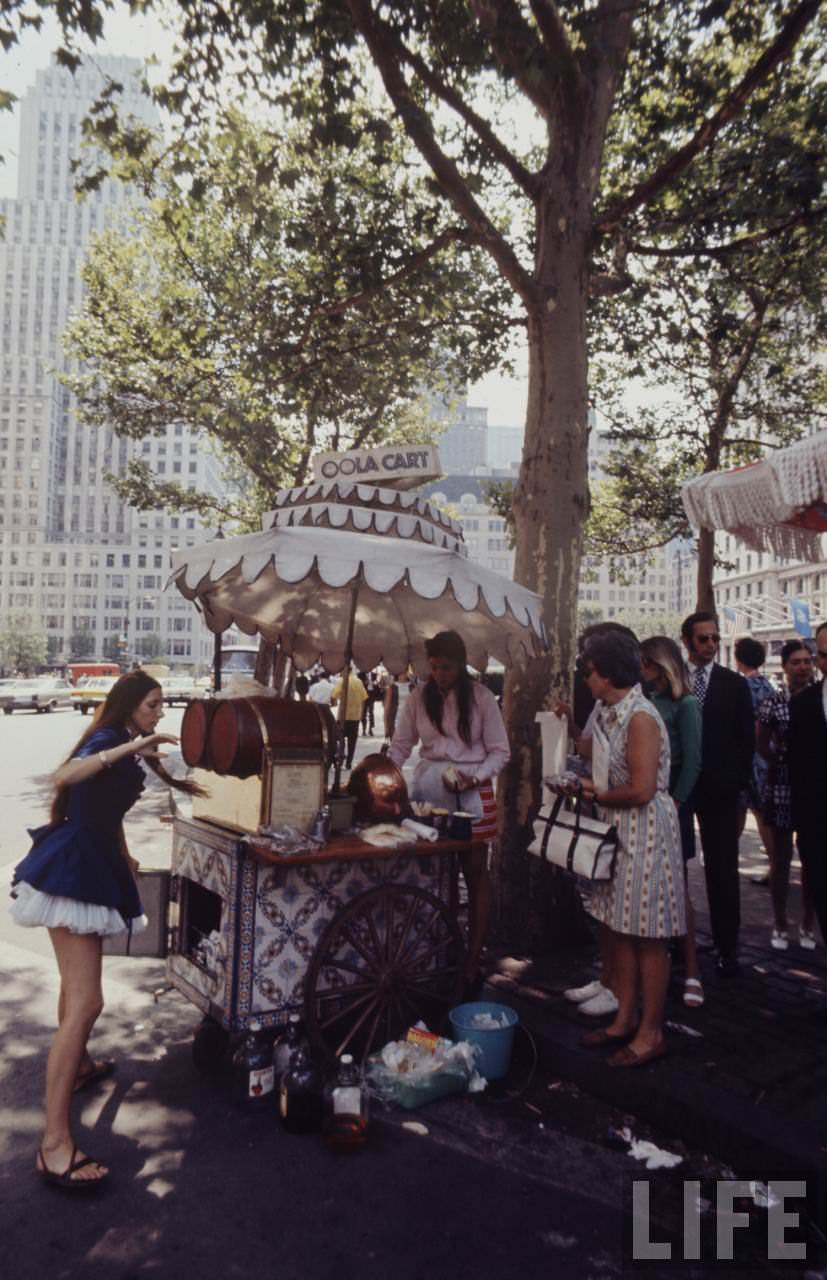
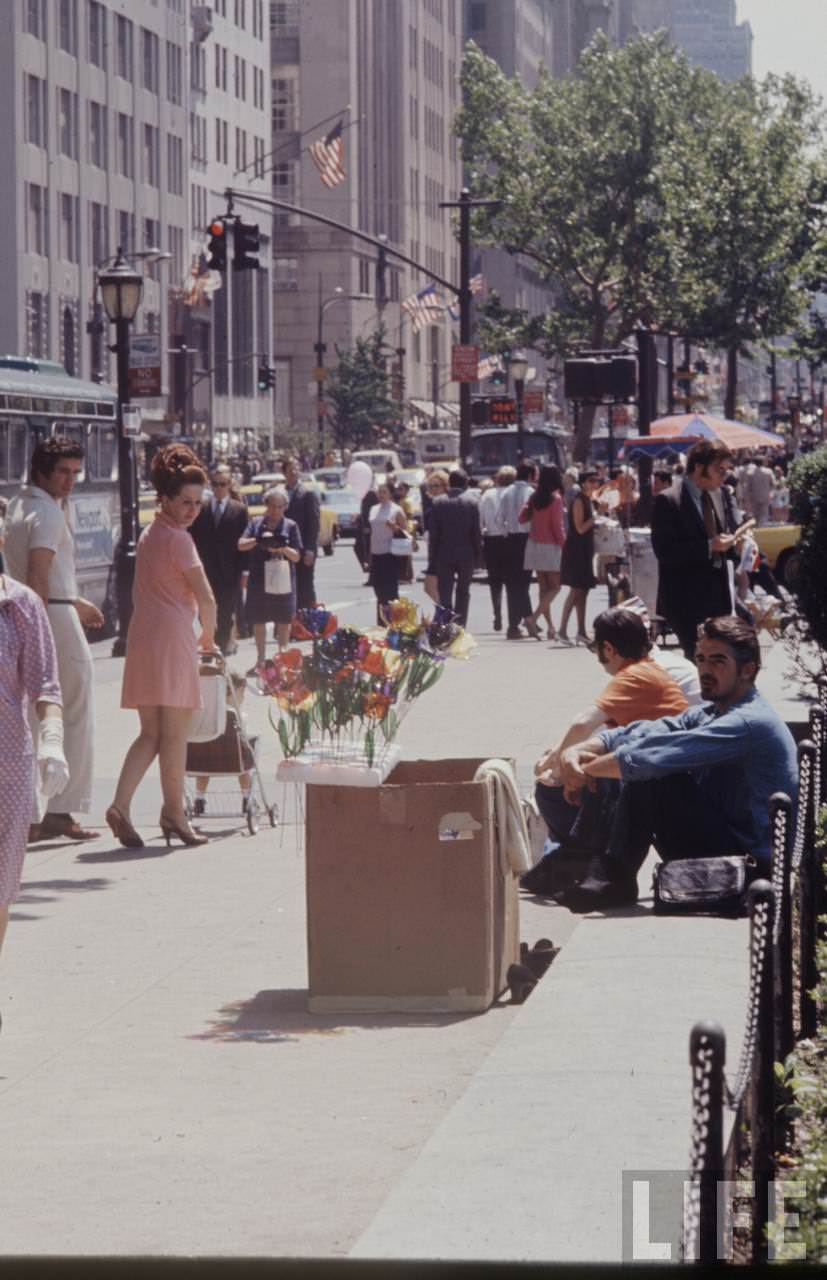
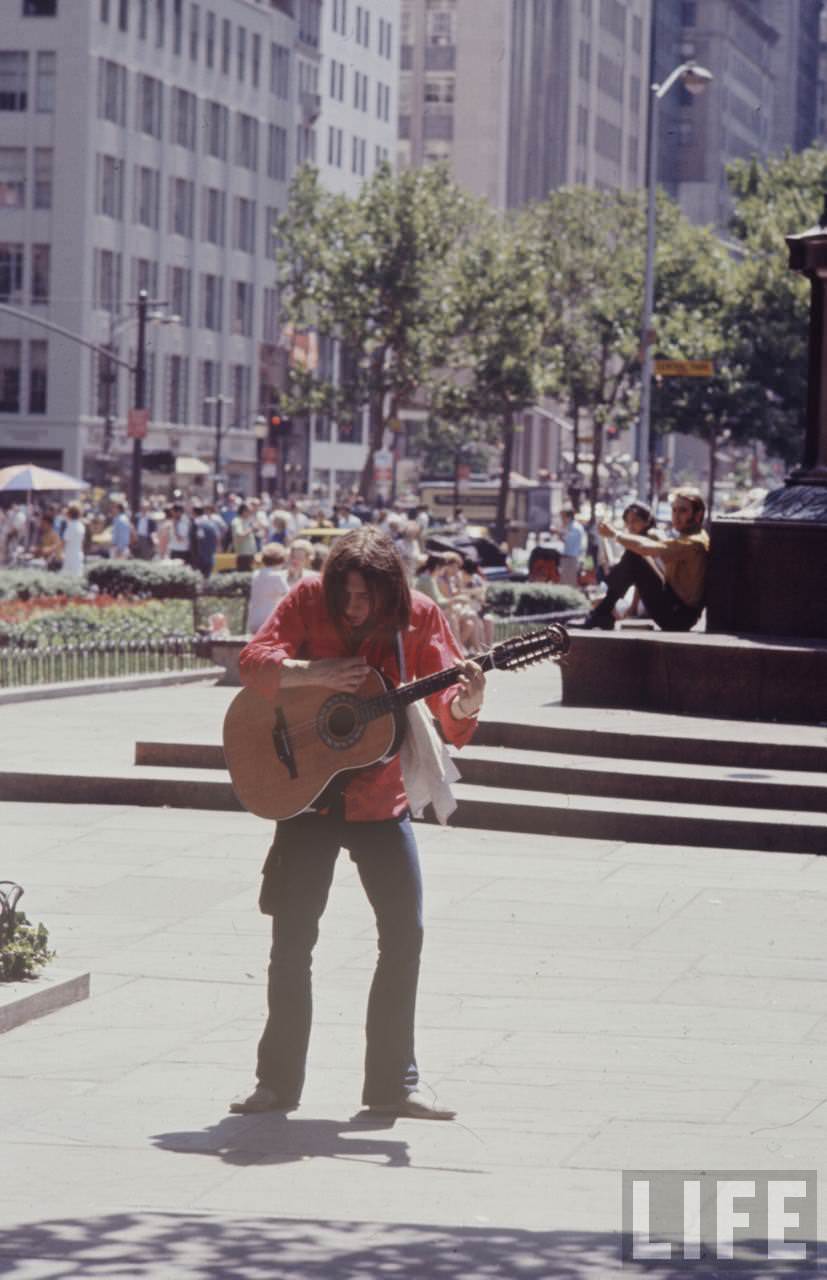
Central Park served as another major gathering point. Vendors set up near the park’s entrances and along its paths. Musicians played nearby, and the combination of live sound and handmade goods created a street fair atmosphere that was entirely unplanned and entirely of its time.
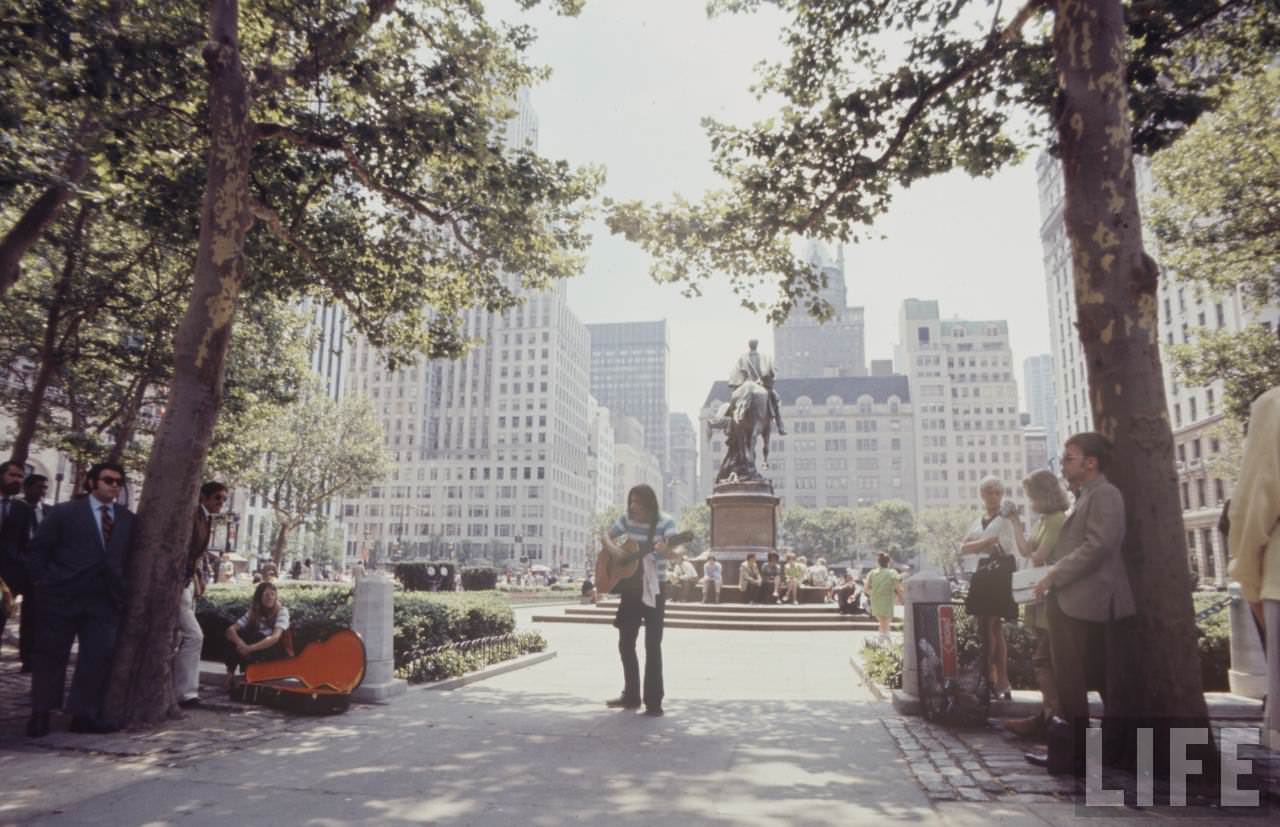
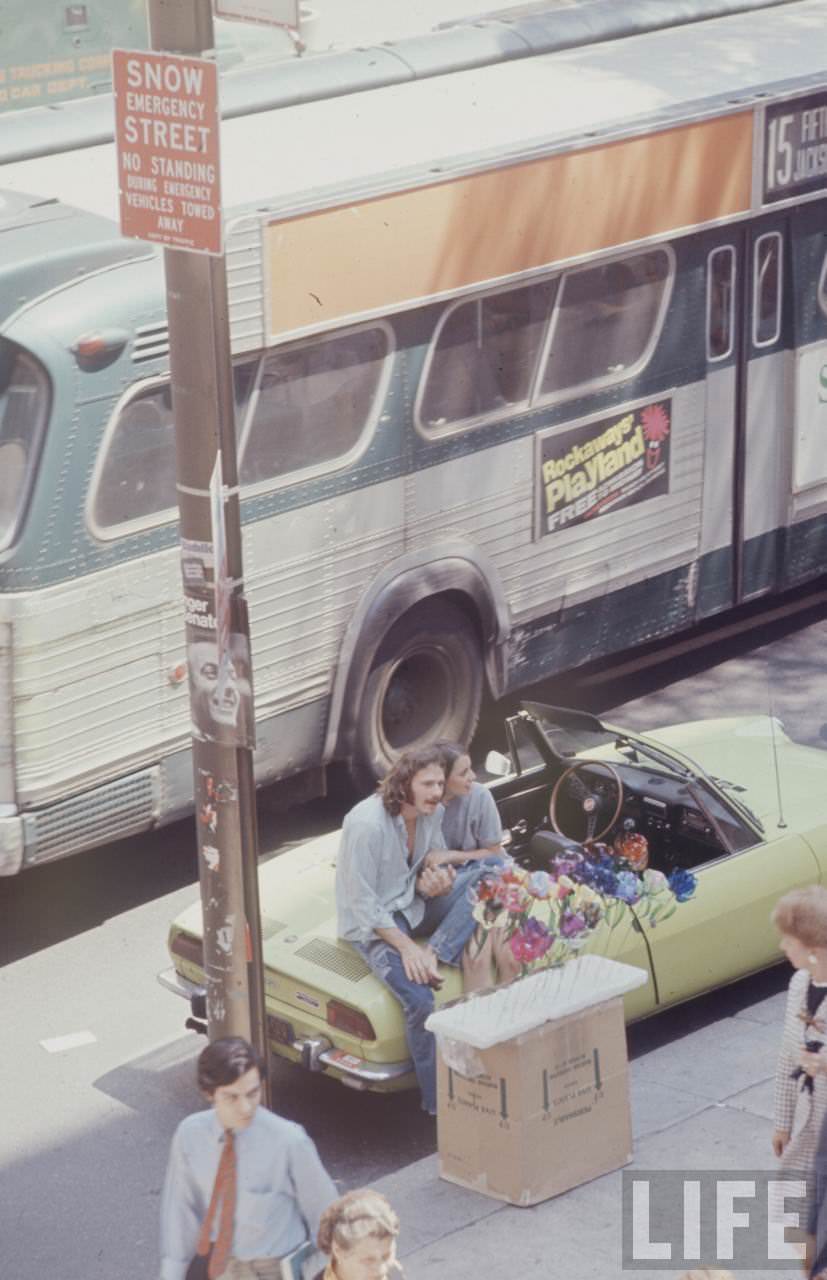
Tie-dye was one of the best-selling items. The dyeing process itself was a statement — no two shirts came out the same, which fit perfectly with the movement’s focus on individuality. Vendors often dyed their own stock and wore the results while they sold.
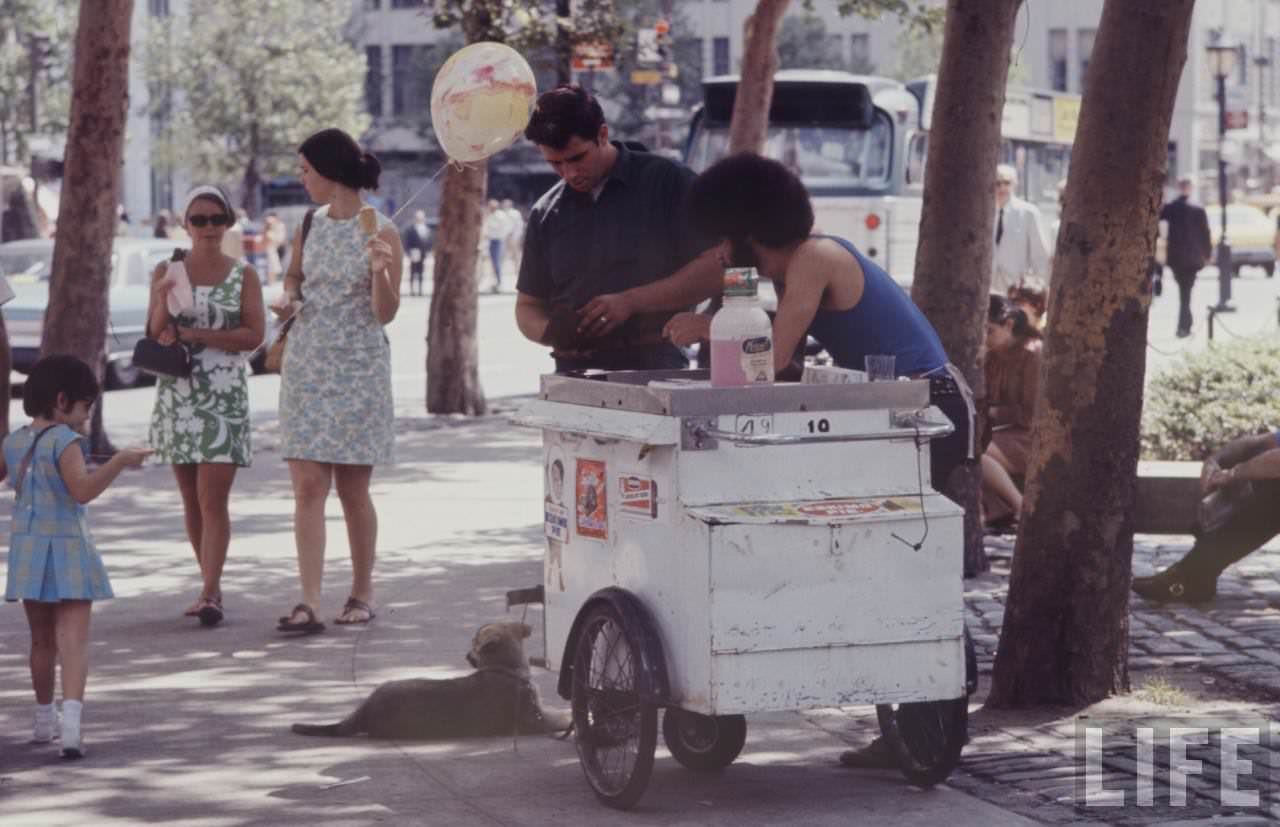
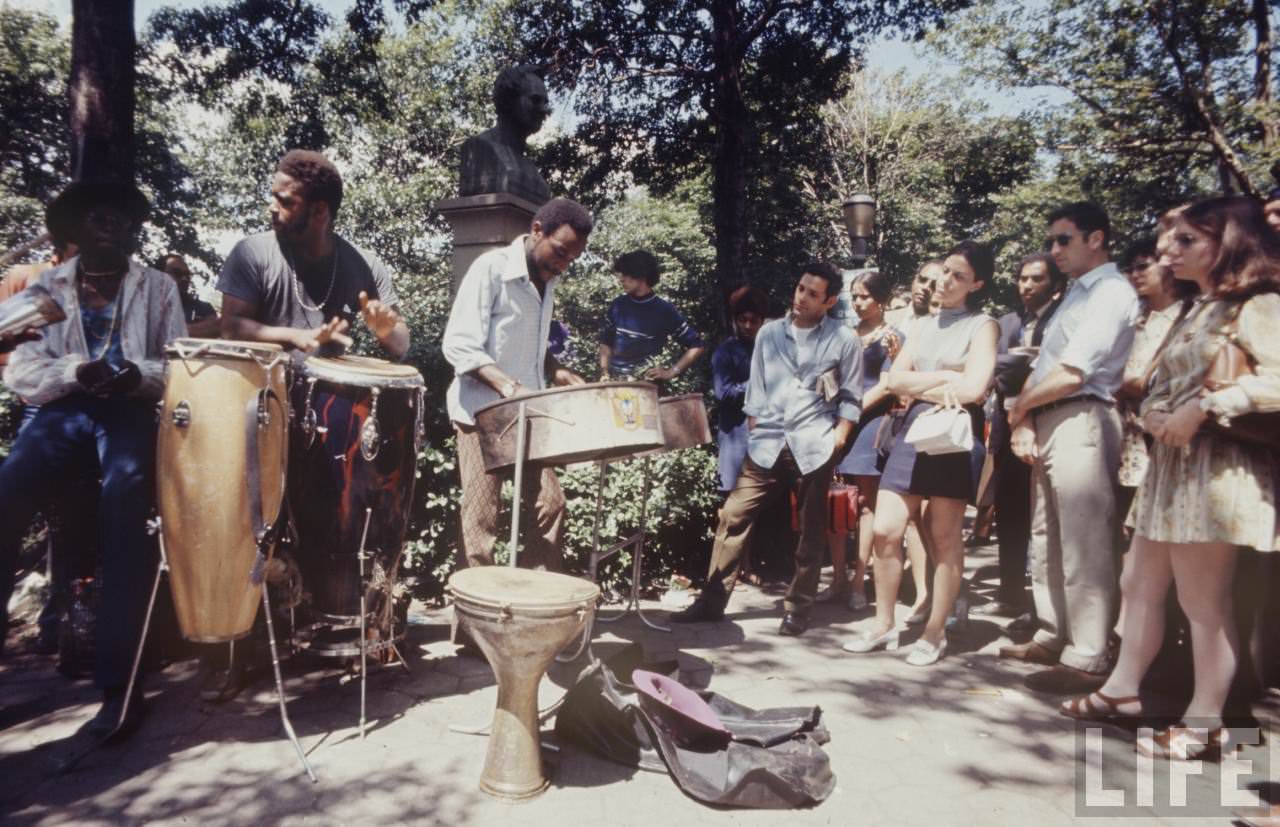
City officials didn’t always welcome the peddlers. Unlicensed street vending was technically illegal in many parts of the city, and police periodically cleared vendors from certain blocks. Still, the peddlers returned, shifting locations and adapting to avoid enforcement.
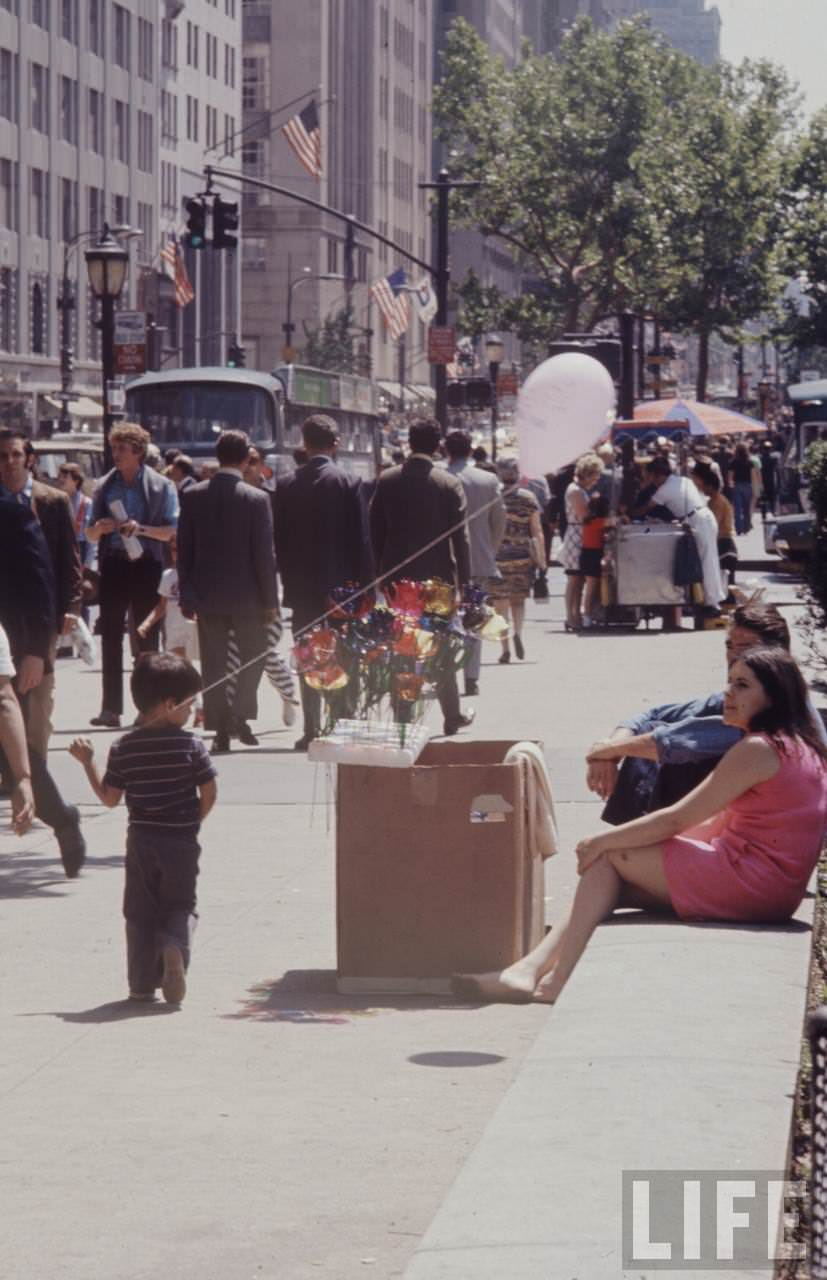
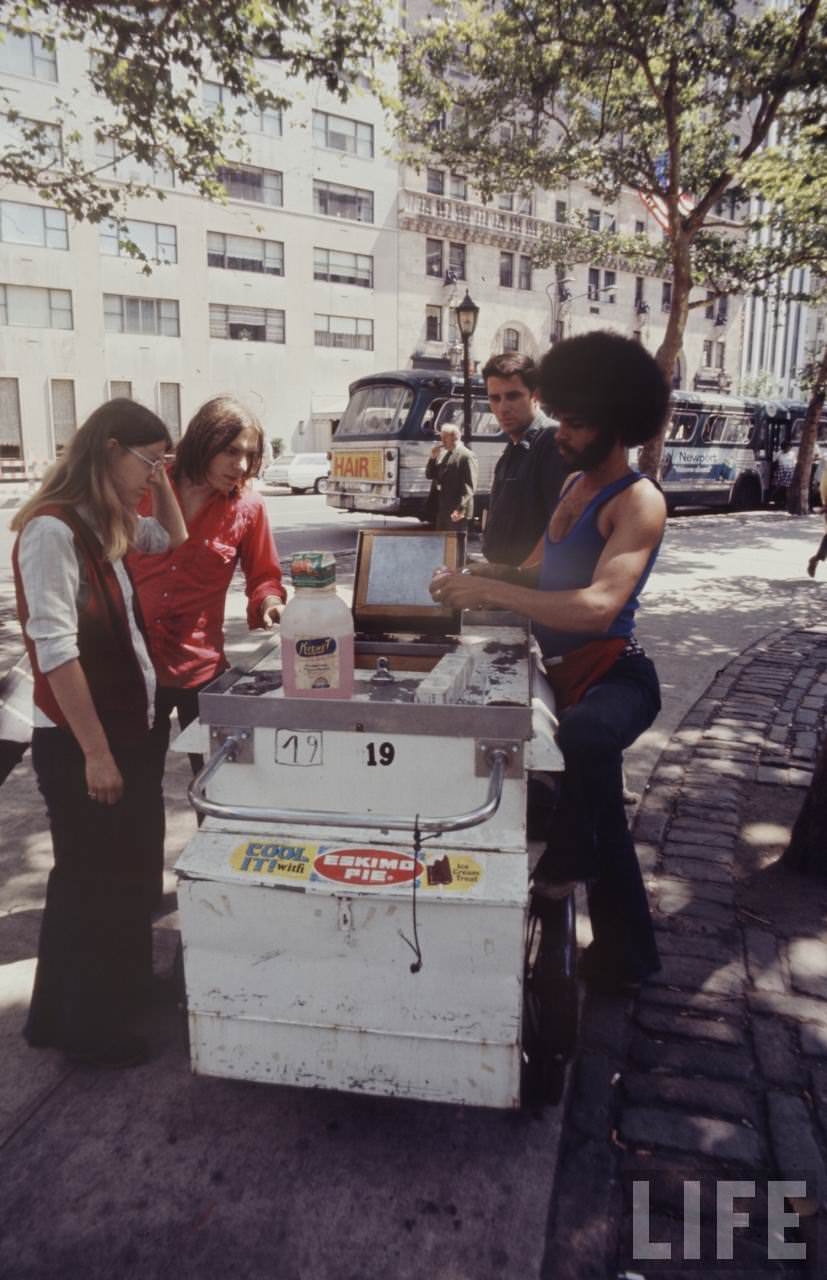
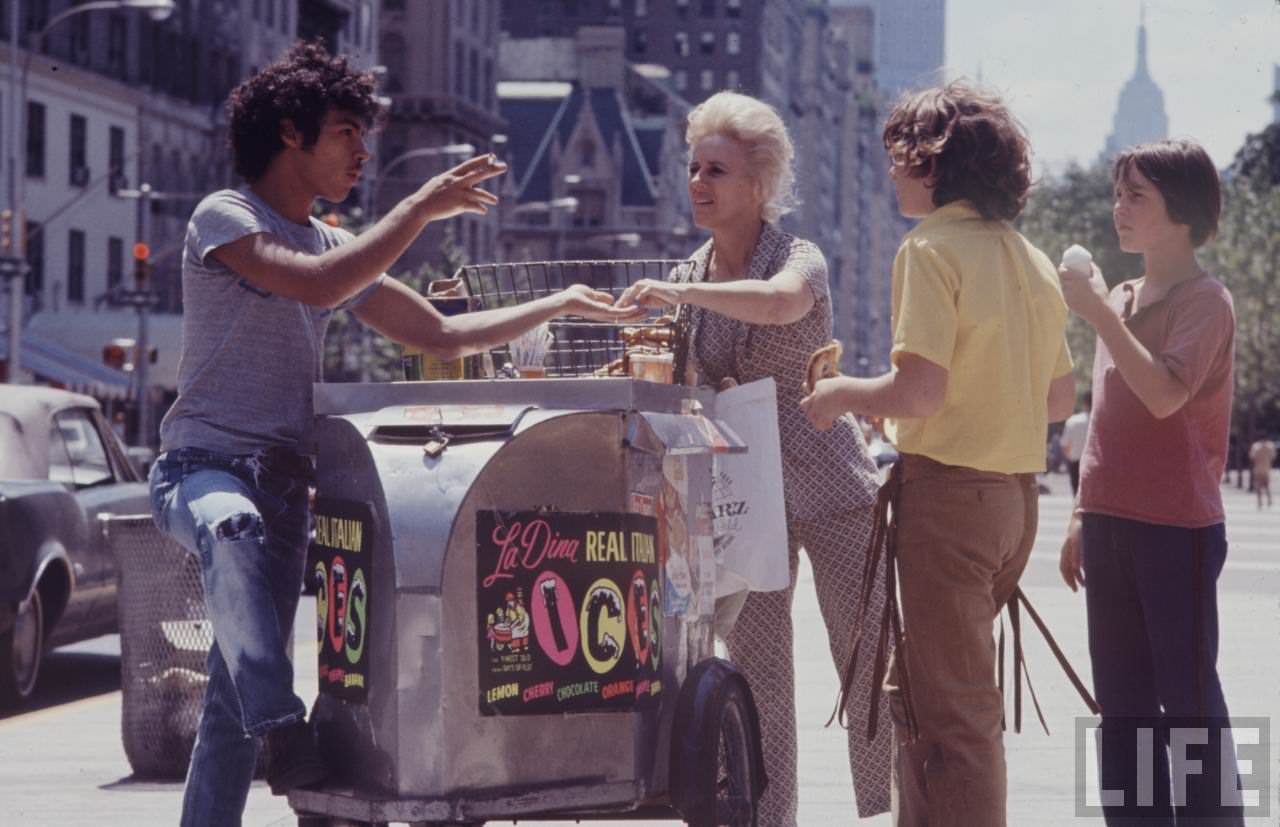
Organic and natural foods also appeared at some vendor setups. Fresh fruit, nuts, and herbal goods reflected the movement’s interest in natural living. These offerings stood out sharply against the hot dog carts and fast food options that dominated the rest of the city’s street food scene.
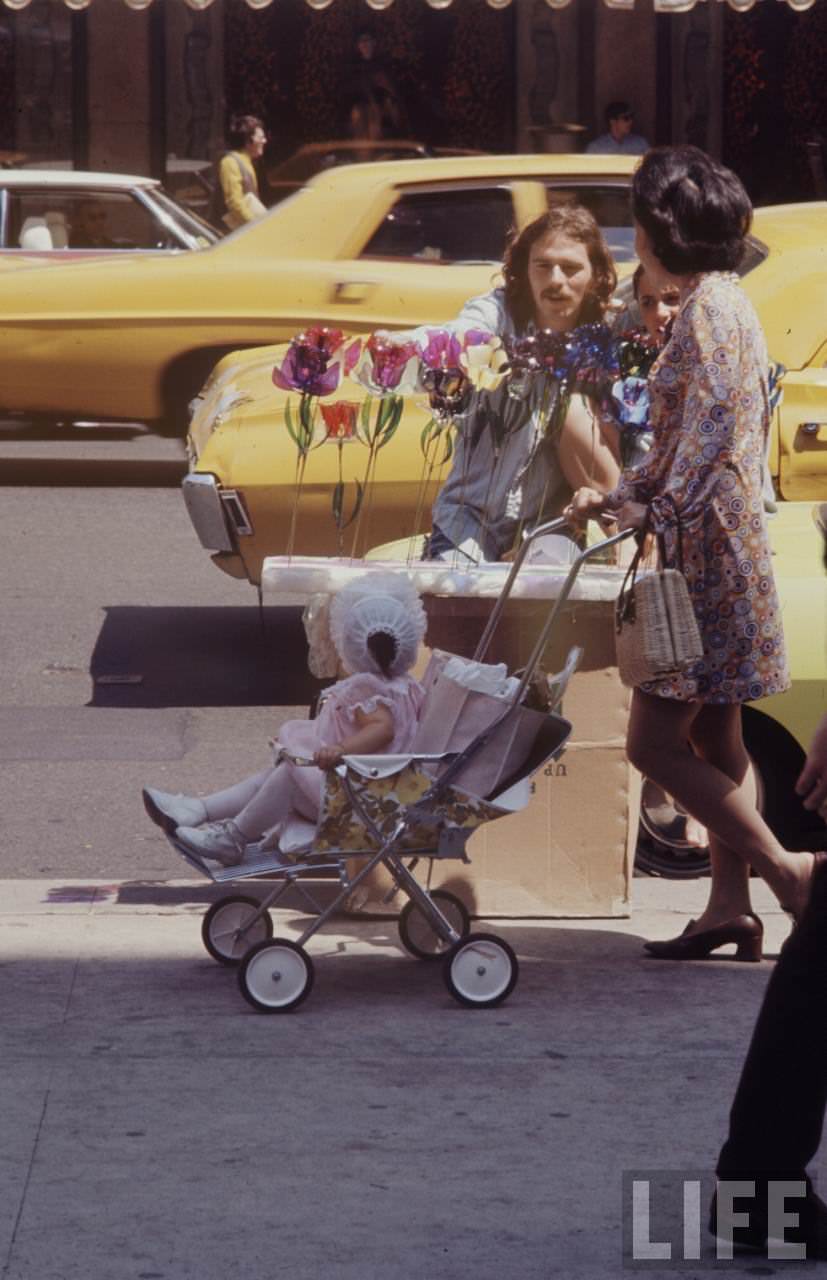
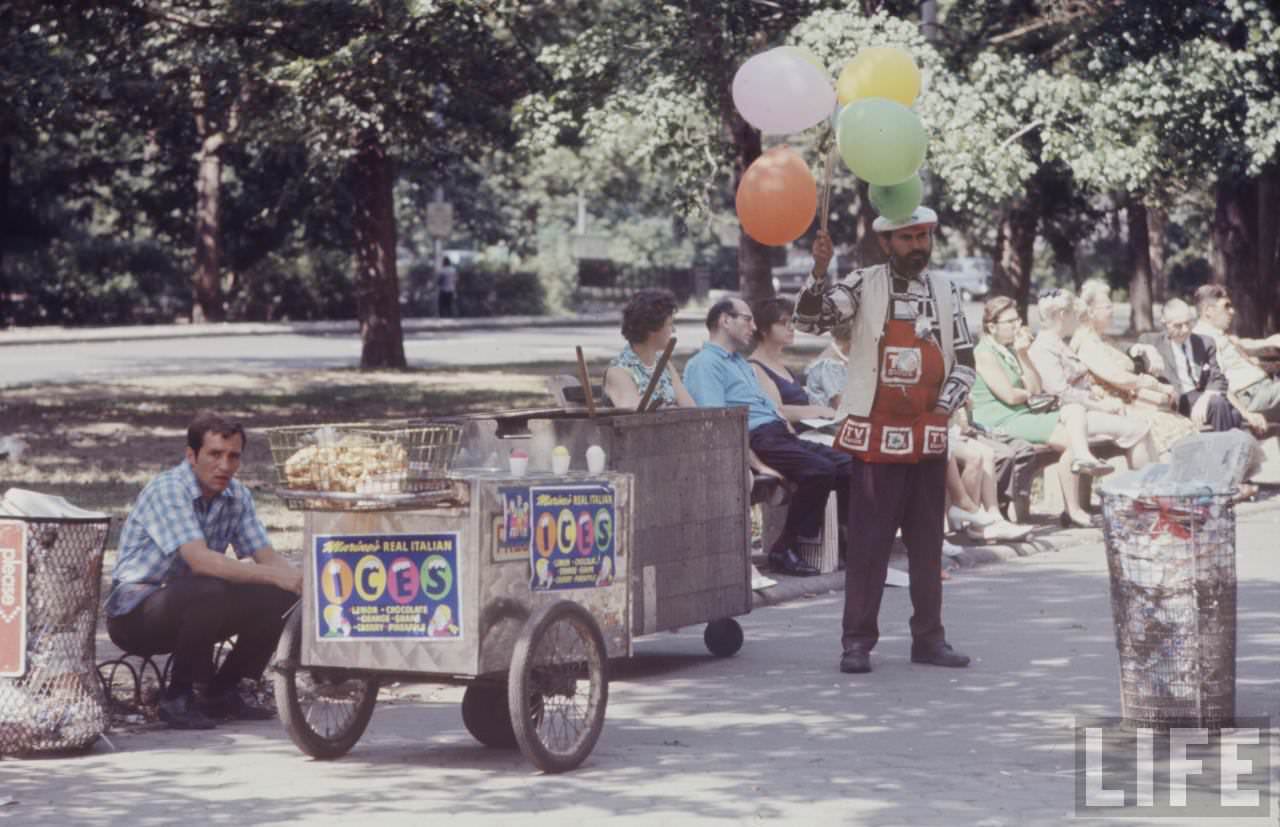
The peddlers operated in a city undergoing serious tension. Race riots, anti-war protests, and political assassinations had marked the decade. Against that backdrop, a vendor selling handmade beads on a blanket was a small but deliberate act of choosing a different way to live.
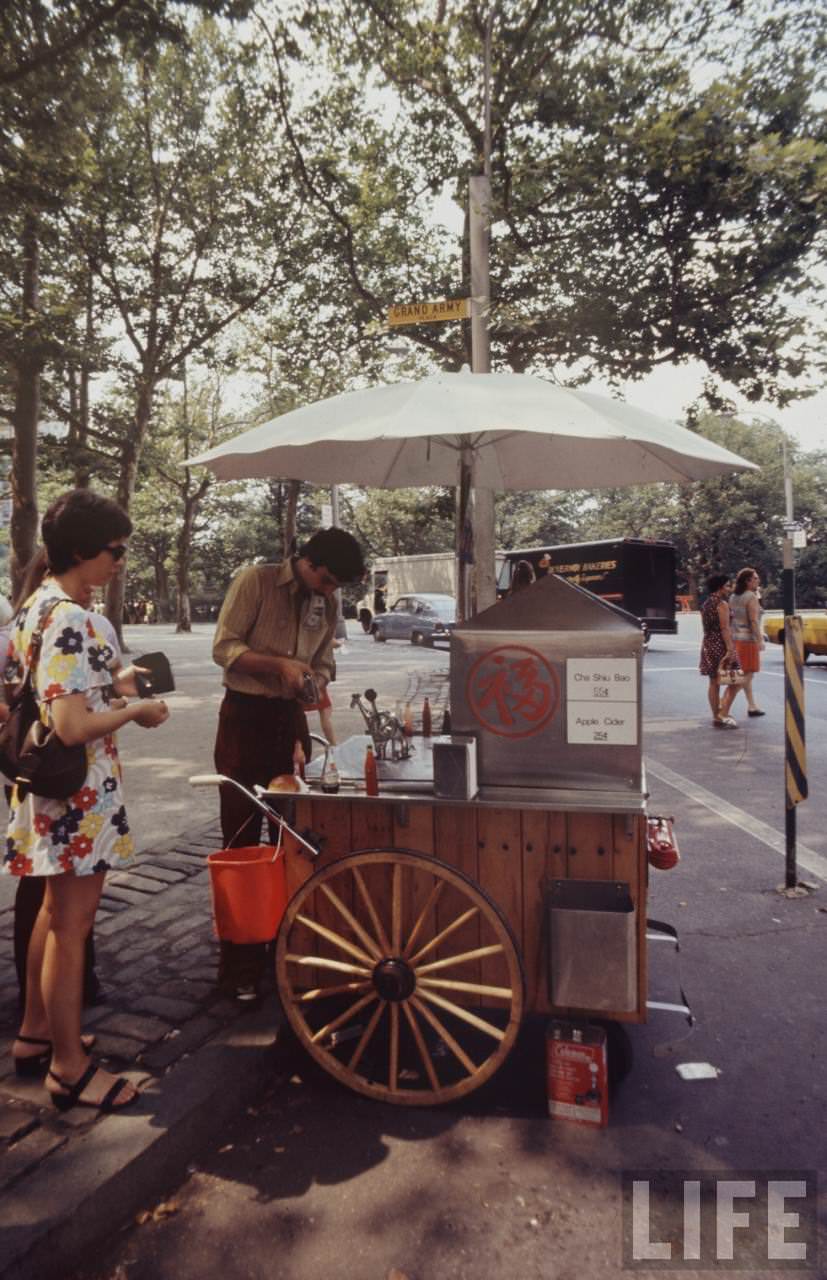
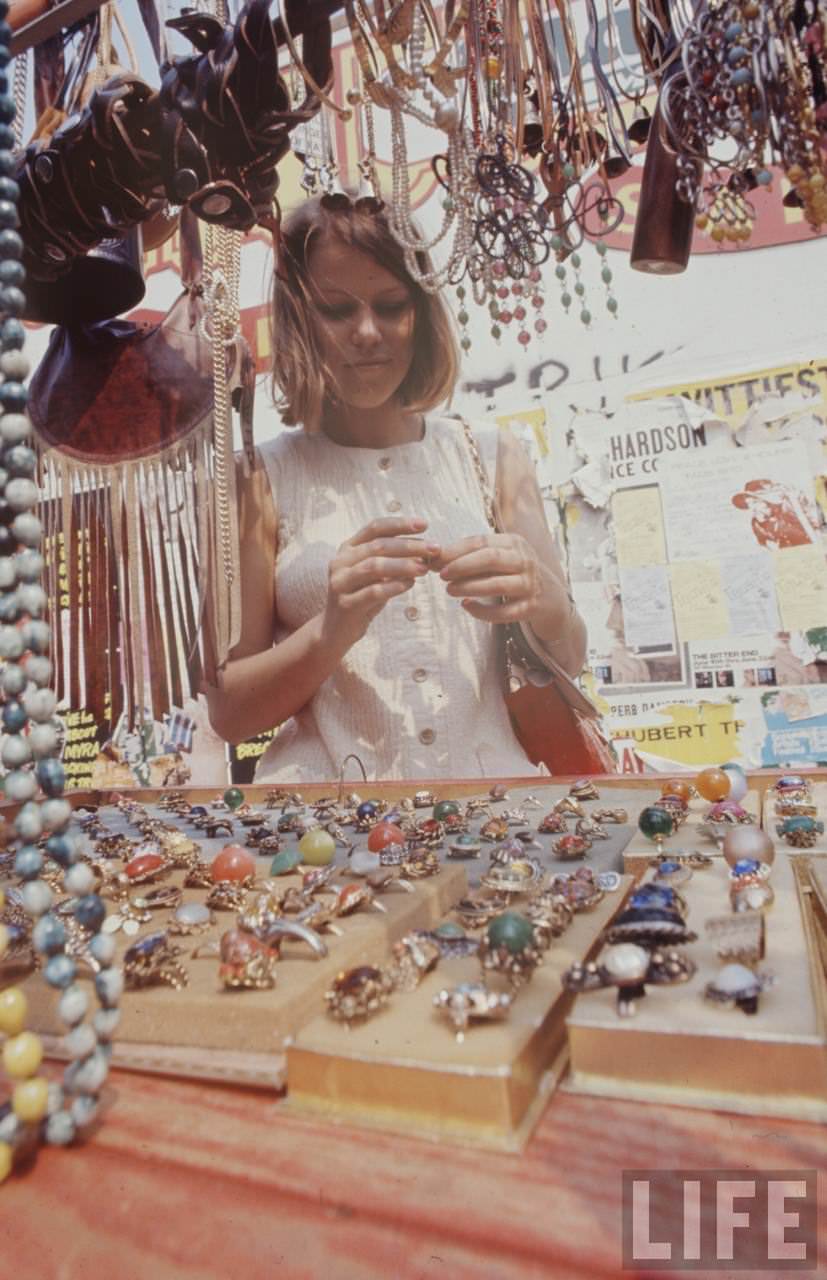
Many vendors traveled between cities, following music festivals and large gatherings. New York was a major stop on that circuit. The city’s sheer size meant more potential customers and more spaces to set up, from busy midtown sidewalks to quieter downtown streets.
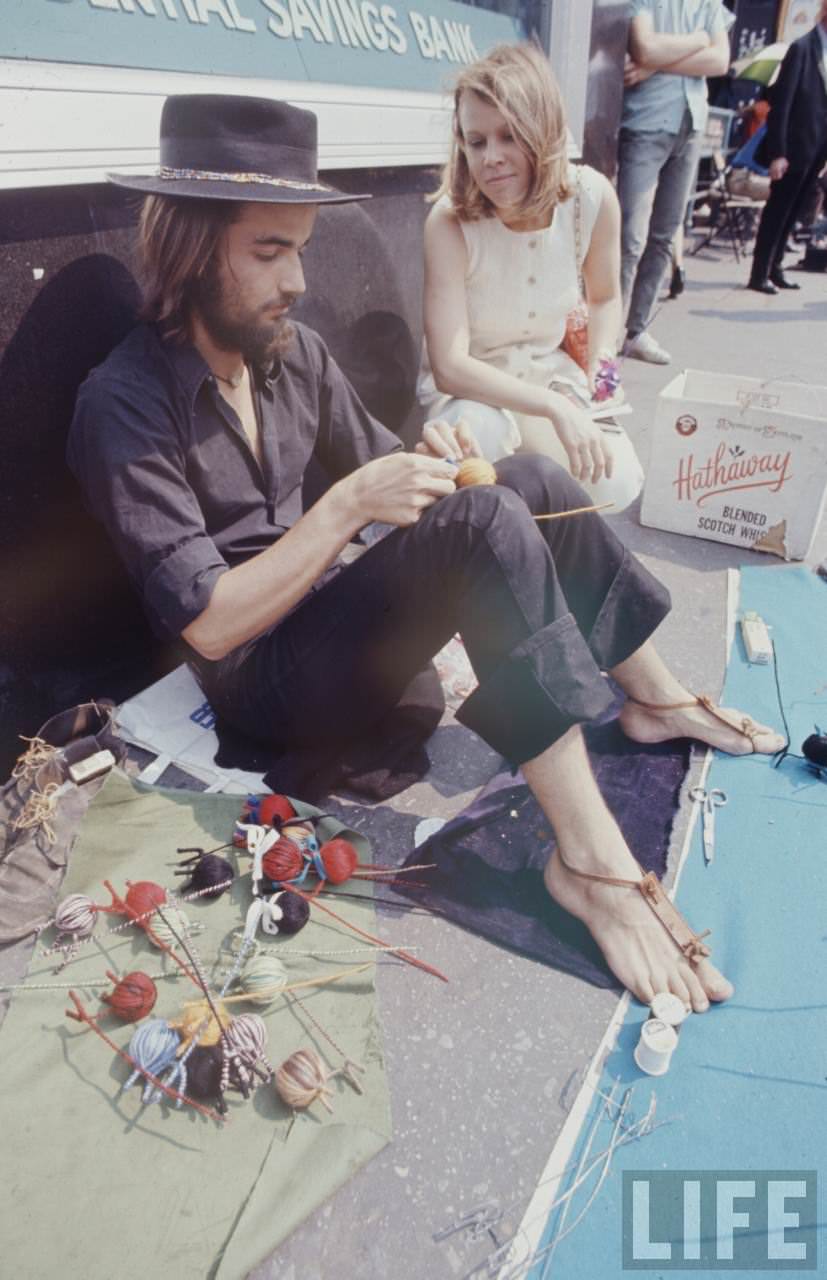
Jewelry was often the fastest-selling item. Beaded necklaces, wire-wrapped rings, and shell bracelets were cheap to make and easy to carry. A vendor could pack an entire day’s inventory into a single shoulder bag — essential for anyone who needed to move quickly.
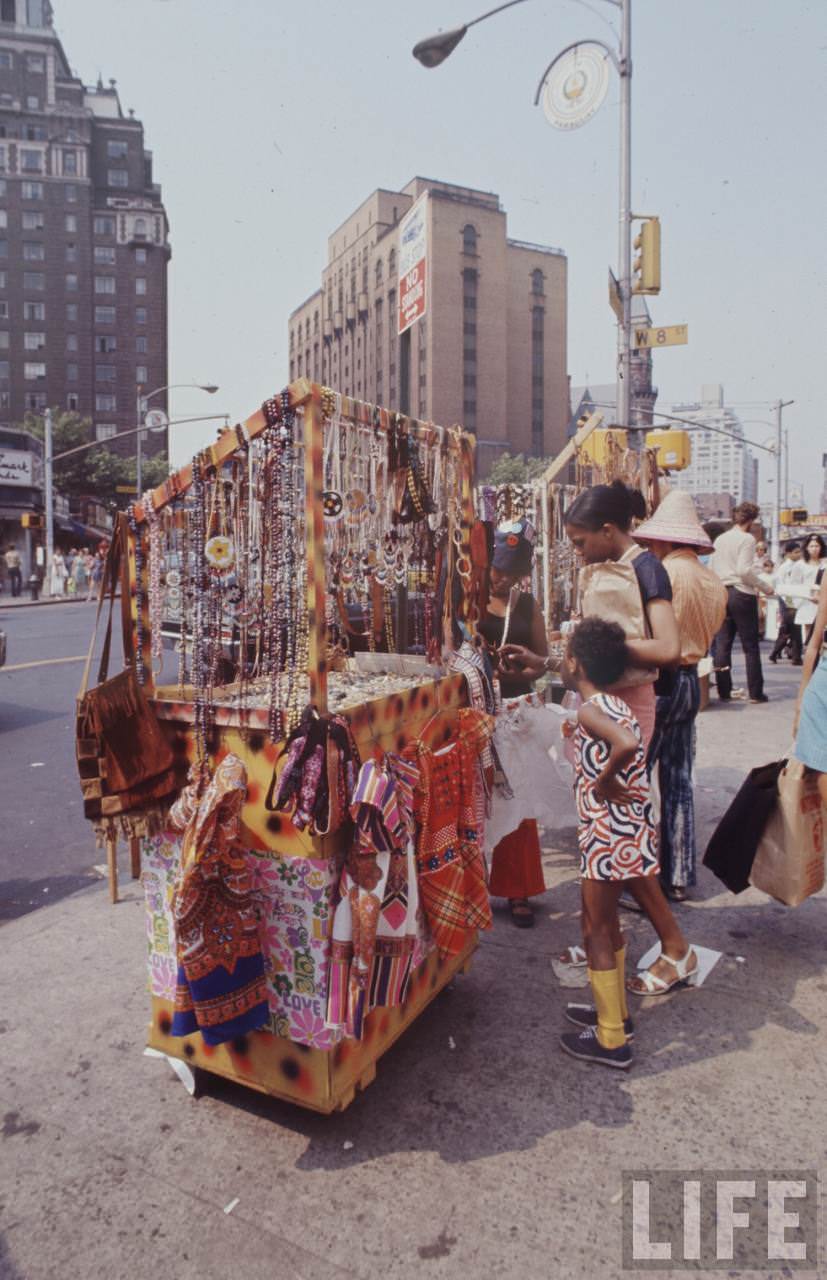
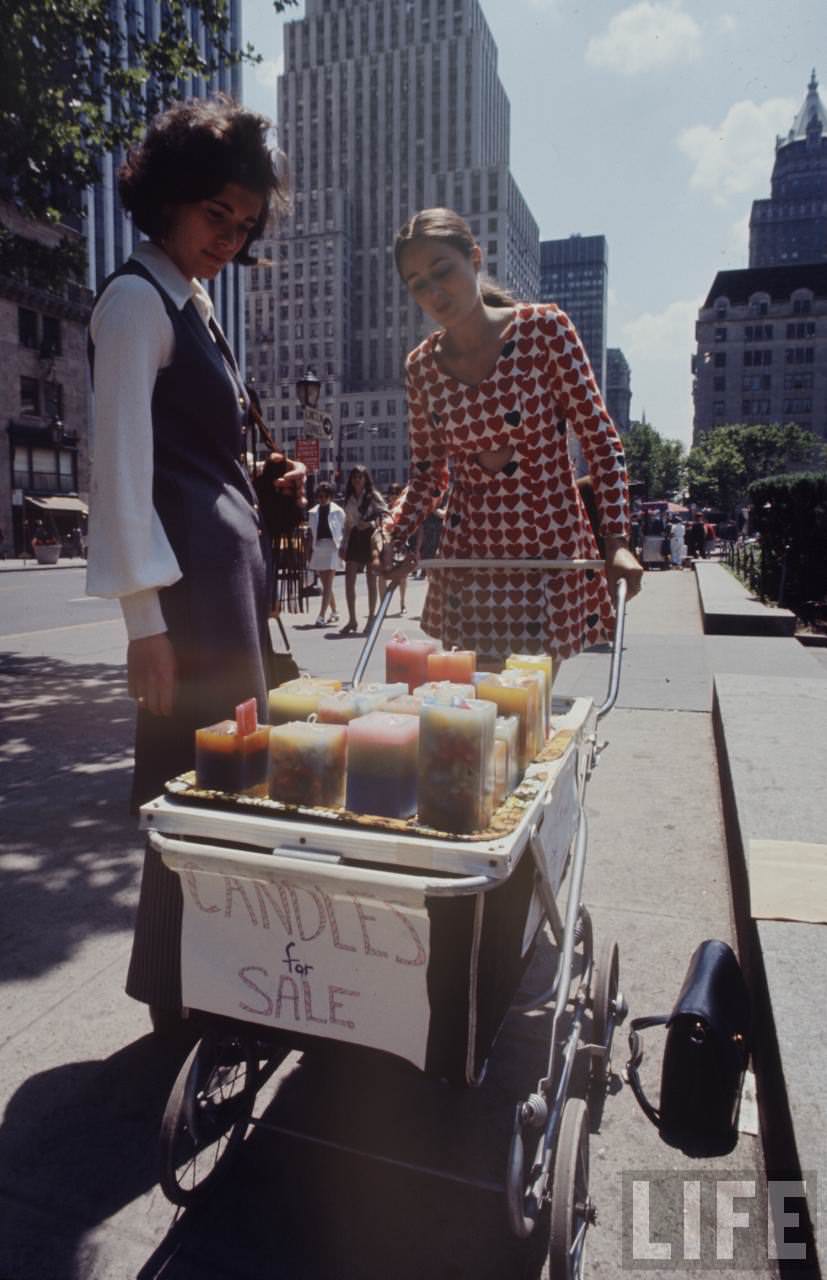
Street murals and chalk art added to the visual texture of the city during this period. Some peddlers were also muralists, contributing to walls in the neighborhoods where they sold. The line between vendor and artist was rarely clear.
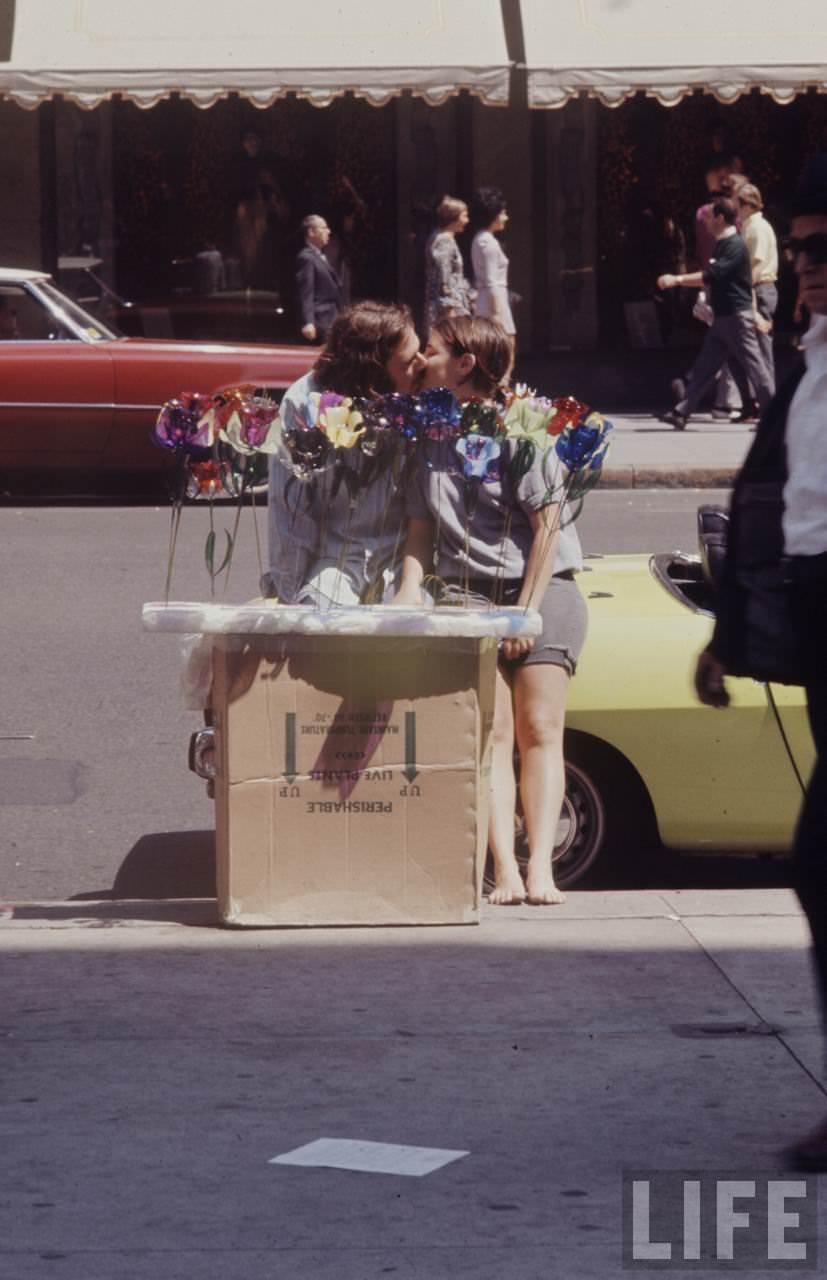
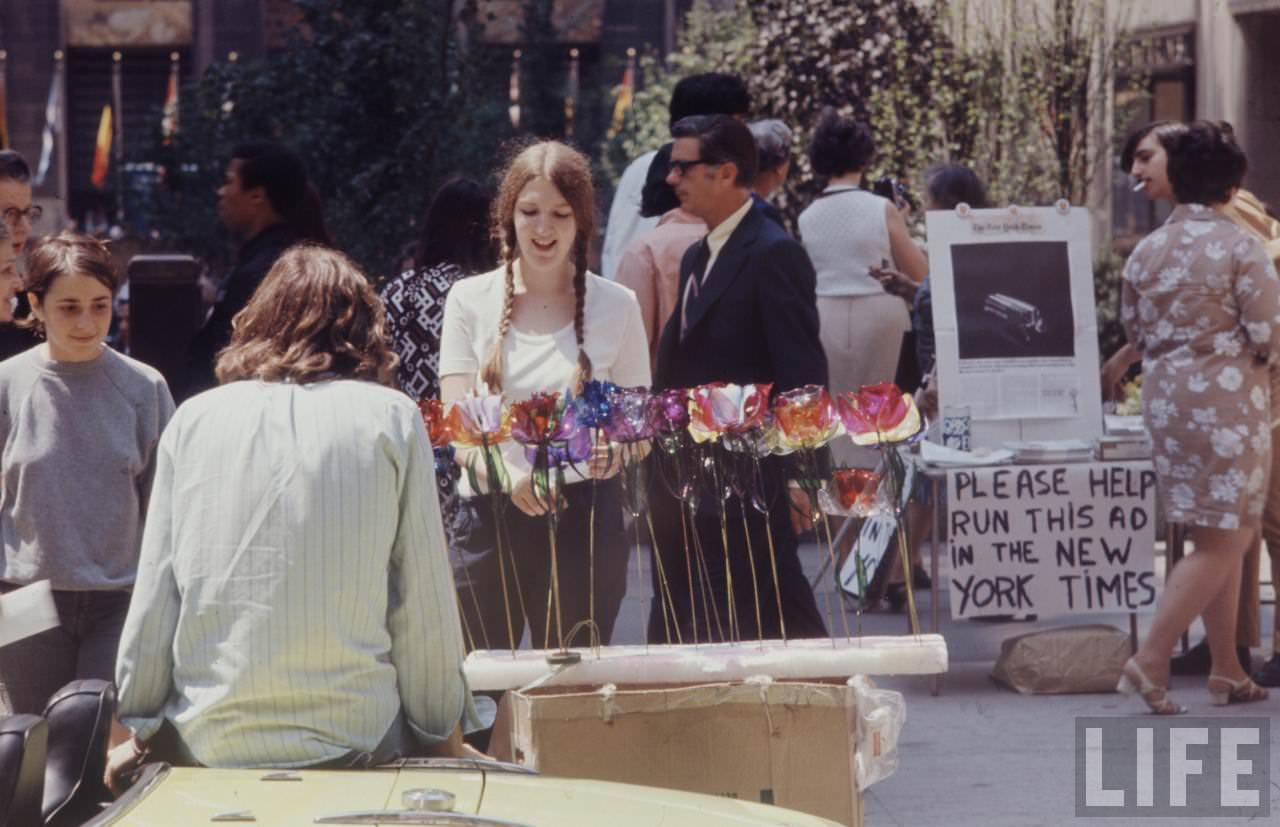
By the early 1970s, the density of hippie peddlers on New York’s streets began to thin. Some vendors moved on, others found more stable work. But during the late 1960s, they were a fixed part of the city’s street life — visible, loud in color, and impossible to ignore.