In the Soviet Union of the 1960s, kindergartens served children aged three to seven and were treated as a state priority. The government saw early childhood education as essential to building the next generation of Soviet citizens.
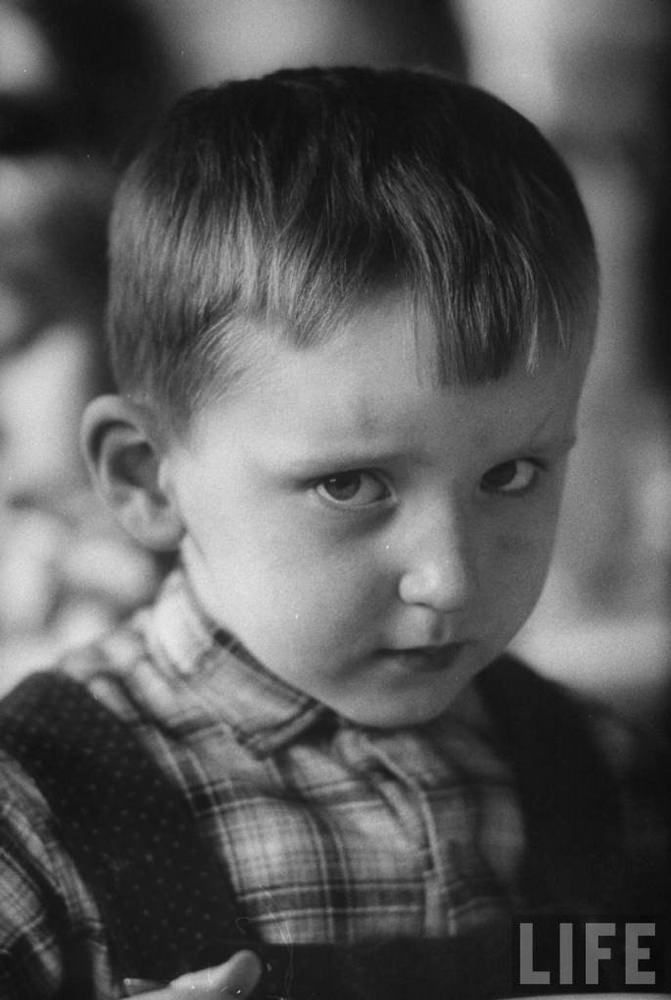
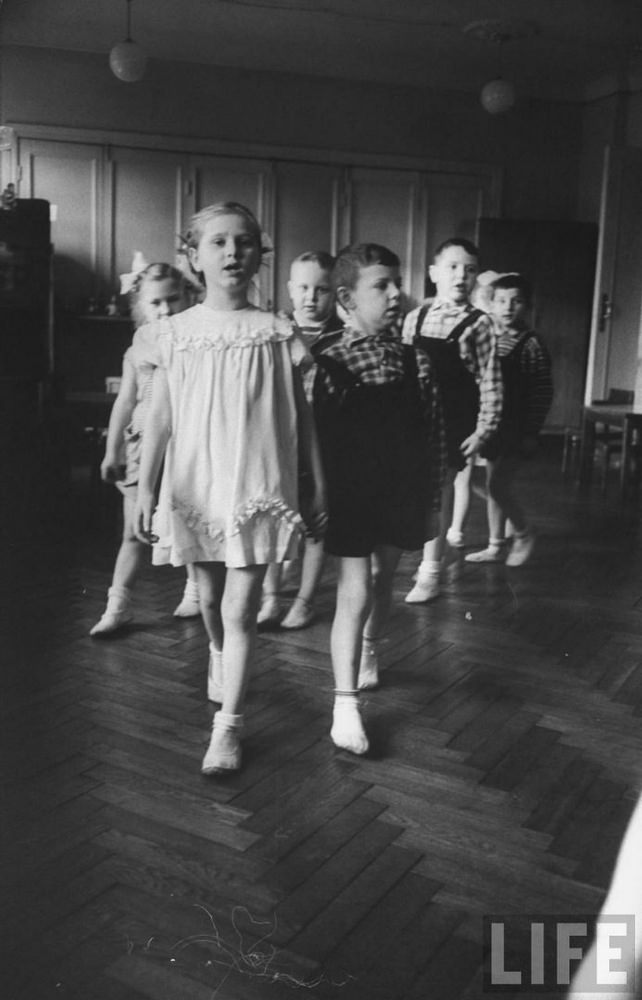
A typical day began with morning exercises. Children gathered in a circle to stretch, jump, and move together before classes started. This daily routine was standard across kindergartens nationwide.
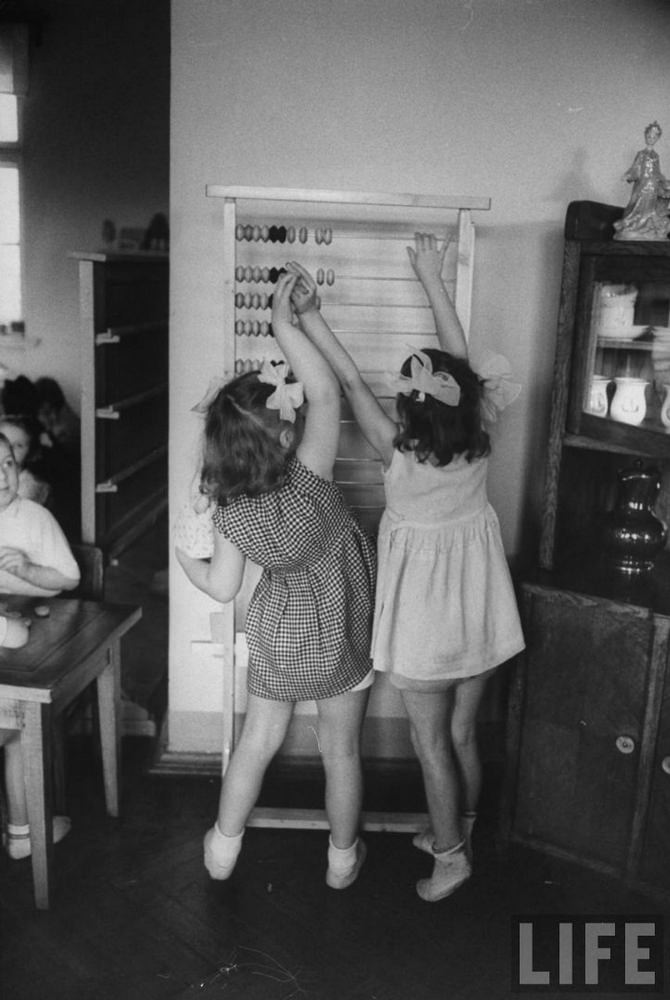
Classrooms were bright and filled with children’s artwork. Toys like building blocks, dolls, and puzzles were common tools used to teach through play.
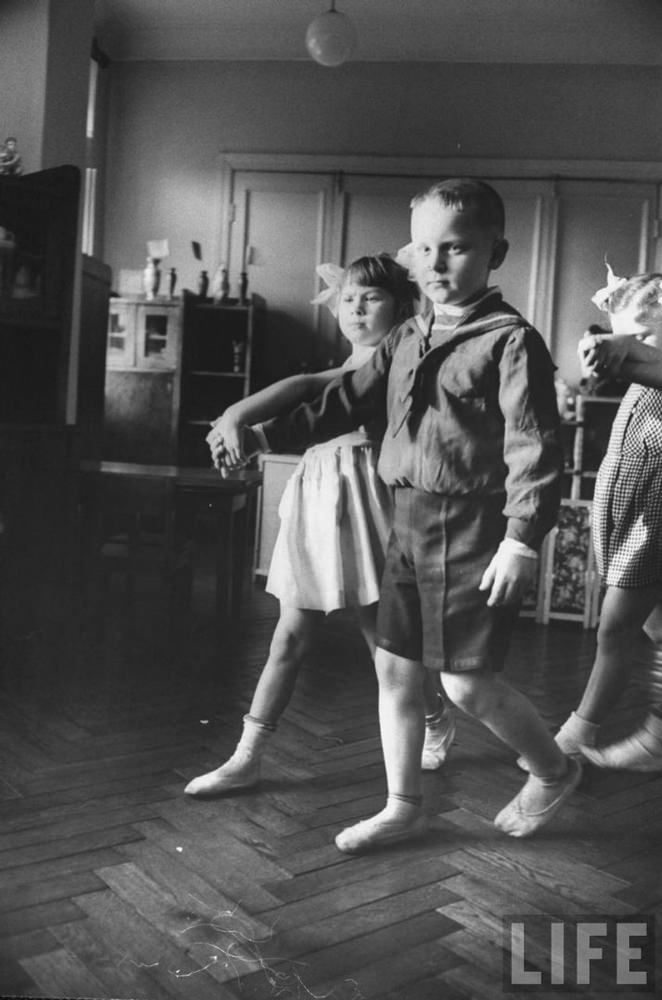
The curriculum covered counting, reading, writing, music, art, and physical education. Teachers, called “vospitateli,” guided children using songs, games, and positive reinforcement.
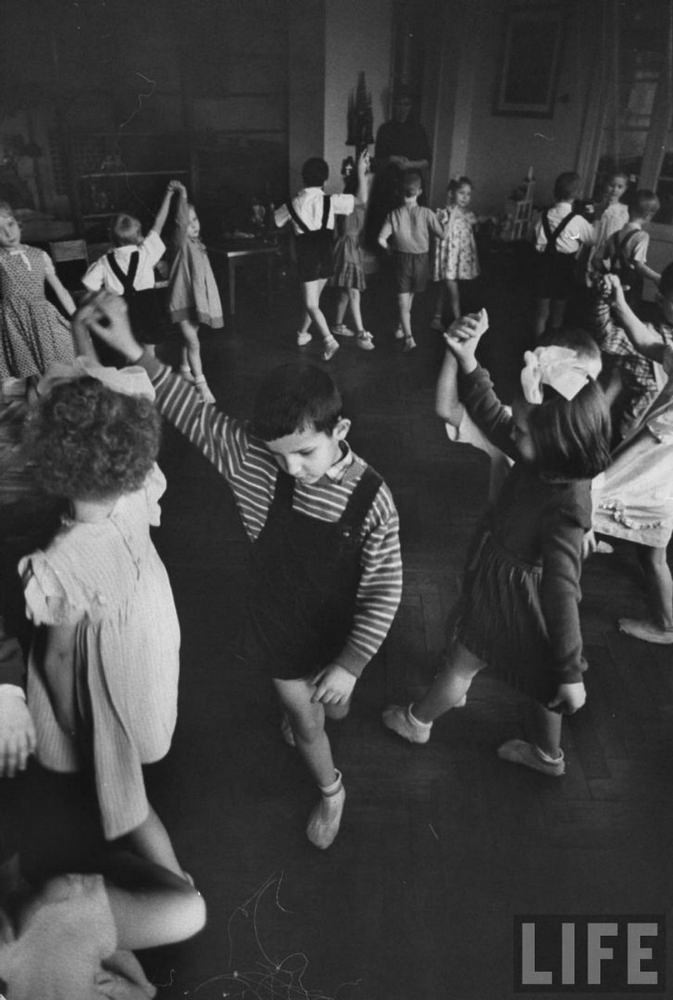
Snack time featured simple foods like bread, butter, and milk. Children were encouraged to share, reinforcing the collective values central to Soviet society.
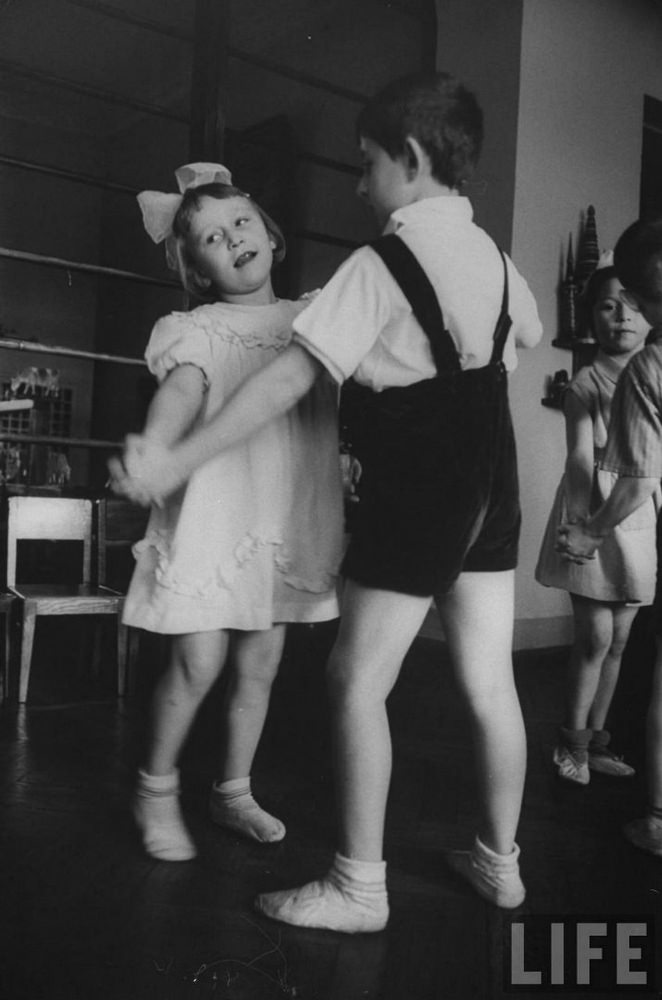
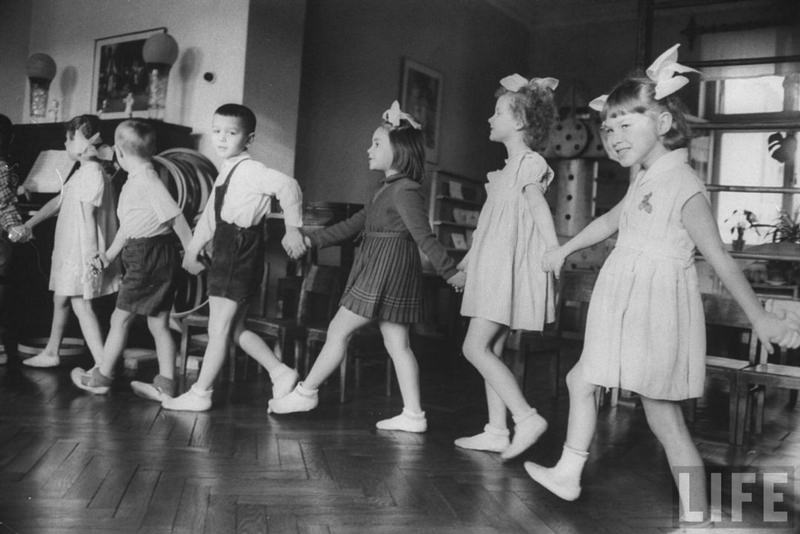
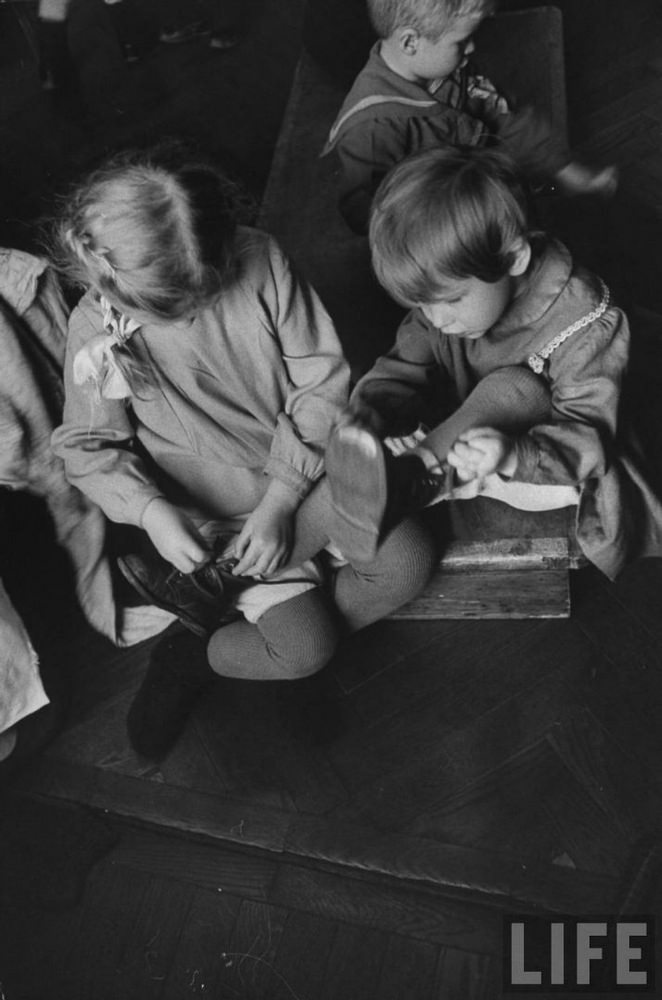
Discipline and respect for rules were taught alongside creativity. This structure was designed to prepare children for the stricter demands of primary school.
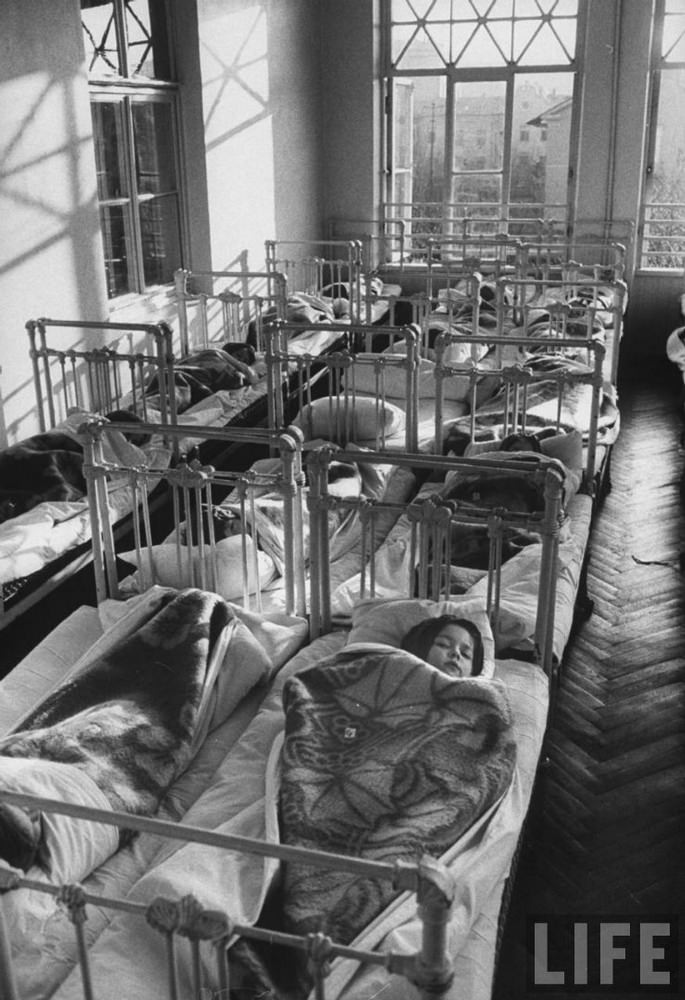
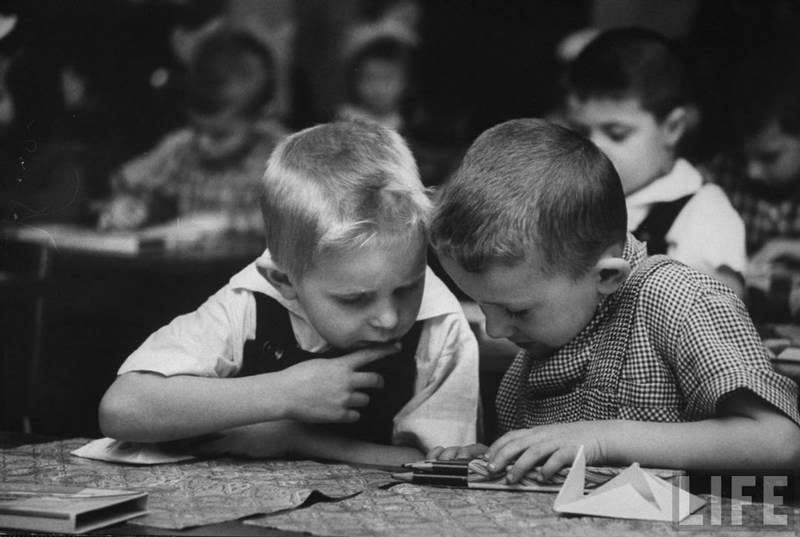
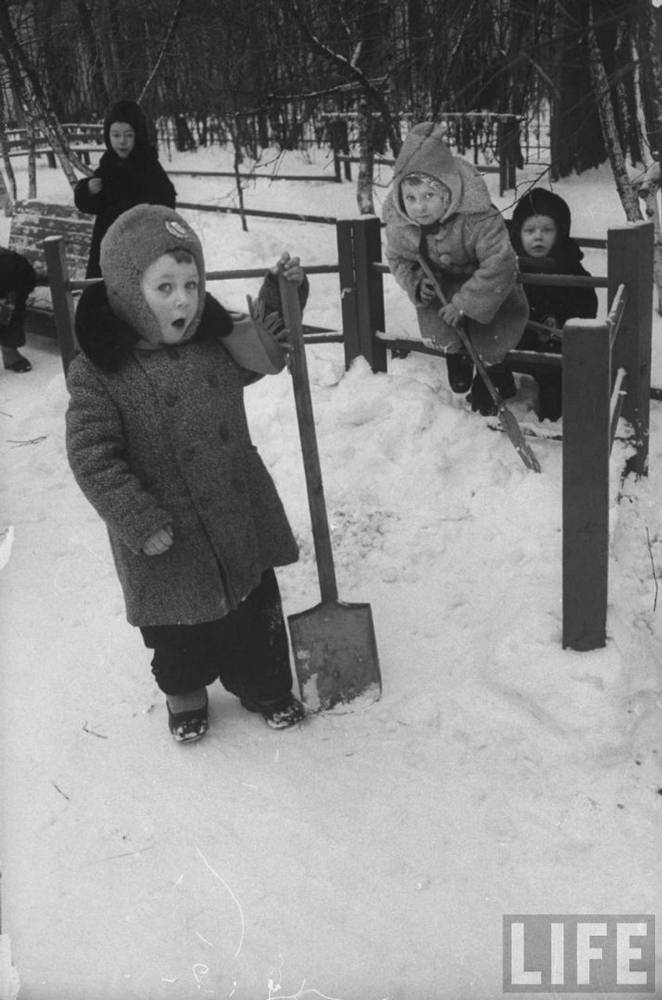
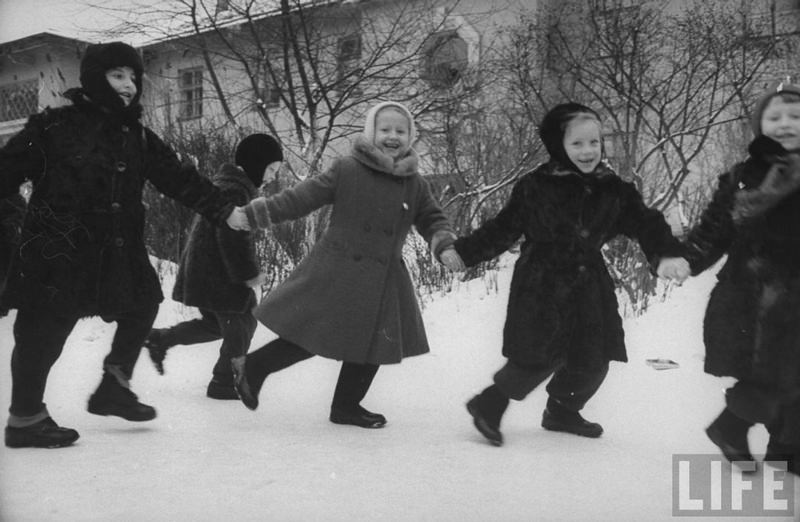
Outdoor activities and organized games rounded out the day. These moments built friendships and social skills that teachers considered just as important as academic learning.
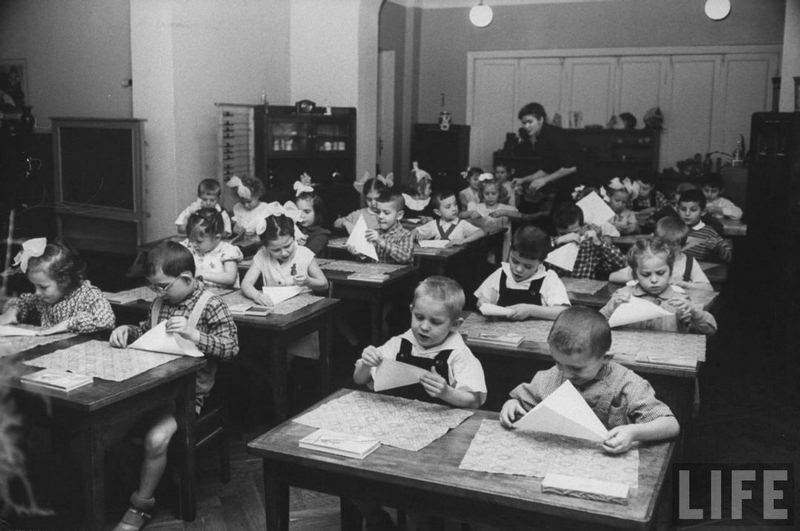
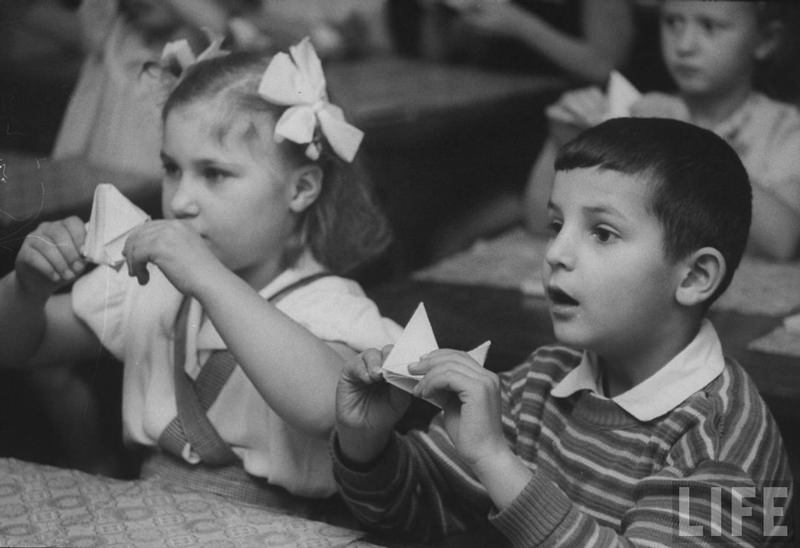
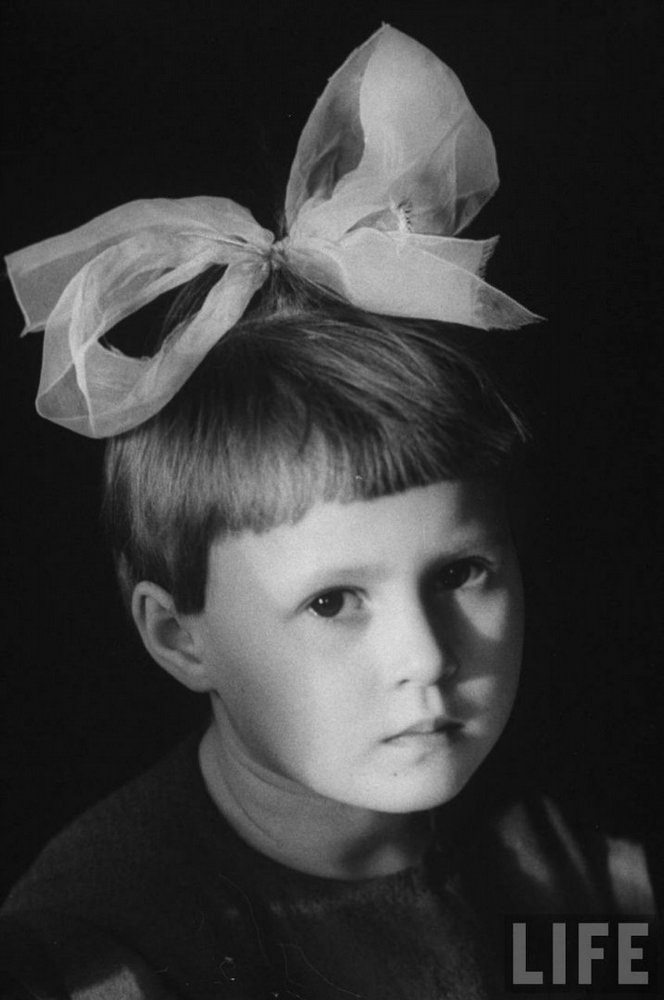
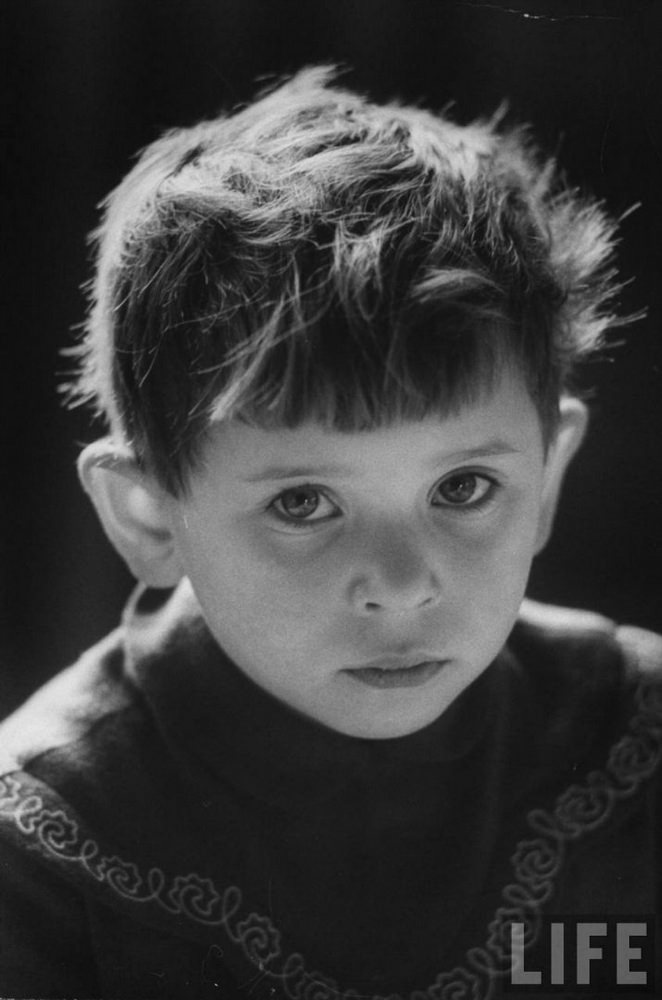
Photographer Carl Mydans documented these scenes, capturing children laughing, playing, and learning side by side. His photos offer a rare, candid look inside the Soviet early education system.