
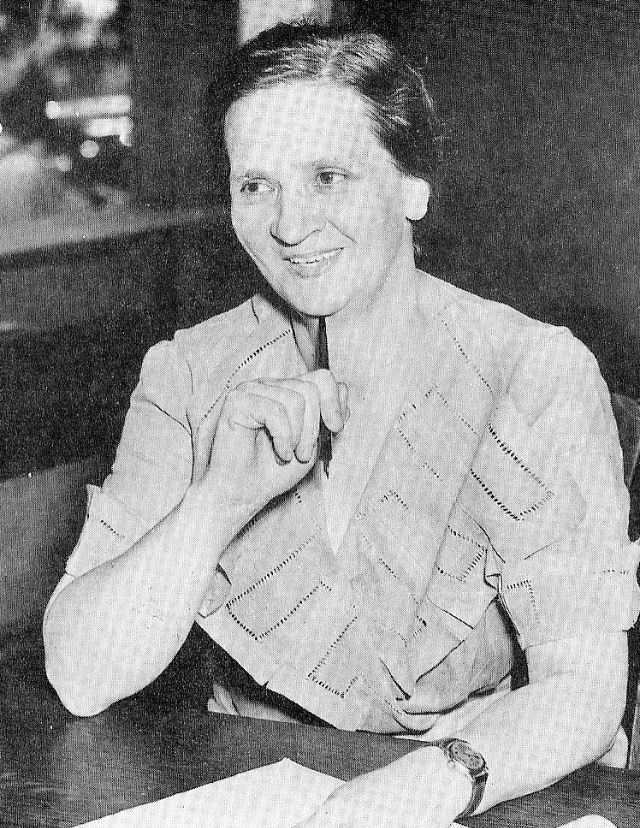
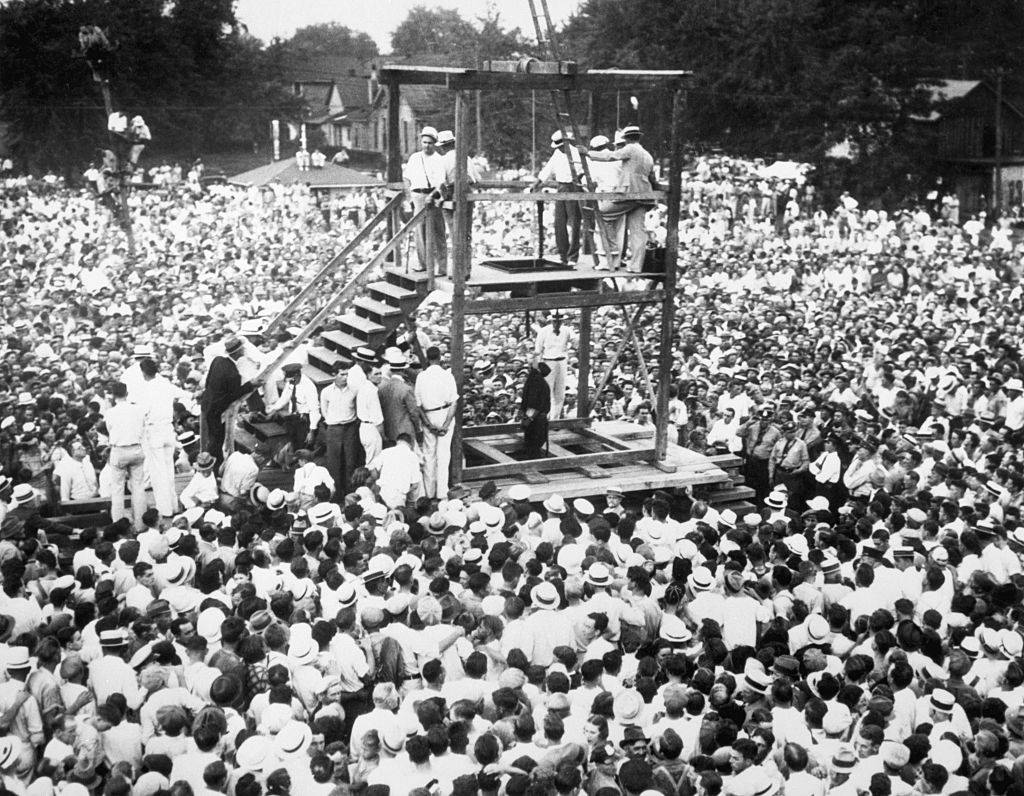
On the morning of August 14, 1936, the city of Owensboro, Kentucky became the site of what would be the last public execution in United States history. Rainey Bethea, a 27-year-old Black man, was hanged before a crowd of roughly 20,000 people. Newspapers and magazines from across the country sent reporters and photographers to document the event, spending considerable sums to cover the story. Much of the press attention was driven by the fact that the execution was to be carried out by a woman — Florence Thompson, the local county sheriff.
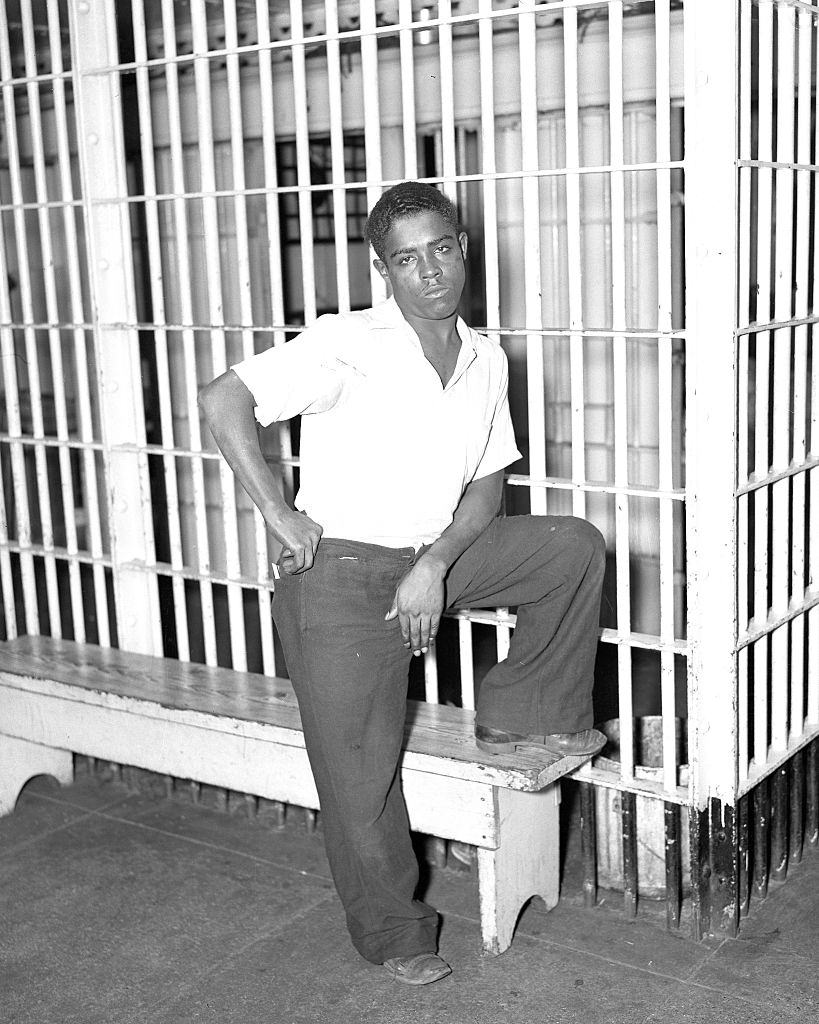
The crime that led to Bethea’s execution took place in the early morning hours of June 7, 1936. Bethea broke into the home of Lischia Edwards, a 70-year-old woman who lived at 322 East Fifth Street in Owensboro. He entered the property by climbing through the servant’s quarters of a neighboring house owned by Emmett Wells. Once inside Edwards’ bedroom, Bethea choked her violently and raped her. He then searched the room, stealing several of her rings before leaving them hidden in a nearby barn. In the process, he dropped his black celluloid prison ring and failed to retrieve it.
Edwards was found unconscious — and later determined dead — later that morning. The Smith family, who lived downstairs from Edwards, grew concerned after hearing nothing from her. When they tried her door, it was locked with a skeleton key still in the lock from the inside, making it impossible to unlock from the outside. A member of the Smith family climbed into the room through the transom above the door and discovered Edwards’ body. He immediately went to Dr. George Barr and then to the Owensboro police.
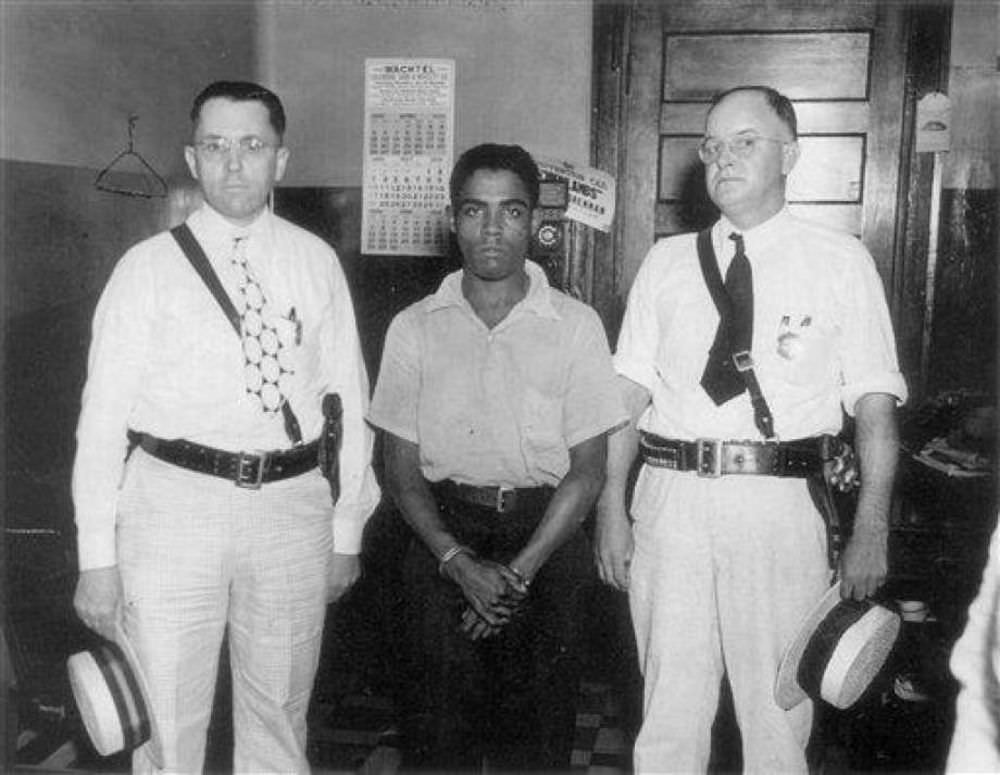
Police found muddy footprints at the scene. They soon spotted Bethea near the riverbank. When officers questioned him, he denied his identity and claimed his name was James Smith. Officers identified him anyway — by a distinctive scar on the left side of his head. Once confronted, the case against him moved quickly. Kentucky Governor Albert Chandler signed Bethea’s execution warrant and set the date for sunrise on August 14, 1936. The execution location was moved from the courthouse yard to an empty lot near the county garage because the county had recently planted new shrubs and flowers in the yard.
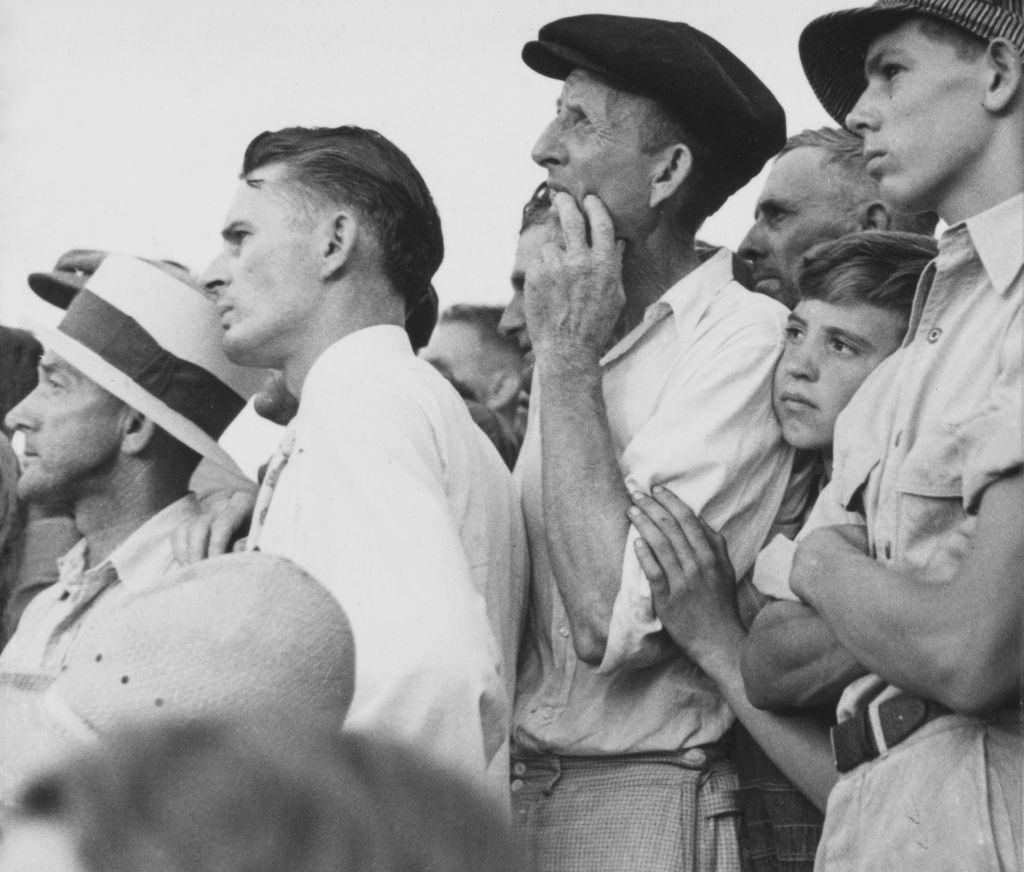
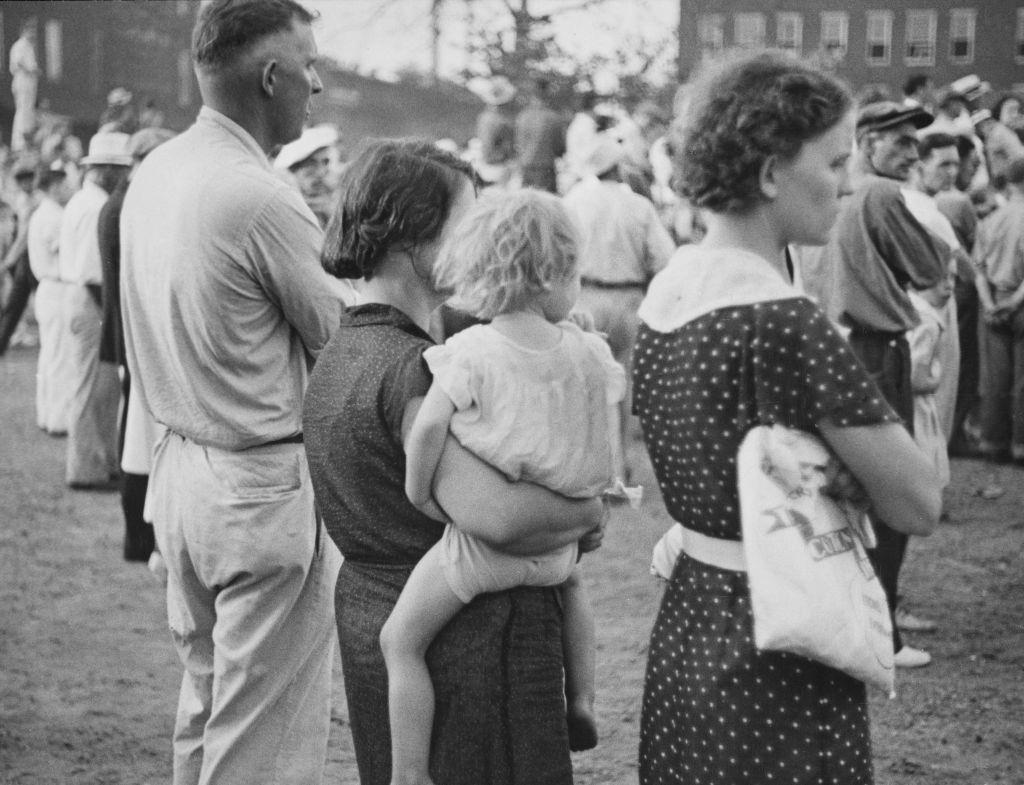
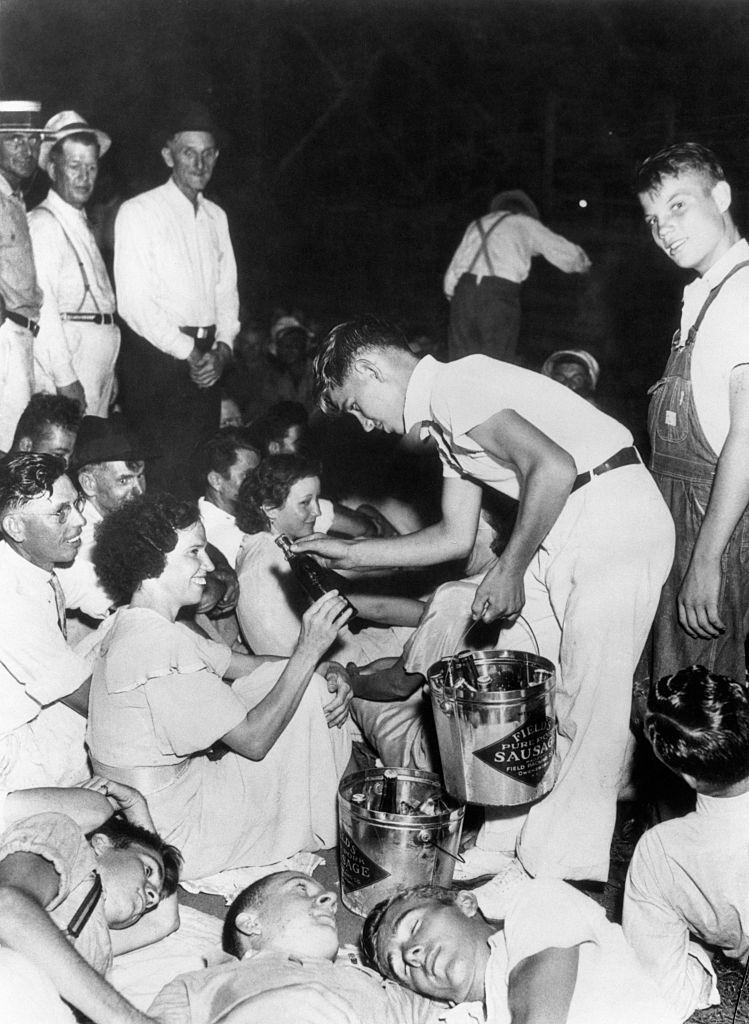
As Bethea’s execution date approached, people began traveling to Owensboro from across the state. The spectacle drew enormous attention, and the crowd that assembled was estimated at more than 20,000. Vendors set up before dawn to serve the gathering masses. The atmosphere was less like a solemn legal proceeding and more like a public event, which troubled many of the journalists who had arrived expecting something more controlled.
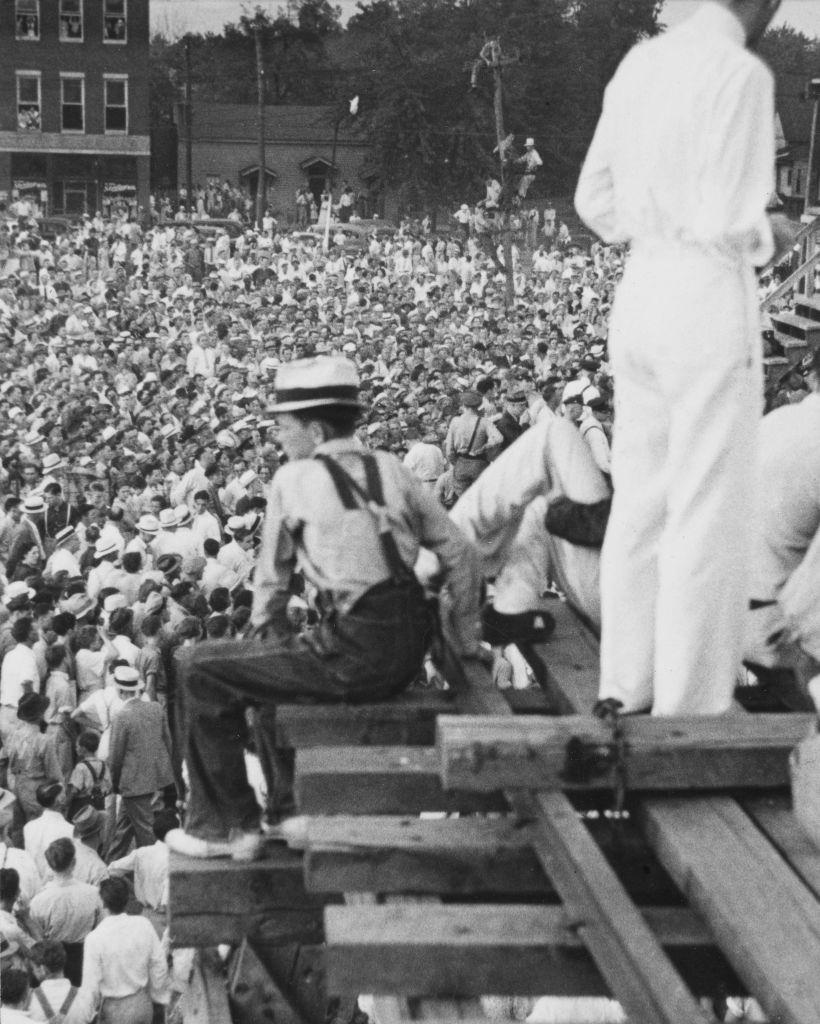
Bethea’s last meal consisted of pork chops, fried chicken, mashed potatoes, pickled cucumbers, cornbread, lemon pie, and ice cream. Arthur L. Hash, a former Louisville police officer, volunteered to perform the execution at no charge. Sheriff Thompson accepted his offer. Hash arrived at the execution site that morning intoxicated, dressed in a white suit and a white Panama hat. At that point, only he and Thompson knew he would be the one to pull the trap lever.
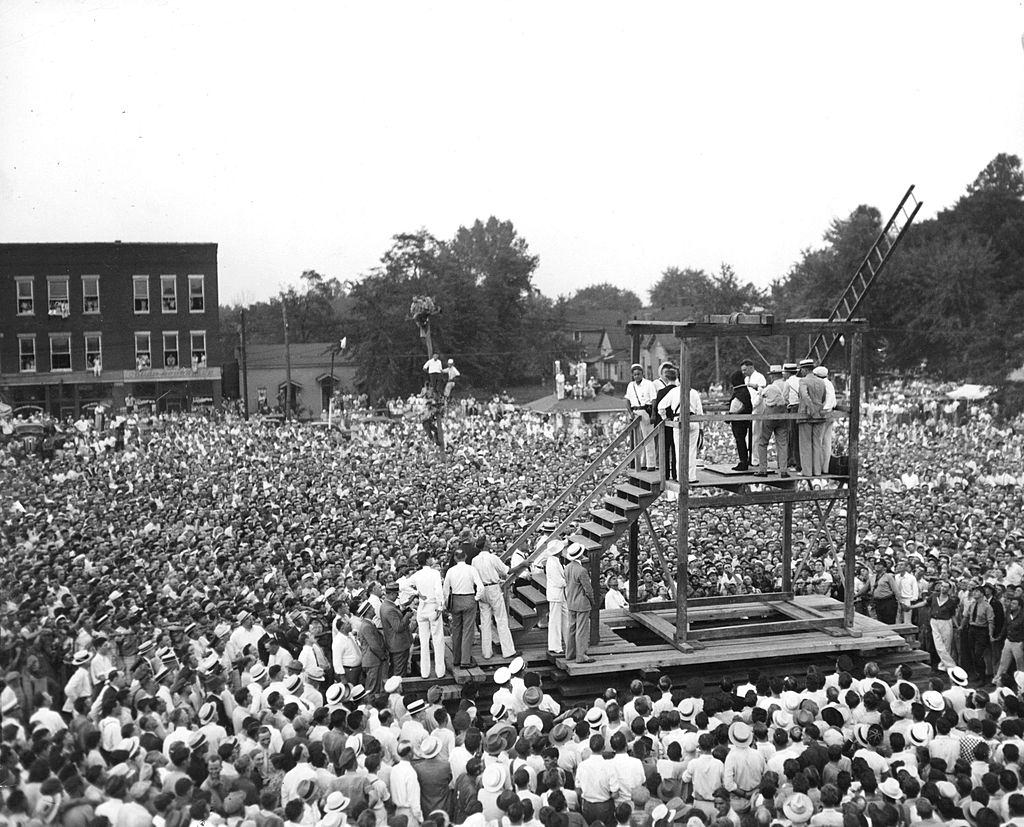
G. Phil Hanna, a farmer from Epworth, Illinois who had assisted at hangings across the country, was also present to help prepare for the execution. When Bethea arrived at the base of the scaffold, police officers escorted him up to the gallows. There, he made his final confession to Father Lammers of the Cathedral of the Assumption in Louisville. Officers covered his face with a black hood and fastened three large straps around his ankles, thighs, arms, and chest.
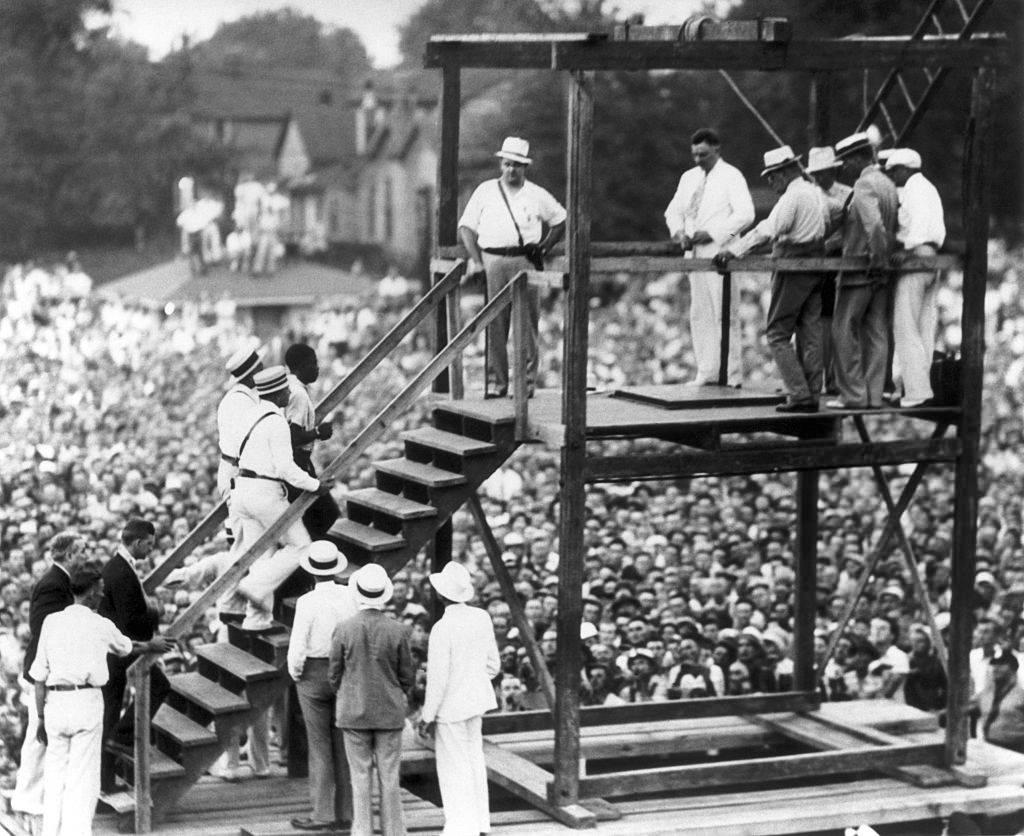
Hanna placed the noose around Bethea’s neck, carefully adjusted it, and then signaled to Hash to pull the lever that would spring the trap door. Hash, visibly drunk, did nothing. Hanna shouted at him, “Do it!” When Hash still failed to act, a deputy stepped in and released the trap. The crowd, which had been loud and restless through the night, fell completely silent at that moment.
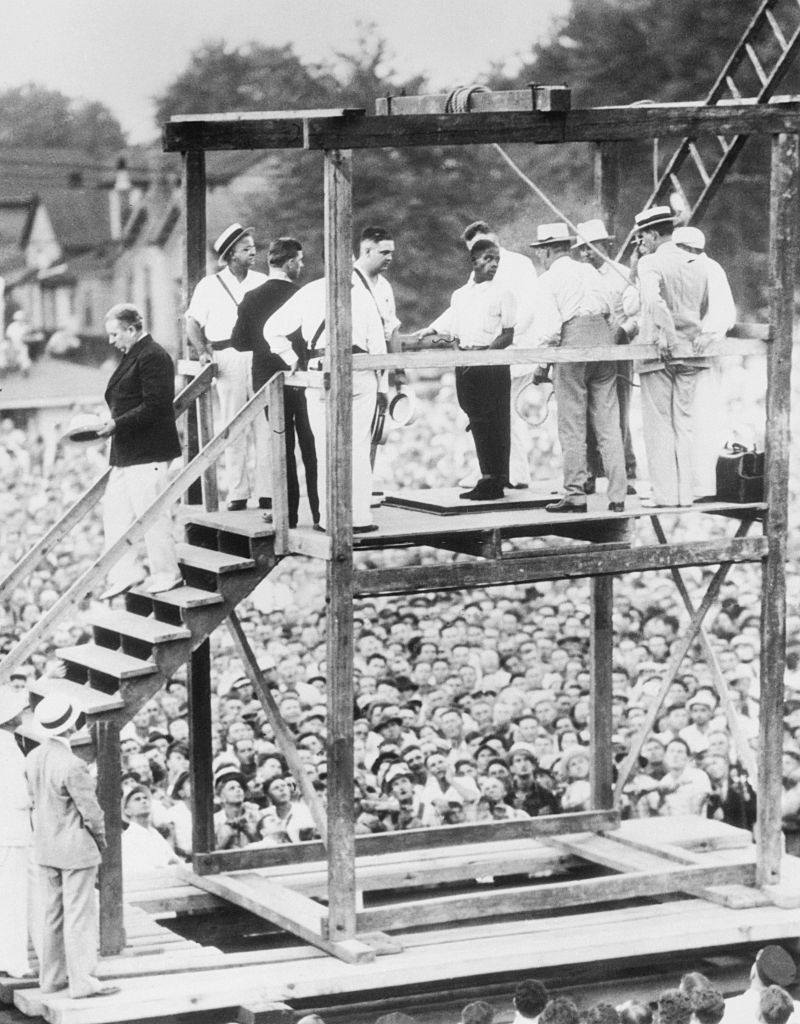
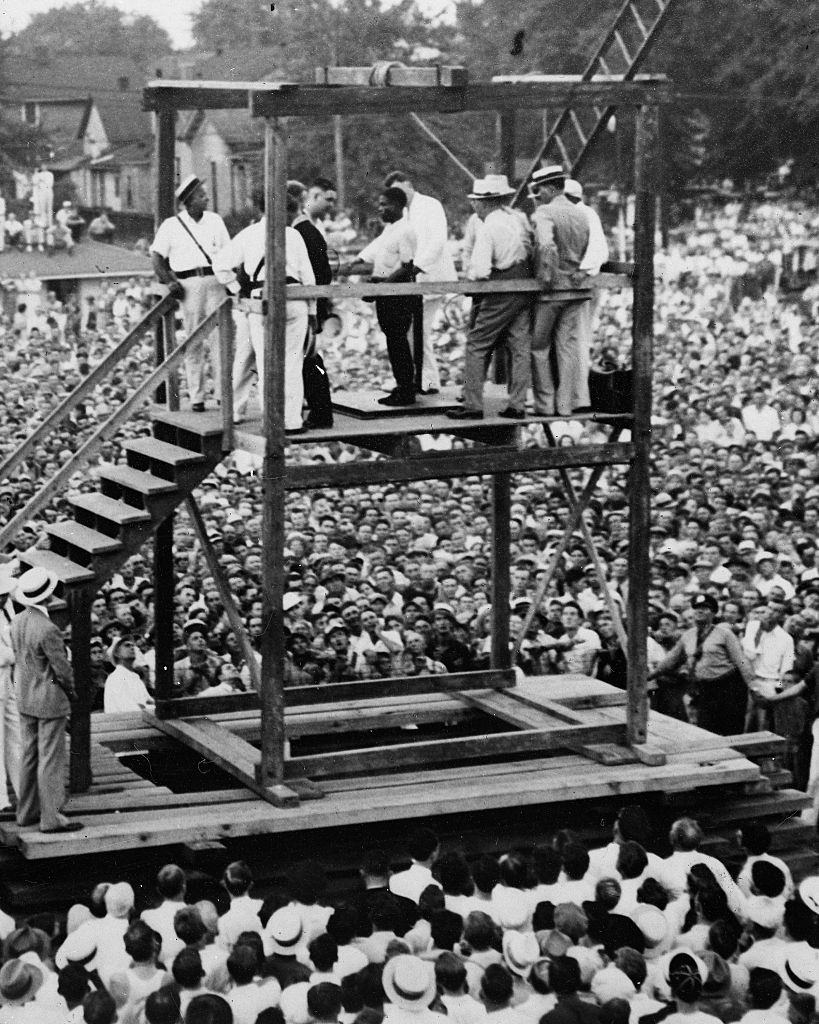
Bethea dropped eight feet. His neck broke instantly. Two doctors confirmed his death approximately 14 minutes later. His body was taken to Andrew and Wheatley Funeral Home. Bethea had expressed a wish for his body to be sent to his sister in South Carolina. That request was not honored. He was buried in a pauper’s grave at Rosehill Elmwood Cemetery in Owensboro.
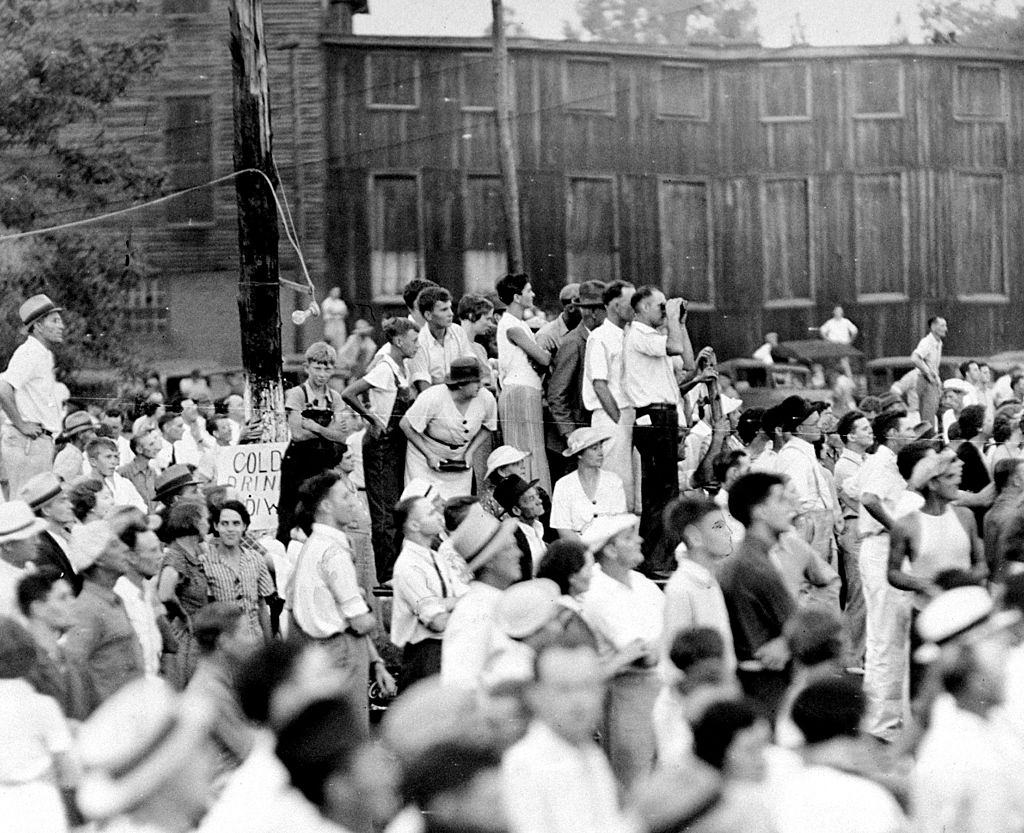
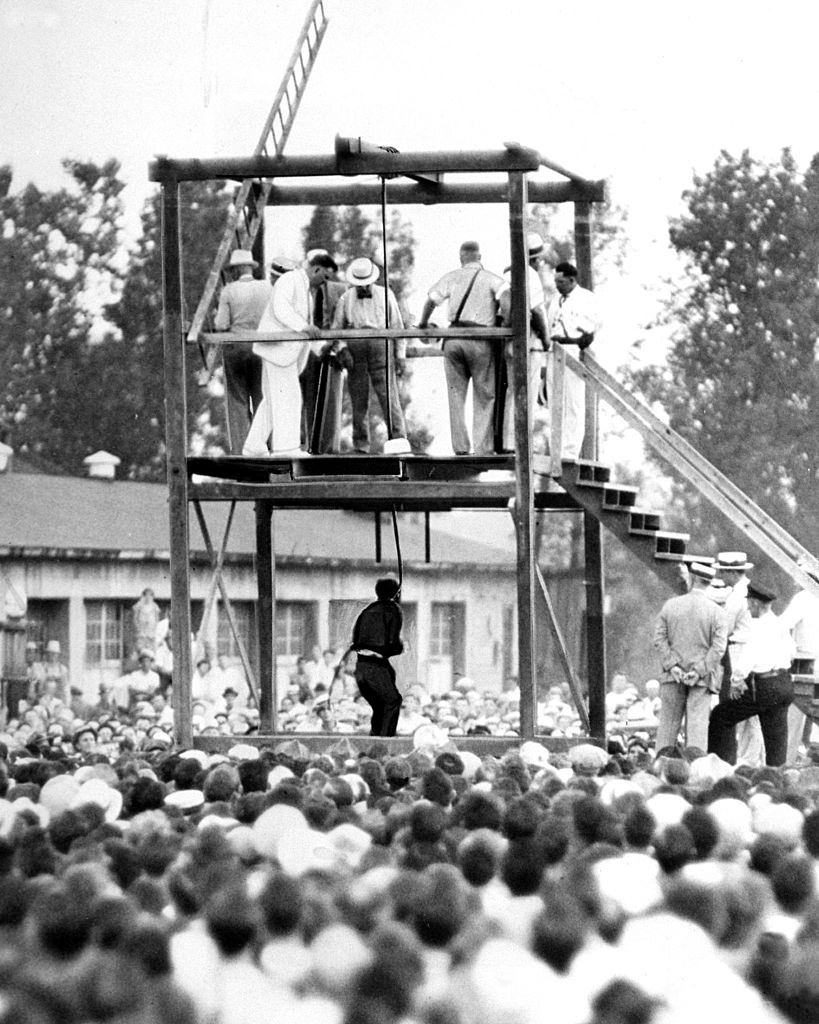
Many of the newspapers that had invested heavily in covering the execution left disappointed. Their reporters described the event as a chaotic spectacle. Several journalists used the phrase “Roman Holiday” to describe what they witnessed — a reference to ancient crowd entertainment rather than justice. Phil Hanna, who had overseen 70 hangings in his career, called it the worst display he had ever seen. The errors and disorder surrounding the execution embarrassed members of the Kentucky legislature, and the state moved to abolish public executions in the aftermath. Rainey Bethea’s hanging stands in the historical record as the last public execution carried out in the United States.

How on earth can you start an article stating that a female police officer was in charge of the execution, not mention their name, never mention their gender, have the execution actually performed by others, and ONLY then have a picture of the female police chief?!
I re-read this interesting but badly structured article three times before I could even work out what was going on. Go ahead and re-read it yourself, ‘Thompson’ is a random character that appears without setup and never has their gender specified.