Archie Comics built its name on clean, cheerful teenage stories set in the fictional town of Riverdale. Archie Andrews, Betty Cooper, Veronica Lodge, and the rest of the gang spent decades navigating love triangles, school mishaps, and harmless drama. But when the 1970s arrived, something shifted.
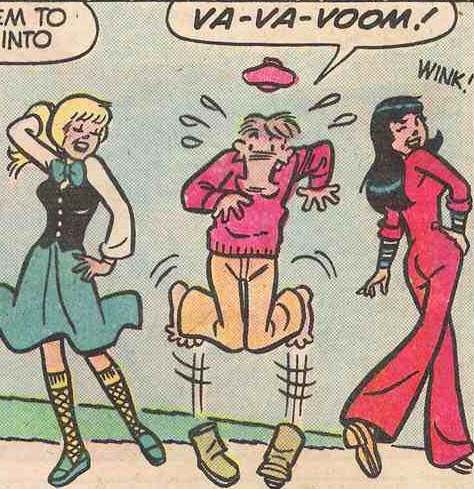
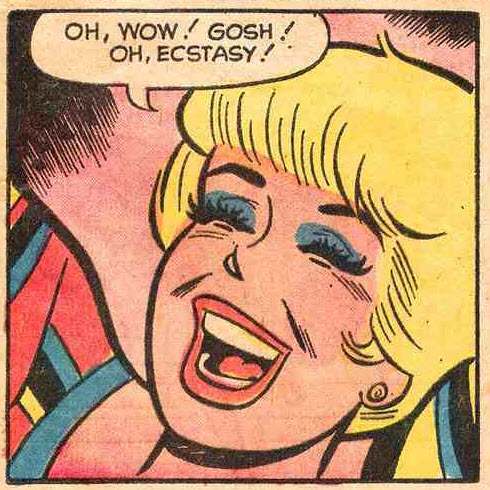
The broader American culture was changing fast. The 1960s counterculture had left its mark, and freer social attitudes were spreading into everyday life — including comic books. Archie Comics was not immune. The covers and interior pages began carrying a noticeably cheekier tone, with flirtatious artwork and suggestive humor that simply wasn’t there before.
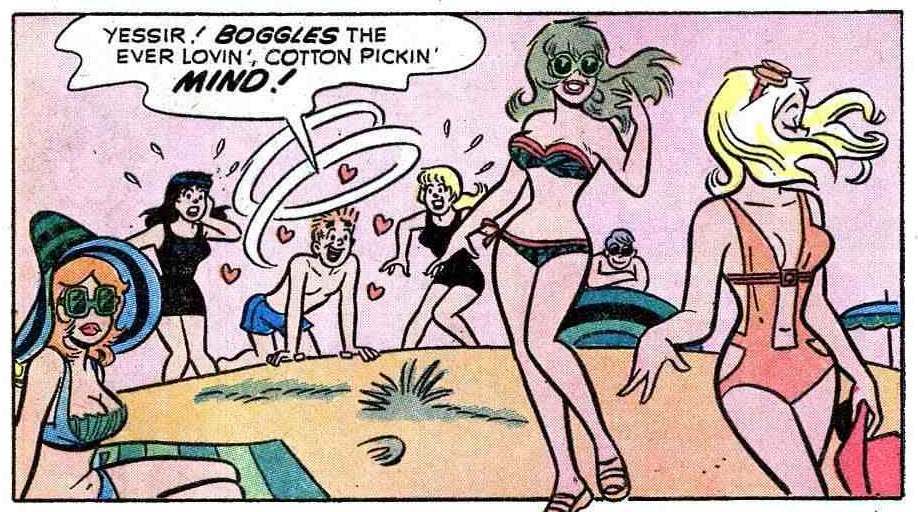

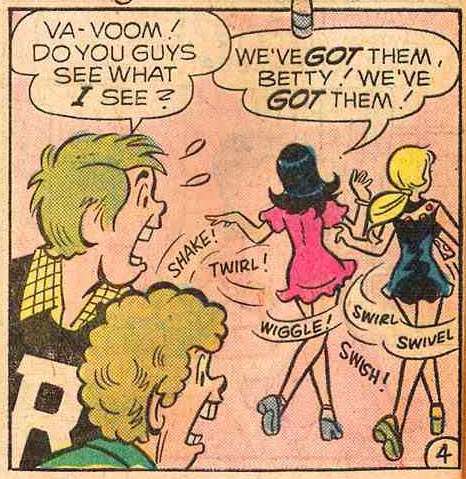
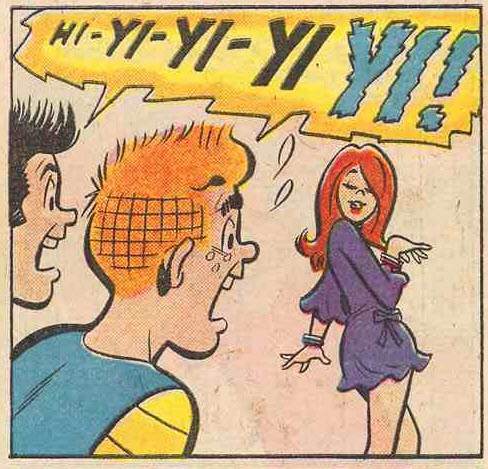
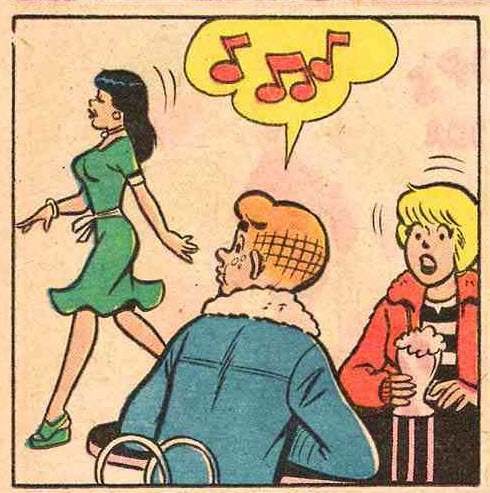
The sexual tension in the stories became far more exaggerated. Earlier issues treated crushes as innocent and awkward. The 1970s issues treated them as something closer to an obsession. Archie, Reggie Mantle, and Jughead Jones stopped being bashful around girls. They stared, gawked, and chased with a boldness that stood out sharply against the series’ earlier tone.
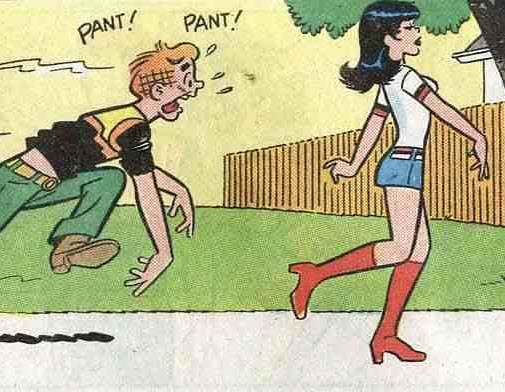
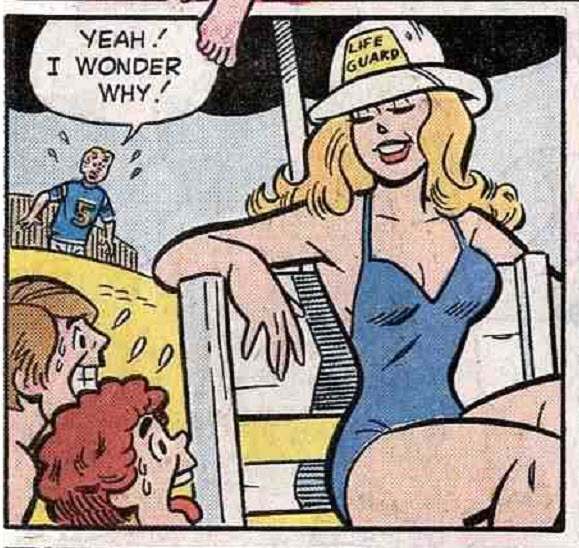
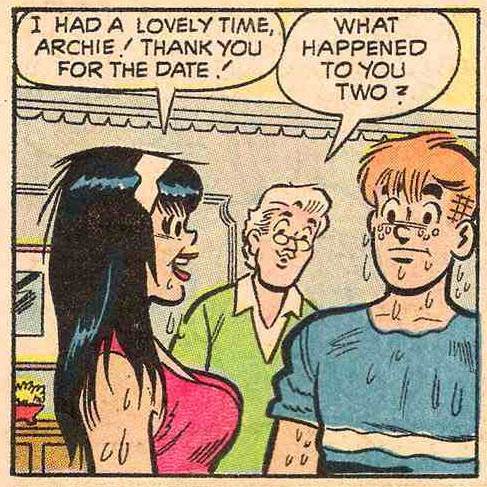
Archie’s classic back-and-forth between Betty and Veronica took on new energy. His indecisiveness was no longer just a running gag — it became a platform for openly comedic lust. Each story seemed designed to put the boys in situations where they could fail spectacularly at impressing girls.
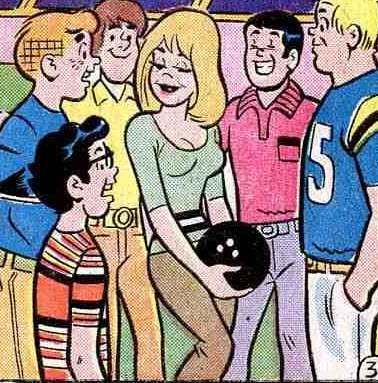
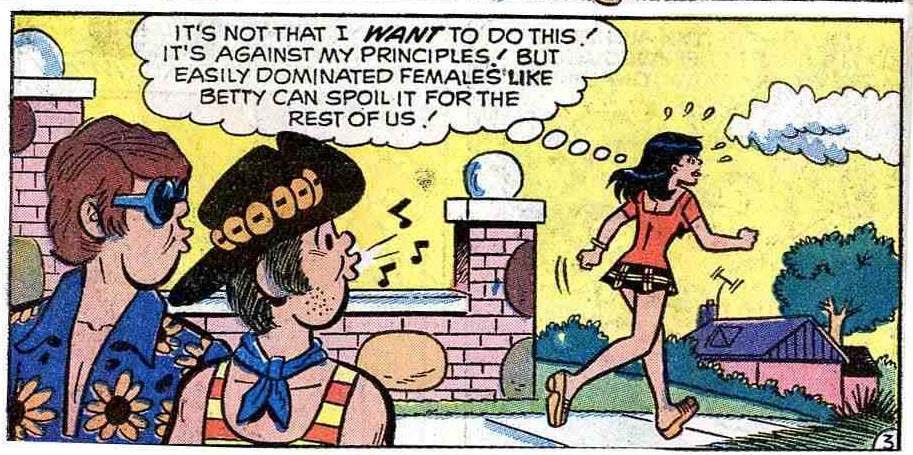
Reggie Mantle leaned hardest into the new tone. His arrogance had always been part of his character, but in the 1970s it fused with a shameless fixation on attracting girls. His schemes became more elaborate and his reactions more over-the-top whenever a girl entered the scene.
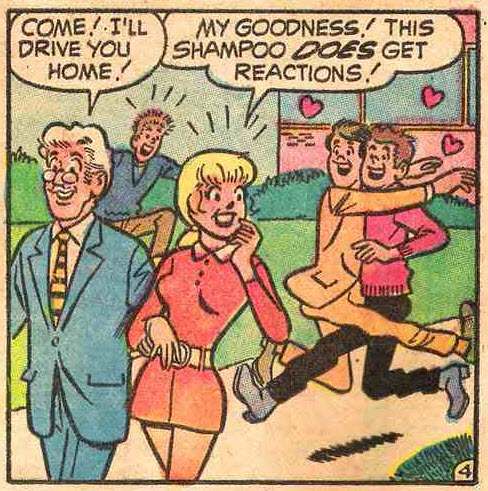
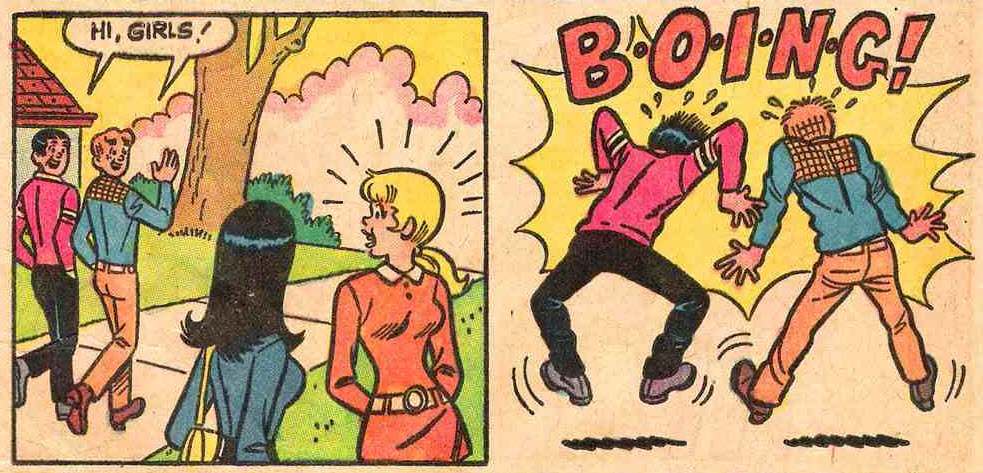
Even Jughead, historically indifferent to romance, wasn’t entirely spared. The decade’s tone touched nearly every corner of the Riverdale universe. The humor stayed comedic, but the subject matter had clearly grown bolder.
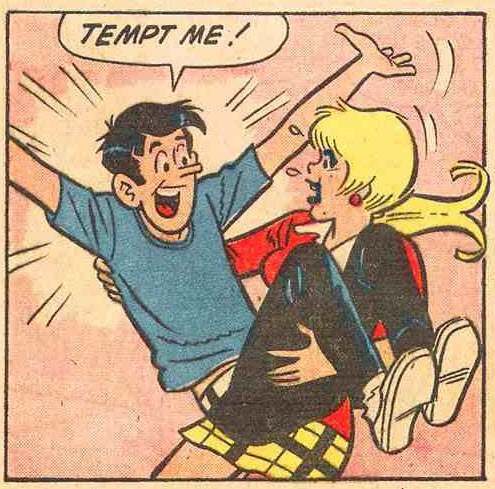
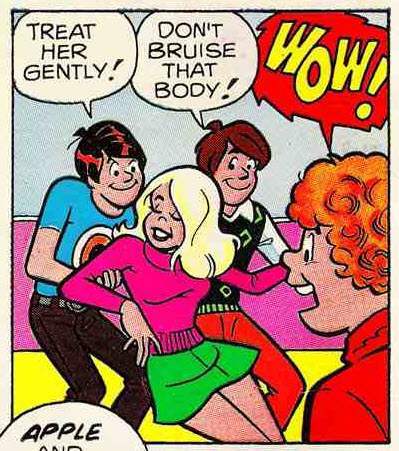
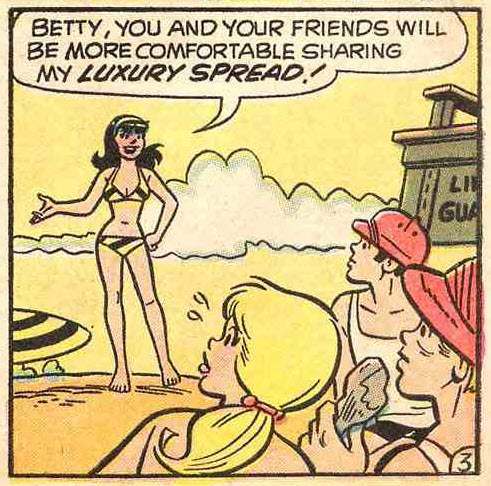
The artwork reflected the shift just as much as the writing did. Cover compositions featured more exaggerated poses, tighter clothing on female characters, and visual jokes built around the boys reacting to girls. The artists leaned into the era’s permissive attitude toward suggestive imagery in mainstream media.
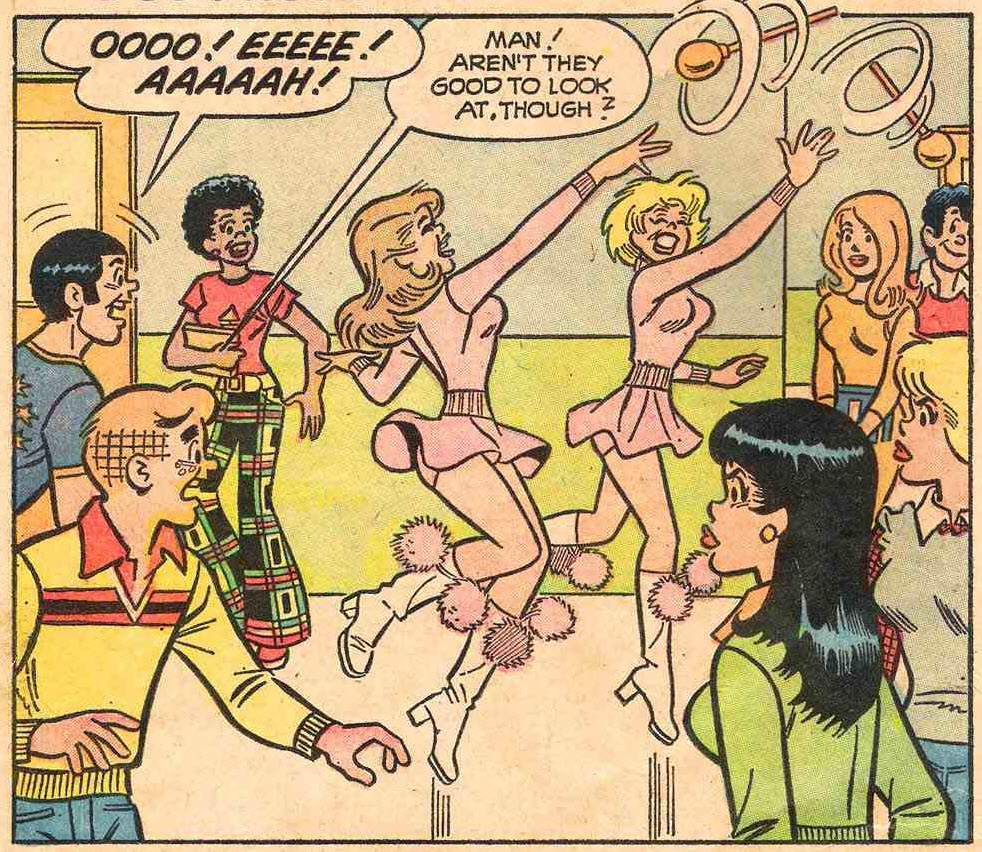
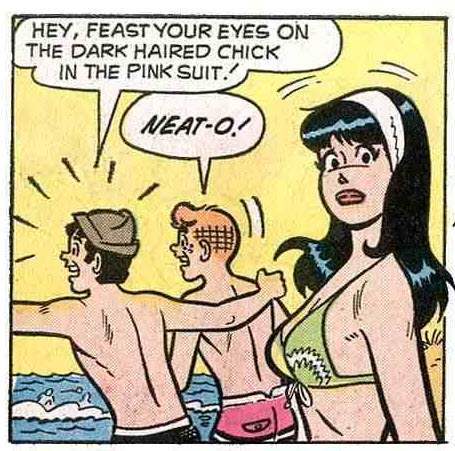
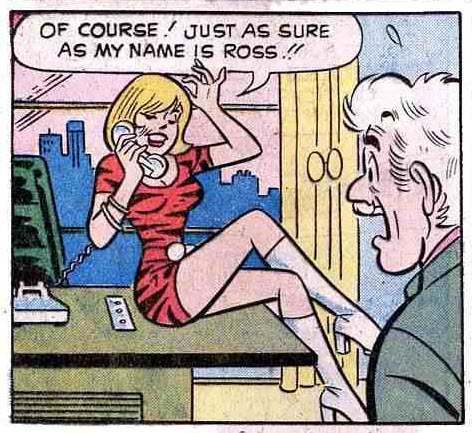
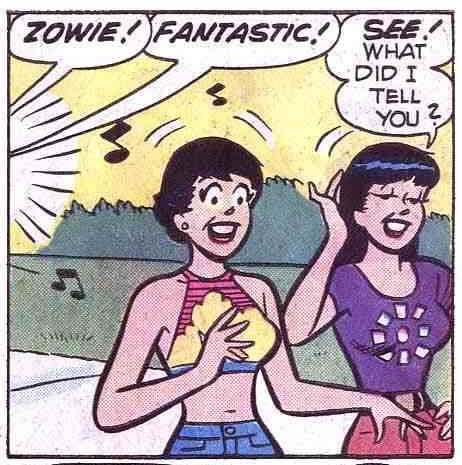
Betty and Veronica remained central figures throughout this shift. Their stories also reflected the decade’s changing attitudes, though they were more often placed in the role of the pursued rather than the pursuer. The dynamic between them and the boys grew more charged with each passing year of the decade.
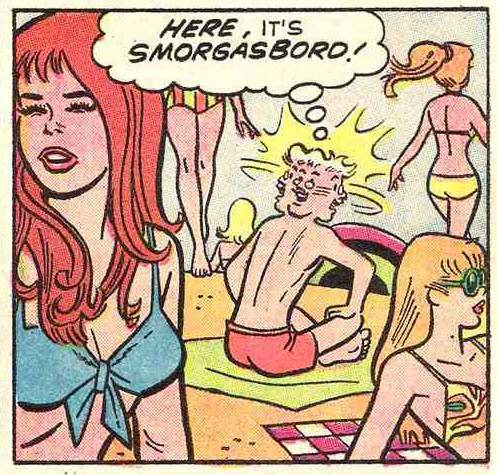
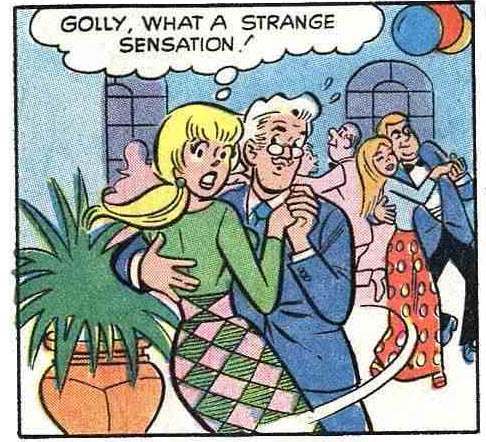
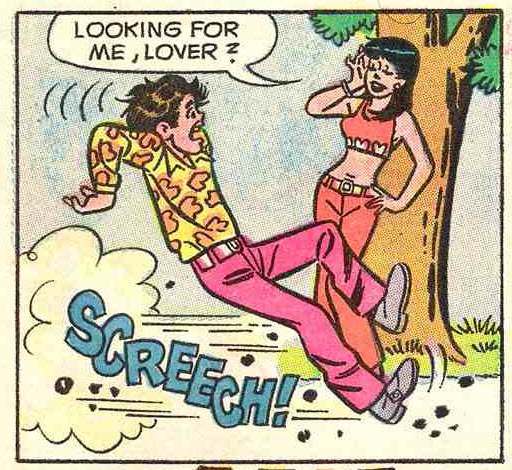
This was still a mass-market comic sold to kids and teens. The content never crossed into explicit territory. But compared to the Archie Comics of the 1950s and early 1960s, the gap in tone was wide and unmistakable. The series had absorbed the decade’s cultural energy and put it on full display.