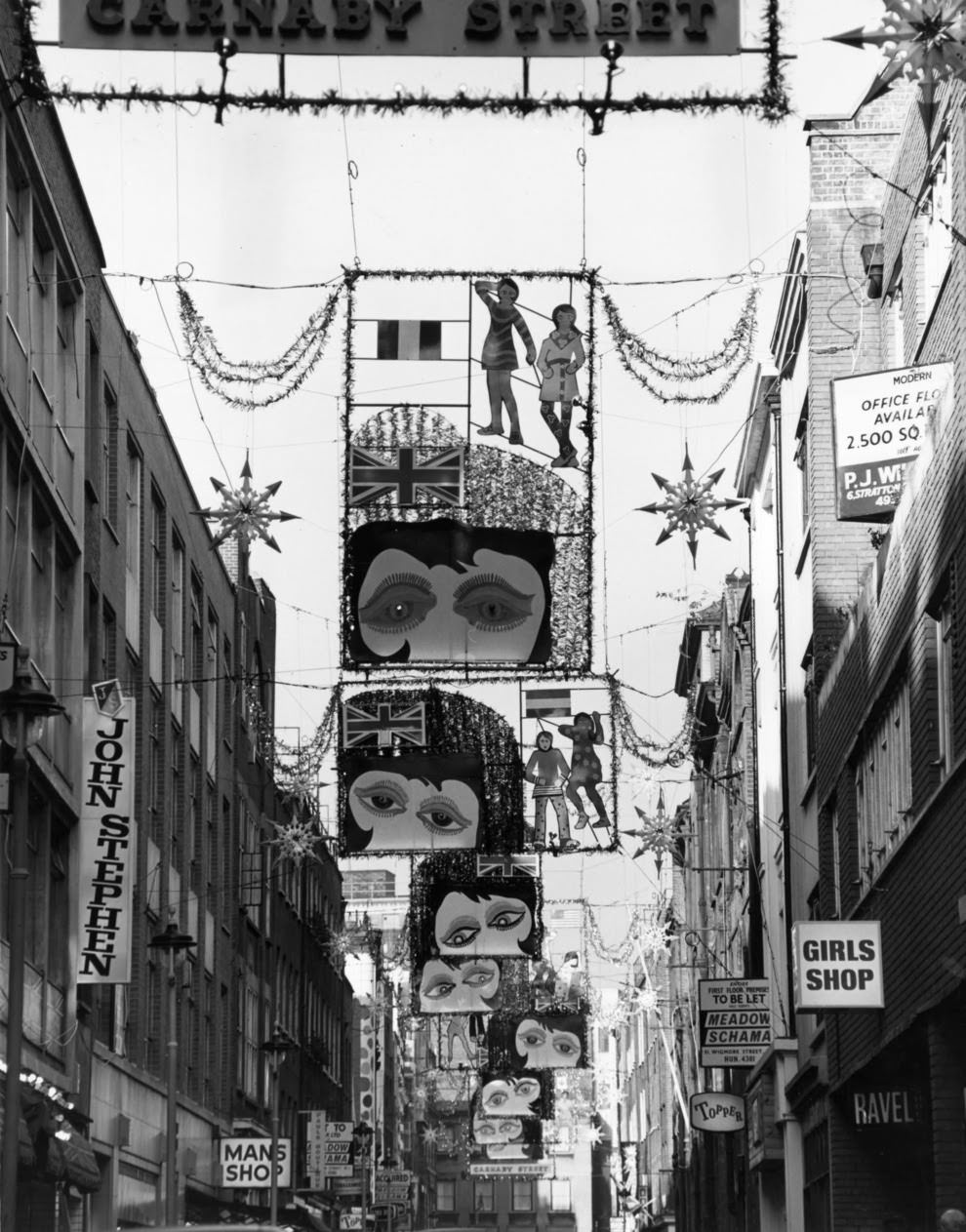
Before the 1960s, Carnaby Street was a quiet backstreet in London’s Soho district, known mostly to locals. That changed fast. Within a few years, it became one of the most recognized streets in the world — a magnet for young people, bold fashion, and a new way of living.
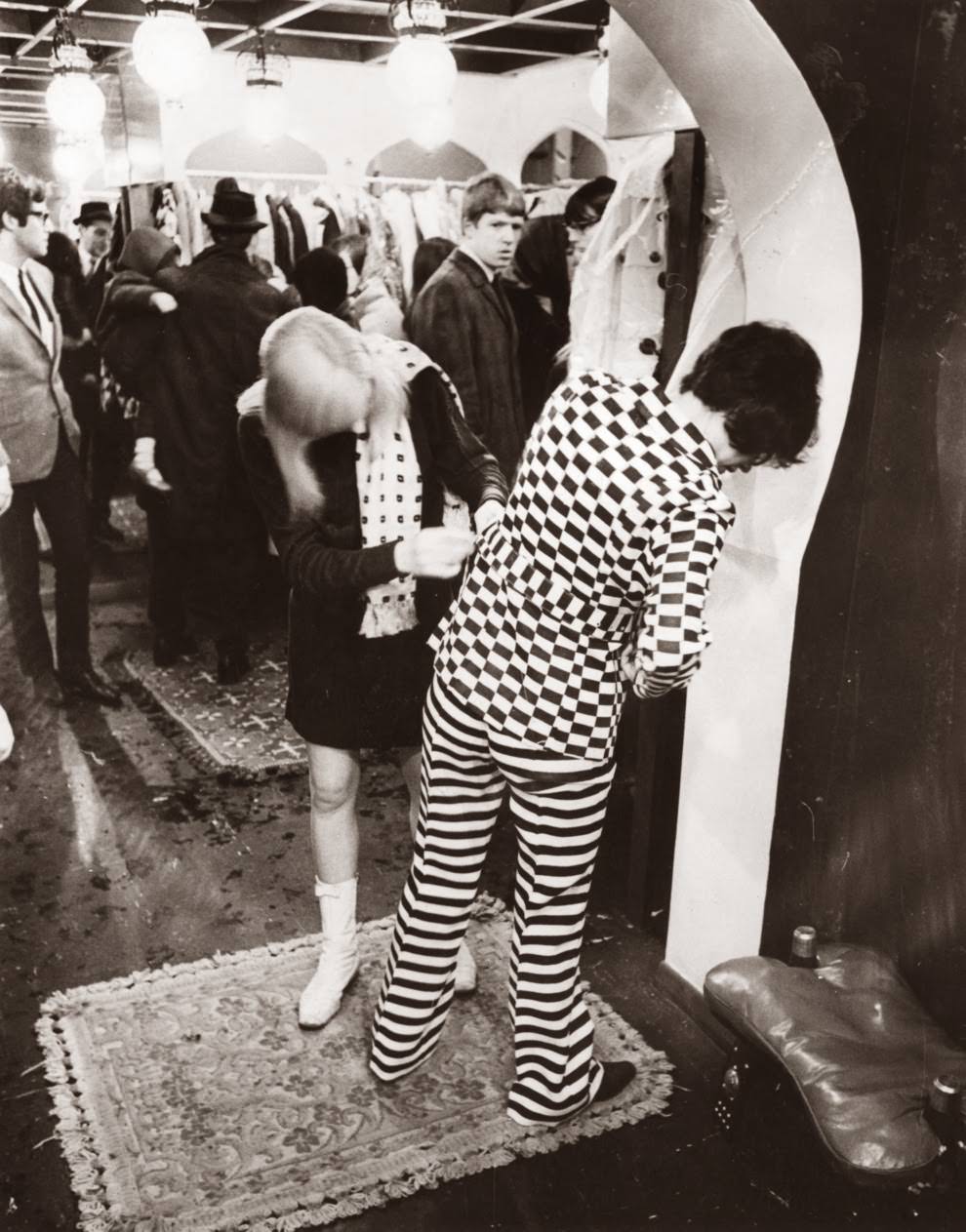
The street sat at the center of the Mod movement, a style born in London that swept across youth culture. Men wore sharp, slim-cut suits in bold colors and geometric patterns. Women dressed in short skirts, colorful tights, and striking accessories. These looks were a deliberate break from the conservative styles of older generations.
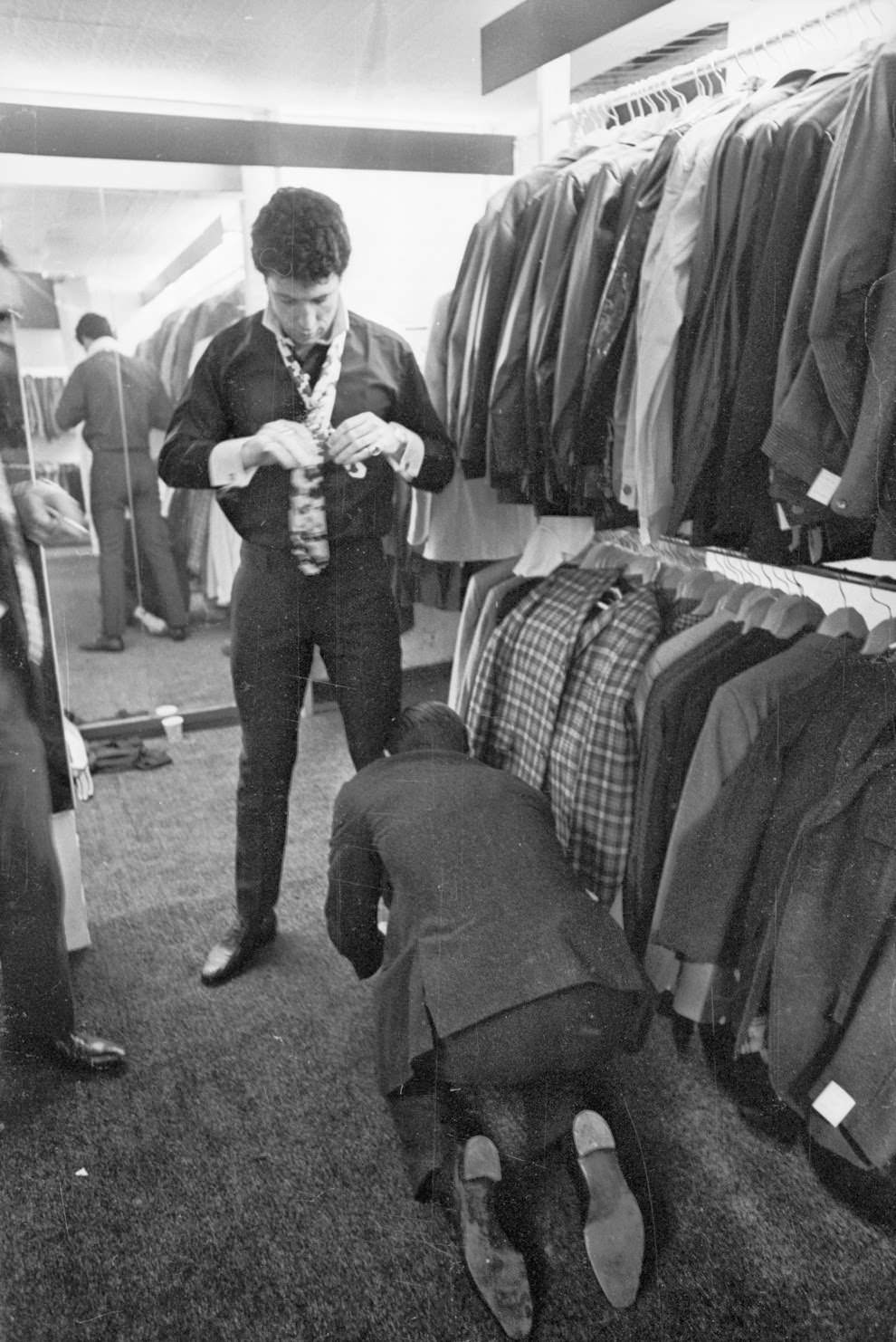
The boutiques lining Carnaby Street were small and independent. Owners often designed the clothes themselves or sourced from up-and-coming designers. That kept the stock fresh, unique, and impossible to find anywhere else. Shopping there felt like discovering something before the rest of the world caught on.
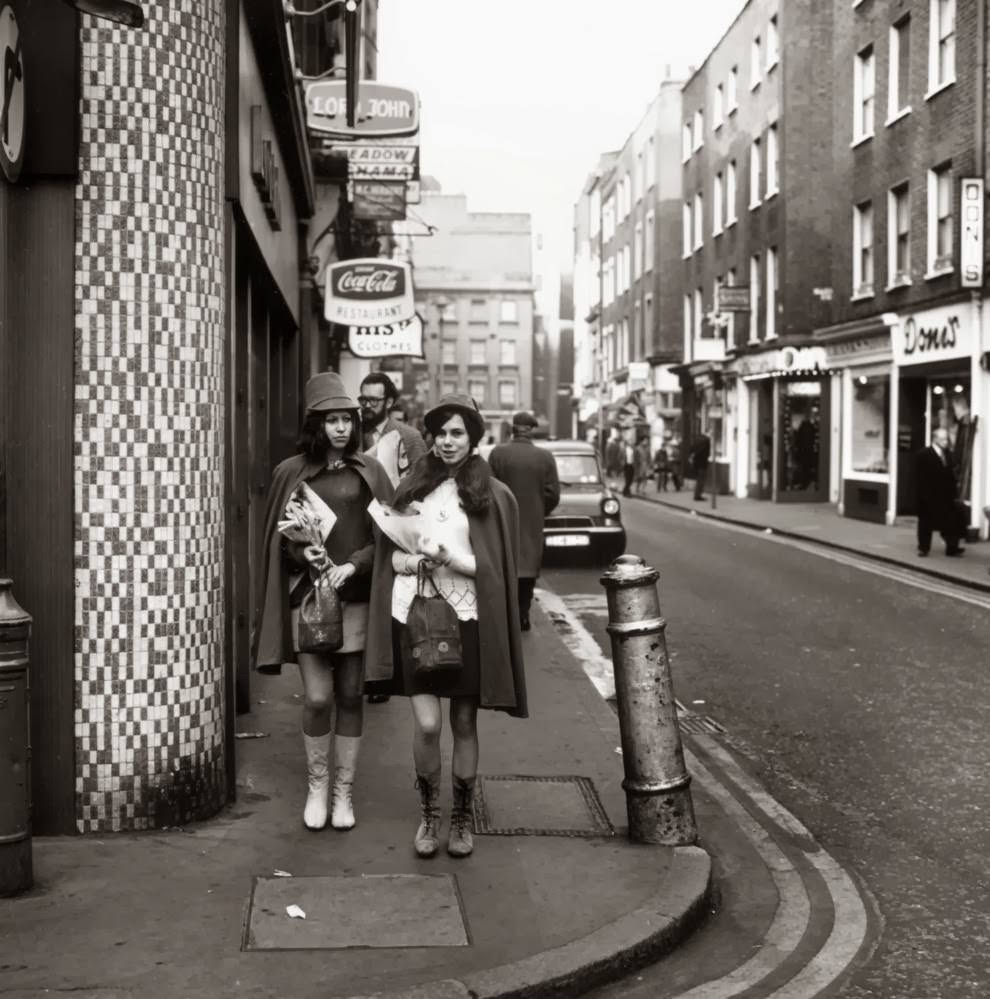
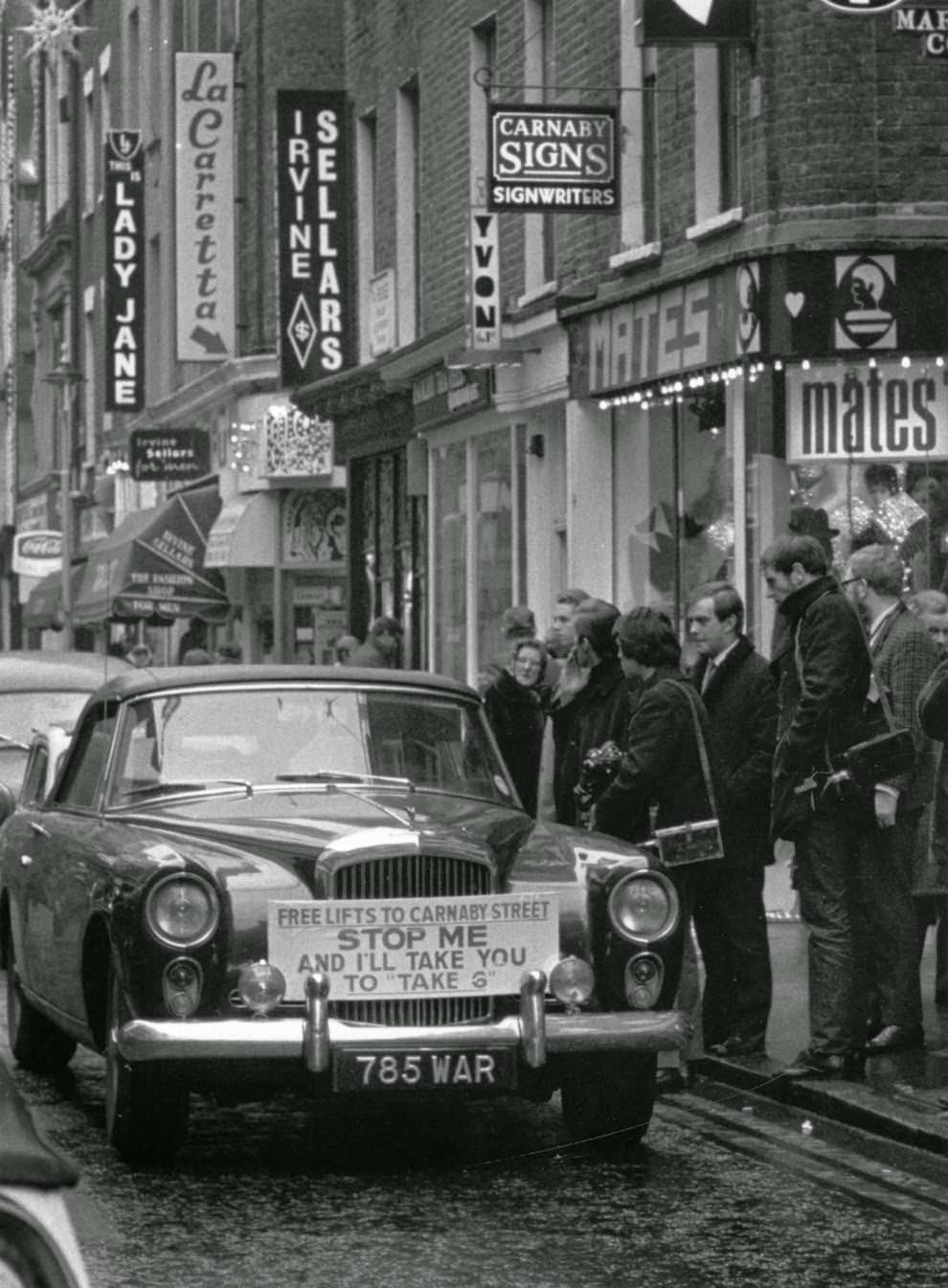
Musicians from the Swinging London scene were regular visitors. Seeing bands in Carnaby Street clothes on TV or in magazines drove thousands of fans to the street. The connection between fashion and music made Carnaby Street impossible to ignore.
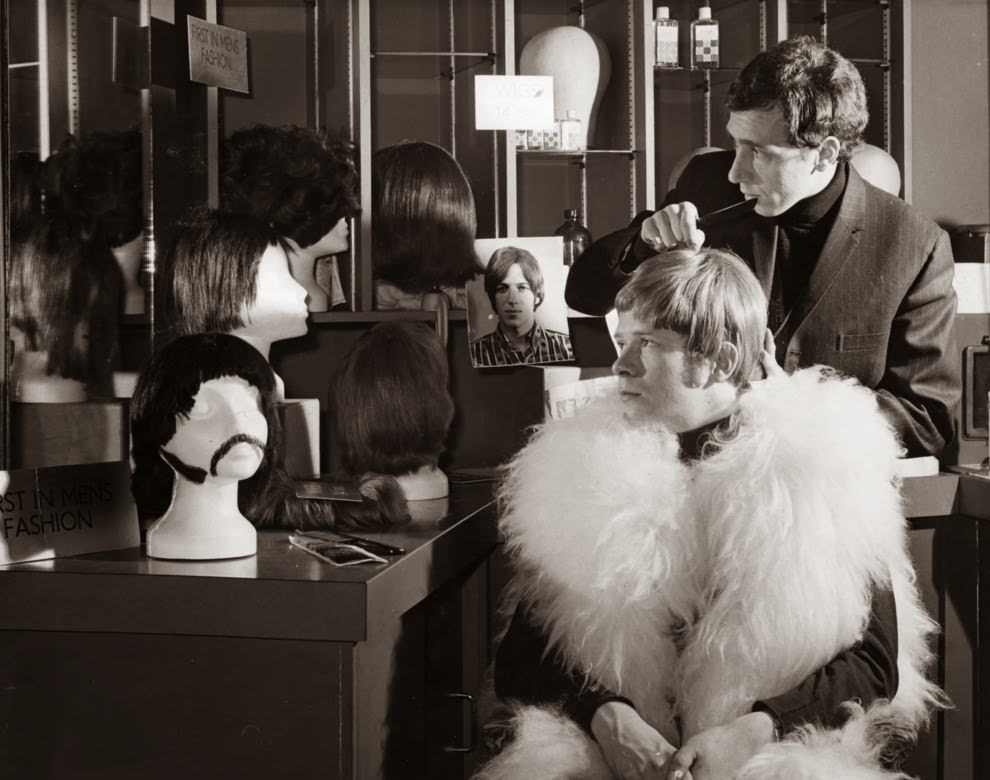
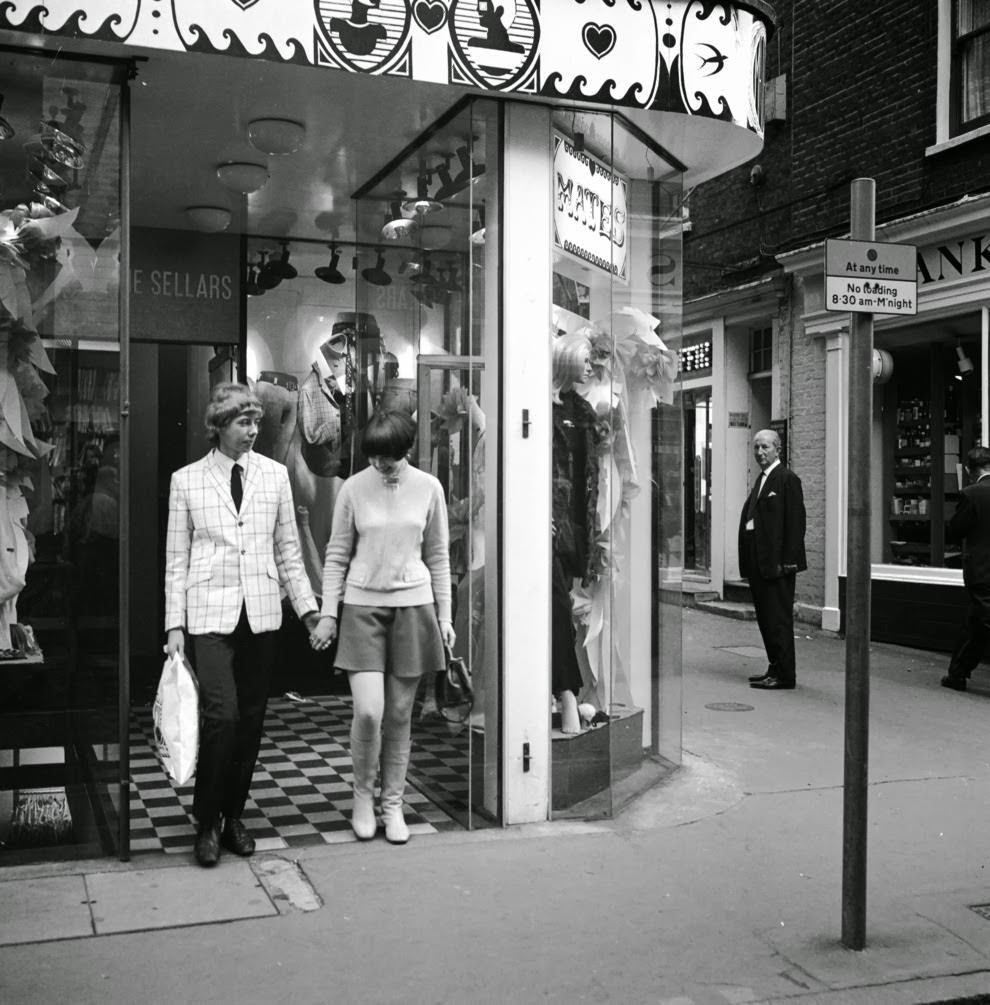
One of the most influential figures on the street was tailor John Stephen. He opened multiple shops and dressed a generation of young men who wanted to look sharp without dressing like their fathers. His presence helped define what Carnaby Street stood for.
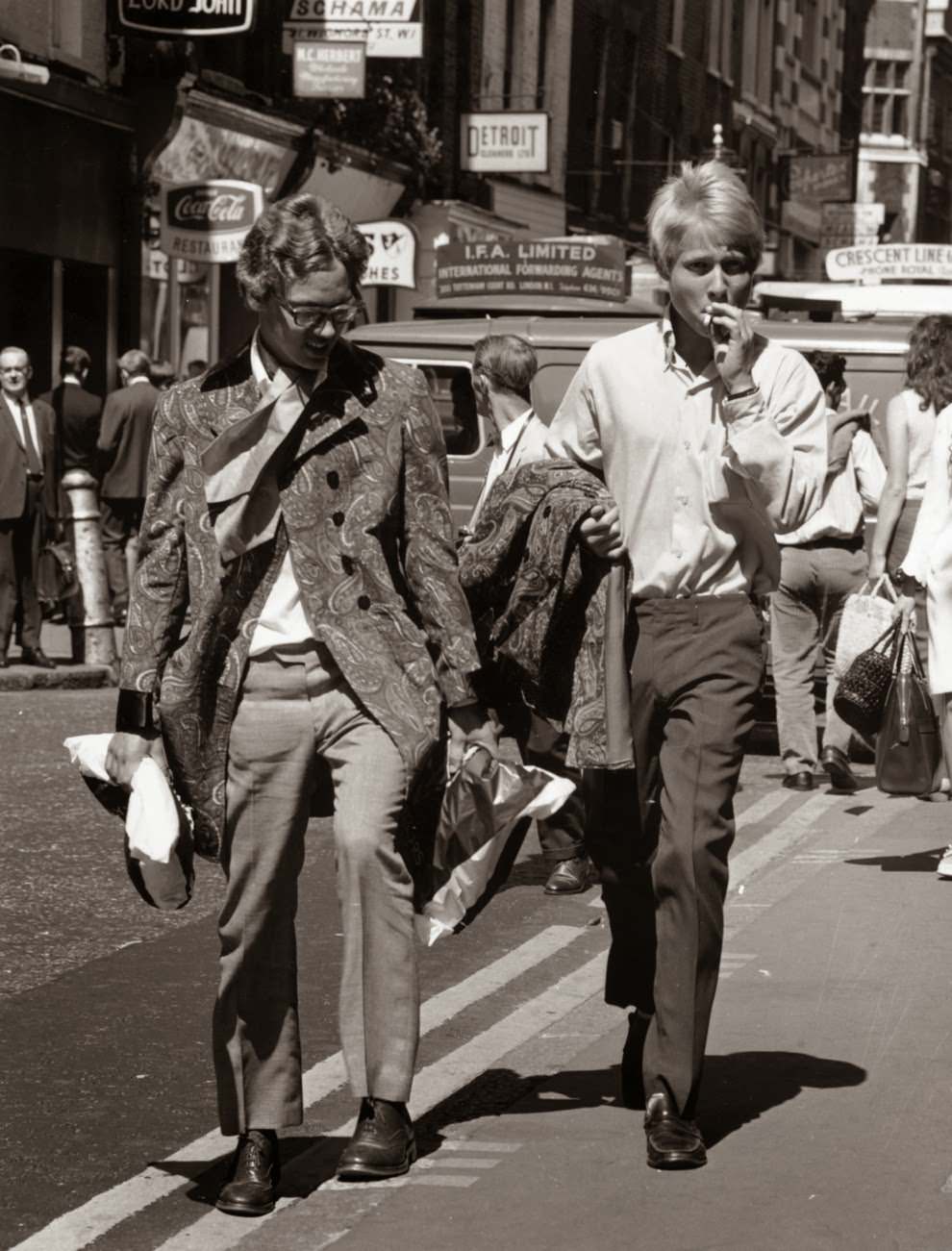
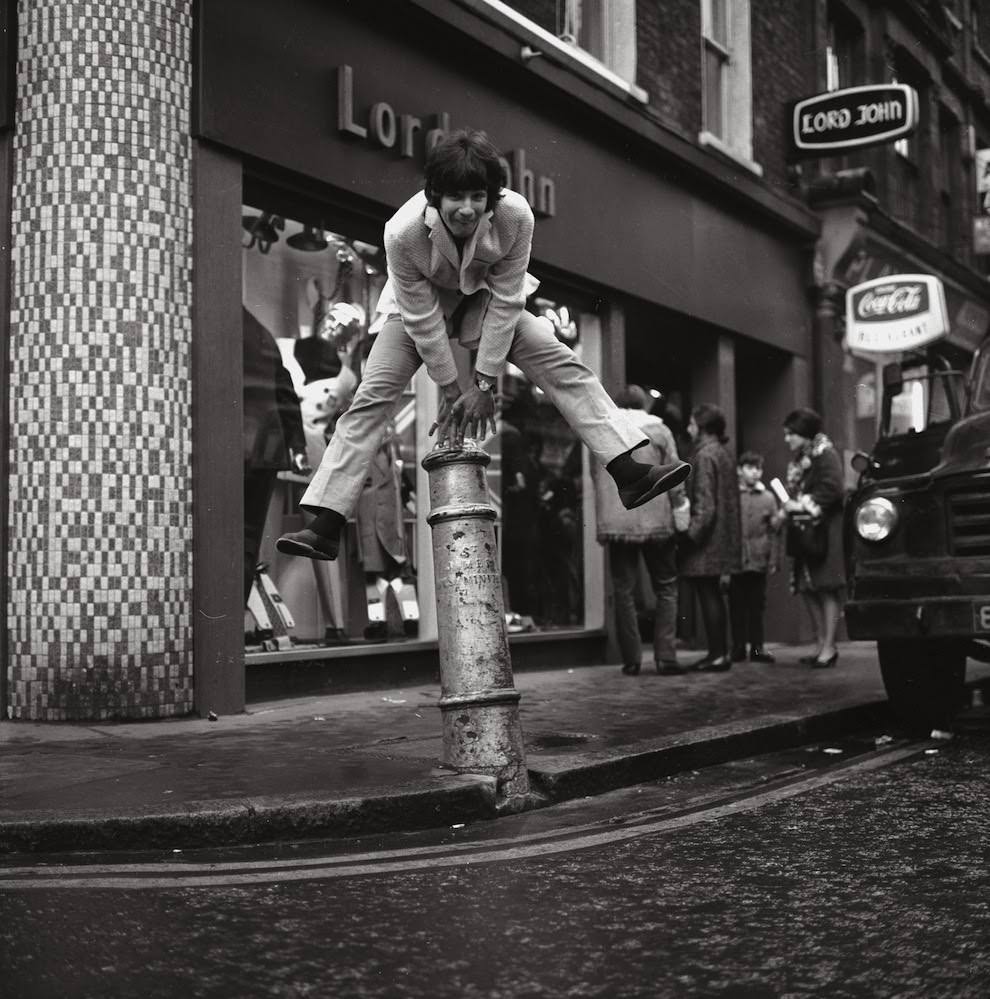
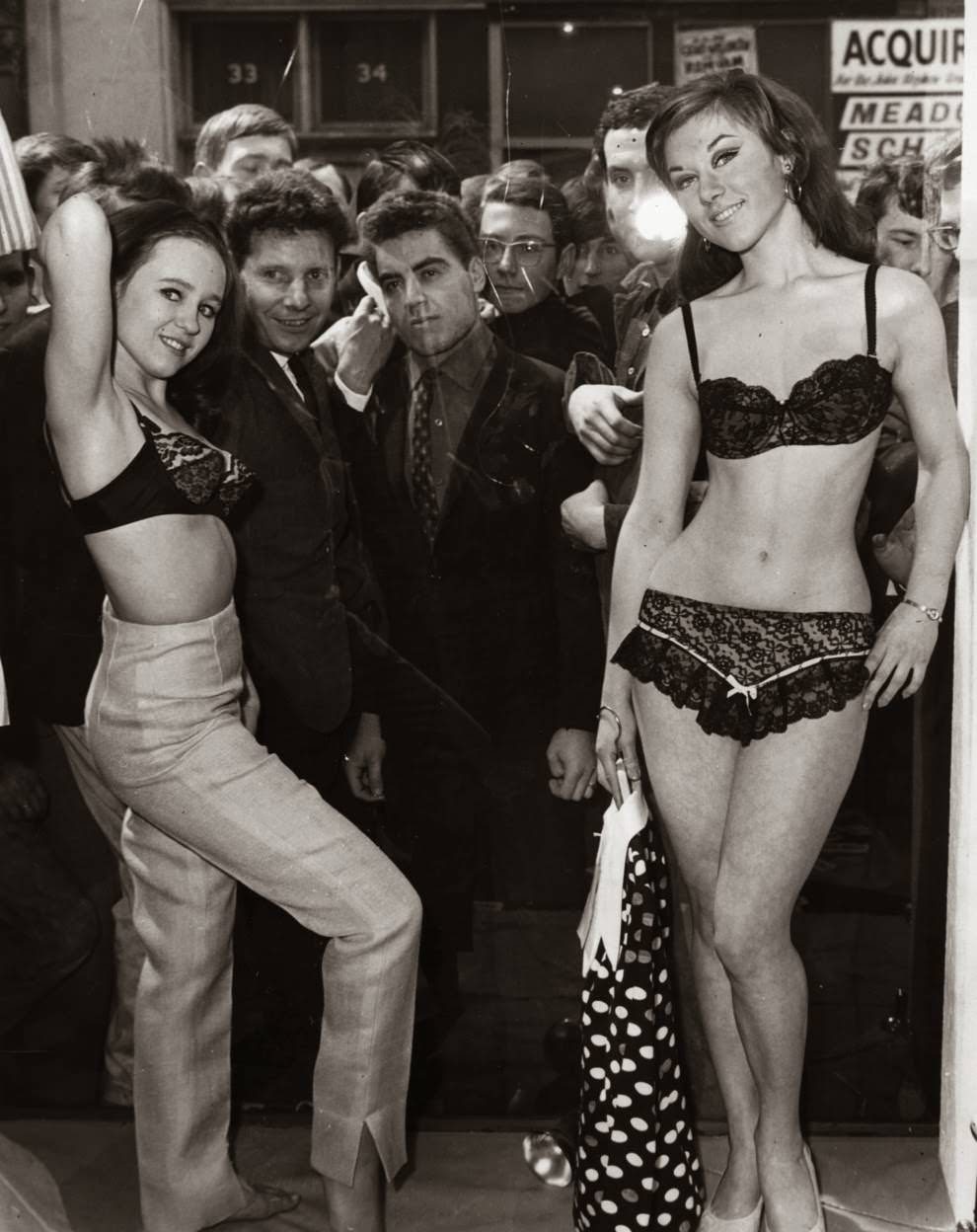
The street wasn’t just a place to buy clothes — it was a place to be seen. Young people crowded the pavement showing off new outfits, soaking up the energy, and watching everyone else do the same. It buzzed with a sense that something new was happening right there.
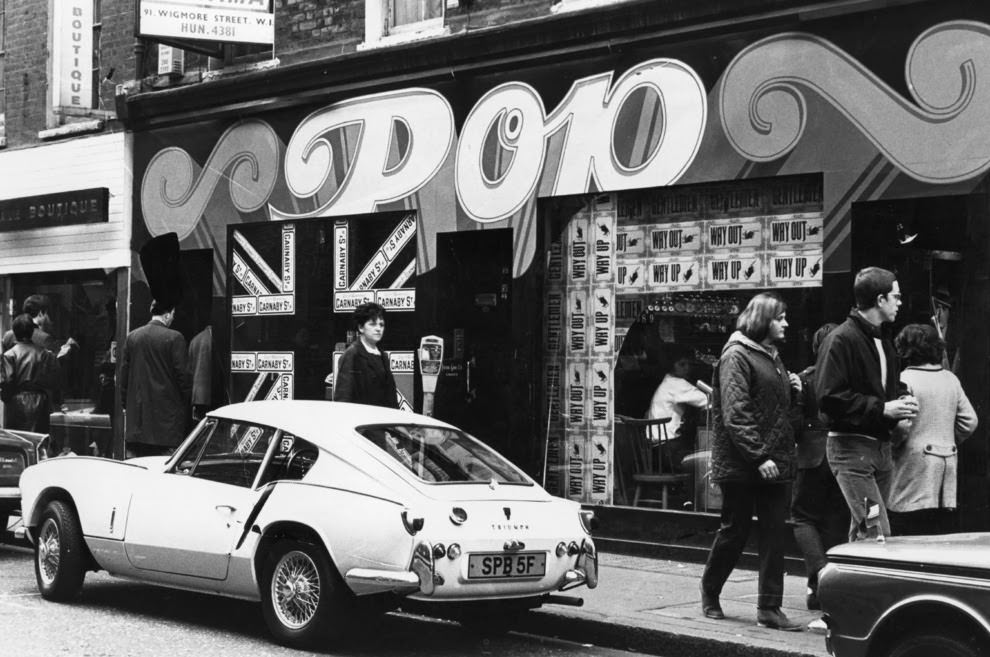
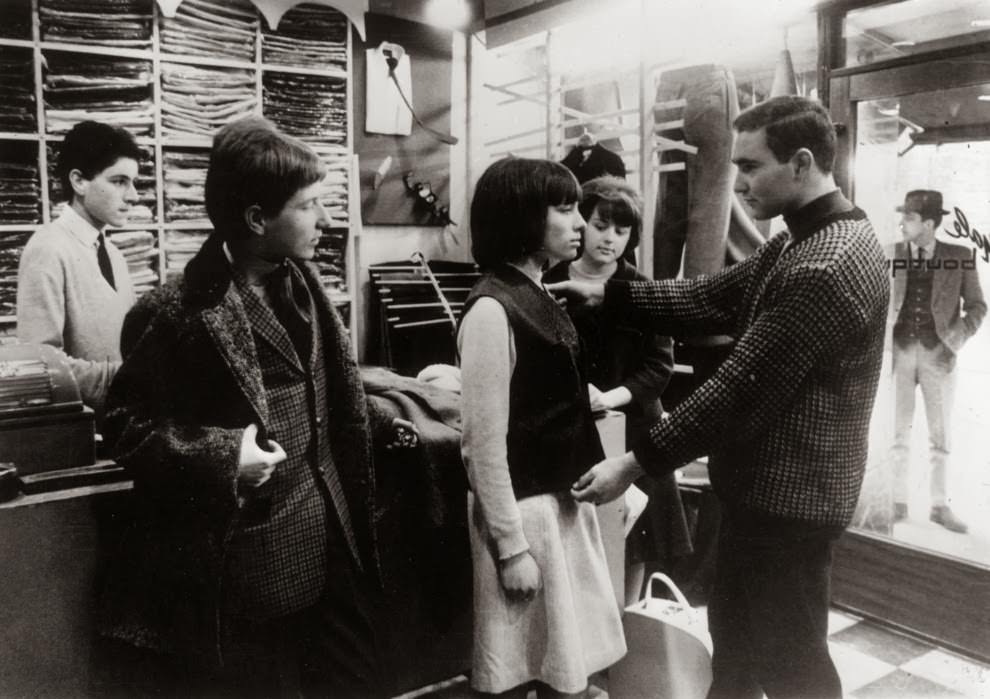
By the mid-1960s, Carnaby Street had attracted international attention. Tourists arrived alongside locals, all drawn by the reputation the street had built in just a few short years. The boutiques adapted quickly, always chasing the next trend before it fully arrived.
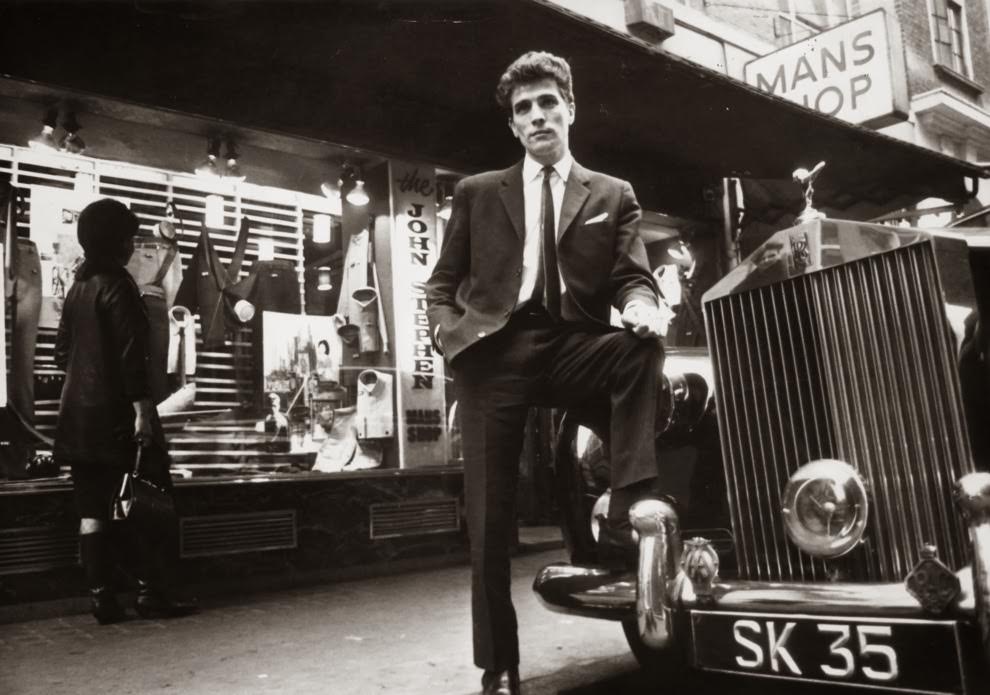
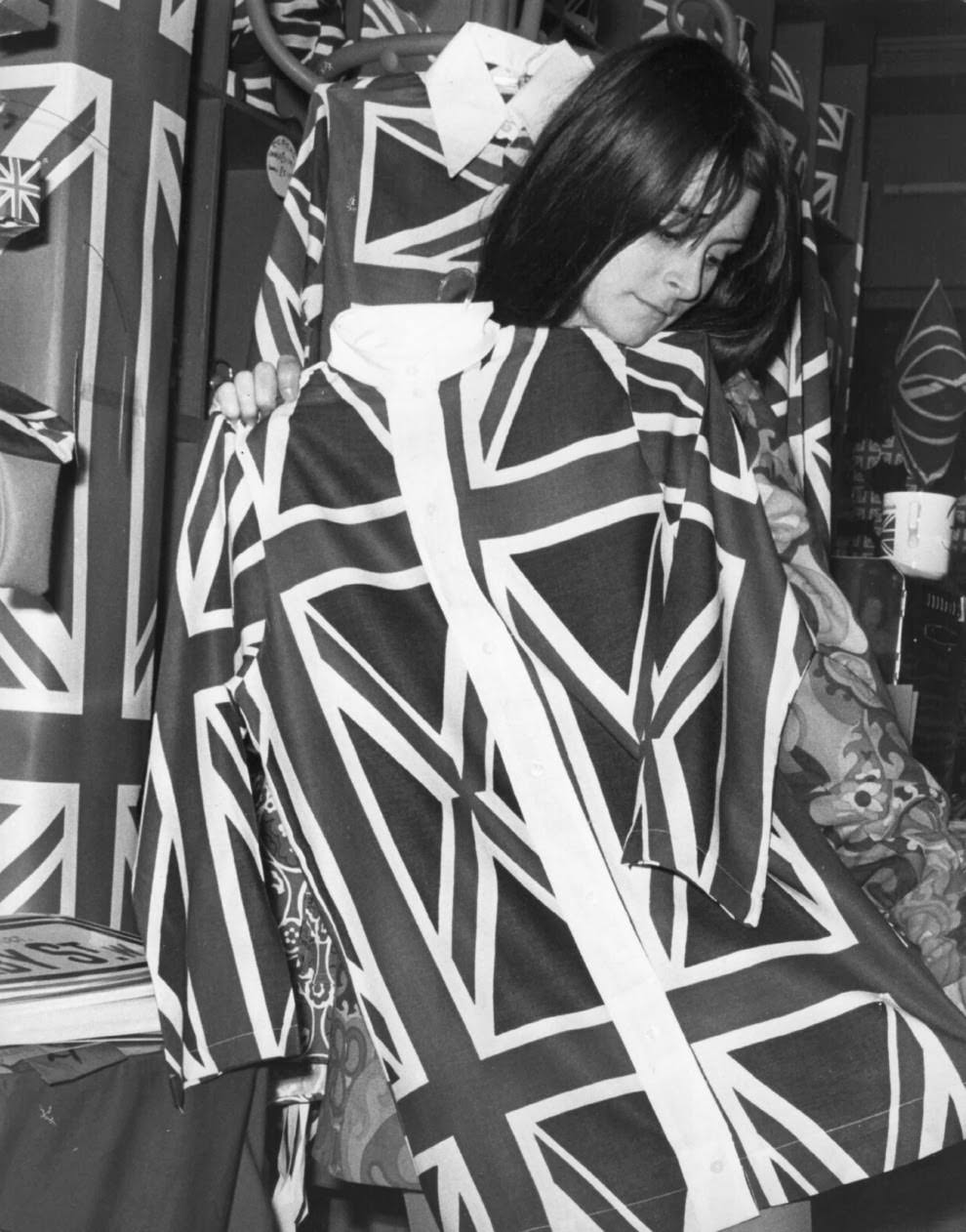
Union Jack prints, bold graphics, and eye-catching window displays became trademarks of the street’s visual identity. Shops used every tool available to pull people through the door — and it worked.