In the decades before the 1959 revolution, Havana operated as a playground of extremes. Wealthy socialites like Aline Johnson moved through a world of private staff, elite clubs, and elaborate morning routines. High society in the Cuban capital mixed traditional Spanish customs with modern American financial influences. Debutantes attended grand parties hosted by political elites and prominent society figures across the city, establishing a rigid social hierarchy.
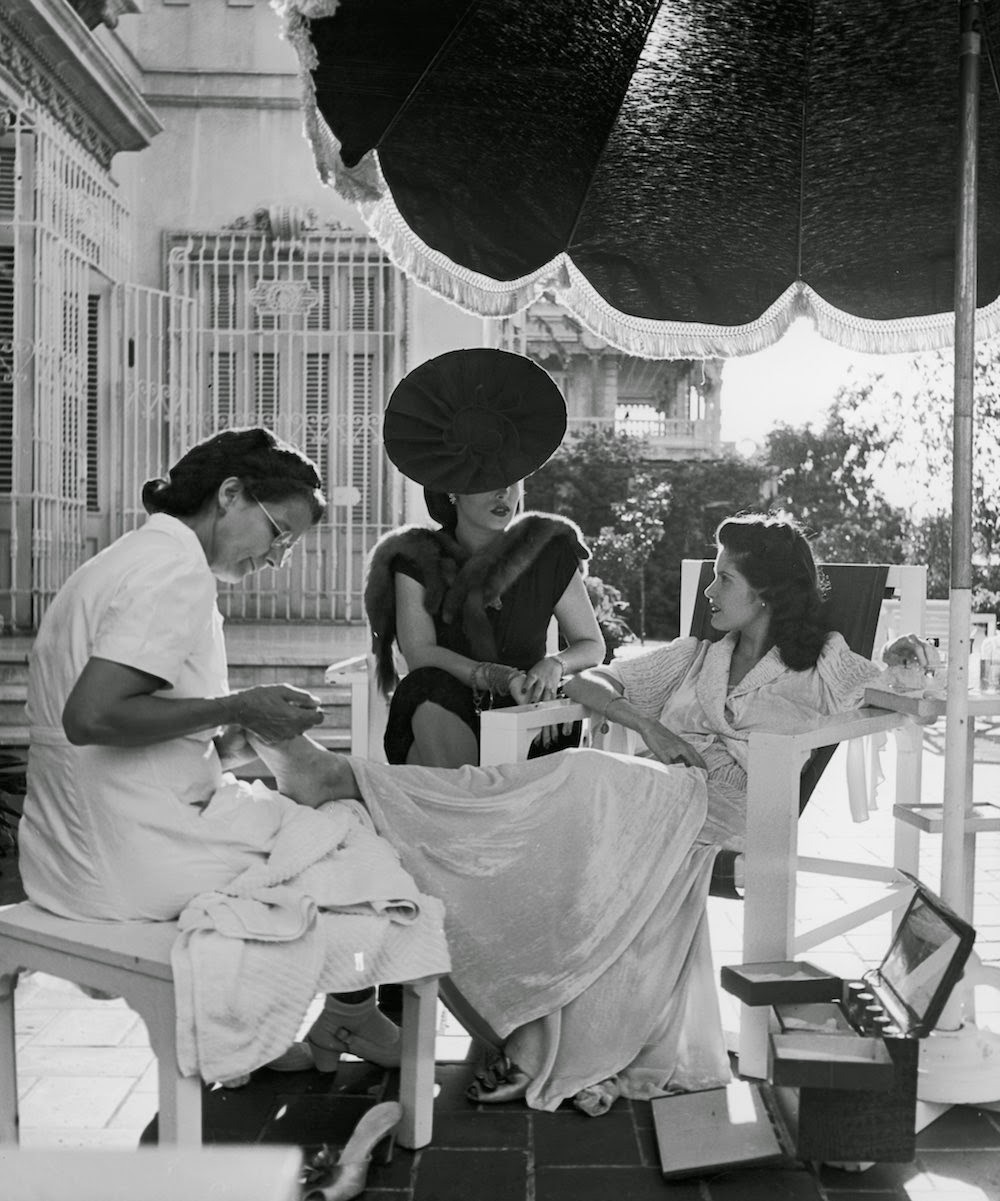
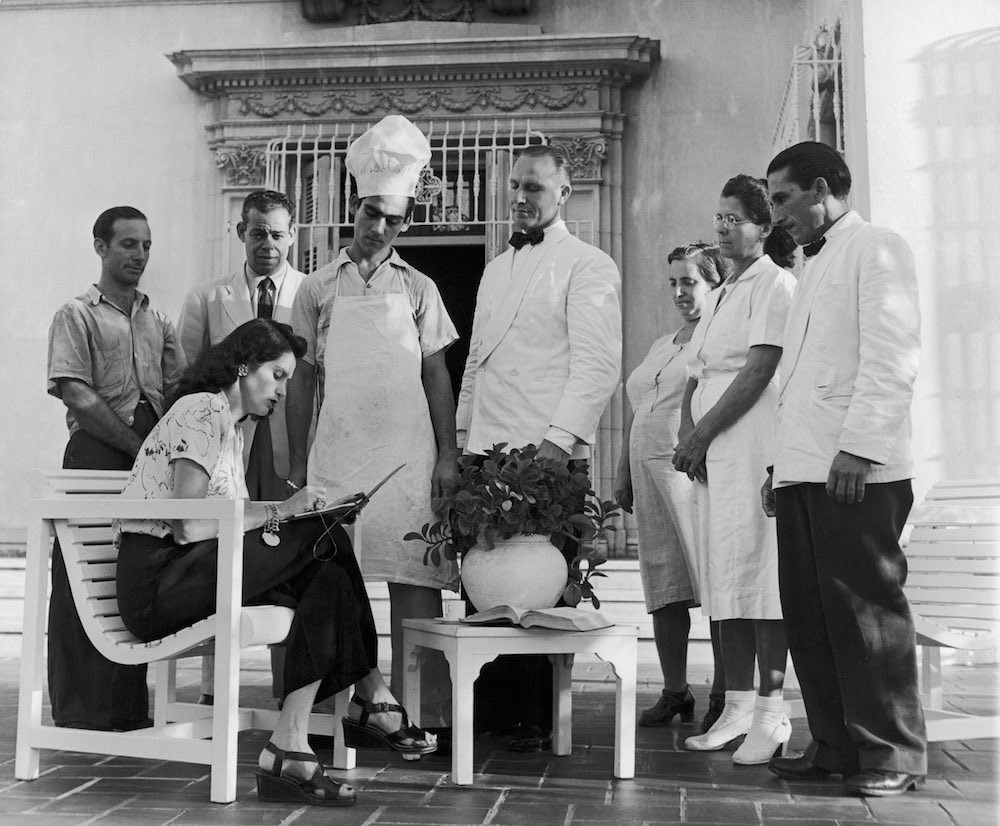
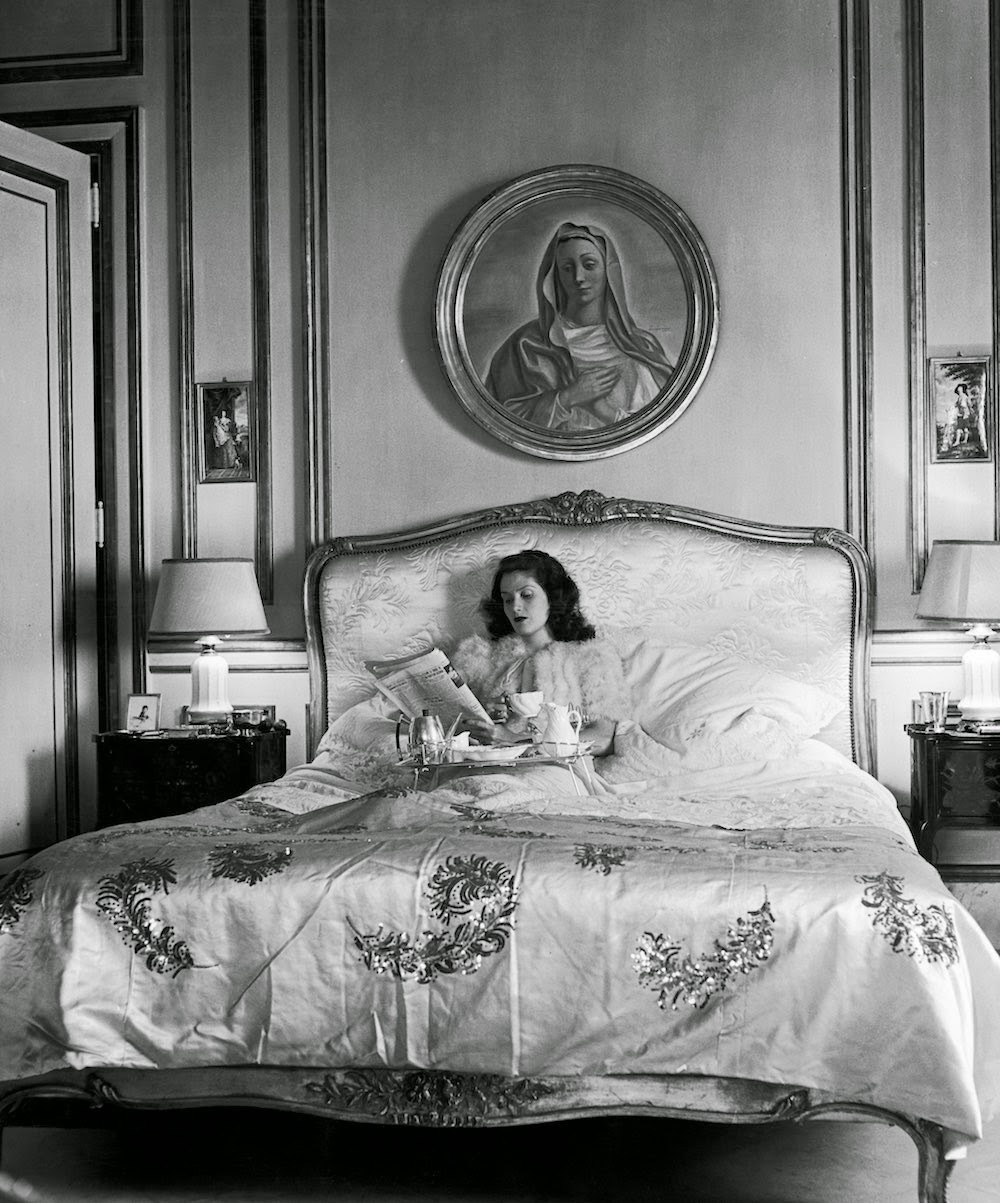
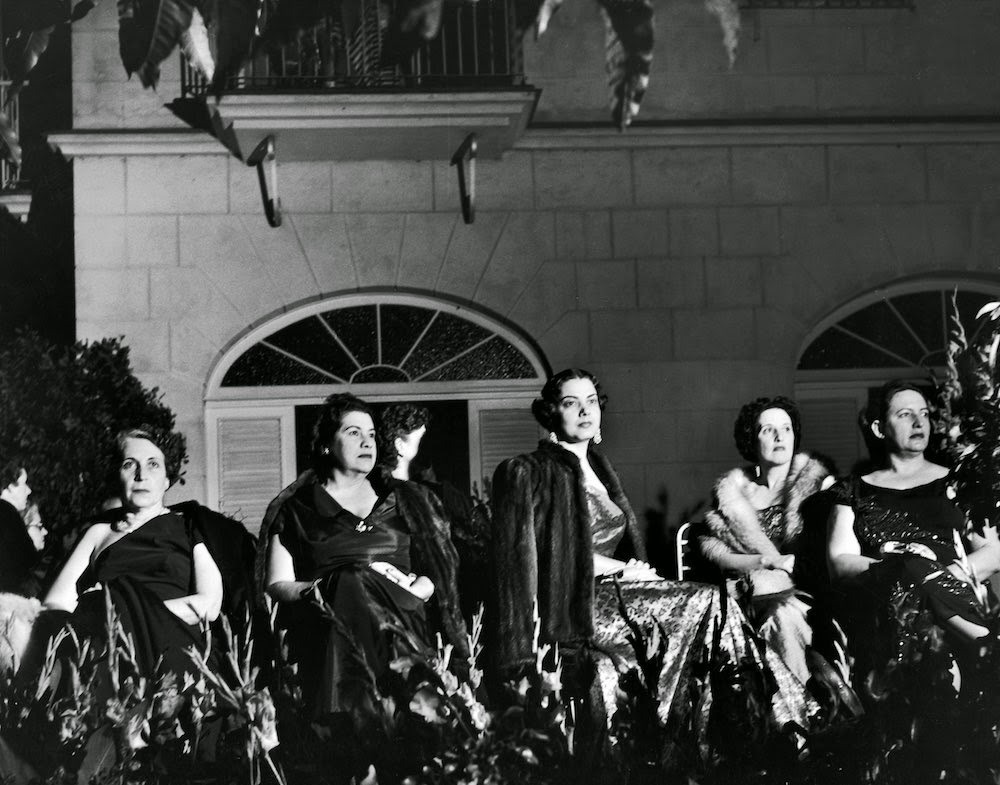
Mansions across the Vedado and Miramar neighborhoods echoed with orders given to large domestic staffs. Daily schedules included private manicures at home and breakfast served in ornate bedrooms decorated with classical art. Outside these private residences, the city's social calendar revolved around lavish outdoor receptions held under silk canopies. Cuba's first lady, La Condesa de Comargo, regularly hosted these massive gatherings for the island's richest families.
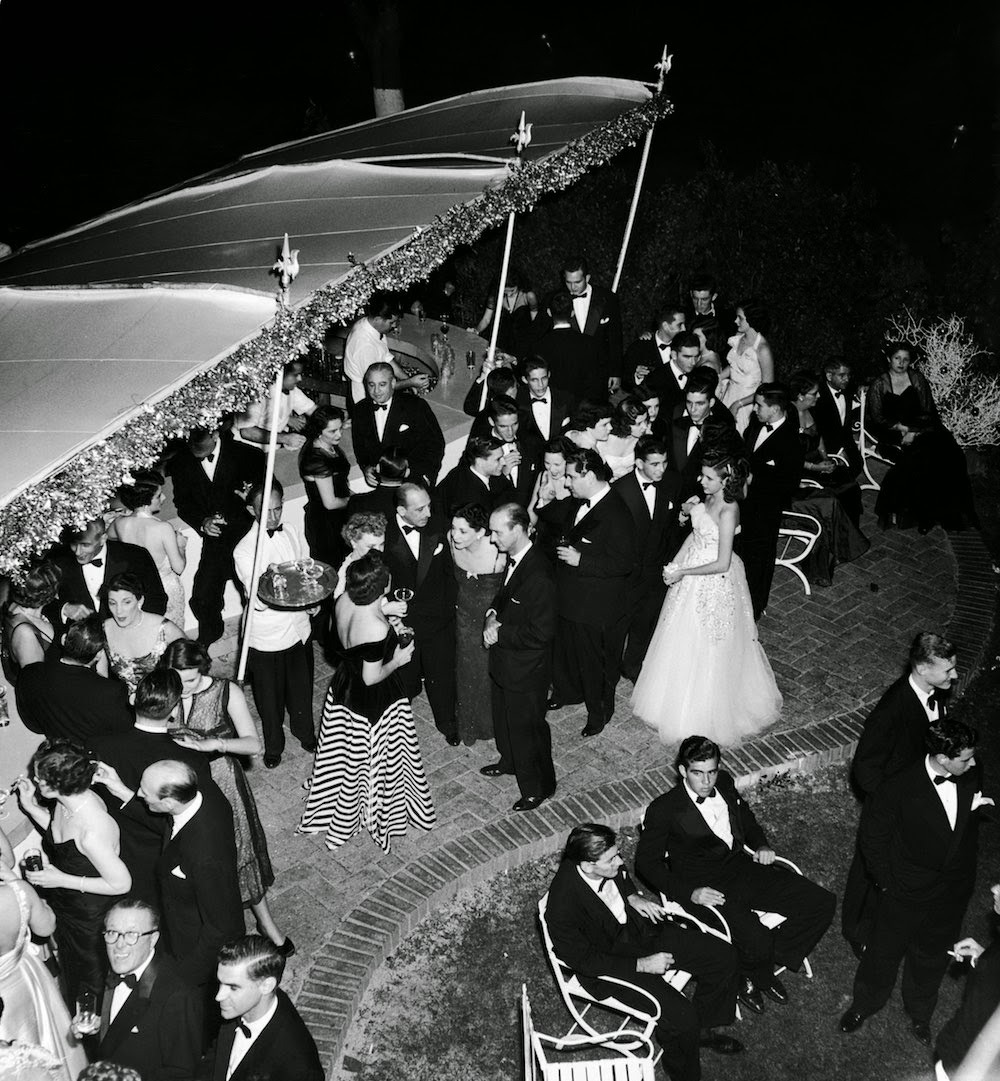
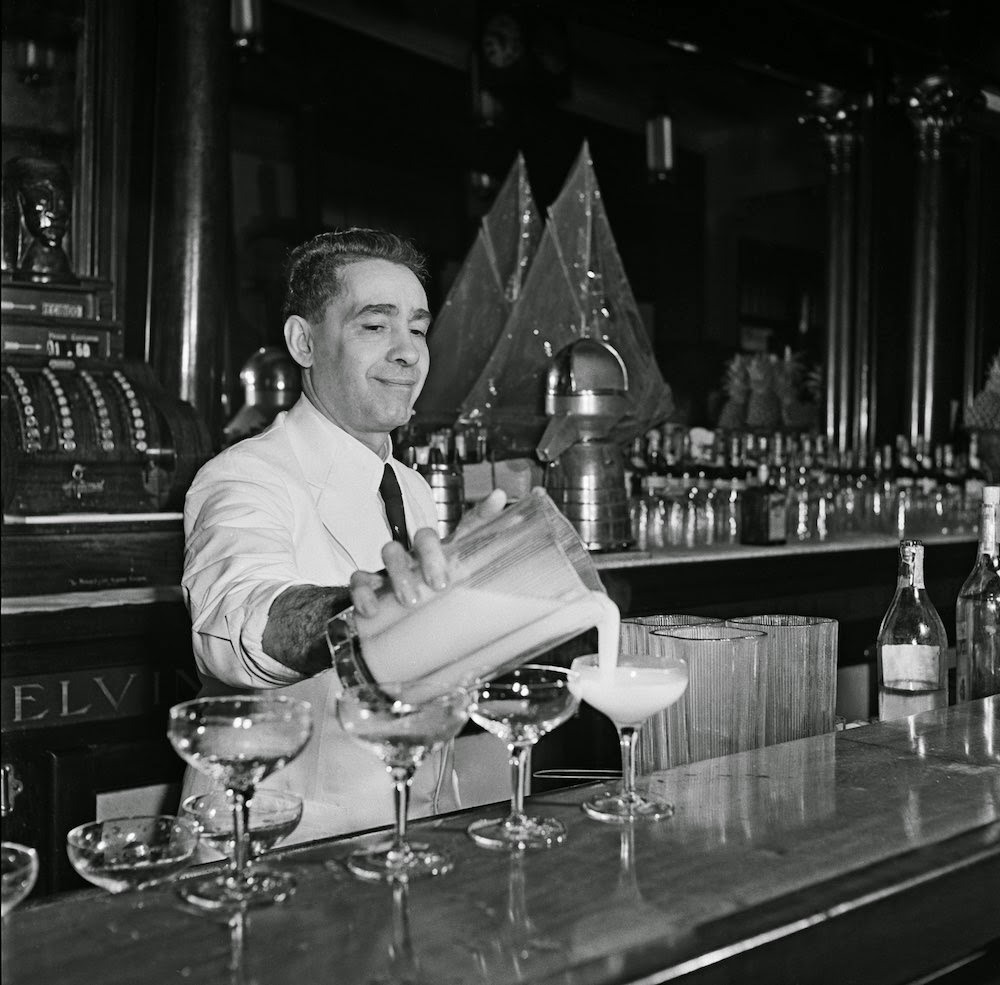
Strict social rules governed these gatherings. Mothers kept a close watch on their unmarried daughters, monitoring every dance and conversation to protect family reputations. Away from elite private parties, commercial Havana offered endless entertainment for tourists and locals. Bartenders in downtown lounges shook up exotic tropical cocktails, pouring rum for crowds of American travelers escaping domestic rules or simply seeking warm Caribbean weather.
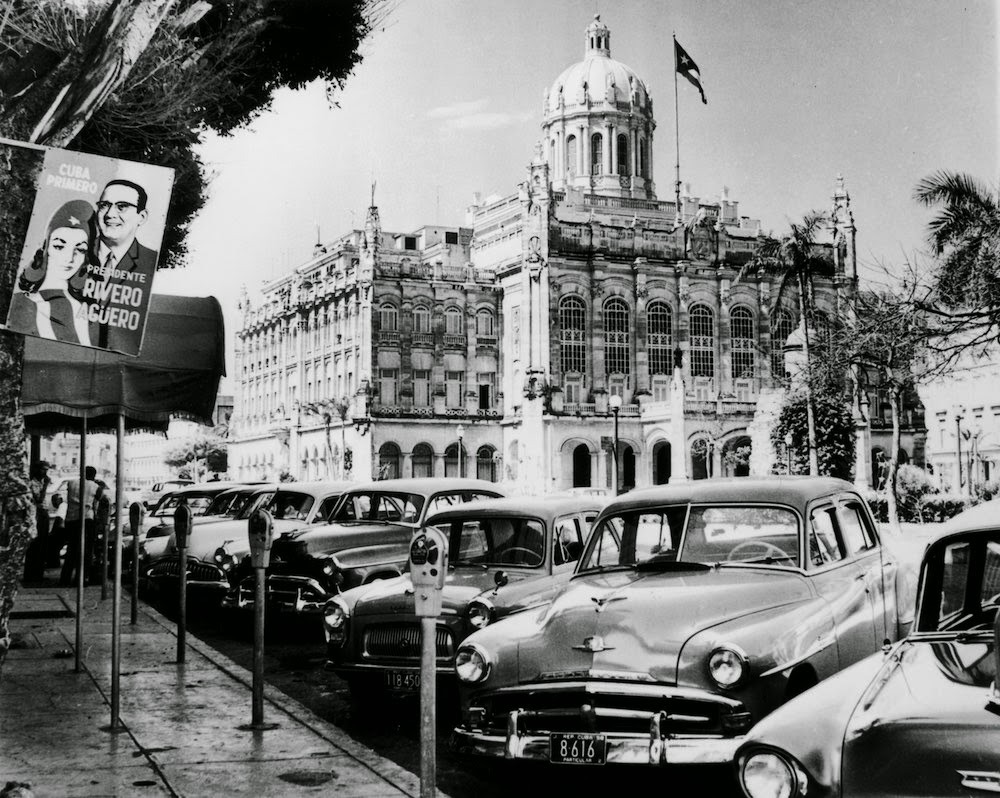
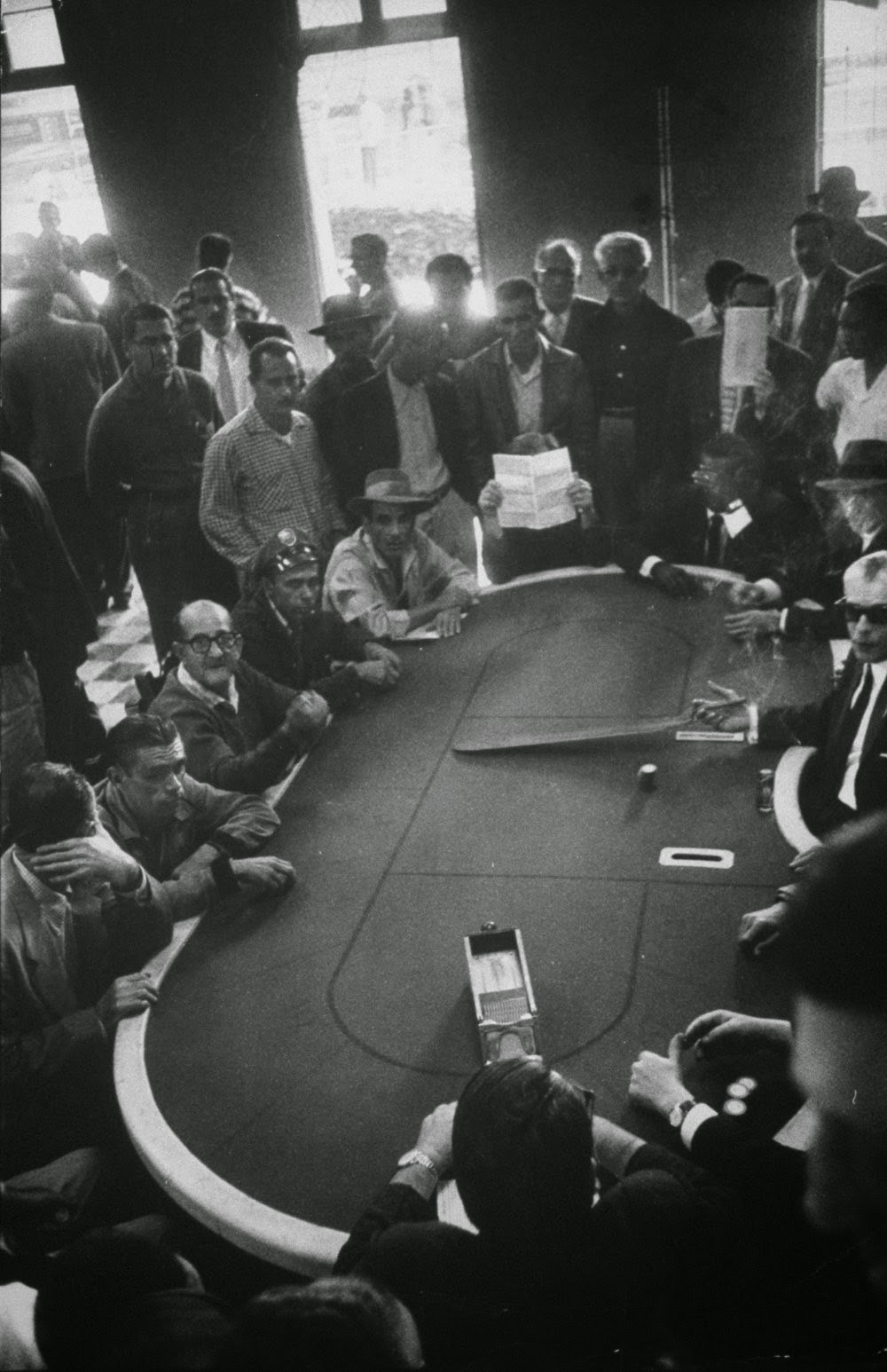
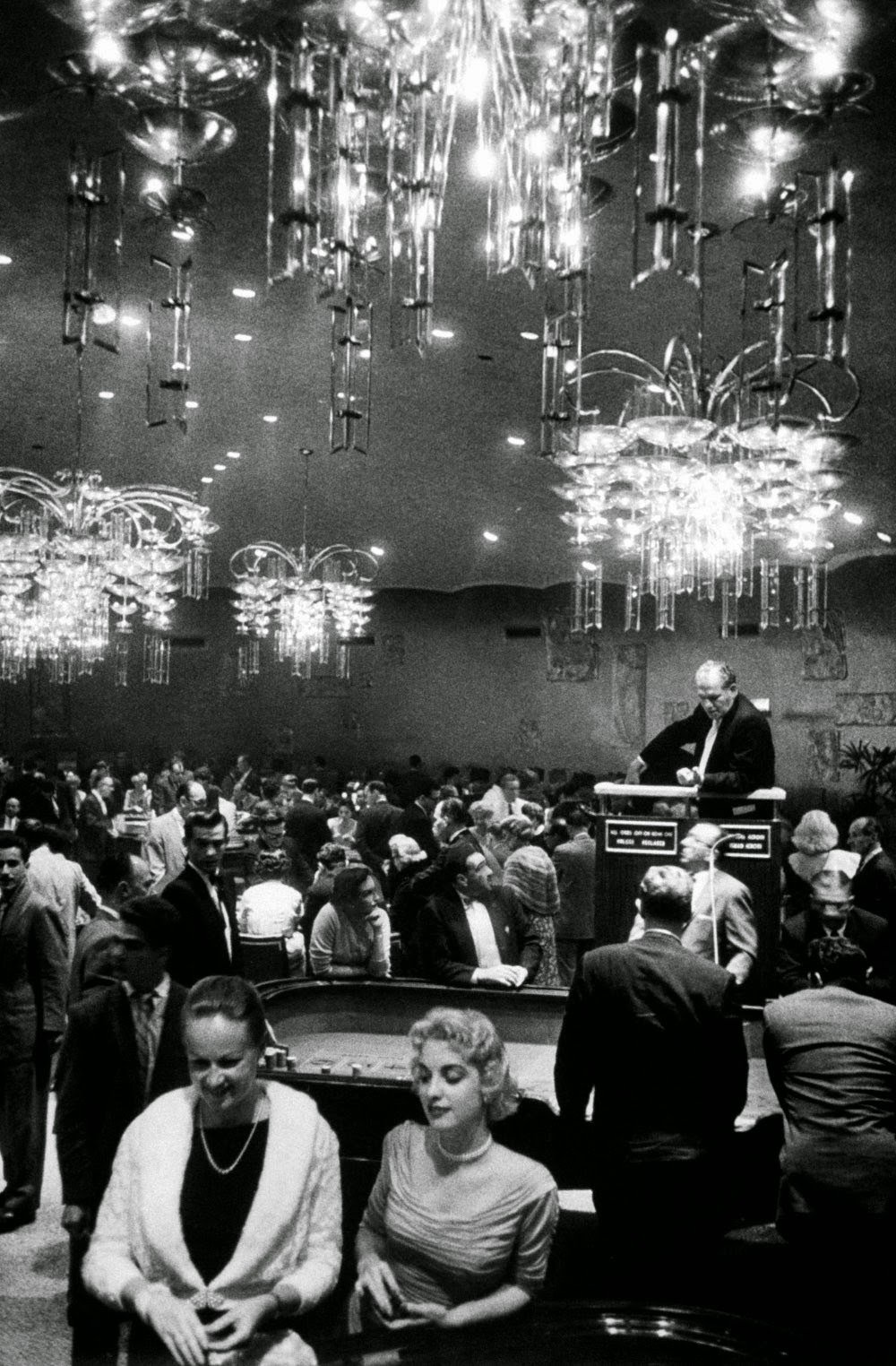
By the late 1950s, tourism fueled a massive gambling boom across the city. Large American-backed hotels dominated the skyline, bringing high-stakes roulette wheels and craps tables to the Caribbean. Sleek, shiny American sedans lined the asphalt outside the presidential palace, carrying politicians, businessmen, and syndicate figures who controlled the lucrative tourist trade under President Fulgencio Batista.
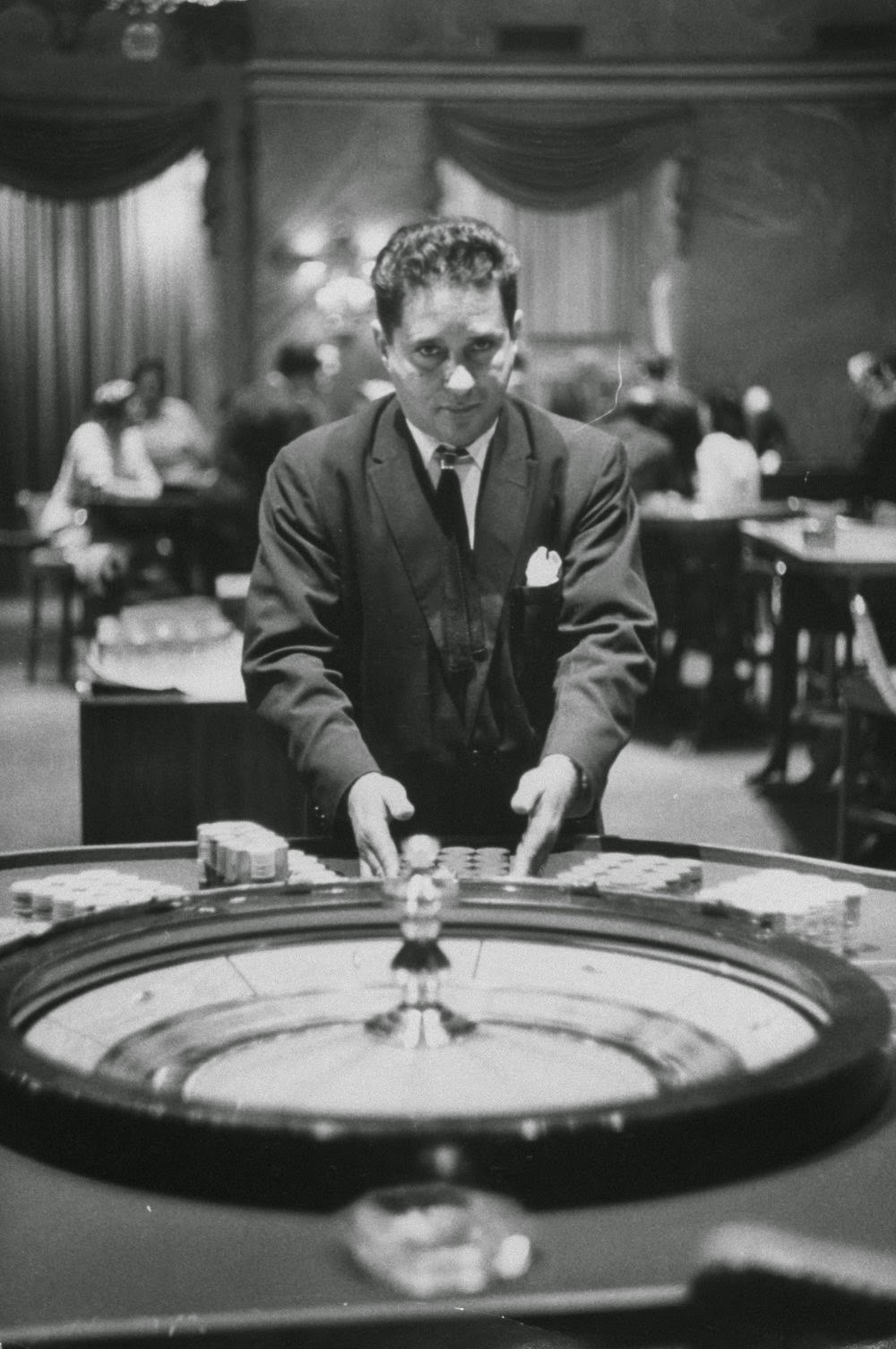
Not every gambler visited the luxury hotel floors. Smaller, cheaper casinos operated on side streets, drawing working-class locals and lower-spending tourists with slot machines and basic table games. Major establishments like the Riviera hotel featured sprawling rooms filled with every form of gambling equipment available, operating around the clock to capture American tourist dollars.
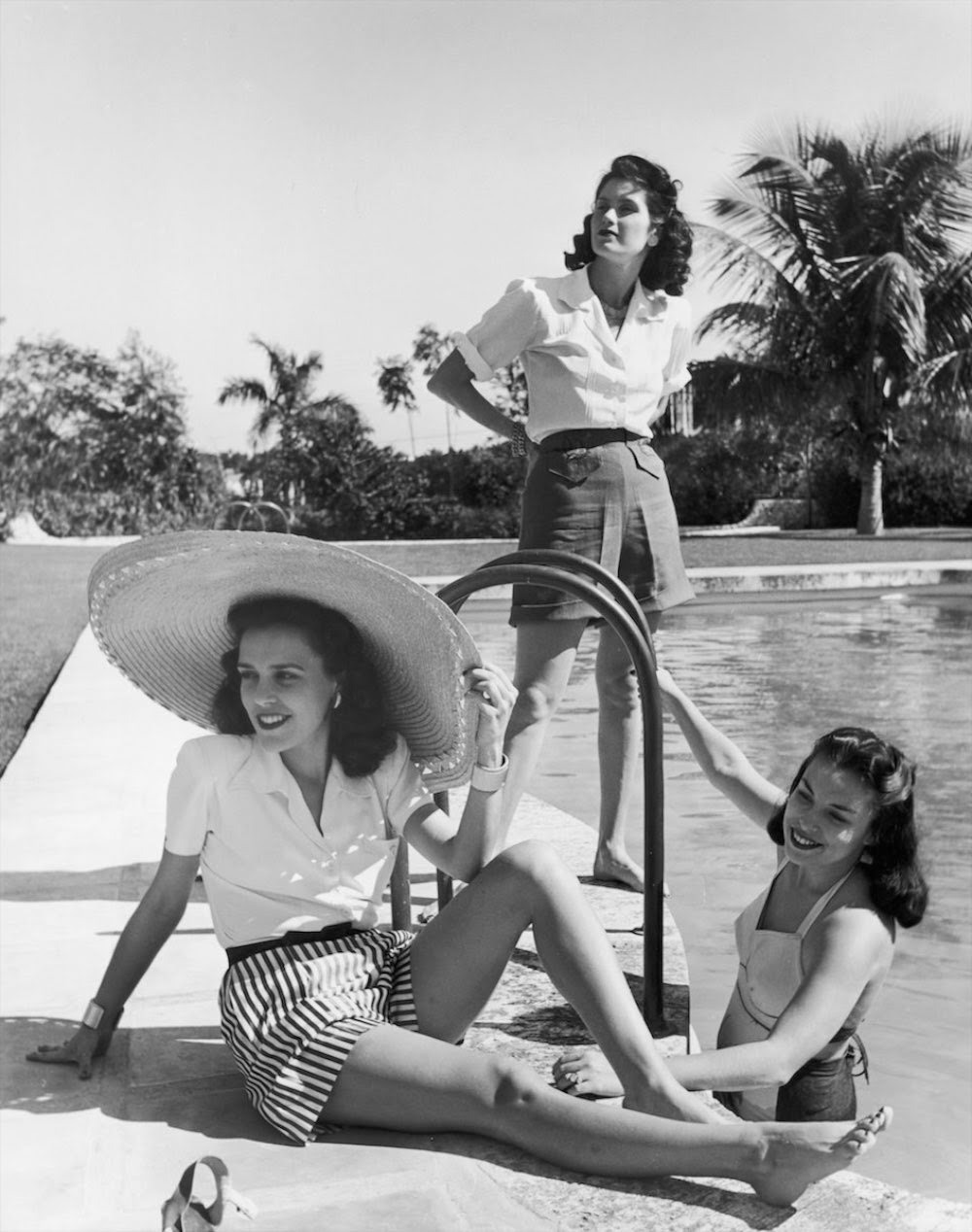
Daytime leisure often shifted to private swimming pools at country clubs and suburban estates. Socialites spent warm afternoons lounging by the water before preparing for long nights out on the town. After dark, Havana transformed into a nonstop dance hall. Music poured from clubs and neighborhood venues every night of the week, drawing enthusiastic crowds.
Dance floors filled up quickly as couples moved to traditional Cuban rhythms. Local bands played long nightly sets, keeping dancers moving until dawn. The distinct musical rhythm defined the nightlife scene, drawing crowds into small neighborhood spaces and grand ballrooms alike.
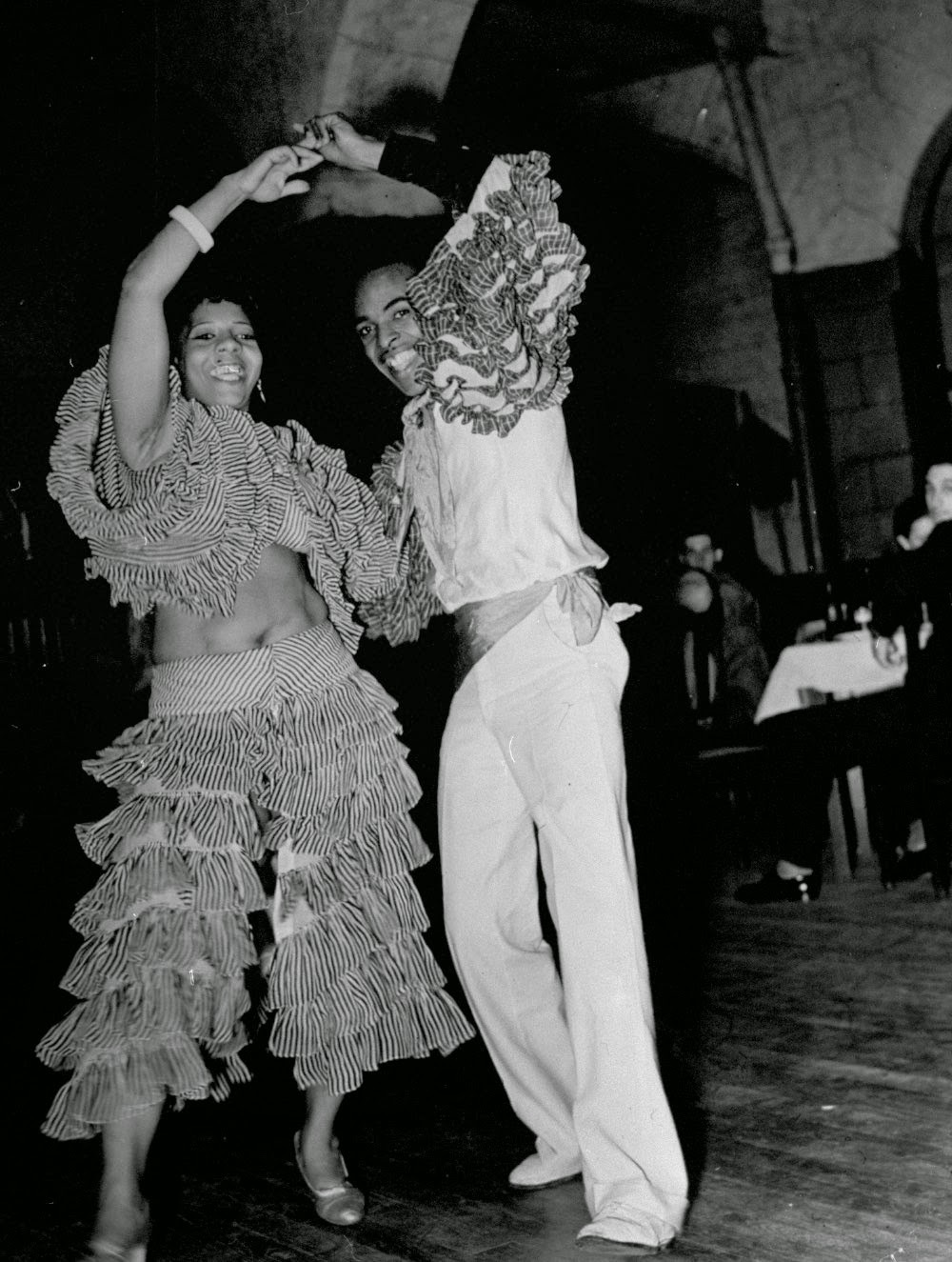
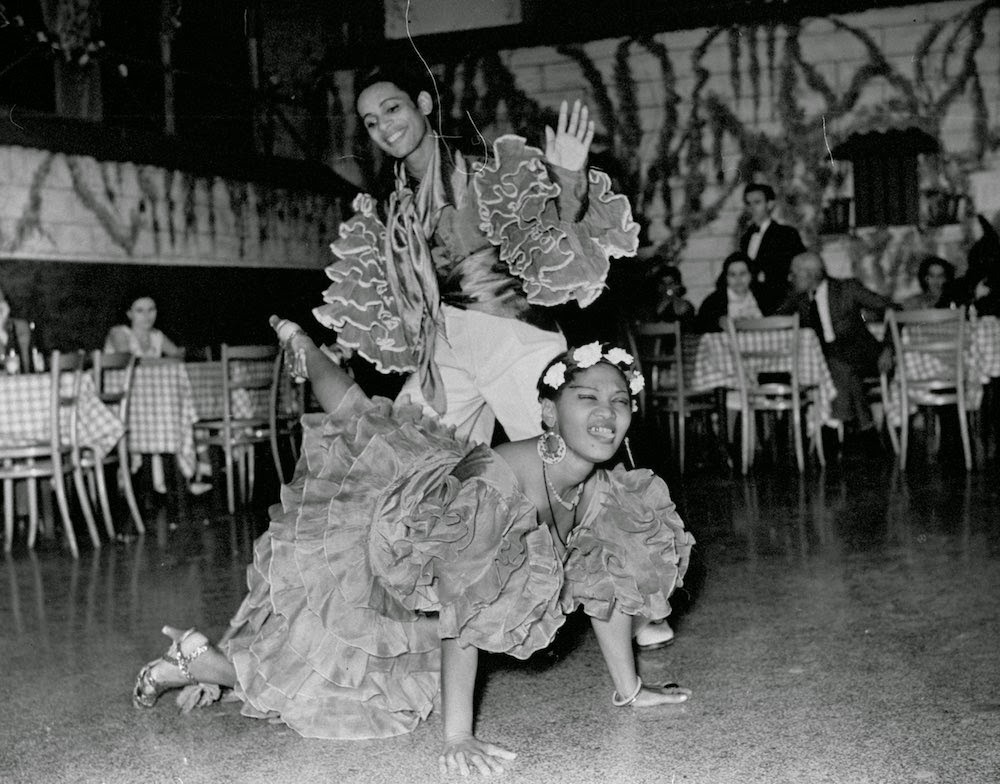
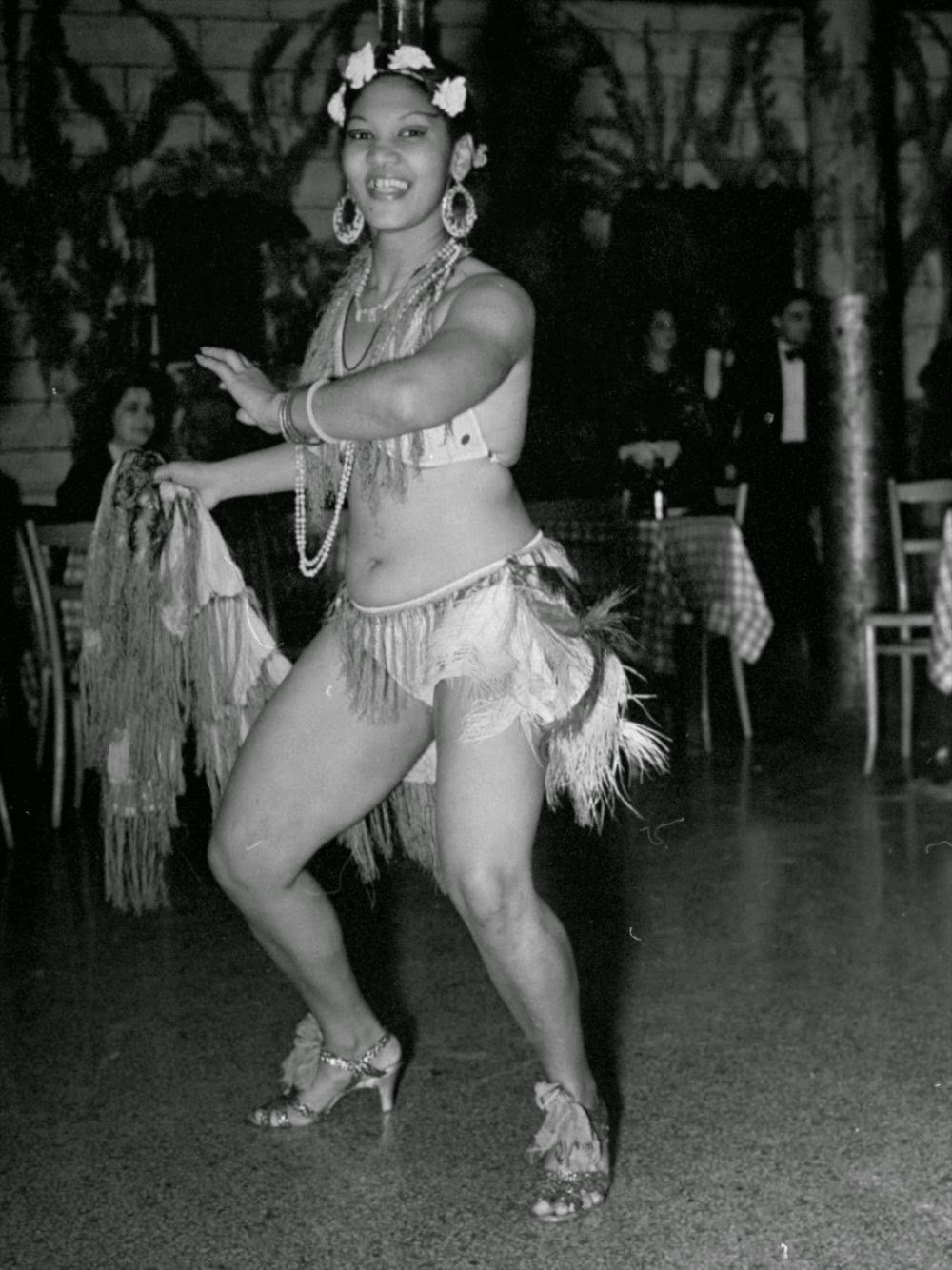
Professional dancers entertained patrons in high-end cabarets. Performers like Zulema took the stage at the Zombie Club on Zulueta Street, executing fast-paced rhumba routines accompanied by large brass bands. Tourists packed the tables, drinking and watching the floor shows until early morning hours.
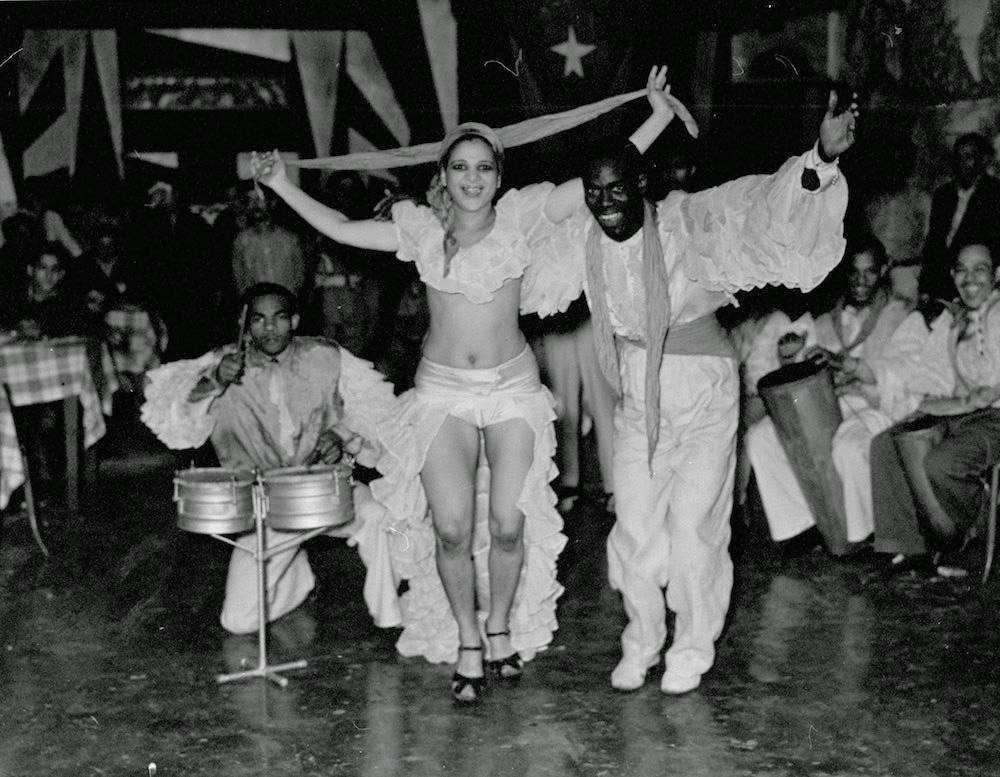
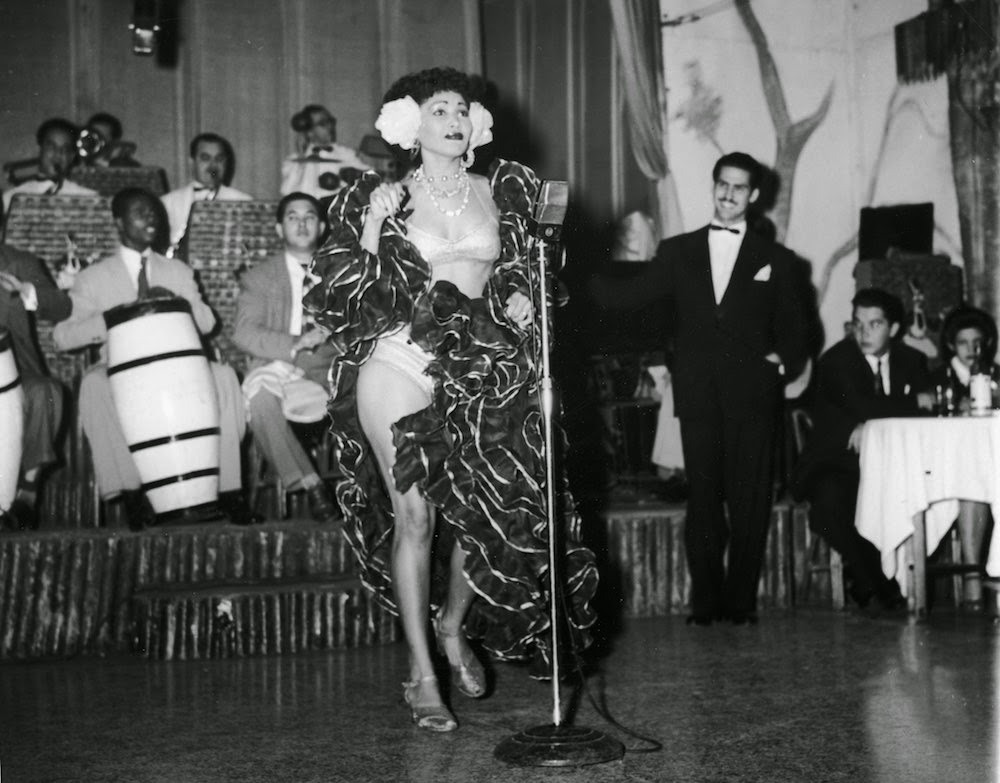
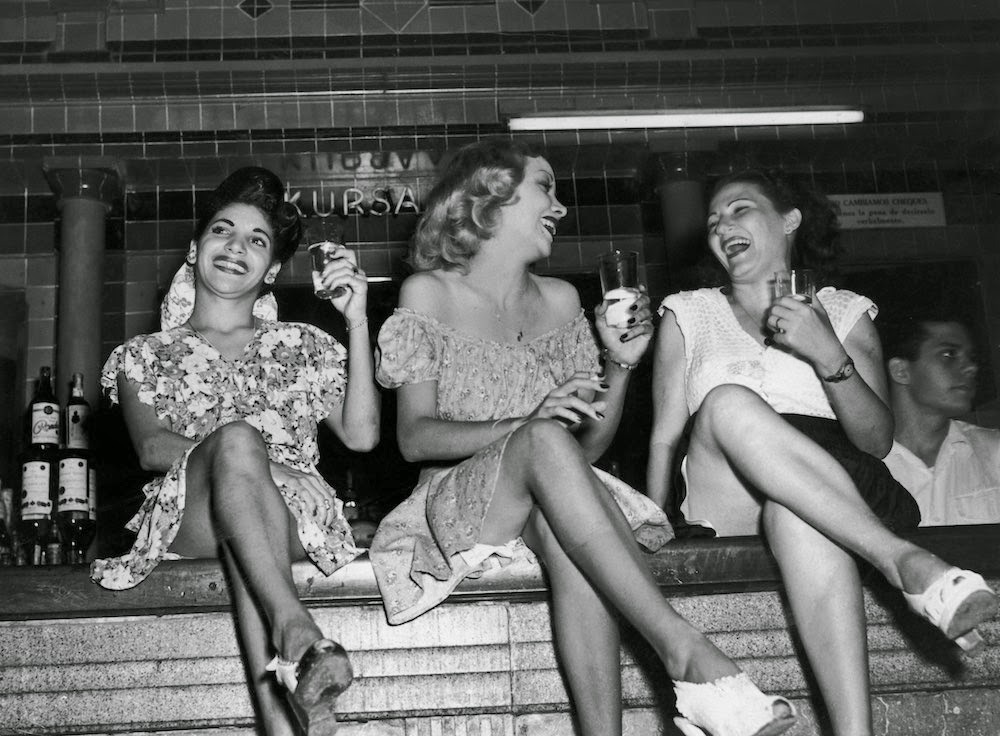
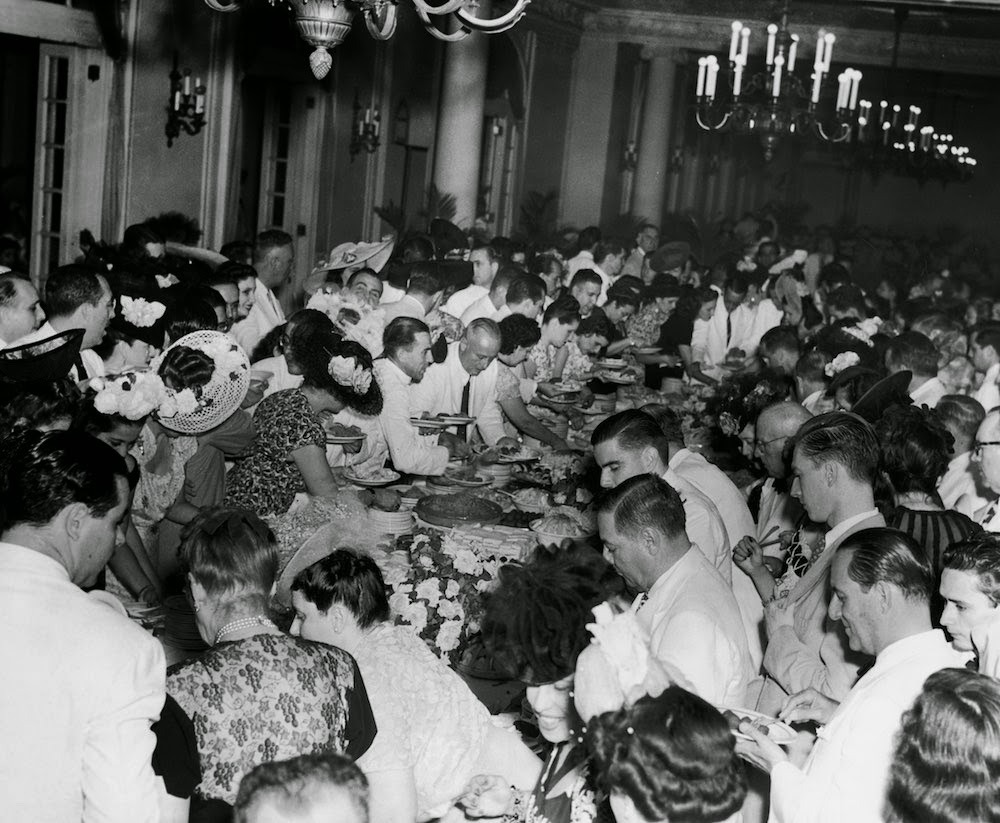
Nightclubs welcomed patrons of all kinds into the predawn hours. Women sat along the curved bars of the Cabaret Kursal, ordering drinks while live music played in the background. Outside the city center, private seafront venues hosted massive midnight buffet suppers for club members at the Havana Yacht Club.