On the morning of Friday, December 16, 1960, two airliners were making their final approaches into New York City through heavy snow and low visibility. United Airlines Flight 826, a Douglas DC-8 jet, had left Chicago’s O’Hare Airport carrying 77 passengers and 7 crew, bound for Idlewild Airport in Queens. At the same time, Trans World Airlines Flight 266 — a propeller-driven Lockheed L-1049 Super Constellation with 39 passengers and 5 crew — was approaching LaGuardia Airport, also in Queens.
Air traffic was heavy for the Friday before Christmas. Controllers ordered the United DC-8 into a holding pattern over a radio beacon near Colts Neck, New Jersey, at 5,000 feet. But a failed VOR navigation receiver left the crew unable to pinpoint their position. The jet overshot the holding point by twelve miles at more than 500 miles per hour, flying directly into the airway used by planes approaching LaGuardia.
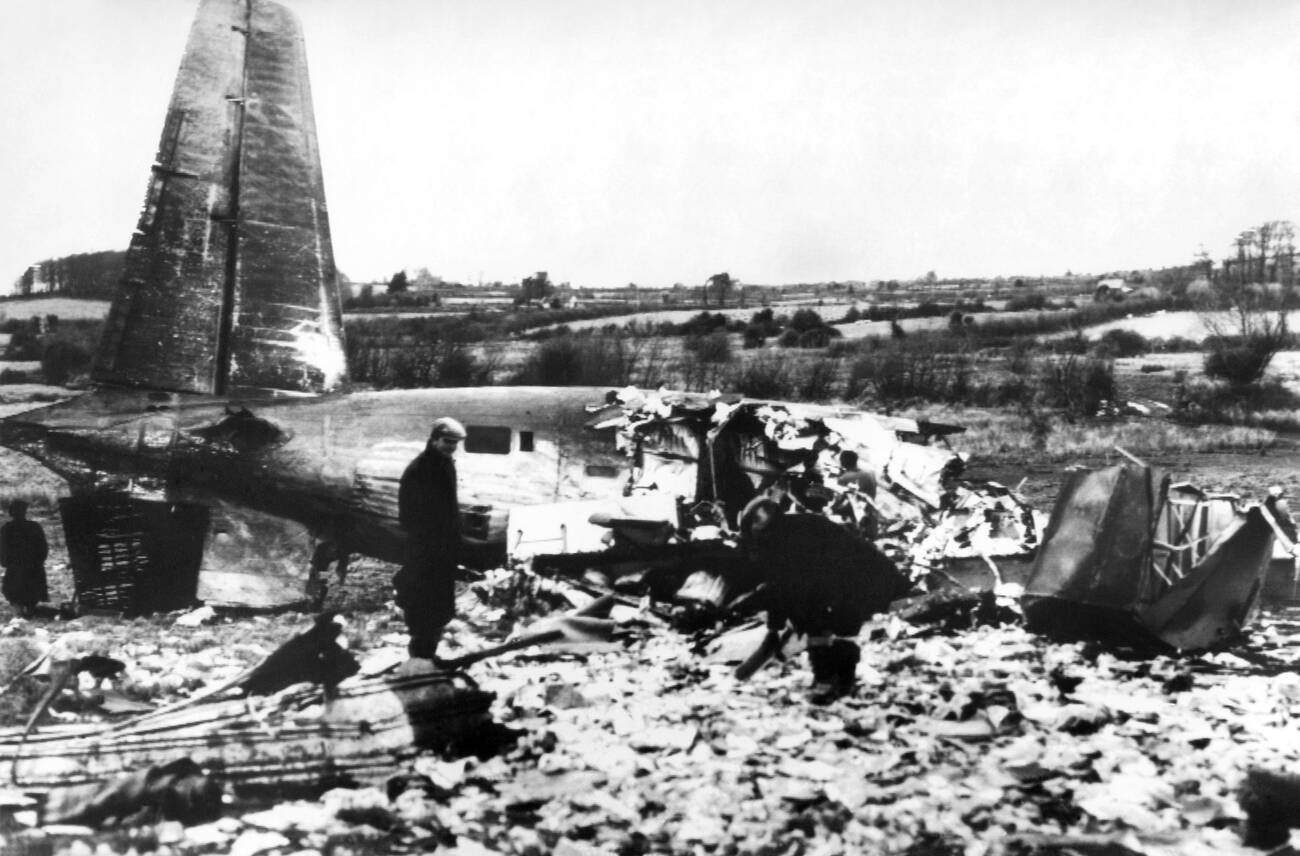
At 10:33 AM over Staten Island, the left wing of the United DC-8 sliced into the fuselage of the TWA Super Constellation. The TWA aircraft tore apart instantly, erupting in a fireball. Its wreckage fell onto Miller Field, a U.S. Army installation in the New Dorp section of Staten Island. All 44 people aboard TWA Flight 266 were killed.
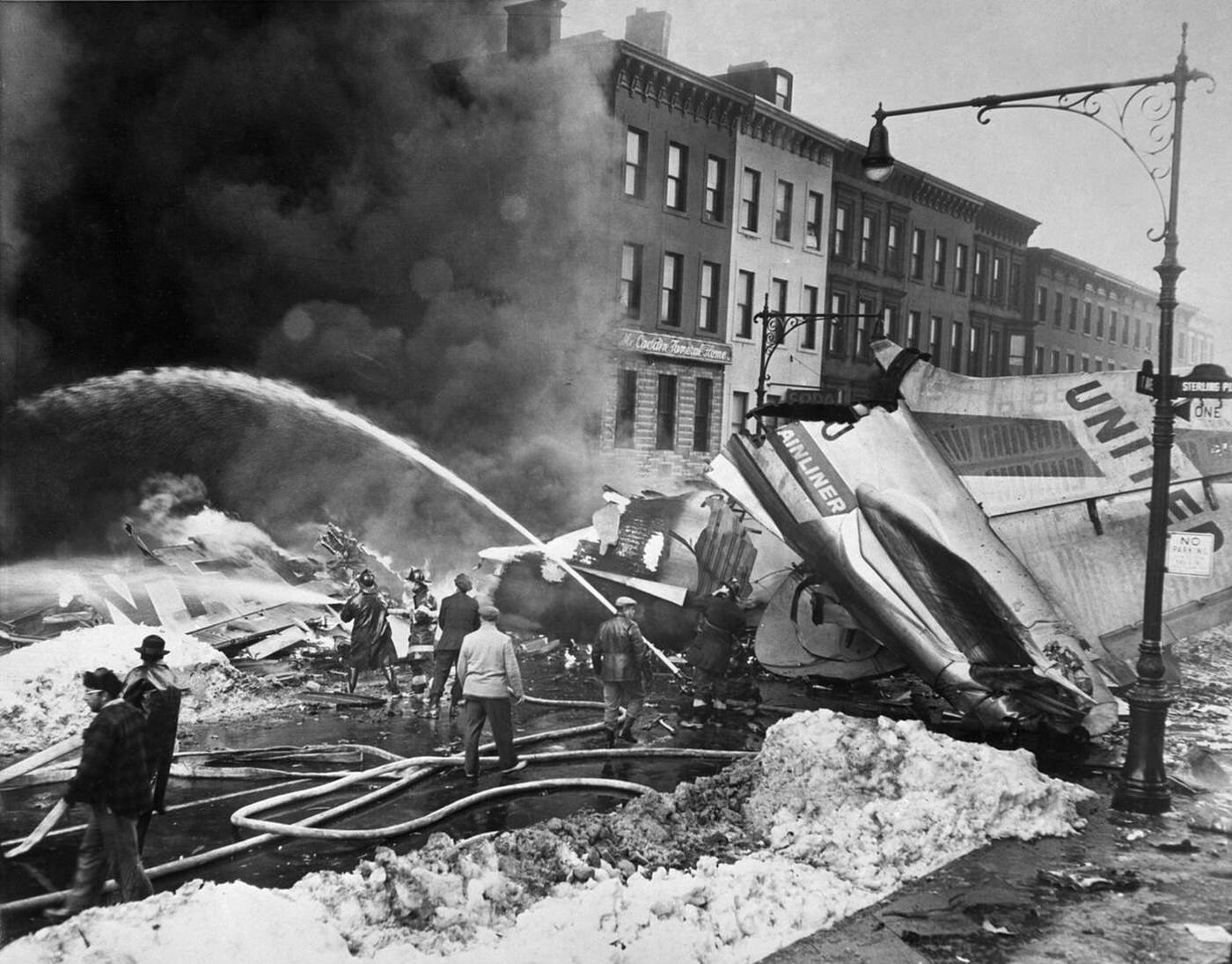
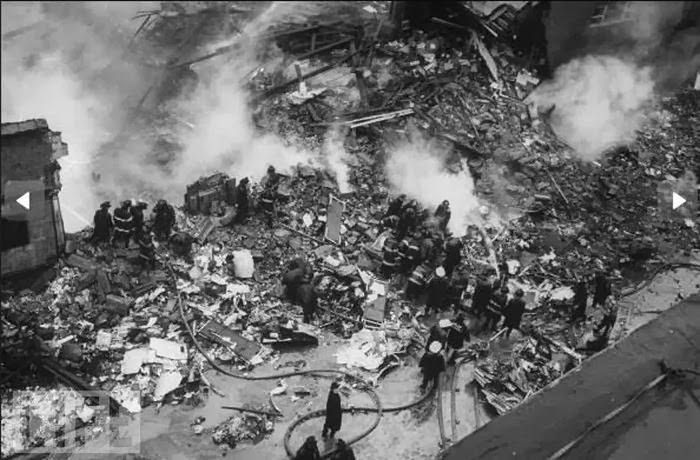
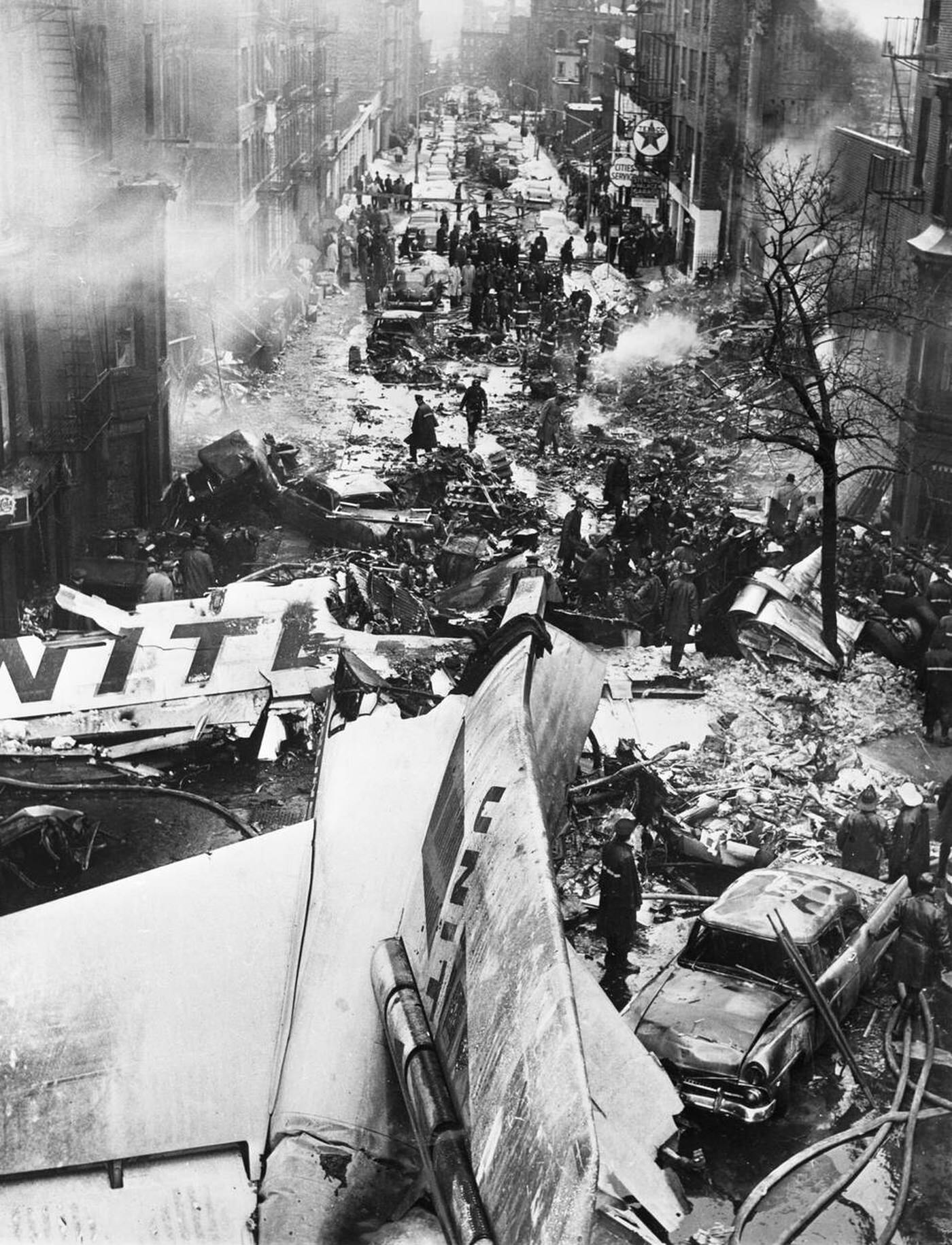
The United DC-8 lost its entire right engine and a large section of its right wing but stayed airborne for eight more miles, descending rapidly over Brooklyn. It crashed into the Park Slope neighborhood, narrowly missing St. Augustine’s Academy school. The jet struck a row of brownstones and plowed into the Pillar of Fire Church on Sterling Place. Thousands of gallons of jet fuel ignited on impact, sending a mushroom cloud of fire and black smoke into the air. Ten apartment buildings and the church burned. Six people on the ground were killed, including 90-year-old church caretaker Wallace Lewis and two Christmas tree vendors, Charles Cooper and Joseph Colacino.
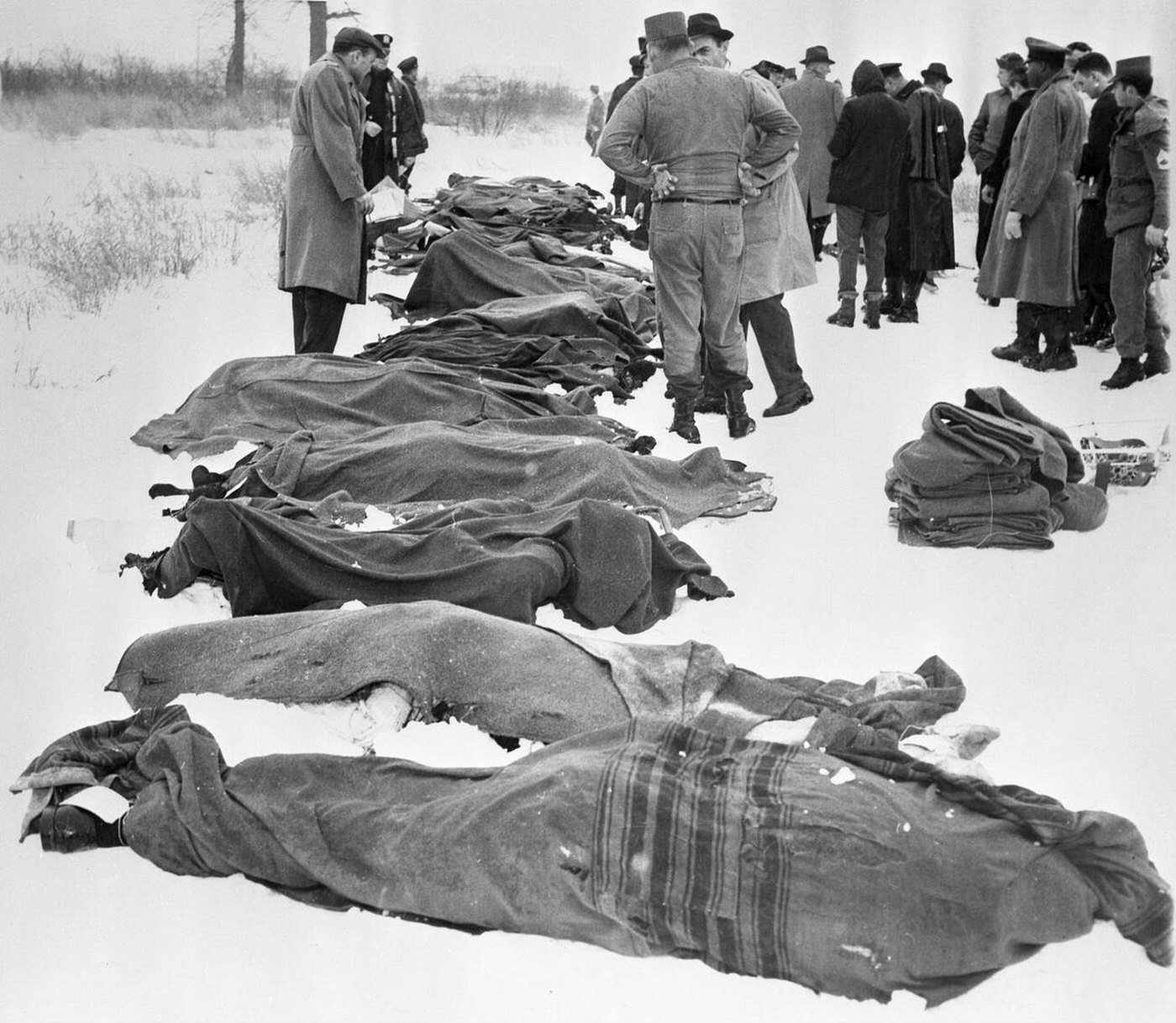
One survivor was pulled from the wreckage: 11-year-old Stephen Baltz, thrown from the tail section into a snowbank. He was flying alone from Chicago to spend Christmas with relatives in Yonkers. Conscious at New York Methodist Hospital, he told doctors what he saw before impact. “I saw the snow on the ground,” he said. “It looked like a picture out of a fairy book.” He died the following afternoon from burns and injuries sustained from inhaling burning fuel — the last of the 84 people aboard the United flight to die.
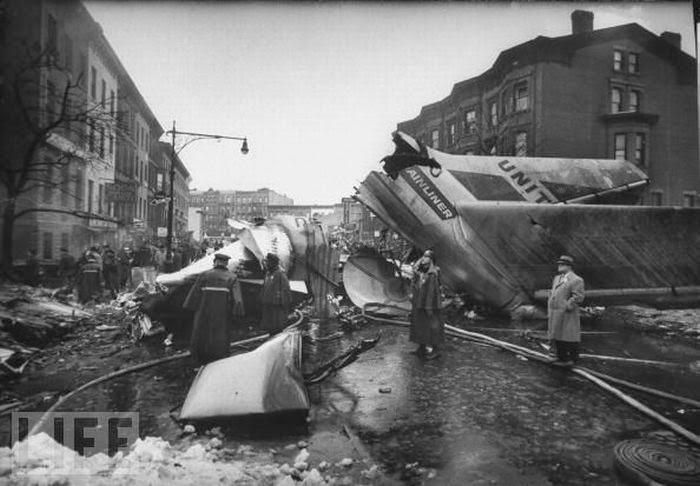
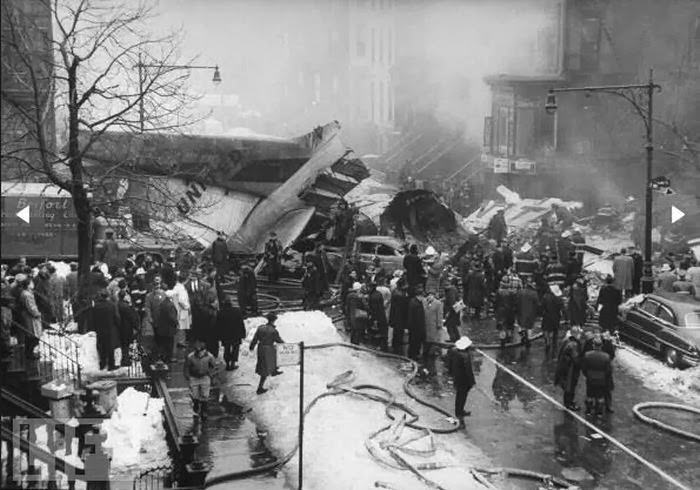
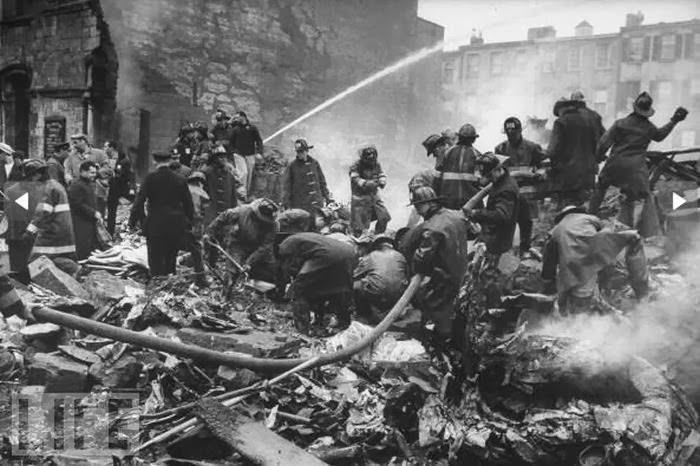
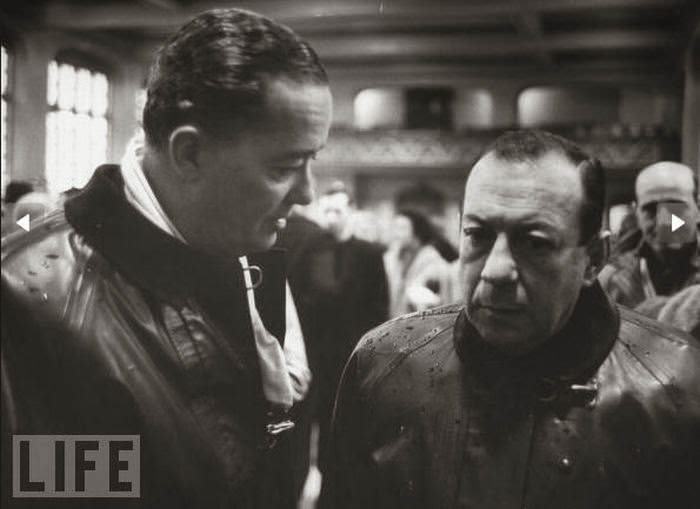
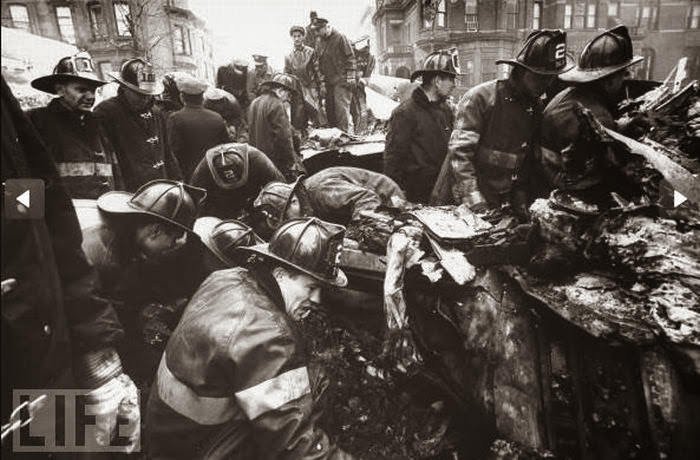
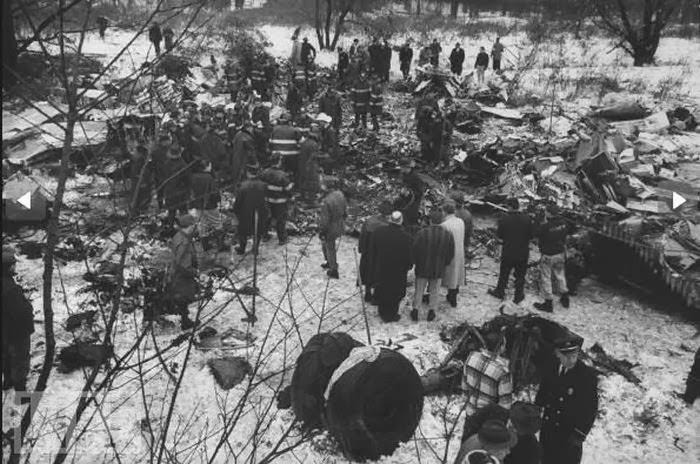
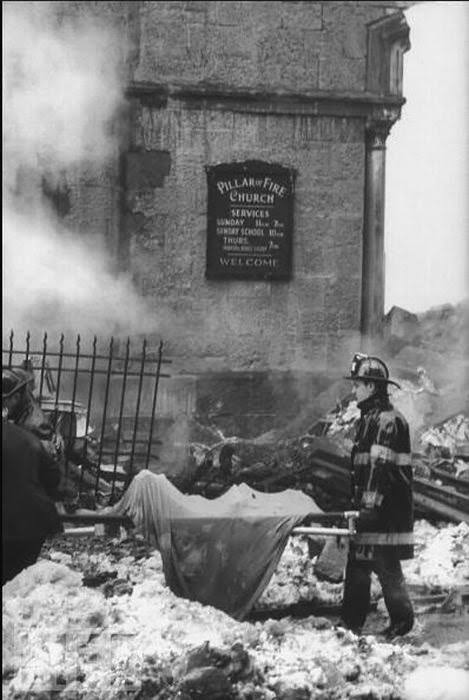
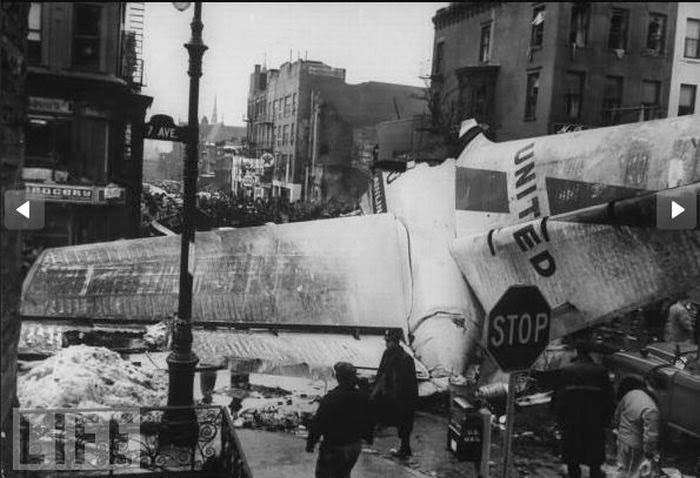
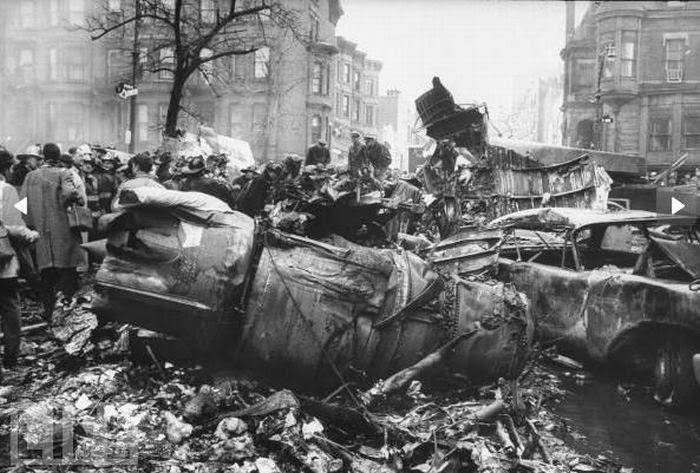
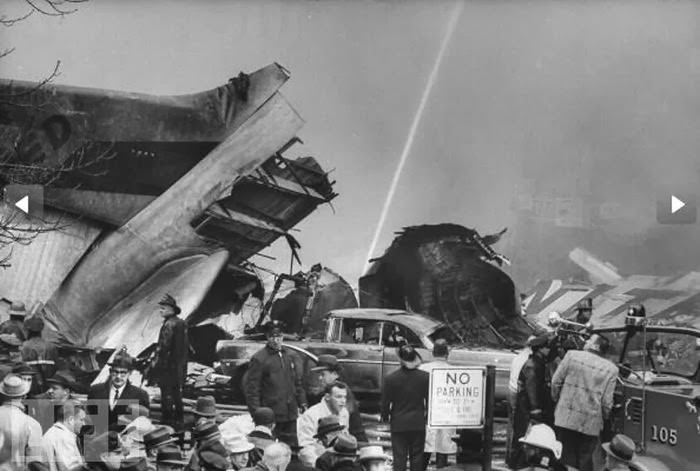
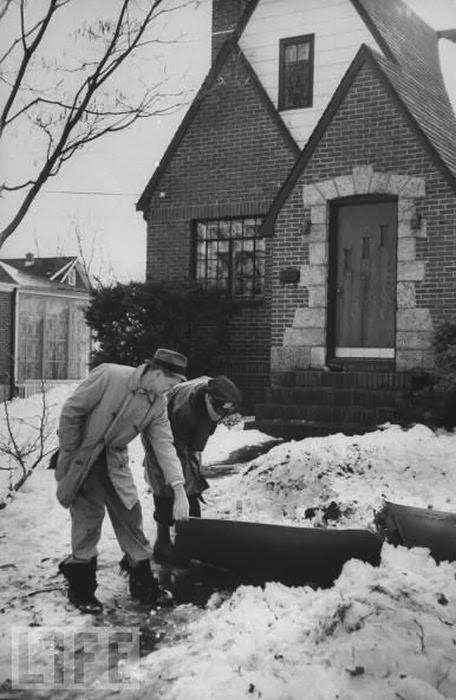
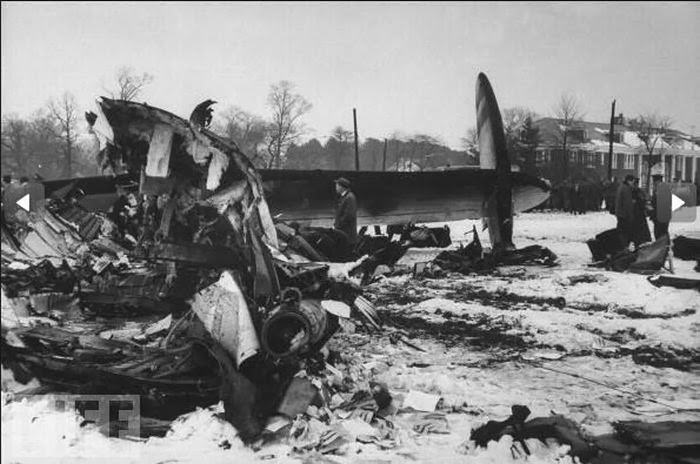
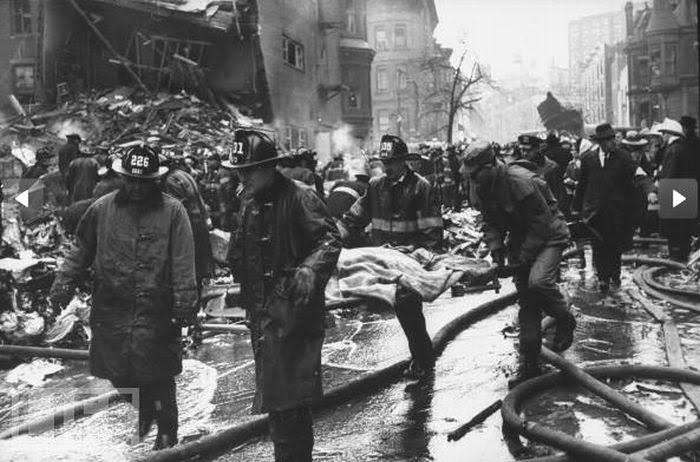
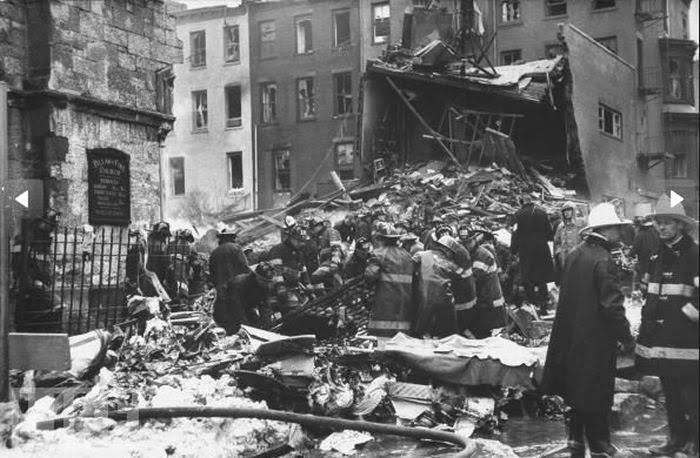
More than 2,000 police officers and 250 firefighters responded to Park Slope. The fires, fed by jet fuel, burned for nearly three days in freezing temperatures. Investigators used a flight data recorder recovered from the United wreckage — one of the first major uses of the technology in a crash inquiry — to confirm the DC-8’s speed and navigational error. The total death toll stood at 134.