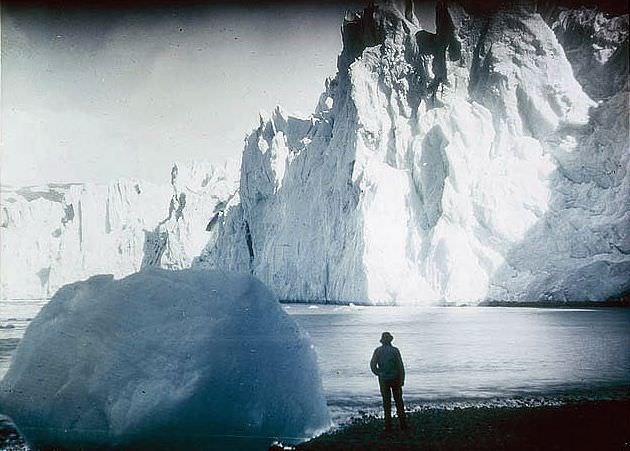
In 1914, Australian photographer Frank Hurley joined Sir Ernest Shackleton’s Imperial Trans-Antarctic Expedition. His job was to document the journey, which aimed to be the first to cross Antarctica on foot. Hurley brought advanced equipment, including gear for color photography.
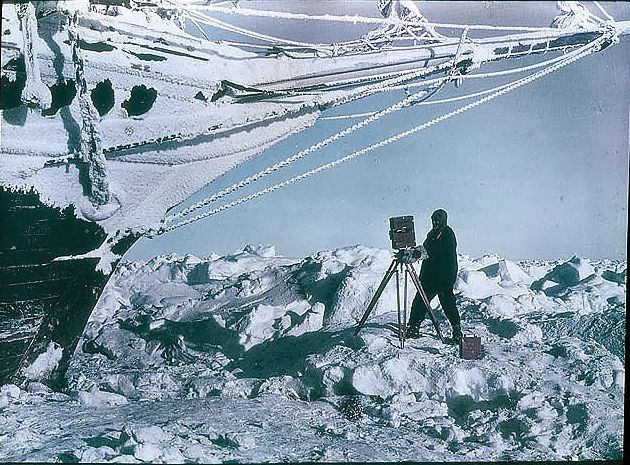
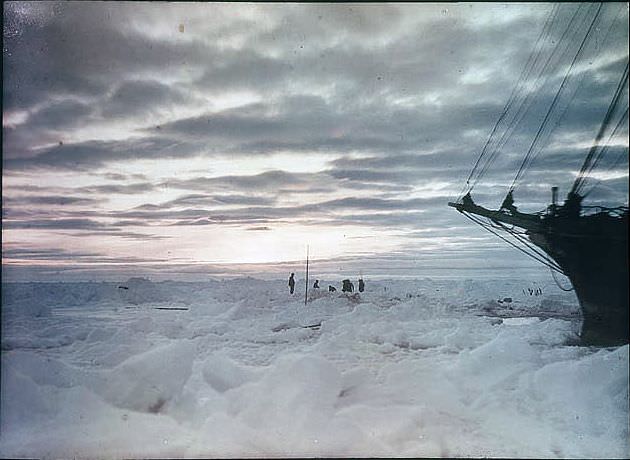
The expedition’s ship, the Endurance, sailed south and became trapped in the Weddell Sea’s pack ice by early 1915. For months, all 28 men drifted with the frozen sea, unable to move the vessel in any direction.
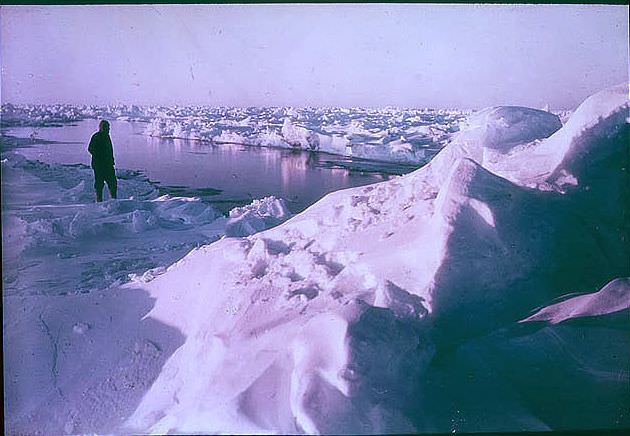
Hurley used the Paget Plate process to create his color images. It was a two-step method: first, a black-and-white negative was shot through a special color screen plate. Then a positive transparency was made and aligned with a second screen plate to produce the final color image.
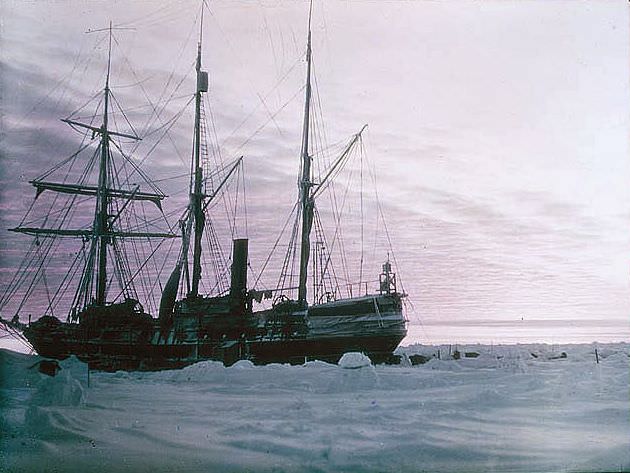
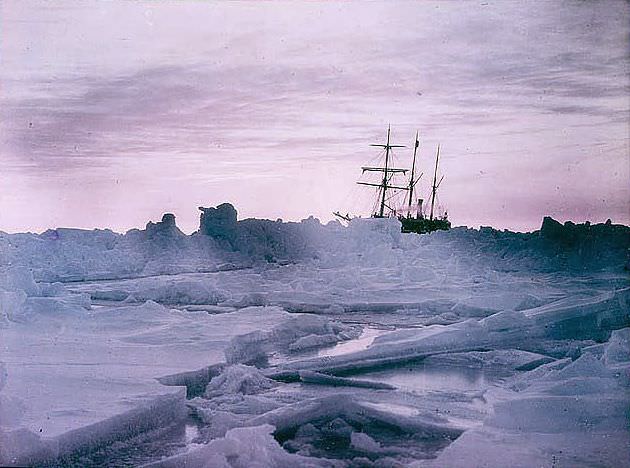
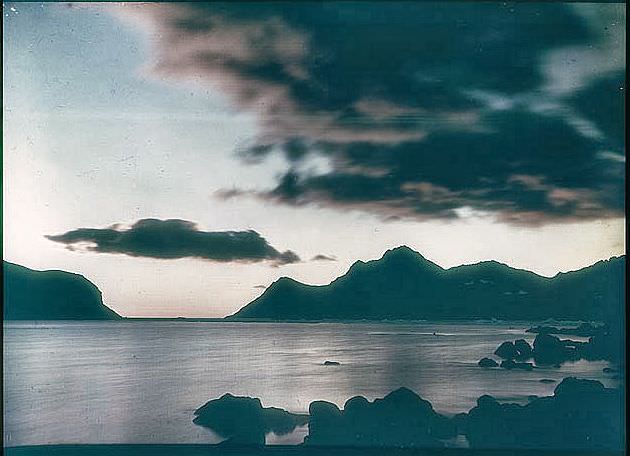
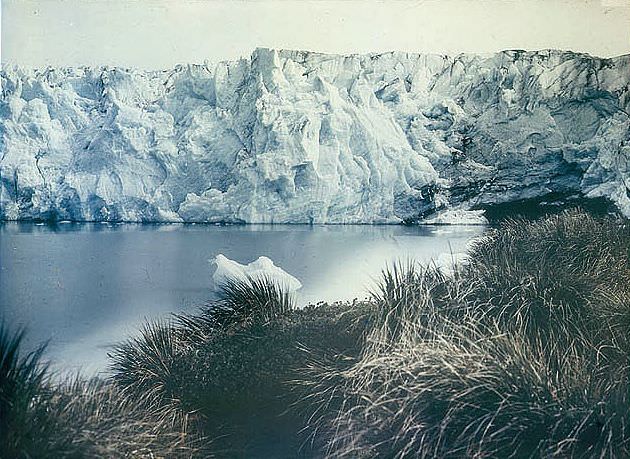
Long exposure times made the process difficult. Hurley asked crew members to hold perfectly still in bitter cold for extended periods. The results captured vivid Antarctic skies, blue icebergs, and the frozen ship in remarkable detail.
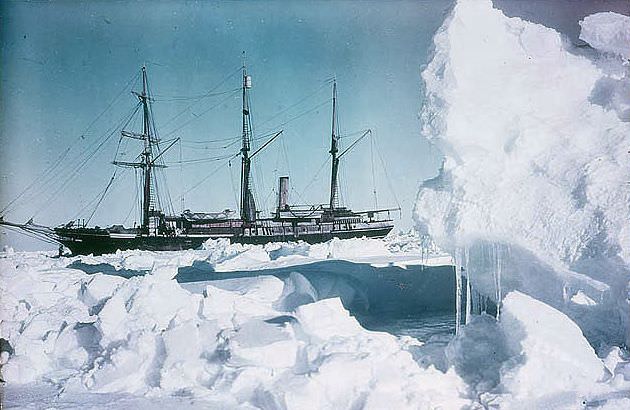
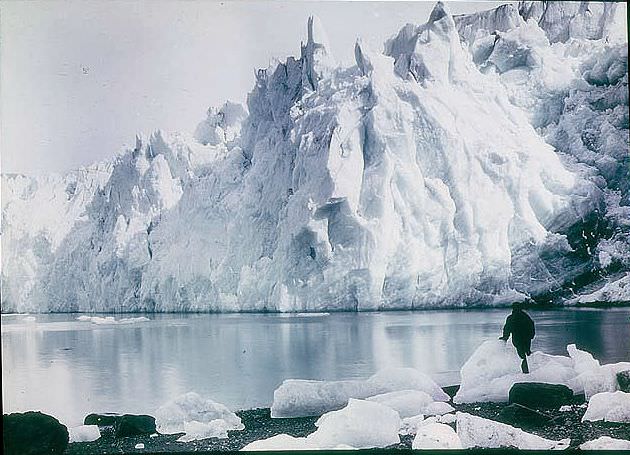
One celebrated image shows the Endurance lit at night by a series of flashlights — a ghostly scene in the polar darkness. The ship’s rigging and masts stand out sharply against the Antarctic sky.
In October 1915, the ice crushed the Endurance. Shackleton ordered the crew to abandon ship. Hurley waded chest-deep into freezing floodwater inside the sinking hull to retrieve his glass plate negatives.
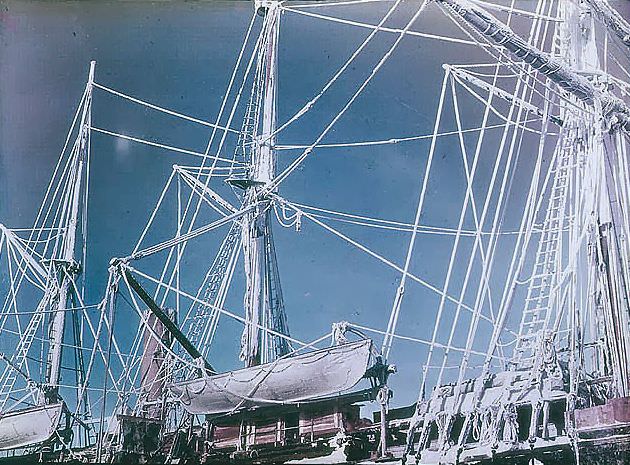
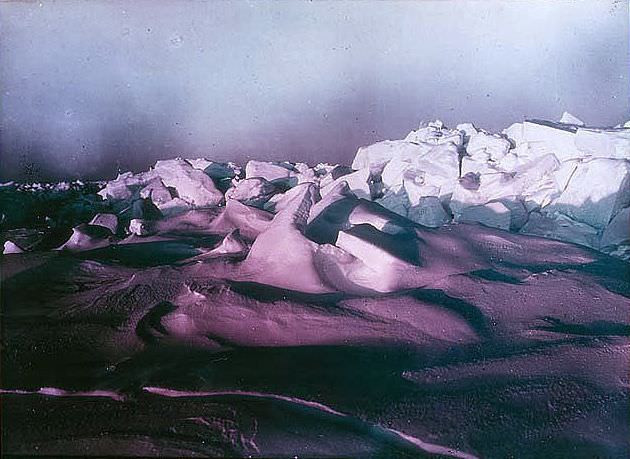
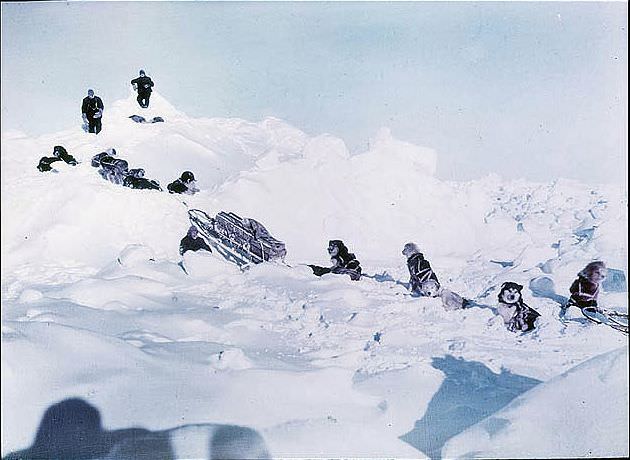
He pulled around 400 plates from the wreck. Because the crew had to march across the ice, Hurley and Shackleton reviewed the full collection together and kept only the best 120. Hurley then smashed the rest himself. The color transparencies were among those saved, sealed in containers and hauled across the ice on sledges.
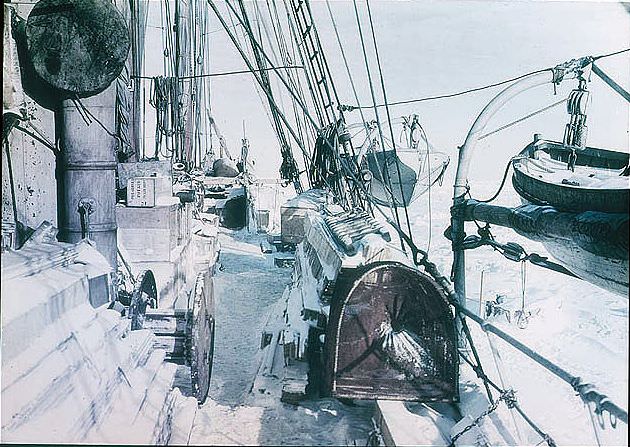
![Glimpse of the Ship ['Endurance'] through Hummocks, 1915.](https://www.bygonely.com/wp-content/uploads/2025/06/Antarctica_1915_Color_Photos_15.jpg)