Judi Dench is one of the most decorated and enduring performers in the history of British theatre and film. Over a career spanning more than seven decades, she has taken on more than 150 roles across stage, television, and cinema. She is known for her precise technique, unique style, and her ability to bring depth to even the most demanding parts. Long before the awards and the international fame, though, there was a young woman finding her place on the stage — and these early photographs capture that journey in remarkable detail.
Dench was born on December 9, 1934, in York, England. She grew up in a Quaker family, and her very first stage appearance came at her Quaker junior school, where she played a snail in a school production. It was a humble beginning, but the stage had already found her. She went on to study at the Central School of Speech and Drama in London, which set her on course for a professional career.
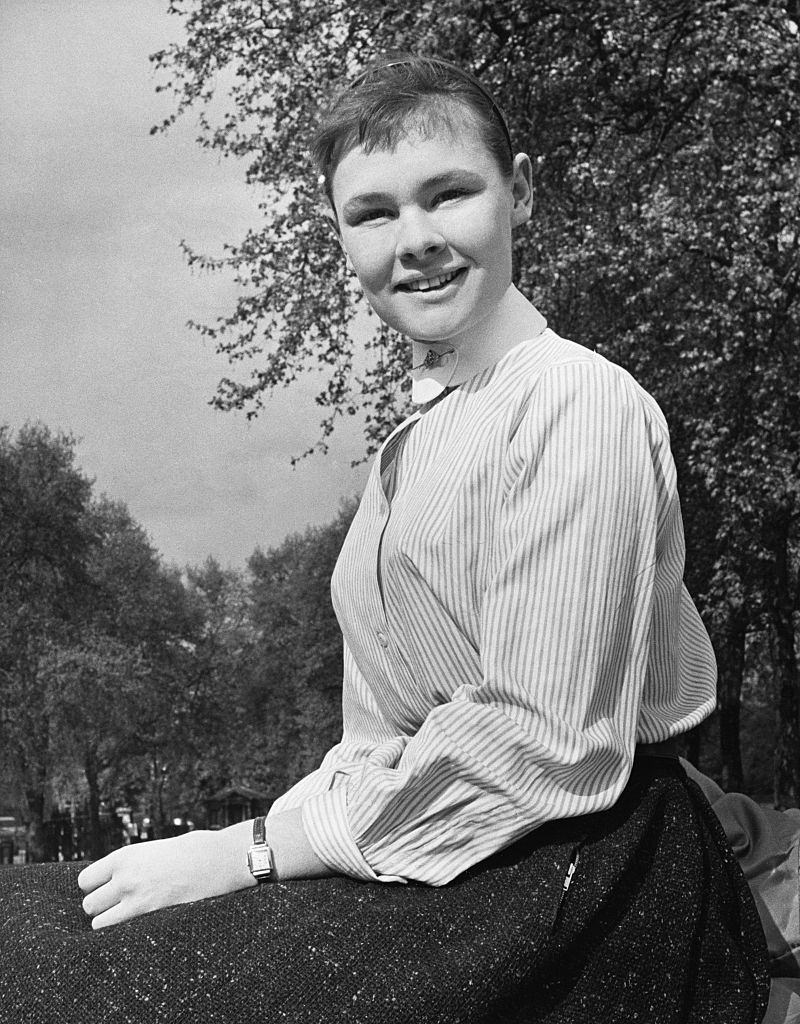
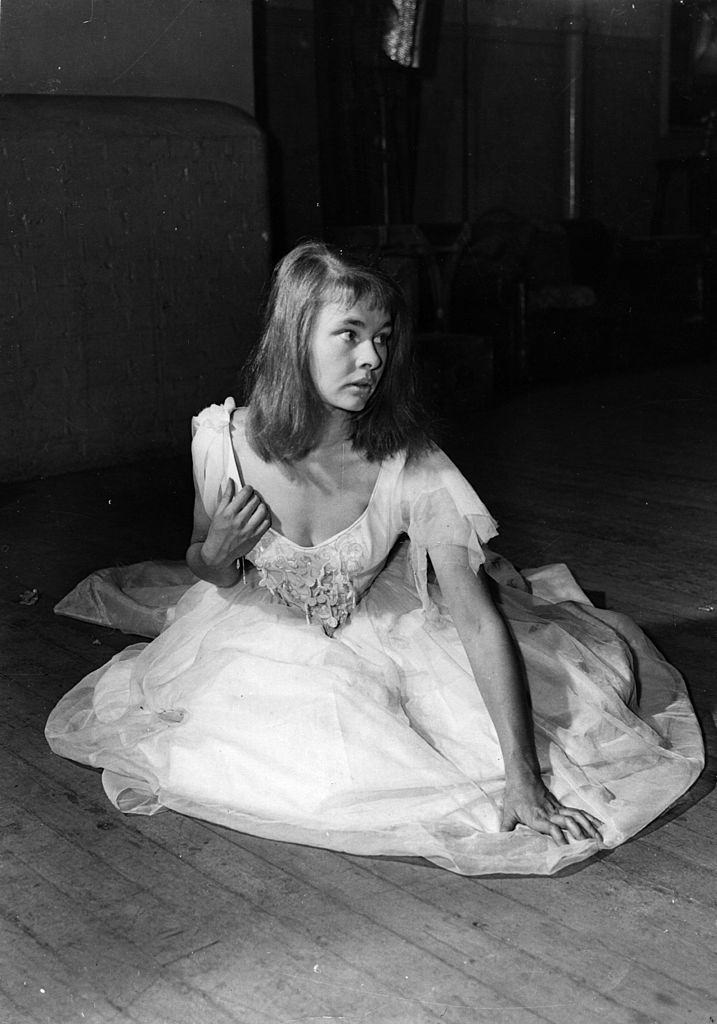
In 1957, at just 20 years old, Dench made her professional stage debut at the Old Vic in London. She played Ophelia in a production of Shakespeare’s “Hamlet” — one of the most emotionally complex roles in the entire dramatic canon. For a debut performance, it was a bold assignment, and she delivered. The Old Vic was one of the most respected theatre companies in Britain, and landing a lead role there straight out of drama school was no small achievement.
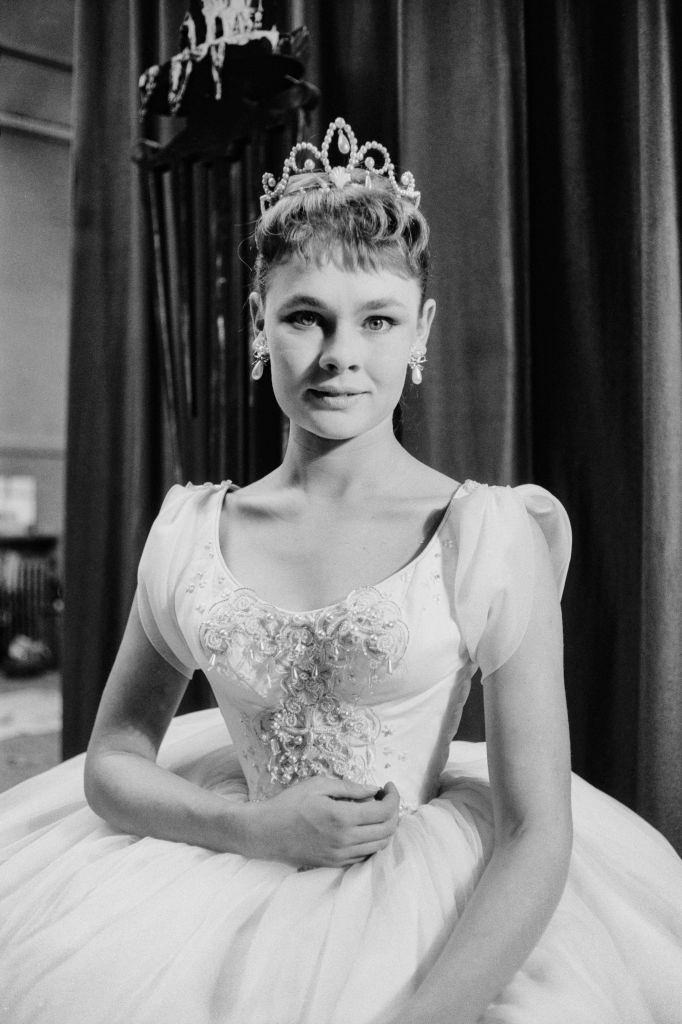
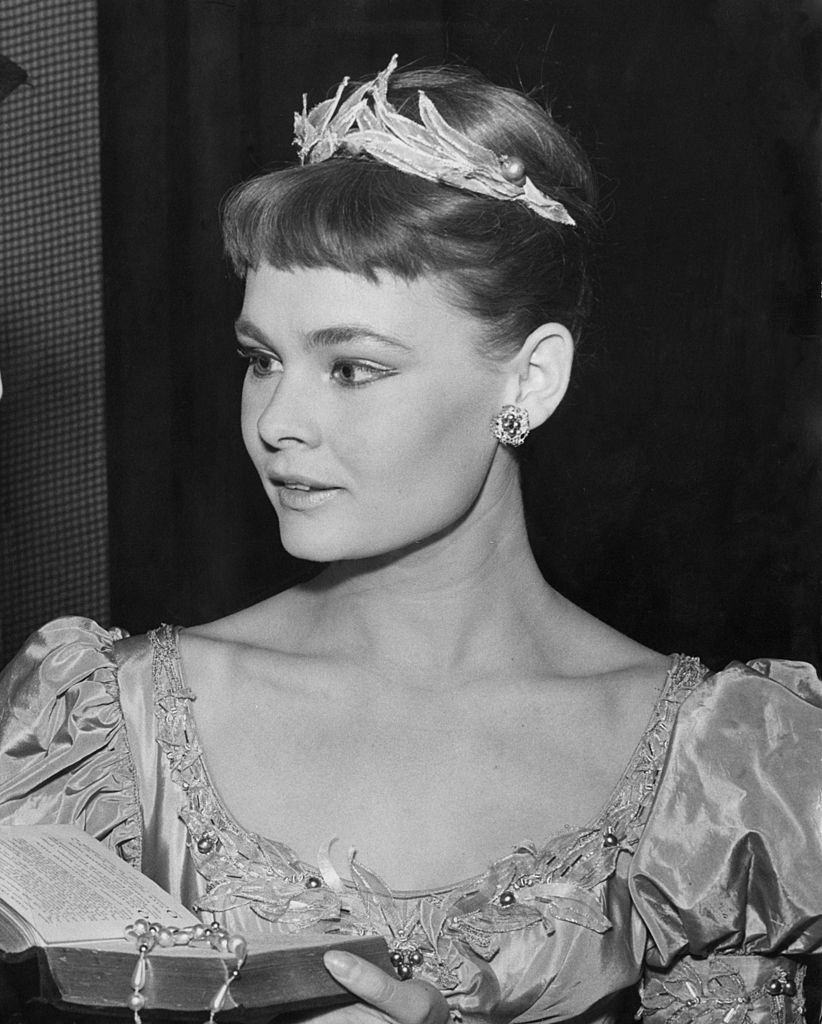
The following year, in 1958, Dench made her Broadway debut in a production of “Twelfth Night,” bringing her talent to American audiences for the first time. She continued to build her reputation throughout the late 1950s, and in 1959 she appeared in the television series “Hilda Lessways,” marking her first foray into the world of TV drama.
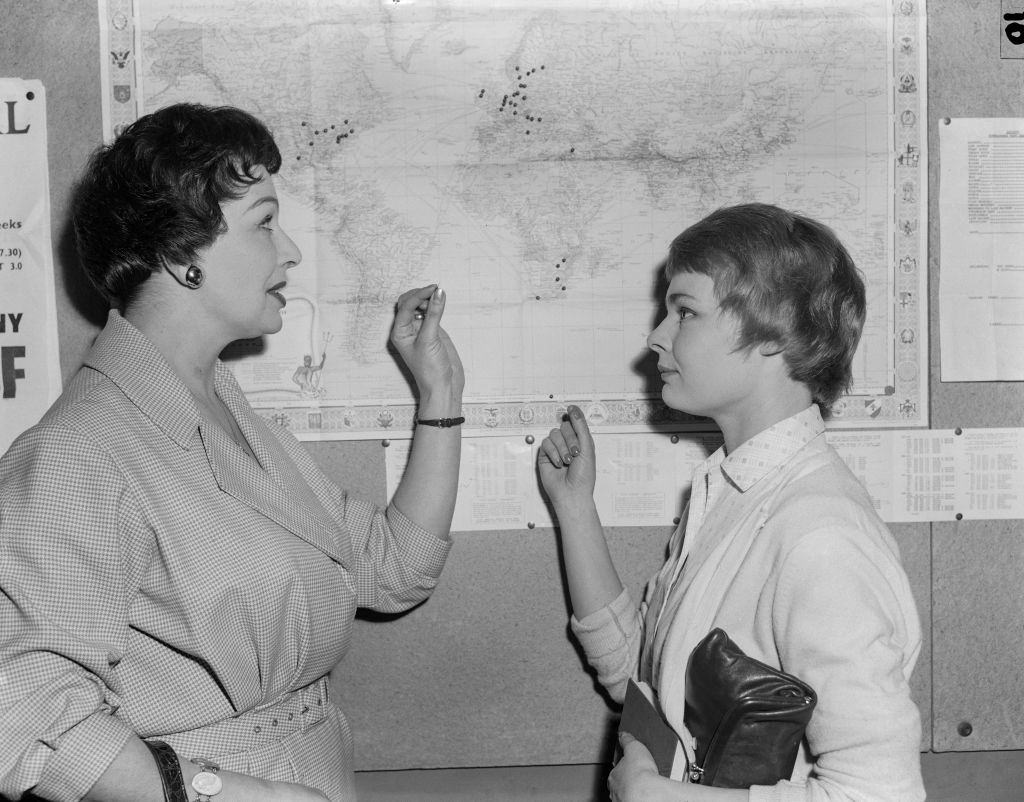
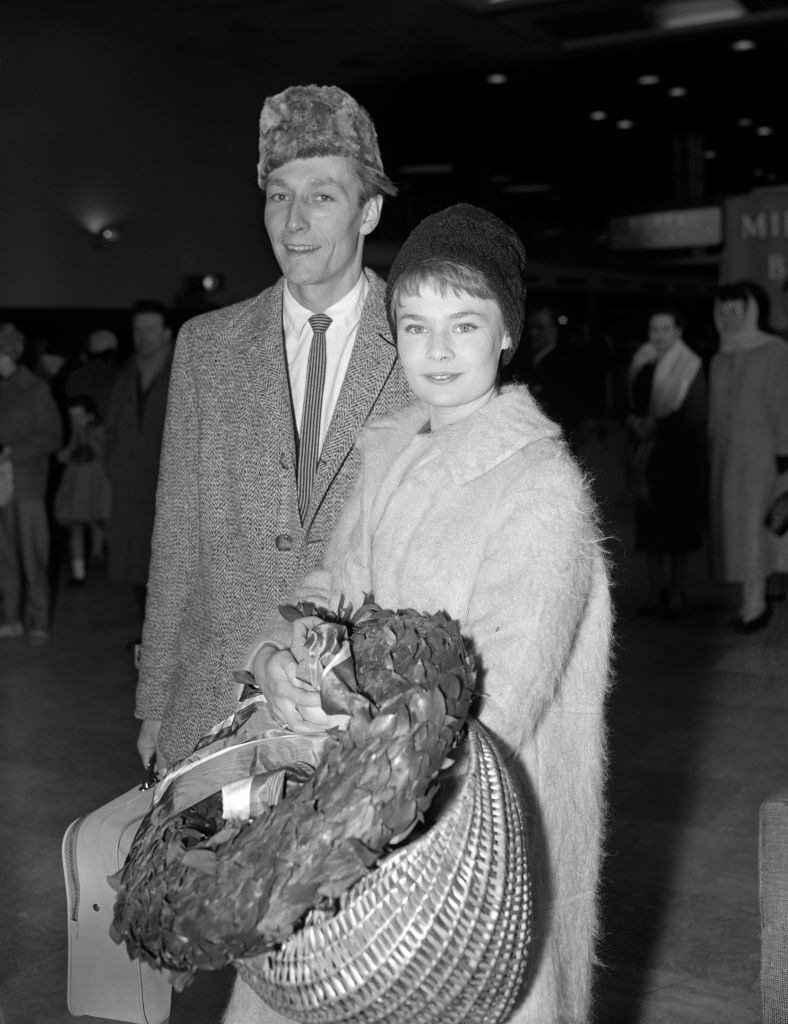
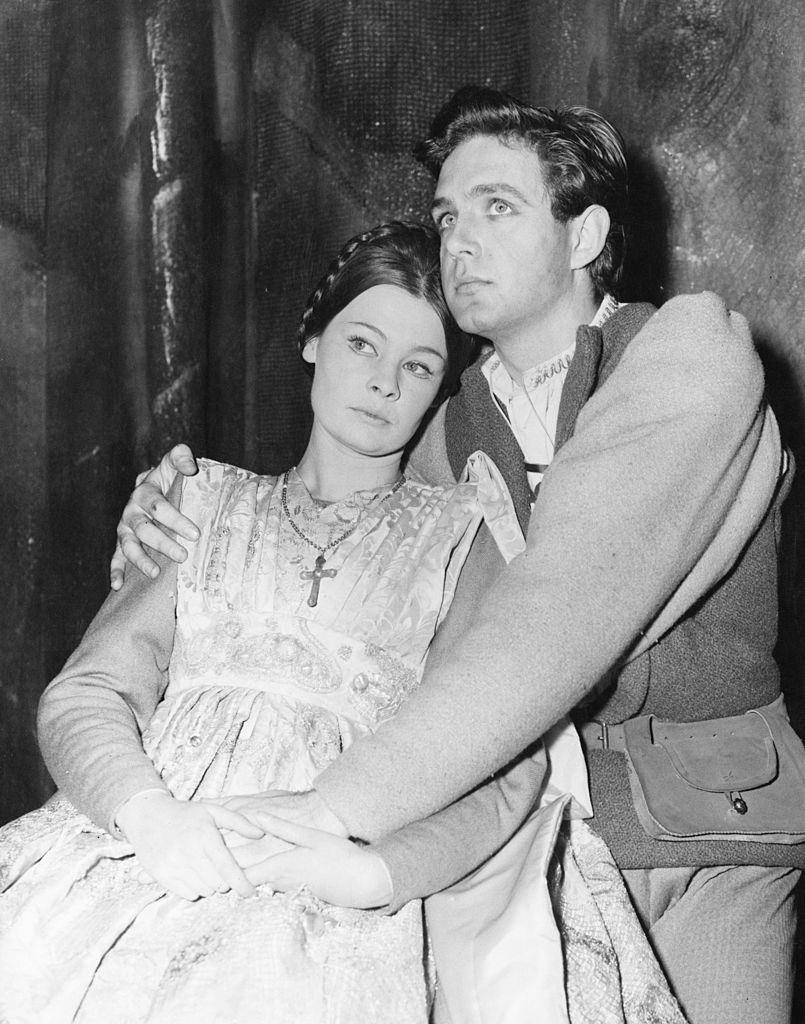
The 1960s were an especially productive period for Dench at the Old Vic. She took on a string of major Shakespearean roles, cementing herself as a serious classical actress. Among these was the role of Juliet in “Romeo and Juliet” in 1960 — performed opposite John Stride as Romeo. That same year, she also appeared as the Queen in a production of “Richard II.”
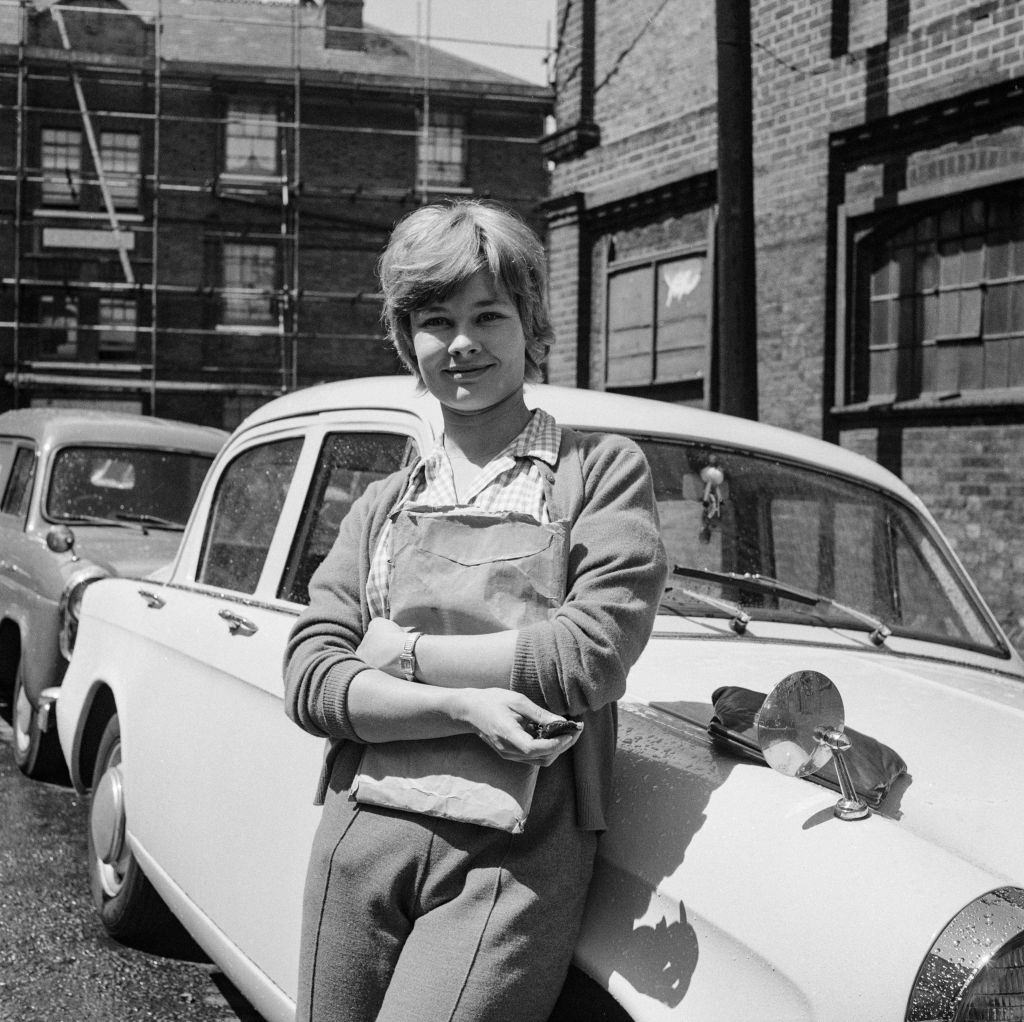
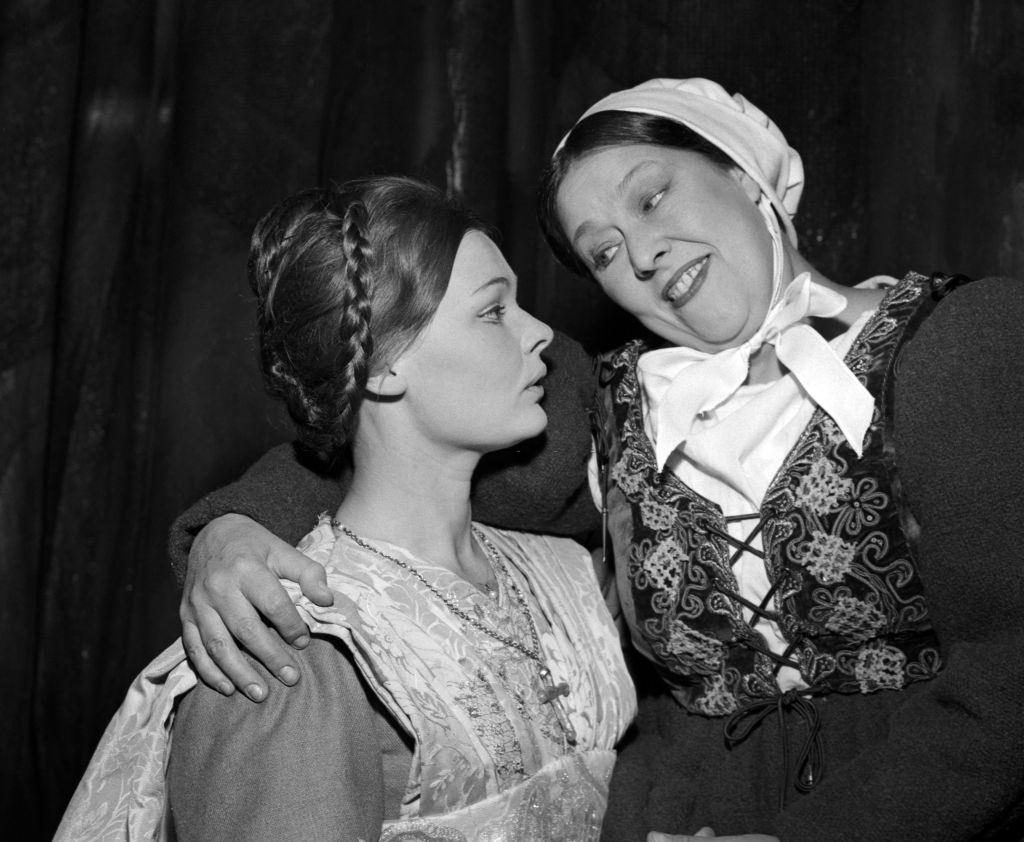
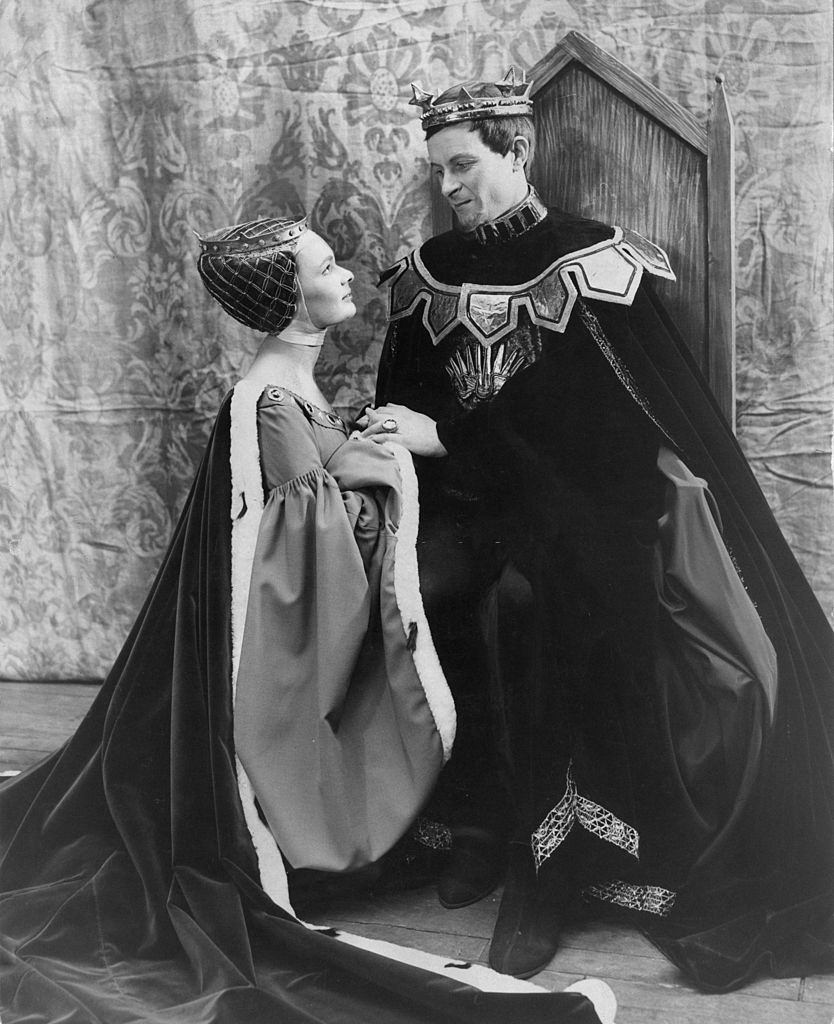
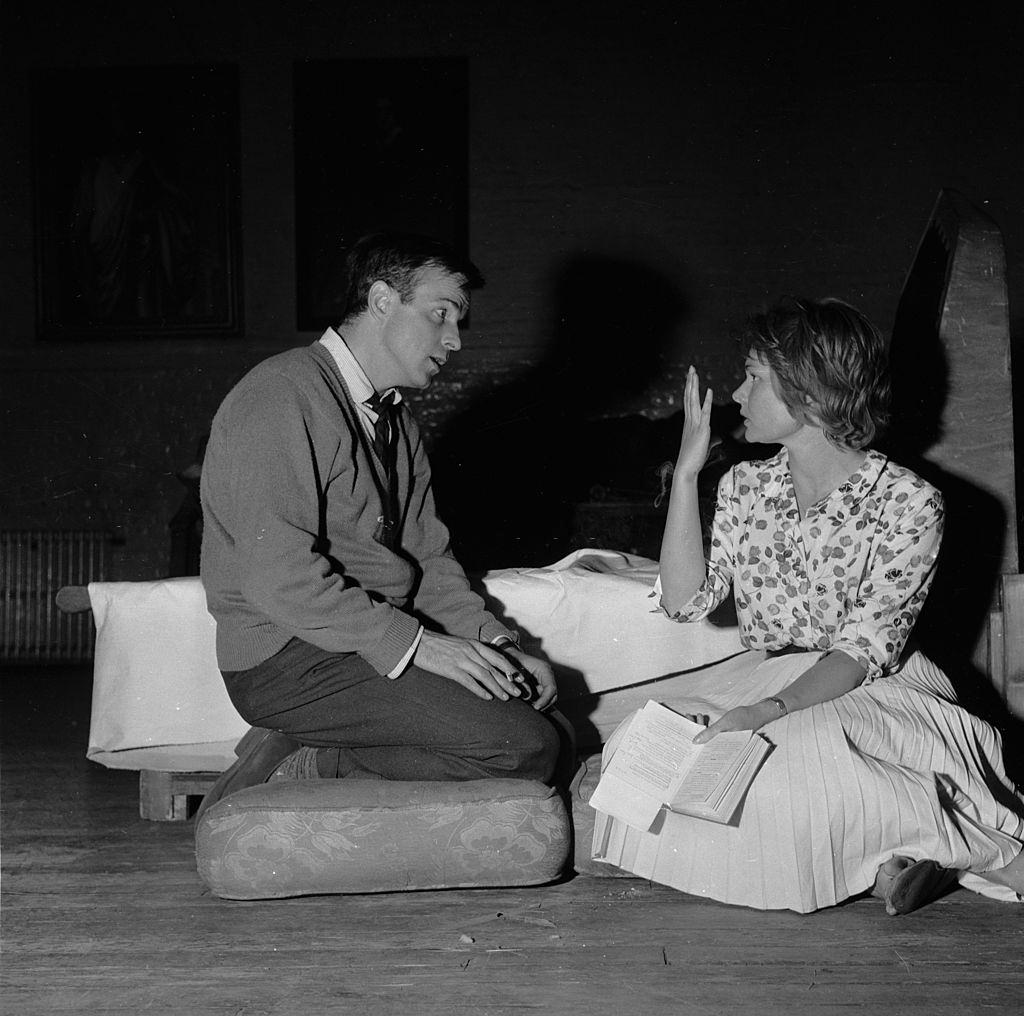
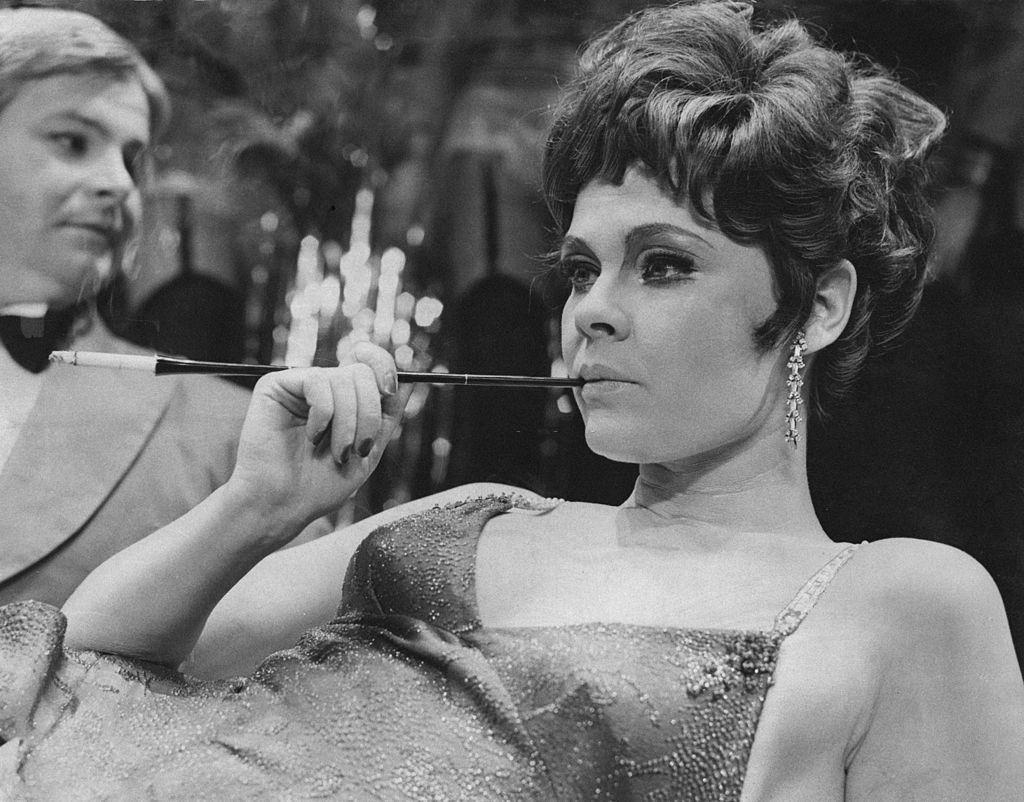
Her stage work during this decade was not limited to Shakespeare. In 1965, Dench stepped into the role of Sally Bowles in the musical “Cabaret,” showing audiences and critics that her range extended well beyond classical drama. The role required song, physical performance, and a very different kind of emotional energy — and she handled it with confidence.
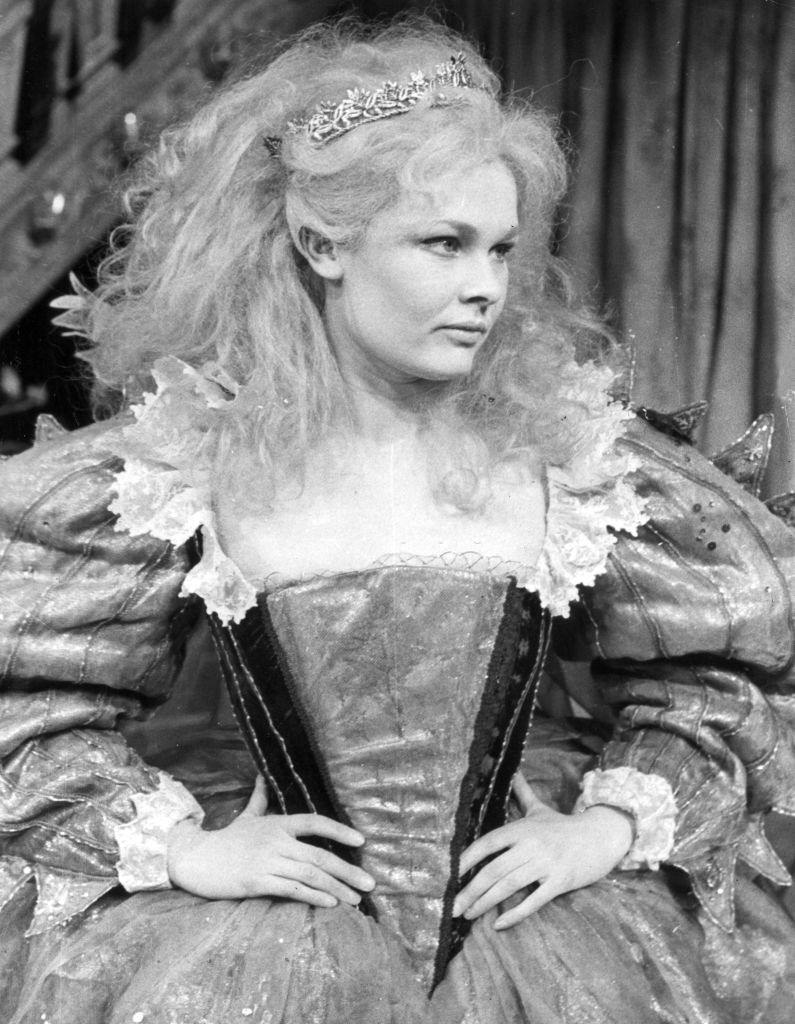
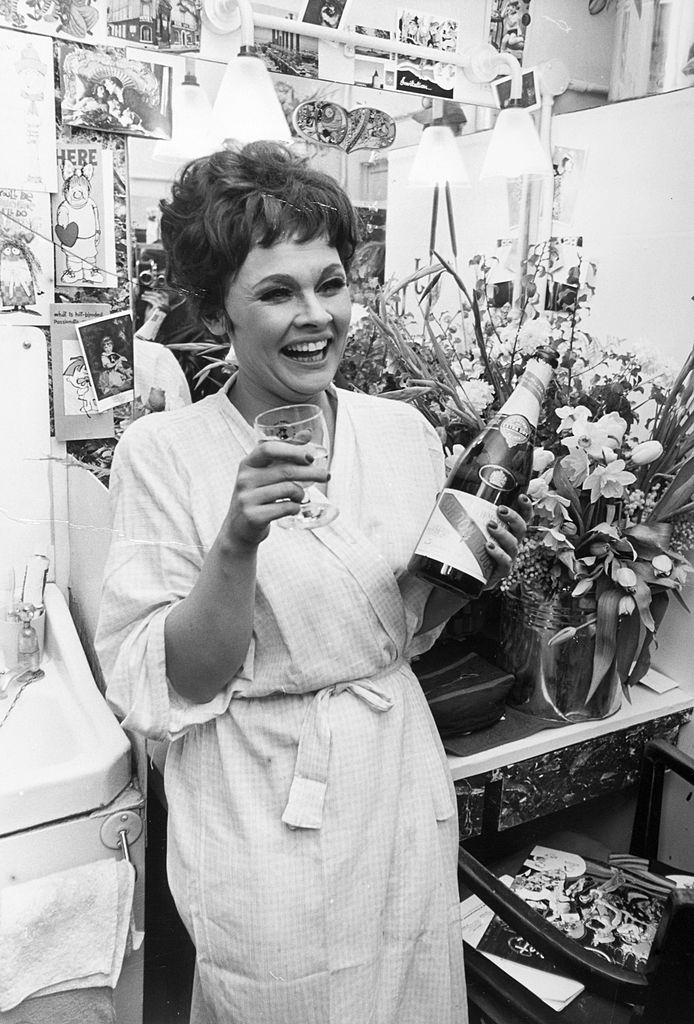
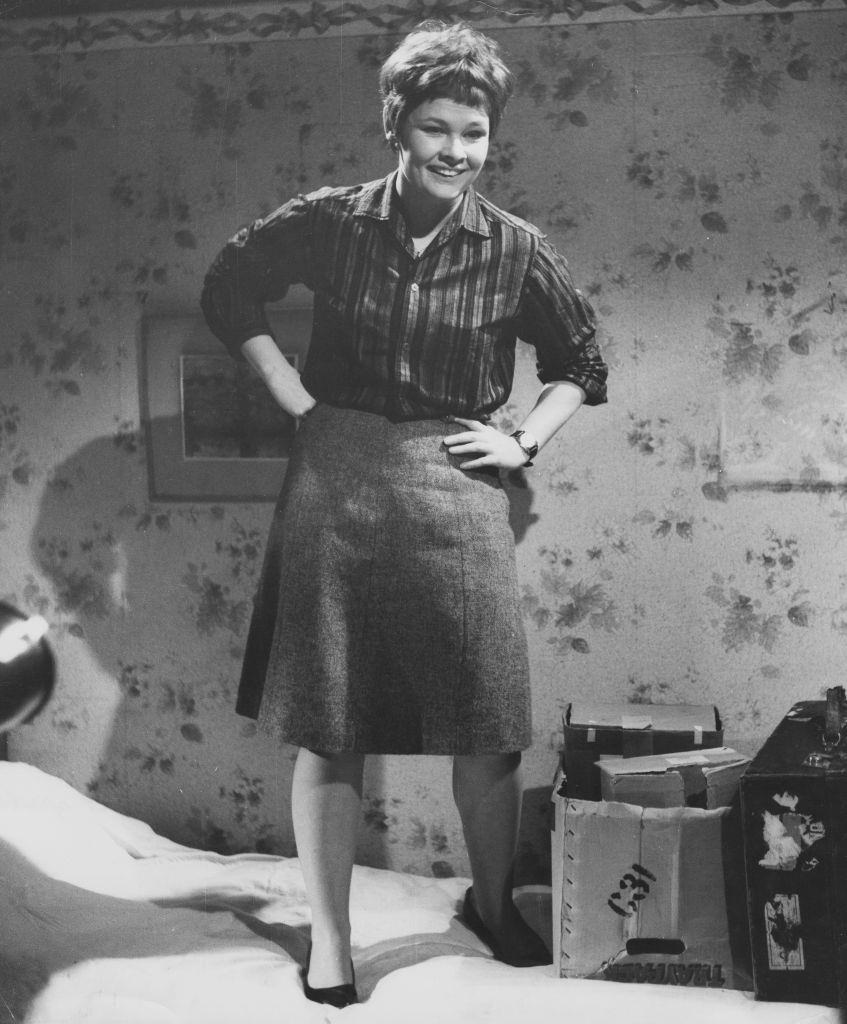
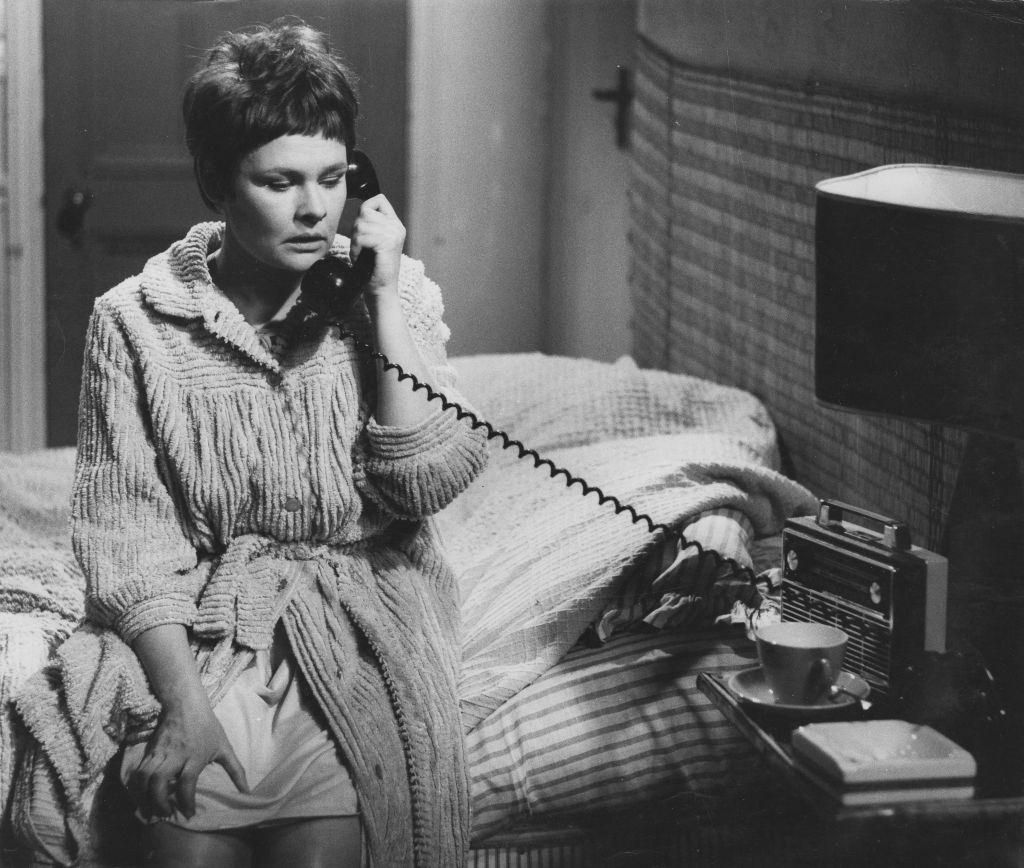
The mid-1960s also saw Dench move more seriously into film and television. In 1965, she earned her first British Academy Award for her portrayal of a young wife in the film “Four in the Morning.” The role was understated and emotionally raw, and the recognition confirmed what theatre audiences already knew — she was an exceptional talent in any medium. In 1966, she appeared in the television series “Talking to a Stranger,” which drew further critical praise.
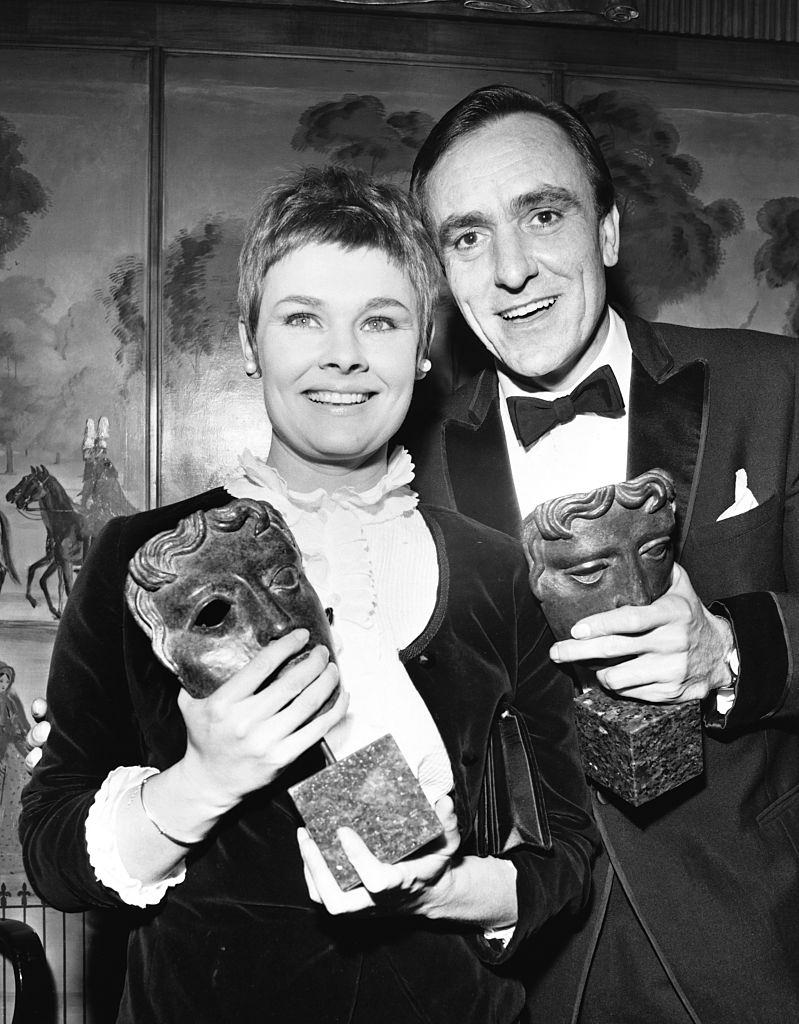
In 1967, Dench and actor Eric Porter were photographed together holding their British Academy for Film and Television Arts awards — a moment that reflected just how far she had come in a single decade. She was barely 30 years old and already one of the most awarded performers in Britain.
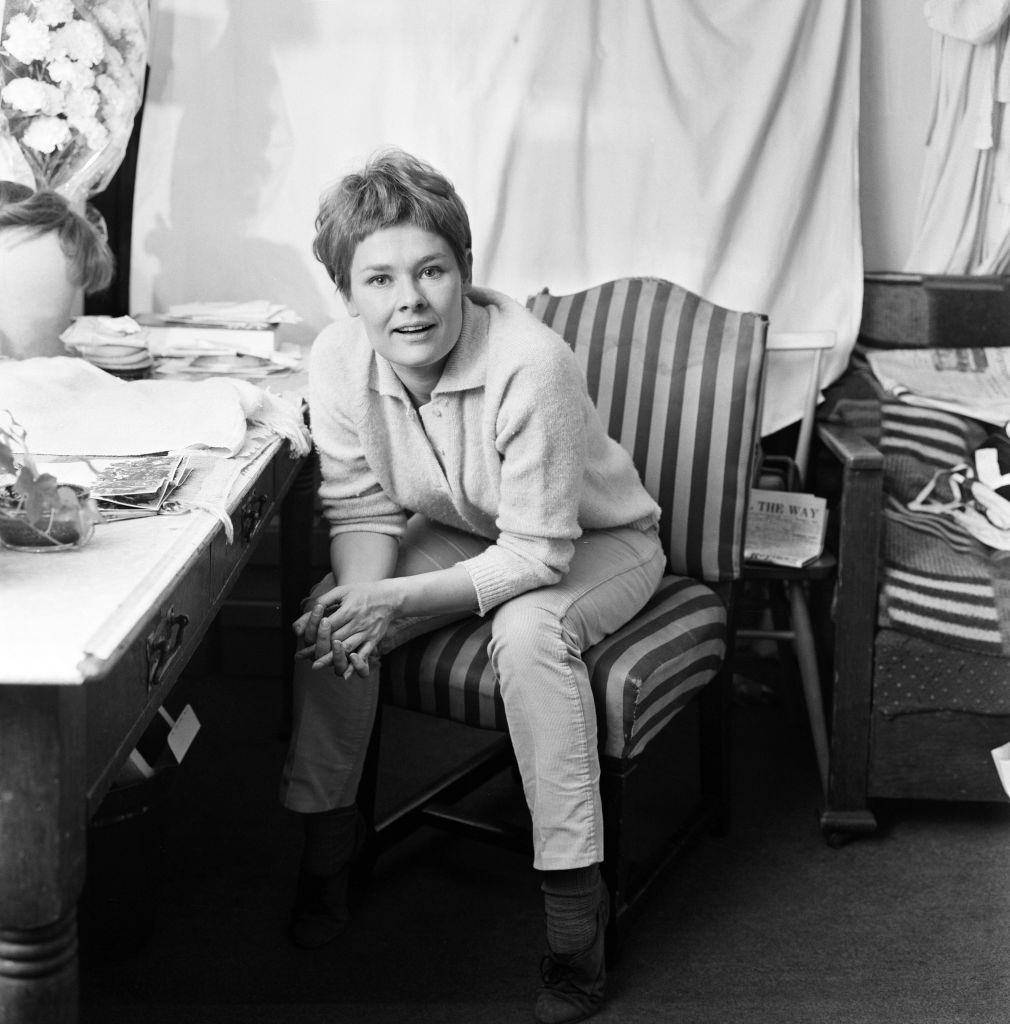
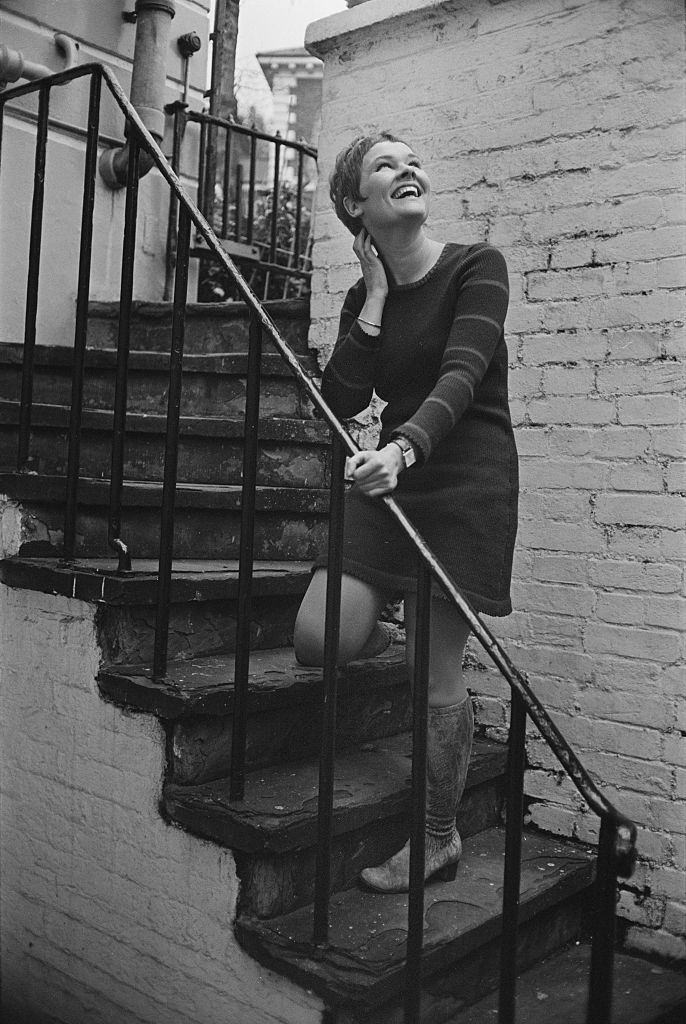
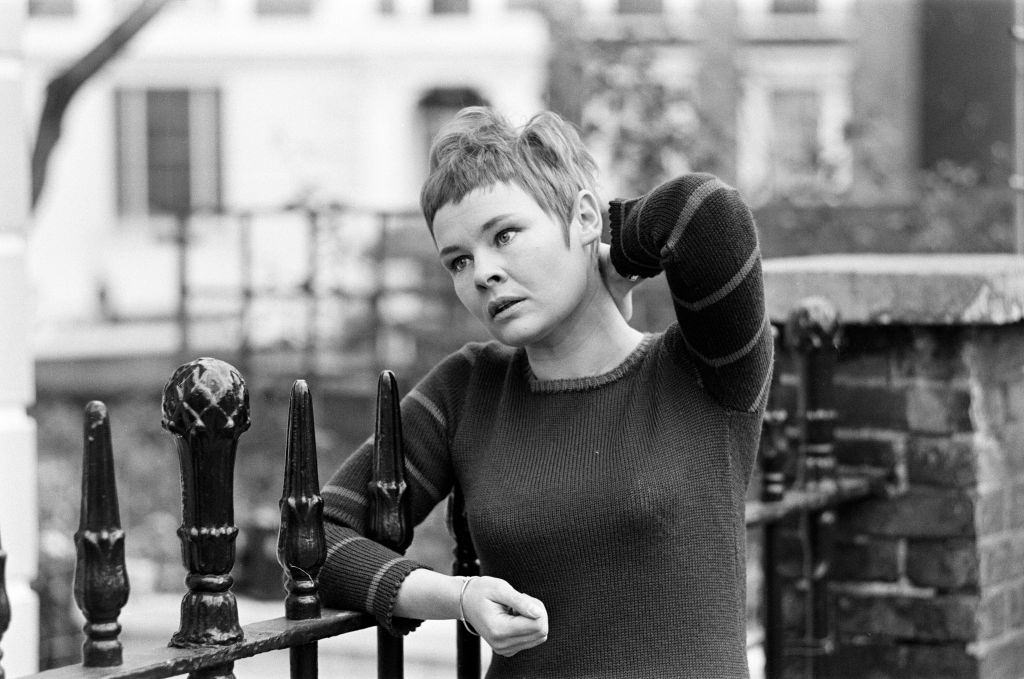
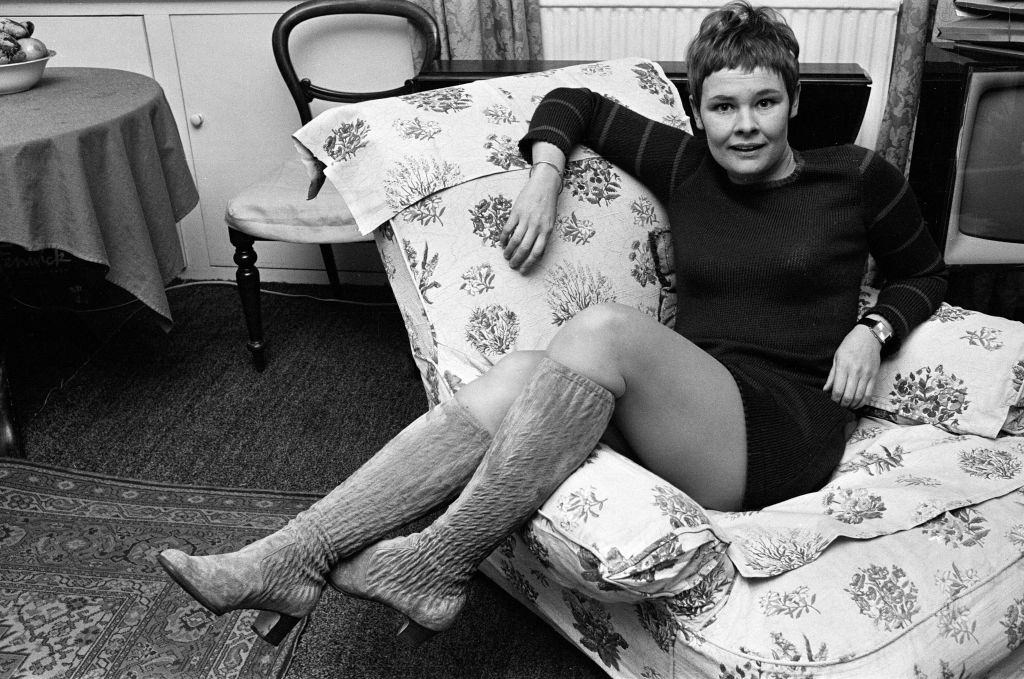
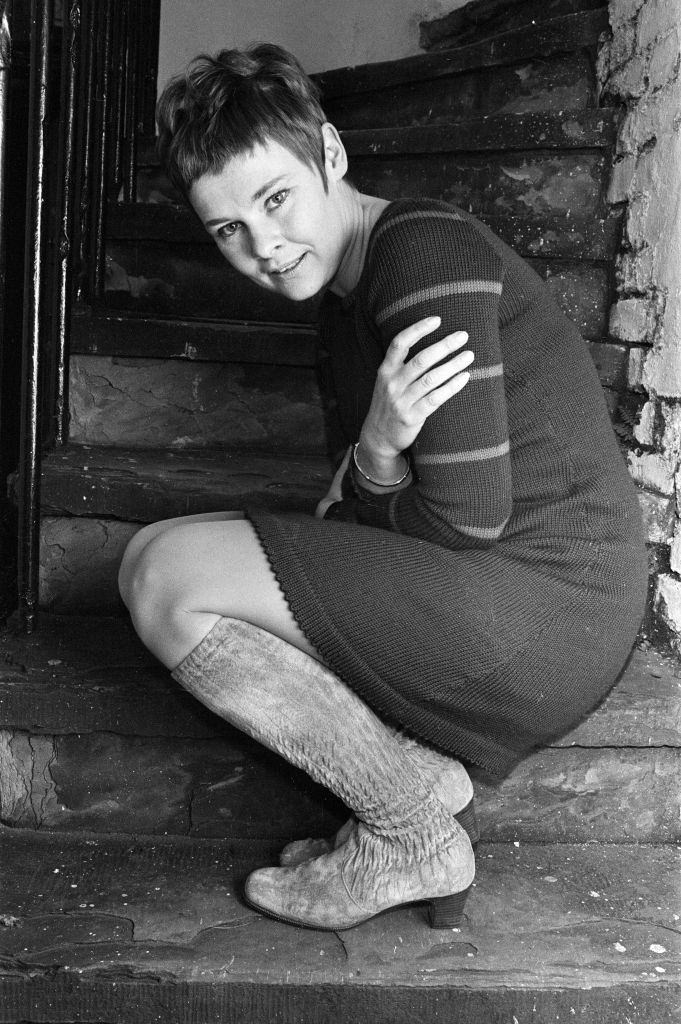
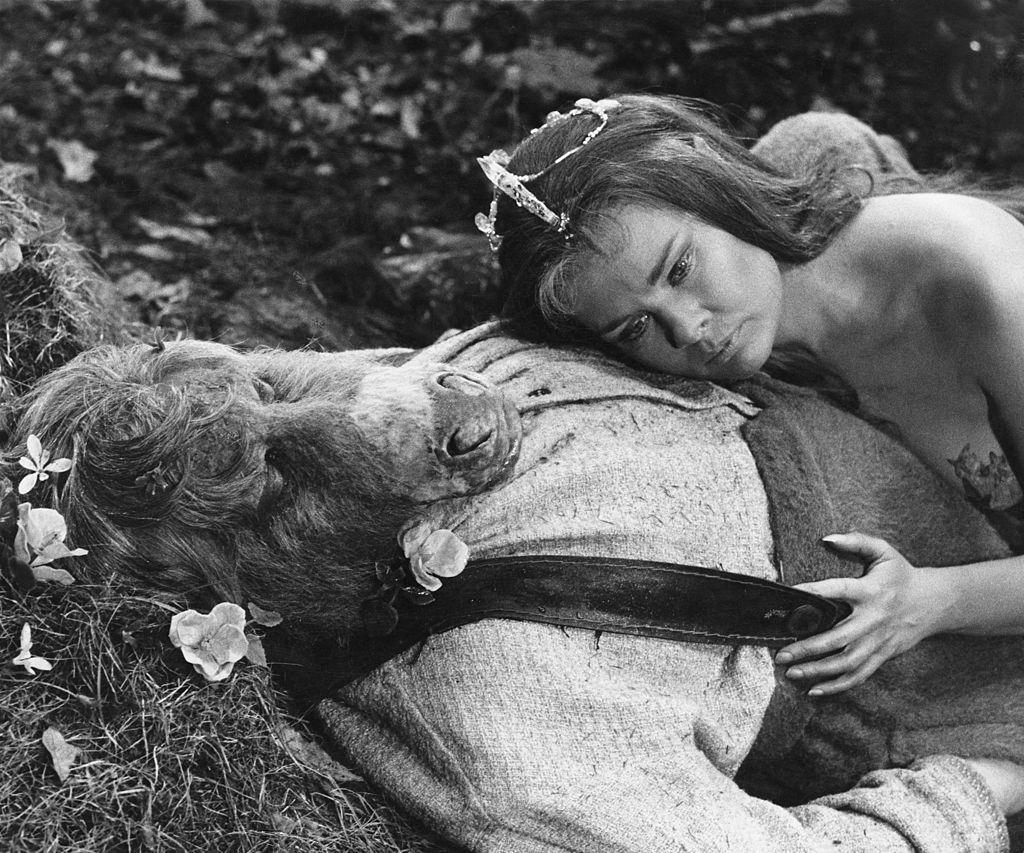
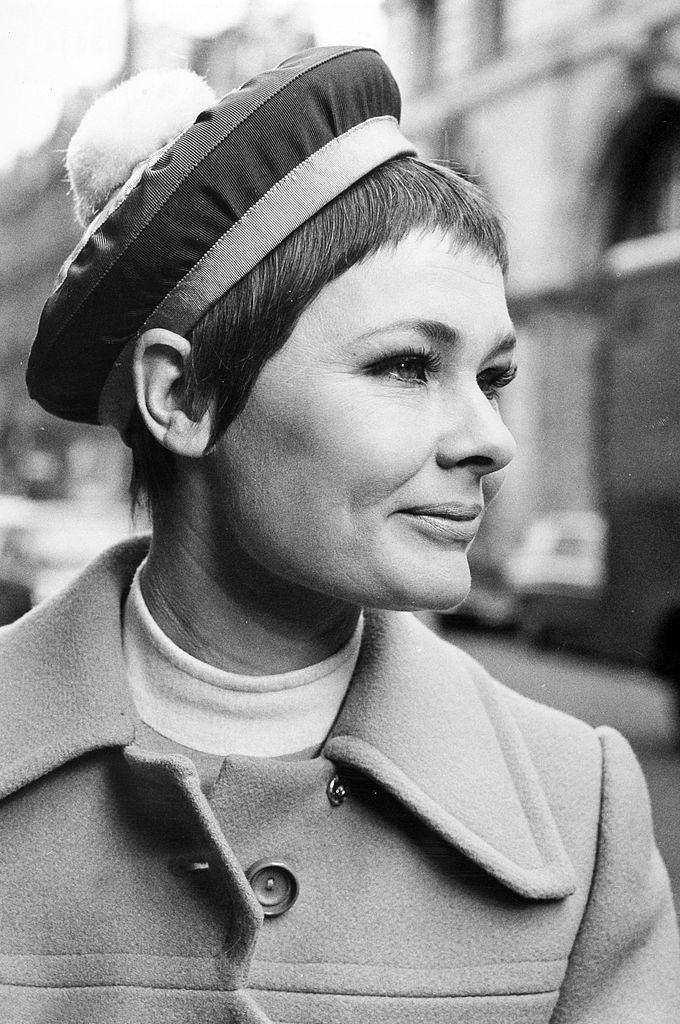
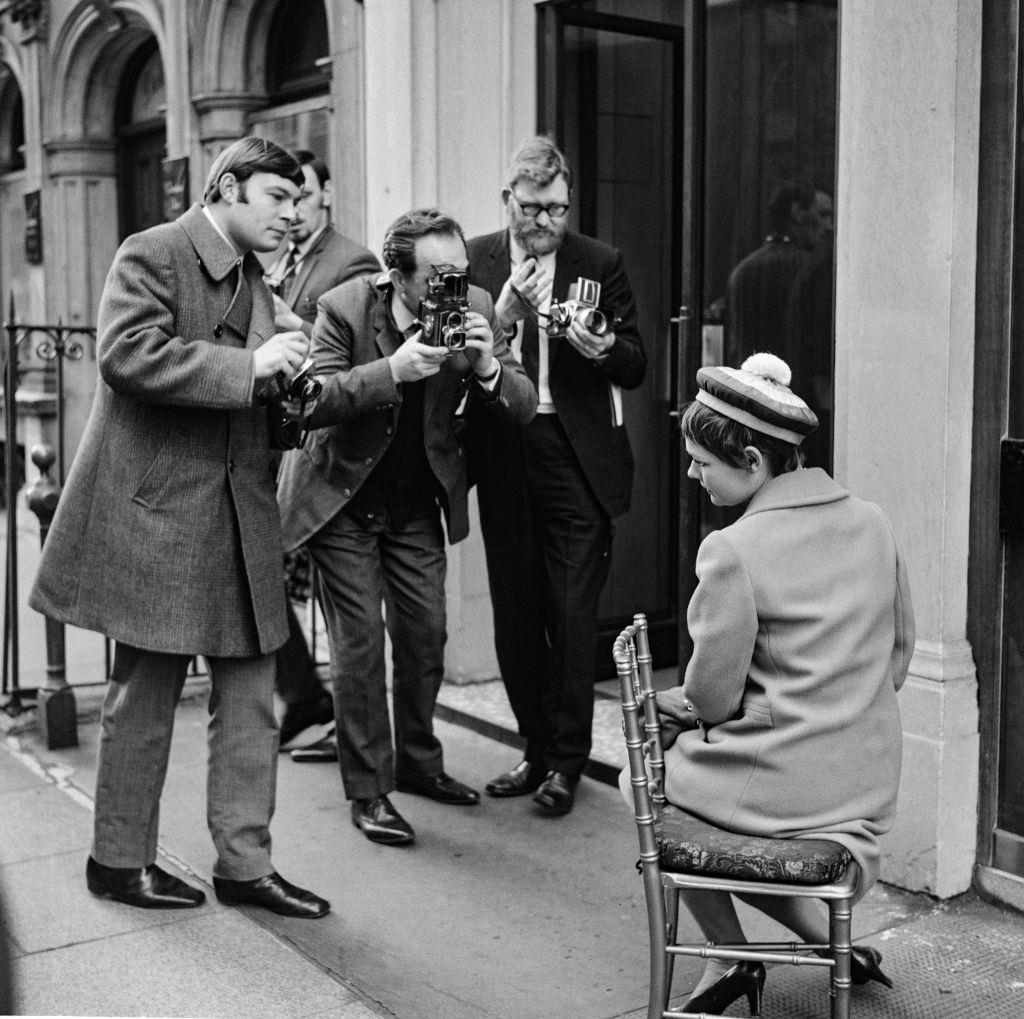
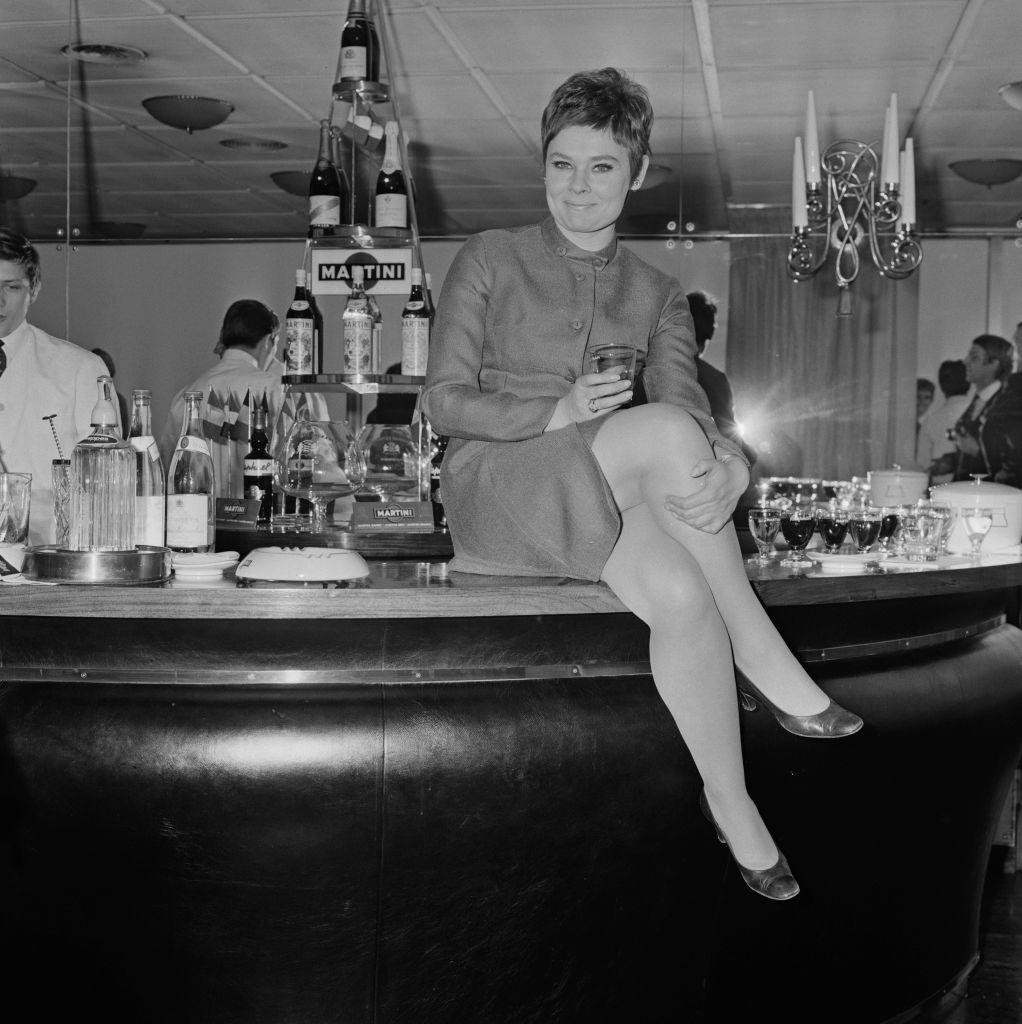
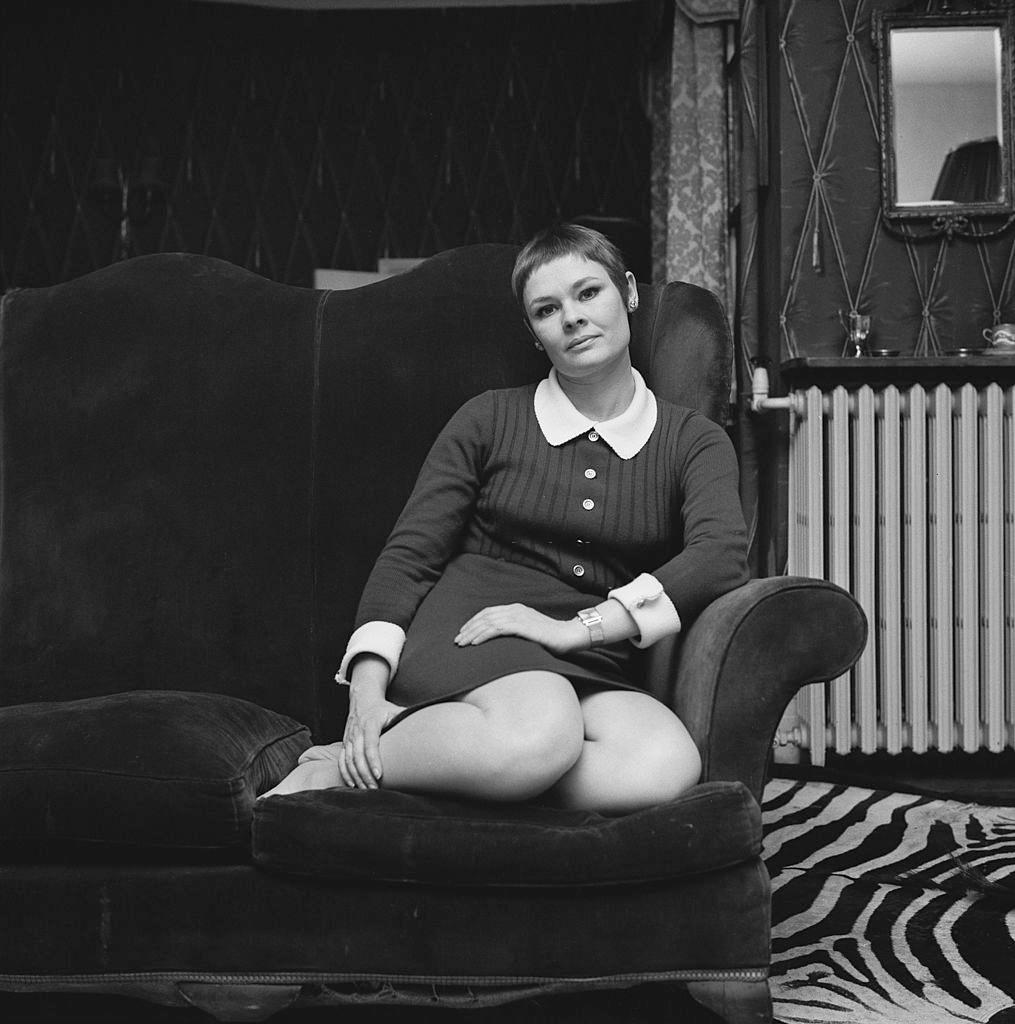
In 1968, she returned to “Cabaret” in Harold Prince’s production at the Palace Theatre in London, once again playing Sally Bowles. That same year she appeared in a filmed version of Shakespeare’s “A Midsummer Night’s Dream,” taking on the role of Titania opposite Paul Rogers as Bottom. The late 1960s also found her regularly photographed as a style figure, including appearances modelling pieces from the Christian Dior spring collection.
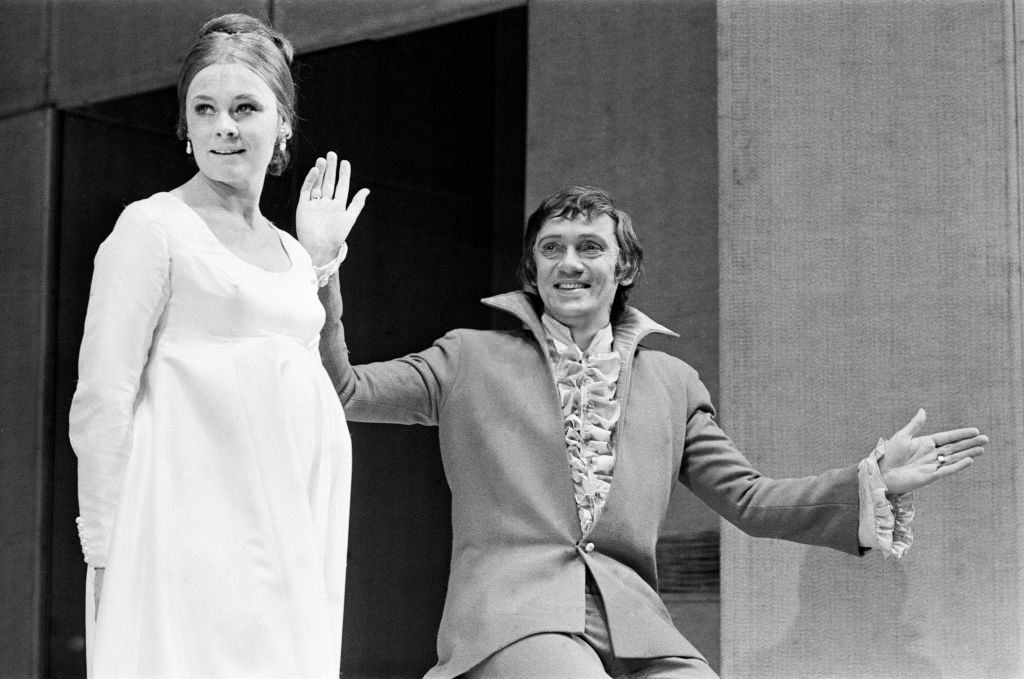
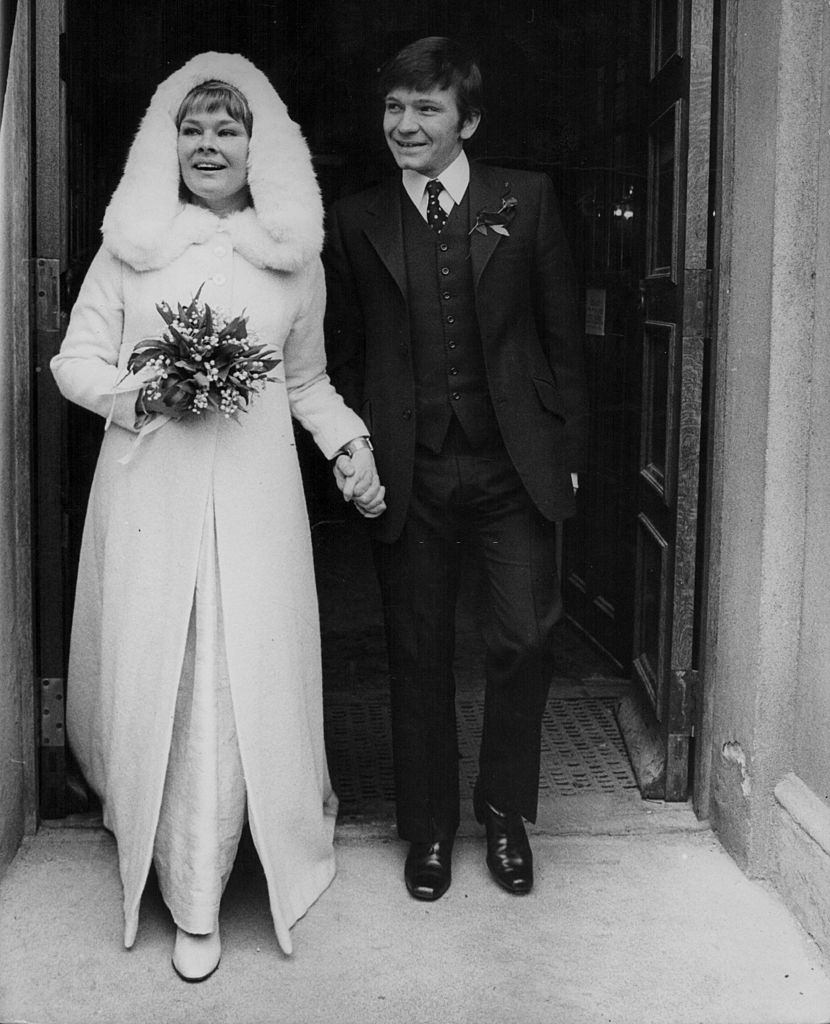
In 1970, Dench was named an Officer of the Order of the British Empire (OBE) in recognition of her contributions to theatre and the arts. The following year brought one of the most significant events of her personal life. On February 5, 1971, she married actor Michael Williams at St Mary’s Roman Catholic Church in Hampstead, London. The two had met while working together in the theatre, and their marriage would last thirty years, until Williams’ death in 2001.
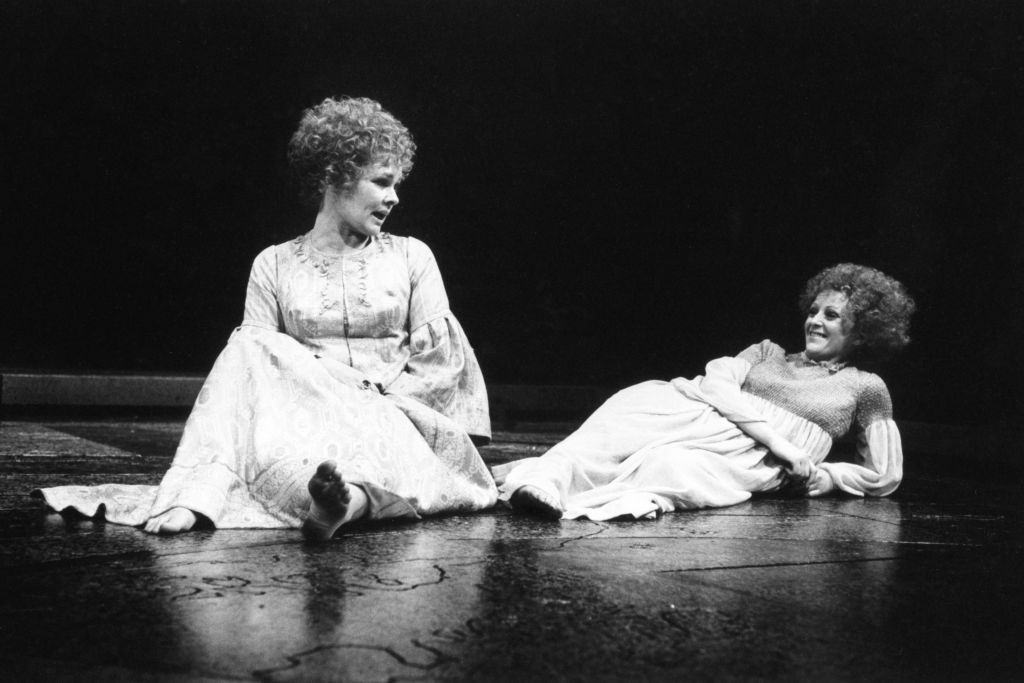
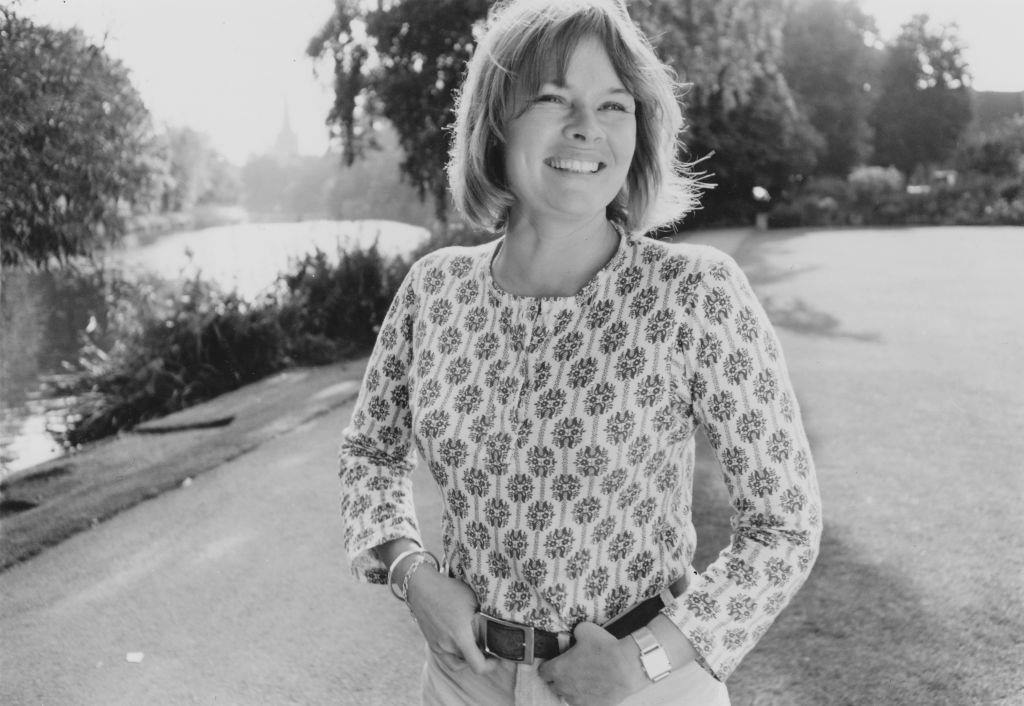
In 1972, Dench and Williams welcomed their daughter, Finty Williams, who would go on to become an actress herself. That same year, Dench was photographed at Heathrow Airport ahead of a flight to Tokyo — a sign of how international her profile had become.
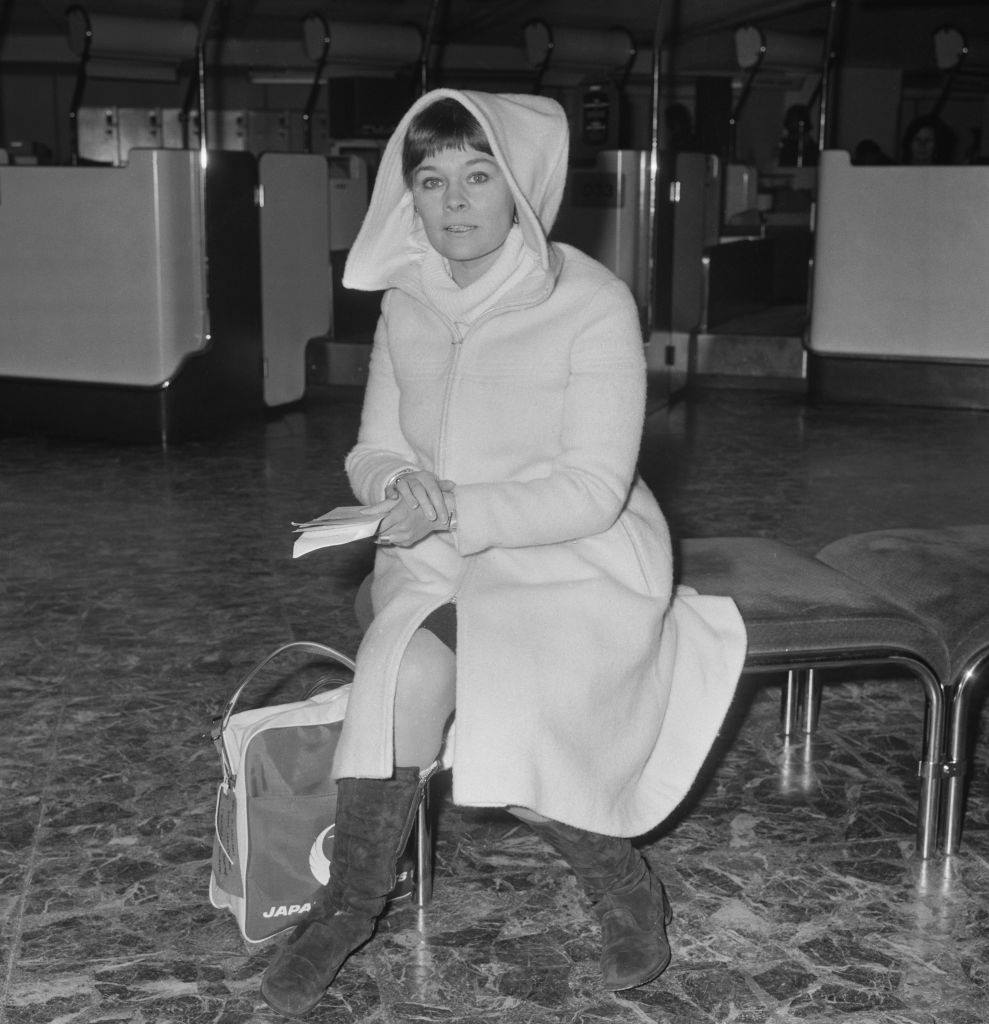
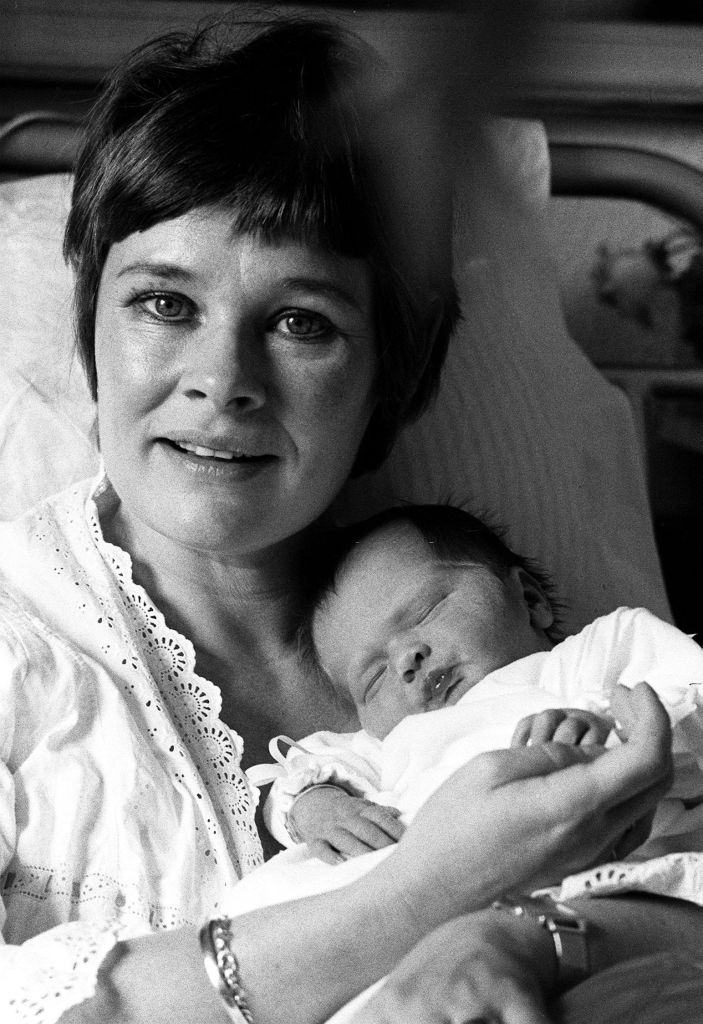
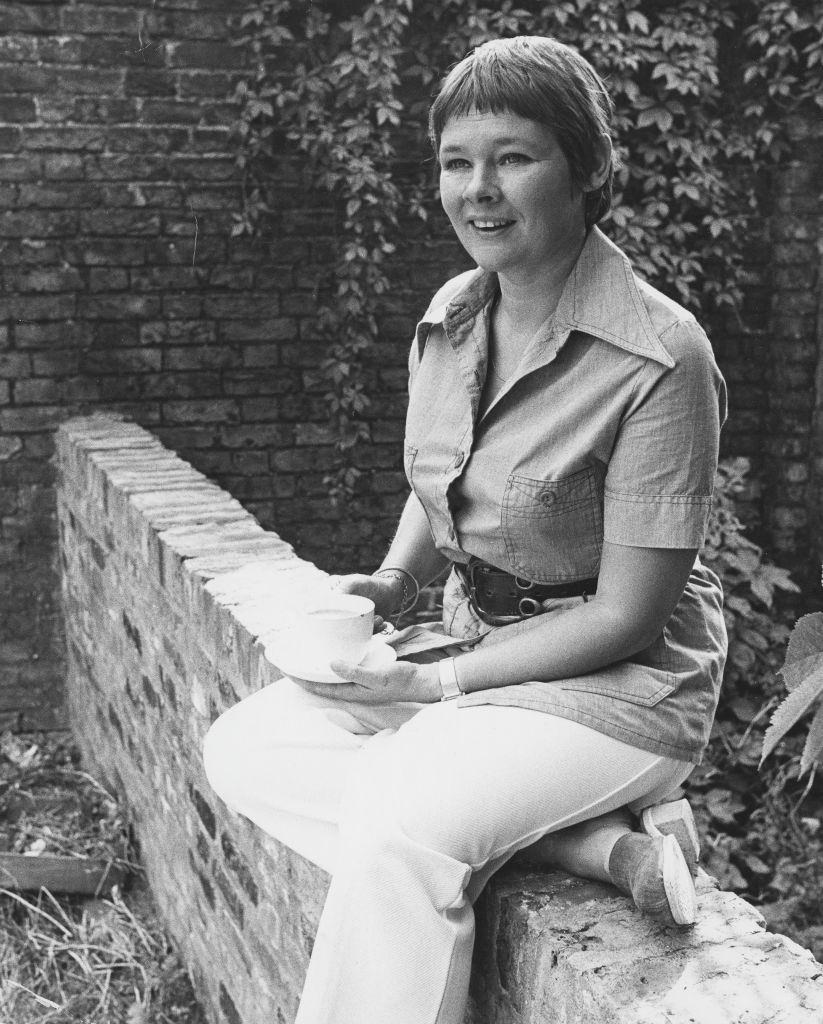
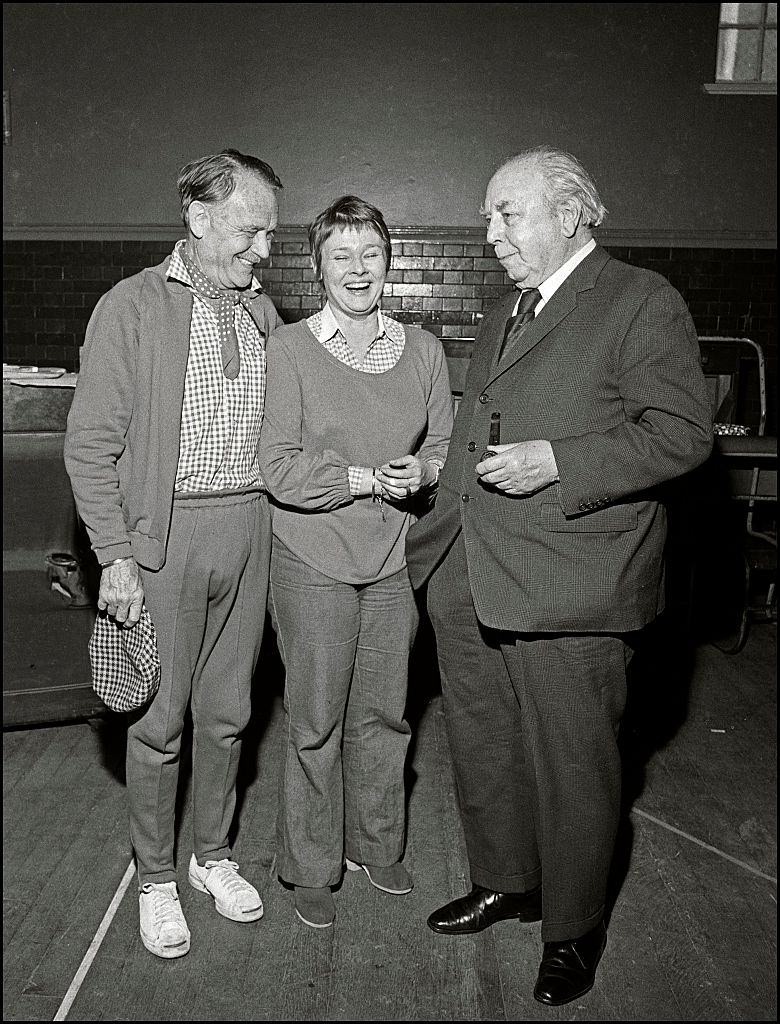
Throughout the early-to-mid 1970s, Dench kept up a demanding workload across theatre and television. In 1974, she appeared alongside John Mills and author J.B. Priestley during rehearsals for a musical adaptation of Priestley’s novel “The Good Companions” in London. The project brought together some of the most respected names in British entertainment.
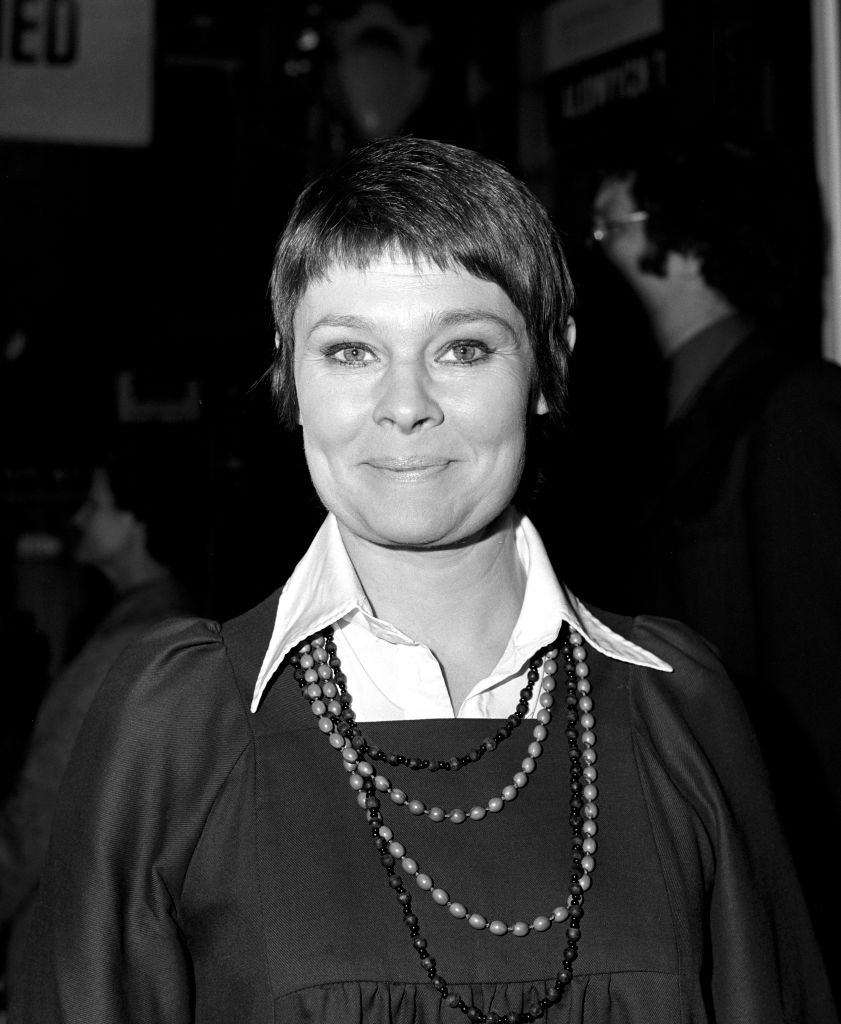
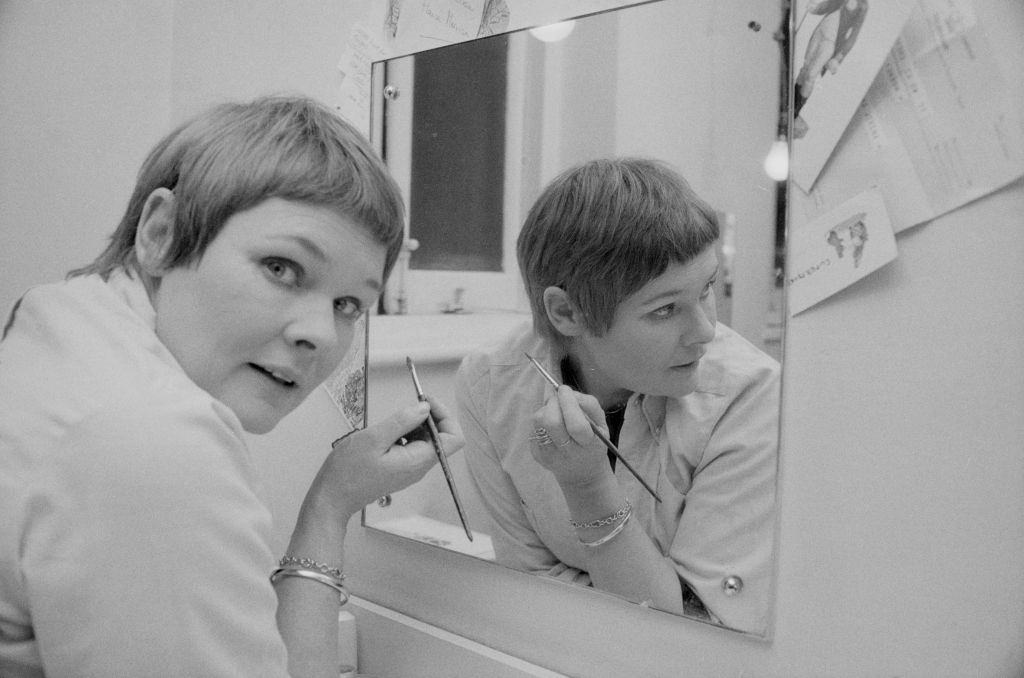
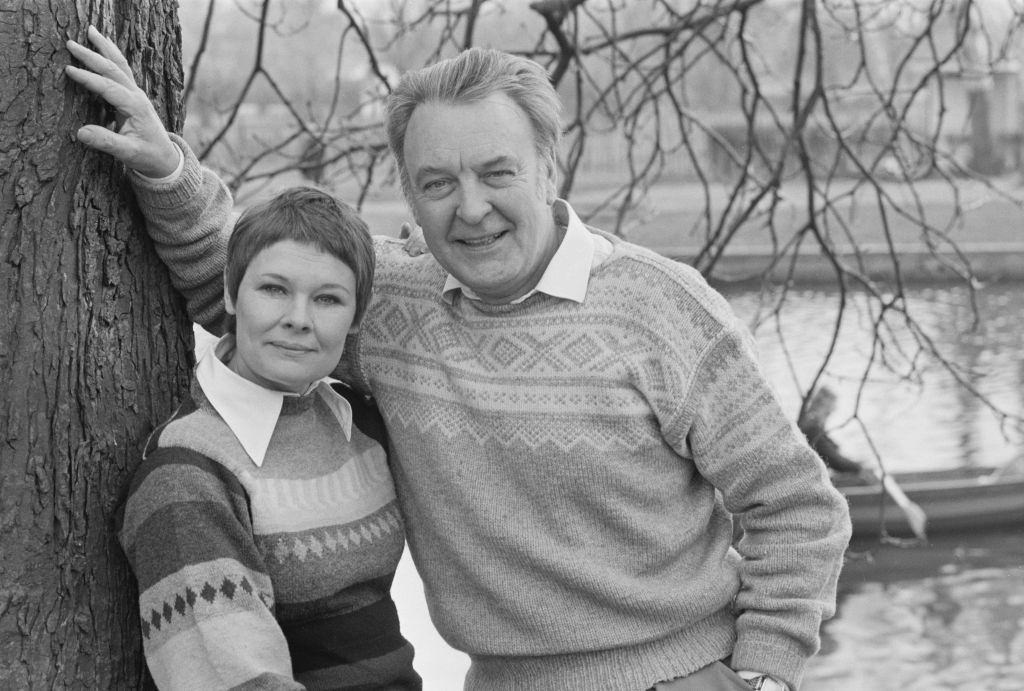
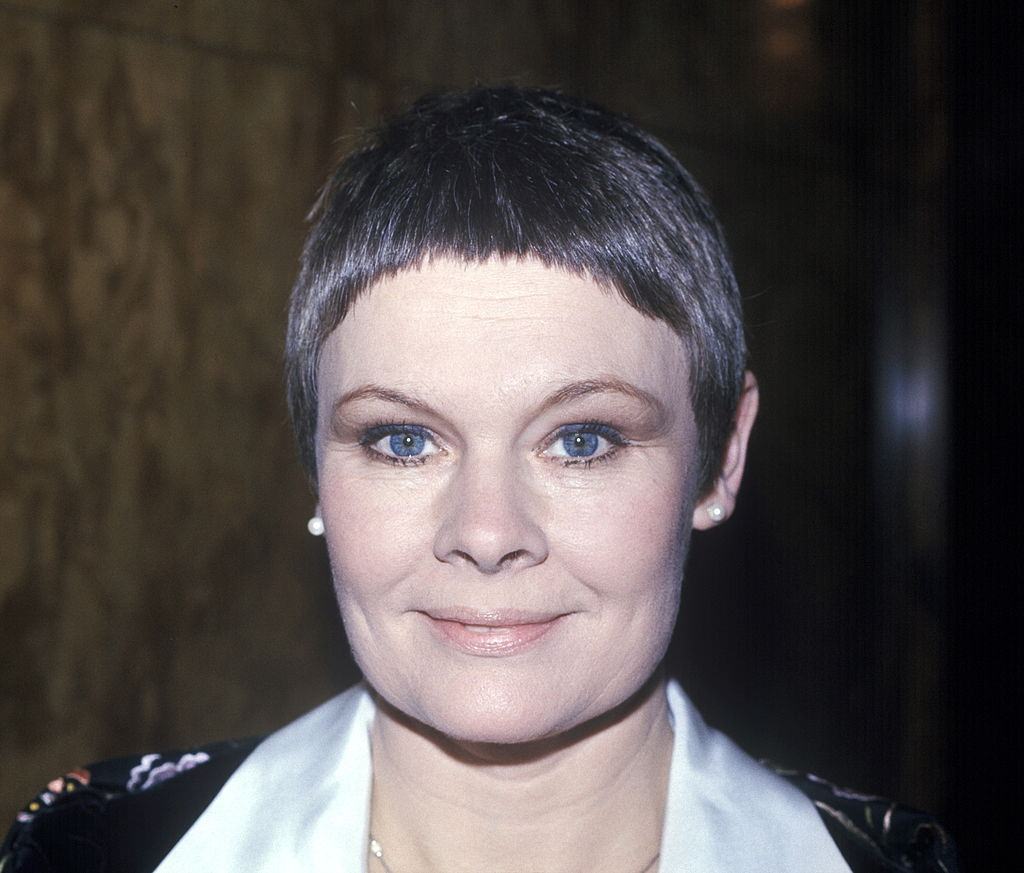
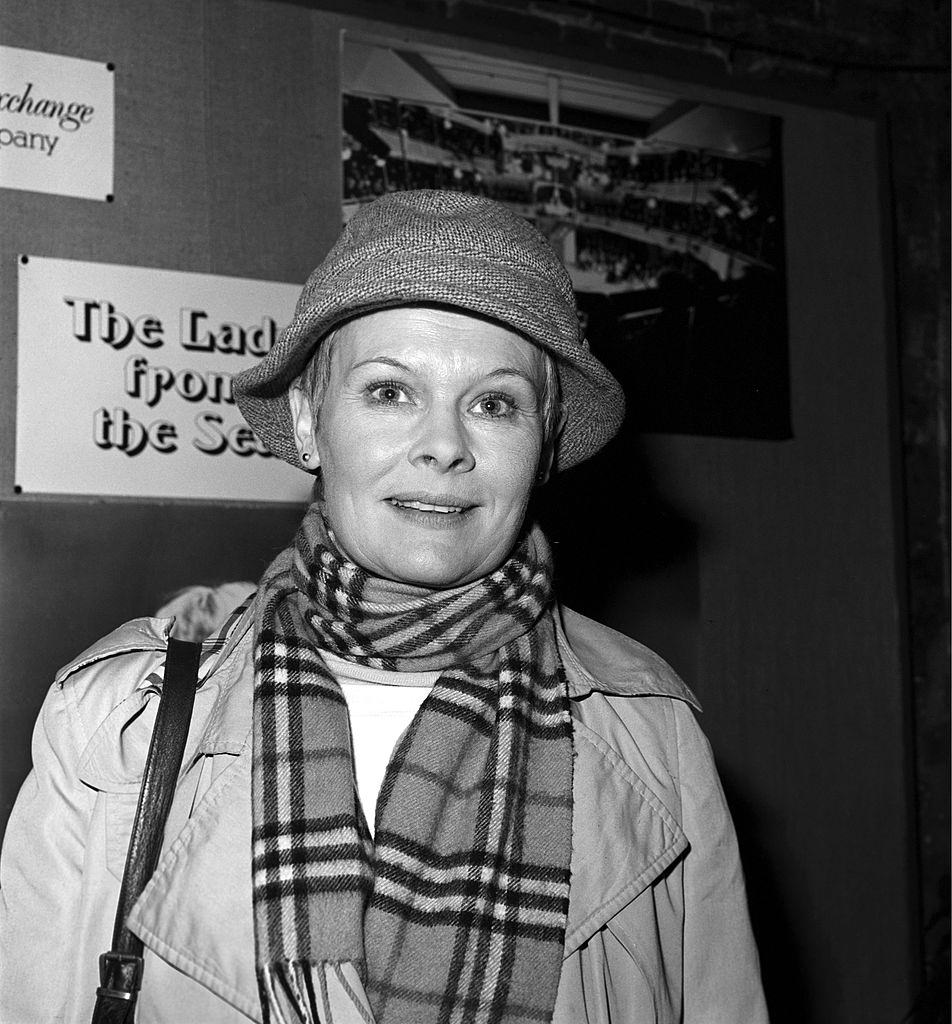
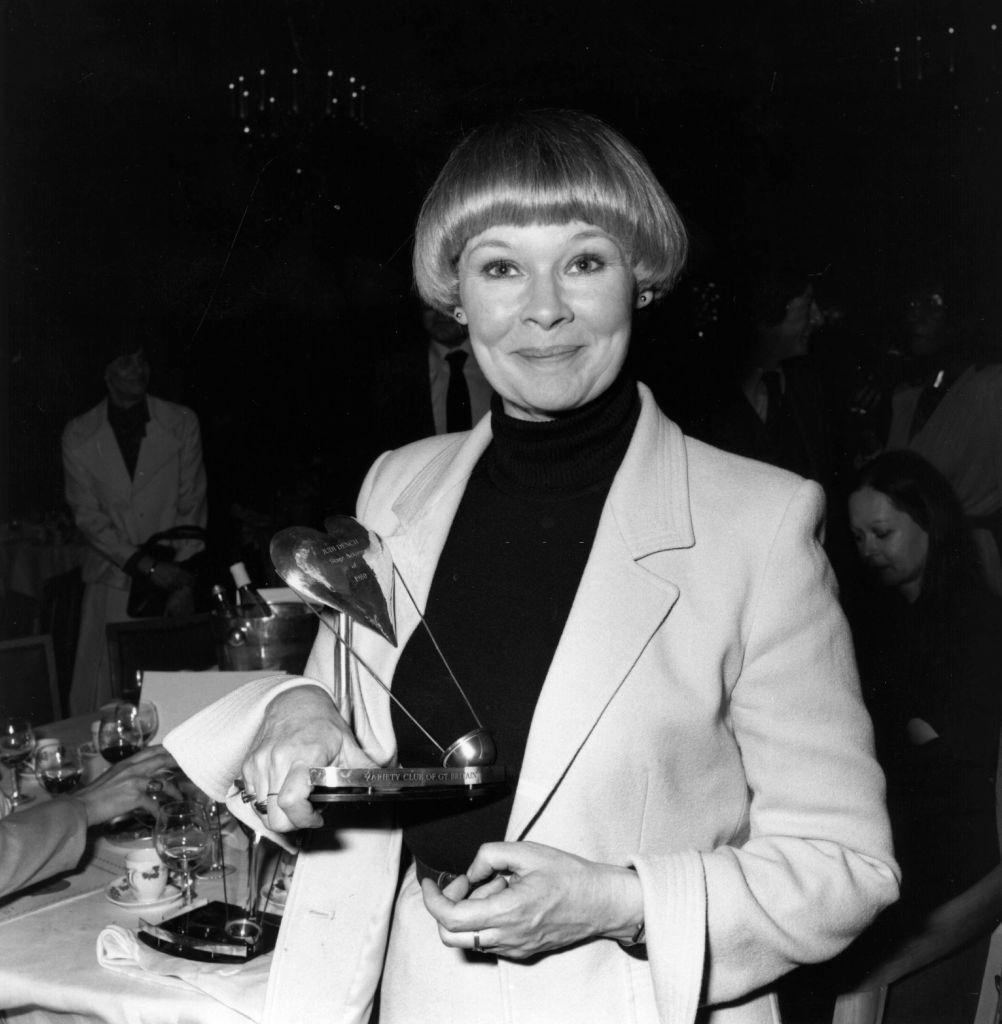
By the late 1970s, Dench was a firmly established name in British cultural life. In 1979, she was photographed receiving one of her many awards — a routine occurrence by this point in her career. That same year she sat for a studio portrait that captured the quiet confidence she had developed over two decades in the industry.
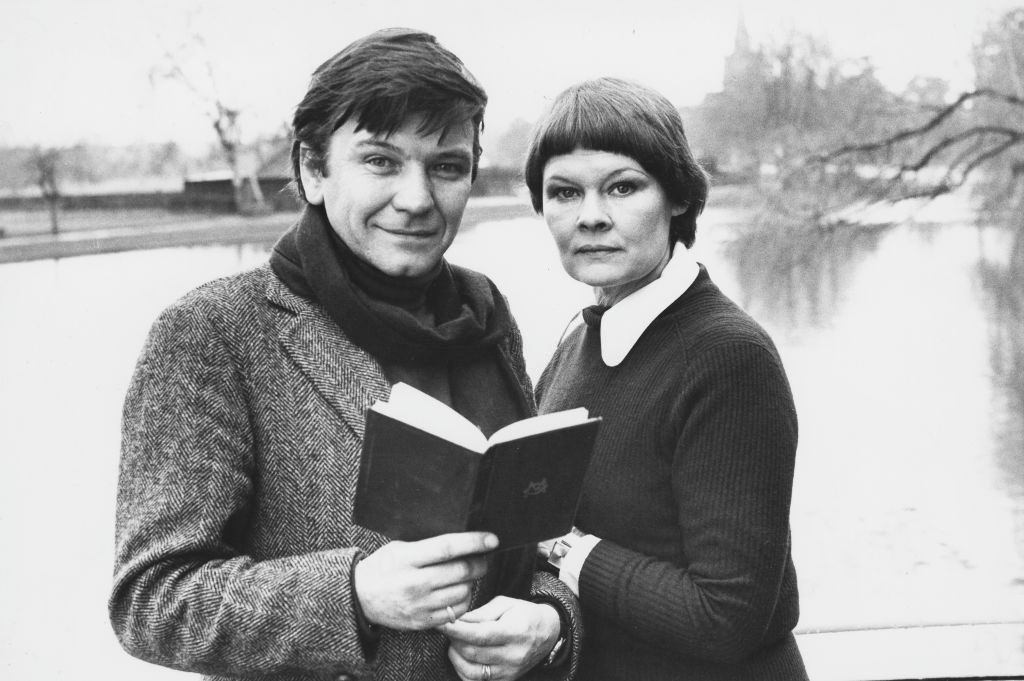
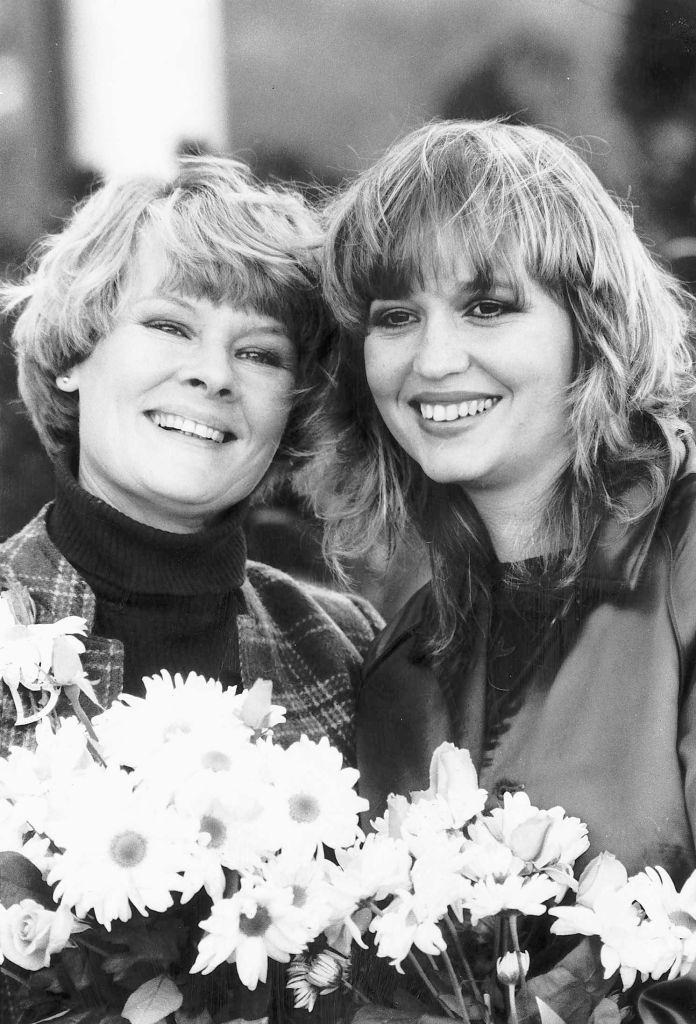
In 1981, she starred in the ITV comedy series “A Fine Romance” alongside Susan Penhaligon, introducing her to a whole new audience who knew her primarily as a comedy performer. The show ran for four series and became one of the most beloved British sitcoms of its era. In 1988, she was awarded the title of Dame Commander of the Order of the British Empire — one of the highest honours given to a performer in the United Kingdom. In 1996, she made history by winning two Laurence Olivier Awards in the same year for two entirely different roles — a record achievement. Her casting in the James Bond franchise as M from 1995 onwards brought her to global audiences at a scale she had never experienced before, and she reprised that role across six subsequent films. In 2020, she became the oldest person ever to appear on the cover of British Vogue, in the magazine’s 104-year history.