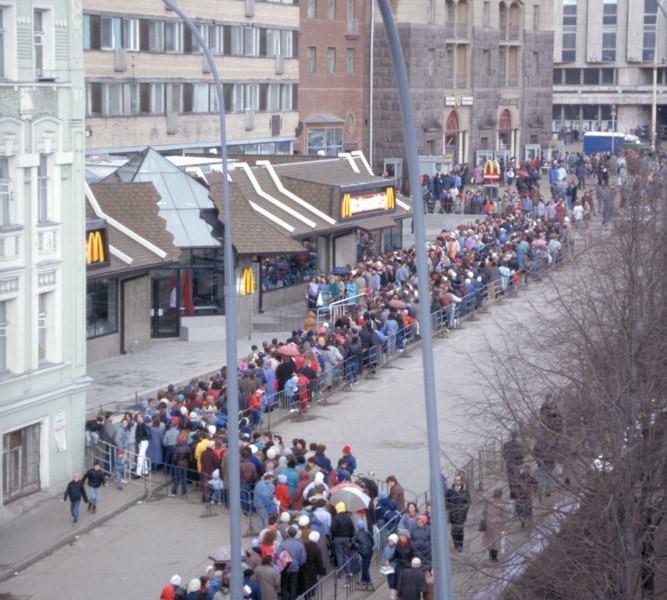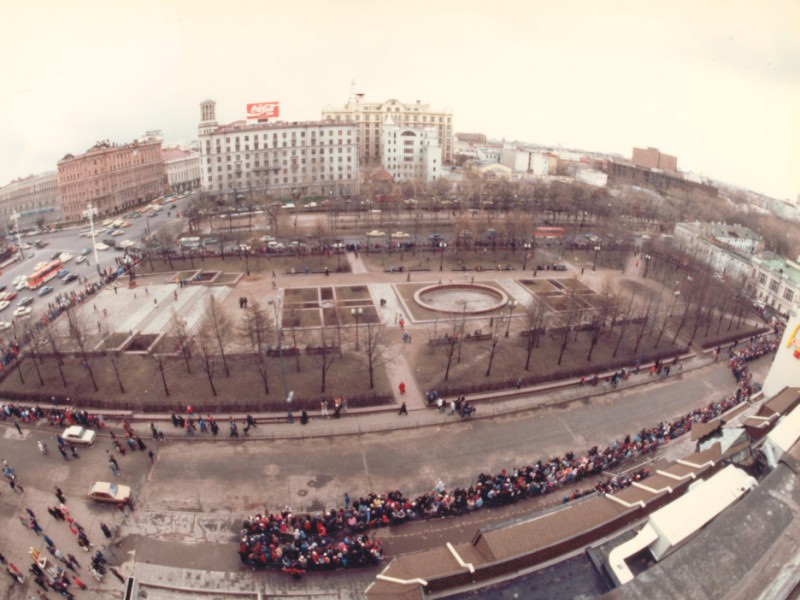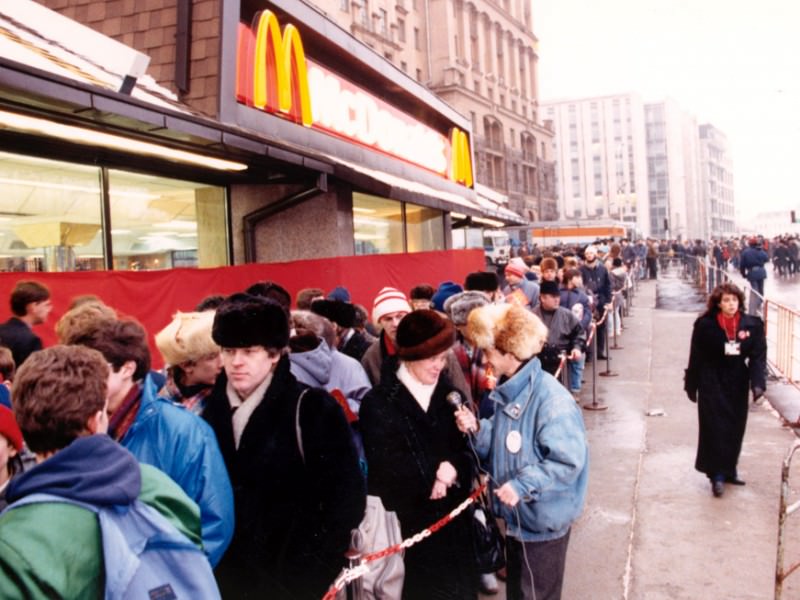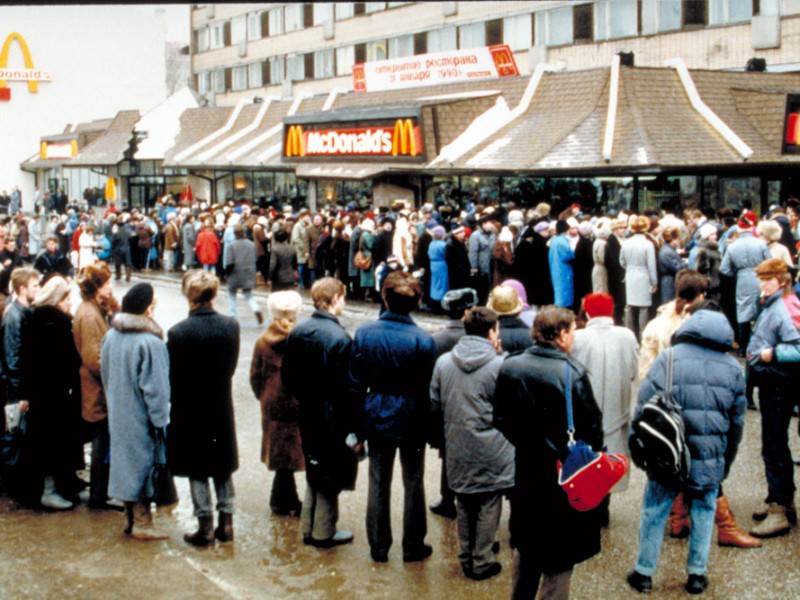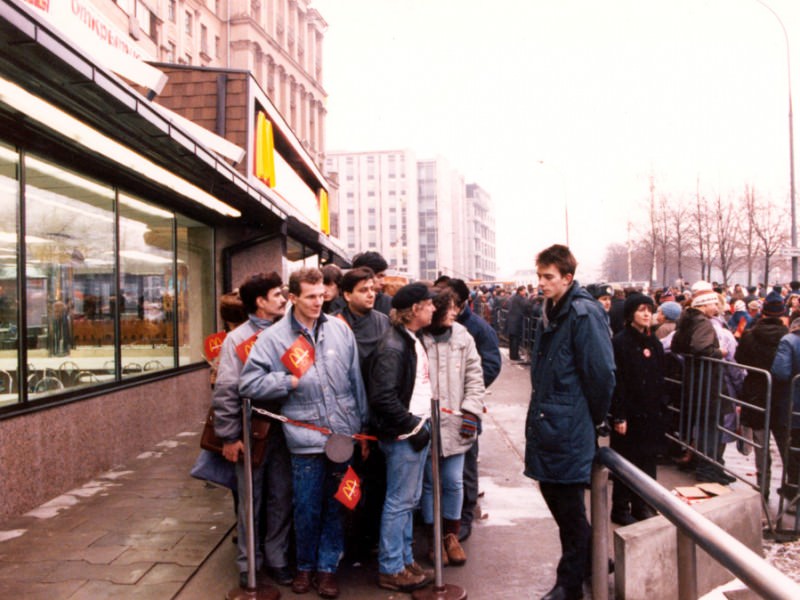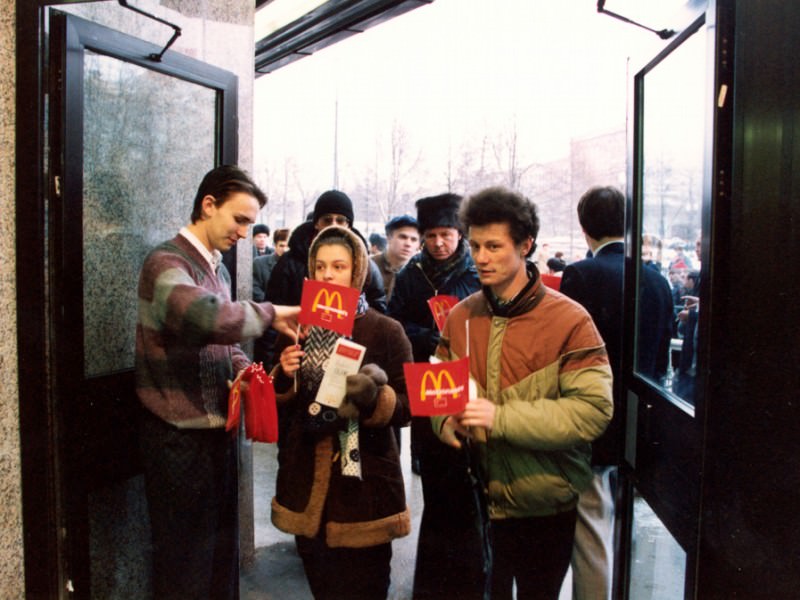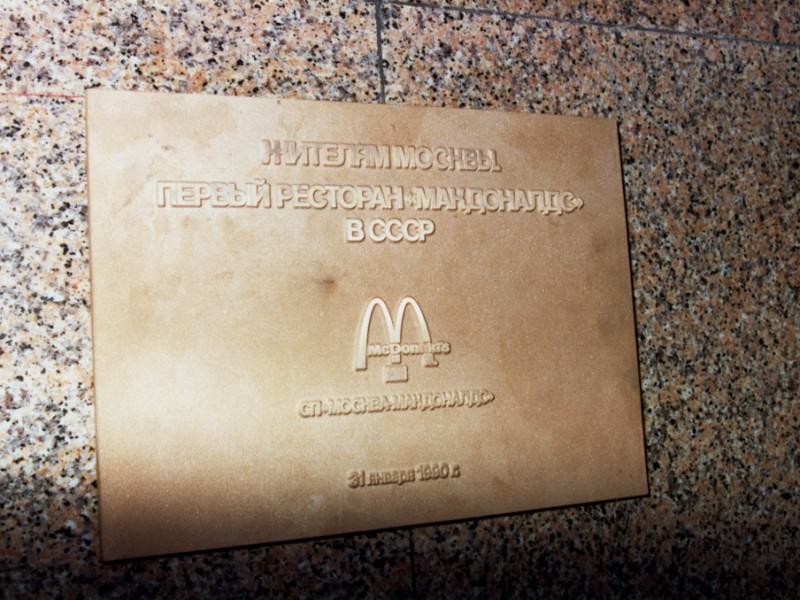
On the morning of January 31, 1990, something remarkable happened on Pushkinskaya Square in Moscow. Thousands of Soviet citizens lined up in the freezing cold before dawn, waiting for a chance to walk through the doors of the first McDonald’s ever to open in the Soviet Union. By the time the doors opened, more than 5,000 people were already queuing. That number kept growing throughout the day, with some people waiting over six hours for a single hamburger.
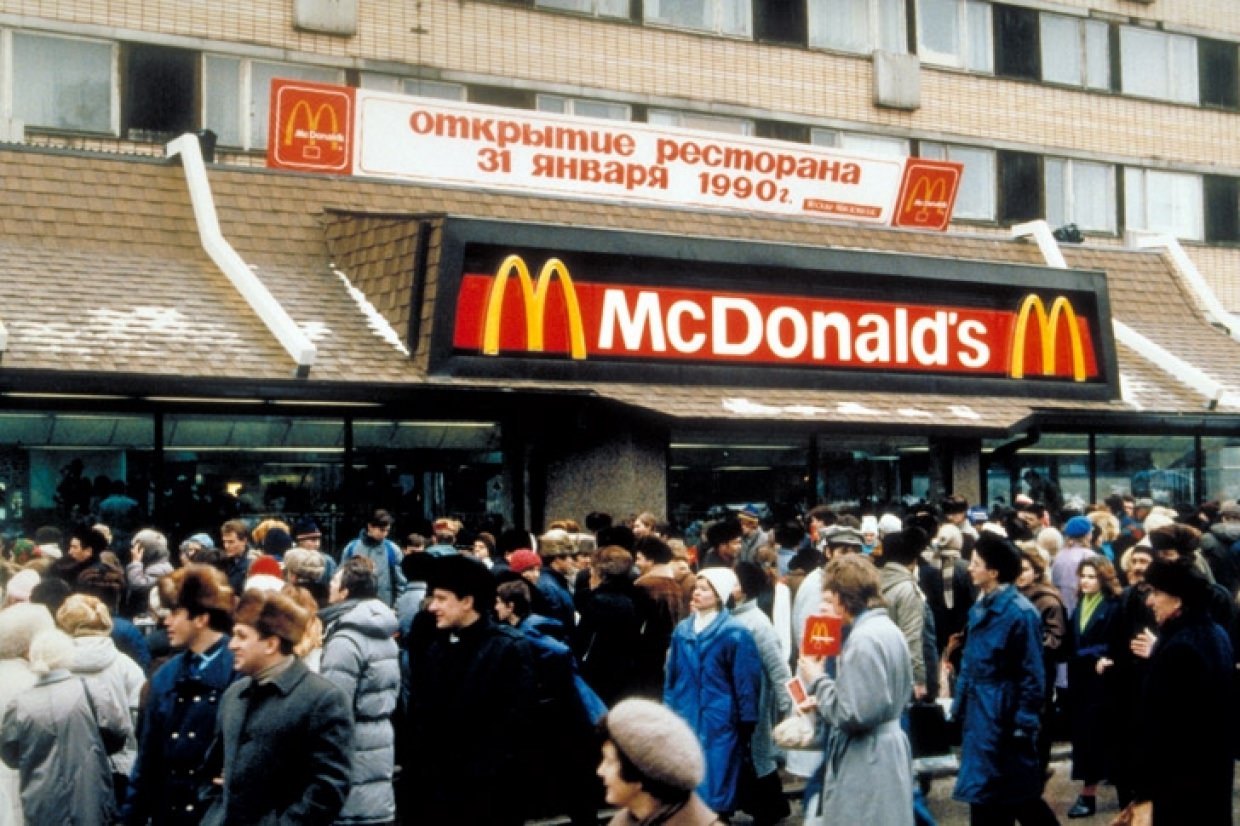
The road to opening day was a long one. McDonald’s had been negotiating with Soviet officials since 1976 — a process that stretched over more than two decades. The Communist Party finally gave its approval in 1988, and the deal came with an unusual arrangement: McDonald’s offered the Soviet state a 51% ownership stake in the venture. Two years of preparation followed before the first customer ever stepped through the door.
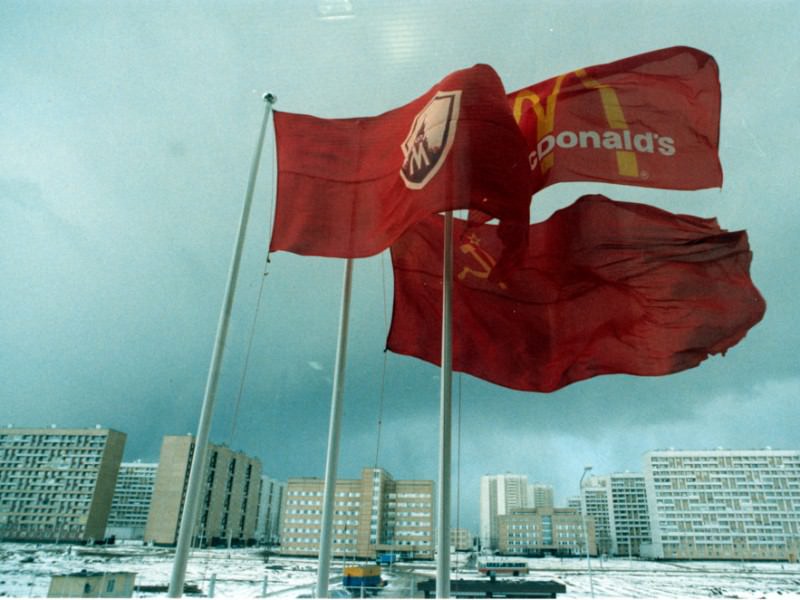
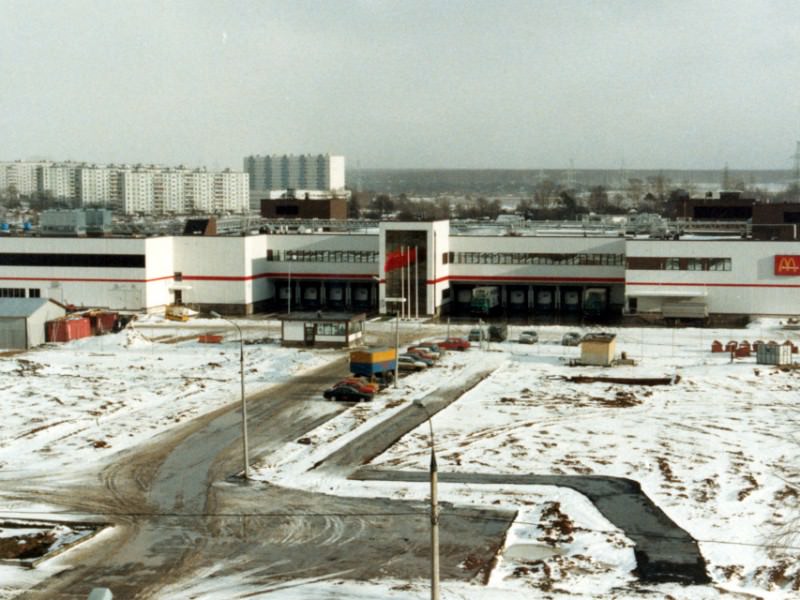
Before a single burger was ever served, McDonald’s made a major investment in the supply chain. The company built a dedicated factory to produce buns and other key ingredients on Soviet soil. By 1989, that facility was complete and fully operational. The total investment poured into the factory alone topped $50 million — a sign of just how serious McDonald’s was about making the Moscow operation work from the ground up.
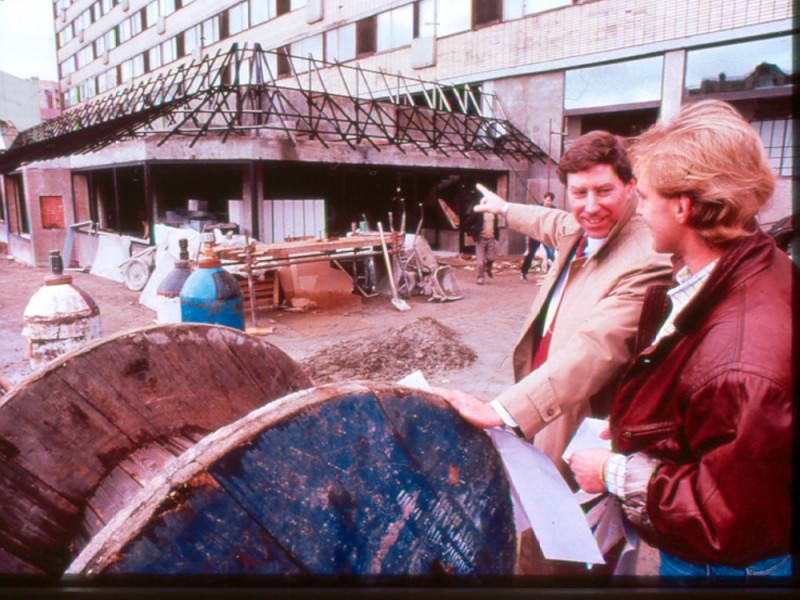
With the supply chain in place, construction of the restaurant itself began. Canadian managers from McDonald’s traveled to Moscow personally to oversee the build and make sure everything met the company’s standards.
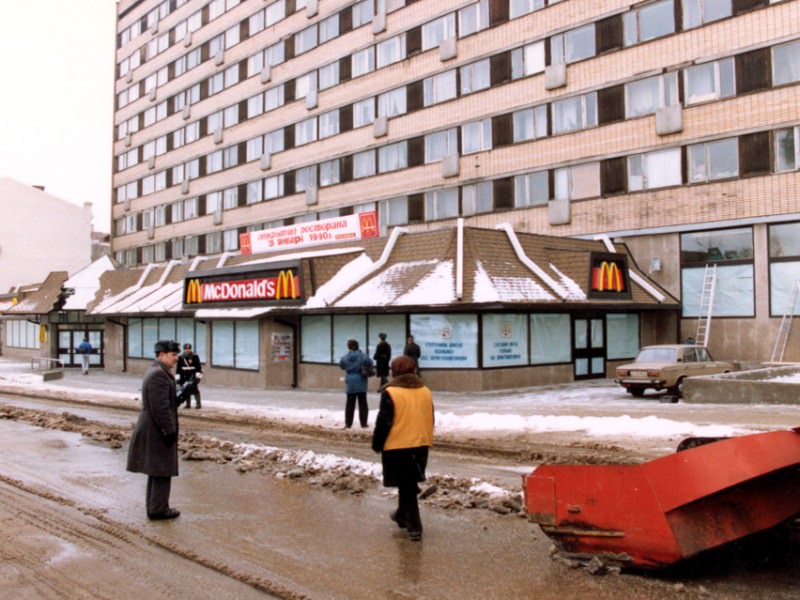
The finished building was the largest McDonald’s in the world at the time it was built, and it still holds the title of the largest McDonald’s in Europe today. The restaurant at Pushkinskaya Square was not a modest pilot location — it was built to handle enormous crowds from day one.
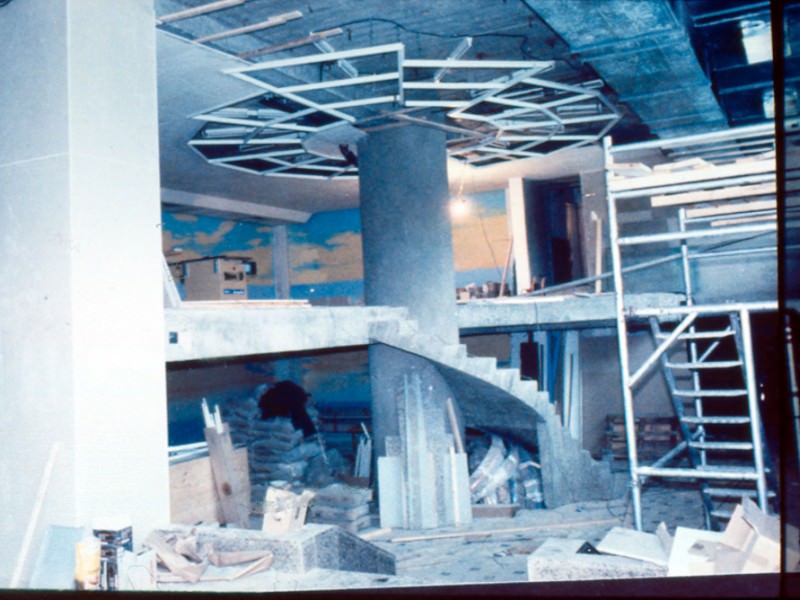
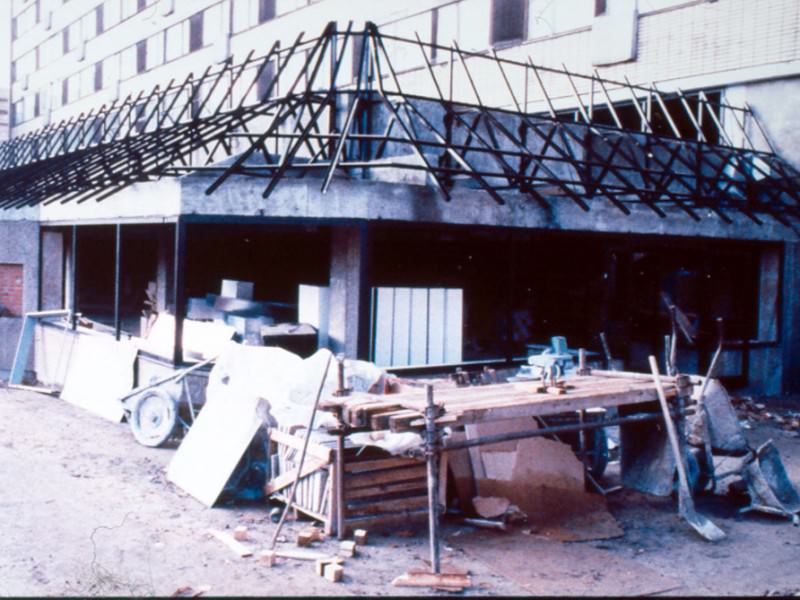
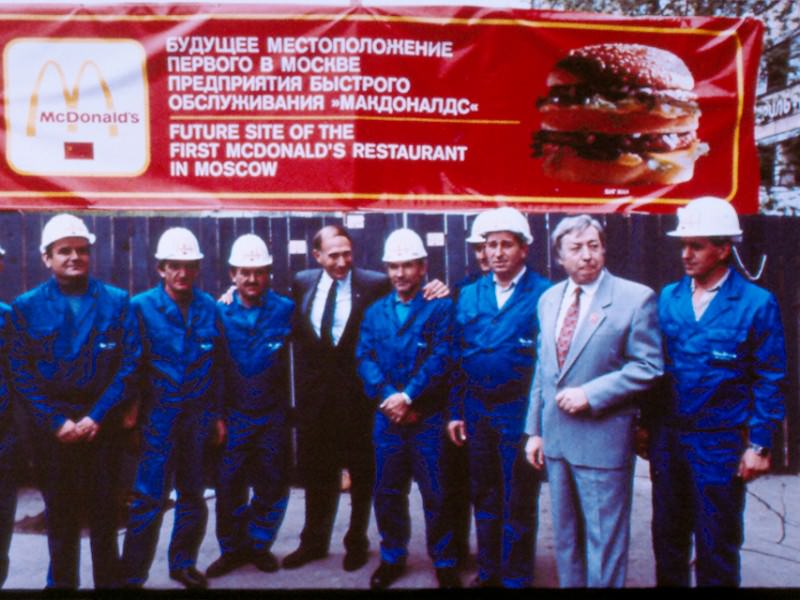
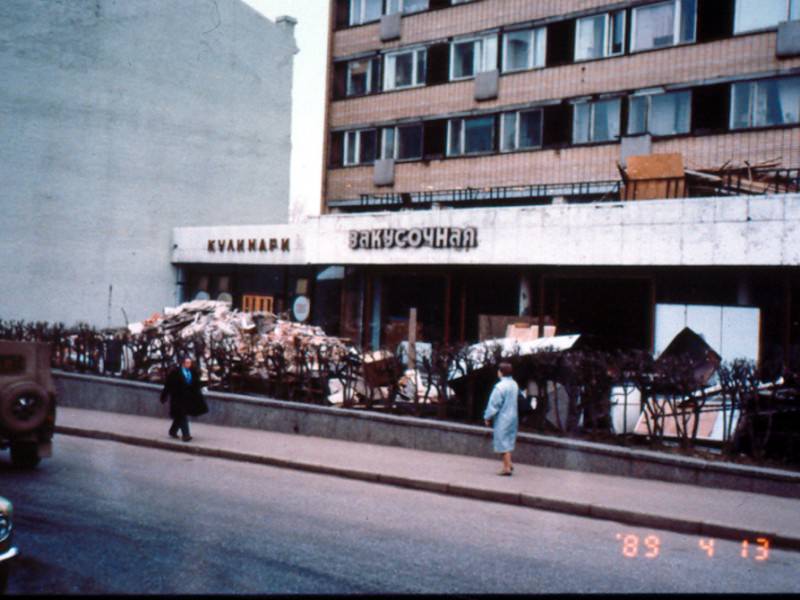
Just a year before construction began, the site on Pushkinskaya Square was home to a standard Soviet café — the kind of unremarkable, state-run eatery that Muscovites had known their whole lives. The transformation of that space into a gleaming McDonald’s was itself a visible symbol of how quickly things were shifting in the Soviet Union under Mikhail Gorbachev’s policy of perestroika.
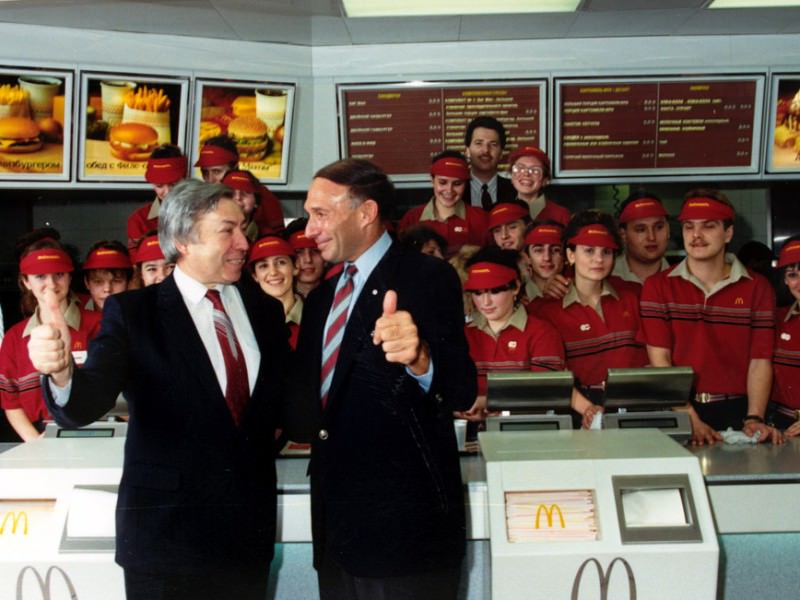
Staffing the restaurant was no small task. More than 35,000 people applied for jobs at what would be the first foreign restaurant ever to operate in the Soviet Union. Only around 600 were hired. McDonald’s selected its workers primarily from the top universities in Moscow — people who spoke foreign languages and had strong communication skills. The hiring bar was set high deliberately. Soviet service culture at the time was notorious for being cold, dismissive, and often outright rude. McDonald’s needed workers who were the exact opposite.
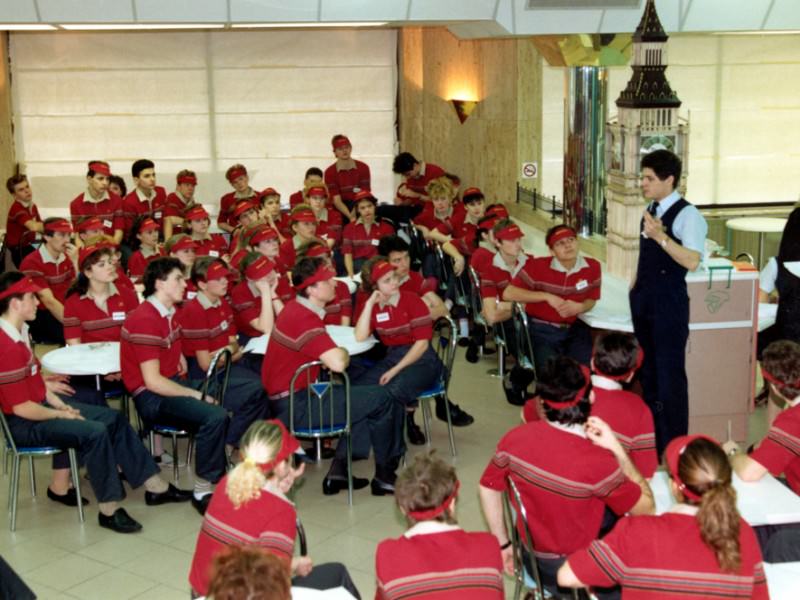
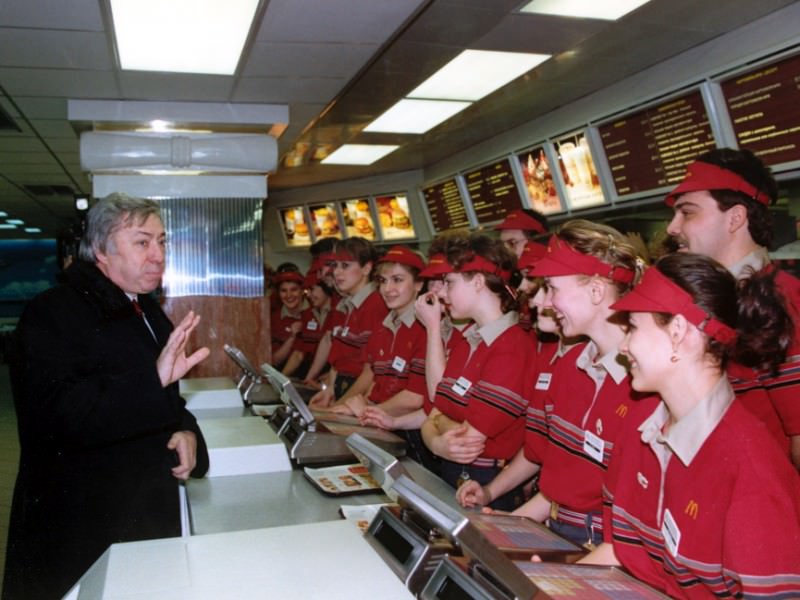
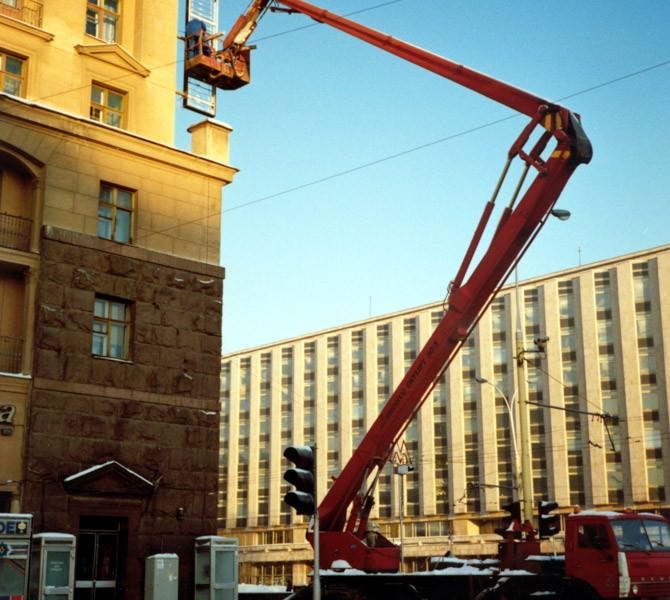
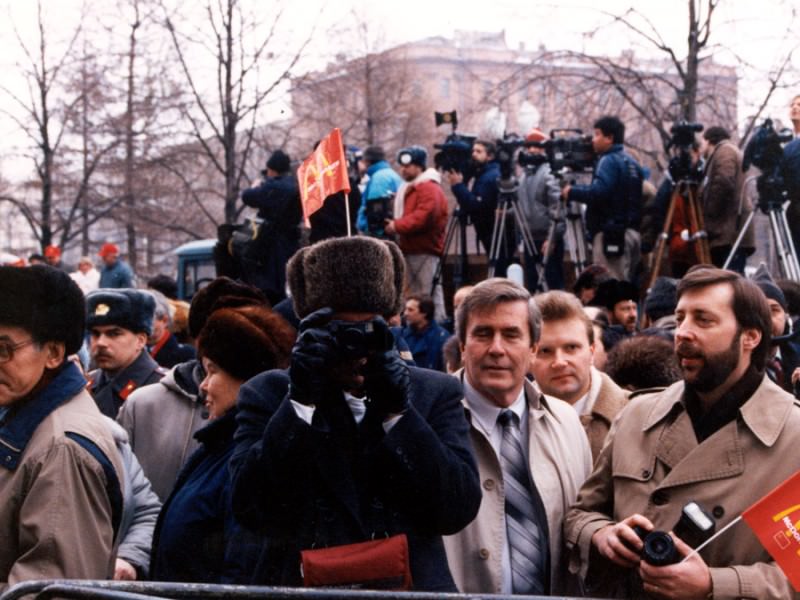
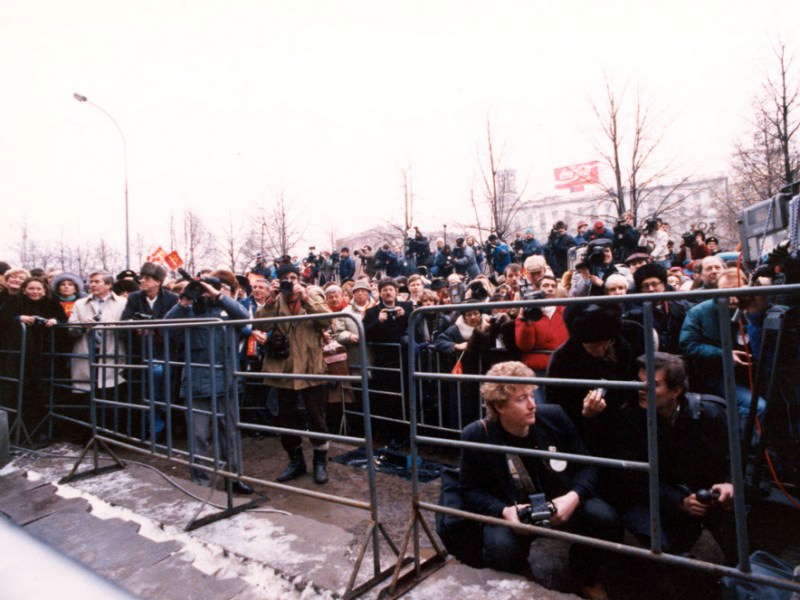
The grand opening on January 31 drew not just local Muscovites but people who had traveled from other cities specifically to be there. Scores of police officers were deployed to manage the crowds. The excitement was rooted in something deeper than fast food — for most Soviet citizens, McDonald’s represented a direct connection to Western culture they had heard about for years but had never been able to experience firsthand. The Iron Curtain had kept it out of reach, and now it was right there on Pushkinskaya Square.
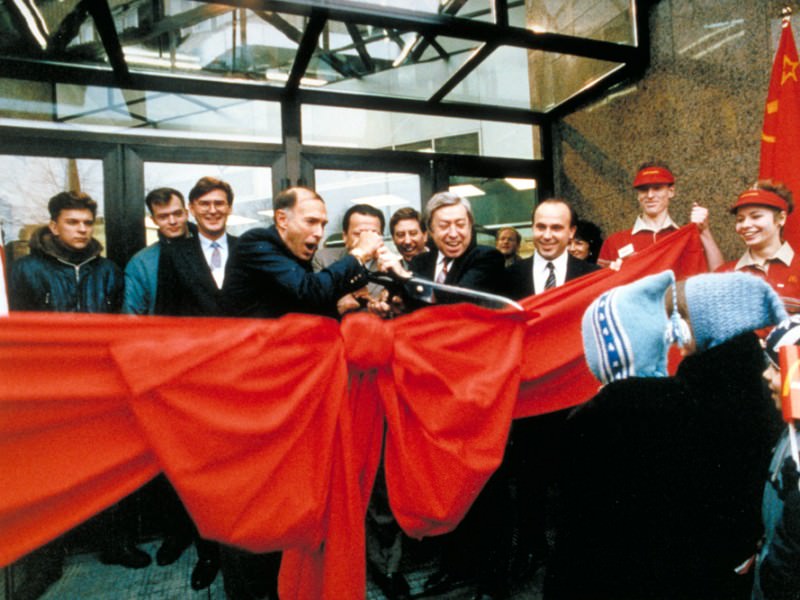
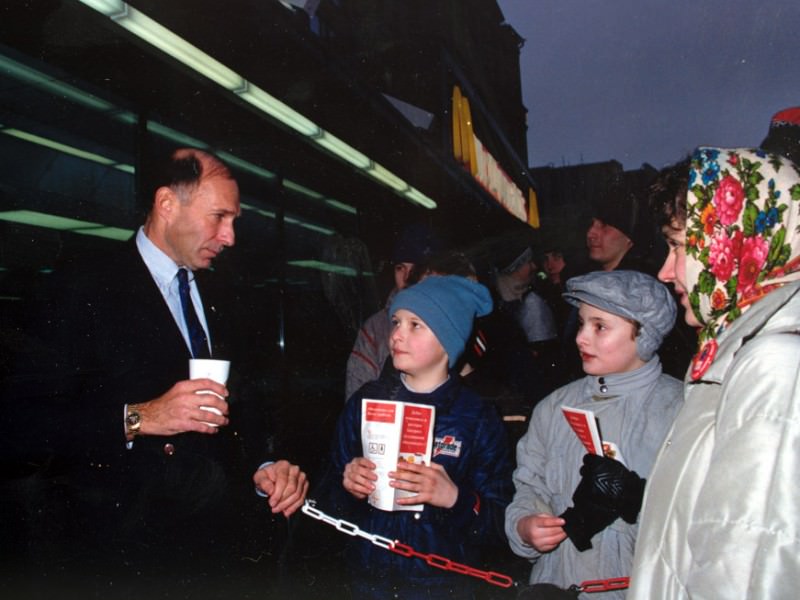
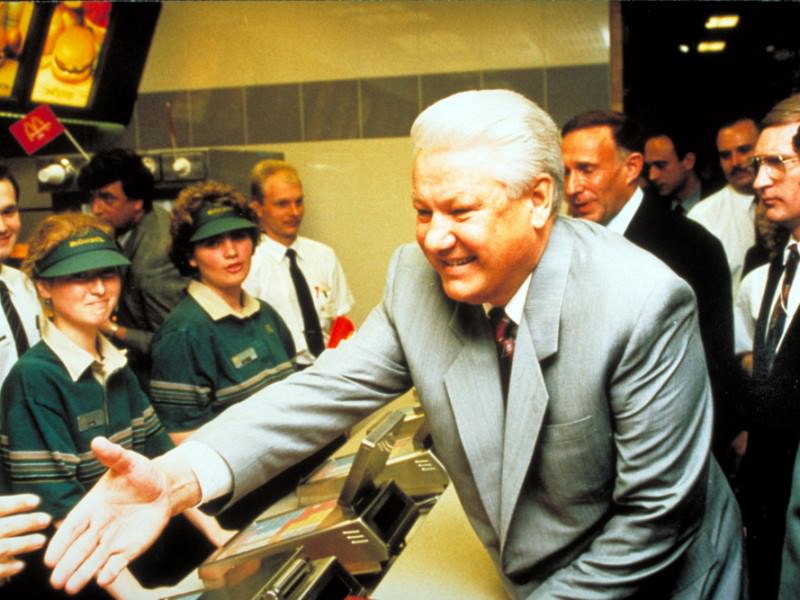
Boris Yeltsin, who would become Russia’s first president the following year, showed up at the launch on opening day. His presence underlined just how significant the event was seen to be in Soviet political and social life.
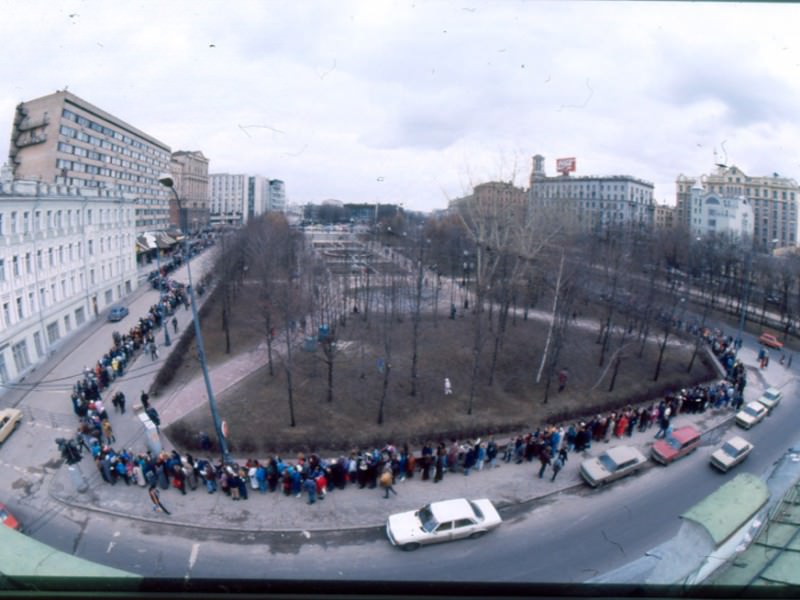
The queue stretched for miles. Looking at photographs from that day, the line winds around the park and continues all the way to the horizon. It is difficult to fully grasp the scale of it without seeing the images.
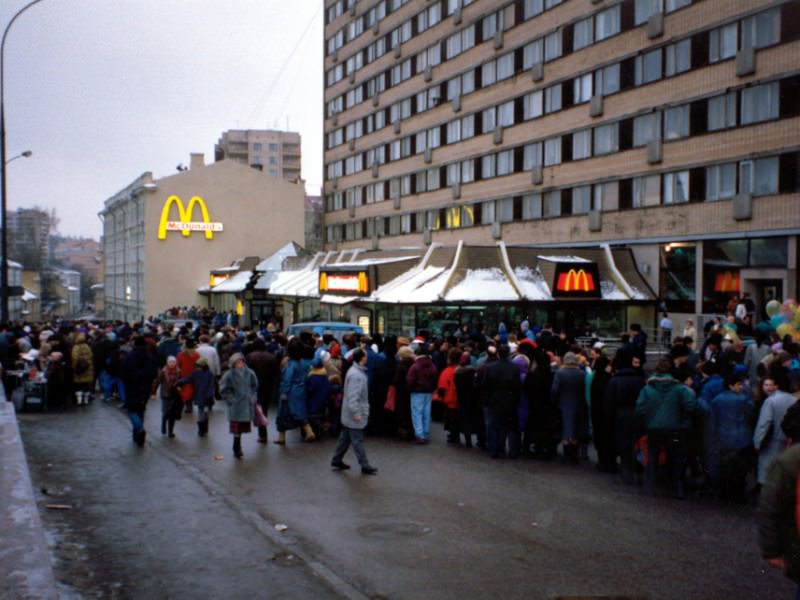
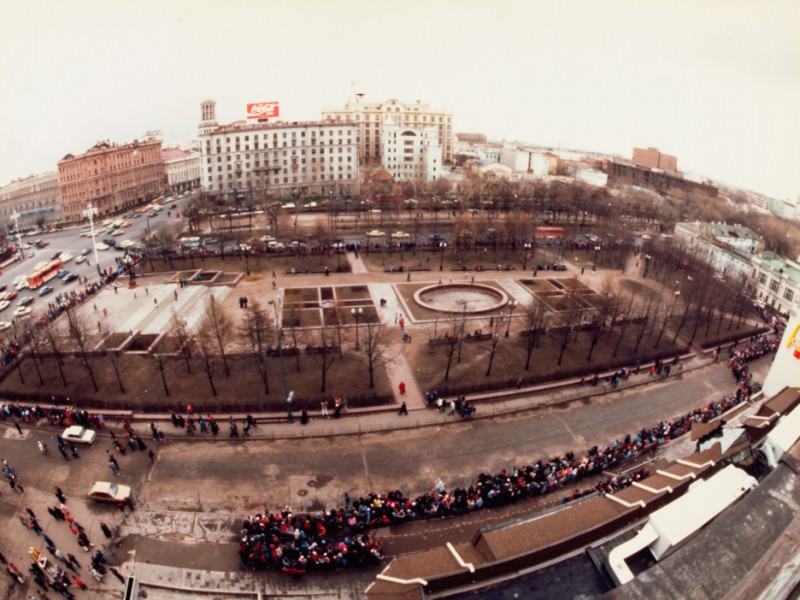
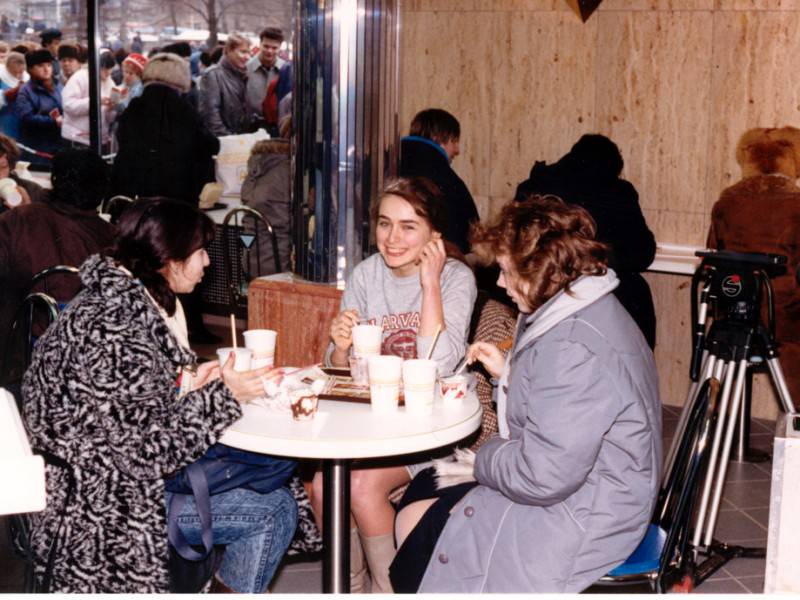
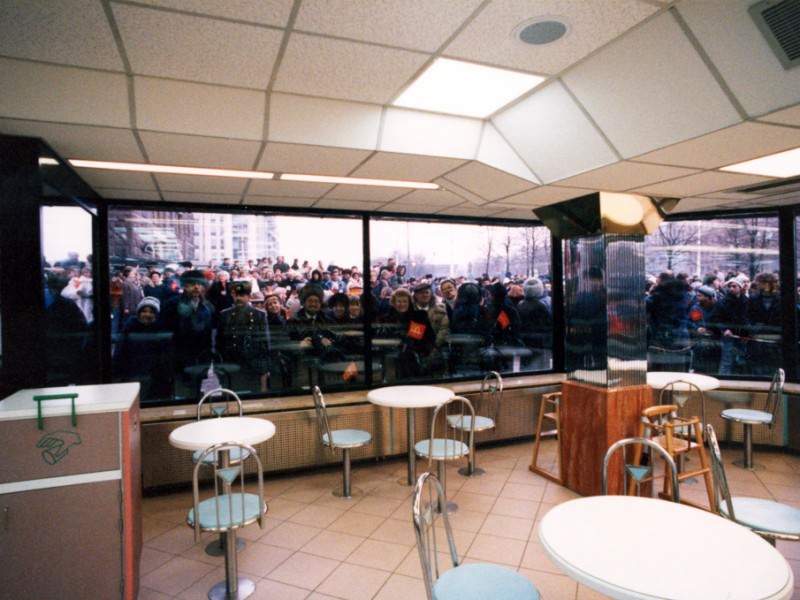
By the end of the day, McDonald’s had served more than 30,000 customers — setting a new world record for a single day’s service at one location. Those still waiting outside pressed their faces against the windows, watching the people inside eat. The contrast between those who had made it in and those still in line captured the mood of the entire day.
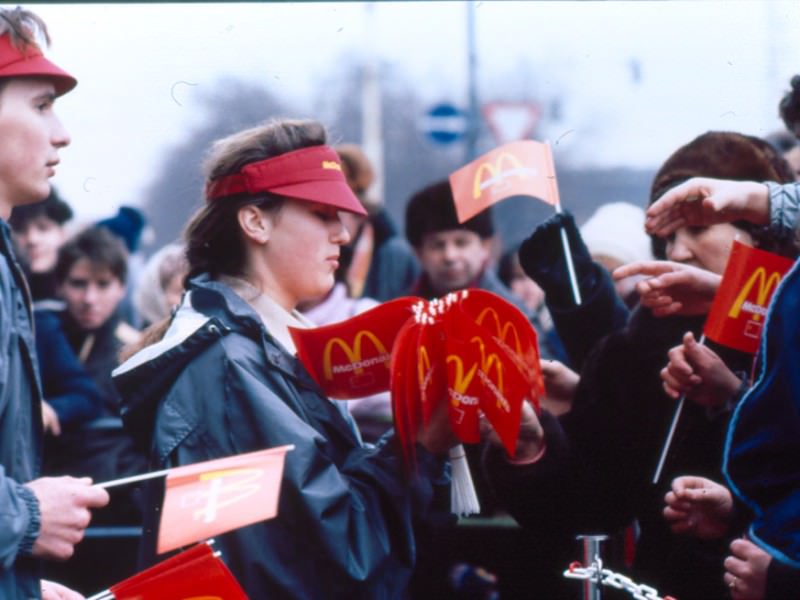
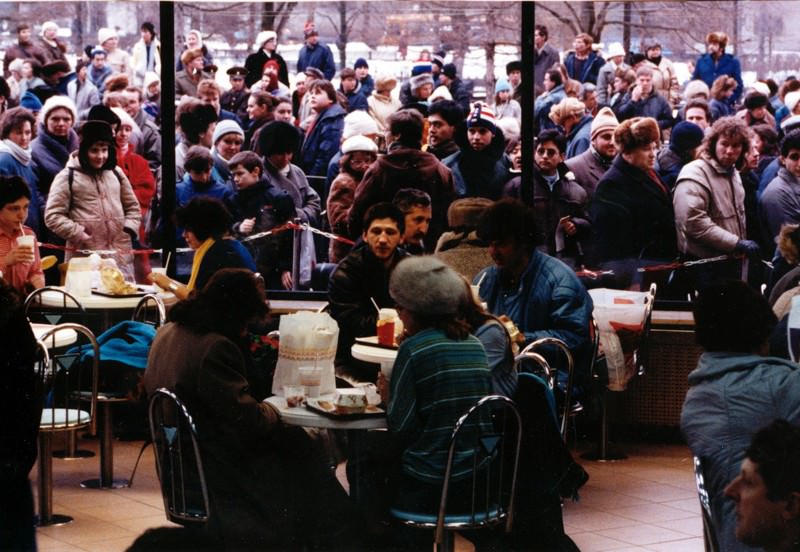
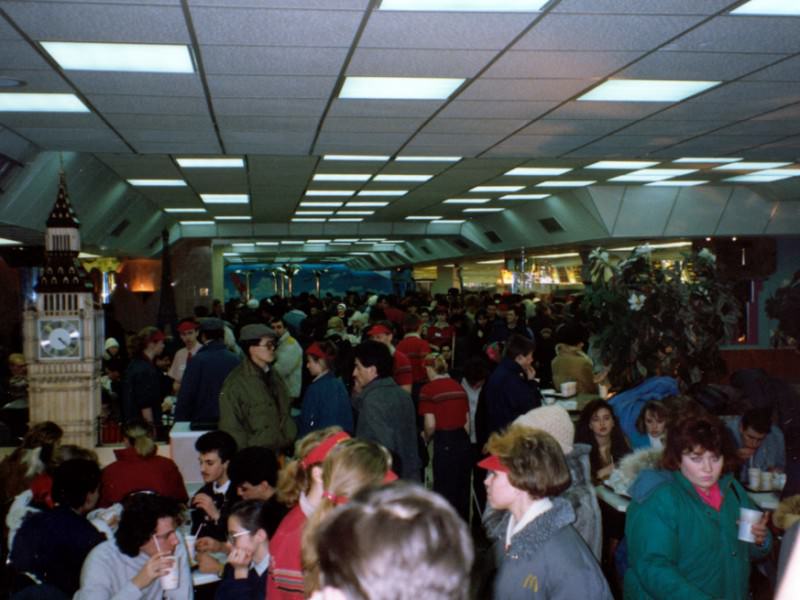
Inside, customers encountered something that genuinely startled many of them: smiling staff. Soviet workers were not trained to smile, and Soviet customers were not used to it. The friendly service made people feel so uncomfortable that McDonald’s management eventually told staff to dial back their smiling. A hamburger at the Moscow McDonald’s cost the equivalent of $1.50 — roughly 1.50 roubles at the time, when the average monthly salary in the Soviet Union was around 150 roubles. For many people, a single meal represented a full day’s wages. They paid it anyway.