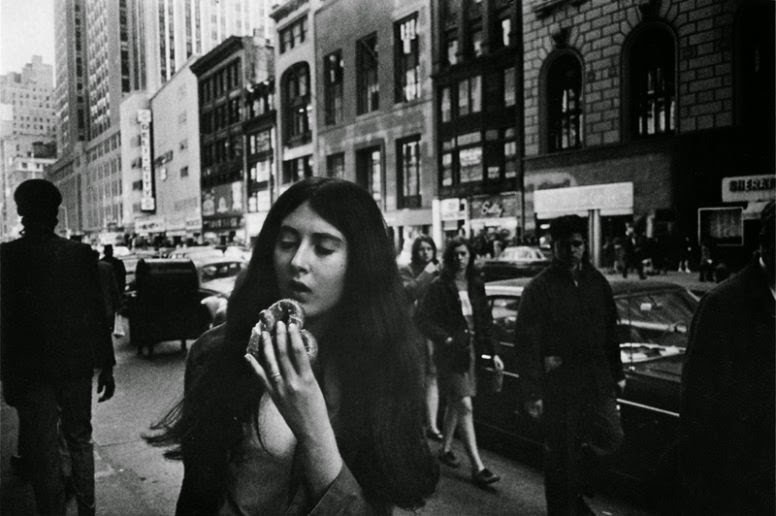
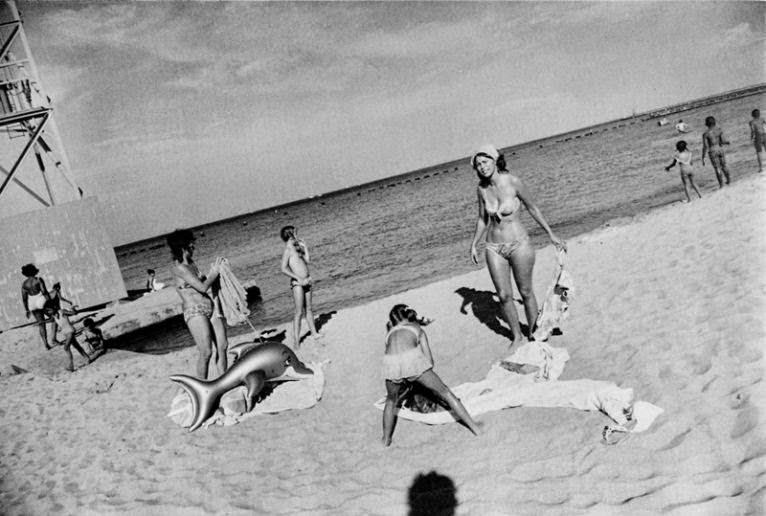
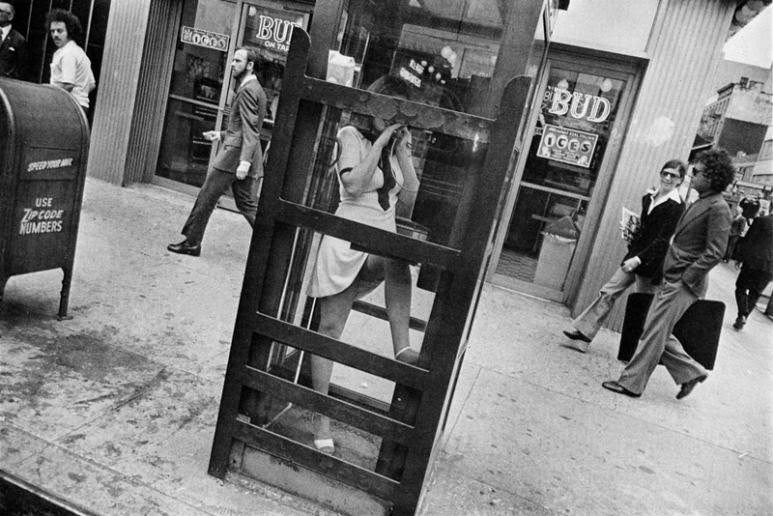
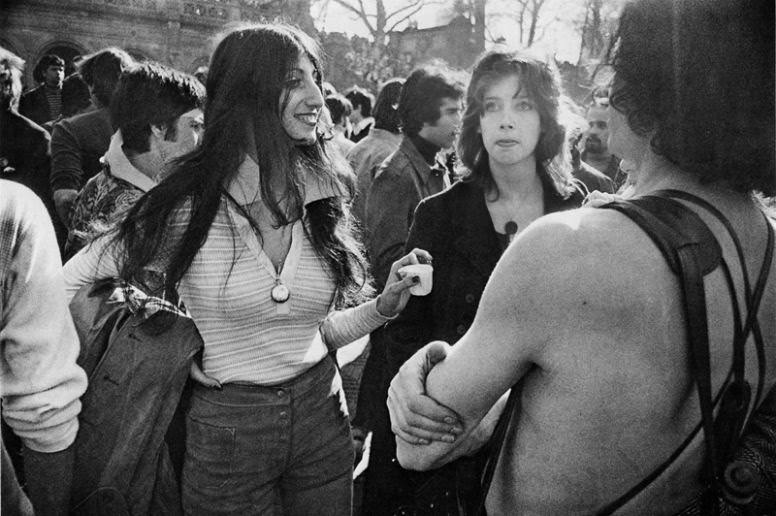
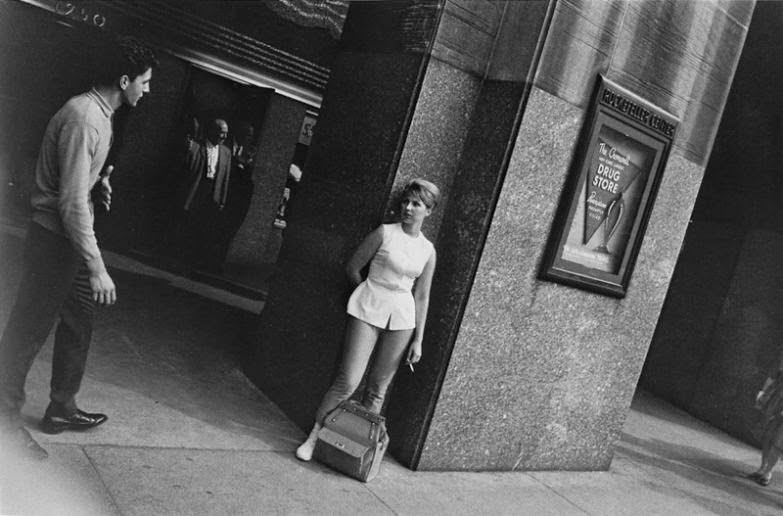
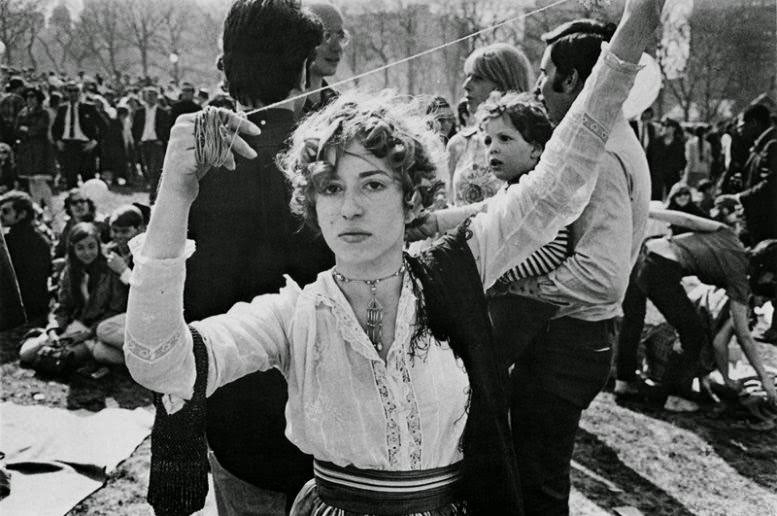
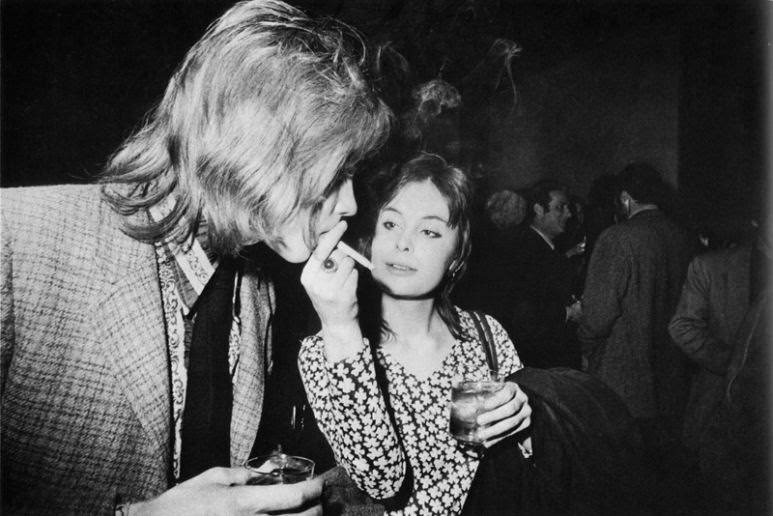
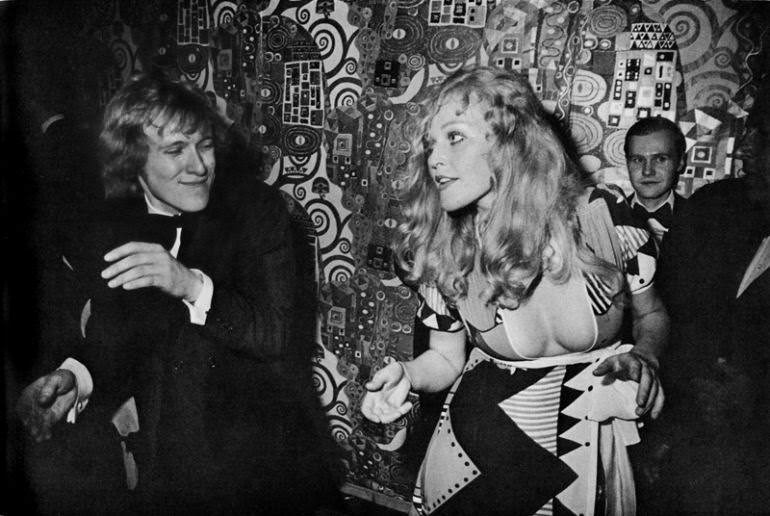
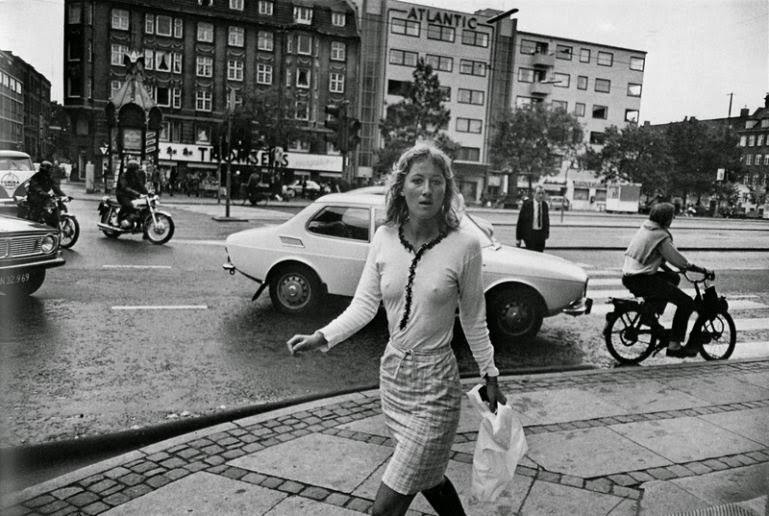
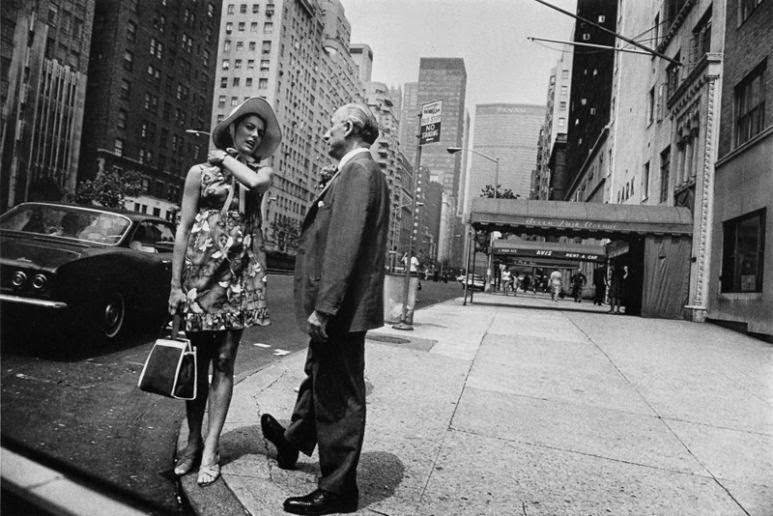
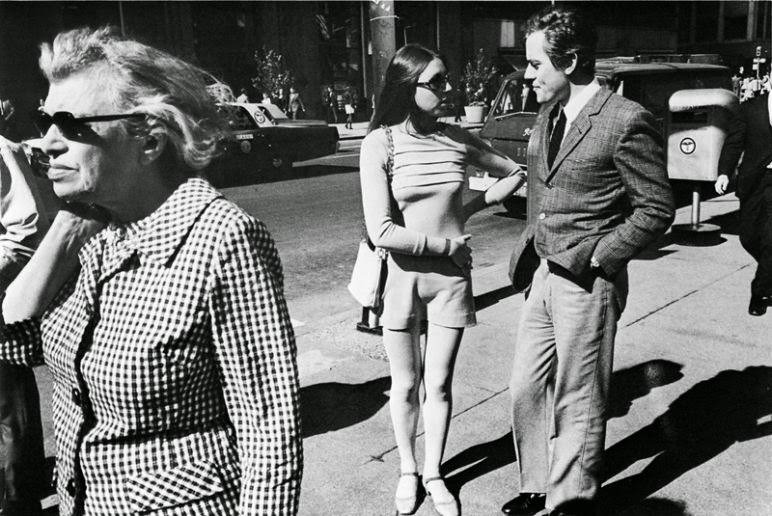
Garry Winogrand roamed the streets of New York City in the late 1960s and early 1970s with a Leica camera in hand. He worked Midtown sidewalks and Central Park lawns, shooting thousands of candid frames of women as they walked, talked, and moved through the city. He never asked for permission. His wide-angle lens and quick reflexes let him catch moments that a posed portrait never could.
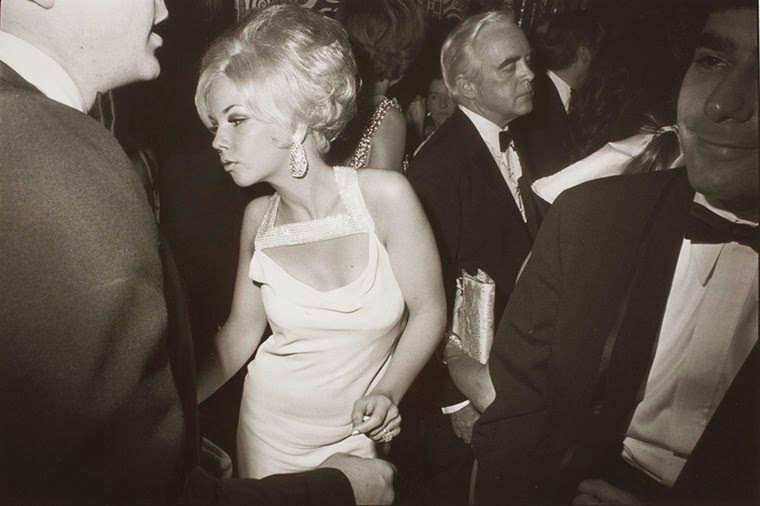
Winogrand often tilted his camera to pack more of the scene into the frame, giving his photos a feeling of motion and controlled chaos. He would stand on a single street corner for hours, watching pedestrians and waiting for the right gesture or interaction. He shot thousands of rolls of film and sometimes waited years before developing them — he wanted to see the images fresh, not as memories.
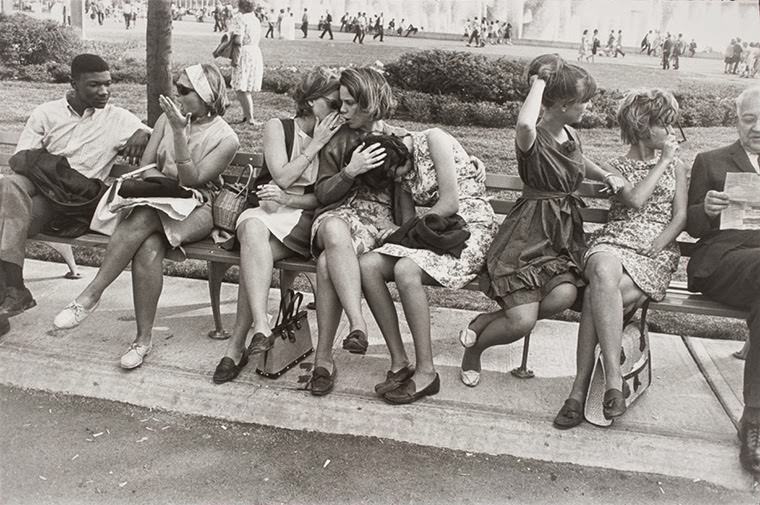
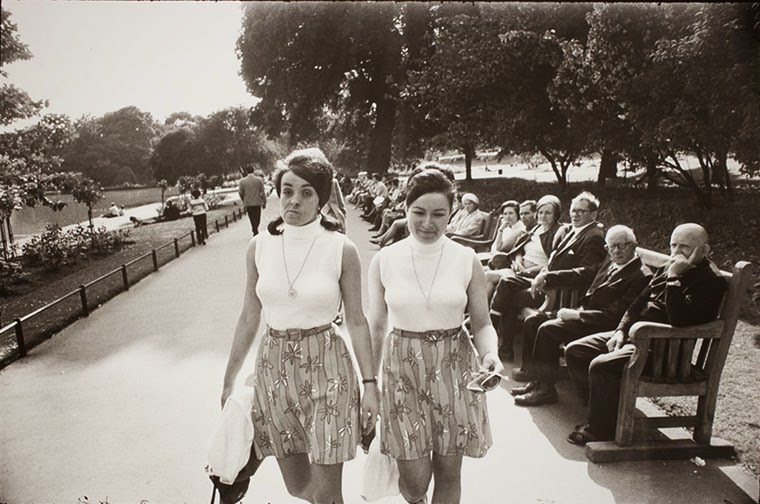
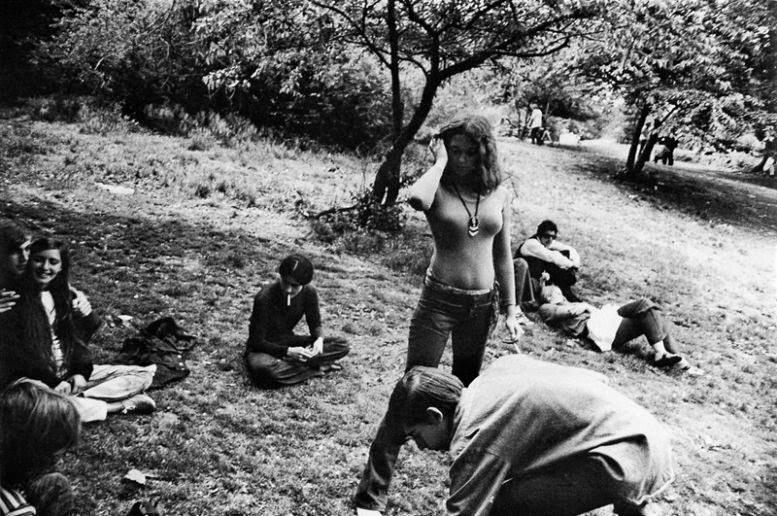
The women he photographed were living through a period of sharp social change. Mini-skirts replaced longer hemlines. Fabrics became thinner and closer-fitting. Many women stopped wearing bras as a direct rejection of restrictive social norms. Winogrand’s camera recorded all of it — the way clothing moved with the body, the way the wind pulled at fabric on a busy avenue.
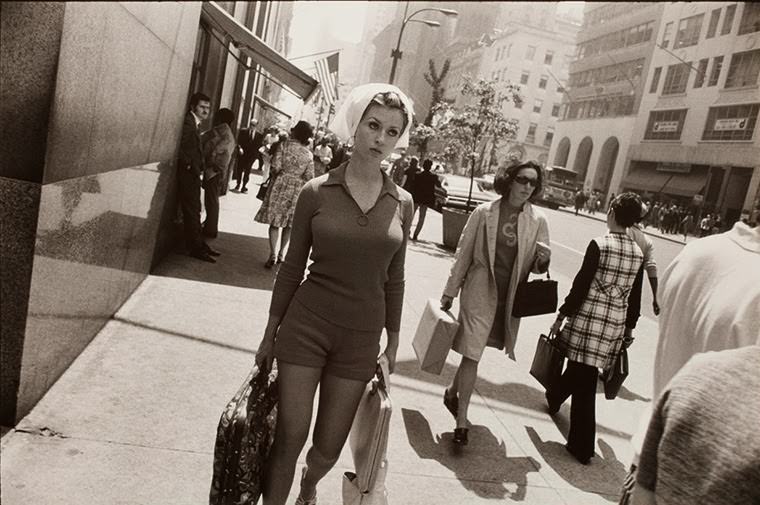
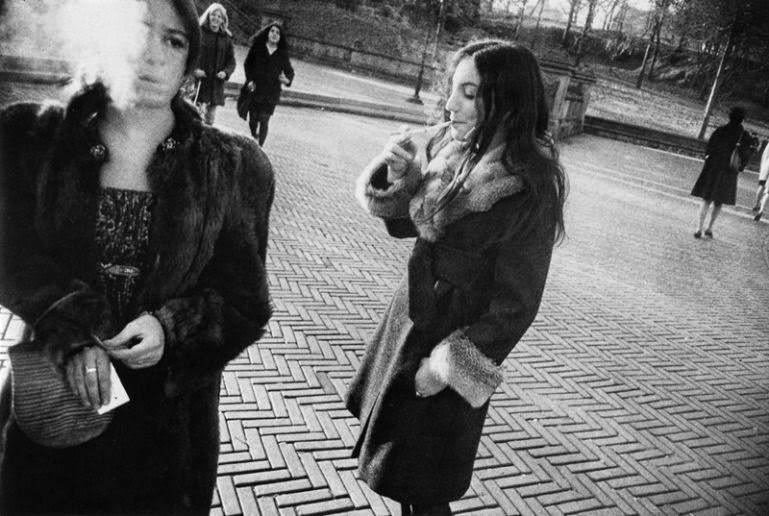
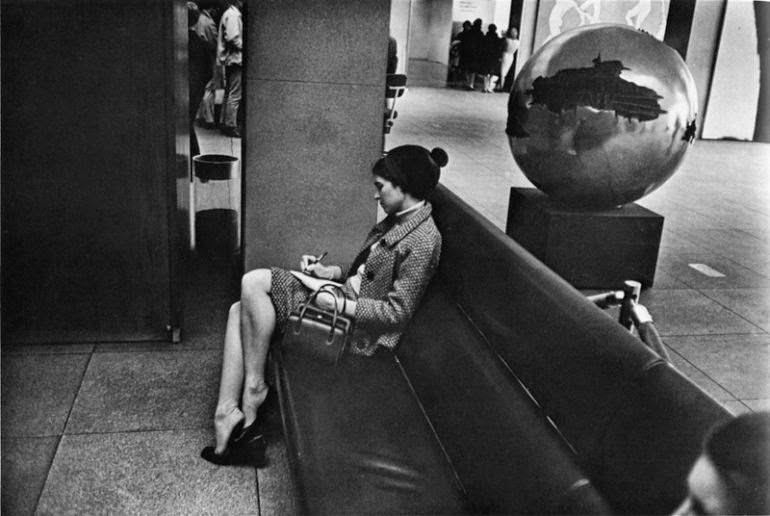
Bell-bottom jeans, patterned tunics, oversized sunglasses, and long natural hair defined the look of the era. These were not just fashion choices — they were visible signals of the cultural shift happening across the country. Women were entering professional offices in Manhattan, joining political protests, and claiming more space in public life. Winogrand captured the confidence in how they moved.
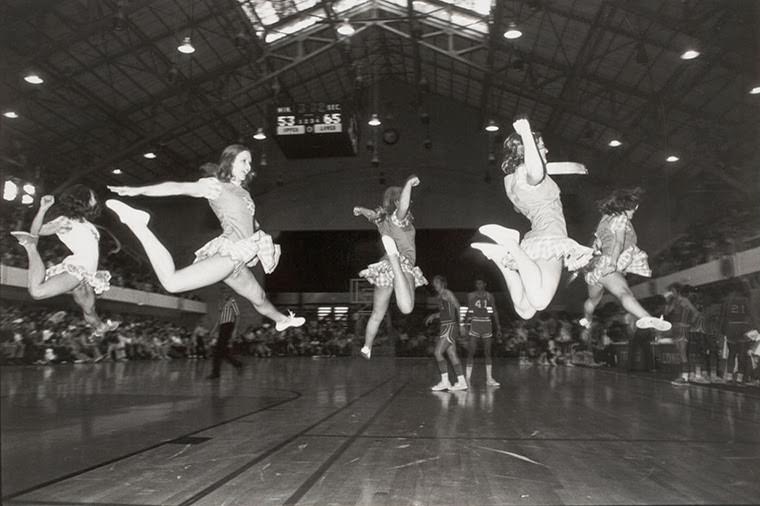
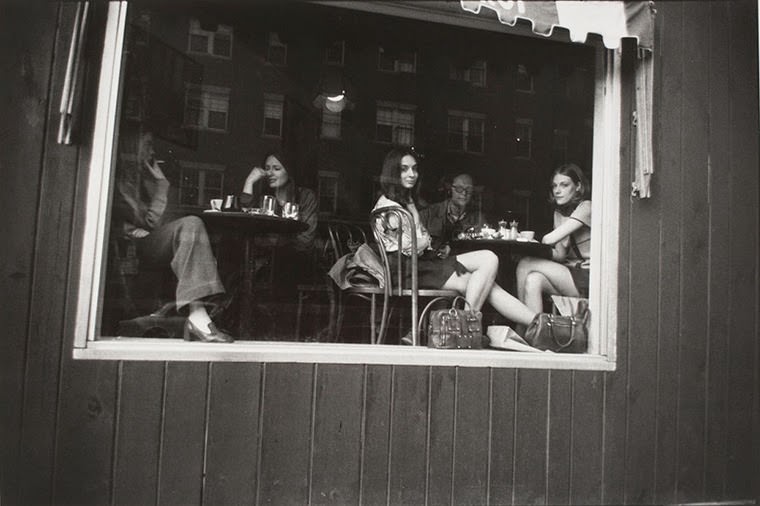
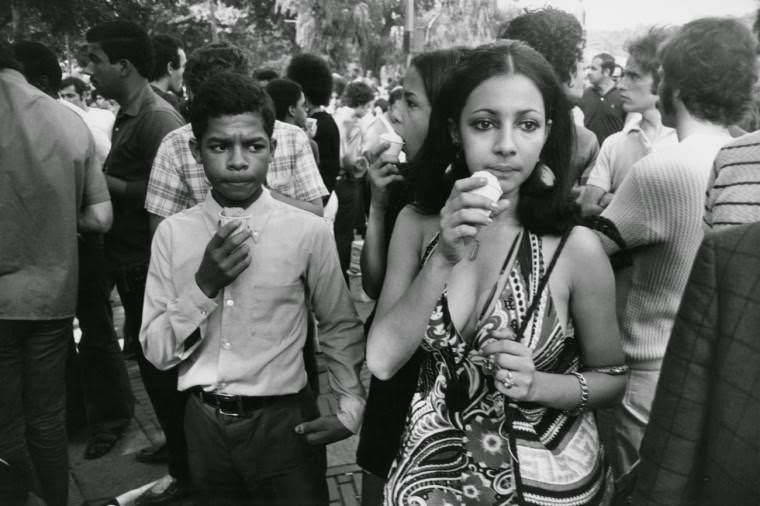
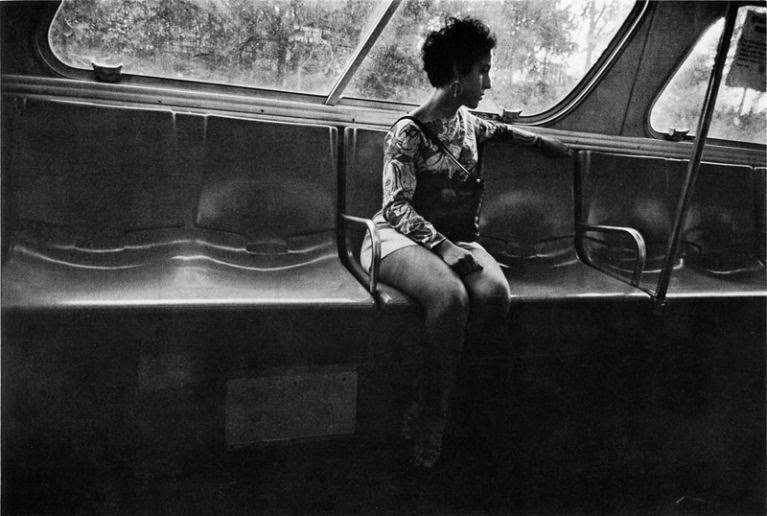
New York City itself was an essential part of every shot. The city was in financial crisis. Streets were dirty, subway cars were buried in graffiti, and crime rates were high. Winogrand did not clean up these details. His frames included trash cans, construction sites, and packed buses. The grit of the city sat in direct contrast to the energy of the women walking through it.
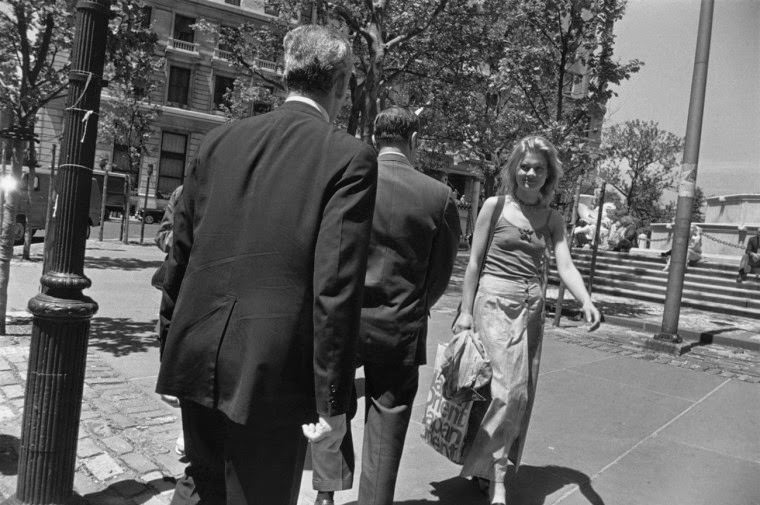
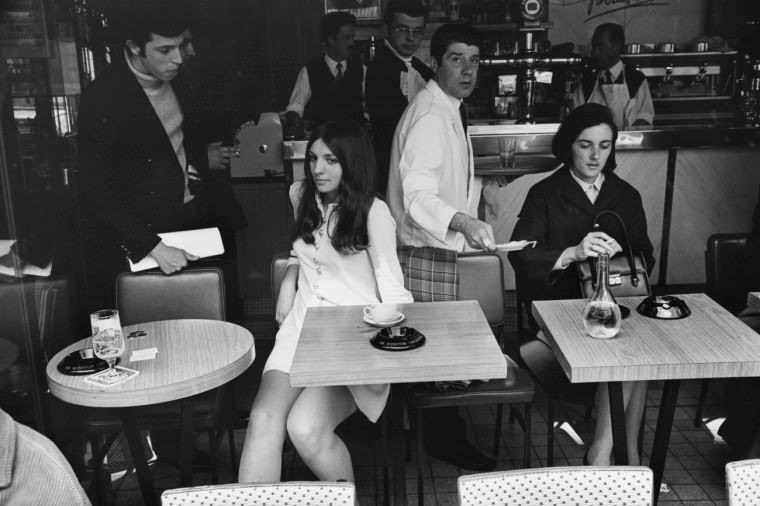
Fifth Avenue and Central Park were his most frequent locations. He photographed women sunbathing on the grass, laughing on stone walls during lunch breaks, and pushing through rush-hour crowds on the sidewalk. Street signs and storefronts filled his backgrounds, anchoring every image to a specific time and place. The women were part of an urban landscape that felt both dangerous and alive.
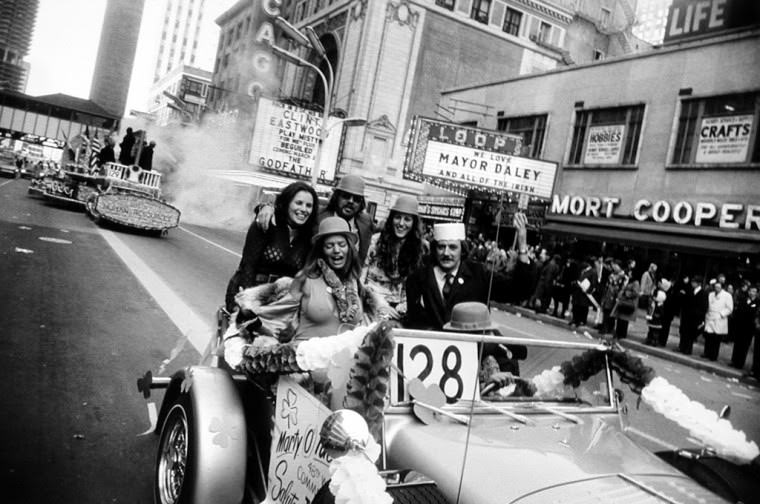
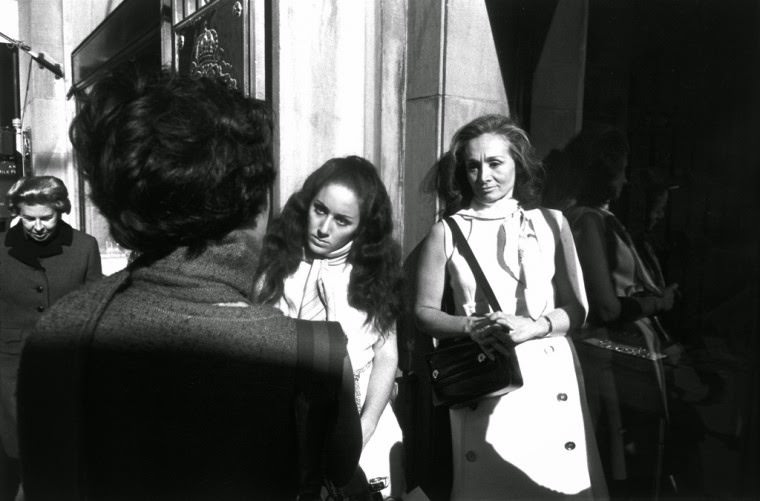
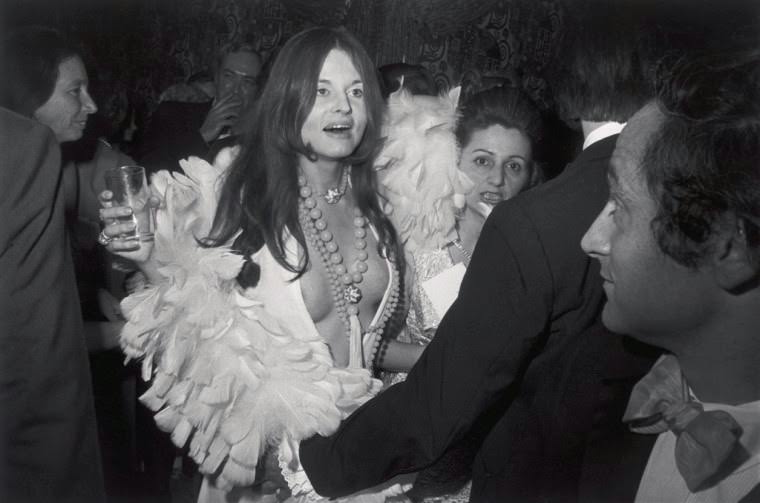
In 1975, Winogrand published a book titled Women Are Beautiful, collecting his best street work from the previous decade. It caused immediate controversy. Feminist critics argued the work was voyeuristic and sexist, pointing out that his lens frequently targeted specific parts of the female body — breasts, legs — without the subjects’ knowledge or consent. The book’s title was seen as a frank admission of his fixation.
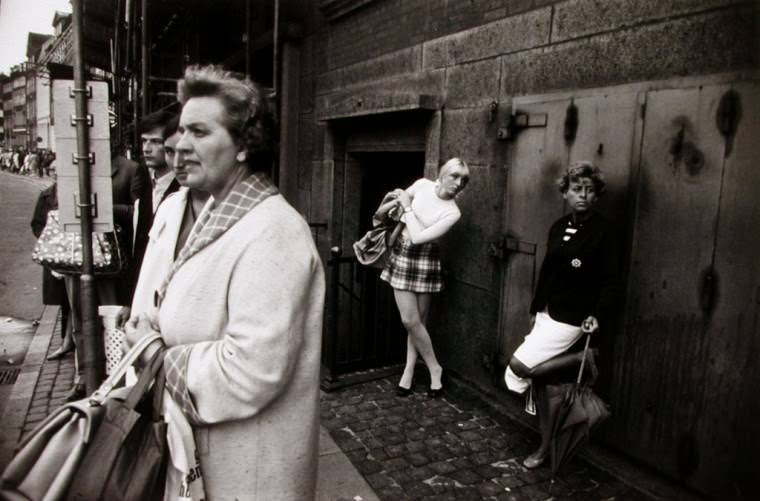
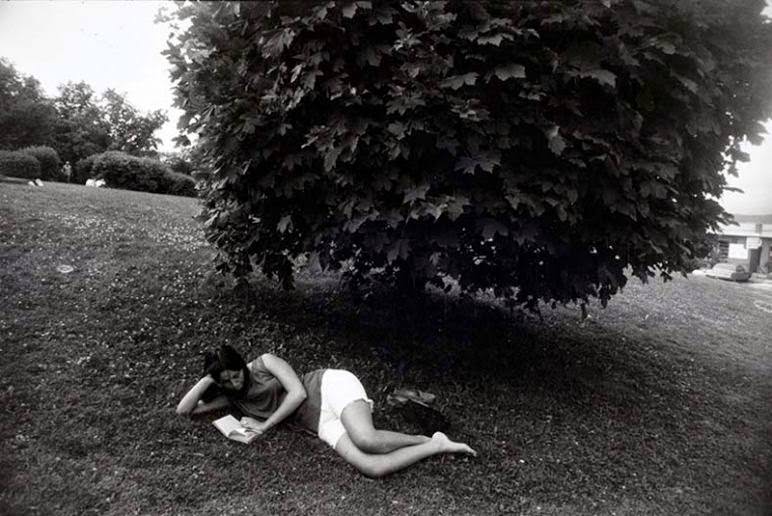
Winogrand did not deny his motivations. He admitted to a “helpless lust” for the female form and described his work as a celebration of women’s spirit and energy. Feminists rejected that framing, arguing he was recording women as objects for his own pleasure. That tension — between the photographer’s intent and the subject’s lack of consent — sits at the center of his entire body of work.
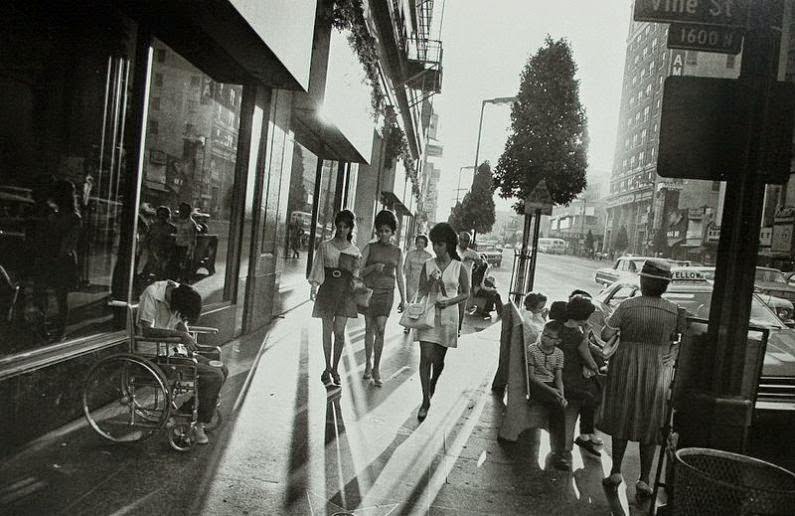
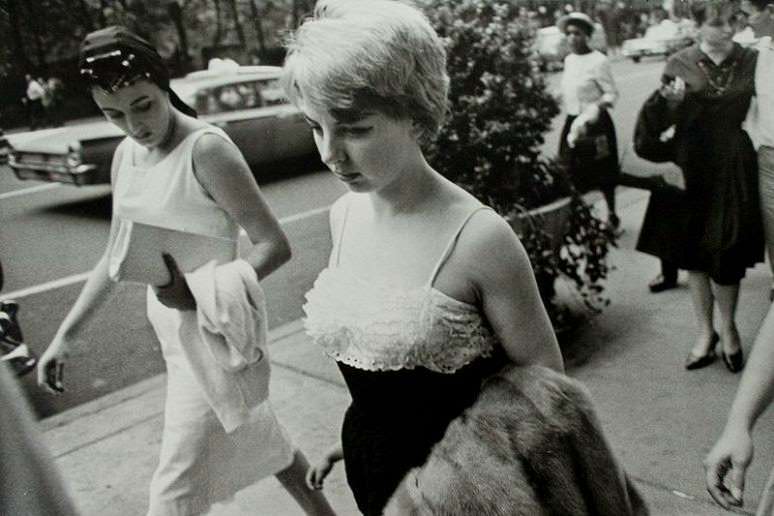
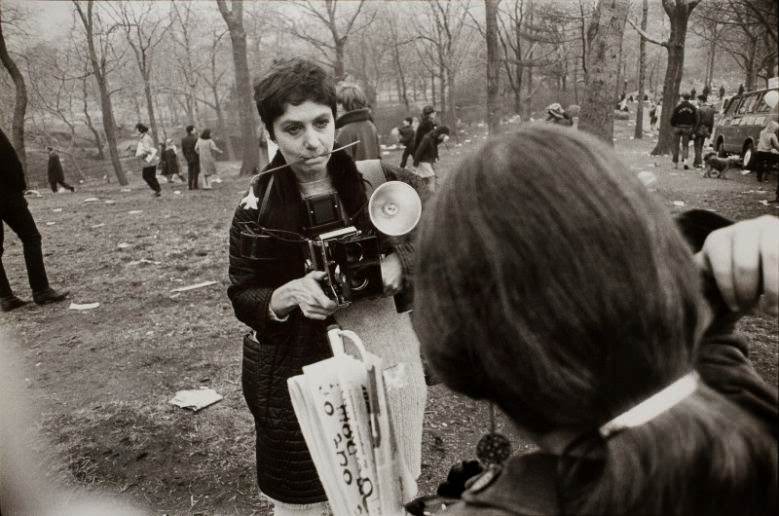
His technique was called the “snapshot aesthetic” because the photos looked unplanned. In reality, they were calculated. Winogrand understood how light fell on pavement, how building shadows created patterns, and how to read a crowd for the right moment. A woman mid-stride, a girl laughing at a pigeon, a stranger staring directly into the lens with a defiant expression — these were the moments he hunted.
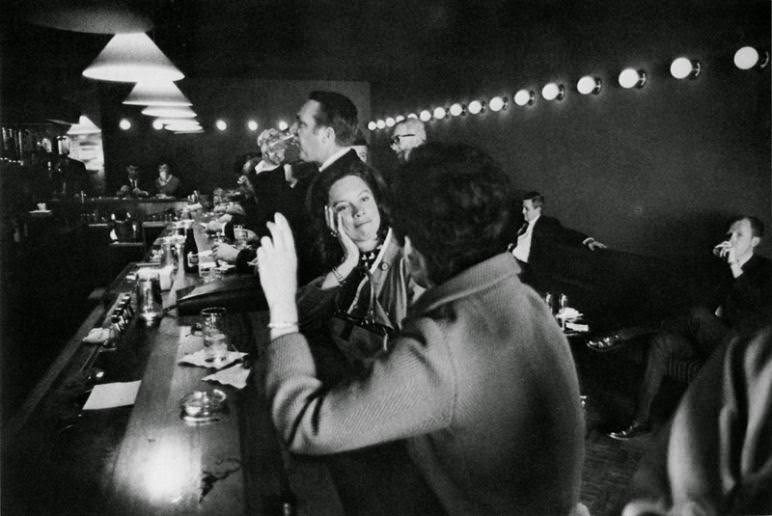
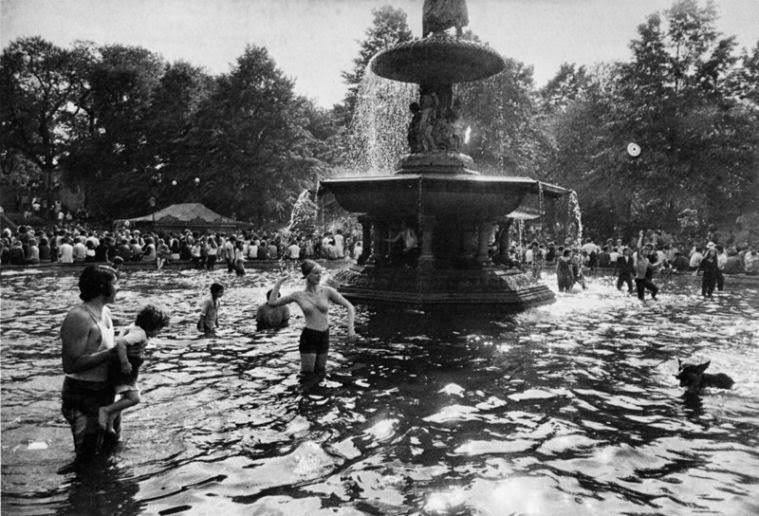
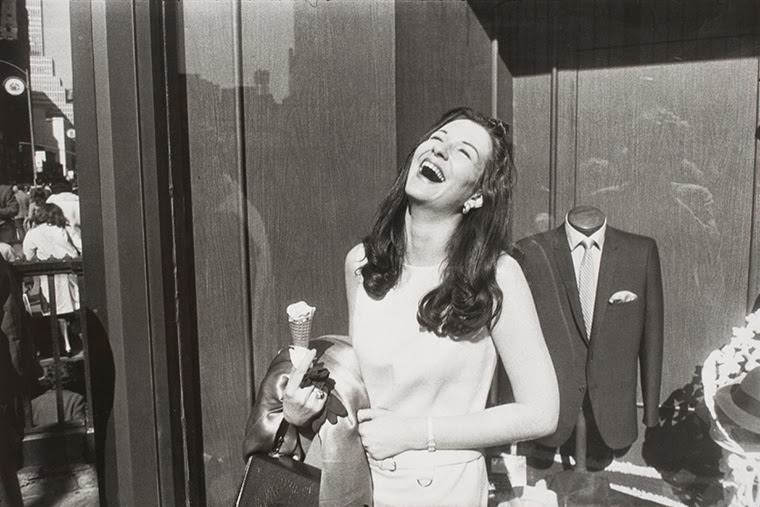
One frame shows a woman laughing while holding an ice cream cone on a hot summer day. Another shows a woman frozen mid-sentence, completely unaware of the camera. The photos are not about perfection. They are raw, unpolished records of women living and moving through one of the most turbulent periods in American city life.