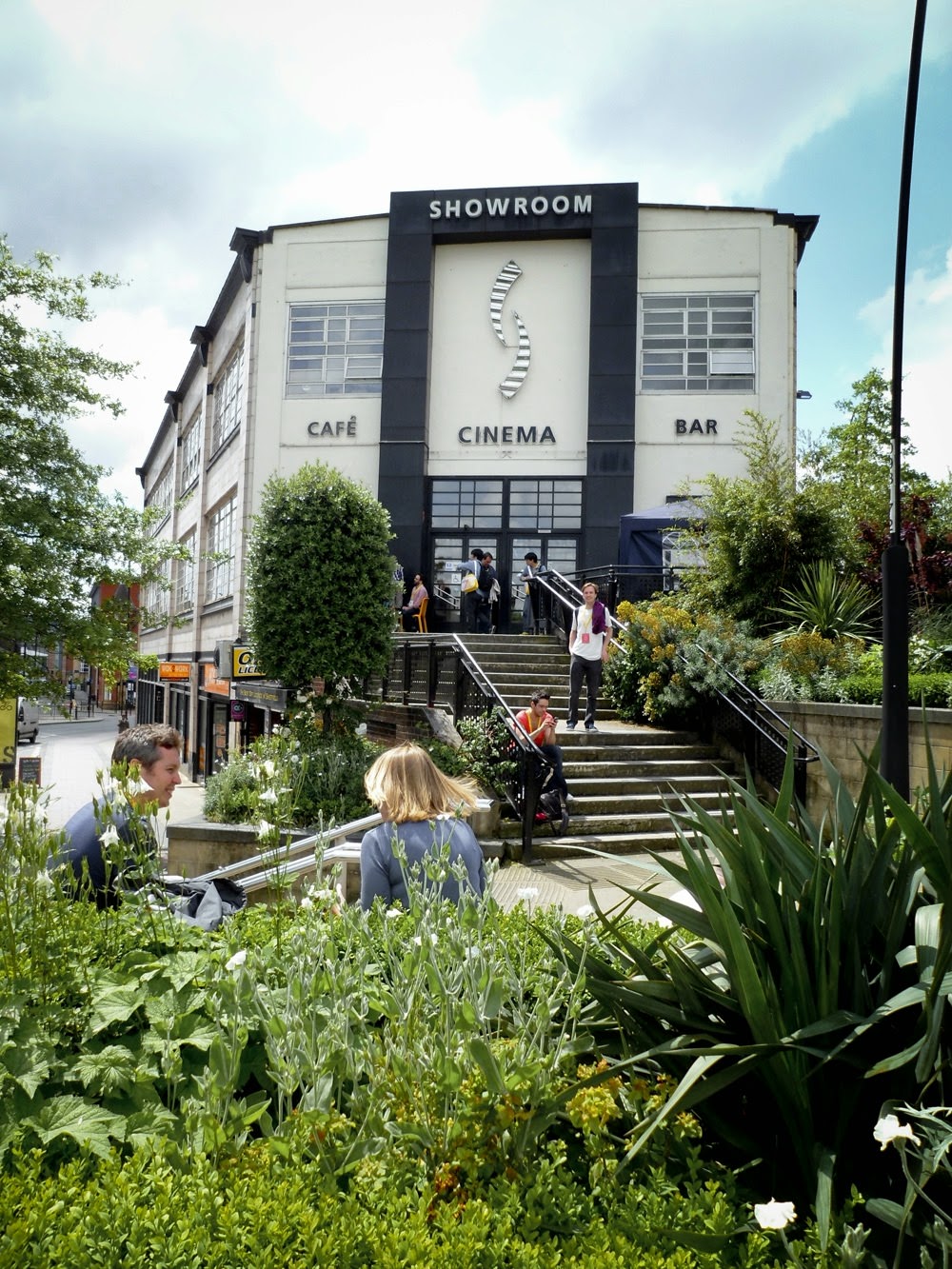
At the start of the twentieth century, there were no dedicated buildings for watching films in Britain. By the end of it, massive entertainment complexes with a dozen or more screens sat on the outskirts of nearly every major city. The journey between those two points — driven by technology, architecture, war, and social change — reshaped the British high street and the way millions of people spent their leisure time.
In the earliest years of the 1900s, films were not shown in cinemas. They were a fairground attraction. Traveling showmen rolled into towns with ornate steam-powered rigs called Bioscopes, which powered projectors and lights to screen short clips — a train pulling into a station, workers leaving a factory. Music halls also slotted films in at the end of variety shows, treating them as novelty acts alongside singers and acrobats. Because early film stock was extremely flammable, fires were a genuine danger. The Cinematograph Act of 1909 responded by requiring all film screenings to take place inside fireproof structures. That single law forced the creation of permanent, purpose-built cinemas.
The first generation of these buildings arrived in the 1910s, often called Picture Houses or Electric Palaces. Many were converted from shops or meeting halls, with narrow entrances, modest seating, and red velvet curtains borrowed from traditional theater design. They were a clear step up from a fairground tent, but still fairly humble. During World War I, their role changed. The government used them to screen newsreels from the front lines. The Battle of the Somme, released in 1916, was watched by nearly half the British population. Cinema became the primary source of news and a place where communities gathered to feel connected to soldiers overseas.
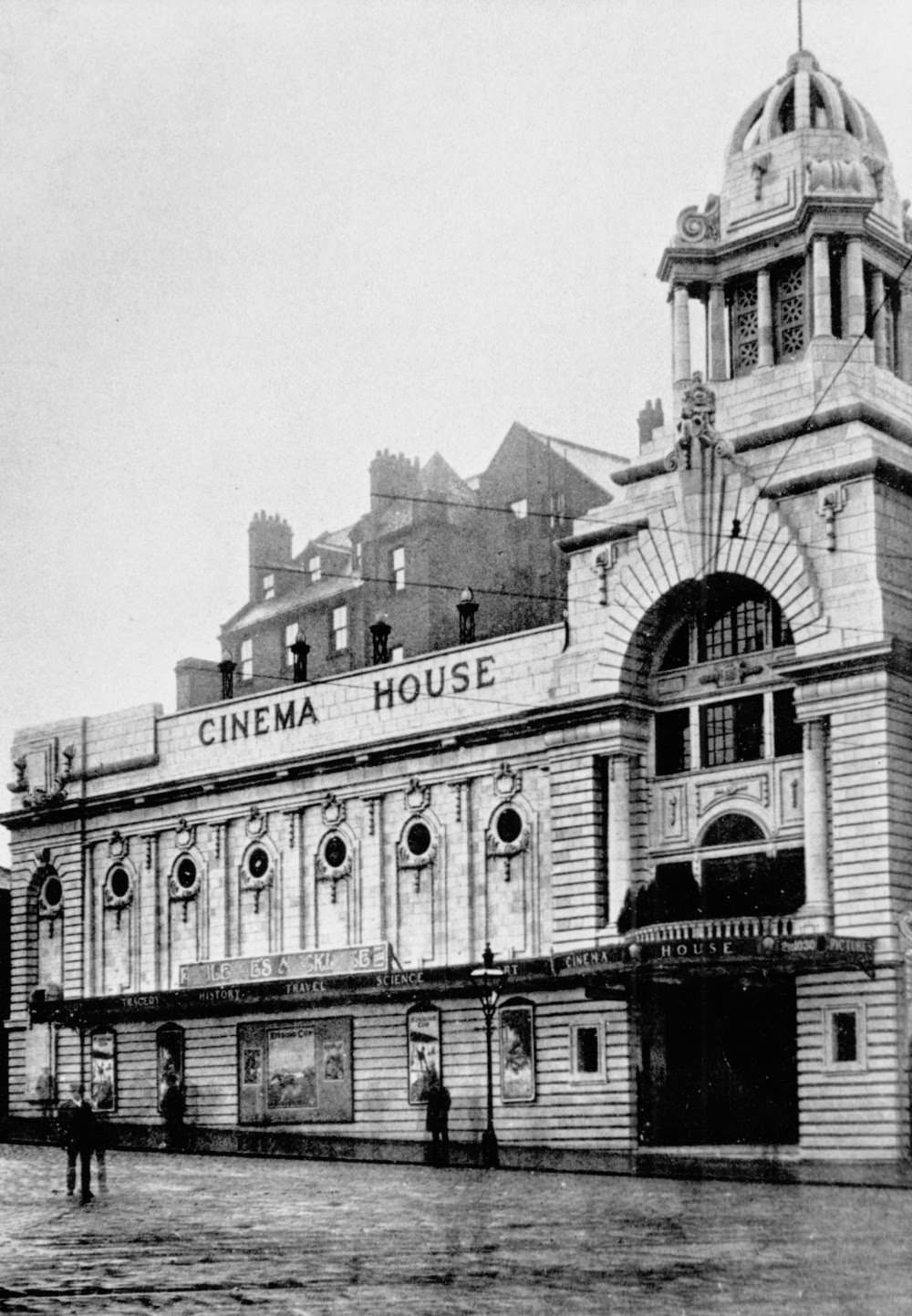
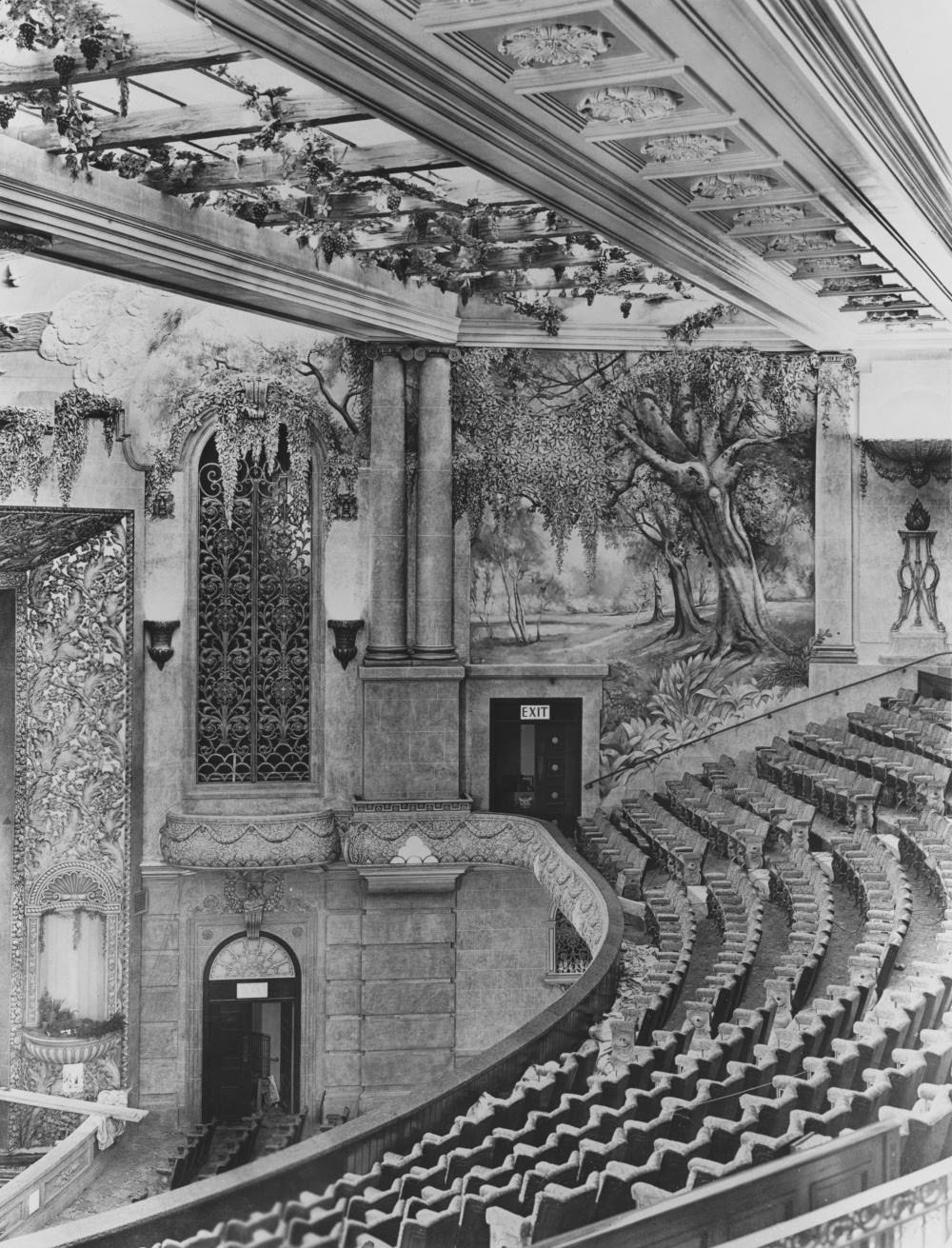
The post-war demand for entertainment triggered a building boom in the 1920s. Architects designed what became known as Super Cinemas or Picture Palaces — enormous venues styled after Egyptian temples, Greek courts, and Baroque royal residences. Grand staircases, chandeliers, and seating for thousands gave working-class audiences a taste of luxury for the price of a small ticket.
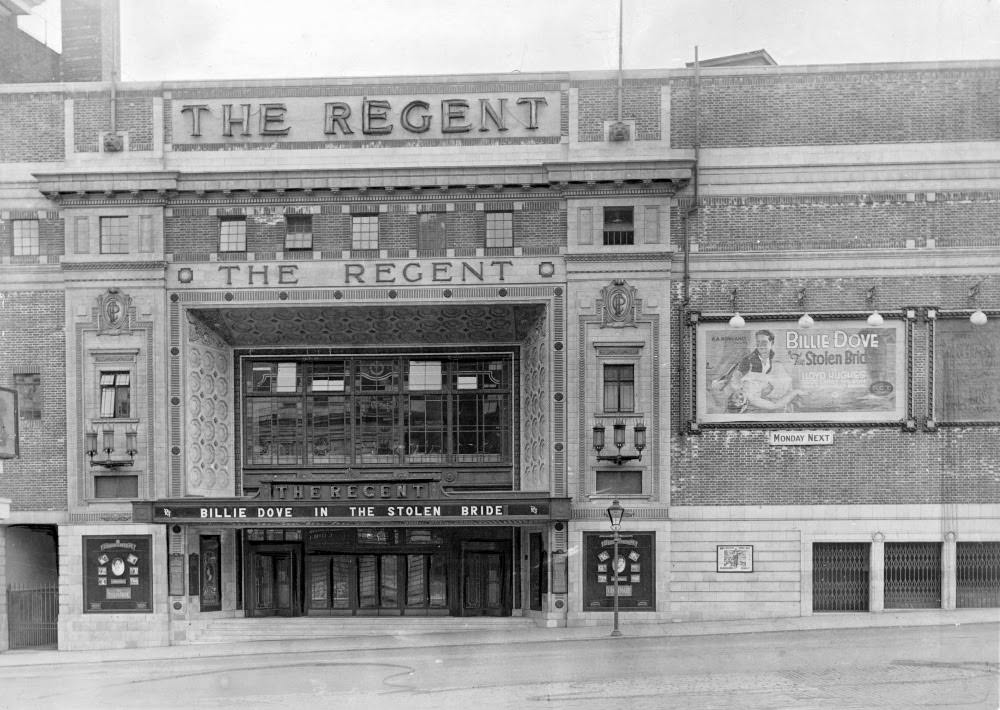
The defining moment of the decade came in 1927 when The Jazz Singer introduced synchronized sound to mainstream audiences. Before that, every film was silent, accompanied by a live pianist or small orchestra. The transition to ‘Talkies’ forced cinema owners to buy new projectors and install speakers behind their screens. Smaller venues that could not afford the upgrade closed. Larger chains absorbed their audiences and grew stronger.
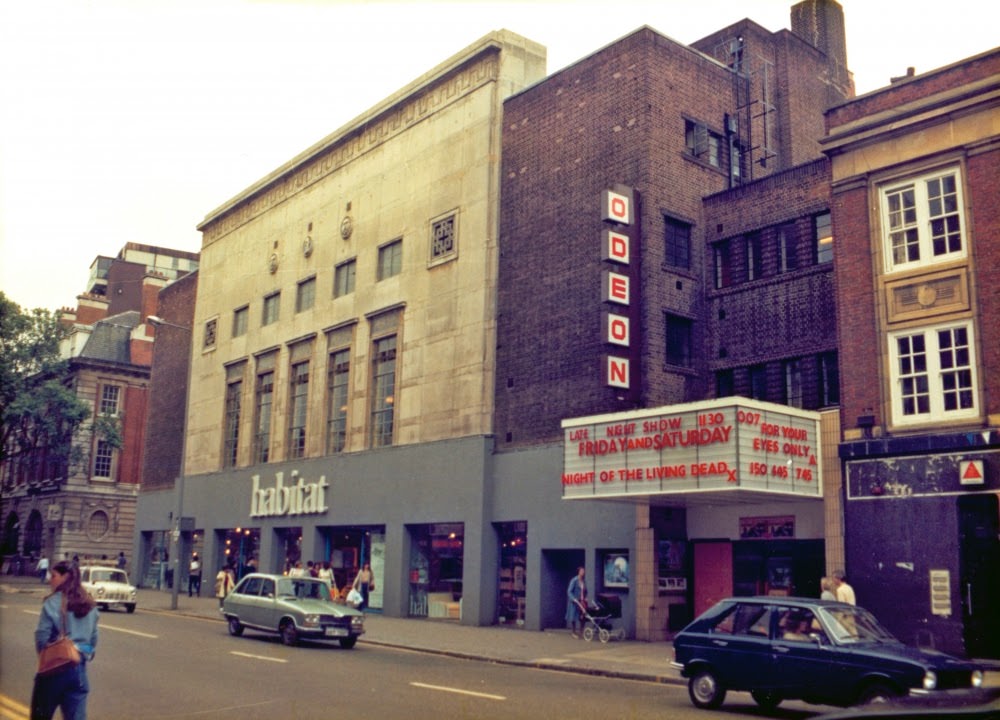
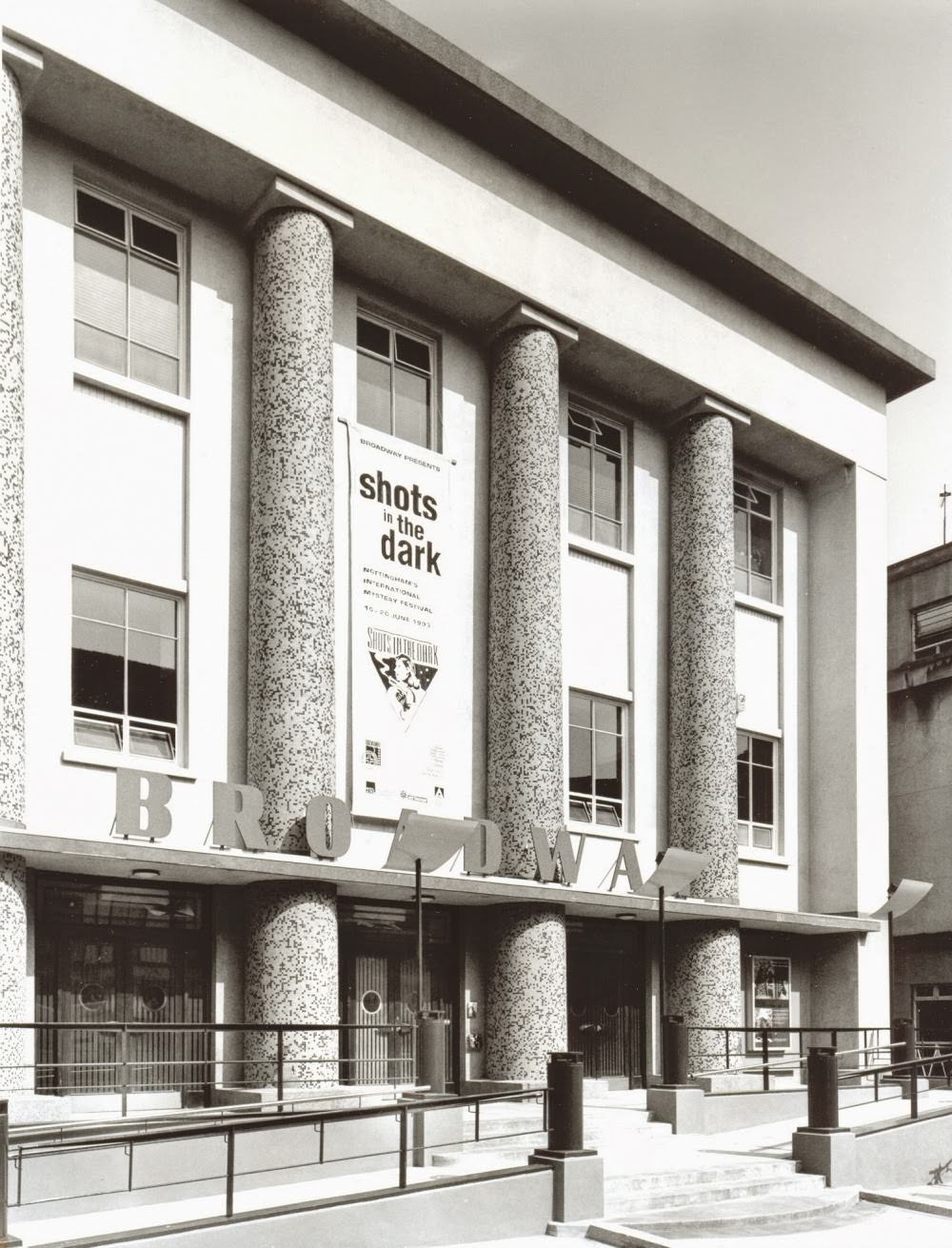
By the 1930s, cinema had entered what historians widely call its Golden Age. Despite the economic hardship of the Great Depression, attendance in Britain reached its highest-ever levels. People went to the movies twice a week. Oscar Deutsch, founder of the Odeon chain, opened hundreds of cinemas across the country using a distinctive Art Deco style — rounded corners, cream tiles, and tall neon signs that made each building look like a streamlined ocean liner. Chains like ABC and Gaumont followed suit. Cafes and lounges were added inside so that patrons could spend an entire afternoon on the premises. The double feature — two full-length films for a single ticket price — became standard. By 1939, Britain had nearly 5,000 cinemas and sold close to 20 million tickets every single week.
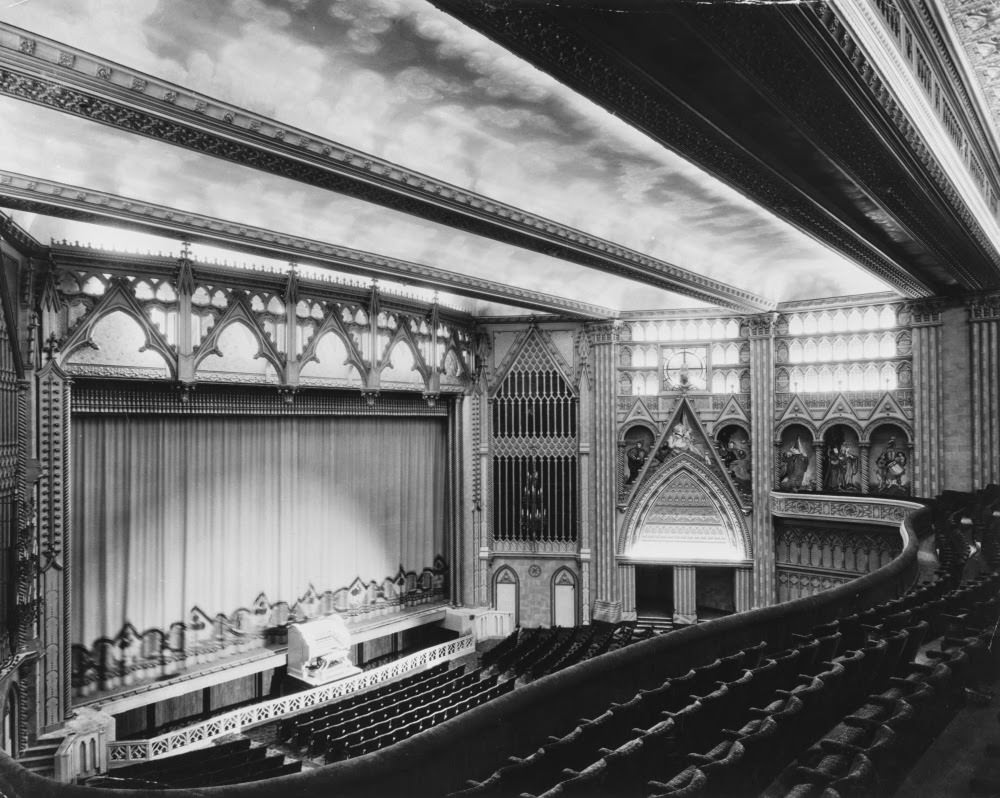
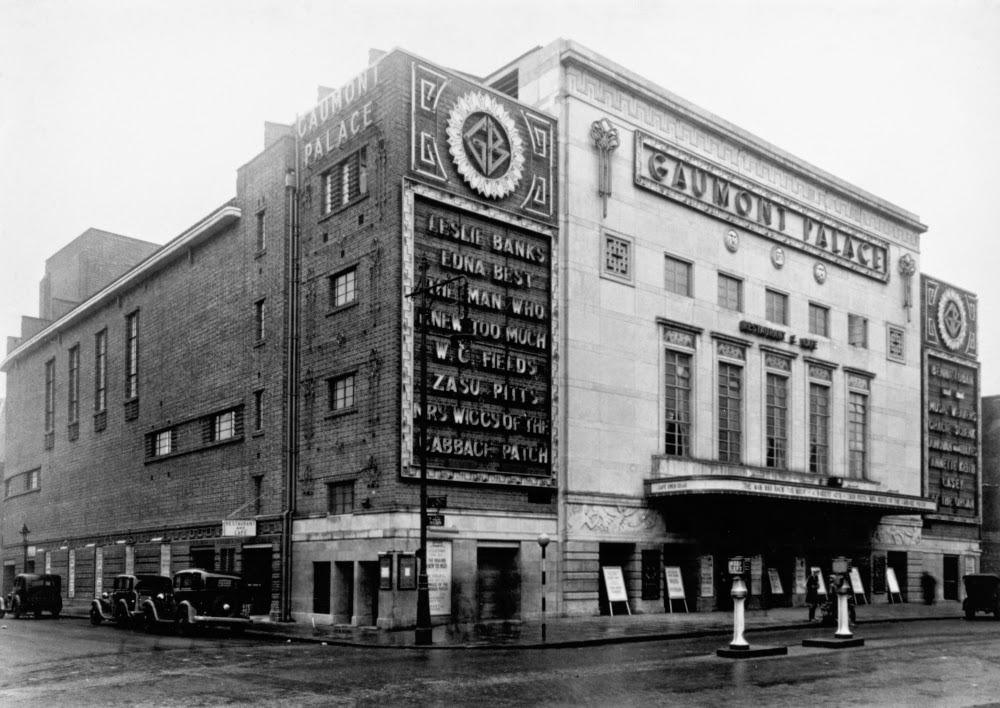
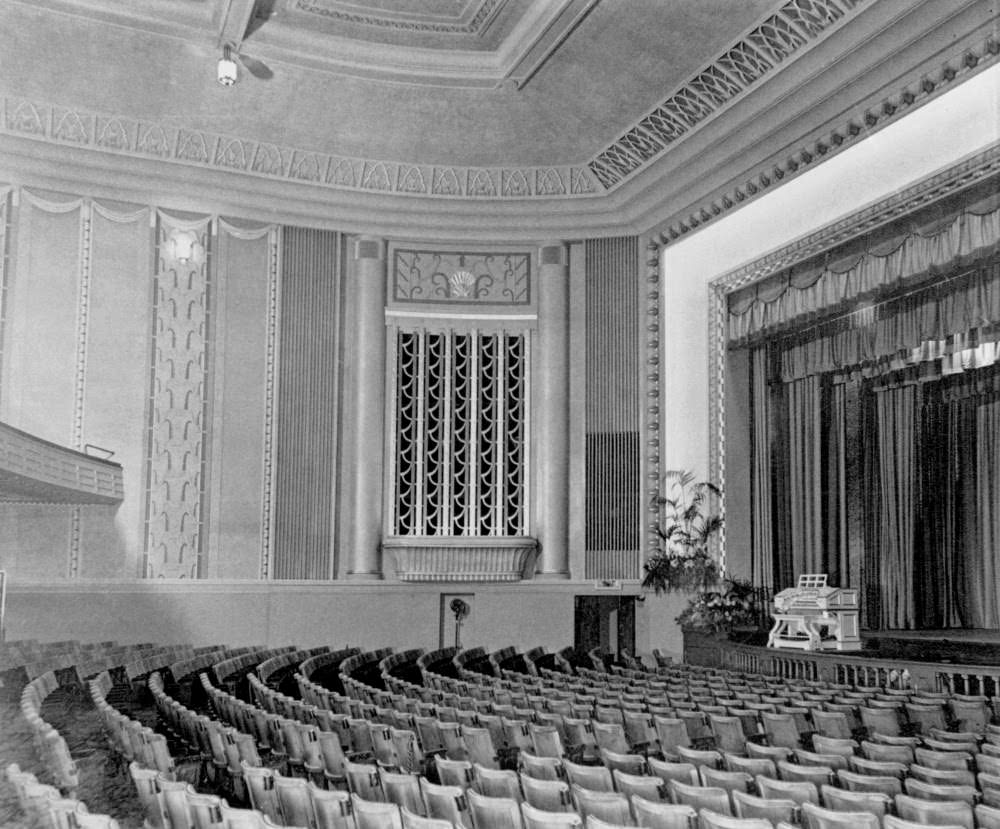
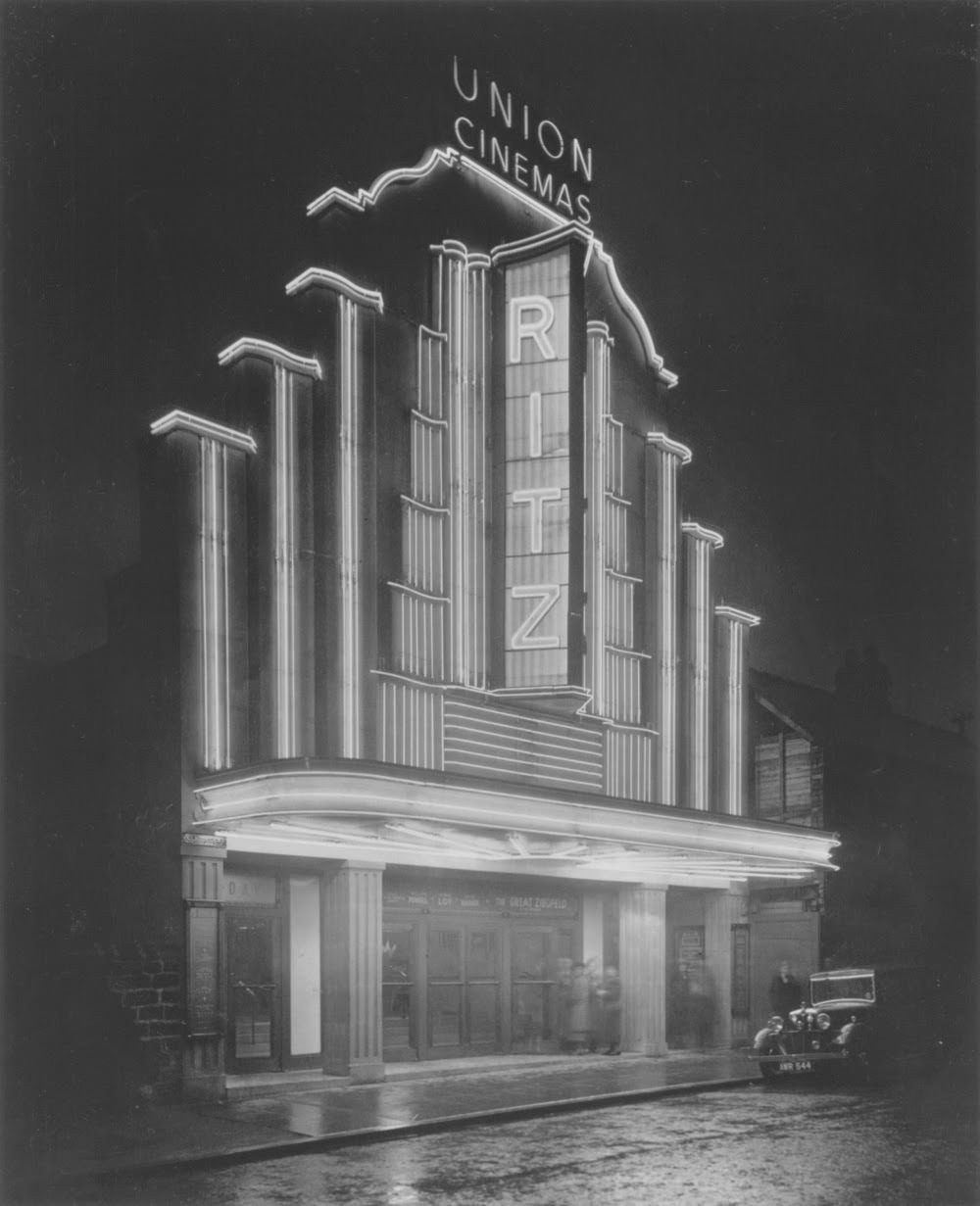
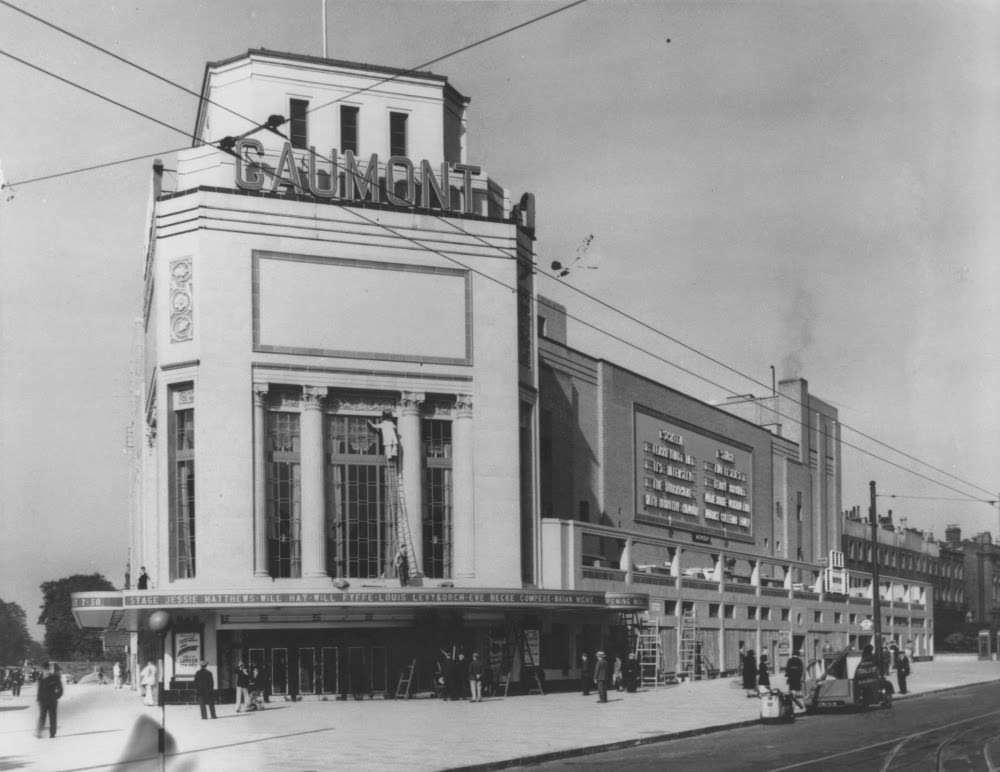
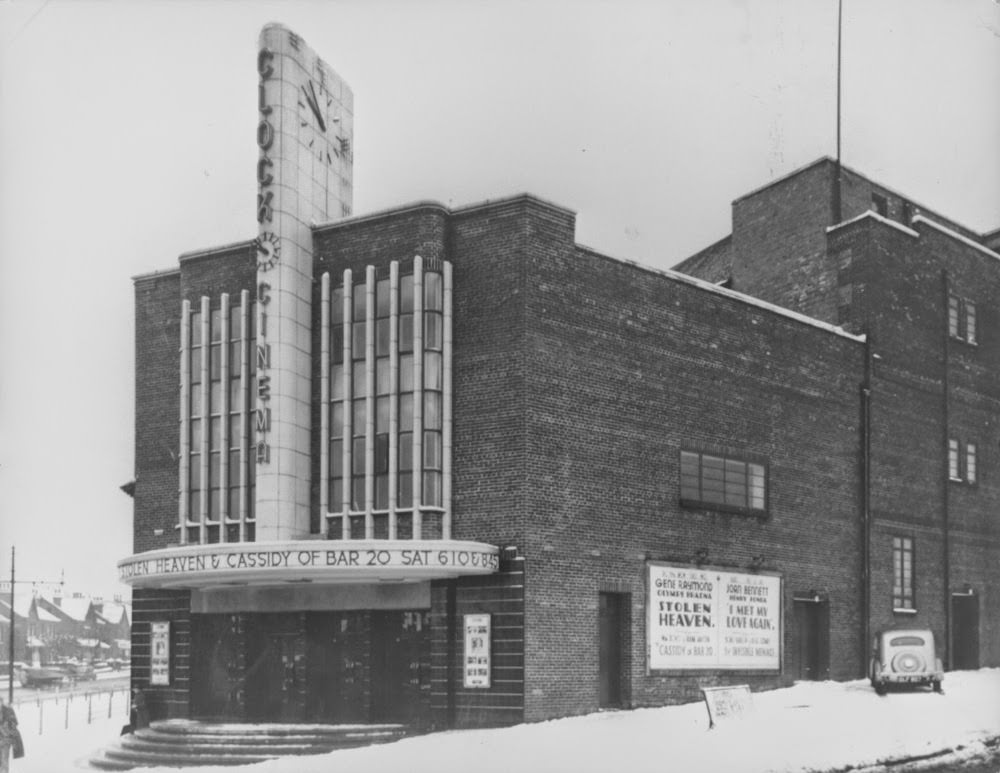
News theatres — smaller venues that screened short newsreels and documentaries on a continuous loop — also appeared during this period, giving city workers a quick glimpse of world events on their lunch break.
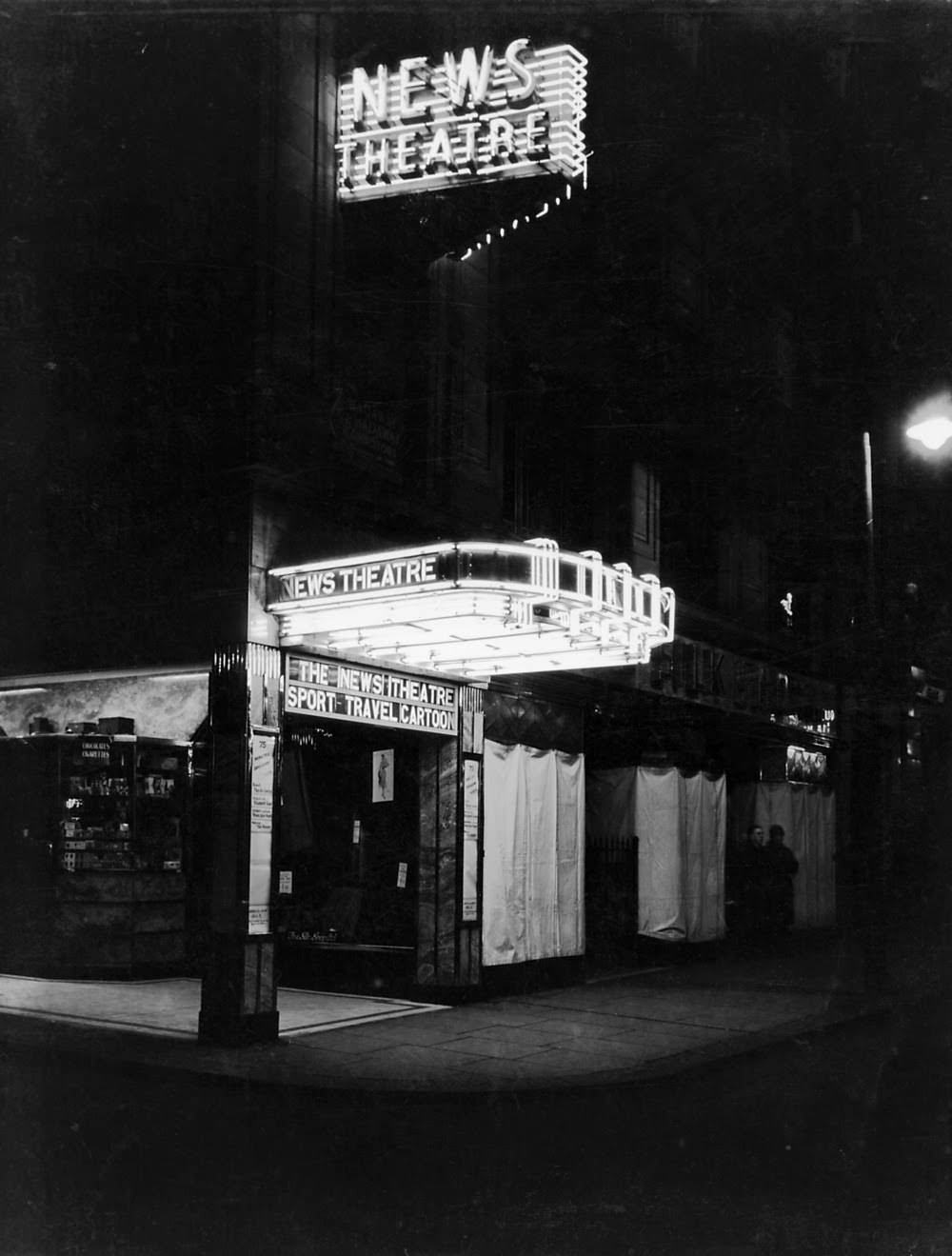
During World War II, cinema served as a tool for both morale and propaganda. The Ministry of Information produced thousands of short films urging citizens to Dig for Victory and conserve food. German bombing during the Blitz destroyed some cinemas, but most stayed open. The government extinguished street lighting and exterior signage during blackouts, yet the auditoriums themselves were packed night after night. They were one of the few public spaces where people could gather and, for a couple of hours, feel some sense of normality. British films of the late 1940s — Brief Encounter, The Red Shoes — reflected a nation processing grief and exhaustion.
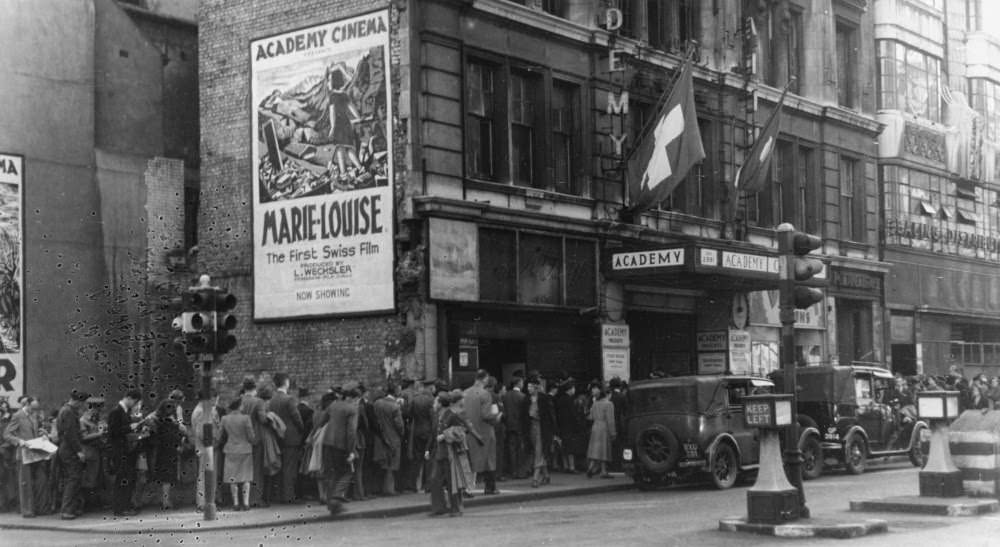
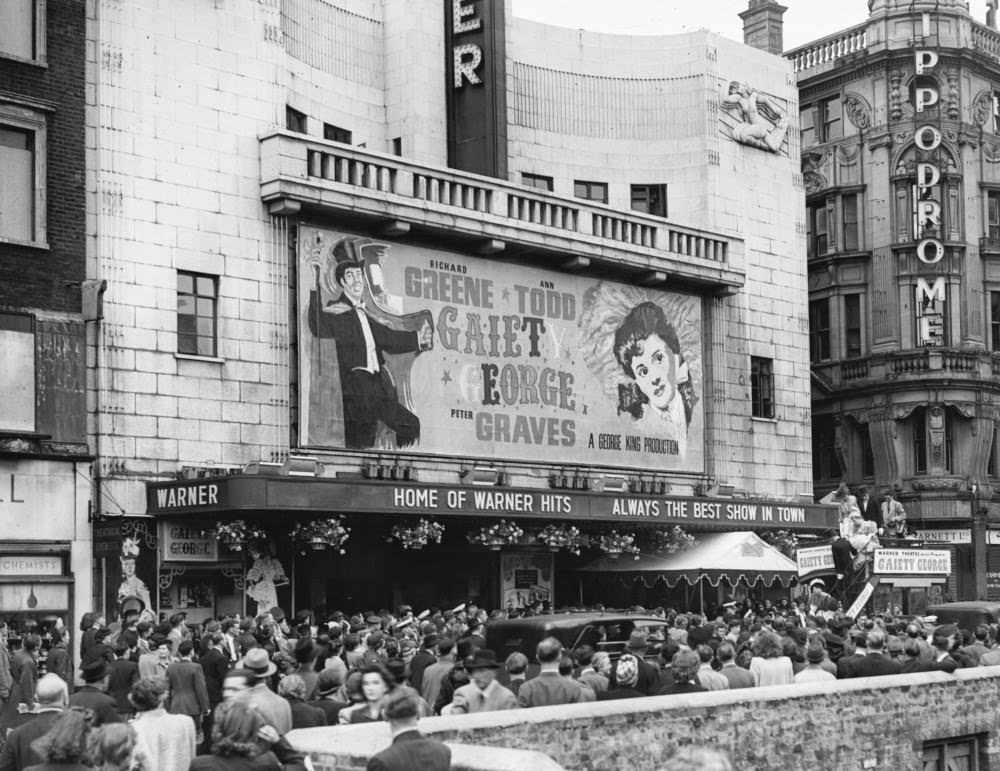
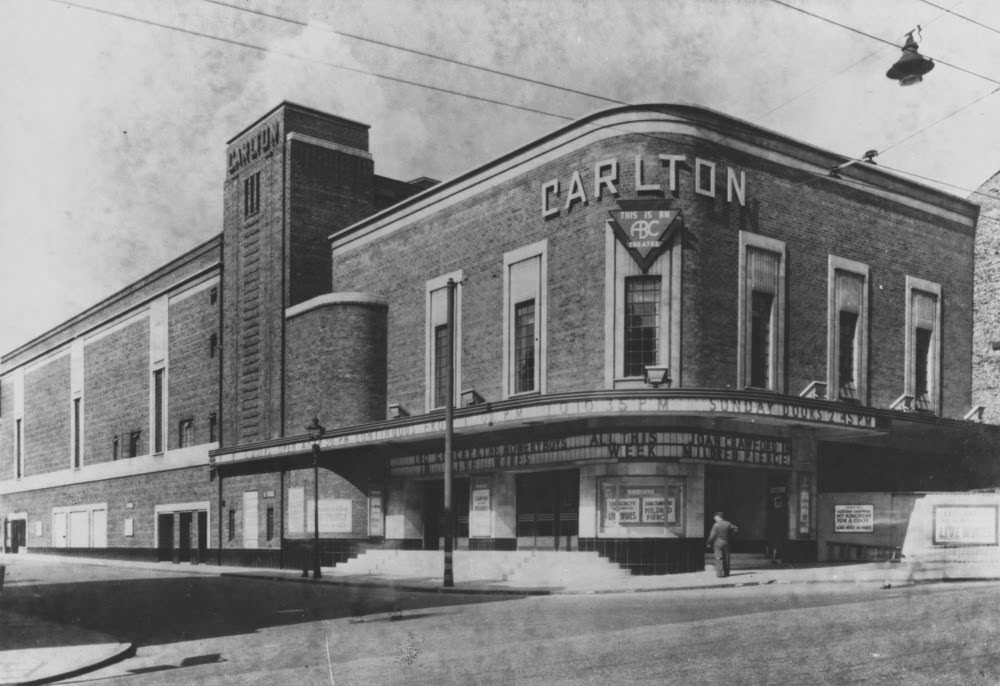
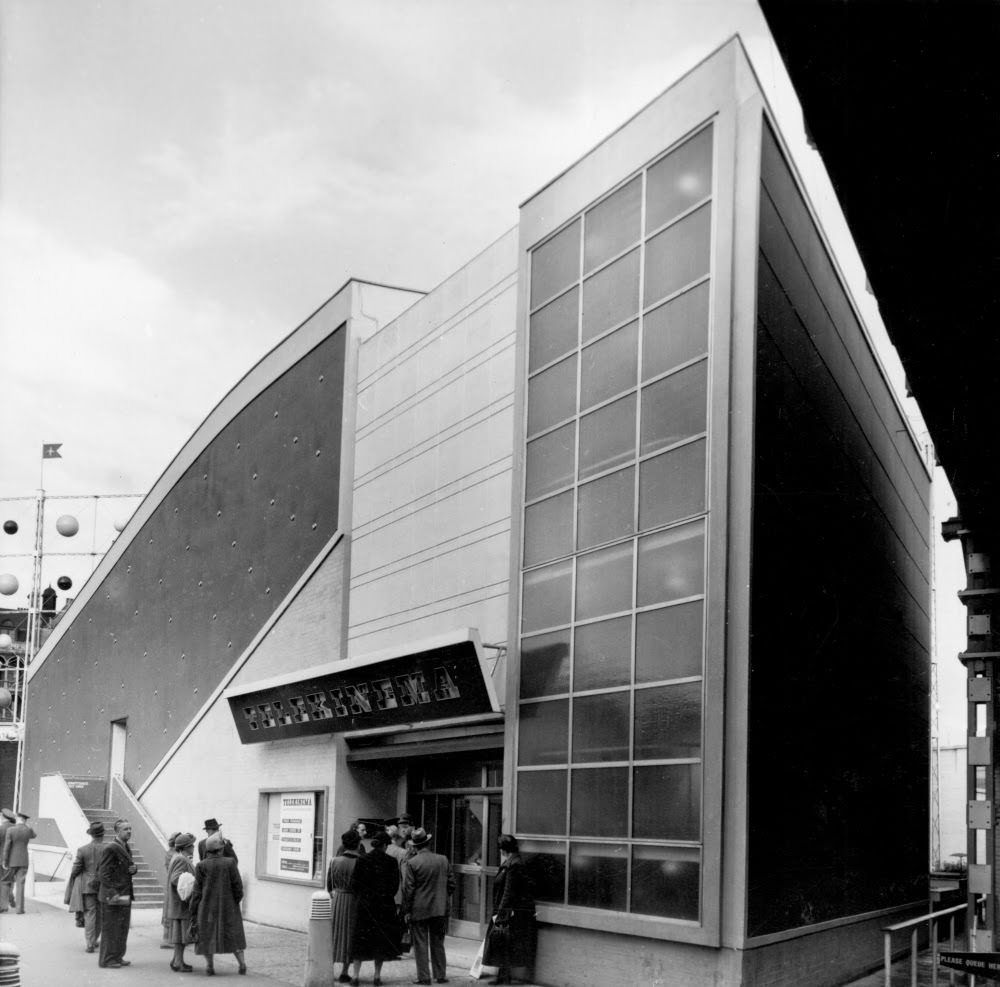
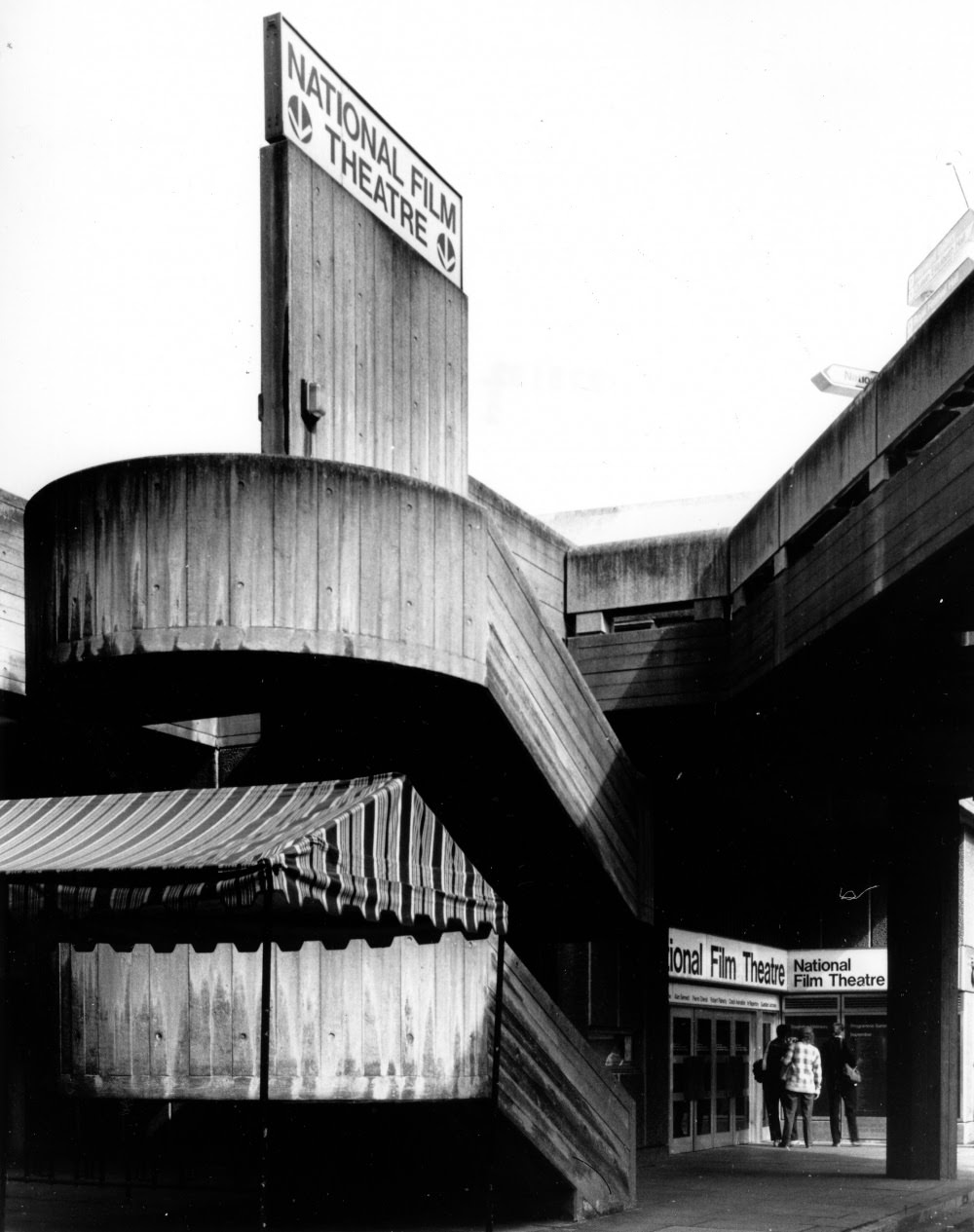
Then came television. After the BBC restarted broadcasts following the war, British families gained the option to watch moving pictures in their own living rooms. The threat was slow at first but became impossible to ignore by the mid-1950s. Cinema owners fought back with technology a small TV simply could not match: massive curved CinemaScope screens, experimental 3D films requiring special glasses, and color film as standard at a time when most televisions were still black and white. It slowed the decline but did not stop it. The 1951 Festival of Britain offered a glimpse of where screen technology was heading, featuring an experimental Telekinema on the South Bank.
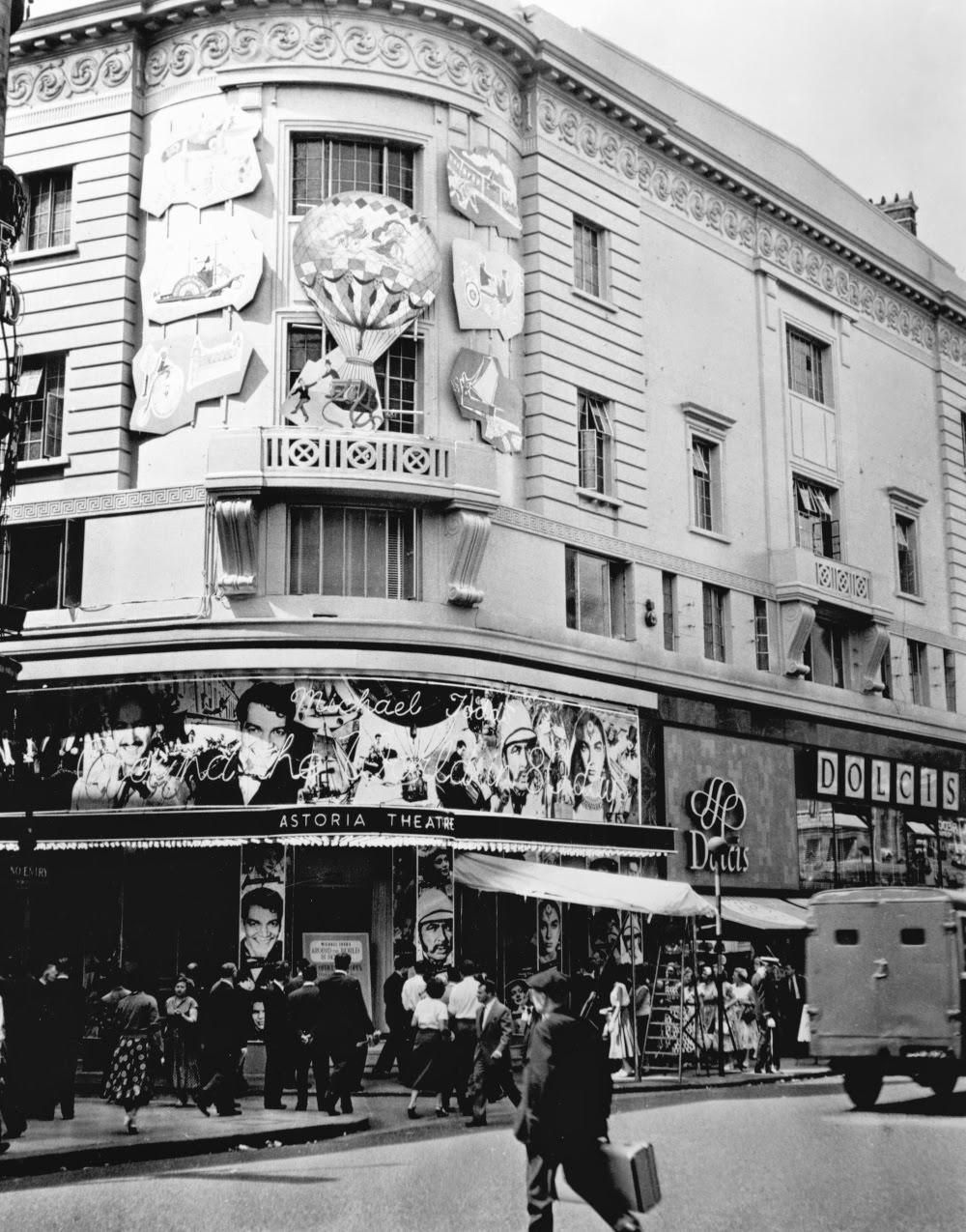
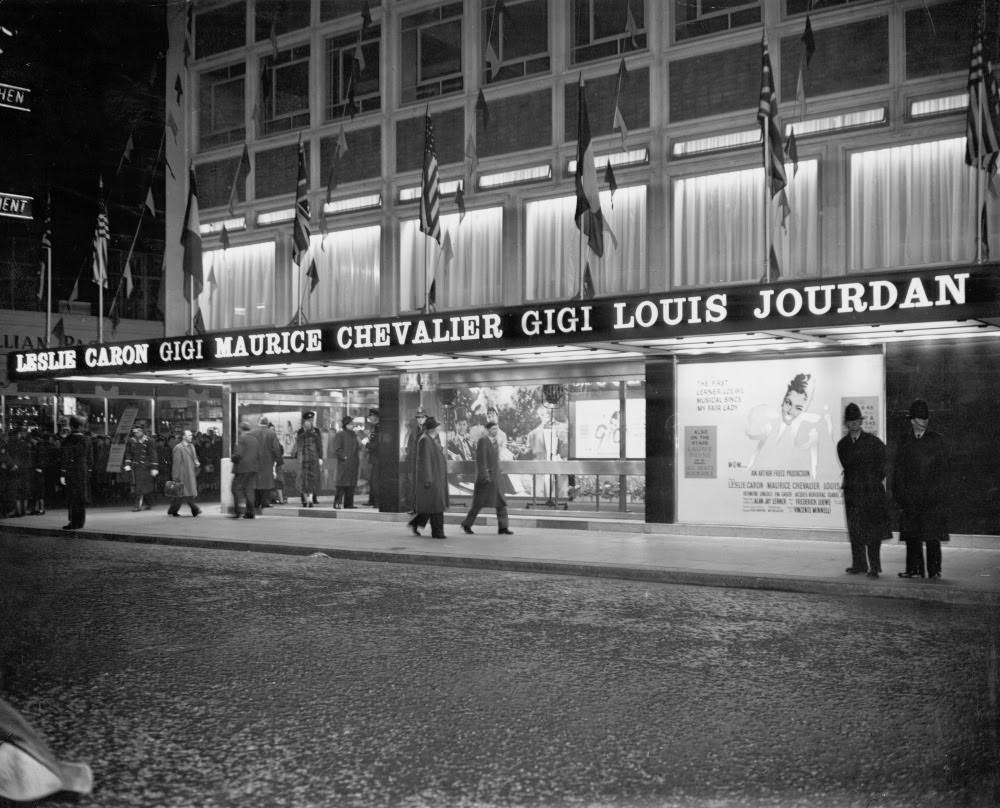
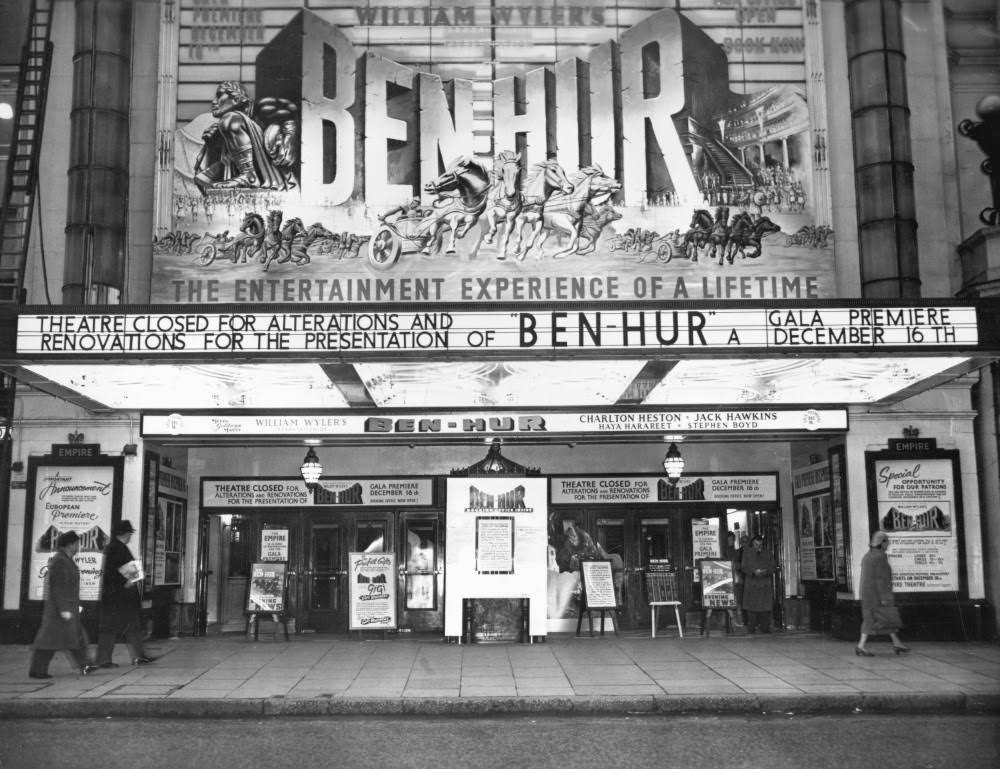
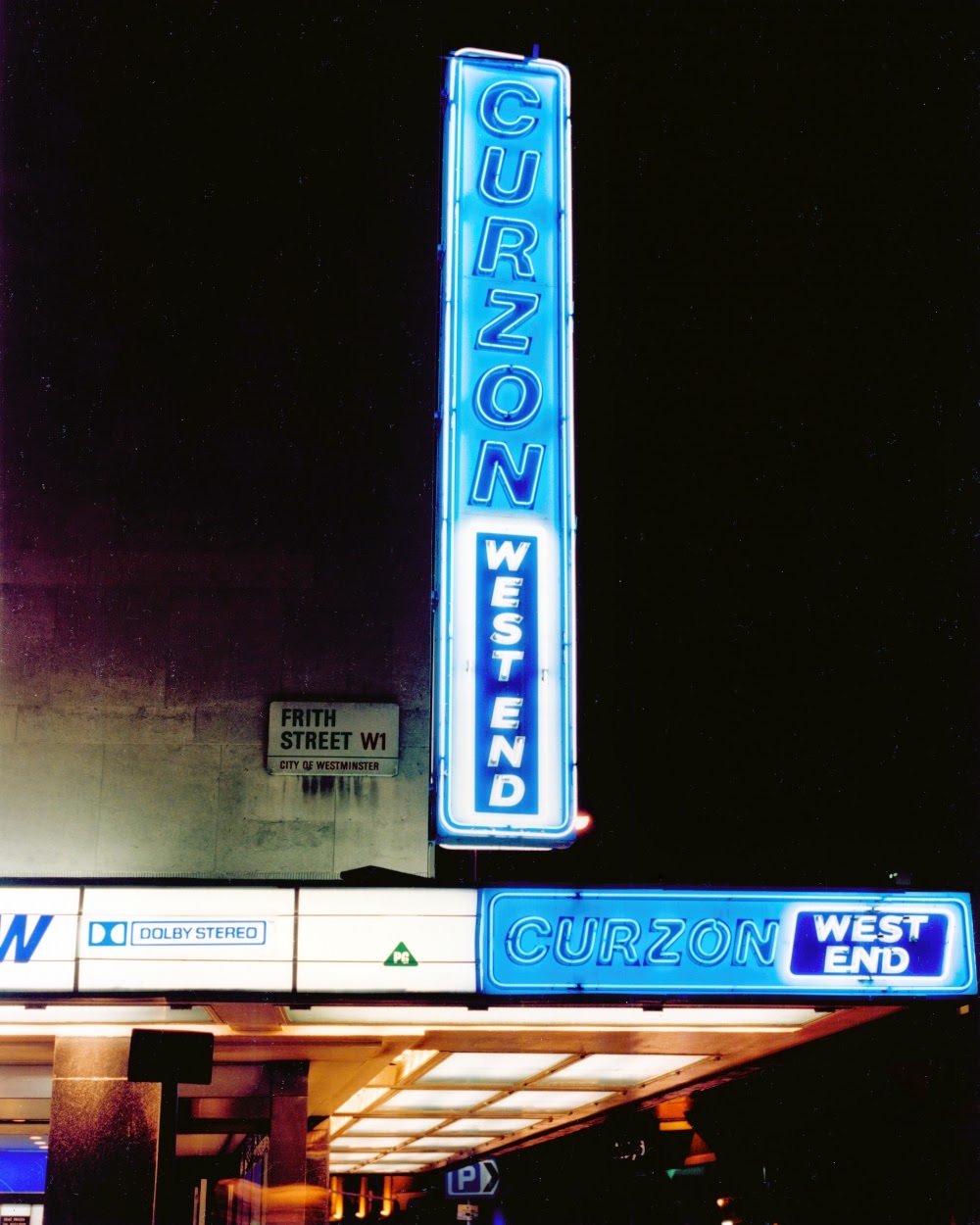
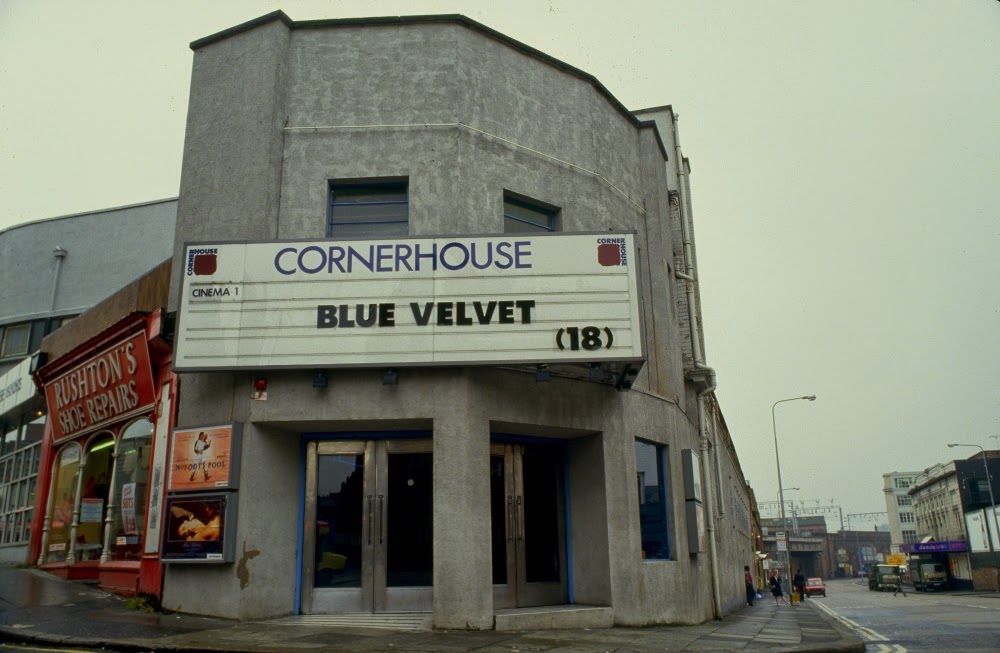
Attendance fell sharply through the 1960s and into the 1970s. The grand Picture Palaces of the 1920s became too expensive to heat and maintain. Owners responded by physically subdividing their large auditoriums — a process called twinning or tripling — creating two or three smaller screens under one roof. It was a practical solution, but it stripped away the grandeur that had once made going to the cinema feel like a special event. Many venues that survived the subdivision process began to specialize: art house and foreign-language films attracted audiences that mainstream television still couldn’t serve.
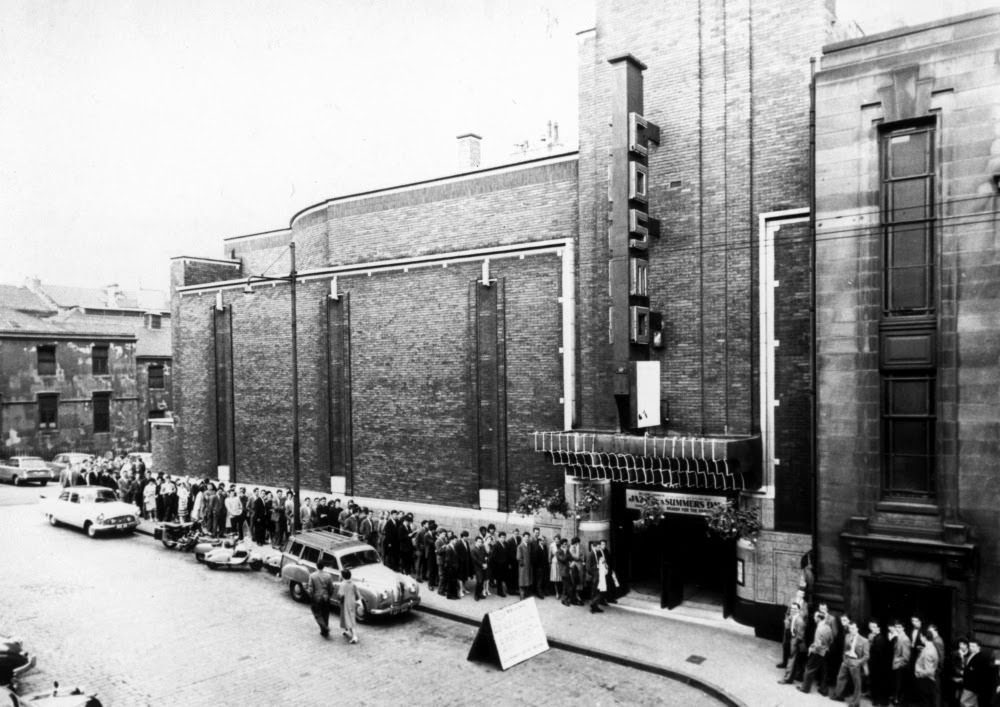
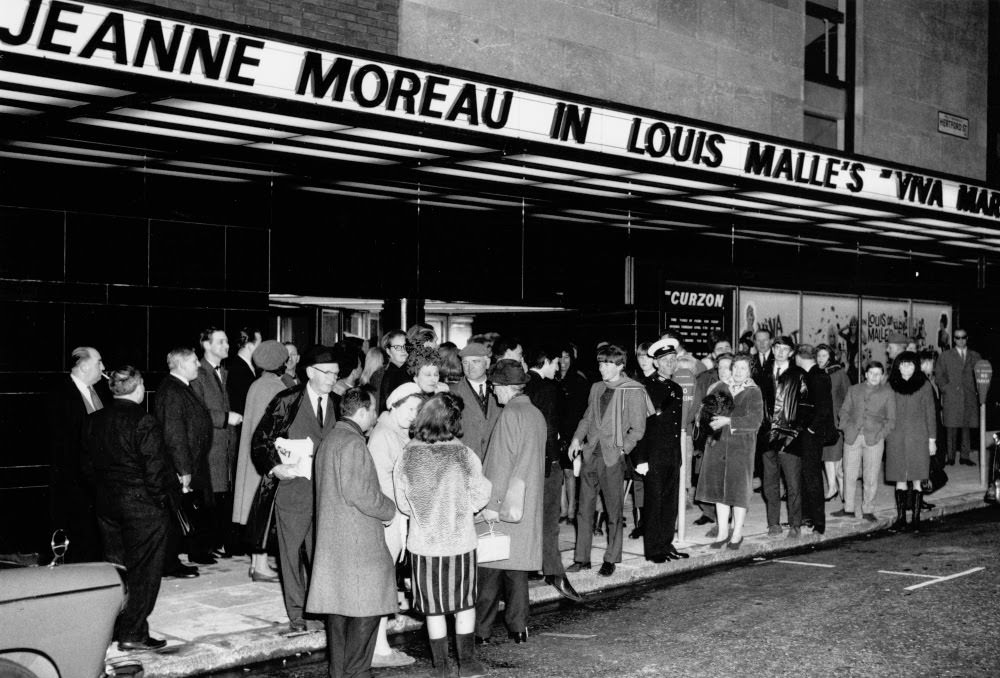
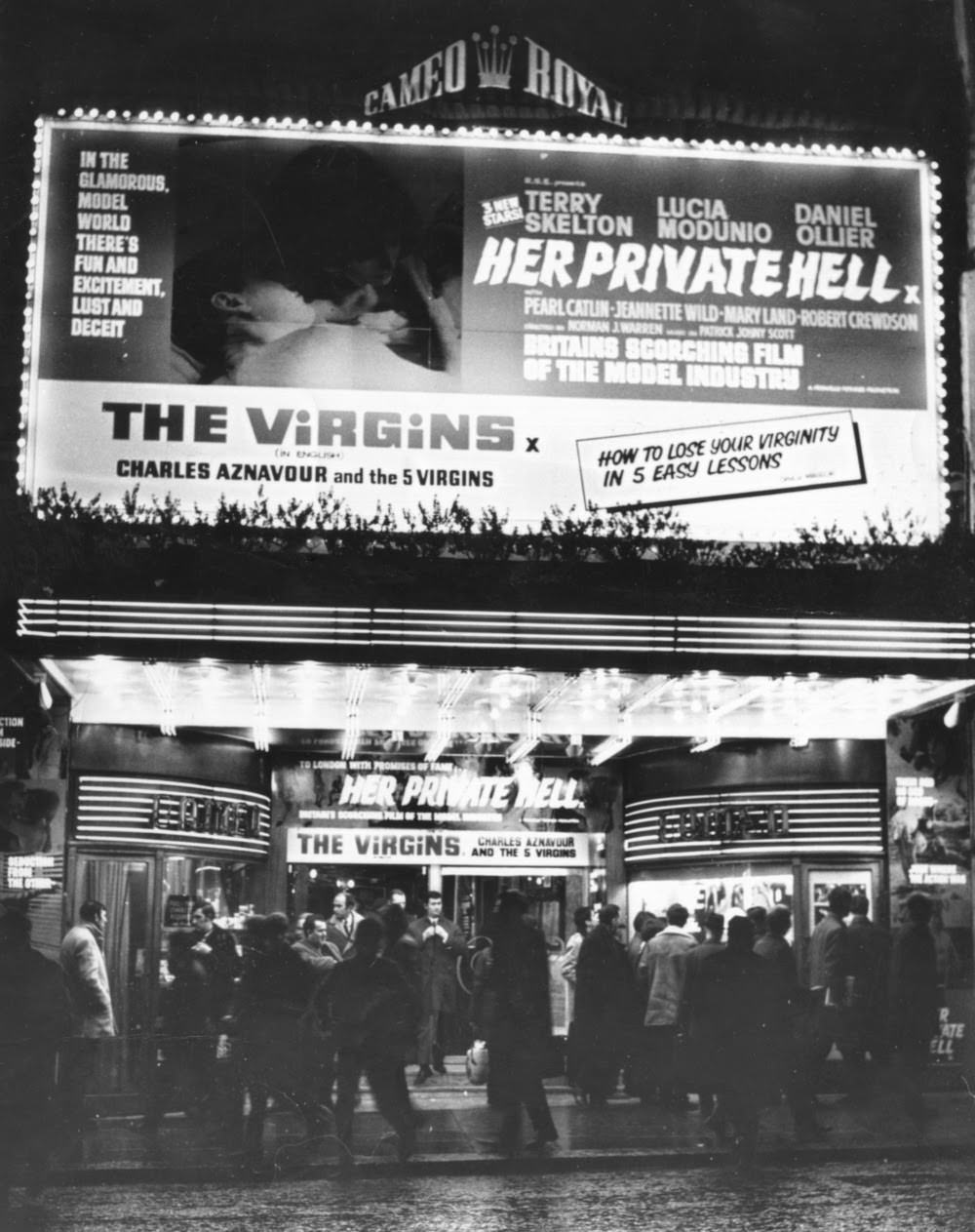
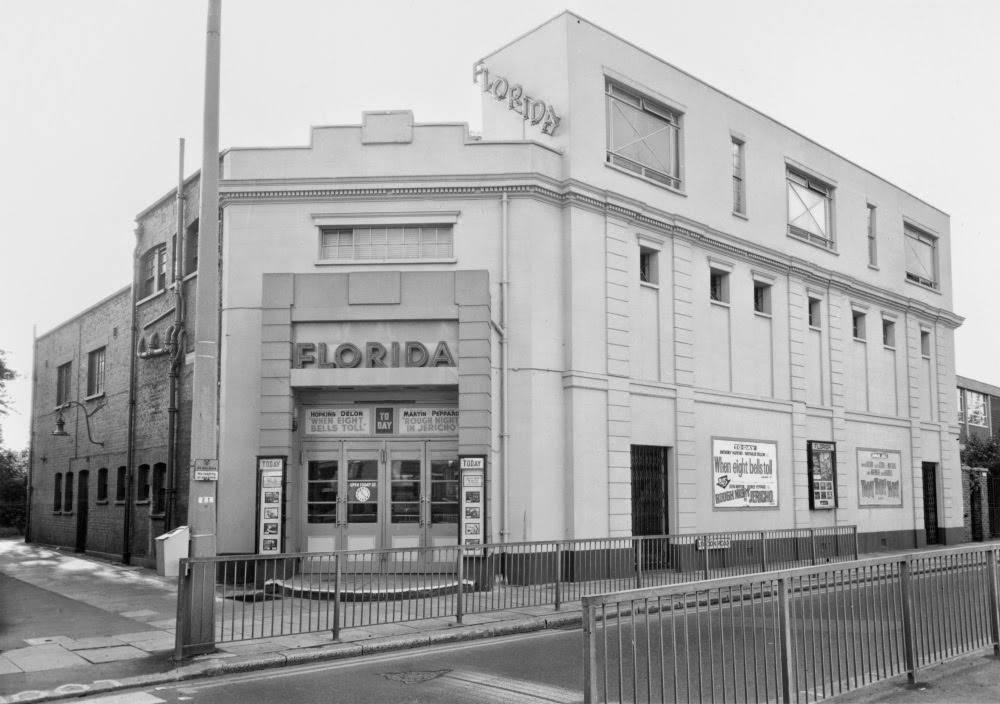
By the early 1970s, many high street cinemas were poorly maintained and felt outdated. Demolition crews took down buildings that had once drawn thousands, replacing them with office blocks and shopping centers. The industry was at its lowest point.
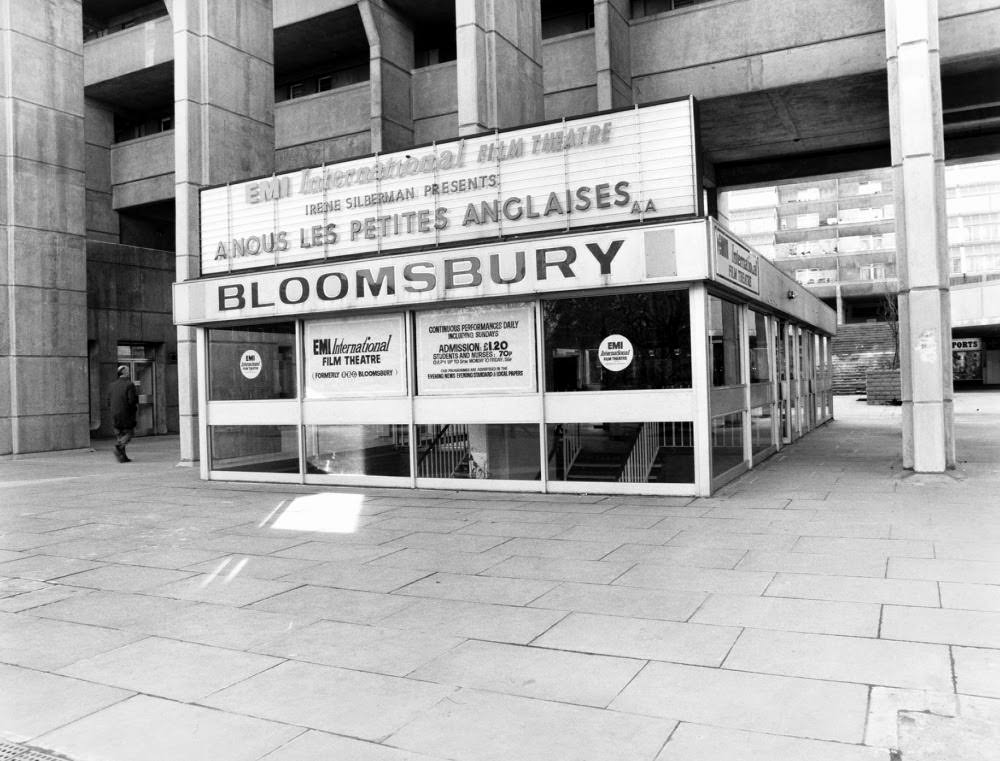
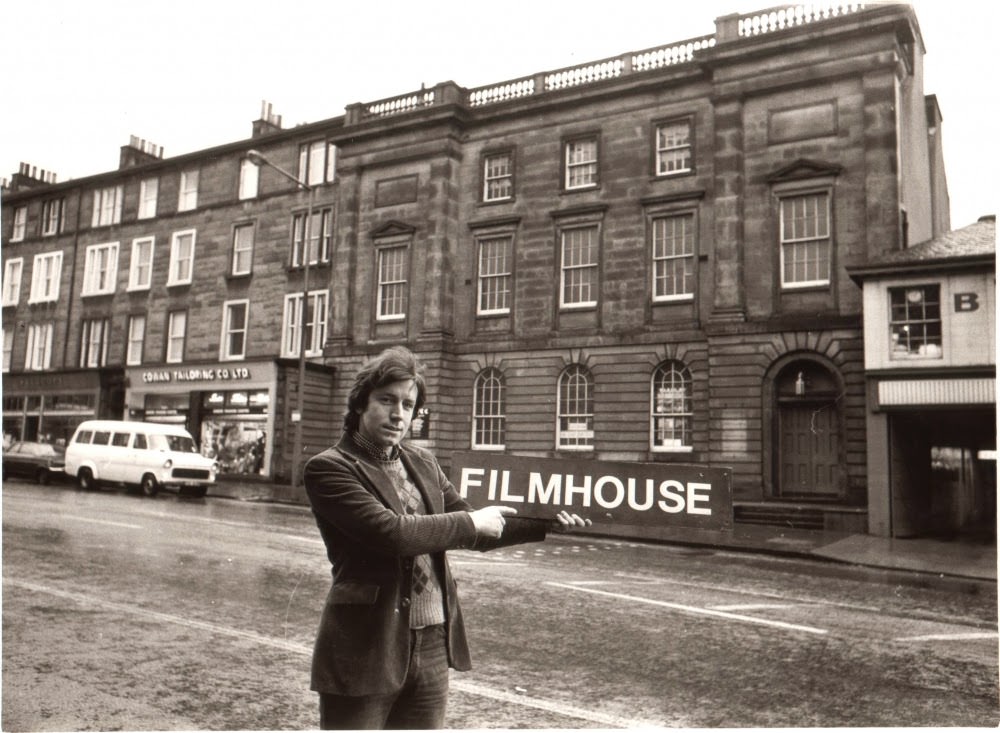
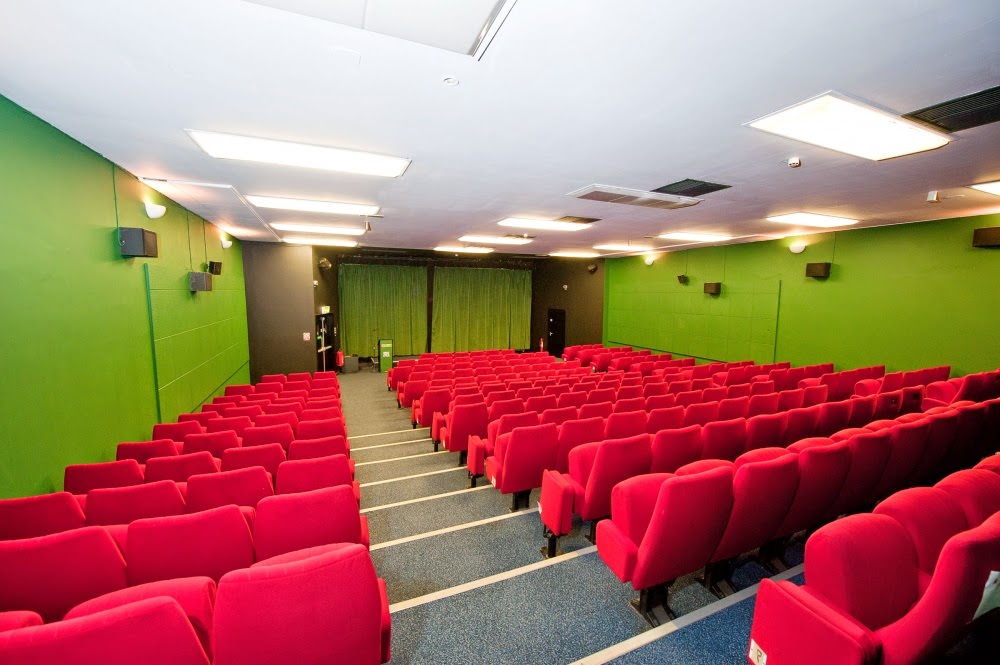
The revival came in 1985 with the opening of Britain’s first American-style multiplex in Milton Keynes. These were purpose-built complexes on the edges of cities, surrounded by free parking. They offered ten or more screens, air conditioning, digital sound, and wide reclining seats. Large concession stands selling popcorn and soft drinks became a central part of the experience. Going to the cinema became a planned outing rather than a casual habit. Hollywood blockbusters like Jurassic Park filled the new venues with crowds that the old high street cinemas never saw again. Meanwhile, the independent and art house sector also continued to develop, serving audiences who wanted something different from the mainstream.
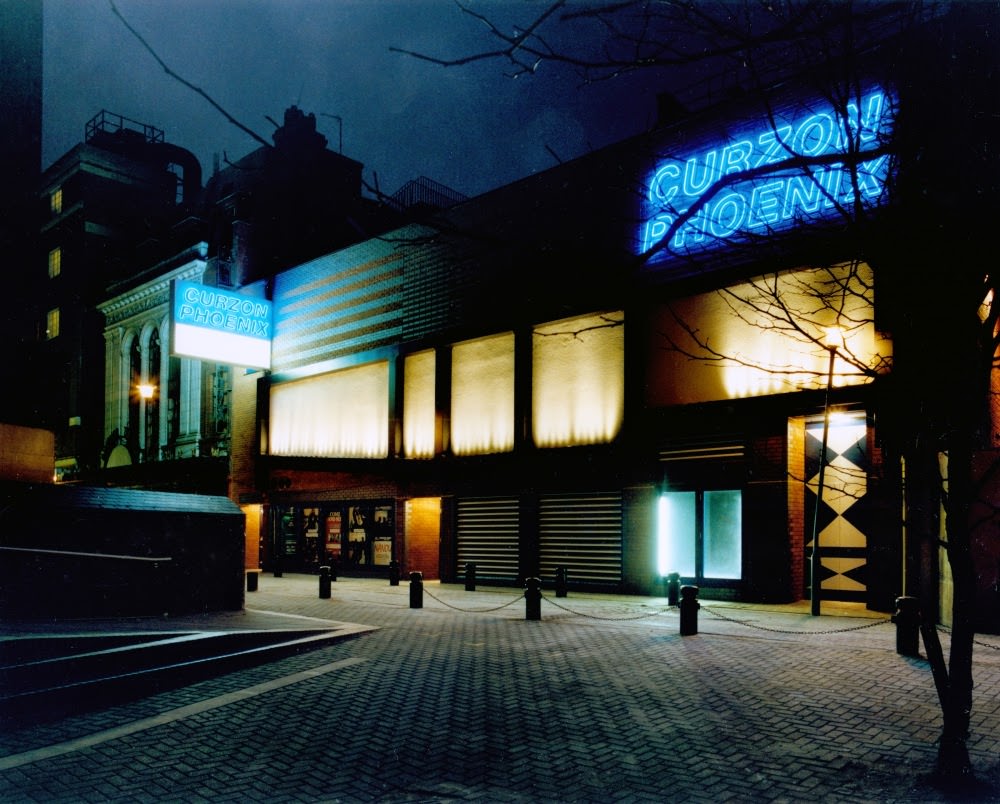
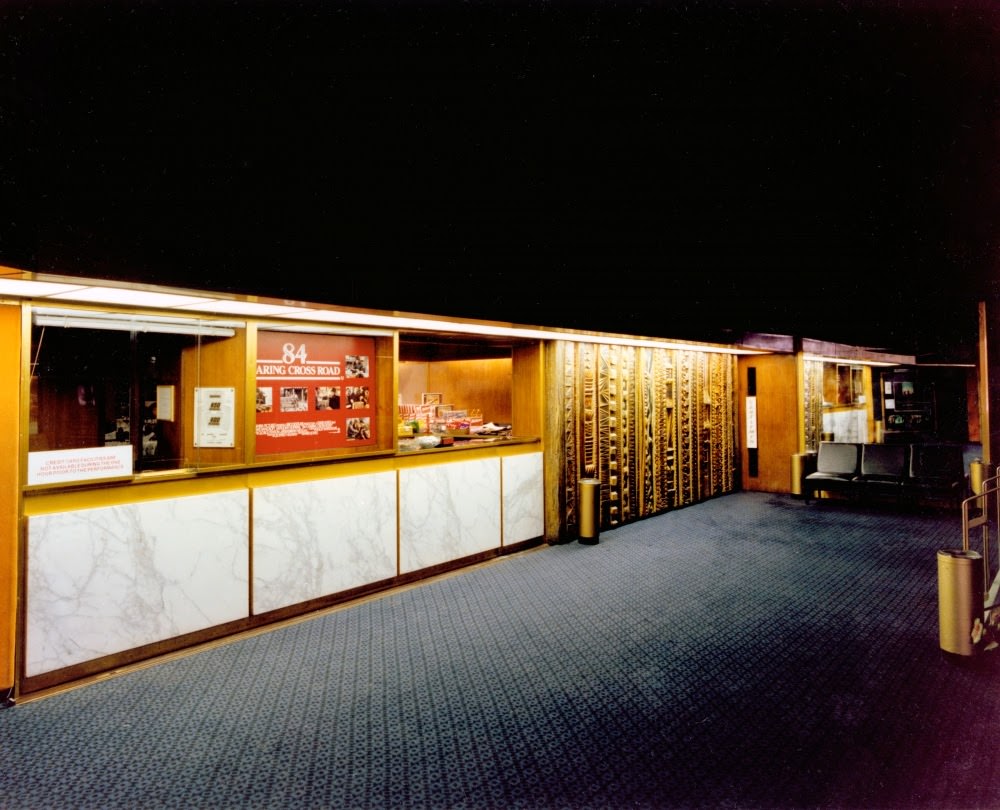
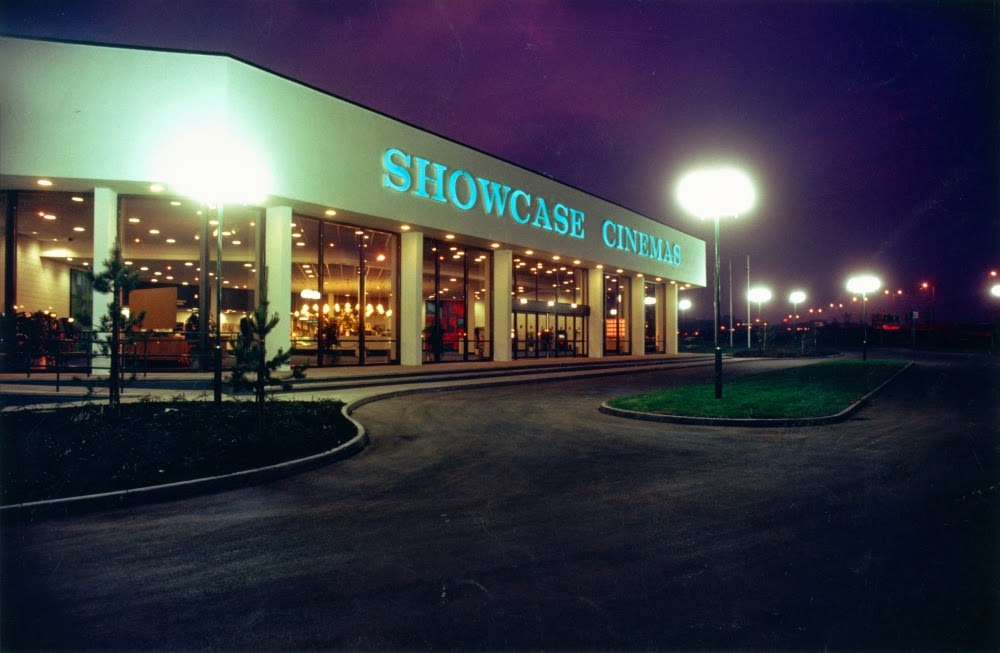
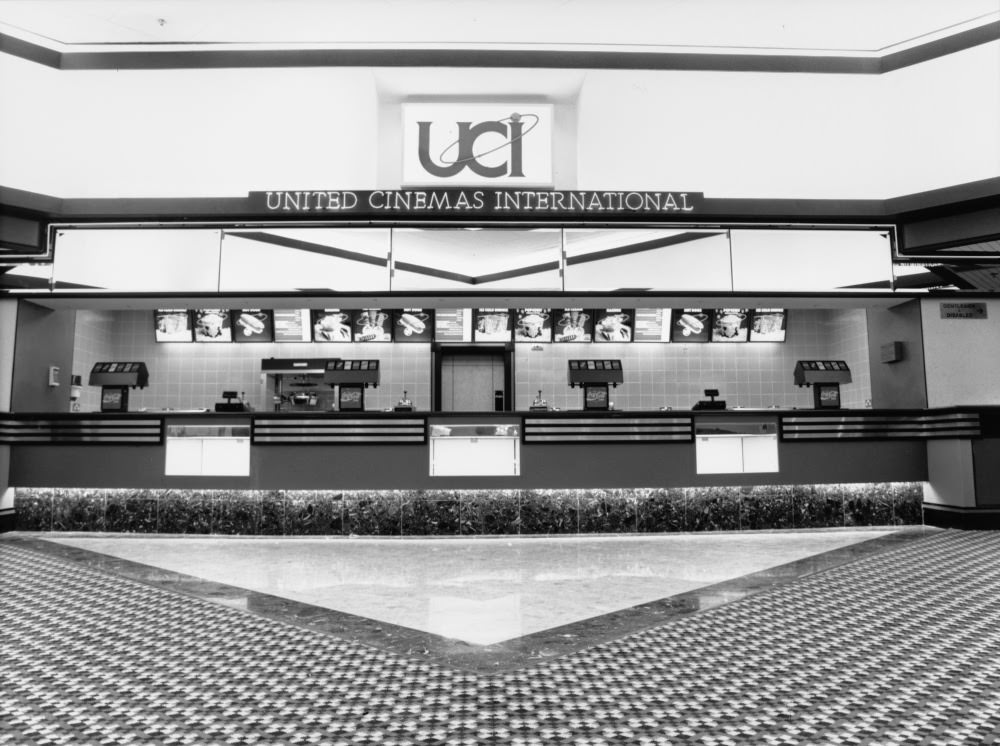
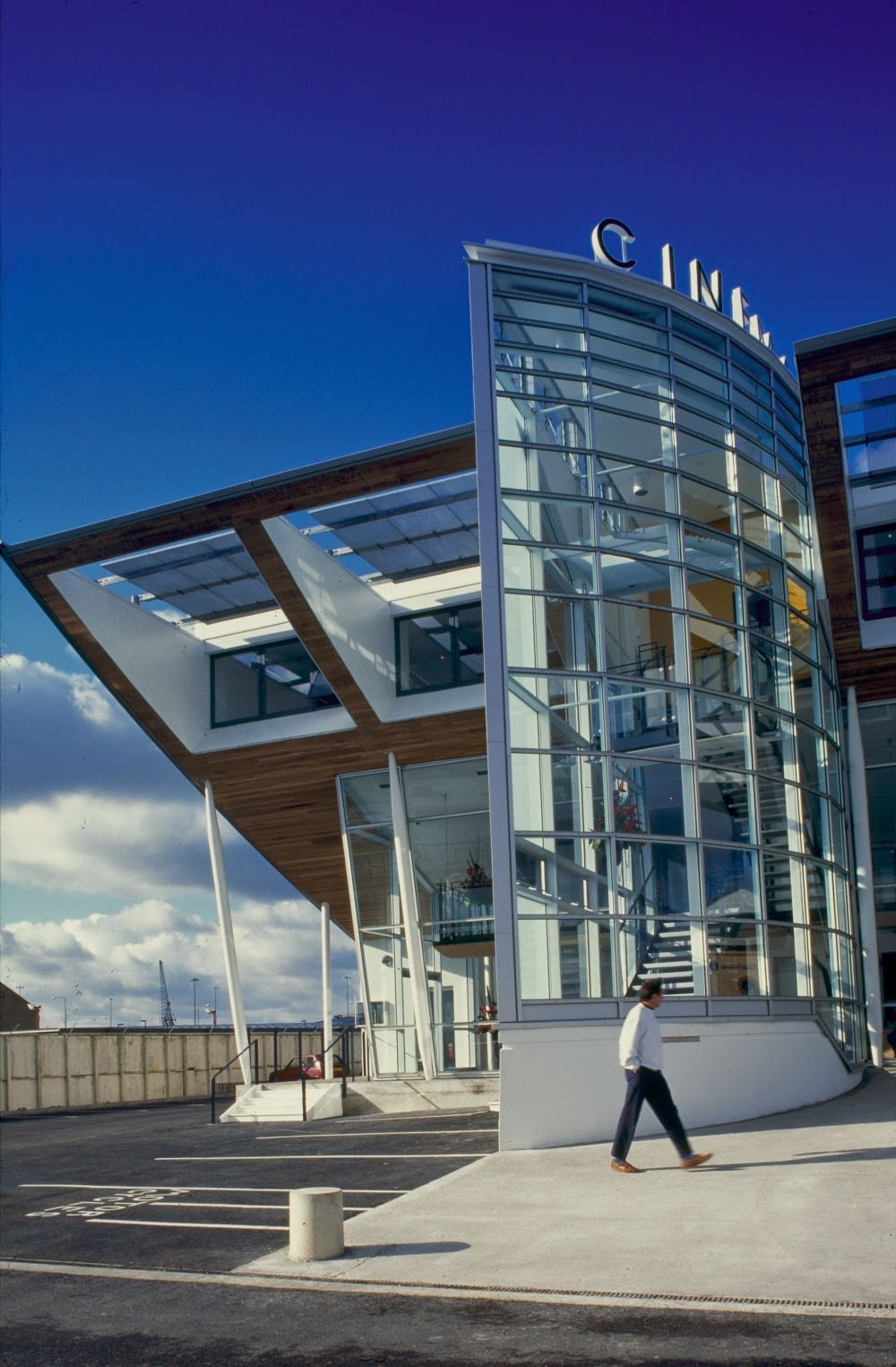
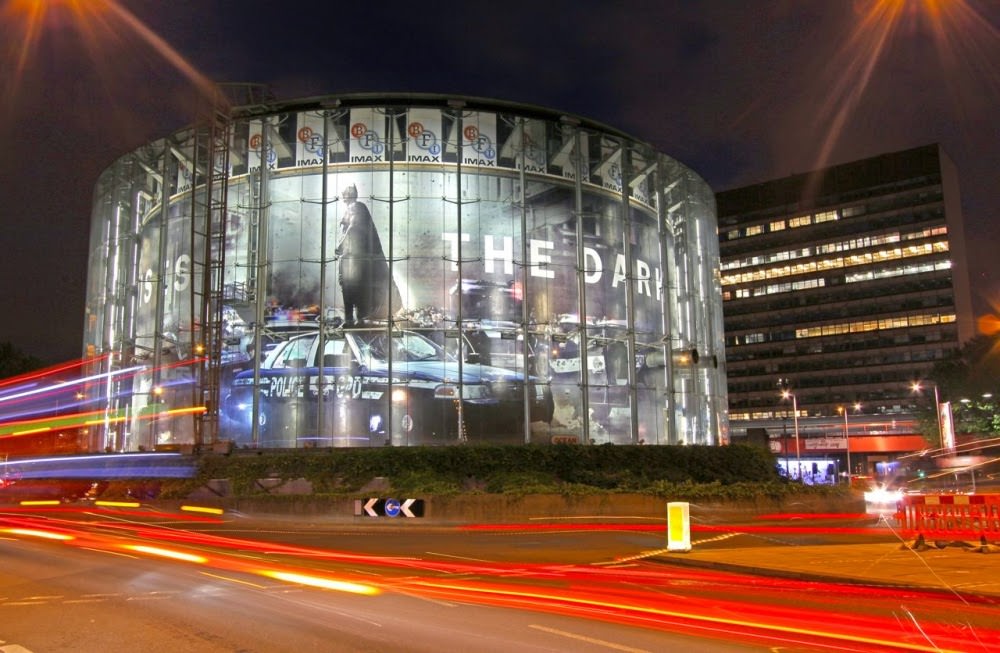
As the century closed, digital projectors began replacing the heavy metal reels that had carried films since the 1890s. Movies arrived on hard drives or via satellite instead of in crates of film canisters. The image quality improved, and screenings became more consistent. The venues themselves ranged from sleek IMAX domes to intimate independent screens — a far cry from the wooden fairground shacks where it all began a hundred years earlier.