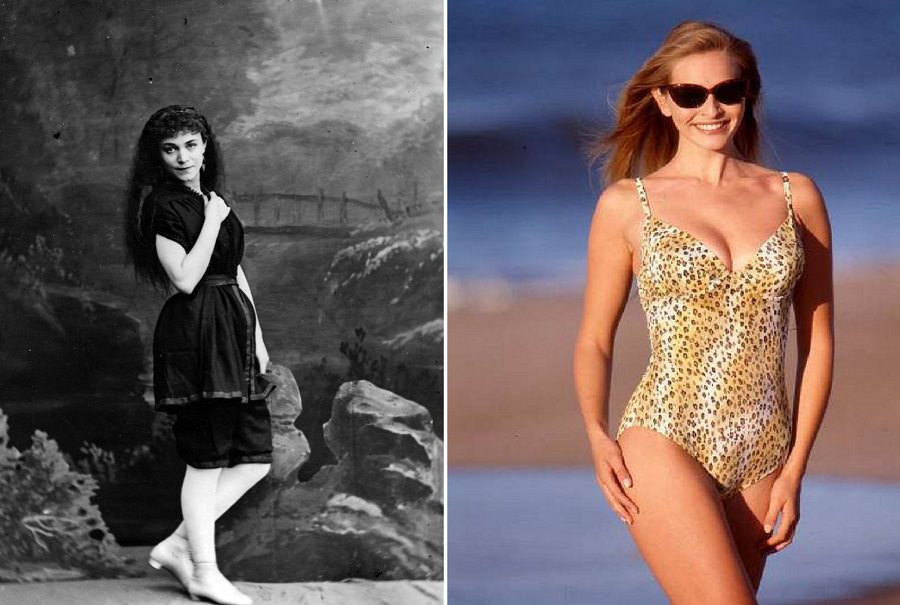
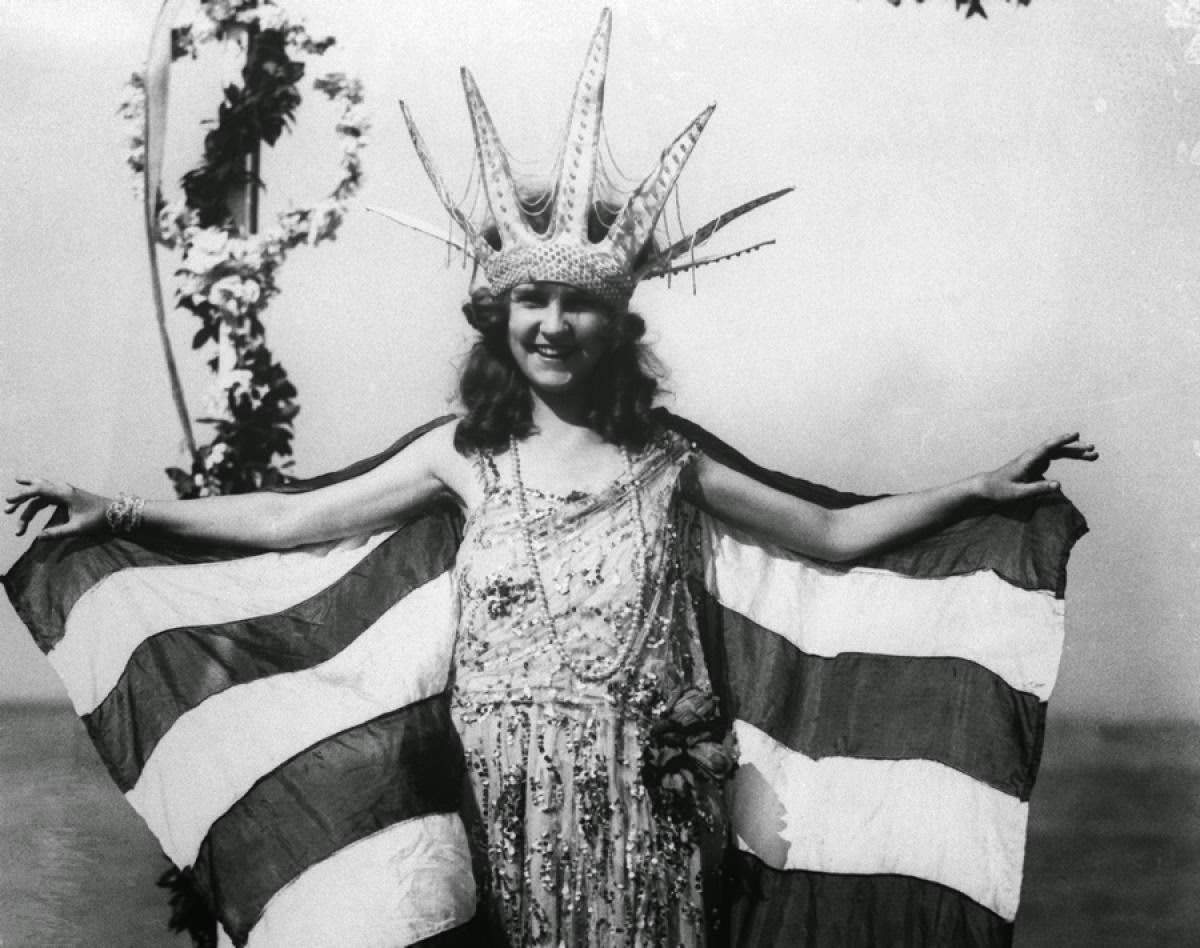
The Miss America pageant was born out of a business strategy. In September 1921, a group of Atlantic City businessmen organized the event to keep tourists on the beach past Labor Day. They called it the “Inter-City Beauty” contest. Sixteen-year-old Margaret Gorman of Washington, D.C., took the first title, judged almost entirely on physical appearance. Contestants wore one-piece swimsuits — considered bold for the time.

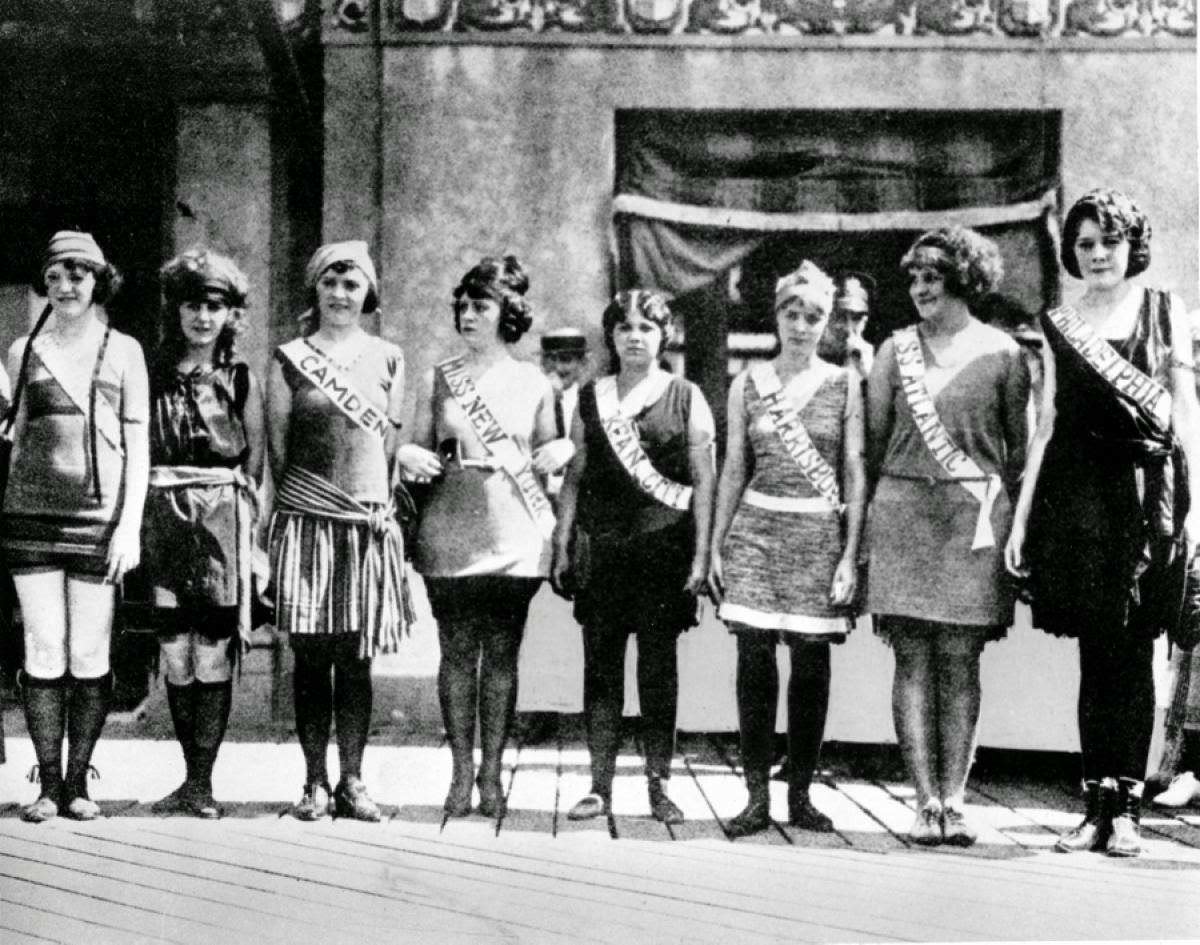
The early pageants drew crowds to the Atlantic City boardwalk, where contestants paraded in front of judges and spectators alike. Mary Katherine Campbell was among the most celebrated early winners, claiming the title twice in 1922 and 1923.


By 1935, organizers added a talent competition to shift the pageant beyond pure looks. Director Lenora Slaughter pushed for greater respectability, introducing an age requirement of 18 to 28 for all contestants. Then in 1945, the pageant began awarding college scholarships — making it a genuine path to higher education for women. That year, Bess Myerson won, becoming the first Jewish Miss America.
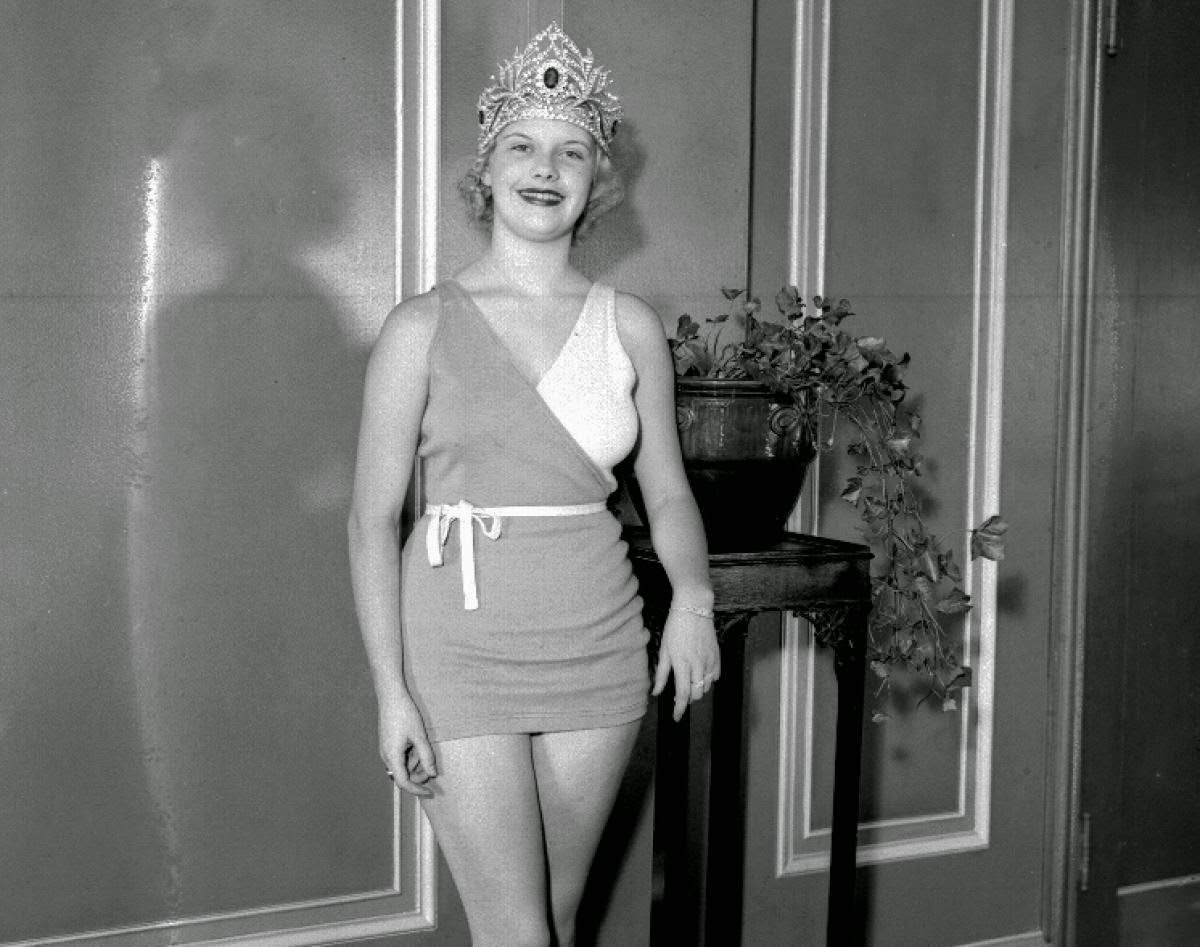
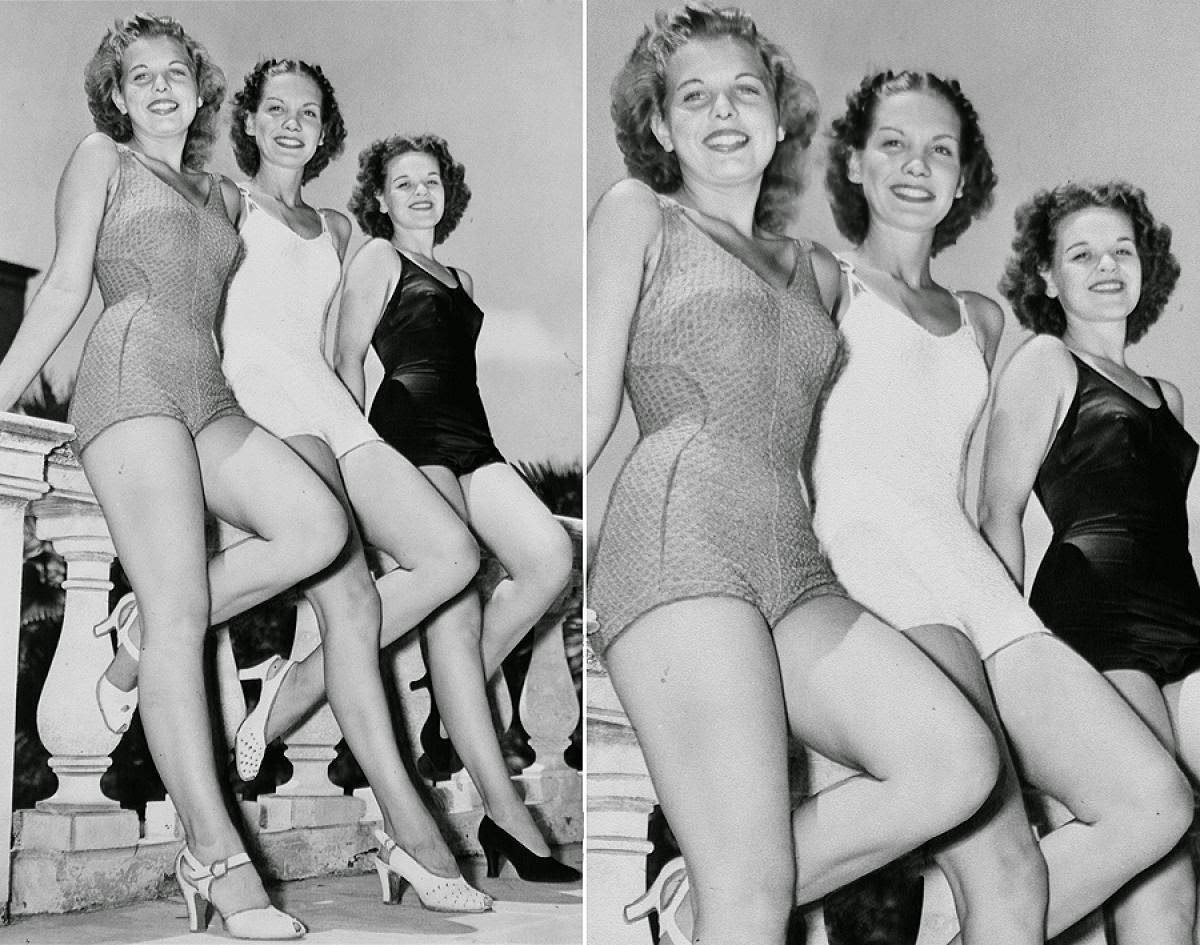
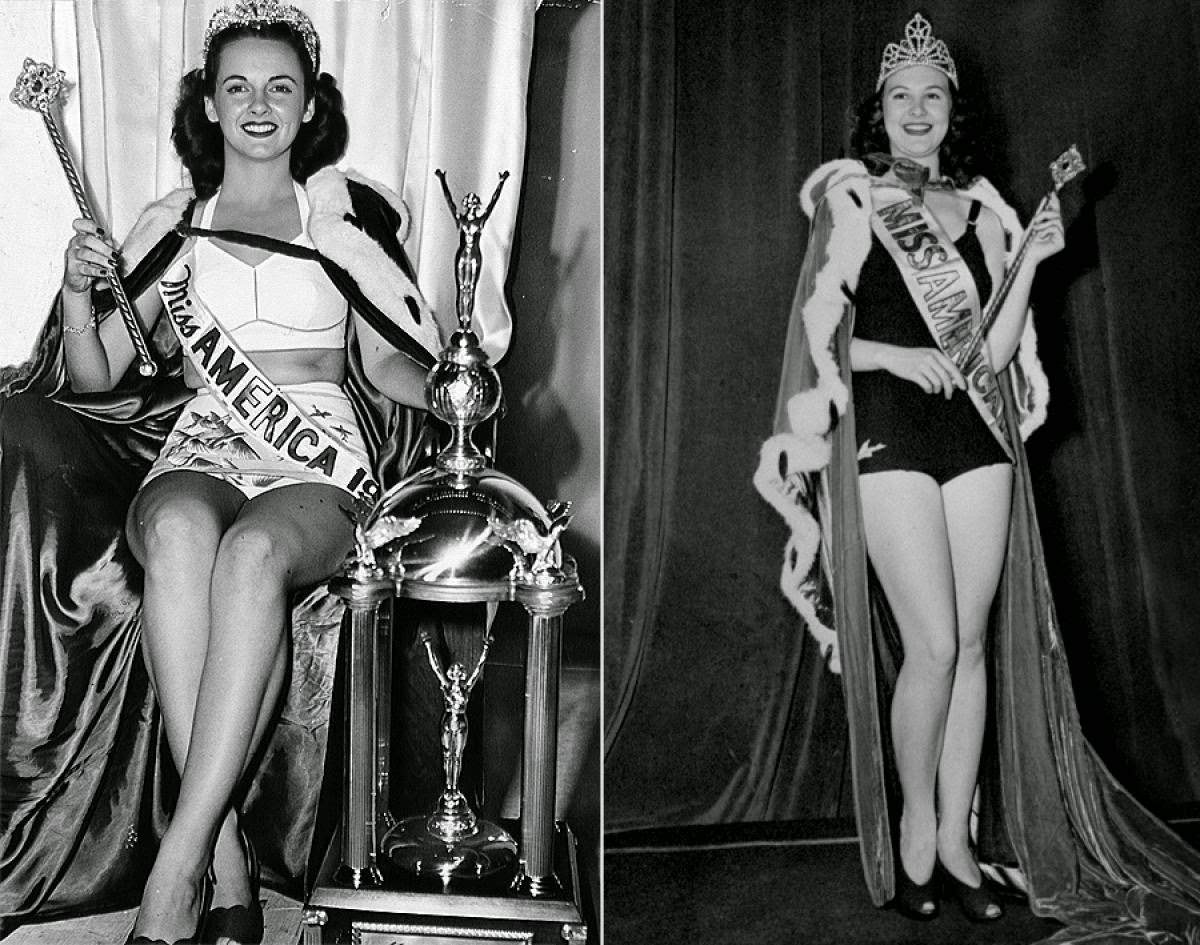
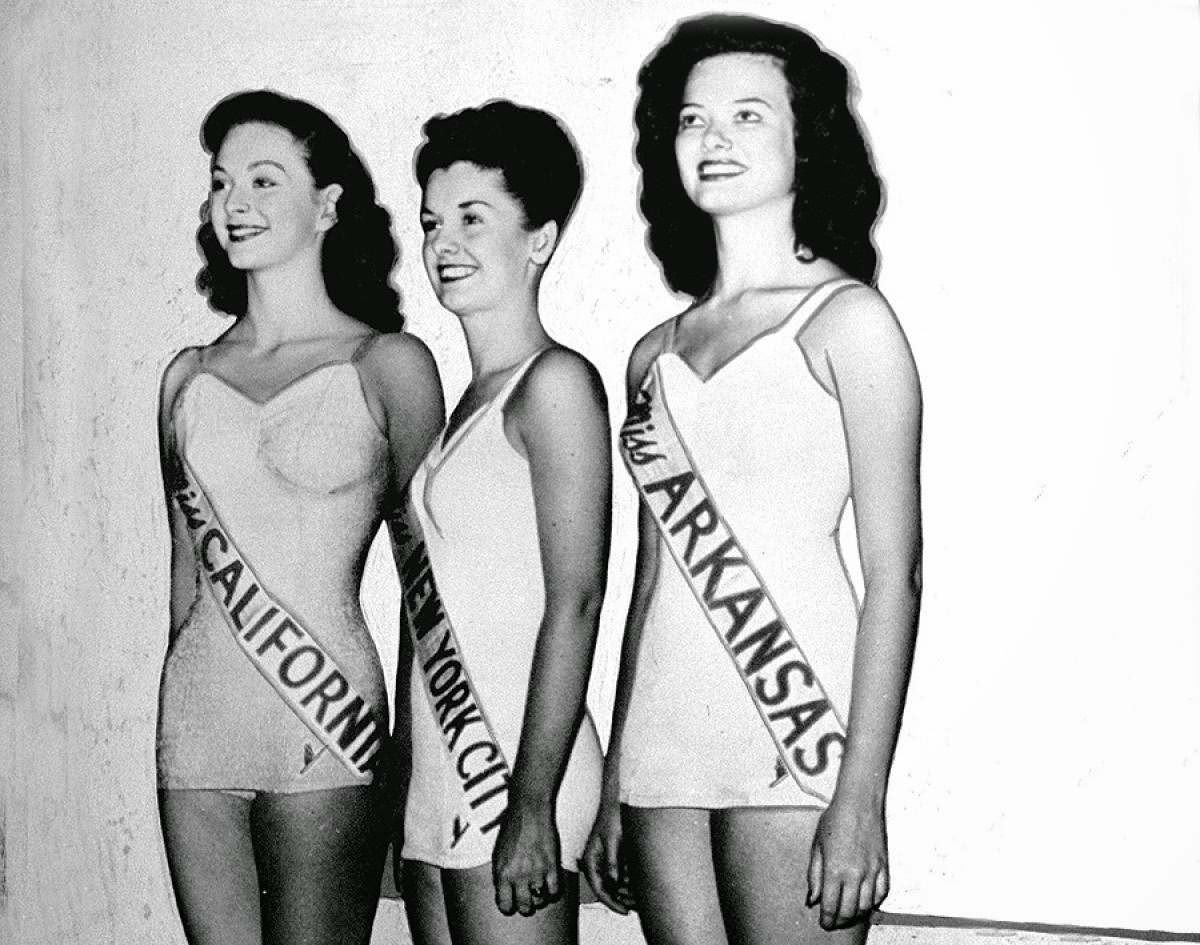
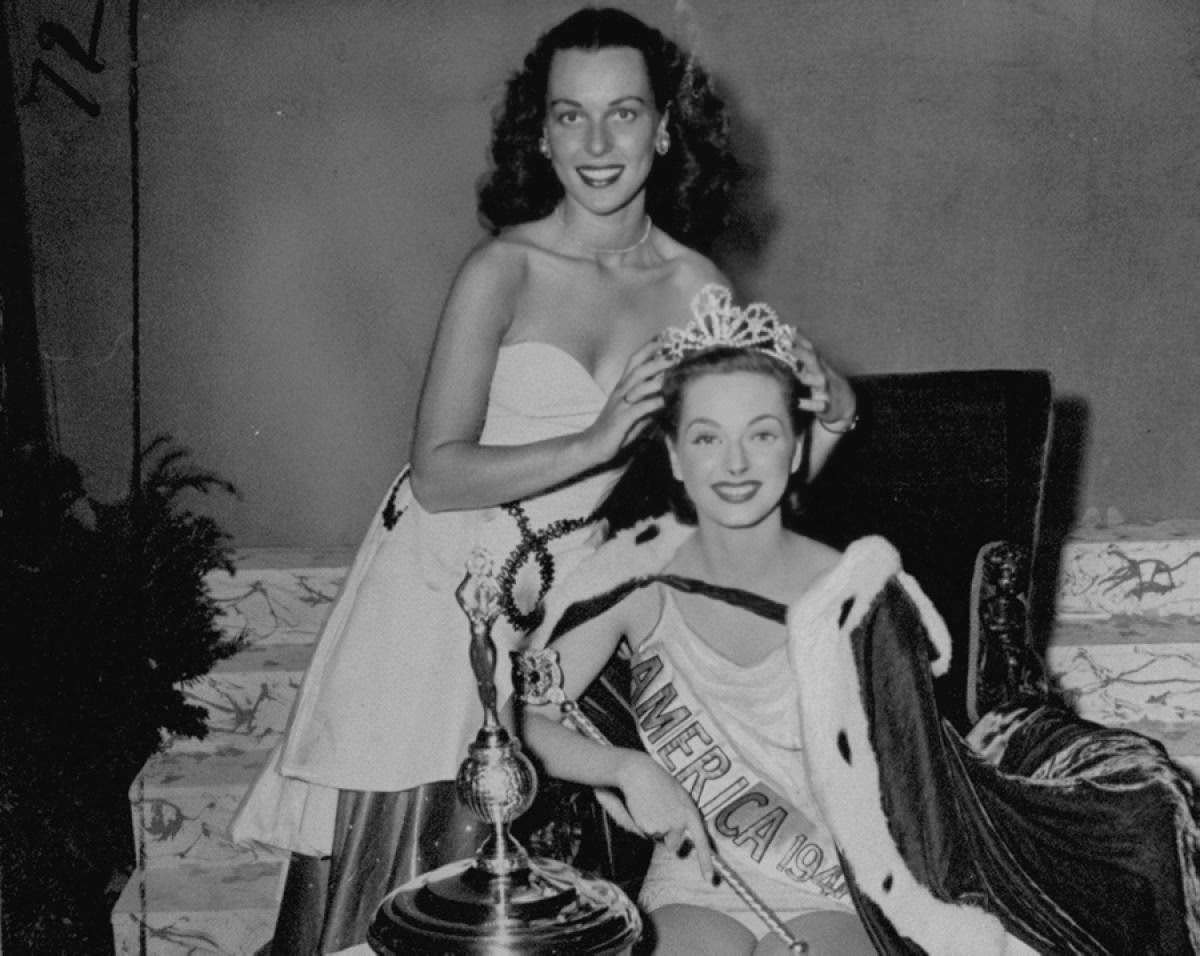
Television transformed the pageant in 1954. For the first time, millions of Americans watched from their living rooms as Lee Meriwether was crowned. The broadcast made Miss America a national event overnight. Winners like Sharon Kay Ritchie became genuine public figures, appearing at high-profile events across the country.
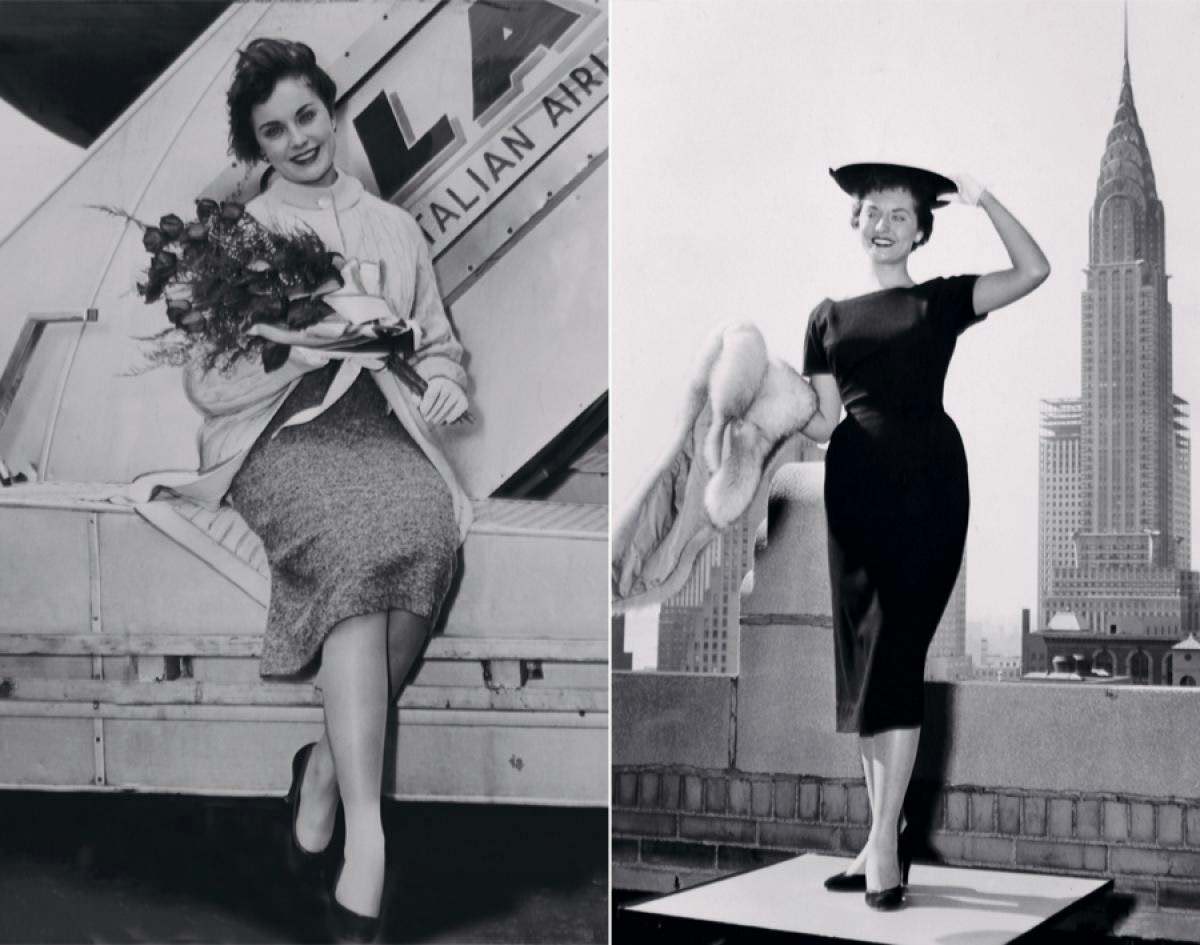
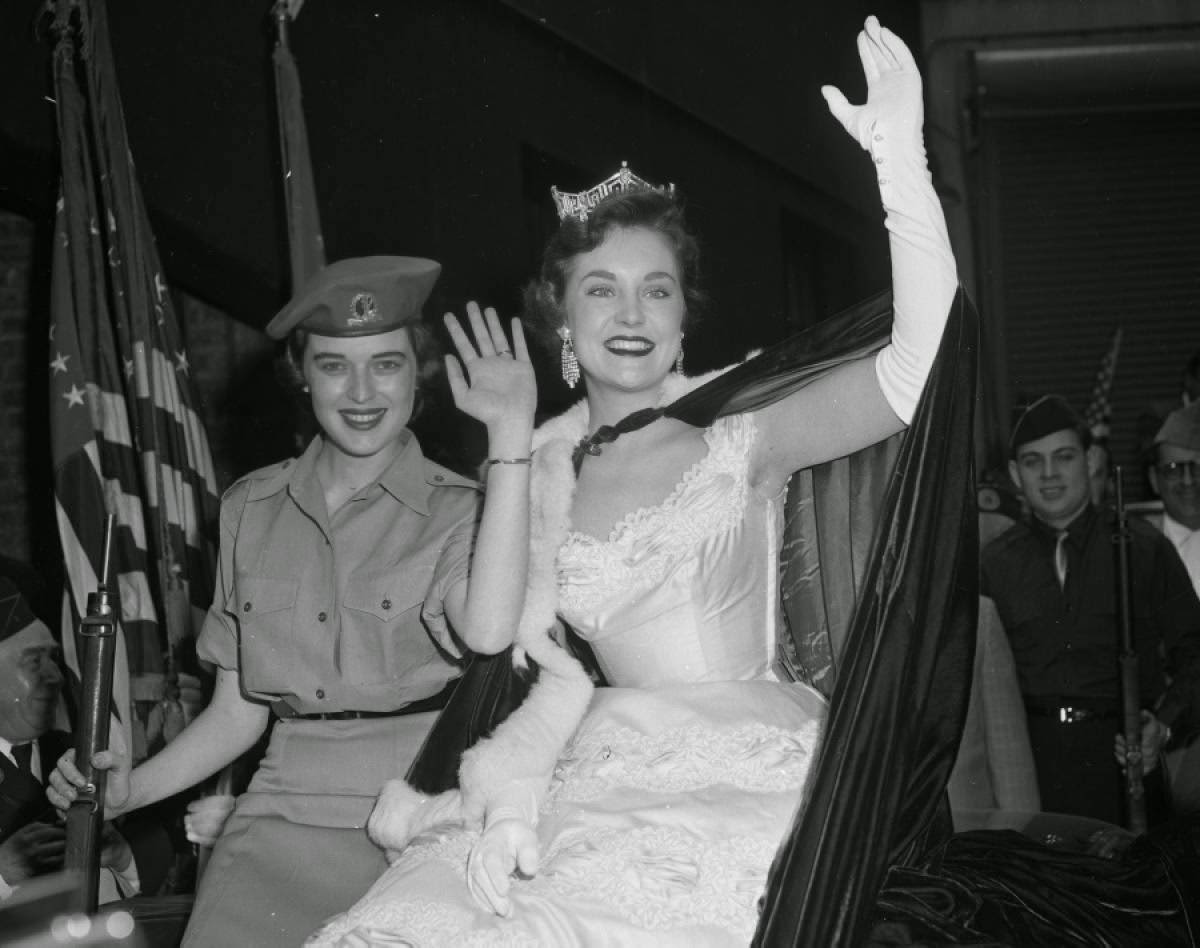
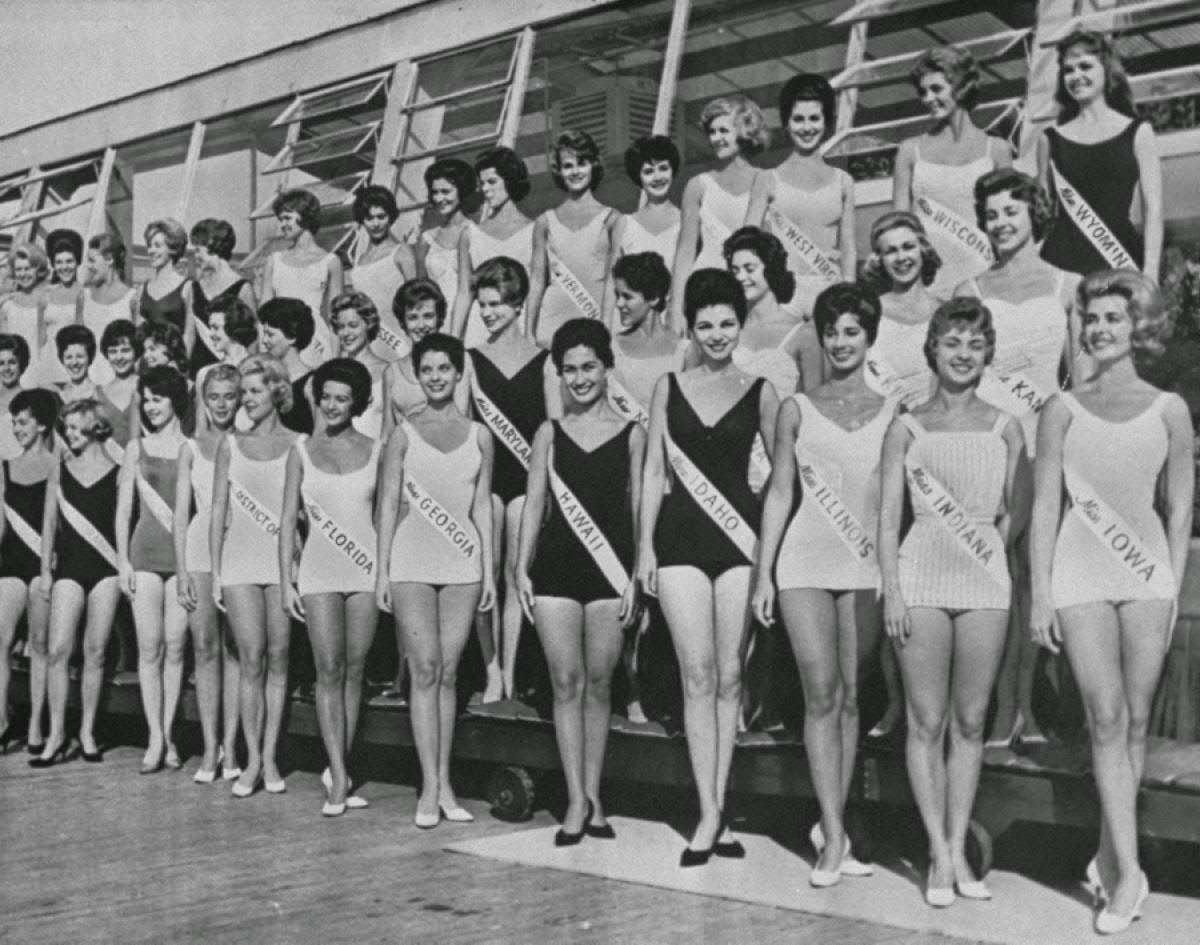
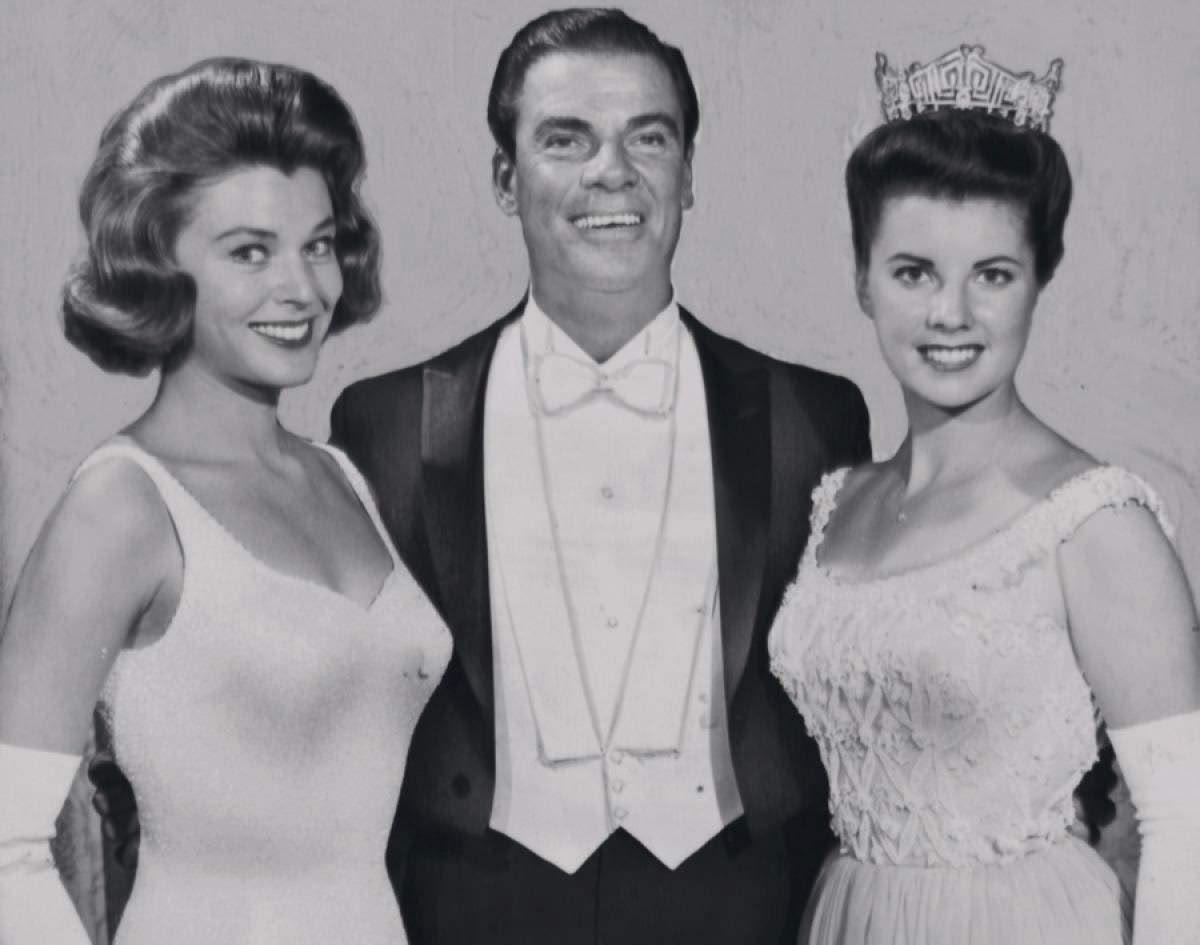
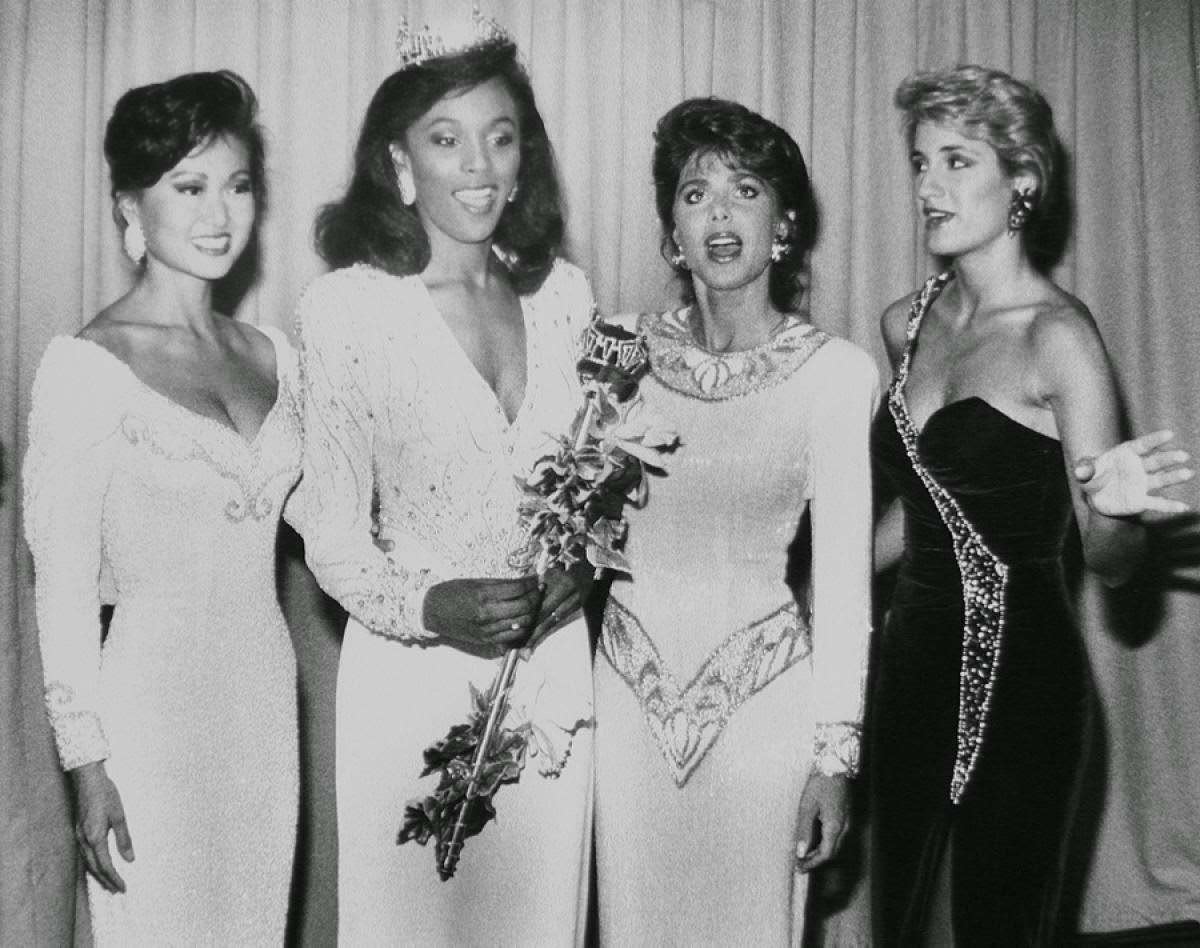
The 1960s brought sharp criticism. By 1968, protesters gathered outside the Atlantic City convention hall, challenging the pageant’s standards and lack of diversity. That same year, the Miss Black America pageant was founded to represent African American women who were excluded from the main competition. The 1980s brought a turning point: Vanessa Williams became the first African American Miss America in 1983. The decade also introduced the concept of each contestant championing a personal social “platform” during her reign.
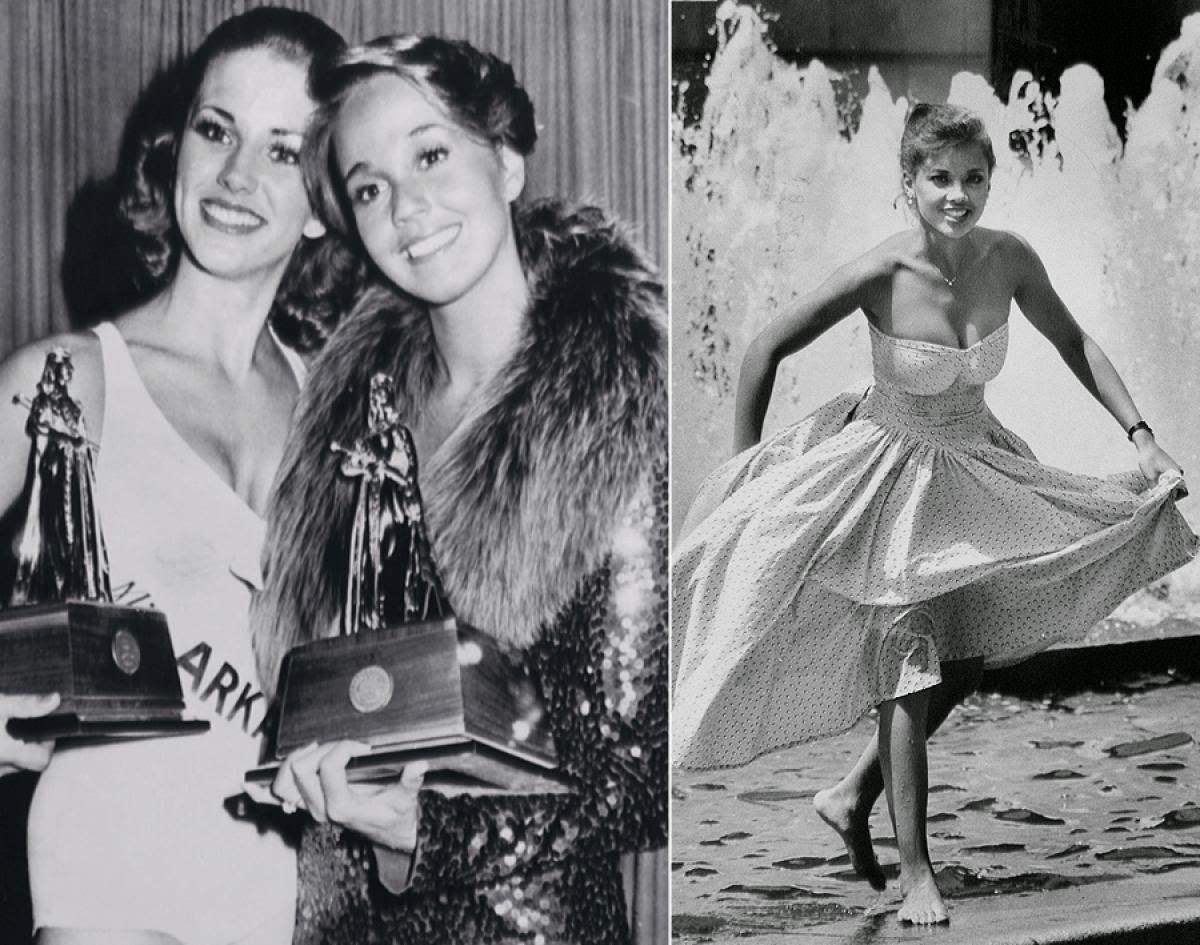
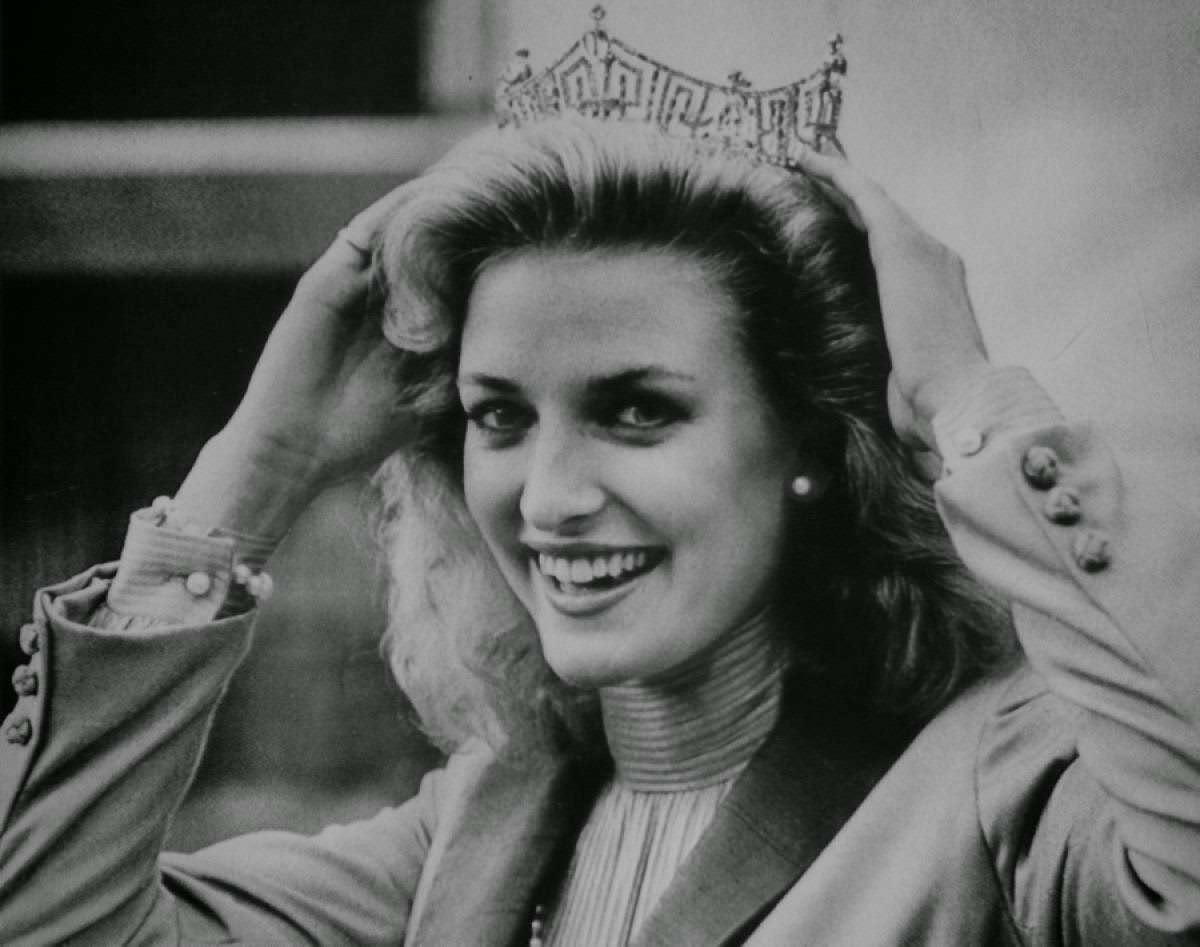
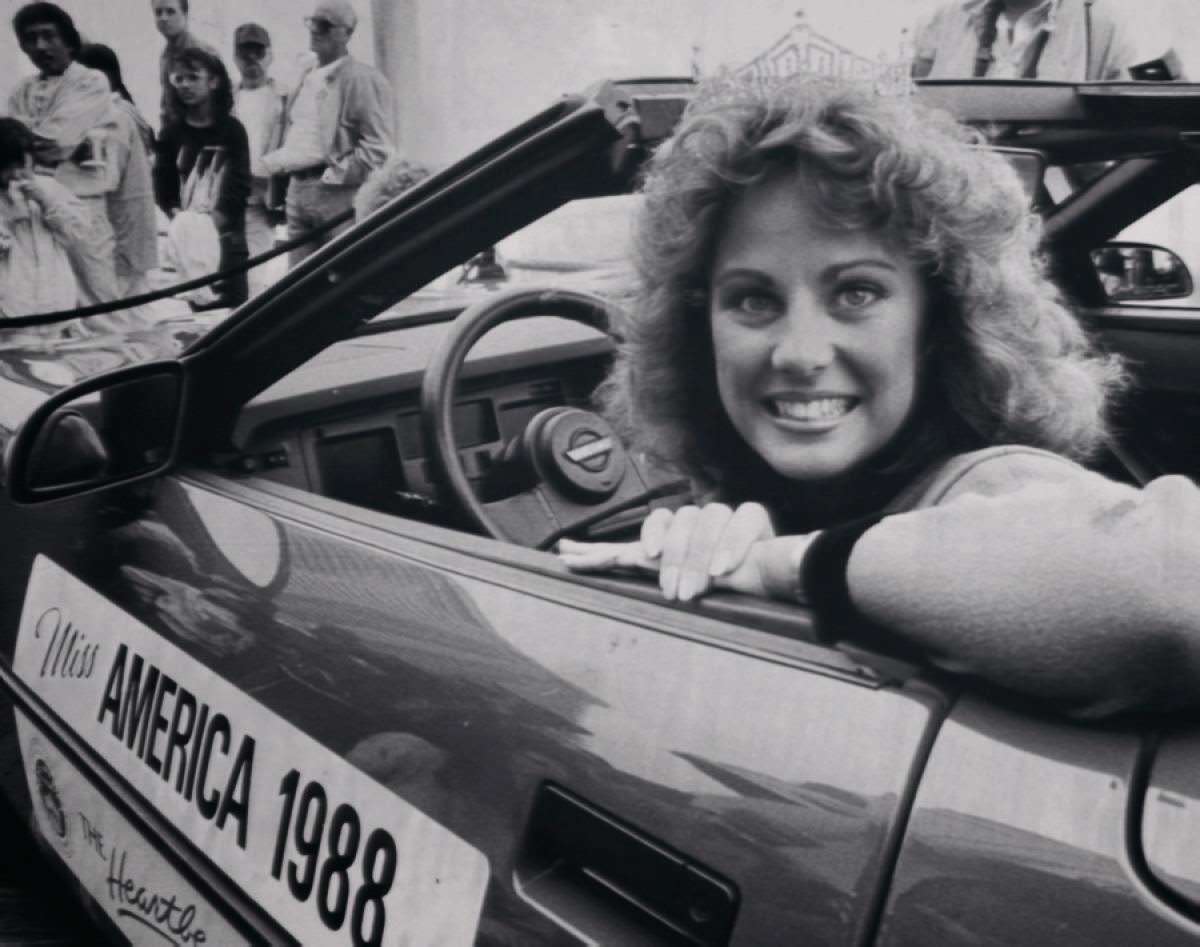

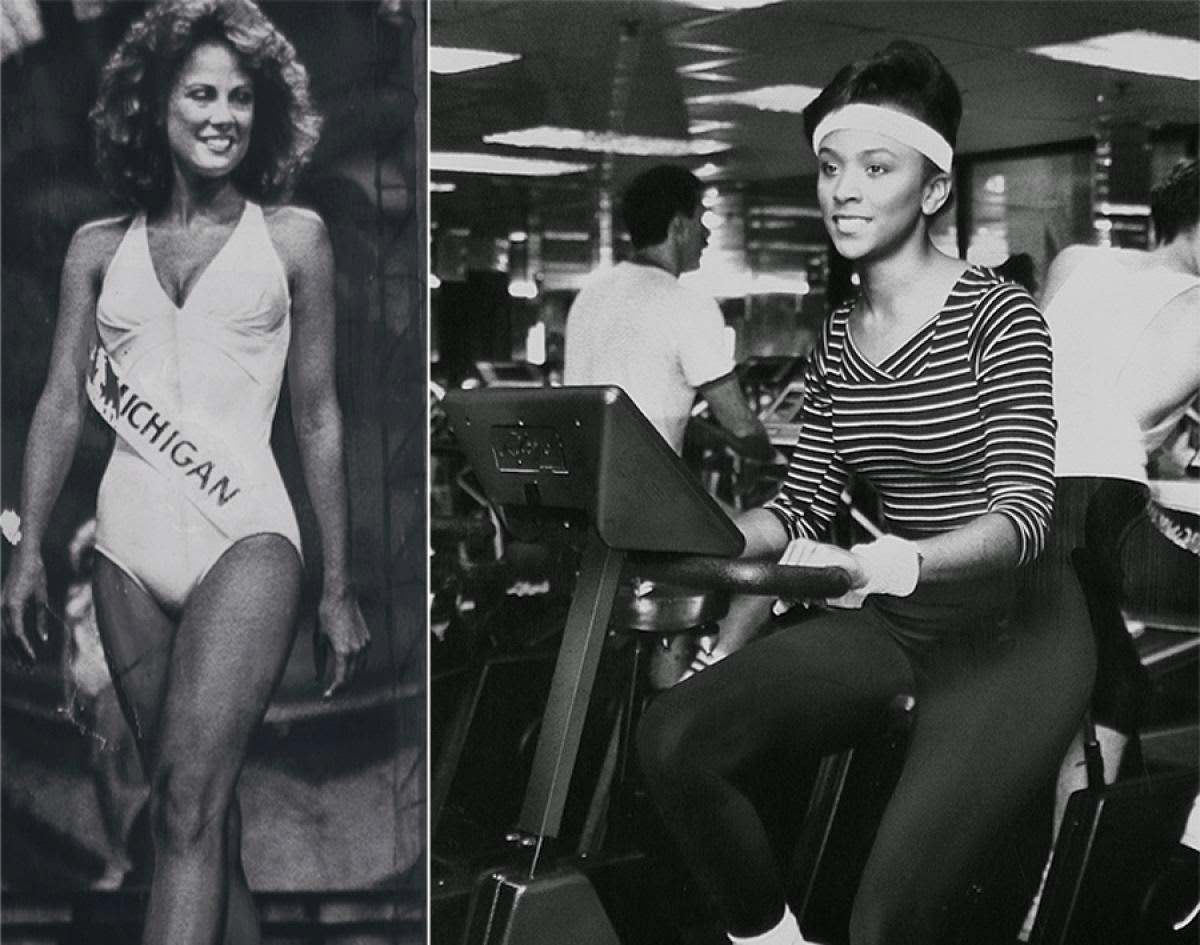
The swimsuit competition remained a major scored element throughout this era, with judges awarding points for fitness and confidence. In 1999, the rule barring previously married women was dropped, broadening who could compete. Starting in 2006, the pageant relocated from Atlantic City to Las Vegas for several years. Throughout every decade, contestants faced evening wear, talent, and on-stage interviews as the core of the competition.