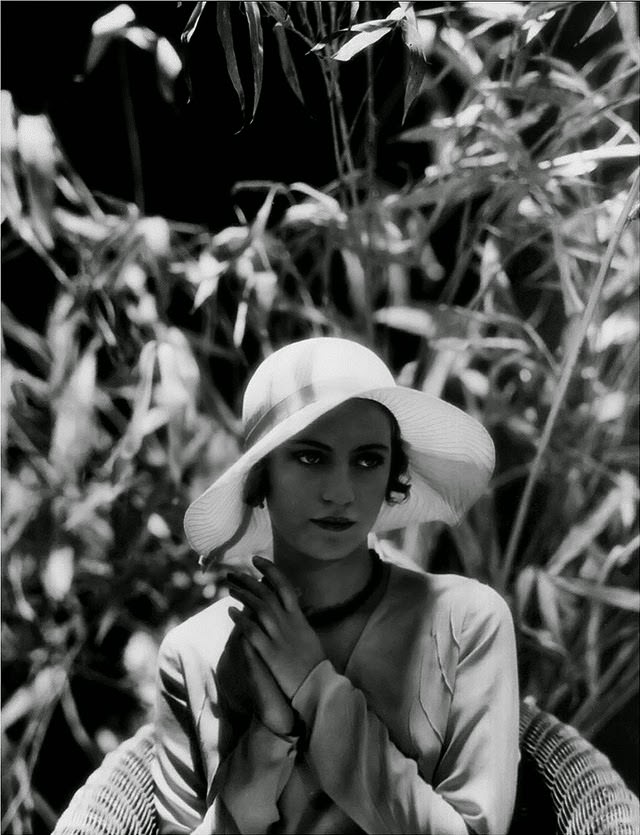
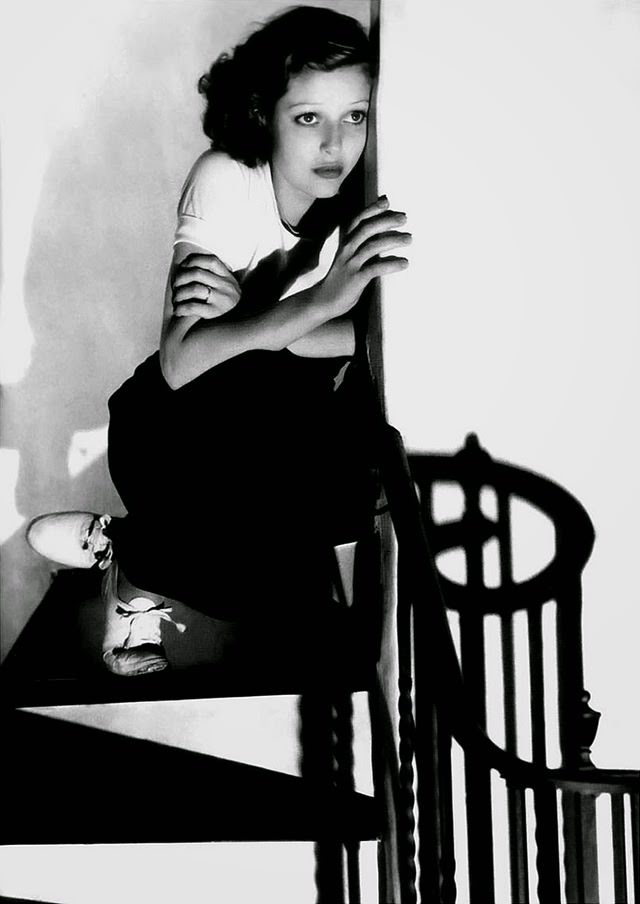
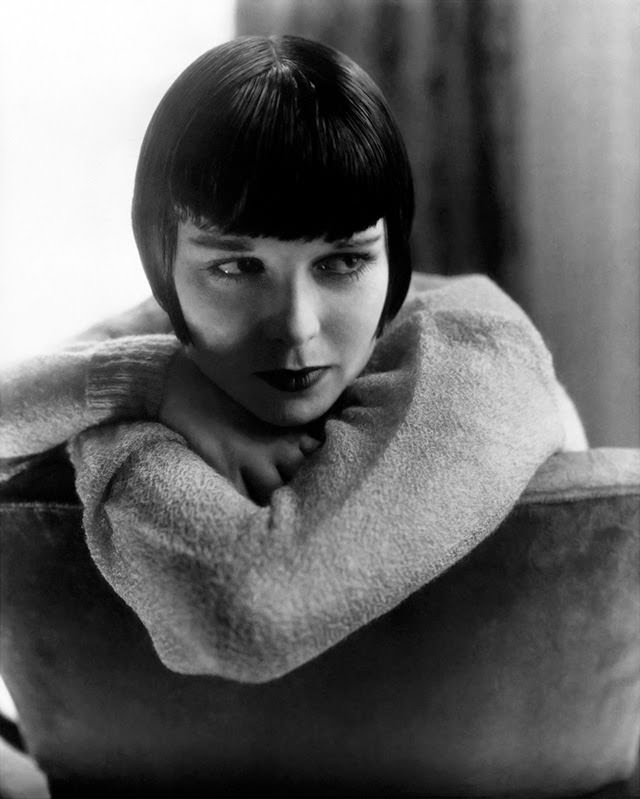
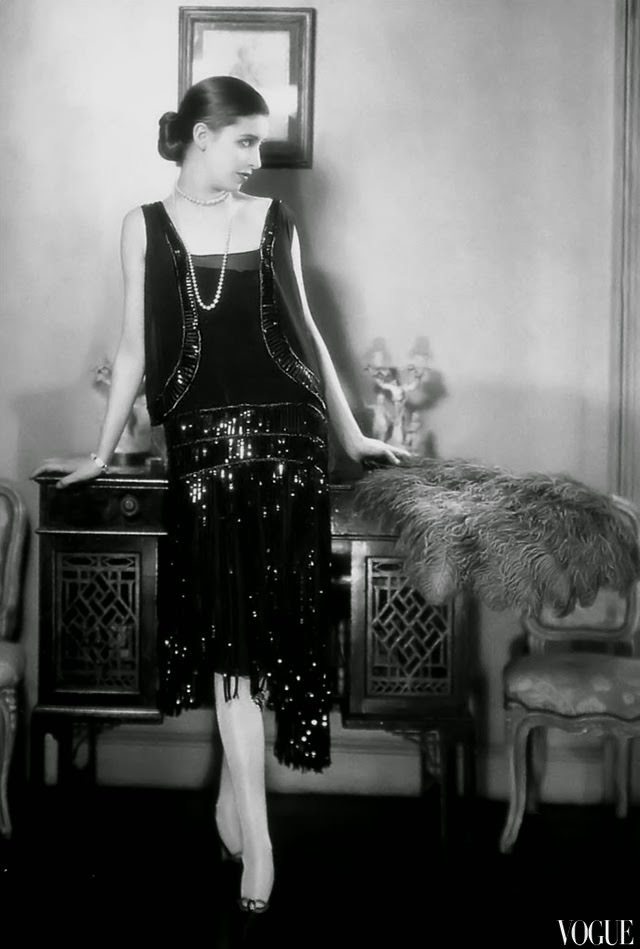
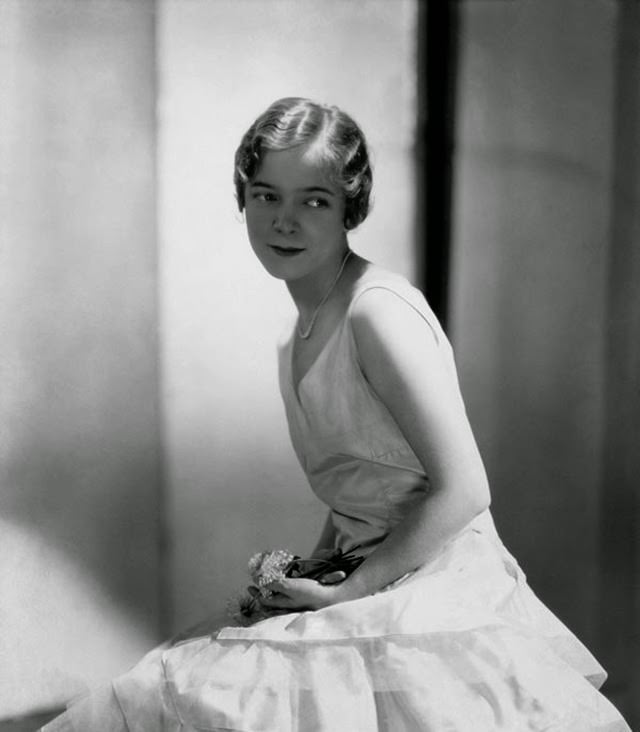
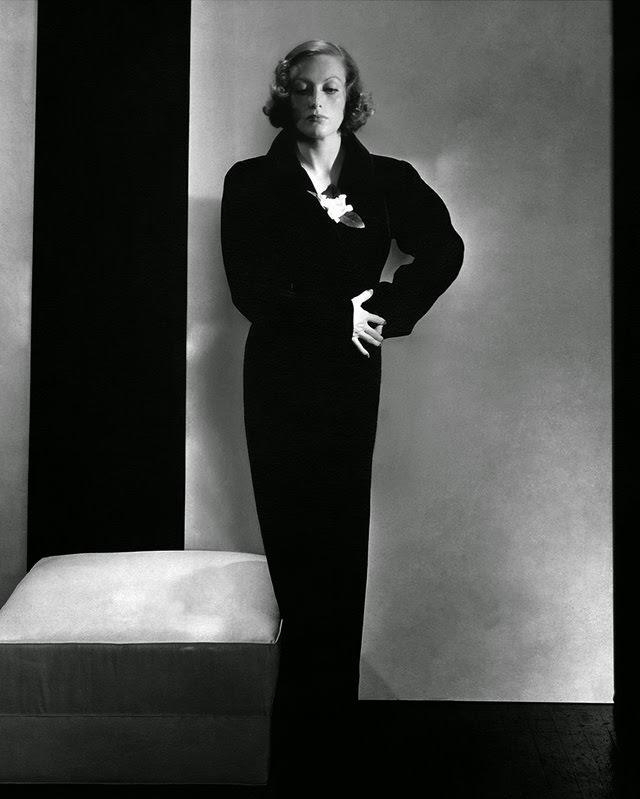
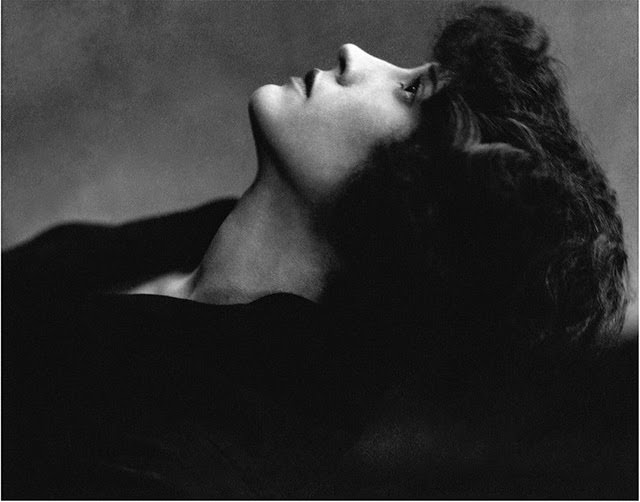
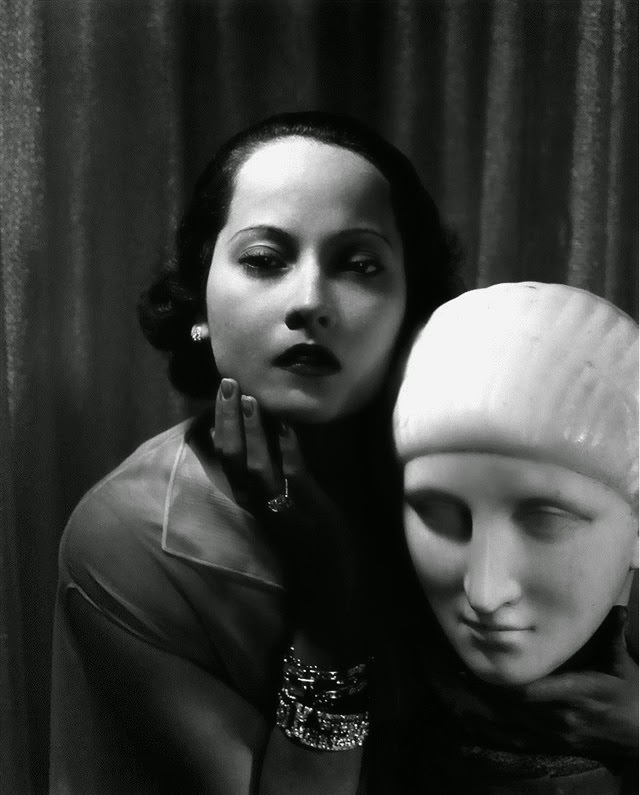
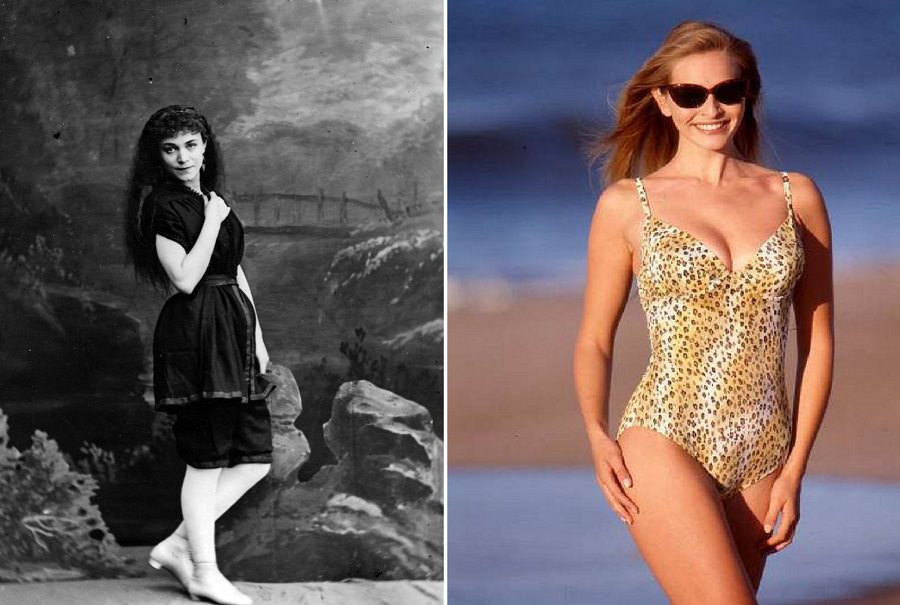
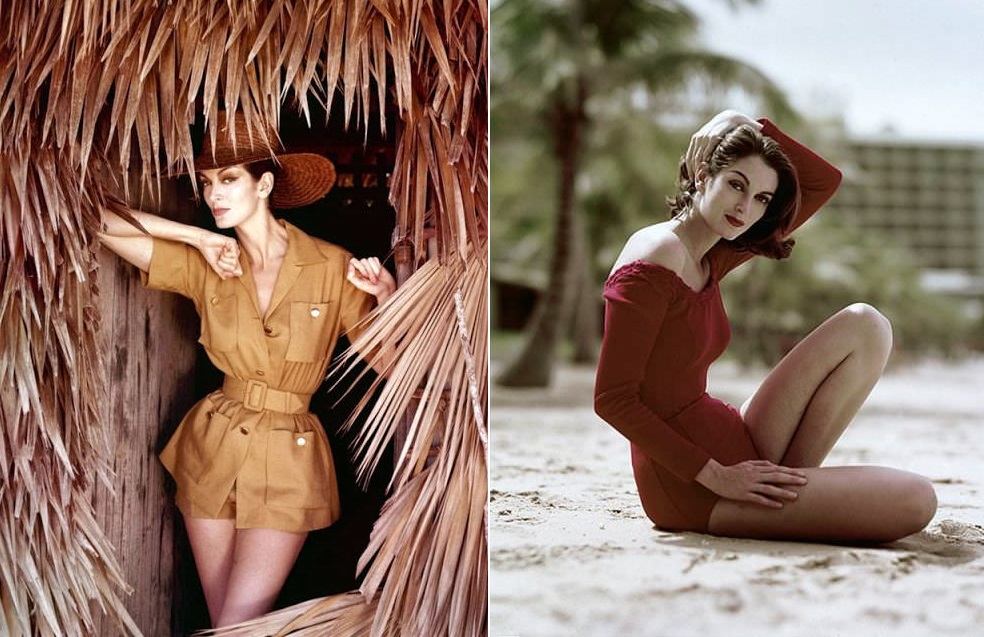
Edward Steichen spent the 1920s and 1930s as the chief photographer for both Vogue and Vanity Fair. In that role, he transformed what fashion photography looked like — and what it could do. Before Steichen, fashion images tended to be flat, stiff, and purely commercial. He treated each photograph as a planned composition, using sharp focus, high-contrast lighting, and clean geometric backgrounds to give clothing a sense of weight, texture, and life.
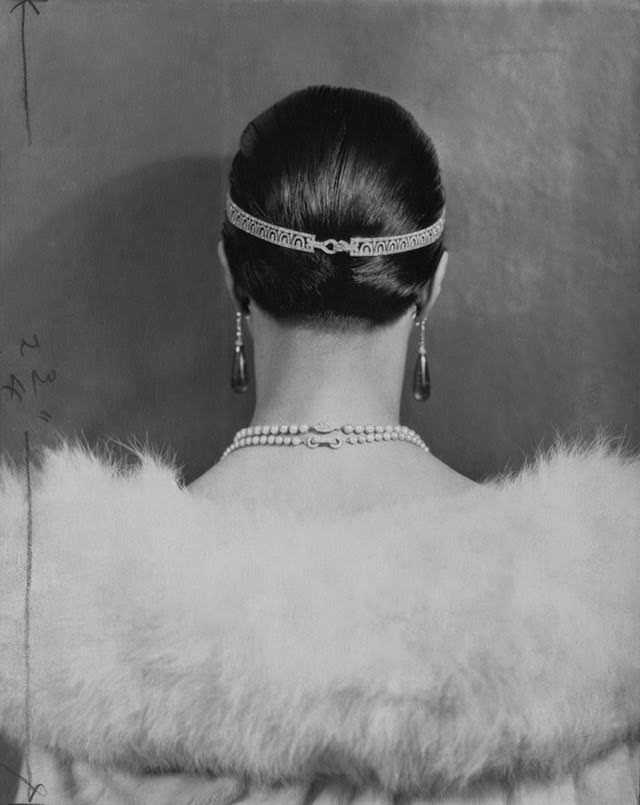
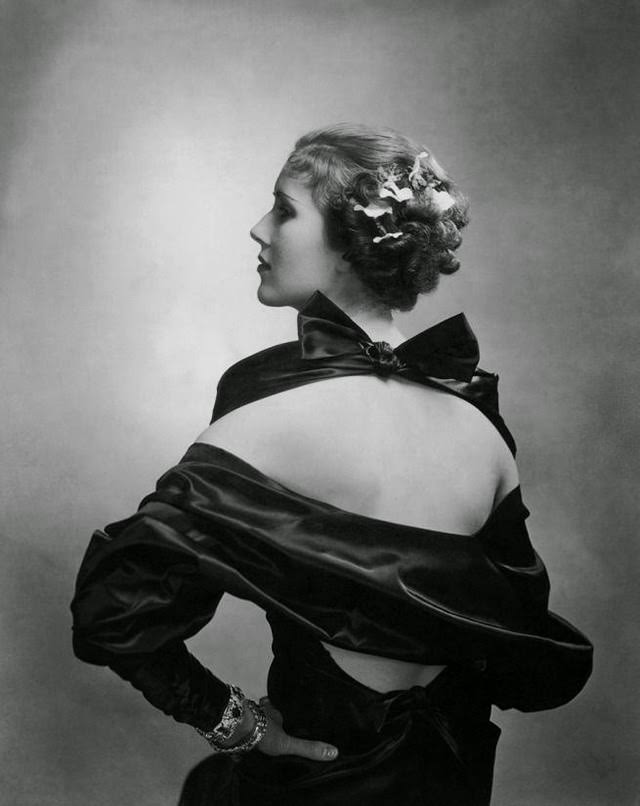
Carlotta Monterey, wearing a diamond head bandeau by Cartier, 1924
Steichen’s approach matched the bold visual language of the Art Deco era. He replaced the soft, blurry backdrops common in earlier studio work with strong lines and modern settings. His use of artificial studio lights — positioned to mimic natural sunlight or theater spotlights — gave fabrics a dramatic presence on the page. Every element in the frame was deliberate. He spent hours adjusting equipment before releasing a single shutter.
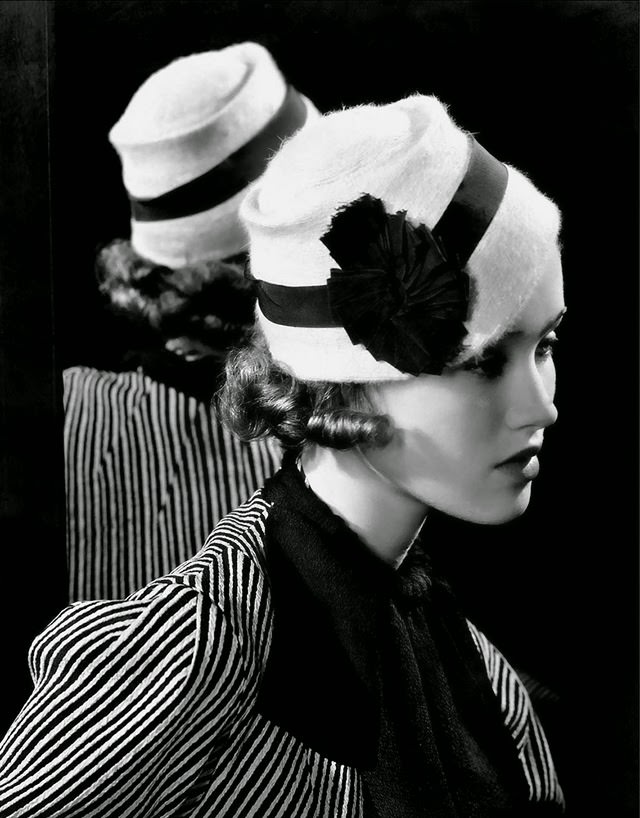
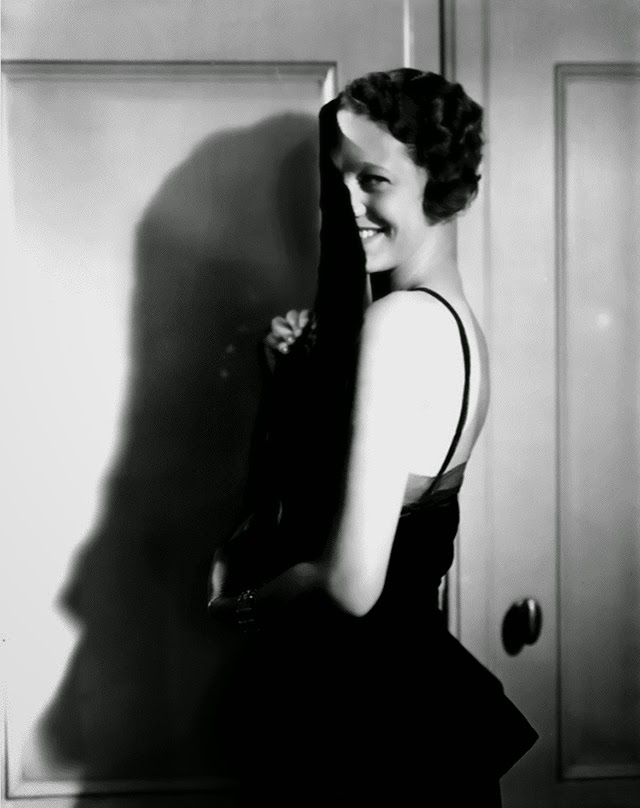
English stage actress Mary Taylor, 1933
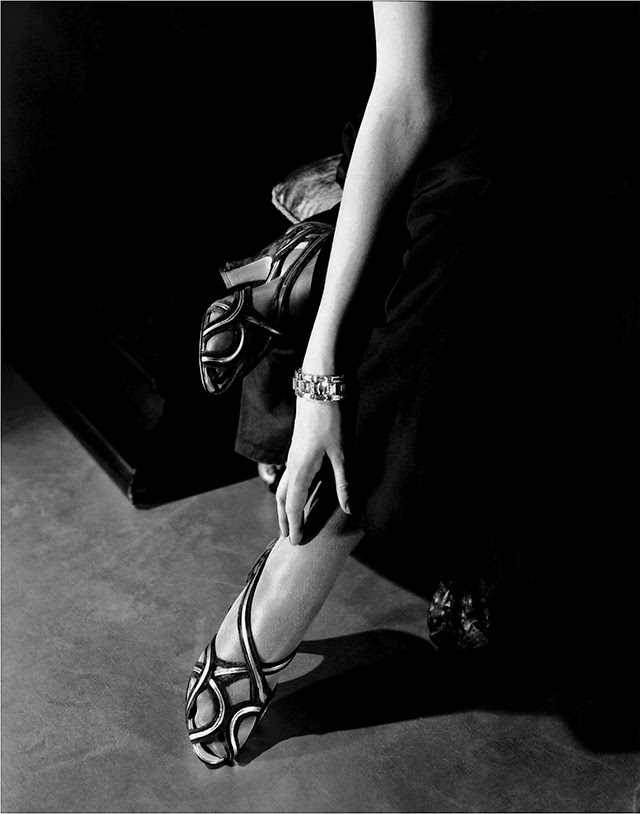
Princess Nathalie Paley wearing sandals by Shoecraft, 1934
He worked directly with the leading designers of the day. Chanel, Lanvin, and Patou all saw their creations brought to a wide public audience through Steichen’s lens. His images ran on the glossy pages that women across the country studied for style and inspiration.
Chanel cocktail dress, Vogue May 1926
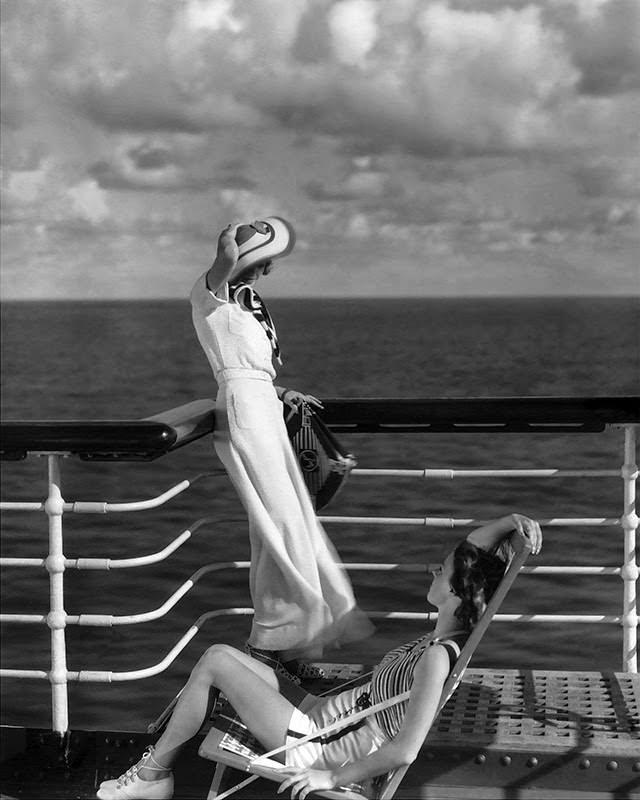
Two models on the deck of the cruise ship liner Lurline, 1934
Beyond fashion, Steichen was one of the most sought-after portrait photographers of his generation. Writers, politicians, and Hollywood stars all sat before his camera. He used shadow and precise positioning to give his subjects an air of power and mystery.
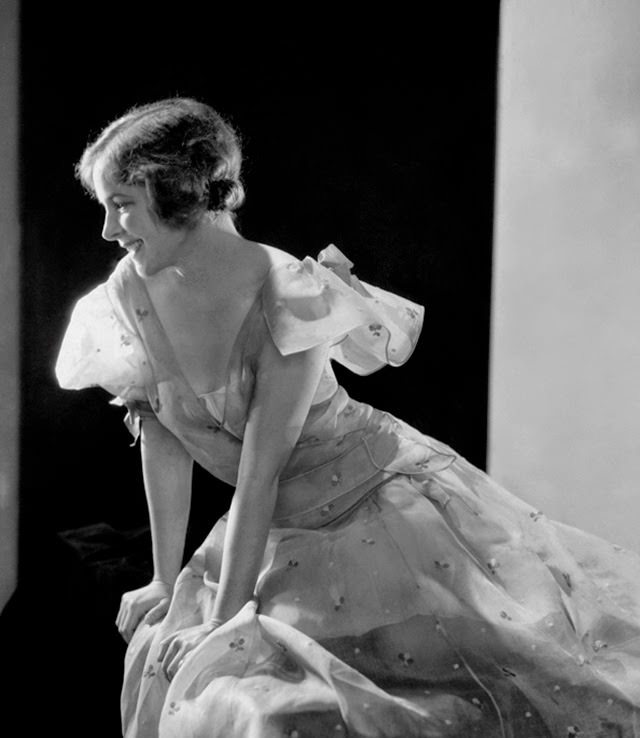
Actress Helen Hayes, 1931
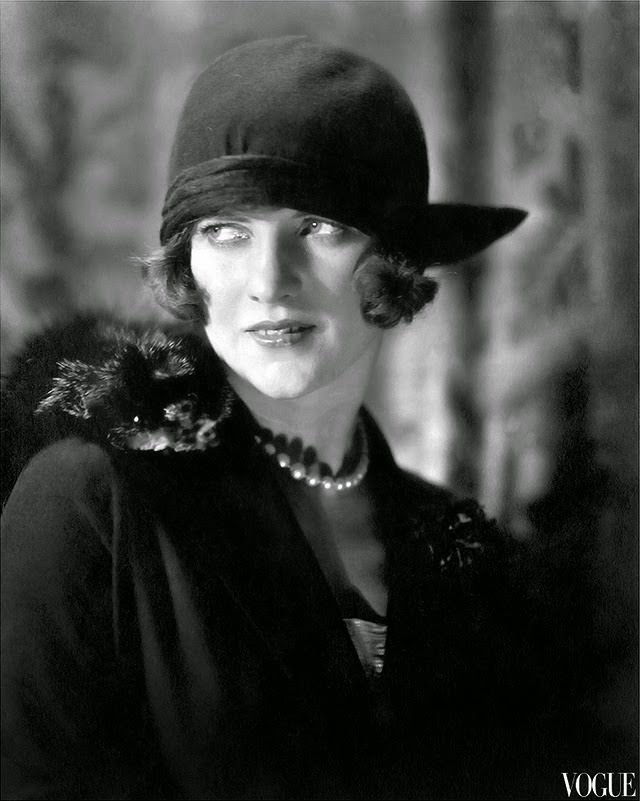
Actress-dancer Leonora Hughes in 1923 portrait, wearing dark cloche with brim jutting out on one side, pearls, and fur over shoulder.
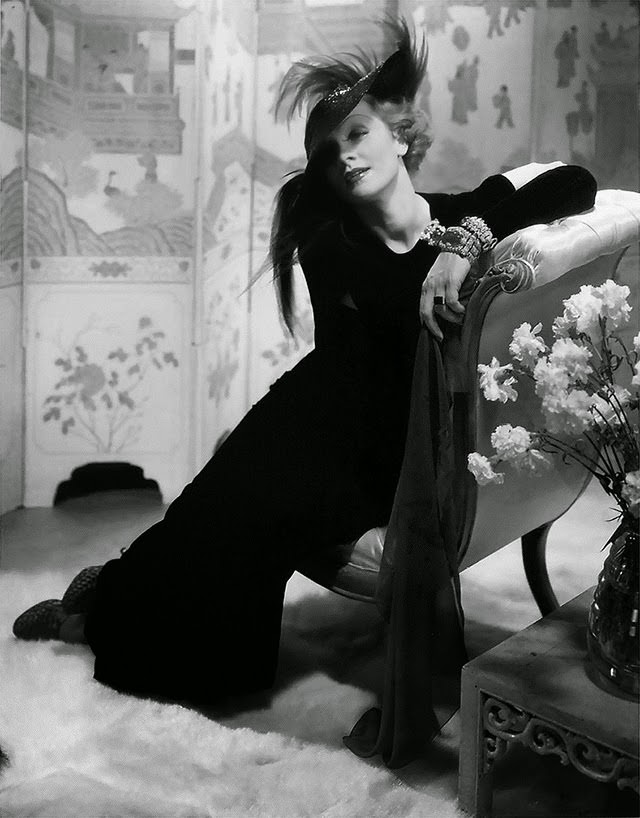
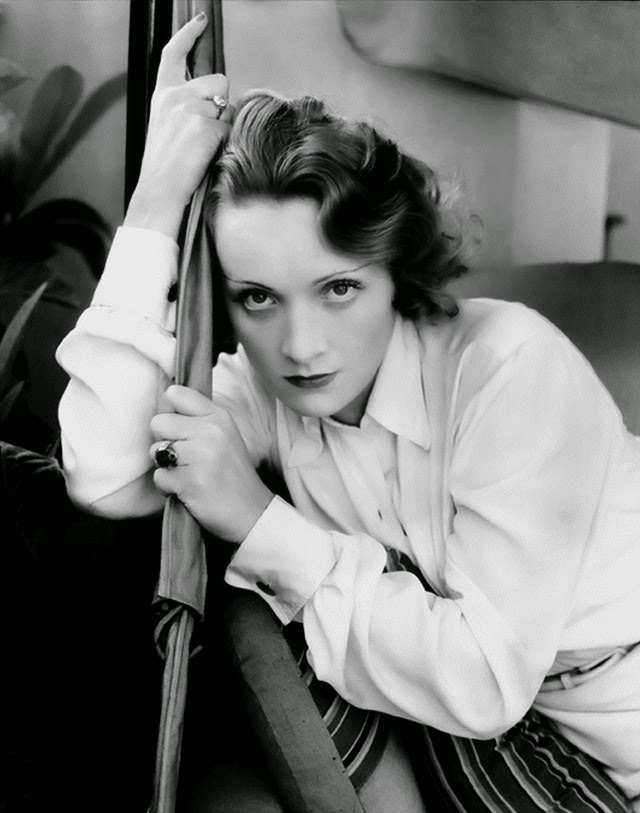
Marlene Dietrich, 1932
Stars like Greta Garbo, Marlene Dietrich, and Gary Cooper had their public images shaped, in large part, by how Steichen photographed them. His studio was where the famous went to be preserved in black and white — defined for the public in a single, carefully lit frame.
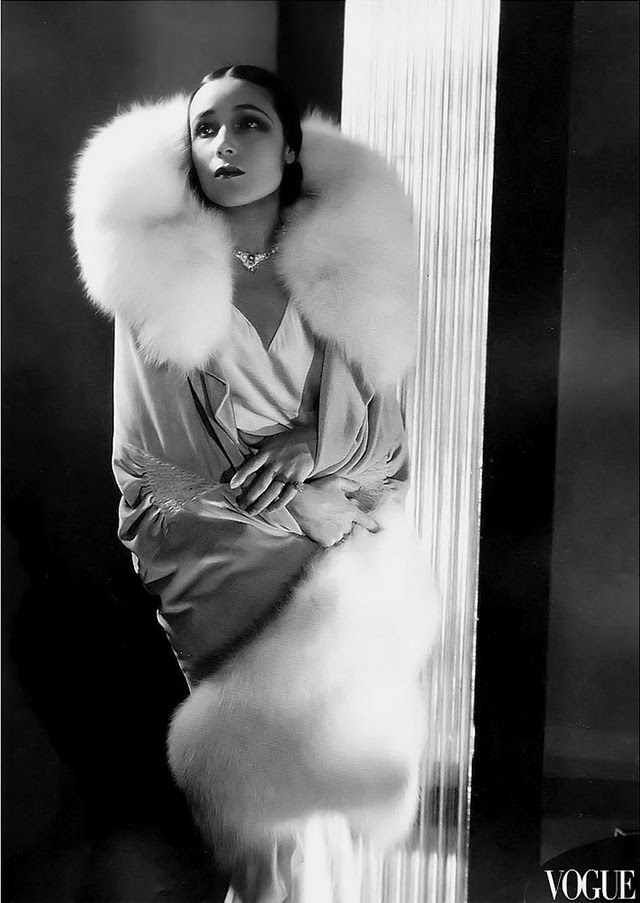
Dolores Del Rio, 1929
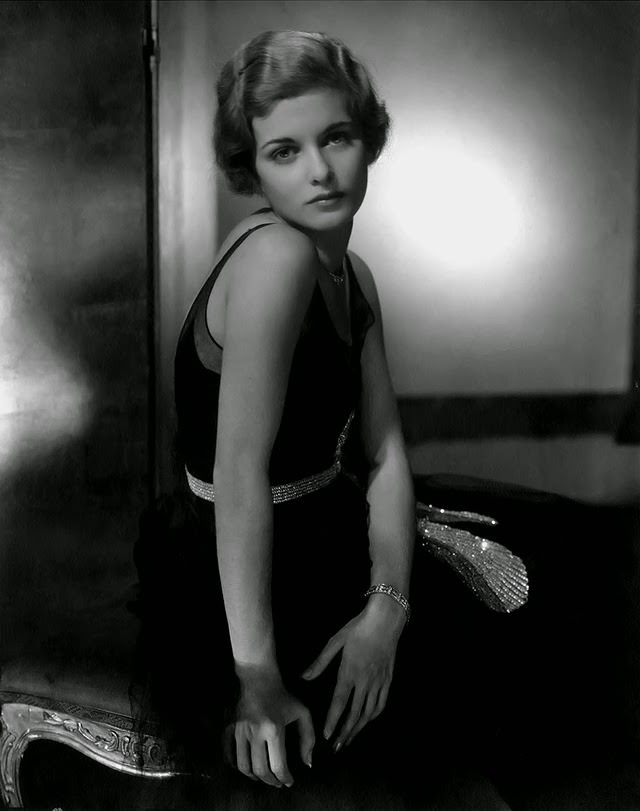
Joan Bennett, 1928
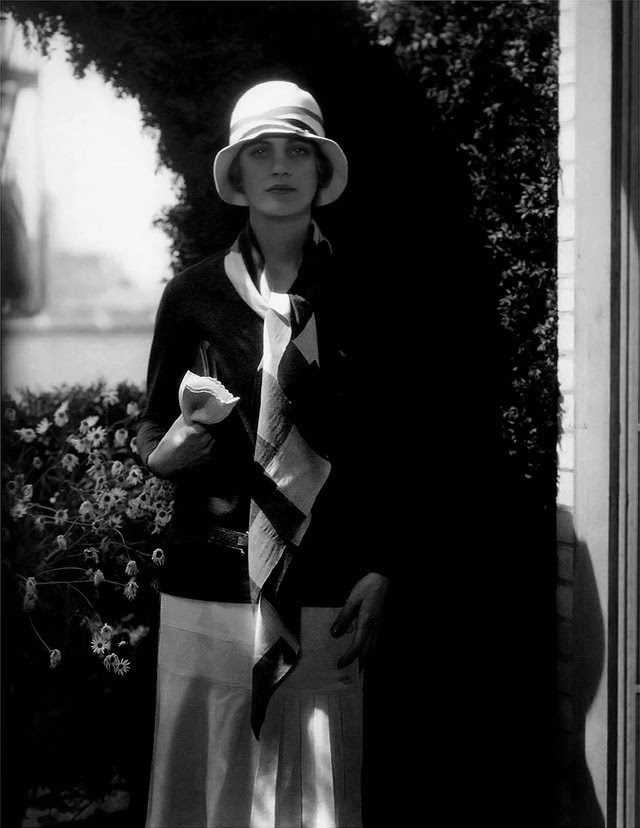
Lee Miller, wearing Chanel with a Caroline Reboux hat, 1928
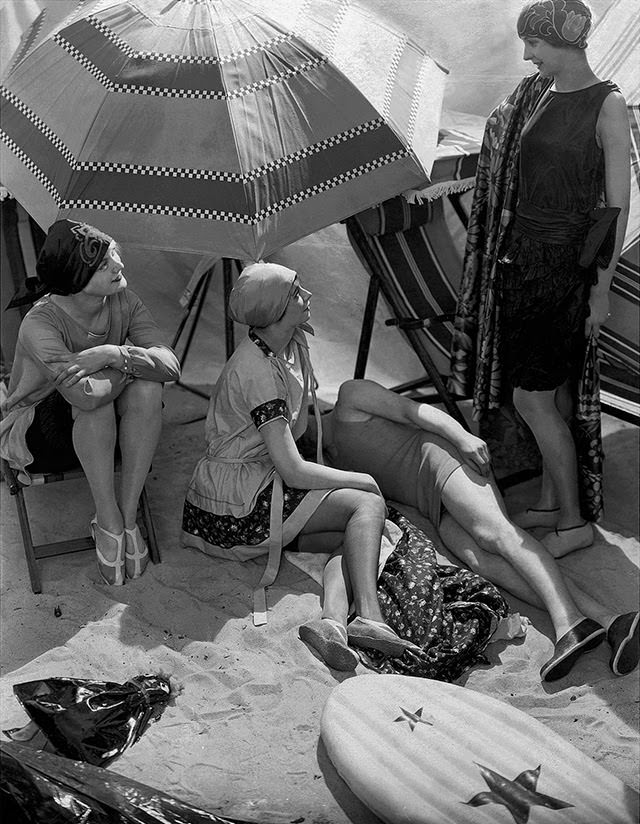
Beach wear, 1925
Lee Miller, 1928
Loretta Young, 1932
Louise Brooks, 1928
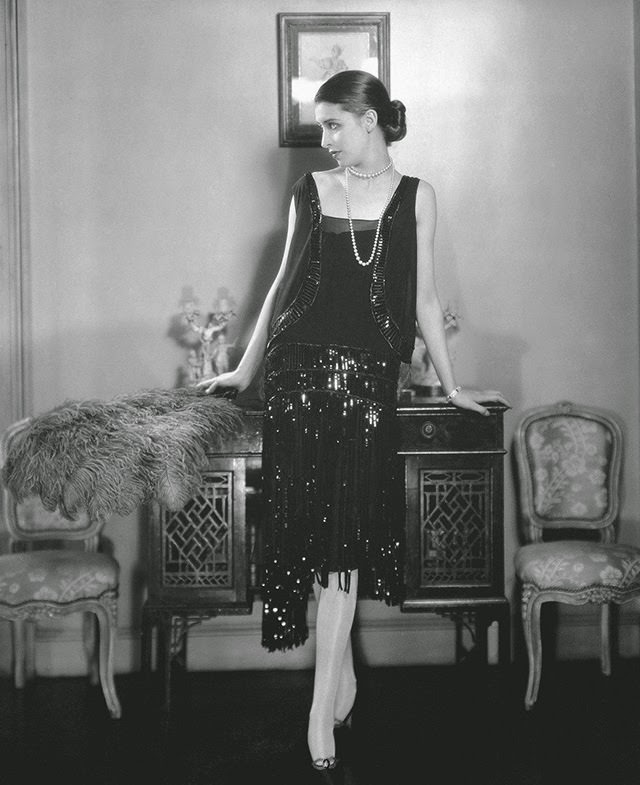
Model and photographer, Marion Morehouse is wearing black sequined dress by Chanel, Vogue 1926
Marlene Dietrich, Hollywood 1931
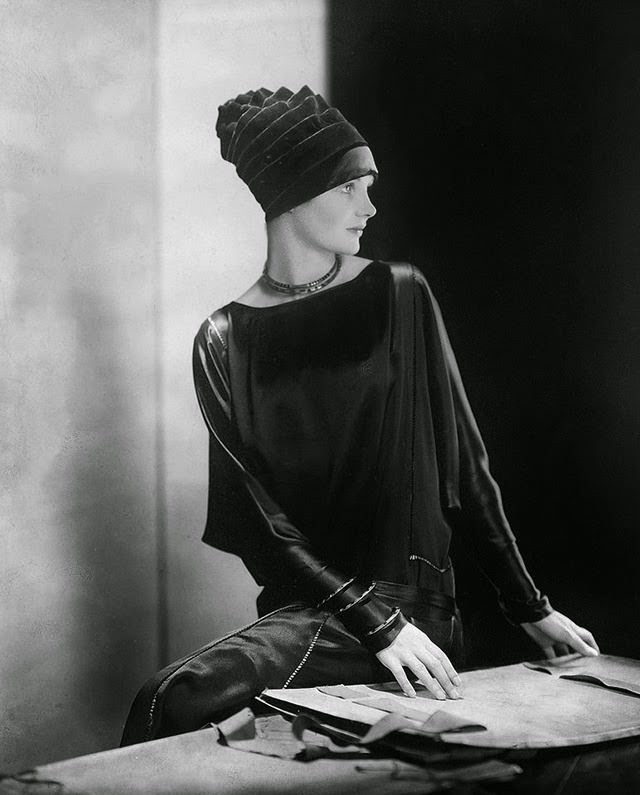
Dorothy Smart is wearing a black velvet hat by Madame Agnès, 1926
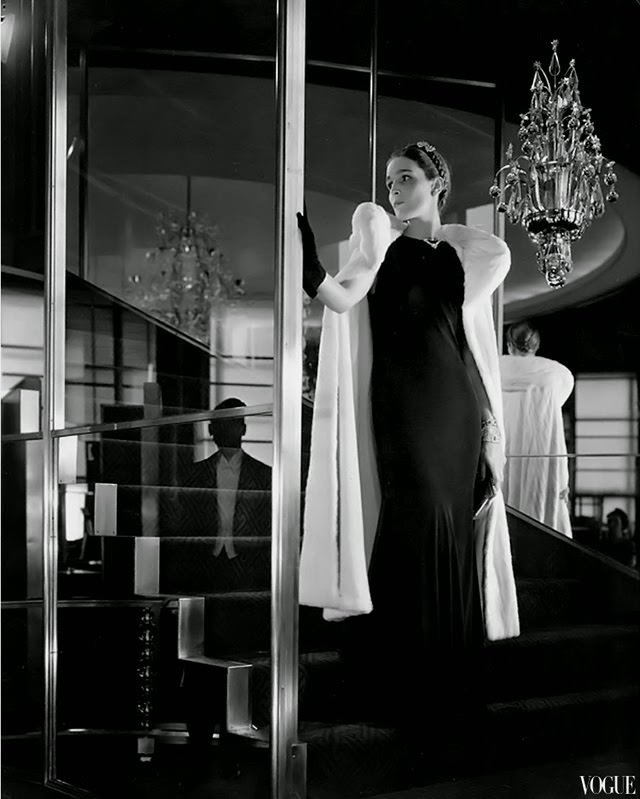
Vogue 1934
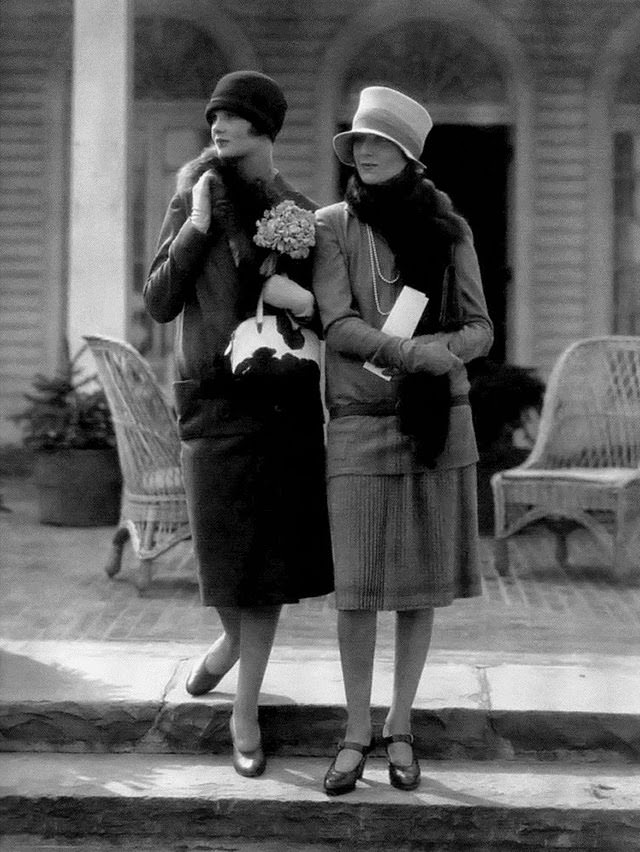
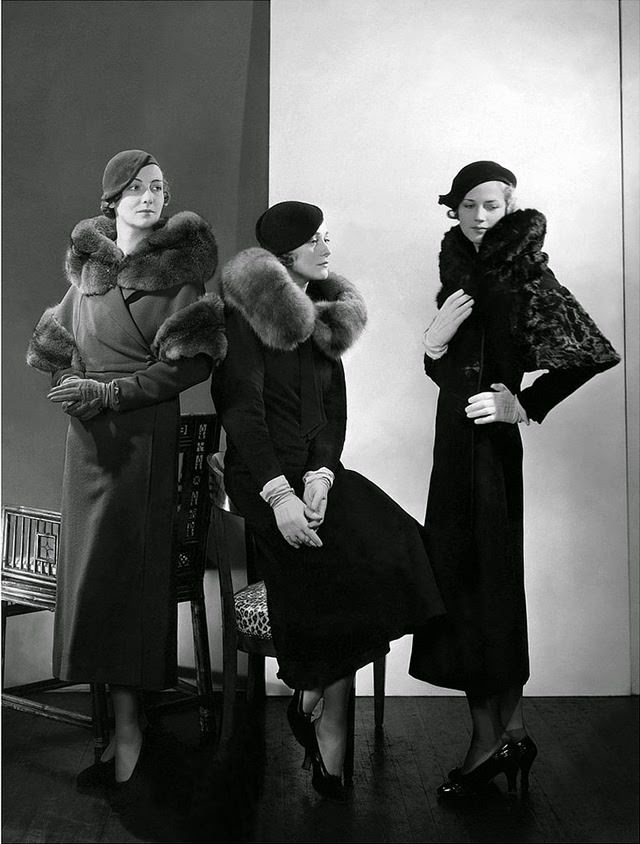
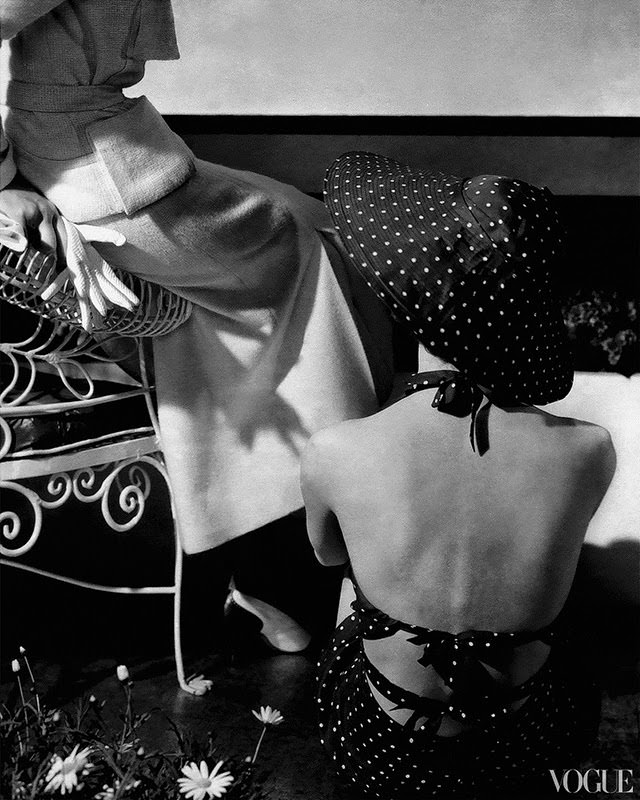
Model at left in a wool suit by Edward Molyneux; the one at right in a two-piece dress by Drecoll, 1926
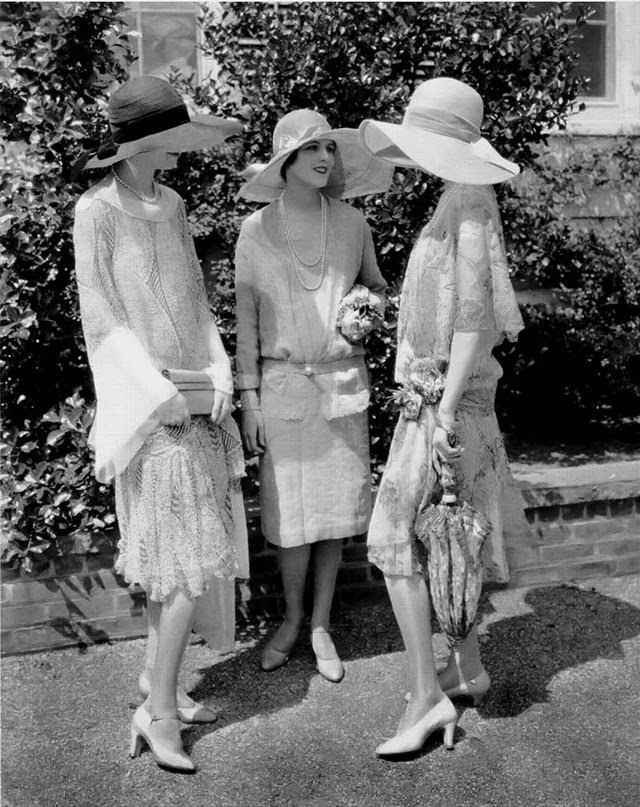
Three Model 1926. Photograph by Edward Steichen for Vogue. From left to right: Alden Gay wearing a black and white chiffon dress by Madame Frances and a wide-brimmed hat; Marion Morehouse, wearing a light-colored chiffon dress by Jay-Thorpe, with a wide-brimmed hat; Miss Collier, holding a parasol, and wearing a printed chiffon and lace dress with a Tuscan straw hat.
Gertrude Lawrence, 1928
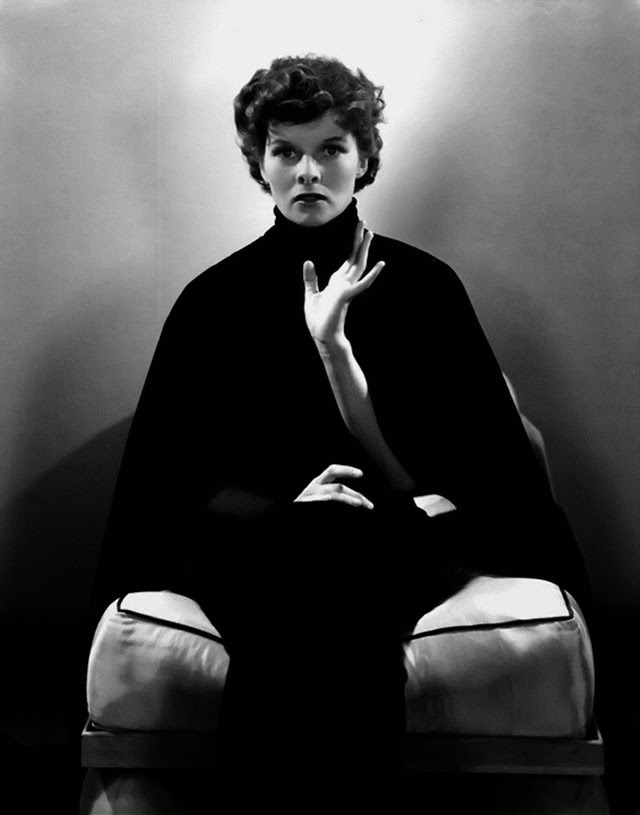
Katharine Hepburn, 1933
1932
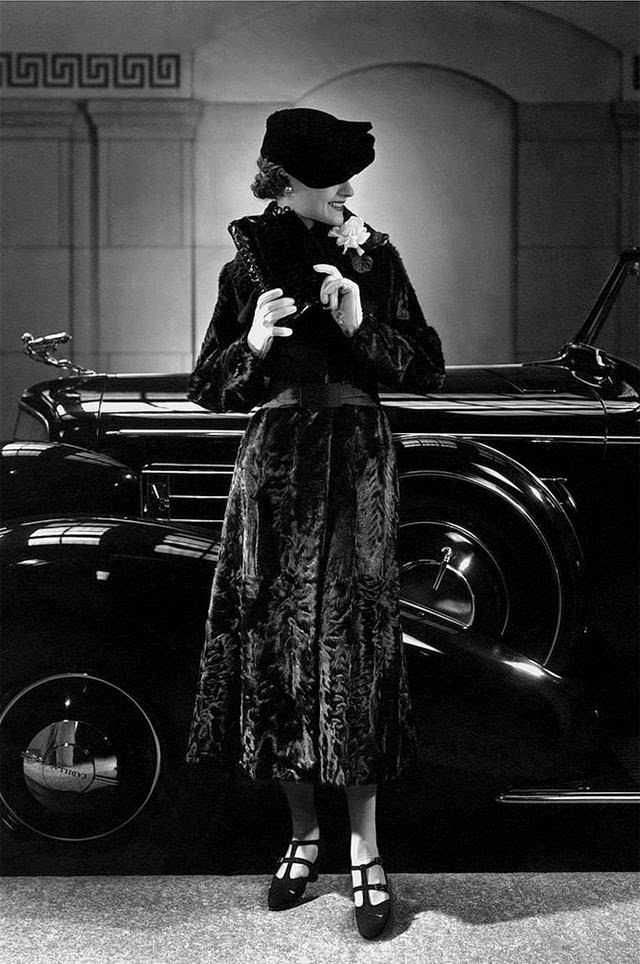
American singer, dancer and actress Jane Powell standing in front of a Cadillac 370-D Fleetwood, 1935
Actress Mary Heberden, 1935
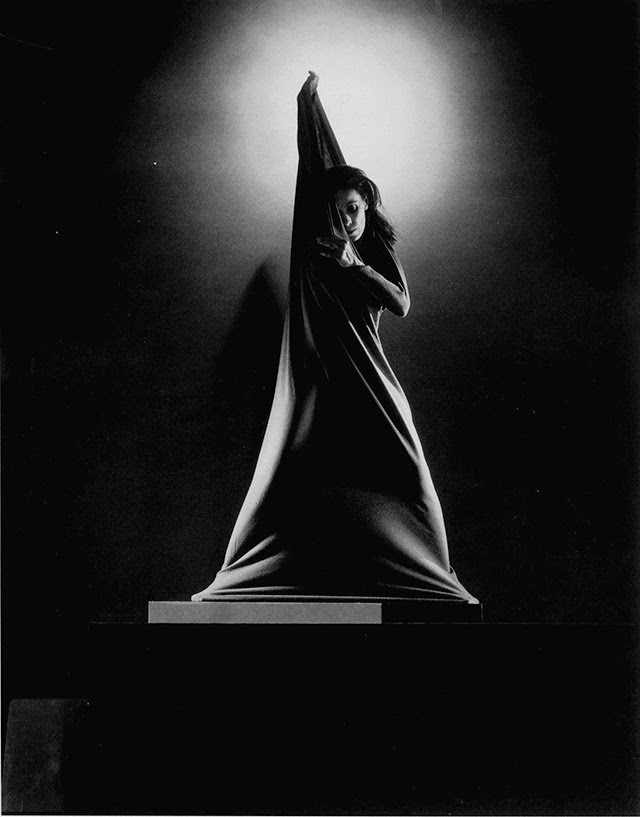
American modern dancer and choreographer Martha Graham, 1931
Vogue 1933
Actress Helen HayesJoan Crawford wearing Elsa Schiaparelli, Vogue October 1932American actress Helen Menken, 1926British actress Merle Oberon, Vogue 1935
Sarah Johnson is a freelance writer and photographer with a passion for exploring the world. Her writing is both informative and engaging, offering unique perspectives on travel, food, and lifestyle.