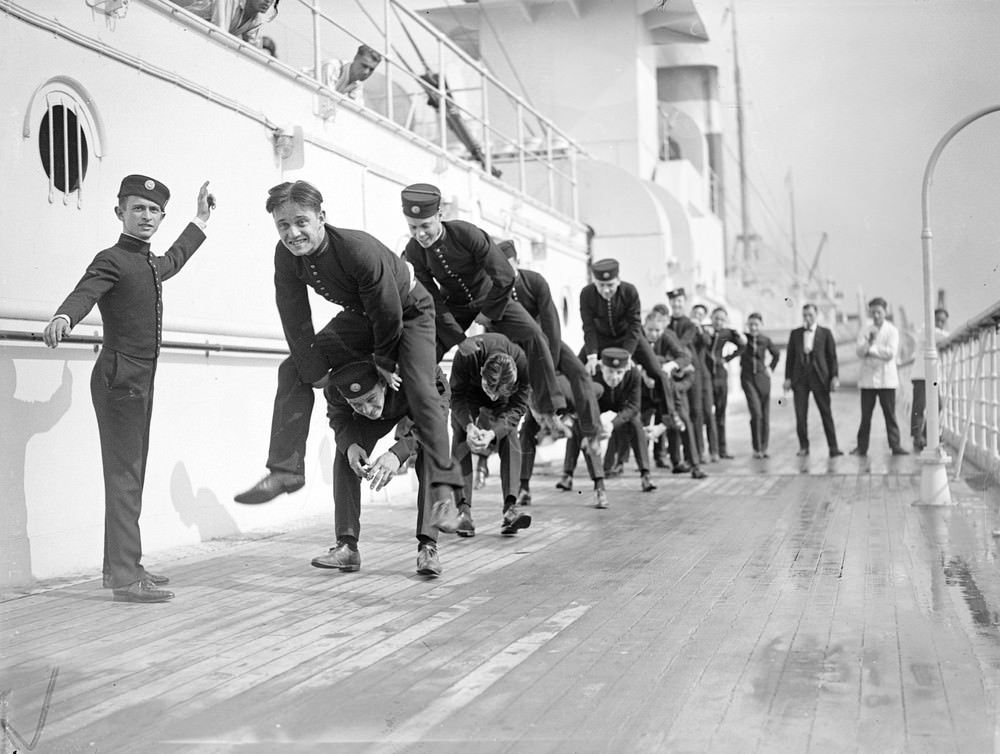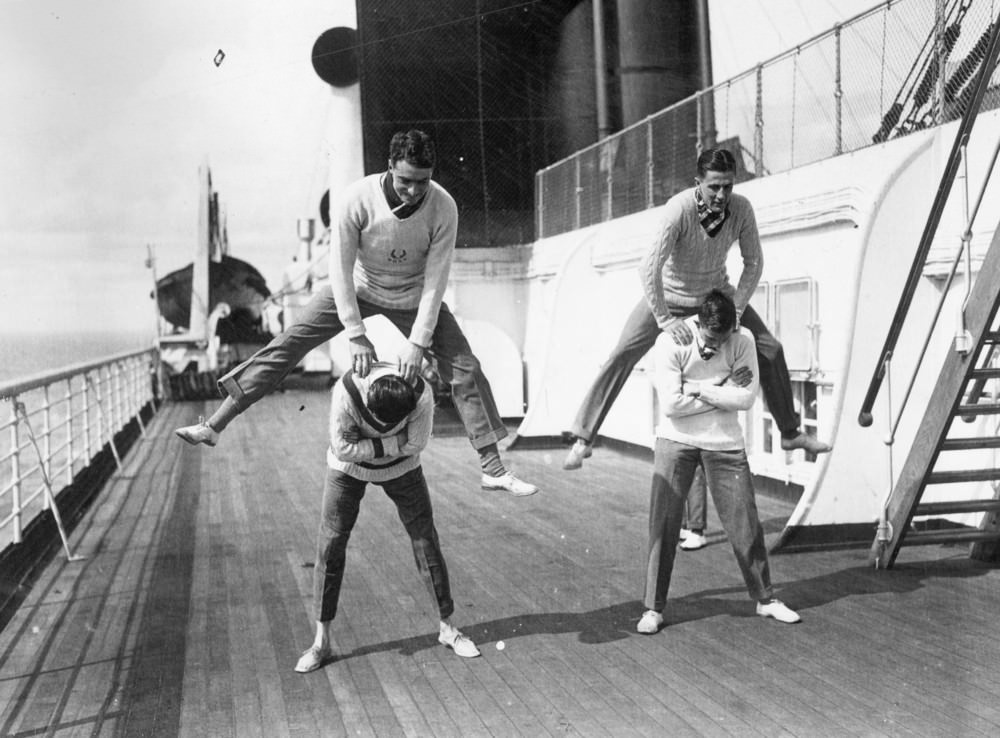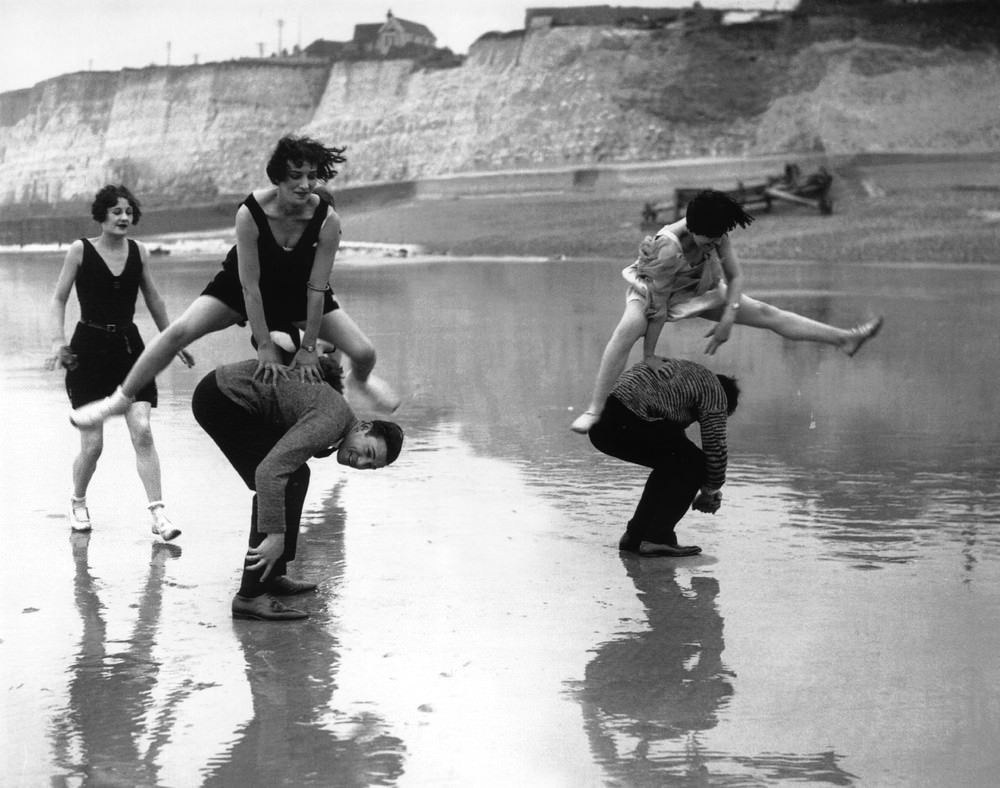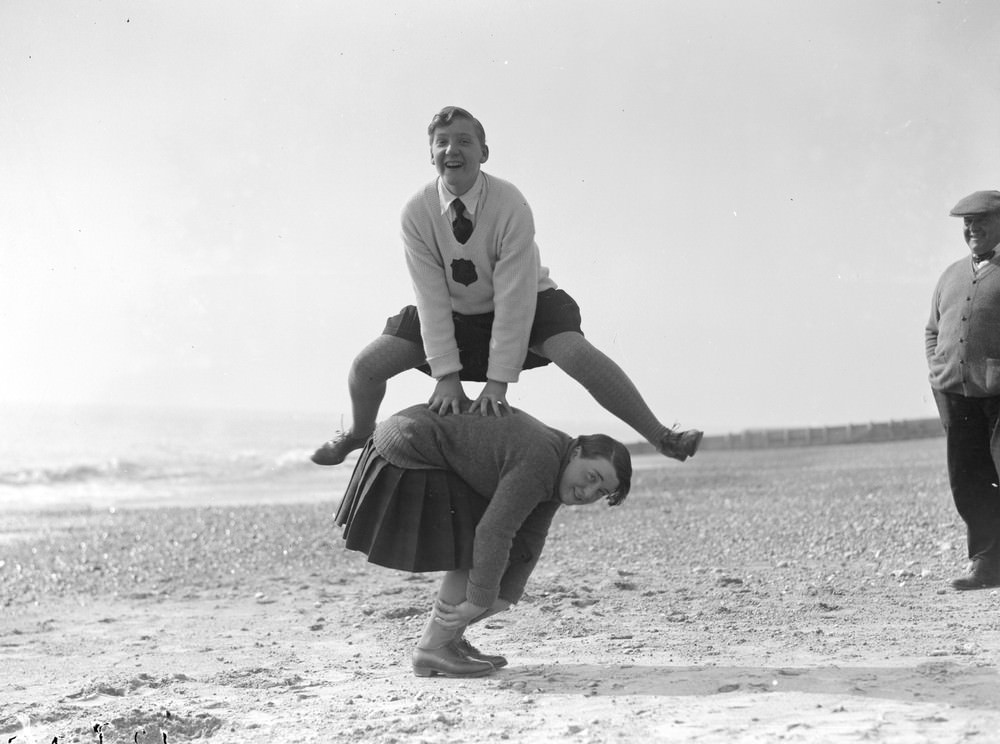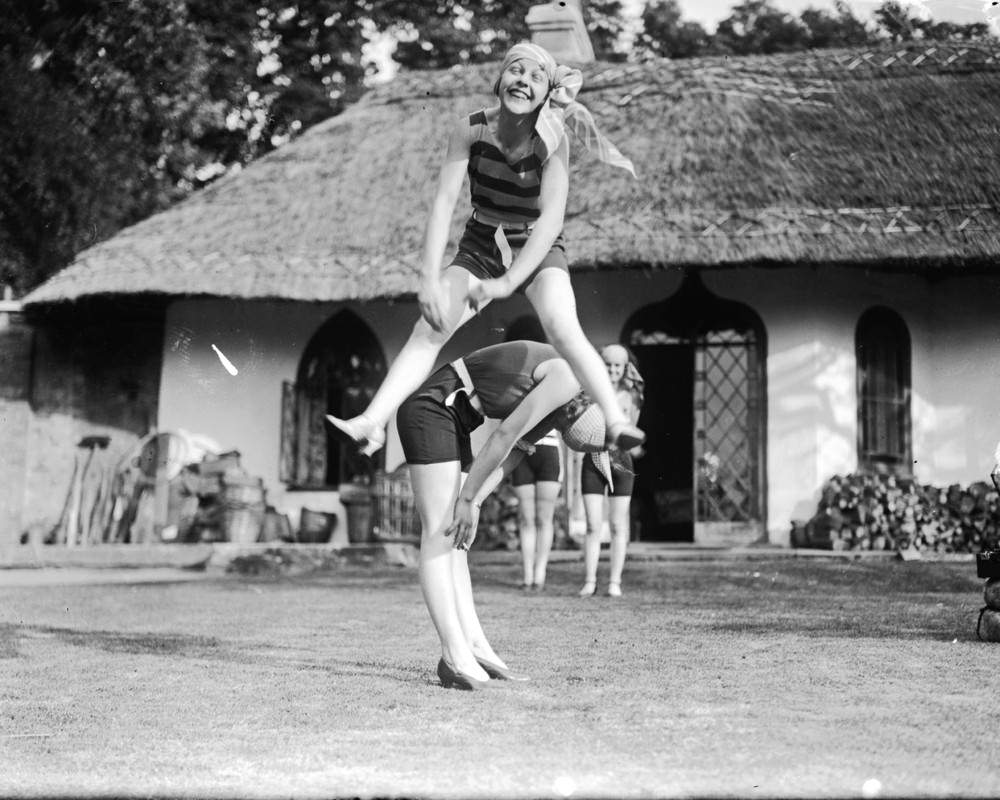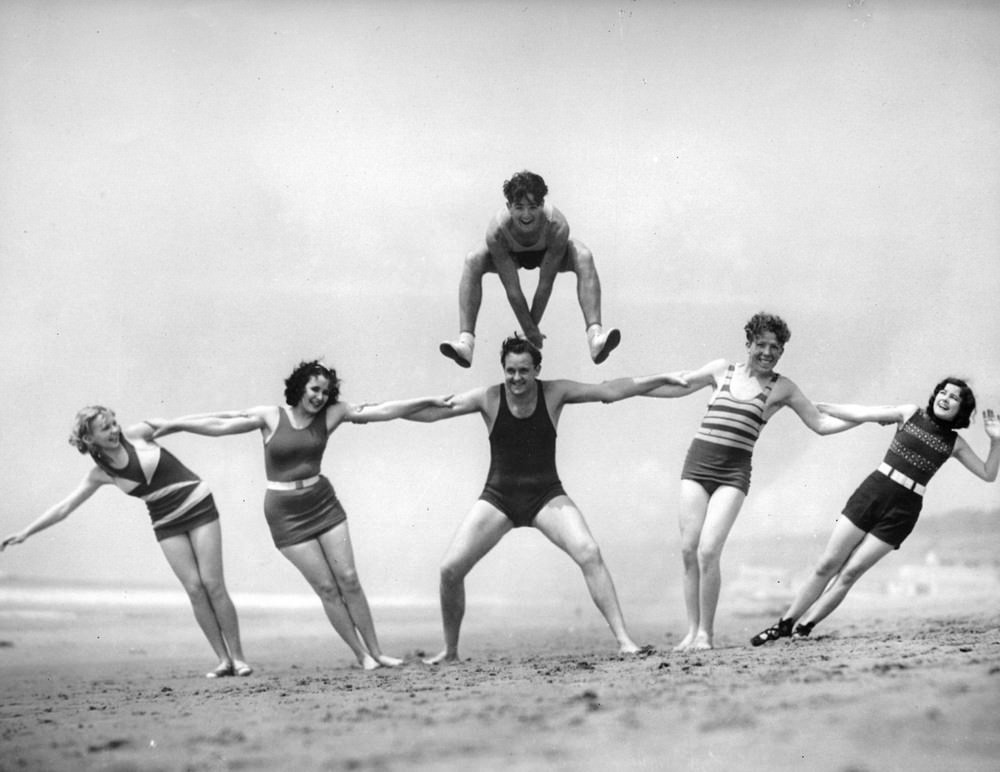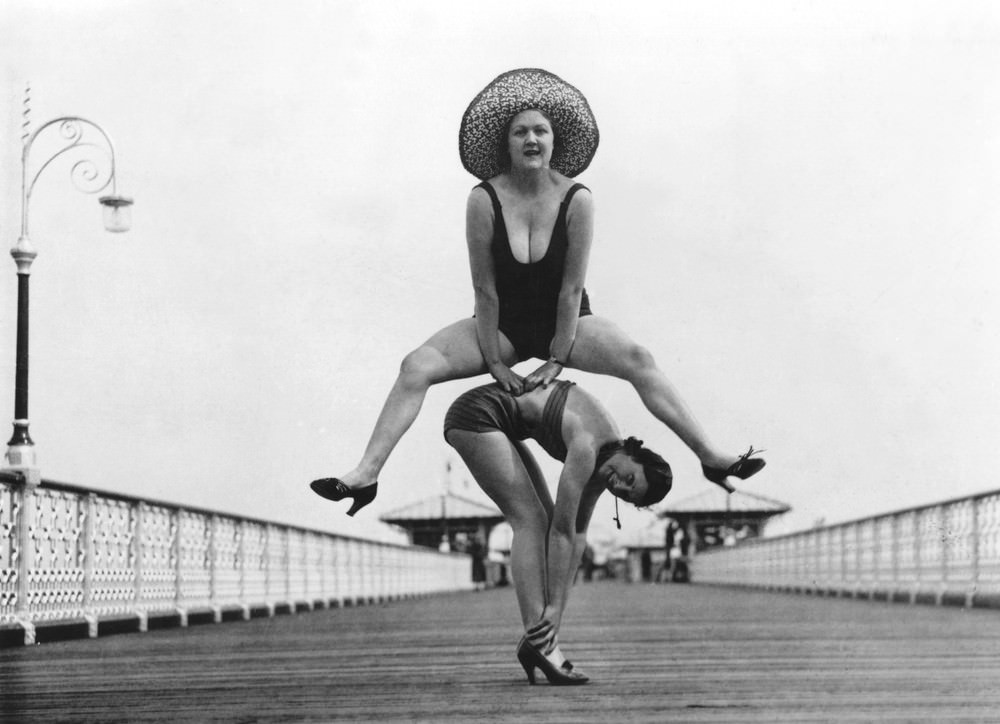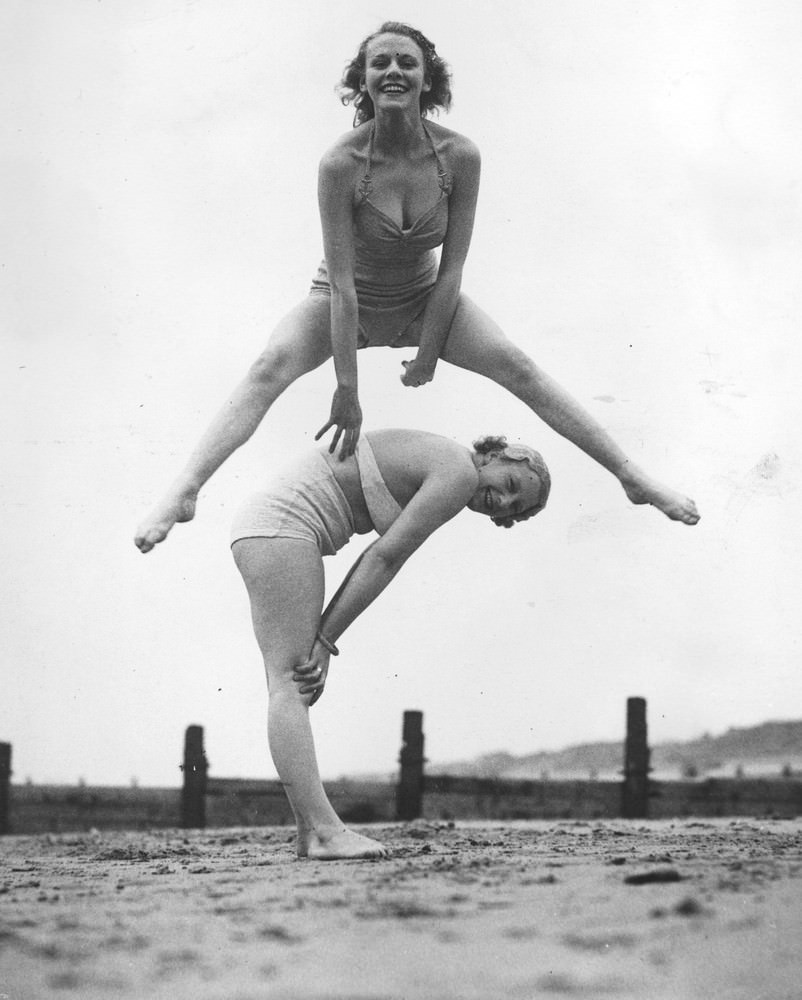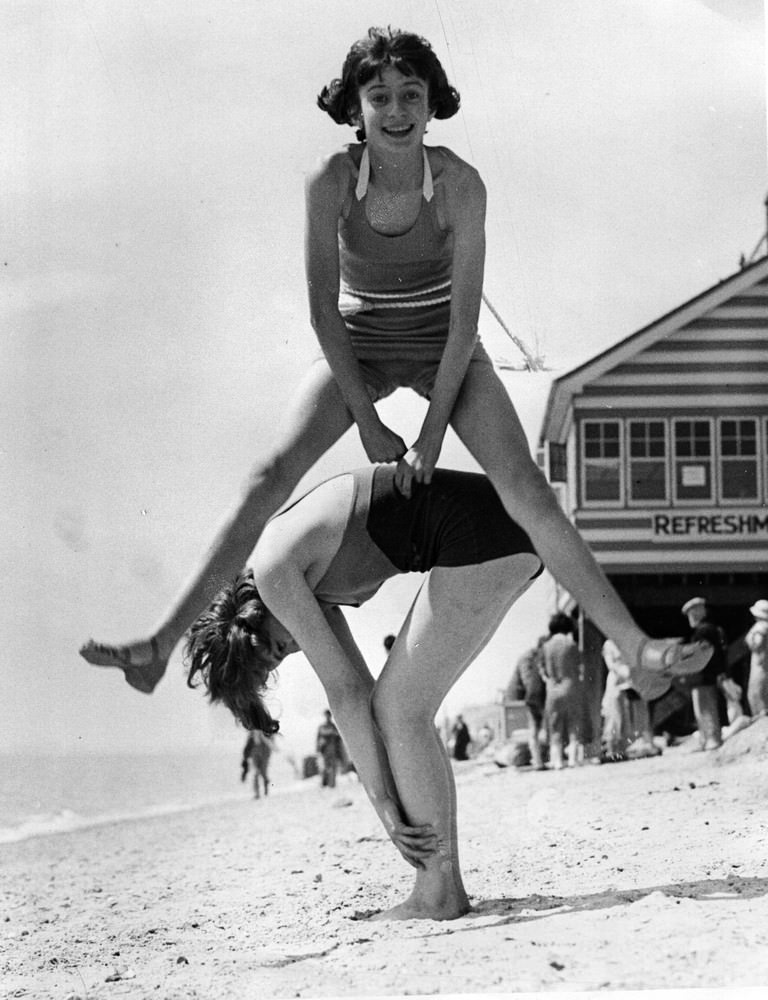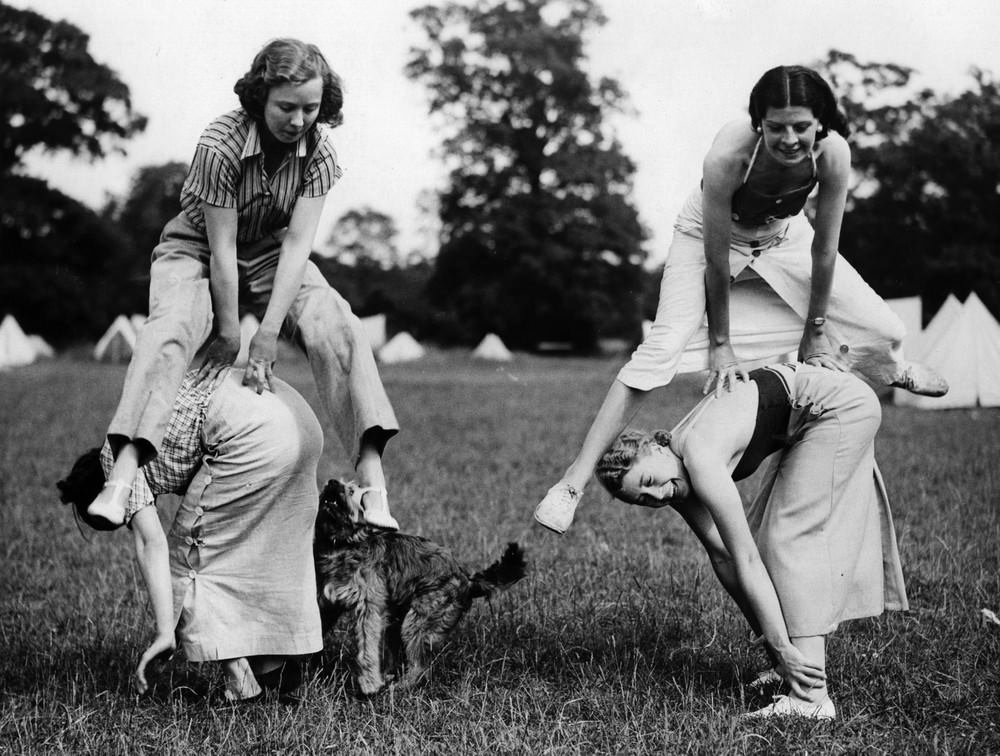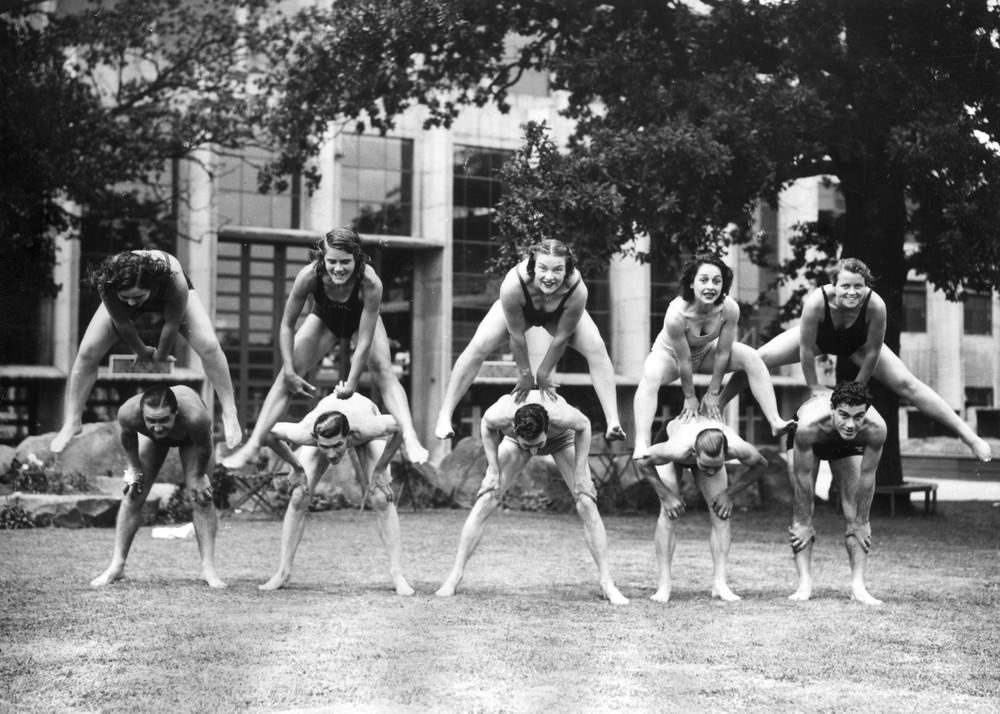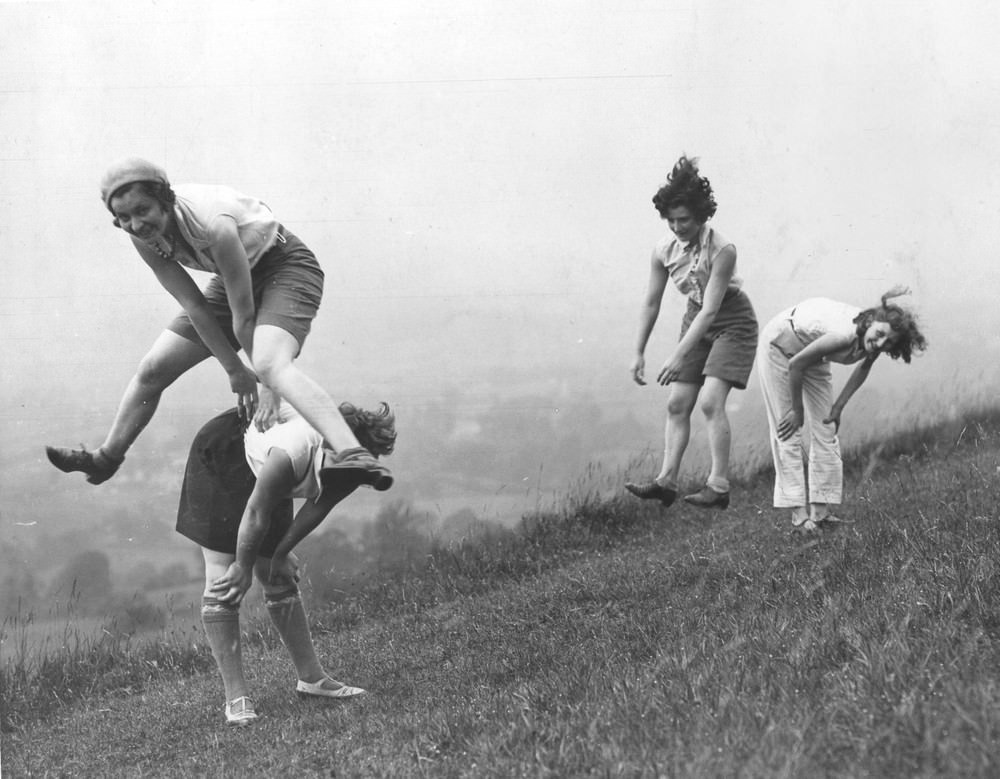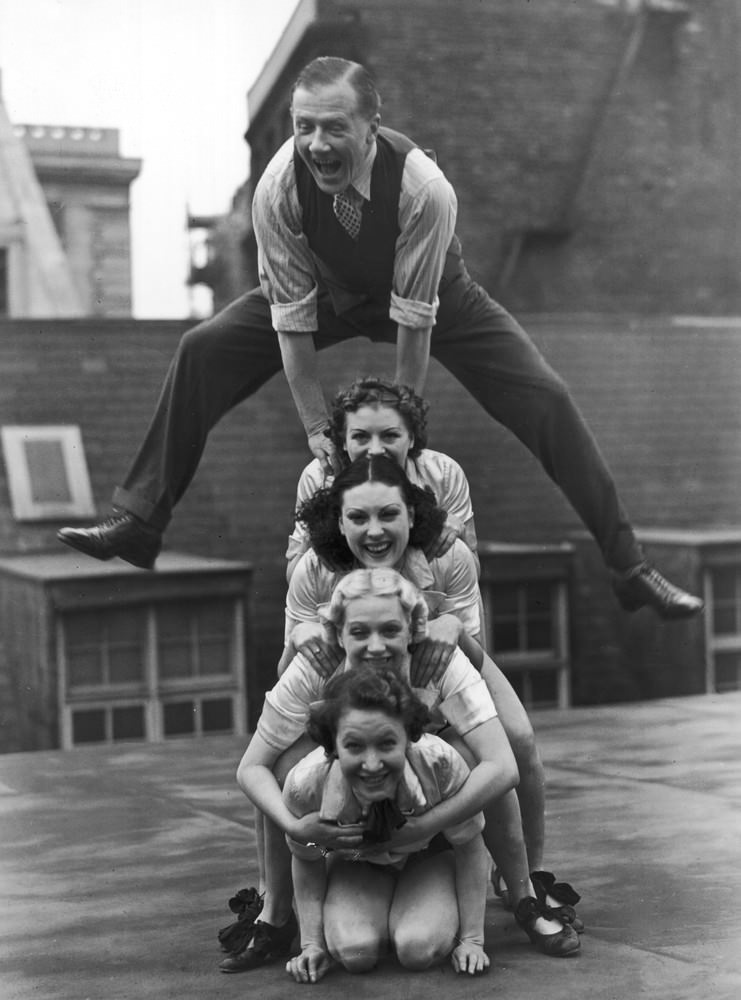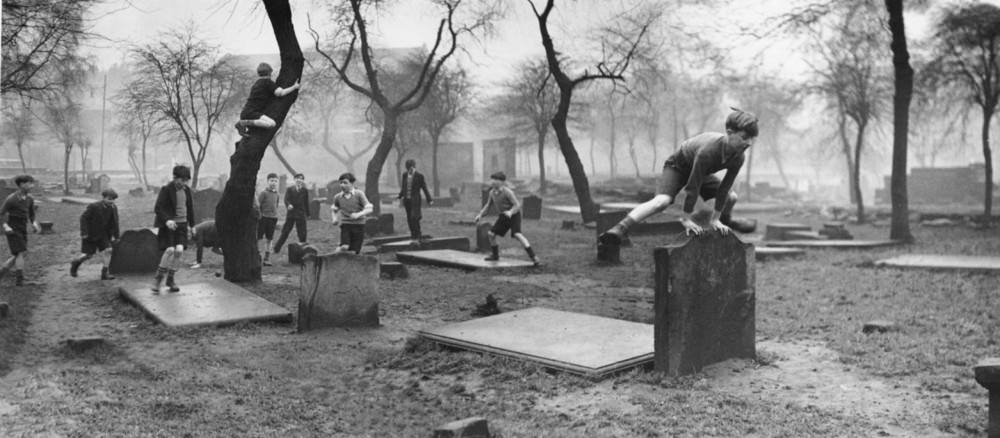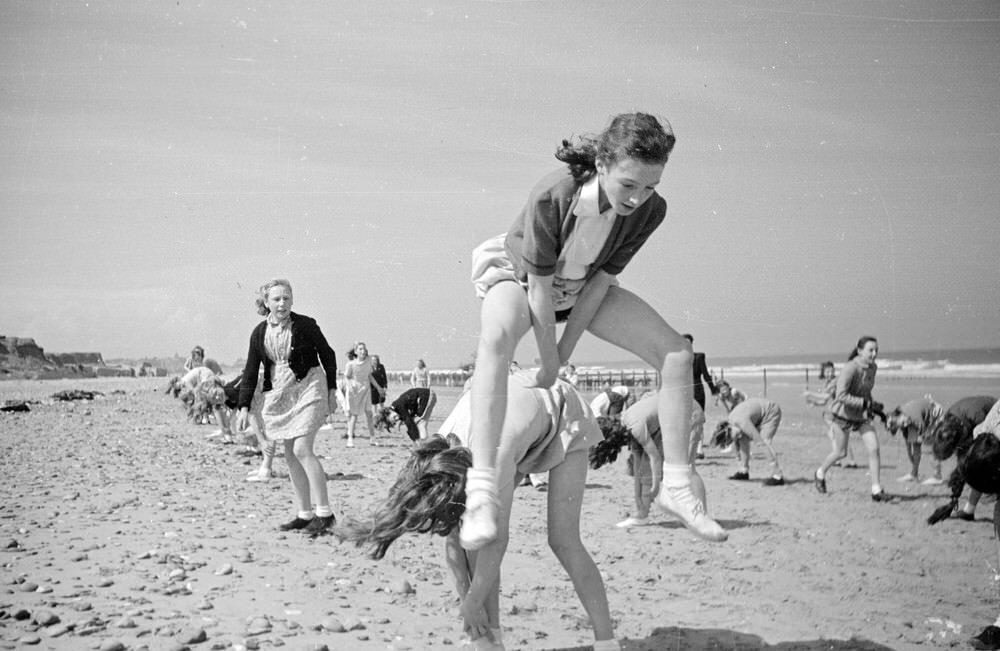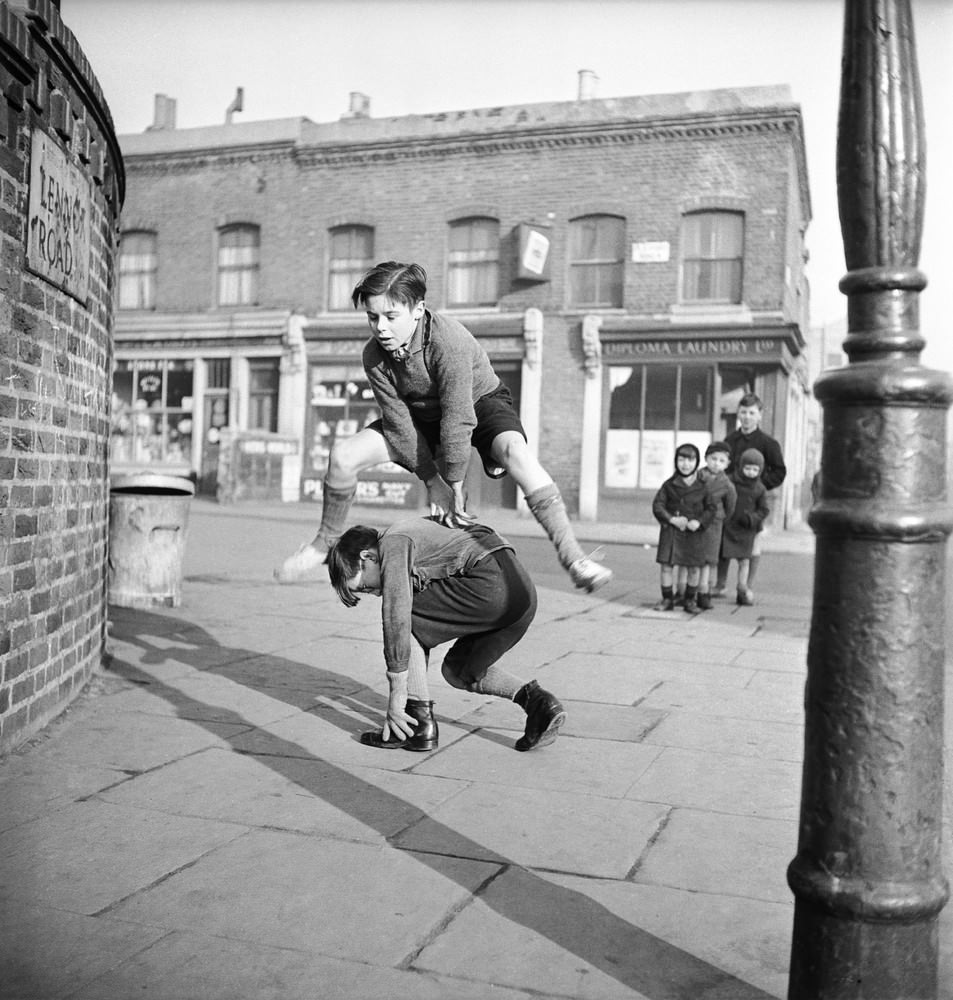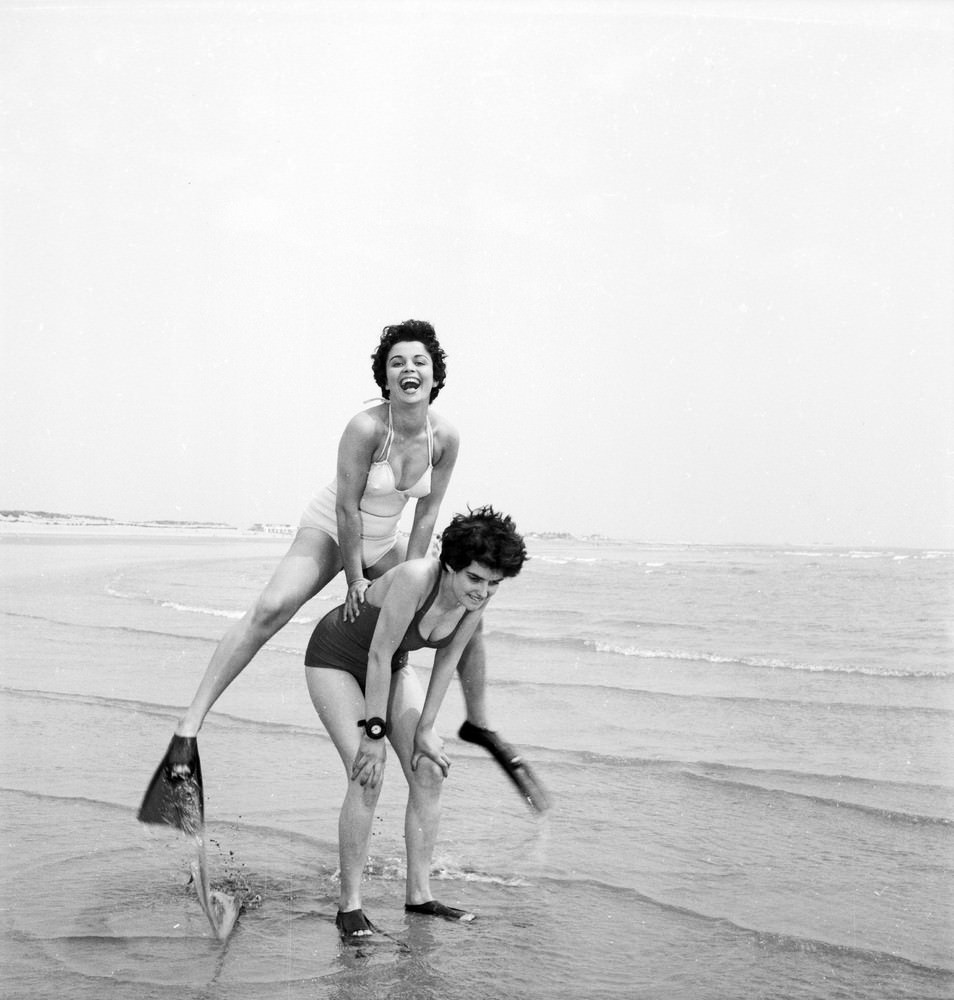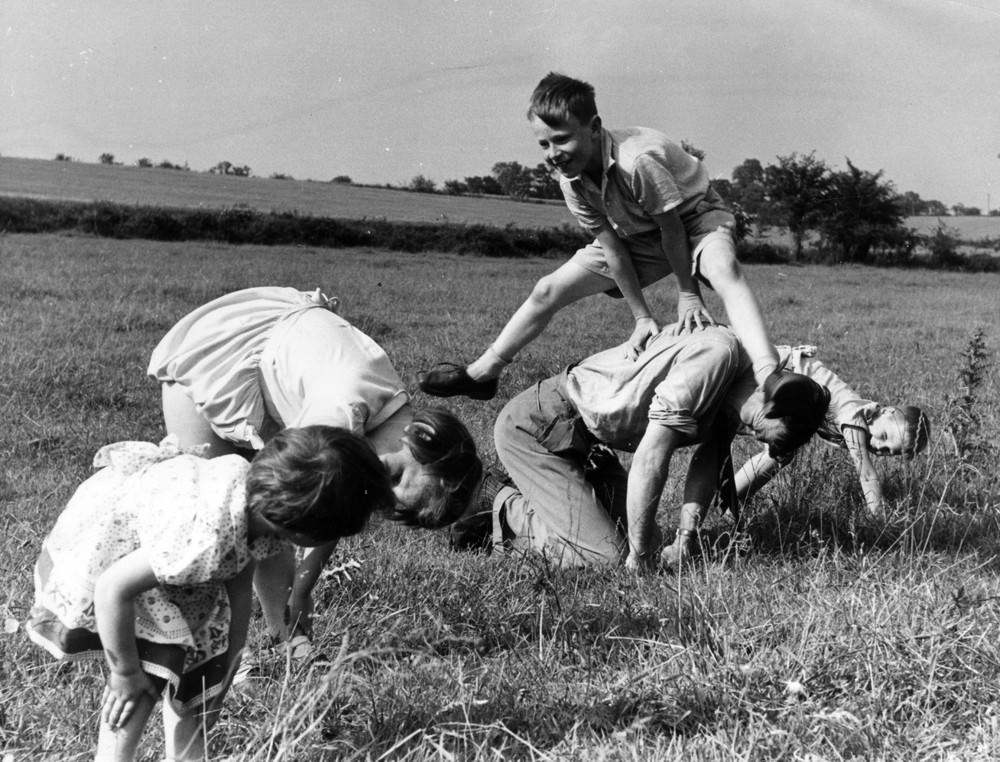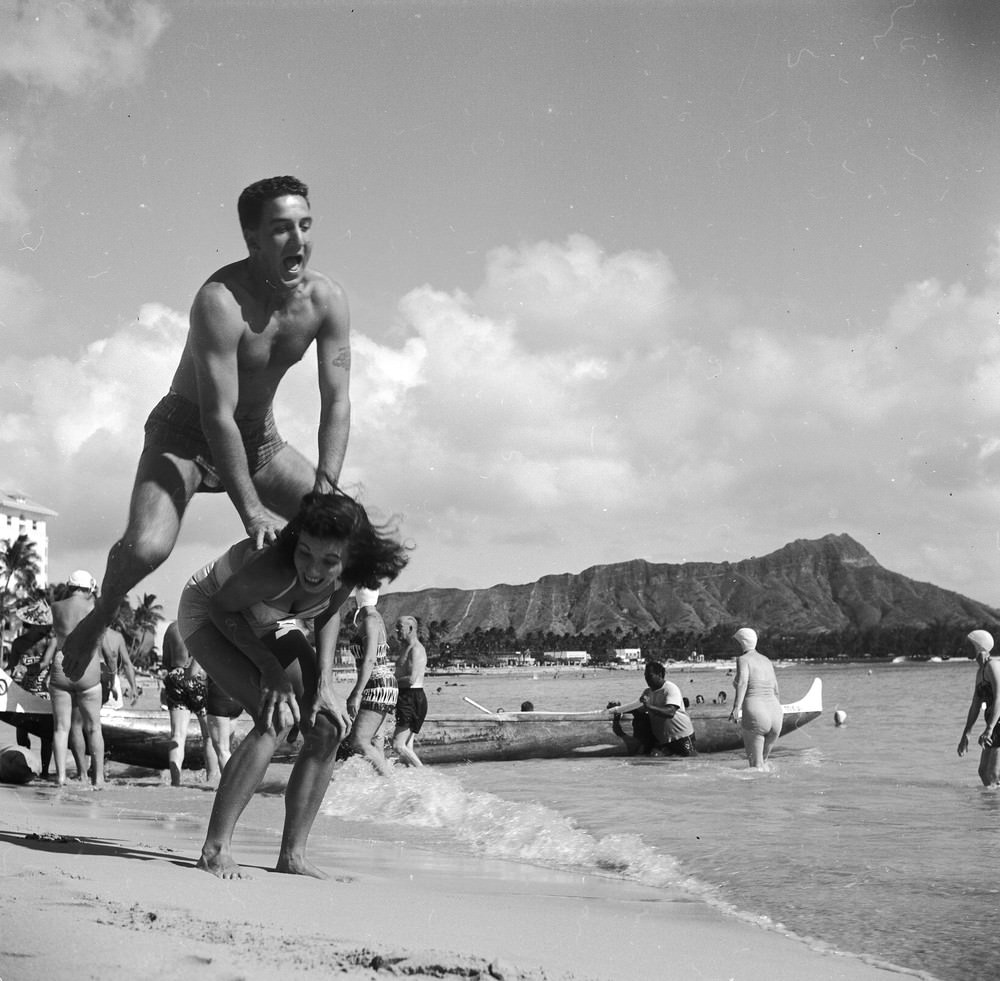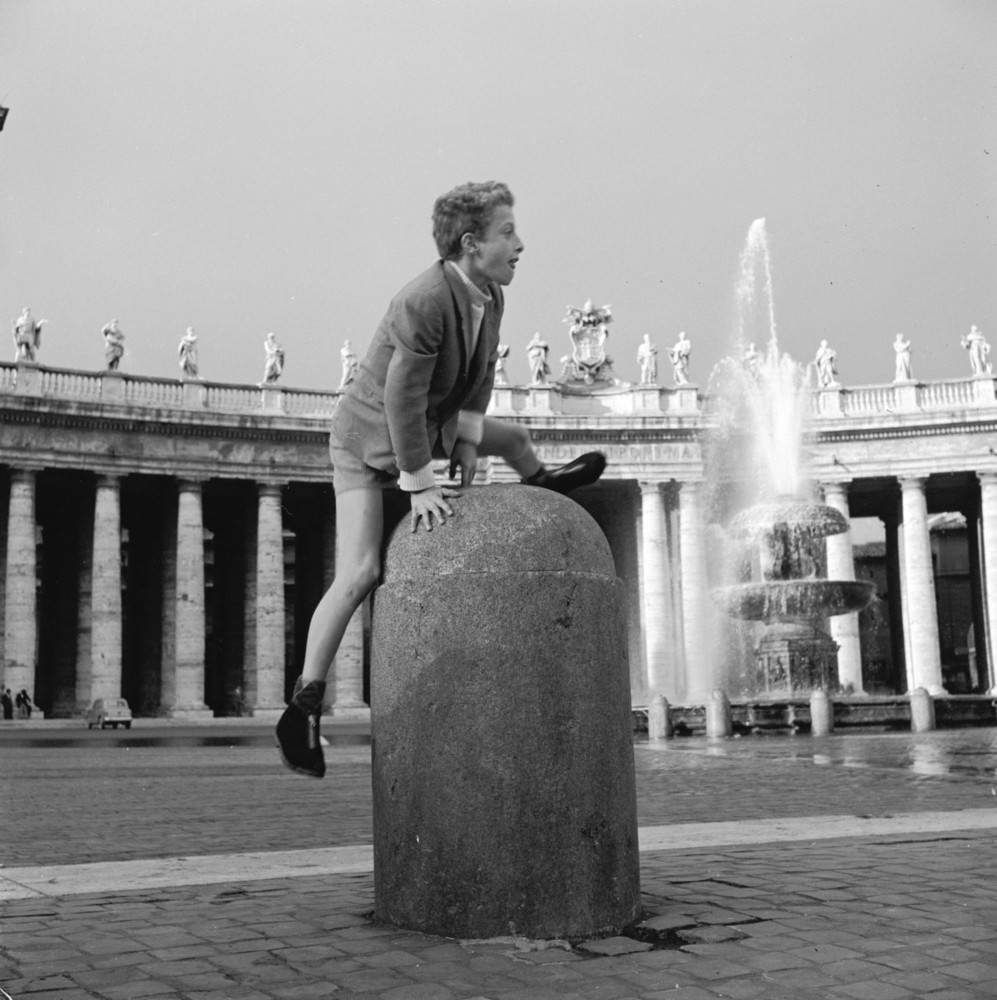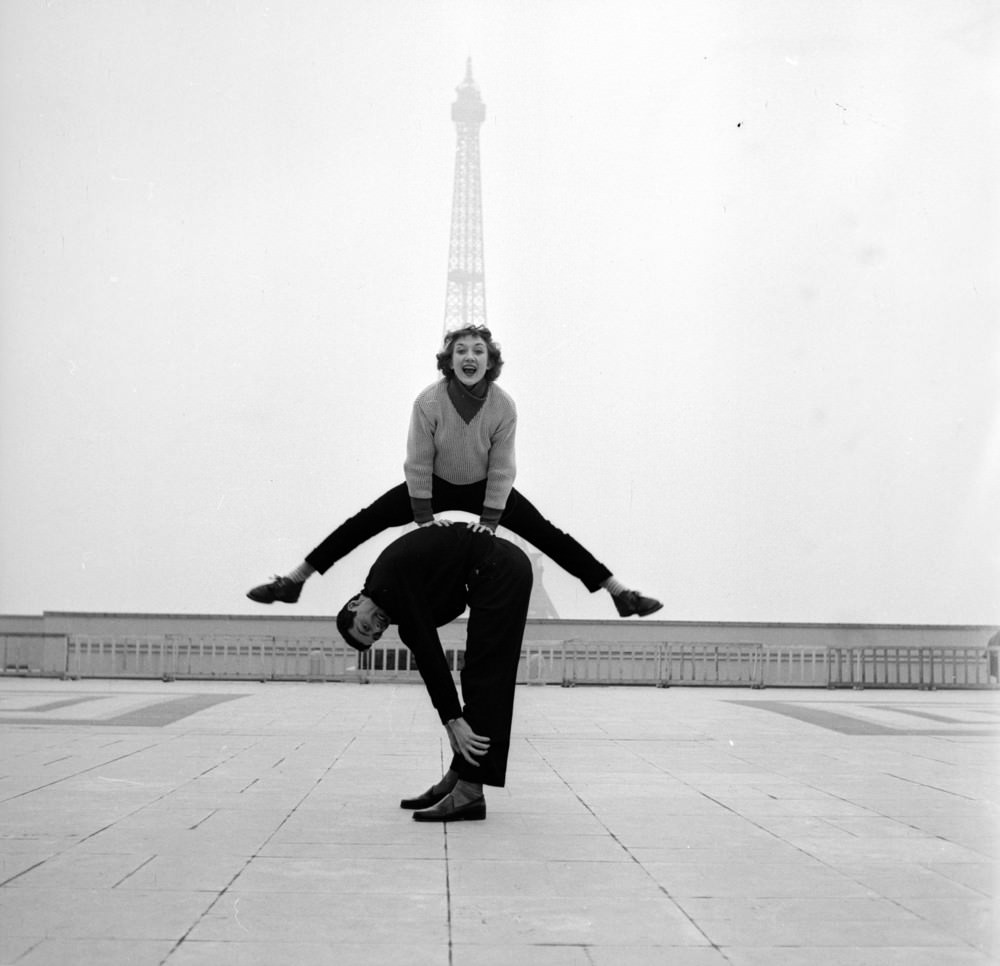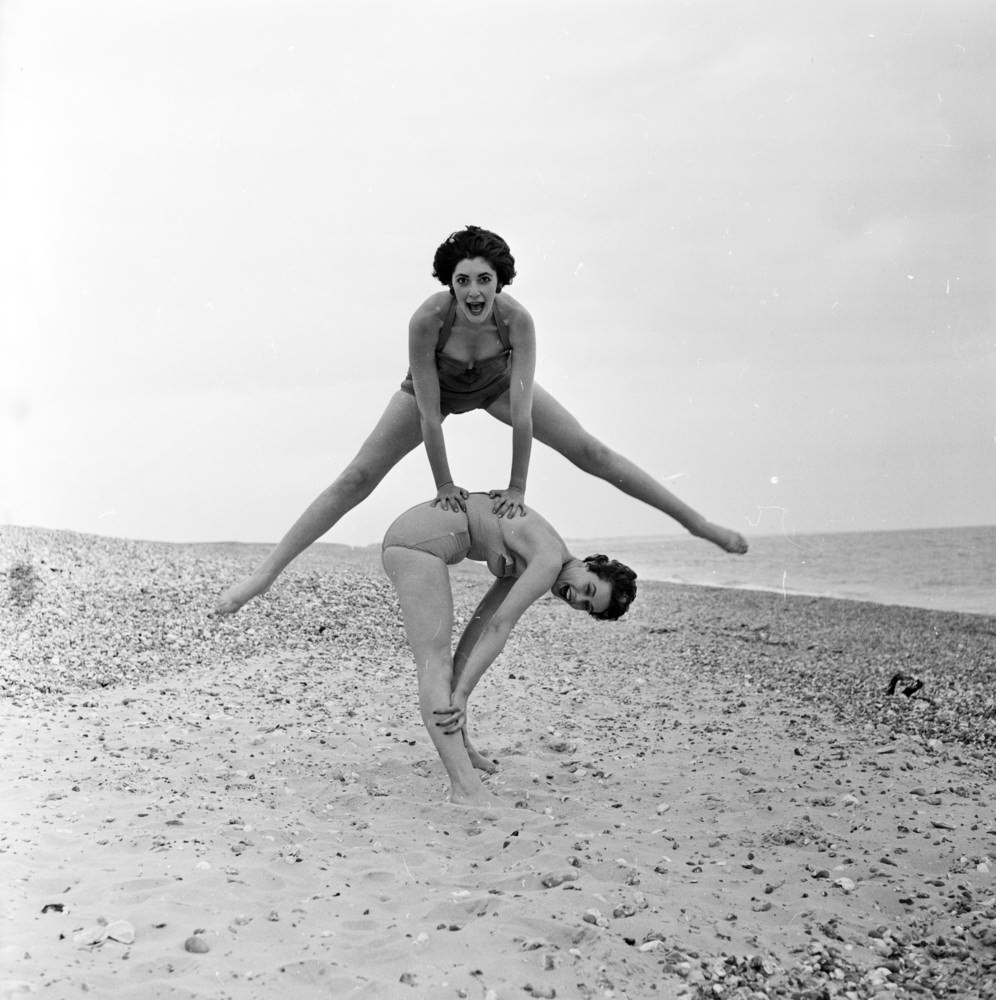

Leapfrog is a staple of physical play. It requires no expensive gear or specific courts. People play the game in public parks, on city streets, and at the beach. In the early 1900s, it was a common way for groups of friends to show off their athletic ability during weekend trips. Photographers often used the game as a subject to capture a sense of energy and freedom.
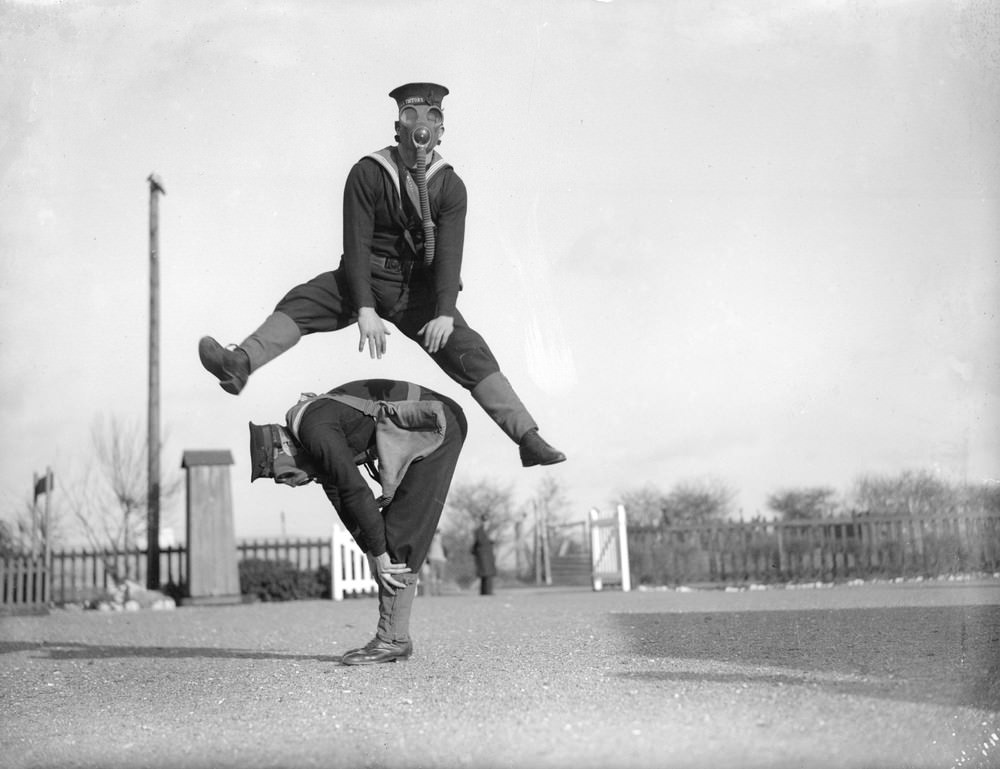
The game played a specific role in 1940s military training. Officers included leapfrog in obstacle courses to build leg strength and timing. Soldiers at training camps practiced the move while wearing their full field gear and heavy boots. This exercise taught them to move quickly over low barriers and improved their coordination for combat situations. It was a mandatory part of daily fitness routines for many infantry units.
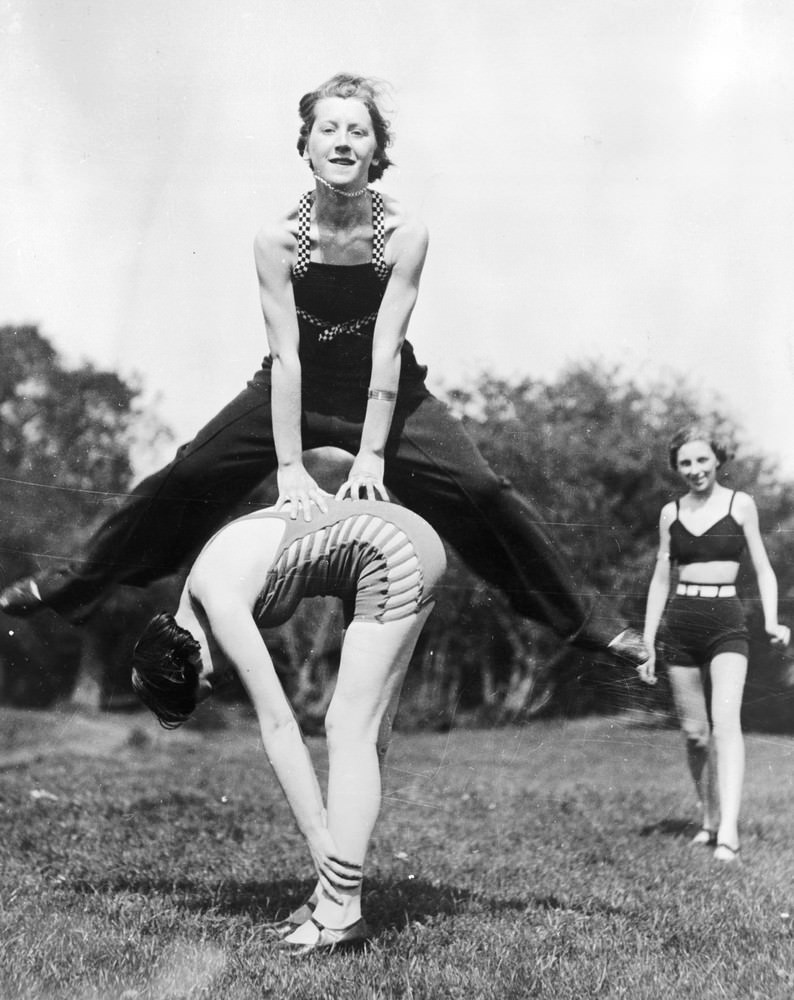
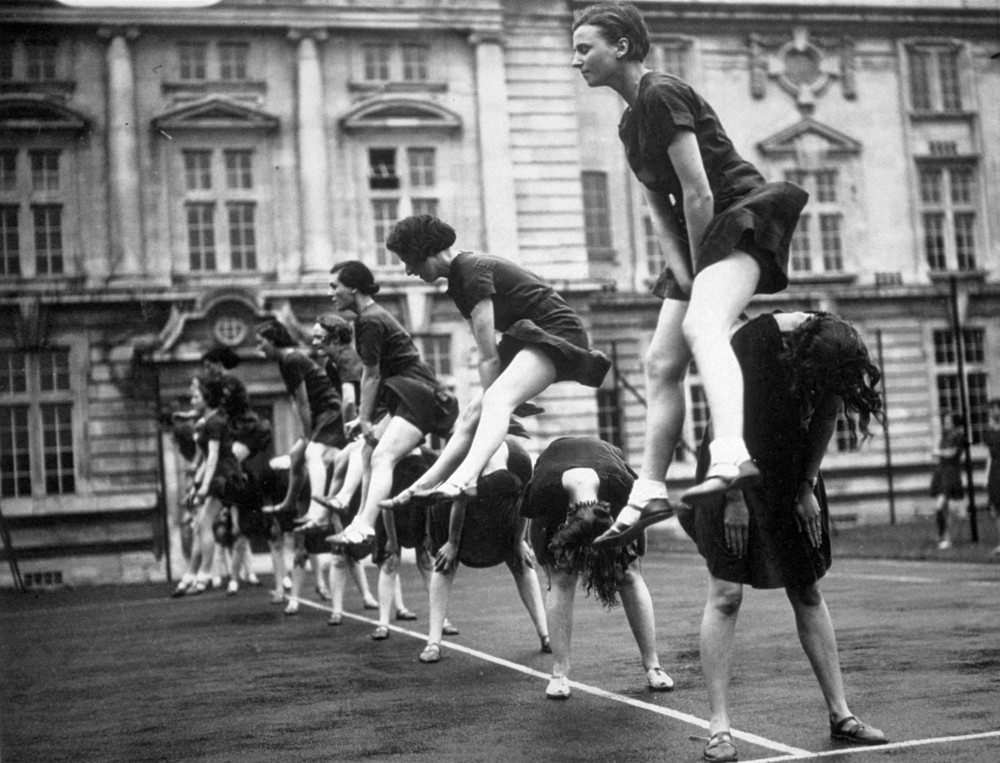
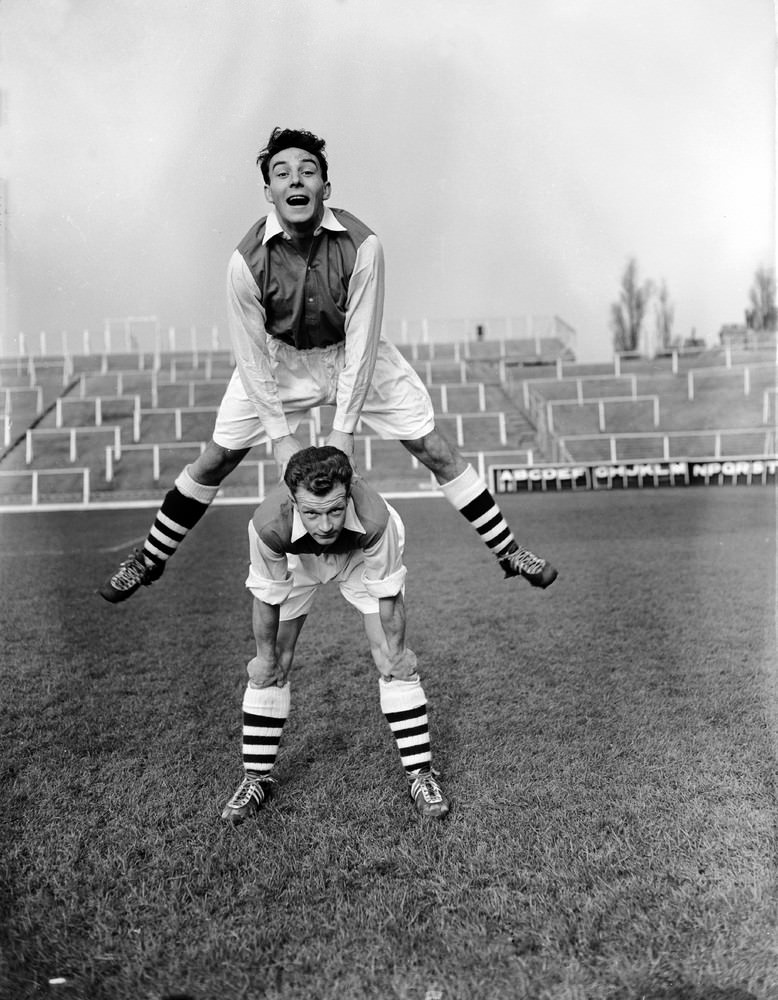
In the 1950s, leapfrog remained the primary game for school children during lunch breaks. The rules were consistent and easy to follow. One person, known as the “frog,” leaned forward and held their knees for stability. The jumper used a two-handed push on the frog’s shoulders to clear their back with spread legs. At English boarding schools, boys played long chains of leapfrog that stretched across entire football fields.
Physical education teachers in the 1950s used the game to evaluate the fitness levels of their students. They timed how long it took for a line of twenty students to finish a circuit. Photographers used fast shutter speeds to freeze the jumpers in mid-air. These images showed the precise form needed to avoid a collision. The game was also a popular activity for community festivals and church picnics where adults and children competed together.