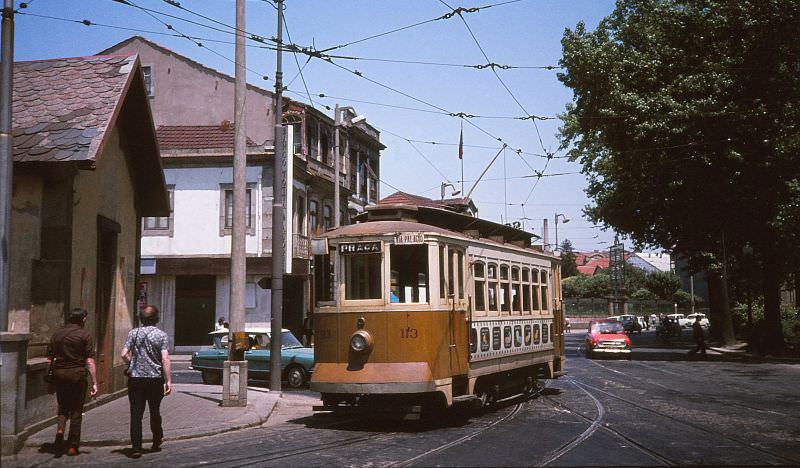
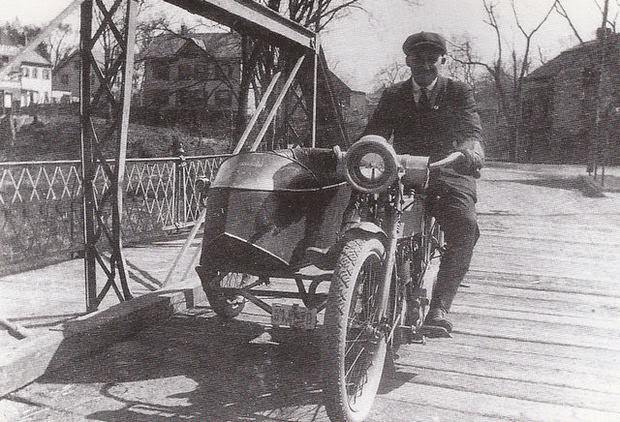
Motorcycles arrived on New Jersey roads in the early 1900s as working machines, not toys. Factory workers, delivery drivers, and messengers relied on them to get around fast. The bikes were loud, heavy, and broke down often. Riders needed real physical strength just to keep them on the road.
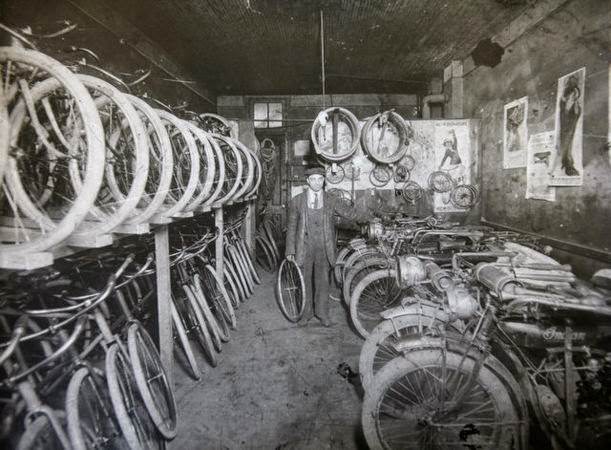
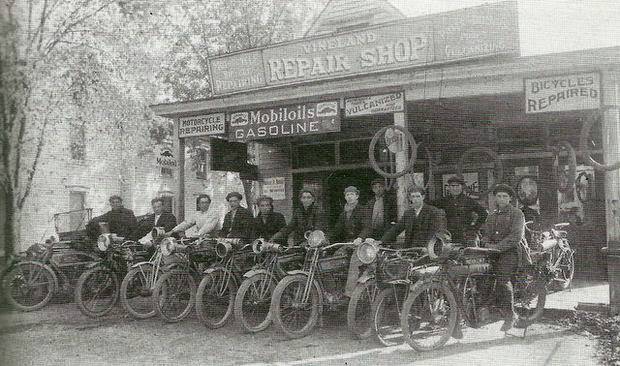
Repair shops became essential stops for anyone who rode. Mechanics and shop owners kept the early motorcycle scene running, stocking parts and tools for machines that demanded constant attention.
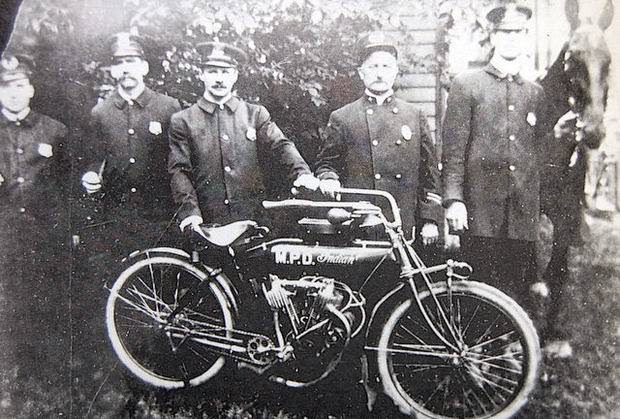
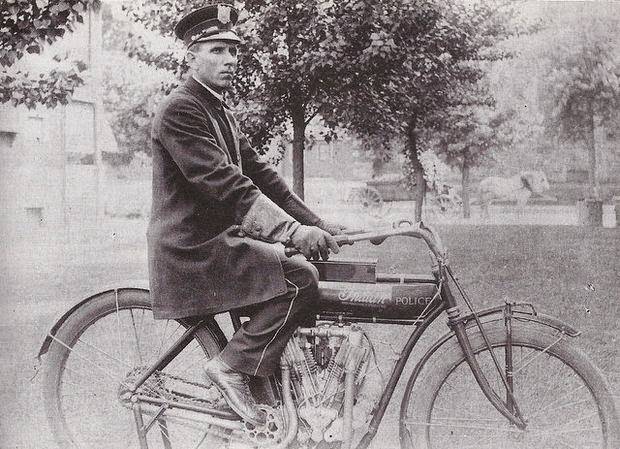
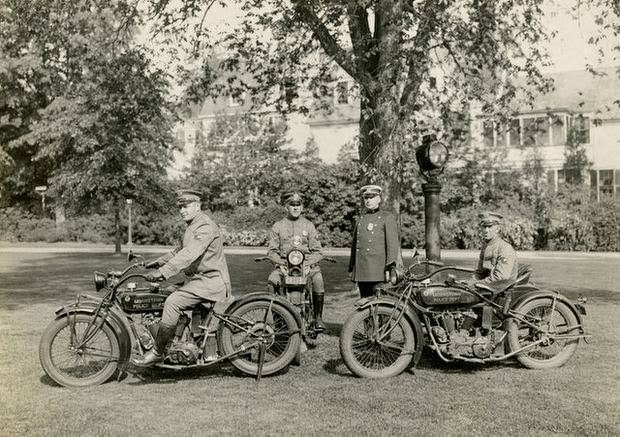
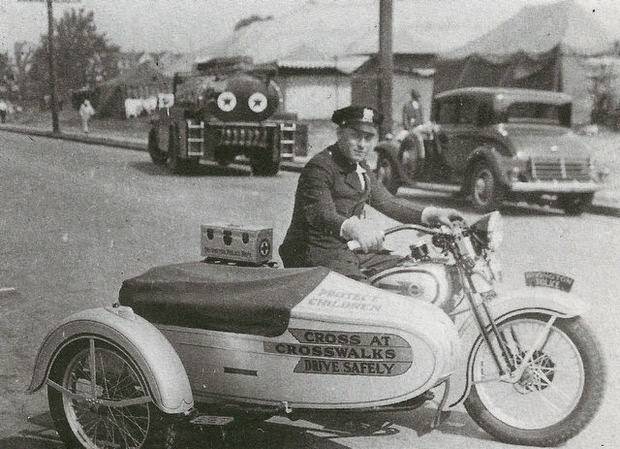
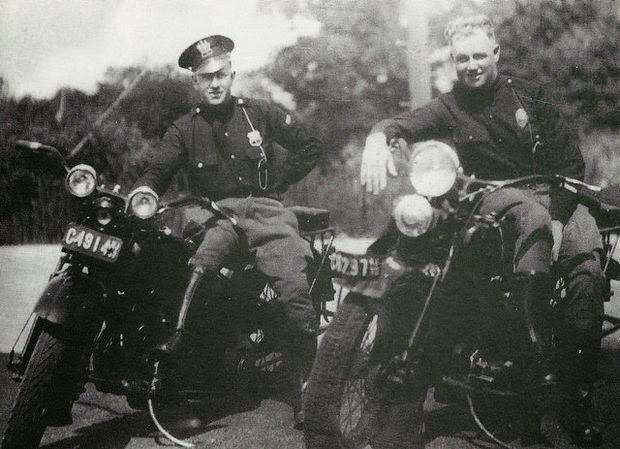
Police departments were among the earliest institutions to adopt motorcycles in a formal, organized way. Patrols on two wheels were faster and more flexible than horse or foot patrol, making them ideal for traffic control in growing towns.
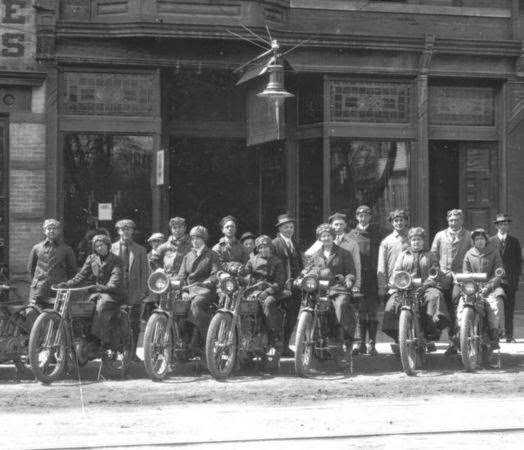
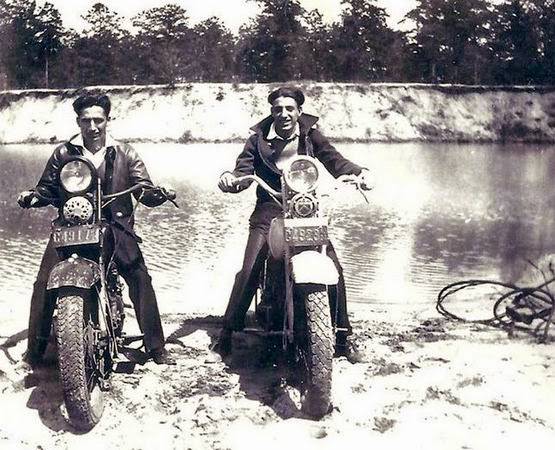
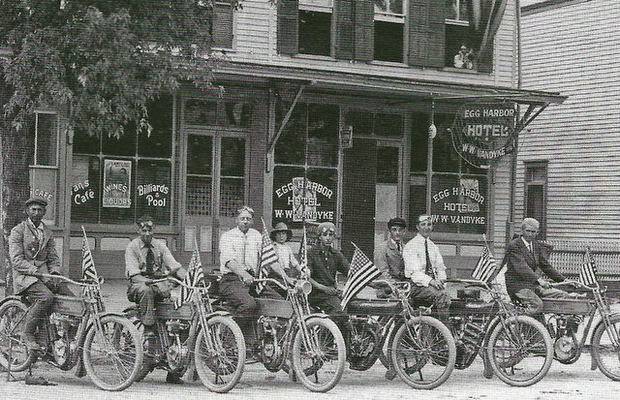
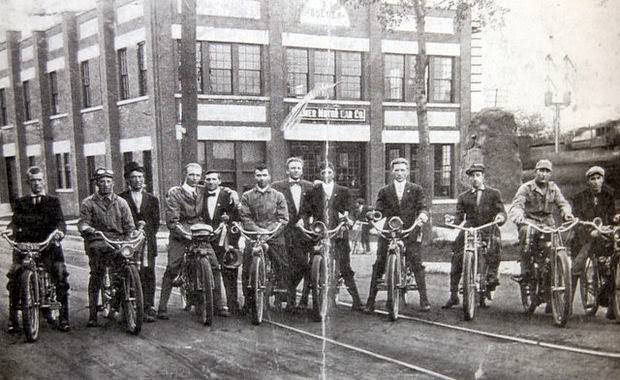
Organized clubs formed early. Riders gathered, posed for photographs, and set out together on roads that cut through farmland and industrial towns alike.
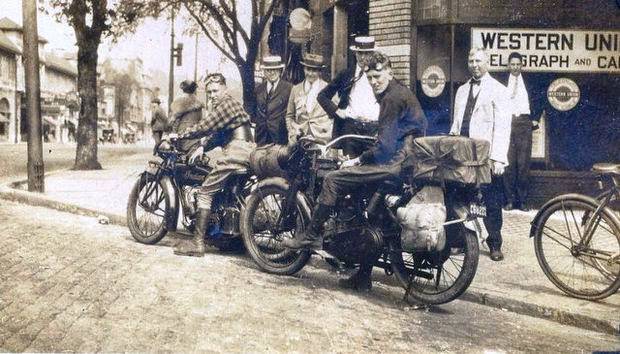
Individual riders also took to the roads in the early decades. Some made cross-country plans. In 1924, Earl Heyer and a friend stopped at the corner of Bloomfield and Glen Ridge avenues in Montclair before setting off on a long-distance motorcycle trip.
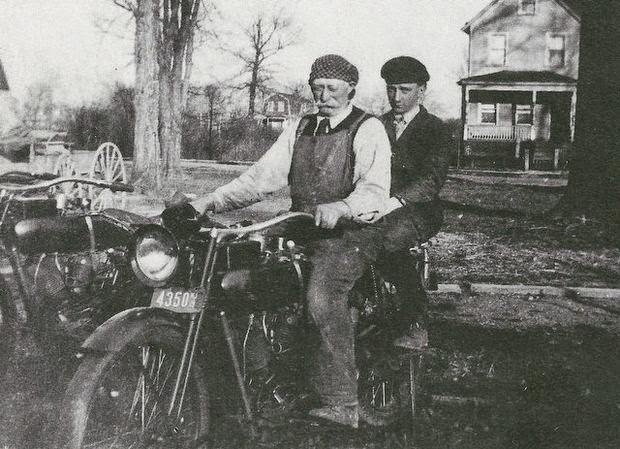
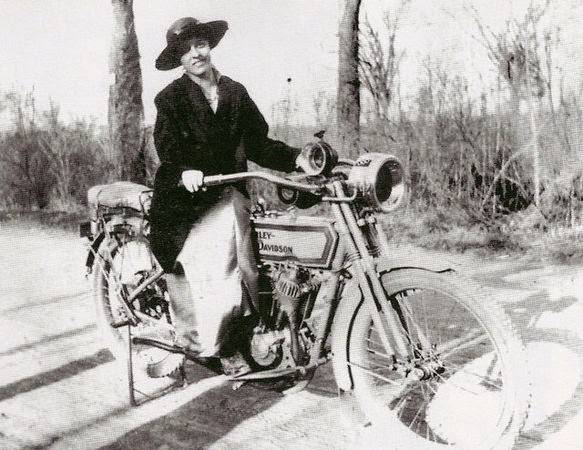
Harley-Davidson and Indian dominated New Jersey roads. Riders customized their machines with new handlebars, seats, and paint jobs. Each bike was a direct reflection of its owner.
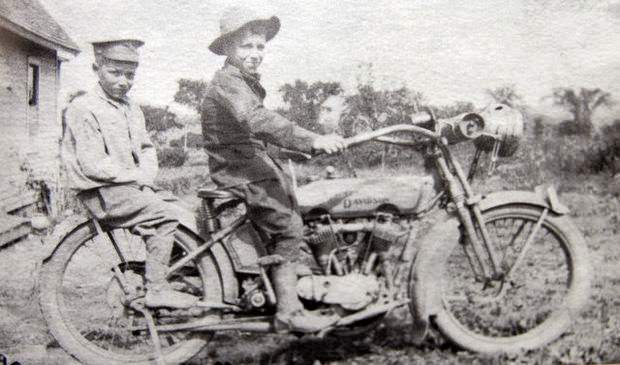
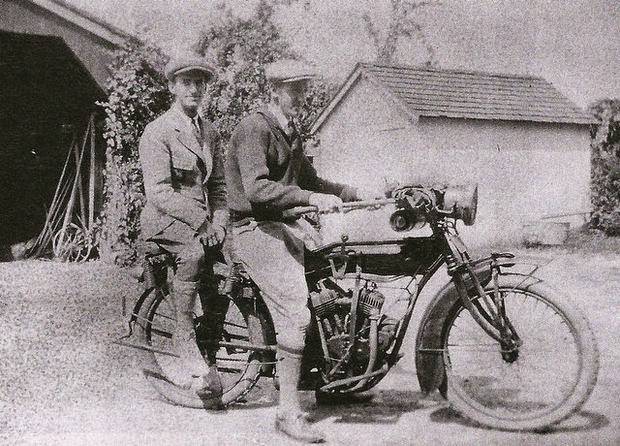
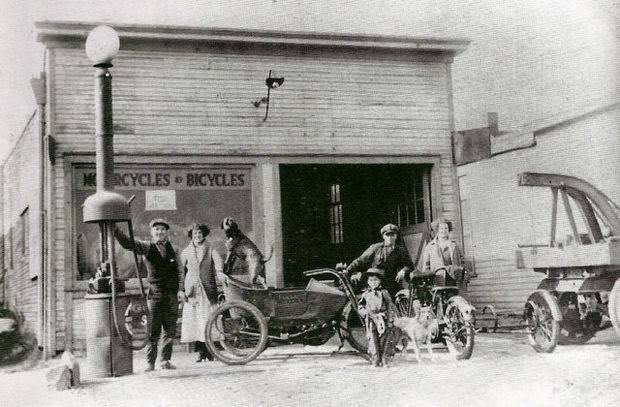
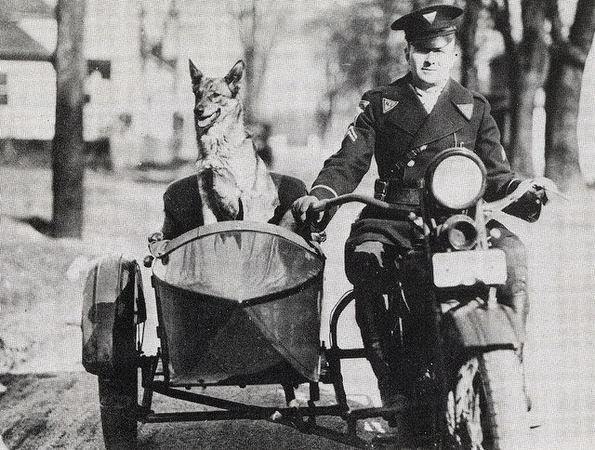
Cycle shops offered more than repairs. They were social hubs where riders connected. Some shops featured sidecars, which allowed passengers — and occasionally pets — to ride along.
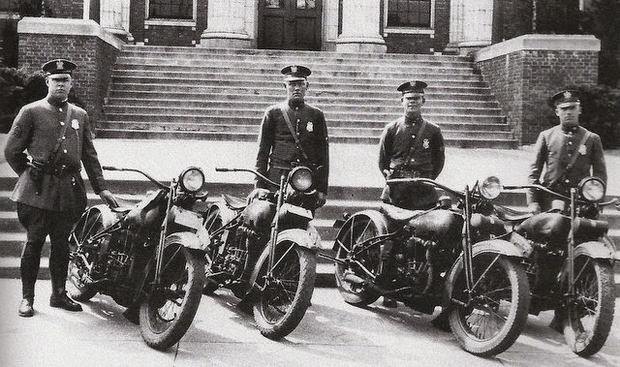
By the 1920s, motorcycle squads were a standard feature of many New Jersey police departments. Towns organized formal units, often photographed in front of municipal buildings as a show of civic authority.
Motorcycles gathered crowds wherever they stopped. Diners, gas stations, and roadside spots like Van’s Café became natural meeting points for riders passing through.
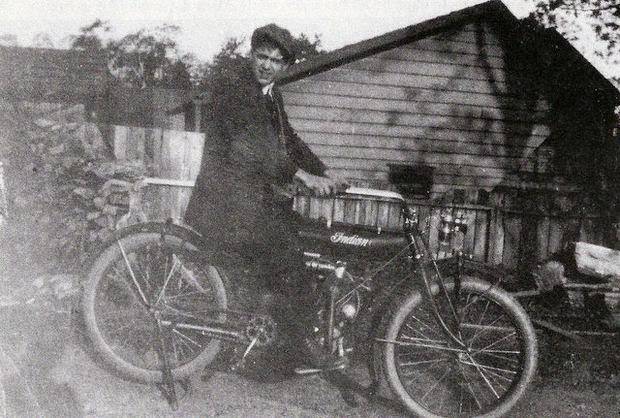
Women were present in New Jersey’s motorcycle scene from the beginning. Rachel Young Rogers rode a vintage Harley through West Hudson Park in Kearny in the 1900s — a clear sign that riding was never exclusively male.
Patrol officers across New Jersey’s municipalities used motorcycles for everyday law enforcement. Officers like Irvington’s Gus Zelles and Middletown’s Police Chief Earl Hoyer became recognizable figures on their machines.
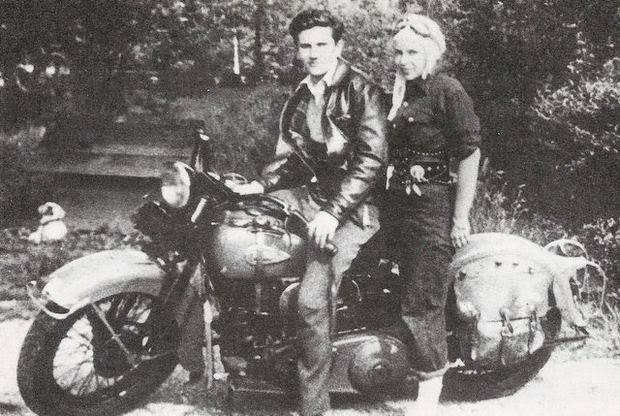
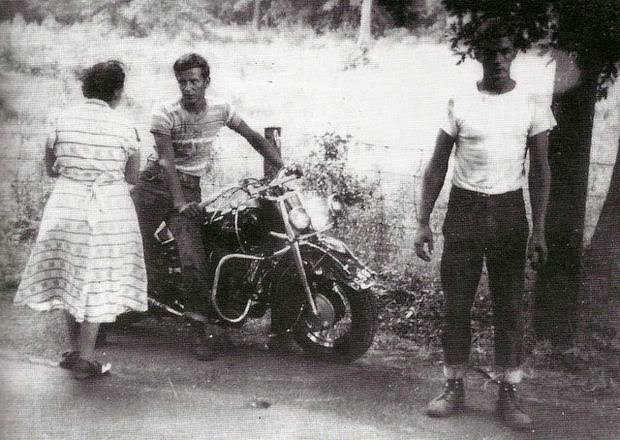
After World War II, military veterans returned home with riding experience and bought affordable surplus bikes. By the late 1940s and into the 1950s, motorcycle use shifted from daily work to weekend recreation. Riders headed to the Jersey Shore, through the Pine Barrens, and along back roads. Leather jackets, heavy boots, and gloves became standard gear. Helmets were rare. Riders trusted their experience over equipment.
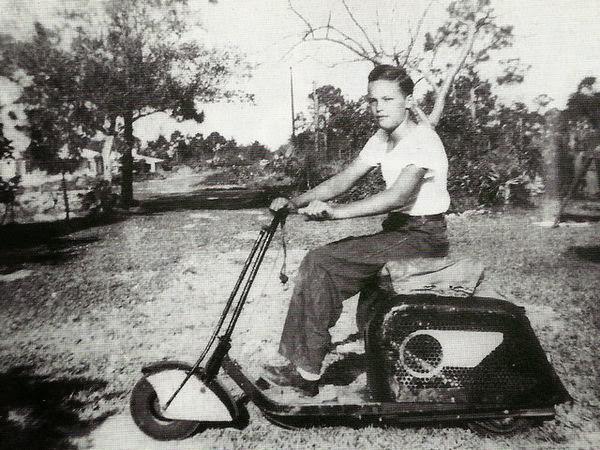
Younger riders in the 1960s took to scooters, a lighter and more affordable alternative that brought a new generation into the riding culture New Jersey had been building for decades.
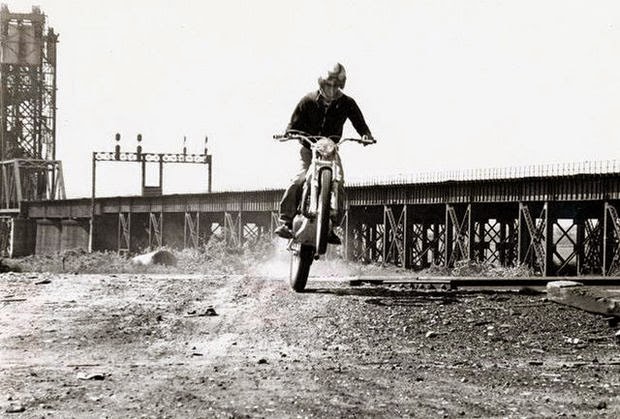
By the 1970s, riders were pushing into new terrain. Dirt biking under the Eighth Street train trestle bridge in Bayonne showed how far motorcycle culture had expanded — from paved town squares to raw, industrial edges of the state.