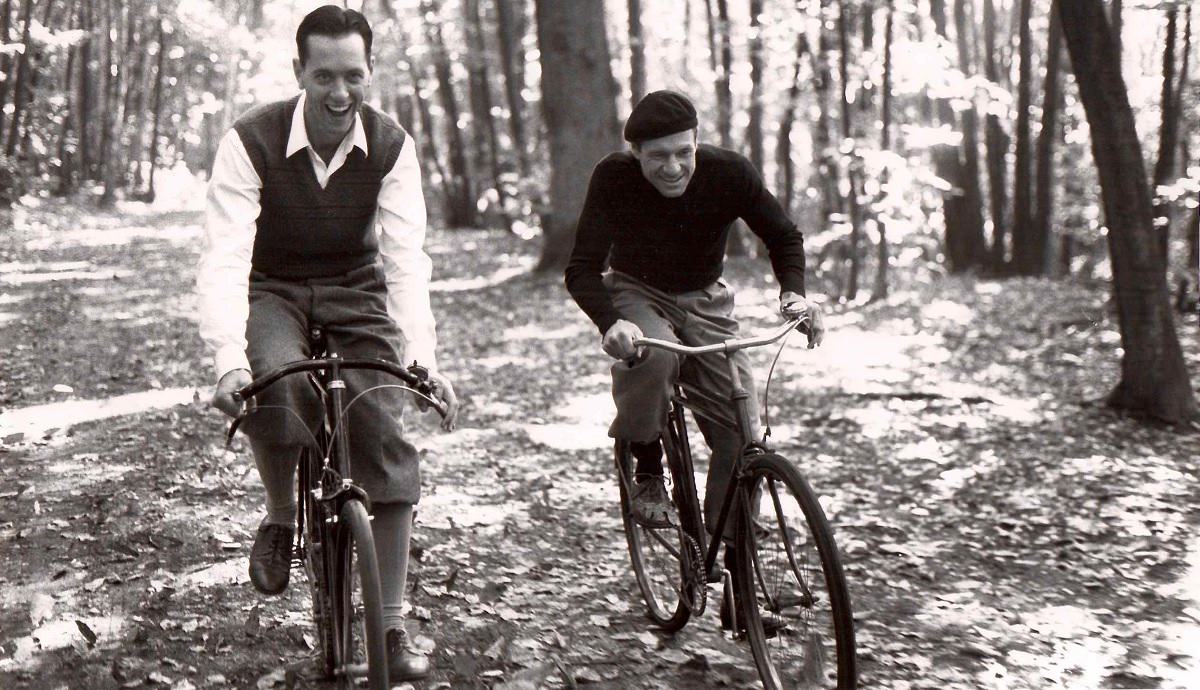
In the early 1900s, tennis was a sport tied closely to social standing. Courts appeared on private estates and inside exclusive country clubs, and a match was as much a social event as an athletic one. Women who stepped onto the court were expected to look refined while actually competing — a balance that defined the era.
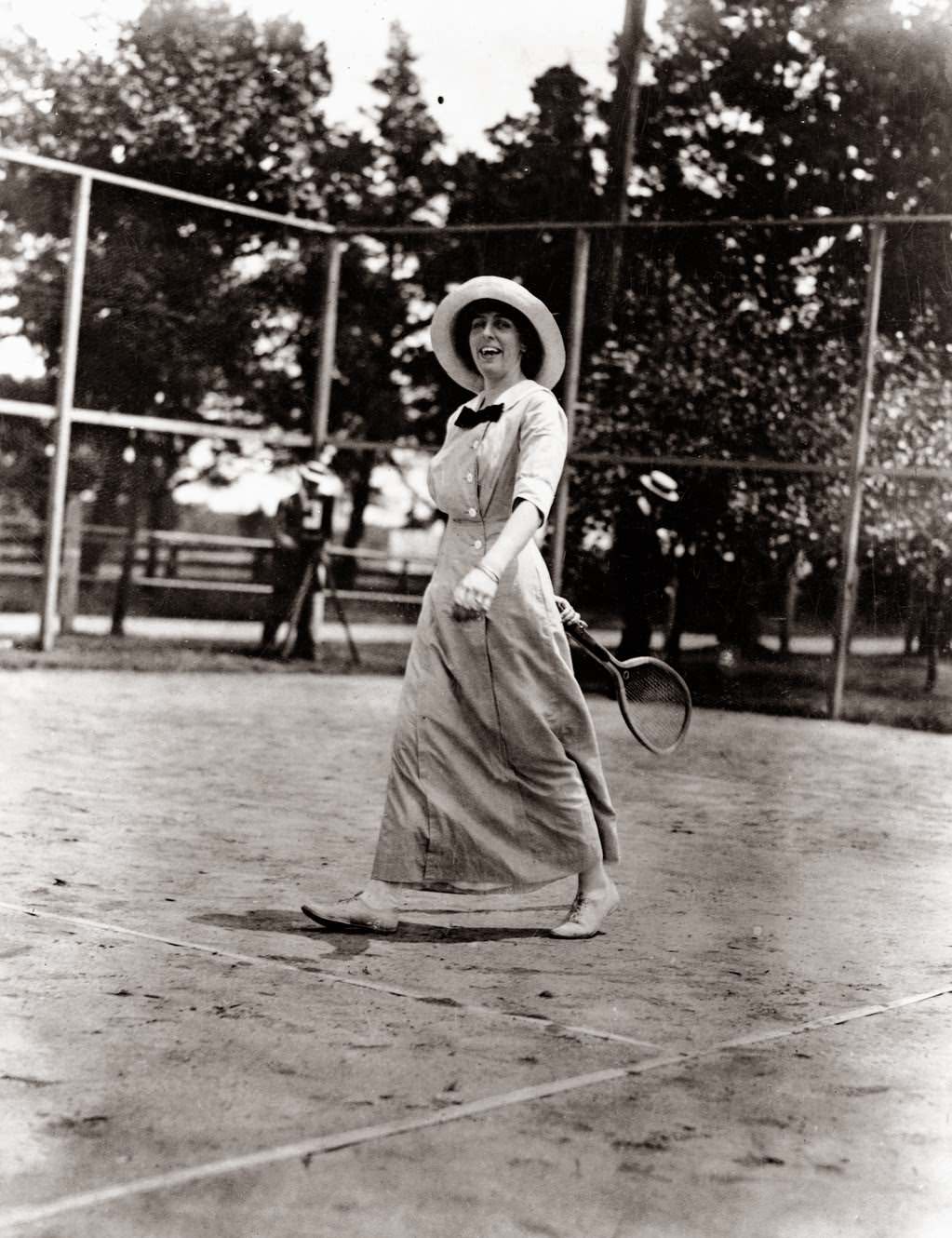
The clothing alone tells the story of how demanding the sport was for women at the time. Long skirts fell to the ankle, paired with high-collared blouses and wide-brimmed hats. These outfits were built for modesty first, movement second. Players had to generate powerful strokes while managing layers of fabric with every step.
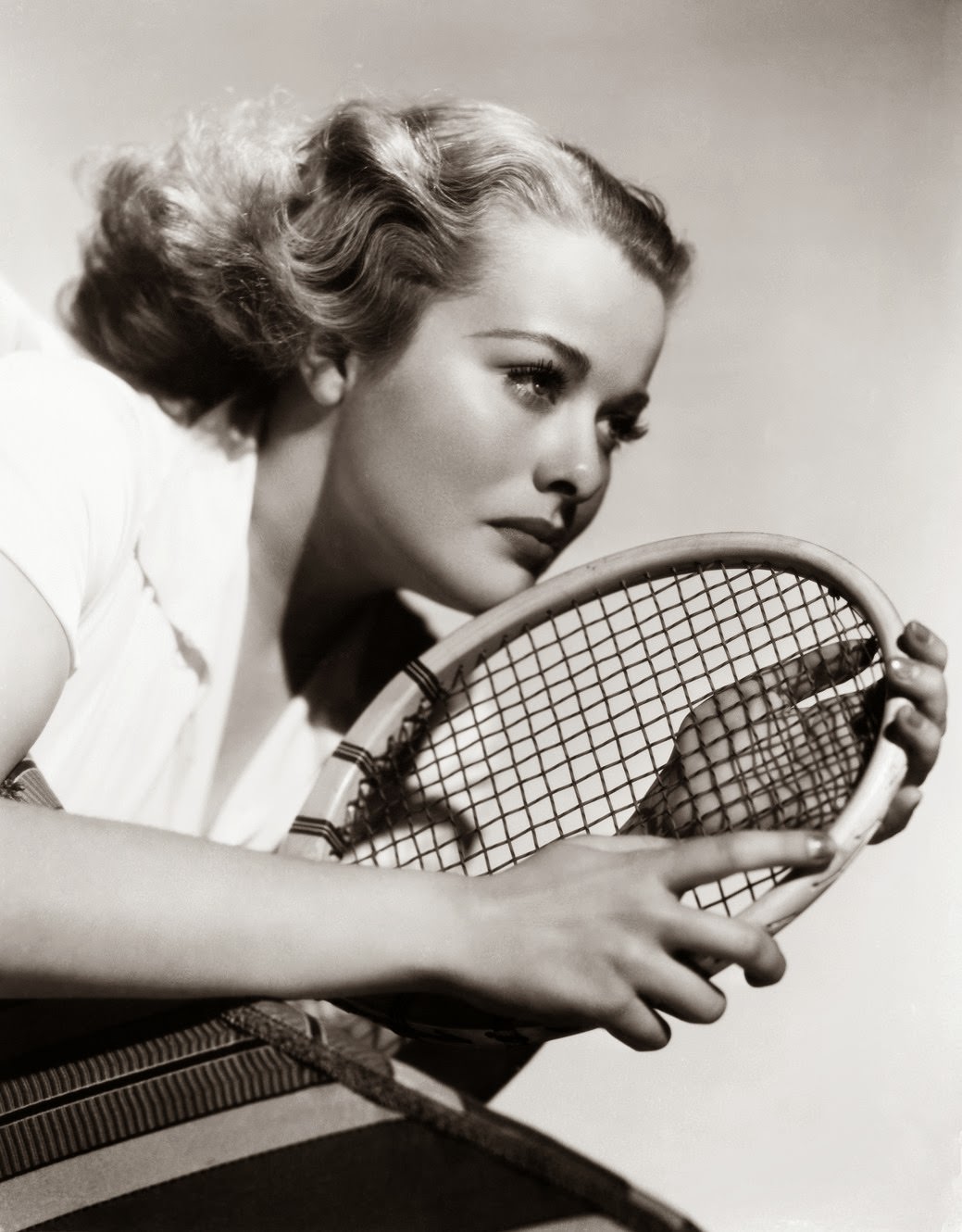
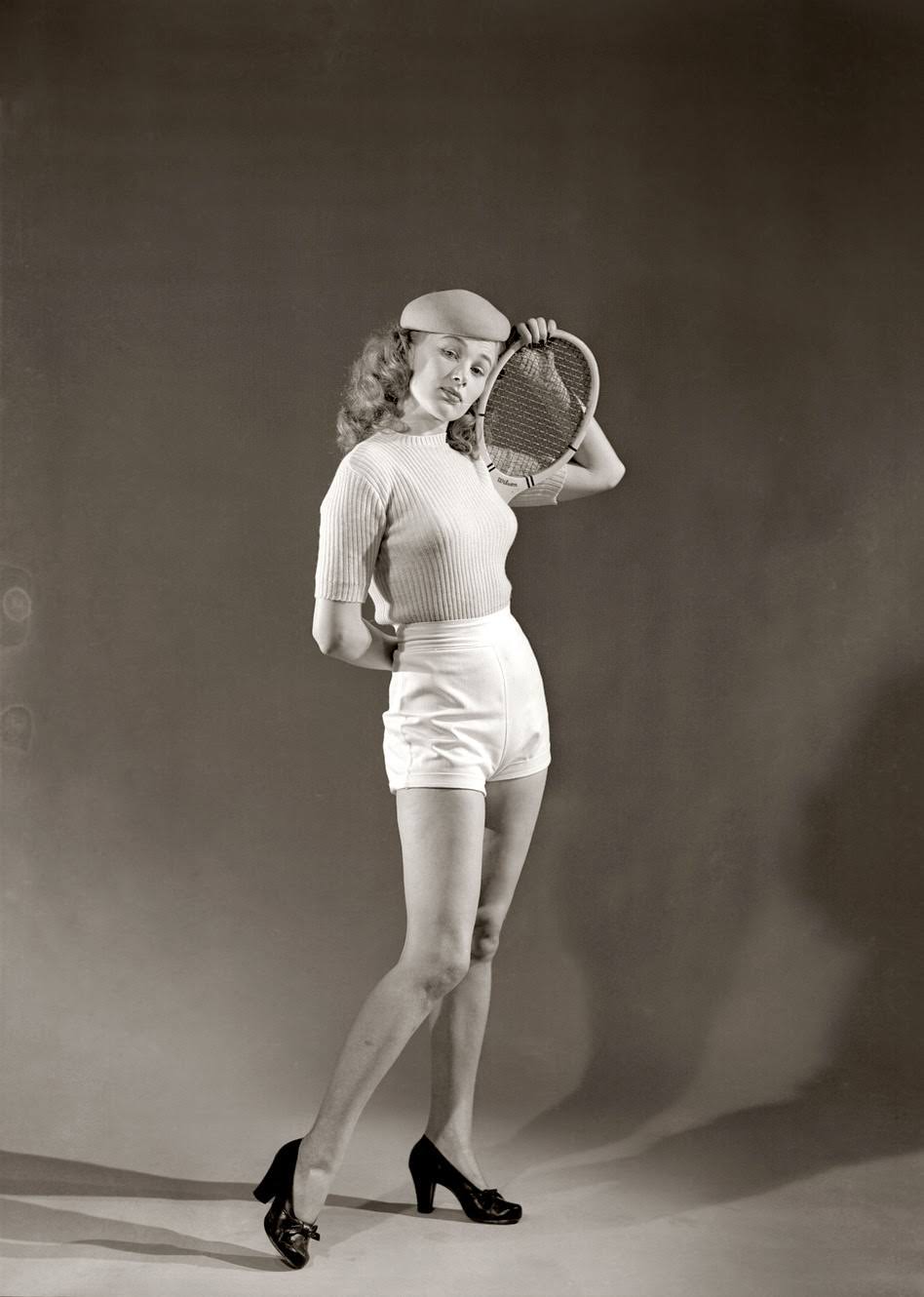
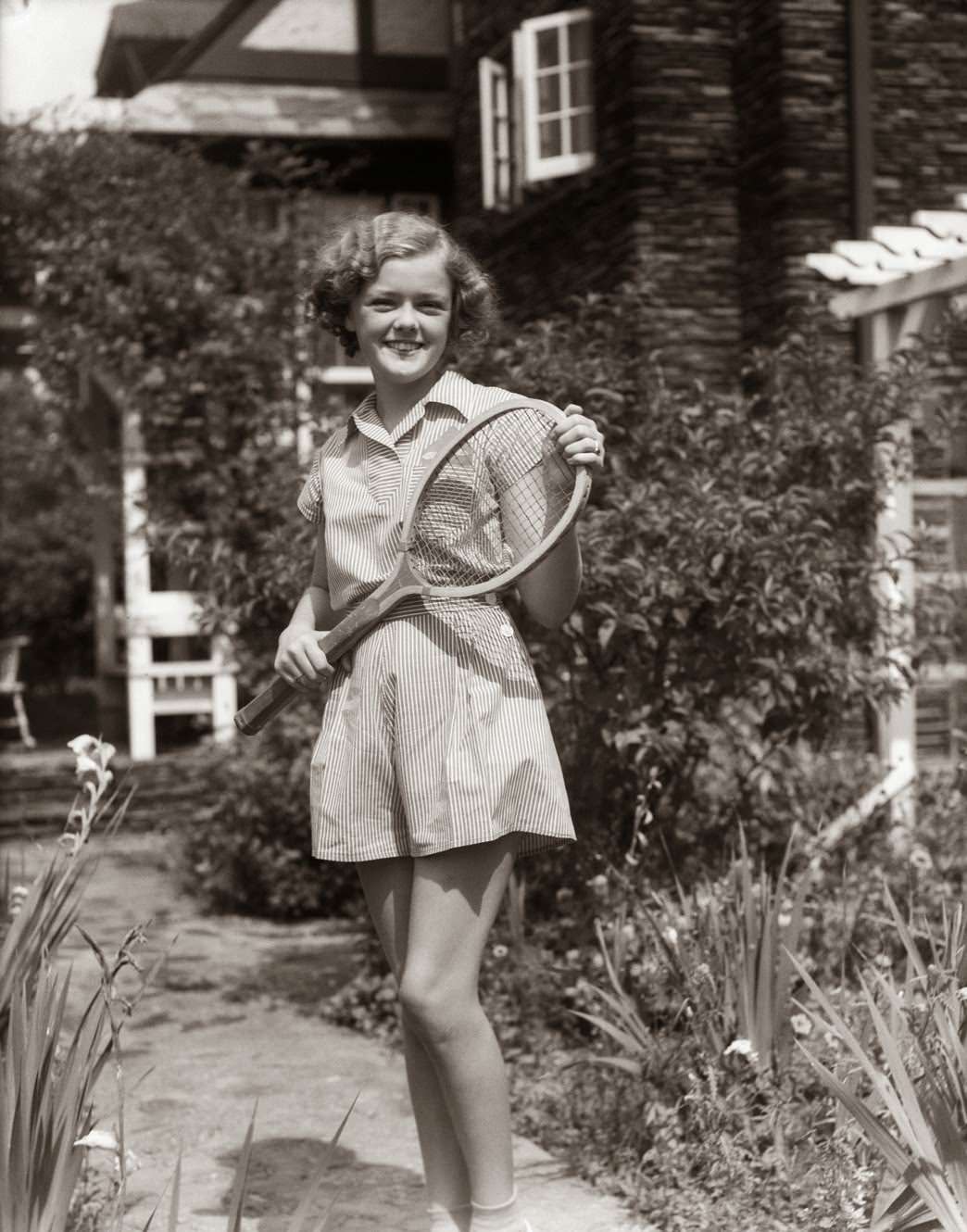
The rackets themselves added another layer of difficulty. Early wooden frames, strung with gut, were noticeably heavier than anything used today. Controlling one required real strength and precision. Doing so in formal dress, under the eyes of polite society, demanded a particular kind of discipline.
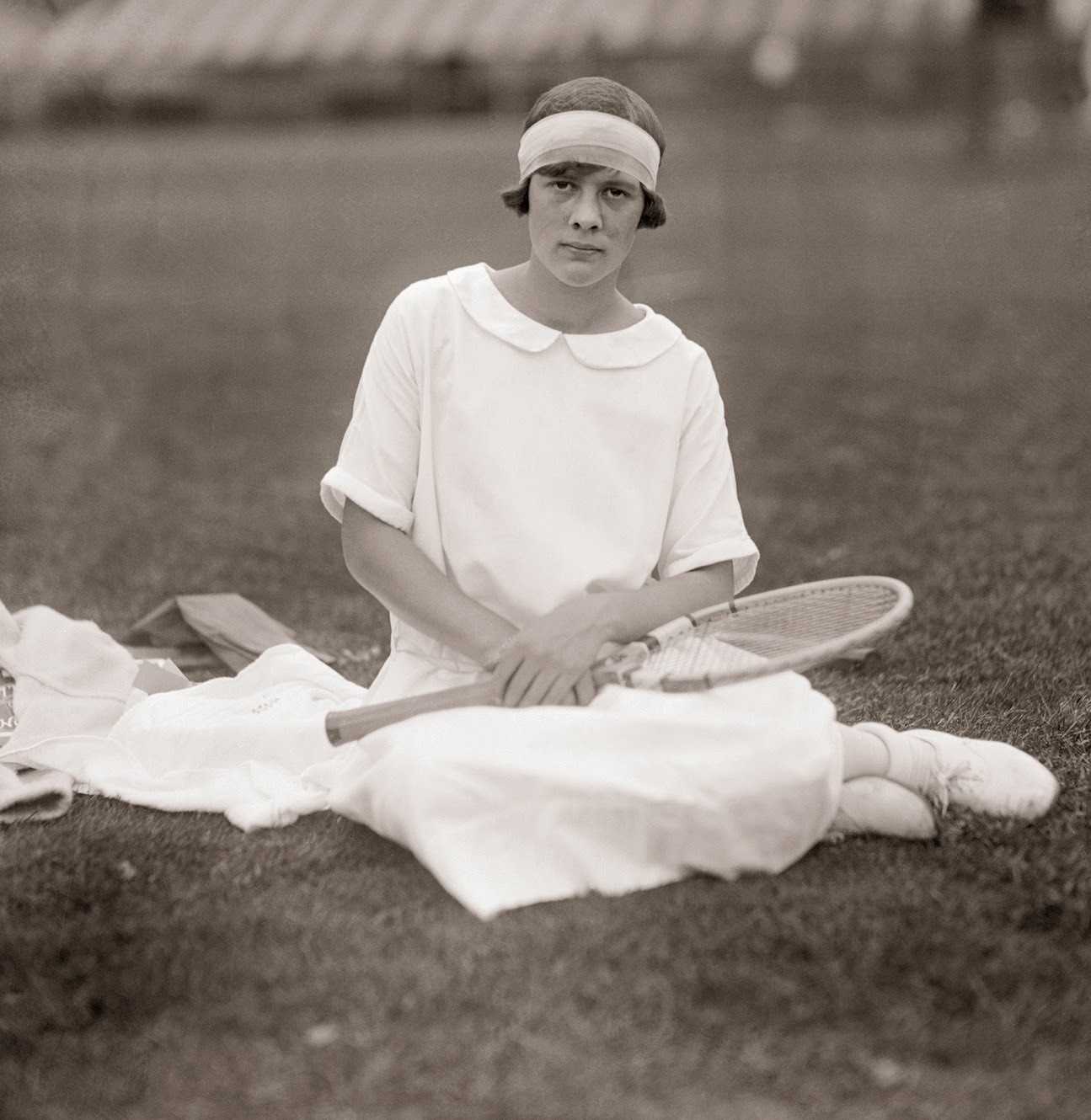
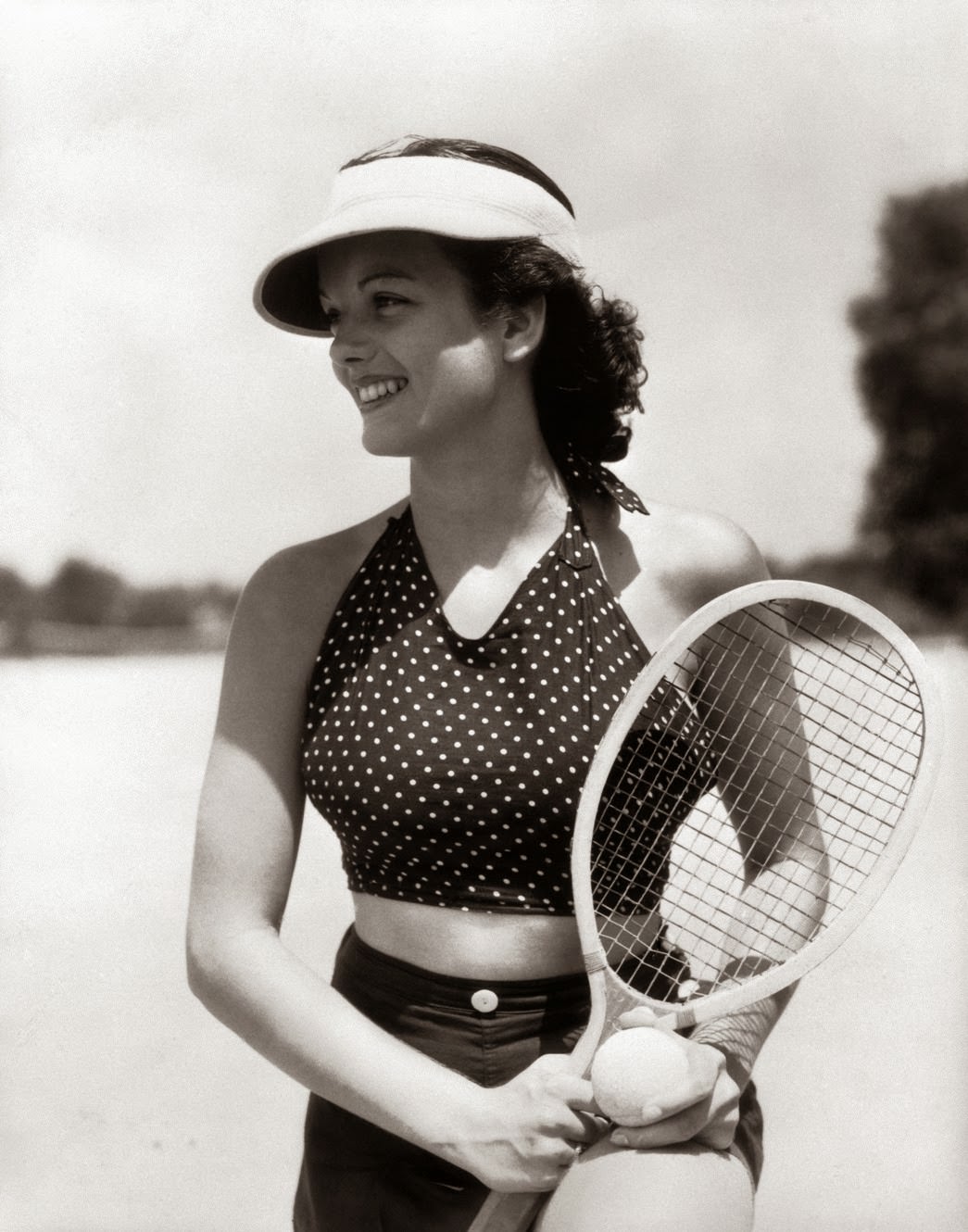
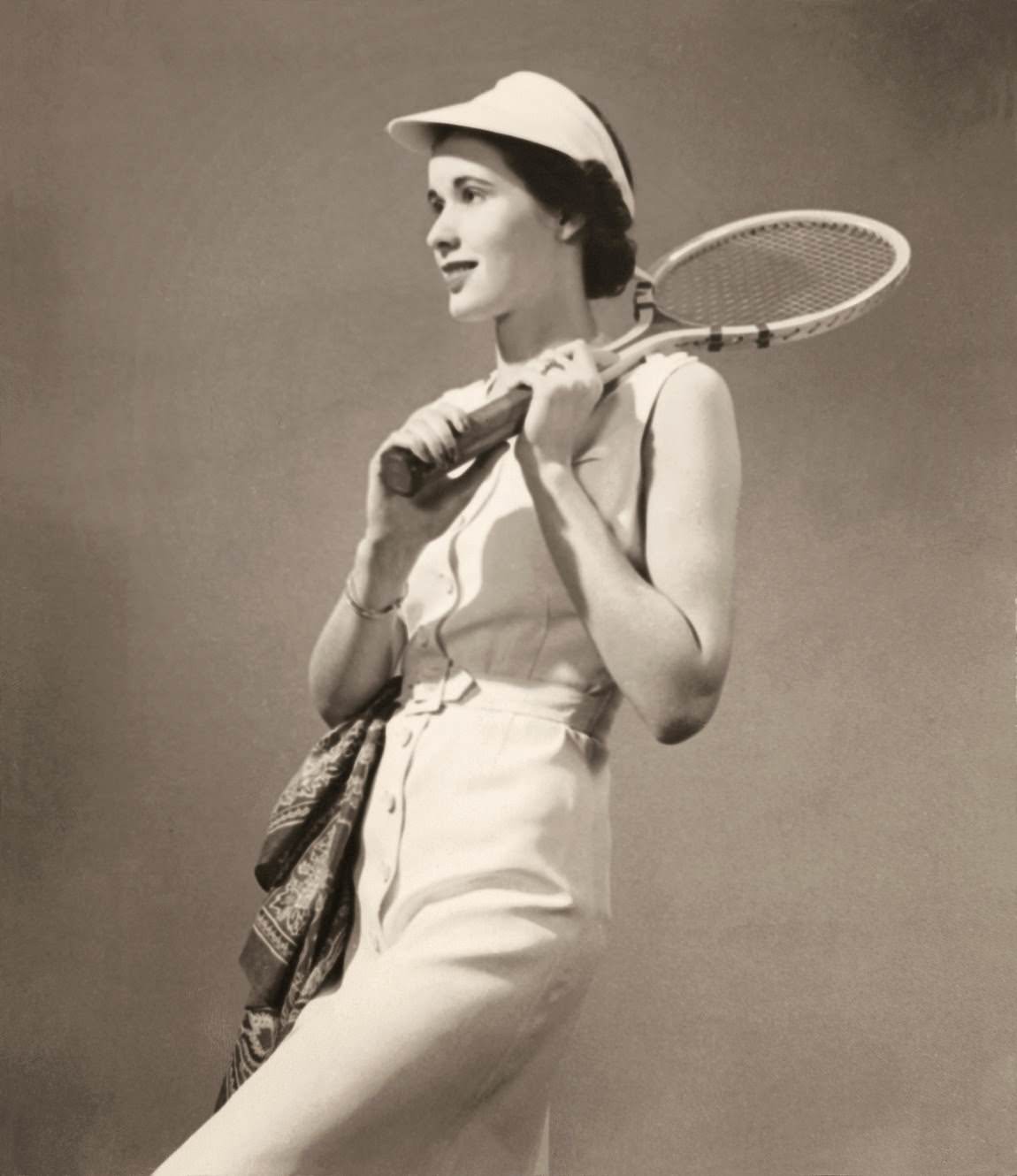
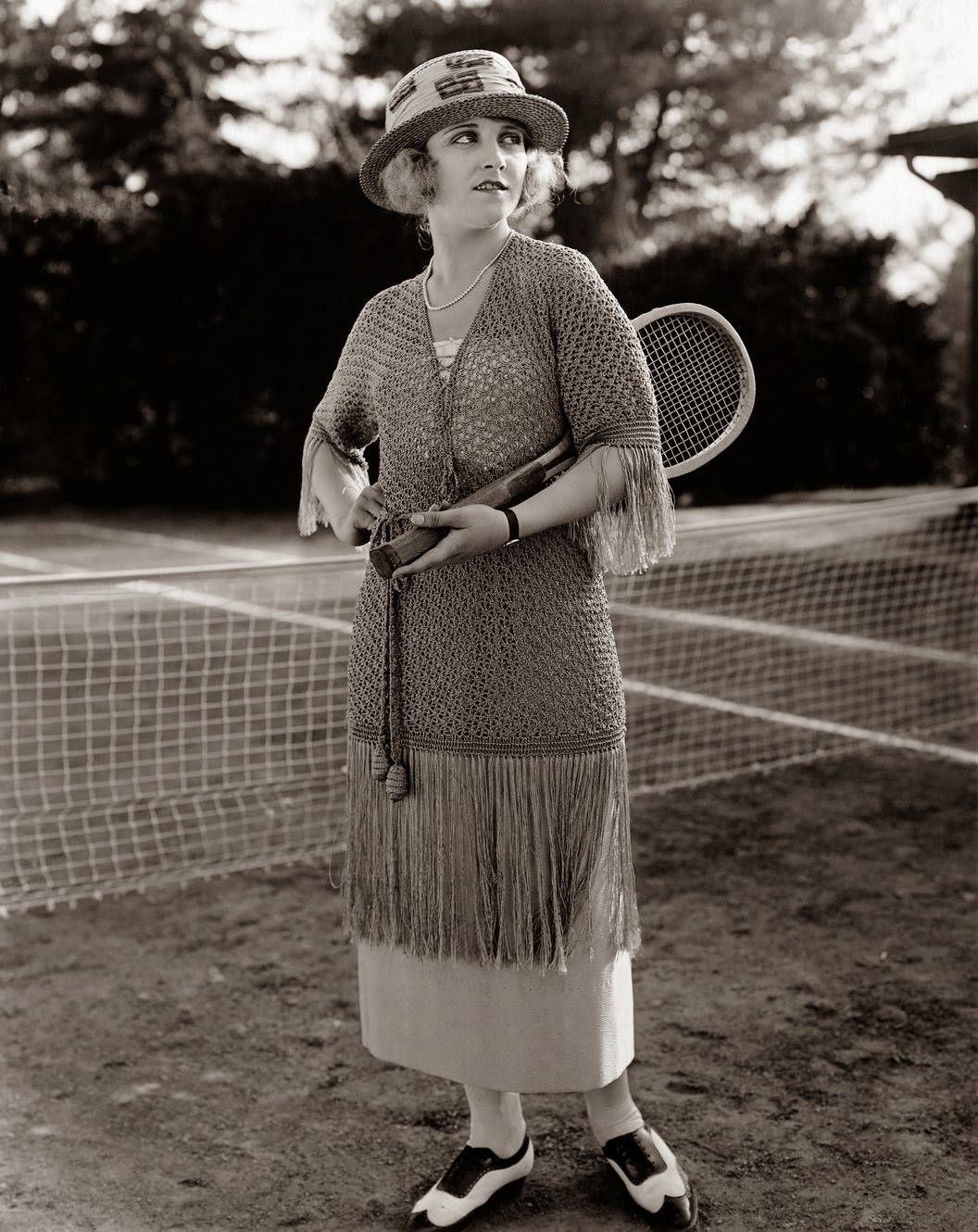
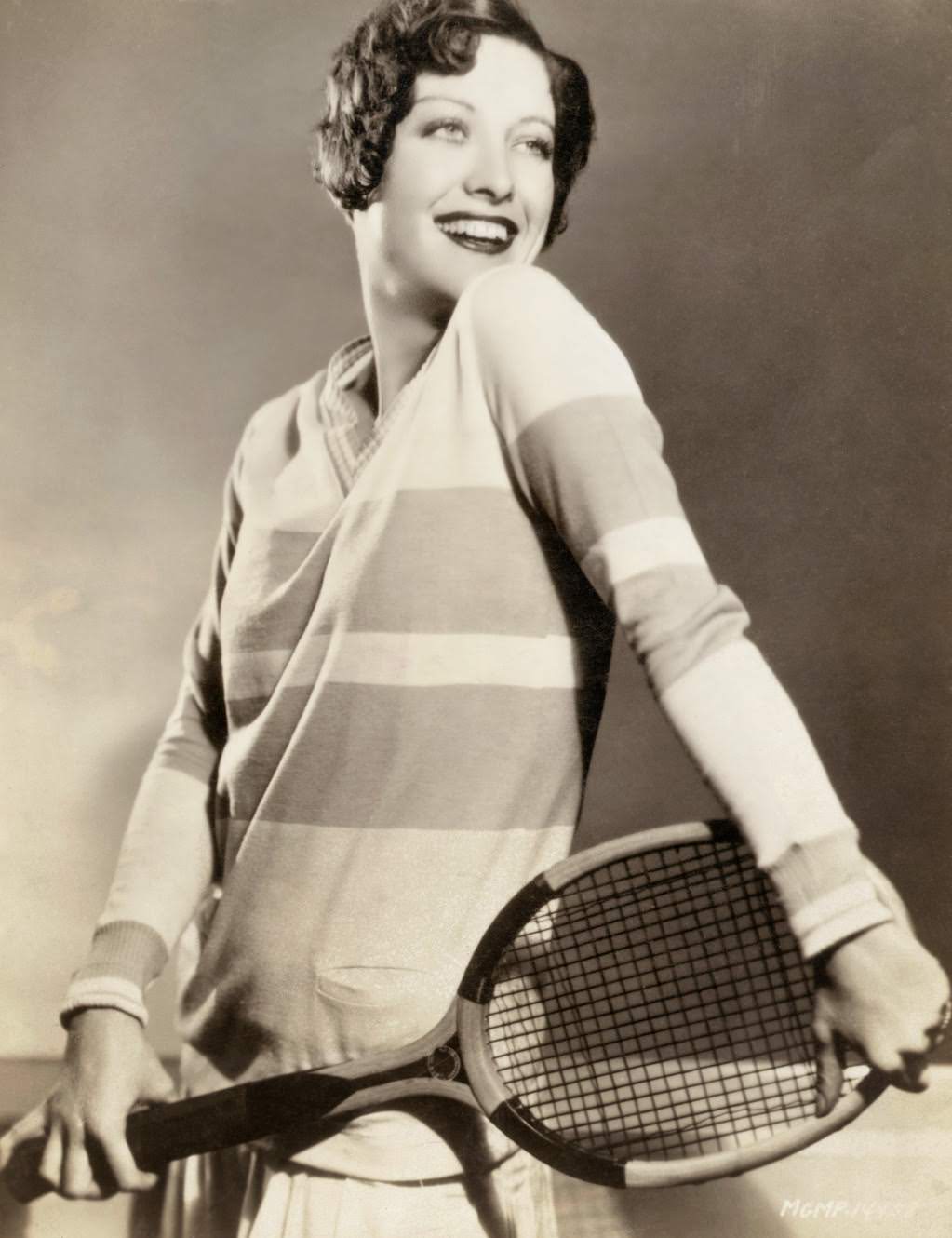
By the 1920s and 1930s, tennis had grown into a symbol of the fashionable athletic woman. Stars like Helen Wills dominated headlines, bringing both skill and glamour to the sport. Hollywood actresses were regularly photographed on the court, racket in hand, reinforcing tennis as part of a chic, active lifestyle.
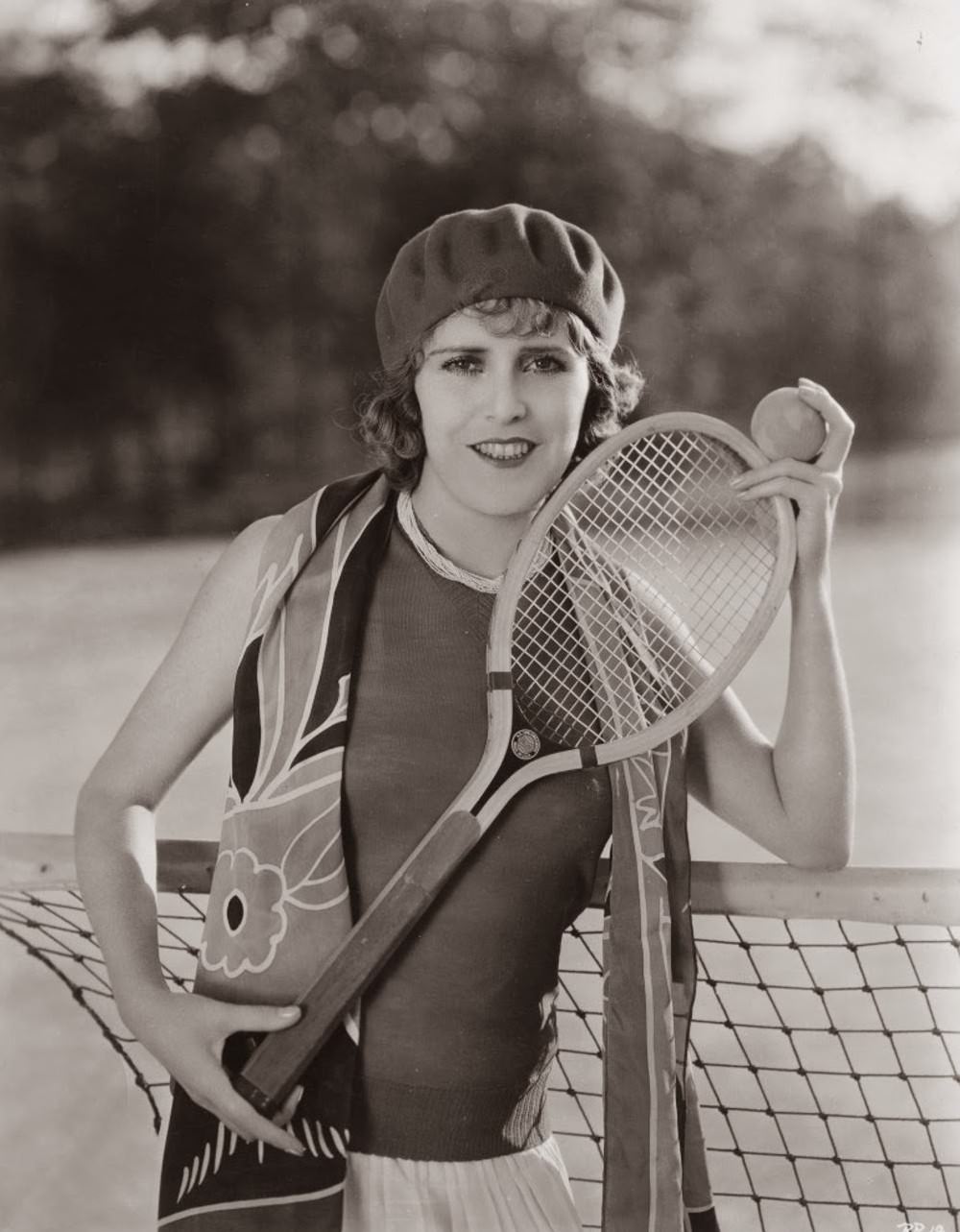
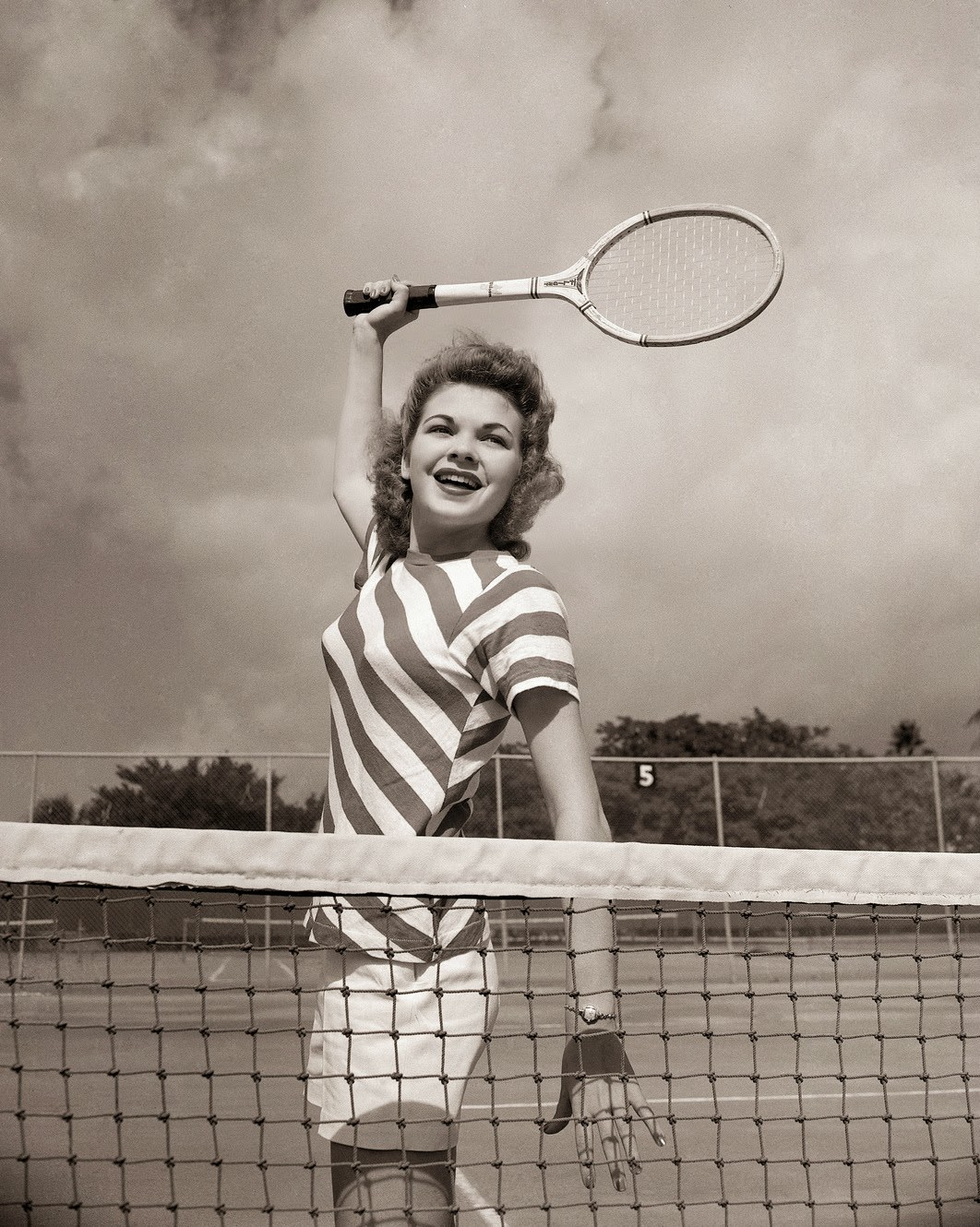
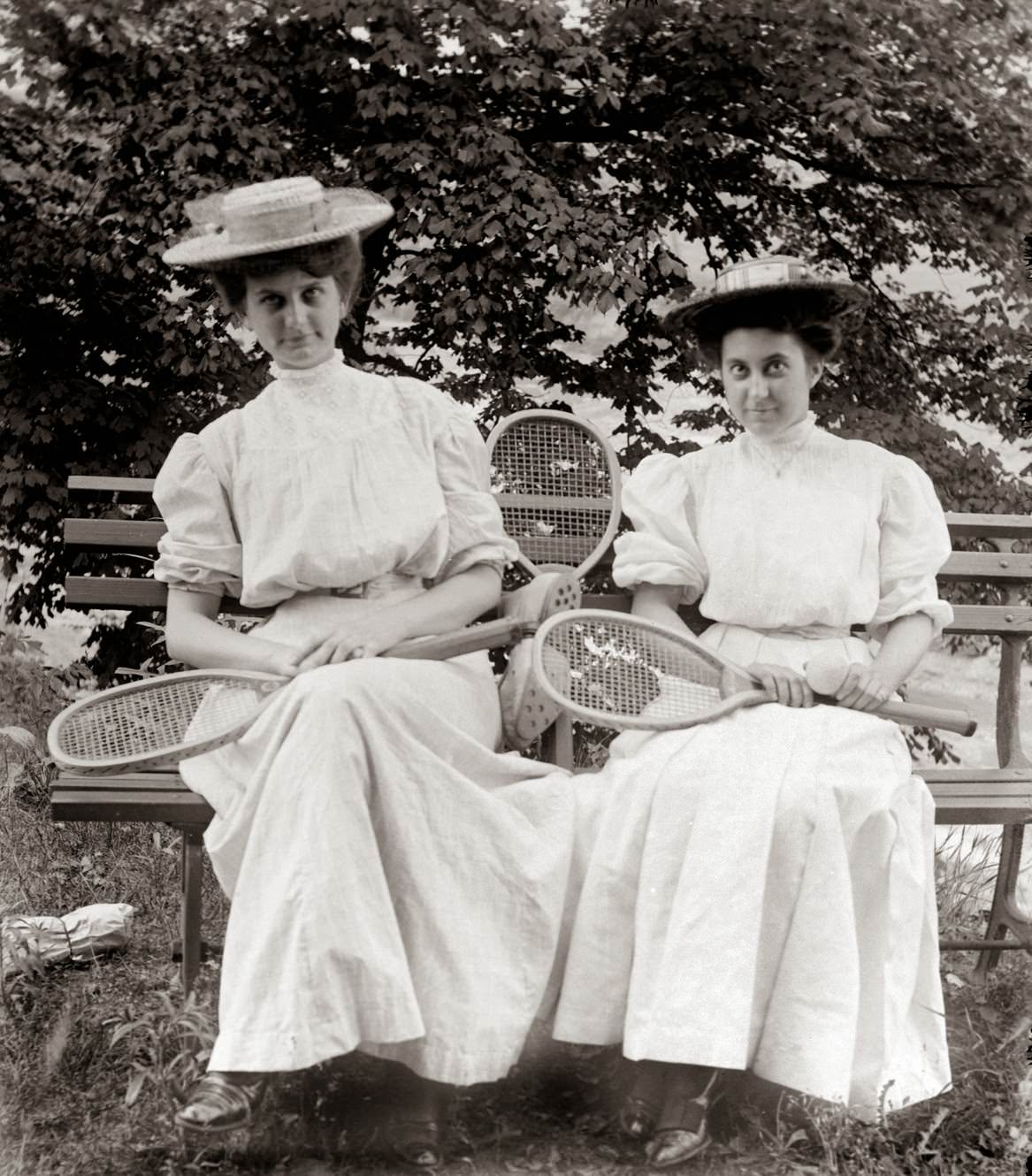
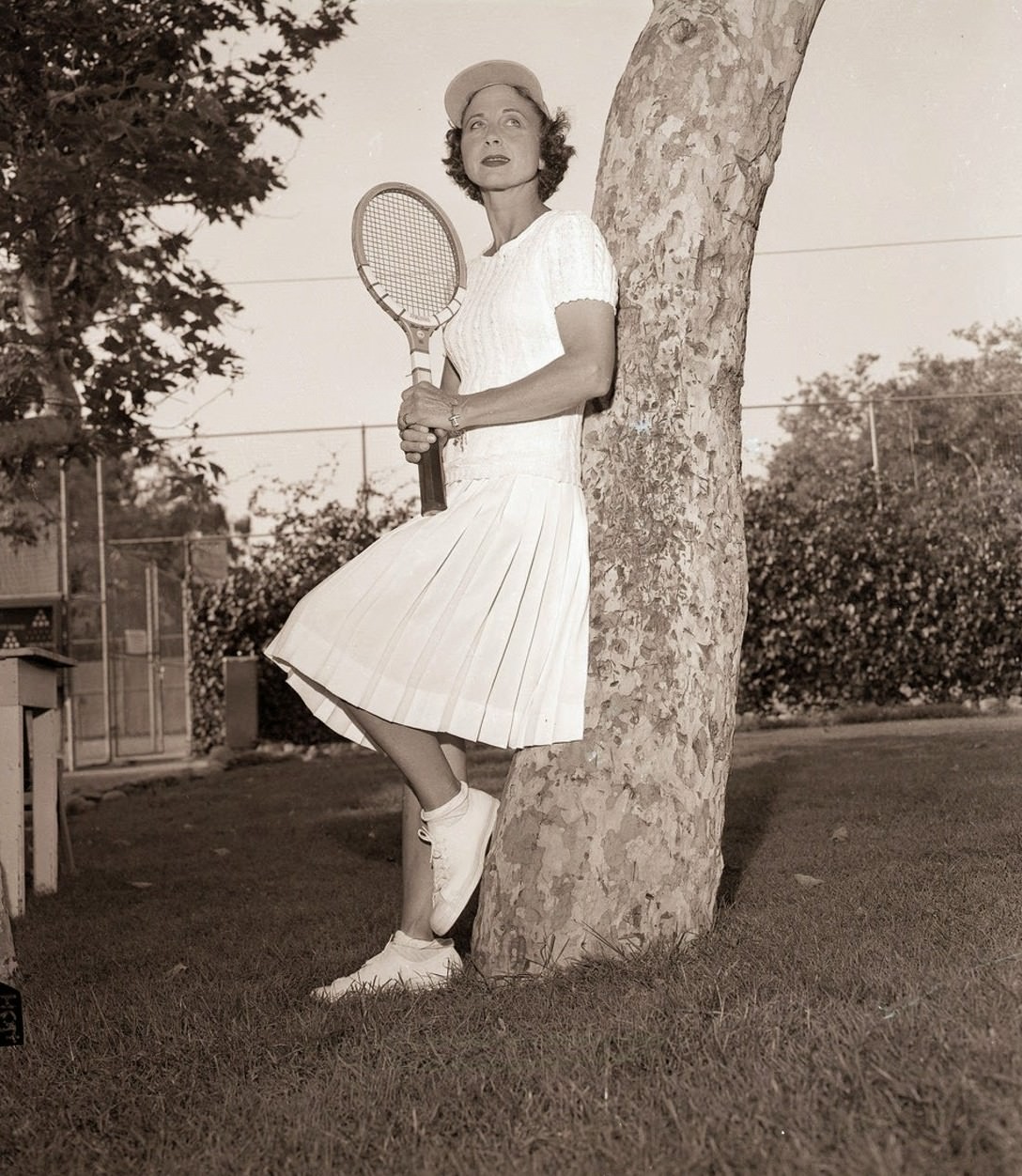
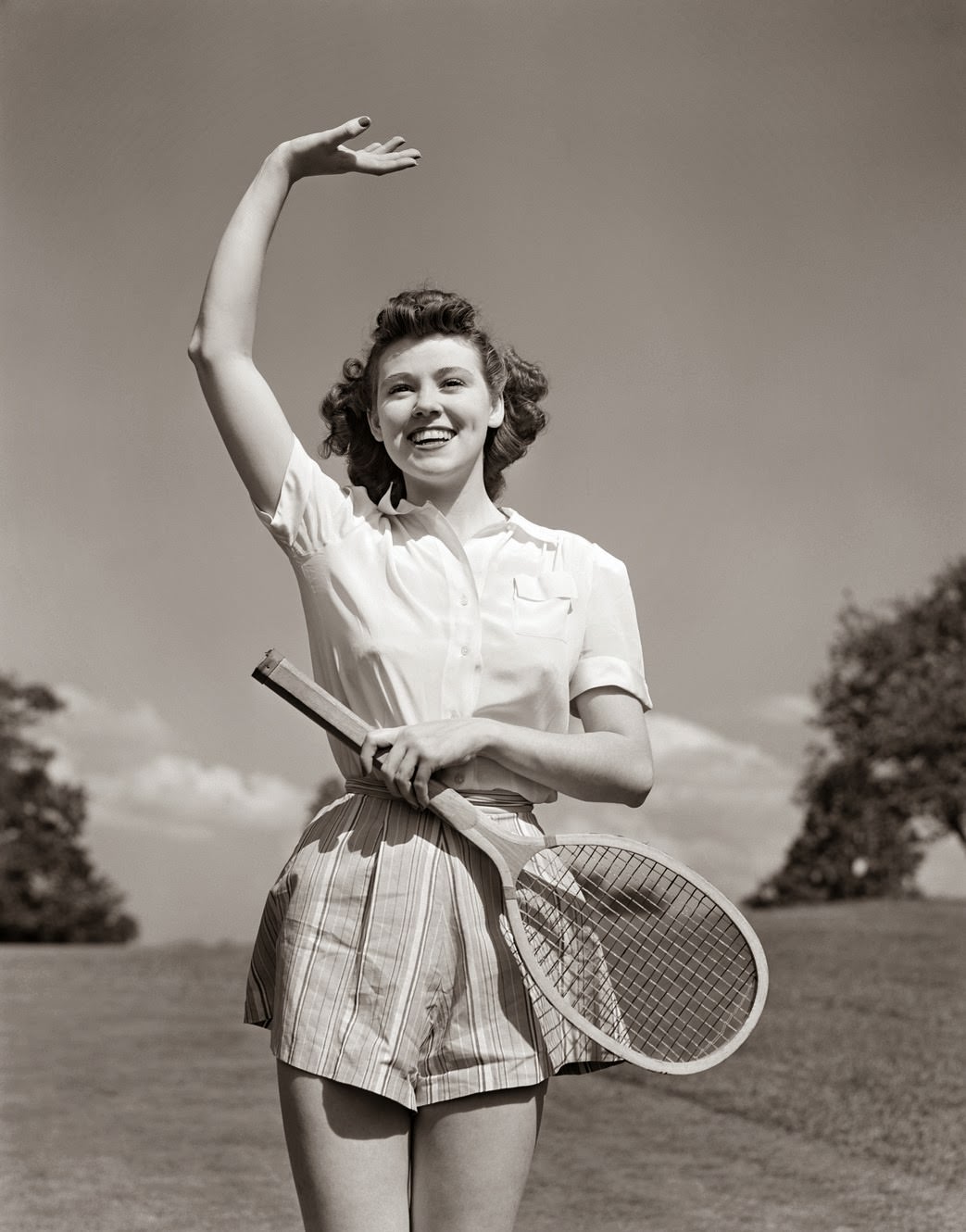
Tennis photography from this period captures something beyond sport. The posed shots, the careful grip on the racket, the composed expressions — all of it reflects a culture where playing tennis meant projecting a certain image to the world.
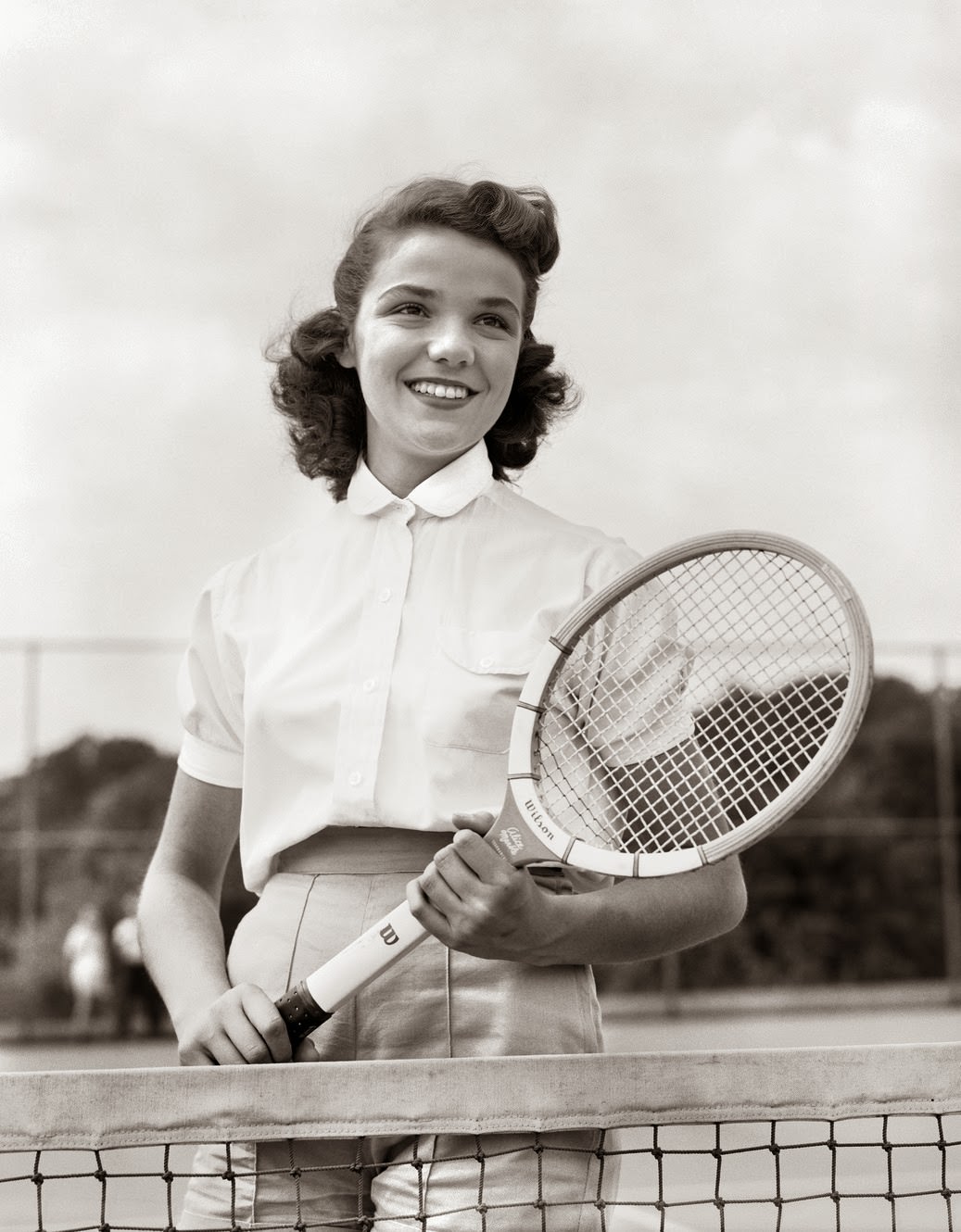
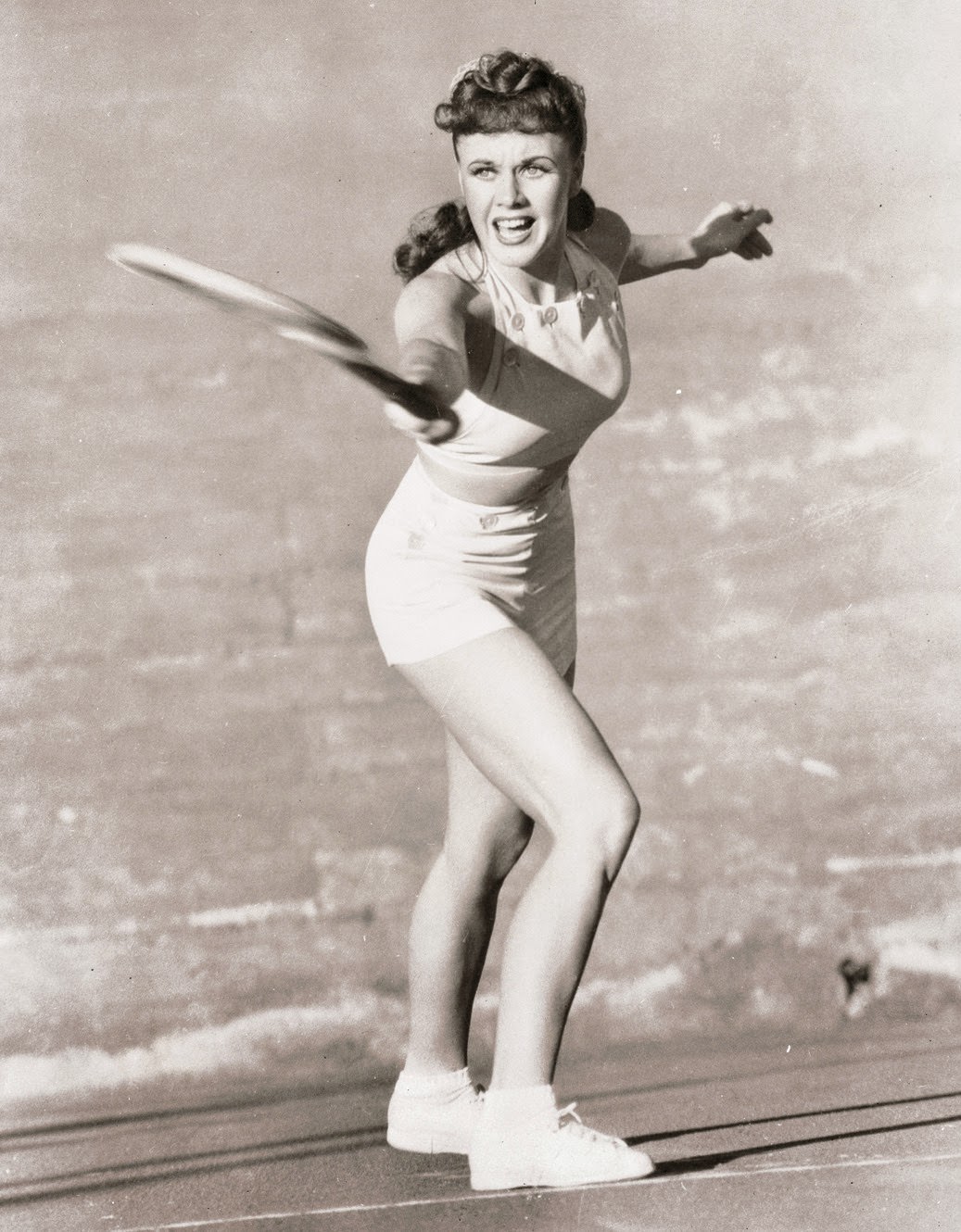
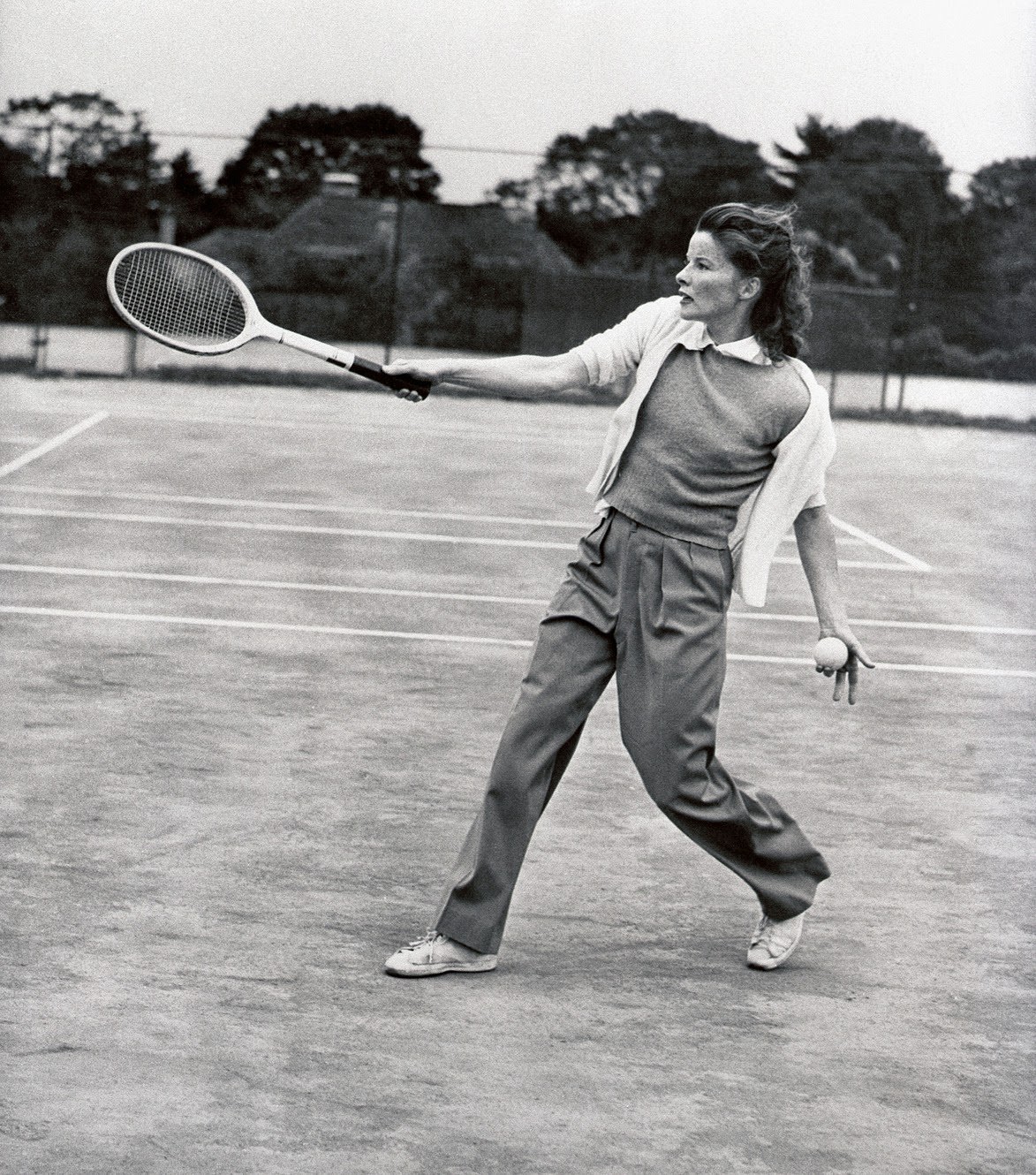
As the decades moved through the 1940s and into the 1950s, tennis attire gradually shifted. Skirts shortened, sleeves disappeared, and practicality slowly won out over formality. Yet the elegance associated with the sport never fully faded from these photographs.
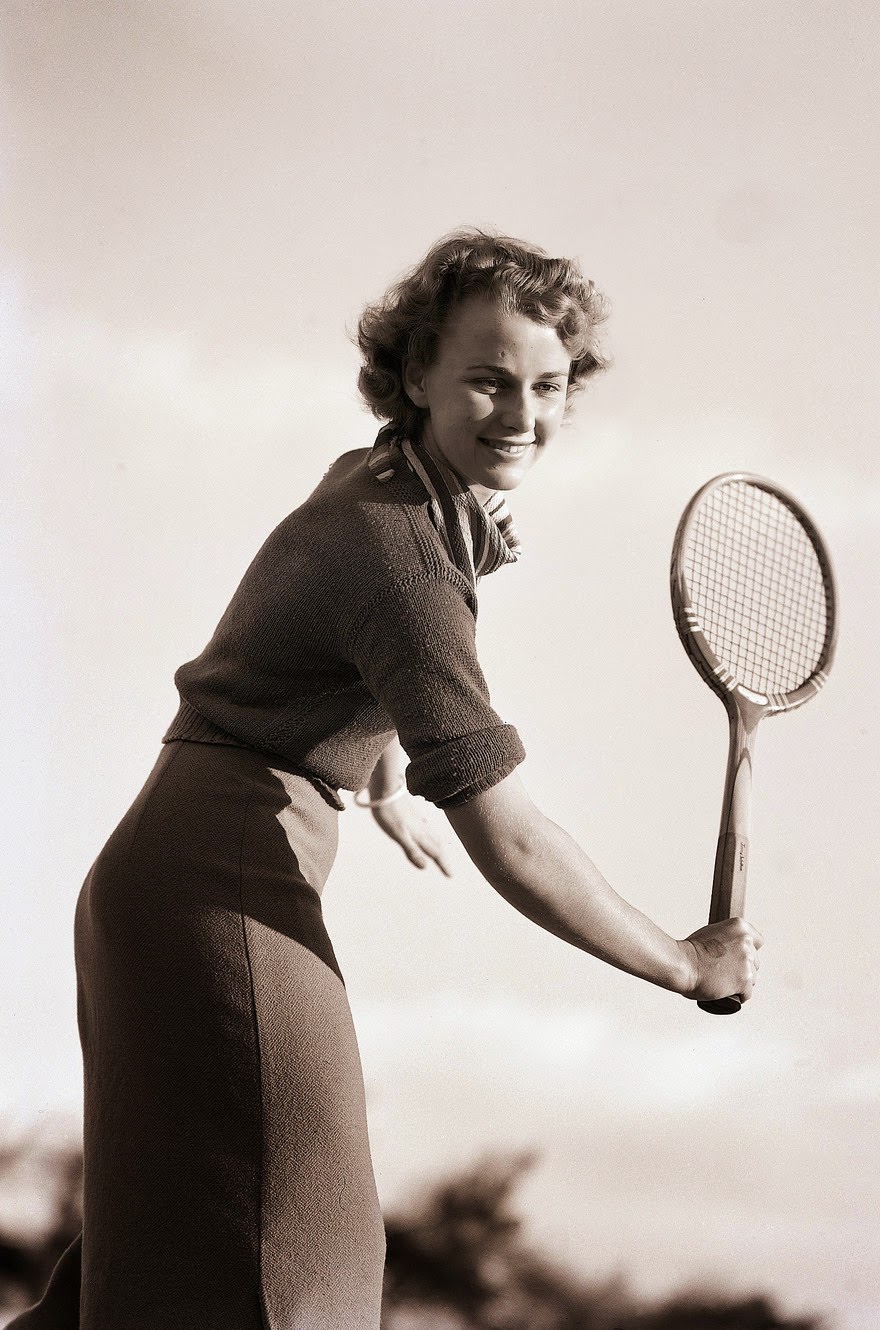
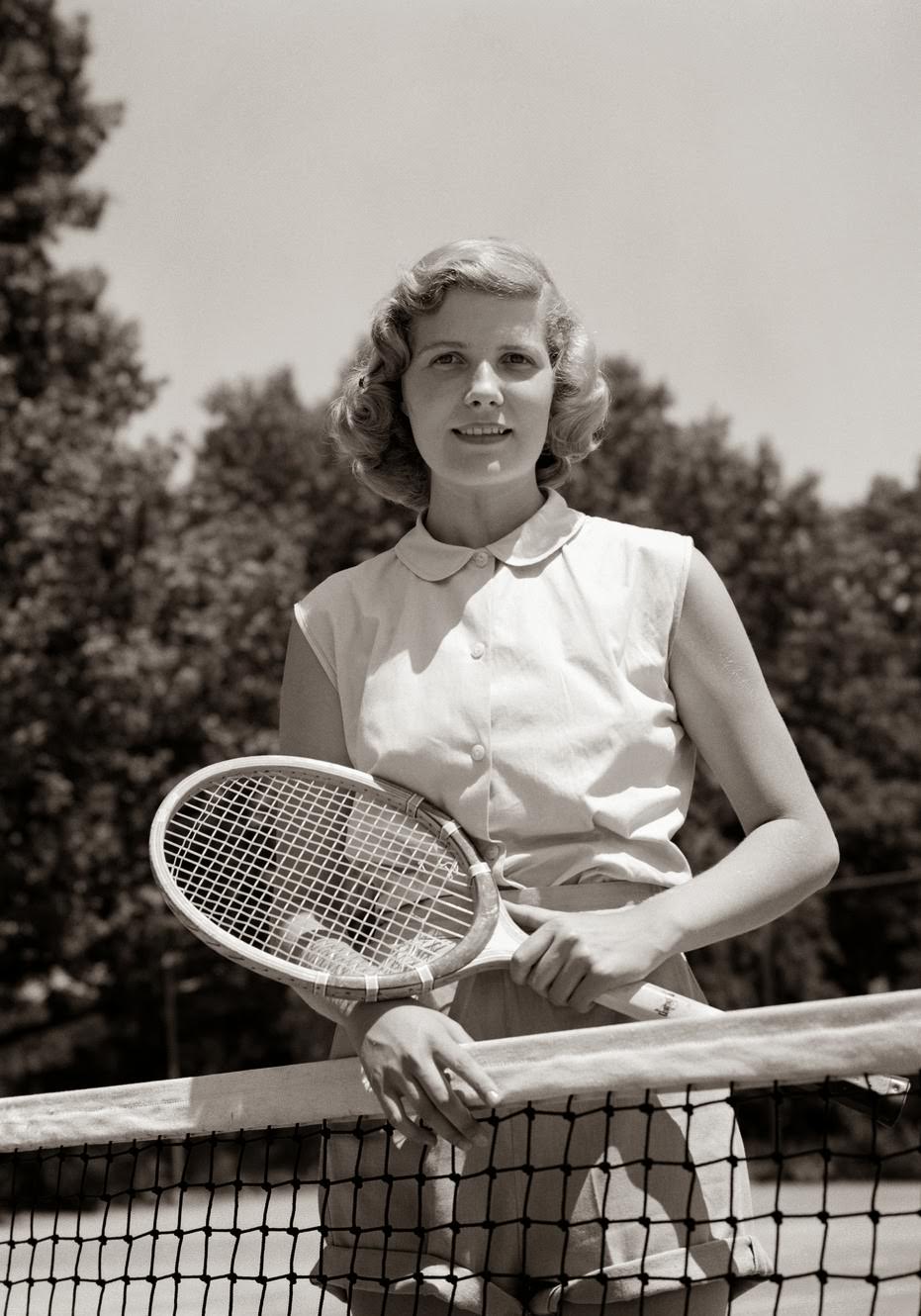
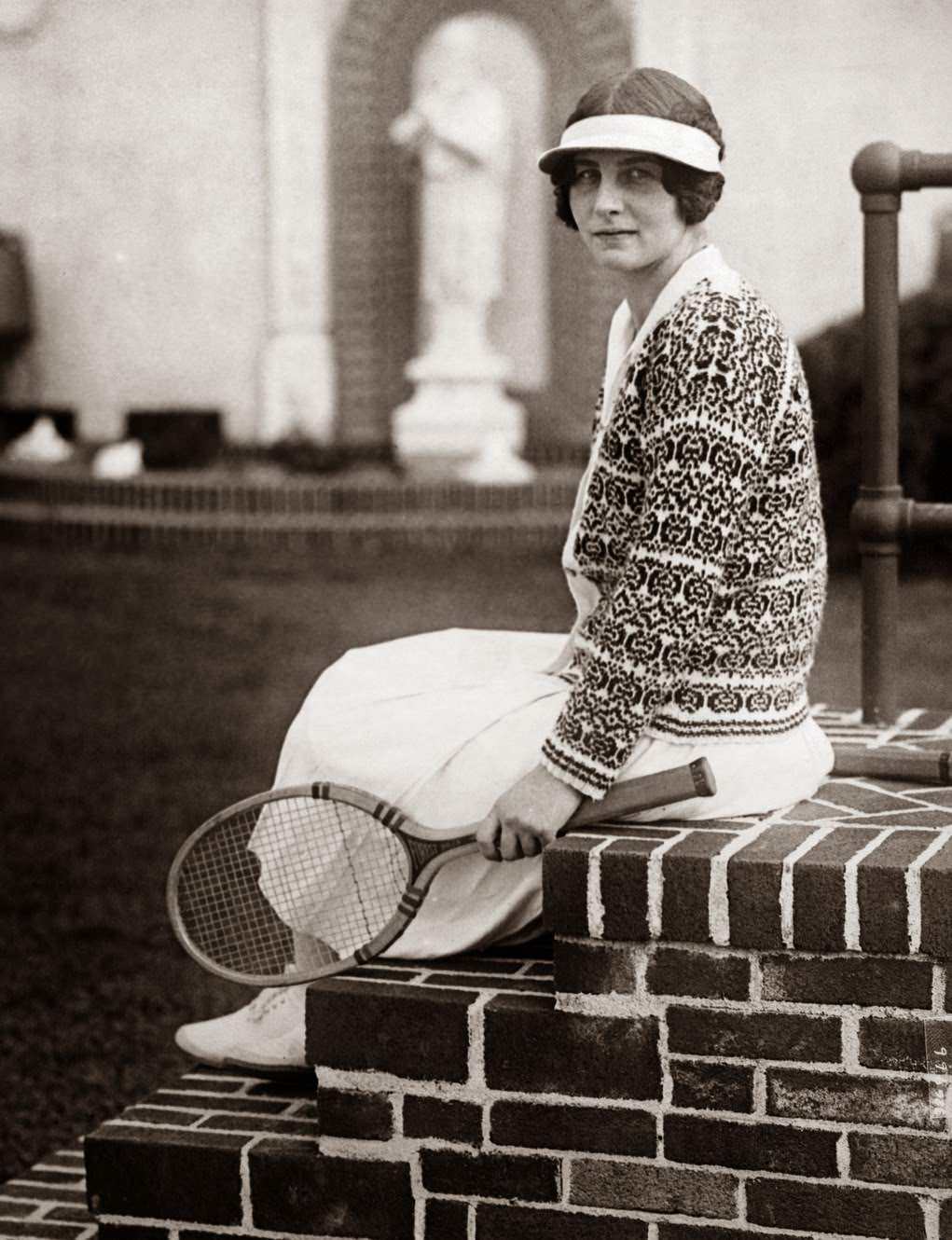
Celebrities and public figures brought extra visibility to the game. Actresses like Joan Crawford, Ginger Rogers, and Katharine Hepburn were photographed with rackets, turning the court into an extension of their public persona. Their presence in tennis imagery helped cement the sport’s association with sophistication and style.
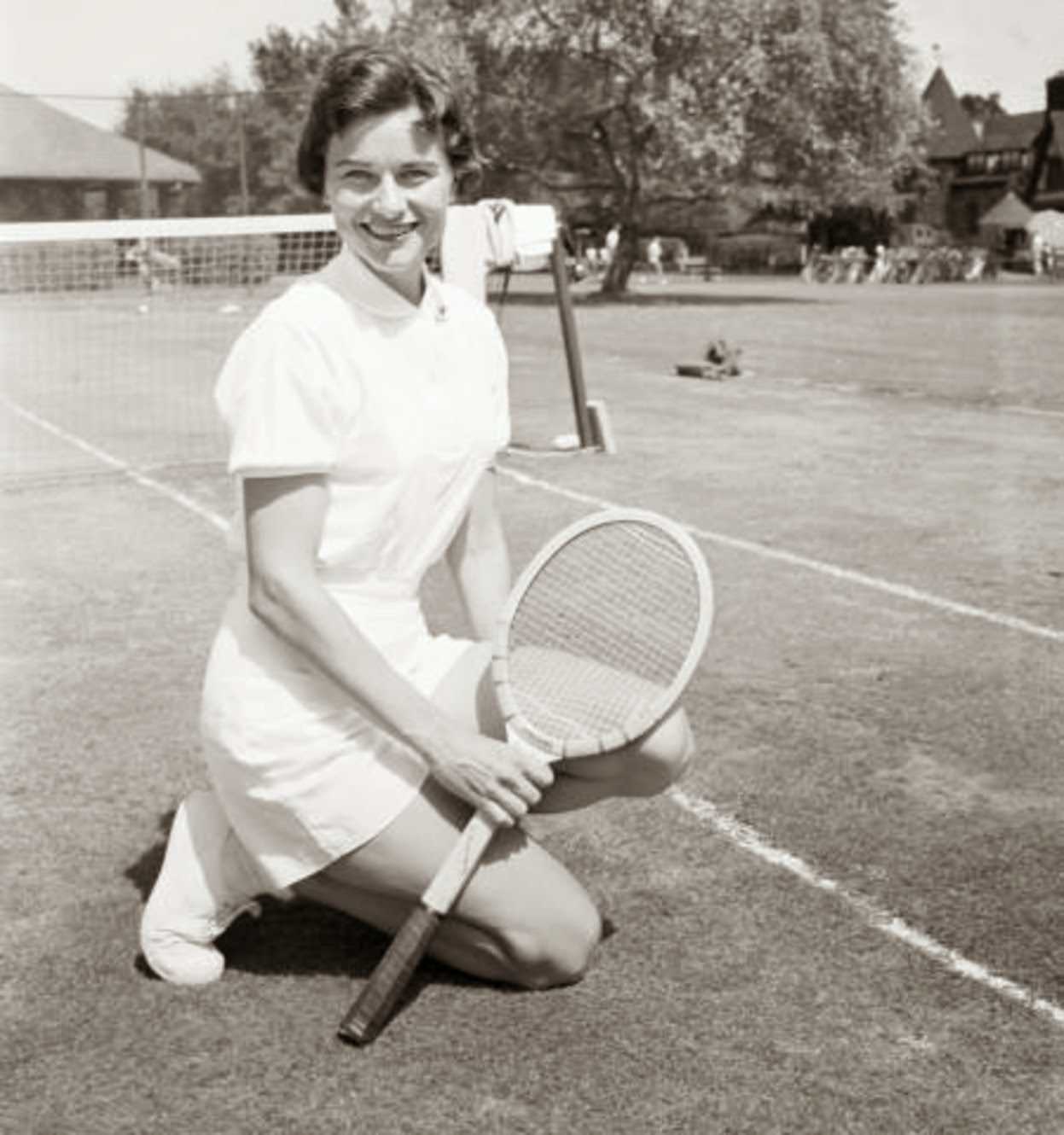
Helen Wills Moody, one of the most decorated players of the era, appeared in photos spanning decades — from her dominant 1920s championship years through the 1950s. Her continued presence in tennis photography reflects just how long these women shaped the sport’s visual identity.