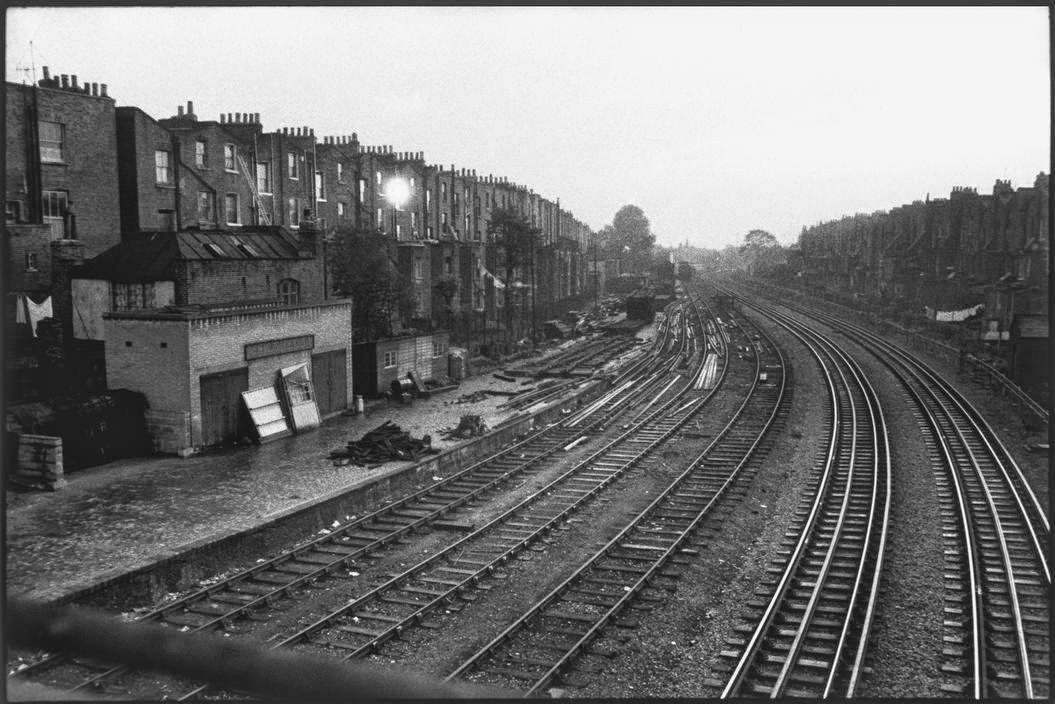
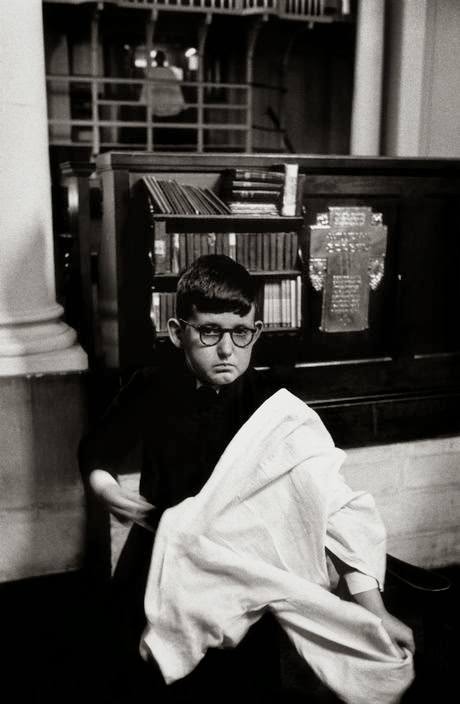
By 1964, London was a city remaking itself in real time. Fashion, music, and social attitudes were all shifting fast. Photographer Ian Berry had already built a reputation in South Africa documenting history-defining events. When he arrived in London that year on assignment for The Observer Magazine, he brought the same sharp, unflinching eye with him.
Berry’s lens moved freely across the city — from busy market floors to underground clubs. His photographs didn’t chase celebrities or staged scenes. They found the real London: vendors, commuters, children, and families going about their daily lives.
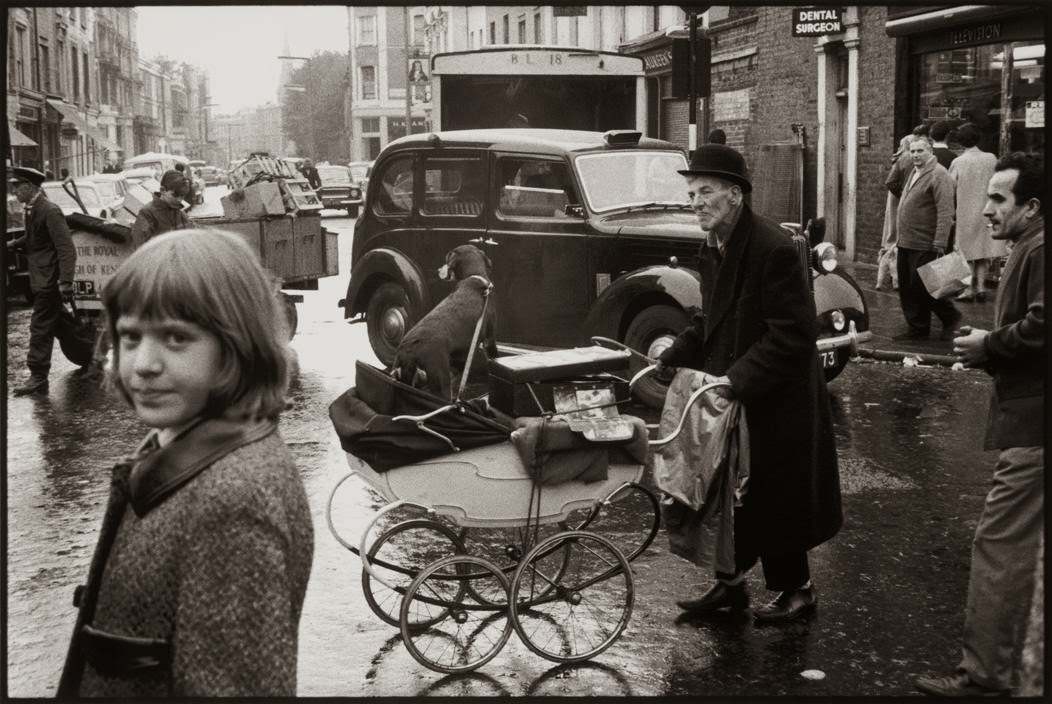
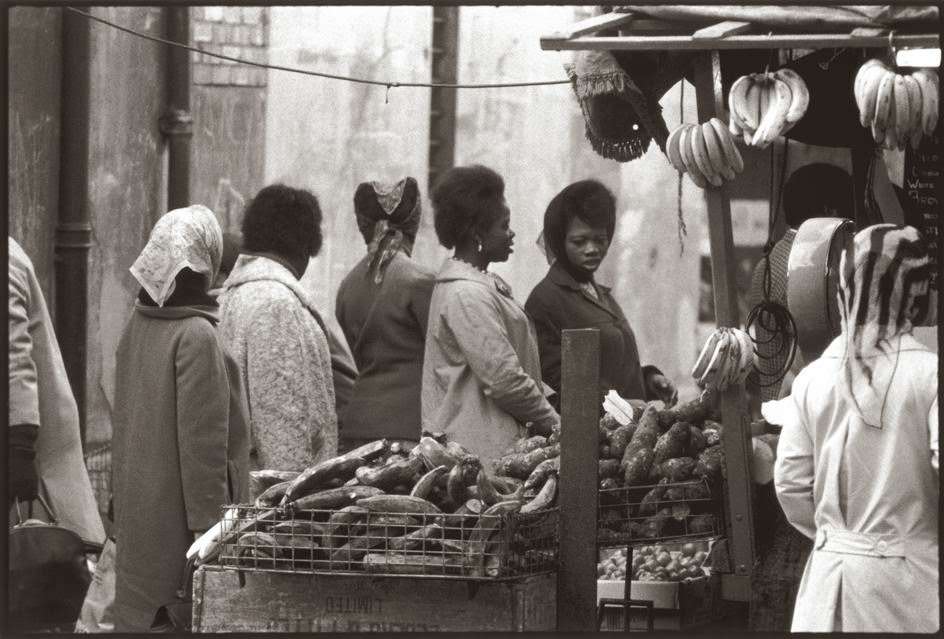
Markets were a cornerstone of working-class London life. Spitalfields hummed with traders and buyers, stalls packed with produce and goods. Butchers worked the floor in blood-stained aprons, keeping up with the steady rush of customers.
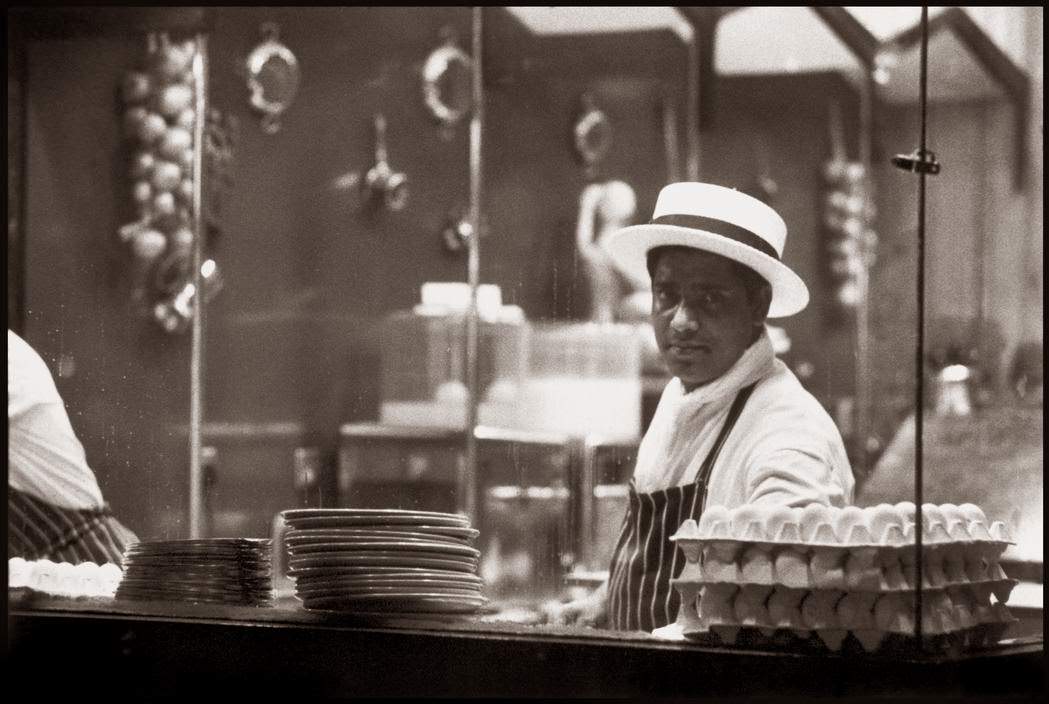
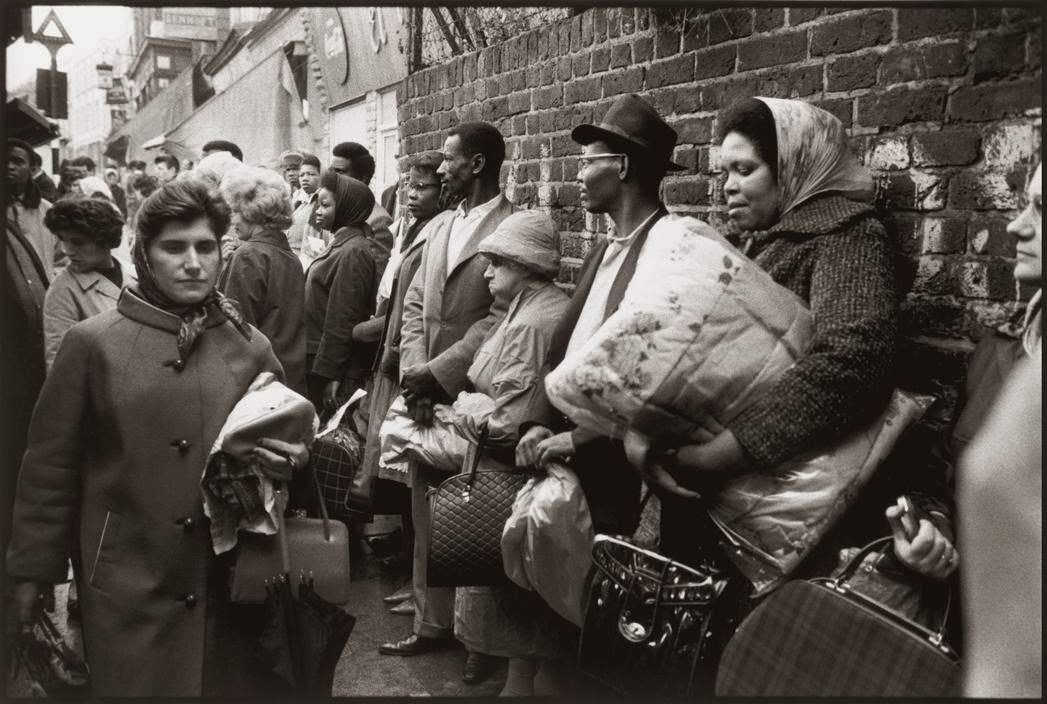
South London told its own distinct story. Brixton was a hub for Black British and Caribbean communities who had settled in the area through the postwar decades. Berry spent considerable time there, photographing the full texture of neighbourhood life — not just its struggles, but its celebrations, routines, and resilience.
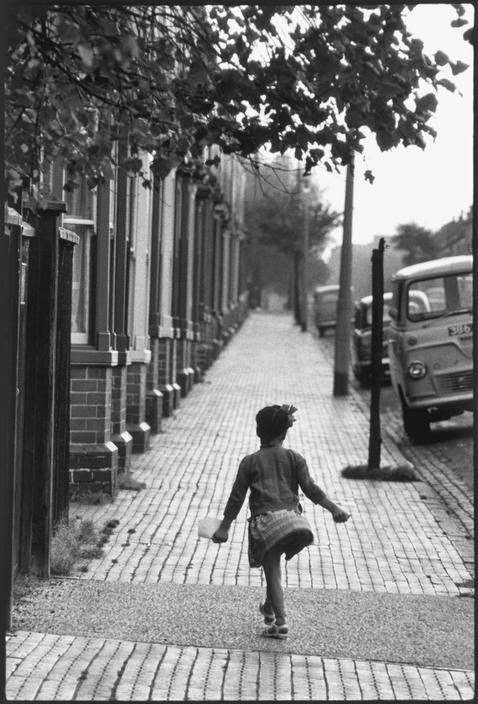
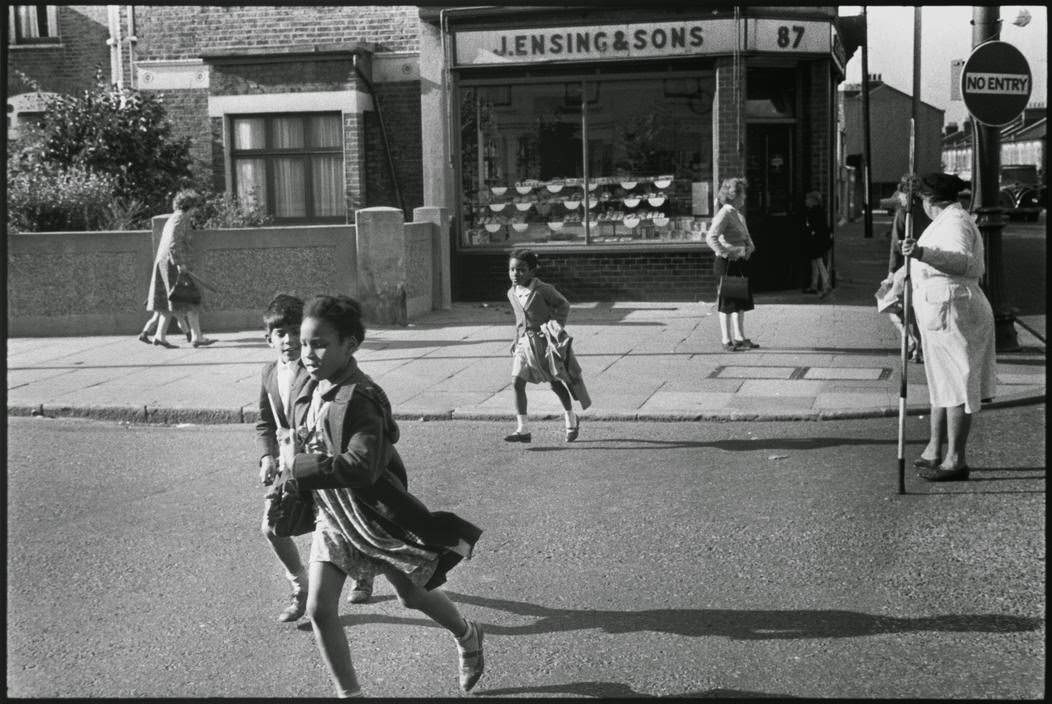
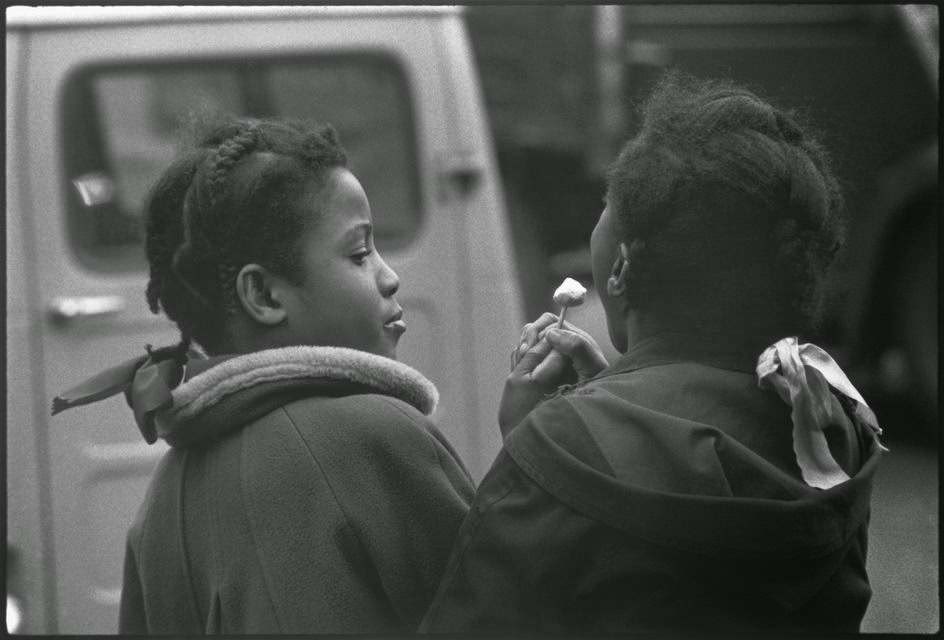
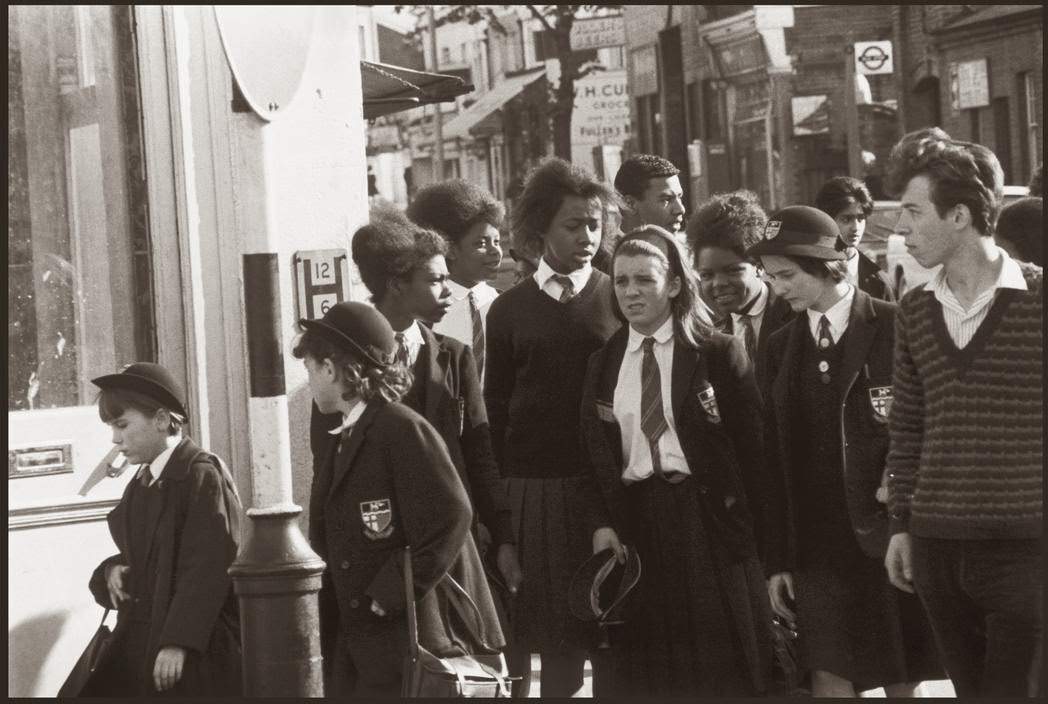
Children played and walked the Brixton streets with ease. A child skipping along a pavement or schoolkids heading home were ordinary sights that Berry treated with the same care as any major event.
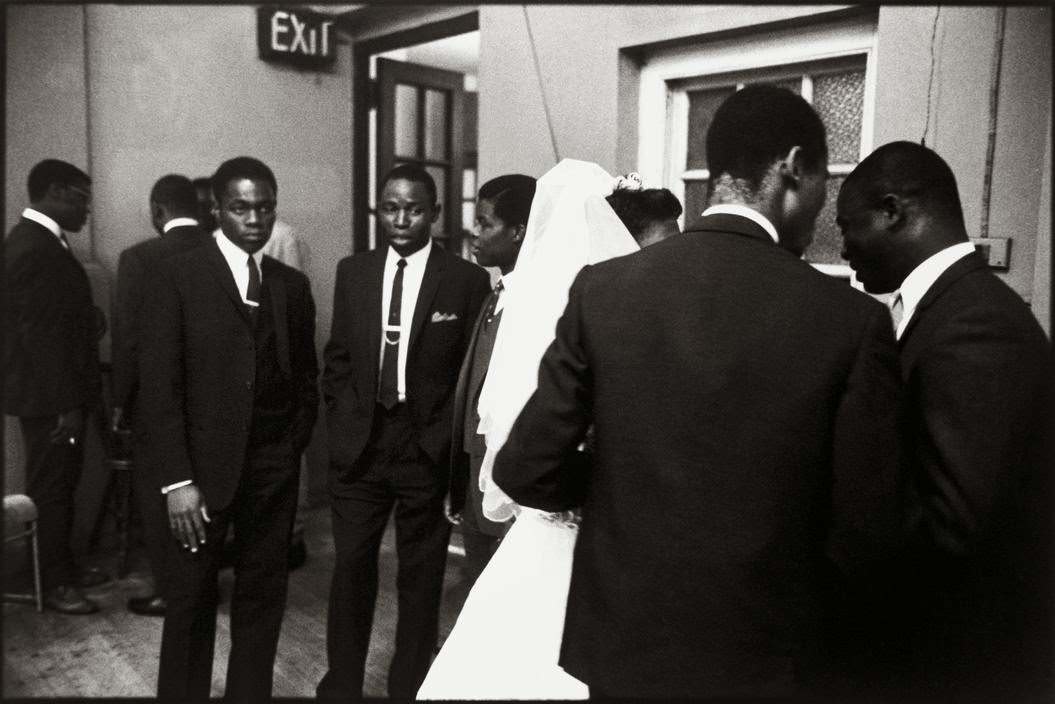
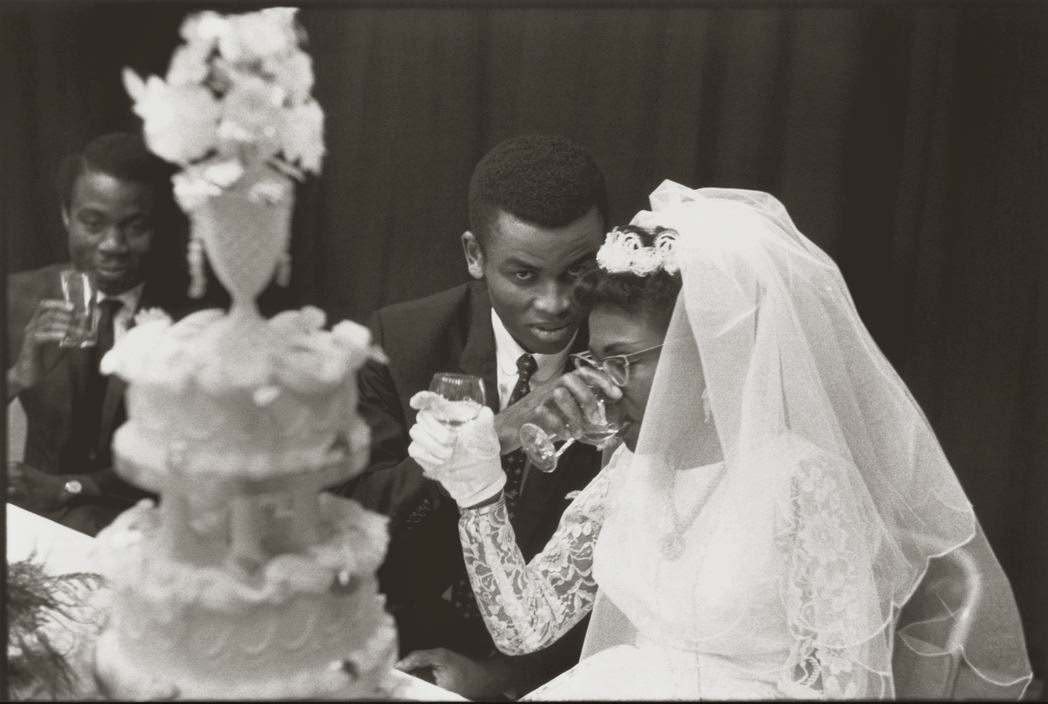
Weddings were a window into community life. Berry photographed celebrations in both Woolwich and Brixton, capturing the joy and formality of the occasion against the backdrop of everyday London streets.
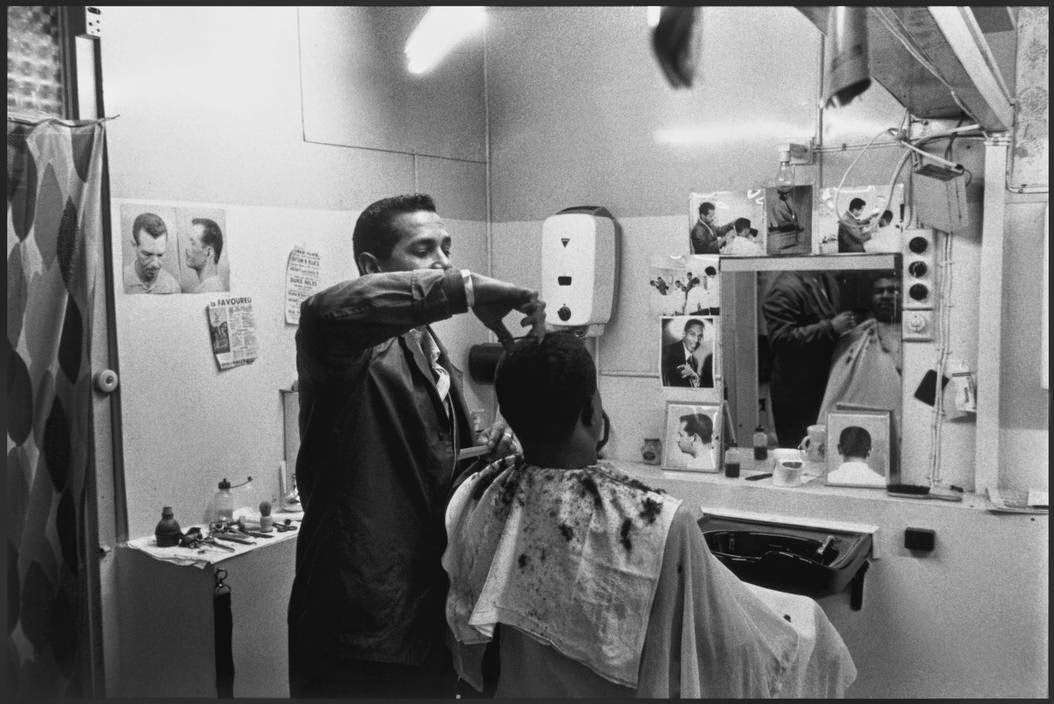
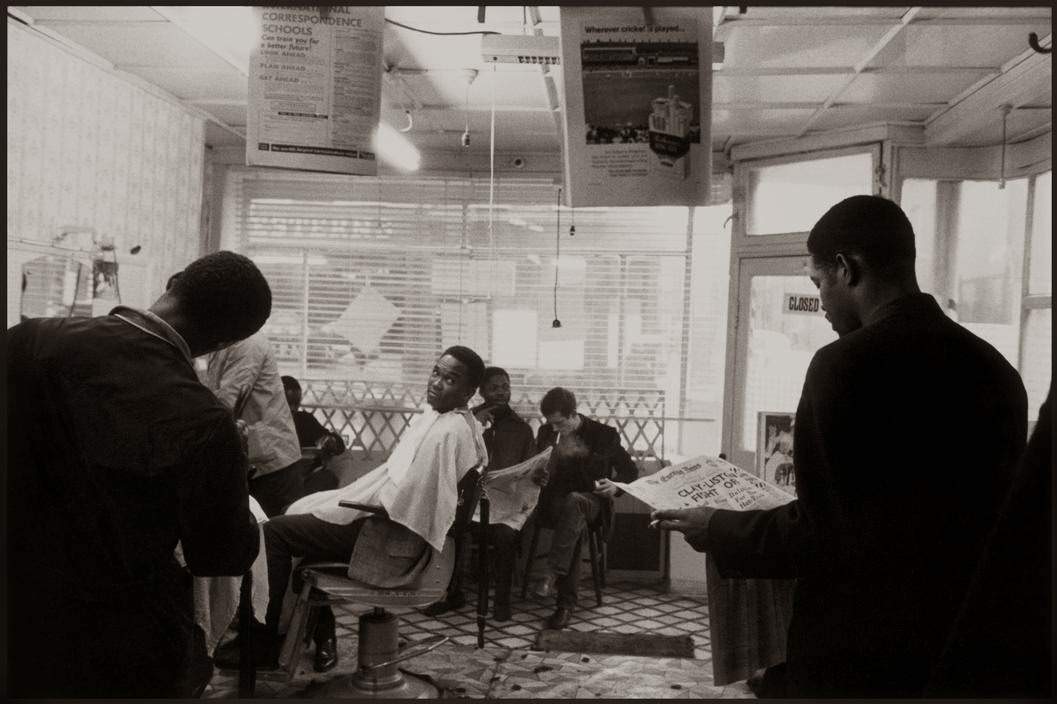
Barbershops served as social spaces as much as grooming stops. In Brixton, they were meeting points where news was shared and community ties were kept strong.
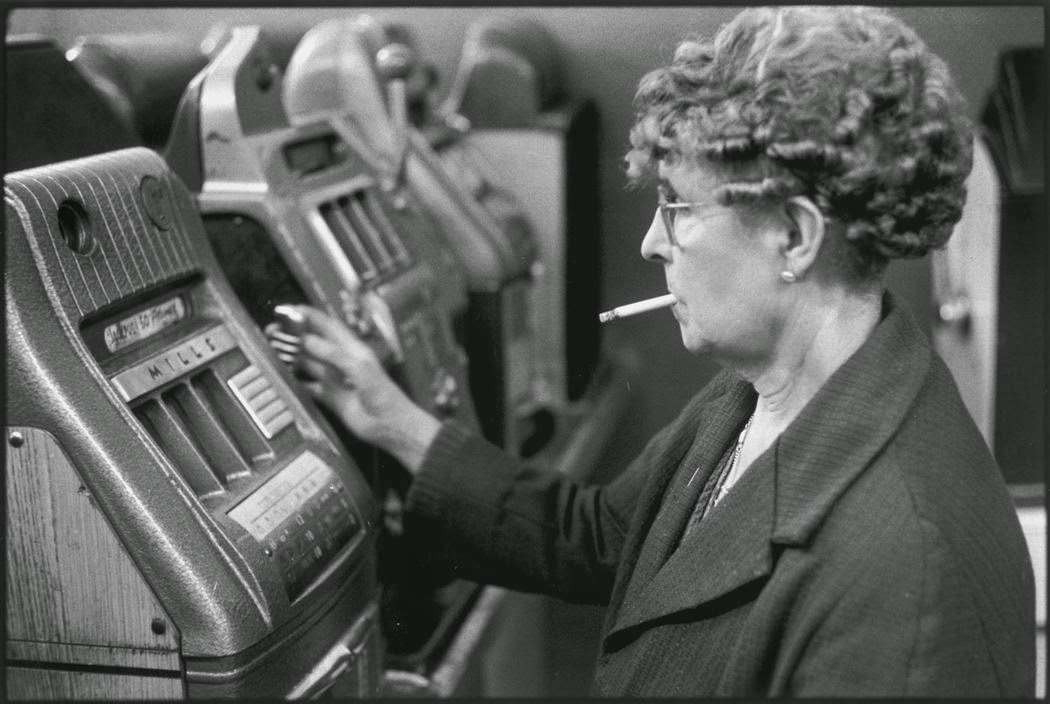
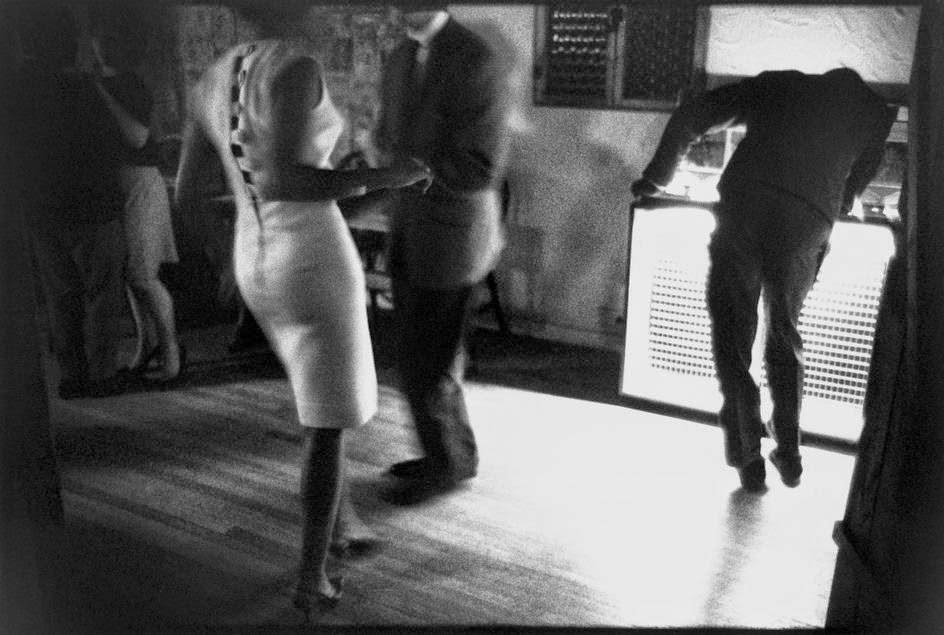
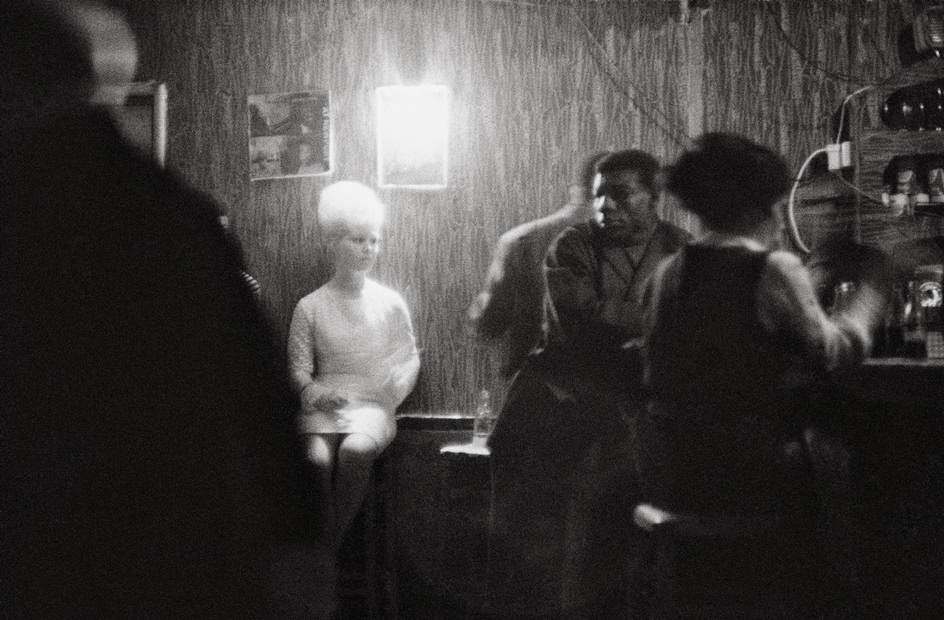
East London had its own energy. Amusement arcades in Brixton flashed with lights and noise, drawing in young crowds. Cable Street, historically a site of conflict and resistance, was home to an underground nightclub that served primarily Black Londoners — a space carved out in a city that often excluded them from mainstream venues.
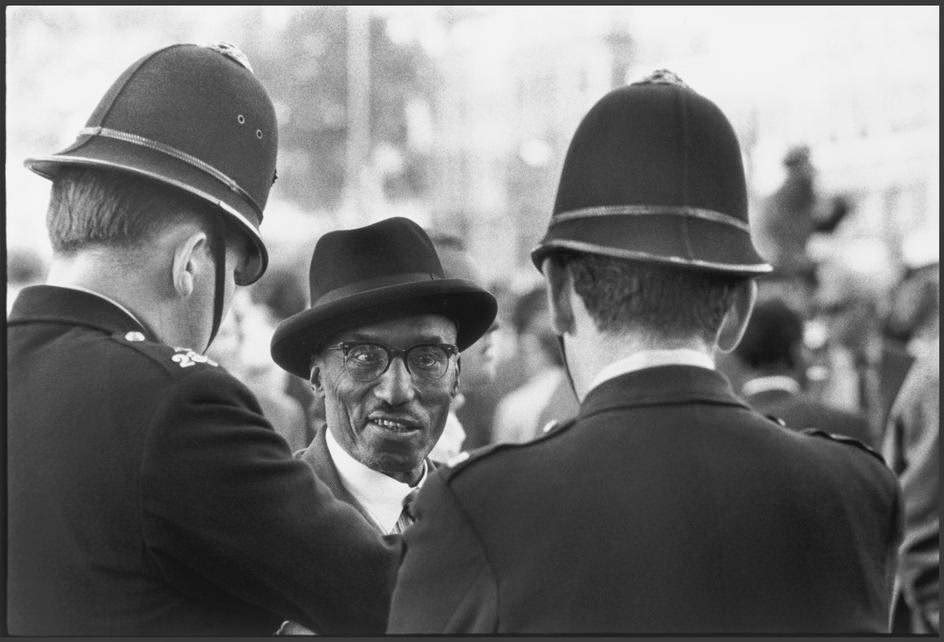
Berry also moved through the city’s more public-facing spaces. At Speakers’ Corner in Hyde Park, Londoners exercised their right to stand and speak freely, drawing small crowds of listeners and hecklers alike.
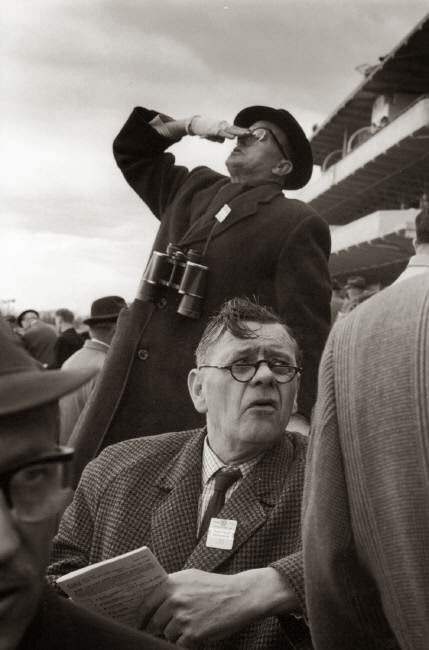
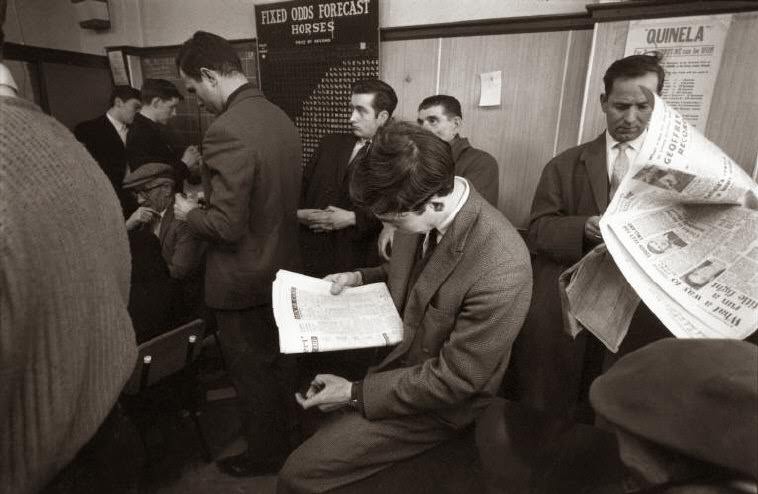
At the Derby, the tick-tack men — bookmakers’ hand-signal operators — worked the crowds with rapid-fire gestures, relaying odds across the racecourse. East London’s bookmakers ran their own street-level operations, part of the city’s long gambling culture.
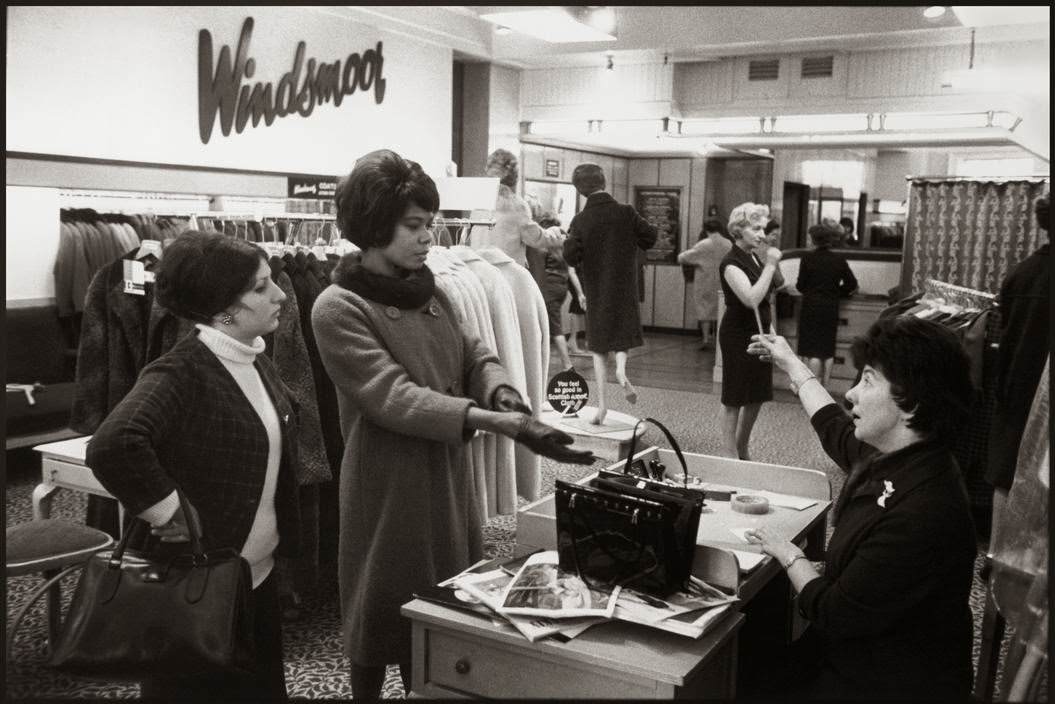
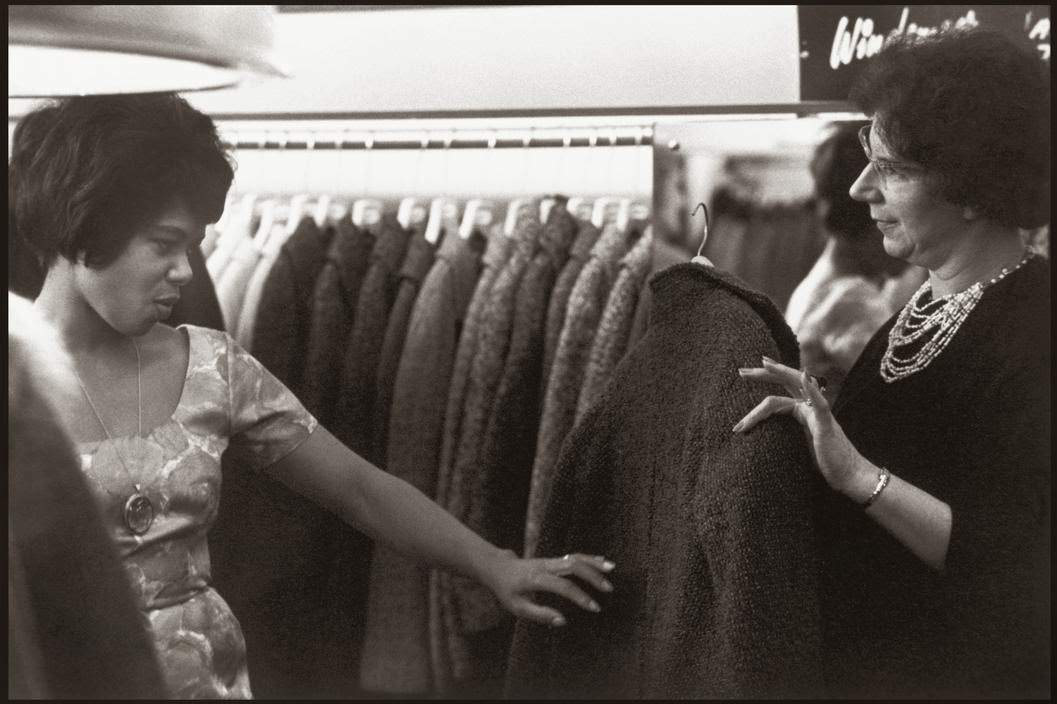
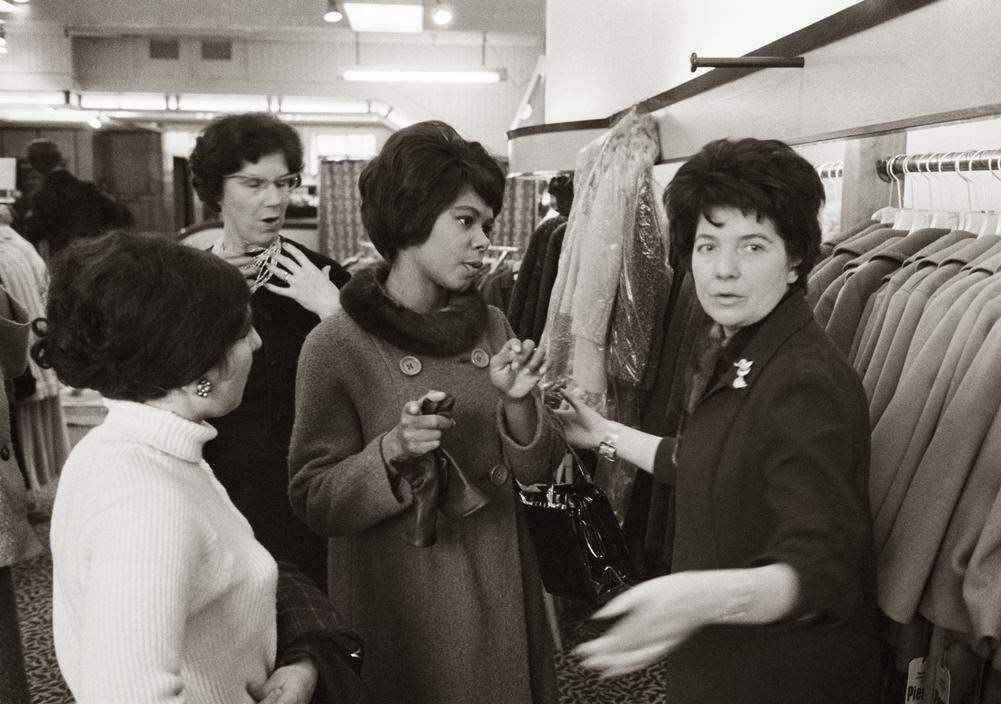
Oxford Street drew shoppers from every background. Berry photographed a Black actress moving through the famous retail strip — a figure both visible and, in 1964’s Britain, still navigating a society with deep racial divides.
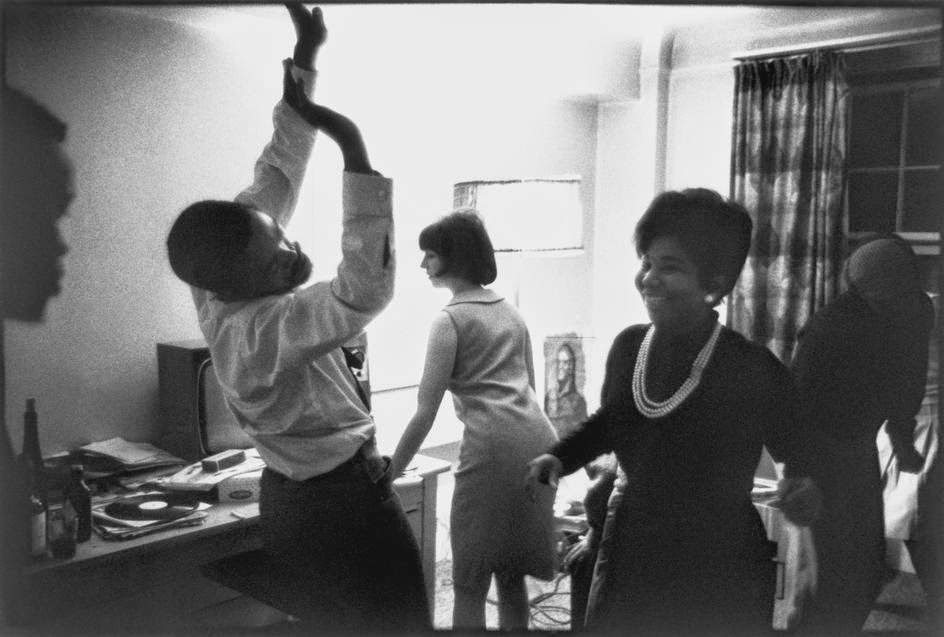
Notting Hill hosted private parties that crossed racial lines at a time when multiracial socialising was far from the norm in London. Berry photographed one such gathering — a quiet but pointed document of social change happening away from public view.
Infrastructure was expanding too. The Woolwich to Thamesmead railway line represented London’s push to connect its outer boroughs. Woolwich itself appeared in several of Berry’s frames, a working-class district holding its shape amid the city’s rapid changes.