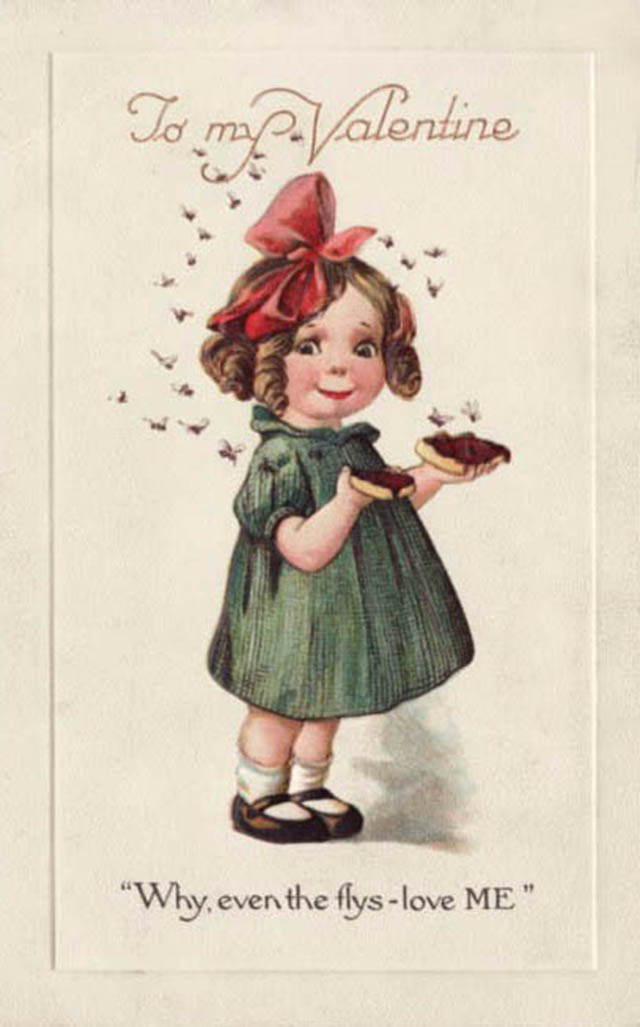
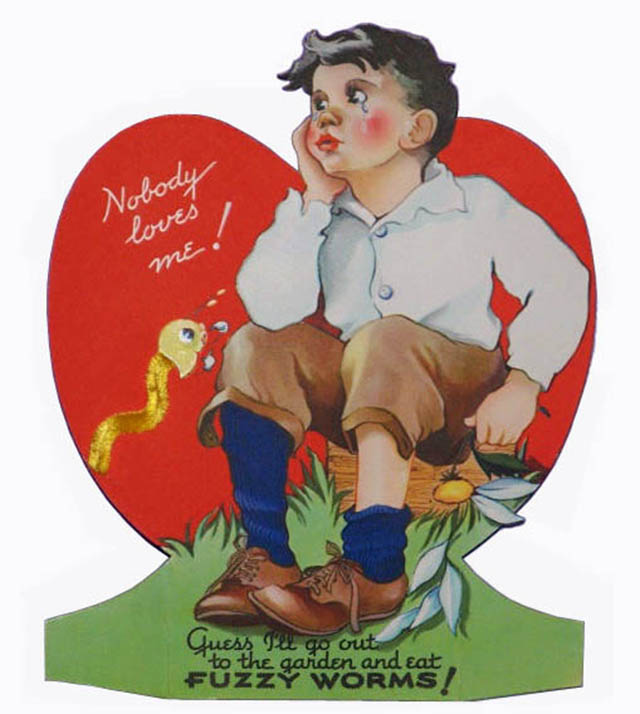
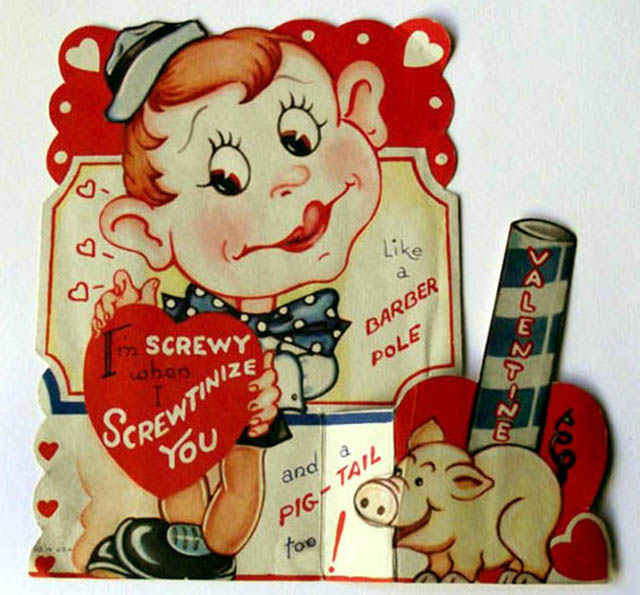
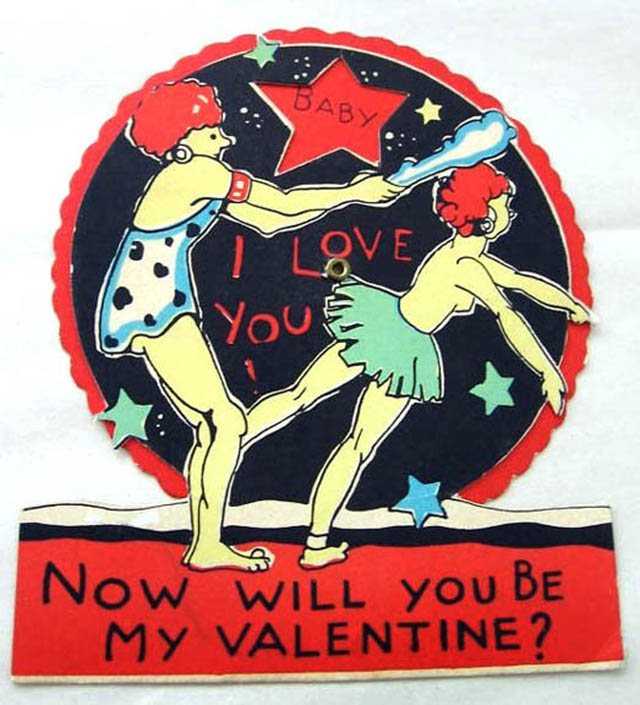
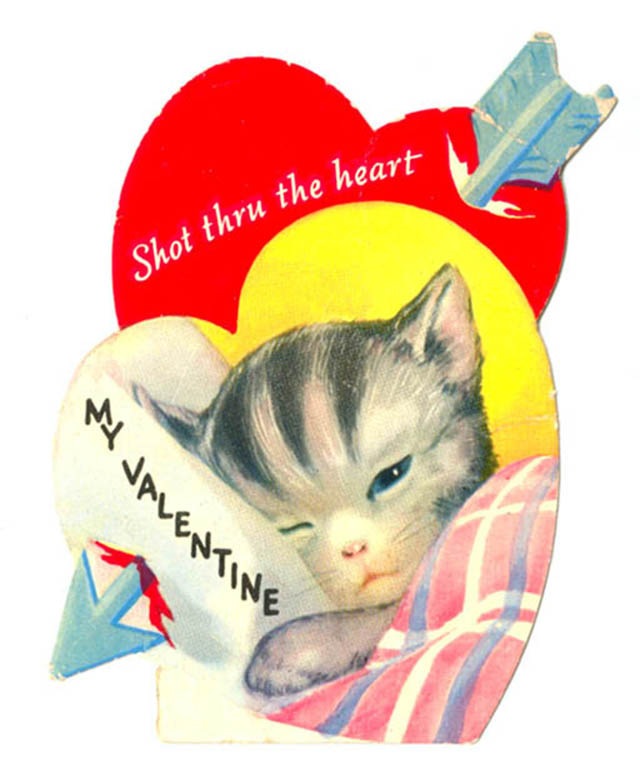
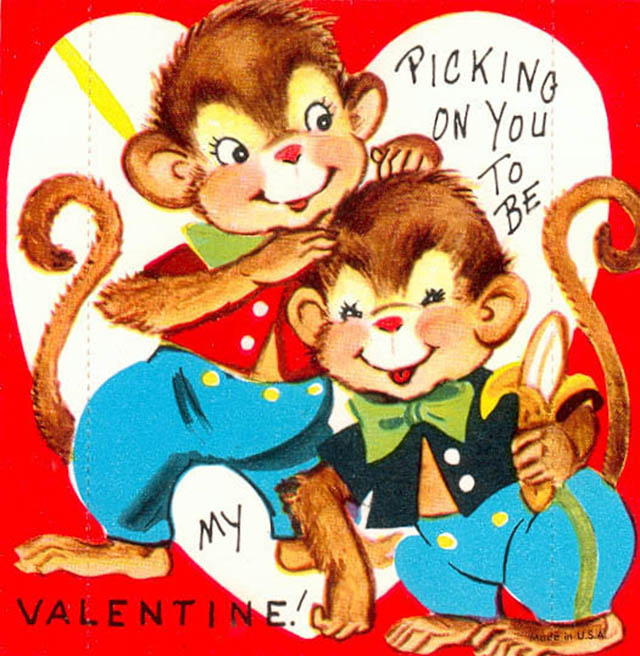
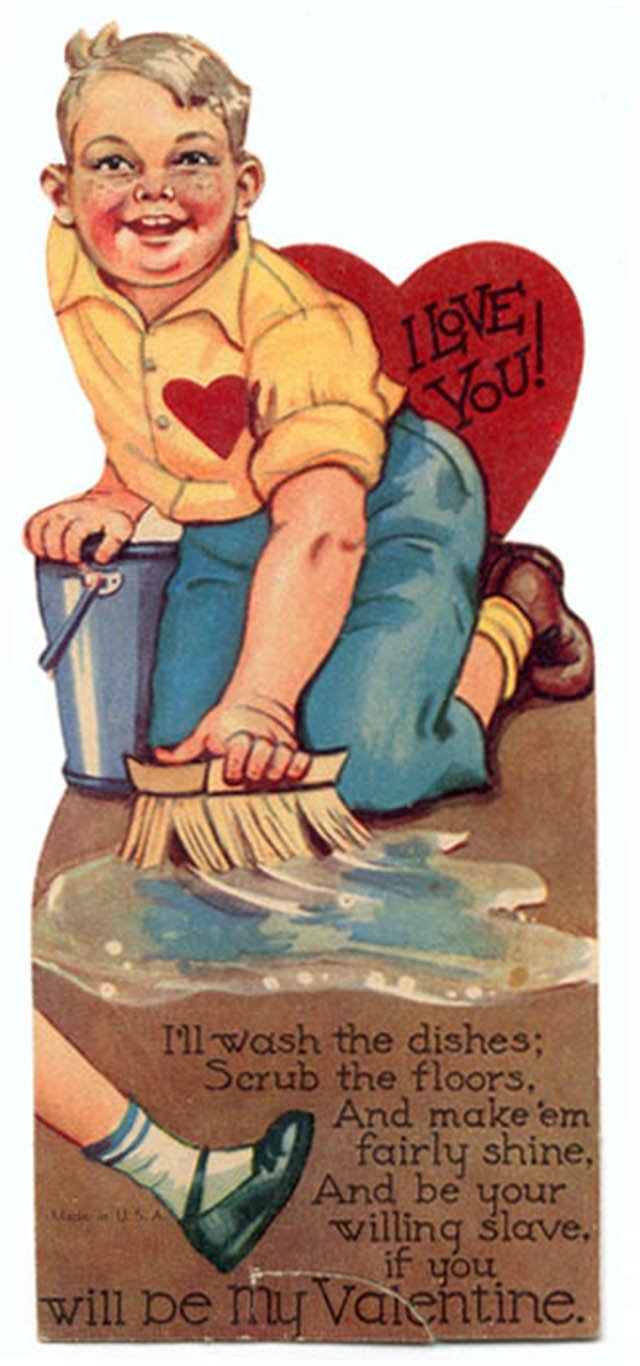
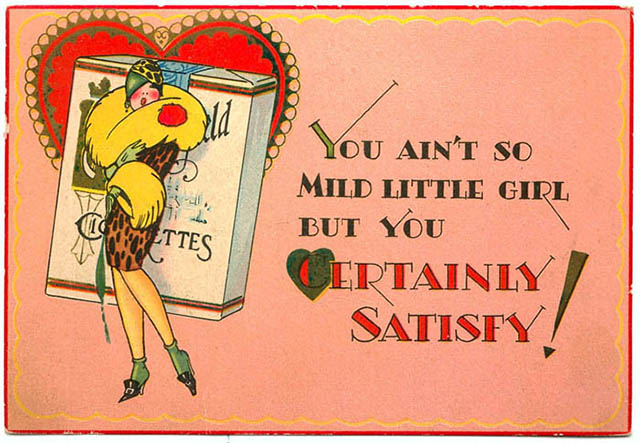
Valentine’s Day cards from the mid-20th century were not all hearts and roses. A large number of them featured strange illustrations and messages that feel genuinely unsettling today. These cards were widely exchanged, and their odd charm was completely normal at the time.
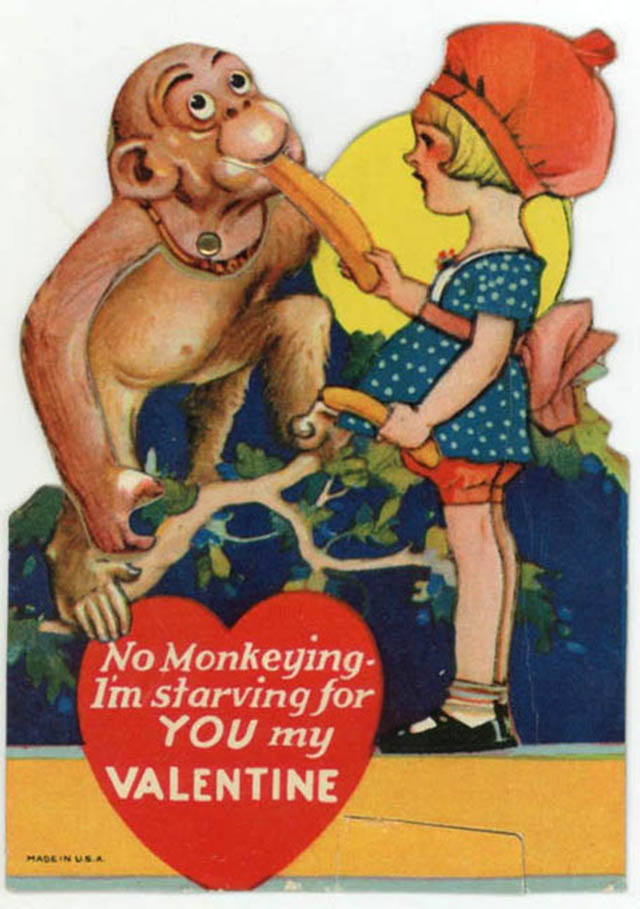
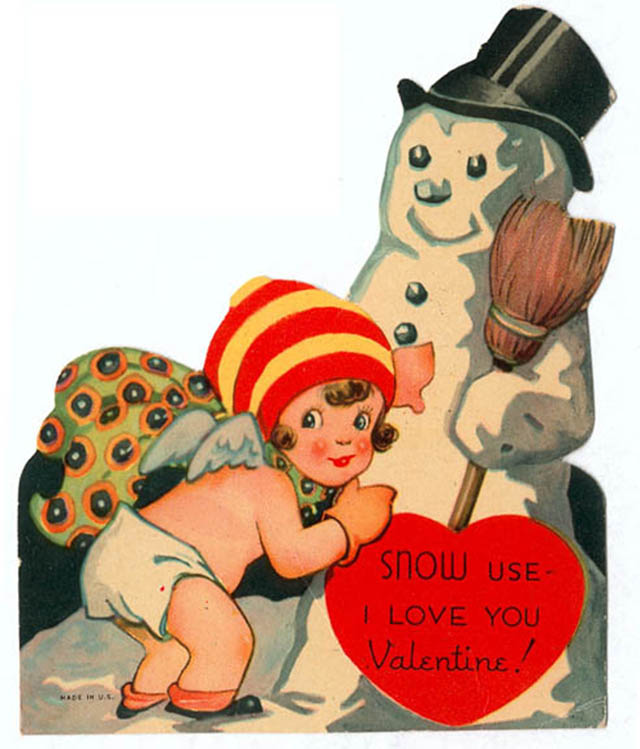
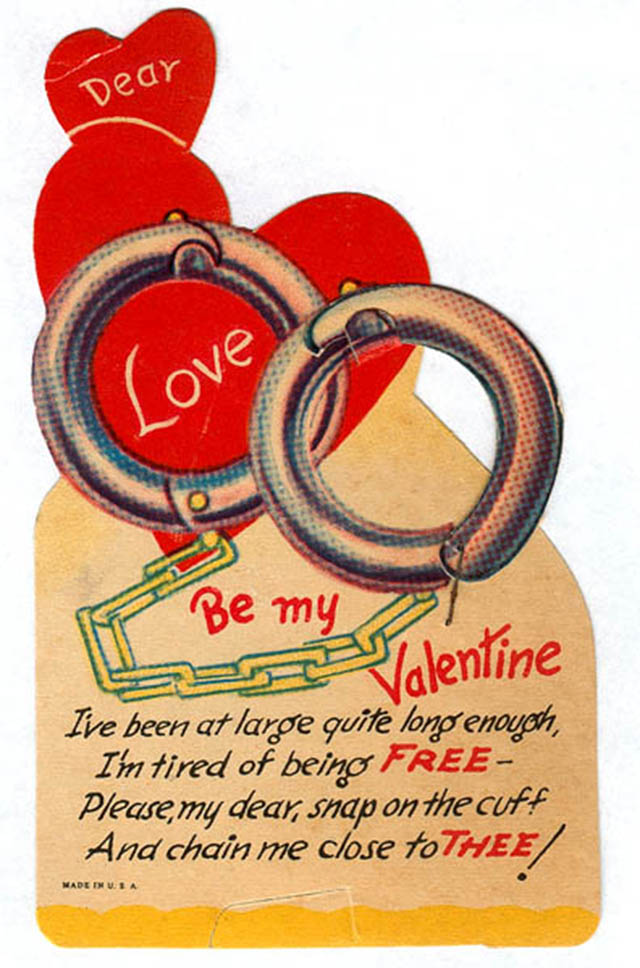
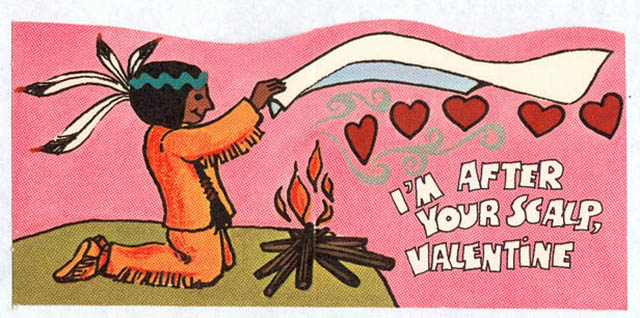
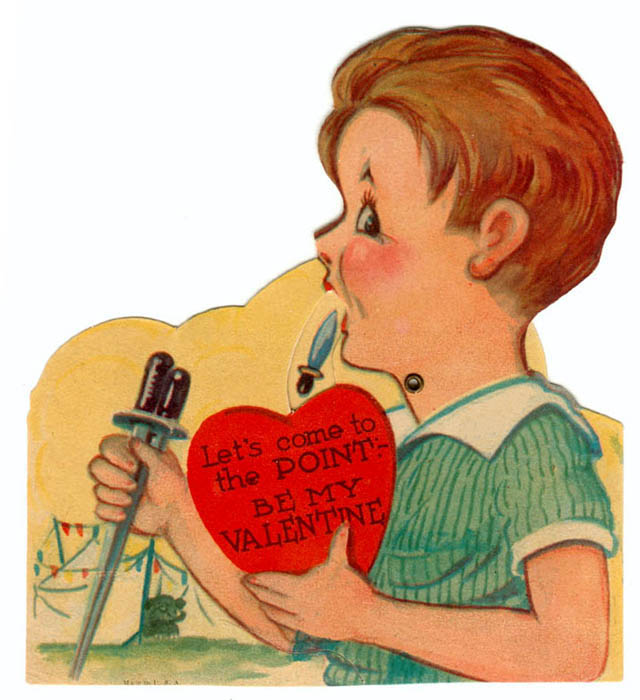
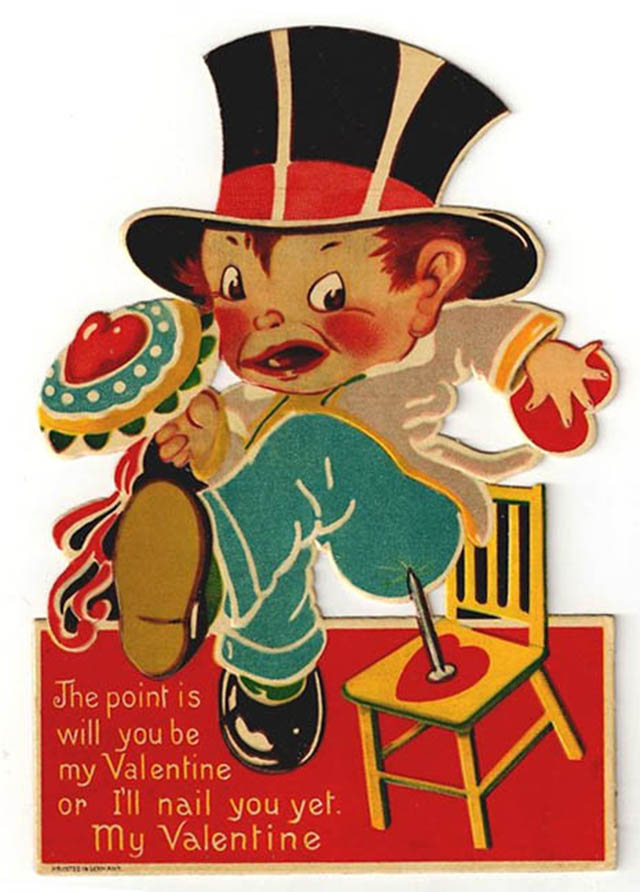
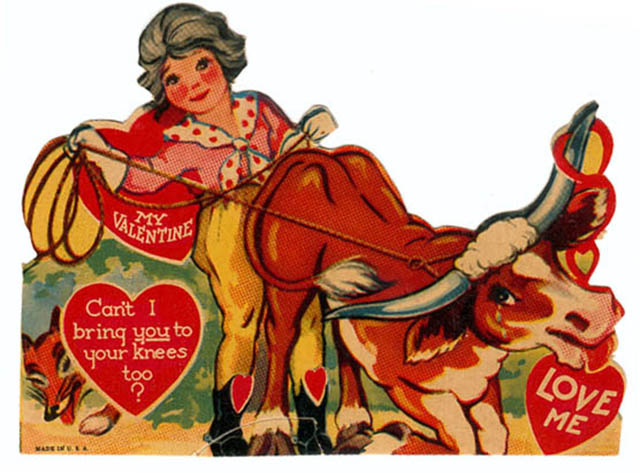
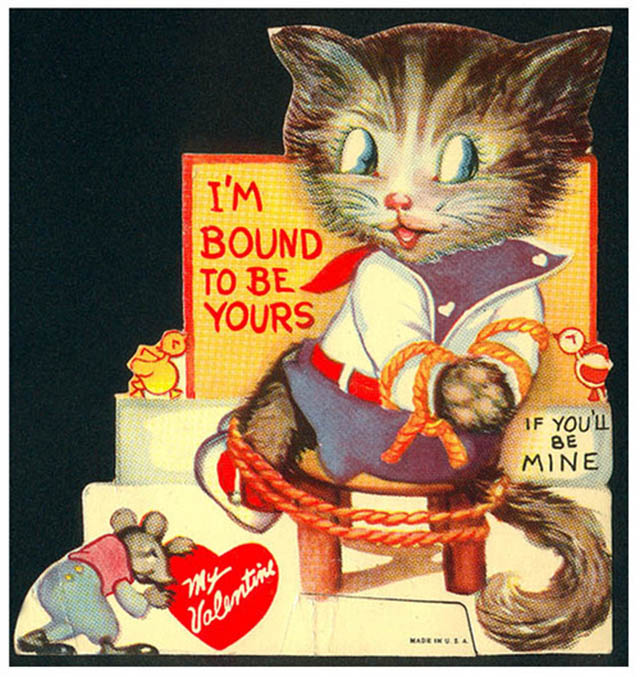
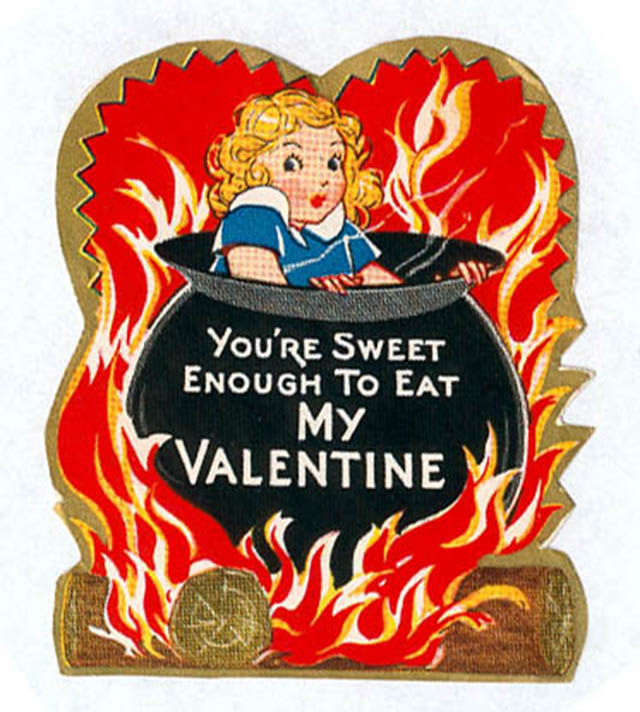
One of the most common themes was the use of threats dressed up as romance. Cards showed cartoon children holding hunting rifles, firing cannons, or swinging lassos. The messages leaned hard into the language of hunting and capture — lines like “I’m GUNNING for you to be my Valentine!” were considered cute, not alarming.
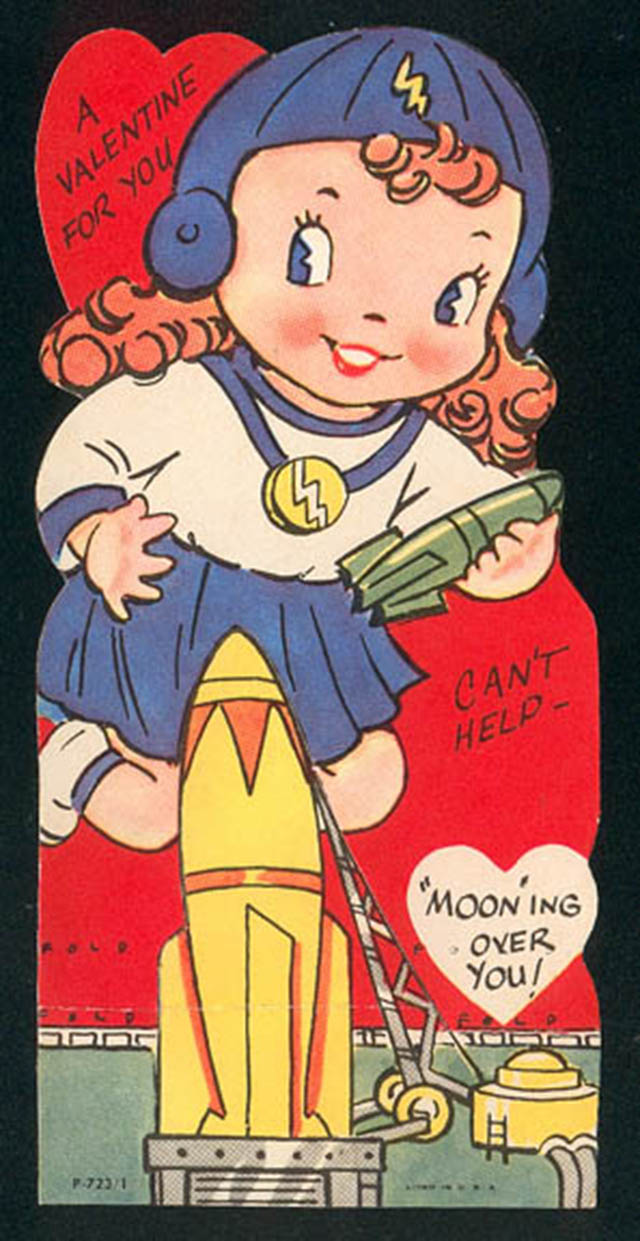
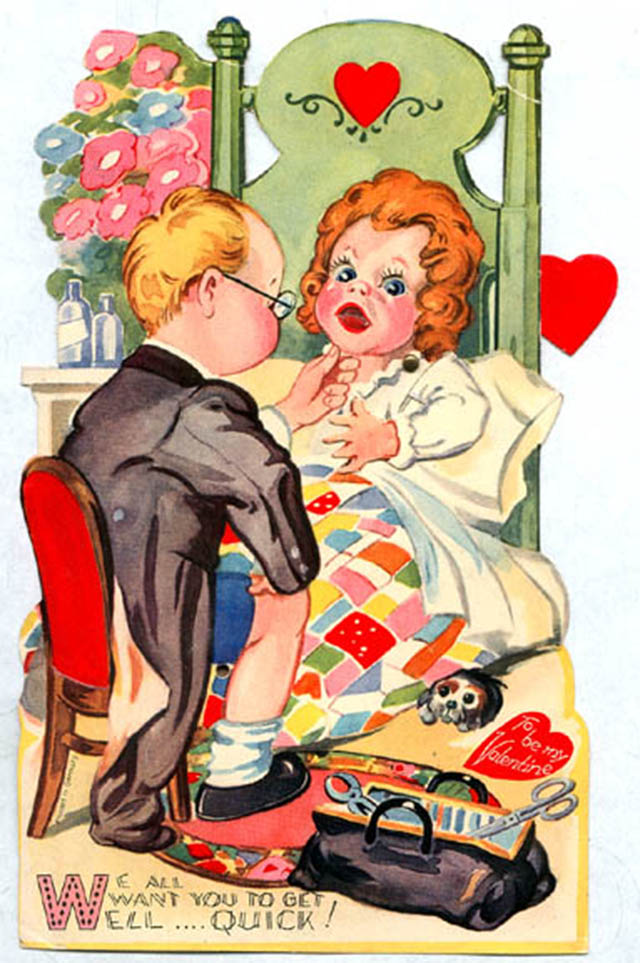
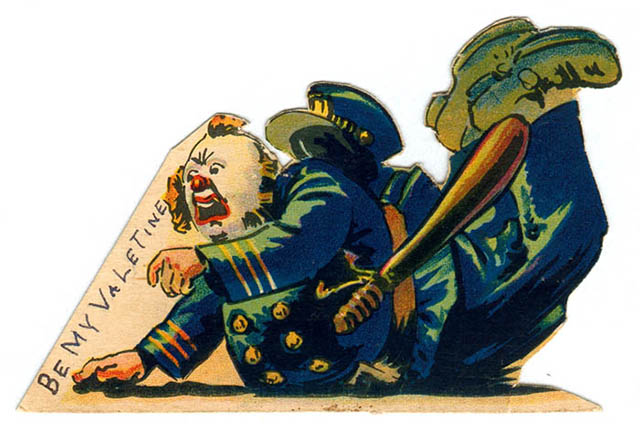
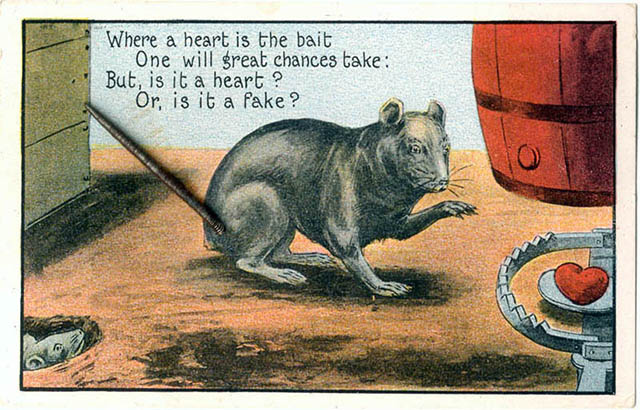
Animal traps and cages showed up regularly too. A card might show a child caught in a trap with the words, “I’m in a TRAP without your love, Valentine.” The humor depended entirely on pairing violent imagery with affectionate puns.

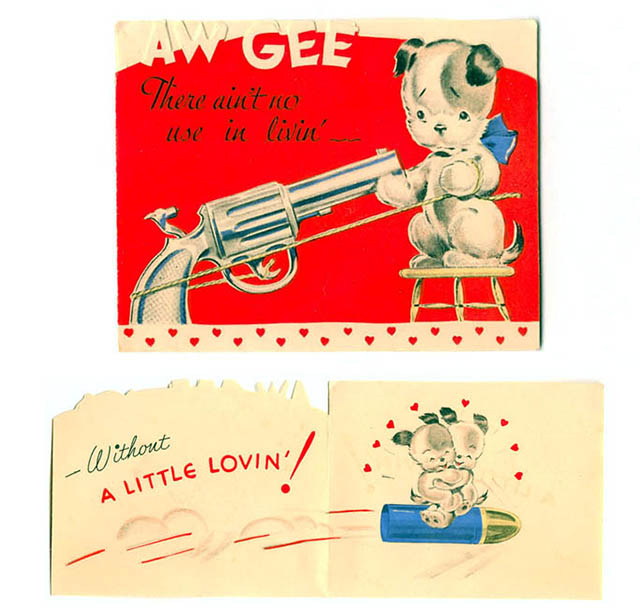
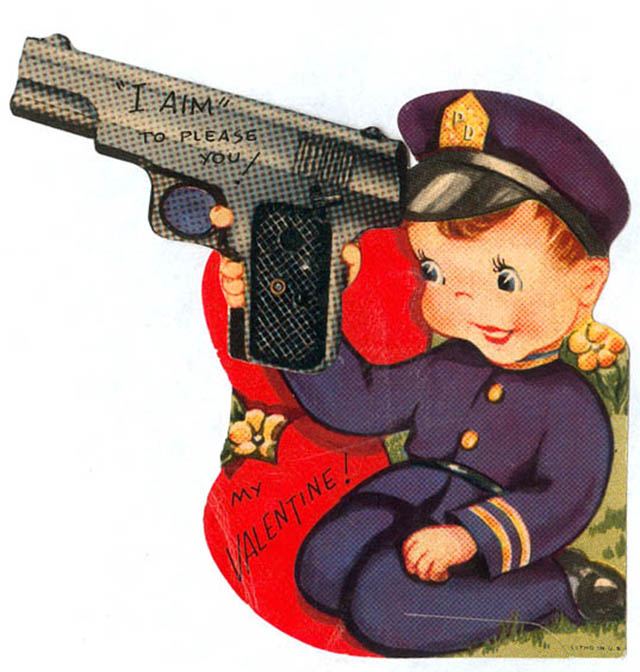
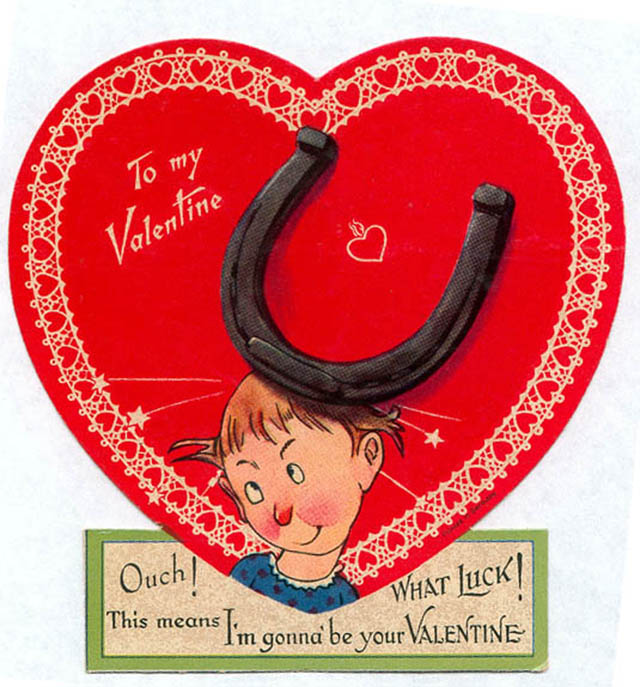
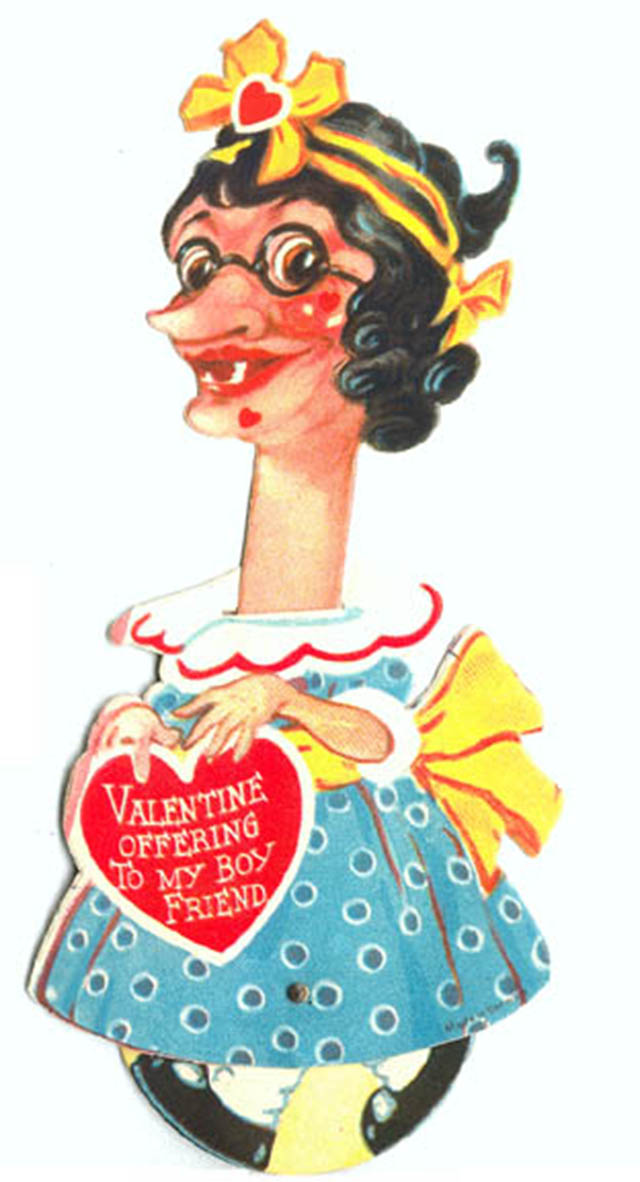
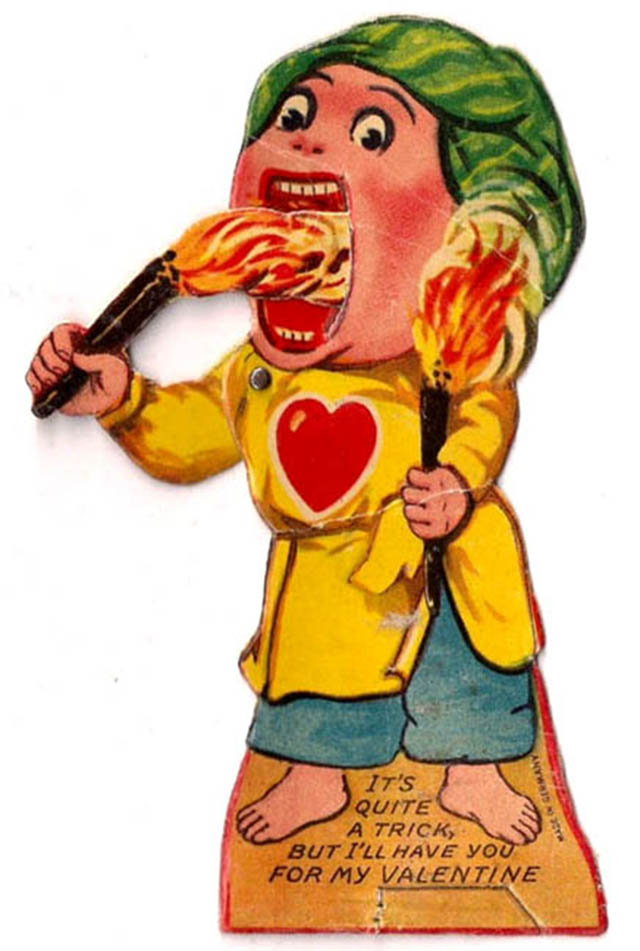
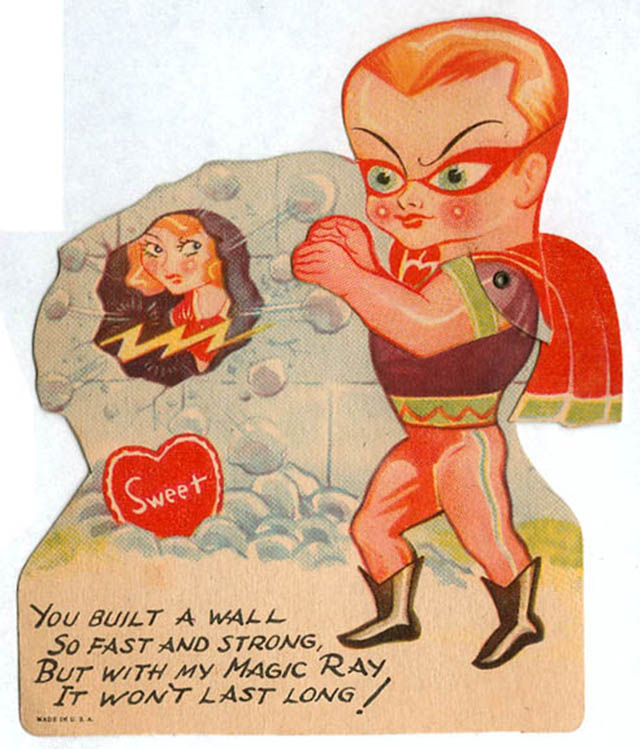
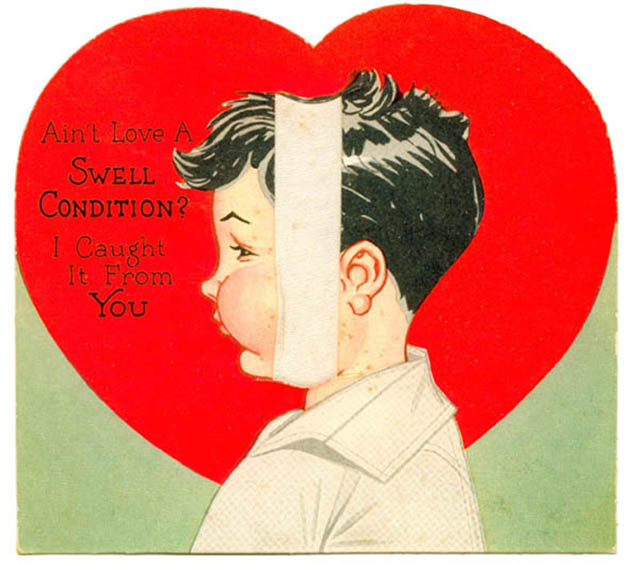
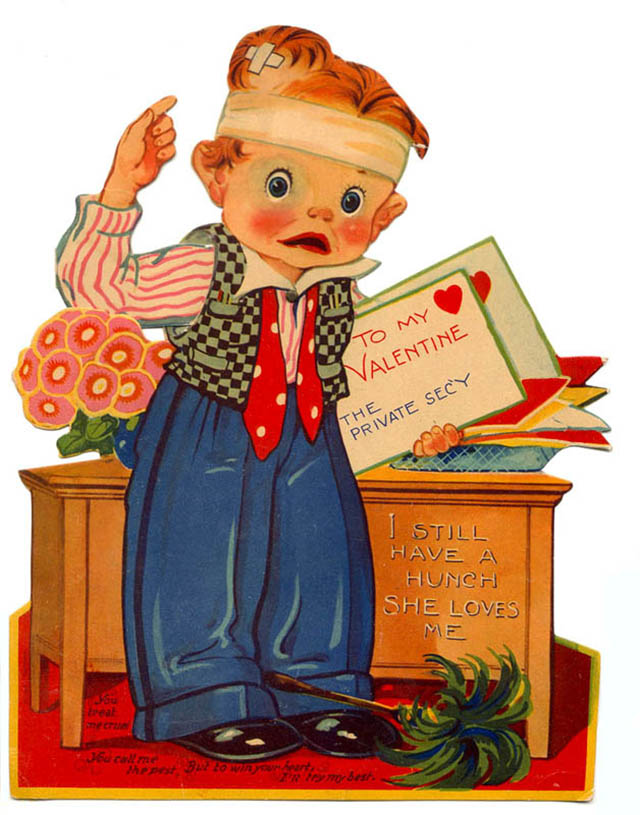
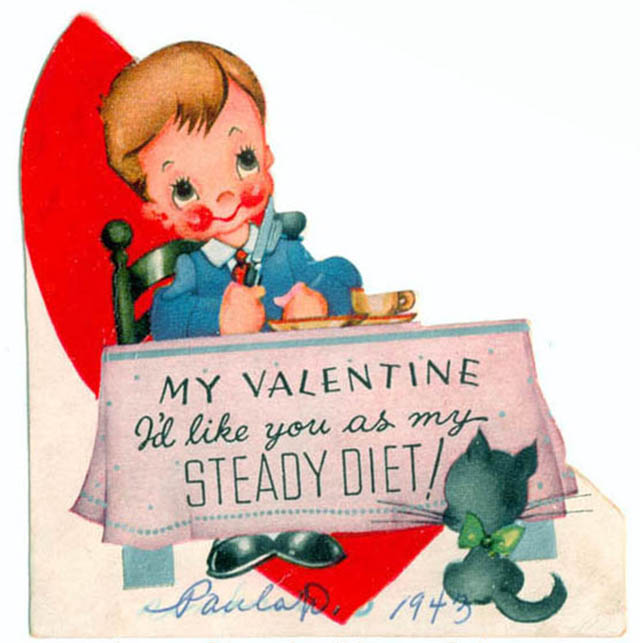
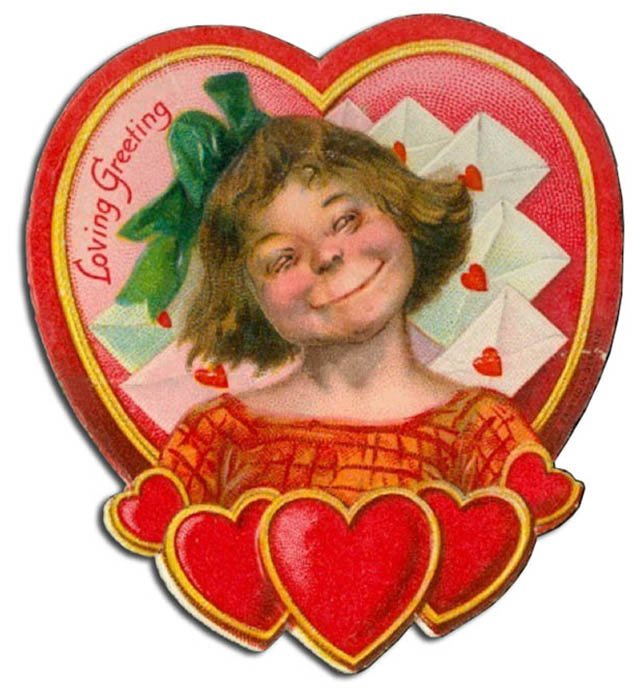
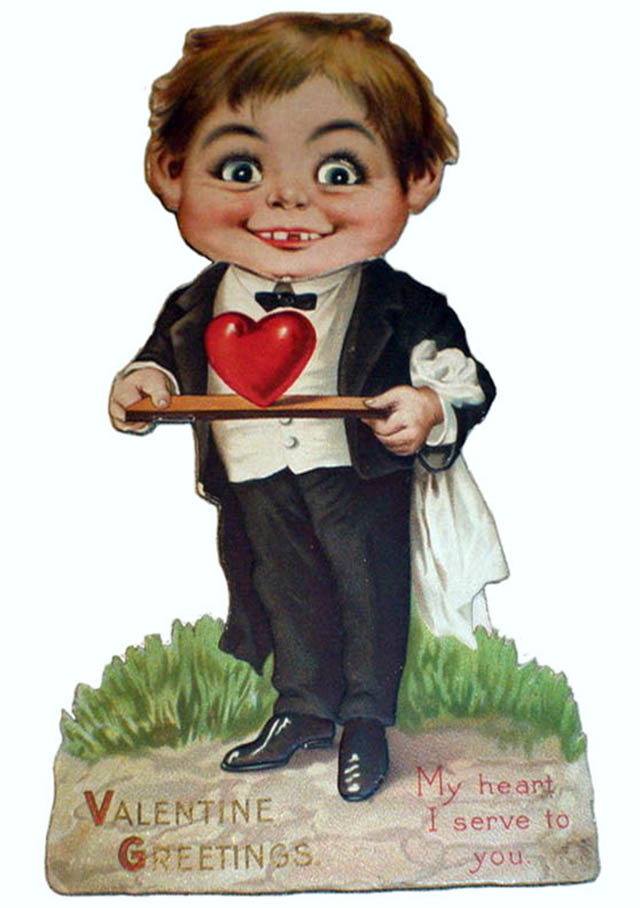
The illustrated children themselves were often drawn in ways that read as eerie now. Wide-set, staring eyes and unnaturally broad smiles were common. These figures were placed in strange situations that only added to the odd feeling of the cards.
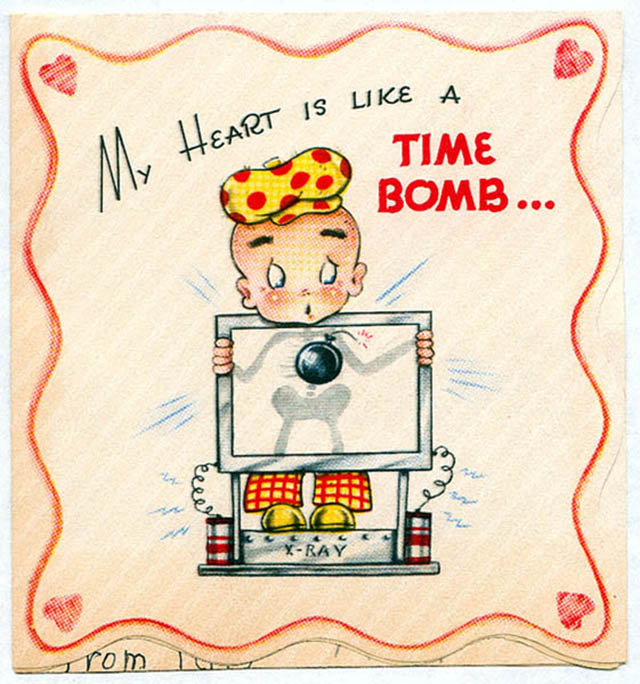
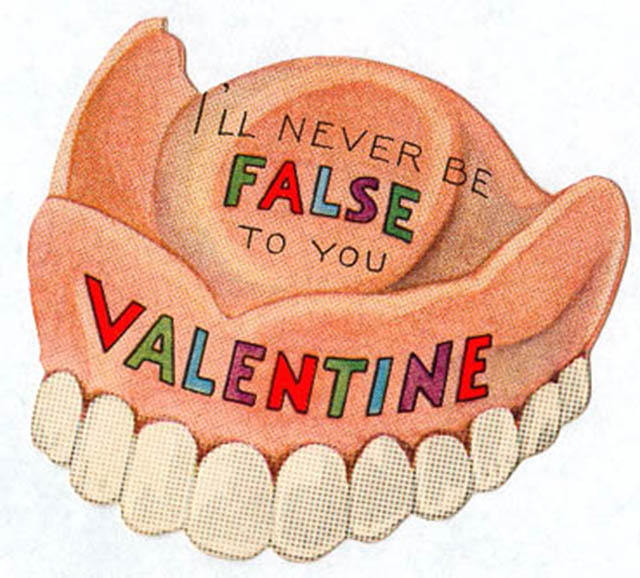
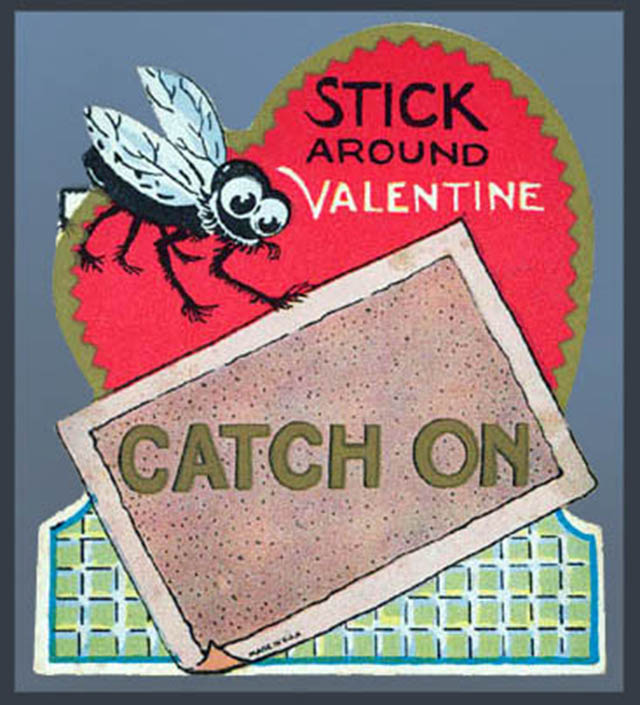
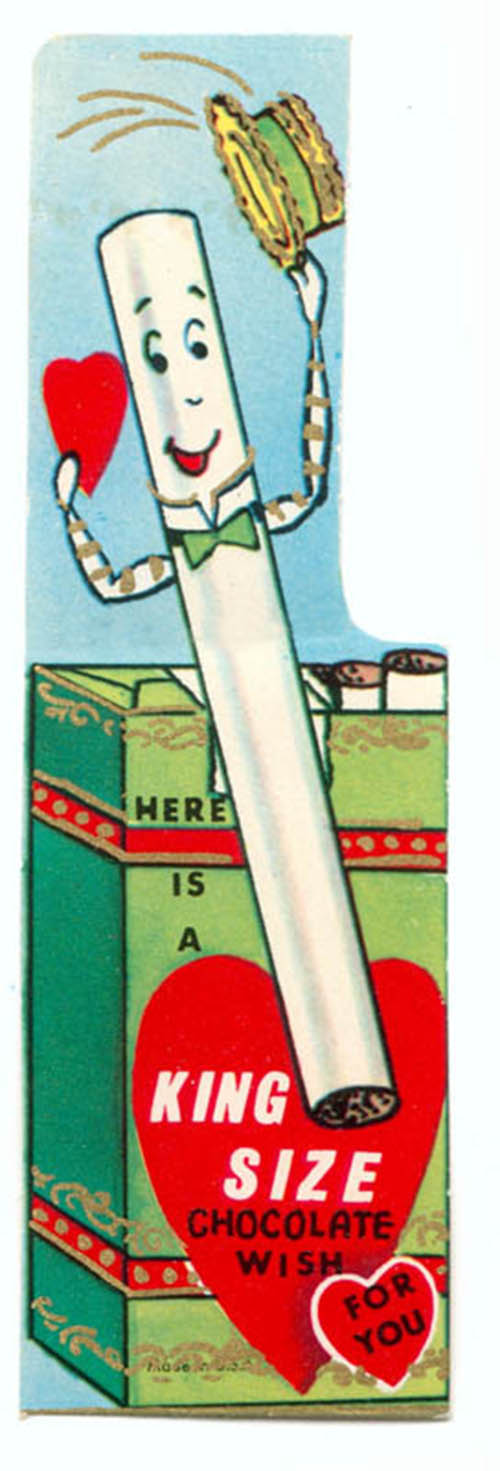
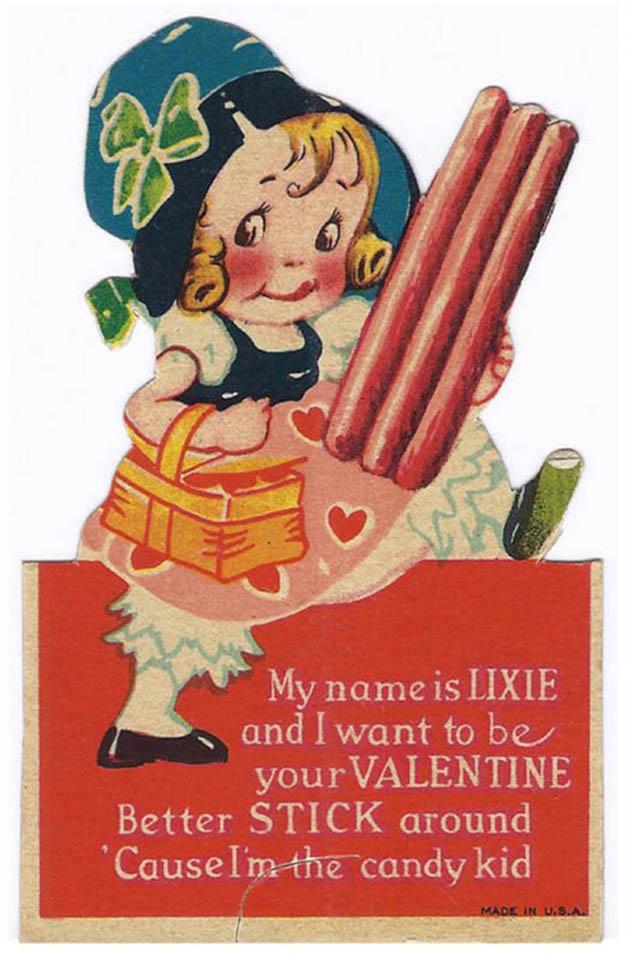
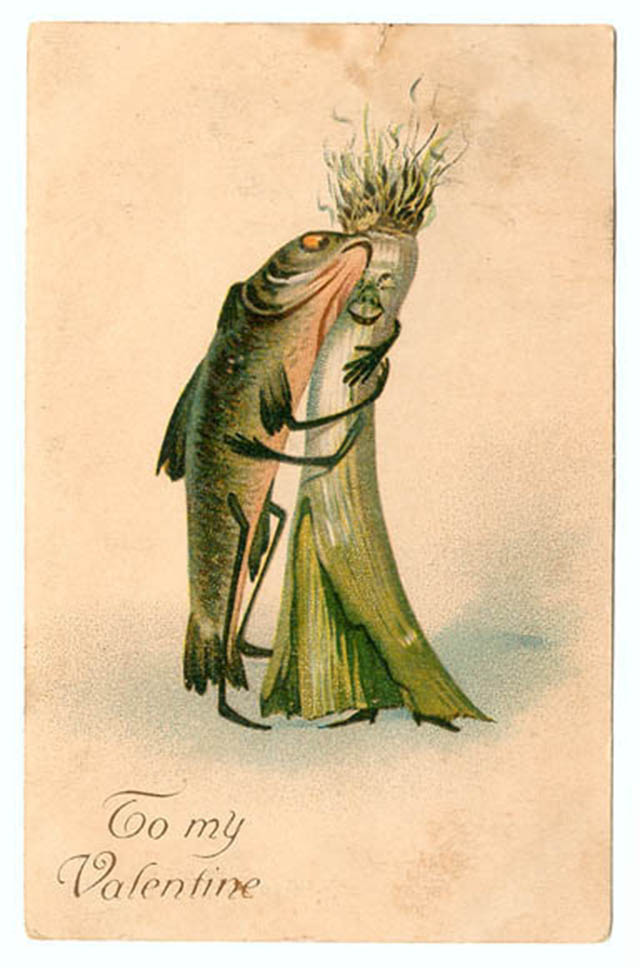
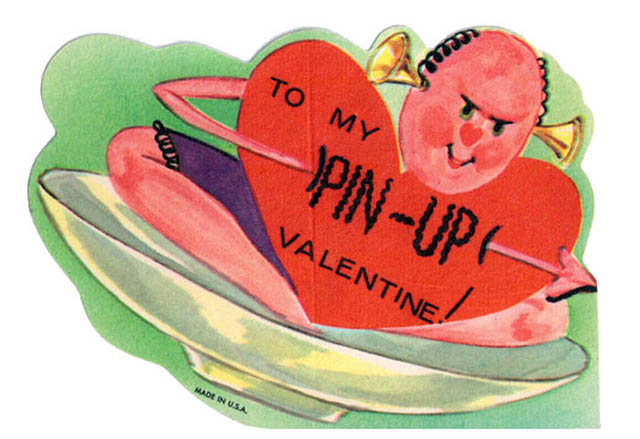
Food and everyday objects were frequently given human faces and limbs. A hot dog with eyes might leap into a bun with a romantic pun attached. A pair of onions with tearful faces referenced crying over lost love. The cartoonish style was slightly off in a way that made these cards hard to forget.
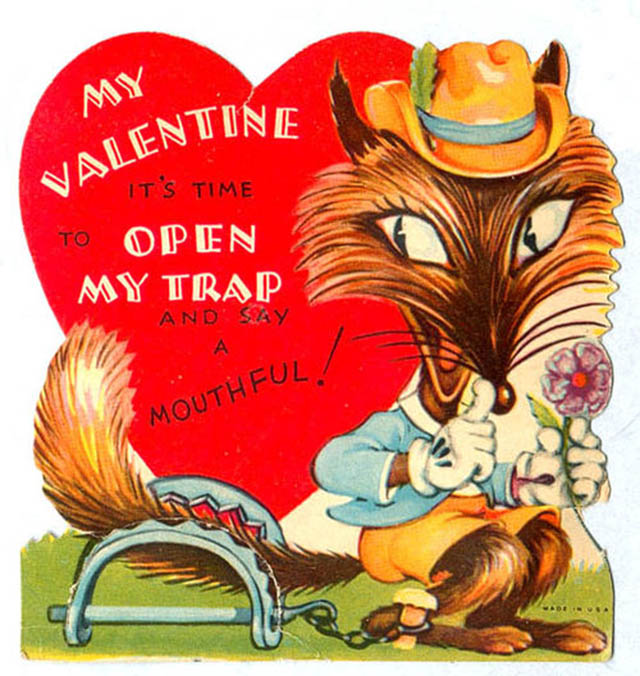
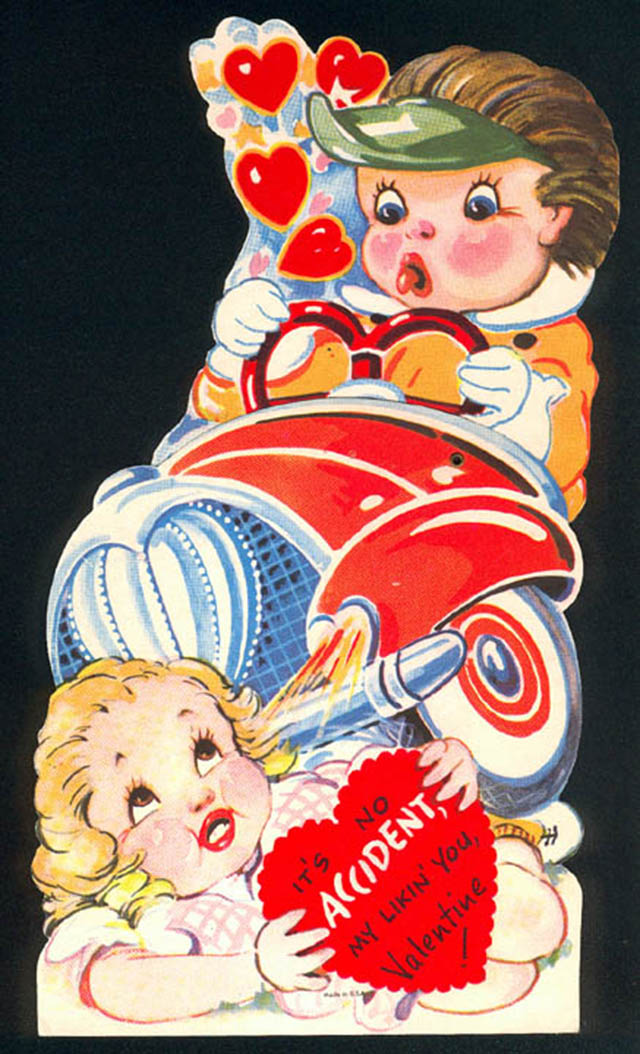

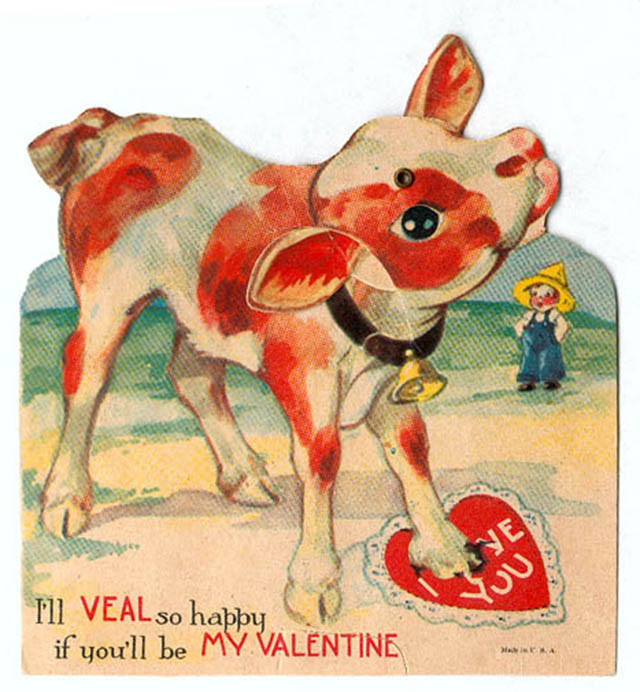
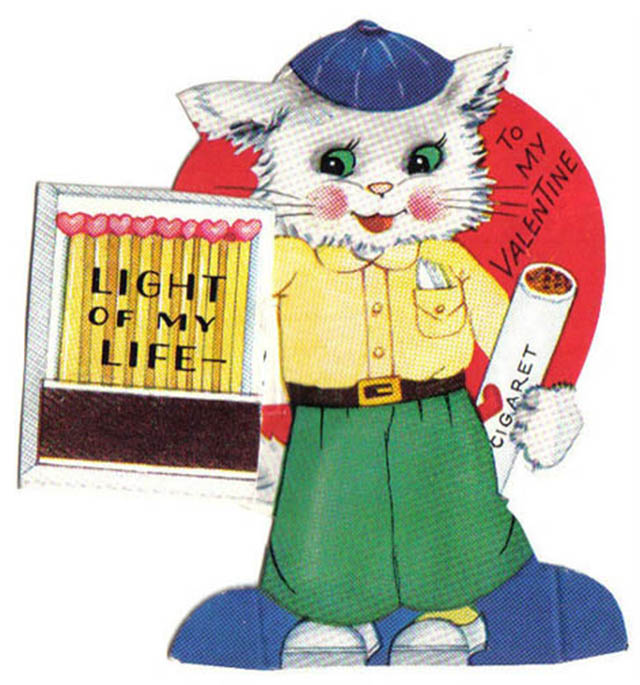
Some cards had no real connection to romance at all. A child dressed as a plumber holding a wrench, a butcher gripping a meat cleaver — these were paired with puns about affection. The logic was loose, but the format was consistent: pick an object or job, build a pun around it, call it a Valentine.


Technology of the era made its way onto cards as well. Boys with microphones broadcasting their love, girls peering at televisions with hearts on the screen — these were meant to feel modern. Instead, they produced some of the strangest combinations of the whole genre.