When the Winter Olympics returned in 1948 after a 12-year break caused by World War II, the games were held in St. Moritz, Switzerland. Women had just two categories open to them: figure skating and alpine skiing. The alpine events included the downhill, slalom, and combined. American skier Gretchen Fraser made history there, winning gold in the slalom and silver in the combined. It was a strong statement on a limited stage.
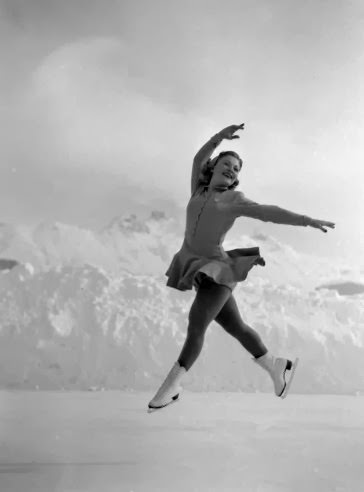
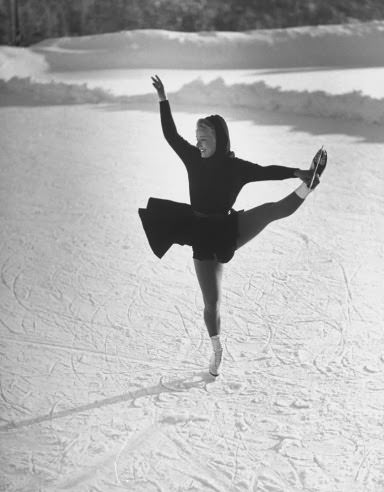
The St. Moritz Games drew competitors from across the globe, and figure skating drew large crowds. Skaters from the United States, France, Britain, and Canada all competed in the ladies’ singles event.
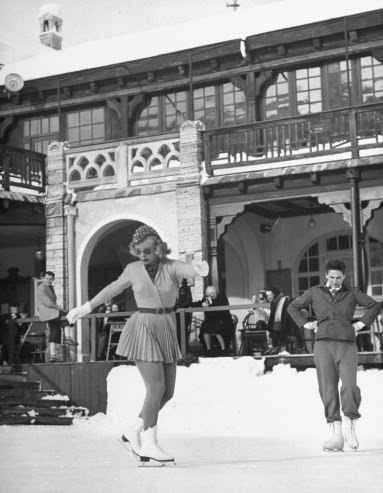
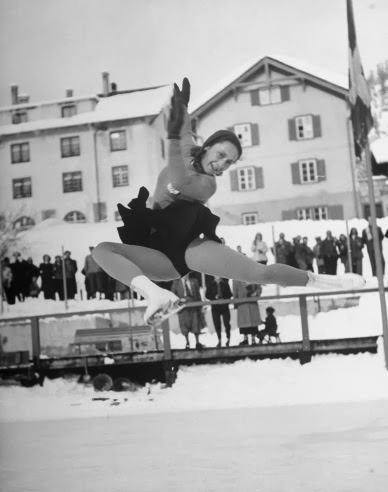
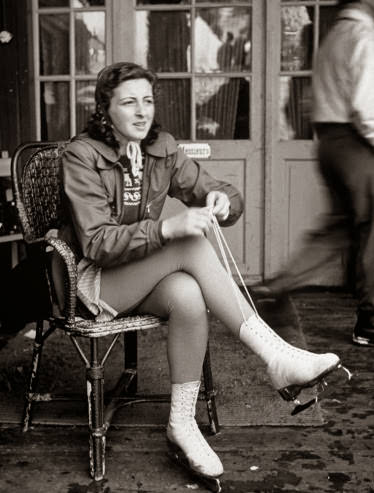
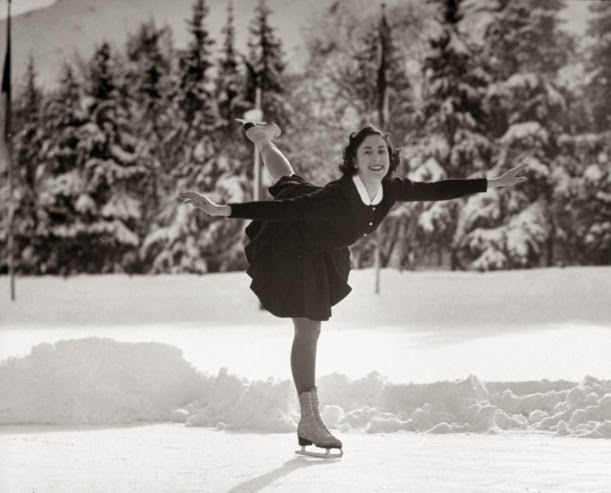
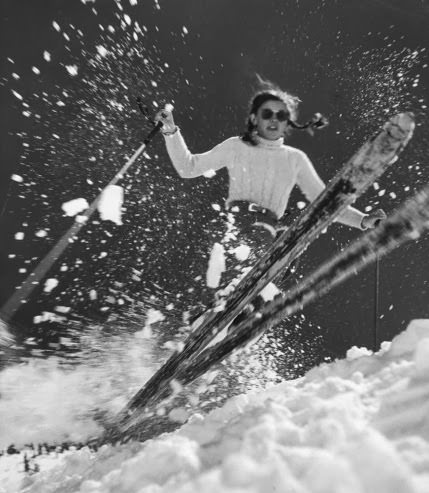
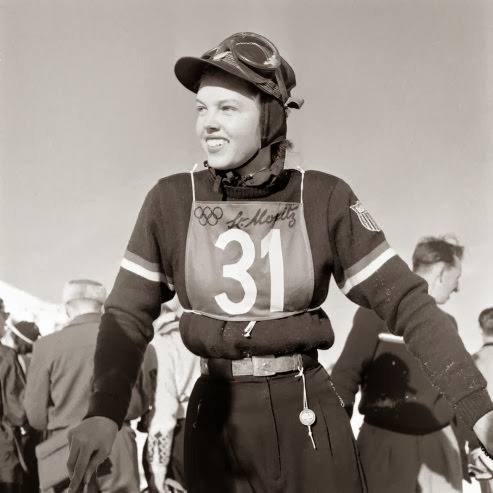
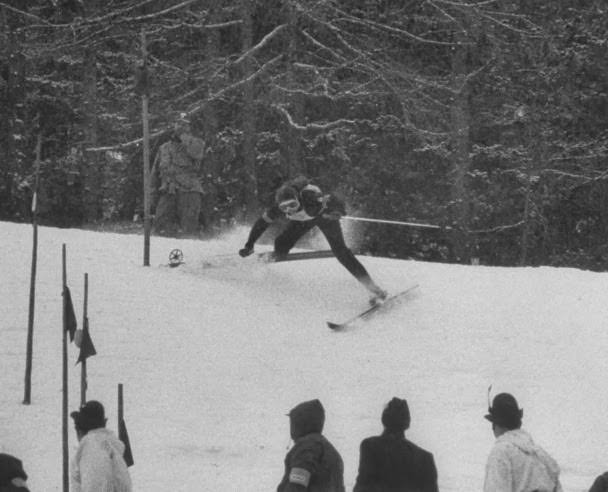
Alpine skiing also brought a range of competitors to St. Moritz. American skiers were among those chasing medals on the Swiss slopes.
At the 1952 Oslo Games, Andrea Mead Lawrence became the first American alpine skier to win two Olympic gold medals, taking both the slalom and the newly introduced giant slalom. Four years later in Cortina d’Ampezzo, Italy, Tenley Albright became the first American woman to win Olympic gold in figure skating. Carol Heiss earned silver at the same games, then returned in 1960 to claim gold at Squaw Valley, California.
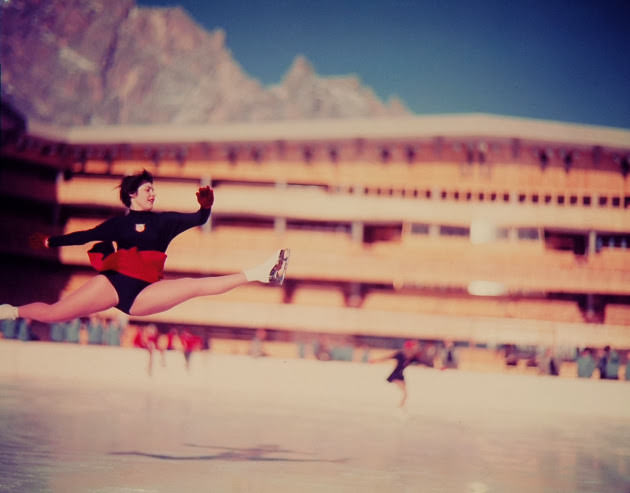
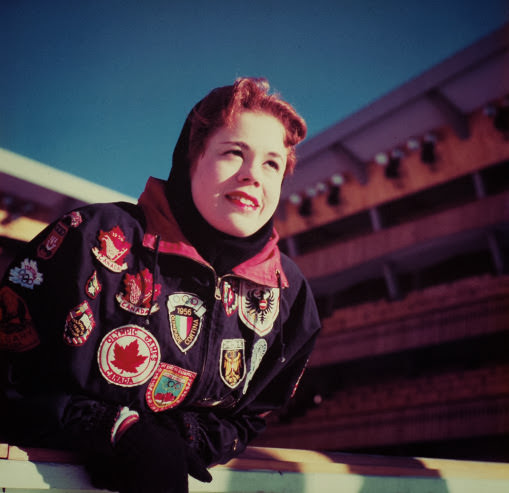
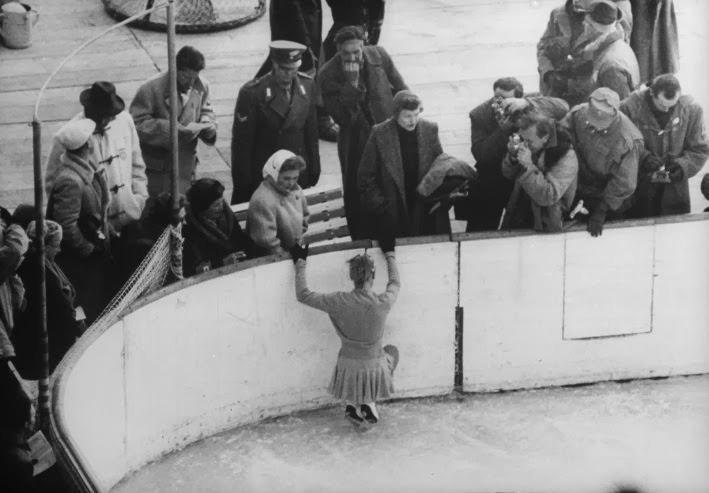
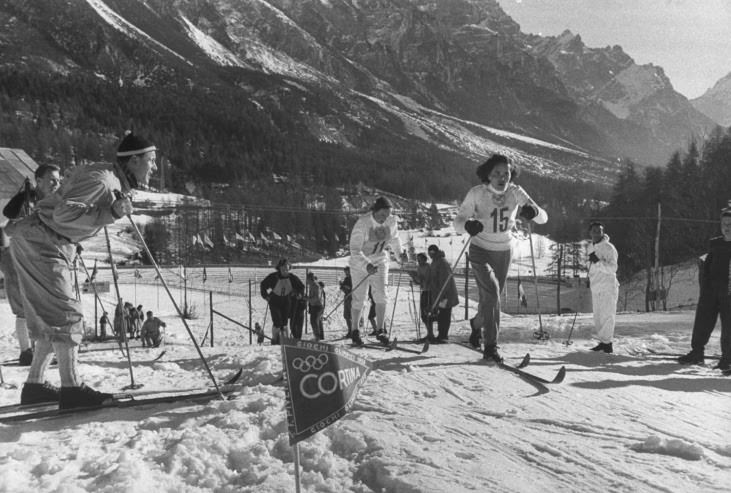
The 1956 Cortina Games also featured early Soviet strength in cross-country skiing, a sign of the dominance to come.
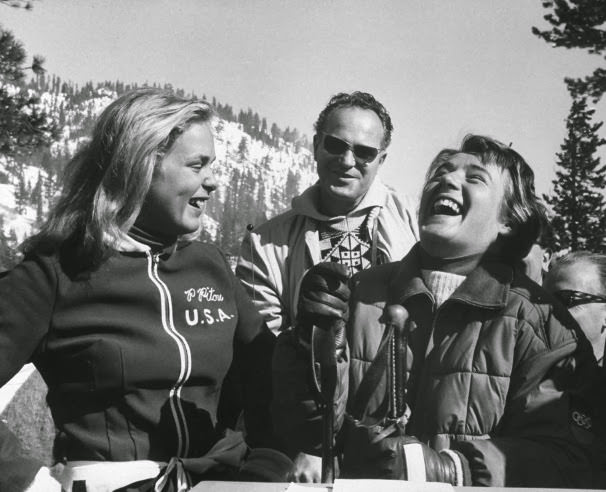
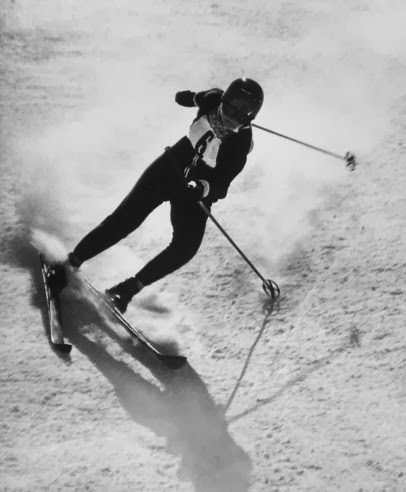
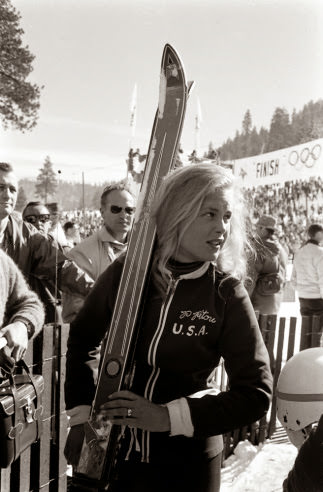
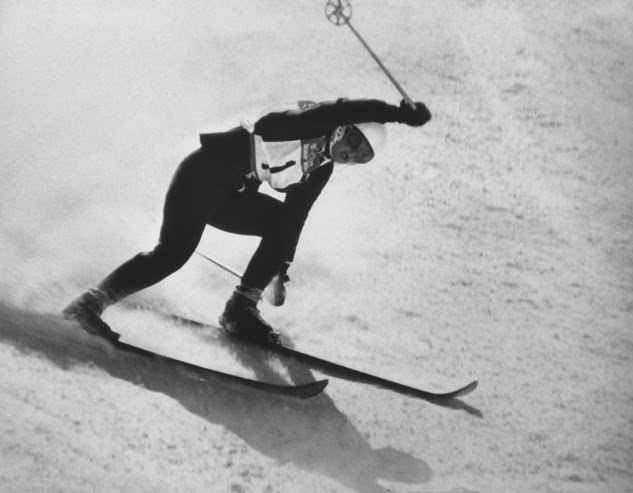
The 1960 Winter Olympics in Squaw Valley marked a turning point. Women’s speed skating was added to the program for the first time, with four events: the 500m, 1000m, 1500m, and 3000m. American alpine skier Penny Pitou earned two silver medals in the downhill and giant slalom, while her countryman Carol Heiss dominated figure skating. On the slopes and ice alike, American women put up strong performances.
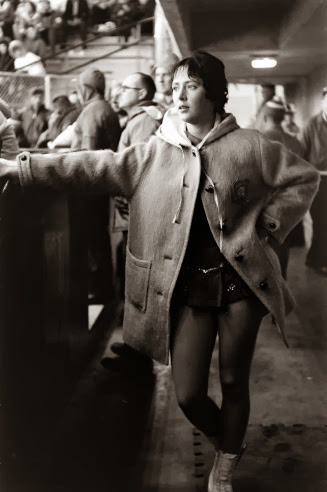
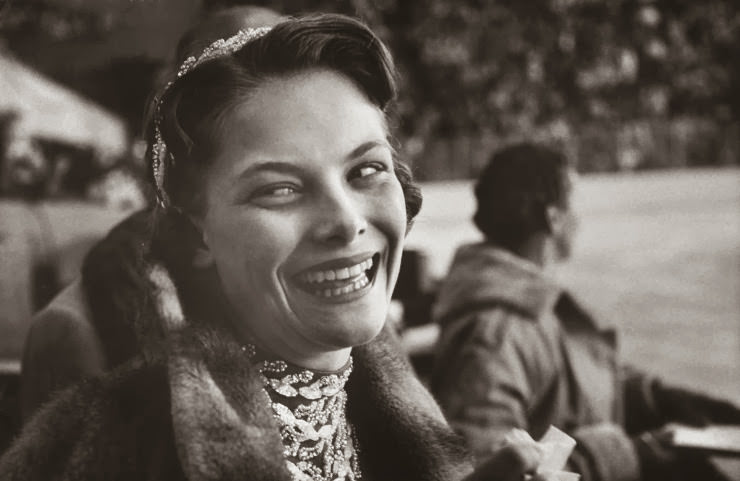
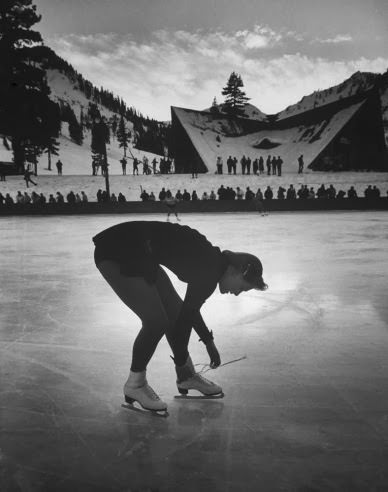
Soviet speed skater Lidiya Skoblikova won two gold medals at Squaw Valley in 1960. Then at the 1964 Innsbruck Games, she swept all four women’s speed skating events — from the 500m sprint to the 3000m — becoming the first athlete in Winter Olympics history to win four gold medals at a single Games.
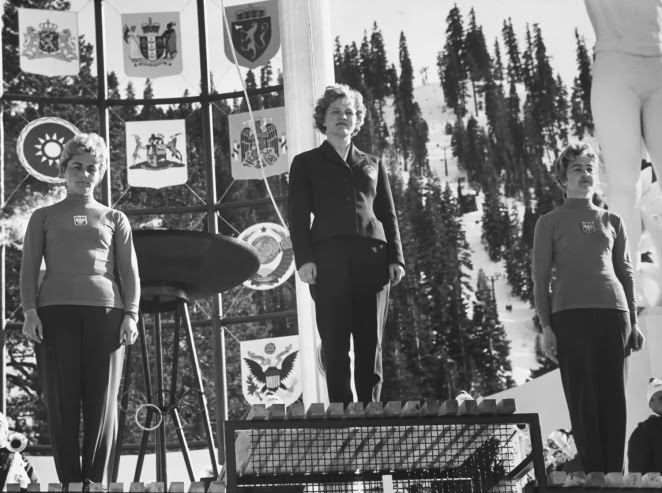
At Innsbruck in 1964, French sisters Christine and Marielle Goitschel dominated alpine skiing. Christine took gold in the slalom while Marielle won the giant slalom, with American Jean Saubert earning medals in both events.
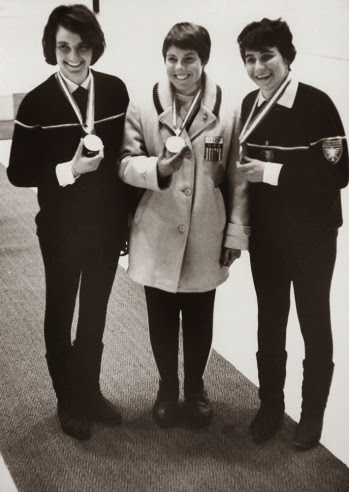
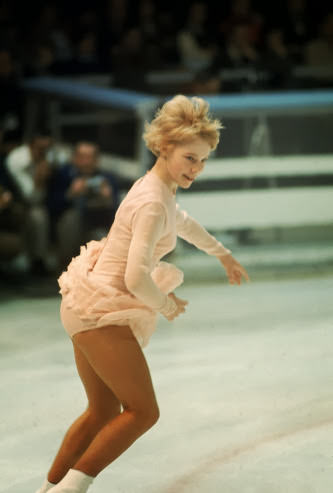
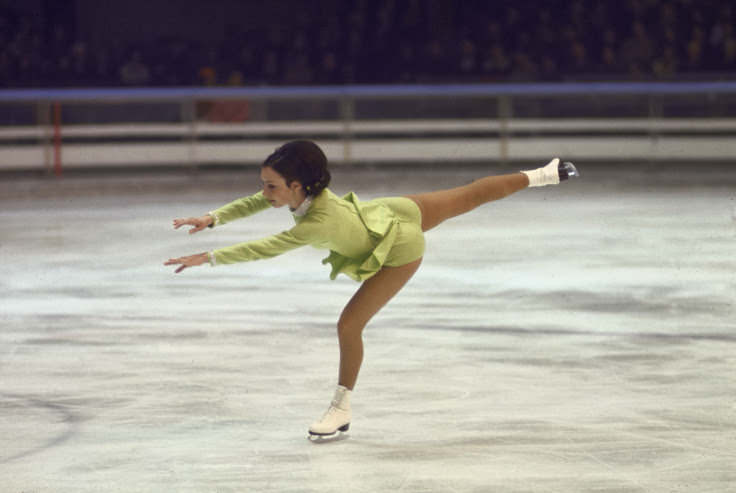
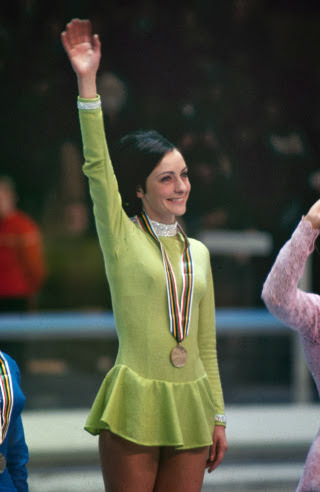
The 1968 Grenoble Games belong to Peggy Fleming. The American figure skater was the only U.S. athlete to win gold at those games, delivering a flawless performance built on elegant technique rather than the power-heavy jumping that would define later decades. She competed in an era focused on precise spins, intricate footwork, and clean double jumps.
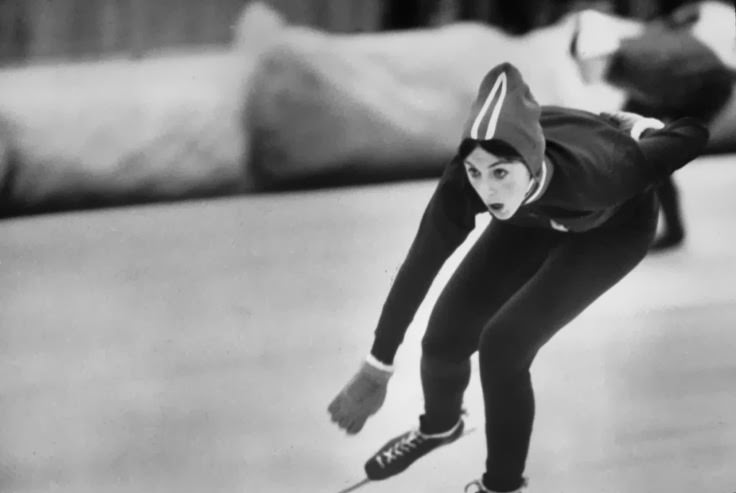
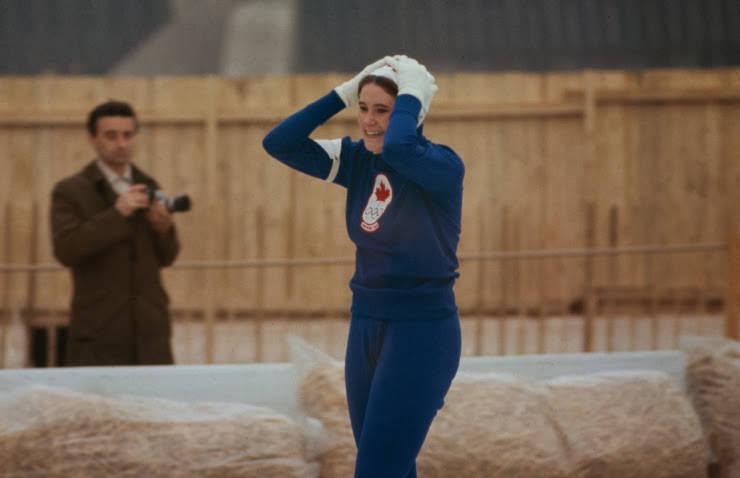
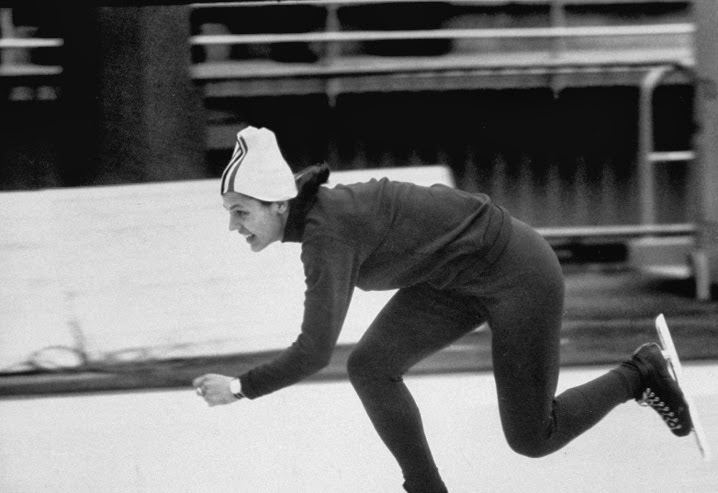

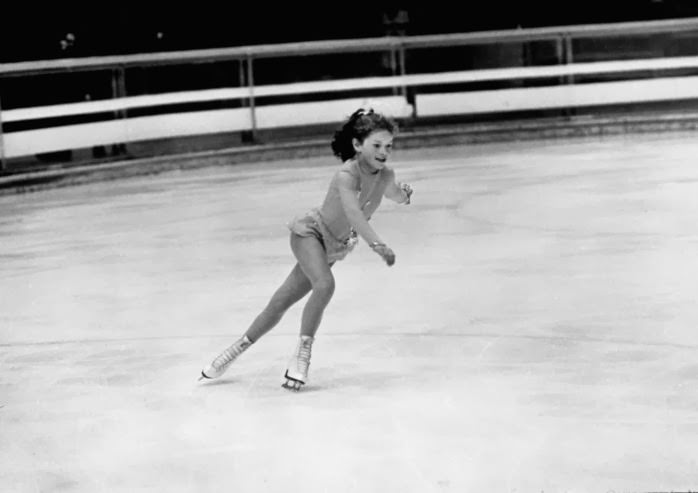
Grenoble also featured remarkably young competitors. Twelve-year-old Romanian skater Beatrice Hustiu took to the ice at the 1968 Games, while American Janet Lynn also competed, building toward a future medal run.
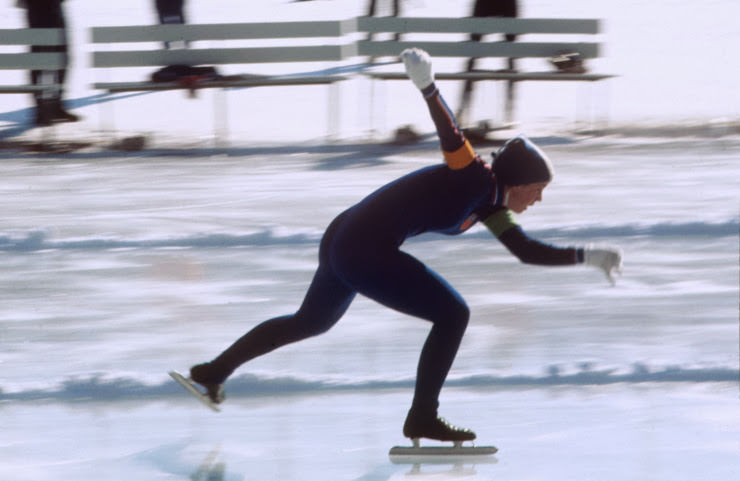
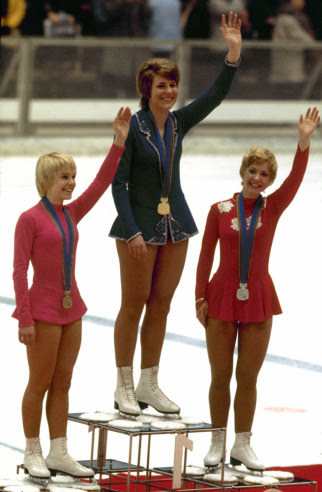
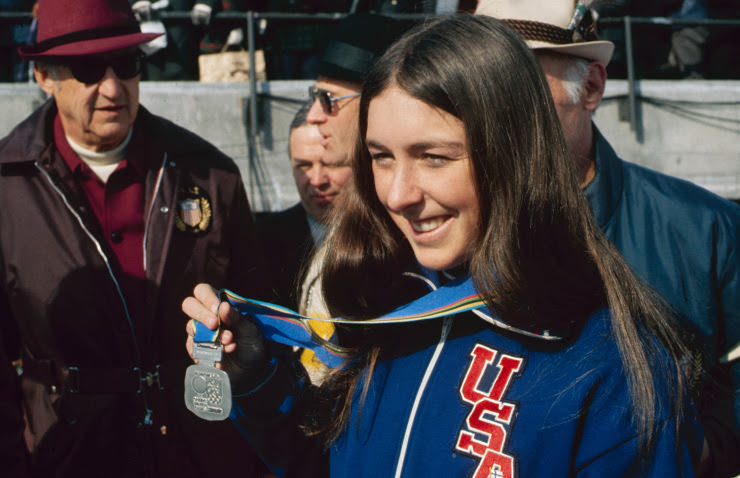
At the 1972 Sapporo Games in Japan, 16-year-old American Anne Henning blazed to victory in the 500-meter speed skating race. Austrian skater Trixi Schuba won figure skating gold on the strength of her compulsory figures — a technical segment later removed from competition. Women’s luge also appeared on the program, further widening the scope of events available to female athletes.