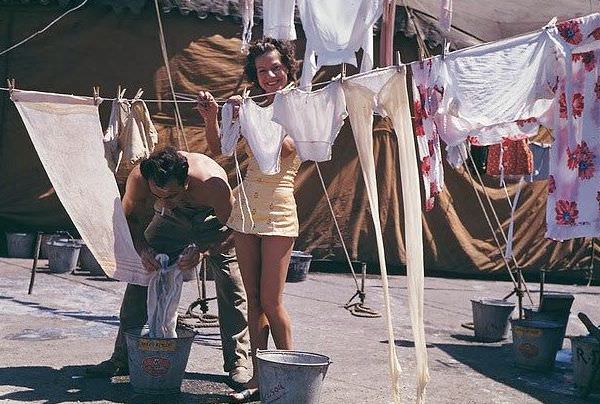
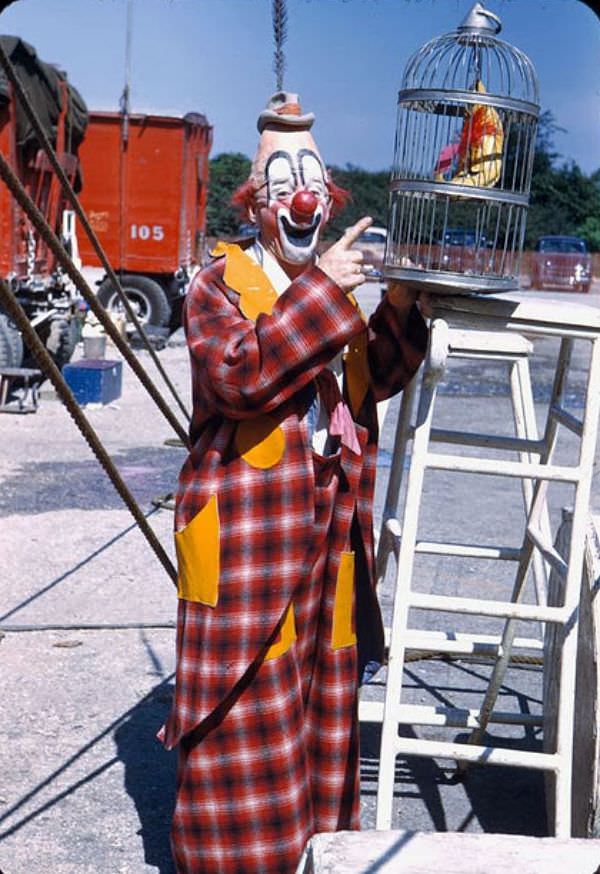
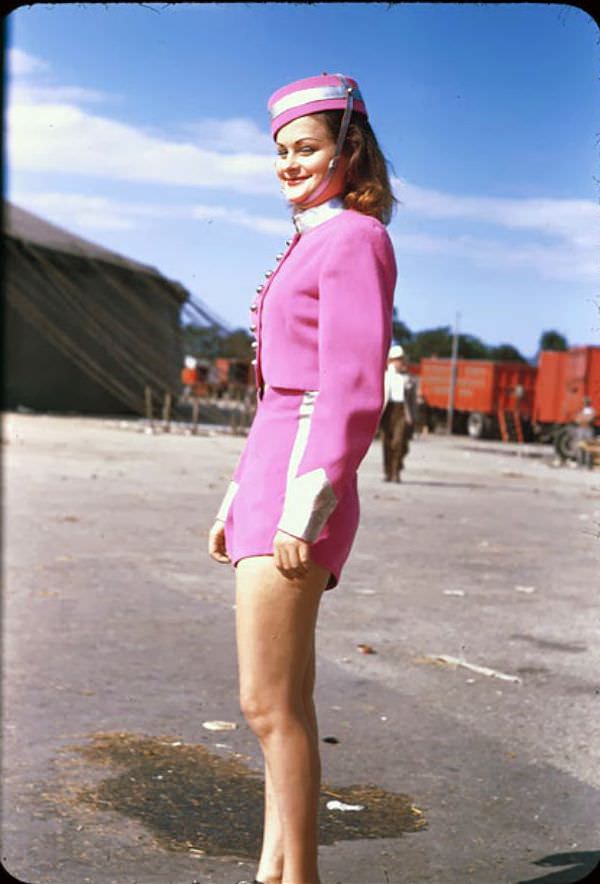
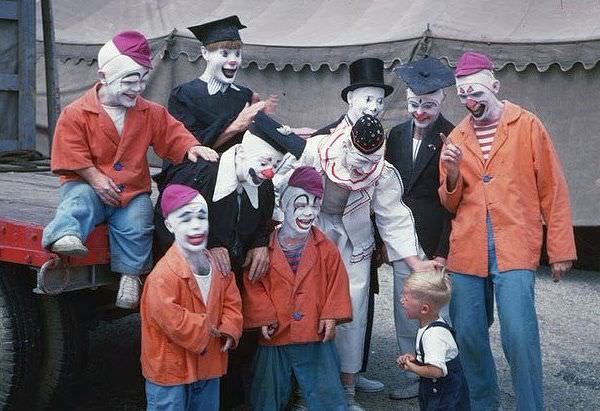
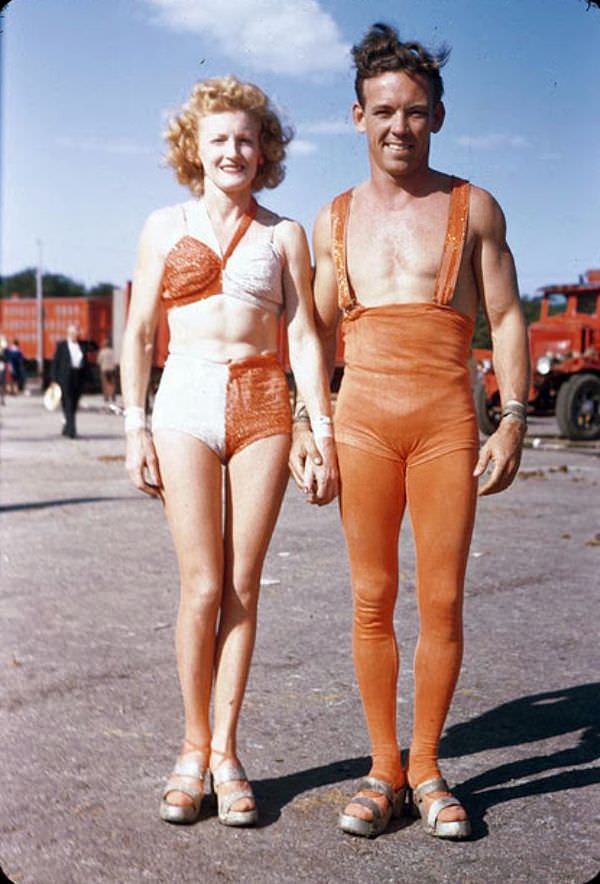
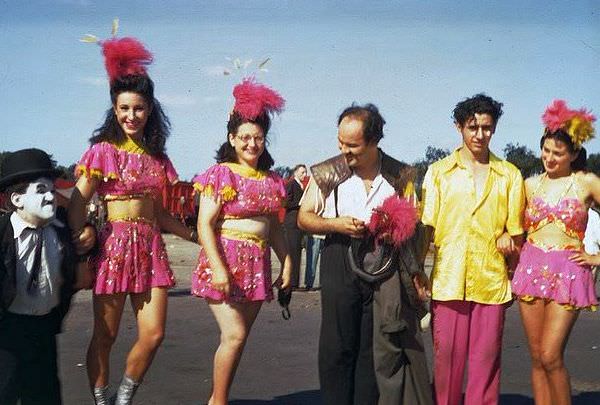
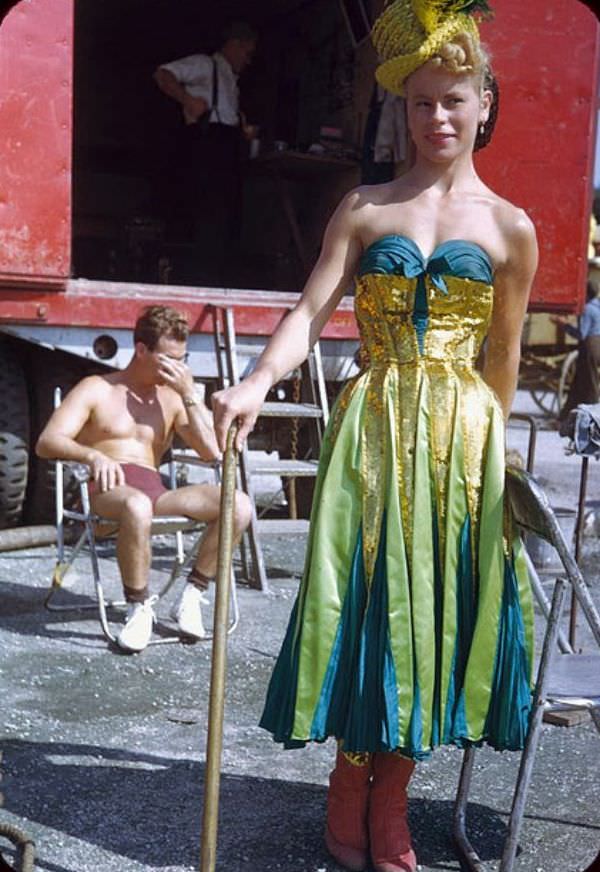
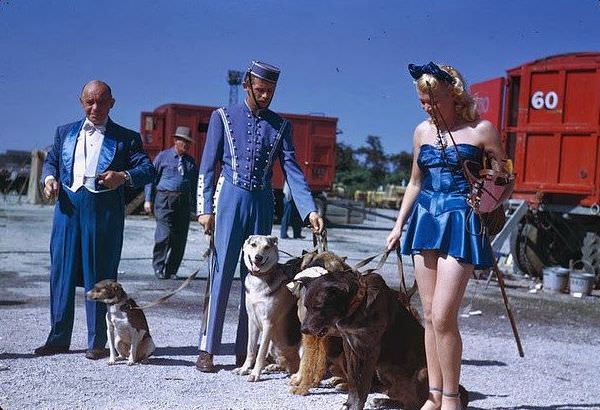
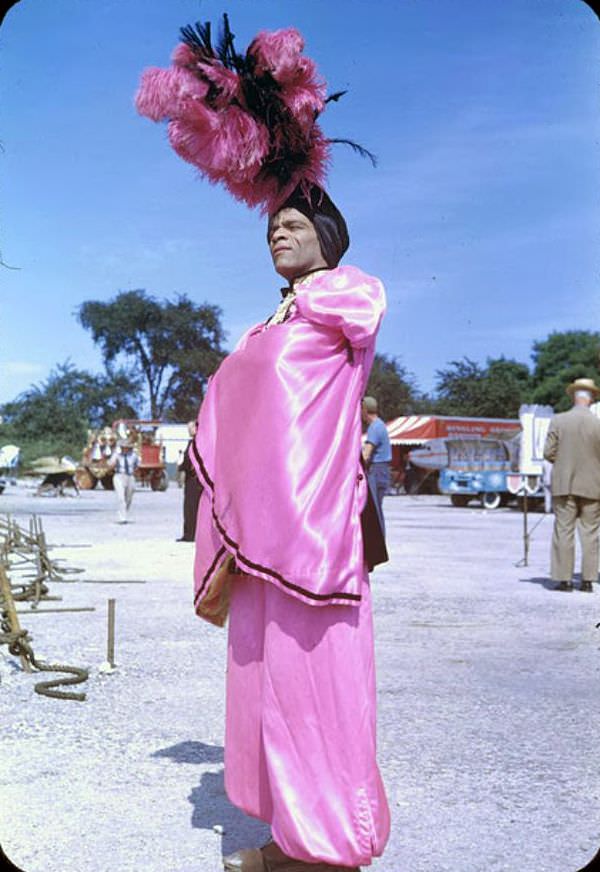
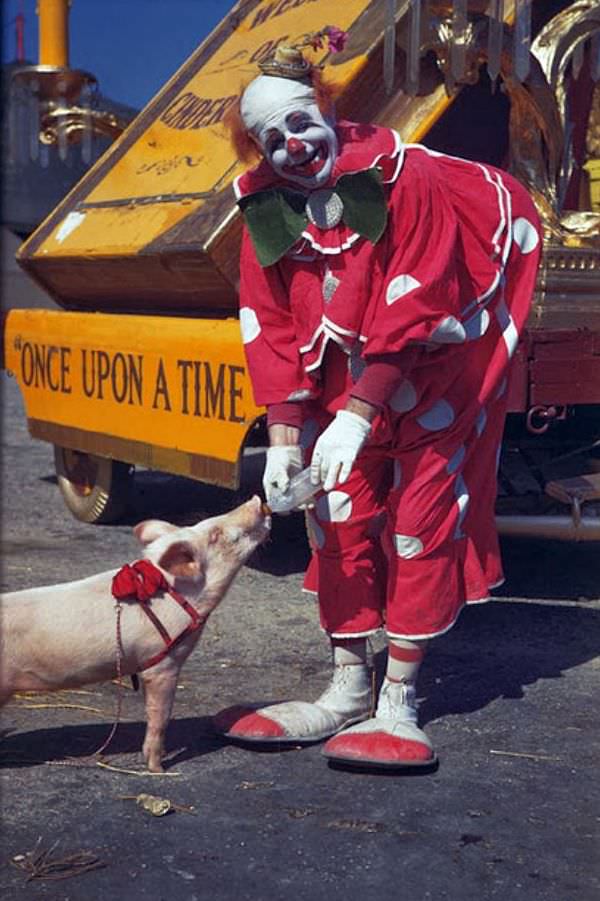
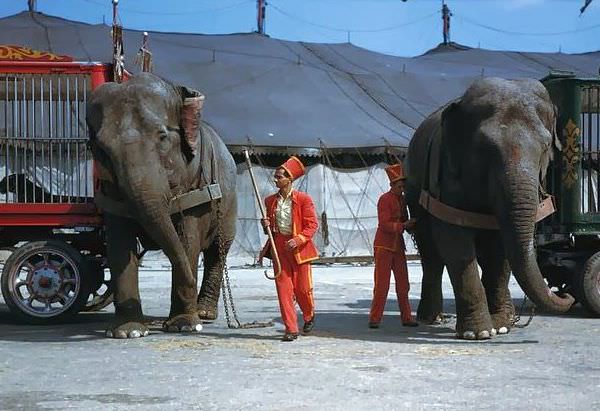
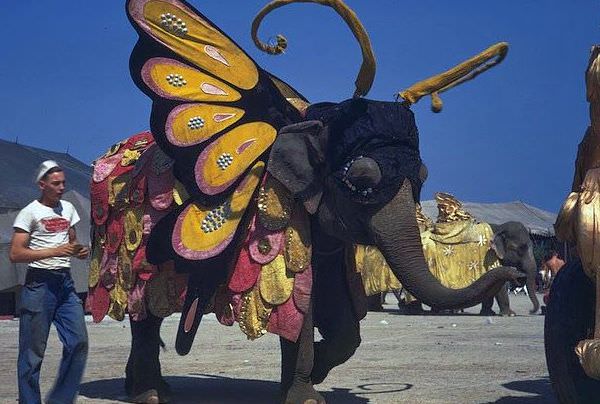
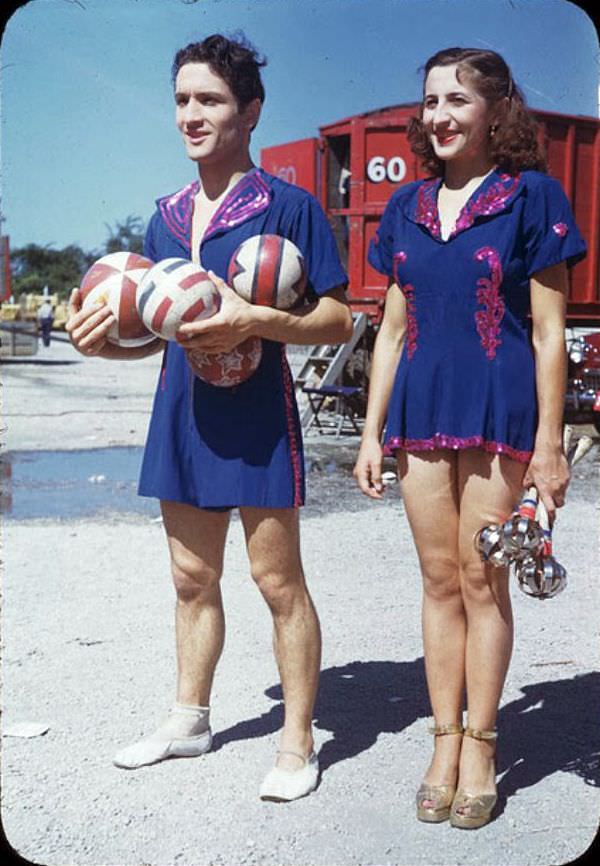
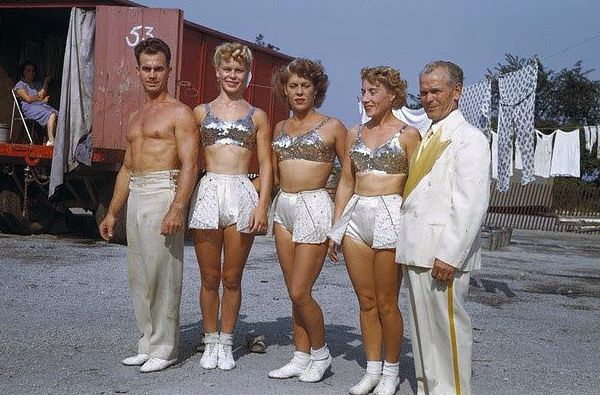
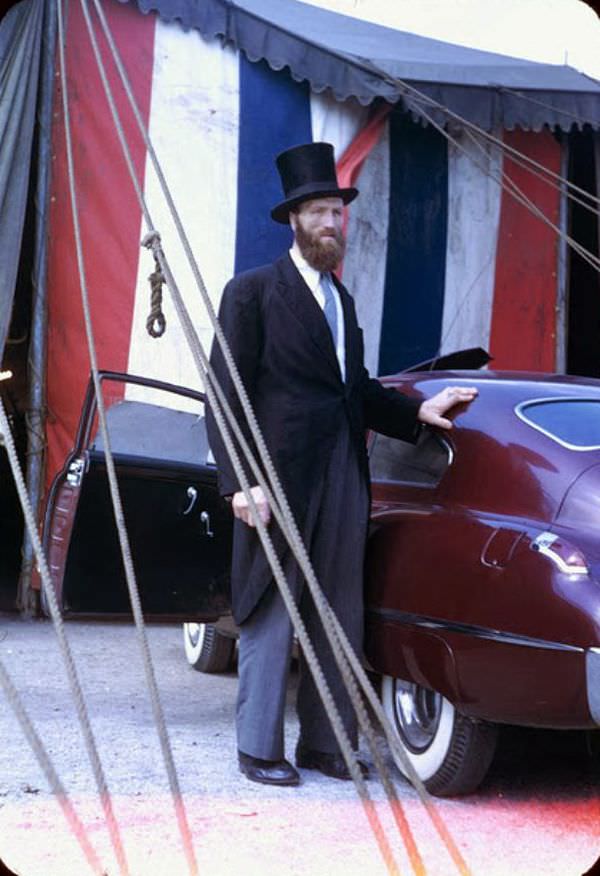
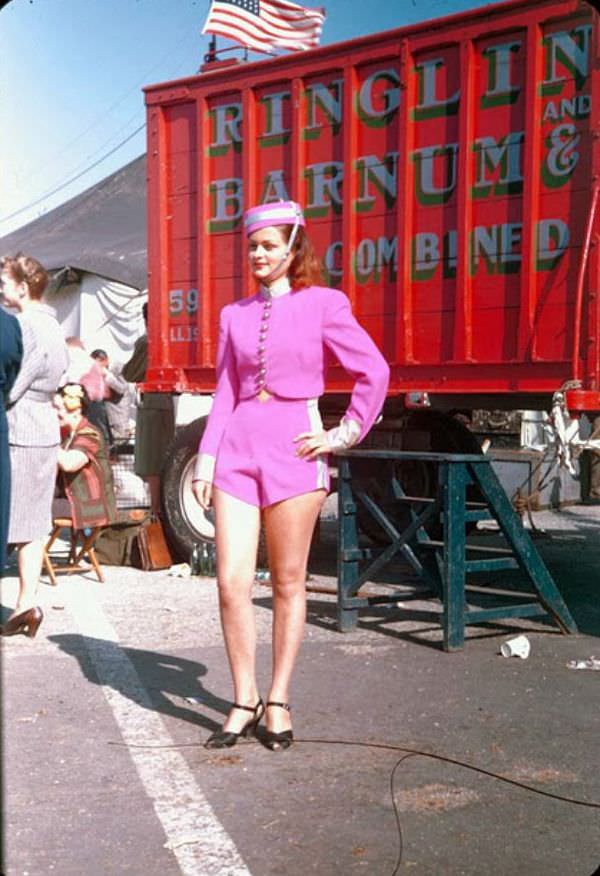
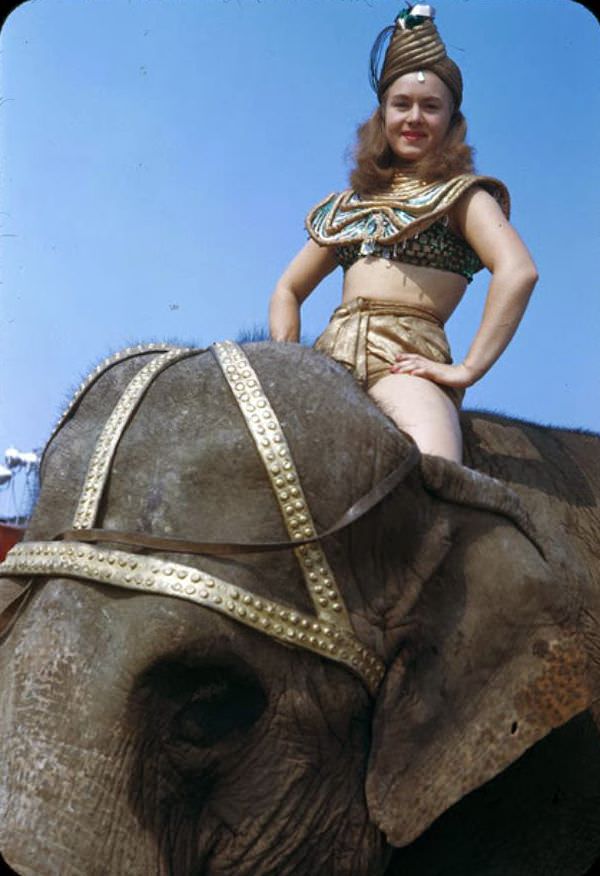
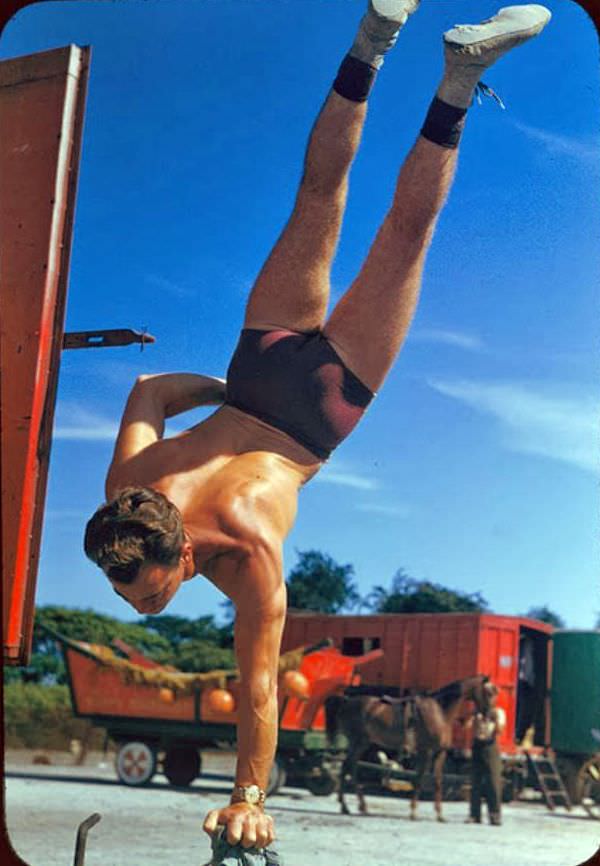
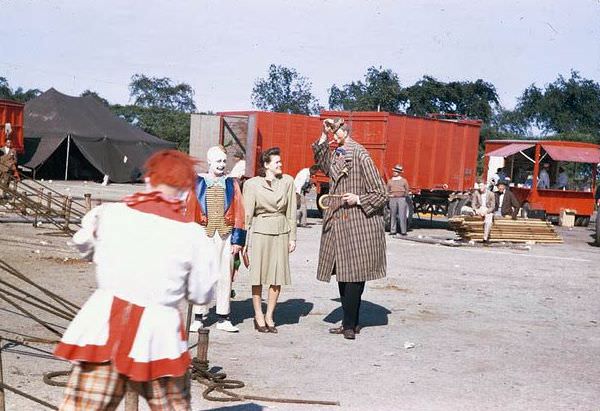
When Ringling Bros. and Barnum & Bailey Circus rolled into Chicago in the 1940s, it was a full-scale event. Venues like the Chicago Stadium were taken over entirely, transformed into a world of sawdust, spotlights, and spectacle. Amateur photographer Charles Cushman captured much of this world on color Kodachrome slides, preserving a behind-the-scenes look at what performers called everyday life.

The circus traveled entirely by rail. Its dedicated train carried sleeping quarters, dining cars, and stock cars for the animals — a rolling city that housed hundreds of people and creatures at once. Star performers had roomier accommodations, while chorus girls and roustabouts made do with far tighter spaces. Upon arrival, elephants were put to work hauling equipment and preparing the arena floor.
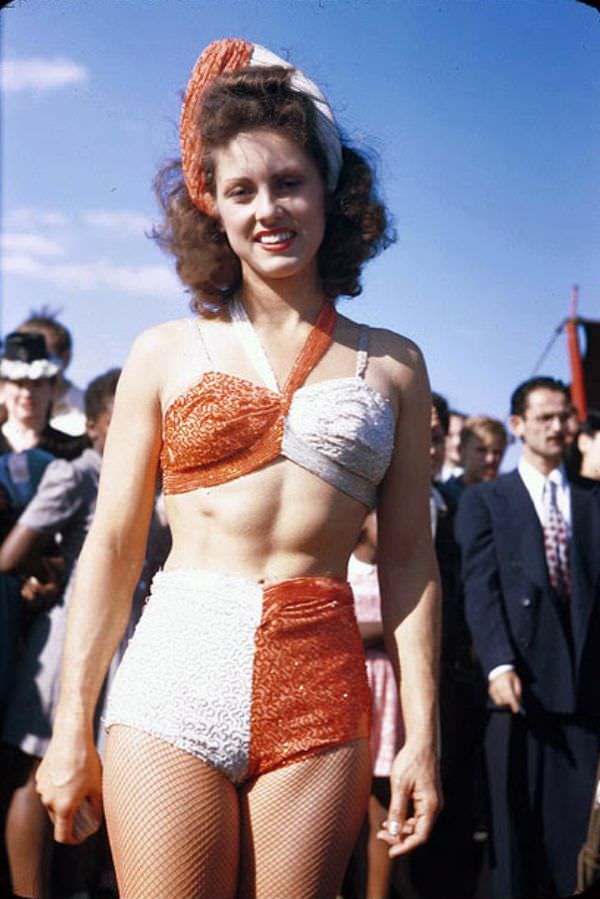

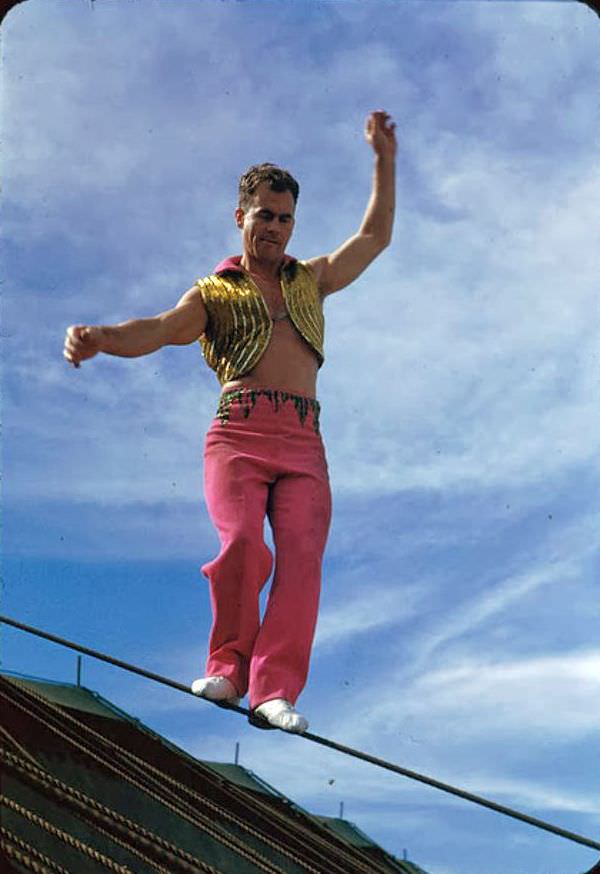
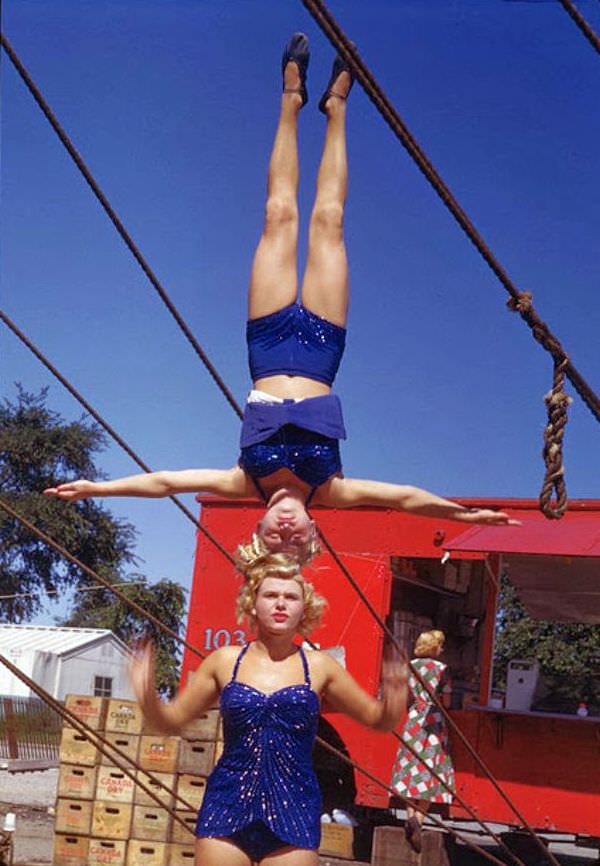
Inside the arena, aerialists headlined the show. The Flying Wallendas performed high-wire acts without a safety net, and trapeze artists worked high above the three rings below. These acts demanded precise timing, raw strength, and deep trust between partners — all built through relentless daily practice.
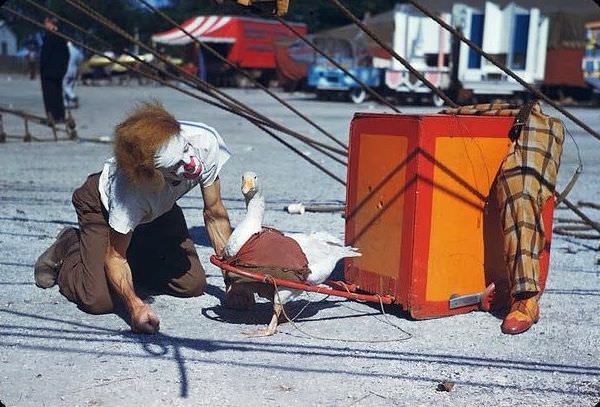
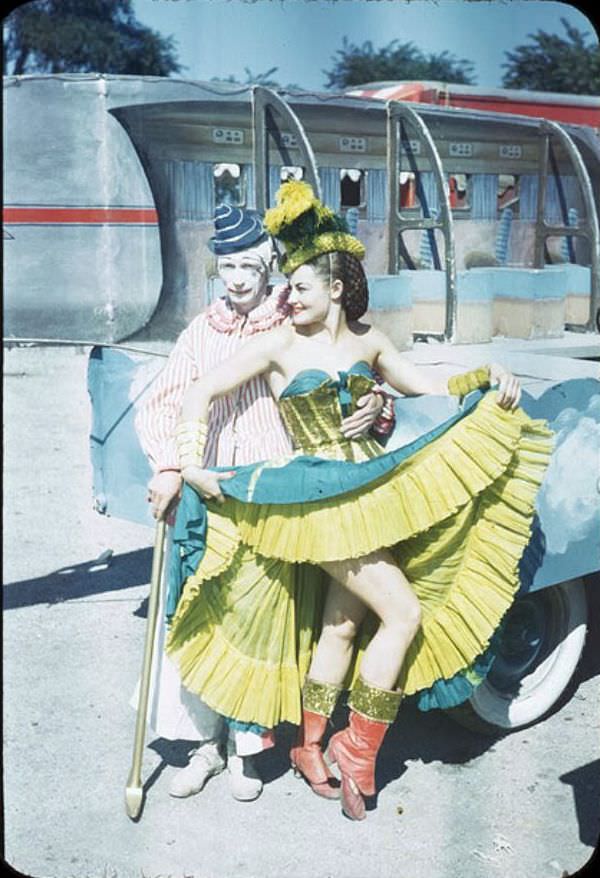
Clowns like Lou Jacobs were far more than comic relief. They were trained acrobats, musicians, and pantomime artists who filled the gaps between dangerous acts. Their personas were carefully constructed — oversized shoes, bright wigs, and custom-built costumes that took years to perfect.

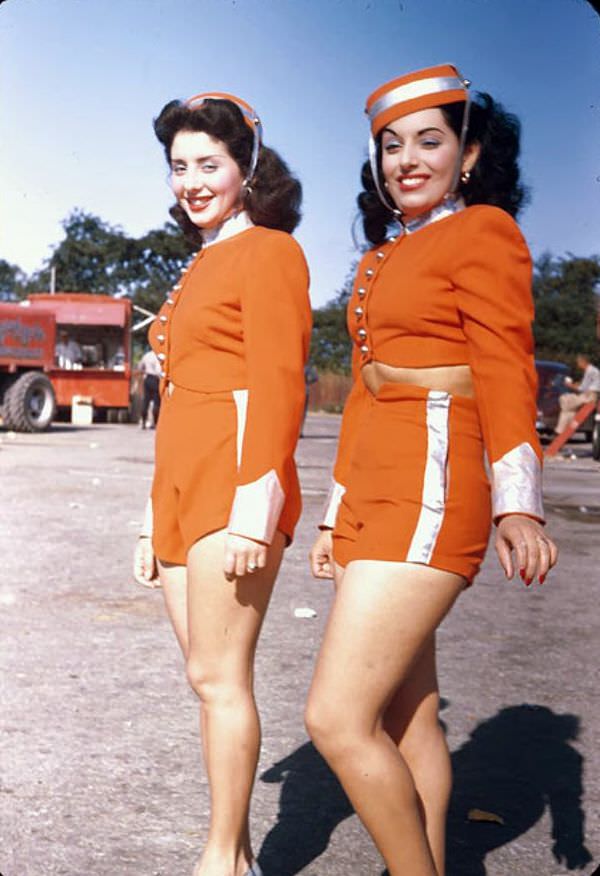
A large troupe of showgirls, billed as “gorgeous aerialistas,” performed in synchronized production numbers. Their costumes were heavily adorned with sequins, feathers, and headdresses designed to catch the arena’s bright lights. Some performed basic aerial maneuvers on low-hanging apparatuses, though their main role was anchoring the show’s grand visual scale.
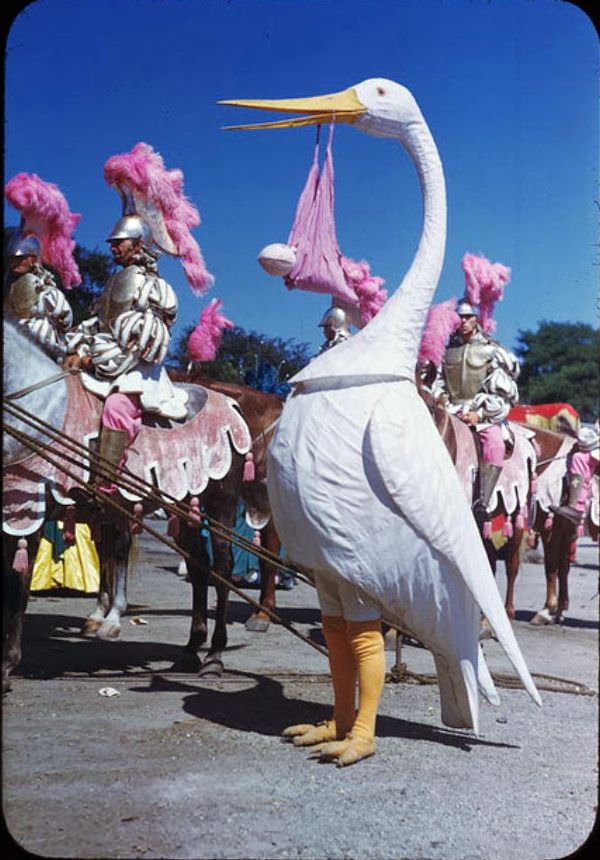
Equestrian acts brought disciplined horses galloping in formation around the rings, with riders executing stunts on their backs. At the center ring, trainer Alfred Court — a noted animal behaviorist — worked with tigers and lions inside a large circular steel cage assembled specifically for his act.