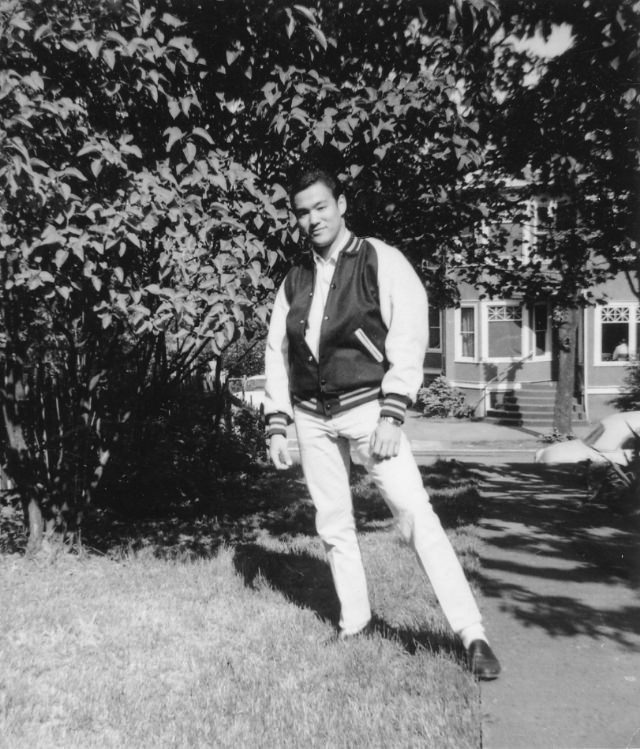
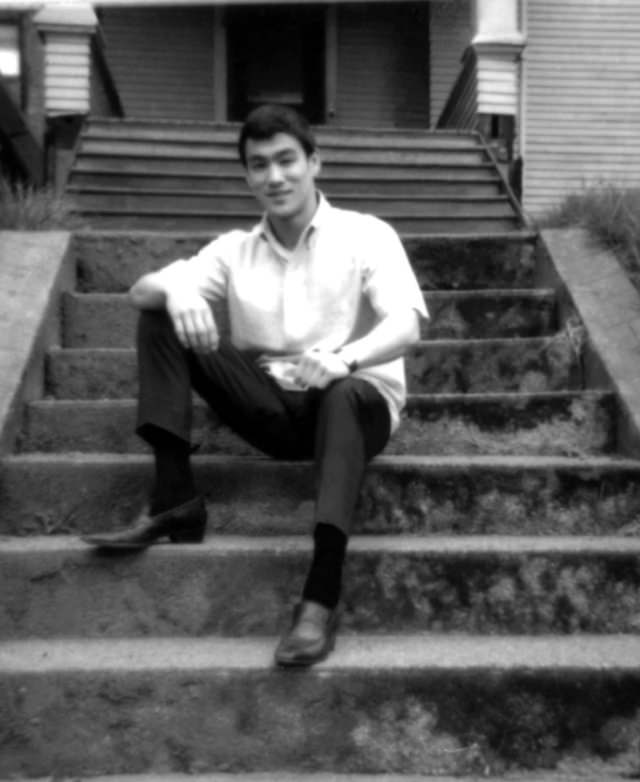
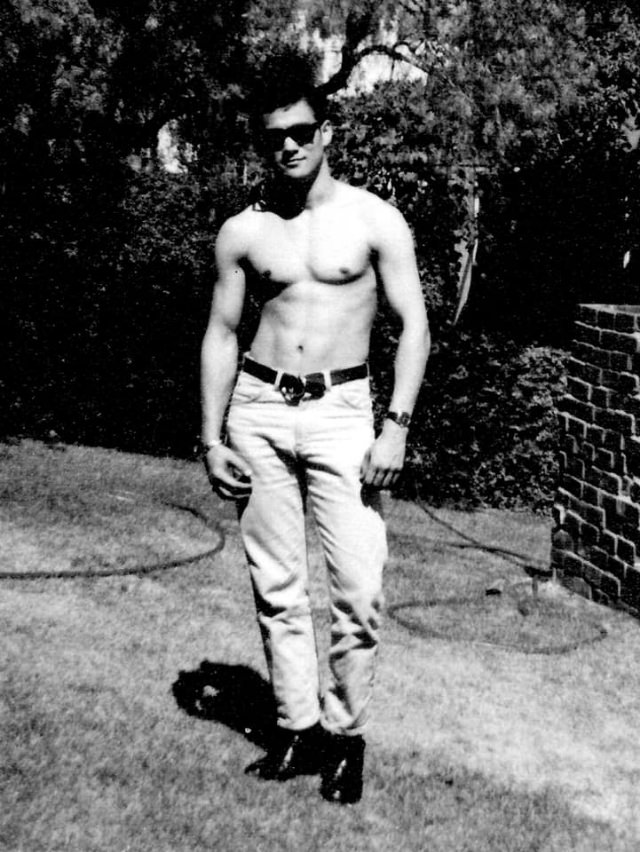
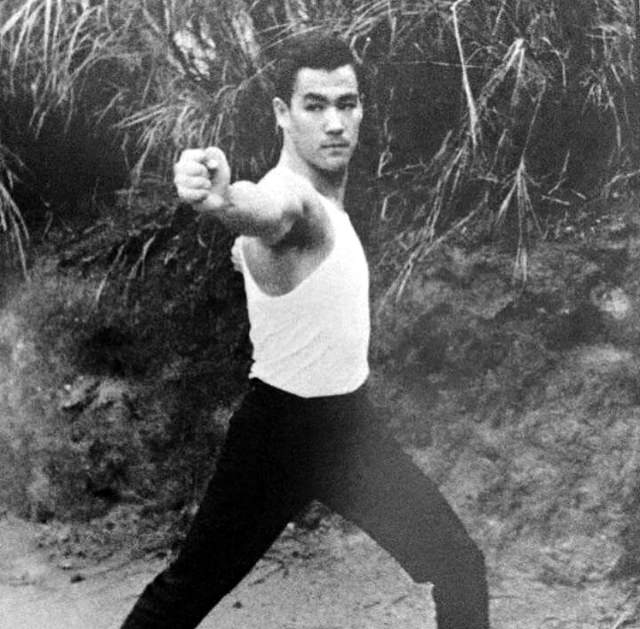
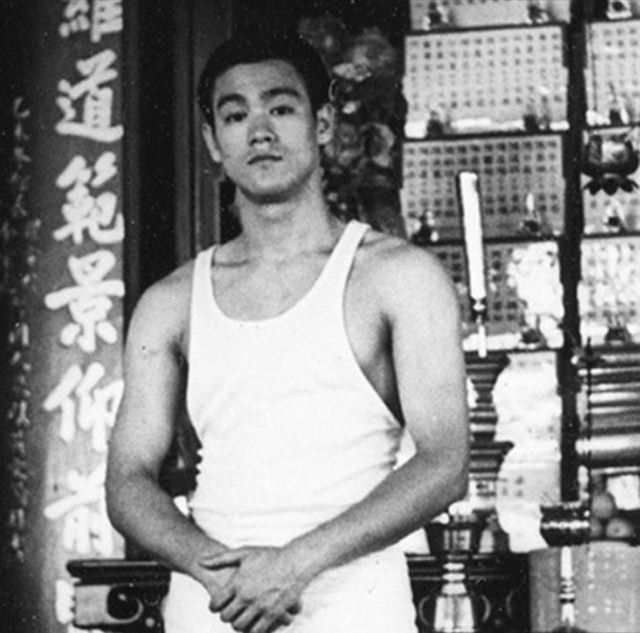
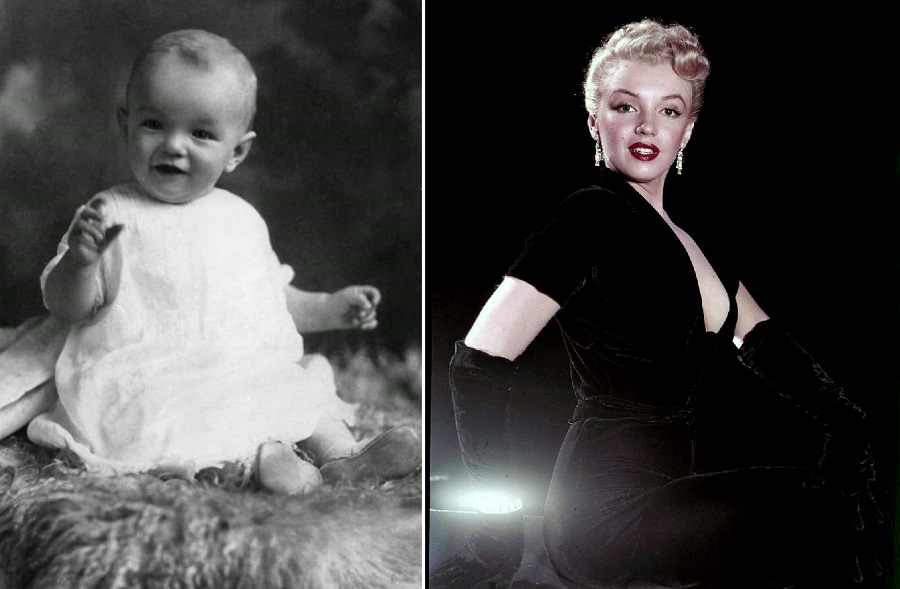
Bruce Lee was born Lee Jun-fan on November 27, 1940, in San Francisco, though he grew up in Hong Kong. His father was a Cantonese opera singer, and that entertainment world shaped Bruce from the start. He appeared in several Hong Kong films as a child, showing an ease in front of the camera that most kids his age simply didn’t have.
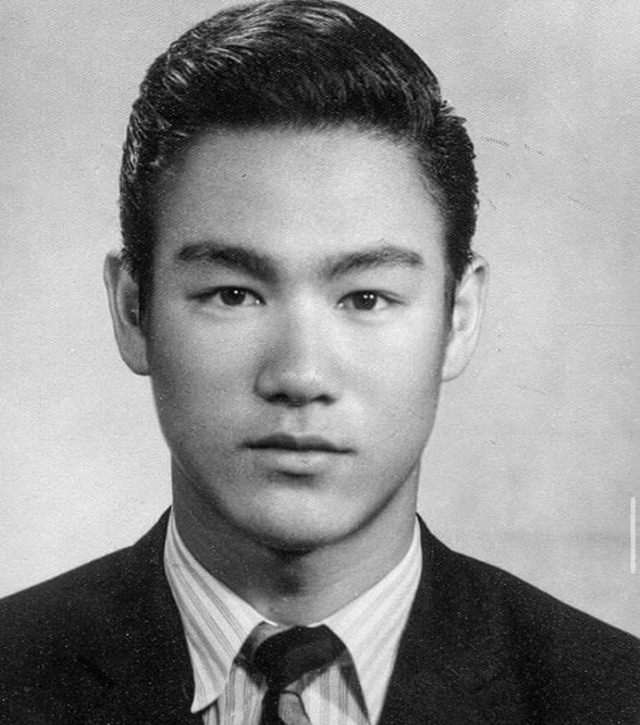
Off screen, Lee was far from a model student. He was mischievous, frequently clashed with street gangs, and gave his parents constant cause for worry. They enrolled him in different schools trying to channel his energy, but his rebellious streak didn’t fade easily.
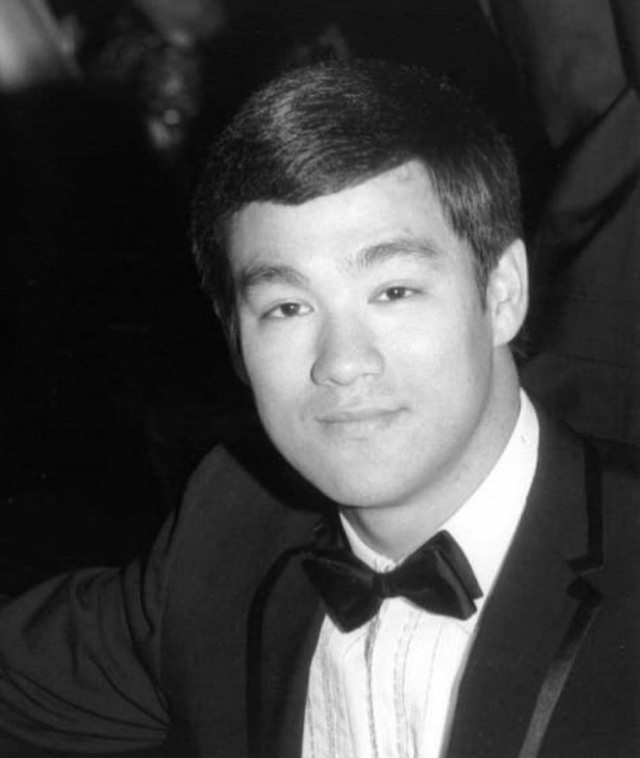
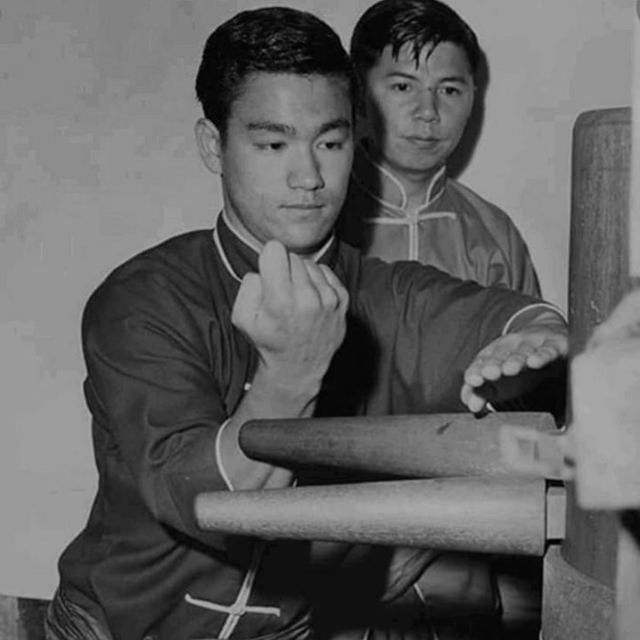
A humiliating run-in with a street gang pushed Lee toward martial arts. He began training in Wing Chun kung fu under the legendary master Yip Man. Lee took to it immediately. His speed was extraordinary, and his commitment to the craft was clear from his earliest sessions.
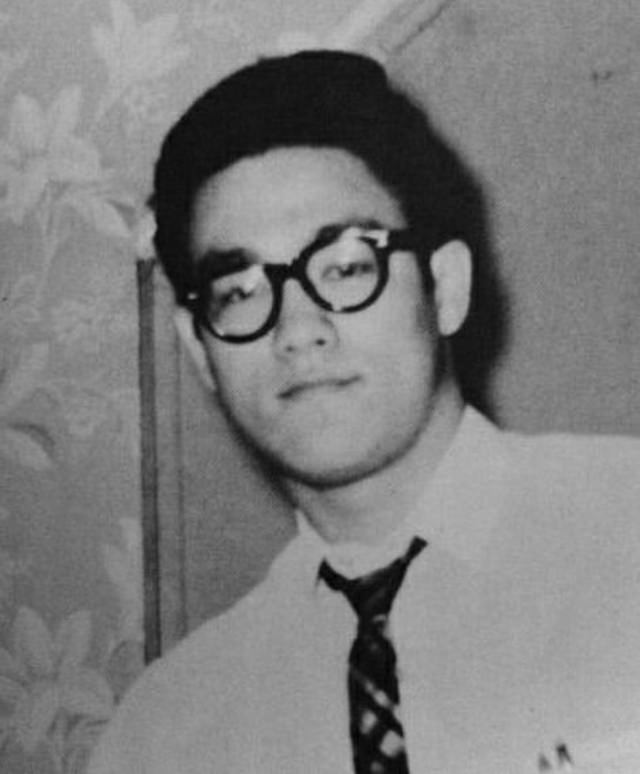
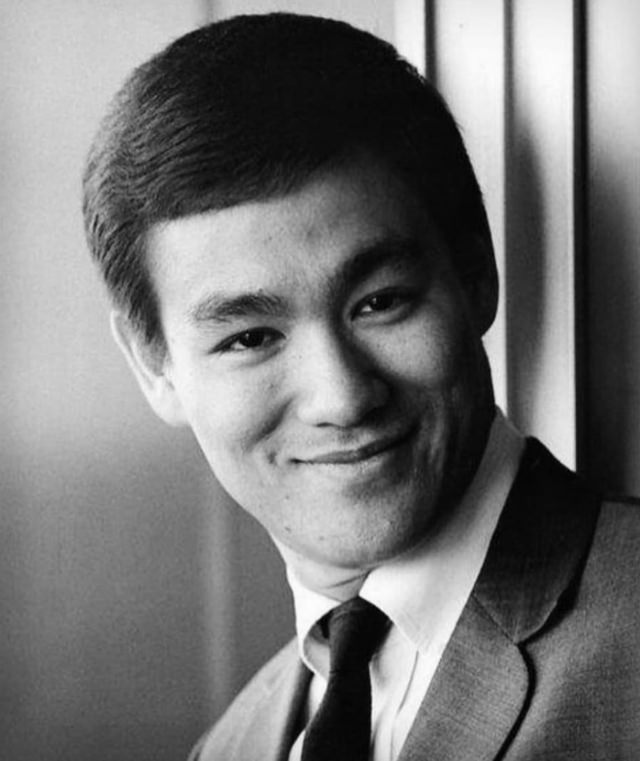
Wing Chun’s core principles — efficiency, directness, and economy of movement — matched Lee’s natural instincts perfectly. Under Yip Man, he developed the lightning-fast punches and fluid footwork that would later define his on-screen fighting style.
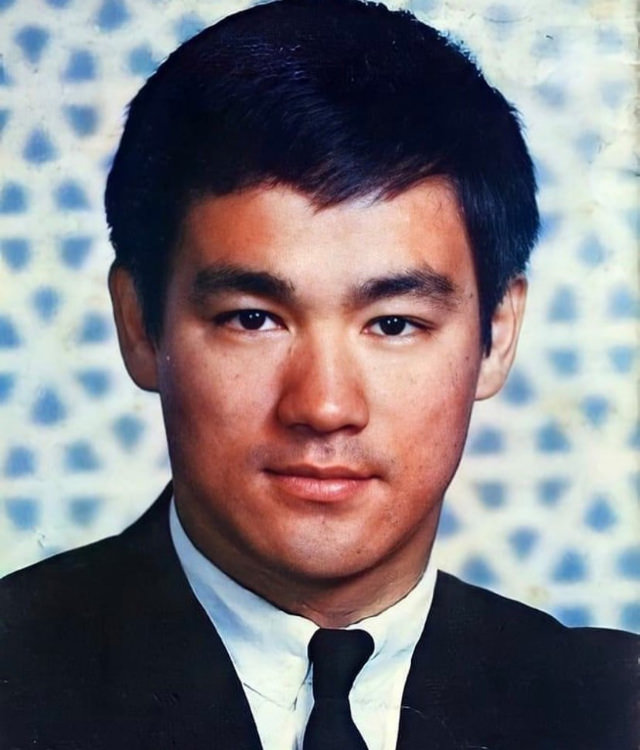
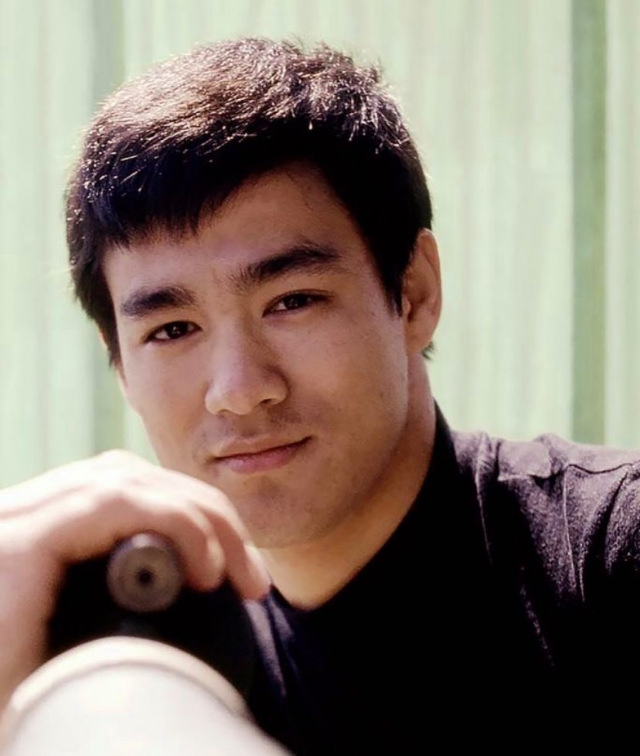
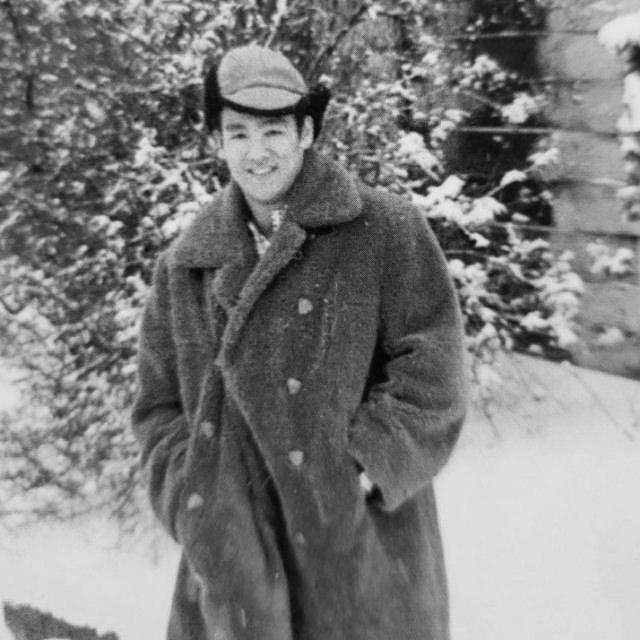
In 1959, at age 18, Lee’s parents sent him to the United States. They wanted him away from Hong Kong’s street influences and hoped he would pursue a proper education. He landed in San Francisco with very little money but an intense drive to keep training.
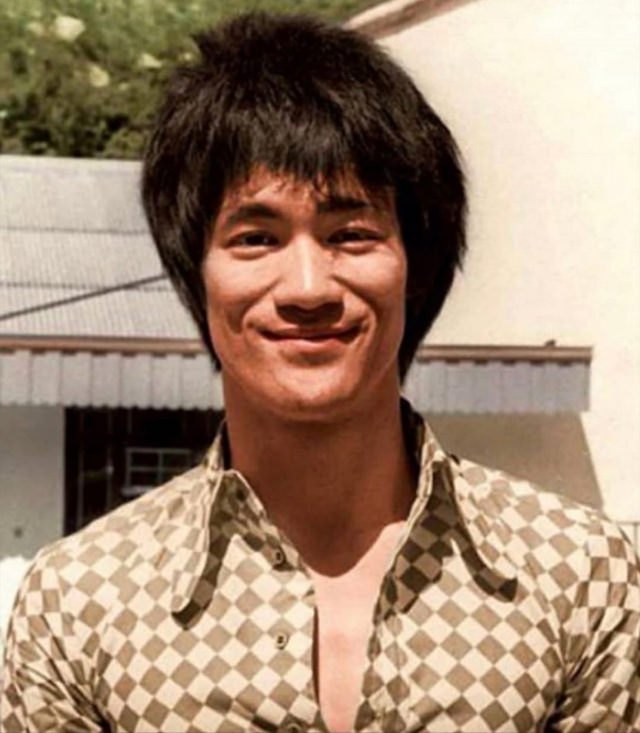
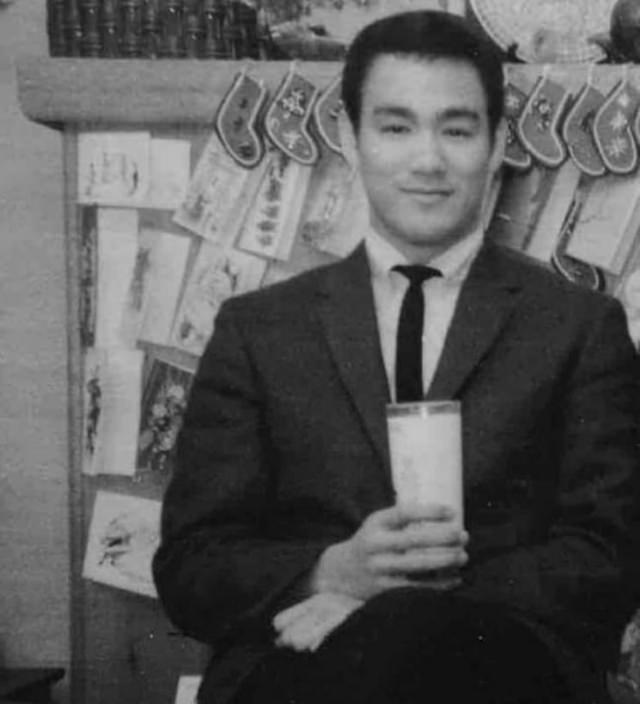
Lee worked odd jobs to get by while continuing to train and study. He eventually opened his own martial arts school, teaching Wing Chun to students of all backgrounds. He also absorbed techniques from other styles, constantly refining what he knew.
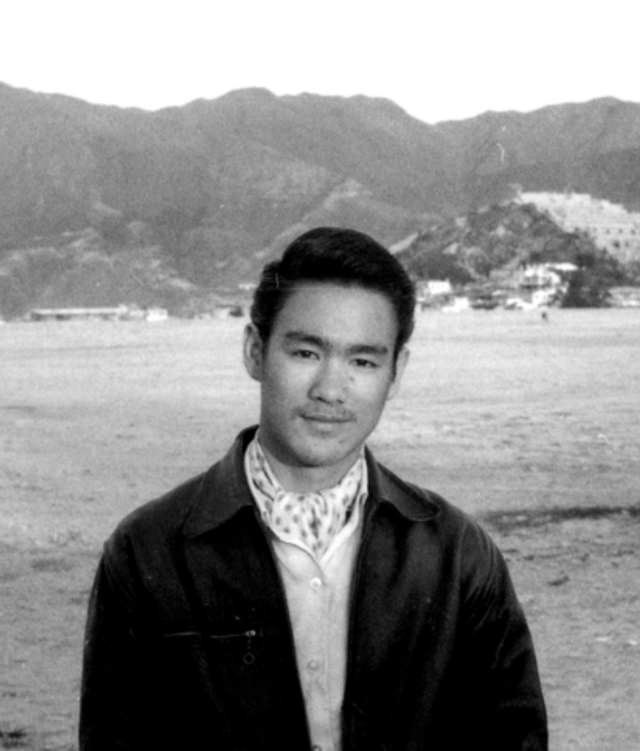
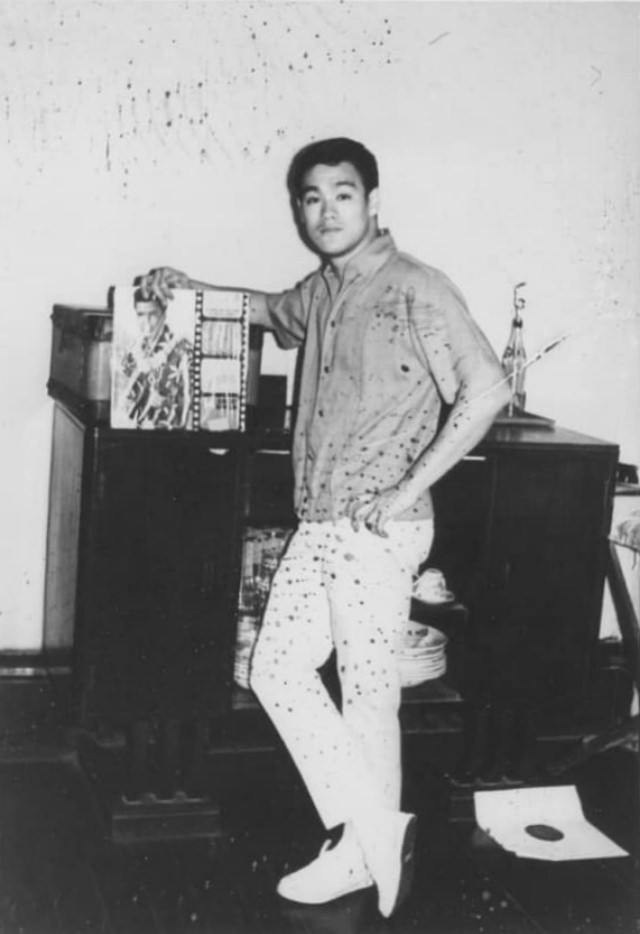
Lee’s first major break in American entertainment came in 1966 with the TV series The Green Hornet, where he played Kato. The show ran for only one season, but Lee’s martial arts sequences stunned viewers and caught the eye of Hollywood producers.
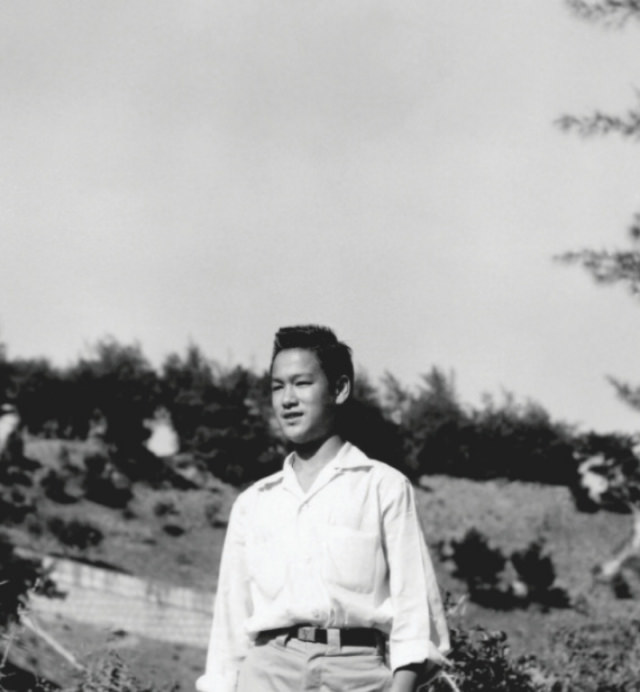
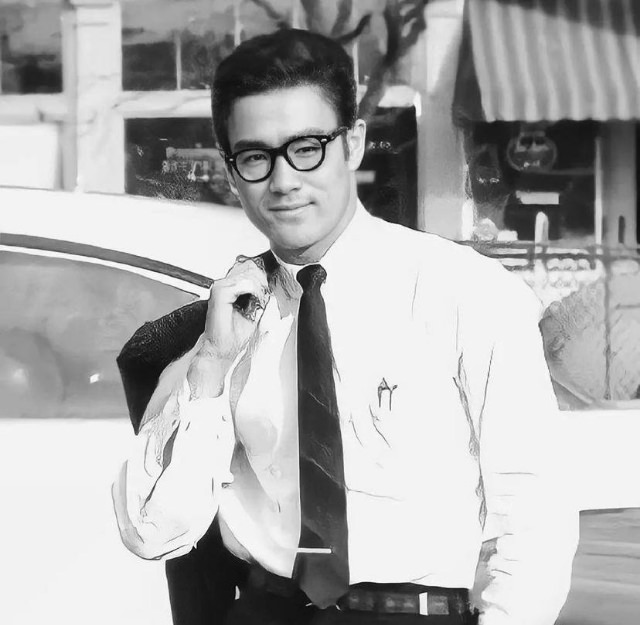
Despite that attention, Hollywood kept Lee in a box. Studios typecast him in minor Asian roles and blocked him from leading parts. Frustrated with those barriers, he returned to Hong Kong in 1971 to take control of his own career.
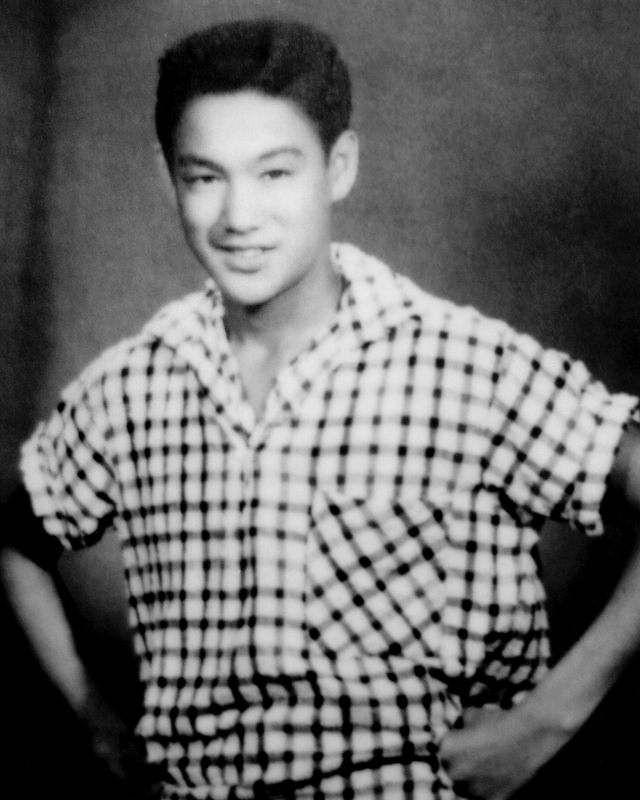
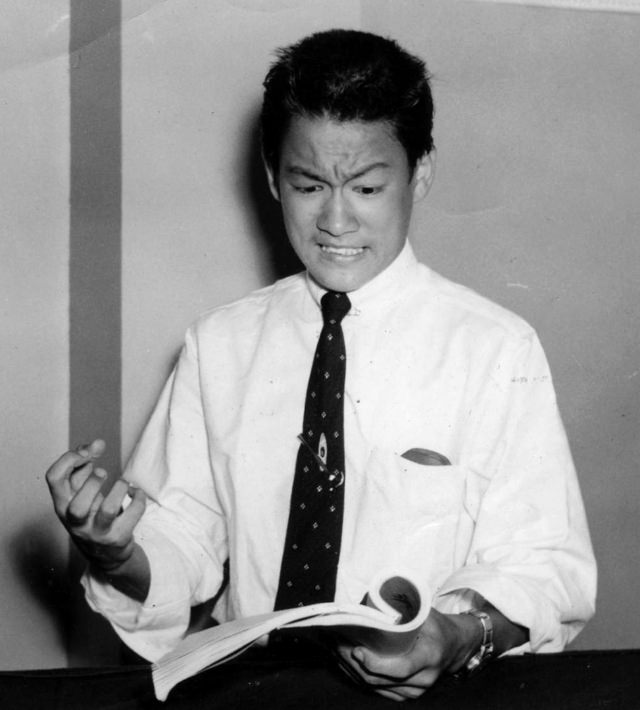
Hong Kong welcomed him back with open arms. The Big Boss, Fist of Fury, and Way of the Dragon all shattered box office records. Each film showcased a more refined, explosive version of the fighter he had been working to become since his teenage years in Kowloon.
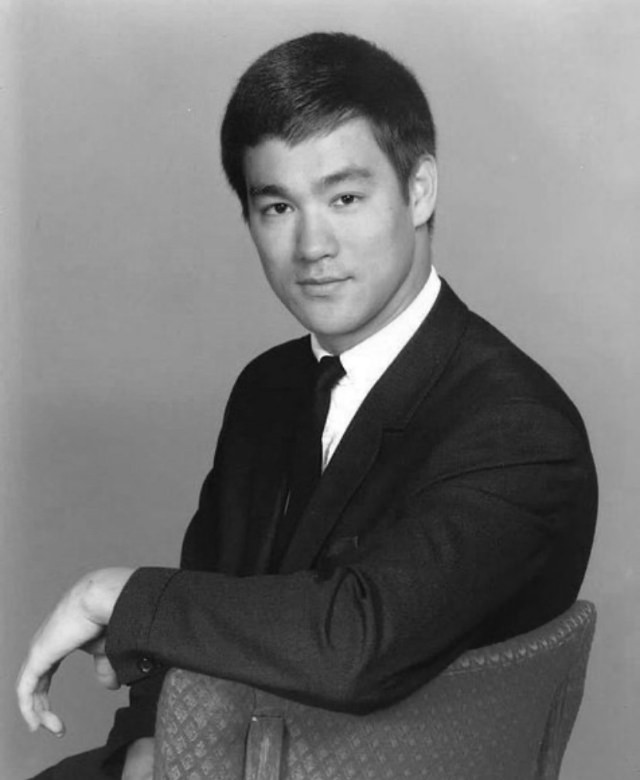
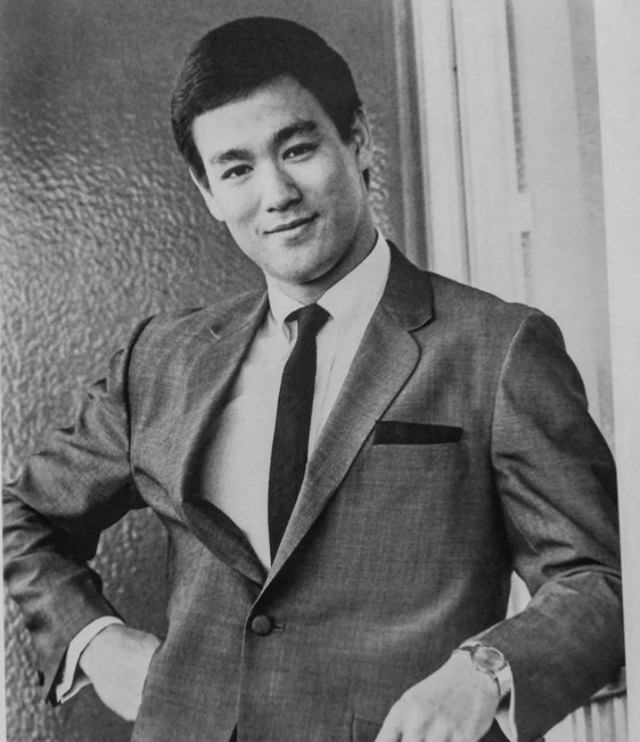
During this peak period, Lee formalized his own martial arts philosophy: Jeet Kune Do, which he called “the style of no style.” It rejected rigid, traditional forms in favor of adaptability and real-world practicality. A fighter, in Lee’s view, should respond to what is actually happening — not to a set routine.
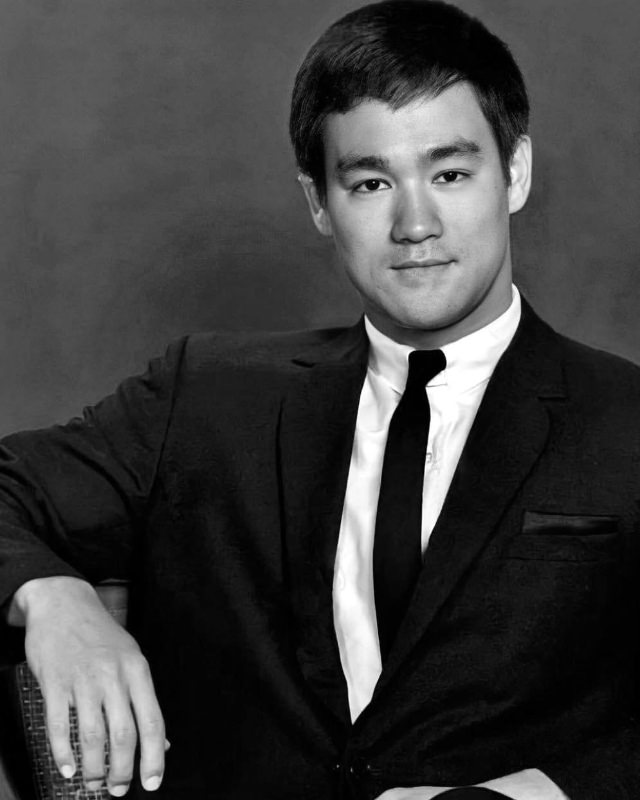
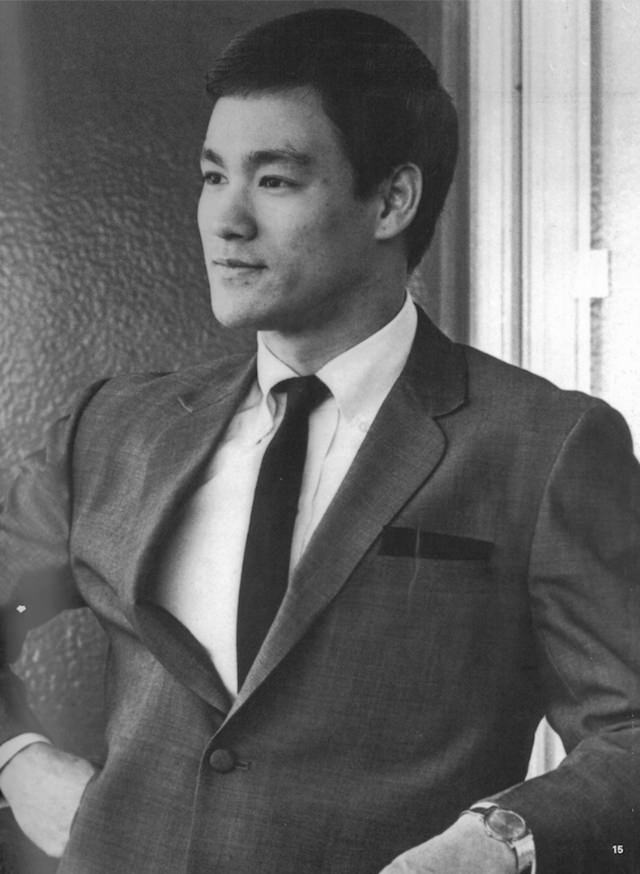
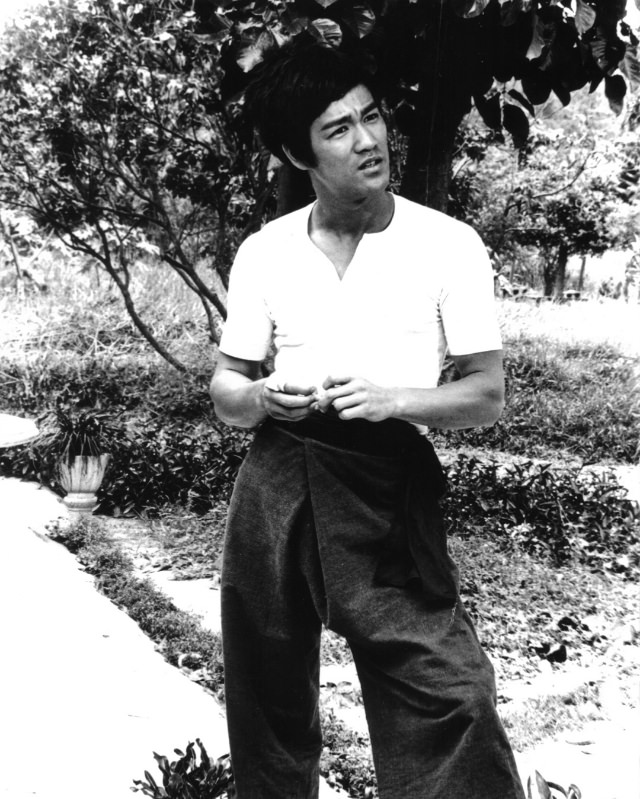
By 1973, Lee was at the height of his global fame and was completing work on Enter the Dragon, his first major Hollywood co-production. On July 20, 1973, he died suddenly in Hong Kong at age 32. The cause was cerebral edema — a swelling of the brain — attributed to a reaction to a painkiller he had taken.