Hey There! Before You Go. 😧
Get the best vintage content straight into your inbox!

Don't worry, we don't spam

What Syria looked like in the 1940s through these Historic Photos

Syria in the 1940s was a country in the middle of dramatic change. At the start of the decade, it was still under foreign control. By the end, it had won full independence, fought a war, and experienced its first military coup. These photographs capture that turbulent era — the cities, the people, the soldiers, and the landscapes that defined one of the most consequential decades in Syrian history.
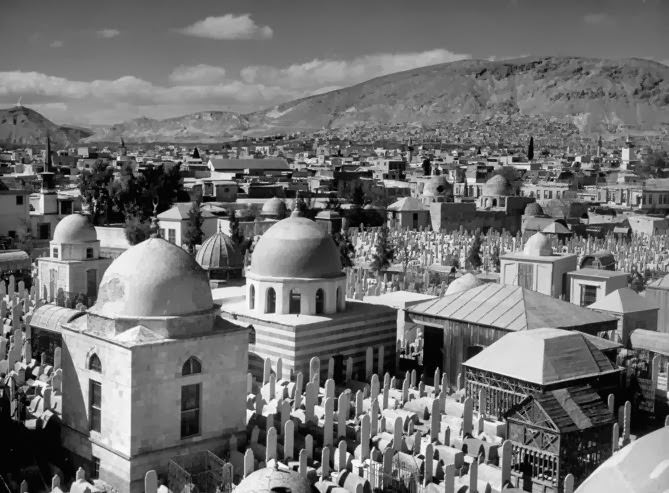
A view of Damascus, Syria, 1940.

When 1940 began, Syria was under the French Mandate, a system of control that had been in place since the end of World War I. France governed the territory with significant military presence, particularly in major cities like Damascus and Aleppo. Daily life continued under this occupation — markets stayed open, families went about their routines, and ancient urban centers remained the heart of Syrian society.
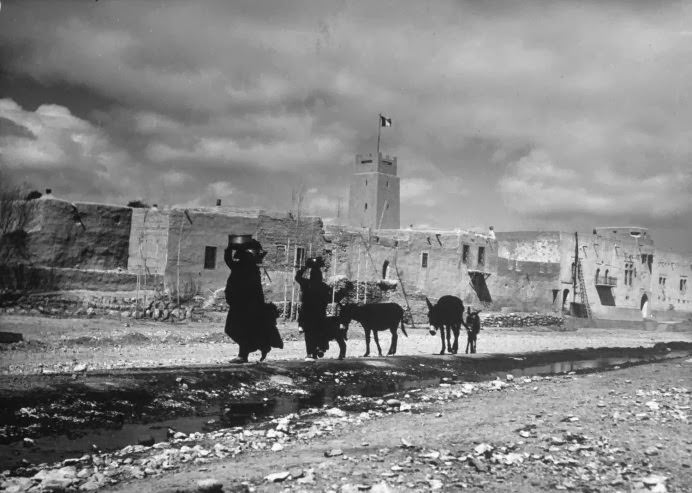
Women carry water containers on their heads as they lead mules along a road in a desert village near Damascus, Syria, 1940.
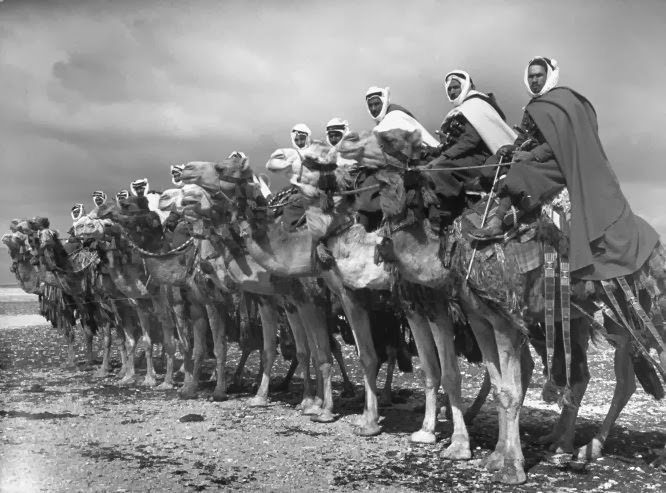
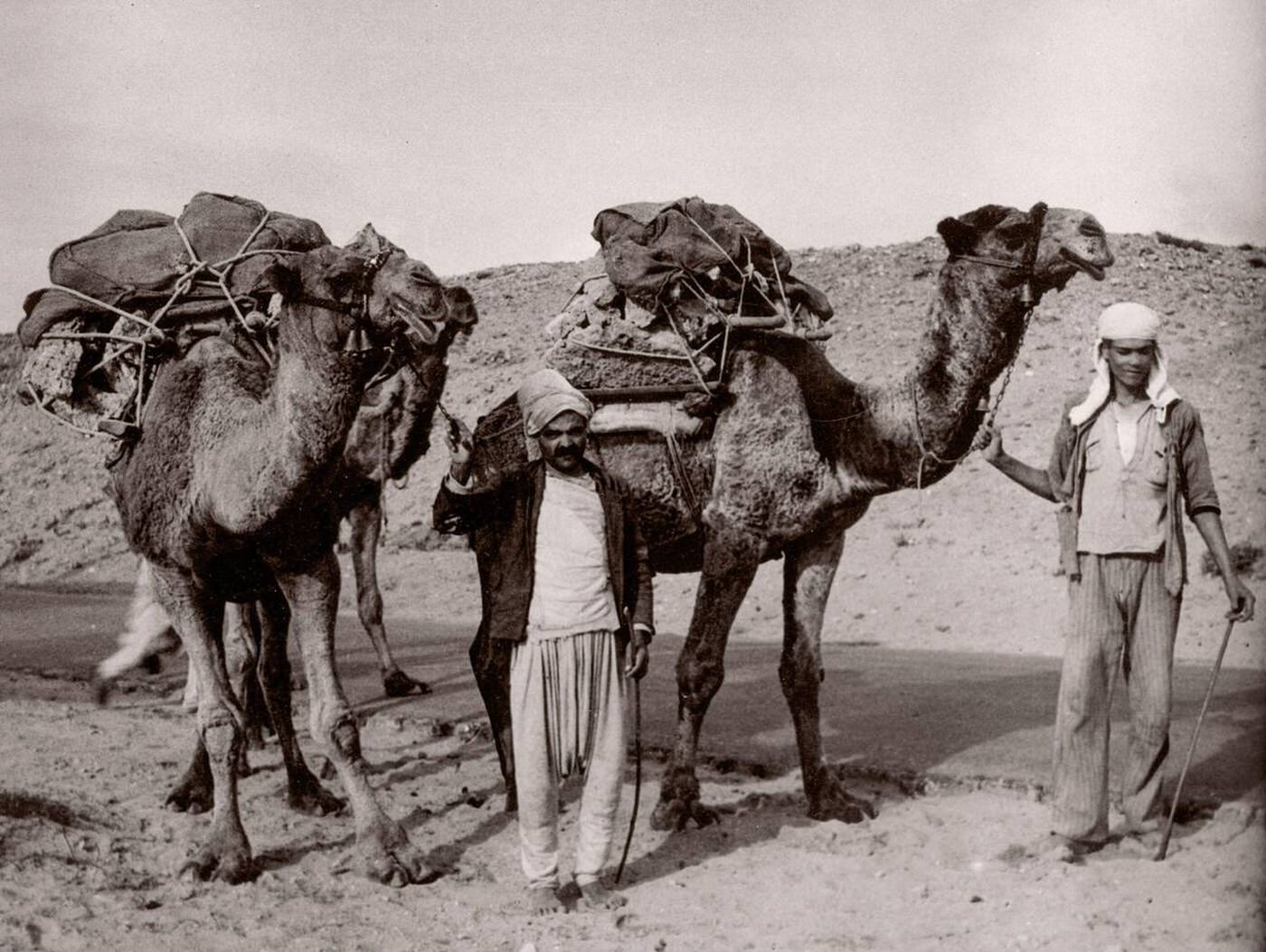
Members of the Bedouin "camel cavalry" near Damascus, Syria, 1940.
Members of the Bedouin “camel cavalry” near Damascus, Syria, 1940.

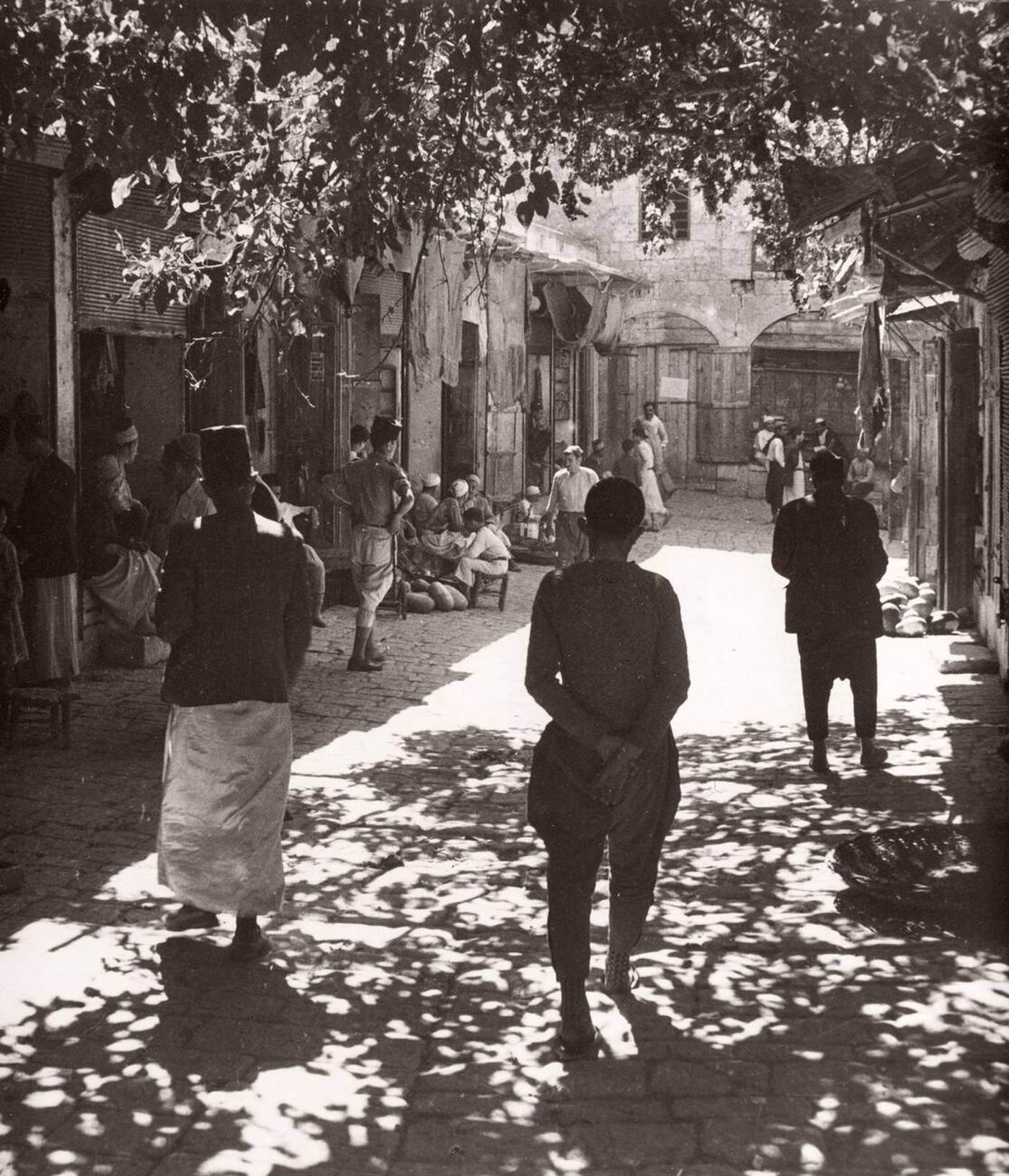
The streets of Damascus in 1940 were a blend of ancient architecture and Mandate-era construction. Narrow lanes ran alongside newer administrative buildings. Traditional trades — bakers, metalworkers, cloth merchants — filled the old souks, while mules and camels still served as common forms of transport across both city and countryside.
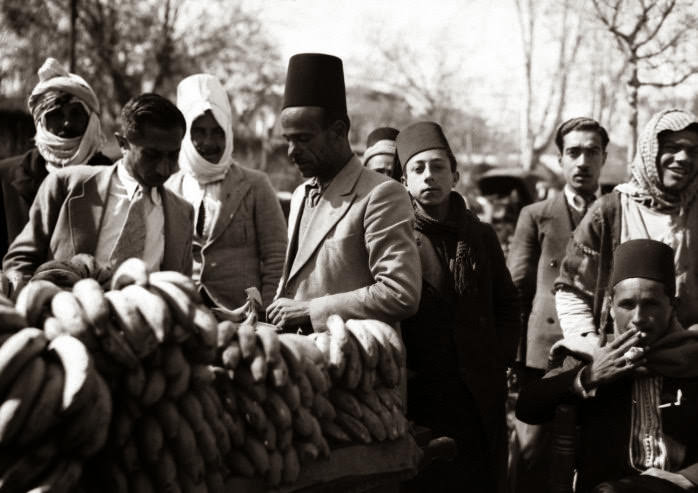
Street scene, Damascus, Syria, 1940.

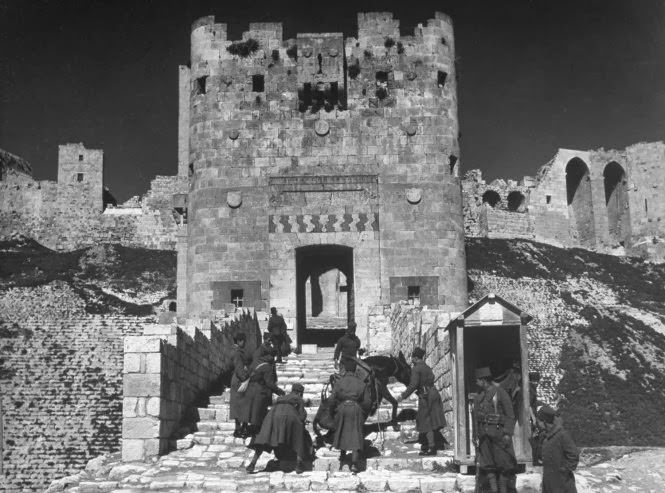
Aleppo, Syria’s second major city, sat in the north and served as a key commercial and military hub. Its ancient citadel, originally built in the 4th century B.C., dominated the skyline and took on new significance during the Mandate years. French forces used the citadel as a military garrison, stationing troops, horses, and equipment within its centuries-old walls.
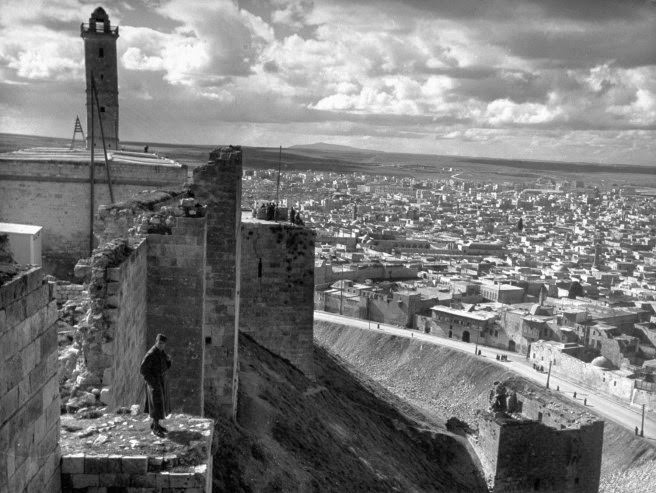
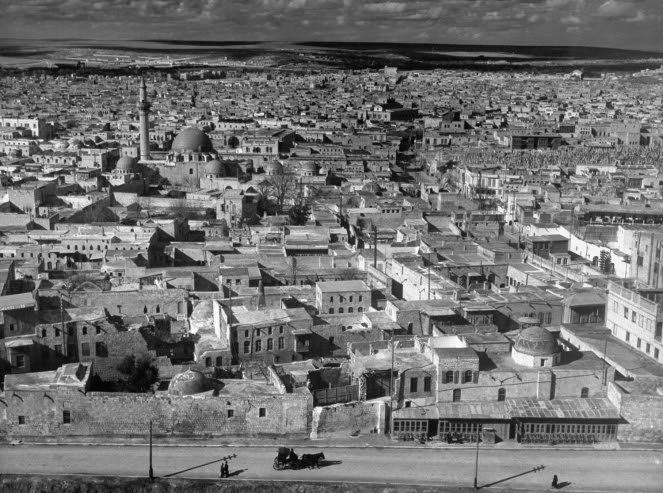
View of the downtown area of Aleppo from atop the ramparts of the great citadel built in the 4th century B.C.
View from above Aleppo, Syria, 1940.
Soldiers urge a mule up the steps of the citadel at Aleppo, Syria, 1940.
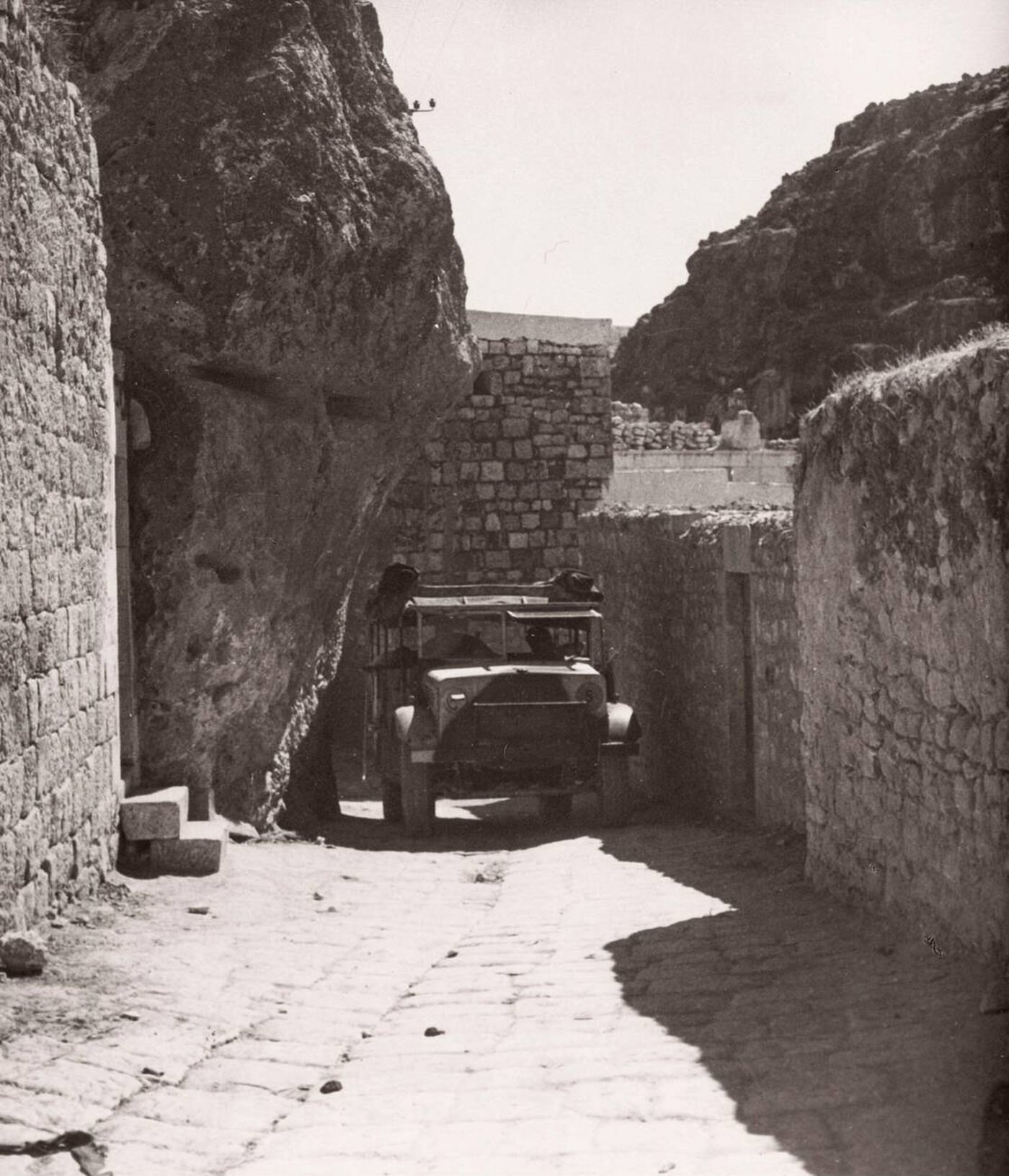
Scene in Aleppo, Syria, 1940.

Inside the citadel, the French expeditionary force maintained a fully operational garrison. Moroccan and other colonial soldiers served under the French flag, part of a broader network of troops drawn from France’s vast empire. These men were stationed far from home, tasked with holding a territory that was increasingly restless under foreign rule.
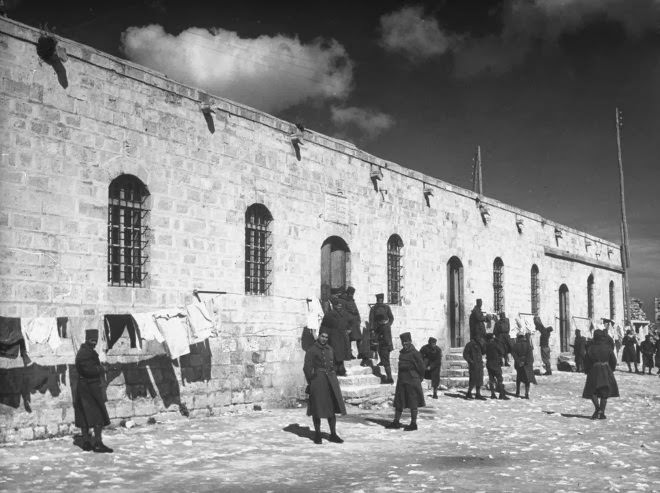
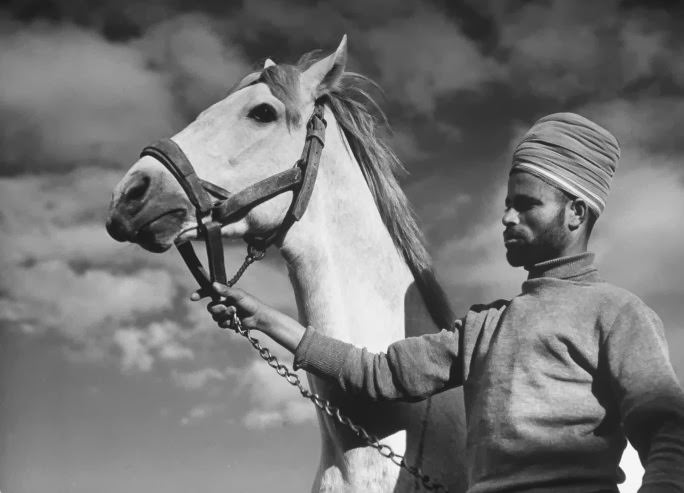
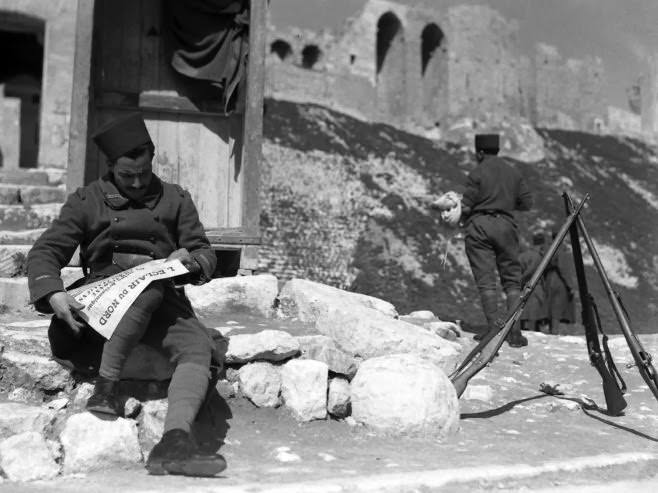
Inside the garrison of the French expeditionary force in the great citadel at Aleppo, Syria, 1940.
A Moroccan soldier of the French expeditionary force holds an officer's Arabian horse inside the great citadel at Aleppo, 1940.
A Moroccan soldier of the French expeditionary force holds an officer’s Arabian horse inside the great citadel at Aleppo, 1940.
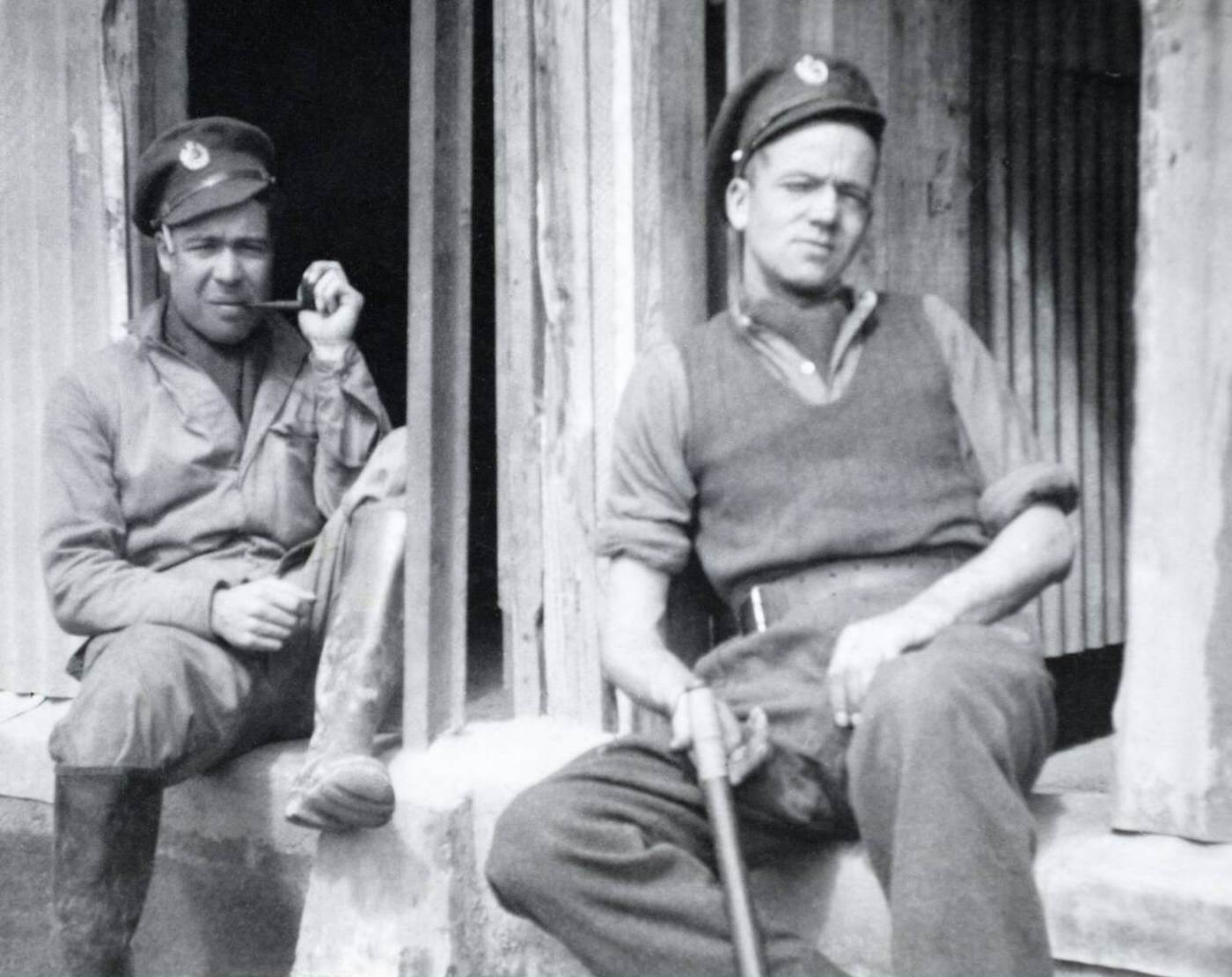
Engineers relax on the grounds of the great citadel, Aleppo, 1940.

French military positions extended well beyond Aleppo. Outposts were established at Homs and other strategic locations across the country. The Foreign Legion was a visible presence, erecting camps and maintaining control over key roads and towns. These stations were not just defensive — they represented France’s determination to keep Syria within its sphere of influence.
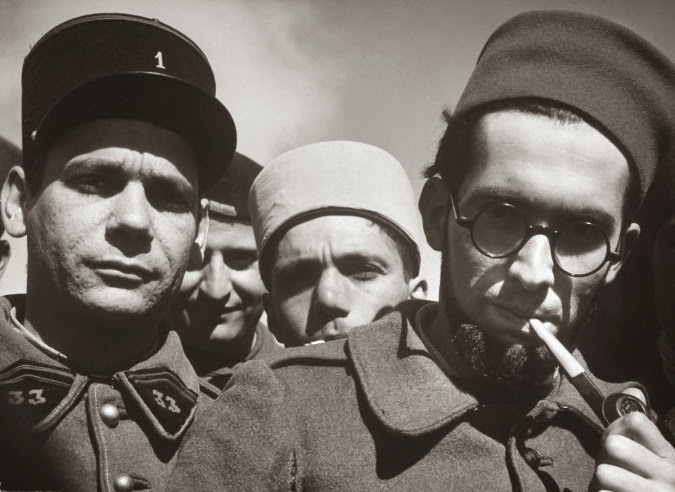
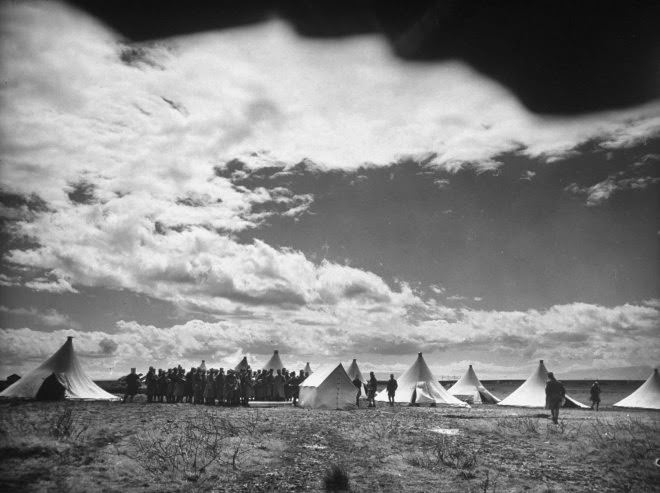
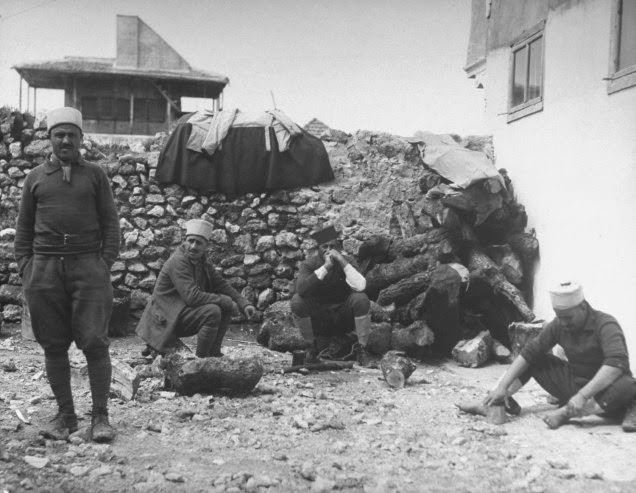
French Foreign Legion soldiers at their outpost at Homs, Syria, 1940.
French Foreign Legion soldiers gather around newly erected tents as they set up their outpost near Homs, Syria, 1940.
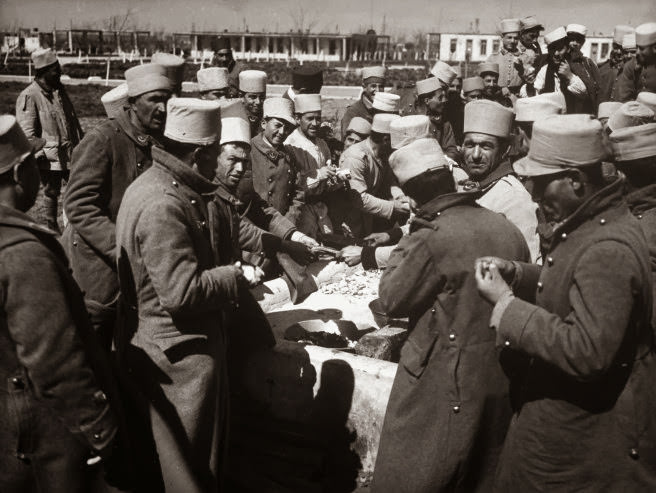
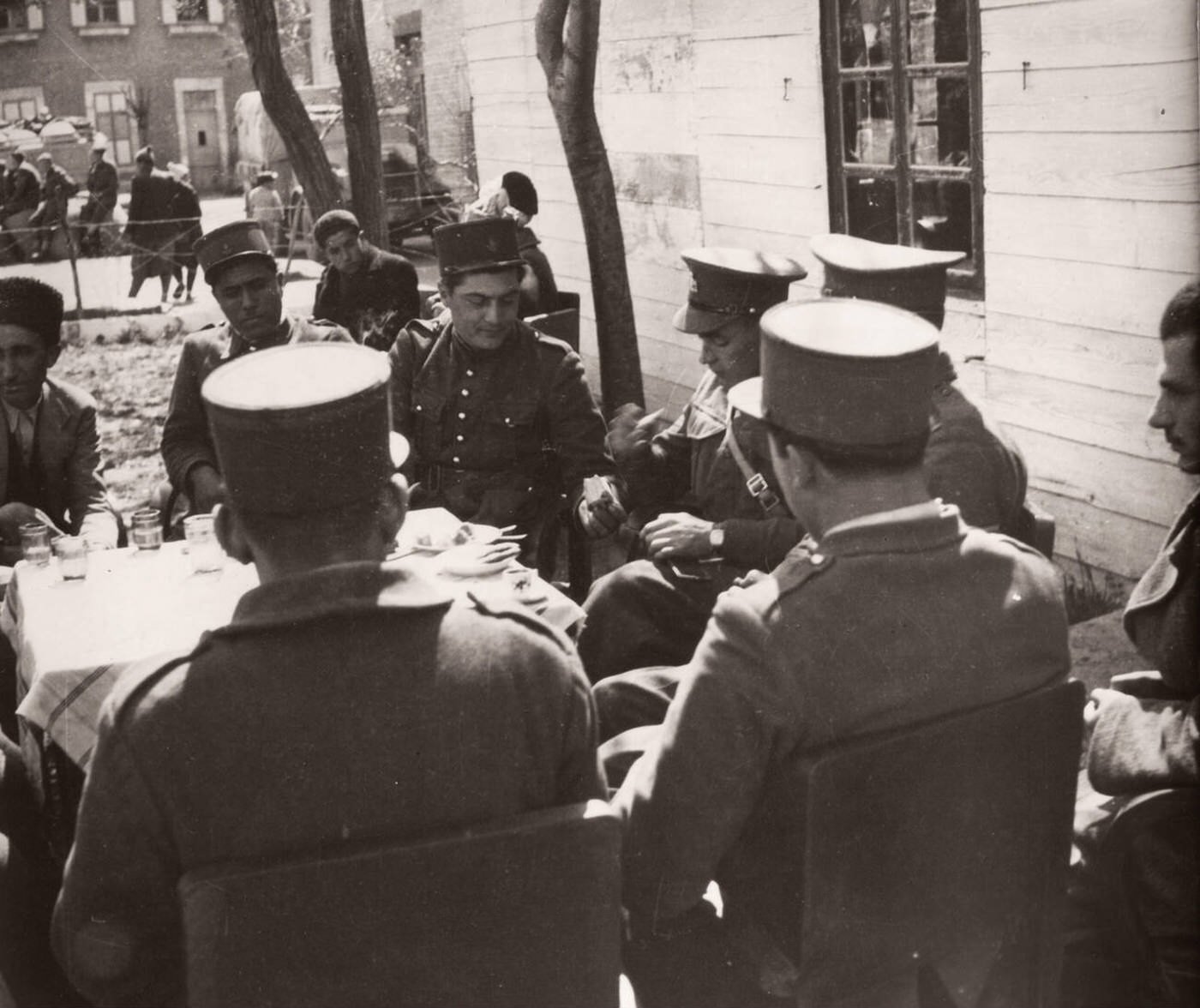
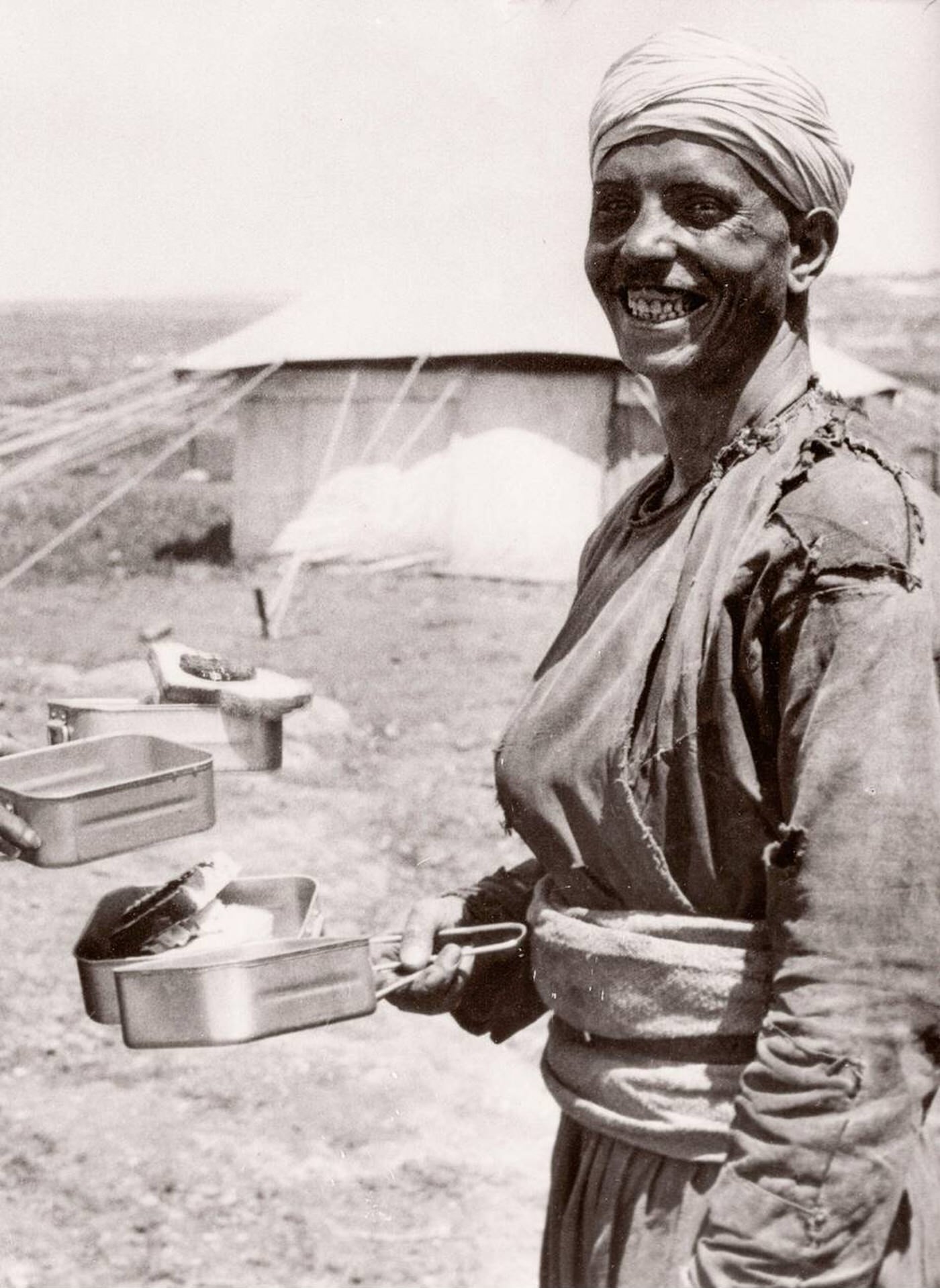
South of Homs, men of the Tunisian infantry prepare to eat.

Away from the military outposts, the Syrian countryside told a different story. Rural life had changed little in centuries. Small villages dotted the landscape, their architecture shaped by local materials and long-standing tradition. Ancient ruins sat alongside modest modern homes, a reminder of Syria’s extraordinarily deep history.
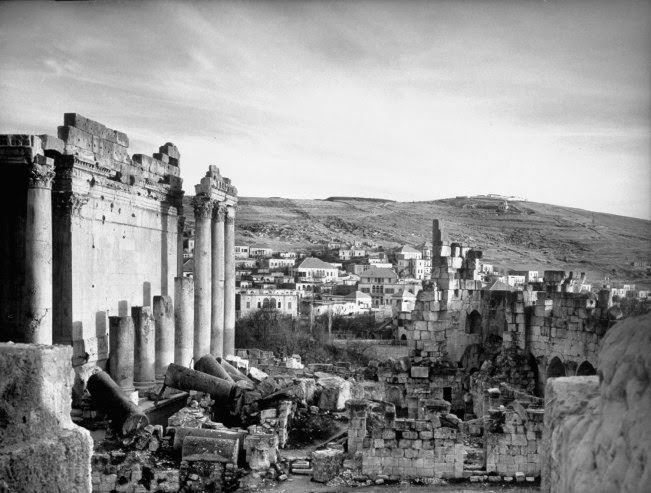
Archaeological ruins with modern homes in background, Syria, 1940.

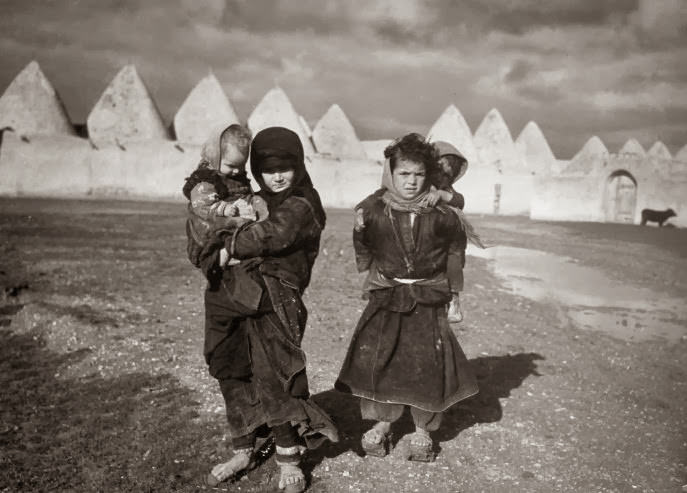
Among the most distinctive settlements were towns like Tell Bisse, where residents lived in beehive-shaped mud homes that had been a feature of northern Syrian architecture for thousands of years. These domed structures were practical — efficient to build, naturally insulating against both heat and cold, and well-suited to the semi-arid climate.
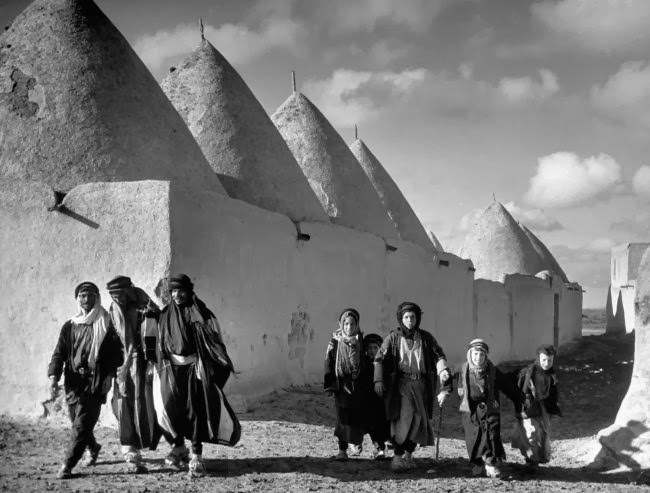
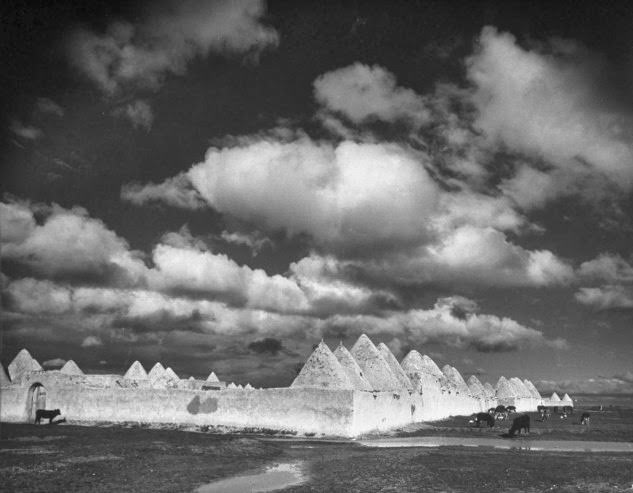
A family walks past the walled town and beehive-shaped homes of Tell Bisse, Syria, 1940
View of the walled town of Tell Bisse, Syria, 1940
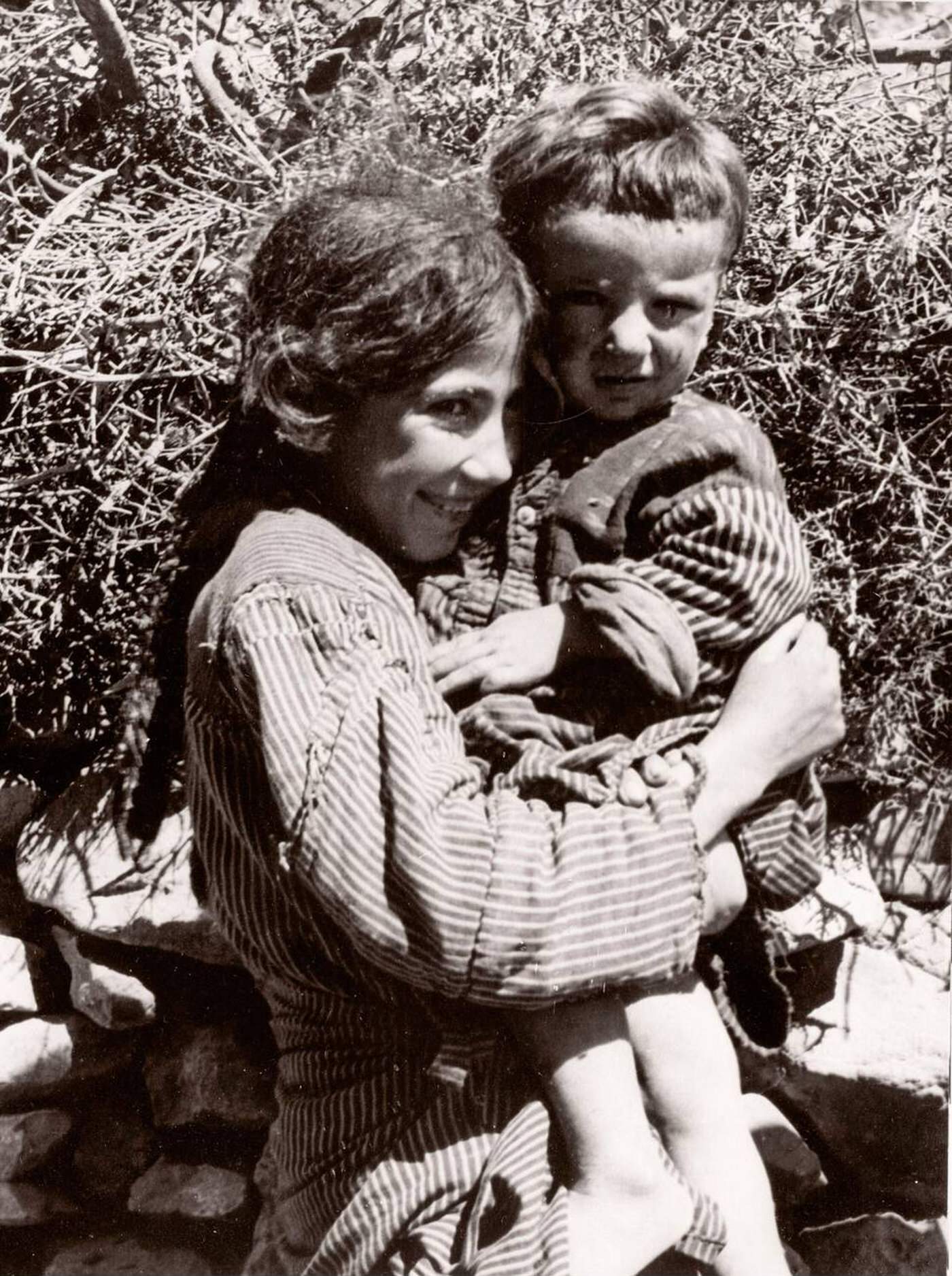
Syrian children outside the walled town of Tell Bisse, Syria, 1940.
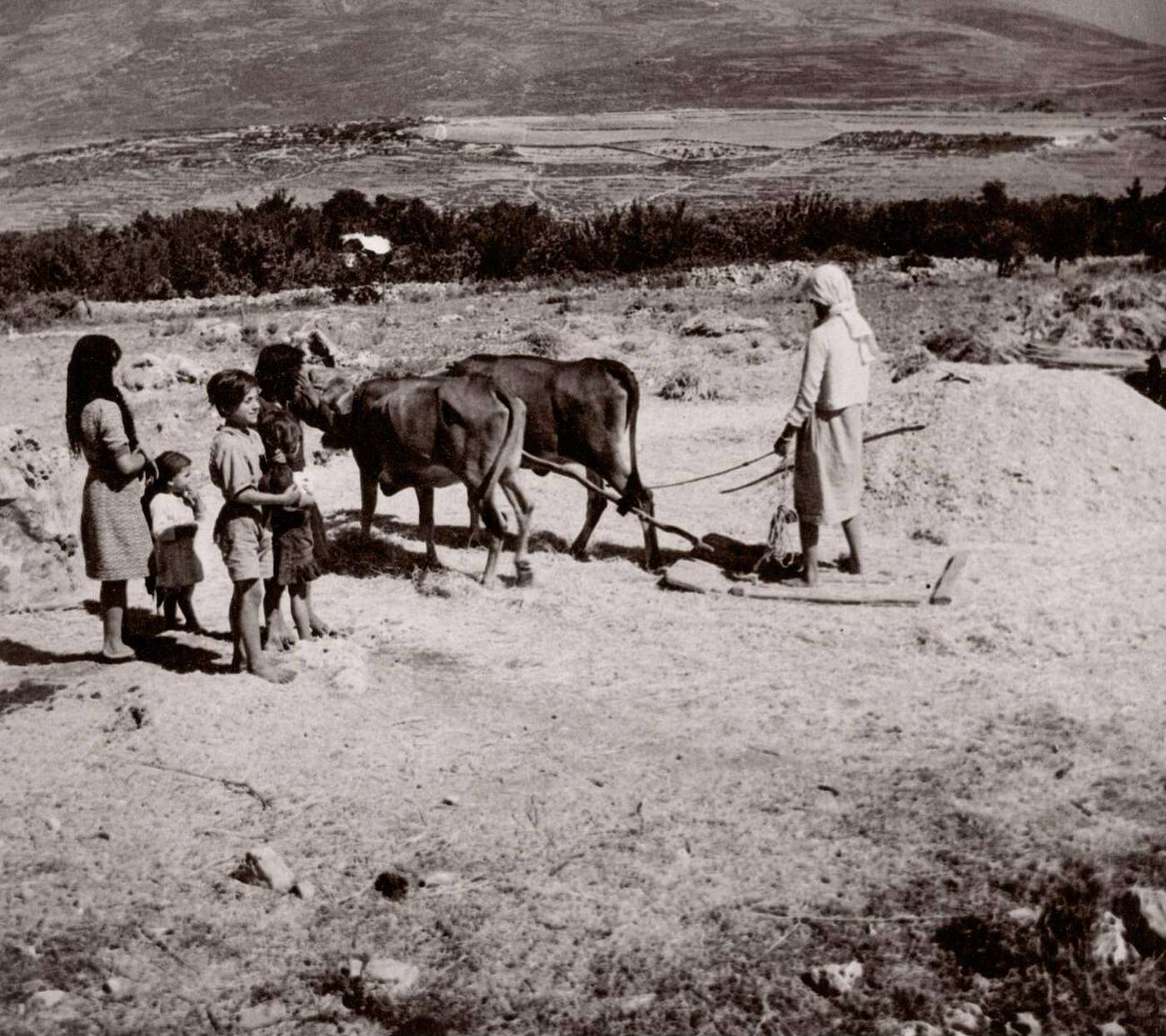
Threshing grain with donkeys in Syria, 1843.

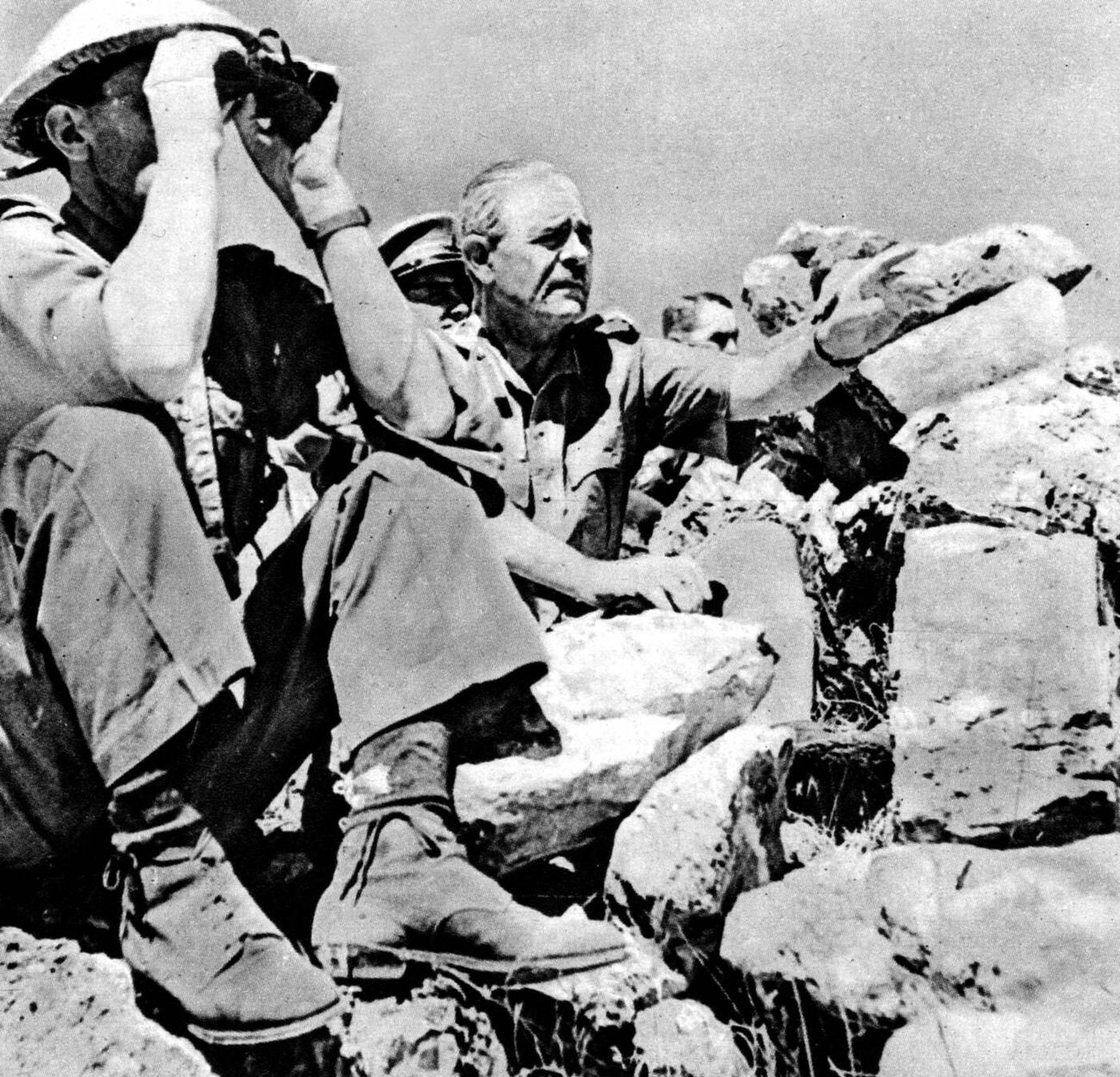
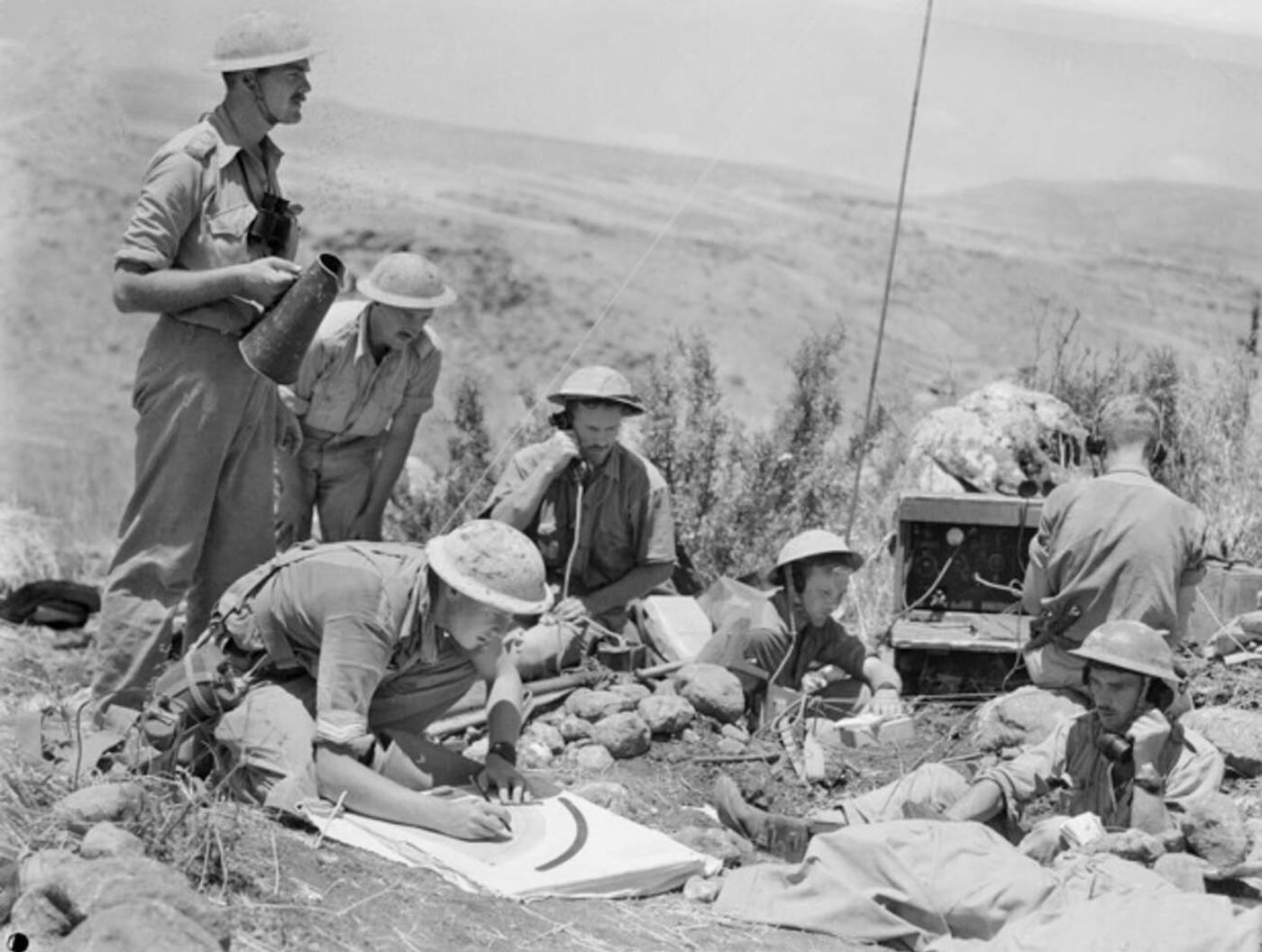
When France fell to Germany in 1940, control of Syria transferred to Vichy France — the collaborationist government that aligned with Nazi Germany. In 1941, British and Free French forces launched the Syria-Lebanon campaign to remove Vichy troops. General Archibald Wavell personally directed operations on the ground. The 6th Australian Field Regiment also played a key role in the campaign, which ended in Allied victory.
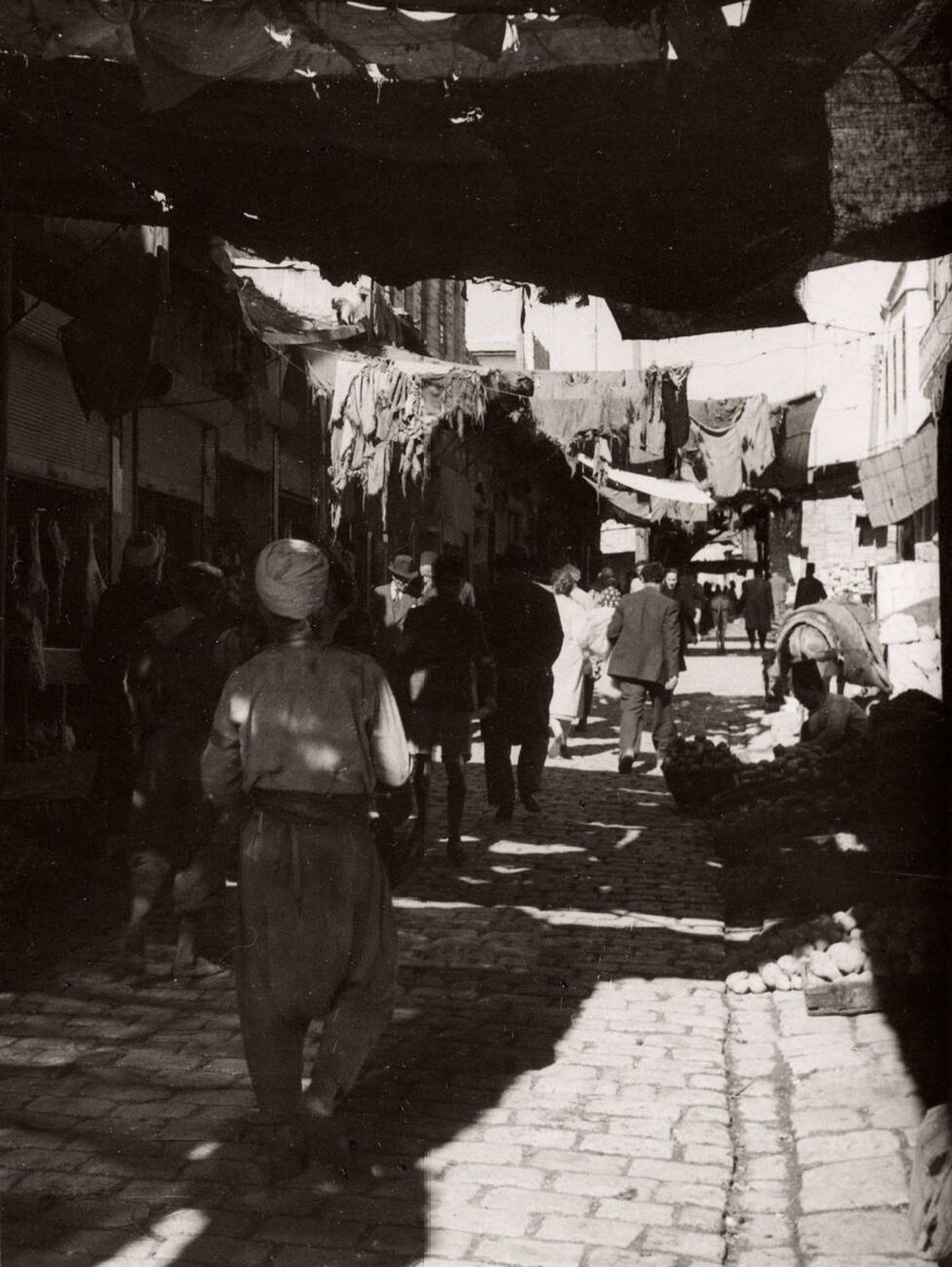
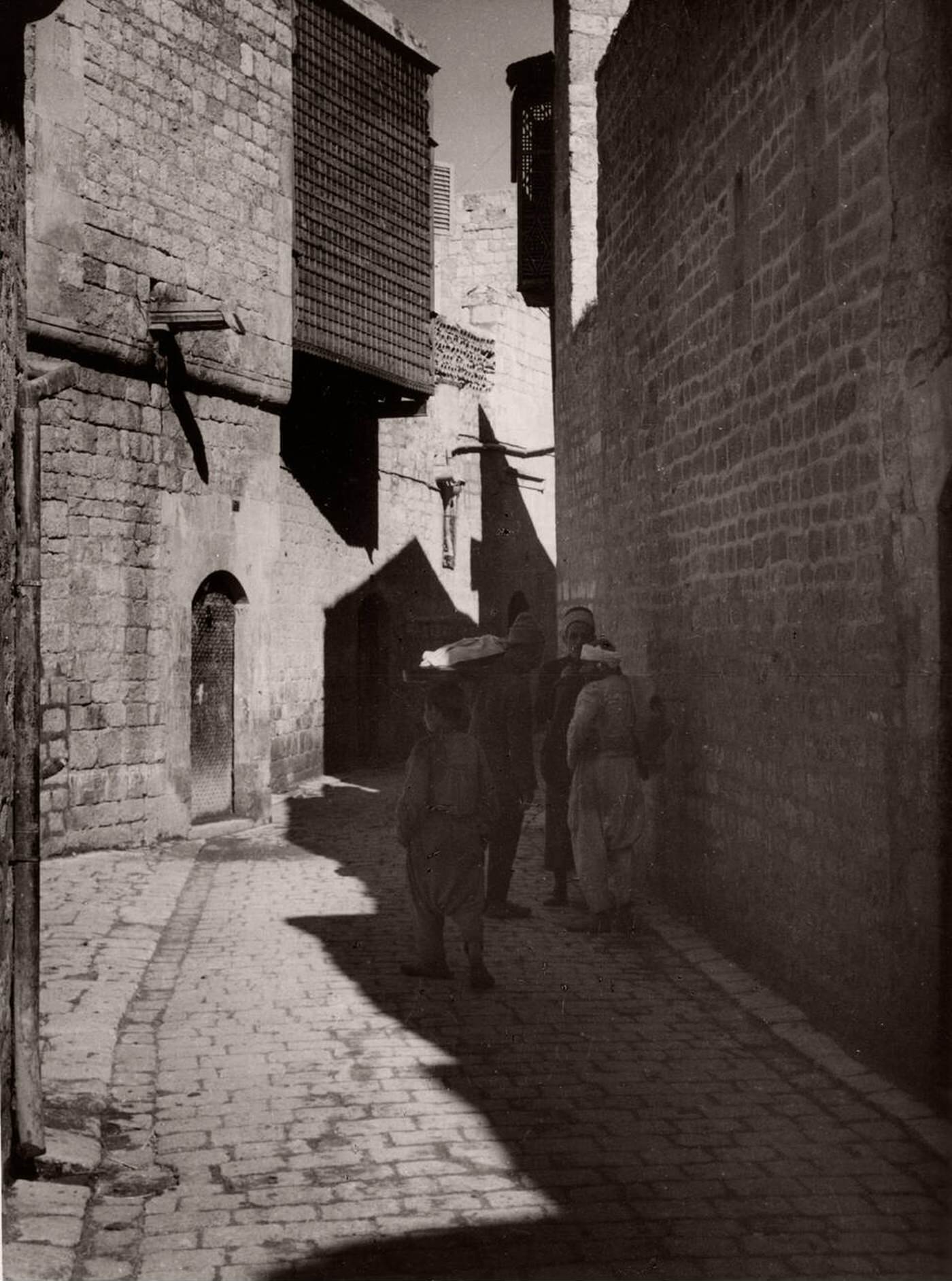
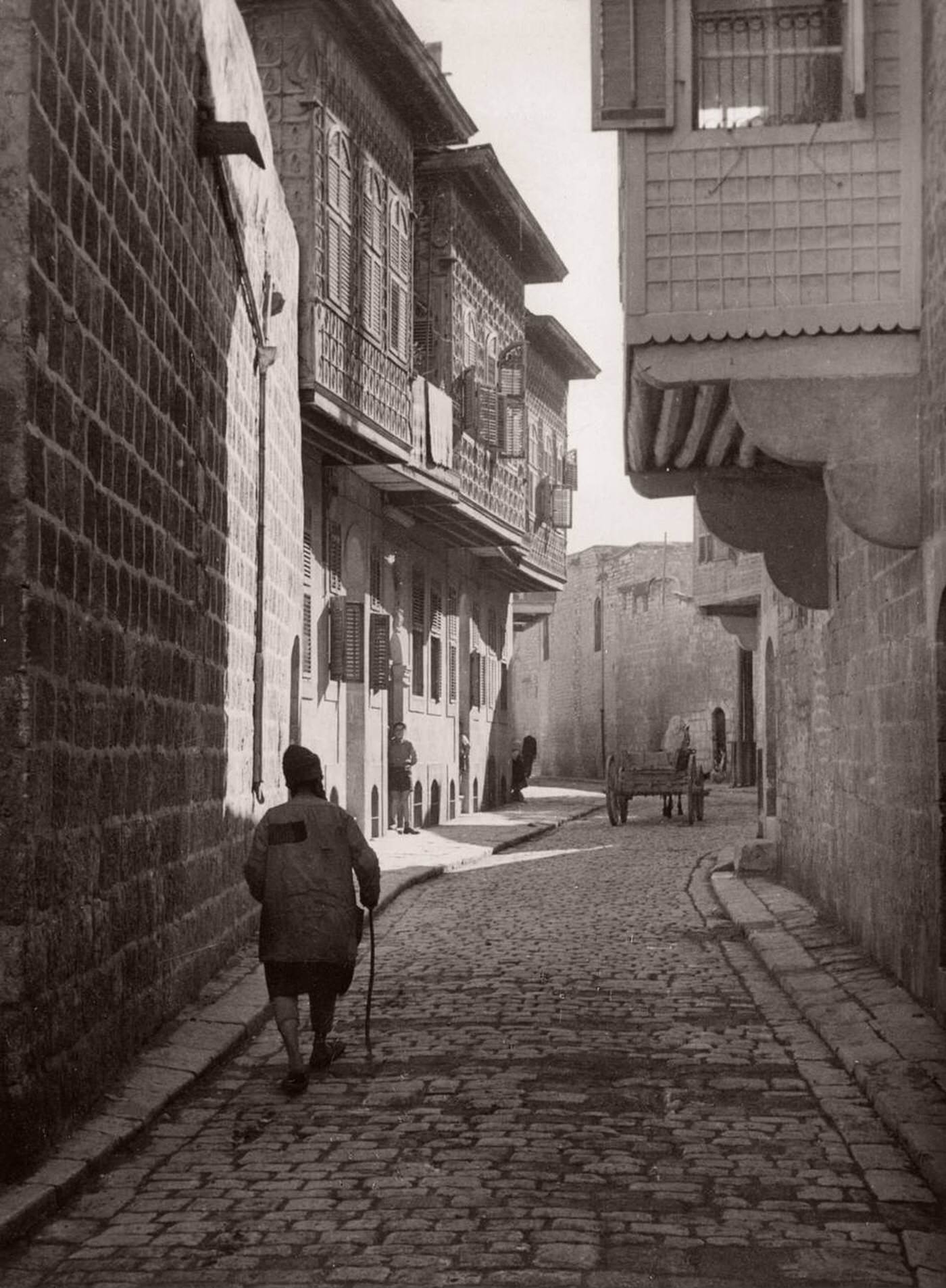
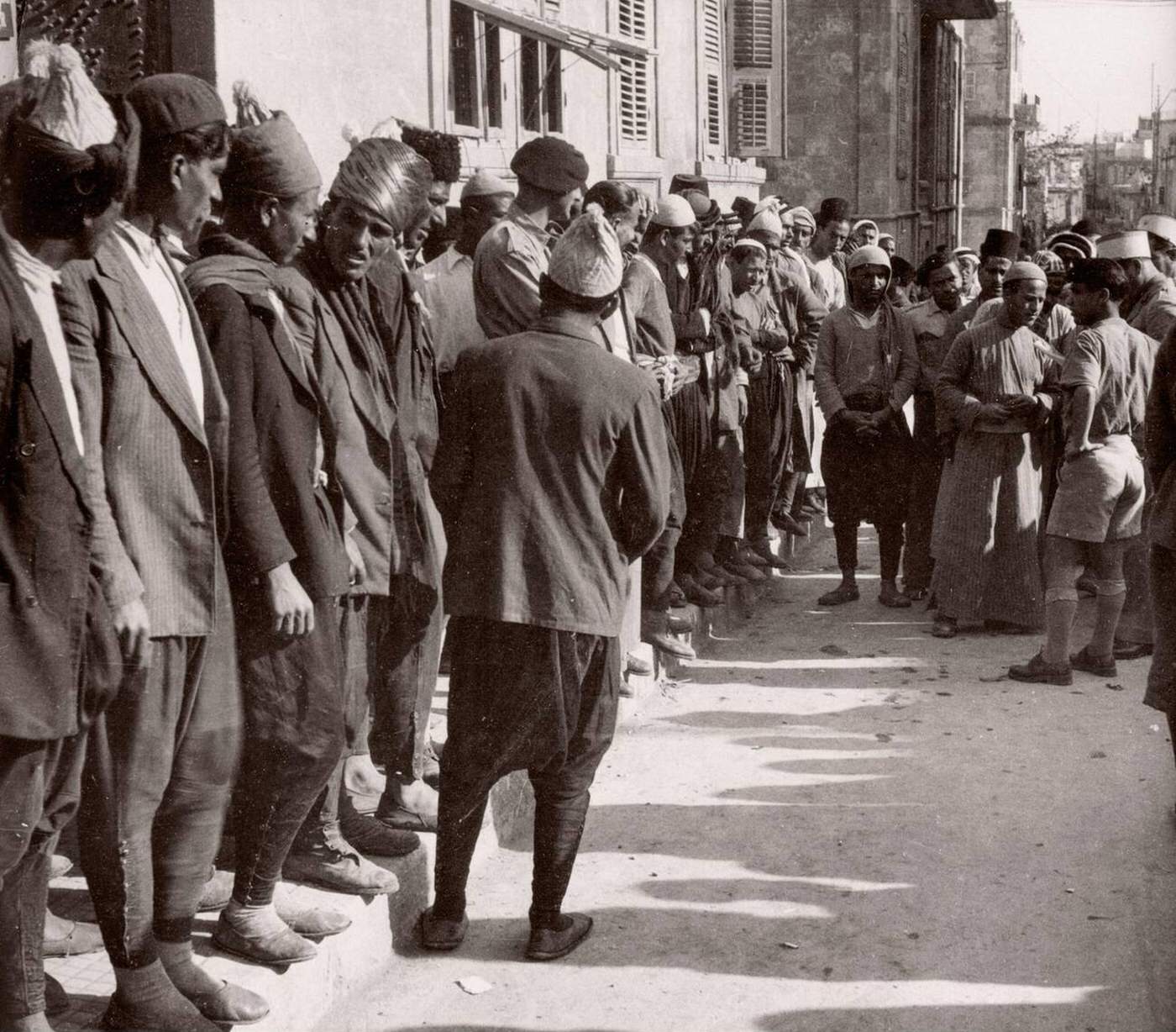
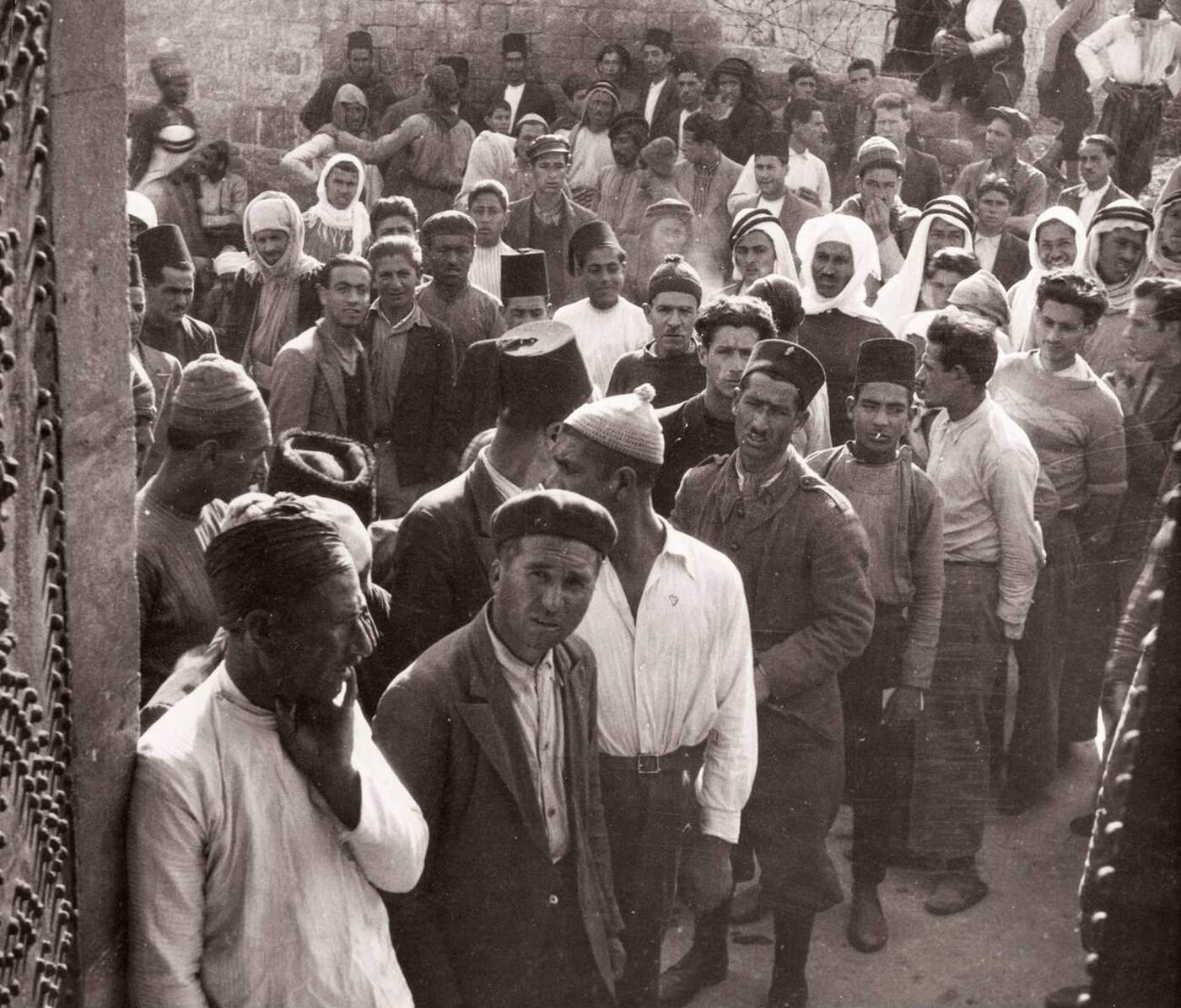
Scene at a street in Aleppo, Syria, 1943.
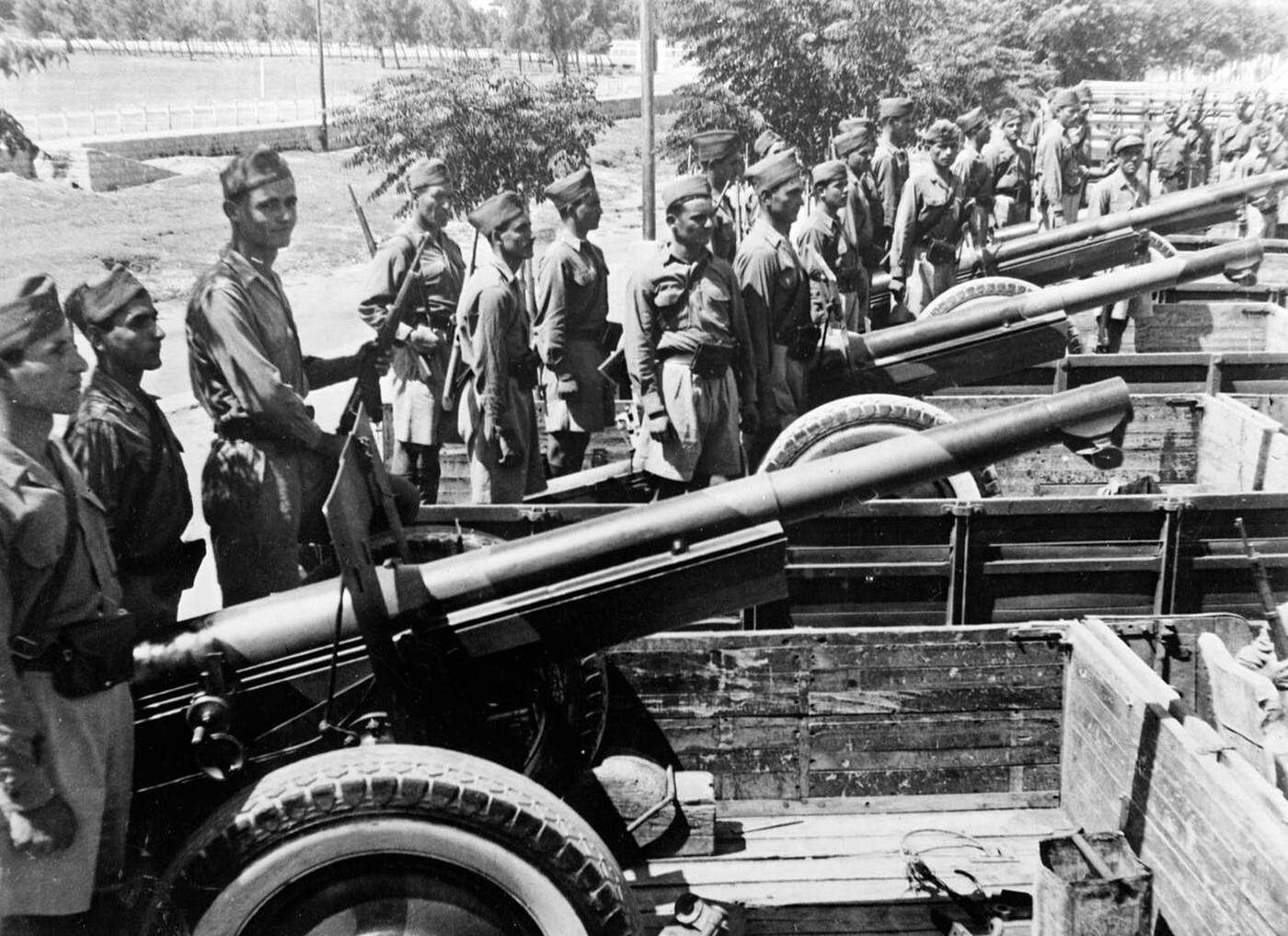
Syrian field artillery on parade, 1947.
General Wavell personally directing operations in Syria, July, 1941.

Following the Allied victory, Free French authorities formally declared Syrian independence. But French troops did not leave. They stayed, retaining control over the military and security forces while Syrian nationalists pushed harder for full sovereignty. The 1943 national elections resulted in a decisive win for the National Bloc, a coalition of nationalist parties. Shukri al-Quwatli was elected as Syria’s first president — a landmark moment in the country’s political history.
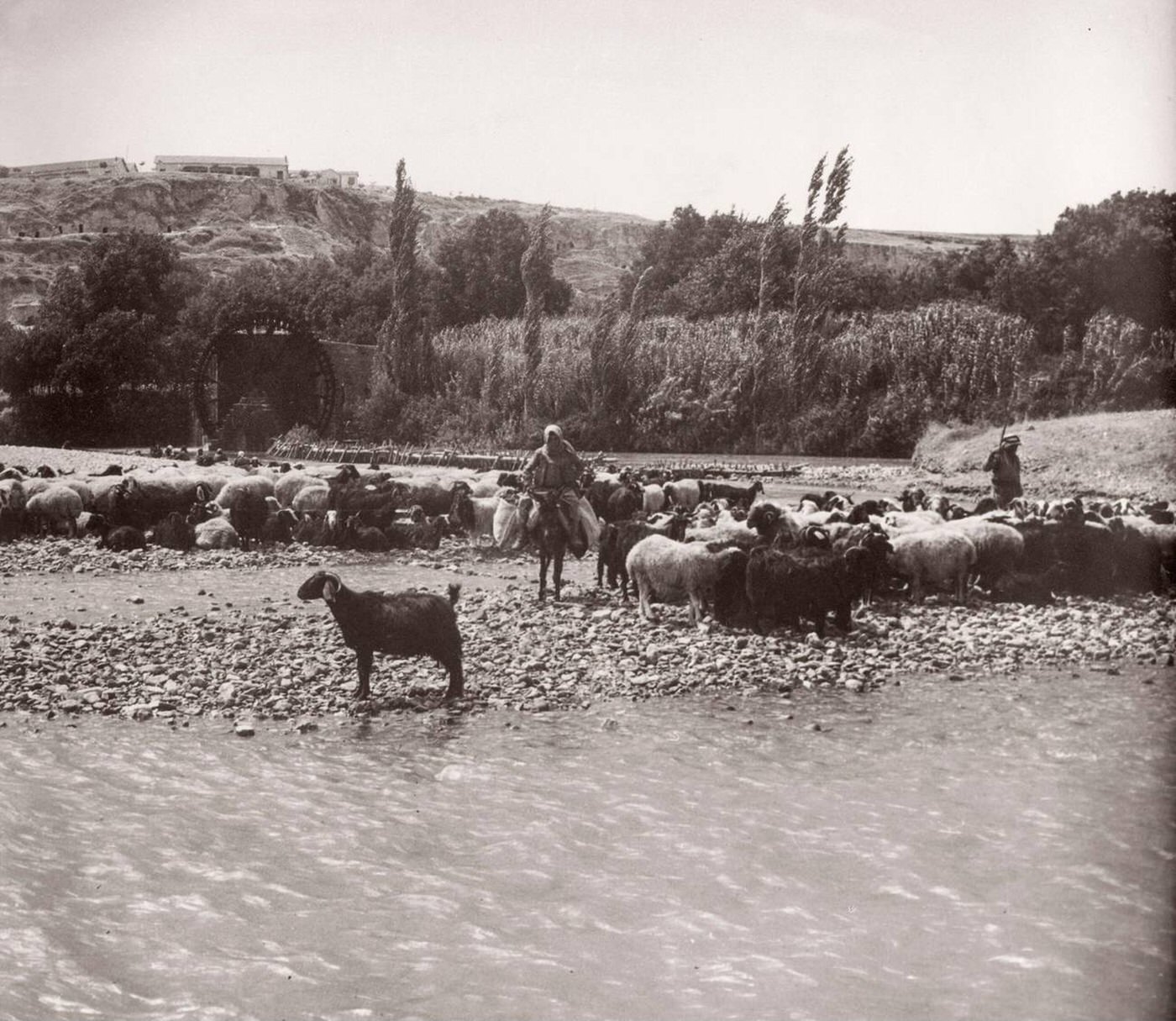
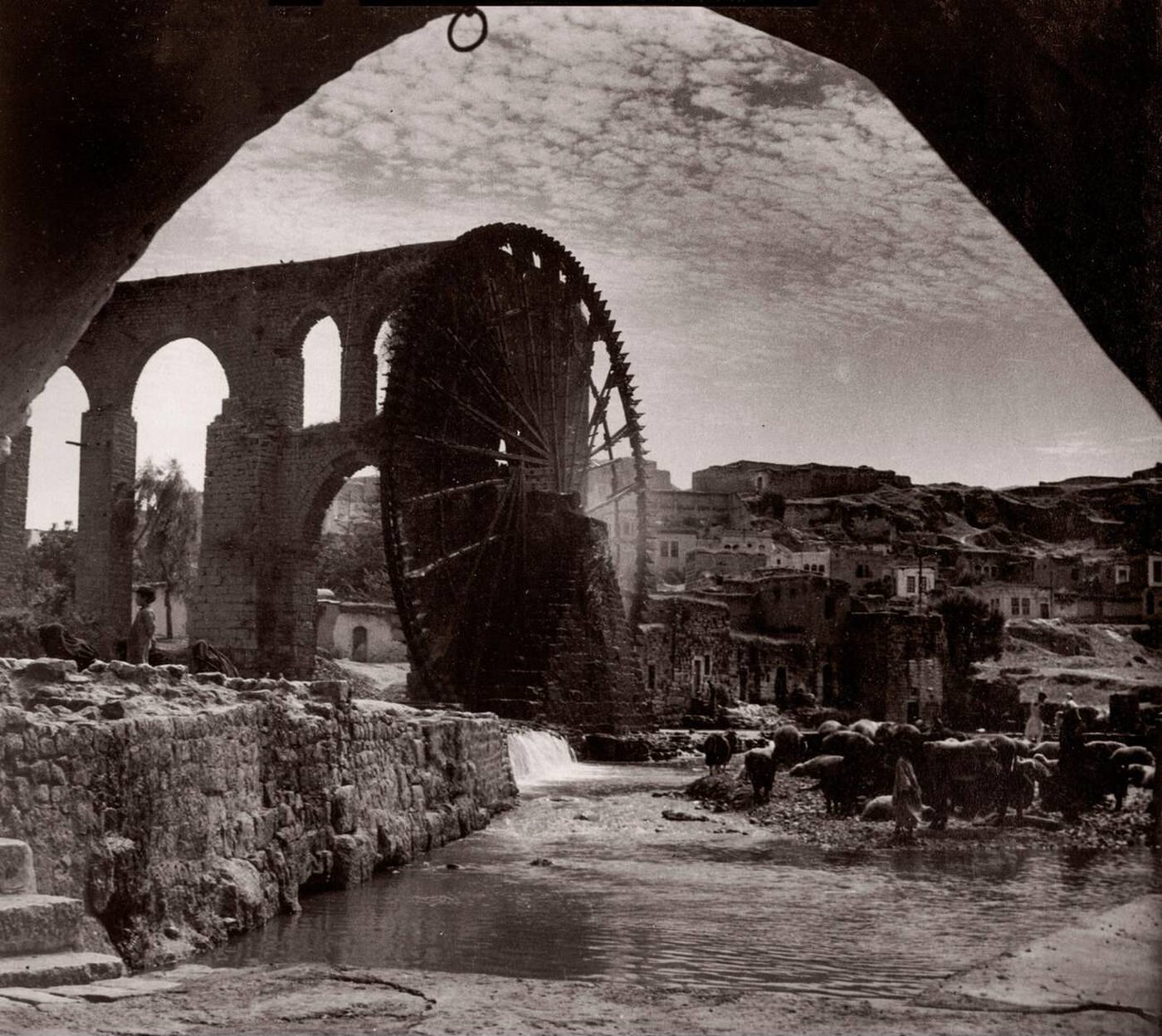
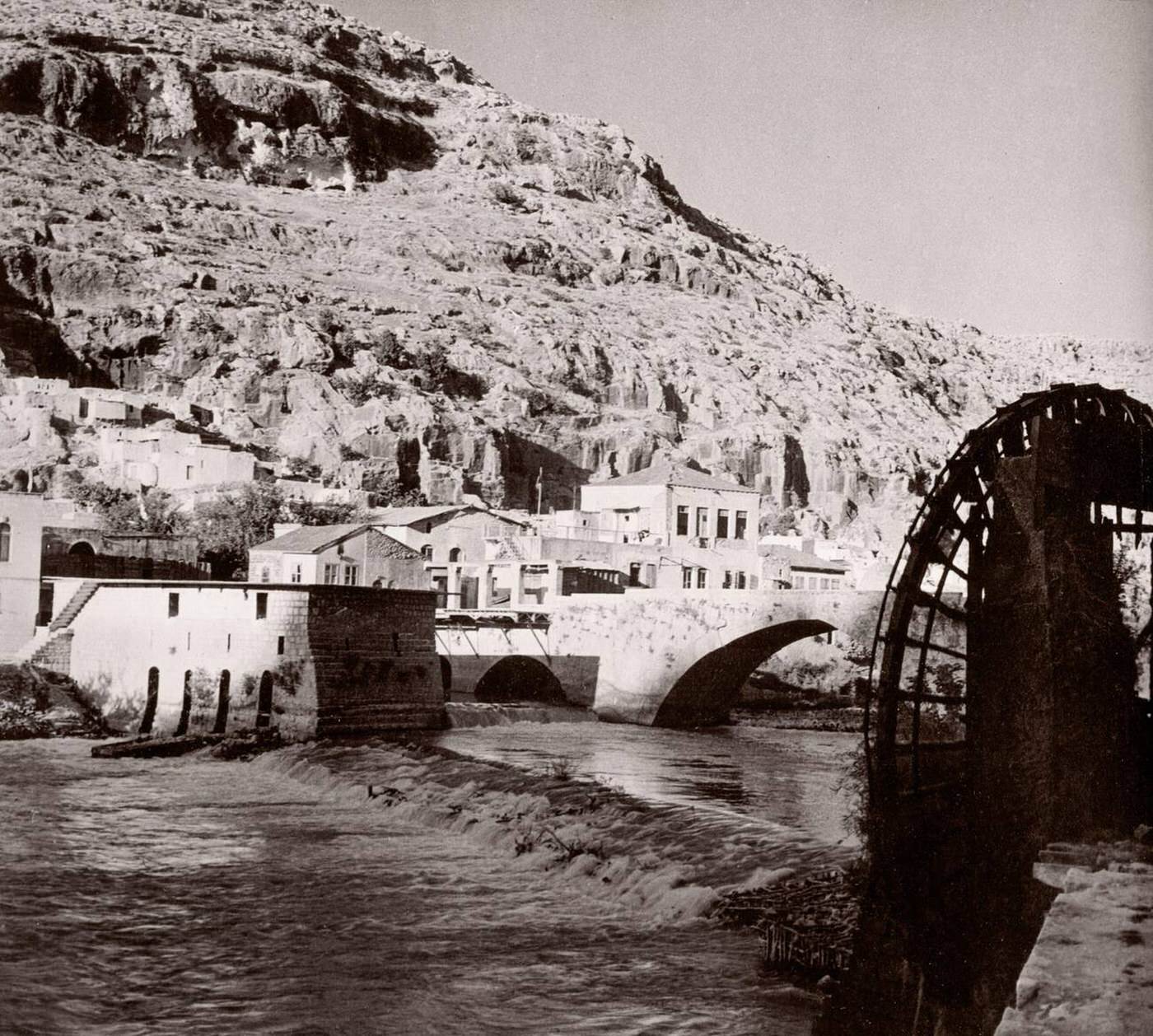
Hama on the river Orontes, Syria, 1943.
[Factually Corrected] Tweedie Roosevelt, wearing the national head-dress of Syria, waits to board the "Caronia" to sail for Long Island, New York, 1949.
[Factually Corrected] Tweedie Roosevelt, wearing the national head-dress of Syria, waits to board the “Caronia” to sail for Long Island, New York, 1949.

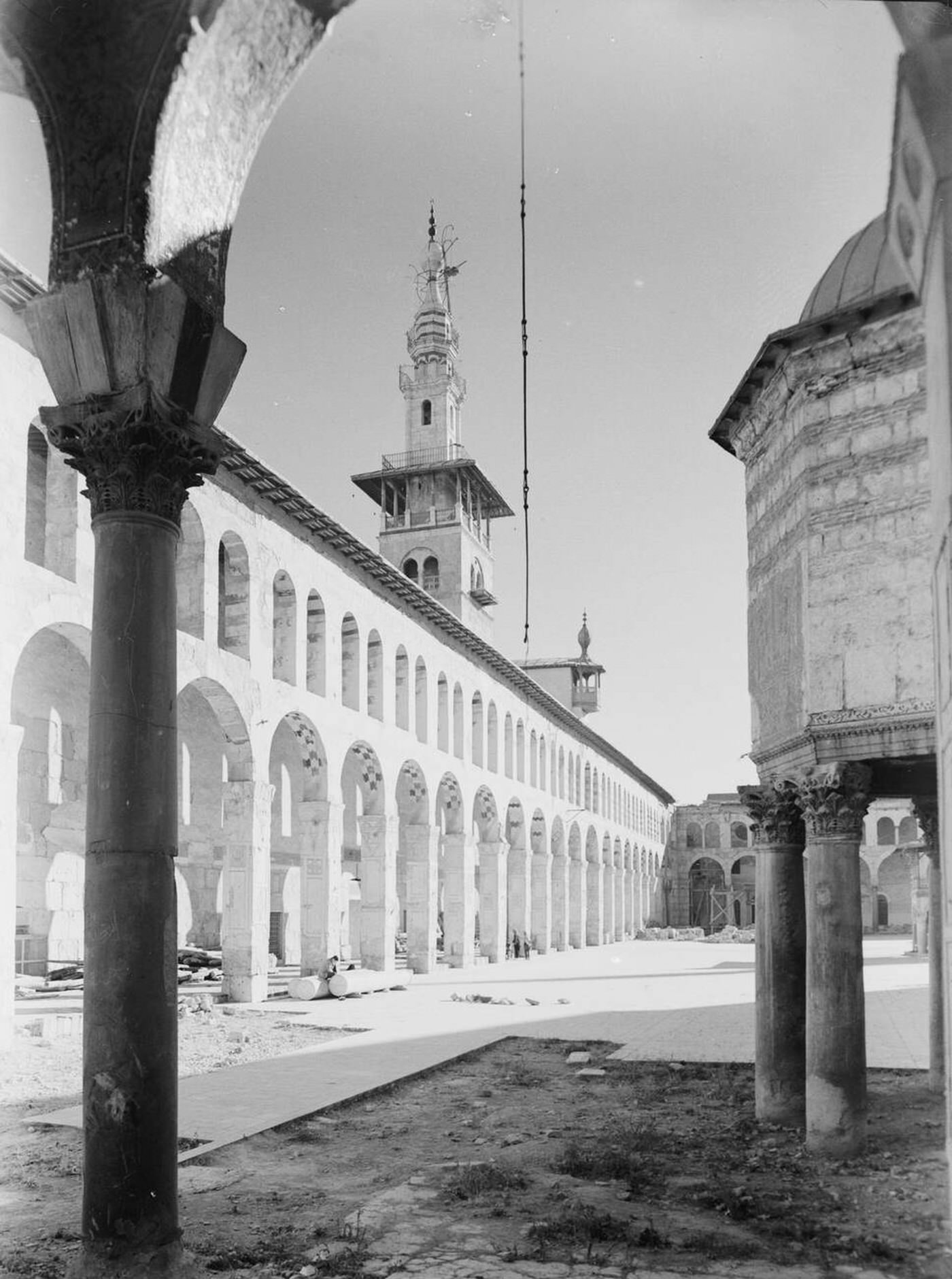
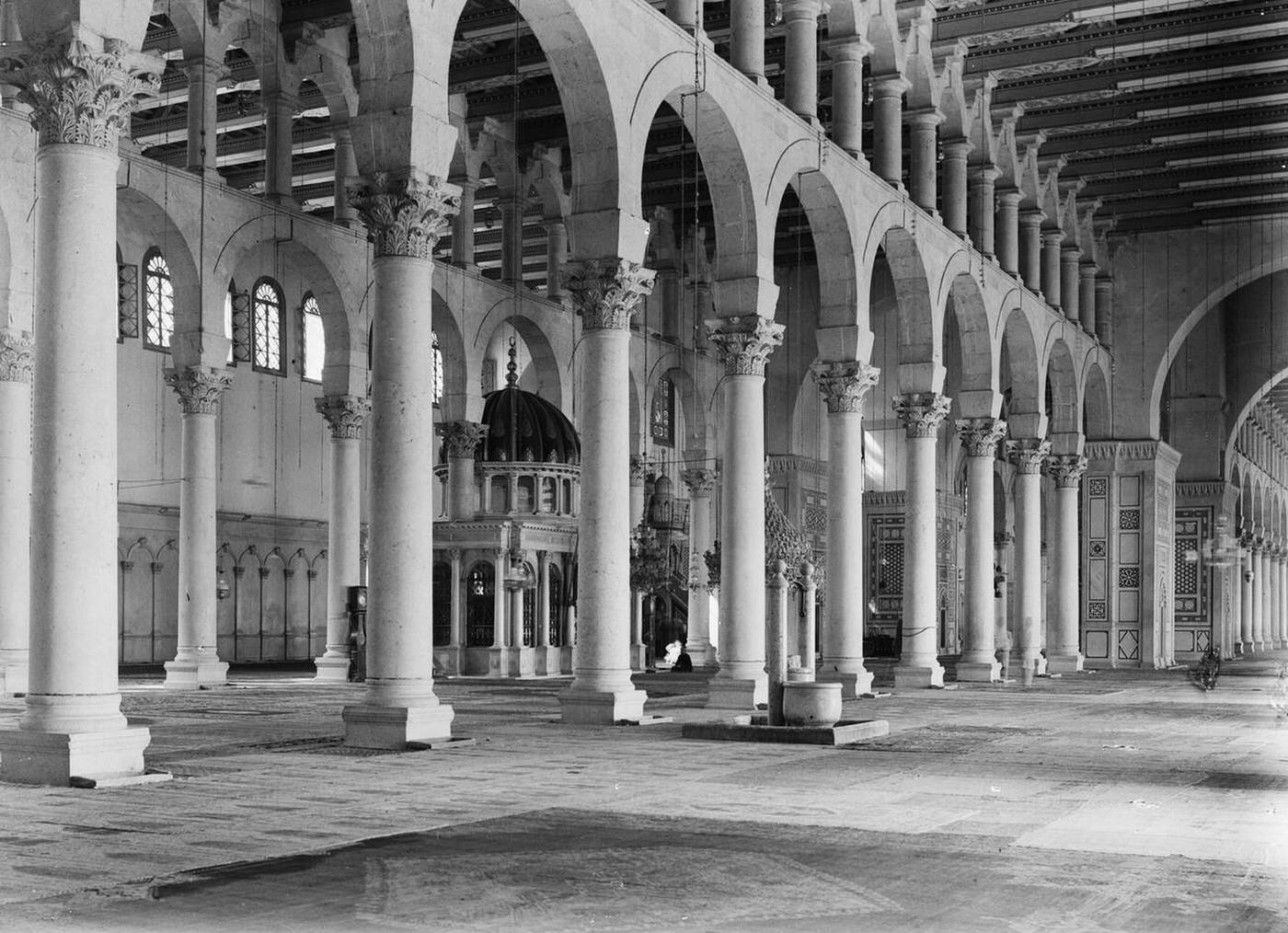
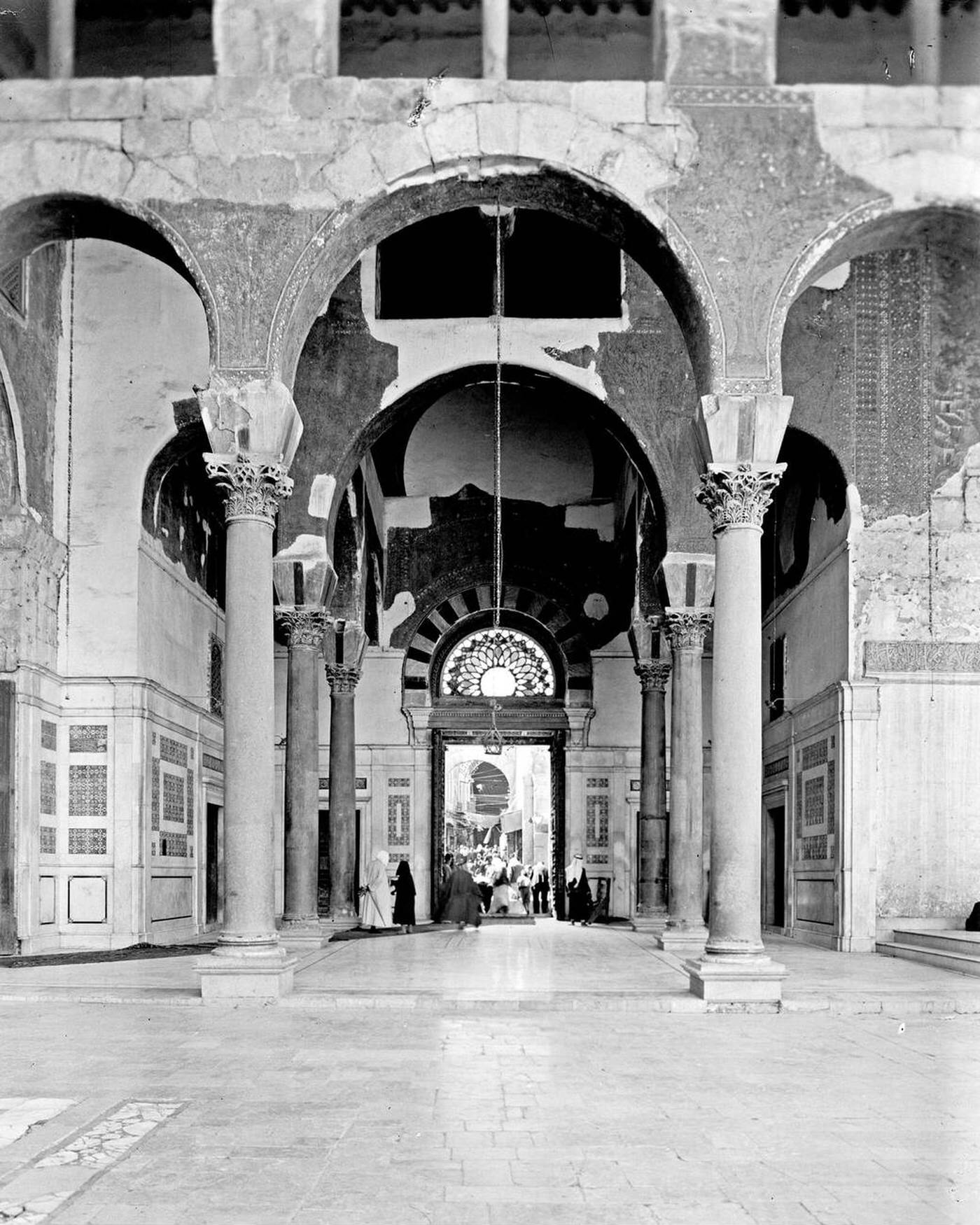
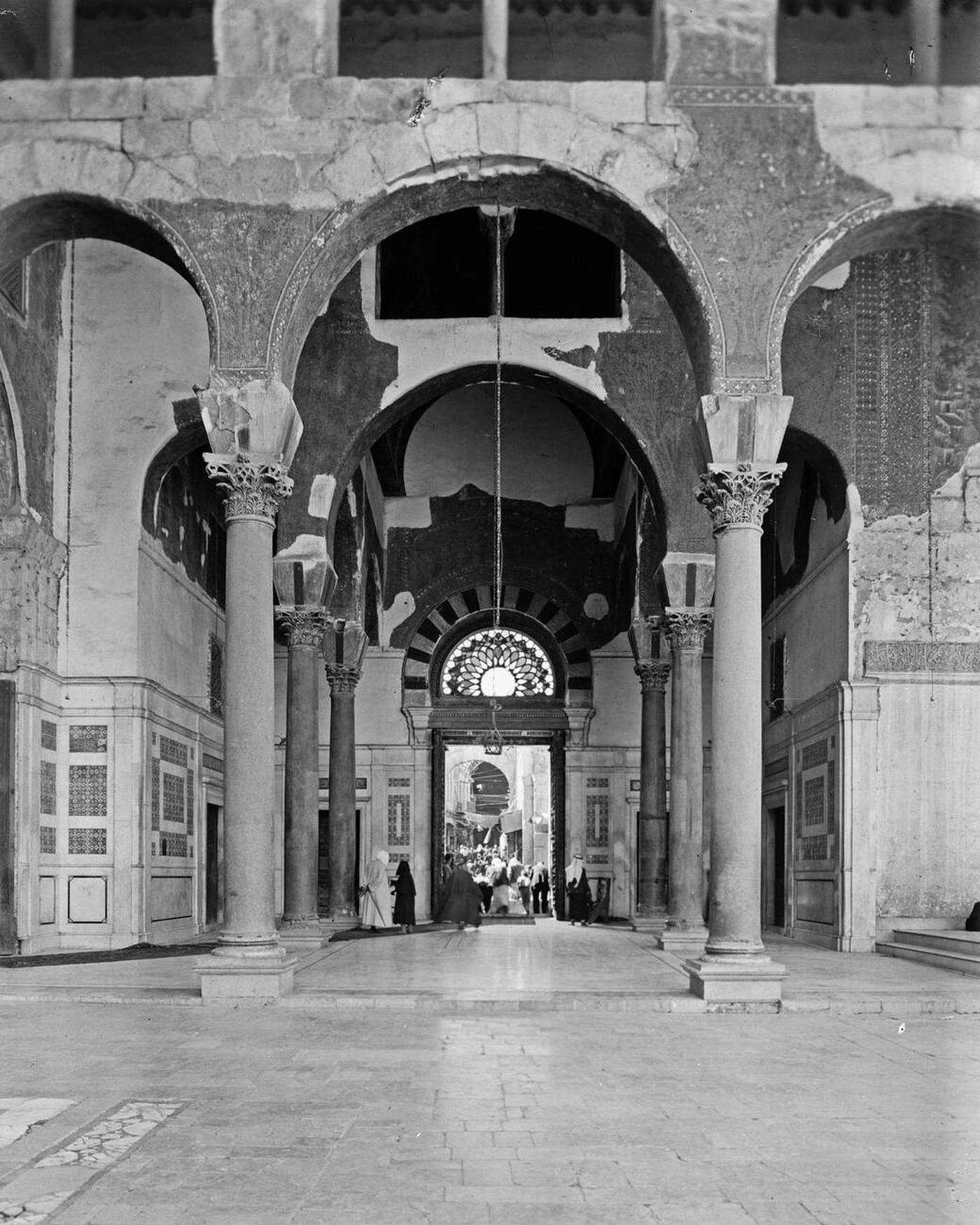
Syria’s religious landmarks remained central to daily life throughout the decade. The Umayyad Mosque in Damascus, one of the oldest and largest mosques in the world, continued to serve as both a place of worship and a symbol of Syrian identity. Its grand courtyard, minarets, and interior colonnades drew worshippers and visitors alike.
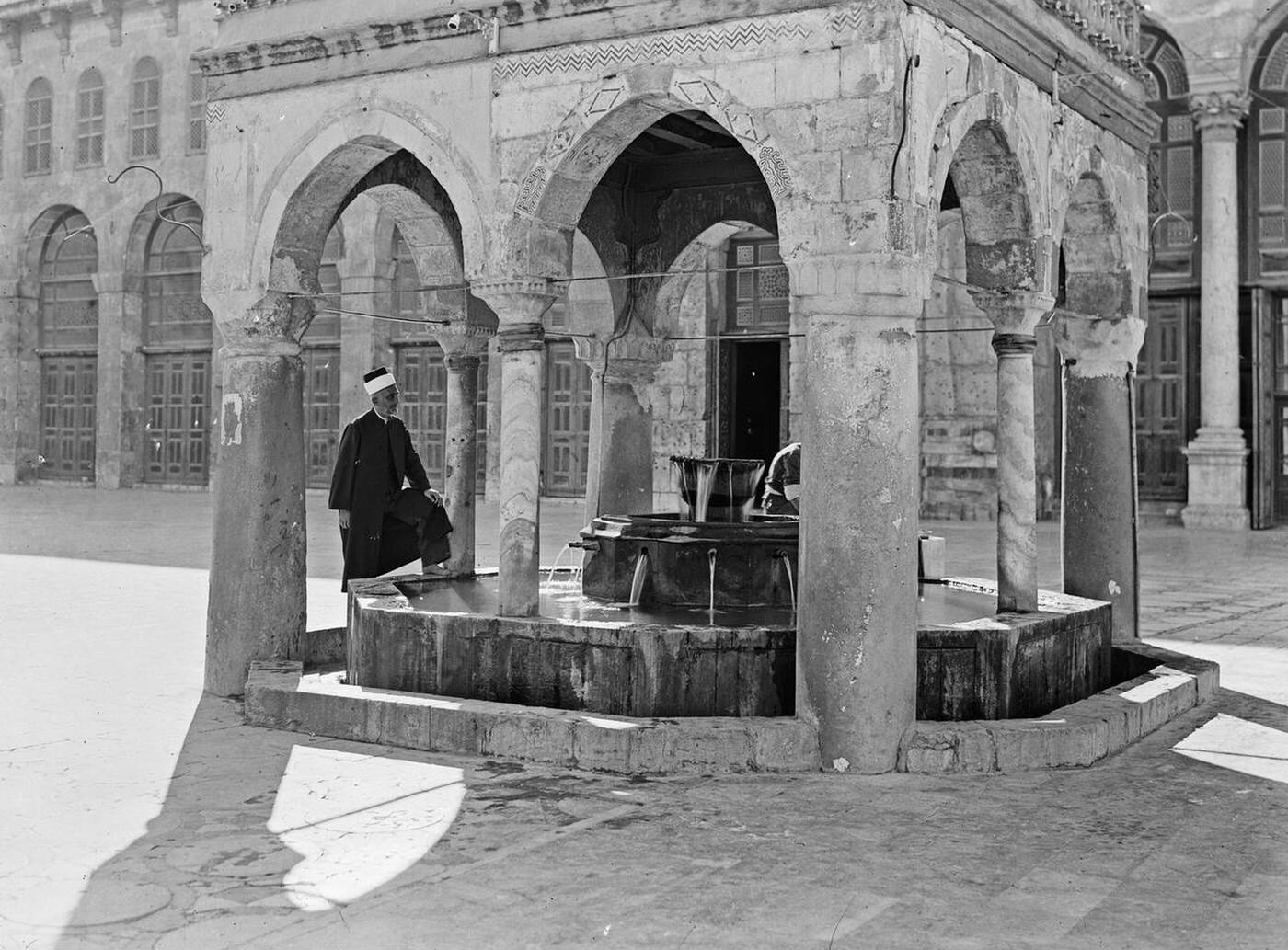
The Ommayad Mosque's courtyard fount in Damascus, 1940s.
The Ommayad Mosque’s courtyard fount in Damascus, 1940s.
Hama on the river Orontes, Syria, 1943.
The 6th Australian Field Regiment in Syria, 1941.
Scene at a street in Aleppo, Syria, 1943.
The north colonnade and minaret of the Ommayad Mosque in Damascus, 1940s.
Scene at a street in Aleppo, Syria, 1943.
North aisle interior view of the Ommayad Mosque in Damascus, 1940s.

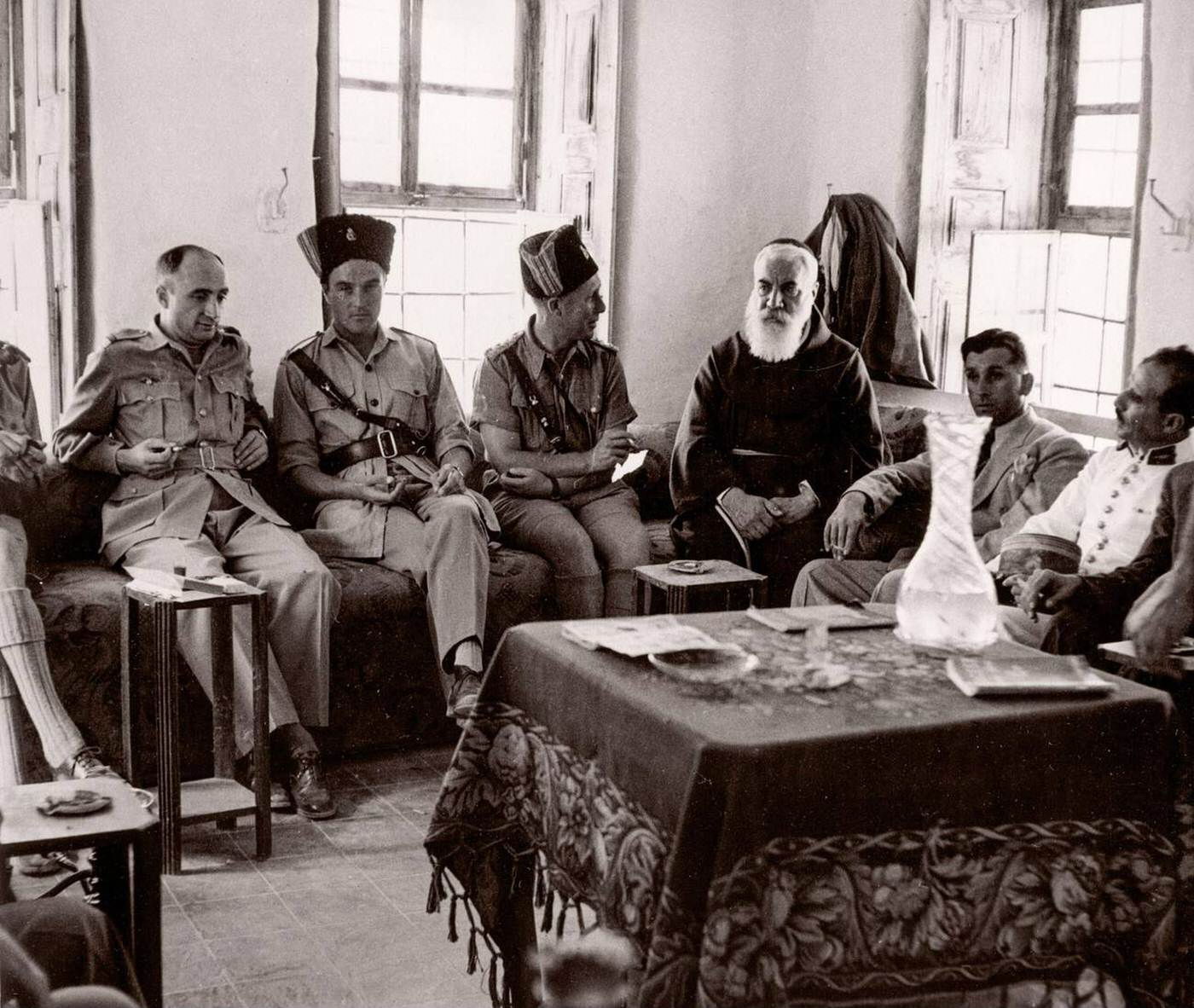
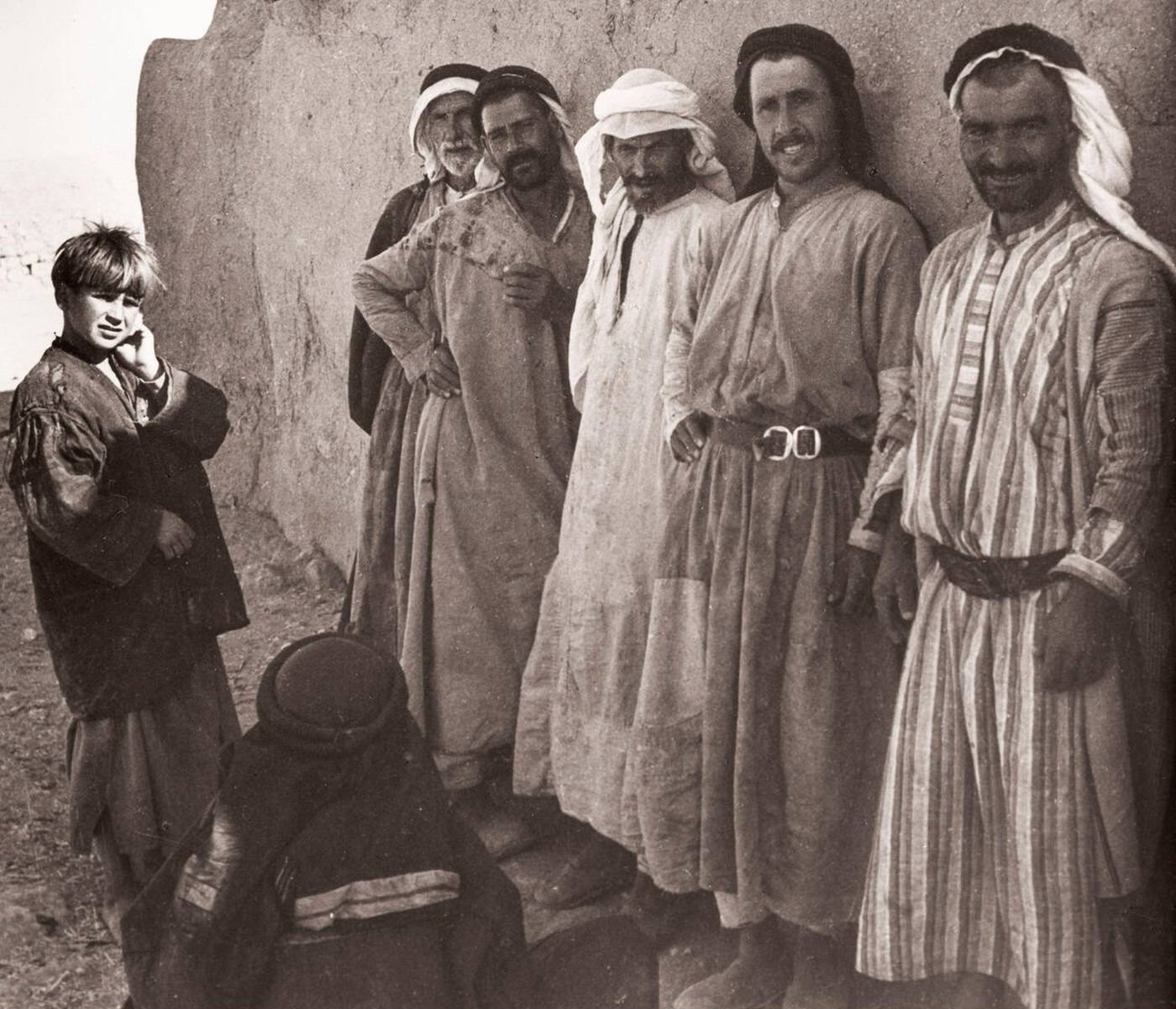
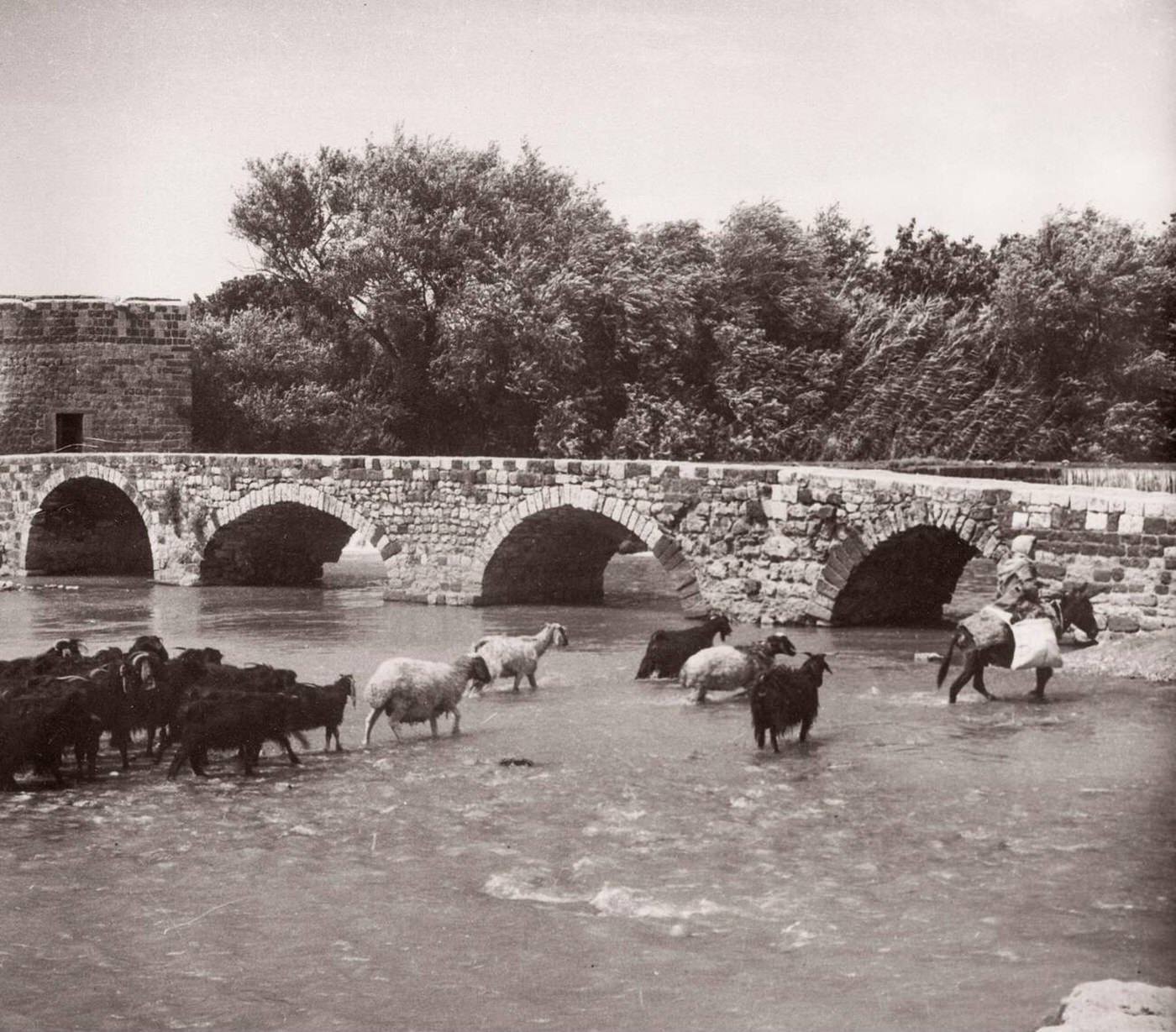
Syria’s ethnic diversity was visible across the country. Kurdish communities lived in towns and villages near Aleppo, including Maidan Akbis. European police officers were also present in some of these mixed areas, a reflection of the complicated administrative structure the French Mandate had established. The city of Hama, situated on the Orontes River, showed a quieter side of Syrian life — ancient waterwheel machinery, stone bridges, and river-fed gardens.
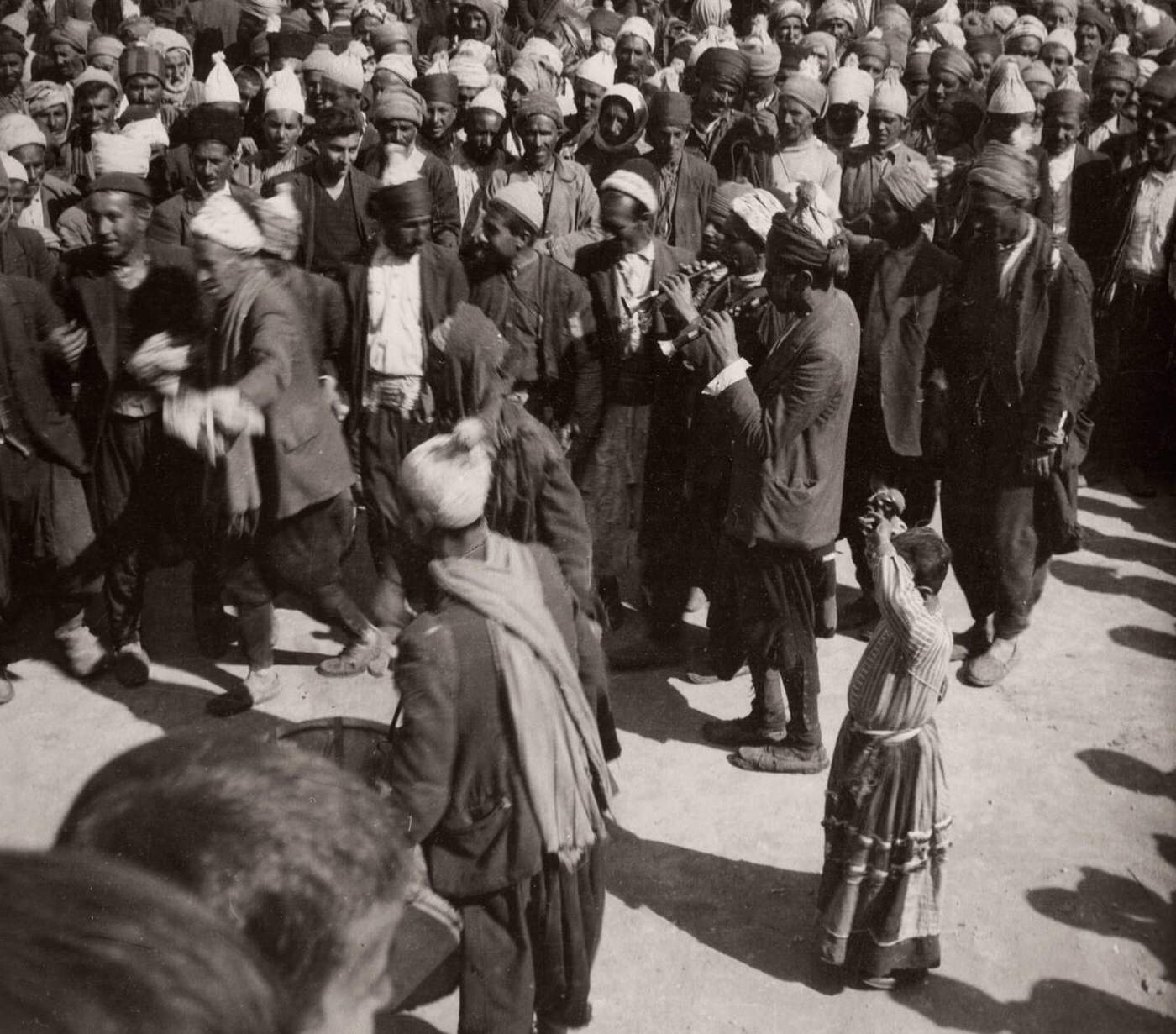
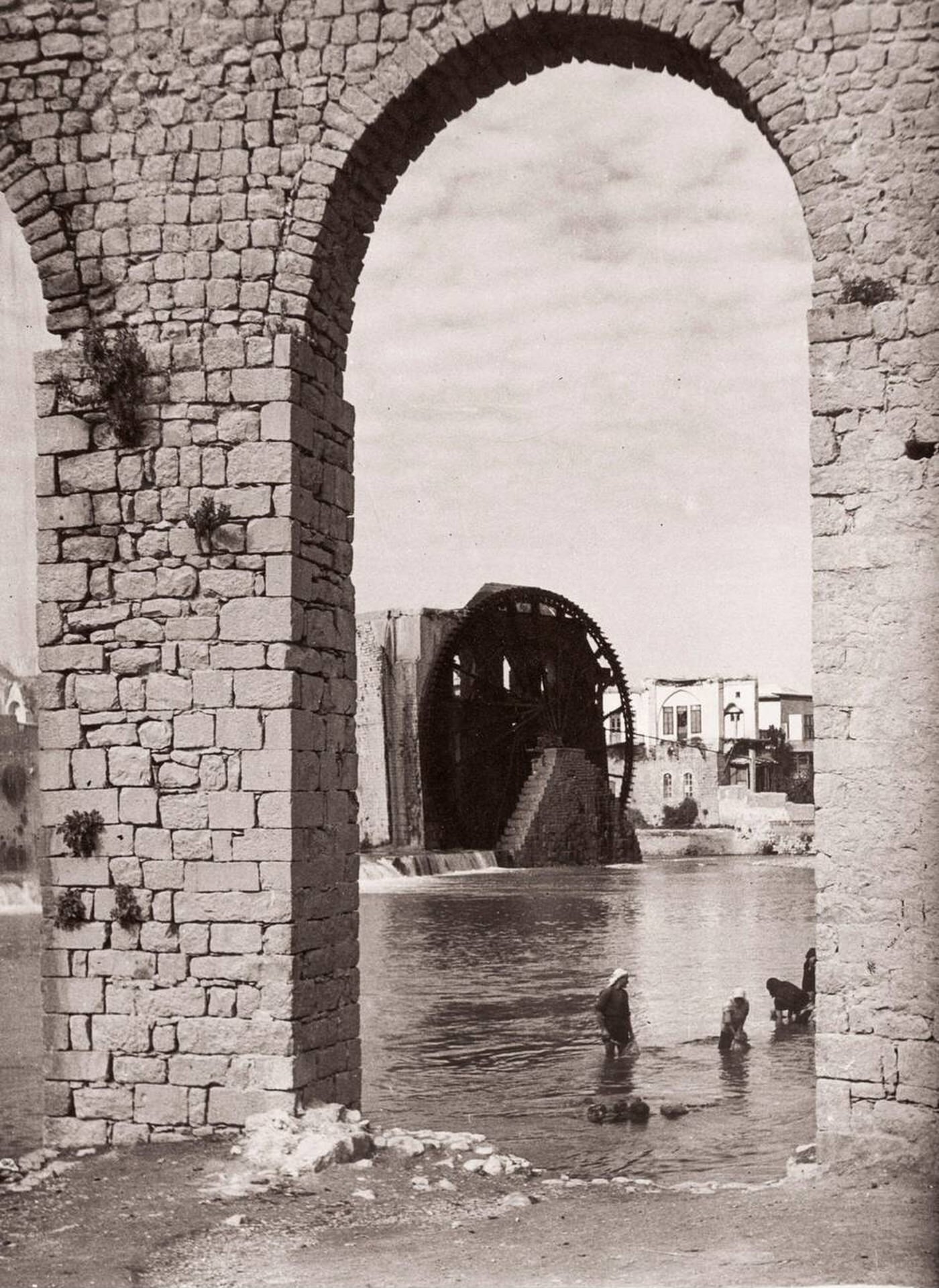
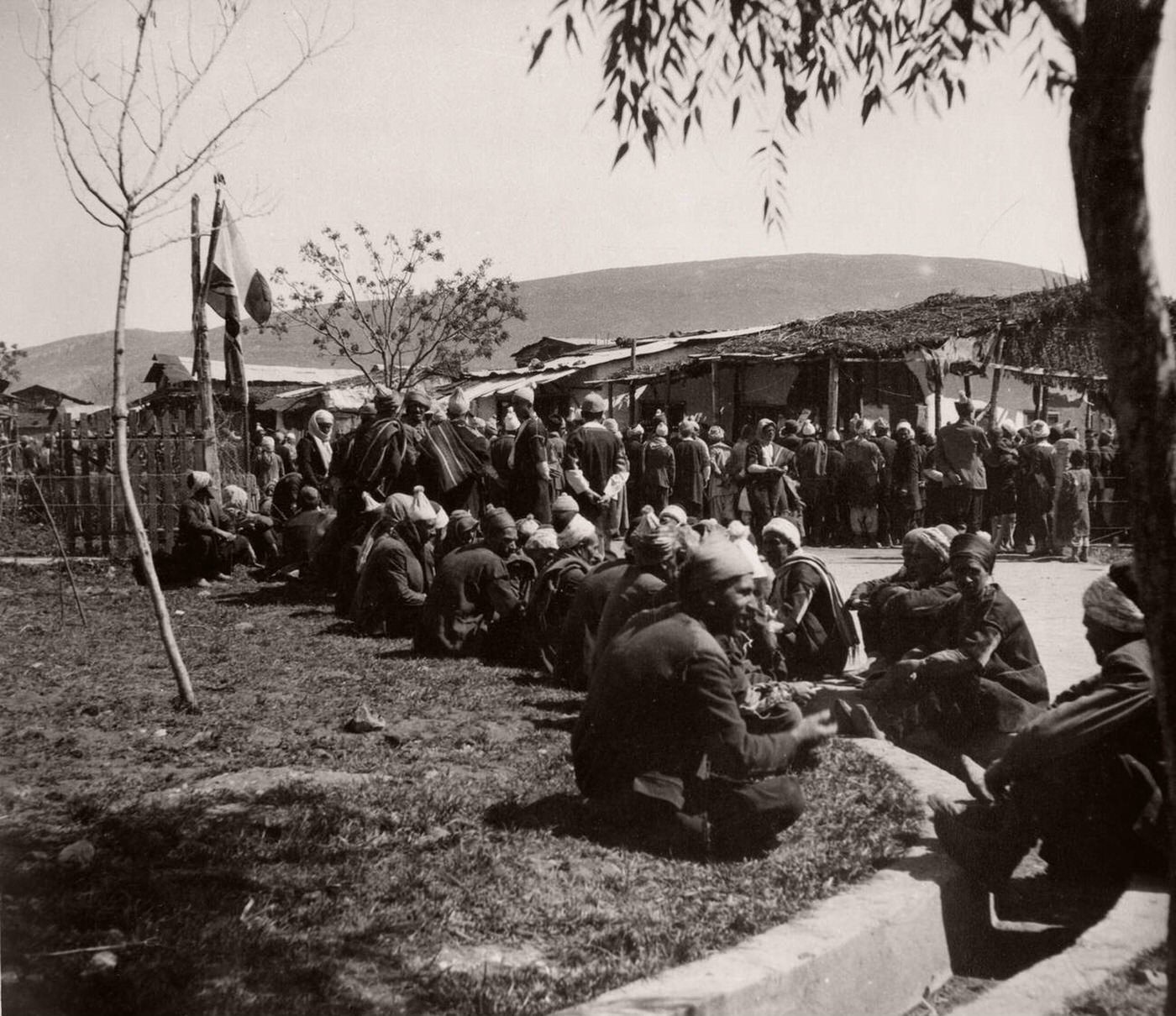
Kurds in Maidan Akbis, near Aleppo, Syria, 1943.
Hama on the river Orontes, Syria, 1943.
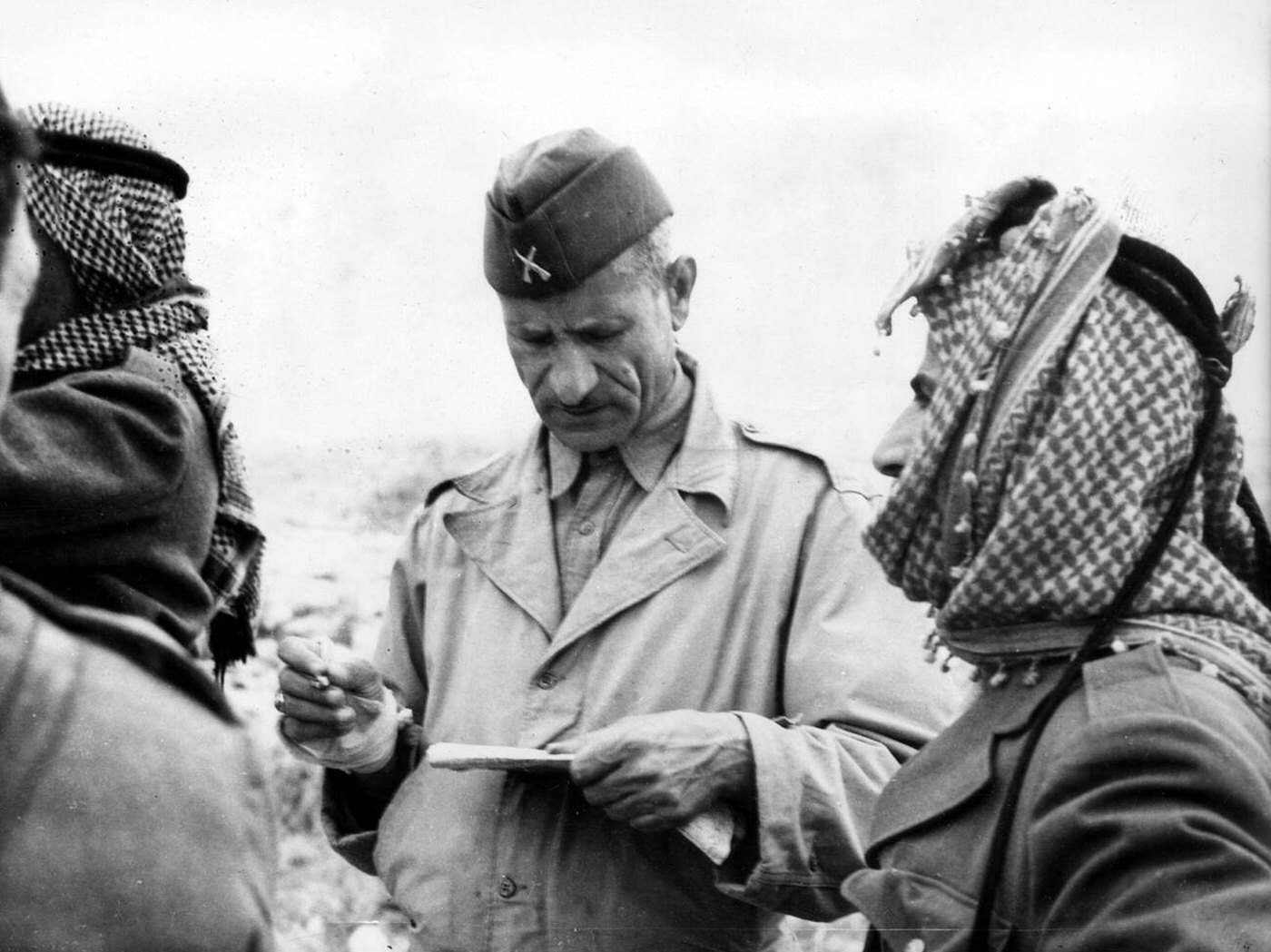
Mahmoud Bey Mahdi, Syrian Commander of the Arab Liberation Army, studies a map during an attack against Bab El Wad, 1948.
Hama on the river Orontes, Syria, 1943.
Kurds in Maidan Akbis, near Aleppo, Syria, 1943.
Entrance from the courtyard of the Ommayad Mosque in Damascus, 1940s.
Kurds in Maidan Akbis, near Aleppo, Syria, 1943.

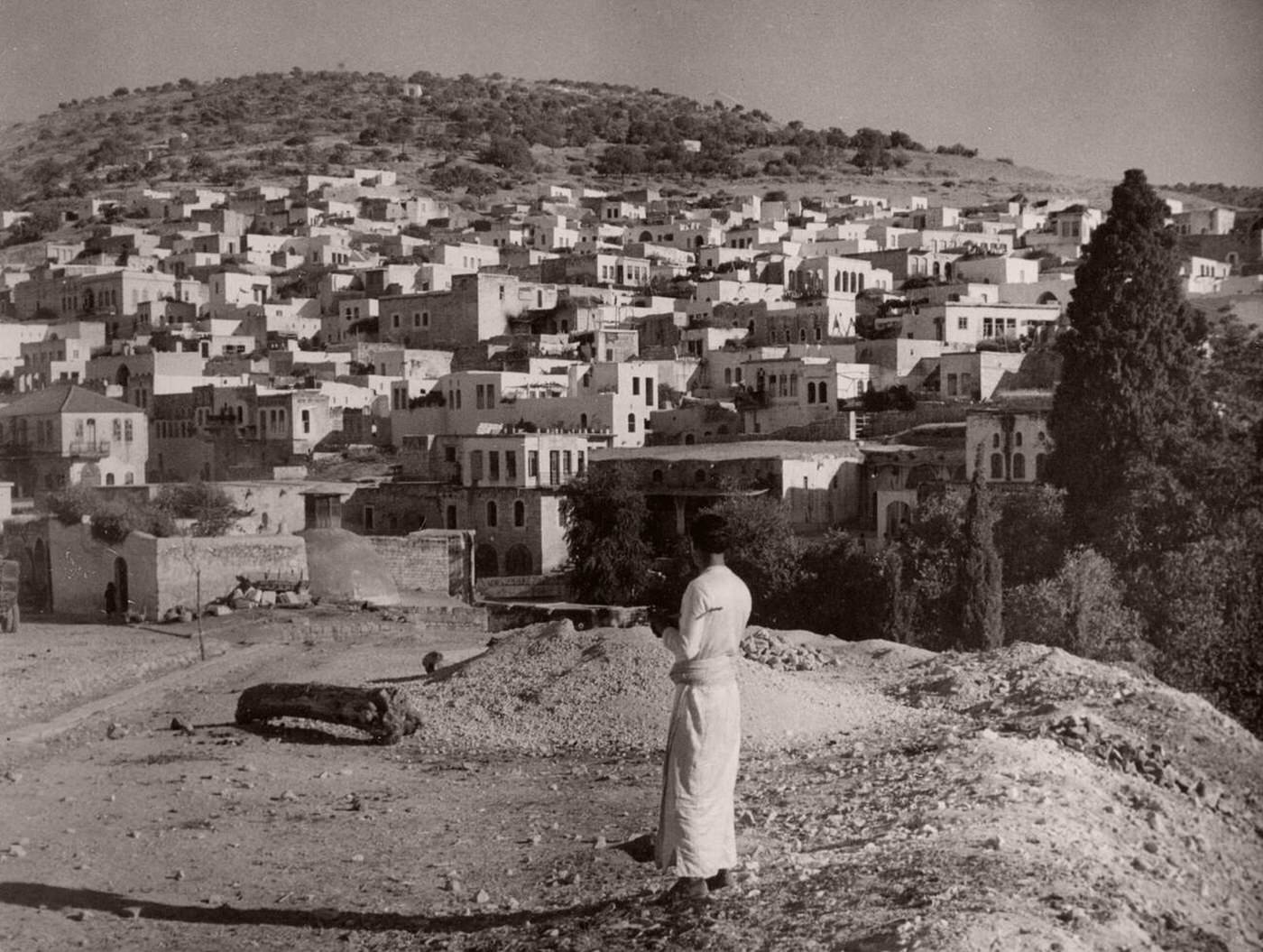
The town of Darkouch on the Orontes River and the northern village of Salqine near the Turkish border illustrated how varied Syria’s geography and communities were. In the mid-1940s, the country stretched from the Mediterranean coast to the desert interior, with a population that included Arabs, Kurds, Armenians, and various Christian and Muslim communities living in close proximity.
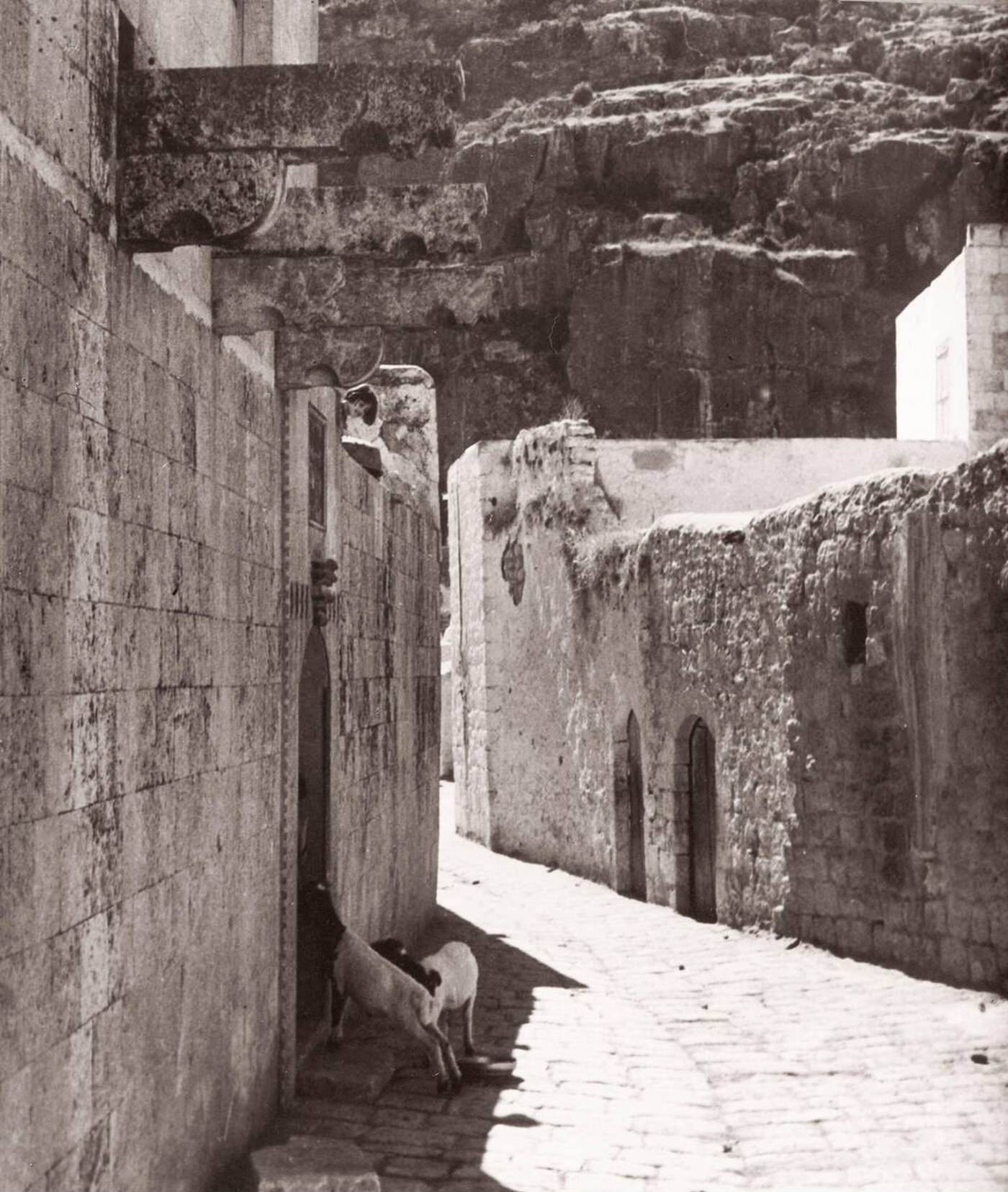
Darkouch on the River Orontes, Syria, 1843.
View of the village of Salqine in northern Syria near the Turkish border, 1943.
Darkouch on the River Orontes, Syria, 1843.

Everyday life across Syria in 1943 was captured in striking detail. Women washed clothes in riverbeds. Children drew water from open wells. Salt was harvested from seawater by evaporation along the coast at Tartus. Grapes were boiled down to make arak, a traditional anise liquor. In Aleppo’s markets, sheep were traded, sweets were made by hand, and the streets hummed with commerce.
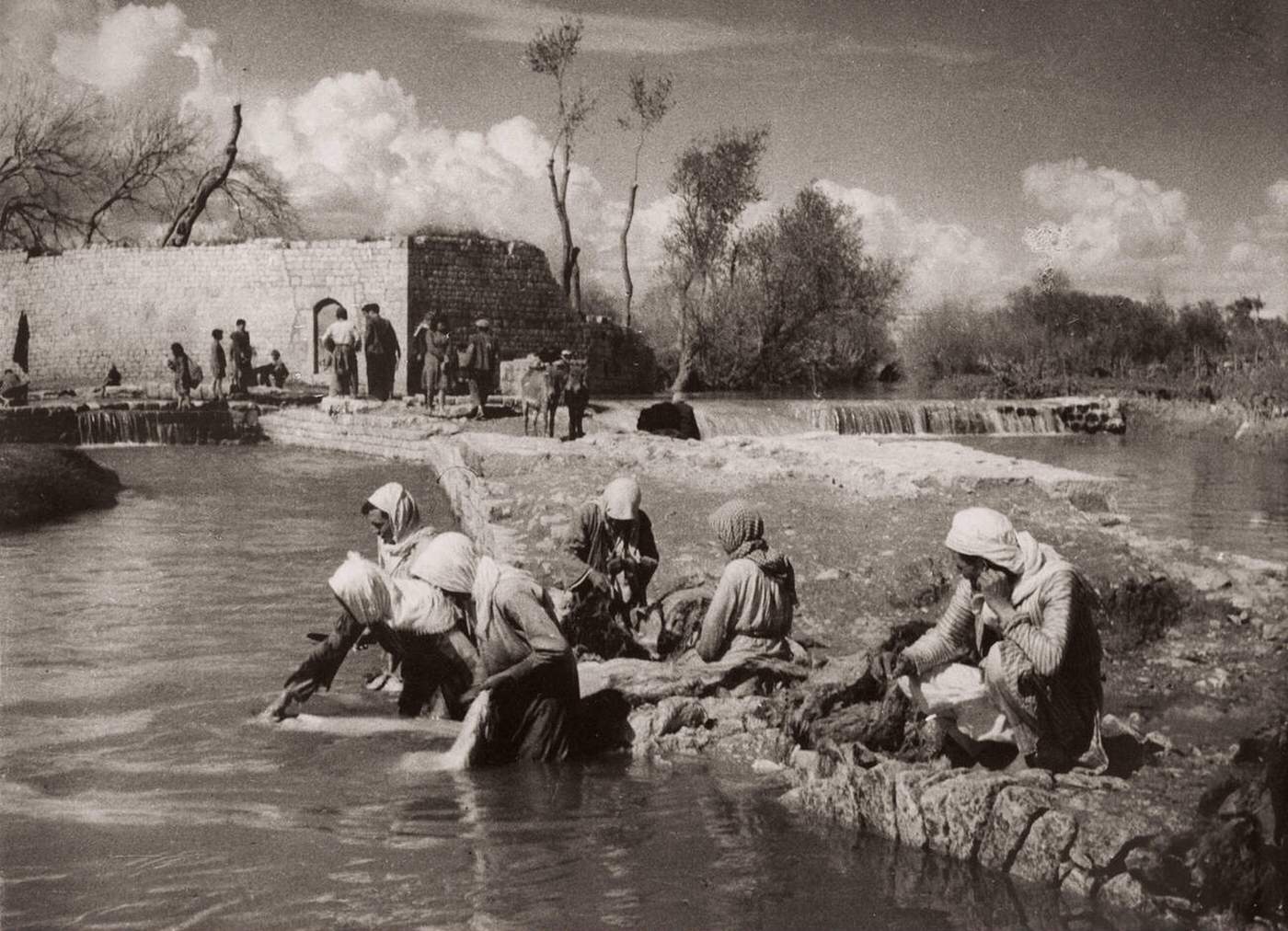
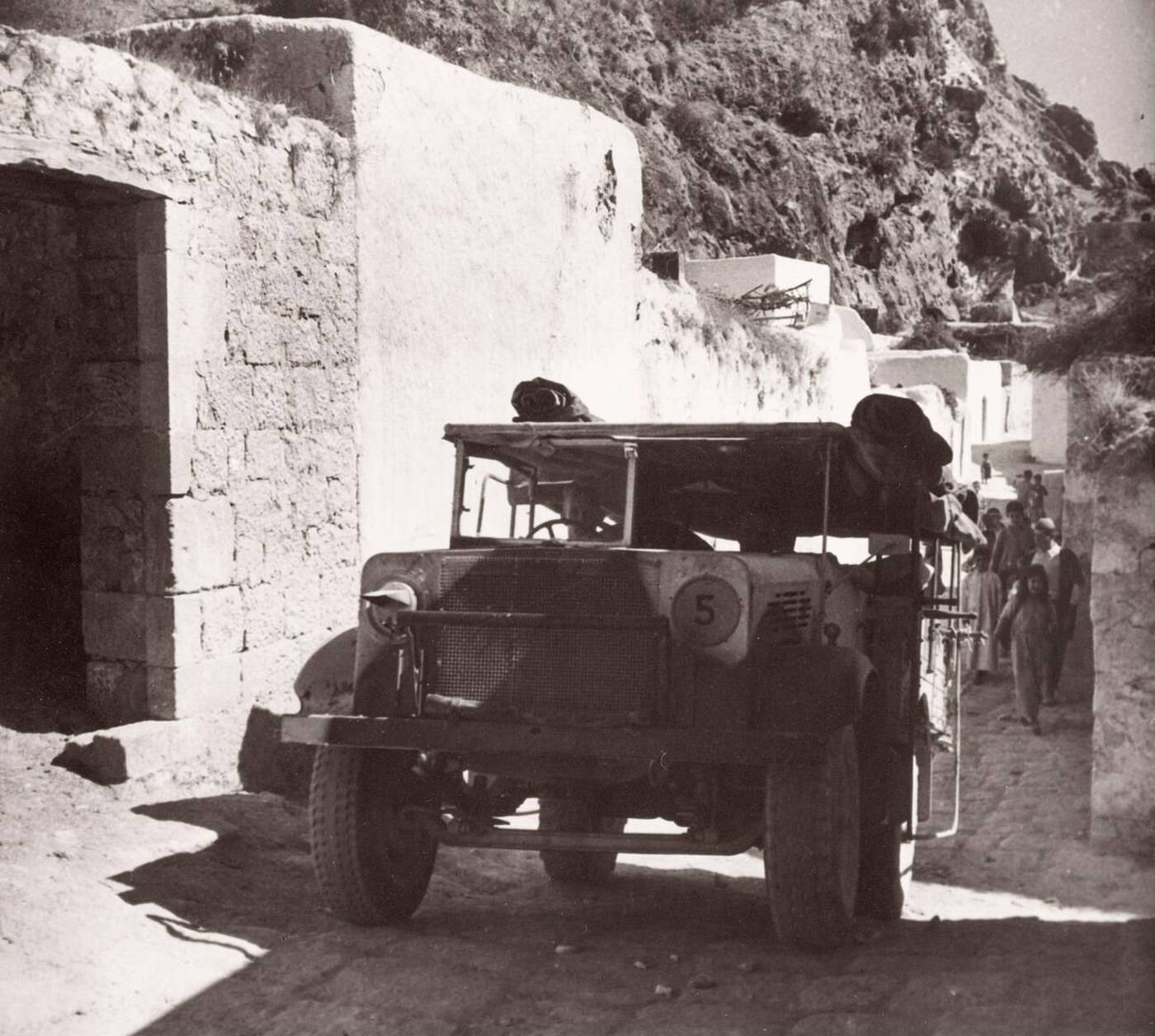
Women washing clothes in a river in Aleppo, Syria, 1943.
Darkouch on the River Orontes, Syria, 1843.
European police in Maidan Akbis, near Aleppo, Syria, 1943.
Darkouch on the River Orontes, Syria, 1843.

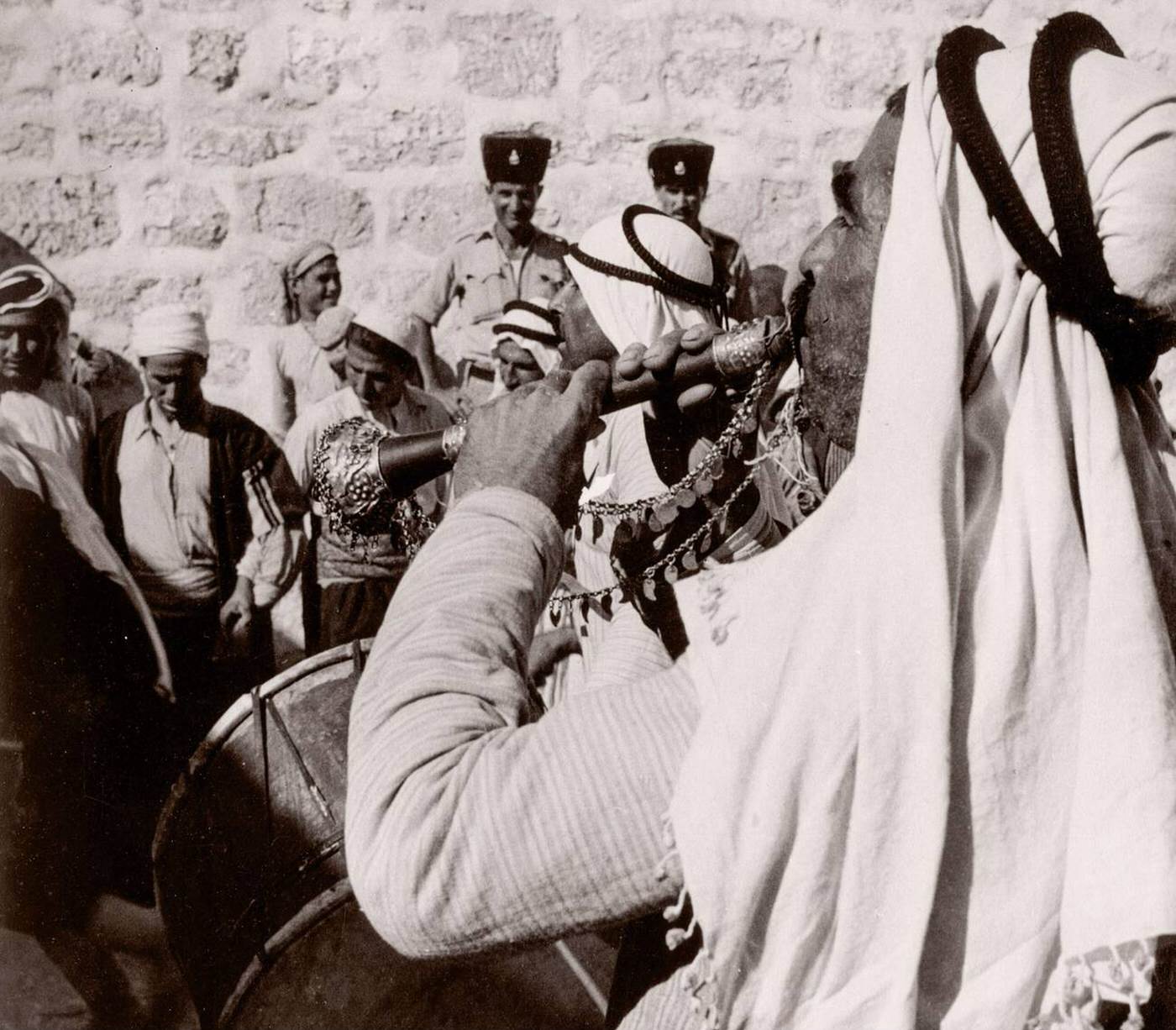
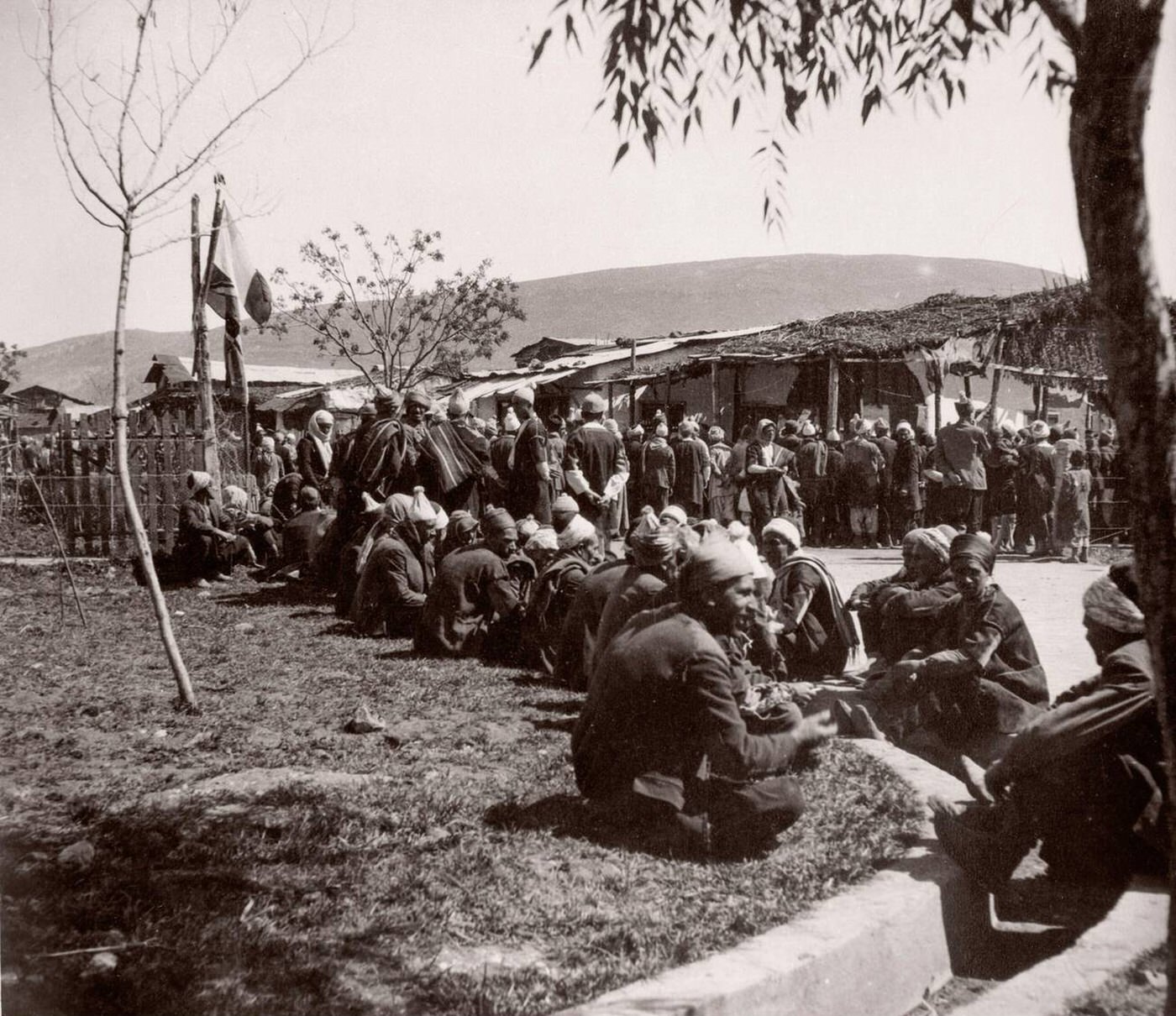
Religious celebrations were a visible part of community life. In the village of Bobline, Eid festivities brought people together in large numbers. Men and women gathered in open spaces, dressed in traditional clothing, marking the occasion with prayer, food, and communal celebration. These gatherings continued regardless of the political upheaval happening at the national level.
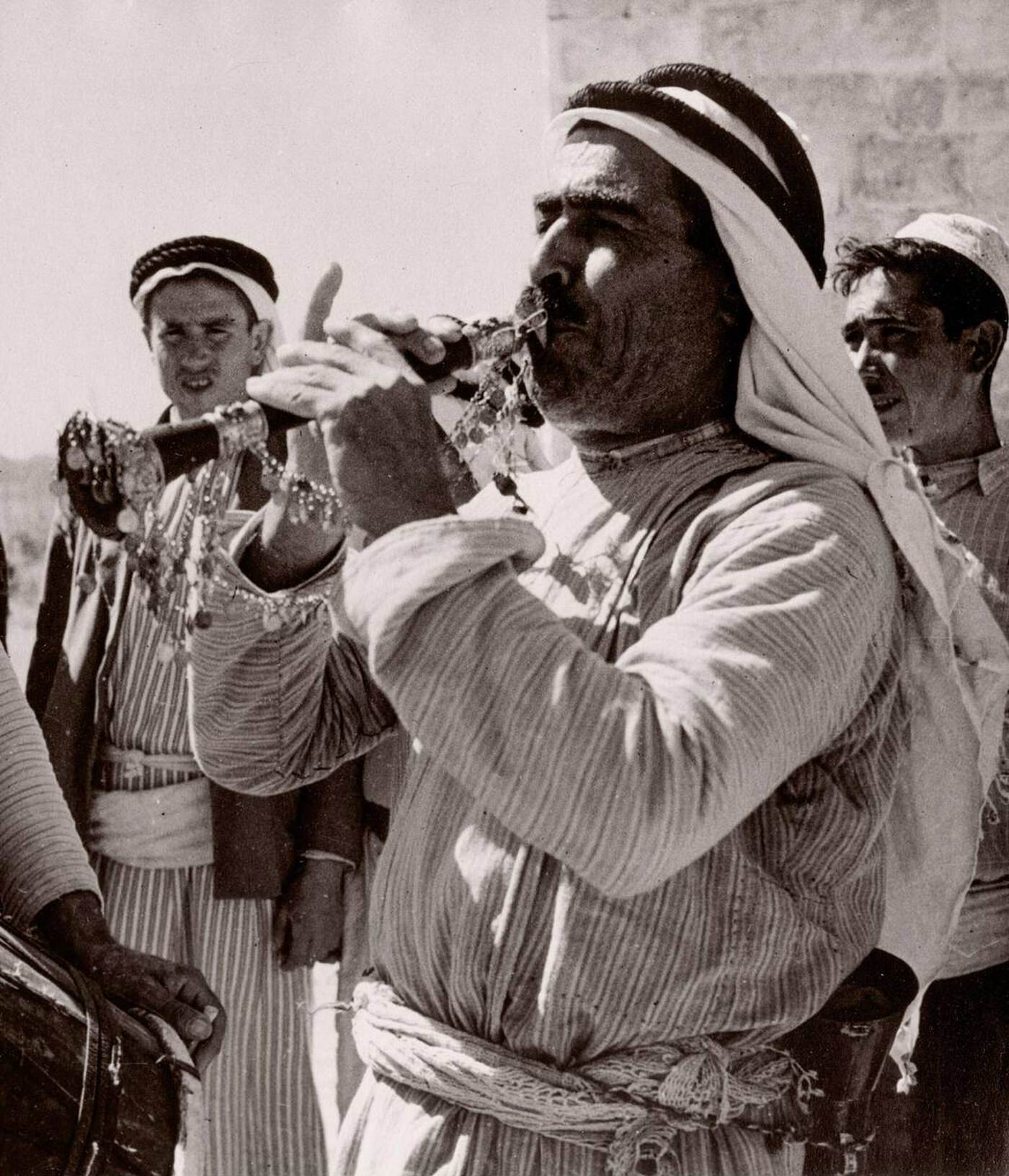
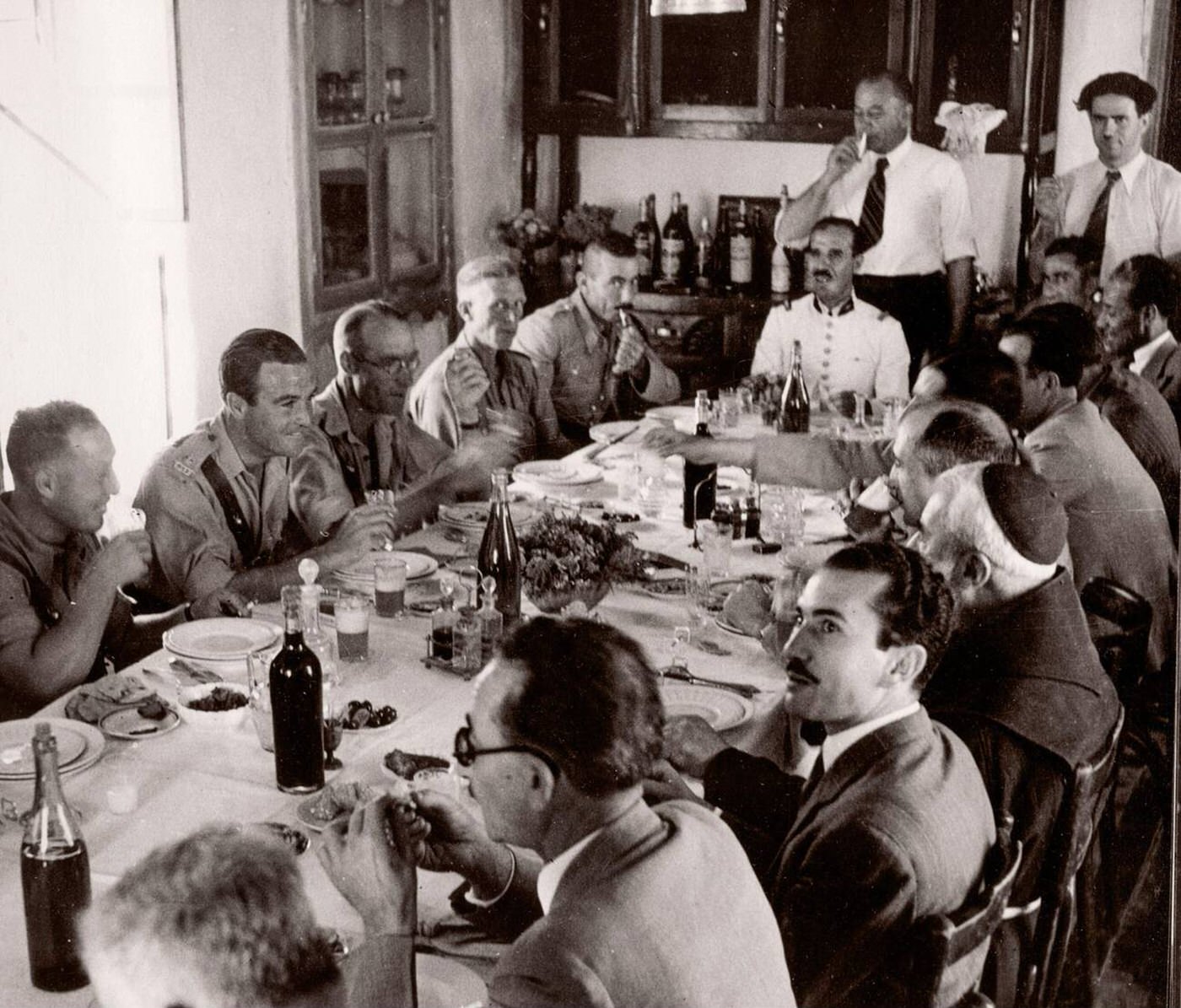
Celebrating the festival of Eid at Bobline, Syria, 1943.
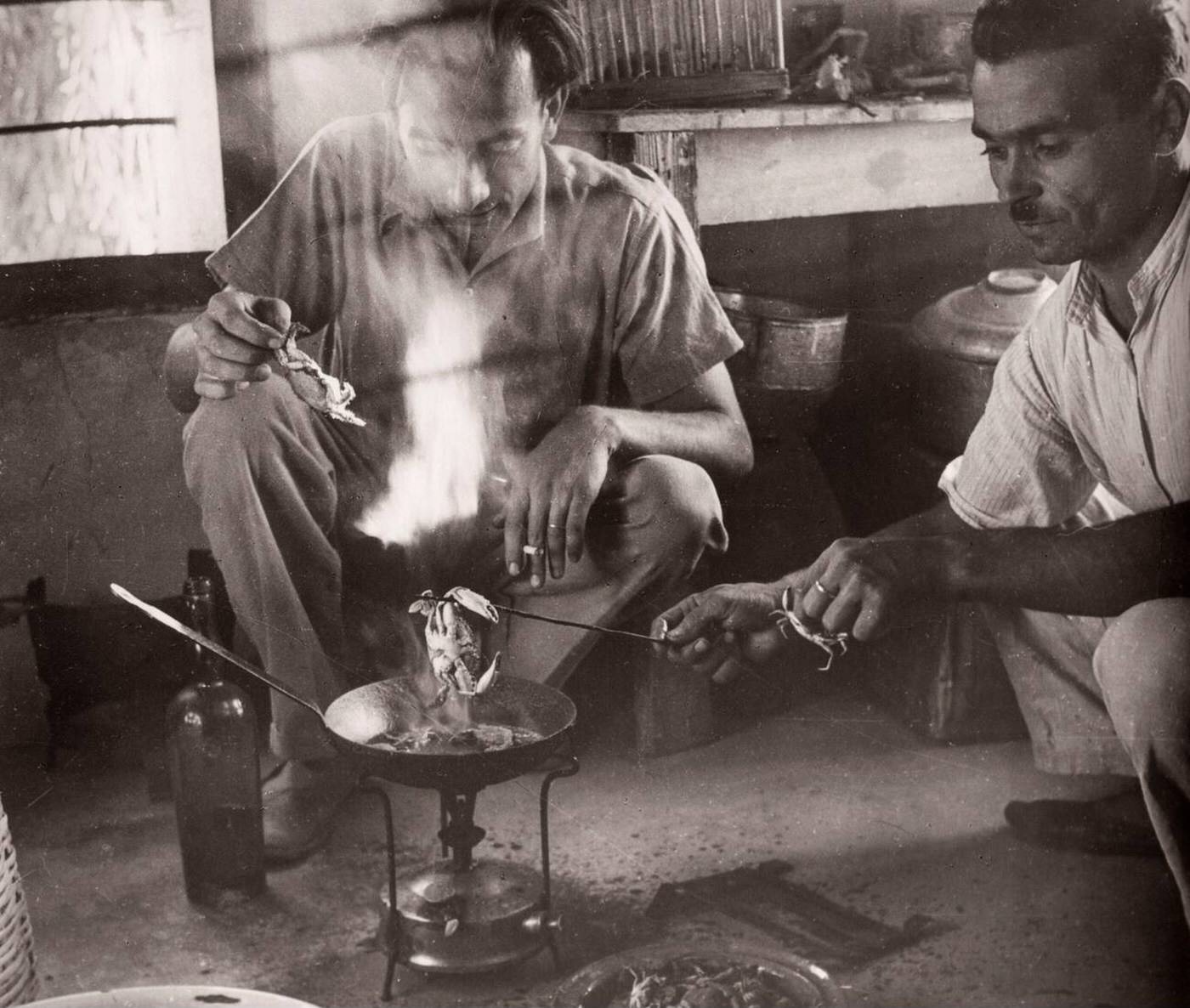
British soldier cooking sand crabs, Syria, 1943.
Darkouch on the River Orontes, Syria, 1843.
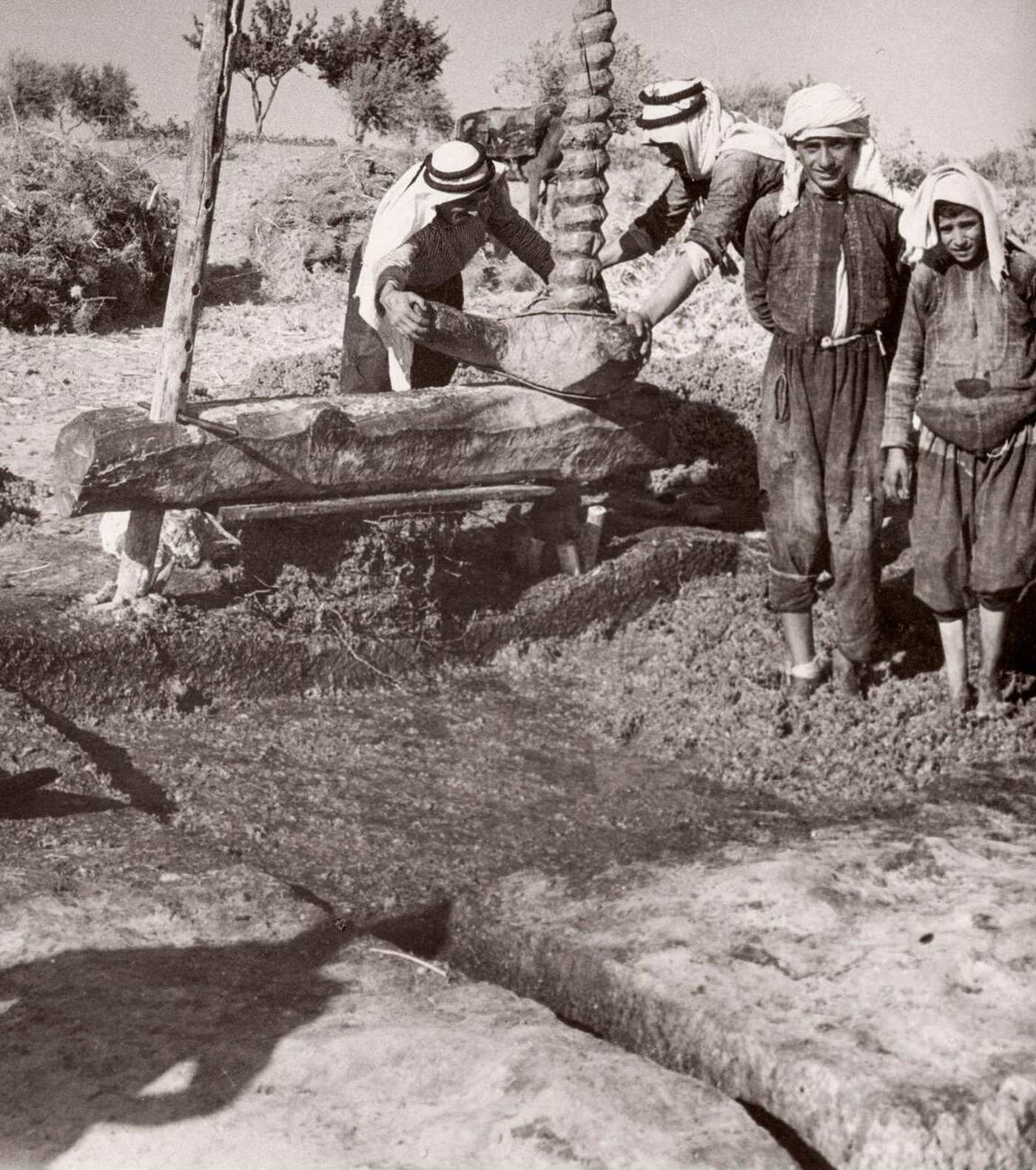
Boiling grapes to make Arak liquor, Syria, 1943.

Public health was a serious concern in parts of Syria. Trachoma, a bacterial eye infection that causes scarring and eventually blindness, was documented among the population in 1943. The disease spread easily in areas with limited access to clean water and sanitation — conditions that affected a large portion of the rural population.
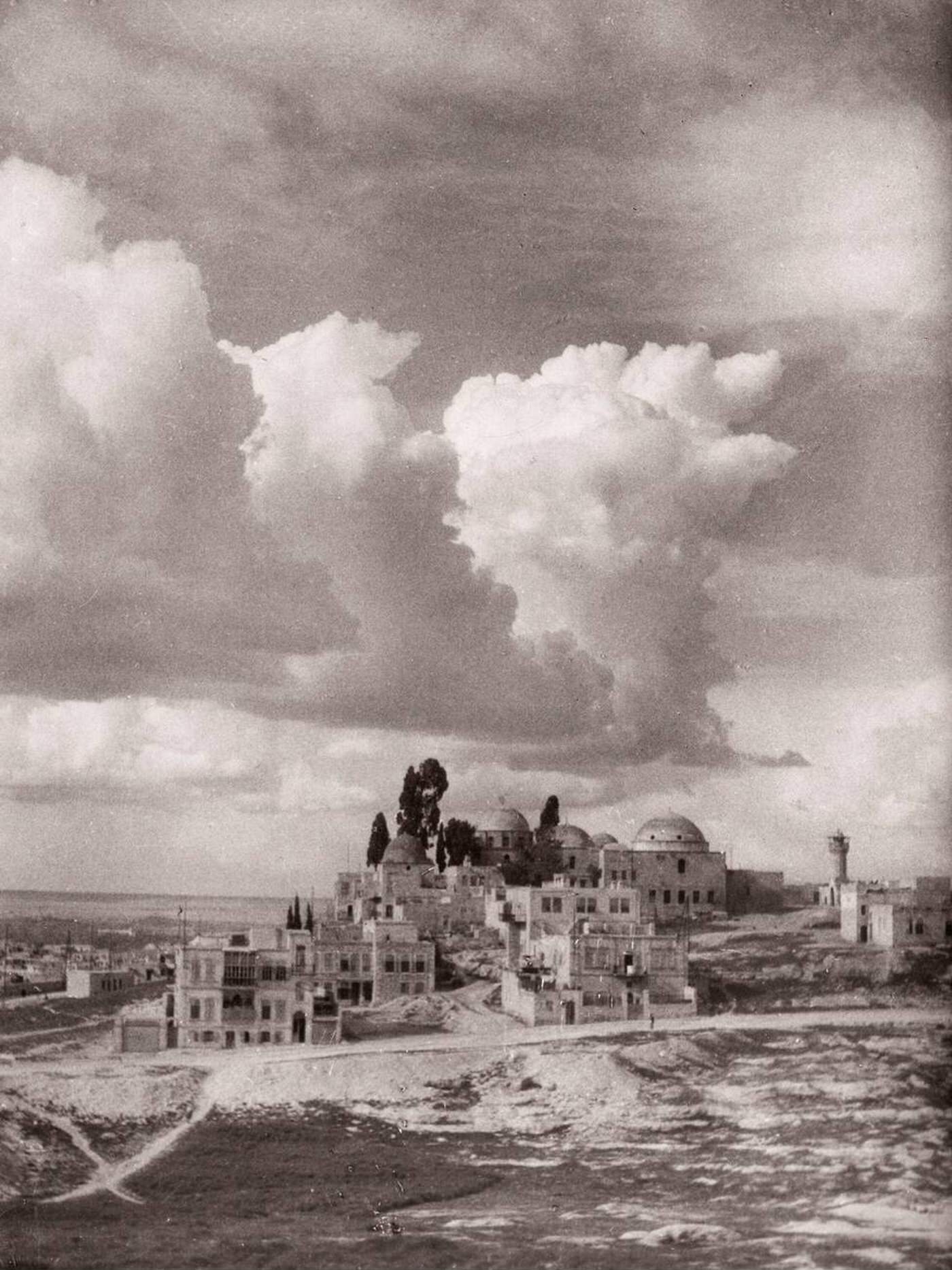
A view of the city of Aleppo, Syria, 1943.
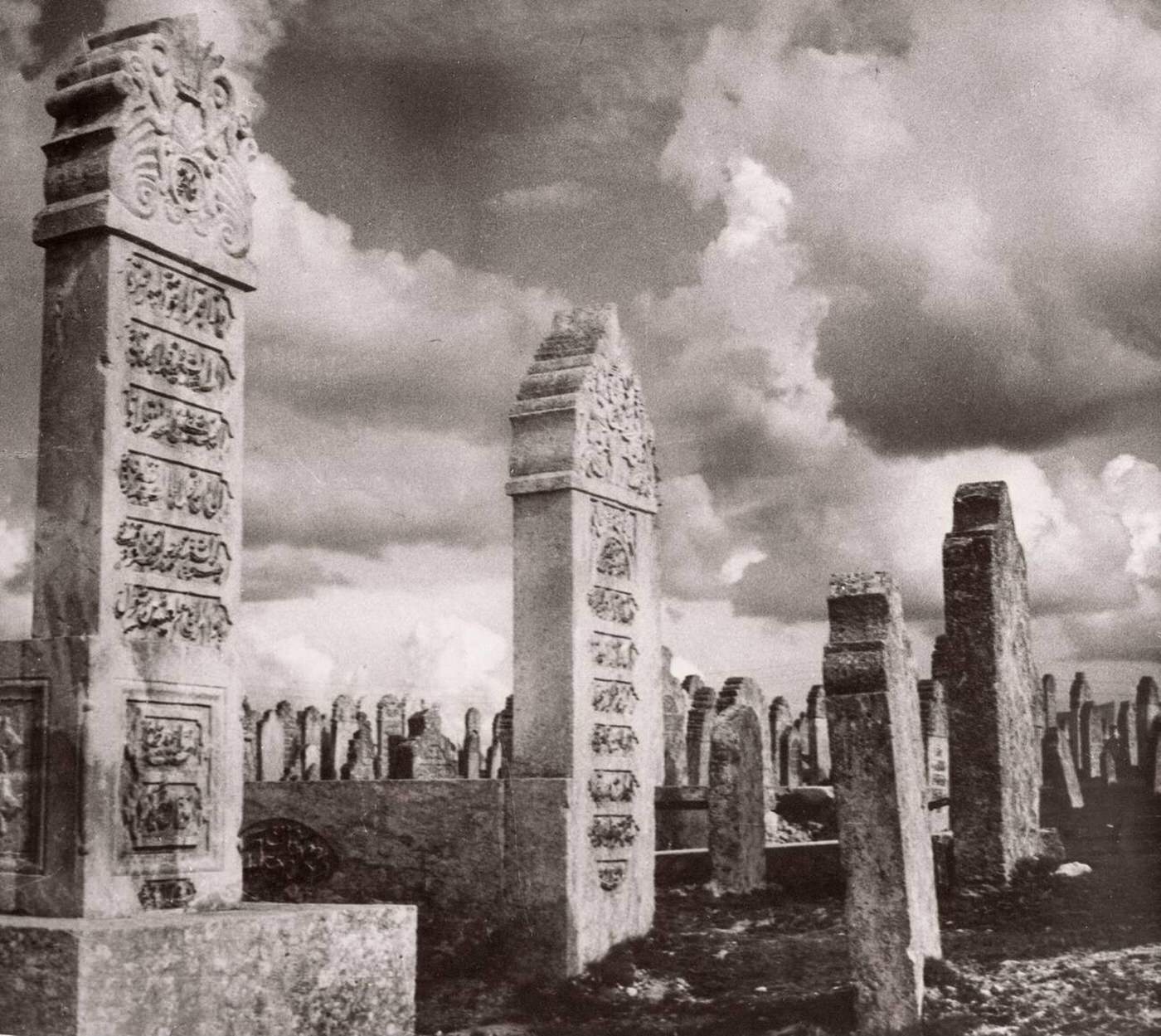
Gravestones in a cemetery in Aleppo, Syria, 1943.
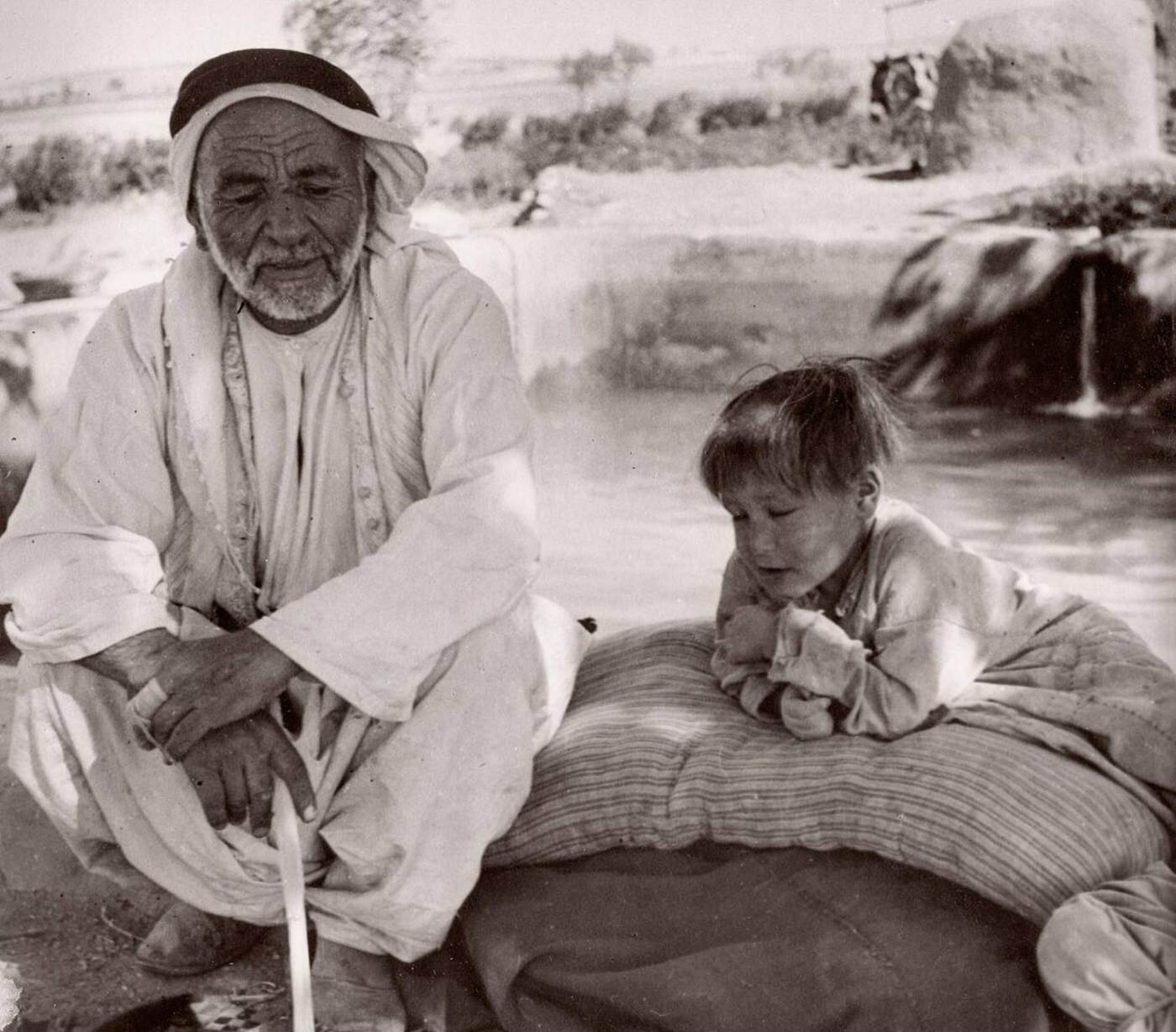
Man and boy suffering from Trachoma, Syria, 1943.
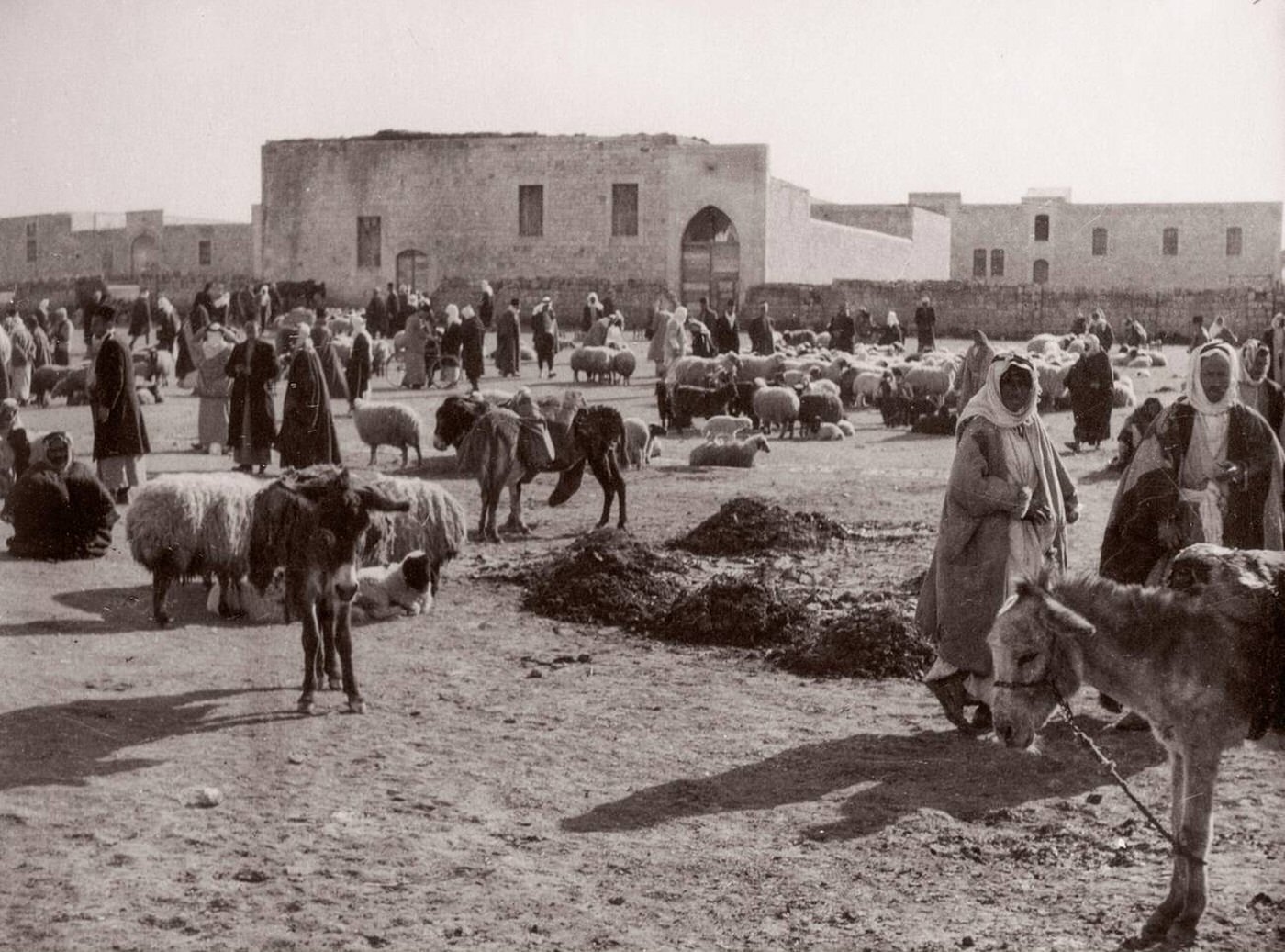
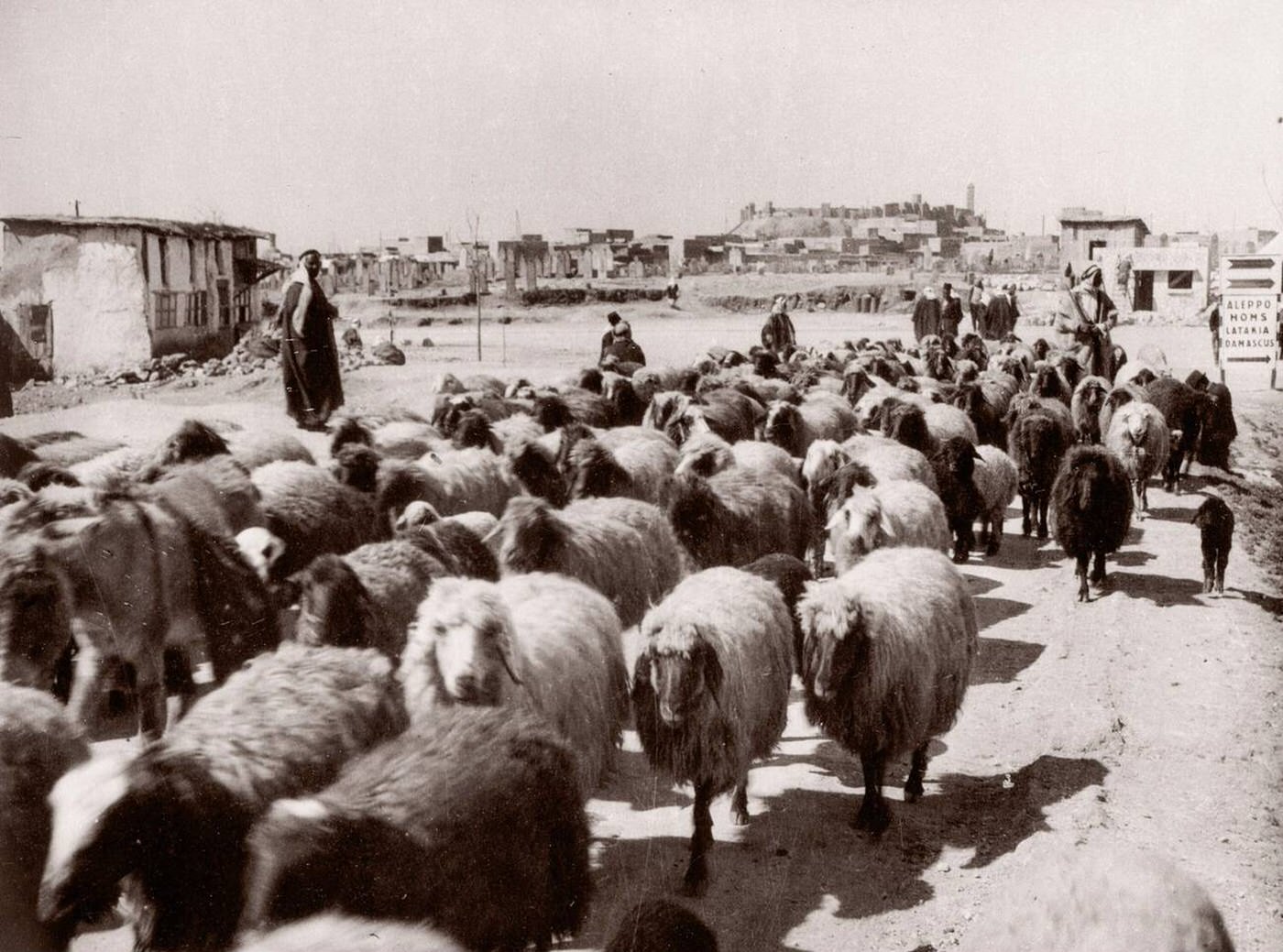
Sheep at the market in Aleppo, Syria, 1943.
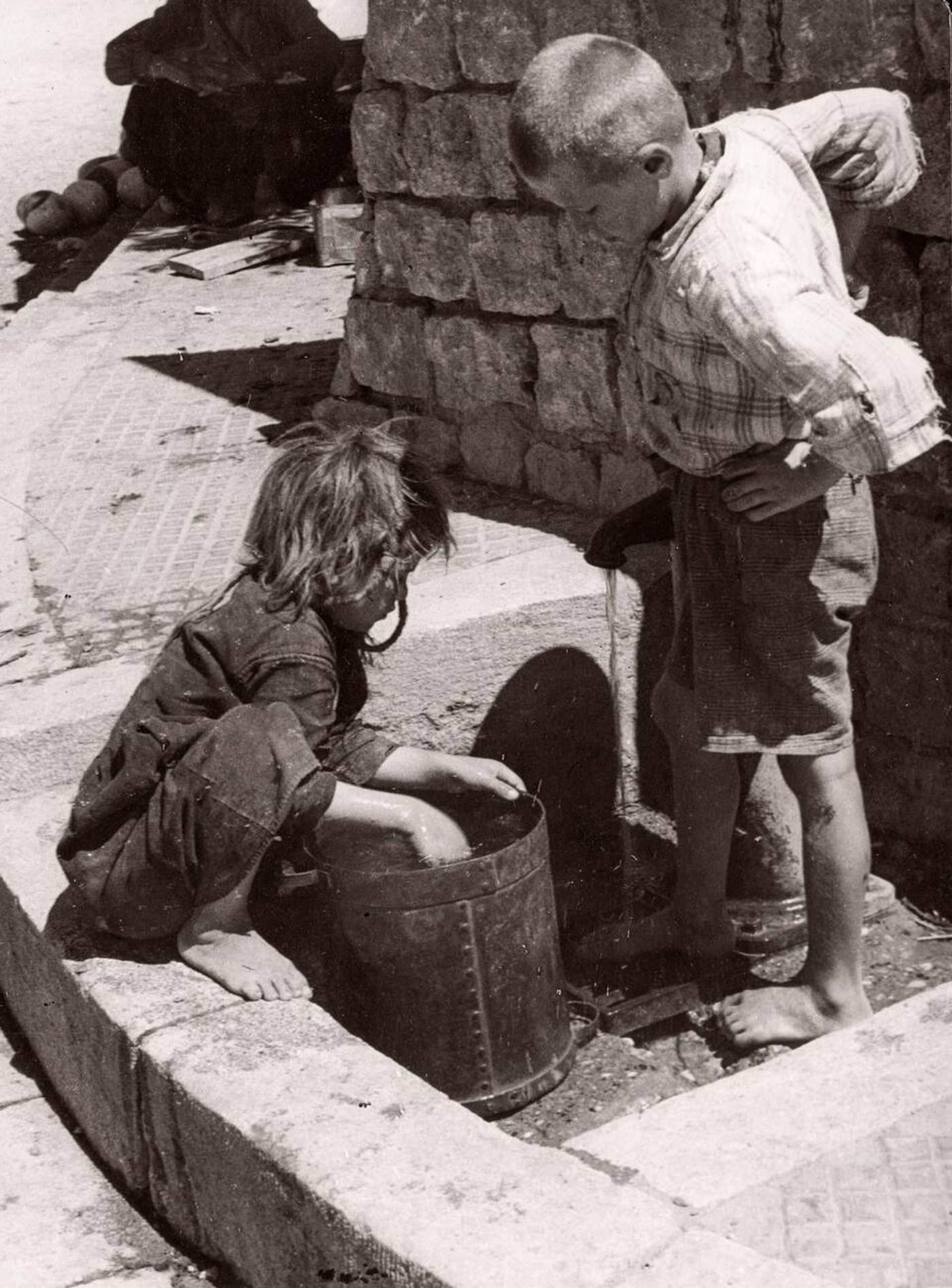
Children getting water from a well in Syria, 1843.
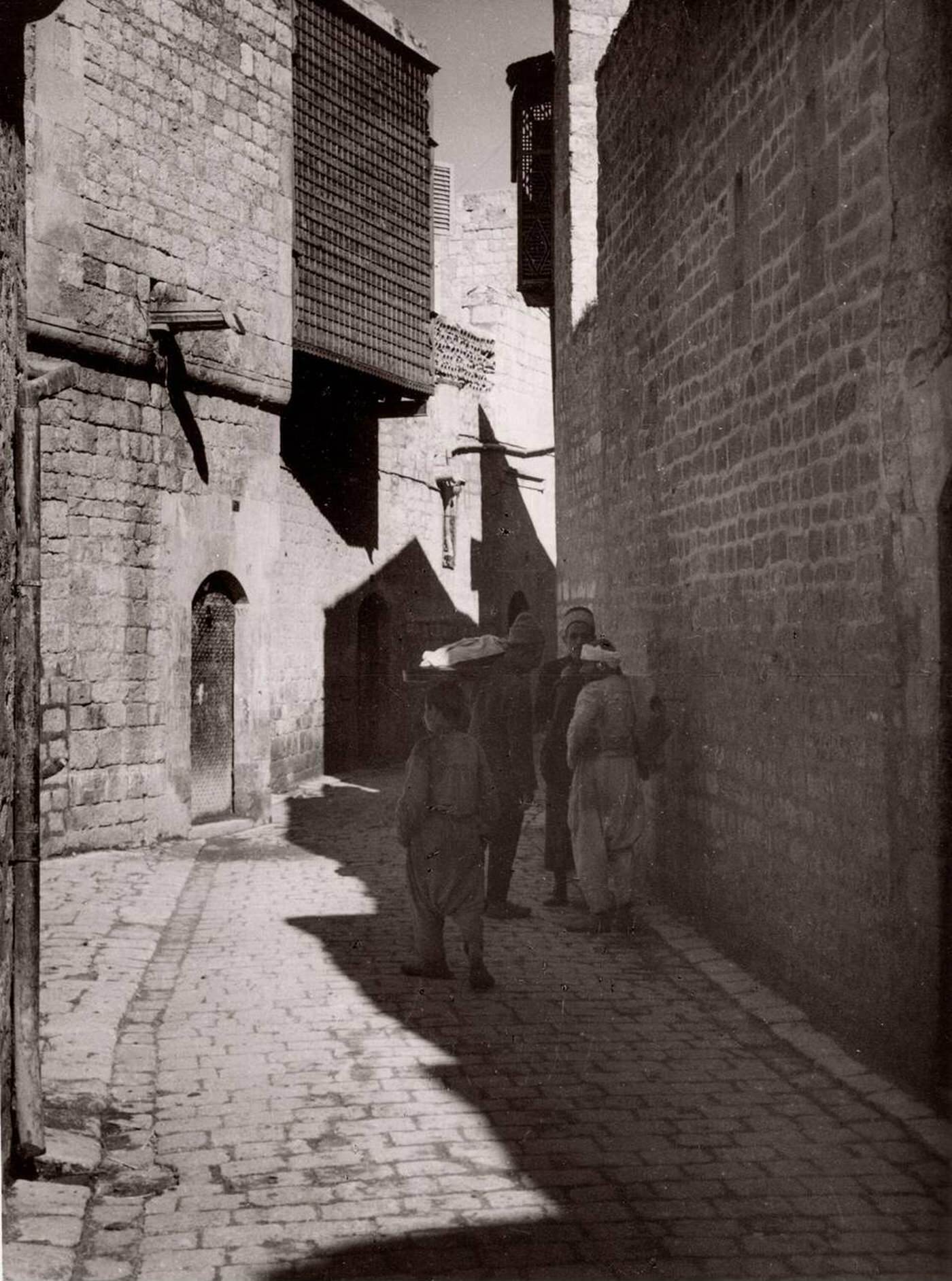
Scene at a street in Aleppo, Syria, 1943.
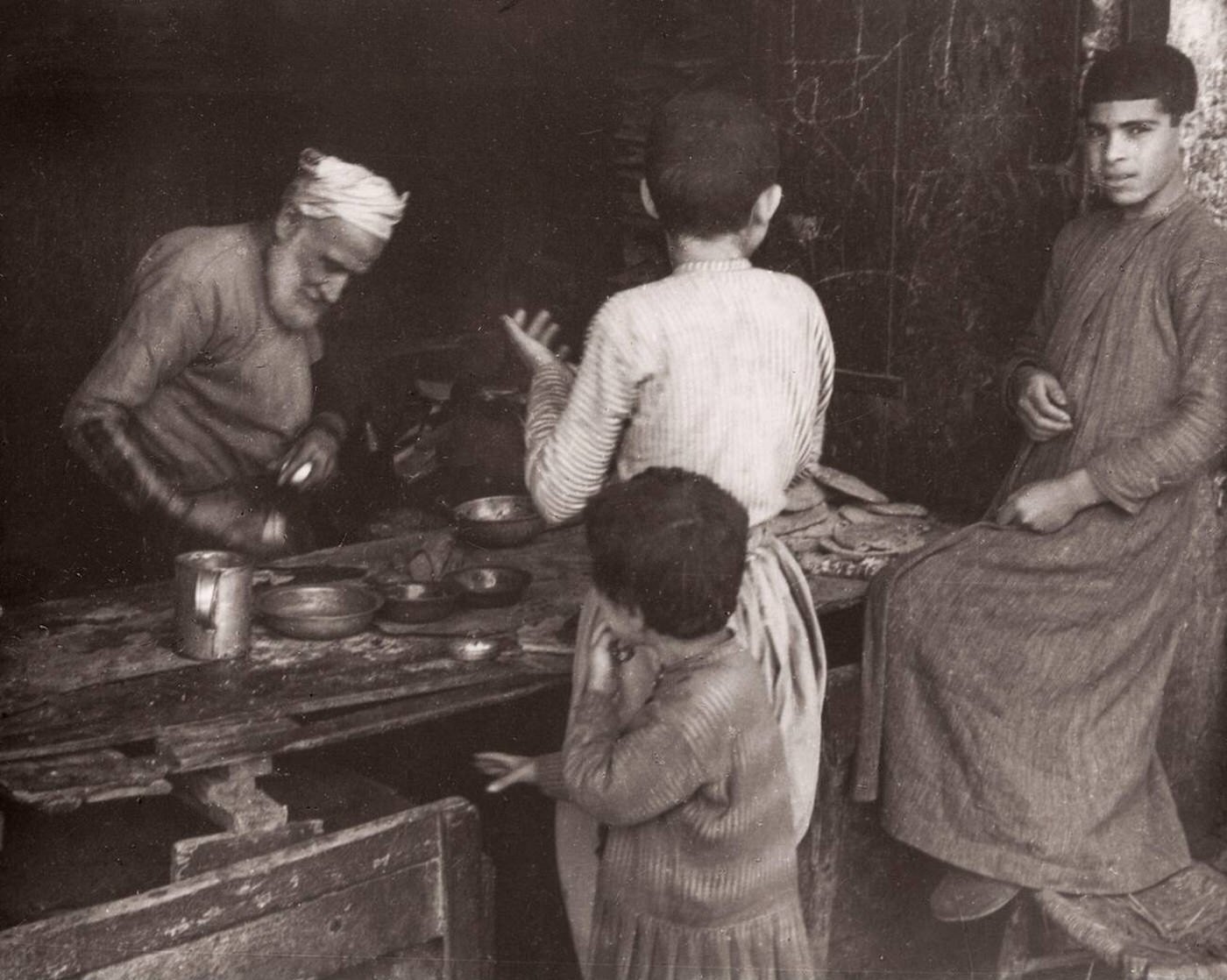
Man making sweets confectioner in Aleppo, Syria, 1943.

Traditional architecture remained prominent in villages across the region. Mud beehive houses in Kafr Halab near Aleppo looked much the same as they had for centuries. Meanwhile, international military forces continued to operate throughout the country. British army recruits — many of them Kurdish — were enlisted in Aleppo, and the Trans-Jordanian Frontier Force maintained a regiment on Syrian soil.
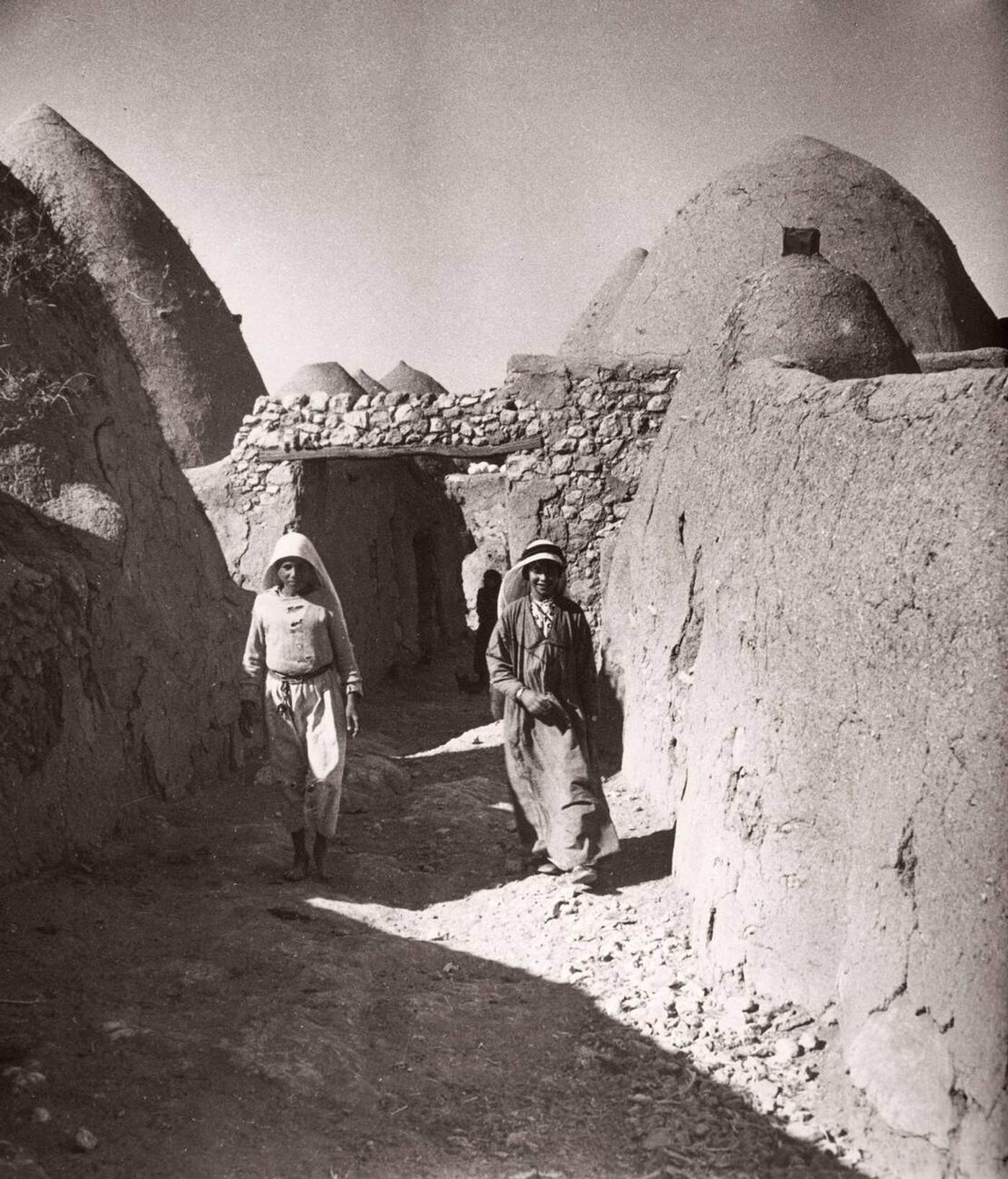
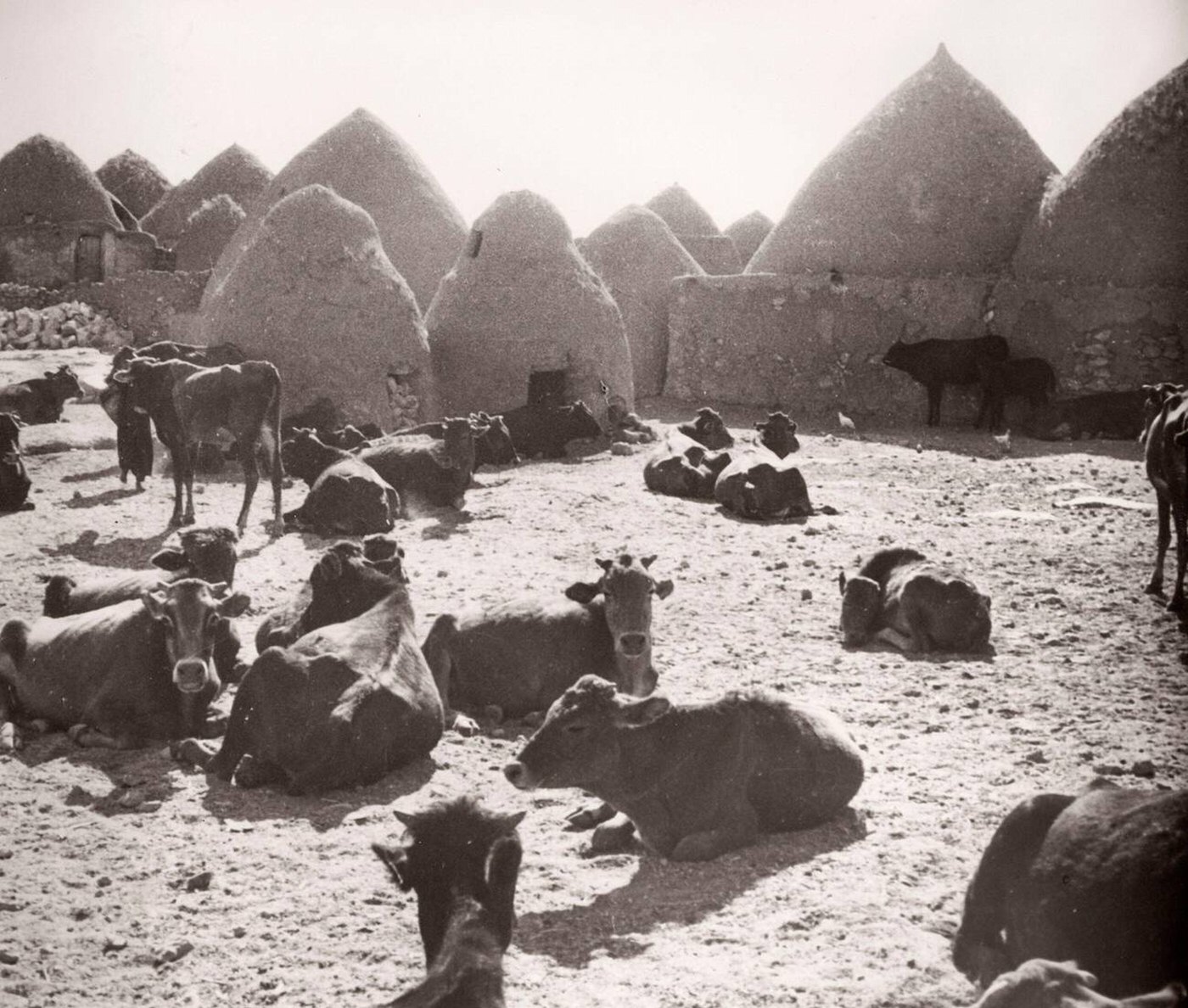
Village with traditional mud beehive houses in Kafer or Kafr Halab, Syria, 1943.
British army recruit with rations in Aleppo, Syria, 1943.
Village with traditional mud beehive houses in Kafer or Kafr Halab, Syria, 1943.
Kurds in Maidan Akbis, near Aleppo, Syria, 1943.
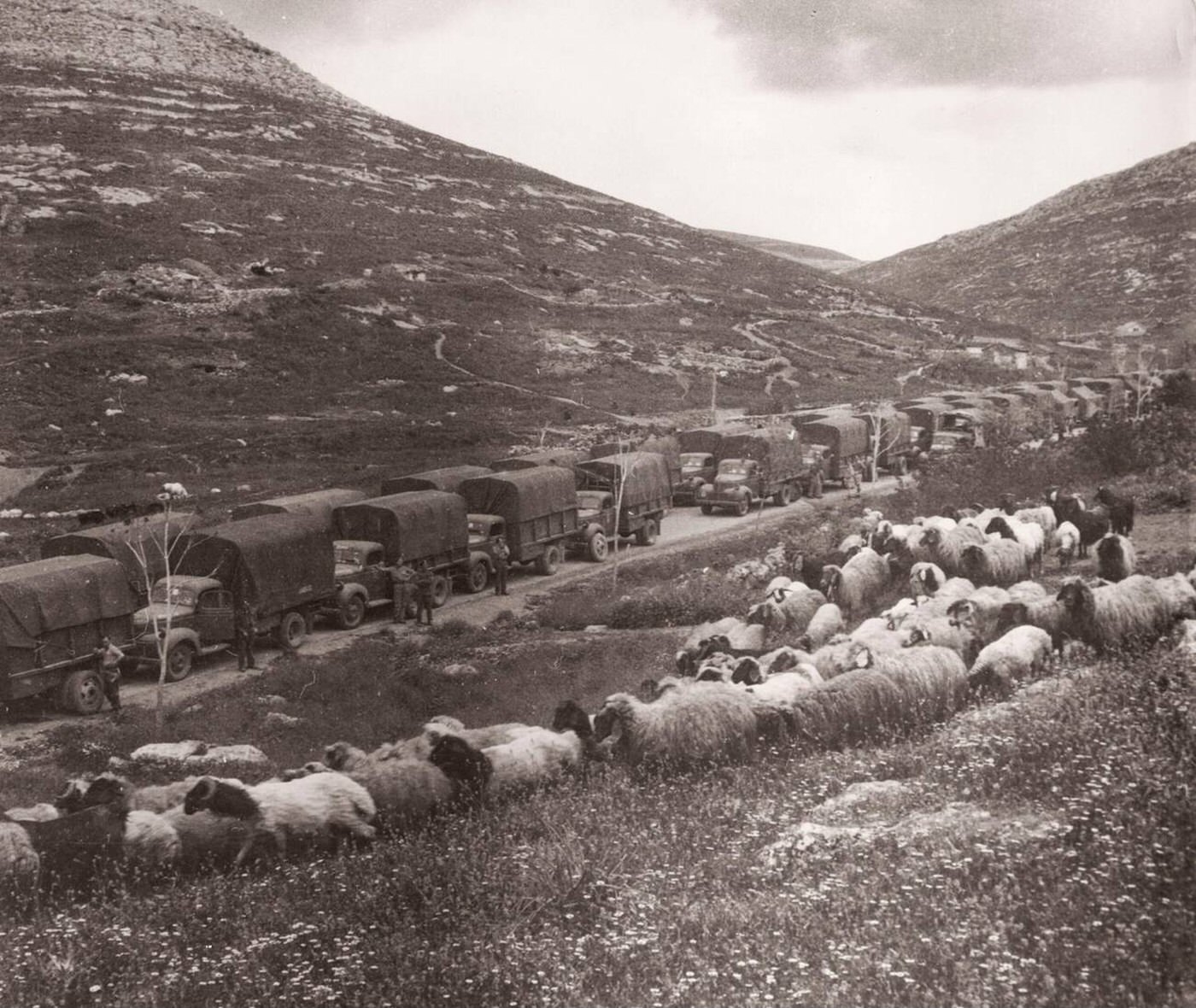
Supply convoy of aid inside Turkish territory near the Syria, Turkey border, 1943.
British army recruits, mostly Kurdish, in Aleppo, Syria, 1943.

Along the coast and near the Turkish border, industry and aid operations were documented alongside local life. Salt production by seawater evaporation at Tartus was a functional coastal trade. Supply convoys moved through Turkish territory near the Syrian border. British medical personnel treated Kurdish communities in border areas, offering basic care where local infrastructure was thin.
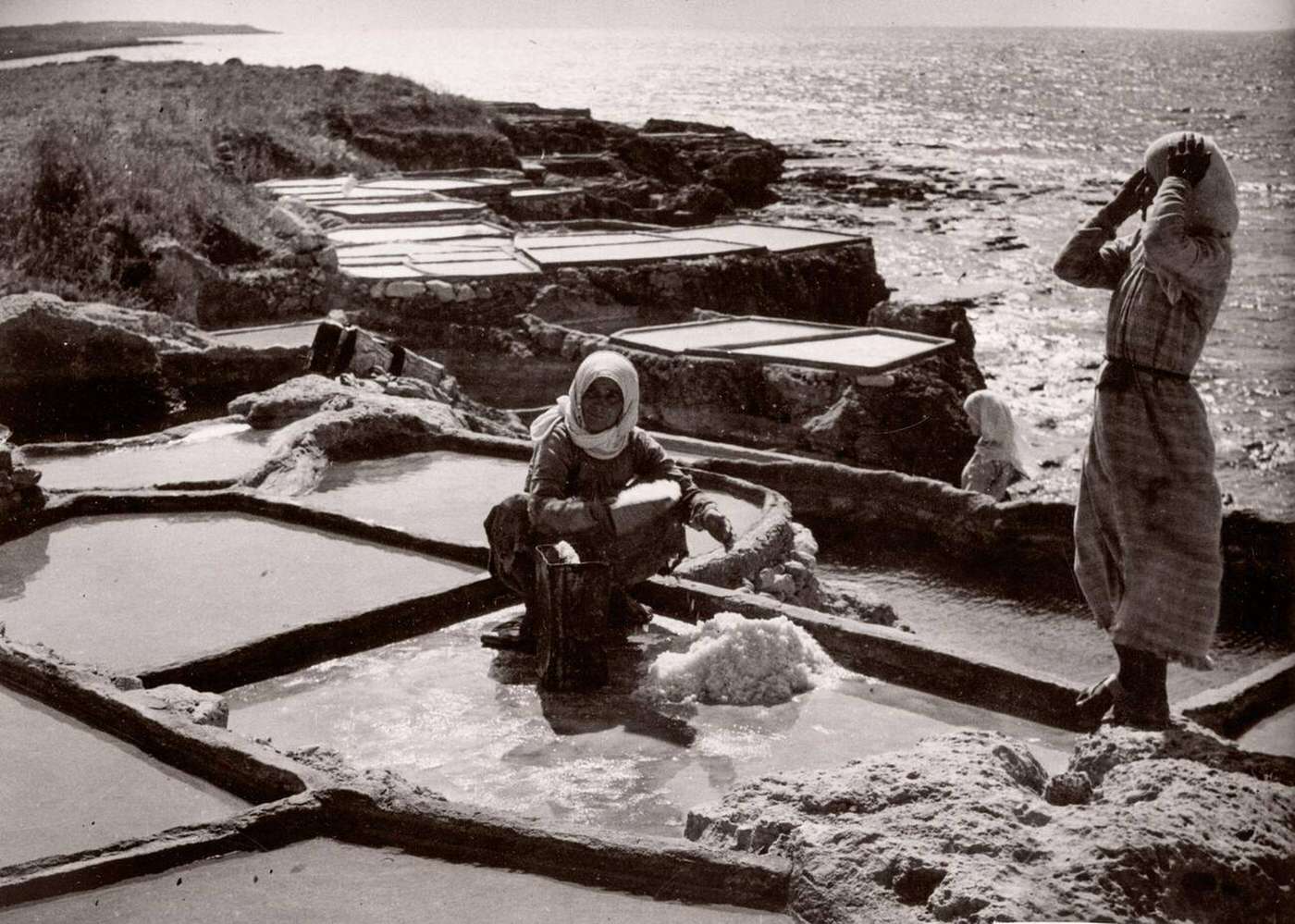
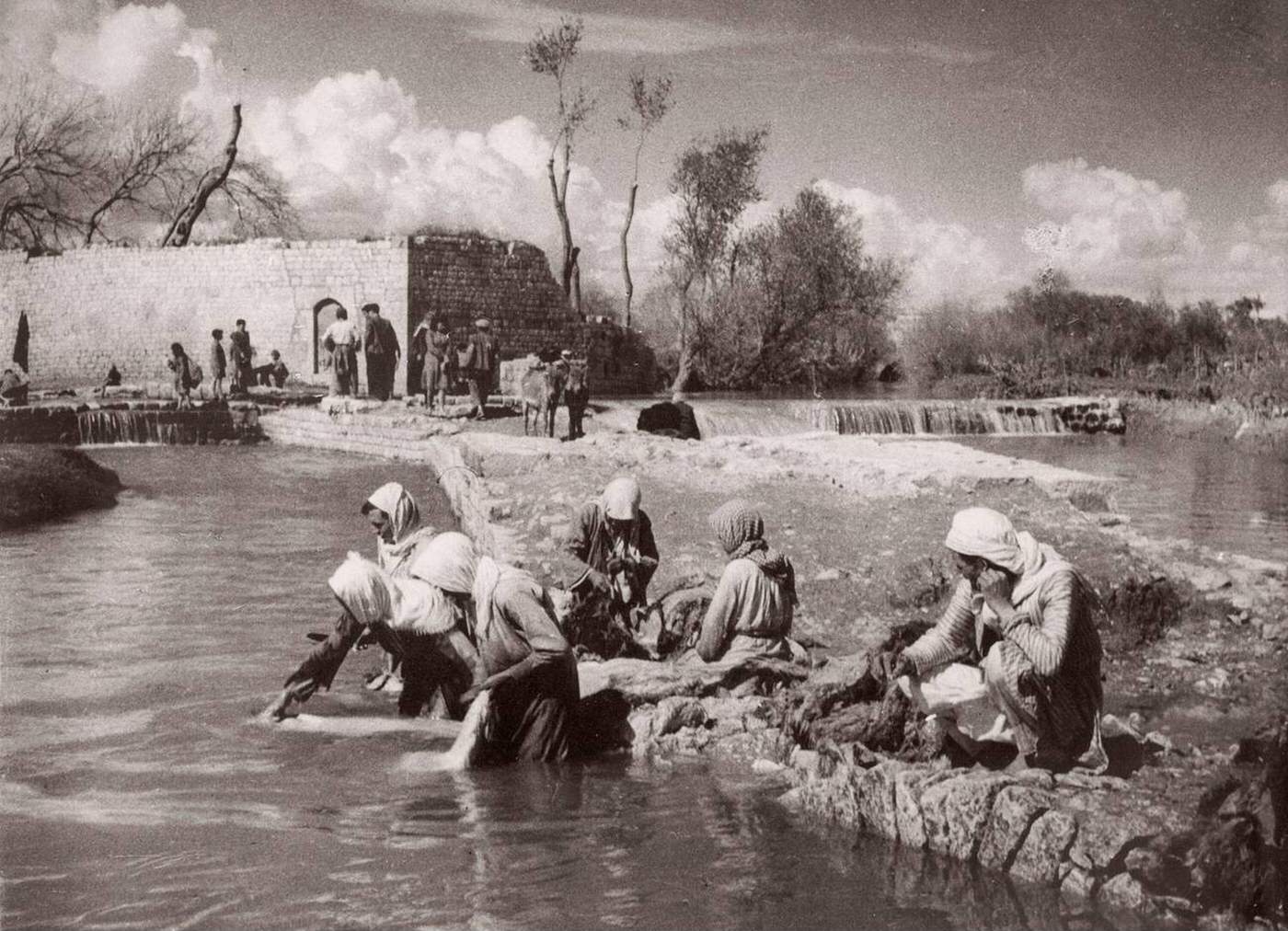
Making salt from sea water by evaporation on the coast at Tartus, Syria, 1943.
Women washing clothes in a river in Aleppo, Syria, 1943.
Trans-Jordanian Frontier Force TJFF army regiment, Syria, 1943.

Syria also served as a transit point for European refugees during the war years. Passengers rode the Taurus Express — a railway line running through Turkey and into Syria — fleeing the destruction unfolding across Europe. These travelers brought the war’s human cost directly through Syrian stations, adding yet another layer to the country’s already complex wartime identity.
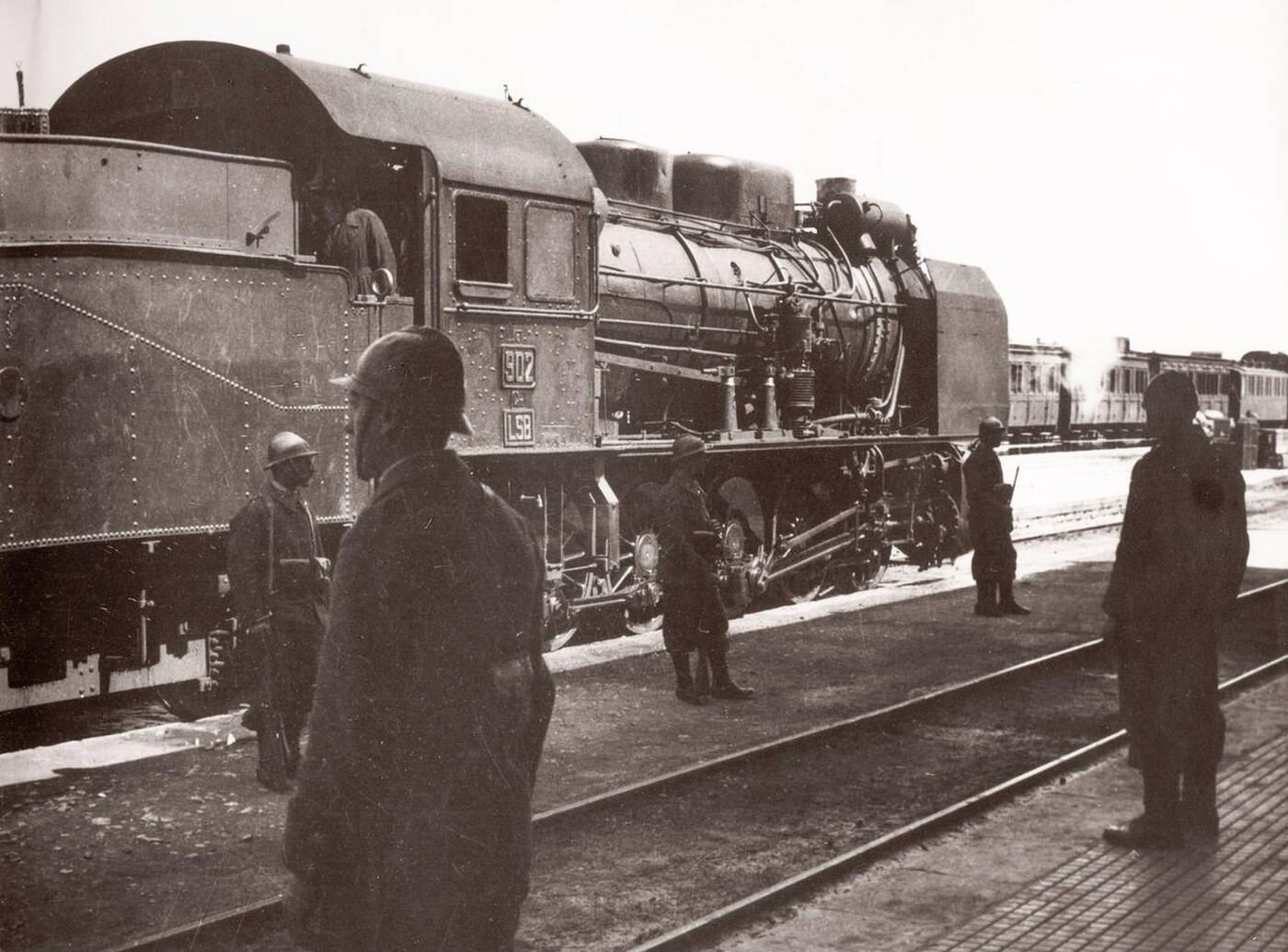
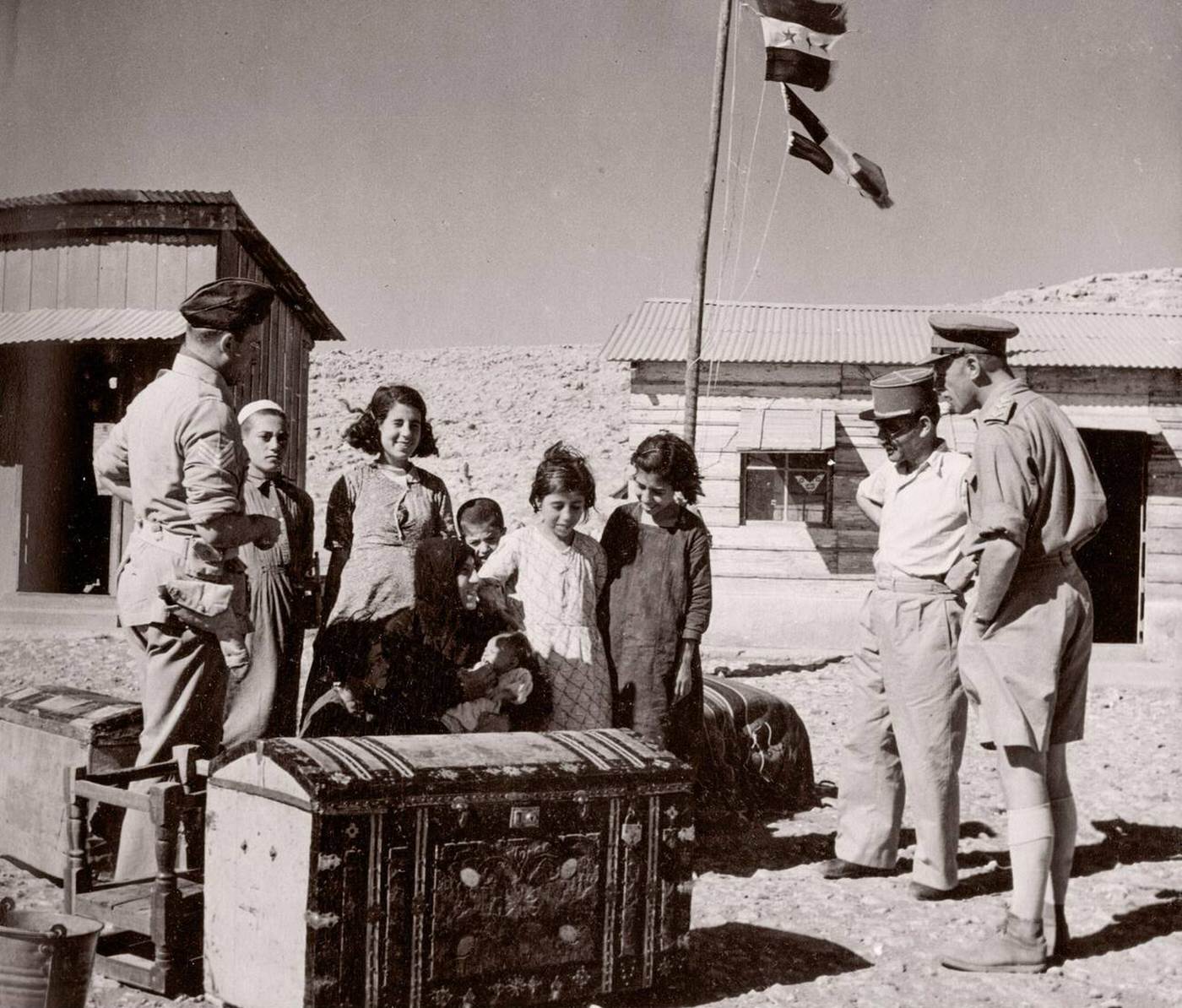
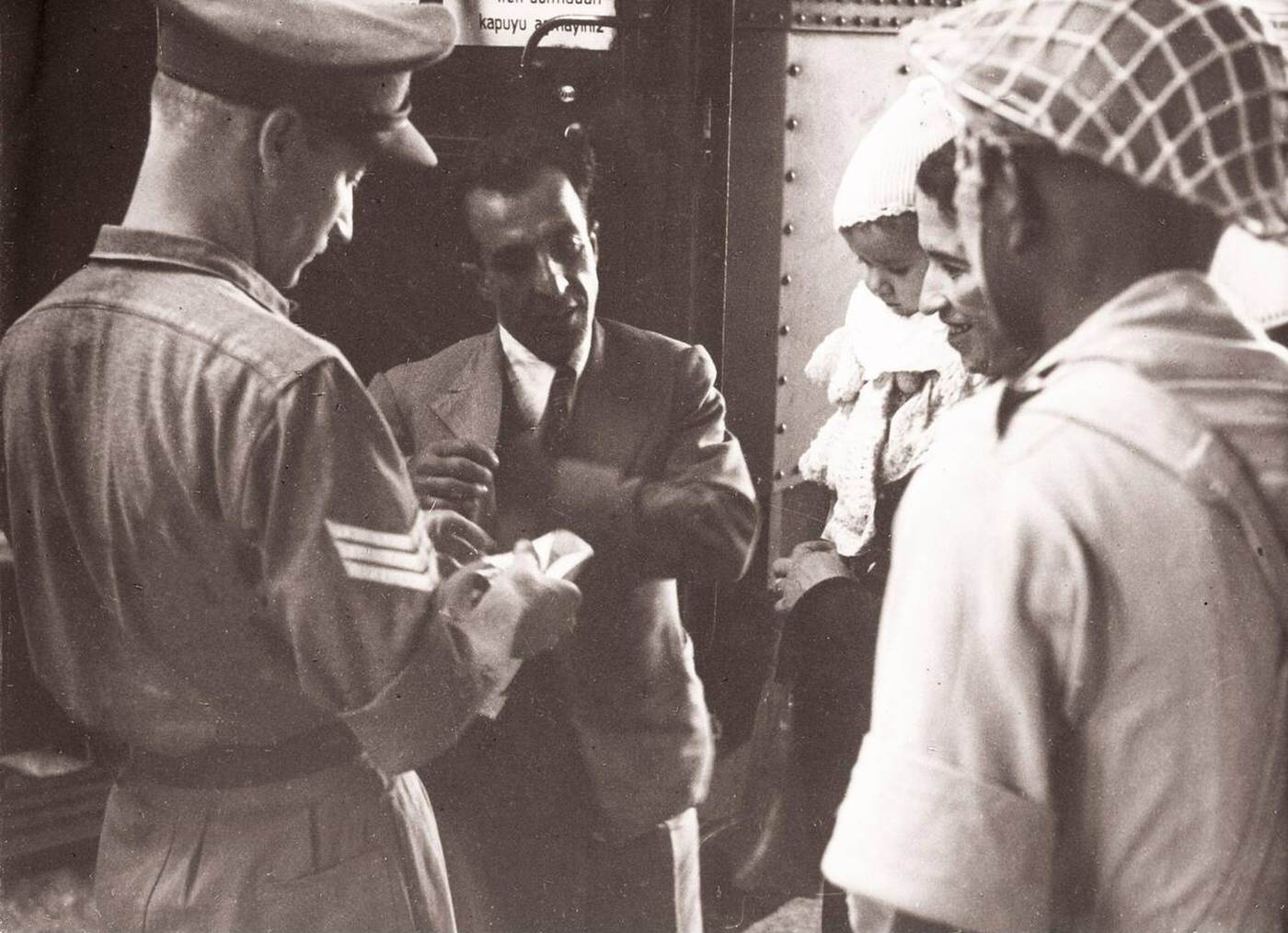
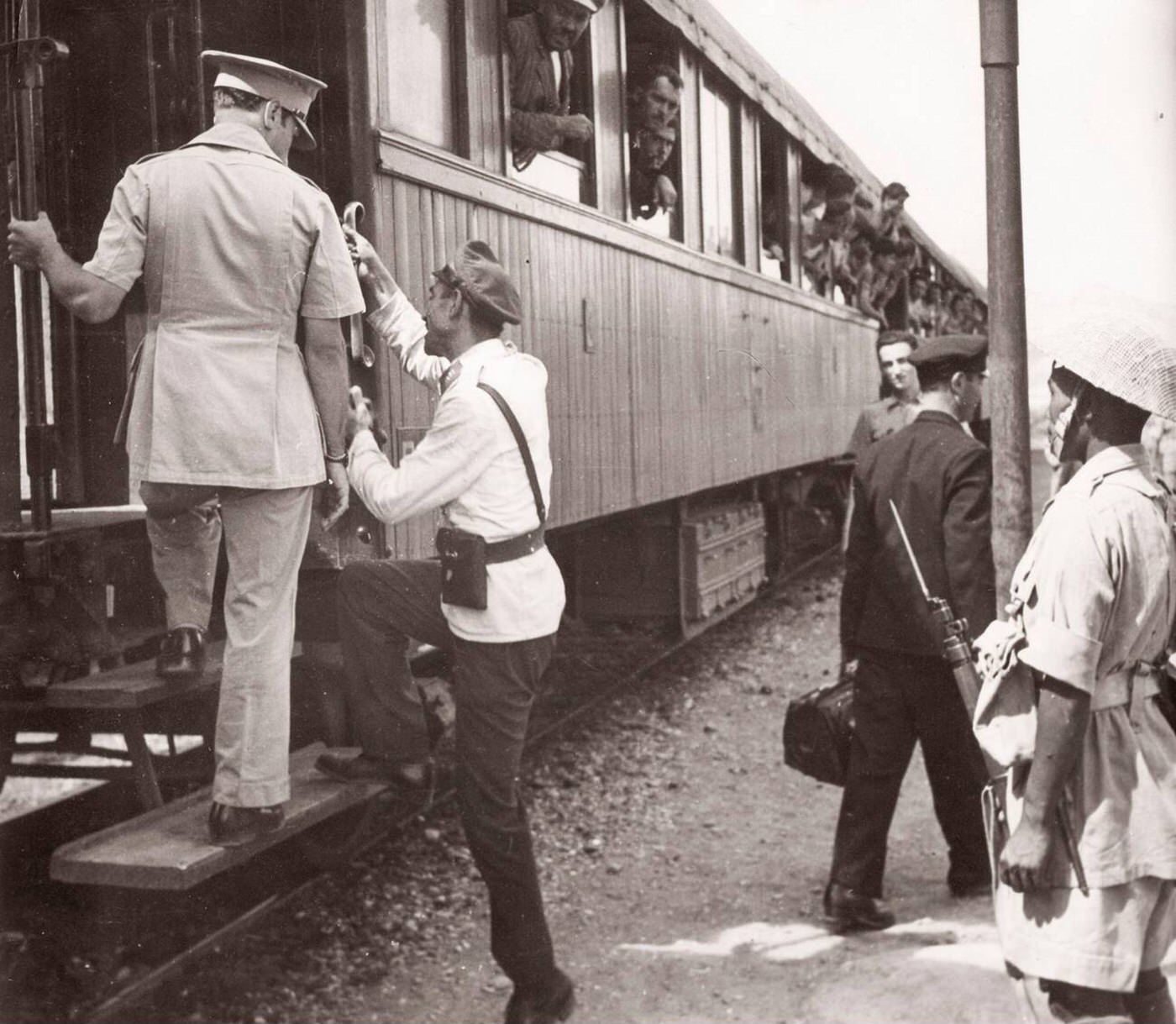
Refugees from Europe on the Taurus Express train in Syria, 1943.
British military office treats Kurdish people along the Syria-Turkey border, 1943.
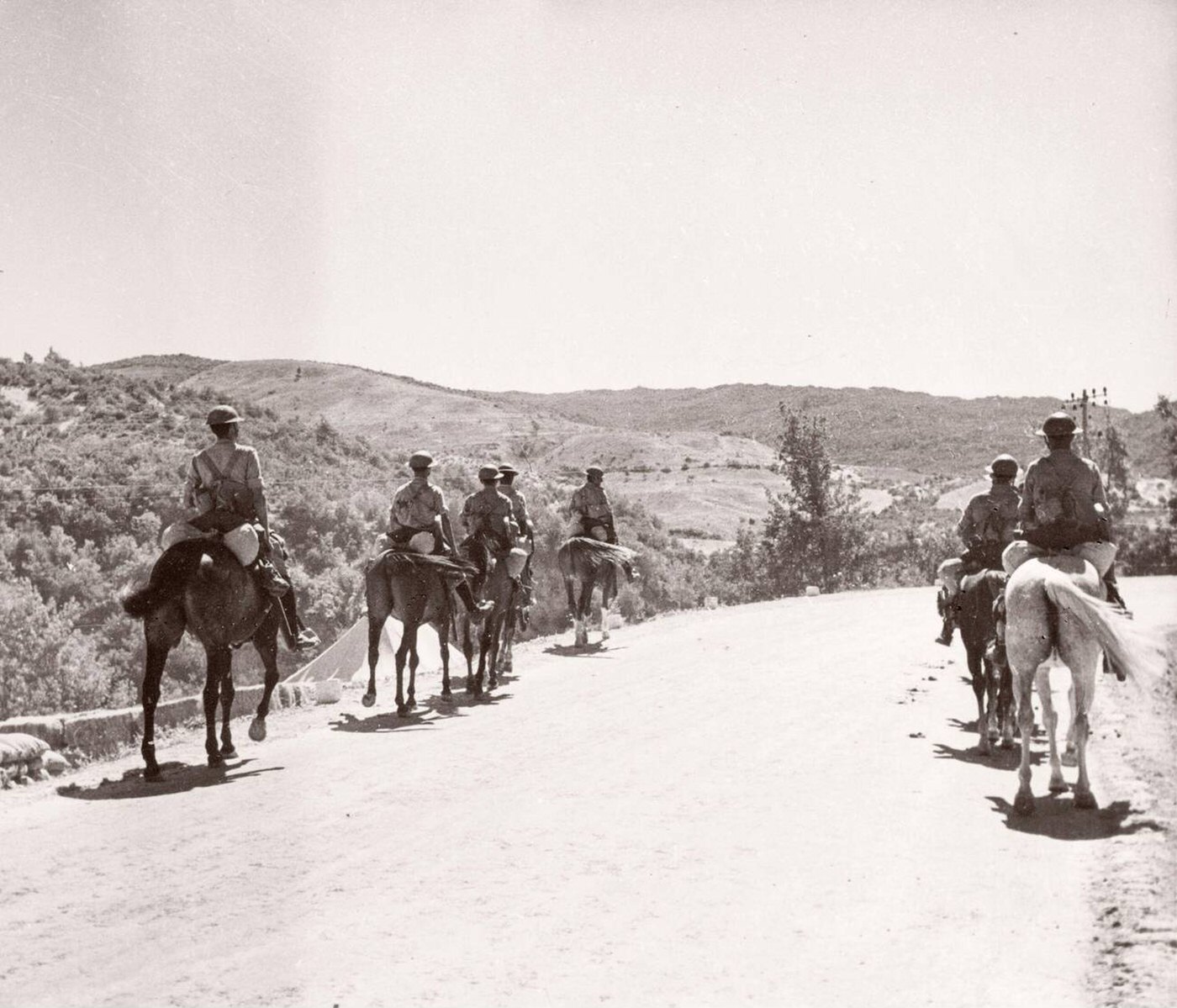
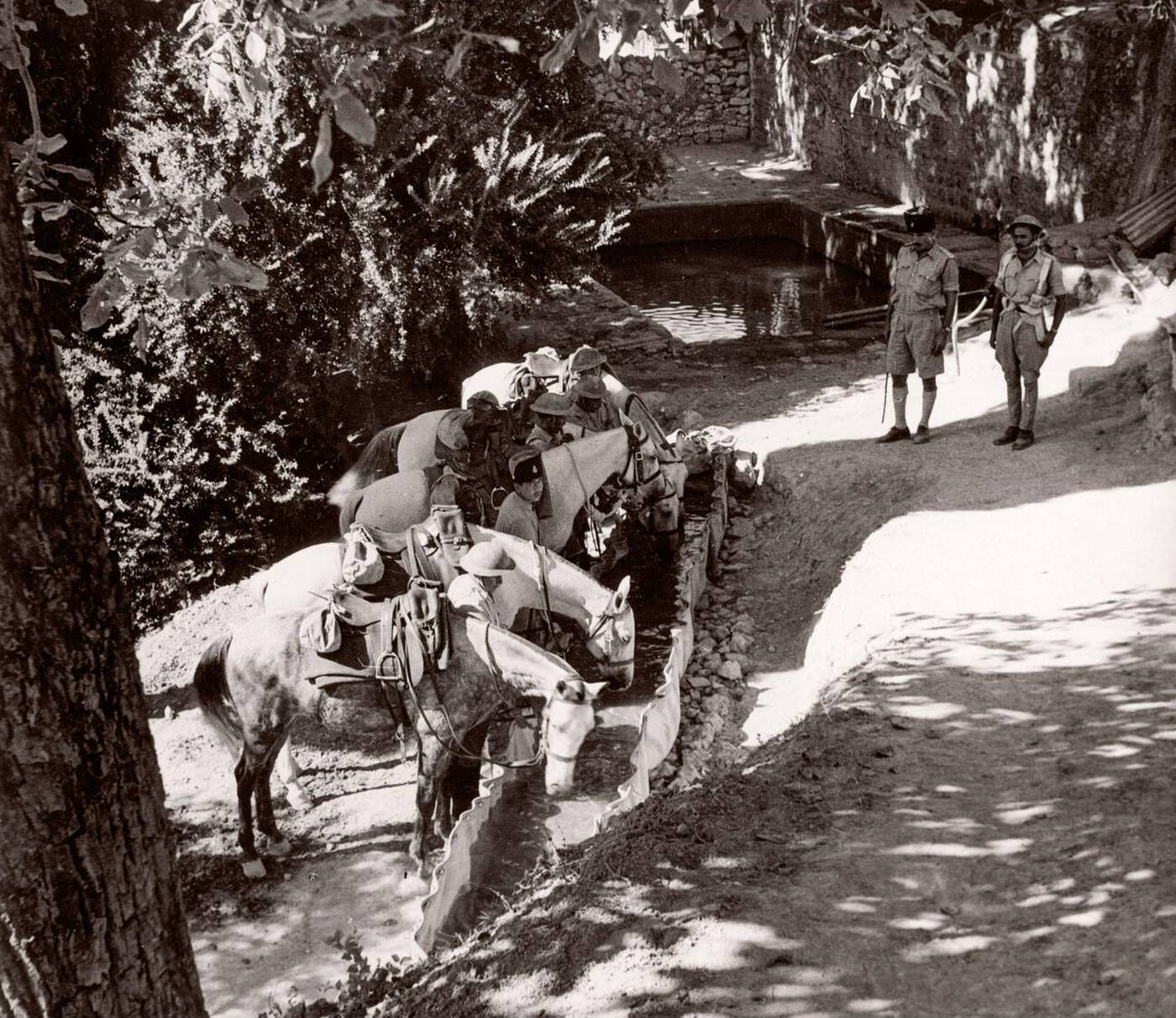
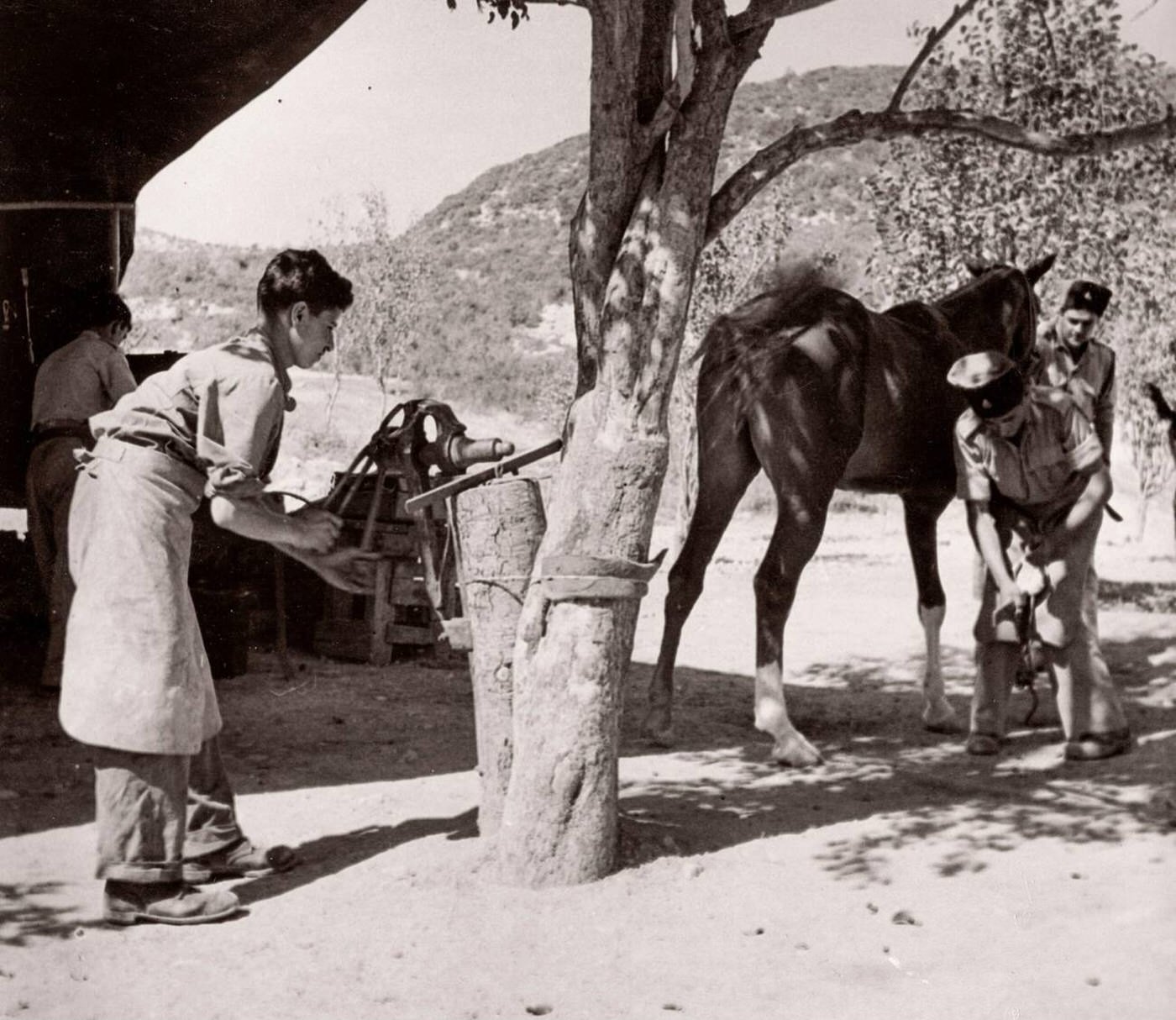
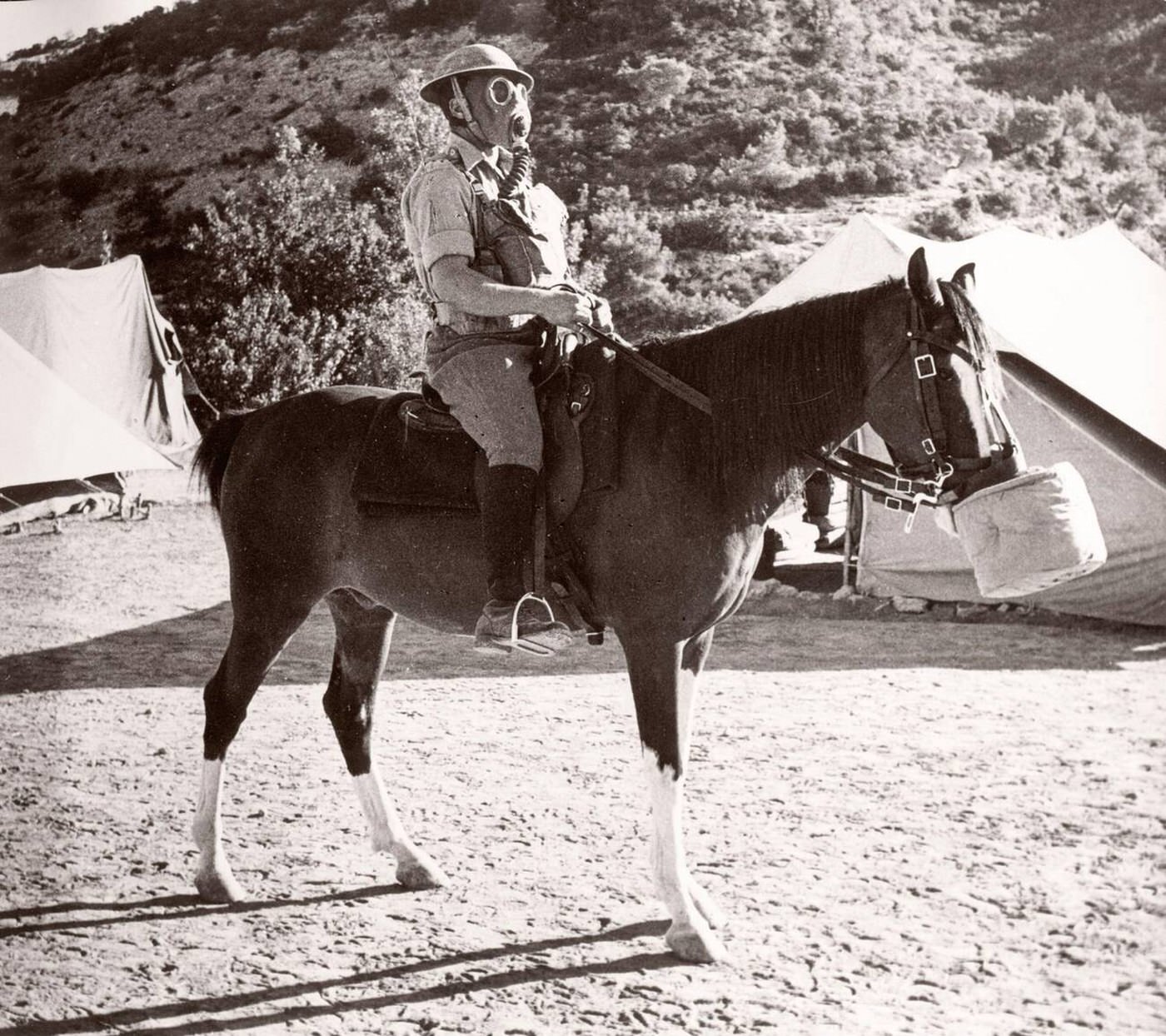
Soldier and horse both wearing a gas mask in the Trans-Jordanian Frontier Force TJFF army regiment, Syria, 1943.

Agriculture was the backbone of Syria’s economy throughout the 1940s. In the northeastern city of Qamishli, lend-lease combine harvesters — supplied as part of the Allied wartime aid program — were used to reap grain crops, a rare piece of modern machinery in a predominantly hand-labor economy. Camels remained a common sight across the country, used for transport and trade across the interior.
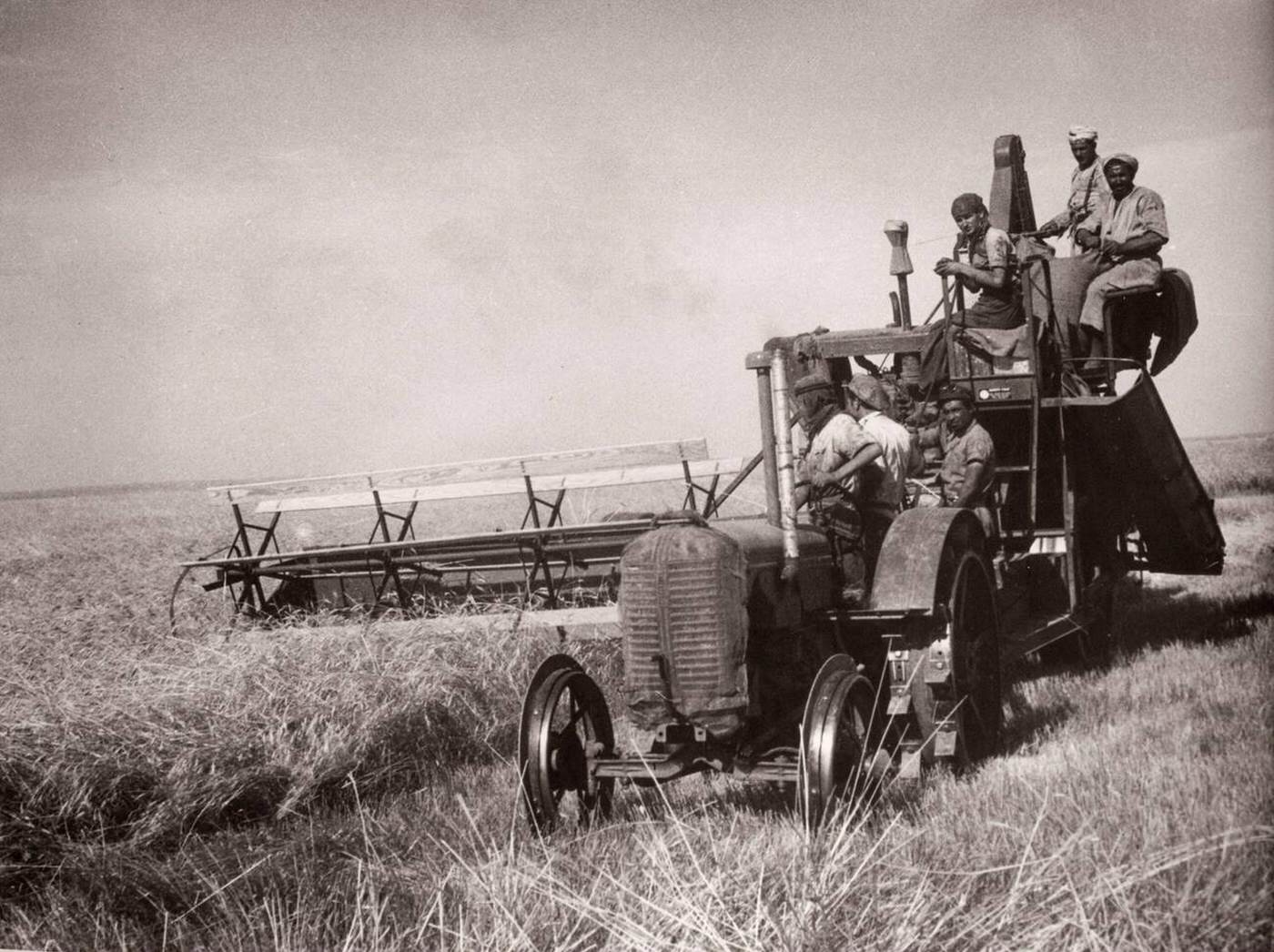
Reaping crops with a lend lease combine harvester in Kamechlie, Syria, 1943.
Camels in Syria, 1943.

In May 1945, the long-simmering tension between Syrian nationalists and French authorities exploded. As France continued to delay transferring full authority, protests spread across the country. French forces responded by shelling Damascus for 36 hours. Hundreds of Syrians were killed, and the Syrian parliament building was destroyed. The international response was swift — British Prime Minister Winston Churchill demanded France halt its assault. The crisis accelerated negotiations, and on April 17, 1946, the last French soldiers left Syria. That date is still marked as Syria’s Independence Day.
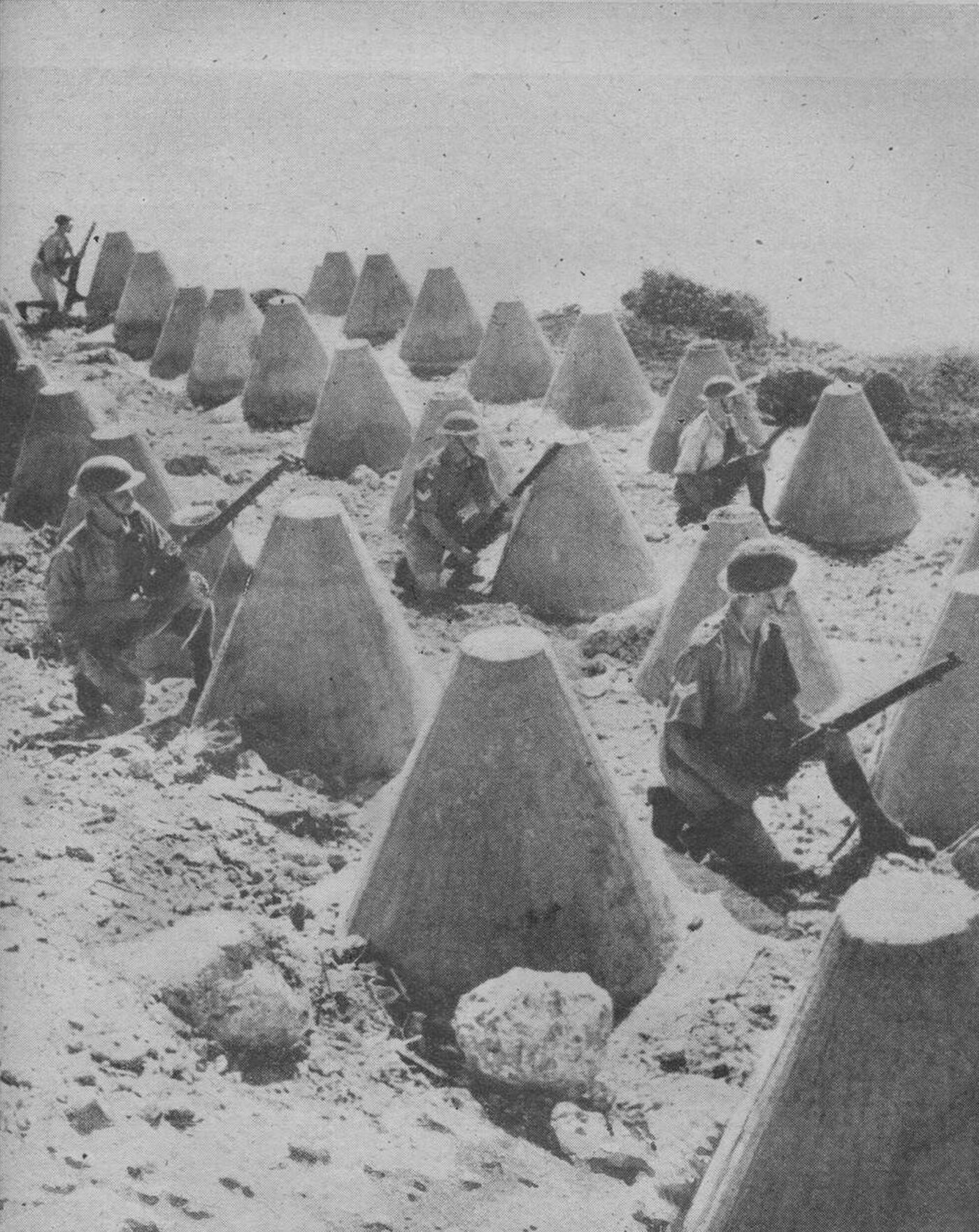
British Troops in Syria, 1941.
Sappers of the Royal Engineers in Damascus, Syria, 1943.

With independence secured, Syria joined other Arab nations in the 1948 Arab-Israeli War. The Syrian army performed poorly in the conflict, and the defeat had immediate political consequences at home. It discredited President al-Quwatli’s civilian government and fueled widespread anger. The army blamed the politicians for corruption and incompetence. In March 1949, Colonel Husni al-Za’im, the army’s chief of staff, overthrew the elected government in a bloodless coup — the first military takeover in Syria’s modern history. The decade that had begun under foreign occupation ended with a new and deeply unstable political order.
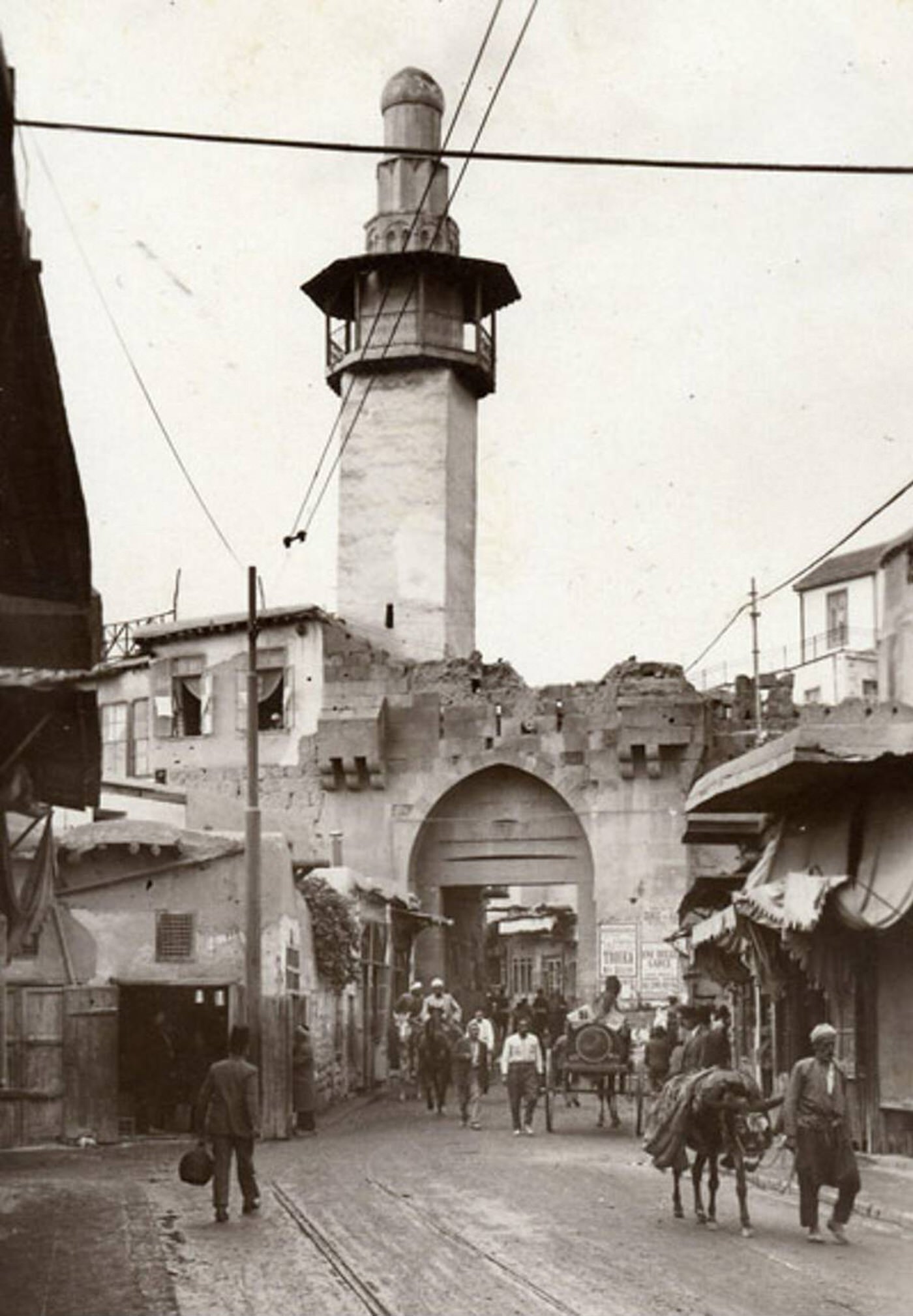

Bab Touma in Damascus, Syria, 1930s.
Enjoyed this post? Get new ones in your inbox.

Leave a Comment

Your email address will not be published. Required fields are marked *

Share this Post 🥺

Please take a moment to share this content. Your support is greatly appreciated! 🙌🙏

Share this Post 🥺

Please take a moment to share this content. Your support is greatly appreciated! 🙌🙏
Scroll to Top
 
Hey Friend, Before You Go.. Please like & follow for more interesting content