
The Lincoln Continental Mark V was Ford Motor Company’s statement in personal luxury. Marketed under the Lincoln division from 1977 to 1979, it was the fourth generation of the Continental Mark series and arrived with sweeping exterior and interior updates over its predecessor. In just three model years, Ford produced 228,262 examples — making the Mark V the best-selling generation in the entire Mark series lineup.
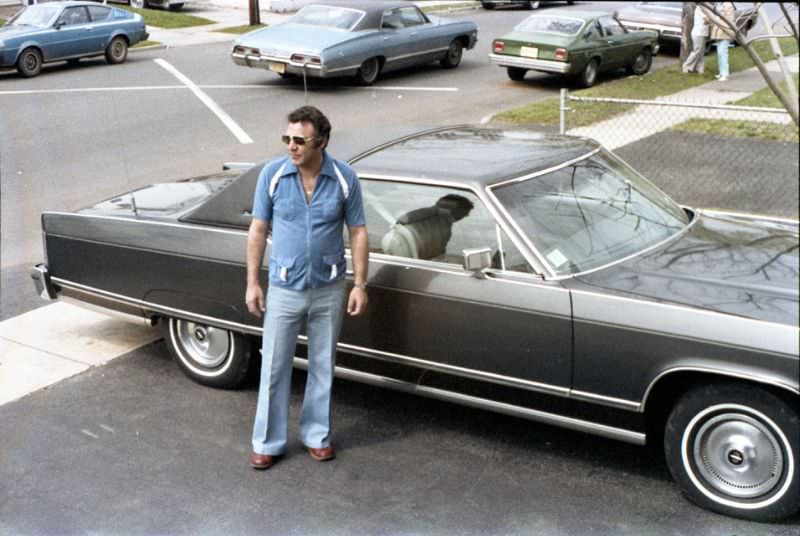
Size was a defining feature of the Mark V. At 230 inches in length, it stood as Ford’s largest two-door coupe ever built. The Lincoln Continental sedans produced alongside it at the same plant stretched even further, reaching 233 inches — making them Ford’s longest vehicles. These were not subtle machines. They were built to be seen.
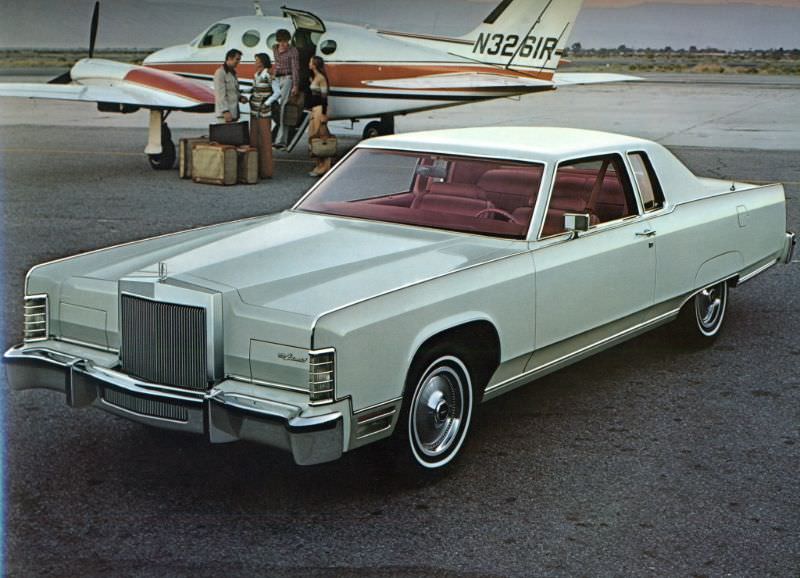
The bold exterior styling of the Mark V became a blueprint for Lincoln’s look throughout the 1980s. Its long hood, formal roofline, and sculpted body panels gave it a commanding road presence. The design was modern for its time and proved influential enough that Lincoln carried its core language forward for years after the model was discontinued.
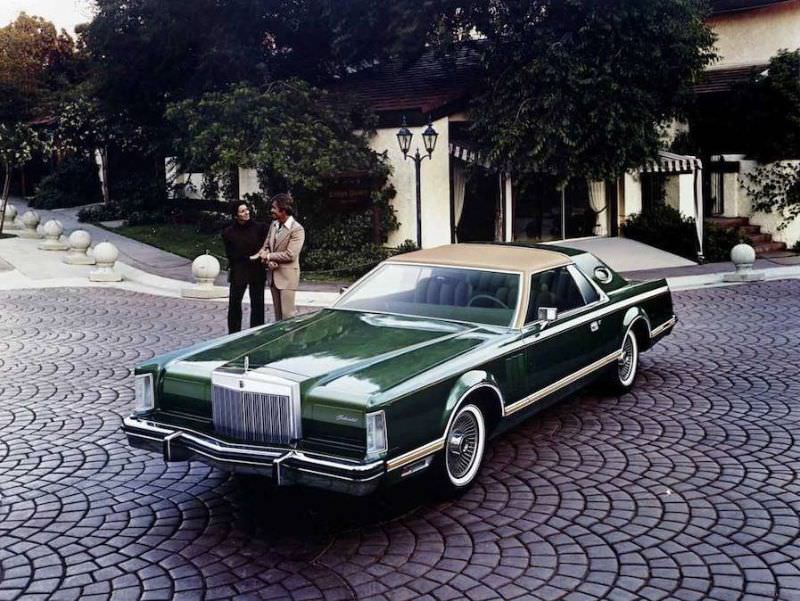
One of the most notable features of the Mark V was its range of designer editions. Lincoln partnered with high-profile fashion and luxury brands to offer special trims that elevated the car’s interior and exterior detailing. The Givenchy Edition, for example, brought unique color schemes and embroidered badging directly associated with the French fashion house.
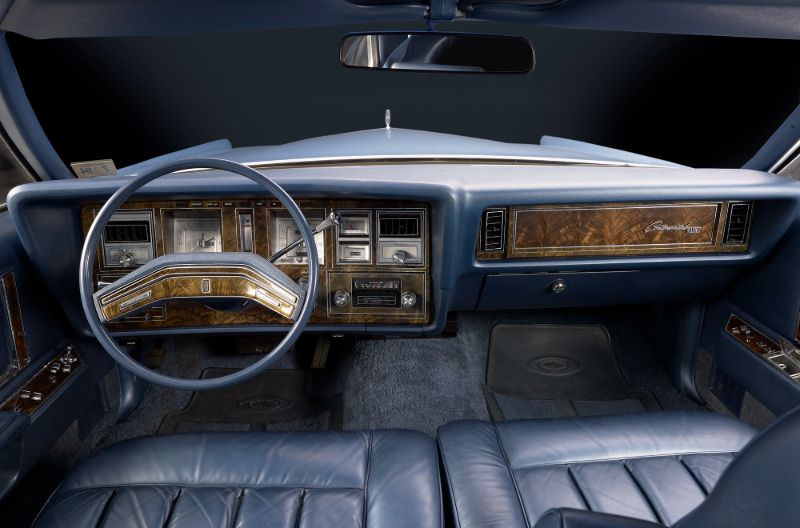
Inside, the Mark V delivered a cabin focused on comfort and refinement. Plush seating, rich upholstery, and a well-appointed dashboard gave buyers a genuine luxury experience. The interior was one of the key selling points that separated the Mark V from more ordinary coupes of the era.
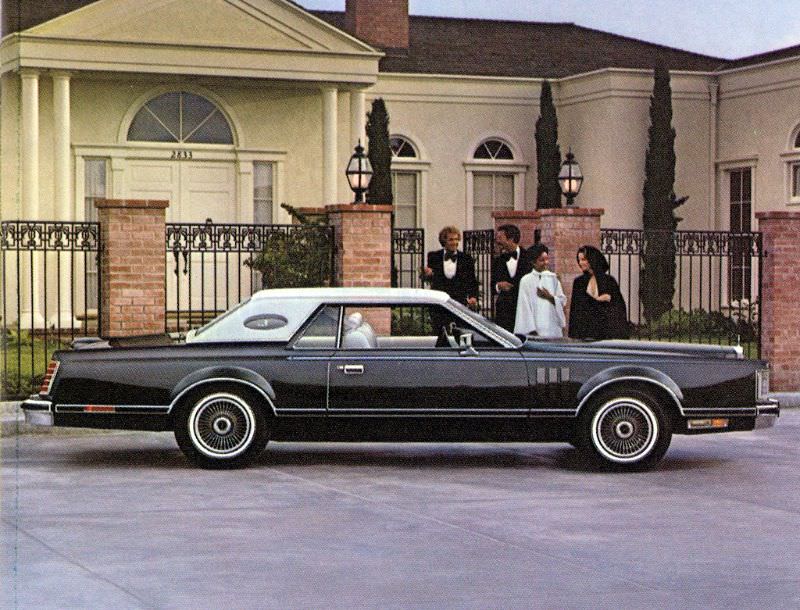
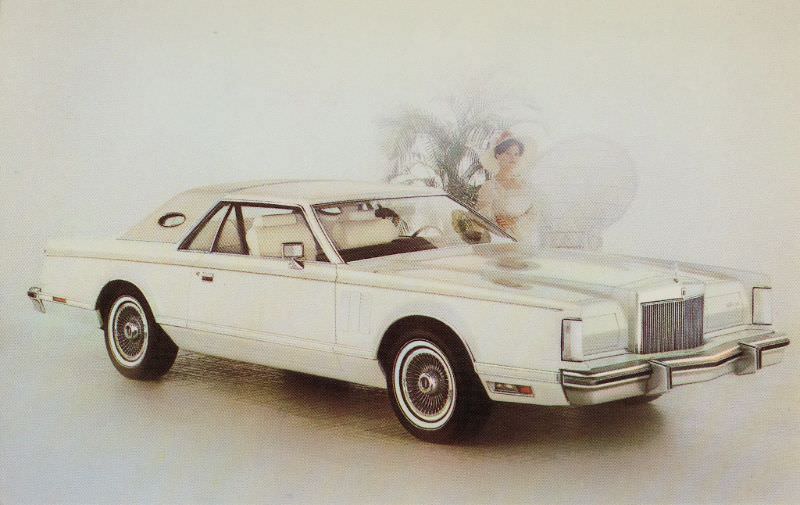
The 1977 model year introduced buyers to the Mark V’s full package for the first time. Its long body, opera windows, and distinctive Continental spare tire hump on the trunk lid became instantly recognizable styling cues. Ford positioned the car directly against rivals like the Cadillac Eldorado, and the strong sales numbers confirmed it found its audience.
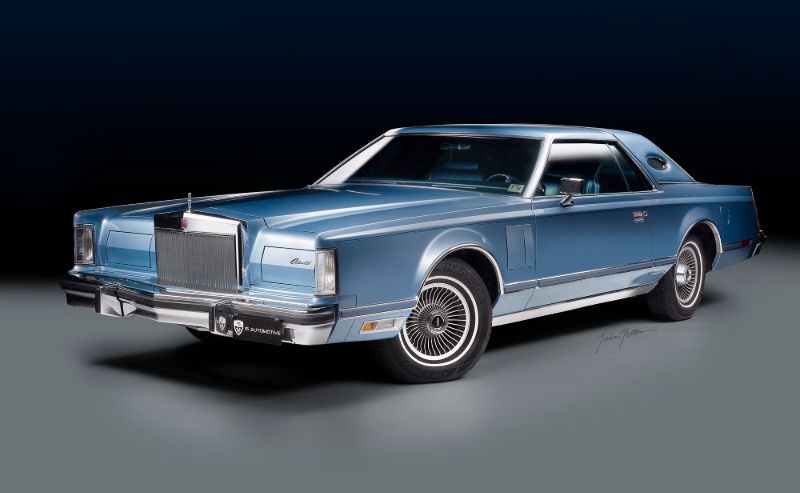
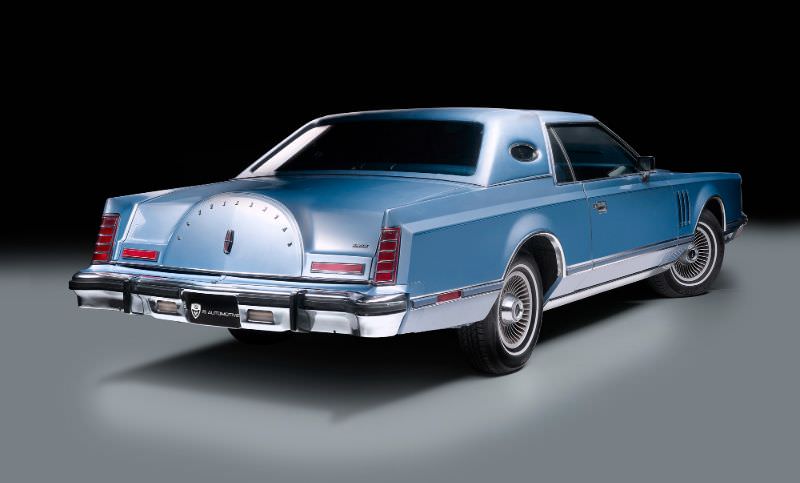
By 1979, the final model year of the Mark V, Lincoln continued to offer an expanded selection of specialty editions. The 4-Door Convertible variant represented a unique configuration for buyers who wanted open-air driving without fully abandoning the coupe’s luxury identity.
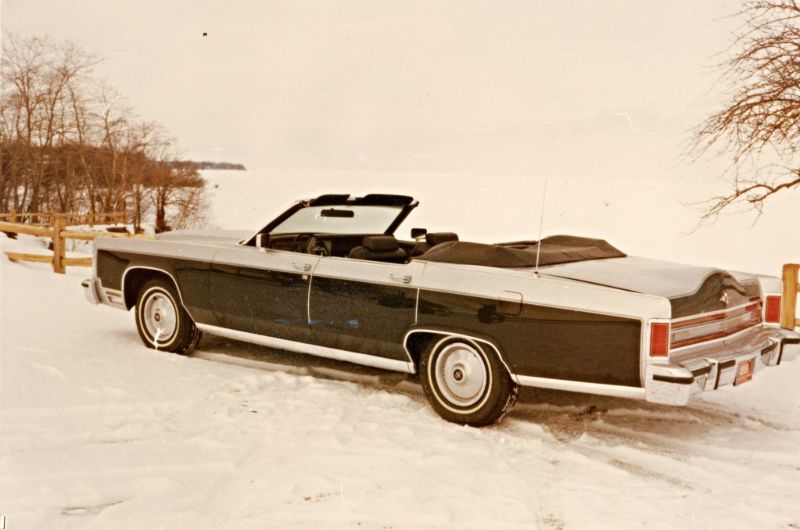
The Bill Blass Edition was among the most recognized designer packages offered on the 1979 Mark V. Named after the American fashion designer, it featured two-tone paint combinations and distinctive badging that set it apart from standard trim levels.
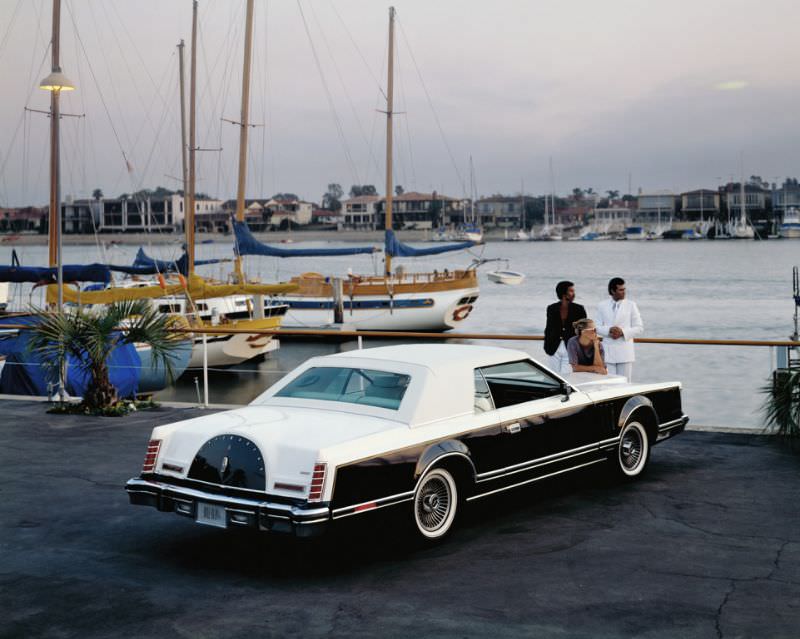
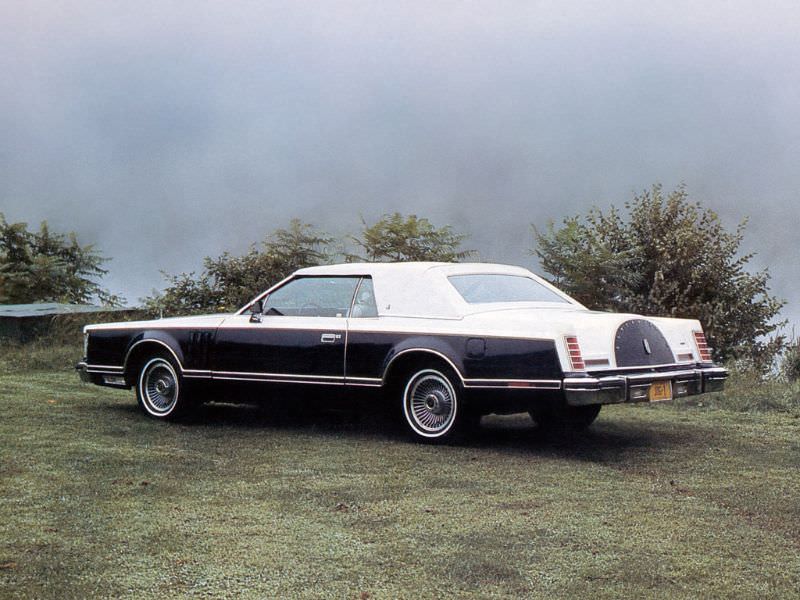
The Cartier Edition brought a different kind of luxury association — one rooted in fine jewelry and European craftsmanship. Its trim choices and color palette reflected the Cartier brand’s aesthetic, giving Lincoln buyers yet another way to personalize their vehicle within an already upscale lineup.
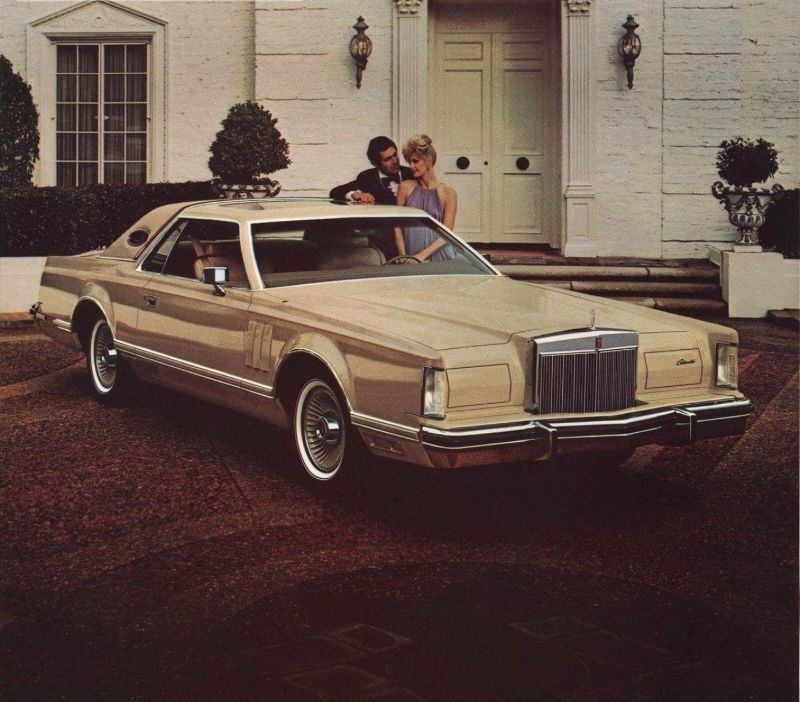
For collectors, Lincoln offered a dedicated Collector’s Edition in 1979. This trim was designed to mark the final year of the Mark V and appeal to buyers who understood they were purchasing the last of a large-format Lincoln luxury coupe before the model line was downsized.
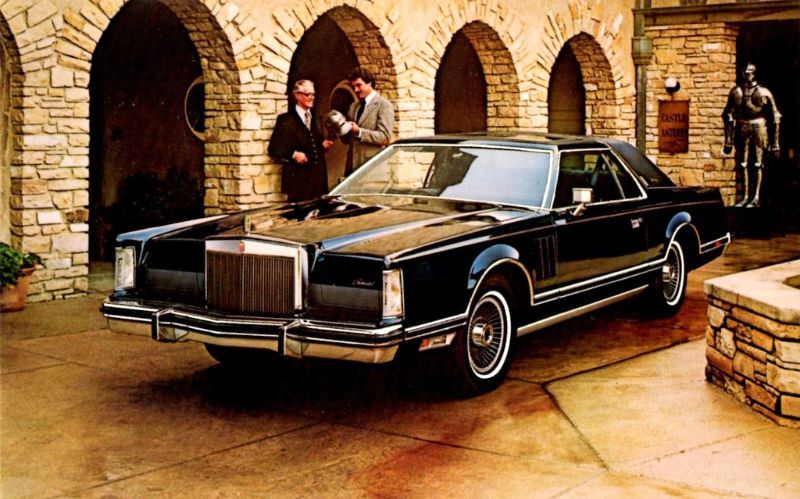
The 1979 Givenchy Edition continued the partnership that had begun in the earlier model years. Like its predecessors, it delivered a distinct color and trim combination that referenced the French designer’s aesthetic while keeping the Mark V’s core character intact.
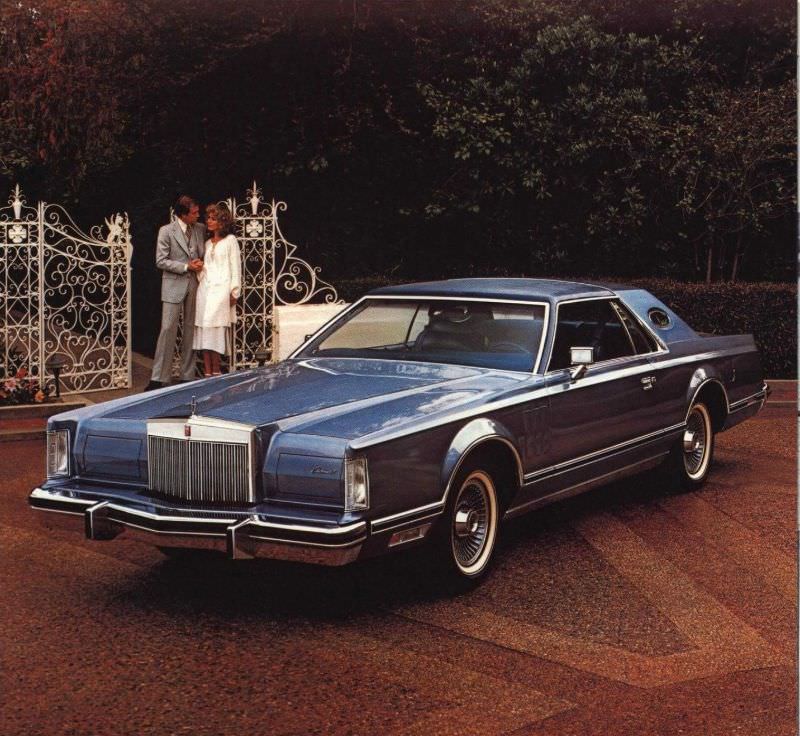
Buyers who preferred a less brand-specific customization turned to the Luxury Group Option. This package added premium features and interior upgrades without tying the car to a specific designer name, offering a more straightforward path to a well-equipped Mark V.
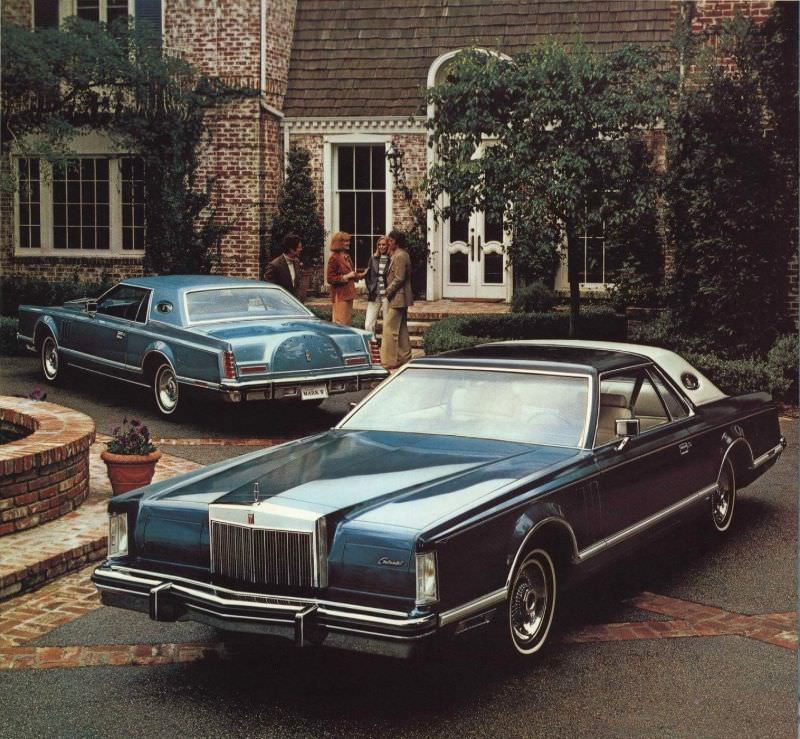
The Pucci Edition, named after Italian fashion designer Emilio Pucci, rounded out the designer package lineup. It brought the bold patterns and vibrant color sensibility associated with the Pucci brand into the Mark V’s interior and exterior detailing.
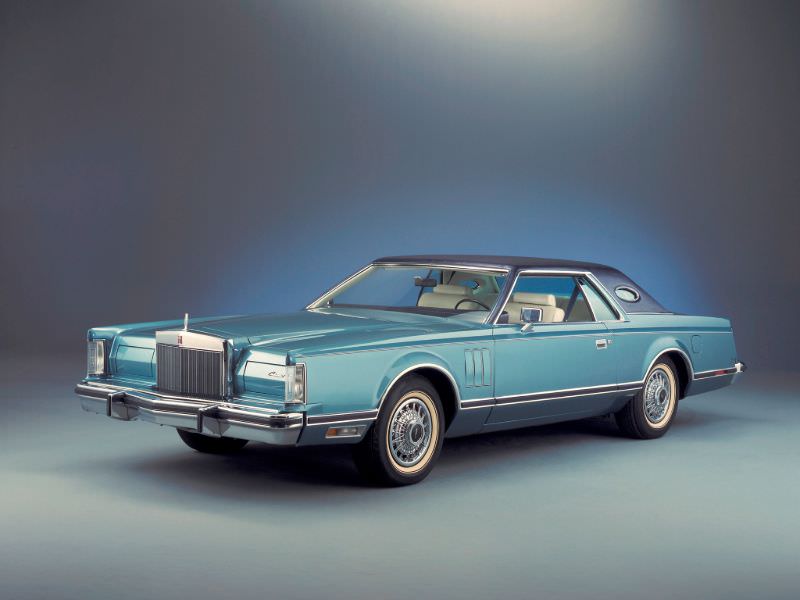
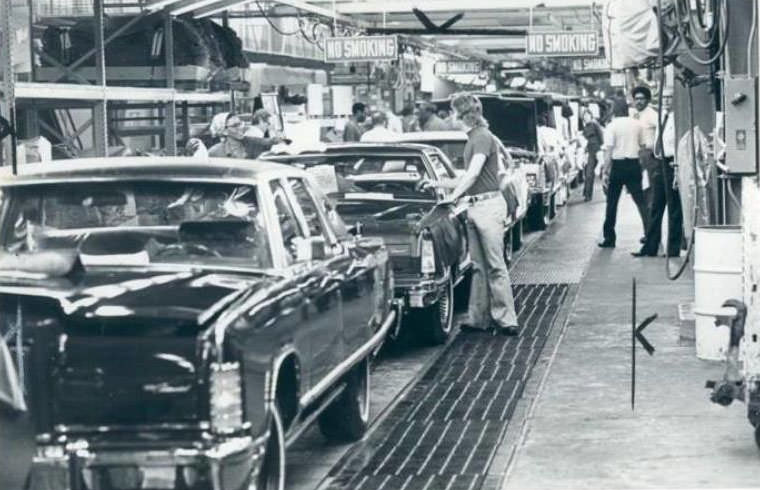
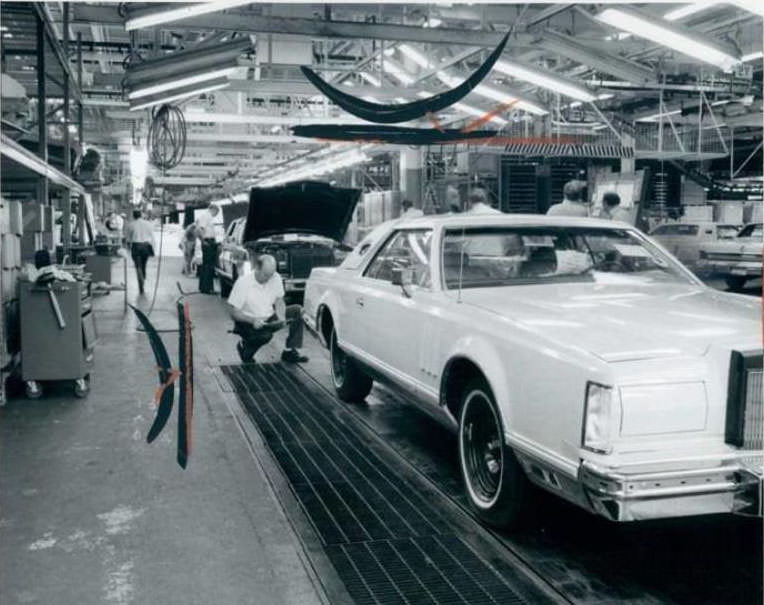
Every Mark V that rolled off the production line was assembled at the Wixom Assembly Plant in Wixom, Michigan — a facility that has since been closed. Lincoln Continental sedans were built there alongside the Mark V, with both models sharing the same production floor during all three model years.
When the 1979 model year ended, Lincoln replaced the Mark V with the Mark VI for 1980. The new model was significantly downsized, a direct response to rising fuel costs and changing government regulations around fuel economy. The era of the full-size personal luxury coupe at Lincoln came to a close with the last Mark V off the Wixom line.




