At the start of the 1890s, New York City held about 1.5 million people. By 1900, that number had more than doubled to over 3 million. The engine behind that growth was immigration — waves of newcomers arriving from Italy, Ireland, Germany, and Eastern Europe, each group settling into tight-knit neighborhoods and reshaping the city block by block.
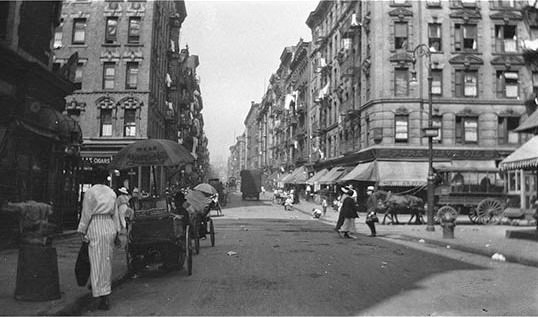
Ellis Island opened in 1892 as the main immigration station. Every day, thousands of new arrivals walked through its doors for medical and legal inspection, uncertain whether they would be allowed to stay. Those who passed moved into the city’s most crowded neighborhoods. The Lower East Side became one of the most densely populated places on Earth, with entire families crammed into one or two rooms, often without running water or proper ventilation.
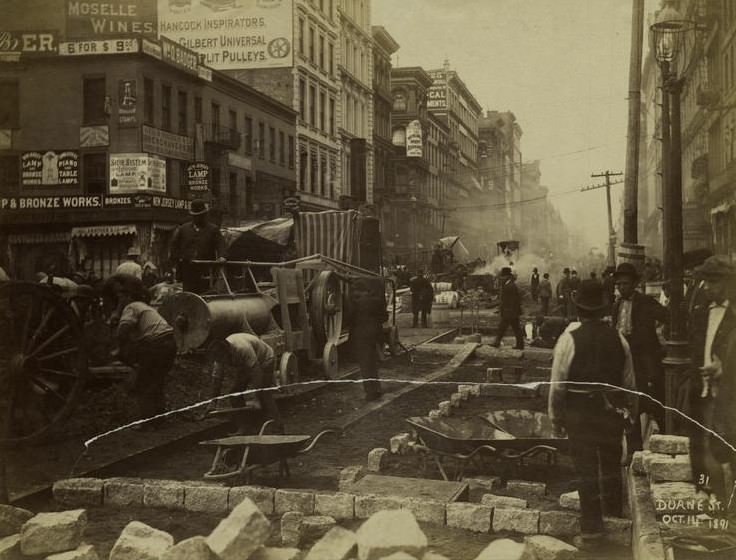
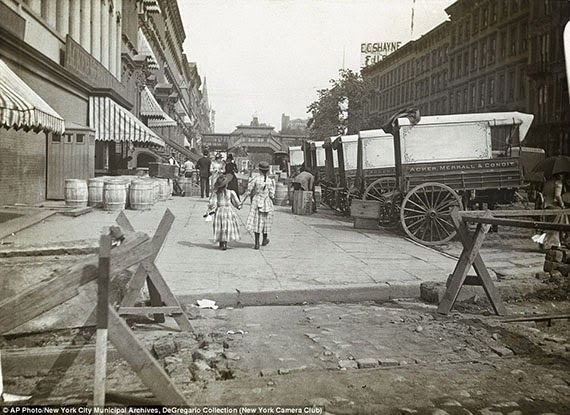
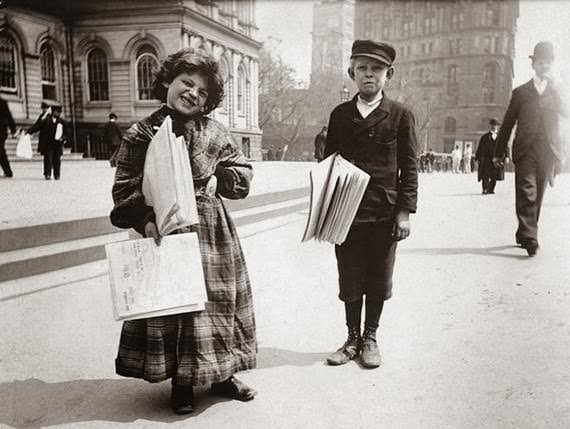
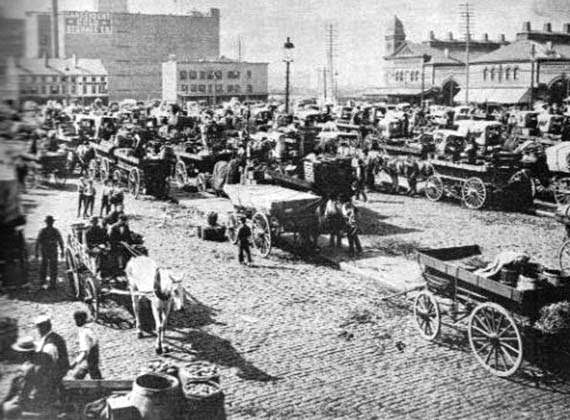
Street life in the 1890s was loud, packed, and relentless. Pushcarts lined narrow roads, selling everything from clothing to food to small trinkets. Children worked alongside adults — shining shoes, hawking newspapers, and running errands for local shops. The streets belonged to everyone, and they showed it.
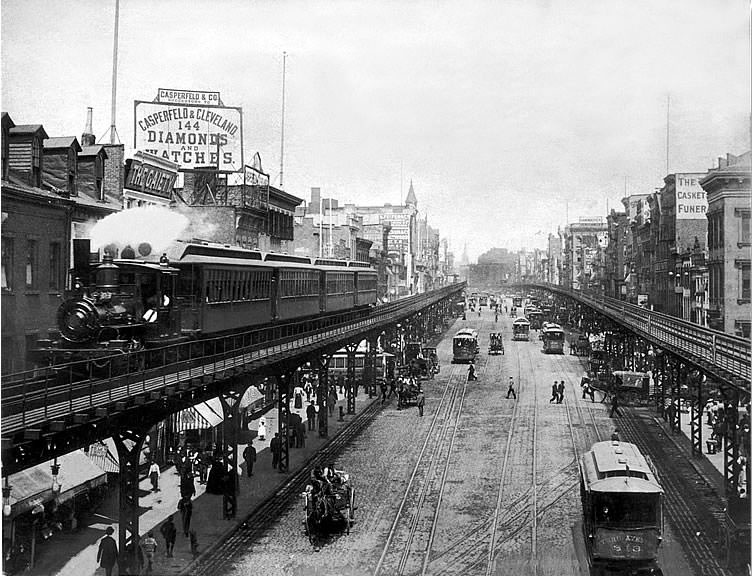
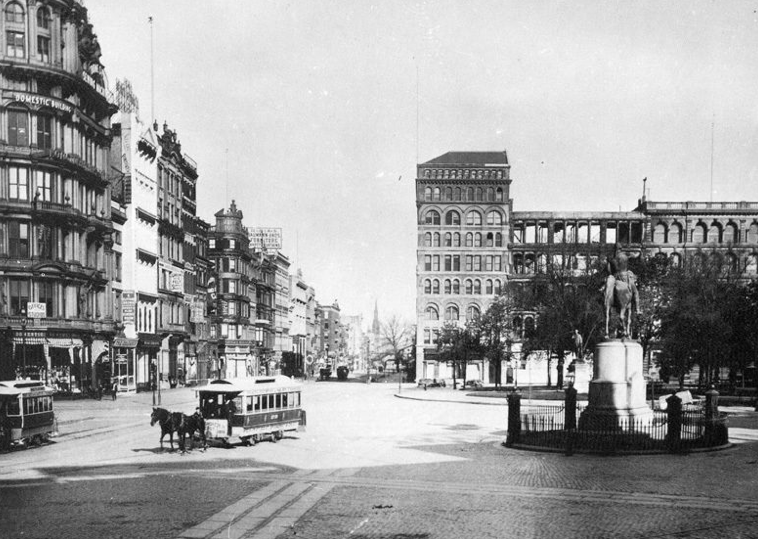
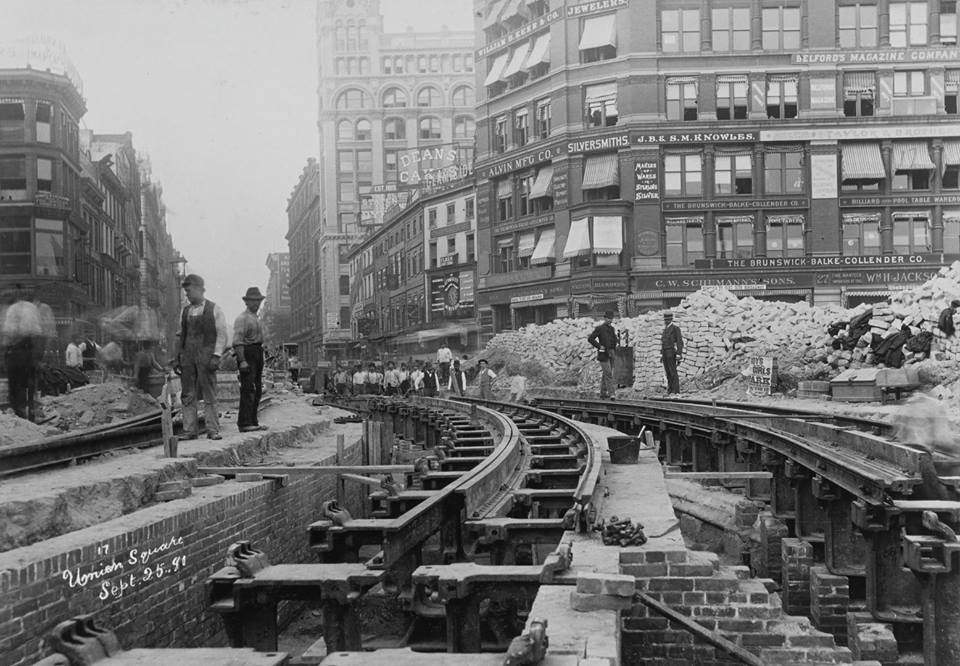
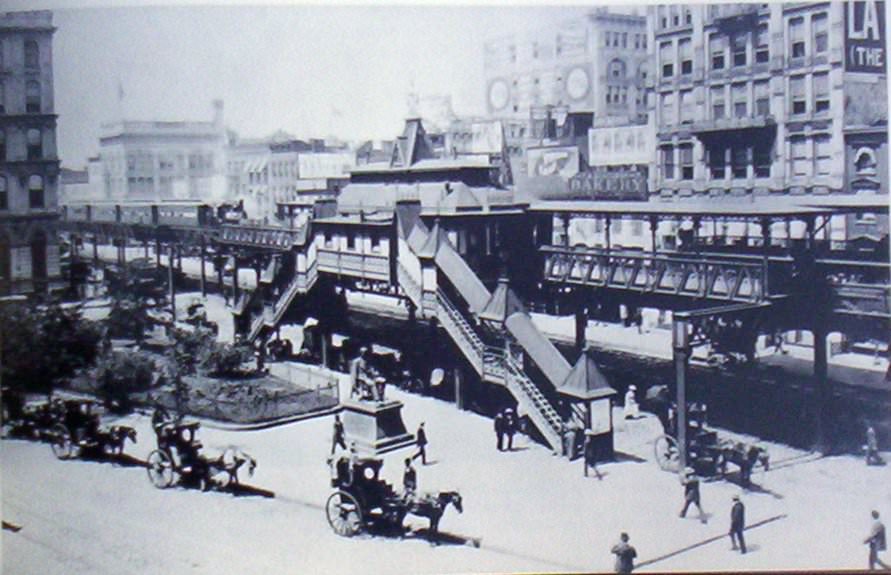
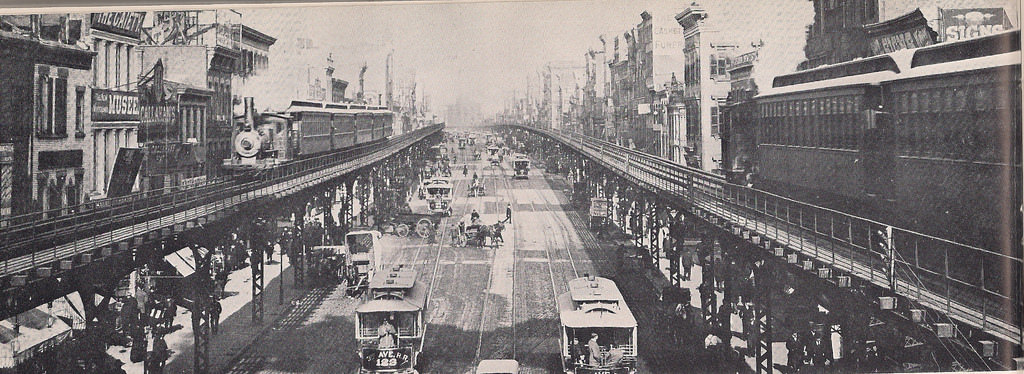
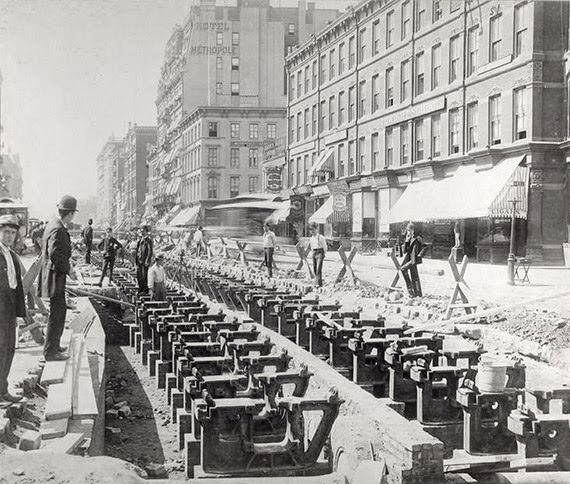
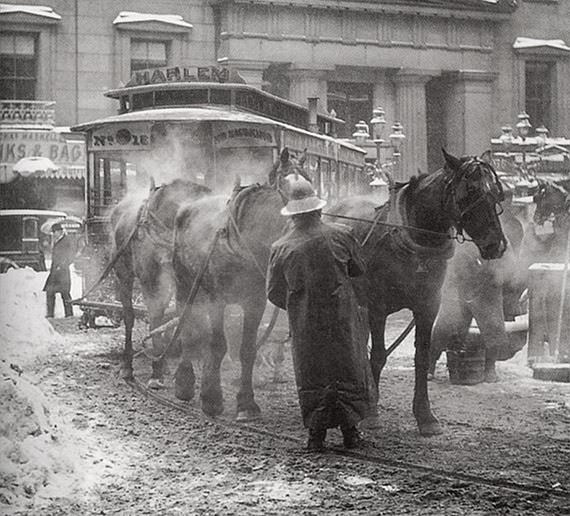
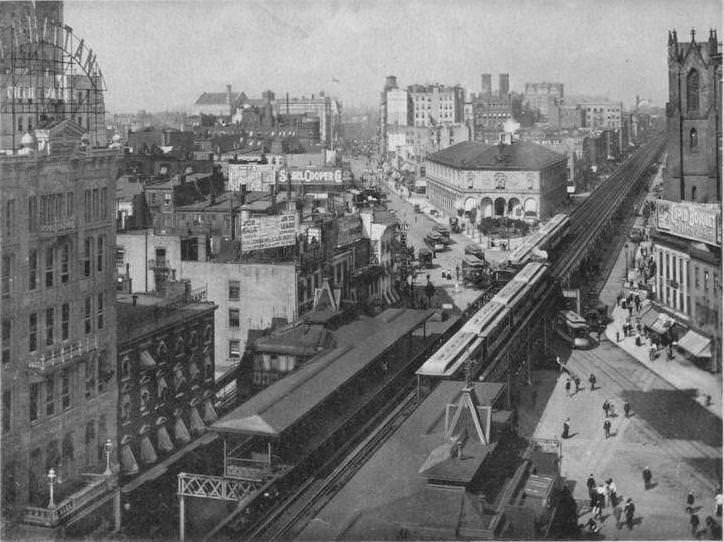
Getting around the city was changing fast. Elevated trains — called “els” — ran above Second, Third, Sixth, and Ninth Avenues, carrying passengers far more quickly than horse-drawn streetcars ever could. The tradeoff was constant noise and a rain of soot and cinders falling on the streets below. Trolley lines were expanding at the same time, and cable cars served major routes across the boroughs.
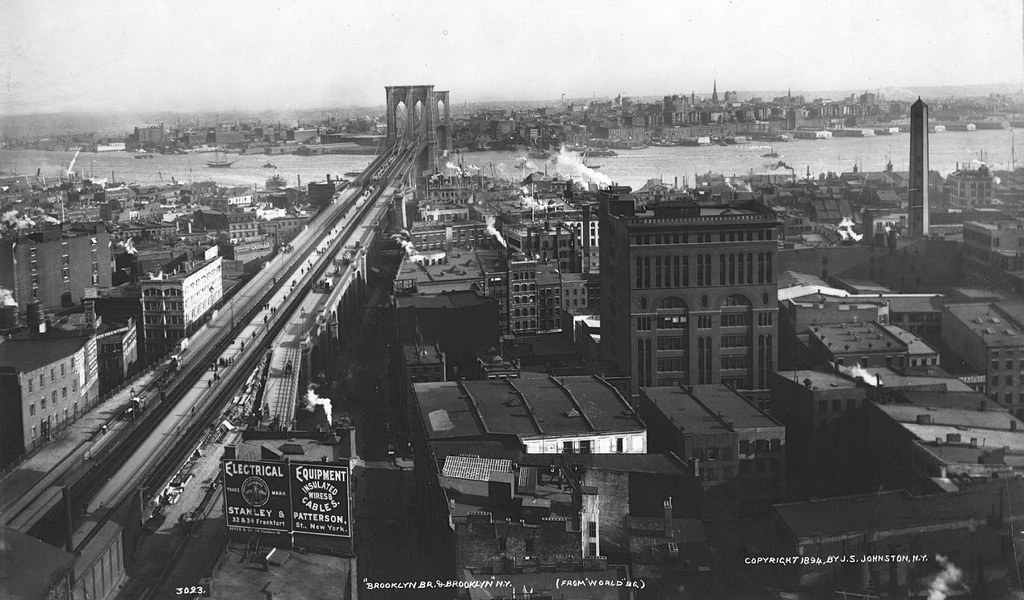
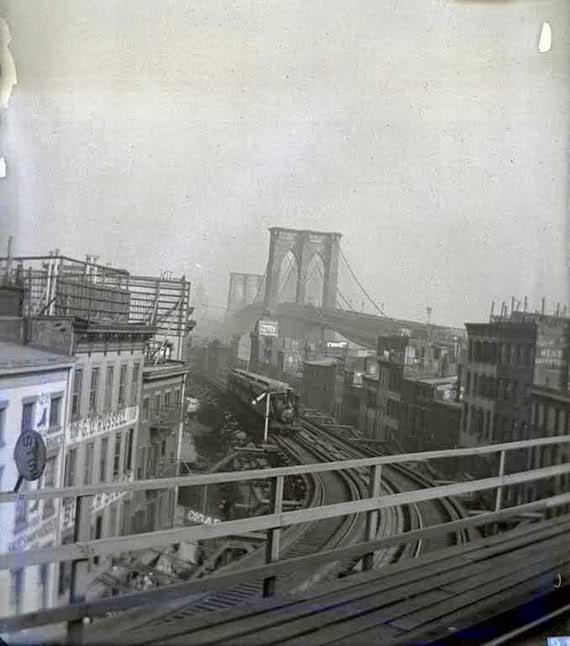
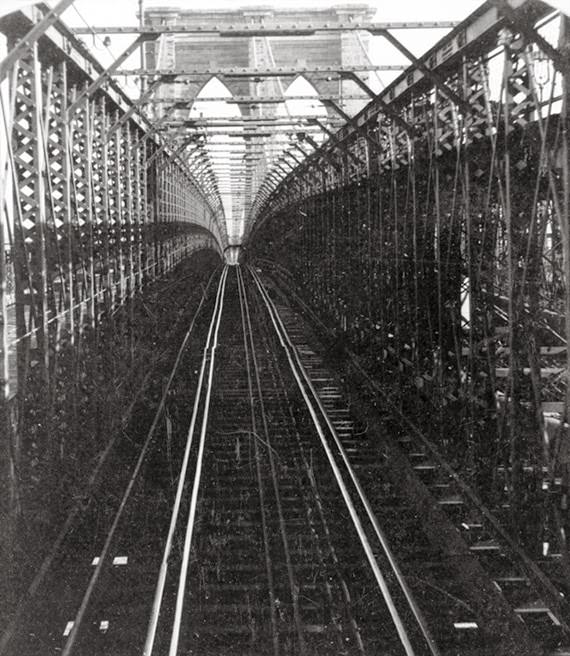
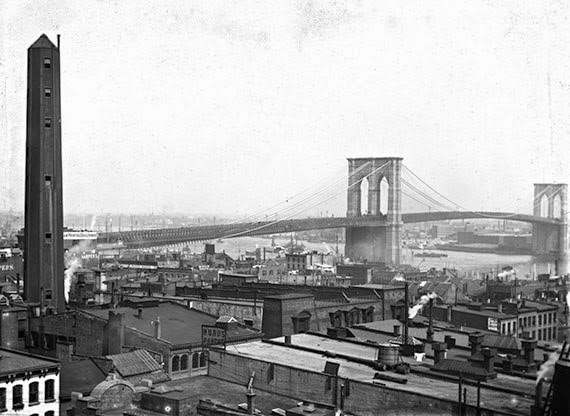
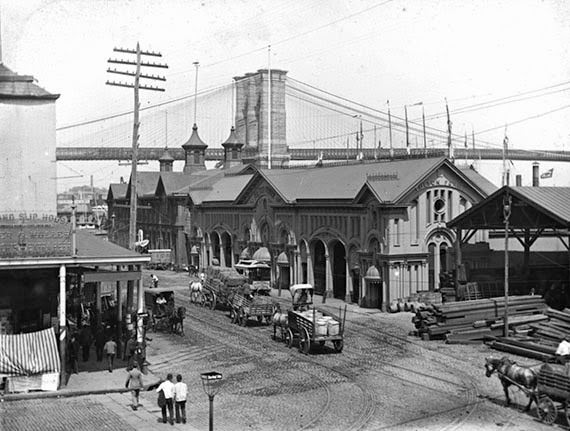
The Brooklyn Bridge, completed in 1883, had by the 1890s become a vital daily route for thousands of commuters moving between Manhattan and Brooklyn. It was one of the defining structures of the era — a steel and stone symbol of what the city was becoming.
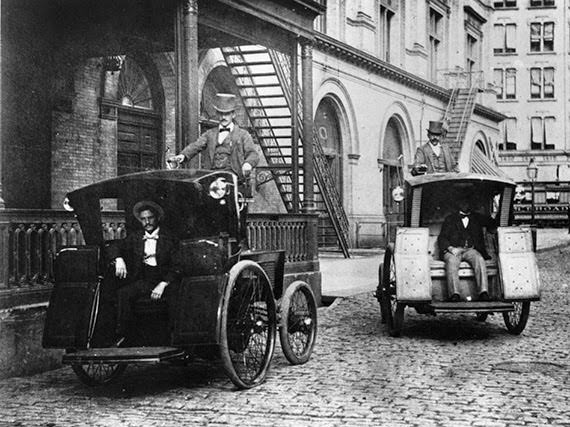
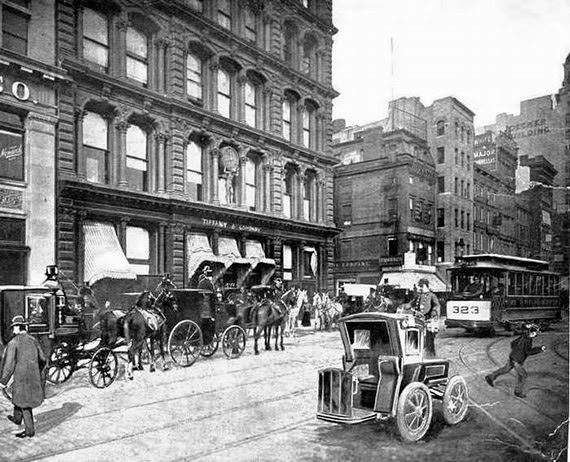
Manhattan’s streets were being rewired in other ways too. Electric streetlights replaced gas lamps in many parts of the city, making some blocks safer after dark. New technologies arrived quickly — by 1896, the first electric taxis had appeared on the streets, turning heads alongside the horse-drawn carriages that still dominated traffic.
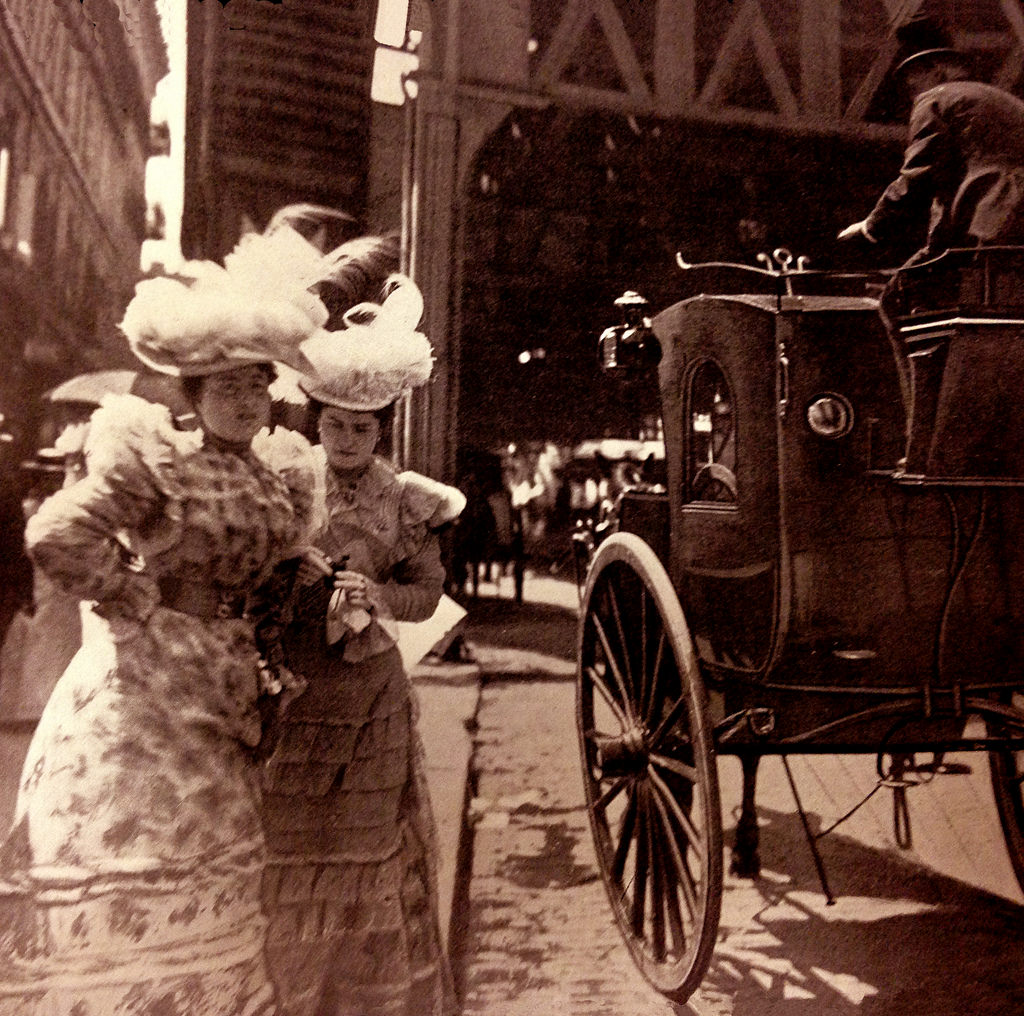
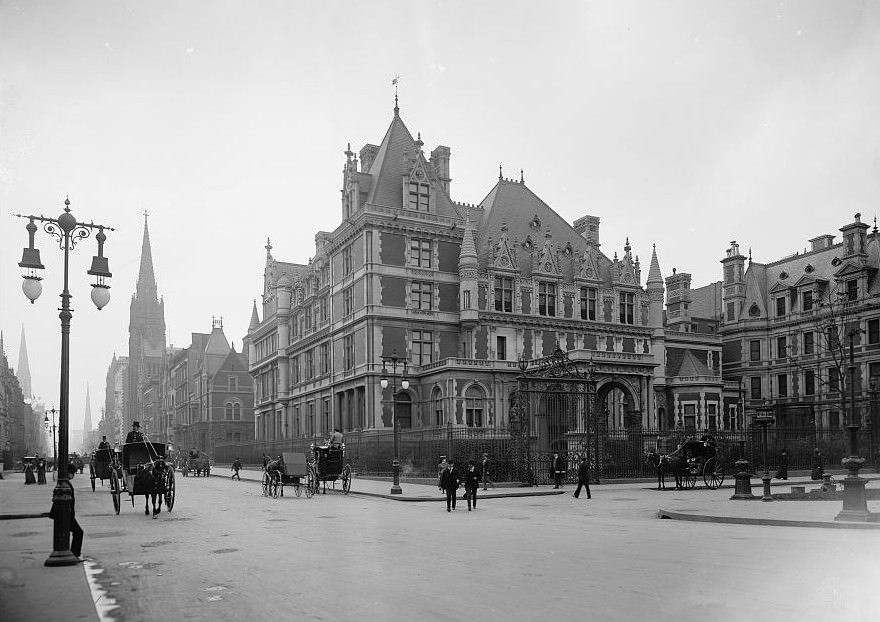
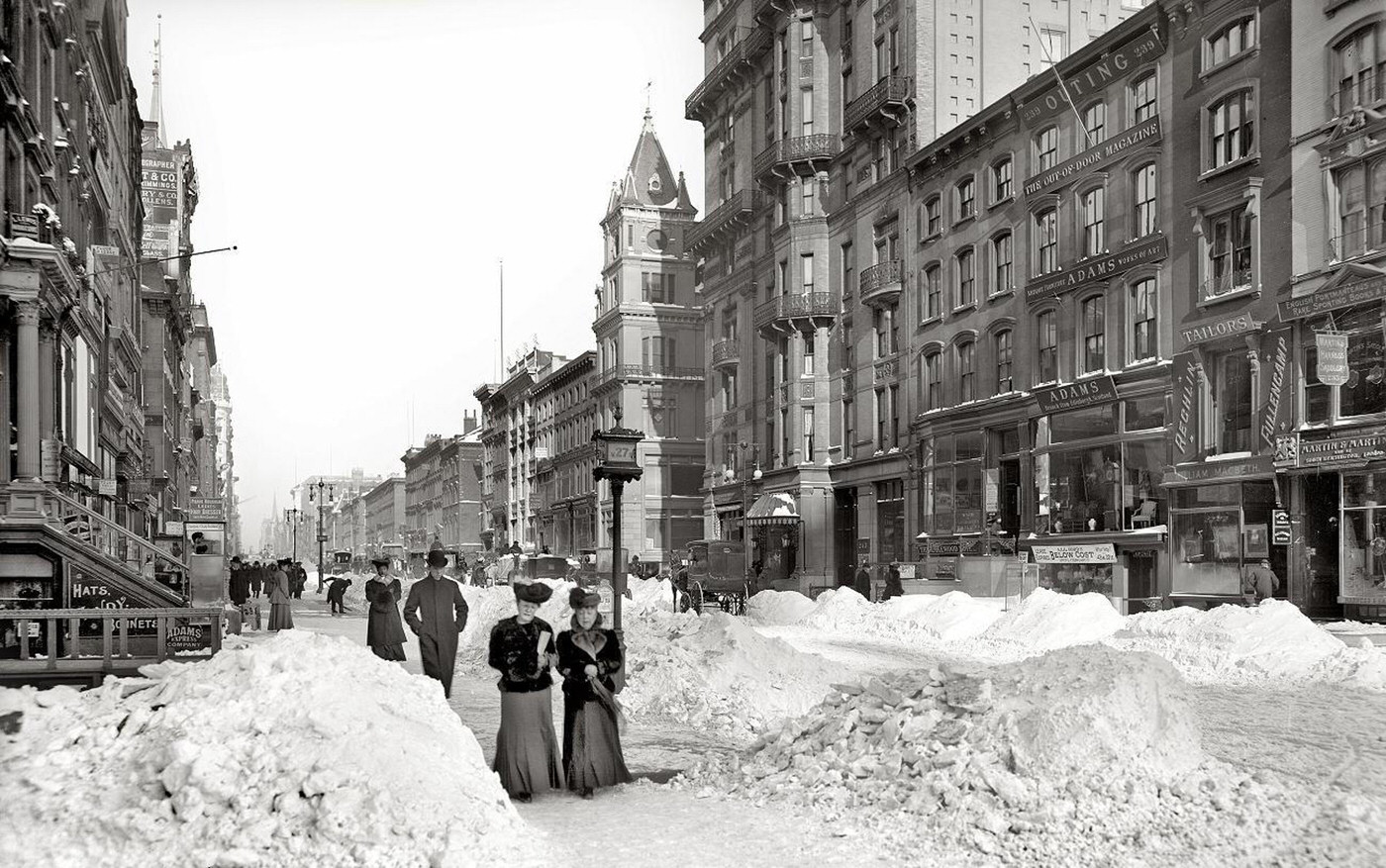
The contrast between wealth and poverty was impossible to miss. Along Fifth Avenue, wealthy New Yorkers moved between marble-staircased mansions and private carriage houses. Stores like Tiffany’s catered to a clientele that had nothing in common with the dockworkers and street vendors a few miles south.
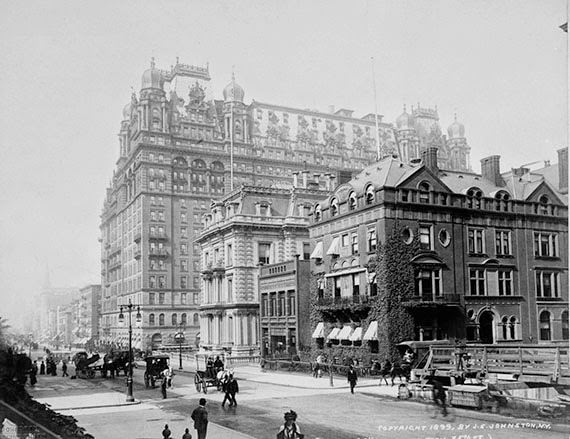
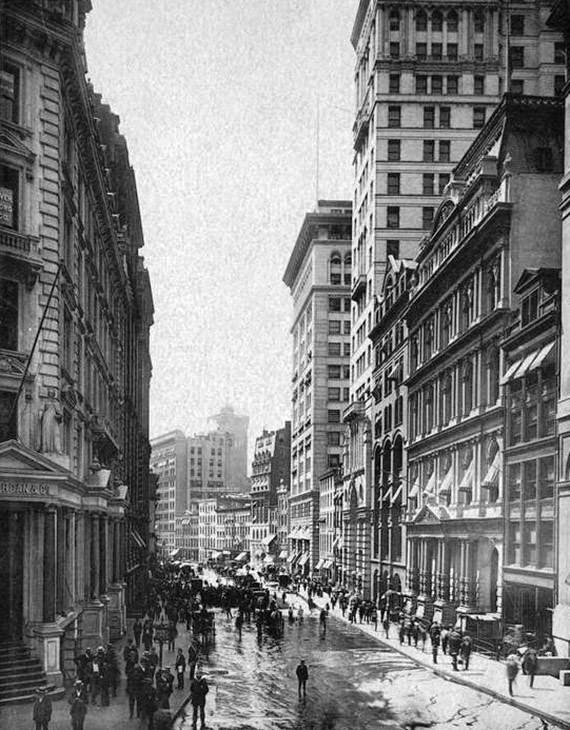
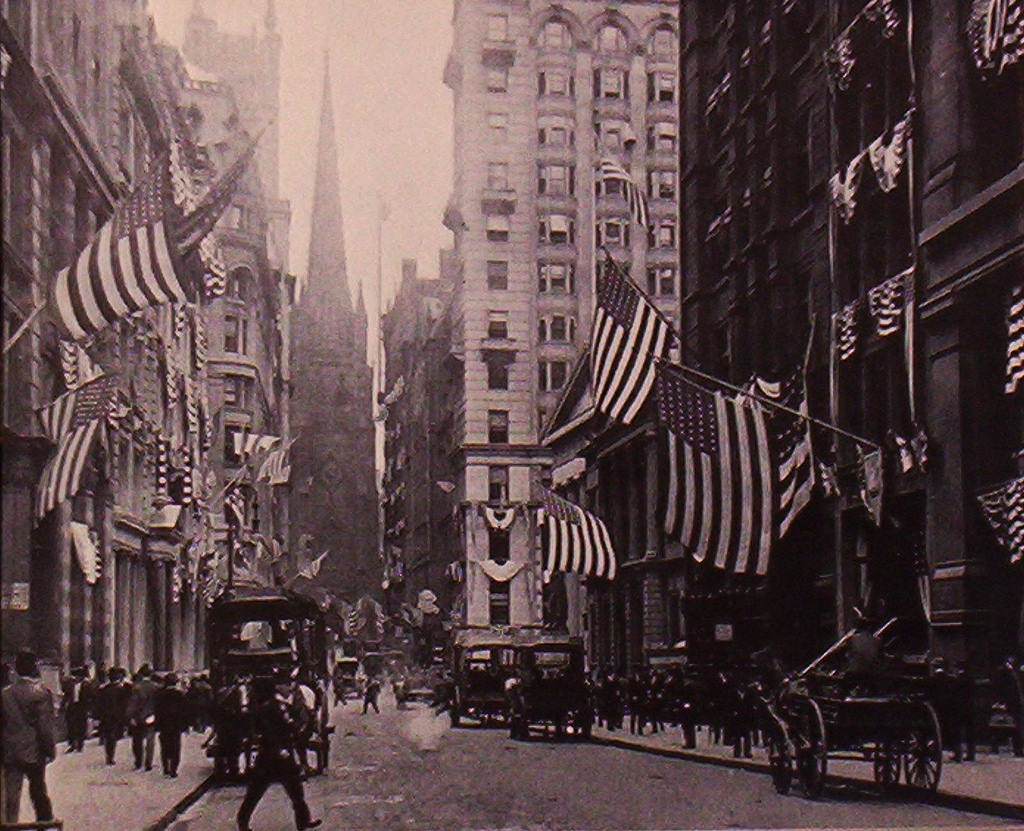
The city’s commercial districts hummed with activity. Wall Street anchored the financial world, while the port — one of the busiest on the planet — funneled sugar, coffee, and textiles through the harbor. The Gansevoort Market in the Meatpacking District supplied the city’s kitchens. Grand Central served as a major transit hub, and Herald Square and Union Square buzzed with shoppers, workers, and traders.
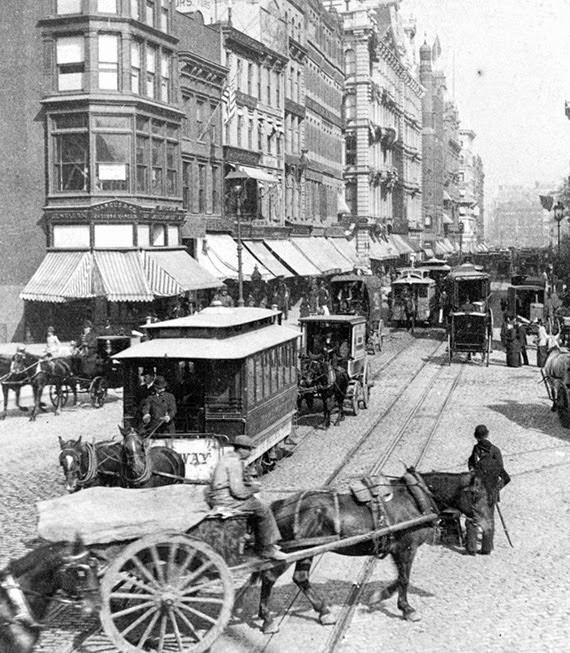
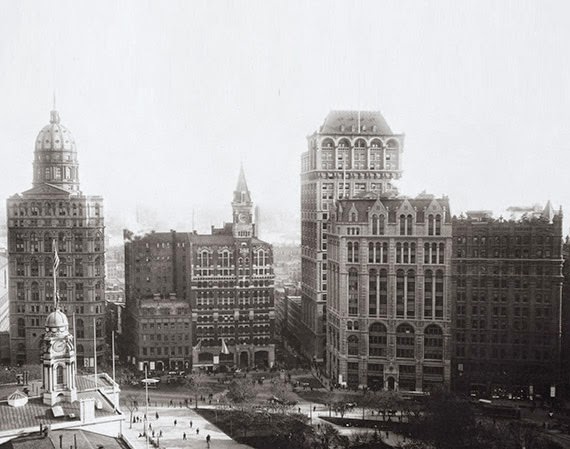
Newspapers were locked in fierce competition. Joseph Pulitzer’s New York World and William Randolph Hearst’s New York Journal used bold headlines, crime stories, and dramatic illustrations to grab readers. A single copy cost just one cent, putting it within reach of working-class New Yorkers. This style of reporting — later called “yellow journalism” — often blurred the line between news and entertainment. Newspaper Row was the physical center of this print war.
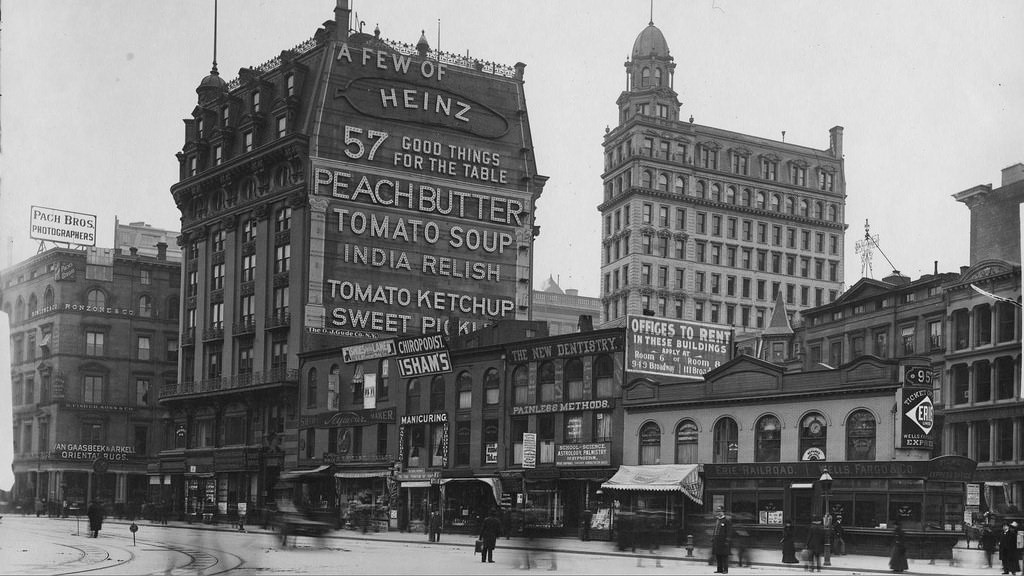
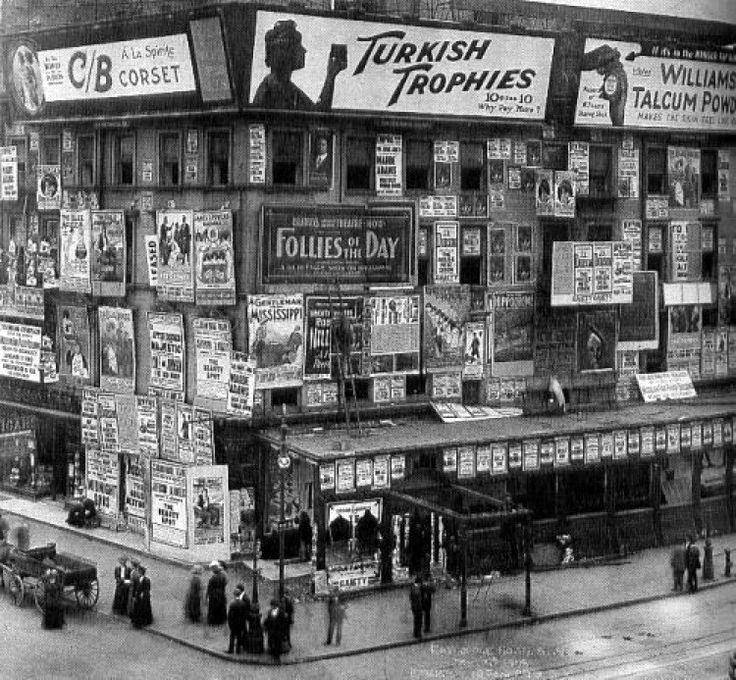
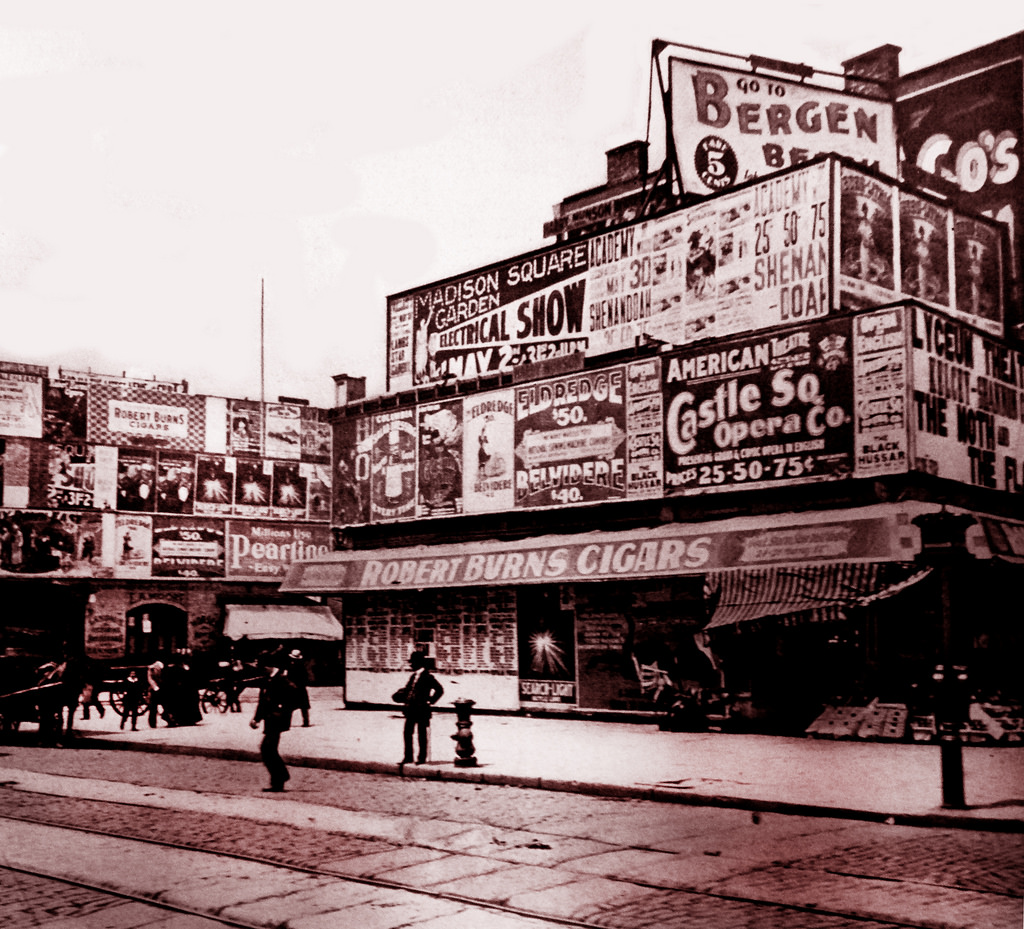
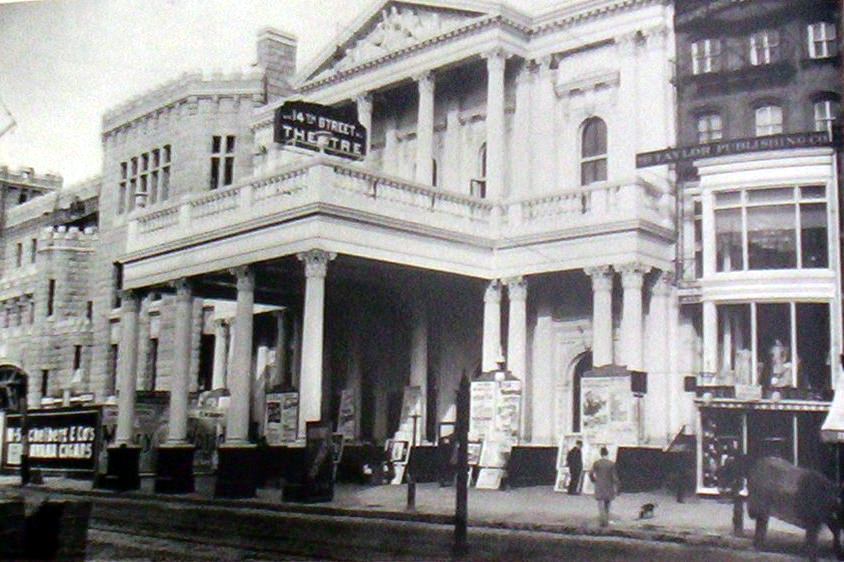
Times Square — then still developing its identity — was already filling with billboards and commercial energy. Broadway theaters drew middle-class audiences, while vaudeville houses like Tony Pastor’s 14th Street Theatre packed in crowds with comedy, music, and acrobatics. These venues offered a night out that didn’t require wealth.
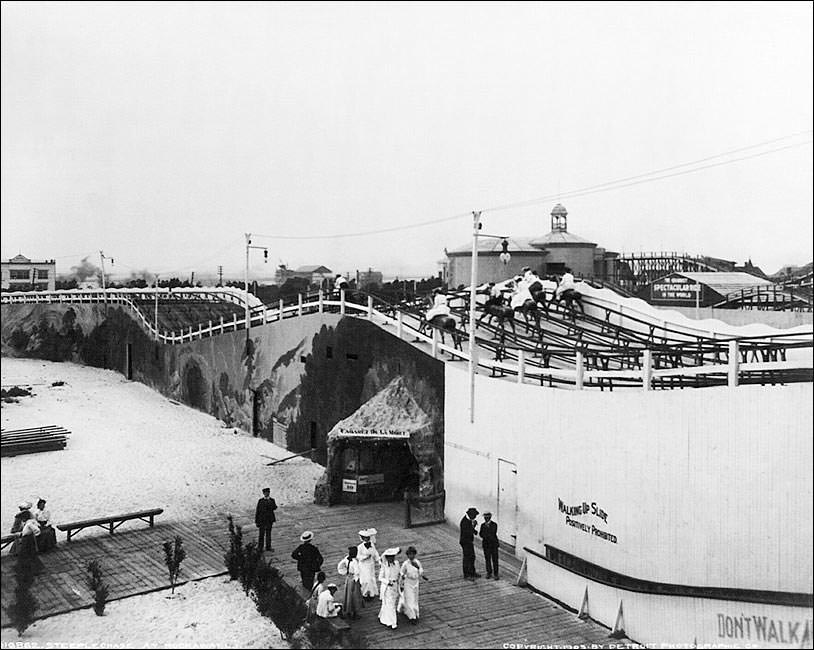
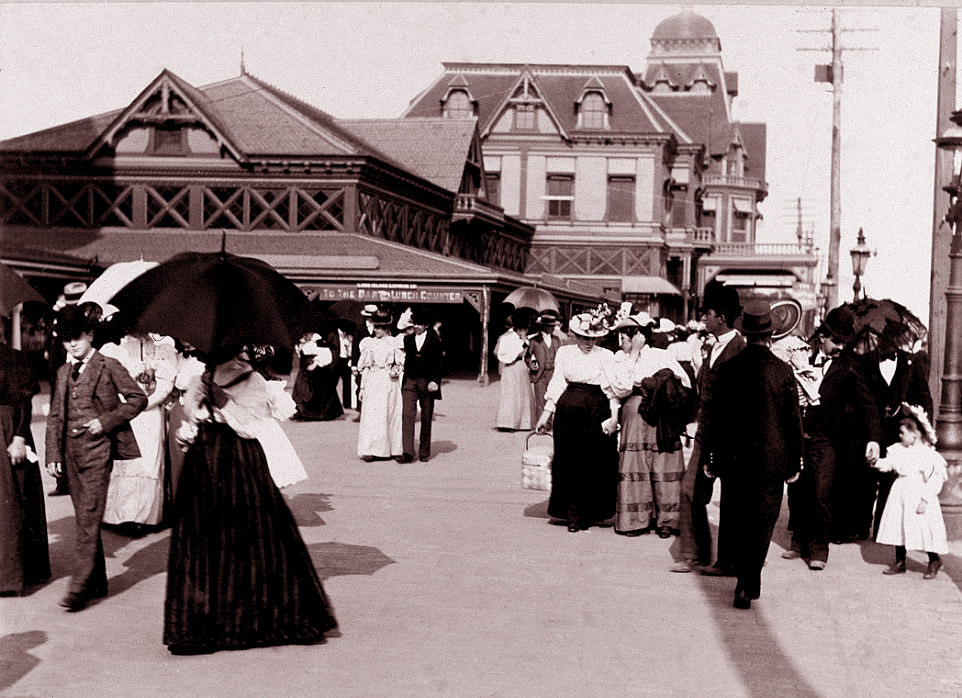
For a full day of escape, working-class families headed to Coney Island. Steeplechase Park and Surf Avenue offered mechanical rides, electric lights, and hot dogs. For many workers, a trip to Coney Island was the single best day of their year.
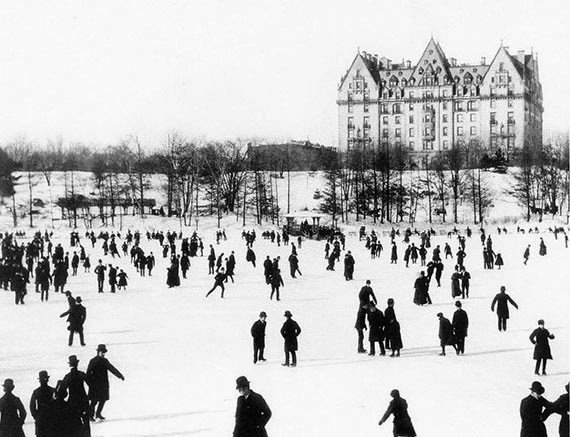
Central Park offered another kind of relief. New Yorkers skated on its frozen ponds in winter and strolled its paths in warmer months. The park was open to all, though the experience felt very different depending on where you came from and how you arrived.
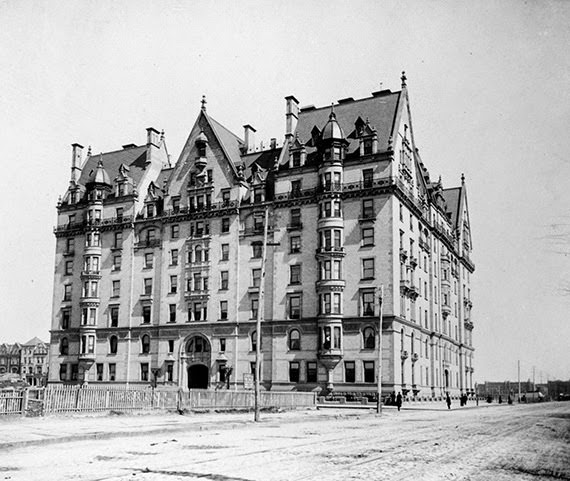
Labor strikes grew more common throughout the decade. Workers pushed for shorter hours and better wages as factories and docks ran on long, brutal schedules. Police presence on the streets increased, but corruption within the force was widely known and rarely addressed.
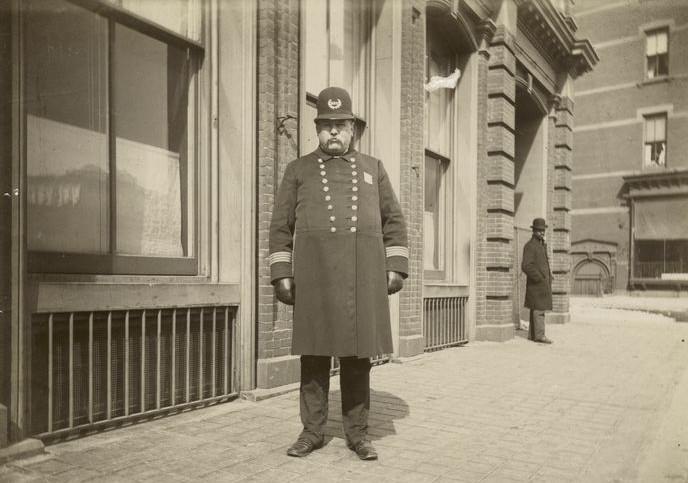
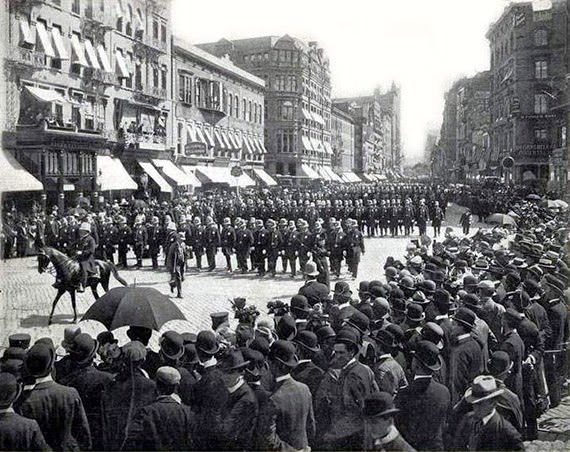
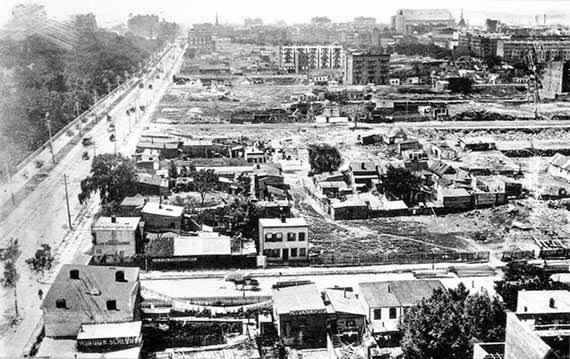
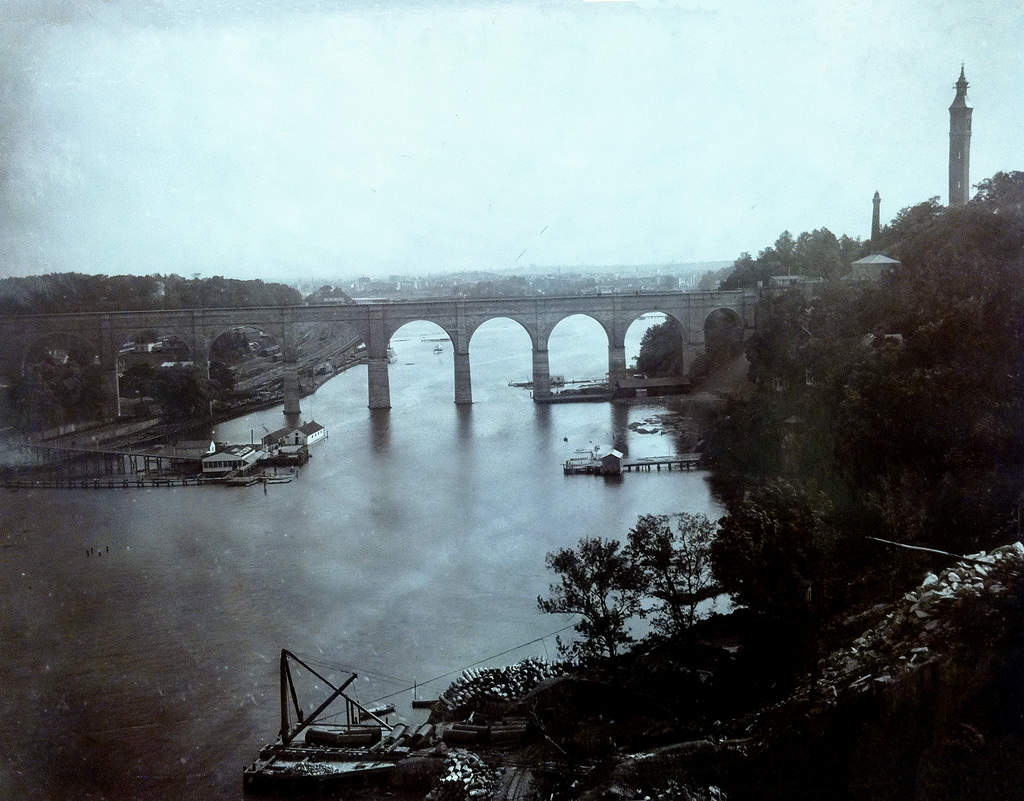
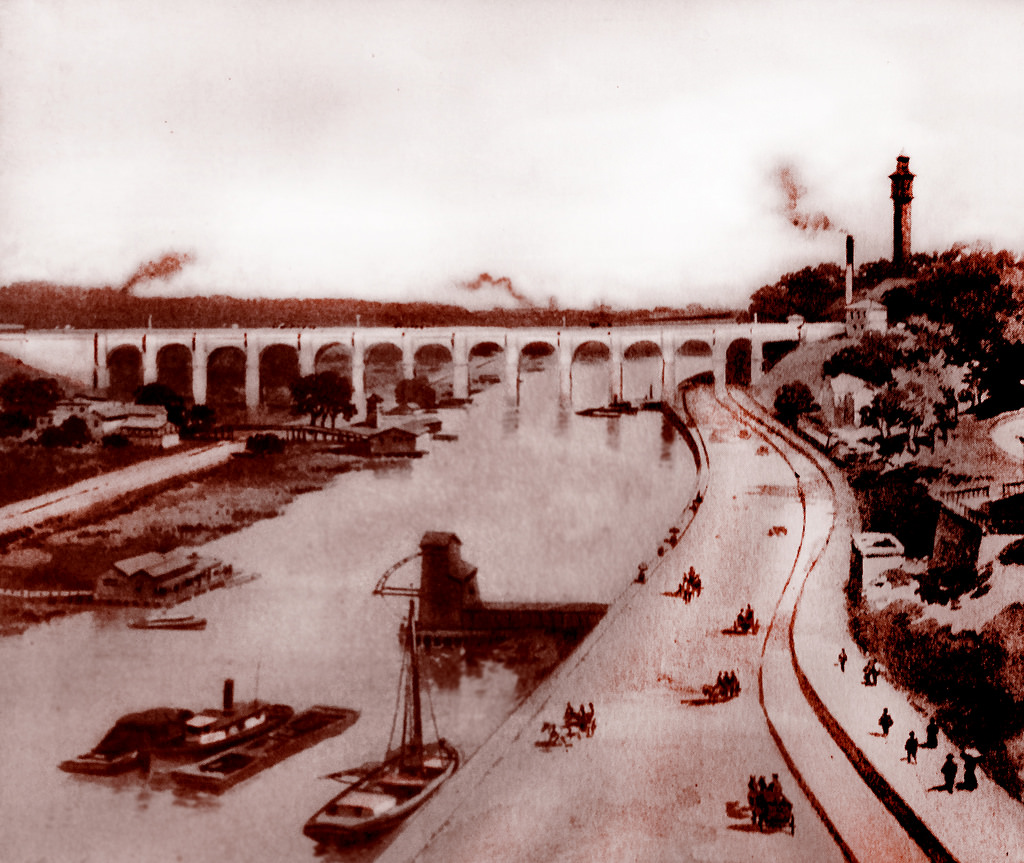
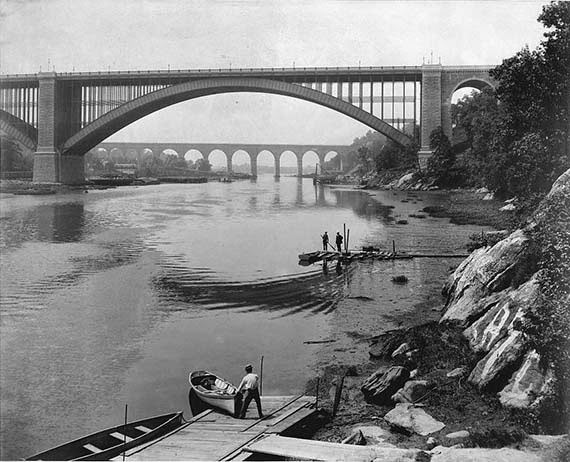
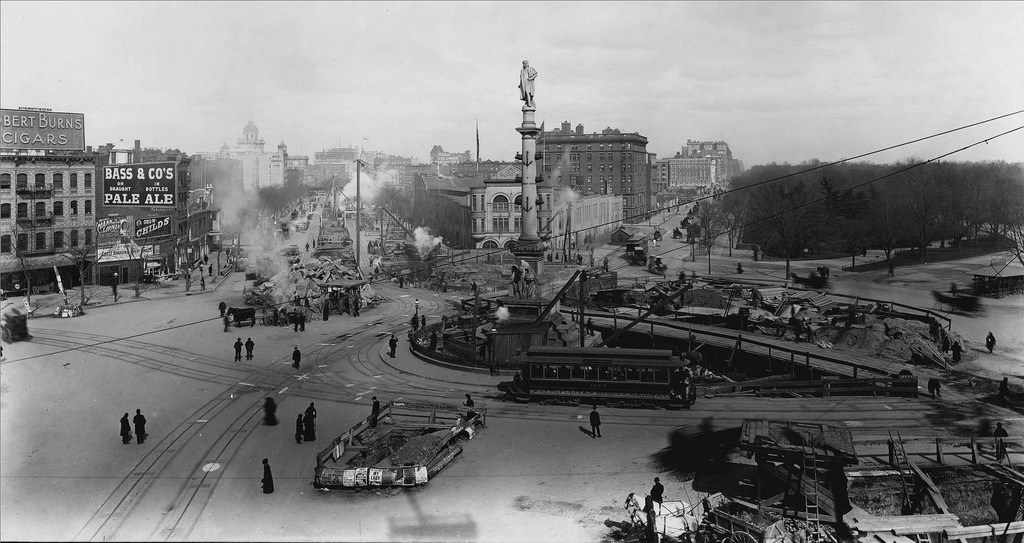
Across the boroughs, the city’s infrastructure was being built, rebuilt, and extended in every direction. The Bronx saw new roads and elevated lines pushing northward. High Bridge connected Manhattan to the Bronx over the Harlem River, and construction projects at sites like Columbus Circle signaled the city’s ambitions for what was still to come.
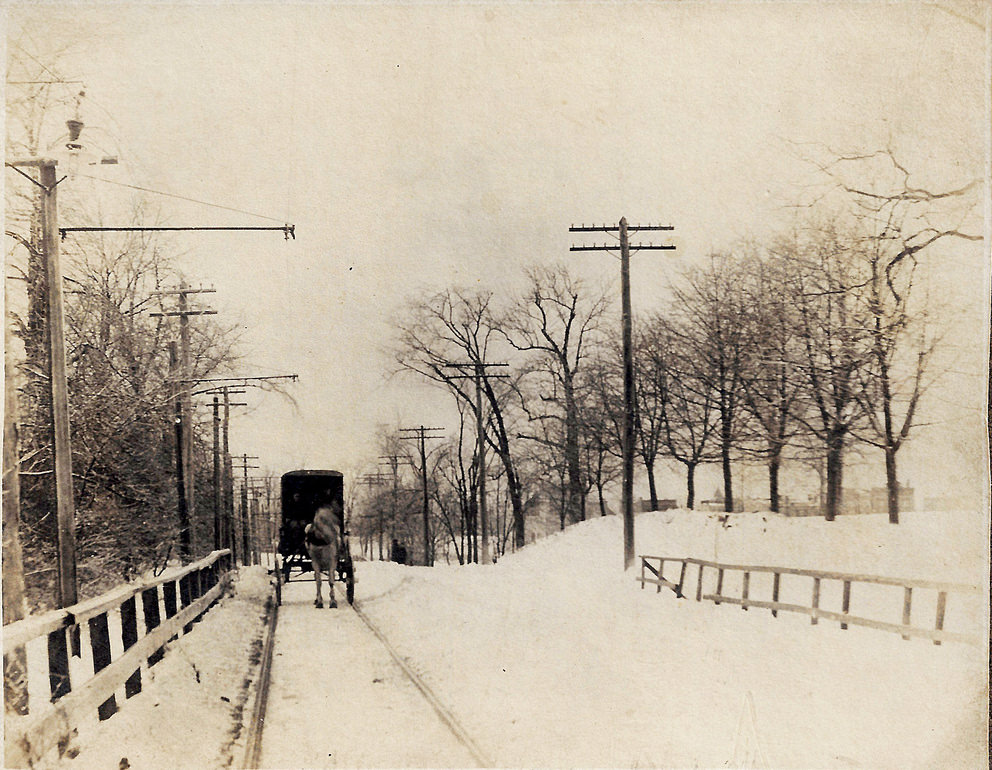
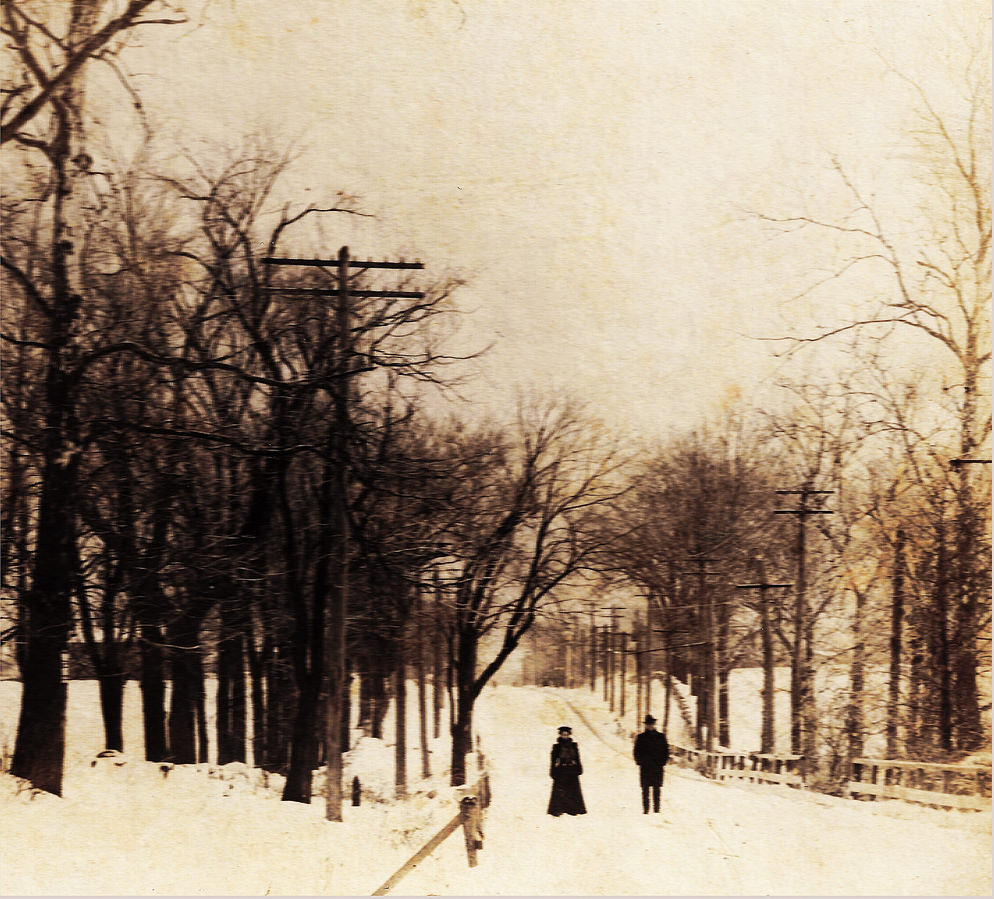
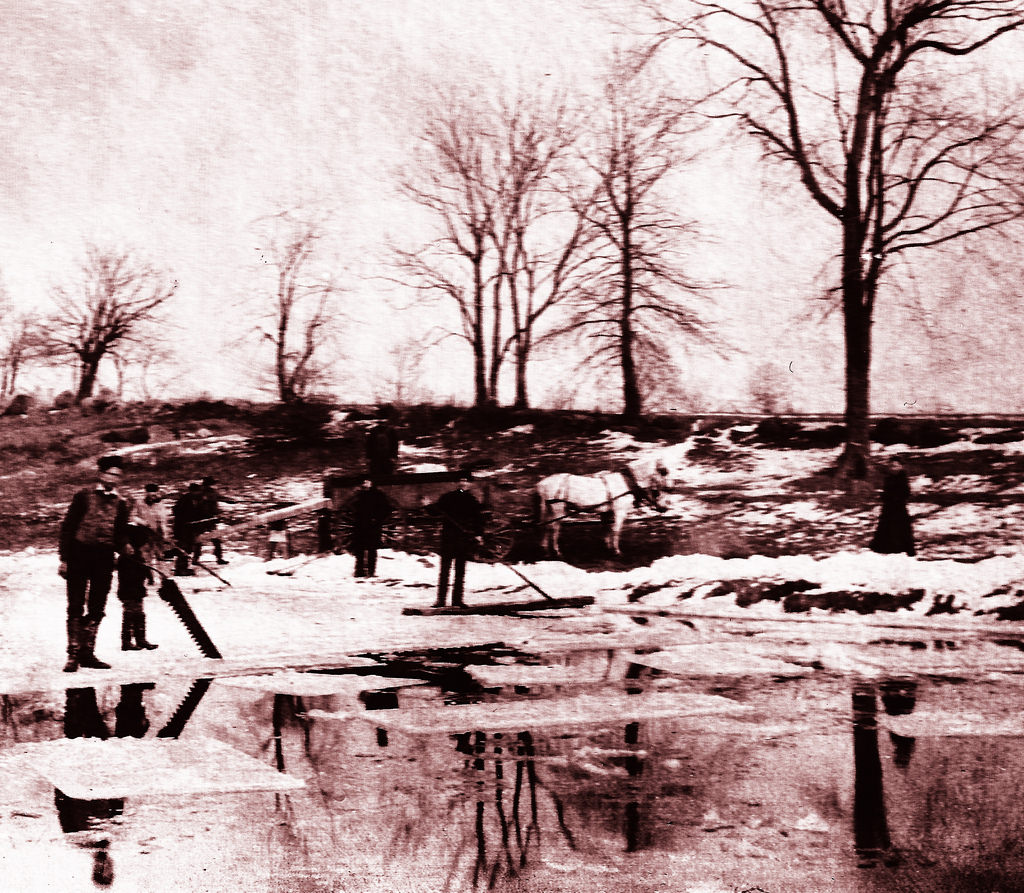
The winter of the 1890s brought its own rhythms to the city. Ice was cut from the Bronx’s waterways and hauled into storage for use throughout the warmer months, supplying the ice boxes that kept food from spoiling in homes across the five boroughs.
Down at the waterfront, ferries connected the boroughs before the bridges and tunnels made that easier. The South Street Ferry Building was a daily crossroads for workers, merchants, and travelers. The city’s port handled enormous volumes of goods and people, keeping New York at the center of American commerce.
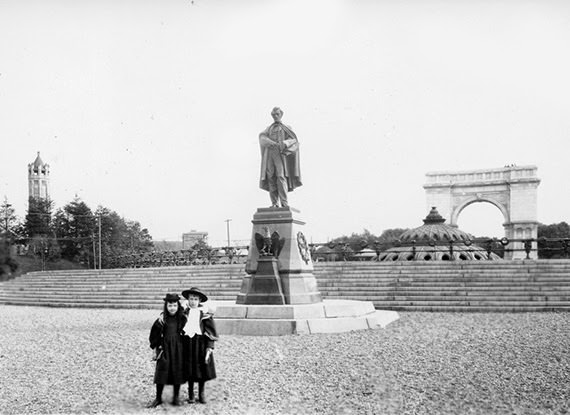
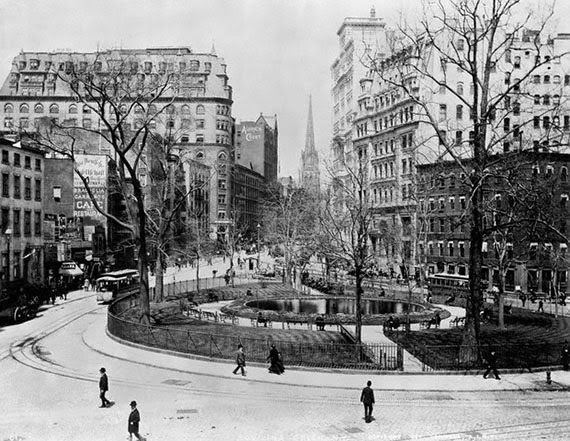
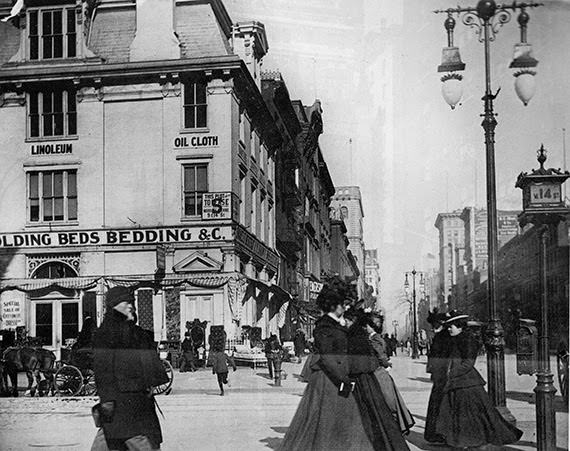
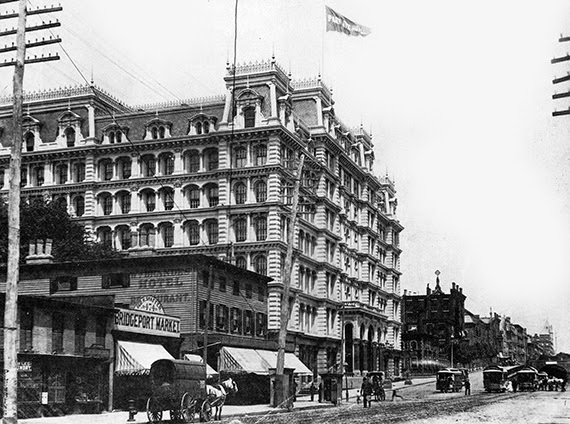
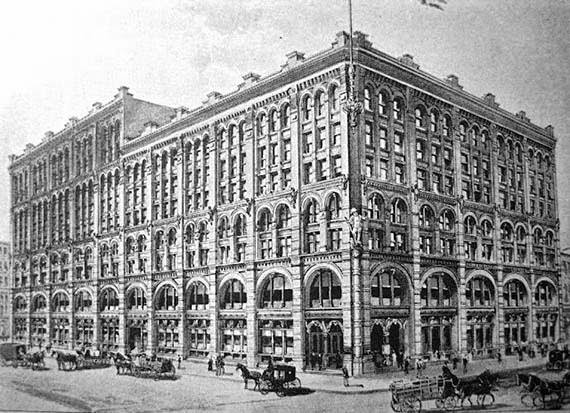
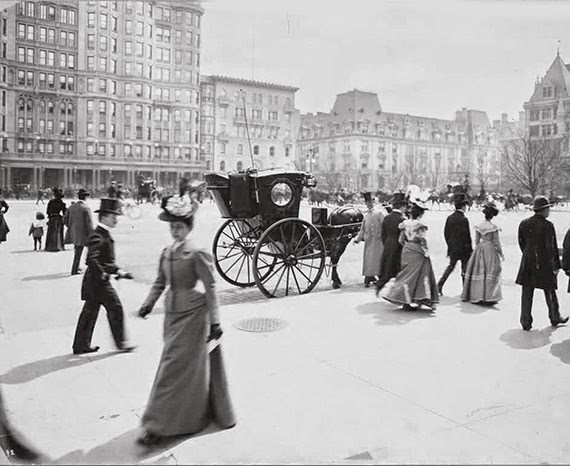
The photographs below — taken across Manhattan, Brooklyn, and the Bronx during the 1890s — show the city at one of its most turbulent and transformative moments. Every block tells a different story.