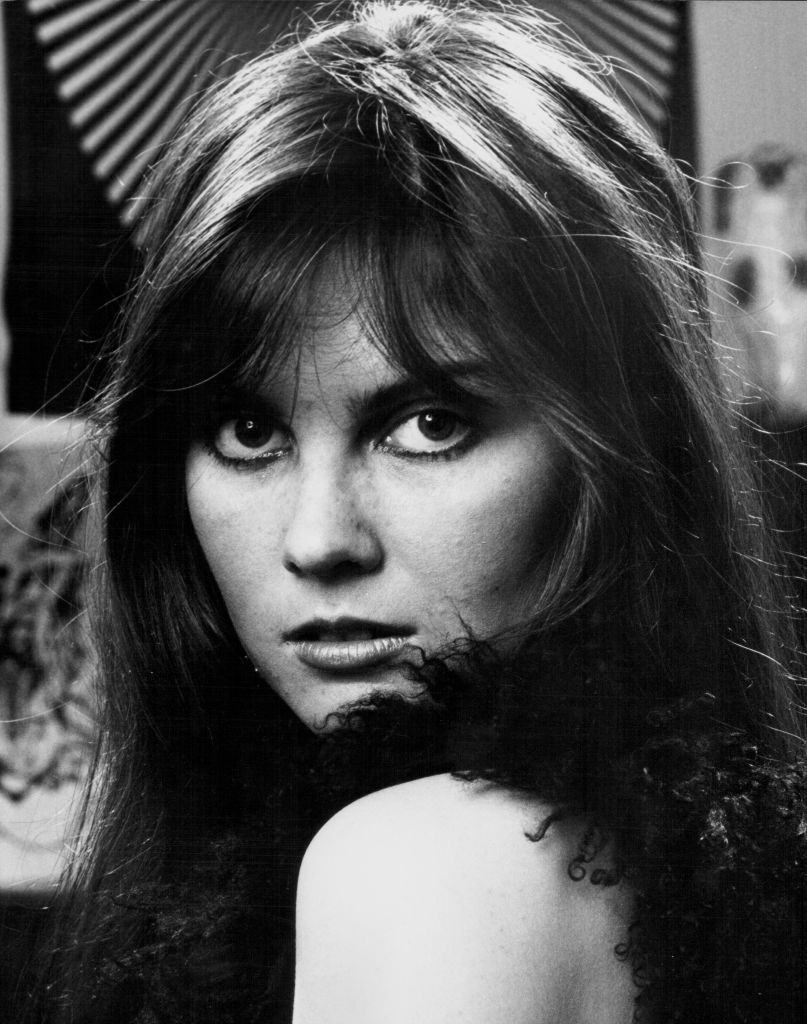
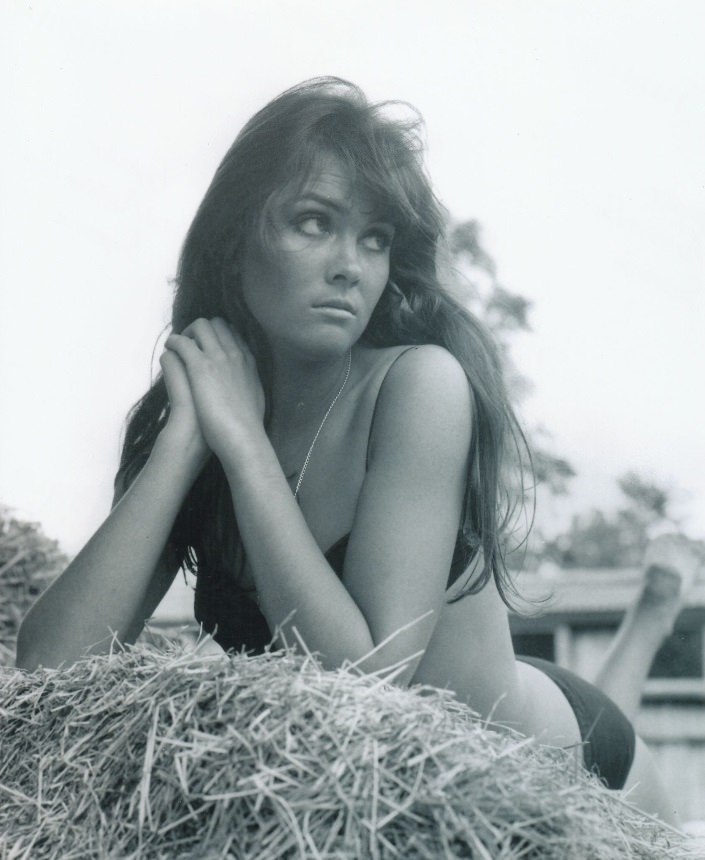
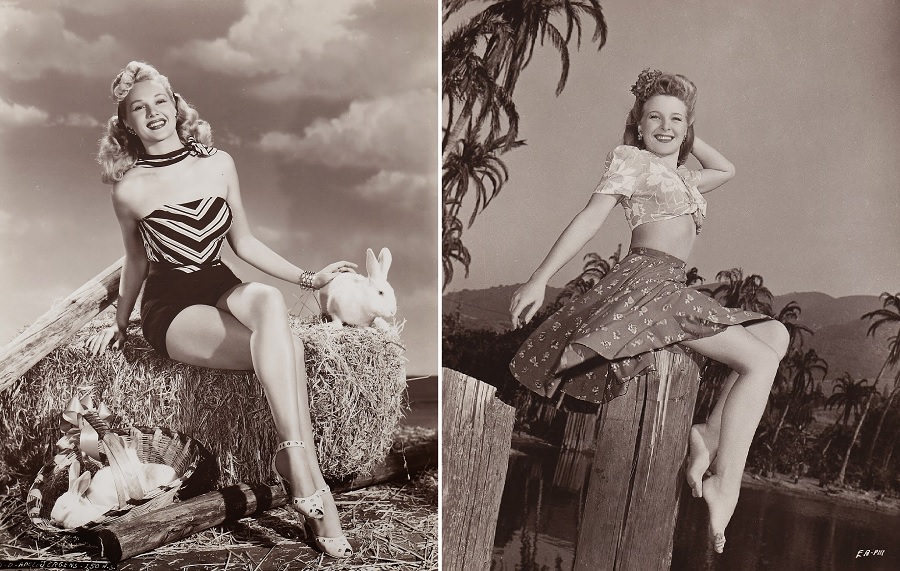
Caroline Munro didn’t set out to become one of Britain’s most recognizable faces of the 1970s — it happened almost by accident. Her mother and a photographer friend entered her photos into a ‘Face of the Year’ competition run by the British newspaper The Evening News. She won. That single moment opened the door to everything that followed: magazine covers, film sets, and eventually, a Bond film that made her a household name.
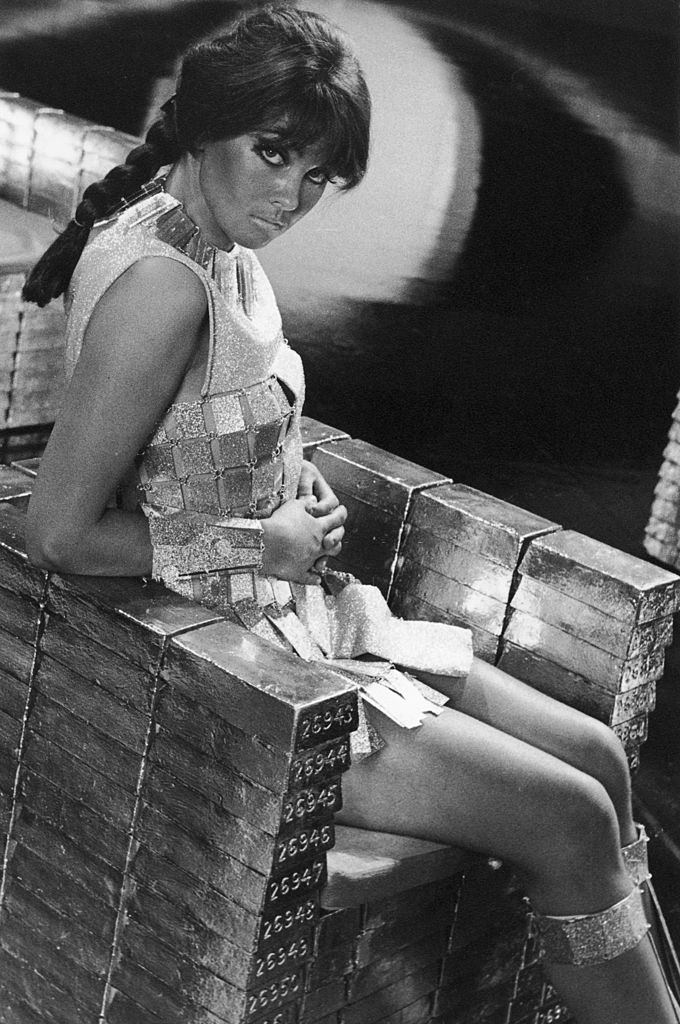
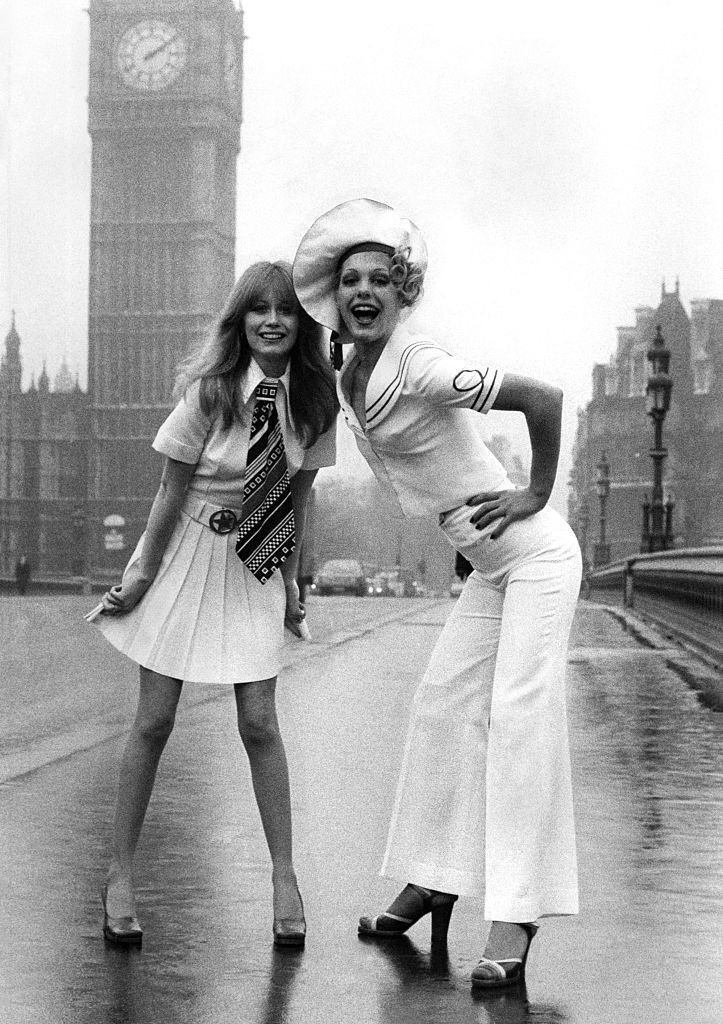
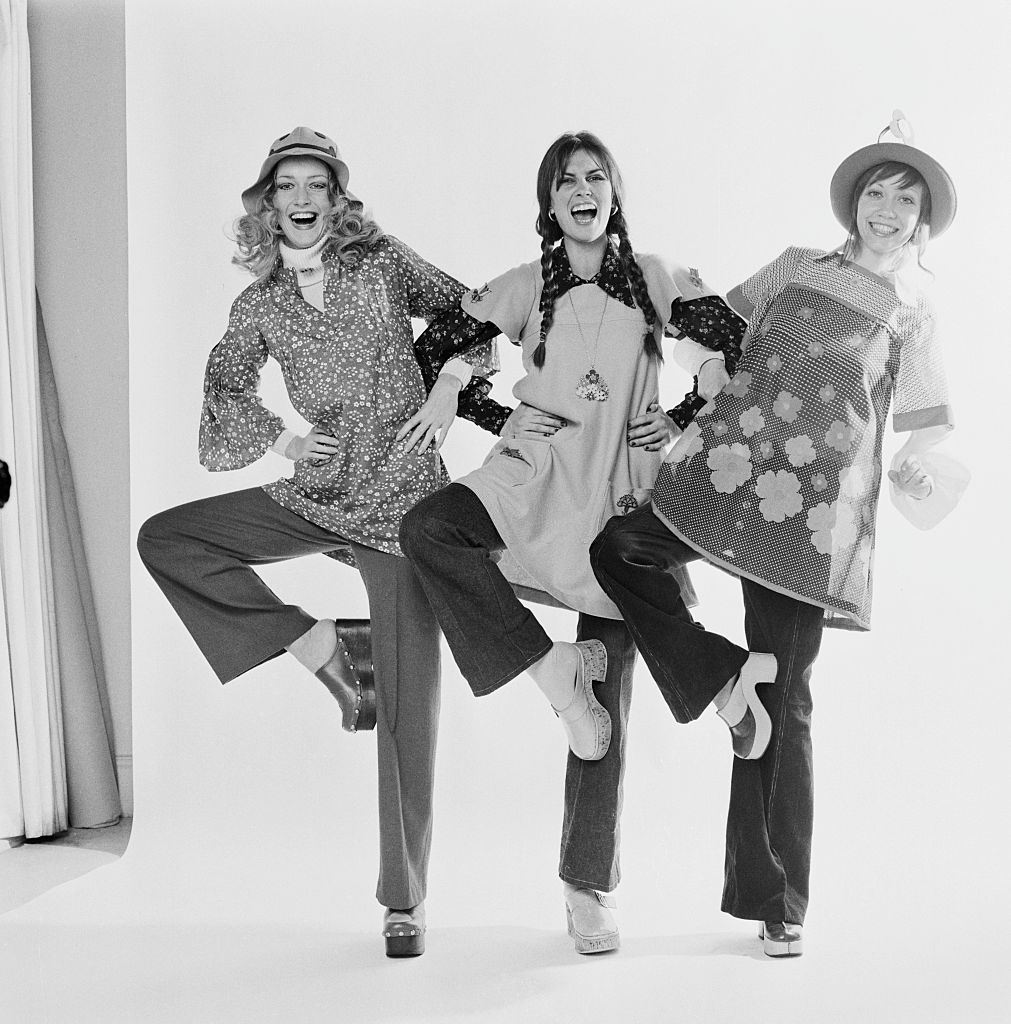
At just seventeen, Munro landed her first job at Vogue Magazine. She moved to London shortly after to chase the bigger modeling opportunities the city offered. It didn’t take long. She became a regular cover girl and appeared in television commercials, building a profile that stretched well beyond the pages of any single publication.
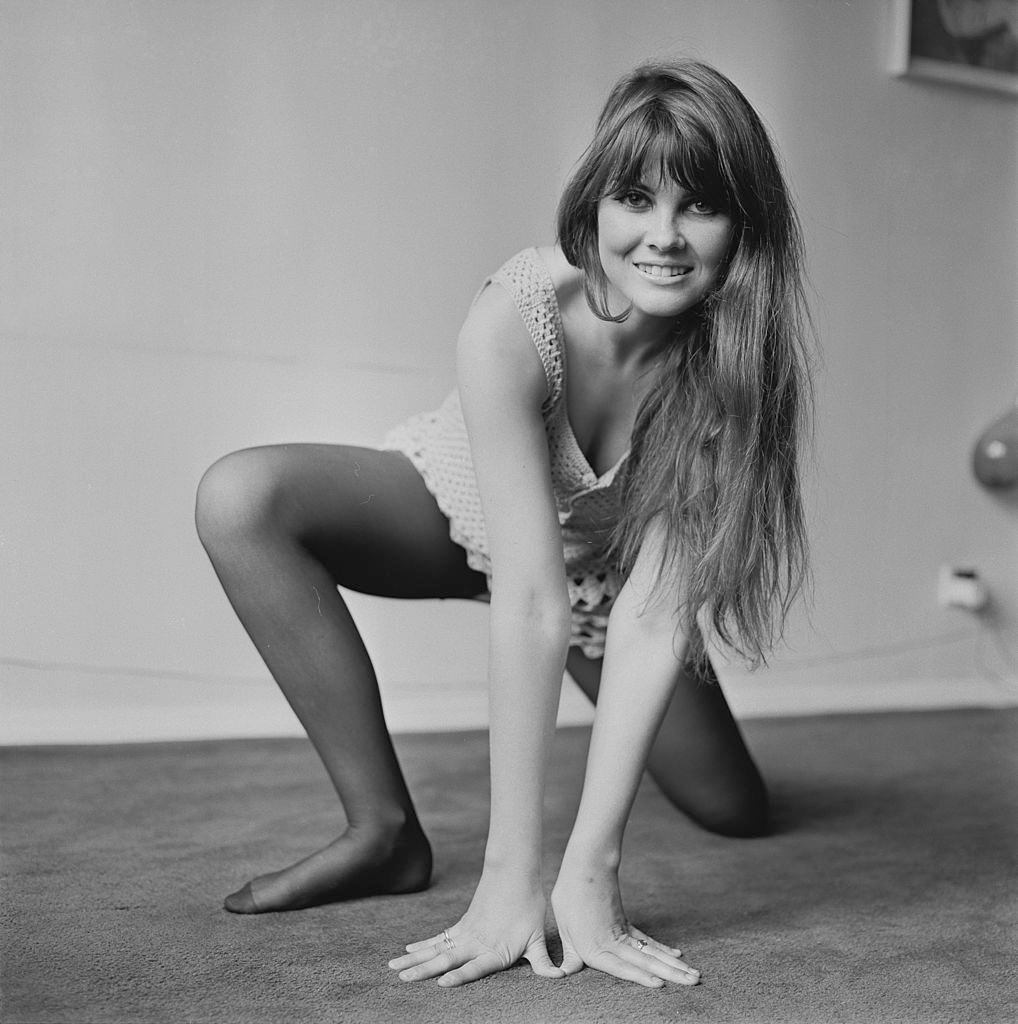
Her film debut came in 1967 with an uncredited role in Casino Royale, the satirical spy spoof that gathered an enormous cast. It was a small start, but it planted her firmly in the world of film. Two years later, she appeared alongside Richard Widmark in the comedy A Talent for Loving (1969), playing his daughter.
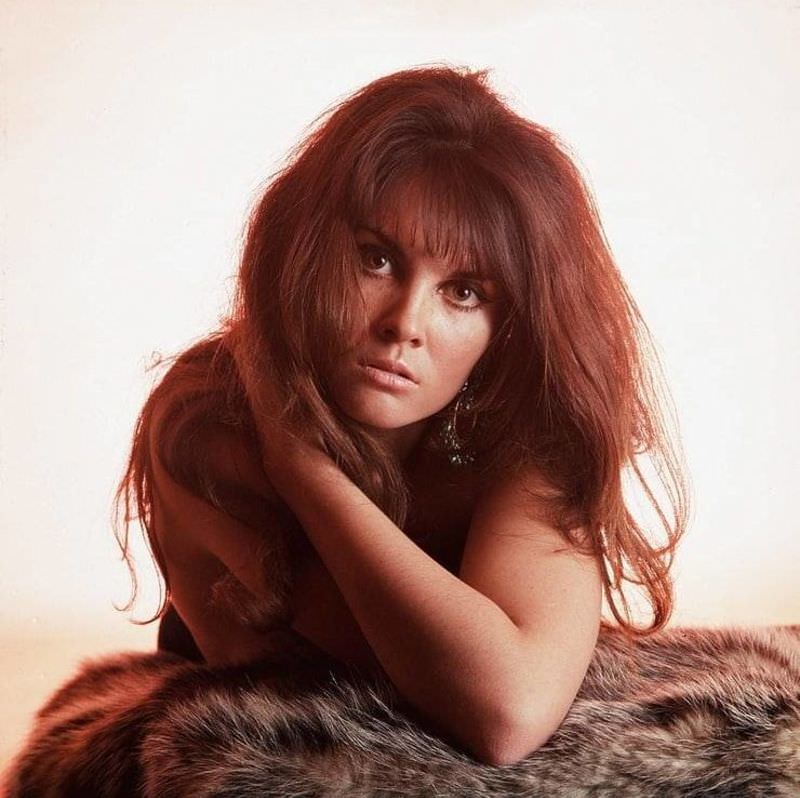
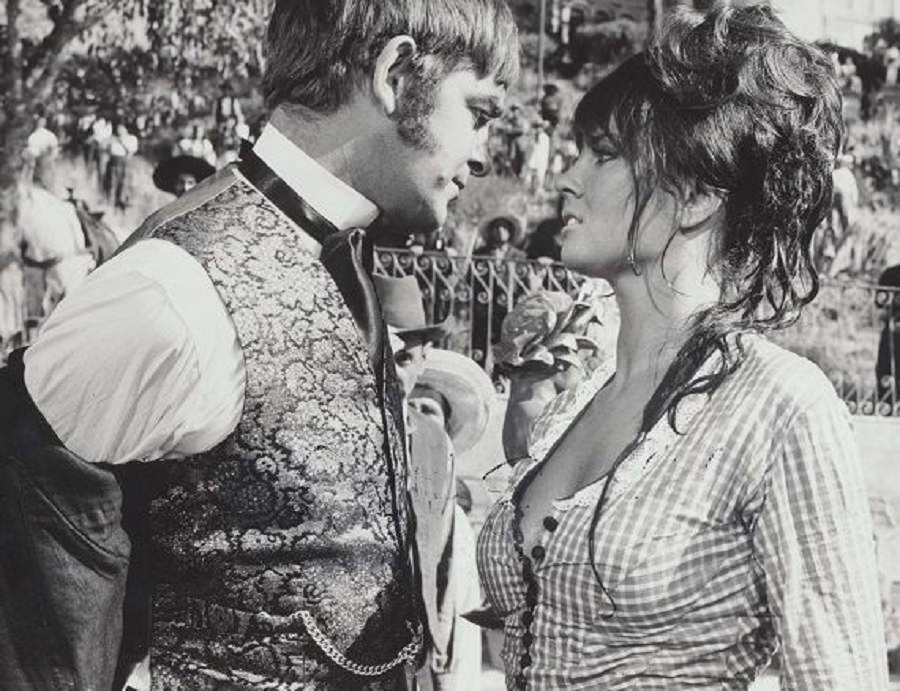
After several attempts to break further into acting, Munro found her footing at Hammer Films — the British studio famous for its gothic horror productions. She proved herself across multiple films and became the only actress to be signed to a full contract with the studio. Hammer gave her the platform to develop as a proper dramatic actress, not just a pretty face on a poster.
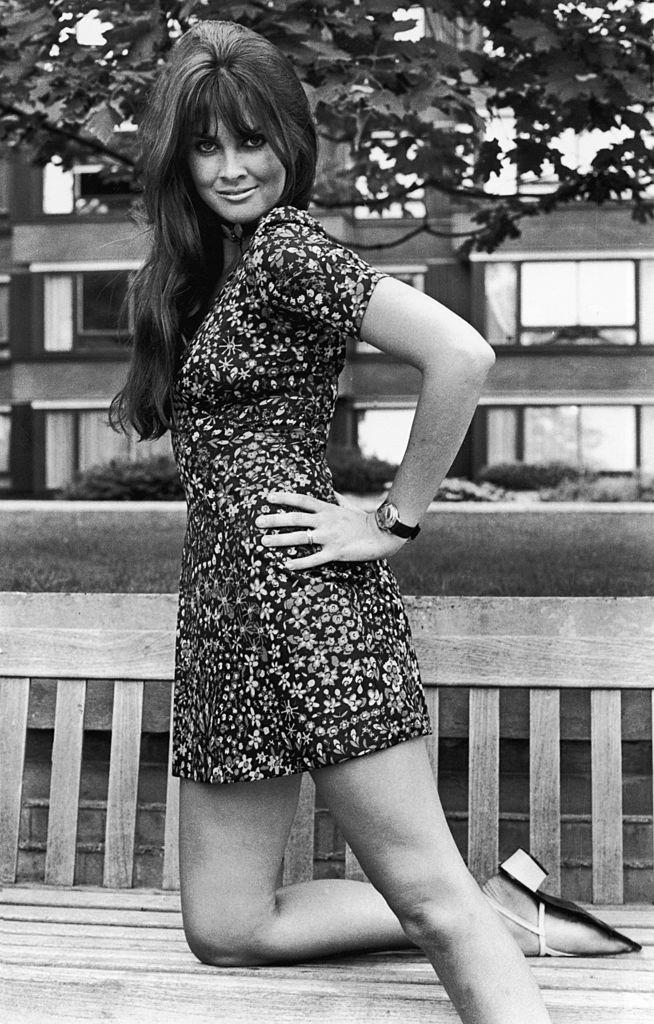
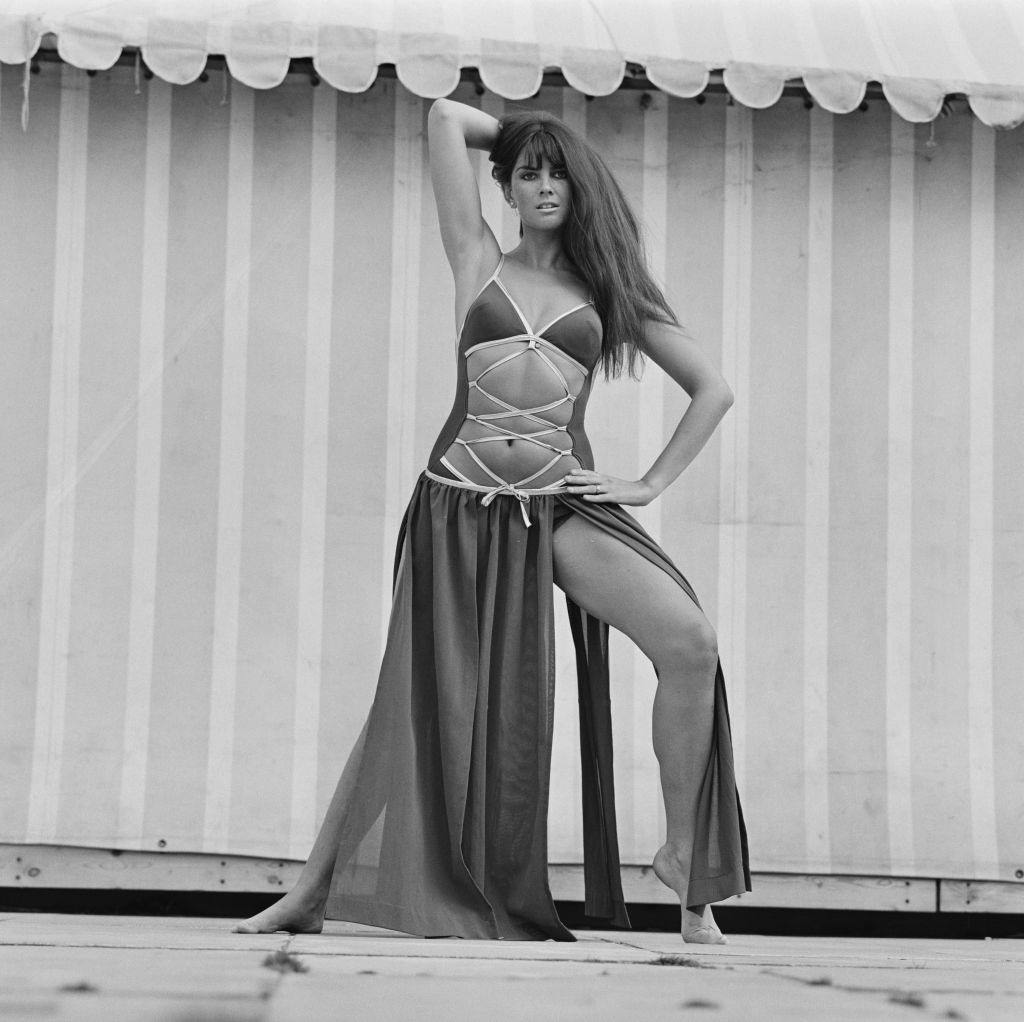
Her work in the early 1970s ranged widely. She appeared in Dracula (1972) for Hammer, took on roles in horror and fantasy productions, and continued to be a prominent figure in London’s fashion scene. The combination of screen presence and photogenic appeal kept her in constant demand on both sides of the camera.
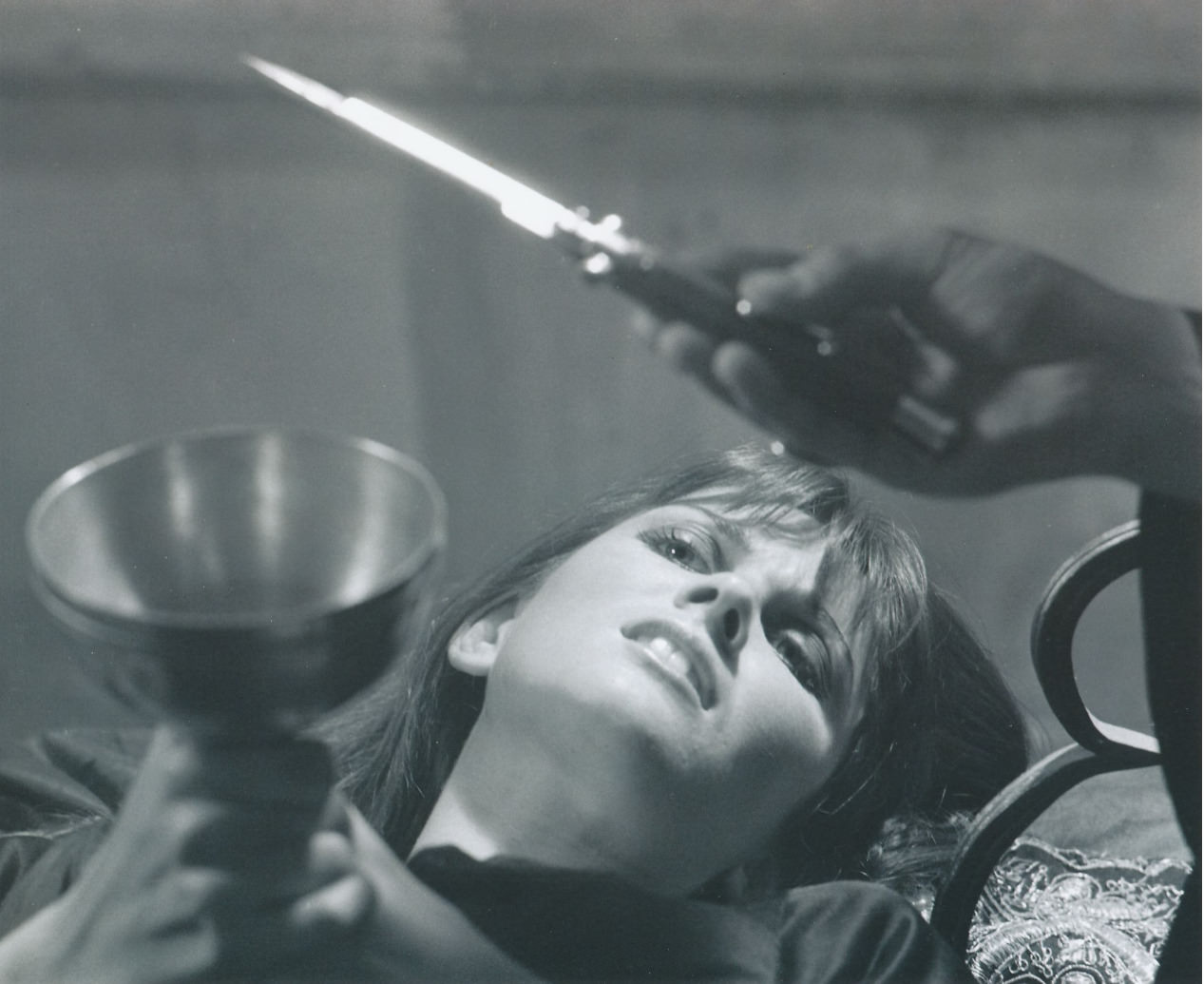
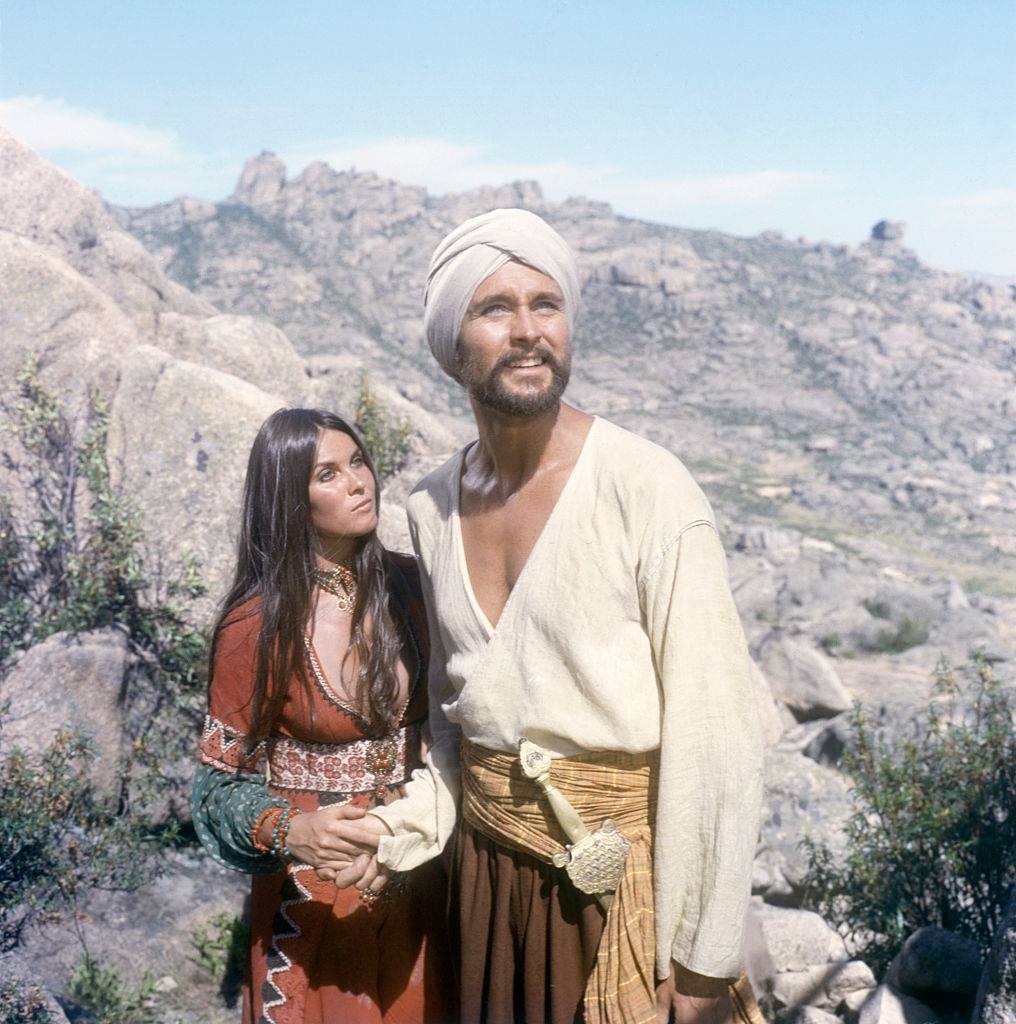
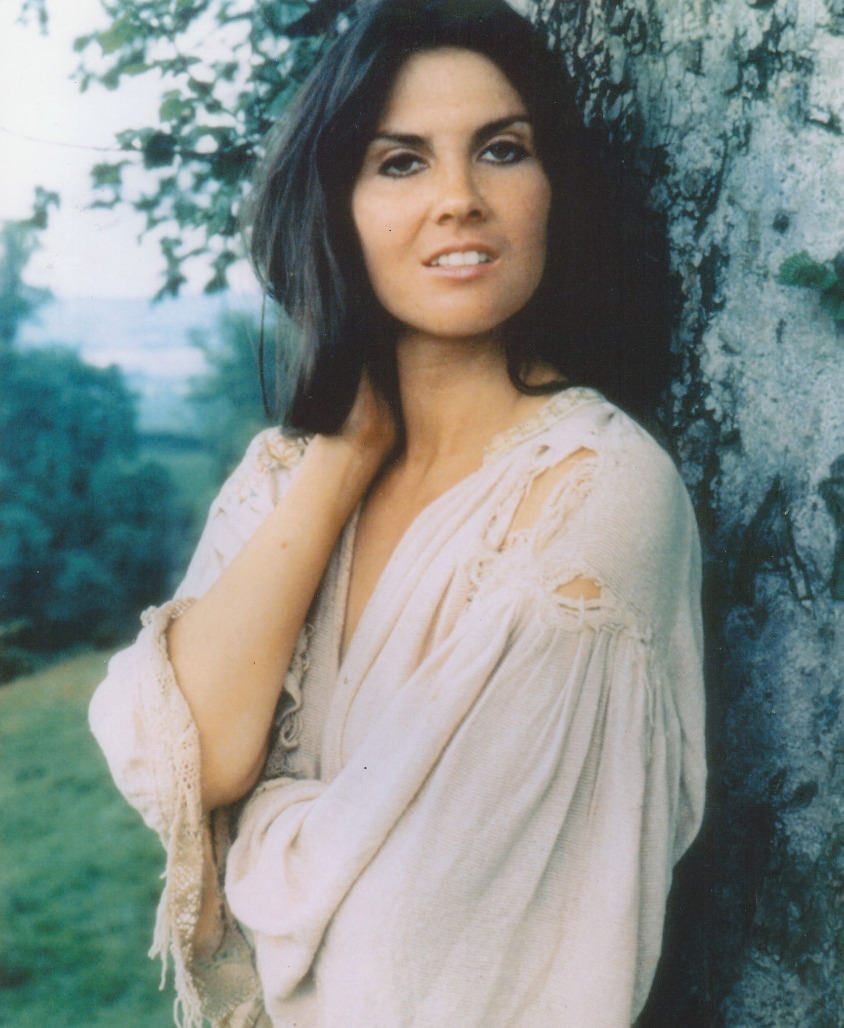
In 1973, Munro starred alongside American actor John Phillip Law in The Golden Voyage of Sinbad, a fantasy adventure film produced by Charles H. Schneer and featuring the stop-motion effects of Ray Harryhausen. The film cemented her status as a leading lady in British genre cinema.
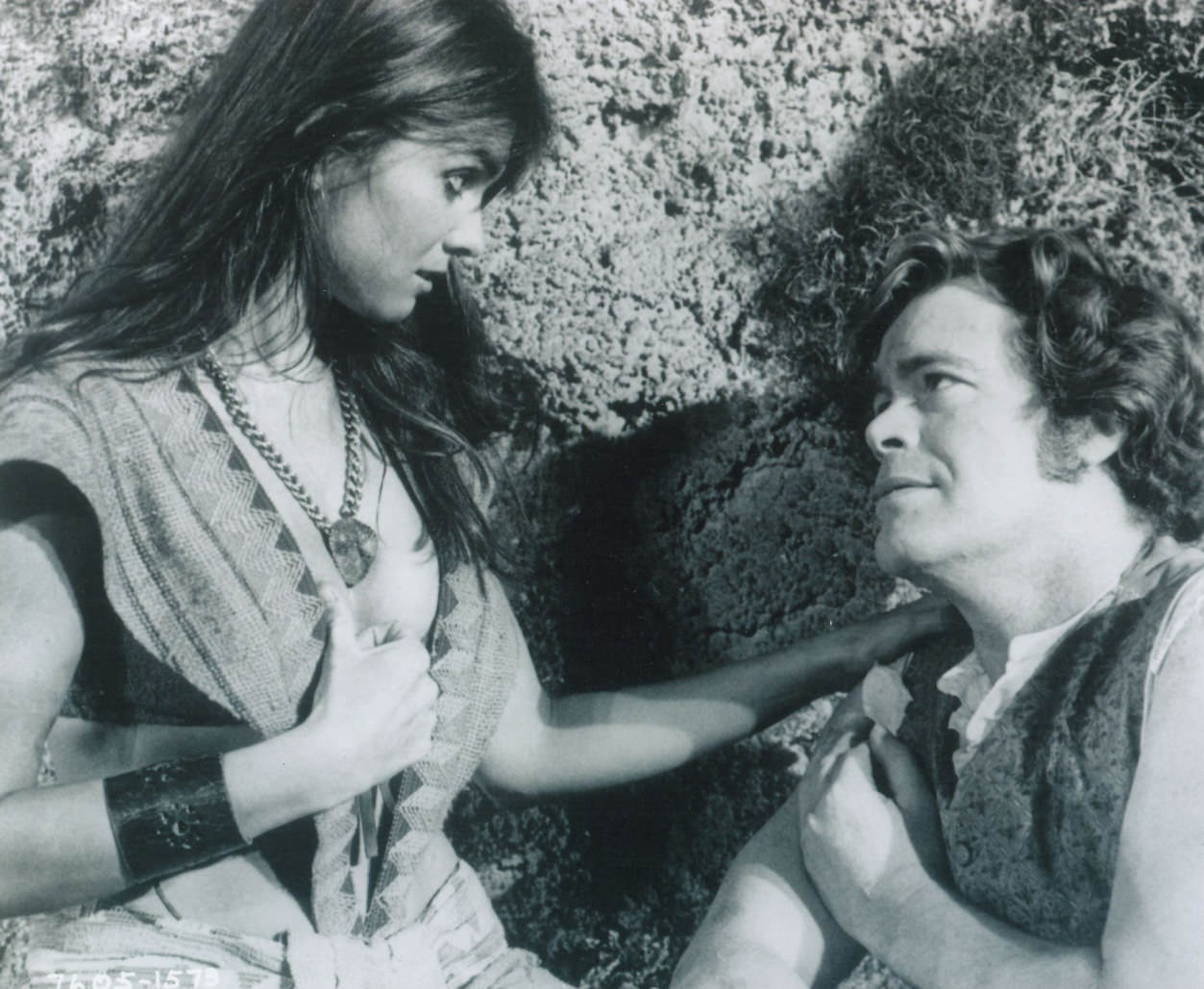
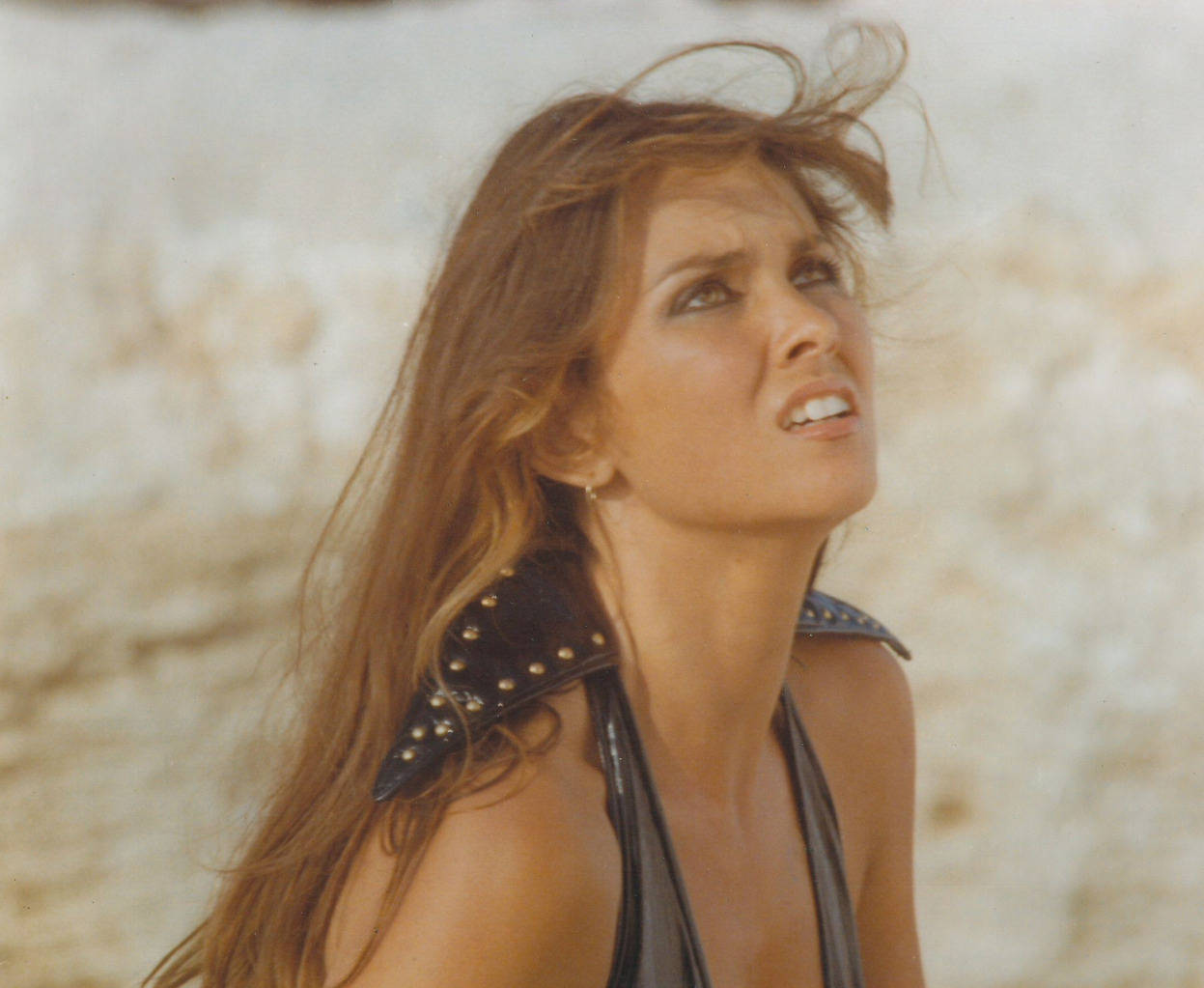
1976 brought another notable role in At the Earth’s Core, the science fiction adventure based on Edgar Rice Burroughs’ novel, with Doug McClure leading the cast. Munro appeared in full fantasy costume alongside McClure, navigating an underground world of prehistoric creatures. The film was pure escapist entertainment, and Munro fit the production perfectly.
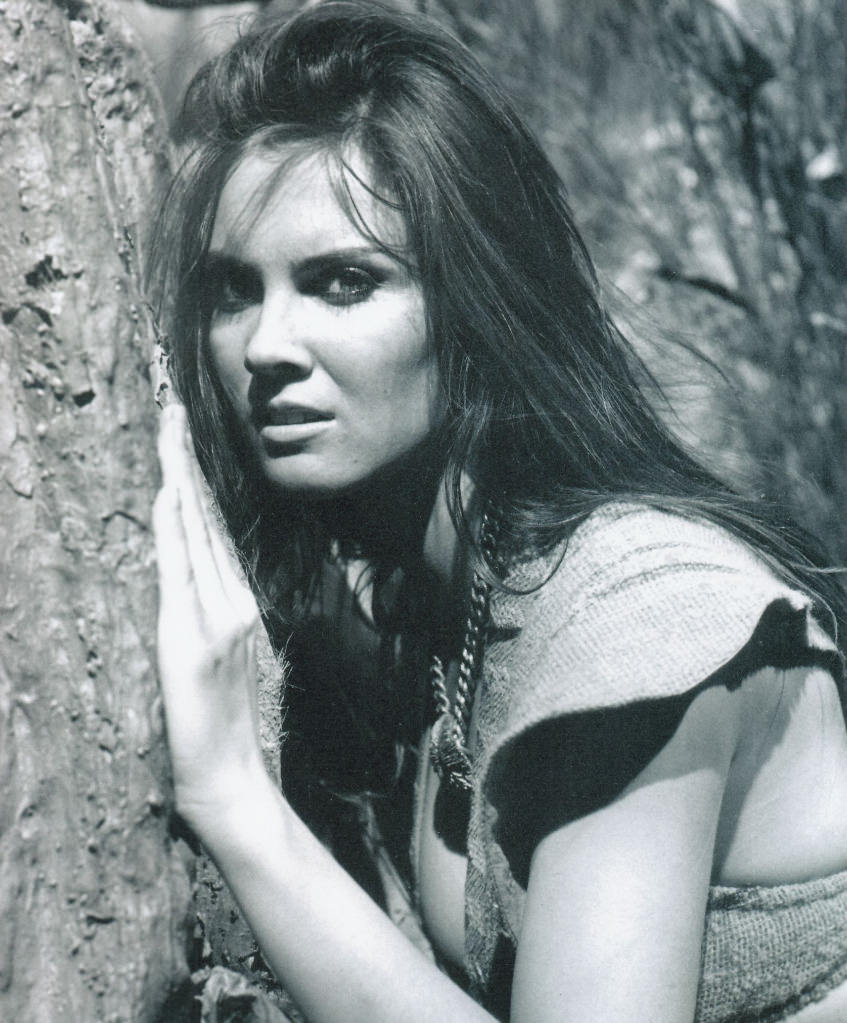
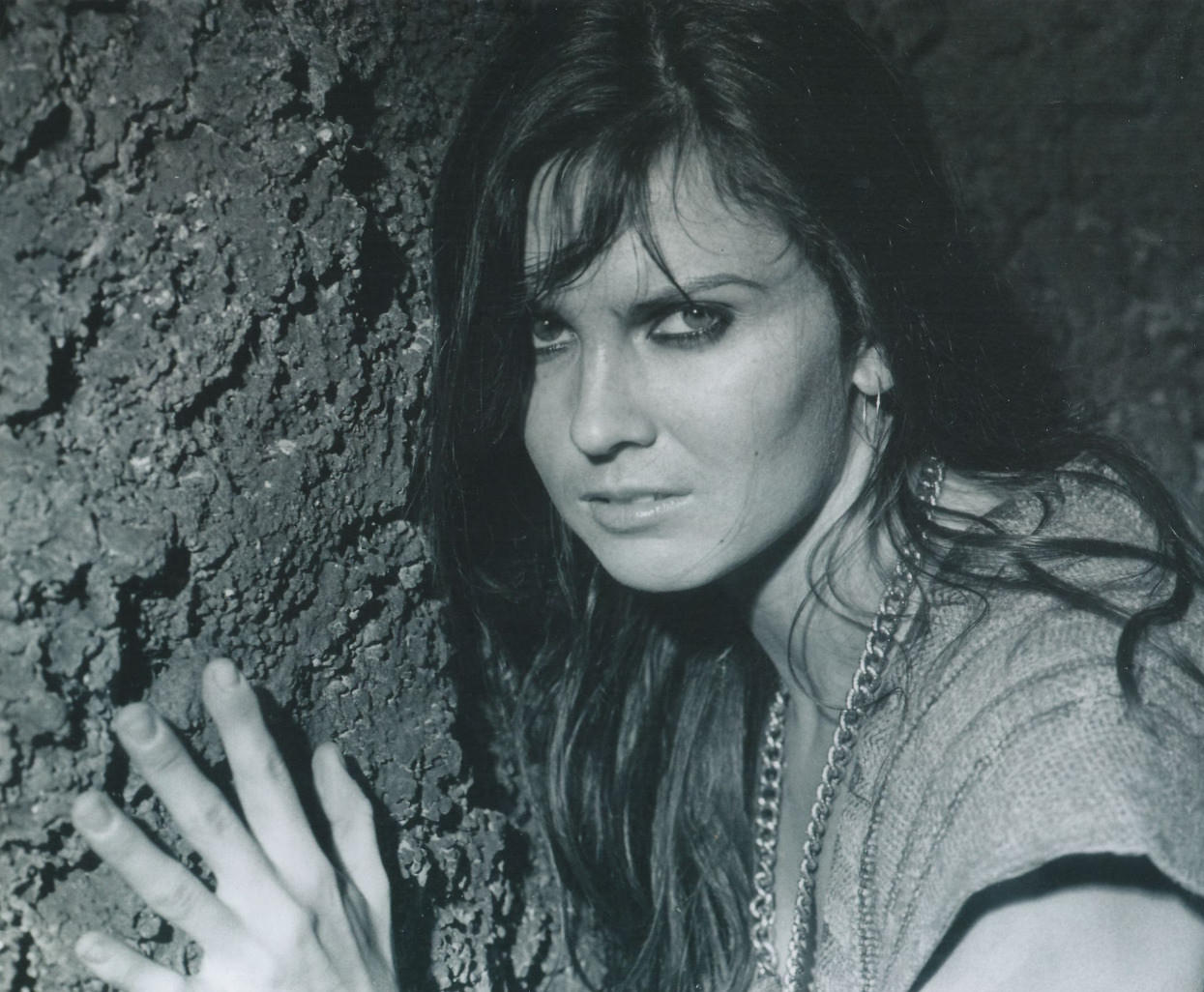
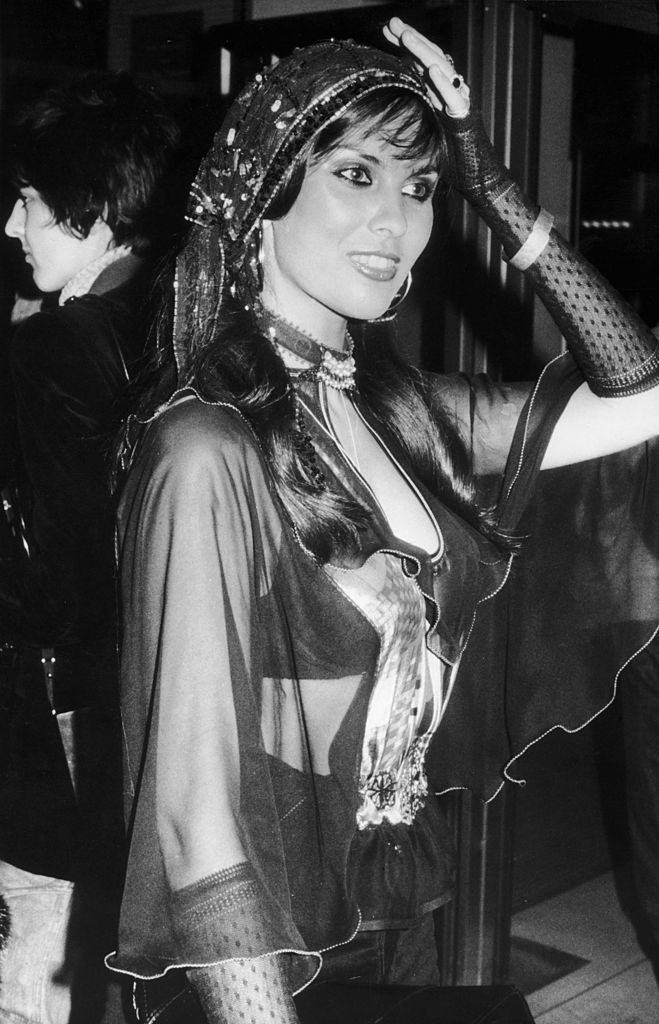
Then came the role that defined her for a generation. In 1977, Munro played Naomi in The Spy Who Loved Me, the James Bond film starring Roger Moore. Her casting came directly from her high-profile advertising work — producers had seen her in a campaign and wanted her on screen. Naomi is one of Bond’s most stylish adversaries, a helicopter pilot working for the villain Stromberg. The role gave Munro international exposure that no Hammer production could have matched.
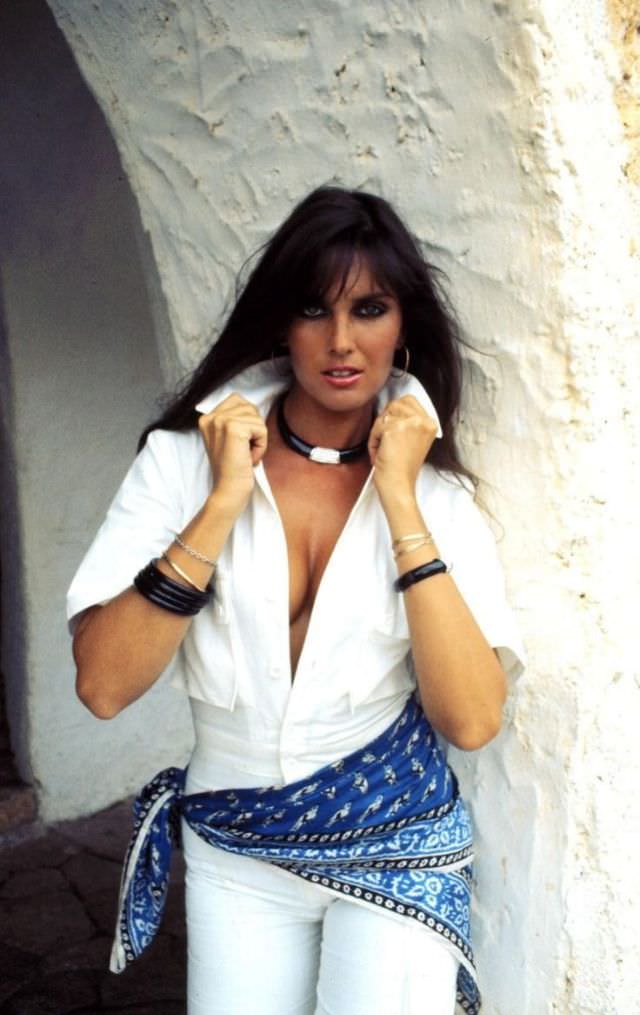
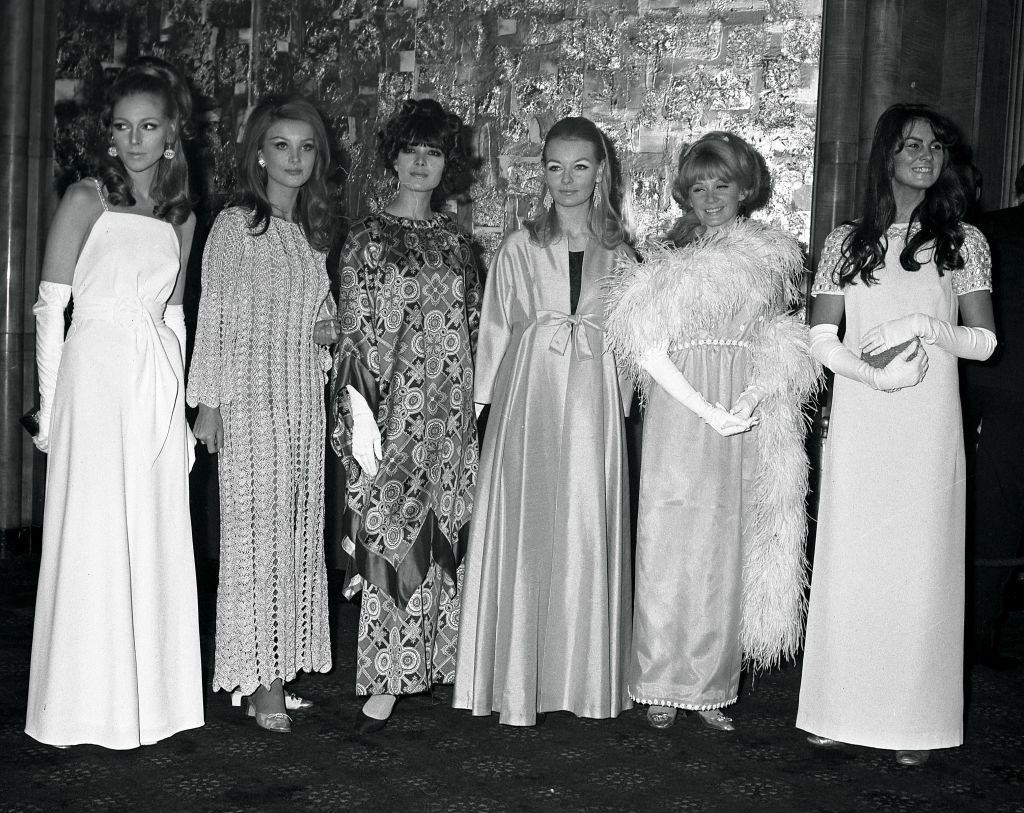
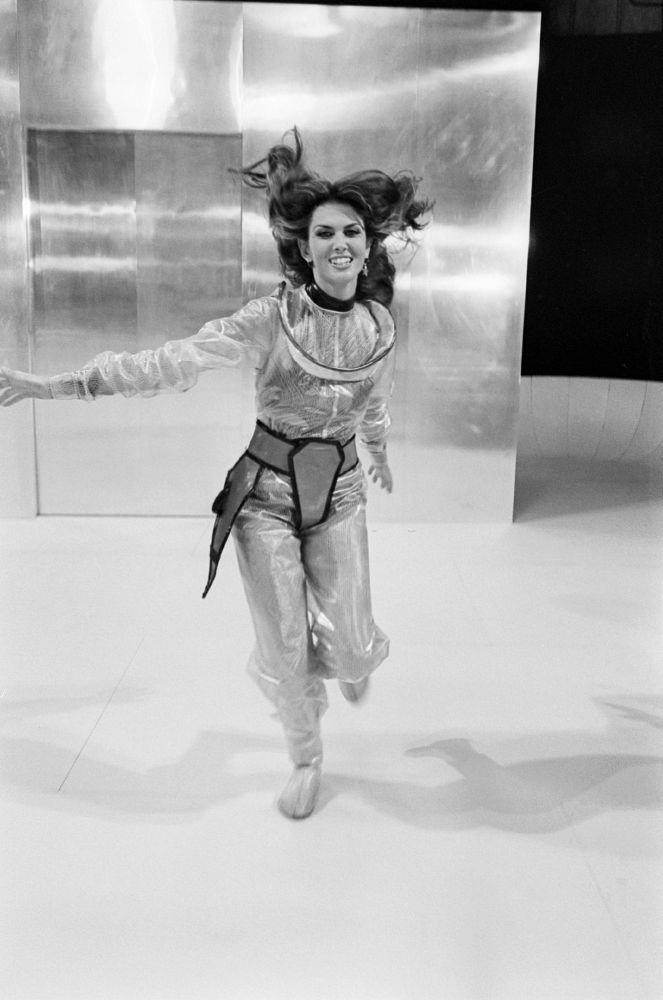
Also in 1977, Munro starred in the Italian science fiction film Starcrash, an ambitious low-budget space opera that leaned heavily into the popularity of Star Wars. She appeared alongside David Hasselhoff, who was still years away from his Baywatch fame. The film is campy and over the top, but Munro’s performance as the lead space smuggler Stella Star gave the production its energy.
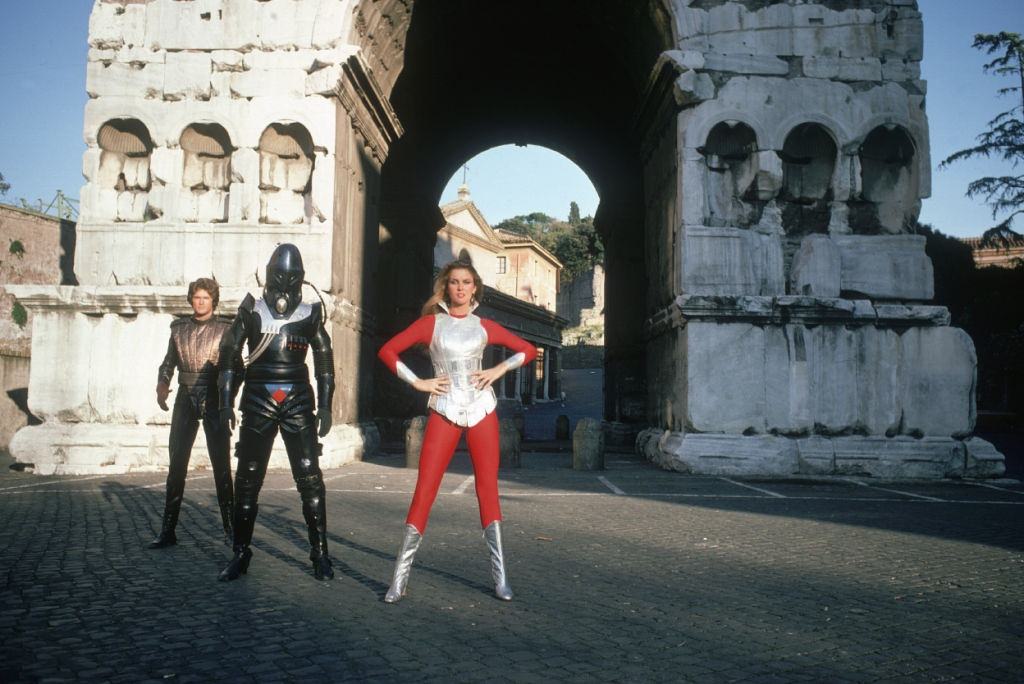
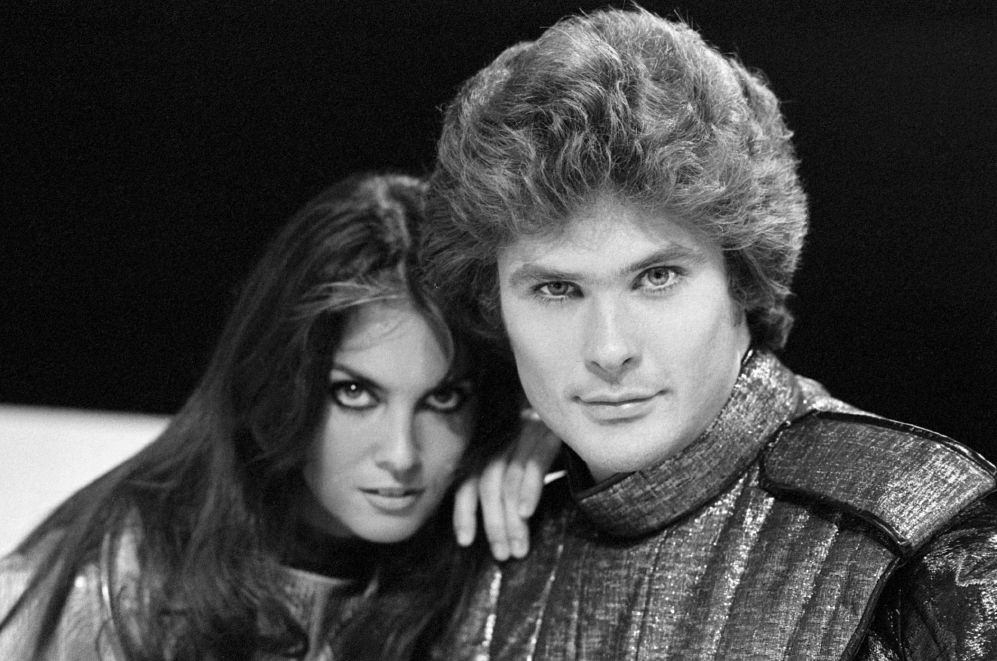
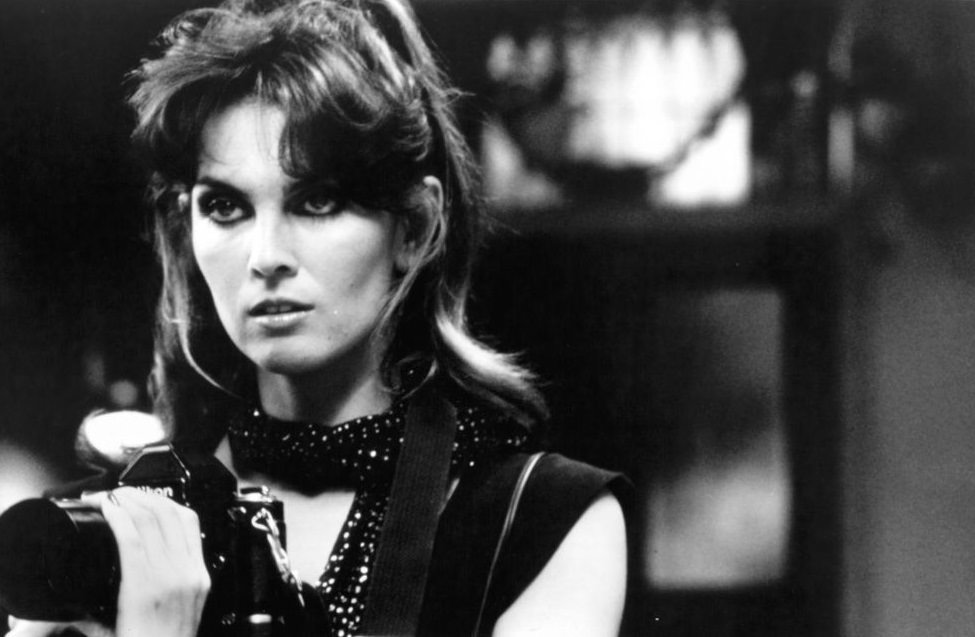
In 1980, Munro took on a very different kind of role in Maniac, the American slasher film directed by William Lustig. The film is graphic and disturbing by design, and Munro’s character brought a rare moment of warmth to an otherwise brutal story. That same year, she appeared at the Cannes Film Festival, a reminder that her career spanned both grindhouse cinema and prestigious European film culture.
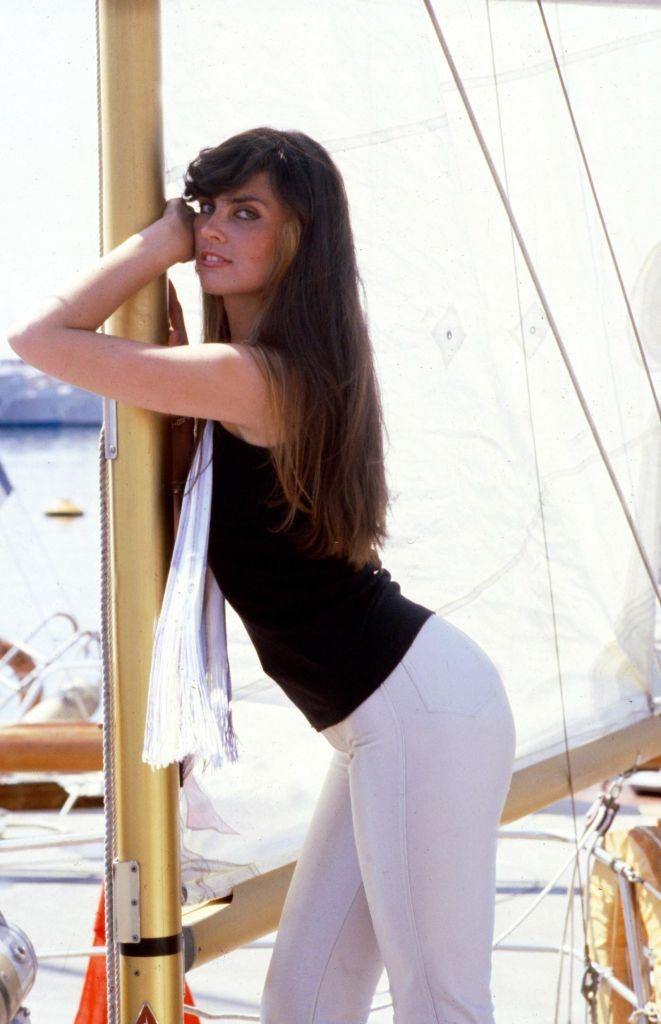
Outside of acting, Munro recorded several music singles with her first husband, singer Judd Hamilton, throughout the 1970s. The two had married in 1970, and their partnership extended into the recording studio. In 1984, she collaborated with synth-pop pioneer Gary Numan on the single “Pump Me Up,” adding a new dimension to her creative output.
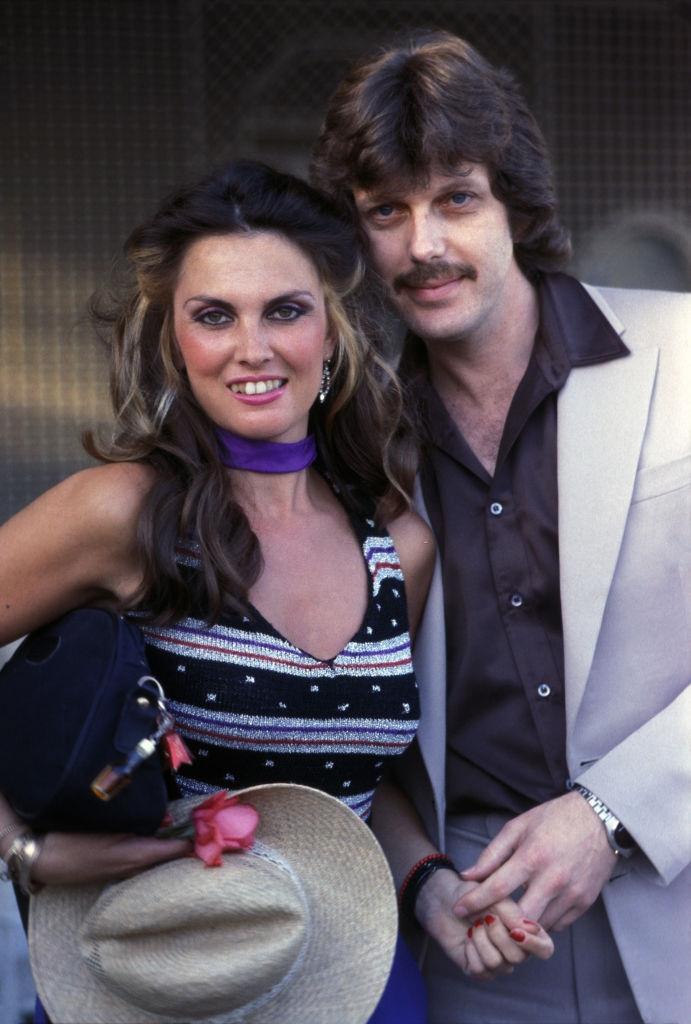
Munro and Hamilton’s marriage ended after twelve years. In 1990, she married film director George Dugdale. Together they have two daughters, Georgina Dugdale and Iona Dugdale. Munro also hosted the Yorkshire Television game show 3-2-1, broadening her presence on British television beyond her film work. In 2018, she returned to horror with an appearance in House of the Gorgon, proving her connection to the genre has never faded.