Mackenzie Phillips entered Hollywood before most kids finish middle school. Born to John Phillips — the lead singer of The Mamas & the Papas — she grew up surrounded by rock-and-roll royalty. That world came with fame, but it also came with destruction. Her life story is one of real talent cut apart by addiction, family trauma, and a secret she carried for decades before finally putting it into print.
Her first major screen appearance came in 1973 with the George Lucas comedy film “American Graffiti.” She was just 13 years old when the film hit theaters on August 11, 1973. The movie was a massive success and immediately put Mackenzie on the map.
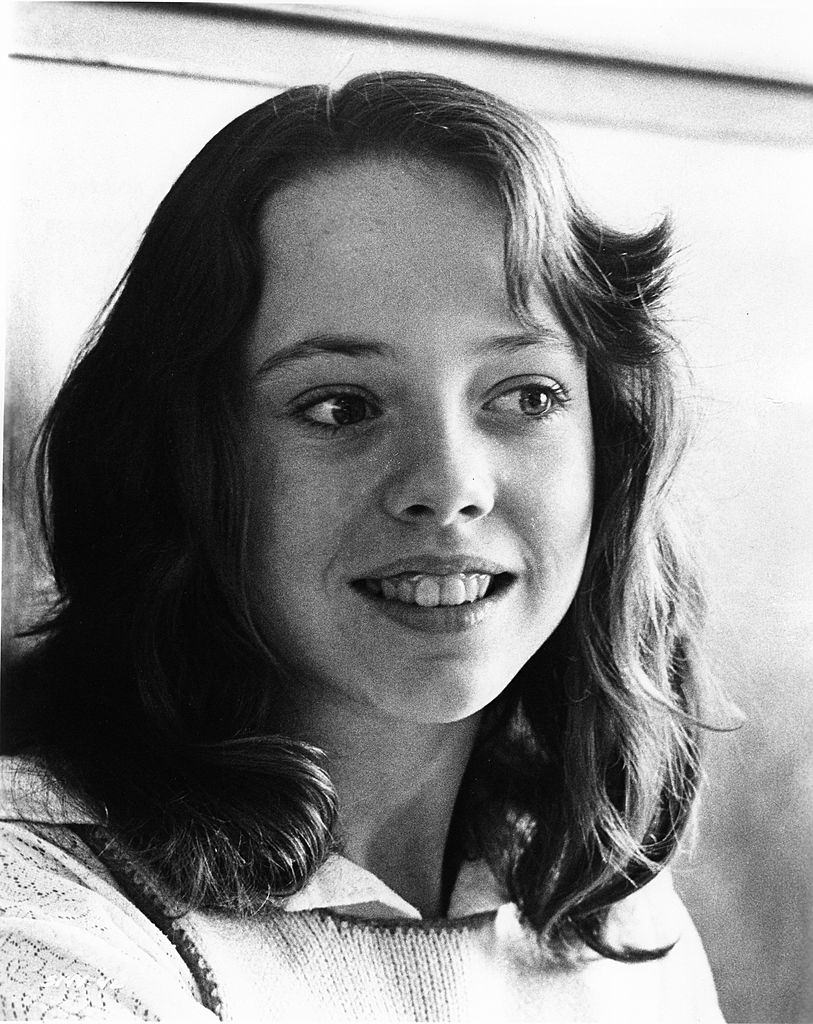
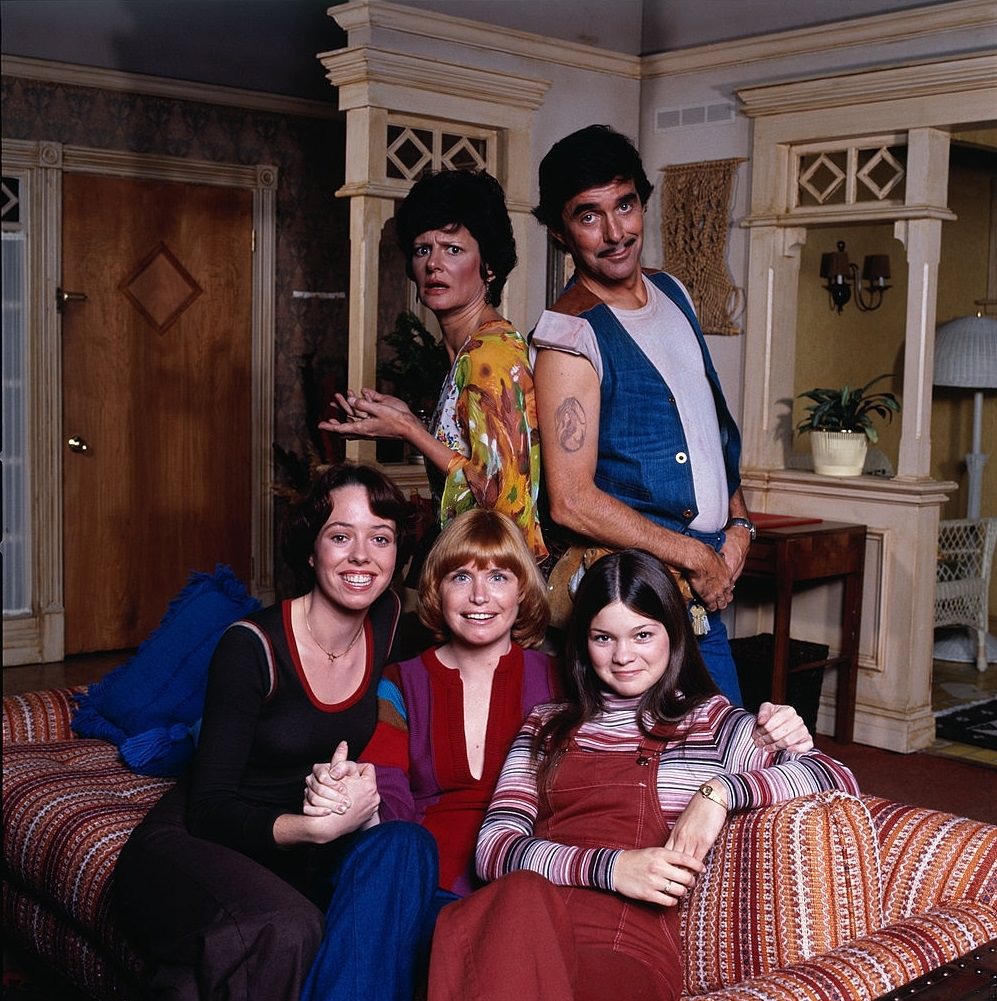
Two years later, the role that would define her early career arrived. In 1975, Mackenzie was cast as Julie Cooper in the CBS sitcom “One Day at a Time.” The show was a hit, and Mackenzie — still a teenager — became one of the most recognizable young faces on American television.
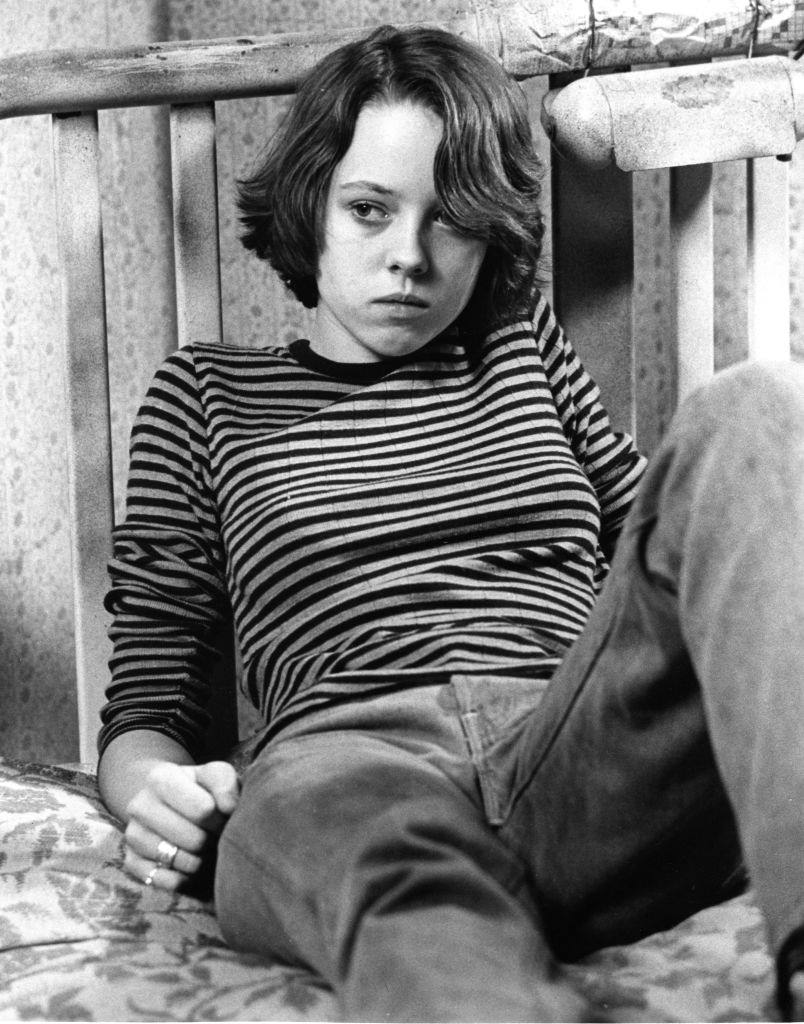
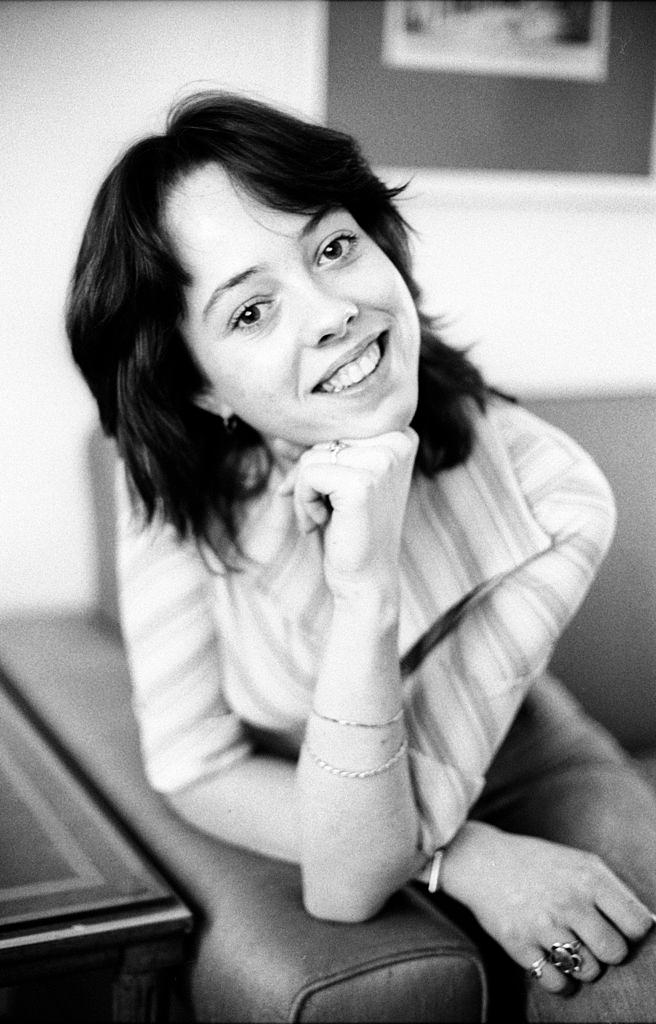
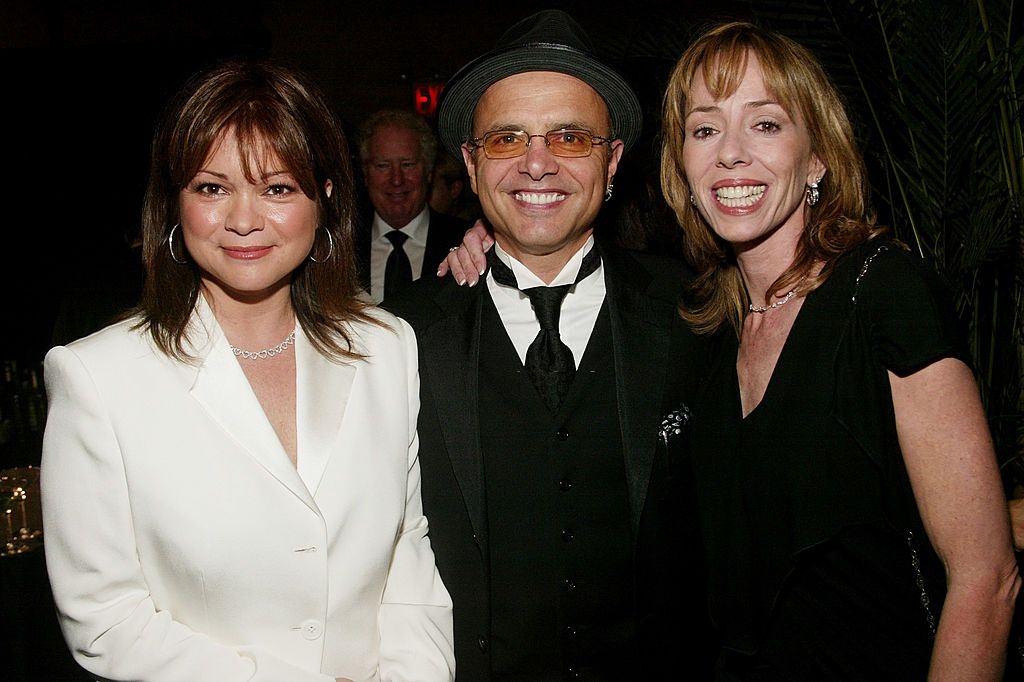
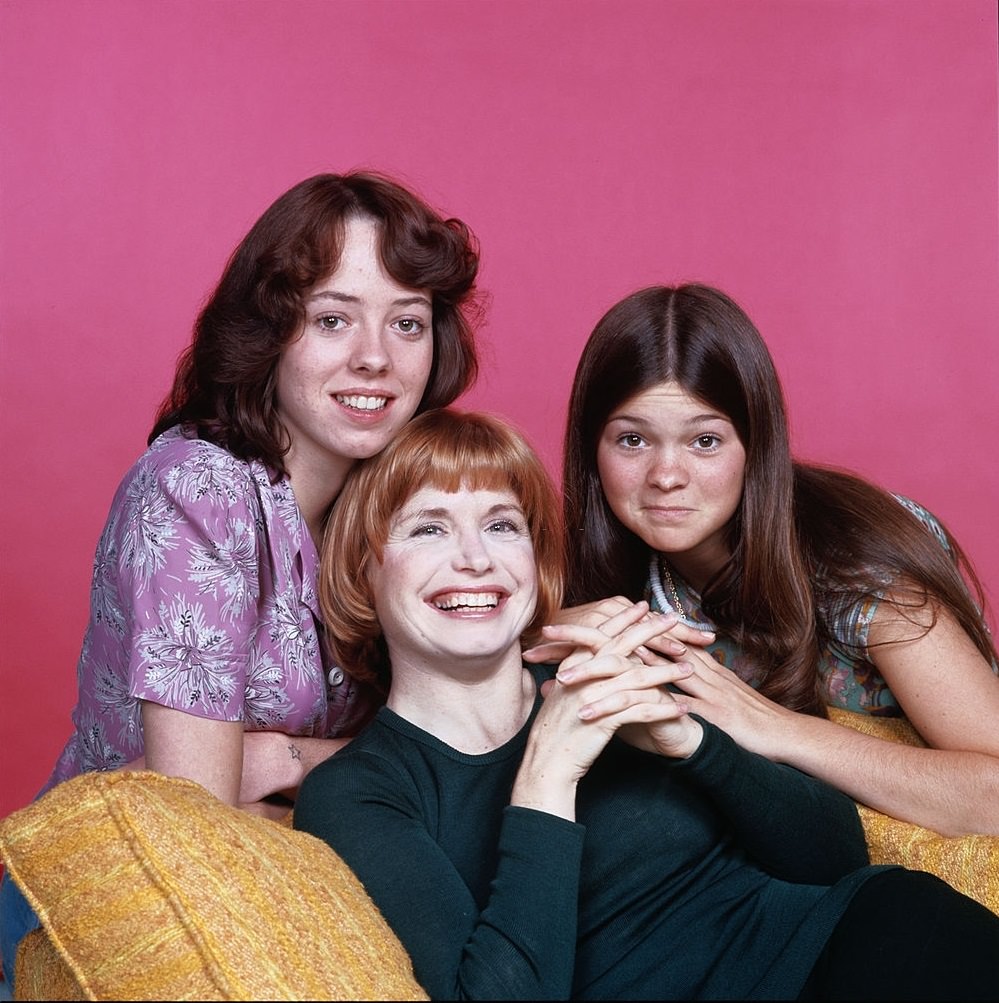
“One Day at a Time” starred Bonnie Franklin as a divorced mother raising two daughters in Indianapolis. Mackenzie played the older daughter, Julie, alongside Valerie Bertinelli. The show ran for nine seasons and tackled serious social topics that were unusual for sitcoms at the time. Mackenzie’s performance was a key reason the show connected with younger audiences.
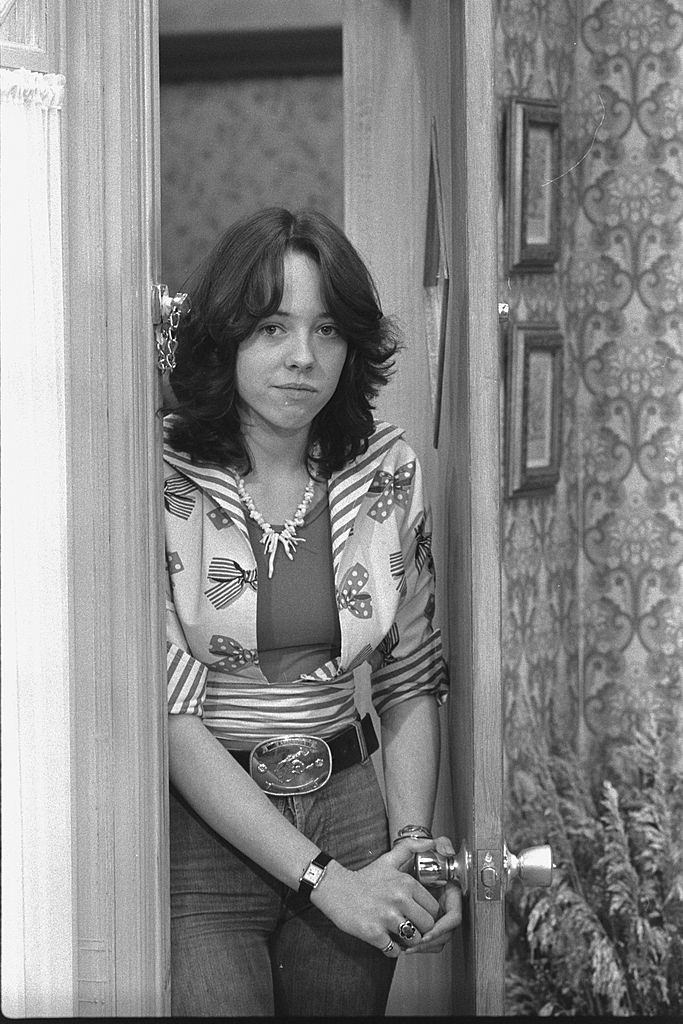
Off screen, her life was already unraveling. Mackenzie first tried cocaine at age 11. Her father John was himself deep in drug addiction, and that environment shaped her early exposure to substances. By the time she was a teenager and a working actress, the addiction had already taken root.
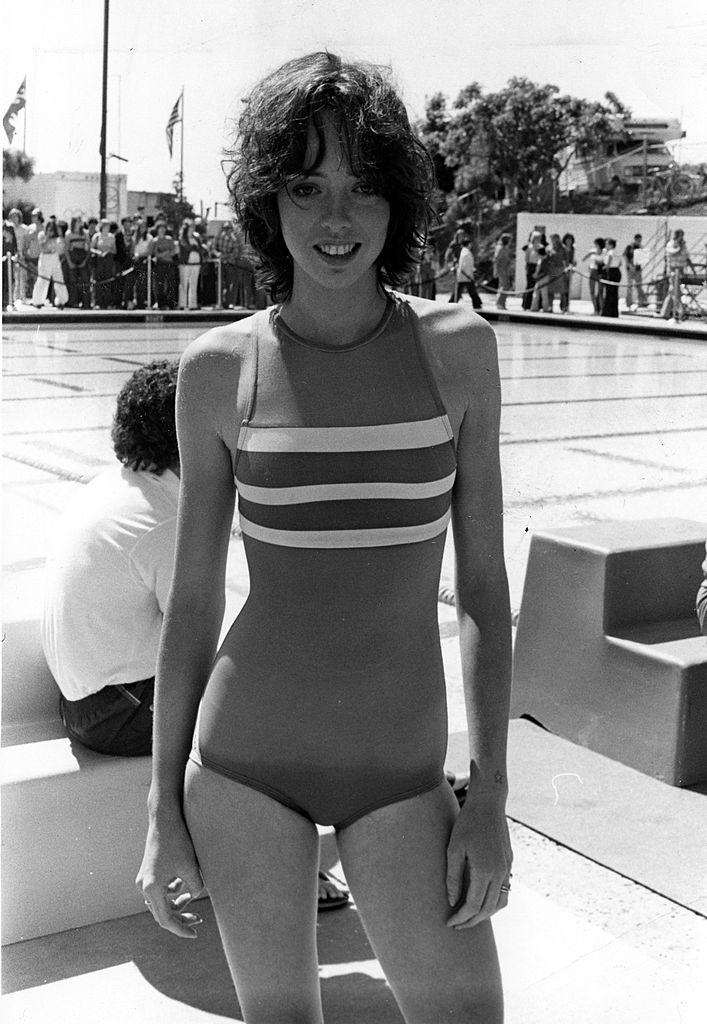
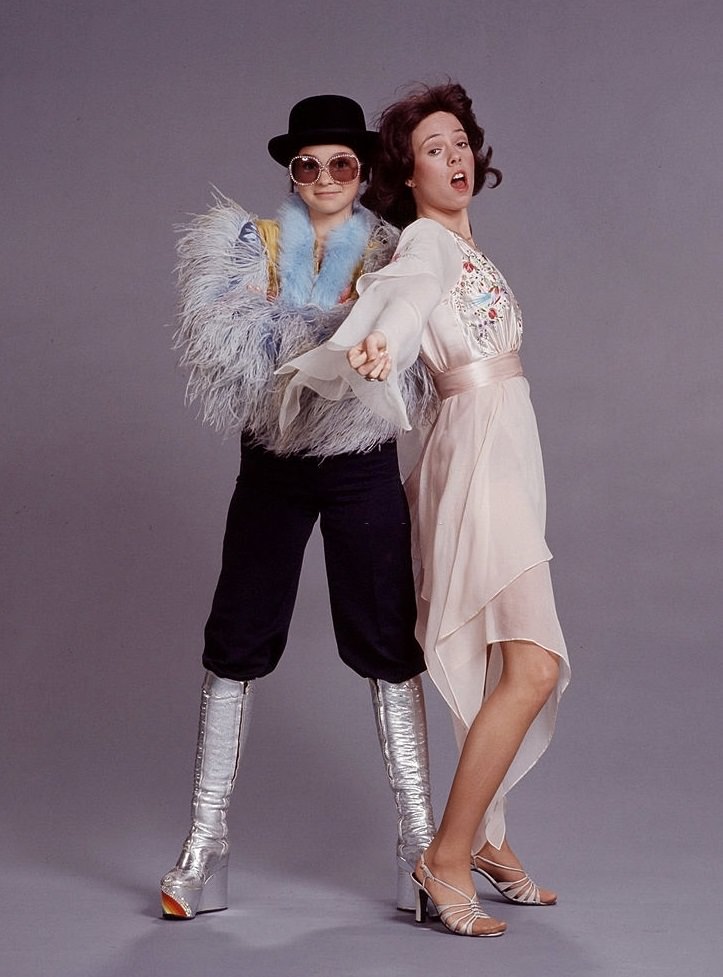
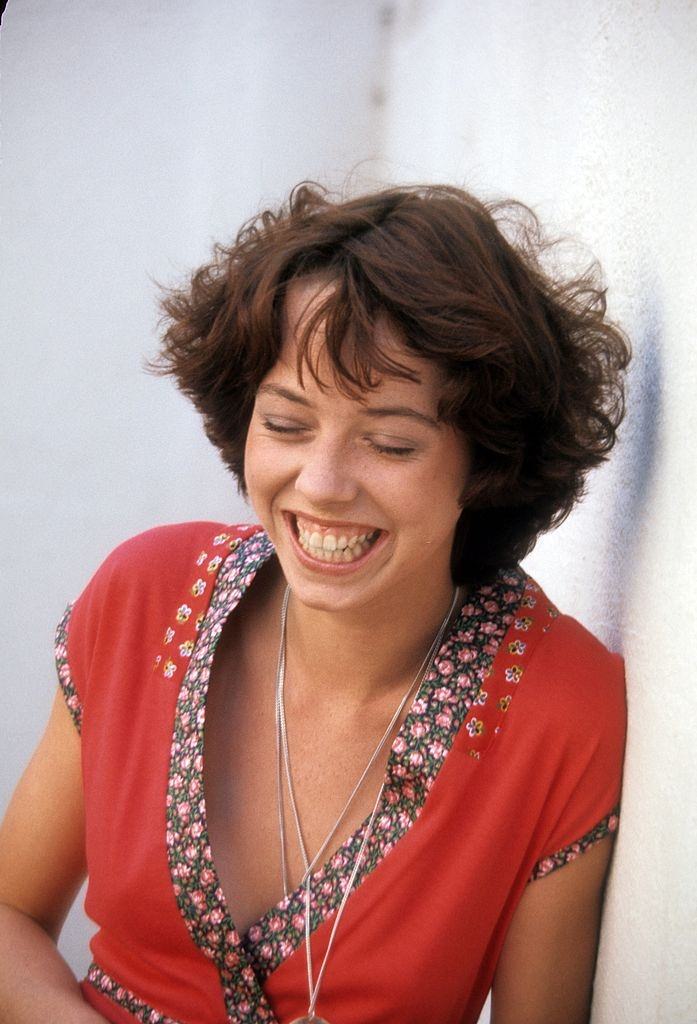
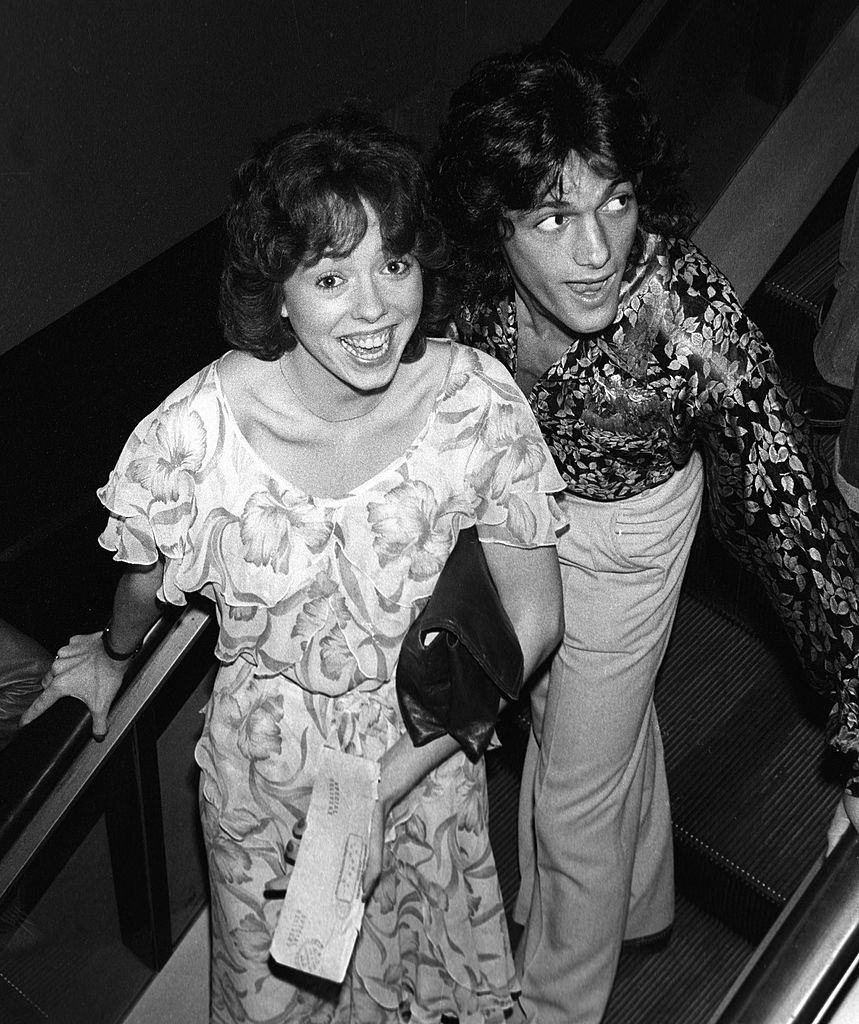
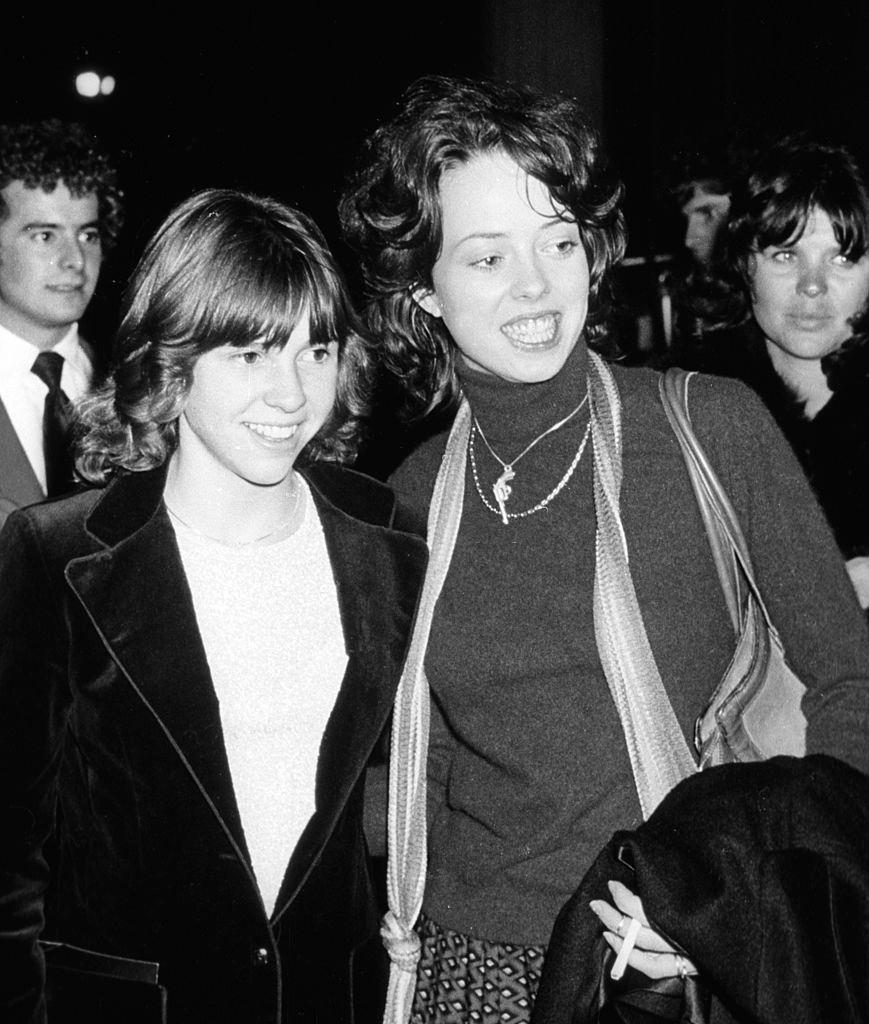
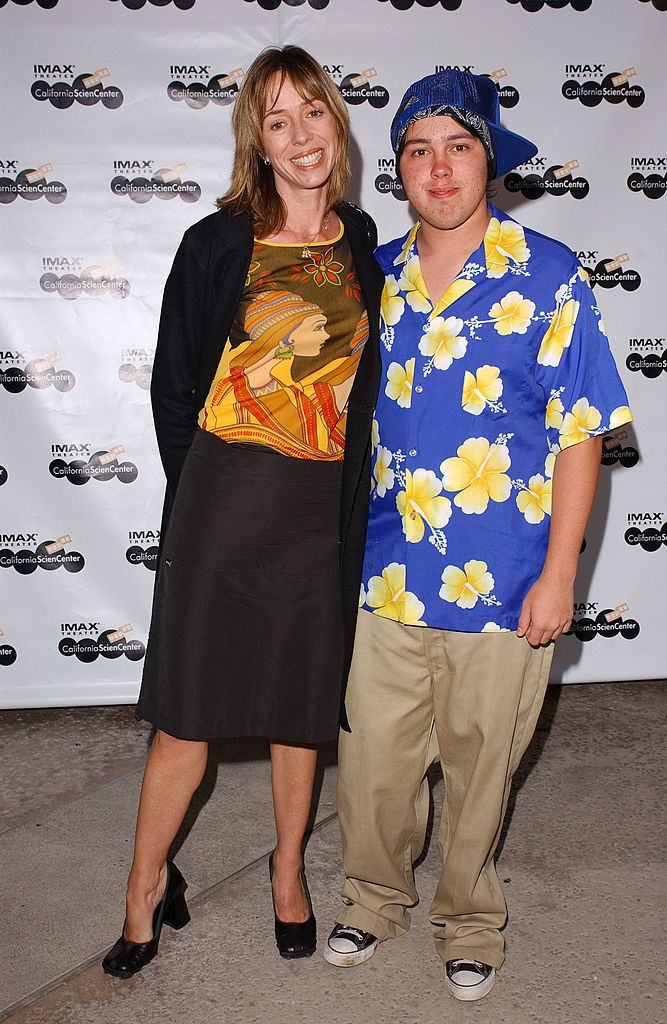
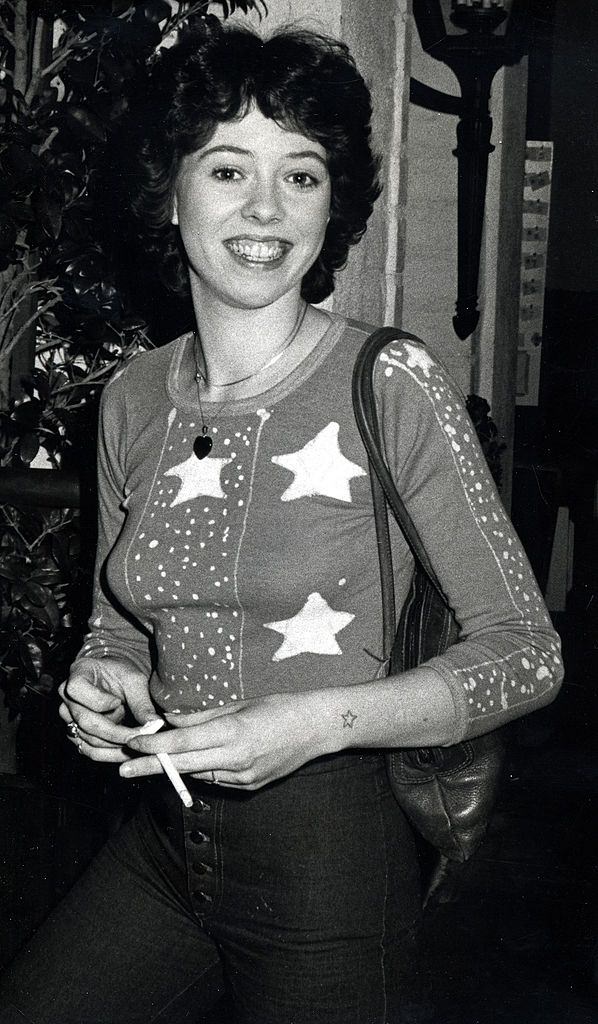
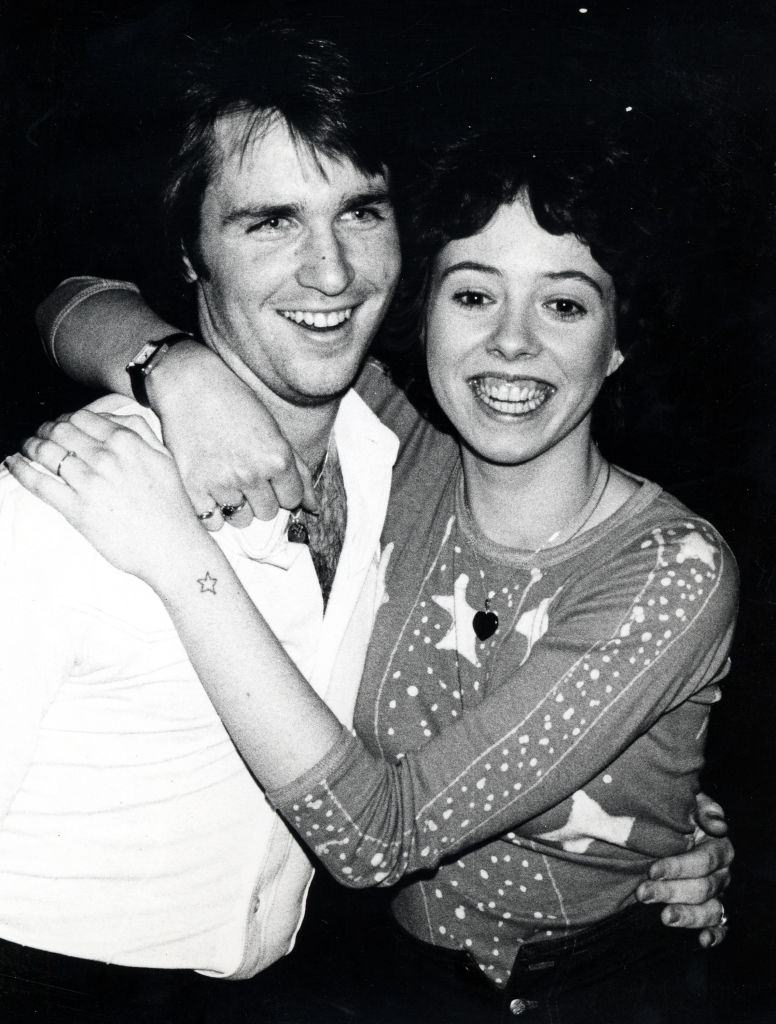
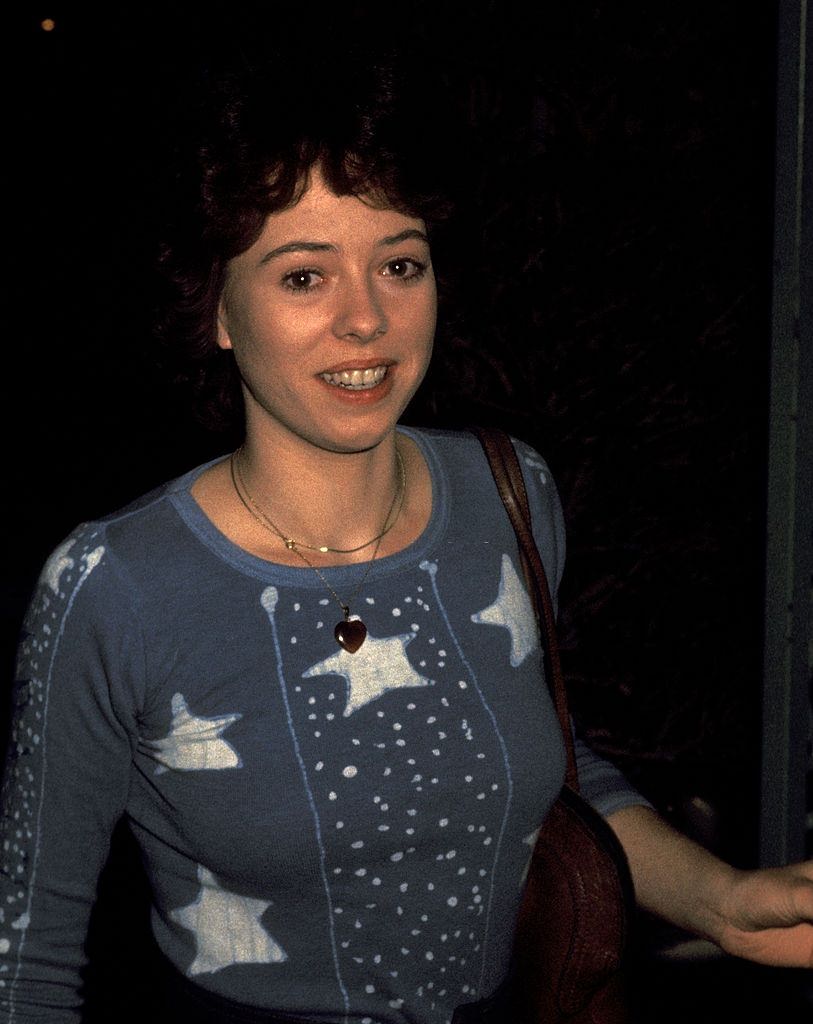
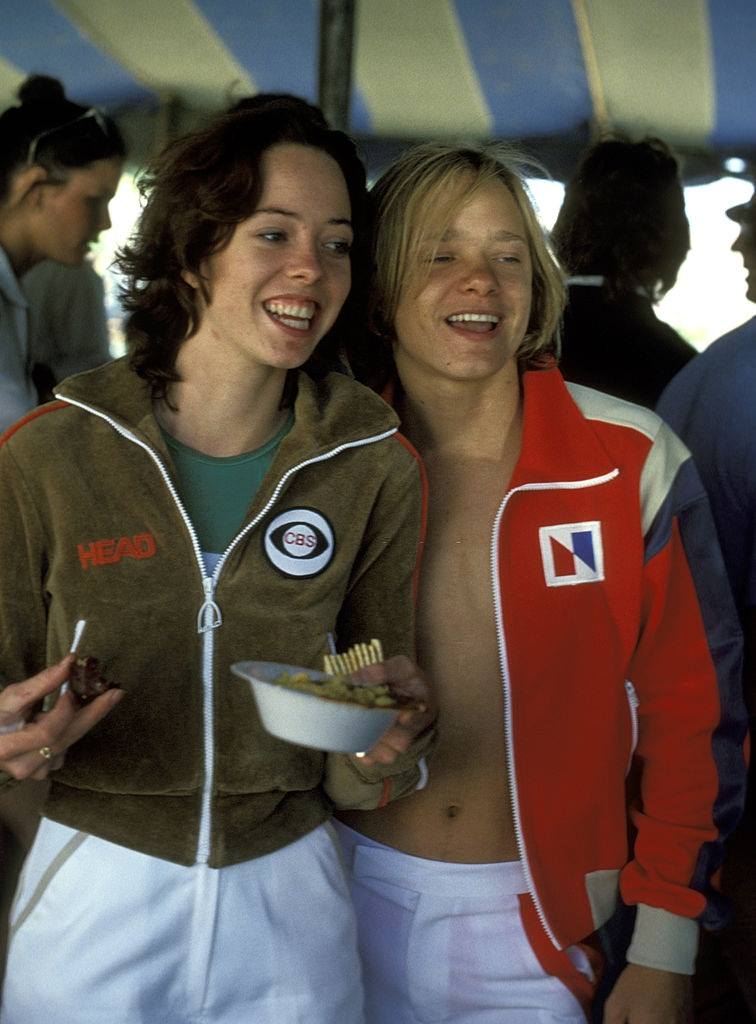
Despite what was happening behind the scenes, Mackenzie’s public profile in the mid-1970s was at its peak. She appeared in teen magazines, attended industry events, and was photographed regularly alongside her “One Day at a Time” co-stars. Tiger Beat and similar magazines treated her as a young star with a bright future ahead.
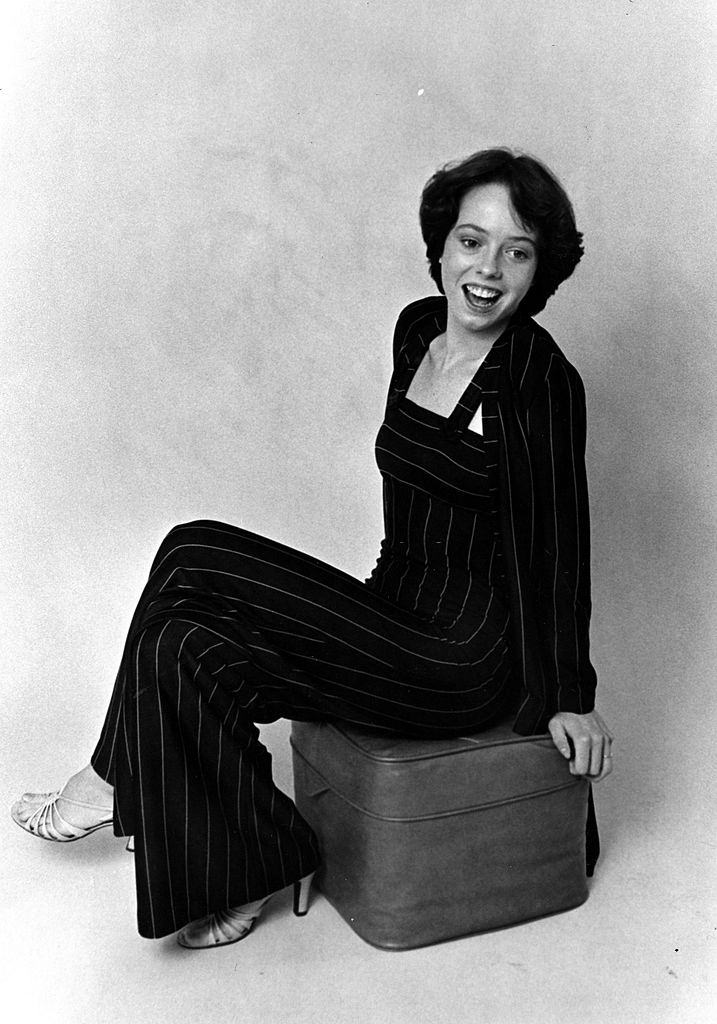
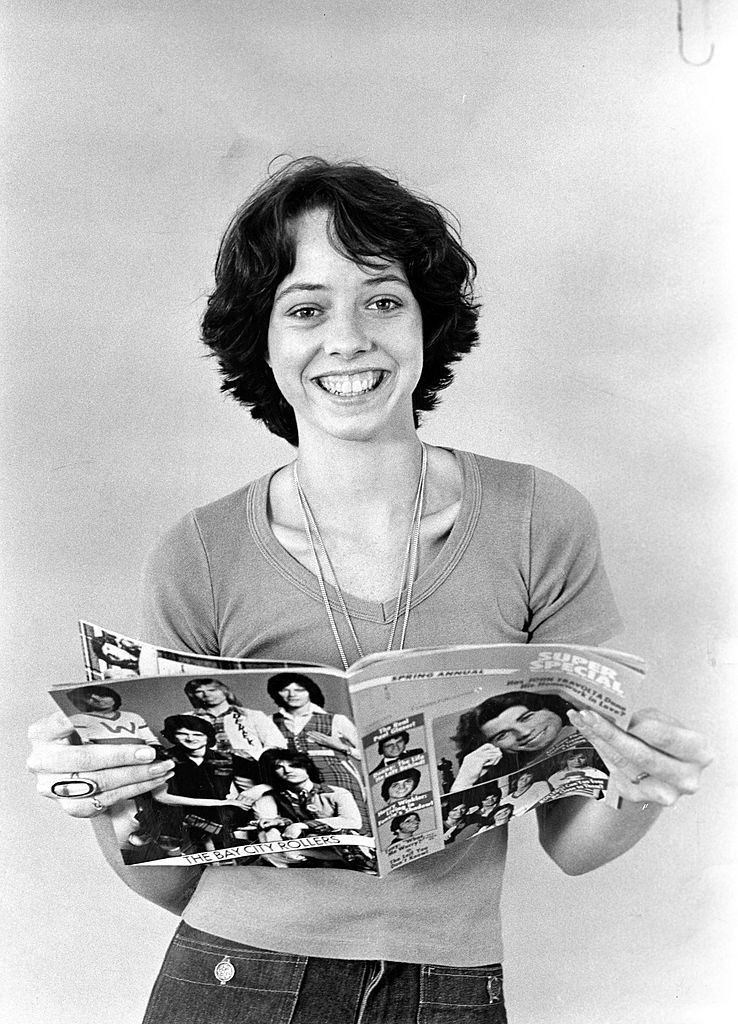
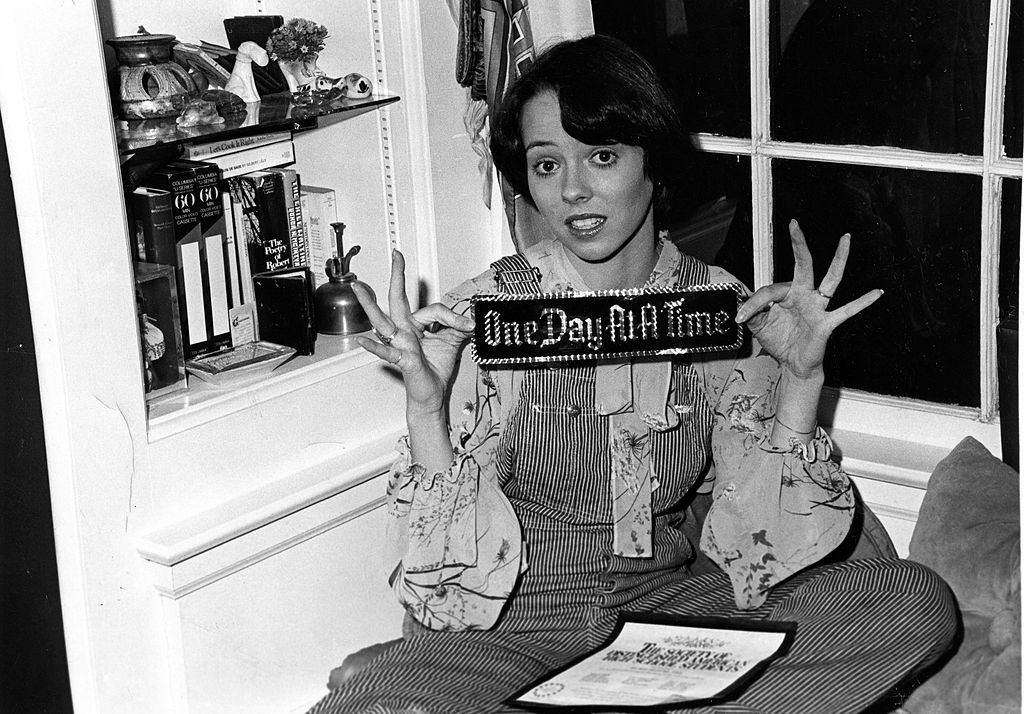
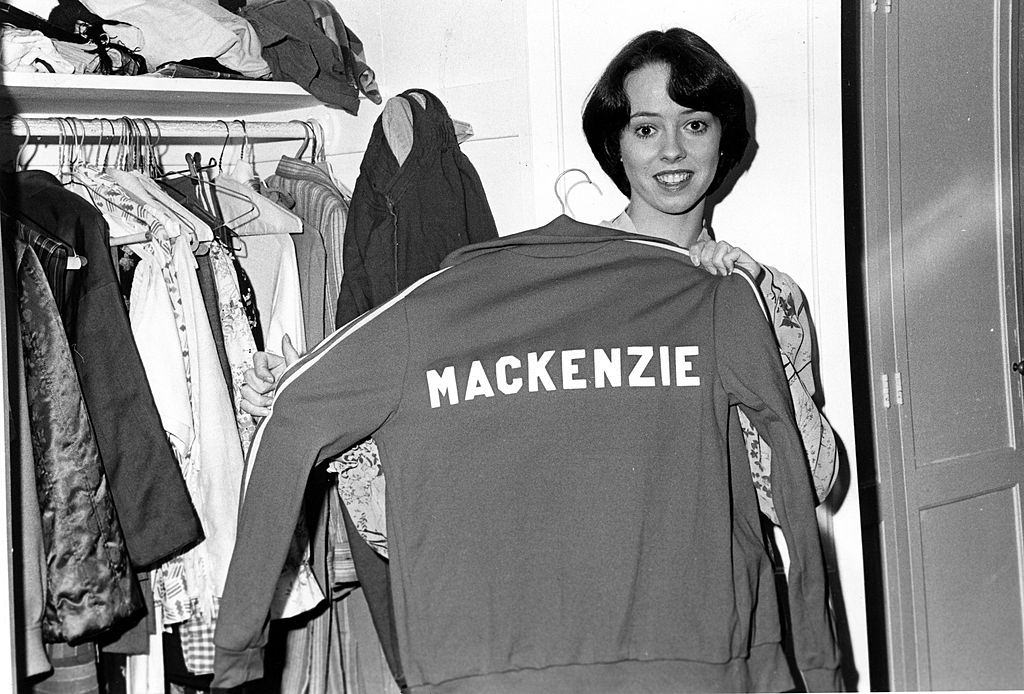
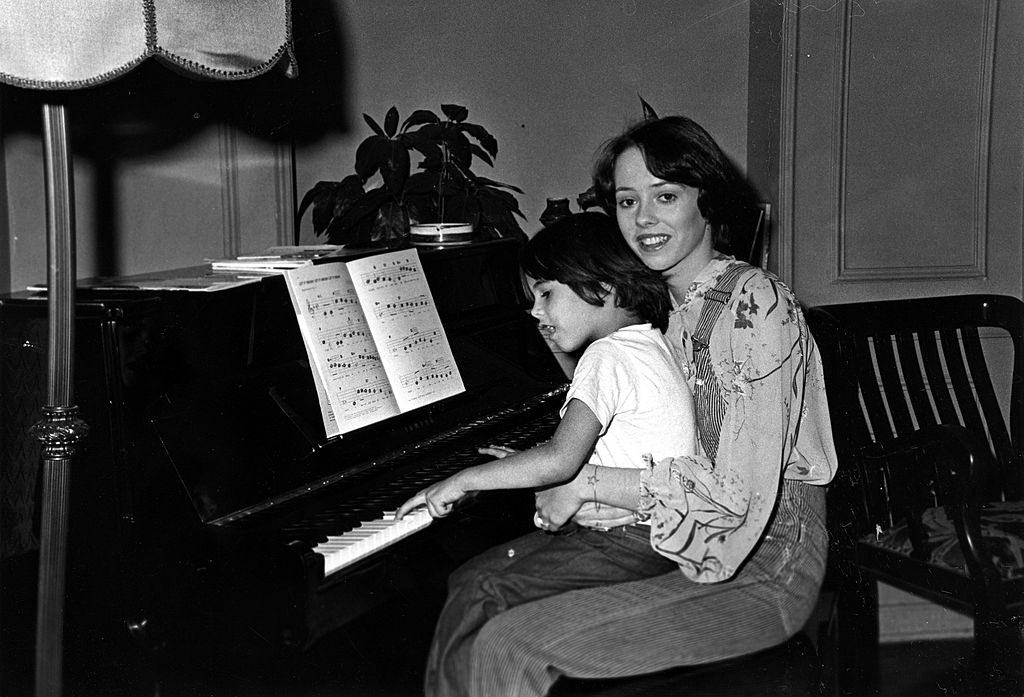
Throughout the late 1970s, Mackenzie remained a fixture on the Hollywood social scene. She attended parties, charity events, and industry gatherings — all while her drug use was escalating privately. The gap between her public image and private reality grew wider with each passing year.

Mackenzie was married twice. Her first husband was Jeff Sessler, a member of the Rolling Stones entourage. In 1986, she married guitarist Michael Barakan. Neither marriage provided the stability she needed, and her addiction continued to drive decisions in her personal life.
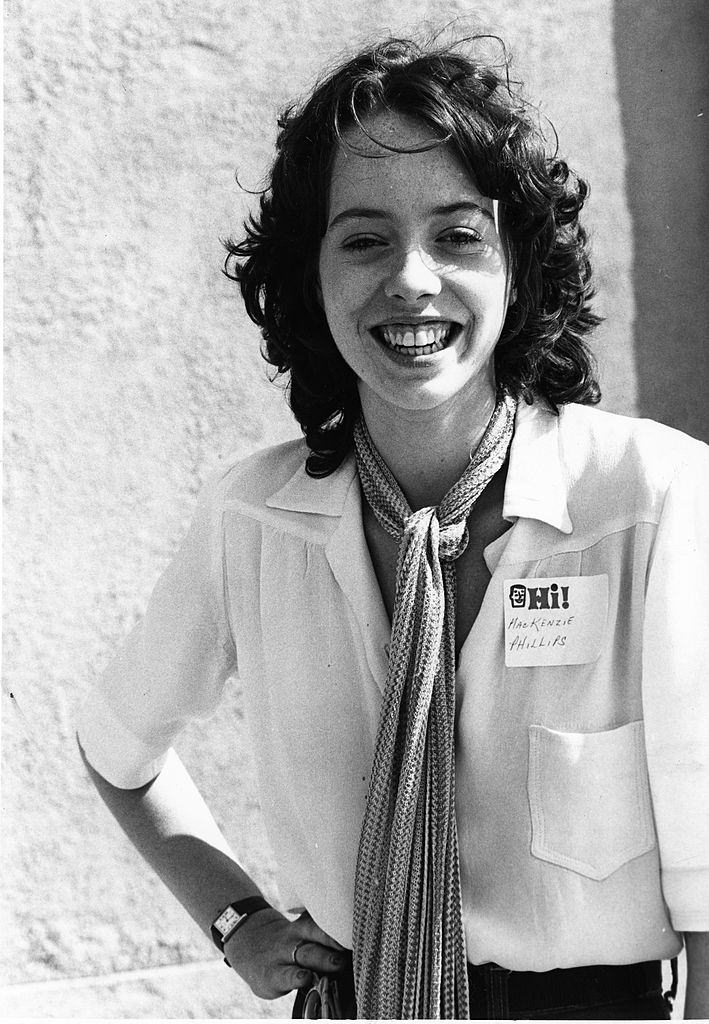
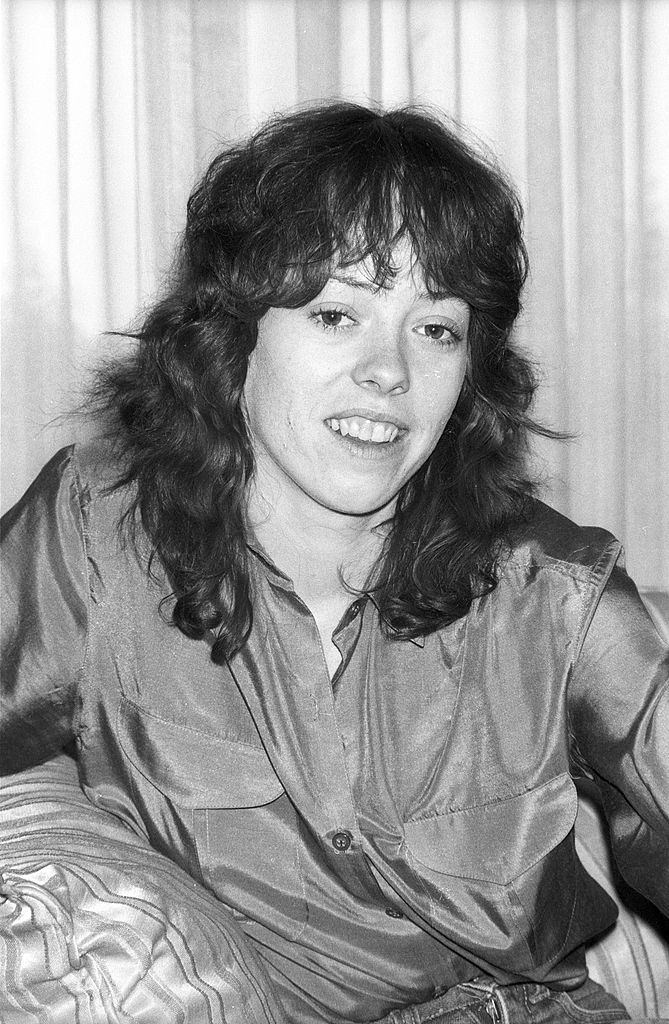
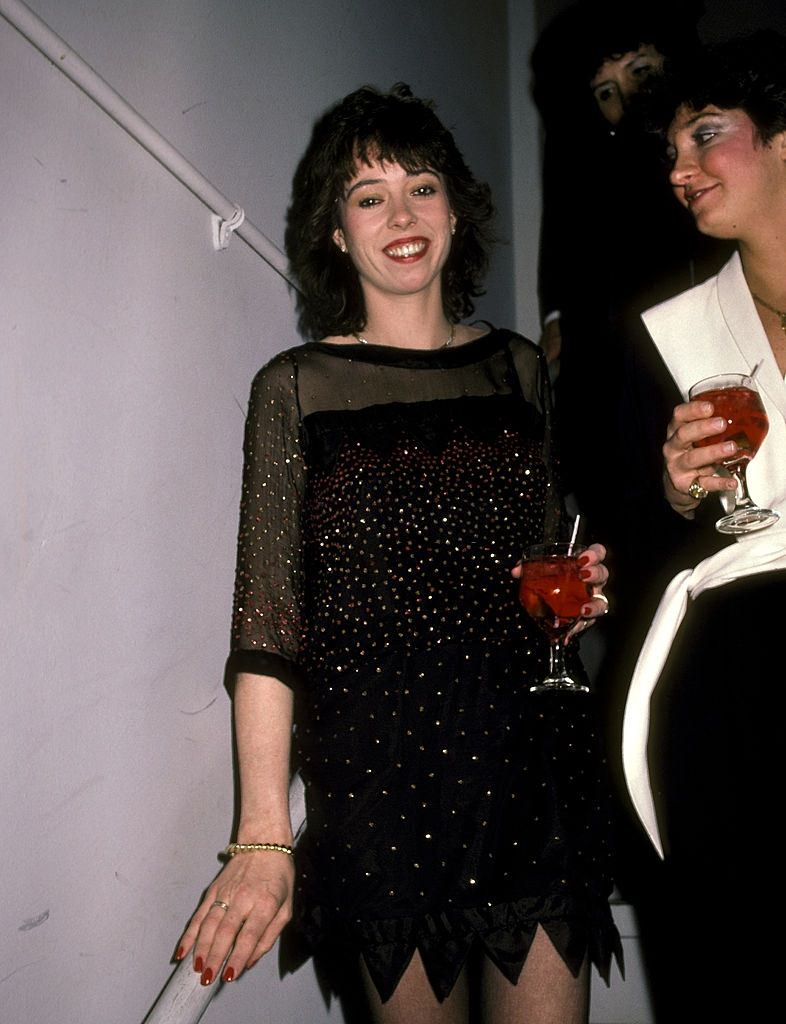
Her relationship with her father John was complicated far beyond the shared drug use. In her 2009 memoir, “High on Arrival,” Mackenzie revealed that she had a 10-year sexual relationship with her father. It began when she was 18. She blacked out and woke up to find her father raping her. When she confronted him the next morning — telling him directly, “We need to talk about how you raped me” — John Phillips responded, “Raped you? Don’t you mean, ‘We made love?'” Mackenzie wrote that the relationship became consensual over time and lasted a decade, ending when she became pregnant and could not determine whether the father was John or her husband.
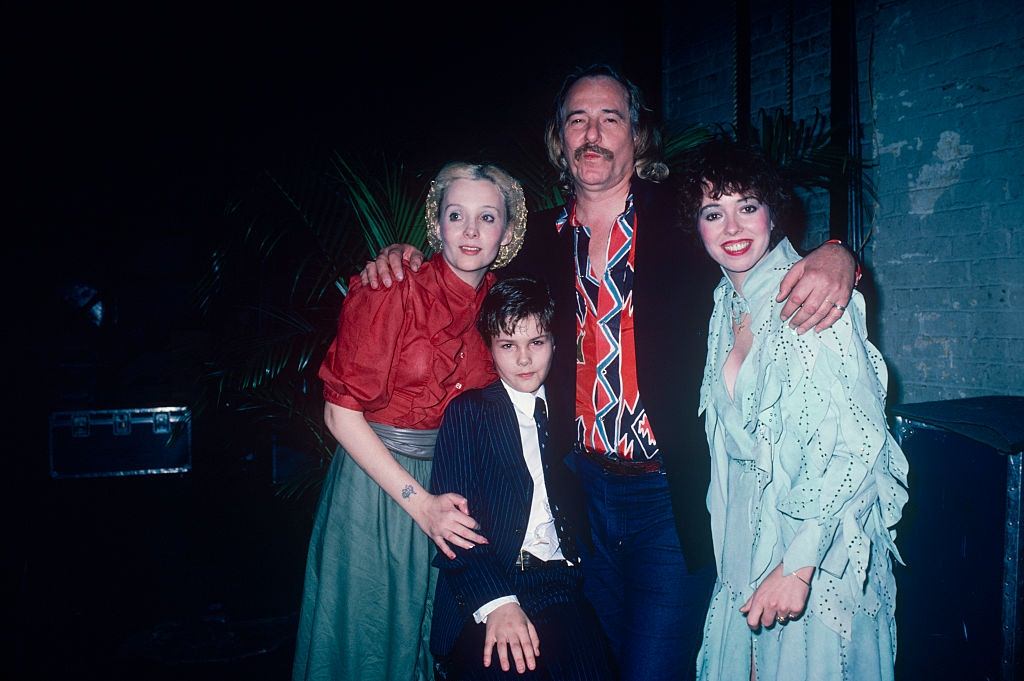
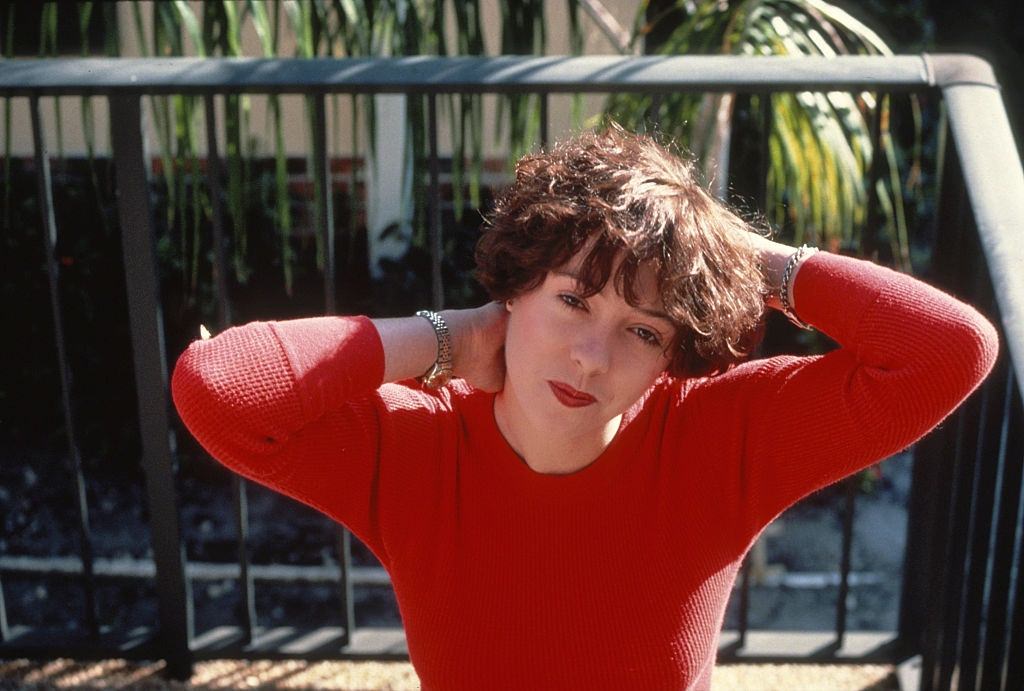
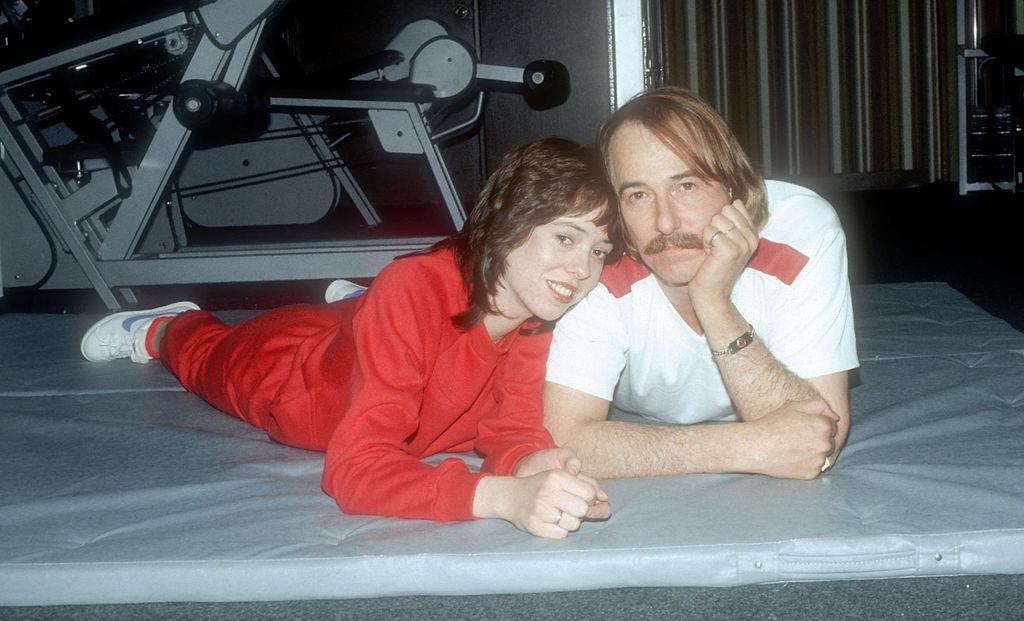
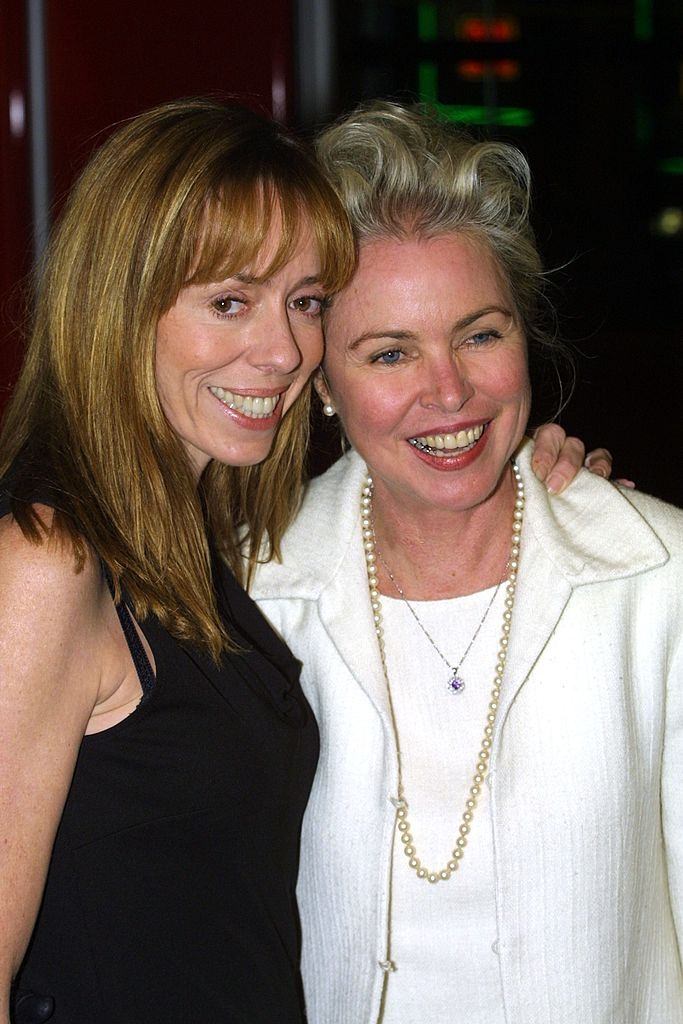
Her half-sister Chynna Phillips — daughter of John Phillips and Michelle Phillips — addressed the memoir publicly. “Was he actually raping her? I don’t know,” Chynna said in an interview. “Do I believe that they had an incestuous relationship and that it went on for 10 years? Yes.” Chynna’s statement stopped short of calling it rape throughout, but confirmed the core of what Mackenzie had written.
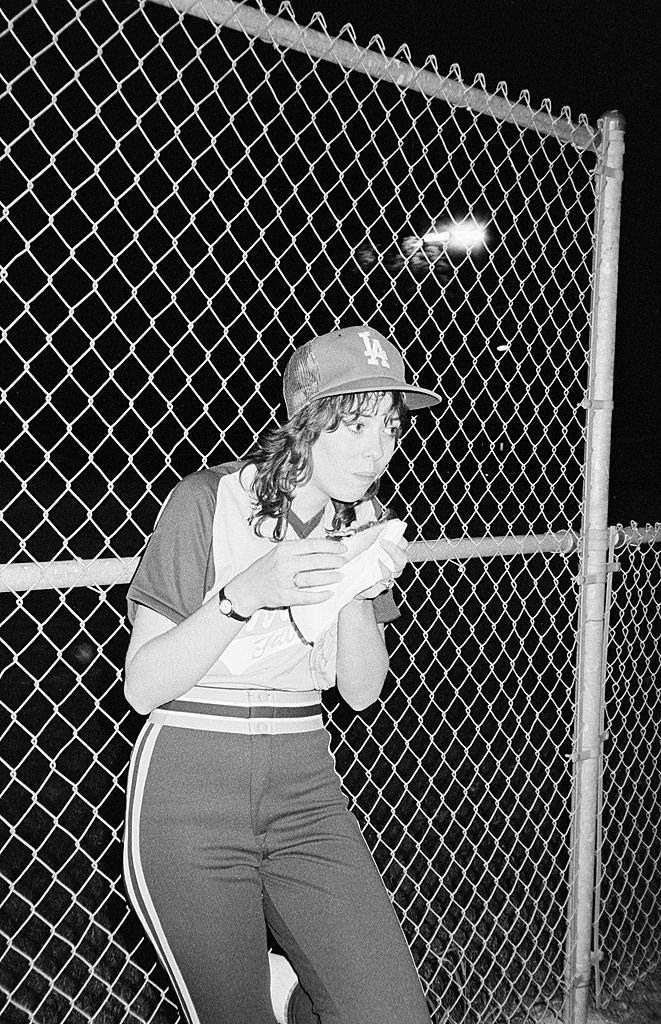
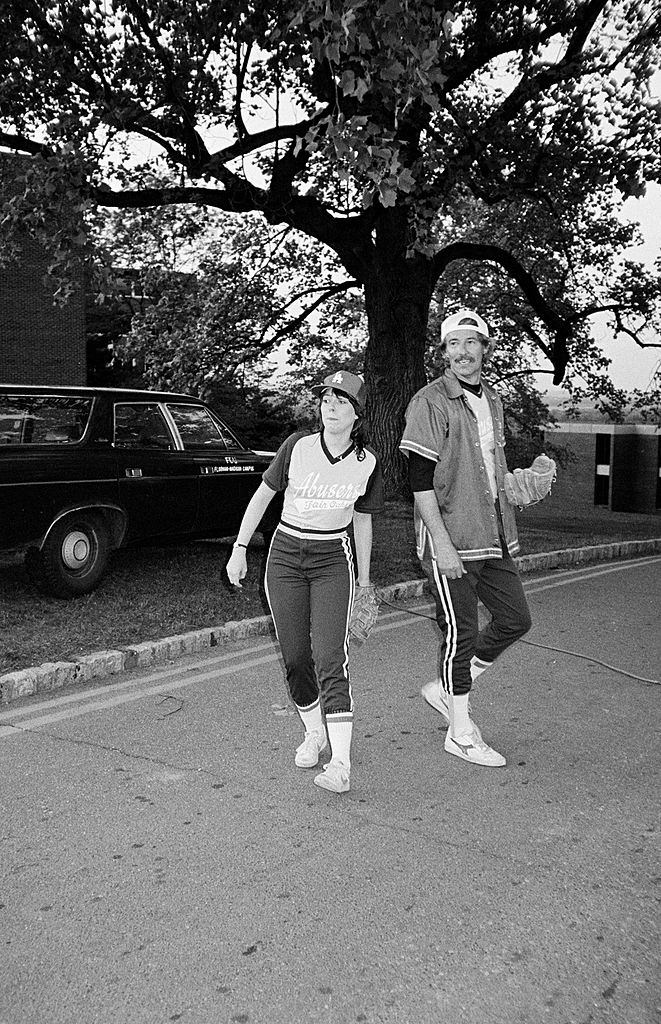
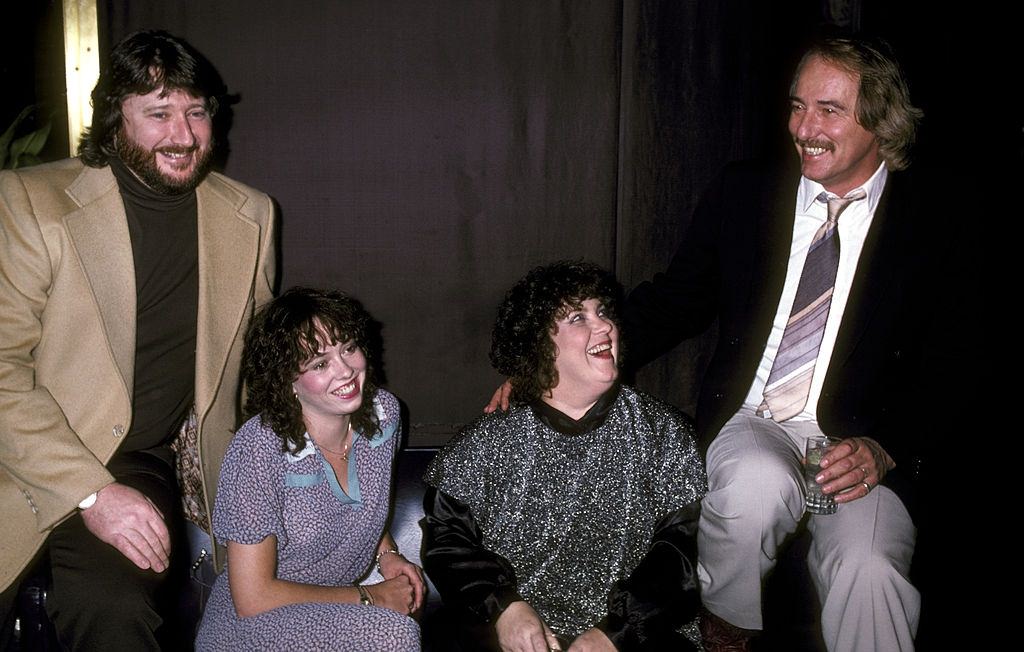
Her professional life took further hits in the 1980s. She was fired from the TV series “Dinah and Her New Best Friends” because she repeatedly showed up late to rehearsals and fell asleep on set. Drug and alcohol abuse were clearly to blame. She was arrested multiple times on charges of cocaine and heroin possession. Rehab stints followed, but sobriety remained out of reach for years.
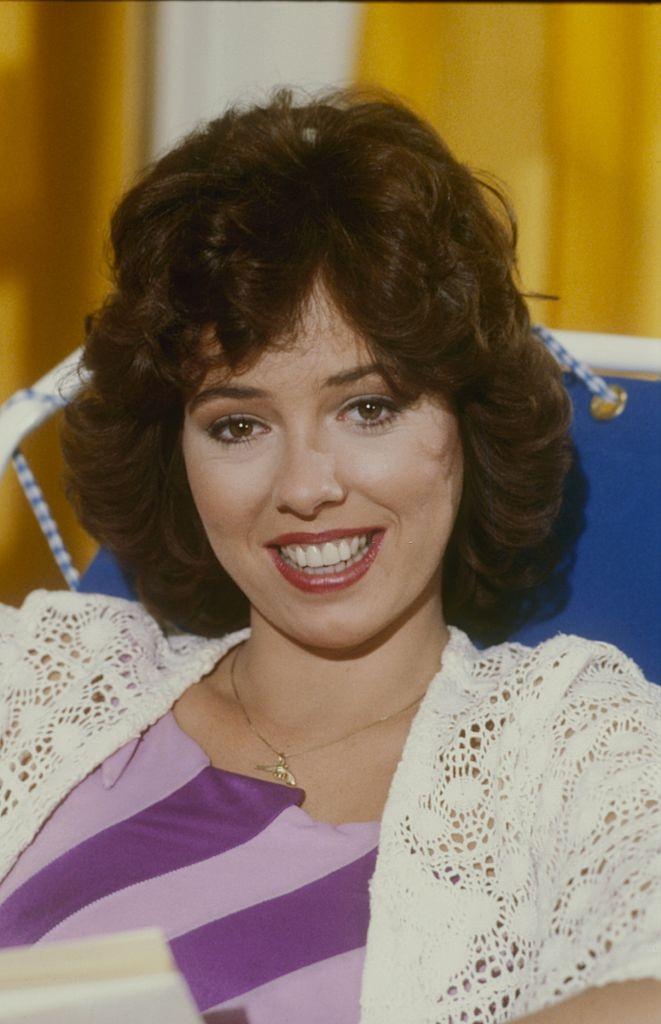
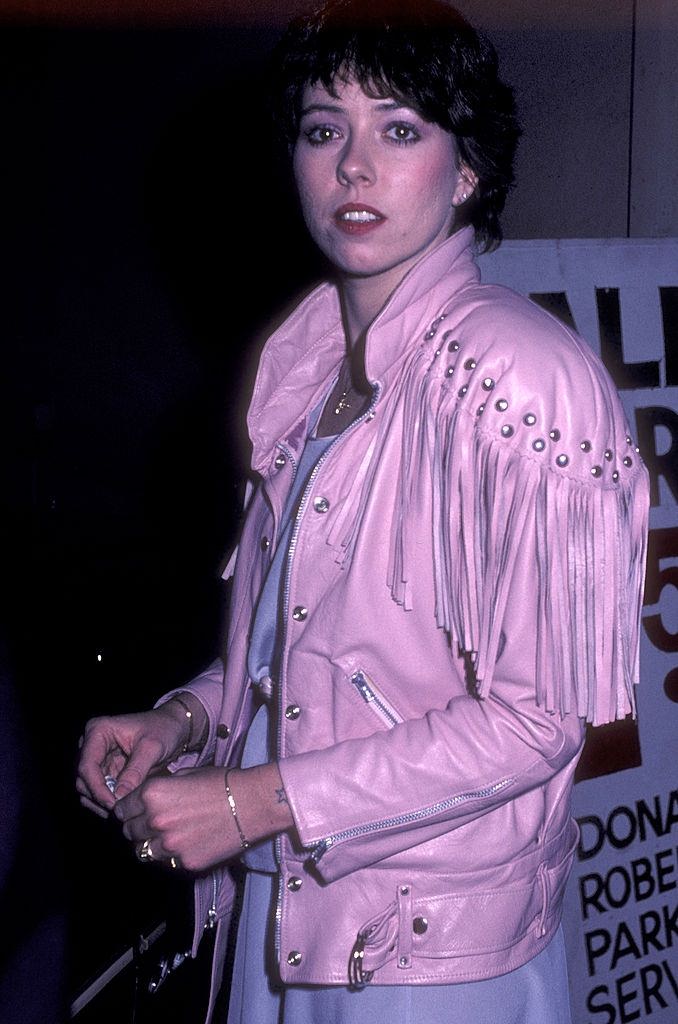
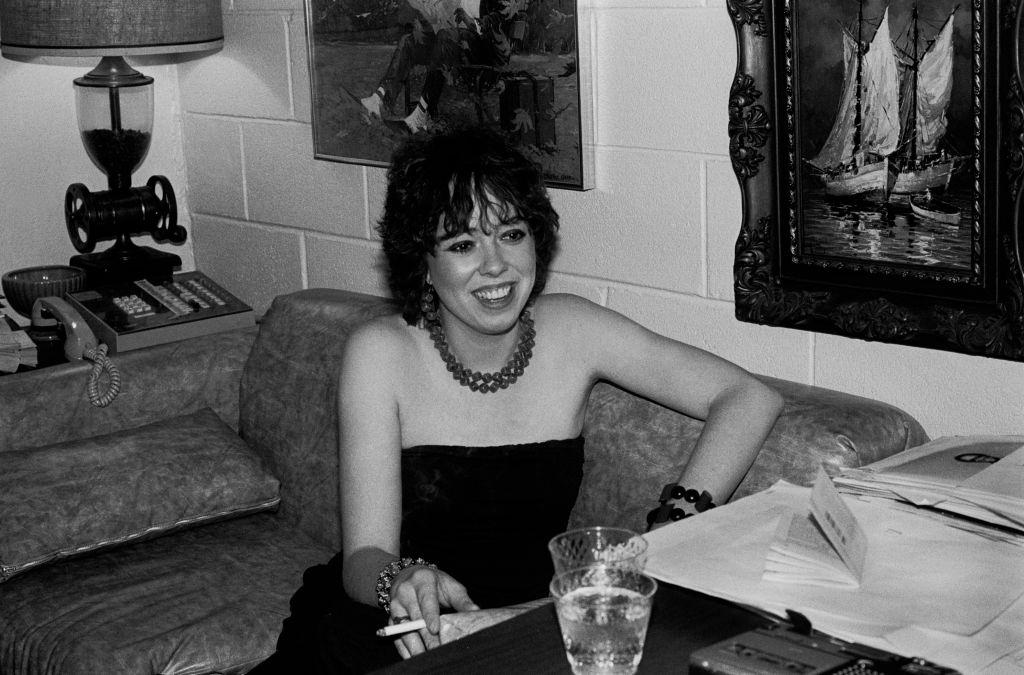
Music remained part of her life despite the chaos. From the mid-1980s to the early 1990s, Mackenzie performed with The New Mamas and the Papas, a folk-rock vocal group that carried on the spirit of her father’s original band. She had grown up hearing that music, and performing it was a natural extension of who she was — even as other parts of her life fell apart.
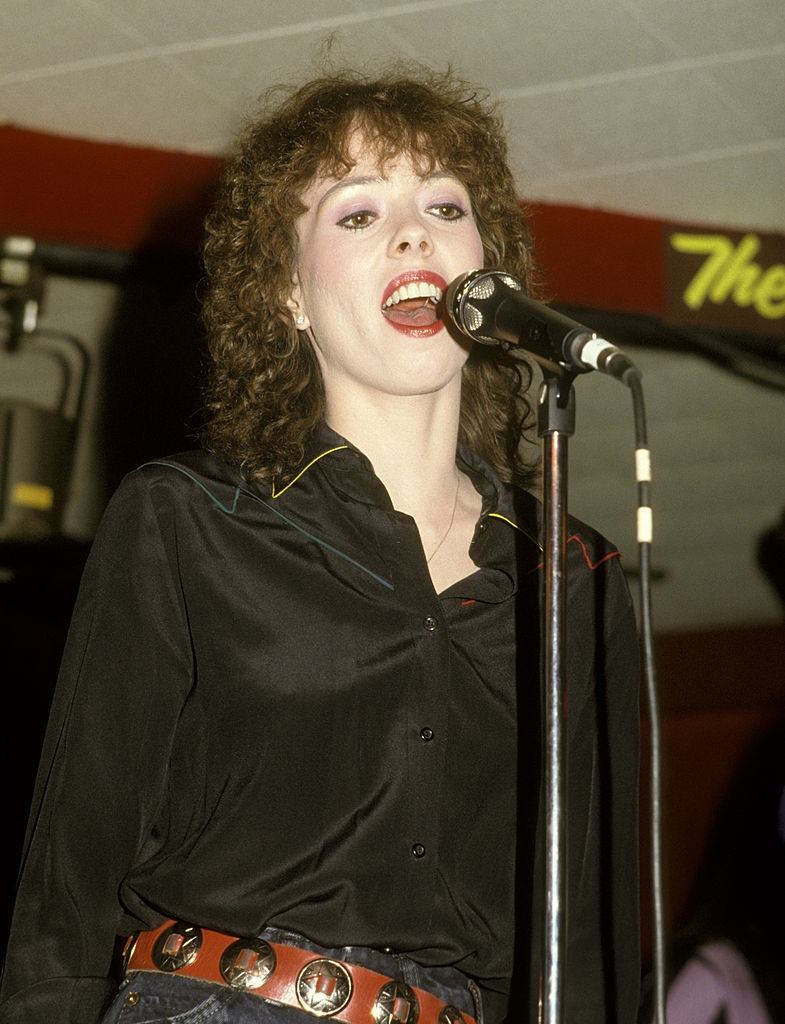
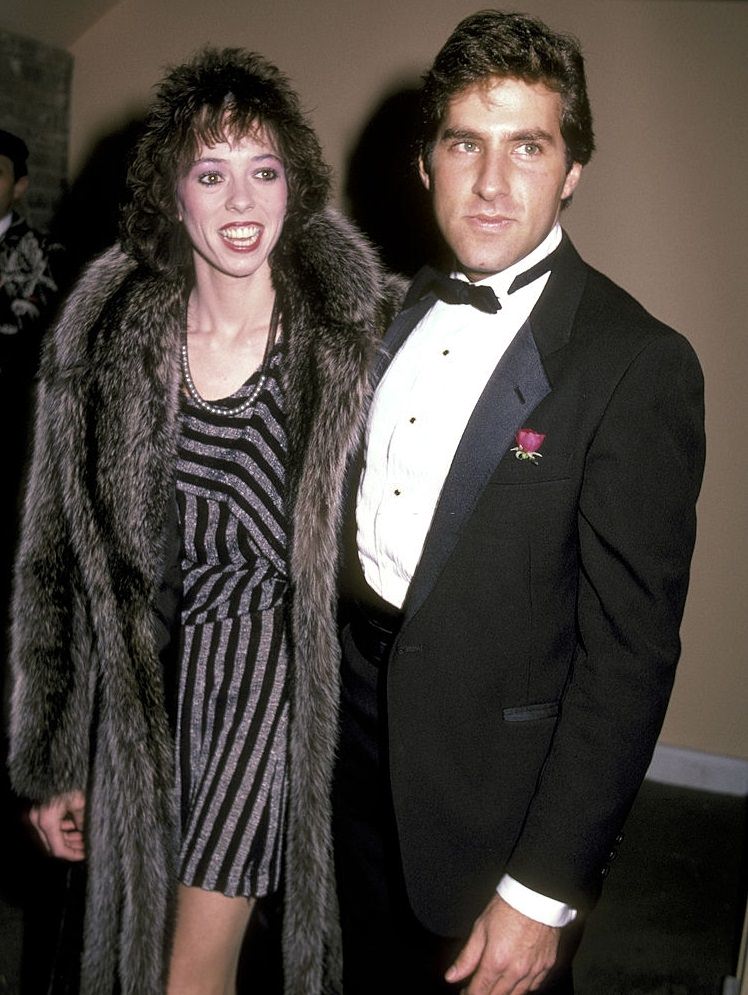
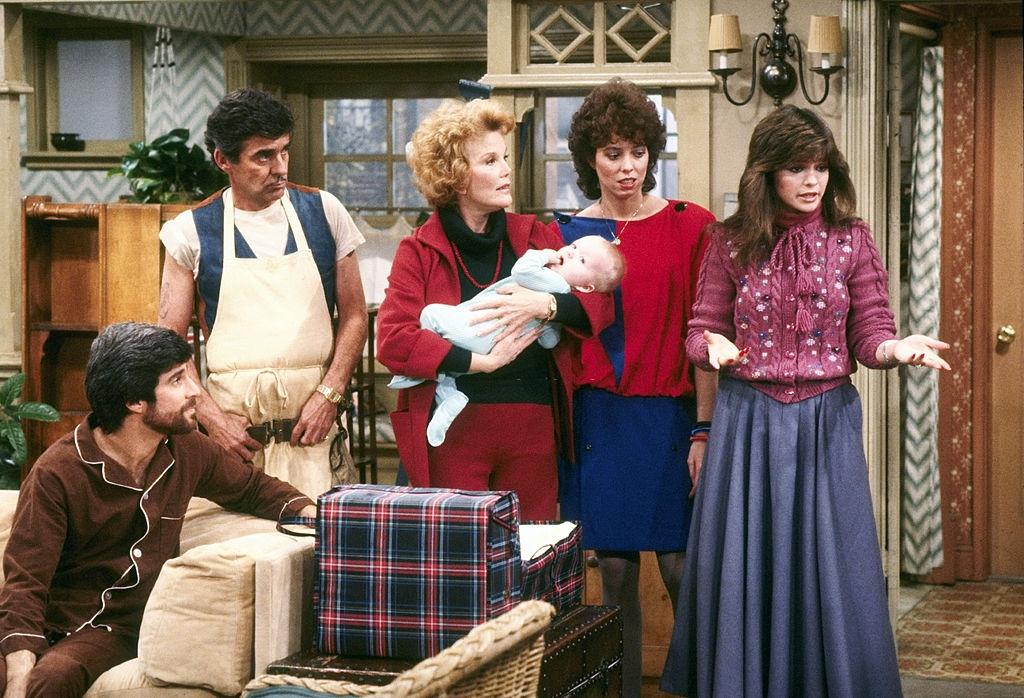
By the late 1980s, Mackenzie was still working but the toll was visible. The arrests, the firings, and the years of hard drug use had changed her. She continued to take on roles and appear in public, but the bright-eyed teenager from “American Graffiti” was long gone.
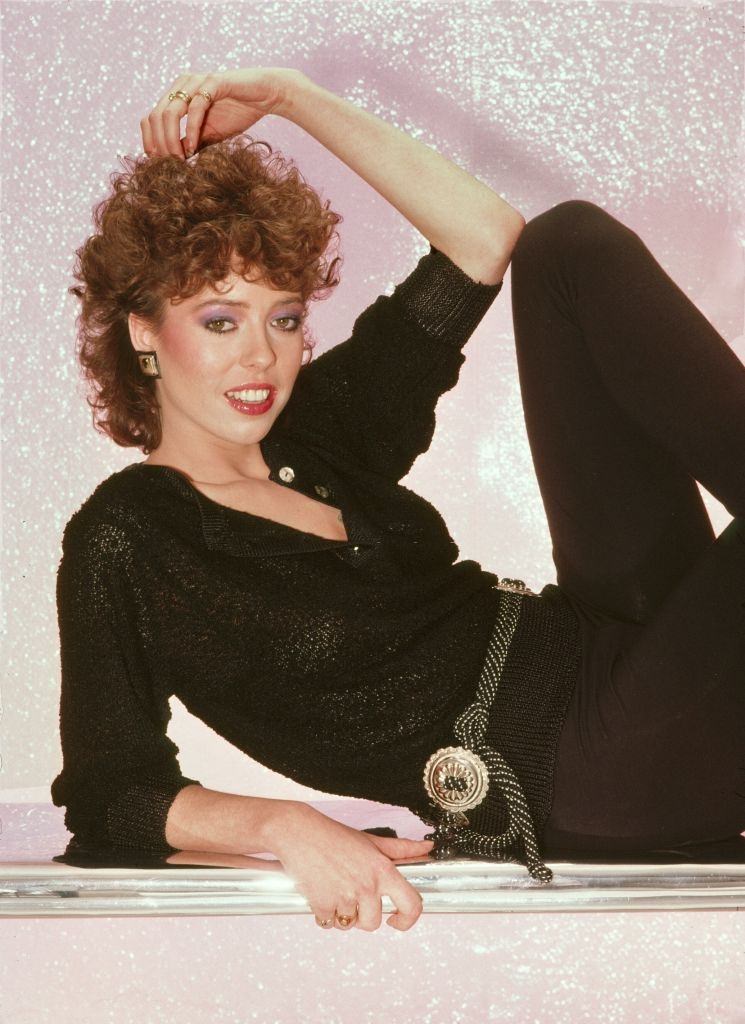
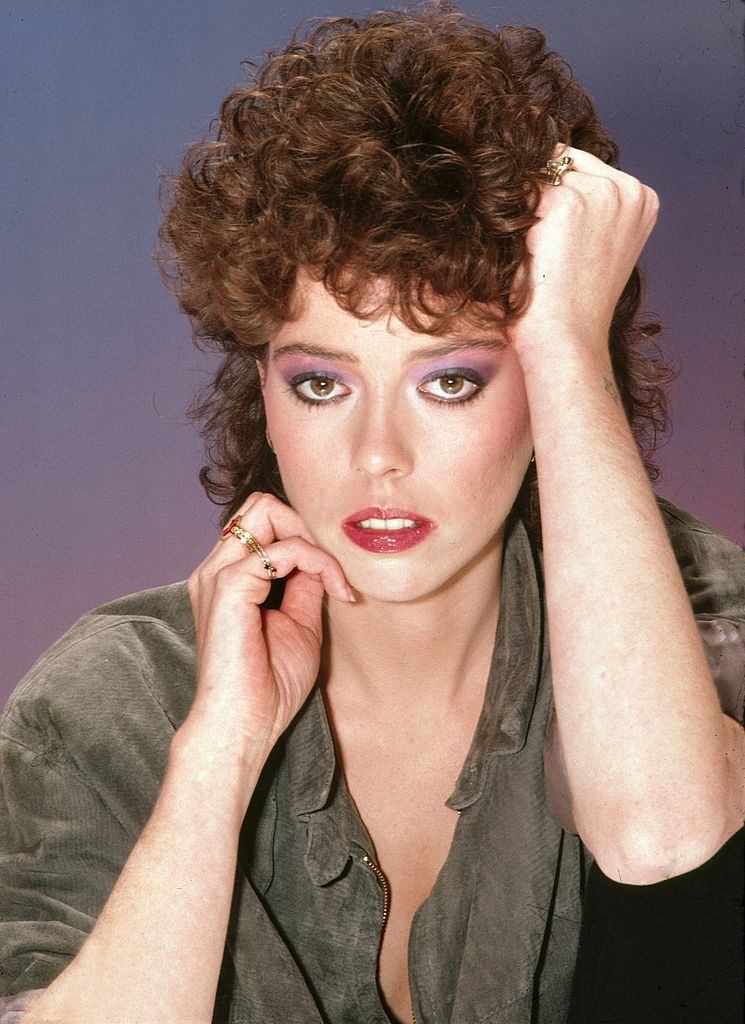
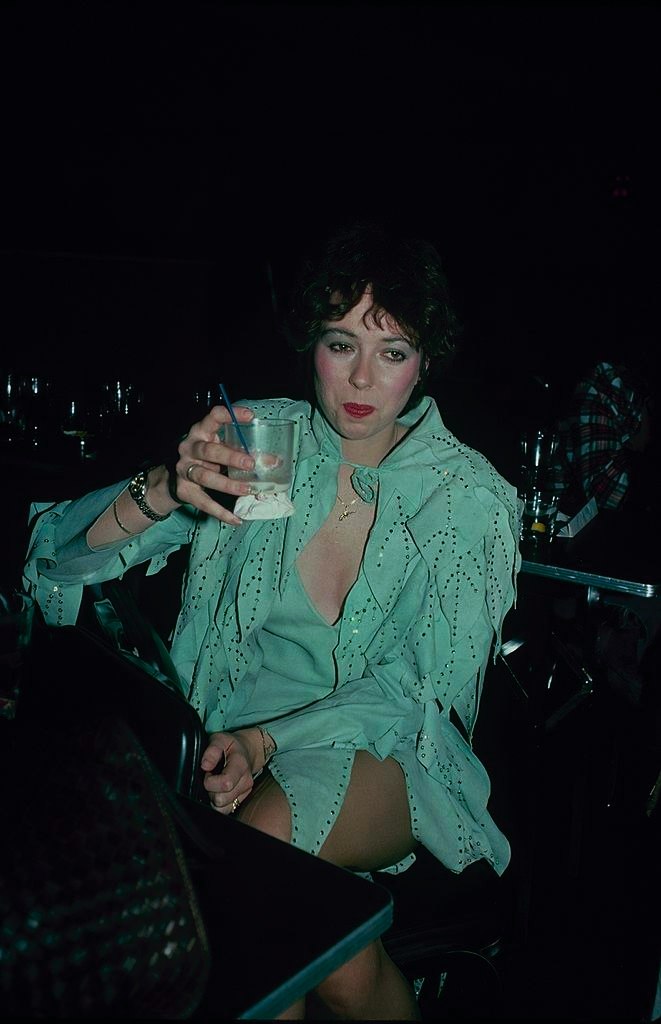
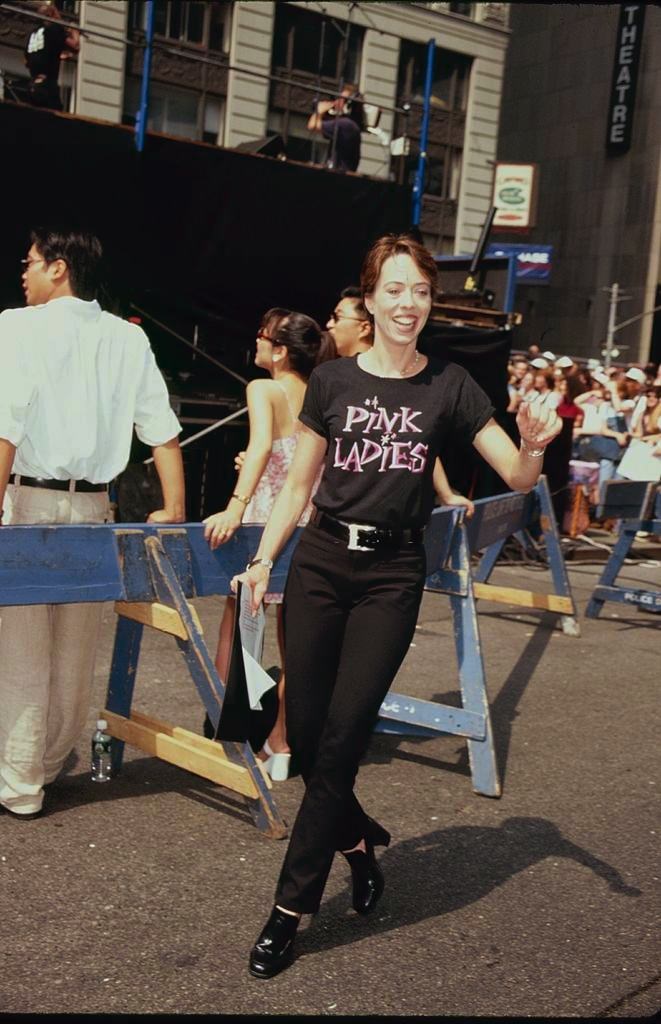
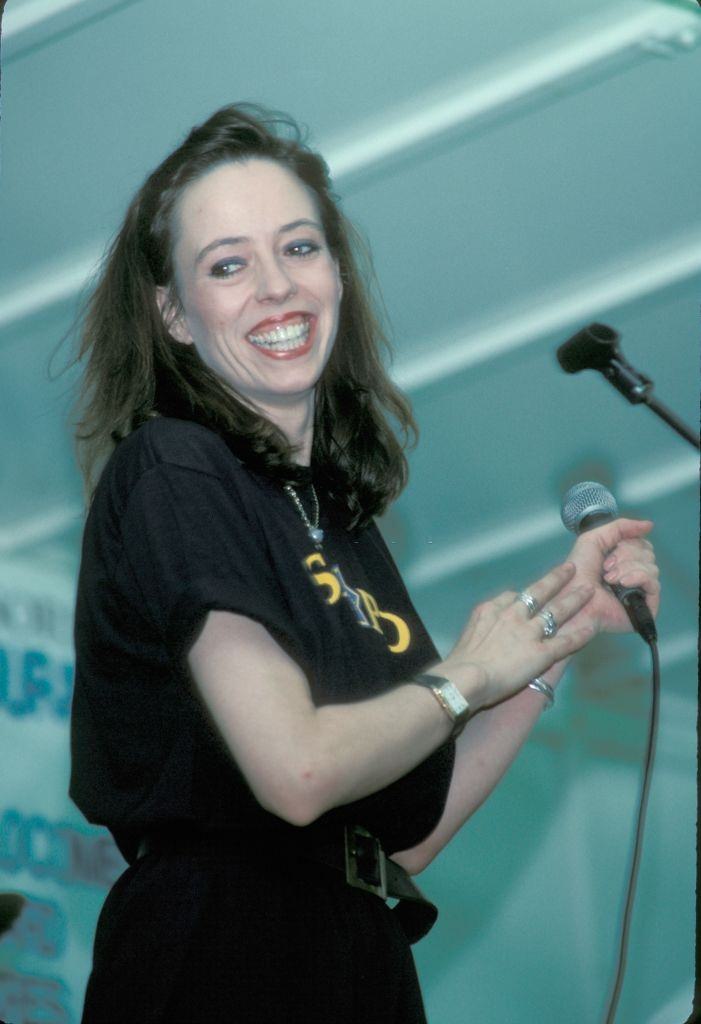
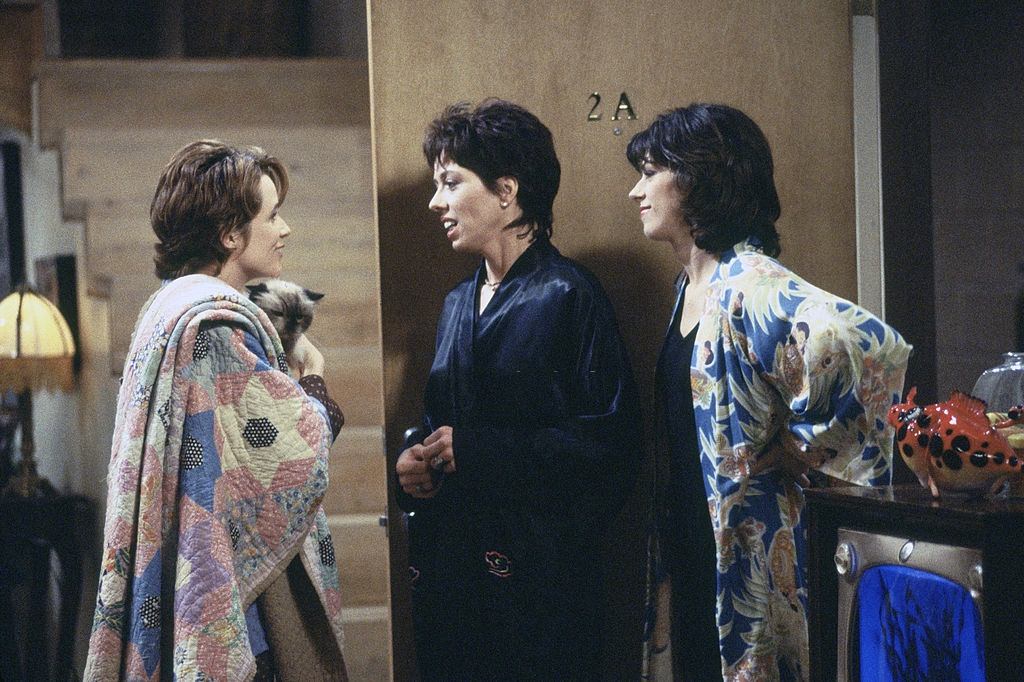
She continued to work into the 1990s, picking up guest roles and TV appearances. One of these was a part in the sitcom “Caroline in the City,” where she appeared alongside Lea Thompson. On March 20, 2011, she received an Honorary Best Actress award, a recognition of a career that, despite everything, had real accomplishments at its core.