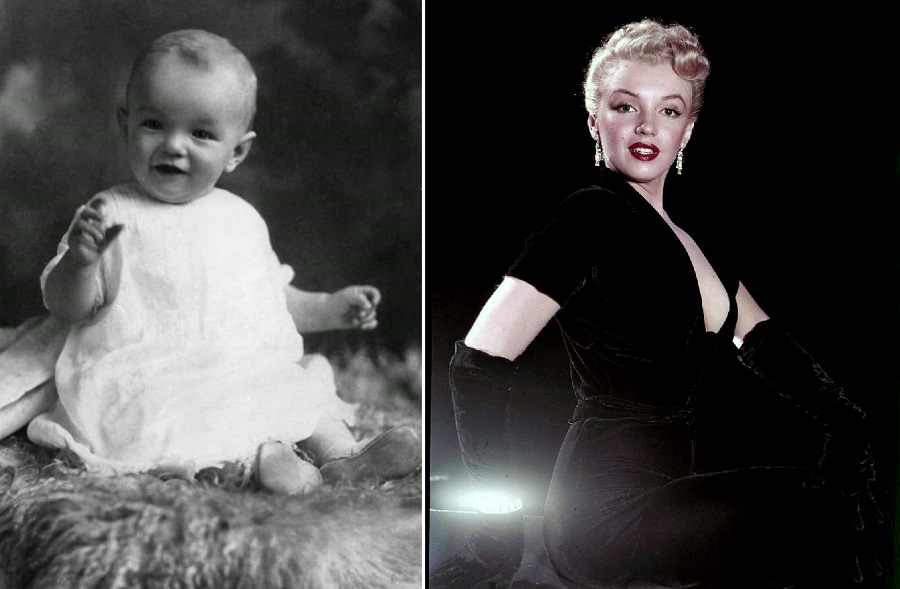
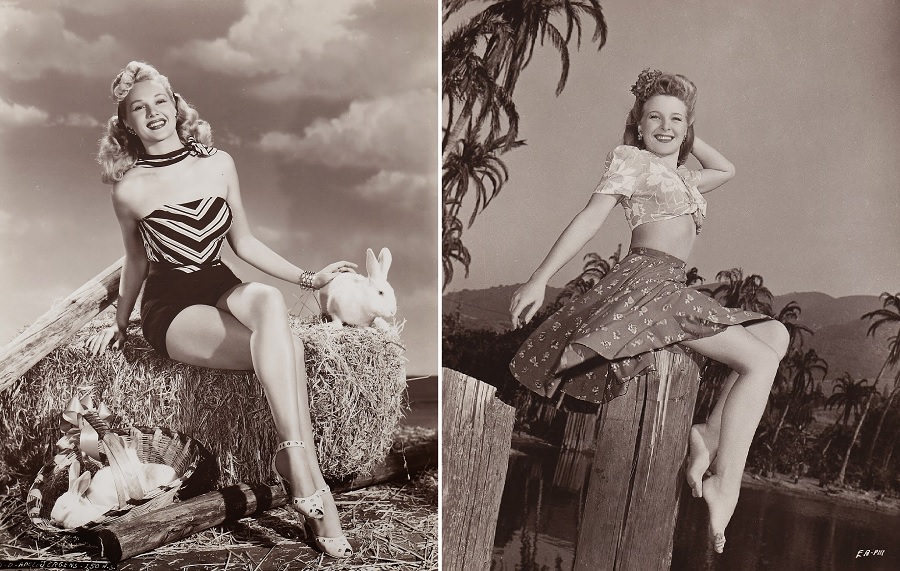
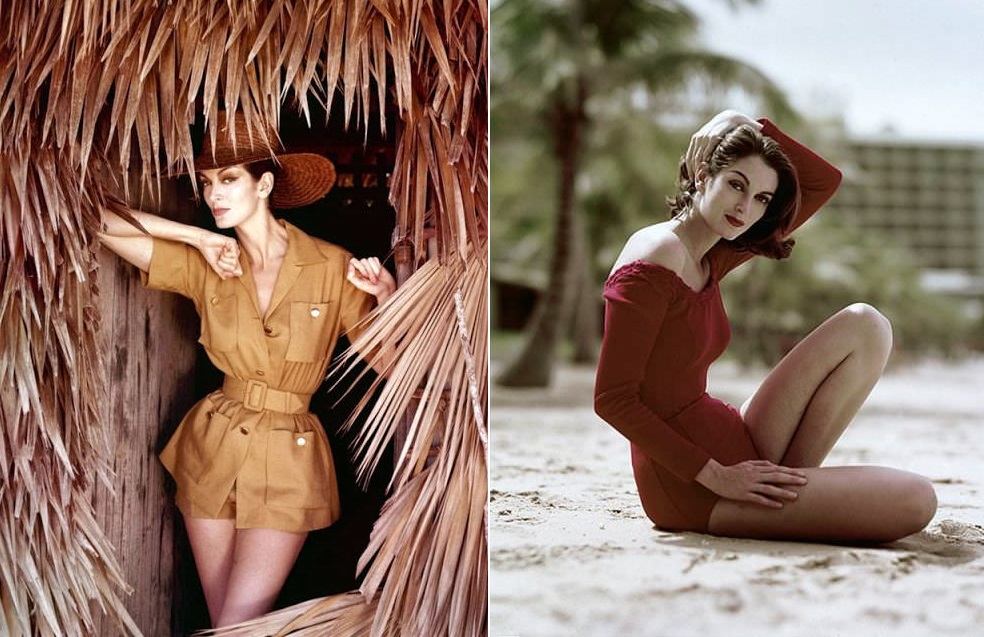
Before smartphones, before cordless handsets, and long before anyone could make a call from their pocket, the telephone was already a symbol of power, glamour, and connection. From the heavy rotary dial phones of the 1930s to the push-button models of the 1970s, the telephone shaped daily life for everyone — including the most famous faces in America. Call rates were steep, lines were shared in many neighborhoods, and placing a long-distance call was a real event. Yet somehow, even the most ordinary act of picking up a receiver looked extraordinary when the person holding it was a movie star, a champion, or a president.
This collection brings together more than 50 rare and candid photographs of celebrities and public figures caught on the phone, spanning roughly five decades. Actors, musicians, athletes, and politicians all appear — each image a small window into a specific moment in time. Steve McQueen lounging with a receiver in 1960s California. Marilyn Monroe in 1951. John F. Kennedy in the Oval Office in 1961. These aren’t posed publicity shots; many have the feel of real, unguarded moments.

The rotary dial telephone dominated American homes from the 1930s through much of the 1960s. To dial a number, you physically turned a numbered wheel and let it spin back. It was slow by today’s standards, but it was the technology of its time — and it was the phone you’d find on the desk of nearly every powerful person in the country. In the 1970s, push-button phones began replacing rotary models. They used touch tones instead of pulses, making calls faster and easier to place. The first cordless phone also arrived in the 1970s, though its high price kept it out of most homes for years.


Hollywood and the telephone had a natural relationship. Films of the 1940s and 1950s used phone calls to build tension, deliver bad news, and spark romance. Off-screen, studios used phones to manage the business of fame — agents, directors, and publicists were always just a call away. It’s no surprise that so many actors were photographed on the phone both in character and in real life. Paul McCartney, Ann-Margret, Cary Grant, Lauren Bacall — all appear in this collection at different points in their careers, receiver in hand.


Some of the most striking images here come from the 1940s, a decade shaped by World War II and its aftermath. Stars like Jimmy Stewart, Bing Crosby, and Greer Garson were not just entertainers — they were figures tied to the national mood. Seeing them on the phone grounds them in the everyday world, even as their careers placed them far above it. Paul Newman appears alongside Joanne Woodward in 1960, and Lauren Bacall’s 1946 photograph carries the sharp, confident energy she was known for on screen.


The collection isn’t limited to entertainers. Politicians appear throughout — and in many cases, the phone was quite literally an instrument of leadership. President John F. Kennedy’s 1961 photograph places him in the White House during one of the most tense periods of the Cold War. Vice President Hubert Humphrey appears in 1965. Senator Ted Kennedy and Senator Robert F. Kennedy are each captured in candid moments from the late 1950s and mid-1960s. Lyndon Johnson, photographed in 1953 before his presidency, is caught mid-call in a way that already hints at his reputation as one of history’s most relentless political operators.


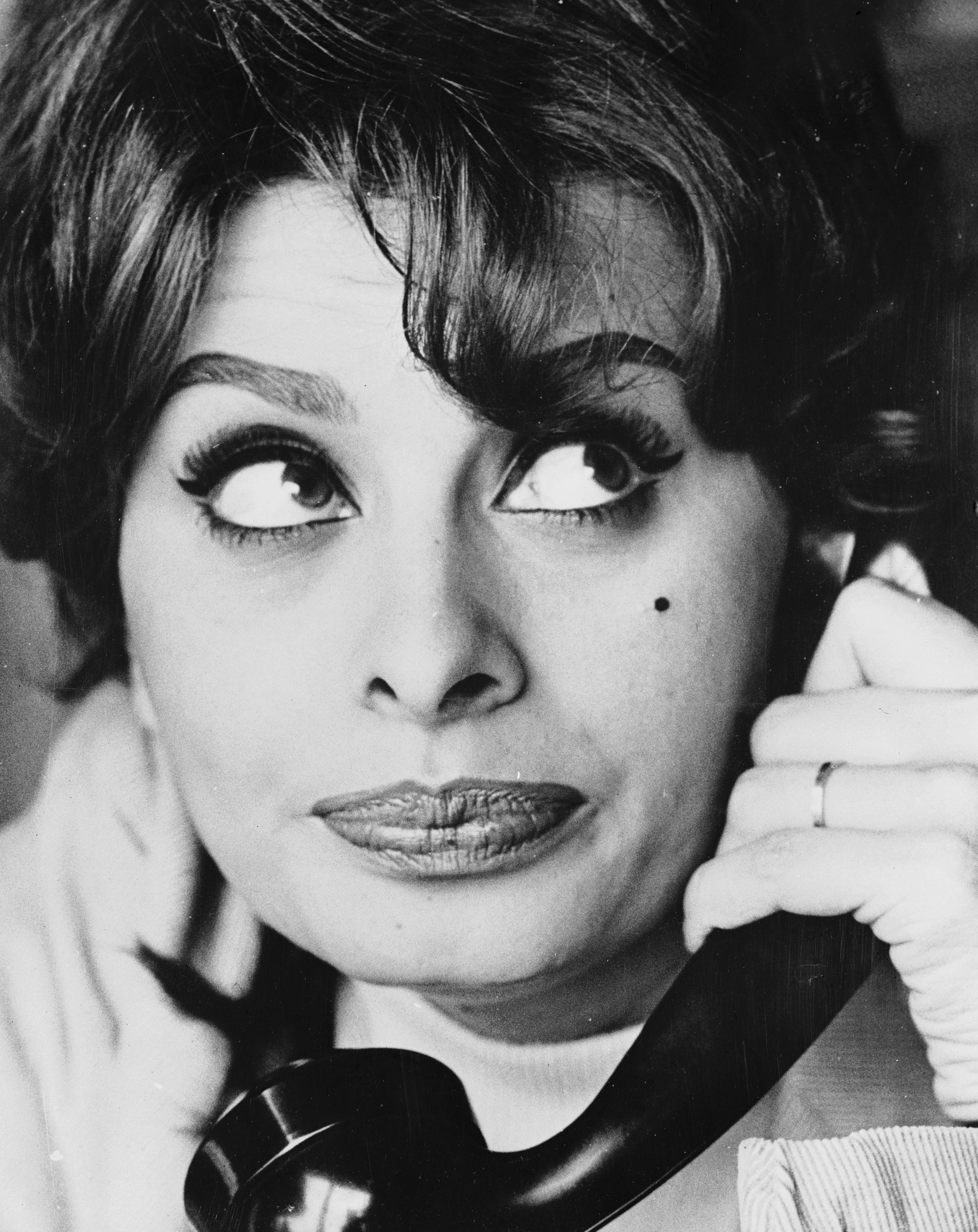


Athletes also make a strong showing in this archive. Muhammad Ali, photographed in 1971, brings his unmistakable presence to what would otherwise be an ordinary moment. Rocky Graziano appears in 1947, the same year he fought Tony Zale in their famous rematch. These images remind us that sports figures of that era were celebrities in every sense — followed by cameras, sought out by press, and very much part of the cultural fabric of mid-century America.


First Lady Eleanor Roosevelt’s 1940 photograph stands out as one of the most historically significant in the group. She was among the most active and publicly engaged First Ladies in American history, and the image captures her at work during a period when the country was navigating both economic recovery and the growing threat of war in Europe. Jackie Kennedy’s 1960 photo, taken alongside a young Caroline Kennedy, offers a warmer, more domestic contrast — a mother and daughter sharing a moment with the phone.


Martin Luther King Jr.’s 1958 photograph is another image that carries enormous weight. That year, he survived an assassination attempt in New York City and continued organizing the civil rights movement despite constant threats. Seeing him on the phone — an ordinary object in an extraordinary life — is a reminder of how much history was being made through these everyday moments of communication.