Sir Michael Caine is one of the most recognized faces in film history. Born and raised in South London, he built a career that spanned more than six decades and included over 130 films. His distinctive Cockney accent and ability to move between leading roles and character parts made him stand out in an era packed with great British talent. The films he appeared in have grossed over $7.8 billion worldwide, a number that speaks to just how consistently he drew audiences to theaters.
His early years were shaped by hardship. During World War II, young Michael was evacuated with his family as German bombing raids struck London during the Blitz. That kind of upheaval left a mark on the working-class communities of South London, and Caine carried those roots throughout his life and work. Before becoming a household name, he served in the British Army’s Royal Fusiliers, an experience that gave him discipline and a grounded sense of duty.
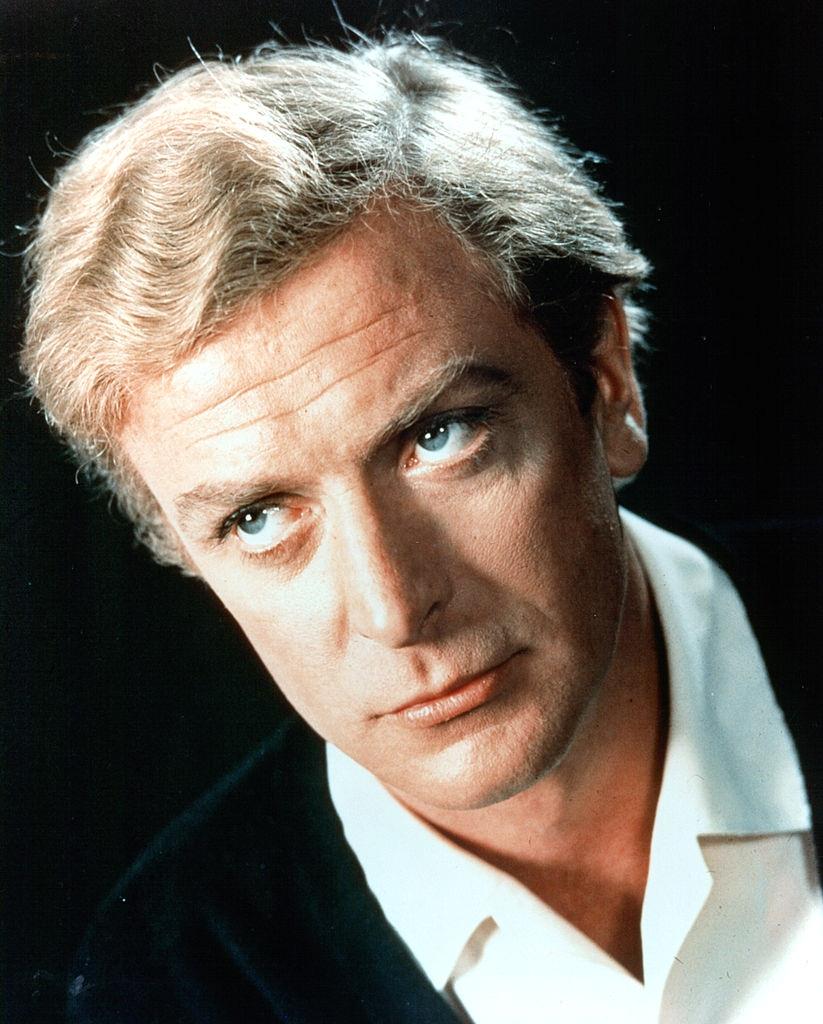
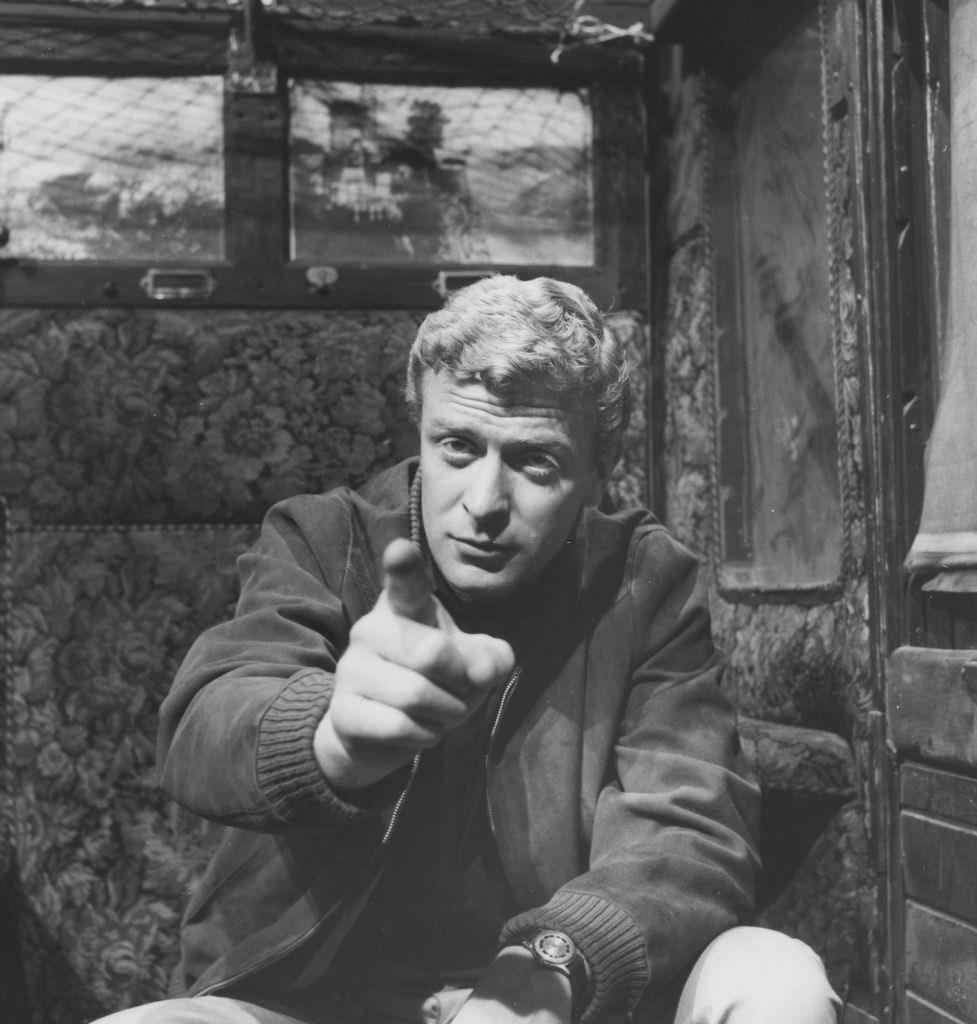
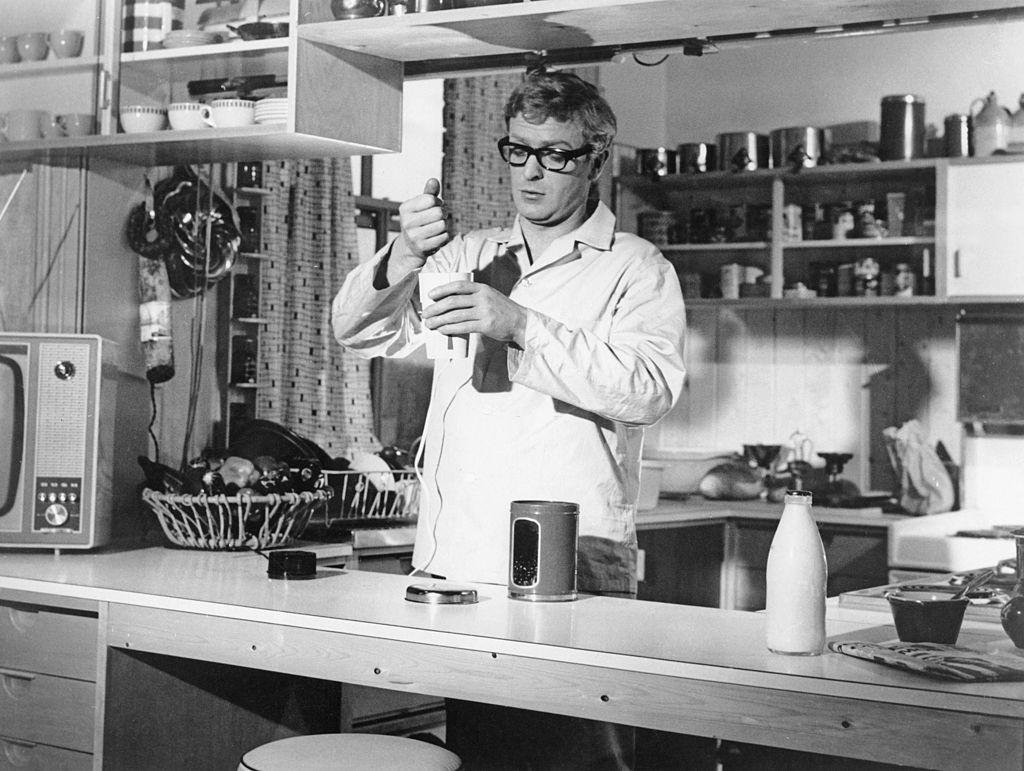
After leaving the army, Caine worked steadily in stage productions and theater before transitioning to television. The path to film stardom was not quick. He took on small roles, built his craft, and waited for the right opportunity. In 1961, he appeared in the BBC television movie ‘The Compartment,’ an early on-screen performance that showed his natural ability to hold attention in front of a camera.
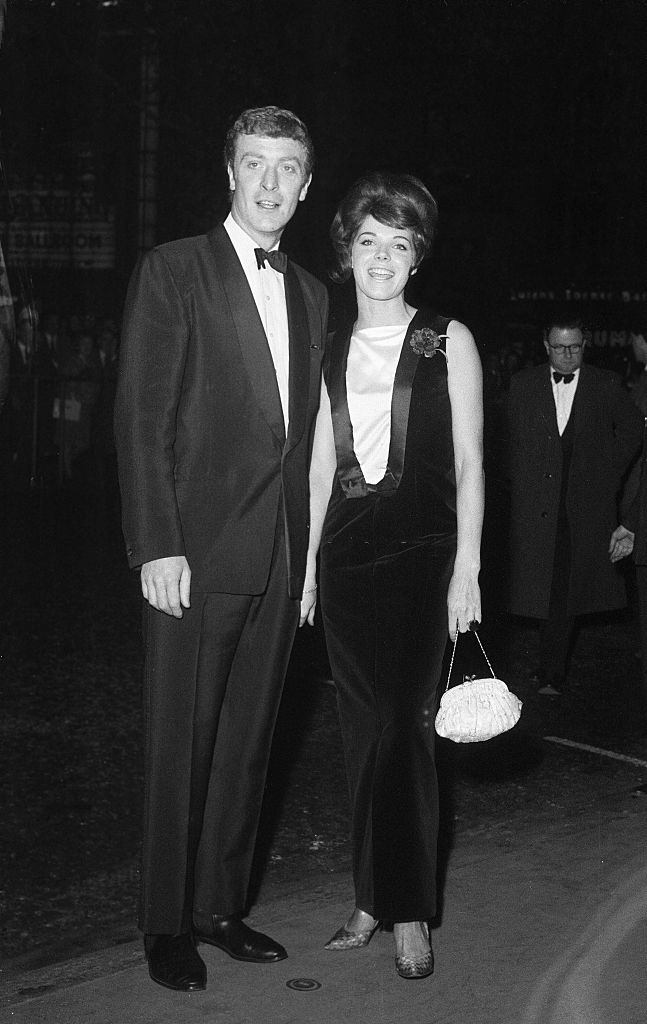
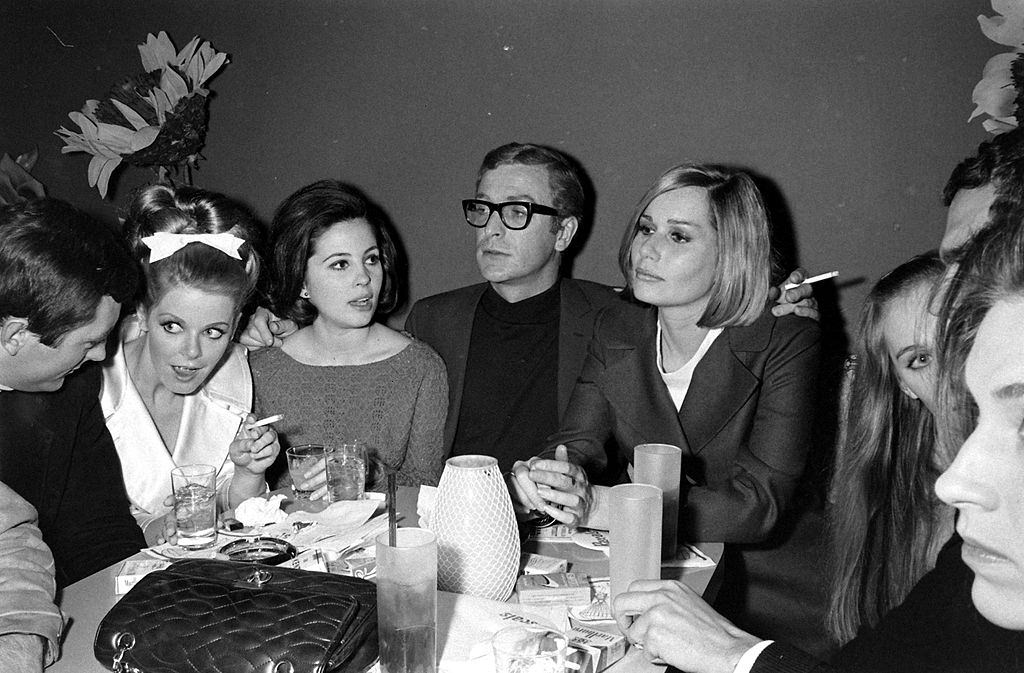
By 1962, he was being photographed at public events and rubbing shoulders with established names in the industry. That year, he was spotted at the Odeon Cinema in Leicester Square alongside actress Samantha Eggar, a sign that his profile was beginning to rise even before his film breakthrough.
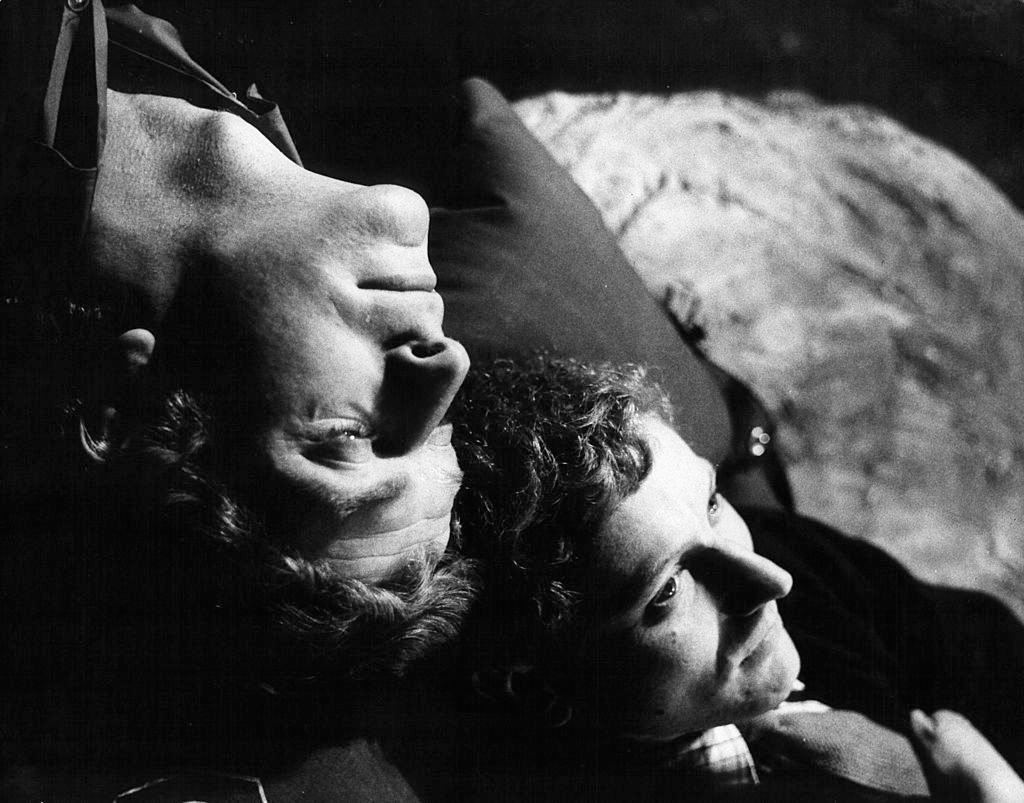
Caine also performed on stage during this period. He appeared alongside Barry Foster in the play ‘Next Time I’ll Sing To You,’ a production that helped sharpen his theatrical skills and kept him connected to the world of live performance while he pursued film work.
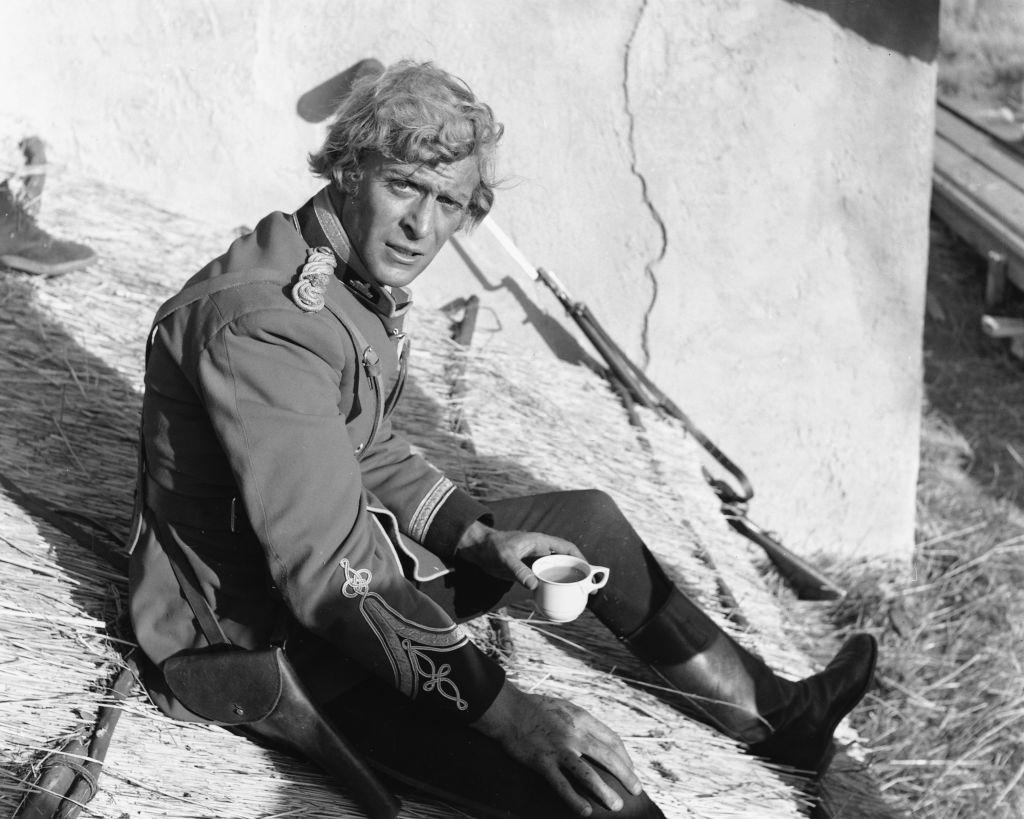
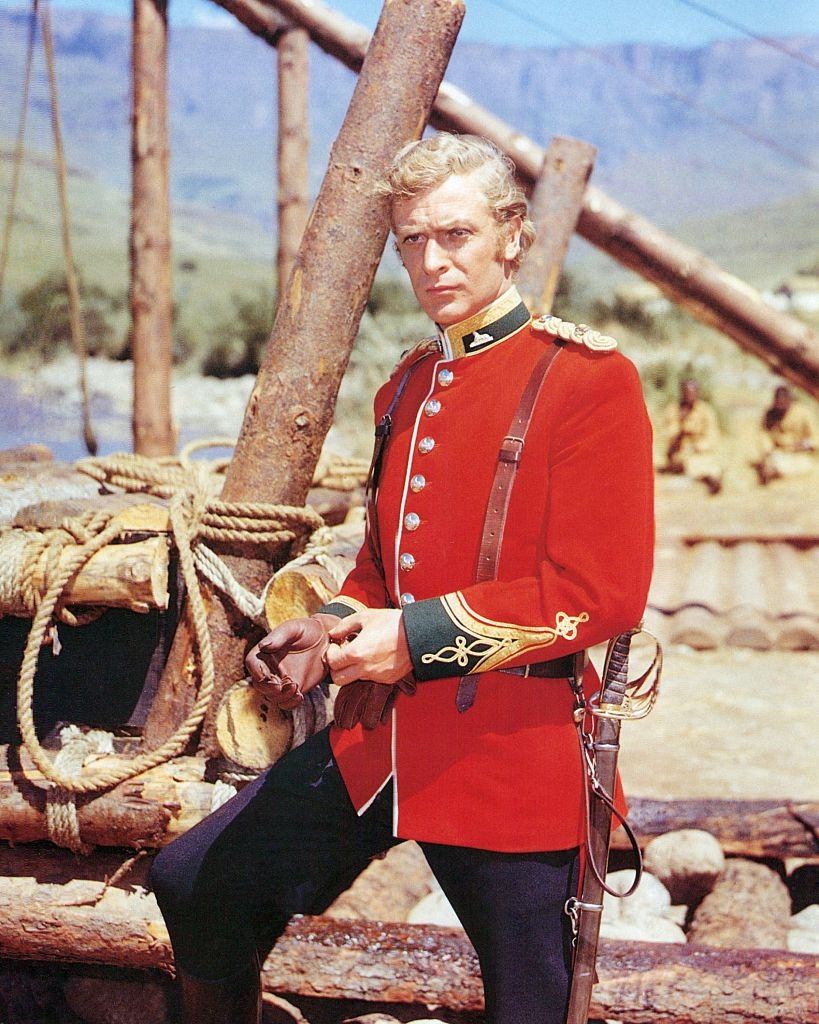
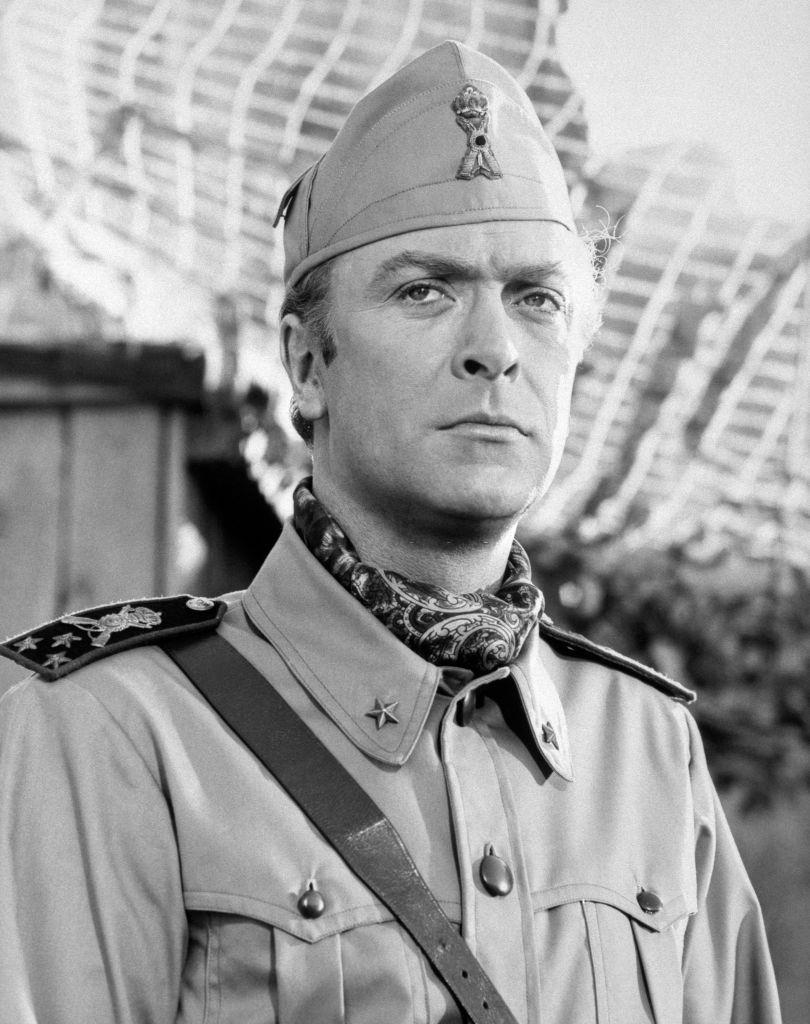
The role that changed everything came in 1964. Caine was cast as an upper-class British officer in the epic war film ‘Zulu,’ a part that required him to reach well beyond his South London roots. The film was a massive success, and Caine’s performance caught the attention of both audiences and filmmakers. He was photographed on the South African set taking a tea break between scenes, looking relaxed despite the scale of the production around him.
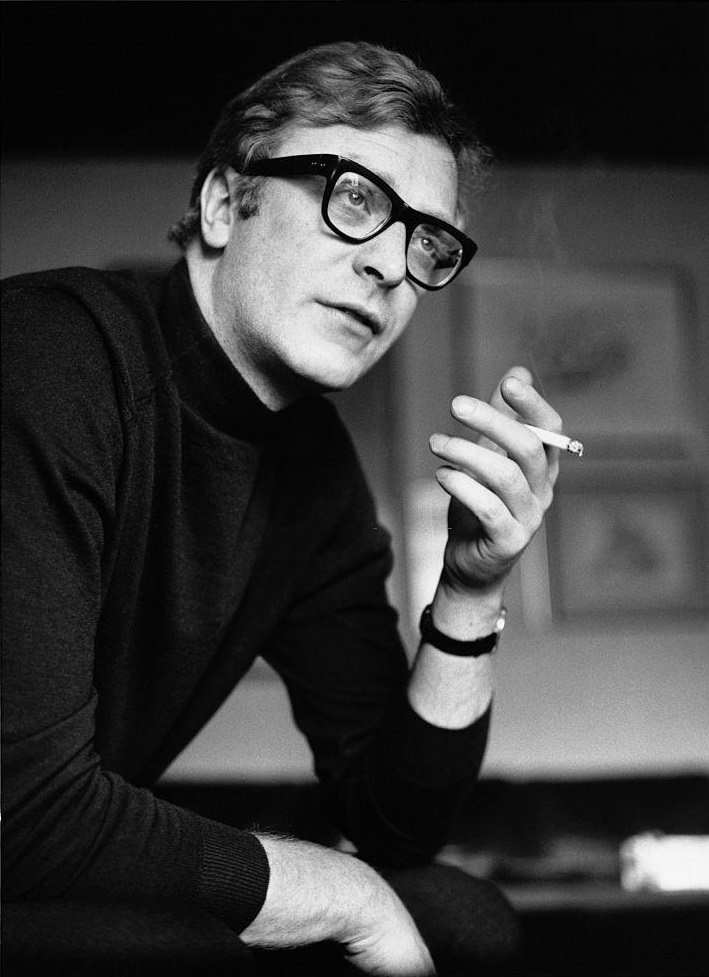
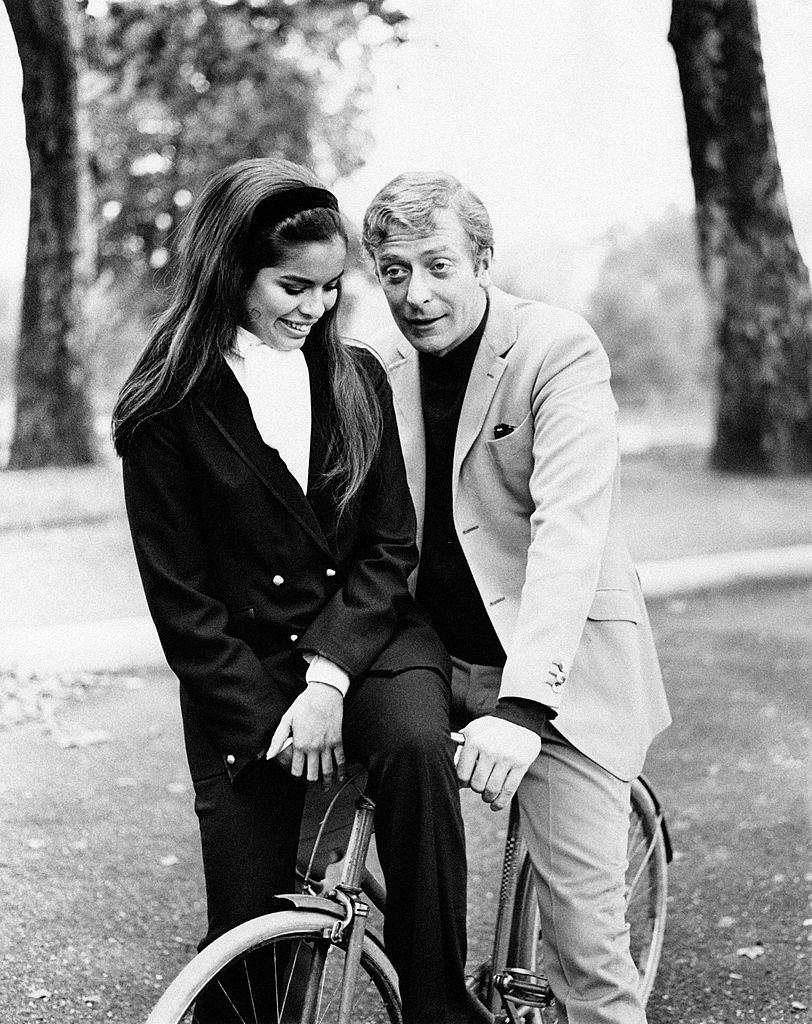
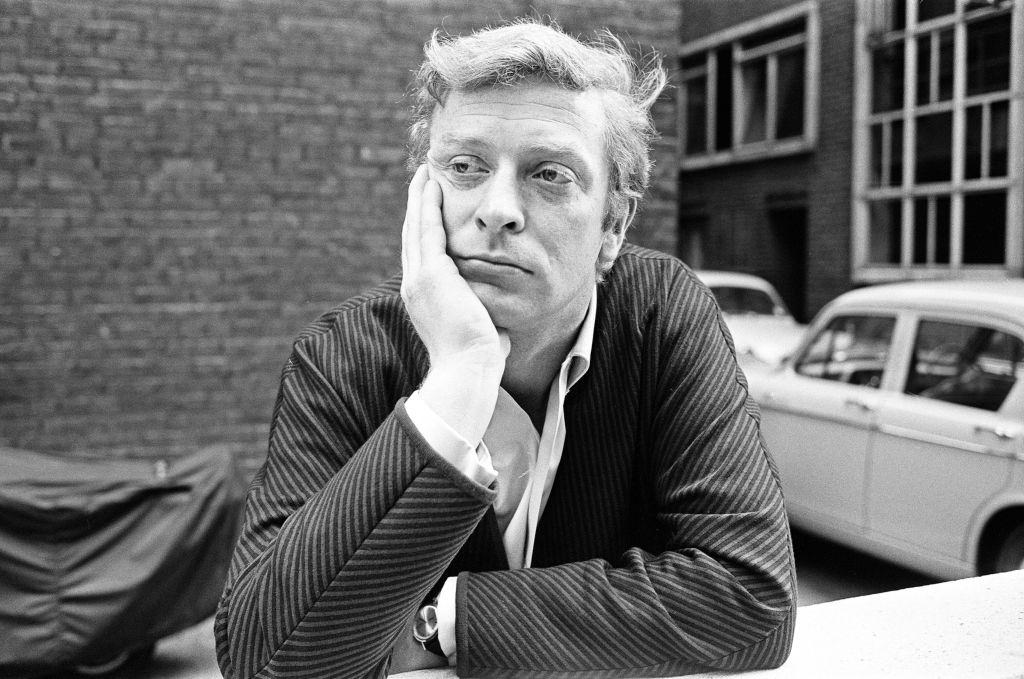
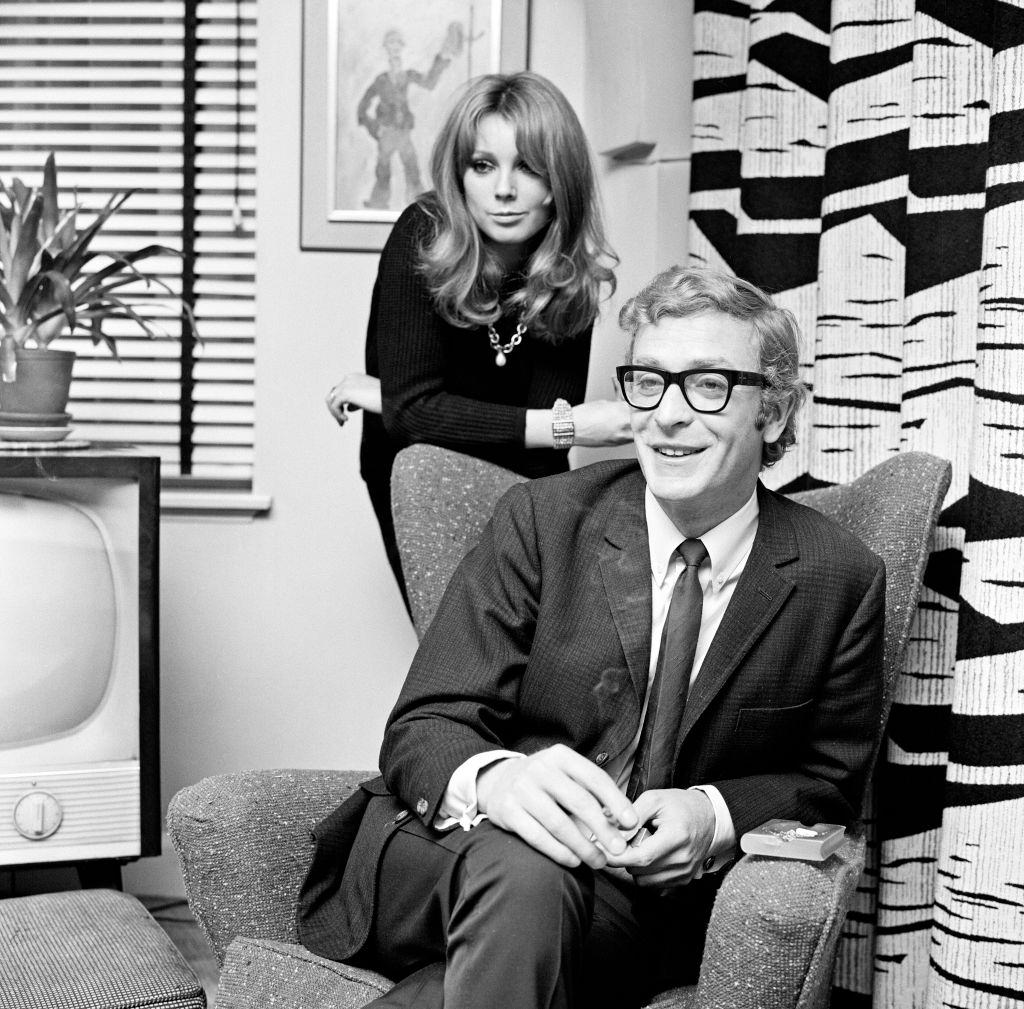
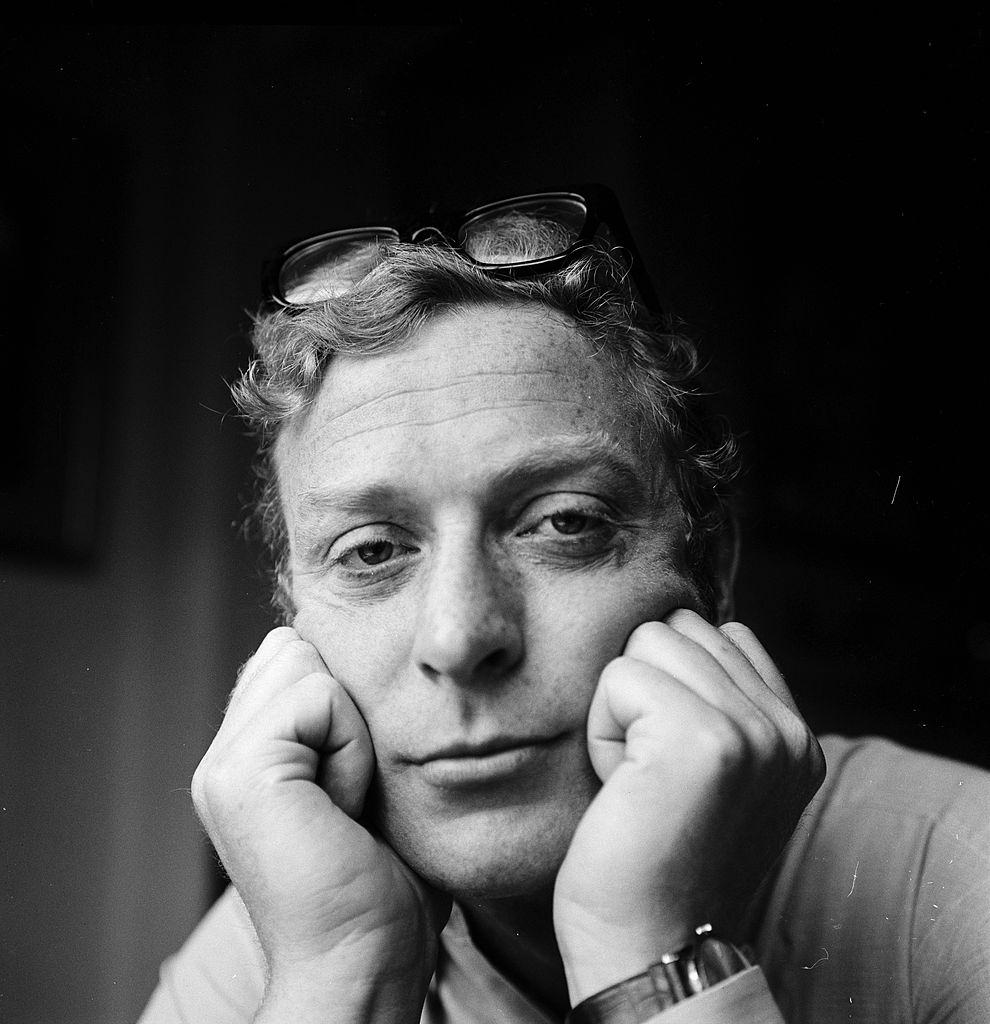
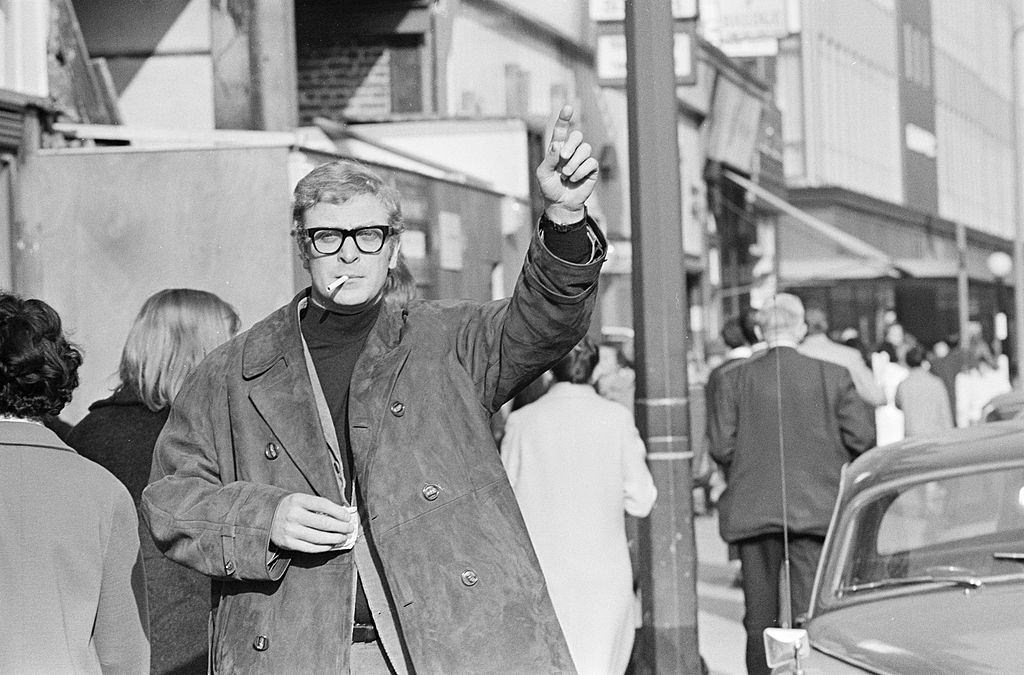
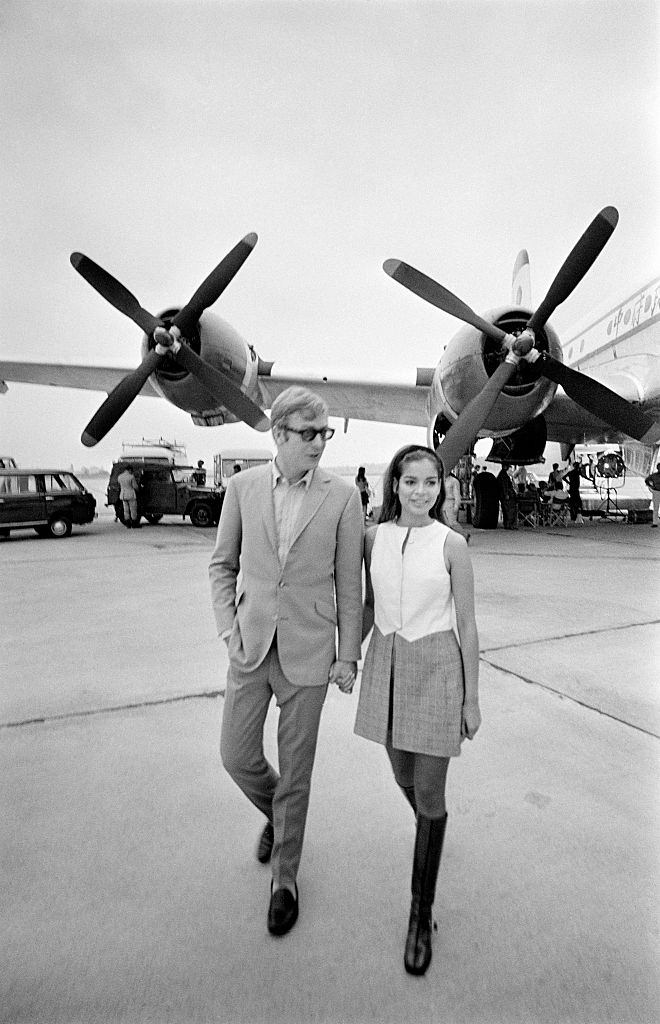
Away from the set, 1964 was a busy year personally. He was photographed with model Bianca De Macias, who would later become Bianca Jagger, a relationship that placed him firmly in the social circles of London’s growing celebrity scene. That same year, he was captured in a series of casual portraits that showed a young man who was confident, stylish, and very much at ease with the camera.
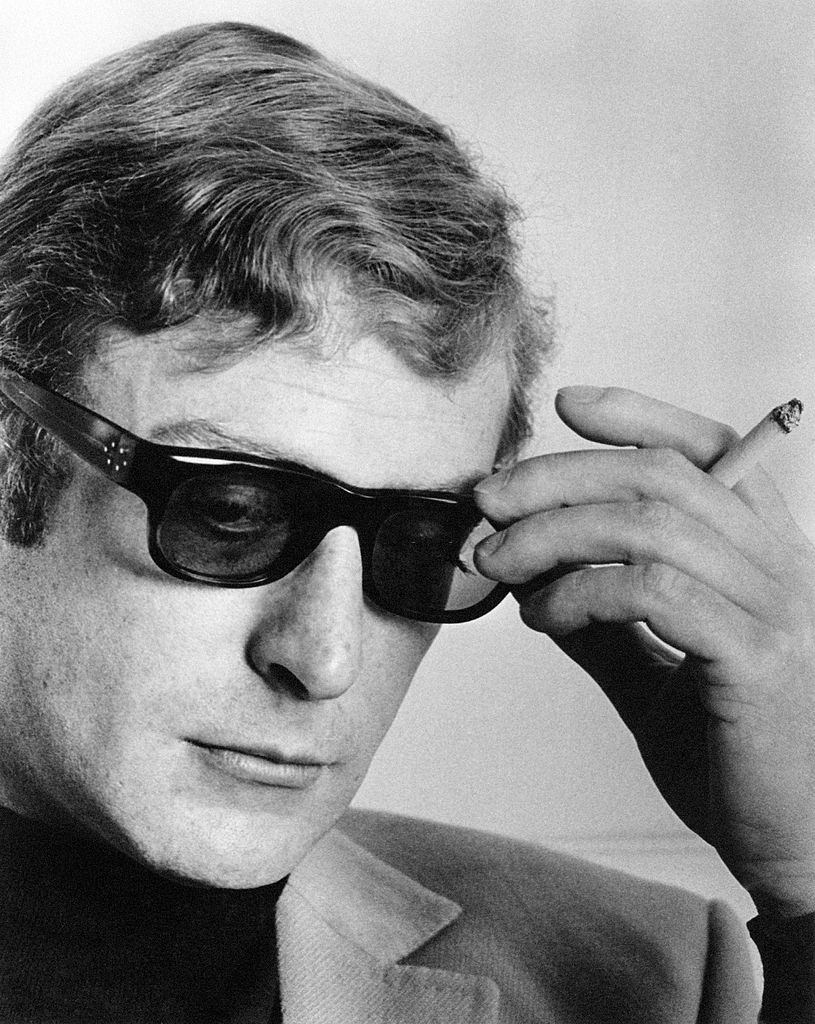
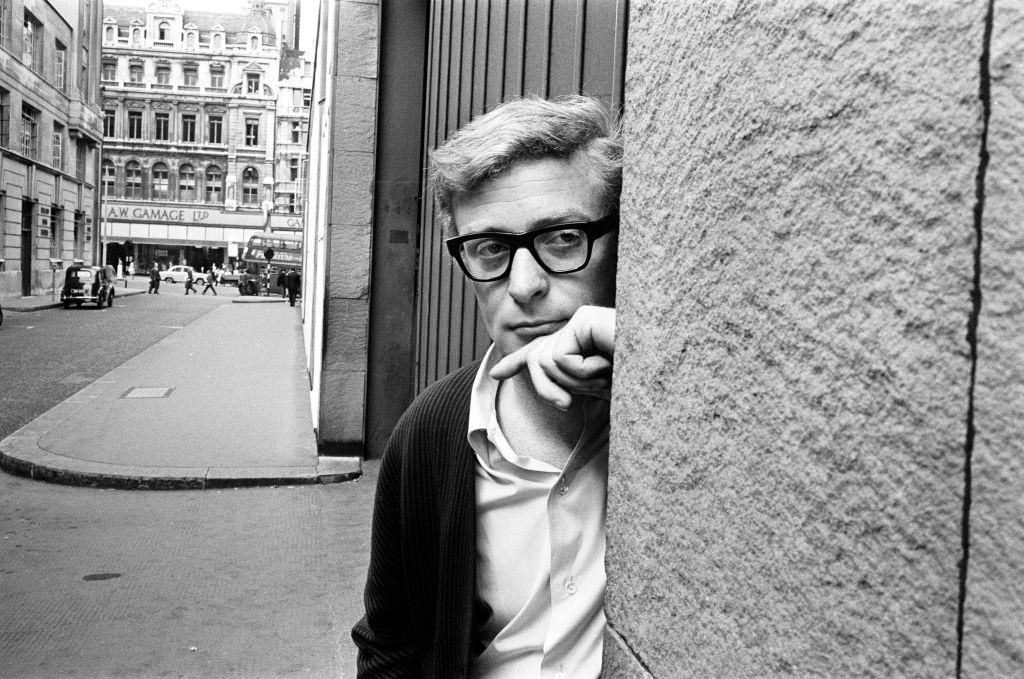
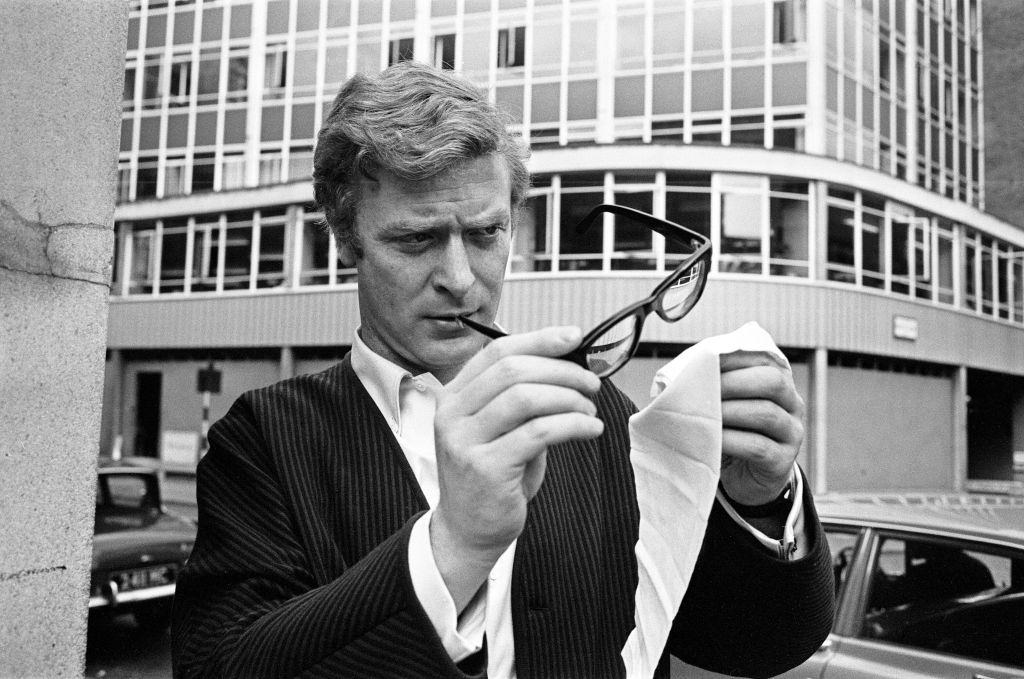
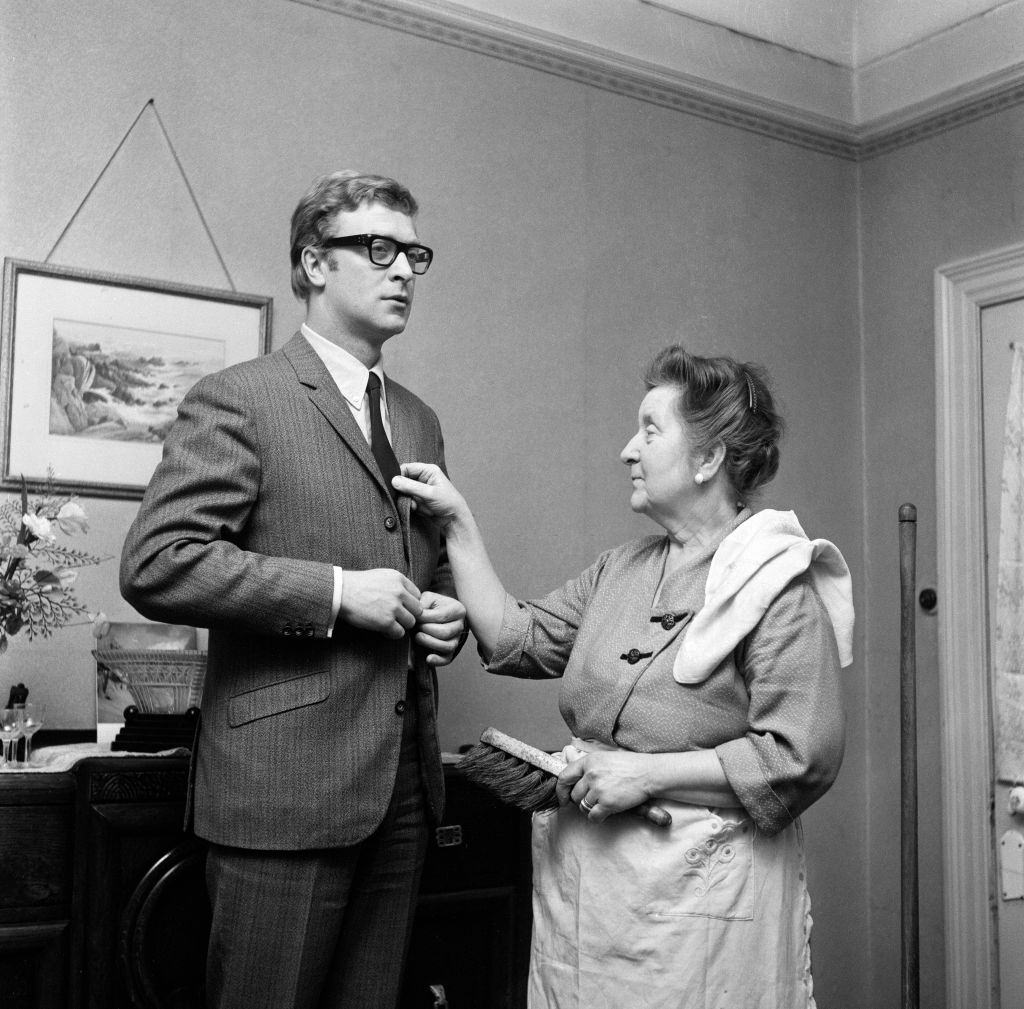
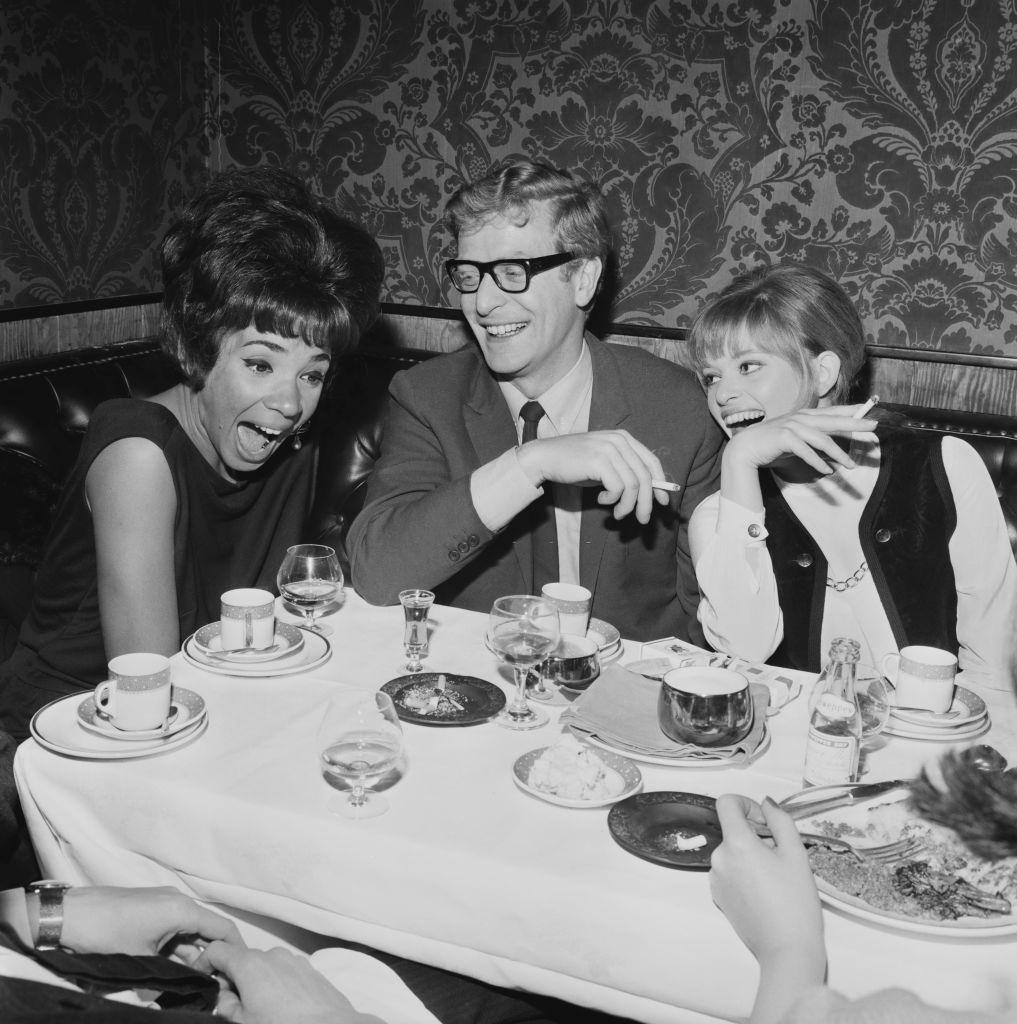
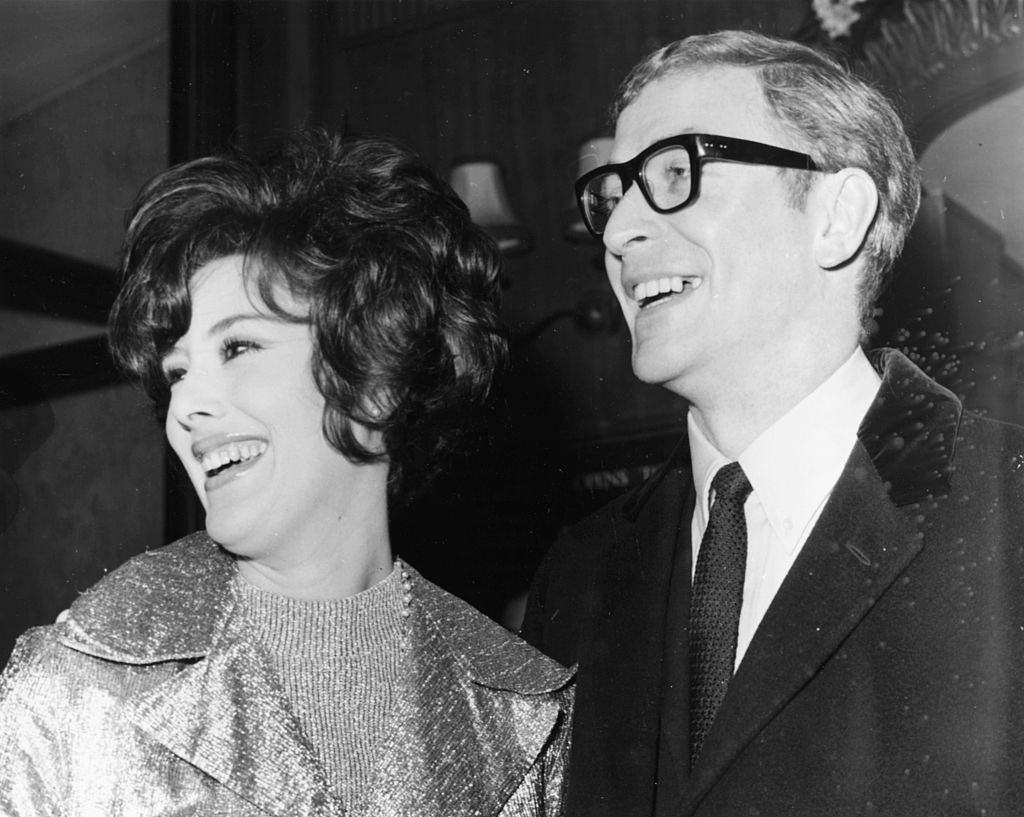
One of the more personal photographs from this period shows Caine at home with his mother, Ellen Maria Burchell. The image is a reminder of how grounded he remained even as fame began to arrive. He also appeared at social events that year with Welsh singer Shirley Bassey and fashion designer Edina Ronay, mixing comfortably across the entertainment world.
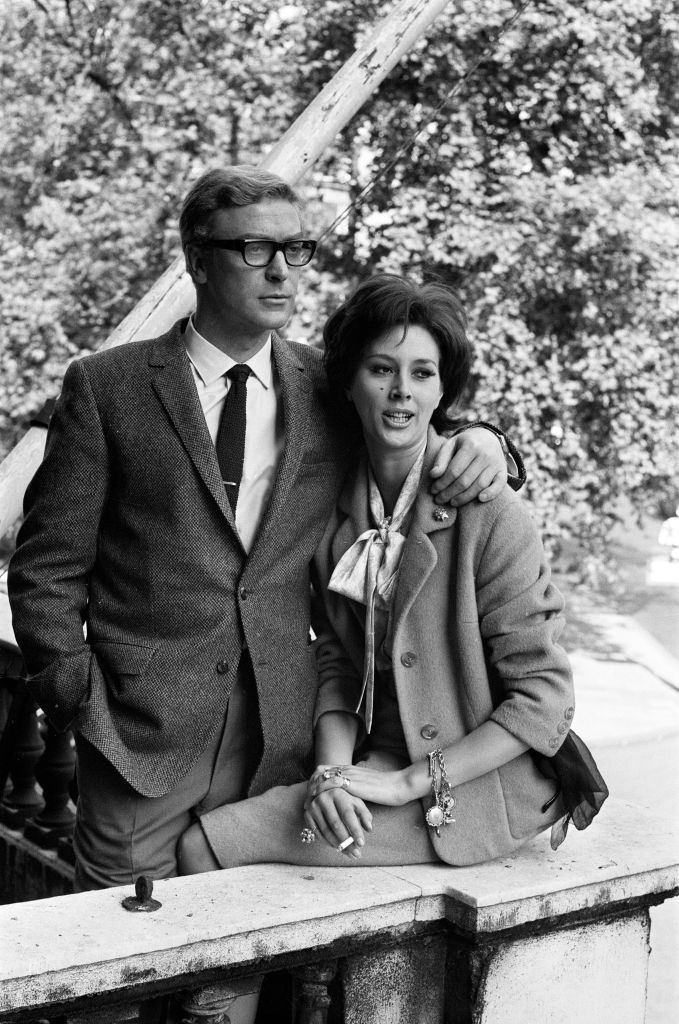
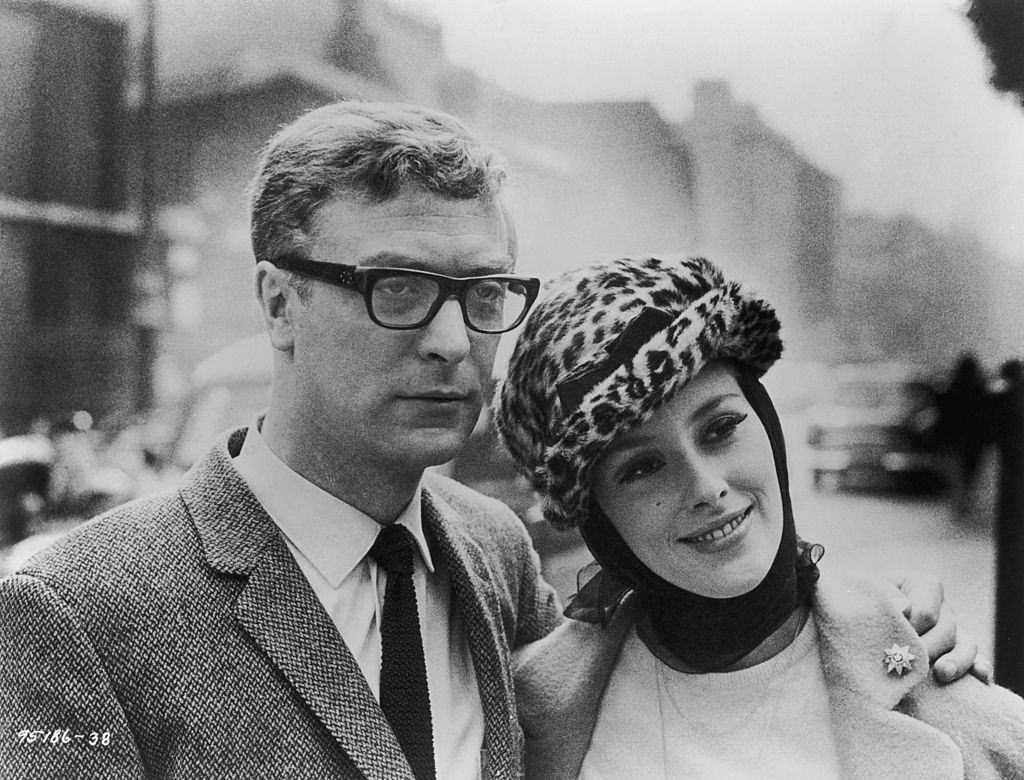
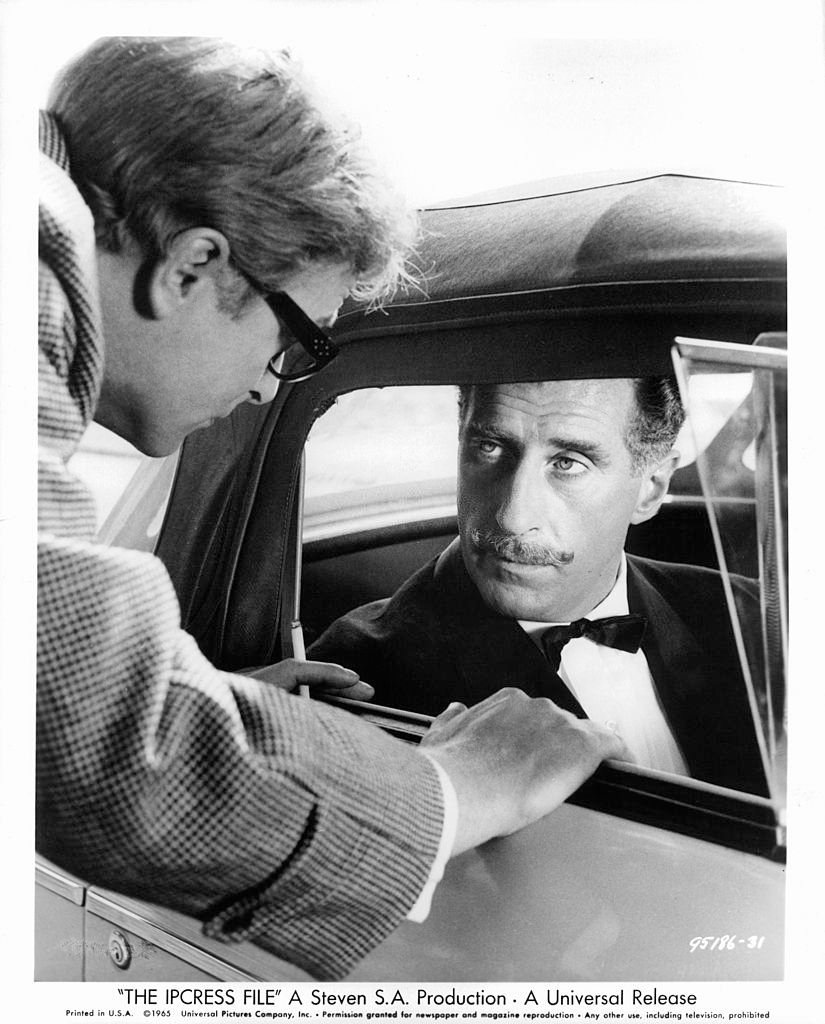
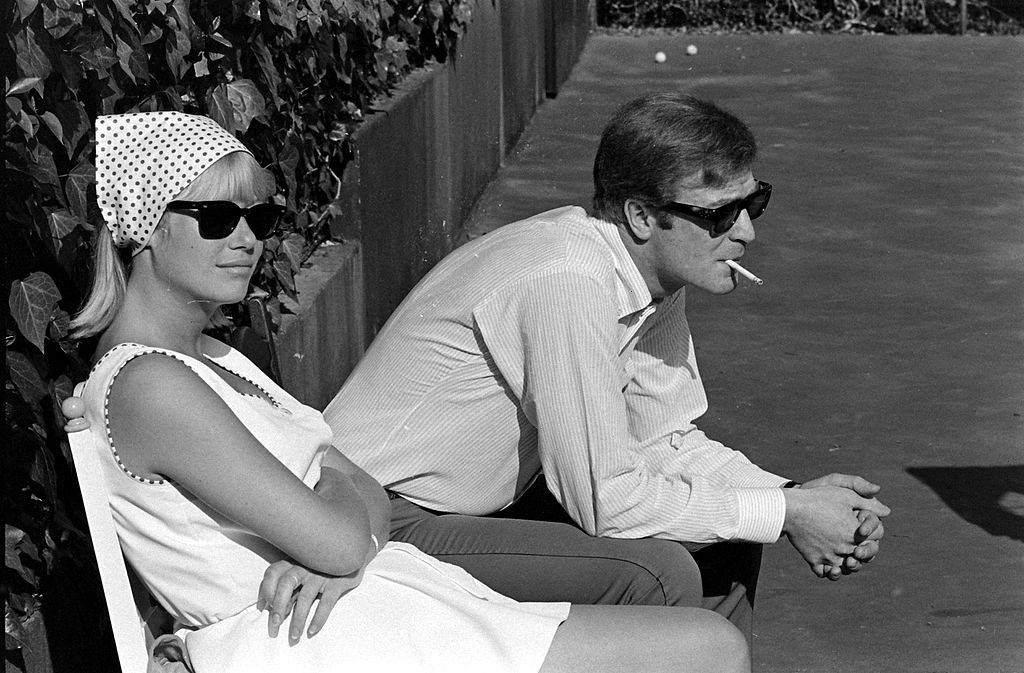
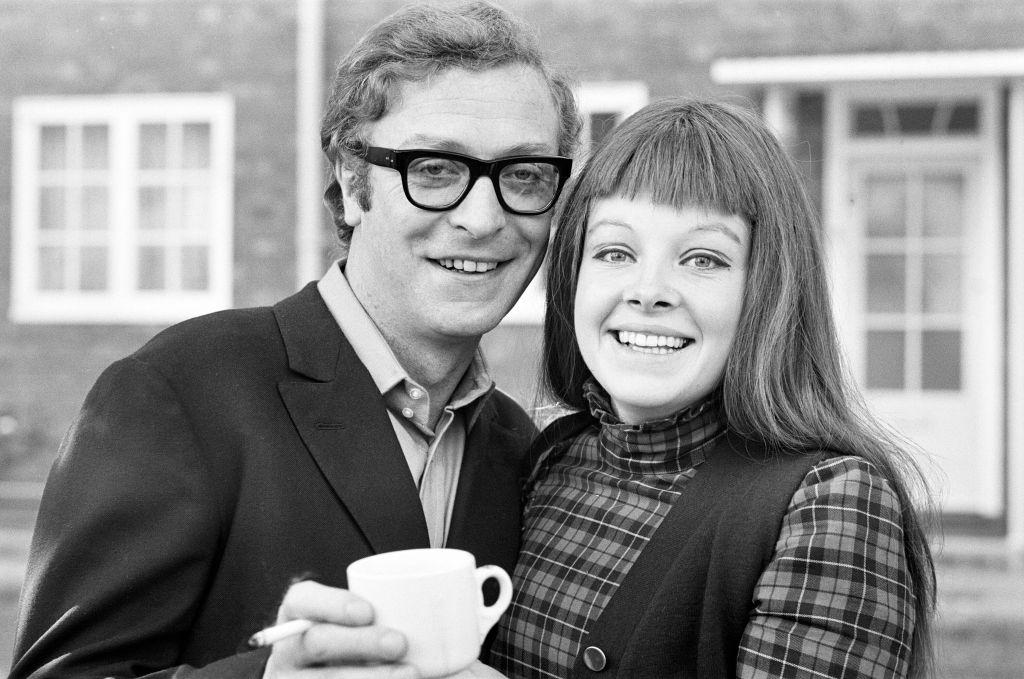
Filming for ‘The Ipcress File’ began in late 1964, and on-set photos from September of that year captured Caine already stepping into the role of Harry Palmer, the bespectacled, streetwise British intelligence officer. It was a departure from the stiff-upper-lip spy archetype, and audiences loved it. He was photographed on set alongside co-star Sue Lloyd, the two of them clearly comfortable working together.
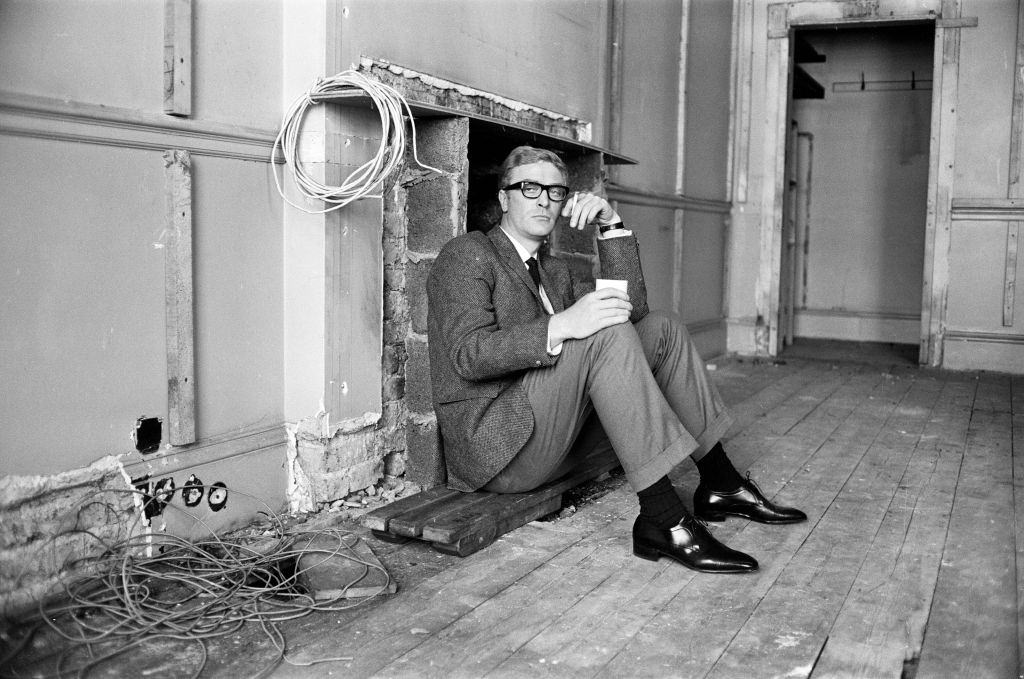
When ‘The Ipcress File’ was released in 1965, it confirmed Caine as a major star. Harry Palmer was an instant hit. The character was unglamorous and working-class in a way that felt completely fresh. The film led to two sequels, and the spy role became one of the defining performances of his early career.
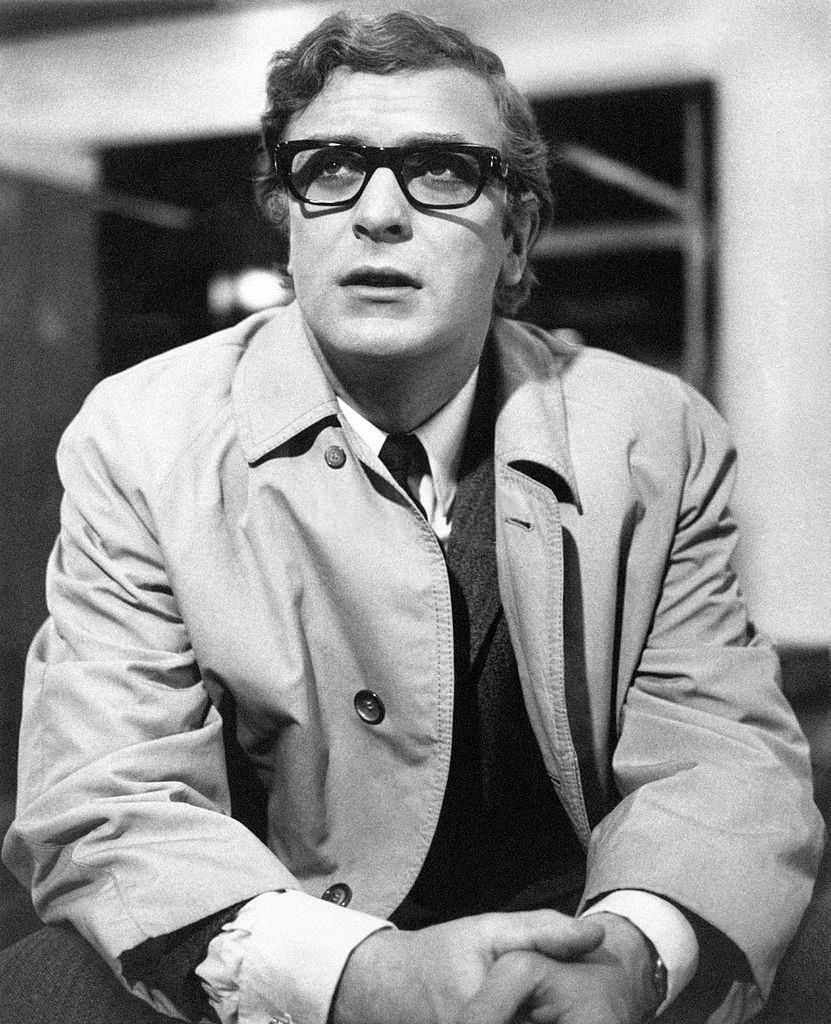
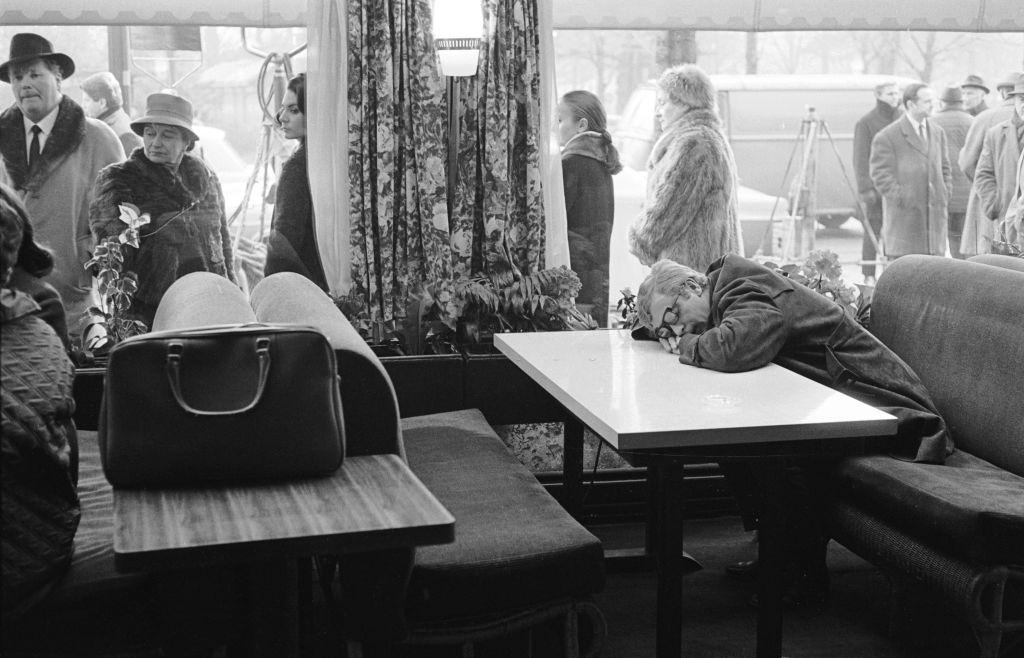
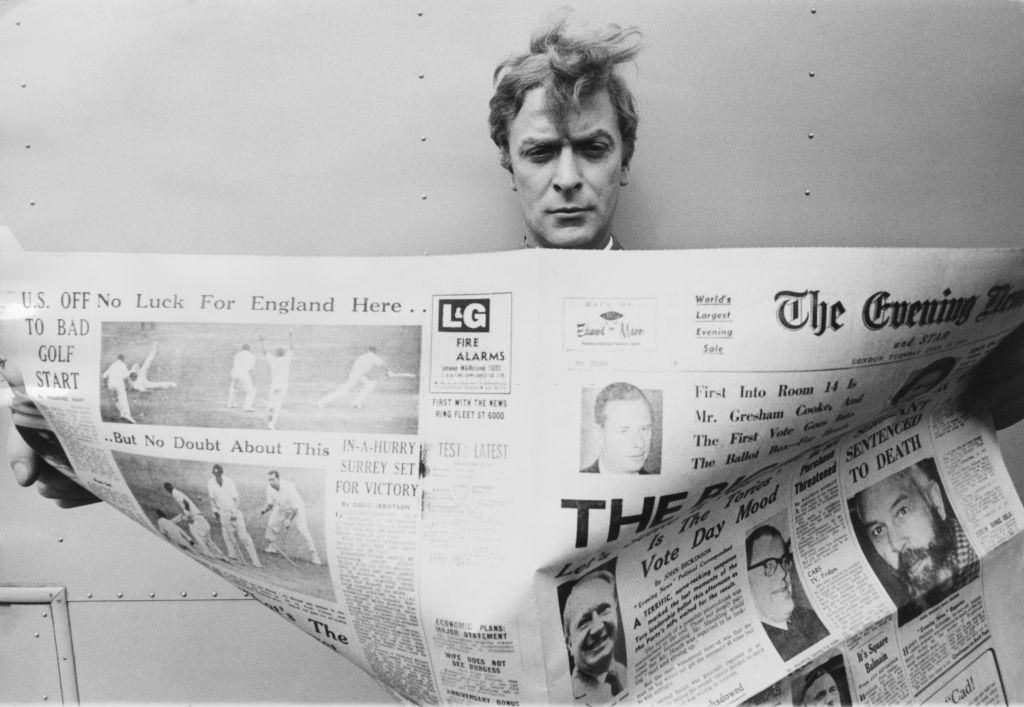
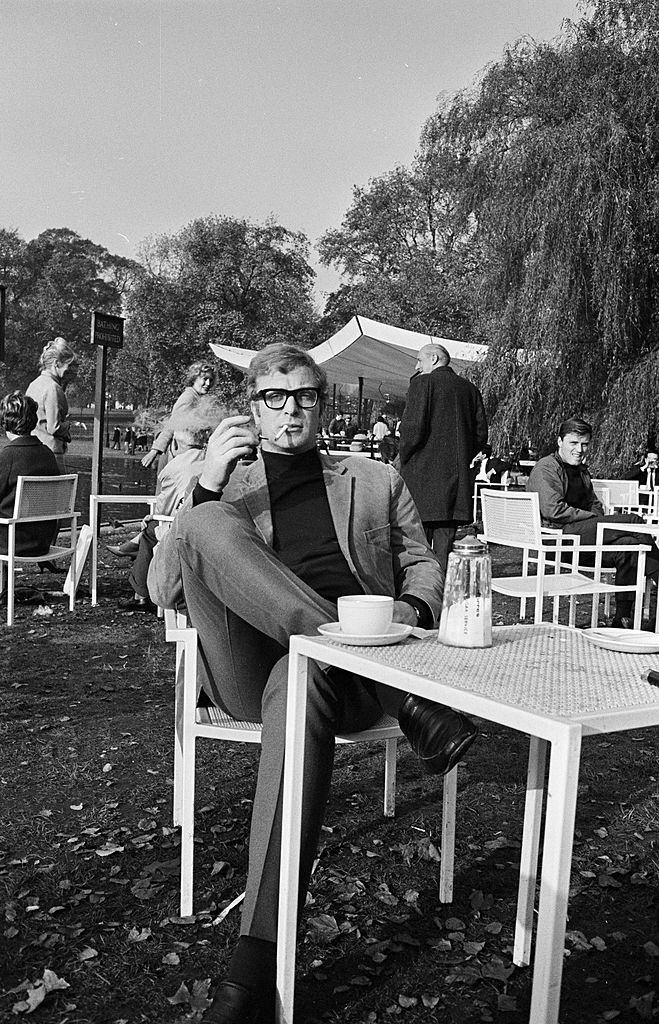
Outside of work, 1965 gave photographers plenty of material. Caine was snapped reading the Evening News, sleeping in a café with his head on a table, lying on his bed reading a book, and kicking through fallen leaves in a London park. These candid moments showed a man living a real life between the demands of a rapidly rising career.
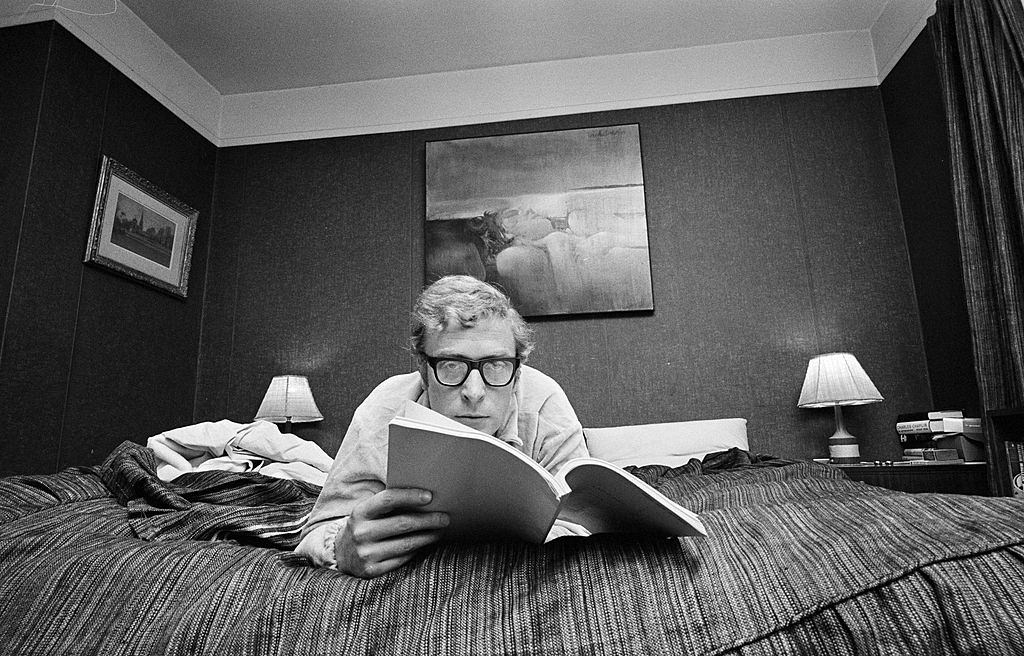
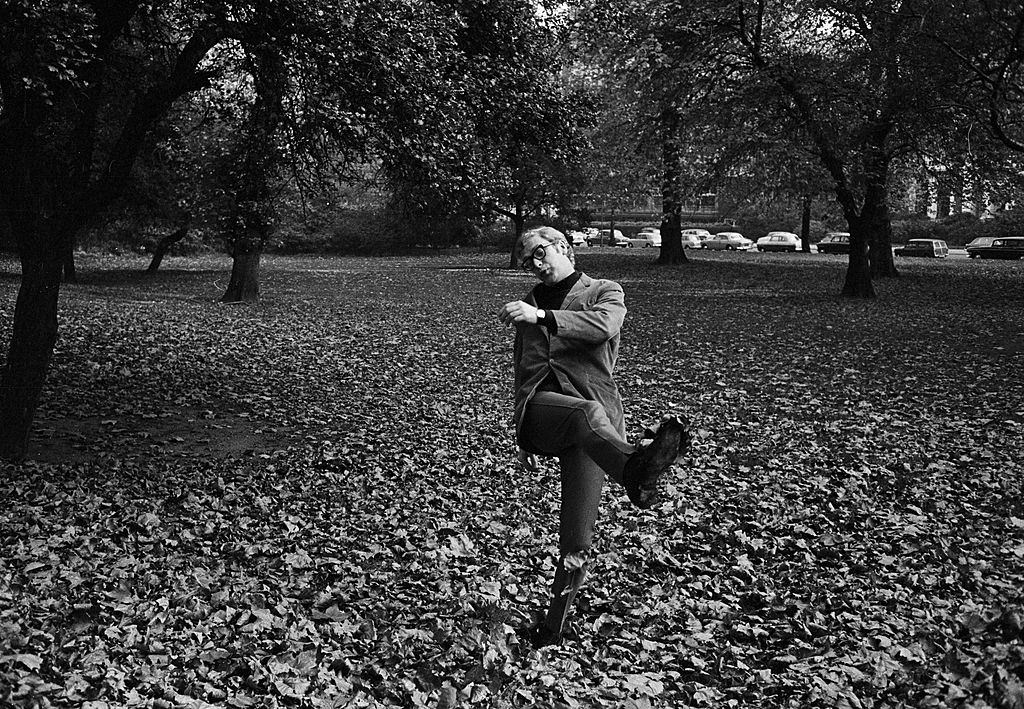
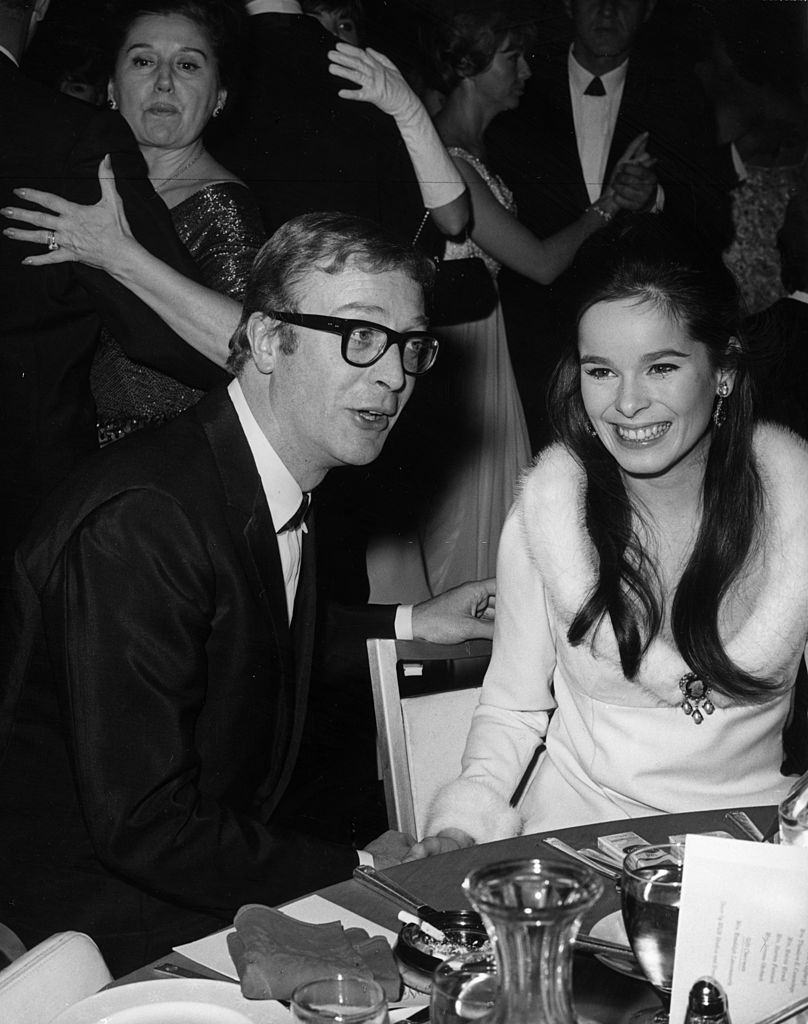
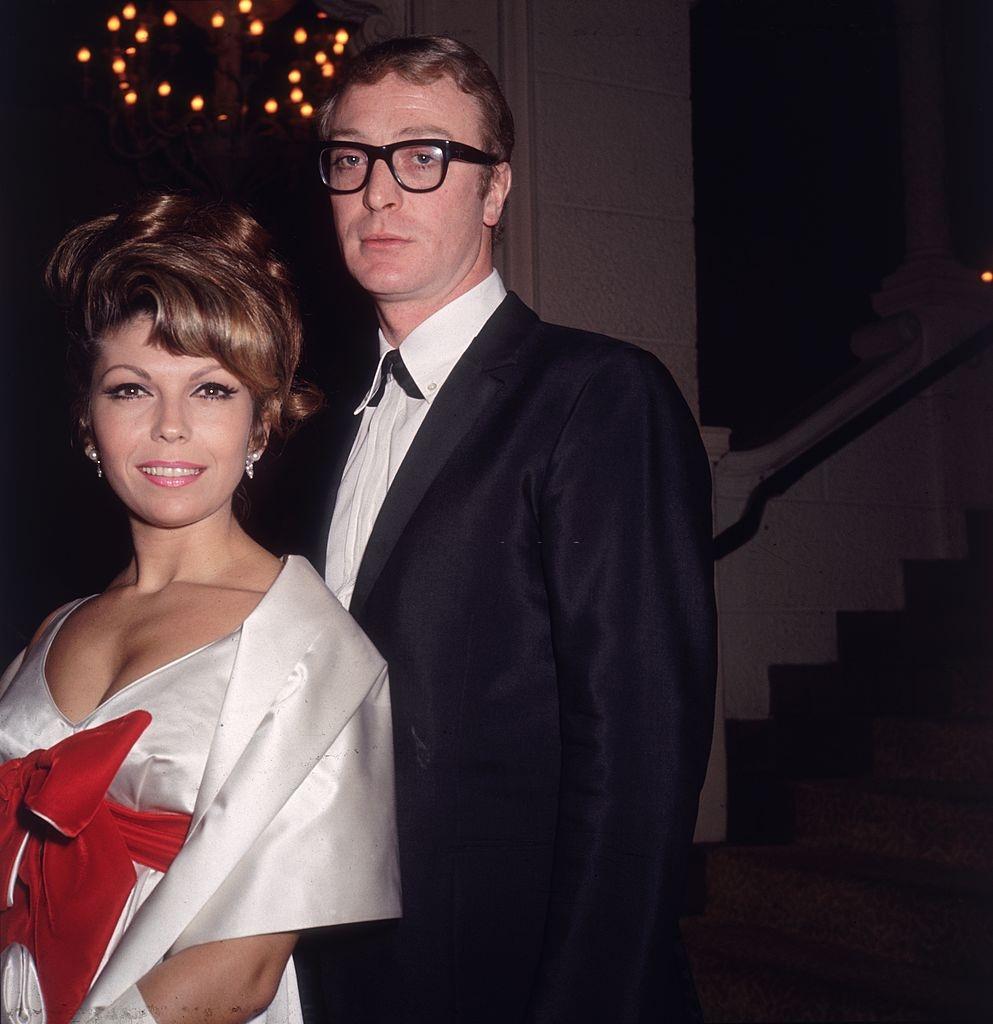
He was also photographed at social events with Geraldine Chaplin, daughter of Charlie Chaplin, and at the premiere party for ‘The Spy Who Came in from the Cold’ alongside American pop singer Nancy Sinatra. His social world was expanding as fast as his filmography.
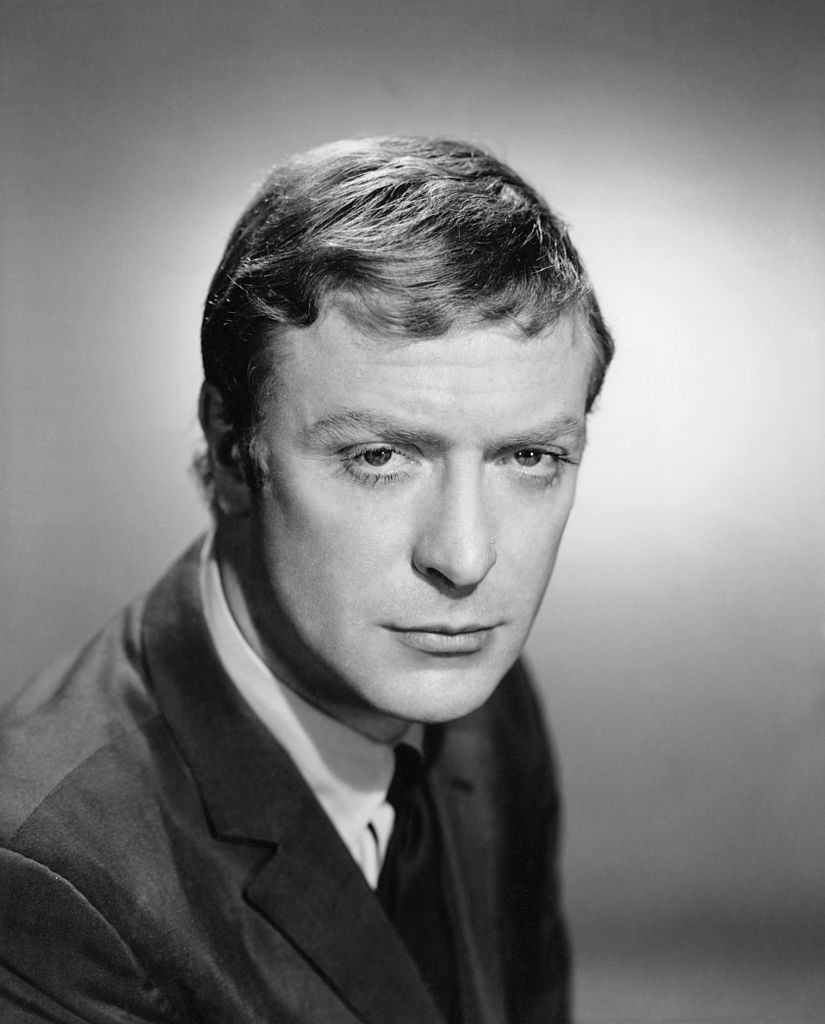
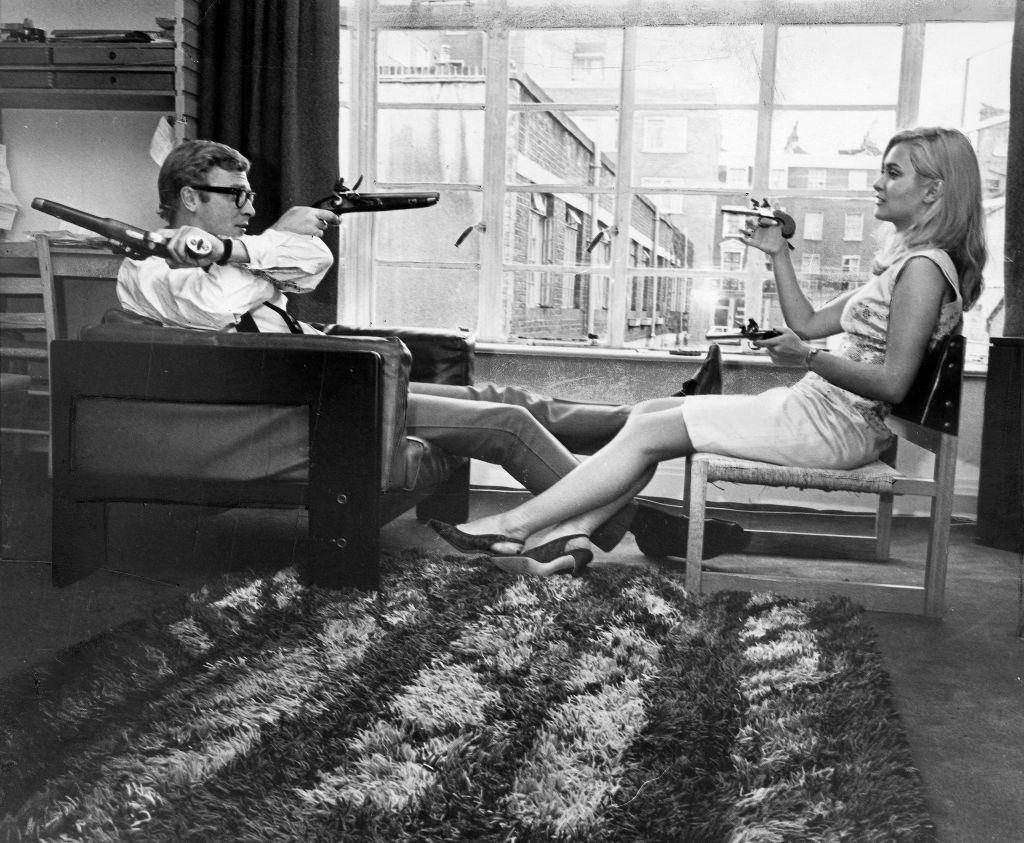
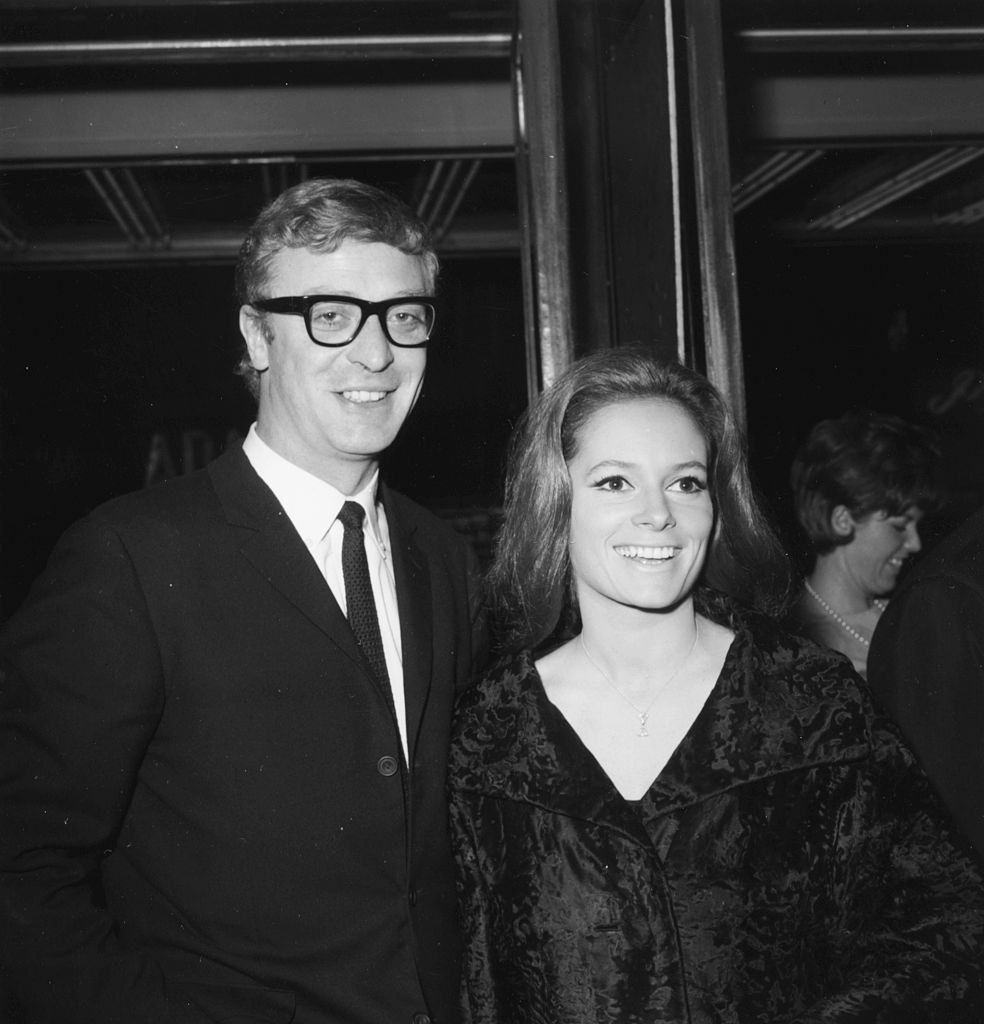
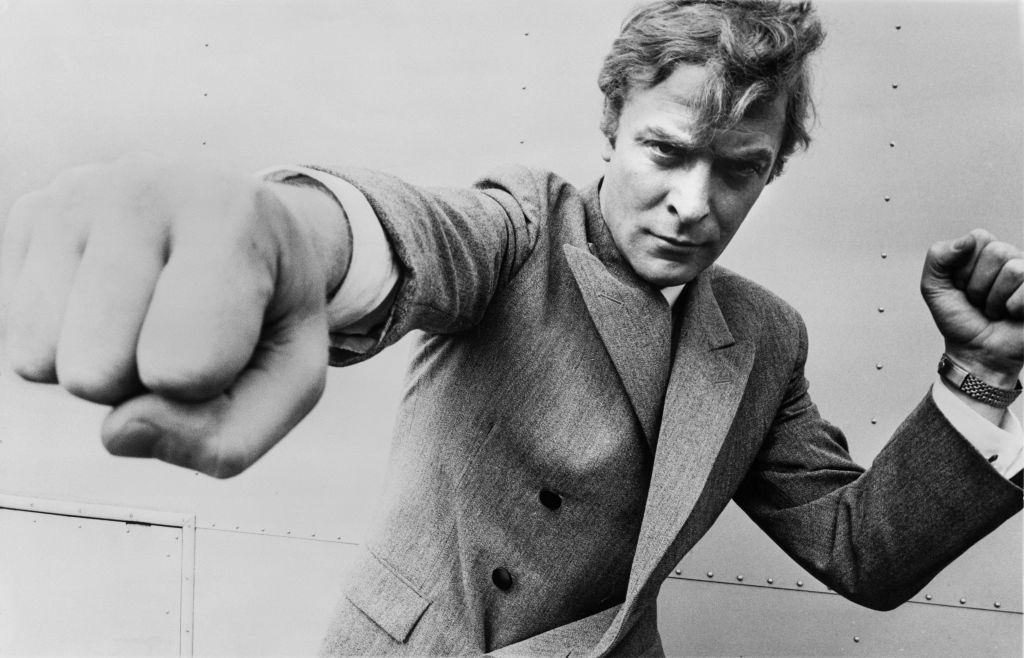
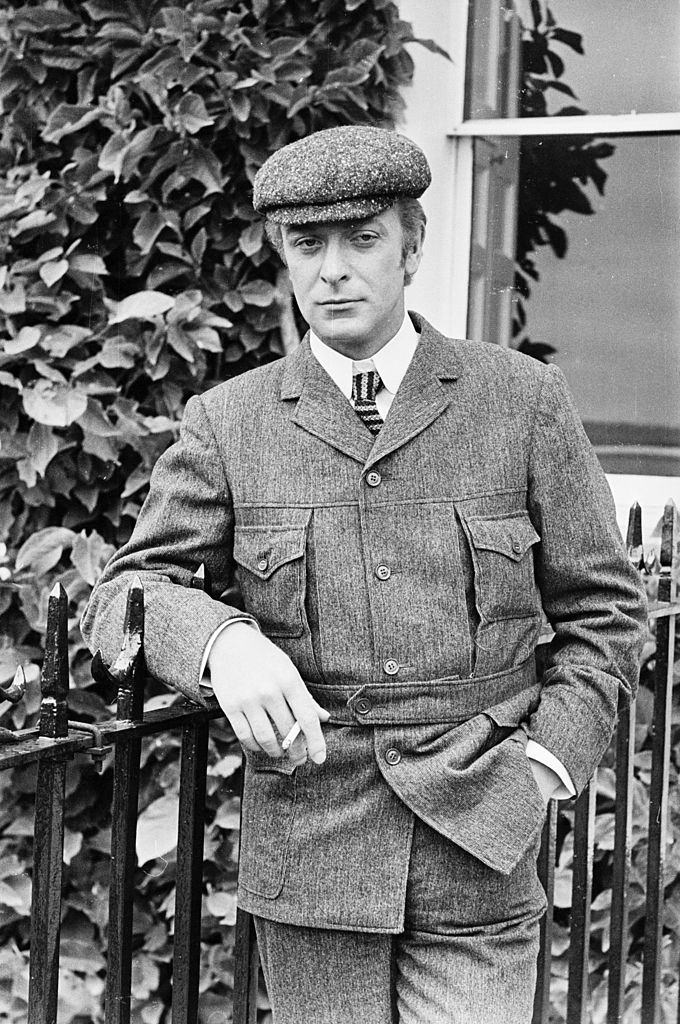
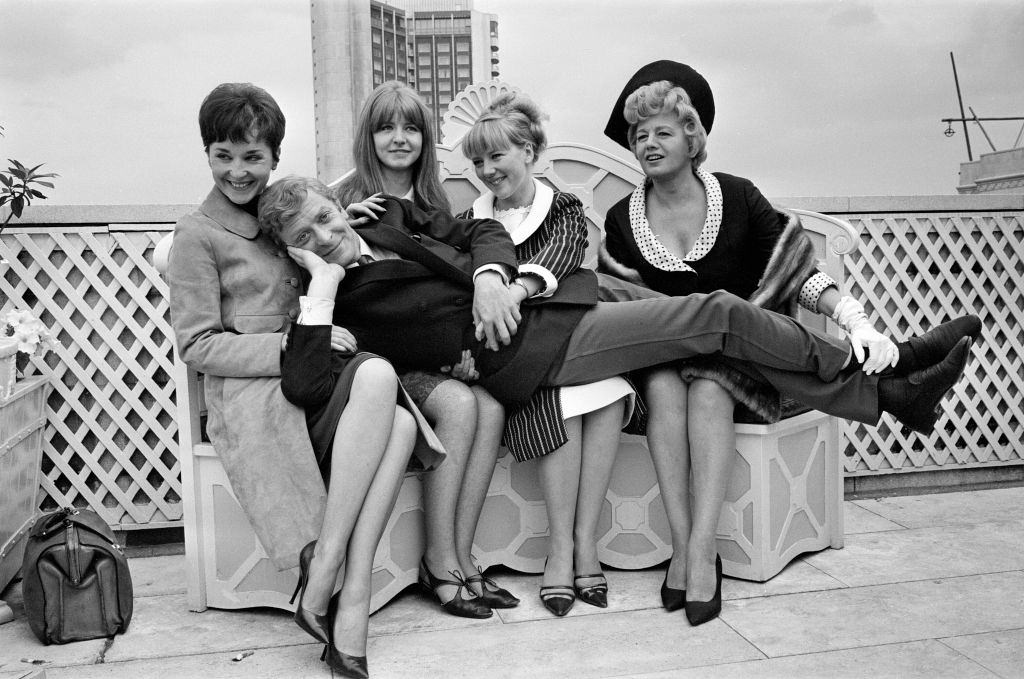
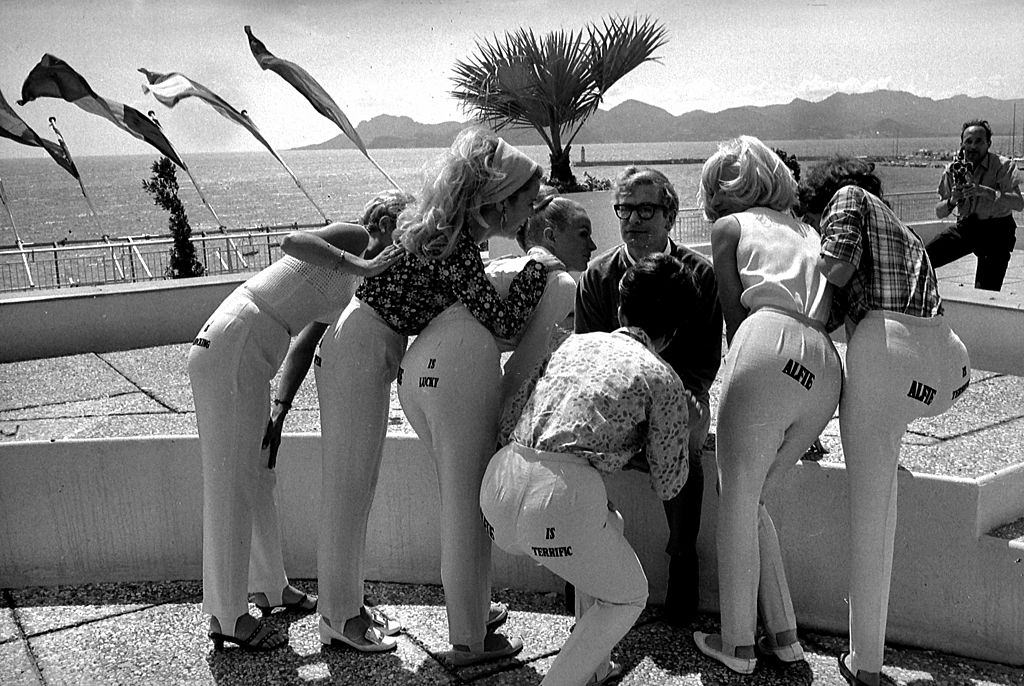
In 1966, Caine starred in ‘Alfie,’ one of the most celebrated British films of the decade. The role earned him his first Academy Award nomination and introduced him to international audiences in a completely different way than Harry Palmer had. Promotional photos from the film show him surrounded by cast members Jane Asher, Julia Foster, and Shelley Winters.
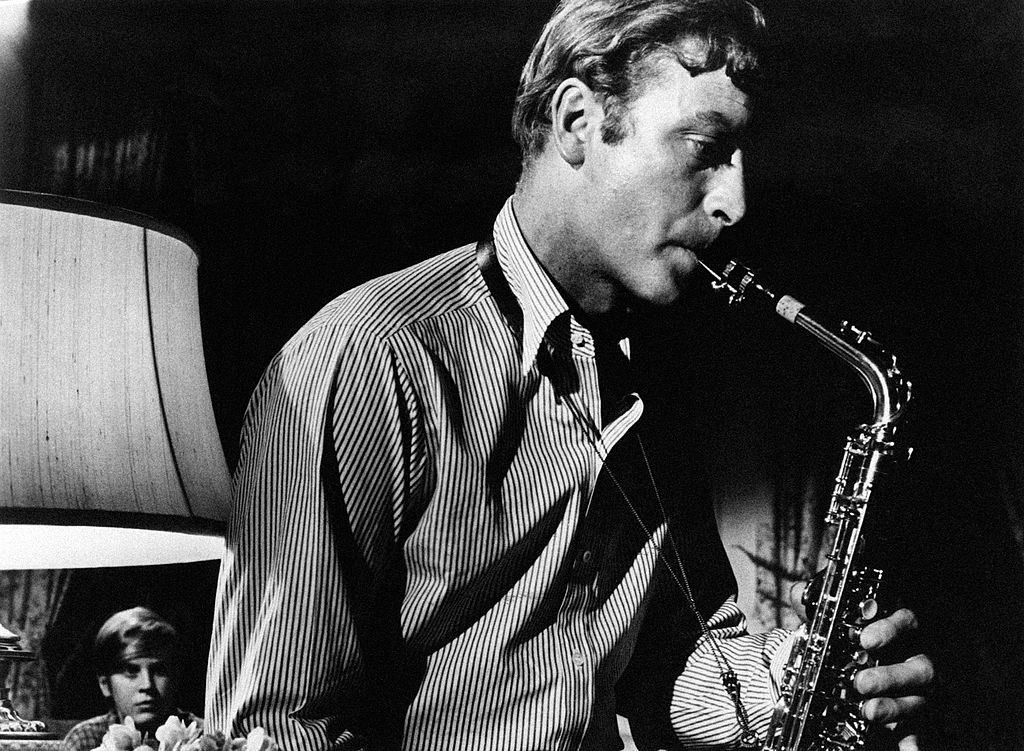
Also in 1966, Caine appeared in Otto Preminger’s ‘Hurry Sundown,’ a film that took him to the American South. A behind-the-scenes photo from the production shows him playing a clarinet on set, an unexpected glimpse into his lighter side during filming.
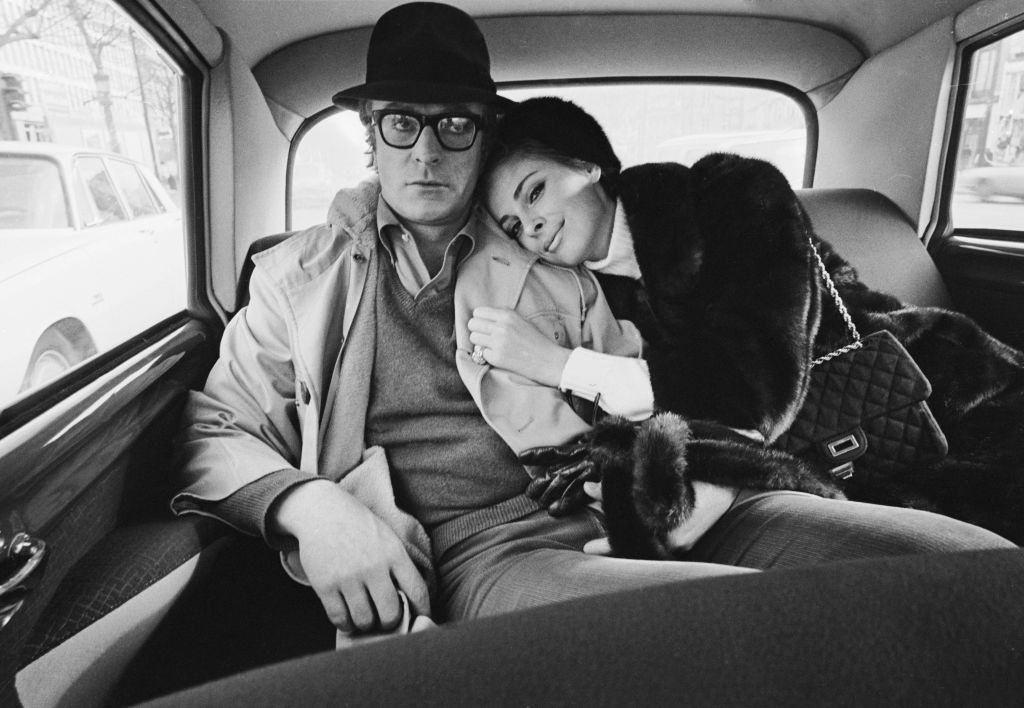
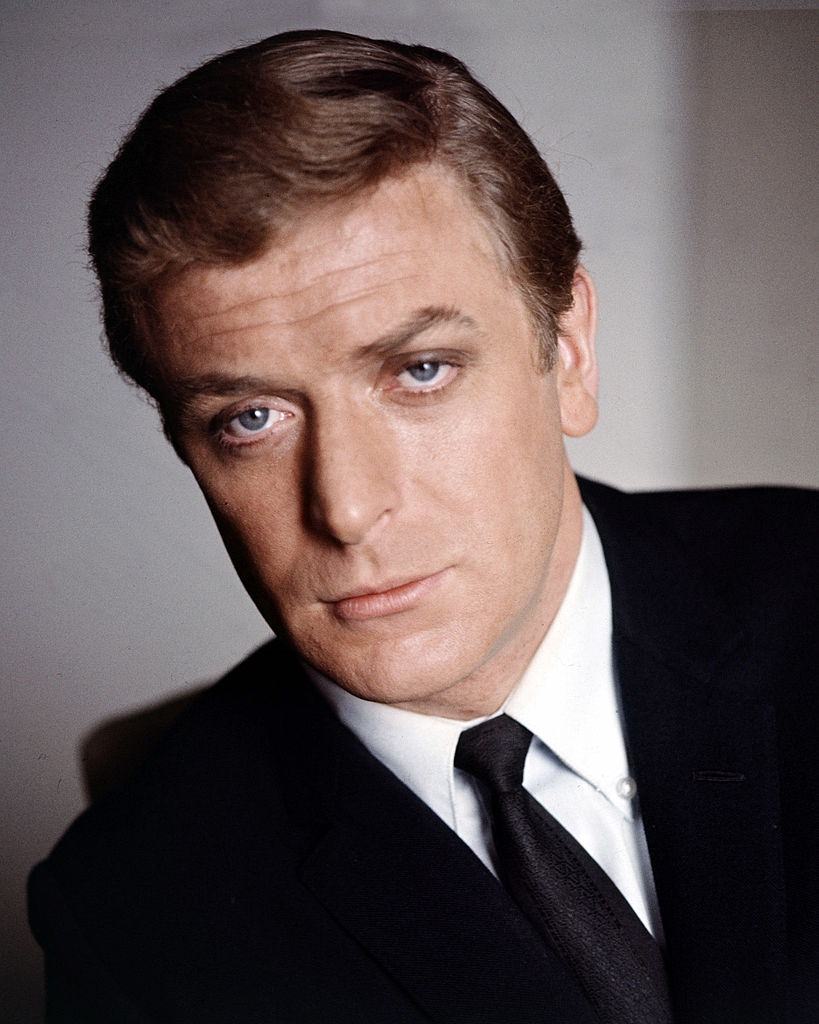
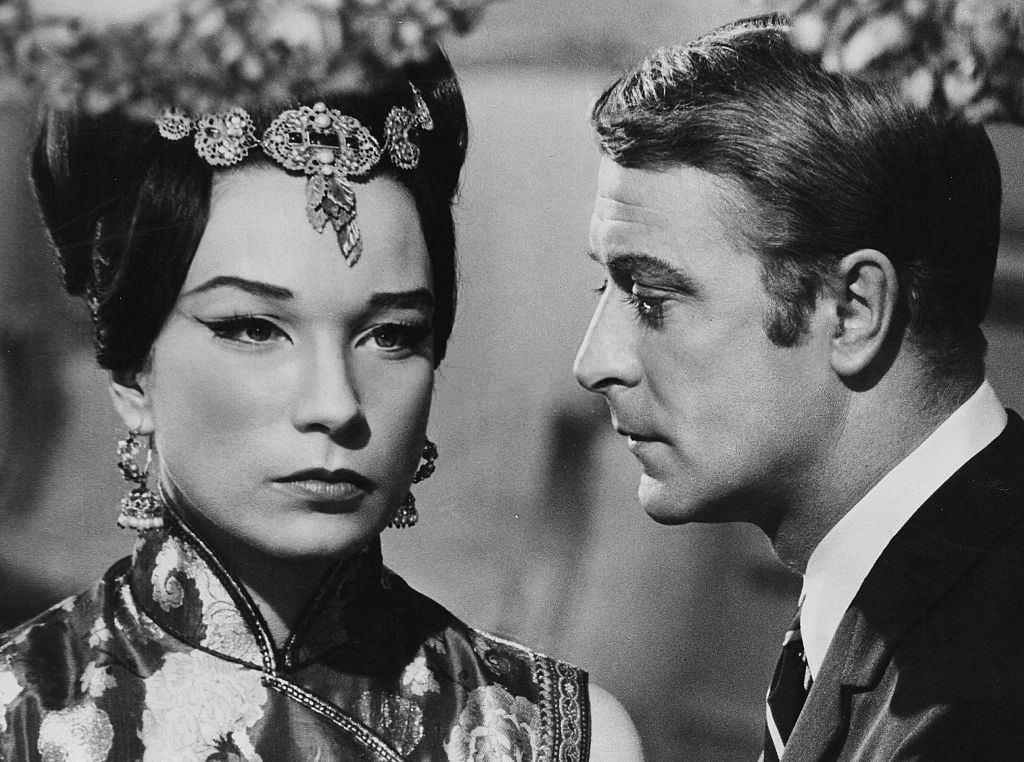
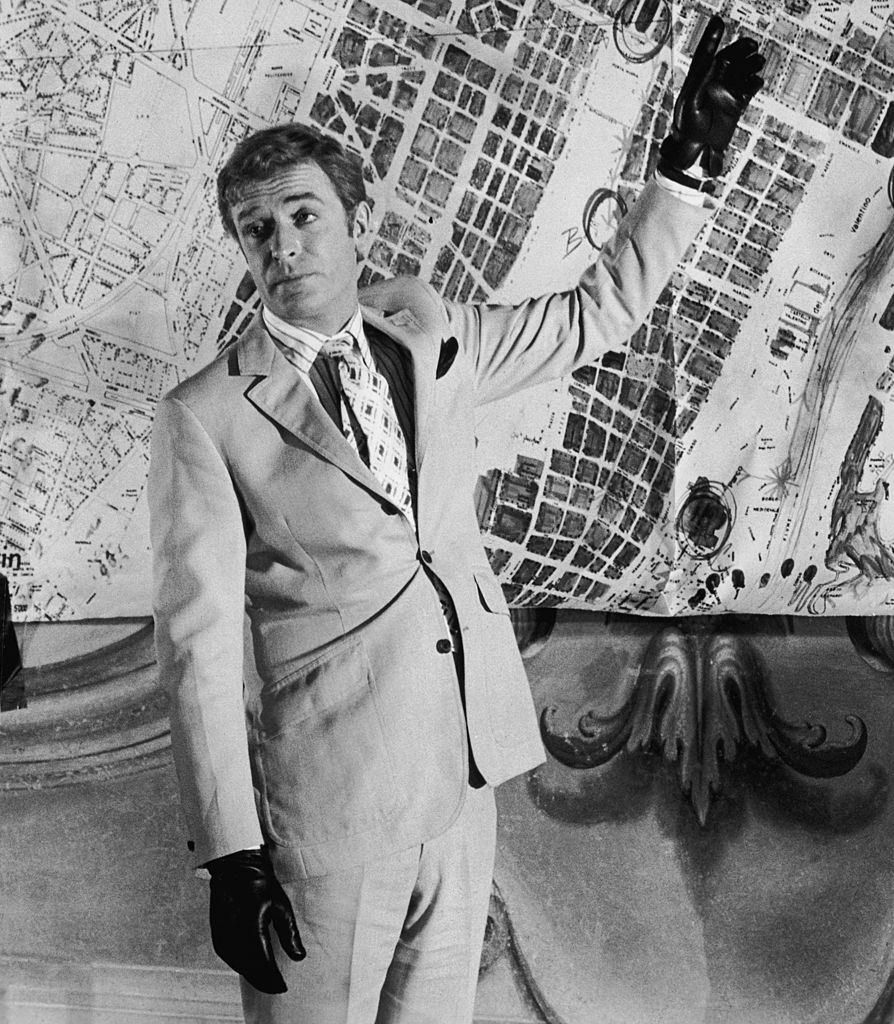
The Harry Palmer series continued into 1966 with ‘Funeral in Berlin,’ and then in 1967 with ‘Billion Dollar Brain.’ Multiple photos from the ‘Billion Dollar Brain’ set captured Caine in character — holding a plate at a doorway, speaking on the phone, and sharing scenes with French actress Françoise Dorléac. The series remained popular, and Caine’s portrayal of Palmer remained one of the sharpest spy performances of the era.
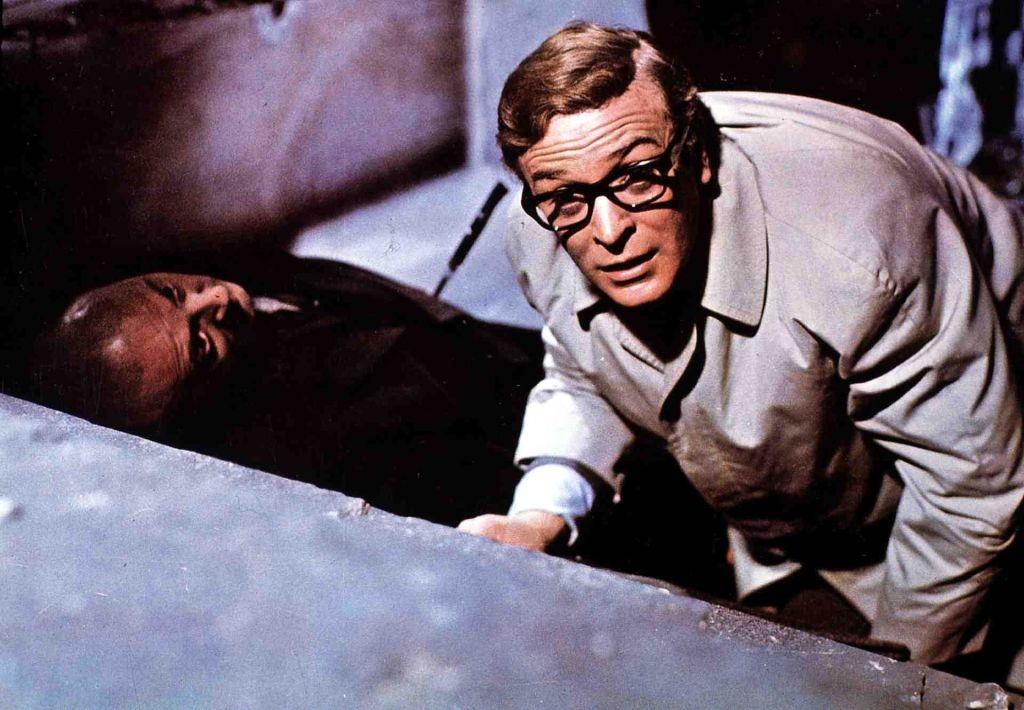
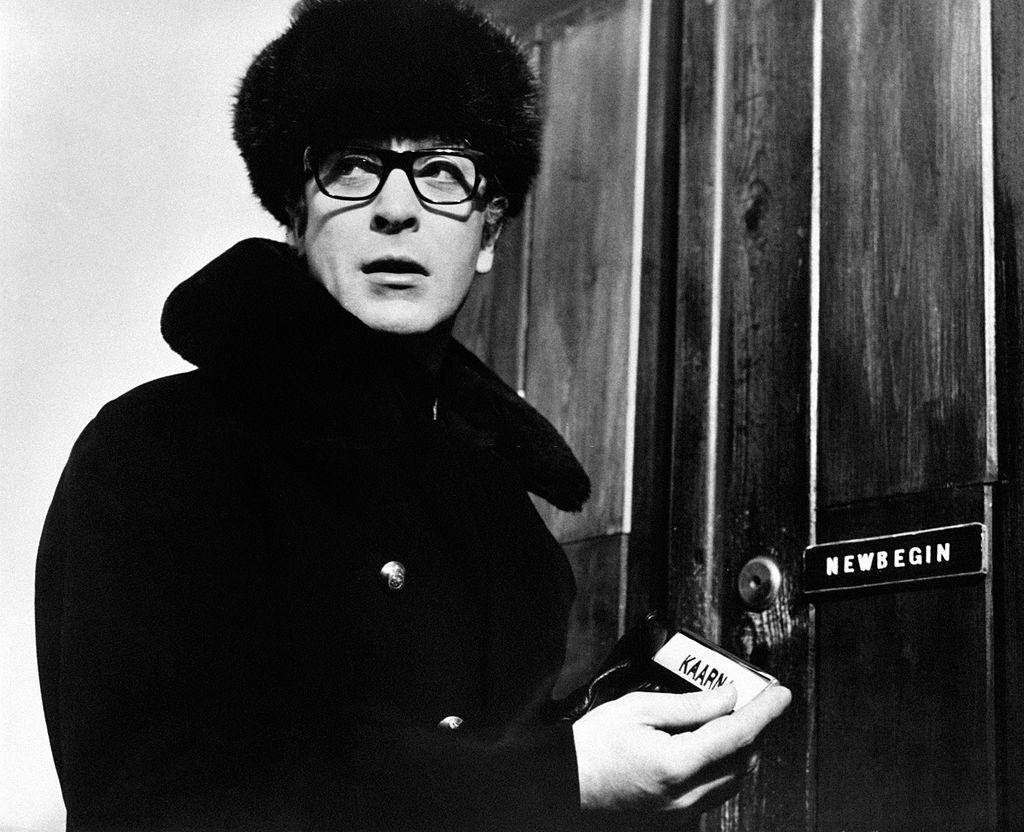
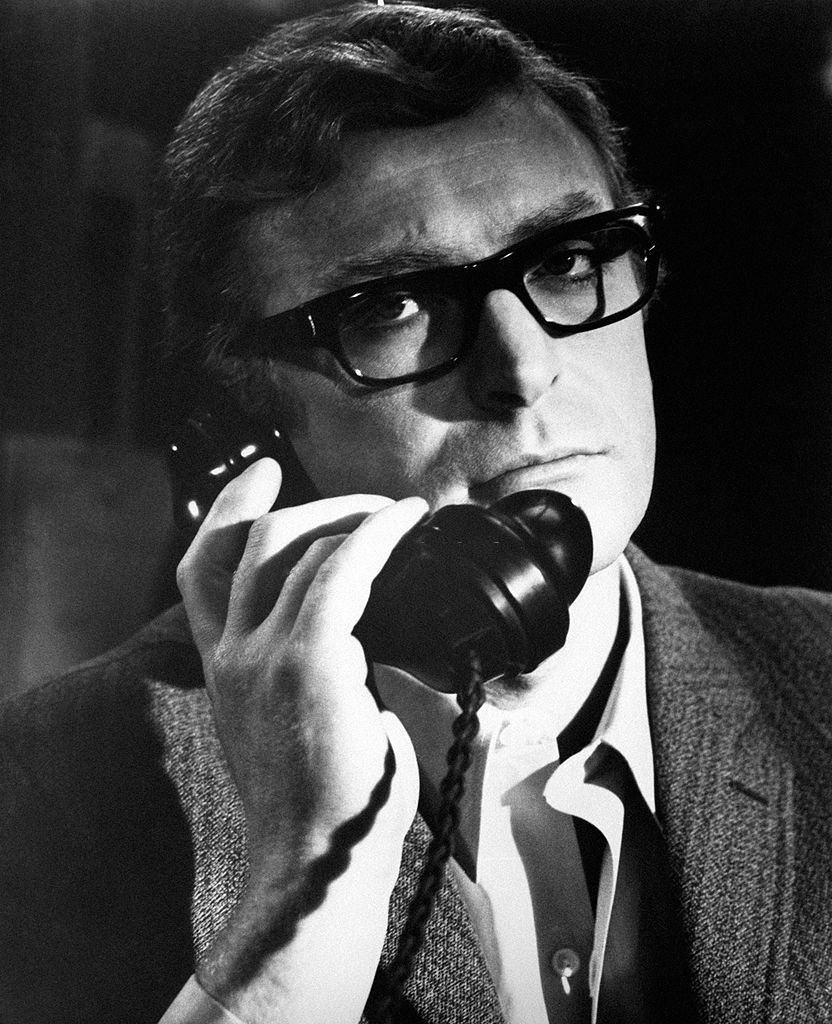
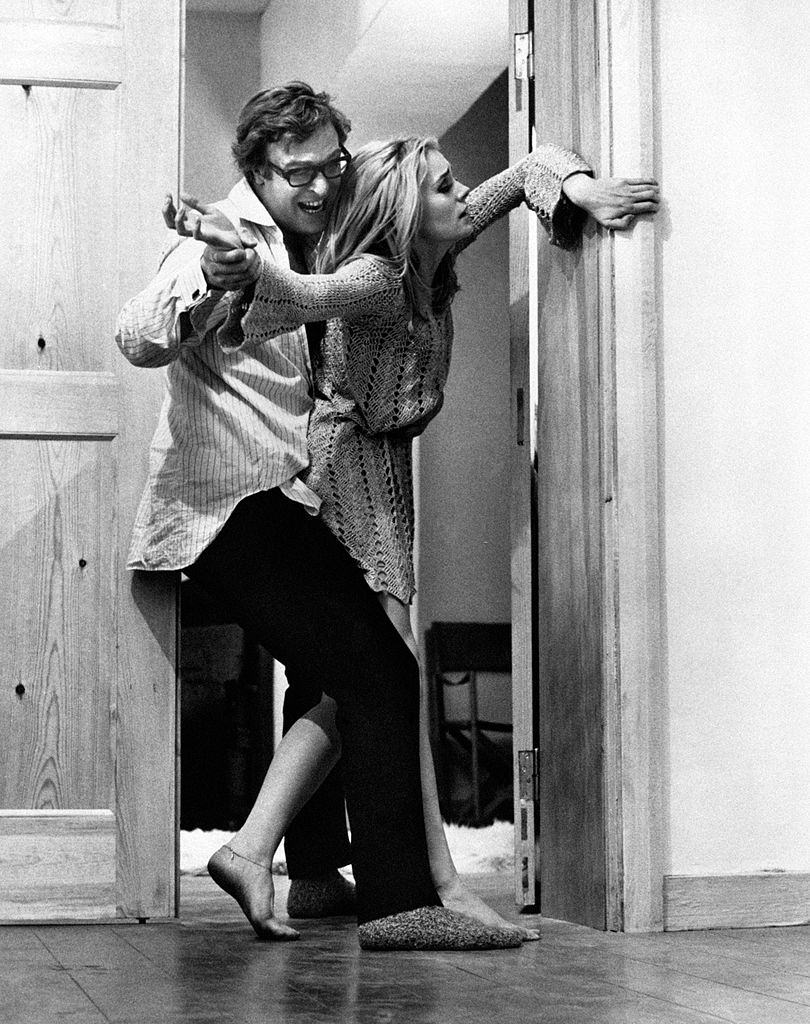
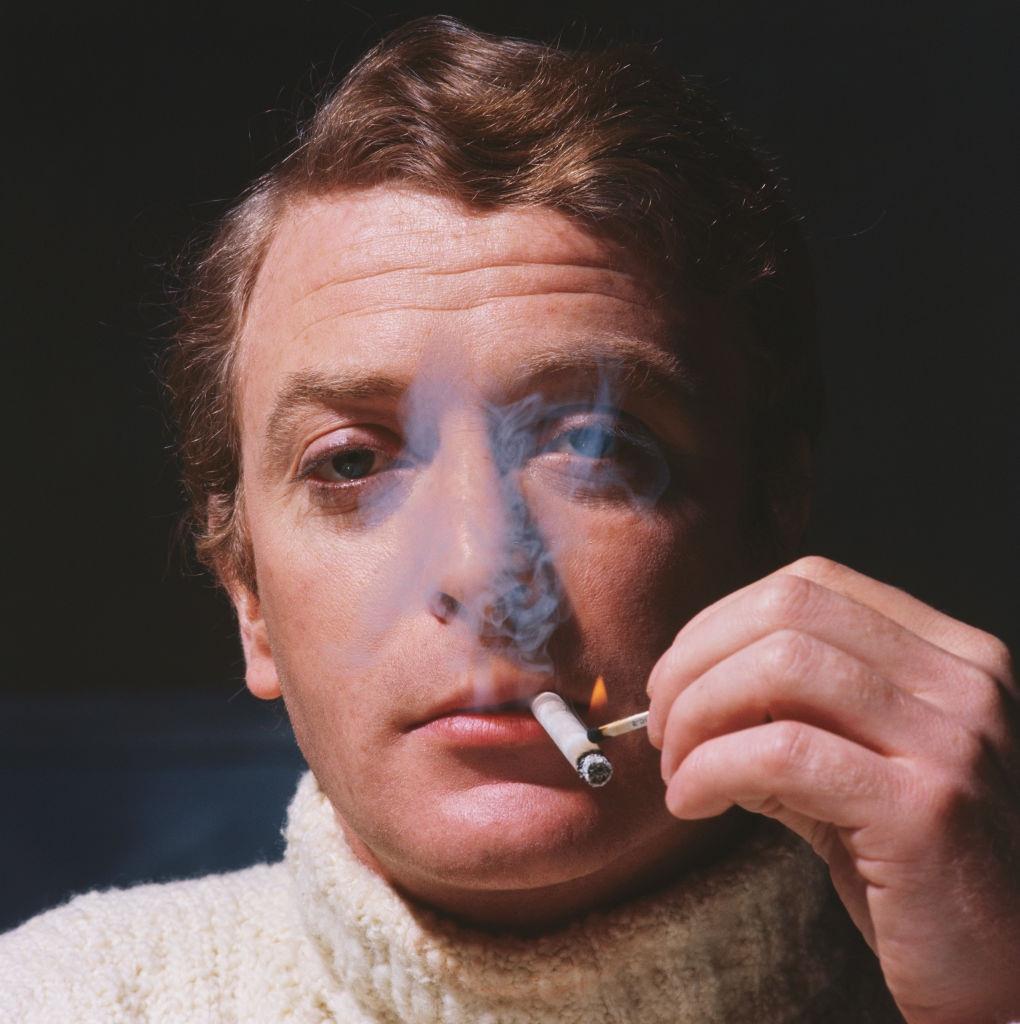
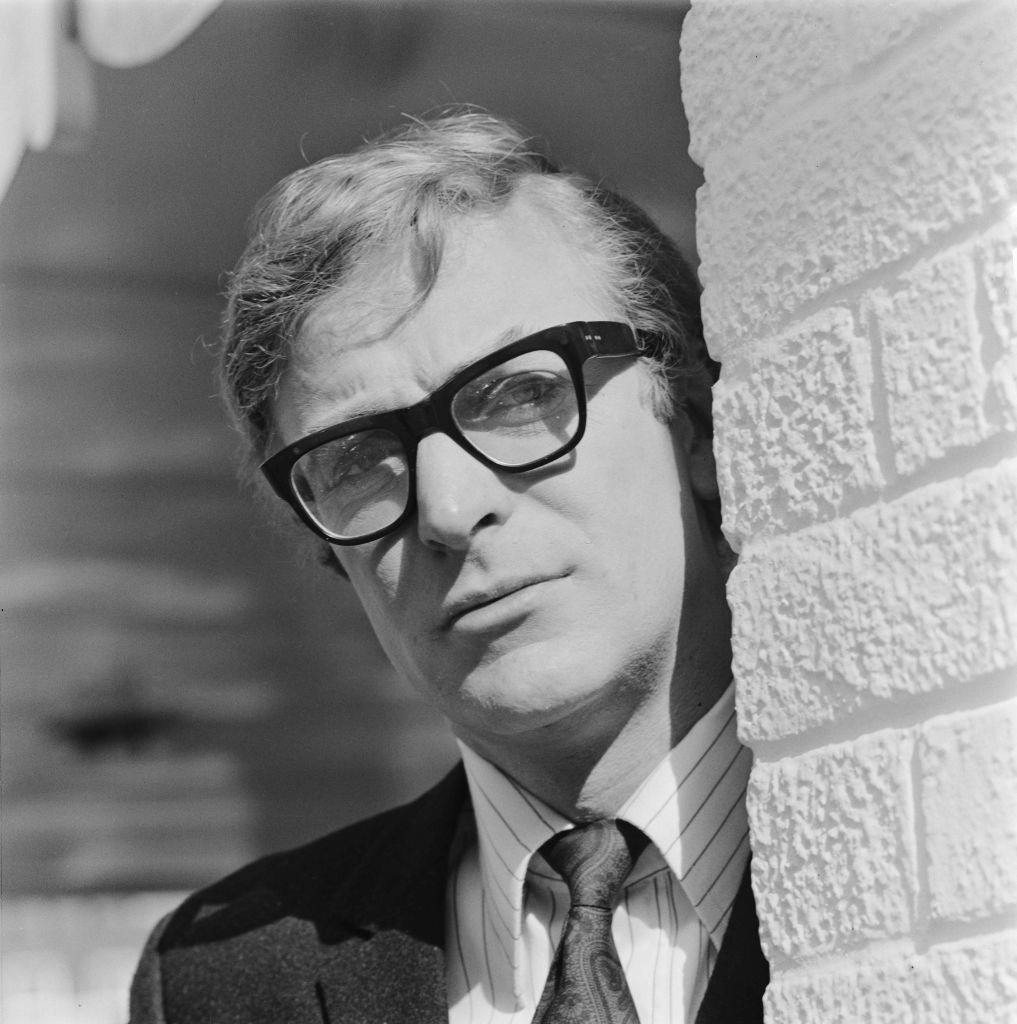
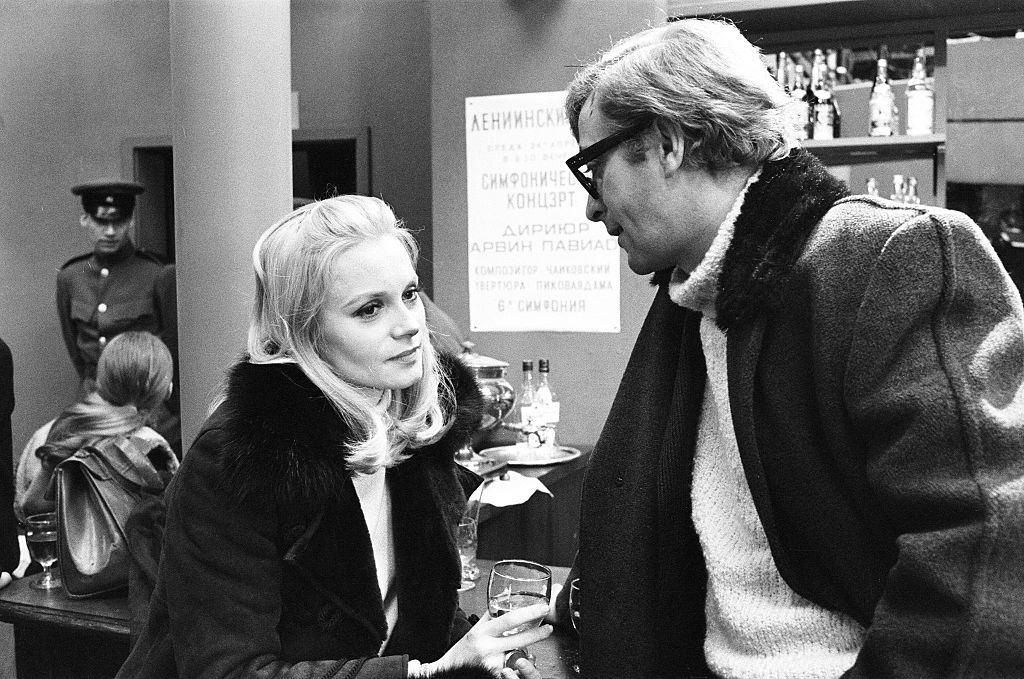
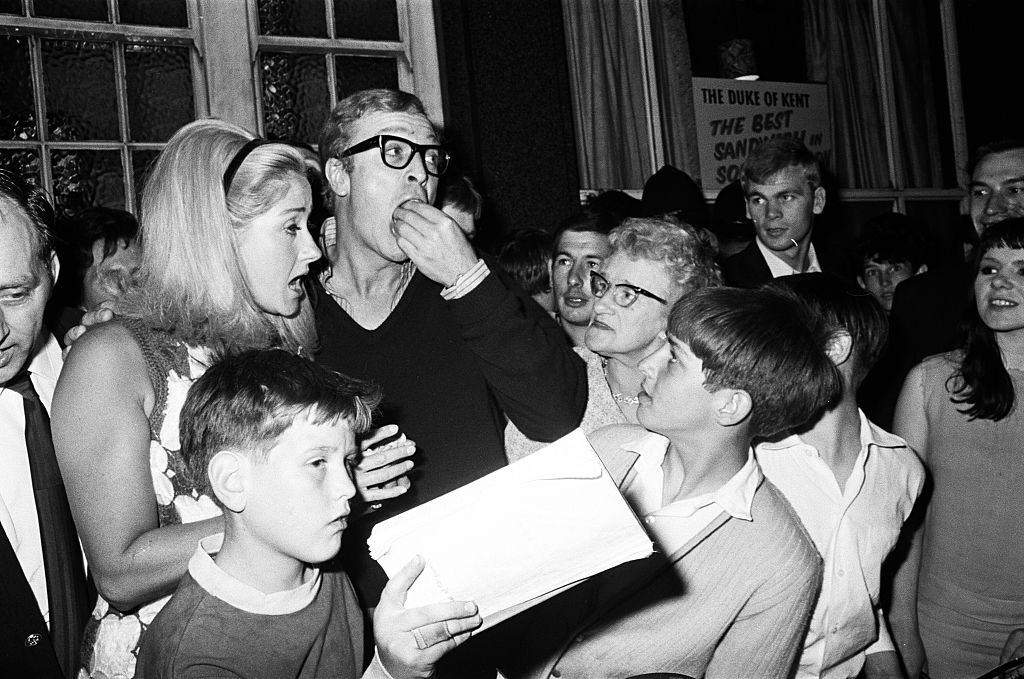
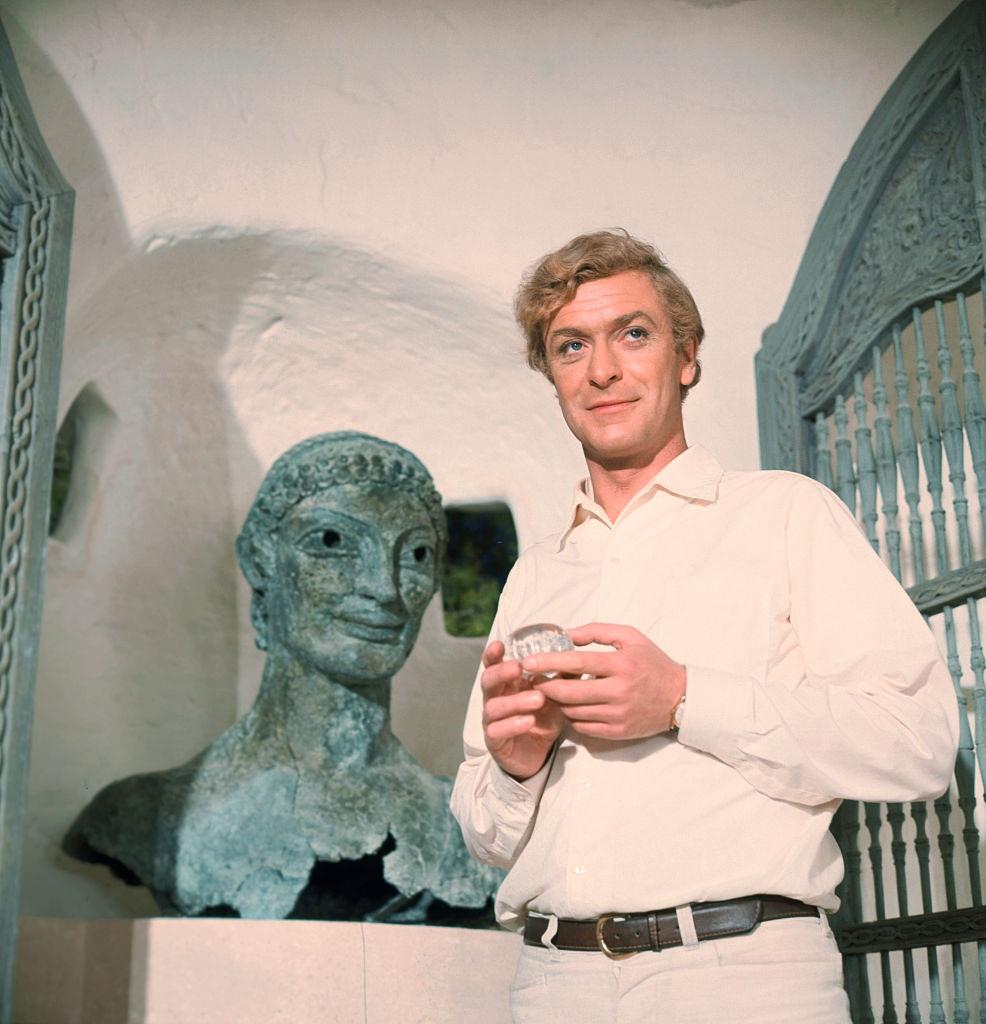
In 1968, Caine first married actress Patricia Haines in 1955, and the couple had a daughter named Dominique before divorcing. By 1968, he was linked to Bianca De Macias. That year also brought a run of varied film work. He appeared in ‘Deadfall’ alongside actress Giovanna Ralli, and took on the European production ‘The Magus,’ photographed relaxing on set between takes. He was also captured on set with British director Peter Collinson during filming of ‘The Italian Job.’
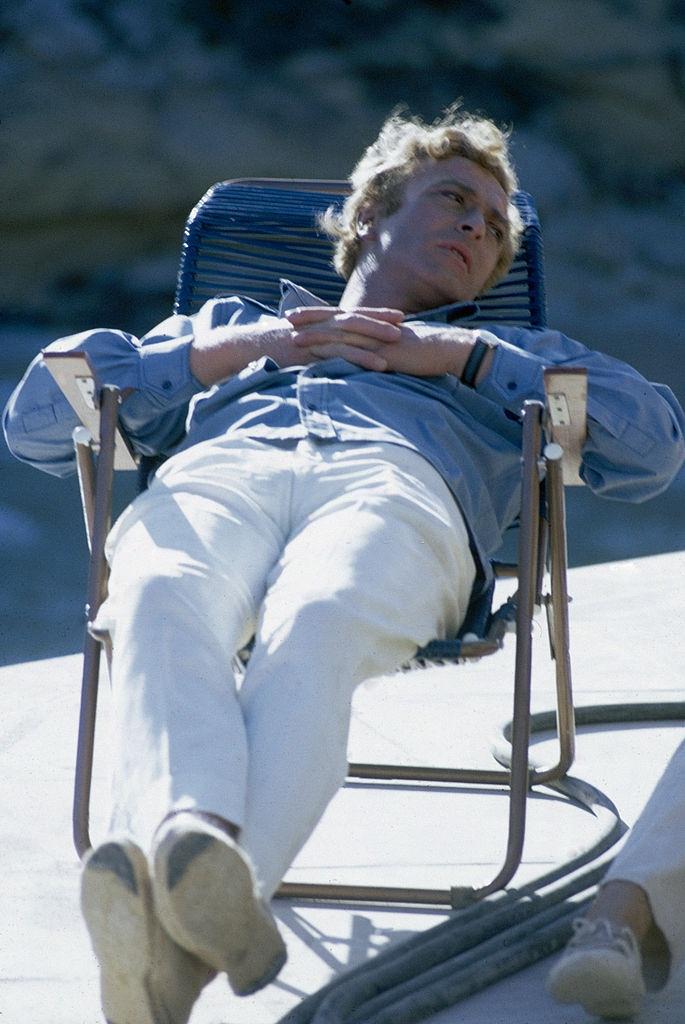
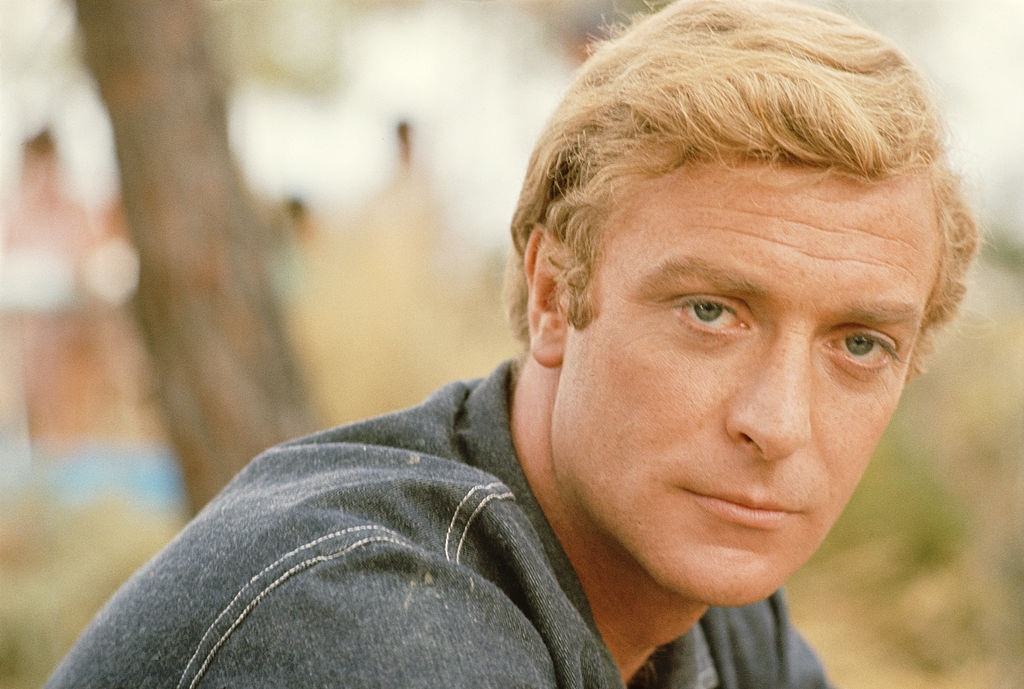
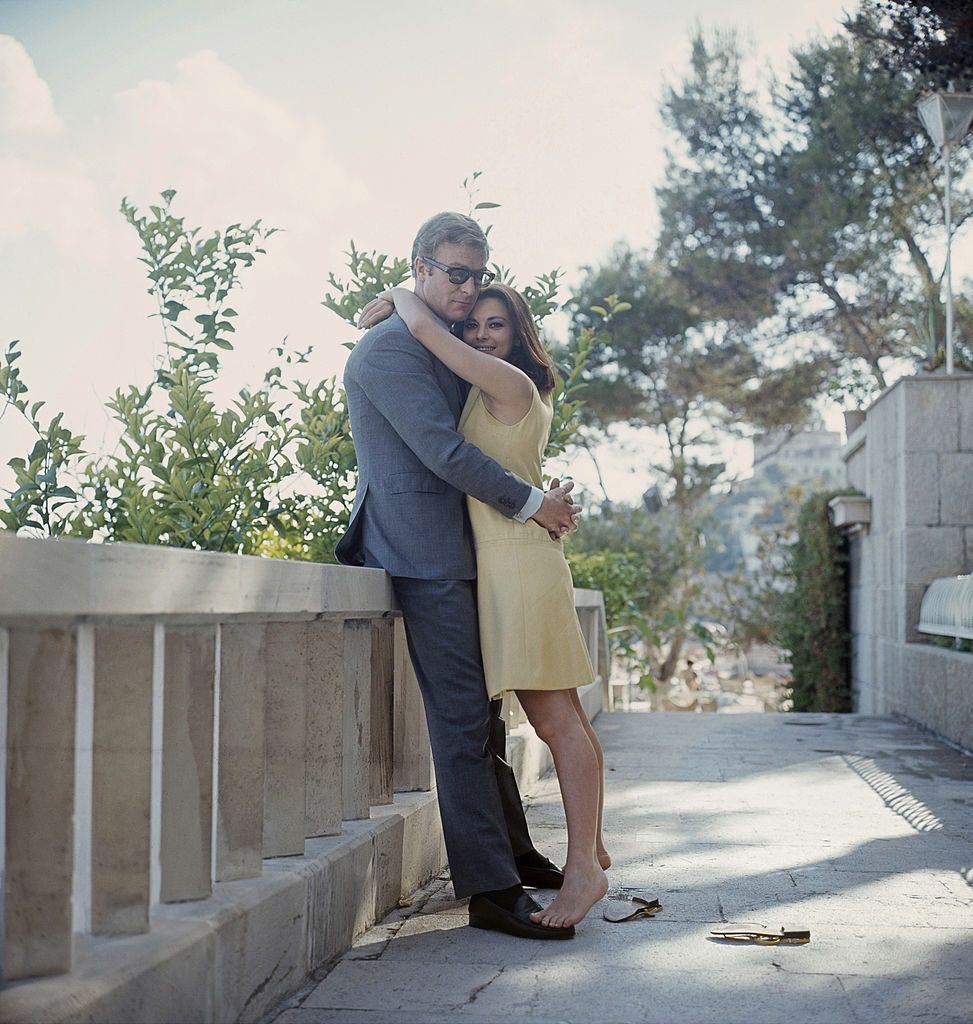
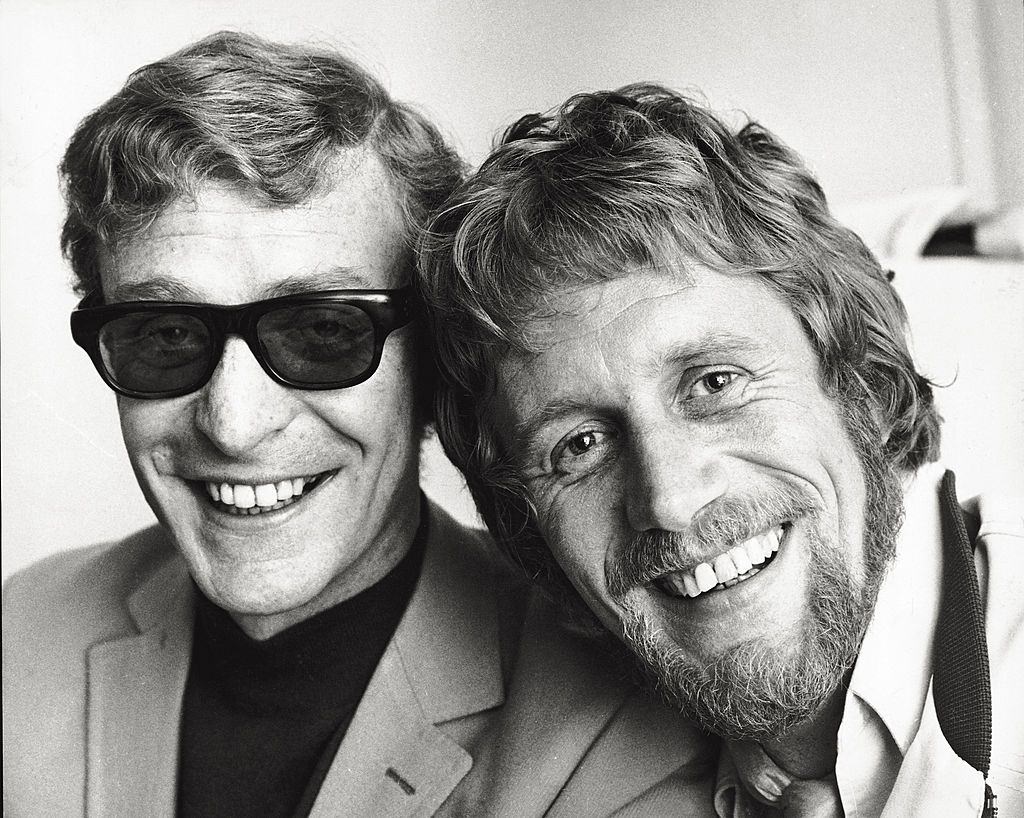
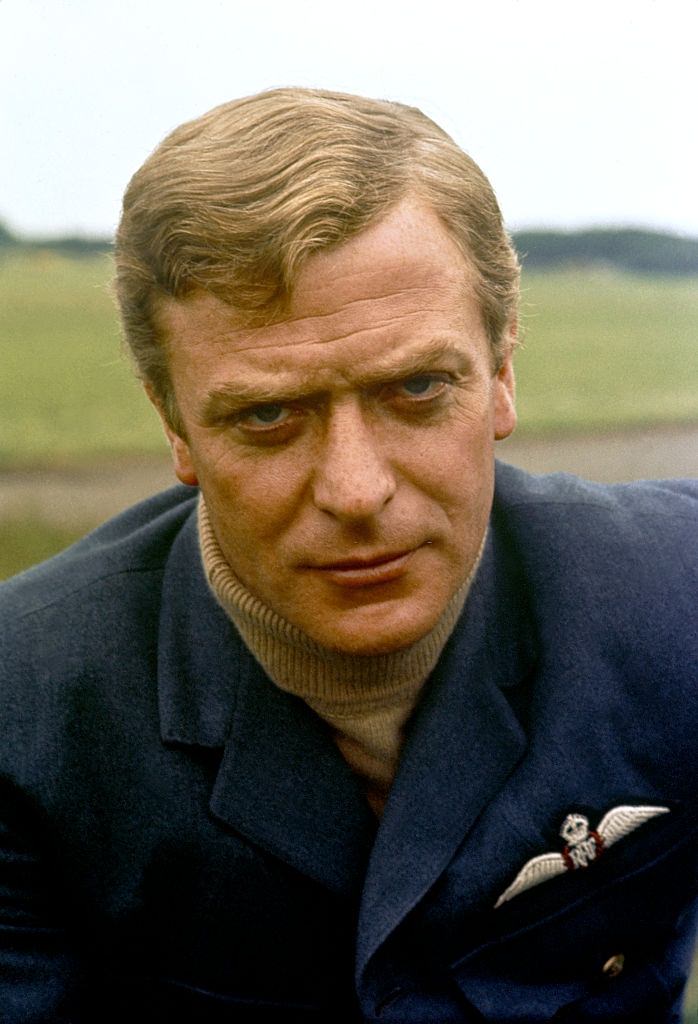
By 1969, Caine had become one of the biggest stars in British cinema. ‘The Italian Job’ became a cultural touchstone, with Caine playing the sharp, fast-talking Charlie Croker at the center of an elaborate gold heist. The film’s energy and humor made it an instant classic. That same year, he appeared in ‘Battle of Britain,’ another large-scale production that kept him working at the top level of the industry. These years of relentless work set the stage for the international stardom he would fully claim in the decade that followed.
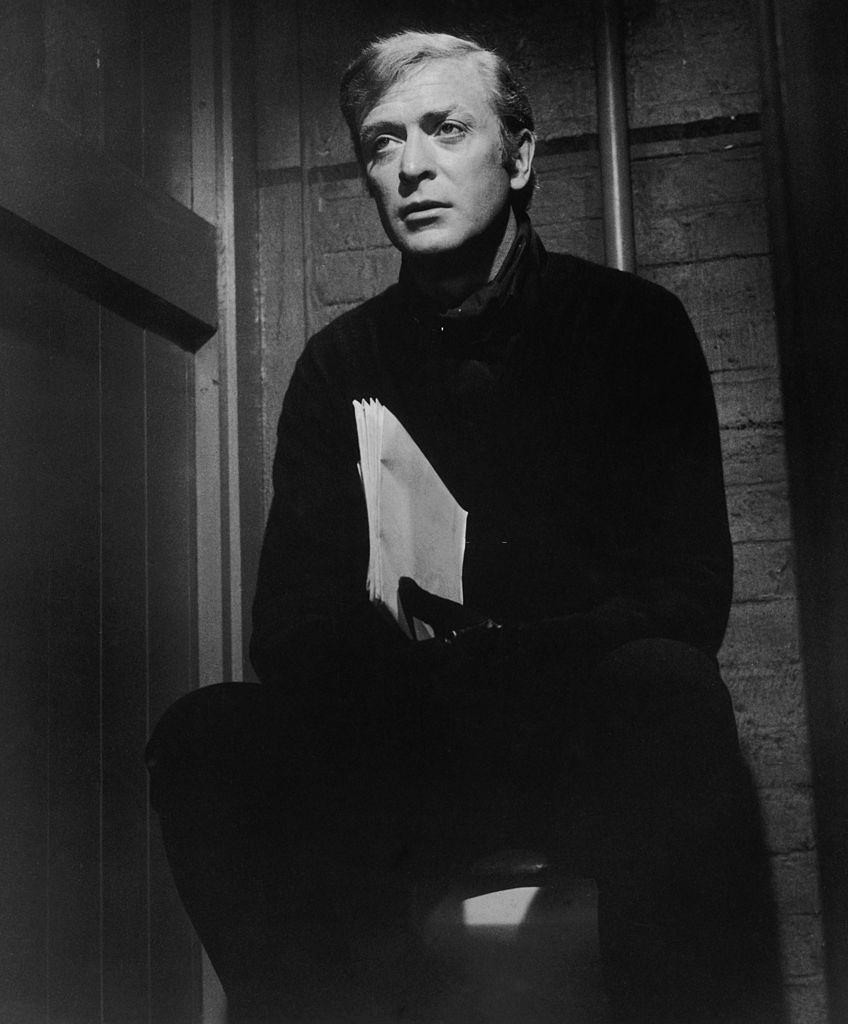
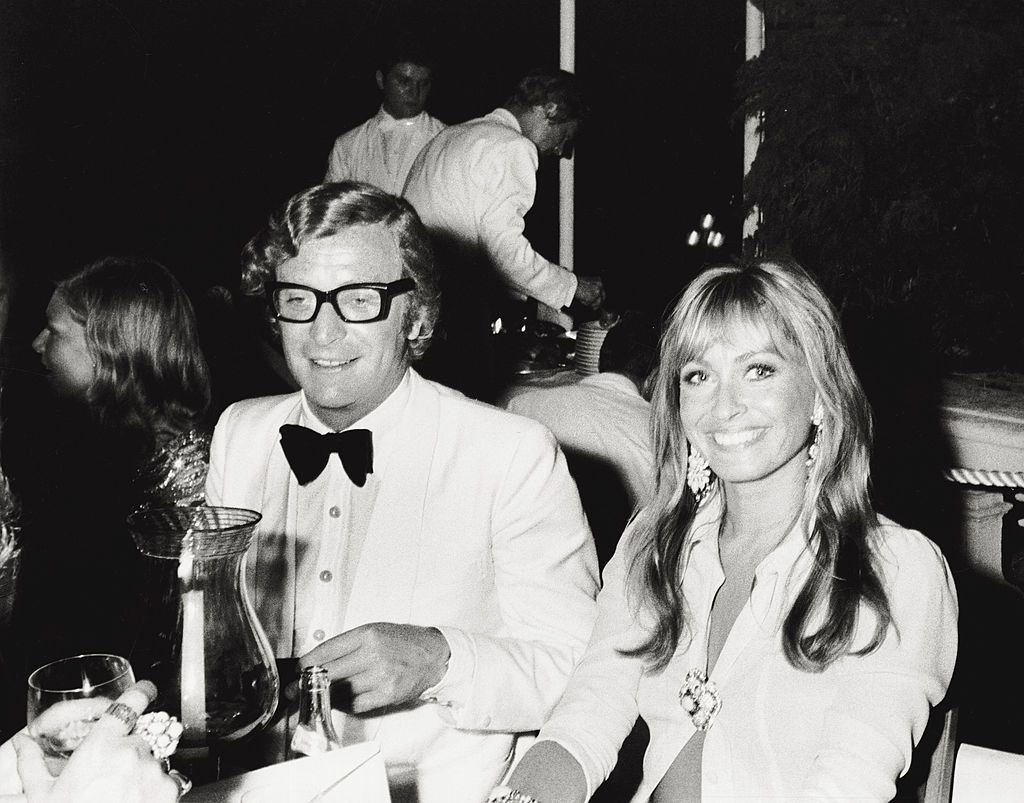
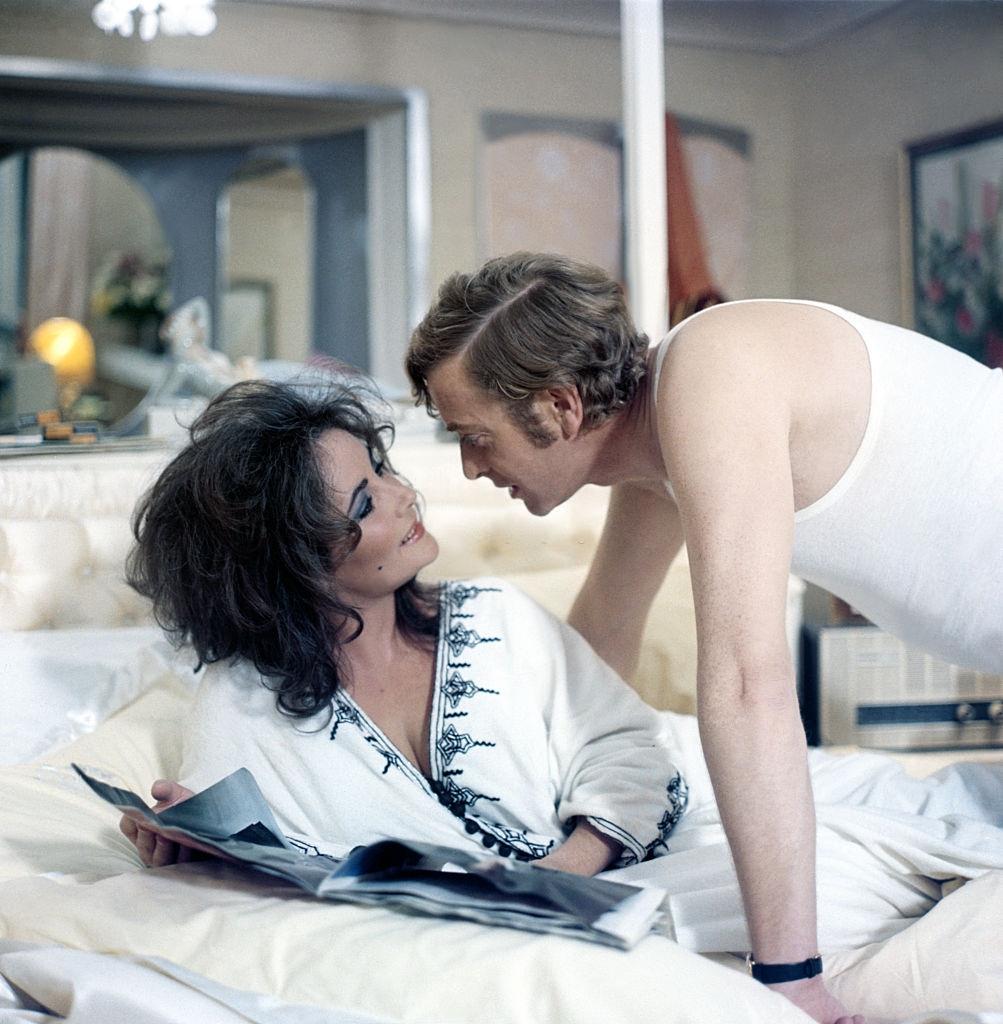
In 1971, Caine attended the Red Cross Gala Dinner with actress Suzy Kendall, and in 1972 he starred opposite Elizabeth Taylor in ‘Zee and Co.’ Two years later, he married actress and model Shakira Baksh in 1973, a marriage that endured. Throughout his early career, he also wrote several bestselling books that became widely respected resources for working actors.