Between 1837 and 1901, Queen Victoria’s reign transformed London from a large city into one of the most complex urban environments on earth. As the capital of a growing empire and the center of global trade, London drew people from across Britain and beyond. Workers poured in from the countryside. Immigrants arrived from Europe and further afield. The city’s population swelled at a pace that its streets, housing, and services could barely keep up with.
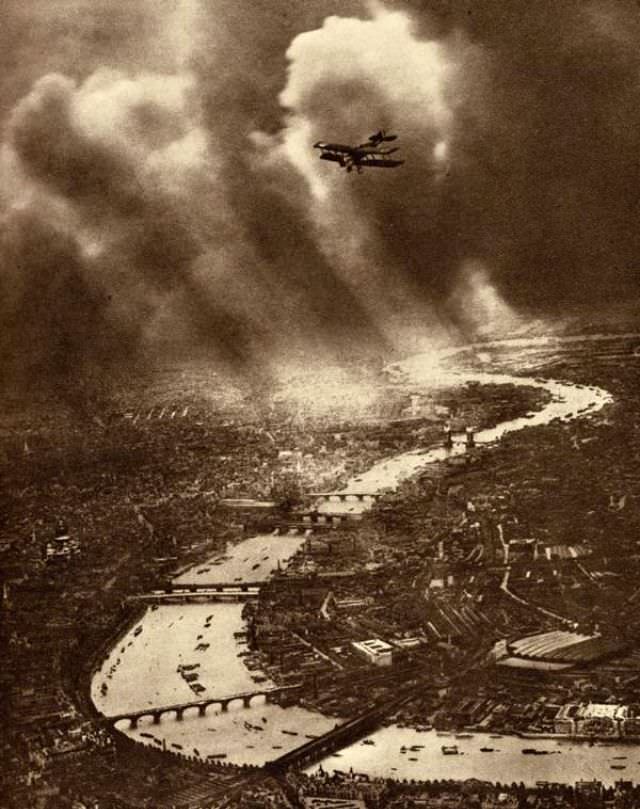
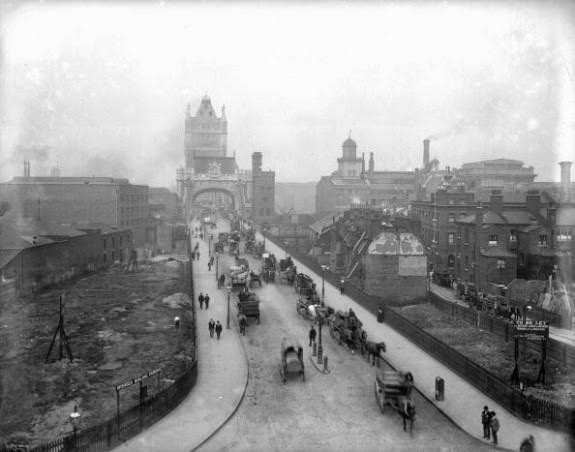
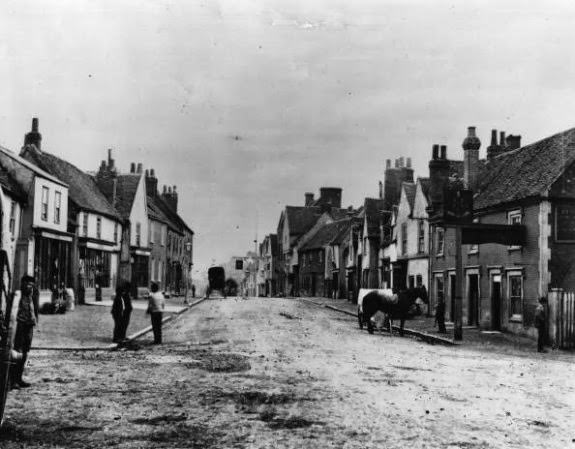
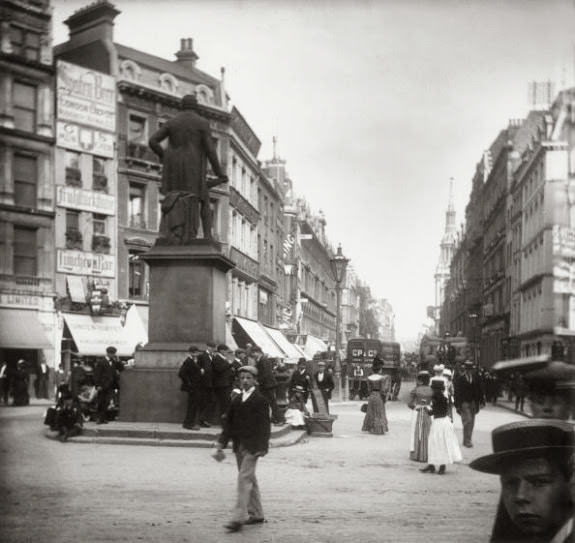
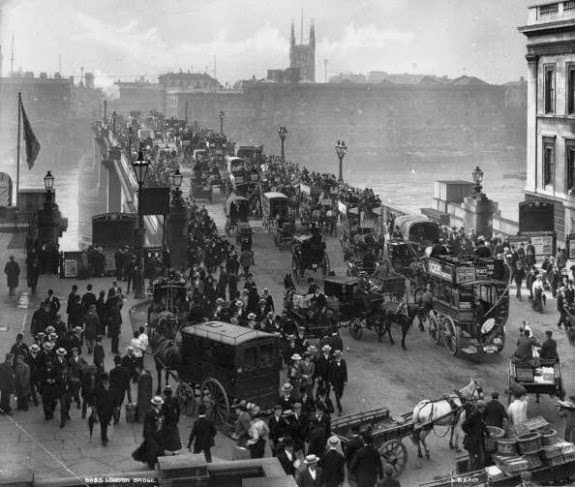
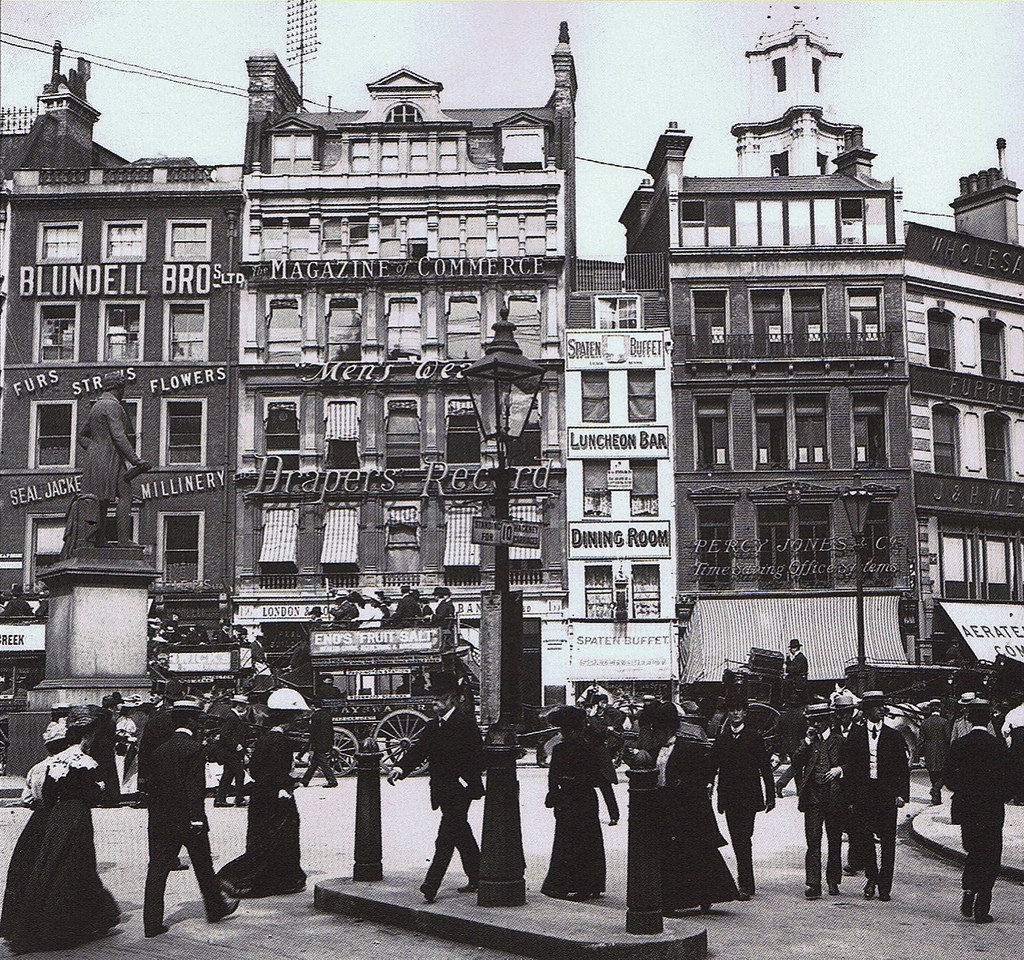
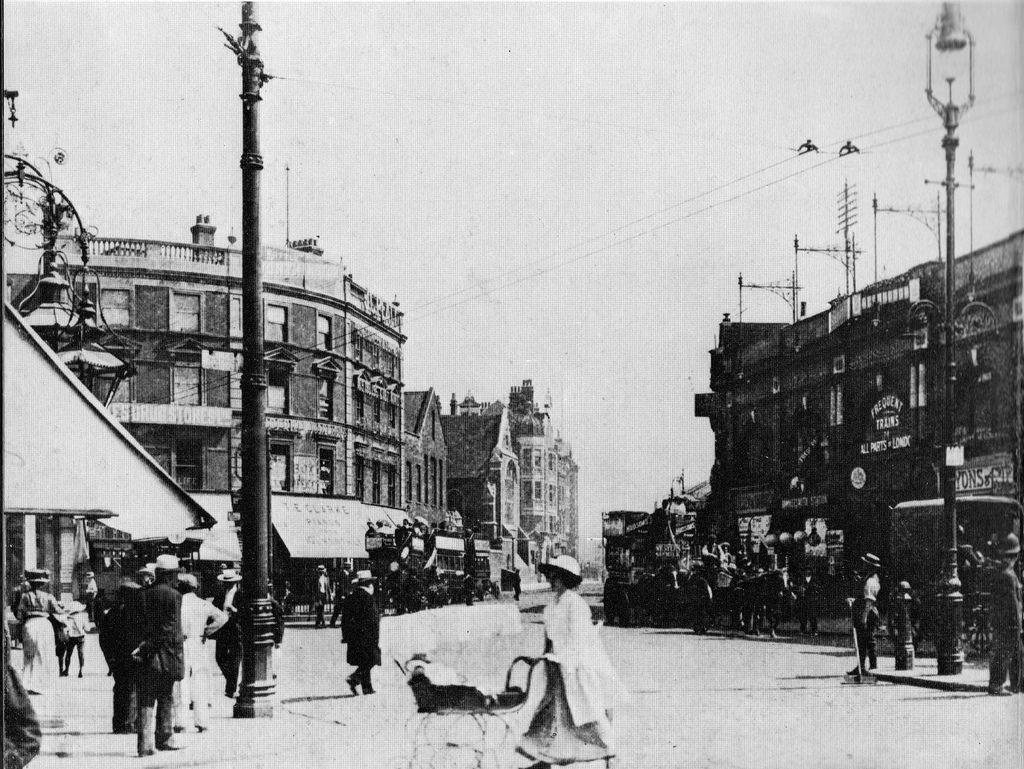
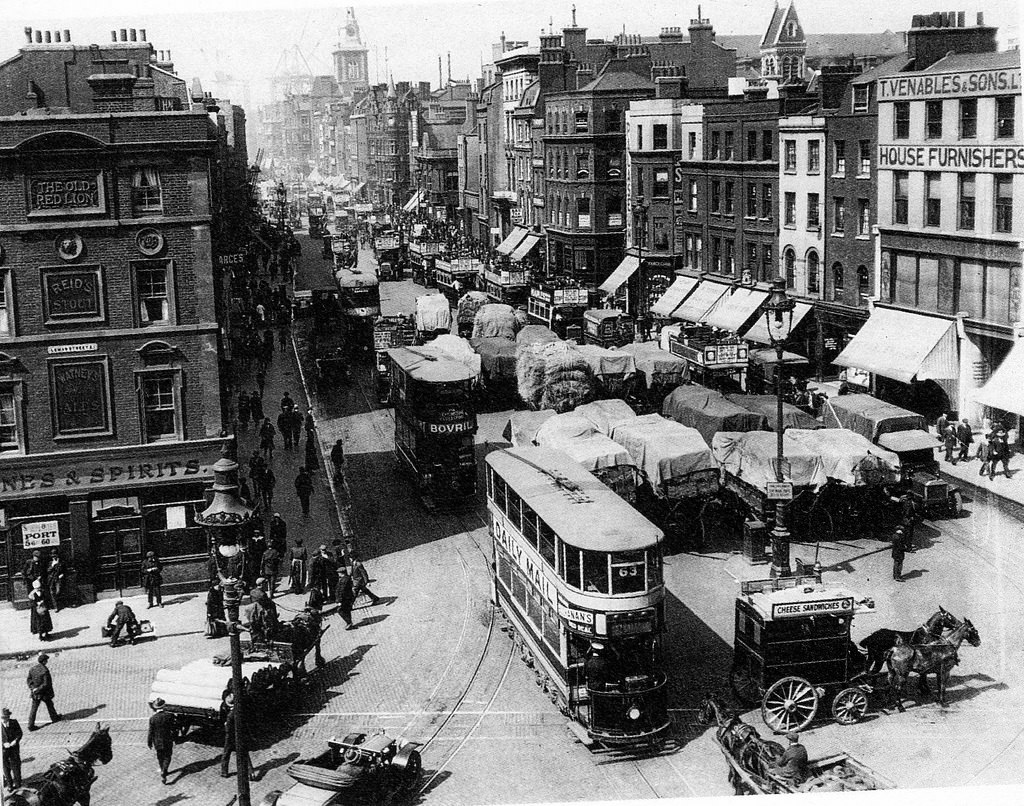
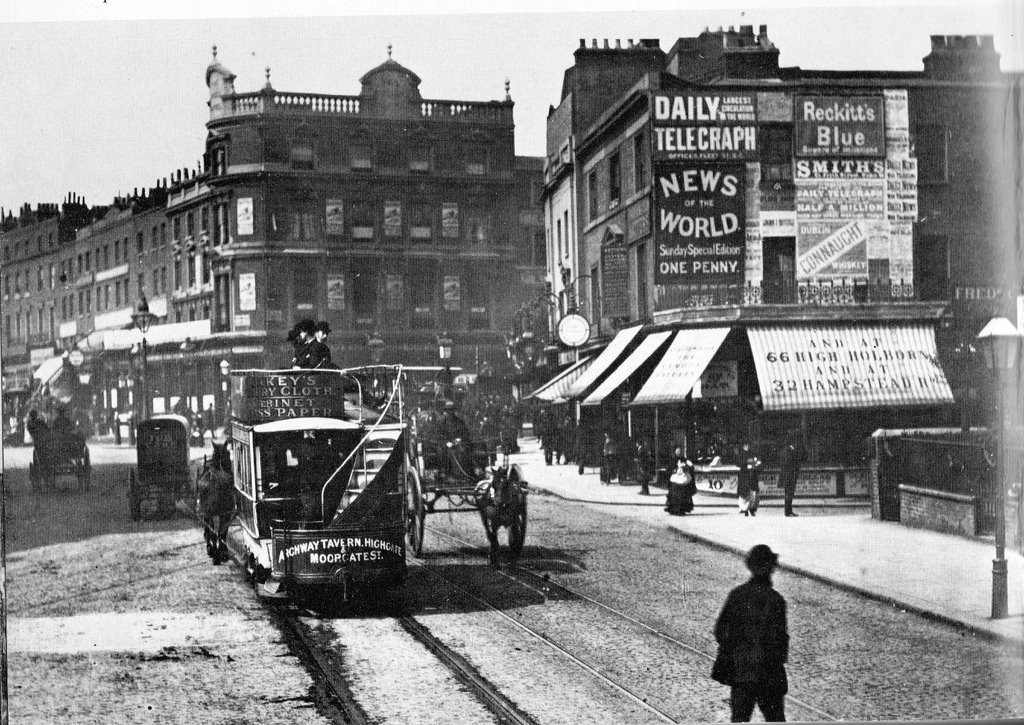
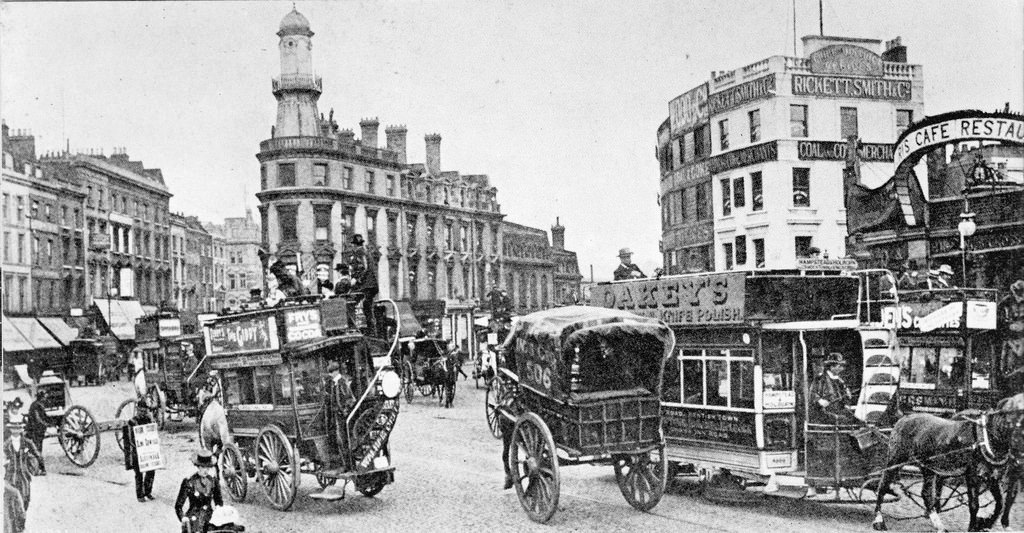
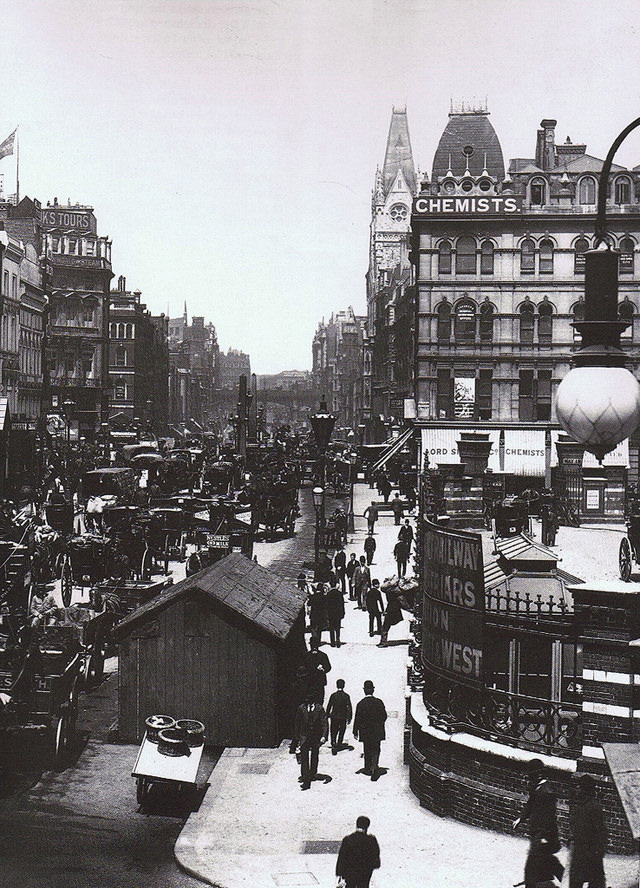
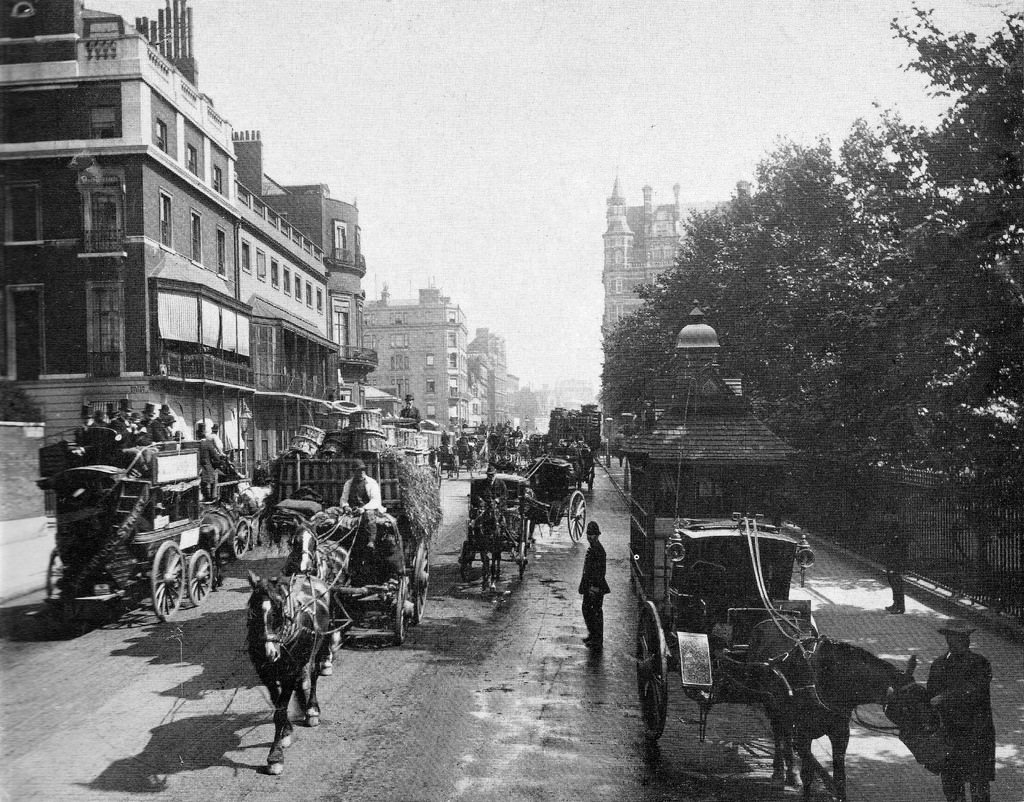
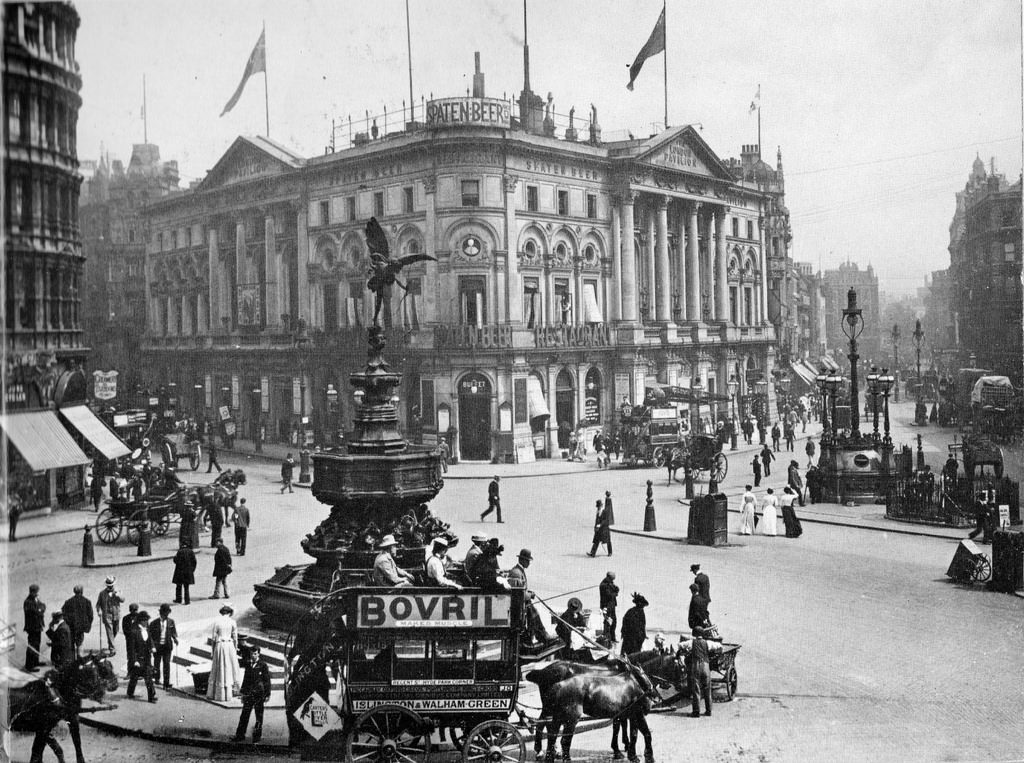
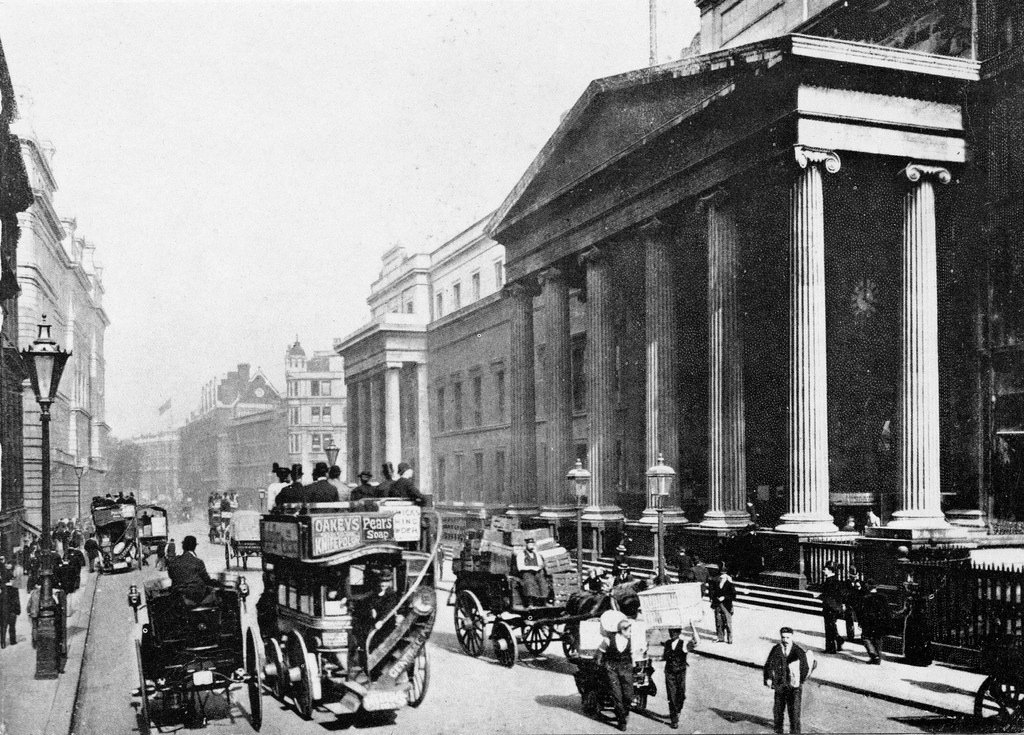
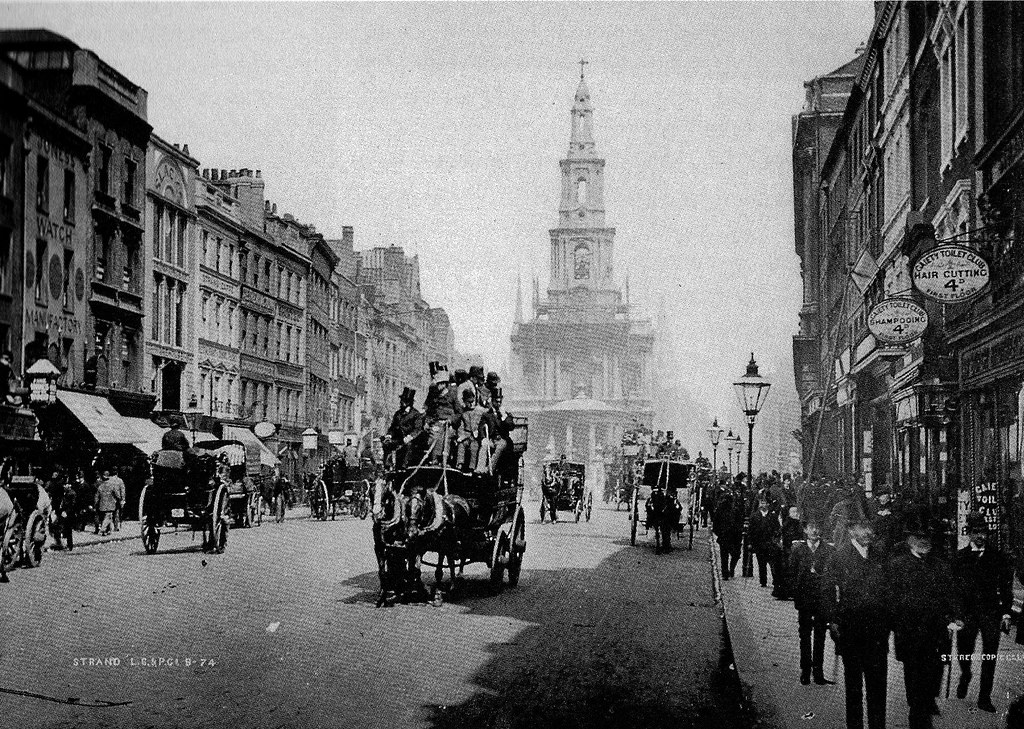
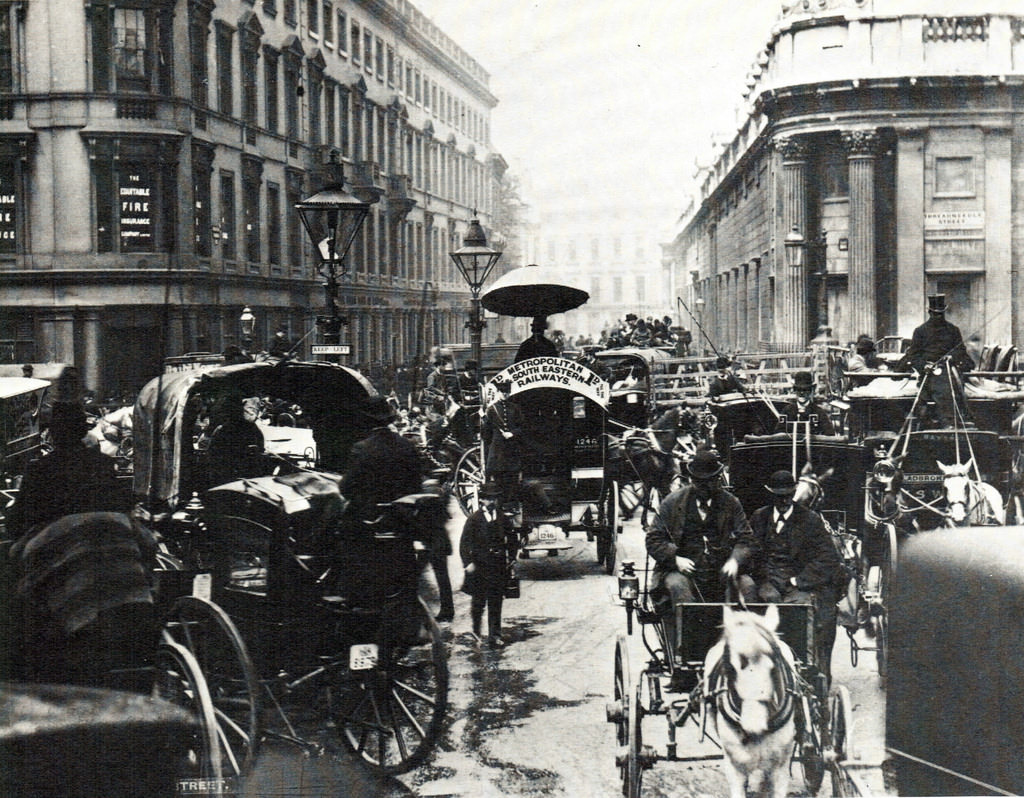
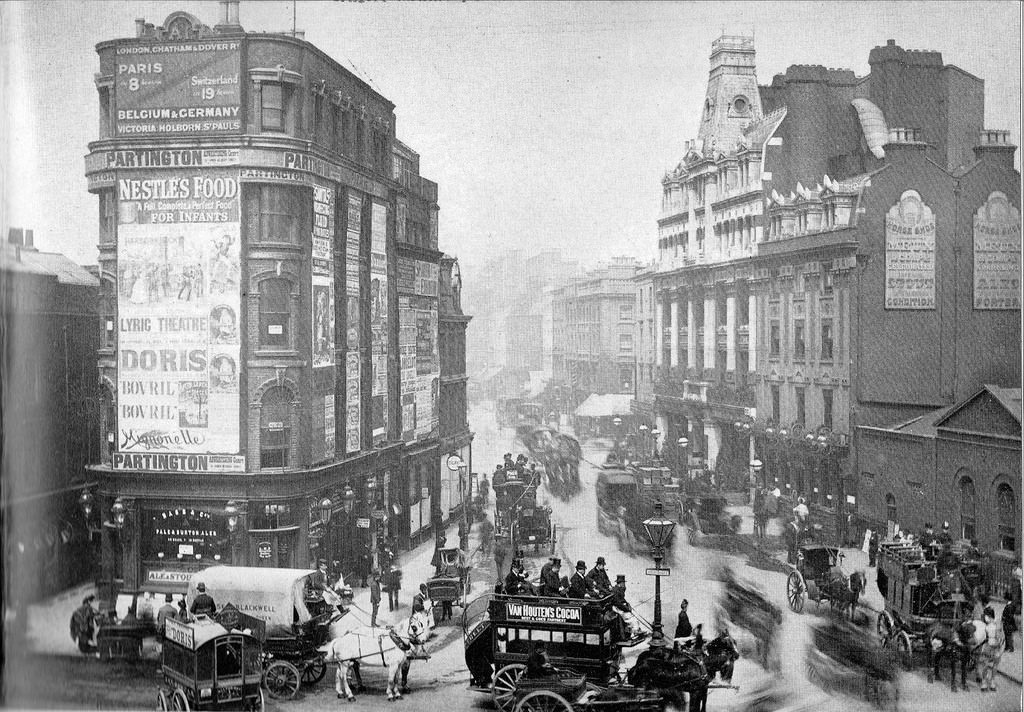
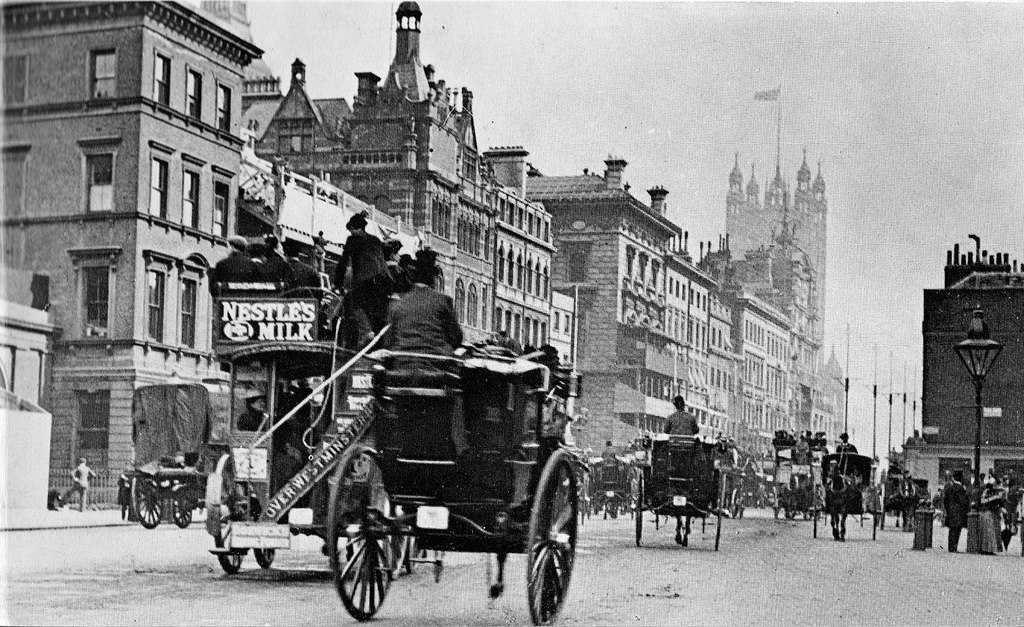
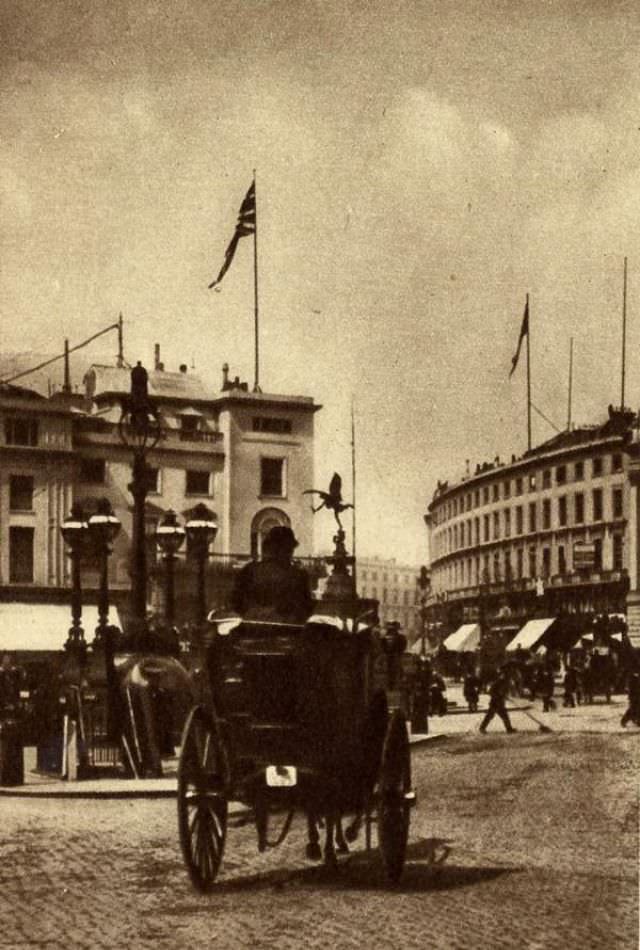
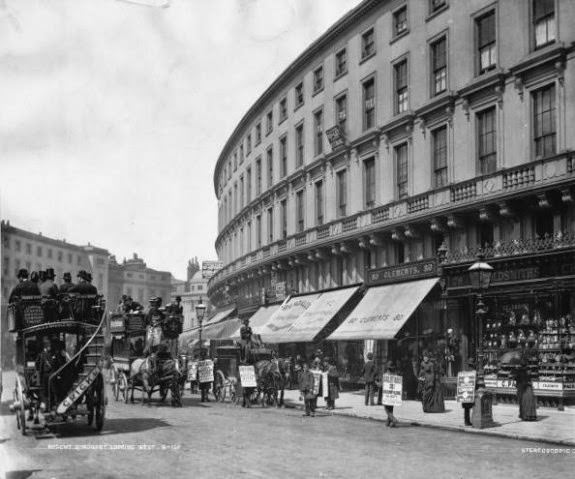
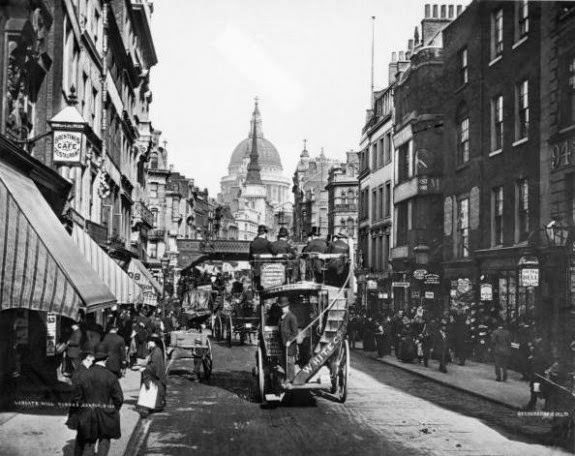
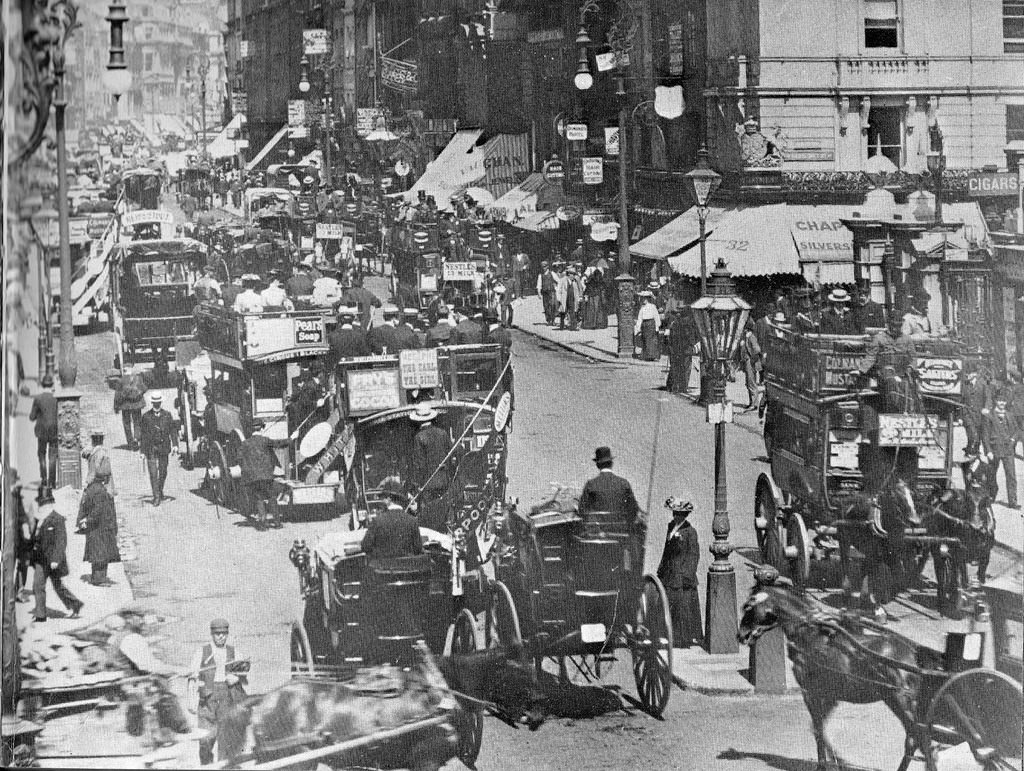
Walking through Victorian London was an assault on every sense. Streets in the busiest districts were packed with pedestrians, horse-drawn cabs, carts loaded with goods, and omnibuses packed with passengers. The noise never stopped — horses’ hooves on cobblestones, carriage wheels rumbling, vendors shouting their wares. The smell changed block by block, from coal smoke in wealthier areas to the far harsher odors of poor sanitation in the slums. After dark, gas lamps gradually replaced older oil lanterns, throwing a warm, unsteady glow across the city’s main thoroughfares.
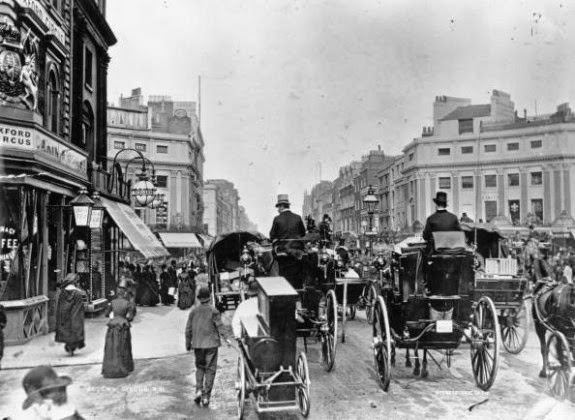
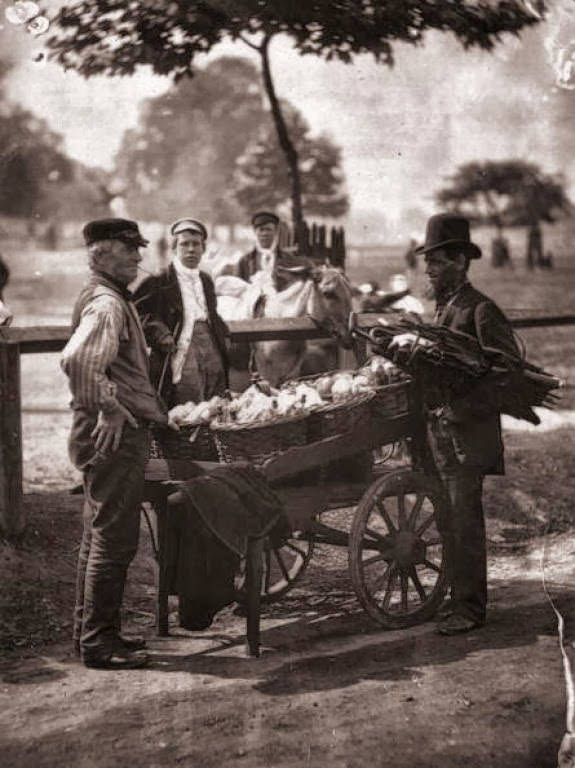
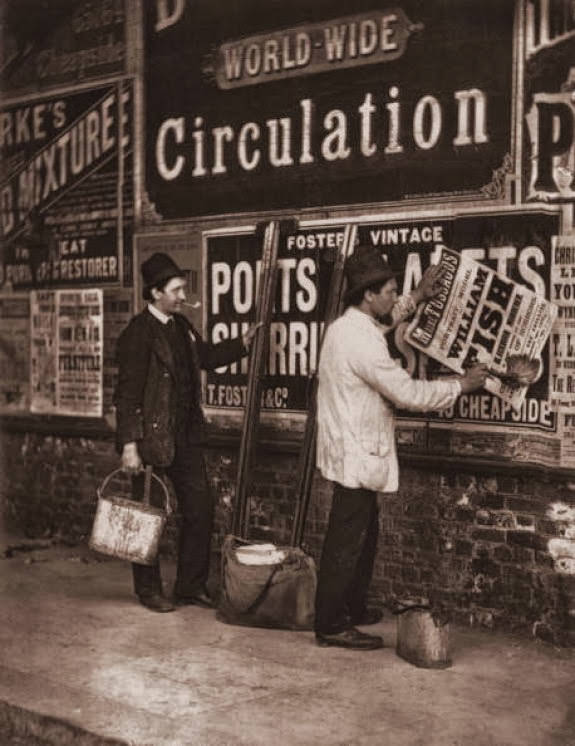
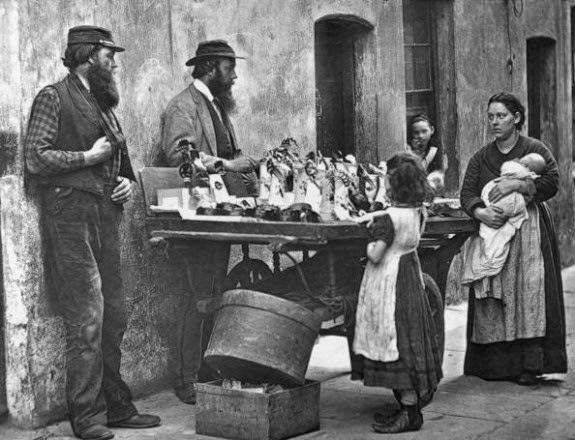
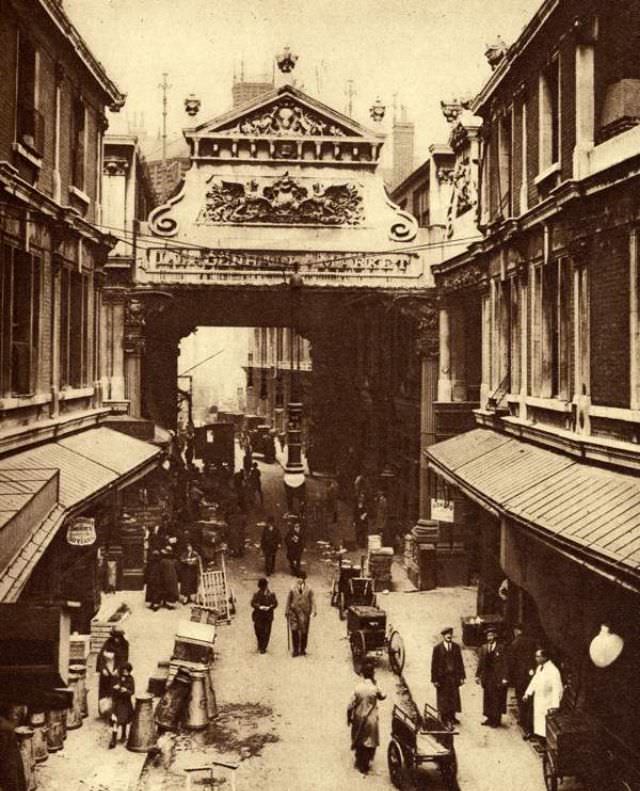
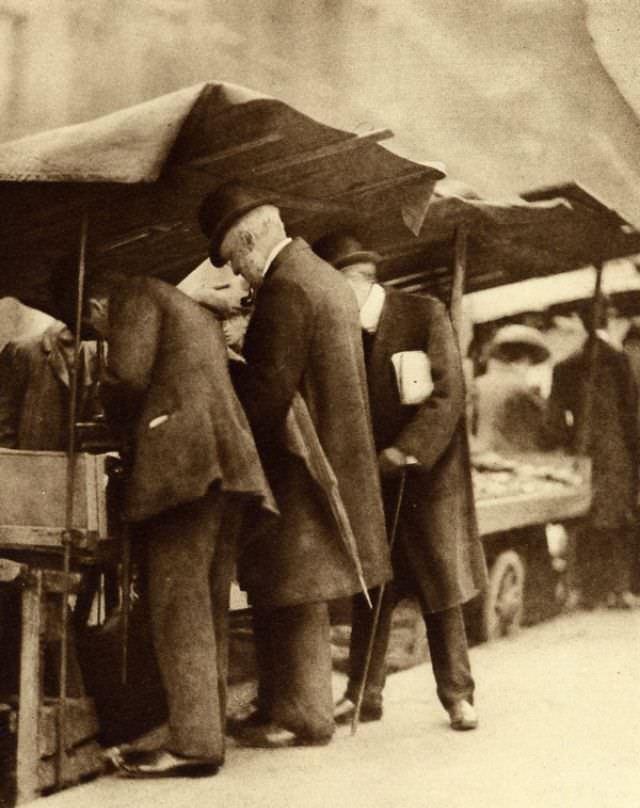
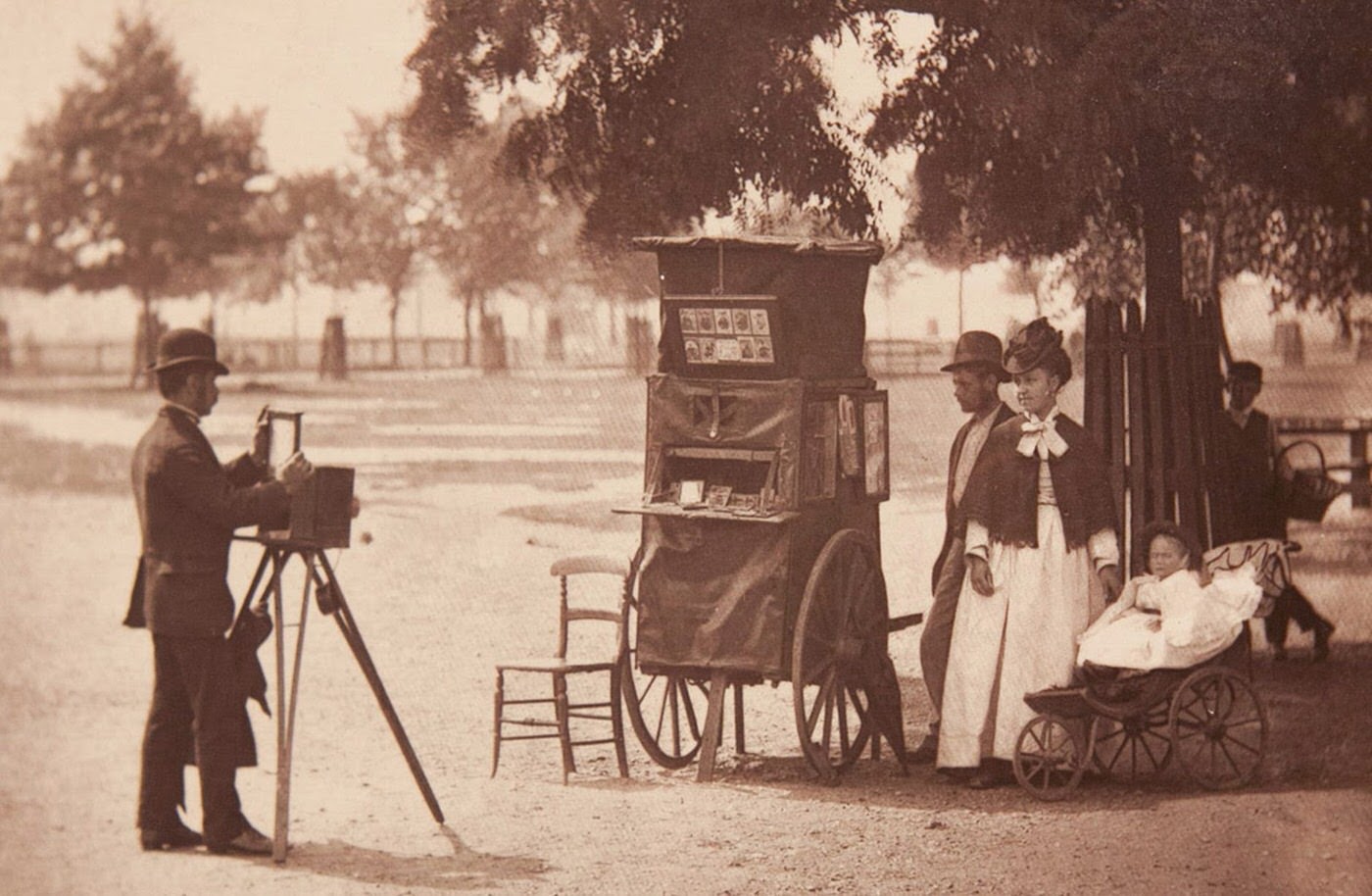
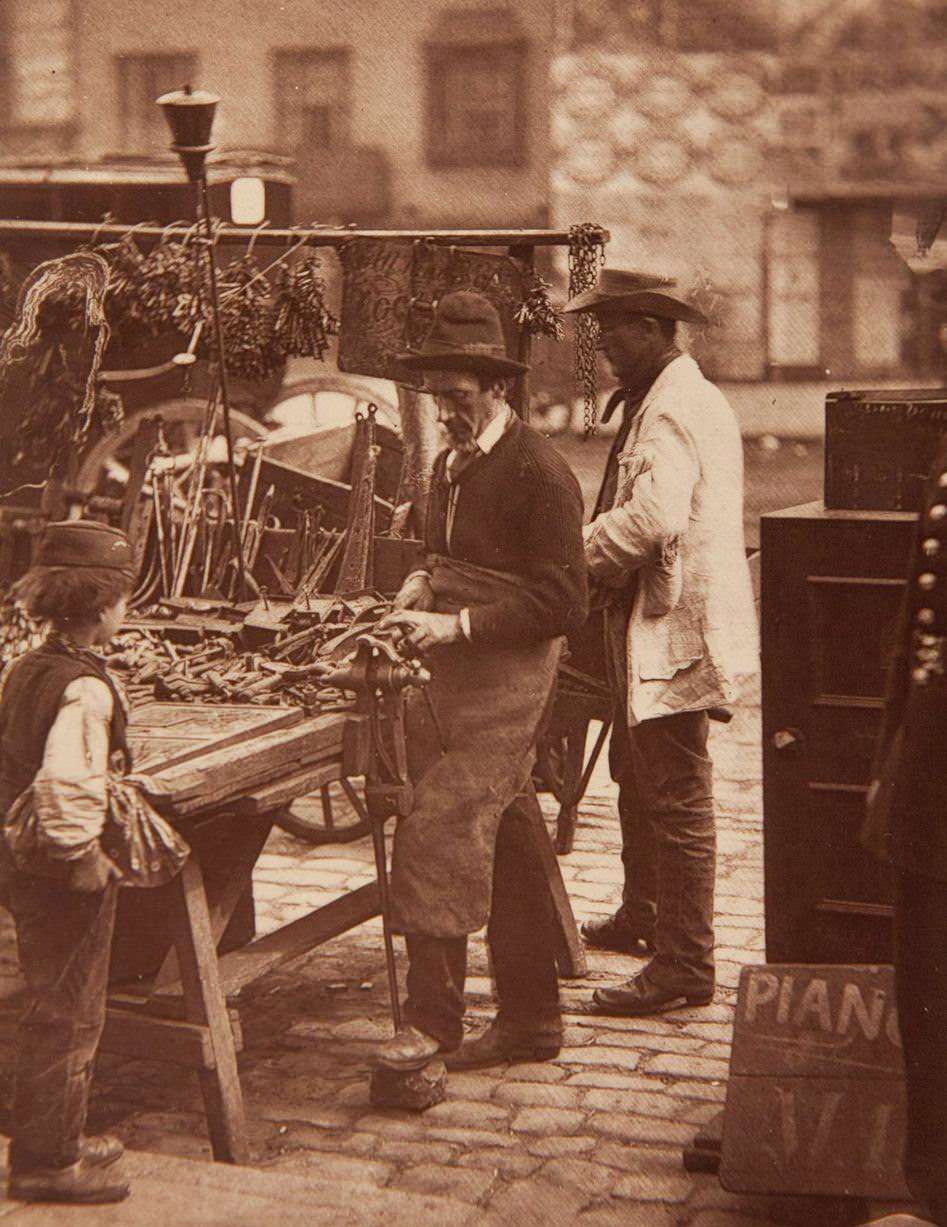
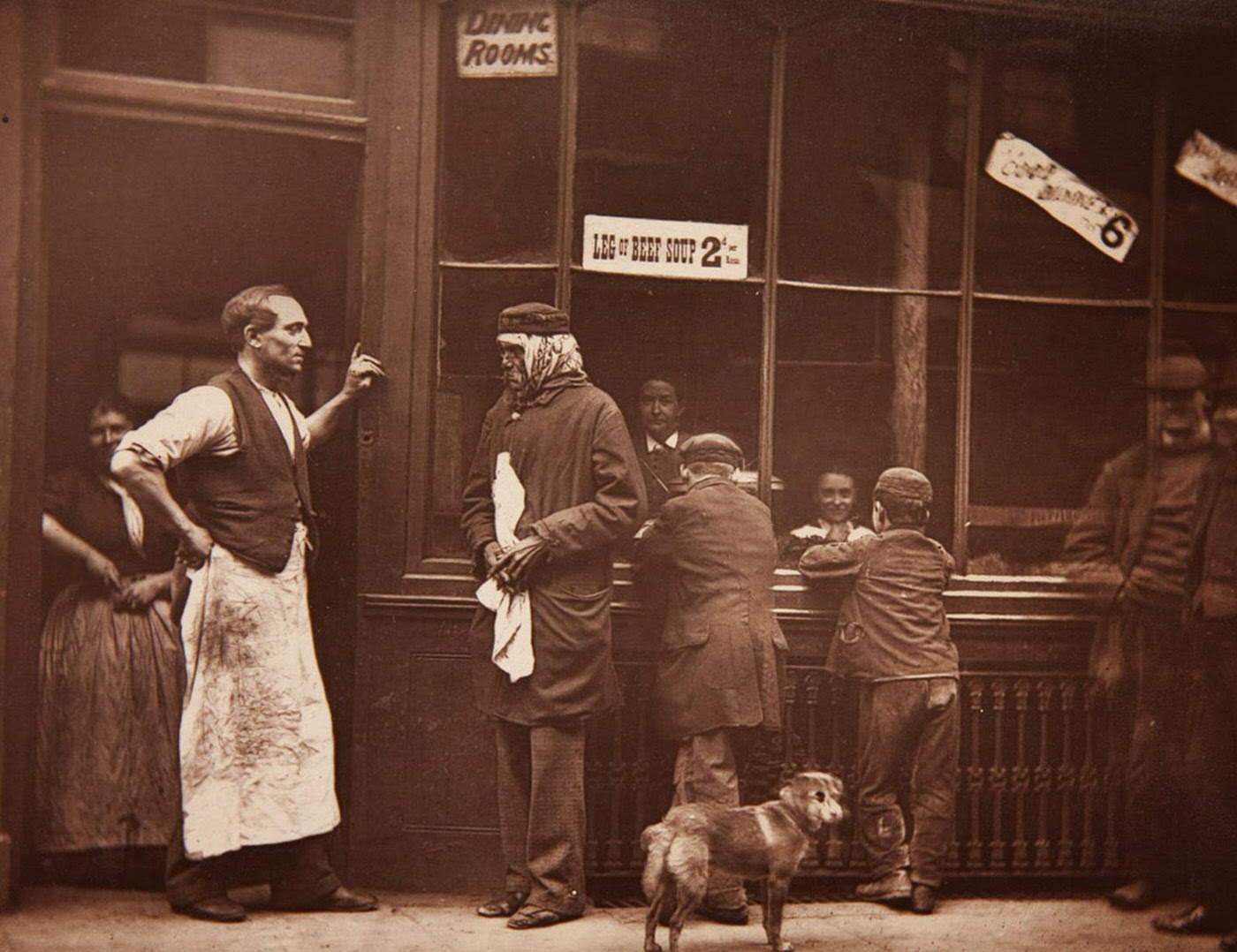
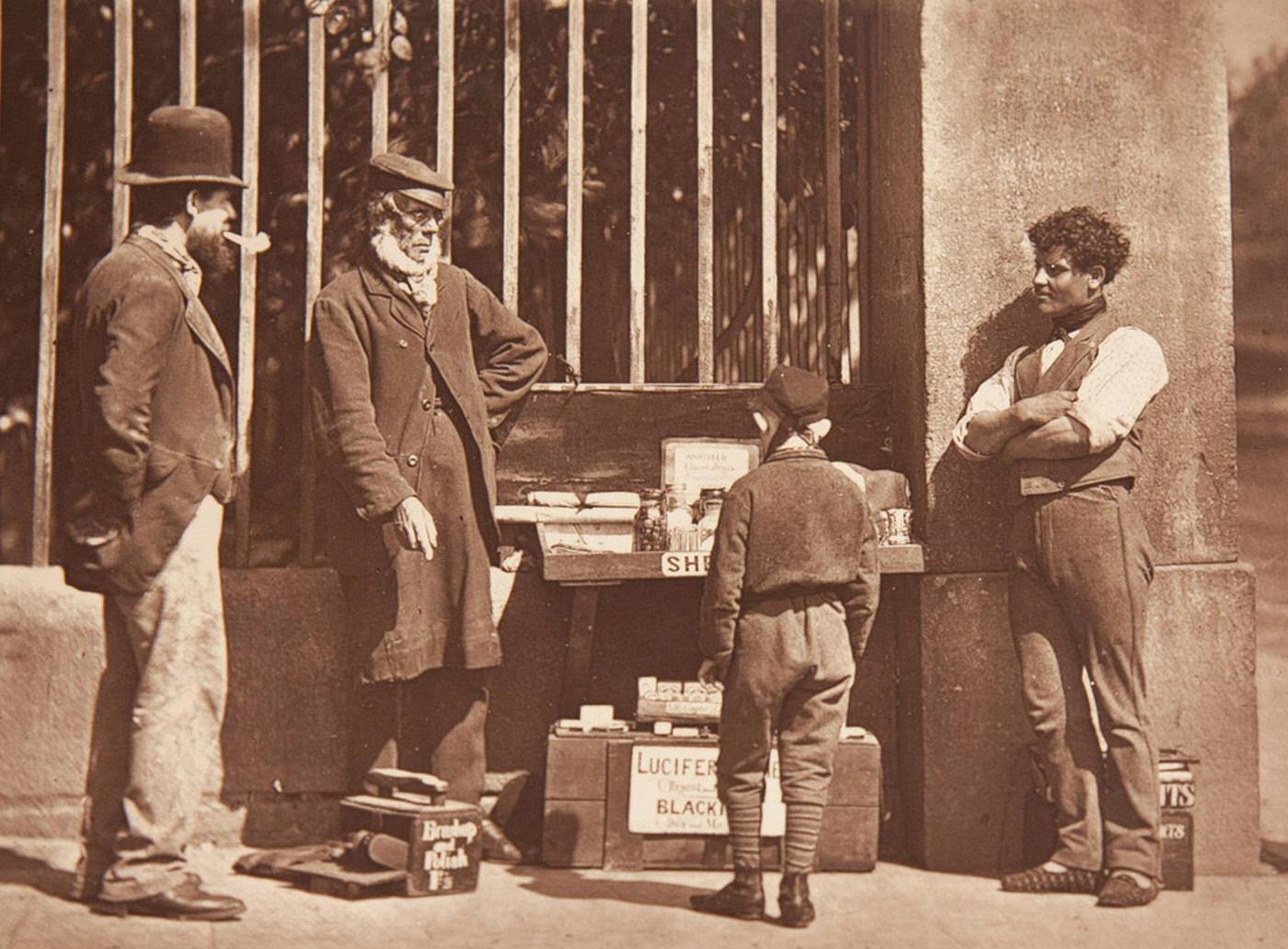
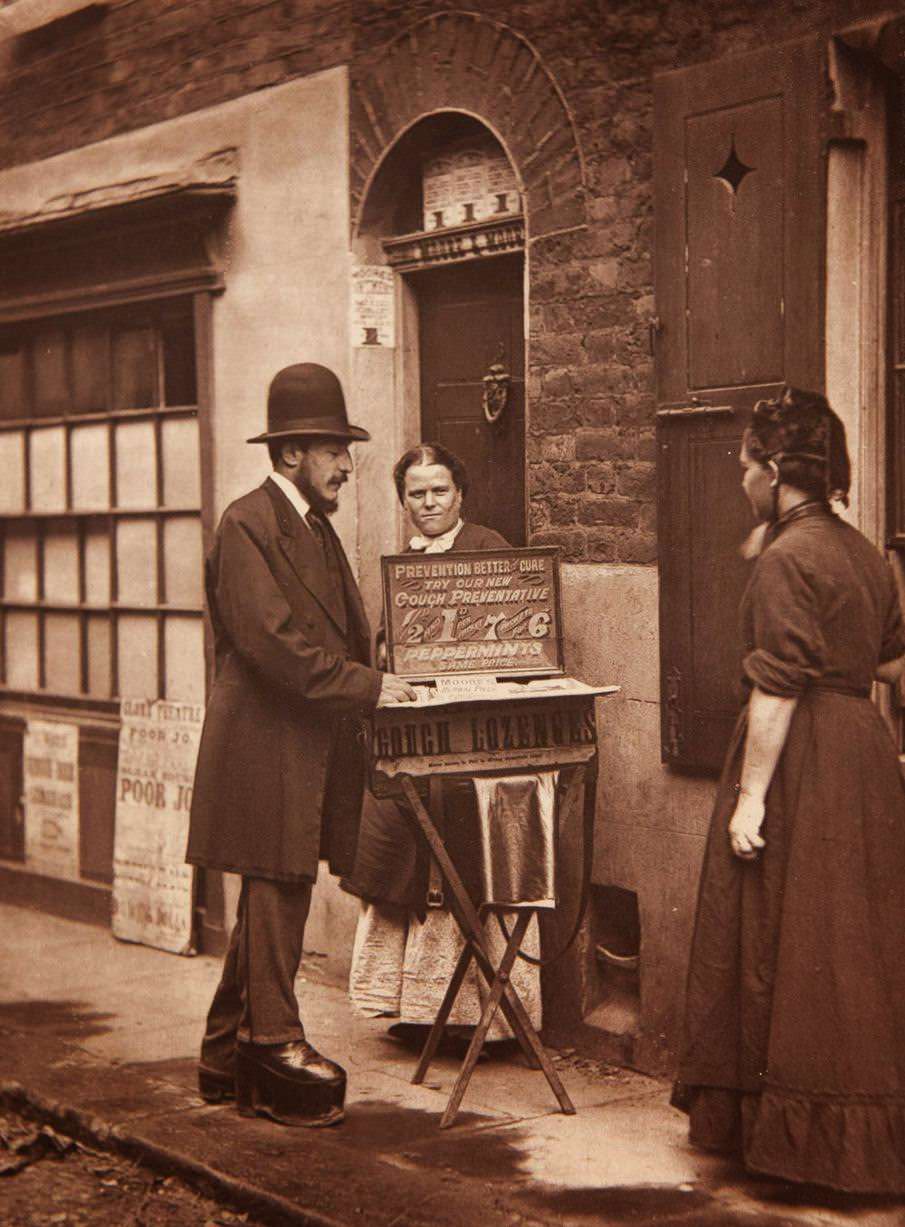
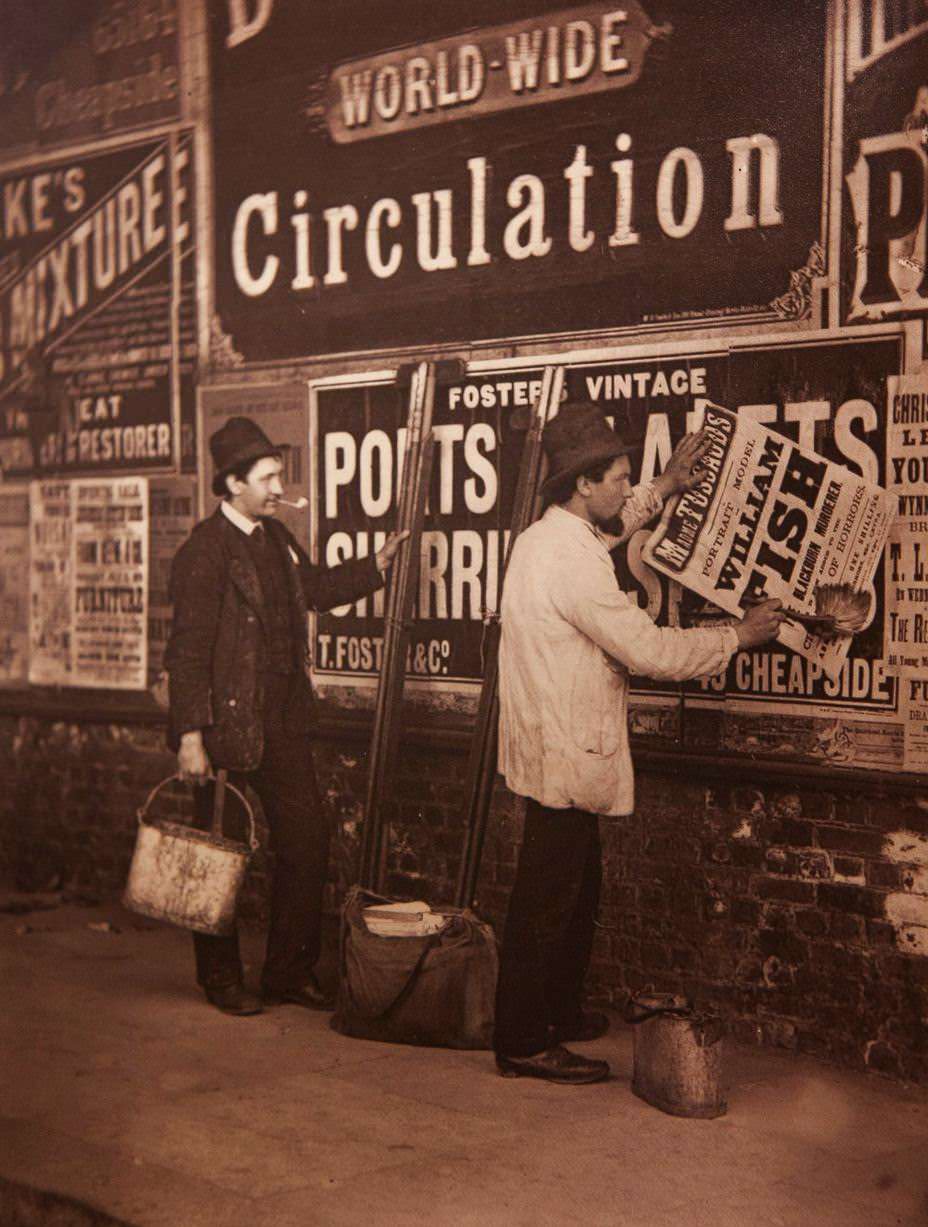
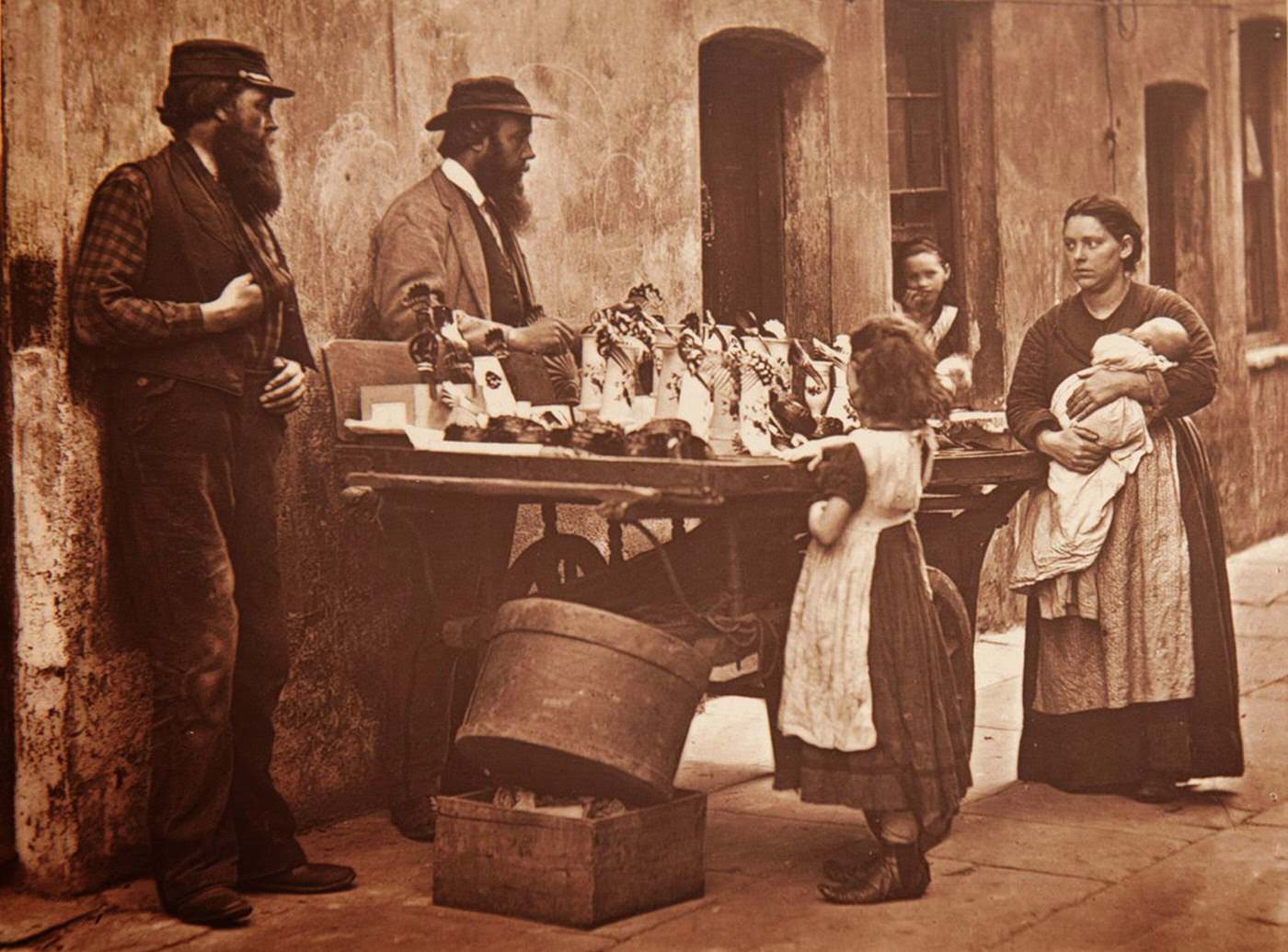
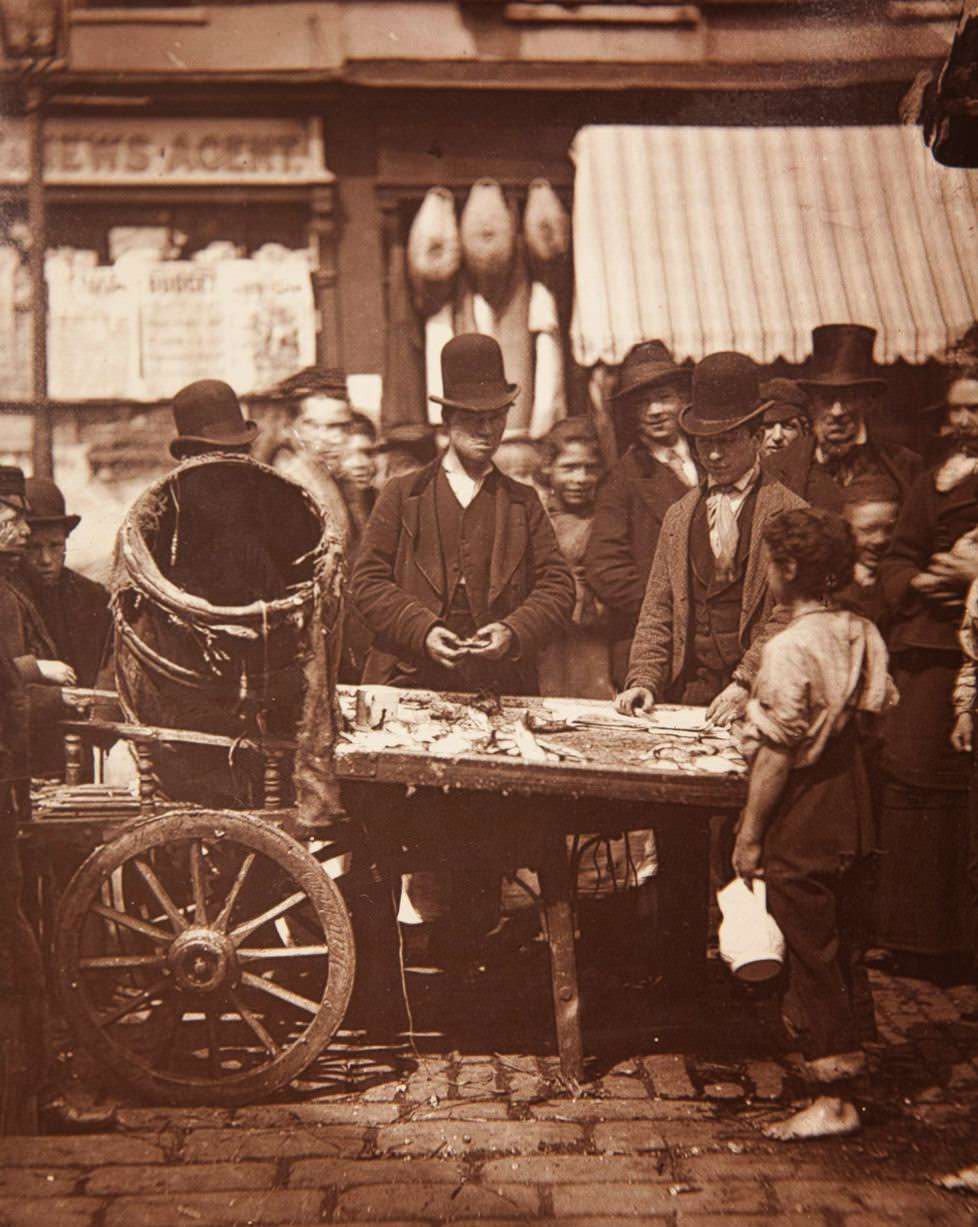
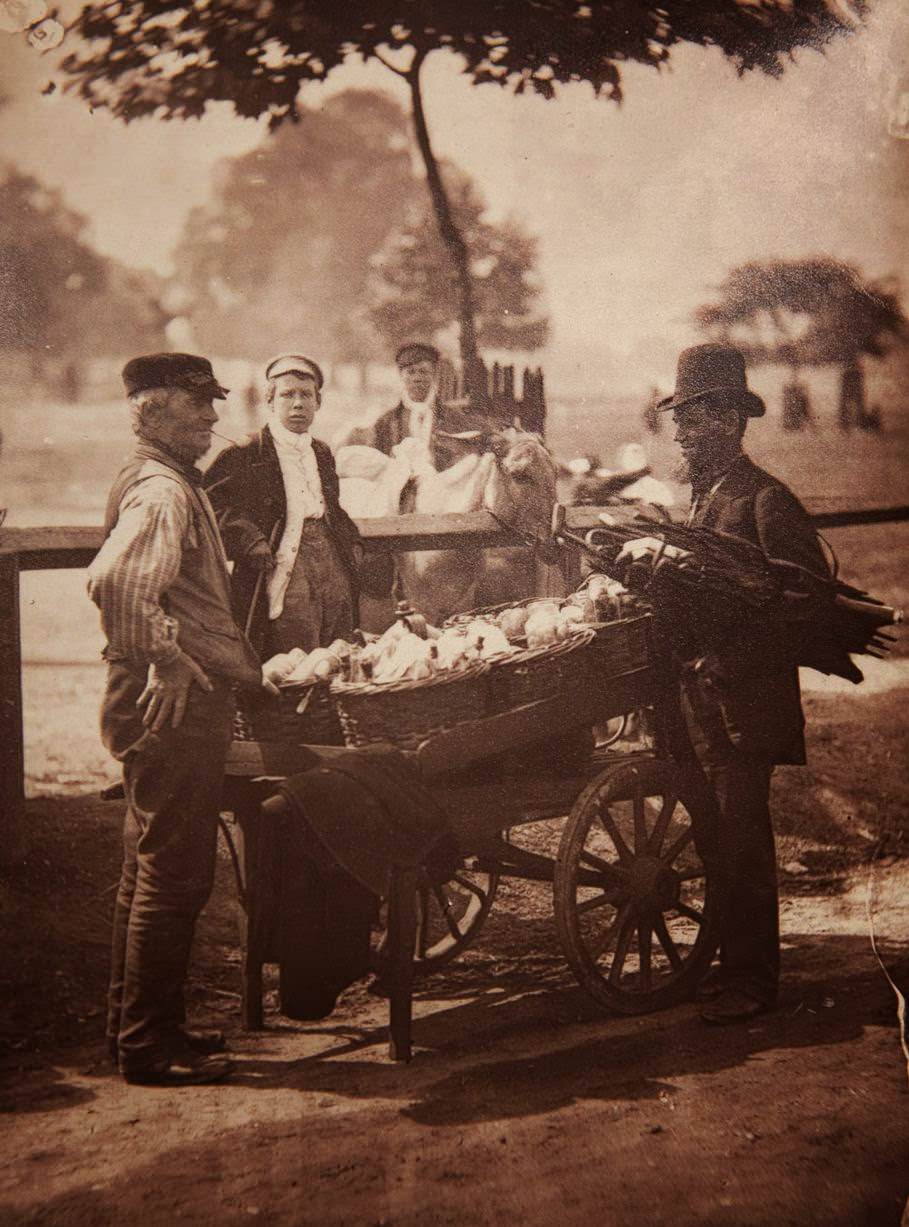
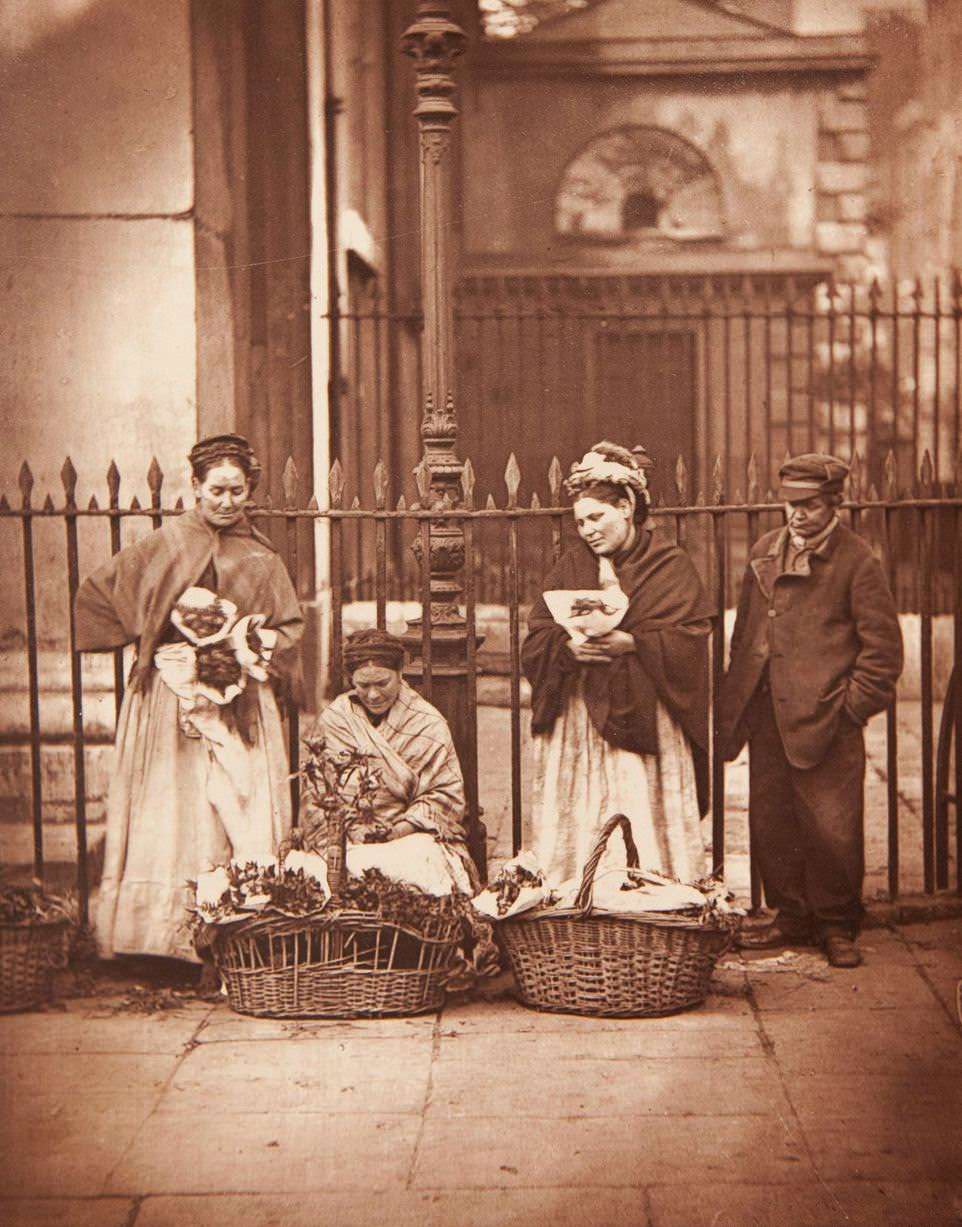
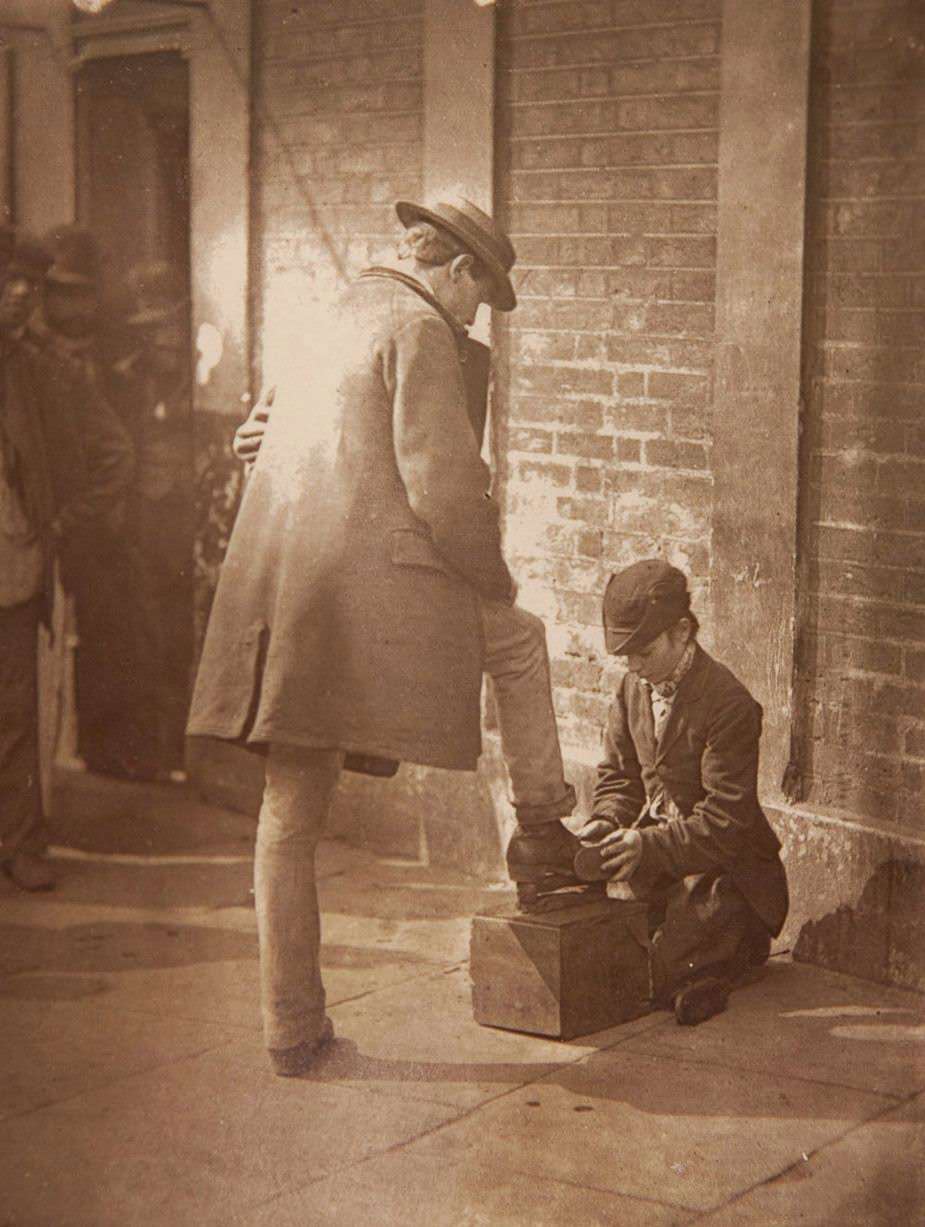
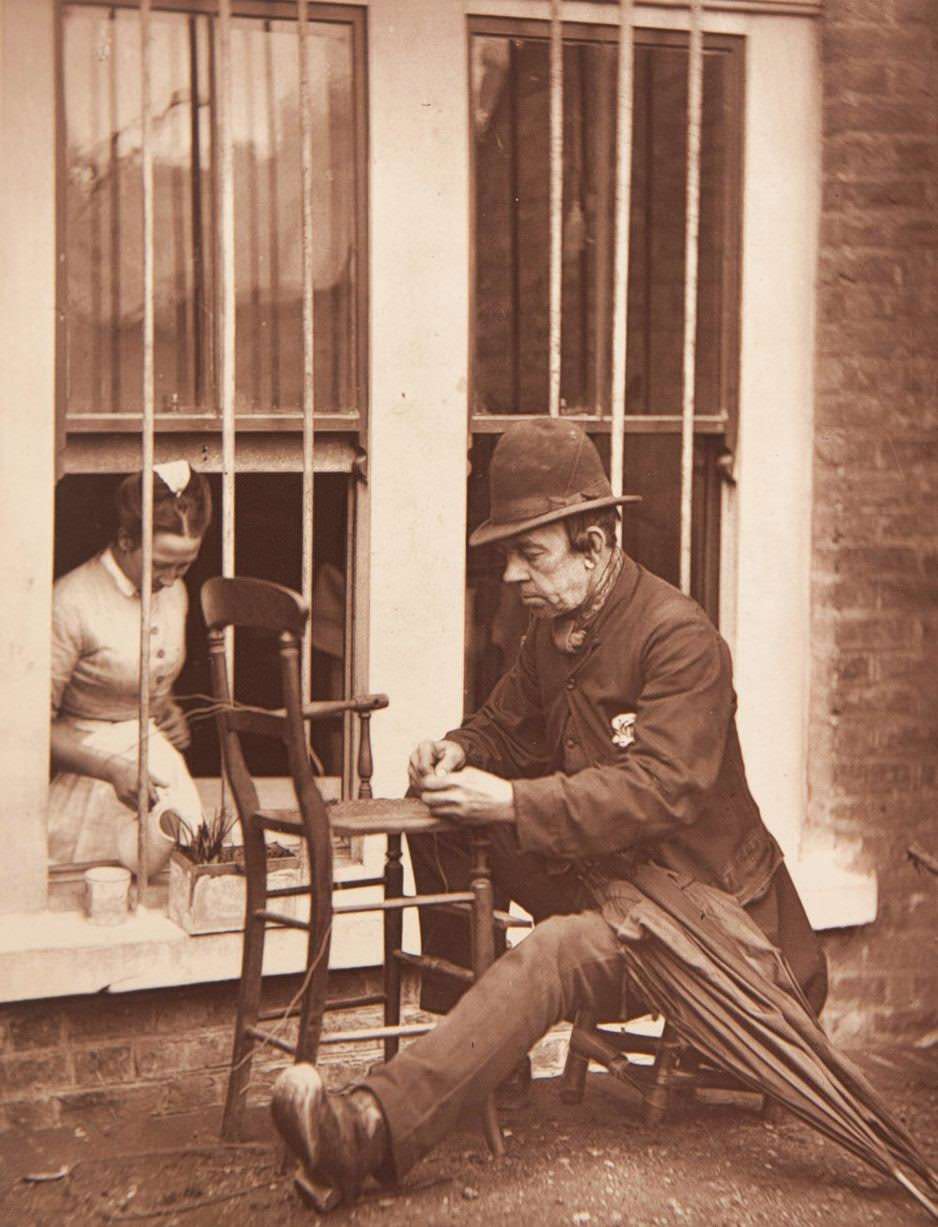
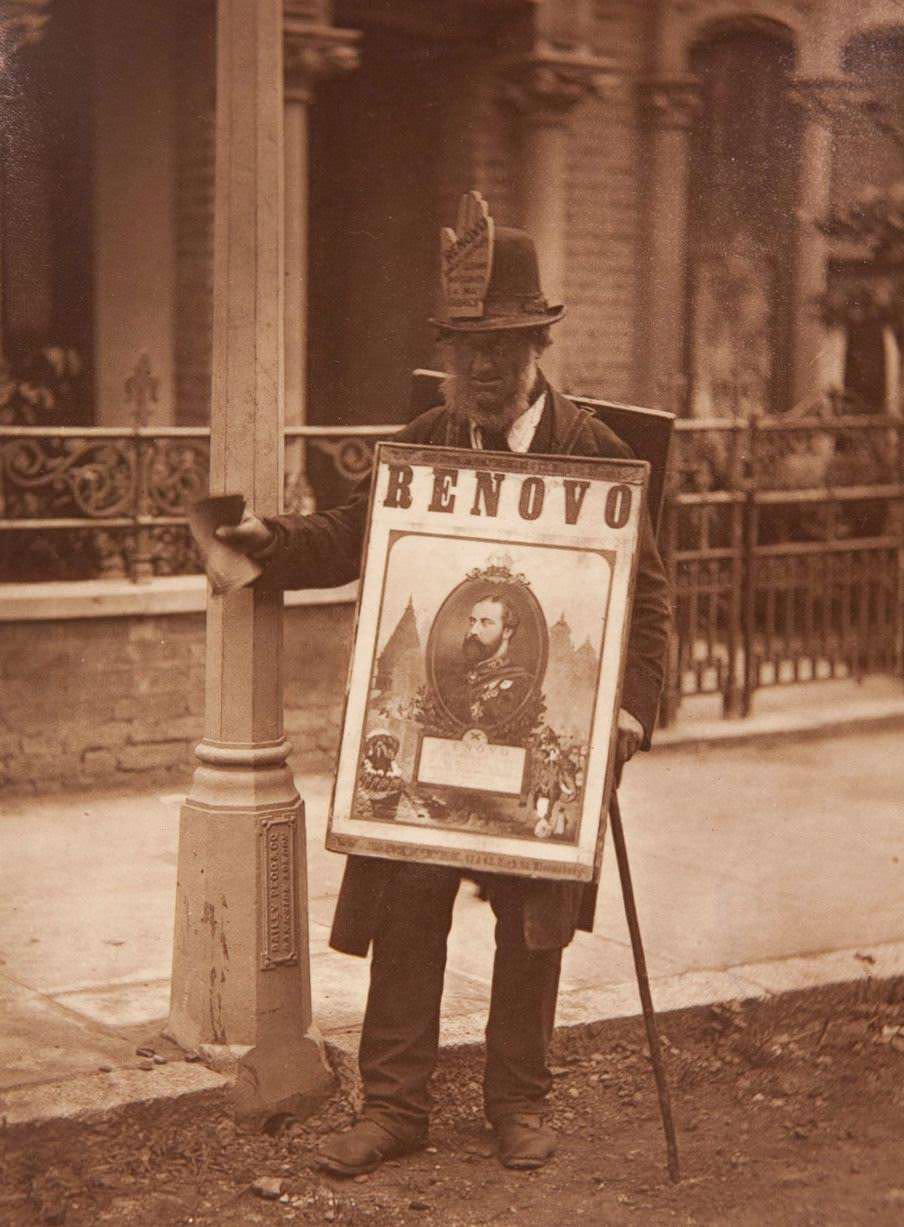
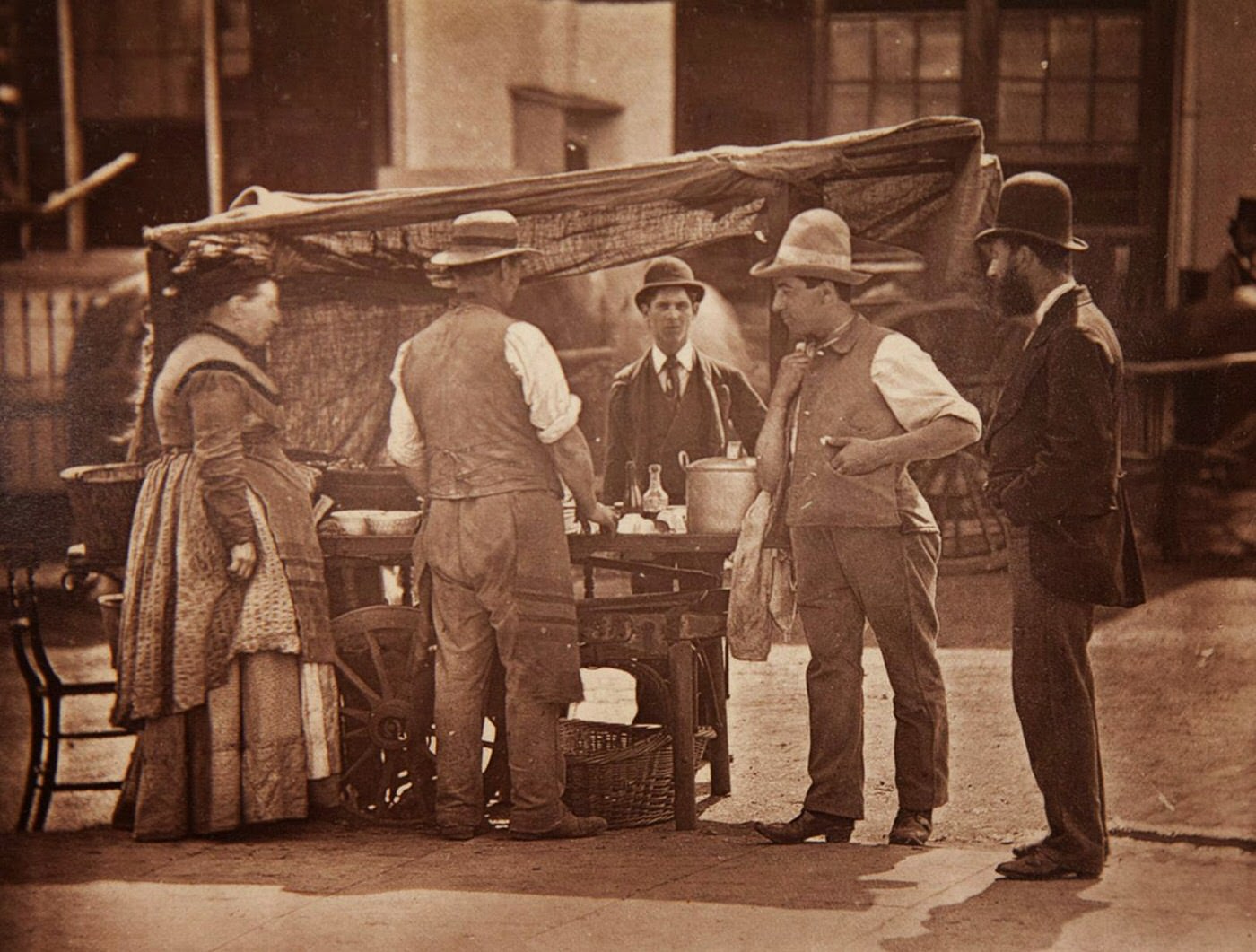
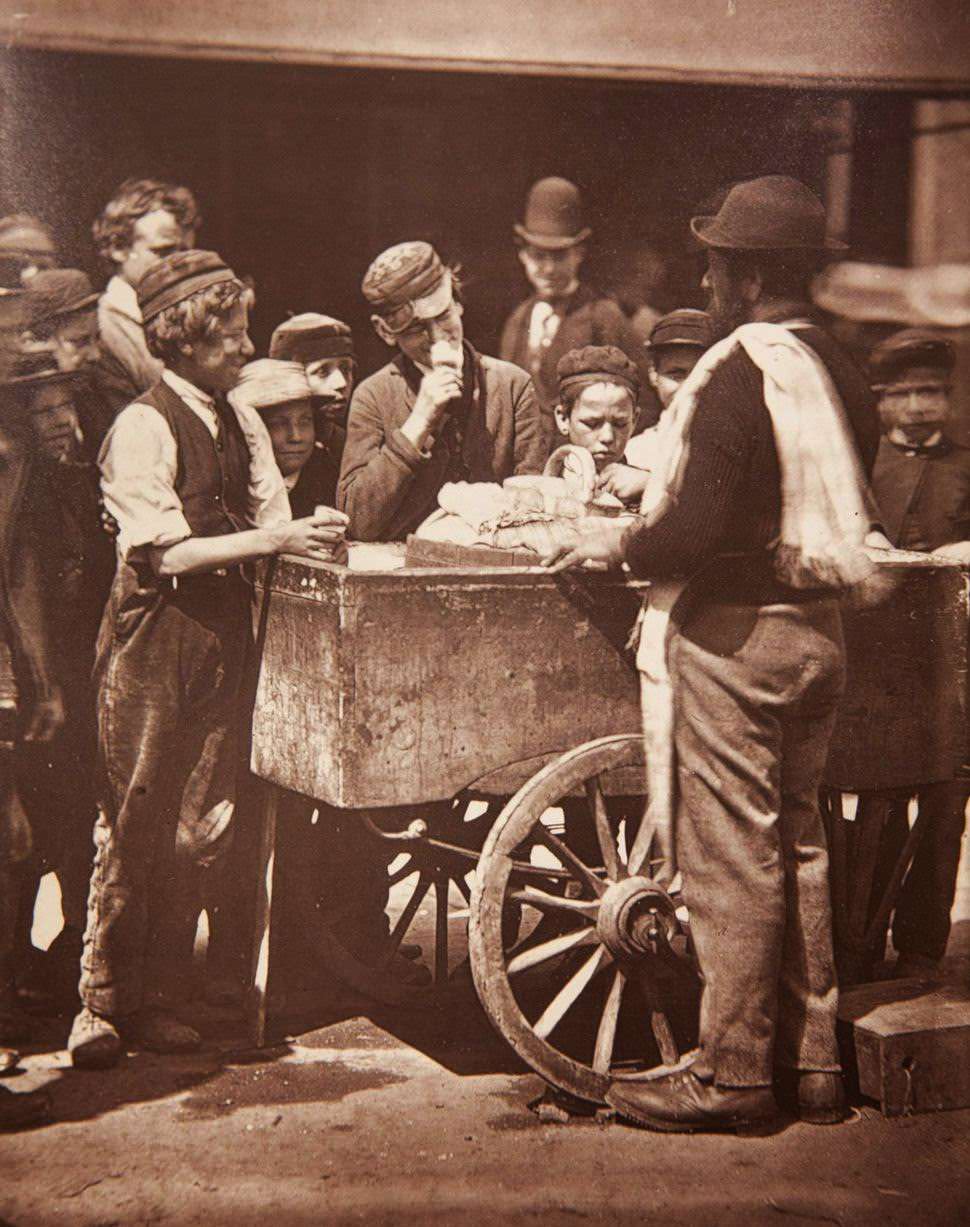
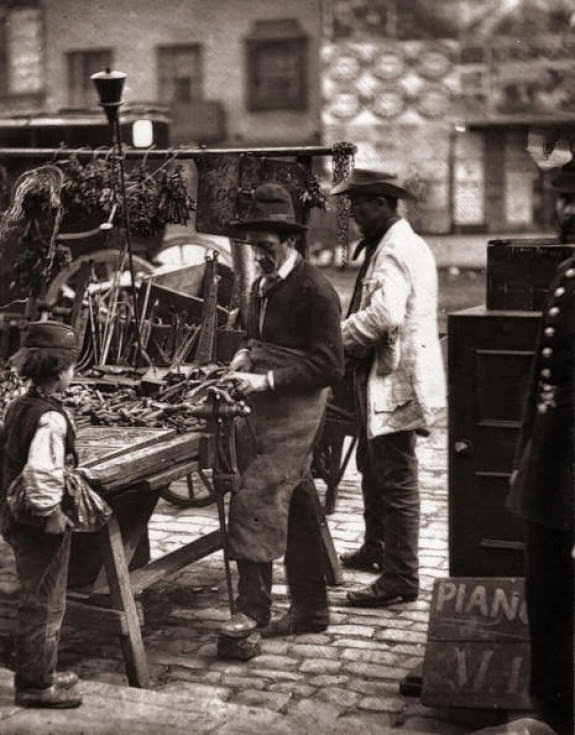
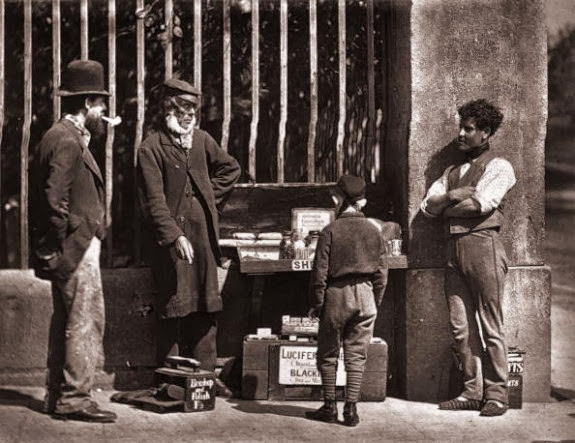
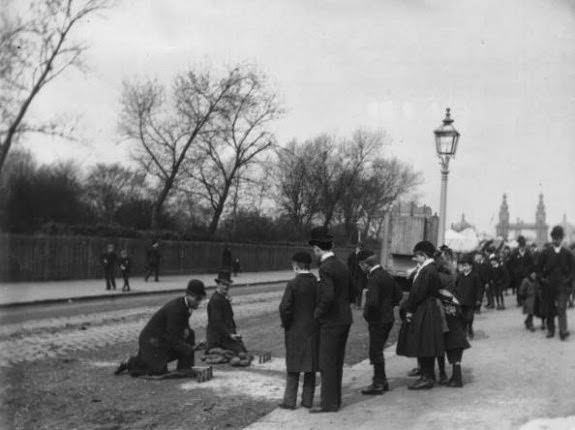
Street vendors were a defining feature of London’s public life. Sellers of shellfish, fruit, flowers, and cheap ornaments worked from barrows, stalls, and baskets throughout the city’s neighborhoods. Others offered services — locksmiths, shoeblacks, and bill stickers plied their trades in the open air. These street workers were not on the margins of the economy; they were woven into its everyday fabric.

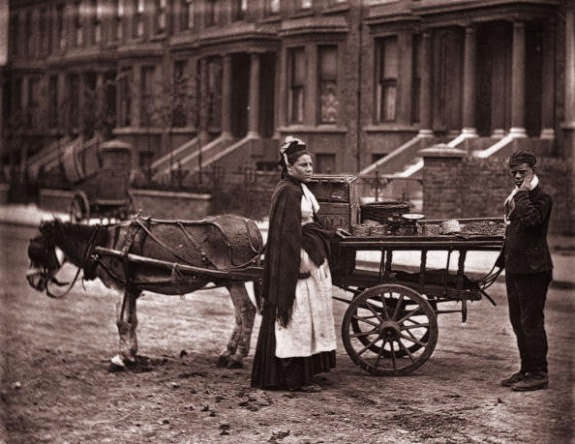
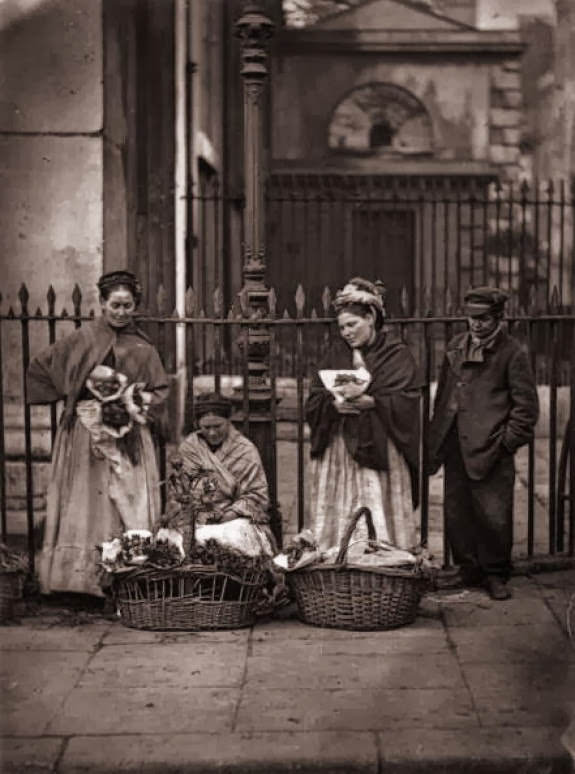
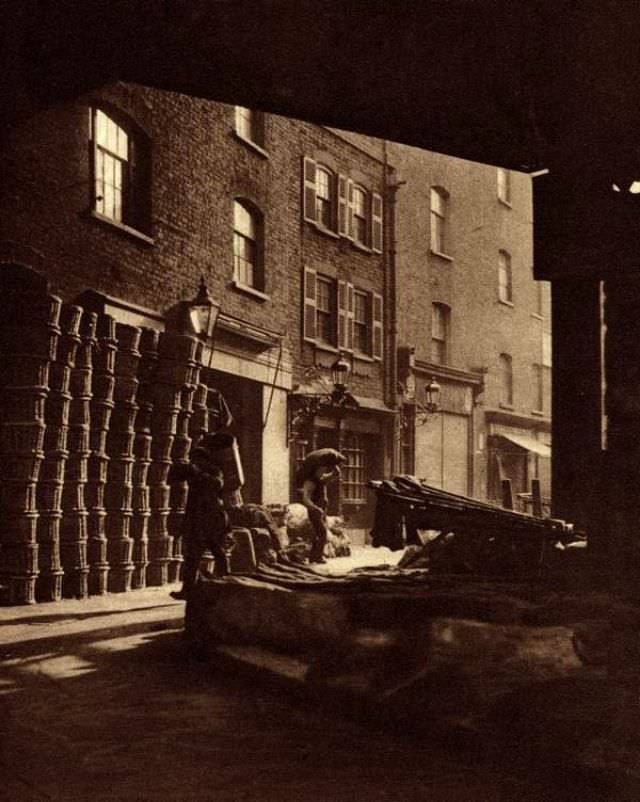
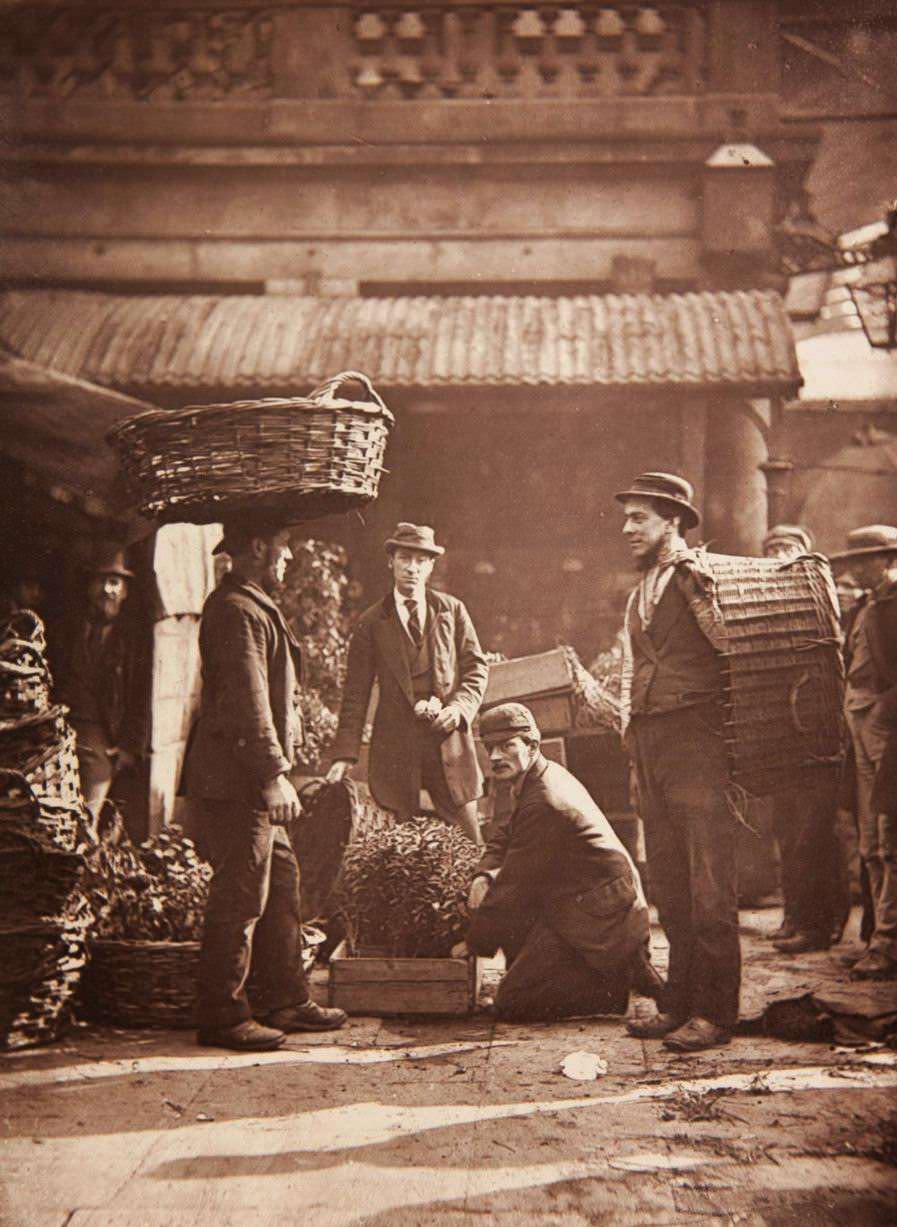
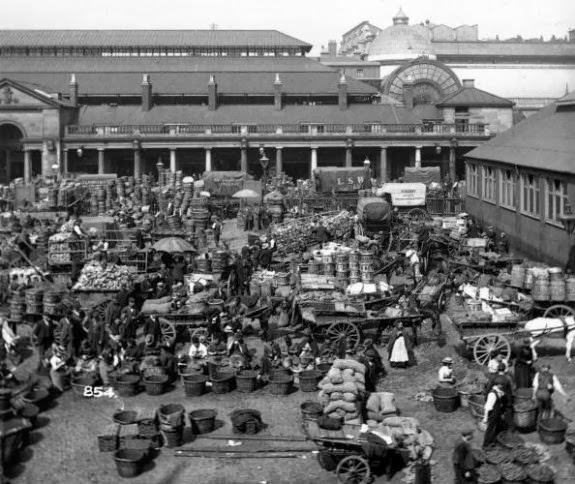
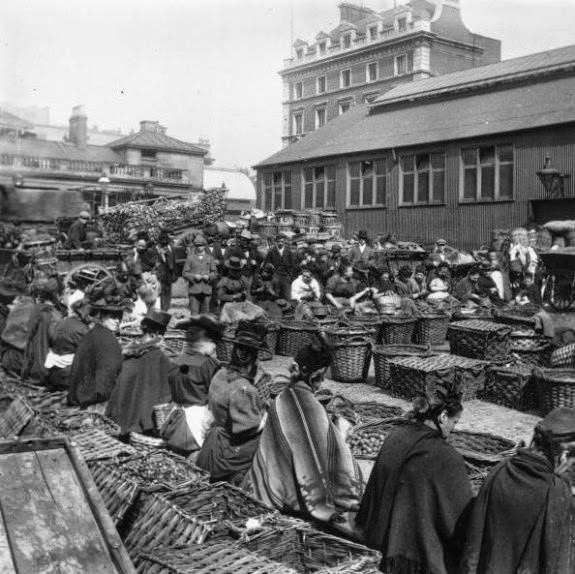
Markets like Covent Garden were vital hubs. Laborers, traders, and flower women gathered there before sunrise, handling produce that would feed and supply the rest of the city. The work was physical, the hours long, and the pay modest.
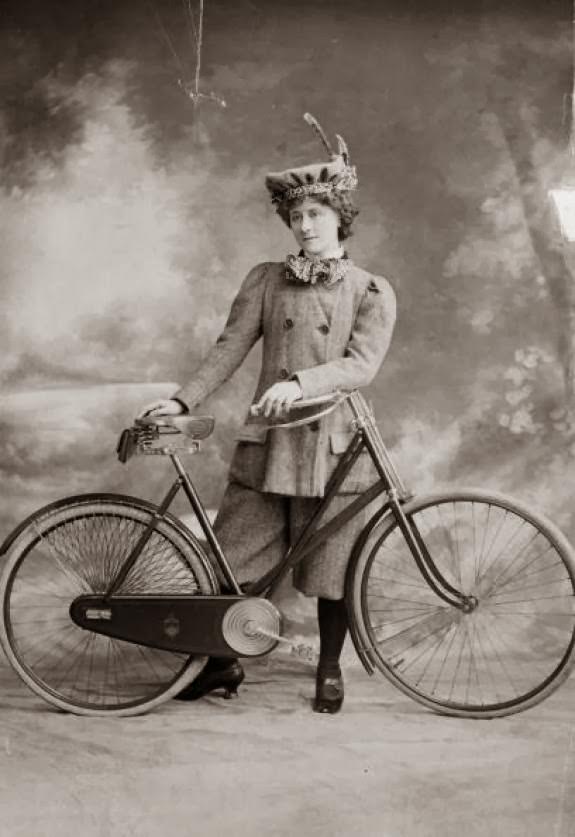
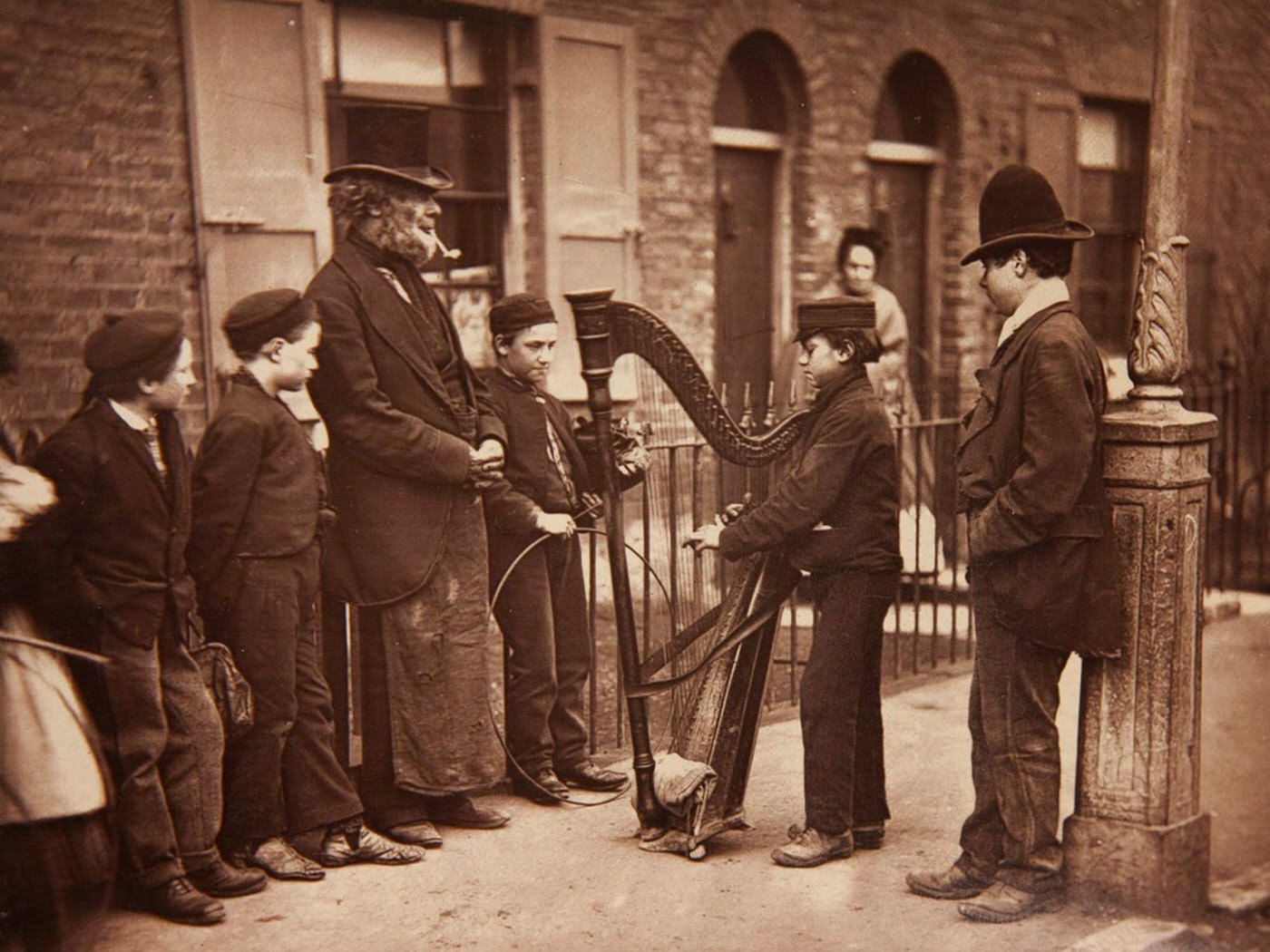
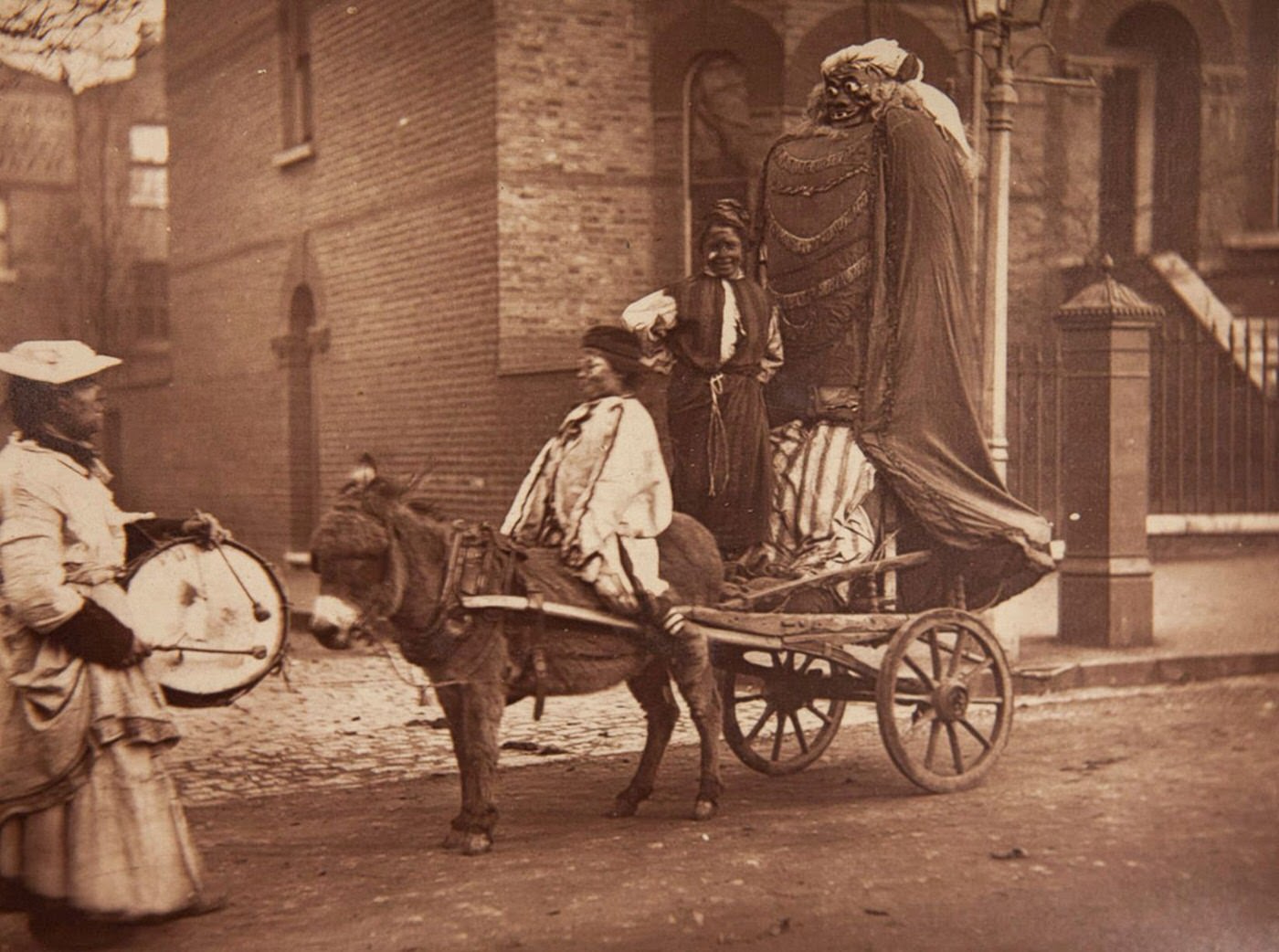
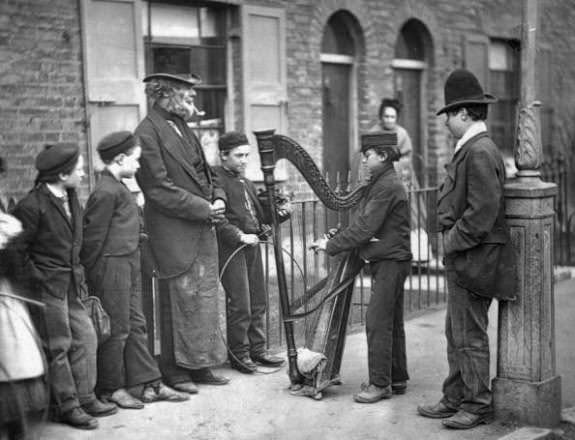
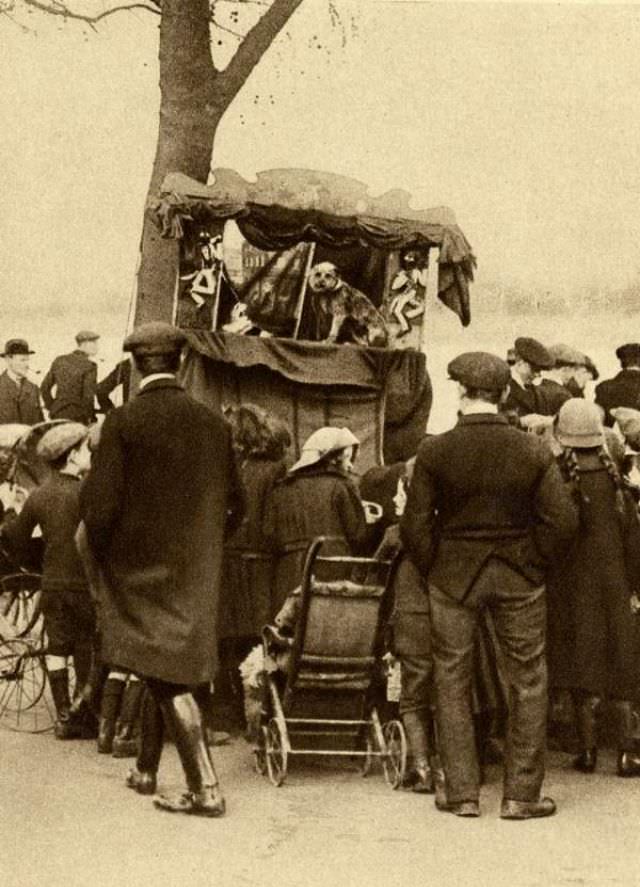
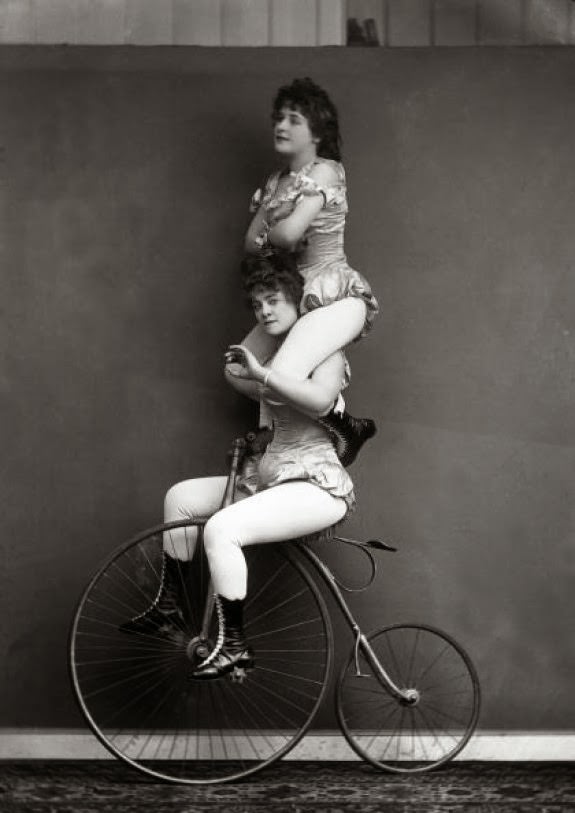
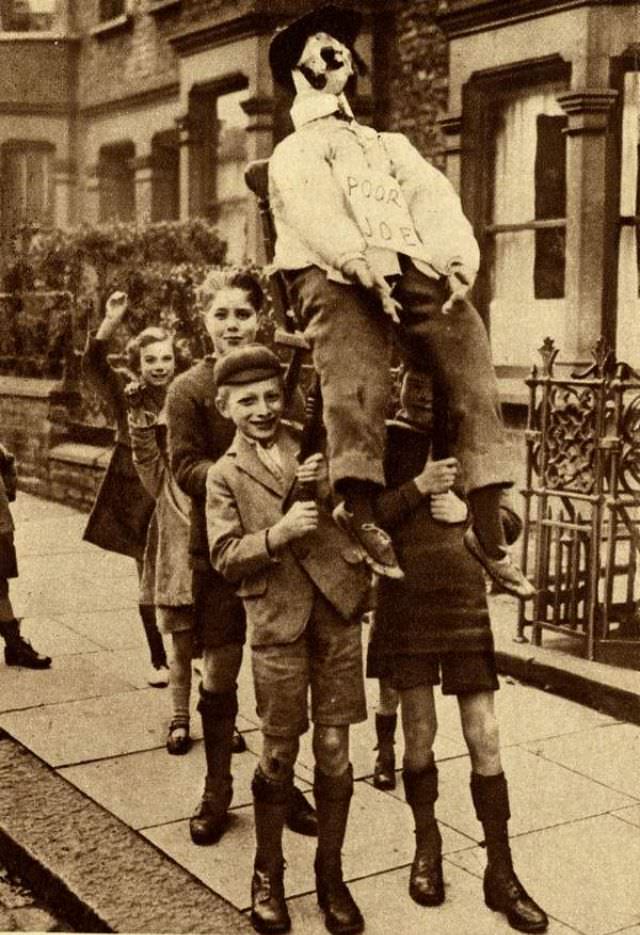
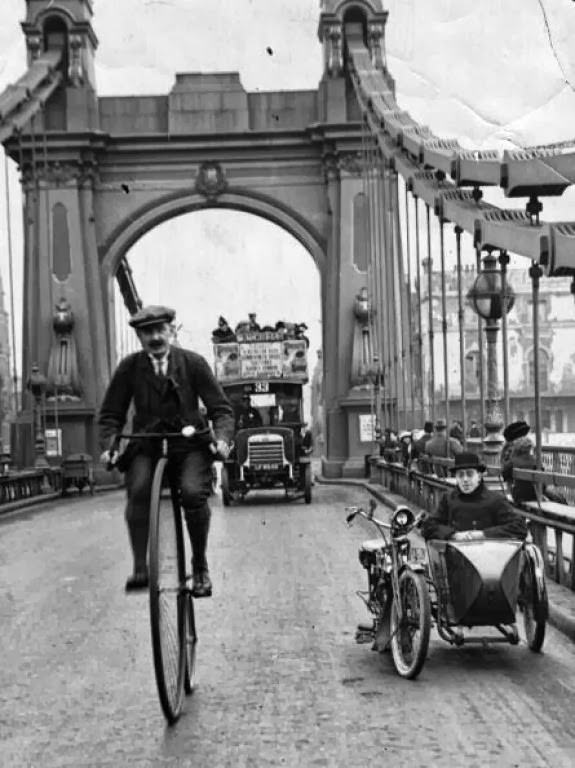
Street entertainment was everywhere. Italian musicians performed on harps and other instruments for passing crowds. Punch and Judy shows drew children and adults alike. Trick cyclists performed balancing acts, and clowns worked corners for whatever coins came their way. On Guy Fawkes night each November, children dragged effigy figures through the streets, calling out for a penny for the Guy.
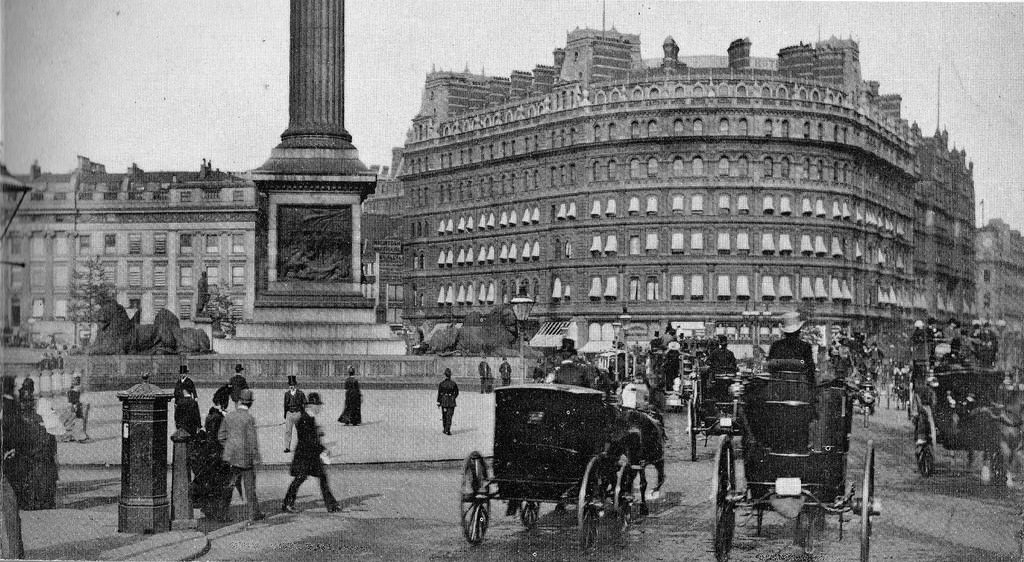
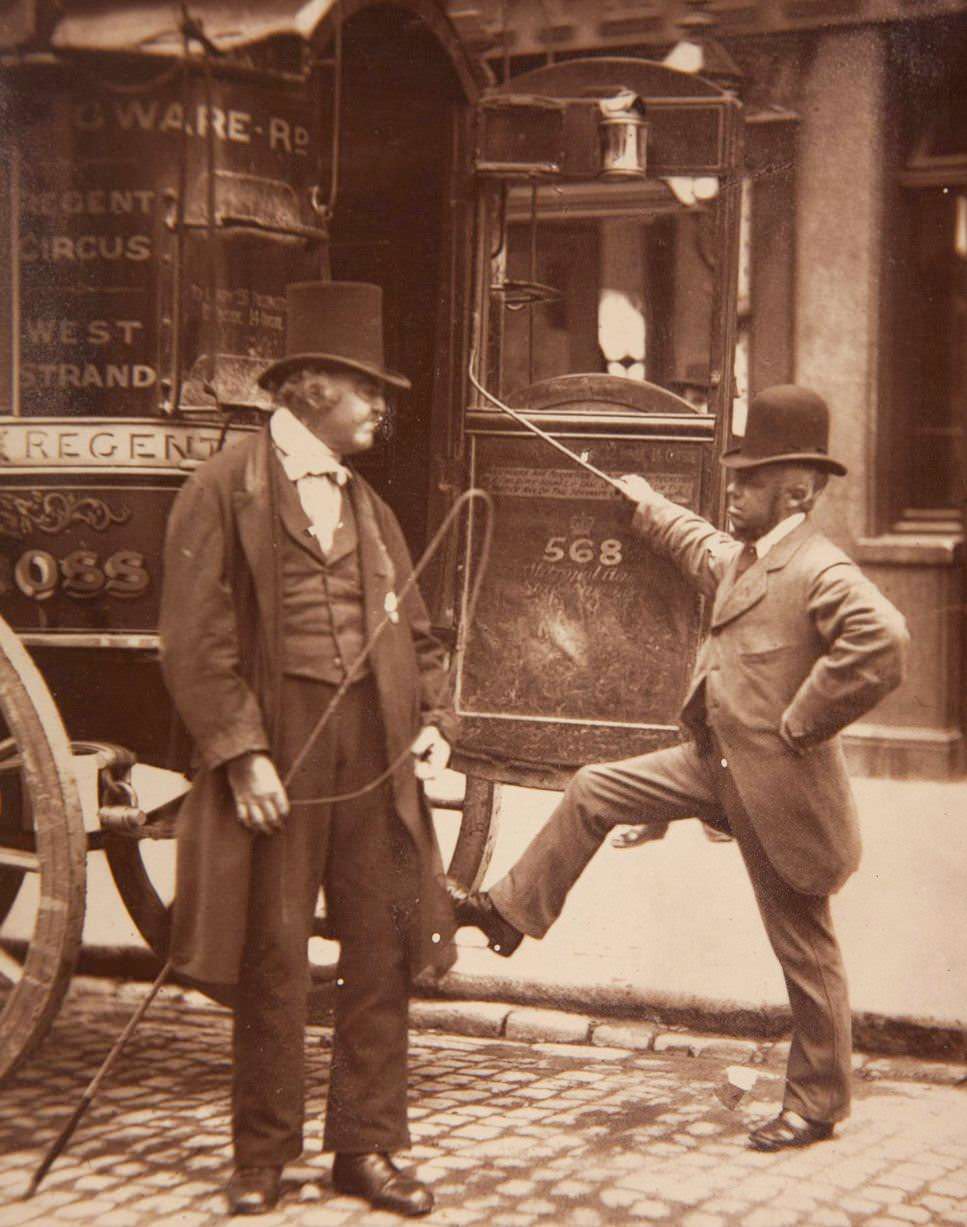
Getting across the city was a daily challenge. Horse-drawn omnibuses followed fixed routes and were often crammed. Private horse-drawn cabs offered faster travel for those who could pay. The London Underground, powered by steam engines running beneath the city’s streets, was a landmark achievement of Victorian engineering. Its trains carried thousands of commuters daily, cutting travel times across a city that had become too large to cross on foot.
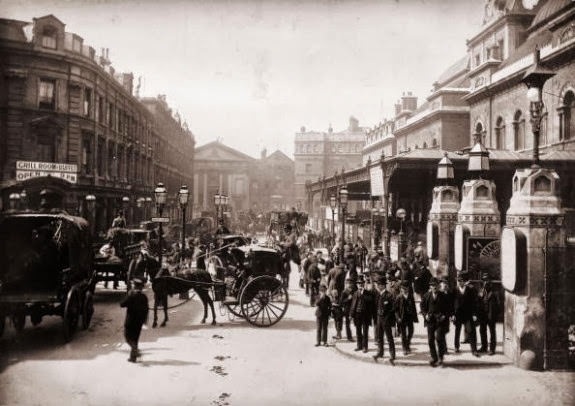
London’s major railway stations were gateways into and out of the city. Liverpool Street, Kings Cross, and Charing Cross handled enormous daily flows of passengers and freight, connecting London to the rest of Britain and, through the docks, to the world.

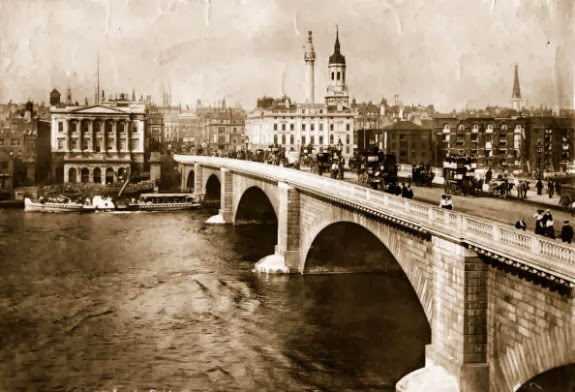
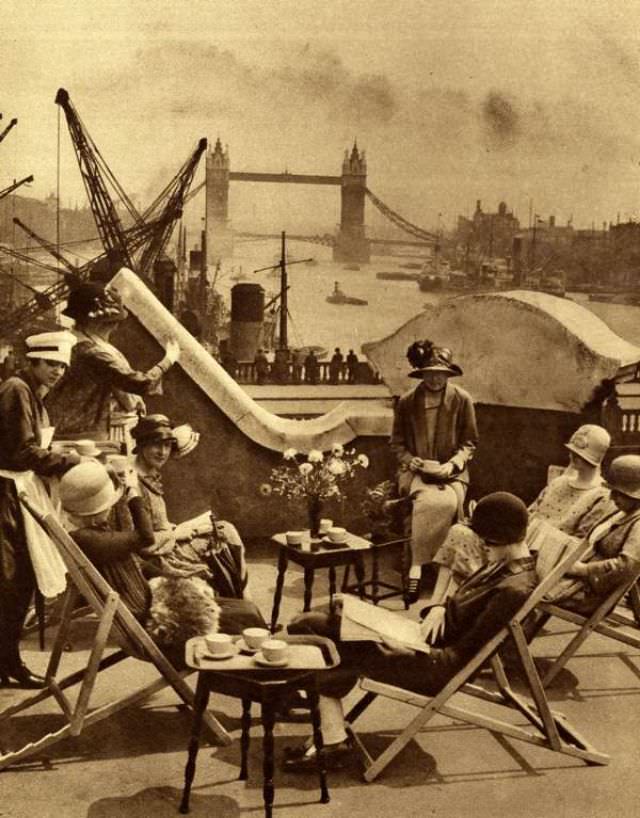
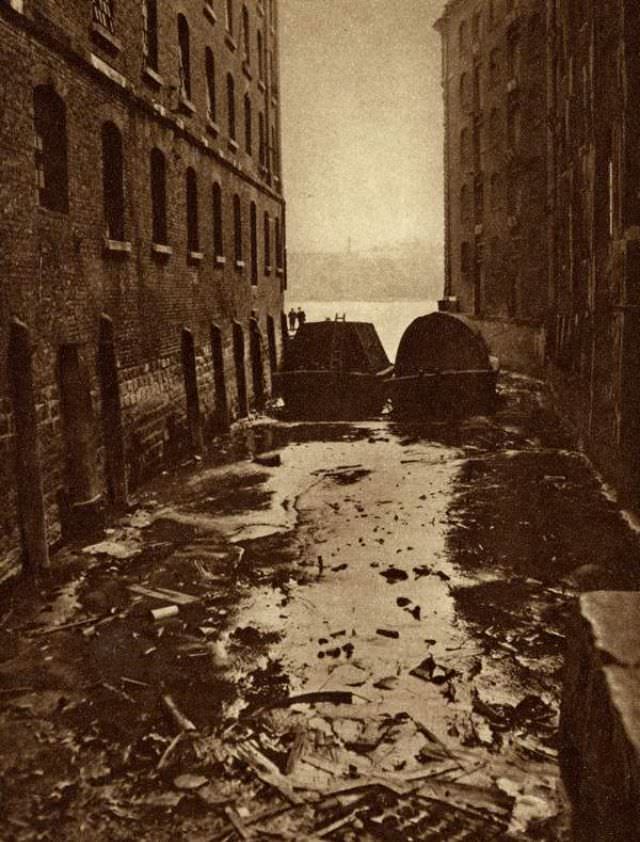
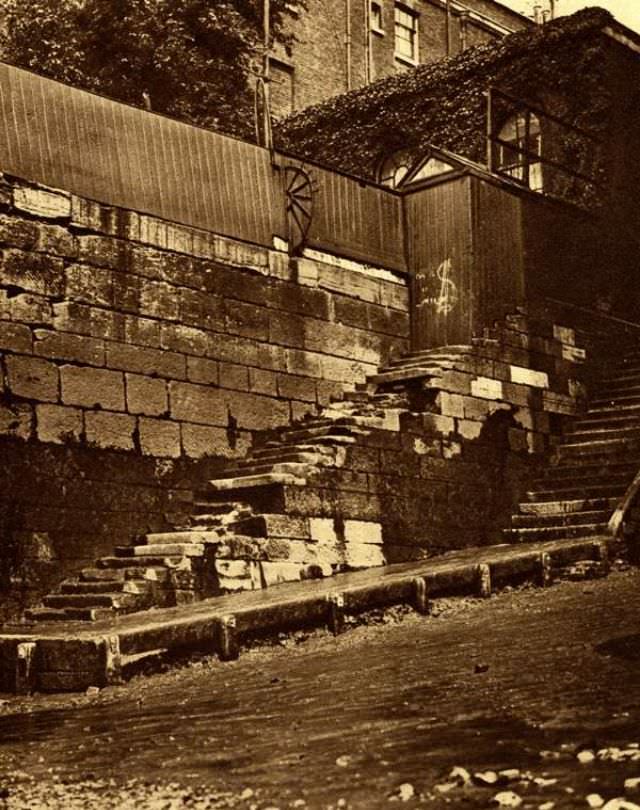
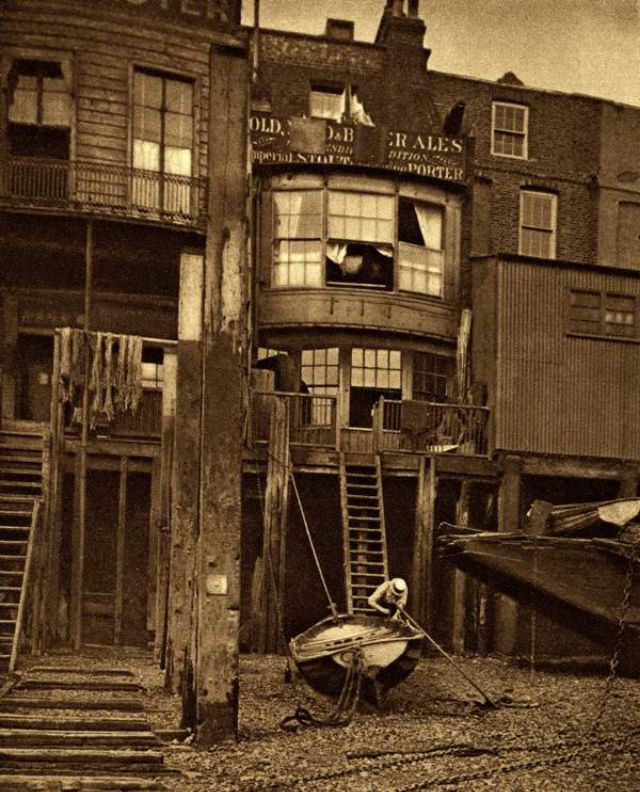
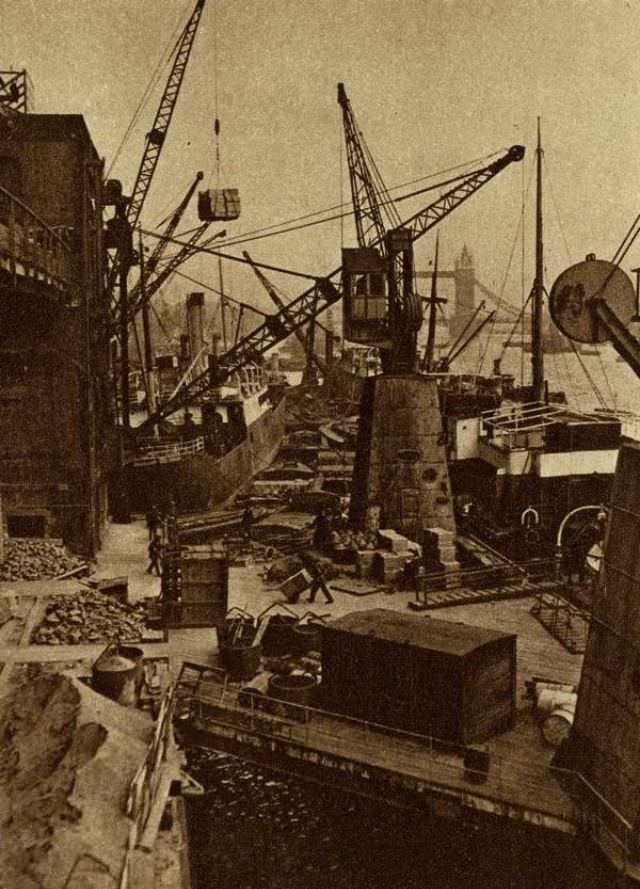
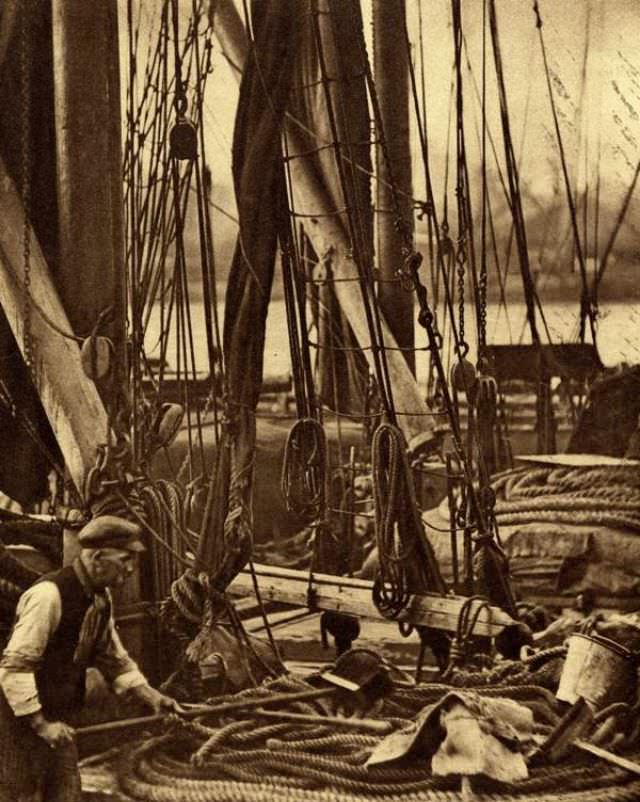
The River Thames was London’s working spine. Thousands of laborers worked the docks loading and unloading ships. Boatmen moved cargo and passengers along the river, while wharves lining the banks handled the constant flow of goods that kept the city supplied. The Thames was both a commercial lifeline and, earlier in the era, a public health catastrophe — raw sewage flowed directly into it, and Londoners in many areas drew their drinking water from the same source. Cholera outbreaks followed.

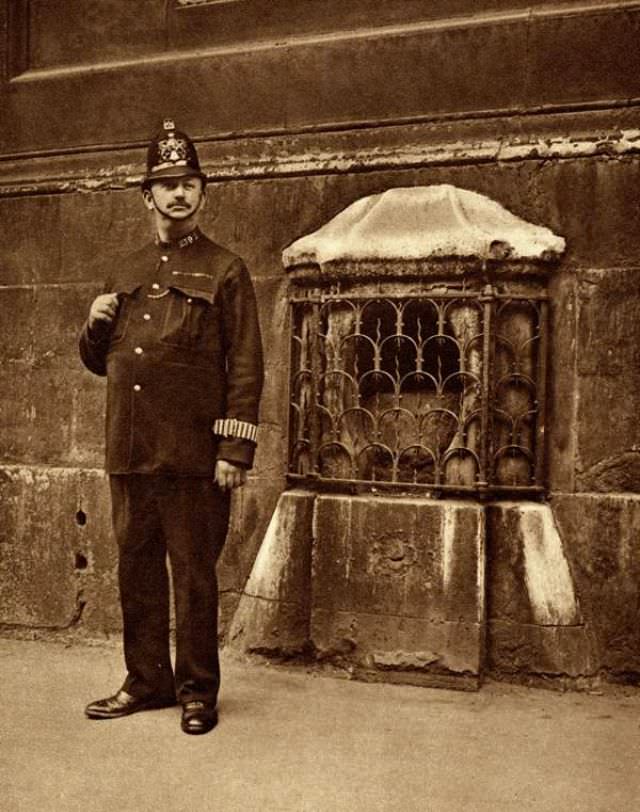
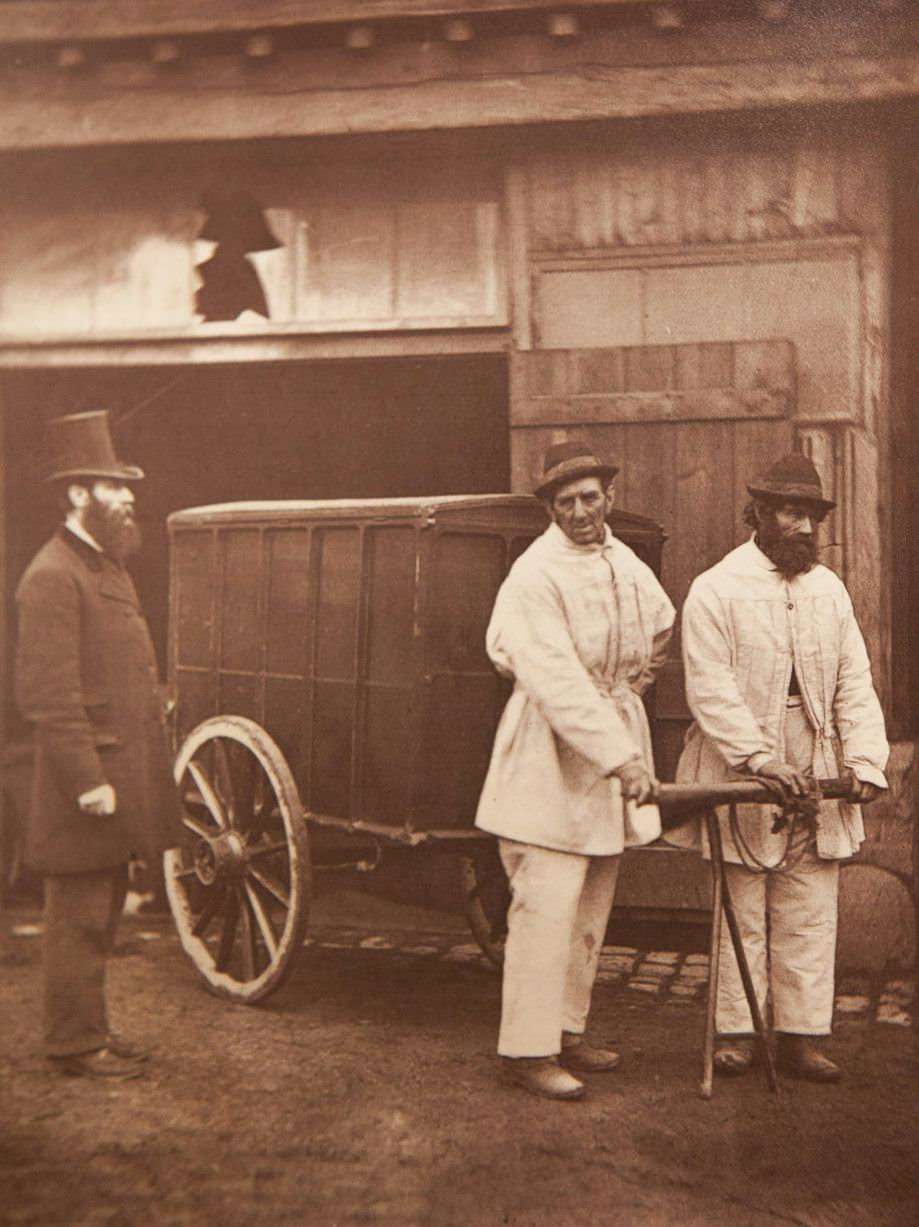
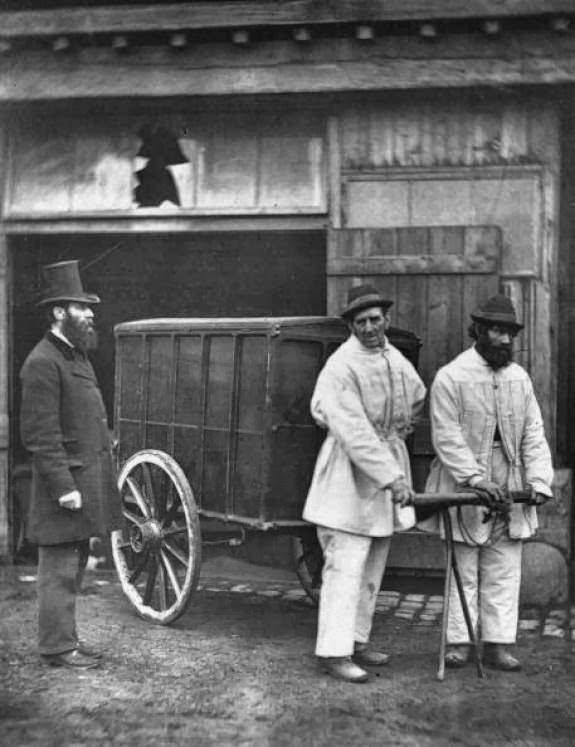
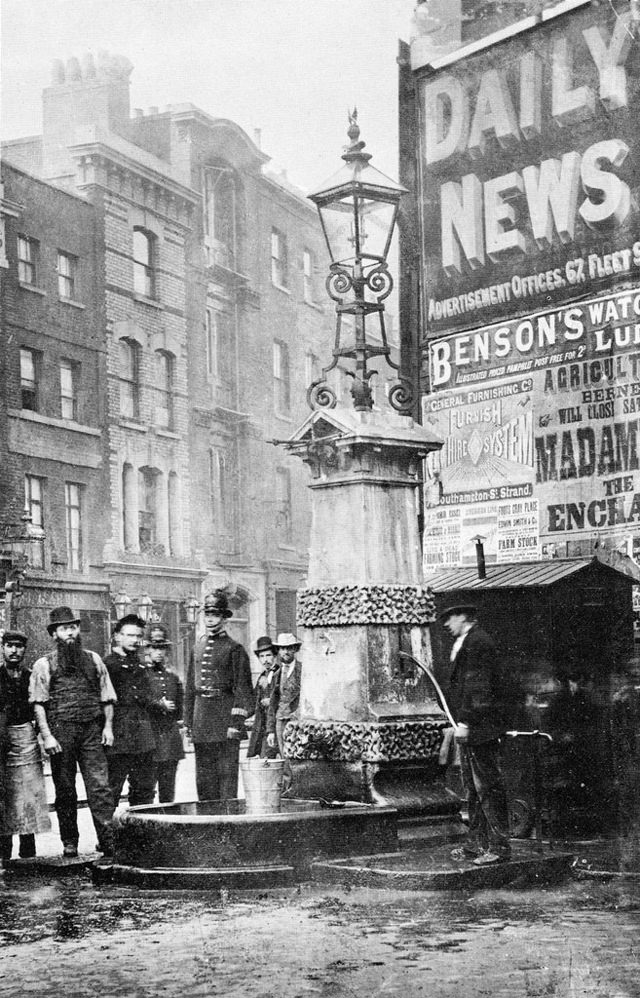
In response to the disease crises, a massive underground sewer network was constructed across the city in the mid-Victorian period. Public disinfectors also worked the streets, sanitizing areas prone to infection. Aldgate Pump in the East End stood as a familiar gathering point for residents drawing water, though it became notorious during cholera outbreaks as a source of contaminated supply.
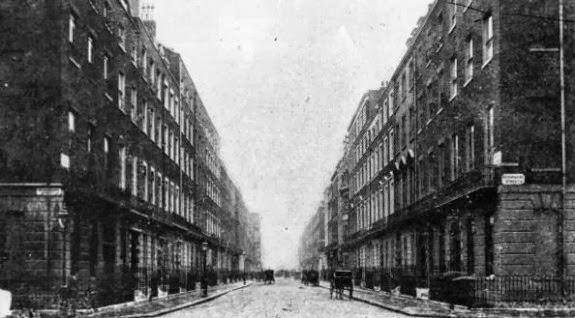
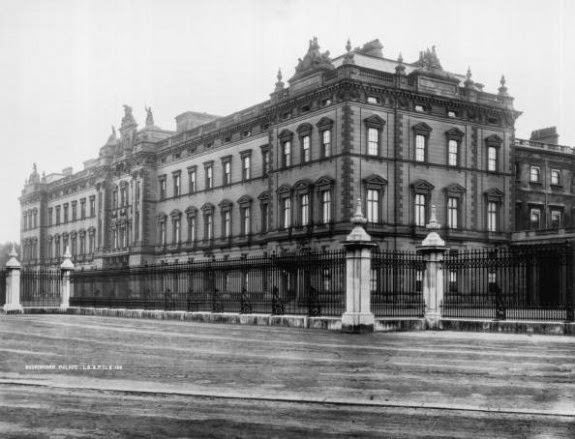
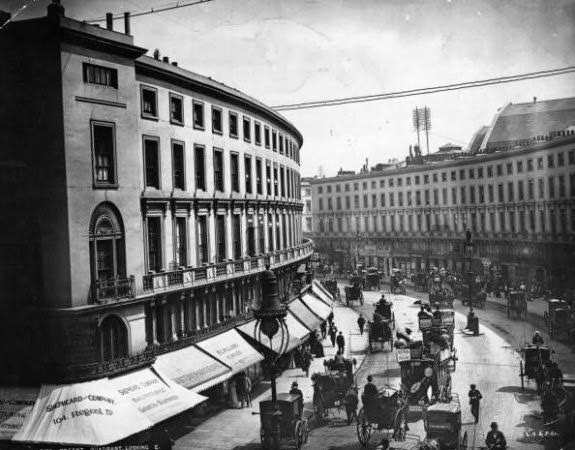
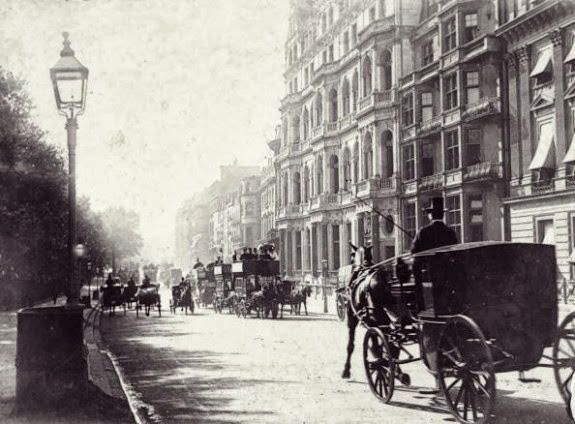
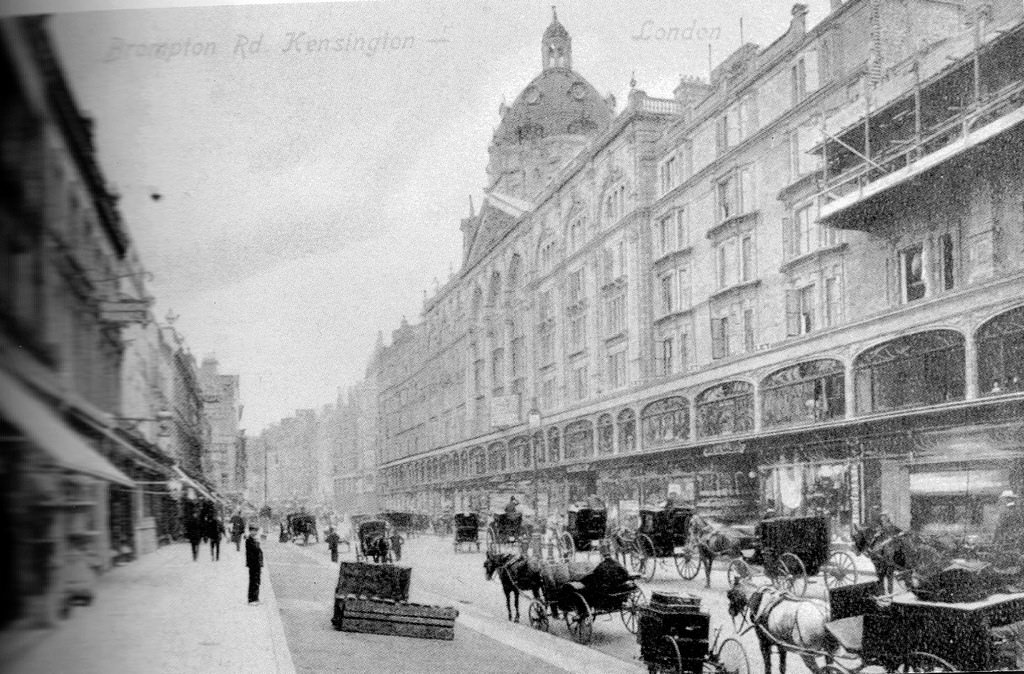
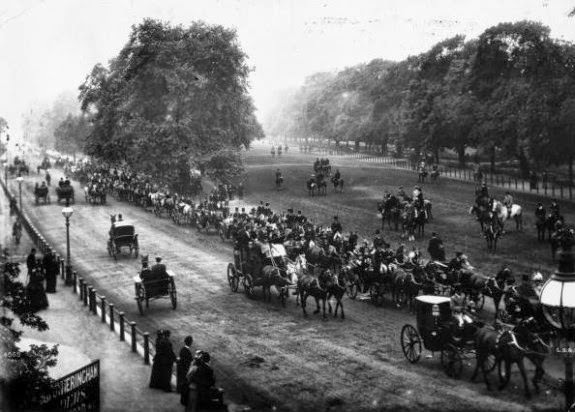
The gap between rich and poor in Victorian London was enormous and visible at a glance. In the West End, wealthy households occupied large, well-furnished townhouses. Regent Street and Piccadilly were lined with well-dressed shoppers and elegant storefronts. Harrods on Brompton Road catered to the city’s most affluent customers. Hyde Park was where the wealthy rode horses and paraded in carriages on weekends.
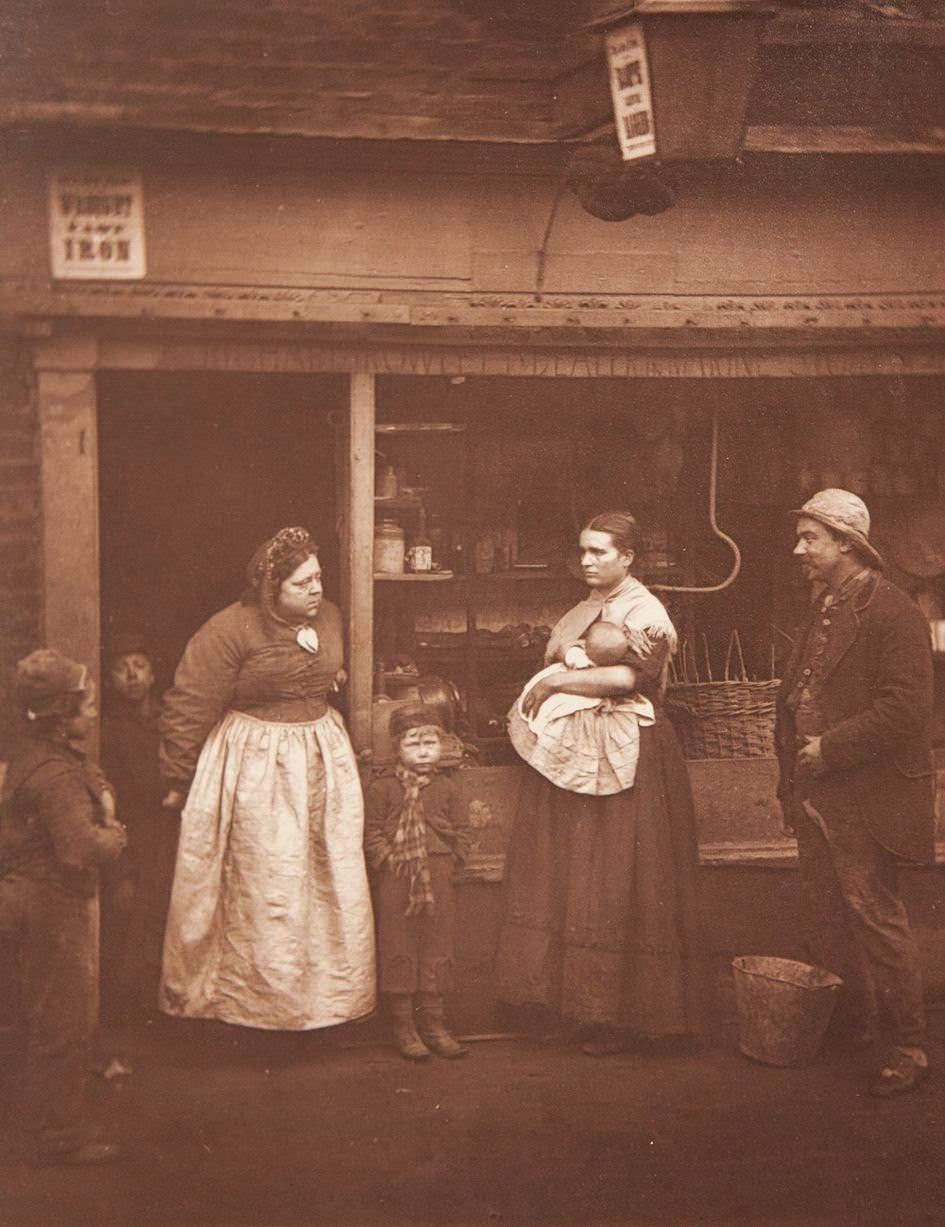
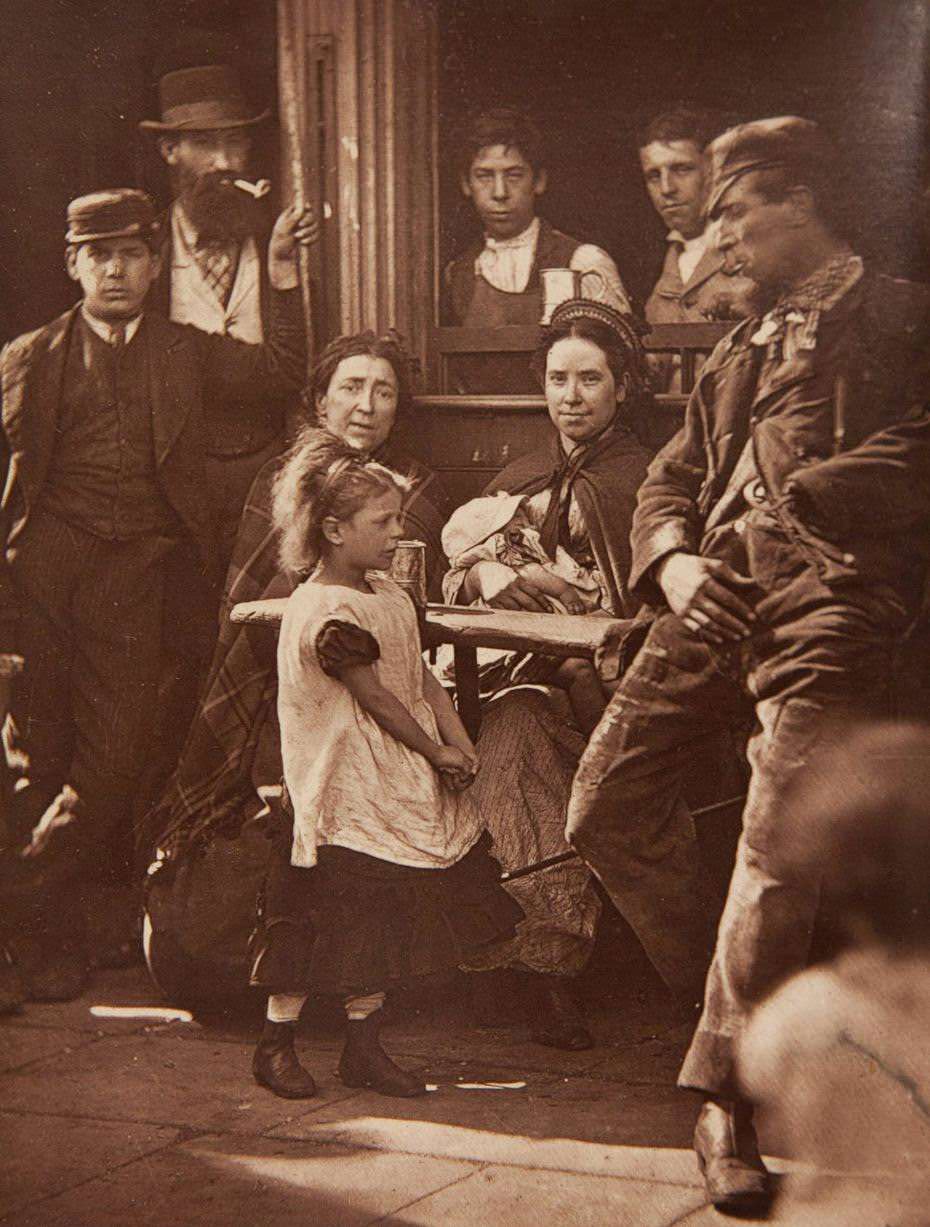
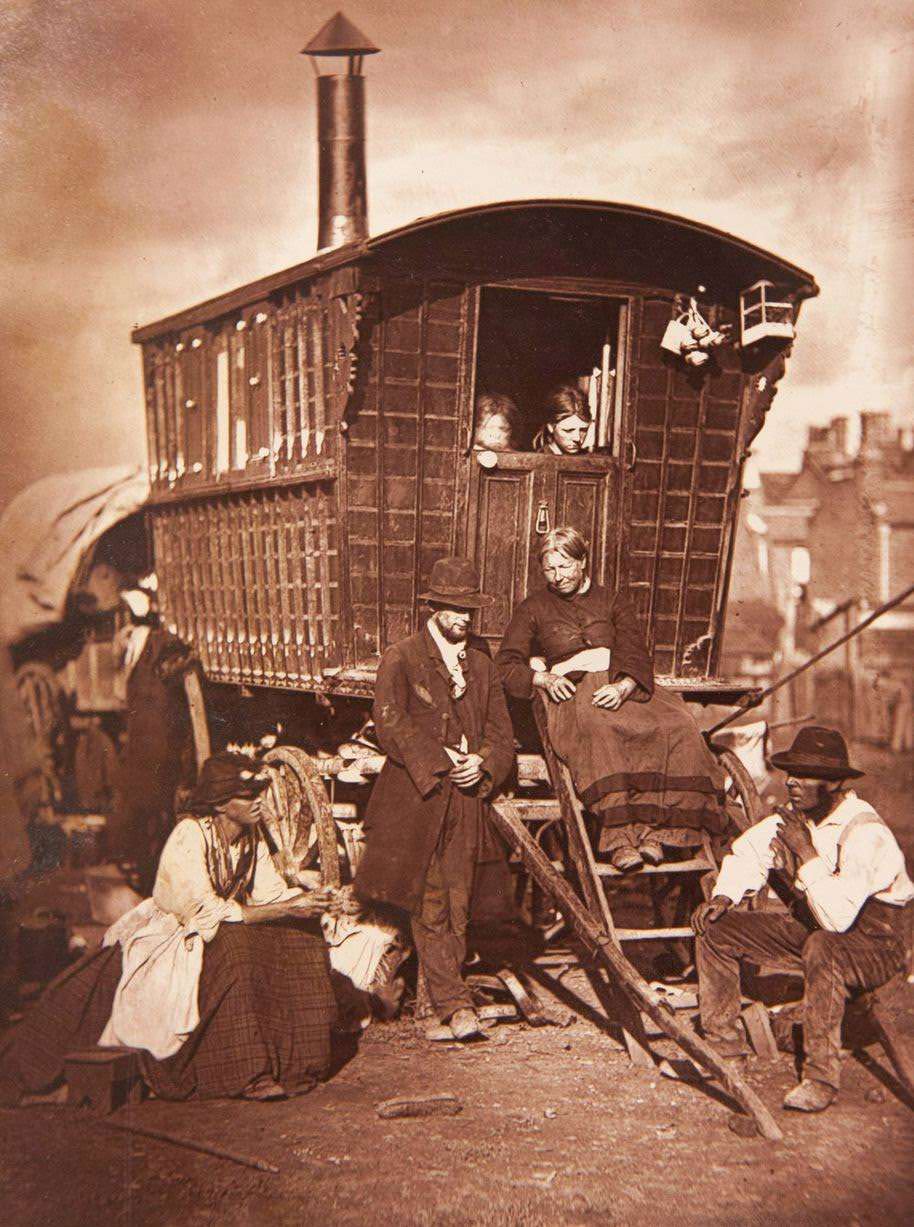
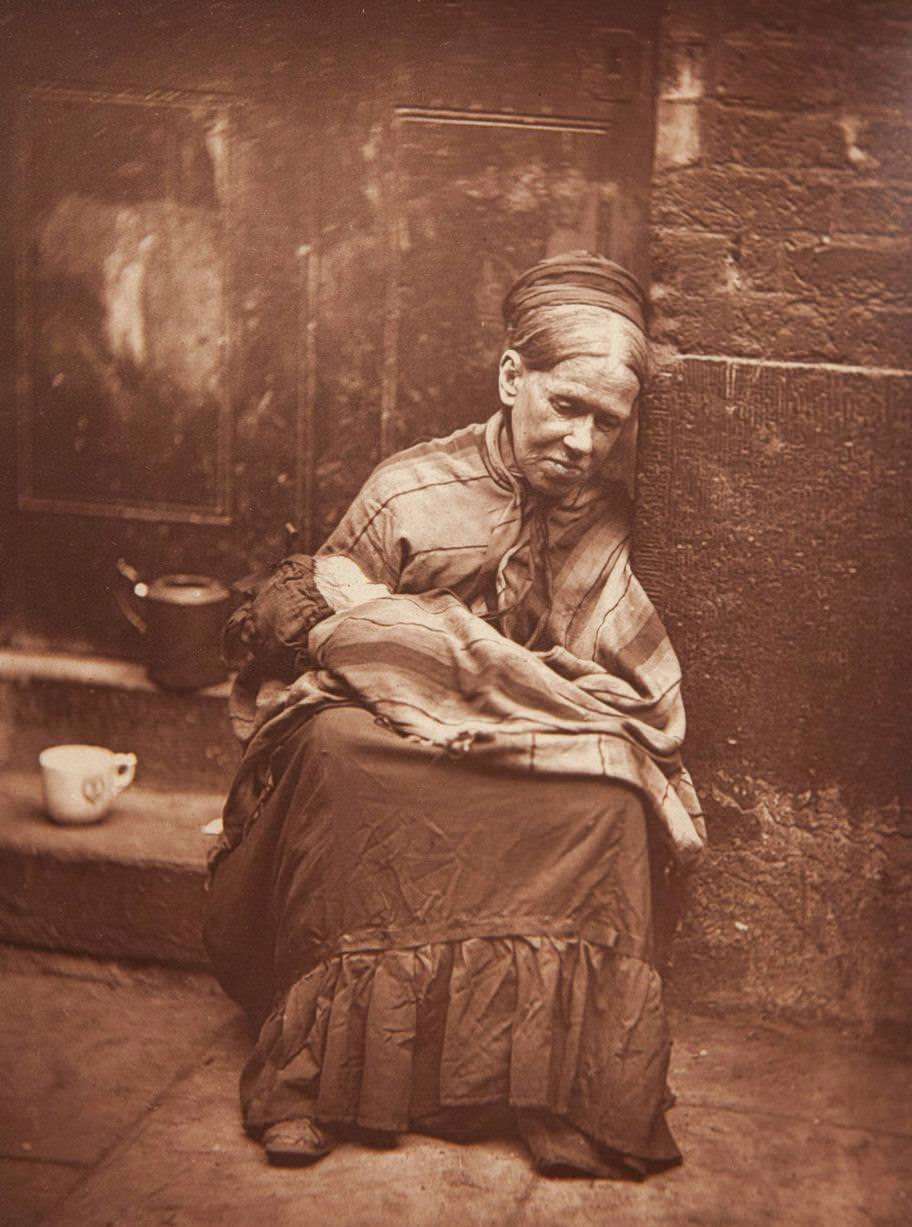
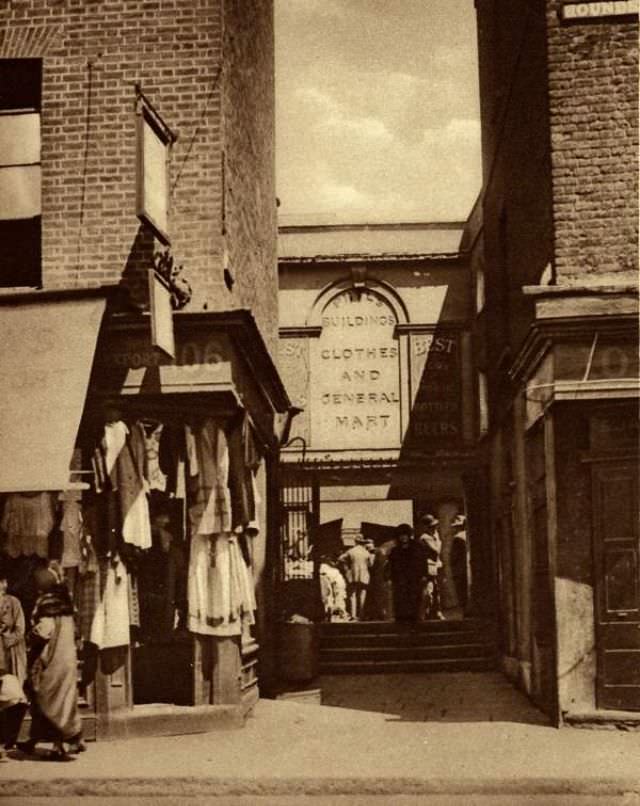
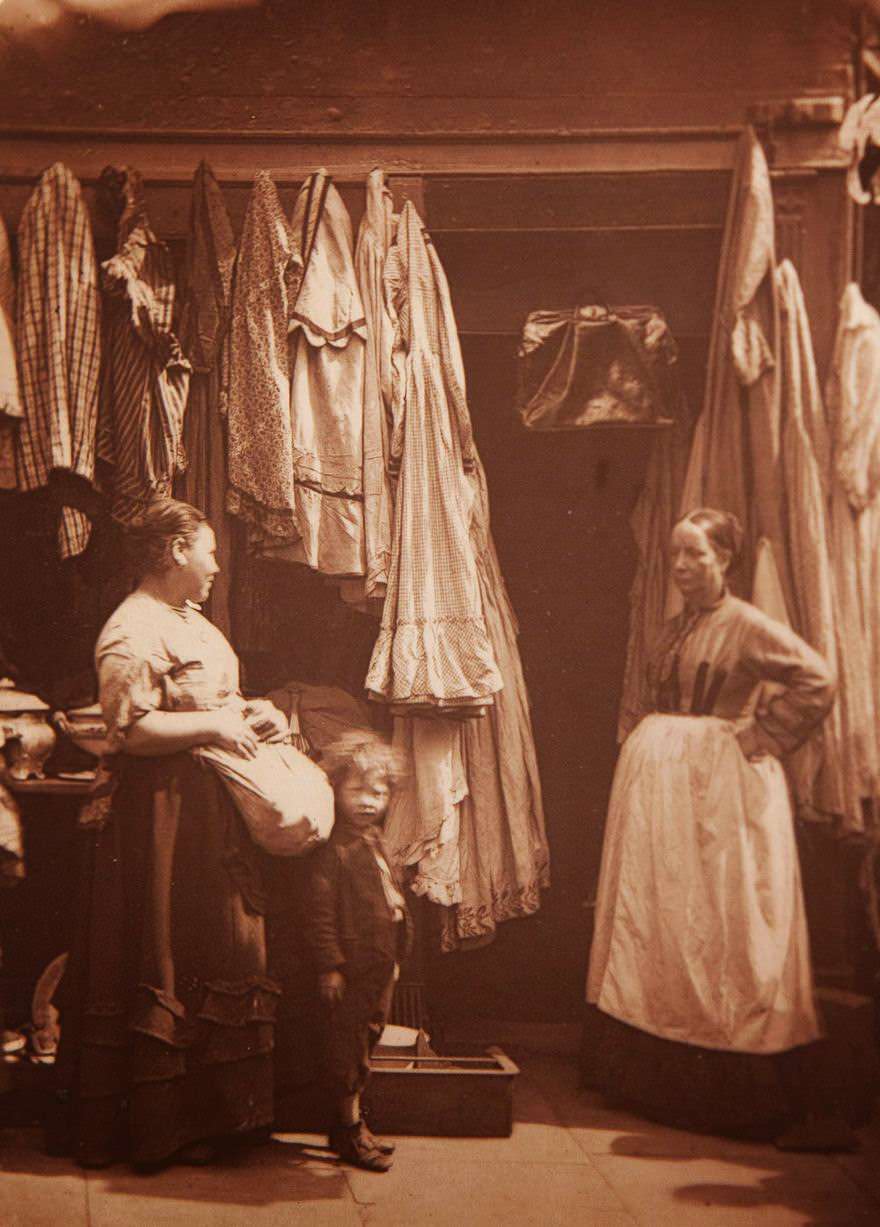
In the East End and other working-class districts, the contrast was stark. Overcrowded tenements housed families in cramped, poorly built rooms. Old clothes markets like the one at Houndsditch and Seven Dials served those who couldn’t afford new goods. The poor sold, traded, and survived through an informal economy that operated openly in the streets.
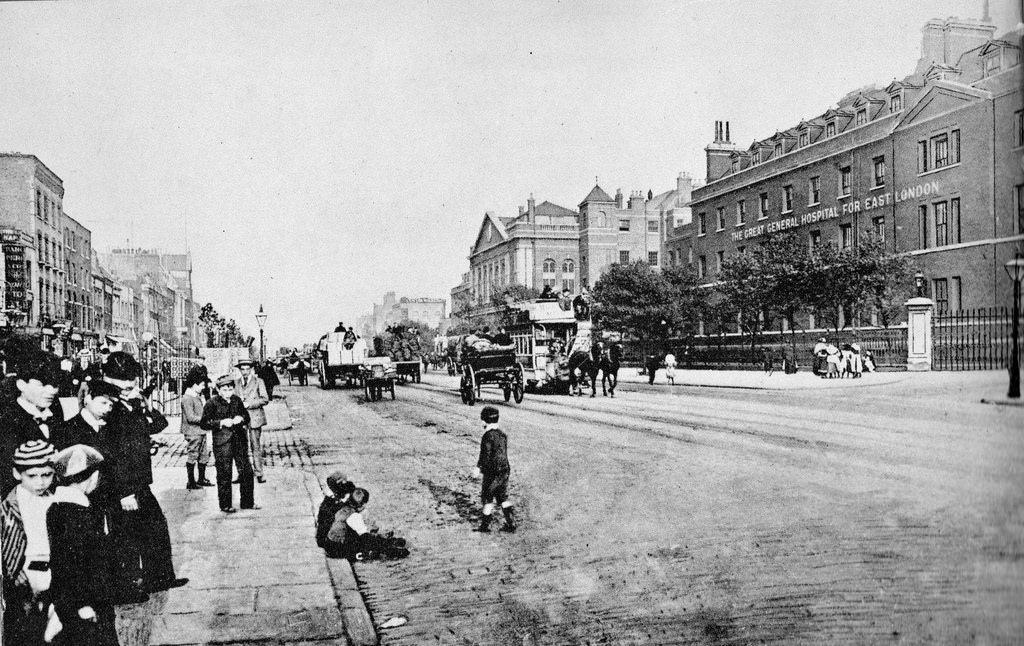
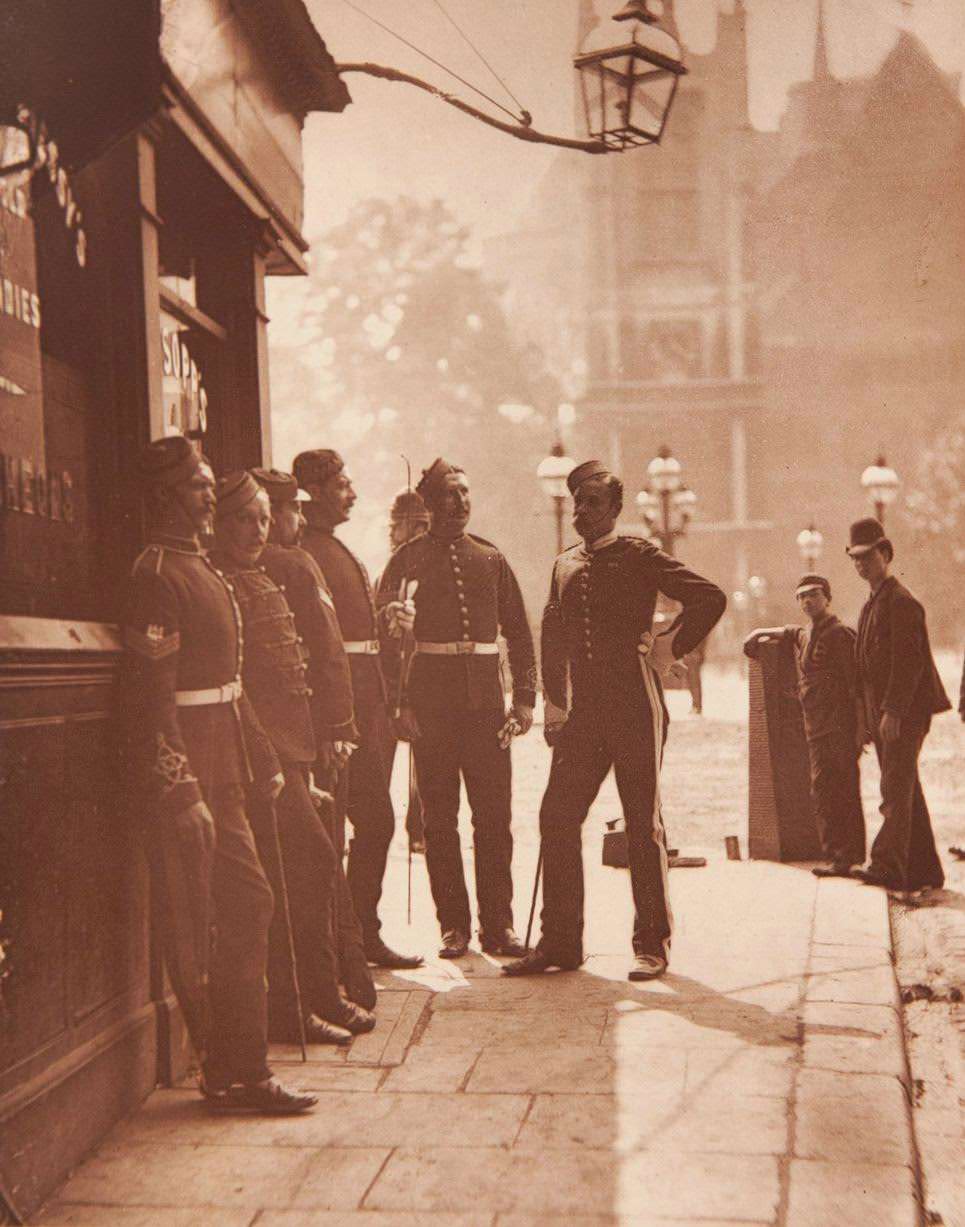
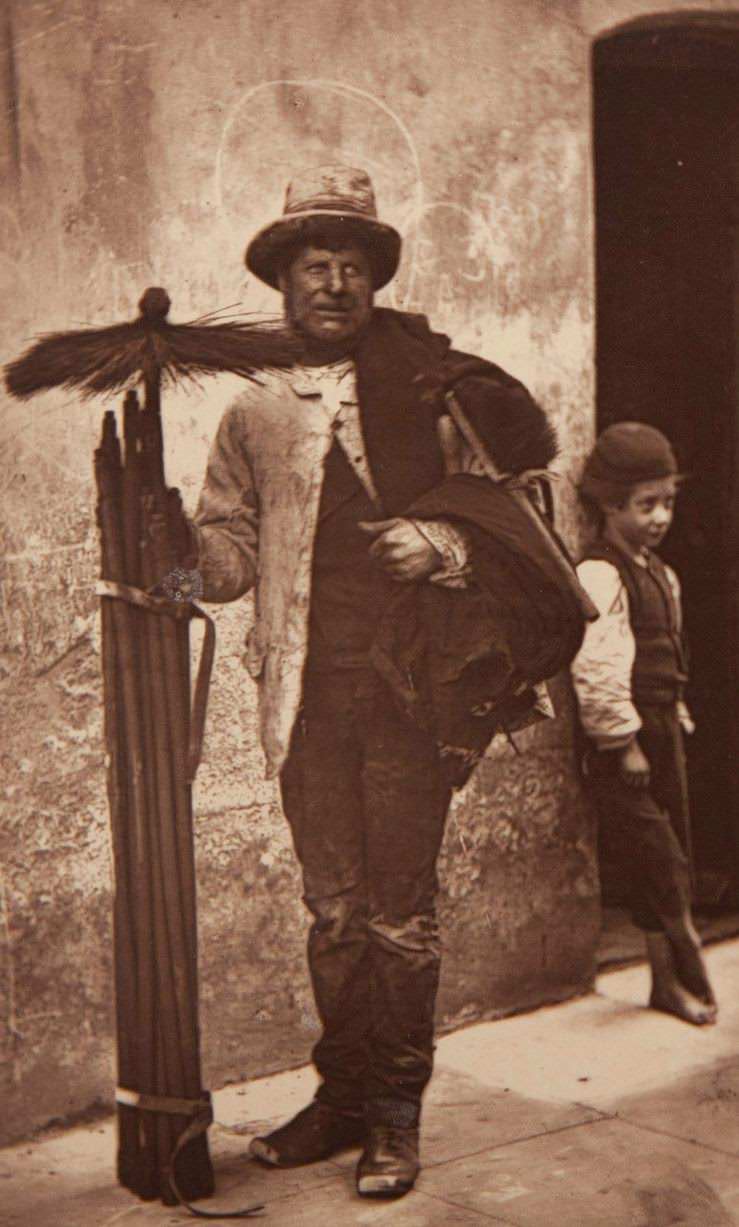
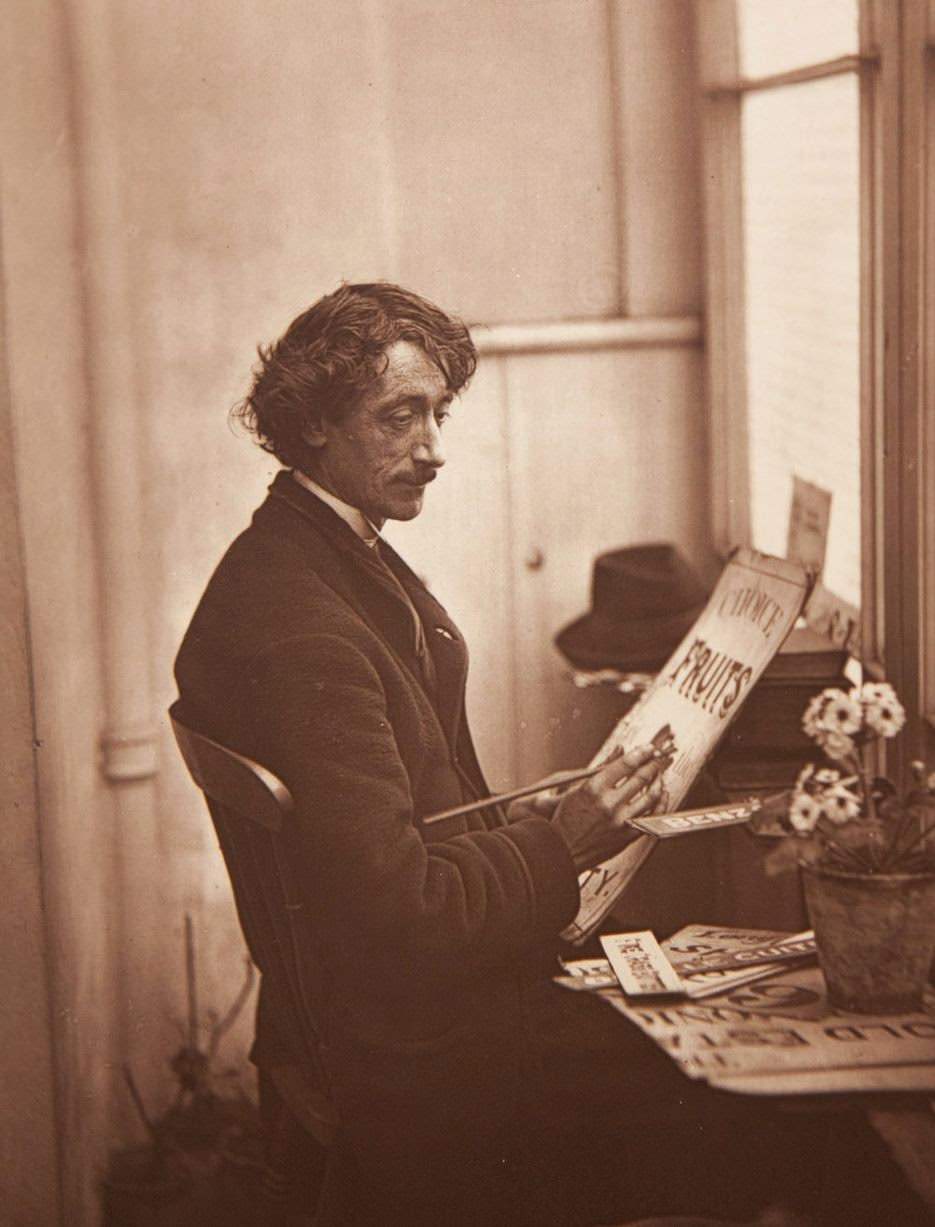
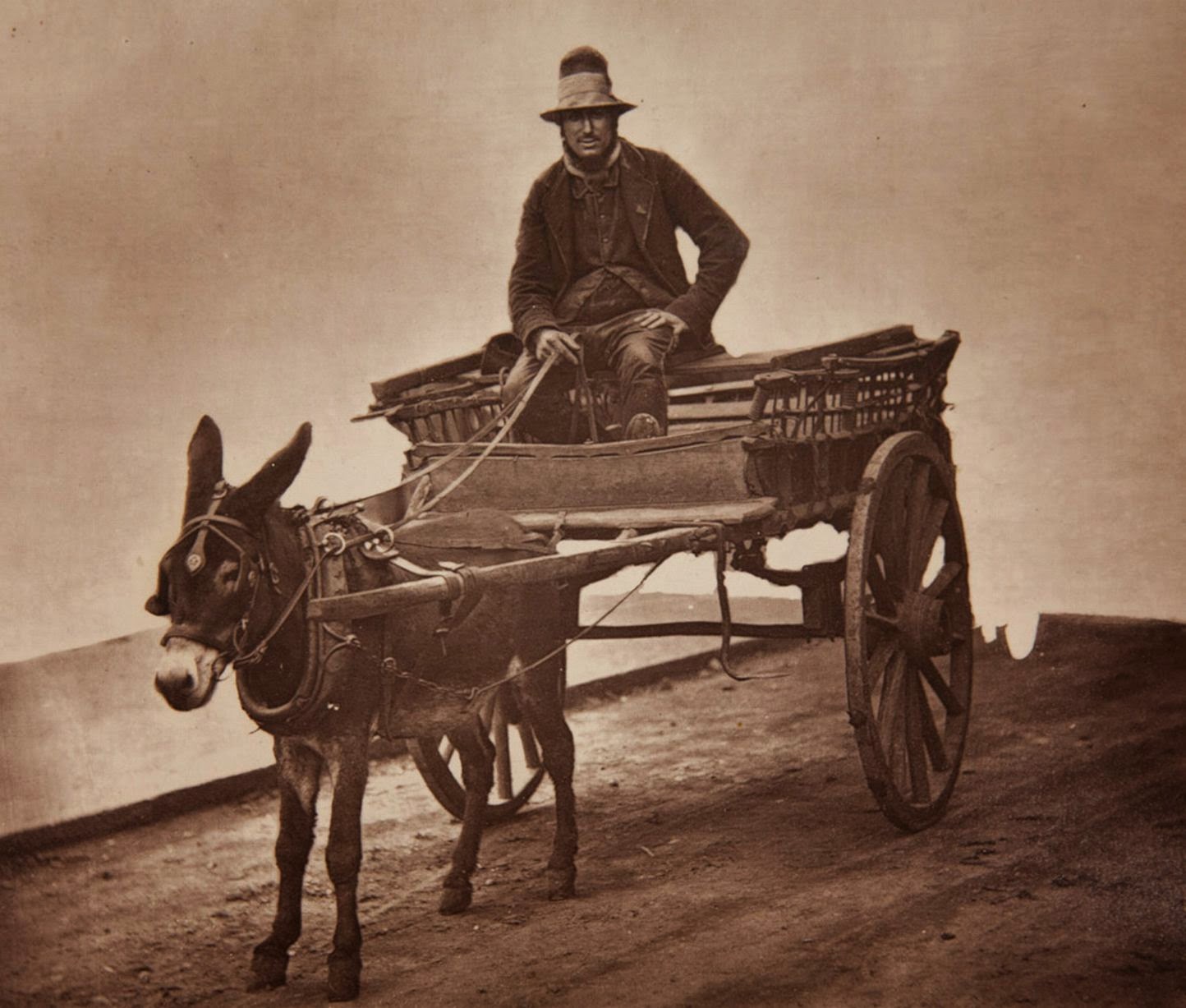
Work defined the rhythm of daily life for most Londoners — six days a week, from early morning until the light was gone. The docks, factories, markets, and service trades kept the city running. Chimney sweeps, cabmen, dustmen, water-cart operators, and bill stickers each occupied a recognized place in the city’s working order.
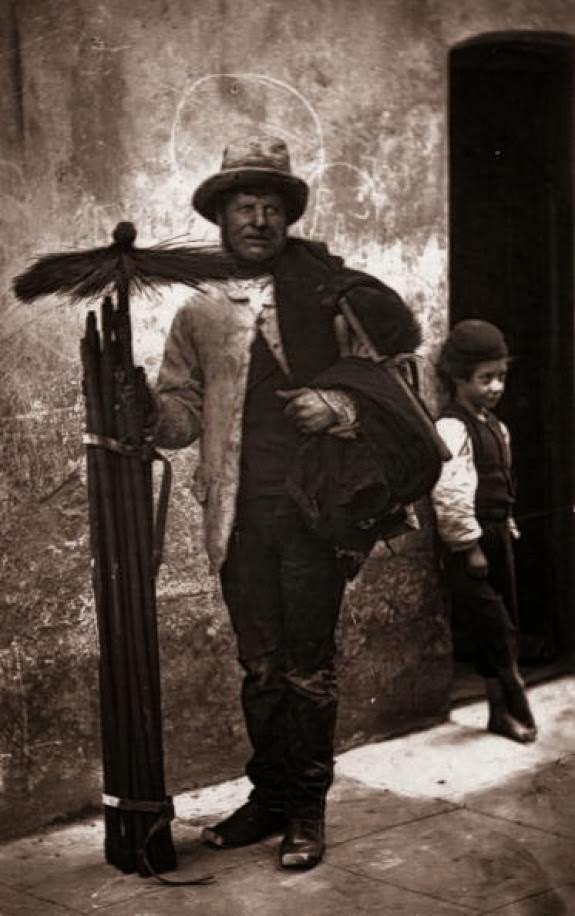
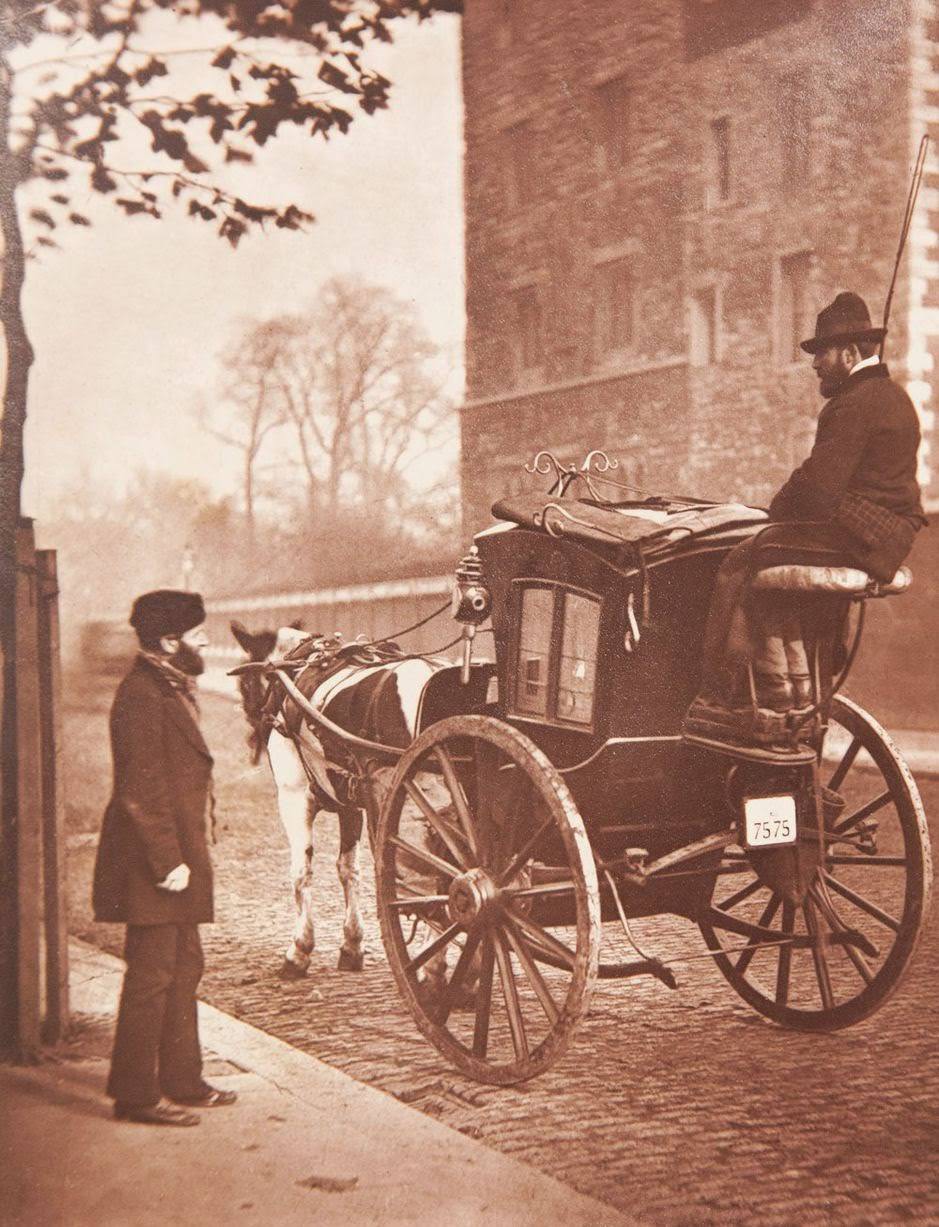
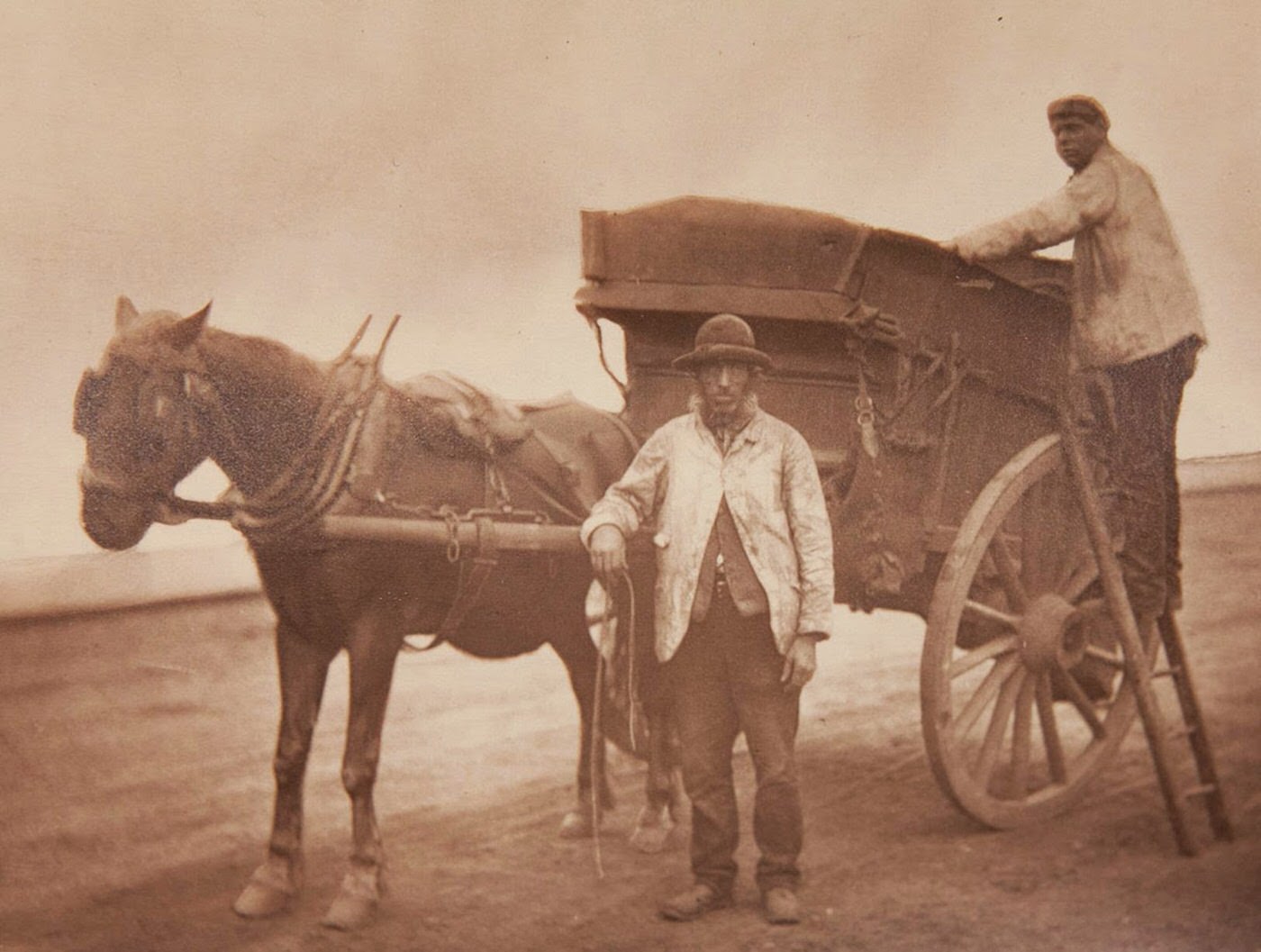
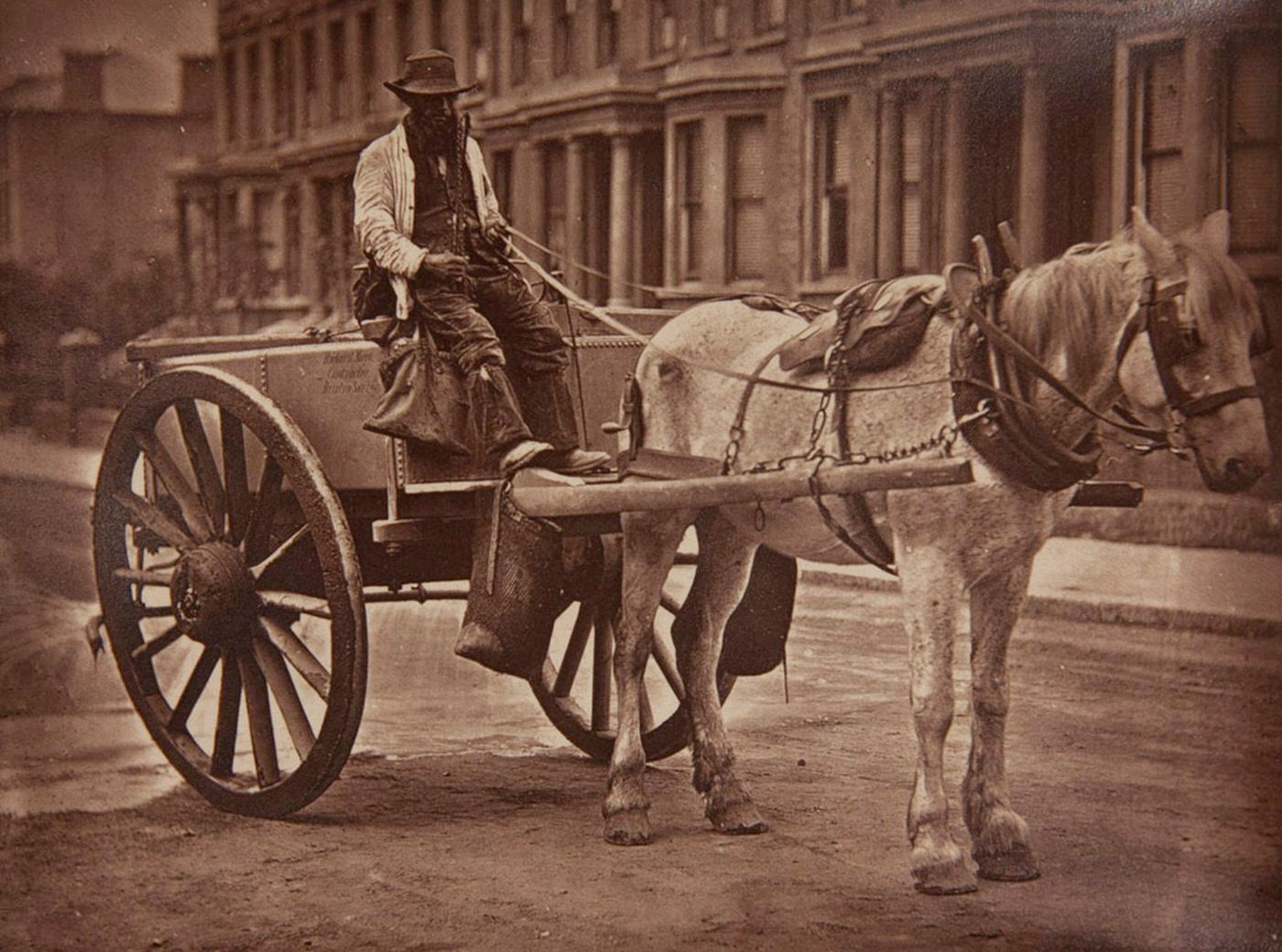
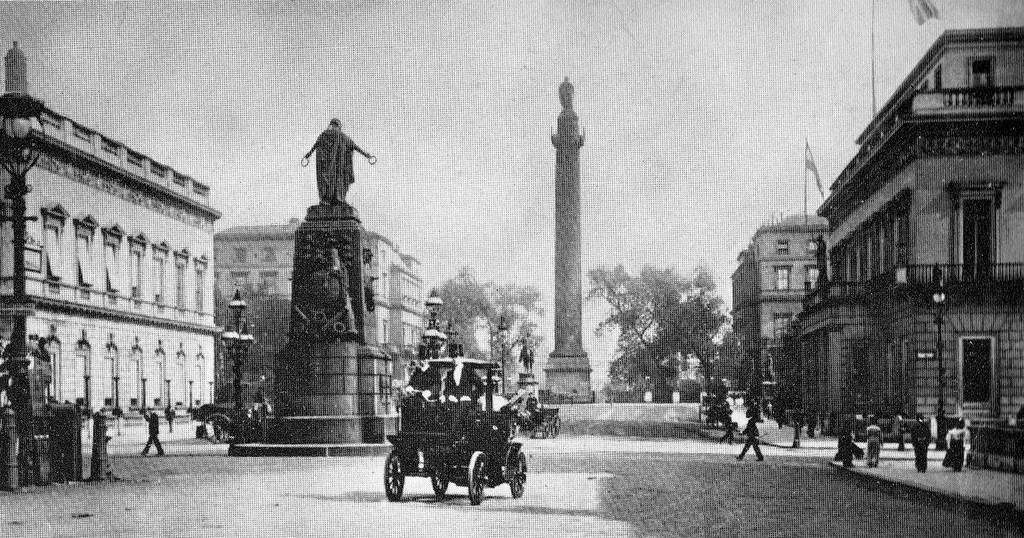
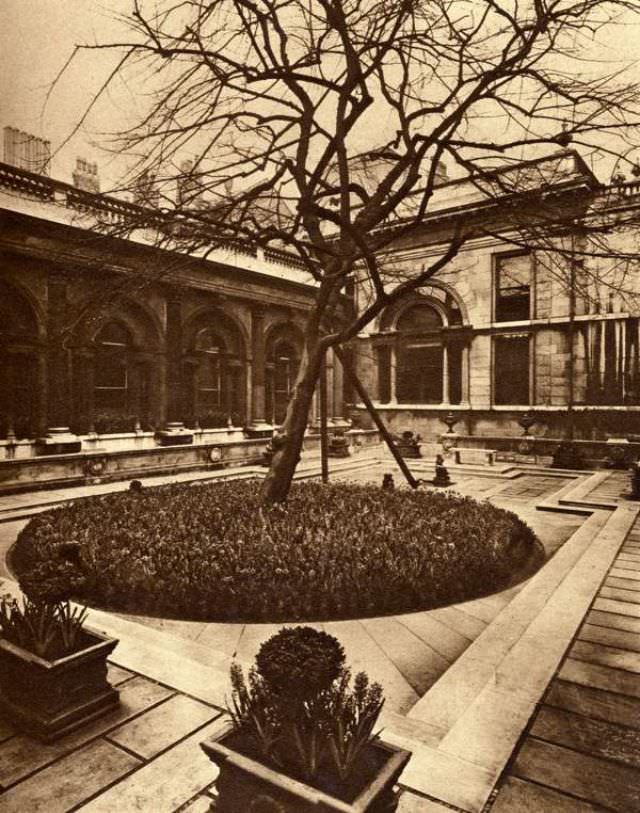
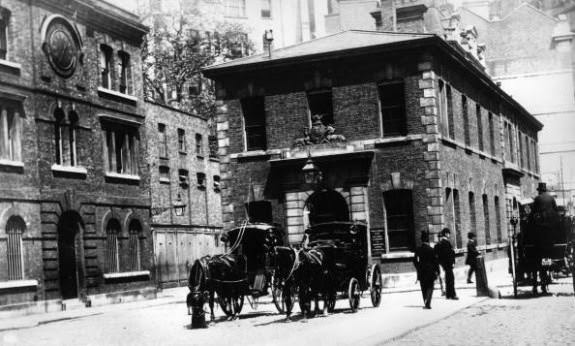
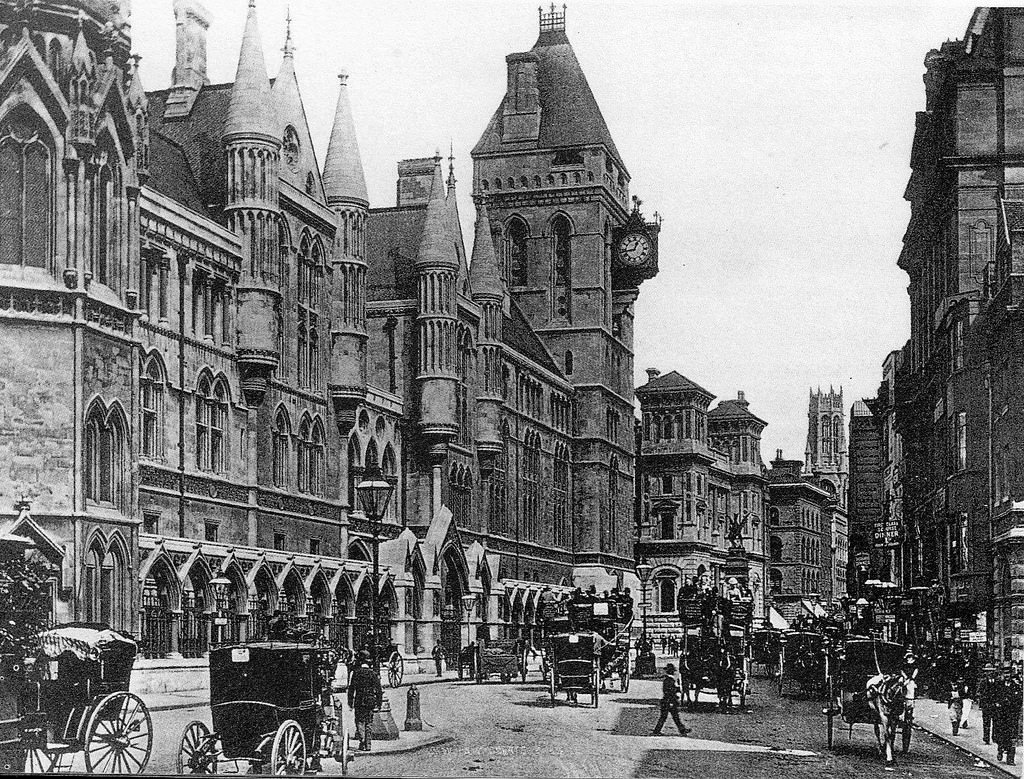
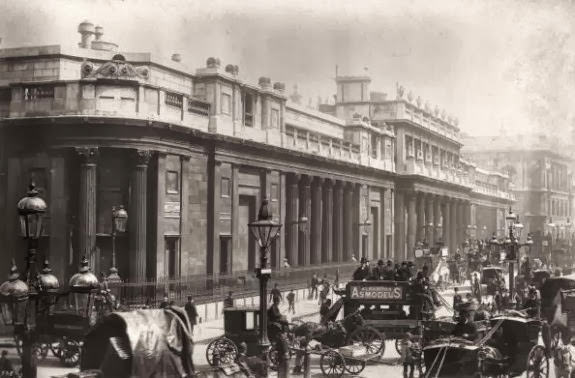
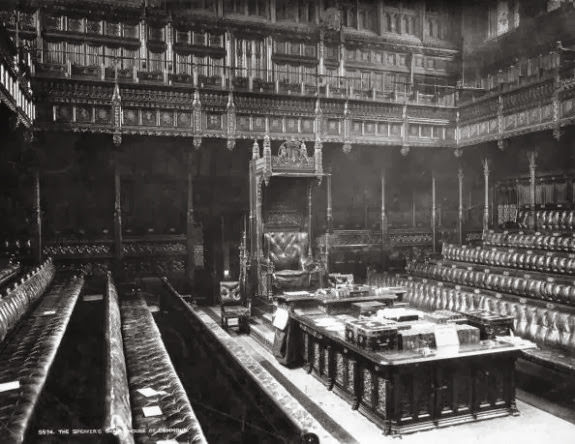
Public institutions shaped civic life across the city. Scotland Yard housed the Metropolitan Police. The Royal Courts of Justice handled the law. The Bank of England anchored the financial district in Threadneedle Street. The Houses of Parliament, rebuilt after an 1834 fire in the Victorian Gothic style, stood as one of the era’s most recognized landmarks.
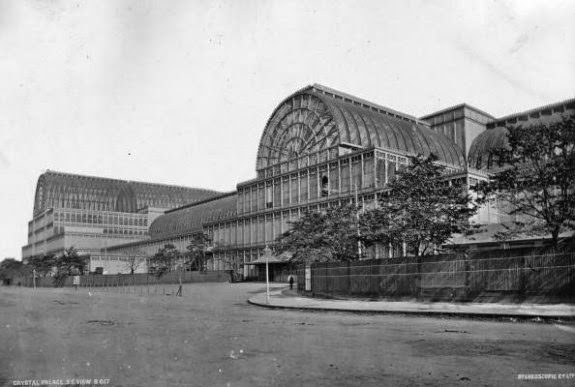
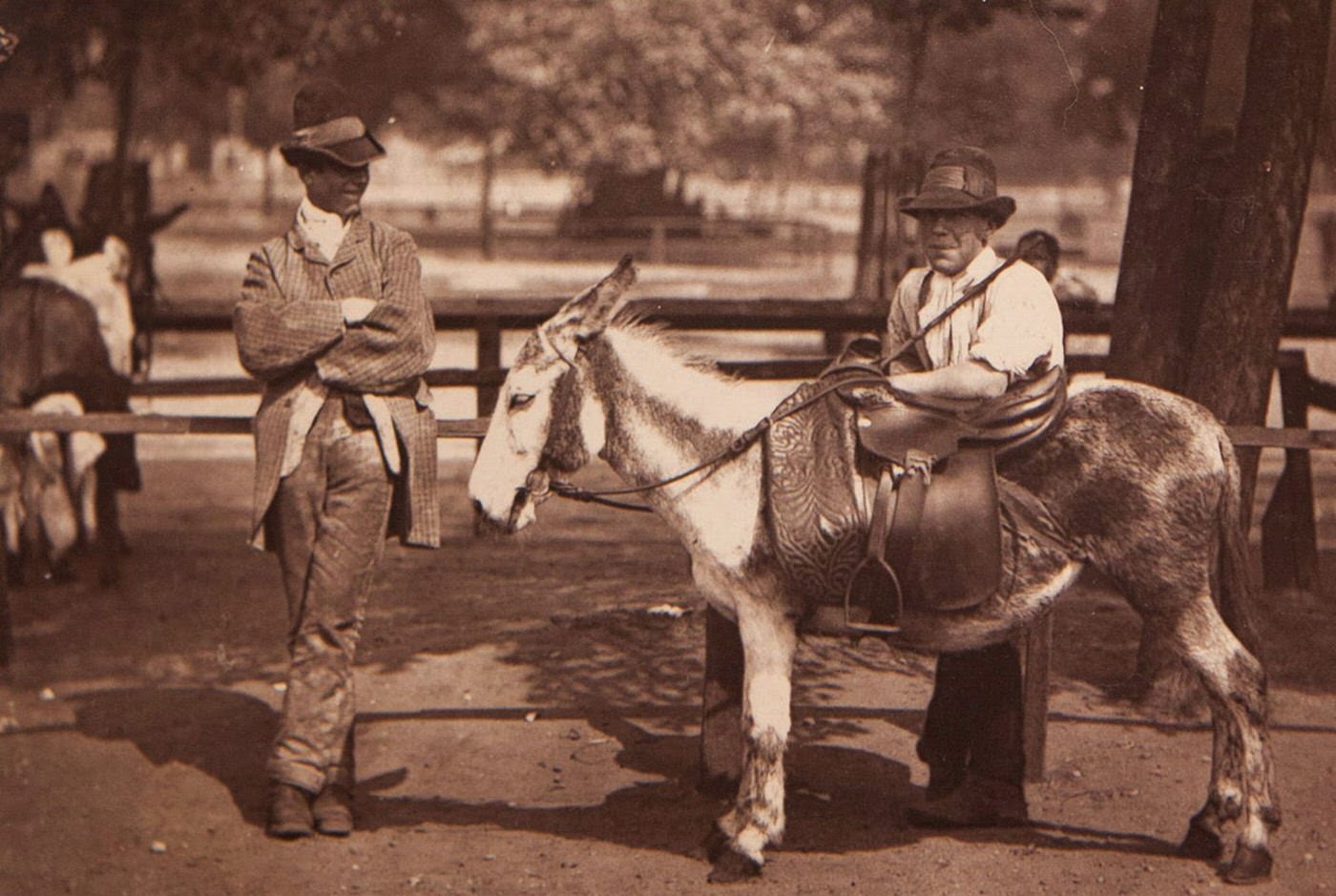
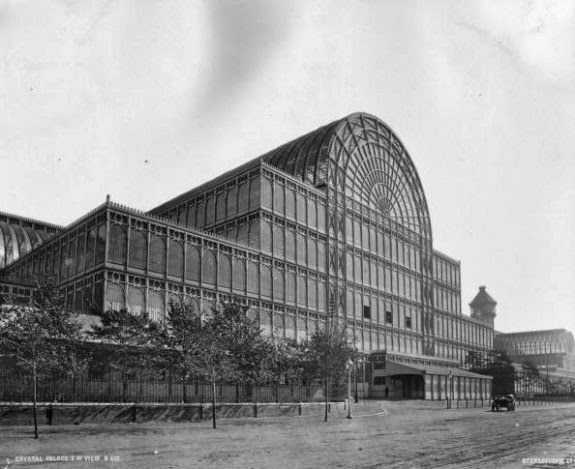
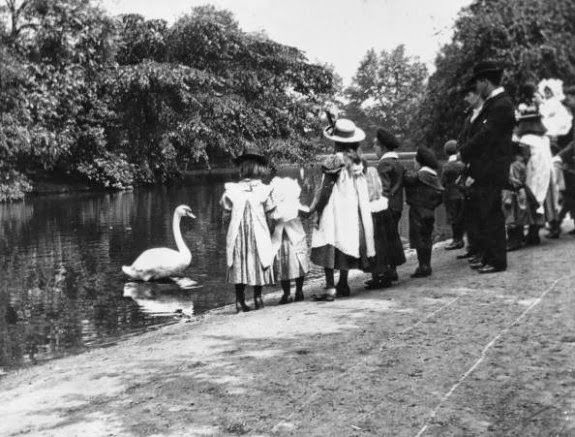
Entertainment and leisure, too, had their place in the city’s life. The Crystal Palace, relocated to Sydenham after the Great Exhibition of 1851, became a major public attraction. Music halls and theatres drew crowds from across the social spectrum. Parks like Victoria Park in Hackney offered working-class Londoners a place to walk, play, and breathe.

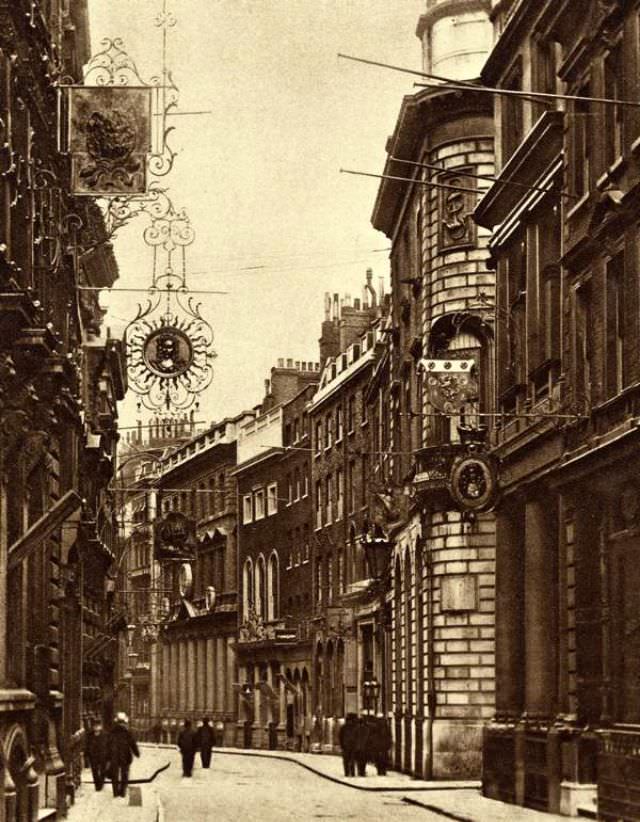
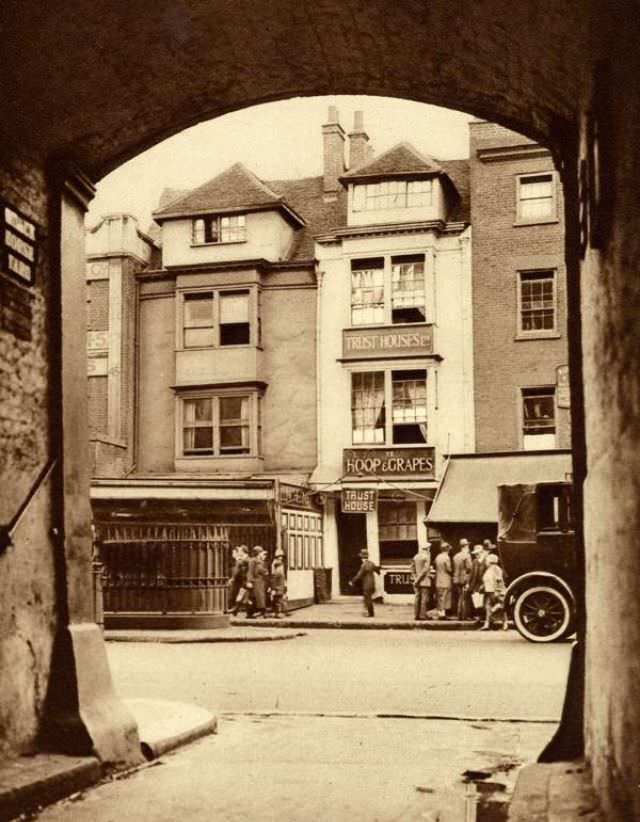
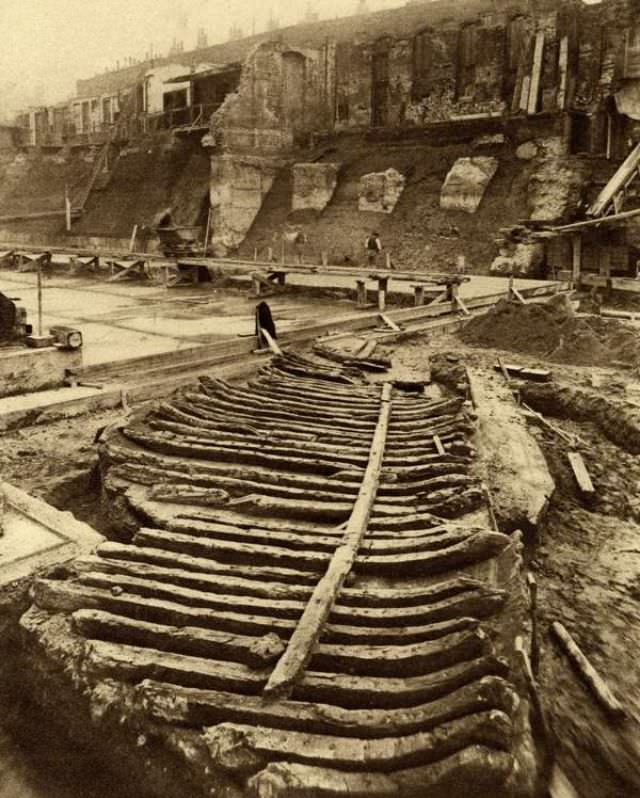
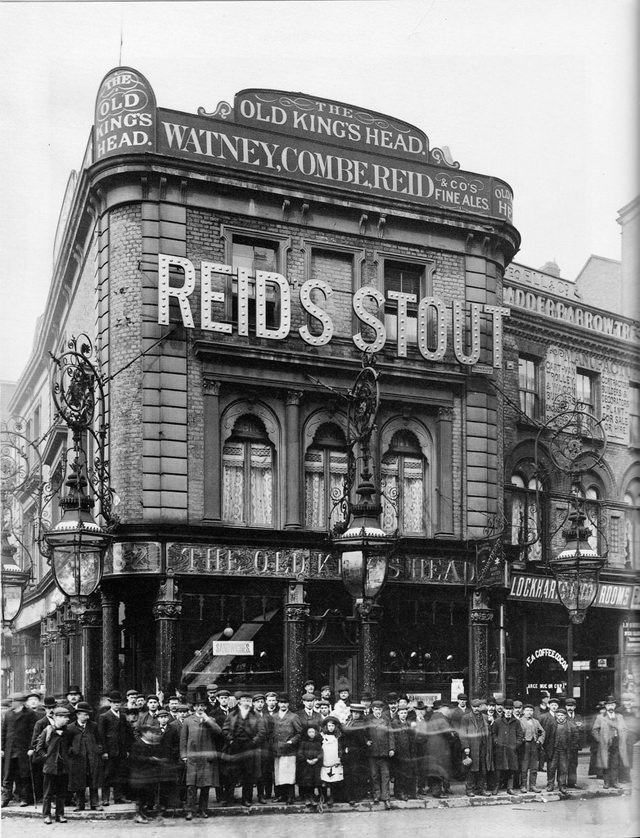
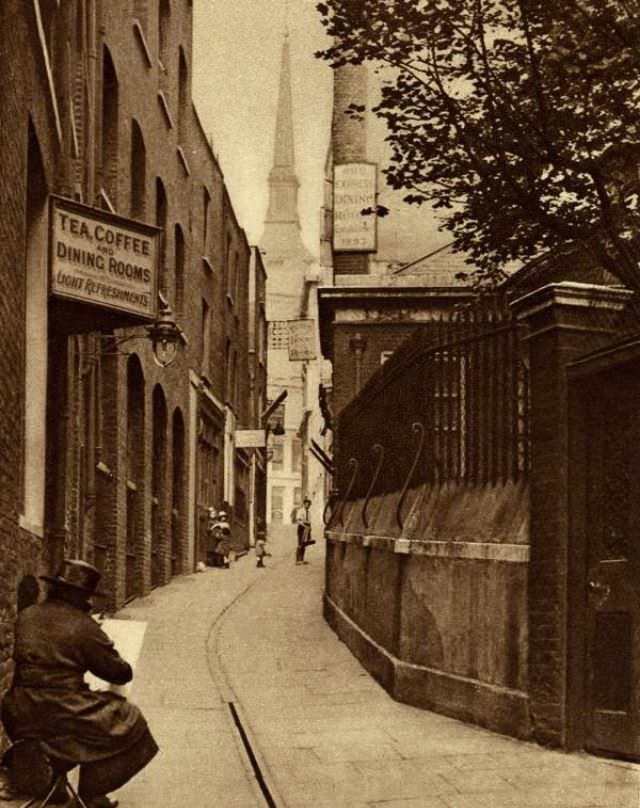
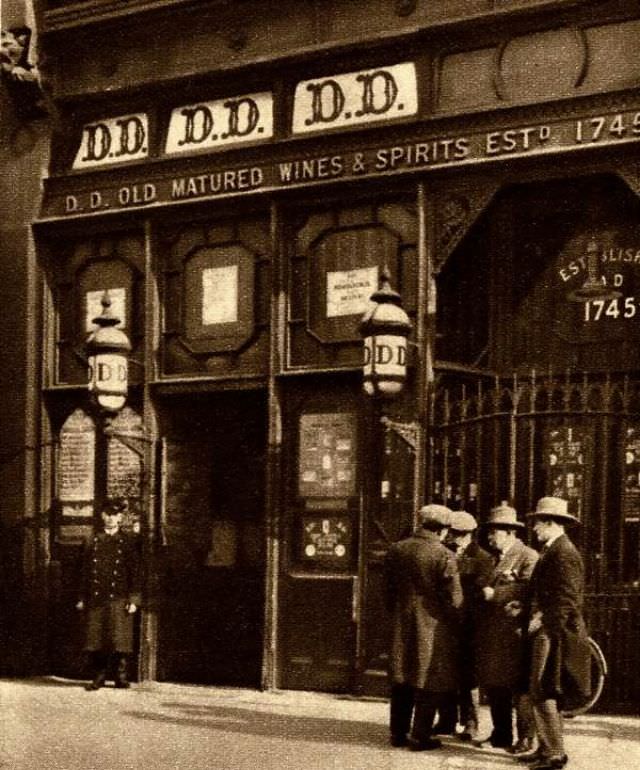
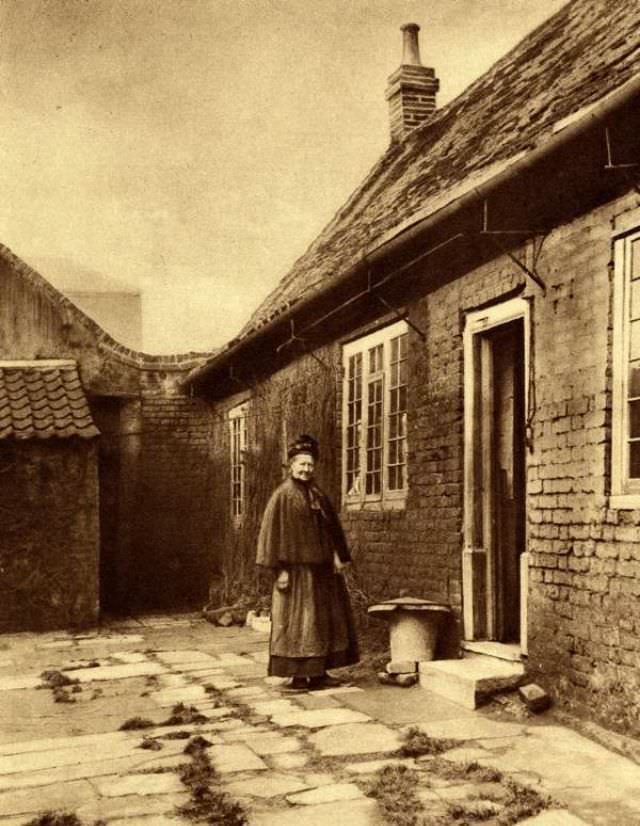
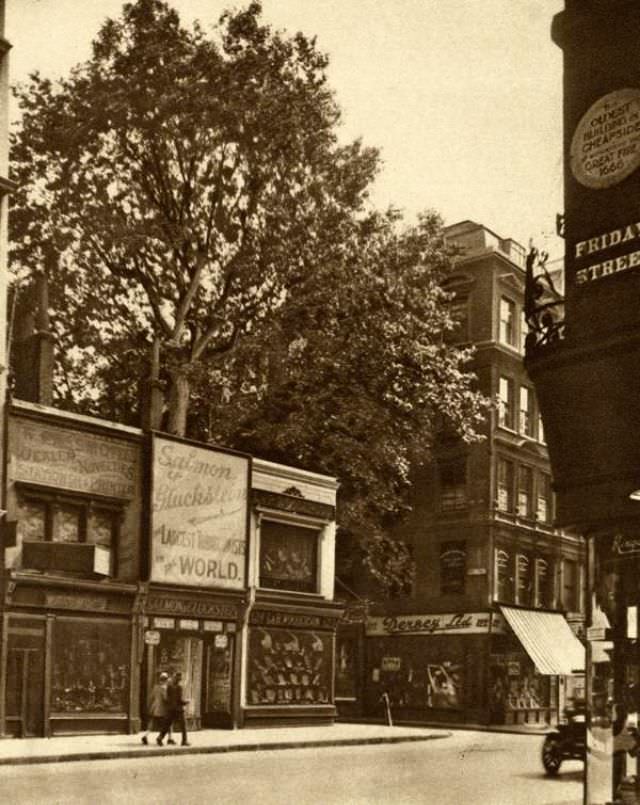
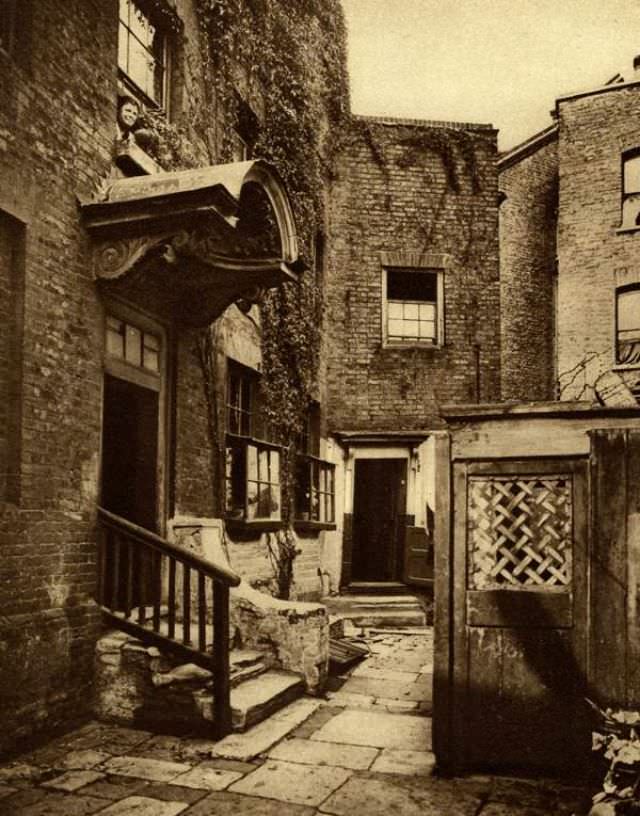
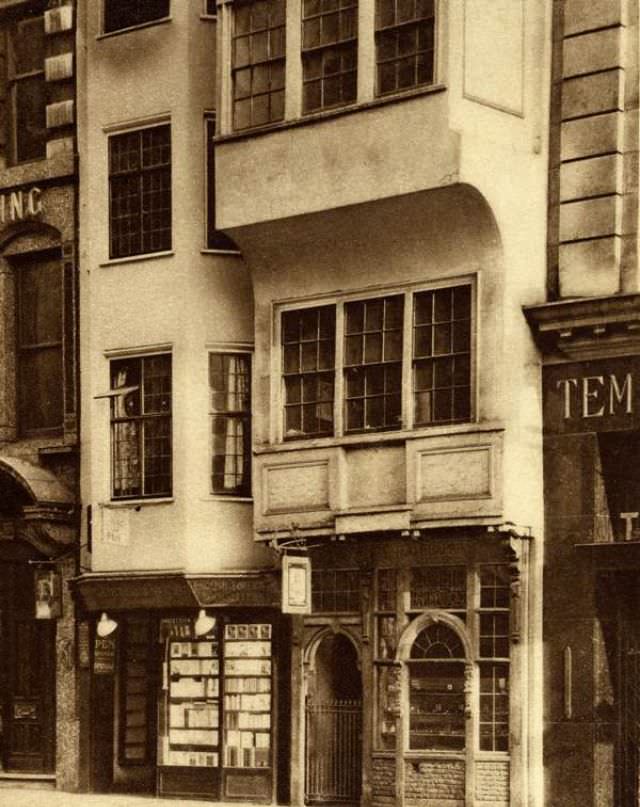
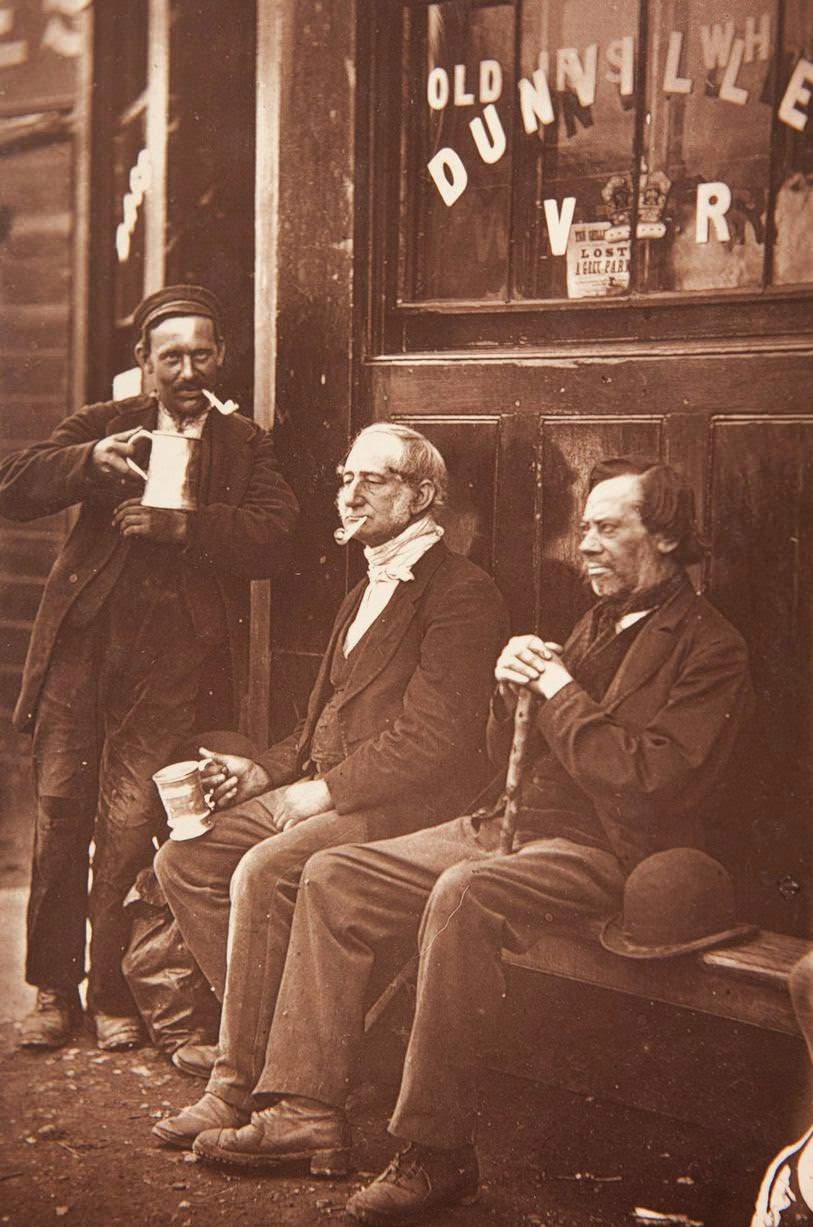
Victorian London’s streets held traces of the city’s deep past alongside its modern present. Ancient buildings sat next to new construction. Old signs in Lombard Street, medieval lanes like Huggin Lane, and centuries-old public houses like the Hoop and Grapes in Aldgate survived amid the rapid development reshaping the city. When workers broke ground for the new County Hall in 1910, they uncovered a Roman galley buried beneath the Thames embankment — a reminder that London’s layers ran far deeper than the Victorian era.