Spring arrived in New York City during May 1938 with heavy political tension filling lower Manhattan. Residents of Chinatown watched news from Asia with growing dread. Imperial Japanese forces occupied vast stretches of Chinese territory, destroying cities and killing civilians. Local leaders decided to take action on American soil.
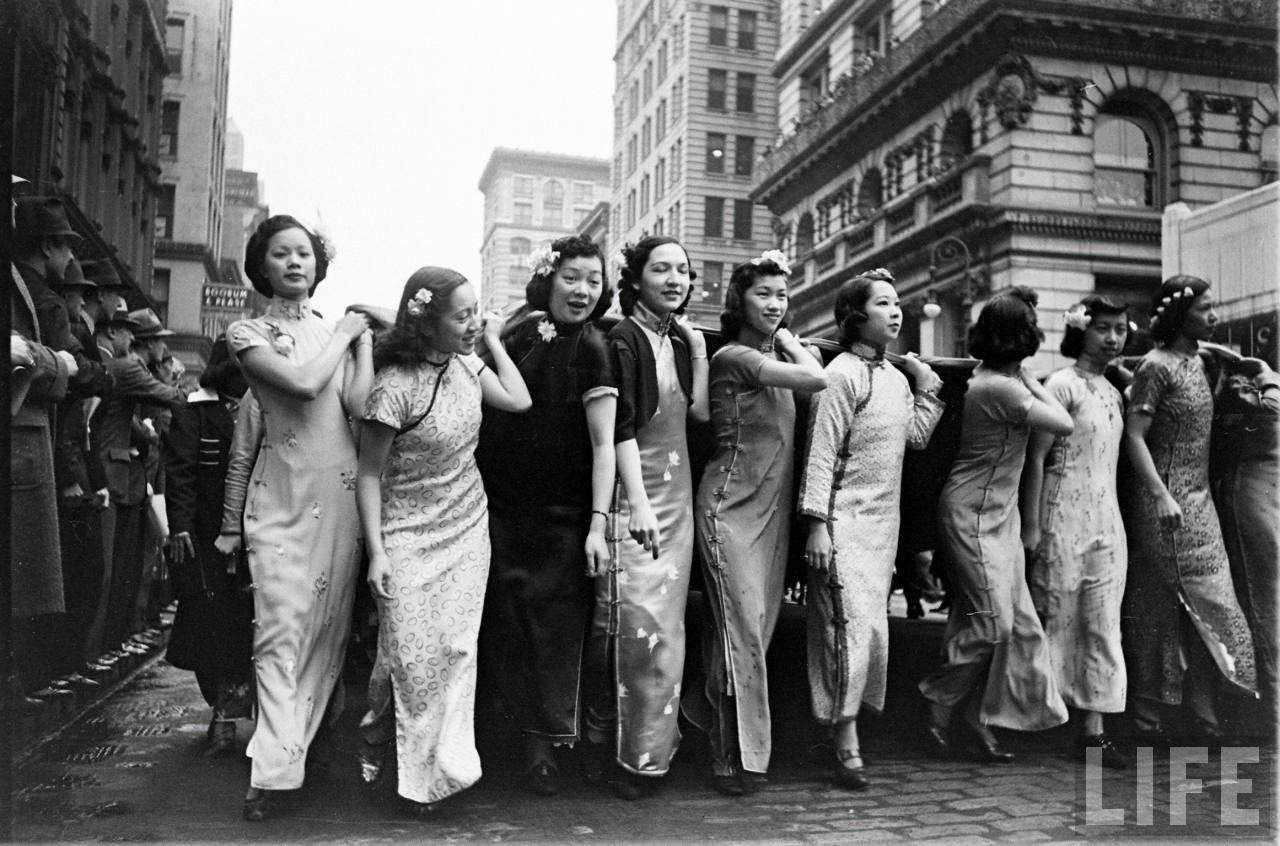
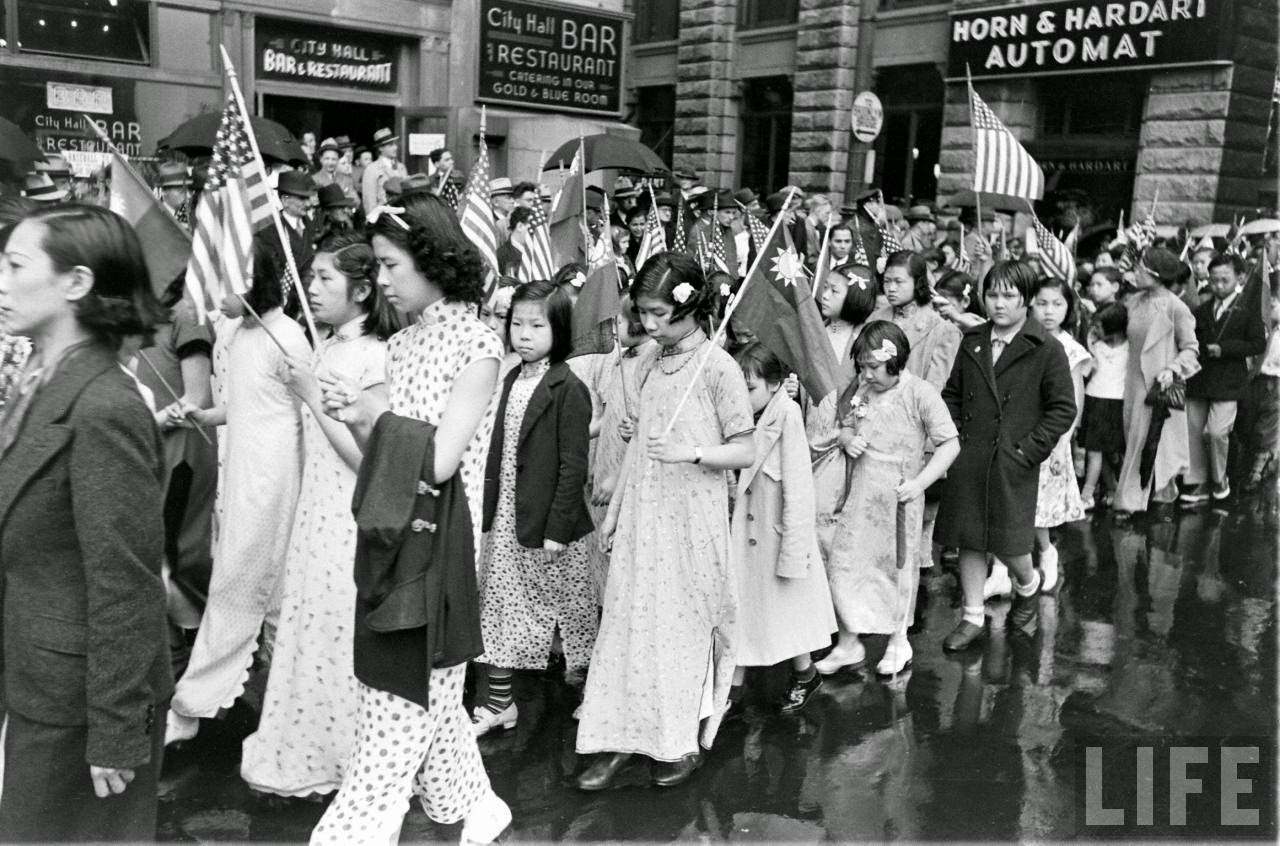
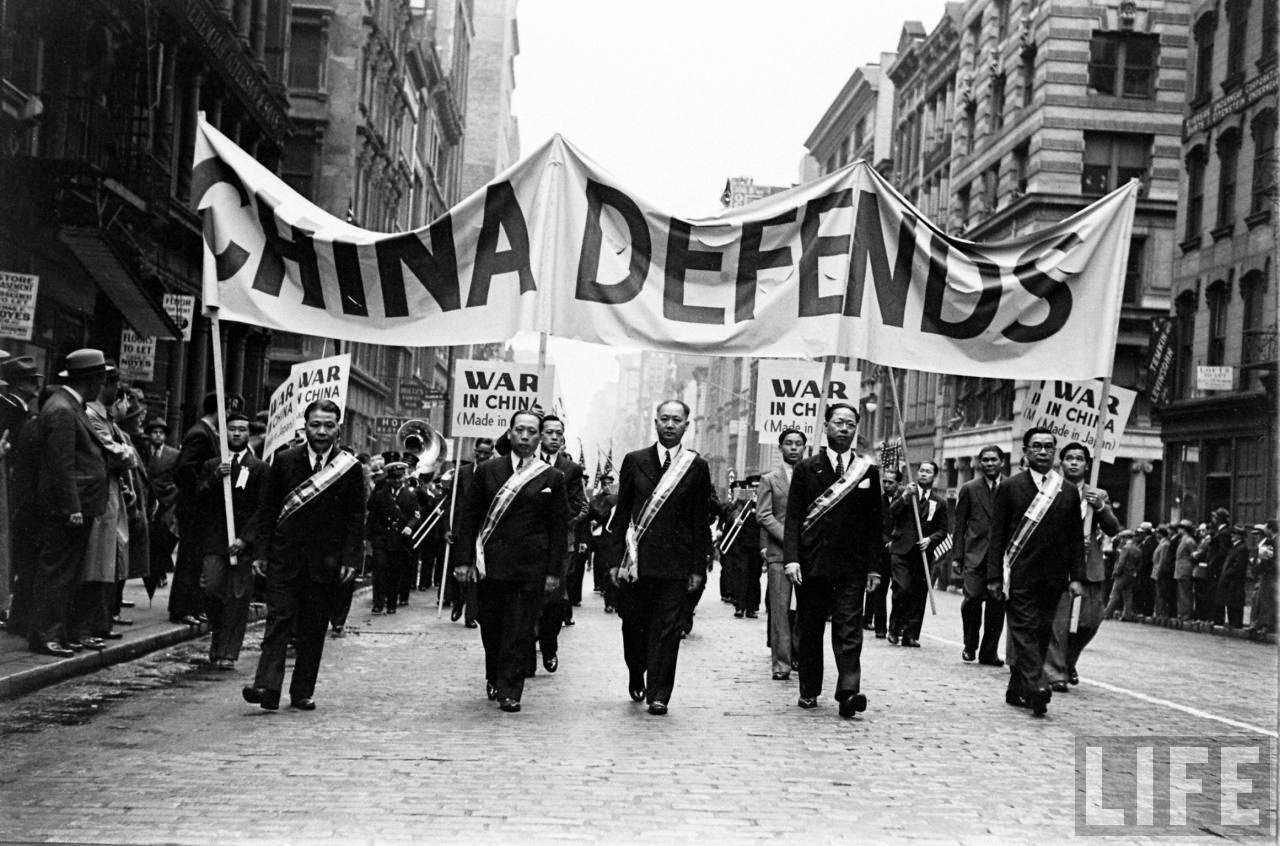
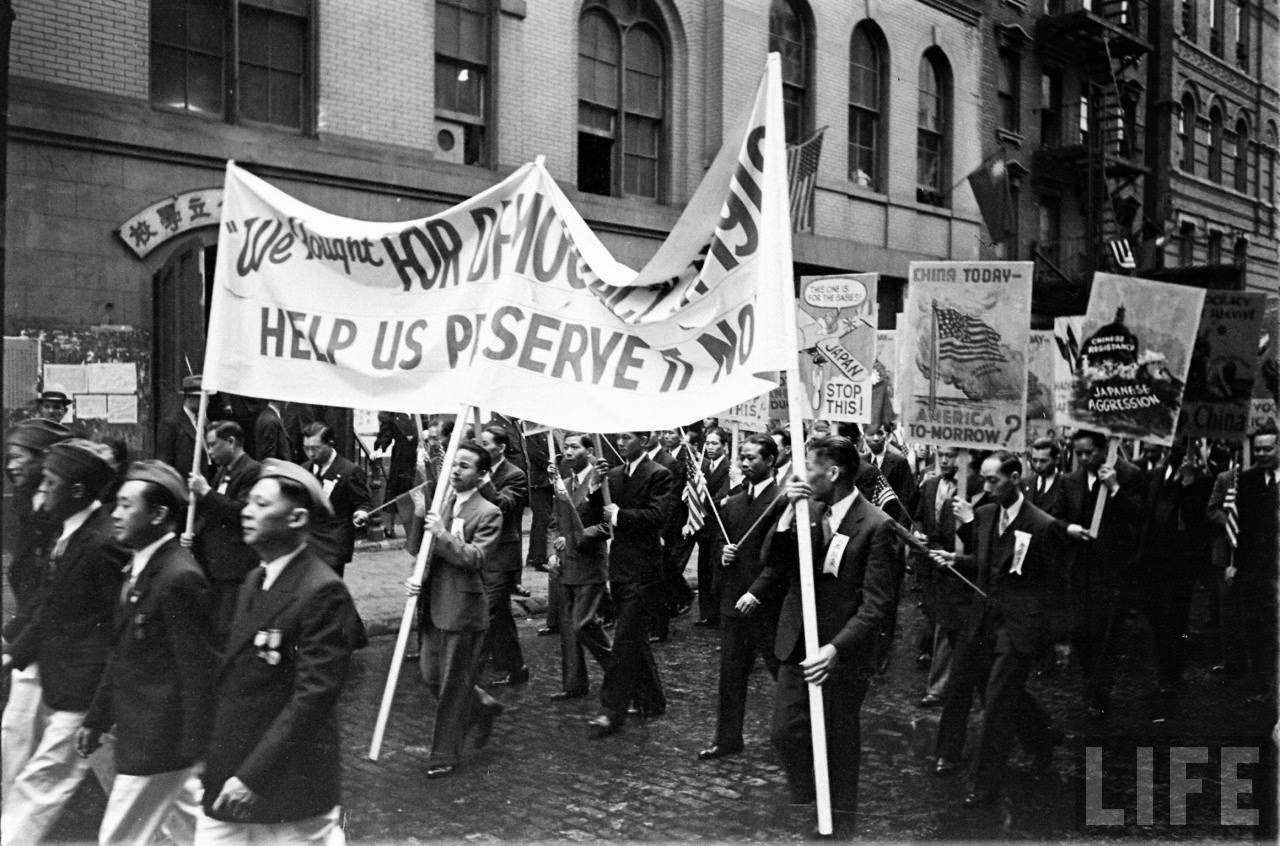
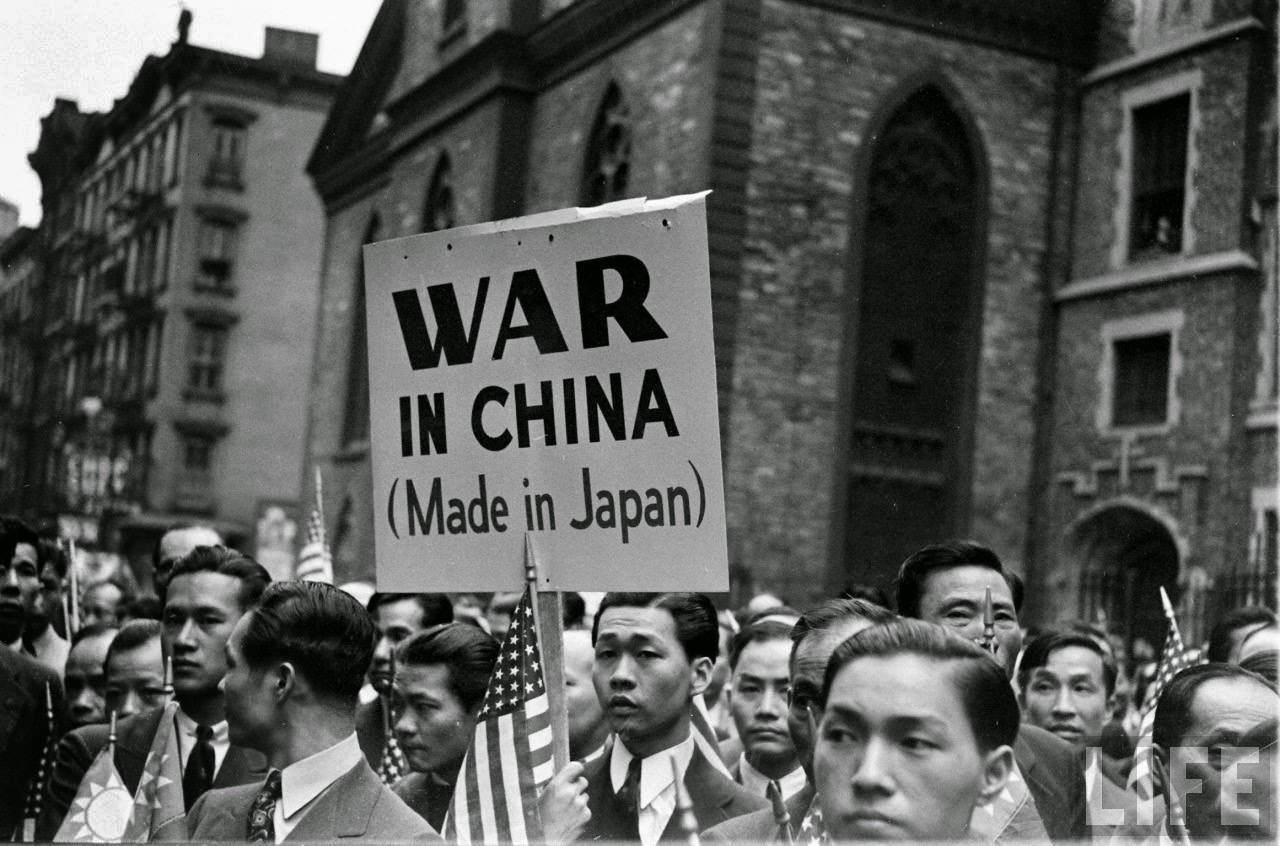
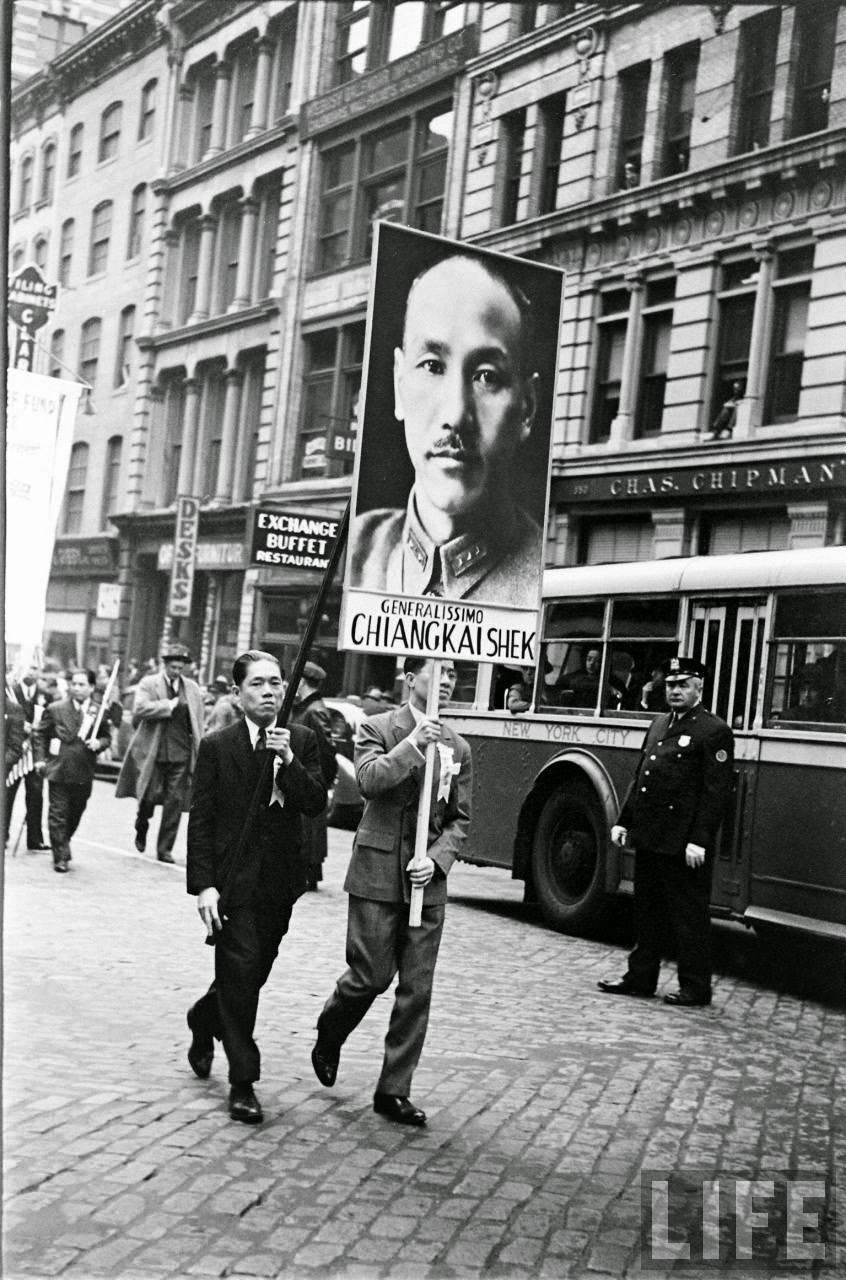
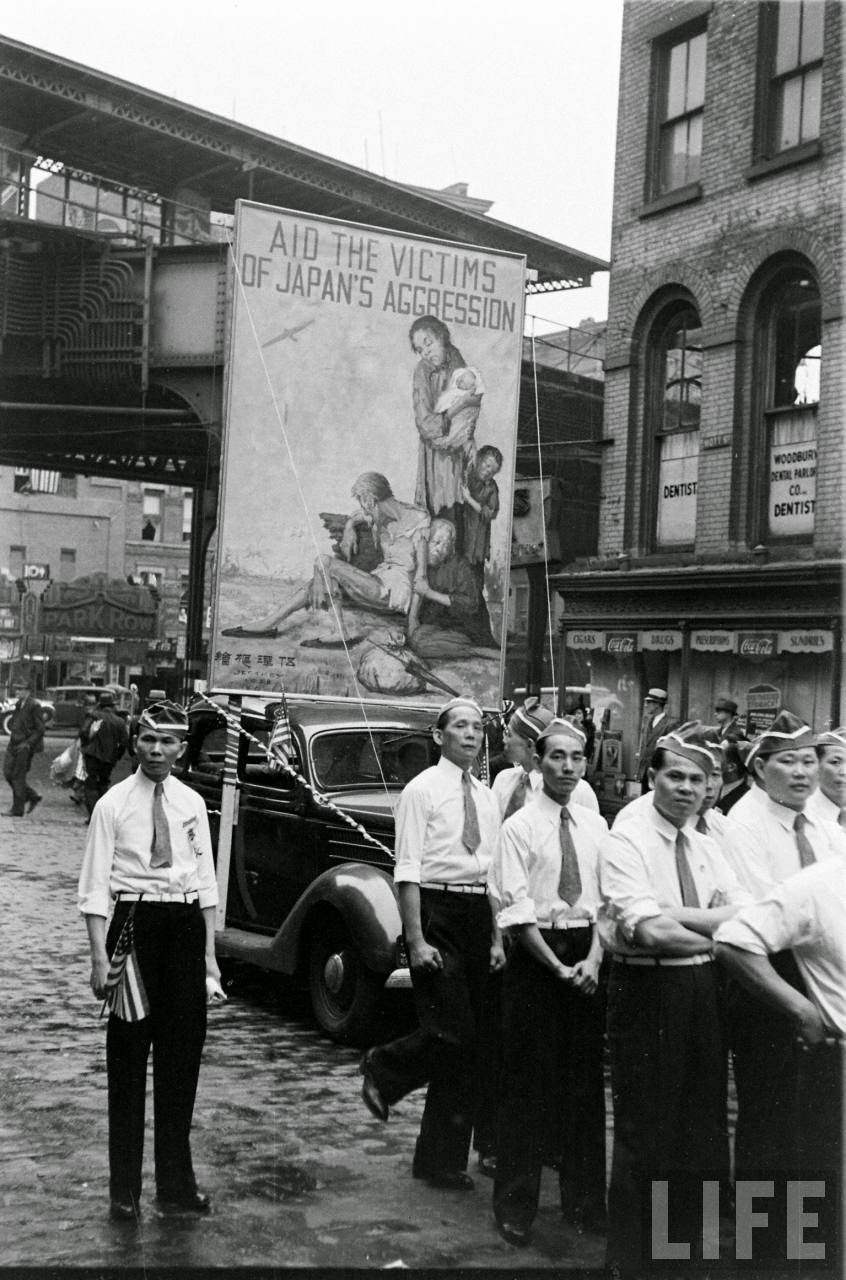
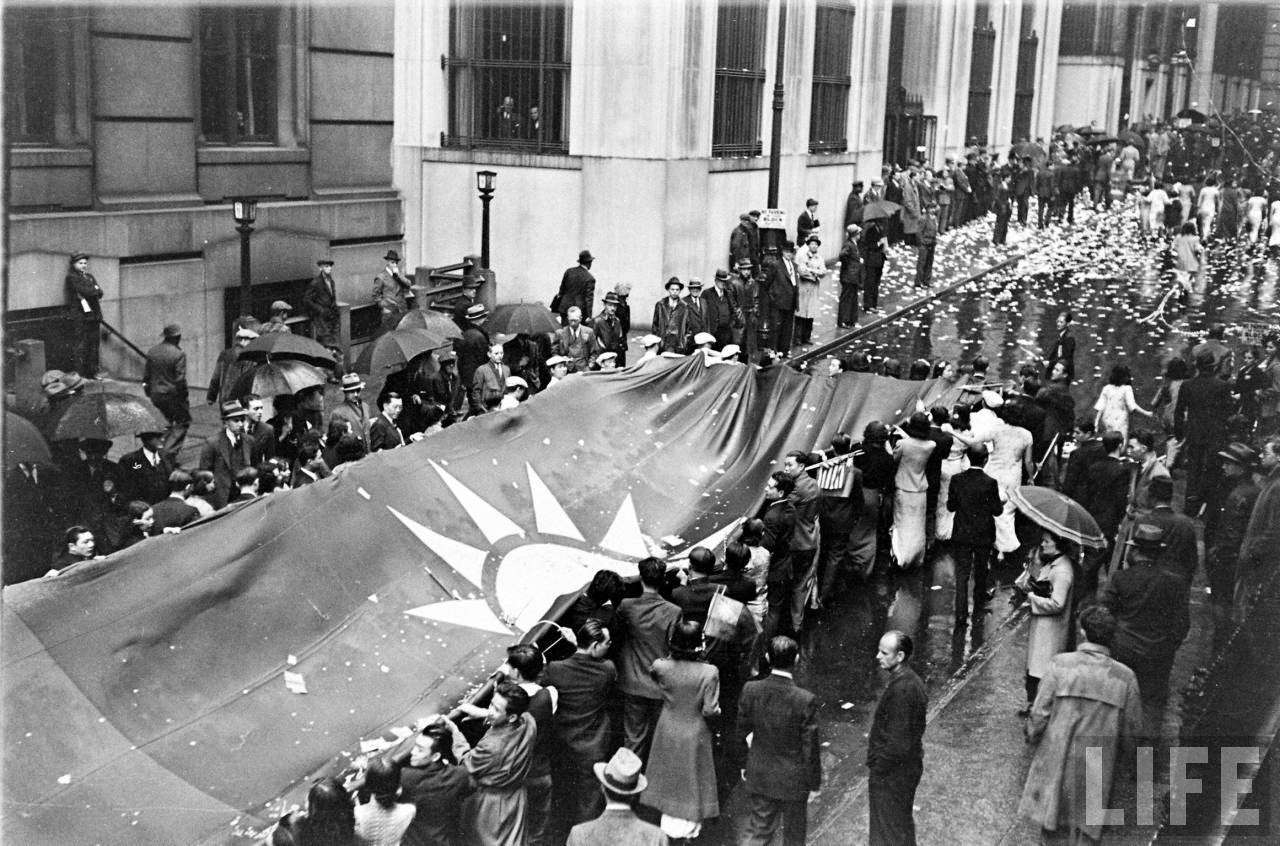
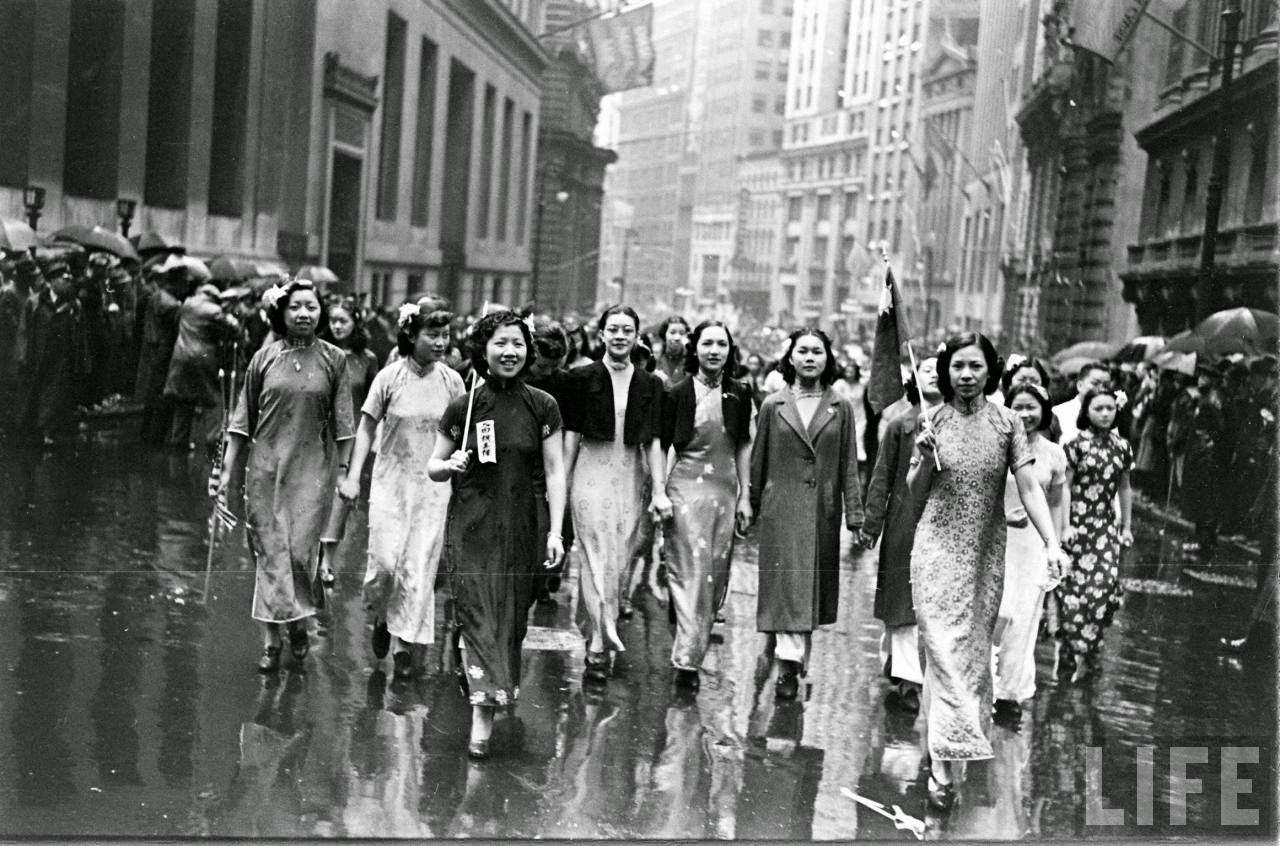
Workers left laundries and grocery shops to join crowds. Men, women, and children walked block after block carrying large cloth banners and painted wooden signs. English and Chinese characters filled placards. Marchers demanded an immediate halt to American trade with Japan.
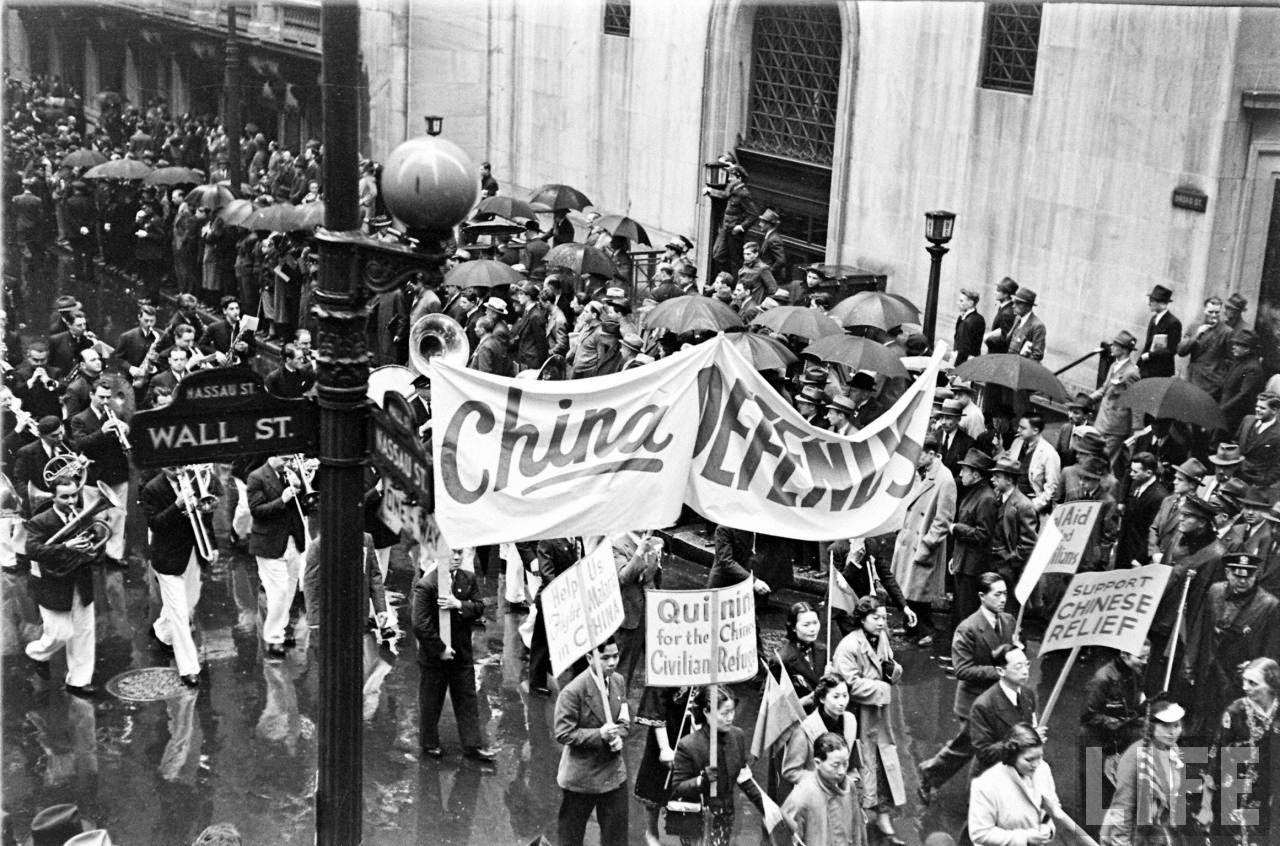
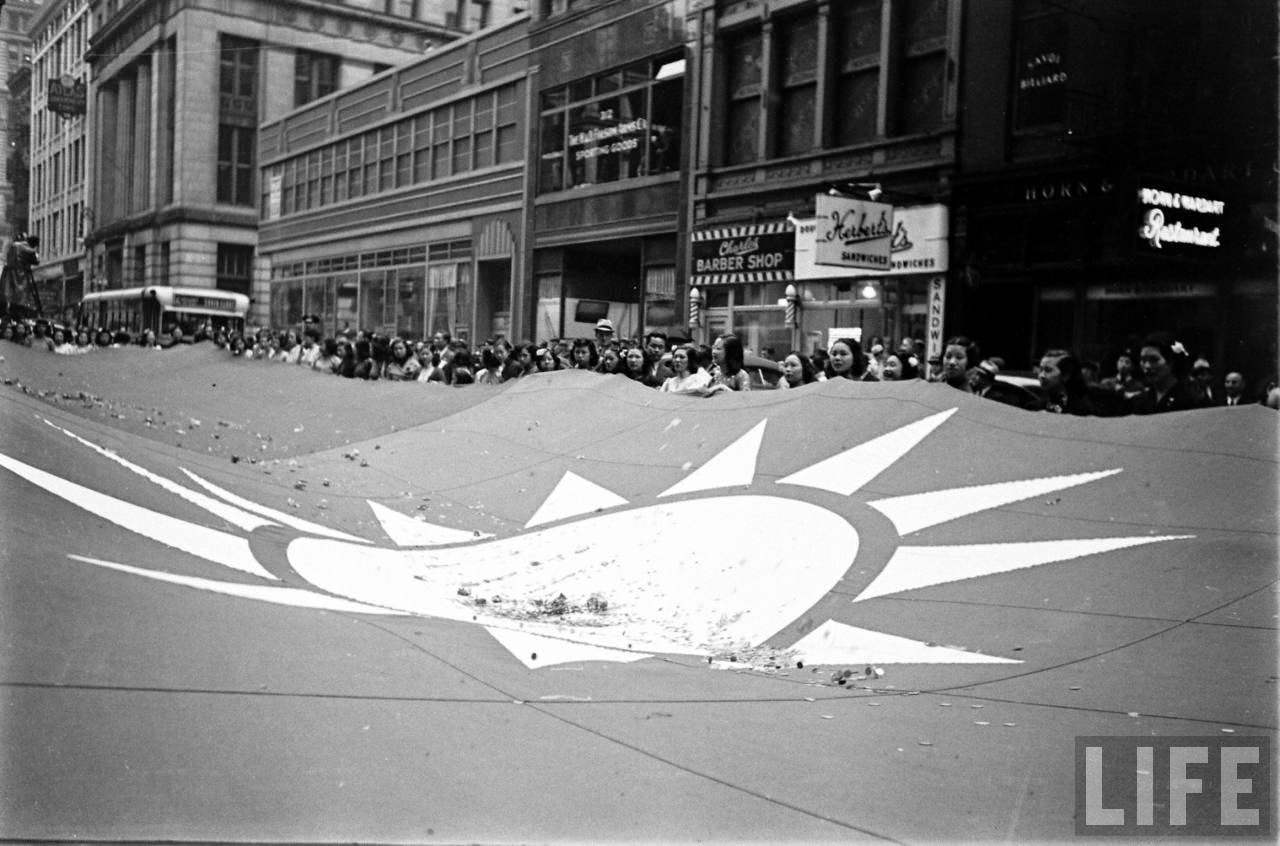
Organizers called events humiliation parades to draw attention to suffering behind enemy lines. Participants wore paper hats or held cardboard masks over faces. Fear of Japanese retaliation against relatives still living overseas drove many to hide identities. Police monitored routes as crowds swelled near Chatham Square.
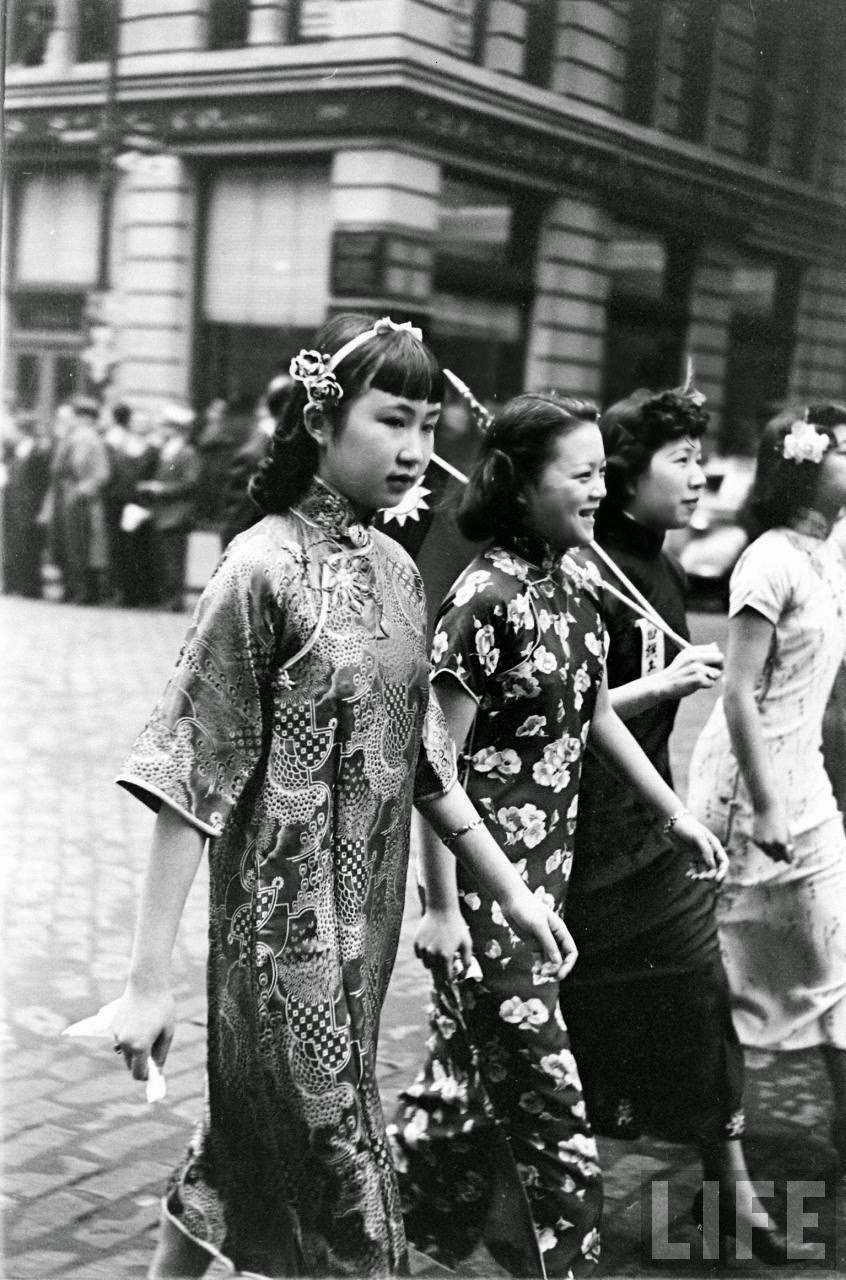
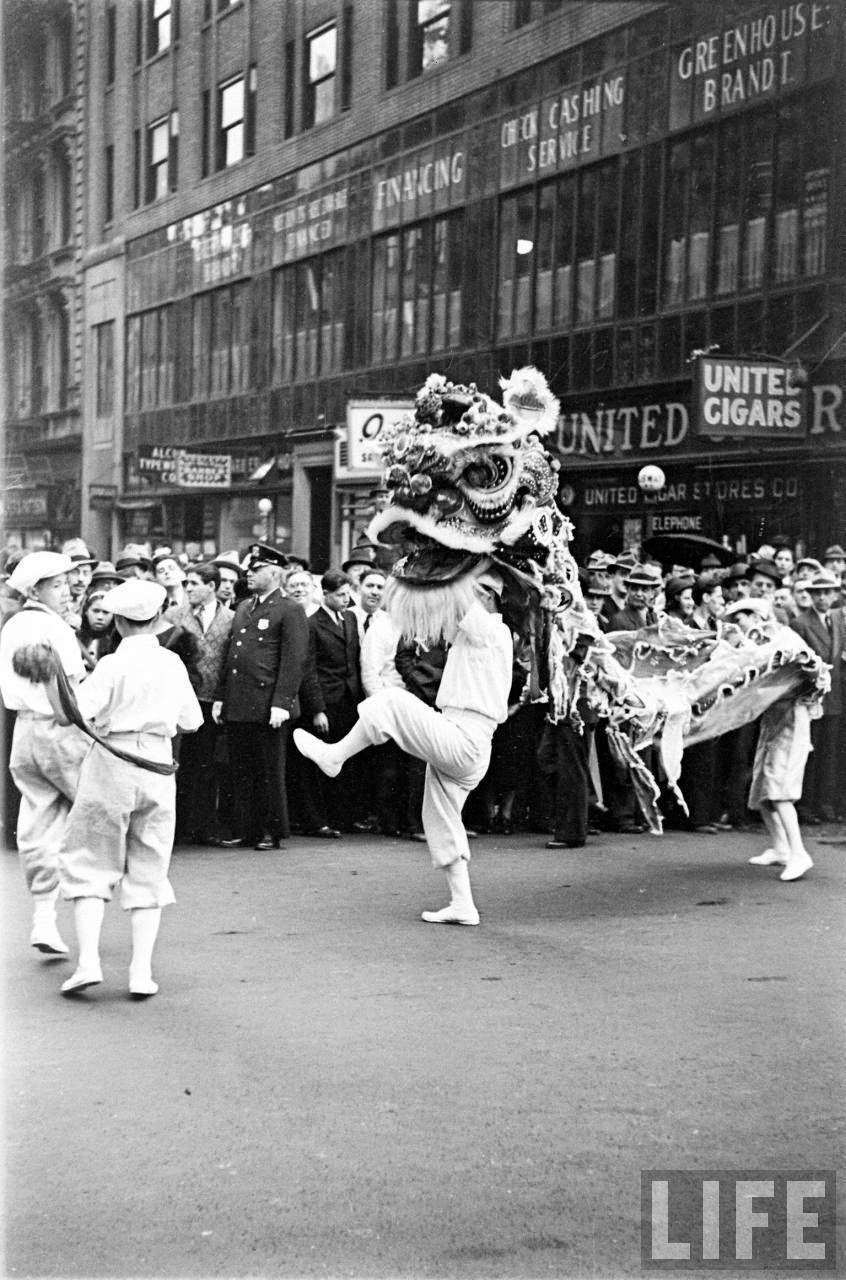
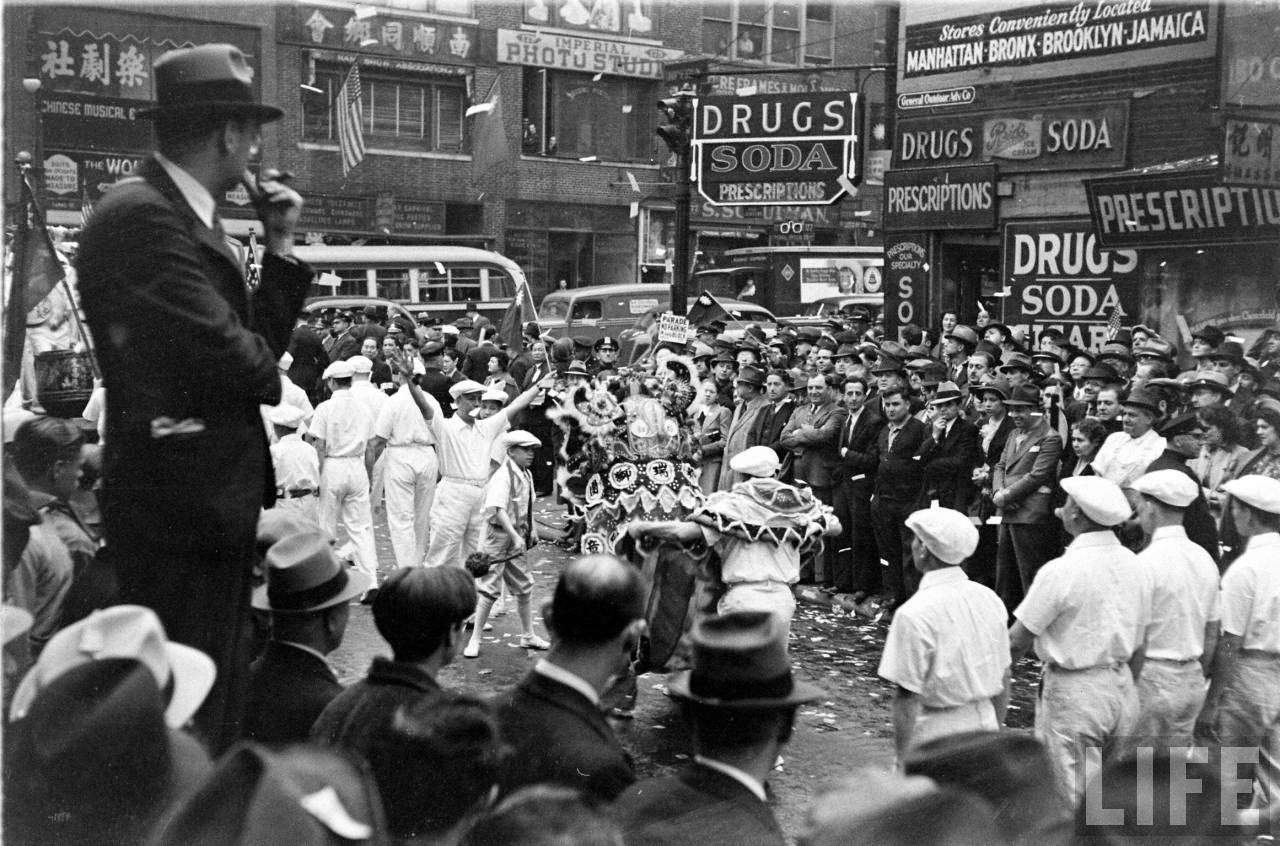
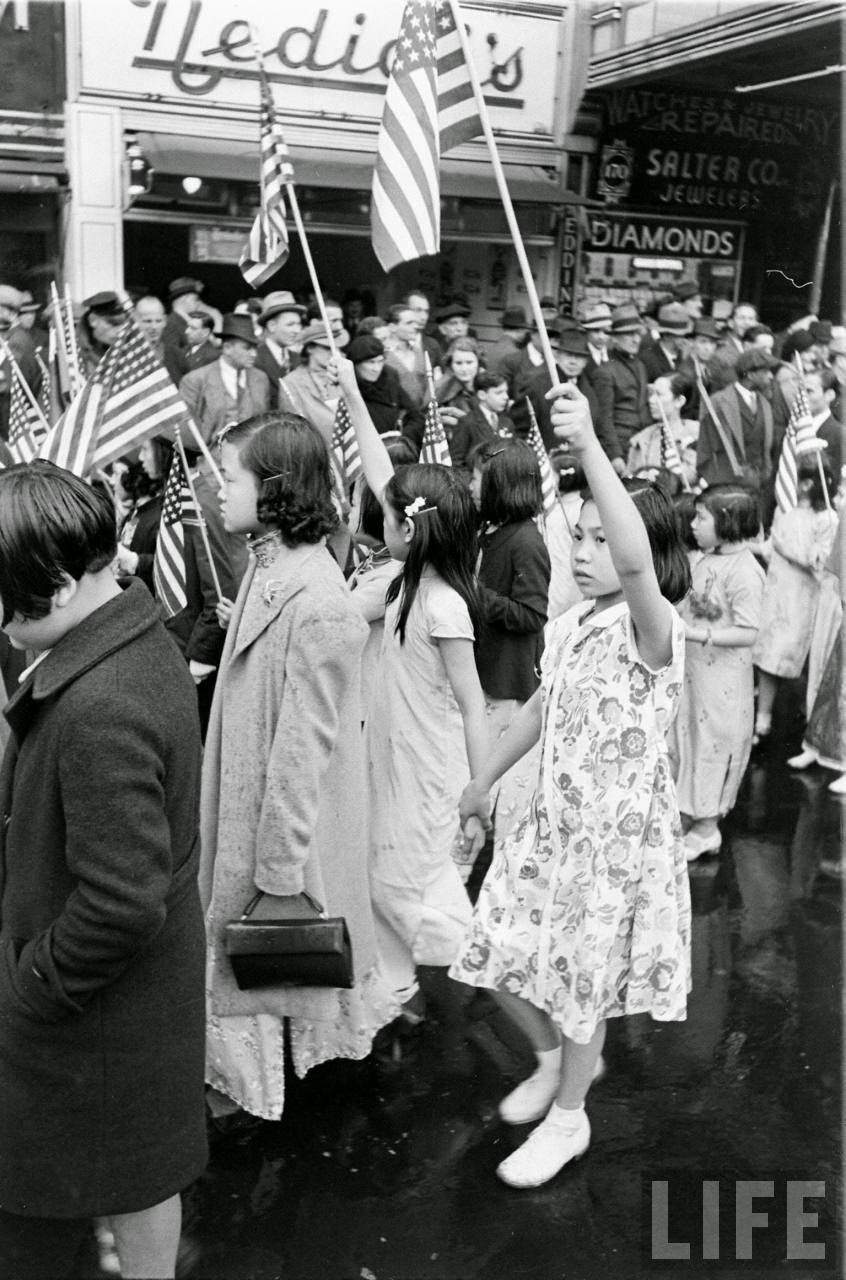
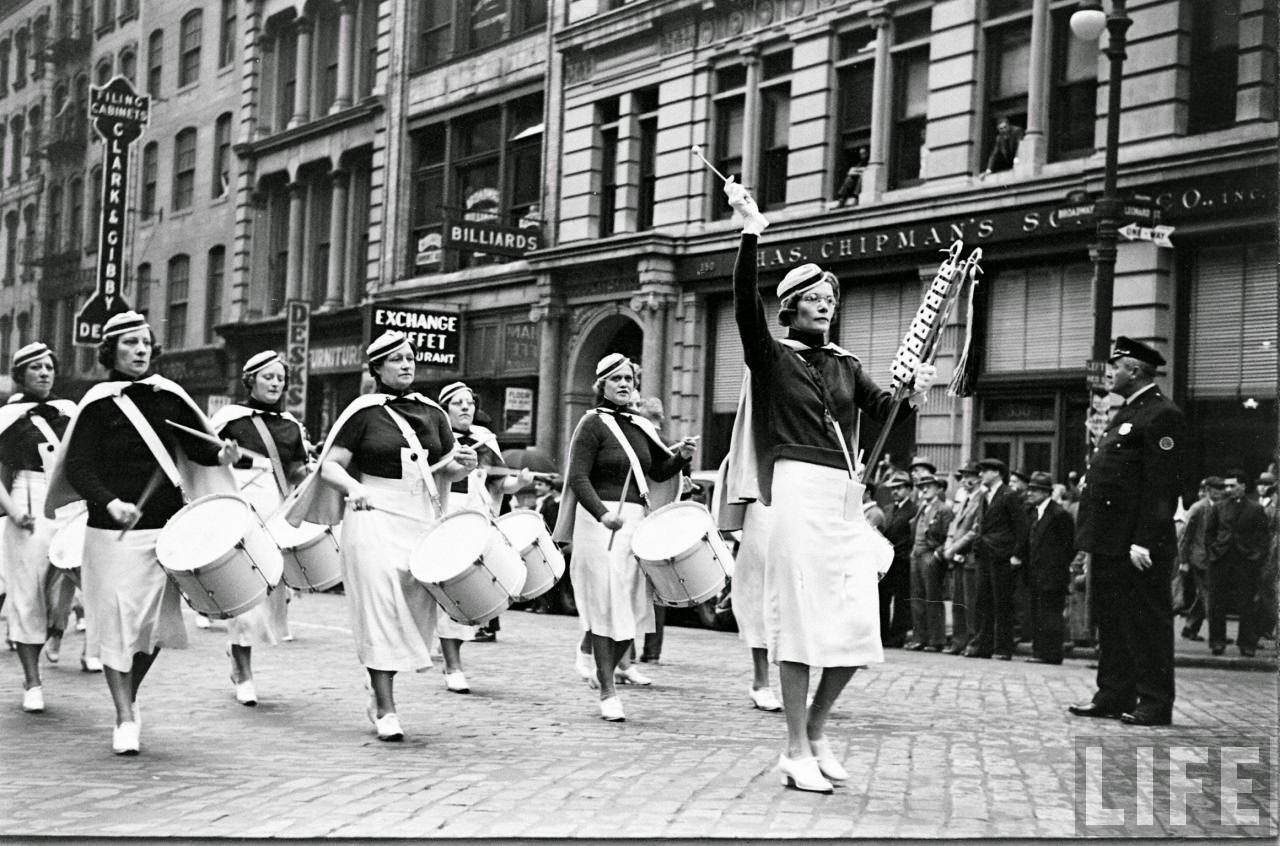
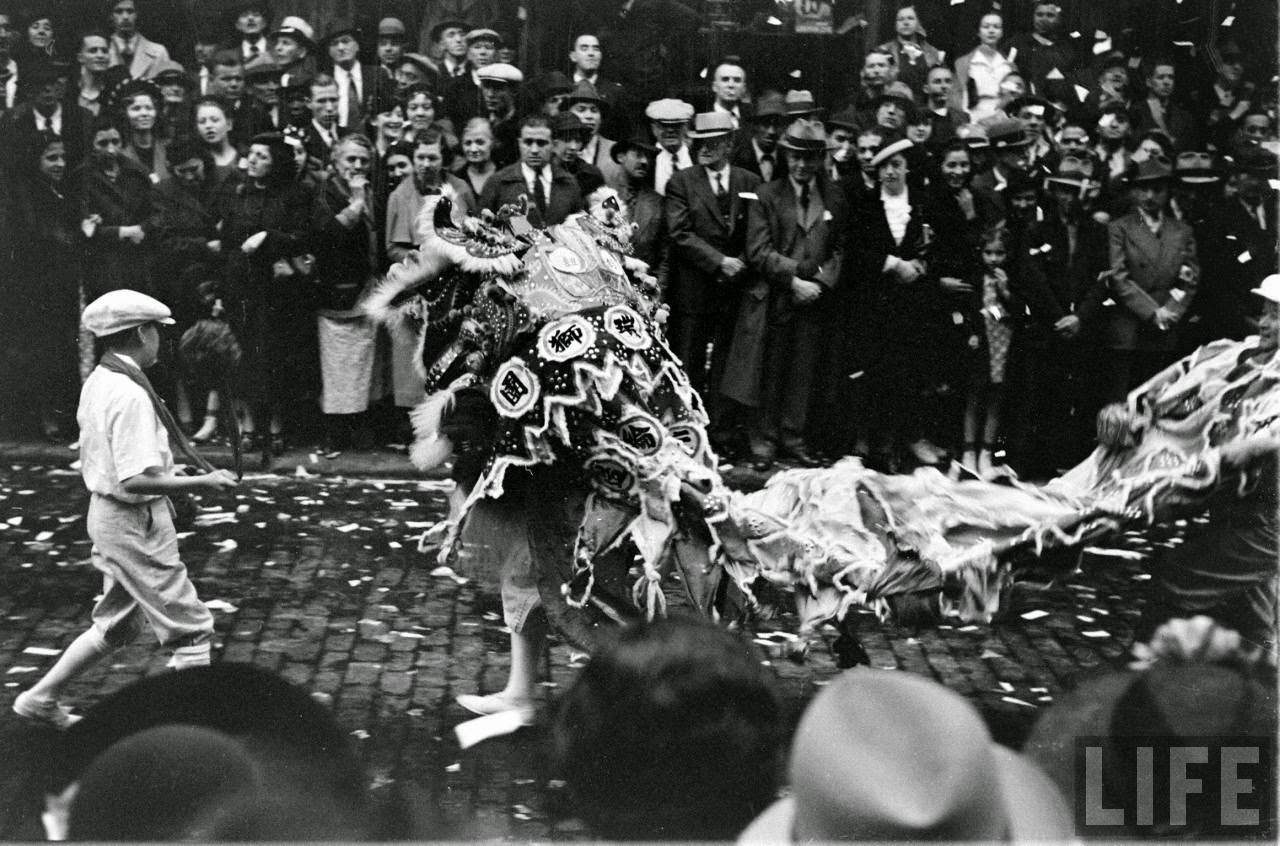
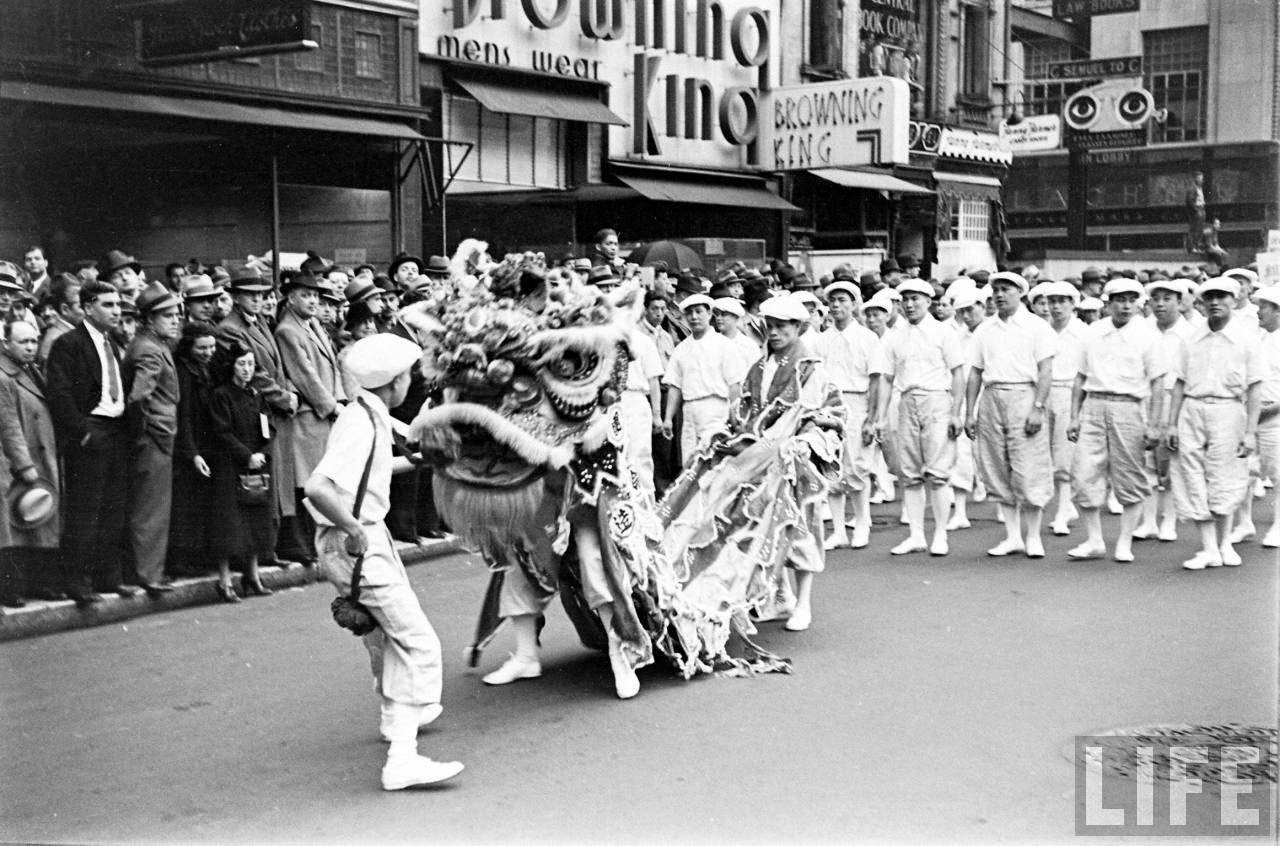
Store owners closed metal gates for the afternoon to march with neighbors. Students from local Chinese language schools carried drums and brass cymbals. Loud beats echoed off brick tenements while marchers moved toward City Hall. Speakers stood on wooden crates to address gathered masses.
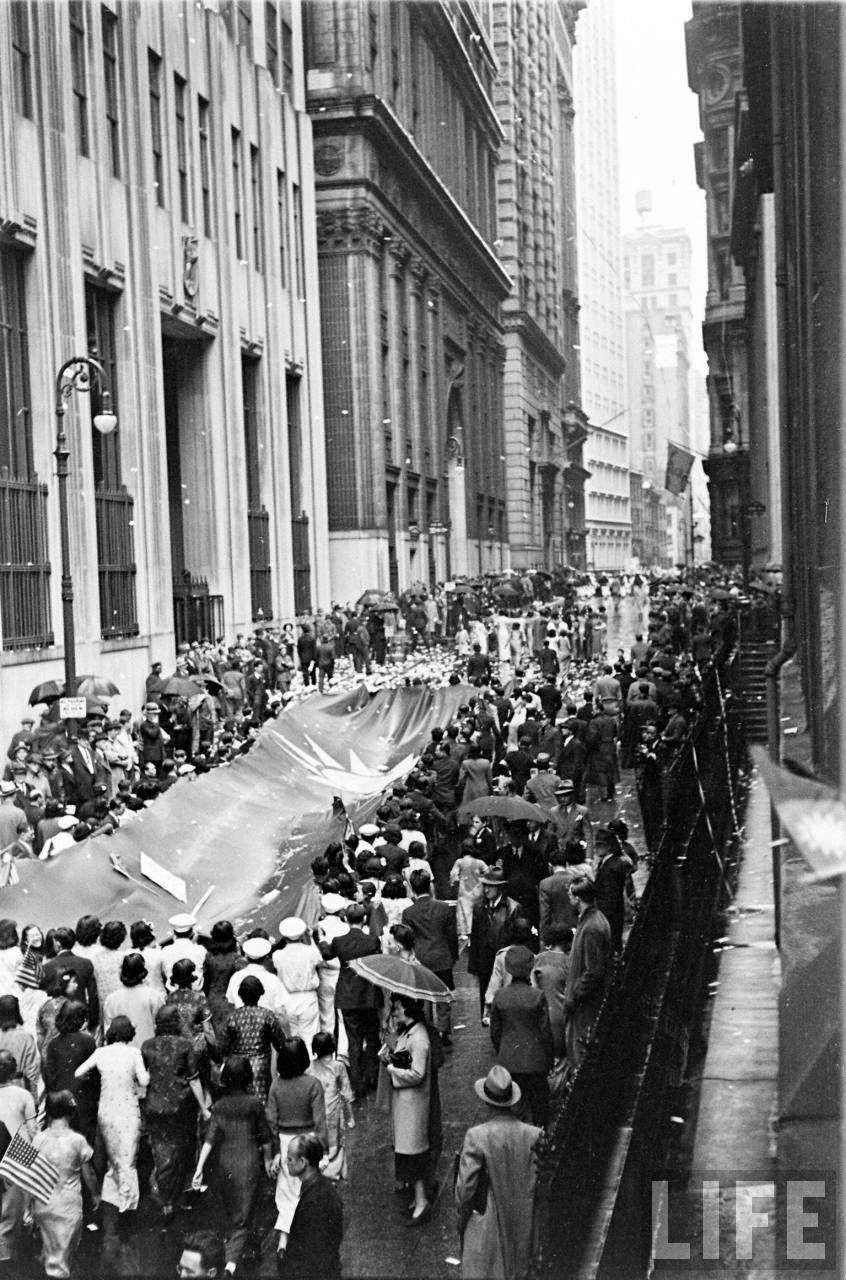
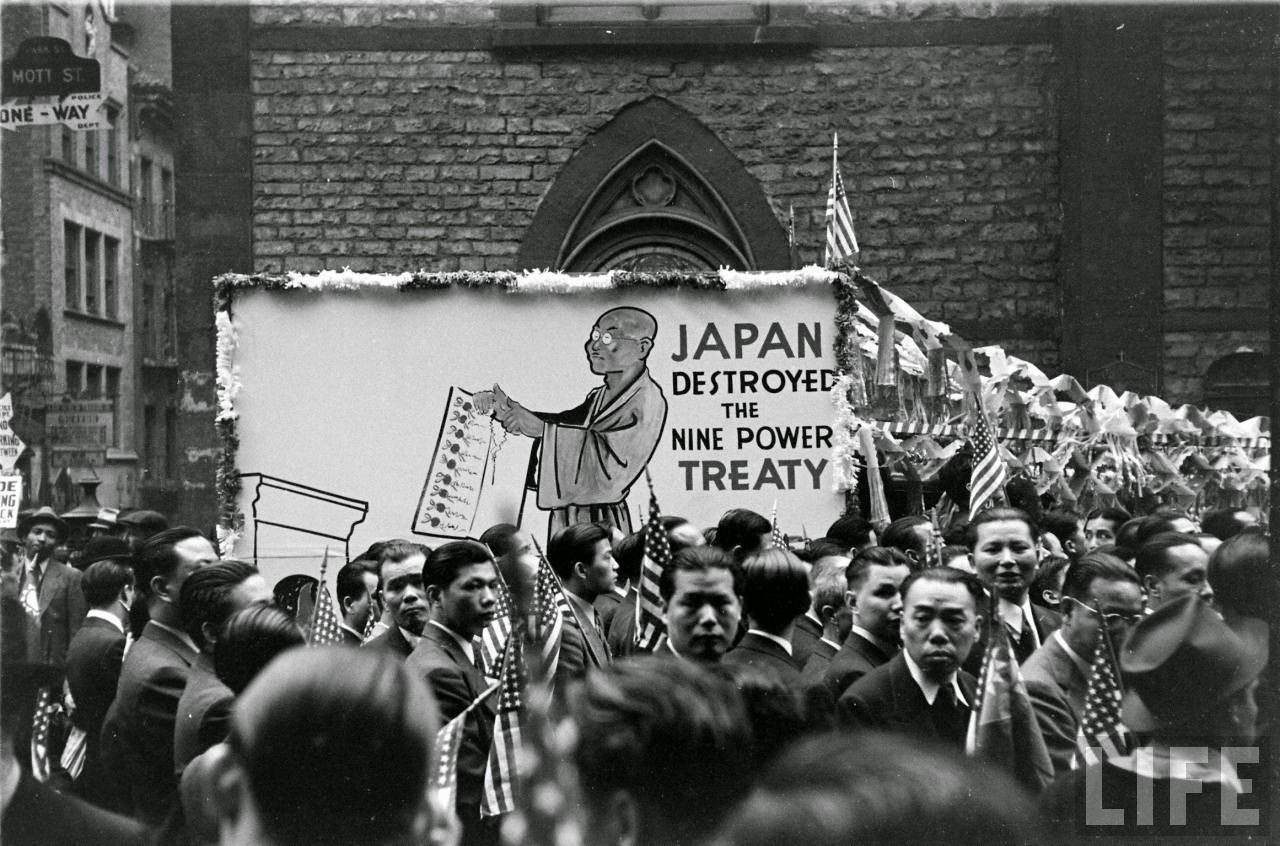
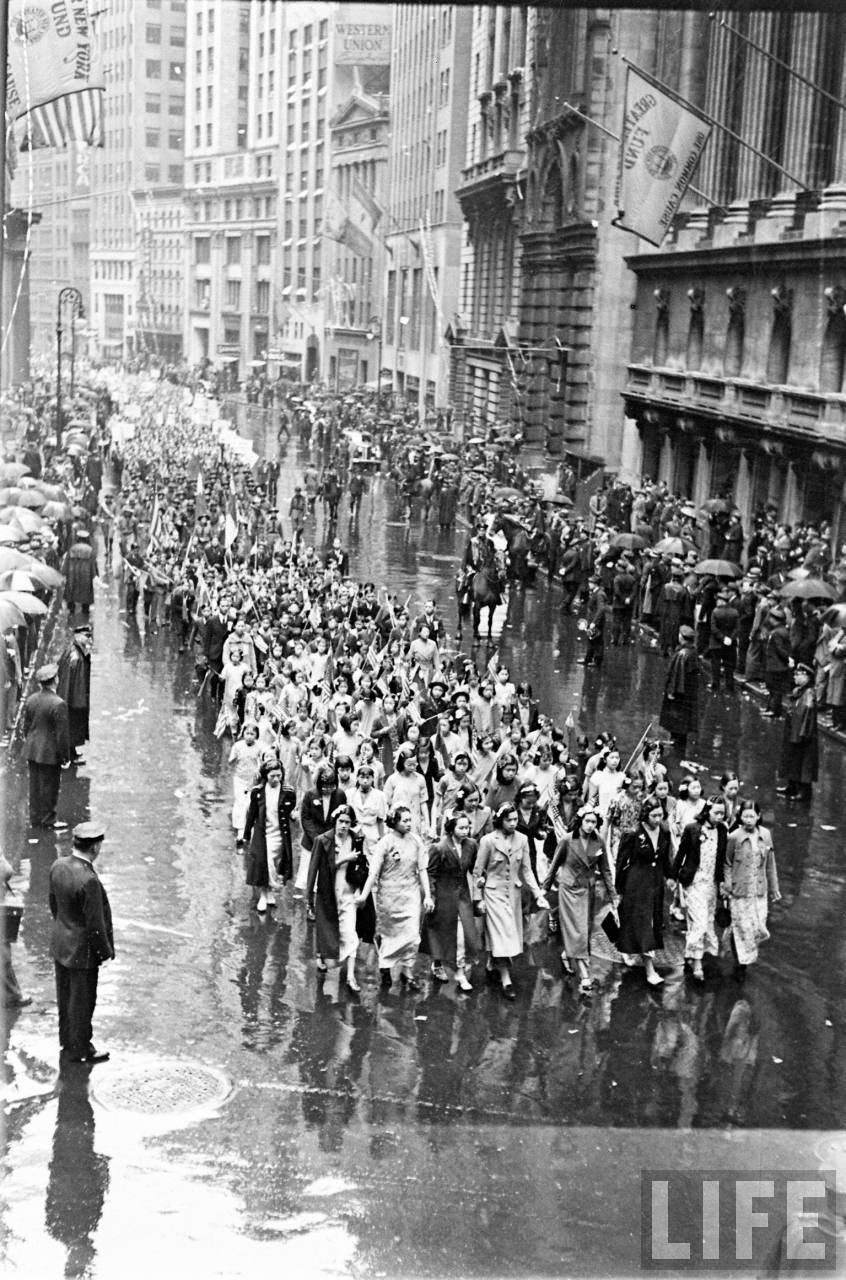
Local newspapers sent reporters and photographers to document unprecedented turnouts. Press cameras flashed against grey pavement as columns of people surged past brick buildings. Street vendors paused pushcarts to watch processions. Banners fluttered in spring wind above heads of thousands of angry participants.
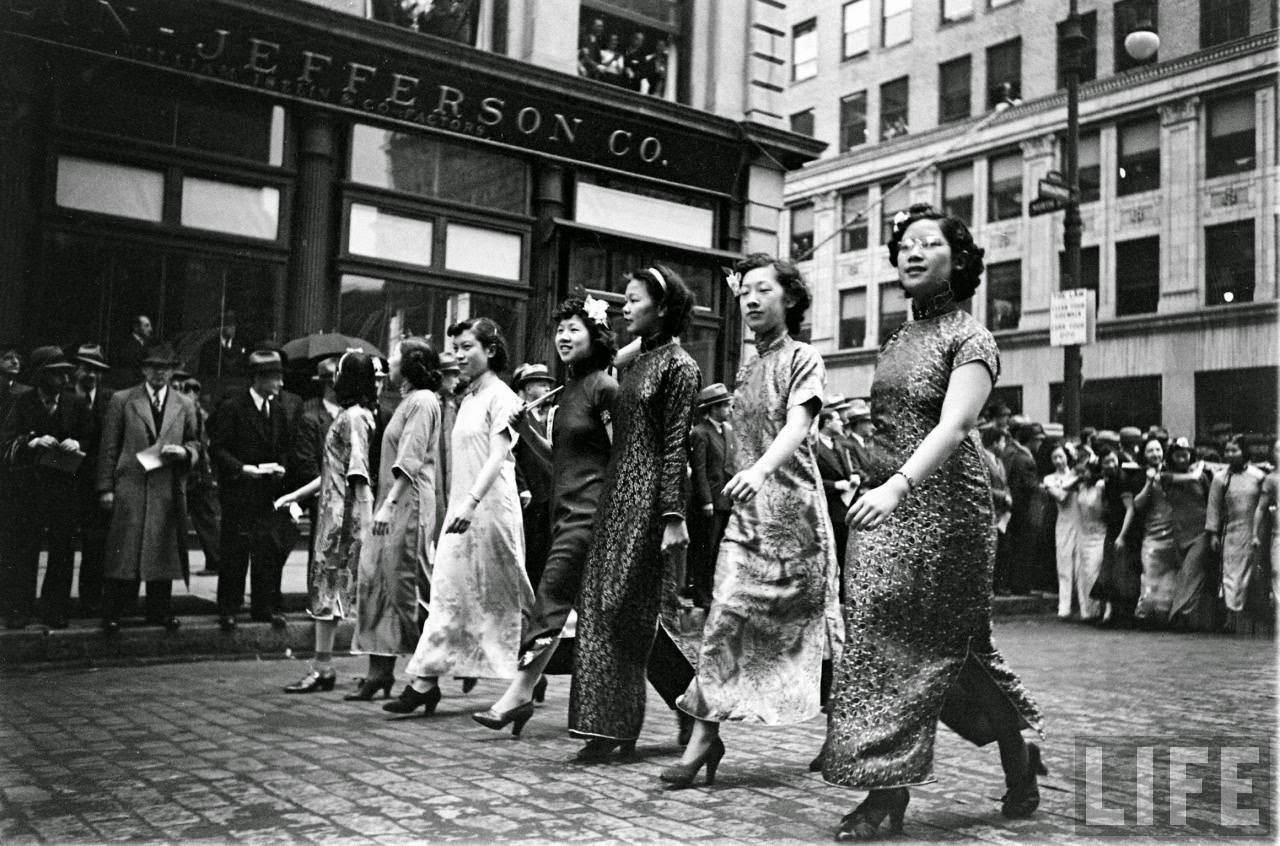
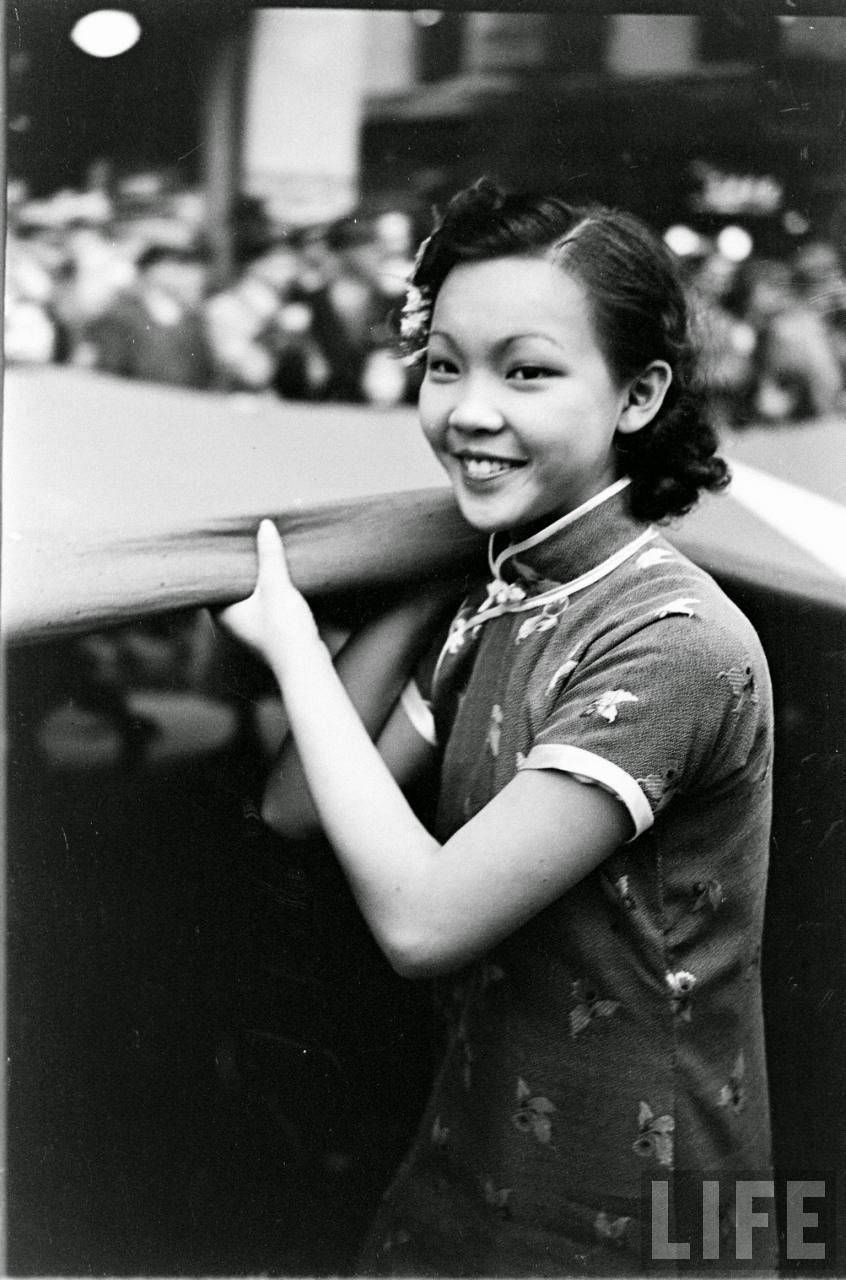
Activists raised money for medical supplies destined for field hospitals across China. Nurses in white uniforms marched alongside veterans of previous conflicts. Volunteers handed out leaflets explaining how American steel fueled foreign bombers. Pedestrians stopped on crowded sidewalks to read bold lettering.
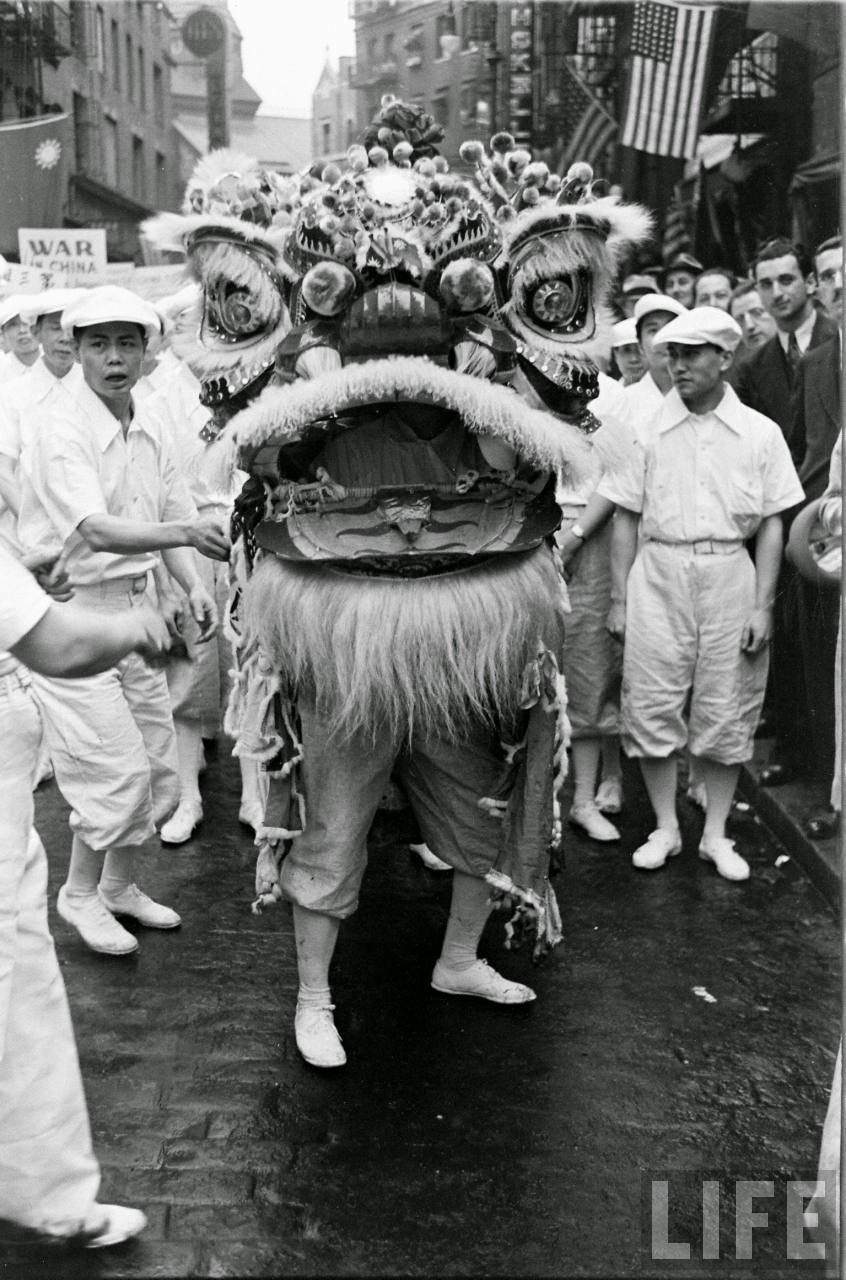
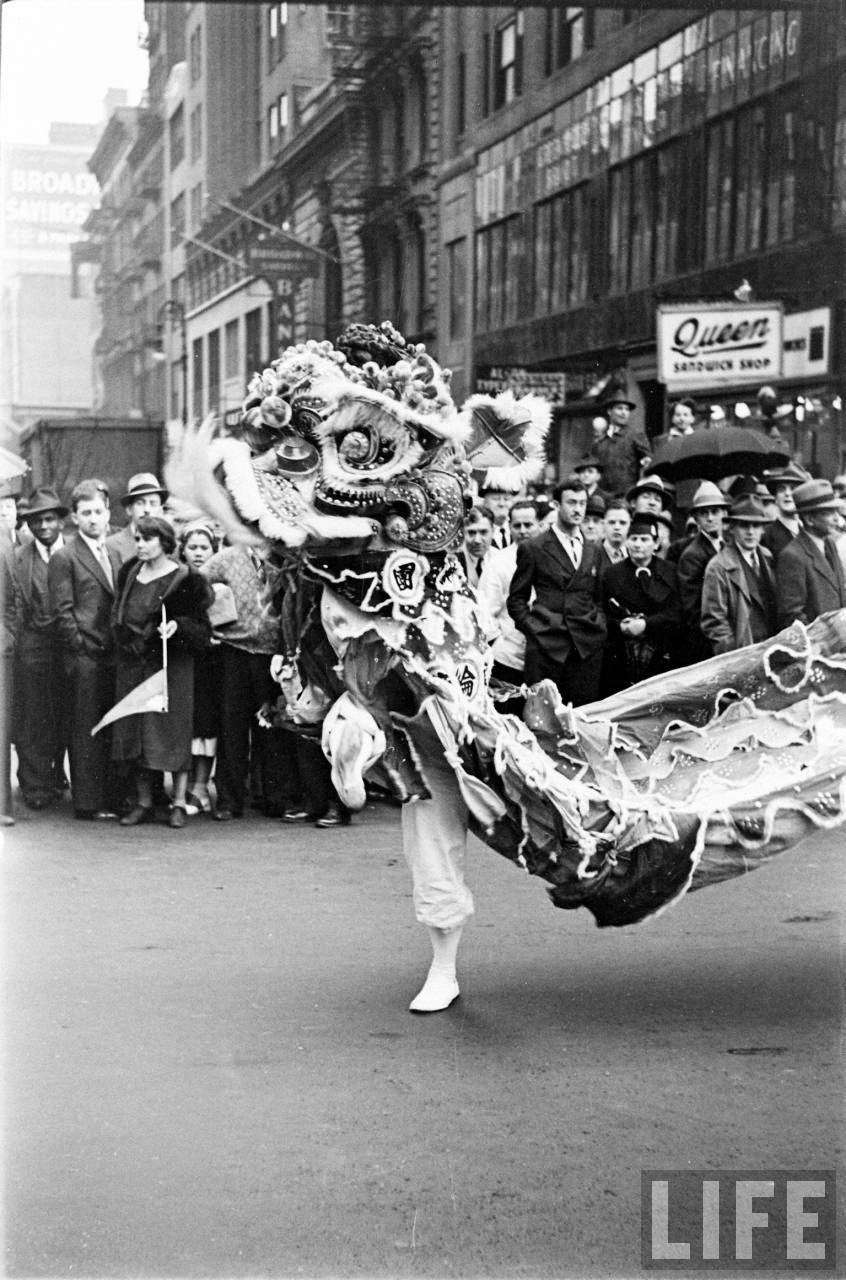
Efforts to lobby municipal leaders gained momentum as spring weather warmed asphalt. Aldermen received petitions signed by thousands of local residents. Business associations voted to ban Japanese merchandise from neighborhood shelves. Weekly meetings drew standing-room-only crowds to community halls on Bowery.
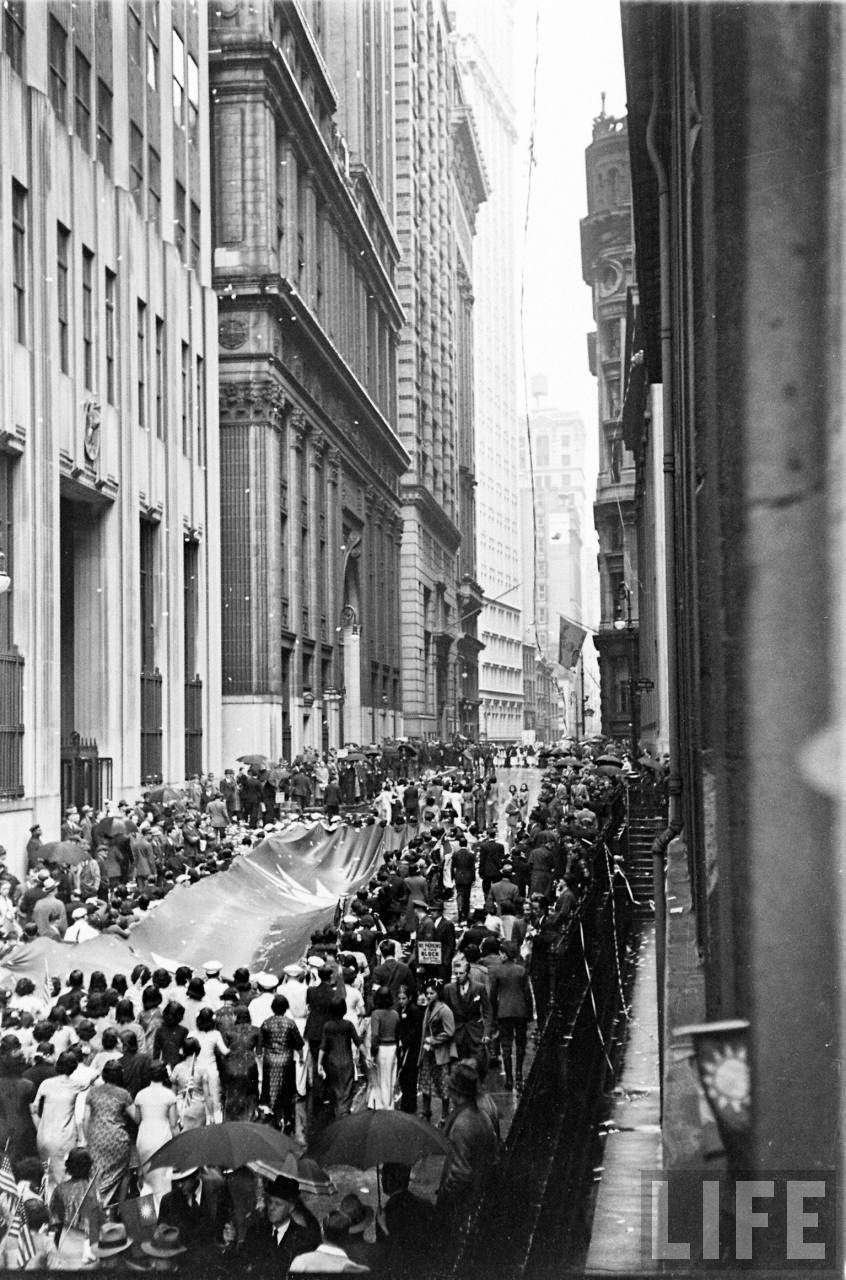
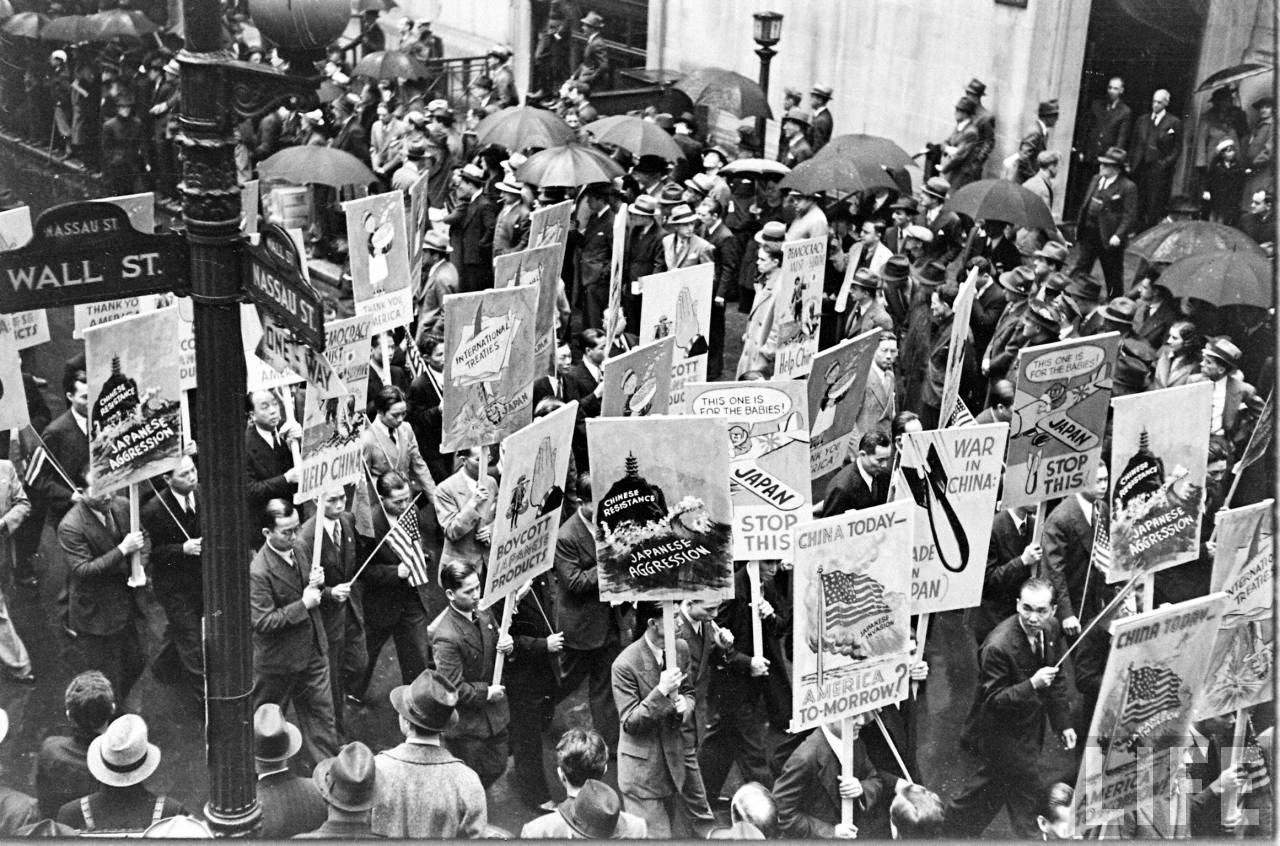
Photographs captured grim expressions of marchers carrying painted placards depicting scenes of destruction. Children held smaller flags while walking beside parents through exhaust fumes. Streetcars halted on local tracks as human tide crossed busy intersections. Newspaper archives preserved visual records.
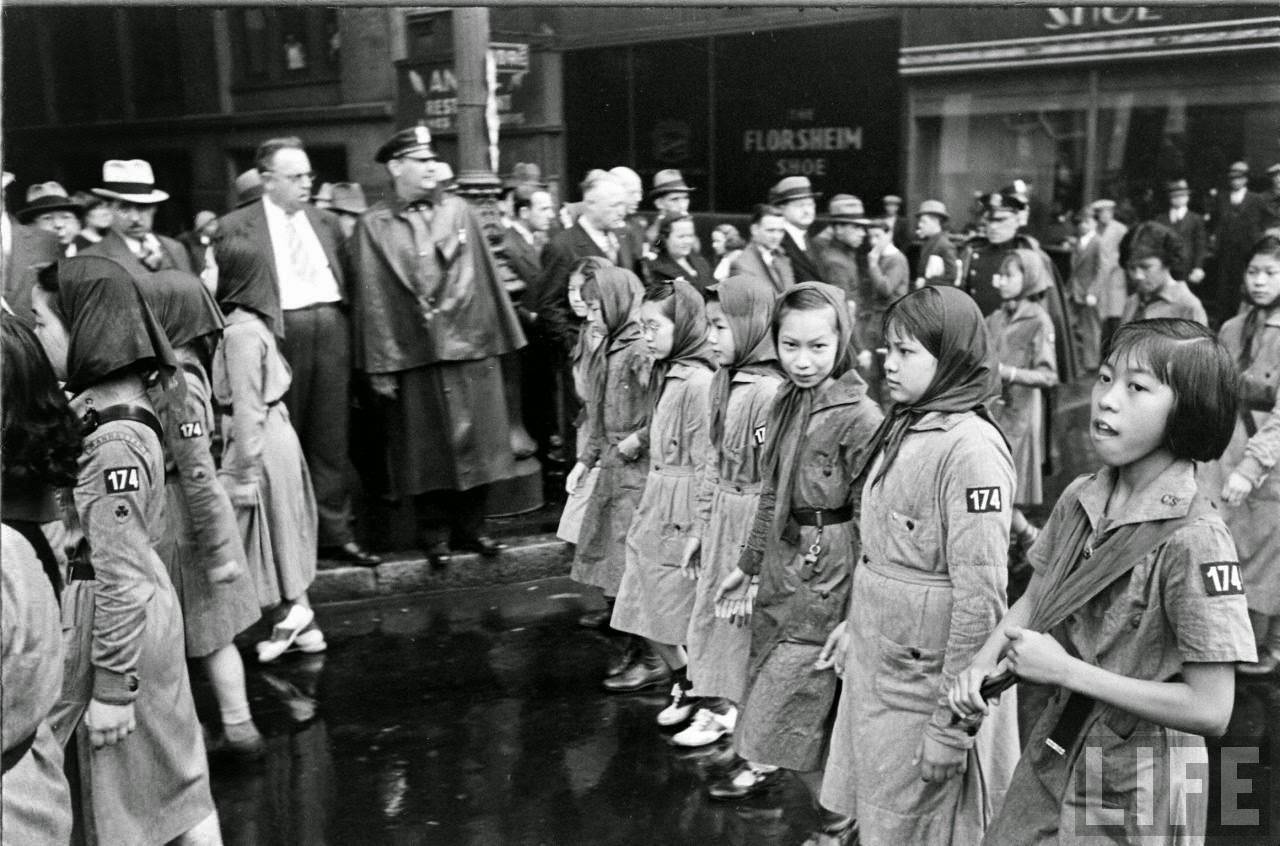
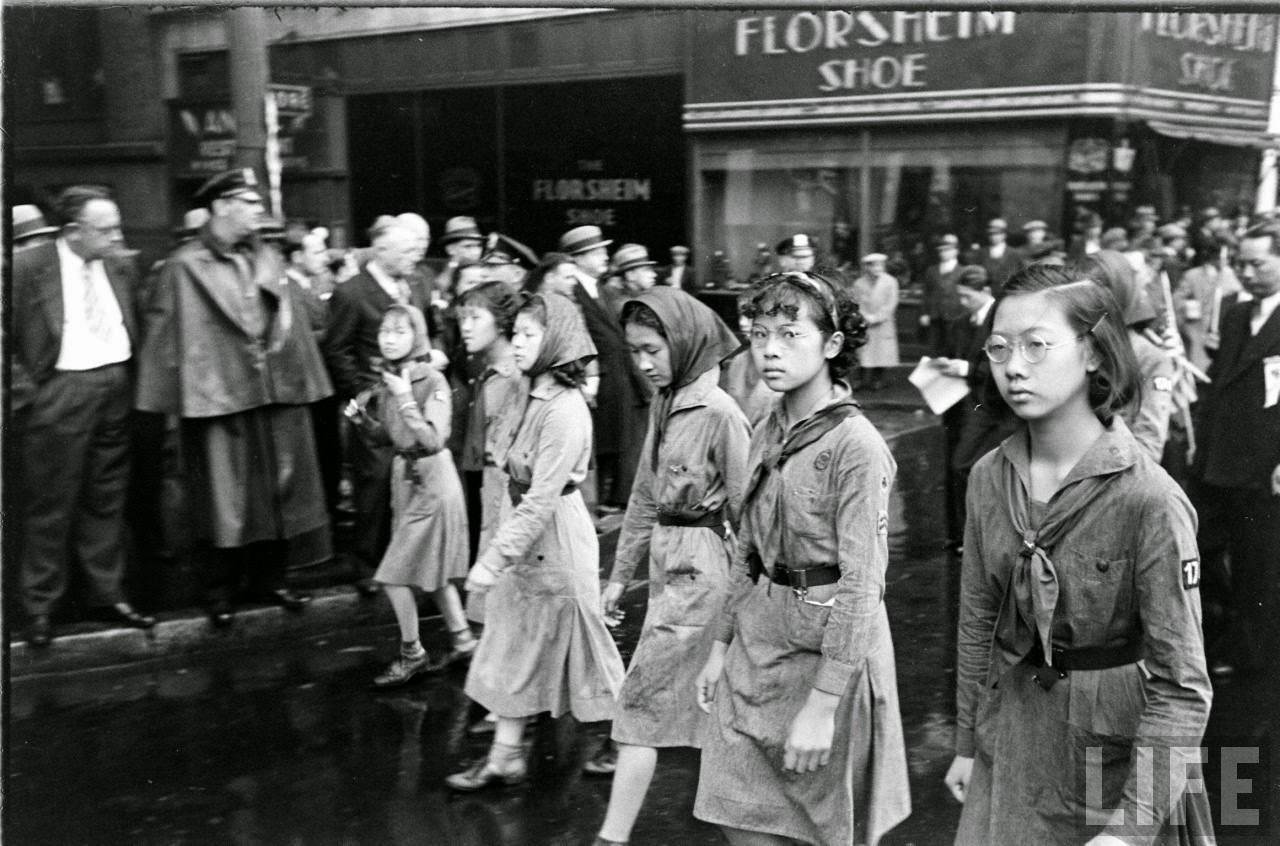
Similar rallies occurred in other American cities, but New York demonstrations remained largest. Organizers coordinated schedules with national groups based in San Francisco and Chicago. Federal authorities watched foreign-born communities closely for signs of radical political activity.
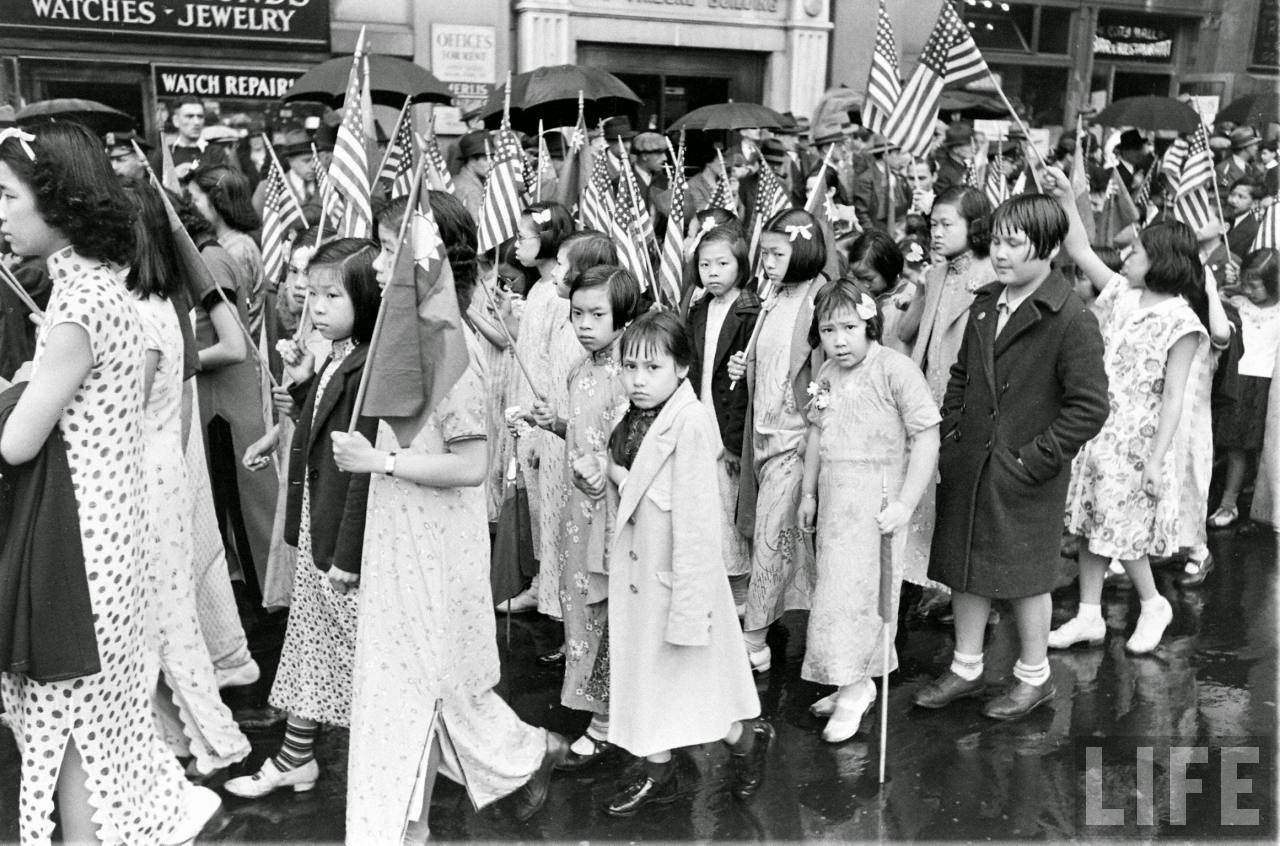
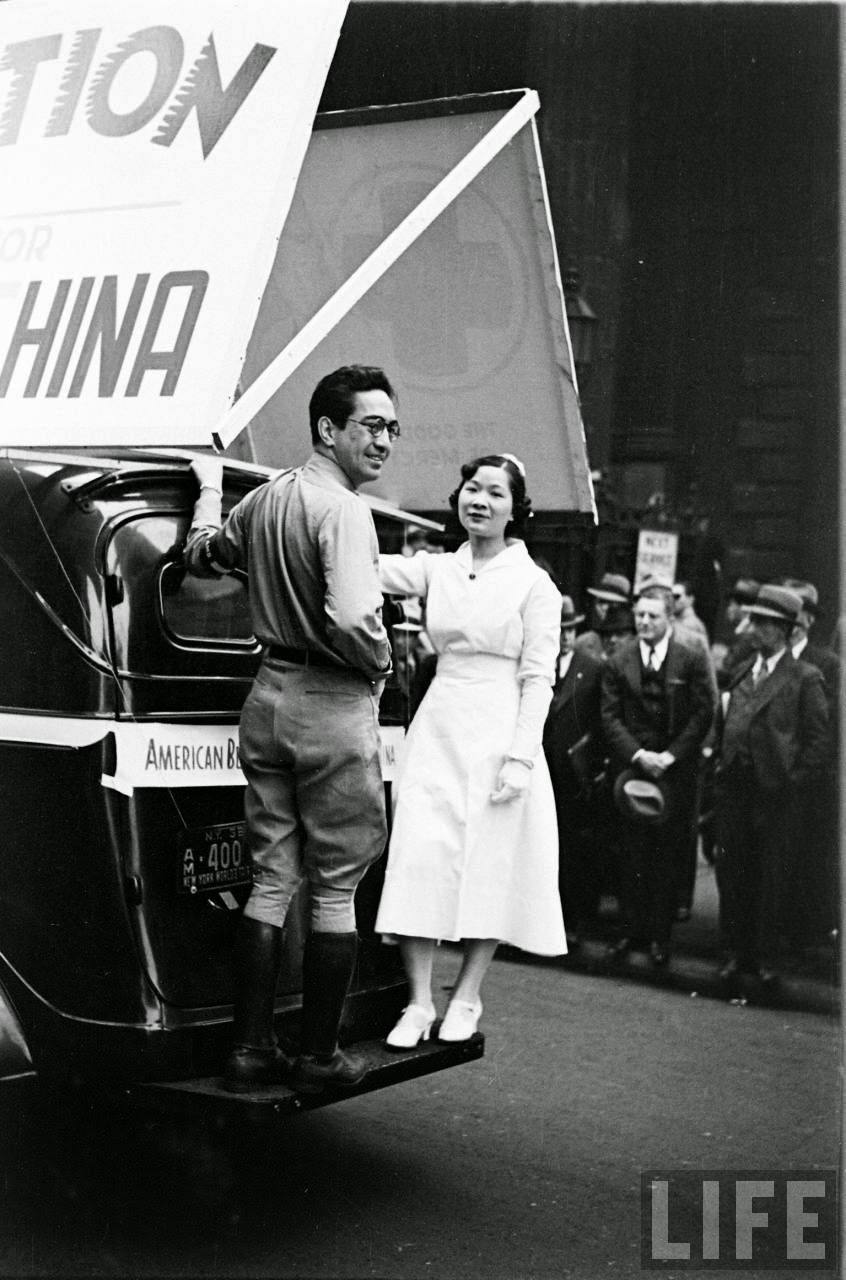
Local printers worked late hours producing thousands of paper handbills for distribution. Volunteers handed papers to factory workers exiting shifts in garment district shops. Financial contributions poured into temporary headquarters set up in basement offices. Accountants tallied coins nightly.
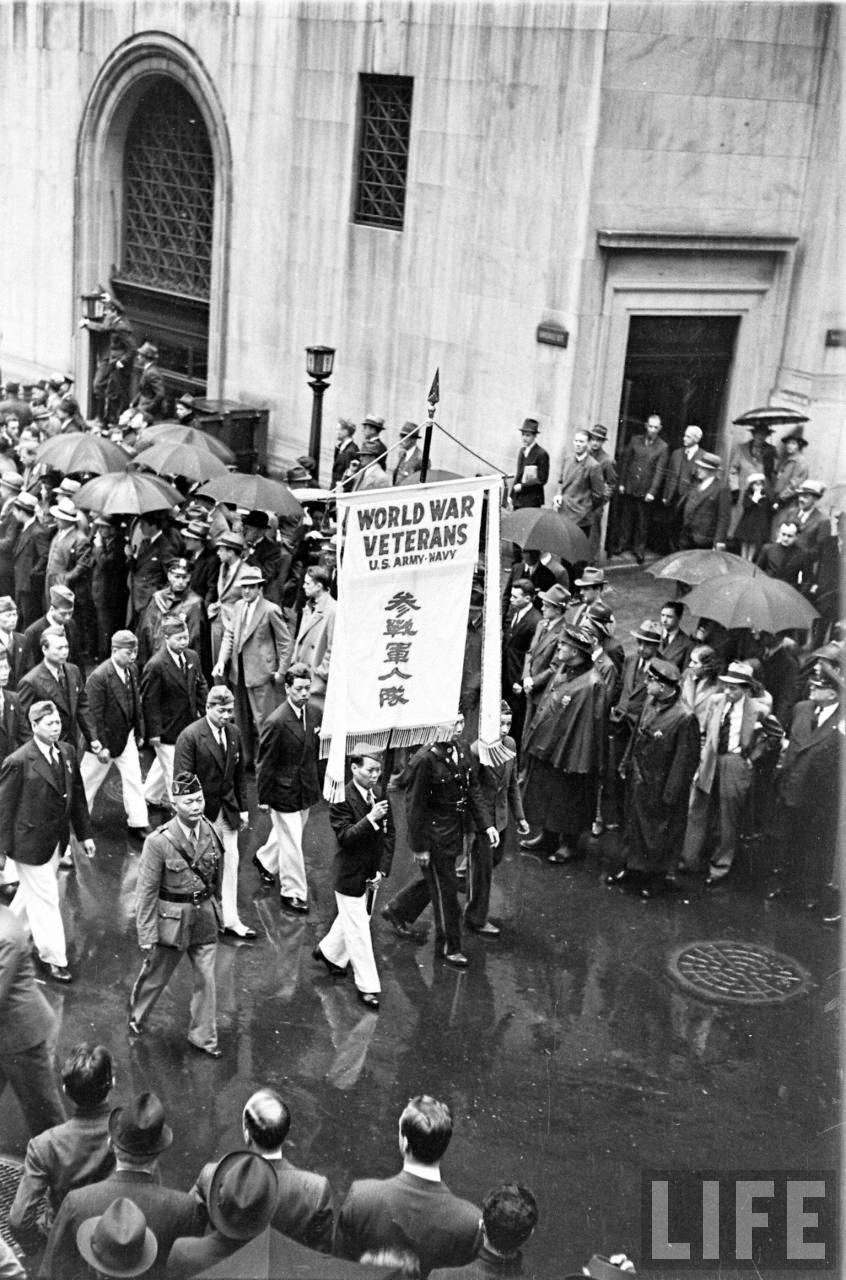
Tensions remained high between rival factions within immigrant community during spring months. Pro-nationalist groups clashed verbally with labor organizers over control of relief funds. Police intervened quickly to prevent physical fights from breaking out on crowded sidewalks.
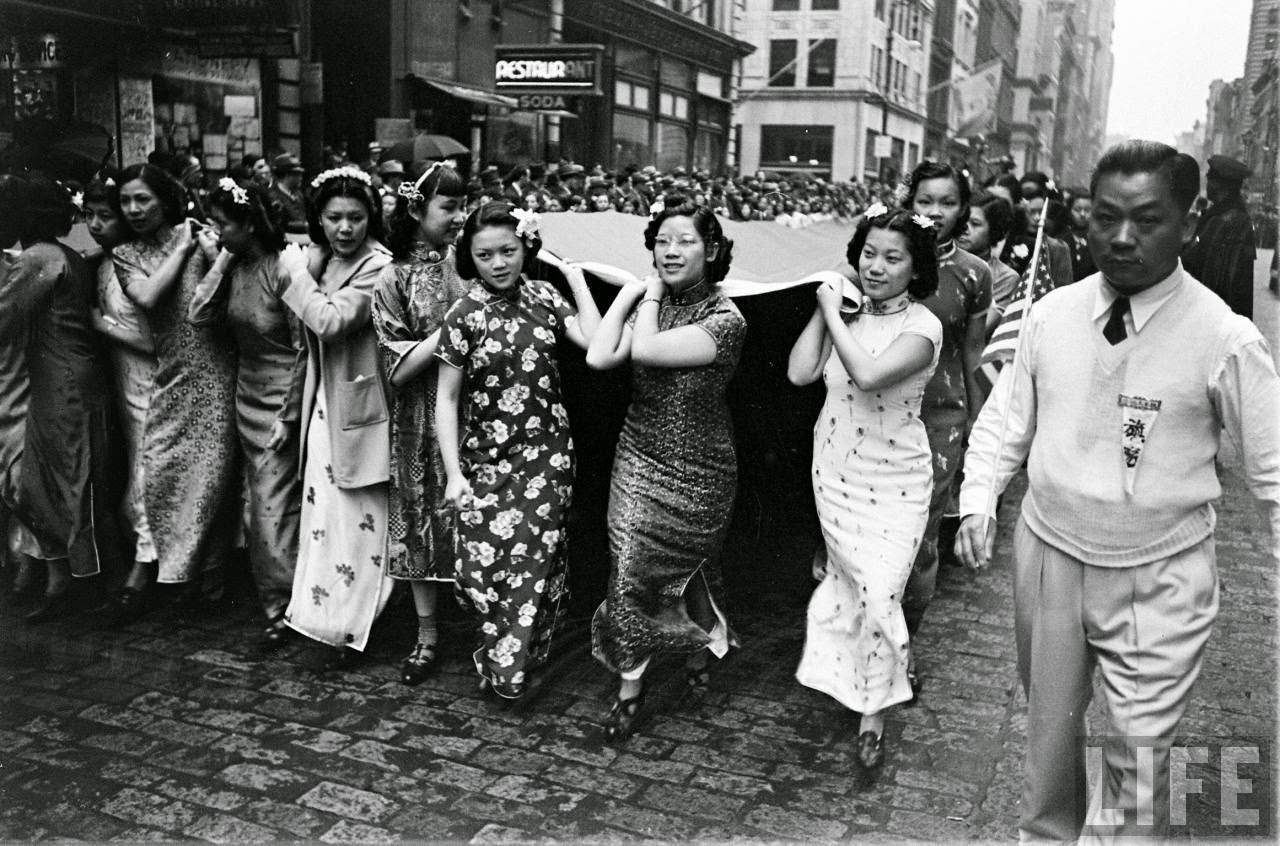
Sign painters used gallons of black ink to create massive banners overnight. Workers stretched canvas across wooden frames in narrow alleyways before dawn. These signs appeared at front of every major procession through lower Manhattan. Spectators watched from fire escapes.
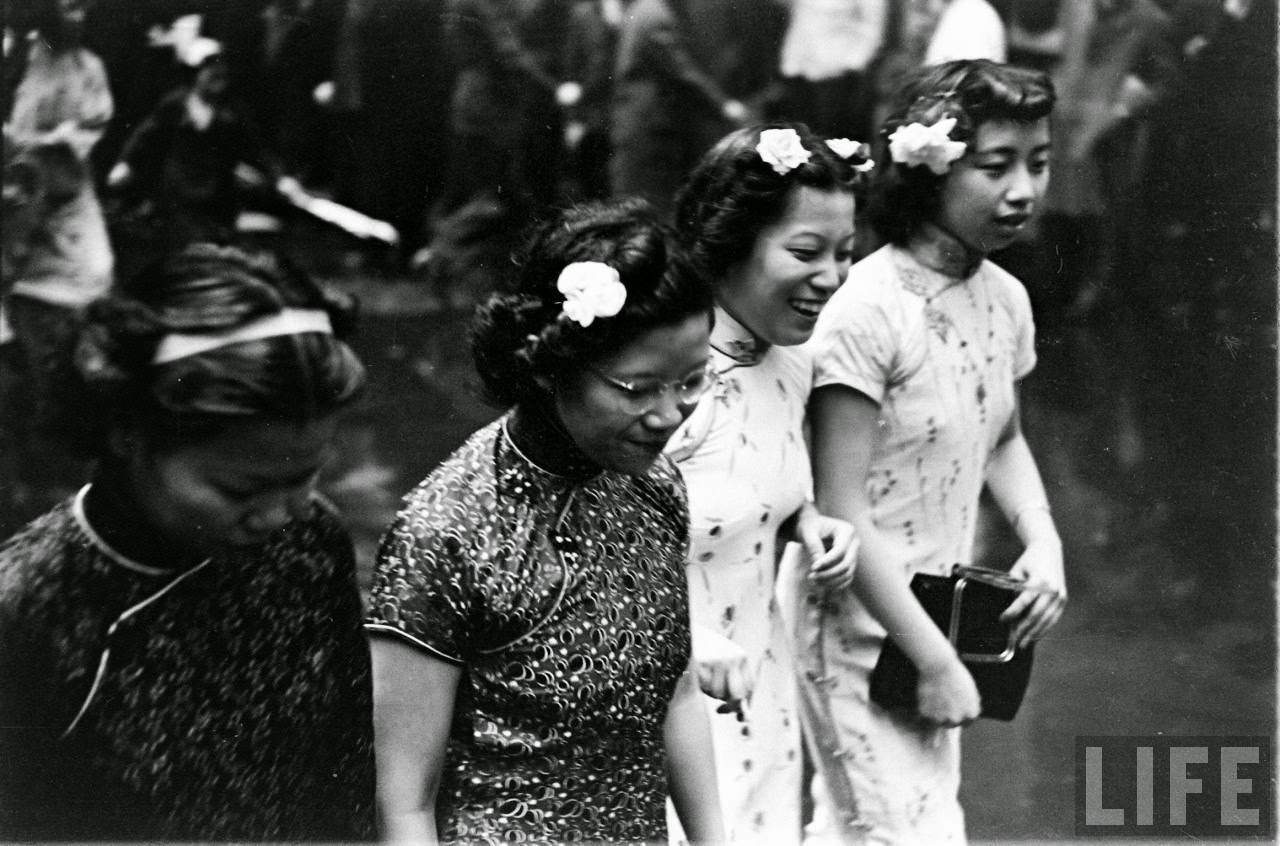
Women played vital roles in organizing logistical support and feeding marching volunteers. Mothers prepared rice balls and tea in community kitchens located behind local groceries. Teenage girls carried heavy baskets of food to checkpoints along parade routes.
Merchants faced economic hardships as boycotts disrupted normal trade patterns in imported goods. Store shelves emptied of items sourced from territories controlled by foreign military forces. Customers asked specific questions about origin of every product before making purchases.
Federal agents interviewed community leaders regarding foreign funding sources for relief campaigns. Investigators found no illegal activities and allowed fundraising drives to continue without interference. Public sympathy slowly grew among non-Chinese New Yorkers who witnessed disciplined street marches.