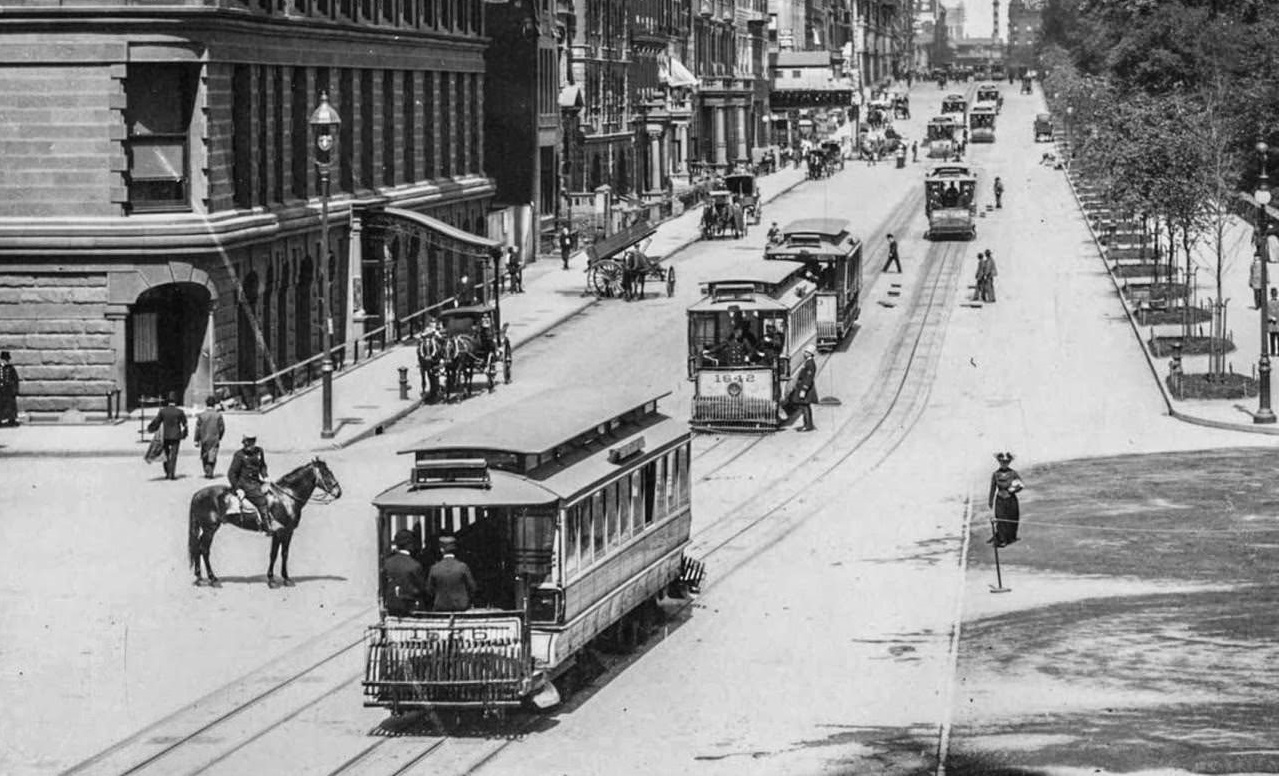
In 1933, Cleveland was deep in the Great Depression. Steel mills along the Cuyahoga River stood idle, and unemployment in Cuyahoga County climbed past 30 percent. Family savings evaporated as local banks shuttered their doors. Yet, couples across the city continued to plan weddings, buying licenses at the downtown courthouse and arranging ceremonies in local parish churches.
To save money, young women adapted their wardrobe expectations to fit harsh economic reality. Rayon, a synthetic material that mimicked expensive imported silk, became the standard fabric for bridal gowns sold in downtown department stores like Higbee’s and The May Company.
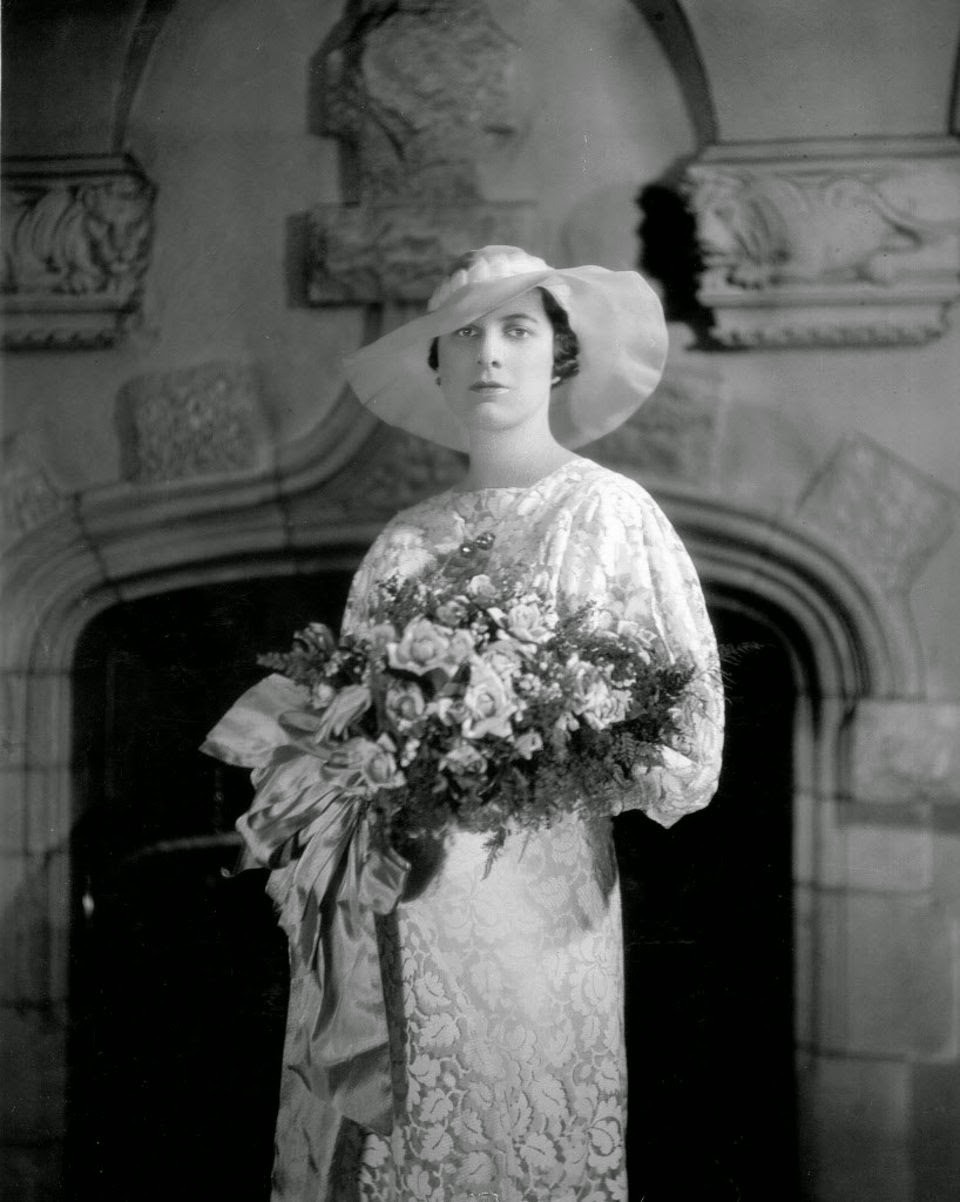
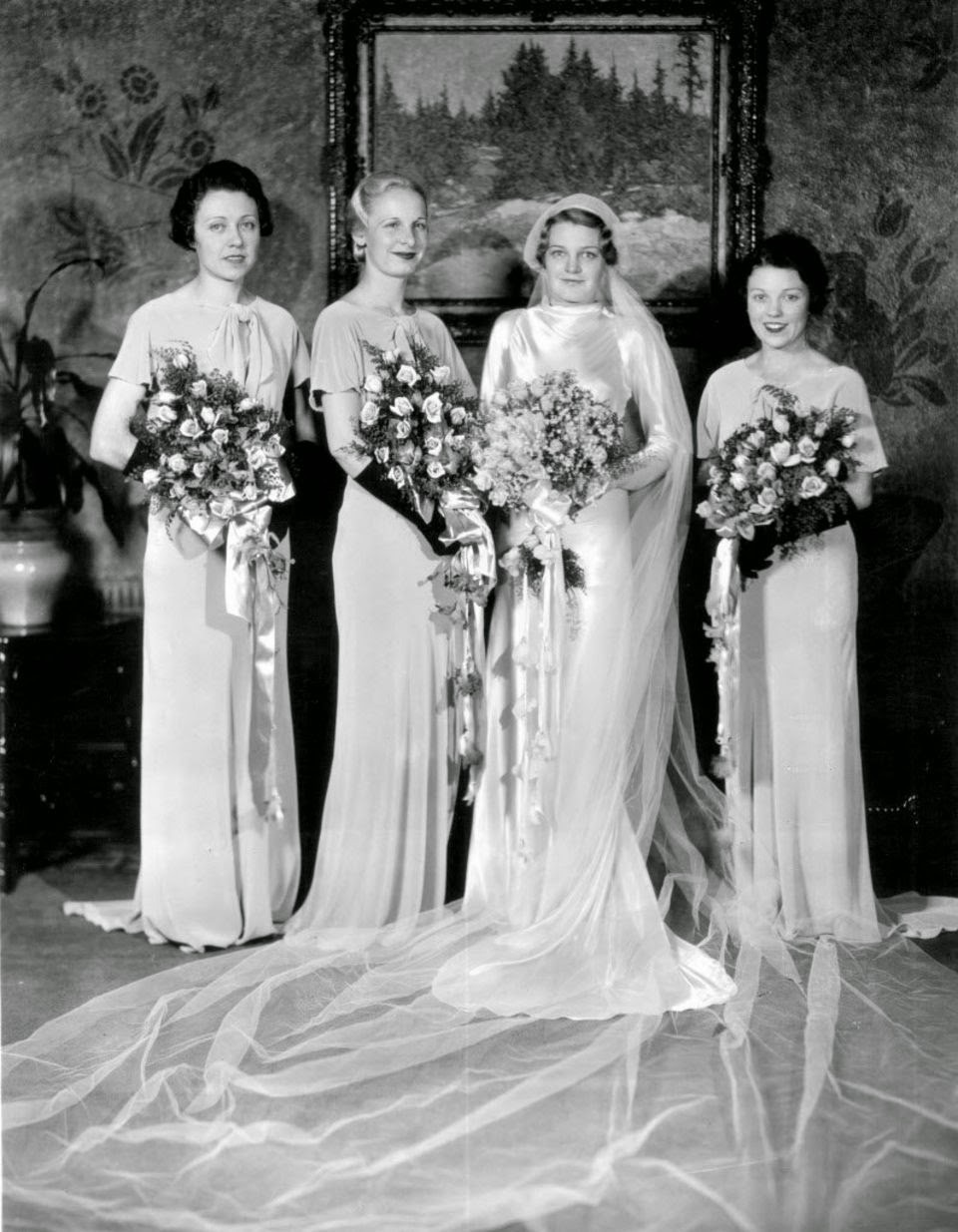
By 1934, wedding fashions shifted toward long, bias-cut silhouettes popularized by Hollywood films. Dresses fell straight to the floor, clinging gently to the hips before flaring at the hemline. High necklines and long, fitted sleeves covered up arms and collarbones, giving brides a tailored, modest look suited for Catholic, Lutheran, and Orthodox sanctuary rules across the city.
Most brides purchased off-the-rack gowns for under fifteen dollars, though many mothers and grandmothers altered older family dresses on home sewing machines to save cash.
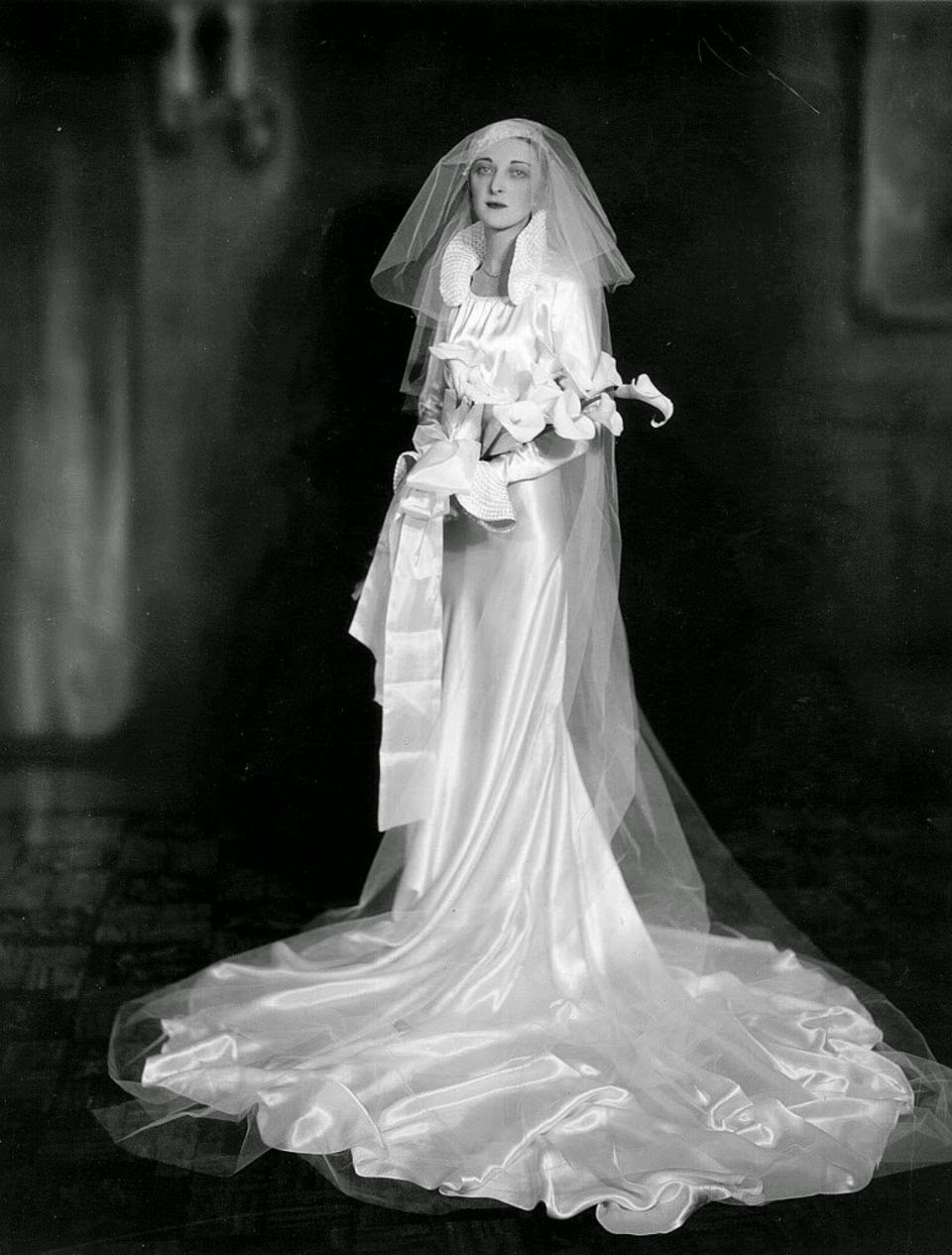
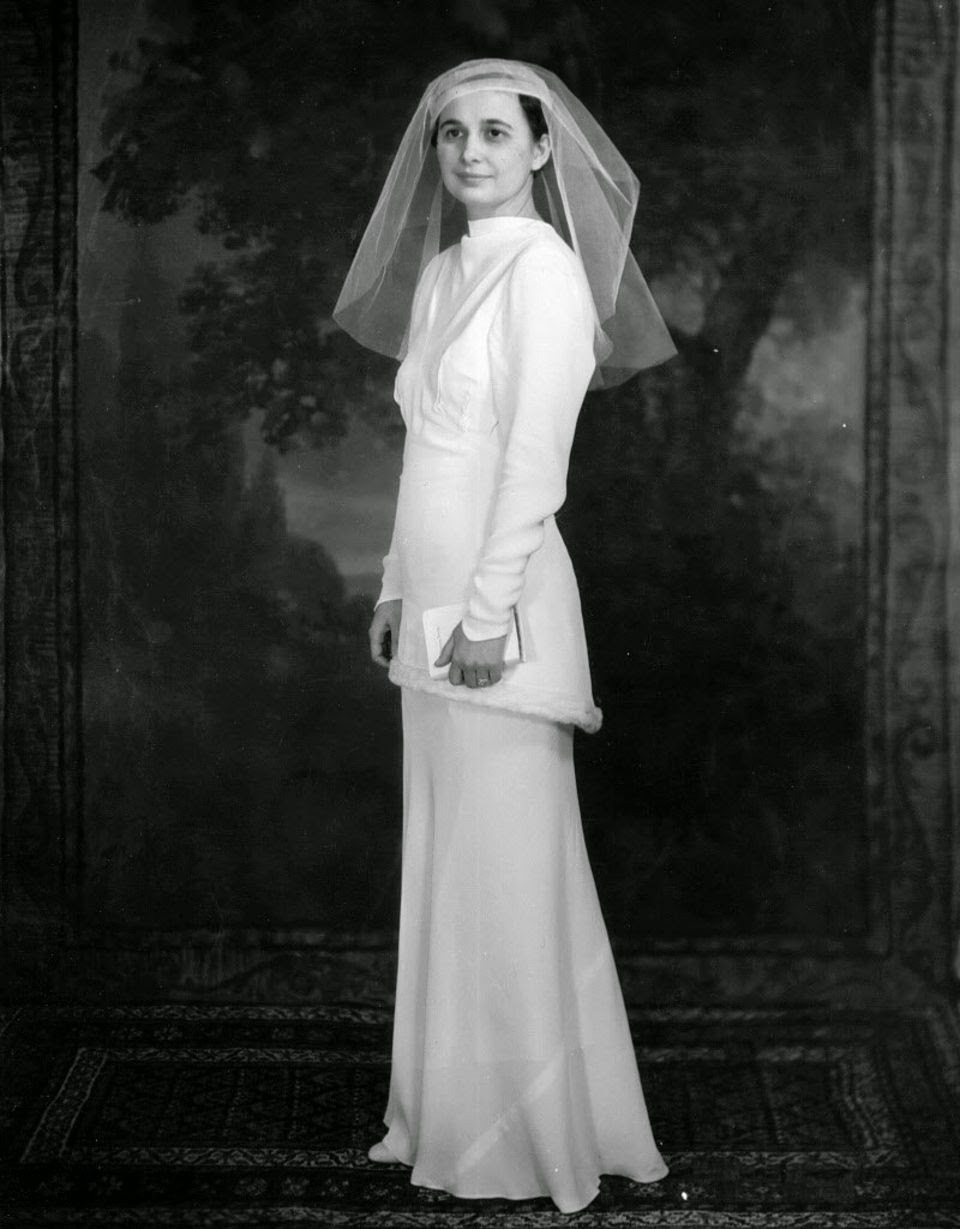
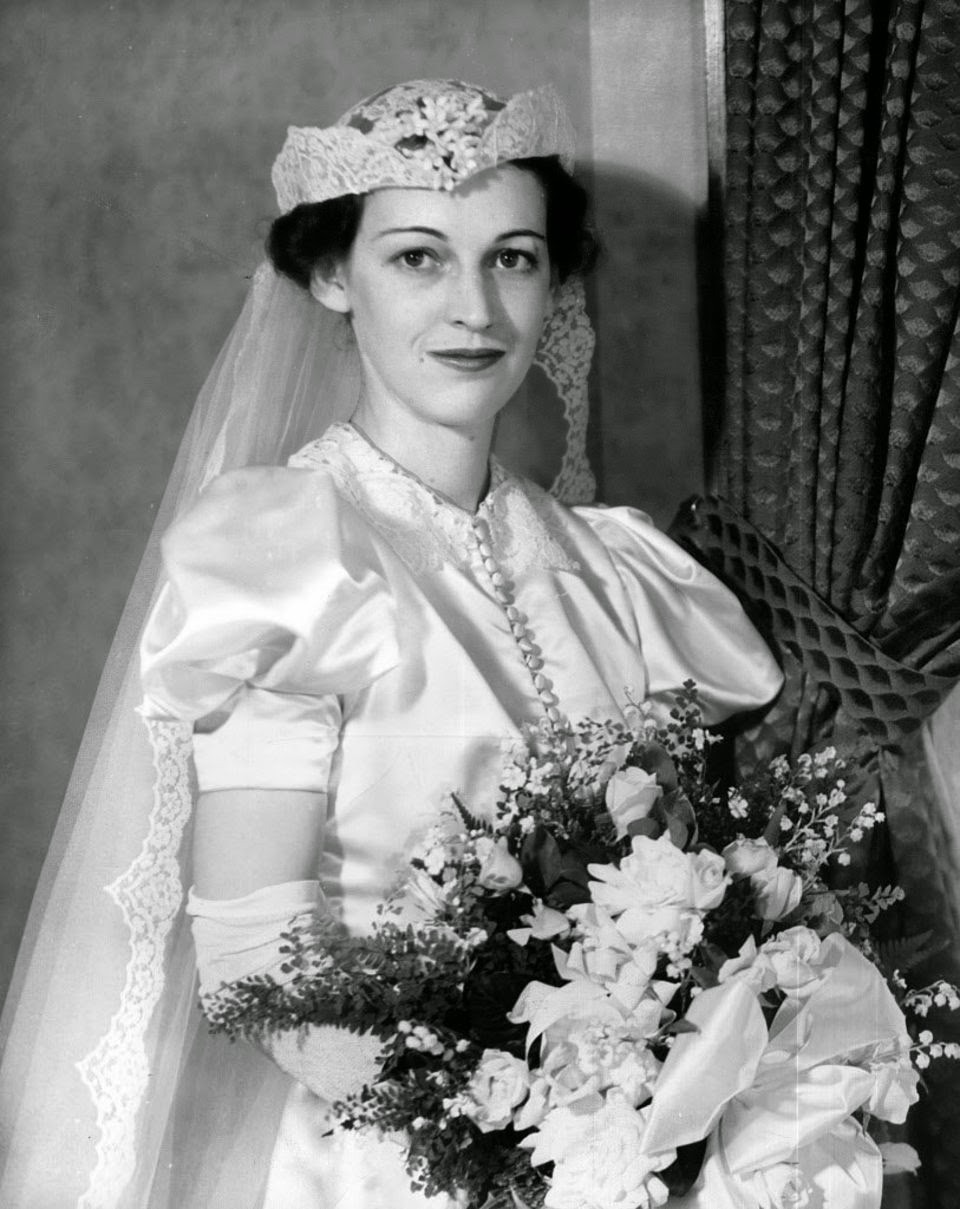
Brides in 1935 focused heavily on intricate veils and headpieces to elevate low-cost dresses. Cathedral-length veils made of cheap nylon netting trailed behind the gown, pinned into place with stiffened waxed-orange-blossom wreaths or plastic tiaras.
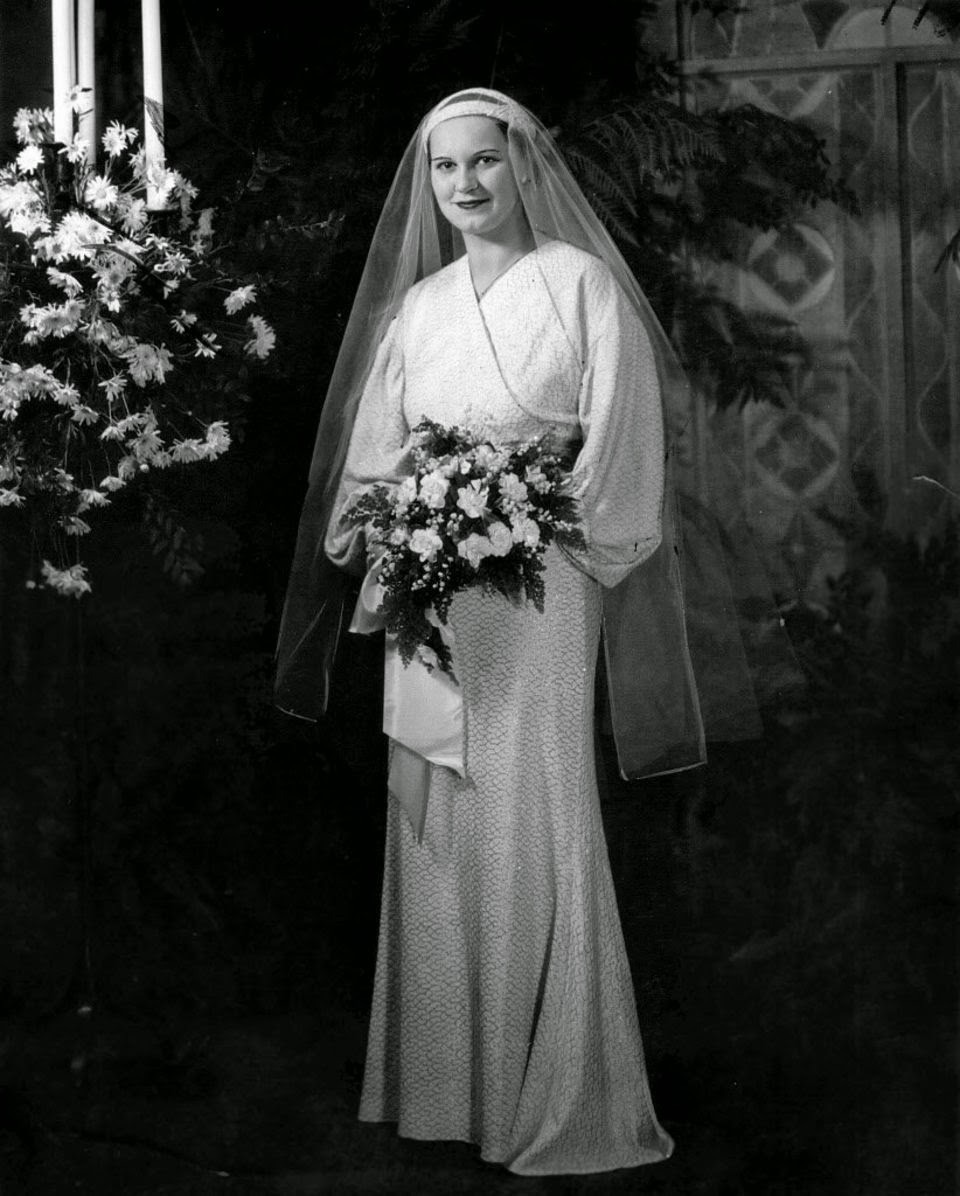
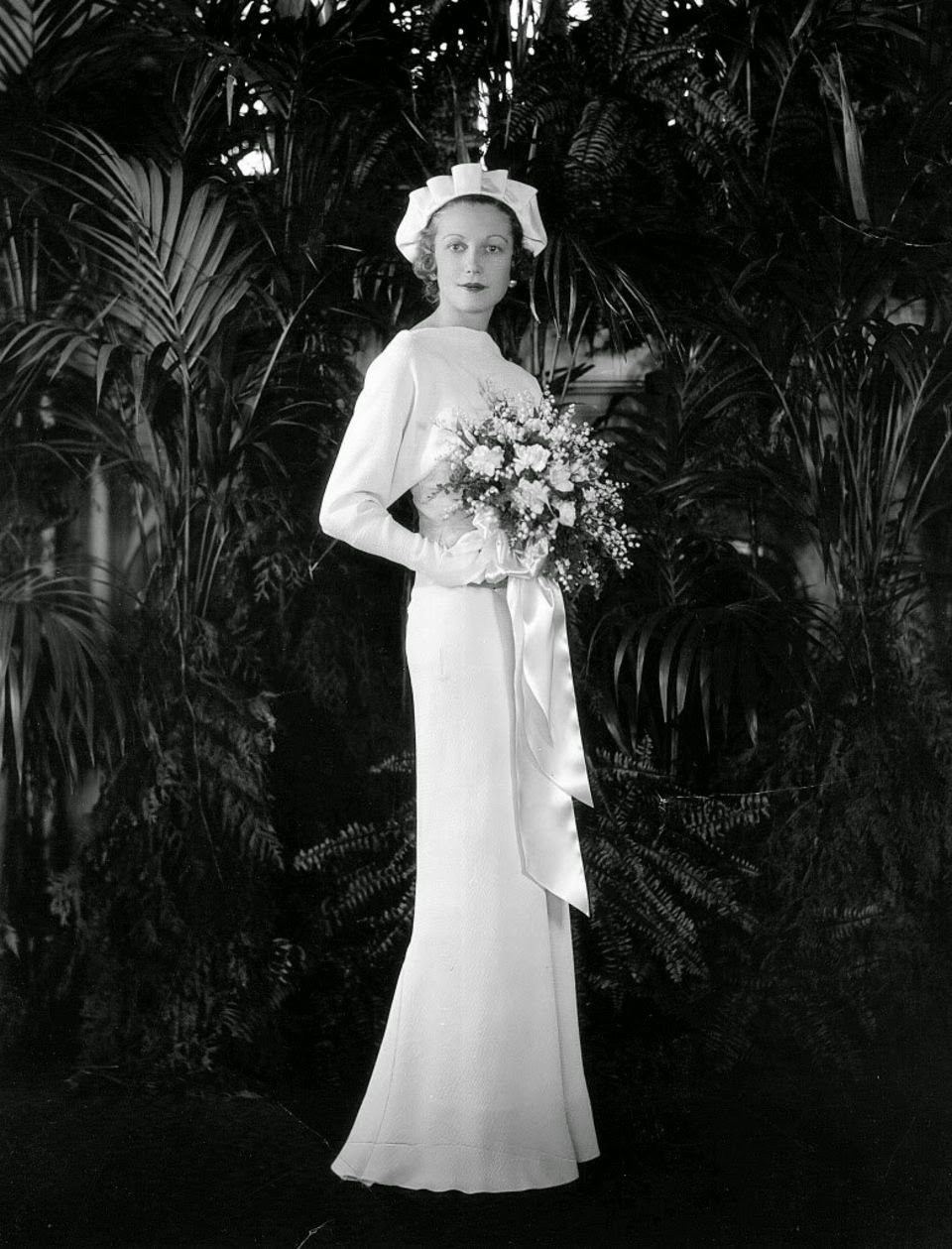
Bouquets shifted away from costly imported orchids toward locally grown garden flowers like calla lilies, carnations, and baby’s breath, bundled tightly with satin ribbons.
During 1936, wedding receptions remained modest affairs held in church basements, neighborhood halls, or family living rooms on the city's East and West sides. Guests drank homemade punch and ate simple white sheet cakes baked by relatives.
Brothers and fathers worked odd jobs to pay for the church organist and photographer, who usually took just one or two formal studio portraits of the couple on their wedding afternoon.
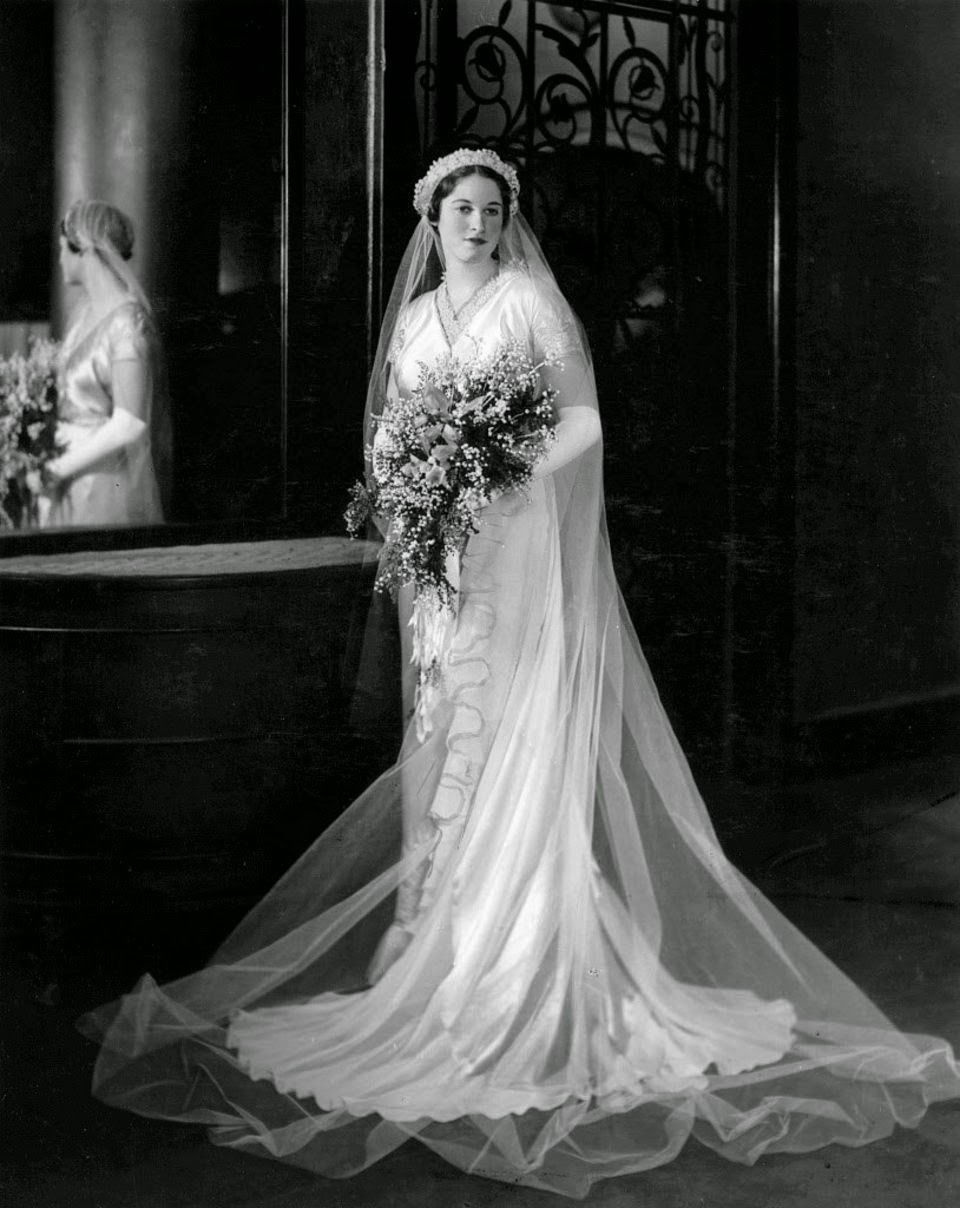
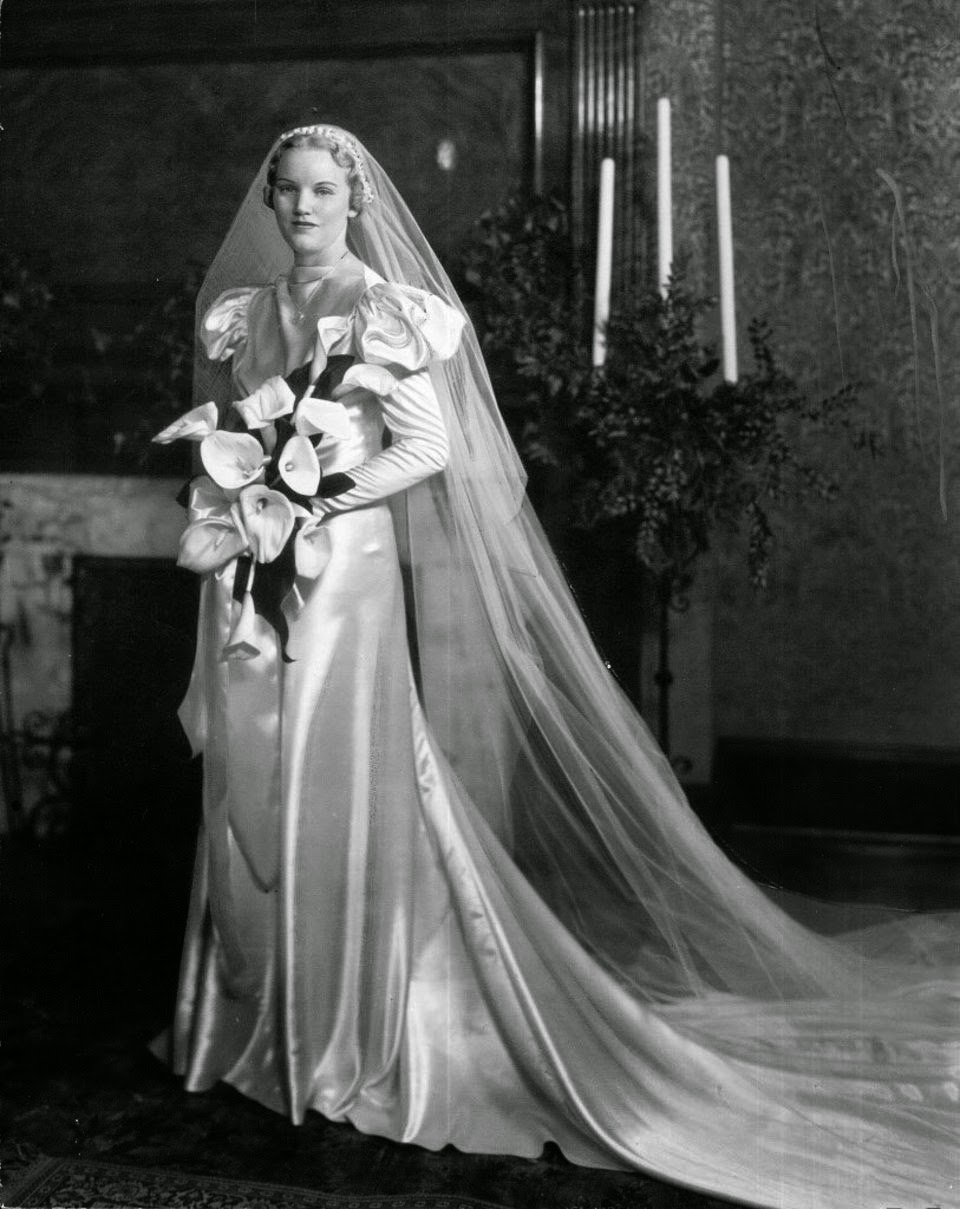
By 1937, heavy satin returned to popularity as manufacturing slowly picked up across Ohio. Gowns featured long trains that buttoned up for dancing, high lace collars, and puffed shoulders.
Working-class women often dyed their bridal gowns navy blue, dark green, or burgundy after the ceremony so the dress could serve as Sunday church wear for years to come.
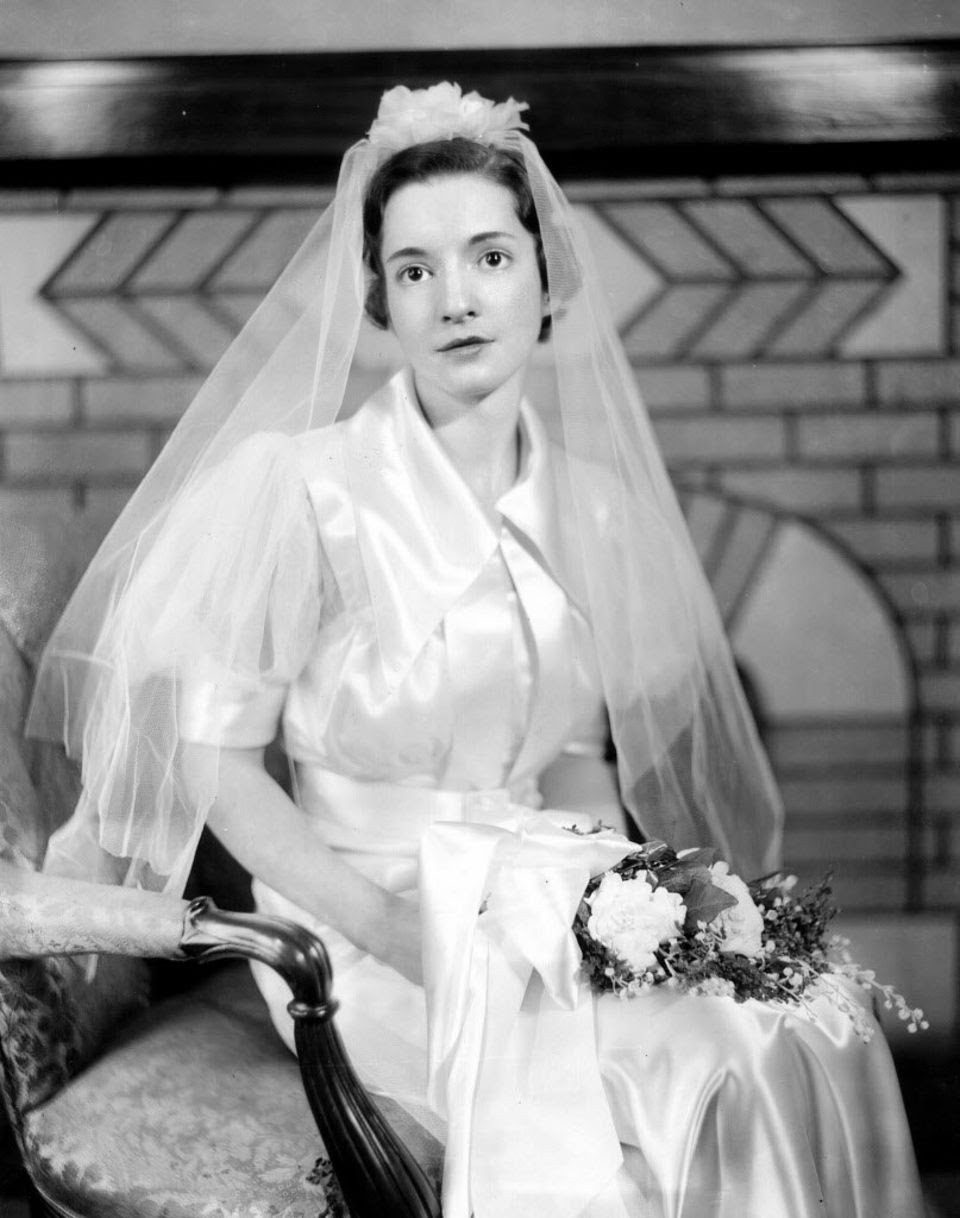
In 1939, as industrial factories began hiring workers again to supply war industries in Europe, Cleveland bridal trends grew increasingly elaborate. Button-backed bodices, silk lace panels, and cathedral-length trains marked a return to fuller, richer designs.
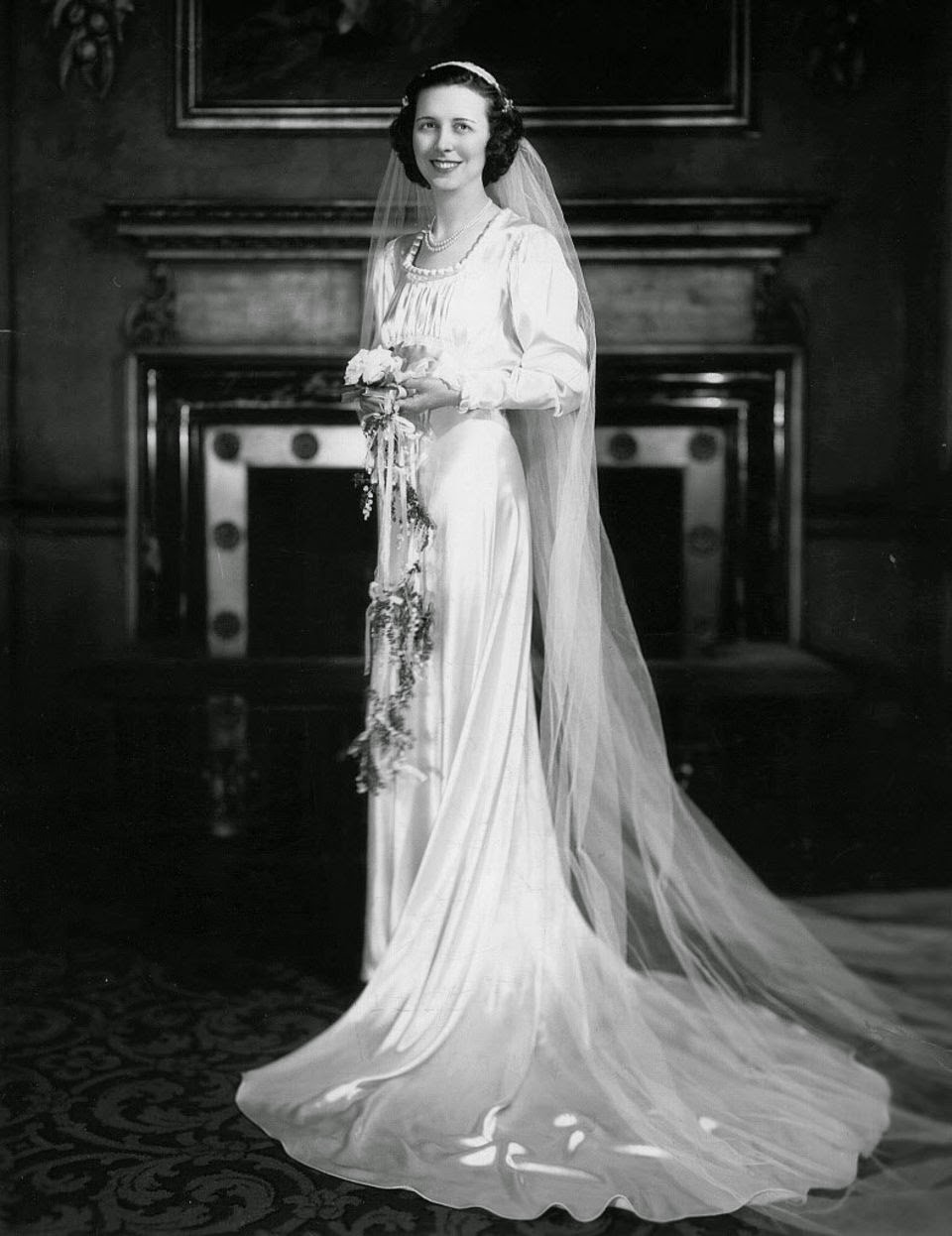
When the United States entered World War II two years later in late 1941, the era of elaborate peacetime planning abruptly ended, replacing long silk trains with rushed civil ceremonies before deployment.